Journal Description
Journal of Otorhinolaryngology, Hearing and Balance Medicine
is an international, scientific, peer-reviewed, open access journal of otorhinolaryngology, hearing and balance medical studies, published semiannually online by MDPI.
- Open Access— free for readers, with article processing charges (APC) paid by authors or their institutions.
- Rapid Publication: manuscripts are peer-reviewed and a first decision is provided to authors approximately 20 days after submission; acceptance to publication is undertaken in 3 days (median values for papers published in this journal in the second half of 2025).
- Recognition of Reviewers: reviewers who provide timely, thorough peer-review reports receive vouchers entitling them to a discount on the APC of their next publication in any MDPI journal, in appreciation of the work done.
Latest Articles
Hyperventilation-Induced Nystagmus in Patients with Vestibular Schwannoma: Pathophysiological and Clinical Considerations
J. Otorhinolaryngol. Hear. Balance Med. 2026, 7(1), 20; https://doi.org/10.3390/ohbm7010020 (registering DOI) - 24 May 2026
Abstract
Background/Objectives: Hyperventilation-induced nystagmus (HVIN) has been described as a sensitive clinical sign in vestibular schwannoma (VS), potentially reflecting a reversible conduction block in partially demyelinated vestibular nerve fibers. However, its relationship with tumor size and instrumental vestibular deficits remains controversial. This study aimed
[...] Read more.
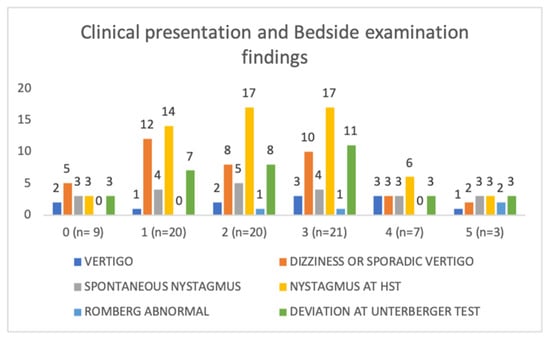
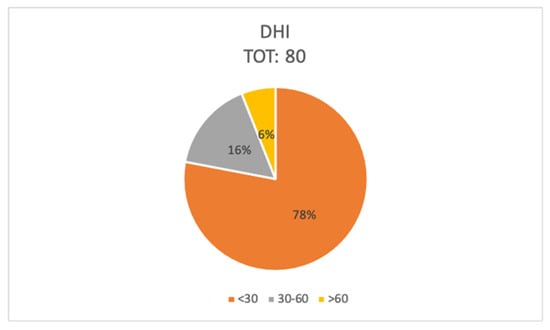
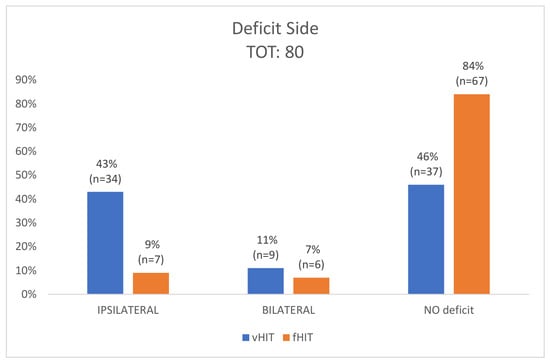
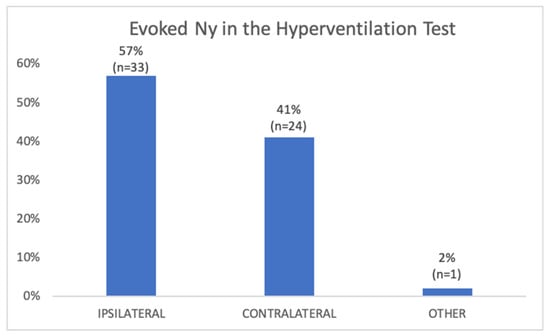
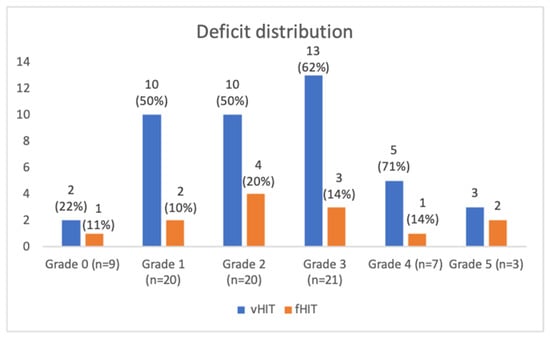
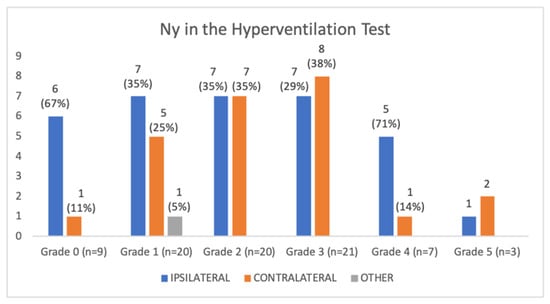
Background/Objectives: Hyperventilation-induced nystagmus (HVIN) has been described as a sensitive clinical sign in vestibular schwannoma (VS), potentially reflecting a reversible conduction block in partially demyelinated vestibular nerve fibers. However, its relationship with tumor size and instrumental vestibular deficits remains controversial. This study aimed to investigate the association between HVIN, tumor size, clinical presentation, and vestibular function assessed by the video Head Impulse Test (vHIT) and functional Head Impulse Test (fHIT). Methods: Eighty consecutive patients with unilateral VS were retrospectively evaluated. All underwent bedside vestibular examination, the vHIT, the fHIT, and the Hyperventilation Test (HVT). Tumors were classified according to the modified Koos–Sanna grading system. Associations between HVIN (presence and direction), demographic and clinical variables, vestibular deficits, and tumor size were analyzed using binary logistic regression, Fisher’s exact test, Welch’s independent samples t-test, and the Mann–Whitney U test. Results: HVIN was observed in 73% of patients. Among the patients with HVIN, ipsilesional horizontal nystagmus occurred in 57% of cases, 41% of the subjects showed contralesional nystagmus and one patient had downbeat nystagmus. vHIT abnormalities were identified in 54% of patients, while 30% of these also demonstrated fHIT deficits. No patient presented isolated fHIT abnormality. HVIN was detected even in patients with intracanalicular or small tumors and in some asymptomatic individuals. No statistically significant correlations were found between tumor size and HVIN presence, HVIN direction, or vestibular deficits in the vHIT/fHIT (all p > 0.05). Conclusions: HVIN is frequently observed in patients with VS, including those with small or asymptomatic lesions. However, neither its presence nor direction correlates with tumor size or objective vestibular deficit. The Hyperventilation Test should not be considered a prognostic tool but may serve as a simple and valuable adjunctive bedside examination in the early diagnostic suspicion of vestibular schwannoma.
Full article
(This article belongs to the Section Otology and Neurotology)
►
Show Figures
Open AccessCase Report
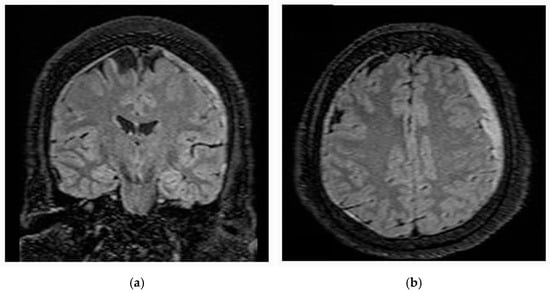
Spontaneous Intracranial Hypotension, Menière’s Disease and Secondary Benign Paroxysmal Positional Vertigo: Case Report
by
Rachael Arabian and Antonio Vintimilla
J. Otorhinolaryngol. Hear. Balance Med. 2026, 7(1), 19; https://doi.org/10.3390/ohbm7010019 (registering DOI) - 23 May 2026
Abstract
Background/Objectives: Spontaneous intracranial hypotension (SIH) is a rare pathology that arises in the context of a known or suspected cerebral spinal fluid (CSF) leak. A key symptom of SIH is an orthostatic headache; however, additional neurological complications are common. This case study not
[...] Read more.
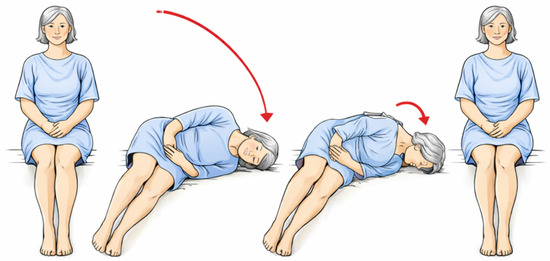
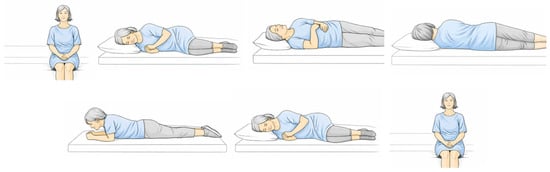
Background/Objectives: Spontaneous intracranial hypotension (SIH) is a rare pathology that arises in the context of a known or suspected cerebral spinal fluid (CSF) leak. A key symptom of SIH is an orthostatic headache; however, additional neurological complications are common. This case study not only highlights the co-existence of Menière’s disease and SIH but describes a subsequent complication of benign paroxysmal positional vertigo (BPPV) and management thereof. Case Description: The patient is a 61-year-old female who presented to the emergency department due to an intractable headache, right sided weakness and aphasia. CT/MRI revealed a subdural hematoma overlying the left cerebral hemisphere measuring up to 8 mm with 4 mm left to right midline shift. Fluoro-guided total spine myelogram, cisternogram, and lumbar epidural blood patch were performed for suspected SIH. As headache, right sided weakness and aphasia resolved, the patient began reporting onset of constant “spinning” dizziness, tinnitus and aural fullness mimicking symptoms of a Menière’s attack. The vestibular examination was consistent with compensated bilateral Menière’s disease (left > right) and right horizontal canalithiasis BPPV. The patient was treated with Gufoni and Lempert maneuvers with complete resolution of positional dizziness and associated nystagmus along with improved balance and gait. Discussion/Conclusions: This case study highlights the importance of multidisciplinary assessment in complex neurological cases and specifically recommends that patients with Menière’s disease accompanied by intractable headaches undergo extended neuroradiological examination of the brain to exclude underlying spontaneous intracranial hypotension syndrome.
Full article
(This article belongs to the Section Otology and Neurotology)
►▼
Show Figures

Figure 1
Open AccessArticle
Appropriate Listening Environment and Speaking Style for Individuals with Listening Difficulties Compared with Those with Normal Hearing and Hearing Loss
by
Chie Obuchi, Yuka Sasame and Yayoi Yamamoto
J. Otorhinolaryngol. Hear. Balance Med. 2026, 7(1), 18; https://doi.org/10.3390/ohbm7010018 - 21 May 2026
Abstract
Background/Objectives: Individuals with listening difficulties (LiD) report problems understanding speech despite normal hearing sensitivity. This study investigated how speech characteristics (clarity, speaking rate, and loudness) influence subjective speech understanding in adults with LiD under quiet and noisy conditions, compared with individuals with normal
[...] Read more.
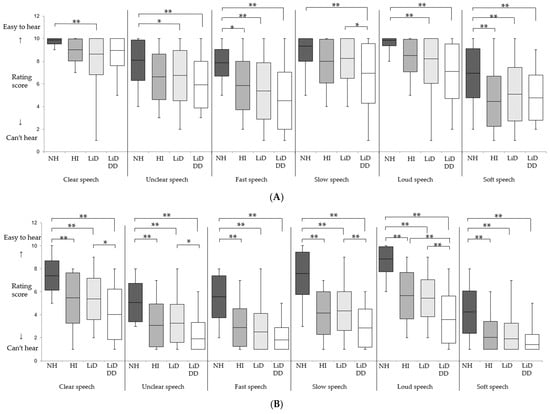
Background/Objectives: Individuals with listening difficulties (LiD) report problems understanding speech despite normal hearing sensitivity. This study investigated how speech characteristics (clarity, speaking rate, and loudness) influence subjective speech understanding in adults with LiD under quiet and noisy conditions, compared with individuals with normal hearing (NH) and those who are hard of hearing (HH). Methods: A questionnaire-based survey assessed perceived speech intelligibility across 12 listening conditions created by combining two environments (quiet and noisy) and six speaking styles. Participants included 77 adults with LiD (50 LiD without developmental disorders [DD] and 27 LiD and DD), 30 adults with NH, and 26 individuals with HH. Ratings were analyzed using analysis of variance and correlation analyses. Results: Both the LiD and HH groups demonstrated significantly reduced speech understanding in noisy environments when the speaking style was suboptimal, compared with the NH group. In contrast, the LiD group uniquely reported difficulties even under quiet conditions with clear, slow, and loud speech. Loud speech in quiet conditions was not consistently beneficial, particularly in the LiD and DD group, possibly reflecting auditory hypersensitivity. Conclusions: Listening difficulties in the LiD group are influenced by environmental and speaker-related factors and cannot be addressed solely by conventional strategies used for hearing loss. Although individualized communication approaches may be required, further investigation, including experimental studies, is necessary to validate this interpretation.
Full article
(This article belongs to the Section Otology and Neurotology)
►▼
Show Figures

Figure 1

Open AccessArticle
What Shapes Perceived Patient Understanding in Dysphagia and Voice Care? A Survey of Barriers and Facilitators
by
Chloe Doyon, Sophia Werden Abrams and Ashwini Namasivayam-MacDonald
J. Otorhinolaryngol. Hear. Balance Med. 2026, 7(1), 17; https://doi.org/10.3390/ohbm7010017 - 29 Apr 2026
Abstract
Background/Objectives: Patient understanding during healthcare appointments is essential for positive health outcomes and effective healthcare delivery. There is limited research exploring patient understanding for patients with swallowing difficulties (dysphagia) and voice disorders, where treatment engagement is often low. Dysphagia and voice disorders can
[...] Read more.
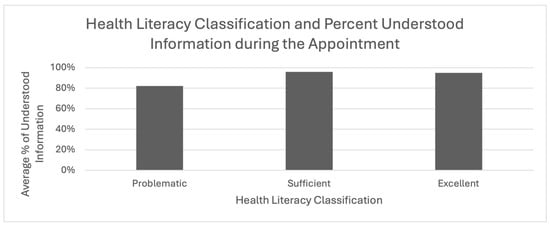
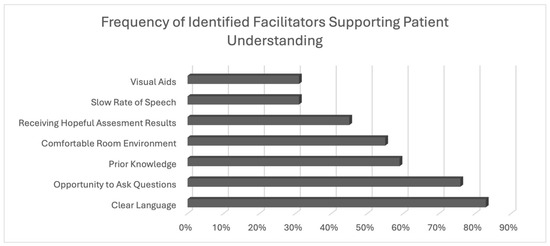
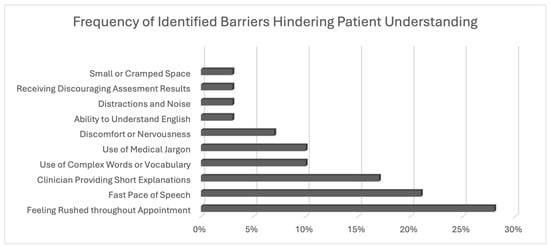
Background/Objectives: Patient understanding during healthcare appointments is essential for positive health outcomes and effective healthcare delivery. There is limited research exploring patient understanding for patients with swallowing difficulties (dysphagia) and voice disorders, where treatment engagement is often low. Dysphagia and voice disorders can affect communication, nutrition, and quality of life; therefore, it is essential to understand how to support this population effectively. This exploratory study aimed to identify barriers and facilitators to perceived patient understanding in clinical settings. Methods: A survey was administered to adults receiving assessment results for dysphagia or voice disorders from a speech–language pathologist or laryngologist at outpatient clinics in Ontario, Canada. The survey included demographics, health literacy levels (HLS19) and facilitators and barriers to comprehension. Descriptive statistics and content analysis were used to summarize responses. Results: Twenty-nine participants completed the survey (mean age of 64; 38% identifying as women). Facilitators to perceived understanding included the use of clear language (83%), being encouraged to ask questions (76%), and prior knowledge of their condition (59%). Reported barriers included rushing (28%), using a fast rate of speech (21%), and receiving short explanations (17%). Additionally, emotional and environmental factors such as the clinic atmosphere (55%) and the nature of assessment results (45%) influenced perceived patient comprehension. Conclusions: These findings suggest the need for consistent use of patient-centered communication strategies. Recommendations for clinicians include slowing speech, avoiding medical jargon, encouraging patient questions, incorporating visual aids, and creating a supportive environment. Implementing these strategies may improve understanding and health outcomes for patients with dysphagia and voice disorders.
Full article
(This article belongs to the Section Laryngology and Rhinology)
►▼
Show Figures

Figure 1
Open AccessCommentary
An Evidence-Based Framework for Simulation in Endoscopic Sinus Surgery: A Graded Approach to Training with 3D-Printed Models
by
Timothy Davies and Samuel Leong
J. Otorhinolaryngol. Hear. Balance Med. 2026, 7(1), 16; https://doi.org/10.3390/ohbm7010016 - 22 Apr 2026
Abstract
Background: Endoscopic sinus surgery (ESS) is a core operative technique in otolaryngology and is associated with a steep learning curve due to complex sinonasal anatomy, limited depth perception with two-dimensional endoscopy, and the requirement for precise bimanual coordination. Given the potential for serious
[...] Read more.
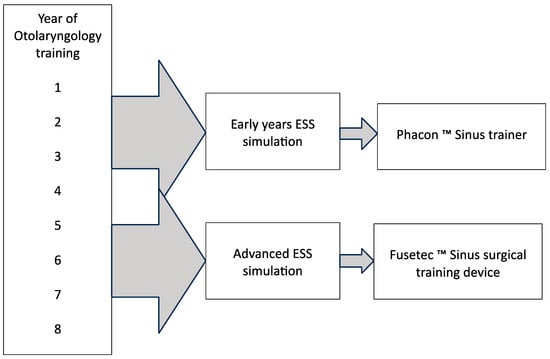
Background: Endoscopic sinus surgery (ESS) is a core operative technique in otolaryngology and is associated with a steep learning curve due to complex sinonasal anatomy, limited depth perception with two-dimensional endoscopy, and the requirement for precise bimanual coordination. Given the potential for serious complications, including cerebrospinal fluid leak and visual loss, simulation provides an important opportunity for trainees to develop technical skills in a controlled environment without risk to patients. Recent advances in three-dimensional (3D) printing have enabled the development of high-fidelity models for ESS training. Methods: We describe an evidence-based, graded approach to ESS simulation using two commercially available 3D printed sinus surgery models tailored to the trainee’s stage of training. Early-stage simulation focuses on development of anatomical orientation, endoscopic hand–eye coordination, tissue handling, and basic procedures such as middle meatal antrostomy and anterior ethmoidectomy. Advanced simulation targets more complex procedures, including frontal and sphenoid sinus surgery, transsphenoidal approaches, and management of intraoperative complications. Results: Validation studies demonstrate high face and content validity for both models. Early-stage simulators support acquisition of fundamental technical skills, while advanced models allow simulation of complex anatomy, pathology, and operative complications. Conclusions: A structured, stage-appropriate simulation strategy using high-fidelity 3D printed models may enhance technical skill acquisition and support safe and effective training in endoscopic sinus surgery.
Full article
(This article belongs to the Section Laryngology and Rhinology)
►▼
Show Figures

Figure 1

Open AccessArticle
Spatial Release from Masking with Simulated Electric–Acoustic and Cochlear Implant Speech
by
Nirmal Srinivasan, Bailey Borkowski, Morgan Barkhouse and Chhayakanta Patro
J. Otorhinolaryngol. Hear. Balance Med. 2026, 7(1), 15; https://doi.org/10.3390/ohbm7010015 - 16 Apr 2026
Abstract
Background/Objectives: Spatial release from masking (SRM) refers to the improvement in speech understanding that occurs when a target talker is spatially separated from competing speech. Although normal-hearing (NH) listeners benefit substantially from spatially separating the maskers from the target, cochlear implant (CI) users
[...] Read more.
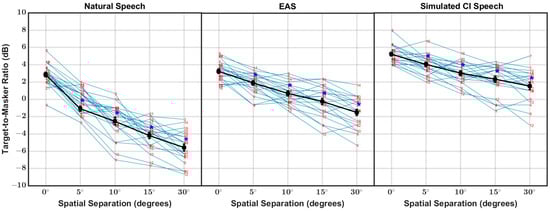
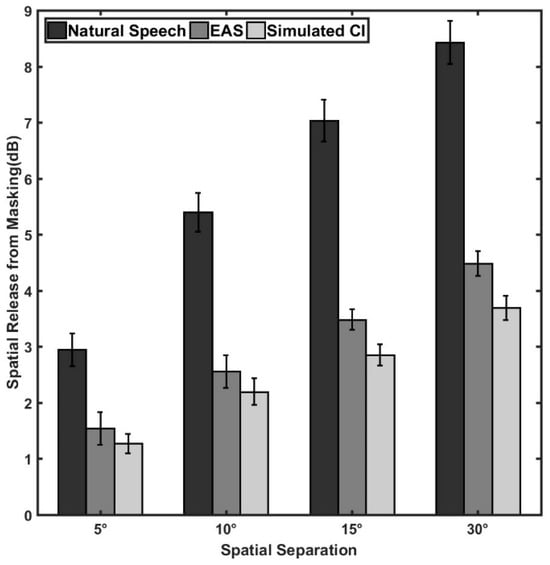
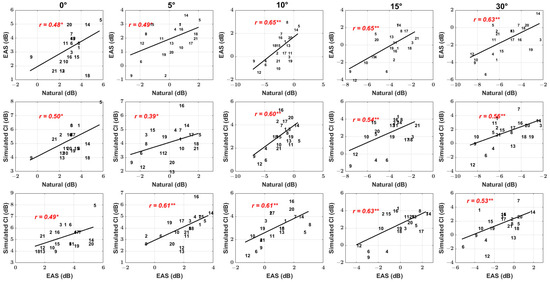
Background/Objectives: Spatial release from masking (SRM) refers to the improvement in speech understanding that occurs when a target talker is spatially separated from competing speech. Although normal-hearing (NH) listeners benefit substantially from spatially separating the maskers from the target, cochlear implant (CI) users experience markedly reduced advantages due to degraded spectral and binaural cue transmission. Electric–acoustic stimulation (EAS), which preserves low-frequency acoustic hearing in combination with electric stimulation, may partially restore these cues, but its benefits at small, conversationally relevant spatial separations remain poorly understood. Methods: This study measured speech identification thresholds using Coordinate Response Measure (CRM) sentences in NH listeners using natural, EAS, and simulated CI speech across five spatial configurations (0°, ±5°, ±10°, ±15°, ±30°). Speech identification thresholds were measured using a one-up/one-down adaptive procedure with Coordinate Response Measure (CRM) sentences. CI simulation used an eight-channel noise-band vocoder, whereas EAS simulation replaced the two lowest-frequency vocoder channels with low-pass speech (≤500 Hz). All stimuli were spatialized using head-related impulse responses generated from a validated virtual-acoustics model. Results: All stimulus types showed improved thresholds with increasing spatial separation; however, the magnitude of spatial release from masking (SRM) varied systematically. Natural speech produced the lowest thresholds and largest SRM, EAS speech yielded intermediate benefits, and simulated CI speech produced the smallest improvements. Notably, EAS and CI simulations were comparable at small separations, but EAS provided significantly greater SRM at ±15° and ±30°. Conclusions: These findings demonstrate that even partial low-frequency acoustic preservation enhances SRM at moderate spatial separations, highlighting the importance of EAS configurations for improving spatial hearing in CI-related listening environments.
Full article
(This article belongs to the Section Otology and Neurotology)
►▼
Show Figures

Figure 1
Open AccessArticle
Prestin as an Early Biomarker of Hearing Loss in Nasopharyngeal Cancer Patients Undergoing Induction Chemoradiation
by
Vanessa Y. J. Tan, Ng Jia Hui, Kiattisa Sommat, Thong Jiun Fong, Edward Z. Y. Zhang, Lai Oi Fah, Chia Xin Ni, Ang Mei Kim, Ong Ni Gin and Lim Chwee Ming
J. Otorhinolaryngol. Hear. Balance Med. 2026, 7(1), 14; https://doi.org/10.3390/ohbm7010014 - 6 Mar 2026
Abstract
Background/Objectives: Nasopharyngeal cancer (NPC) is prevalent in Southeast Asia, Southern China and North Africa. Up to 46% of NPC patients undergoing cisplatin chemoradiation treatment experience irreversible hearing loss. Prestin is a motor protein in the outer hair cells of the cochlea, and animal
[...] Read more.
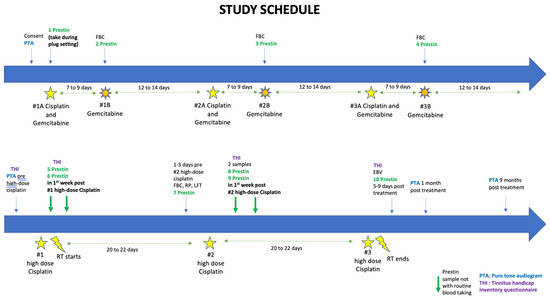
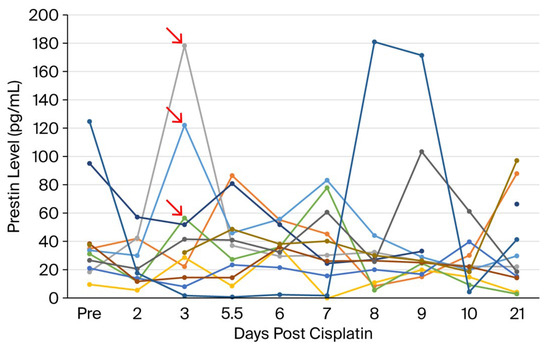
Background/Objectives: Nasopharyngeal cancer (NPC) is prevalent in Southeast Asia, Southern China and North Africa. Up to 46% of NPC patients undergoing cisplatin chemoradiation treatment experience irreversible hearing loss. Prestin is a motor protein in the outer hair cells of the cochlea, and animal studies have shown that blood prestin levels are elevated following cisplatin induced hearing loss. We investigated whether rising serum prestin levels can predict sensorineural hearing loss (SHNL) in NPC patients undergoing induction cisplatin chemotherapy (icCRT). Methods: Serum prestin levels were measured at ten time points during cisplatin chemotherapy. Pure tone audiogram and tinnitus handicap inventory (THI) were measured at baseline and at one and nine months after cisplatin administration. These outcomes were obtained to investigate whether rising prestin levels predict SNHL or worsening THI. Results: Of the 11 patients accrued, there was no association between prestin level and SNHL. An increase in THI was associated with higher prestin levels. There was significant hearing loss at 8 kHz at one (right ear, p = 0.012, left ear, p = 0.043) and nine months (right ear, p = 0.011) after treatment. After completing cisplatin, patients also had increased THI. Conclusions: Prestin was not identified as a biomarker of cisplatin-induced hearing loss in our cohort of NPC patients undergoing icCRT. NPC patients experience worsening of tinnitus with cumulative cisplatin, and hearing loss can persist at nine months post treatment. Future studies should focus on improved novel methods for measuring prestin or other cochlear proteins to better identify potential markers before permanent cisplatin induced hearing loss.
Full article
(This article belongs to the Section Otology and Neurotology)
►▼
Show Figures

Figure 1

Open AccessCase Report
Tracheal Rupture Secondary to an Iatrogenic Esophageal Perforation Presenting with Neck Insufflation on Valsalva: A Case Report
by
Lomesh Choudhary, Sophia Werden Abrams and Benjamin van der Woerd
J. Otorhinolaryngol. Hear. Balance Med. 2026, 7(1), 13; https://doi.org/10.3390/ohbm7010013 - 2 Mar 2026
Abstract
Background: Tracheal rupture is a rare, life-threatening condition that may follow blunt trauma, intubation, and, less commonly, esophageal instrumentation. The diagnosis may be challenging due to the subtle, delayed, and wide variety of symptoms. We present a unique case of delayed tracheal rupture
[...] Read more.
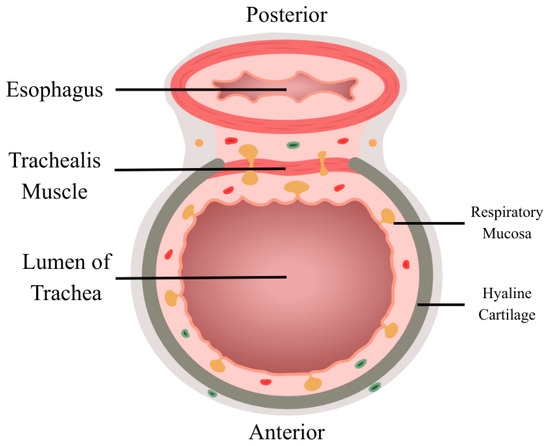
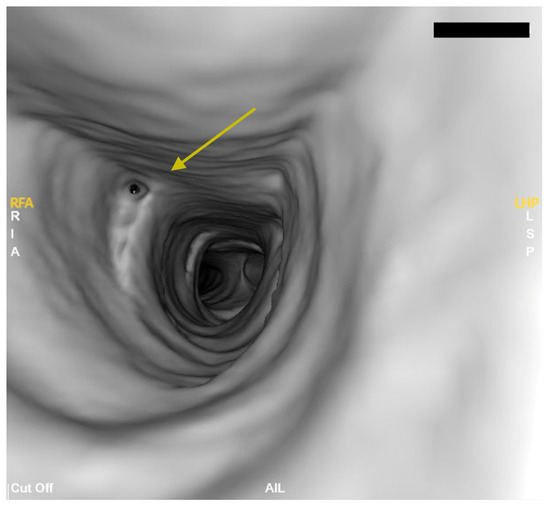
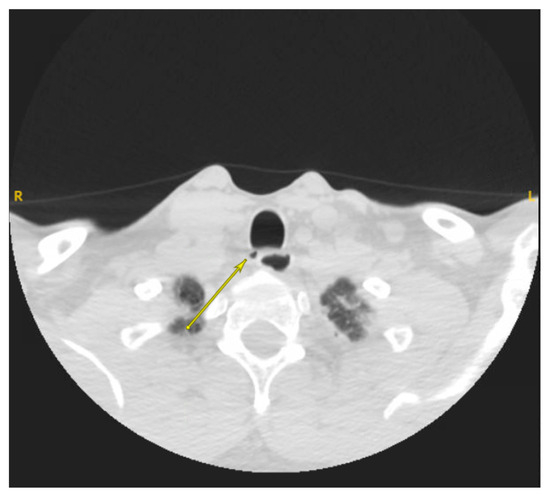
Background: Tracheal rupture is a rare, life-threatening condition that may follow blunt trauma, intubation, and, less commonly, esophageal instrumentation. The diagnosis may be challenging due to the subtle, delayed, and wide variety of symptoms. We present a unique case of delayed tracheal rupture secondary to iatrogenic esophageal perforation, presenting months later with a cervical neck insufflation on Valsalva, a novel clinical sign that has not been previously described in the literature. Case Presentation: A 44-year-old male initially presented with esophageal food impactation. Following endoscopic removal attempts, he developed signs consistent with esophageal perforation and was managed conservatively. In follow-up, he reported persistent neck discomfort, facial numbness, and the ability to insufflate the right side of his neck while doing a Valsalva. Flexible bronchoscopy and retrospective review of imaging revealed a proximal posterior tracheal defect, initially misinterpreted as a tracheal diverticulum. Surgical exploration confirmed a 6 cm dehiscence between the membranous trachea and the anterior wall of the esophagus. The defect was repaired using regional muscle flaps with tissue sealant reinforcement. Postoperatively, the patient had complete symptom resolution and no recurrence of neck insufflation. Conclusions: The case underscores the importance of maintaining a high index of suspicion for tracheal injury in patients with persistent or atypical symptoms following esophageal perforation or instrumentation. To our knowledge, we have described a novel clinical finding of neck insufflation upon Valsalva for diagnosing tracheal rupture.
Full article
(This article belongs to the Section Laryngology and Rhinology)
►▼
Show Figures

Figure 1
Open AccessArticle
Pediatric Ear Culture Antibiogram for British Columbia Communities: A Retrospective Analysis of Outpatient Data (2020–2024)
by
Catriona Fang and Eugene Y. H. Yeung
J. Otorhinolaryngol. Hear. Balance Med. 2026, 7(1), 12; https://doi.org/10.3390/ohbm7010012 - 1 Mar 2026
Abstract
Background: Localized susceptibility data supports development of a pediatric-specific antibiogram to guide empiric therapy for ear infections within the British Columbia community setting. The aim of the current student was to construct an antibiogram from community-collected ear culture isolates to support antibiotic
[...] Read more.
Background: Localized susceptibility data supports development of a pediatric-specific antibiogram to guide empiric therapy for ear infections within the British Columbia community setting. The aim of the current student was to construct an antibiogram from community-collected ear culture isolates to support antibiotic selection for ear infections in communities. Methods: Data were collected from patients <18 years of age with specimens submitted to LifeLabs British Columbia between 2020 and 2024, which included 2338 ear specimens. Organisms with ≥30 isolates undergoing antimicrobial susceptibility testing were included for analysis. Results: The most frequently identified organisms included methicillin-susceptible and methicillin-resistant Staphylococcus aureus (MSSA and MRSA, n = 648 and 80, respectively), Group A Streptococcus (GAS, n = 357), Pseudomonas aeruginosa (n = 316), Streptococcus pneumoniae (n = 105), and Haemophilus influenzae (n = 75). Beta-lactam antibiotics maintained high activity (>90%) against MSSA, GAS, and S. pneumoniae, while clindamycin and erythromycin showed significantly lower sensitivity against both MSSA (84% and 82%, respectively) and MRSA (79% and 50%, respectively) (p < 0.001). Trimethoprim–sulfamethoxazole and tetracycline demonstrated 99% and 97% susceptibility for MSSA, respectively, and 94% and 85% for MRSA, respectively. Conclusions: Beta-lactam antibiotics remain suitable for treatment against the pathogens S. pneumoniae, GAS, and MSSA, while trimethoprim–sulfamethoxazole is more suitable for MRSA.
Full article
(This article belongs to the Section Otology and Neurotology)
Open AccessArticle
Assessing the Impact of Peyton’s Teaching Method on Acquisition of Clinical Skills Among ENT Interns: A Prospective Study
by
Sindhu Viswanath, Girish Subash, Gauri Priya, Lekshmi Reghunath and Meer M. Chisthi
J. Otorhinolaryngol. Hear. Balance Med. 2026, 7(1), 11; https://doi.org/10.3390/ohbm7010011 - 24 Feb 2026
Abstract
Background/Objectives: Traditional demonstrations are a common way to teach clinical skills, but they often feel unstructured and inconsistent. Peyton’s four-step approach provides a more organized, student-focused method that might help learners pick up skills better. This study compared the standard demonstration method with
[...] Read more.
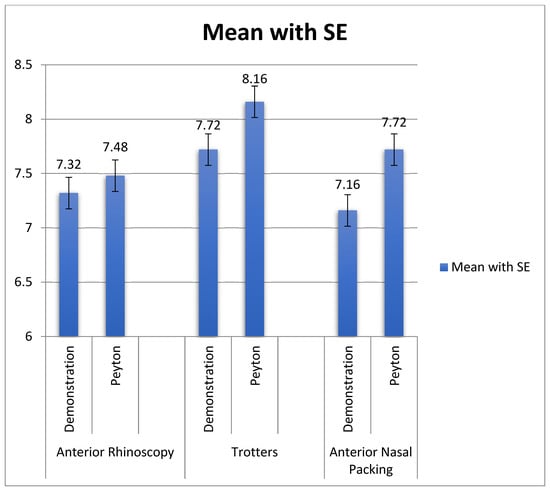
Background/Objectives: Traditional demonstrations are a common way to teach clinical skills, but they often feel unstructured and inconsistent. Peyton’s four-step approach provides a more organized, student-focused method that might help learners pick up skills better. This study compared the standard demonstration method with Peyton’s approach for teaching ENT procedures to interns. Methods: A prospective study was conducted at a single center with two groups: Group A received a conventional single-pass demonstration. Group B was taught using Peyton’s structured four-step approach (silent demonstration, deconstruction, verbal comprehension, and performed verbalization). Both groups were trained on three ENT skills—anterior rhinoscopy, Trotter’s method, and anterior nasal packing—then tested using OSCE checklists. We also asked students for their feedback through a simple questionnaire. Results: For anterior rhinoscopy, both groups performed similarly. But students taught with Peyton’s method did significantly better on Trotter’s method and nasal packing (p = 0.0098 and 0.004). Overall, they preferred Peyton’s approach, remembered the steps better, and wanted to use it for future training (p < 0.005). Conclusions: While traditional demonstrations are straightforward, Peyton’s structured, hands-on four-step method leads to better skill learning and retention for medical students.
Full article
(This article belongs to the Section Laryngology and Rhinology)
►▼
Show Figures

Figure 1
Open AccessArticle
Noise Levels and Their Association with Surgical Complexity and Communication in Otolaryngology Sub-Specialty Operating Rooms: A Prospective, Single Institution Study
by
Amber Cradeur, Makenzie Abshire, Morgan Schichtel, Ibraheem Hachem, Brooke Collins, Cherie-Ann Nathan and Gauri Mankekar
J. Otorhinolaryngol. Hear. Balance Med. 2026, 7(1), 10; https://doi.org/10.3390/ohbm7010010 - 10 Feb 2026
Abstract
Background/Objectives: This prospective study aimed to assess noise levels in otolaryngology operating rooms (OR), explore noise variation across subspecialties, and examine the correlation between noise, verbal communication, and surgery complexity. Methods: Prospective observational study. Single academic institution. Noise levels and surgeon feedback
[...] Read more.
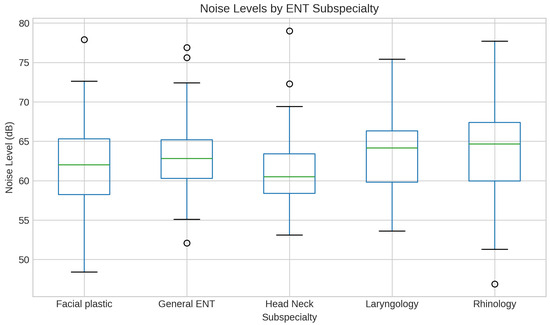
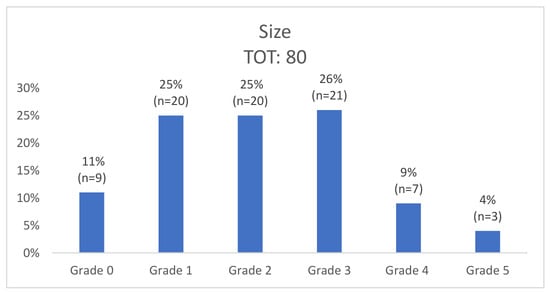
Background/Objectives: This prospective study aimed to assess noise levels in otolaryngology operating rooms (OR), explore noise variation across subspecialties, and examine the correlation between noise, verbal communication, and surgery complexity. Methods: Prospective observational study. Single academic institution. Noise levels and surgeon feedback from 60 otolaryngology surgeries at a Tertiary Academic Medical Center were collected between May 2023 and March 2024. Cases were prospectively enrolled using a convenience sampling based on research staff availability, excluding emergency surgeries. The cohort included 13 general ENT, 13 facial plastics, 8 head and neck, 13 laryngology, and 13 rhinology surgeries. Noise data was recorded with a Curconsa Sound Level Meter SL720. Surgeons reported communication ease and case complexity via survey, with communication deemed impaired with the incidence of repeated information in the OR. Case complexity was rated from grade 1 (lowest) to grade 4 (highest). Results: Noise differences between subspecialties’ ORs were statistically significant (p < 0.001) but the effect size was small (η2 ≈ 0.04). The Rhinology OR showed higher average noise levels compared to Facial Plastic (Rhinology louder by 2.2 dB) and Head–Neck (Rhinology louder by 2.6 dB). Noise did not significantly impair communication in the OR (p = 0.526). Higher noise in the OR did not significantly influence surgical complexity (p = 0.547). Conclusions: Noise levels in otolaryngology operating rooms varied modestly across subspecialties. No significant association between noise levels and either communication impairment or surgical complexity was observed.
Full article
(This article belongs to the Section Otology and Neurotology)
►▼
Show Figures

Figure 1
Open AccessArticle
The Longitudinal Impact of Bone Anchored Hearing Aid Adoption on Resting-State Functional Connectivity Using fNIRS: A Multiple Single-Case Experimental Approach
by
Cassandra Cowan, Amberley V. Ostevik, Kathleen Jones, Thi K. T. Huynh, Alex Gascon, William Hodgetts and Jacqueline Cummine
J. Otorhinolaryngol. Hear. Balance Med. 2026, 7(1), 9; https://doi.org/10.3390/ohbm7010009 - 9 Feb 2026
Abstract
Background/Objectives: Three types of neuroplasticity that have been reported following hearing aid uptake include: cross-modal reorganization, homologue shifts, and neighbouring region restructuring. However, such evidence primarily stems from cochlear implants and conventional air-conduction hearing aids, leaving a notable gap in research on
[...] Read more.
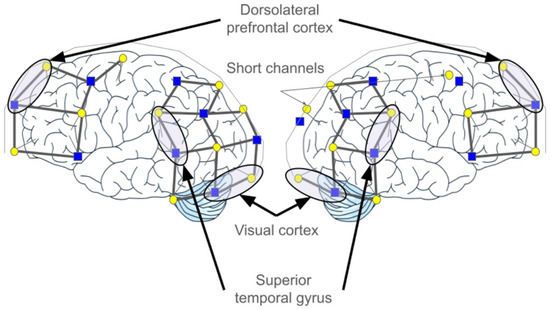
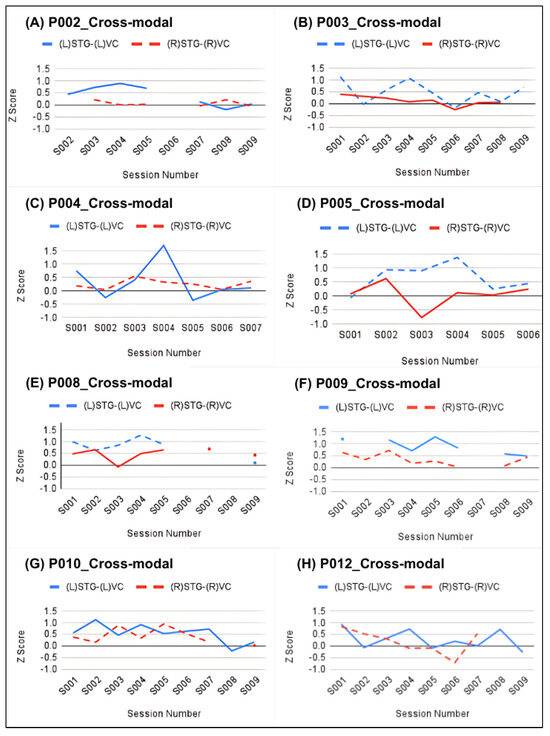
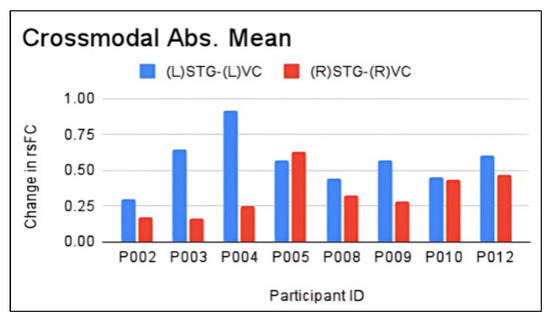
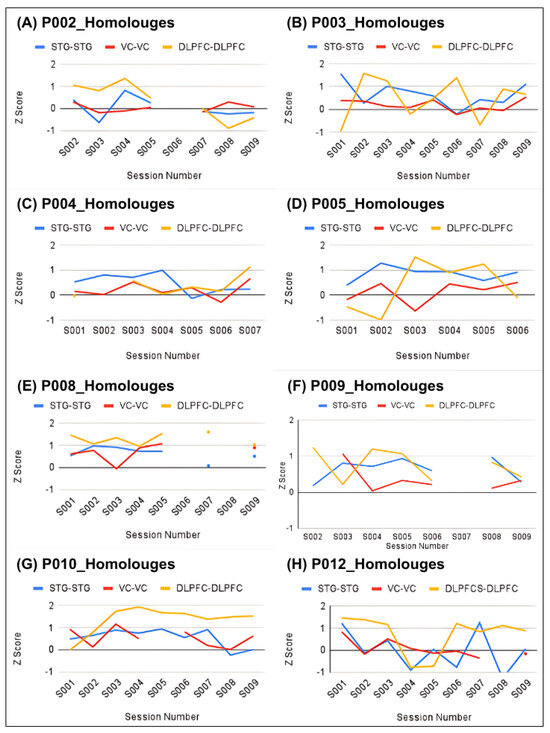
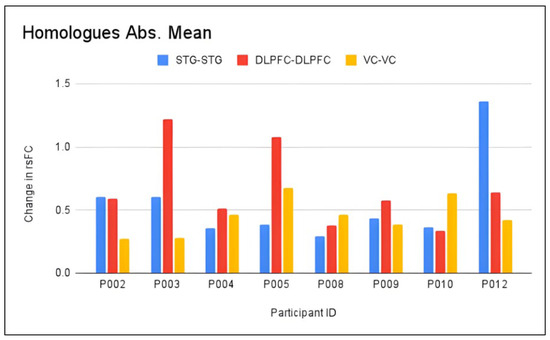
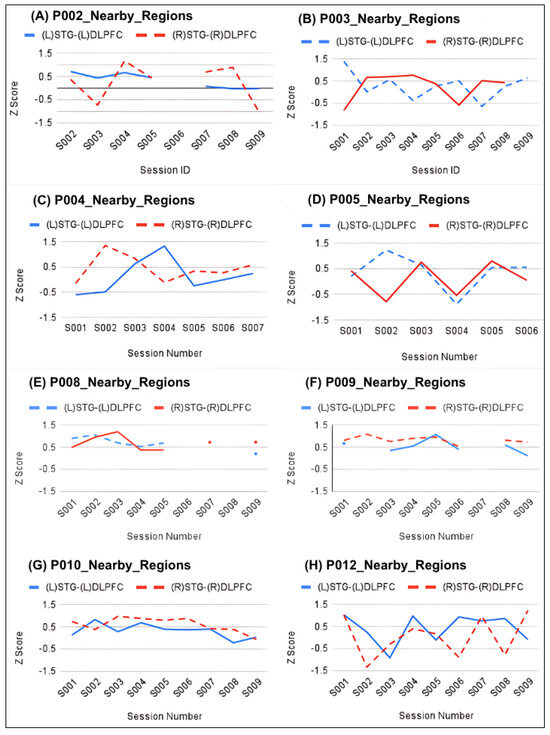
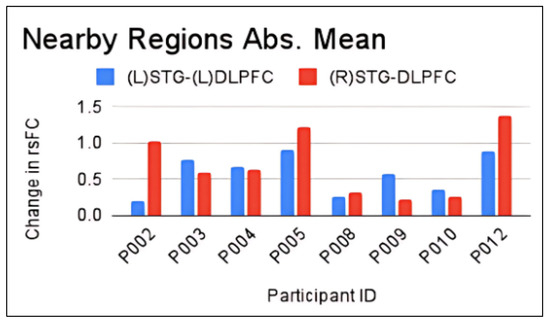
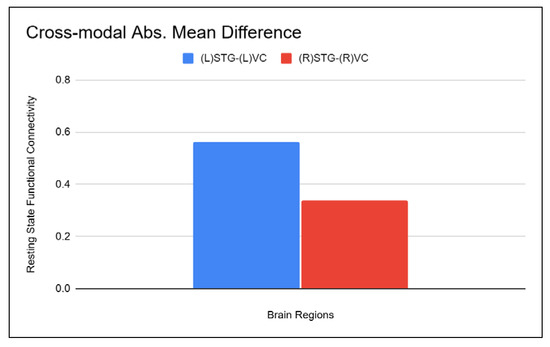
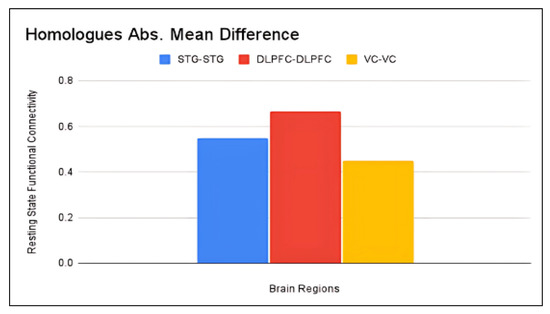
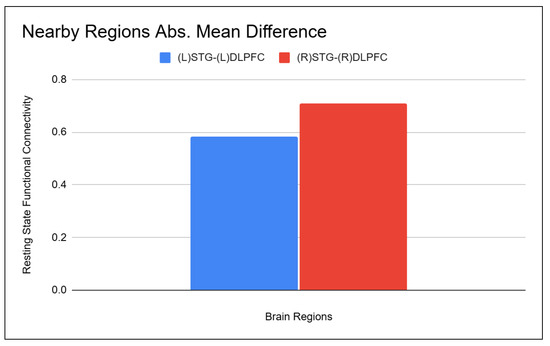
Background/Objectives: Three types of neuroplasticity that have been reported following hearing aid uptake include: cross-modal reorganization, homologue shifts, and neighbouring region restructuring. However, such evidence primarily stems from cochlear implants and conventional air-conduction hearing aids, leaving a notable gap in research on the neural and neuroplastic consequences of percutaneous bone-anchored hearing aids. The following study aimed to investigate three types of neuroplasticity associated with the integration of bone-conduction hearing aids and resting-state functional connectivity. Methods: Participants (n = 8) came to the lab nine times (i.e., five pre-treatment and four post-treatment), and functional near-infrared spectroscopy (fNIRS) was employed to capture functional brain connectivity between the bilateral superior temporal gyrus (STG), dorsolateral prefrontal cortex (DLPFC), and visual cortex (VC). Results: Across participants, evidence for cross-modal reorganization (between STG and VC) was evident in the left hemisphere. While the presence of homologue shifts and neighbouring region restructuring was detected, these forms of neuroplasticity were much more individualistic. Conclusions: These findings highlight both shared and individualized patterns of neuroplasticity following the uptake of bone-conduction hearing aids, underscoring the importance of considering heterogeneous neural adaptation in auditory rehabilitation research.
Full article
(This article belongs to the Section Otology and Neurotology)
►▼
Show Figures

Figure 1
Open AccessReview
Coenzyme Q10 in Hearing Disorders: Replacement Therapy in Mitochondrial Deafness and Neuroprotective Use in Acquired Hearing Loss
by
Agnieszka J. Szczepek and Heidi Olze
J. Otorhinolaryngol. Hear. Balance Med. 2026, 7(1), 8; https://doi.org/10.3390/ohbm7010008 - 2 Feb 2026
Abstract
Background/Objectives: Coenzyme Q10 (CoQ10) is crucial for mitochondrial bioenergetics and redox balance and has been studied in hearing disorders. Its clinical use ranges from genetic mitochondrial deafness to acquired hearing loss associated with oxidative stress. This review aimed to map human clinical evidence
[...] Read more.
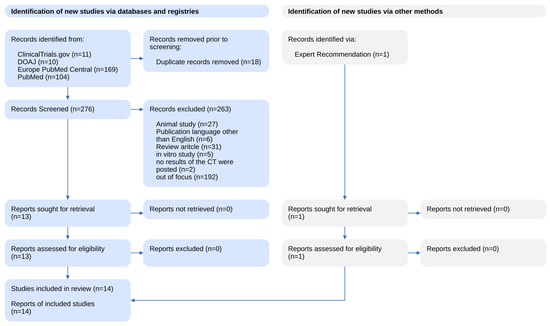
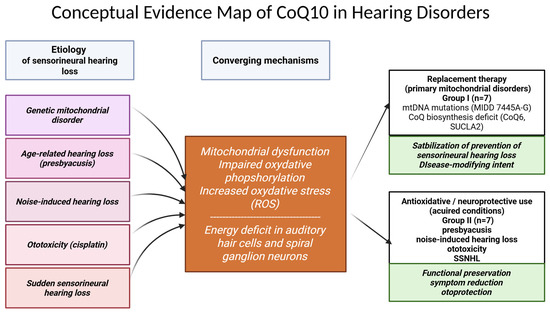
Background/Objectives: Coenzyme Q10 (CoQ10) is crucial for mitochondrial bioenergetics and redox balance and has been studied in hearing disorders. Its clinical use ranges from genetic mitochondrial deafness to acquired hearing loss associated with oxidative stress. This review aimed to map human clinical evidence on CoQ10 in hearing issues and differentiate its therapeutic roles based on underlying causes. Methods: This review was conducted following the PRISMA Extension for Scoping Reviews (PRISMA-ScR). A systematic search of PubMed, Europe PubMed Central, the Directory of Open Access Journals (DOAJ), and ClinicalTrials.gov was performed. Human clinical studies evaluating CoQ10 or water-soluble CoQ10 formulations with hearing-related outcomes were included and synthesized descriptively. Results: Fourteen studies met the inclusion criteria, including randomized controlled trials, non-randomized clinical studies, case series, and case reports. Two distinct therapeutic roles of CoQ10 emerged: in primary mitochondrial hearing disorders caused by defects in mitochondrial DNA or CoQ10 biosynthesis pathways, CoQ10 acted as a replacement therapy and was consistently linked to stabilization or prevention of progressive sensorineural hearing loss. Conversely, in acquired or age-related conditions—including presbycusis, noise-induced hearing loss, ototoxicity, tinnitus, and sudden sensorineural hearing loss—CoQ10 was used as an antioxidant or neuroprotective supplement, with outcomes showing functional preservation, symptom reduction, or decreased cochlear injury. Internal validity varied across studies: most evidence for replacement therapy was derived from observational designs, and antioxidant applications were mainly supported by small or preliminary clinical trials. Conclusions: The available evidence suggests two distinct clinical roles of CoQ10 in hearing disorders: (i) replacement therapy in genetically defined mitochondrial deafness and (ii) adjunctive antioxidant/neuroprotective use in acquired conditions. Given heterogeneity and limited study quality, further well-designed trials are needed before broad clinical recommendations can be made.
Full article
(This article belongs to the Section Otology and Neurotology)
►▼
Show Figures

Figure 1
Open AccessSystematic Review
The Efficacy of New Non-Invasive Brain Stimulation in Patients with Chronic Tinnitus Without Specific Treatable Origin: A Systematic Review and Network Meta-Analysis of Randomized Controlled Trials
by
Jiann-Jy Chen, Bing-Syuan Zeng, Chih-Wei Hsu, Brendon Stubbs, Andre R. Brunoni, Kuan-Pin Su, Yu-Kang Tu, Yi-Cheng Wu, Tien-Yu Chen, Pao-Yen Lin, Chih-Sung Liang, Shih-Pin Hsu, Hung-Chang Kuo, Yen-Wen Chen, Ping-Tao Tseng and Cheng-Ta Li
J. Otorhinolaryngol. Hear. Balance Med. 2026, 7(1), 7; https://doi.org/10.3390/ohbm7010007 - 23 Jan 2026
Abstract
Background/Objectives: Despite the high prevalence (around 4.1–37.2%) and highly debilitating adverse impact, there has been inconclusive evidence regarding the efficacy of treatment for tinnitus management, especially for those patients with tinnitus who do not have a specific or treatable origin. The aim of
[...] Read more.
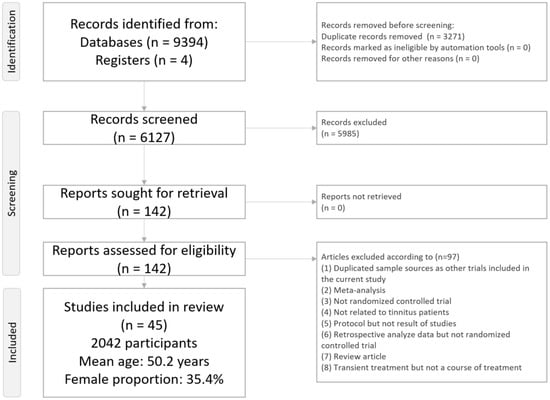
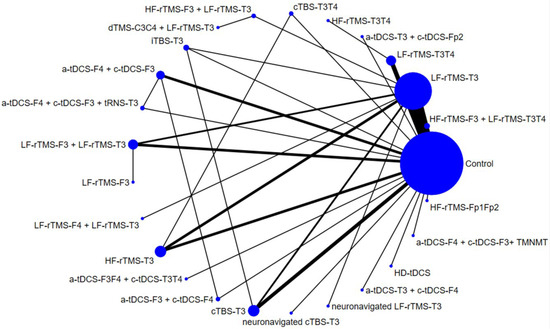
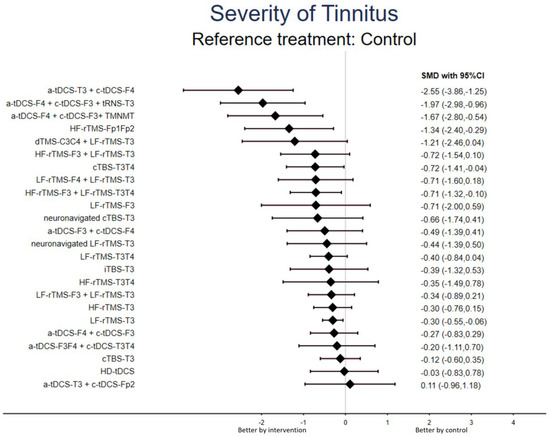
Background/Objectives: Despite the high prevalence (around 4.1–37.2%) and highly debilitating adverse impact, there has been inconclusive evidence regarding the efficacy of treatment for tinnitus management, especially for those patients with tinnitus who do not have a specific or treatable origin. The aim of this updated network meta-analysis (NMA) was to estimate the efficacy and safety of the different non-invasive brain stimulation (NIBS) interventions in tinnitus management in patients with chronic tinnitus without a specific or treatable origin. Methods: This NMA included randomized controlled trials (RCTs) of NIBS interventions in patients with chronic tinnitus. The current NMA was conducted using the frequentist model. The primary outcome was a change in tinnitus severity after the NIBS intervention. Results: We identified 45 eligible RCTs with a total of 2042 participants. The results of the current NMA showed that both excitatory and inhibitory NIBS interventions exerted significant effects on tinnitus severity, quality of life, or response rate. While several protocols showed a signal, the top-ranked intervention was preliminary and derived from a single, small study. All the NIBS interventions had fair acceptability compared to the controls. Conclusions: This NMA highlighted that both excitatory and inhibitory NIBS interventions exerted significant effects on tinnitus severity, quality of life, and/or response rate. Future well-designed RCTs with electroencephalogram applications are needed for replication over the proclamation of efficacy.
Full article
(This article belongs to the Section Otology and Neurotology)
►▼
Show Figures

Figure 1
Open AccessArticle
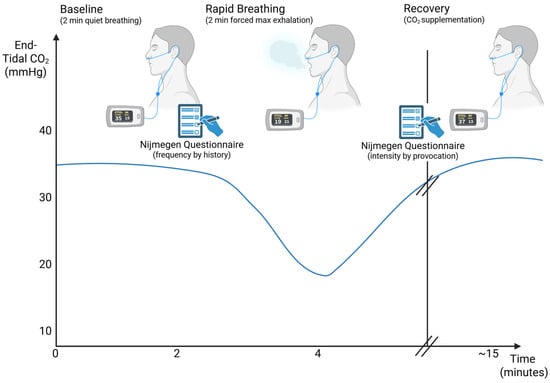
Prevalence of Clinically Symptomatic Chronic Respiratory Alkalosis (CSCRA) in Patients Seen for Vestibular Assessment
by
Sarah E. Kingsbury, Hailey A. Kingsbury, Gaurav N. Pradhan, Michael J. Cevette, Nile Vanood, Karen Breznak and Jan Stepanek
J. Otorhinolaryngol. Hear. Balance Med. 2026, 7(1), 6; https://doi.org/10.3390/ohbm7010006 - 14 Jan 2026
Abstract
Background/Objectives: Dizziness is a symptom of many disorders across a wide range of etiologies. If dizzy patients are seen for vestibular evaluation with an audiologist and no vestibular reason for the patient’s dizziness is found, the medical referral pathway can become convoluted.
[...] Read more.
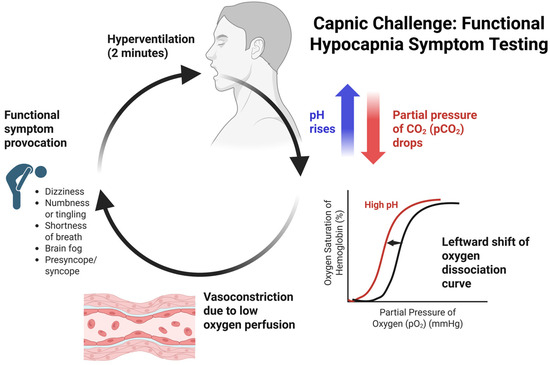
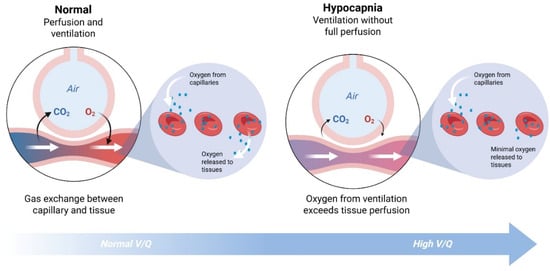
Background/Objectives: Dizziness is a symptom of many disorders across a wide range of etiologies. If dizzy patients are seen for vestibular evaluation with an audiologist and no vestibular reason for the patient’s dizziness is found, the medical referral pathway can become convoluted. This can leave patients feeling discouraged and unable to manage their symptoms. Clinically symptomatic chronic respiratory alkalosis (CSCRA) is an acid–base disorder that typically presents with dizziness but is unfamiliar to practitioners in vestibular and balance care settings. Methods: In a retrospective chart review deemed exempt by the Mayo Clinic Institutional Review Board, 74 patients at Mayo Clinic Arizona were included. All had consultations with both Audiology and Aerospace Medicine to assess their dizzy symptoms. Results: After completing vestibular testing, arterial blood gas (ABG) testing, and a functional test developed at Mayo Clinic Arizona called the Capnic Challenge test, 40% of patients were found to have CSCRA contributing to their dizzy symptoms. Many of these patients also had common comorbidities of CSCRA, like postural orthostatic tachycardia syndrome (POTS), migraines, and sleep apnea. Fewer than one-fourth of these patients had measurable vestibulopathies causing their dizziness. Half of the patients referred by the vestibular audiologist to Aerospace Medicine had a diagnosis of CSCRA. Conclusions: Assessment for CSCRA should be considered as a next step for patients presenting with dizziness without a vestibular component. Being aware of the prevalence of CSCRA and its comorbidities may help balance providers offer quality interprofessional referrals and improve patient quality of life.
Full article
(This article belongs to the Section Otology and Neurotology)
►▼
Show Figures

Figure 1
Open AccessReview
How the Vestibular Labyrinth Encodes Air-Conducted Sound: From Pressure Waves to Jerk-Sensitive Afferent Pathways
by
Leonardo Manzari
J. Otorhinolaryngol. Hear. Balance Med. 2026, 7(1), 5; https://doi.org/10.3390/ohbm7010005 - 14 Jan 2026
Abstract
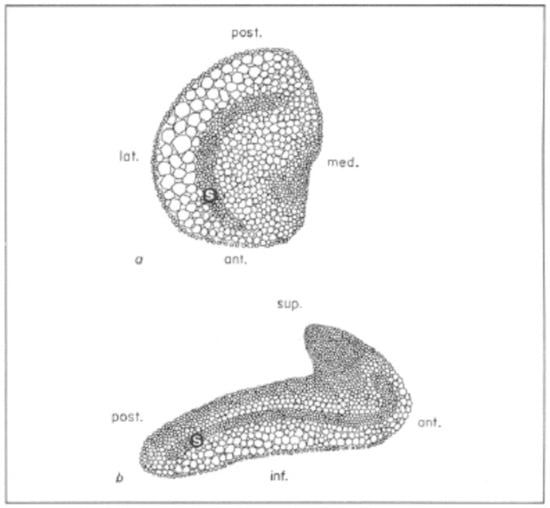
Background/Objectives: The vestibular labyrinth is classically viewed as a sensor of low-frequency head motion—linear acceleration for the otoliths and angular velocity/acceleration for the semicircular canals. However, there is now substantial evidence that air-conducted sound (ACS) can also activate vestibular receptors and afferents in
[...] Read more.
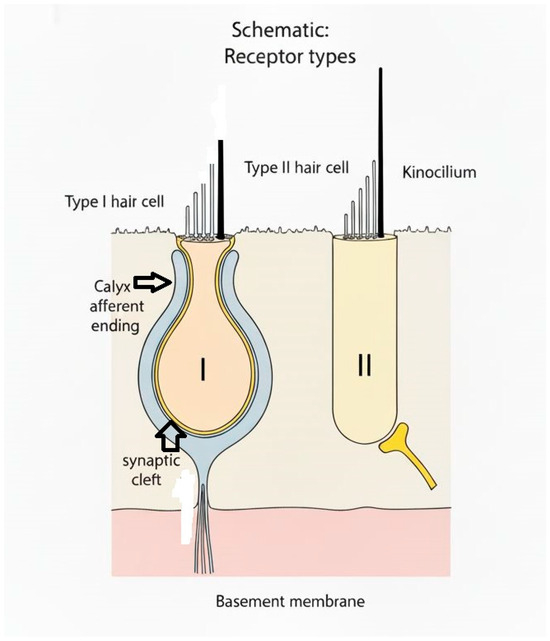
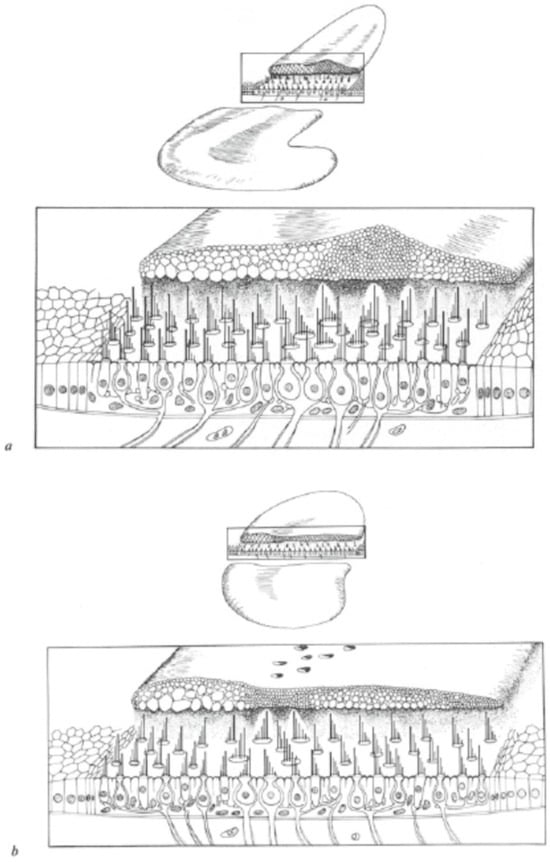
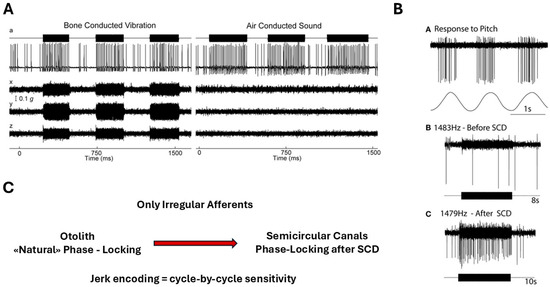
Background/Objectives: The vestibular labyrinth is classically viewed as a sensor of low-frequency head motion—linear acceleration for the otoliths and angular velocity/acceleration for the semicircular canals. However, there is now substantial evidence that air-conducted sound (ACS) can also activate vestibular receptors and afferents in mammals and other vertebrates. This sound sensitivity underlies sound-evoked vestibular-evoked myogenic potentials (VEMPs), sound-induced eye movements, and several clinical phenomena in third-window pathologies. The cellular and biophysical mechanisms by which a pressure wave in the cochlear fluids is transformed into a vestibular neural signal remain incompletely integrated into a single framework. This study aimed to provide a narrative synthesis of how ACS activates the vestibular labyrinth, with emphasis on (1) the anatomical and biophysical specializations of the maculae and cristae, (2) the dual-channel organization of vestibular hair cells and afferents, and (3) the encoding of fast, jerk-rich acoustic transients by irregular, striolar/central afferents. Methods: We integrate experimental evidence from single-unit recordings in animals, in vitro hair cell and calyx physiology, anatomical studies of macular structure, and human clinical data on sound-evoked VEMPs and sound-induced eye movements. Key concepts from vestibular cellular neurophysiology and from the physics of sinusoidal motion (displacement, velocity, acceleration, jerk) are combined into a unified interpretative scheme. Results: ACS transmitted through the middle ear generates pressure waves in the perilymph and endolymph not only in the cochlea but also in vestibular compartments. These waves produce local fluid particle motions and pressure gradients that can deflect hair bundles in selected regions of the otolith maculae and canal cristae. Irregular afferents innervating type I hair cells in the striola (maculae) and central zones (cristae) exhibit phase locking to ACS up to at least 1–2 kHz, with much lower thresholds than regular afferents. Cellular and synaptic specializations—transducer adaptation, low-voltage-activated K+ conductances (KLV), fast quantal and non-quantal transmission, and afferent spike-generator properties—implement effective high-pass filtering and phase lead, making these pathways particularly sensitive to rapid changes in acceleration, i.e., mechanical jerk, rather than to slowly varying displacement or acceleration. Clinically, short-rise-time ACS stimuli (clicks and brief tone bursts) elicit robust cervical and ocular VEMPs with clear thresholds and input–output relationships, reflecting the recruitment of these jerk-sensitive utricular and saccular pathways. Sound-induced eye movements and nystagmus in third-window syndromes similarly reflect abnormally enhanced access of ACS-generated pressure waves to canal and otolith receptors. Conclusions: The vestibular labyrinth does not merely “tolerate” air-conducted sound as a spill-over from cochlear mechanics; it contains a dedicated high-frequency, transient-sensitive channel—dominated by type I hair cells and irregular afferents—that is well suited to encoding jerk-rich acoustic events. We propose that ACS-evoked vestibular responses, including VEMPs, are best interpreted within a dual-channel framework in which (1) regular, extrastriolar/peripheral pathways encode sustained head motion and low-frequency acceleration, while (2) irregular, striolar/central pathways encode fast, sound-driven transients distinguished by high jerk, steep onset, and precise spike timing.
Full article
(This article belongs to the Section Otology and Neurotology)
►▼
Show Figures

Figure 1
Open AccessEditorial
Emerging Trends in Otorhinolaryngology, Hearing, and Balance Medicine for 2026
by
Agnieszka J. Szczepek
J. Otorhinolaryngol. Hear. Balance Med. 2026, 7(1), 4; https://doi.org/10.3390/ohbm7010004 - 12 Jan 2026
Abstract
►▼
Show Figures
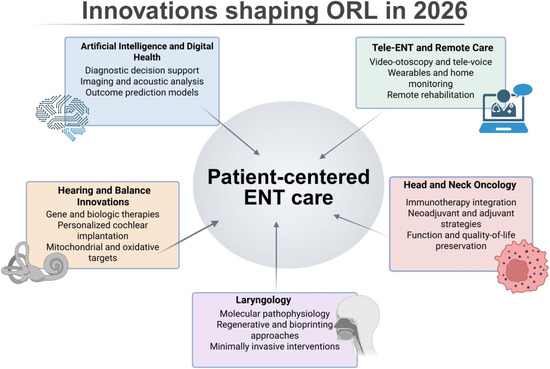
Otorhinolaryngology is at a pivotal moment of change [...]
Full article

Figure 1
Open AccessArticle
Comparing Methods for Uncertainty Estimation of Paraganglioma Growth Predictions
by
Evi M. C. Sijben, Vanessa Volz, Tanja Alderliesten, Peter A. N. Bosman, Berit M. Verbist, Erik F. Hensen and Jeroen C. Jansen
J. Otorhinolaryngol. Hear. Balance Med. 2026, 7(1), 3; https://doi.org/10.3390/ohbm7010003 - 6 Jan 2026
Abstract
Background: Paragangliomas of the head and neck are rare, benign and indolent to slow-growing tumors. Not all tumors require immediate active intervention, and surveillance is a viable management strategy in a large proportion of cases. Treatment decisions are based on several tumor-
[...] Read more.
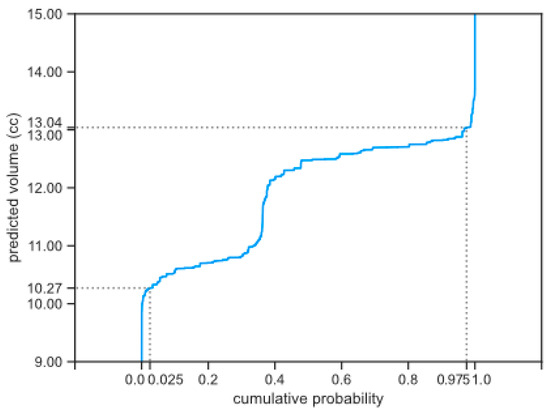
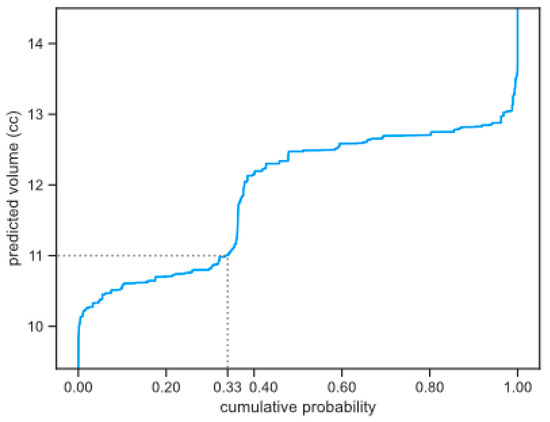
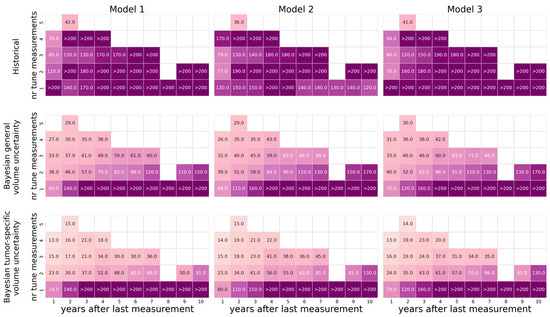
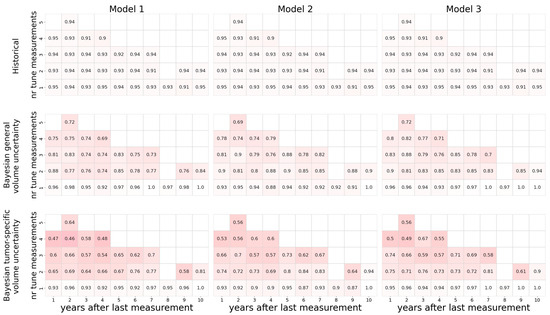
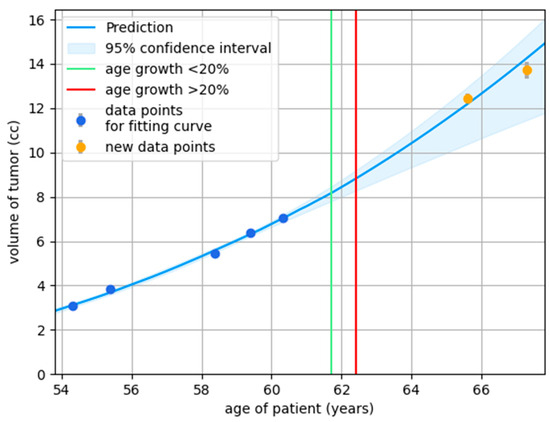
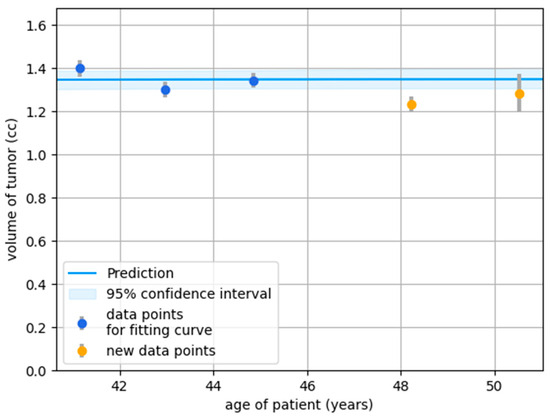
Background: Paragangliomas of the head and neck are rare, benign and indolent to slow-growing tumors. Not all tumors require immediate active intervention, and surveillance is a viable management strategy in a large proportion of cases. Treatment decisions are based on several tumor- and patient-related factors, with the tumor progression rate being a predominant determinant. Accurate prediction of tumor progression has the potential to significantly improve treatment decisions by helping to identify patients who are likely to require active treatment in the future. It furthermore enables better-informed timing for follow-up, allowing early intervention for those who will ultimately need it, and optimization of the use of resources (such as MRI scans). Crucial to this is having reliable estimates of the uncertainty associated with a future growth forecast, so that this can be taken into account in the decision-making process. Methods: For various tumor growth prediction models, two methods for uncertainty estimation were compared: a historical-based one and a Bayesian one. We also investigated how incorporating either tumor-specific or general estimates of auto-segmentation uncertainty impacts the results of growth prediction. The performance of the uncertainty estimates was examined both from a technical and a practical perspective. Study design: Method comparison study. Results: Data of 208 patients were used, comprising 311 paragangliomas and 1501 volume measurements, resulting in 2547 tumor growth predictions (a median of 10 predictions per tumor). As expected, the uncertainty increased with the length of the prediction horizon and decreased with the inclusion of more tumor measurement data in the prediction model. The historical method resulted in estimated confidence intervals where the actual value fell within the estimated 95% confidence interval 94% of the time. However, this method resulted in confidence intervals that were too wide to be clinically useful (often over 200% of the predicted volume), and showed poor ability to differentiate growing and stable tumors. The estimated confidence intervals of the Bayesian method were much narrower. However, the 95% credible intervals were too narrow, with the true tumor volume falling within them only 78% of the time, indicating underestimation of uncertainty and insufficient calibration. Despite this, the Bayesian method showed markedly better ability to distinguishing between growing and stable tumors, which has arguably the most practical value. When combining all growth models, the Bayesian method using tumor-specific auto-segmentation uncertainties resulted in an 86% correct classification of growing and non-growing tumors. Conclusions: Of the methods evaluated for predicting paraganglioma progression, the Bayesian method is the most useful in the considered context, because it shows the best ability to discriminate between growing and non-growing tumors. To determine how these methods could be used and what their value is for patients, they should be further evaluated in a clinical setting.
Full article
(This article belongs to the Section Head and Neck Surgery)
►▼
Show Figures

Figure 1
Open AccessCase Report
Cochlear Implantation in Narrow Duplicated Internal Auditory Canal: Case Report and Systematic Review
by
Eleonora Lovati, Davide Soloperto, Michele Pellegrino, Elisabetta Genovese and Daniele Marchioni
J. Otorhinolaryngol. Hear. Balance Med. 2026, 7(1), 2; https://doi.org/10.3390/ohbm7010002 - 31 Dec 2025
Abstract
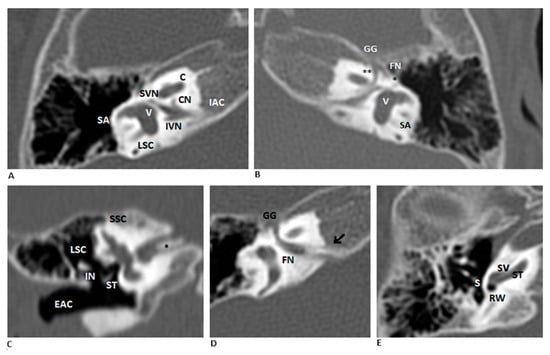
Background: Narrow duplicated internal auditory canal (IAC) is a rare congenital malformation frequently associated with severe-to-profound sensorineural hearing loss. Case Presentation: We present a one-year-old girl with bilateral narrow duplicated IAC and profound hearing loss evaluated through CT/MRI and electrically evoked auditory brainstem
[...] Read more.
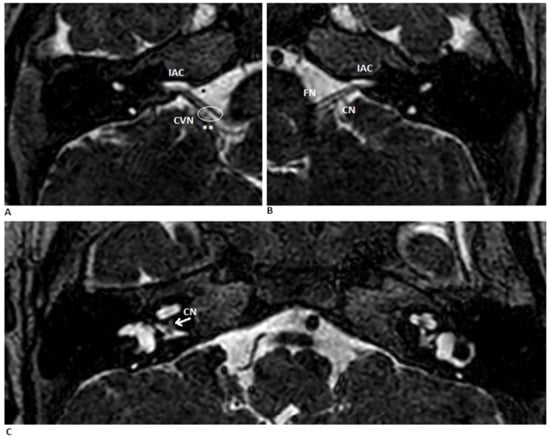
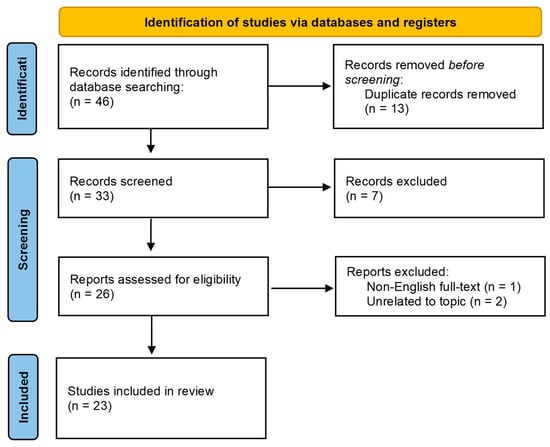
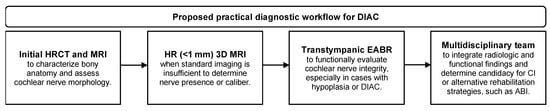
Background: Narrow duplicated internal auditory canal (IAC) is a rare congenital malformation frequently associated with severe-to-profound sensorineural hearing loss. Case Presentation: We present a one-year-old girl with bilateral narrow duplicated IAC and profound hearing loss evaluated through CT/MRI and electrically evoked auditory brainstem response (EABR). Methods: We conducted a systematic review (1990–2023), identifying 59 published cases of which 24 were bilateral. The mean age at diagnosis was 10.34 years, and 25 cases presented additional inner ear malformations. Only seven patients underwent cochlear implantation, and EABR was performed in four cases. Outcomes of cochlear implantation were heterogeneous. Discussion: In our case, EABR showed a reproducible wave V on the right side, supporting candidacy for cochlear implantation which led to positive early auditory responses. Conclusions: This case and review highlight the role of EABR in identifying residual cochlear nerve functionality and guiding candidacy for cochlear implantation in narrow duplicated IAC.
Full article
(This article belongs to the Special Issue Etiology, Diagnosis, and Treatment of Congenital Hearing Loss)
►▼
Show Figures

Figure 1
Open AccessArticle
Postoperative Nasal Symptoms and Emergency Department Visits Following Endoscopic Skull Base Surgery
by
Roee Noy, Natalia Gvozdeva, Jacob T. Cohen, Gill E. Sviri, Rachel Grossman and Dmitry Ostrovsky
J. Otorhinolaryngol. Hear. Balance Med. 2026, 7(1), 1; https://doi.org/10.3390/ohbm7010001 - 26 Dec 2025
Abstract
Objective: This study aims to examine the frequency of emergency department (ED) visits and the occurrence of postoperative nasal symptoms (PNSs) following endonasal skull base surgery (EESBS). Methods: A retrospective cohort study of patients who underwent EESBS at a tertiary referral center. The
[...] Read more.
Objective: This study aims to examine the frequency of emergency department (ED) visits and the occurrence of postoperative nasal symptoms (PNSs) following endonasal skull base surgery (EESBS). Methods: A retrospective cohort study of patients who underwent EESBS at a tertiary referral center. The primary outcome was the frequency of ED visits within 30 days following surgery. Secondary outcomes included the incidence of PNS, readmissions, reoperations, and mortality. Results: A total of 307 patients (143 [46.6%] males, mean age: 58.03 years [interquartile range: 47–70.5]) were included in this analysis. Within 30 days following surgery, 89 patients (29%) presented to the ED, and 32 (10.4%) were readmitted. PNSs were the primary complaint in 60 (67.4%) patients, including nasal discharge in 42 (70%), epistaxis in 14 (23.3%), and obstruction in 4 (6.7%). Twenty-four (26.9%) patients had more than one PNS. Among patients presenting with nasal discharge, two were confirmed to have cerebrospinal fluid rhinorrhea. In both univariate and multivariable analyses, PNSs were not associated with nasoseptal flap harvesting, extended (beyond sella) approach, skull base reconstruction, readmissions, or reoperation. The 30-day mortality rate was 0.6%, with no association with PNS. Results remained consistent whether PNSs were analyzed as a composite outcome or as individual symptoms. Conclusions: Nearly one-third of patients visited the ED after EESBS, with two-thirds due to PNS. Most PNSs are self-limited but cause morbidity and prompt medical visits.
Full article
(This article belongs to the Section Laryngology and Rhinology)
Highly Accessed Articles
Latest Books
E-Mail Alert
News
Topics
Special Issues
Special Issue in
JOHBM
Etiology, Diagnosis, and Treatment of Congenital Hearing Loss
Guest Editor: Yu SunDeadline: 30 June 2026
Special Issue in
JOHBM
Genetic Research of Hearing Loss
Guest Editors: Ling Lu, Jun Yang, Min-Xin Guan, Maoli DuanDeadline: 30 June 2026