Article

A New Hybrid Algorithm Using Thermodynamic and Backward Ray-Tracing Approaches for Modeling Luminescent Solar Concentrators

Faculty of Engineering and Science, Universiti Tunku Abdul Rahman, Jalan Genting Klang, 53300, Kuala Lumpur, Malaysia
*
Author to whom correspondence should be addressed.
Energies 2010, 3(12), 1831-1860; https://doi.org/10.3390/en3121831
Submission received: 24 September 2010 / Revised: 12 November 2010 / Accepted: 23 November 2010 / Published: 26 November 2010
(This article belongs to the Special Issue Advances in Solar Energy)

Abstract

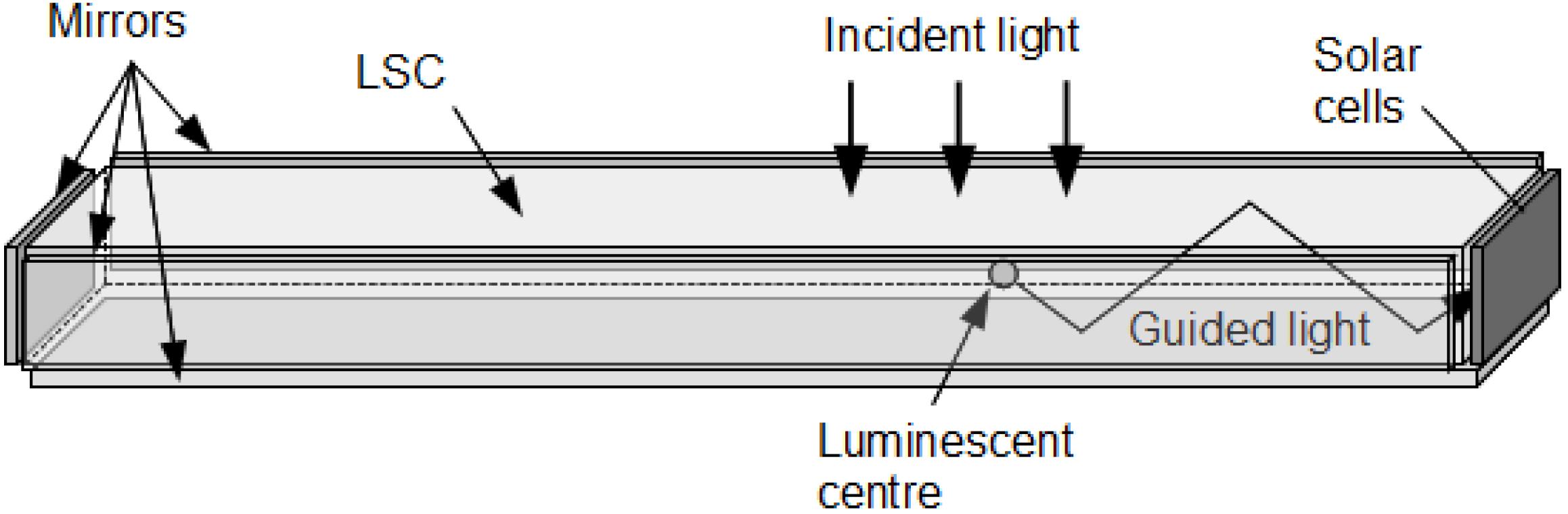
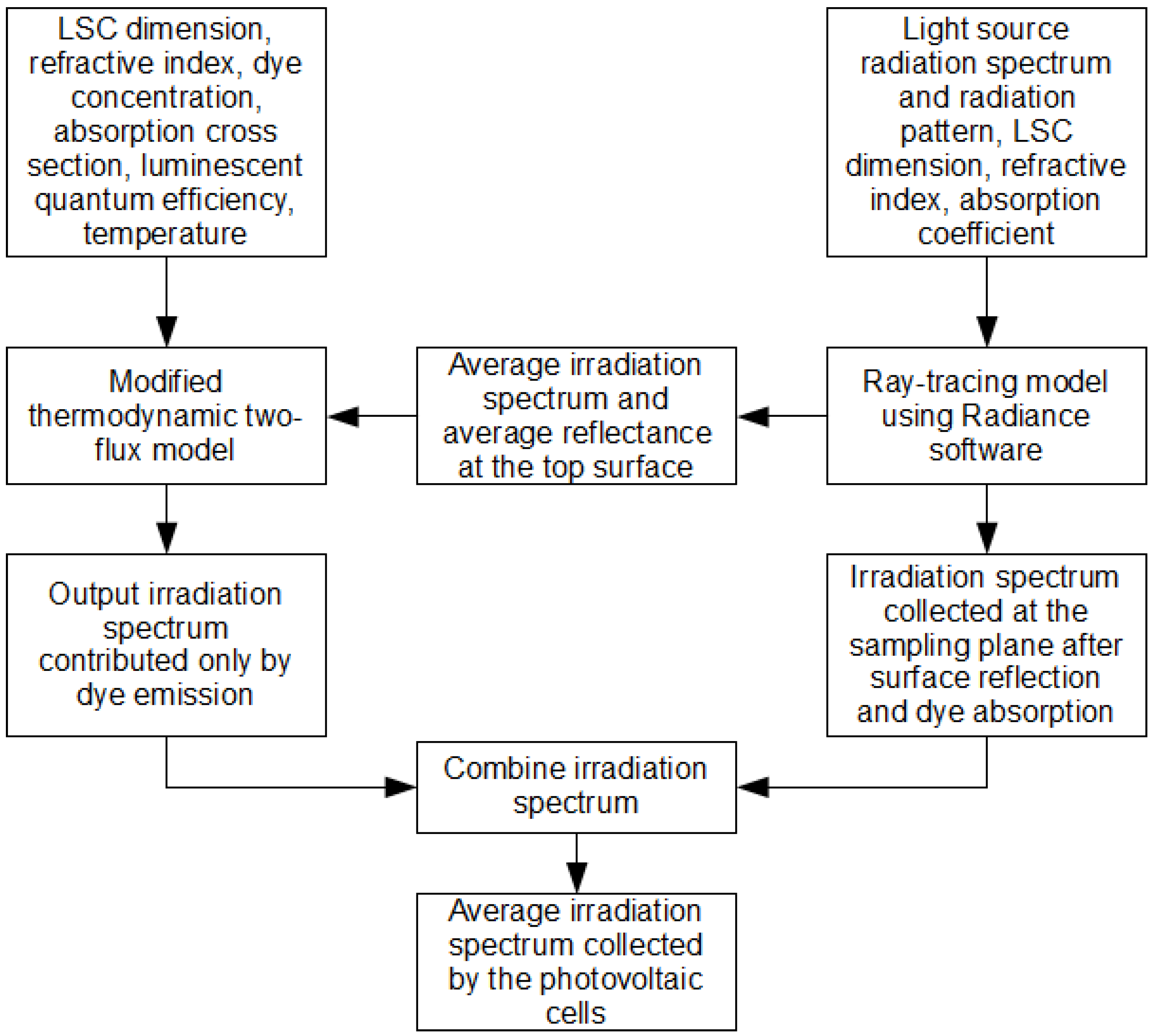
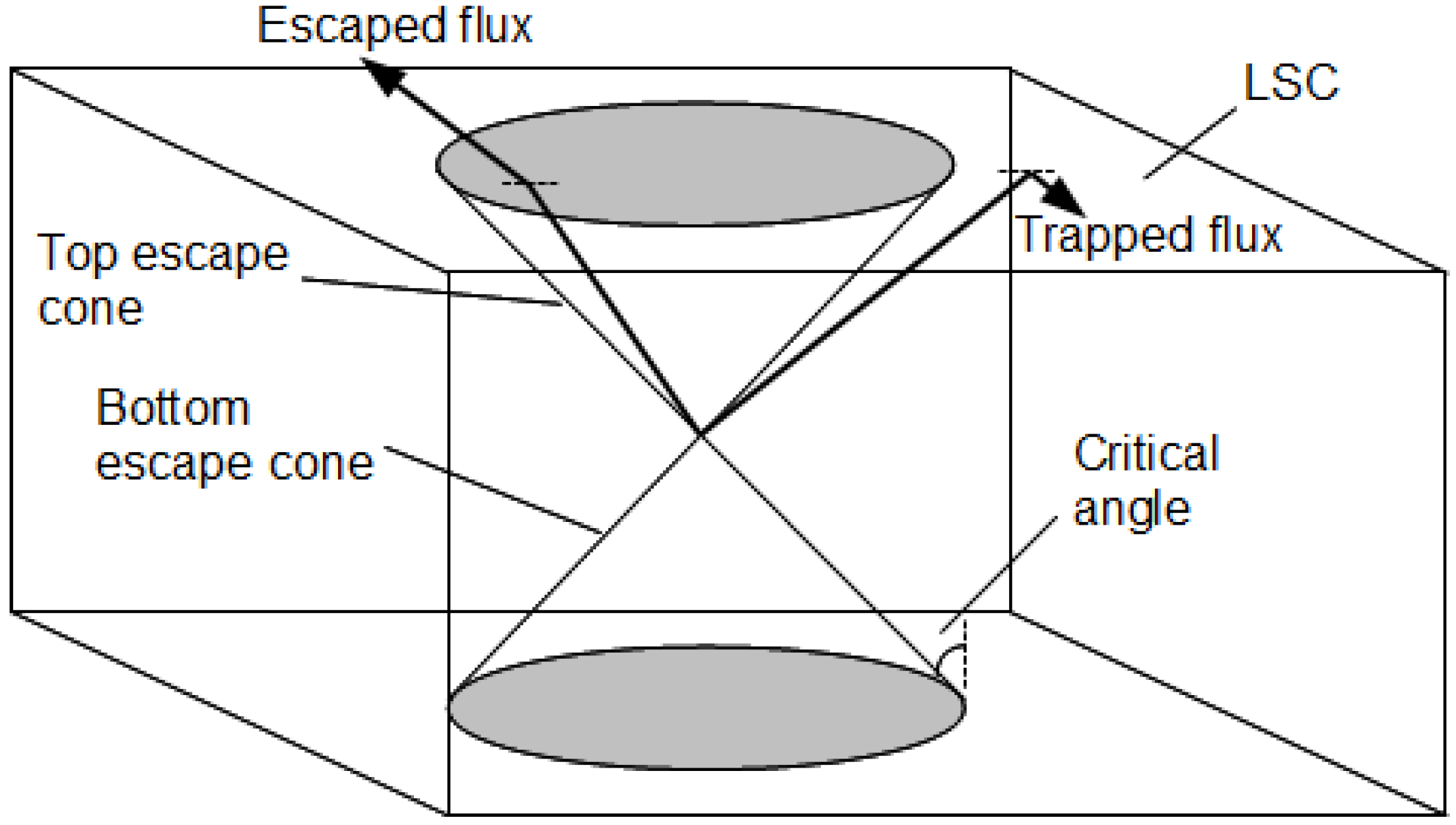
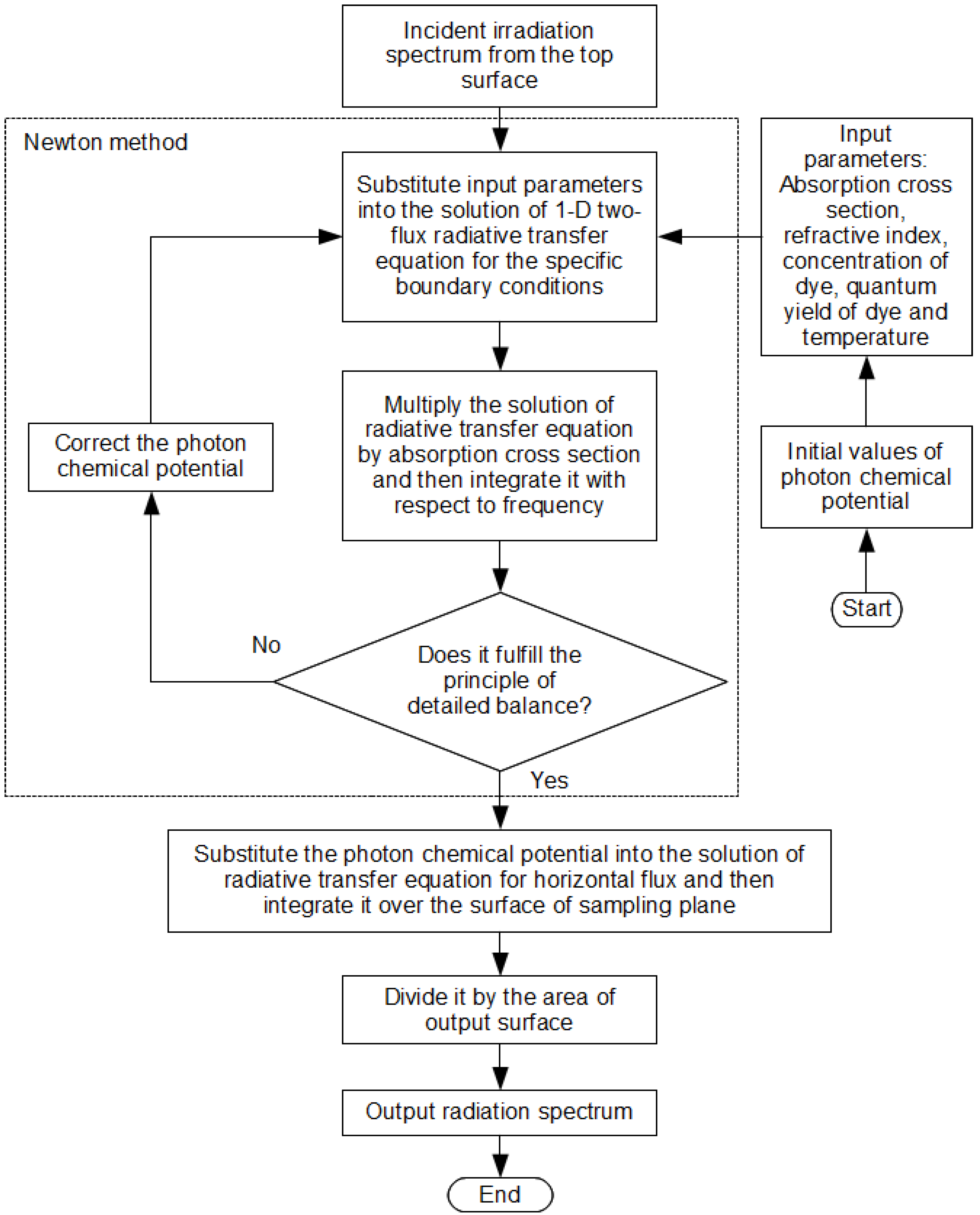
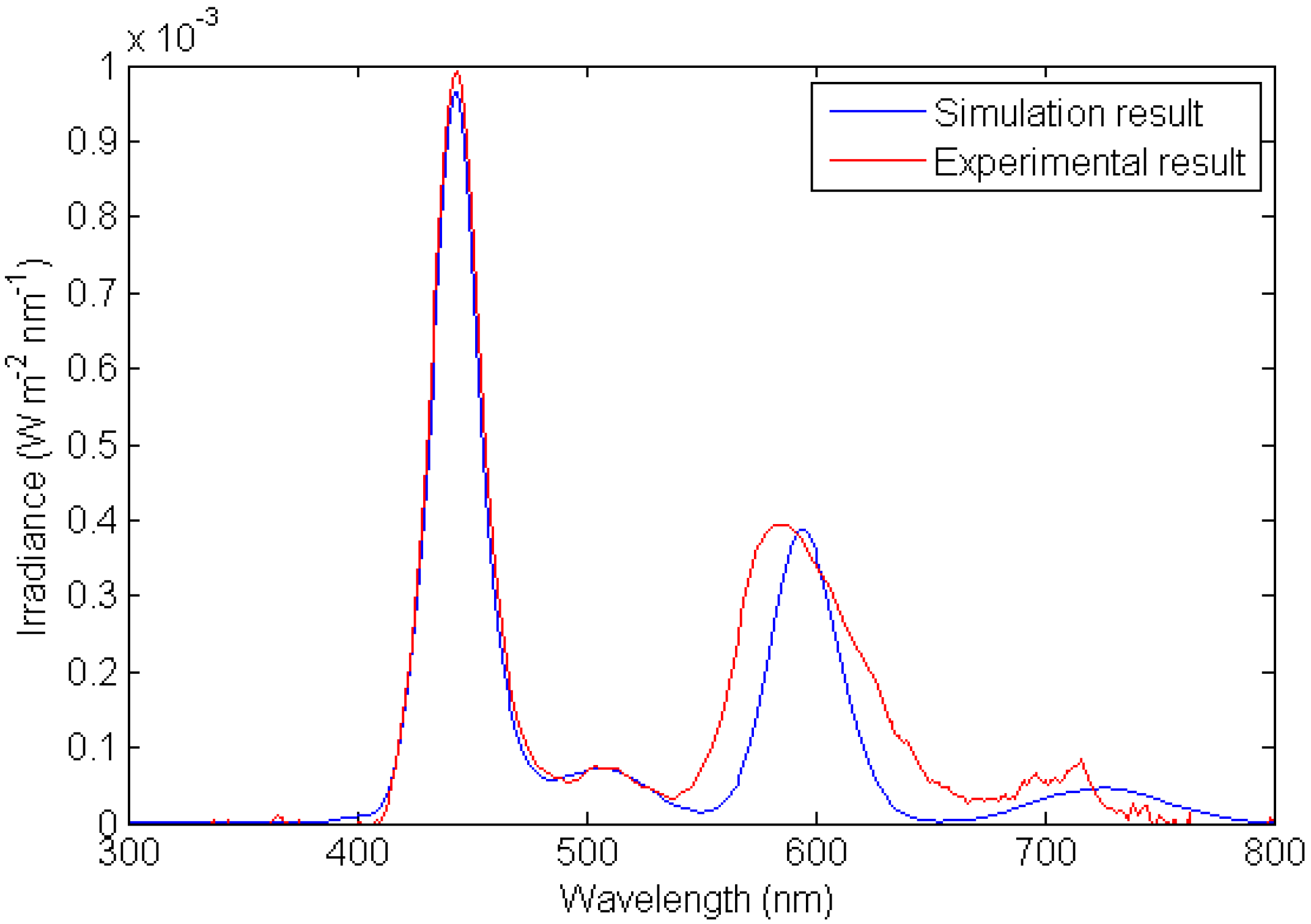
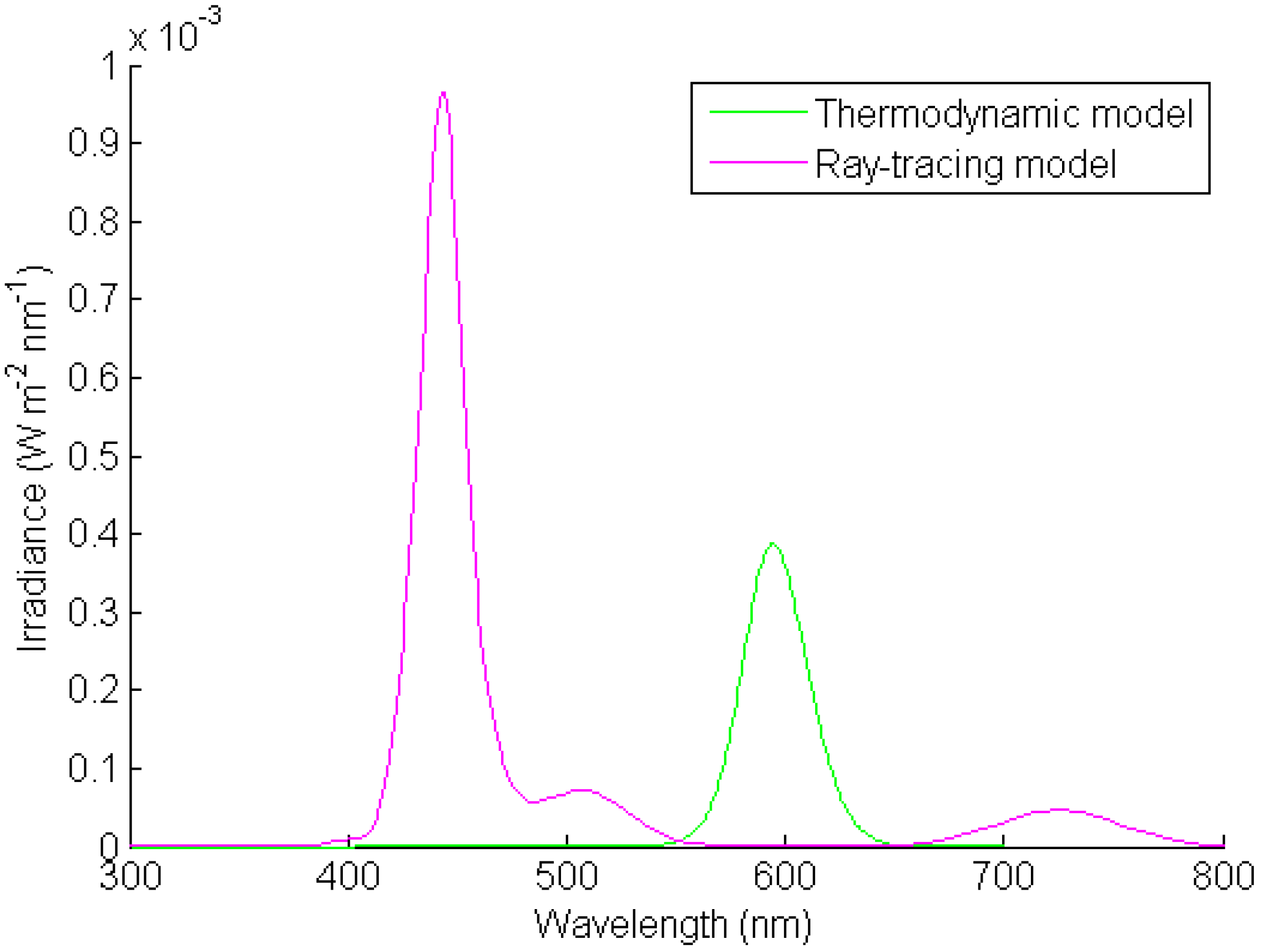
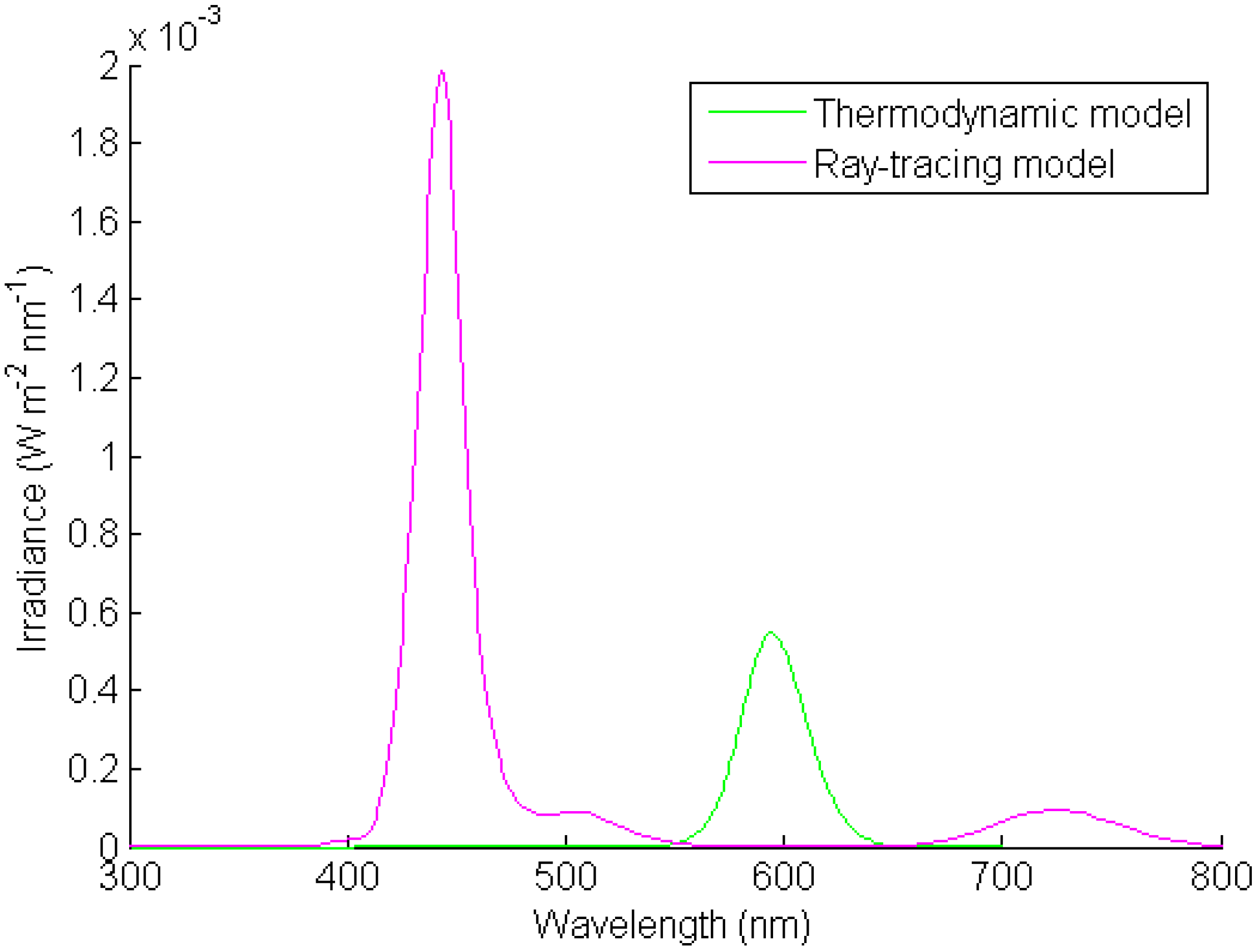
A Luminescent Solar Concentrator (LSC) is a transparent plate containing luminescent material with photovoltaic (PV) cells attached to its edges. Sunlight entering the plate is absorbed by the luminescent material, which in turn emits light. The emitted light propagates through the plate and arrives at the PV cells through total internal reflection. The ratio of the area of the relatively cheap polymer plate to that of the expensive PV cells is increased, and the cost per unit of solar electricity can be reduced by 75%. To improve the emission performance of LSCs, simulation modeling of LSCs becomes essential. Ray-tracing modeling is a popular approach for simulating LSCs due to its great ability of modeling various LSC structures under direct and diffuse sunlight. However, this approach requires substantial amount of measurement input data. Also, the simulation time is enormous because it is a forward-ray tracing method that traces all the rays propagating from the light source to the concentrator. On the other hand, the thermodynamic approach requires substantially less input parameters and simulation time, but it can only be used to model simple LSC designs with direct sunlight. Therefore, a new hybrid model was developed to perform various simulation studies effectively without facing the issues arisen from the existing ray-tracing and thermodynamic models. The simulation results show that at least 60% of the total output irradiance of a LSC is contributed by the light trapped and channeled by the LSC. The novelty of this hybrid model is the concept of integrating the thermodynamic model with a well-developed Radiance ray-tracing model, hence making this model as a fast, powerful and cost-effective tool for the design of LSCs.
Keywords: luminescent solar concentrator; thermodynamic; backward ray-tracing luminescent solar concentrator; thermodynamic; backward ray-tracing