Article

Efficient Superpixel-Guided Interactive Image Segmentation Based on Graph Theory

College of Computer Science and Engineering, Chongqing University of Technology, Chongqing 400054, China
*
Author to whom correspondence should be addressed.
Symmetry 2018, 10(5), 169; https://doi.org/10.3390/sym10050169
Submission received: 25 April 2018 / Revised: 13 May 2018 / Accepted: 15 May 2018 / Published: 17 May 2018

Abstract

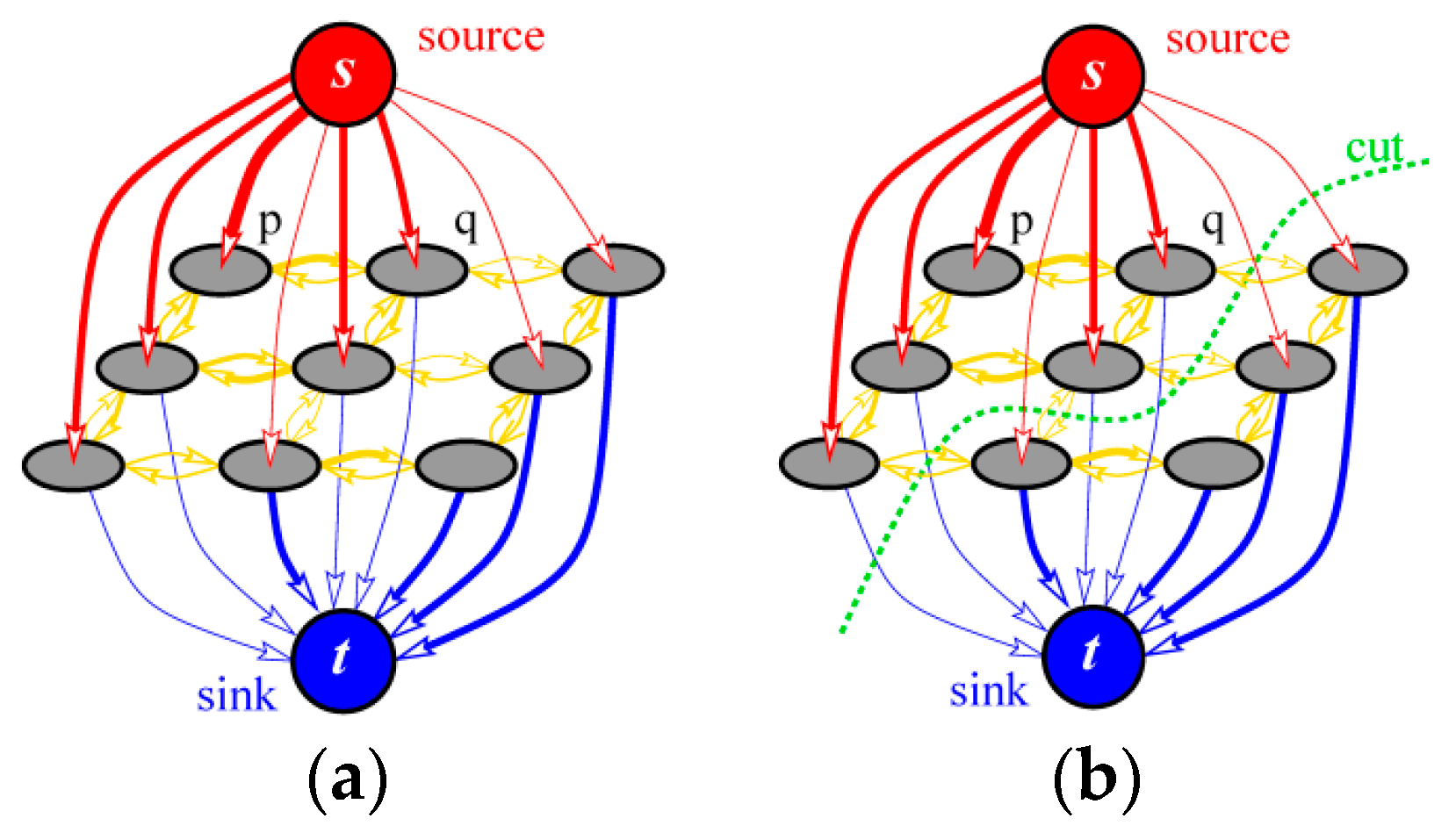
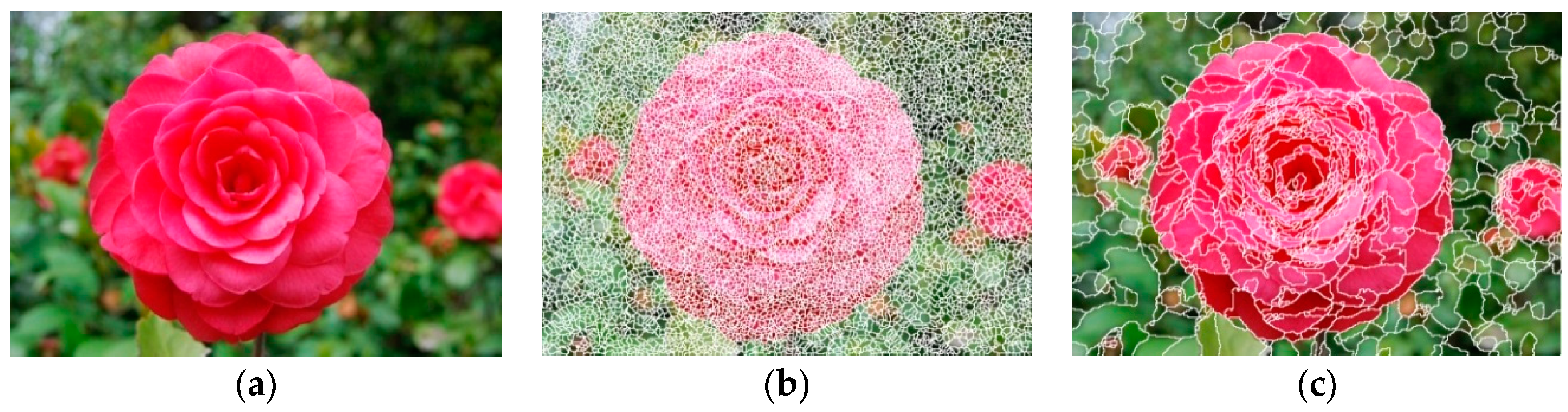
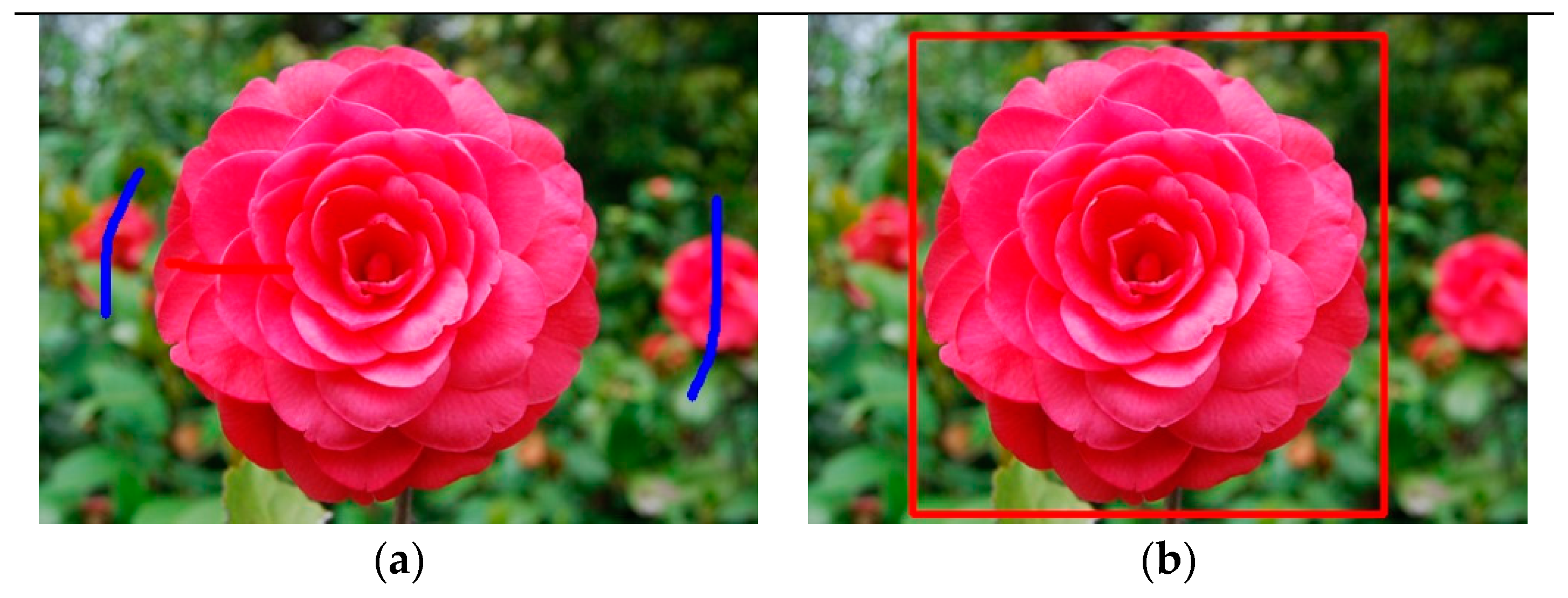
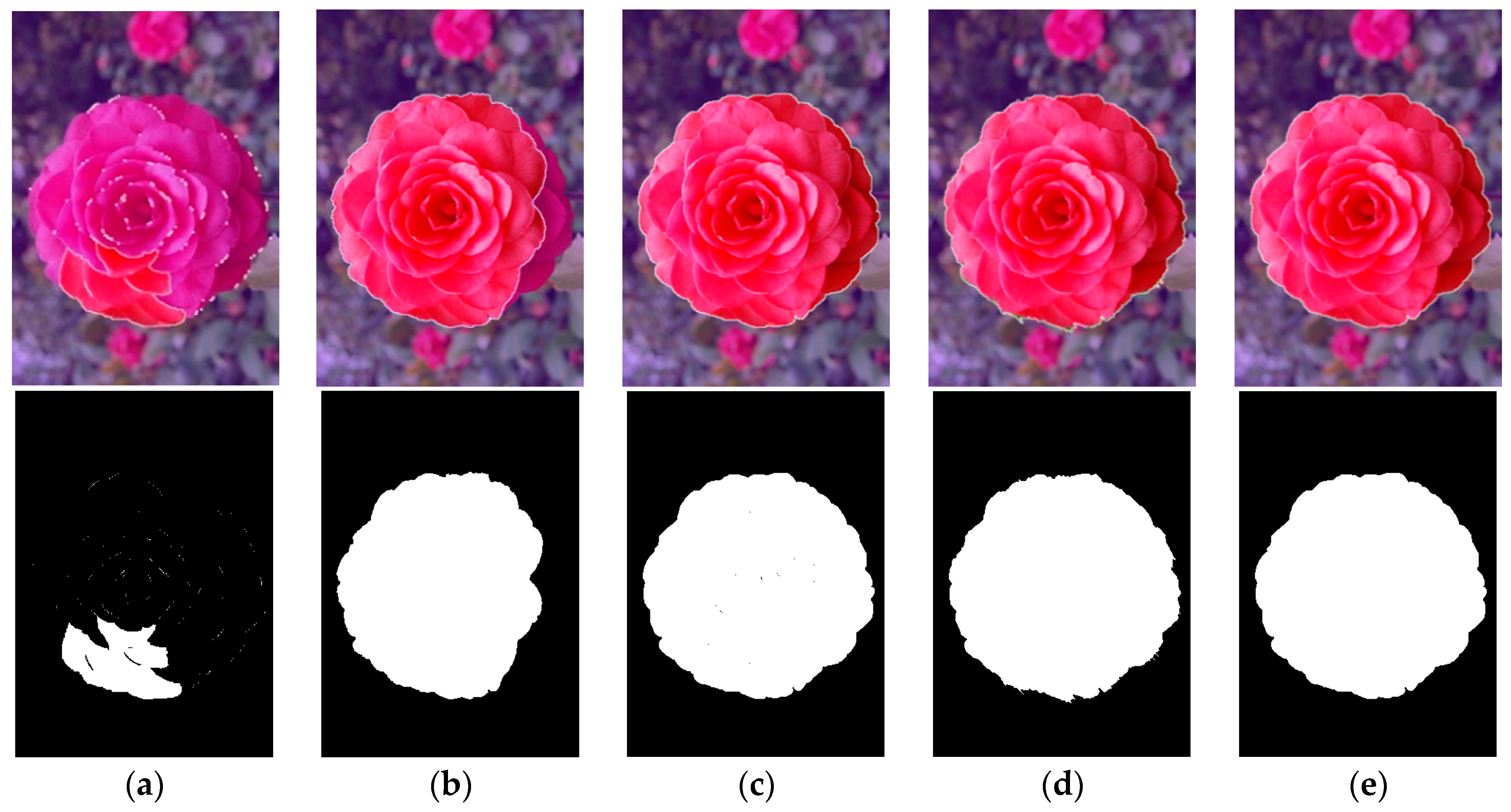
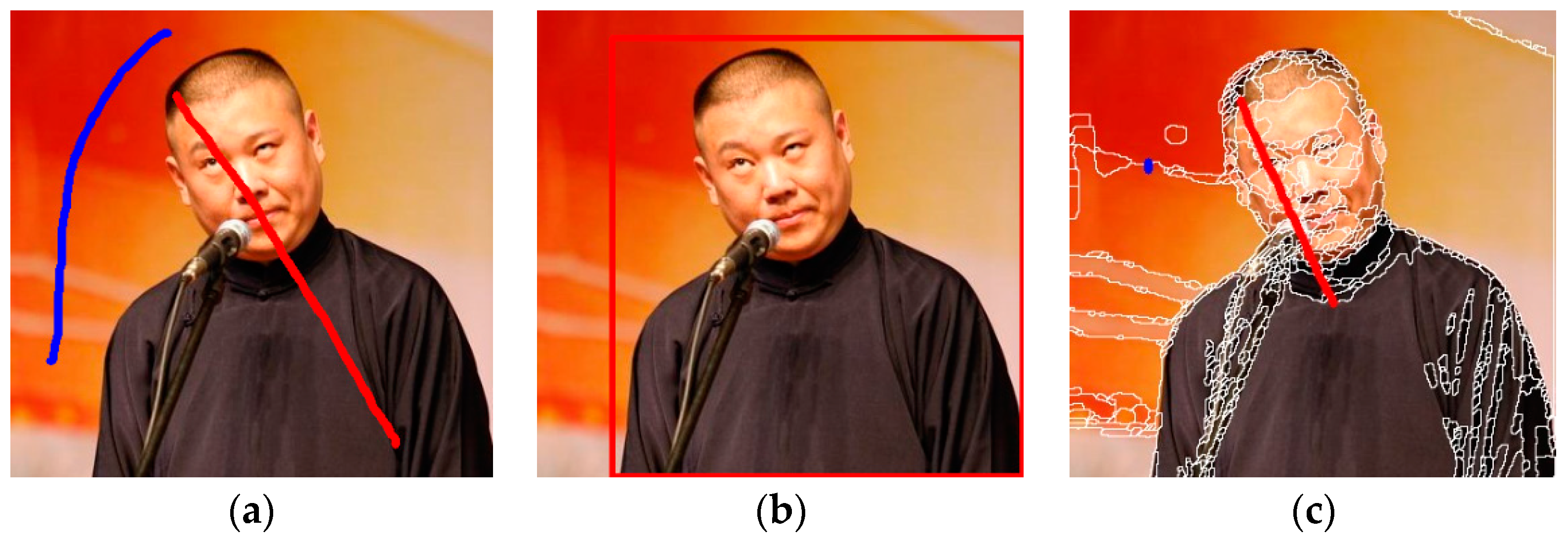
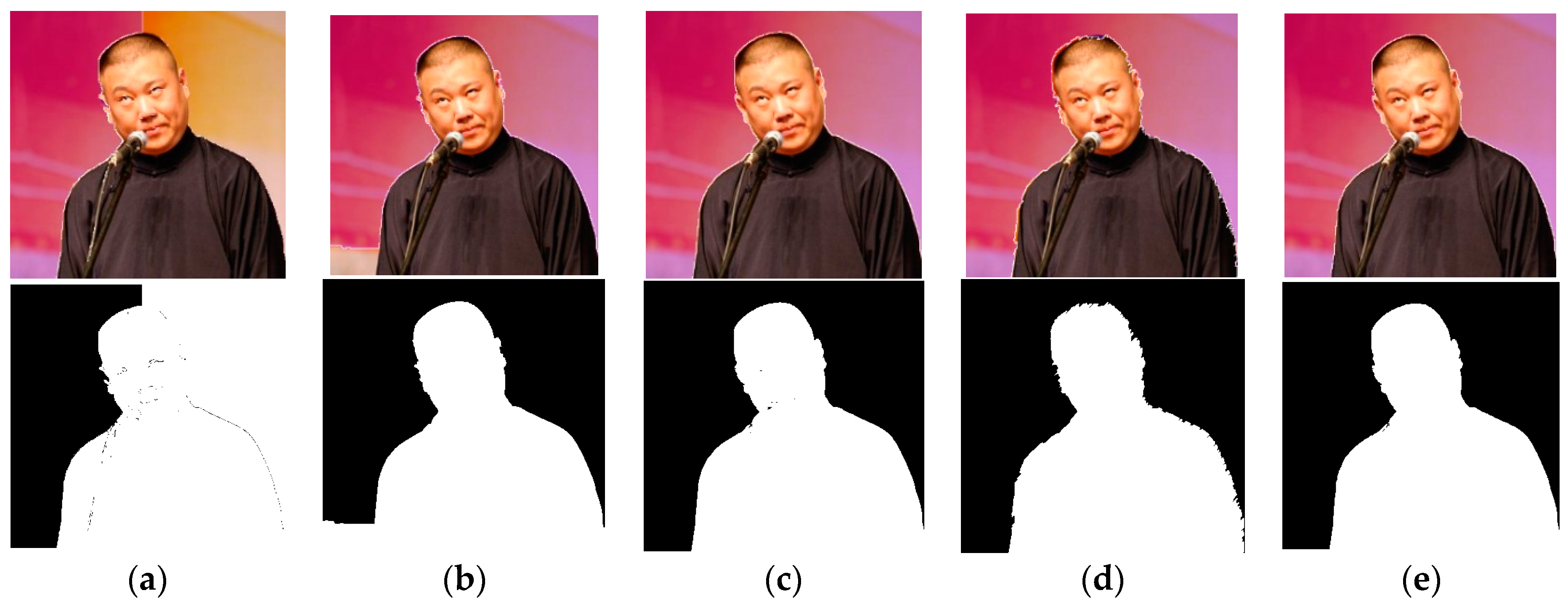
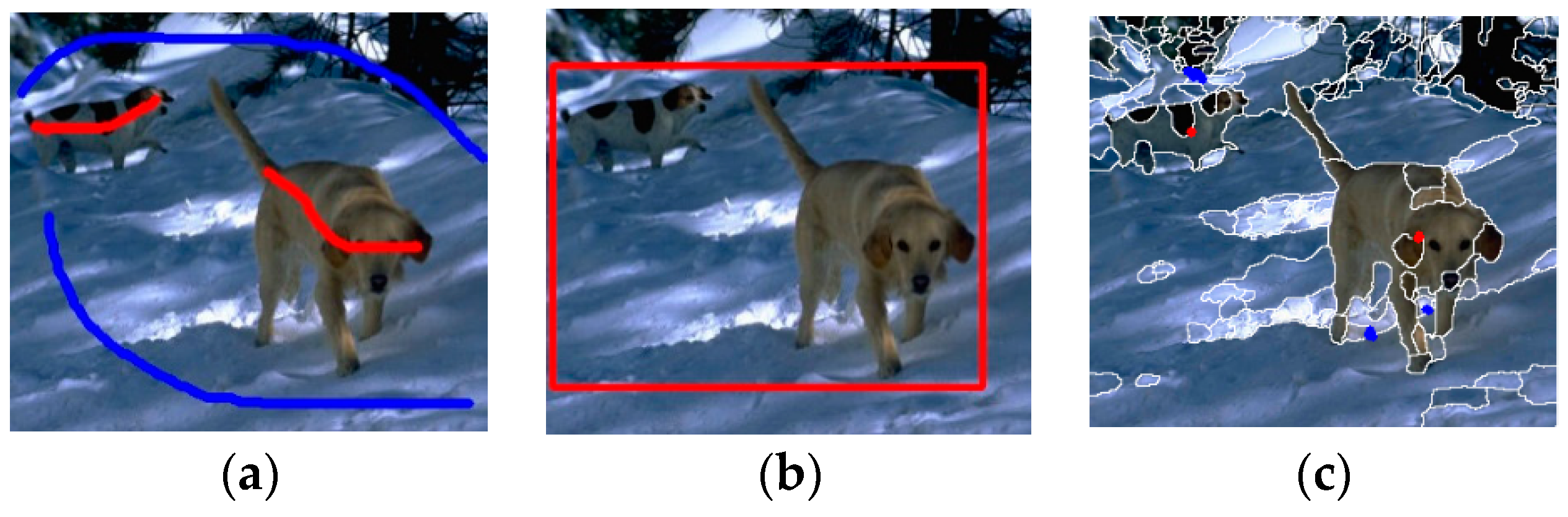
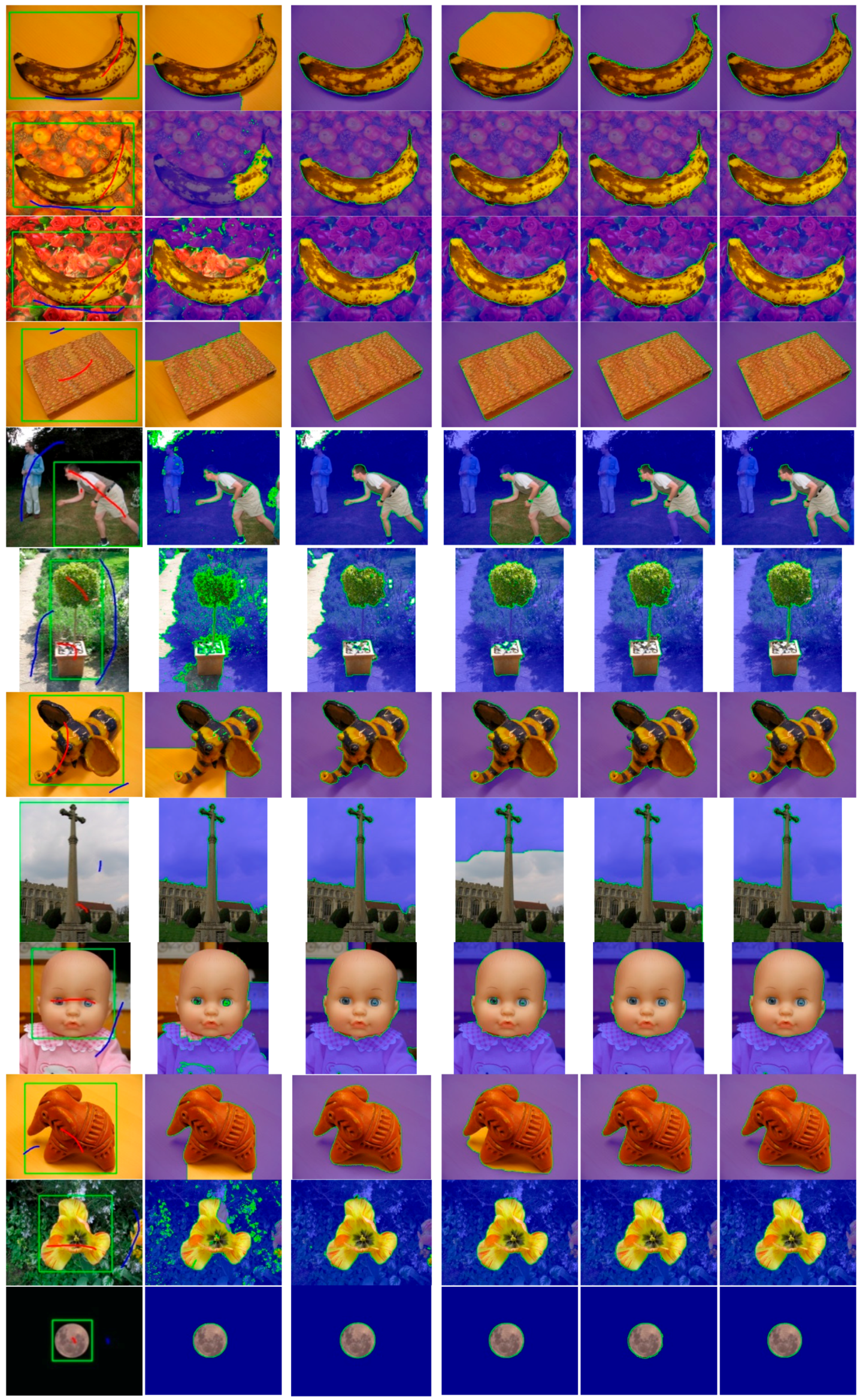
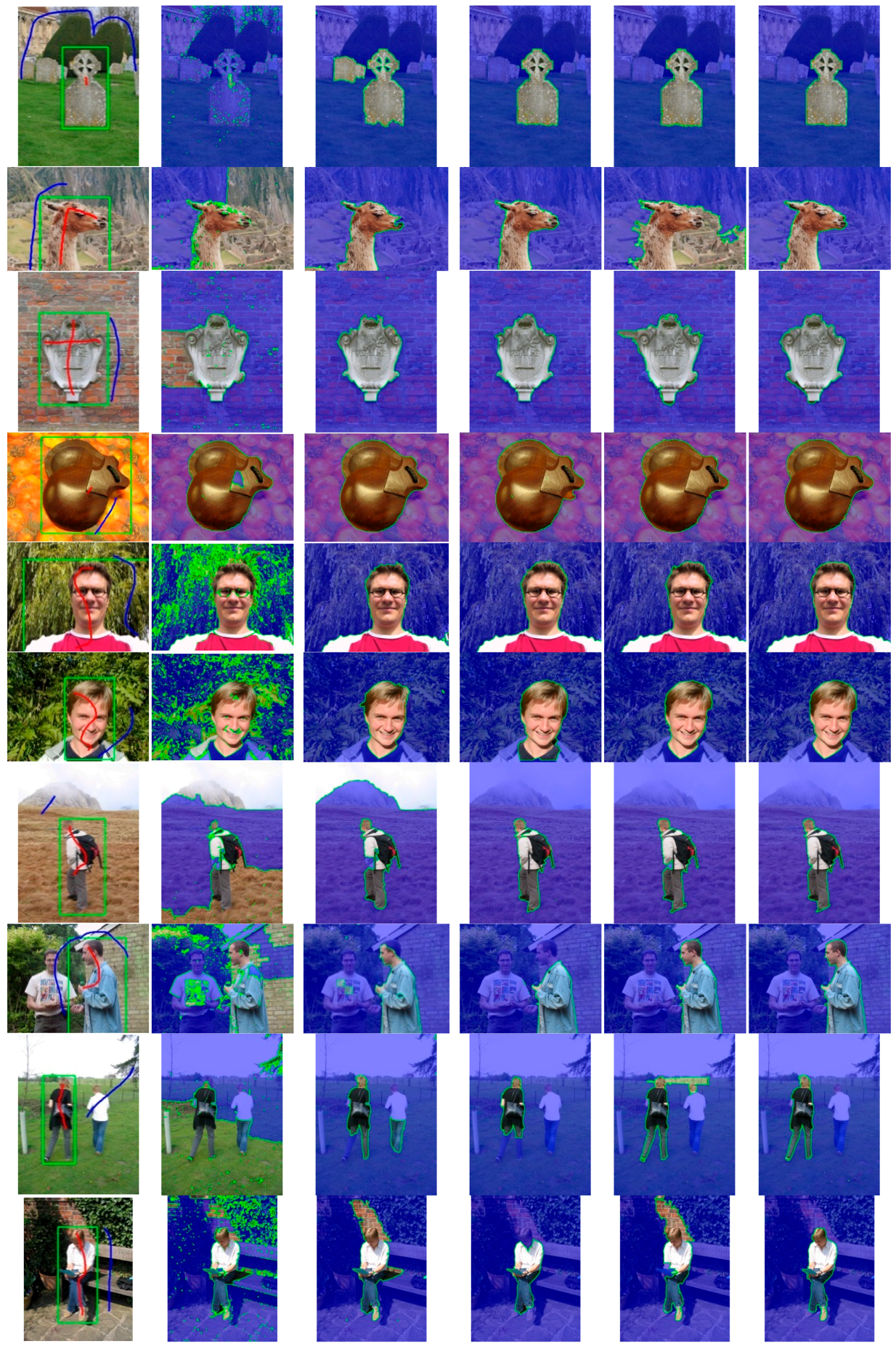
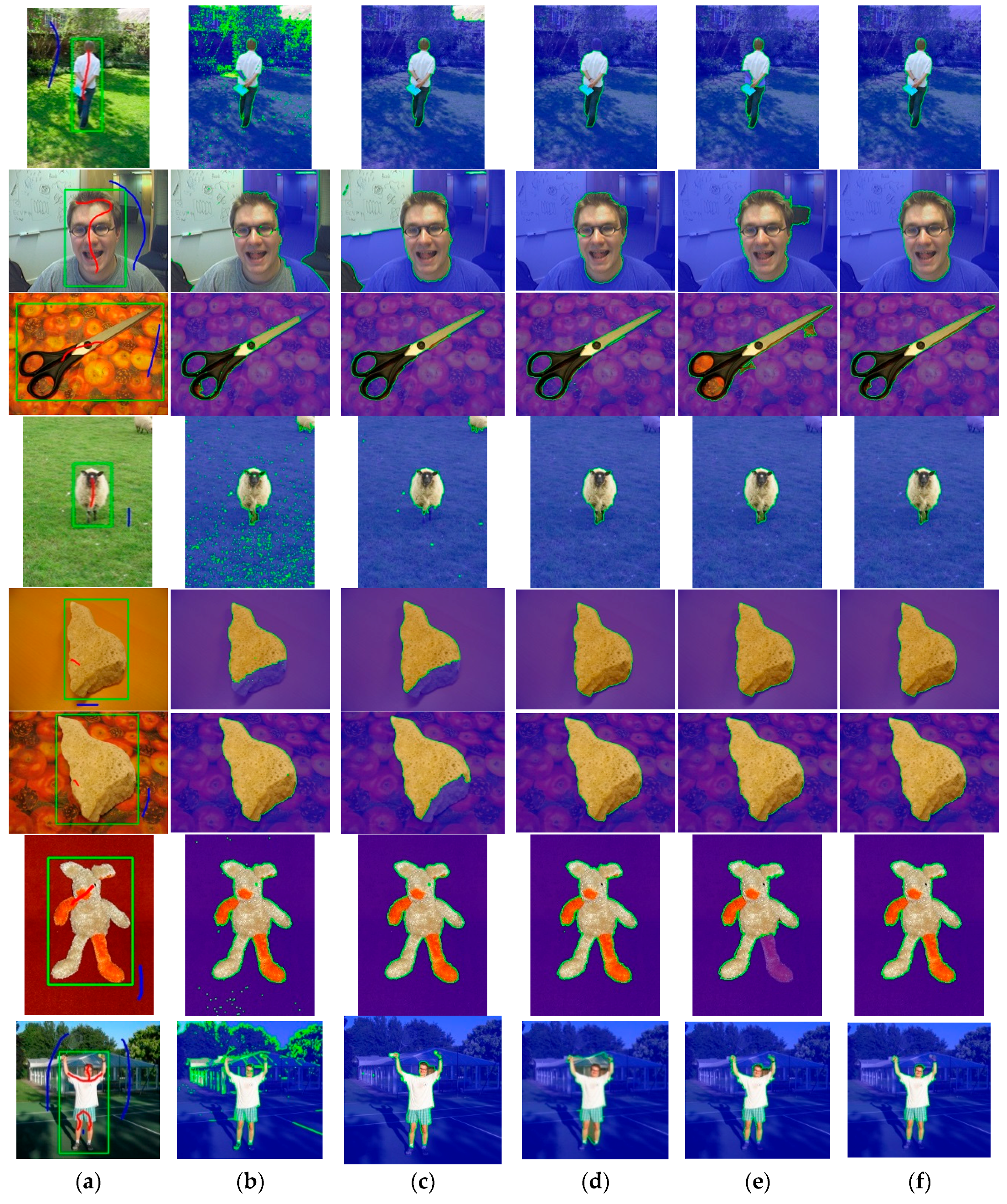
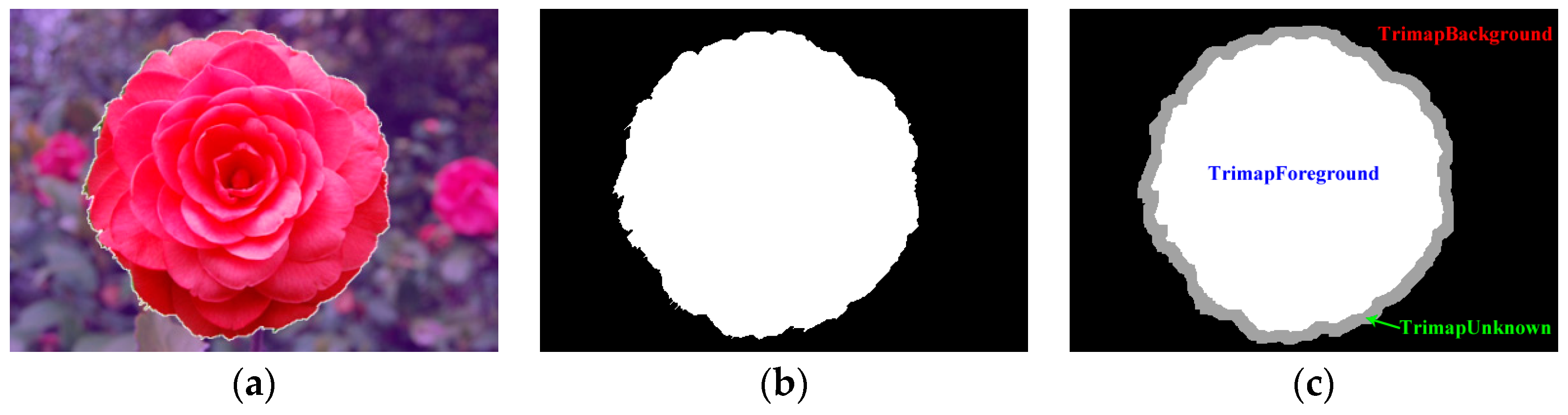
Image segmentation is a challenging task in the field of image processing and computer vision. In order to obtain an accurate segmentation performance, user interaction is always used in practical image-segmentation applications. However, a good segmentation method should not rely on much prior information. In this paper, an efficient superpixel-guided interactive image-segmentation algorithm based on graph theory is proposed. In this algorithm, we first perform the initial segmentation by using the MeanShift algorithm, then a graph is built by taking the pre-segmented regions (superpixels) as nodes, and the maximum flow–minimum cut algorithm is applied to get the superpixel-level segmentation solution. In this process, each superpixel is represented by a color histogram, and the Bhattacharyya coefficient is chosen to calculate the similarity between any two adjacent superpixels. Considering the over-segmentation problem of the MeanShift algorithm, a narrow band is constructed along the contour of objects using a morphology operator. In order to further segment the pixels around edges accurately, a graph is created again for those pixels in the narrow band and, following the maximum flow–minimum cut algorithm, the final pixel-level segmentation is completed. Extensive experimental results show that the presented algorithm obtains much more accurate segmentation results with less user interaction and less running time than the widely used GraphCut algorithm, Lazy Snapping algorithm, GrabCut algorithm and a region merging algorithm based on maximum similarity (MSRM).
Keywords: interactive image segmentation; superpixel; graph theory; maximum flow–minimum cut; color histogram; Bhattacharyya coefficient interactive image segmentation; superpixel; graph theory; maximum flow–minimum cut; color histogram; Bhattacharyya coefficient