



-
Mushroom Spawn and Its Effects on Mushroom Growth and Development: A Systematic Review -
Screening Almond Cultivars for Water Stress Tolerance Using Multiple Diagnostic Parameters -
Nature-Based Solutions (NbS) in Agricultural Soils for Greenhouse Gas Mitigation -
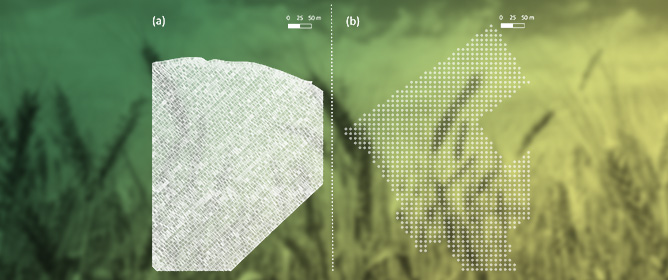
A Standardized Framework for Cleaning Non-Normal Yield Data from Wheat and Barley Crops, and Validation Using Machine Learning Models for Satellite Imagery
Journal Description
Agronomy
Agronomy
is an international, peer-reviewed, open access journal on agronomy and agroecology published semimonthly online by MDPI. The Spanish Society of Plant Biology (SEBP) is affiliated with Agronomy and their members receive discounts on the article processing charges.
- Open Access— free for readers, with article processing charges (APC) paid by authors or their institutions.
- High Visibility: indexed within Scopus, SCIE (Web of Science), GEOBASE, PubAg, AGRIS, and other databases.
- Journal Rank: JCR - Q1 (Agronomy) / CiteScore - Q1 (Agronomy and Crop Science)
- Rapid Publication: manuscripts are peer-reviewed and a first decision is provided to authors approximately 17.7 days after submission; acceptance to publication is undertaken in 2.6 days (median values for papers published in this journal in the first half of 2026).
- Recognition of Reviewers: reviewers who provide timely, thorough peer-review reports receive vouchers entitling them to a discount on the APC of their next publication in any MDPI journal, in appreciation of the work done.
- Companion journals for Agronomy include: Seeds, Agrochemicals, Grasses and Crops.
- Journal Cluster of Agricultural Science: Agriculture, Agronomy, Horticulturae, Soil Systems, AgriEngineering, Crops, Seeds, Grasses, Agrochemicals and AI and Precision Agriculture.
Impact Factor:
4.1 (2025);
5-Year Impact Factor:
4.4 (2025)
Latest Articles
Technical Limitations and Research Gaps of IoT and Big Data Infrastructures in Precision Crop Production: A Design-Oriented Review
Agronomy 2026, 16(14), 1354; https://doi.org/10.3390/agronomy16141354 (registering DOI) - 16 Jul 2026
Abstract
Precision crop production increasingly relies on Internet of Things (IoT) devices, heterogeneous sensor networks, machine telemetry, and data-intensive analytics to monitor field conditions, support decisions, and enable variable-rate or autonomous operations. However, farm-scale multi-season adoption remains limited by technical constraints that are often
[...] Read more.
Precision crop production increasingly relies on Internet of Things (IoT) devices, heterogeneous sensor networks, machine telemetry, and data-intensive analytics to monitor field conditions, support decisions, and enable variable-rate or autonomous operations. However, farm-scale multi-season adoption remains limited by technical constraints that are often reported only as general challenges. This design-oriented review clarifies those constraints at the infrastructure level. It is not a quantitative meta-analysis; rather, it combines a transparent multi-database search, a PRISMA-type selection record and thematic design synthesis of the 2020–2025 literature, supplemented by selected 2026 studies and current interoperability and security specifications. The review addresses four research questions covering field hardware and connectivity failures, edge-to-cloud data management, integration with farm management information systems and agricultural machinery, and future design priorities. The synthesis identifies recurring gaps in multi-season reliability evidence, calibration and self-diagnostics, energy and connectivity benchmarking, operational definitions of agricultural Big Data, metadata/FAIR implementation, ISO 11783/ISOBUS–FMIS interoperability, lightweight cybersecurity, and serviceability. The main outputs are an evidence-traceability matrix, a distributed reference architecture specifying inputs, outputs, standards, validation points and edge/cloud placement, an operationalized G1–G10 gap matrix with indicators and evaluation designs, and minimum reporting requirements for future agricultural IoT studies. These outputs are intended to make field systems more interoperable, maintainable, secure, and evaluable. Because the corpus combines heterogeneous evidence types and does not support quantitative meta-analysis, the outputs should be interpreted as design and reporting guidance rather than comparative performance estimates.
Full article
(This article belongs to the Section Precision and Digital Agriculture)
Open AccessArticle
Climate-Driven Variation in Habitat Suitability and Phytochemical Composition of Dendrobium officinale in China
by
Ming Luo, Pingfei Yang, Xiao Liu, Lin Yang, Qidi Wei, Jinyu Tan and Mingkai Wu
Agronomy 2026, 16(14), 1353; https://doi.org/10.3390/agronomy16141353 - 16 Jul 2026
Abstract
Dendrobium Officinale is an endangered medicinal orchid with high therapeutic value. Understanding where it can grow well and where its medicinal compounds accumulate most is important for both conservation and cultivation. In this study, we used species distribution modeling (MaxEnt) to predict suitable
[...] Read more.
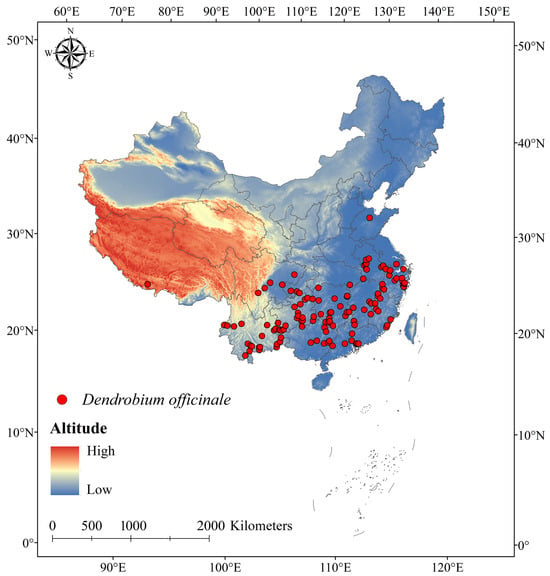
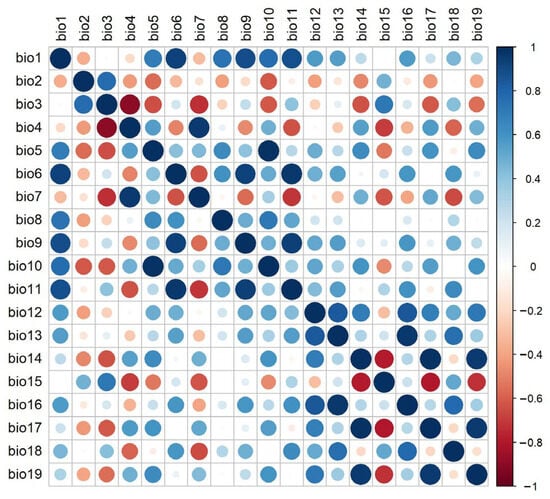
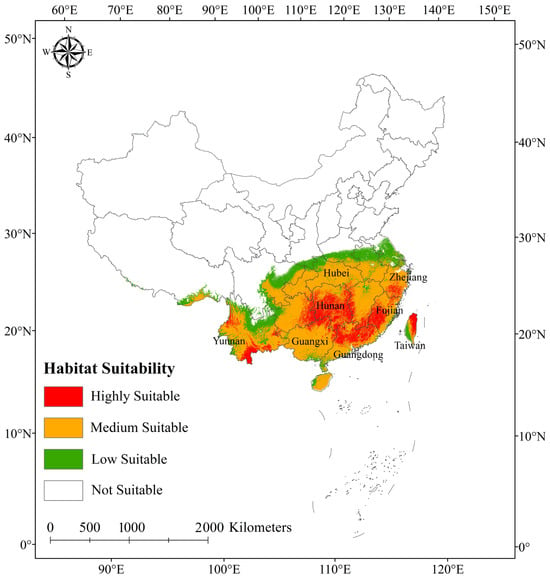
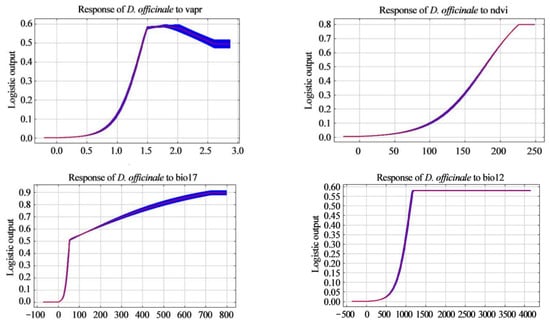
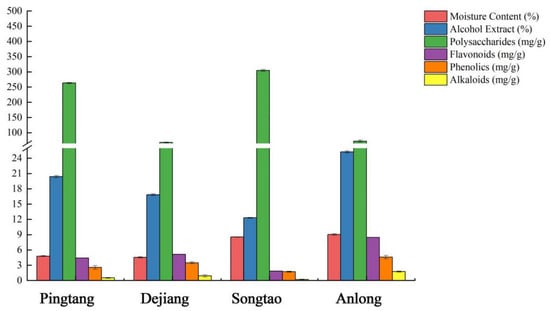
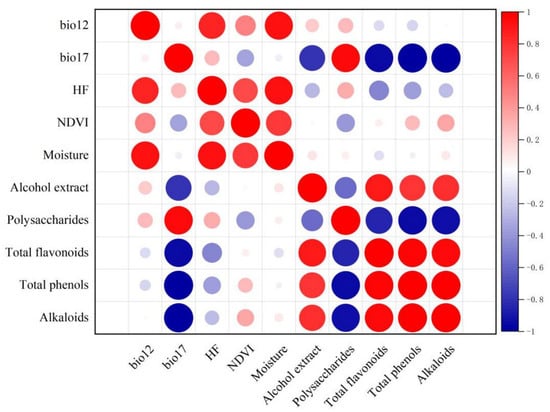
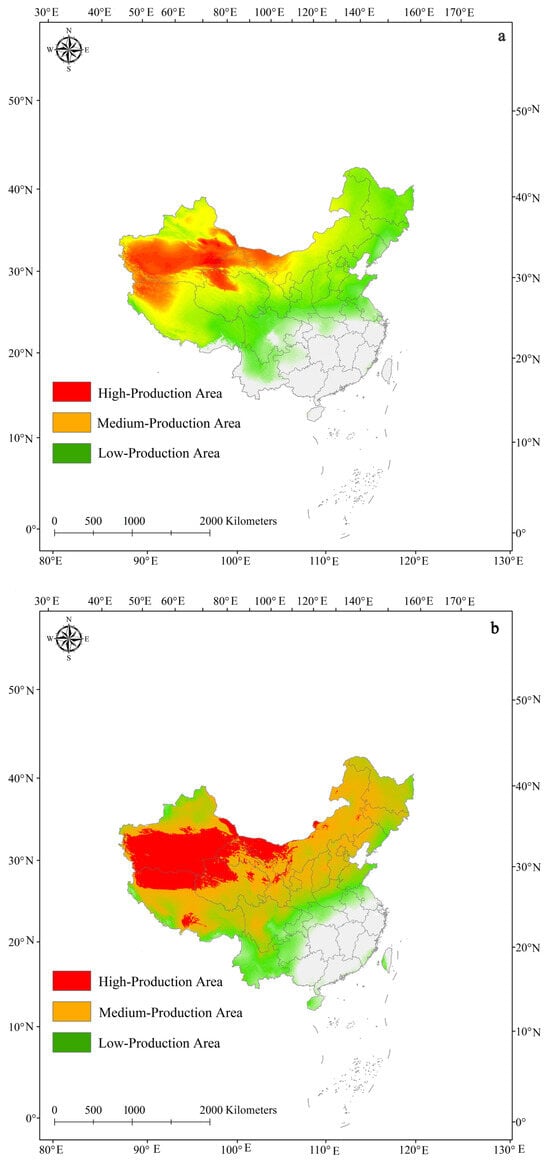
Dendrobium Officinale is an endangered medicinal orchid with high therapeutic value. Understanding where it can grow well and where its medicinal compounds accumulate most is important for both conservation and cultivation. In this study, we used species distribution modeling (MaxEnt) to predict suitable habitats for D. officinale in China, and combined this with field sampling and UV-Vis spectrophotometry to analyze the content of bioactive compounds in plants from four producing areas in Guizhou Province. Our results show that the potential distribution of D. officinale is primarily constrained by moisture-related variables, especially precipitation of the driest quarter, annual precipitation, and vapor pressure, as well as vegetation activity (NDVI). The total suitable area was estimated at approximately 21.4 × 10⁴ km2. Phytochemical analysis of samples from four sites in Guizhou Province suggested that the accumulation of polysaccharides, alkaloids, and total phenols may respond differently to environmental factors. Alkaloids and total phenols showed strong negative correlations with precipitation-related variables (bio12, bio17), while polysaccharides exhibited positive correlations with these same variables. However, these correlations are based on a small sample (n = 4) and should be interpreted as exploratory hypotheses specific to Guizhou, rather than as established relationships. They point to the possibility that water availability during the dry season may exert opposing effects on different classes of secondary metabolites, but this conjecture requires verification with expanded sampling. Overall, this study provides a spatial framework that can inform site selection for cultivation and conservation, rather than a fully validated precision agriculture tool.
Full article
(This article belongs to the Section Plant-Crop Biology and Biochemistry)
►▼
Show Figures

Figure 1
Open AccessArticle
Genetic Diversity, Population Structure and Temporal Dynamics of Wheat Cultivars in China
by
Yahui Li, Mingming Zhang, Pingping Qu, Hongbo Li, Yangna Liu, Guohang Yang, Feng Xu, Binshuang Pang and Lihua Liu
Agronomy 2026, 16(14), 1352; https://doi.org/10.3390/agronomy16141352 - 15 Jul 2026
Abstract
Molecular characterization of wheat varieties is of high importance for wheat breeding. In the present study, 1883 Chinese wheat cultivars released between 1971 and 2025 were genotyped using a wheat 90K SNP array. Analysis of genetic diversity indicated a consistent A > B
[...] Read more.
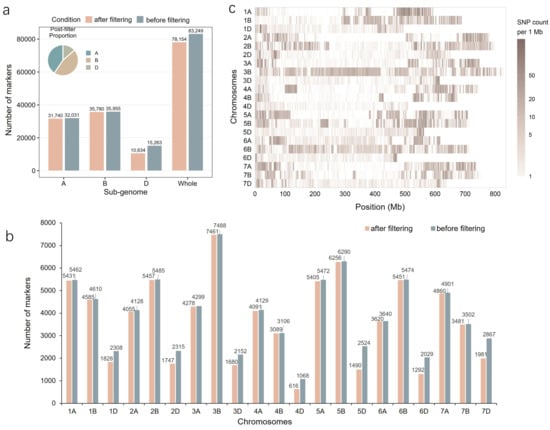
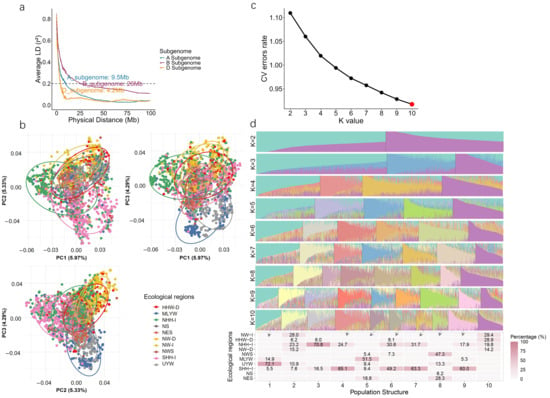
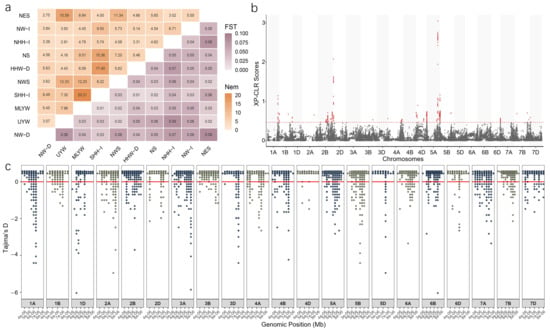
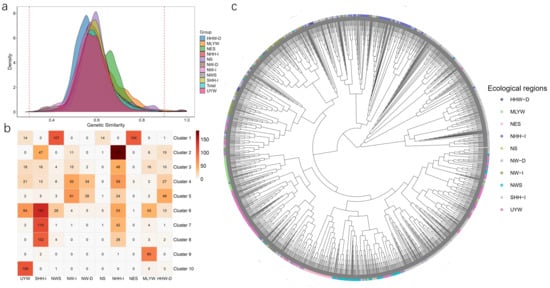
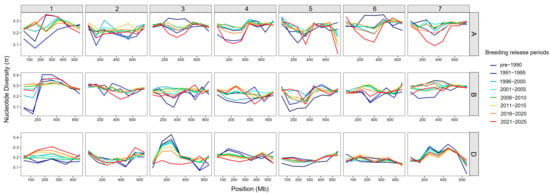
Molecular characterization of wheat varieties is of high importance for wheat breeding. In the present study, 1883 Chinese wheat cultivars released between 1971 and 2025 were genotyped using a wheat 90K SNP array. Analysis of genetic diversity indicated a consistent A > B > D pattern, with the D subgenome showing the lowest genetic diversity and fastest LD decay (4.2 Mb), indicating diminished genetic diversity driven by breeding and selection. Population structure analysis revealed ten genetic clusters with clear ecological preferences, whereas genetic differentiation was weak (FST < 0.05) and gene flow extensive (Nem > 1), indicating the co-existence of strong ecological adaptation and frequent interregional germplasm exchange. Selective sweeps were identified on chromosome 5A (TaVRN1) and 2D (Rht8/RNHL-D1) regions controlling vernalization, plant height, and stress tolerance. Despite high gene flow, these loci for variety adaptiveness remained differentiated, highlighting the impact of artificial selection. Average pairwise genetic similarity was 0.56, but only a minority of cultivar pairs exceeded 0.98, especially in the Northeastern Spring Wheat and Middle-Lower Yangtze River Facultative Wheat regions, revealing severe genetic homogeneity from the excessive use of core parents. Nucleotide diversity increased to a peak in 2011–2015. These findings indicate that Chinese wheat cultivars still harbor significant potential for genetic improvement, highlighting the critical need to integrate exotic germplasm into core breeding parents to drive future advancements.
Full article
(This article belongs to the Section Crop Breeding and Genetics)
►▼
Show Figures

Figure 1

Open AccessArticle
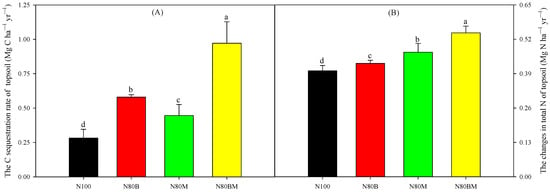
Combined Effects of Biochar and Milk Vetch with Reduced Nitrogen Application on Rice Yield, Soil Aggregation, and Carbon and Nitrogen Distribution in Reddish Paddy Soil
by
Zhijian Xie, Kun Zhang and Ye Lu
Agronomy 2026, 16(14), 1351; https://doi.org/10.3390/agronomy16141351 - 15 Jul 2026
Abstract
Although rice straw biochar (RSB) and milk vetch (MV) facilitate rice production and soil carbon and nitrogen (N) storage, their combined effects under N-reduction remain unclear, particularly at the aggregate-scale in reddish paddy soils. A two-year field experiment with four treatments: 100% N
[...] Read more.
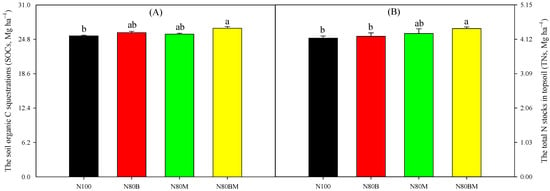
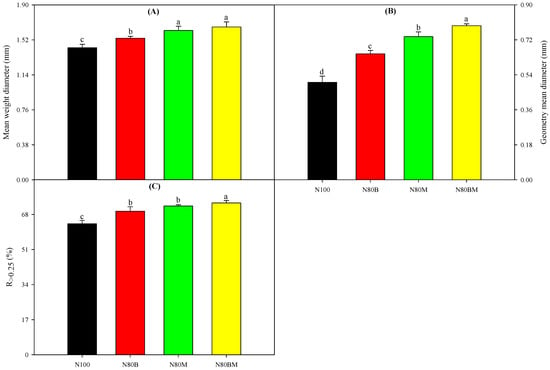
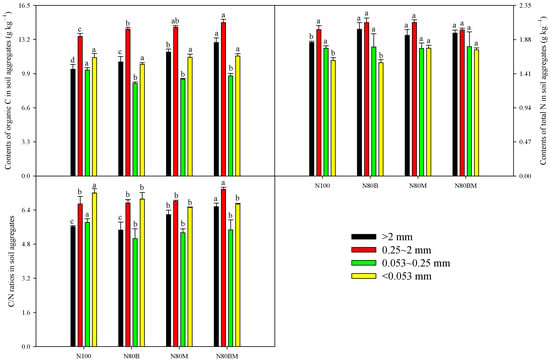
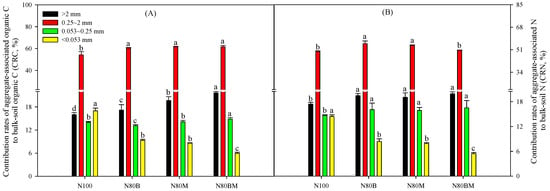
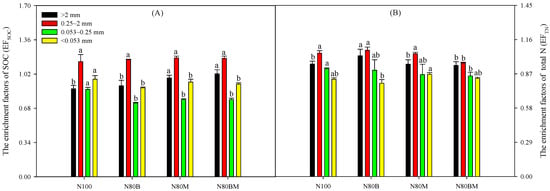
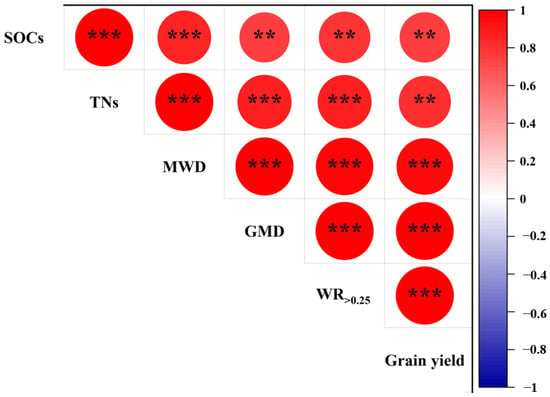
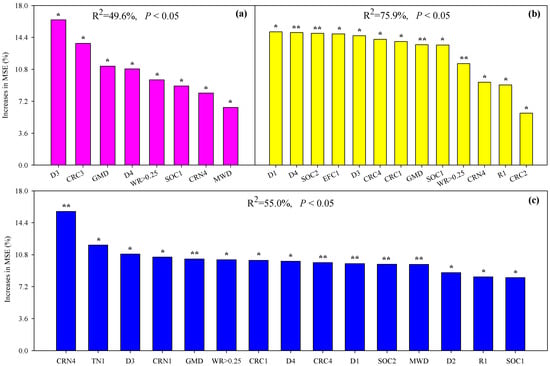
Although rice straw biochar (RSB) and milk vetch (MV) facilitate rice production and soil carbon and nitrogen (N) storage, their combined effects under N-reduction remain unclear, particularly at the aggregate-scale in reddish paddy soils. A two-year field experiment with four treatments: 100% N (N100), 20% N-reduction + RSB (N80B), 20% N-reduction + MV (N80M), and 20% N-reduction + RSB + MV (N80BM), was conducted in reddish paddy soil. Rice yield, soil organic carbon (SOC) and total N (TN) stocks, water-stable aggregate distribution and stability, and aggregate-associated C and N allocation were measured. Over the two-year study, N80BM significantly increased grain yield by 11.2%, SOCs by 5.42%, and TNs by 6.92% compared with N100 (p < 0.05). RSB and MV combined with N-reduction increased macroaggregate proportion by 7.92–11.8% and aggregate stability by 7.14–58.1%, while decreasing silt–clay fraction by 39.6–62.9%. Soil C and N enrichment occurred predominantly in macroaggregates. Pearson correlation and random forest analyses jointly identified aggregate distribution and stability as primary predictors of rice yield, SOCs, and TNs. Therefore, RSB + MV combined with 20% N-reduction sustained rice yield while enhancing soil aggregation and C, N sequestration, providing a rational strategy for N management in sustainable rice production.
Full article
(This article belongs to the Section Soil and Plant Nutrition)
►▼
Show Figures

Figure 1
Open AccessArticle
Effects of Microbial Inoculant Application on the Decomposition of Organic Materials and the Priming Effect in Sandy Soils
by
Binbin Cao, Yunuo Li, Yan Gao, Yiting Chen, Jiaqi Hao, Xiangtian Meng, Jianglan Shi and Xiaohong Tian
Agronomy 2026, 16(14), 1350; https://doi.org/10.3390/agronomy16141350 - 15 Jul 2026
Abstract
The priming effect (PE) plays a critical role in regulating soil organic carbon (SOC) sequestration. Whether microbial inoculant combined with organic materials (e.g., crop straw) can reduce PE and enhance the fertility of coarse-textured sandy soils by accelerating straw decomposition remains poorly understood.
[...] Read more.
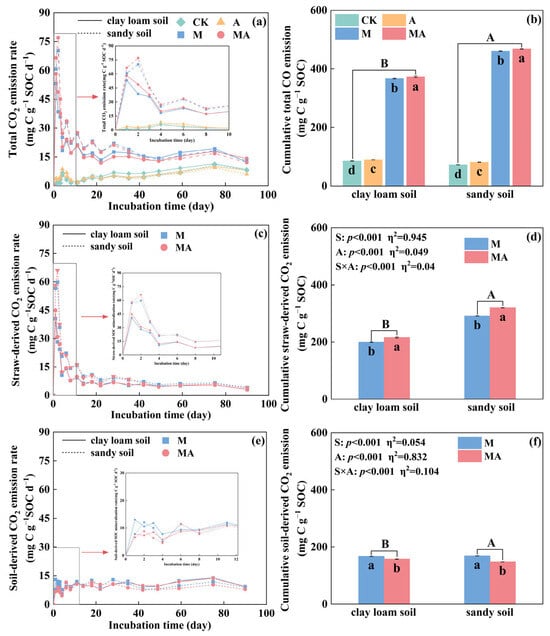
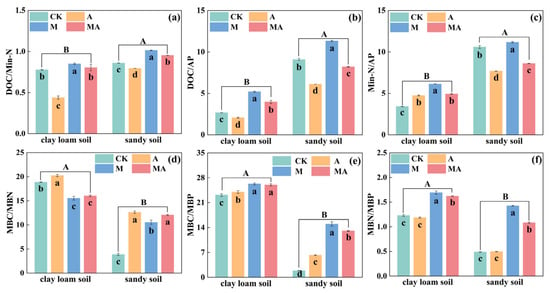
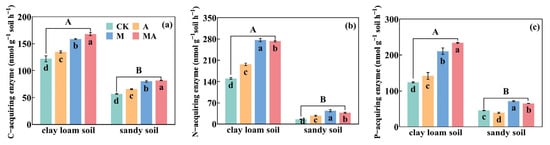
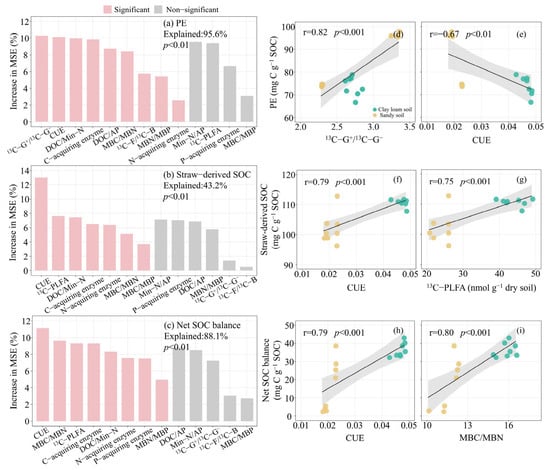
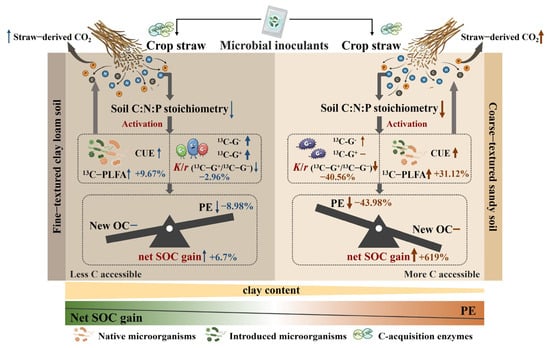
The priming effect (PE) plays a critical role in regulating soil organic carbon (SOC) sequestration. Whether microbial inoculant combined with organic materials (e.g., crop straw) can reduce PE and enhance the fertility of coarse-textured sandy soils by accelerating straw decomposition remains poorly understood. We conducted a 90-day incubation experiment, applying 13C-labeled maize straw and/or microbial inoculant to coarse-textured sandy and fine-textured clay loam soils. Our results showed that microbial inoculant accelerated straw mineralization in both soils. Notably, microbial inoculant suppressed PE by 8.98% and 43.98% in the clay loam and sandy soil compared to straw addition alone, driven by adjusted soil available, C:N:P stoichiometry, and a shift in microbial community, as evidenced by a decrease in the 13C-G+ to 13C-G− ratio from 2.68 to 2.60 in clay loam soil and from 3.2 to 1.9 in sandy soil. Microbial inoculant further increased net SOC gain (clay loam soil: +22.1%, sandy soil: +641%), with sandy soils exhibiting superior responsiveness due to reduced organo-mineral associations and enhanced microbial carbon use efficiency. In conclusion, our study provides evidence for the mechanism by which microbial inoculants suppress the PE, particularly in sandy soils. This finding establishes a theoretical basis for further exploring microbial regulation strategies in soil carbon cycling under conditions of low organo-mineral associations.
Full article
(This article belongs to the Section Soil and Plant Nutrition)
►▼
Show Figures

Figure 1

Open AccessArticle
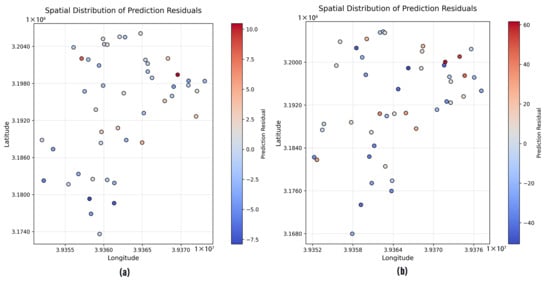
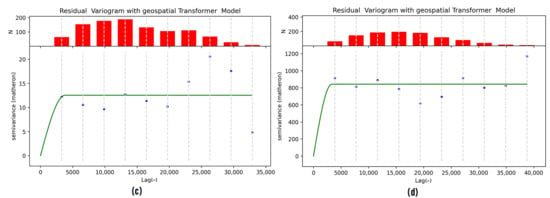
Spatial Mapping of Soil Potassium in a Hilly Area of Southern China Based on the Geospatial Transformer Model Adapted to Small-Sample Data
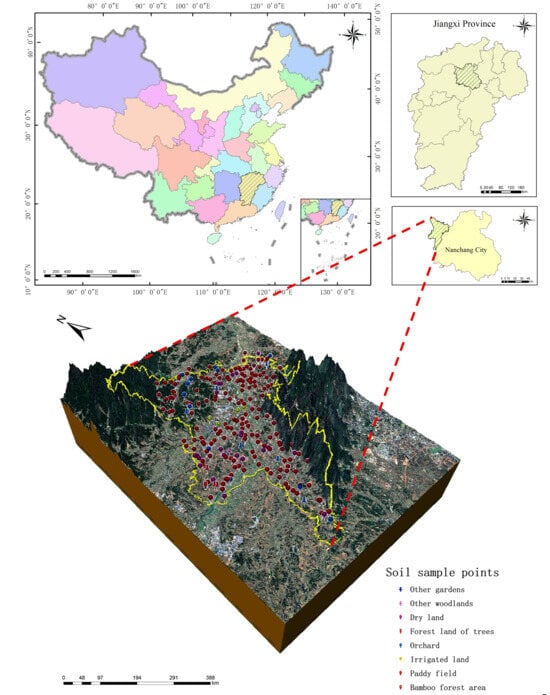
by
Ji Huang, Weifeng Li, Xi Guo, Yefeng Jiang, Yameng Jiang, Hongyu Wang, Jiayue Wan and Meiying Zheng
Agronomy 2026, 16(14), 1349; https://doi.org/10.3390/agronomy16141349 - 15 Jul 2026
Abstract
As the underlying model of ChatGPT-4V and scientific computing models (e.g., AlphaFold 3), the application of Transformer in the field of soil property mapping is worth exploring. In this study, we aim to explore the application value of Transformer models in soil potassium
[...] Read more.
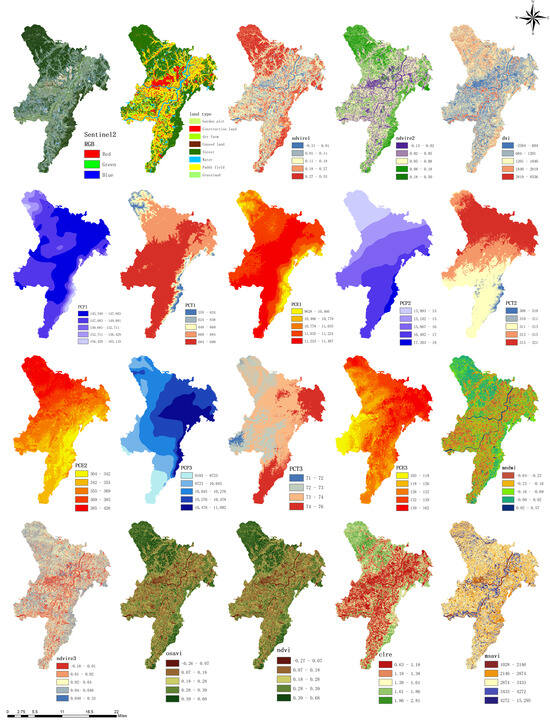
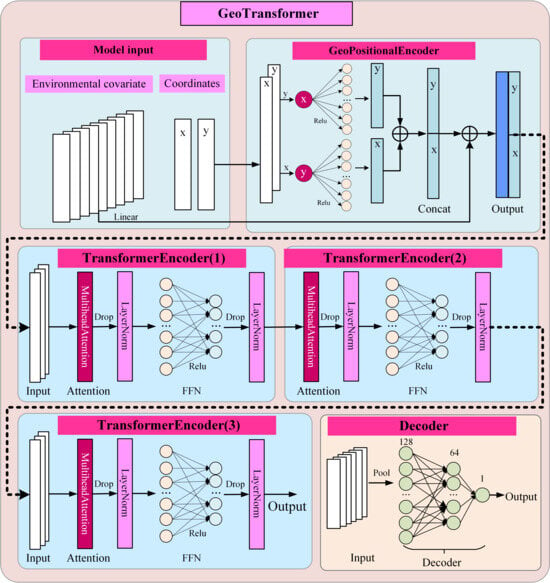
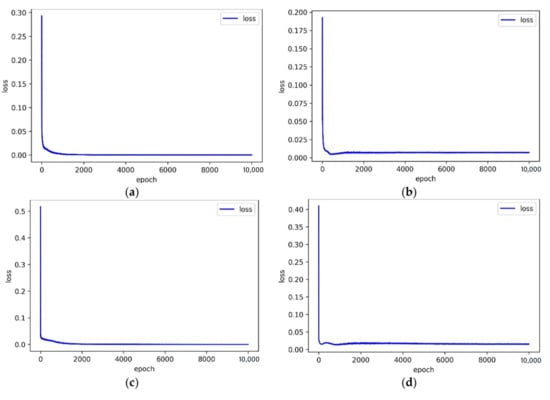
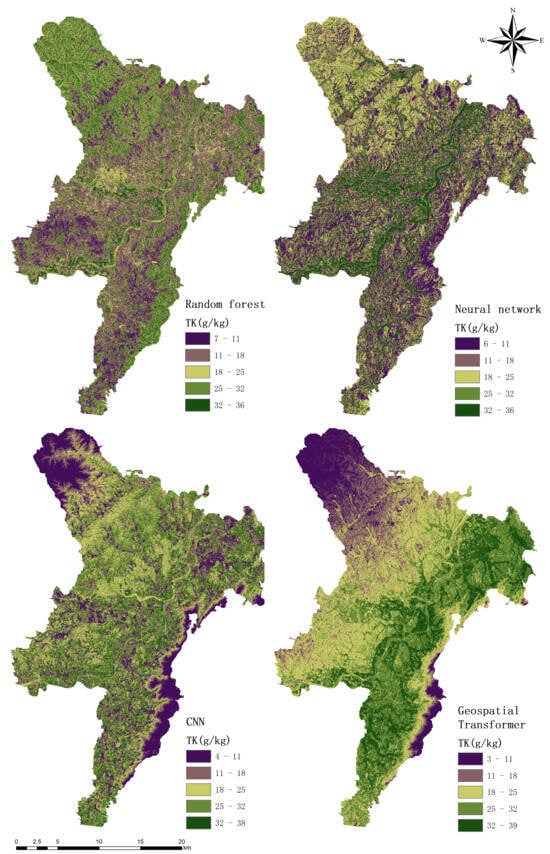
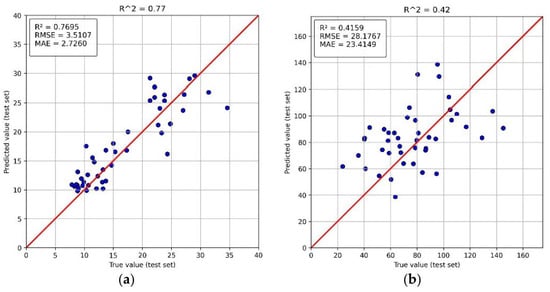
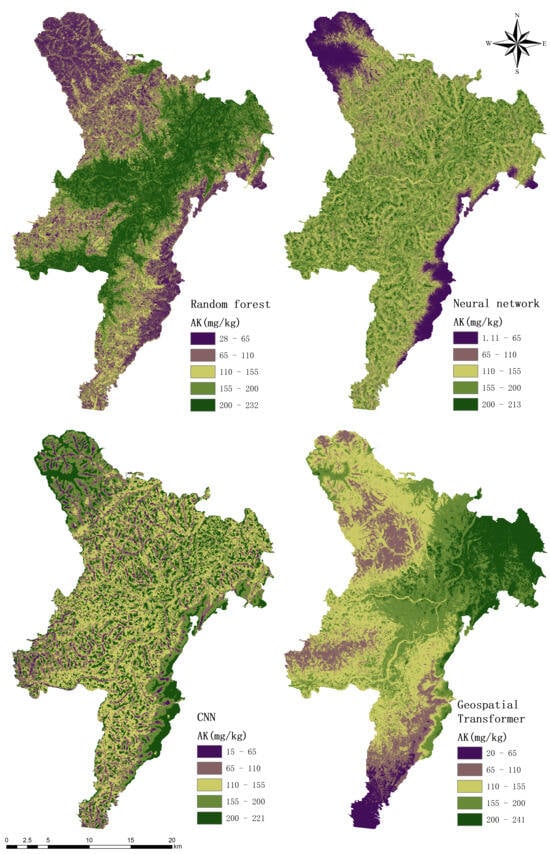
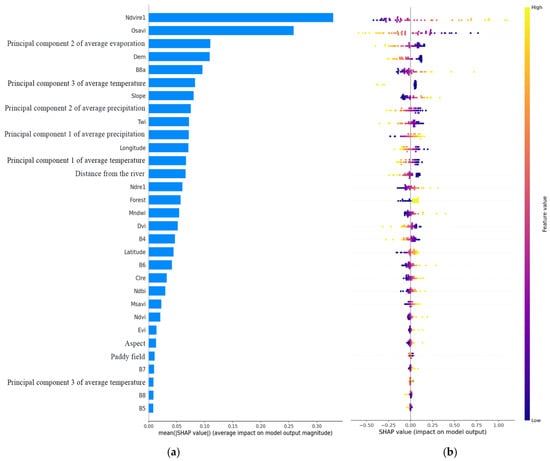
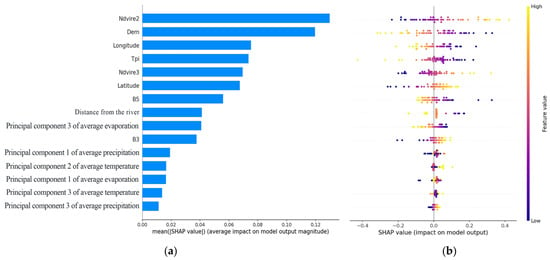
As the underlying model of ChatGPT-4V and scientific computing models (e.g., AlphaFold 3), the application of Transformer in the field of soil property mapping is worth exploring. In this study, we aim to explore the application value of Transformer models in soil potassium mapping. To achieve this objective, random forest (RF), feedforward neural network (FNN), one-dimensional convolutional neural network (1D-CNN), and geospatial Transformer (GT) models were used to map the spatial distribution of total potassium and available potassium in regional soil. In addition, the explanatory SHAP model was used to elucidate the contribution of each environmental variable to the model. The GT model exhibited the best effect and accuracy in modeling total and available potassium. The model improved the total potassium prediction accuracy to 0.77, representing increases of 208%, 156.67%, and 41.54% over the RF model, FNN model, and 1D-CNN model, respectively. It also improved the available potassium prediction accuracy to 0.42, representing improvements of 16.02%, 88.34%, and 19.66% over the RF model, FNN model, and 1D-CNN model, respectively. The geographical-feature explanatory model revealed that the red edge index exhibited a synergistic response to the spatial distribution of total potassium and available potassium. In the modeling of available potassium, it was found that the accuracy of GT model driven by ‘ physical laws ‘ rather than pure data was not only higher than that of ordinary deep learning model, but also higher than that of machine learning model, which broke the traditional rule that the accuracy of machine learning model was higher than that of deep learning model using small samples and a few feature variables, and confirmed the huge mapping potential of GT model for soil attribute data.
Full article
(This article belongs to the Section Precision and Digital Agriculture)
►▼
Show Figures

Figure 1

Open AccessArticle
Transcriptome and WGCNA Analyses Reveal Regulatory Networks and Hub Genes Under Different Durations of Heat Stress in Safflower (Carthamus tinctorius L.)
by
Guixiao La, Yulong Zhao, Xiaoyang Guo, Guixia Shi, Yongliang Yu, Shulan Wang and Tiegang Yang
Agronomy 2026, 16(14), 1348; https://doi.org/10.3390/agronomy16141348 - 15 Jul 2026
Abstract
Safflower (Carthamus tinctorius L.) is an economically important crop, and heat stress has become a major environmental constraint that limits its growth and development under global climate change. However, the molecular mechanisms underlying its response to heat stress remain poorly understood. Here,
[...] Read more.
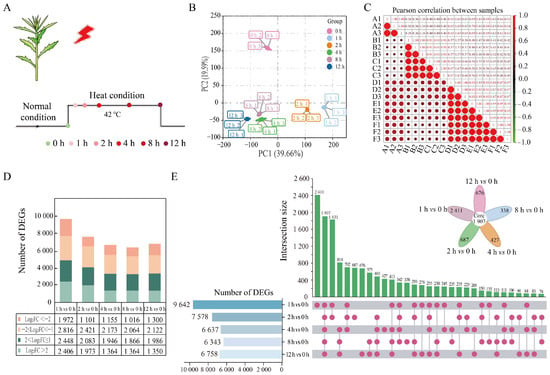
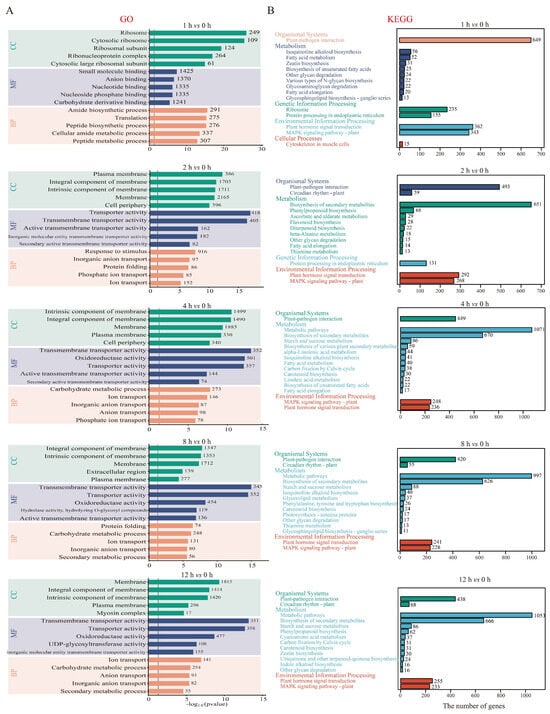
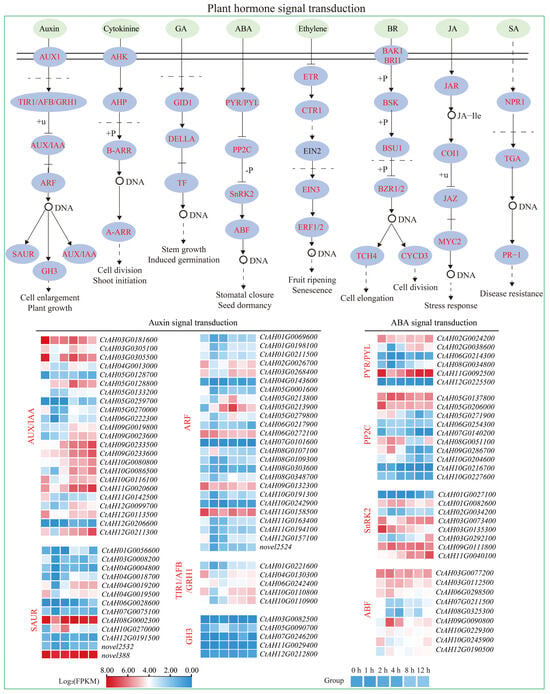
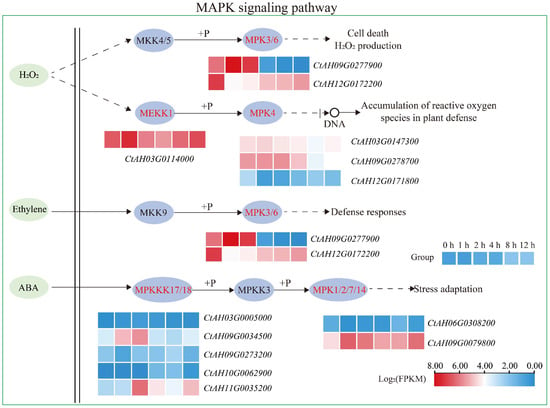
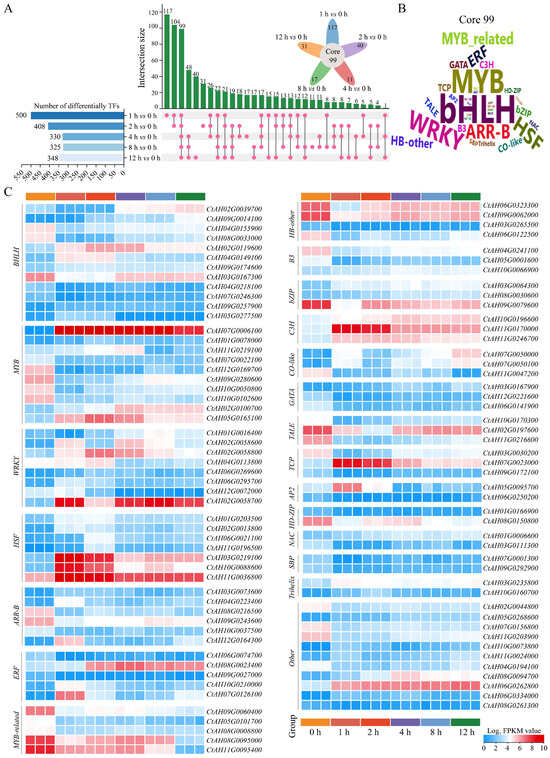
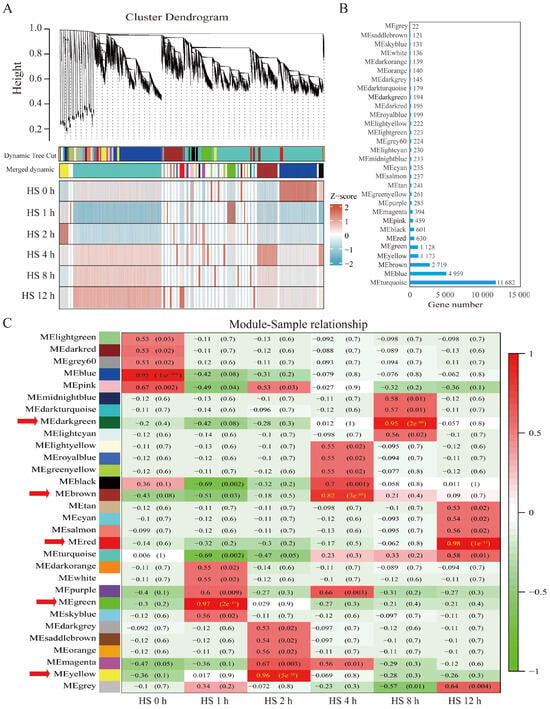
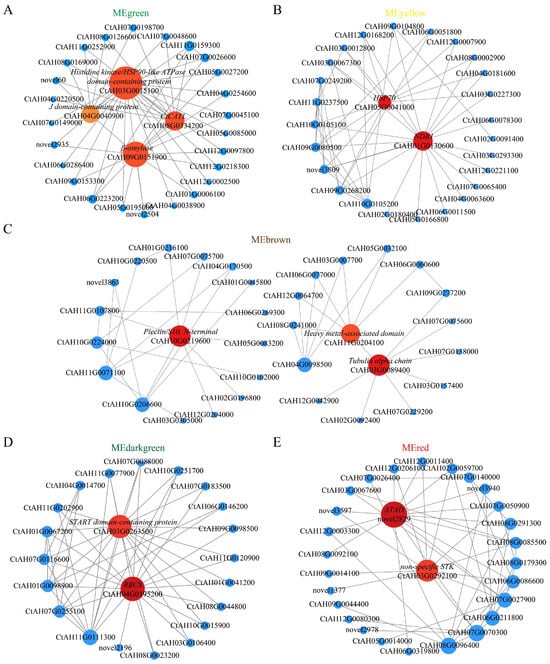
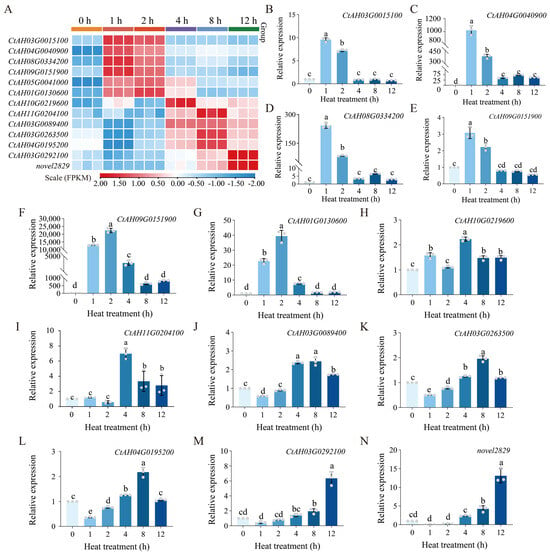
Safflower (Carthamus tinctorius L.) is an economically important crop, and heat stress has become a major environmental constraint that limits its growth and development under global climate change. However, the molecular mechanisms underlying its response to heat stress remain poorly understood. Here, transcriptome sequencing was performed on safflower leaves exposed to heat stress (42 °C) for 0, 1, 2, 4, 8, and 12 h, with three biological replicates per time point. Compared with the control (0 h), a total of 12,964 differentially expressed genes (DEGs) were identified across the five time points (1, 2, 4, 8, and 12 h) using criteria of |log2 (fold change)| ≥ 1 and false discovery rate (FDR) < 0.05, of which 1097 were common to all comparisons. KEGG enrichment analysis of these DEGs across all five comparison groups consistently showed significant enrichment in plant hormone signal transduction and the MAPK signaling pathway. Furthermore, a total of 750 transcription factors (TFs) were identified as differentially expressed across the five comparison groups, of which 99 were common to all comparisons, with the bHLH, MYB, WRKY, and HSF families being the most abundant. Weighted Gene Co-expression Network Analysis (WGCNA) identified five modules that were significantly associated with different heat stress time points. Furthermore, 13 hub genes were identified as potential targets for future functional studies on heat tolerance in safflower. The reliability of the RNA-seq data was confirmed by qRT-PCR validation of selected hub genes. Notably, a non-specific serine/threonine protein kinase (CtAH03G0292100) from the MEred module, which is also involved in plant hormone signal transduction, emerged as a promising candidate gene for heat tolerance. Collectively, these findings provide candidate genes for future functional studies aimed at further elucidating the mechanisms of heat tolerance in safflower.
Full article
(This article belongs to the Section Crop Breeding and Genetics)
►▼
Show Figures

Figure 1

Open AccessArticle
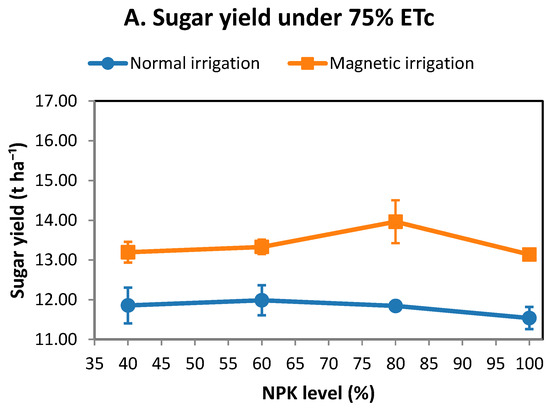
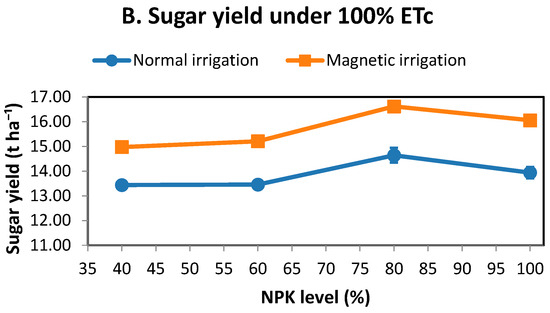
Influence of Magnetized Irrigation Water and Variable NPK Levels on the Productivity and Technological Quality of Sugar Beet
by
Waleed A. E. Abido, László Zsombik, Csaba Juhász, Tibor József Aranyos and Vivien Pál
Agronomy 2026, 16(14), 1347; https://doi.org/10.3390/agronomy16141347 - 15 Jul 2026
Abstract
Improving water productivity while maintaining technological quality is a major challenge for sugar beet production under increasing water scarcity. This study was conducted for only one year at one location during the 2023/2024 winter season near the Village Kafraljaraydh to evaluate the effects
[...] Read more.
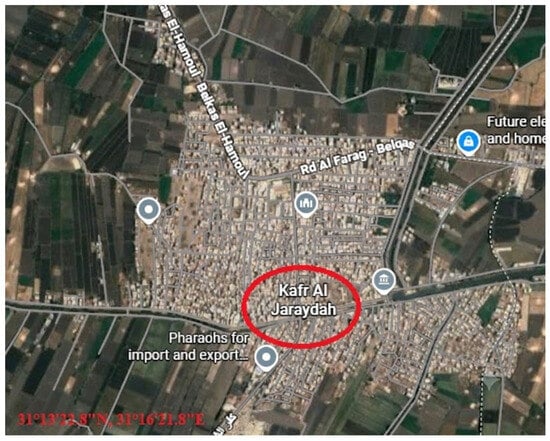
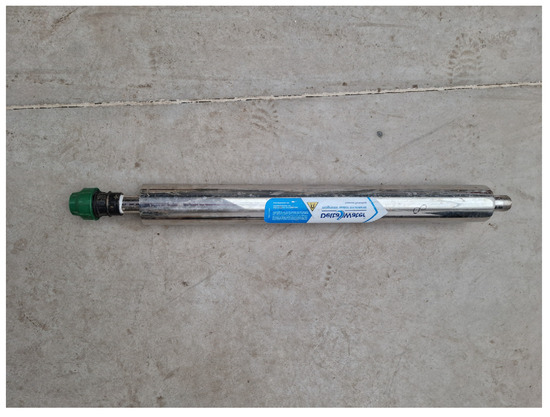
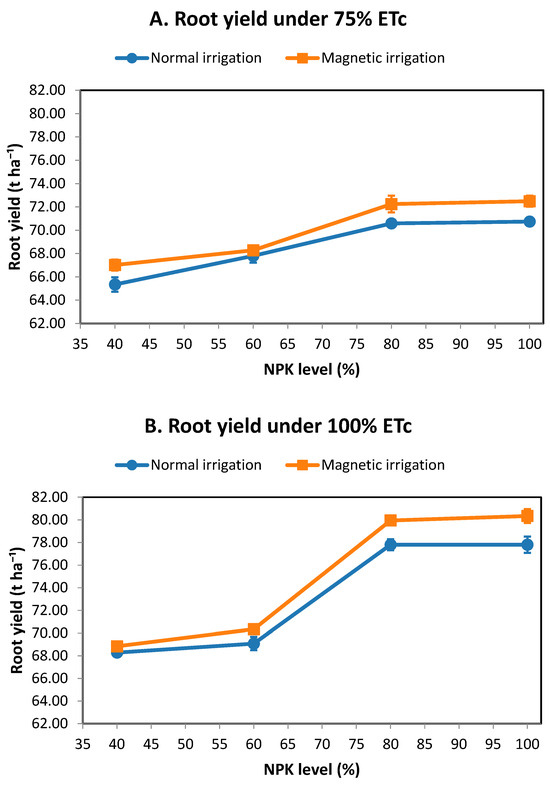
Improving water productivity while maintaining technological quality is a major challenge for sugar beet production under increasing water scarcity. This study was conducted for only one year at one location during the 2023/2024 winter season near the Village Kafraljaraydh to evaluate the effects of irrigation water type (normal vs. magnetized), irrigation levels (100 and 75% ETc) combined into four irrigation treatments, and NPK fertilization levels (100, 80, 60, and 40% of the recommended dose) on growth, yield, quality, and water relations of sugar beet (Beta vulgaris L.) under field conditions in Egypt (2023/2024 season; strip-plot design; three replicates). Magnetized water treatment (MWT) enhanced vegetative growth, root development, and biomass accumulation, improving yield. The highest root yield (80.34 t ha−1) and sugar yield (16.62 t ha−1) were obtained under magnetized irrigation at 100% ETc; 80–100% NPK, representing a 3–6% increase over normal irrigation. Technological quality improved, with higher sucrose content, total soluble solids, apparent purity, and reduced impurity-related parameters (α-amino N, K, Na, and molasses sugar). Deficit irrigation reduced yield but had limited effects on quality. Water use efficiency was mainly driven by irrigation level, with higher values under 100% ETc, while MWT provided a moderate improvement. Reducing fertilization to 80% NPK maintained yield and improved quality under MWT. MWT improved crop performance and quality without increasing water use, supporting sugar beet production.
Full article
(This article belongs to the Special Issue Effects of Efficient Crop Cultivation Techniques on Plant Nutrition and Physiology)
►▼
Show Figures

Figure 1
Open AccessSystematic Review
From Phytoremediation to Safe Land Reuse: A PRISMA-ScR Review and Decision-Support Framework for Non-Food Crops on Metal-Contaminated Mining Soils
by
Mădălina F. Ioniță
Agronomy 2026, 16(14), 1346; https://doi.org/10.3390/agronomy16141346 - 15 Jul 2026
Abstract
Metal-contaminated mining soils require management options that reduce environmental risk while enabling the controlled reuse of degraded land. Following the PRISMA extension for Scoping Reviews (PRISMA-ScR), this review synthesizes evidence on the use of non-food crops for the phytomanagement of metal-contaminated mining soils,
[...] Read more.
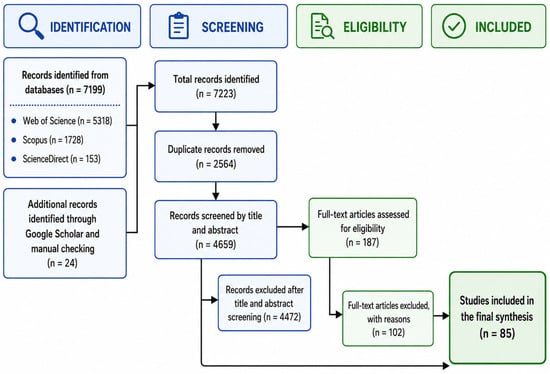
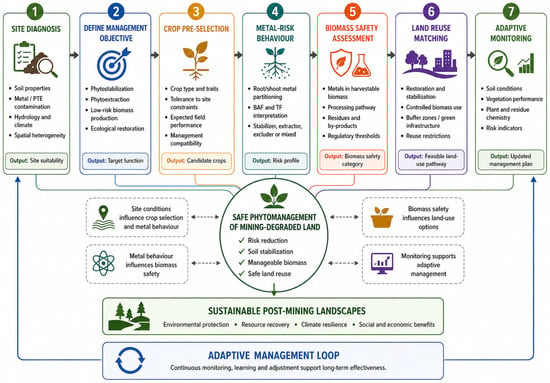
Metal-contaminated mining soils require management options that reduce environmental risk while enabling the controlled reuse of degraded land. Following the PRISMA extension for Scoping Reviews (PRISMA-ScR), this review synthesizes evidence on the use of non-food crops for the phytomanagement of metal-contaminated mining soils, with particular emphasis on crop establishment, agronomic performance, metal uptake and partitioning, biomass safety, valorisation pathways, and safe land reuse. Searches conducted in Web of Science, Scopus, and ScienceDirect, complemented by Google Scholar and manual screening, identified 7223 records; after duplicate removal and eligibility assessment, 85 publications were included in the final synthesis. The evidence indicates that non-food crops can support phytostabilization, exclusion-based phytomanagement, biomass production, and, in selected cases, phytoextraction. However, their suitability is strongly site-specific and depends on substrate constraints, contaminant behaviour, biomass quality, and residue-management requirements. Field and pilot-scale evidence remains less frequent than pot and greenhouse studies, which limits the direct transfer of findings to heterogeneous post-mining landscapes. Biomass safety emerged as a critical decision point because harvested biomass and conversion residues may become secondary contamination pathways. Based on the evidence map, this review proposes a seven-step conceptual decision-support framework linking site diagnosis, management objective definition, crop pre-selection and field-performance screening, metal-risk behaviour assessment, biomass safety assessment, land-reuse matching, and adaptive monitoring. The proposed framework is intended as a screening and planning tool and requires site-specific validation before operational implementation.
Full article
(This article belongs to the Section Soil and Plant Nutrition)
►▼
Show Figures

Figure 1

Open AccessArticle
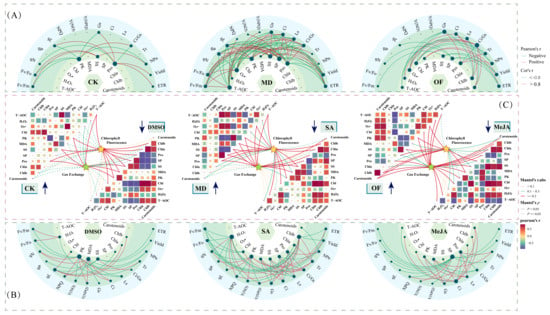
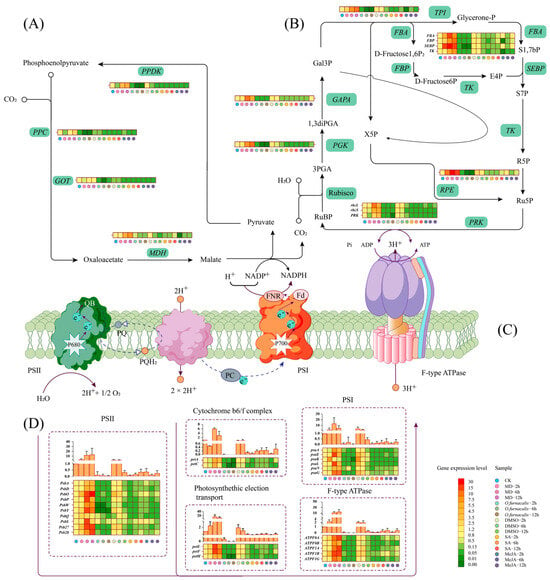
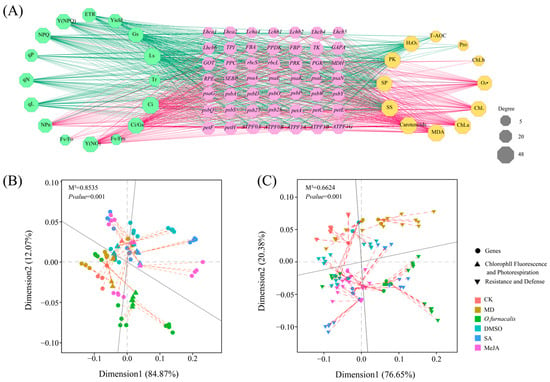
Coupling Mechanisms of Photosynthetic Downregulation and Enhanced Resistance in Maize Seedlings Under Ostrinia furnacalis Herbivory and Hormone Induction (SA and MeJA)
by
Pan Wang, Zhijian Ge, Lixing Ding, Wenbo Wang, Chunhe Deng, Chunguang Liu, Xinyu Song, Haiyan Fu and Fengshan Yang
Agronomy 2026, 16(14), 1345; https://doi.org/10.3390/agronomy16141345 - 15 Jul 2026
Abstract
To clarify the photoacclimation and stress-resistance coupling strategies of maize (Zea mays L.) variety B73 under Ostrinia furnacalis (Guenée) herbivory, we compared herbivory with mechanical damage and exogenous salicylic acid (SA)/methyl jasmonate (MeJA) treatments, focusing on the relationship between photosynthesis and defense.
[...] Read more.
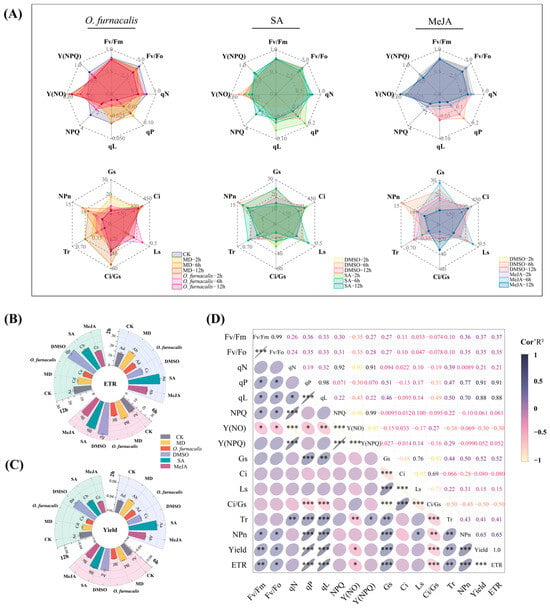
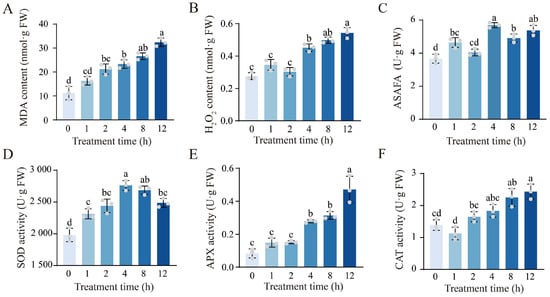
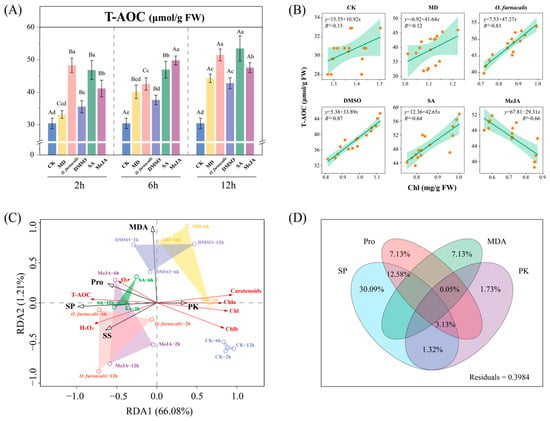
To clarify the photoacclimation and stress-resistance coupling strategies of maize (Zea mays L.) variety B73 under Ostrinia furnacalis (Guenée) herbivory, we compared herbivory with mechanical damage and exogenous salicylic acid (SA)/methyl jasmonate (MeJA) treatments, focusing on the relationship between photosynthesis and defense. Results showed that O. furnacalis herbivory significantly reduced chlorophyll fluorescence and gas-exchange parameters, impairing light energy capture and conversion, and induced a progressive shift in photosynthetic performance associated with dynamic changes in carbon acquisition and utilization. Although herbivory and MeJA elicitation induced similar phenotypic changes after 12 h, herbivory caused much stronger global downregulation of photosynthesis-related genes than mechanical damage and hormone treatments. All stress treatments increased total antioxidant capacity (T-AOC) and reactive oxygen species (ROS, H2O2 and O2·−) levels; notably, soluble protein (SP) explained 30.09% of the variance in the trade-off between photosynthetic pigment degradation and stress tolerance. Network modeling of photosynthetic genes, chlorophyll fluorescence parameters, gas-exchange parameters, and resistance-defense traits demonstrated robust modular connectivity, identifying chlorophyll fluorescence and gas-exchange parameters as core modulators of the resistance-defense trade-off. Collectively, maize adapts to external stress by balancing photosynthetic downregulation and defense enhancement through coordinated regulation of photosynthetic performance, antioxidant capacity, and core photosynthetic gene expression. These findings provide new insights into the mechanisms underlying plant stress tolerance.
Full article
(This article belongs to the Special Issue Mechanisms of Light Response and Morphogenesis in Plants)
►▼
Show Figures

Figure 1
Open AccessArticle
Antifungal Potential of Salvia somalensis Against Botrytis cinerea and Colletotrichum coccodes
by
Poonam Devi, Marta Lo Vetere, Valeria Iobbi, Anna Paola Lanteri, Andrea Minuto, Emanuele Rosa, Mauro Giacomini, Angela Bisio and Daniele Fraternale
Agronomy 2026, 16(14), 1344; https://doi.org/10.3390/agronomy16141344 - 15 Jul 2026
Abstract
Salvia somalensis Vatke is a source of specialized metabolites with potential biological and agrochemical applications. Previous studies on the dichloromethane plant surface extract demonstrated strong antifungal activity associated with abietane diterpenoids. Building on these findings, the present study aimed to characterize the methanolic
[...] Read more.
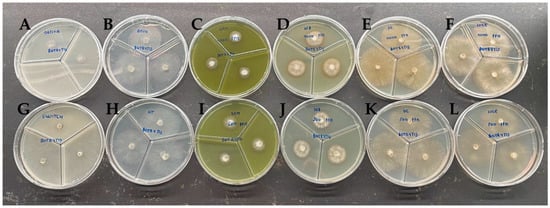
Salvia somalensis Vatke is a source of specialized metabolites with potential biological and agrochemical applications. Previous studies on the dichloromethane plant surface extract demonstrated strong antifungal activity associated with abietane diterpenoids. Building on these findings, the present study aimed to characterize the methanolic extract of S. somalensis and evaluate its antifungal potential against major phytopathogenic fungi, with the broader goal of exploring the extract as a sustainable source of antifungal metabolites for crop protection. LC-MS analysis of the methanolic extract revealed a diverse phytochemical profile comprising phenolic acids, including caffeic acid, ferulic acid, and rosmarinic acid, as well as abietane-type diterpenoids such as carnosol, rosmanol, and carnosic acid. Quantitative analysis showed that carnosic acid was present only at low levels (0.09% w/w of fresh biomass). The extract exhibited antifungal activity against Botrytis cinerea, Colletotrichum coccodes, Fusarium oxysporum, Rhizoctonia solani, and Sclerotinia sclerotiorum. More than 80% inhibition of mycelial growth was observed against B. cinerea and C. coccodes at 1000 μg/mL. In addition, as in vitro cultivation of this species has not previously been explored, micropropagated plants and callus culture were established. Phytochemical profiling revealed distinct chemical compositions in the in vitro biomass. Extracts obtained from micropropagated plants inhibited mycelial growth of the tested phytopathogens by 60–70% at 1000 μg/mL, except for F. oxysporum, which showed 35.29% inhibition at the same concentration. Collectively, these findings highlight S. somalensis as a source of bioactive metabolites with antifungal potential.
Full article
(This article belongs to the Section Pest and Disease Management)
►▼
Show Figures

Figure 1

Open AccessArticle
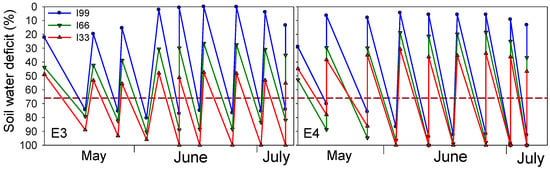
Unraveling the Effects of Environment, Deficit Irrigation and Genotype on Yield, Sensory Quality and Antioxidants in Tomato: A Multivariate Analysis
by
Valeria Cafaro, Alessandra Pellegrino and Cristina Patanè
Agronomy 2026, 16(14), 1343; https://doi.org/10.3390/agronomy16141343 - 14 Jul 2026
Abstract
Tomato is a high-value crop whose productivity and quality are threatened by climate change in semi-arid Mediterranean areas. This study examined the effects of environment, deficit irrigation (DI), and genotype on tomato yield as well as sensory and antioxidant characteristics. Field experiments were
[...] Read more.
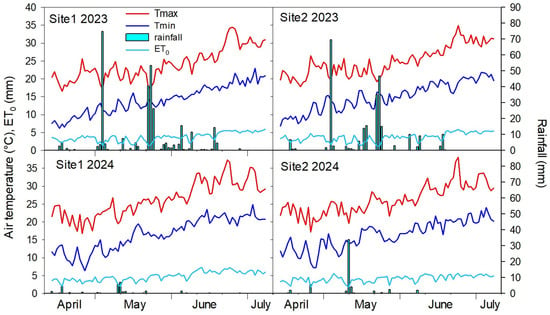
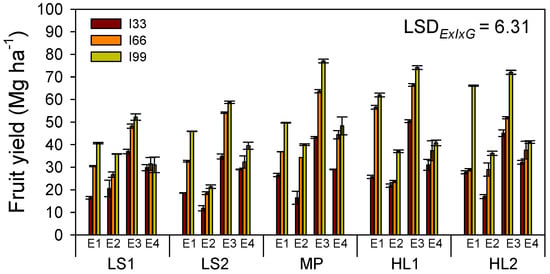
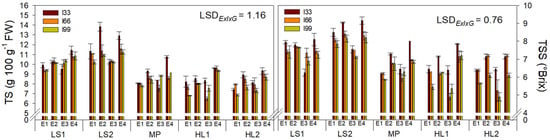
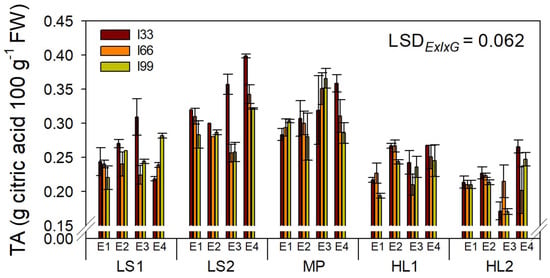
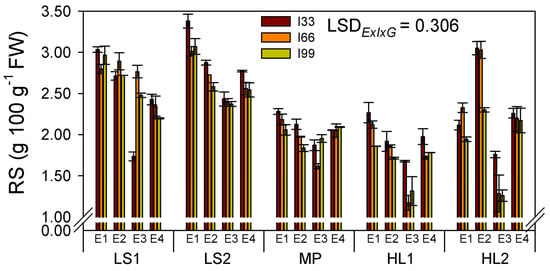
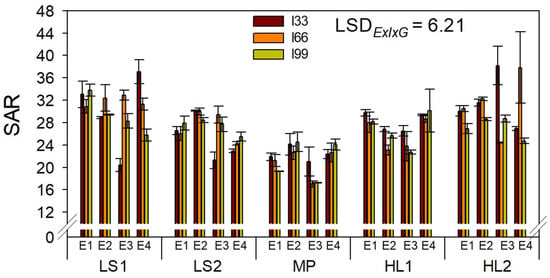
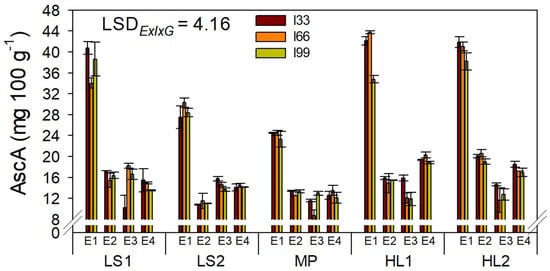
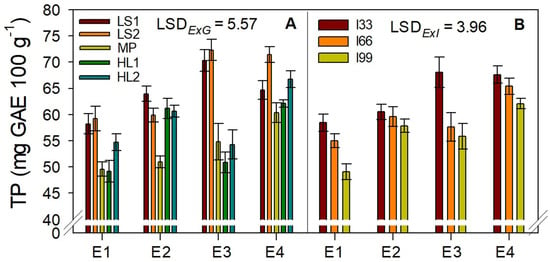
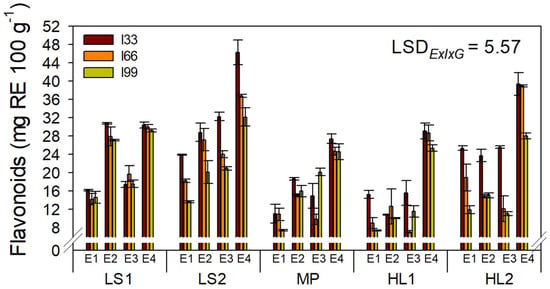
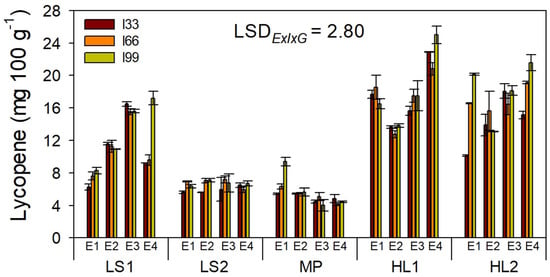
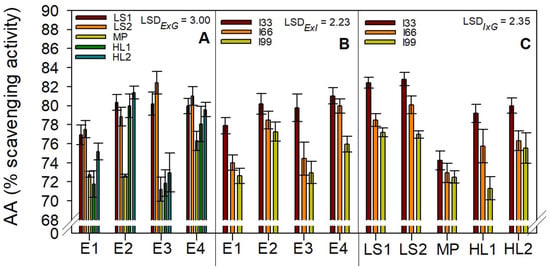
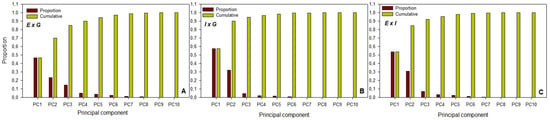
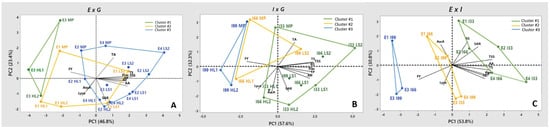
Tomato is a high-value crop whose productivity and quality are threatened by climate change in semi-arid Mediterranean areas. This study examined the effects of environment, deficit irrigation (DI), and genotype on tomato yield as well as sensory and antioxidant characteristics. Field experiments were conducted over two consecutive seasons (2023–2024) at two sites in eastern Sicily differing in soil texture (clayey and sandy). Five genotypes—including two old local landraces of long shelf-life tomato and three hybrids—were subjected to three irrigation regimes based on the replenishment of crop evapotranspiration (ETc): 33% (I33, low irrigation rate), 66% (I66, moderate irrigation rate), and 99% (I99, high irrigation rate, control). Yield was maximized in clayey soil (+55% in 2023 and +44% in 2024) and under the I99 regime (48.48 Mg ha−1). Among the genotypes, the most productive were the hybrids HL1 (‘Lycomech’, high-lycopene tomato) and MP (‘Febo’, mini-plum tomato), with yields exceeding 40 Mg ha−1. Overall, old landraces showed lower productivity. Sensory quality (total solids—TS; total soluble solids—TSS; titratable acidity—TA; TSS/TA) and antioxidant quality (total phenols—TPs; flavonoids—Flavs; antioxidant activity—AA) were superior in sandy soil. Regarding irrigation, the highest overall quality was achieved with the I33 regime. The moderate irrigation regime in I66 limited the yield reduction compared to I33 and improved TSS, reducing sugars, TPs, Flavs, vitamin C, and AA compared to I99, although lycopene content decreased. Among the tomato cultivars examined, old local landraces, specifically the ‘Vulcano’ landrace, demonstrated greater stability and drought resilience than the three hybrids, maintaining their sensory and antioxidant quality across different environments and water regimes. Multivariate data analysis, using principal component analysis (PCA) and K-means clustering, was conducted to assess the impact of experimental factors on the studied traits and to identify groupings based on similarities. In conclusion, local landraces of long shelf-life tomato appear better adapted to conditions of low soil water availability than the new hybrids. DI restoring the 66% ETc offers a viable compromise between fruit quantity and quality for these old genotypes, potentially facilitating their reintroduction into sustainable, low-input cropping systems in Mediterranean regions. DI also represents a viable agronomic option for the new hybrids, enabling the maintenance of satisfactory yield and fruit quality levels while simultaneously saving significant amounts of irrigation water.
Full article
(This article belongs to the Special Issue Water Deficit and Its Impact on Crop Yield)
►▼
Show Figures

Figure 1

Open AccessArticle
The Effect of Biochar on the Biological Properties of Soil, Growth Vigour, and Quality of Strawberries After Replantation
by
Zofia Zydlik, Piotr Zydlik and Dariusz Kayzer
Agronomy 2026, 16(14), 1342; https://doi.org/10.3390/agronomy16141342 - 14 Jul 2026
Abstract
Apple replant disease (ARD) is a significant problem in regions with intensive fruit production. ARD deteriorates the production properties of soil, reduces yield, and results in lower fruit quality. The effects of ARD can be mitigated with organic amendments applied to soil to
[...] Read more.
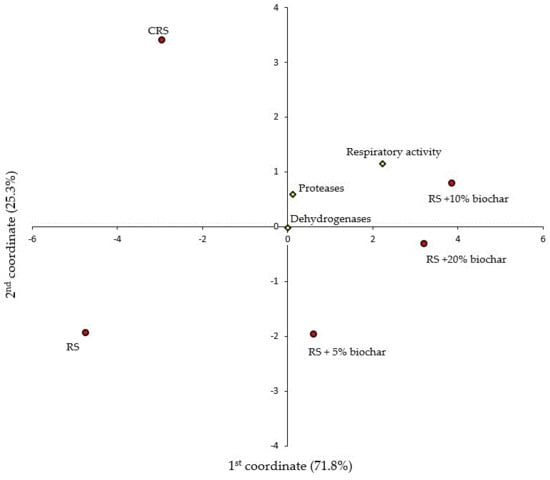
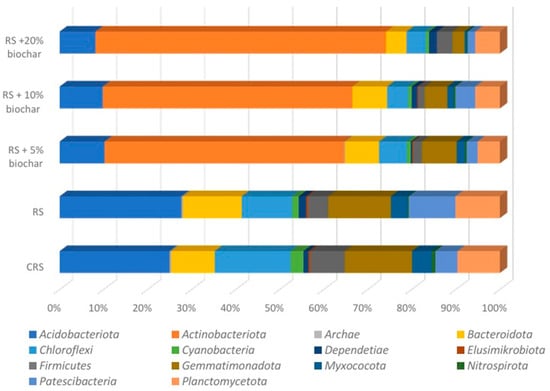
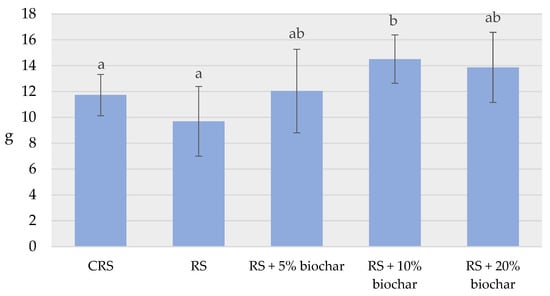
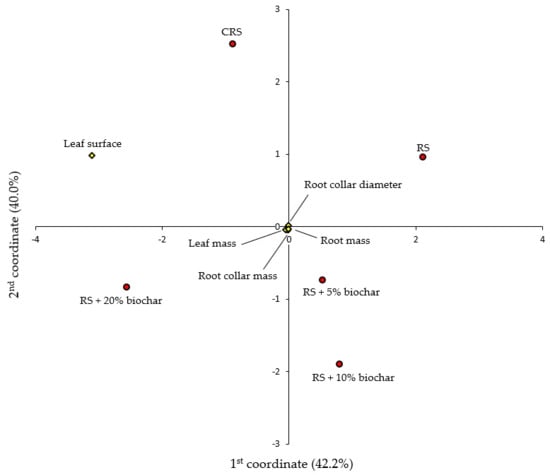
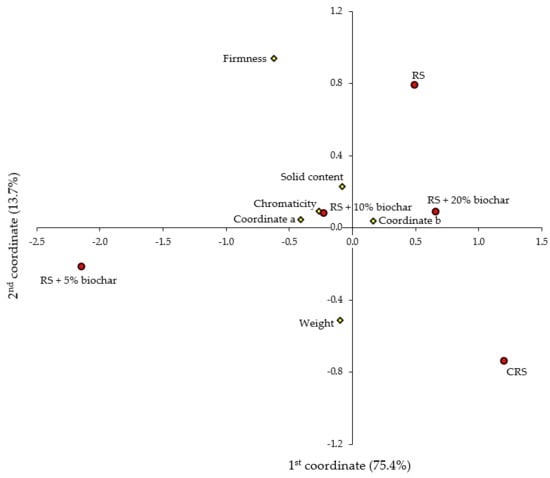
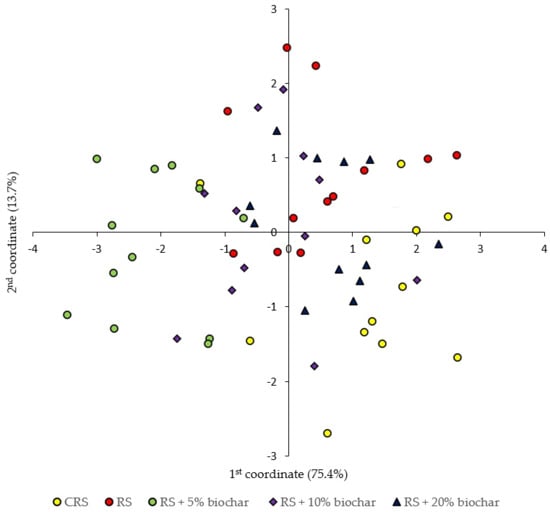
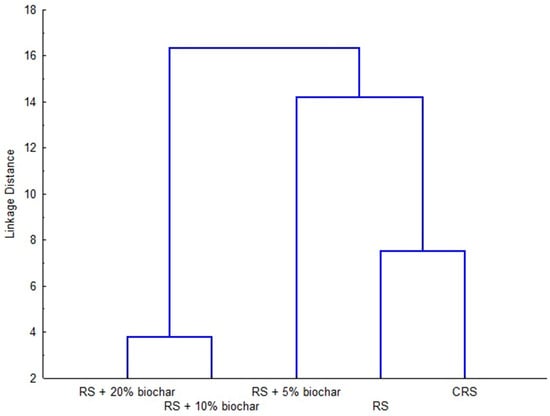
Apple replant disease (ARD) is a significant problem in regions with intensive fruit production. ARD deteriorates the production properties of soil, reduces yield, and results in lower fruit quality. The effects of ARD can be mitigated with organic amendments applied to soil to improve its productivity. Our experiment was conducted on a farm in western Poland. Biochar was added to replanted soil at 5%, 10%, and 20% by volume and its effect on the physicochemical and biological properties of the soil, the growth vigour, and the quality of strawberries was analysed. Strawberry plants were planted in soil which either had been used for nursery production (replanted soil) or had never been used for this purpose (agricultural soil). The results of our study confirmed earlier reports on the negative consequences of ARD. The replanted soil was more saline and contained less organic matter than the agricultural soil. The plants growing on the replanted soil developed worse. When biochar was added to the replanted soil, depending on its percentage content, the organic matter content and soil respiration rate almost doubled, whereas the count of bacterial taxonomic units increased. As a result of these changes, the root mass of the plants growing in the replanted soil increased by nearly 50%, whereas the root collar mass of shrubs and their leaf area increased by 25 to 30%. The average fruit weight also increased by about 40%. The optimal biochar content in the replanted soil was 10%. The biochar content of 20% did not cause significant changes in most of the parameters under analysis.
Full article
(This article belongs to the Section Horticultural and Floricultural Crops)
►▼
Show Figures

Figure 1
Open AccessArticle
Evaluation of Disease Resistance in Wheat Genotypes for Organic Farming Under Kazakhstan Conditions
by
Raushan Yerzhebayeva, Sholpan Bastaubayeva, Tamara Bazylova, Ayazhan Kosshybay, Assel Jenisbayeva, Gaziza Zhumaliyeva, Nazira Slyamova, Kenebay Kozhakhmetov, Issatay Nurpeissov and Saltanat Dubekova
Agronomy 2026, 16(14), 1341; https://doi.org/10.3390/agronomy16141341 - 14 Jul 2026
Abstract
Kazakhstan possesses considerable potential for the development of organic agriculture. In organic production systems, the use of chemical plant protection products is restricted or completely excluded, making the cultivation of genetically resistant wheat lines to major fungal diseases one of the most effective
[...] Read more.
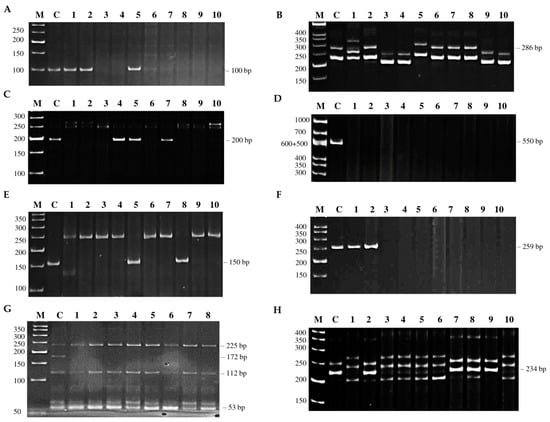
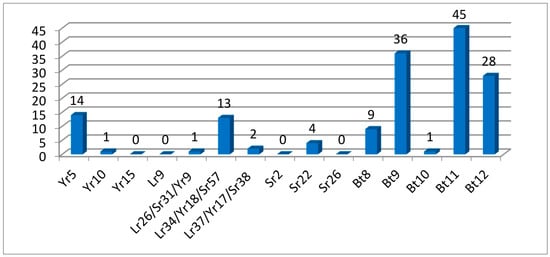
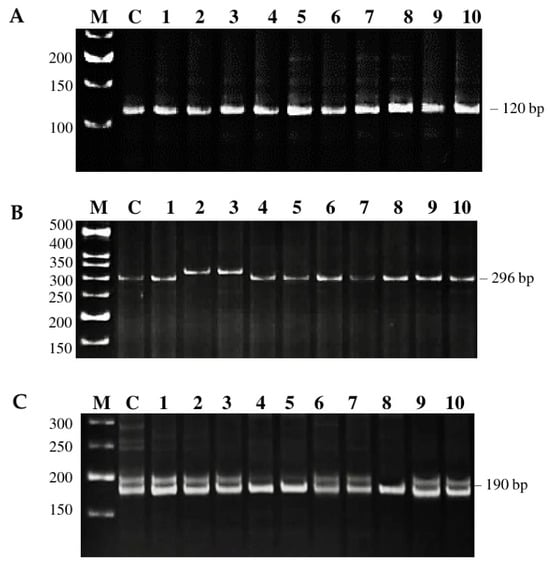
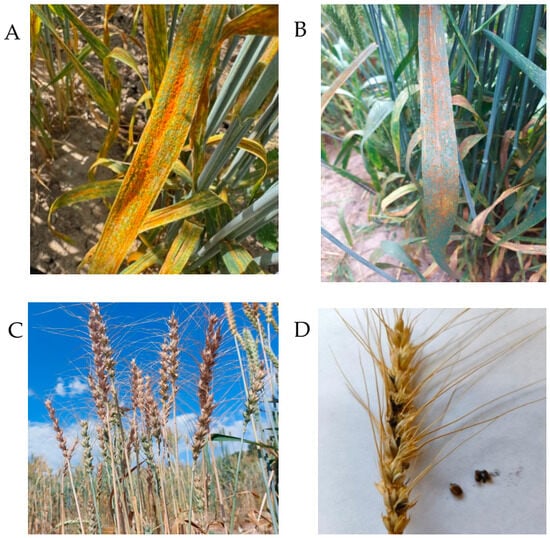
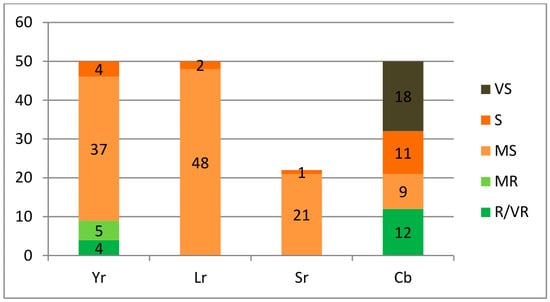
Kazakhstan possesses considerable potential for the development of organic agriculture. In organic production systems, the use of chemical plant protection products is restricted or completely excluded, making the cultivation of genetically resistant wheat lines to major fungal diseases one of the most effective approaches for maintaining stable grain production. The current study aimed to evaluate disease resistance in wheat genotypes by integrating phenotypic screening and marker-assisted selection and their validation under organic farming conditions. A total of 50 facultative and introgressive wheat lines were evaluated under an artificial infection background for resistance to yellow rust, leaf rust, stem rust, and common bunt. Molecular marker analysis was performed to identify resistance-associated alleles. Integrated phenotypic and molecular analyses enabled the identification of three promising genotypes, namely 1675-52, 1723-32, and 1716-24. They combined a high level of resistance to yellow rust and common bunt with the presence of resistance-associated alleles. These selected genotypes were subsequently validated under organic field conditions. The results demonstrated that these lines maintained stable resistance to yellow rust and common bunt and produced seed yield ranging from 5.45 to 5.94 t/ha, exceeding that of the standard cv. Almaly (4.88 t/ha). The obtained results confirm the effectiveness of integrating phenotypic screening with marker-assisted selection for identifying wheat genotypes with complex disease resistance. These genotypes represent promising prebreeding resources for organic agriculture, subject to validation across a wider range of environments.
Full article
(This article belongs to the Section Crop Breeding and Genetics)
►▼
Show Figures

Figure 1
Open AccessArticle
Climate Change Impacts on Mediterranean Grassland Productivity Along a Climatic Gradient in Central Spain: An Ecohydrological Modeling Approach
by
Adrián Berzal Martínez, Ernesto Sanz, Carlos G. H. Díaz-Ambrona, Andrés F. Almeida-Ñauñay and Ana M. Tarquis
Agronomy 2026, 16(14), 1340; https://doi.org/10.3390/agronomy16141340 - 14 Jul 2026
Abstract
Mediterranean grasslands are highly sensitive to climate variability because their productivity is strongly constrained by water availability. Understanding how future climate change may affect forage production across hydroclimatic gradients is essential for the adaptation of extensive grazing systems. This study evaluated the response
[...] Read more.
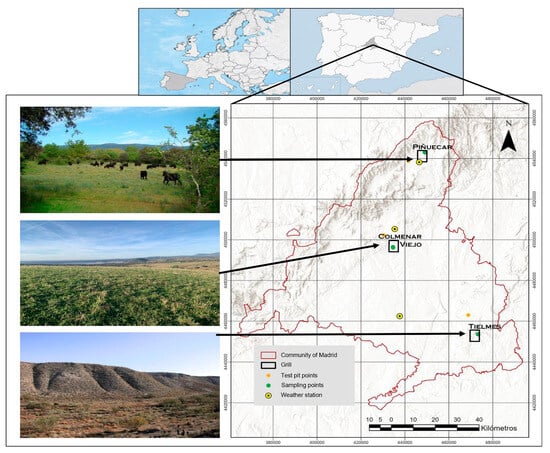
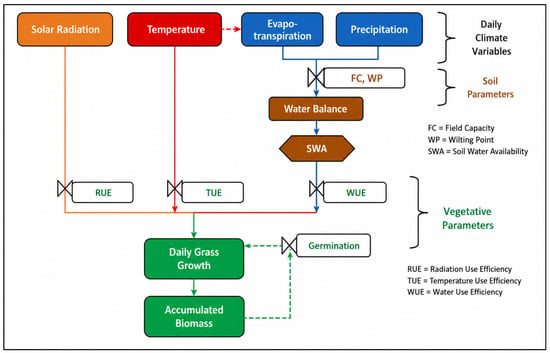
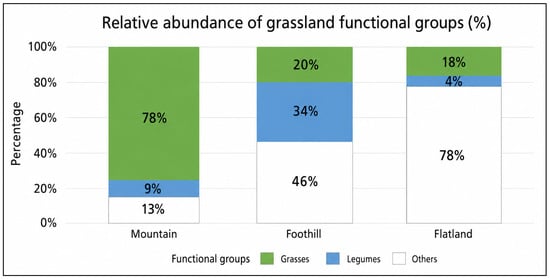
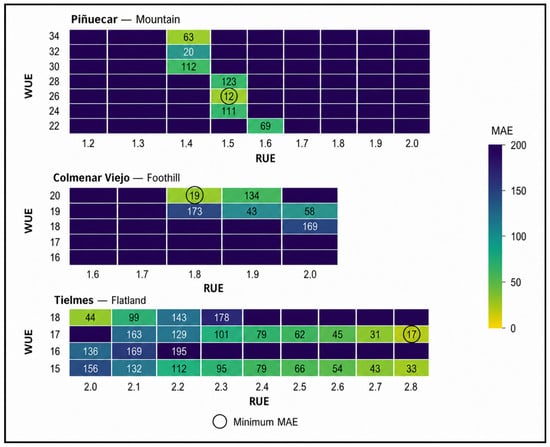
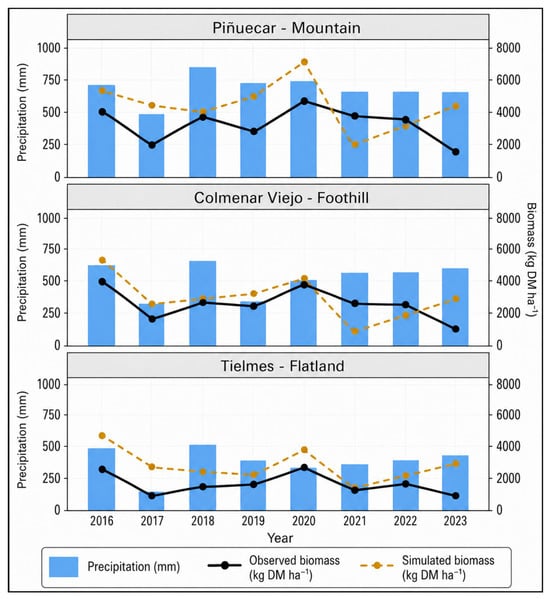
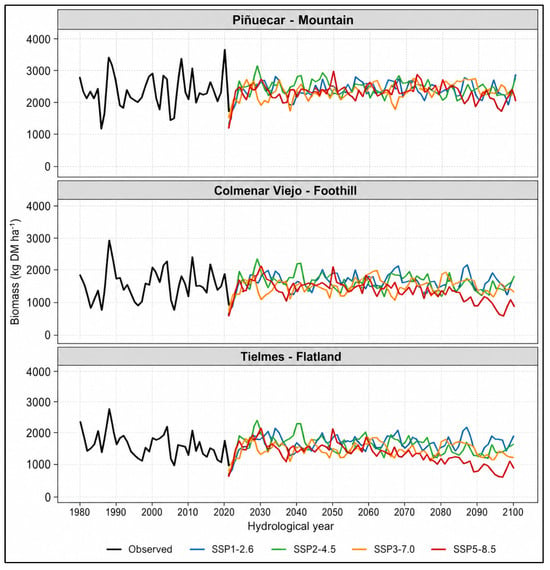
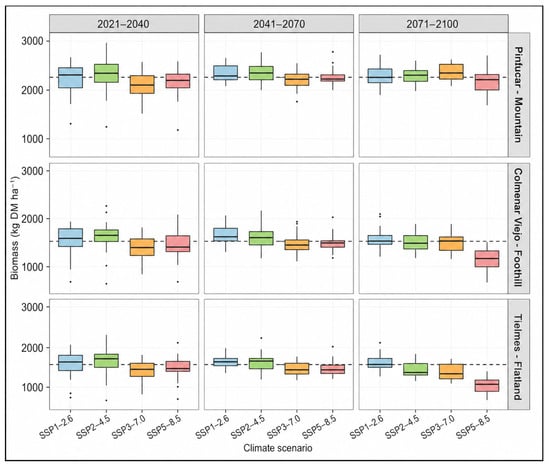
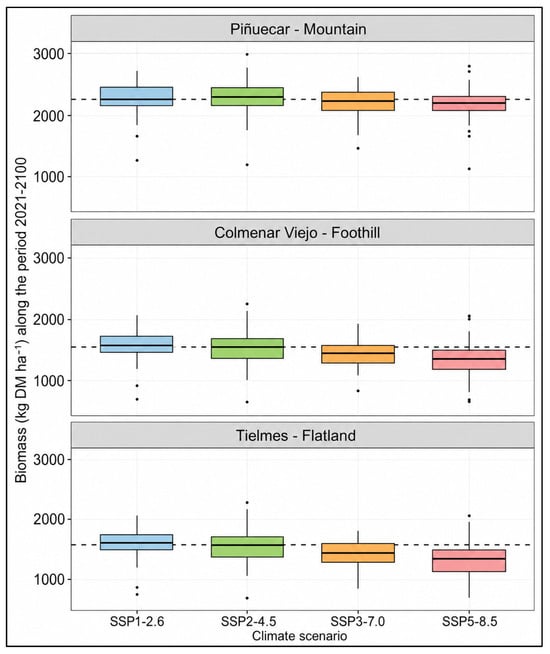
Mediterranean grasslands are highly sensitive to climate variability because their productivity is strongly constrained by water availability. Understanding how future climate change may affect forage production across hydroclimatic gradients is essential for the adaptation of extensive grazing systems. This study evaluated the response of Mediterranean grassland productivity to future climate scenarios along a climatic gradient in central Spain using the ecohydrological model SIMPAST driven by an ensemble mean of six CMIP6 global climate models under four Shared Socioeconomic Pathways (SSPs). Three representative grassland systems located in mountain, foothill, and semi-arid flatland environments were characterized according to vegetation composition, soil properties, and historical biomass production. The model was calibrated using productivity data from 2016 to 2023 and independently validated with biomass observations from 2024 to 2025. Calibration focused on radiation use efficiency and water use efficiency parameters, achieving high agreement between simulated and observed biomass (R2 = 0.90) with calibration absolute errors below 20 kg DM ha−1 across the three study sites. Independent validation using biomass observations from 2024 to 2025 resulted in RMSE values ranging from 506 to 771 kg DM ha−1. Simulations revealed clear spatial differences in future productivity responses. Mountain grasslands exhibited stable productivity throughout most of the century, with projected biomass reductions of approximately 4% and increases in interannual variability of 14% under SSP5–8.5 relative to the historical period. In contrast, foothill grasslands showed moderate productivity declines (25%) and higher variability (37%), while semi-arid flatland systems revealed the strongest reductions in biomass production (33%) together with the largest increase in interannual variability (72%). These results indicate that arid environments are considerably more vulnerable to future climatic stress due to stronger water limitations. Simulations also suggested increasingly variable and less predictable forage availability under future climate conditions, particularly under higher-emission scenarios. Overall, the findings highlight the central role of water availability in regulating Mediterranean grassland productivity and demonstrate the usefulness of ecohydrological models for supporting adaptive grazing management and climate change adaptation in Mediterranean livestock systems.
Full article
(This article belongs to the Section Grassland and Pasture Science)
►▼
Show Figures

Figure 1
Open AccessArticle
Effects of Lactic Acid Bacteria Inoculation on Silage Quality and Mycotoxin Levels in BYDV-Infected Oat Silage
by
Yang Yang, Dongmei Xi, Qiongmei Niu, Yong Xie, Xiaohui Chu and Guilian Shan
Agronomy 2026, 16(14), 1339; https://doi.org/10.3390/agronomy16141339 - 14 Jul 2026
Abstract
This study investigated the effects of lactic acid bacteria (LAB) inoculants on silage quality, mycotoxin, bacterial community, and aerobic stability of barley yellow dwarf virus (BYDV)-infected oat silage. A 2 × 4 factorial design was employed using healthy (H) and naturally BYDV-infected (S)
[...] Read more.
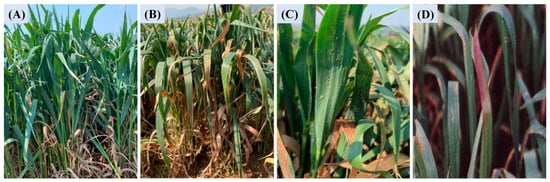
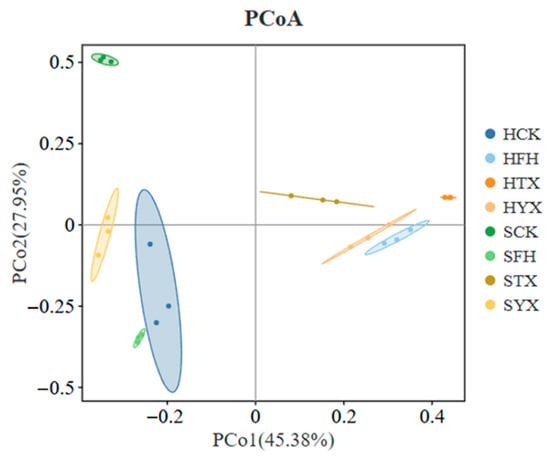
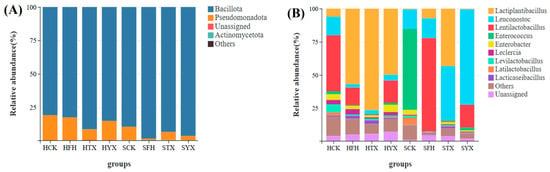
This study investigated the effects of lactic acid bacteria (LAB) inoculants on silage quality, mycotoxin, bacterial community, and aerobic stability of barley yellow dwarf virus (BYDV)-infected oat silage. A 2 × 4 factorial design was employed using healthy (H) and naturally BYDV-infected (S) oats, consisting of four additive treatments, Lactiplantibacillus plantarum (TX), Lentilactobacillus buchneri (YX), their combination (FH), and sterile water as the control (CK), with three replicates per treatment (24 silos in total). Fermentation quality and mycotoxin content were analyzed after 75 days of ensiling and 4 days of aerobic exposure, with the day-75 bacterial community characterized. BYDV infection severely impaired raw material quality, significantly reducing water-soluble carbohydrate (WSC) content by approximately 27.0% while elevating aflatoxin (AFT), zearalenone (ZEN), and deoxynivalenol (DON) concentrations by approximately 58.8%, 44.6%, and 54.3%, respectively (p < 0.01). Microbial analysis revealed that LAB inoculation effectively restructured the fermentation microbiota, with TX increasing Lactiplantibacillus abundance, FH suppressing Enterococcus while promoting Lentilactobacillus, and YX enriching Leuconostoc. Furthermore, TX increased crude protein (CP) content and lowered pH and ammonia nitrogen levels; YX boosted acetic acid accumulation and enhanced aerobic stability post-exposure, thereby enhancing aerobic stability; and FH preserved higher dry matter, WSC, and ether extract contents (p < 0.05). In S group, TX was most effective against AFT, reducing it by 24.0–31.1%, whereas FH showed superior efficacy against ZEN and DON, with reductions of 15.1–17.4% and 13.3–16.5%, respectively (p < 0.05). Consequently, LAB inoculation improves silage quality and reduces mycotoxins in diseased forage, with L. plantarum alone or combined with L. buchneri recommended for its utilization.
Full article
(This article belongs to the Special Issue Innovative Solutions for Producing High-Quality Silage)
►▼
Show Figures

Figure 1
Open AccessArticle
The Influence of Different-Quality Litter Inputs on Soil Mineralization and Priming Effect in Subtropical Areas
by
Zhiheng Zheng, Junyao Lin, Shuzhen Song, Yuehua Song and Yongkuan Chi
Agronomy 2026, 16(14), 1338; https://doi.org/10.3390/agronomy16141338 - 14 Jul 2026
Abstract
The size and stability of the soil carbon pool depend on the balance between plant litter input and soil organic carbon mineralization. As an important source of soil organic carbon, litter input plays a key role in the decomposition of soil organic carbon
[...] Read more.
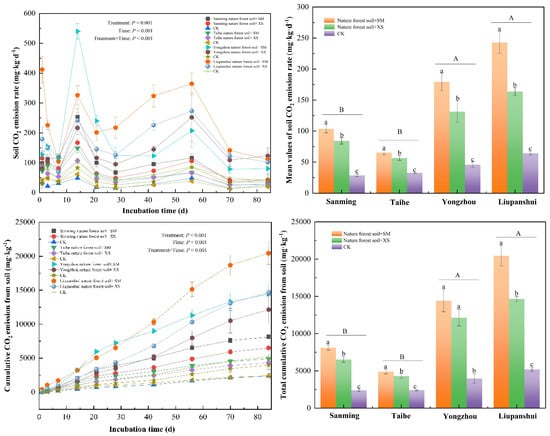
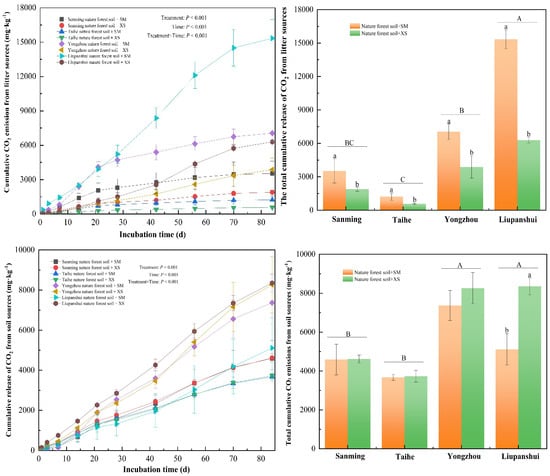
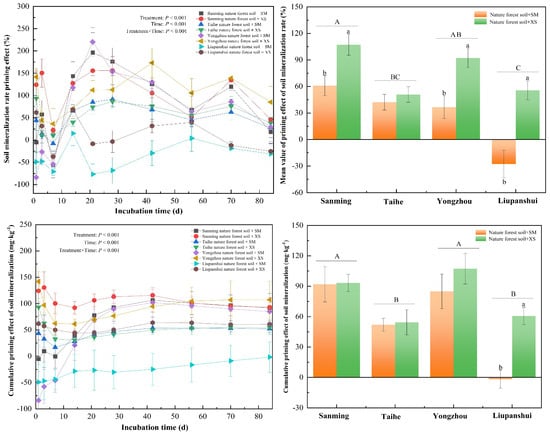
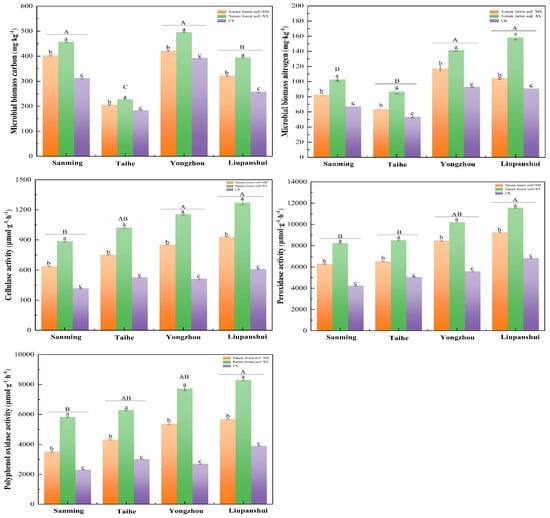
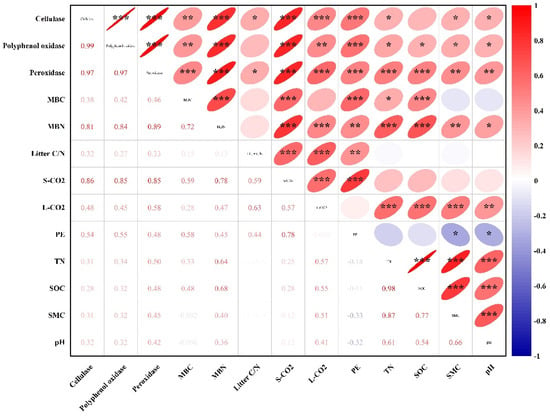
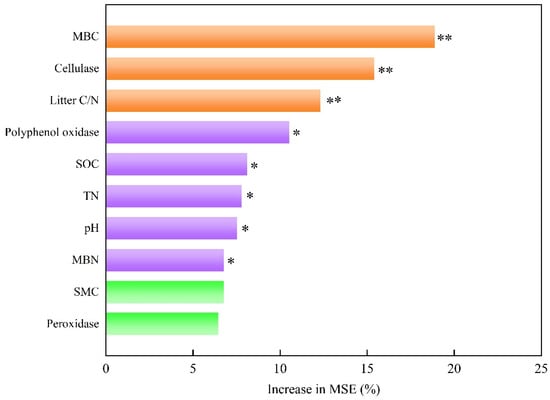
The size and stability of the soil carbon pool depend on the balance between plant litter input and soil organic carbon mineralization. As an important source of soil organic carbon, litter input plays a key role in the decomposition of soil organic carbon through the priming effect and ultimately affects soil carbon balance. Litter quality is a key factor affecting the decomposition and transformation of soil organic carbon. However, uncertainties remain regarding the effects of different-quality litters on soil mineralization and priming. In this study, we used an indoor incubation method to label China fir leaf litter and Acacia leaf litter with the isotope 13C. The effects of different-quality litters on the intensity and direction of soil priming effects were studied by adding different-quality litters to soils in different subtropical regions. The results show that, compared with China fir (Cunninghamia lanceolata) litter (low-quality, high C/N), Acacia (Acacia confusa) litter input (high-quality, low C/N) promotes soil mineralization and decomposition. By contrast, low-quality litter produces higher quantities of litter source C, which returns to the atmosphere through CO2. Different-quality litters could regulate the direction and intensity of the soil priming effect. The priming effect of the Acacia litter addition treatment was higher than that of the China fir litter addition treatment. The addition of high-quality litter promotes the generation of a positive soil priming effect. The addition of Acacia litter to different regions of soil had a positive priming effect, while the addition of China fir litter had a negative priming effect for a period of time. Furthermore, the correlation analysis results showed a significant connection between soil physical and chemical indicators and litter C/N and soil mineralization and priming effects. The random forest analysis showed that litter C/N (p < 0.01) is one of the main factors affecting the soil priming effect, indicating that litter quality has a higher relative importance to the priming effect. These findings underscore the critical role of litter quality in regulating subtropical soil carbon dynamics and providing pivotal datasets for predicting terrestrial carbon sink potential.
Full article
(This article belongs to the Special Issue Soil Carbon and Nitrogen Cycling in Terrestrial Ecosystems: Isotope and Microbial Approaches)
►▼
Show Figures

Figure 1
Open AccessArticle
Acacia Biochar Reduces Arsenic Uptake and Enhances Growth of Lettuce (Lactuca sativa) in a Contaminated Hydroponic System
by
Md Ahosan Habib Ador, Md Abdul Halim, Sivajanani Sivarajah, Mohammed Masum Ul Haque and Romel Ahmed
Agronomy 2026, 16(14), 1337; https://doi.org/10.3390/agronomy16141337 - 14 Jul 2026
Abstract
Hydroponic and soilless systems are increasingly adopted as low-cost, sustainable solutions for global food production, yet they remain highly susceptible to contamination by potential toxic elements (PTEs), particularly arsenic. While biochar is widely recognized as an effective amendment for mitigating PTE contamination in
[...] Read more.
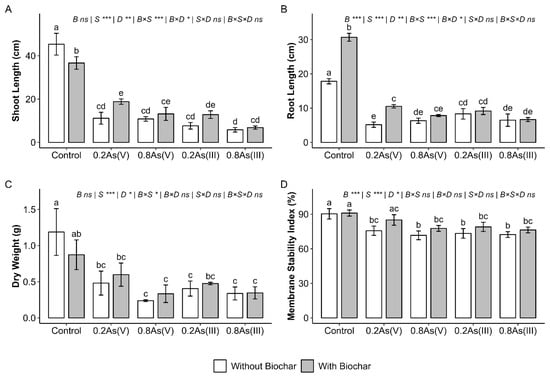
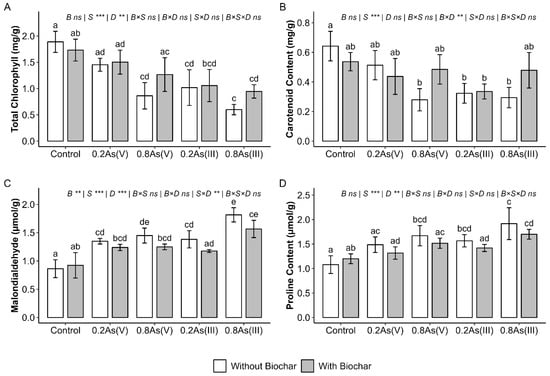
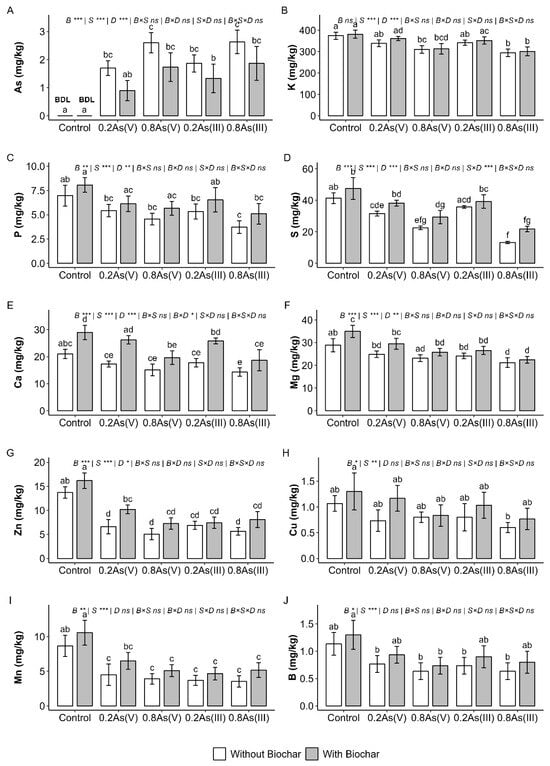
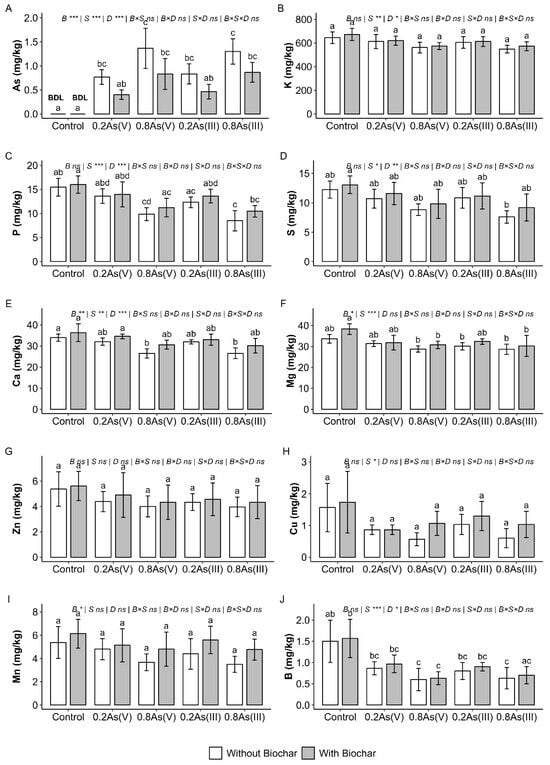
Hydroponic and soilless systems are increasingly adopted as low-cost, sustainable solutions for global food production, yet they remain highly susceptible to contamination by potential toxic elements (PTEs), particularly arsenic. While biochar is widely recognized as an effective amendment for mitigating PTE contamination in soil-based systems, its ability to alleviate PTE stress in hydroponic environments has been largely overlooked. The gap reveals a critical and underexplored frontier in controlled-environment agriculture, where extending biochar-based mitigation strategies could yield substantial benefits. Here, we evaluated whether Acacia auriculiformis wood biochar could alleviate arsenic (As) toxicity in lettuce (Lactuca sativa) grown in a continuous-flow hydroponic system. Using a completely randomized factorial design (arsenic species × dose × biochar) with three independent replicates per treatment, we tested biochar under 0.2 and 0.8 mg/L of As(III) and As(V). Arsenic significantly (p < 0.05) reduced lettuce growth, with As(III) being more toxic than As(V). Biochar significantly (p < 0.05) improved morphological traits (2.4–103%), cell membrane stability (5.5–12%), photosynthetic pigments (3–73%), and stress indicators proline (8–11%) and malondialdehyde (8–14%). Arsenic accumulated mainly in roots (1.7–2.63 mg/kg) and shoots (0.76–1.36 mg/kg), but biochar reduced accumulation by 28–47% in roots and 33–48% in shoots. Additionally, biochar enhanced nutrient uptake (K, P, Ca, Mg, B, Zn, Cu, S, Mn) at both arsenic levels. Overall, the results indicate that Acacia biochar can substantially reduce arsenic toxicity and improve plant physiological responses in continuous-flow hydroponics, highlighting its promise as a viable and scalable mitigation tool for safeguarding soilless food production systems against PTE contamination.
Full article
(This article belongs to the Section Soil and Plant Nutrition)
►▼
Show Figures

Figure 1
Open AccessArticle
Ensemble Learning-Based Assessment of Soil Salinization at the Agricultural Parcel Scale in Arid Regions: A Case Study of Delingha City in the Qaidam Basin, China
by
Yan Su, Tianhong Mu, Wei Wang, Guanlin Li, Shaoquan Xu and Xianwei Zhao
Agronomy 2026, 16(14), 1336; https://doi.org/10.3390/agronomy16141336 - 13 Jul 2026
Abstract
Soil salinization is a major constraint on sustainable agricultural development in arid regions, yet soil salinity dynamics are commonly assessed using pixel-based remote sensing products that are difficult to relate to agricultural management units. To solve this problem, we developed an agricultural parcel-scale
[...] Read more.
Soil salinization is a major constraint on sustainable agricultural development in arid regions, yet soil salinity dynamics are commonly assessed using pixel-based remote sensing products that are difficult to relate to agricultural management units. To solve this problem, we developed an agricultural parcel-scale framework for soil salinity monitoring and mitigation assessment in Delingha City, Qinghai Province, China. Cropland parcels were extracted using a Recurrent Residual U-Net (R2U-Net) model, and soil salinity inversion for April during 2021–2025 was conducted by integrating Sentinel-1/2 imagery with a stacking ensemble learning model. The model incorporated Random Forest Regression (RFR), Gradient Boosting Regression (GBR), Multi-Layer Perceptron (MLP), and Support Vector Regression (SVR) to improve prediction accuracy and robustness. The selected features included vegetation indices, salinity indices, and SAR backscatter parameters. Among them, the Soil Adjusted Vegetation Index (SAVI) showed the strongest correlation with soil salinity, while Salinity Index 2 (SI2) exhibited the highest contribution to model performance. The R2U-Net achieved an F1-score of 0.8574 for parcel extraction. The ensemble model produced the best inversion results with an R2 of 0.52 and reduced prediction errors compared with individual models. Results indicated an overall decline in soil salinity from 2021 to 2025, suggesting an improvement in soil salinity conditions during the study period. Parcel-scale aggregation reduced spatial noise; improved temporal stability; and revealed heterogeneous field responses, including salinity-declining, fluctuating, and increasing trends. The proposed framework enhances the interpretability and management relevance of soil salinity monitoring and provides practical support for precision agricultural management in arid regions.
Full article
(This article belongs to the Special Issue Advances in Soil Management and Ecological Restoration)
►▼
Show Figures

Figure 1
Open AccessReview
Biochar in Controlled Environment Agriculture: Applications in Hydroponics, Vertical Farming, and Soilless Cultivation
by
Nora Baldoni, Stefania Cocco, Giuseppe Corti, Raed Hussein, Malu Kishorkumar, Amira Askri, Abdul Jaleel, Dali Francis and Shyam Kurup
Agronomy 2026, 16(14), 1335; https://doi.org/10.3390/agronomy16141335 - 13 Jul 2026
Abstract
Controlled environment agriculture (CEA), including hydroponics, vertical farming (VF), and soilless cultivation, is expanding rapidly as food production shifts toward resource-efficient and climate-resilient systems. However, conventional substrates such as rockwool, peat, coco coir, and perlite present limitations related to nutrient buffering, structural stability,
[...] Read more.
Controlled environment agriculture (CEA), including hydroponics, vertical farming (VF), and soilless cultivation, is expanding rapidly as food production shifts toward resource-efficient and climate-resilient systems. However, conventional substrates such as rockwool, peat, coco coir, and perlite present limitations related to nutrient buffering, structural stability, and environmental sustainability. Biochar has emerged as a promising alternative substrate component due to its porous structure, surface functionality, and ability to modify root-zone conditions. This review synthesizes current knowledge on the role of biochar in controlled cultivation systems, focusing on its physicochemical properties, substrate interactions, and plant physiological responses. Biochar incorporation influences water retention, aeration, nutrient availability, and microbial activity within confined root environments, thereby improving root architecture, photosynthetic performance, crop quality, and plant uniformity. Applications across hydroponic, VF, and soilless cultivation systems demonstrate improved moisture regulation, nutrient buffering, and substrate stability. Biochar interactions with conventional media such as coco peat, perlite, and peat moss further highlight its role in engineered growing substrates. Despite these advantages, challenges remain, including feedstock variability, pH and electrical conductivity effects, lack of standardized specifications, and limited long-term performance data in recirculating systems. Emerging research areas such as engineered biochar, nano-biochar, microbial integration, and precision cultivation technologies offer opportunities to optimize biochar performance in controlled environments. Overall, biochar represents a versatile and sustainable substrate component for CEA, with potential to enhance crop productivity, substrate durability, and resource efficiency. Future research should focus on material standardization, system-specific optimization, and large-scale validation to support commercial adoption.
Full article
(This article belongs to the Special Issue Crop Productivity and Management in Agricultural Systems)
►▼
Show Figures

Figure 1
Journal Menu
► ▼ Journal Menu-
- Agronomy Home
- Aims & Scope
- Editorial Board
- Reviewer Board
- Topical Advisory Panel
- Early Career Editorial Board
- Instructions for Authors
- Special Issues
- Topics
- Sections & Collections
- Article Processing Charge
- Indexing & Archiving
- Editor’s Choice Articles
- Most Cited & Viewed
- Journal Statistics
- Journal History
- Journal Awards
- Society Collaborations
- Conferences
- Editorial Office
Journal Browser
► ▼ Journal BrowserHighly Accessed Articles
Latest Books
E-Mail Alert
News
Topics
Topic in
Agronomy, Drones, Geomatics, IJGI, Land, Remote Sensing
Advances in Multi-Scale Geographic Environmental Monitoring: Ecosystem Differences and Multi-Scale Comparisons
Topic Editors: Jingzhe Wang, Xiangyu Ge, Zipeng Zhang, Ivan Lizaga, Yinghui Zhang, Yangyi WuDeadline: 31 August 2026
Topic in
Agronomy, Agriculture, Plants, Horticulturae, Crops, IJPB
Bridging Plant Biochemistry and Food Innovation: From Metabolic Stress to Functional Food
Topic Editors: Tomasz Piechowiak, Dagmara MigutDeadline: 15 September 2026
Topic in
Agronomy, Climate, Crops, Grasses, Horticulturae, Land, Plants
Reframing Strategies for a Low Carbon Future in Agricultural Systems
Topic Editors: M. Ibrahim Khalil, Bruce OsborneDeadline: 8 October 2026
Topic in
Agriculture, Agronomy, Crops, Land, Plants, Sustainability
Irrigation and Fertilization Management for Sustainable Agricultural Production
Topic Editors: Shihong Yang, Zewei Jiang, Ivan Francisco Garcia TejeroDeadline: 15 October 2026
Conferences
Special Issues
Special Issue in
Agronomy
Plant Stress Tolerance: From Genetic Mechanism to Cultivation Methods
Guest Editors: Chang Liu, Changlin LiuDeadline: 20 July 2026
Special Issue in
Agronomy
Effects of Agronomical Practices on Crop Quality and Sensory Profile—3rd Edition
Guest Editors: Leontina Lipan, Agustí RomeroDeadline: 20 July 2026
Special Issue in
Agronomy
Mechanisms and Effects of Biochar in Regulating the Soil Nitrogen Cycle
Guest Editors: Zunqi Liu, Xu Yang, Yu LanDeadline: 20 July 2026
Special Issue in
Agronomy
Waste to Wealth: Resource Utilization of Agricultural Waste Through Effective Biomass Management
Guest Editor: Anabel FernandezDeadline: 20 July 2026
Topical Collections
Topical Collection in
Agronomy
Advances of Agricultural Robotics in Sustainable Agriculture 4.0
Collection Editors: Xiangjun Zou, Yunchao Tang, Junfeng Gao, Liang Gong, Simon van Mourik, Ya Xiong
Topical Collection in
Agronomy
Genetic Diversity Evaluation of the Fruit Trees
Collection Editors: Santiago Pereira-Lorenzo, José Iñaki Hormaza, Ana Ramos-Cabrer
Topical Collection in
Agronomy
Innovative Organic and Regenerative Agricultural Production
Collection Editors: Carlo Leifert, Emmanouil Kabourakis, Leonidas Rempelos
Topical Collection in
Agronomy
A Series of Special Reviews and Topic Analyses That Explore Major Trends and Challenges in Agronomy
Collection Editors: Peter Langridge, Leslie A. Weston, Ilias Travlos