
Topical Advisory Panel applications are now closed. Please contact the Editorial Office with any queries.
Journal Description
Analytica
Analytica
is an international, peer-reviewed, open access journal on analytical chemistry and chemical analysis published quarterly online by MDPI.
- Open Access— free for readers, with article processing charges (APC) paid by authors or their institutions.
- High Visibility: indexed within ESCI (Web of Science), Scopus, CAPlus / SciFinder, and other databases.
- Journal Rank: JCR - Q1 (Chemistry, Analytical) / CiteScore - Q2 (Analytical Chemistry)
- Rapid Publication: manuscripts are peer-reviewed and a first decision is provided to authors approximately 19.4 days after submission; acceptance to publication is undertaken in 3.7 days (median values for papers published in this journal in the first half of 2026).
- Recognition of Reviewers: APC discount vouchers, optional signed peer review, and reviewer names published annually in the journal.
- Journal Cluster of Analysis and Sensing Technologies: Analytica, Biosensors, Chemosensors, Purification, Separations and Spectroscopy Journal.
Impact Factor:
7.4 (2025);
5-Year Impact Factor:
5.8 (2025)
Latest Articles
Chemical Characterization of Fraxinus angustifolia Vahl. ssp. pannonica Soó & Simon Stump-Derived Biomass: Evaluation of Valorization Potential
Analytica 2026, 7(3), 56; https://doi.org/10.3390/analytica7030056 - 17 Aug 2026
Abstract
►
Show Figures
During forest exploitation, large amounts of wood biomass are left as residues after harvesting, even though this material could be valuable in reducing greenhouse gas emissions by replacing fossil fuels and serving as a source of bioactive compounds. Within the context of the
[...] Read more.
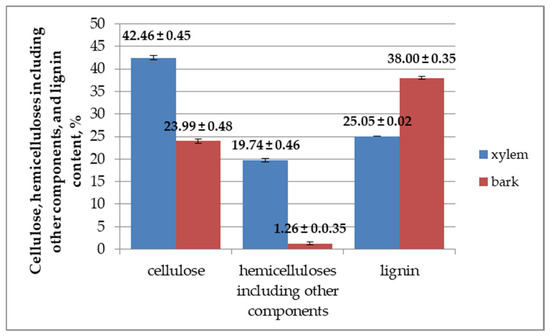
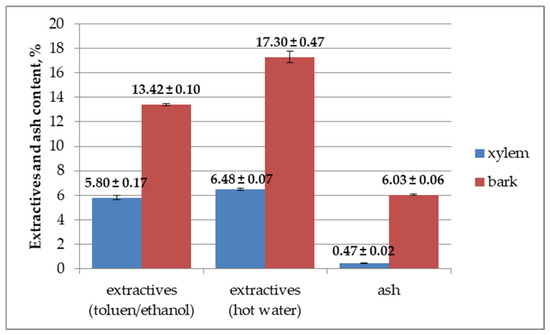
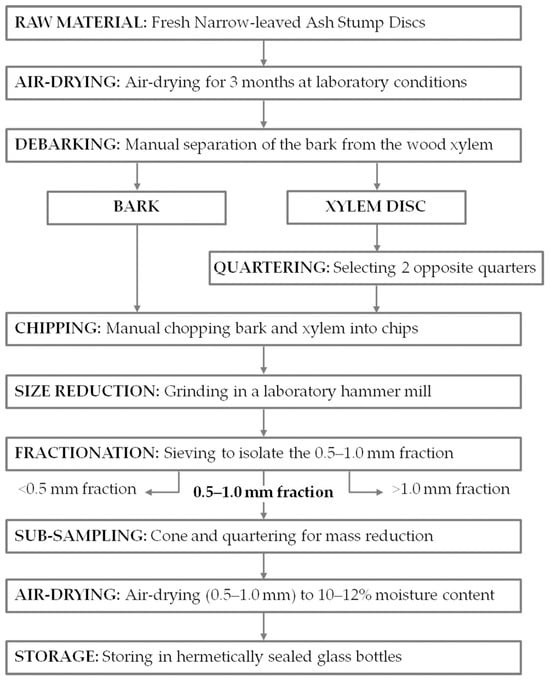
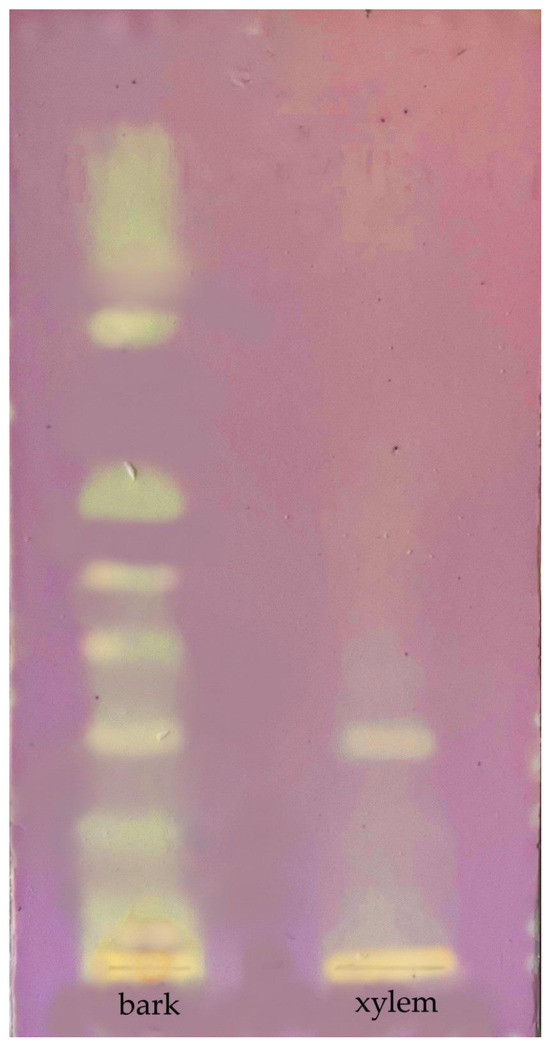
During forest exploitation, large amounts of wood biomass are left as residues after harvesting, even though this material could be valuable in reducing greenhouse gas emissions by replacing fossil fuels and serving as a source of bioactive compounds. Within the context of the European Union’s circular bioeconomy strategy, enhancing the efficacy and rational application of forest logging residues constitutes a critical future objective. To evaluate the possible use of the stumps as forest residue-derived woody biomass for the first time, the chemical composition and presence of bioactive compounds in the xylem and bark of F. angustifolia Vahl. ssp. pannonica Soó & Simon stumps were analyzed, including the content of cellulose, acid-insoluble lignin, acid-soluble lignin, ash, and extractives soluble in toluene–ethanol and hot water. In hot water extracts, total phenolic content, the antioxidant activity determined by scavenging capacity toward DPPH and HPTLC, the content of elements by ICP-OES, and the identification of bioactive compounds by UHPLC-DAD-ESI MS/MS were assessed. Considering the chemical composition, the quality of the xylem of the F. angustifolia (cellulose: 42.46 ± 0.45%; lignin: 25.05 ± 0.02%; hemicelluloses: 19.74 ± 0.46%) was similar to that of the stem. Hot water extracts of the bark of F. angustifolia stumps showed high total phenolic content (33.94 ± 1.43 mg GAE/g DW) and strong antioxidant potential (198.48 ± 3.33 μmol TE/g DW), while toxic metals were not detected. UHPLC-DAD-ESI-MS/MS analysis indicated phenylethanoid glycosides as the dominant compounds in the extracts. The analyzed stumps of Fraxinus angustifolia Vahl. in the “Morović” Forest Administration represent a valuable biomass with potential for further valorization.
Full article
Open AccessArticle
Physicochemical Assessment of Selected Conductive Polymers for Probable Mercury Remediation in Wastewater—Experimental and DFT Approach
by
Sesona Macanda, Hassan Shoyiga, Adeniyi Ogunlaja, Uliana Pinaeva, Sizwe Zamisa and Nobathembu Faleni
Analytica 2026, 7(3), 55; https://doi.org/10.3390/analytica7030055 - 13 Aug 2026
Abstract
►▼
Show Figures
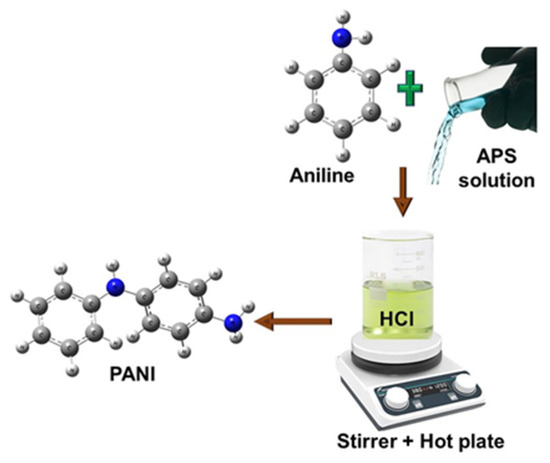
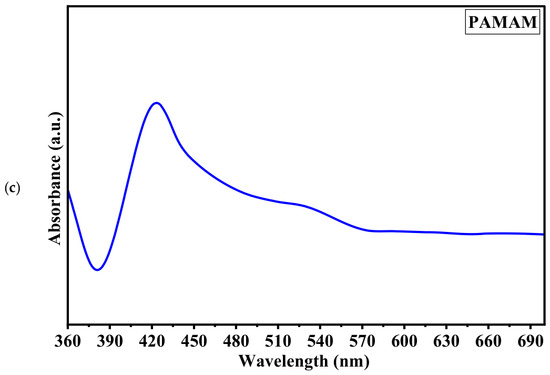
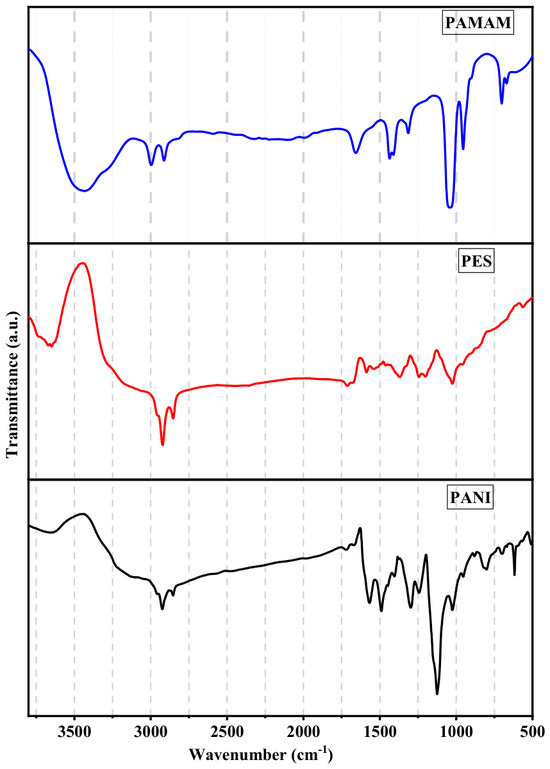
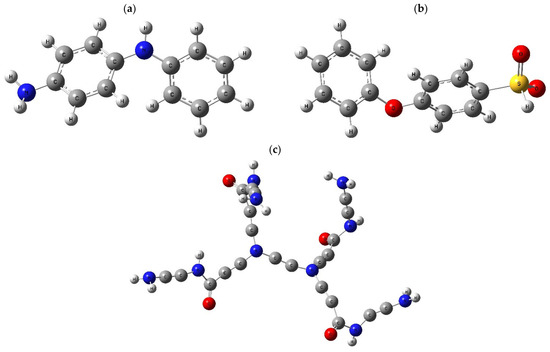
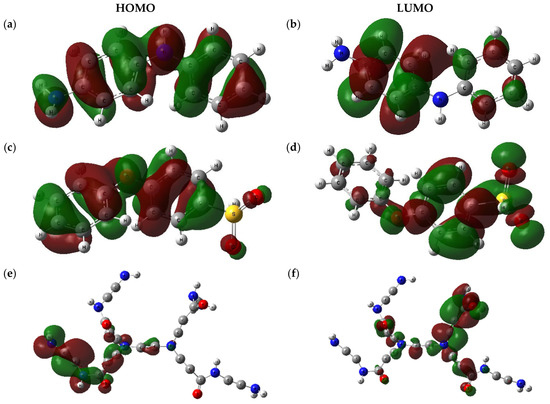
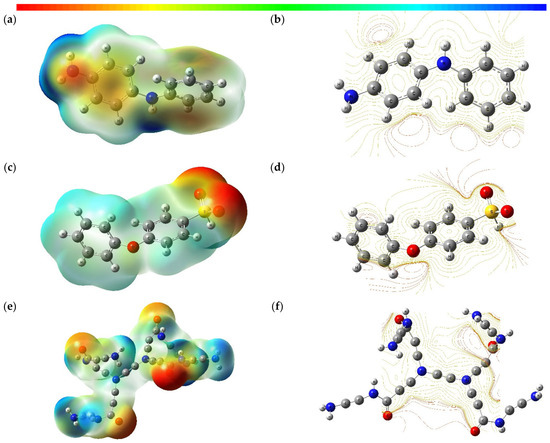
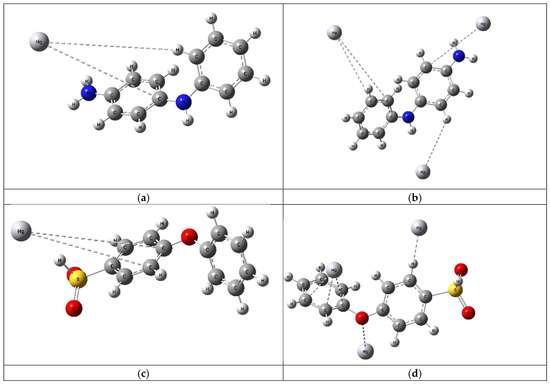
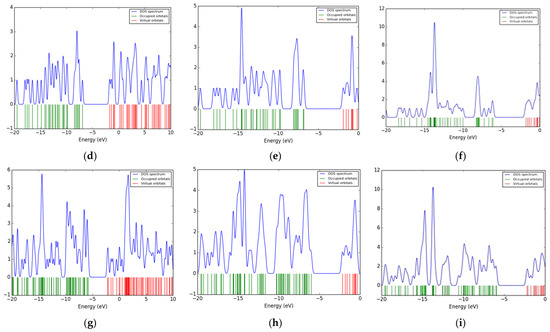
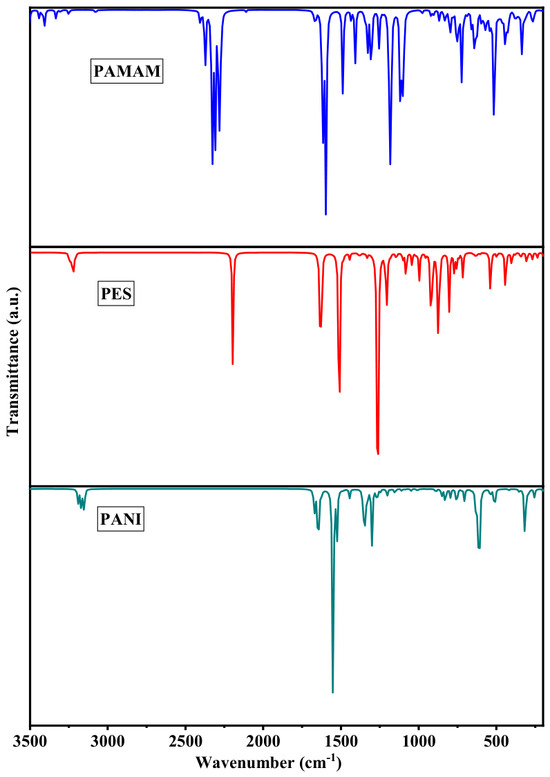
Mercury contamination in aquatic environments poses significant risks to ecosystems and human health, underscoring the need for effective remediation technologies. This research examines the physicochemical properties of the synthesised polymer materials, and DFT calculations were used as an initial step for material development
[...] Read more.
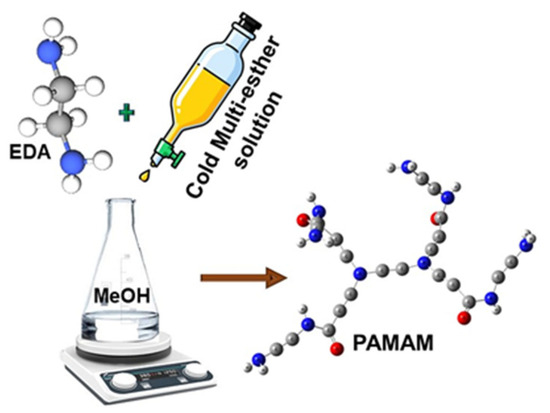
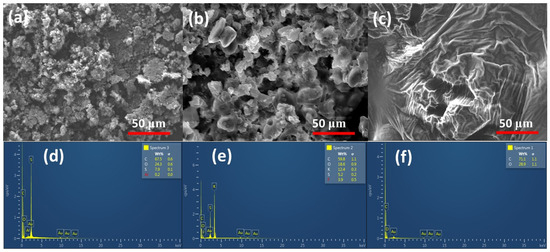
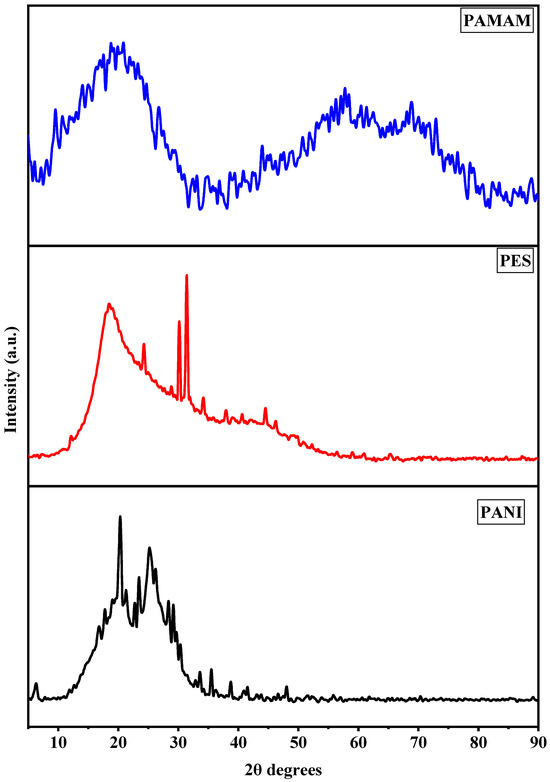
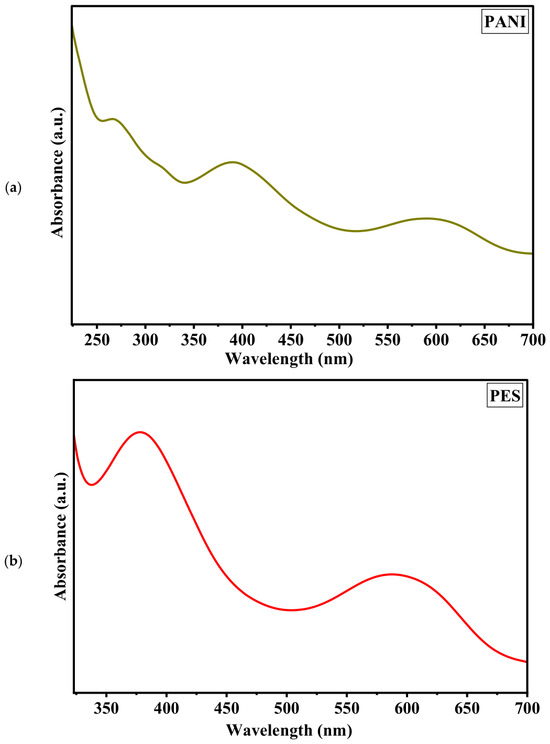
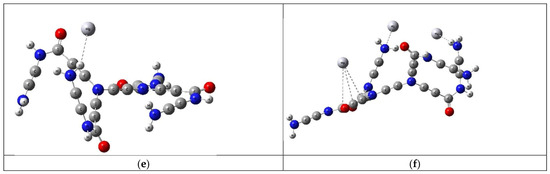
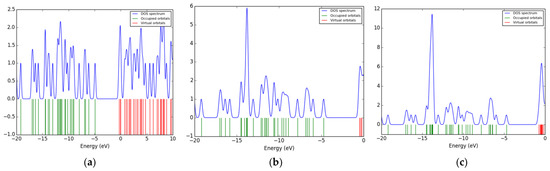
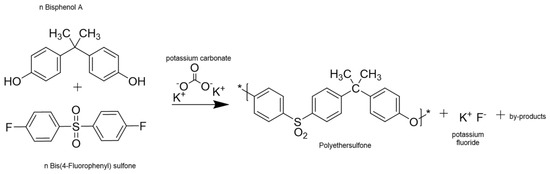
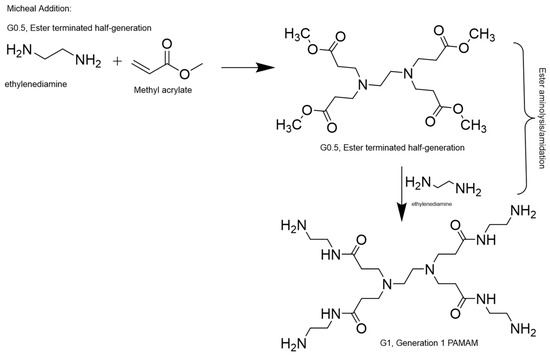
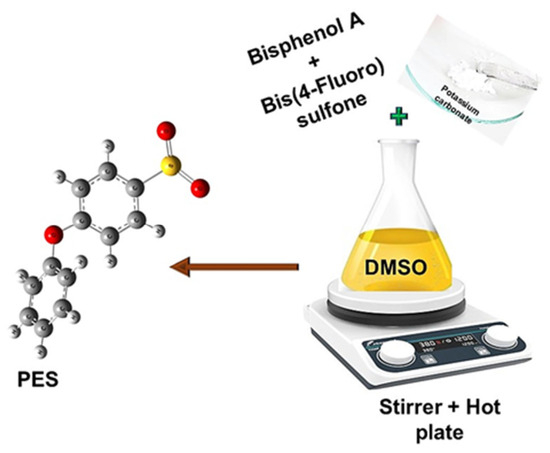
Mercury contamination in aquatic environments poses significant risks to ecosystems and human health, underscoring the need for effective remediation technologies. This research examines the physicochemical properties of the synthesised polymer materials, and DFT calculations were used as an initial step for material development to validate our experimental outcomes for the prepared polymers: polyaniline (PANI), polyethersulfone (PES), and polyamidoamine (PAMAM). Furthermore, DFT studies were used to elucidate structure–property relationships in polymers, serving as performance predictors for mercury adsorption and selectivity, as well as for their applicability in electronic sensors. The characterisation techniques indicated the high functional group densities of PAMAM dendrimers for effective chelation, while the semi-crystalline structure of PANI improves metal binding. DFT calculations reveal that PAMAM exhibits the smallest HOMO–LUMO energy gap, indicating a high reactivity towards mercury ions. Binding energies indicate that PAMAM forms the most stable single-ion complex; PAM1Hg (0.242 eV, 23.37 kJ mol−1), whereas PES exhibits enhanced interaction at elevated mercury concentrations, resulting in stable multi-Hg complexes, PES3Hg (0.136 eV, 13.13 kJ/mol). The findings indicate that nitrogen-rich functional groups and aromatic systems play a crucial role in mercury binding, highlighting the promise of conductive polymers for creating effective adsorbents aimed at mercury remediation in industrial wastewater.
Full article

Figure 1
Open AccessArticle
Optimization of CO2 Supercritical Extraction and Air-Drying Temperature Process on the Antimicrobial Properties of Pistacia lentiscus Leaves Essential Oil
by
Hamza Bouakline, Mohamed Brahmi, Imane Ziani, Meryem Idrissi Yahyaoui, Alberto Angioni, Alessandro Atzei, Francesco Corrias, Adem Gharsallaoui, Abdeslam Asehraou, Abdesselam Tahani and Ali El Bachiri
Analytica 2026, 7(3), 54; https://doi.org/10.3390/analytica7030054 - 11 Aug 2026
Abstract
►▼
Show Figures
Supercritical carbon dioxide extraction (SFE-CO2) is an efficient and environmentally friendly process for extracting bioactive compounds from plant material. This investigation examined the combined effects of air-drying temperature of the leaves and SFE-CO2 operating conditions on the extraction yield, volatile
[...] Read more.
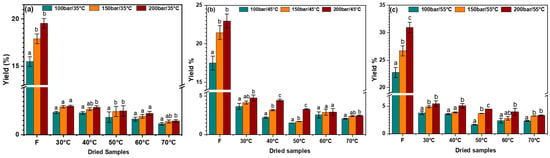
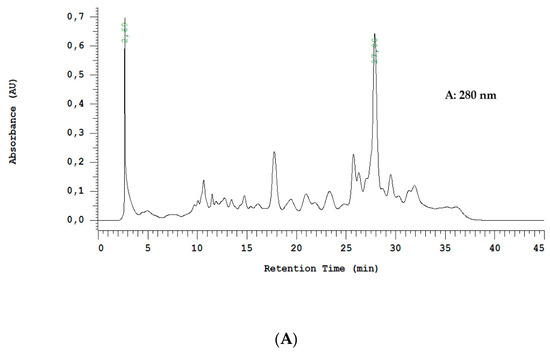
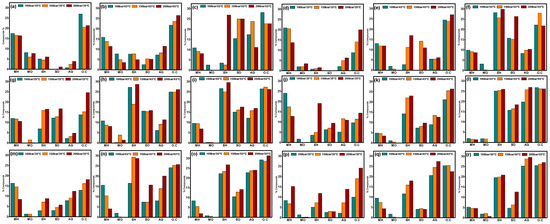
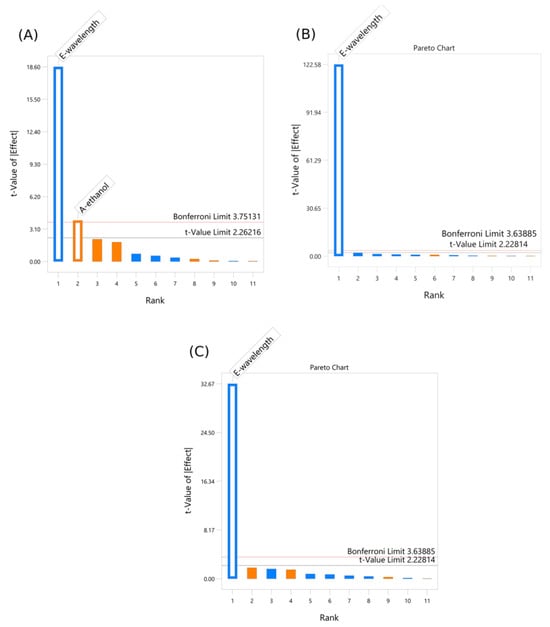
Supercritical carbon dioxide extraction (SFE-CO2) is an efficient and environmentally friendly process for extracting bioactive compounds from plant material. This investigation examined the combined effects of air-drying temperature of the leaves and SFE-CO2 operating conditions on the extraction yield, volatile compound composition, and antimicrobial activity of Pistacia lentiscus leaf extracts. Extractions were performed at pressures ranging from 100 to 200 bar and temperatures ranging from 35 to 55 °C. Extraction yield increased with extraction pressure and temperature, while fresh leaves yielded the highest extract, highlighting the importance of pretreatment on extractability. Chemical analysis revealed notable variations in monoterpene hydrocarbons, oxygenated monoterpenes, sesquiterpene hydrocarbons, and oxygenated sesquiterpenes depending on drying temperature and extraction parameters, confirming the high sensitivity of the volatile compound composition to processing conditions. Response surface methodology (RSM) was used to optimize process variables in order to enhance antimicrobial activity. The extracts inhibited both bacterial and fungal strains, confirming that the extraction conditions exert a direct influence on biological properties. The quadratic model identified the optimal combinations of drying and supercritical CO2 extraction parameters, thereby providing a rational strategy to maximize the antimicrobial potency of P. lentiscus extracts. Overall, controlling pretreatment and supercritical extraction conditions allows for targeted modulation of chemical composition and bioactivity, thereby promoting the development of natural antimicrobial agents and valuable functional components.
Full article

Figure 1
Open AccessArticle
Development and Certification of CPP-23: A Multi-Element Certified Reference Material for Cereal Plant Tissue from Semi-Arid Regions
by
Aziz Soulaimani, Mohamed El Gharous, Khalil El Mejahed, Mohamed Louay Metougui, Reda Oulfakir, Latifa Hajji and Said Gmouh
Analytica 2026, 7(3), 53; https://doi.org/10.3390/analytica7030053 - 10 Aug 2026
Abstract
►▼
Show Figures
Reliable determination of macro- and micronutrients in cereal plant tissues is essential for agronomic management, environmental monitoring, and interlaboratory data comparability. However, most existing plant certified reference materials (CRMs) are derived from temperate-region matrices and do not adequately represent cereals cultivated under semi-arid
[...] Read more.
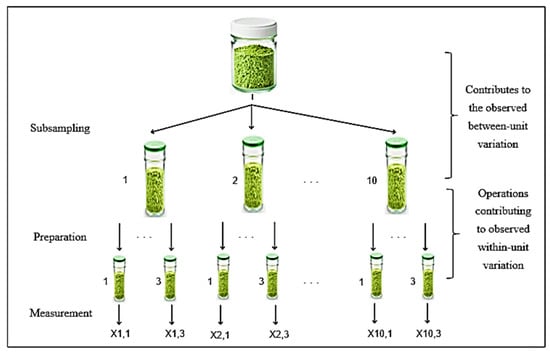
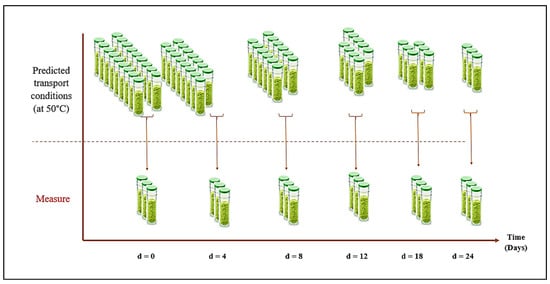
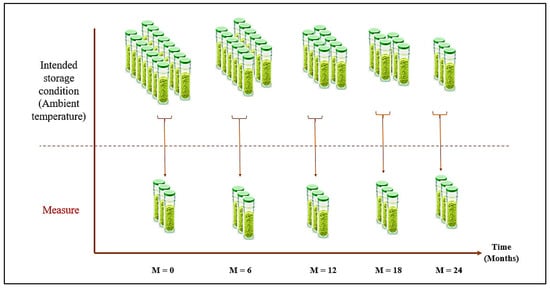
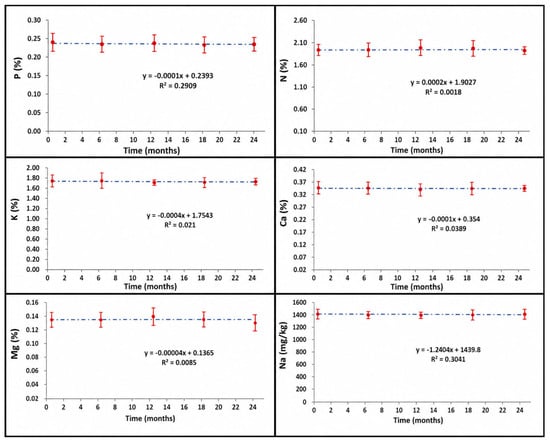
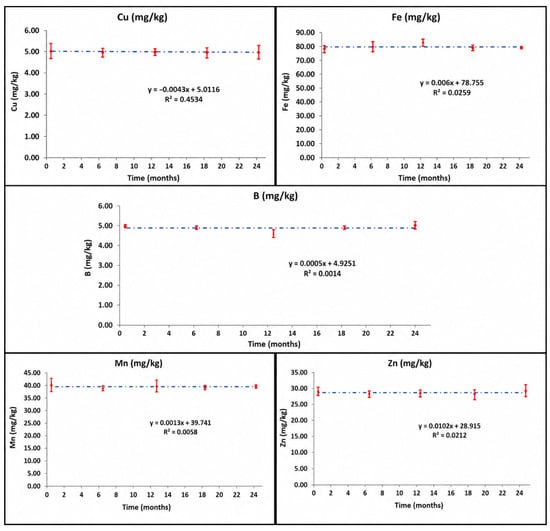
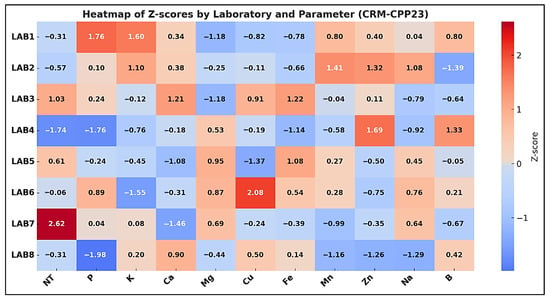
Reliable determination of macro- and micronutrients in cereal plant tissues is essential for agronomic management, environmental monitoring, and interlaboratory data comparability. However, most existing plant certified reference materials (CRMs) are derived from temperate-region matrices and do not adequately represent cereals cultivated under semi-arid conditions, where differences in mineral composition may lead to matrix-related analytical bias. In this study, a new multi-element plant reference material, Cereal Plant Powder 2023 (CPP-23), was developed from composite wheat (Triticum aestivum and T. durum) samples collected across major Moroccan agro-ecological zones. The material was processed, homogenized, and evaluated for homogeneity and stability in accordance with ISO 33405:2024, with no significant short- or long-term variability observed. Elemental characterization was performed using microwave-assisted acid digestion followed by ICP-OES for major and trace elements, while total nitrogen was determined using the Kjeldahl method. Method validation demonstrated satisfactory linearity (R2 > 0.995), precision, and trueness against established reference materials. Certified values were assigned through an interlaboratory comparison involving eight ISO/IEC 17025-accredited laboratories using robust statistical estimators (ISO 13528:2022). Expanded uncertainties (k = 2) were below 15% for all analytes. While these results indicate acceptable internal consistency, the relatively limited number of participating laboratories and the absence of independent analytical validation techniques represent important constraints. CPP-23 provides a matrix-representative material suitable for quality control and method validation in semi-arid agricultural systems. Nevertheless, its ability to reduce analytical bias relative to existing CRMs and its applicability to specific use cases require further experimental validation.
Full article

Figure 1
Open AccessArticle
TriCA as a Triple-Color Assessment Tool for Analytical Methods
by
Fotouh R. Mansour, Khalid M. Omer, Sameera Sh. Mohammed Ameen, Marcello Locatelli, Imran Ali and Alaa Bedair
Analytica 2026, 7(3), 52; https://doi.org/10.3390/analytica7030052 - 4 Aug 2026
Abstract
►▼
Show Figures
The evaluation of analytical methods has evolved beyond traditional validation parameters to encompass environmental sustainability, analytical reliability, and practical applicability. While numerous assessment tools exist for individual dimensions, integrated multicolor frameworks often impose rigid parameter selection, assign equal weights to all dimensions regardless
[...] Read more.
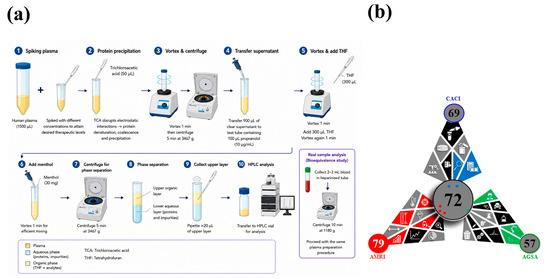
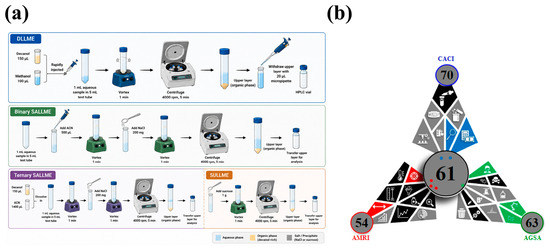
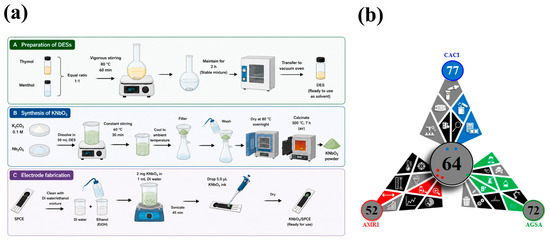
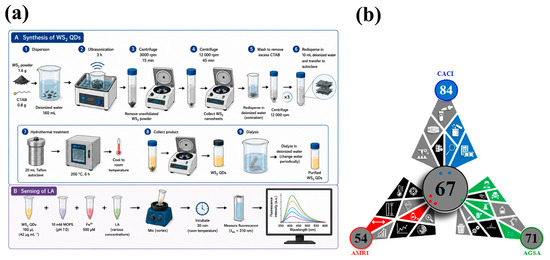
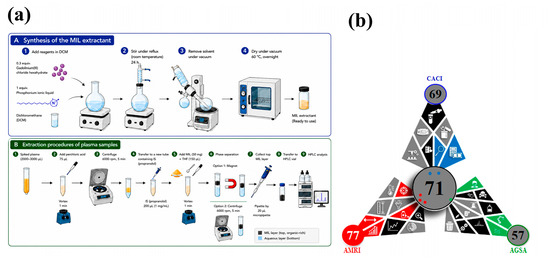
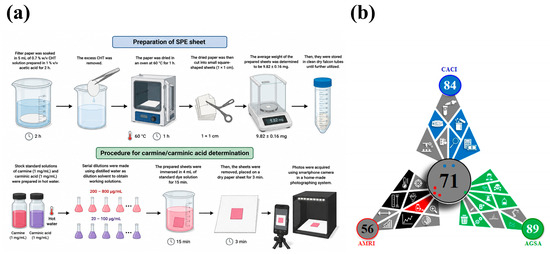
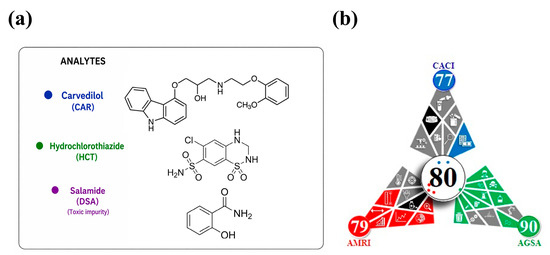
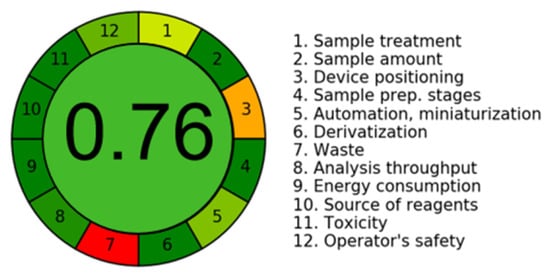
The evaluation of analytical methods has evolved beyond traditional validation parameters to encompass environmental sustainability, analytical reliability, and practical applicability. While numerous assessment tools exist for individual dimensions, integrated multicolor frameworks often impose rigid parameter selection, assign equal weights to all dimensions regardless of analytical context, or lack the granular diagnostic feedback necessary for method improvement. To address these limitations, we present the Triple-Color Assessment (TriCA) tool, a web-based platform that integrates three validated metrics into a unified scoring system with a hierarchical weighting scheme. TriCA combines the Analytical Green Star Area (AGSA) for greenness assessment, the Click Analytical Chemistry Index (CACI) for blueness evaluation, and the Analytical Method Reliability Index (AMRI) for redness scoring. While these metrics are provided as defaults, users may select alternative assessment tools within each dimension according to their specific preferences or requirements. TriCA features a user-customizable weighting system with recommended defaults (red = 3, blue = 2, green = 1), reflecting the logical priority that a method must first be valid, then practical, and finally green. Users can adjust these weights for specific contexts, while the underlying metric scoring protocols (AGSA, CACI, and AMRI) remain fixed to ensure reproducibility. Beyond composite scoring, TriCA generates three detailed pictograms, 12 segments for AGSA, eight segments for CACI, and 10 segments for AMRI, each color-coded to show performance at the individual criterion level. This diagnostic capability enables analysts to identify exactly which green chemistry principles, practicality criteria, or validation parameters are deficient, transforming assessment from an opaque scoring exercise into actionable guidance for method improvement. Seven case studies encompassing diverse analytical techniques demonstrate TriCA’s discriminative power and diagnostic utility. The tool is freely accessible at bit.ly/TriCA, offering the analytical community a transparent, reproducible, and diagnostically rich framework for method evaluation, development, and optimization.
Full article

Figure 1
Open AccessArticle
Cross-Validation of Low-Cost Potentiometric and Colorimetric Methods for Urinary Urea Quantification: Toward Accessible Monitoring of Protein Metabolism
by
Rodrigo E. Dominguez, Valerie Yang, Ashley Fu, Edward H. Cheng, Mirna Terrera, Piyush Hota, Ayushi Pradhan, Sandra Miranda, Christine Snozek, Leslie Thomas, Mary Laura Lind Thomas, Fang Chen and Erica Forzani
Analytica 2026, 7(3), 51; https://doi.org/10.3390/analytica7030051 - 31 Jul 2026
Abstract
►▼
Show Figures
Urinary urea is a key biomarker for tracking protein oxidation and nitrogen balance. A persistent analytical limitation is that conventional total-nitrogen assays do not deconvolute urinary urea from urinary ammonia, and direct measurement still requires capital-intensive clinical analyzers. Here, we implement and independently
[...] Read more.
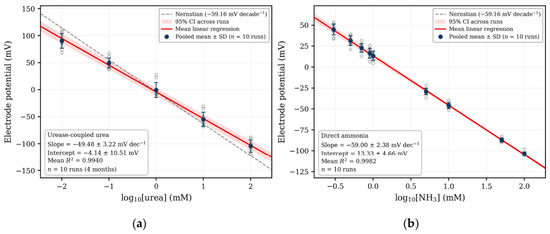
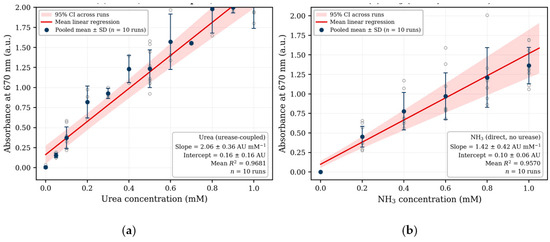
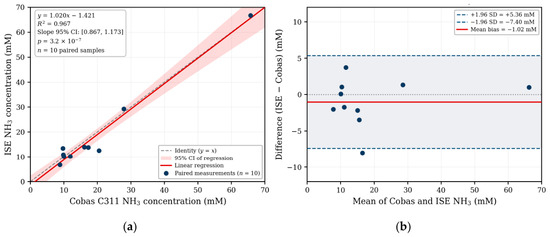
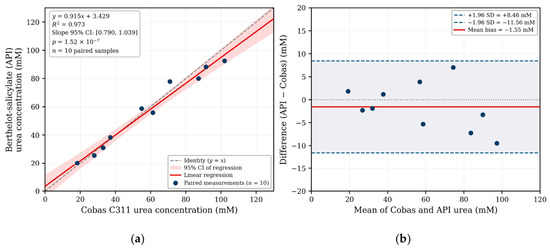
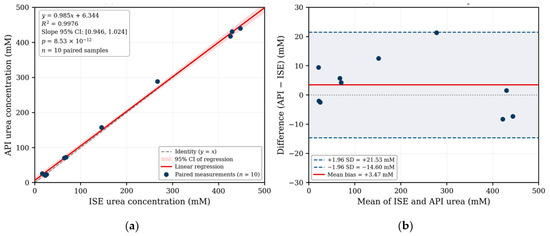
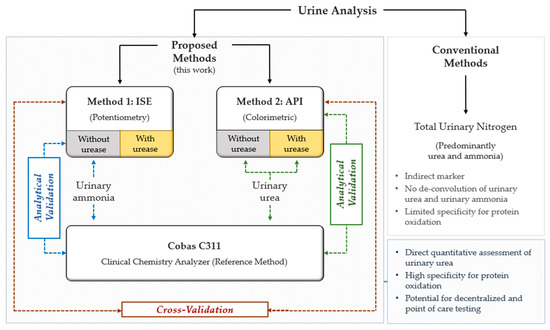
Urinary urea is a key biomarker for tracking protein oxidation and nitrogen balance. A persistent analytical limitation is that conventional total-nitrogen assays do not deconvolute urinary urea from urinary ammonia, and direct measurement still requires capital-intensive clinical analyzers. Here, we implement and independently validate two cost-effective methods that resolve urinary urea by pairing the presence and absence of urease: Method 1 is a urease-coupled potentiometric assay using an ammonium ion-selective electrode (ISE method); Method 2 is a microplate Berthelot–salicylate colorimetric assay employing a repurposed consumer-grade aquarium ammonia test kit (API®) (API method). Each method was validated against the Roche Cobas C311 clinical analyzer (ISE for urinary ammonia and API for urinary urea) in healthy adult volunteers (n = 10 each), and API–ISE were then compared head-to-head for urinary urea. ISE vs. Cobas yielded R2 = 0.967, slope 95% CI [0.867, 1.173], and Bland–Altman bias of −1.02 mM (95% LoA [−7.40, +5.36] mM). API vs. Cobas yielded R2 = 0.973, slope 95% CI [0.790, 1.039], and bias of −1.55 mM (95% LoA [−11.56, +8.46] mM). API–ISE urinary urea comparison confirmed mutual agreement (R2 = 0.9976, slope 95% CI [0.946, 1.024]; bias of +3.47 mM; 95% LoA [−14.60, +21.53] mM), with mean recoveries near 100% (API: 100.7 ± 2.9%; ISE: 100.6 ± 5.4%; 20–350 mM). Both methods agreed with the clinical analyzer, supporting their potential for decentralized, resource-limited testing; clinical and point-of-care validations are needed.
Full article

Figure 1
Open AccessReview
Mass Spectrometry-Based Metabolomic Aging Clocks: Analytical Workflows, Metabolite Signatures, and Clinical Perspectives
by
Dmitry Chistyakov, Andrey Samokhin, Vladislav Gorbatenko, Vasiliy Vasil’ev, Maksim Donnikov, Anna Morozkina, Tatiana Sinyukova, Lyudmila Kovalenko and Marina Sergeeva
Analytica 2026, 7(3), 50; https://doi.org/10.3390/analytica7030050 - 30 Jul 2026
Abstract
Metabolomic aging clocks—quantitative models that estimate biological age based on small-molecule profiles in biological fluids—have become dynamic tools for assessing individual aging trajectories and predicting the risk of age-related diseases. Although NMR-based approaches have been previously reviewed, the analytical landscape of mass spectrometry
[...] Read more.
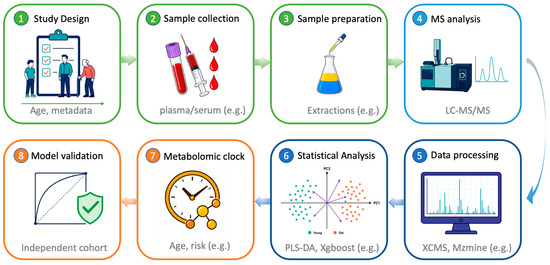
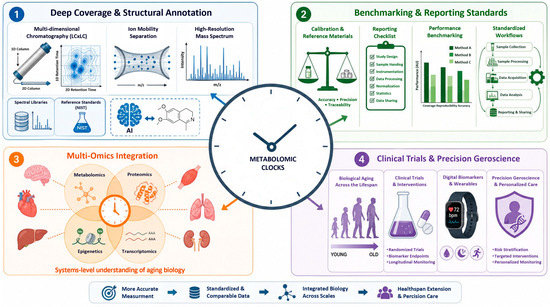
Metabolomic aging clocks—quantitative models that estimate biological age based on small-molecule profiles in biological fluids—have become dynamic tools for assessing individual aging trajectories and predicting the risk of age-related diseases. Although NMR-based approaches have been previously reviewed, the analytical landscape of mass spectrometry (MS)-based metabolomic clocks has not been systematically assessed. This review examines the key components of the MS-based analytical workflow underlying the development of metabolomic aging clocks, including biological matrix selection, chromatographic separation strategies, MS instrumentation, data preprocessing, metabolite annotation, and machine learning-based modeling approaches. Twelve published studies on MS-based metabolomic clocks were identified and systematically compared. These clocks provide predictions of chronological age with mean absolute errors of 3.5–10 years and demonstrate robust associations between metabolomic age acceleration and cardiometabolic risk, frailty, and mortality. Recurrent age-related metabolite classes include tryptophan–kynurenine pathway metabolites, acylcarnitines, sphingolipids, modified nucleosides, and tricarboxylic acid (TCA) cycle intermediates. Currently, liquid chromatography with electrospray ionization (LC-ESI) coupled to high-resolution QTOF or Orbitrap instruments dominates current workflows, with elastic net regression being the most commonly applied modeling strategy. Significant heterogeneity in analytical conditions, incomplete methodological descriptions, and limited cross-study validation remain key obstacles to clinical application. Standardization of pre-analytical protocols, the use of certified reference materials, and harmonized validation frameworks are identified as critical priorities for advancing mass spectrometry-based metabolomic clocks toward clinical translation.
Full article
(This article belongs to the Topic Advances in Analysis Methods for Metabolomics and Lipidomics)
►▼
Show Figures

Figure 1
Open AccessArticle
Structural and Functional Properties of a Sulfated Polysaccharide Extracted from Mexican Red Algae
by
David Encinas-Basurto, Jorge Márquez-Escalante, Karla G. Martínez-Robinson, Alma C. Campa-Mada, Refugio Pérez-González and Elizabeth Carvajal-Millan
Analytica 2026, 7(3), 49; https://doi.org/10.3390/analytica7030049 - 23 Jul 2026
Abstract
►▼
Show Figures
Sulfated polysaccharides from red algae are multifunctional hydrocolloids whose properties depend strongly on molecular structure, sulfate content, and chain conformation. In this study, a sulfated galactan extracted from Gracilaria vermiculophylla collected from a coastal region of northwestern Mexico was investigated to elucidate its
[...] Read more.
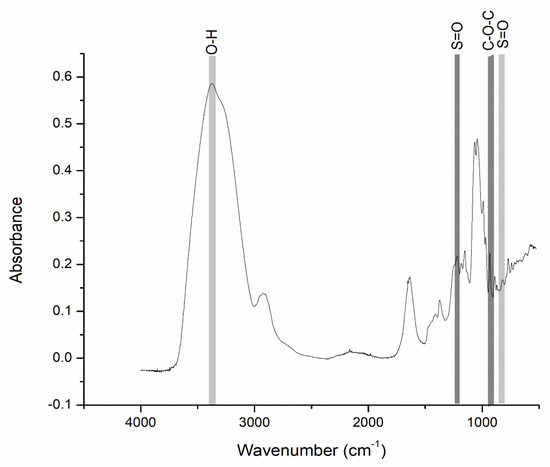
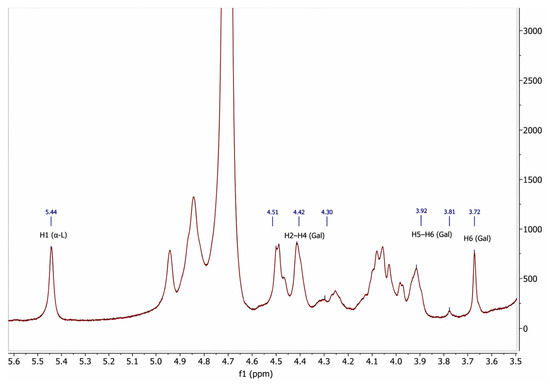
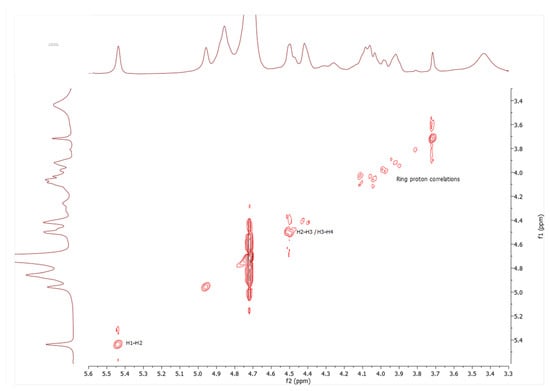
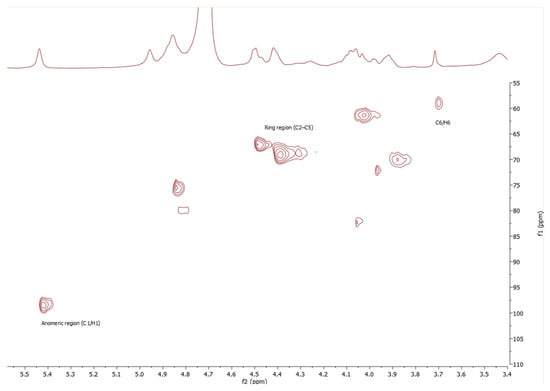
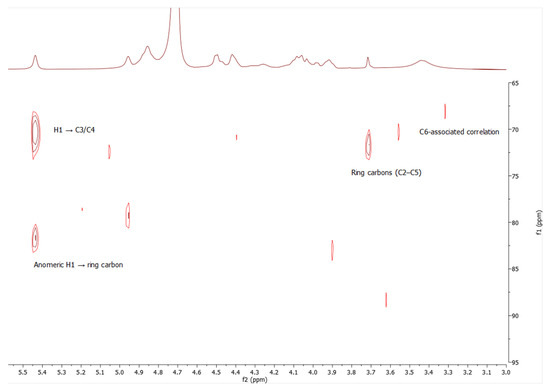
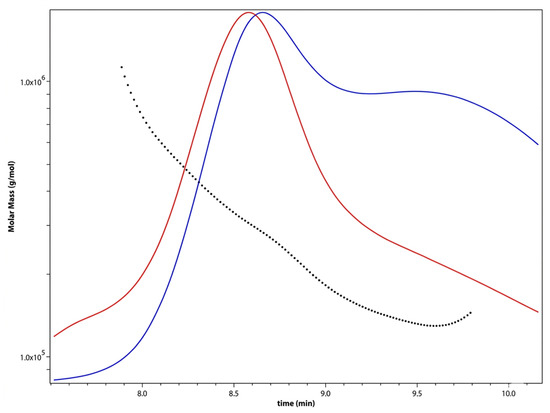
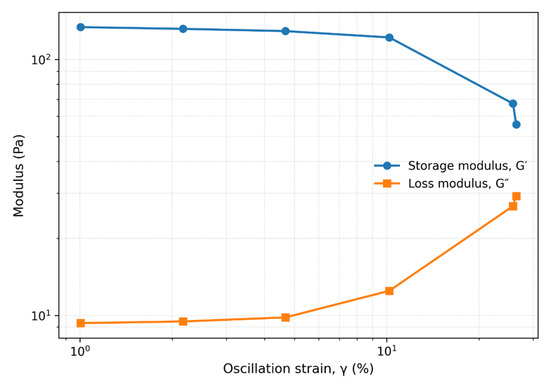
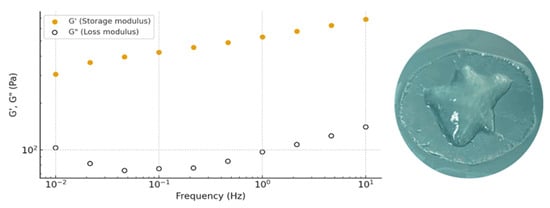
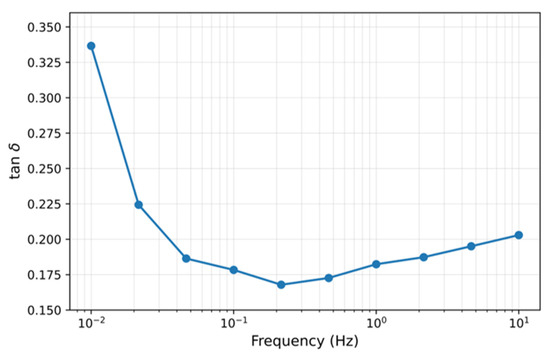
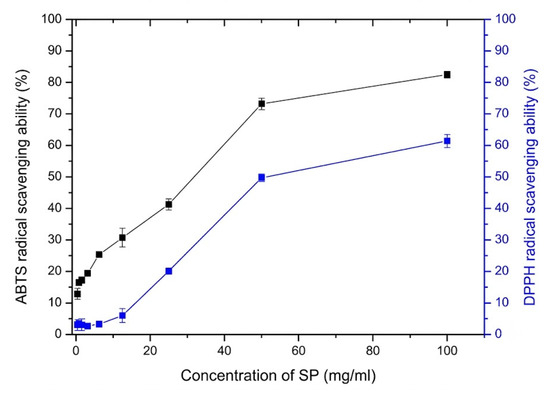
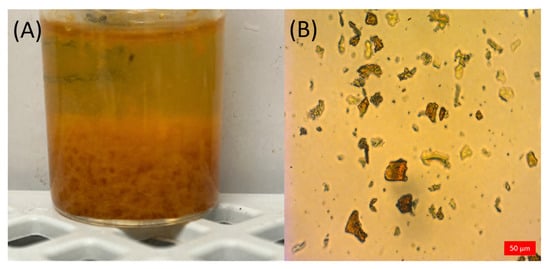
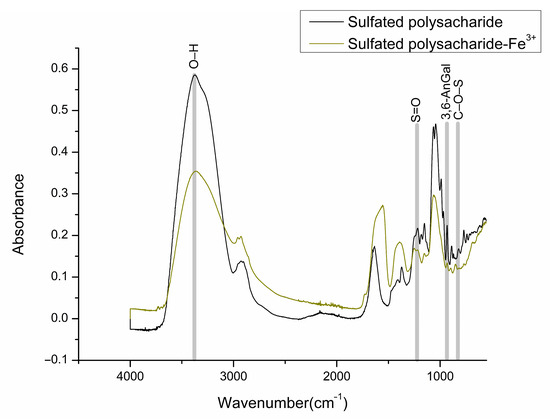
Sulfated polysaccharides from red algae are multifunctional hydrocolloids whose properties depend strongly on molecular structure, sulfate content, and chain conformation. In this study, a sulfated galactan extracted from Gracilaria vermiculophylla collected from a coastal region of northwestern Mexico was investigated to elucidate its structural and functional properties. The polysaccharide was extracted by enzymatic treatment and characterized by monosaccharide analysis, FTIR, 1D/2D NMR spectroscopy, and size-exclusion chromatography coupled with multi-angle light scattering and viscometry. The extracted polysaccharide exhibited high carbohydrate (97%) and sulfate (28%) contents, with galactose as the predominant monosaccharide. It showed a moderate molecular weight (Mw = 2.39 × 10⁵ g/mol), a relatively narrow molar mass distribution (Mw/Mn = 1.23), a high intrinsic viscosity (420.9 mL/g), and an Rg/Rh ratio of 2.2, consistent with an expanded macromolecular conformation in solution. The sulfated polysaccharide also exhibited measurable antioxidant activity, particularly in the ABTS+ assay (IC50 = 31.8 ± 2.5 mg/mL) compared with the DPPH assay (IC50 = 51.1 ± 3.0 mg/mL), and showed Fe3+-responsive association, leading to the formation of microgel-like structures. These findings indicate that the sulfated galactan characterized in this study is a structurally complex and functionally active hydrocolloid with potential relevance for functional food systems and related biomaterial applications.
Full article

Figure 1
Open AccessArticle
Binding of Oxicam NSAIDs to Rabbit Serum Albumin: A Spectroscopic and Mixed-Effects Modeling Study
by
Kamilla Molli Vincze, Evelin Szolnoki-Suhajda, Arash Mirzahosseini, Péter Horváth, György Tibor Balogh and Tamás Pálla
Analytica 2026, 7(3), 48; https://doi.org/10.3390/analytica7030048 - 17 Jul 2026
Abstract
Serum albumin binding plays a critical role in determining the pharmacokinetic and pharmacodynamic behavior of many drugs. Despite extensive studies on human and bovine serum albumin, quantitative binding data for rabbit serum albumin remain limited for several therapeutically important compounds. In this study,
[...] Read more.
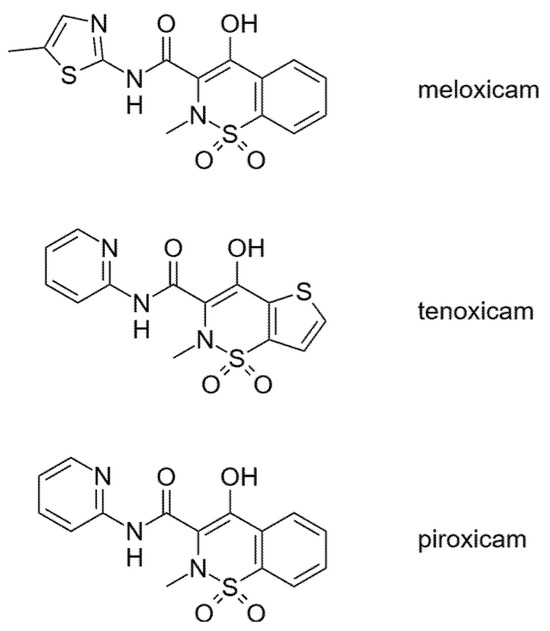
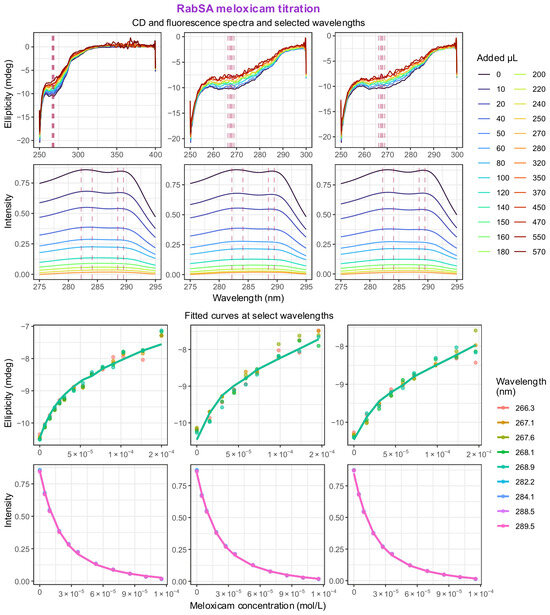
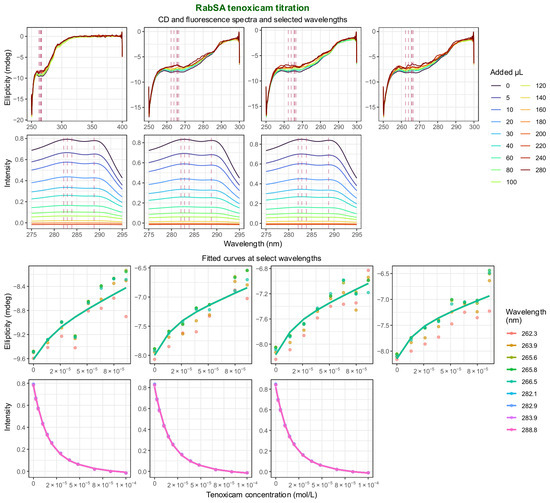
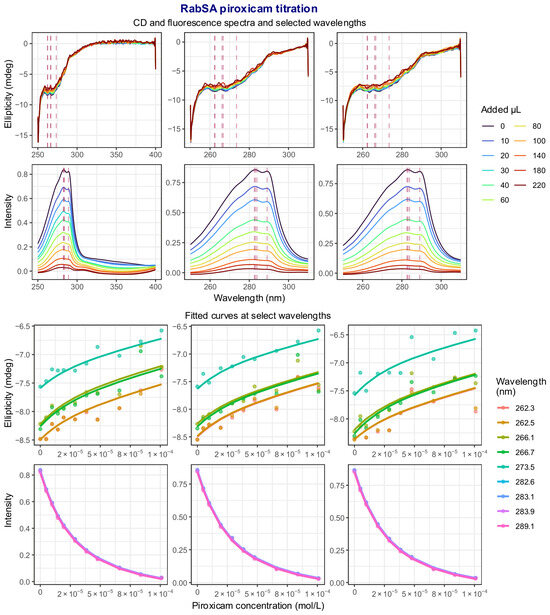
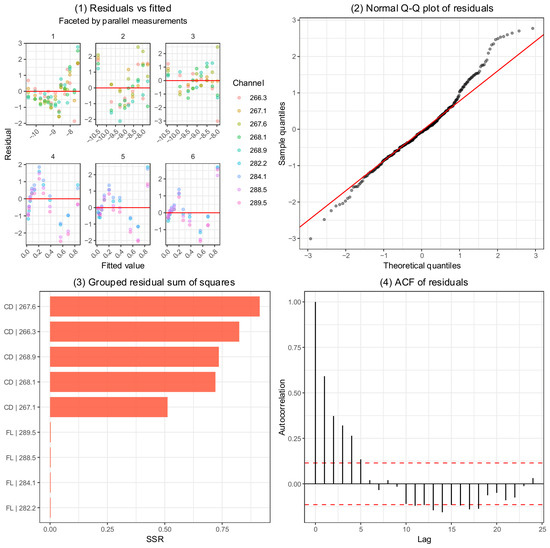
Serum albumin binding plays a critical role in determining the pharmacokinetic and pharmacodynamic behavior of many drugs. Despite extensive studies on human and bovine serum albumin, quantitative binding data for rabbit serum albumin remain limited for several therapeutically important compounds. In this study, the binding interactions of three oxicam-class non-steroidal anti-inflammatory drugs (meloxicam, tenoxicam, and piroxicam) with rabbit serum albumin were investigated using circular dichroism spectroscopy and fluorescence quenching measurements. Binding parameters were estimated using nonlinear mixed-effects models that simultaneously incorporated data from multiple spectral channels and experimental replicates while accounting for residual correlation and heteroscedastic variance. Fluorescence-based analyses produced estimates consistent with the combined models and showed substantially lower uncertainty compared with CD-only analyses. These findings demonstrate that fluorescence quenching provides more reliable quantitative estimates of albumin binding affinity, whereas CD measurements exhibit higher variability in this context. The results represent the first systematic report of oxicams binding to rabbit serum albumin, with stability constants of meloxicam (logK = 4.840 ± 0.009), piroxicam (logK = 5.068 ± 0.007 and tenoxicam (logK = 4.668 ± 0.004) and highlight the importance of experimental determination of binding parameters even within closely related drug classes. The modeling framework employed here provides a robust statistical approach for analyzing spectroscopic titration data and may be broadly applicable to studies of drug–protein interactions.
Full article
(This article belongs to the Section Spectroscopy)
►▼
Show Figures

Figure 1
Open AccessArticle
Quantitative Screening of Sodium Salt Azo Dyes in Paprika Powder by Handheld Laser-Induced Breakdown Spectroscopy
by
Justyna Grabska, Krzysztof B. Bec, Vanessa Moll, Anna Fiegl-Lechner and Christian W. Huck
Analytica 2026, 7(3), 47; https://doi.org/10.3390/analytica7030047 - 14 Jul 2026
Abstract
Synthetic azo dyes may be fraudulently added to paprika powder to intensify color, creating a need for rapid, at-line screening before confirmatory chromatographic analysis. This study evaluated handheld laser-induced breakdown spectroscopy (LIBS) for the screening of sodium-salt azo dye adulteration represented by Allura
[...] Read more.
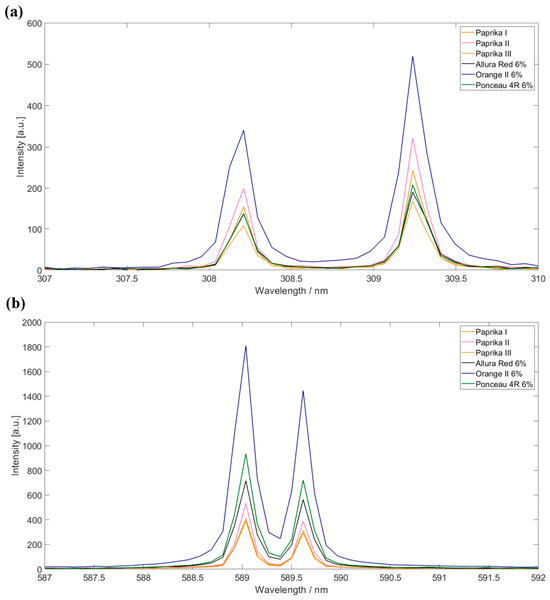
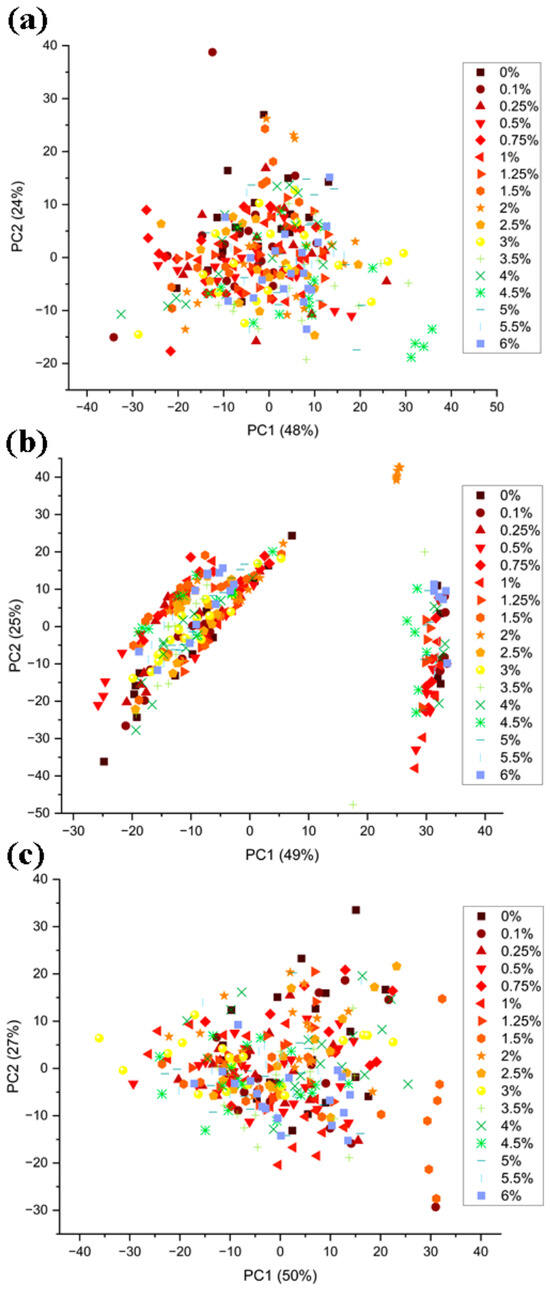
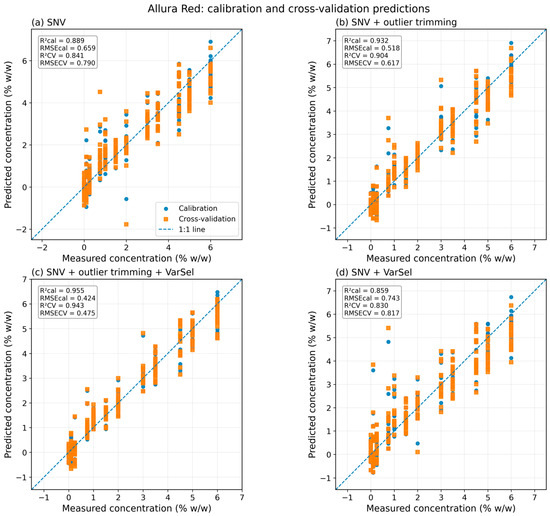
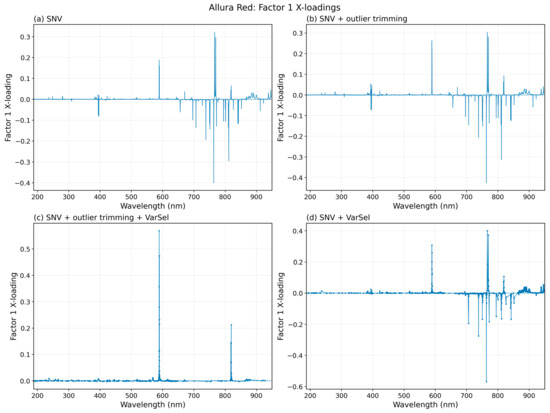
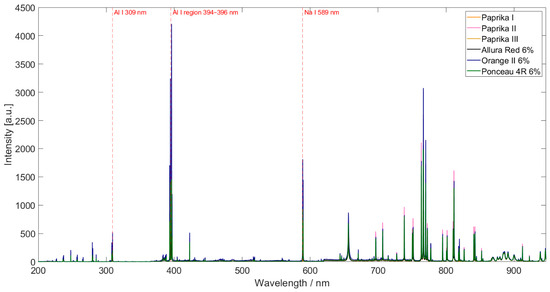
Synthetic azo dyes may be fraudulently added to paprika powder to intensify color, creating a need for rapid, at-line screening before confirmatory chromatographic analysis. This study evaluated handheld laser-induced breakdown spectroscopy (LIBS) for the screening of sodium-salt azo dye adulteration represented by Allura Red (E129), Ponceau 4R (E124), and Orange II in paprika powder. Paprika was spiked at 17 levels (0–6% w/w) in three independent batches, mixed with Al2O3 binder, dried, pelletized, and measured with a portable SciAps Z-903 under argon in the broad 190–950 nm region. The calibration models were developed using SNV-pretreated spectra and partial least squares regression with test-set validation based on a 70/30 split by concentration level. The main concentration-related response was increased Na emission, consistent with the sodium-salt form of the dyes, while Al emission showed an inverse matrix-/plasma-coupled trend despite the constant binder fraction. Full-spectrum models gave R2TSV values of 0.845–0.875 and RMSETSV values of 0.638–0.716% (w/w), using 4–5 latent variables. Outlier trimming improved prediction for Allura Red and Orange II, while regression coefficient-uncertainty variable selection reduced model complexity to 2–3 latent variables with dye-dependent effects. Since sodium-salt azo dyes are commonly used as adulterants in paprika powder, the Na-dominated LIBS response demonstrates good potential for rapid at-line screening. Nevertheless, as LIBS does not directly confirm dye identity, complementary confirmatory analysis using spectroscopic or chromatographic methods remains necessary.
Full article
(This article belongs to the Section Spectroscopy)
►▼
Show Figures

Figure 1
Open AccessArticle
Extract of Origanum vulgare L.: Chemical Composition by HPLC-DAD, Antioxidant Activity, Biocompatibility, and Antifungal and Antibiofilm Action
by
Geovani Moreira da Cruz, Raquel Teles de Menezes, Lara Steffany de Carvalho, Tuana Mendonça Faria Cintra, Gabriela Torres Tediole, Paula dos Santos Avelino, Maria Cristina Marcucci, Luciane Dias de Oliveira and Vanessa Marques Meccatti-Domiciano
Analytica 2026, 7(3), 46; https://doi.org/10.3390/analytica7030046 - 11 Jul 2026
Abstract
Candida spp. can cause systemic infections with high mortality in immunocompromised patients. Phytotherapy may be an alternative for adjunctive treatment of fungal infections. This study evaluated the phytochemical profile, cytotoxicity, genotoxicity, and antibiofilm activity of the hydroalcoholic extract of Origanum vulgare L. against
[...] Read more.
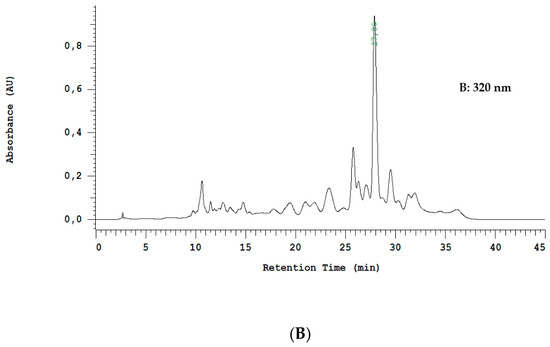
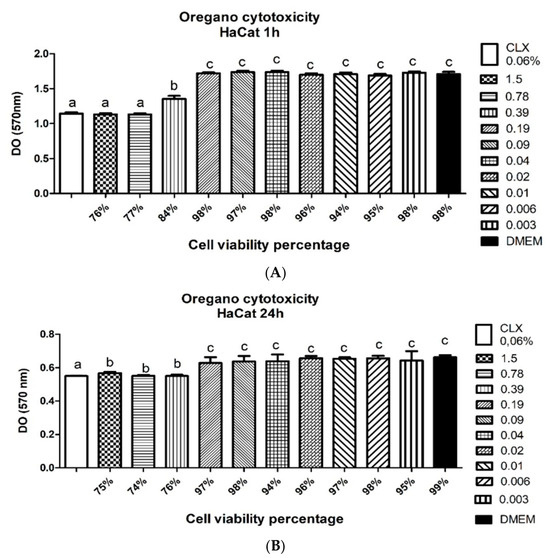
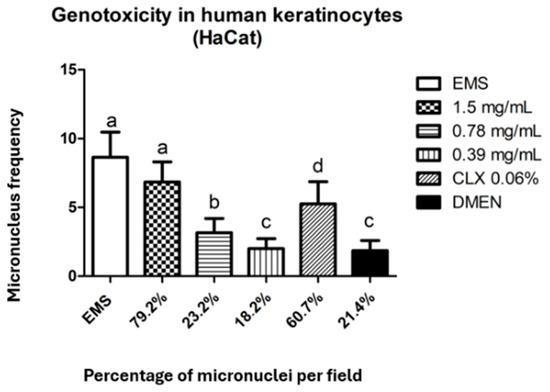
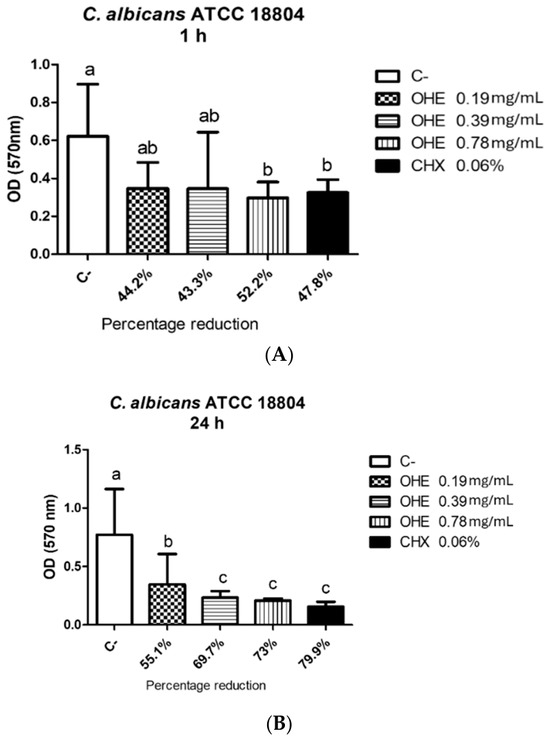
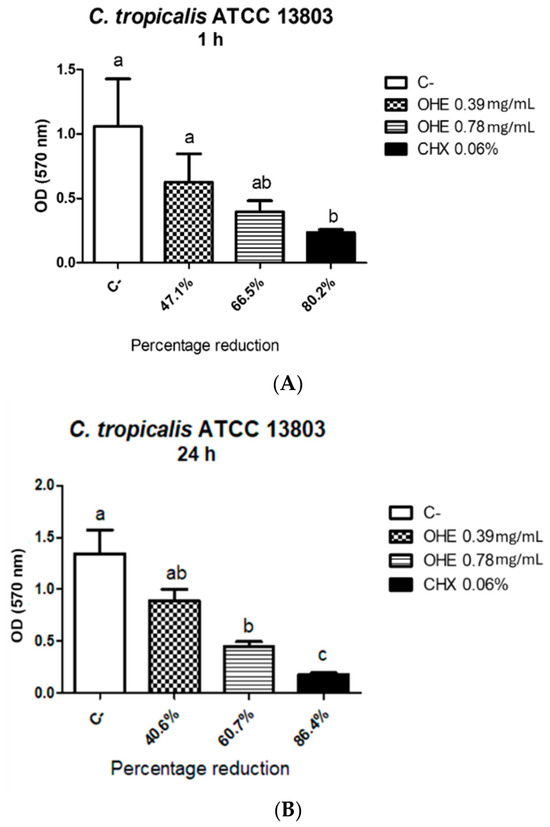
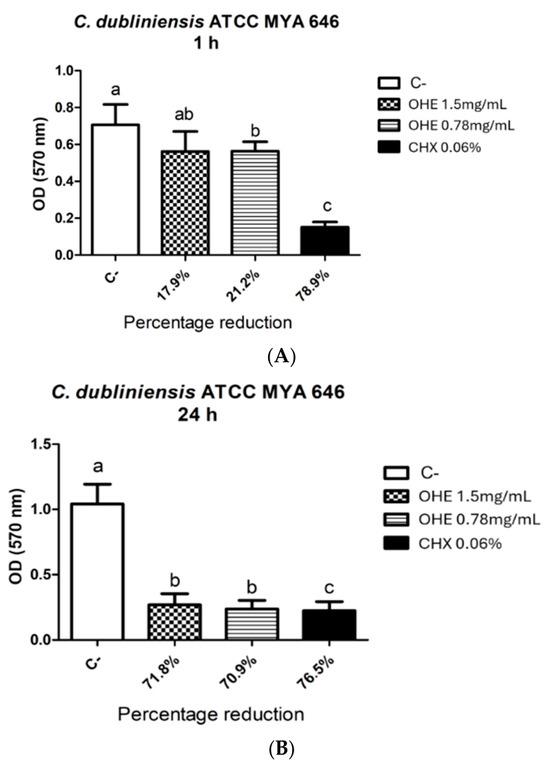
Candida spp. can cause systemic infections with high mortality in immunocompromised patients. Phytotherapy may be an alternative for adjunctive treatment of fungal infections. This study evaluated the phytochemical profile, cytotoxicity, genotoxicity, and antibiofilm activity of the hydroalcoholic extract of Origanum vulgare L. against Candida albicans, Candida tropicalis, and Candida dubliniensis. The extraction and quantification (flavonoids and phenols) were performed, and its antioxidant activity (DPPH) and the presence of bio-active compounds were investigated using high-performance liquid chromatography with Diode Array Detection (HPLC-DAD). Cytotoxicity and genotoxicity tests were conducted using HaCat cell lines. Antifungal activity on planktonic cultures was evaluated using the standard (CLSI M27-S4). The analysis of the extract on biofilms was verified with different exposure times. The extract demonstrated the presence of bioactive molecules, and antioxidant activity. The cytotoxicity test showed viability >70%. Genotoxicity revealed the presence of a few micronuclei in some dilutions. The Minimum Fungicidal Concentration was obtained for C. albicans and C. tropicalis. In the biofilm analysis, there was a reduction of more than 60% in all Candida spp. species at the 24 h exposure time. The findings suggest that the O. vulgare extract exhibits activity against Candida spp. and shows biocompatibility in human keratinocytes.
Full article
(This article belongs to the Topic Natural Compounds in Plants, 3rd Edition)
►▼
Show Figures

Figure 1
Open AccessArticle
Optimization and Validation of a Modified QuEChERS-UPLC-MS/MS Method for Multi-Residue Pesticide Analysis in Tea and Rosemary Leaves with Experimental Uncertainty Assessment
by
Meryem Dafir, Najoua Labjar and Souad El Hajjaji
Analytica 2026, 7(3), 45; https://doi.org/10.3390/analytica7030045 - 29 Jun 2026
Abstract
►▼
Show Figures
This study developed and validated a modified QuEChERS extraction procedure for the determination of 32 pesticide residues in tea (Camellia sinensis) found in Moroccan market originating from China and rosemary (Salvia rosmarinus) leaves using UPLC-MS/MS. A total of 202
[...] Read more.
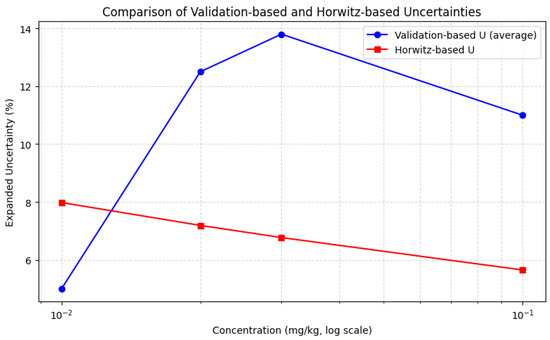
This study developed and validated a modified QuEChERS extraction procedure for the determination of 32 pesticide residues in tea (Camellia sinensis) found in Moroccan market originating from China and rosemary (Salvia rosmarinus) leaves using UPLC-MS/MS. A total of 202 pesticide residues were initially screened using the NF EN 15662 method, and 32 compounds showed satisfactory recovery and precision in tea. The optimized method, based on freezing before extraction and using PSA + BCG as purification sorbents, achieved recoveries of 70–120% for 97% of analytes. Calibration linearity ranged from 0.001 to 0.2 mg/kg (R2 ≥ 0.980), with spiking levels at 0.01–0.1 mg/kg analyzed in duplicate per level and per matrix. Results of LOQ and LOD are compared to multiple MRL databases of Tea (EU, USA, Canada, Codex Alimentarius) despite the scarcity of tea MRLs in most databases, providing an accurate representation of the complexity of the analysis. Uncertainty was evaluated through both validation-based and Horwitz-based approaches, allowing a robust comparison of theoretical and experimental variability. The optimized method was also applied to rosemary, where 31 of the 32 pesticides validated in tea showed satisfactory performance. Similar recoveries, precision, and LOQs were obtained for both matrices, demonstrating the robustness of the method across chemically diverse herbal substrates. Only carbofuran exhibited reduced performance in rosemary, requiring an increased functional LOQ because of matrix-induced ion suppression. This dual-matrix approach provides a reliable and reproducible method for pesticide monitoring in herbal products. This dual-matrix approach provides a reliable and reproducible method for pesticide monitoring in herbal products.
Full article

Figure 1
Open AccessCommunication
GC–MS-Based Compositional Profiling of Cosmetic Plant Waxes Using Solvent-Dependent Extraction
by
Miryam Chiara Malacarne, Manuela Loiacono, Simone Conti and Enrico Caruso
Analytica 2026, 7(3), 44; https://doi.org/10.3390/analytica7030044 - 26 Jun 2026
Abstract
►▼
Show Figures
The utilisation of cosmetic plant waxes as sustainable functional ingredients in personal care formulations is on the rise. This is due to their emollient, structuring and film-forming properties. Nevertheless, the intricate lipid composition of these substances engenders considerable analytical difficulties, impeding the reliable
[...] Read more.
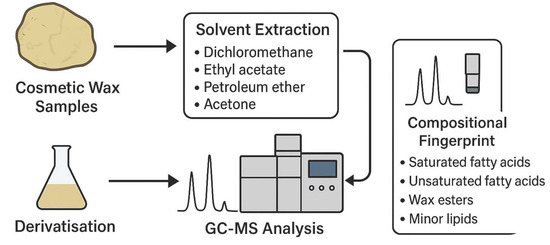
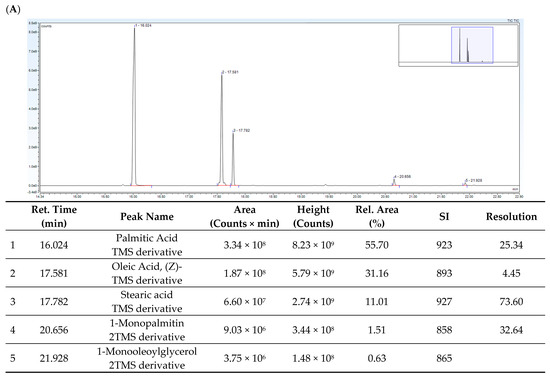
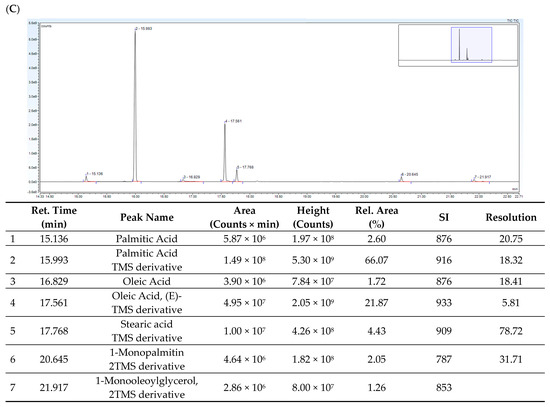
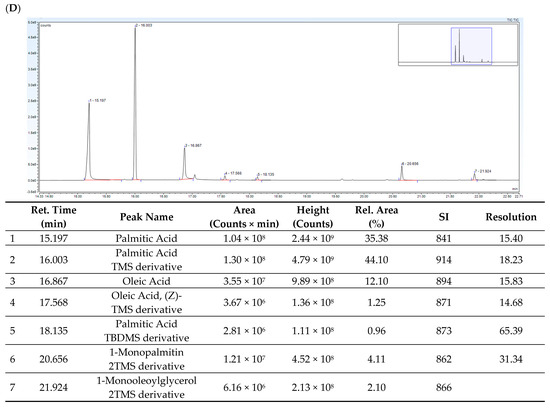
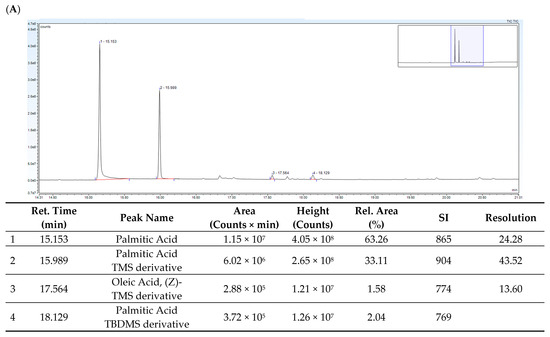
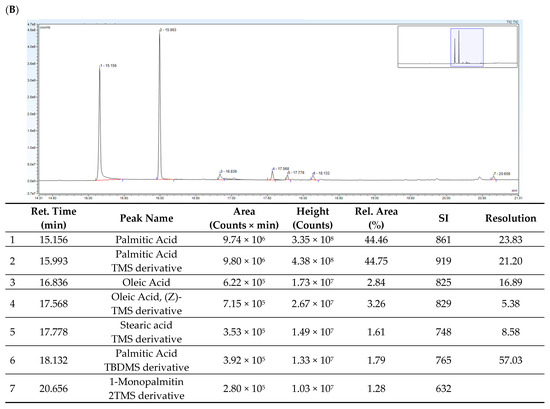
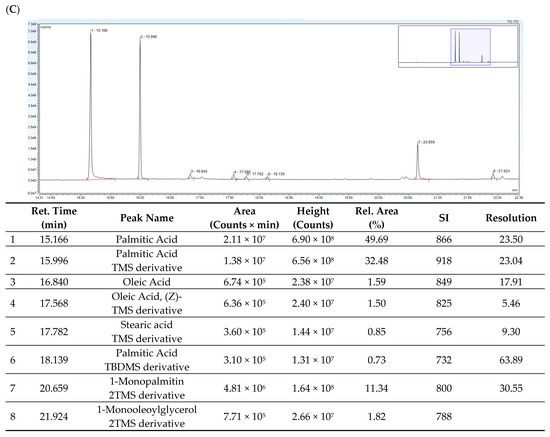
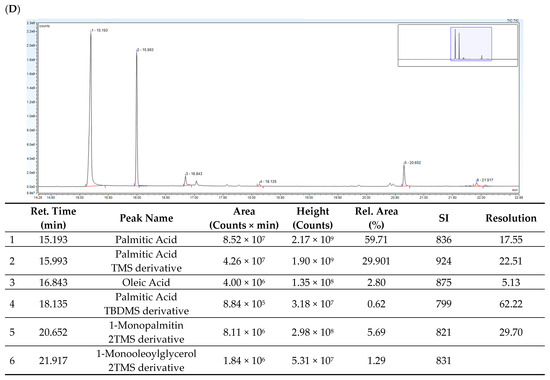
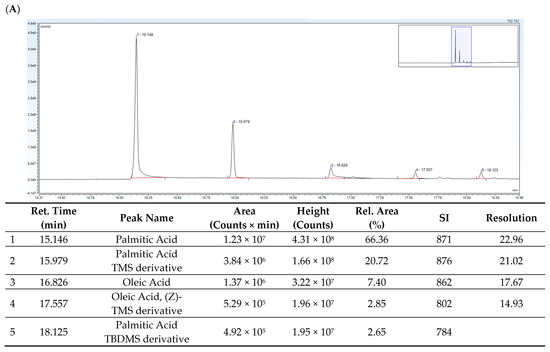
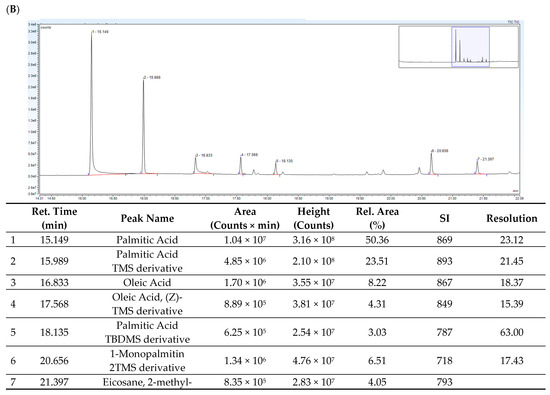
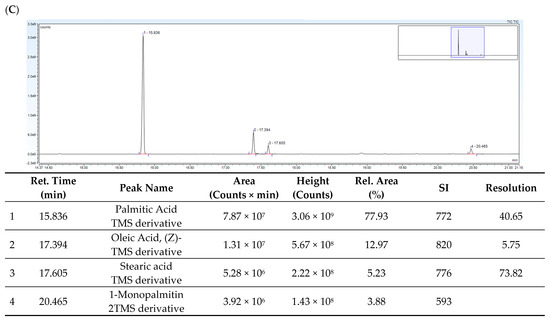
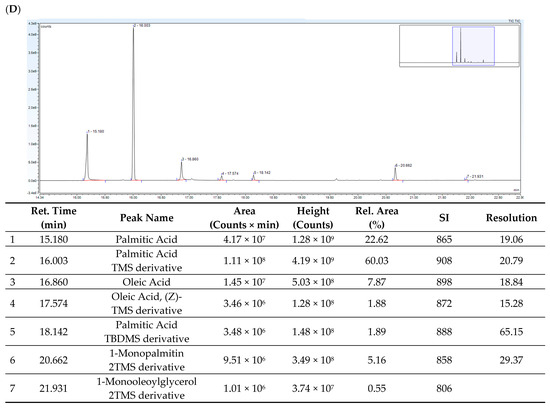
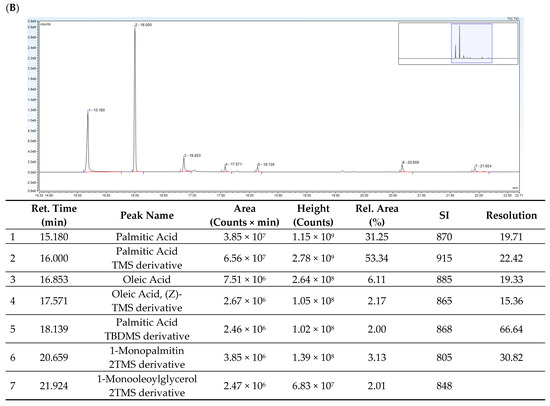
The utilisation of cosmetic plant waxes as sustainable functional ingredients in personal care formulations is on the rise. This is due to their emollient, structuring and film-forming properties. Nevertheless, the intricate lipid composition of these substances engenders considerable analytical difficulties, impeding the reliable characterisation and quality assessment thereof. In this study, an optimised gas chromatography–mass spectrometry (GC–MS) workflow was developed and evaluated for the compositional profiling of waxes derived from R. succedanea and R. verniciflua, two East Asian botanical species that have historically been utilised in cosmetic and lacquer-related applications. Wax samples originating from China, Vietnam, Korea, and Japan were extracted using solvents of different polarity, including petroleum ether, dichloromethane (DCM), ethyl acetate, and acetone. Following the process of BSTFA derivatisation, the extracts were subjected to analysis by GC–MS to evaluate the efficiency of the extraction process and the chemical composition of the extracts. DCM was found to provide the highest extraction yields and the most representative compositional profiles. Across all samples, palmitic acid was identified as the predominant constituent (80–90%), followed by lower amounts of oleic acid, stearic acid, and minor monoacylglycerols. The proposed analytical workflow exhibited satisfactory reproducibility and effective discrimination of lipid constituents, thereby substantiating its application in comparative compositional evaluation, potential support for future quality assessment studies, and formulation development of cosmetic plant waxes.
Full article

Graphical abstract
Open AccessArticle
Development of a Variable-Temperature Mobile NMR Instrument for Applications in Food Science, Polymer Science and Geology
by
David Pickup and J. Beau W. Webber
Analytica 2026, 7(2), 43; https://doi.org/10.3390/analytica7020043 - 15 Jun 2026
Abstract
►▼
Show Figures
This article describes the development of a compact and affordable variable-temperature NMR instrument designed primarily to measure dynamic molecular motion in solids and liquids. The instrument consists of Lab-Tools’ Mk4 palm-top time-domain NMR spectrometer fitted with a Peltier-cooled variable-temperature probe inside a shimmed
[...] Read more.
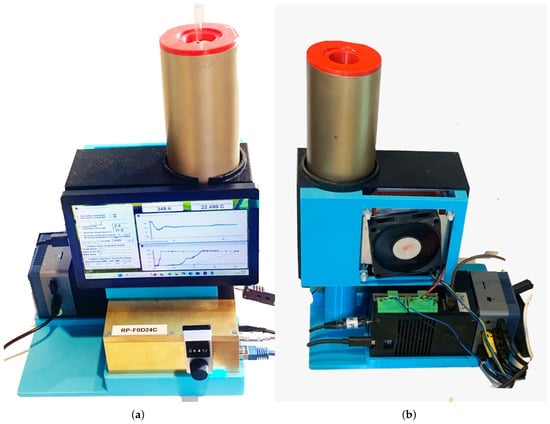
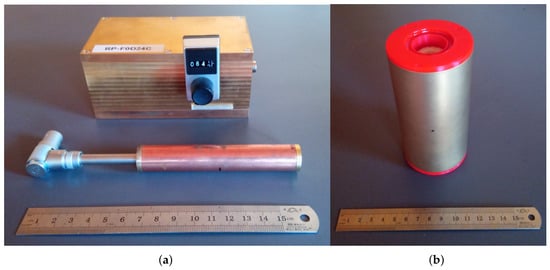
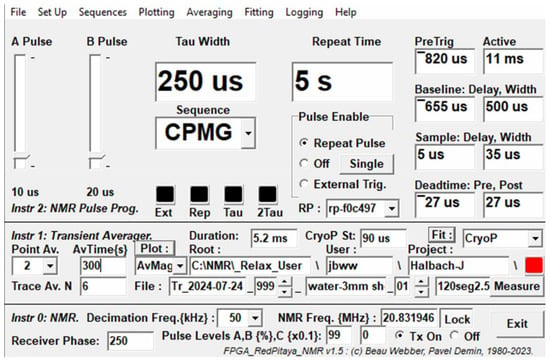
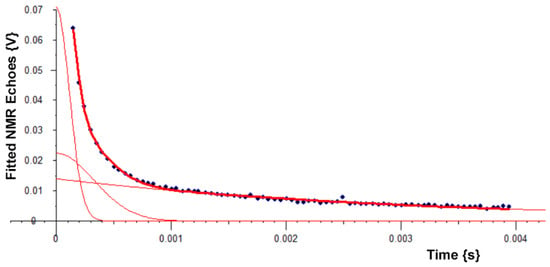
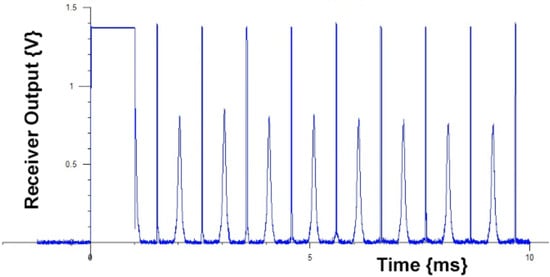
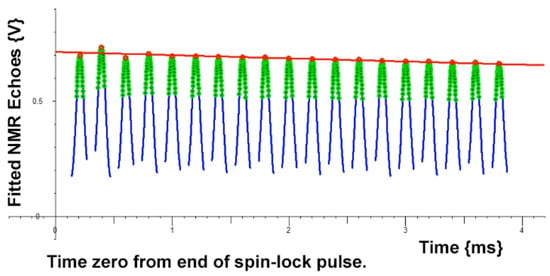
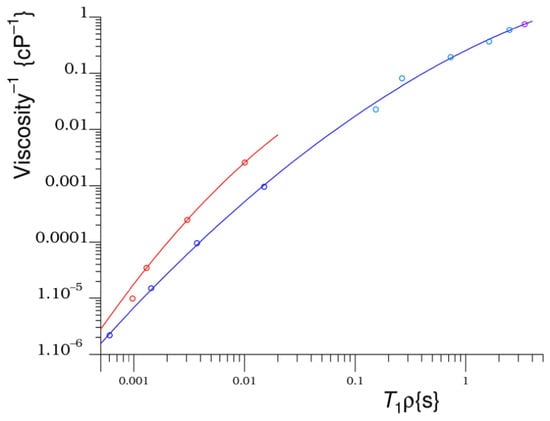
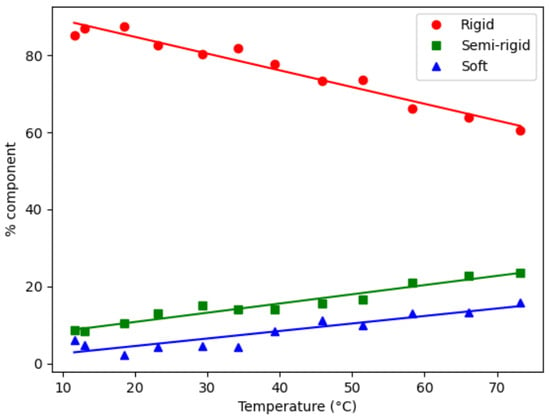
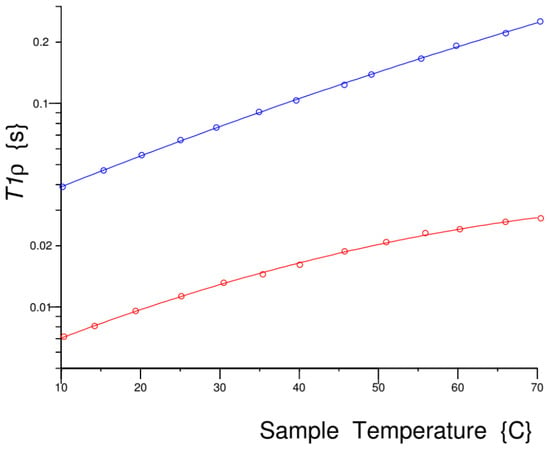
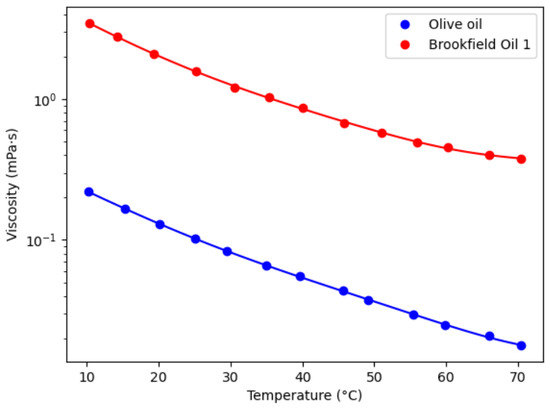
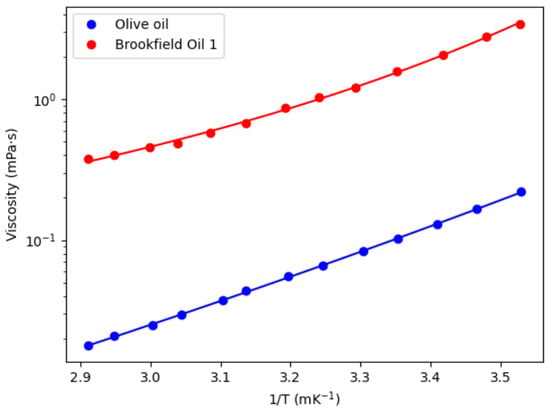
This article describes the development of a compact and affordable variable-temperature NMR instrument designed primarily to measure dynamic molecular motion in solids and liquids. The instrument consists of Lab-Tools’ Mk4 palm-top time-domain NMR spectrometer fitted with a Peltier-cooled variable-temperature probe inside a shimmed Halbach magnet. Measurement of NMR relaxation times T1, T2, and is possible over the temperature range −20 °C to 70 °C with cooling and heating rates, and data acquisition is controlled from an integrated mini-PC. The overall footprint of the instrument is roughly that of a shoe box, making both in-the-field and bench-top measurements possible. Applications of this instrument include measuring pore-size distribution in porous rocks, the viscosity of oils and tars trapped in porous rock, the properties of polymers, and the viscosity of the liquid components of foods (e.g. fruits, vegetables and seeds). Results of test measurements for calibrated oils and olive oil are presented together with measurements of molecular mobility in a solid polymer.
Full article

Figure 1
Open AccessArticle
A Multivariate Approach to the Simultaneous Spectrophotometric Determination of Perindopril Erbumine, Amlodipine Besylate and Indapamide in Fixed-Dose Combination
by
Jevrem Stojanović, Huseinatu Osman, Ana Protić, Anđelija Malenović, Mira Zečević, Biljana Otašević and Nataša Avramović
Analytica 2026, 7(2), 42; https://doi.org/10.3390/analytica7020042 - 11 Jun 2026
Abstract
Spectrophotometry offers the advantage of low cost and less time consumption, making it still attractive as a method of analysis, especially when coupled with multivariate calibration models. This enhancement solves the majority of the drawbacks of UV–VIS spectrophotometry, which have to do with
[...] Read more.
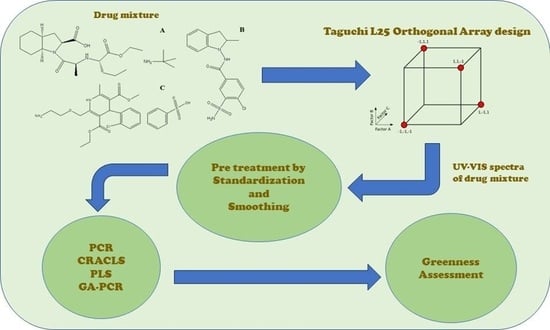
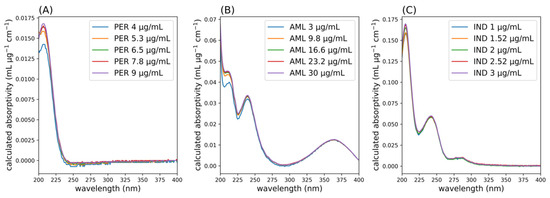
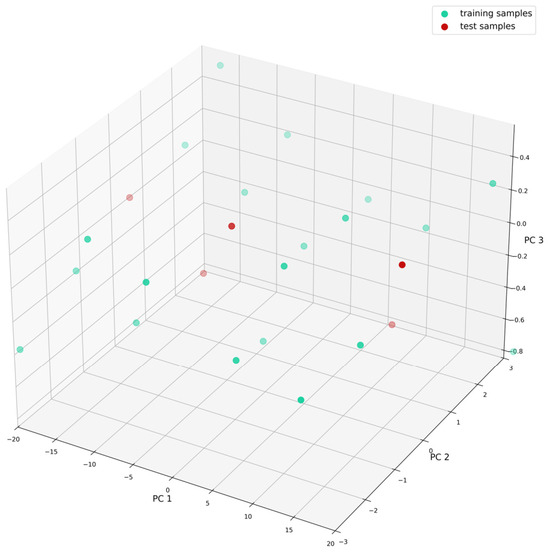
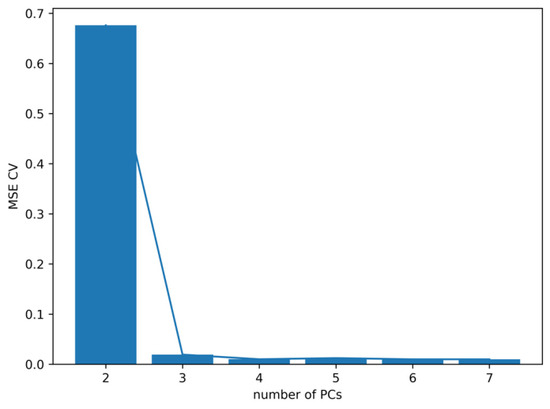
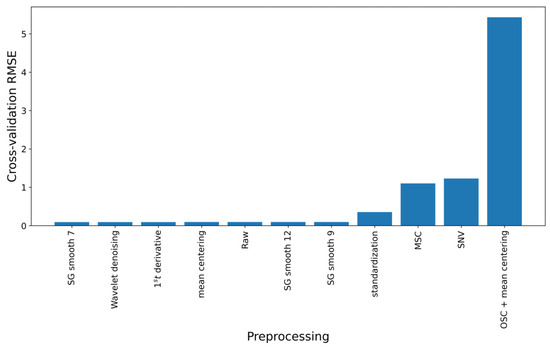
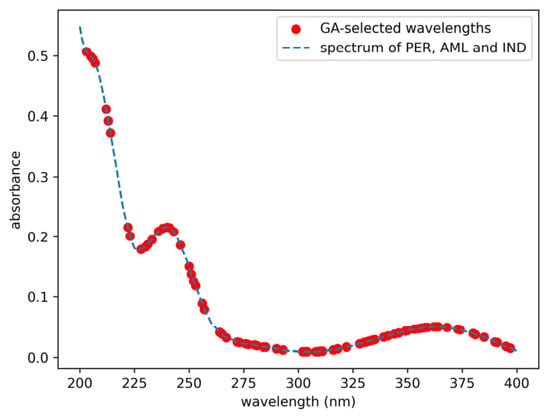
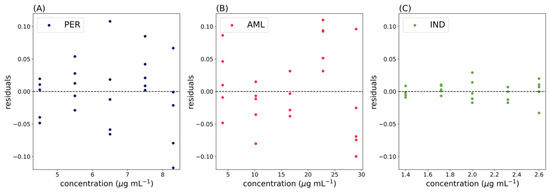
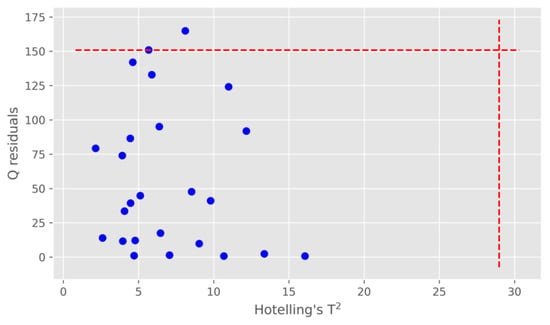
Spectrophotometry offers the advantage of low cost and less time consumption, making it still attractive as a method of analysis, especially when coupled with multivariate calibration models. This enhancement solves the majority of the drawbacks of UV–VIS spectrophotometry, which have to do with the entangled spectra of complex mixtures. In this study, a multivariate model was developed and validated for the determination of perindopril erbumine, amlodipine besylate and indapamide, addressing previously unresolved challenges by systematically covering three fixed-dose combinations with differing component ratios and by achieving accuracy suitable for the assay determination. The experimental plan involved a Taguchi orthogonal array design with three factors at five levels. In order to create multivariate calibration models, principal component regression, partial least squares and concentration residual augmented least squares regression algorithms were tested. Principal component regression combined with a genetic algorithm for feature selection was chosen as the optimal model based on prediction performance estimated by nested cross-validation with cluster-based sample splitting. The developed method was also evaluated for its environmentally friendly potential while the analytical method validation procedure confirmed its applicability for the assay testing of the fixed-dose drug combination.
Full article
(This article belongs to the Section Spectroscopy)
►▼
Show Figures

Graphical abstract
Open AccessArticle
Direct Quantification of Oxalic Acid at Moderate-to-High Concentrations by Micro-Raman Spectroscopy: Analytical Performance and Electronic Structure Insights from NBO–AIM Analysis
by
Paola Peralta, Rodrigo Ortega-Toro and Joaquín Hernández-Fernández
Analytica 2026, 7(2), 41; https://doi.org/10.3390/analytica7020041 - 9 Jun 2026
Abstract
►▼
Show Figures
Oxalic acid is extensively used in industrial chemical processes, purification systems, hydrometallurgical operations, and advanced oxidation environments where rapid and environmentally sustainable analytical methodologies are increasingly required for process monitoring and quality control. In this study, a micro-Raman spectroscopy methodology was developed for
[...] Read more.
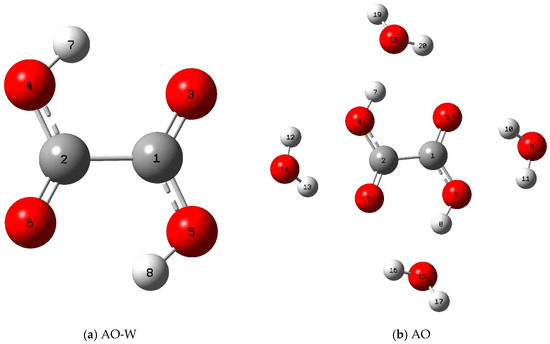
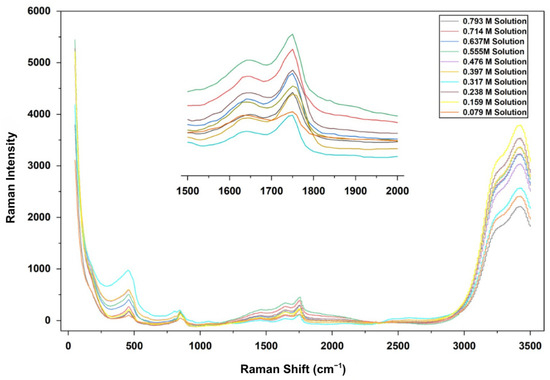
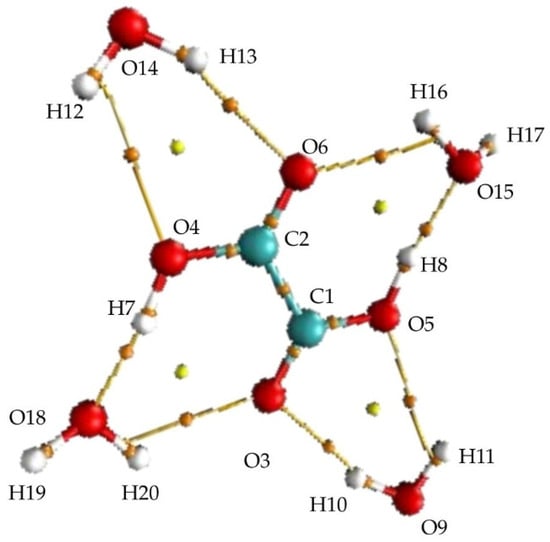
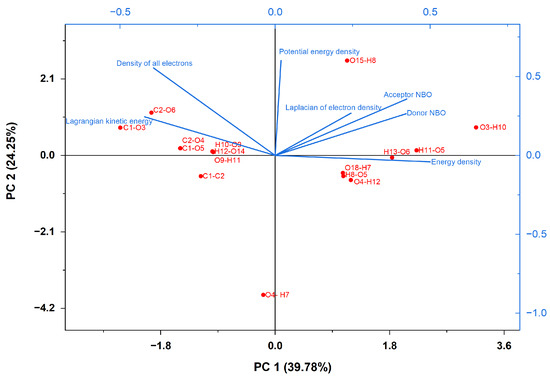
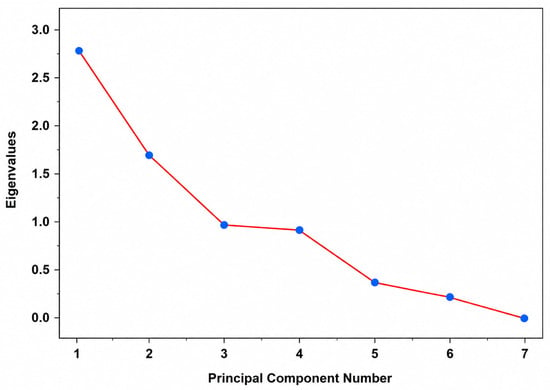
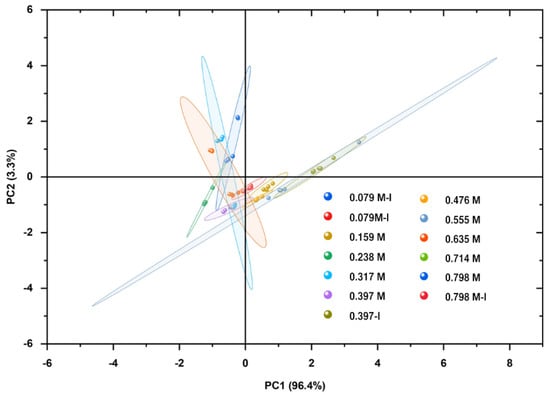
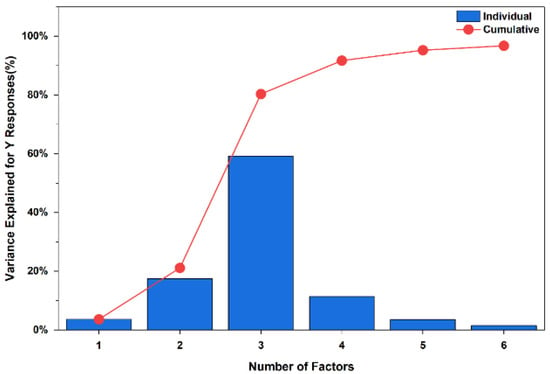
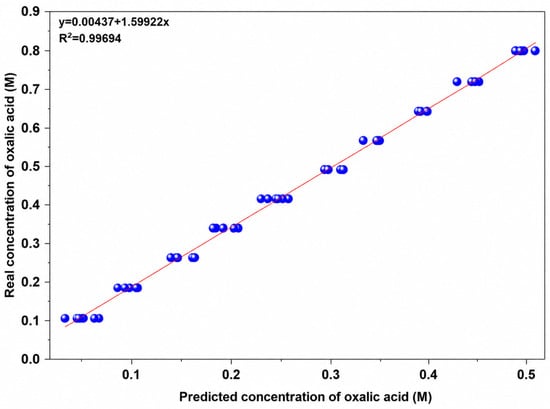
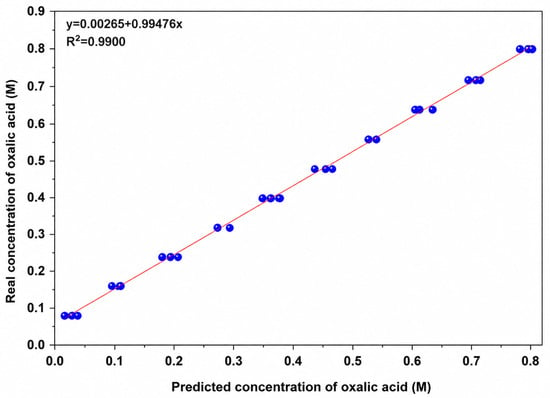
Oxalic acid is extensively used in industrial chemical processes, purification systems, hydrometallurgical operations, and advanced oxidation environments where rapid and environmentally sustainable analytical methodologies are increasingly required for process monitoring and quality control. In this study, a micro-Raman spectroscopy methodology was developed for the direct quantification of oxalic acid in aqueous systems at moderate-to-high concentrations (0.079–0.793 M). The analytical strategy was based on the integrated Raman response of the carbonyl stretching region (1700–1750 cm−1), selected due to its strong concentration-dependent behavior, spectral definition, and reduced interference from the aqueous matrix. The proposed methodology demonstrated excellent analytical performance, including high linearity (R2 > 0.998), satisfactory precision, and reliable concentration-dependent reproducibility throughout the evaluated concentration range. To evaluate operational robustness, matrix-matched standards incorporating temperature variation (25–40 °C), turbidity (0–57 mg/L), dissolved Ca2+ (0–58 mg/L), and dissolved Fe3+ (0–7 mg/L) were prepared to simulate chemically perturbed industrial environments. Principal Component Analysis (PCA) demonstrated that the carbonyl vibrational region retained organized concentration-dependent spectral behavior despite operational perturbations. Partial Least Squares (PLS) regression models developed under these matrix-informed conditions preserved strong predictive capability (R2 ≈ 0.997), while preliminary prediction of process-related samples yielded excellent agreement between predicted and reference concentrations (R2 = 0.990). Although operational perturbations produced substantial attenuation of Raman intensity, particularly at lower concentration levels, the carbonyl Raman band remained spectrally detectable and analytically interpretable throughout all evaluated conditions. Electronic-structure analysis using Natural Bond Orbital (NBO) and Atoms-in-Molecules (AIM) methodologies demonstrated that the strong analytical behavior of the ν(C=O) vibrational mode is associated with enhanced electron-density localization, covalent stabilization, and favorable polarizability characteristics of the carbonyl bond. The combined experimental, chemometric, and computational results demonstrate the feasibility of matrix-informed micro-Raman spectroscopy as a rapid, reagent-free, and operationally robust methodology for oxalic acid monitoring in chemically perturbed aqueous industrial systems.
Full article

Figure 1

Open AccessArticle
LC-DAD-QTOF-MS/MS-Based Chemical Profiling and Bioactivity Evaluation of Prangos trifida Dry Methanol Extracts
by
Ljuboš Ušjak, Krystyna Skalicka-Woźniak, Łukasz Kulinowski, Łukasz Świątek, Kinga Salwa, Izabela Korona-Glowniak, Katarzyna Suśniak, Marjan Niketić and Silvana Petrović
Analytica 2026, 7(2), 40; https://doi.org/10.3390/analytica7020040 - 5 Jun 2026
Abstract
►▼
Show Figures
The chemical composition and bioactivities of dry methanol extracts from roots, leaves and fruits of Prangos trifida (Apiaceae), collected in Serbia, were investigated. LC-DAD-QTOF-MS/MS analysis revealed 30 compounds, primarily polyphenols and coumarins. The root and leaf extracts were rich in chlorogenic and/or 3,5-di-
[...] Read more.
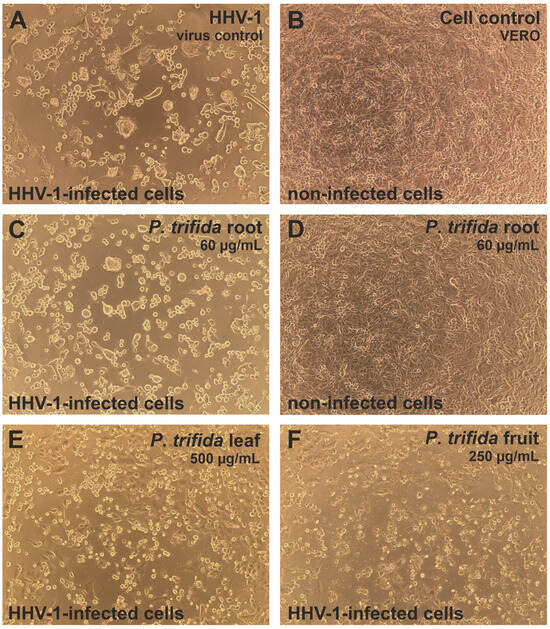
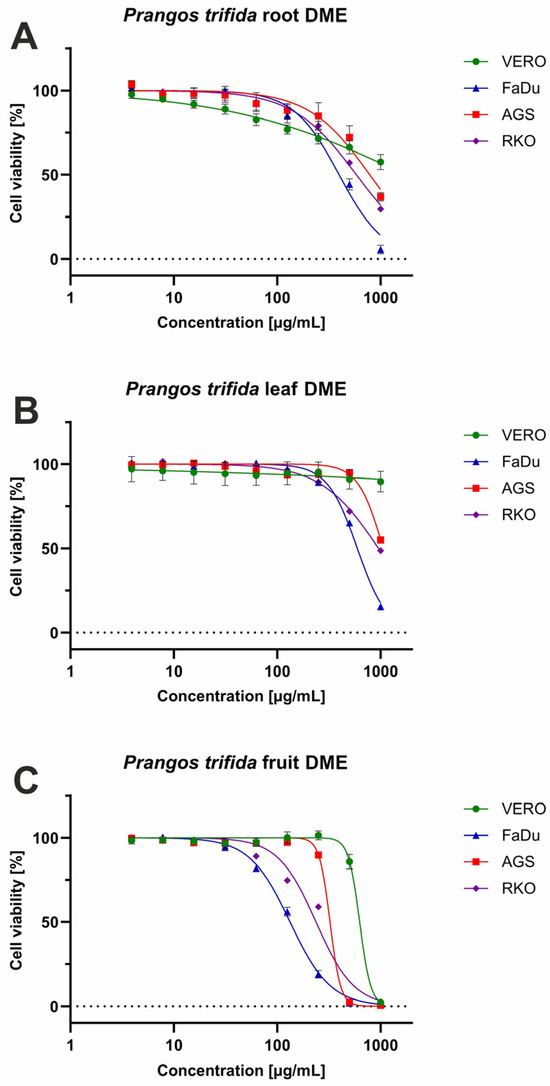
The chemical composition and bioactivities of dry methanol extracts from roots, leaves and fruits of Prangos trifida (Apiaceae), collected in Serbia, were investigated. LC-DAD-QTOF-MS/MS analysis revealed 30 compounds, primarily polyphenols and coumarins. The root and leaf extracts were rich in chlorogenic and/or 3,5-di-O-caffeoylquinic acid (18.20–26.14 mg/g extract), and the fruit extract in oxypeucedanin hydrate and prantschimgin (46.50 and 71.64 mg/g). The leaf extract exhibited the highest total phenolic content (62.86 mg quercetin equivalents/g), total antioxidant activity (FRAP = 0.71 mmol Fe2+/g) and DPPH radical scavenging ability (44.08 mg quercetin equivalents/g). Antimicrobial activity testing (11 bacteria and three yeasts, microdilution method) showed that the most active were the root and leaf extracts against Micrococcus luteus, Staphylococcus aureus, S. epidermidis and Candida albicans (MIC = 0.625–5 mg/mL). The fruit extract showed the strongest cytotoxicity against tested stomach, colon and hypopharynx cancer cell lines (MTT test), with the highest selectivity toward hypopharynx cancer FaDu cells (selectivity index 4.71; determined in relation to non-cancerous VERO cells). No antiviral activity against herpesvirus type 1 was found. The results indicate that P. trifida represents a promising source of polyphenols and coumarins, notably expanding current knowledge on its chemical composition and supporting its potential relevance for pharmaceutical and food industry applications.
Full article

Figure 1
Open AccessArticle
Chromatographic Method for Simultaneous Determination of Triamcinolone Acetonide and Triethyl Citrate in Polymeric and Biological Matrices
by
Pedro A. Granados, Livia L. Sa-Barreto, Tais Gratieri, Guilherme M. Gelfuso, Idejan P. Gross and Marcilio Cunha-Filho
Analytica 2026, 7(2), 39; https://doi.org/10.3390/analytica7020039 - 5 Jun 2026
Abstract
►▼
Show Figures
Hot-melt extrusion (HME) is widely used in pharmaceutical manufacturing; however, reliable analytical tools are required to simultaneously monitor drug content and excipient stability under thermal processing. In this study, a selective and robust HPLC–UV method was developed and validated for the concurrent determination
[...] Read more.
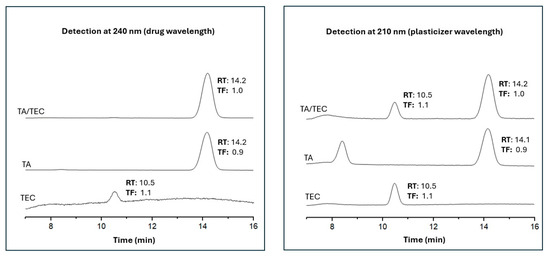
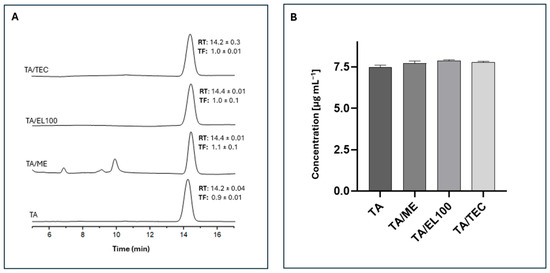
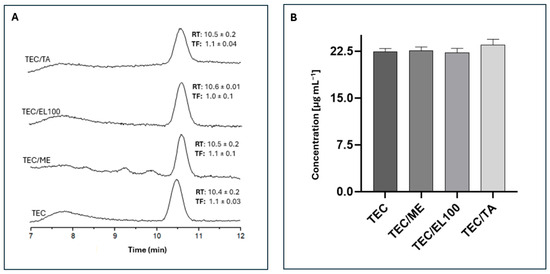
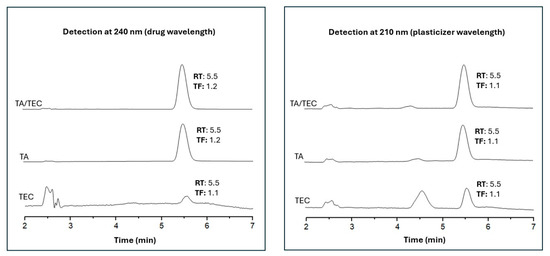
Hot-melt extrusion (HME) is widely used in pharmaceutical manufacturing; however, reliable analytical tools are required to simultaneously monitor drug content and excipient stability under thermal processing. In this study, a selective and robust HPLC–UV method was developed and validated for the concurrent determination of triamcinolone acetonide (TA) and triethyl citrate (TEC) in HME polymeric films and porcine buccal mucosa. Chromatographic separation was achieved on a C18 column using an acetonitrile–water mobile phase (30:70, v/v) at a flow rate of 0.6 mL min−1, with detection at 240 nm for TA and 210 nm for TEC. The method was validated for selectivity, linearity, precision, and accuracy, including selectivity assessment in the presence of mucosal extract and polymeric matrix components, and recovery of TA in porcine buccal mucosa. Excellent linearity was obtained over 0.20–12.5 µg mL−1 for TA and 4.5–30.0 µg mL−1 for TEC (r ≥ 0.998), with precision below 6.3% and TA recovery exceeding 94%. Application to extruded films confirmed uniform analyte distribution and enabled simultaneous monitoring of TA degradation and TEC loss under thermal stress. These results demonstrate that the proposed method is suitable for formulation development, process monitoring, and stability assessment of HME-based pharmaceutical systems.
Full article

Figure 1

Open AccessReview
Capillary Electrochromatography for Chiral Separations: A Focus on Pharmaceutical, Agrochemical, and Biochemistry Applications and Recently Used Chiral Stationary Phases
by
Maria Chiara Frondaroli, Chiara Fanali, Nina Felli and Salvatore Fanali
Analytica 2026, 7(2), 38; https://doi.org/10.3390/analytica7020038 - 11 May 2026
Abstract
The separation of chiral compounds is a challenging issue in various fields, e.g., biochemistry, the pharmaceutical industry, food chemistry, forensics, agriculture, etc. Very often, one of the two enantiomers can exhibit different activity. Therefore, the separation and analysis of enantiomers requires analytical methods
[...] Read more.
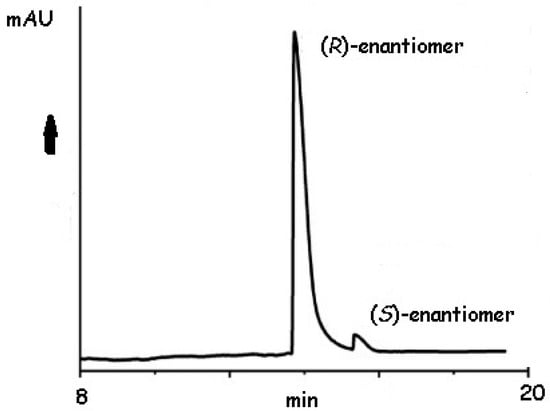
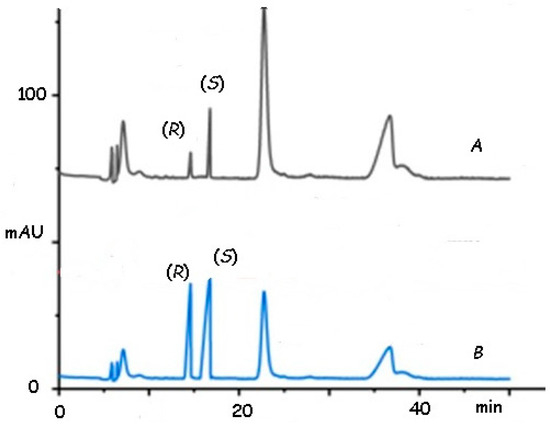
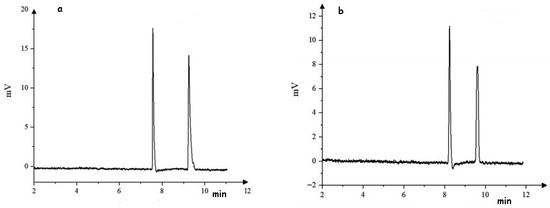
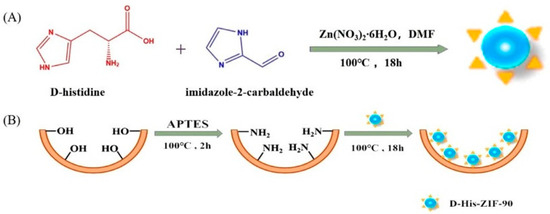
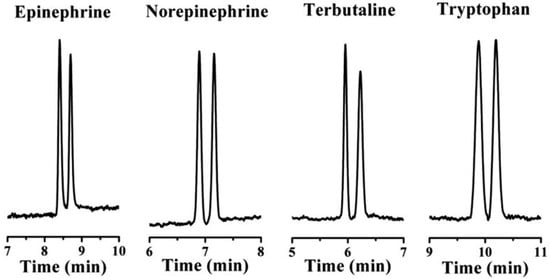
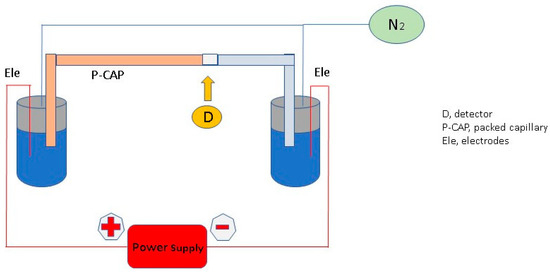
The separation of chiral compounds is a challenging issue in various fields, e.g., biochemistry, the pharmaceutical industry, food chemistry, forensics, agriculture, etc. Very often, one of the two enantiomers can exhibit different activity. Therefore, the separation and analysis of enantiomers requires analytical methods for, e.g., quality control, pharmacokinetic studies, etc. Their separation is usually performed by high-performance liquid chromatography (HPLC), gas chromatography, supercritical fluid chromatography and microfluidic techniques such as capillary electrophoresis (CE), nano-liquid chromatography, and capillary electrochromatography (CEC). CEC is a modern analytical technique that combines the features of HPLC and CE (high selectivity and high chromatographic efficiency, respectively). The enantiomers are moved to the detector by an electroosmotic flow generated by the application of high voltage. In this review, the main features of CEC, and the basic principles of enantiomer separation are briefly summarized. Selected applications (appearing 2023–2026 February) employing packed capillaries, and monolithic and open tubular columns, are presented and discussed.
Full article
(This article belongs to the Section Chromatography)
►▼
Show Figures

Figure 1
Open AccessArticle
Analysis of Iodide Ions Using Silver Cinnamate-Based Nanocomposites
by
Tatiana S. Kolesnikova, Marina O. Gorbunova, Igor E. Uflyand, Vladimir A. Zhinzhilo, Anastasiya O. Zarubina and Vadim A. Volochaev
Analytica 2026, 7(2), 37; https://doi.org/10.3390/analytica7020037 - 10 May 2026
Abstract
The paper describes the preparation of silver-containing nanocomposites by thermolysis of silver cinnamate and their application for the manufacture of reactive indicator paper (RIP) sensitive to iodine. The composition, structure, and properties of the obtained materials were studied using IR spectroscopy, X-ray diffraction,
[...] Read more.
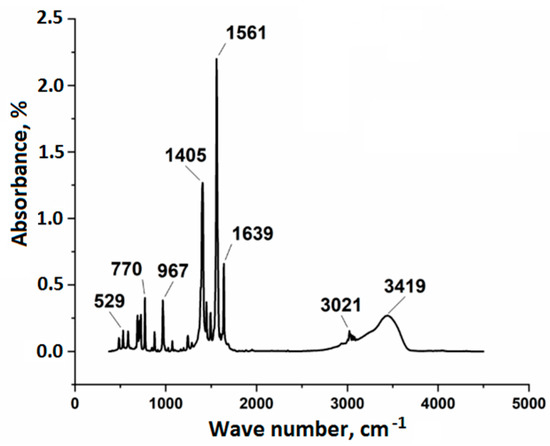
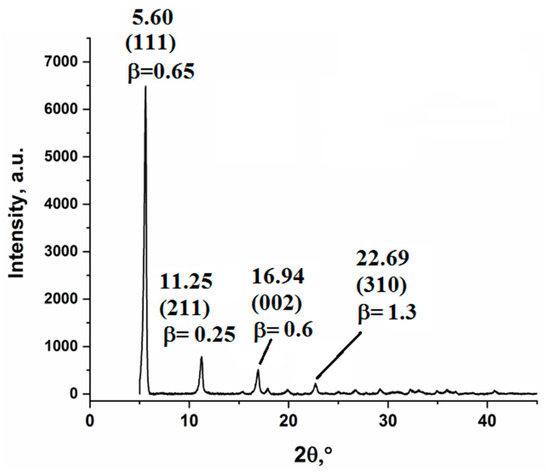
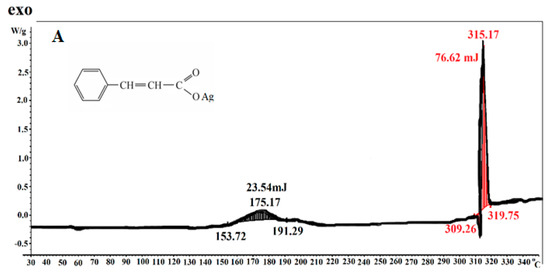
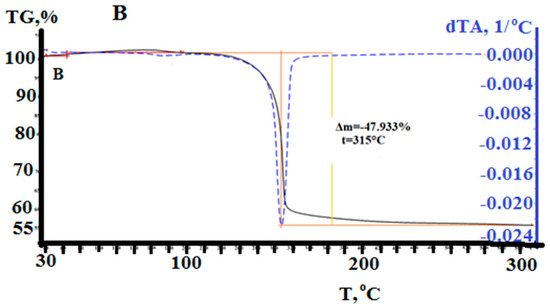
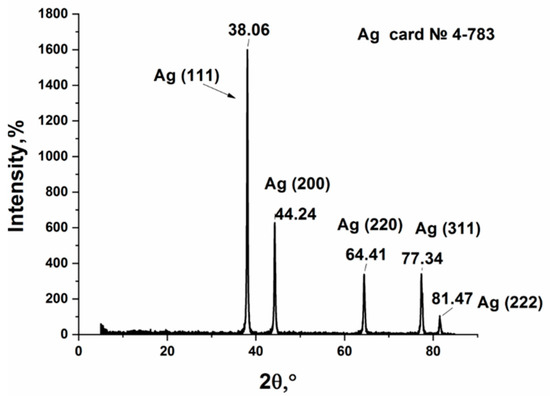
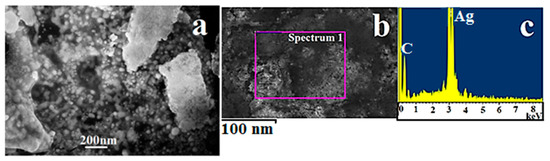
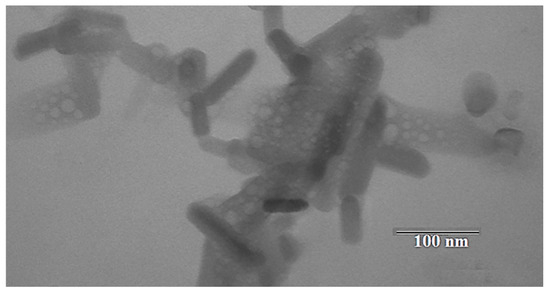
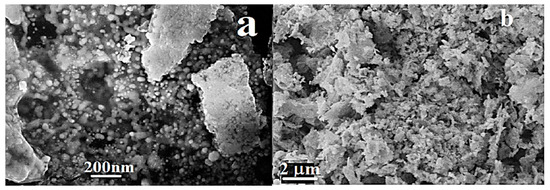
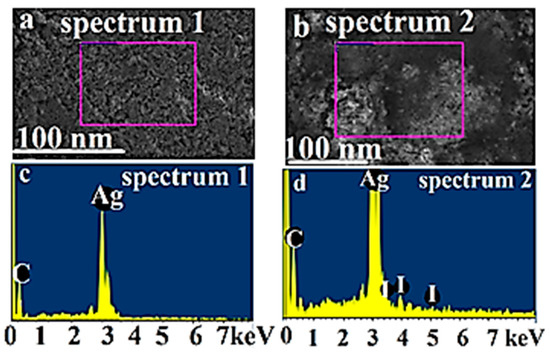
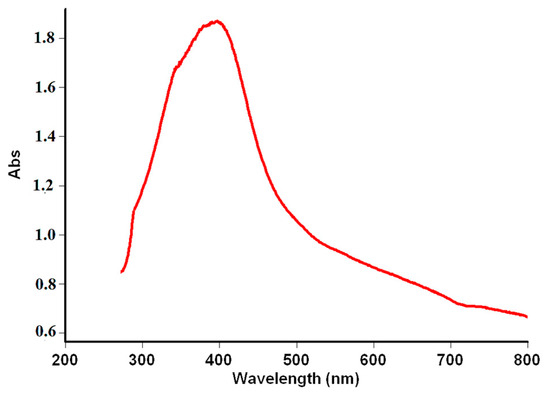
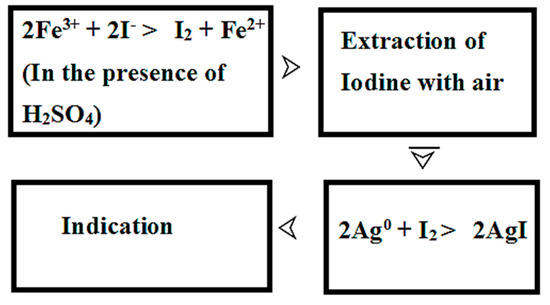
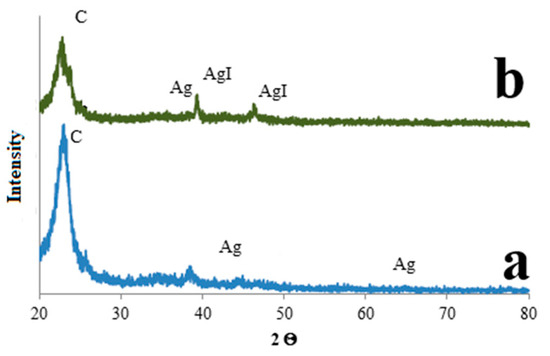
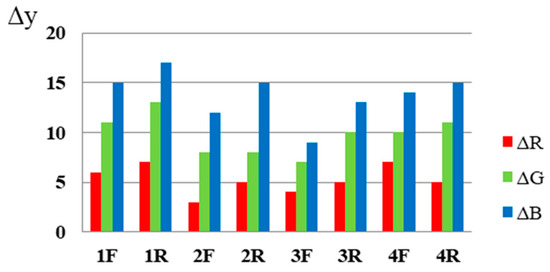
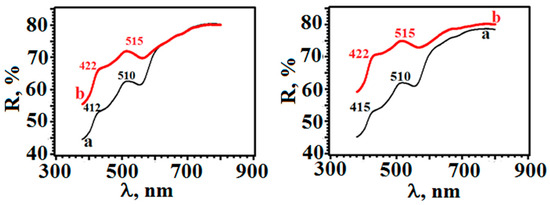
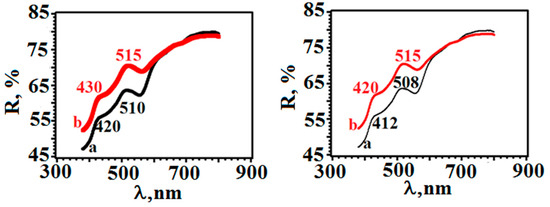
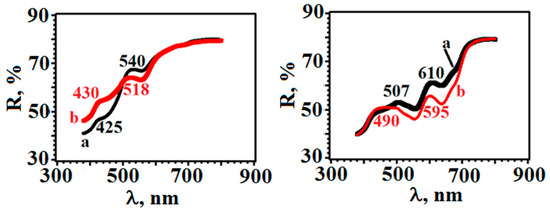
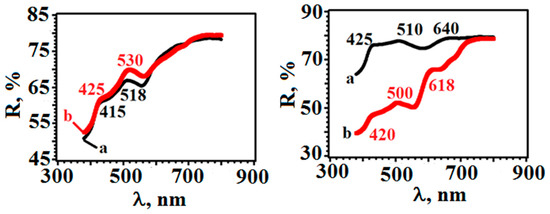
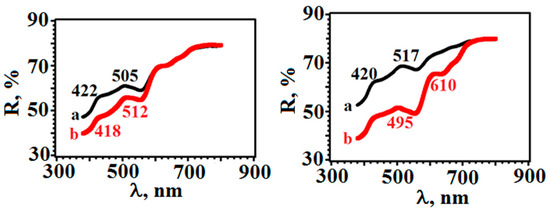
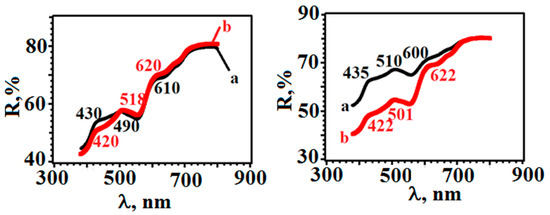
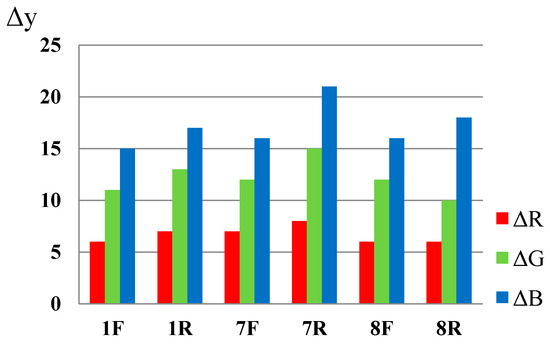
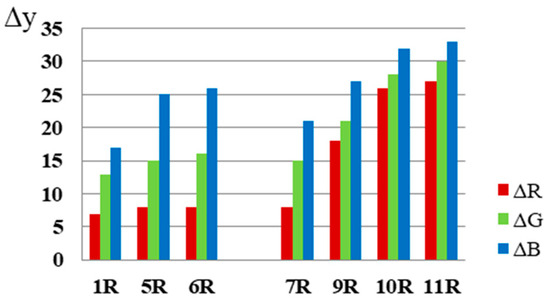
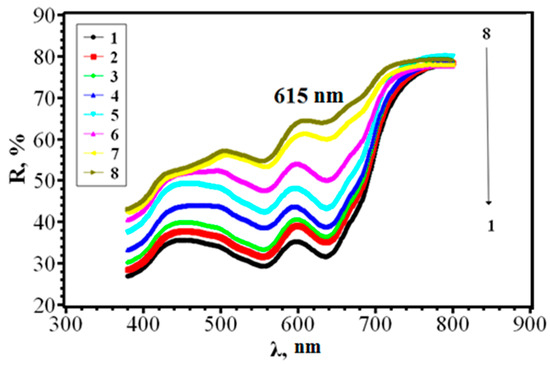
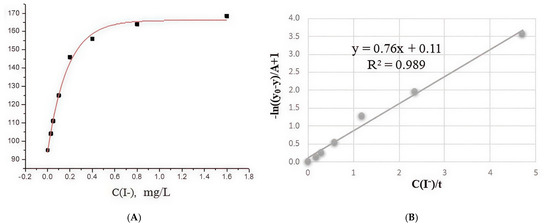
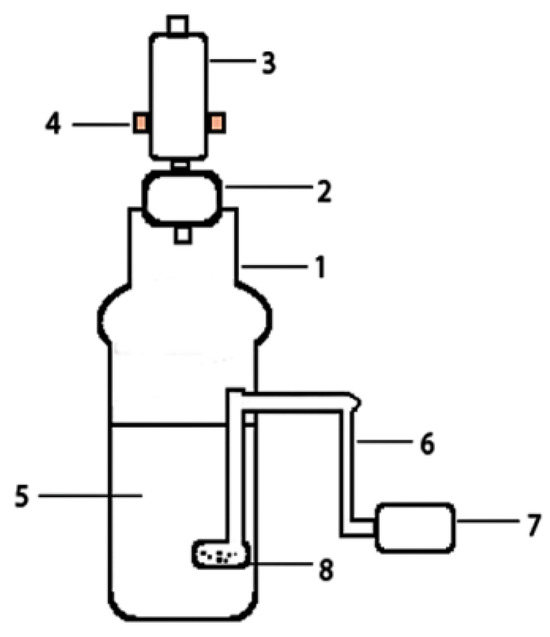
The paper describes the preparation of silver-containing nanocomposites by thermolysis of silver cinnamate and their application for the manufacture of reactive indicator paper (RIP) sensitive to iodine. The composition, structure, and properties of the obtained materials were studied using IR spectroscopy, X-ray diffraction, the gravimetric analysis method, scanning electron microscopy, transmission electron microscopy, and energy-dispersive X-ray spectroscopy. Optimal conditions for modifying a cellulose carrier with nanocomposites in laboratory conditions were selected, ensuring high sensitivity of RIP to iodine and uniform and reproducible distribution of the reagent. A new gas extraction colorimetric technique for determining iodide ions in the range of 0.03–1.6 mg L−1 (limit of detection 0.01 mg L−1) was developed, allowing iodides to be determined in multicomponent objects such as food products, pharmaceuticals, and various water bodies with minimized sample preparation. The use of iron(III) as an oxidizing agent and the use of dynamic gas extraction ensure high selectivity and good analytical performance.
Full article
(This article belongs to the Section Sample Pretreatment and Extraction)
►▼
Show Figures

Figure 1
Highly Accessed Articles
Latest Books
E-Mail Alert
News
Topics
Topic in
Analytica, Molecules, Separations, Chemistry, Chemosensors
Advances in Counter-Current Chromatography
Topic Editors: Shihua Wu, Xinyi Huang, Zhi YangDeadline: 30 October 2026
Topic in
Analytica, Chemistry, Molecules, Pharmaceuticals, Separations, Sustainability
Beyond Green Analytical Chemistry: Designing Sustainable Analytical Laboratories of the Future
Topic Editors: Sami El Deeb, Maria Kristina ParrDeadline: 31 December 2026
Topic in
Analytica, IJMS, Metabolites, Molecules, Separations, Spectroscopy Journal, Chemosensors
Advances in Analysis Methods for Metabolomics and Lipidomics
Topic Editors: Eduardo Sommella, Giulia Mazzoccanti, Emanuela SalviatiDeadline: 31 January 2027
Topic in
Analytica, AppliedChem, Biosensors, Chemosensors, Electrochem, Sensors
Electrochemical Analysis/Electrochemical Sensors in Bioanalytical Applications and Environmental Monitoring
Topic Editors: Stella Girousi, Rigini M. Papi, Pavlos TziourrouDeadline: 31 March 2027
Conferences
Special Issues
Special Issue in
Analytica
Green Analytical Techniques and Their Applications
Guest Editors: Fotouh Rashed, Marcello Locatelli, Alaa BedairDeadline: 31 August 2026
Special Issue in
Analytica
Nanomaterial-Based Electrochemical Sensors and Biosensors for Disease Diagnosis
Guest Editor: Arnaldo César PereiraDeadline: 31 August 2026
Special Issue in
Analytica
Environmental Pollutants in Biological Fluids
Guest Editor: Rosangela EllianiDeadline: 31 October 2026
Special Issue in
Analytica
Bio-Based and Eco-Friendly Materials in Analytical Applications
Guest Editors: Adrián Fuente-Ballesteros, Marcello LocatelliDeadline: 30 November 2026
Topical Collections
Topical Collection in
Analytica
Analytical and Applied Chemistry: The Challenges and Opportunities for Growth in the 21st Century
Collection Editors: Victoria Samanidou, Marcello Locatelli, Roberto Mandrioli, Thomas W. Bocklitz