

Topical Advisory Panel applications are now closed. Please contact the Editorial Office with any queries.
-
From Cellular Radiosensitivity to Precision Radiotherapy: Integrating Functional Assays, Genomics, and Clinical Modeling -
Head-to-Head Comparison of [68Ga]Ga-PSMA-11 PET Interpreted with Non-Contrast CT Versus Excretory-Phase CT Urography in Biochemical Recurrence of Prostate Cancer -
Advances in Immune Checkpoint Inhibitors for Cancer Treatment
Journal Description
Cancers
Cancers
is a peer-reviewed, open access journal of oncology published semimonthly online. The North-East German Society for Gynecological Oncology (NOGGO), Irish Association for Cancer Research (IACR), Spanish Association for Cancer Research (ASEICA), Biomedical Research Centre (CIBM), British Neuro-Oncology Society (BNOS) and more are affiliated with Cancers and their members receive a discount on the article processing charges.
- Open Access— free for readers, with article processing charges (APC) paid by authors or their institutions.
- High Visibility: indexed within Scopus, SCIE (Web of Science), PubMed, PMC, Embase, CAPlus / SciFinder, and other databases.
- Journal Rank: JCR - Q2 (Oncology) / CiteScore - Q1 (Oncology)
- Rapid Publication: manuscripts are peer-reviewed and a first decision is provided to authors approximately 17.5 days after submission; acceptance to publication is undertaken in 2.7 days (median values for papers published in this journal in the first half of 2026).
- Recognition of Reviewers: reviewers who provide timely, thorough peer-review reports receive vouchers entitling them to a discount on the APC of their next publication in any MDPI journal, in appreciation of the work done.
- Sections: published in 17 topical sections.
- Companion journals for Cancers include: BCRC, Radiation and Onco.
- Journal Clusters of Oncology: Cancers, Current Oncology, Onco and Targets.
Impact Factor:
4.8 (2025);
5-Year Impact Factor:
5.1 (2025)
Latest Articles
Microbiome Disturbance, Nutritional Vulnerability, and Treatment Tolerance in Pancreatic Ductal Adenocarcinoma: Mechanistic Links and Clinical Readiness
Cancers 2026, 18(16), 2658; https://doi.org/10.3390/cancers18162658 - 17 Aug 2026
Abstract
Background/Objectives: Pancreatic ductal adenocarcinoma (PDAC) is characterized by aggressive tumor biology and profound host vulnerability, including pancreatic exocrine insufficiency (PEI), maldigestion, malnutrition, cachexia, sarcopenia, frailty, systemic inflammation, and poor tolerance to multimodal therapy. Gut and intratumoral microbiota have been implicated in pancreatic carcinogenesis,
[...] Read more.
Background/Objectives: Pancreatic ductal adenocarcinoma (PDAC) is characterized by aggressive tumor biology and profound host vulnerability, including pancreatic exocrine insufficiency (PEI), maldigestion, malnutrition, cachexia, sarcopenia, frailty, systemic inflammation, and poor tolerance to multimodal therapy. Gut and intratumoral microbiota have been implicated in pancreatic carcinogenesis, tumor immunity, chemotherapy response, and postoperative outcomes. However, the clinical readiness of microbiome-informed supportive care in PDAC remains uncertain. Results: Current evidence supports plausible mechanistic links among PEI, maldigestion, dysbiosis, microbial metabolites, barrier dysfunction, systemic inflammation, cachexia, sarcopenia, and treatment intolerance. Nevertheless, PDAC microbiome research is limited by major heterogeneity in sampling sites, sequencing platforms, antibiotic exposure, biliary drainage, diet, treatment timing, tumor stage, and analytic pipelines. Evidence is also discordant, particularly regarding alpha diversity and reproducible microbial signatures. Low-biomass tissue contamination and incomplete consideration of fungal and multi-kingdom microbiota further limit interpretation. Conclusions: Microbiome disturbance should currently be viewed as an investigational modifier of nutritional vulnerability and treatment tolerance rather than as a validated clinical biomarker or therapeutic target in PDAC. A clinically responsible framework should distinguish what is actionable now—nutrition screening, PEI management, inflammation and frailty assessment, body-composition evaluation, and treatment-exposure monitoring—from what remains investigational, including microbiome profiling, microbial signatures, probiotics, prebiotics, fecal microbiota transplantation, and metabolite-guided intervention.
Full article
(This article belongs to the Section Clinical Research in Cancer)
Open AccessReview
Role of CXCR4 PET Imaging for the Evaluation of Gliomas: A Comprehensive Literature Review
by
Francesco Dondi, Pietro Bellini, Michela Cossandi, Roberto Rinaldi, Luca Camoni, Francesca Tomasoni, Massimo Statuto, Gian Luca Viganò and Francesco Bertagna
Cancers 2026, 18(16), 2657; https://doi.org/10.3390/cancers18162657 - 17 Aug 2026
Abstract
C-X-C chemokine receptor type 4 (CXCR4)-targeted positron emission tomography (PET) radiotracers have recently emerged as promising molecular imaging tools for glioma evaluation because of their negligible physiological uptake in normal brain tissue and their ability to non-invasively assess CXCR4 expression. This narrative review
[...] Read more.
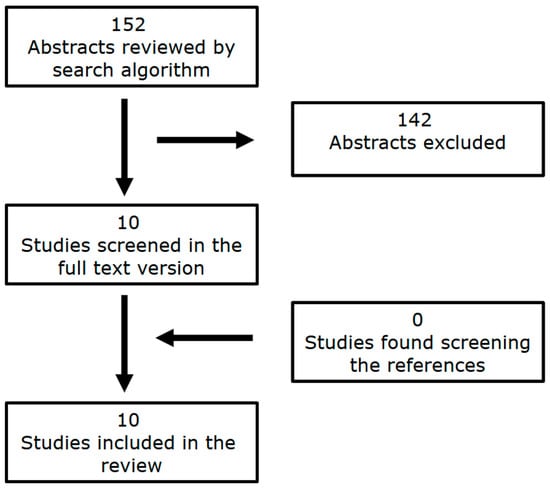
C-X-C chemokine receptor type 4 (CXCR4)-targeted positron emission tomography (PET) radiotracers have recently emerged as promising molecular imaging tools for glioma evaluation because of their negligible physiological uptake in normal brain tissue and their ability to non-invasively assess CXCR4 expression. This narrative review summarizes the current evidence regarding their clinical applications in glioma imaging. a literature review was performed to identify clinical studies investigating CXCR4-targeted PET in glioma patients. The available evidence, although limited and heterogeneous, indicates that CXCR4-targeted PET tracers can provide high lesion-to-background contrast because of their minimal physiological uptake in normal brain tissue. Tracer uptake tends to be higher in high-grade gliomas, although correlations with histopathological CXCR4 expression and established prognostic biomarkers have been inconsistent. Preliminary studies have explored potential applications in tumor visualization, differentiation of recurrence from treatment-related changes, distinction between glioblastoma and primary central nervous system lymphoma, treatment response assessment, and radiotherapy planning. These findings require validation in larger prospective multicenter cohorts. CXCR4-targeted PET is an emerging molecular imaging approach that may provide complementary information in glioma assessment. However, the available evidence remains preliminary, and larger prospective multicenter studies are required to validate its diagnostic and clinical utility, standardize imaging and quantification protocols, and determine its role in routine neuro-oncological practice.
Full article
(This article belongs to the Special Issue Updates in Cancer Imaging: PET/CT, MRI and Beyond)
►▼
Show Figures

Figure 1
Open AccessArticle
A Fixed-Ratio Hybrid ARO-ALO Algorithm for Multi-Level Thresholding of Histopathological Colon Cancer Images
by
Muhammed Faruk Şahin, Can Eyüpoğlu and Oktay Karakuş
Cancers 2026, 18(16), 2656; https://doi.org/10.3390/cancers18162656 - 17 Aug 2026
Abstract
Background/Objectives: Accurate segmentation of histopathological images while preserving cellular morphology in computer-aided diagnostic systems is critically important for the diagnosis and staging of colon cancer. However, conventional metaheuristic algorithms performing multi-level thresholding on such complex tissues often suffer from premature convergence by becoming
[...] Read more.
Background/Objectives: Accurate segmentation of histopathological images while preserving cellular morphology in computer-aided diagnostic systems is critically important for the diagnosis and staging of colon cancer. However, conventional metaheuristic algorithms performing multi-level thresholding on such complex tissues often suffer from premature convergence by becoming trapped in local optima as the search space increases. To address this limitation, this study proposes a new label-independent hybrid optimization algorithm focused on colon adenocarcinoma segmentation. Methods: The proposed algorithm hybridizes the global exploration capability of the Artificial Rabbit Optimization (ARO) algorithm with the local exploitation ability of the Ant Lion Optimization (ALO) algorithm through an optimized fixed transition ratio, thereby enabling efficient localization of cellular density valleys. Results: The principal findings obtained from the LC25000 colon cancer dataset demonstrate that the ARO-ALO algorithm achieves stable performance with high SSIM (0.8043) and FSIM (0.8595) scores while preserving the histopathological hierarchy. Furthermore, the preservation of diagnostic morphology after segmentation is statistically validated by the high Pearson (0.9870) and Spearman (0.9948) correlation coefficients. In addition, supplementary generalization experiments are conducted on the Oral Squamous Cell Carcinoma (OSCC) and pulmonary circulation vessels datasets to verify the tissue-agnostic nature of the algorithm. Conclusions: Consequently, the ARO-ALO algorithm emerges as an efficient alternative for clinical decision support systems.
Full article
(This article belongs to the Section Cancer Informatics and Big Data)
Open AccessReview
Regucalcin in the Tumor Microenvironment: From Intracellular Tumor Suppression to Putative Extracellular Signaling
by
Naoomi Tominaga
Cancers 2026, 18(16), 2655; https://doi.org/10.3390/cancers18162655 - 17 Aug 2026
Abstract
Regucalcin (RGN), also known as senescence marker protein-30, is a calcium-binding protein without an EF-hand motif that regulates intracellular calcium homeostasis and Ca2+-dependent enzyme activity. Its expression is reduced in tumor tissue relative to matched normal tissue across several cancer types,
[...] Read more.
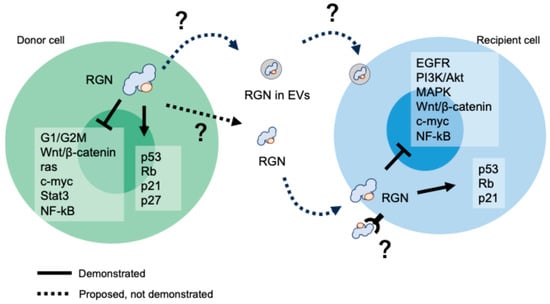
Regucalcin (RGN), also known as senescence marker protein-30, is a calcium-binding protein without an EF-hand motif that regulates intracellular calcium homeostasis and Ca2+-dependent enzyme activity. Its expression is reduced in tumor tissue relative to matched normal tissue across several cancer types, and restoring RGN in cancer cell lines suppresses proliferation, migration, and invasion through cell cycle arrest, reduced expression of matrix metalloproteinases and epithelial–mesenchymal transition regulators, and transcriptional reprogramming involving p53, p21, Rb, c-myc, and β-catenin. Attention has more recently turned to RGN outside the cell. RGN is detectable in serum and interstitial fluid, and recombinant RGN applied to cancer cells reproduces much of the suppression seen upon intracellular overexpression, which has prompted the proposal that extracellular RGN acts within the tumor microenvironment (TME). That proposal, however, rests on evidence that remains incomplete. RGN carries no classical signal peptide and its route of release is undefined; it has been reported in extracellular vesicle preparations but has not been shown to be a bona fide vesicular cargo; no receptor or proximal binding partner has been identified; and its effects on the non-malignant compartment of the TME—fibroblasts, immune cells, and endothelium—have not been tested directly. Here, we review the tumor-suppressive activity of RGN, distinguish demonstrated findings from inferred ones, and outline the experiments required to determine whether extracellular RGN constitutes a signaling axis in the TME or a pharmacological property of a recombinant protein.
Full article
(This article belongs to the Special Issue Signaling Pathways and Molecular Crosstalk in the Tumor Microenvironment)
►▼
Show Figures

Figure 1
Open AccessSystematic Review
Perioperative Care of Cancer Patients Treated with Immune Checkpoint Inhibitors: Current Evidence and Clinical Considerations—A Scoping Review
by
Ioana Roxana Codru and Liliana Vecerzan
Cancers 2026, 18(16), 2654; https://doi.org/10.3390/cancers18162654 - 17 Aug 2026
Abstract
Background: Immune checkpoint inhibitors (ICIs) have moved from the metastatic setting into neoadjuvant, adjuvant, and fully perioperative strategies across several solid tumors. This shift has created a new clinical interface between medical oncology, surgery, anesthesia, pathology and postoperative care because immune activation
[...] Read more.
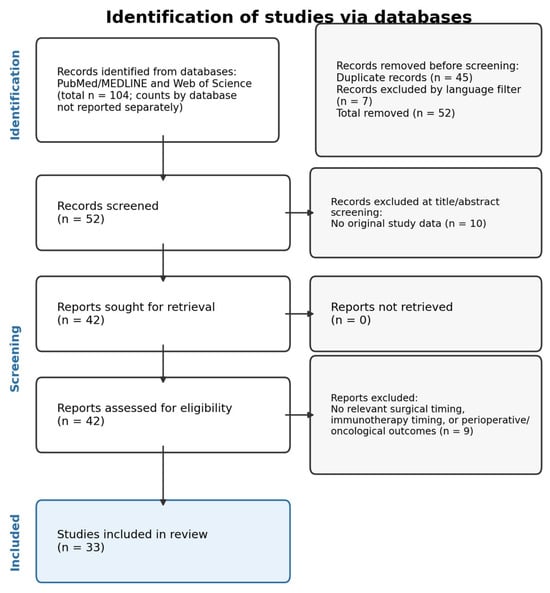
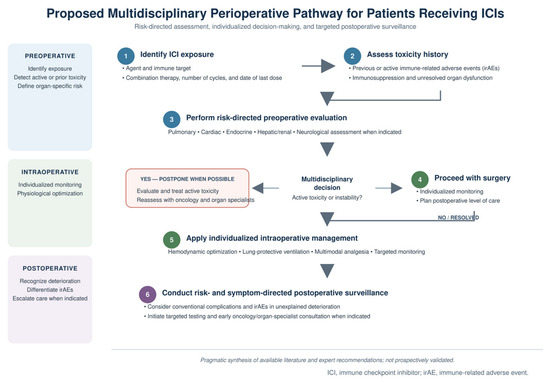
Background: Immune checkpoint inhibitors (ICIs) have moved from the metastatic setting into neoadjuvant, adjuvant, and fully perioperative strategies across several solid tumors. This shift has created a new clinical interface between medical oncology, surgery, anesthesia, pathology and postoperative care because immune activation may improve pathological response and survival while also generating immune-related adverse events (irAEs) that mimic or aggravate perioperative complications. Methods: We conducted a scoping review according to PRISMA-ScR. PubMed/MEDLINE and Web of Science were searched for studies published between 2016 and 2026 that evaluated adult patients with solid tumors receiving ICIs in relation to surgery. Thirty-three studies were included and synthesized descriptively across surgical feasibility, perioperative safety, irAEs, anesthetic considerations, and oncological outcomes. Results: The strongest evidence was found in resectable non-small-cell lung cancer, where neoadjuvant or perioperative ICI-based regimens improved pathological response and, in several trials, event-free or overall survival. Evidence in triple-negative breast, bladder, gastric/gastroesophageal junction, and ovarian cancers supported broader applicability but remained heterogeneous, with variable efficacy across tumor types and treatment regimens. Surgery following ICI exposure was generally feasible, without a consistent increase in postoperative mortality. However, pneumonitis, myocarditis, endocrinopathies, hepatitis, colitis, and cytokine release syndrome may mimic conventional postoperative complications. Direct evidence comparing anesthetic or perioperative management strategies was scarce. Conclusions: Perioperative ICI-based therapy is no longer an experimental concept, but its safe implementation requires structured preoperative screening, individualized surgical timing, organ-specific toxicity surveillance, careful corticosteroid decision-making, and close multidisciplinary communication. Future prospective studies should integrate standardized perioperative endpoints, anesthesia-related variables, biomarker-driven risk stratification, and long-term oncological outcomes.
Full article
(This article belongs to the Special Issue Perioperative Management and Anesthetic Strategies for Improving Cancer Prognosis)
►▼
Show Figures

Figure 1
Open AccessArticle
Longitudinal Tumor, Vascular, and Immune Cell Response in Two Rat Prostate Carcinomas After Isoeffective Photon, Proton, and Carbon Ion Irradiation: Impact of Linear Energy Transfer, Dose Level, and Hypoxia
by
Michaela Schmitt, Ina Kurth, Christin Glowa, Manuela Dittrich, Rosemarie Euler-Lange, Stephan Brons, Peter Peschke and Christian P. Karger
Cancers 2026, 18(16), 2653; https://doi.org/10.3390/cancers18162653 - 17 Aug 2026
Abstract
Background/Objectives: High linear energy transfer (LET) carbon ions achieved more effective and biologically robust tumor control than photons in preclinical prostate cancer models; however, the longitudinal development of histopathological parameters remains insufficiently characterized, limiting the selection of the optimal treatment modality in
[...] Read more.
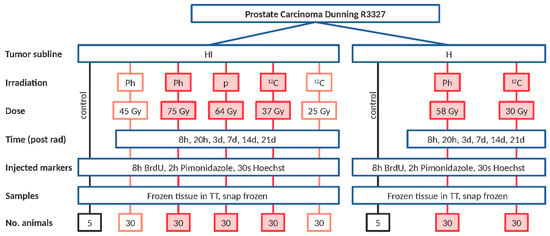
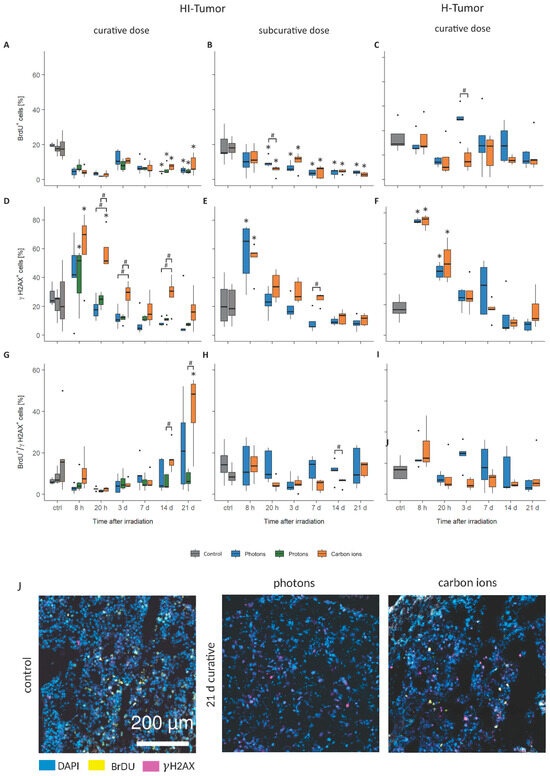
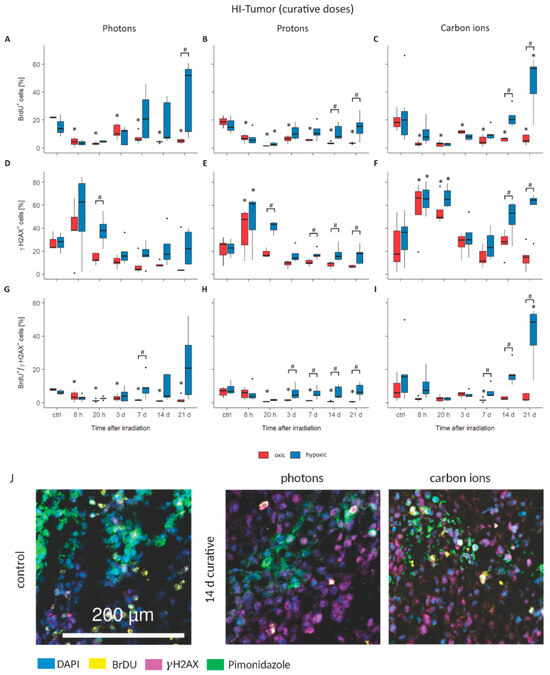
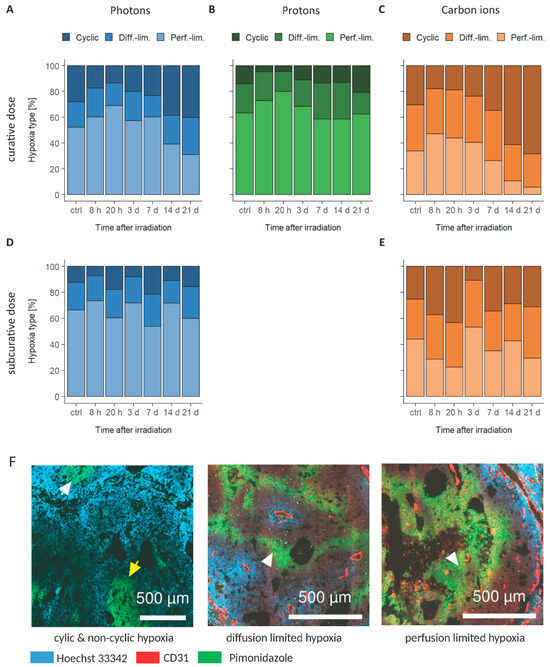
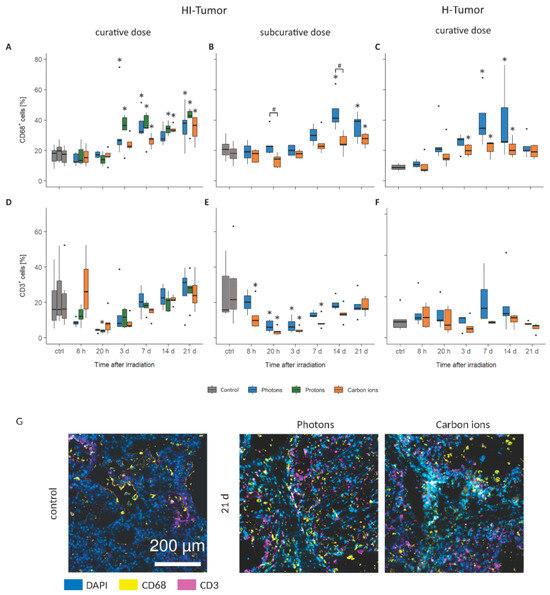
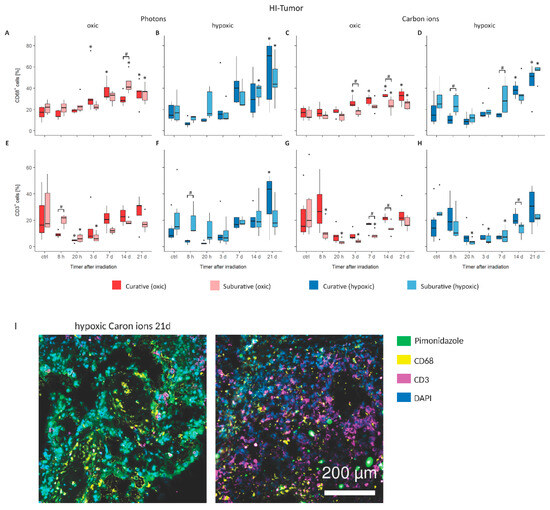
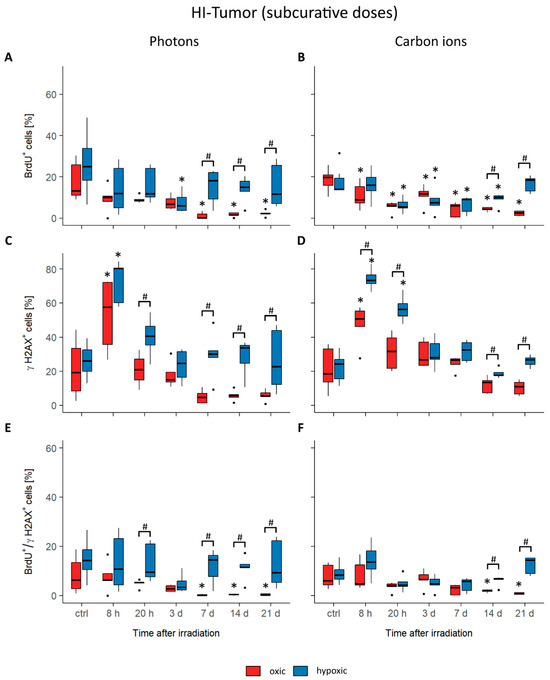
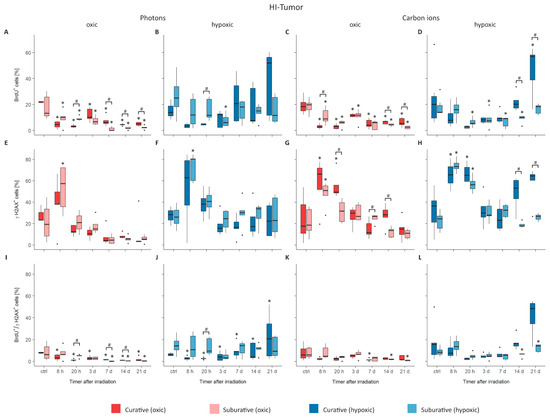
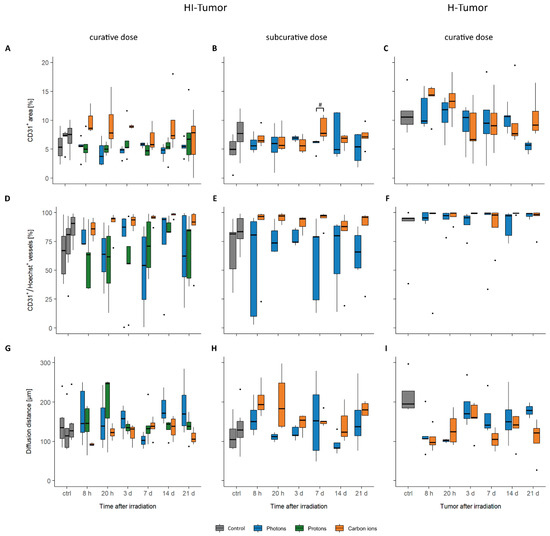
Background/Objectives: High linear energy transfer (LET) carbon ions achieved more effective and biologically robust tumor control than photons in preclinical prostate cancer models; however, the longitudinal development of histopathological parameters remains insufficiently characterized, limiting the selection of the optimal treatment modality in patients. This study analyzed the temporal histological patterns after isoeffective photon, proton, and carbon ion irradiations. Methods: Two Dunning R3327 prostate carcinoma sublines (H, HI) grown subcutaneously in male Copenhagen rats received single-fraction isoeffective curative photon or carbon ion doses. For HI-tumors, the effectiveness of isoeffective curative proton doses and isoeffective subcurative photon and carbon ion doses was additionally investigated. Tumors were collected prior and up to 3 weeks after irradiation and processed for quantitative histology of proliferation (BrdU), DNA damage (γH2AX), hypoxia (pimonidazole), vascular (CD31), and immune cell (CD3, CD68) markers. Results: All modalities induced an early peak in γH2AX+ tumor cells and a pronounced suppression of BrdU+ cells, with more sustained effects after isoeffective carbon ions doses, particularly in the HI-tumors. These findings, however, differed strongly between hypoxic and oxic micro-environments. Vascular parameters, diffusion distances, and global and compartment-specific hypoxic fractions showed distinct temporal dynamics between photons and carbon ions in HI-tumors, whereas H-tumors exhibited more moderate and reversible changes. At curative carbon ion doses, there was a late rebound of BrdU-positive tumor cells and increased CD68+ macrophage accumulation in chronically hypoxic regions. CD3+ T cells showed a biphasic decrease-recovery pattern in HI-tumors largely independent of radiation quality and oxygenation. Conclusions: Longitudinal histology revealed modality- and tumor-line-specific trajectories of tumor, vascular, hypoxic, and immune responses after isoeffective photon, proton, and carbon ion irradiations in prostate carcinoma. The more persistent tumor cell damage and distinct vascular response, together with late proliferative and macrophage rebounds under chronic hypoxia after carbon ions, provide mechanistic support for the increased biological effectiveness and highlight hypoxia-driven repopulation and inflammation as key processes.
Full article
(This article belongs to the Special Issue Proton and Light Ion Therapy for Cancer)
►▼
Show Figures

Figure 1
Open AccessReview
Antibody–Drug Conjugates in Contemporary Oncology: A Clinical Perspective on Dose Optimization, Sequencing, and Combination Strategies
by
Alexander Philipovskiy, Scott Shurmur and Muhammad Bilal Abid
Cancers 2026, 18(16), 2652; https://doi.org/10.3390/cancers18162652 - 17 Aug 2026
Abstract
Antibody–drug conjugates (ADCs) have matured from a technically challenging concept into an established therapeutic platform across hematologic and solid malignancies. By linking a monoclonal antibody to a potent cytotoxic payload, ADCs seek to increase tumor-directed drug delivery while limiting systemic exposure; however, clinical
[...] Read more.
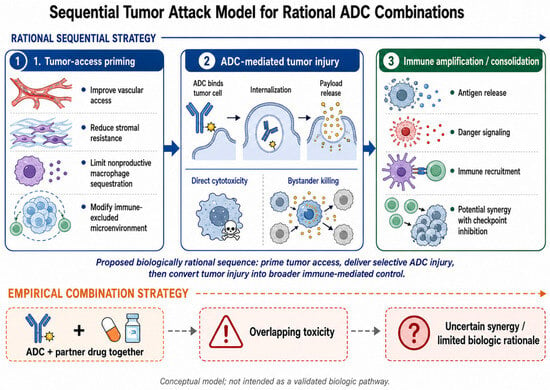
Antibody–drug conjugates (ADCs) have matured from a technically challenging concept into an established therapeutic platform across hematologic and solid malignancies. By linking a monoclonal antibody to a potent cytotoxic payload, ADCs seek to increase tumor-directed drug delivery while limiting systemic exposure; however, clinical performance depends on much more than target expression. Target accessibility, antigen density and heterogeneity, internalization, intracellular trafficking, linker stability, payload properties, drug-to-antibody ratio, bystander effect, tumor penetration, and host-tissue handling jointly shape efficacy and toxicity. This review provides a clinician-oriented assessment of the contemporary ADC landscape and the principal biologic and pharmacologic determinants of benefit. We discuss signature toxicities, including interstitial lung disease and ocular injury, and summarize evolving mechanisms of resistance and biomarker development. Particular emphasis is placed on three translational problems that are becoming increasingly important as ADCs move into earlier lines and overlapping disease settings: dose optimization beyond the maximum tolerated dose, sequencing across targets and payload classes, and biologically rational combination strategies. We also present a conceptual Sequential Tumor Attack Model as a hypothesis-generating framework for tumor-access priming, ADC-mediated cytotoxic injury, and immune amplification, while explicitly recognizing that the complete model has not been clinically validated. The future impact of ADCs will depend not only on next-generation constructs, but also on rigorous evidence for how these agents should be dosed, ordered, and combined in practice.
Full article
(This article belongs to the Section Cancer Drug Development)
►▼
Show Figures

Figure 1
Open AccessReview
Integrative Profiling of Tumor and Blood Microenvironments to Uncover Molecular and Immune Determinants of Prognosis and Treatment Efficacy in Metastatic Colorectal Cancer
by
Elena Benidovskaya, Nicolas Huyghe, Maria Virginia Giolito, Pierre Coulie and Marc Van den Eynde
Cancers 2026, 18(16), 2651; https://doi.org/10.3390/cancers18162651 - 17 Aug 2026
Abstract
Metastatic colorectal cancer remains associated with poor prognosis despite major therapeutic advances, highlighting the need for robust biomarkers to refine treatment selection and monitor disease dynamics. This review summarizes emerging predictive and prognostic biomarkers in metastatic colorectal cancer across molecular and cellular layers,
[...] Read more.
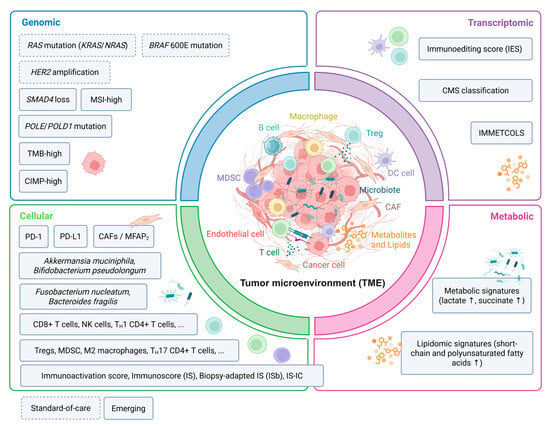
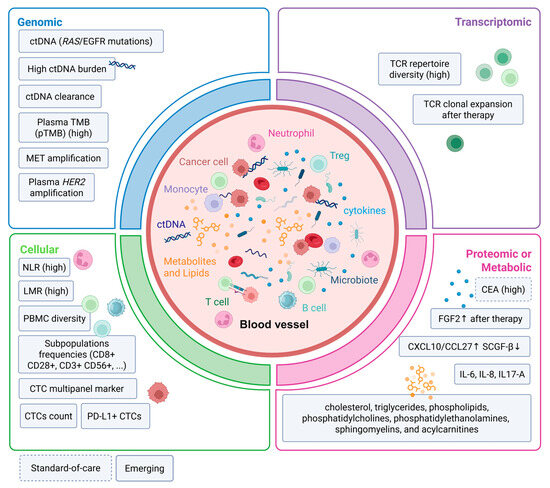
Metastatic colorectal cancer remains associated with poor prognosis despite major therapeutic advances, highlighting the need for robust biomarkers to refine treatment selection and monitor disease dynamics. This review summarizes emerging predictive and prognostic biomarkers in metastatic colorectal cancer across molecular and cellular layers, encompassing both tissue and circulating biomarkers. At the tissue level, we discuss genomic alterations and mutational signatures, transcriptomic classification systems and immune-related gene expression tools, protein-level immune checkpoint markers, and cellular determinants including immune infiltrates, cancer-associated fibroblasts and microbiome features. At the circulating level, we review biomarkers derived from liquid biopsy and peripheral blood, including circulating tumor DNA kinetics, T-cell receptor repertoire diversity, soluble cytokines and proteins, immune cell phenotyping, and circulating tumor cells. We highlight major challenges limiting clinical translation, including tumor heterogeneity, methodological variability, and the absence of standardized analytical pipelines and thresholds. Finally, we discuss future perspectives, emphasizing the integration of multi-omics biomarkers and artificial intelligence-driven strategies to improve biomarker validation and enable more precise management of metastatic colorectal cancer, particularly for patients with microsatellite-stable tumors who derive limited benefit from immune checkpoint inhibition.
Full article
(This article belongs to the Special Issue Real-World Evidence and Emerging Therapeutic Strategies in Refractory Metastatic Colorectal Cancer)
►▼
Show Figures

Figure 1
Open AccessArticle
Microvessel Density as an Adjunctive Immunohistochemical Parameter in the Differential Diagnosis of Parathyroid Carcinoma and Adenoma—An Immunohistochemical Study
by
Zorka Inić, Katarina Taušanović, Marko Buta, Zoran Kozomara, Ognjen Živković, Nikola Jeftić, Stefan Gačić, Dobrica Stević, Anđela Milićević and Milan Žegarac
Cancers 2026, 18(16), 2650; https://doi.org/10.3390/cancers18162650 - 17 Aug 2026
Abstract
Background/Objectives: Distinguishing parathyroid carcinoma from parathyroid adenoma remains a major diagnostic challenge because these tumors frequently share similar clinical, biochemical, radiological, and histopathological features. Accurate diagnosis is essential for appropriate surgical management, highlighting the need for reliable adjunctive biomarkers. This study evaluated
[...] Read more.
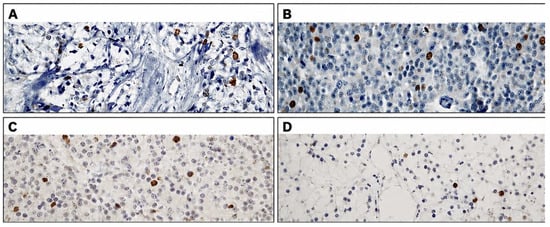
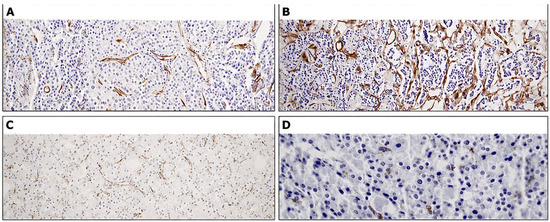
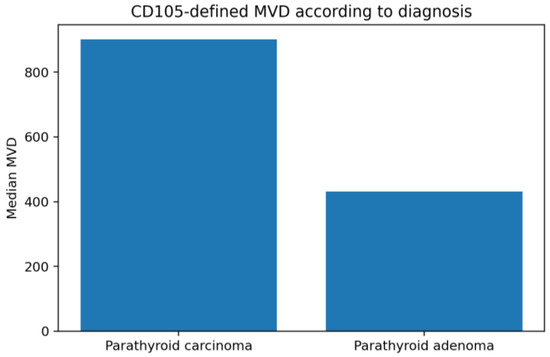
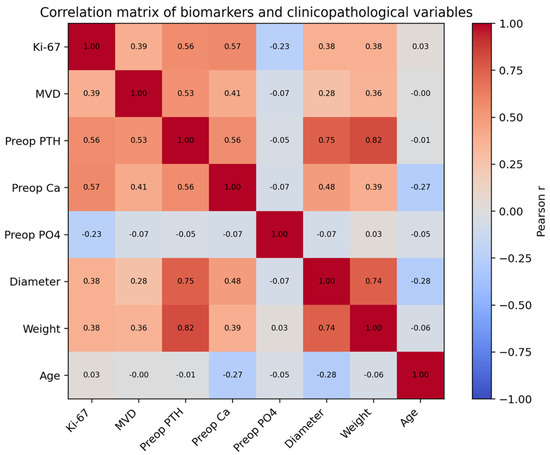
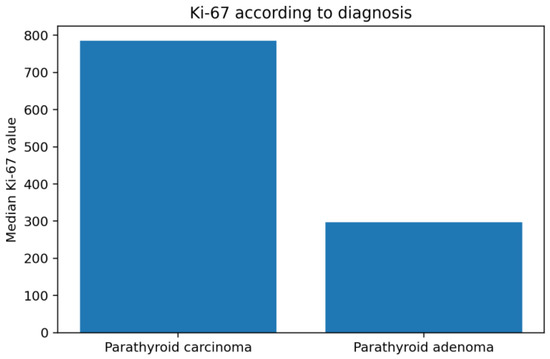
Background/Objectives: Distinguishing parathyroid carcinoma from parathyroid adenoma remains a major diagnostic challenge because these tumors frequently share similar clinical, biochemical, radiological, and histopathological features. Accurate diagnosis is essential for appropriate surgical management, highlighting the need for reliable adjunctive biomarkers. This study evaluated the diagnostic value of tumor angiogenesis, quantified by microvessel density (MVD), for differentiating parathyroid carcinoma from parathyroid adenoma and its association with clinicopathological characteristics. Methods: This retrospective study included 50 patients with primary hyperparathyroidism who underwent surgery at a tertiary endocrine surgery center, including 10 parathyroid carcinomas and 40 parathyroid adenomas. Tumor angiogenesis was assessed by immunohistochemical staining, and MVD was quantified in vascular hot spots using standardized methods. Receiver operating characteristic (ROC) analysis evaluated the diagnostic performance of MVD, while correlations with clinicopathological parameters were analyzed. Results: Parathyroid carcinoma demonstrated significantly higher MVD than parathyroid adenoma (median 901.14 vs. 431.24; p < 0.001). ROC analysis showed excellent diagnostic performance, with an area under the curve of 0.917. Higher MVD was positively associated with Ki-67 expression, preoperative parathyroid hormone and calcium levels, and tumor weight, indicating a close relationship between angiogenesis, tumor proliferation, biochemical disease severity, and tumor burden. No significant associations were observed with age or preoperative phosphate levels. Conclusions: Quantitative assessment of MVD is a promising adjunctive immunohistochemical biomarker for distinguishing parathyroid carcinoma from parathyroid adenoma. Incorporating MVD into conventional histopathological evaluation may improve diagnostic confidence, particularly in morphologically challenging cases. Larger multicenter studies are warranted to validate these findings and further establish the clinical utility of MVD.
Full article
(This article belongs to the Special Issue Thyroid Cancer: Diagnosis, Prognosis and Treatment—3rd Edition)
►▼
Show Figures

Figure 1
Open AccessReview
Local Recurrence After Lung Segmentectomy—Risk Factors and Future Directions: A Contemporary Review
by
András Buzás, Kitti Egyed and József Furák
Cancers 2026, 18(16), 2649; https://doi.org/10.3390/cancers18162649 - 17 Aug 2026
Abstract
Background: Anatomical segmentectomy has increasingly emerged as an accepted surgical strategy for selected patients with early-stage non-small cell lung cancer (NSCLC), particularly following the JCOG0802/WJOG4607L and CALGB/Alliance 140503 randomized trials. Although these studies demonstrated oncologic equivalence—or even superiority in overall survival—compared with lobectomy
[...] Read more.
Background: Anatomical segmentectomy has increasingly emerged as an accepted surgical strategy for selected patients with early-stage non-small cell lung cancer (NSCLC), particularly following the JCOG0802/WJOG4607L and CALGB/Alliance 140503 randomized trials. Although these studies demonstrated oncologic equivalence—or even superiority in overall survival—compared with lobectomy in carefully selected tumors, concerns persist regarding increased locoregional recurrence after segmentectomy. Recent evidence suggests that recurrence is influenced not only by surgical technique but also by tumor biology, radiological characteristics, nodal assessment, and patient-specific factors. Methods: This narrative review critically summarizes contemporary evidence regarding local recurrence after anatomical segmentectomy for early-stage NSCLC. A literature review was performed using PubMed/MEDLINE database and recent thoracic surgical literature published primarily from 2015 onwards. Randomized trials, prospective and retrospective studies, meta-analyses, and expert consensus statements were included, with particular focus on recurrence patterns, tumor biology, radiological features, surgical factors, lymph node assessment, and emerging technologies. Results: Segmentectomy provides comparable overall survival to lobectomy in selected patients with small peripheral NSCLC; however, locoregional recurrence remains more frequent after segmentectomy. Major predictors of recurrence include pure-solid radiological appearance, high consolidation-to-tumor ratios, larger tumor size, STAS positivity, lymphovascular invasion, aggressive adenocarcinoma subtypes, inadequate lymph node assessment, and insufficient surgical margins. Hypermetabolic tumors on PET imaging and occult nodal disease further increase recurrence risk. Several studies identified delayed recurrence patterns occurring beyond 5 years after surgery. Conclusions: Local recurrence remains the principal oncologic limitation of segmentectomy. Contemporary evidence supports a shift from size-based toward biology-driven surgical decision-making integrating tumor morphology, metabolic activity, histopathological aggressiveness, STAS status, and nodal involvement into surgical planning.
Full article
(This article belongs to the Special Issue Surgical Management of Non-Small Cell Lung Cancer)
Open AccessReview
Functional Characterization of Myelodysplastic Syndrome by Multiparameter Flow Cytometry: The Clinical Synergy Between Ki-67 and Bcl-2 and Their Potential Role in Diagnostics and Personalized Therapy
by
Sixuan J. Wang, Rinaldo A. J. N. van Meel, Stefan G. C. Mestrum, Thomas H. P. M. Habets, Anton H. N. Hopman, Frans C. S. Ramaekers, Yvonne M. C. Henskens, Otto Bekers and Mathie P. G. Leers
Cancers 2026, 18(16), 2648; https://doi.org/10.3390/cancers18162648 - 17 Aug 2026
Abstract
The diagnosis and clinical management of myelodysplastic neoplasms are increasingly challenged by the disease’s inherent heterogeneity, particularly with respect to the diagnosis of low-grade variants. While standardized flow cytometric protocols traditionally rely on static biomarkers for lineage assignment, these often fail to capture
[...] Read more.
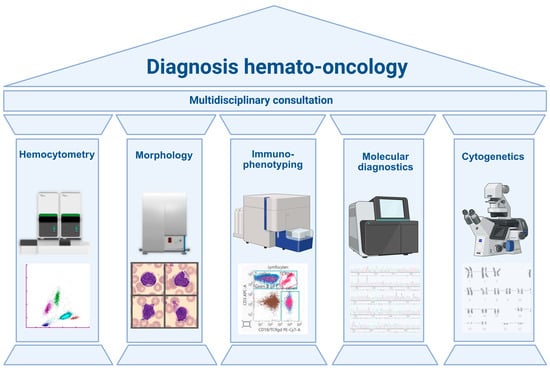
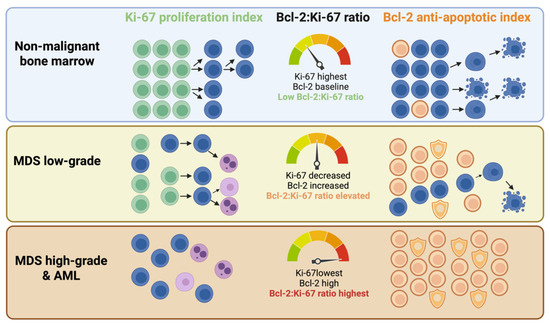
The diagnosis and clinical management of myelodysplastic neoplasms are increasingly challenged by the disease’s inherent heterogeneity, particularly with respect to the diagnosis of low-grade variants. While standardized flow cytometric protocols traditionally rely on static biomarkers for lineage assignment, these often fail to capture the dynamic biological behavior of the malignant clone. This review synthesizes studies on the integration of functional biomarkers, specifically the nuclear proliferation marker Ki-67 and the anti-apoptotic protein Bcl-2, into the diagnostic and prognostic workflow. By utilizing high-dimensional multiparameter flow cytometry (MFC) and software-based maturation continuum analysis, the survival and growth kinetics of the myeloid, erythroid, and monocytic lineages can be quantified. These findings redefine myelodysplastic syndromes (MDS) as characterized by a significant decrease in cell-cycle progression and an increase in anti-apoptotic activity during early stages of maturation. Recent studies demonstrate that integrating the erythroid Ki-67 proliferation index as a fifth parameter into the conventional Ogata score dramatically improves diagnostic sensitivity for detecting MDS from 66% to 90% while maintaining 100% specificity. In particular, the sensitivity for detecting low-grade MDS improved from 56% to 91%. Additionally, a reduced erythroid Ki-67 index (≤28%) is a powerful independent predictor of transfusion dependence within 1 year. Beyond diagnostics, the introduction of the Bcl-2:Ki-67 ratio provides a superior metric for biological aggressiveness and a potential predictive tool for precision medicine. A high ratio identifies a quiescent, apoptosis-resistant cell population that is likely refractory to standard chemotherapy but is an ideal candidate for targeted Bcl-2 inhibition with Venetoclax. The integration of functional biomarkers bridges the gap between complex mutational landscapes and clinical manifestations. While digital imaging and artificial intelligence (AI) are beginning to automate blast enumeration and maturation analysis, functional kinetics may provide a necessary biological readout for personalized therapy.
Full article
(This article belongs to the Section Molecular Cancer Biology)
►▼
Show Figures

Figure 1
Open AccessReview
Navigating Uncharted Waters: Steering the Course and Confronting Challenges of Brain Metastases in EGFR-Mutant Non-Small Cell Lung Cancer
by
Daniela Garcez, Ana Rodrigues, Catarina Travancinha, Marcos Pantarotto, Paulo Costa, António Araújo, Juan Rachadell, João Ramalho-Carvalho, Ana Figueiredo, Telma Sequeira and Maria Gabriela O. Fernandes
Cancers 2026, 18(16), 2647; https://doi.org/10.3390/cancers18162647 - 17 Aug 2026
Abstract
Brain metastases represent a major clinical challenge in the management of non-small-cell lung cancer, particularly in patients with epidermal growth factor receptor mutations, constituting a leading cause of morbidity and mortality. In recent years, significant advancements have been made in both local therapies
[...] Read more.
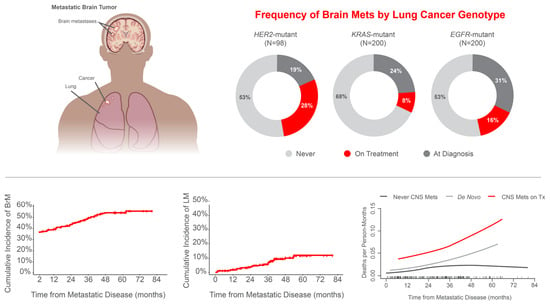
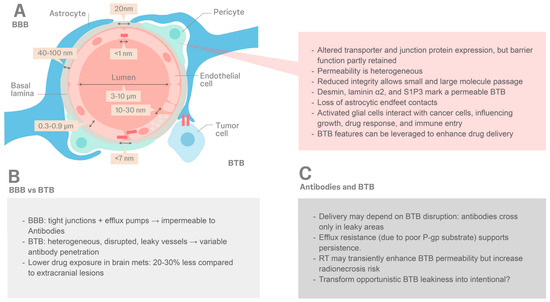
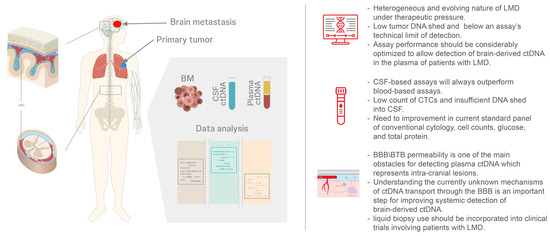
Brain metastases represent a major clinical challenge in the management of non-small-cell lung cancer, particularly in patients with epidermal growth factor receptor mutations, constituting a leading cause of morbidity and mortality. In recent years, significant advancements have been made in both local therapies and systemic treatments. Nevertheless, managing central nervous system disease remains complex, encompassing challenges such as optimal therapy sequencing, resistance mechanisms, oligoprogression, the role of the blood–brain barrier, diagnostic strategies, and the influence of the brain tumor microenvironment. Despite advances, brain metastases in non-small-cell lung cancer remain an unmet need. Local treatments like radiotherapy are effective but carry risks of long-term neurological side effects, while the number and burden of brain metastases remain key prognostic factors. Surgical resection may be considered even in patients with multiple brain metastases to improve clinical status, enable further therapy, and enhance survival and quality of life. With the extension of survival afforded by systemic therapies, optimizing the balance between treatment efficacy and quality of life has become critical. Integrating patient perspectives is essential in navigating these complex clinical decisions.
Full article
(This article belongs to the Special Issue Advances in Lung Cancer Treatment Strategies)
►▼
Show Figures

Figure 1
Open AccessArticle
Age, Operative Intent, and Mortality After Emergency Colorectal Cancer Surgery: An Exploratory Analysis of Age-Related Patterns
by
Vito Laterza, Marcello Covino, Carlo Alberto Schena, Davide Della Polla, Caterina Cina, Filomena Misuriello, Sergio Alfieri and Fausto Rosa
Cancers 2026, 18(16), 2646; https://doi.org/10.3390/cancers18162646 - 17 Aug 2026
Abstract
Background: Emergency surgery for complicated colorectal cancer (CRC) presenting with obstruction, perforation, or uncontrolled bleeding has high postoperative mortality, especially in older patients. However, age-related risk and the roles of radical versus palliative treatment are not fully understood. This study aimed to measure
[...] Read more.
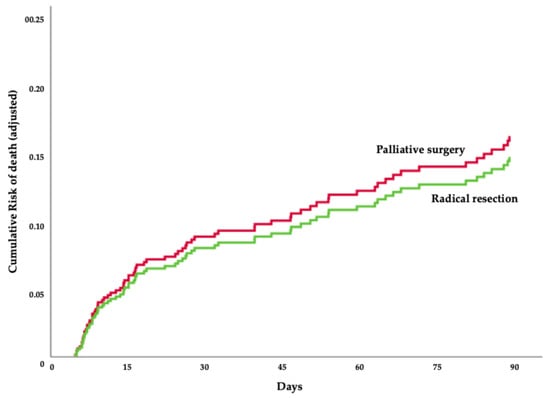
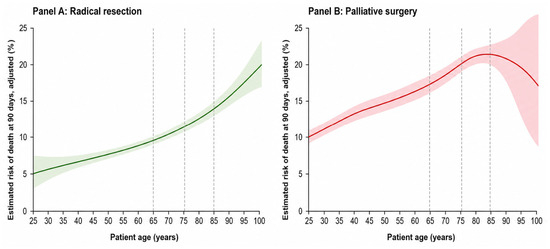
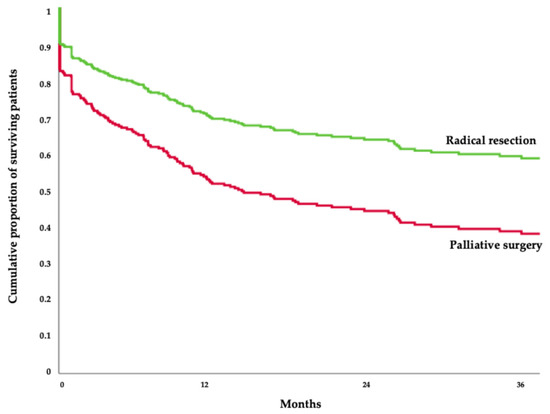
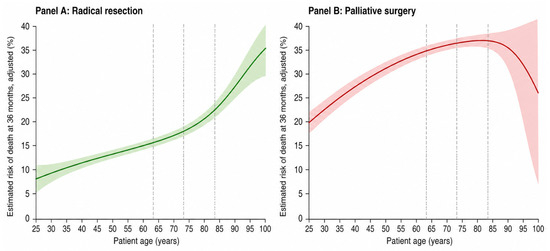
Background: Emergency surgery for complicated colorectal cancer (CRC) presenting with obstruction, perforation, or uncontrolled bleeding has high postoperative mortality, especially in older patients. However, age-related risk and the roles of radical versus palliative treatment are not fully understood. This study aimed to measure 90-day and 36-month mortality after emergency CRC surgery and to analyze whether the relationship between age and mortality is nonlinear and influenced by operative intent. Methods: Retrospective cohort of consecutive adults undergoing emergency surgery for complicated CRC (2015–2024). The outcome was 90-day and 36-month all-cause mortality. Cox regression provided adjusted hazard ratios (HR) using two models: a primary whole-cohort model omitting pathological T/N stage, and a secondary resection-only model including pathological stage. Age was modeled with restricted cubic splines and predicted 90-day and 36-month mortality were plotted by operative intent. Results: In 496 patients, 90-day mortality was 19.7% (98/496), while 36-month mortality was 37.3% (185/496). In the primary whole-cohort Cox model, independent predictors of 36-month mortality included age ≥75 years (HR 2.09, 95% CI 1.48–2.95, p < 0.001), Charlson Comorbidity Index (HR 1.02, 95% CI 0.98–1.06, p = 0.31), obstruction (HR 1.69, 95% CI 1.18–2.42, p = 0.004), perforation (HR 2.05, 95% CI 1.24–3.39, p = 0.005), and metastatic disease (HR 2.30, 95% CI 1.62–3.27, p < 0.001); radical operative intent was independently associated with lower 36-month mortality (HR 0.461, 95% CI 0.30–0.71, p = 0.001). In a secondary resection-only model additionally adjusting for pathological T/N stage (n = 426 with available pathology), the association for radical intent was attenuated and no longer statistically significant (HR 0.67, 95% CI 0.43–1.03, p = 0.067). The 36-month mortality spline estimate indicated an increasing risk with advancing age; a likelihood-ratio test did not show that the spline model fit significantly better than a linear age term (χ2 = 1.43, df = 1, p = 0.233), so this pattern is interpreted descriptively rather than as formal evidence of nonlinearity, and no formal interaction between age and operative intent was demonstrated. Conclusions: Ninety-day mortality after emergency colon cancer surgery remains significant. Age-related risk shows a predominantly monotonic, descriptive pattern and should not be assumed to vary by operative intent without formal interaction testing, emphasizing individualized risk assessment and shared decision-making.
Full article
(This article belongs to the Special Issue Emergencies in Gastrointestinal Surgical Oncology)
►▼
Show Figures

Figure 1
Open AccessReview
Intraoperative Techniques Aiding Margin Assessment and Nerve Sparing During Robot-Assisted Radical Prostatectomy
by
Mikołaj Kisiała, Zuzanna Czyczerska, Jakub Kowalski, Wojciech Grzelczak, Mateusz Sobala, Jakub Karwacki, Michał Tulski, Dominik Zawadzki, Patryk Patrzałek, Izabela Skowron, Jan Łaszkiewicz, Wojciech Tomczak, Wojciech Krajewski, Tomasz Szydełko and Bartosz Małkiewicz
Cancers 2026, 18(16), 2645; https://doi.org/10.3390/cancers18162645 - 17 Aug 2026
Abstract
Robot-assisted radical prostatectomy (RARP) requires a balance between complete cancer excision and preservation of urinary continence and erectile function. Because the preservation of neurovascular bundles adjacent to the prostate surface contributes to postoperative functional recovery, intraoperative margin assessment and surgeon-guidance technologies may help
[...] Read more.
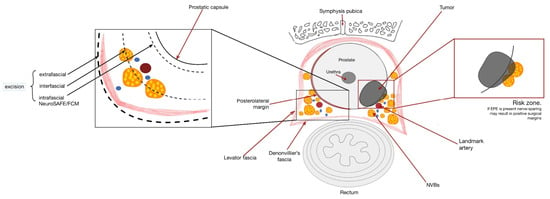
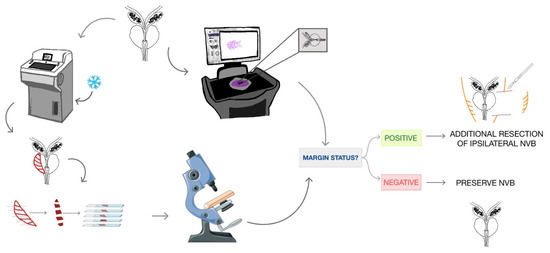
Robot-assisted radical prostatectomy (RARP) requires a balance between complete cancer excision and preservation of urinary continence and erectile function. Because the preservation of neurovascular bundles adjacent to the prostate surface contributes to postoperative functional recovery, intraoperative margin assessment and surgeon-guidance technologies may help refine resection and support individualized nerve-sparing decision-making. Neurovascular structure-adjacent frozen-section examination remains the most studied and clinically established method, with evidence supporting reduced positive surgical margins and broader nerve preservation, but its use is limited by cost, workflow complexity, and pathology infrastructure. Fluorescence confocal microscopy is promising but remains limited by short and apical margins; its improved accuracy for longer margins raises concerns about its reliability for routine intraoperative margin assessment. Other optical, spectroscopic, and prostate-specific membrane antigen-targeted molecular margin assessment techniques have demonstrated inconsistent diagnostic performance, with particularly low sensitivity for assessment approaches remain investigational, whereas intraoperative ultrasound, three-dimensional and augmented-reality models, fluorescence guidance, and image-enhancement systems should be viewed as surgical guidance tools rather than direct margin-assessment methods. Intraoperative technologies may improve surgical decision-making during RARP, but prospective multicenter studies with standardized oncological and functional endpoints are needed before broader adoption.
Full article
(This article belongs to the Special Issue Novel Advancements in Prostate Cancer Surgery: Indications and Techniques)
►▼
Show Figures

Figure 1
Open AccessArticle
Using Decision Tree to Predict Cancer-Specific Mortality in Patients with Clear Cell Renal Cancer Treated with Nephrectomy
by
Laura Martínez-Cayuelas, Pau Sarrio-Sanz, Jose-Vicente Segura-Heras, Milagros Muñoz-Montoya, Vicente-Francisco Gil-Guillen, Jesus Romero-Maroto and Luis Gomez-Perez
Cancers 2026, 18(16), 2644; https://doi.org/10.3390/cancers18162644 - 17 Aug 2026
Abstract
Background/Objectives: Accurate prognostic stratification after nephrectomy for clear cell renal carcinoma (ccRCC) remains challenging. Traditional models often lack the intuitive clinical application or the ability to handle non-linear interactions between variables. We aimed to develop and internally validate a decision tree-based model
[...] Read more.
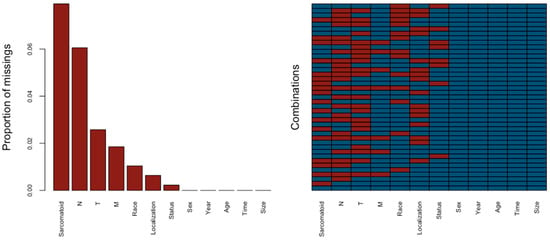
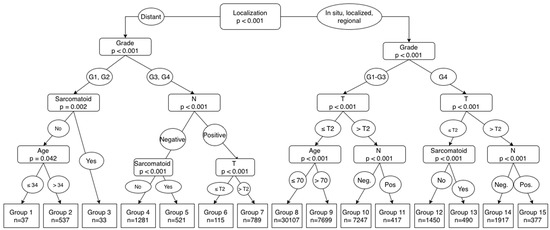
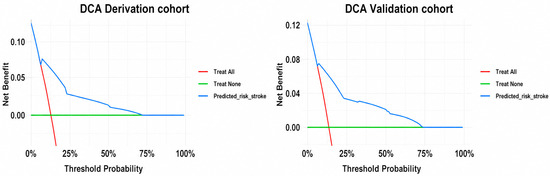
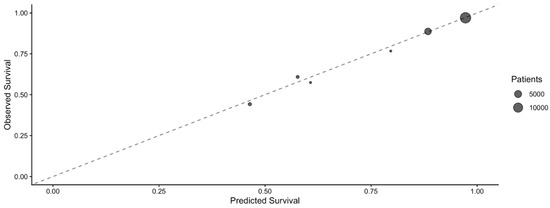
Background/Objectives: Accurate prognostic stratification after nephrectomy for clear cell renal carcinoma (ccRCC) remains challenging. Traditional models often lack the intuitive clinical application or the ability to handle non-linear interactions between variables. We aimed to develop and internally validate a decision tree-based model to predict cancer-specific survival in patients with ccRCC following nephrectomy. Methods: We analyzed 79,526 patients with ccRCC who underwent nephrectomy from the SEER database (2012–2018). Patients were randomized into development (2/3) and validation (1/3) cohorts. A conditional inference tree was constructed to predict cancer-specific survival. Multiple imputation by chained equations was used to handle missing data. Discriminatory ability was assessed using the C-index. Net clinical benefit was evaluated with decision curve analysis. The model was evaluated using CHARMS and PROBAST. Results: A decision tree with 15 risk groups is presented, further classified into high-, intermediate-, and low-risk categories according to observed median survival. The final predictors were tumor localization, tumor grade, TNM stage, age, and sarcomatoid differentiation. The model demonstrated excellent discriminatory performance, with a C-index of 0.846 (95% CI: 0.834–0.847). PROBAST assessment showed low risk of bias and low concern regarding applicability. Conclusions: The use of decision trees provides an interpretable alternative to conventional regression-based models. Three main risk categories and 15 subgroups are proposed based on tumor localization, tumor grade, TNM stage, age, and sarcomatoid differentiation. Our model demonstrates good applicability and a low risk of bias according to PROBAST guidelines; however, external validation in independent cohorts is required prior to clinical implementation.
Full article
(This article belongs to the Section Cancer Informatics and Big Data)
►▼
Show Figures

Figure 1
Open AccessArticle
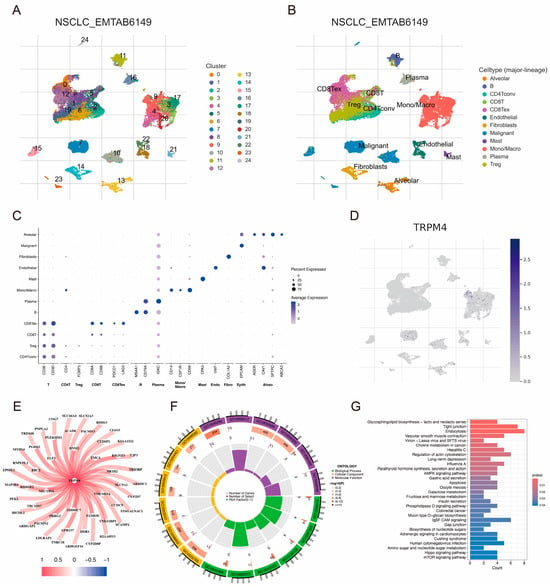
Integrated Analysis Identifies a TRPM4-Related Sodium Overload Signature with Prognostic Value and Experimentally Validates RNPEPL1 in Lung Adenocarcinoma
by
Wenjia Xia, Ming Li, Youtao Xu, Dongjie Feng, Wenhao Ouyang and Lin Xu
Cancers 2026, 18(16), 2643; https://doi.org/10.3390/cancers18162643 - 16 Aug 2026
Abstract
Background: Lung adenocarcinoma (LUAD) remains a leading cause of cancer-related mortality worldwide, and effective biomarkers for prognosis and therapeutic guidance are still lacking. TRPM4, a sodium-related ion channel, has been implicated in tumor progression; however, its role in LUAD, particularly at the single-cell
[...] Read more.
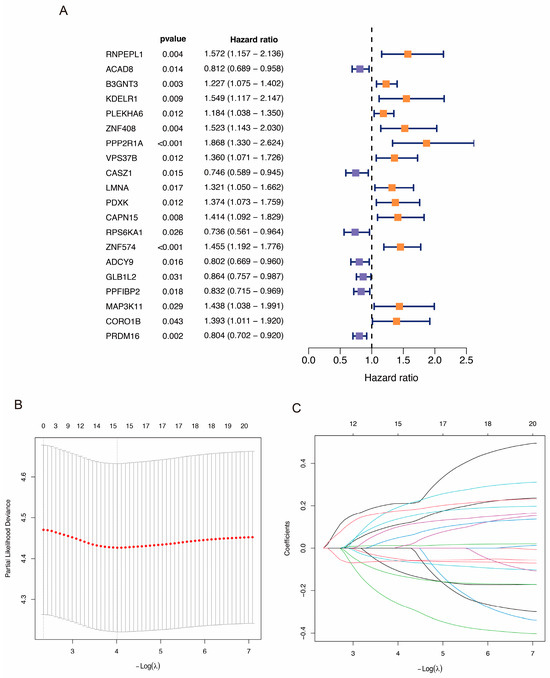
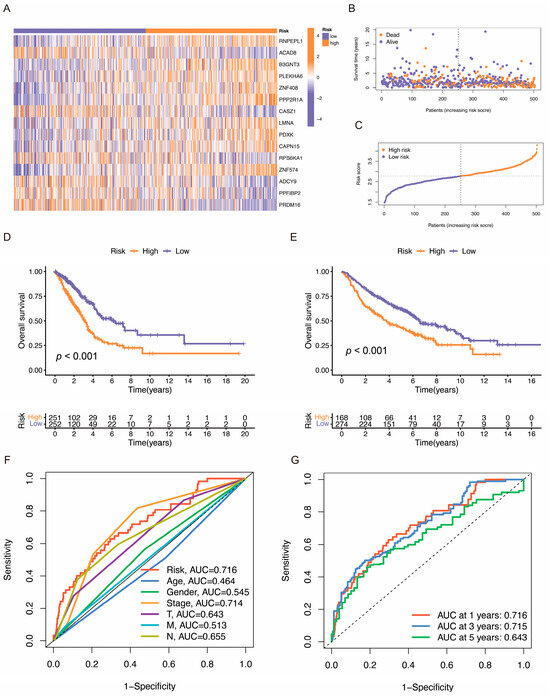
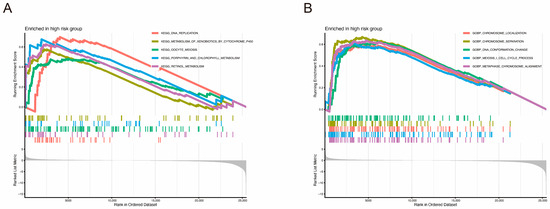
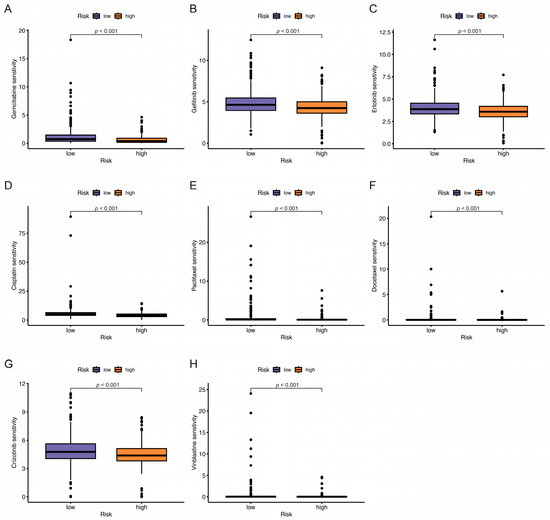
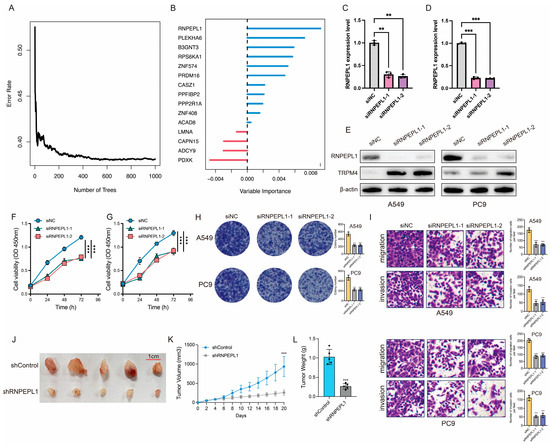
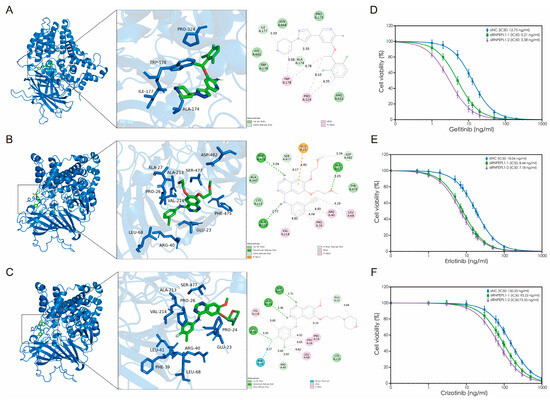
Background: Lung adenocarcinoma (LUAD) remains a leading cause of cancer-related mortality worldwide, and effective biomarkers for prognosis and therapeutic guidance are still lacking. TRPM4, a sodium-related ion channel, has been implicated in tumor progression; however, its role in LUAD, particularly at the single-cell level, remains unclear. Methods: Single-cell RNA sequencing data were used to analyze the cellular distribution of TRPM4 in LUAD. TRPM4-related genes were identified through correlation analysis in the TCGA cohort, followed by construction of a prognostic model using Cox and LASSO regression analyses. The model was validated in an independent GEO dataset. Functional enrichment and drug sensitivity analyses were performed to explore the underlying mechanisms and therapeutic implications. Random forest analysis was applied to identify key genes, and in vitro experiments were conducted to validate their biological functions. Results: A TRPM4-related prognostic signature was established, demonstrating robust predictive performance in both training and validation cohorts. High-risk patients were characterized by activation of cell cycle and DNA replication pathways, showing differences in computationally predicted sensitivity to multiple chemotherapeutic and targeted agents. Furthermore, RNPEPL1 was identified as a key gene and experimentally validated to promote LUAD cell proliferation, migration, and invasion. Conclusions: The TRPM4-related signature and RNPEPL1 may provide novel insights for risk stratification and personalized therapeutic strategies.
Full article
(This article belongs to the Section Molecular Cancer Biology)
►▼
Show Figures

Figure 1
Open AccessArticle
Pancreatoblastoma: A Descriptive and Comparative Analysis with Pancreatic Ductal Adenocarcinoma Using SEER Data
by
Abdul Qahar K. Yasinzai, Jordan A. McKean, Grace R. Thompson, Alessandro Paniccia, Austin M. Parrish, Patrick W. Underwood, Gahyun Gim, Steven J. Hughes, Thomas J. George and Ibrahim Nassour
Cancers 2026, 18(16), 2642; https://doi.org/10.3390/cancers18162642 - 16 Aug 2026
Abstract
Background: Pancreatoblastoma (PB) is an exceptionally rare malignant epithelial neoplasm of the pancreas that recapitulates the developing pancreatic anlage. It is defined histologically by acinar-predominant differentiation with characteristic squamoid nests, and it may also show ductal and endocrine differentiation within the same tumor,
[...] Read more.
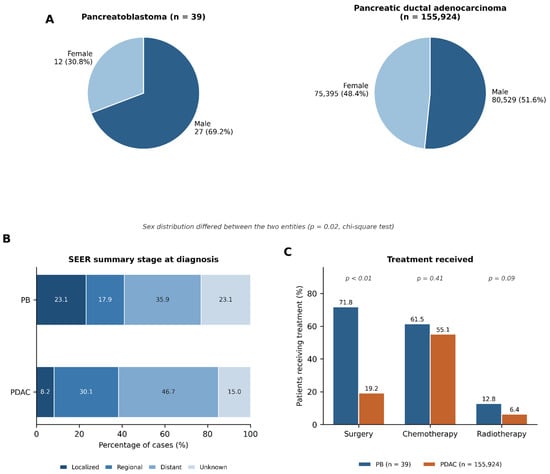
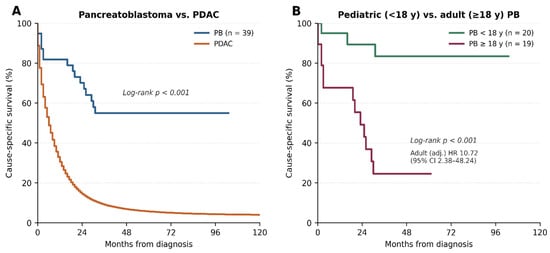
Background: Pancreatoblastoma (PB) is an exceptionally rare malignant epithelial neoplasm of the pancreas that recapitulates the developing pancreatic anlage. It is defined histologically by acinar-predominant differentiation with characteristic squamoid nests, and it may also show ductal and endocrine differentiation within the same tumor, features that distinguish it from acinar cell carcinoma and solid pseudopapillary neoplasm but that are readily overlooked. It occurs predominantly in young children, although adult-onset disease is well documented. We provide a population-based characterization of PB across the full age spectrum and benchmark it against pancreatic ductal adenocarcinoma (PDAC). Methods: Cases diagnosed between 2000 and 2021 were identified in the Surveillance, Epidemiology, and End Results (SEER) 17-registry database using site and histology codes. Cancer-specific survival (CSS) was estimated and compared, and Cox proportional hazards regression was used to explore associations with cancer-specific mortality. Results: Thirty-nine cases of PB were identified, compared with 155,924 cases of PDAC. The median age at diagnosis was 17 years (range, under 1 to 78 years); 12.8% (n = 5) were younger than 1 year. Males accounted for 69.2% (n = 27) of cases. The cohort was divided at the conventional pediatric-to-adult threshold of 18 years into a pediatric subgroup (age < 18 years; n = 20) and an adult subgroup (age ≥ 18 years; n = 19). CSS at 1 and 5 years was 95.0% and 83.5% in the pediatric subgroup, versus 67.7% and 24.6% in the adult subgroup (log-rank p < 0.001). Five-year CSS was 44.8% in males and 75.0% in females. In an exploratory multivariable model, older age was associated with higher cancer-specific mortality both as a dichotomous variable (adjusted hazard ratio [HR] for age ≥ 18 years 10.7, 95% confidence interval [CI] 2.4–48.2; p = 0.002) and, in a parallel model, as a continuous variable (adjusted HR 1.4 per 10-year increment, 95% CI 1.1–1.8; p = 0.002), indicating an age–mortality gradient. Male sex showed an association in the same direction that did not reach statistical significance (adjusted HR 3.3, 95% CI 0.96–11.6; p = 0.06). Relative to PDAC, PB was more frequently diagnosed in males and was associated with markedly superior survival (1- and 5-year CSS 81.8% and 54.9%, versus 28.8% and 4.0%). Conclusions: Pancreatoblastoma is predominantly a malignancy of young males and carries a substantially more favorable prognosis than PDAC, but outcomes differ markedly across the age spectrum, with adult-onset disease showing considerably poorer survival. Translationally, these population-level estimates support age-stratified prognostic counseling, argue for the referral of adults to centers experienced in rare pancreatic tumors, and provide a rationale for prospective molecular profiling to determine whether adult and pediatric PBs are biologically distinct and whether Wnt/beta-catenin pathway activation is therapeutically actionable.
Full article
(This article belongs to the Special Issue Management of Pancreatic Cancer: 2nd Edition)
►▼
Show Figures

Figure 1
Open AccessArticle
Scalable Community-Based Exercise to Support Physical Activity in Cancer Care: A Hybrid Effectiveness-Implementation Study
by
Margaret L. McNeely, Tanya Williamson, Christopher Sellar, Anil Abraham Joy, Kerry S. Courneya, Shirin M. Shallwani, Jacob Easaw, Sunita Ghosh, Harold Lau, Bruce Cameron and S. Nicole Culos-Reed
Cancers 2026, 18(16), 2641; https://doi.org/10.3390/cancers18162641 - 16 Aug 2026
Abstract
Background/Objectives: Despite recommendations to exercise, many individuals living with and beyond cancer do not achieve or sustain recommended physical activity levels because access to structured exercise support remains limited. We evaluated the real-world delivery of a scalable, community-based exercise model designed to address
[...] Read more.
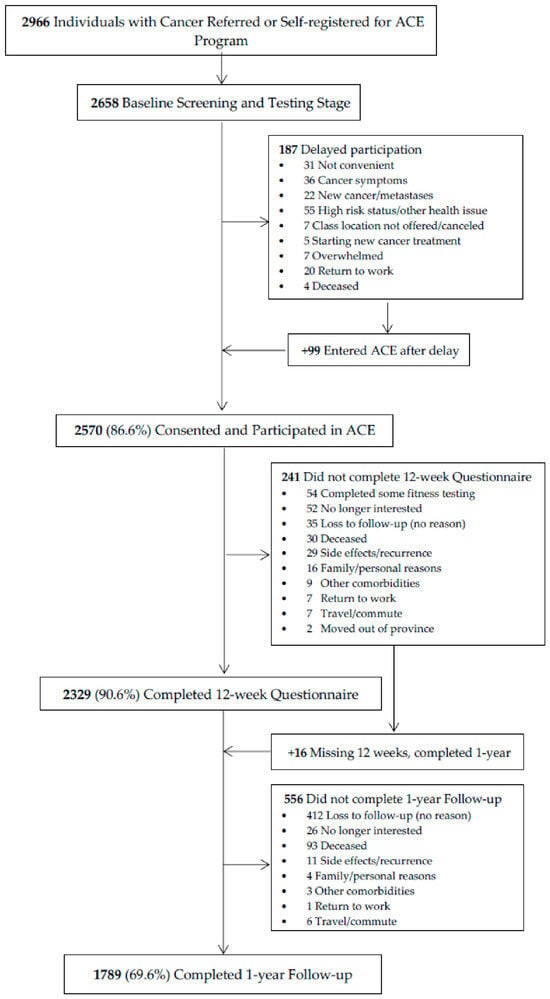
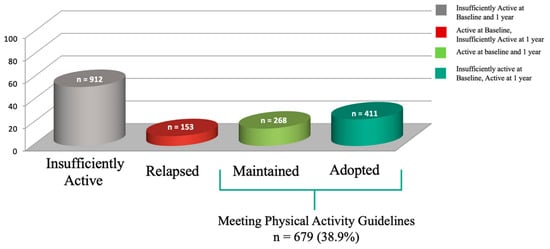
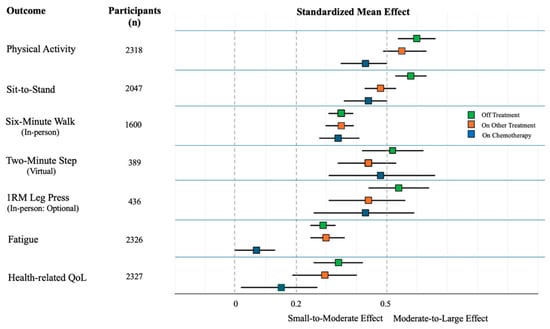
Background/Objectives: Despite recommendations to exercise, many individuals living with and beyond cancer do not achieve or sustain recommended physical activity levels because access to structured exercise support remains limited. We evaluated the real-world delivery of a scalable, community-based exercise model designed to address this gap. Methods: We conducted a hybrid effectiveness–implementation study of a 12-week supervised exercise intervention delivered in community settings across Alberta, Canada (in person or virtual). The primary outcome was the proportion of participants meeting physical activity guidelines at one year. Secondary outcomes included physical fitness and patient-reported outcomes. Results: Among 2570 participants, completion (90.6%) and attendance (77.1%) were high. At one year, the proportion meeting physical activity guidelines increased from 24.1% to 38.9% (p < 0.001), exceeding the prespecified target. At 12 weeks, participants demonstrated clinically meaningful gains in physical fitness, including sit-to-stand performance (+2.8 repetitions; 95% CI, 2.6, 3.9) and six-minute walk distance (+39.9 m; 95% CI, 36.9, 42.8), along with improvements in patient-reported outcomes. Improvements in fatigue and quality of life were smaller among participants receiving chemotherapy. Adverse events were rare (0.5%), with all serious events occurring among participants receiving active cancer treatment. Conclusions: This study demonstrates that structured supervision and behavioural support can be delivered through scalable, community-based models integrated with cancer care and may help patients achieve and sustain recommended physical activity levels. These findings support the translation of established exercise evidence into real-world models of care while highlighting the need for additional strategies to support long-term behaviour change.
Full article
(This article belongs to the Special Issue Implementation of Physical Activity Promotion in Cancer Care (2nd Edition))
►▼
Show Figures

Figure 1
Open AccessArticle
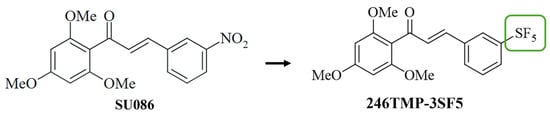
Characterization of the New Pentafluorosulfanyl-Substituted Chalcone 246TMP-3SF5 as a Potential New Treatment Option Against Hepatocellular Carcinoma
by
Alessandra Viperino, Linda Hammerich, Bernhard Biersack, Supriya Pradhan, Ion Andronache, Isabel Groth, Nicole Edel, Michael Hoepfner and Bianca Nitzsche
Cancers 2026, 18(16), 2640; https://doi.org/10.3390/cancers18162640 - 16 Aug 2026
Abstract
Background/Objectives: Advanced-stage hepatocellular carcinoma is characterized by a very poor prognosis; thus, highly effective medication is still needed. Often overexpressed heat shock protein 90 is a promising target due to its pivotal role in carcinogenesis. Methods: Antiproliferative effects of 246TMP-3SF5 on
[...] Read more.
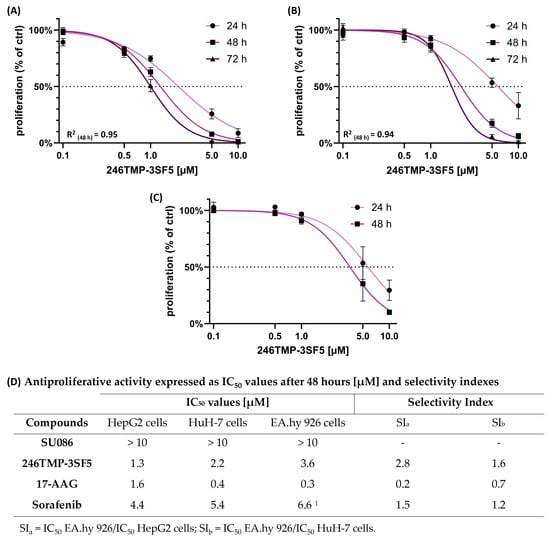
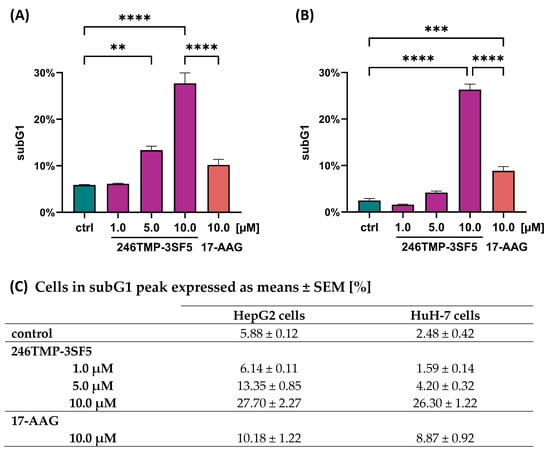
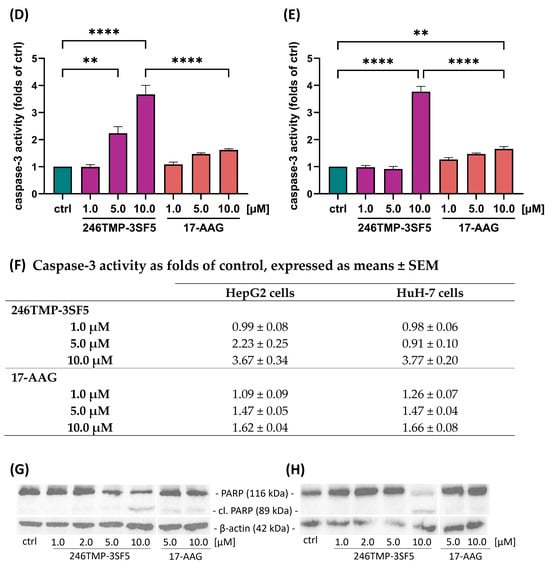
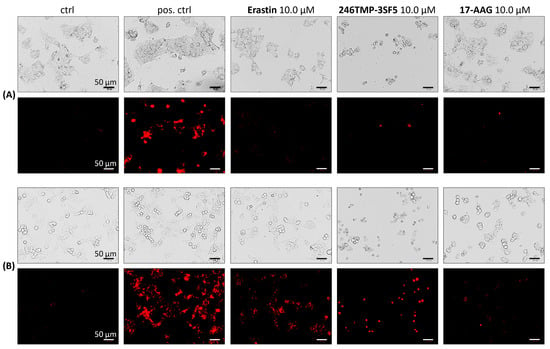
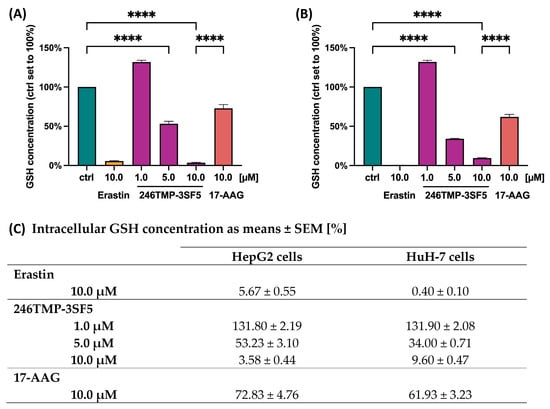
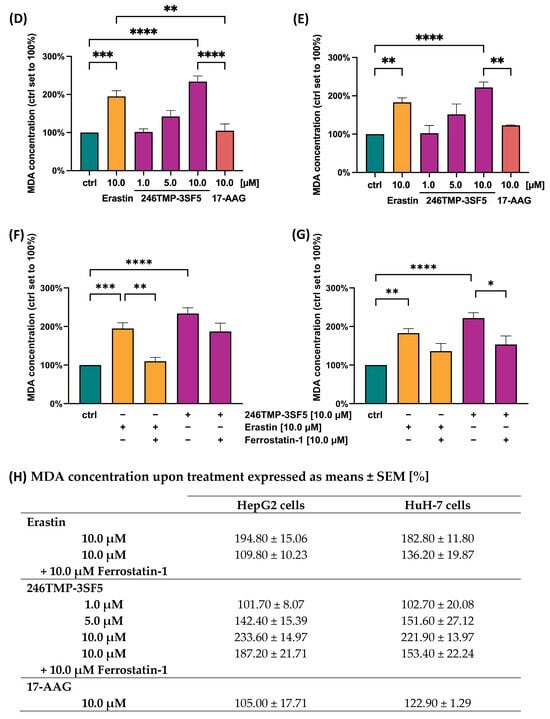
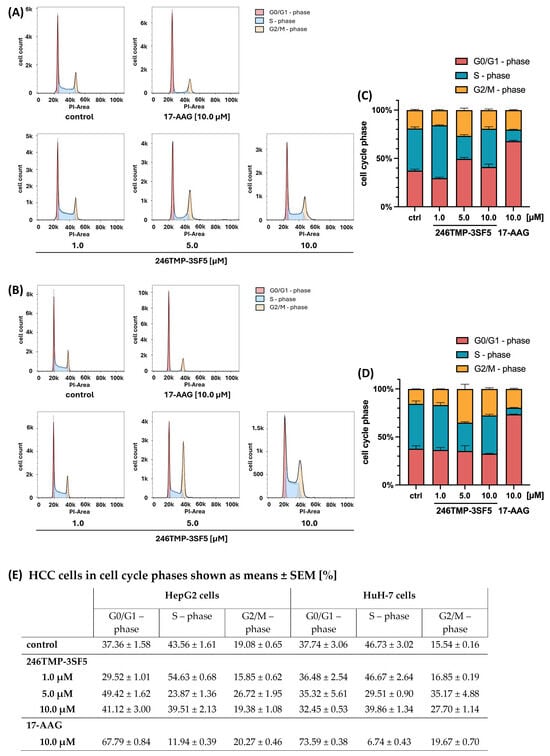
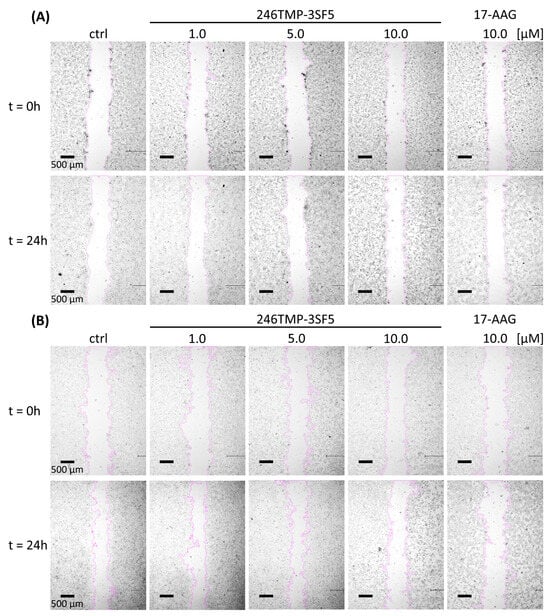
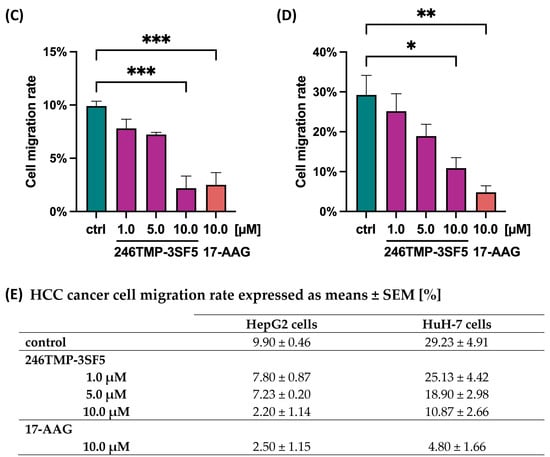
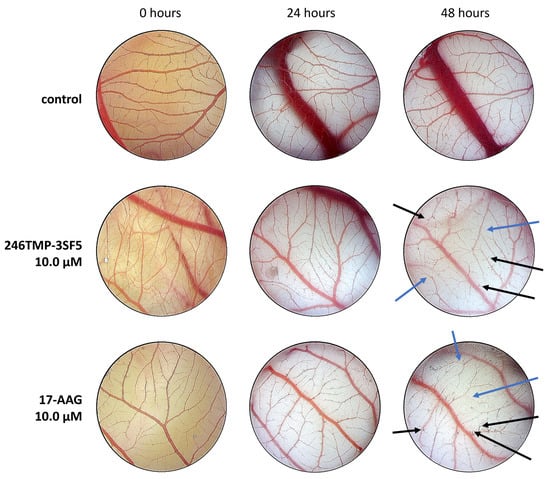
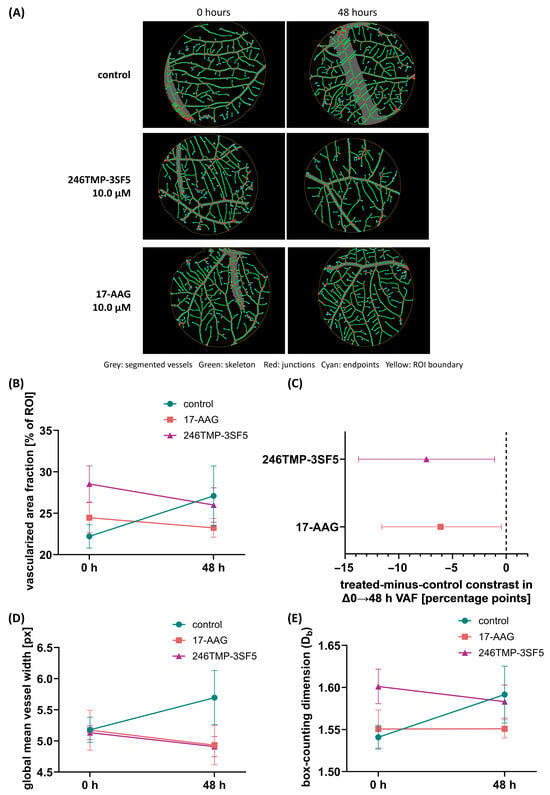
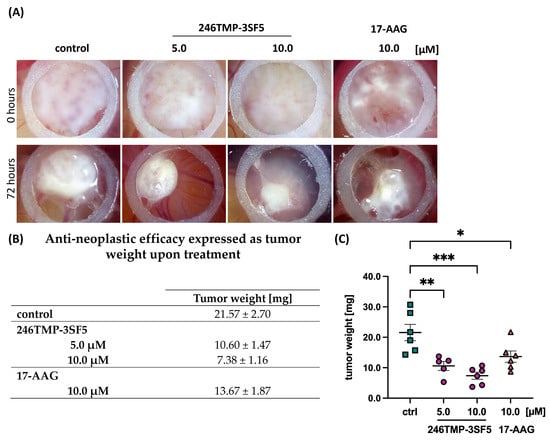
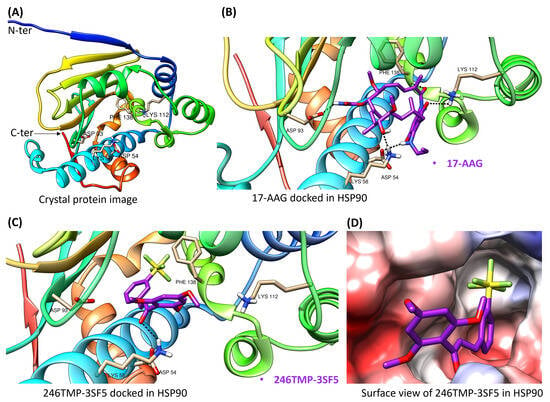
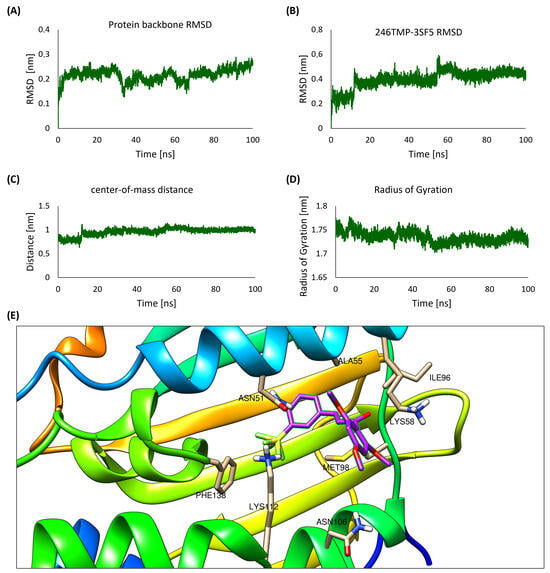
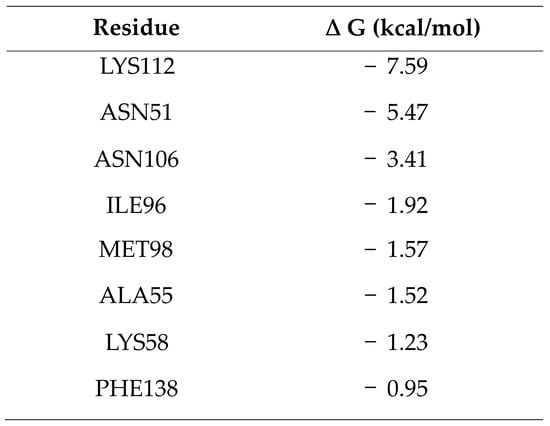
Background/Objectives: Advanced-stage hepatocellular carcinoma is characterized by a very poor prognosis; thus, highly effective medication is still needed. Often overexpressed heat shock protein 90 is a promising target due to its pivotal role in carcinogenesis. Methods: Antiproliferative effects of 246TMP-3SF5 on HepG2 and HuH-7 cells were assessed by crystal violet staining. Apoptosis was evaluated via subG1 peak, caspase-3 activity and PARP cleavage, and ferroptosis via ROS, glutathione and malondialdehyde levels. Migration was assessed by scratch assay, and in ovo models were used to study angiogenesis and drug effects on microtumors. CAM vascular networks were quantified by semi-automatic segmentation, morphometric and box-counting fractal analysis. Molecular docking and molecular dynamics simulation of heat shock protein 90 were carried out using Autodock Vina and Gromacs respectively. Results: Profound dose- and time-dependent antiproliferative effects of 246TMP-3SF5 against HCC cell lines were observed, revealing low micromolecular IC50 values and selectivity for carcinoma cells with selectivity indices > 1. A significant increase in the sub-G1 peak, key effector caspase-3 activity, as well as cleavage of PARP strongly suggested apoptosis playing a crucial role in the antiproliferative effects. Additionally, HuH-7 cells revealed an elevation of reactive oxygen species and both cell lines showed significant glutathione depletion concomitant with an increase in malondialdehyde concentration upon treatment. The observed effect could be partially reversed by applying ferrostatin-1, suggesting ferroptosis as an additional relevant mode of action. Changes in the cell cycle as well as impaired tumor cell migration were observed. Upon treatment, angiogenesis was impaired and mass of microtumors was significantly reduced. Quantitative CAM analysis showed that vascularized area fraction increased in controls but decreased under both 17-AAG and 246TMP-3SF5. Likewise global mean vessel width decreased relative to controls, while box-counting dimension was reduced under 246TMP-3SF5. Molecular docking and molecular dynamics simulation analysis predicts 246TMP-3SF5 to be binding in catalytic site of heat shock protein 90. Conclusions: 246TMP-3SF5 is a promising novel inhibitor meriting further research as a potential treatment against hepatocellular carcinoma.
Full article
(This article belongs to the Special Issue Updates on Anti-Cancer Drug Research)
►▼
Show Figures

Figure 1
Open AccessReview
Immune-Competent Tumor Organoid Models: Construction Strategies and Their Application in Predicting Immune Checkpoint Blockade Response
by
Qi Zhang, Hong Zeng, Xueying Wan and Lei Lang
Cancers 2026, 18(16), 2639; https://doi.org/10.3390/cancers18162639 - 15 Aug 2026
Abstract
The immune checkpoint blockade (ICB) has changed the way many solid tumors are treated; yet, only a minority of patients respond durably. The biomarkers that guide therapy (the PD-L1 expression, tumor mutational burden, and microsatellite status) read only fixed molecular features and miss
[...] Read more.
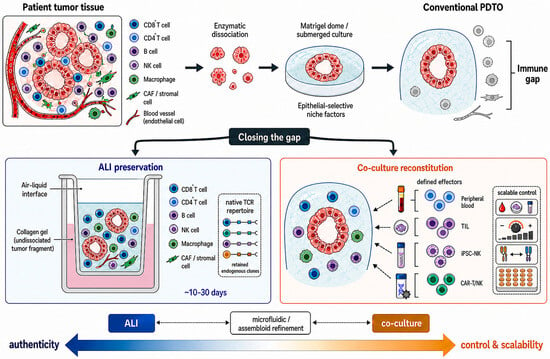
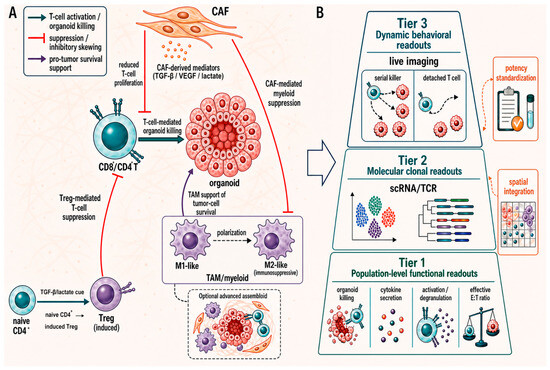
The immune checkpoint blockade (ICB) has changed the way many solid tumors are treated; yet, only a minority of patients respond durably. The biomarkers that guide therapy (the PD-L1 expression, tumor mutational burden, and microsatellite status) read only fixed molecular features and miss the shifting tumor–immune exchange. Patient-derived tumor organoids reproduce the tumor epithelium and predict the chemotherapy responses, but, in their usual form, they omit the immune compartment on which the ICB acts. This review asks how immune-competent organoids can close that gap, and how well they predict the response. One idea organizes the field: how a model is built determines what it can predict. Two complementary construction routes have been developed. One preserves endogenous immunity through an air–liquid interface culture; the other rebuilds it by a co-culture with defined effector populations. Both now incorporate microenvironmental reconstruction and quantitative functional readouts. The most developed examples are in colorectal cancer, with breast cancer applications only beginning to appear. Evidence for the ICB response prediction, graded on a four-level scale, remains at the proof-of-concept stage. Organoid functional assays complement rather than replace molecular biomarkers. Their clinical translation requires progress on four fronts: standardized protocols, longer immune cell viability, spatial and multi-omic integration, and prospective paired validation.
Full article
(This article belongs to the Section Cancer Immunology and Immunotherapy)
►▼
Show Figures

Figure 1
Journal Menu
► ▼ Journal Menu-
- Cancers Home
- Aims & Scope
- Editorial Board
- Reviewer Board
- Topical Advisory Panel
- Early Career Editorial Board
- Instructions for Authors
- Special Issues
- Topics
- Sections & Collections
- Article Processing Charge
- Indexing & Archiving
- Editor’s Choice Articles
- Most Cited & Viewed
- Journal Statistics
- Journal History
- Journal Awards
- Society Collaborations
- Conferences
- Editorial Office
Journal Browser
► ▼ Journal BrowserHighly Accessed Articles
Latest Books
E-Mail Alert
News
14 July 2025
Meet Us Virtually at the 1st International Online Conference on Hematology, 28–30 October 2026
17 August 2026
Meet Us at the 15th Models of Physiology and Diseases Symposium, 23–24 September 2026, Singapore
Topics
Topic in
Cancers, Diagnostics, Gastrointestinal Disorders, JCM, Current Oncology
Metastatic Colorectal Cancer: From Laboratory to Clinical Studies, 2nd Edition
Topic Editors: Ioannis Ntanasis-Stathopoulos, Diamantis I. TsilimigrasDeadline: 20 August 2026
Topic in
Biology, Biomolecules, Cancers, Cells, IJMS, Pharmaceuticals, Kinases and Phosphatases
Kinases in Cancer and Other Diseases, 2nd Edition
Topic Editors: Jonas Cicenas, Anna M. CzarneckaDeadline: 31 August 2026
Topic in
BioMedInformatics, Cancers, Hemato, Hematology Reports
Myeloma and Leukemia—Challenges and Current Treatment Options: 2nd Edition
Topic Editors: Giovanni Martinelli, Claudio CerchioneDeadline: 18 September 2026
Topic in
Cancers, Current Oncology, Diseases, Onco
Genomic Signature of Ocular Tumors
Topic Editors: Bita Esmaeli, Natalie WolkowDeadline: 20 October 2026
Conferences
Special Issues
Special Issue in
Cancers
Precision Imaging and Radiomics in Thoracic Oncology
Guest Editor: Sharyn KatzDeadline: 20 August 2026
Special Issue in
Cancers
Novel Drugs for Treating Gynecologic Cancers: 2nd Edition
Guest Editors: Tadahiro Shoji, Hiroaki ItamochiDeadline: 20 August 2026
Special Issue in
Cancers
Breast Cancer Biomarkers and Clinical Translation: 2nd Edition
Guest Editors: Cristian Scatena, Carmine De AngelisDeadline: 20 August 2026
Special Issue in
Cancers
Advances in Surgery of Liver Cancer
Guest Editors: Ho-Seong Han, Roberto Ivan TroisiDeadline: 20 August 2026
Topical Collections
Topical Collection in
Cancers
Diagnosis and Treatment of Primary and Secondary Lung Cancers
Collection Editor: Francesco Petrella
Topical Collection in
Cancers
Molecular Signaling Pathways and Networks in Cancer
Collection Editors: Shihori Tanabe, You Song
Topical Collection in
Cancers
Regulatory and Non-Coding RNAs in Cancer Epigenetic Mechanisms