Journal Description
Electricity
Electricity
is an international, peer-reviewed, open access journal on electrical engineering published quarterly online by MDPI.
- Open Access—free for readers, with article processing charges (APC) paid by authors or their institutions.
- High Visibility: indexed within ESCI (Web of Science), Scopus, EBSCO and other databases.
- Rapid Publication: manuscripts are peer-reviewed and a first decision is provided to authors approximately 25.8 days after submission; acceptance to publication is undertaken in 6.6 days (median values for papers published in this journal in the first half of 2026).
- Journal Rank: CiteScore - Q2 (Electrical and Electronic Engineering)
- Recognition of Reviewers: APC discount vouchers, optional signed peer review, and reviewer names published annually.
- Extra Benefits: no space constraints, no color charges.
- Journal Cluster of Energy and Fuels: Energies, Batteries, Hydrogen, Biomass, Electricity, Wind, Fuels, Gases, Solar, ESA, Bioresources and Bioproducts and Methane.
Impact Factor:
2.7 (2025);
5-Year Impact Factor:
2.6 (2025)
Latest Articles
Study on a Novel Energy-Dissipation Branch for 600 kV DC Circuit Breakers Based on Ga–In–Sn Liquid Metal
Electricity 2026, 7(3), 76; https://doi.org/10.3390/electricity7030076 (registering DOI) - 26 Jul 2026
Abstract
With the increase in voltage levels, higher requirements are imposed on the energy-dissipation capability of high-voltage direct current (HVDC) networks. Existing energy-dissipation schemes cannot satisfy the demands of future HVDC systems. In this paper, a composite energy-dissipation branch circuit based on liquid metal,
[...] Read more.
With the increase in voltage levels, higher requirements are imposed on the energy-dissipation capability of high-voltage direct current (HVDC) networks. Existing energy-dissipation schemes cannot satisfy the demands of future HVDC systems. In this paper, a composite energy-dissipation branch circuit based on liquid metal, zinc oxide varistors, and damping resistors is proposed for HVDC circuit breakers. First, the self-constricting arc initiation mechanism and energy-dissipation characteristics of gallium–indium–tin liquid metal are studied. The results show that the energy-dissipation process exhibits an obvious stage-wise characteristic. Subsequently, an energy-dissipation topology incorporating liquid metal elements is established. A simulation model for the liquid-metal module is developed using the Mayr arc theory, and the conductance evolution during arc initiation is simulated. The model is combined with a hybrid HVDC circuit breaker model for analysis. Finally, a composite energy-dissipation branch circuit is constructed. The energy allocation among different components and the corresponding power density are evaluated. In the case of connecting three liquid-metal components in series, the energy density reached 0.248 kJ/cm3, representing a 22.2% increase compared to the original. The results support the coordinated application of liquid-metal modules and conventional absorption units in HVDC circuit breakers.
Full article
(This article belongs to the Special Issue Innovations in Smart Grid Technologies and Sustainable Energy Solutions)
Open AccessArticle
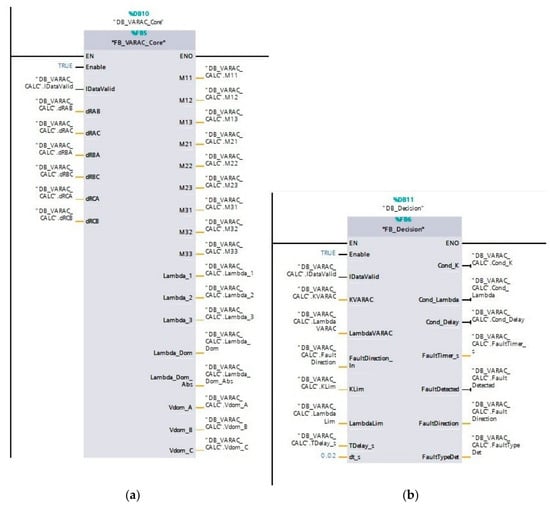
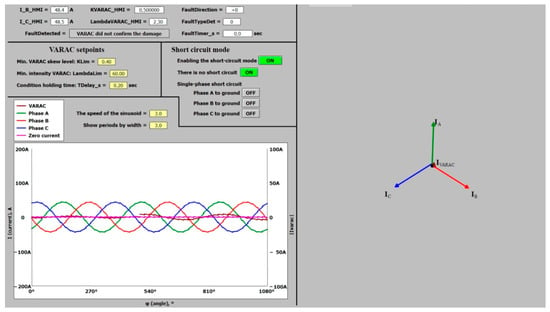
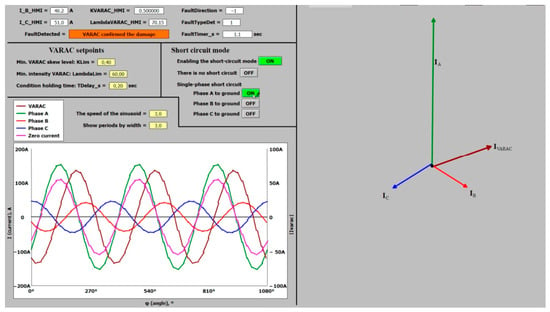
Preselective Ground Fault Detection Using Vector Reactive Asymmetry in Hierarchical Relay Protection Automation Environments
by
Zhanat Issabekov, Vladyslav Romashchenko, Dmitry Kachan, Batyrbek Ordabayev, Bibigul Issabekova, Olzhas Talipov and Didar Bayev
Electricity 2026, 7(3), 75; https://doi.org/10.3390/electricity7030075 (registering DOI) - 24 Jul 2026
Abstract
While multi-phase short circuits are reliably cleared by conventional overcurrent relays, single-phase-to-ground faults (SPGFs) in isolated, compensated, or resistance-grounded 6–10 kV distribution networks produce extremely low, highly distorted currents that frequently cause traditional zero-sequence protections to misoperate. Because SPGFs constitute the vast majority
[...] Read more.
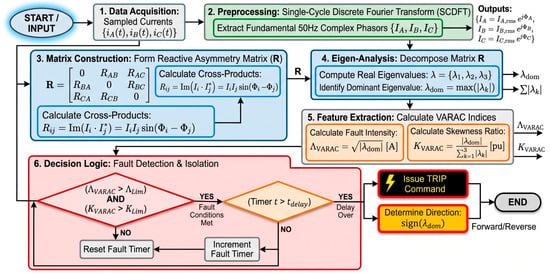
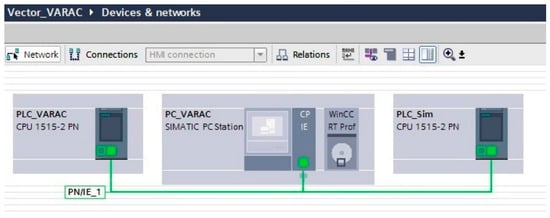
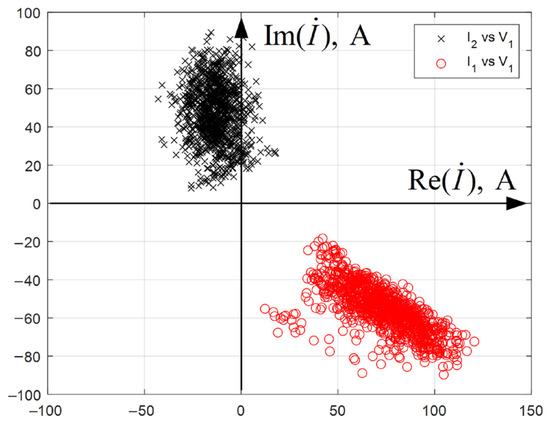
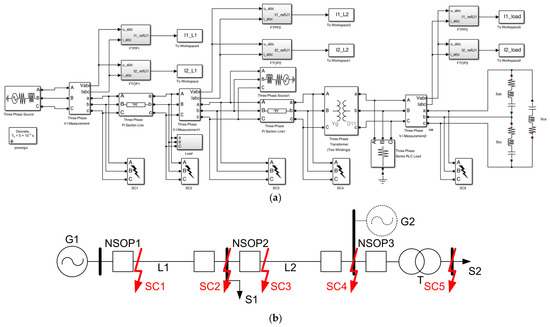
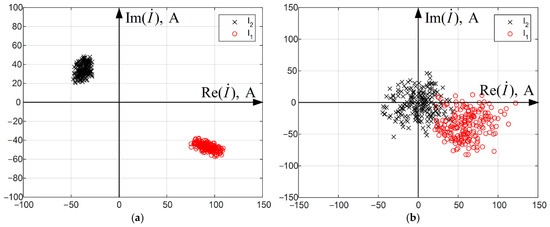
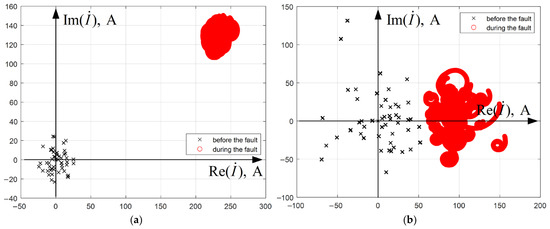
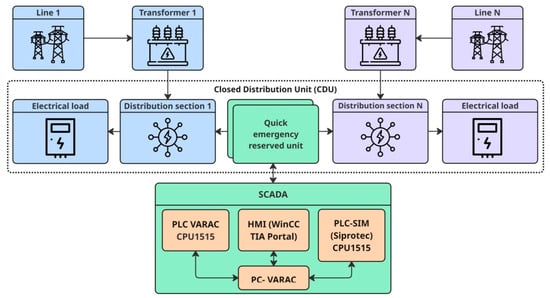
While multi-phase short circuits are reliably cleared by conventional overcurrent relays, single-phase-to-ground faults (SPGFs) in isolated, compensated, or resistance-grounded 6–10 kV distribution networks produce extremely low, highly distorted currents that frequently cause traditional zero-sequence protections to misoperate. Because SPGFs constitute the vast majority of network disturbances, resolving this specific low-current detection challenge remains a critical priority for grid resilience. This paper presents a preselective protection approach based on Vector Analysis of Reactive Asymmetry Current (VARAC), designed for implementation in digital relay protection and automation terminals. Instead of relying primarily on vulnerable zero-sequence quantities, the method derives diagnostic features from the reactive asymmetry structure of three-phase current phasors. A reactive asymmetry matrix is formed from pairwise imaginary cross-products, symmetrized to preserve real eigenvalues and stable modal interpretation. The dominant eigenvalue and eigenvector are then used to quantify fault intensity and directional skew through two decision features: a magnitude-based index and a normalized asymmetry ratio. This enables robust discrimination between normal and faulted operation, including low-current and compensated-fault conditions where conventional criteria lose sensitivity. Simulation and oscillographic evaluations show a clear separation between pre-fault and SPGF regimes, fast onset detection, and improved structural selectivity versus traditional zero-sequence indicators. The proposed algorithm is computationally lightweight and compatible with hierarchical distributed SCADA architectures, supporting coordinated monitoring, diagnostics, and adaptive protection functions in modern medium-voltage networks.
Full article
(This article belongs to the Topic Advances in Power Science and Technology, 2nd Edition)
►▼
Show Figures

Figure 1
Open AccessFeature PaperArticle
Advanced Metering Infrastructure in Microgrids: Architecture, Challenges, and Future Directions
by
Juan Camilo Riaño-Rueda, Melisa de Jesús Barrera-Durango, Nicolás Muñoz-Galeano and Jesús M. López-Lezama
Electricity 2026, 7(3), 74; https://doi.org/10.3390/electricity7030074 - 24 Jul 2026
Abstract
Advanced Metering Infrastructure (AMI) is a key enabler of digital and intelligent power systems, particularly in microgrid environments. However, existing research often addresses AMI from fragmented perspectives, limiting a comprehensive understanding of its role within integrated and data-driven energy systems. This paper presents
[...] Read more.
Advanced Metering Infrastructure (AMI) is a key enabler of digital and intelligent power systems, particularly in microgrid environments. However, existing research often addresses AMI from fragmented perspectives, limiting a comprehensive understanding of its role within integrated and data-driven energy systems. This paper presents a structured analysis of AMI based on a bibliometric and thematic review of recent literature, identifying the main research trends, technological drivers, and emerging directions in the field. The results reveal a transition of AMI toward a data-centric platform that supports real-time monitoring, bidirectional energy management, and intelligent decision-making. Key domains include cybersecurity, data analytics, communication systems, and distributed energy integration, while emerging technologies such as artificial intelligence and the Internet of Energy play a critical role in future developments. Finally, the paper outlines key challenges and provides strategic recommendations to support the effective deployment of AMI in microgrids, contributing to the development of resilient and sustainable energy systems.
Full article
Open AccessArticle
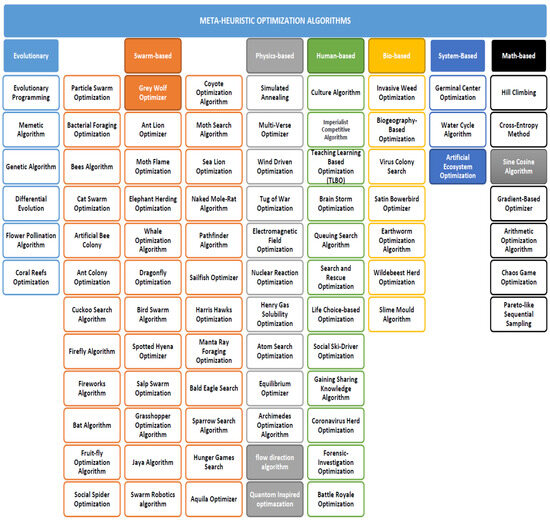
Enhanced Load Frequency Control in Multi-Area Hybrid Power Systems Using a 2-DOF Fractional-Order TID Controller with Artificial Ecosystem Optimization
by
Anas F. Abufedda, Momen Alattar, Khalid Masoud and Audih Alfaoury
Electricity 2026, 7(3), 73; https://doi.org/10.3390/electricity7030073 - 23 Jul 2026
Abstract
Load frequency control (LFC) plays a critical role in maintaining frequency stability and regulating power transfer between interconnected areas subjected to continuous load variations. In multi-area systems, disturbances tend to propagate through interconnected tie-lines rather than remaining restricted locally, often leading to slower
[...] Read more.
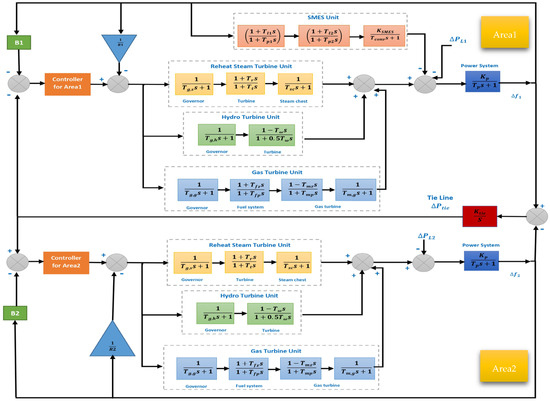
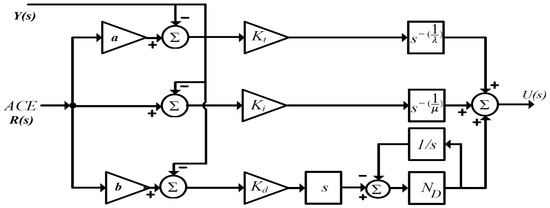
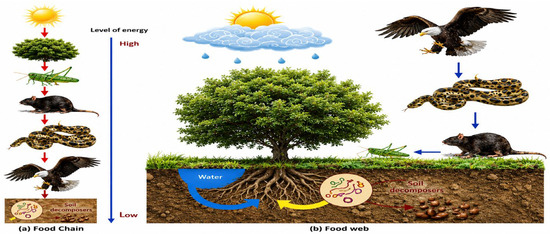
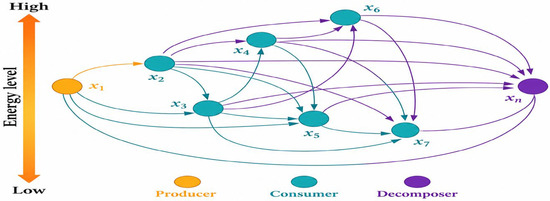
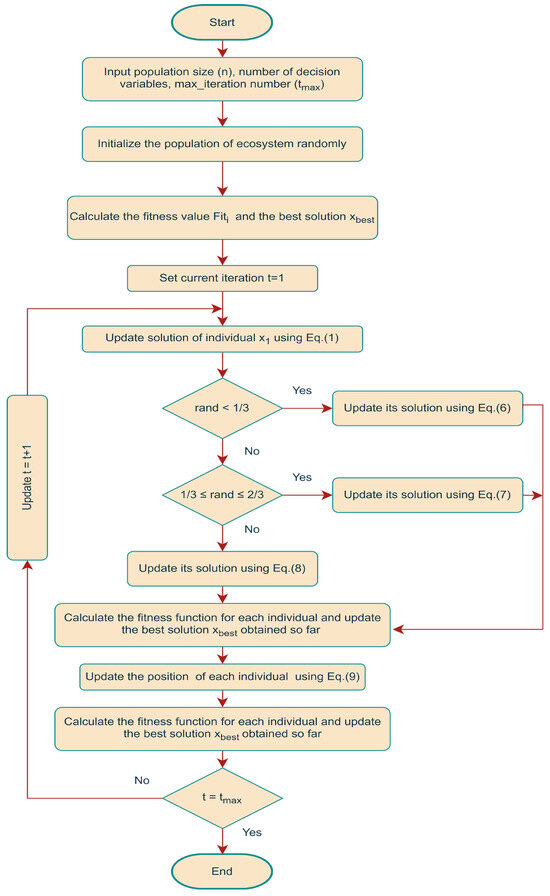
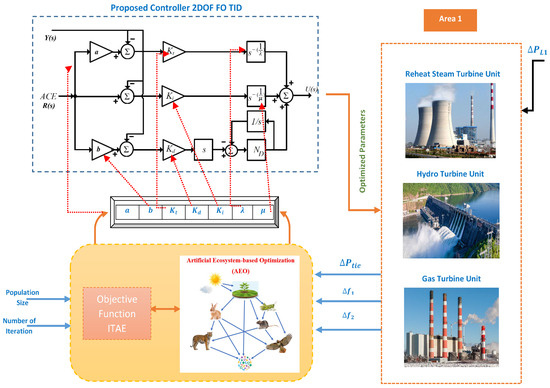
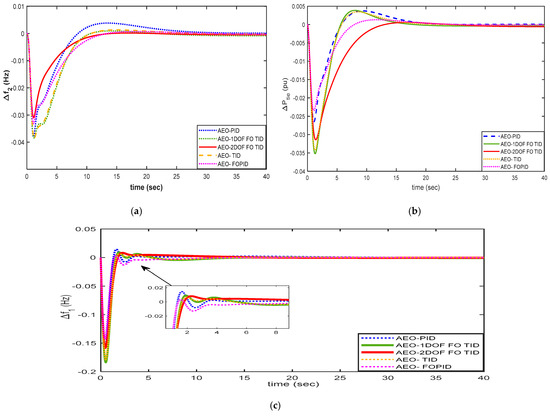
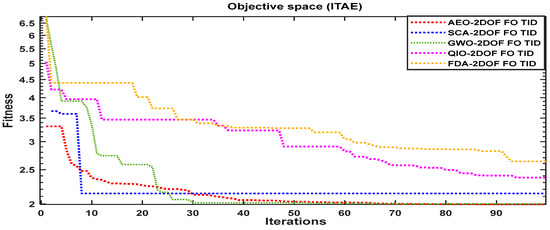
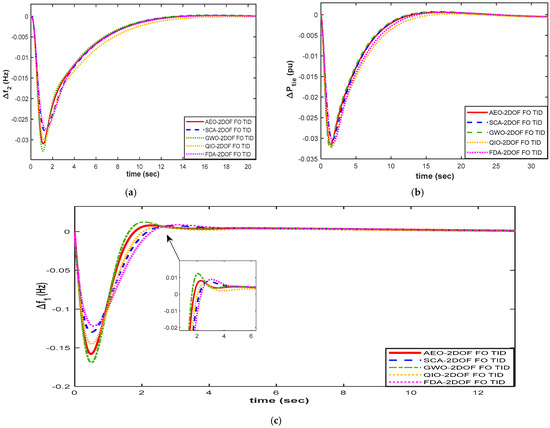
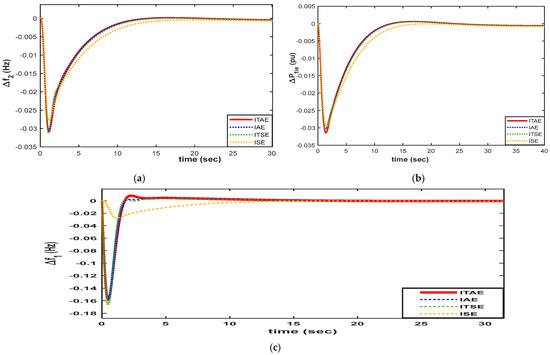
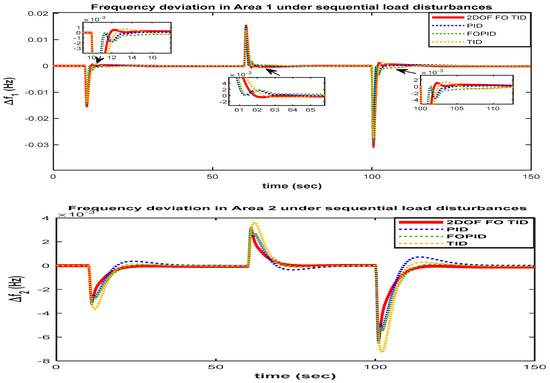
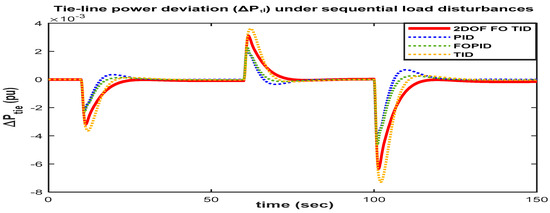
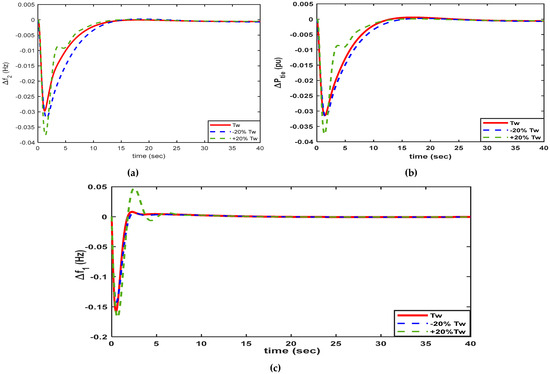
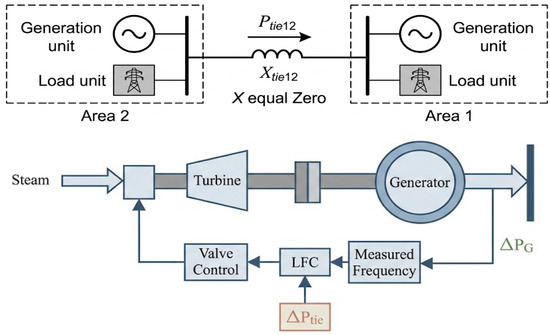
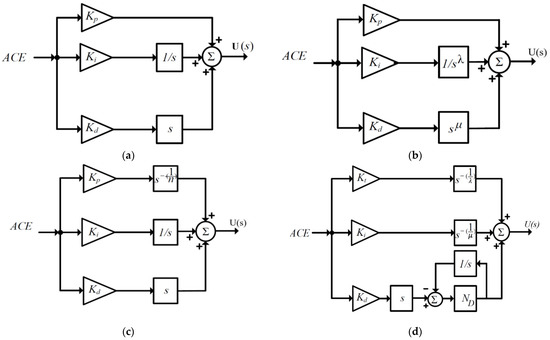
Load frequency control (LFC) plays a critical role in maintaining frequency stability and regulating power transfer between interconnected areas subjected to continuous load variations. In multi-area systems, disturbances tend to propagate through interconnected tie-lines rather than remaining restricted locally, often leading to slower responses and weak coordination when conventional controllers are employed. In this paper, a two-degrees-of-freedom fractional-order differential integration (2DOF FO-TID) controller is proposed to improve both frequency regulation and dynamic interaction. The structure enables independent tuning of tracking and disturbance rejection, allowing greater flexibility in shaping system response. The controller parameters are optimally tuned by the Artificial Ecosystem Optimization (AEO) algorithm. The proposed approach is evaluated on a two-area hybrid thermal power system incorporating an SMES unit within the MATLAB/Simulink (R2022b) environment and compared with PID, FOPID, and TID controllers under identical conditions. The results indicate that, although some conventional controllers provide faster stabilization in one area, their performance in the interconnected area remains slower. In contrast, the proposed controller achieves more robust behavior across both areas, with the settling time of the second area reduced from about 25 s to nearly 11 s without degrading the response of the first area. These results highlight the importance of coordination in multi-area systems and demonstrate that the proposed approach enhances overall system performance and damping compared to conventional methods.
Full article
(This article belongs to the Topic Power System Dynamics and Stability, 2nd Edition)
►▼
Show Figures

Figure 1
Open AccessArticle
Discrete-Time Integral Sliding Mode Control with Optimal Reaching Gain: Application to a Photovoltaic Battery Charging System
by
Jesús Ángel González-Castro, Hugo E. Torres-Ruvalcaba, David E. Castro-Palazuelos, Guillermo J. Rubio-Astorga, Jorge Alejandro Delgado-Aguiñaga and Juan Diego Sánchez-Torres
Electricity 2026, 7(3), 72; https://doi.org/10.3390/electricity7030072 - 22 Jul 2026
Abstract
Discrete-time sliding mode controllers that utilize saturation-based reaching laws require a gain that ensures contraction within the boundary layer in the presence of multiplicative gain uncertainty. The conventional fixed-gain approach does not maintain this property at moderate uncertainty levels. This work introduces a
[...] Read more.
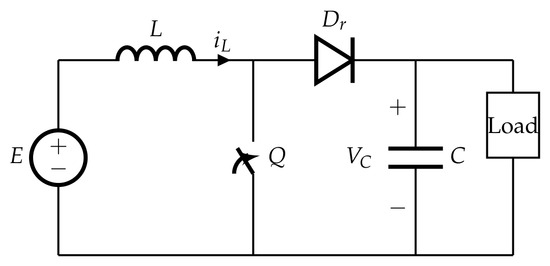
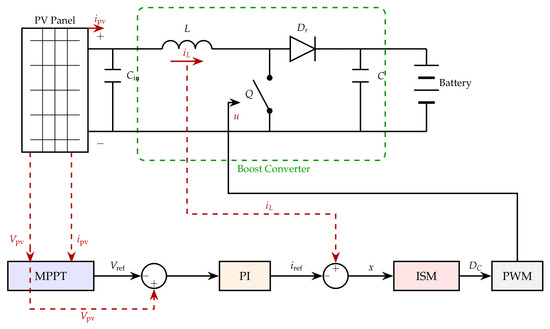
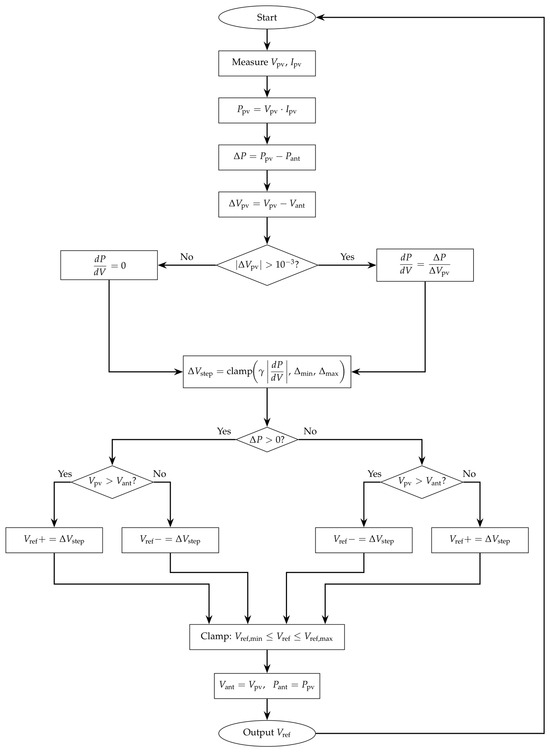
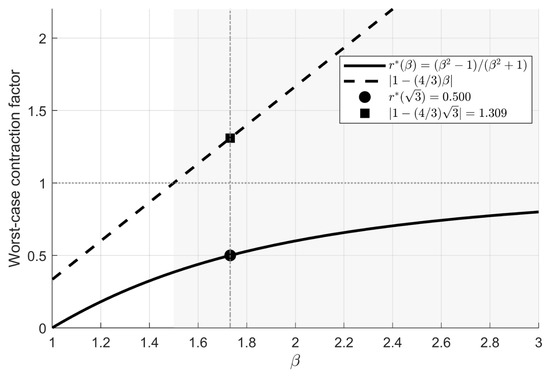
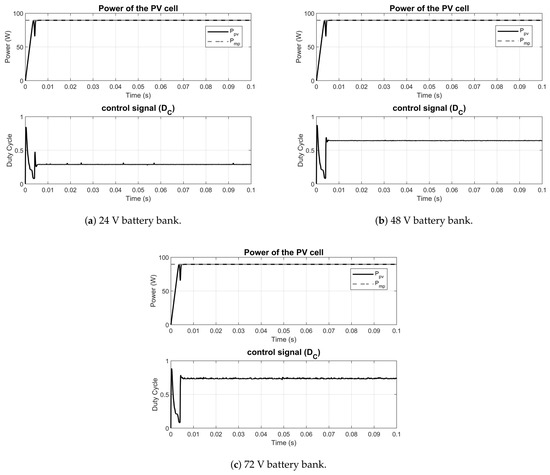
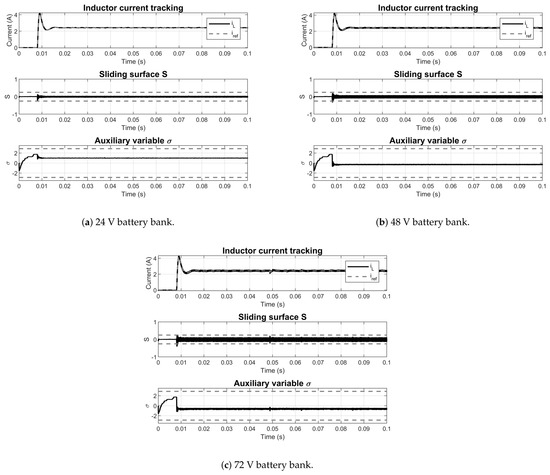
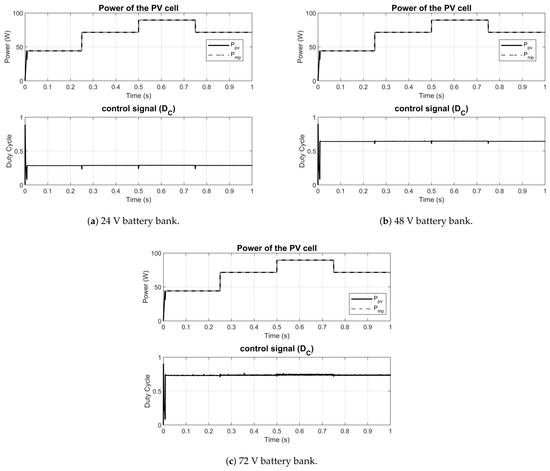
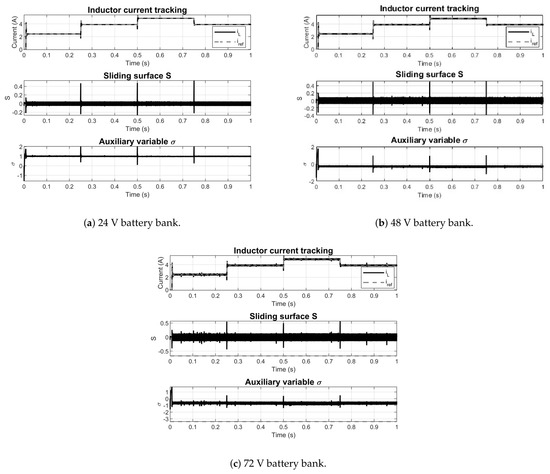
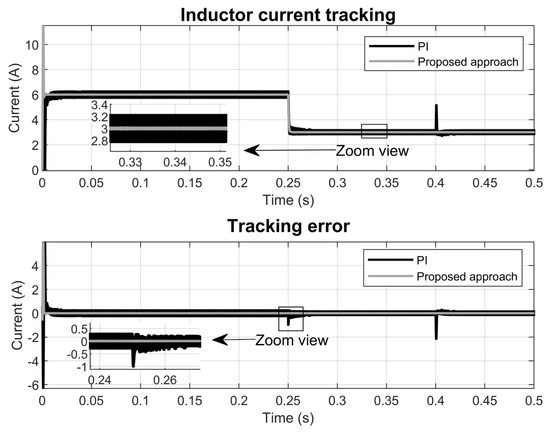
Discrete-time sliding mode controllers that utilize saturation-based reaching laws require a gain that ensures contraction within the boundary layer in the presence of multiplicative gain uncertainty. The conventional fixed-gain approach does not maintain this property at moderate uncertainty levels. This work introduces a family of admissible reaching gains and identifies a unique optimal gain that guarantees a specified worst-case contraction. The proposed method offers a closed-form solution to the worst-case contraction problem over the gain-uncertainty interval and determines the optimal contraction factor for the saturation-based reaching law for any finite uncertainty ratio. The optimal gain is integrated into a discrete-time integral sliding-mode framework, thereby eliminating the reaching phase. Furthermore, a past-step disturbance estimator with a confidence factor is introduced to prevent error amplification, which reduces the quasi-sliding band from first to second order in the sampling period when the realized gain approximates its nominal value. The effectiveness of the proposed approach is validated through its application to a photovoltaic battery-charging system with a DC–DC boost converter, achieving robust inductor-current regulation across three battery banks under varying irradiance conditions in a switching-level model with parasitic elements.
Full article
(This article belongs to the Topic Next-Generation of Smart Energy Processing Techniques: New Strategies, Topologies and Optimization in Power Electronics and Electric Drive Trains)
►▼
Show Figures

Figure 1
Open AccessArticle
Modified Negative-Sequence Overcurrent Protection for Operation Under Load Asymmetry Conditions
by
Denis Fedosov, Iliya Iliev, Hristo Beloev, Konstantin Suslov, Anton Suslov, Ilia Shuspanov and Ivan Beloev
Electricity 2026, 7(3), 71; https://doi.org/10.3390/electricity7030071 - 16 Jul 2026
Abstract
►▼
Show Figures
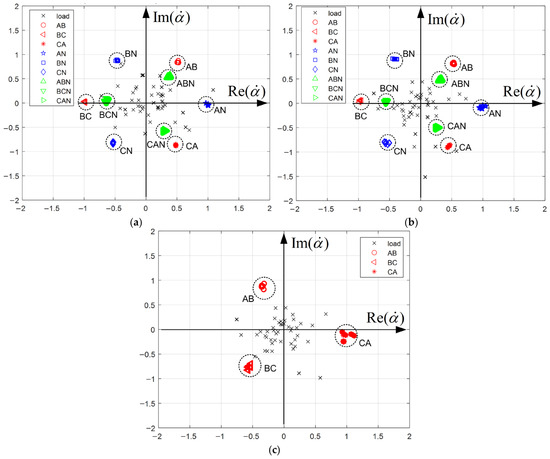
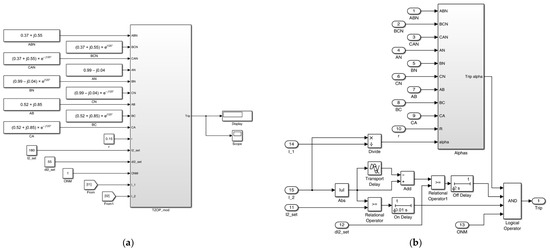
This article examines the performance of negative-sequence overcurrent protection during short circuits in the presence of current asymmetry caused by single-phase loads, such as those encountered in AC railway traction systems. The impact of unbalanced loads on the generation of negative-sequence currents is
[...] Read more.
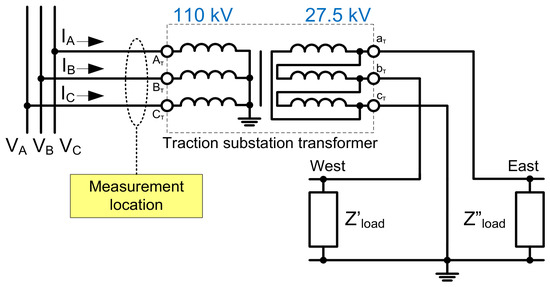
This article examines the performance of negative-sequence overcurrent protection during short circuits in the presence of current asymmetry caused by single-phase loads, such as those encountered in AC railway traction systems. The impact of unbalanced loads on the generation of negative-sequence currents is analyzed using field test data and a mathematical model. Various operating modes of an electric power network under unbalanced loading conditions are simulated in MATLAB Simulink R2015a. It is shown that under significant load asymmetry, negative-sequence currents can reach magnitudes comparable to those of short-circuit currents, thereby increasing the risk of false protection operation. To address this issue, a modified negative-sequence overcurrent protection scheme is proposed that ensures both sensitivity and selectivity. The modification is based on analyzing the ratio of negative-sequence to positive-sequence current phasors and monitoring the rate of change of the negative-sequence current. A faulted phase selector is also incorporated into the protection scheme. Simulation results confirm the effectiveness of the modified protection in reliably identifying unsymmetrical short circuits under varying unbalanced load conditions, including remote faults with high fault resistance.
Full article

Figure 1
Open AccessArticle
Comparative Reliability Analysis of Transformer and Power-Router-Based Configuration in Double-Fed Power System
by
Ilber Puci, Vinicius Gadelha, Joan-Marc Rodriguez-Bernuz and Andreas Sumper
Electricity 2026, 7(3), 70; https://doi.org/10.3390/electricity7030070 - 9 Jul 2026
Abstract
►▼
Show Figures
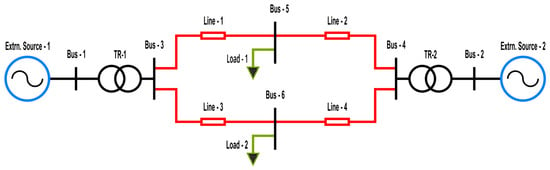
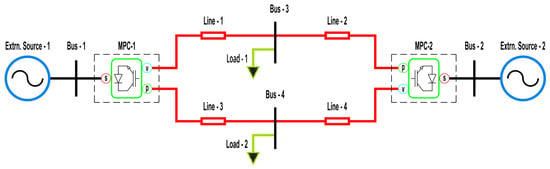
This study aims to quantify and compare the reliability of two alternative power system architectures: a conventional configuration based on traditional elements and a future envisioned architecture, where multi-port power converters operate as network nodes. The objective is to evaluate how these two
[...] Read more.
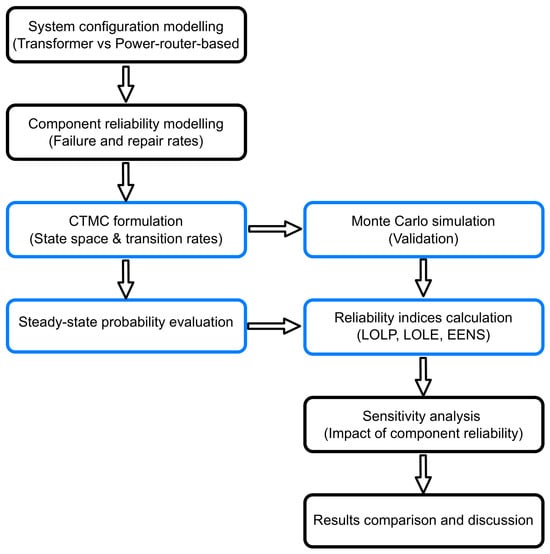
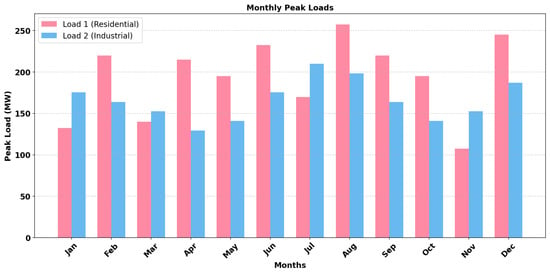
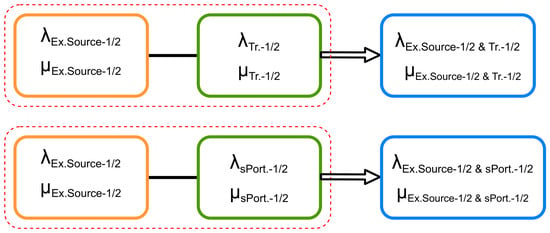
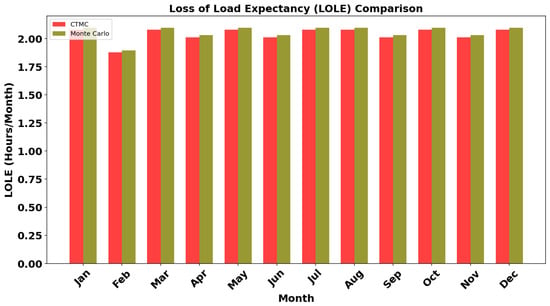
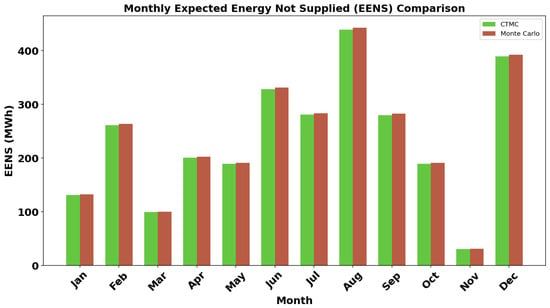
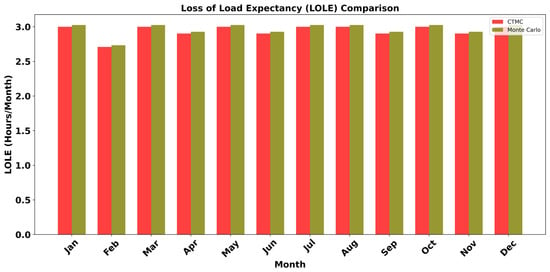
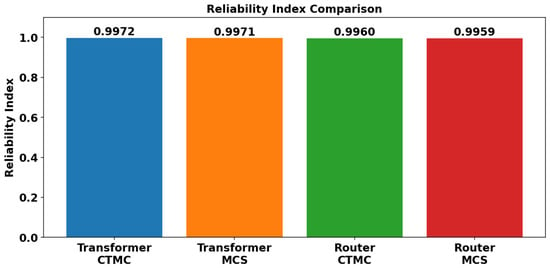
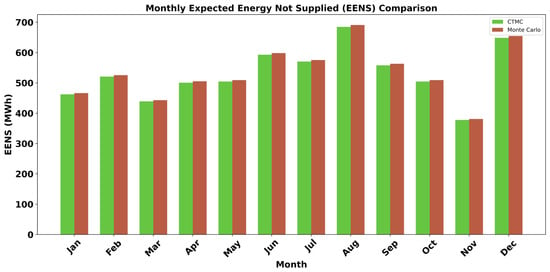
This study aims to quantify and compare the reliability of two alternative power system architectures: a conventional configuration based on traditional elements and a future envisioned architecture, where multi-port power converters operate as network nodes. The objective is to evaluate how these two approaches perform relative to each other in terms of reliability, and to determine whether the emerging converter-based structure represents an improvement or a drawback compared with the conventional design. To simplify the analysis and the comparison results, the analysis is presented for a double-fed power system. Both systems were modeled using two-state components characterized by constant failure and re- pair rates. Reliability assessment was carried out using a continuous-time Markov chain (CTMC) approach to derive the key adequacy indices. To validate the analytical results, a non-sequential Monte Carlo Simulation (MCS) was also performed, allowing a direct comparison between stochastic sampling and analytical modeling. The results show that the transformer-based configuration achieves a reliability of 0.9972 compared with 0.9960 for the power-router-based configuration, while also exhibiting lower LOLE and EENS, indicating a modest reliability advantage for the conventional architecture under the adopted assumptions.
Full article

Figure 1
Open AccessArticle
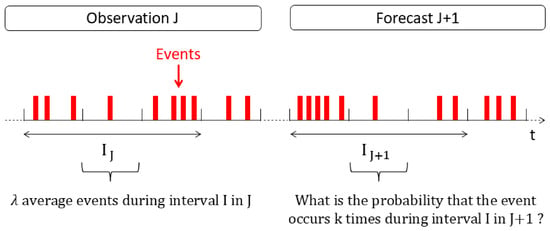
Stochastic Modeling and Forecasting of Electric Vehicle Charging Demand Using Compound Poisson Processes
by
Honorat Quinard, Frédéric Colas, Jean-Yves Dieulot and Frédéric Coutellier
Electricity 2026, 7(3), 69; https://doi.org/10.3390/electricity7030069 - 3 Jul 2026
Abstract
Electric vehicle (EV) charging demand introduces significant variability in power systems, requiring forecasting approaches capable of representing both aggregated consumption trends and stochastic charging behaviors. While machine learning methods often provide strong predictive performance, they generally require large datasets and substantial computational resources.
[...] Read more.
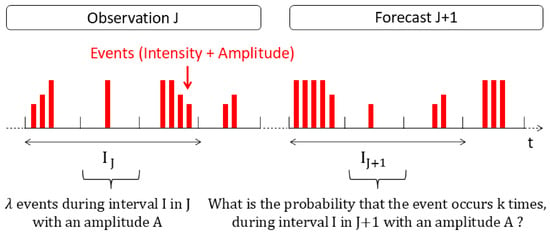
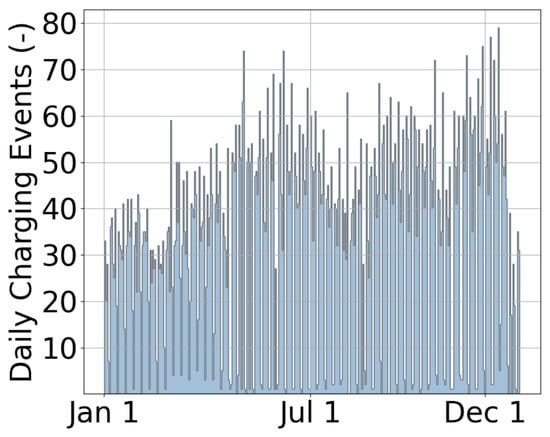
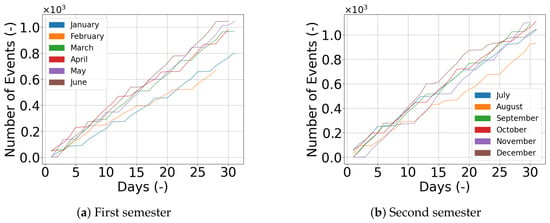
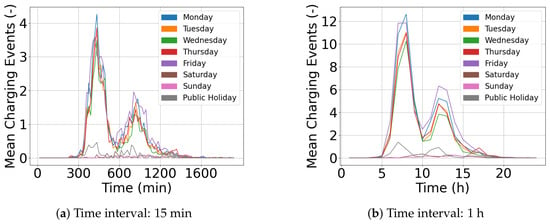
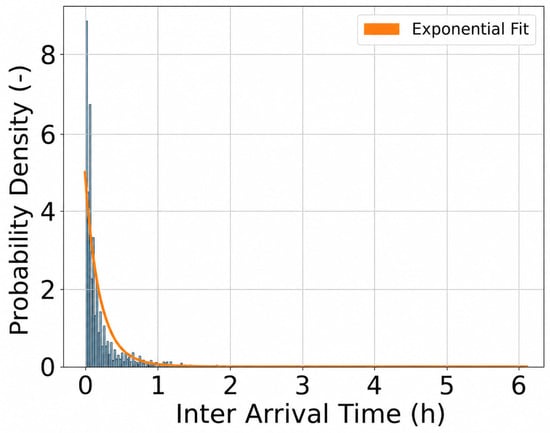
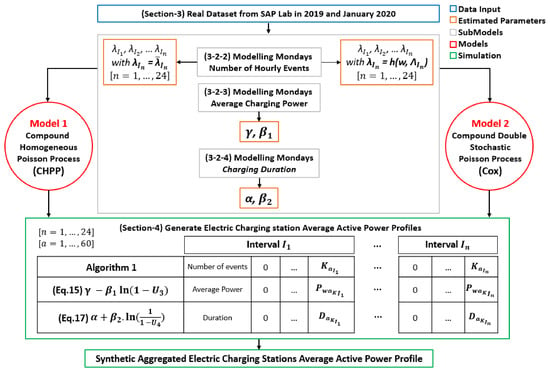
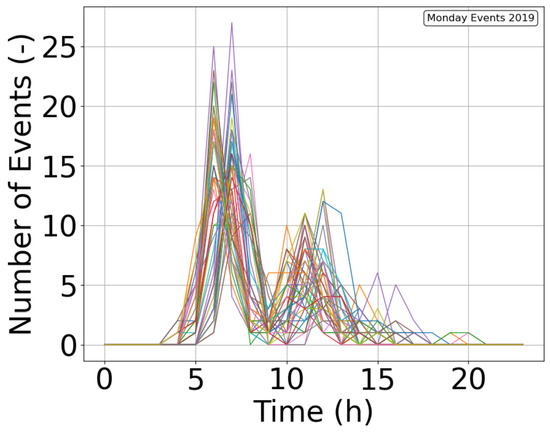
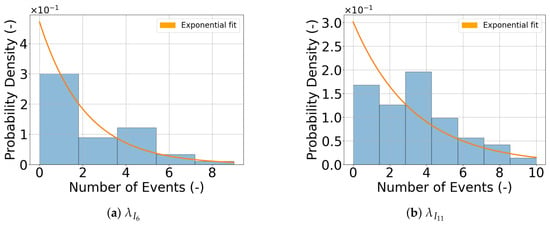
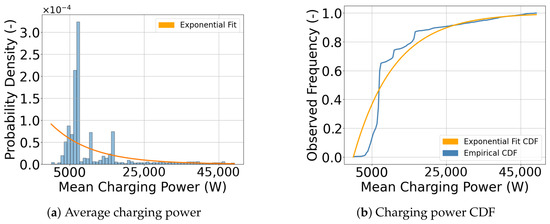
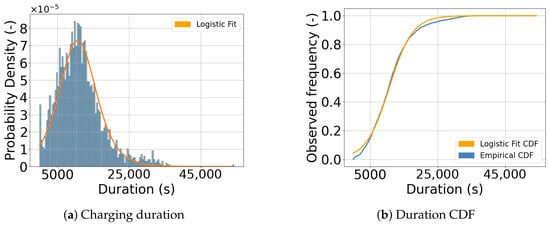
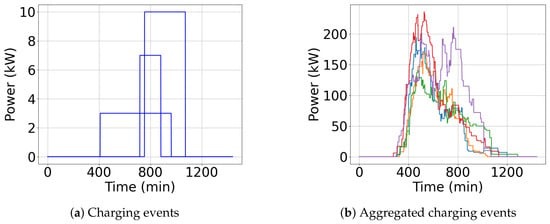
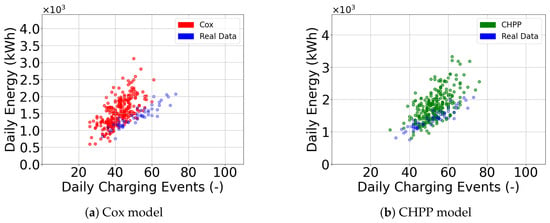
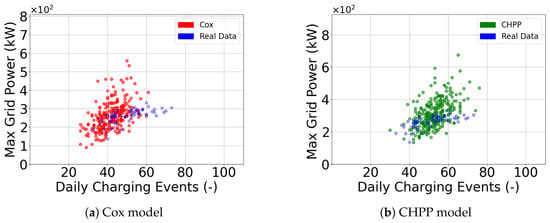
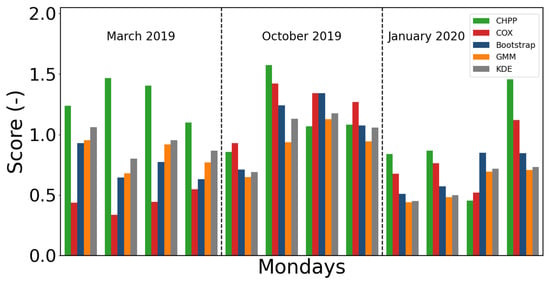
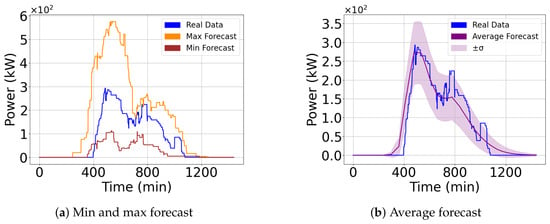
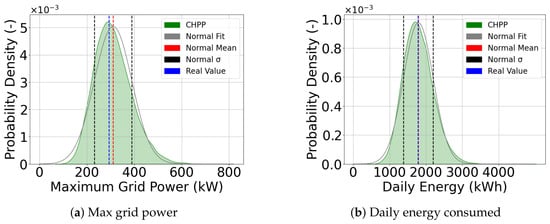
Electric vehicle (EV) charging demand introduces significant variability in power systems, requiring forecasting approaches capable of representing both aggregated consumption trends and stochastic charging behaviors. While machine learning methods often provide strong predictive performance, they generally require large datasets and substantial computational resources. This paper proposes a stochastic framework based on compound Poisson and Cox processes to model EV charging demand using real charging station data collected at one-minute resolution. The proposed methodology jointly models charging-event arrivals, charging duration, and charging power through probabilistic distributions calibrated from historical observations. A compound homogeneous Poisson process (CHPP) and a double stochastic compound Poisson process (Cox process) are investigated and compared for the generation of synthetic EV charging profiles and short-term forecasting applications. The framework is validated using 1863 charging sessions recorded at a workplace charging infrastructure composed of 37 charging terminals. Monte Carlo simulations are performed to generate synthetic daily charging profiles and evaluate the capability of the models to reproduce key operational indicators, including daily energy consumption and peak grid power demand. The CHPP process achieves average forecasting errors up to 0.8% for daily energy and 6.2% for maximum grid power demand. The results show that Poisson-based stochastic models can generate diverse and realistic charging profiles while requiring only limited historical data and having low computational complexity. The proposed approach provides an interpretable and computationally efficient probabilistic framework for EV charging demand forecasting, synthetic profile generation, and power system operational studies. Stochastic compound Poisson processes may therefore constitute a valuable tool to support the ongoing electrification of mobility and the digital transformation of future smart grids and smart cities.
Full article
(This article belongs to the Special Issue Feature Papers to Celebrate the First Impact Factor of Electricity)
►▼
Show Figures

Figure 1
Open AccessArticle
Experimental Static Self- and Mutual Flux-Linkage Characterization of a Switched Reluctance Motor
by
Thisuri H. Indiketiya, Amrutha K. Haridas and Berker Bilgin
Electricity 2026, 7(3), 68; https://doi.org/10.3390/electricity7030068 - 3 Jul 2026
Abstract
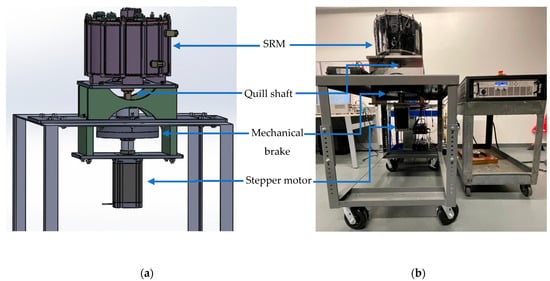
It is essential to experimentally evaluate a Switched Reluctance Motor’s (SRM) flux-linkage characteristics to verify that its magnetic behavior aligns with design targets. This paper presents the development of a novel, fully automated custom experimental test bed and a control model capable of
[...] Read more.
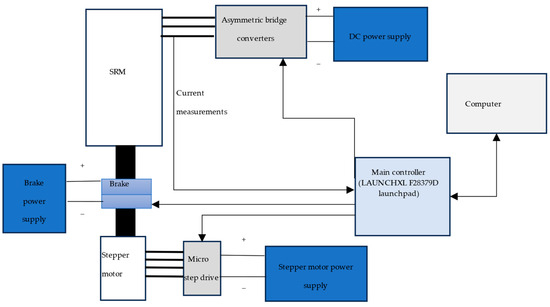
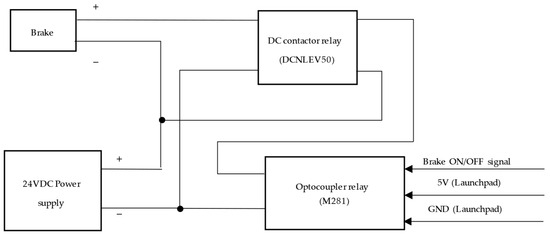
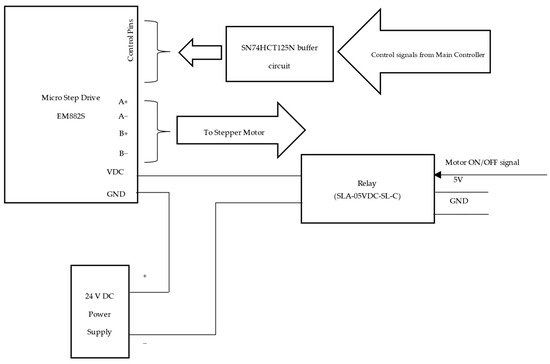
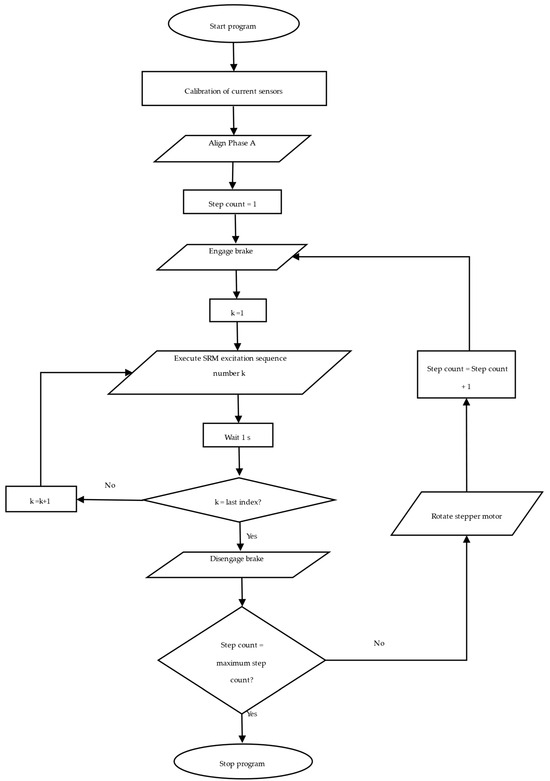
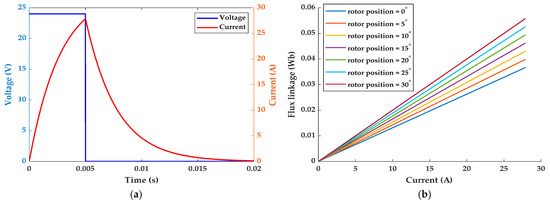
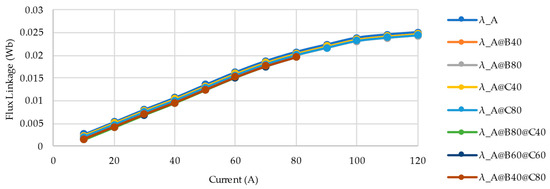
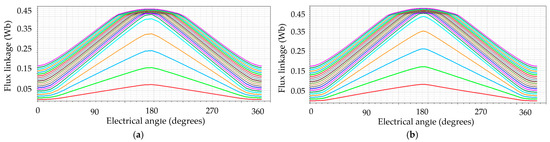
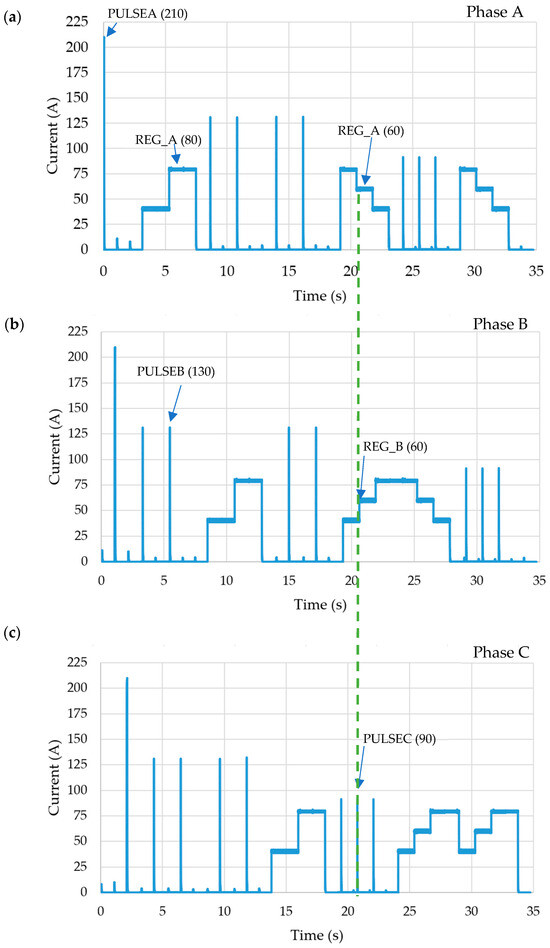
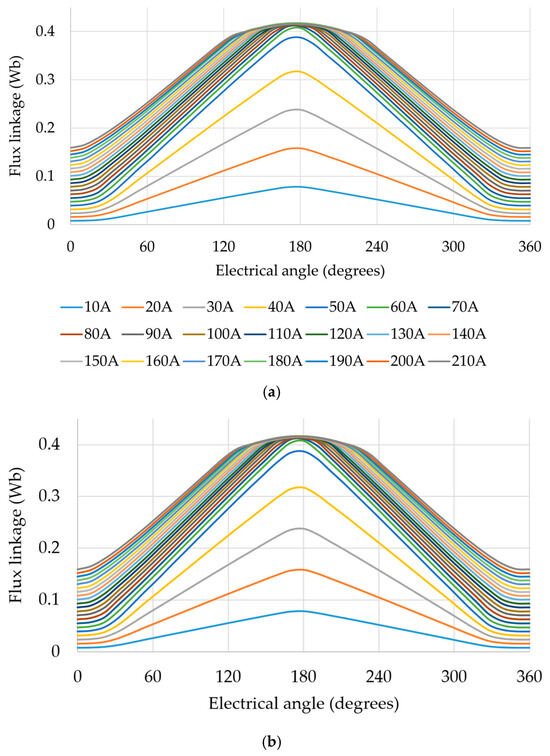
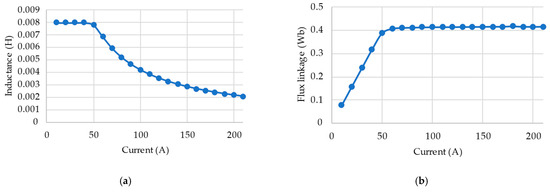
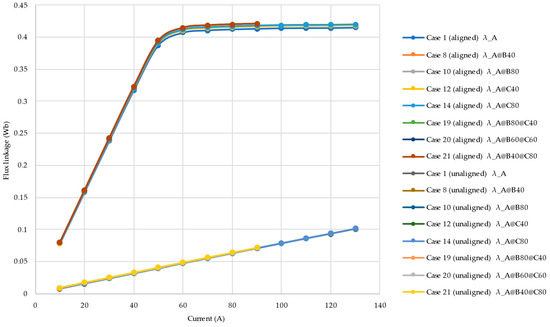
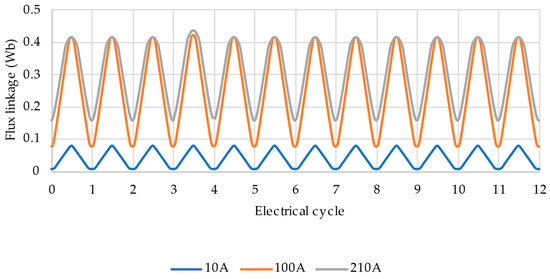
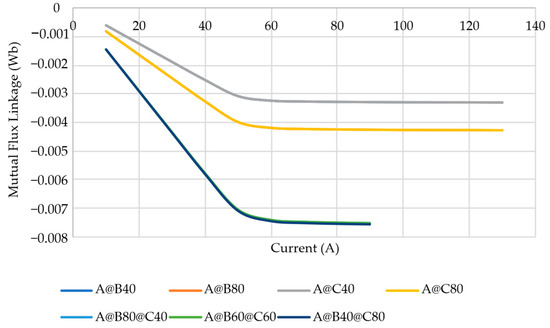
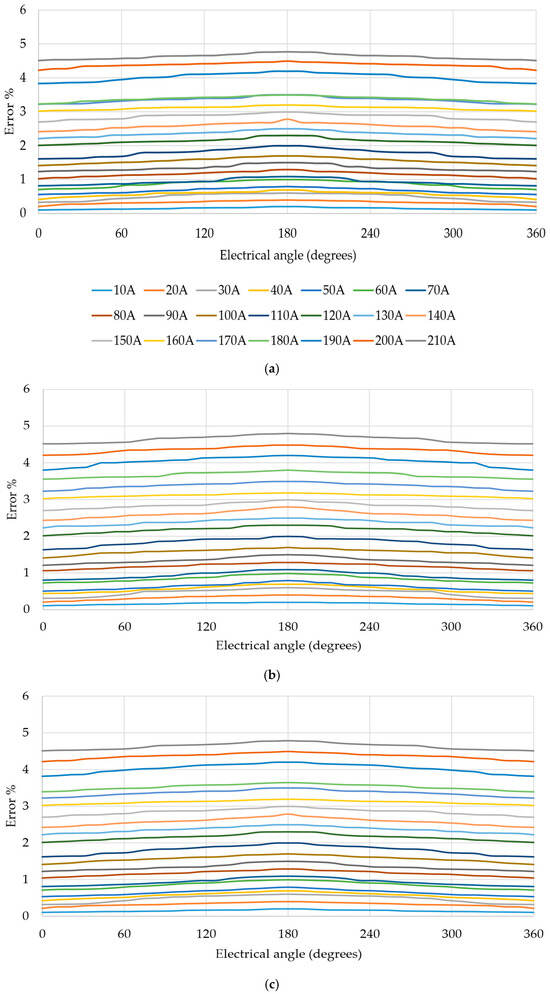
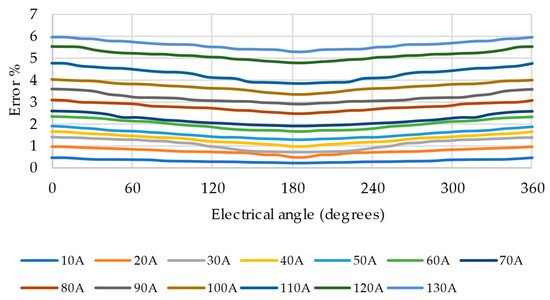
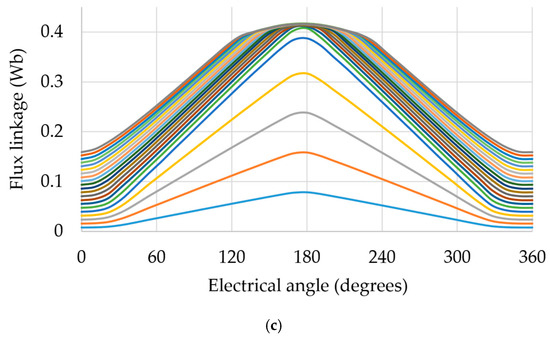
It is essential to experimentally evaluate a Switched Reluctance Motor’s (SRM) flux-linkage characteristics to verify that its magnetic behavior aligns with design targets. This paper presents the development of a novel, fully automated custom experimental test bed and a control model capable of characterizing the static self- and mutual flux linkages of a switched reluctance motor. The proposed setup is programmed with MATLAB/Simulink for automatic characterization across various rotor positions and excitation currents, which has not been previously addressed in the literature. The automated measurement algorithm is implemented and validated on a 70 kW, 18/12 propulsion SRM prototype. Flux-linkage data is obtained across a full 360° mechanical rotation, with self-flux linkages measured up to 210 A and mutual flux linkages up to 130 A. Experimental results indicate a maximum 6% deviation from the finite element analysis (FEA) results for mutual flux linkage and below 5% for self-flux linkage. The developed flux-linkage characterization approach demonstrates good accuracy and repeatability, enabling the construction of reliable flux–current–position datasets essential for SRM modeling and validation.
Full article
(This article belongs to the Special Issue Design, Control and Monitoring of Electric Machines)
►▼
Show Figures

Figure 1
Open AccessArticle
Community Microgrids: Unveiling the Additional Cost of Reliability and the True Value of Demand Response
by
Juan Mina-Casaran and Alejandro Navarro-Espinosa
Electricity 2026, 7(3), 67; https://doi.org/10.3390/electricity7030067 - 2 Jul 2026
Abstract
►▼
Show Figures
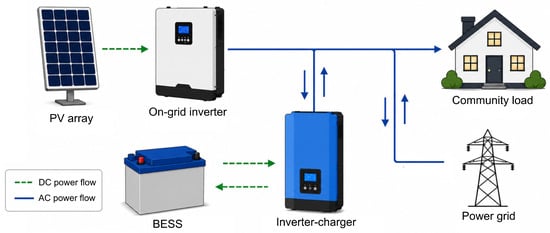
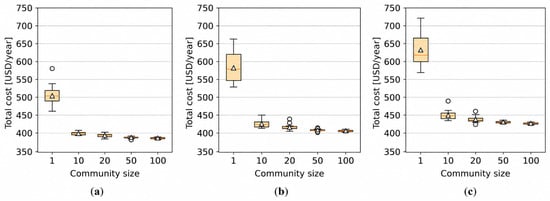
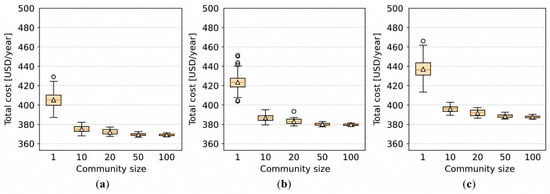
Residential customers are frequently exposed to electricity supply interruptions caused by system failures, natural hazards, or human-related events. Community microgrids have emerged as a promising solution to improve supply reliability. Therefore, this study quantifies the additional cost of guaranteeing different levels of energy
[...] Read more.
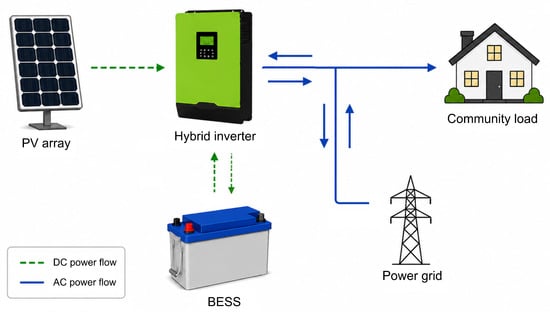
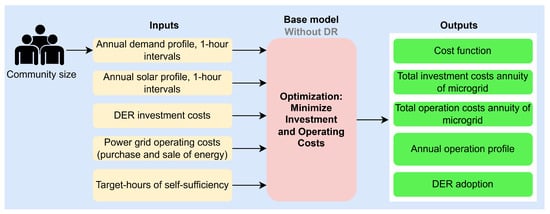
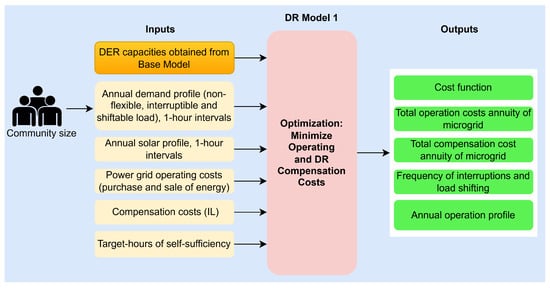
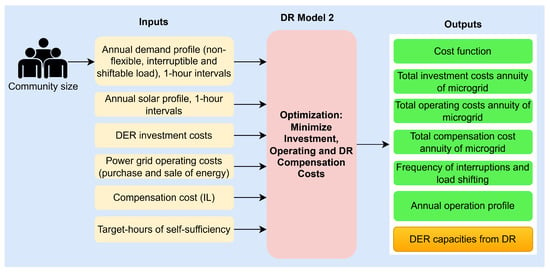
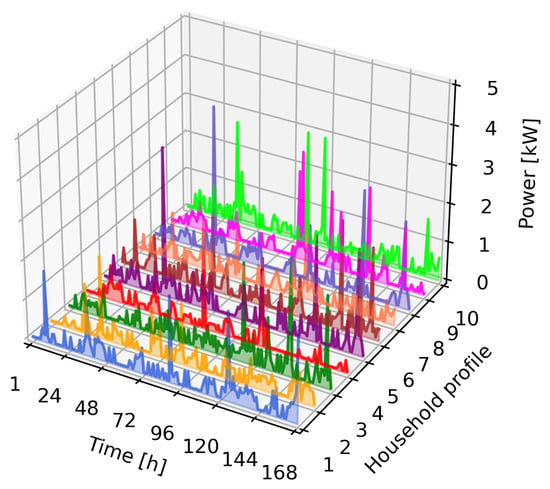
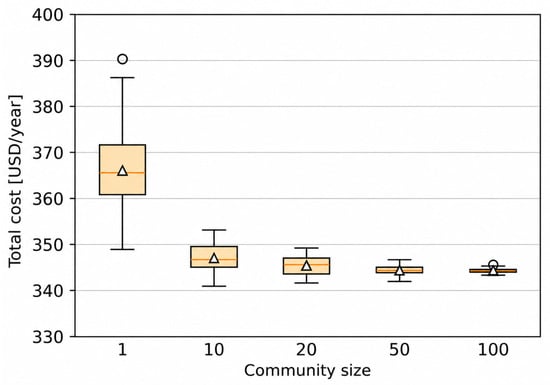
Residential customers are frequently exposed to electricity supply interruptions caused by system failures, natural hazards, or human-related events. Community microgrids have emerged as a promising solution to improve supply reliability. Therefore, this study quantifies the additional cost of guaranteeing different levels of energy self-sufficiency through the optimal design of reliability-constrained community microgrids capable of maintaining electricity supply during outages regardless of when they occur throughout the year. To account for the inherent diversity of residential demand, hundreds of optimization problems were solved, resulting in the design of hundreds of community microgrids. The results indicate that guaranteeing 2 h of self-sufficiency increases annual costs by 14.1% for communities of 20 households. Furthermore, the impact of demand response (DR) on community microgrid planning is also investigated. The findings indicate that the economic benefits of residential DR are limited, not exceeding 4.4% of the total microgrid cost.
Full article

Figure 1
Open AccessArticle
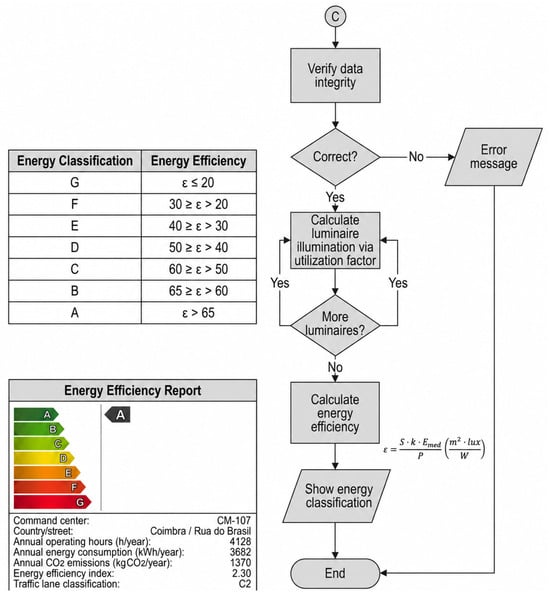
A Road-Segment-Level Energy Classification Framework for Public Lighting: From Algorithmic Assessment to Voluntary Energy Labels for Municipal Action
by
Fernando Martins, Sara Fradique, Alberto Van Zeller, Pedro Moura and Aníbal T. de Almeida
Electricity 2026, 7(3), 66; https://doi.org/10.3390/electricity7030066 - 2 Jul 2026
Abstract
►▼
Show Figures
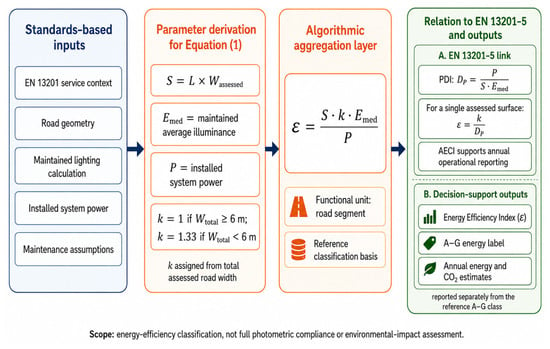
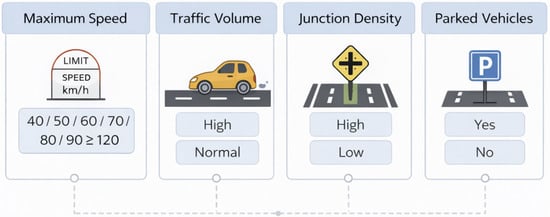
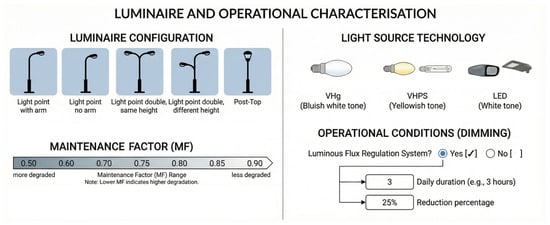
Public lighting can account for nearly 40% of municipal energy consumption in some European cities and plays a vital role in road safety, mobility, and the quality of public spaces. Despite notable efficiency gains from the widespread adoption of light-emitting diode (LED) technologies,
[...] Read more.
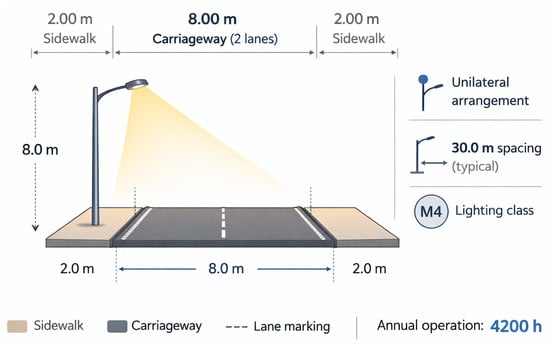
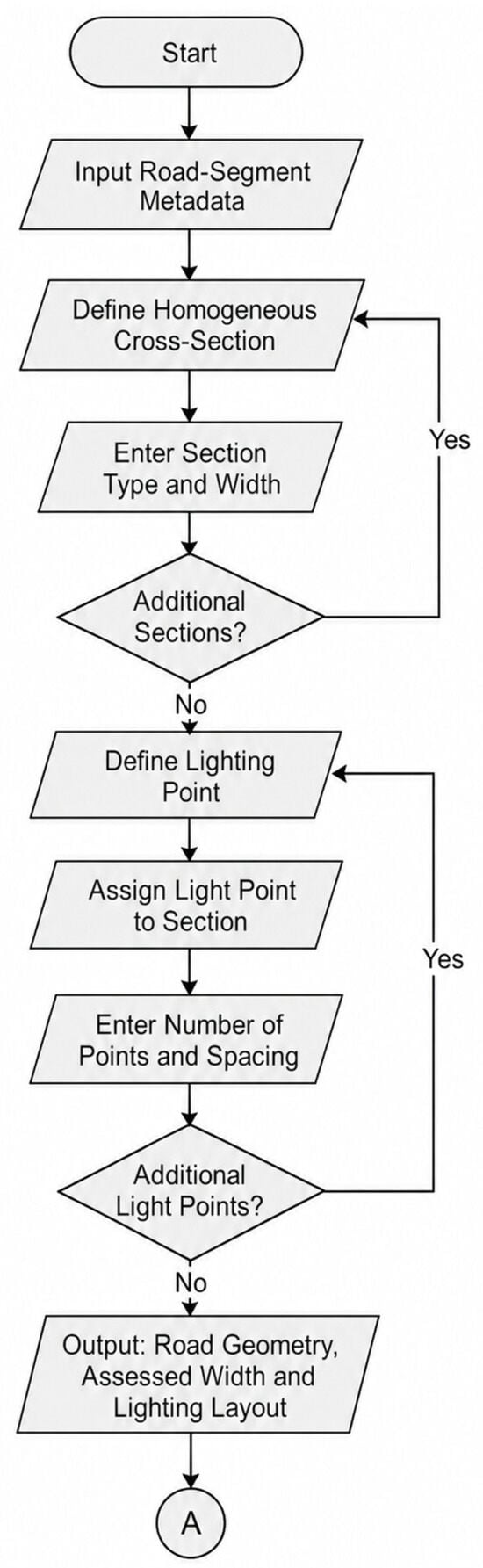
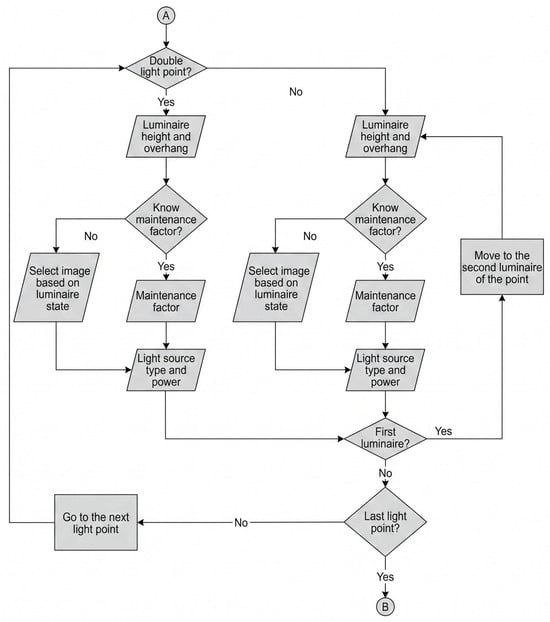
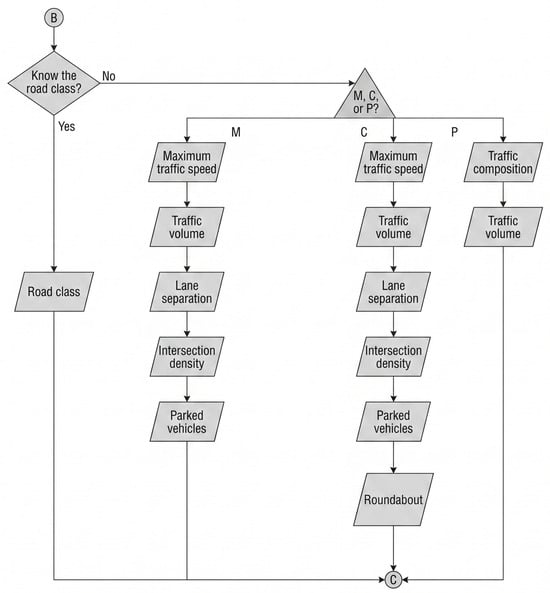
Public lighting can account for nearly 40% of municipal energy consumption in some European cities and plays a vital role in road safety, mobility, and the quality of public spaces. Despite notable efficiency gains from the widespread adoption of light-emitting diode (LED) technologies, the technical outputs of standards-based and installation-level assessment methods are not usually simple and communicable energy-performance labels for municipal decision-making. This study addresses this issue by introducing an algorithm-based framework for classifying energy performance in public lighting at the road-segment level. This approach translates existing lighting standards and efficiency indicators into a straightforward and understandable energy label, adapting the energy labelling concept, commonly used for buildings and appliances, to public space infrastructure. This framework is implemented through a national digital platform for public lighting classification, which has already attracted formal interest from more than 100 municipalities, indicating strong institutional uptake. The results indicate that road-segment-level energy classification is feasible and scalable as a voluntary tool to enhance municipal accountability and support informed decision-making. This study concludes that algorithmic energy labels for public lighting can support sustainable urban governance transparency, comparability and decision-making capacity, with future research aimed at building capacity for large-scale implementation and incorporating environmental, human health, and ecological impact considerations into the classification system.
Full article

Figure 1
Open AccessSystematic Review
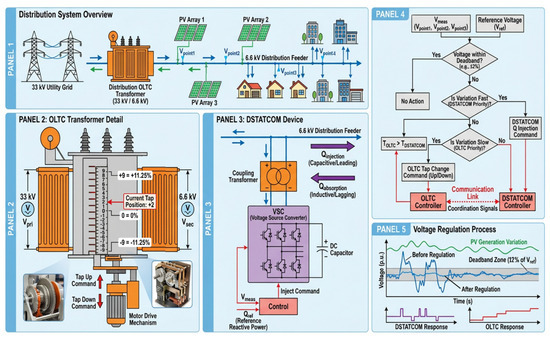
Challenges of Transformers OLTC Operation in the Power System That Includes Solar PV Systems and FACTS Devices
by
Omar Ali Hussein and Ahmed Nasser B. Alsammak
Electricity 2026, 7(3), 65; https://doi.org/10.3390/electricity7030065 - 1 Jul 2026
Abstract
►▼
Show Figures
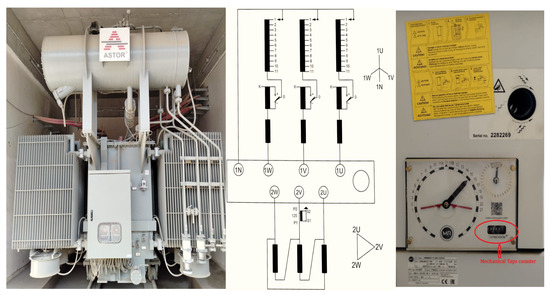
An increase in penetration of photovoltaic (PV) systems in a distribution system causes voltage regulation issues that create serious problems for the On-Load Tap Changer (OLTC) of the power transformer, leading to higher tap-changing frequency and reduced transformer life. Traditional voltage control methods
[...] Read more.
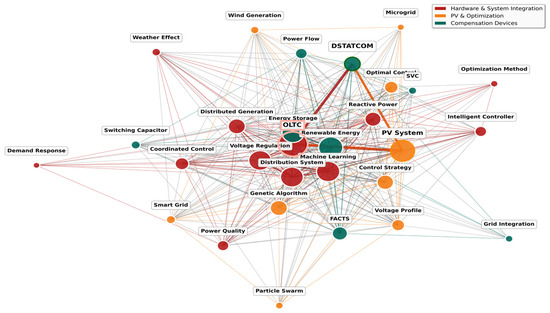
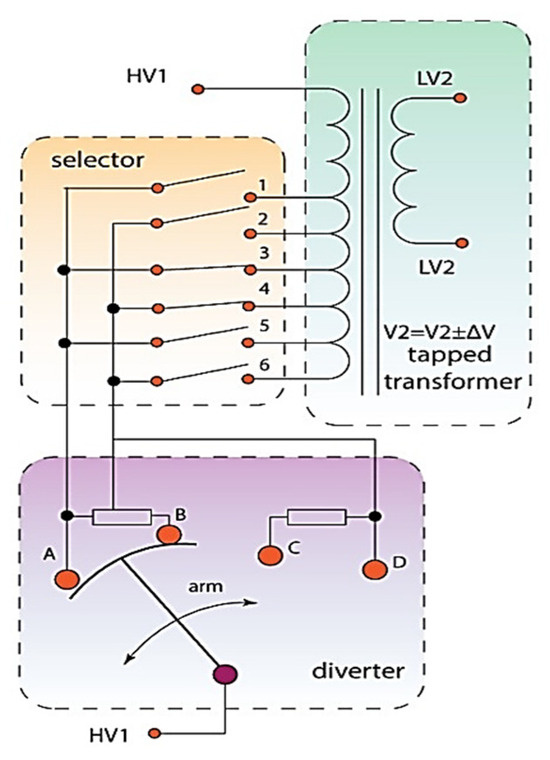
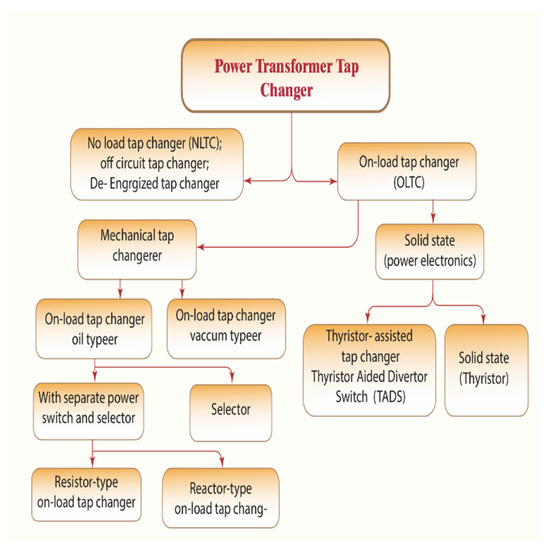
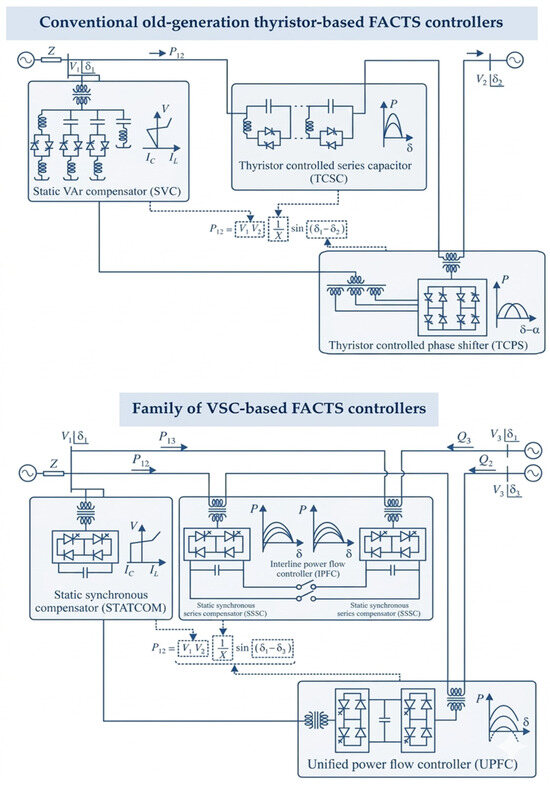
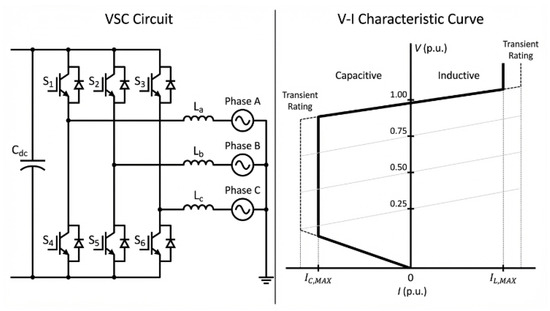
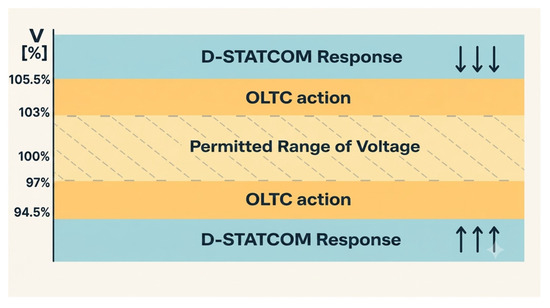
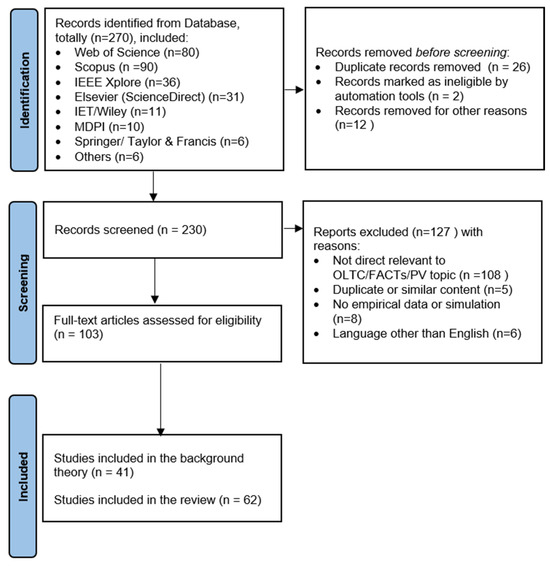
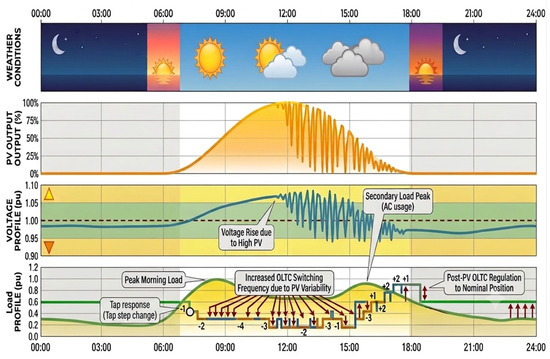
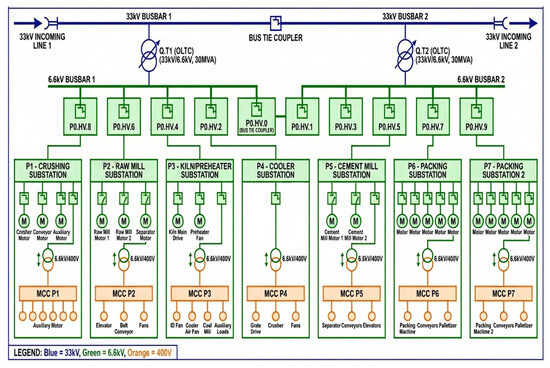
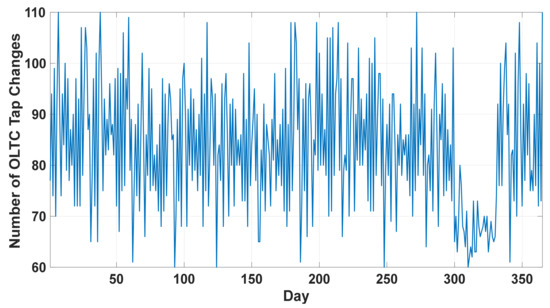
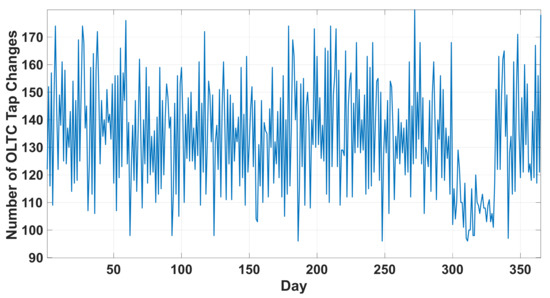
An increase in penetration of photovoltaic (PV) systems in a distribution system causes voltage regulation issues that create serious problems for the On-Load Tap Changer (OLTC) of the power transformer, leading to higher tap-changing frequency and reduced transformer life. Traditional voltage control methods are ineffective when PV penetration exceeds load demand, and more sophisticated control methods are needed. This paper combines a systematic literature review conducted in accordance with the PRISMA 2020 guidelines with a case study on operational issues of OLTC transformers under both normal and non-normal operating conditions. It entails a detailed examination of the effect of PV integration on the operating characteristics of OLTC in a systematic approach and also dwells upon coordination processes between OLTC and Flexible AC Transmission Systems (FACTS) devices, such as Distribution Static Synchronous Compensator (D-STATCOM) or Static VAR Compensator (SVC), which are highly effective in reducing tap operations. The future directions covered in the review include the operation of hybrid systems, cost-effective implementations, weather effects, predictive analytics, adaptive control techniques, etc. The case study included online monitoring of OLTC performance in two scenarios at the cement factory. First, under supply changes and load changes. Second, including PV penetration. The results show that OLTC increases the average daily tapping frequency (90 taps/day) by about 60%, with full PV penetration. It is concluded that this can’t be applied without coordinated control among OLTC, D-STATCOM, and PV inverters to maintain transformer life, improve reliability, and provide stable voltage profiles even under highly variable PV generation conditions. These results aim to provide a comprehensive resource for academics and practitioners, facilitating the advancement of advanced voltage control methods to support the transition to sustainable energy systems.
Full article

Figure 1
Open AccessArticle
Coordinated Robust Scheduling of Emergency Power Vehicles in Temporary Islanded Microgrids Considering Dynamic Frequency Constraints
by
Yan Xu, Chaoqiang Yu and Jiantao Zhao
Electricity 2026, 7(3), 64; https://doi.org/10.3390/electricity7030064 - 30 Jun 2026
Abstract
►▼
Show Figures
To address the transient frequency limit violations triggered by the low-inertia characteristics of temporary islanded microgrids formed under extreme disasters, this paper proposes a multi-source collaborative two-stage robust optimization day-ahead scheduling model considering dynamic frequency constraints. Firstly, a collaborative architecture encompassing emergency power
[...] Read more.
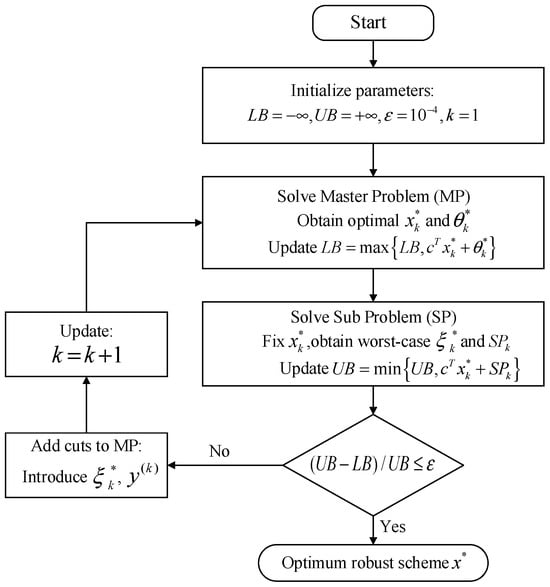
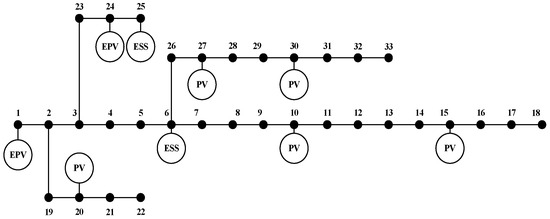
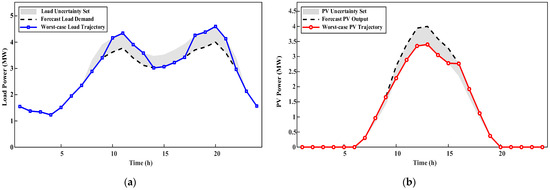
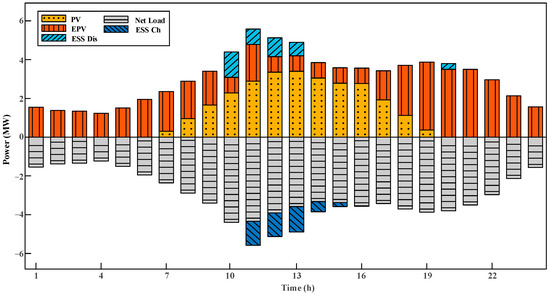
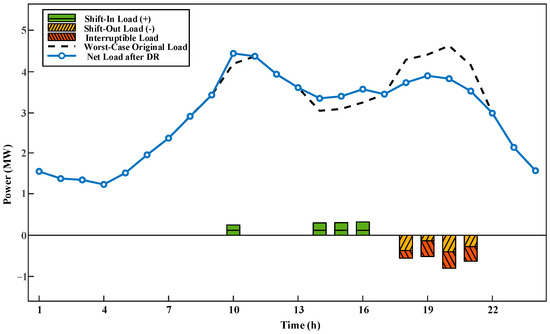
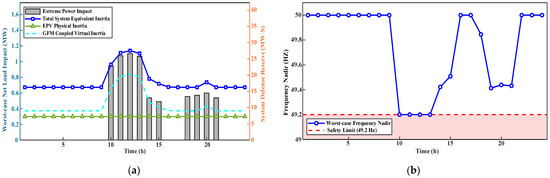
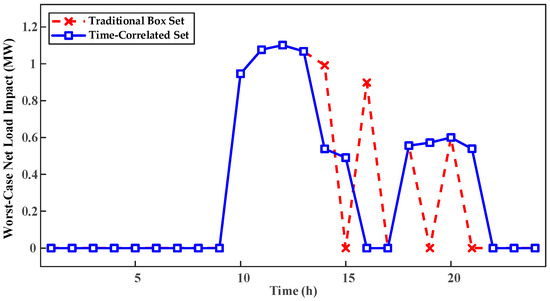
To address the transient frequency limit violations triggered by the low-inertia characteristics of temporary islanded microgrids formed under extreme disasters, this paper proposes a multi-source collaborative two-stage robust optimization day-ahead scheduling model considering dynamic frequency constraints. Firstly, a collaborative architecture encompassing emergency power vehicles, grid-forming energy storage systems, and flexible loads is constructed. Through collaborative scheduling in the day-ahead pre-scheduling and real-time re-scheduling stages, this architecture effectively avoids the exorbitant costs of physical load shedding under extreme conditions. Secondly, to overcome the limitations of traditional robust box uncertainty sets—which ignore temporal correlations, tend to cause non-physical high-frequency oscillations, and hinder algorithm convergence—a time-correlated uncertainty set based on state-transition auxiliary variables is designed to accurately capture the continuous evolution characteristics of meteorological disturbances. The column-and-constraint generation algorithm is utilized for the solution methodology, combined with the big-M method to transform the subproblem containing bilinear terms into a mixed-integer linear programming model for efficient solving. Simulation results on a modified 33-node test system demonstrate that the proposed model effectively filters out high-frequency oscillation trajectories and significantly improves computational efficiency. Under the worst-case temporal disturbances, the transient frequency drop and the rate of change in frequency are strictly controlled within safe thresholds. Compared to deterministic scheduling and traditional box-based robust models, the proposed scheme effectively balances system security and economic efficiency, demonstrating exceptional system resilience and defense capabilities against varying prediction errors.
Full article

Figure 1
Open AccessArticle
Trends and Prospects of the Mexican Electric System: An Analysis Based on the Modelling of Electricity Generation 2010–2030
by
Diocelina Toledo-Vázquez, Gabriela Hernández-Luna, Rosenberg J. Romero, Jesús Cerezo and Moisés Montiel-González
Electricity 2026, 7(3), 63; https://doi.org/10.3390/electricity7030063 - 28 Jun 2026
Abstract
In the last fifteen years, Mexico’s National Electric System (Sistema Eléctrico Nacional, SEN) has undergone significant structural changes, including the 2013 energy reform, the 2020 health contingency, ongoing geopolitical pressures, and the 2024 constitutional energy reform. Over this period, electricity consumption
[...] Read more.
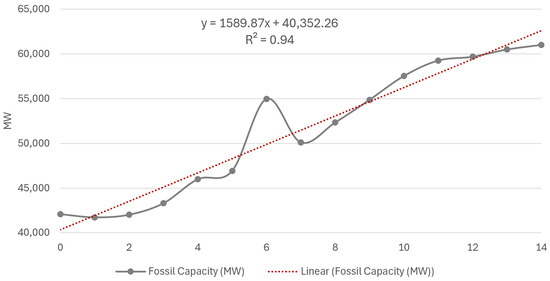
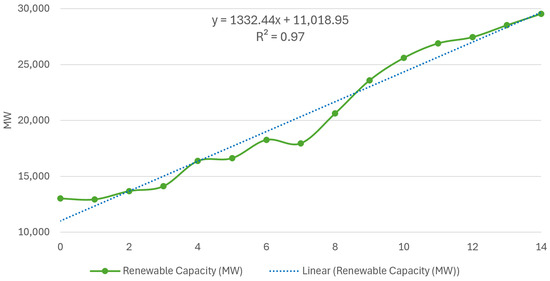
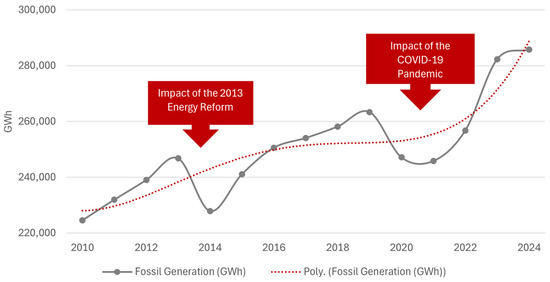
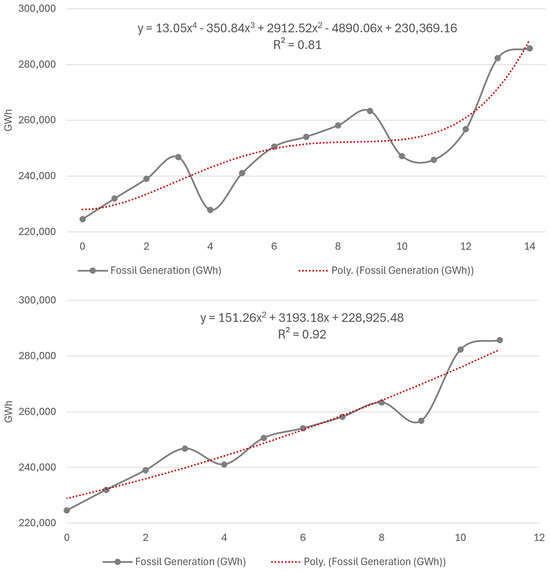
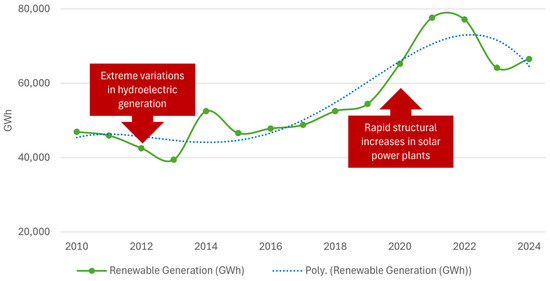
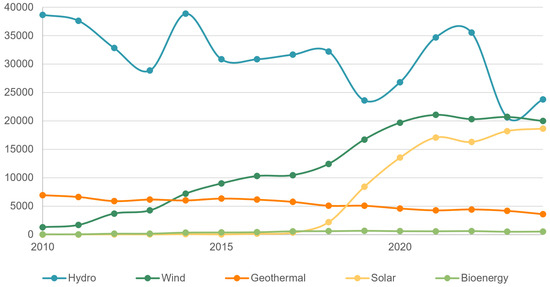
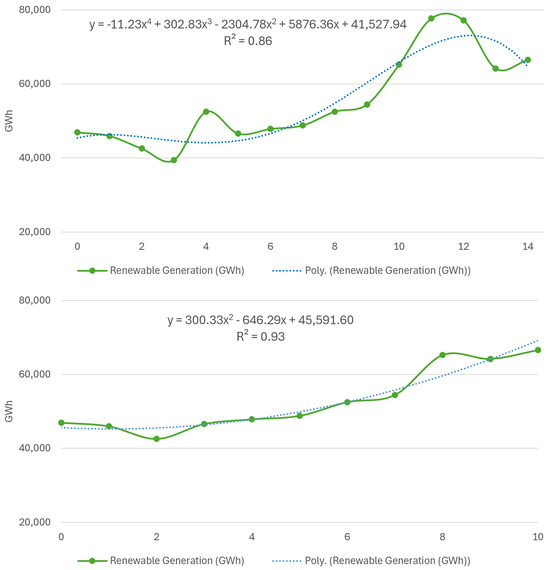
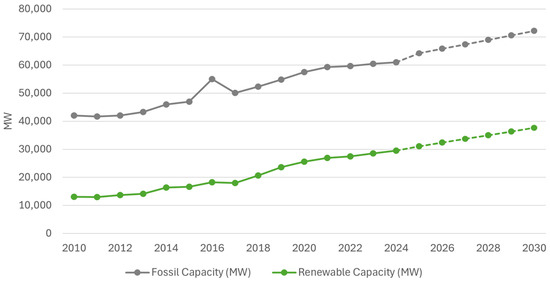
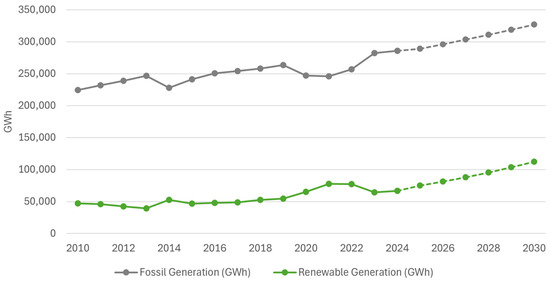
In the last fifteen years, Mexico’s National Electric System (Sistema Eléctrico Nacional, SEN) has undergone significant structural changes, including the 2013 energy reform, the 2020 health contingency, ongoing geopolitical pressures, and the 2024 constitutional energy reform. Over this period, electricity consumption grew at an average annual rate of 3.1%, while the generation mix shifted substantially, with solar and wind capacity expanding from negligible levels to a combined output of 38,627 GWh by 2024. Despite these advances, supply reliability remains under pressure, and the growth of renewable deployment has not kept value with declared decarbonization commitments. This study quantifies the gap between the historical growth trajectory of the SEN and the targets established in the national expansion plan, using linear and second-degree polynomial regression models applied to official data series for the period 2010–2024 to assess whether current structural inertia is consistent with Mexico’s declared energy transition commitments. The results indicate that under a trend scenario, renewable installed capacity would reach approximately 34.3% by 2030, with an estimated generation of 112,136 GWh—insufficient to close the gap to sectoral decarbonization goals. The analysis further reveals that the Expansion Plan requires installing nearly twice the annual capacity historically added, posing a financing and institutional challenge that market signals alone cannot resolve. These findings demonstrate that structural inertia, rather than policy ambition, is currently the dominant driver of the evolution of Mexico’s electricity system, and that its energy transition will require deliberate acceleration beyond historical trends.
Full article
(This article belongs to the Special Issue Feature Papers to Celebrate the First Impact Factor of Electricity)
►▼
Show Figures

Figure 1
Open AccessArticle
Hardware-in-the-Loop Simulation Platform for Hands-On Training in Grid-Connected Photovoltaic Systems
by
Tania Castellanos Parada, Mauricio Bautista Porras, Juan M. Rey, María A. Mantilla Villalobos, Fausto Osorio Silva, Johann F. Petit Suárez and Rolando A. Rincón Saravia
Electricity 2026, 7(3), 62; https://doi.org/10.3390/electricity7030062 - 27 Jun 2026
Abstract
►▼
Show Figures
The rapid expansion of photovoltaic (PV) generation has increased the need for educational and experimental platforms that allow students and researchers to study the dynamics, control strategies, and power conversion stages of grid-connected PV systems under realistic operating conditions. Although Hardware-in-the-Loop (HIL) simulation
[...] Read more.
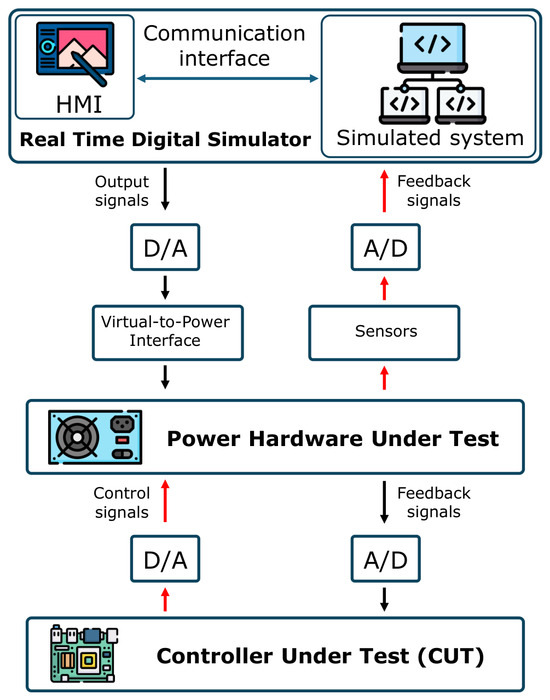
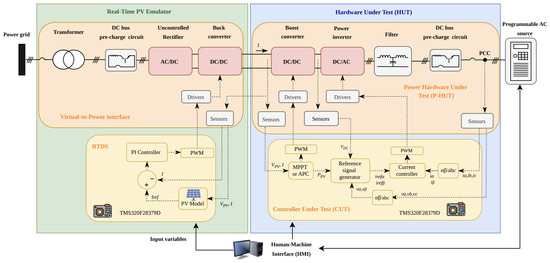
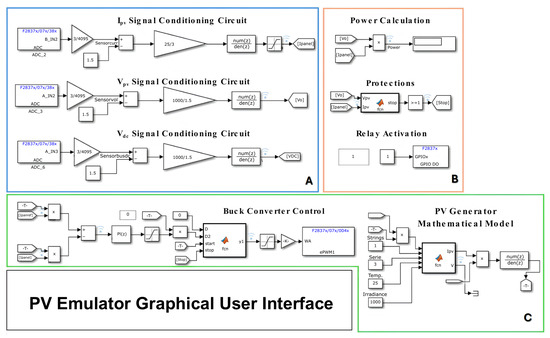
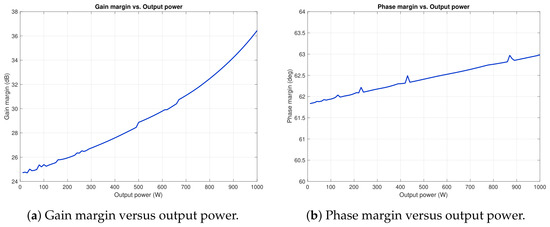
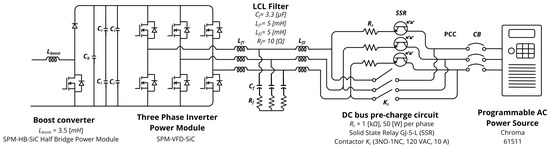
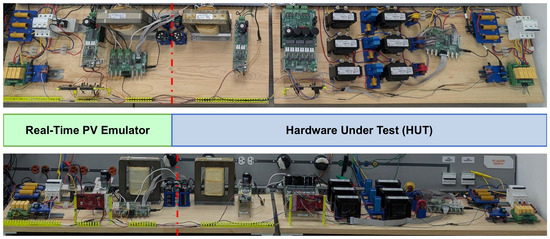
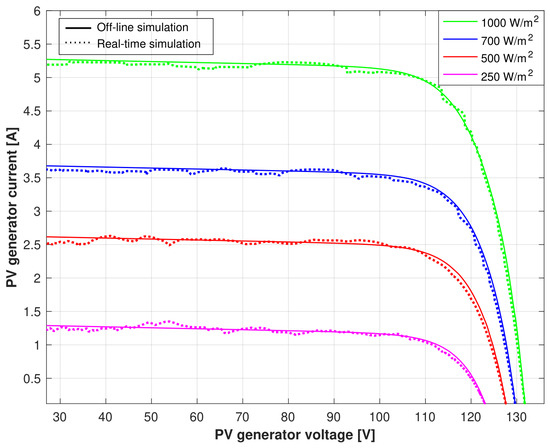
The rapid expansion of photovoltaic (PV) generation has increased the need for educational and experimental platforms that allow students and researchers to study the dynamics, control strategies, and power conversion stages of grid-connected PV systems under realistic operating conditions. Although Hardware-in-the-Loop (HIL) simulation is widely used to validate power electronic converters and control algorithms, many existing platforms rely on specialized real-time simulators that limit their accessibility in academic environments. This paper presents the design and implementation of a cost-effective HIL simulation platform for grid-connected PV systems intended for research and training applications. The proposed system integrates real hardware under test within a real-time environment that emulates PV array behavior and grid conditions, combining Controller Hardware-in-the-Loop (CHIL) and Power Hardware-in-the-Loop (PHIL) techniques. A Texas Instruments C2000 microcontroller is used as the real-time digital simulator, providing an accessible alternative to conventional real-time simulation platforms. The platform architecture, the real-time PV emulator, and the experimental implementation are described and validated through simulation and experimental results. Finally, guided laboratory practices are presented to support hands-on training in PV systems and power electronics.
Full article

Figure 1
Open AccessArticle
A Hybrid Deep Learning Framework for Smart Grid Stress Prediction and Adaptive Mitigation Under Extreme Weather Conditions
by
Adewale Ogabi, Geetika Aggarwal and Gobind Pillai
Electricity 2026, 7(3), 61; https://doi.org/10.3390/electricity7030061 - 25 Jun 2026
Abstract
Electricity systems are increasingly exposed to demand variability driven by extreme weather conditions, creating significant challenges for maintaining grid reliability and operational stability. Conventional forecasting approaches focus primarily on prediction accuracy and provide limited support for operational decision-making under dynamic conditions. This study
[...] Read more.
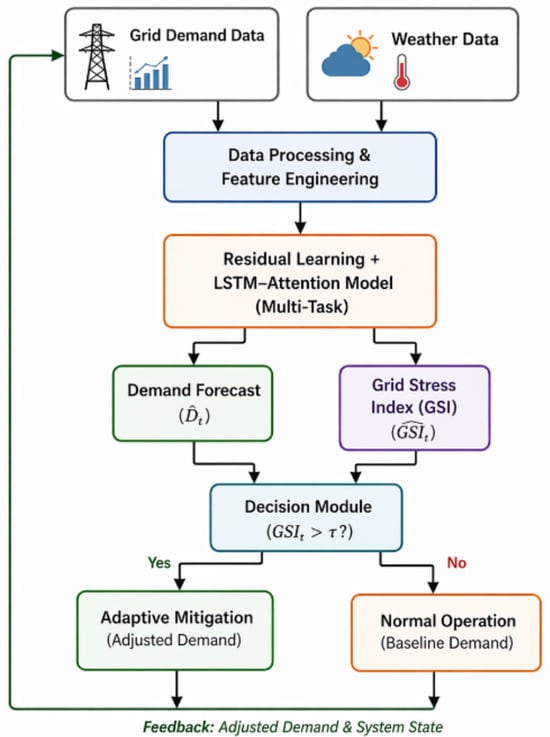
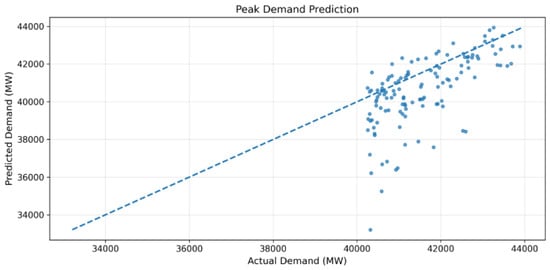
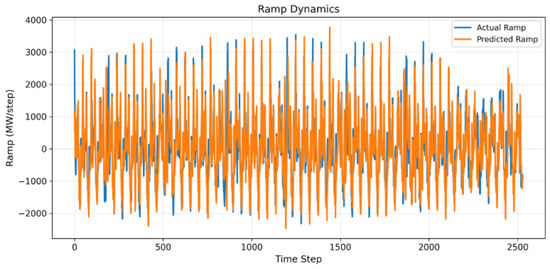
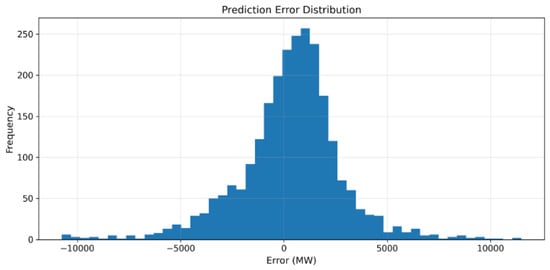
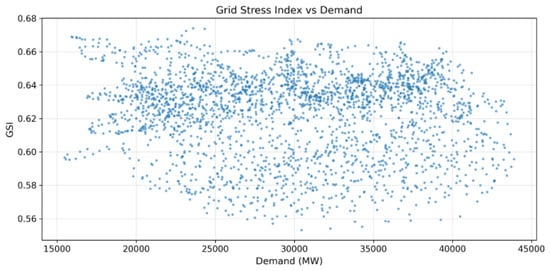
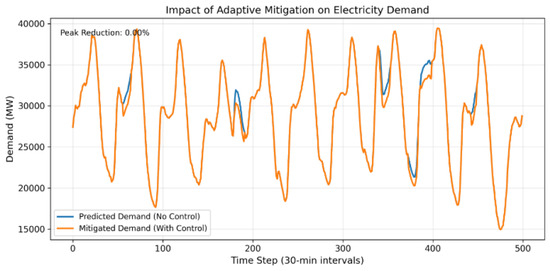
Electricity systems are increasingly exposed to demand variability driven by extreme weather conditions, creating significant challenges for maintaining grid reliability and operational stability. Conventional forecasting approaches focus primarily on prediction accuracy and provide limited support for operational decision-making under dynamic conditions. This study proposes a hybrid deep learning framework for smart grid stress prediction and adaptive mitigation under extreme weather. The framework reformulates demand forecasting using residual learning. It further integrates grid stress modelling with control-oriented decision support. A sequence learning architecture with attention is employed to capture temporal demand dynamics, while a continuous Grid Stress Index (GSI) translates predictions into operational indicators of system stress. The model demonstrates stable performance on real-world UK electricity demand data, achieving a mean absolute error of 1827.51 MW and a root mean squared error of 2505.22 MW. Peak demand and ramp behaviour are captured with improved consistency, and grid stress is predicted with a mean absolute error of 0.1246. An adaptive mitigation module translates predicted stress into actionable control, resulting in approximately 5.37% peak demand reduction, with limited impact on ramp smoothing. The results demonstrate that integrating forecasting, stress modelling, and control delivers greater operational value than standalone predictive models. The proposed framework provides a scalable and practical approach for grid-aware decision support under increasing climate-driven demand uncertainty.
Full article
(This article belongs to the Special Issue Advances in Operation, Optimization and Control of Smart Grids: 2nd Edition)
►▼
Show Figures

Figure 1
Open AccessArticle
Topology-Aware Graph Reinforcement Learning for Voltage-Reactive Power Control in Grid-Connected Microgrids
by
Yunfei Zhang, Kefan Bao, Gaige Liang, Wennan Zhuang, Longlong Qiang, Difei Tang, Xiangyu Lu and Mingxiao Zhang
Electricity 2026, 7(2), 60; https://doi.org/10.3390/electricity7020060 - 22 Jun 2026
Abstract
►▼
Show Figures
As the global energy transition accelerates, distribution systems are integrating increasing shares of inverter-interfaced renewables, making reliable voltage support a key operational requirement. In grid-connected microgrids, especially weak radial feeders in rural and remote areas, voltage-reactive power (Volt/Var) control must coordinate multiple inverters
[...] Read more.
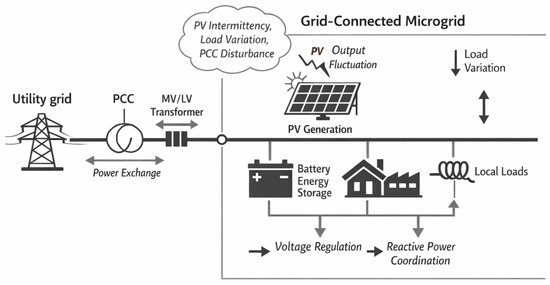
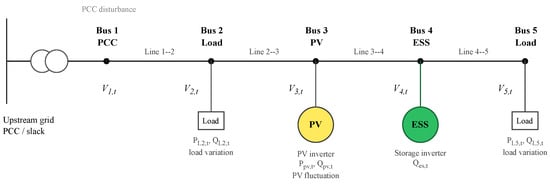
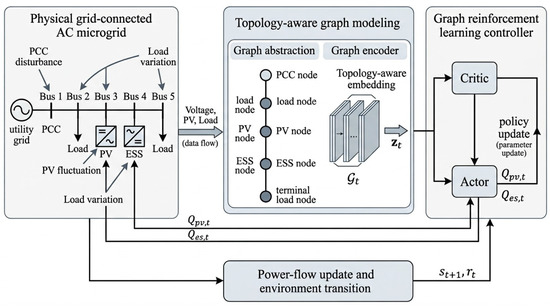
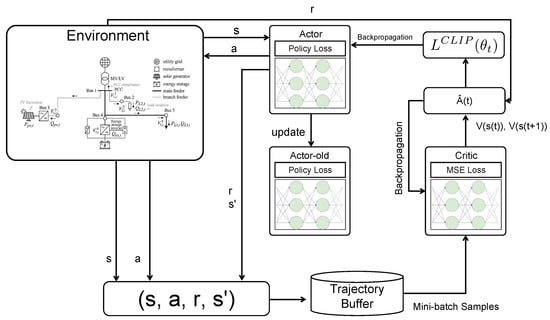
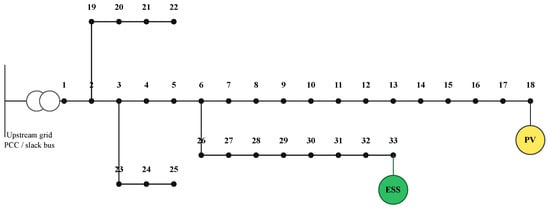
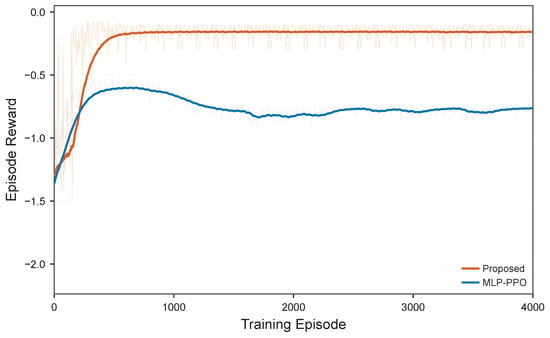
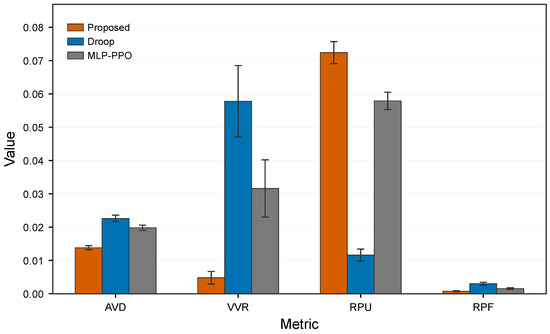
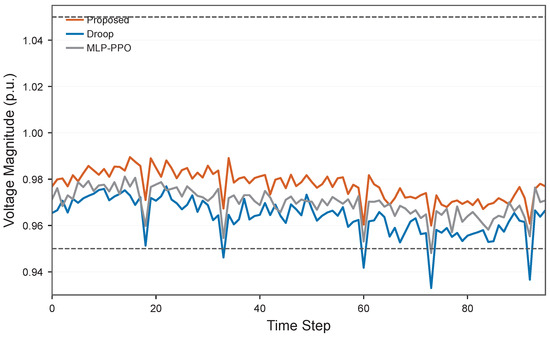
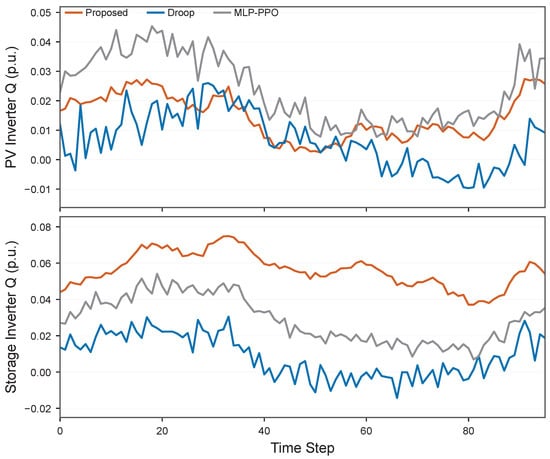
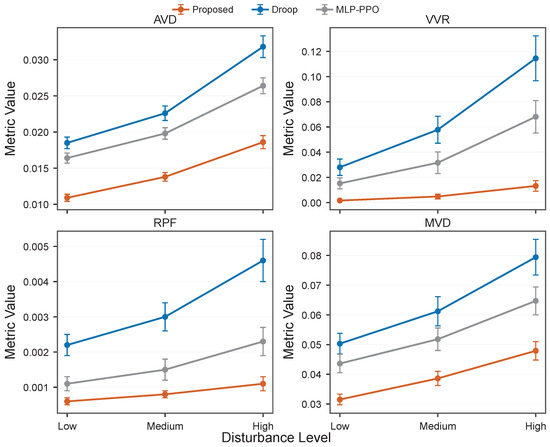
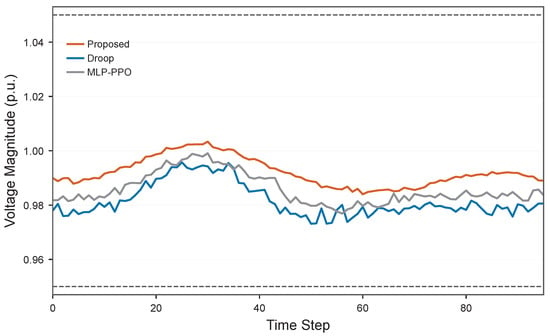
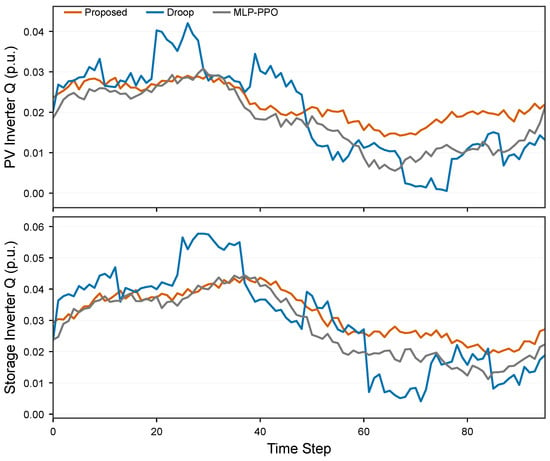
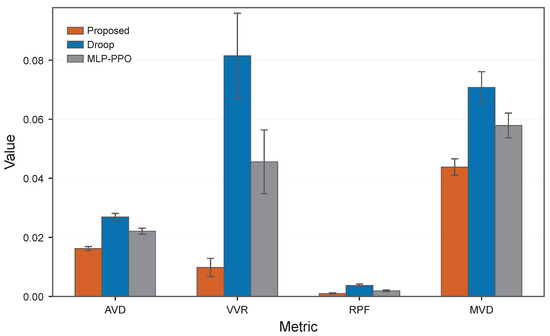
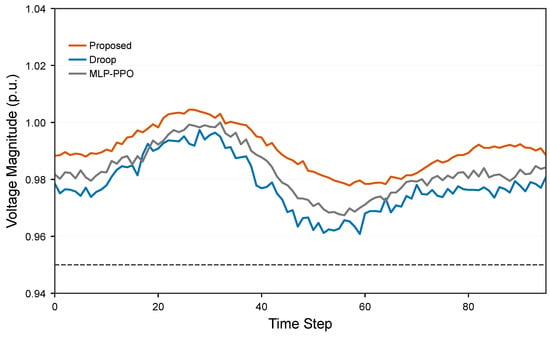
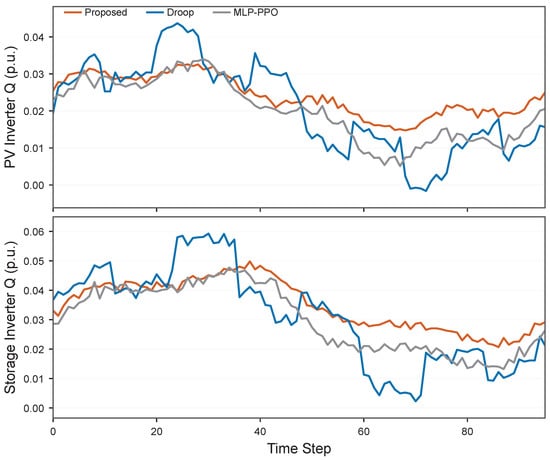
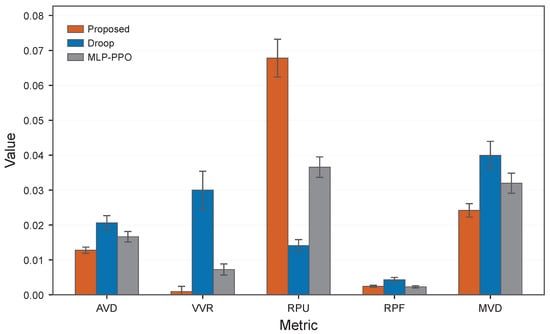
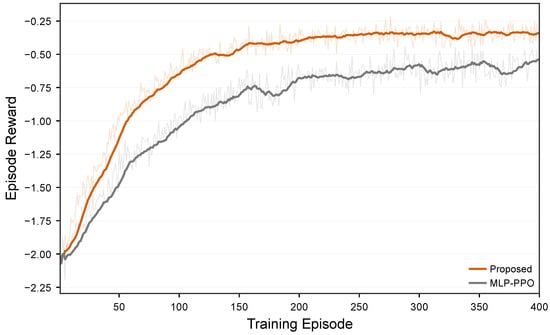
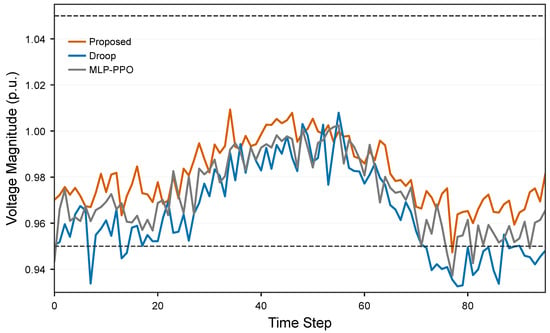
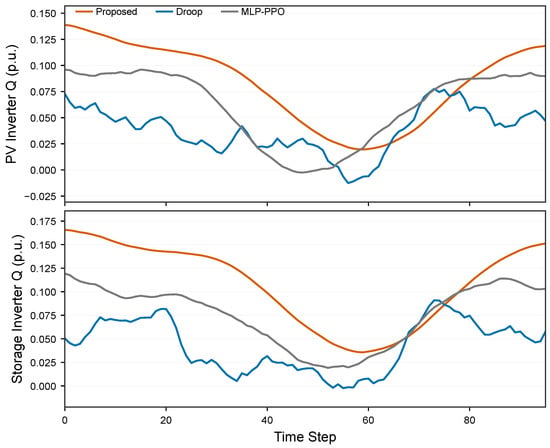
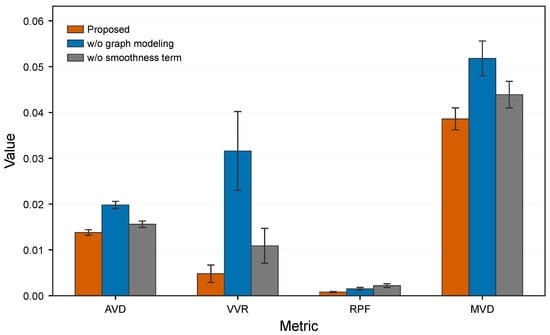
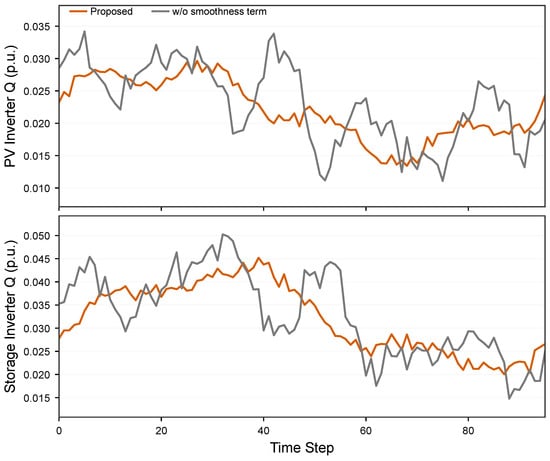
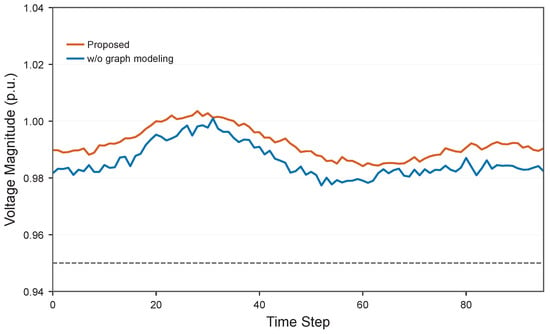
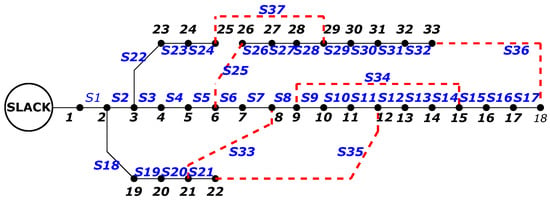
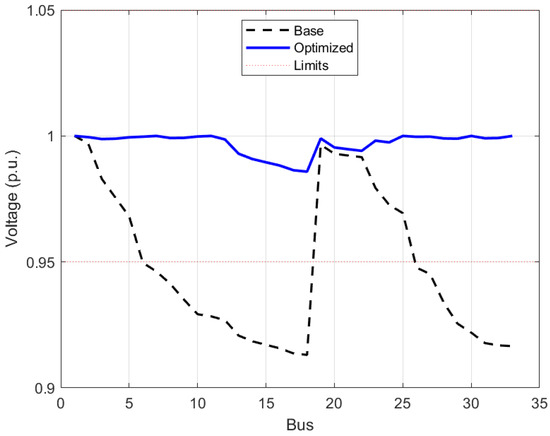
As the global energy transition accelerates, distribution systems are integrating increasing shares of inverter-interfaced renewables, making reliable voltage support a key operational requirement. In grid-connected microgrids, especially weak radial feeders in rural and remote areas, voltage-reactive power (Volt/Var) control must coordinate multiple inverters under uncertainty from photovoltaic (PV) intermittency, load volatility, and point-of-common-coupling (PCC) disturbances. Existing droop, model-based optimization, and non-graph reinforcement learning (RL) approaches often rely on fixed rules or do not explicitly exploit electrical topology, which limits adaptive coordination. To address this gap, we propose a topology-aware graph reinforcement learning framework for voltage-reactive power control in grid-connected microgrids under uncertainty. The method encodes node states with a graph convolutional network (GCN) and learns coordinated PV/storage reactive-power actions via proximal policy optimization (PPO) with a multi-objective reward balancing voltage quality, control effort, and action smoothness. In a controlled comparison against a multilayer perceptron (MLP)-PPO baseline with identical action space, reward, and PPO objective, our method reduces voltage violation rate (VVR) from 0.0316 ± 0.0086 to 0.0048 ± 0.0019. Additional validation on a modified IEEE 33-bus feeder further reduces VVR from 0.00726 for MLP-PPO and 0.02999 for Droop control to 0.00095, supporting the effectiveness of topology-aware state representation on a larger radial benchmark feeder.
Full article

Figure 1
Open AccessArticle
Hybrid Ant Lion Optimization Methodology for Network Reconfiguration and Optimal Placement of Distributed Generation Considering Short-Circuit Constraints
by
Andrés Fernando Torres-Valenzuela, Edgar E. Tibaduiza-Rincón and Jesús M. López-Lezama
Electricity 2026, 7(2), 59; https://doi.org/10.3390/electricity7020059 - 20 Jun 2026
Abstract
►▼
Show Figures
The increasing penetration of distributed generation (DG) in distribution systems poses significant operational challenges, including increased power losses, voltage profile deviations, and variations in short-circuit currents. These issues may compromise network safety, reliability, and the selectivity of protection schemes under different operating scenarios.
[...] Read more.
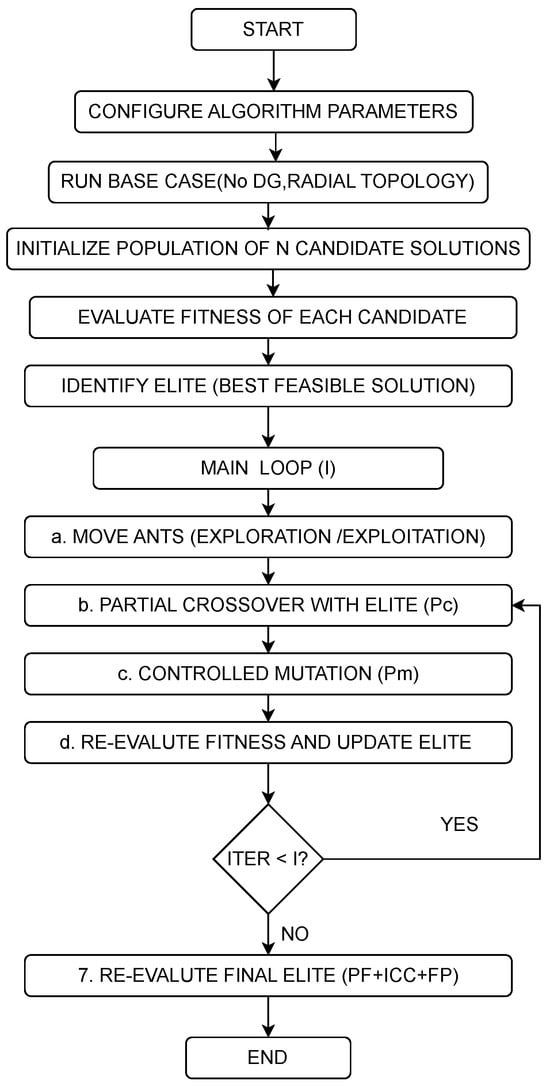
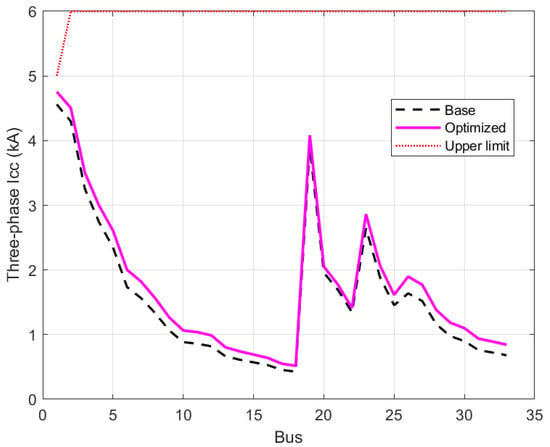
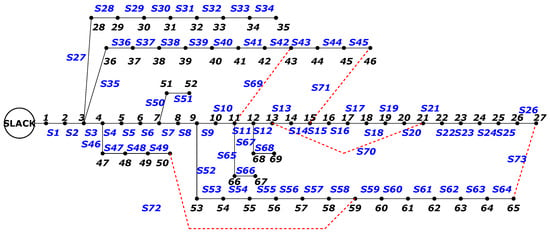
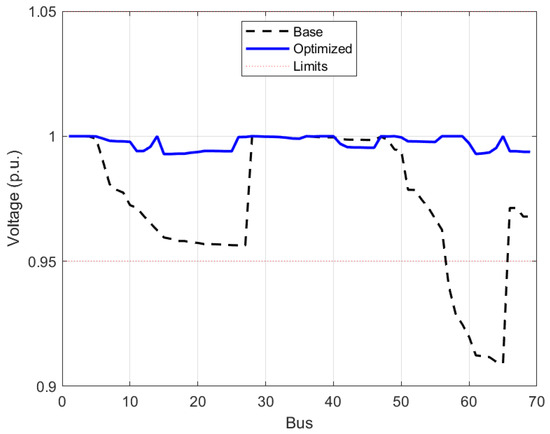
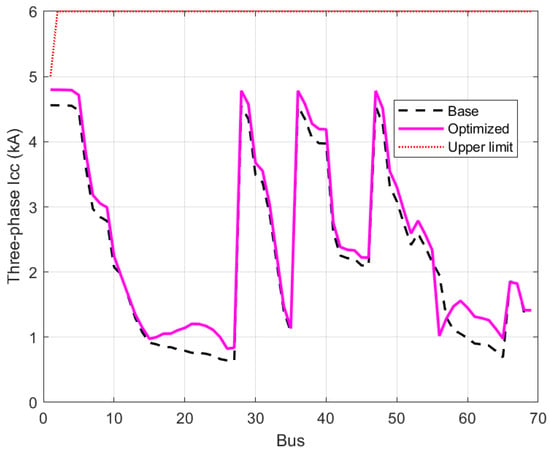
The increasing penetration of distributed generation (DG) in distribution systems poses significant operational challenges, including increased power losses, voltage profile deviations, and variations in short-circuit currents. These issues may compromise network safety, reliability, and the selectivity of protection schemes under different operating scenarios. This paper proposes a hybrid optimization methodology for the optimal placement and sizing of DG, aiming to minimize active power losses while ensuring voltage regulation and keeping short-circuit currents within permissible limits. An integrated approach is proposed that combines a mesh-to-radial network reconfiguration strategy with a modified Ant Lion Optimization algorithm, known as ALO-DG, enabling the simultaneous optimization of network topology and the allocation of distributed generators at candidate buses. The problem is formulated taking into account power balance constraints, voltage limits, distribution network capacity limits, and short-circuit current limits. The proposed methodology achieved substantial reductions in active power losses in the IEEE 33-bus and 69-bus test systems, reaching 84.42% and 91.56%, respectively. These improvements were accompanied by enhanced voltage profiles while preserving the radial operating structure of the distribution networks. Furthermore, the proposed hybrid methodology serves as a tool for the planning and operation of distribution systems with high DG penetration, particularly in scenarios where grid security and protection coordination are critical considerations.
Full article

Figure 1
Open AccessArticle
RWKV-CVM: Gated Cross-Variate Mixing for Multivariate Power Load Forecasting
by
Adil Rizki, Abdelwahed Echchatbi and Hamid Yantour
Electricity 2026, 7(2), 58; https://doi.org/10.3390/electricity7020058 - 18 Jun 2026
Abstract
►▼
Show Figures
Accurate power load forecasting is essential for efficient electricity grid management, yet capturing cross-variate dependencies in multivariate time series remains a persistent challenge. Recent channel-independent methods based on Transformer and recurrent architectures have achieved strong forecasting performance, but they discard potentially useful information
[...] Read more.
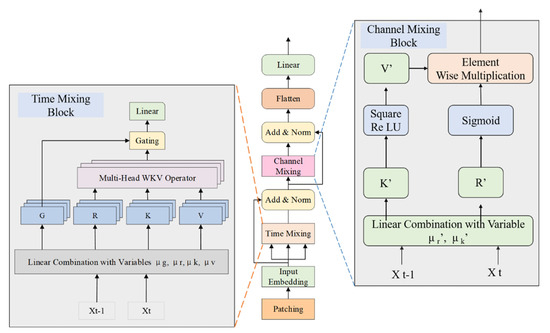
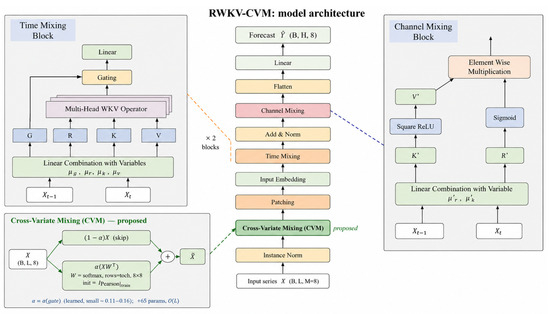
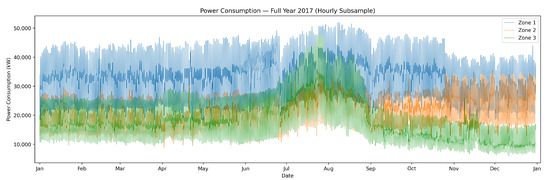
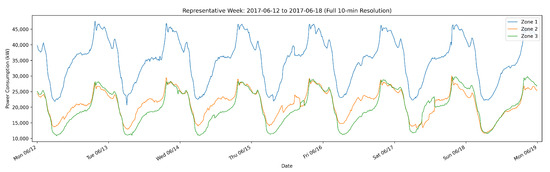
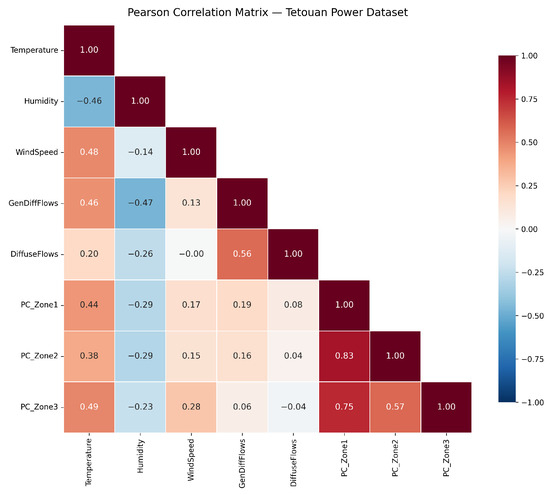
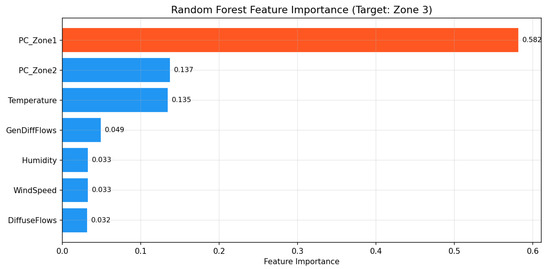
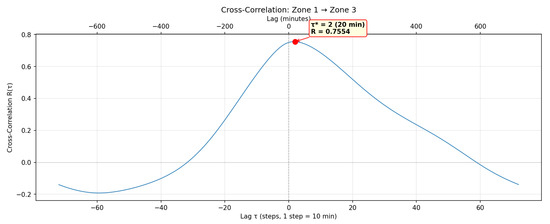
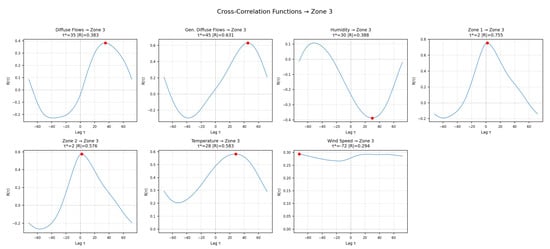
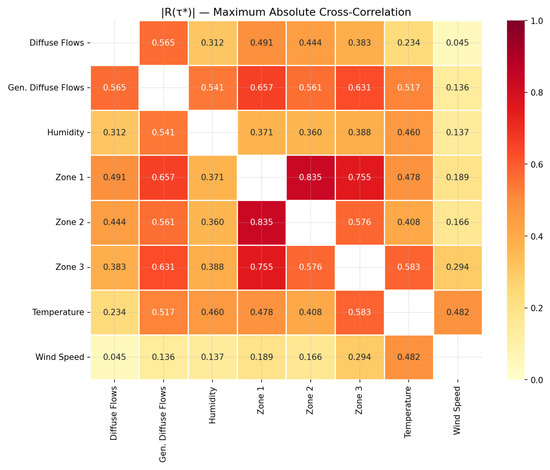
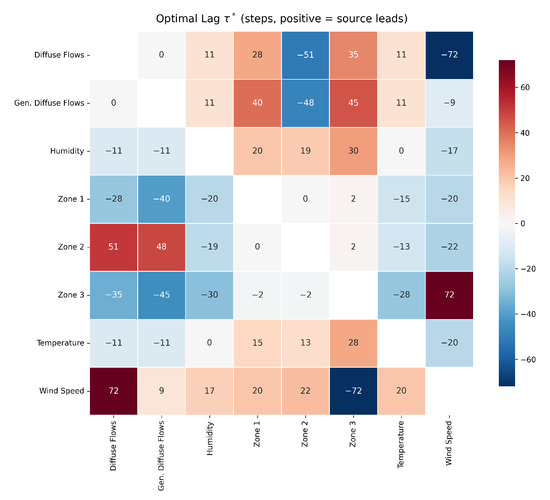
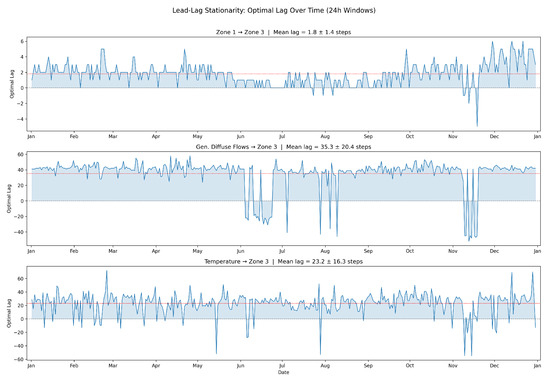
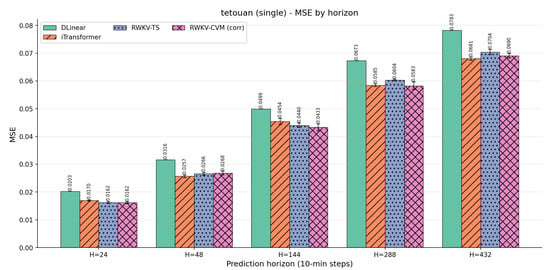
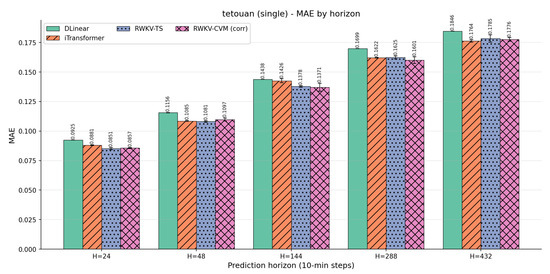
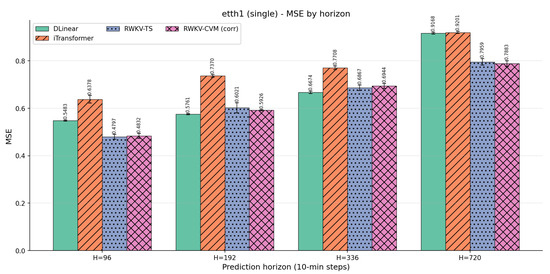
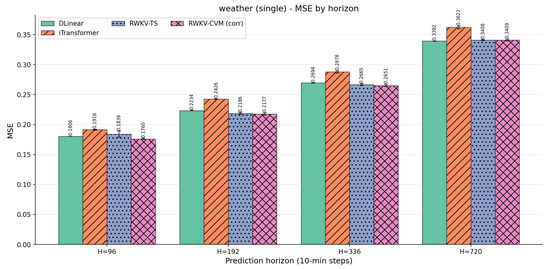
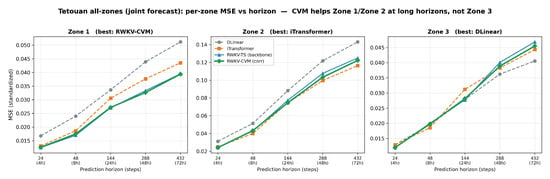
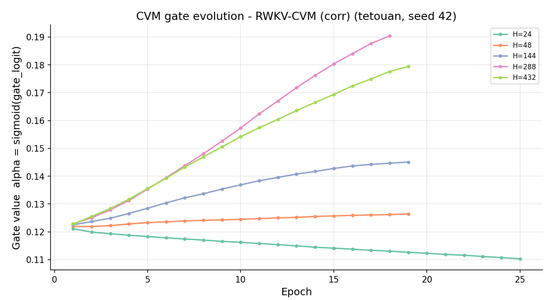
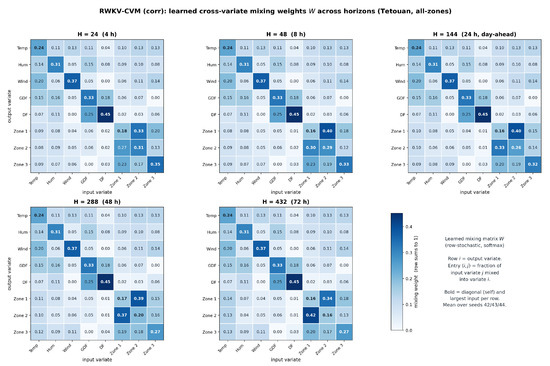
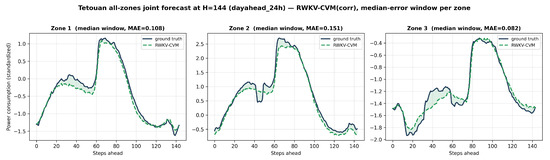
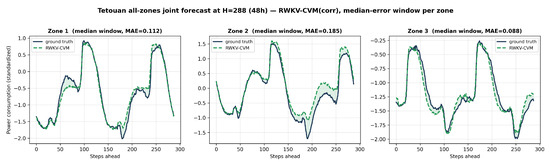
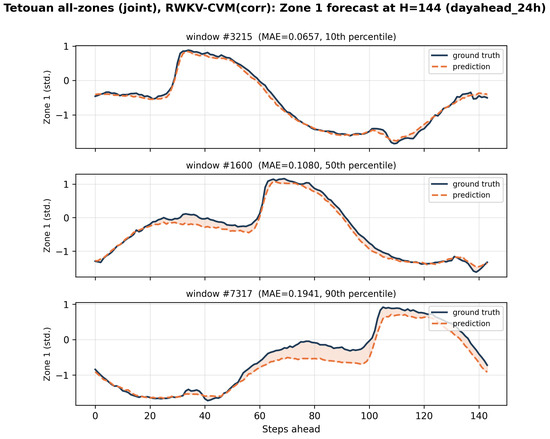
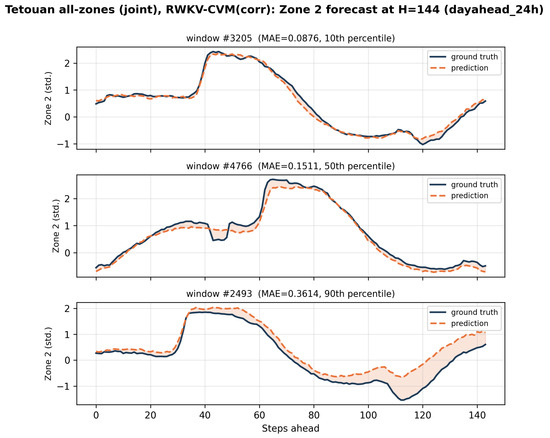
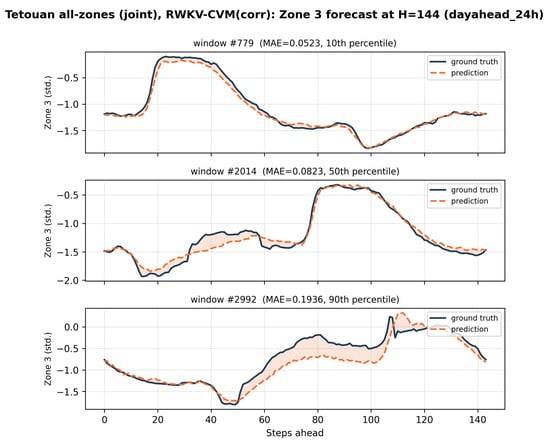
Accurate power load forecasting is essential for efficient electricity grid management, yet capturing cross-variate dependencies in multivariate time series remains a persistent challenge. Recent channel-independent methods based on Transformer and recurrent architectures have achieved strong forecasting performance, but they discard potentially useful information from correlated variates such as weather conditions and neighboring consumption zones. In this paper, we propose RWKV-CVM, a lightweight extension of the RWKV-TS architecture that introduces a trainable Cross-Variate Mixing (CVM) module to selectively incorporate inter-variate information while preserving the linear time complexity of the backbone. The CVM module is a gated, row-stochastic mixing matrix—initialized from the training set absolute Pearson correlations and modulated by a single learned scalar gate that is applied to the normalized input series before patching, adding only 65 trainable parameters to the backbone. We evaluate the method under a single unified harness (three random seeds, consistent normalization, and re-executed DLinear, iTransformer and RWKV-TS baselines) on three settings: the Tetouan city power consumption dataset forecast jointly for all three zones at horizons up to 72 h (including the operationally relevant 24 h day-ahead and 48 h two-day-ahead horizons) and the ETTh1 and Weather benchmarks under a few-shot protocol. Averaged over horizons, RWKV-CVM attains the lowest mean MSE on all three datasets (Tetouan all-zone , ETTh1 , Weather ), narrowly ahead of the strongly-tuned baselines and its own RWKV-TS backbone. The advantage is modest, is concentrated at longer horizons, and is selective across target zones; on several individual horizons and in the full-data regime, a baseline is preferable, and we report these cases explicitly. These results indicate that a controlled, lightweight injection of cross-variate information can improve multivariate load forecasting on average without sacrificing computational efficiency.
Full article

Figure 1
Open AccessArticle
Multi-Objective BESS Siting and Sizing via NSGA-II and PTDF-Constrained DC Optimal Power Flow: Application to the Mali Transmission Network
by
Adrián Alarcón Becerra, Gregorio Fernández, Aritz Rubio Egaña, Francesco Roncallo, Mario Mihetec, Alberto Júlio Tsamba, Nikola Matak and Gilberto Mahumane
Electricity 2026, 7(2), 57; https://doi.org/10.3390/electricity7020057 - 18 Jun 2026
Abstract
Weak grid infrastructure and the absence of flexible storage are among the principal barriers to reliable, low-carbon energy access in sub-Saharan transmission systems. This paper proposes a hierarchical multi-objective framework for the optimal siting and sizing of battery energy storage systems (BESSs), applied
[...] Read more.
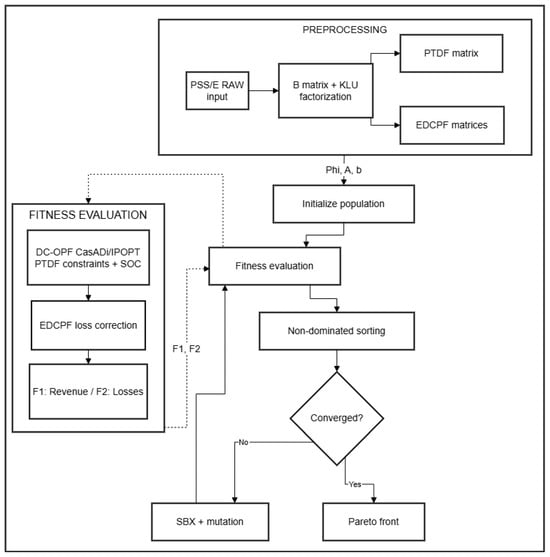
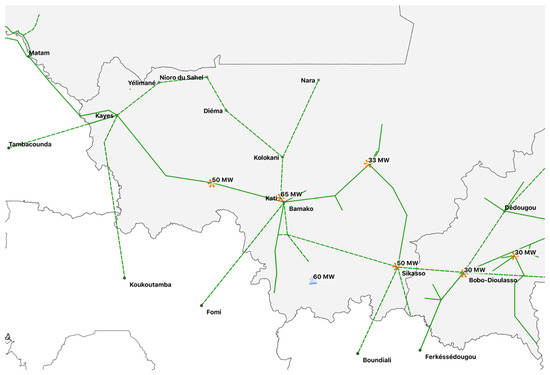
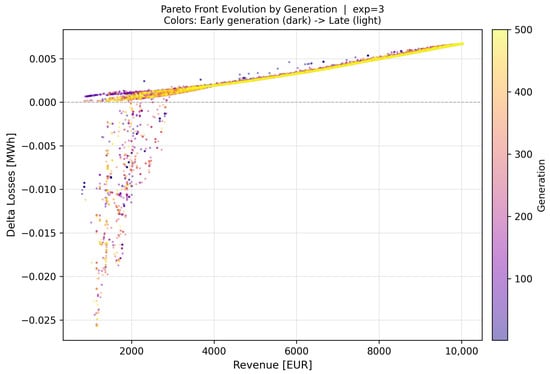
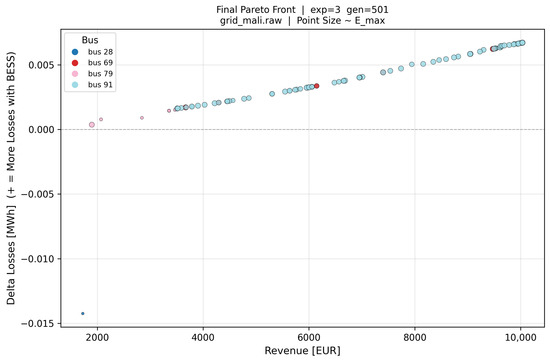
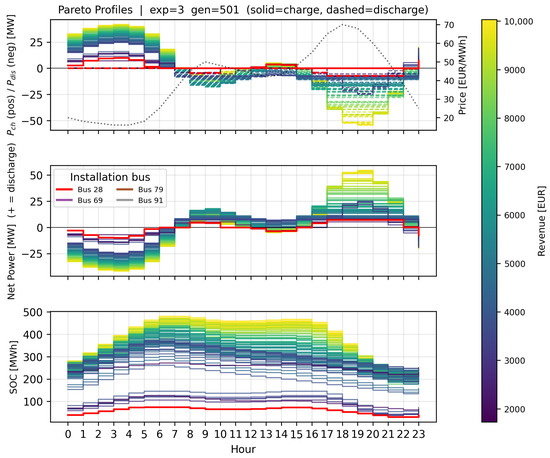
Weak grid infrastructure and the absence of flexible storage are among the principal barriers to reliable, low-carbon energy access in sub-Saharan transmission systems. This paper proposes a hierarchical multi-objective framework for the optimal siting and sizing of battery energy storage systems (BESSs), applied to the 130-bus Mali transmission network within the EMERGE project. The upper level employs NSGA-II to simultaneously maximize daily price arbitrage revenue and minimize active power losses; the lower level solves a network-constrained DC optimal power flow with thermal branch limits enforced as hard linear inequalities via the Power Transfer Distribution Factor (PTDF) matrix. Over 500 generations, the framework identifies Bus 91 (SIRAKORO II, 150 kV) as the dominant storage location, achieving a maximum daily revenue of approximately €10,033 at a marginal loss increment of MWh. The resulting Pareto front gives Mali system planners a quantitative tool for trading off private investment returns against grid-level environmental impact, demonstrating that rigorous network-constrained BESS planning is technically tractable and economically viable in the resource-constrained context of sub-Saharan energy transitions.
Full article
(This article belongs to the Topic Advanced Technology of Smart Battery and Energy Management System of Transportation Electrification)
►▼
Show Figures

Figure 1
Highly Accessed Articles
Latest Books
E-Mail Alert
News
Topics
Topic in
Electricity, Energies, Forecasting, Processes, Smart Cities, Sustainability
Intelligent, Flexible, and Effective Operation of Smart Grids with Novel Energy Technologies and Equipment
Topic Editors: Pengfei Zhao, Sheng Chen, Yunqi Wang, Liwei Ju, Zhengmao Li, Minglei BaoDeadline: 31 July 2026
Topic in
Electricity, Energies, Resources, Vehicles
Transforming Integrated Energy Systems: Modeling, Simulation and Optimal Operation with Digital Twin
Topic Editors: Yang Gao, Shi Chen, Zhiyuan Tang, Xiaolong Jin, Licheng Wang, Yiwei Qiu, Jinrui TangDeadline: 30 September 2026
Topic in
Electricity, Electronics, Energies, Sensors, Sustainability
Optimal Planning, Integration and Control of Smart Grids and Microgrids Systems, 2nd Edition
Topic Editors: Jun Zeng, Qian Xiao, Fei Gao, Yiqi LiuDeadline: 31 October 2026
Topic in
Electricity, Electronics, Energies, Future Internet, IoT, Sensors
Advancing the Energy Internet: Innovations and Solutions for a Sustainable Energy Future
Topic Editors: Leijiao Ge, Dou AnDeadline: 31 December 2026
Special Issues
Special Issue in
Electricity
Advancing Energy Systems for a Decarbonized Future: Renewable Integration, Smart Grids, and Optimization Strategies
Guest Editors: Changgi Min, Heejin KimDeadline: 31 July 2026
Special Issue in
Electricity
Innovations in Smart Grid Technologies and Sustainable Energy Solutions
Guest Editor: Farhad ShahniaDeadline: 10 August 2026
Special Issue in
Electricity
Advances in Operation, Optimization and Control of Smart Grids: 2nd Edition
Guest Editors: Murilo Bento, Hugo MoraisDeadline: 30 September 2026
Special Issue in
Electricity
Grid-Forming Inverter-Based Resources in Electricity Systems Integration
Guest Editors: Nicola Sorrentino, Daniele Menniti, Giovanni Brusco, Giuseppe BaroneDeadline: 31 October 2026
Topical Collections
Topical Collection in
Electricity
Optimal Operation and Planning of Smart Power Distribution Networks
Collection Editor: Pavlos S. Georgilakis