
Topical Advisory Panel applications are now closed. Please contact the Editorial Office with any queries.
-
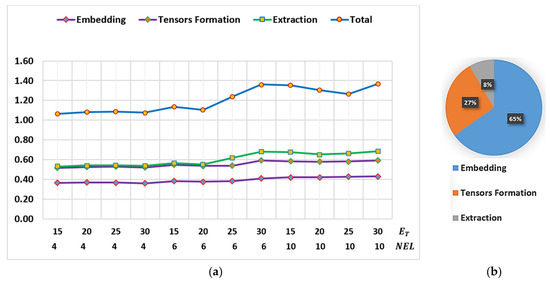
Investigating Sibilant Fricative Representation in Bangla Telemedicine Speech: A Cost-Aware Sampling Rate Optimization Study -
Circular Polarization-Based Quantum Encoding for Image Transmission over Error-Prone Channels -
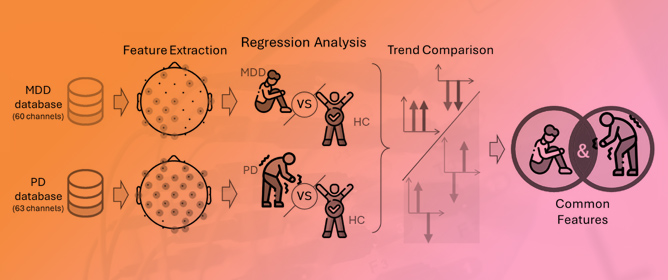
Exploratory Analysis of Electroencephalography Characteristics Shared by Major Depressive Disorder and Parkinson’s Disease: A Database Study -
Spectral Bandwidth Effects on Emotion Classification and Representation in Spoken and Sung Signals
Journal Description
Signals
Signals
is an international, peer-reviewed, open access journal on signals and signal processing published bimonthly online by MDPI.
- Open Access— free for readers, with article processing charges (APC) paid by authors or their institutions.
- High Visibility: indexed within Scopus, ESCI (Web of Science), Inspec, and other databases.
- Rapid Publication: manuscripts are peer-reviewed and a first decision is provided to authors approximately 28.6 days after submission; acceptance to publication is undertaken in 14.8 days (median values for papers published in this journal in the first half of 2026).
- Journal Rank: JCR - Q2 (Engineering, Electrical and Electronic) / CiteScore - Q1 (Engineering (miscellaneous))
- Recognition of Reviewers: APC discount vouchers, optional signed peer review, and reviewer names published annually in the journal.
- Signals is a companion journal of Electronics.
- Journal Clusters of Network and Communications Technology: Future Internet, IoT, Telecom, Journal of Sensor and Actuator Networks, Network, Signals.
Impact Factor:
2.9 (2025);
5-Year Impact Factor:
2.6 (2025)
Latest Articles
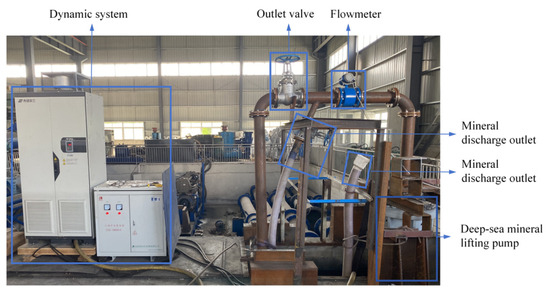
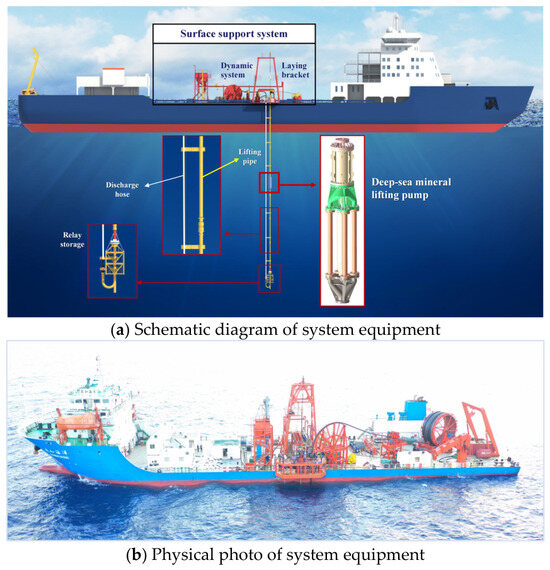
CNN-LSTM-Based Time Series Health Condition Prediction for Deep-Sea Mineral Lifting Pump in Offshore Tests
Signals 2026, 7(4), 84; https://doi.org/10.3390/signals7040084 - 19 Aug 2026
Abstract
As the core power equipment of the deep-sea mining system, the deep-sea mineral lifting pump continuously operates under harsh service conditions coupled with high hydrostatic pressure, complex marine environments, and solid particle media. Its operating state shows obvious strong nonlinearity, time-varying fluctuation, and
[...] Read more.
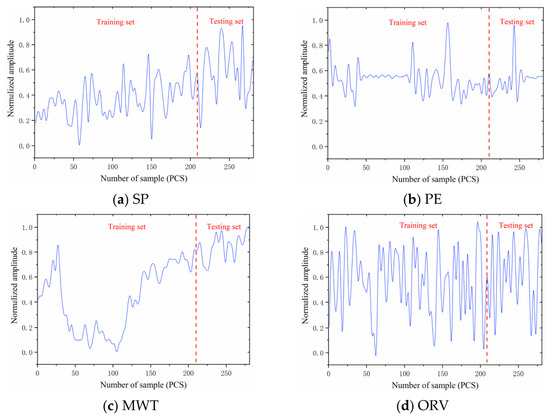
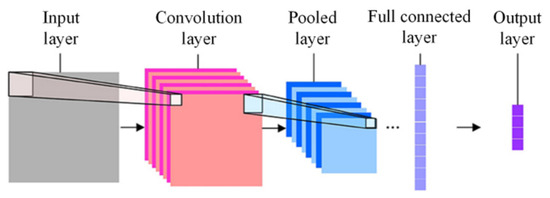
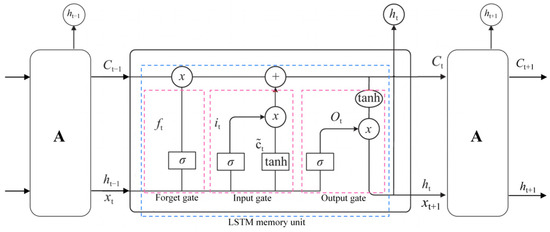
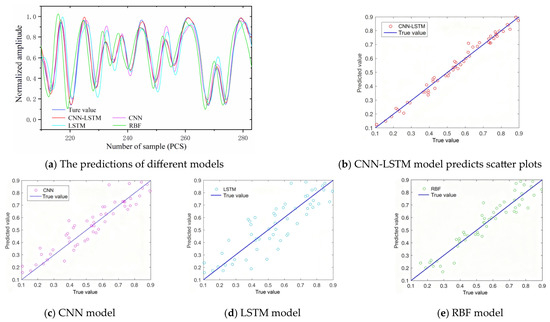
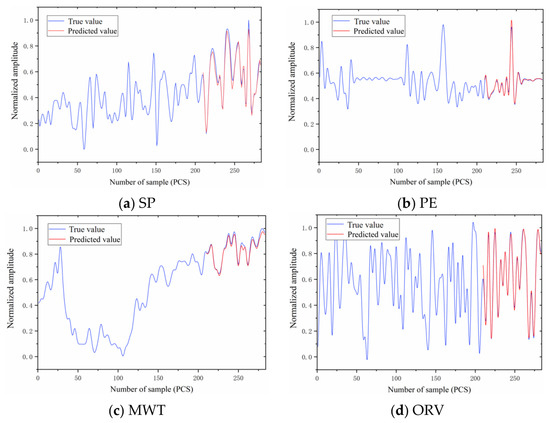
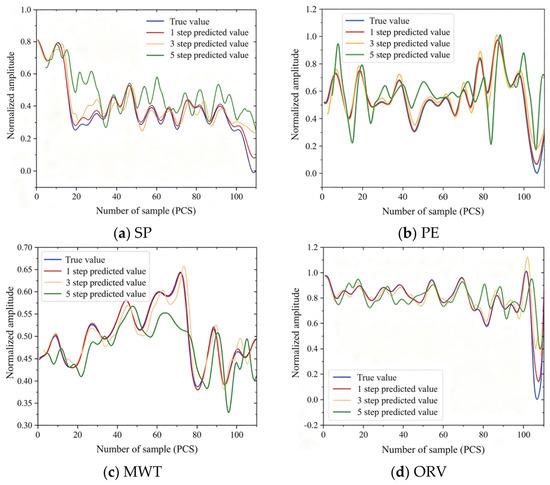
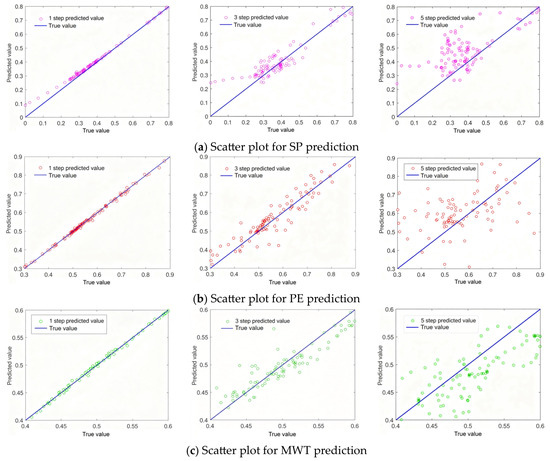
As the core power equipment of the deep-sea mining system, the deep-sea mineral lifting pump continuously operates under harsh service conditions coupled with high hydrostatic pressure, complex marine environments, and solid particle media. Its operating state shows obvious strong nonlinearity, time-varying fluctuation, and local abrupt change features. Therefore, time series health state prediction of the deep-sea mineral lifting pump is of vital engineering significance for realizing predictive maintenance and ensuring the safety of offshore trials and mining operations. Taking the 500 m-level offshore sea trial conducted in the Xisha area of the South China Sea as the engineering background, four critical health characteristic parameters, including shaft power, pump efficiency, motor winding temperature, and outlet radial vibration, are selected to construct a hybrid CNN-LSTM time series prediction model. Comprehensive model evaluation metrics and ablation comparison experiments are adopted to analyze the multi-step-ahead prediction performance of the proposed model. The results show that the CNN-LSTM model achieves optimal comprehensive evaluation indices in one-step prediction and possesses excellent tracking capability for inflection points and amplitude fluctuations of time series data. Although the prediction accuracy decreases gradually with the increase in prediction steps, the model can still effectively characterize the evolutionary trend of pump operating states, and its overall prediction performance is significantly superior to that of single models. This study provides model support and technical reference for the health evaluation, early fault alarm, and maintenance optimization of deep-sea mineral lifting pumps in offshore trials.
Full article
(This article belongs to the Special Issue Condition Monitoring and Intelligent Fault Diagnosis of Rotor System)
►
Show Figures
Open AccessArticle
The Linear Series Decomposition Learner (LSDL): A Multi-Geometric Theory of Signal Structure and Representation
by
Ejay Nsugbe
Signals 2026, 7(4), 83; https://doi.org/10.3390/signals7040083 - 18 Aug 2026
Abstract
►▼
Show Figures
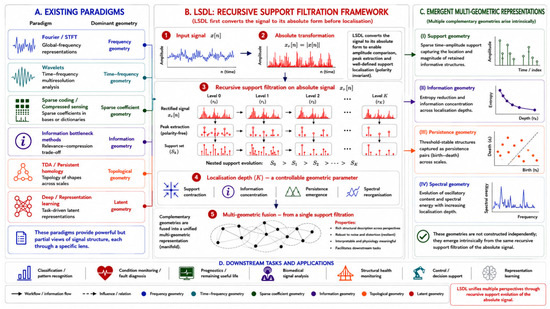
Signal representation underpins modern signal processing, yet many existing methods primarily transform signals into alternative domains without explicitly modelling how informative signal structure evolves during recursive localisation. This paper presents the Linear Series Decomposition Learner (LSDL), a multi-geometric theory of signal structure and
[...] Read more.
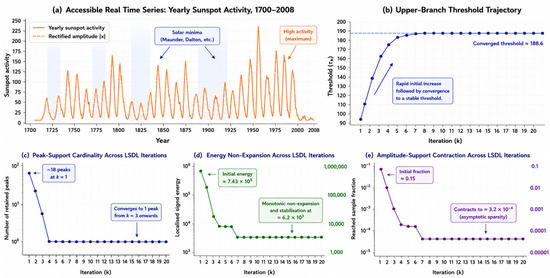
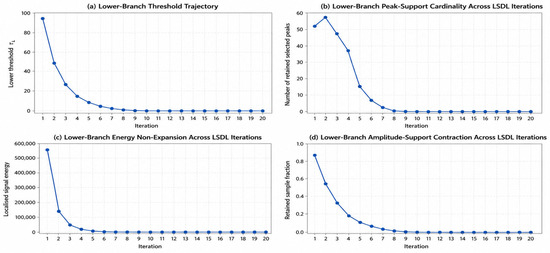
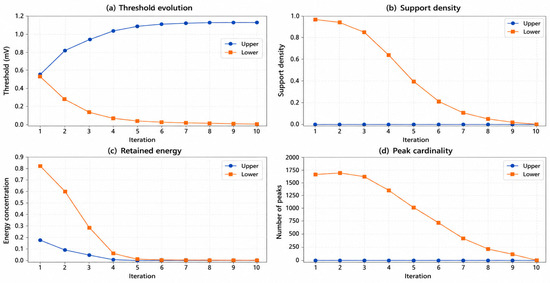
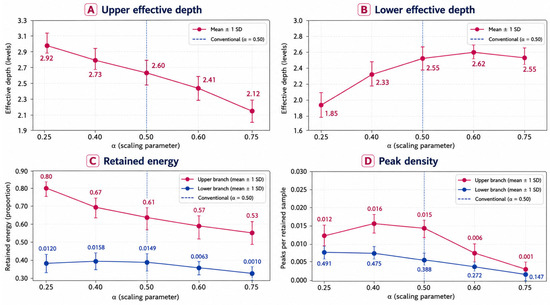
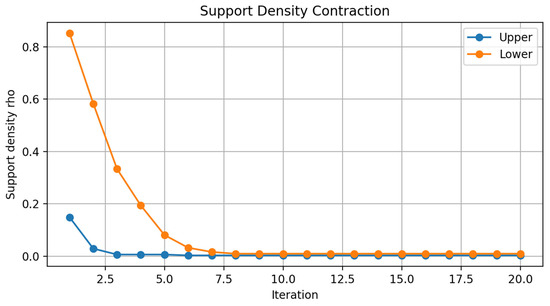
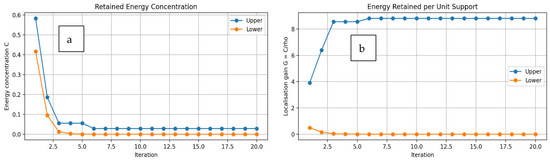
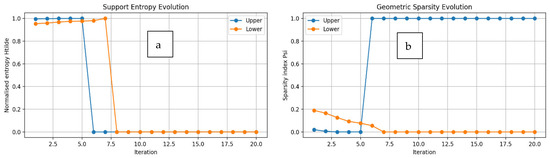
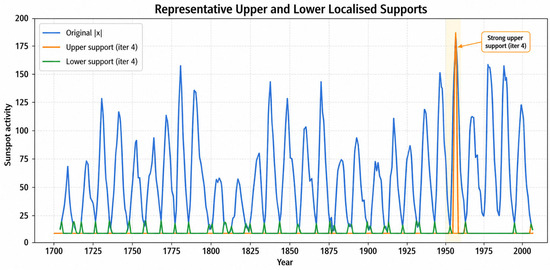
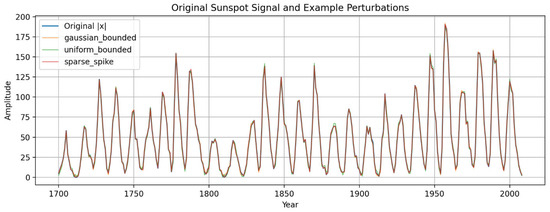
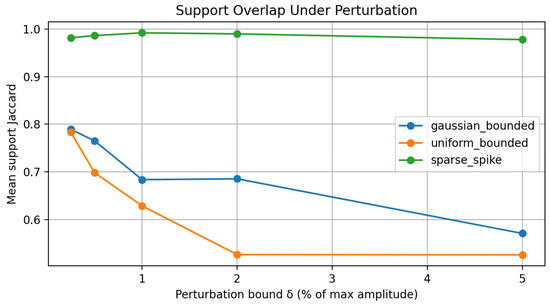
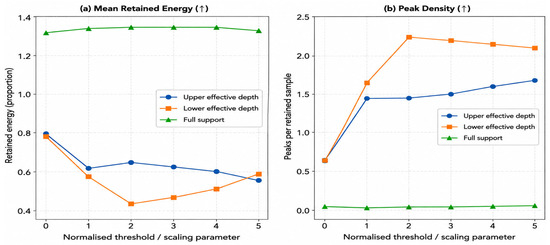
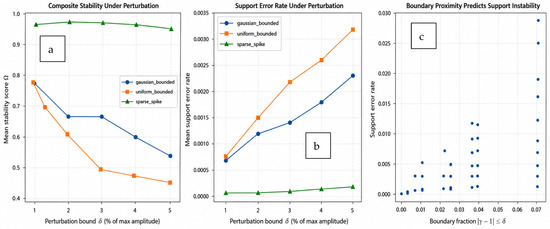
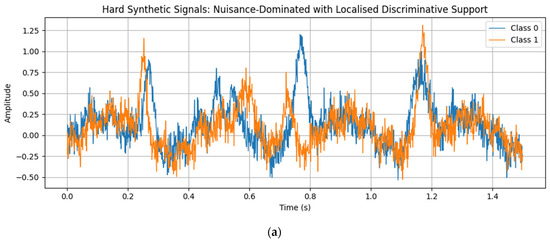
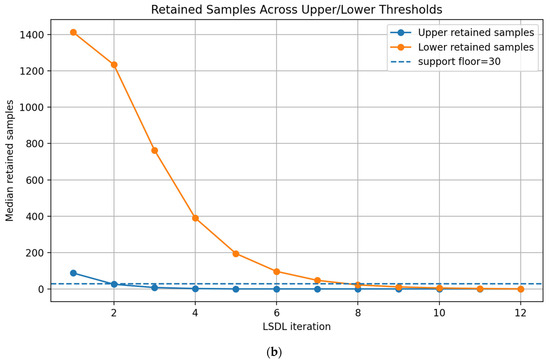
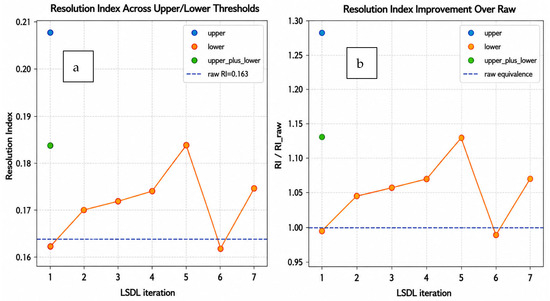
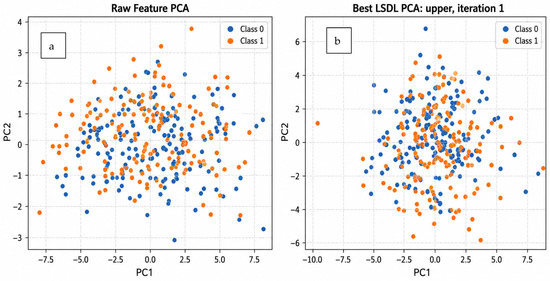
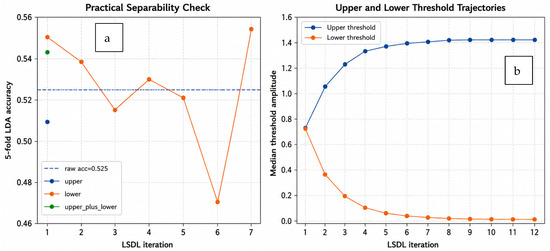
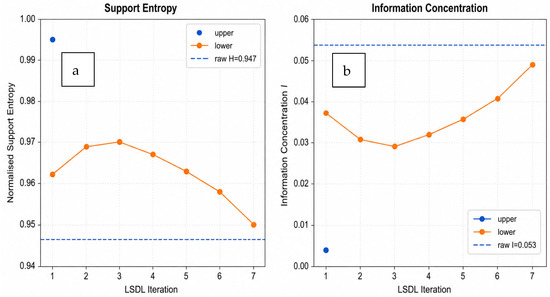
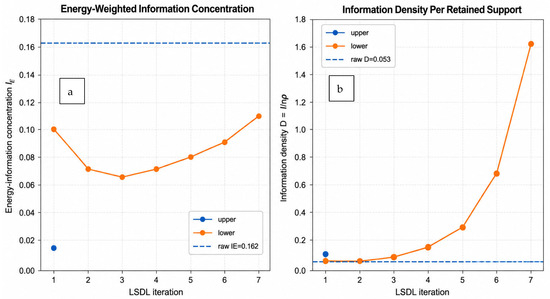
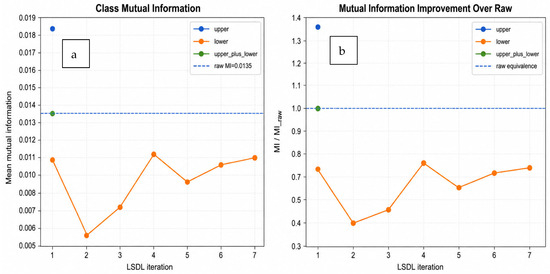
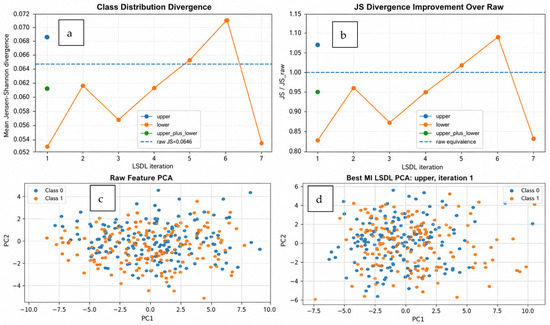
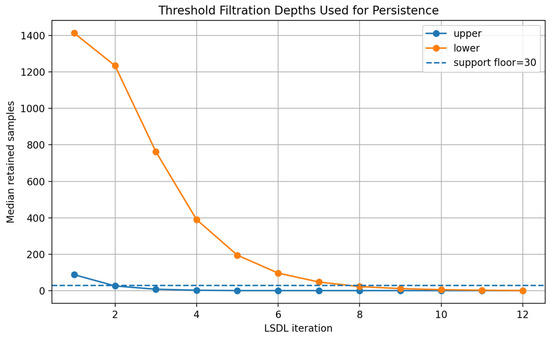
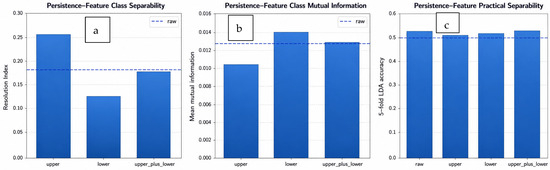
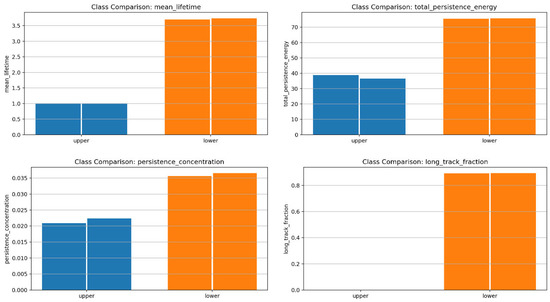
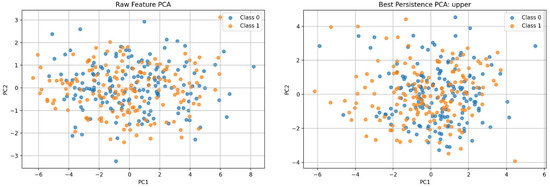
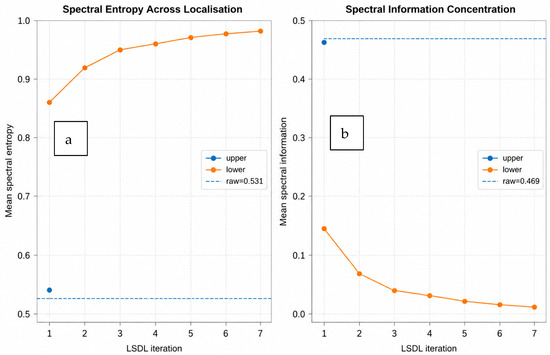
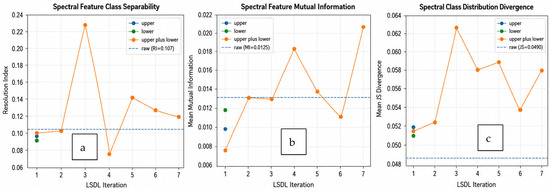
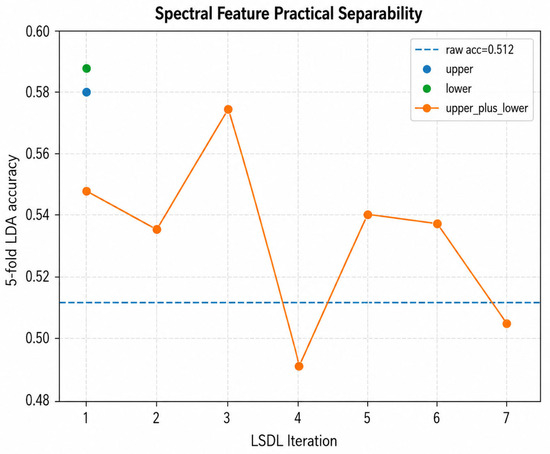
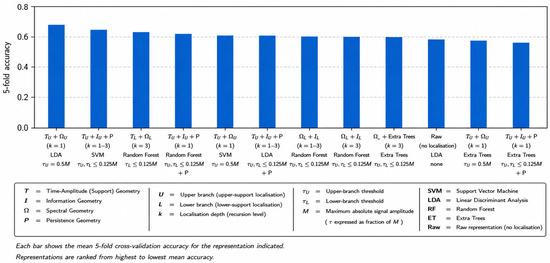
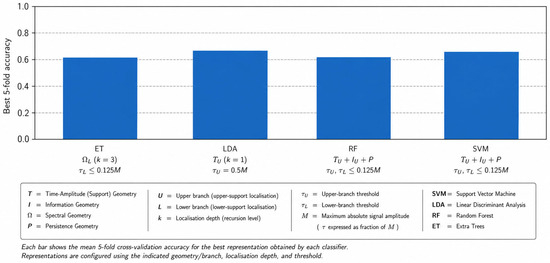
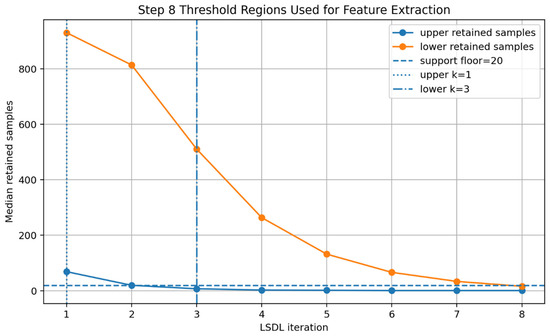
Signal representation underpins modern signal processing, yet many existing methods primarily transform signals into alternative domains without explicitly modelling how informative signal structure evolves during recursive localisation. This paper presents the Linear Series Decomposition Learner (LSDL), a multi-geometric theory of signal structure and representation founded on recursive support localisation. The LSDL is formulated as a recursive localisation operator acting on a fixed amplitude-reference domain, thereby establishing a mathematically rigorous framework for analysing the evolution of signal support across successive localisation levels. Theoretical analysis characterises the fundamental properties of the operator, including support evolution, monotonicity, finite recursion, perturbation stability, and admissible localisation, and it thereby provides a formal foundation for recursive signal decomposition. Building upon this operator-theoretic formulation, the proposed framework establishes that recursive support localisation induces multiple complementary geometries of signal structure. These comprise support geometry, which describes the organisation of retained signal support; discriminative geometry, which characterises class separability under recursive localisation; information geometry, which quantifies entropy redistribution and information concentration; persistence geometry, which models the emergence, evolution, and lifetime of localised signal structures across recursive filtrations; and spectral geometry, which describes recursion-induced reorganisation within the frequency domain. Collectively, these complementary geometries provide a coherent multi-geometric representation that captures structural, statistical, topological, and spectral characteristics within a common mathematical framework. The proposed theory is supported through analytical development and empirical evaluation using synthetic benchmark signals, real-world electromyographic (EMG) datasets, and comparative analyses against established signal representation approaches, including the short-time Fourier transform (STFT), wavelet transforms, empirical mode decomposition (EMD), variational mode decomposition (VMD), and sparse coding. Experimental results demonstrate that recursive support localisation produces interpretable multi-geometric representations while maintaining competitive classification performance and low online computational cost. By establishing recursive support localisation as a principled mechanism through which complementary signal geometries emerge, the LSDL provides a mathematically grounded framework for interpretable signal representation, structural analysis, and representation learning across diverse signal-processing applications.
Full article

Figure 1
Open AccessReview
A Literature-Based Comparative Study of Human Intelligence and Artificial Intelligence in Fault Diagnosis of Industrial Machines: Moving Toward Augmented Intelligence
by
Fasikaw Kibrete, Dereje Engida Woldemichael, Hailu Shimels Gebremedhen, Temesgen Tadesse Feisa, Boaz Berhanu Tulu, Orhan Çakar and Erman Çelik
Signals 2026, 7(4), 82; https://doi.org/10.3390/signals7040082 - 14 Aug 2026
Abstract
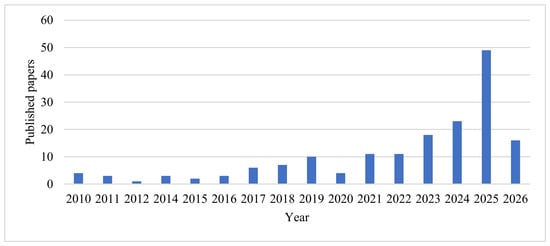
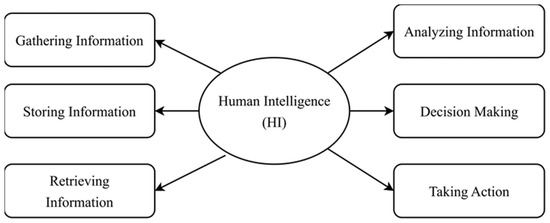
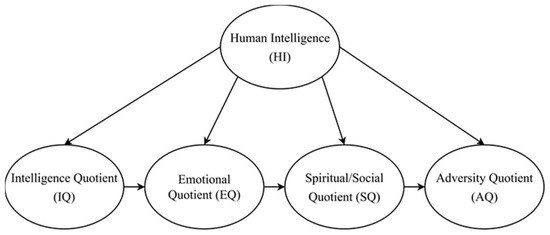
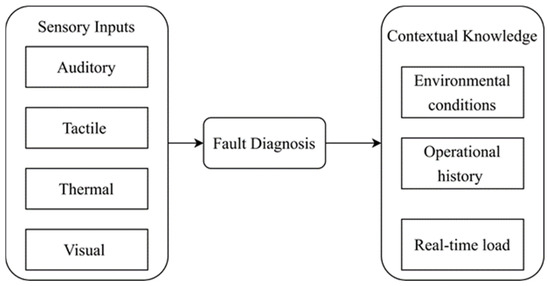
Fault diagnosis in industrial equipment plays a crucial role in ensuring reliable system functionality and minimizing the costs associated with repair and maintenance. Traditionally, fault diagnosis has relied on human intelligence (HI), with skilled personnel applying knowledge and expertise based on reasoning and
[...] Read more.
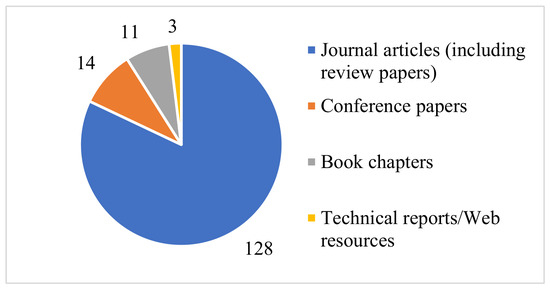
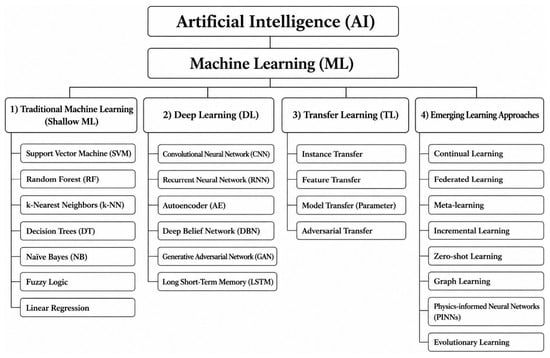
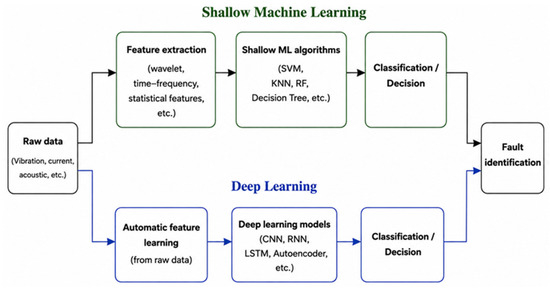
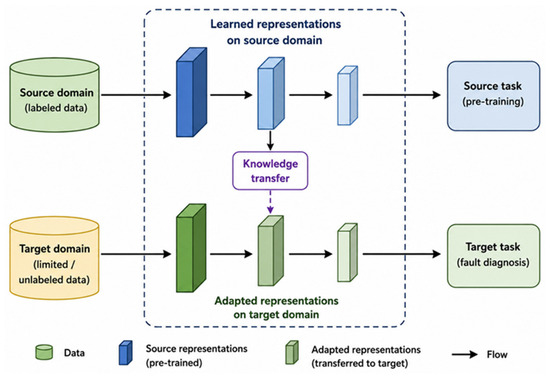
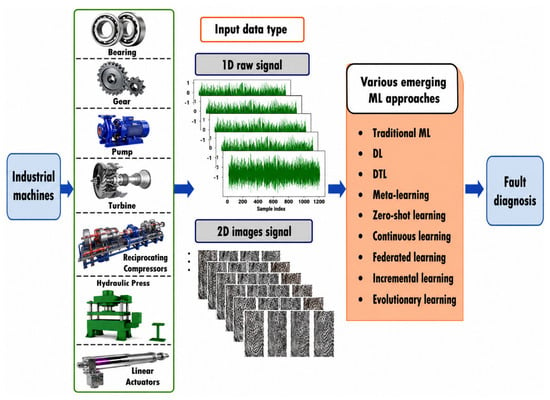
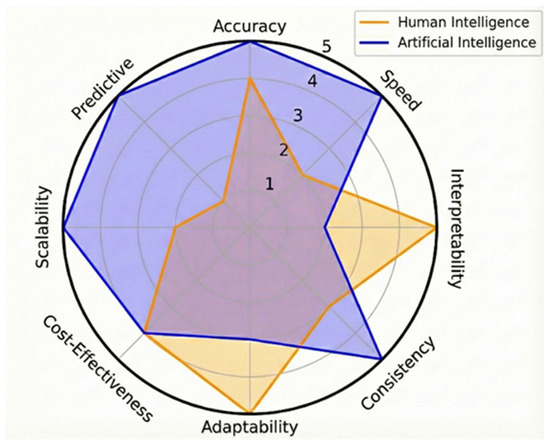
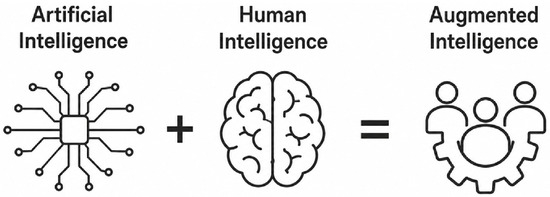
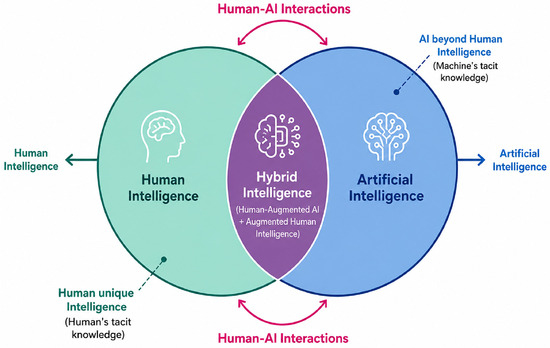
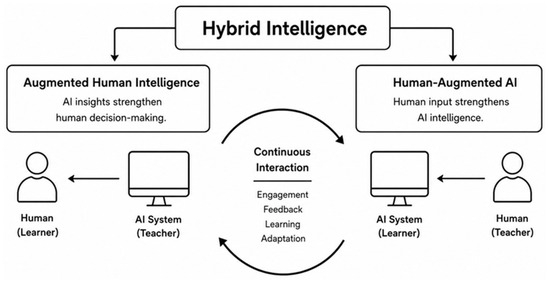
Fault diagnosis in industrial equipment plays a crucial role in ensuring reliable system functionality and minimizing the costs associated with repair and maintenance. Traditionally, fault diagnosis has relied on human intelligence (HI), with skilled personnel applying knowledge and expertise based on reasoning and contextual understanding. Nevertheless, as modern industrial systems have grown more complex, operated at higher speeds, and generated massive amounts of data, relying solely on HI has become increasingly challenging and less scalable. Consequently, modern fault diagnosis has turned toward artificial intelligence (AI). This paper presents a comparative study of HI and AI in industrial fault diagnosis, based on a literature-driven analysis. The results confirm that while AI-based fault diagnosis systems perform well in processing large datasets and achieve improved diagnostic accuracy, these practices also face limitations related to data dependency, explainability, and deployment cost. By contrast, human intelligence remains indispensable in handling uncertain, rare, or new fault conditions that require contextual judgment and flexibility. The review further indicates that augmented intelligence (AuI) provides a collaborative framework that combines the complementary strengths of HI and AI for industrial fault diagnosis. Furthermore, emerging research directions, such as explainable and trustworthy AI, foundation models, large language models, physics-informed AI, digital twins, and human-centered AI, are identified as promising developments for next-generation intelligent diagnostic systems. The findings suggest that augmented intelligence is the most promising approach for advancing the performance and reliability of diagnostic systems in industrial machines.
Full article
(This article belongs to the Special Issue Intelligent Fault Diagnosis and Predictive Maintenance for Machinery: Advanced Signal Processing and AI-Driven Approaches)
►▼
Show Figures

Figure 1
Open AccessArticle
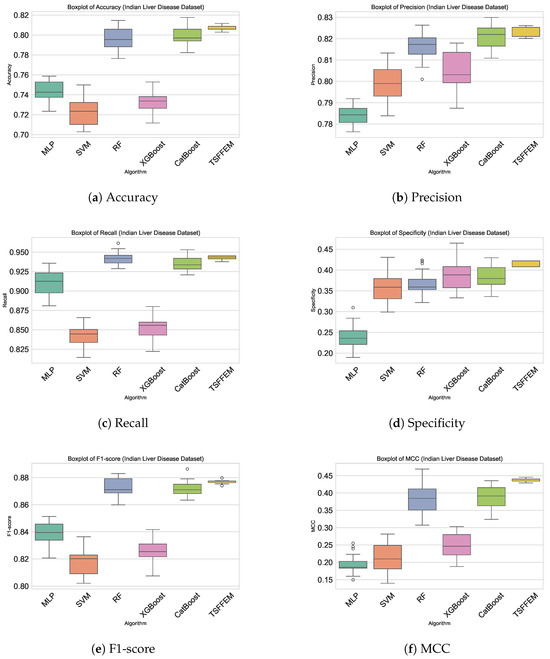
An AI-Driven Two-Stage Feature Fusion-Based Ensemble Model for Liver Disorder Prediction
by
Shaoyuan Weng, Zongwen Fan and Liton Devnath
Signals 2026, 7(4), 81; https://doi.org/10.3390/signals7040081 - 10 Aug 2026
Abstract
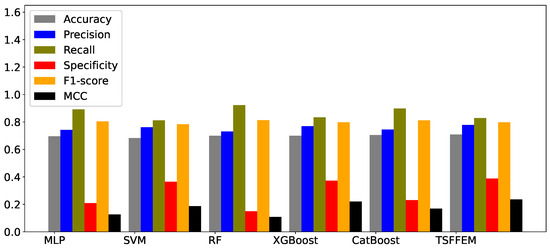
The liver plays a crucial role in maintaining essential physiological functions; however, excessive alcohol consumption significantly increases the risk of liver disorders. Accurate and early prediction of such conditions is vital for timely intervention and effective clinical management. Nevertheless, liver disorder prediction is
[...] Read more.
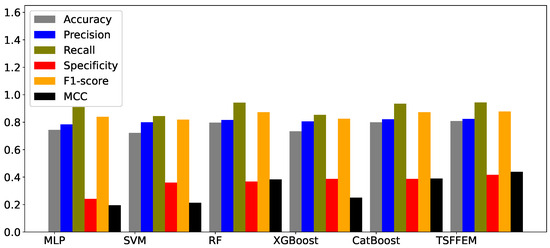
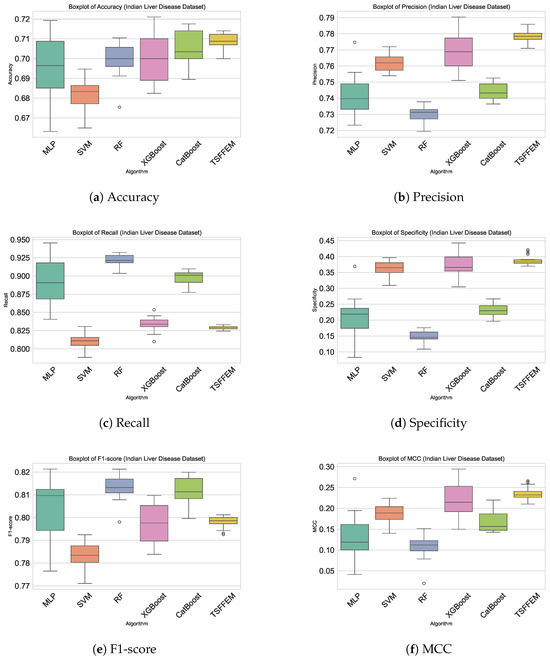
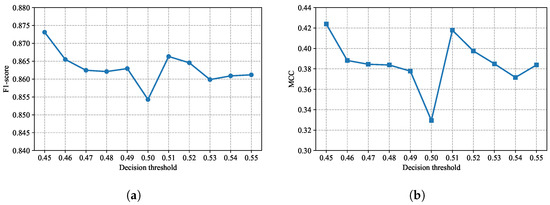
The liver plays a crucial role in maintaining essential physiological functions; however, excessive alcohol consumption significantly increases the risk of liver disorders. Accurate and early prediction of such conditions is vital for timely intervention and effective clinical management. Nevertheless, liver disorder prediction is typically challenged by class imbalance, which makes the conventional fixed classification threshold (0.5) suboptimal for binary classification. To address these issues, this paper proposes an AI-driven two-stage feature fusion-based ensemble model for intelligent biomedical data processing and liver disorder prediction. In the first stage, multiple tree-based ensemble models are employed to evaluate feature importance, and a feature selection strategy is designed to select an optimal subset of discriminative features. In the second stage, prediction probabilities generated by these base learners are integrated with the selected feature subset to construct an enhanced feature space through feature-level information fusion. This probability-aware fusion strategy captures richer predictive information and alleviates the limitations of fixed-threshold binary classification. In addition, a meta-ensemble model is employed to aggregate heterogeneous predictive patterns from multiple learners for the final prediction based on an optimized threshold. Extensive experiments based on two benchmark liver disorder datasets demonstrate that the proposed model consistently outperforms the compared models in terms of predictive performance. Statistical analysis also confirms that the proposed model significantly outperforms the compared methods. These results indicate that the proposed model could serve as a useful AI-aided biomedical healthcare data processing tool for liver disorder prediction.
Full article
(This article belongs to the Special Issue Advanced Signal Processing Technologies: Integrating AI, Future Communications, and Innovative Applications)
►▼
Show Figures

Figure 1
Open AccessArticle
Robust Machine Learning-Based Image Watermarking Using Bagged Trees in the Wavelet Packet Domain
by
Hazem Munaewer Al-Otum
Signals 2026, 7(4), 80; https://doi.org/10.3390/signals7040080 - 6 Aug 2026
Abstract
►▼
Show Figures
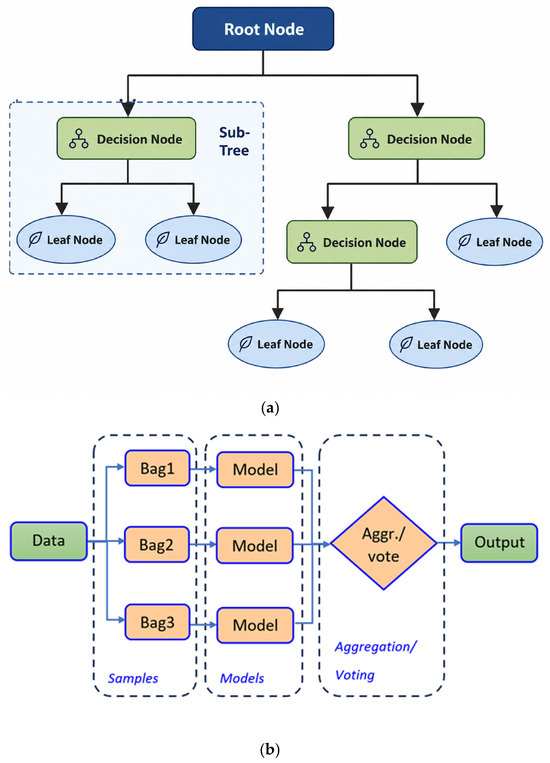
In the contemporary digital era, image watermarking is essential for protecting intellectual property due to the widespread unauthorized distribution of digital content. In this work, a robust and efficient image watermarking scheme for copyright protection is proposed. The method integrates wavelet packet decomposition
[...] Read more.
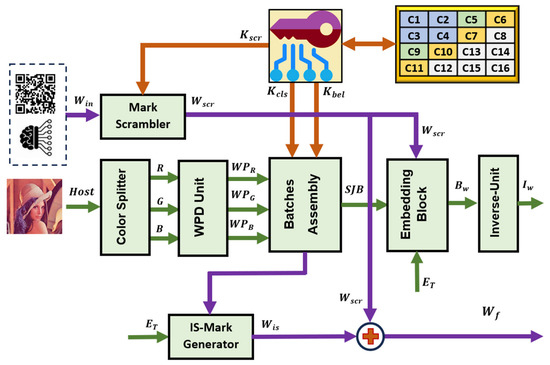
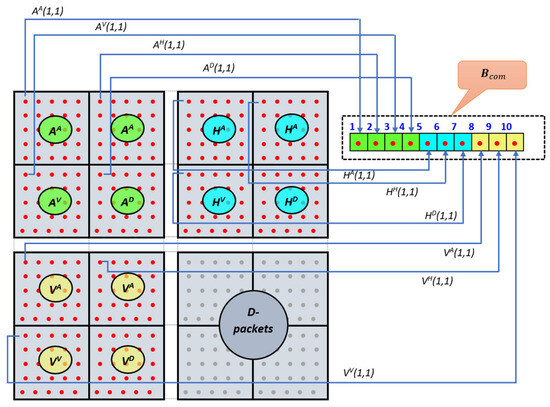
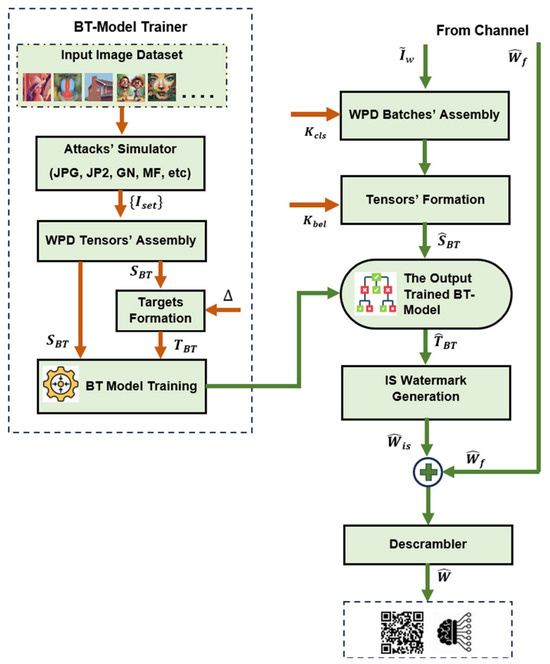
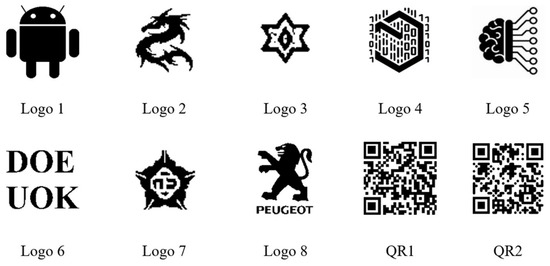
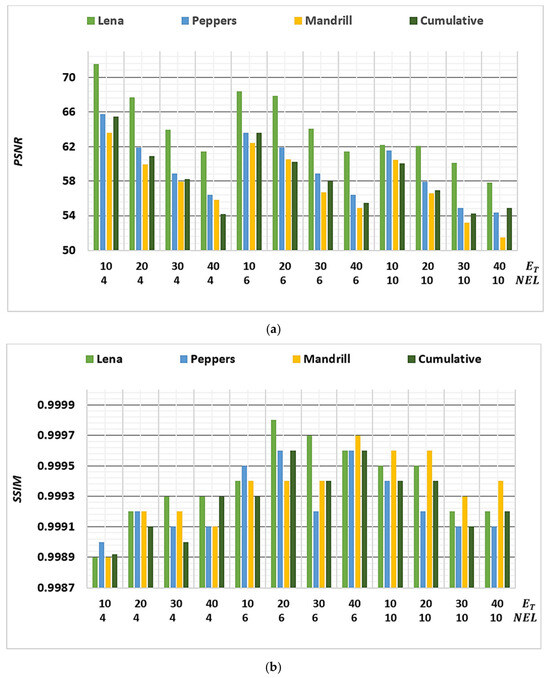
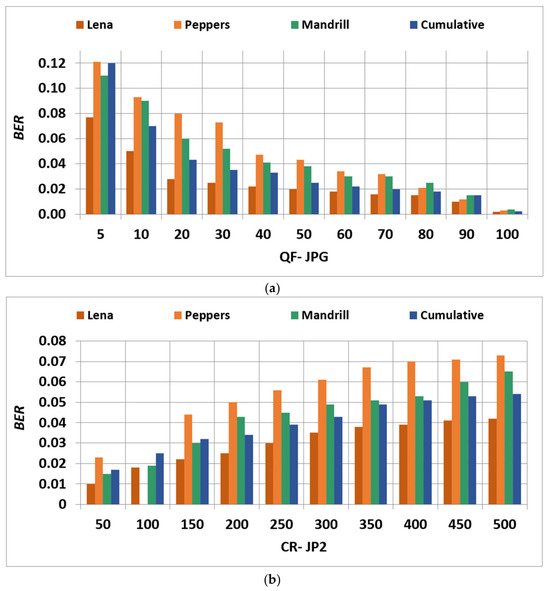
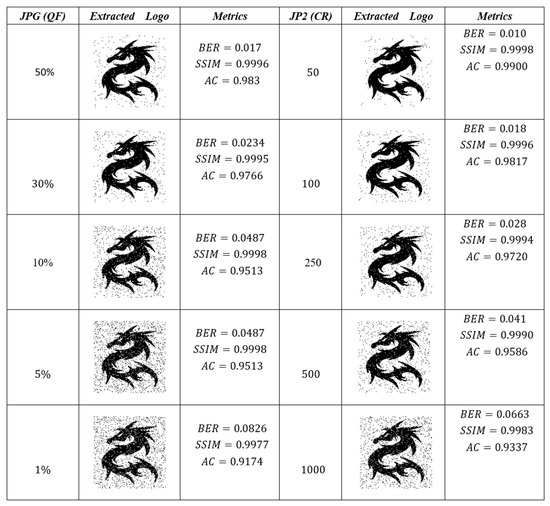
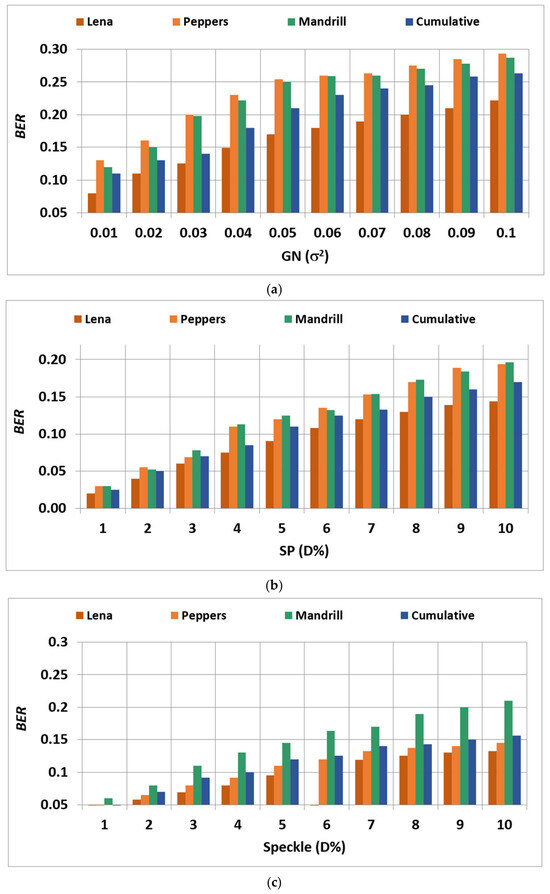
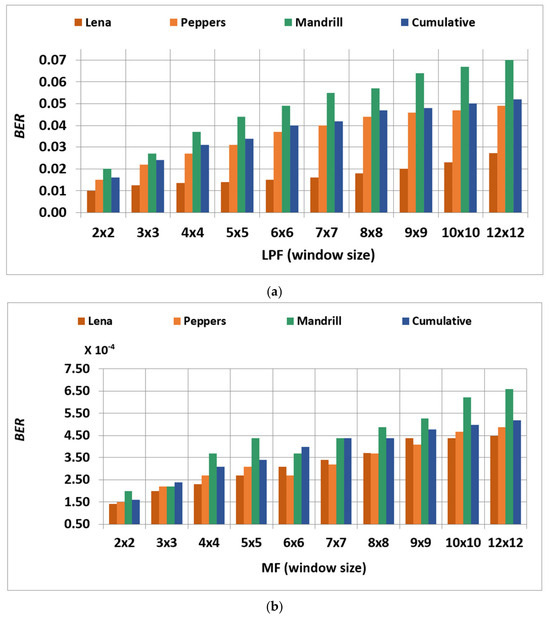
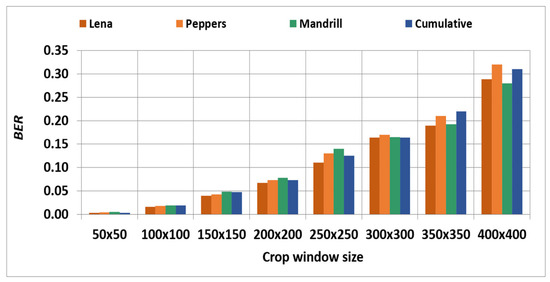
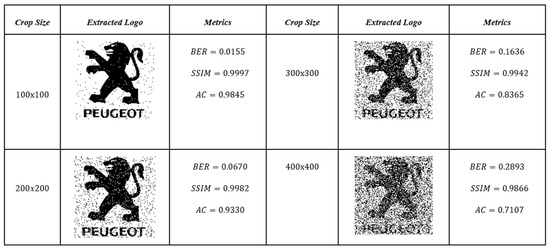
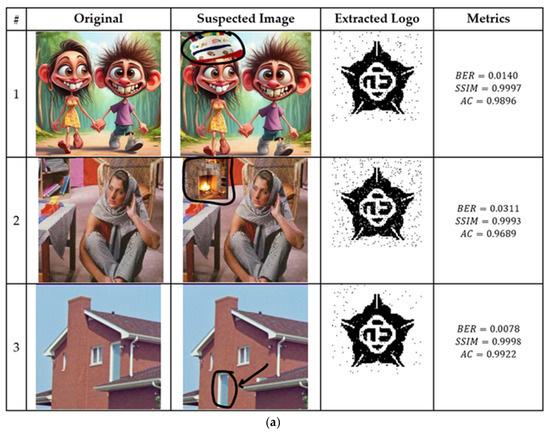
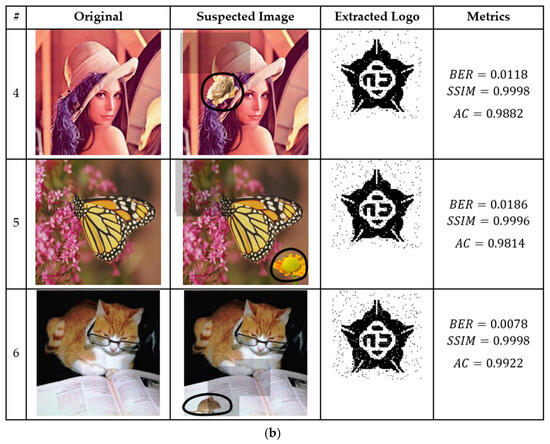
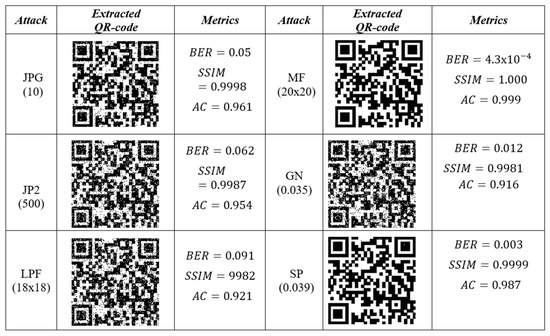
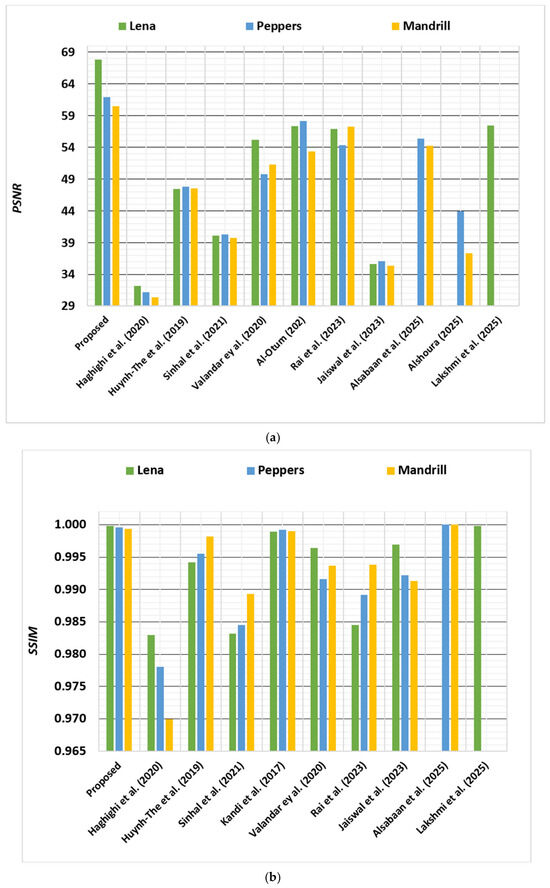
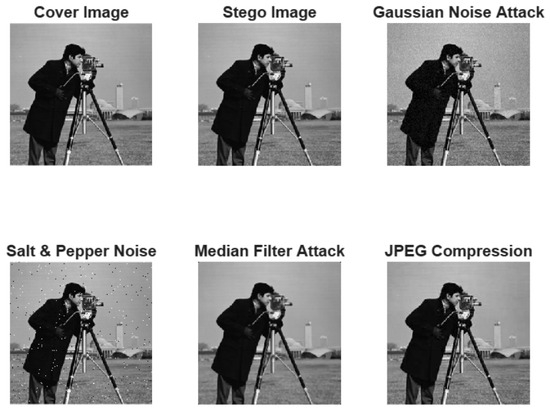
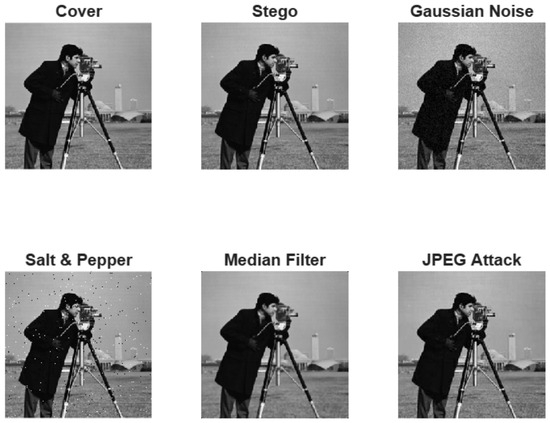
In the contemporary digital era, image watermarking is essential for protecting intellectual property due to the widespread unauthorized distribution of digital content. In this work, a robust and efficient image watermarking scheme for copyright protection is proposed. The method integrates wavelet packet decomposition (WPD) with an ensemble of bagged tree classifiers, forming the BT-WPD framework. In the proposed approach, wavelet packet coefficients extracted from each color channel are reorganized into structured batches that capture spatial frequency characteristics, enabling effective watermark embedding in the WPD domain guided by the bagged tree ensemble model. Experimental results demonstrate that the proposed method achieves high imperceptibility, with a peak signal-to-noise ratio (PSNR) exceeding 60 dB, while maintaining strong robustness against various image processing attacks. The method also exhibits low computational complexity during watermark extraction, making it suitable for practical applications. Furthermore, the framework is extended to support Quick Response (QR) code watermark embedding, demonstrating enhanced robustness and versatility for copyright protection in digital media systems.
Full article

Figure 1
Open AccessArticle
Offline UAV Inspection with Audited LLM-Assisted Analytics: A Deployable Framework Integrating Computer Vision and Natural Language Querying
by
Matias Soto, Ricardo Vergara, Pablo Ormeño-Arriagada and Jorge Vasquez
Signals 2026, 7(4), 79; https://doi.org/10.3390/signals7040079 - 6 Aug 2026
Abstract
►▼
Show Figures
Field-based infrastructure inspection often occurs under intermittent or absence connectivity, limiting the applicability of cloud-dependent analytical systems. Existing approaches primarily focus on detection accuracy or edge processing, but rarely address the integration of reliable analytics, data traceability, and deployment constraints within a unified
[...] Read more.
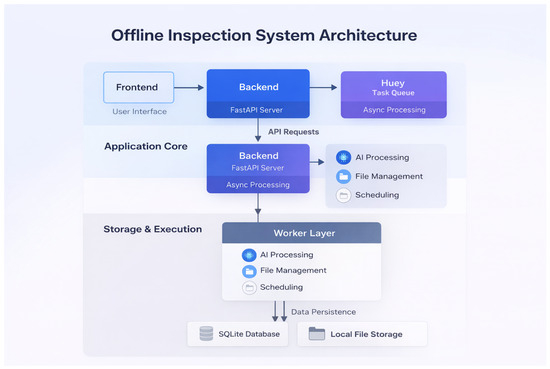
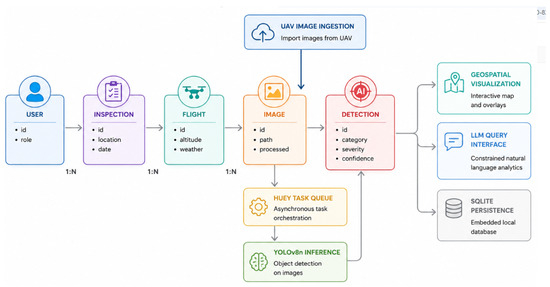
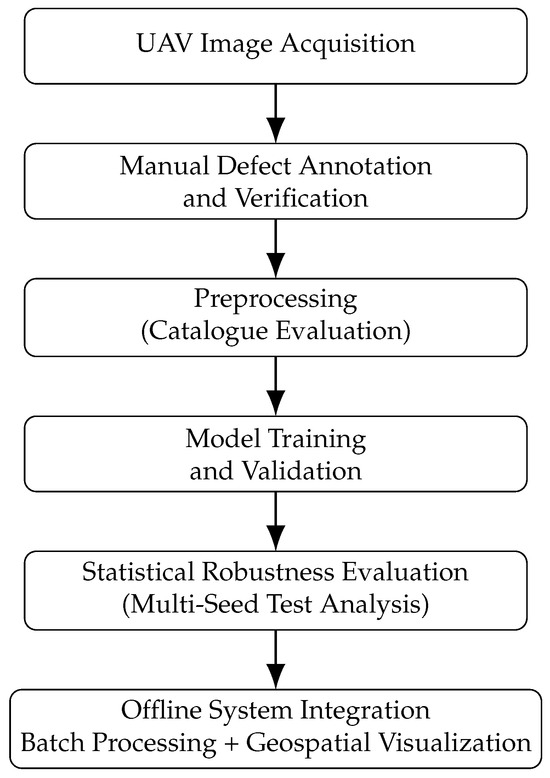
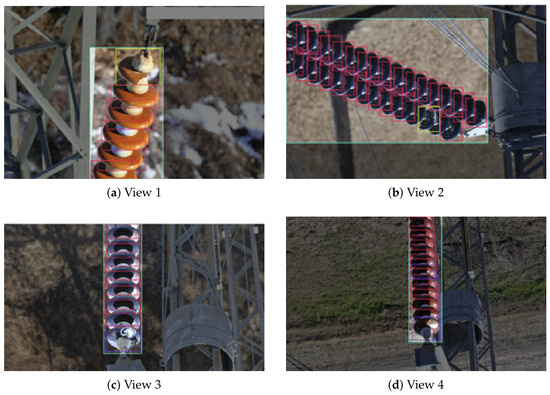
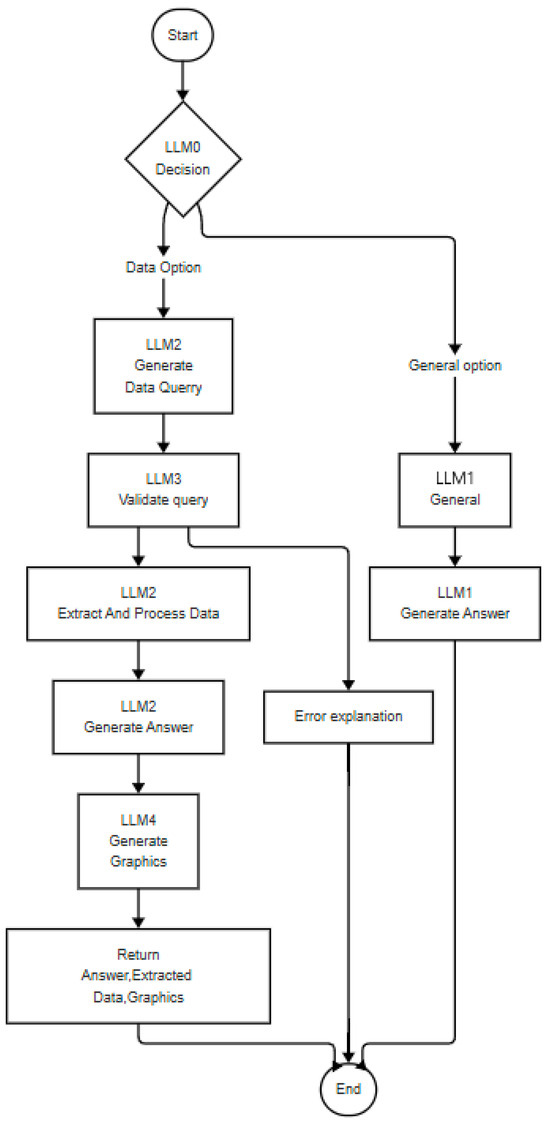
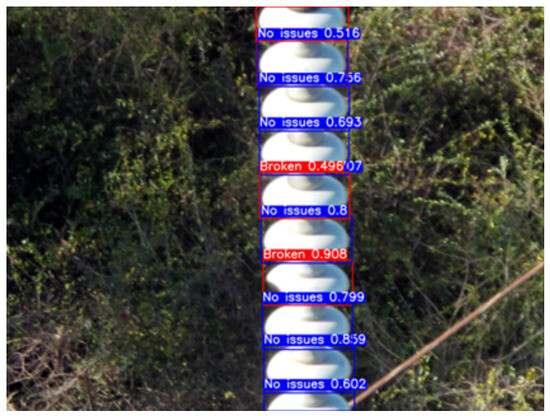
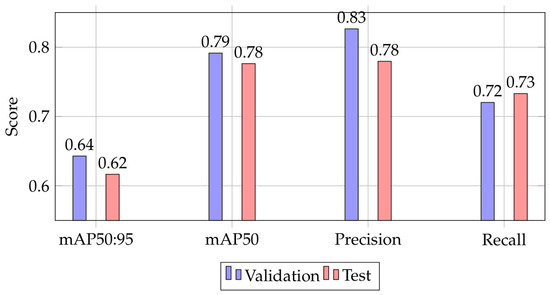
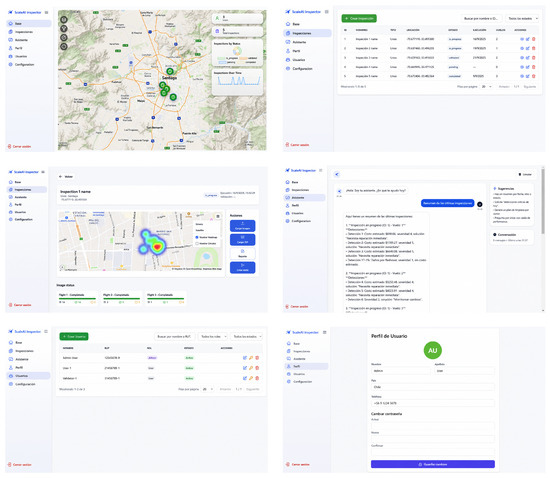
Field-based infrastructure inspection often occurs under intermittent or absence connectivity, limiting the applicability of cloud-dependent analytical systems. Existing approaches primarily focus on detection accuracy or edge processing, but rarely address the integration of reliable analytics, data traceability, and deployment constraints within a unified framework. To address this gap, we present OffInspect-LLM, an offline inspection platform integrating controlled LLM-assisted analytical interaction. The system combines an inspection pipeline for object detection with a constrained natural language interface that generates validated SQL queries, ensuring safe and traceable data interaction. Experimental evaluation on a dataset of 1600 images demonstrated stable multi-seed held-out test performance, achieving a deployment-oriented mean held-out test mAP@50:95 of 0.617 across five random seeds, while the highest exploratory single-run validation result reached 0.714 under fixed initialization conditions. The primary deployment-oriented evaluation corresponds to the multi-seed held-out test performance rather than the peak single-run validation result. In addition to predictive performance, the system achieves per-image inference times below 3 s on GPU, reliable batch processing, and scalable geospatial visualization exceeding 10,000 detections. The primary contribution lies in the integration of detection, structured data management, and audited querying within an offline-first architecture, enabling traceable and deployment-oriented inspection workflows through constrained analytical interaction under realistic operational conditions.
Full article

Figure 1
Open AccessReview
A Review on Image Steganography Techniques: Evolution from Classical to Adaptive Methods
by
Shikha Chaudhary, Gunjan Gupta, Vikash Kumar Mishra, Vipin Balyan and Pramod Kumar Soni
Signals 2026, 7(4), 78; https://doi.org/10.3390/signals7040078 - 5 Aug 2026
Abstract
►▼
Show Figures
Image steganography is an information-hiding technique, aiming to achieve confidentiality and data privacy while transmitting the data in a digital environment. Over the last two decades, steganography has evolved from classical spatial domain embedding to intelligent and adaptive steganographic systems capable of balancing
[...] Read more.
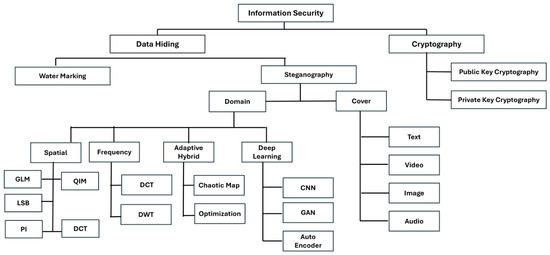
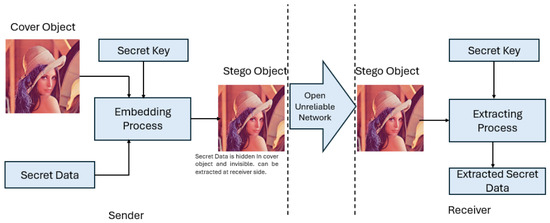
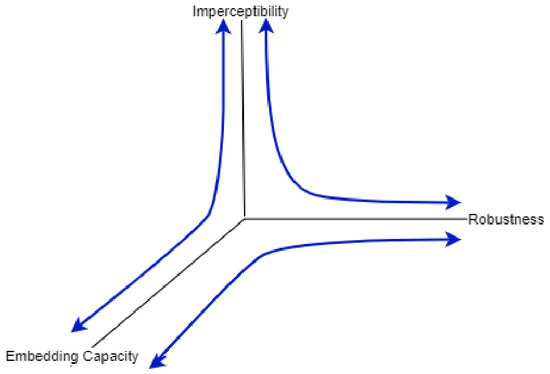
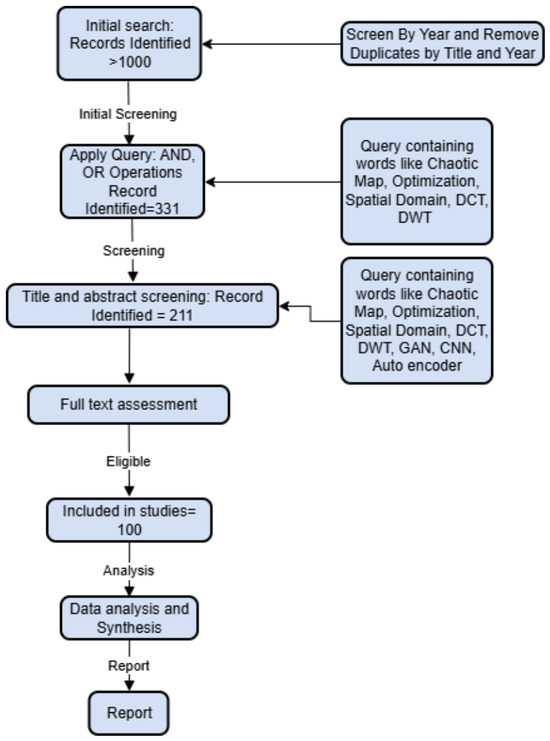
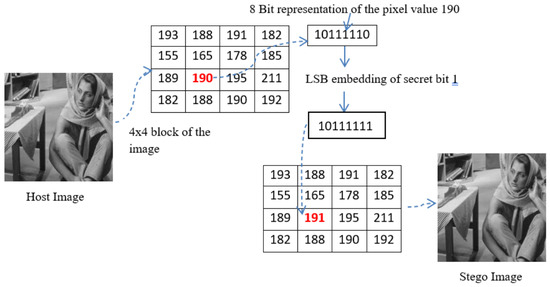
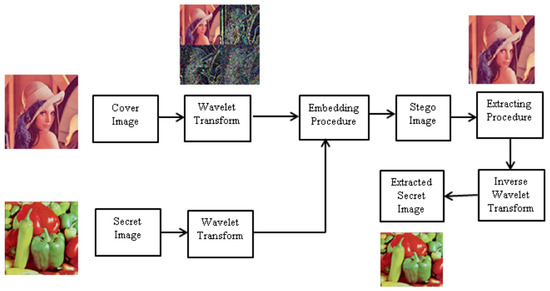
Image steganography is an information-hiding technique, aiming to achieve confidentiality and data privacy while transmitting the data in a digital environment. Over the last two decades, steganography has evolved from classical spatial domain embedding to intelligent and adaptive steganographic systems capable of balancing imperceptibility, embedding capacity, robustness and security. This paper presents a review by categorizing the existing techniques into spatial domain-based, transform domain-based, hybrid and adaptive intelligent techniques. The review follows the PRISMA approach to make the selection process transparent for the inclusion and exclusion of papers in the study. Initially, the reviews include the spatial domain-based methods focusing on higher embedding capacity and simple embedding strategy, followed by transform-domain based techniques, including discrete cosine transform, discrete wavelet transform, and other multi-resolution wavelet transforms aiming to enhance robustness and imperceptibility by embedding the data into frequency coefficients. This paper further explores the methods that combine these techniques with other recent trends to develop adaptive and hybrid techniques. These techniques mainly integrate chaotic theory to enhance the security of secret data before embedding and optimization algorithms such as genetic algorithm, particle swarm optimization, Firefly, etc., for adaptive embedding to achieve an improved tradeoff. Finally, intelligent and adaptive techniques based on deep learning models such as convolutional neural networks, autoencoders, and generative adversarial networks are examined, highlighting their ability to learn intelligent embedding strategies and resist modern steganalysis. A comparative analysis is presented, including the technique, strengths, and limitations, together with the discussion of performance evaluation metrics and vulnerability analysis under image processing attacks. The review highlights the current trends and outlines the future direction to develop next-generation secure image steganographic systems.
Full article

Figure 1
Open AccessArticle
Deep Learning Analysis of Intraoperative Physiological Signals for Predicting Surgical Outcomes in Head and Neck Free Flap Surgery: Preliminary Study
by
Ji Won Kim, Jae Yeong Kim, Hanaro Park, Soon-Hyun Ahn, Eun-Jae Chung and Jungirl Seok
Signals 2026, 7(4), 77; https://doi.org/10.3390/signals7040077 - 4 Aug 2026
Abstract
►▼
Show Figures
Intraoperative monitoring systems play a vital role in surgical safety and decision-making. This study explored whether high-resolution physiological signals routinely available during surgery can be leveraged by deep learning to predict adverse events after head and neck free flap reconstruction. In this retrospective
[...] Read more.
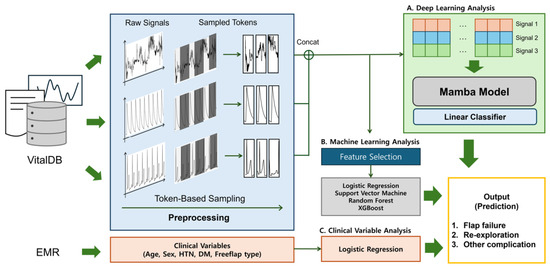
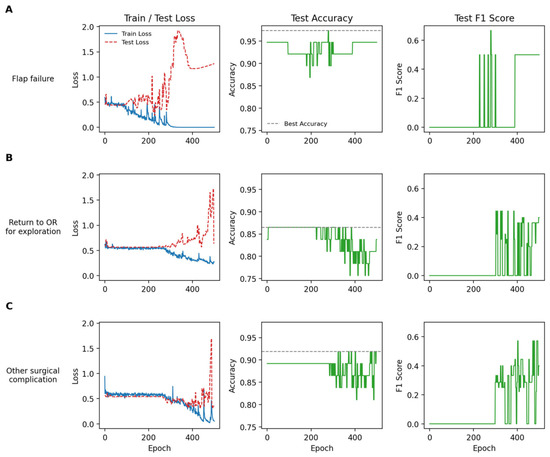
Intraoperative monitoring systems play a vital role in surgical safety and decision-making. This study explored whether high-resolution physiological signals routinely available during surgery can be leveraged by deep learning to predict adverse events after head and neck free flap reconstruction. In this retrospective study, intraoperative waveforms, including arterial pressure, plethysmography, and electrocardiogram, from 187 patients who underwent free flap surgery were analyzed. A deep learning model based on the Mamba architecture was trained to predict three outcomes: flap failure, return to the operating room for exploration, and other surgical complications. Conventional logistic regression using static clinical variables and feature-based machine learning models were evaluated for comparison. On a patient-wise stratified held-out test set, the deep learning model achieved AUROCs of 0.86, 0.62, and 0.93 for flap failure, re-exploration, and other complications, respectively. Precision was 0.50, 0.40, and 1.00, whereas recall was 0.50, 0.40, and 0.25, indicating high precision but modest recall. Predictive performance varied across outcomes. These findings demonstrate the feasibility of waveform-based deep learning for perioperative risk stratification in reconstructive surgery, although the preliminary nature, limited sample size, and lack of external validation should be considered.
Full article

Figure 1
Open AccessArticle
Representation and Geometric Collapse in Spatiotemporal EEG Classifiers: A Mathematical Diagnostic Framework
by
Ahmed El Badaoui, Hicham Ben Alla, Manal Hilali, Said Ben Alla and Abdellah Ezzati
Signals 2026, 7(4), 76; https://doi.org/10.3390/signals7040076 - 4 Aug 2026
Abstract
►▼
Show Figures
Spatiotemporal deep learning models, like Graph Neural Networks (GNNs), Transformers, and selective State Space Models (Mamba), have achieved impressive performance in electroencephalogram (EEG) decoding and affective computing. However, their generalization performance often degrades severely under subject-independent Leave-One-Subject-Out (LOSO) cross-validation protocols. This generalization drop
[...] Read more.
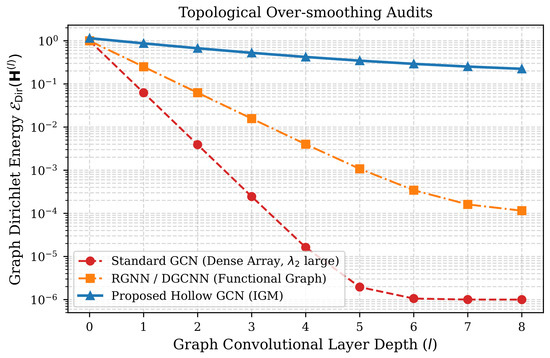
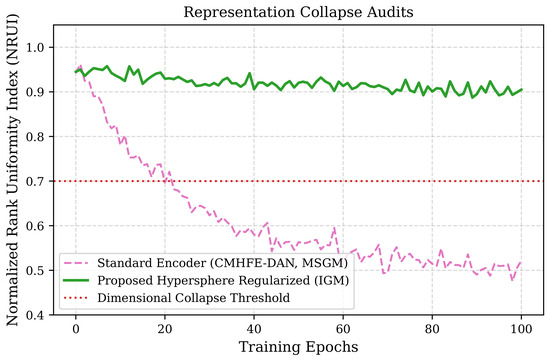
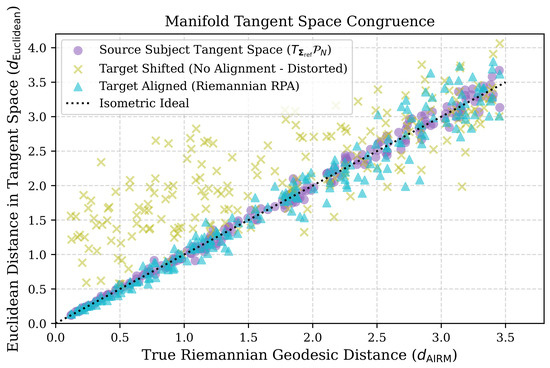
Spatiotemporal deep learning models, like Graph Neural Networks (GNNs), Transformers, and selective State Space Models (Mamba), have achieved impressive performance in electroencephalogram (EEG) decoding and affective computing. However, their generalization performance often degrades severely under subject-independent Leave-One-Subject-Out (LOSO) cross-validation protocols. This generalization drop is often attributed to generic domain shifts in standard Brain–Computer Interface (BCI) literature, and is tackled by parameter-heavy adaptations. In contrast, this paper proposes a unified mathematical diagnostic framework to audit and measure the underlying representation and geometric collapse in spatiotemporal brain–computer interfaces. More concretely, we formalize: (1) Topological over-smoothing under volume conduction through Graph Dirichlet Energy bounds indicating GCNs as low-pass filters that smooth localized electrode variations; (2) representation collapse through the Normalized Rank Uniformity Index (NRUI) based on the Shannon Entropy of latent covariance eigenvalues, that distinguishes between dimensional and semantic collapse; and (3) geometric manifold distortions under subject domain shifts on the Symmetric Positive Definite (SPD) Riemannian manifold under the Affine-Invariant Riemannian Metric (AIRM) projection. Auditing these diagnostic metrics on canonical models across DEAP, DREAMER, and SEED, we demonstrate why standard spatiotemporal architectures suffer from performance collapse in cross-subject configurations. We provide BCI engineers with a tangible mathematical blueprint to design robust, collapse-resistant decoders.
Full article

Figure 1
Open AccessArticle
An Open-Source Evaluation Framework for RISC-V Co-Design-Based Decimal Arithmetic
by
Riaz-ul-haque Mian and Michiko Inoue
Signals 2026, 7(4), 75; https://doi.org/10.3390/signals7040075 - 4 Aug 2026
Abstract
►▼
Show Figures
Hardware–software co-design is a balanced strategy for computationally intensive algorithms such as decimal computing. It can provide several Pareto points for the development of embedded systems in terms of hardware cost and performance. In this study, we propose an efficient and accurate evaluation
[...] Read more.
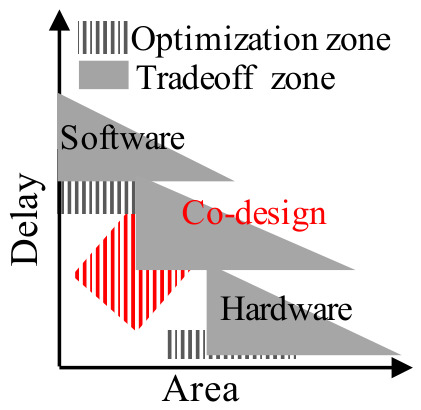
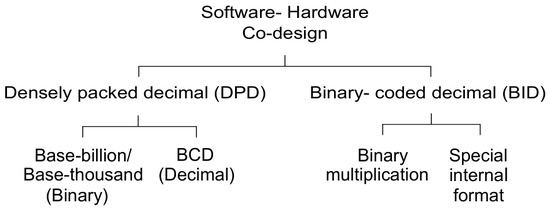
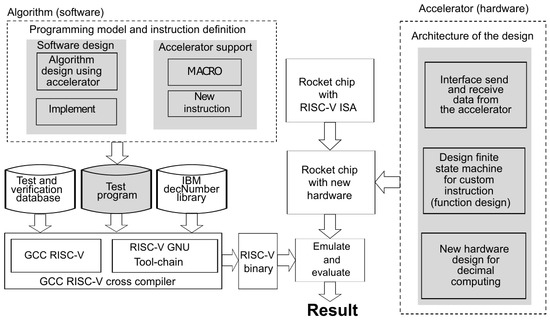
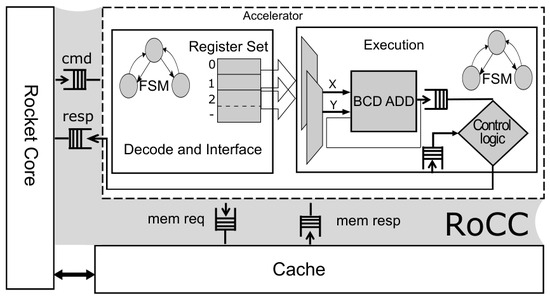
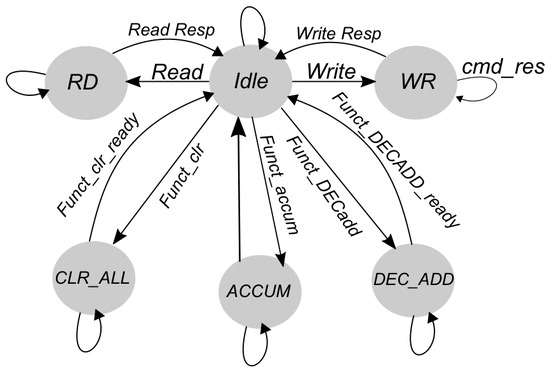
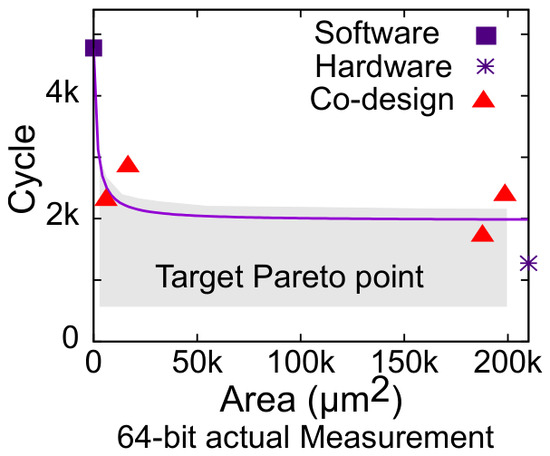
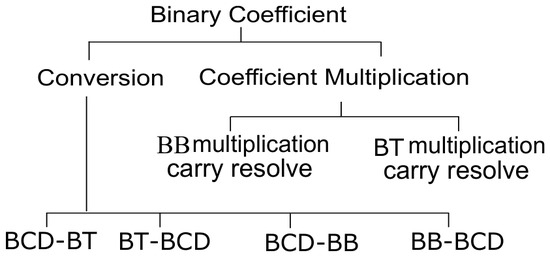
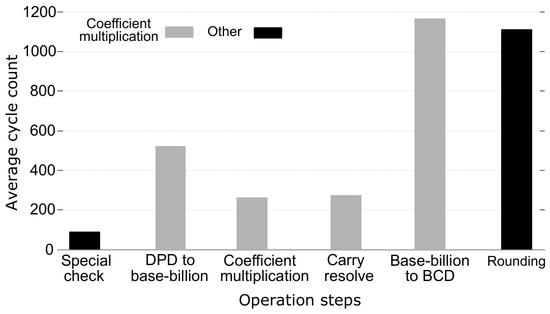
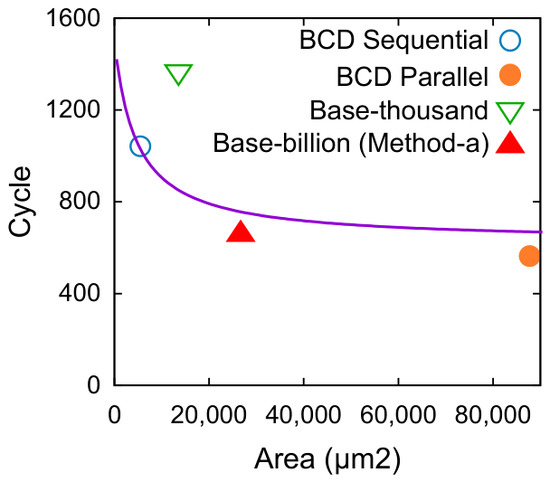
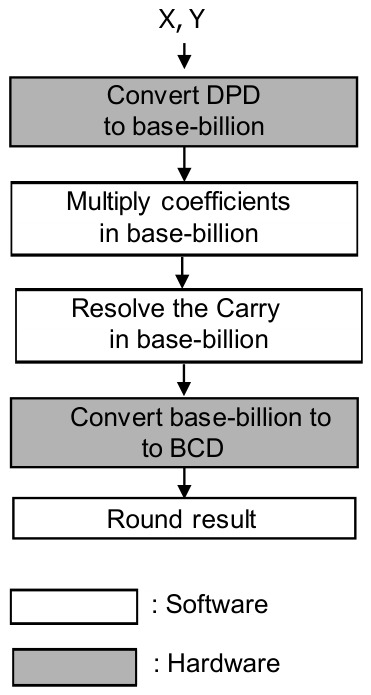
Hardware–software co-design is a balanced strategy for computationally intensive algorithms such as decimal computing. It can provide several Pareto points for the development of embedded systems in terms of hardware cost and performance. In this study, we propose an efficient and accurate evaluation framework for decimal computing. The framework was designed and developed for hardware–software co-design decimal arithmetic using the RISC-V ecosystem. New binary and decimal-oriented instructions supported by an accelerator were developed. The framework can perform cycle-accurate analysis for performance and assess hardware overhead for co-design-based decimal arithmetic. Unlike previous studies that focused primarily on implementing and evaluating individual co-design methods, the proposed framework enables exhaustive hardware–software partition analysis at the building-block level, facilitating systematic exploration of the design space. We also evaluated the decimal floating-point multiplication Pareto points and identified a new Pareto point for hardware–software co-design-based decimal multiplication (Method-A) through an analysis with the proposed framework.
Full article

Figure 1
Open AccessArticle
A Hybrid Chaotic and Random Grid Visual Cryptography-Based Framework for Secure and Revocable Biometric Template Protection
by
Abdelhakim Fares, Abderrahim Fayçal Megri and Abdallah Meraoumia
Signals 2026, 7(4), 74; https://doi.org/10.3390/signals7040074 - 3 Aug 2026
Abstract
►▼
Show Figures
Biometric authentication systems are increasingly deployed in critical security applications, yet the irreplaceable nature of biometric traits poses fundamental risks when templates are compromised. Unlike passwords or tokens, biometric data cannot be reissued, making template protection a paramount concern for preserving both security
[...] Read more.
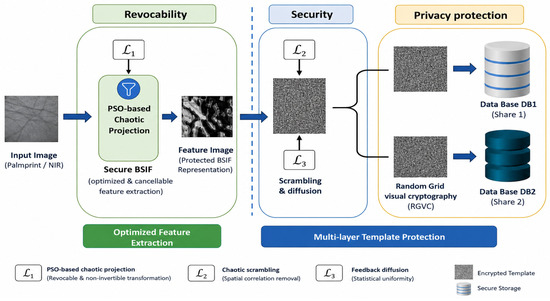
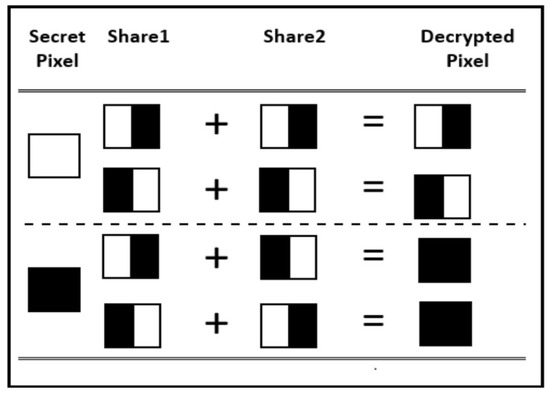
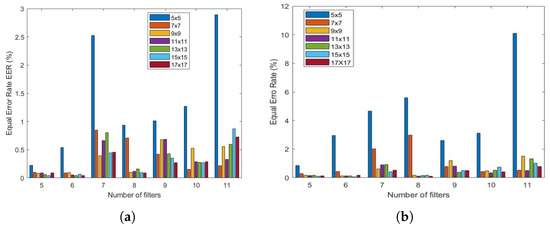
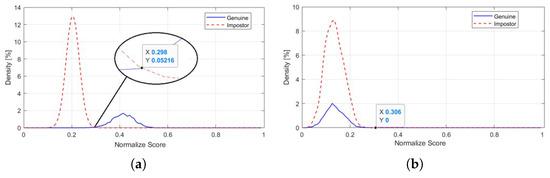
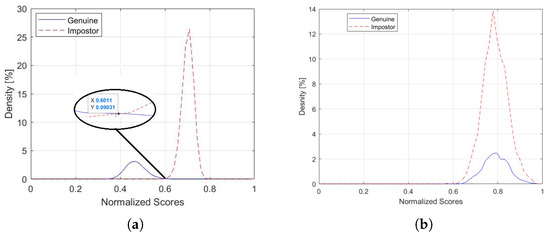
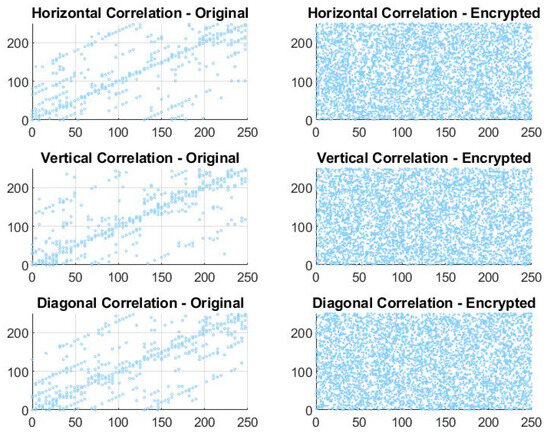
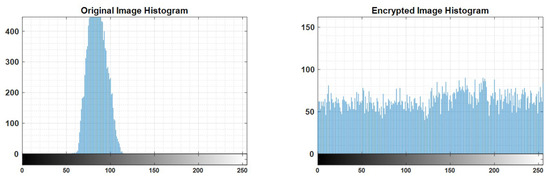
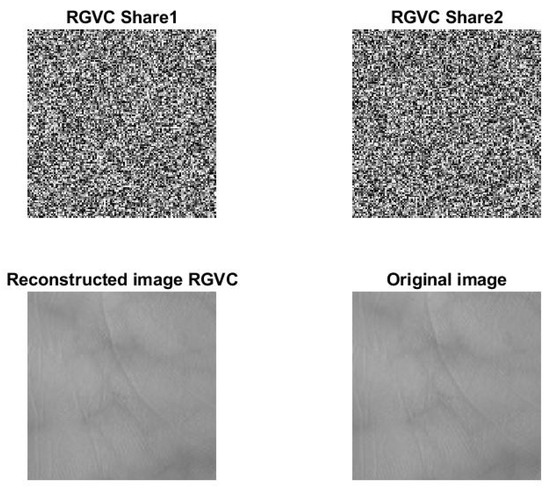
Biometric authentication systems are increasingly deployed in critical security applications, yet the irreplaceable nature of biometric traits poses fundamental risks when templates are compromised. Unlike passwords or tokens, biometric data cannot be reissued, making template protection a paramount concern for preserving both security and privacy. This paper presents a novel multilayer framework for biometric template protection that integrates cancellability directly into the feature extraction stage, ensuring non-invertible and revocable templates while maintaining high recognition accuracy. The proposed method employs chaotic projection of Binarized Statistical Image Features (BSIF) filter banks, optimized through Particle Swarm Optimization (PSO), to generate discriminative yet irreversible biometric templates. To strengthen security against statistical and cryptanalytic attacks, dual-layer scrambling and diffusion processes driven by chaotic maps eliminate spatial correlations and produce uniform intensity distributions. Furthermore, Random Grid Visual Cryptography (RGVC) divides the encrypted template into two shares stored in separate databases, ensuring that the compromise of a single repository reveals no biometric information. Extensive experiments conducted on the PolyU multispectral palmprint database demonstrate exceptional authentication performance, achieving Equal Error Rate (EER) values as low as 0.0520% after applying the proposed protection framework, under optimal configurations. Comprehensive empirical security analysis demonstrates favorable statistical security characteristics, including near-zero pixel correlation, near-uniform intensity distributions, high entropy values approaching the theoretical maximum of 8 bits, favorable NPCR and UACI values, and high sensitivity to key variations under the considered experimental settings. The proposed framework satisfies the essential requirements of cancellable biometrics, including diversity, revocability, and non-invertibility, while providing a privacy-preserving biometric template protection approach.
Full article

Figure 1
Open AccessSystematic Review
Electrodermal Activity as a Biomarker in Autism Spectrum Disorder, Attention Deficit Hyperactivity Disorder, and Obsessive-Compulsive Disorder: A Systematic Review
by
Riley Q. McNaboe, Luís R. Mercado-Díaz, Boluwatife E. Faremi and Hugo F. Posada-Quintero
Signals 2026, 7(4), 73; https://doi.org/10.3390/signals7040073 - 3 Aug 2026
Abstract
Electrodermal activity (EDA) has emerged as a promising physiological measure for objectively assessing neurodevelopmental disorders (NDDs) and related disorders, yet its effectiveness across conditions remains unclear. Following PRISMA guidelines, this review analyzed 23 studies (ASD: 11 studies, 410 participants; ADHD: 7 studies, 900
[...] Read more.
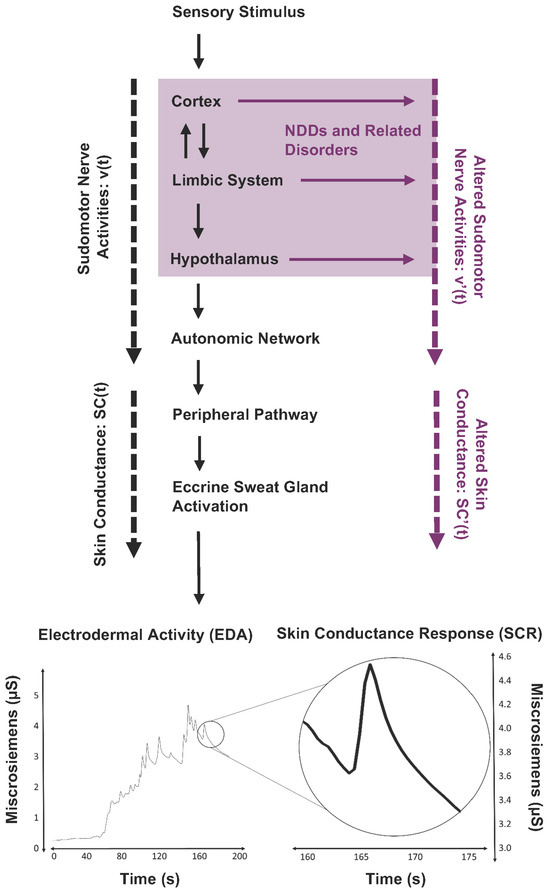
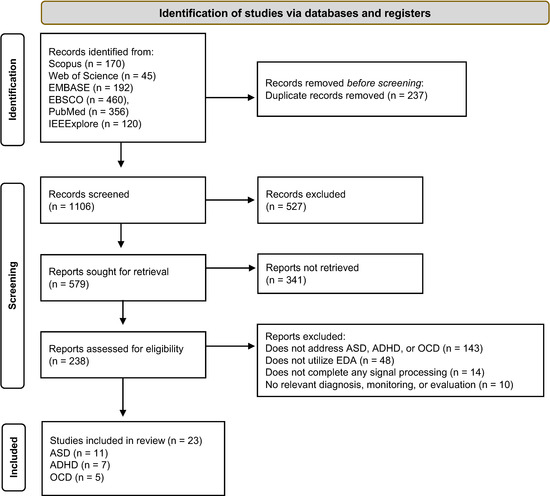
Electrodermal activity (EDA) has emerged as a promising physiological measure for objectively assessing neurodevelopmental disorders (NDDs) and related disorders, yet its effectiveness across conditions remains unclear. Following PRISMA guidelines, this review analyzed 23 studies (ASD: 11 studies, 410 participants; ADHD: 7 studies, 900 participants; OCD: 5 studies, 154 participants) published between 2010 and 2024 with a focus on methodology, including measurement protocols, signal processing, and analytical approaches. EDA demonstrated utility for diagnostic differentiation, predictive modeling, and physiological evaluation across conditions, with consistent patterns of heightened social arousal in ASD, medication-responsive sympathetic differences in ADHD, and impaired fear extinction in OCD. Machine learning approaches improved performance when combining EDA with multimodal physiological measures. However, substantial methodological heterogeneity existed across devices, recording sites, sampling frequencies, and signal processing, with 11 studies lacking signal processing details and 10 omitting sampling frequencies. The absence of standardized cross-disorder comparisons limited identification of disorder-specific versus shared autonomic signatures. While wearable technologies can enable continuous real-world monitoring, motion artifacts and signal quality remain challenges. Overall, standardized protocols and larger multimodal longitudinal studies are needed to establish EDA as a clinically useful biomarker for disorder assessment and personalized interventions.
Full article
(This article belongs to the Special Issue Advanced Methods of Biomedical Signal Processing II)
►▼
Show Figures

Figure 1
Open AccessArticle
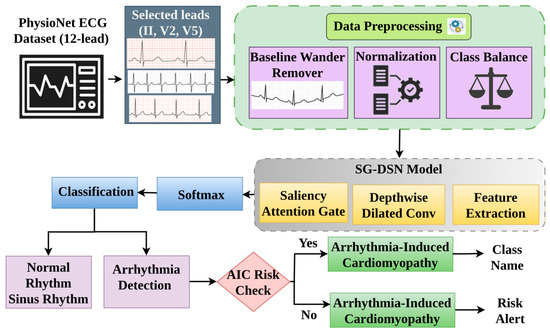
SG-DSN: A Lightweight Network Deep Learning Model for Arrhythmia Classification and Arrhythmia-Induced Cardiomyopathy Risk Alerting Using Multi-Lead ECG
by
Deepti C and Annapurna Dammur
Signals 2026, 7(4), 72; https://doi.org/10.3390/signals7040072 - 25 Jul 2026
Abstract
►▼
Show Figures
Background: Arrhythmia-induced cardiomyopathy (AIC) is a variation of cardiovascular disease with significant global morbidity and mortality. Arrhythmia is important to detect in time to allow for suitable intervention and clinical management, and this can be accomplished using electrocardiogram (ECG) signals. However, existing approaches
[...] Read more.
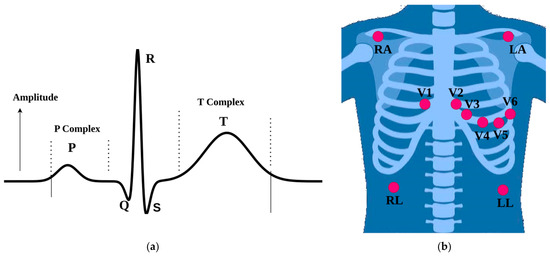
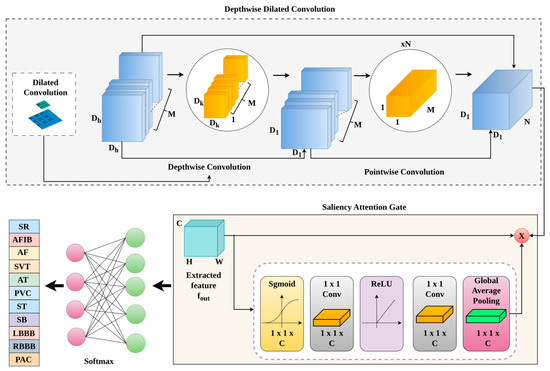
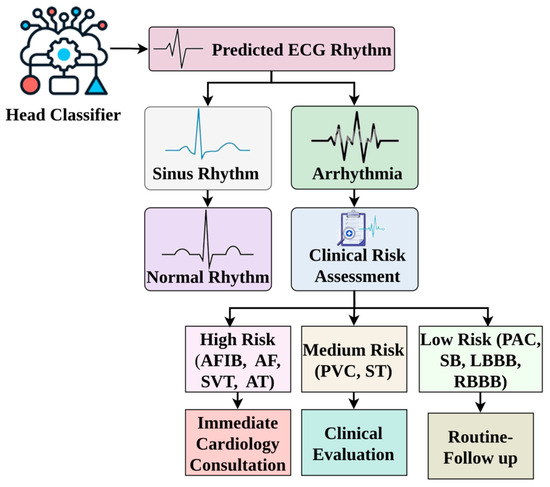
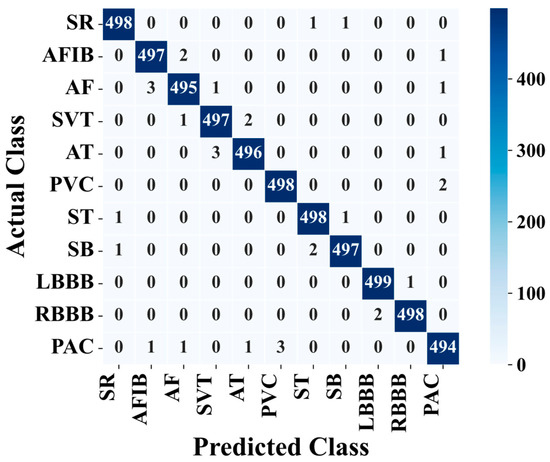
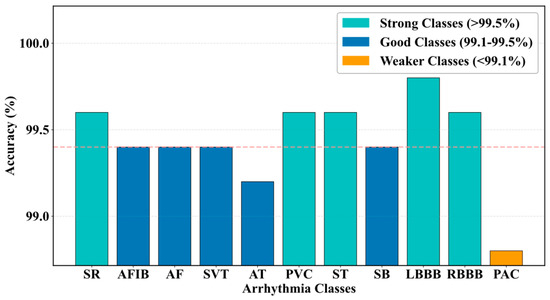
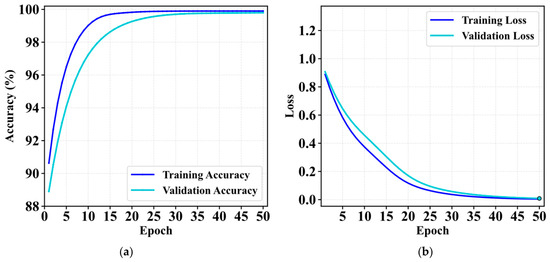
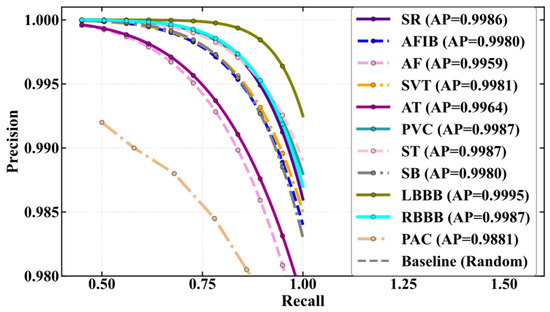
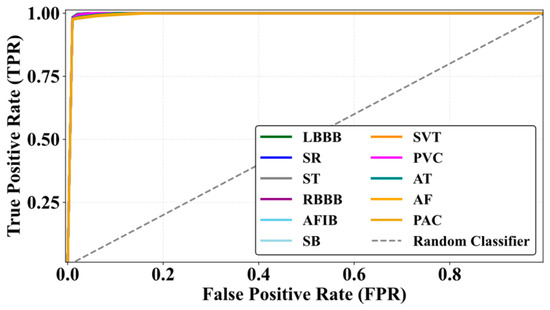
Background: Arrhythmia-induced cardiomyopathy (AIC) is a variation of cardiovascular disease with significant global morbidity and mortality. Arrhythmia is important to detect in time to allow for suitable intervention and clinical management, and this can be accomplished using electrocardiogram (ECG) signals. However, existing approaches face critical challenges to be solved, including (i) similar arrhythmias being hard to distinguish, (ii) misdiagnosis which can lead to life-threatening conditions, and (iii) single-lead ECG possibly missing subtle differences between arrhythmias. Methods: The study proposes a lightweight and efficient deep learning framework using selected ECG leads extracted from the PhysioNet large-scale 12-lead ECG arrhythmia database. The signals undergo preprocessing involving baseline wander removal and noise reduction. A Saliency-Guided Depthwise-Separable Dilated Network (SG-DSN) is introduced for feature extraction and classification. The model employs multi-scale dilated convolutions with saliency attention to capture discriminative ECG features, followed by softmax classification. The system not only classifies arrhythmia types but also flags potential AIC risk cases for early clinical intervention. Results: Experimental evaluation demonstrates improved arrhythmia classification performance, reduced computational complexity, and enhanced suitability for real-time clinical applications. Conclusion: Thus, the proposed framework is an efficient, scalable, and accurate solution for early detection and risk alerting of AIC.
Full article

Figure 1
Open AccessArticle
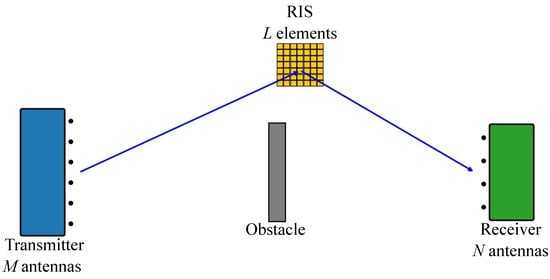
Performance Limits of RIS-Assisted MIMO Systems in Nakagami-m Fading Environments
by
Anastasios Papazafeiropoulos
Signals 2026, 7(4), 71; https://doi.org/10.3390/signals7040071 - 24 Jul 2026
Abstract
►▼
Show Figures
This work analyzes the ergodic capacity behavior of reconfigurable intelligent surface (RIS)-assisted multiple-input multiple-output (MIMO) systems with a finite and arbitrary number of antennas and RIS elements under Nakagami-m fading conditions. By combining Hadamard’s determinant inequality with the Cauchy–Schwarz inequality, this work
[...] Read more.
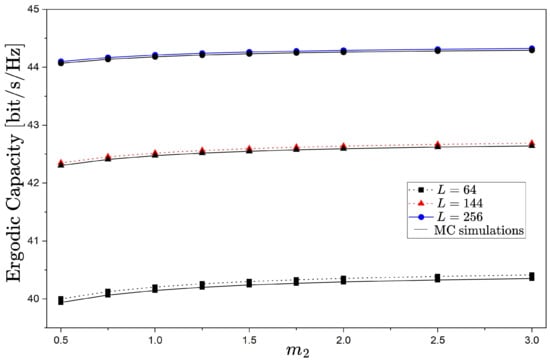
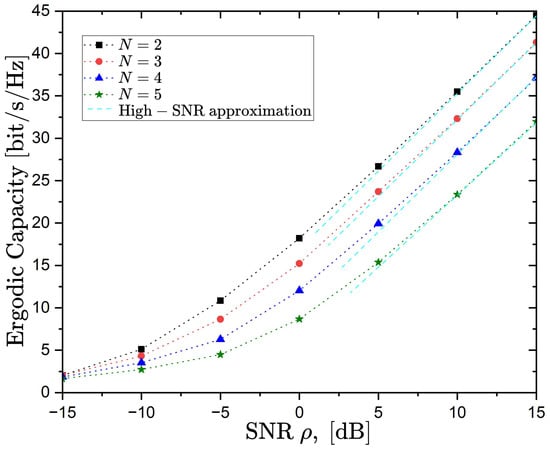
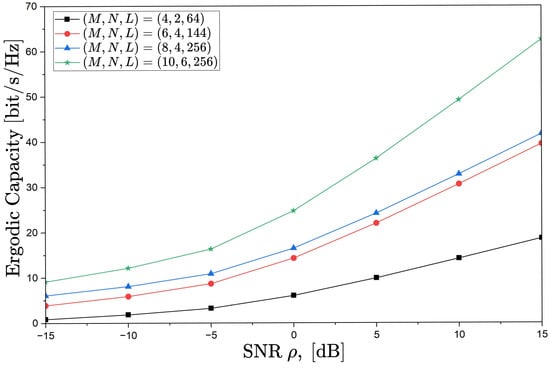
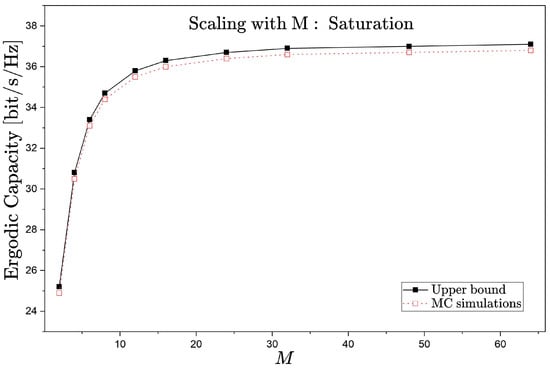
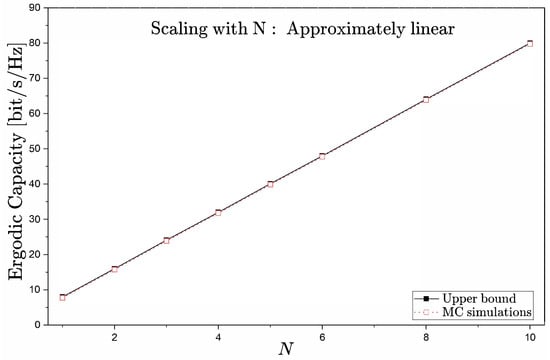
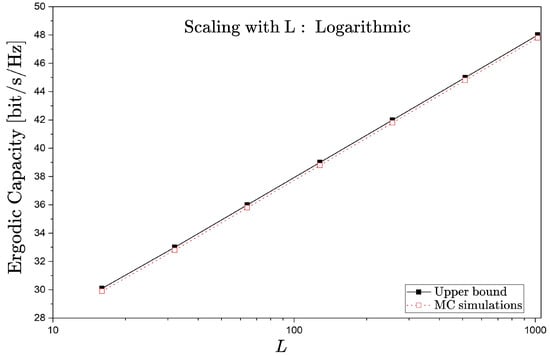
This work analyzes the ergodic capacity behavior of reconfigurable intelligent surface (RIS)-assisted multiple-input multiple-output (MIMO) systems with a finite and arbitrary number of antennas and RIS elements under Nakagami-m fading conditions. By combining Hadamard’s determinant inequality with the Cauchy–Schwarz inequality, this work derives a dimensionally consistent closed-form upper bound on the ergodic capacity in terms of the Meijer G-function. Subsequently, it is demonstrated that at a high signal-to-noise ratio (SNR), a simplified expression for the capacity upper bound can be derived, enabling an analytical assessment of how the fading parameter influences the ergodic capacity. The study also explores the asymptotic behavior in the large-system regime, where the number of antennas or RIS elements tends to infinity. Monte Carlo (MC) simulations confirm the accuracy of the proposed bound and scaling laws.
Full article

Figure 1
Open AccessArticle
Wearable Telemonitoring in Focal Spasticity: A Prospective Exploratory Pilot Study of Daily-Life Mobility Monitoring
by
Theodoros Saganas, Spyridon Votis, Fotios Kantas, Foivos S. Kanellos, Georgios Rigas, Andreas P. Katsenos, Yannis V. Simos, Lampros Lakkas, Georgios S. Markopoulos, Vasiliki Kostadima, Spyridon Konitsiotis, Dimitrios Peschos and Konstantinos I. Tsamis
Signals 2026, 7(4), 70; https://doi.org/10.3390/signals7040070 - 16 Jul 2026
Abstract
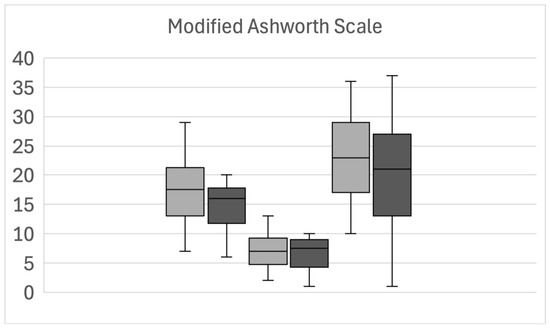
Spasticity is a common and disabling consequence of upper motor neuron lesions, and its follow-up relies largely on clinical scales that may not fully reflect daily-life mobility. This prospective single-arm exploratory pilot study examined wearable-derived daily-life mobility metrics around a scheduled botulinum neurotoxin
[...] Read more.
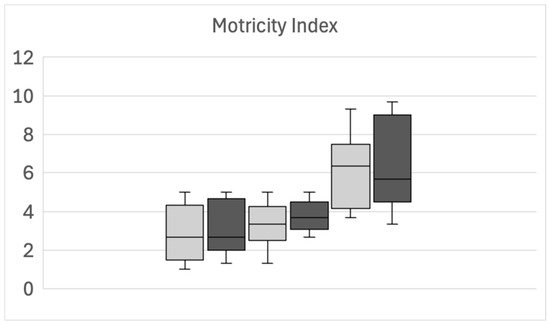
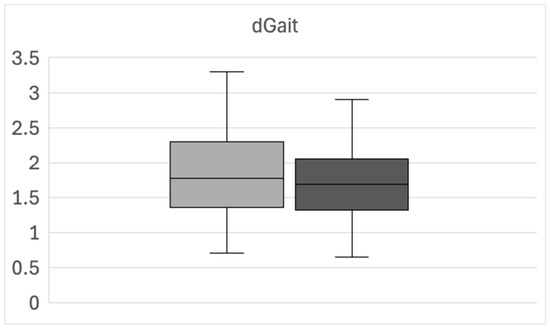
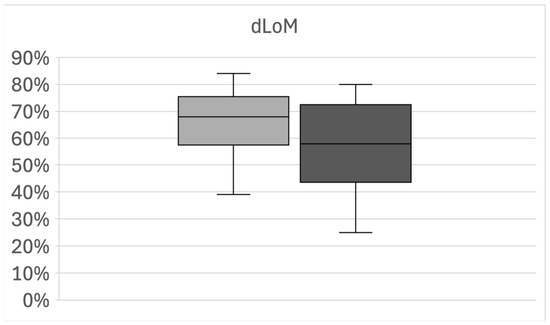
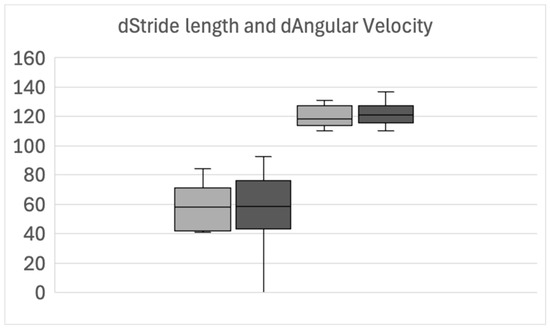
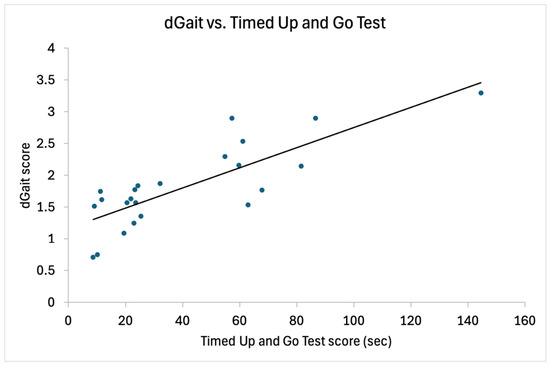
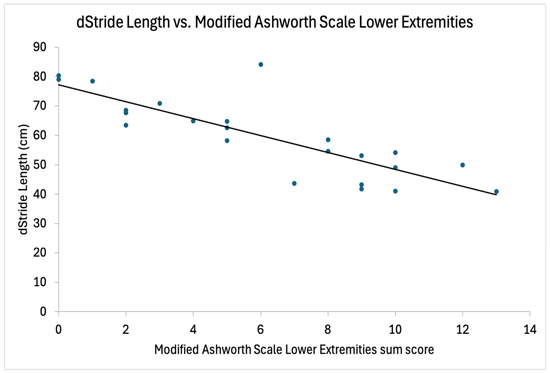
Spasticity is a common and disabling consequence of upper motor neuron lesions, and its follow-up relies largely on clinical scales that may not fully reflect daily-life mobility. This prospective single-arm exploratory pilot study examined wearable-derived daily-life mobility metrics around a scheduled botulinum neurotoxin type A (BoNT-A) injection cycle and assessed their associations with established clinical measures. Thirteen patients with focal spasticity secondary to stroke (n = 11) or multiple sclerosis (n = 2) underwent baseline and 6-week follow-up assessment using the Modified Ashworth Scale (MAS), Motricity Index (MI), the Timed Up and Go test (TUG) and a multi-sensor wearable monitoring system. Device-derived outcomes included gait impairment, gait speed, stride length, angular velocity, and lack of movement. Clinical scales generally changed in the expected post-treatment direction, with reduced MAS scores and descriptive or directional improvements in MI scores and TUG performance. Wearable metrics captured descriptive changes in daily mobility, notably a reduction in lack of movement. Furthermore, in exploratory pooled analyses, selected gait-related metrics tended to be associated with TUG performance and lower-extremity MAS. These findings highlight the potential of wearable telemonitoring to complement conventional clinical scales by providing objective, real-world data, supporting its further validation as a tool for longitudinal spasticity management and neurorehabilitation. These device-derived metrics should be interpreted as mobility-related digital biomarkers rather than direct surrogate measures of spasticity.
Full article
(This article belongs to the Special Issue Machine Learning for Signals and Systems)
►▼
Show Figures

Figure 1

Open AccessArticle
Emotion Recognition Using Acoustic Features and Deep Learning: A Speaker-Independent Study
by
Marcin Kołodziej, Andrzej Majkowski and Tomasz Rywik
Signals 2026, 7(4), 69; https://doi.org/10.3390/signals7040069 - 14 Jul 2026
Abstract
►▼
Show Figures
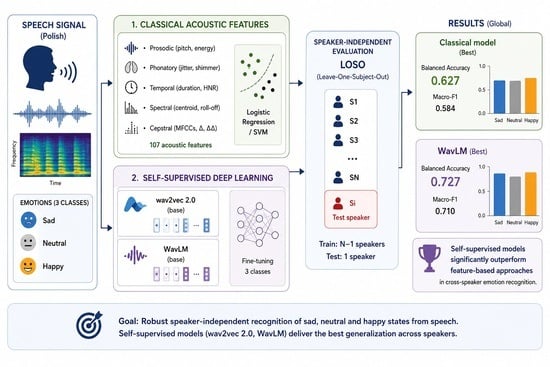
This study compares the effectiveness of two approaches to speech emotion recognition for three affective states in Polish: sad, neutral, and happy. Both a set of acoustic features—capturing prosodic, phonatory, temporal, spectral, and cepstral properties—and representations learned by self-supervised models (wav2vec 2.0 and
[...] Read more.
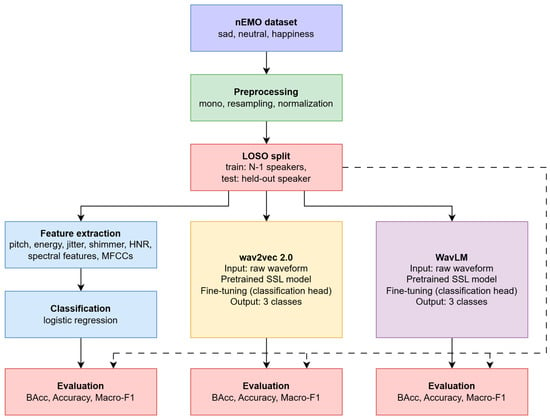
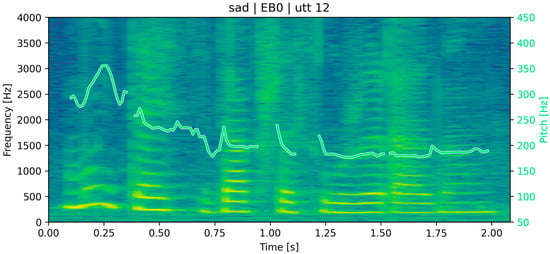
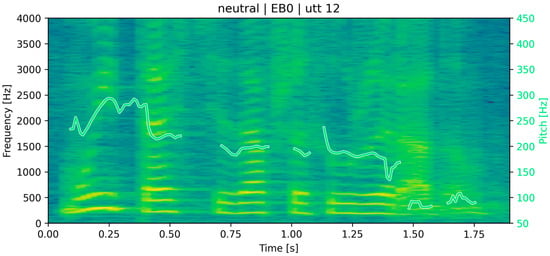
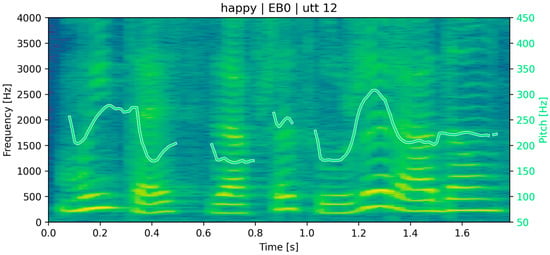
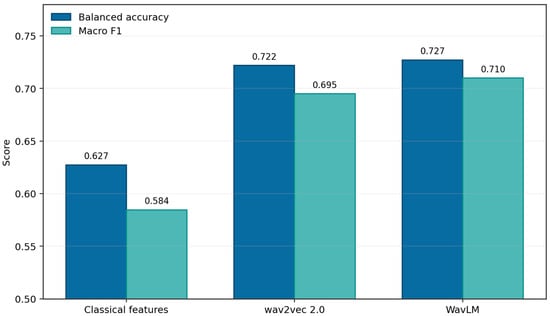
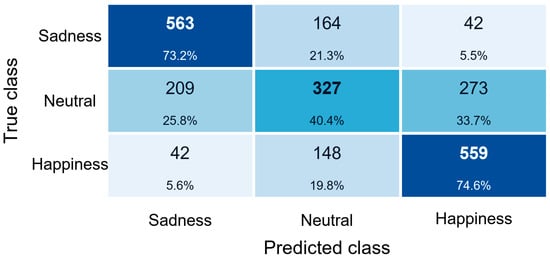
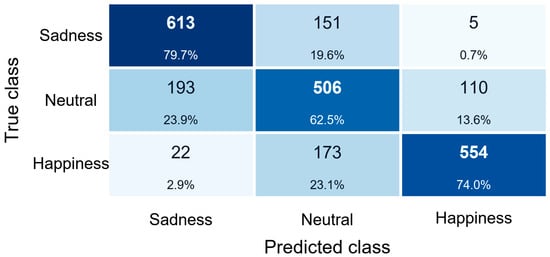
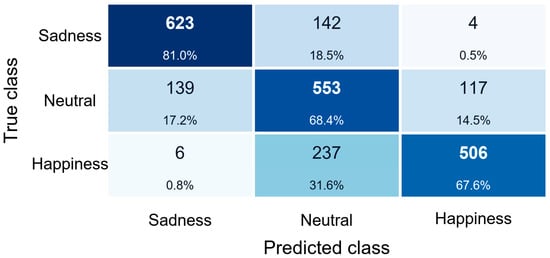
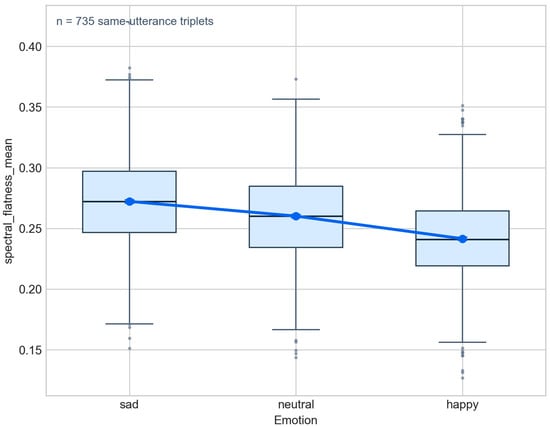
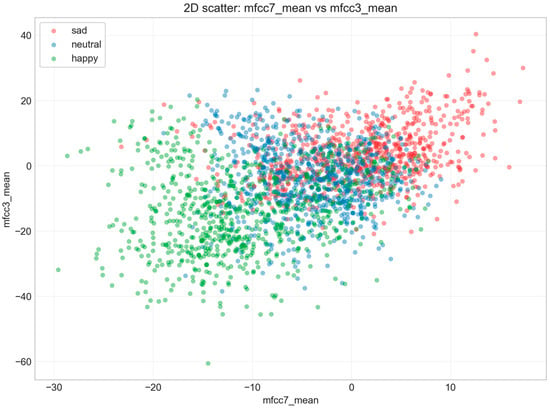
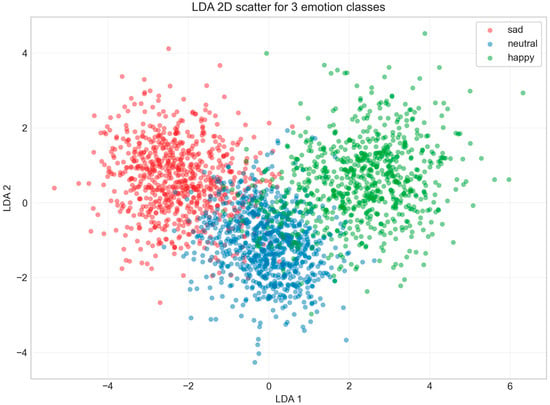
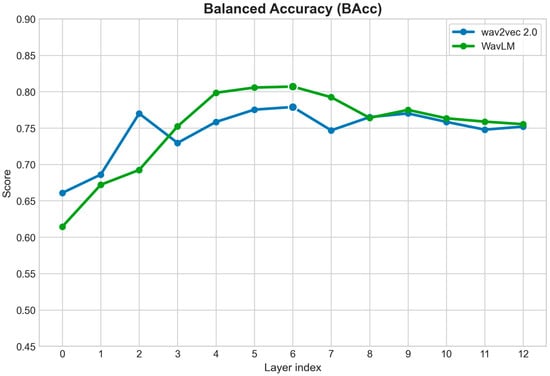
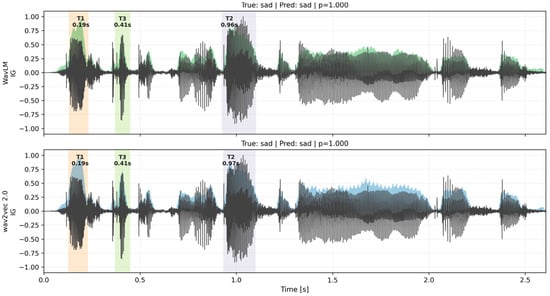
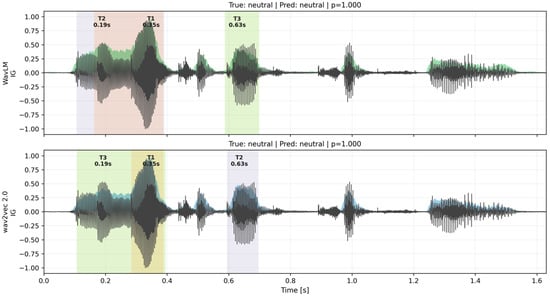
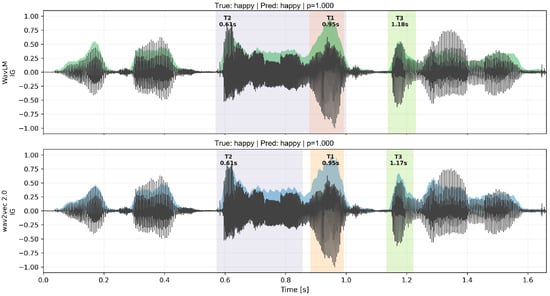
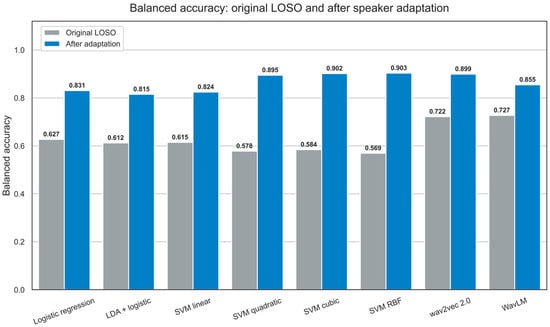
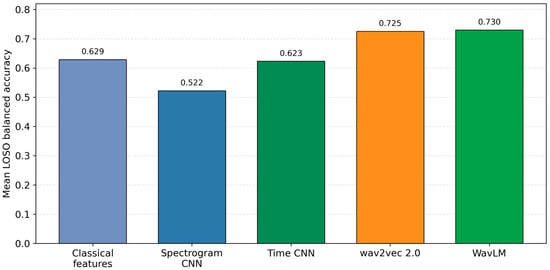
This study compares the effectiveness of two approaches to speech emotion recognition for three affective states in Polish: sad, neutral, and happy. Both a set of acoustic features—capturing prosodic, phonatory, temporal, spectral, and cepstral properties—and representations learned by self-supervised models (wav2vec 2.0 and WavLM) were analyzed. Experiments were conducted on the nEMO corpus, comprising 2327 recordings from nine speakers, using a rigorous leave-one-subject-out protocol to evaluate cross-speaker generalization. In the feature-based approach, 107 acoustic features were used, and classification was performed with logistic regression and, additionally, SVM variants. In the deep learning approach, the wav2vec2-base and WavLM-base models were fine-tuned for the three-class task. The best results were achieved by the self-supervised models: WavLM reached a global balanced accuracy of 0.727 and a macro-F1 score of 0.710, while wav2vec 2.0 achieved 0.722 and 0.695, respectively. Both outperformed the feature-based approach (BAcc = 0.627, macro-F1 = 0.584). Confusion matrix analysis showed that the greatest difficulty lies in distinguishing the neutral class from the sad and happy classes, whereas sad and happy classes are more clearly separable. Feature utility analysis (SFS under the LOSO protocol) indicated the significant role of cepstral features (MFCCs and their derivatives), complemented by selected prosodic and temporal features. An additional comparison of SVM classifiers suggested that the main limitation of this approach lies in the signal representation itself rather than solely in the choice of classifier. Explainability analyses of the deep models, using layer-wise probing and integrated gradients, showed that affective information is best represented in intermediate layers, and that model decisions rely on locally salient segments of the signal. Furthermore, a speaker adaptation experiment demonstrated that personalization significantly improves classification performance, highlighting the potential of such methods for long-term monitoring of affective expression changes in the same individual.
Full article

Graphical abstract
Open AccessArticle
The Dual Impact of Mobile Social Media Breaks on Cortical Arousal and Neurophysiological Recovery: A Spectral Analysis of EEG Signals
by
Apsorn Sattayakhom, Kosin Kalarat, Waluka Amaek, Pavarud Puangsri, Matina Ngodngamthaweesuk and Phanit Koomhin
Signals 2026, 7(4), 68; https://doi.org/10.3390/signals7040068 - 10 Jul 2026
Abstract
►▼
Show Figures
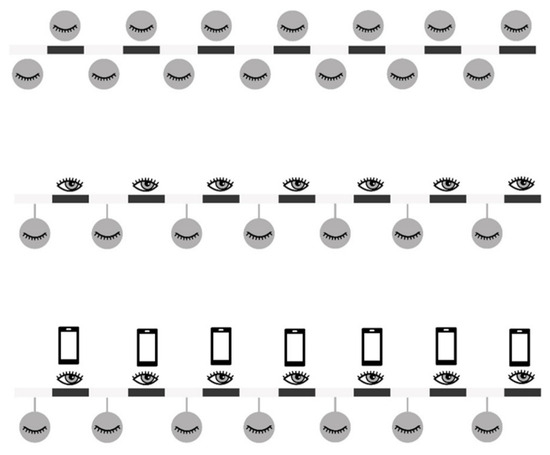
Arousal is essential for cognitive awareness, and it typically declines during prolonged tasks. Currently, mobile devices are frequently used during breaks to relax and counteract this decline. However, their impact on neurophysiological recovery remains poorly understood. Therefore, this study compared the effects of
[...] Read more.
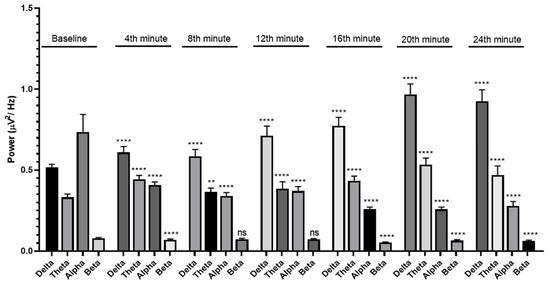
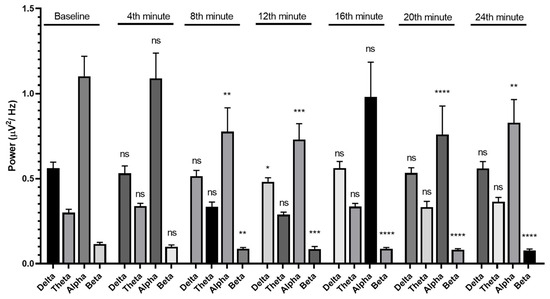
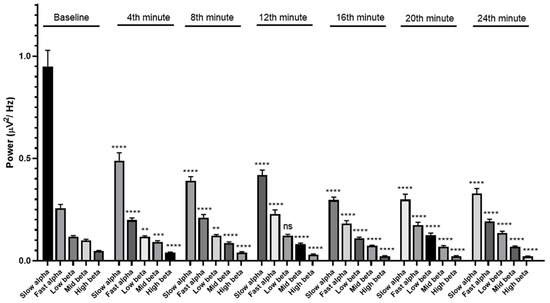
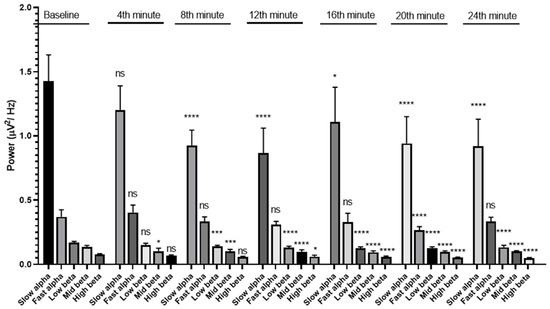
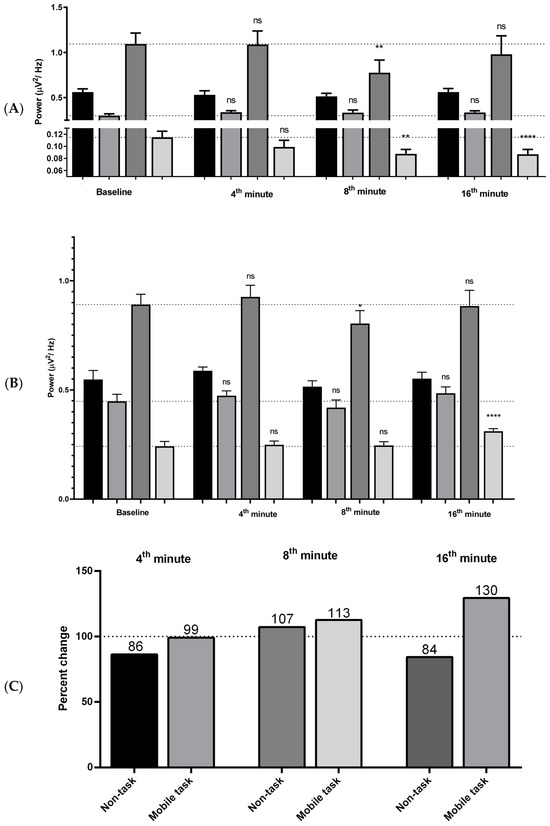
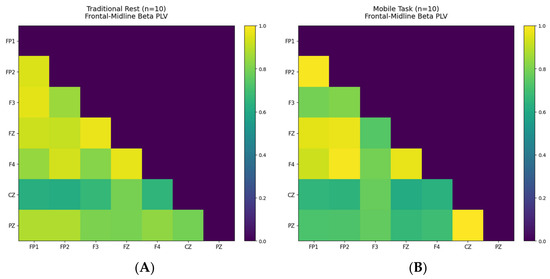
Arousal is essential for cognitive awareness, and it typically declines during prolonged tasks. Currently, mobile devices are frequently used during breaks to relax and counteract this decline. However, their impact on neurophysiological recovery remains poorly understood. Therefore, this study compared the effects of traditional quiet rest versus a mobile task break on cortical arousal using spectral analysis of electroencephalography (EEG) signals in twenty healthy young females (20–25 years). Raw EEG data were transformed using Fast Fourier Transform (FFT) to determine power spectral densities, with a state of physiological underarousal first induced via a prolonged eyes-closed condition. Results revealed that this state was characterized by reduced alpha/beta power and delta/theta synchronization starting at the 4th minute. Although traditional quiet rest suppressed delta/theta synchronization, it failed to sustain cortical arousal, with alpha and beta powers declining by the 8th minute. In contrast, passive social media browsing acted as a potent neurocognitive stimulant, not only sustaining arousal but markedly increasing high-frequency beta power by the 16th minute. Furthermore, preliminary network-level connectivity analysis using Phase Locking Value (PLV) revealed that mobile tasks induced widespread beta-band synchronization across frontal-midline regions, suggesting enhanced functional coupling within the executive control network. In conclusion, in healthy young females, while mobile tasks strategically counteract low arousal, they fail to facilitate the neurophysiological disengagement necessary for true recovery. These findings underscore the importance of digital hygiene, highlighting a distinction between alertness-boosting activities and recovery-focused rest. The results suggest that mobile tasks may create a subjective perception of rest despite objective signs of sustained cortical activation, implying that such activities may not facilitate genuine neurophysiological recovery within the context of short-term neurophysiological modulation.
Full article

Figure 1
Open AccessArticle
Child Playground Entry/Exit Tracking and Log Visualization System Using BLE Beacons and Smart Devices
by
Myoungbeom Chung
Signals 2026, 7(4), 67; https://doi.org/10.3390/signals7040067 - 10 Jul 2026
Abstract
►▼
Show Figures
Playground safety for preschool and early elementary school children has become an increasingly important issue for families and local communities. In semi-open playground environments, direct supervision by caregivers is often difficult, while conventional positioning approaches may be costly, infrastructure-dependent, or unreliable due to
[...] Read more.
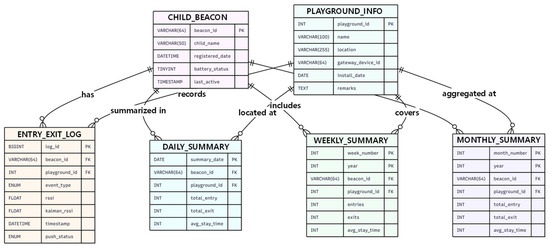
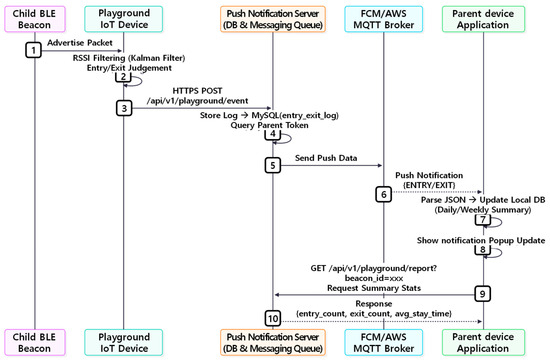
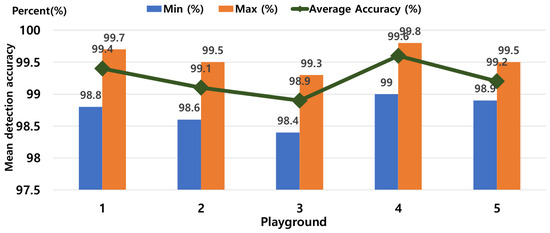
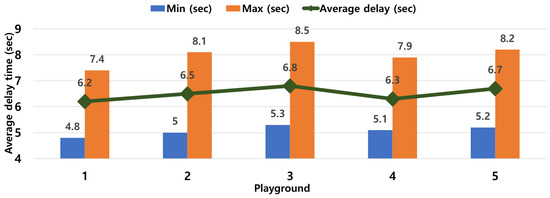
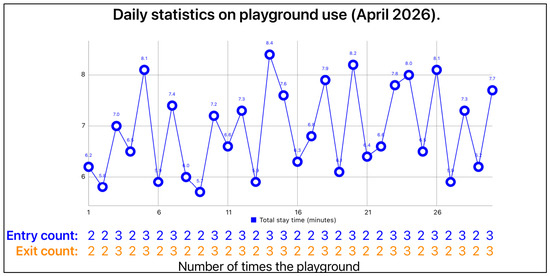
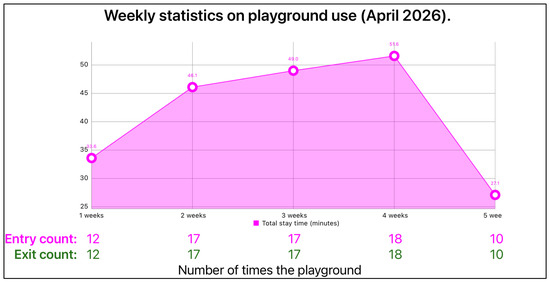
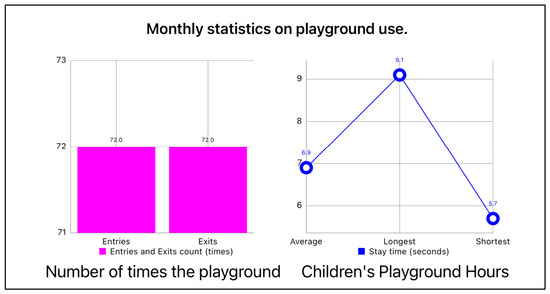
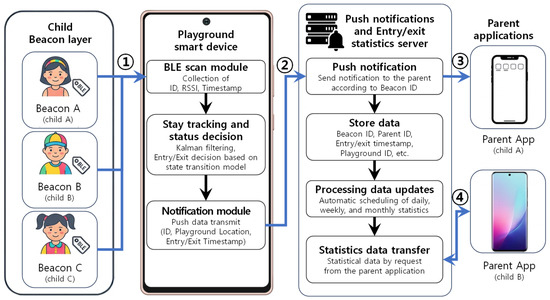
Playground safety for preschool and early elementary school children has become an increasingly important issue for families and local communities. In semi-open playground environments, direct supervision by caregivers is often difficult, while conventional positioning approaches may be costly, infrastructure-dependent, or unreliable due to frequent signal obstructions. This study presents an integrated low-cost monitoring system that combines commercial BLE beacons, a single smart device installed in the playground, a push-notification server, and a caregiver smartphone application to detect children’s entrance and exit events and visualize their playground usage logs. Rather than proposing a new localization algorithm, the main contribution of this work is the practical system integration and field validation of BLE-based entrance/exit detection in semi-open playground settings. The smart device continuously scans beacon RSSI values, applies Kalman-filter-based smoothing and threshold-based state transitions, and transmits detected events to the server, where daily, weekly, and monthly statistics are generated and visualized for caregivers. Field experiments conducted at five real playgrounds showed that the proposed system achieved over 99% entrance/exit detection accuracy with an average response time of less than 7 s. These results demonstrate that reliable playground entry/exit monitoring can be implemented at low cost, with simple infrastructure and practical deployment in residential environments.
Full article

Figure 1
Open AccessArticle
Fusion of Global and Local Features for Bone Marrow Lesion Segmentation Using a Hybrid Deep Learning Model
by
Devi Sowjanya Padala, Lin Li, Hetali Tank, Ming Zhang, Jeffrey B. Driban, Timothy McAlindon and Juan Shan
Signals 2026, 7(4), 66; https://doi.org/10.3390/signals7040066 - 8 Jul 2026
Abstract
►▼
Show Figures
Segmentation of bone marrow lesions (BML) is vital for quantifying lesion volume, a biomarker associated with cartilage damage and pain in knee osteoarthritis (KOA). Manual segmentation is challenging due to low contrast and variable lesion locations. We propose an automated deep learning method
[...] Read more.
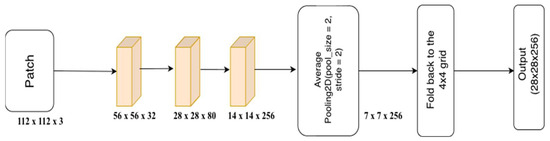
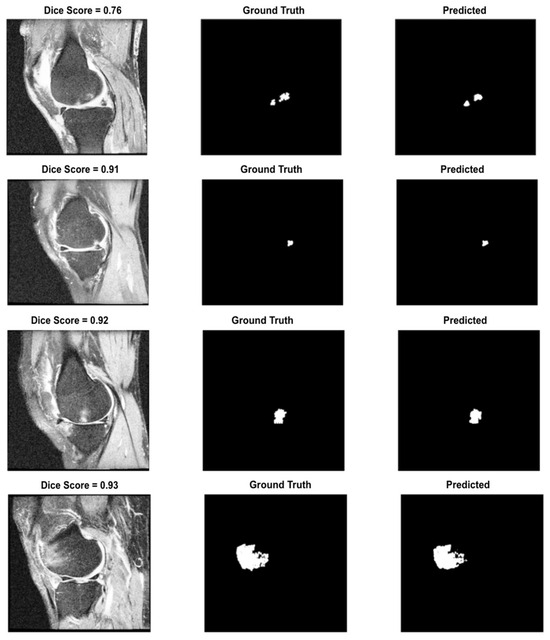
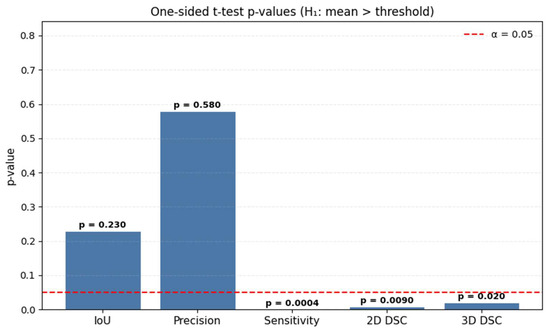
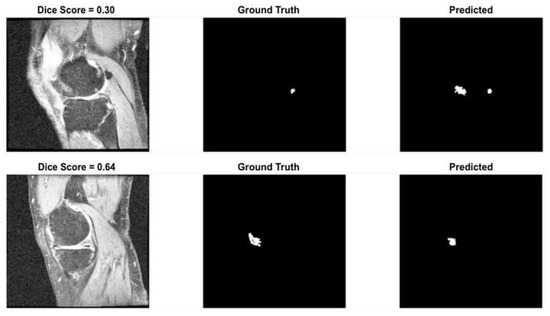
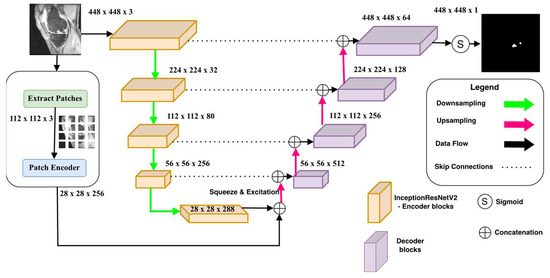
Segmentation of bone marrow lesions (BML) is vital for quantifying lesion volume, a biomarker associated with cartilage damage and pain in knee osteoarthritis (KOA). Manual segmentation is challenging due to low contrast and variable lesion locations. We propose an automated deep learning method featuring a dual-stream encoder that integrates global image-level and local patch-level features. The study included 300 participants from the Osteoarthritis Initiative (OAI) database, each with approximately 36 intermediate-weighted fat-suppressed (IWFS) magnetic resonance (MR) images. The ground truth masks were manually annotated by trained research staff. With physical batch size 32, the model achieved a 2D Dice similarity coefficient (DSC) of 0.68, 3D DSC of 0.62, Intersection over Union (IoU) of 0.51, precision of 0.76, sensitivity of 0.62, and Pearson’s correlation coefficient (r) of 0.85 between manually labelled and automatically generated volumes. Using an effective batch size of 64 via gradient accumulation, the model achieved 2D DSC of 0.63, 3D DSC of 0.65, IoU of 0.48, precision of 0.75, sensitivity of 0.6, and r of 0.98 for volume correlation. The model outperformed baselines at batch size 32 across almost all evaluated metrics and remained robust at batch size 64, with strong volumetric correlation and improved 3D DSC, IoU, and sensitivity.
Full article

Figure 1
Open AccessArticle
Spectral Entropy-Based Design of a First-Order Differential Microphone Array
by
Ali Sarafnia, M. Omair Ahmad and M. N. S. Swamy
Signals 2026, 7(4), 65; https://doi.org/10.3390/signals7040065 - 7 Jul 2026
Abstract
The conventional method of optimizing the parameter of a first-order differential microphone array (DMA) in the presence of noise is to maximize the array gain, i.e., to maximize the noise reduction. Such optimization can be accomplished only in the case of channel noise
[...] Read more.
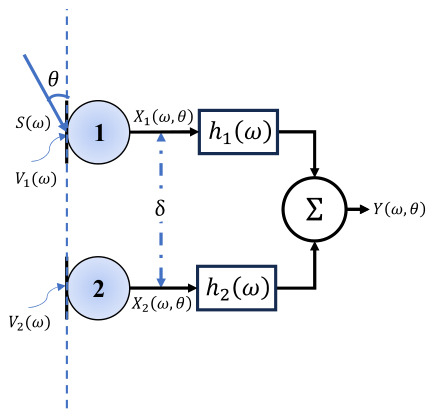
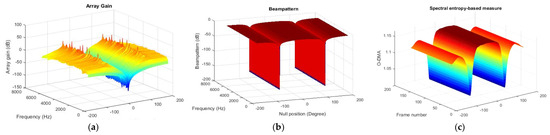
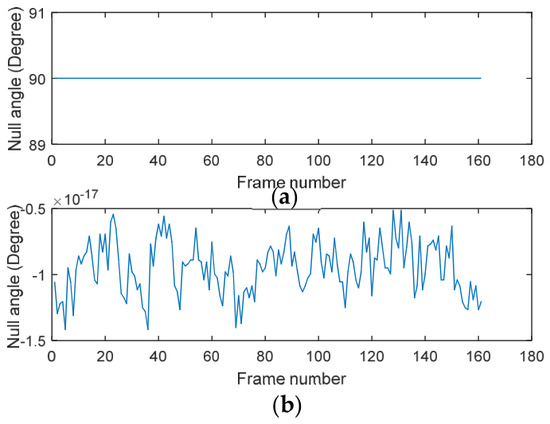
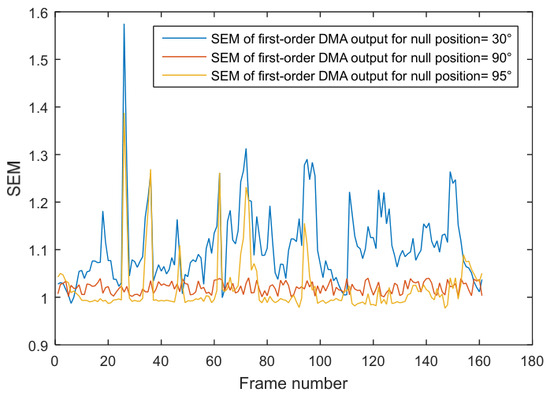
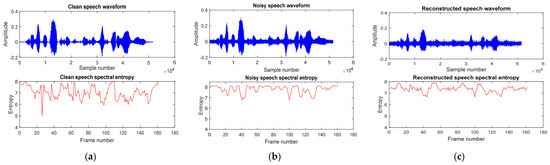
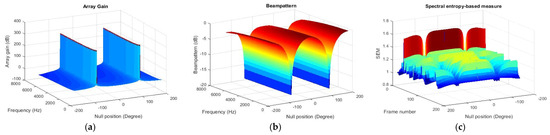
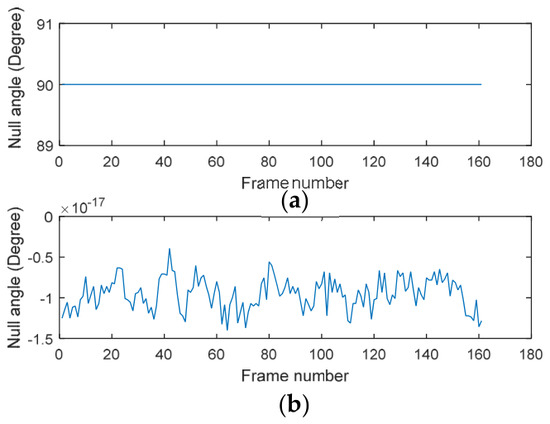
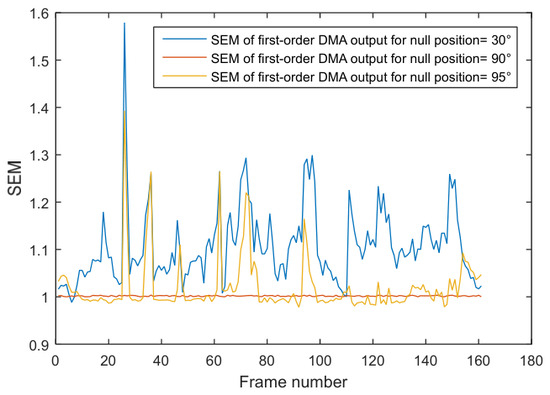
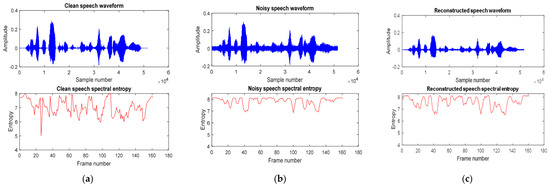
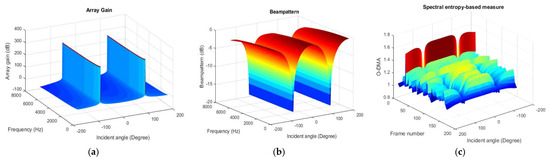
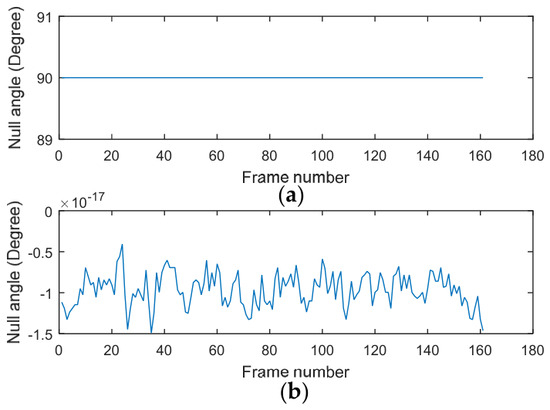
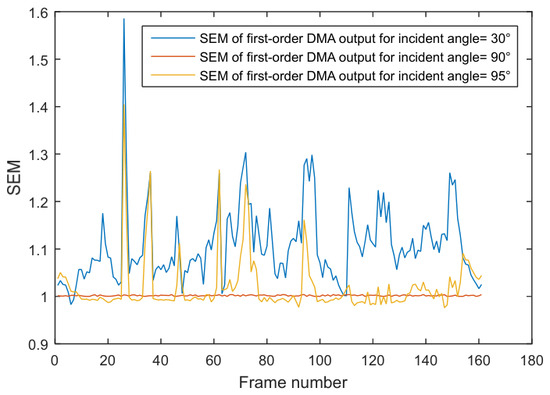
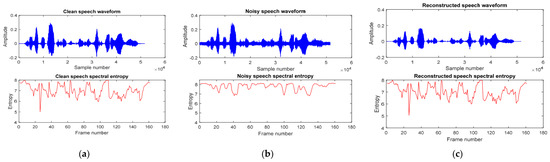
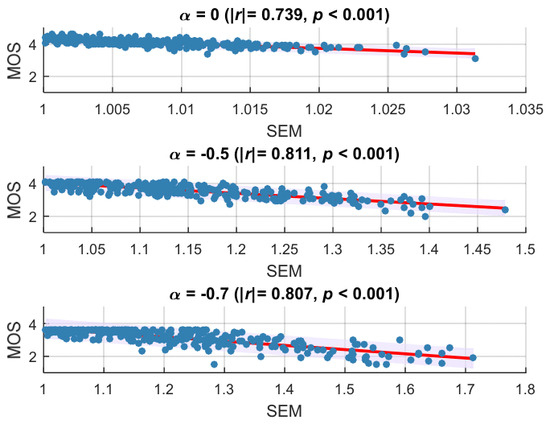
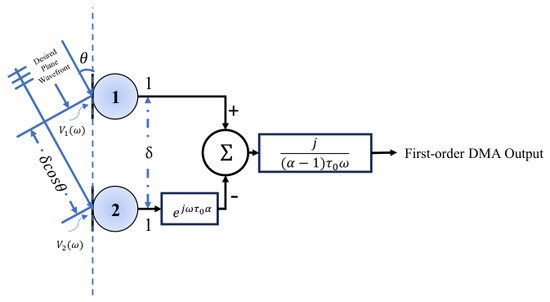
The conventional method of optimizing the parameter of a first-order differential microphone array (DMA) in the presence of noise is to maximize the array gain, i.e., to maximize the noise reduction. Such optimization can be accomplished only in the case of channel noise scenario, where the maximum array gain exists. However, in the case of diffuse or point source noise, the array gain is not upper bounded when the microphones are very closely spaced. Hence, the classical method fails in these two cases. In this paper, we present a method of designing a first-order DMA that ensures effective noise reduction in all the three cases, namely, channel, diffuse, and point-source noise, by utilizing the concept of spectral entropy measure ( ). Thus, the -based method is superior to the existing maximum array gain method, since it provides the optimal design parameter in all the three noise cases. The performance of the first-order DMA designed using the spectral entropy-based measure is evaluated for an input speech signal in the presence of the three noise scenarios mentioned above. This research underscores the effectiveness of the spectral entropy-based measure in overcoming the limitations posed by the classical method of designing a first-order DMA.
Full article
(This article belongs to the Topic Image Processing, Signal Processing and Their Applications)
►▼
Show Figures

Figure 1
Journal Menu
► ▼ Journal Menu-
- Signals Home
- Aims & Scope
- Editorial Board
- Reviewer Board
- Topical Advisory Panel
- Early Career Editorial Board
- Instructions for Authors
- Special Issues
- Topics
- Article Processing Charge
- Indexing & Archiving
- Editor’s Choice Articles
- Most Cited & Viewed
- Journal Statistics
- Journal History
- Journal Awards
- Editorial Office
Journal Browser
► ▼ Journal BrowserHighly Accessed Articles
Latest Books
E-Mail Alert
News
Topics
Topic in
Applied Sciences, Bioengineering, Diagnostics, J. Imaging, Signals
Signal Analysis and Biomedical Imaging for Precision Medicine
Topic Editors: Surbhi Bhatia Khan, Mo SaraeeDeadline: 31 August 2026
Topic in
Applied Sciences, Remote Sensing, Sensors, Signals, Electronics
Radar Signal and Data Processing with Applications, 2nd Edition
Topic Editors: Yin Zhang, Yulin Huang, Deqing Mao, Yanki AslanDeadline: 30 November 2026
Topic in
Applied Sciences, Electronics, Remote Sensing, Sensors, Signals
Advanced Array Antenna Design and Signal Processing Techniques
Topic Editors: Yanhong Xu, Kwai Man Luk, Jingwei Xu, Warren Paul du Plessis, Abdul BasitDeadline: 31 December 2026
Topic in
AI, Computers, Electronics, Information, MAKE, Signals
Recent Advances in Label Distribution Learning
Topic Editors: Xin Geng, Ning Xu, Liangxiao JiangDeadline: 31 January 2027
Special Issues
Special Issue in
Signals
Condition Monitoring and Intelligent Fault Diagnosis of Rotor System
Guest Editors: Jiantao Lu, Jingsong Xie, Xiaoli ZhaoDeadline: 30 September 2026
Special Issue in
Signals
Intelligent Fault Diagnosis and Predictive Maintenance for Machinery: Advanced Signal Processing and AI-Driven Approaches
Guest Editors: Chaoyong Ma, Kun Zhang, Yanping ZhuDeadline: 31 October 2026
Special Issue in
Signals
Machine Learning for Signals and Systems
Guest Editor: Hua-Liang WeiDeadline: 30 November 2026
Special Issue in
Signals
Advanced Signal Processing Technologies: Integrating AI, Future Communications, and Innovative Applications
Guest Editors: Xiao-Rong Ding, Ying-Ren Chien, Pavel LoskotDeadline: 30 November 2026