14 pages, 3679 KB  
Article
A Microfluidic Chip Architecture Enabling a Hypoxic Microenvironment and Nitric Oxide Delivery in Cell Culture
by Samineh Barmaki, Daniela Obermaier, Esko Kankuri, Jyrki Vuola, Sami Franssila and Ville Jokinen
Micromachines 2020, 11(11), 979; https://doi.org/10.3390/mi11110979 - 30 Oct 2020
Cited by 10 | Viewed by 6091
Abstract
A hypoxic (low oxygen level) microenvironment and nitric oxide paracrine signaling play important roles in the control of both biological and pathological cell responses. In this study, we present a microfluidic chip architecture for nitric oxide delivery under a hypoxic microenvironment in human [...] Read more.
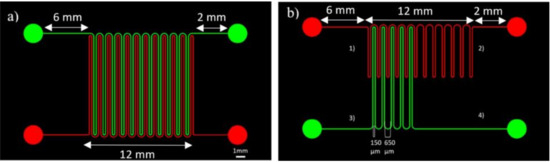
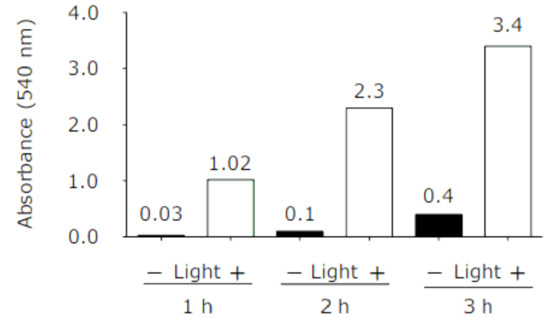
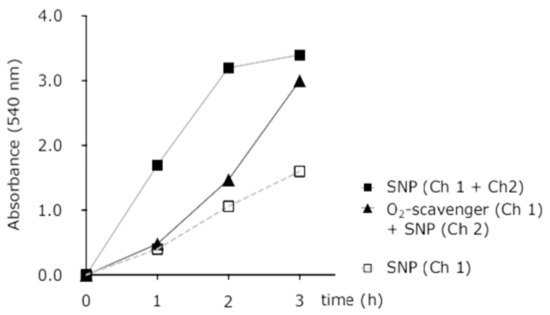
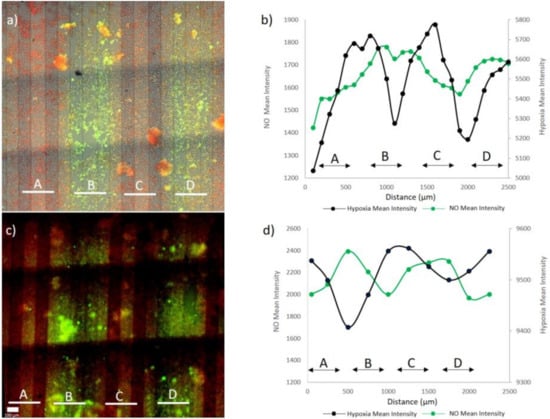
A hypoxic (low oxygen level) microenvironment and nitric oxide paracrine signaling play important roles in the control of both biological and pathological cell responses. In this study, we present a microfluidic chip architecture for nitric oxide delivery under a hypoxic microenvironment in human embryonic kidney cells (HEK-293). The chip utilizes two separate, but interdigitated microfluidic channels. The hypoxic microenvironment was created by sodium sulfite as the oxygen scavenger in one of the channels. The nitric oxide microenvironment was created by sodium nitroprusside as the light-activated nitric oxide donor in the other channel. The solutions are separated from the cell culture by a 30 µm thick gas-permeable, but liquid-impermeable polydimethylsiloxane membrane. We show that the architecture is preliminarily feasible to define the gaseous microenvironment of a cell culture in the 100 µm and 1 mm length scales. Full article
(This article belongs to the Special Issue State-of-the-Art Microfluidic Technology in Europe)
Show Figures

Figure 1
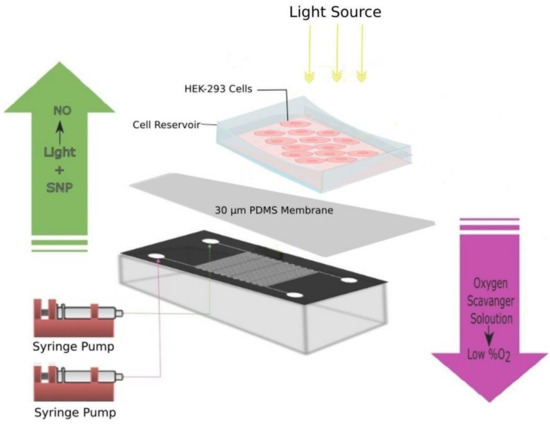
14 pages, 4534 KB  
Article
Surface-Tension-Confined Channel with Biomimetic Microstructures for Unidirectional Liquid Spreading
by Yi Zhang, Yang Gan, Liwen Zhang, Deyuan Zhang and Huawei Chen
Micromachines 2020, 11(11), 978; https://doi.org/10.3390/mi11110978 - 30 Oct 2020
Cited by 14 | Viewed by 5620
Abstract
Unidirectional liquid spreading without energy input is of significant interest for the broad applications in diverse fields such as water harvesting, drop transfer, oil–water separation and microfluidic devices. However, the controllability of liquid motion and the simplification of manufacturing process remain challenges. Inspired [...] Read more.
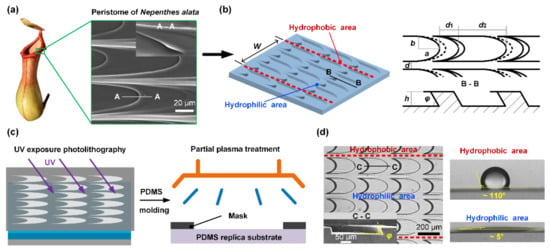
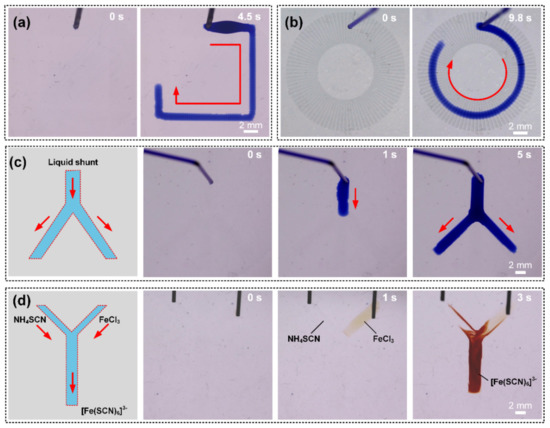
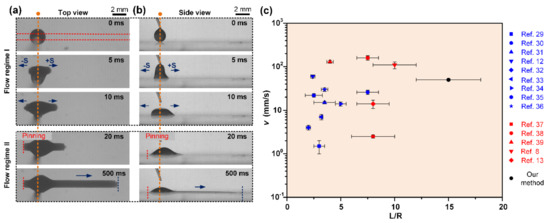
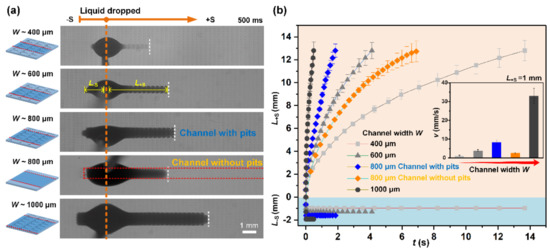
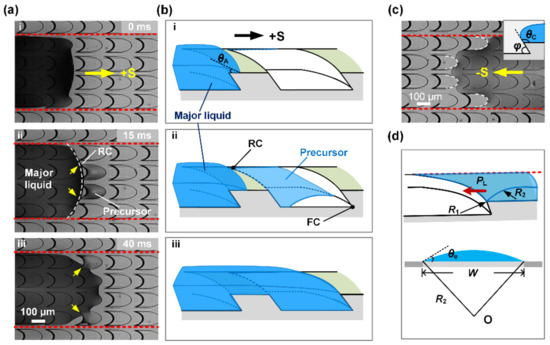
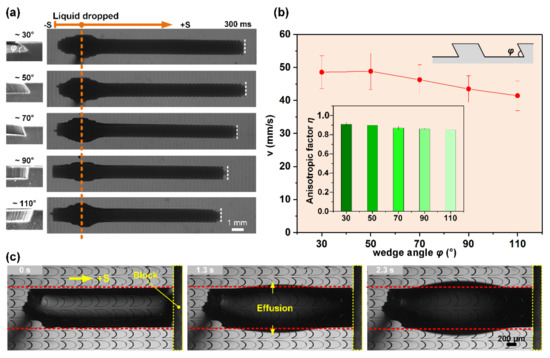
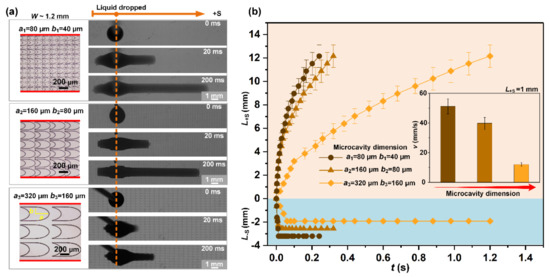
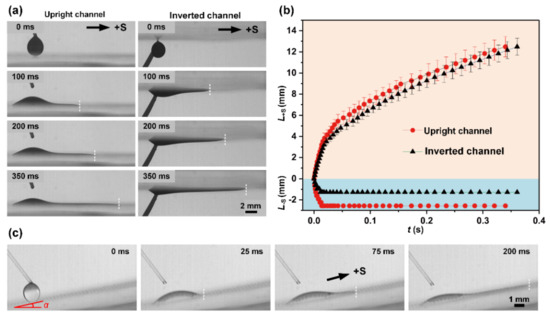
Unidirectional liquid spreading without energy input is of significant interest for the broad applications in diverse fields such as water harvesting, drop transfer, oil–water separation and microfluidic devices. However, the controllability of liquid motion and the simplification of manufacturing process remain challenges. Inspired by the peristome of Nepenthes alata, a surface-tension-confined (STC) channel with biomimetic microcavities was fabricated facilely through UV exposure photolithography and partial plasma treatment. Perfect asymmetric liquid spreading was achieved by combination of microcavities and hydrophobic boundary, and the stability of pinning effect was demonstrated. The influences of structural features of microcavities on both liquid spreading and liquid pinning were investigated and the underlying mechanism was revealed. We also demonstrated the spontaneous unidirectional transport of liquid in 3D space and on tilting slope. In addition, through changing pits arrangement and wettability pattern, complex liquid motion paths and microreactors were realized. This work will open a new way for liquid manipulation and lab-on-chip applications. Full article
(This article belongs to the Special Issue Micro/Nano-surfaces: Fabrication and Applications)
Show Figures

Figure 1
12 pages, 40331 KB  
Article
Electrical Characterization of a Double-Layered Conductive Pattern with Different Crack Configurations for Durable E-Textiles
by Tomoya Koshi, Ken-ichi Nomura and Manabu Yoshida
Micromachines 2020, 11(11), 977; https://doi.org/10.3390/mi11110977 - 30 Oct 2020
Cited by 8 | Viewed by 3215
Abstract
For the conductive patterns of electronic textiles (e-textiles), it is still challenging to maintain low electrical resistance, even under large or cyclic tensile deformation. This study investigated a double-layered pattern with different crack configurations as a possible solution. Patterns with single crack growth [...] Read more.
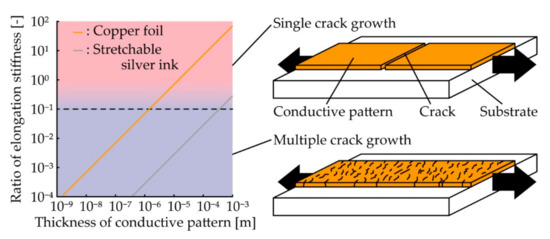
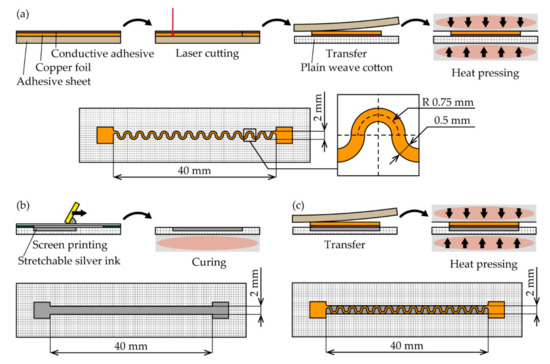
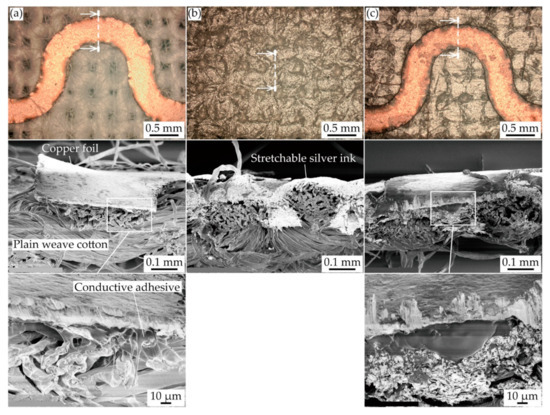
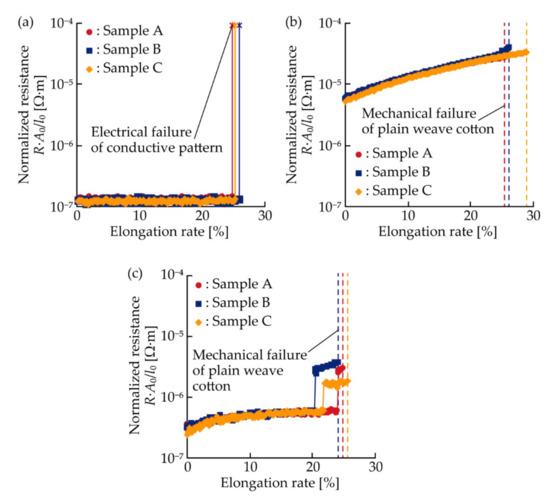
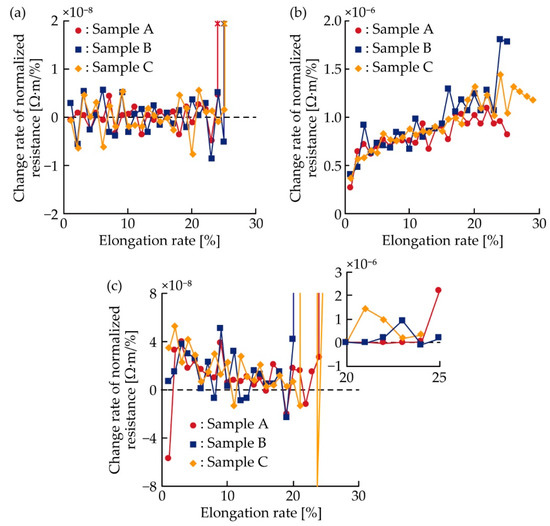
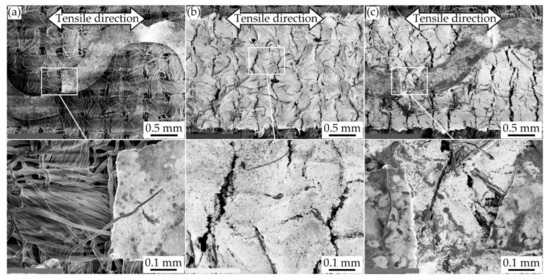
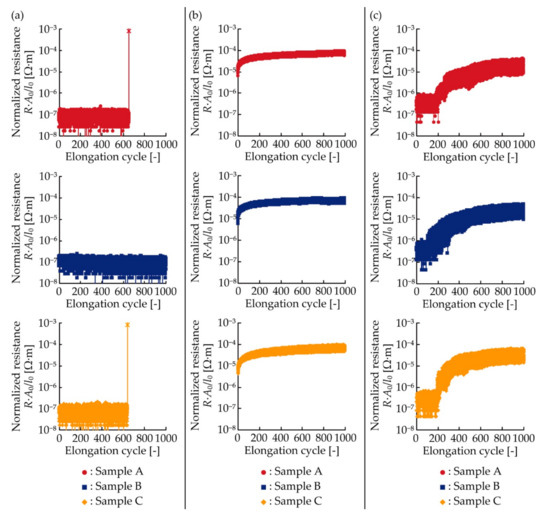
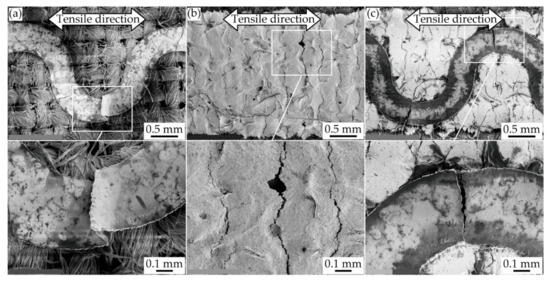
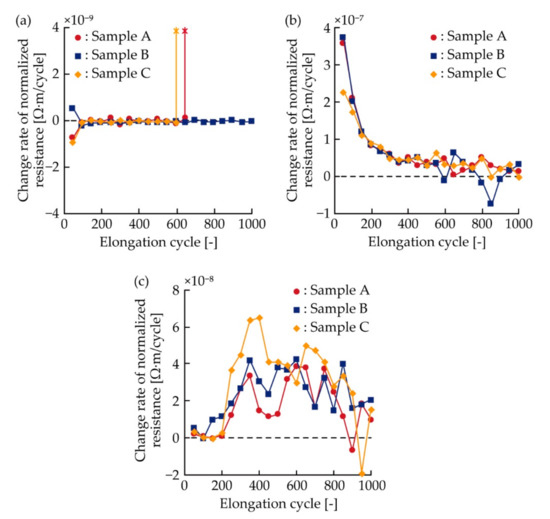
For the conductive patterns of electronic textiles (e-textiles), it is still challenging to maintain low electrical resistance, even under large or cyclic tensile deformation. This study investigated a double-layered pattern with different crack configurations as a possible solution. Patterns with single crack growth exhibit a low initial resistance and resistance change rate. In contrast, patterns with multiple crack growth maintain their conductivity under deformation, where electrical failure occurs in those with single crack growth. We considered that a double-layered structure could combine the electrical characteristics of patterns with single and multiple crack growths. In this study, each layer was theoretically designed to control the crack configuration. Then, meandering copper patterns, silver ink patterns, and their double layers were fabricated on textiles as patterns with single and multiple crack growths and double-layered patterns, respectively. Their resistance changes under the single (large) and cyclic tensile deformations were characterized. The results confirmed that the double-layered patterns maintained the lowest resistance at the high elongation rate and cycle. The resistance change rates of the meandering copper and silver ink patterns were constant, and changed monotonically against the elongation rate/cycle, respectively. In contrast, the change rate of the double-layered patterns varied considerably when electrical failure occurred in the copper layer. The change rate after the failure was much higher than that before the failure, and on the same order as that of the silver ink patterns. Full article
(This article belongs to the Section E:Engineering and Technology)
Show Figures

Figure 1
14 pages, 2873 KB  
Article
Experimental Research on PVDF Sensing Surface Characteristic Curve Applied to Topography Perception
by Zhen Yu, Jing-Xian Yu and Chen-Yang Zhang
Micromachines 2020, 11(11), 976; https://doi.org/10.3390/mi11110976 - 30 Oct 2020
Cited by 2 | Viewed by 2427
Abstract
With the development of intelligent technology, it is of great significance to develop intelligent equipment with topography self-sensing function. The micro morphology perception technology applied to intelligent equipment is the key technology for development. In this paper, at first, topography perception theory based [...] Read more.
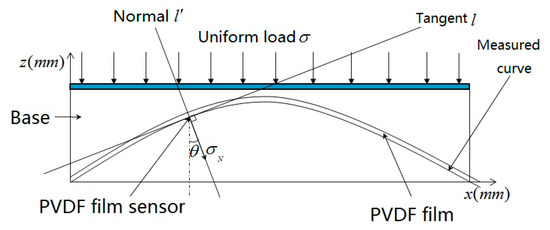
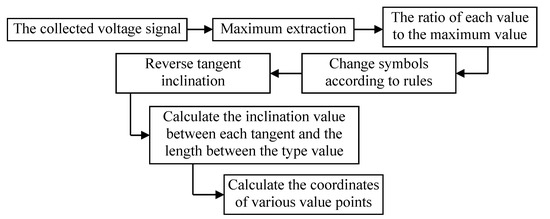
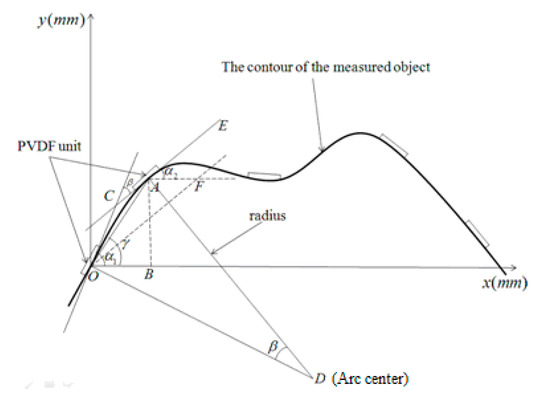
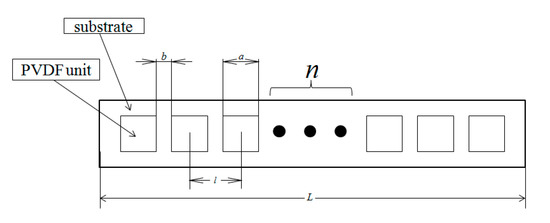
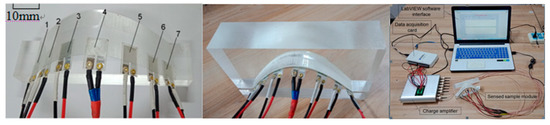
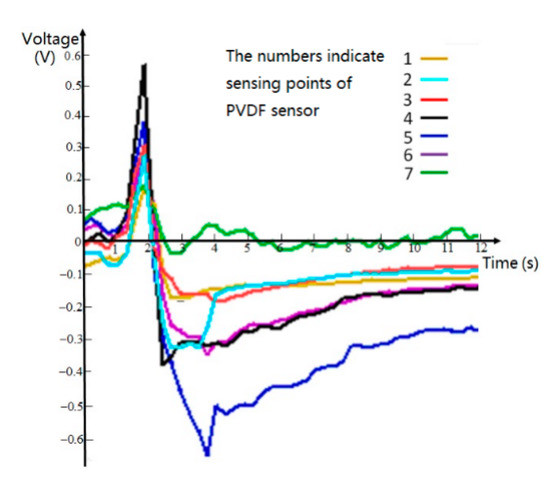
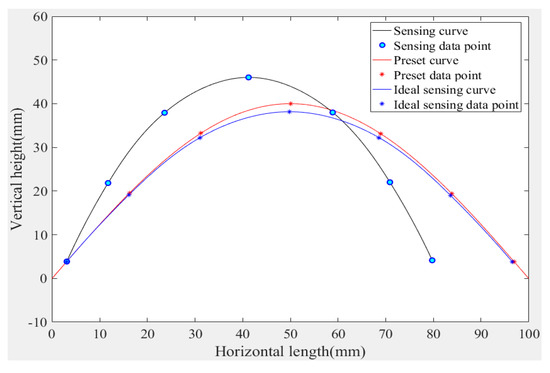
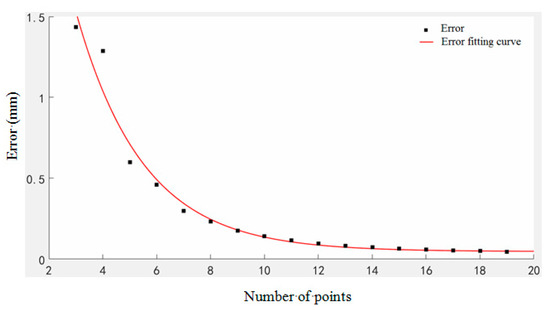
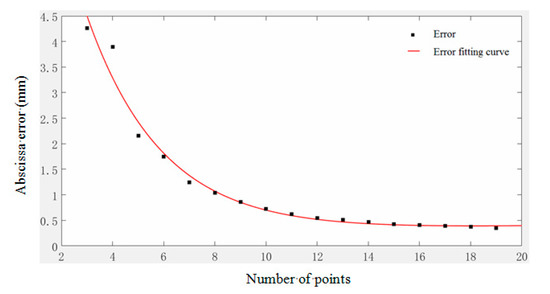
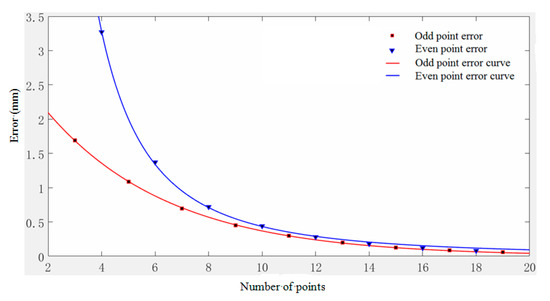
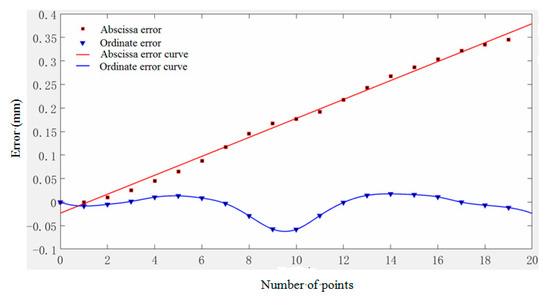
With the development of intelligent technology, it is of great significance to develop intelligent equipment with topography self-sensing function. The micro morphology perception technology applied to intelligent equipment is the key technology for development. In this paper, at first, topography perception theory based on the PVDF (Polyvinylidene Fluoride) technology is researched, then an experimental study is conducted to sense the characteristic points of the geometric curve of the preset topography surface used in the PVDF film, and then the Ferguson curve model is used to reconstruct the topography characteristic curve. The experimental results show that the reconstruction curve can truly reflect the features of the characteristic curve of the surface of the preset topography, and the feasibility of topography surface sensing technology by PVDF sensing technology is verified. The research provides technical support for the development of intelligent equipment with topography self-sensing function. Full article
(This article belongs to the Special Issue Piezoelectric Thin Film MEMS)
Show Figures

Figure 1
15 pages, 5025 KB  
Article
Design and Development of a Wideband Planar Yagi Antenna Using Tightly Coupled Directive Element
by Muhammad A. Ashraf, Khalid Jamil, Ahmed Telba, Mohammed A. Alzabidi and Abdel Razik Sebak
Micromachines 2020, 11(11), 975; https://doi.org/10.3390/mi11110975 - 30 Oct 2020
Cited by 8 | Viewed by 6513
Abstract
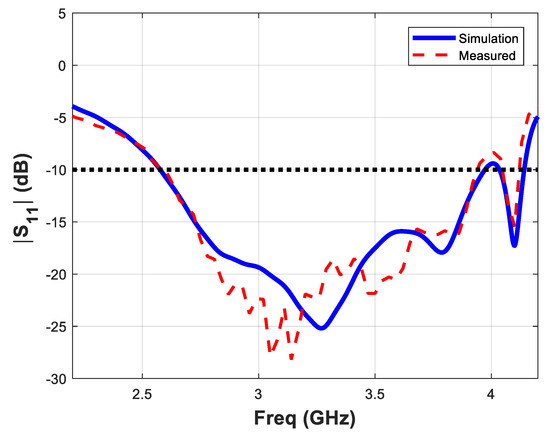
In this paper, a novel concept on the design of a broadband printed Yagi antenna for S-band wireless communication applications is presented. The proposed antenna exhibits a wide bandwidth (more than 48% fractional bandwidth) operating in the frequency range 2.6 GHz–4.3 GHz. This [...] Read more.
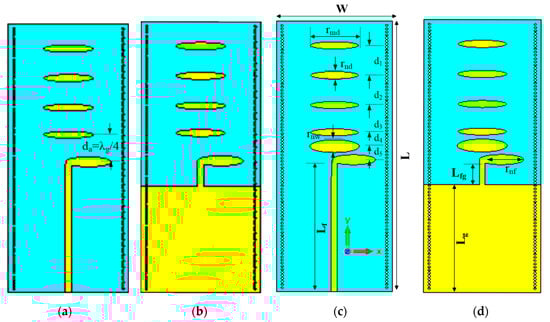
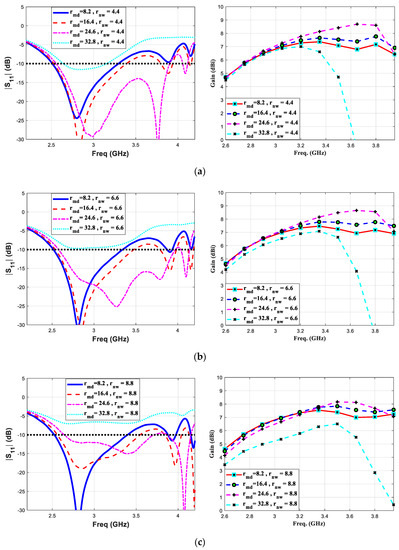
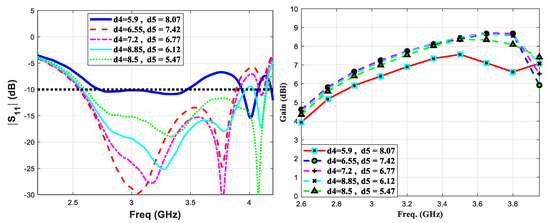
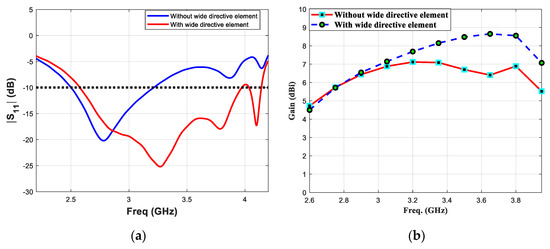
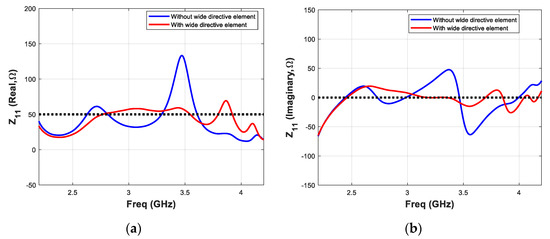
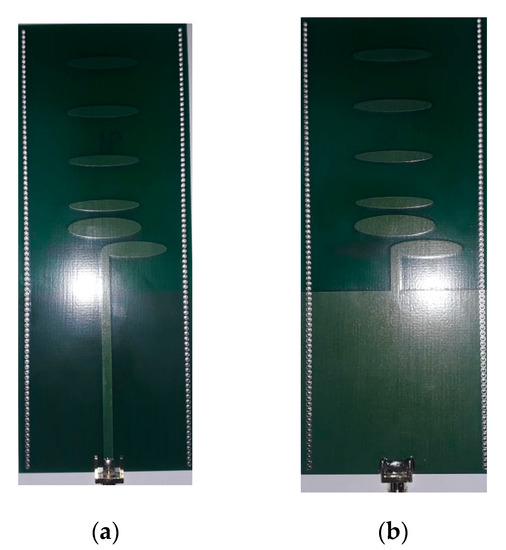
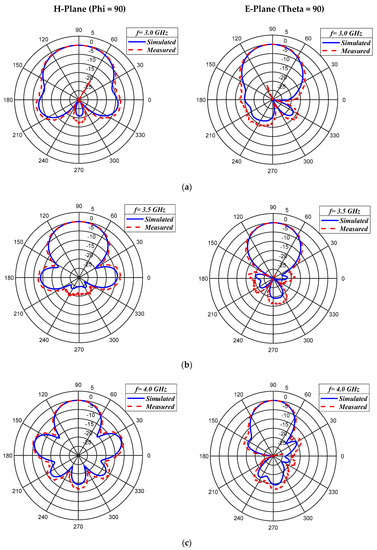
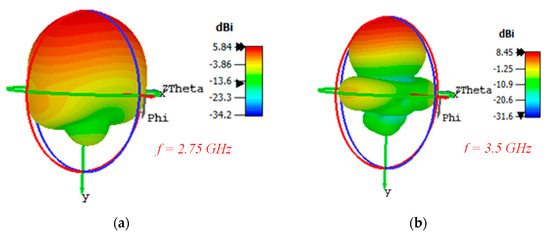
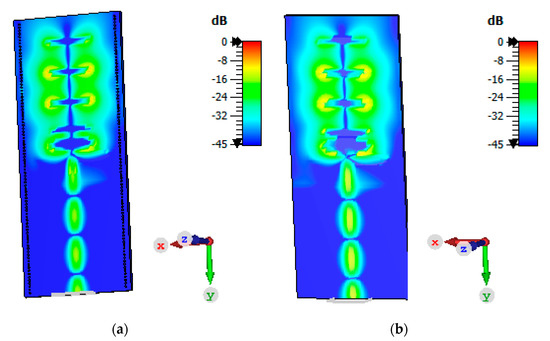
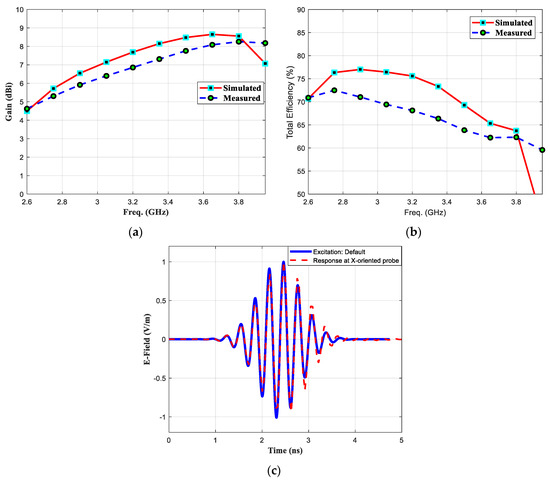
In this paper, a novel concept on the design of a broadband printed Yagi antenna for S-band wireless communication applications is presented. The proposed antenna exhibits a wide bandwidth (more than 48% fractional bandwidth) operating in the frequency range 2.6 GHz–4.3 GHz. This is achieved by employing an elliptically shaped coupled-directive element, which is wider compared with other elements. Compared with the conventional printed Yagi design, the tightly coupled directive element is placed very close (0.019λ to 0.0299λ) to the microstrip-fed dipole arms. The gain performance is enhanced by placing four additional elliptically shaped directive elements towards the electromagnetic field’s direction of propagation. The overall size of the proposed antenna is 60 mm × 140 mm × 1.6 mm. The proposed antenna is fabricated and its characteristics, such as reflection coefficient, radiation pattern, and gain, are compared with simulation results. Excellent agreement between measured and simulation results is observed. Full article
(This article belongs to the Section E:Engineering and Technology)
Show Figures

Figure 1
14 pages, 2680 KB  
Article
Non-Diffractive Bessel Beams for Ultrafast Laser Scanning Platform and Proof-Of-Concept Side-Wall Polishing of Additively Manufactured Parts
by Huu Dat Nguyen, Xxx Sedao, Cyril Mauclair, Guillaume Bidron, Nicolas Faure, Enrique Moreno, Jean-Philippe Colombier and Razvan Stoian
Micromachines 2020, 11(11), 974; https://doi.org/10.3390/mi11110974 - 30 Oct 2020
Cited by 34 | Viewed by 11255
Abstract
We report the potential use of non-diffractive Bessel beam for ultrafast laser processing in additive manufacturing environments, its integration into a fast scanning platform, and proof-of-concept side-wall polishing of stainless steel-based additively fabricated parts. We demonstrate two key advantages of the zeroth-order Bessel [...] Read more.
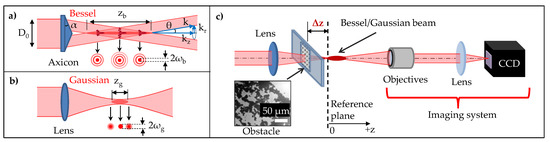
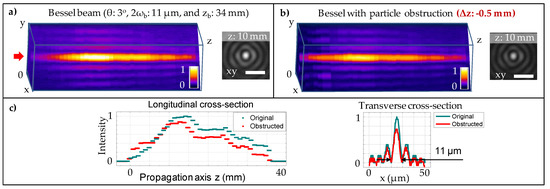
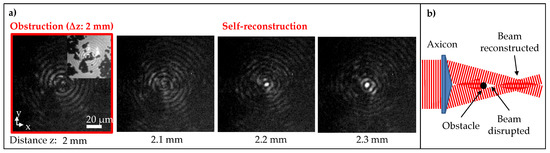
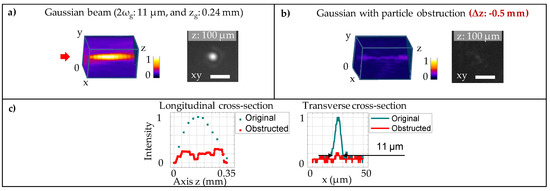
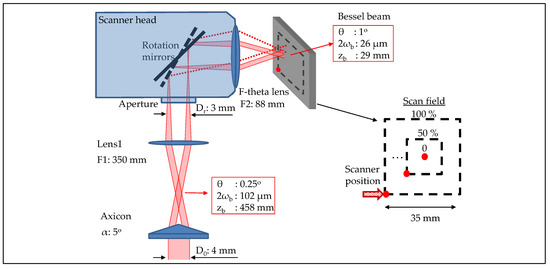
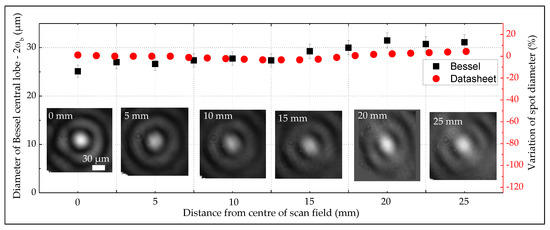
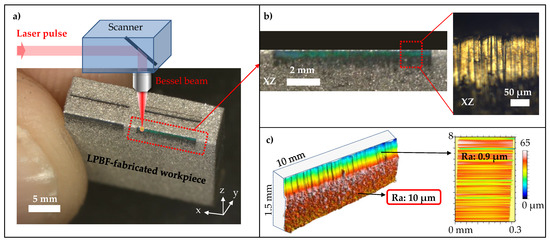
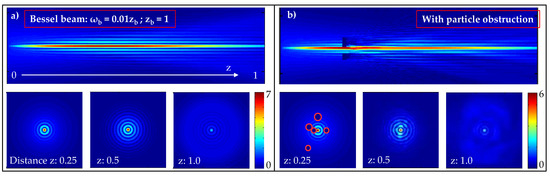
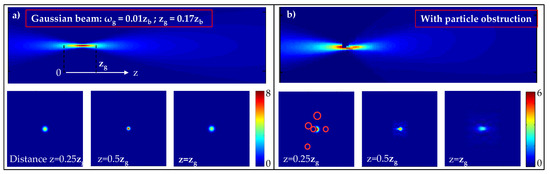
We report the potential use of non-diffractive Bessel beam for ultrafast laser processing in additive manufacturing environments, its integration into a fast scanning platform, and proof-of-concept side-wall polishing of stainless steel-based additively fabricated parts. We demonstrate two key advantages of the zeroth-order Bessel beam: the significantly long non-diffractive length for large tolerance of sample positioning and the unique self-reconstruction property for un-disrupted beam access, despite the obstruction of metallic powders in the additive manufacturing environment. The integration of Bessel beam scanning platform is constructed by finely adapting the Bessel beam into a Galvano scanner. The beam sustained its good profile within the scan field of 35 × 35 mm2. As a proof of concept, the platform showcases its advanced capacity by largely reducing the side-wall surface roughness of an additively as-fabricated workpiece from Ra 10 μm down to 1 μm. Therefore, the demonstrated Bessel–Scanner configuration possesses great potential for integrating in a hybrid additive manufacturing apparatus. Full article
(This article belongs to the Special Issue Advanced Techniques for Ultrafast Laser Nano/Micro Patterning)
Show Figures

Figure 1
11 pages, 20589 KB  
Article
Surface Tension-Based Alignment of Microfibers on Hydrophilic–Superhydrophobic Grooved Surfaces
by Bo Chang, Jialong Jin and Quan Zhou
Micromachines 2020, 11(11), 973; https://doi.org/10.3390/mi11110973 - 29 Oct 2020
Cited by 7 | Viewed by 3502
Abstract
Alignment and orderly distribution of microfibers have a major effect on the mechanical, electrical, and thermal properties of the fiber reinforced materials, biomimetic materials, and soft microsensors. However, it is still a challenging task to precisely align and distribute microfibers and construct complex [...] Read more.
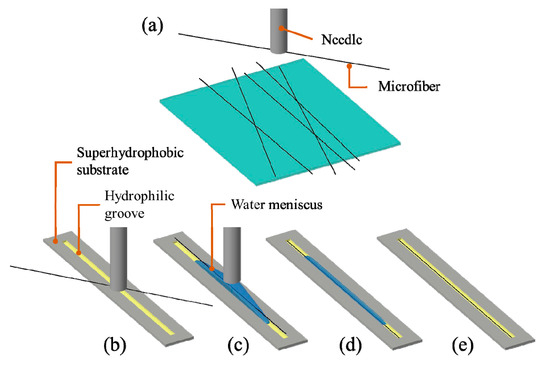
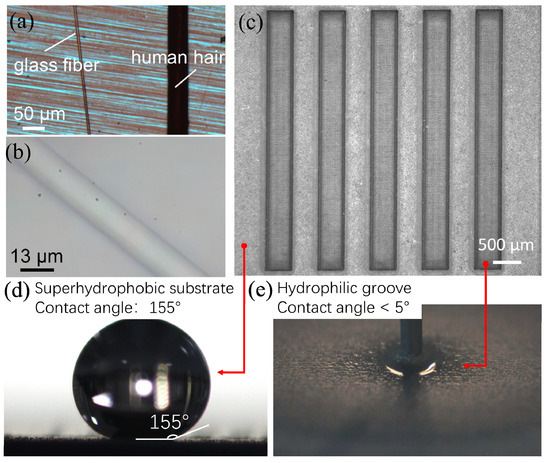
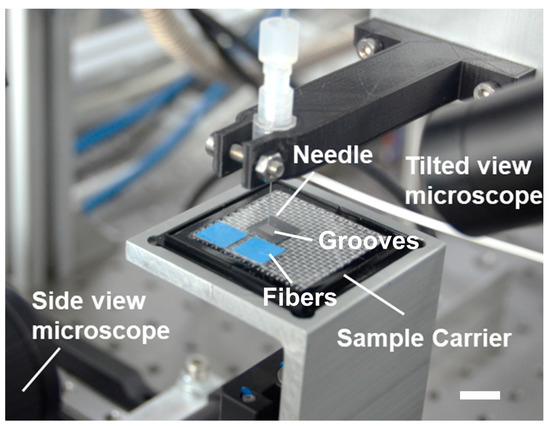
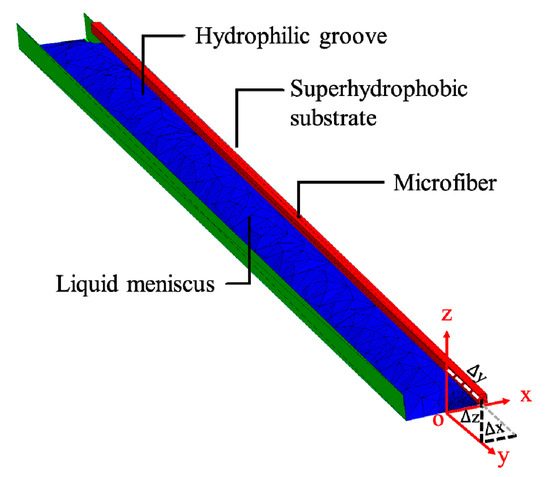
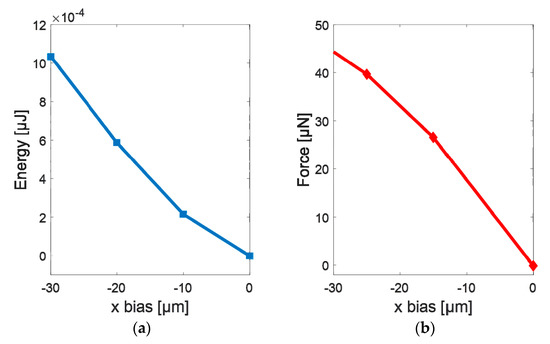
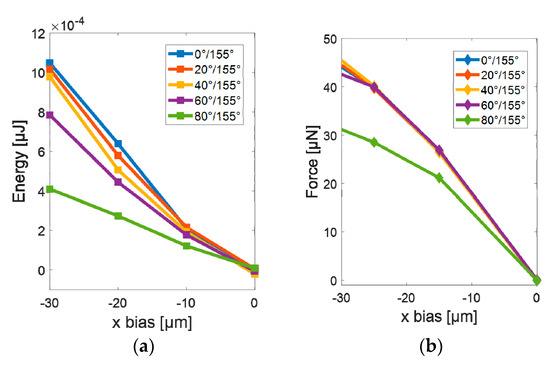
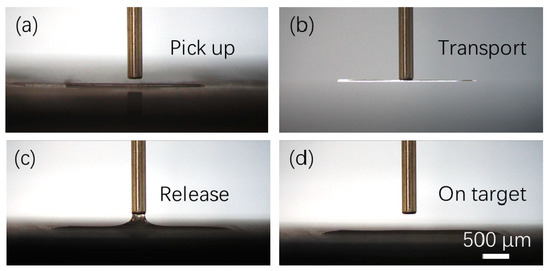
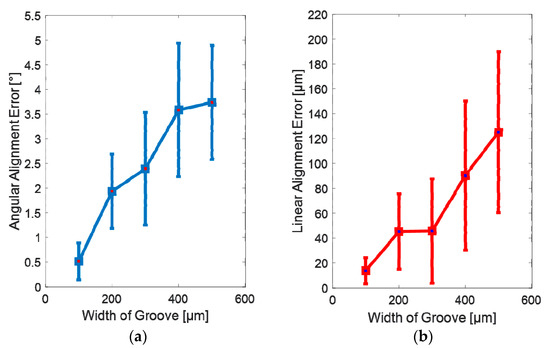
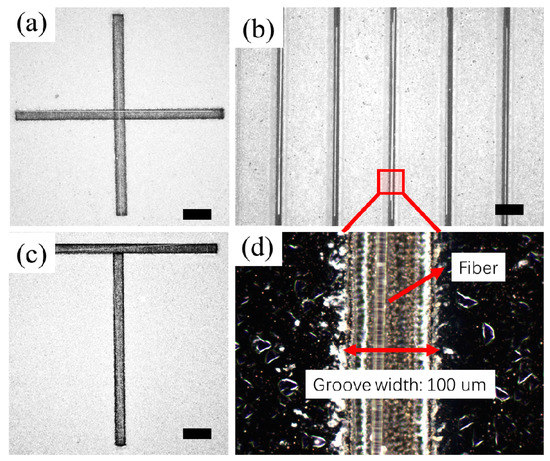
Alignment and orderly distribution of microfibers have a major effect on the mechanical, electrical, and thermal properties of the fiber reinforced materials, biomimetic materials, and soft microsensors. However, it is still a challenging task to precisely align and distribute microfibers and construct complex patterns. This paper proposes a surface tension-based method to align and orderly distribute microfibers. A model was developed to simulate the surface tension driven alignment of the microfiber. We designed and fabricated hydrophilic–superhydrophobic grooved surfaces. We demonstrated that the microfibers can self-align to the hydrophilic–superhydrophobic grooves with different geometries. We studied the influence of the volume of the droplet and bias on the alignment success rate. The results indicate that the process can tolerate large variations of the bias and the volume, unless the volume is not enough to cover the groove. We further investigated the influence of the width of the groove on the alignment accuracy. The results show that the alignment accuracy is largely depending on the size difference between the groove and the microfiber; the better the size of the groove matches the size of the fiber, the higher the alignment accuracy will be achieved. The proposed method has great potential in construction of complex microstructures using microfibers. Full article
(This article belongs to the Special Issue Recent Progress on Micro/Nano Robots and Their applications)
Show Figures

Figure 1
16 pages, 5547 KB  
Article
A 2D Waveguide Method for Lithography Simulation of Thick SU-8 Photoresist
by Zi-Chen Geng, Zai-Fa Zhou, Hui Dai and Qing-An Huang
Micromachines 2020, 11(11), 972; https://doi.org/10.3390/mi11110972 - 29 Oct 2020
Cited by 3 | Viewed by 3725
Abstract
Due to the increasing complexity of microelectromechanical system (MEMS) devices, the accuracy and precision of two-dimensional microstructures of SU-8 negative thick photoresist have drawn more attention with the rapid development of UV lithography technology. This paper presents a high-precision lithography simulation model for [...] Read more.
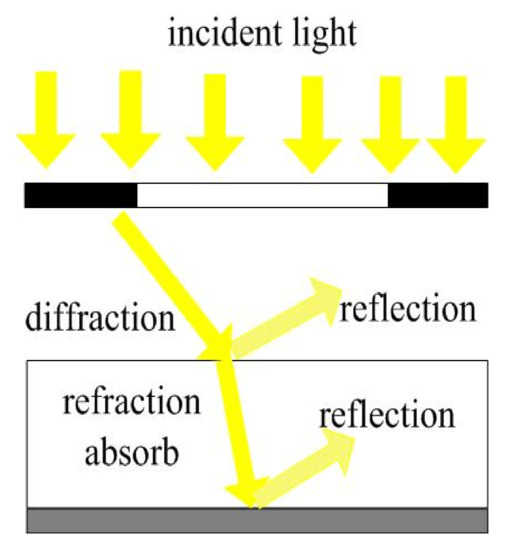
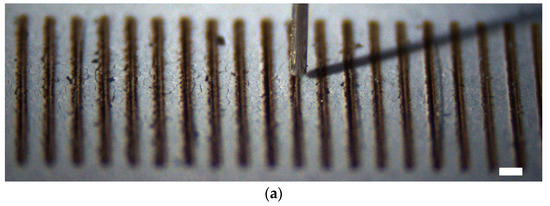
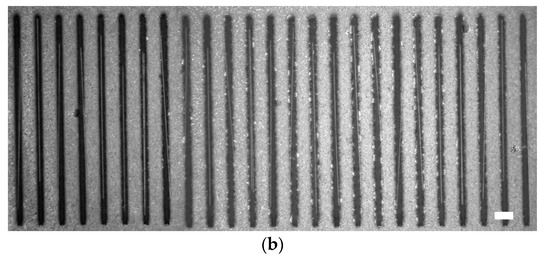
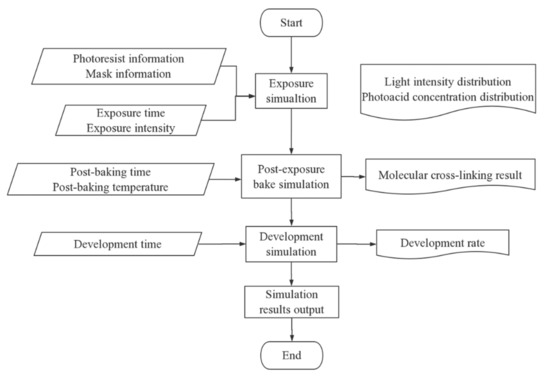
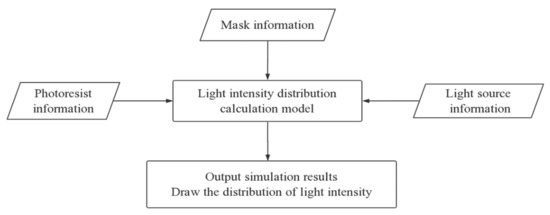
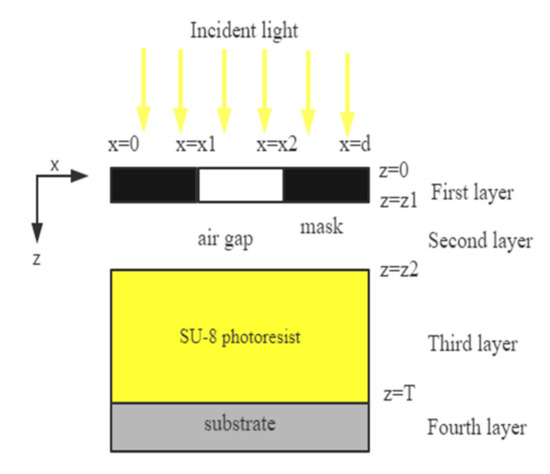
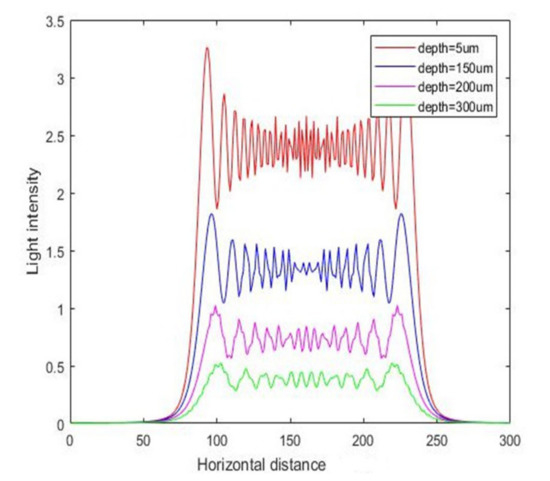
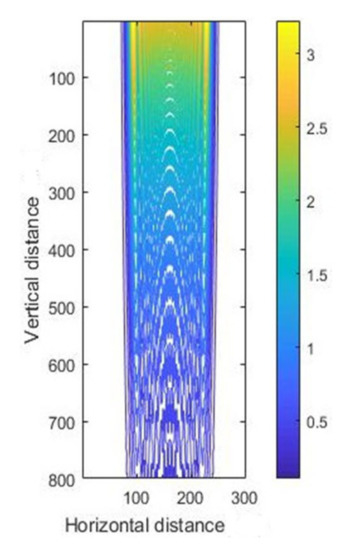
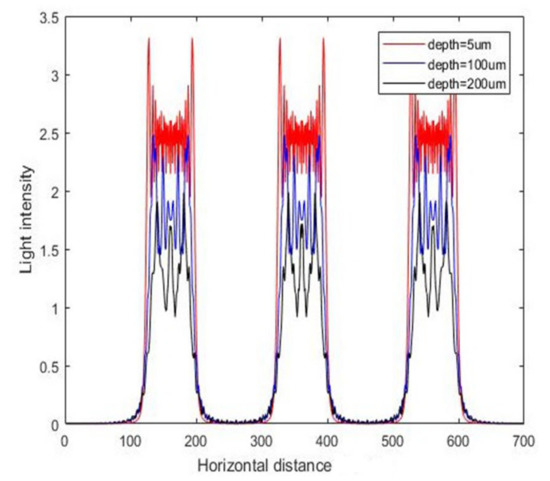
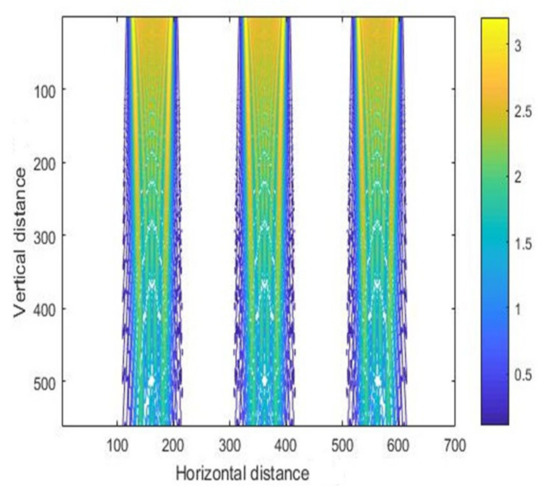
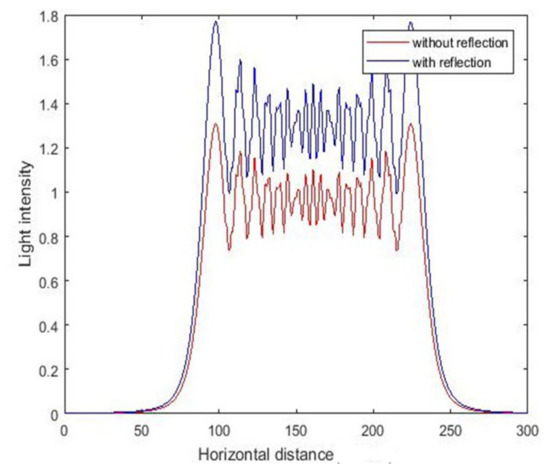
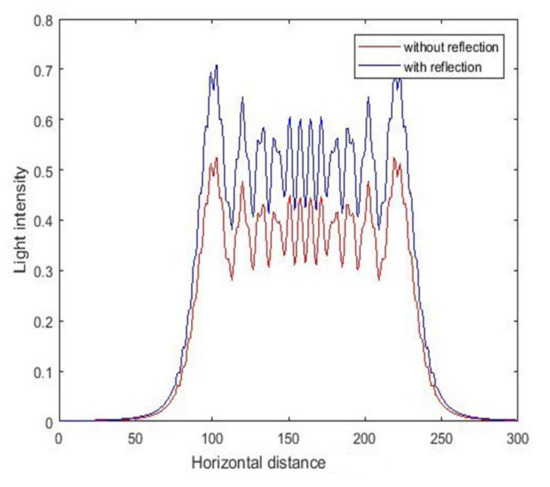
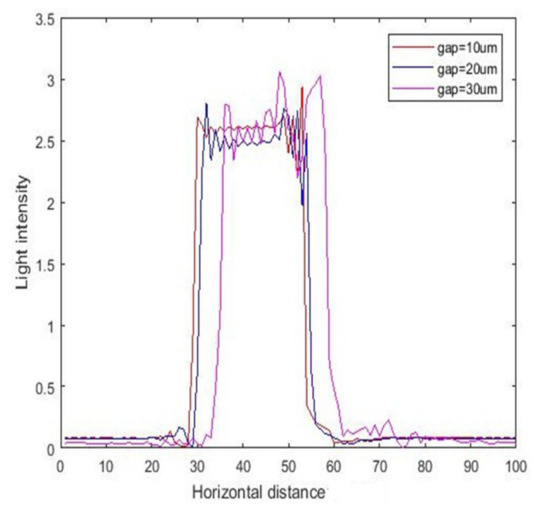
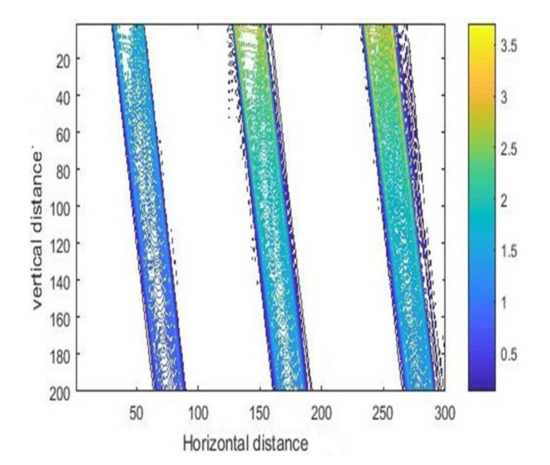
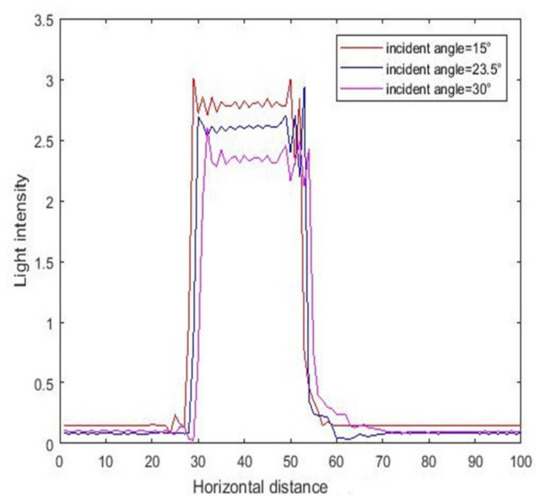
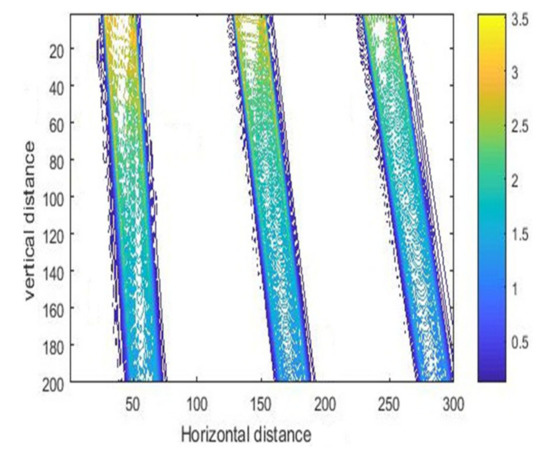
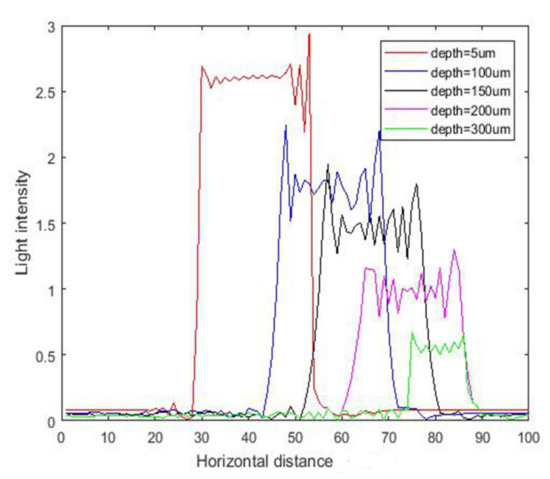
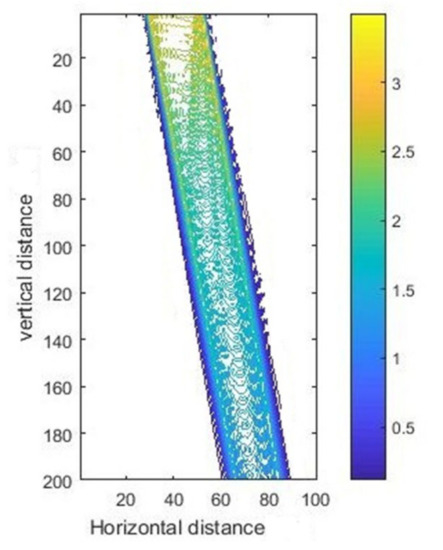
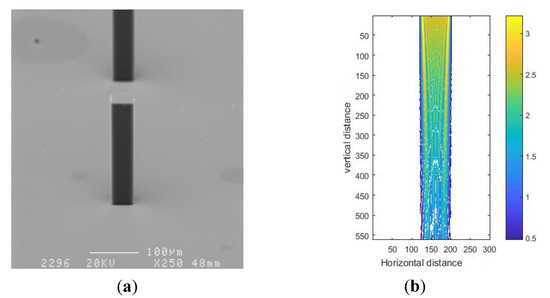
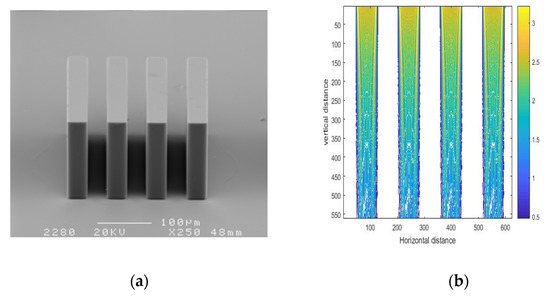
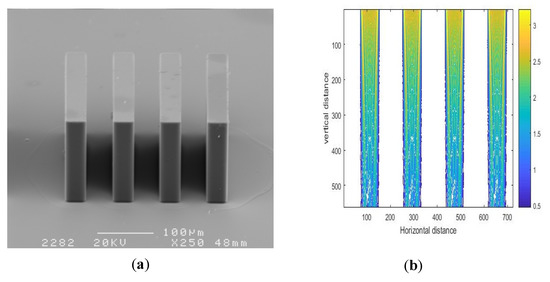
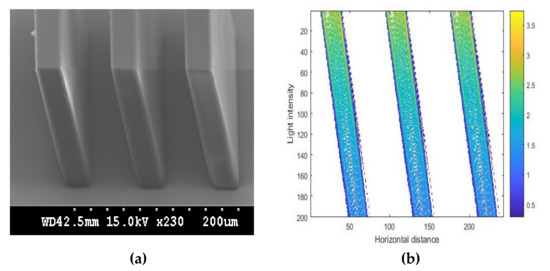
Due to the increasing complexity of microelectromechanical system (MEMS) devices, the accuracy and precision of two-dimensional microstructures of SU-8 negative thick photoresist have drawn more attention with the rapid development of UV lithography technology. This paper presents a high-precision lithography simulation model for thick SU-8 photoresist based on waveguide method to calculate light intensity in the photoresist and predict the profiles of developed SU-8 structures in two dimension. This method is based on rigorous electromagnetic field theory. The parameters that have significant influence on profile quality were studied. Using this model, the light intensity distribution was calculated, and the final resist morphology corresponding to the simulation results was examined. A series of simulations and experiments were conducted to verify the validity of the model. The simulation results were found to be in good agreement with the experimental results, and the simulation system demonstrated high accuracy and efficiency, with complex cases being efficiently handled. Full article
Show Figures

Figure 1
17 pages, 6043 KB  
Article
Numerical Investigation of Nanostructure Orientation on Electroosmotic Flow
by An Eng Lim and Yee Cheong Lam
Micromachines 2020, 11(11), 971; https://doi.org/10.3390/mi11110971 - 29 Oct 2020
Cited by 16 | Viewed by 2687
Abstract
Electroosmotic flow (EOF) is fluid flow induced by an applied electric field, which has been widely employed in various micro-/nanofluidic applications. Past investigations have revealed that the presence of nanostructures in microchannel reduces EOF. Hitherto, the angle-dependent behavior of nanoline structures on EOF [...] Read more.
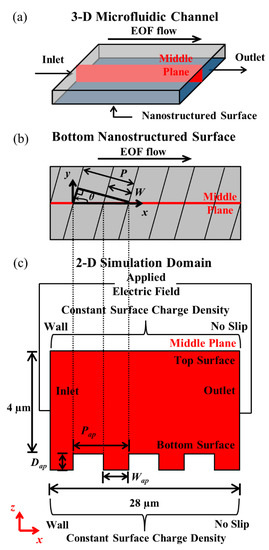
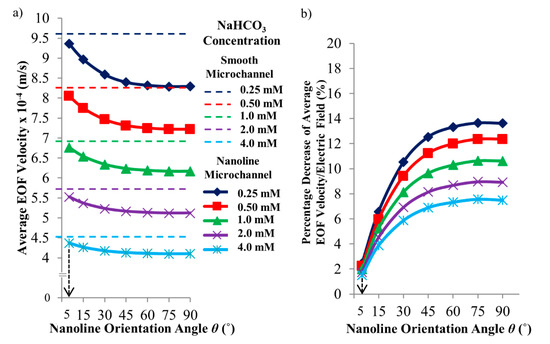
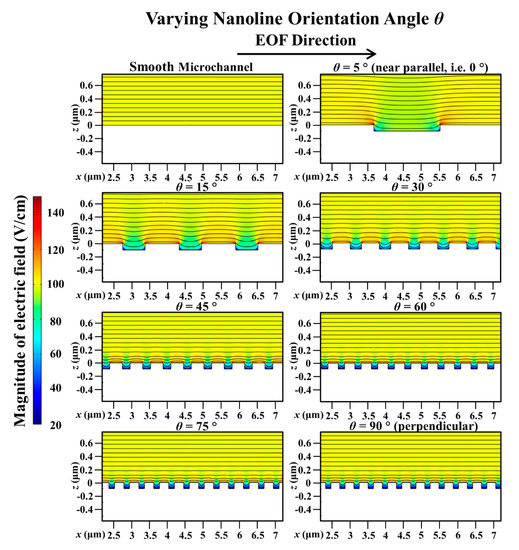
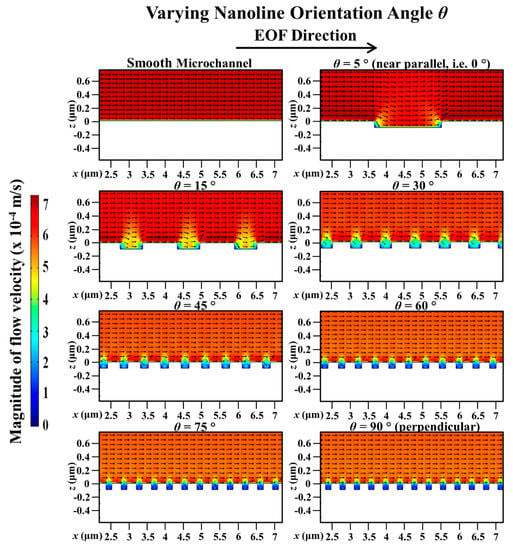
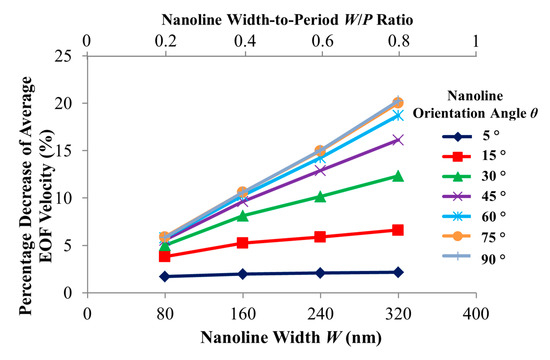
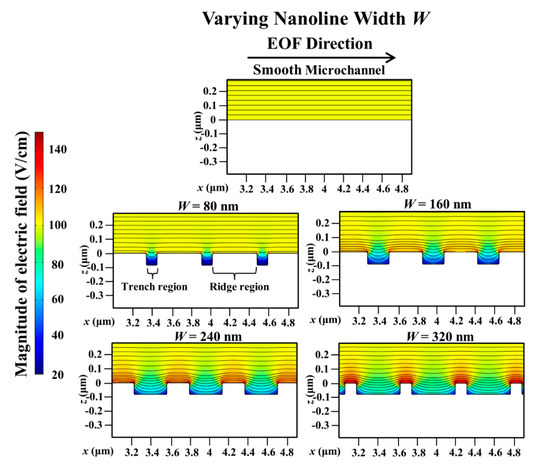
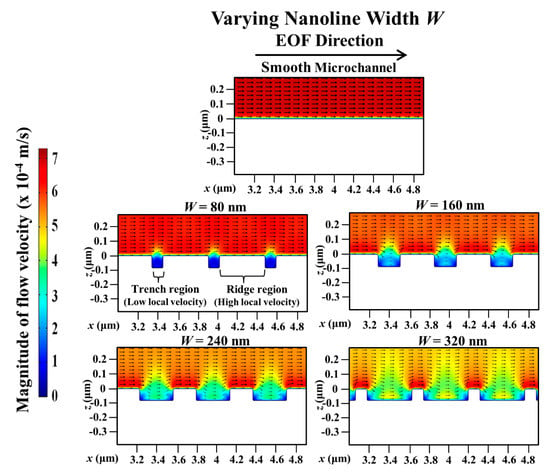
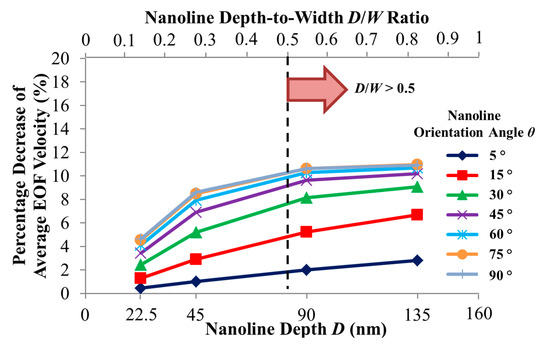
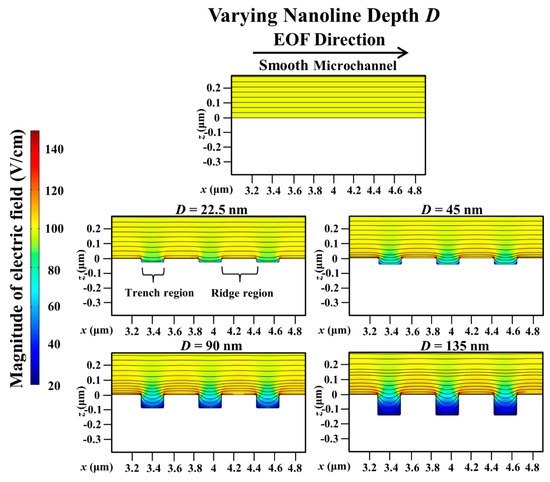
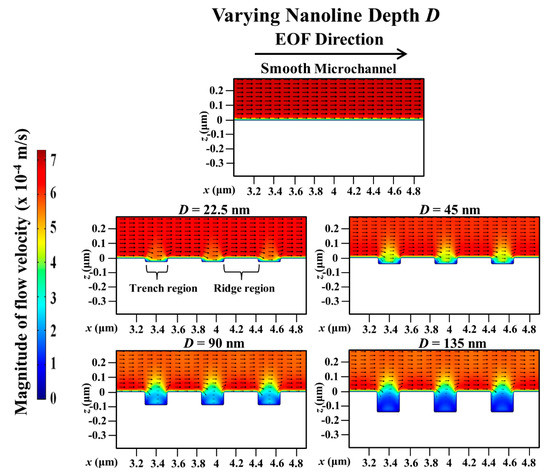
Electroosmotic flow (EOF) is fluid flow induced by an applied electric field, which has been widely employed in various micro-/nanofluidic applications. Past investigations have revealed that the presence of nanostructures in microchannel reduces EOF. Hitherto, the angle-dependent behavior of nanoline structures on EOF has not yet been studied in detail and its understanding is lacking. Numerical analyses of the effect of nanoline orientation angle θ on EOF to reveal the associated mechanisms were conducted in this investigation. When θ increases from 5° to 90° (from parallel to perpendicular to the flow direction), the average EOF velocity decreases exponentially due to the increase in distortion of the applied electric field distribution at the structured surface, as a result of the increased apparent nanolines per unit microchannel length. With increasing nanoline width W, the decrease of average EOF velocity is fairly linear, attributed to the simultaneous narrowing of nanoline ridge (high local fluid velocity region). While increasing nanoline depth D results in a monotonic decrease of the average EOF velocity. This reduction stabilizes for aspect ratio D/W > 0.5 as the electric field distribution distortion within the nanoline trench remains nearly constant. This investigation reveals that the effects on EOF of nanolines, and by extrapolation for any nanostructures, may be directly attributed to their effects on the distortion of the applied electric field distribution within a microchannel. Full article
(This article belongs to the Special Issue X-fluidics at the Micro/Nanoscale)
Show Figures

Figure 1
15 pages, 3602 KB  
Article
Characterization of Soft Tooling Photopolymers and Processes for Micromixing Devices with Variable Cross-Section
by J. Israel Martínez-López, Héctor Andrés Betancourt Cervantes, Luis Donaldo Cuevas Iturbe, Elisa Vázquez, Edisson A. Naula, Alejandro Martínez López, Héctor R. Siller, Christian Mendoza-Buenrostro and Ciro A. Rodríguez
Micromachines 2020, 11(11), 970; https://doi.org/10.3390/mi11110970 - 29 Oct 2020
Cited by 11 | Viewed by 4072
Abstract
In this paper, we characterized an assortment of photopolymers and stereolithography processes to produce 3D-printed molds and polydimethylsiloxane (PDMS) castings of micromixing devices. Once materials and processes were screened, the validation of the soft tooling approach in microfluidic devices was carried out through [...] Read more.
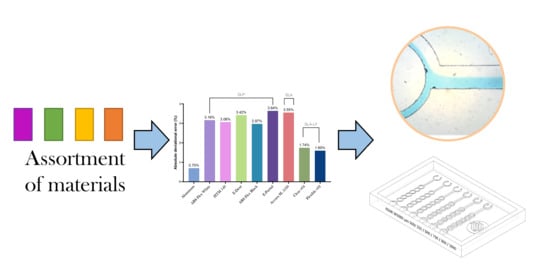
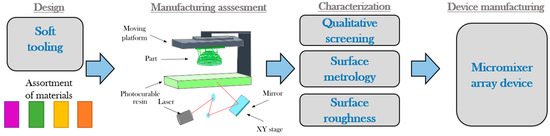
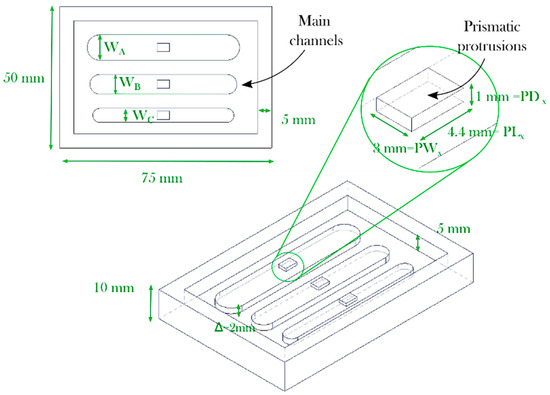
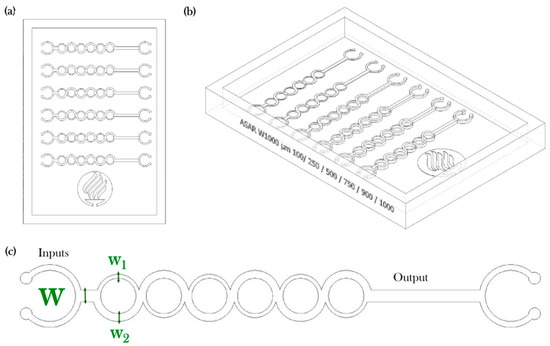
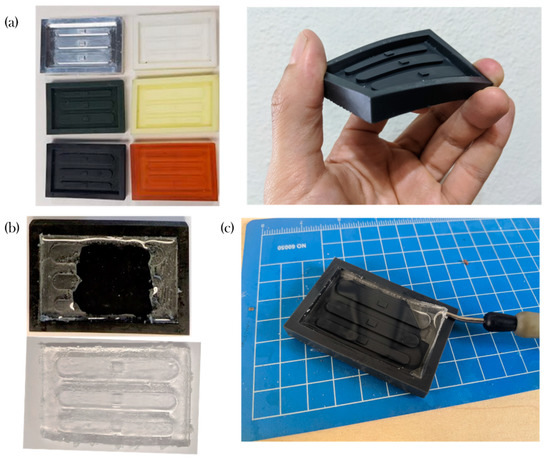
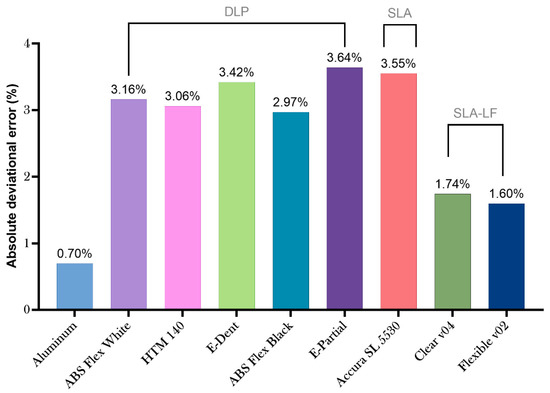
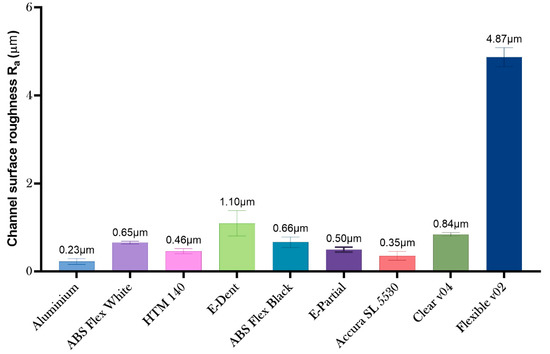
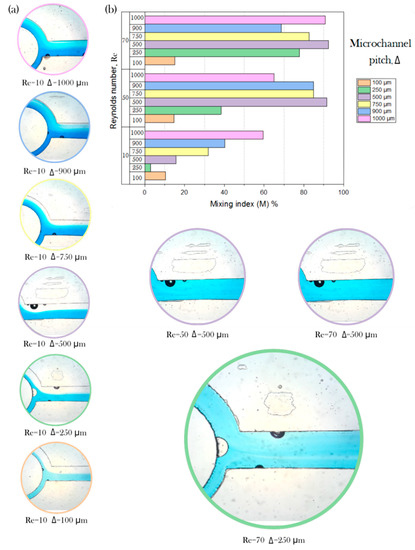
In this paper, we characterized an assortment of photopolymers and stereolithography processes to produce 3D-printed molds and polydimethylsiloxane (PDMS) castings of micromixing devices. Once materials and processes were screened, the validation of the soft tooling approach in microfluidic devices was carried out through a case study. An asymmetric split-and-recombine device with different cross-sections was manufactured and tested under different regime conditions (10 < Re < 70). Mixing performances between 3% and 96% were obtained depending on the flow regime and the pitch-to-depth ratio. The study shows that 3D-printed soft tooling can provide other benefits such as multiple cross-sections and other potential layouts on a single mold. Full article
(This article belongs to the Special Issue Analysis, Design and Fabrication of Micromixers)
Show Figures

Graphical abstract

20 pages, 6980 KB  
Article
Model for Predicting the Micro-Grinding Force of K9 Glass Based on Material Removal Mechanisms
by Hisham Manea, Xiang Cheng, Siying Ling, Guangming Zheng, Yang Li and Xikun Gao
Micromachines 2020, 11(11), 969; https://doi.org/10.3390/mi11110969 - 29 Oct 2020
Cited by 9 | Viewed by 3705
Abstract
K9 optical glass has superb material properties used for various industrial applications. However, the high hardness and low fracture toughness greatly fluctuate the cutting force generated during the grinding process, which are the main factors affecting machining accuracy and surface integrity. With a [...] Read more.
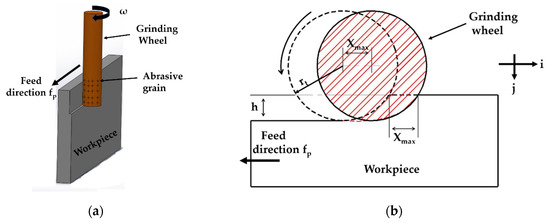
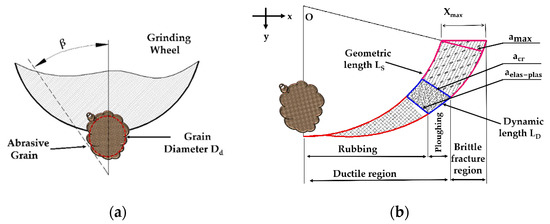
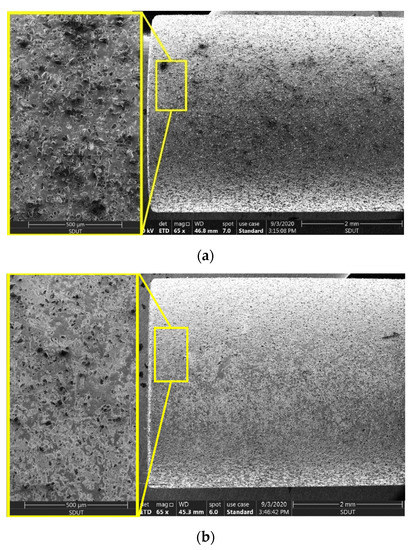
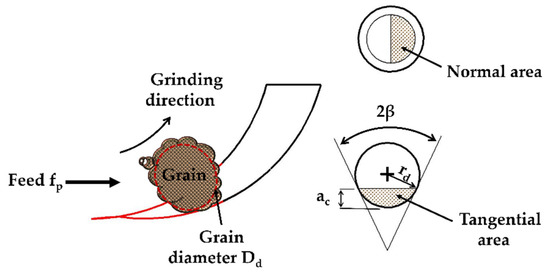
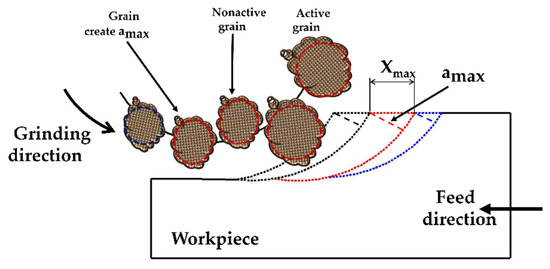
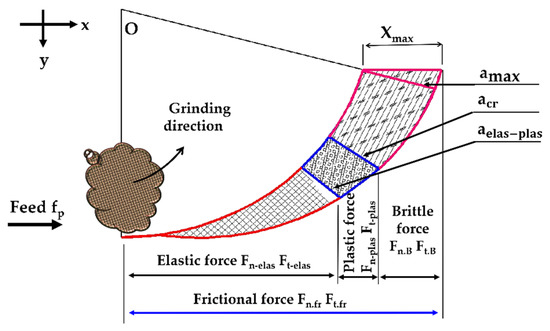
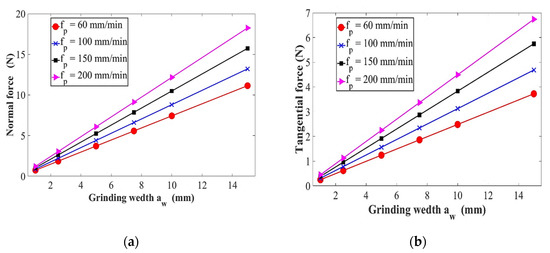
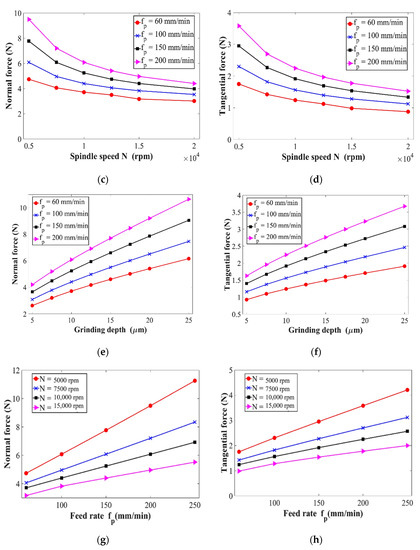
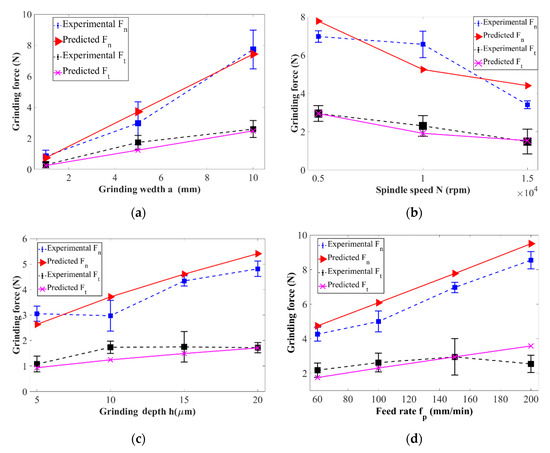
K9 optical glass has superb material properties used for various industrial applications. However, the high hardness and low fracture toughness greatly fluctuate the cutting force generated during the grinding process, which are the main factors affecting machining accuracy and surface integrity. With a view to further understand the grinding mechanism of K9 glass and improve the machining quality, a new arithmetical force model and parameter optimization for grinding the K9 glass are introduced in this study. Originally, the grinding force components and the grinding path were analyzed according to the critical depth of plowing, rubbing, and brittle tear. Thereafter, the arithmetical model of grinding force was established based on the geometrical model of a single abrasive grain, taking into account the random distribution of grinding grains, and this fact was considered when establishing the number of active grains participating in cutting Nd-Tot. It should be noted that the tool diameter changed with machining, therefore this change was taking into account when building the arithmetical force model during processing as well as the variable value of the maximum chip thickness amax accordingly. Besides, the force analysis recommends how to control the processing parameters to achieve high surface and subsurface quality. Finally, the force model was evaluated by comparing theoretical results with experimental ones. The experimental values of surface grinding forces are in good conformity with the predicted results with changes in the grinding parameters, which proves that the mathematical model is reliable. Full article
Show Figures

Figure 1
14 pages, 2125 KB  
Article
Adaptive Fuzzy Sliding Mode Control for a Micro Gyroscope with Backstepping Controller
by Juntao Fei, Yunmei Fang and Zhuli Yuan
Micromachines 2020, 11(11), 968; https://doi.org/10.3390/mi11110968 - 29 Oct 2020
Cited by 11 | Viewed by 2875
Abstract
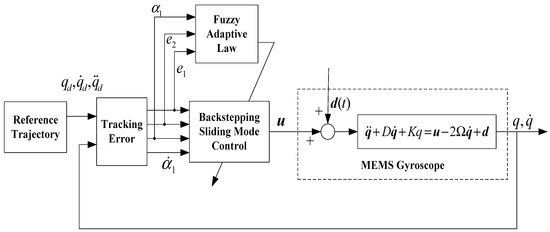
This paper developed an adaptive backstepping fuzzy sliding control (ABFSC) approach for a micro gyroscope. Based on backstepping design, an adaptive fuzzy sliding mode control was proposed to adjust the fuzzy parameters with self-learning ability and reject the system nonlinearities. With the Lyapunov [...] Read more.
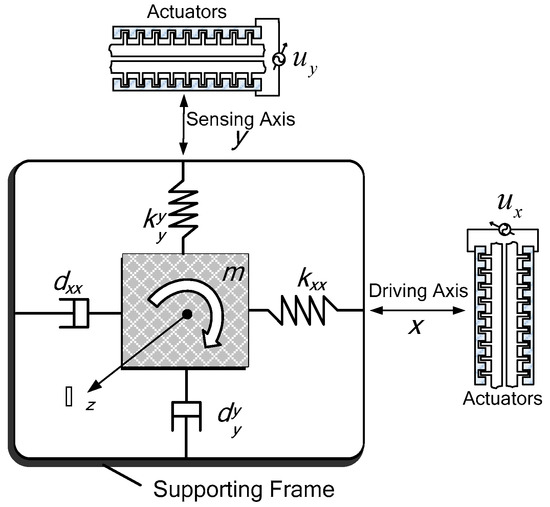
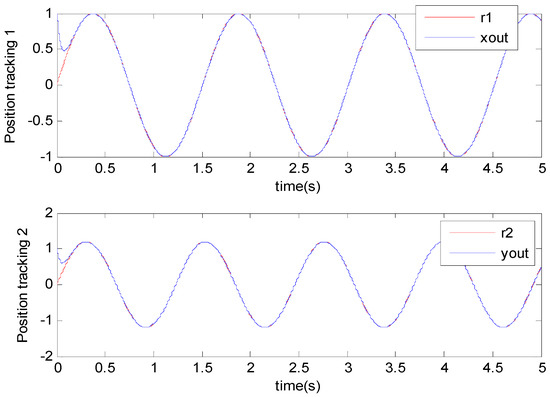
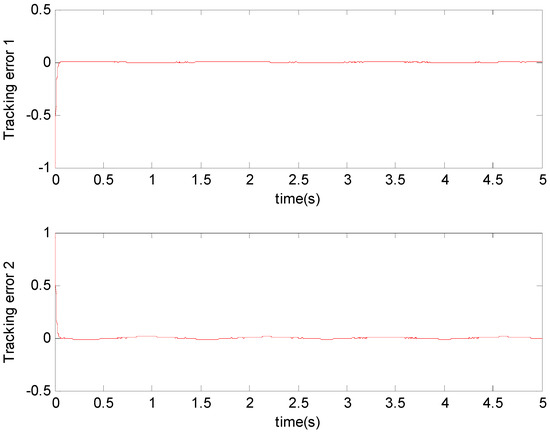
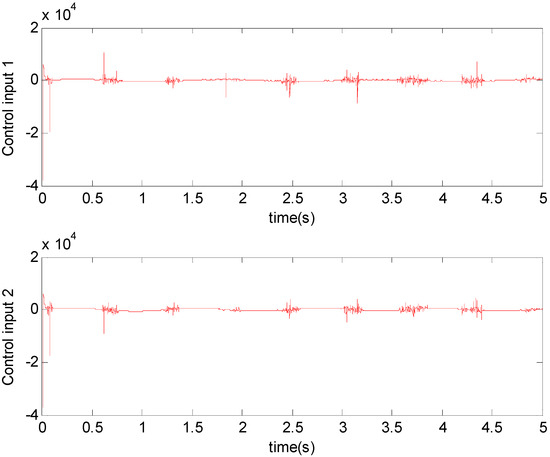
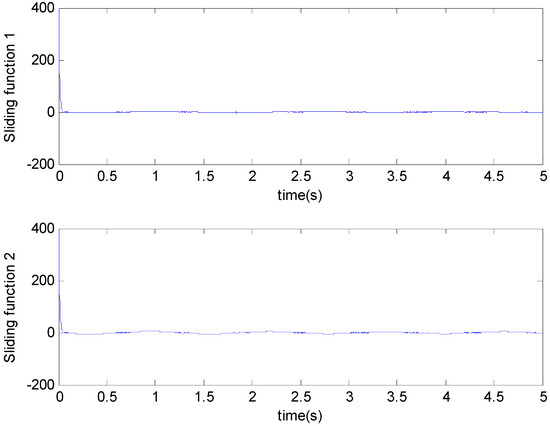
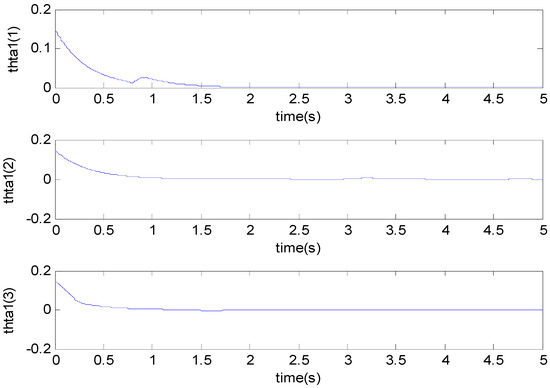
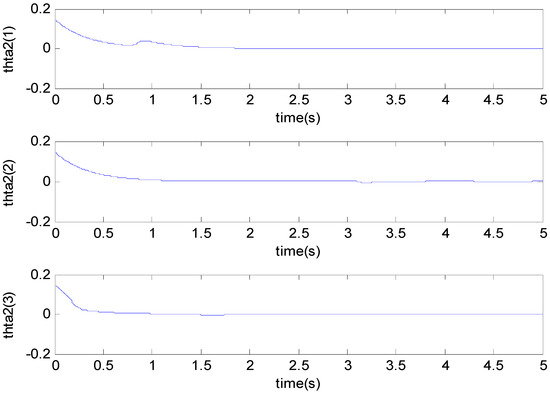
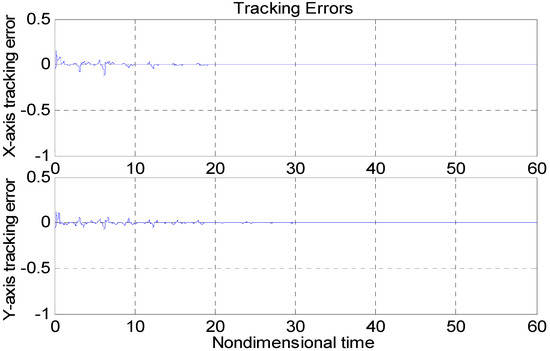
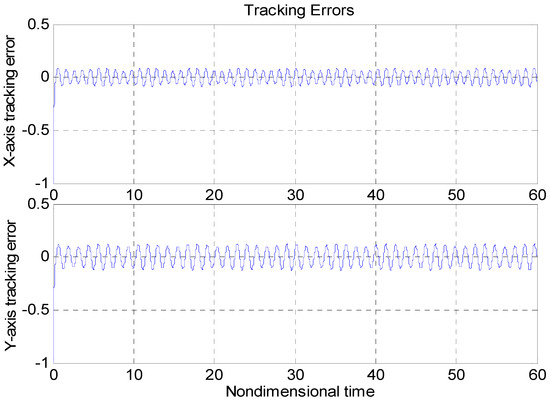
This paper developed an adaptive backstepping fuzzy sliding control (ABFSC) approach for a micro gyroscope. Based on backstepping design, an adaptive fuzzy sliding mode control was proposed to adjust the fuzzy parameters with self-learning ability and reject the system nonlinearities. With the Lyapunov function analysis of error function and sliding surface function, a comprehensive controller is derived to ensure the stability of the proposed control system. The proposed fuzzy control scheme does not need to know the system model in advance and could approximate the system nonlinearities well. The adaptive fuzzy control method has self-learning ability to adjust the fuzzy parameters. Simulation studies were implemented to prove the validity of the proposed ABFSMC strategy, showing that it can adapt to the changes of external disturbance and model parameters and has a satisfactory performance in tracking and approximation. Full article
(This article belongs to the Special Issue Recent Advances in MEMS Gyroscope)
Show Figures

Figure 1
11 pages, 24540 KB  
Article
Electrochemical Voltammogram Recording for Identifying Varieties of Ornamental Plants
by Rutong Yang, Boyuan Fan, Shu’an Wang, Linfang Li, Ya Li, Sumei Li, Yuhong Zheng, Li Fu and Cheng-Te Lin
Micromachines 2020, 11(11), 967; https://doi.org/10.3390/mi11110967 - 29 Oct 2020
Cited by 22 | Viewed by 2589
Abstract
An electrochemical voltammogram recording method for plant variety identification is proposed. Electrochemical voltammograms of Vistula, Andromeda, Danuta, Armandii ‘Apple Blossom,’ Proteus, Hagley Hybrid, Violet Elizabeth, Kiri Te Kanawa, Regina, and Veronica’s Choice were recorded using leaf extracts with two solvents under buffer solutions. [...] Read more.
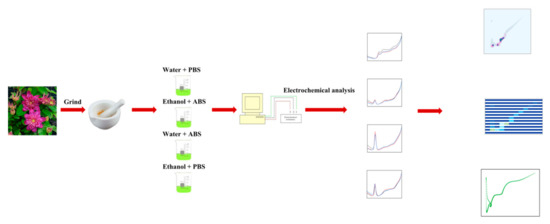
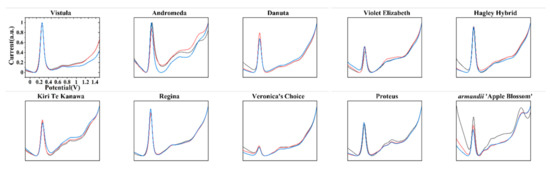
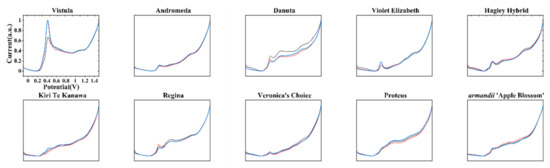
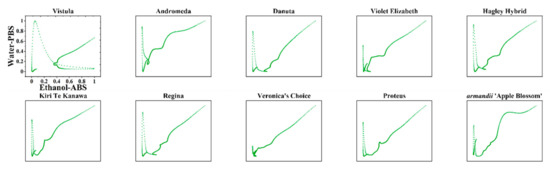
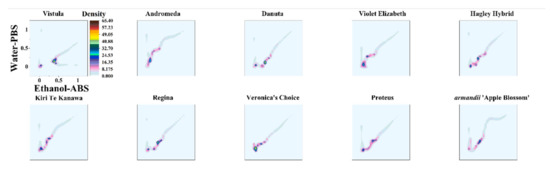
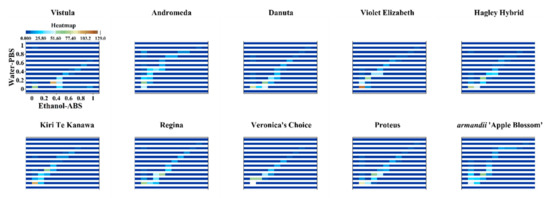
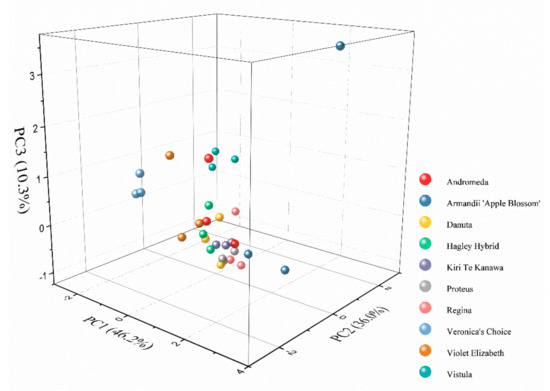
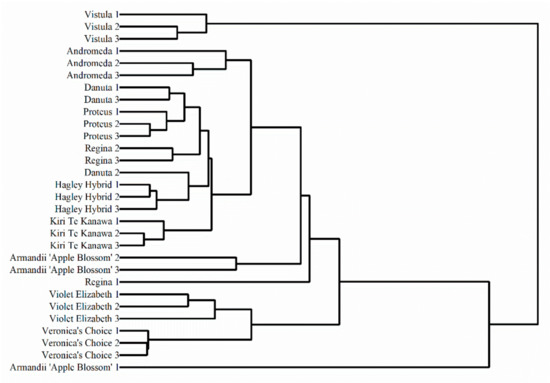
An electrochemical voltammogram recording method for plant variety identification is proposed. Electrochemical voltammograms of Vistula, Andromeda, Danuta, Armandii ‘Apple Blossom,’ Proteus, Hagley Hybrid, Violet Elizabeth, Kiri Te Kanawa, Regina, and Veronica’s Choice were recorded using leaf extracts with two solvents under buffer solutions. The voltametric data recorded under different conditions were derived as scatter plots, 2D density patterns, and hot maps for variety identification. In addition, the voltametric data were further used for genetic relationship studies. The dendrogram deduced from the voltammograms was used as evidence for relationship study. The dendrogram deduced from voltametric data suggested the Andromeda, Danuta, Proteus, Regina, and Hagley Hybrid were closely related, while Violet Elizabeth and Veronica’s Choice were closely related. In addition, Vistula and Armandii ‘Apple Blossom’ could be considered outliers among the varieties. Full article
(This article belongs to the Special Issue Nanomaterials Modified Electrochemical Sensors)
Show Figures

Figure 1
10 pages, 3616 KB  
Article
Lead-Free Bi3.15Nd0.85Ti3O12 Nanoplates Filler-Elastomeric Polymer Composite Films for Flexible Piezoelectric Energy Harvesting
by Wancheng Qin, Peng Zhou, Yajun Qi and Tianjin Zhang
Micromachines 2020, 11(11), 966; https://doi.org/10.3390/mi11110966 - 28 Oct 2020
Cited by 14 | Viewed by 2704
Abstract
Nowadays, wearable and flexible nanogenerators are of great importance for portable personal electronics. A flexible piezoelectric energy harvester (f-PEH) based on Bi3.15Nd0.85Ti3O12 single crystalline nanoplates (BNdT NPs) and polydimethylsiloxane (PDMS) elastomeric polymer was fabricated, and high [...] Read more.
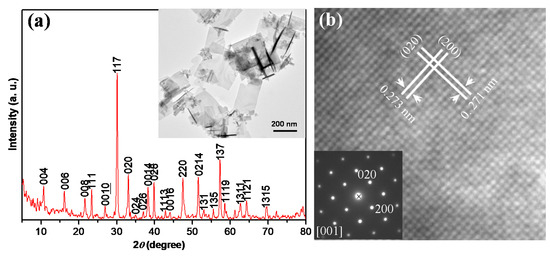
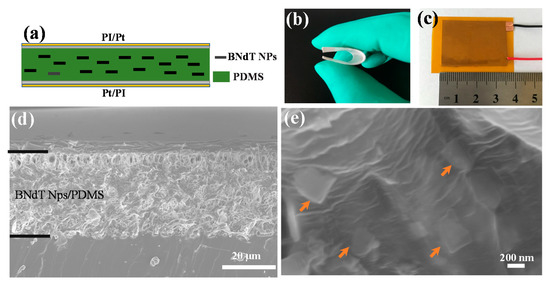
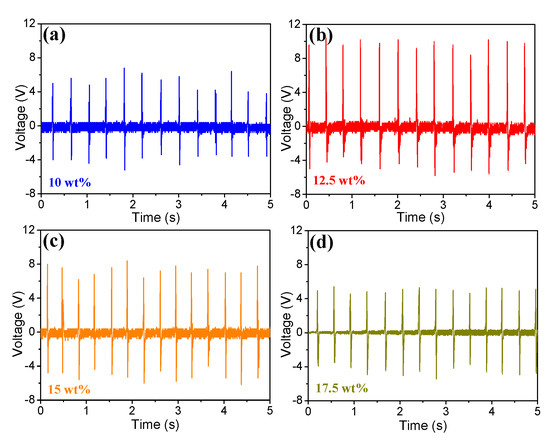
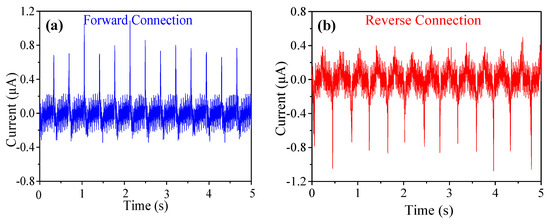
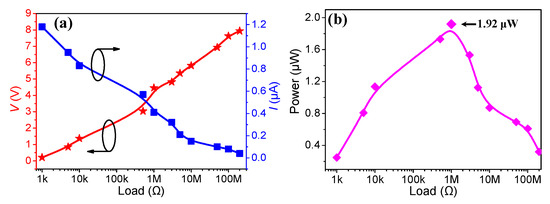
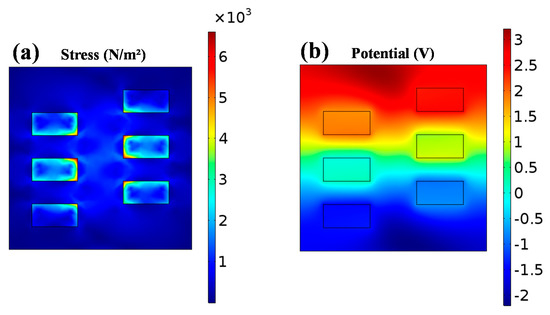
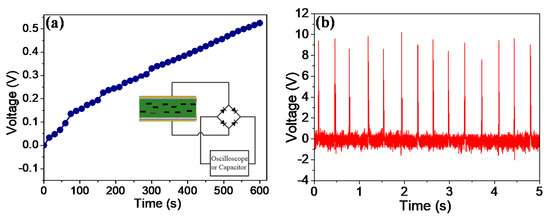
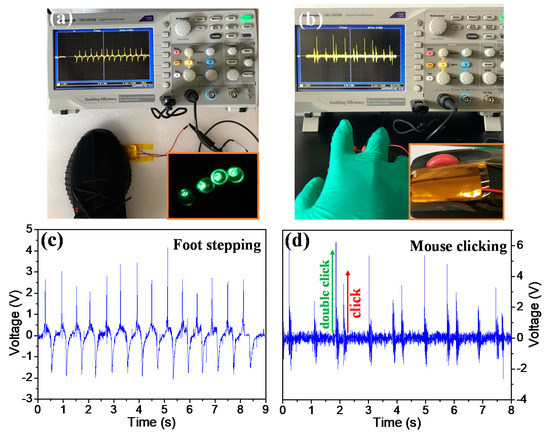
Nowadays, wearable and flexible nanogenerators are of great importance for portable personal electronics. A flexible piezoelectric energy harvester (f-PEH) based on Bi3.15Nd0.85Ti3O12 single crystalline nanoplates (BNdT NPs) and polydimethylsiloxane (PDMS) elastomeric polymer was fabricated, and high piezoelectric energy harvesting performance was achieved. The piezoelectric output performance is highly dependent on the mass ratio of the BNdT NPs in the PDMS matrix. The as-prepared f-PEH with 12.5 wt% BNdT NPs presents the highest output voltage of 10 V, a peak-peak short-circuit current of 1 μA, and a power of 1.92 μW under tapping mode of 6.5 N at 2.7 Hz, which can light up four commercial light emitting diodes without the energy storage process. The f-PEHs can be used to harvest daily life energy and generate a voltage of 2–6 V in harvesting the mechanical energy of mouse clicking or foot stepping. These results demonstrate the potential application of the lead-free BNdT NPs based f-PEHs in powering wearable electronics Full article
Show Figures

Figure 1
11 pages, 3385 KB  
Article
Preparation and Test of NH3 Gas Sensor Based on Single-Layer Graphene Film
by Ting Liang, Ruifang Liu, Cheng Lei, Kai Wang, Zhiqiang Li and Yongwei Li
Micromachines 2020, 11(11), 965; https://doi.org/10.3390/mi11110965 - 28 Oct 2020
Cited by 20 | Viewed by 3782
Abstract
The ammonia sensing properties of single-layer graphene synthesized by chemical vapor deposition (CVD) were studied. The Au interdigitated electrode (IDE) was prepared by microelectromechanical systems (MEMS) technology, and then, the single-layer graphene was transferred to the IDE by wet transfer technology. Raman spectroscopy [...] Read more.
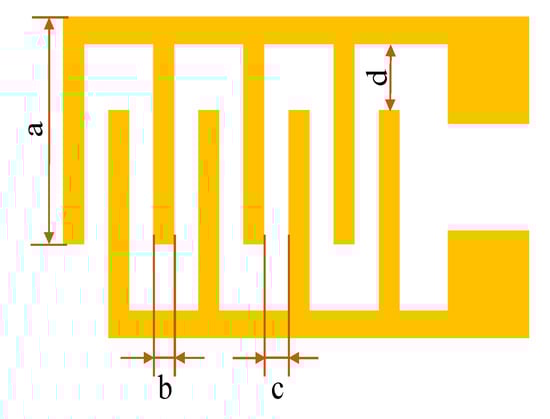
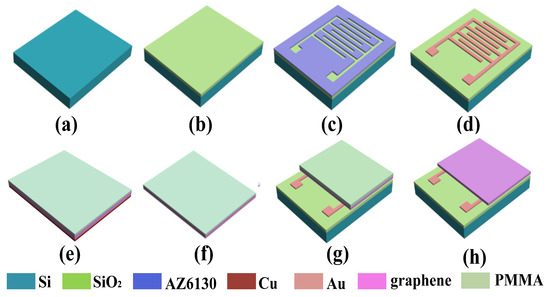
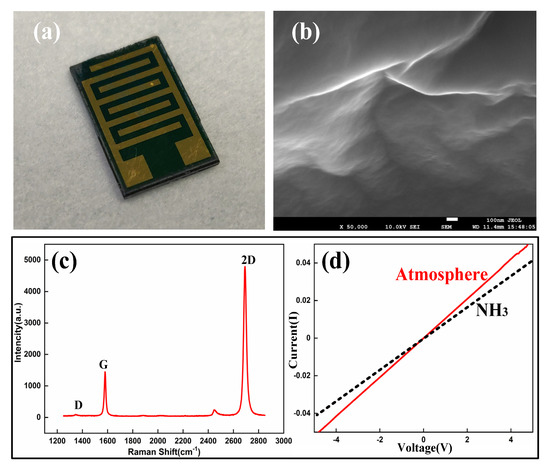
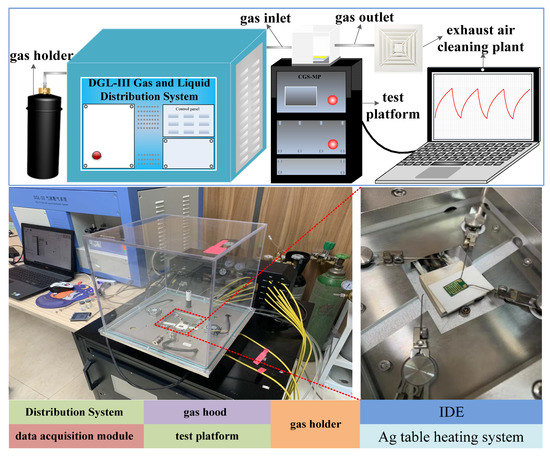
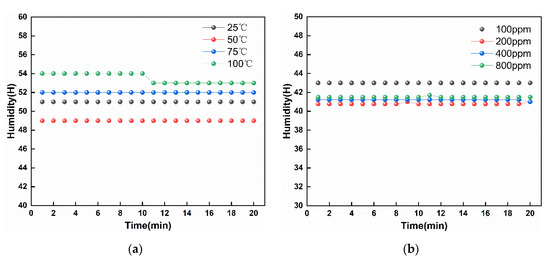
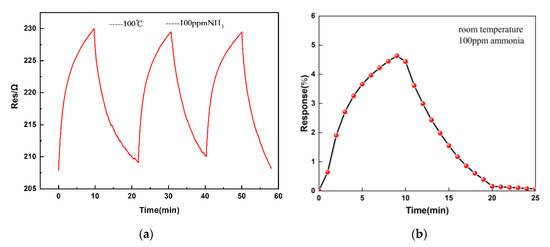
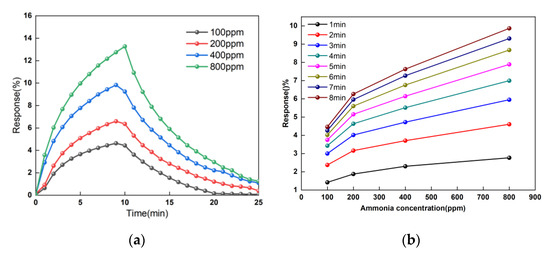
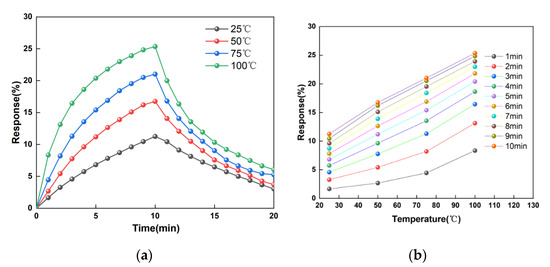
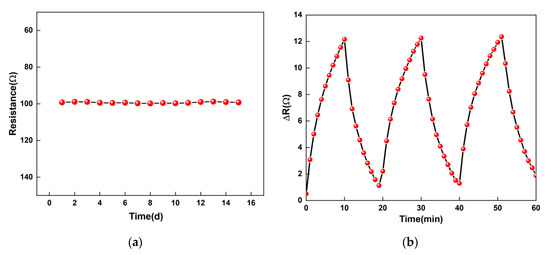
The ammonia sensing properties of single-layer graphene synthesized by chemical vapor deposition (CVD) were studied. The Au interdigitated electrode (IDE) was prepared by microelectromechanical systems (MEMS) technology, and then, the single-layer graphene was transferred to the IDE by wet transfer technology. Raman spectroscopy was used to monitor the quality of graphene films transferred to SiO2/Si substrates. Moreover, the theory of graphene’s adsorption of gases is explained. The results show that gas sensing characteristics such as response/recovery time and response are related to the target gas, gas concentration, test temperature, and so on. In the stability test, the difference between the maximum resistance and the minimum resistance of the device is 1 ohm without ammonia, the change is less than 1% of its initial resistance, and the repeatability is up to 98.58%. Therefore, the sensor prepared with high quality single-layer graphene has good repeatability and stability for ammonia detection. Full article
Show Figures

Figure 1