1. Introduction
With the increasing demand for eco-friendly alternatives, bamboo stands out as a viable and sustainable option [
1]. This versatile plant has garnered growing interest across various research fields, ranging from civil construction to furniture production, pulp, paper, bioenergy, and handicrafts [
2]. In Brazil, the diversity of native bamboo species offers significant potential for economic and environmentally sustainable exploitation [
3]. Current literature highlights the versatility of bamboo, underscoring its relevance in both traditional and innovative contexts [
4].
Bamboo is an abundant natural resource covering approximately 35 million hectares of forests worldwide [
5]. It is highly valued for its rapid growth rate, early maturity, and broad climatic adaptability [
6]. These characteristics not only make bamboo ideal for cultivation but also contribute significantly to oxygenation and carbon dioxide capture from the environment, playing a crucial role in mitigating climate change [
7].
Globally, the distribution of bamboo species occurs across the Americas, Africa, and Asia, with some species recently introduced in Europe [
8]. Among American countries, Brazil has the greatest diversity of species, with the largest areas found in the Amazon and Atlantic forests. In Brazil, the Olyreae and Bambuseae tribes are present, currently comprising 258 native species and 35 genera [
9]. The Olyreae tribe consists of herbaceous bamboos with 17 genera and 93 species. The Bambuseae tribe includes 18 genera and 165 species, consisting of lignified or woody bamboos [
9].
The vast forest masses of bamboo used commercially for bioenergy are located in the states of Maranhão, Piauí, Pernambuco, Paraíba, and Bahia [
10]. Bamboo is regarded as a rapidly growing plant capable of maturing within three to four years, with growth rates ranging from 30 to 100 cm per day, depending on the species. It exhibits a high carbon absorption rate compared with wood. These characteristics enhance its potential as an alternative biomass resource [
11].
Brazil has approximately 1.5 million hectares of planted and native bamboo, with an annual production of roughly 150 thousand tons cultivated across all regions. The average yield is 25 tons per hectare, with the state of Acre leading as the main producer. Maranhão focuses its production on biomass for energy generation for the industrial sector, while Paraíba and Pernambuco direct their output to pulp and paper production. States such as São Paulo, Rio Grande do Sul, Minas Gerais, Bahia, and Paraná invest in commercial cultivation aimed at producing panels, edible shoots, and phytocosmetics [
12,
13].
Bamboo is considered a promising alternative for diversifying the energy matrix, complementing traditional biomass sources such as eucalyptus and pine [
14]. Its species are particularly attractive for bioenergy production due to their high productivity, elevated fiber and lignin content, and calorific value [
15]. Furthermore, bamboo has a wide range of applications, especially in Asia and Latin America, where it is utilized as an energy source, construction material, panels, pulp, and other products [
16].
In the bioenergy context, bamboo plays a relevant role in the implementation of biomass solutions, including solid, liquid, and gaseous fuels. Within biorefineries aimed at maximizing biomass utilization, bamboo has been extensively studied [
17,
18]. Bamboo-derived biomass and residues exhibit potential for energy utilization and chemical valorization through various thermochemical and biochemical processes [
19]. Bamboo possesses suitable characteristics for energy applications, with potential use in various industrial sectors, either as raw biomass or in the production of briquettes, pellets, and charcoal [
15,
20,
21]. However, attention must be paid to ash content, as it may cause boiler-related issues [
22].
The yield and chemical properties of pyrolysis products are influenced by operational conditions such as temperature, heating rate, residence times, particle size, and feedstock [
23]. Pyrolysis temperatures significantly affect the combustion characteristics of bamboo biochar. The literature reports that increasing temperatures reduce the content of carbon, sulfur, oxygen, hydrogen, volatiles, H/C and O/C ratios, energy yield, heat release rate, and calorific value. Typically, higher temperatures result in improved combustion properties of charcoal with a higher calorific value, reduced volatiles, and lower yields [
24,
25]. However, elevated pyrolysis temperatures lead to increased energy consumption during the pyrolysis process. Thus, pyrolysis temperature plays a crucial role in the design and optimization of biochar production for commercial development [
24]. The choice of specific carbonization parameters depends on a combination of these factors, as well as the specific requirements of the carbonization process in question.
Calorific value refers to the amount of heat generated during the combustion of a unit volume of gas [
26]. It serves as an excellent parameter for evaluating the energy potential of biomass fuels [
27]. The gravimetric yield of charcoal derived from bamboo species is higher than that of eucalyptus wood at similar carbonization temperatures. Rusch, de Abreu Neto, de Moraes Lúcio and Hillig (2021) reported gravimetric yield values ranging from 34 to 36.9% for bamboo charred at temperatures between 450 and 550 °C [
21].
The physical and mechanical properties of bamboo vary according to its anatomical structure, chemical composition, species, and position within the culm [
9]. Although classified as simple, the anatomical structure of bamboo culms differs among species, suggesting specific applications for each [
28]. Additionally, these variations are influenced by factors such as age, sample position, edaphic characteristics, and climatic conditions [
29].
Despite the recognized potential of bamboo for bioenergy and biochar, a significant knowledge gap remains regarding how radial variability (from periphery to interior of the culm wall) in anatomical, chemical, and physical properties affects the suitability of different bamboo species for biochar production. Most studies have focused on a single species or bulk properties, without integrating radial heterogeneity into feedstock selection for pyrolysis. Therefore, the central hypothesis of this study is that the radial position within the bamboo culm wall induces systematic variations in fiber morphology, lignin content, and basic density, which directly influence biochar yield, thermal stability, and pore structure, and that these variations are species-dependent. The novelty of this work lies in (i) the comparative, multi-species assessment of radial gradients (periphery, center, interior) in four bamboo species (Guadua chacoensis, Dendrocalamus strictus, Bambusa nutans, and Dendrocalamus asper); (ii) the integration of detailed anatomical characterization, chemical profiling (including S/G lignin ratio), principal component analysis (PCA), and biochar performance evaluation to identify the most suitable species and radial fraction; and (iii) the first techno-economic assessment (TEA) for bamboo-derived biochar based on radial-specific properties, providing a practical framework for sustainable agro-industrial applications. To address these gaps and test our hypothesis, this research investigated the radial anatomical and chemical variations in the culm walls of the four species, linking them to biochar production potential and economic feasibility.
2. Materials and Methods
2.1. Materials
For this study, bamboo samples from four species were utilized:
Guadua chacoensis (Rojas) Londono,
Dendrocalamus strictus (RoxBambusa) Nees,
Bambusa nutans Wall. ex Munro,
and Dendrocalamus asper (Schult. & Schult.f.) Backer (
Table S1, Supplementary Materials). All bamboo samples were collected from culms aged 3–4 years, corresponding to the maturation stage suitable for bioenergy applications based on previous studies. For each species, three healthy clumps (biological replicates) were selected from the same cultivation area in São João do Oeste-PR, except for
Dendrocalamus asper, which was collected from three clumps in the Silviculture sector of the Federal University of Viçosa (Viçosa, MG, Brazil). Clumps were separated by a minimum distance of 10 m to ensure genetic independence. It is important to note that
Dendrocalamus asper was collected from a different geographic location (Viçosa, MG, Brazil) compared with the other three species (São João do Oeste, PR, Brazil). Soil and climatic conditions may influence the anatomical, chemical, and physical properties of bamboo. Therefore, direct comparisons among species should consider this limitation, and the observed differences may partially reflect site-specific environmental effects rather than solely genetic or species-level characteristics.
2.2. Sample Preparation
Sampling design: From each of the three clumps (biological replicates) per species, five mature culms (aged 3–4 years) were randomly selected, totaling 15 culms per species. Culms were harvested at ground level, and only internodes free from visible defects or damage were used.
Height standardization: To minimize axial variability, samples were collected exclusively from the third to the sixth internode above ground level (basal to mid-culm position), corresponding to approximately 1.5 to 3.0 m height, depending on the species. This region was chosen because it represents the commercially relevant portion of the culm and exhibits lower axial variation compared with apical or basal extremes.
Radial sampling: From each internode, the culm wall was divided into three radial positions: periphery (outer 5 mm adjacent to the epidermis), center (middle third of wall thickness), and interior (inner 5 mm adjacent to the medullary cavity). For each radial position, samples were pooled across the five culms per clump to obtain one composite sample per biological replicate per radial position, resulting in n = 3 biological replicates per species per radial position.
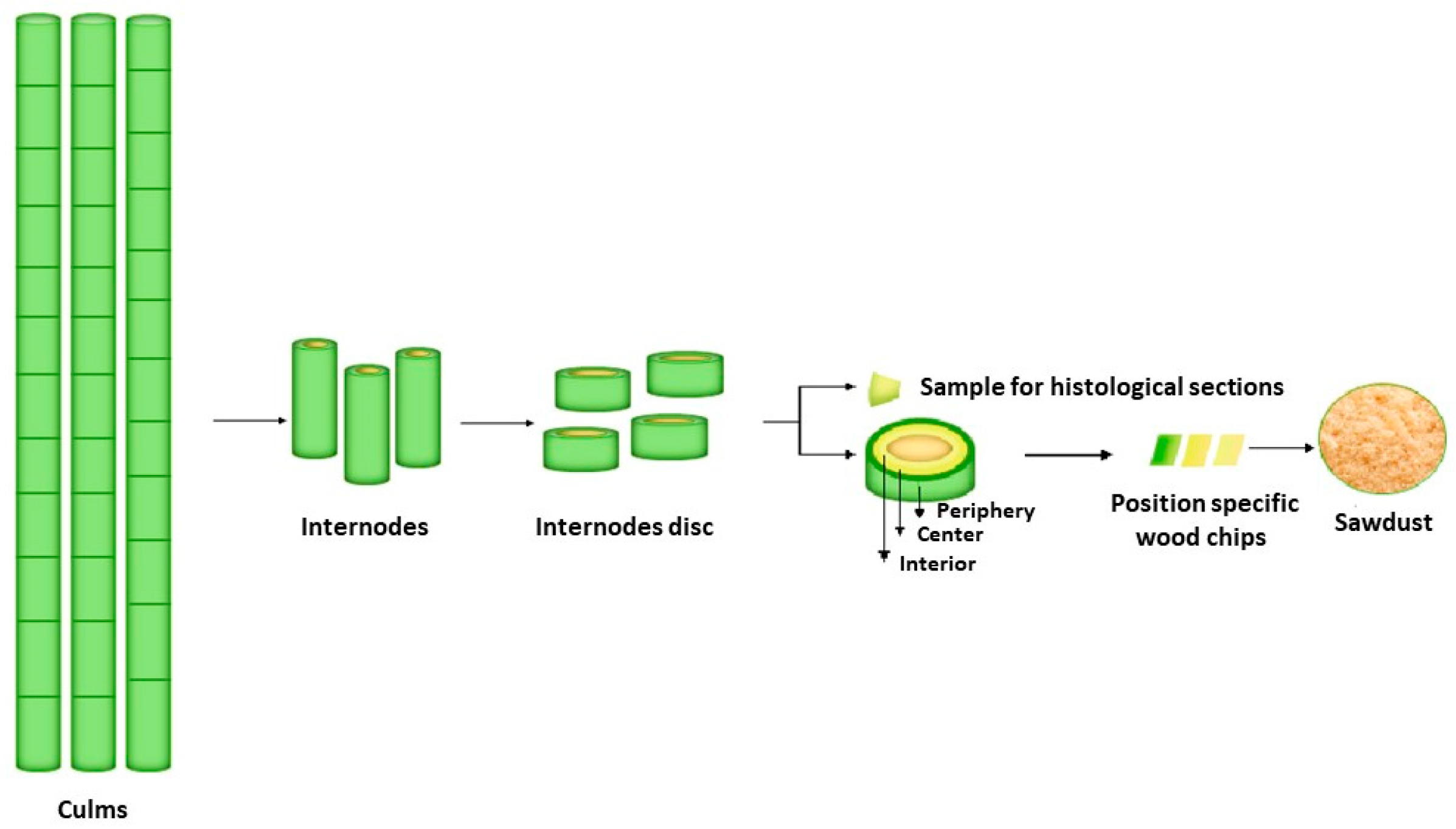
Sample processing: A portion of the chips from each radial position was milled to pass through a 60-mesh sieve for chemical characterization. Another portion was used for basic density determination and anatomical analyses, as described below. Subsequently, samples were separated for histological sectioning, as well as chips from the periphery, center, and interior of the culm walls, aiming at a radial study of the anatomical parameters and basic density. Following the radial sampling, part of the chips was processed into sawdust for chemical characterization, as illustrated in
Figure 1.
2.3. Bamboo Properties
For the density analysis, chips from the periphery, center, and interior were selected. The determination of basic density was performed using the water immersion method, in accordance with the ABNT NBR 11941 standard.
A suspension of the material was prepared, where the fibers were individualized using hydrogen peroxide and glacial acetic acid, according to the method adapted. The morphological characteristics of the fibers were analyzed using the VALMET FS5 ANALYZER (Valmet Oy, Espoo, Finland), obtaining parameters such as fiber length, width, and wall thickness.
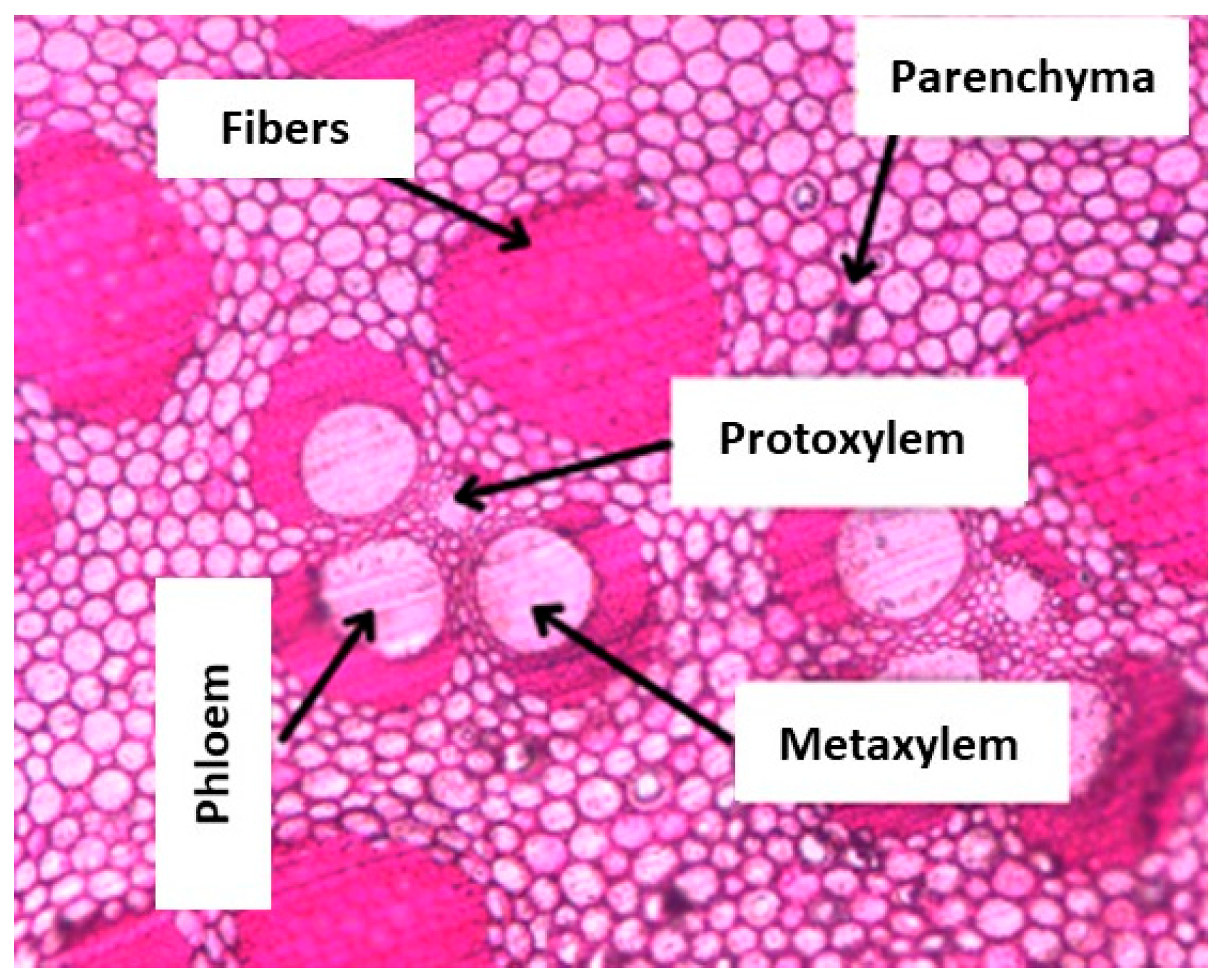
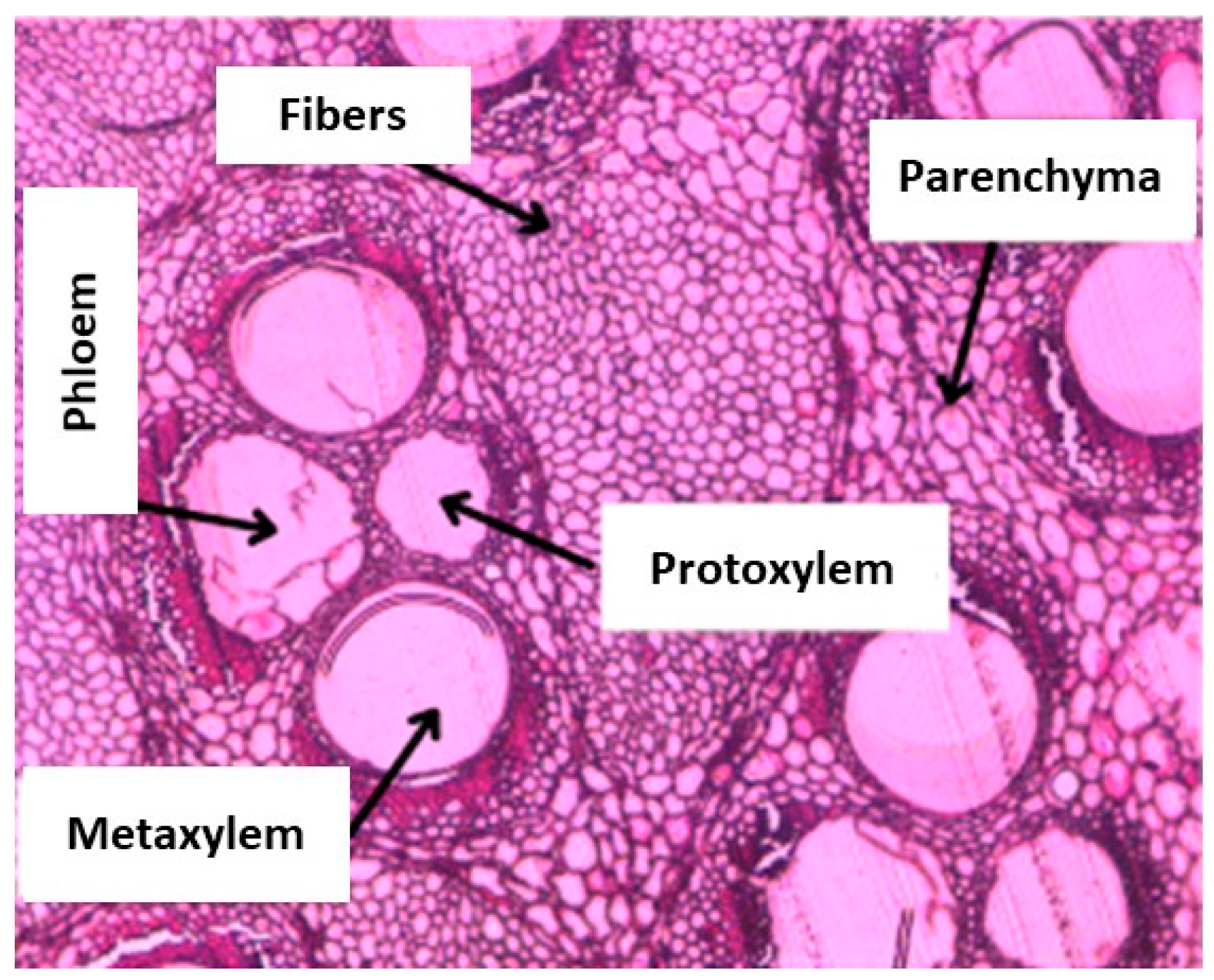
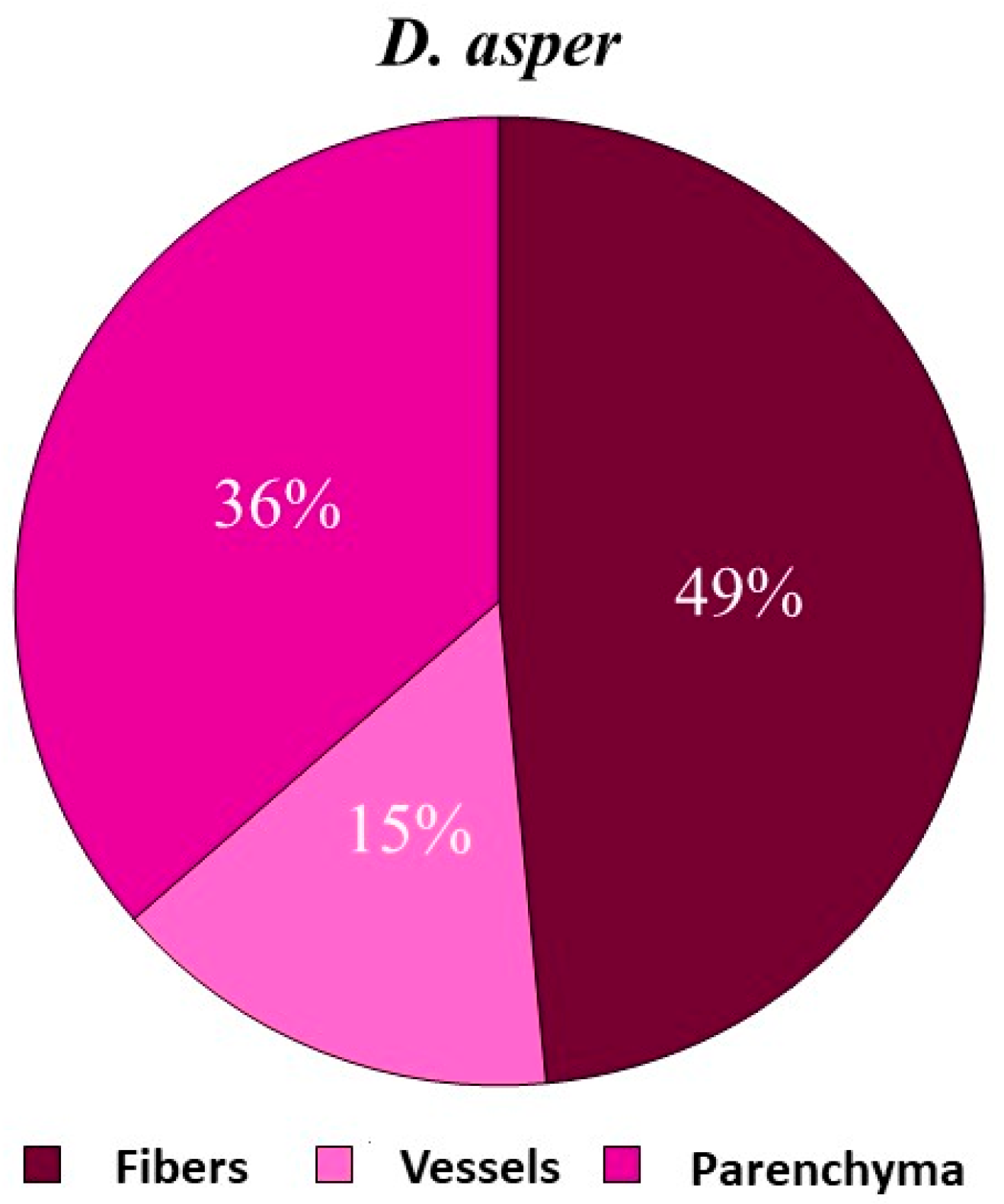
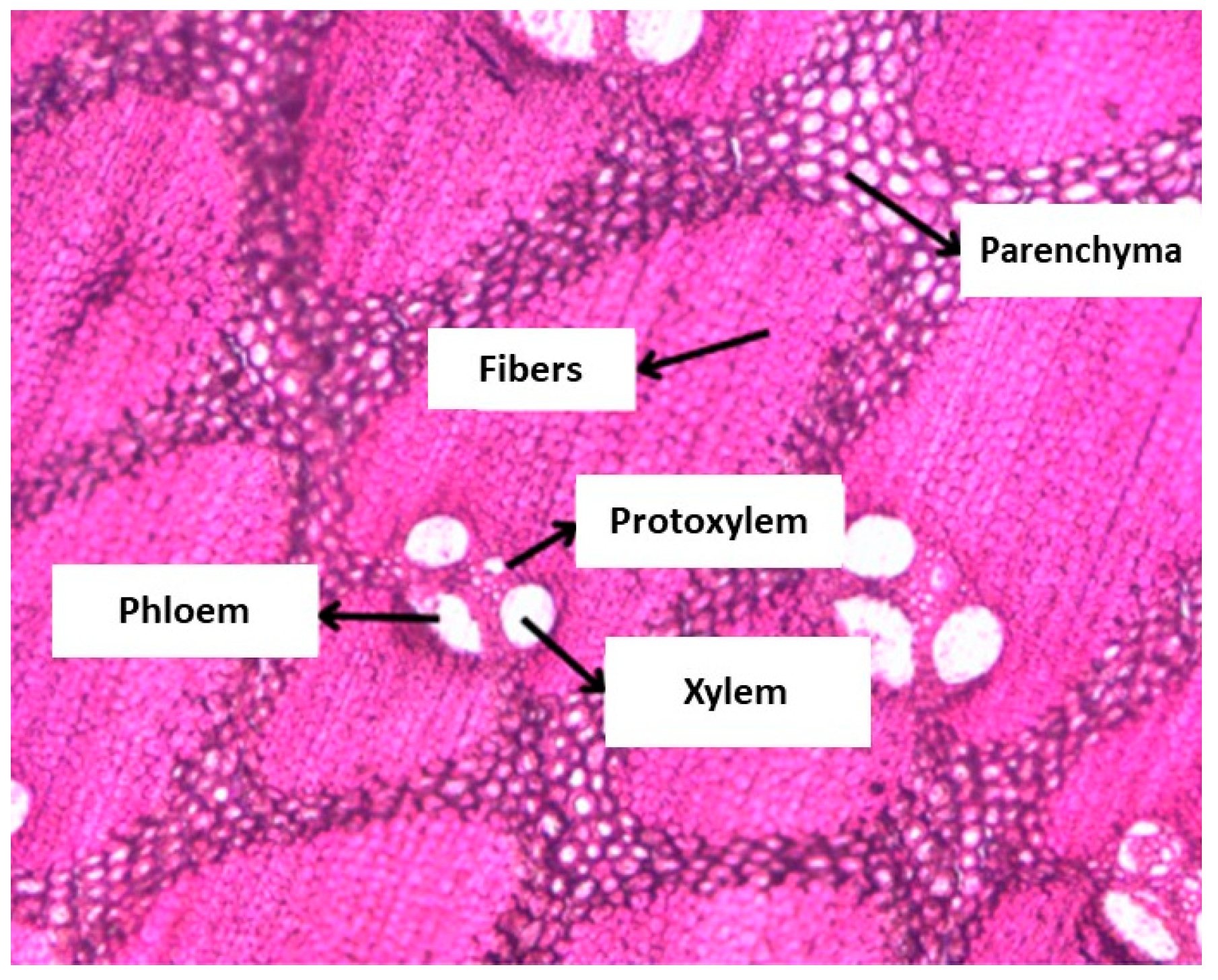
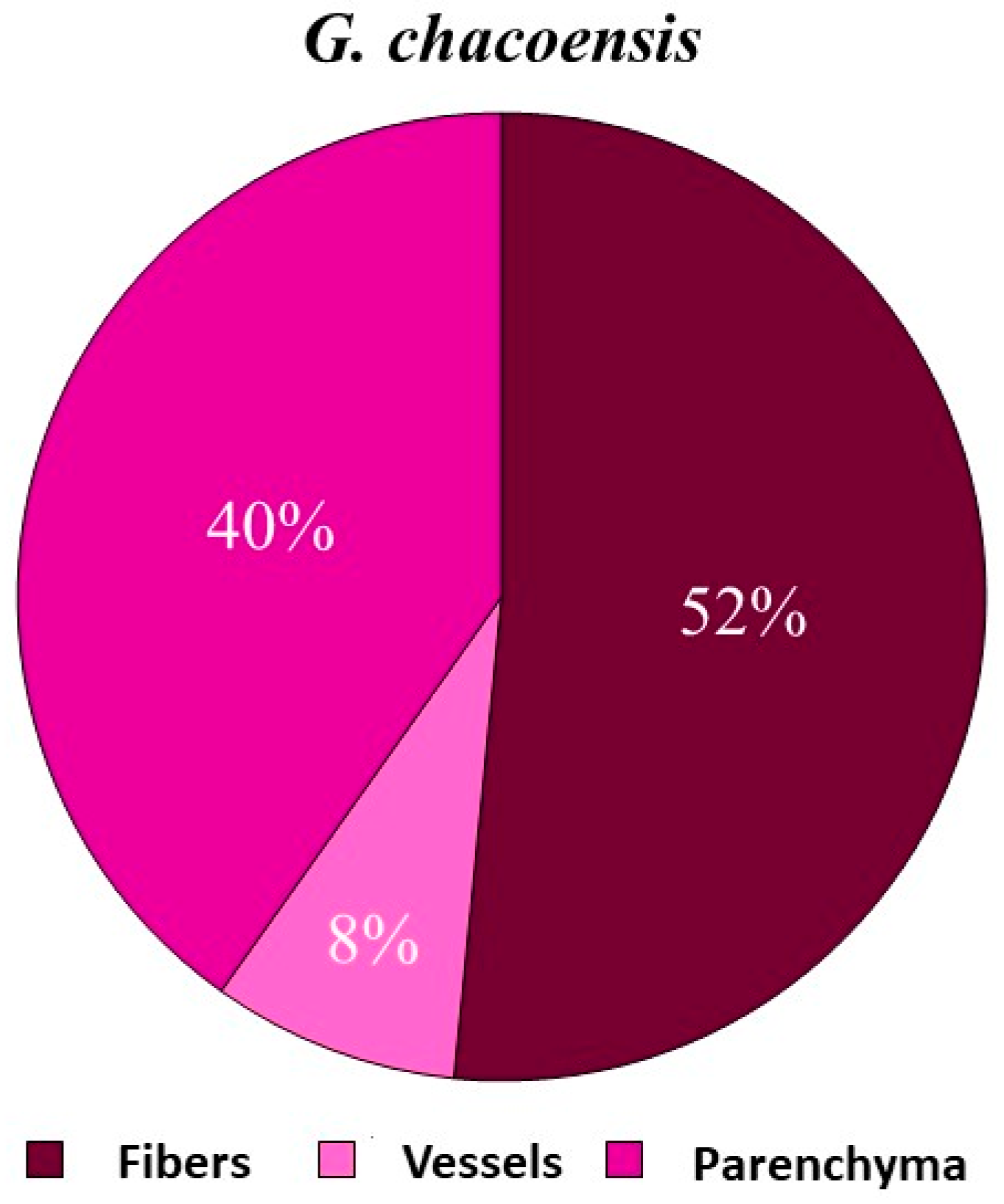
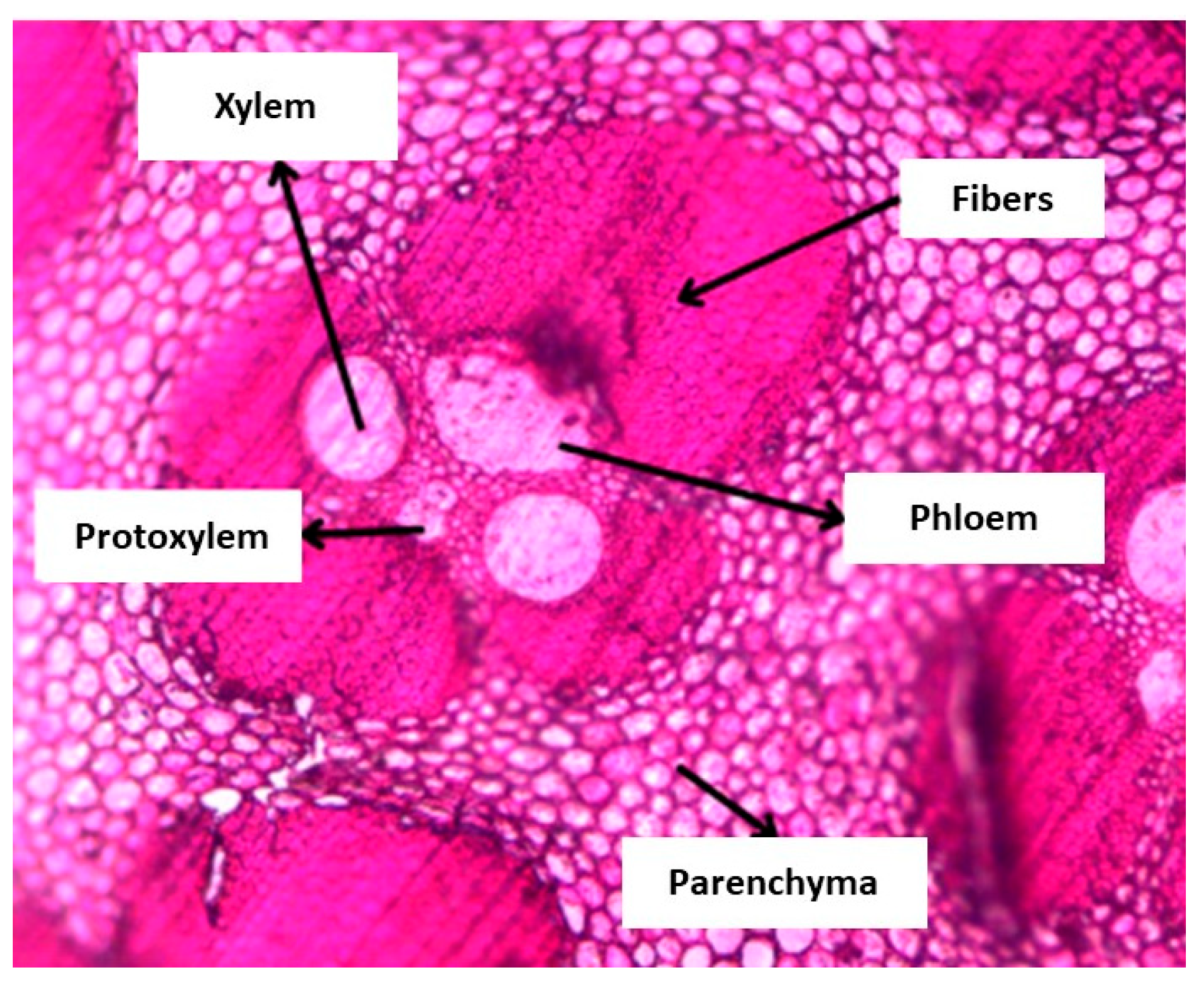
Transverse sections of the test specimens were prepared for microscopic analysis. The samples, with approximate dimensions of 2.0 × 2.0 × 1.0 cm (length, width, and thickness), were subjected to histological sectioning. Photographs were then taken using a camera attached to an optical microscope equipped with a micrometric eyepiece. The AxioVision image analysis software ((Carl Zeiss Microscopy GmbH, Jena, Germany)) was employed to measure vascular frequency (n mm
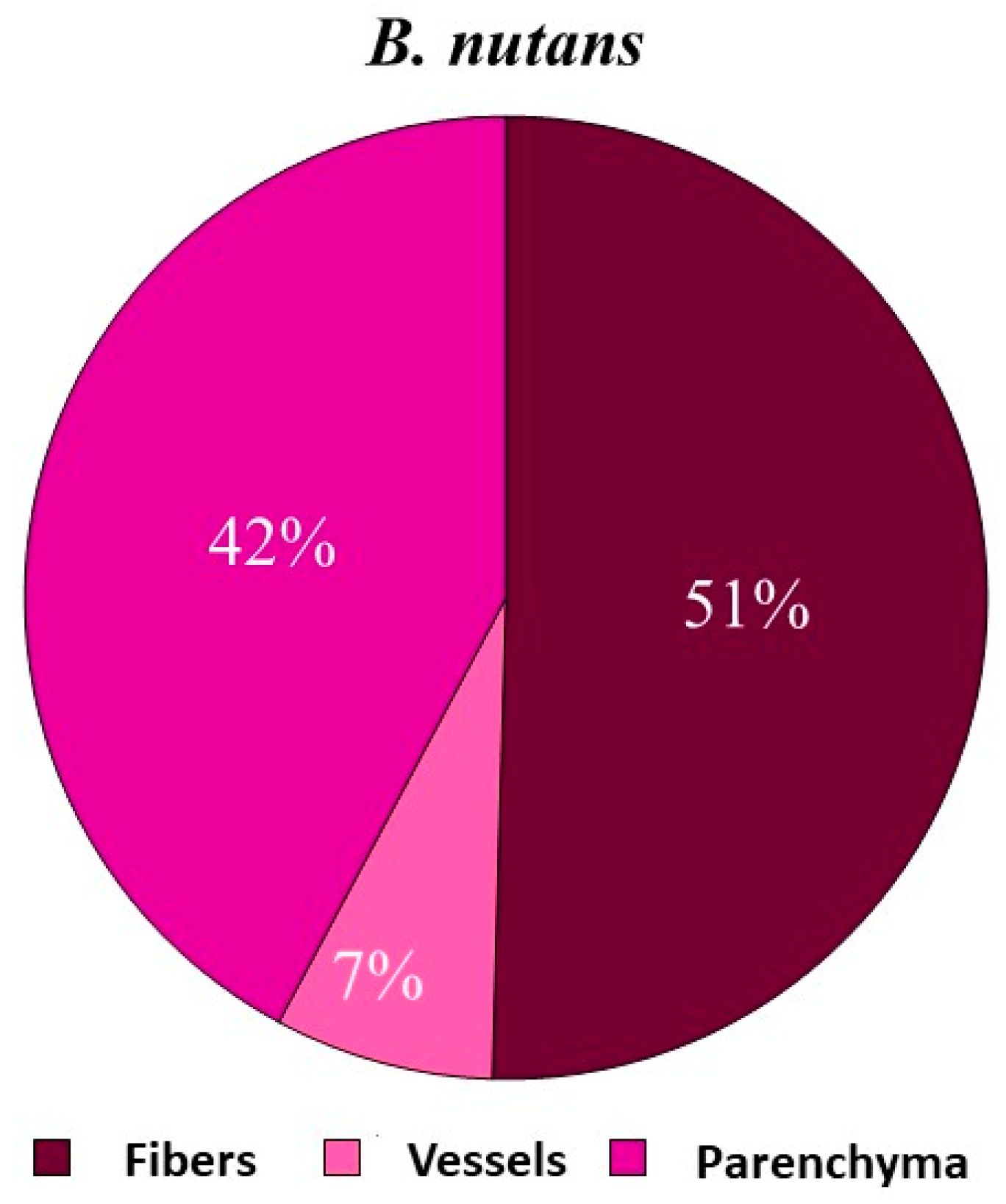
−2), vessel diameter (μm), parenchyma (%), fibers (%), and vessels (%). The description included the following characteristics: parenchyma and vascular bundles. For the culm wall, which spans from the epidermis to the medullary ring, the description and measurements of anatomical elements were performed based on radial positions: periphery, center, and interior [
30,
31].
For the elemental analysis of the bamboo samples, the CHNS-O LECO model equipment was used (LECO Corporation, St. Joseph, MI, USA). The percentages of carbon, hydrogen, nitrogen, and sulfur were determined using the TruSpec CHNS Micro module, while oxygen content was calculated by difference.
To determine the structural chemical composition of the bamboo samples, the ground fraction retained on a 60-mesh sieve was used. The determination of the oven-dry content of the samples was performed according to the TAPPI 264 om-88 standard [
32].
Extractive content was determined following the TAPPI 204 om-88 standard [
33], using the total extractive determination method, substituting ethanol/benzene with ethanol/toluene.
Insoluble and soluble lignin contents were determined in accordance with the TAPPI T222 om-97 and TAPPI um-250 standards. Sugars (glucose, xylose, mannose, galactose, and arabinose) were determined according to the SCAN-CM 71:09 standard [
34].
Ash content was determined following the TAPPI T211 om-97 standard [
35]. Subsequently, acid digestion of the ash was carried out to determine the concentration of metals (Ca, Mg, Mn, Fe, Cu) using an atomic absorption spectrophotometer. Metal concentrations were assessed based on the TAPPI 266 om-94 standard [
36]. Silica content was determined following the TAPPI 244 om-11 standard.
For pyrolysis coupled with gas chromatography and mass spectrometry (Py-GC/MS), bamboo sawdust samples (0.1 mg) were used to calculate the S/G ratio of lignin. Pyrolysis was performed using a microfurnace pyrolyzer (Frontier Laboratories Ltd., Fukushima, Japan) at 550 °C with a residence time of 0.1 min, connected to a GC-MS instrument (QP2020 model Shimadzu Corporation, Kyoto, Japan), employing an Ultra-ALLOY
® capillary column (UA5, 30 m × 0.25 mm internal diameter, 0.25 μm film thickness) also supplied by Frontier Laboratories Ltd., Fukushima, Japan [
37].
The pyrolysis chamber was purged with helium (100 kPa) to rapidly transfer pyrolysis products to the GC column. The injector temperature was set to 100 °C, and the chromatograph oven temperature was ramped from 45 °C (4 min) to 240 °C at a rate of 4 °C min−1, with the final temperature held for 10 min. The detector and GC-MS interface temperatures were set at 250 °C and 290 °C, respectively.
A mass spectrometer operated in electron-impact ionization mode at 70 eV, with a mass scan range of 50 to 350. The released compounds were identified by comparing their mass spectra with the GC-MS spectral library (Willey and NIST), literature data, and mass fragmentography when necessary. Sixty peaks with the largest areas were measured in duplicate, and the average was reported.
The S/G ratio of lignin was calculated by dividing the sum of the area percentages of syringyl-type lignin (S) by the sum of the area percentages of guaiacyl-type lignin (G) [
38,
39].
2.4. Statistical Analysis
The experimental design consisted of a 4 × 3 factorial arrangement (four species × three radial positions) with three biological replicates (clumps) per species. Each biological replicate comprised five pooled culms, as described in
Section 2.2. The assumptions of normality (Lilliefors test) and homoscedasticity (Cochran test) were verified prior to ANOVA. The data were subjected to Lilliefors and Cochran tests to assess normality and homogeneity of variance, respectively. Once the assumptions were met, the data were analyzed using analysis of variance (ANOVA), and when significance was established, Tukey’s test at a 5% significance level was applied. All analyses were performed using the open-source software R.
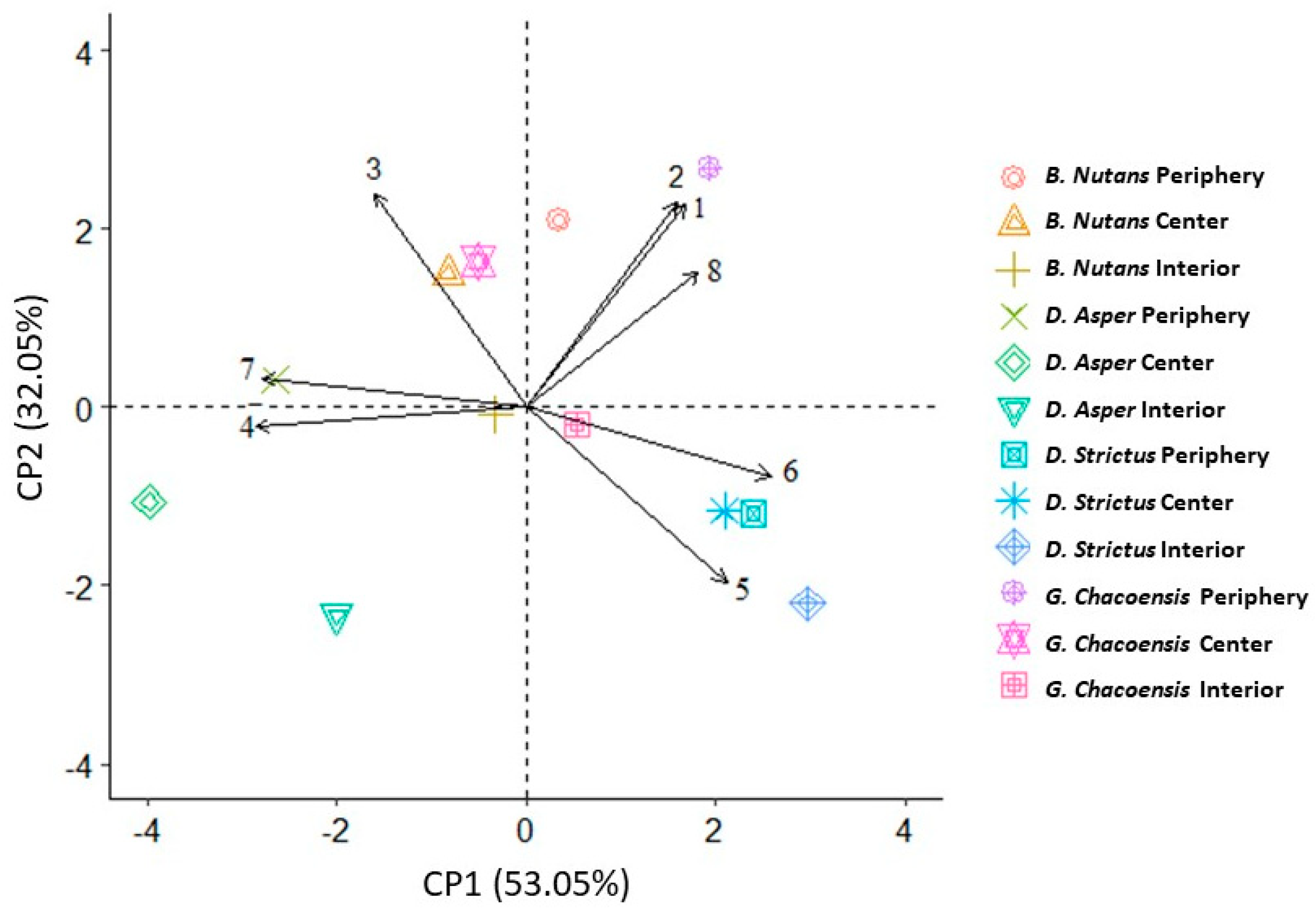
Subsequently, a principal component analysis (PCA) was conducted to reduce data dimensionality, grouping them based on similarity and explaining the variance and covariance of the random vectors composed of linear combinations of the original variables. The calculation of the principal components was performed using a PCA algorithm with the aid of the R software version 3.4.3.
2.5. Production and Characterization of Biochar
The production and characterization of biochar were conducted using the bamboo species with the highest potential, selected based on its chemical and structural properties. The pyrolysis process was carried out under controlled conditions to maximize biochar yield and its desirable characteristics, such as high fixed carbon content and low volatile presence [
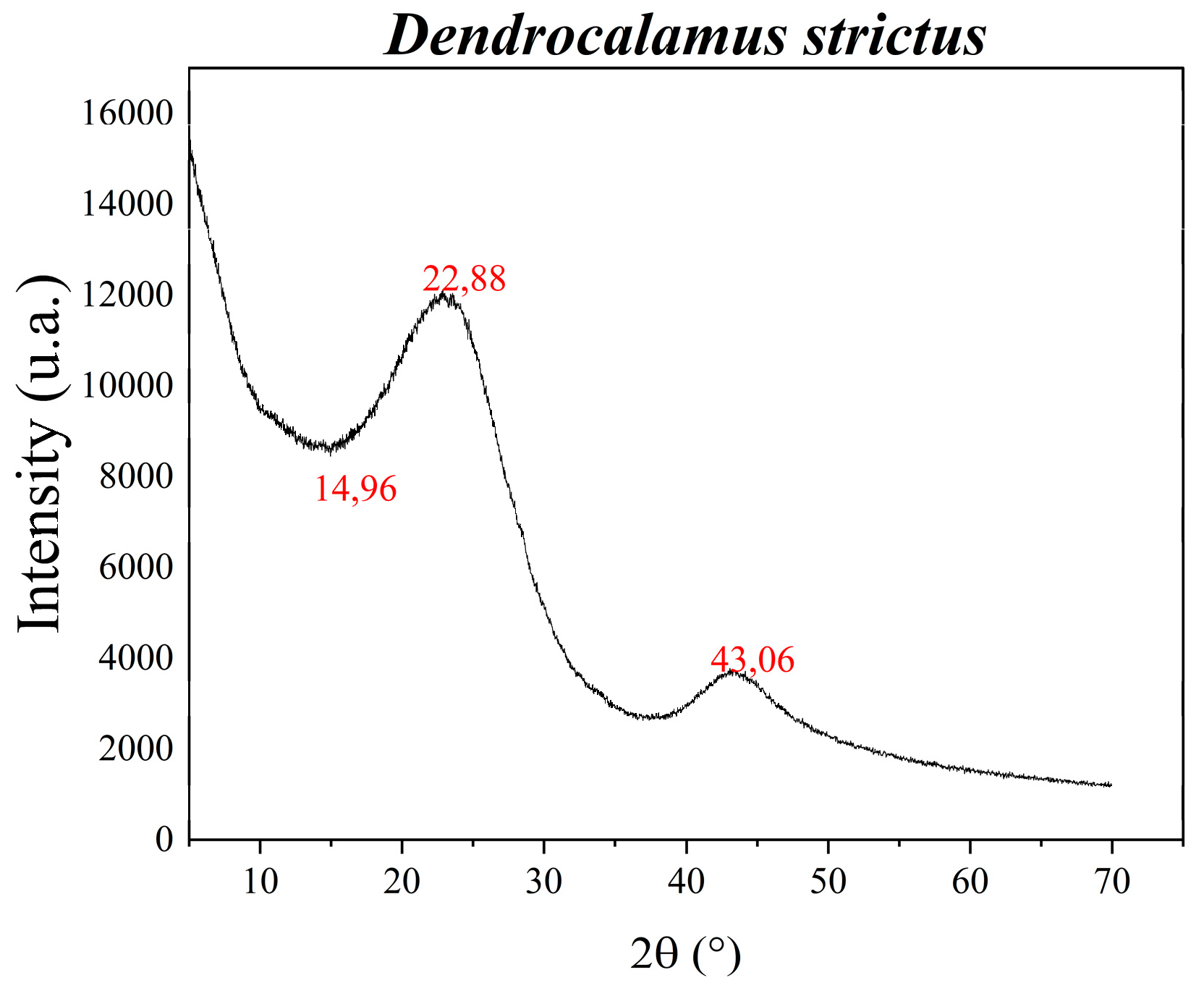
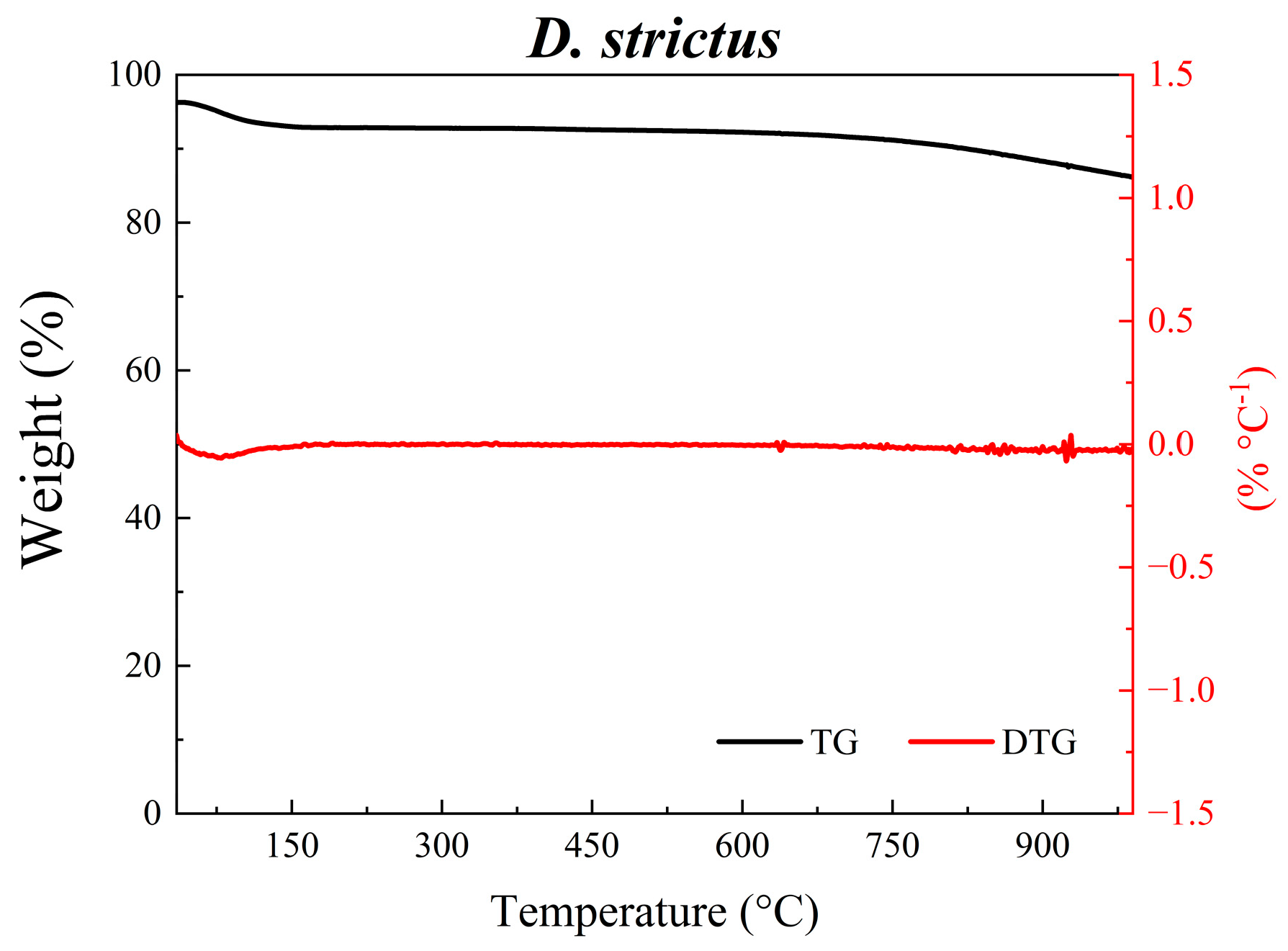
40]. The characterization included physical, chemical, and thermal analyses, evaluating parameters such as porosity, elemental composition, ash content, and thermal stability.
The production of biochar was conducted using Dendrocalamus strictus as the selected feedstock. Prior to pyrolysis, the bamboo samples were oven-dried at 103 ± 2 °C until constant mass. The dried material was ground and sieved to obtain a particle size of 2.0–4.0 mm. A sample mass of 10.0 g was placed in a stainless steel fixed-bed reactor (25 mm internal diameter, 300 mm length). The reactor was sealed and purged with nitrogen gas at a flow rate of 100 mL min−1 for 15 min. Pyrolysis was performed at atmospheric pressure (101.3 kPa) using a tubular furnace with a programmable temperature controller. The heating rate was set to 10 °C min−1 until reaching a final pyrolysis temperature of 550 °C. The sample was held at this temperature for a residence time of 60 min. After the isothermal stage, the reactor was allowed to cool passively to room temperature under a continuous nitrogen flow of 50 mL min−1. The entire experiment was performed in triplicate (n = 3).
2.6. Technical–Economic Assessment (TEA)
A technical–economic assessment of the production of biochar from bamboo residues is necessary to establish its viability on a commercial scale [
41,
42]. The TEA was conducted based on a detailed analysis of the key parameters involved in biochar production. First, the annual biochar yield per hectare was calculated, considering a 3-year rotation cycle for biomass harvesting. The basic density of the species was used to estimate the amount of available material per unit area. The biochar yield was set at 30%, determining the final product quantity obtained from the processed biomass. The revenue per ton of biochar was established based on a unified market price of US
$ 120/ton for agricultural-grade biochar (2024 Brazilian reference). Operational costs were estimated at US
$ 31.14/ton of biochar, including harvesting, transport, grinding, pyrolysis (electricity and N
2), labor, and equipment depreciation, based on previous studies [
41,
42]. It is important to note that this techno-economic assessment is presented as a preliminary estimate. The analysis does not include uncertainty quantification or sensitivity analysis (e.g., variations in biochar price, yield, or transportation costs), as such a detailed assessment is beyond the scope of this study. A full sensitivity analysis is suggested for future work when commercial-scale data become available.
Profit per ton and per hectare was calculated by subtracting production costs from the generated revenue, providing an economic analysis of the feasibility of biochar production from this species. The methodology also accounted for the impact of economic variables, such as transportation, storage, and other indirect costs, which could influence the financial performance of the operation.
4. Conclusions
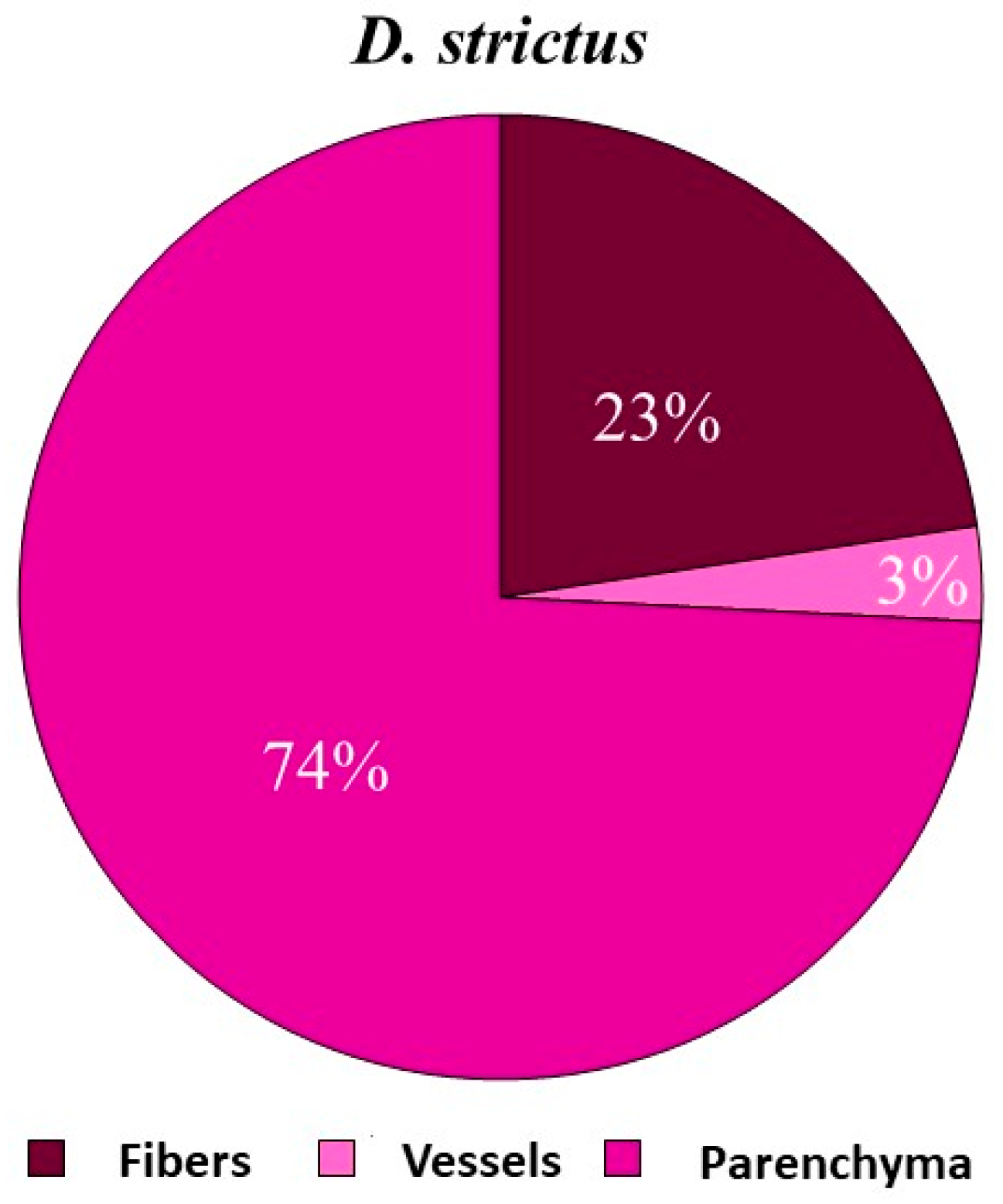
The study revealed significant radial variability in anatomical, chemical, and physical properties across the four bamboo species (Dendrocalamus strictus, Dendrocalamus asper, Guadua chacoensis, and Bambusa nutans). Dendrocalamus strictus exhibited higher proportions of parenchyma and lignin, particularly in the peripheral region, while other species showed greater fiber content. Basic density and fiber morphology varied radially, with the highest densities observed in the periphery.
Dendrocalamus strictus emerged as the most promising species for biochar production due to its high lignin content (30.40%), thermal stability, and favorable gravimetric yield (31.14%). The biochar demonstrated excellent physicochemical properties, including high elemental carbon (89.66%) and a calculated fixed carbon content of 84.97% (derived from proximate analysis), low volatiles (6.83%), and a mesoporous structure (120 m2/g surface area), suggesting its potential suitability for soil conditioning and carbon sequestration. Direct agronomic validation is required to confirm these hypothesized benefits.
A preliminary techno-economic assessment (TEA) indicated a potential profit of approximately US$ 89/ton and US$ 1107/hectare per year for Dendrocalamus strictus biochar under a 3-year rotation cycle, assuming a biochar price of US$ 120/ton. However, this estimate is preliminary and does not include sensitivity analysis. Future studies should perform a full TEA with uncertainty quantification (e.g., variation in biochar price, yield, and transportation costs) to confirm commercial viability under different market scenarios. These findings highlight the dual potential of bamboo as a sustainable resource for agro-industrial applications, combining ecological benefits with economic feasibility. Future research should explore biochar interactions with different soils and crops to optimize its agricultural use. However, because Dendrocalamus asper originated from a different geographic location than the other three species, the comparative findings should be considered preliminary regarding species-level differences. Future studies should standardize collection sites or include controlled cultivation experiments to confirm the observed patterns.




 ,
,