
Journal Description
Thermo
Thermo
is an international, peer-reviewed, open access journal on all aspects of thermal sciences, including key features on thermodynamics, statistical mechanics, kinetic theory and satellite areas, published quarterly online by MDPI.
- Open Access— free for readers, with article processing charges (APC) paid by authors or their institutions.
- High Visibility: indexed within ESCI (Web of Science), Scopus, EBSCO, and other databases.
- Journal Rank: JCR - Q2 (Thermodynamics)
- Rapid Publication: manuscripts are peer-reviewed and a first decision is provided to authors approximately 26.1 days after submission; acceptance to publication is undertaken in 3.5 days (median values for papers published in this journal in the second half of 2025).
- Recognition of Reviewers: APC discount vouchers, optional signed peer review, and reviewer names published annually in the journal.
- Thermo is a companion journal of Entropy.
Impact Factor:
2.3 (2024);
5-Year Impact Factor:
2.3 (2024)
Latest Articles
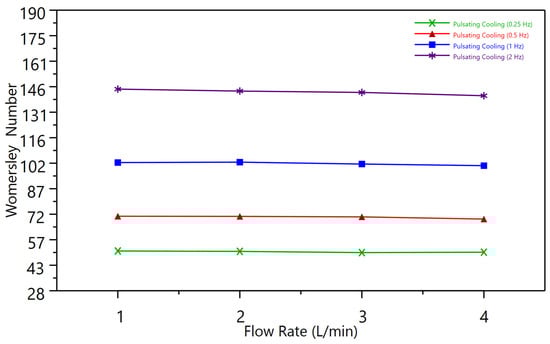
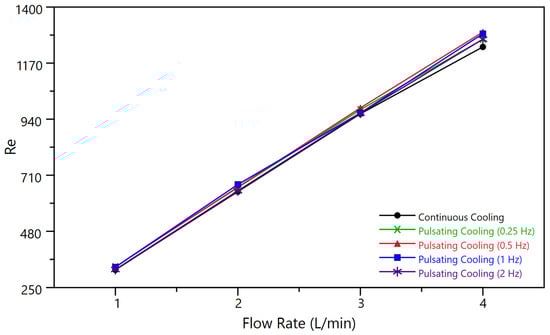
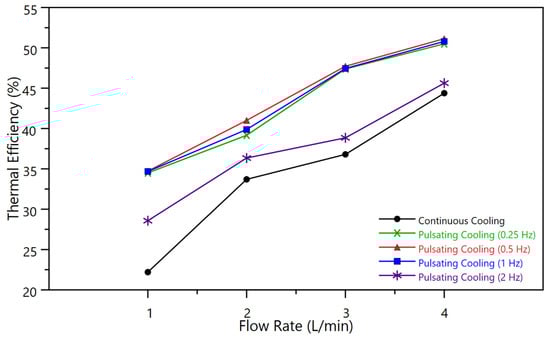
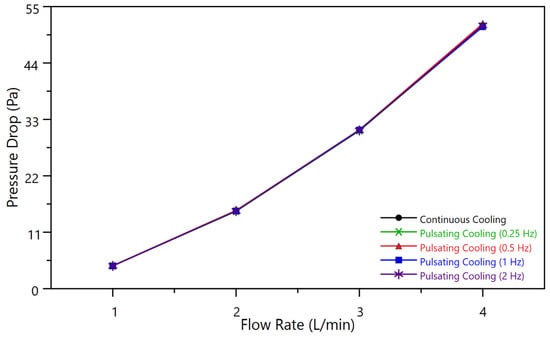
Experimental Investigation of Thermal and Electrical Performance of a PVT System with Pulsating Flow Under Solar Simulation
Thermo 2026, 6(1), 11; https://doi.org/10.3390/thermo6010011 - 3 Feb 2026
Abstract
►
Show Figures
Photovoltaic–thermal (PVT) collectors often experience limited heat extraction under laminar cooling conditions, and the influence of controlled flow pulsation on full-scale PVT performance has not been clearly established. This study experimentally investigates a water-cooled PVT system operated under pulsating flow using an indoor
[...] Read more.
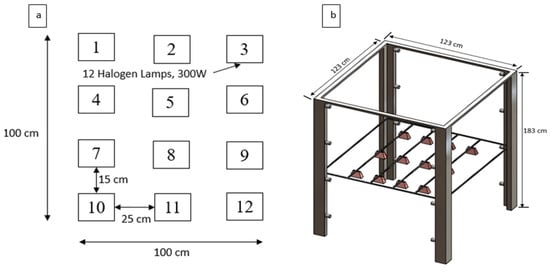
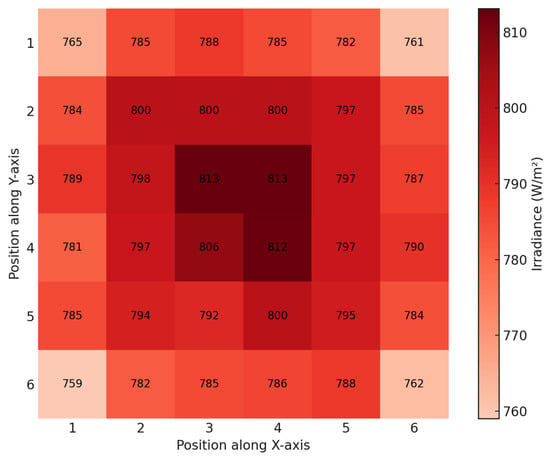
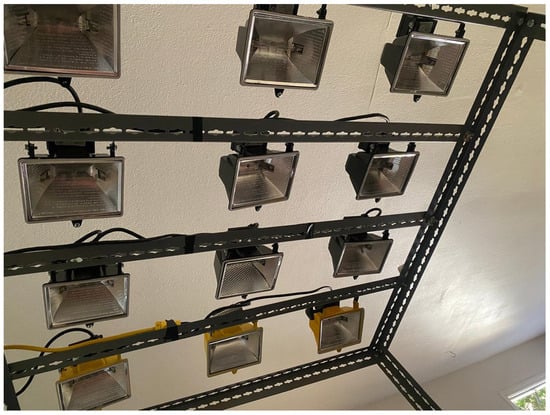
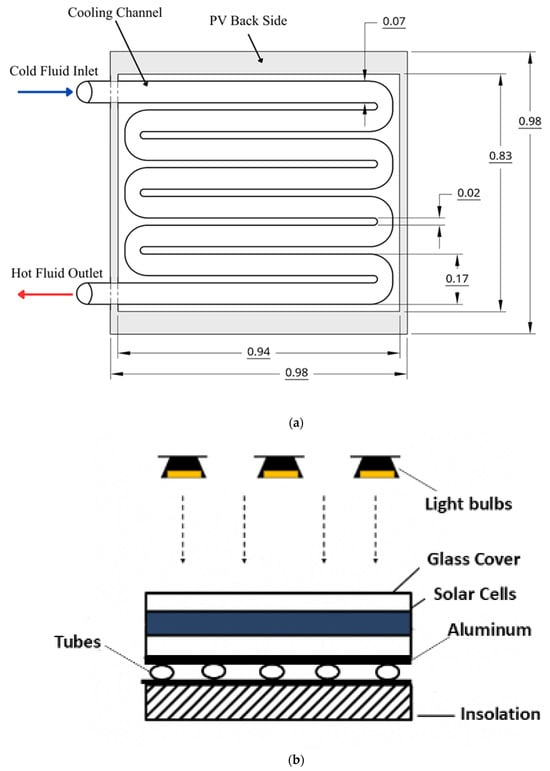
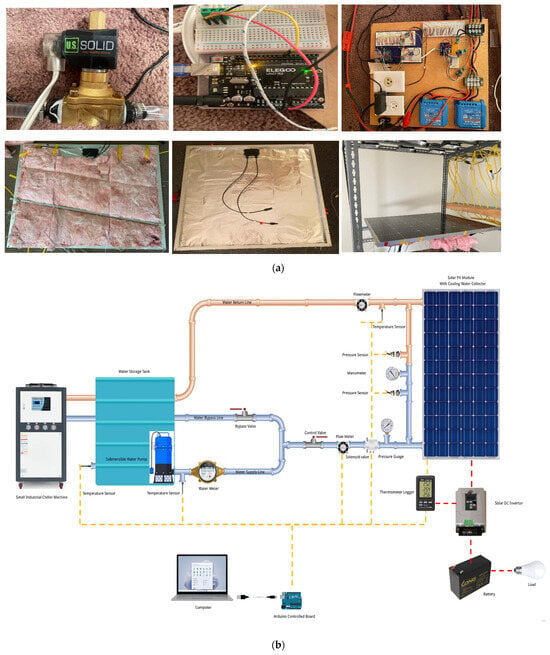
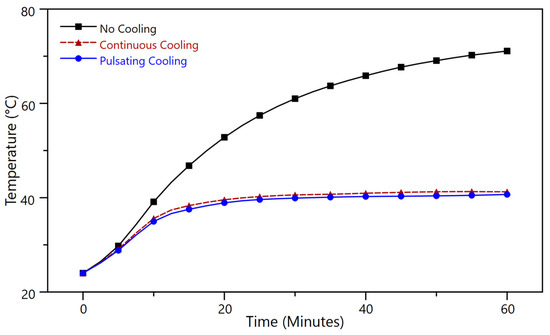
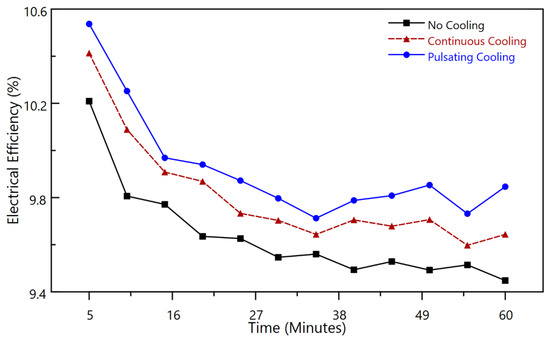
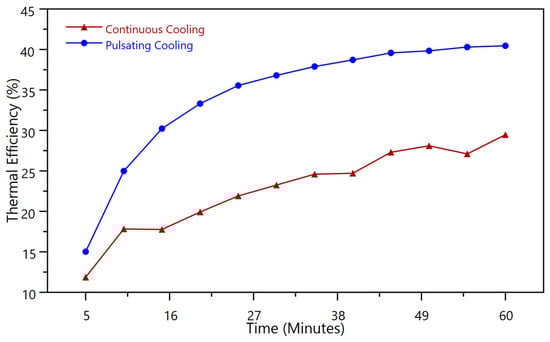
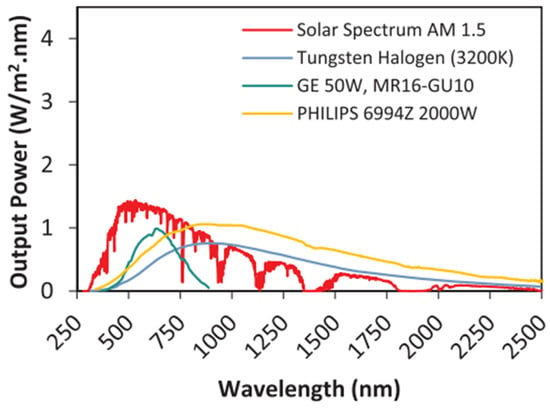
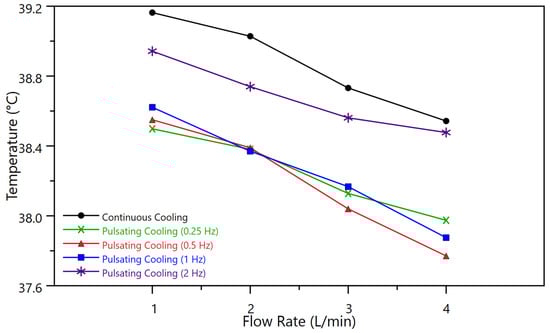
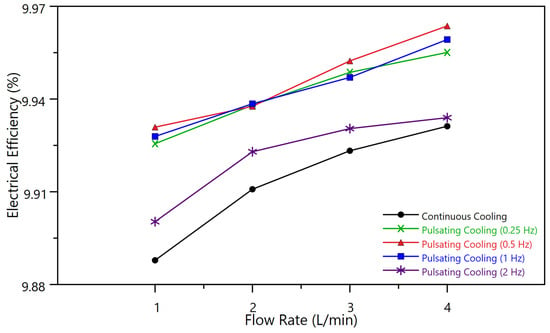
Photovoltaic–thermal (PVT) collectors often experience limited heat extraction under laminar cooling conditions, and the influence of controlled flow pulsation on full-scale PVT performance has not been clearly established. This study experimentally investigates a water-cooled PVT system operated under pulsating flow using an indoor solar simulator to quantify its thermal and electrical response. Flow pulsations were generated using a solenoid valve at frequencies of 0.25, 0.5, 1, and 2 Hz across inlet flow rates of 1–4 L/min, with average irradiance maintained between 700 and 800 W/m2. System performance was benchmarked against uncooled and continuous-flow reference cases. Pulsating operation reduced the PVT surface temperature and produced a clear enhancement in thermal performance relative to continuous flow, while electrical efficiency exhibited a smaller but consistent improvement that followed the same thermal trend. A pulsation frequency of 0.5 Hz yielded the most favorable results, achieving thermal efficiencies exceeding 50% at higher flow rates without any measurable increase in average pressure drop. Electrical efficiency stabilized at approximately 9.82%, slightly higher than that obtained under continuous-flow operation. The results indicate that low-frequency pulsating flow can significantly improve thermal energy extraction in PVT systems under controlled conditions, with modest associated electrical gains, and provide a basis for further investigation of flow-modulation strategies for thermally driven PVT applications.
Full article
Open AccessArticle
Multi-Chiller Plant Under Demand Uncertainties: Predictive Versus Planned Approaches
by
Manuel G. Satué, Alfredo P. Vega-Leal, Juana M. Martínez-Heredia and Manuel R. Arahal
Thermo 2026, 6(1), 10; https://doi.org/10.3390/thermo6010010 - 3 Feb 2026
Abstract
►▼
Show Figures
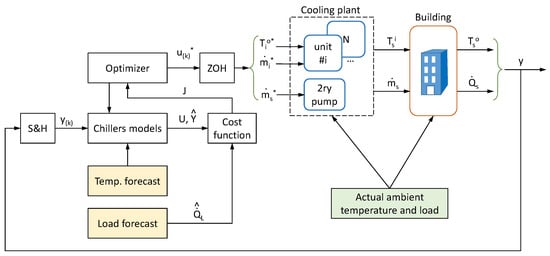
Recently, different techniques have been proposed for the scheduling and loading problems in cooling plants with chillers in a parallel configuration. Two broad groups can be considered: the online control-based group and the offline optimization-based group. The first group is exemplified by Model
[...] Read more.
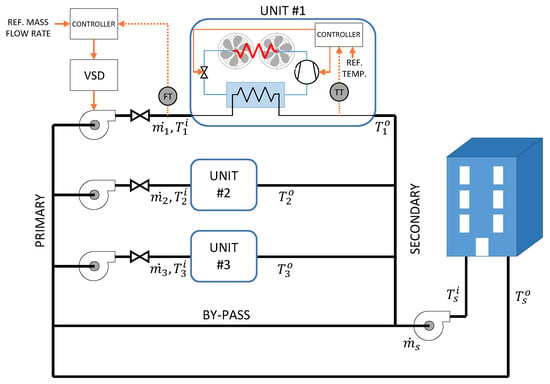
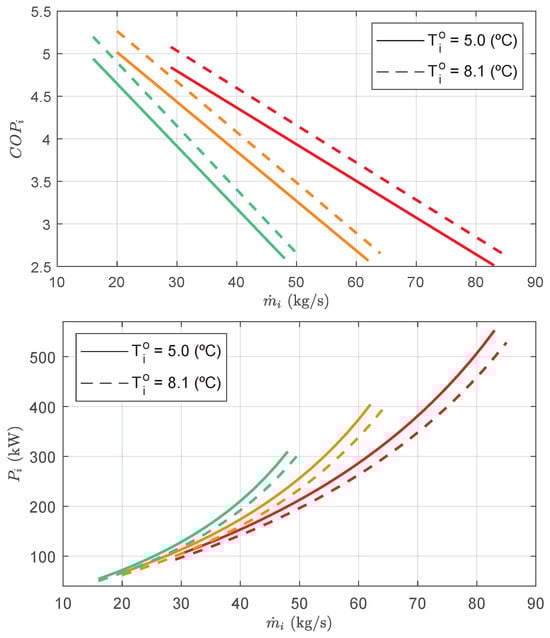
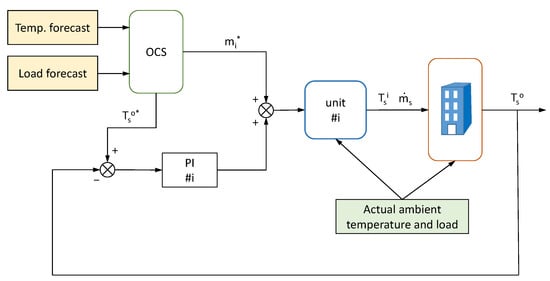
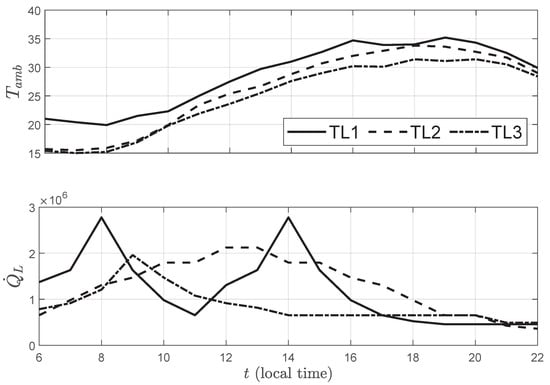
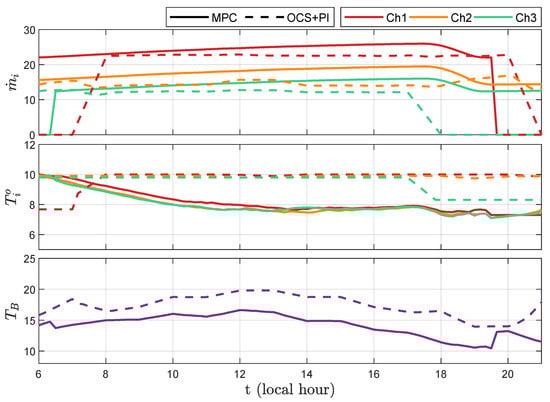
Recently, different techniques have been proposed for the scheduling and loading problems in cooling plants with chillers in a parallel configuration. Two broad groups can be considered: the online control-based group and the offline optimization-based group. The first group is exemplified by Model Predictive Control, where the selection of control moves provides a solution to both scheduling and loading. The second group includes Optimal Chiller Loading and Optimal Chiller Sequencing algorithms. They usually derive operating plans with some lead time in a batch-like fashion for long horizons. Both groups use forecasts of important factors such as the cooling demand and ambient conditions; hence, they have to deal with inaccuracies in the forecasts. In this paper, a comparison among these two groups is made considering demand uncertainties. The severity of the uncertainty is shown to play a role in the results as well as the controller tuning in the case of the predictive approach. The results are favorable to OCS with respect to overall consumption (up to 15%) but uses more on/off changes in the chiller’s operation (double in some cases).
Full article

Figure 1
Open AccessArticle
Thermal Analysis-Based Elucidation of the Phase Behavior in the HBTA:TOPO Binary System
by
Stanislava Ivanova, Charles F. Croft, Tsveta Sarafska, James N. Smith, Lea Kukoc, Spas D. Kolev and Tony G. Spassov
Thermo 2026, 6(1), 9; https://doi.org/10.3390/thermo6010009 - 25 Jan 2026
Abstract
►▼
Show Figures
The development of deep eutectic solvents (DESs) is a key issue for the realization of green and efficient metal extraction processes. The present study aims to experimentally construct the phase diagram of the binary system consisting of tri-n-octylphosphine oxide (TOPO) and 4,4,4-trifluoro-1-phenyl-1,3-butanedione (HBTA)
[...] Read more.
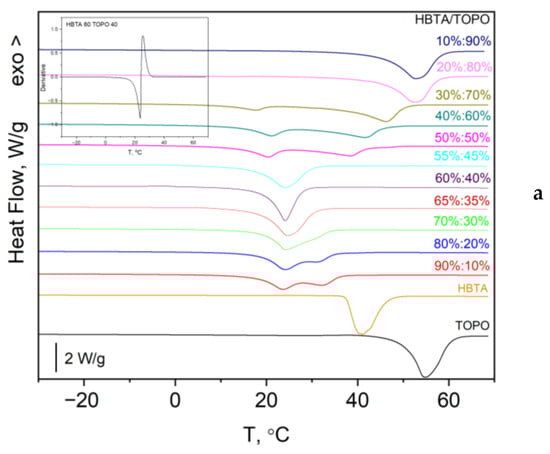
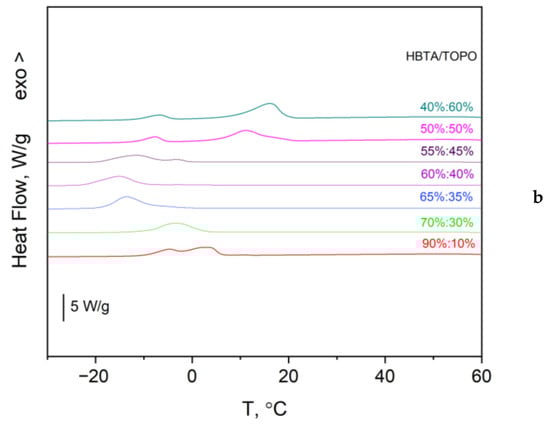
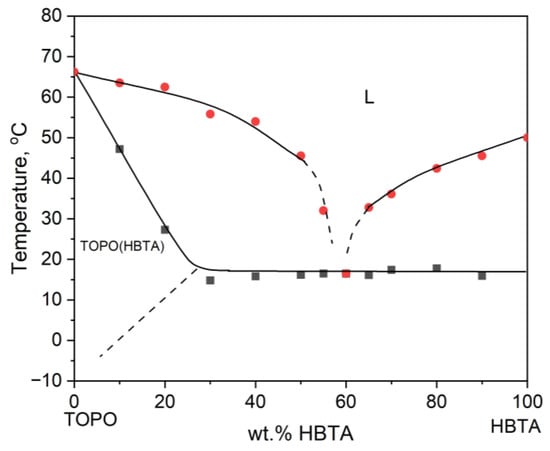
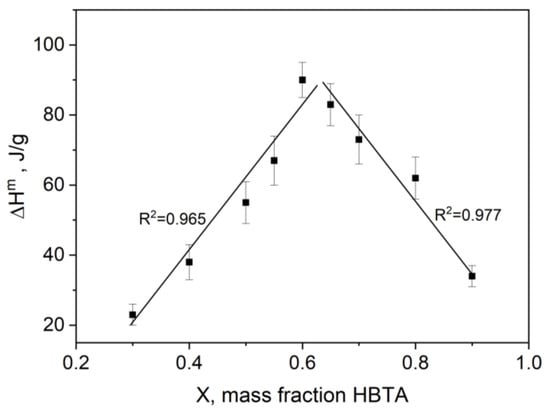
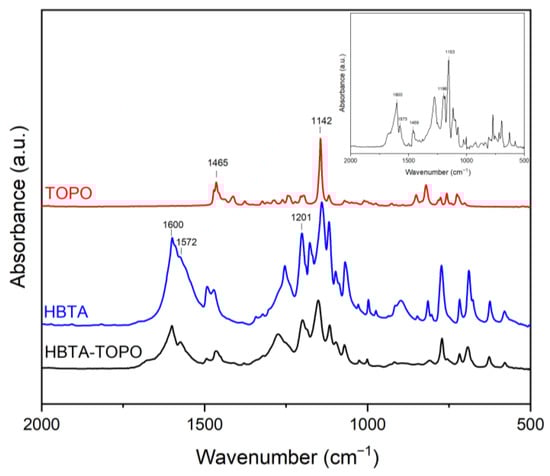
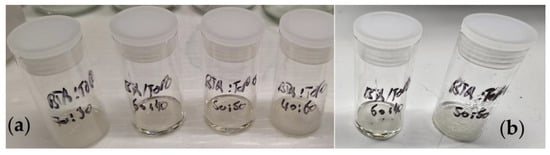
The development of deep eutectic solvents (DESs) is a key issue for the realization of green and efficient metal extraction processes. The present study aims to experimentally construct the phase diagram of the binary system consisting of tri-n-octylphosphine oxide (TOPO) and 4,4,4-trifluoro-1-phenyl-1,3-butanedione (HBTA) and, thus, determine its eutectic composition for the solvent extraction of Li+. Differential scanning calorimetry was used to characterize the phase transitions (melting temperatures and enthalpies) over the entire composition range of the binary mixture. Its eutectic composition was established at HBTA:TOPO mass ratio of 60:40. For further validation of the eutectic composition from the experimentally measured thermal effects for melting of different HBTA:TOPO mass ratios, a Tammann diagram was also constructed. Only mixtures with HBTA:TOPO mass ratios of 70:30, 60:40 (eutectic composition), and 50:50 were liquids at 30 °C, while at room temperature of 25 °C, the 70:30 mixture formed crystals. All three mixtures, which were liquids at 30 °C, were found to extract Li+ effectively. However, at a room temperature of 25 °C, only the eutectic mixture (60:40 mass ratio) extracted Li+ effectively, while the mixture with HBTA:TOPO mass ratio of 50:50 formed crystals when mechanically agitated and, therefore, was deemed as unsuitable for Li+ extraction.
Full article

Figure 1
Open AccessArticle
Experimental Thermal Study of the Materials Used in the Construction of Combustion Chamber of Firewood Stoves in Southern Mexico and Central America
by
Edwin N. Hernandez-Estrada, José B. Robles-Ocampo, Perla Y. Sevilla-Camacho, Marco Antonio Zúñiga Reyes, Roberto Adrian González Domínguez and Juvenal Rodriguez-Resendiz
Thermo 2026, 6(1), 8; https://doi.org/10.3390/thermo6010008 - 21 Jan 2026
Abstract
►▼
Show Figures
A firewood stove’s combustion chamber can withstand temperatures of 1500 °C. To prevent the deterioration of a firewood stove due to excessive heat, it is necessary to use thermal insulation materials that stop heat transfer to the walls. These materials must be economical
[...] Read more.
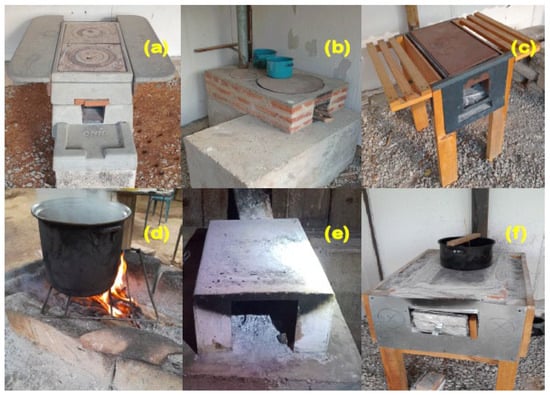
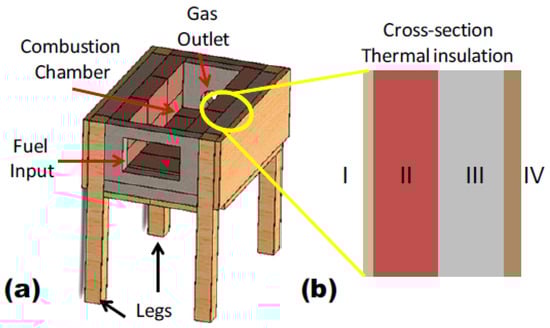
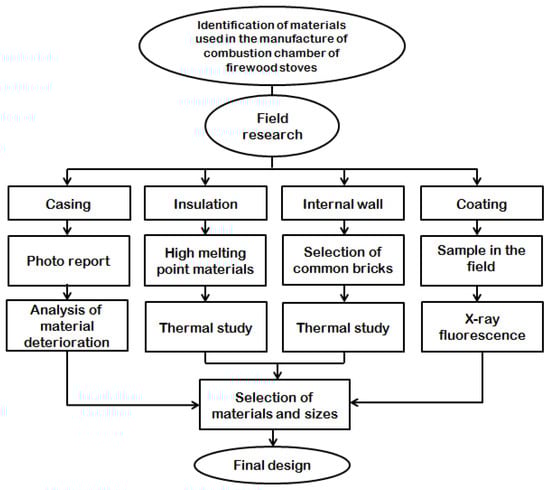
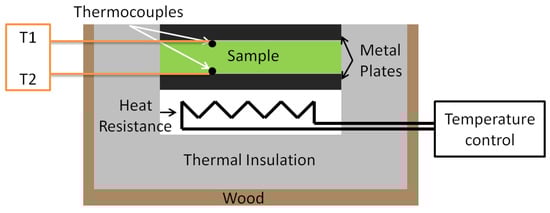
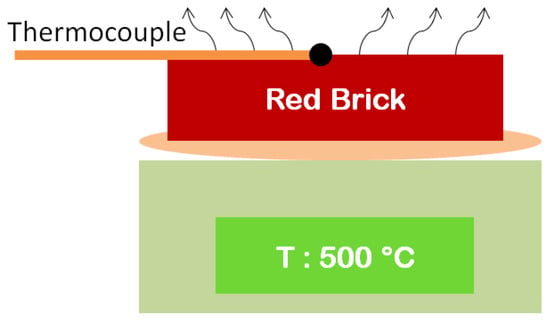
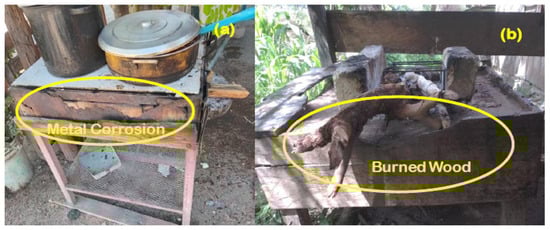
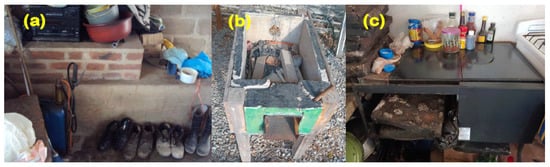
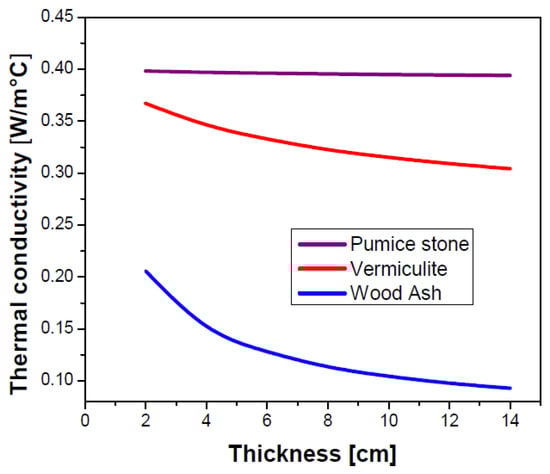
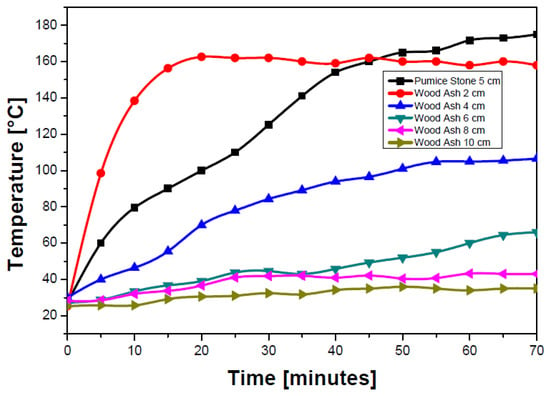
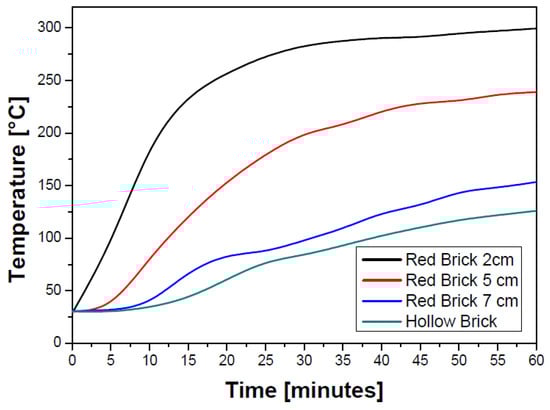
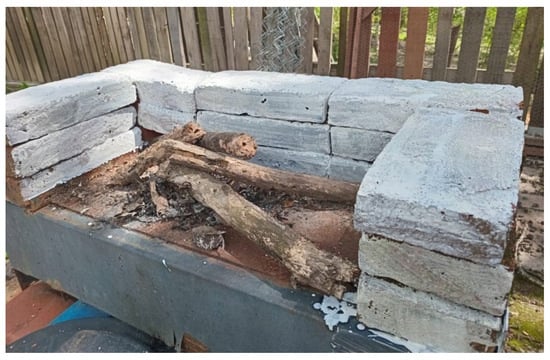
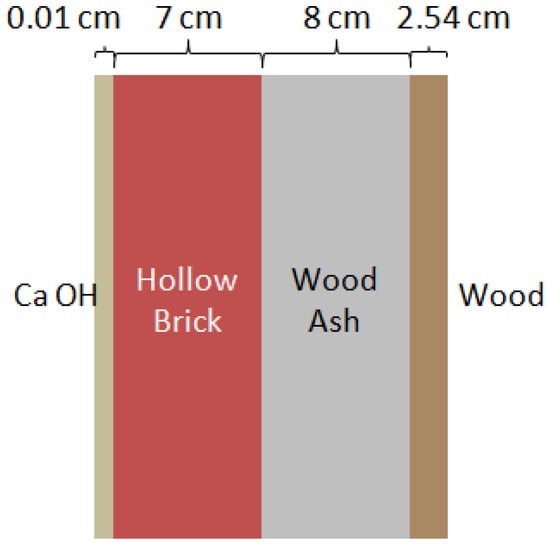
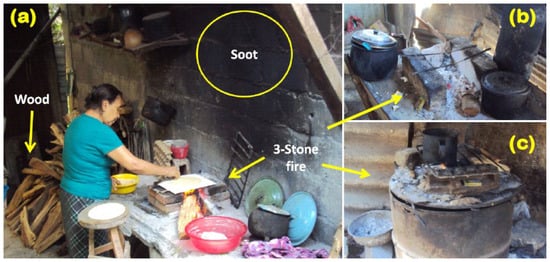
A firewood stove’s combustion chamber can withstand temperatures of 1500 °C. To prevent the deterioration of a firewood stove due to excessive heat, it is necessary to use thermal insulation materials that stop heat transfer to the walls. These materials must be economical and durable. This work examines the materials used in the construction of combustion chambers of firewood stoves in southern Mexico and Central America. This field study collects information and samples of materials used in the manufacture of firewood stoves. Heat transfer experiments are conducted, and the thermal properties of each material are analyzed. As a result, methodology and information is provided for the manufacture of future plancha-type firewood stoves used in the study area, such as pine wood (pinus chiapensis) which is mainly used as casing for firewood stoves in coniferous forest areas; in addition, the use of wood ash as thermal insulation material is proposed since it does not present direct costs and has a thermal conductivity between 0.10 and 0.20 W/m°C and a melting point greater than 1500 °C. The next layer proposed is hollow brick, a high-temperature-resistant material that can be used as support due to its mechanical strength and low thermal conductivity of 0.6 W/m°C. Finally, the use of calcium hydroxide as a coating material is proposed, applied in the form of a paste or paint to detail the imperfections of the combustion chamber construction as it resists temperatures above 1000 °C.
Full article

Figure 1
Open AccessArticle
The Influence of Mechanochemical Activation on the Properties of a Double Complex Salt [Co(NH3)6][Fe(CN)6] and Its Thermolysis Products
by
Alevtina Gosteva, Alexander M. Kalinkin, Vladimir Vinogradov, Diana Manukovskaya, Viktor Nikolaev, Vasilii Semushin and Maria Teplonogova
Thermo 2026, 6(1), 7; https://doi.org/10.3390/thermo6010007 - 19 Jan 2026
Abstract
Double complex salts (DCSs) of the composition [Co(NH3)6][Fe(CN)6] are a promising precursor for the preparation of catalysts for the hydrogenation of carbon oxides (CO and CO2) by Fischer–Tropsch synthesis. The specific surface area is an
[...] Read more.
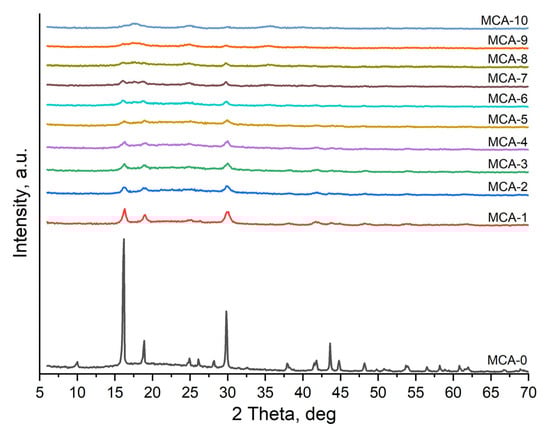
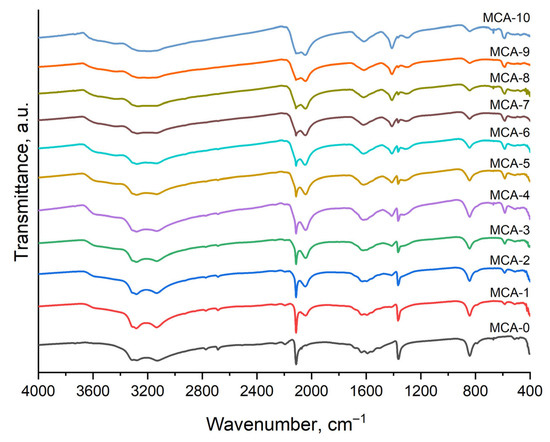
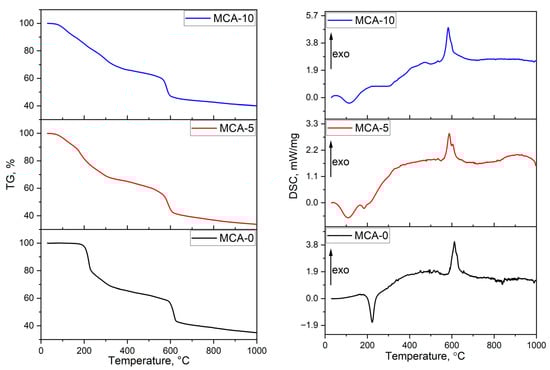
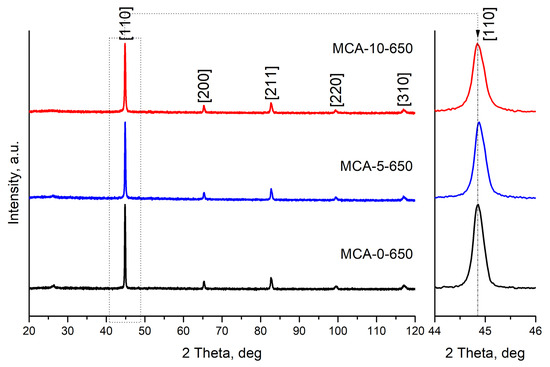
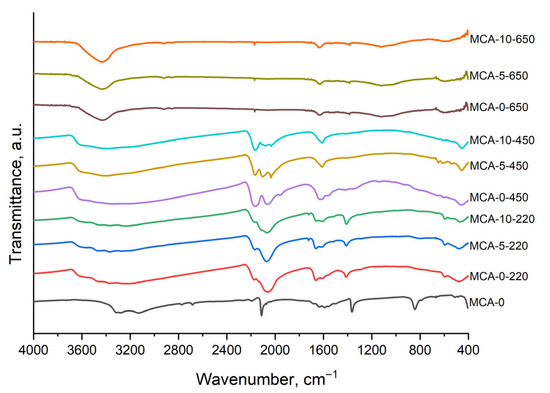
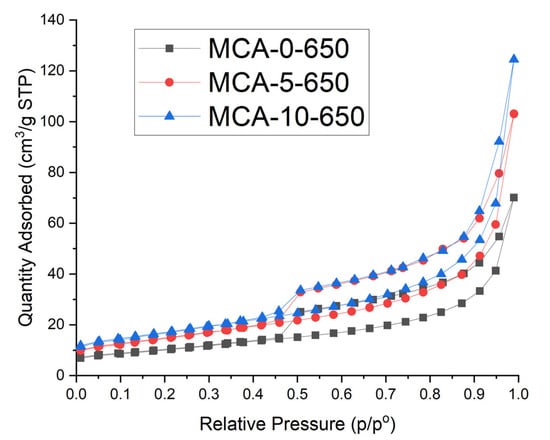
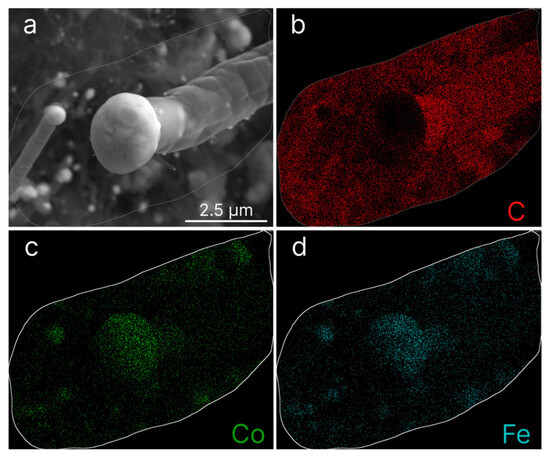
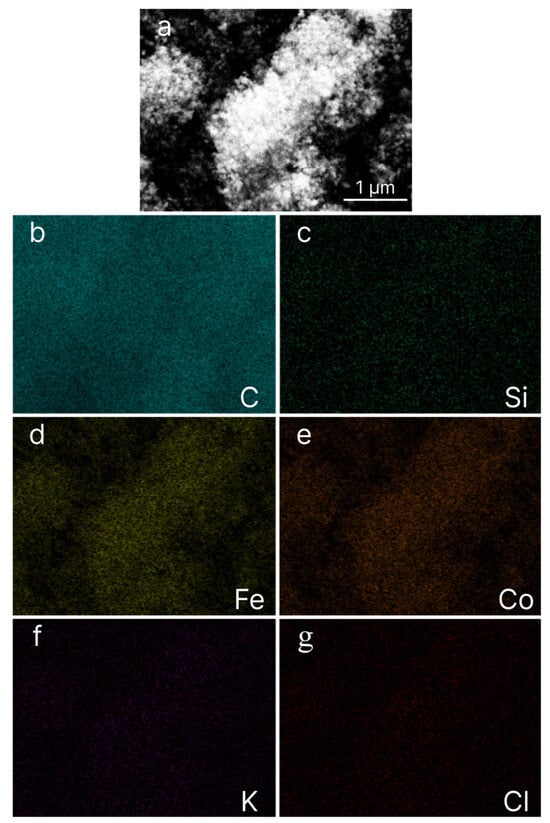
Double complex salts (DCSs) of the composition [Co(NH3)6][Fe(CN)6] are a promising precursor for the preparation of catalysts for the hydrogenation of carbon oxides (CO and CO2) by Fischer–Tropsch synthesis. The specific surface area is an important parameter for catalysts. Our article investigates the influence of mechanochemical activation (MCA) on this DCS in order to determine the conditions for obtaining the largest specific surface area of the intermetallic compound, a product of the DCS thermolysis. In this work, the effect of MCA on the physicochemical properties of the DCS [Co(NH3)6][Fe(CN)6] and the products of its thermal decomposition in an argon atmosphere were investigated. It was shown that MCA leads to partial reduction of Fe+3 to Fe+2, changes in the coordination of ammonia, amorphization of the structure and a decrease in the thermal stability of DCS. Thermolysis at 650 °C of samples subjected to MCA for 10 min results in the formation of nanocrystalline intermetallic compound Co0.5Fe0.5. The results demonstrate the potential of using MCA to control the properties of functional materials based on DCS.
Full article
(This article belongs to the Topic Clean Energy Technologies and Assessment, 2nd Edition)
►▼
Show Figures

Figure 1
Open AccessArticle
On the Heat Transfer Process in a System of Two Convex Bodies Separated by a Vacuum—Mathematical Description and Solution Construction
by
Rogério Pazetto Saldanha da Gama, Rogério Martins Saldanha da Gama and Maria Laura Martins-Costa
Thermo 2026, 6(1), 6; https://doi.org/10.3390/thermo6010006 - 16 Jan 2026
Abstract
►▼
Show Figures
This work presents a straightforward procedure for constructing the solution to the steady-state energy-transfer process in a system of two convex, opaque, gray bodies, with the aim of determining the temperature distribution within these bodies when separated by a vacuum. The methodology proposed
[...] Read more.
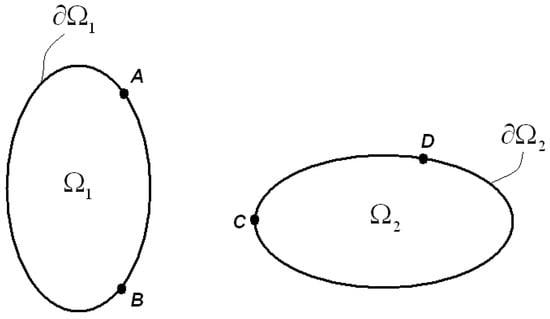
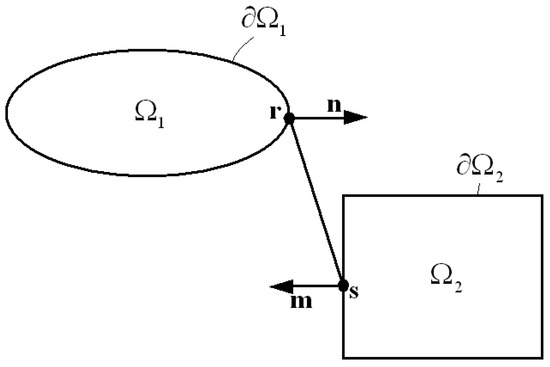
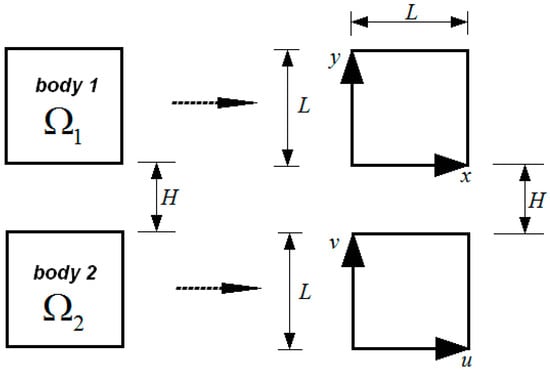
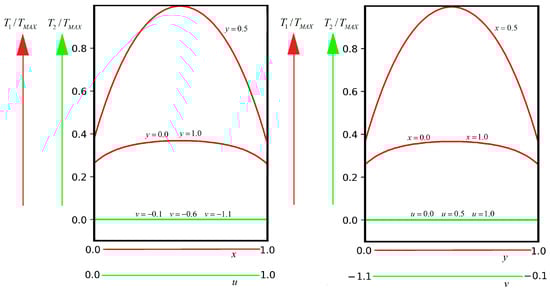
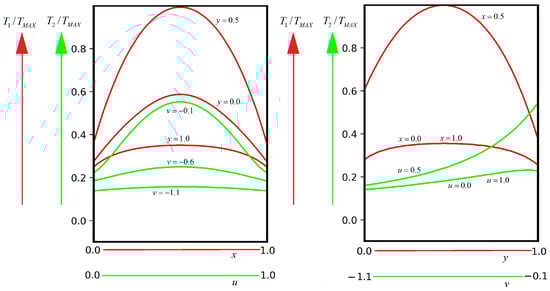
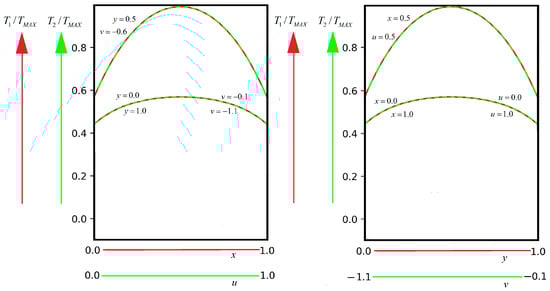
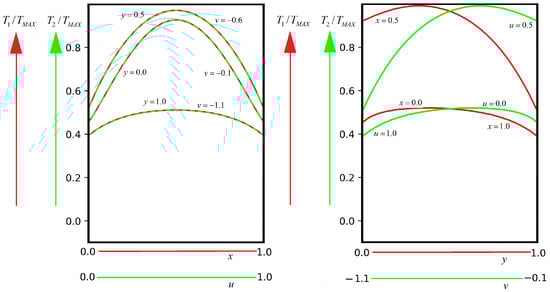
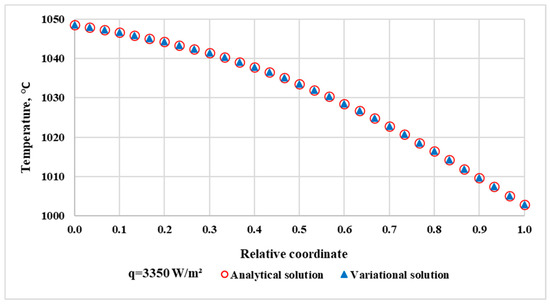
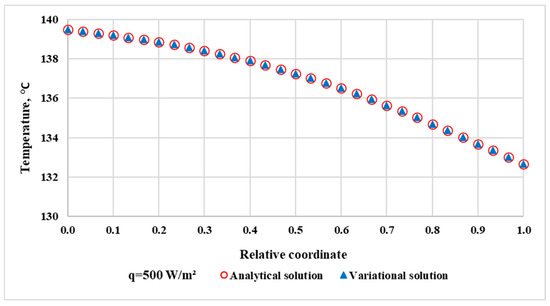
This work presents a straightforward procedure for constructing the solution to the steady-state energy-transfer process in a system of two convex, opaque, gray bodies, with the aim of determining the temperature distribution within these bodies when separated by a vacuum. The methodology proposed in this work combines a sequence of elements that are functions obtained from the solution of uncomplicated, well-known linear, uncoupled heat transfer problems, thereby enabling solutions to be obtained using tools found in basic engineering textbooks. Specifically, these well-known problems resemble classical conduction-convection heat transfer problems, in which the boundary condition is described by the noteworthy Newton’s law of cooling. The limit of sequences of elements that are solutions to straightforward linear problems corresponds to the original, complex, coupled nonlinear problem. The convergence of these sequences is mathematically proven. The phenomenon (considered in this work) encompasses those involving black bodies. Since each element of the sequence arises from a well-known linear problem, numerical approximations can be used to obtain it, yielding a simple and powerful tool for simulations. Some presented results highlight the importance of considering thermal interaction between the two bodies, even in the absence of physical contact. In particular, the alterations in the temperature distributions of two separate gray bodies are explicitly shown to result from their thermal interaction.
Full article

Figure 1
Open AccessArticle
Analysis of Thermodynamic Processes in Thermal Energy Storage Vessels
by
Laszlo Garbai, Robert Santa and Mladen Bošnjaković
Thermo 2026, 6(1), 5; https://doi.org/10.3390/thermo6010005 - 6 Jan 2026
Abstract
To balance the quantity of heat generated and consumed, thermal energy storage systems are crucial for power plants and district heating systems. Particularly when phase transitions and pressure variations are not adequately covered in the existing literature, their work frequently takes place under
[...] Read more.
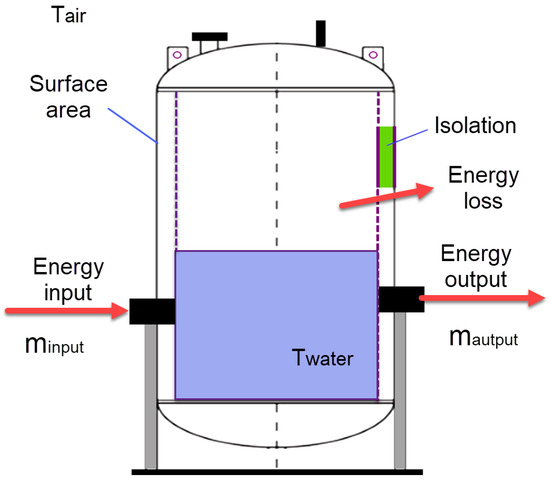
To balance the quantity of heat generated and consumed, thermal energy storage systems are crucial for power plants and district heating systems. Particularly when phase transitions and pressure variations are not adequately covered in the existing literature, their work frequently takes place under complicated, changing temperature and fluid dynamic settings. The goal of this research is to create a thermodynamic model that incorporates the effects of steam condensation, steam injection, and heating failures to describe the transient behaviour of temperature and pressure in pressure vessels containing single-phase and two-phase fluids. To account for nonlinear, temperature-dependent steam properties, as well as initial and boundary constraints, the study proposes energy balance models for hot water and saturated steam cases. Numerical simulations evaluating sensitivity to parameter changes are presented alongside analytical solutions for isochoric and isobaric systems. The model also includes direct steam injection heating and the use of a heat exchanger. It explains the changes in temperature and pressure that occur in thermal energy storage systems over time, including significant events such as steam cushion collapse and condensate drainage. According to the sensitivity analysis, the main factors influencing the system’s safety limitations and transient dynamic phenomena are thermal power, heat exchanger capacity, and thermal insulation efficiency. The proposed thermodynamic model closes a major gap in the literature by providing reliable predictions of the transient behavior needed for the safe design and reliable operation of pressure vessels utilized for heat storage in district heating networks. This model can be used by engineers and researchers to optimize system design and steer clear of risky operational situations.
Full article
(This article belongs to the Special Issue Advances in Latent Thermal Energy Storage: Materials, Modeling, and System Integration)
►▼
Show Figures

Figure 1
Open AccessArticle
Battery Electric Vehicle Thermal Management System Modelling and Validation
by
Perla Yadav, Lakith Jinadasa, Alex Wray, Simon Petrovich, Marios Georgiou and Kambiz Ebrahimi
Thermo 2026, 6(1), 4; https://doi.org/10.3390/thermo6010004 - 5 Jan 2026
Abstract
►▼
Show Figures
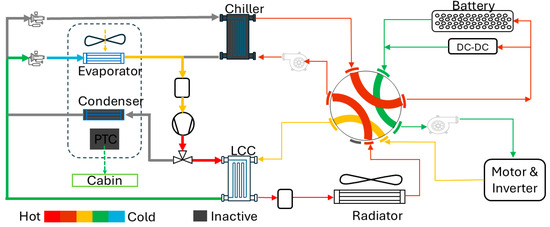
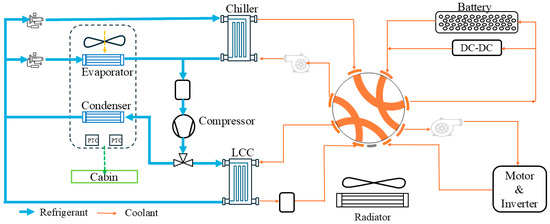
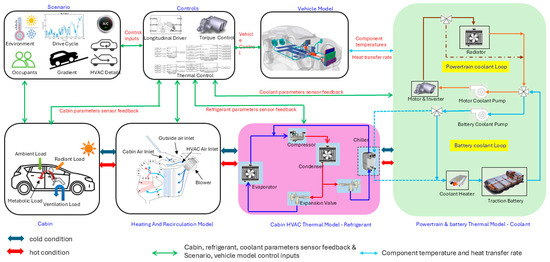
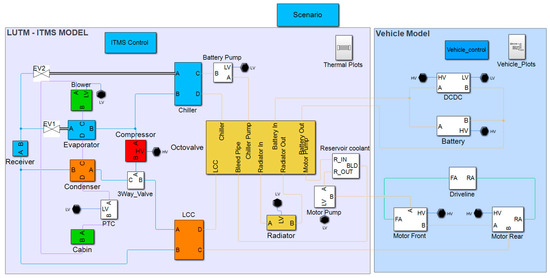
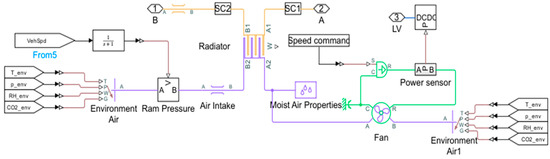
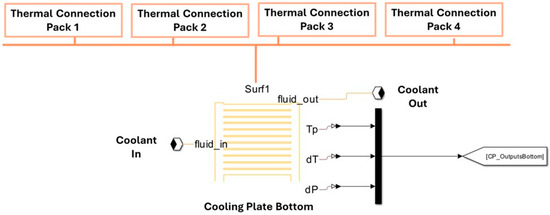
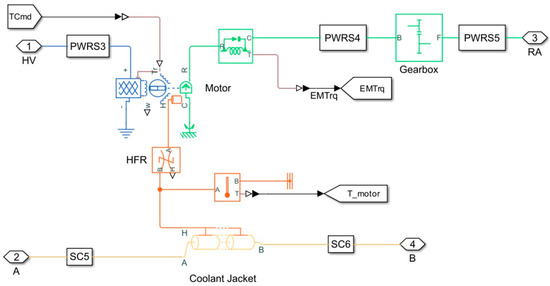
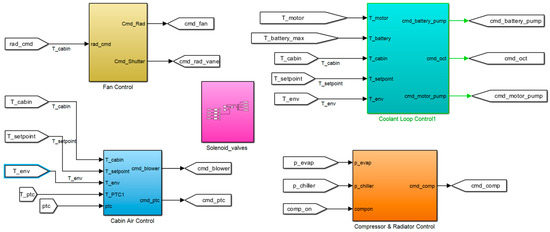
Improving the architecture and control strategies of thermal management systems (TMSs) is crucial for minimizing energy consumption in heating and cooling components, thereby enhancing the driving range of Battery Electric Vehicles (BEVs). This study presents a holistic approach for developing an Integrated Thermal
[...] Read more.
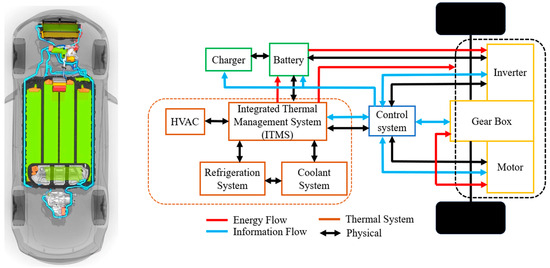
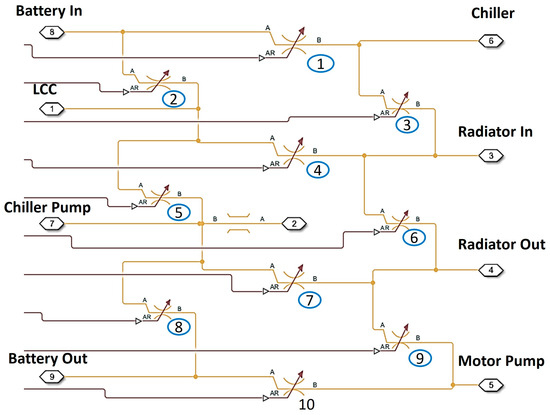
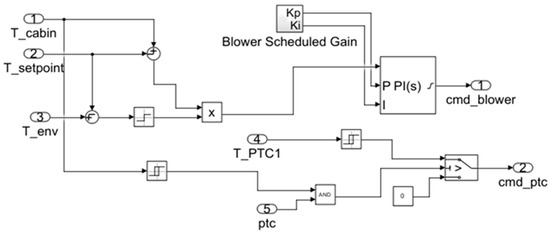
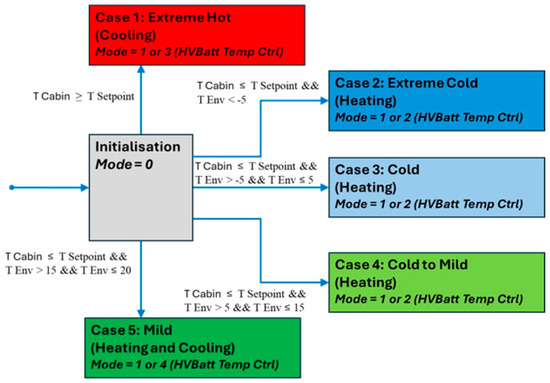
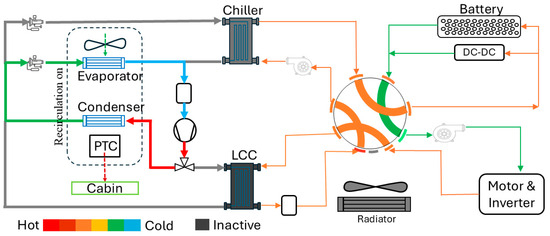
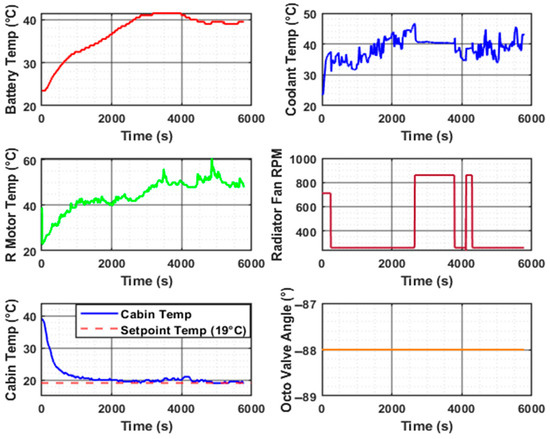
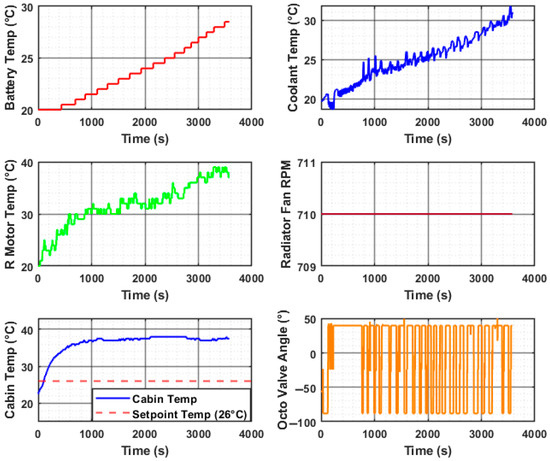
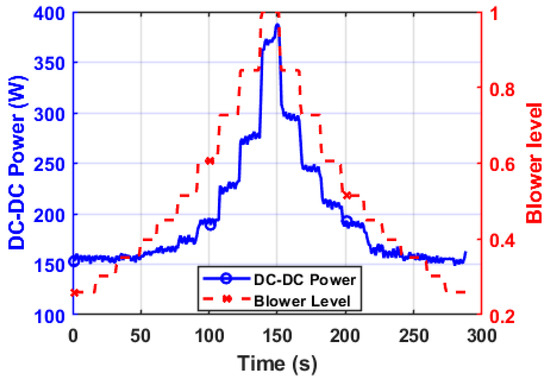
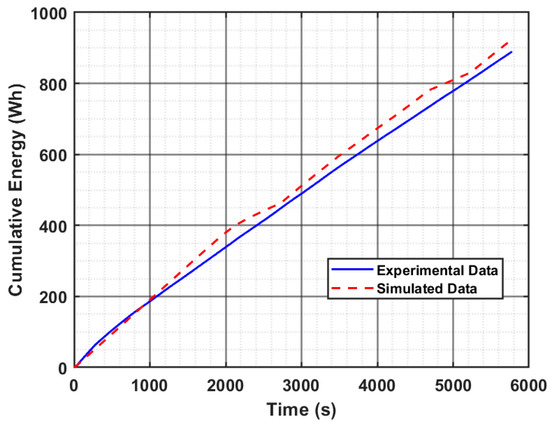
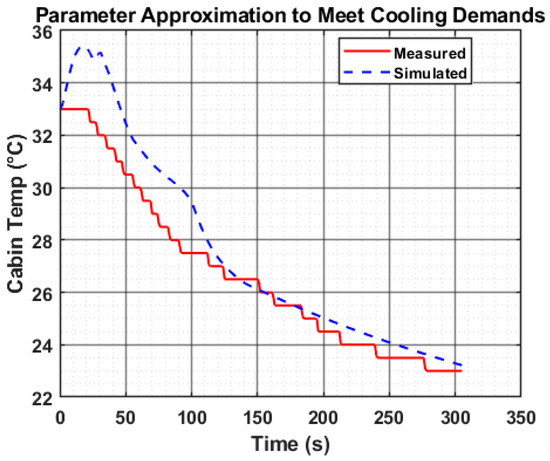
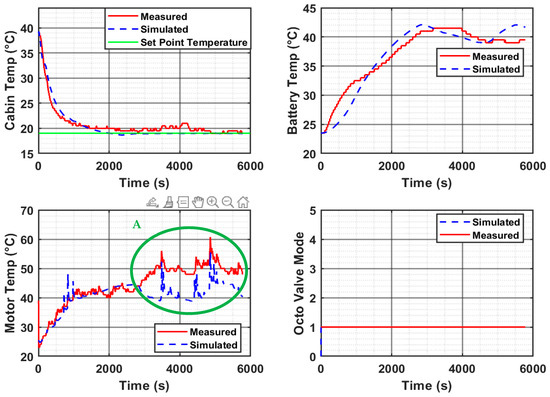
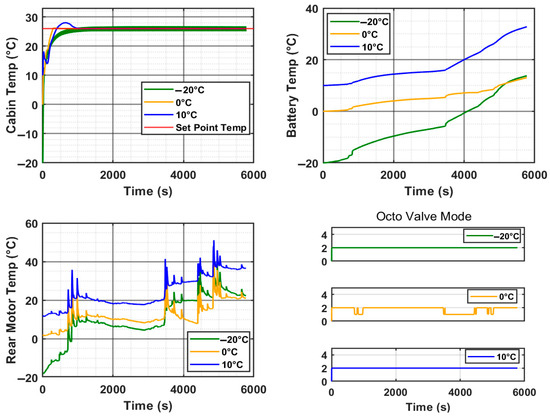
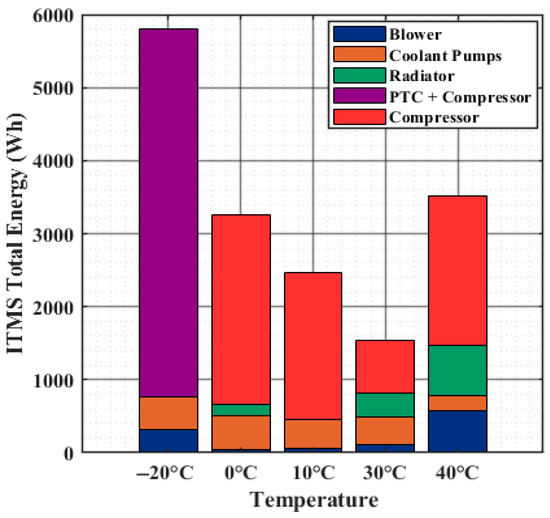
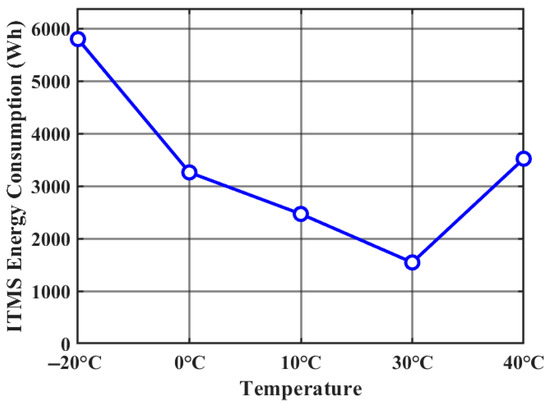
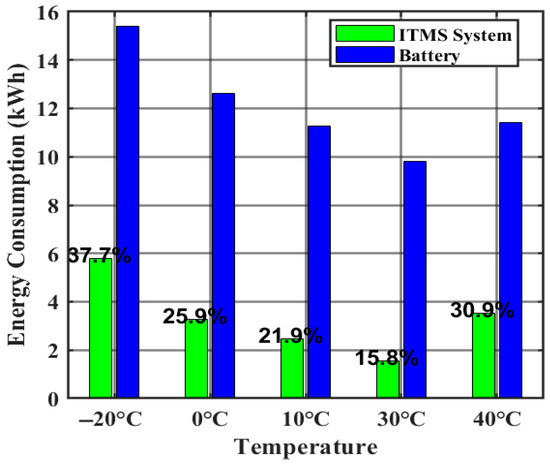
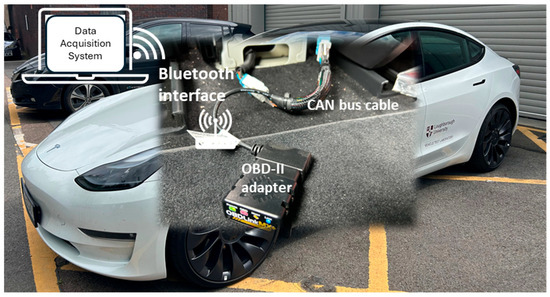
Improving the architecture and control strategies of thermal management systems (TMSs) is crucial for minimizing energy consumption in heating and cooling components, thereby enhancing the driving range of Battery Electric Vehicles (BEVs). This study presents a holistic approach for developing an Integrated Thermal Management System (ITMS) based on an Octo-valve-type architecture, designed to efficiently manage the thermal demands of both the cabin and powertrain components. Empirical data were collected under various heating and cooling scenarios across a wide operating temperature range (−20 °C to 40 °C), and these data were used to parametrize and validate key ITMS components. Experimental results demonstrated that the parametrized simulation model closely replicated the cabin and battery thermal behavior observed in vehicle tests, particularly under cooling conditions. Minor deviations, such as cabin temperature overshoot during heating scenarios, were attributed to duct thermal effects and control tuning limitations. Overall, the optimized Octo-valve-based ITMS architecture exhibited thermal trends consistent with literature references and effectively validated the proposed control strategy, demonstrating improved thermal efficiency and potential range enhancement for BEVs across diverse environmental conditions. Furthermore, ITMS energy consumption over the indicated temperature range is quantified in this research paper.
Full article

Figure 1
Open AccessArticle
Development and Performance of a Vacuum-Based Seawater Desalination System Driven by a Solar Water Heater
by
Wichean Singmai, Pichet Janpla, Suparat Jamsawang, Kittiwoot Sutthivirode and Tongchana Thongtip
Thermo 2026, 6(1), 3; https://doi.org/10.3390/thermo6010003 - 26 Dec 2025
Abstract
►▼
Show Figures
This work proposes the design, construction, and field test of a vacuum seawater desalination system (VSDS) driven by an evacuated tube solar collector (with a total absorption area of 1.86 m2) under tropical climatic condition (Thailand ambient at latitude 13°43′06.0″ N,
[...] Read more.
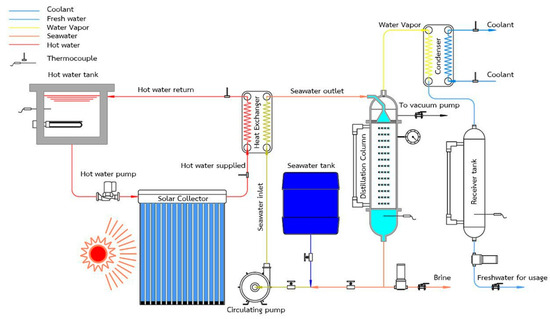
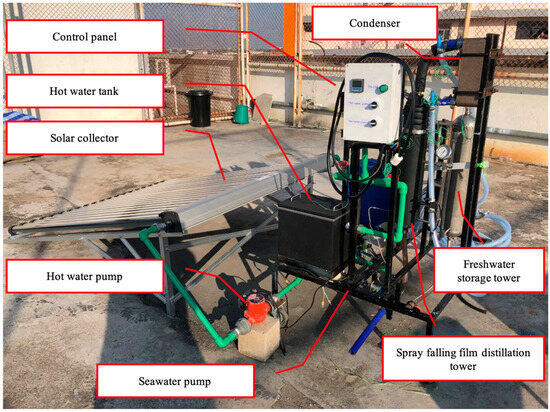
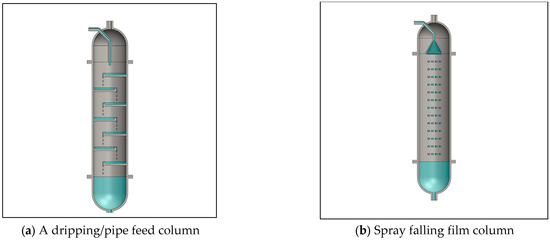
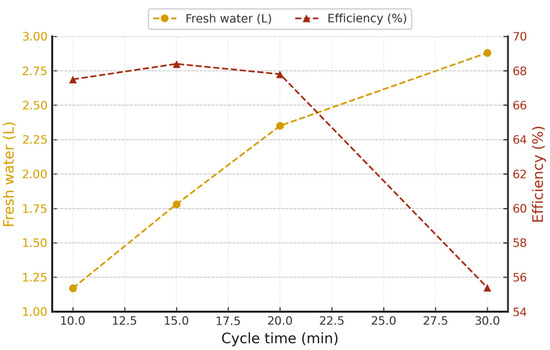
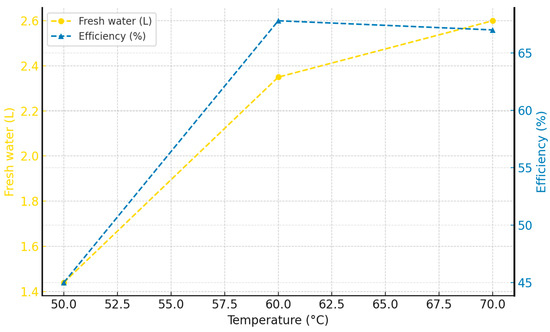
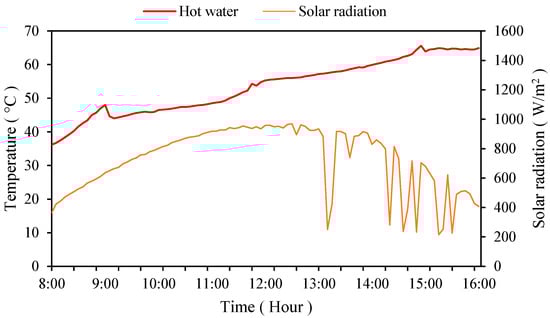
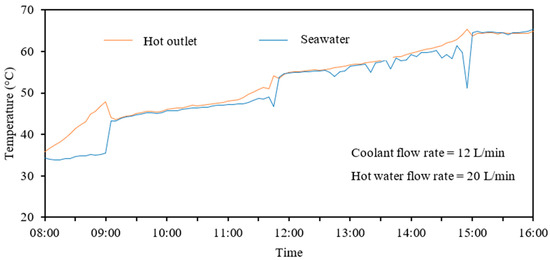
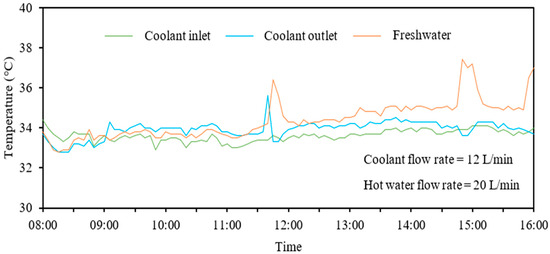
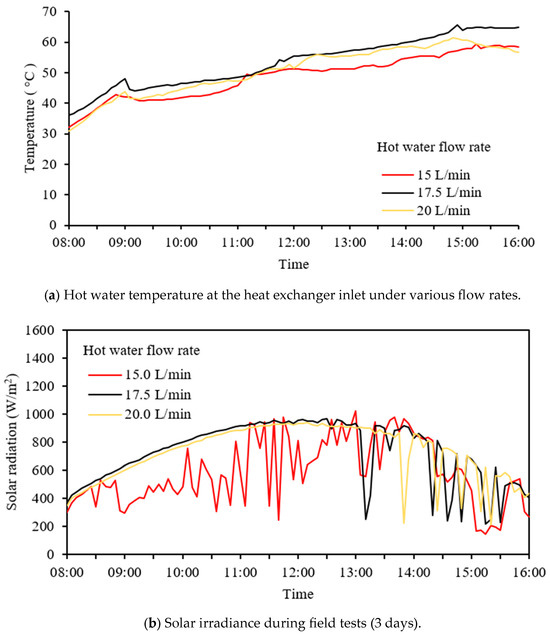
This work proposes the design, construction, and field test of a vacuum seawater desalination system (VSDS) driven by an evacuated tube solar collector (with a total absorption area of 1.86 m2) under tropical climatic condition (Thailand ambient at latitude 13°43′06.0″ N, longitude 100°32′25.4″ E). The VSDS prototype was designed and constructed to be driven by hot water, which is produced by two heat source conditions: (1) an electric heater for laboratory tests and (2) an evacuated tube solar collector for field tests under real climatic conditions. A comparative experimental study to assess the ability to produce fresh water between a conventional dripping/pipe feed column and spray falling film column is proposed in the first part of the discussion. This is to demonstrate the advantage of the spray falling film distillation column. The experimental method is implemented based on the batch system, in which the cycle time (distillation time) considered is 10–20 min so that heat loss via the concentrated seawater blow down is minimized. Later, the field test with solar irradiance under real climatic conditions is demonstrated to assess the freshwater yield and the system performance. The aim is to provide evidence of the proposed vacuum desalination system in real operation. It is found experimentally that the VSDS working with spray falling film provides better performance than the dripping/pipe feed column under the specified working conditions. The spray falling film column can increase the distillated freshwater volume from 1.33 to 2.16 L under identical cycle time and working conditions. The improvement potential is up to 62.4%. The overall thermal efficiency can be increased from 33.7 to 70.8% (improvement of 110.1%). Therefore, the VSDS working with spray falling film is selected for implementing field tests based on real solar irradiance powered by an evacuated tube solar collector. The ability to produce fresh water is assessed, and the overall performance via the average distillation rate and the thermal efficiency (or Gain Output Ratio) is discussed with the real solar irradiance. It is found from the field test with solar time (8.00–16.00) that the VSDS can produce a daily freshwater yield of up to 4.5 L with a thermal efficiency of up to 19%. The freshwater production meets the requirement for international standard drinking water criteria, indicating suitability for household/community use in tropical regions. This work demonstrates the feasibility of VSDS working under real solar irradiance as an alternative technology for sustainable fresh water.
Full article

Figure 1
Open AccessArticle
Modeling the Thermomechanical Characteristics of a Heat-Insulated Rod with a Variable Cross-Section
by
Anarbay Kudaykulov, Azat Tashev, Bagdat Teltayev and Aizhan Muta
Thermo 2026, 6(1), 2; https://doi.org/10.3390/thermo6010002 - 26 Dec 2025
Abstract
►▼
Show Figures
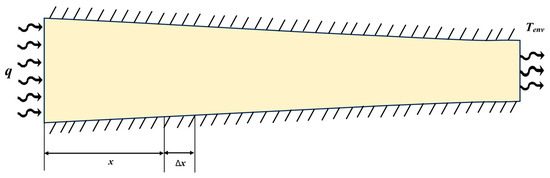
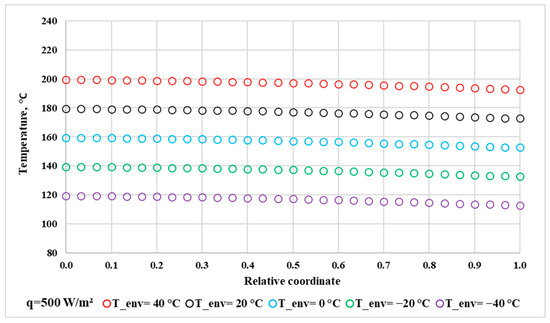
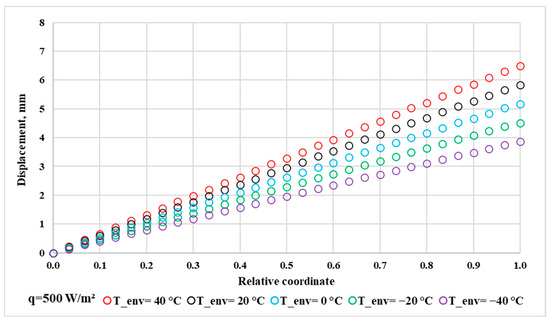
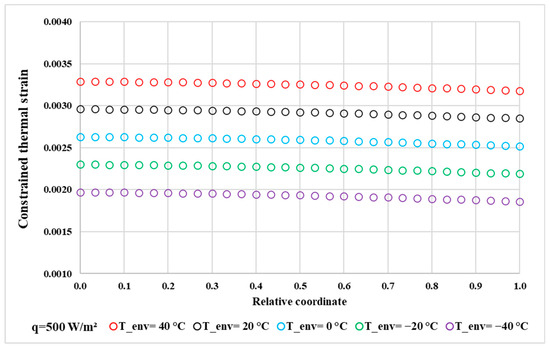
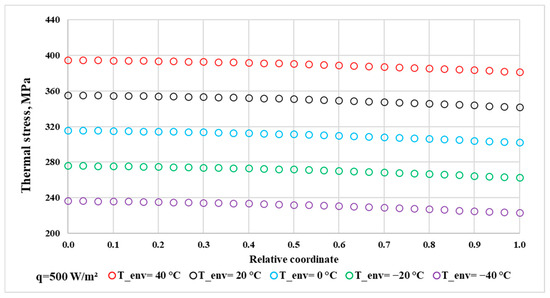
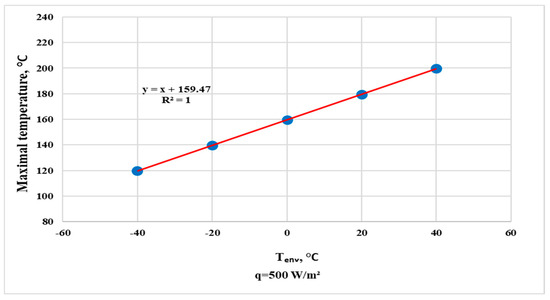
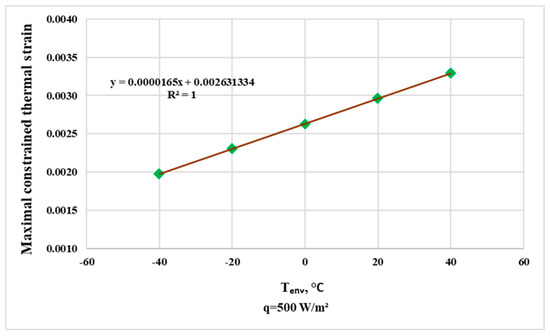
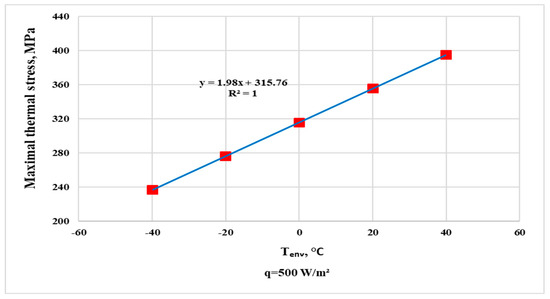
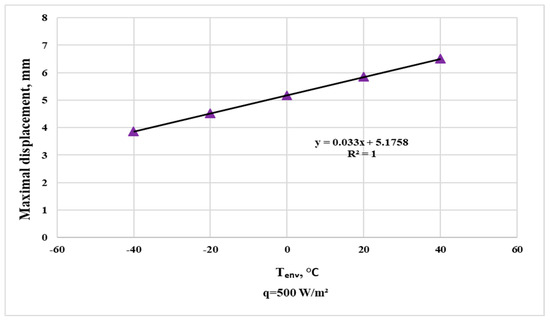
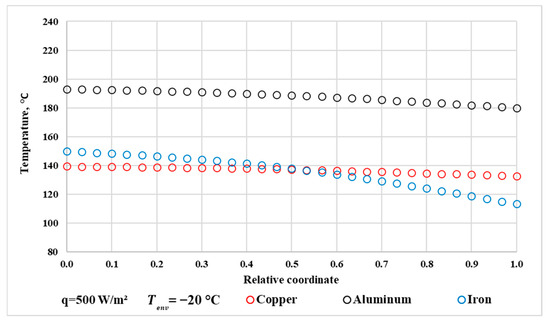
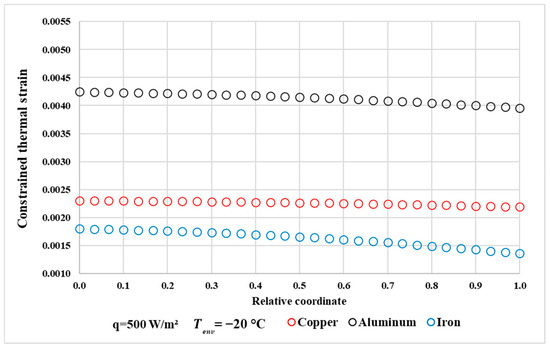
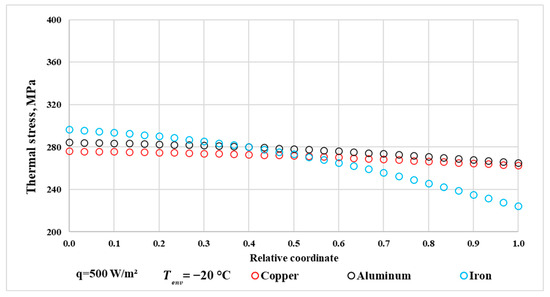
In this study, the thermomechanical behavior of a variable cross-section rod with fixed ends is studied using an analytical method. A rod with a radius that varies quadratically with length is considered, and it is thermally insulated on its side surface. Heat flow
[...] Read more.
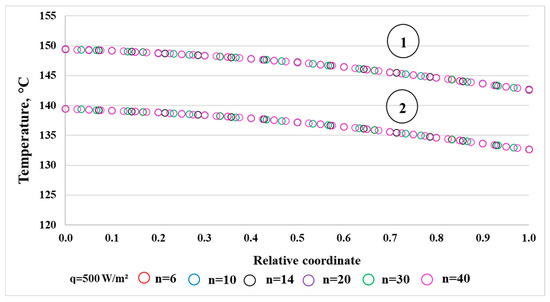
In this study, the thermomechanical behavior of a variable cross-section rod with fixed ends is studied using an analytical method. A rod with a radius that varies quadratically with length is considered, and it is thermally insulated on its side surface. Heat flow is applied to the left end of the rod, and heat exchange with the environment occurs at the right end. Based on the obtained temperature distribution, the thermal strains, stresses, displacements, and total elongation are determined. The results highlight the influence of boundary thermal conditions on the thermomechanical response of the rod, which is of interest for the design and analysis of structural elements operating under conditions of uneven thermal stress.
Full article

Figure 1
Open AccessArticle
Performance Enhancement of Latent Heat Storage Using Extended-Y-Fin Designs
by
Aurang Zaib, Abdur Rehman Mazhar, Cheng Zeng, Tariq Talha and Hasan Aftab Saeed
Thermo 2026, 6(1), 1; https://doi.org/10.3390/thermo6010001 - 26 Dec 2025
Cited by 1
Abstract
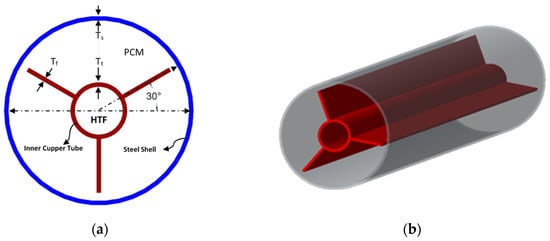
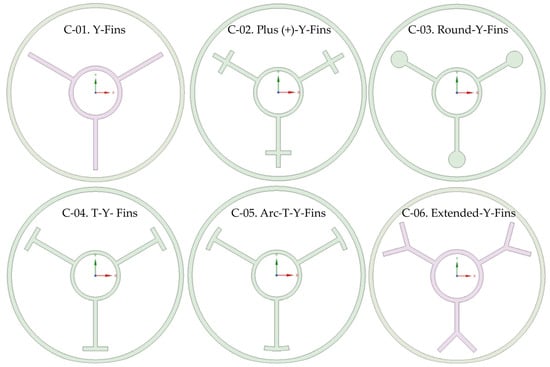
The low thermal conductivity of phase-change materials (PCMs) remains a key limitation in latent heat thermal energy storage systems, leading to slow melting and incomplete energy recovery. To address this challenge, this study explores extended Y-Fin geometries as a novel heat transfer enhancement
[...] Read more.
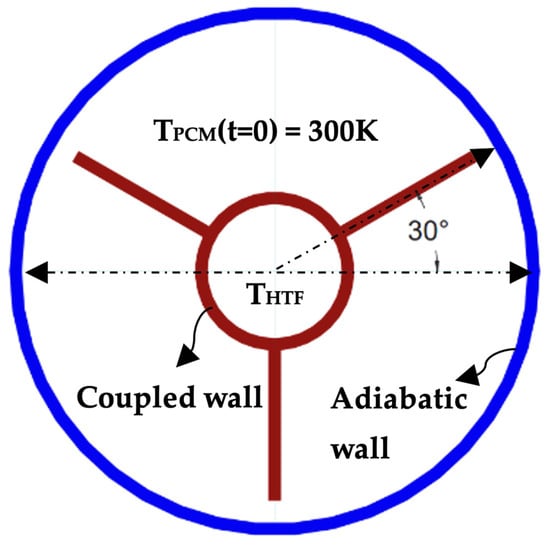
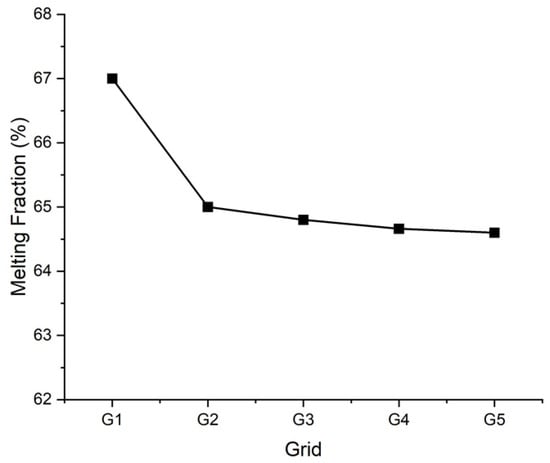
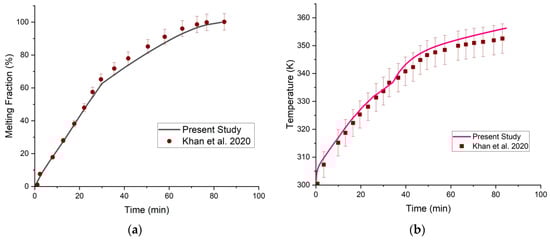
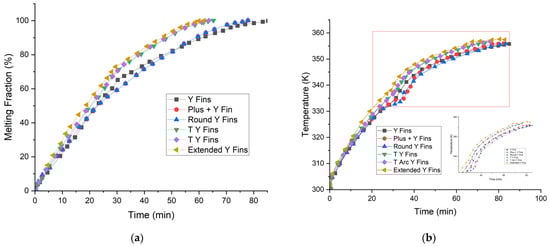
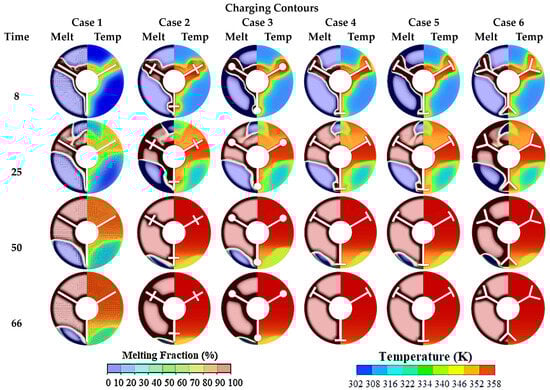
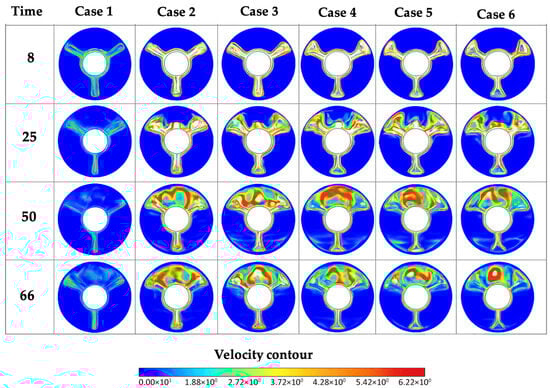
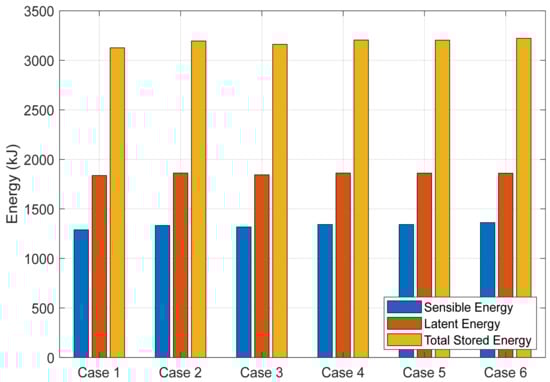
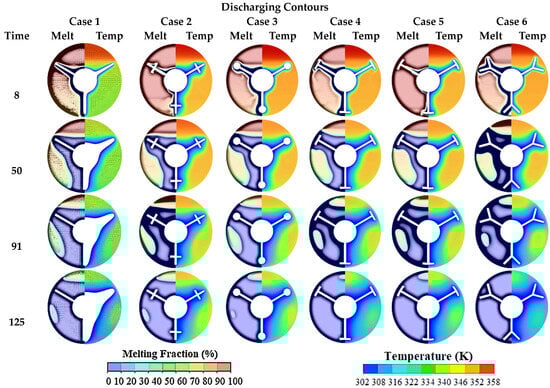
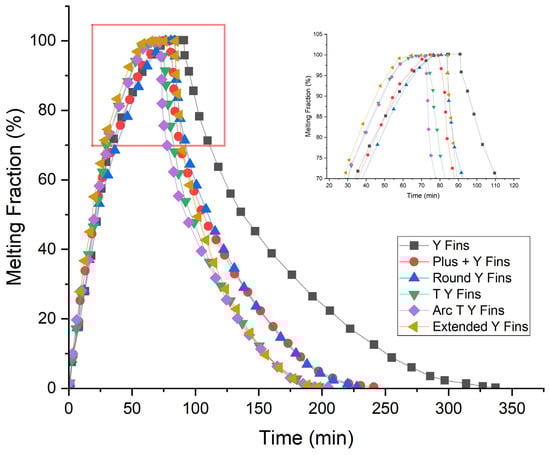
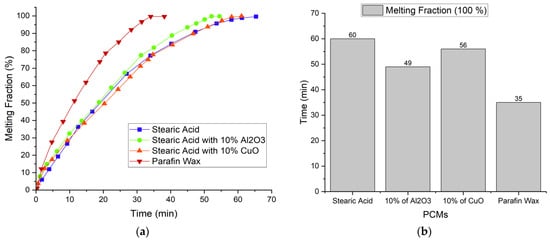
The low thermal conductivity of phase-change materials (PCMs) remains a key limitation in latent heat thermal energy storage systems, leading to slow melting and incomplete energy recovery. To address this challenge, this study explores extended Y-Fin geometries as a novel heat transfer enhancement strategy within a concentric-tube latent heat thermal energy storage configuration. Six fin designs, derived from a baseline Y-shaped structure, were numerically compared to assess their influence on the melting and solidification behavior of stearic acid. A two-dimensional transient enthalpy–porosity model was developed and rigorously verified through grid, temporal, and residual convergence analyses. The results indicate that fin geometry plays a critical role in enhancing heat transfer within the PCM domain. The extended Y-Fin configuration achieved the fastest melting time, 28% shorter than the baseline Y-Fin case, due to improved thermal penetration and bottom-region accessibility. Additionally, the thermal performance was evaluated using nano-enhanced PCMs (10% Al2O3 and CuO in stearic acid) and paraffin wax. The addition of Al2O3 nanoparticles significantly improved thermal conductivity, while paraffin wax exhibited the shortest melting duration due to its lower melting point and latent heat. This study introduces an innovative fin architecture combining extended conduction paths and improved convective reach for efficient latent heat storage systems.
Full article
(This article belongs to the Special Issue Advances in Latent Thermal Energy Storage: Materials, Modeling, and System Integration)
►▼
Show Figures

Figure 1
Open AccessArticle
Density and Viscosity of Orange Oil, Turpentine, and Their Hydrogenated Derivatives as Biofuel Components
by
Brent Mellows and Yolanda Sanchez-Vicente
Thermo 2025, 5(4), 59; https://doi.org/10.3390/thermo5040059 - 16 Dec 2025
Abstract
►▼
Show Figures
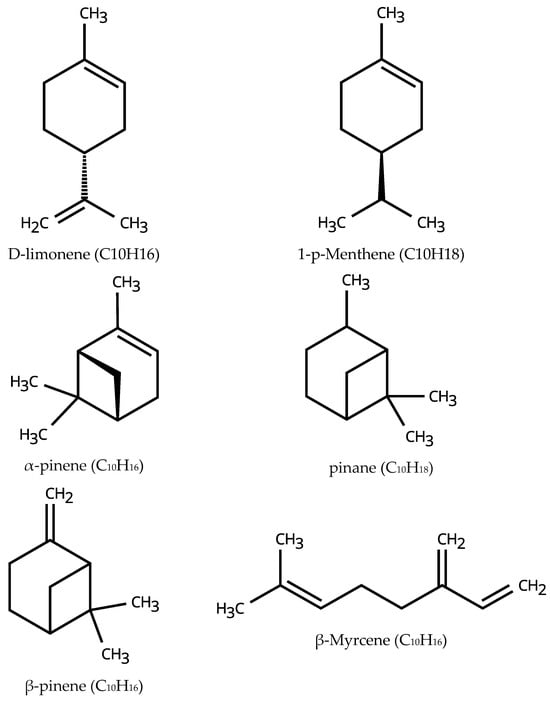
Biofuels represent a viable alternative to fossil fuels due to their lower greenhouse gas emissions, potential for large-scale production, and renewable nature. Orange oil, turpentine, and their hydrogenated derivatives have emerged as promising candidates for biofuel components. Efficient design and operation of internal
[...] Read more.
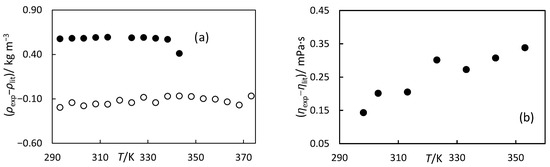
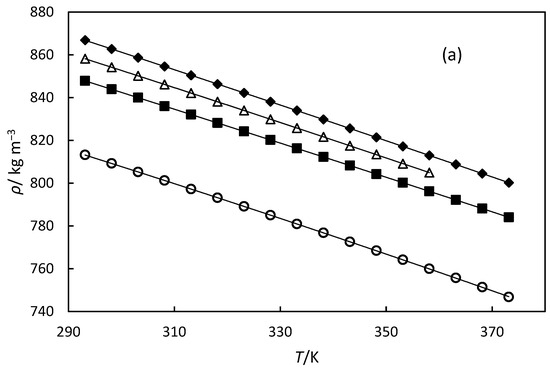
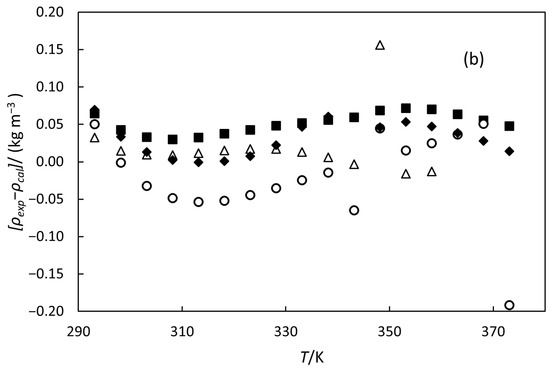
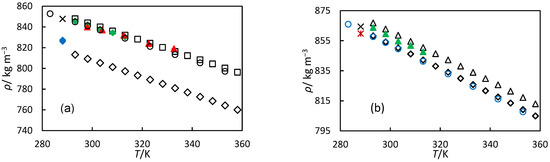
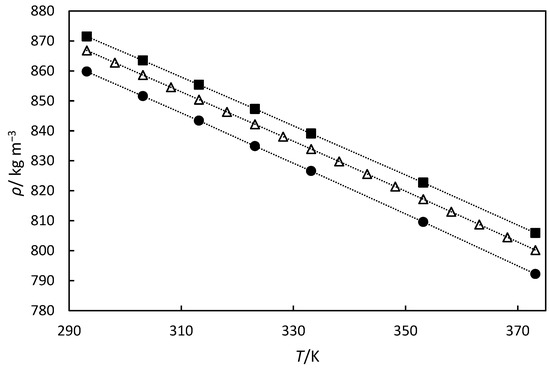
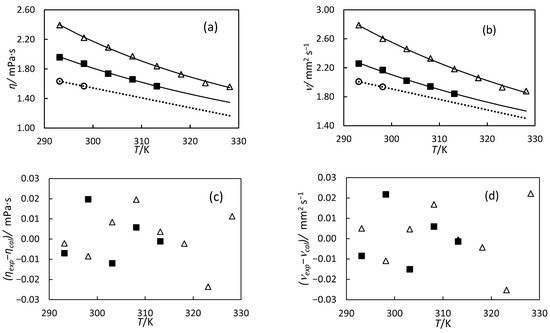
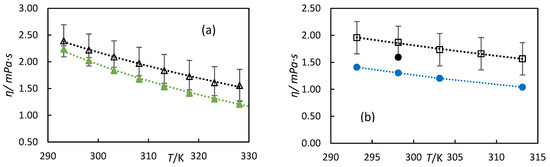
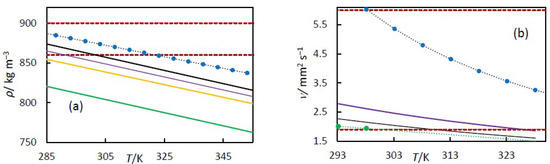
Biofuels represent a viable alternative to fossil fuels due to their lower greenhouse gas emissions, potential for large-scale production, and renewable nature. Orange oil, turpentine, and their hydrogenated derivatives have emerged as promising candidates for biofuel components. Efficient design and operation of internal combustion engines require knowledge of biofuel density and viscosity as functions of temperature; however, experimental data on these properties remain limited. In this work, the densities and viscosities of turpentine, orange oil, hydrogenated turpentine, and hydrogenated orange oil were measured at atmospheric pressure over the temperature range (293.15–373.15) K. The measurements were performed with uncertainties below 0.05 kg·m−3 for density and 0.3 mPa·s for viscosity. The experimental data were correlated as a function of temperature using a quadratic function for density and the Andrade equation for viscosity, with absolute average relative deviations of 0.01% for density and 0.5% for viscosity. For all substances, both viscosity and density decrease with increasing temperature, and they are lower than the values for biodiesel. Orange oil and turpentine exhibited higher densities but lower viscosities than their hydrogenated counterparts, which can be attributed to differences in molecular size and packing efficiency. Finally, the measured density and viscosity values are compared with the limit values specified in the European and American biodiesel standards. The analysis shows that blending these essential oils with conventional biodiesel could result in biofuel mixtures that meet both standards.
Full article

Figure 1
Open AccessArticle
Improving the Efficiencies of Copper Pyrometallurgy Through Exergy Assessment
by
Diana Marel Ruiz-Ruiz, Luis Jesús Ramírez-Ramírez, Aarón Almaraz-Gómez, Ayrton Homero Bautista-Aguilar, José Guadalupe Chacón-Nava and Gabriel Plascencia
Thermo 2025, 5(4), 58; https://doi.org/10.3390/thermo5040058 - 13 Dec 2025
Cited by 1
Abstract
To satisfy the needs of an ever-growing population, it is imperative to cope with the extended demand for copper. To do so, copper makers mostly rely on pyrometallurgical processes that are characterized by emitting hazardous gases and solid wastes, and by the fact
[...] Read more.
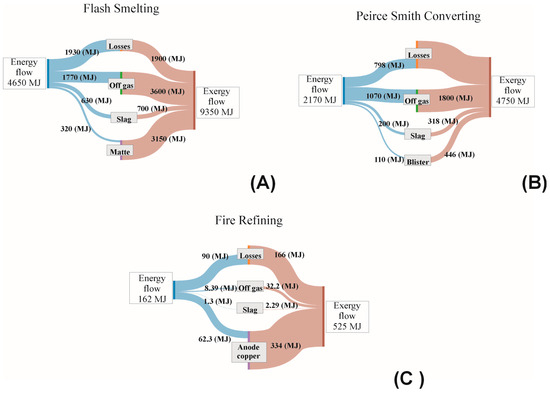
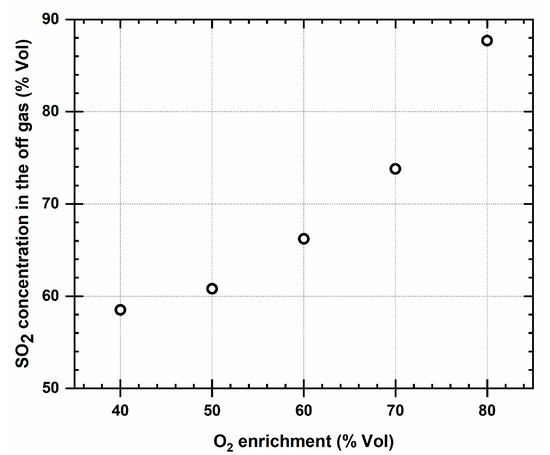
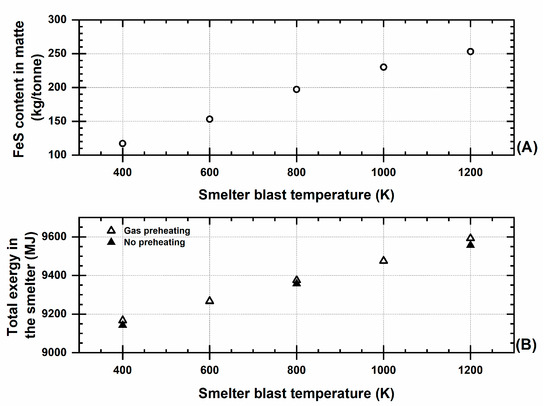
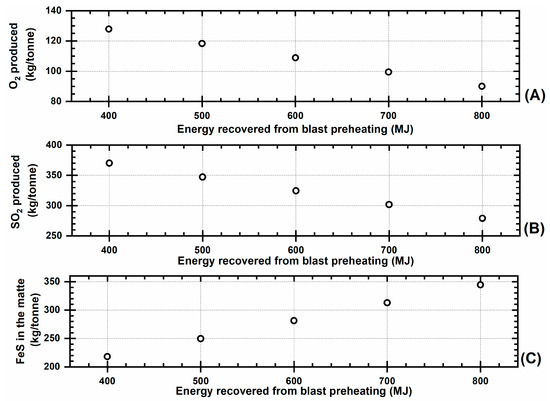
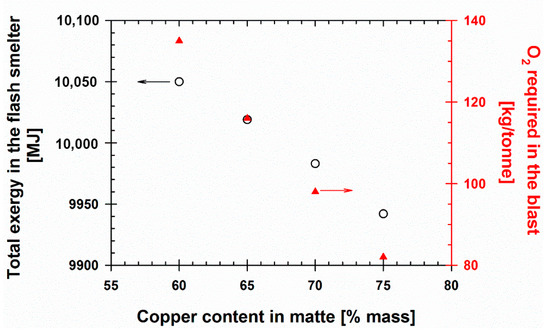
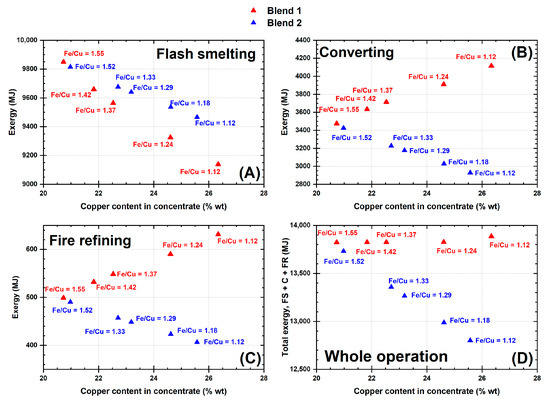
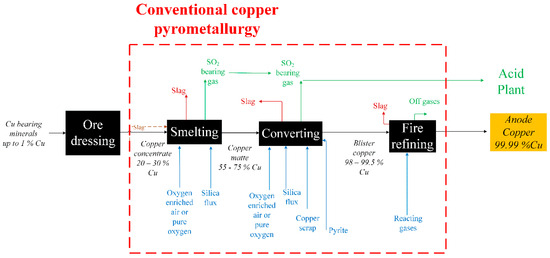
To satisfy the needs of an ever-growing population, it is imperative to cope with the extended demand for copper. To do so, copper makers mostly rely on pyrometallurgical processes that are characterized by emitting hazardous gases and solid wastes, and by the fact that these processes are energy demanding. Additionally, copper makers face the issue of processing leaner ore bodies or exploiting mineral deposits already overexploited or about to end their productivity cycle. These problems compromise the sustainable production of copper. Because of that, this study focuses on the leading technology in use to assess and identify possible solutions in order to improve the efficiency of energy usage and to decrease the amount of wastes generated in copper pyrometallurgy. To do so, reliable thermodynamic databases and Sankey diagrams were used to determine possible improvements. For example, it is determined that by increasing the mass ratio of Fe/Cu in the mineral feedstock may result in increasing the copper content in the matte, and thus reducing the exergy flows, resulting in improved energy usage. Another positive impact is that using oxygen-enriched air with higher copper concentrations could decrease SO2 emissions by nearly 25%. Among other detrimental environmental issues, they entail.
Full article
(This article belongs to the Special Issue Thermal Science and Metallurgy)
►▼
Show Figures

Figure 1
Open AccessArticle
Experimental–Numerical Investigation of Natural Convection from a Plate Fin Heat Sink with Correlation Assessment
by
Mateo Kirinčić, Tin Fadiga and Boris Delač
Thermo 2025, 5(4), 57; https://doi.org/10.3390/thermo5040057 - 5 Dec 2025
Abstract
►▼
Show Figures
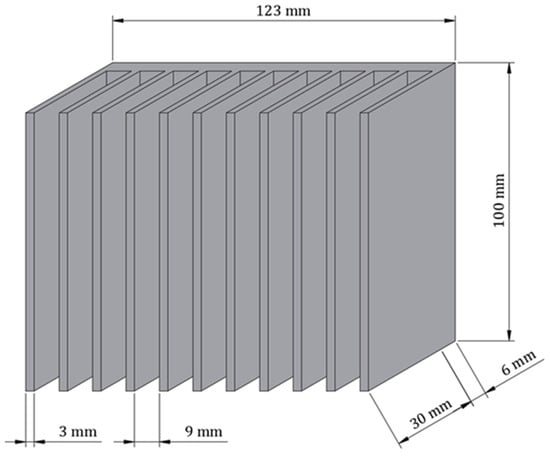
This study investigates the thermal performance of a passive vertical aluminum heat sink with plate fins through combined experimental measurements and numerical simulations. Using a custom-made experimental apparatus which used water as the heat source, heat transfer rate was determined, and heat transfer
[...] Read more.
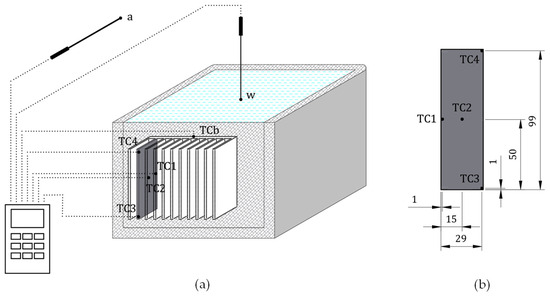
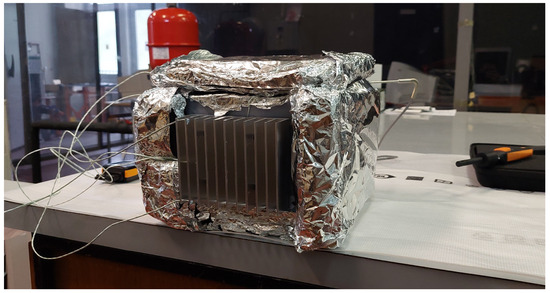
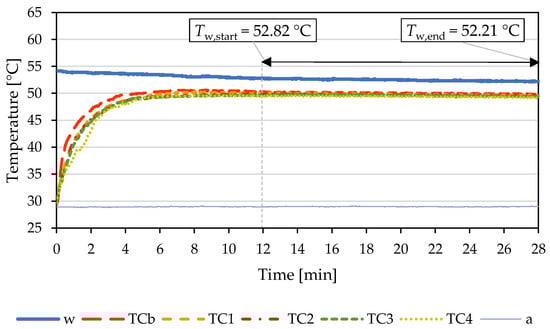
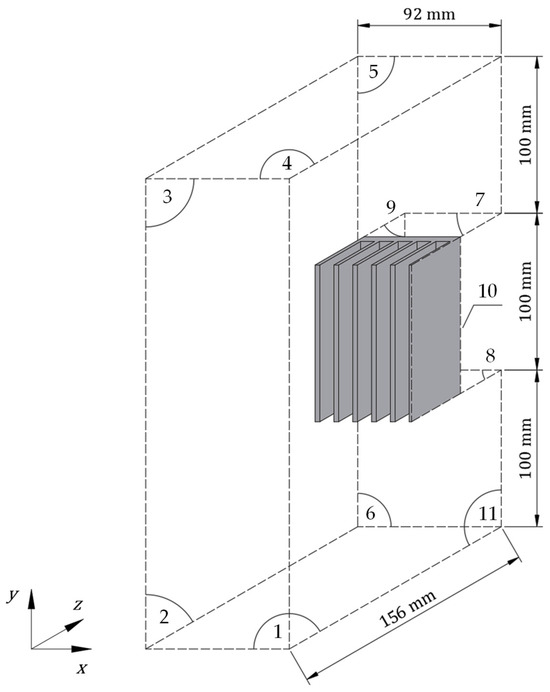
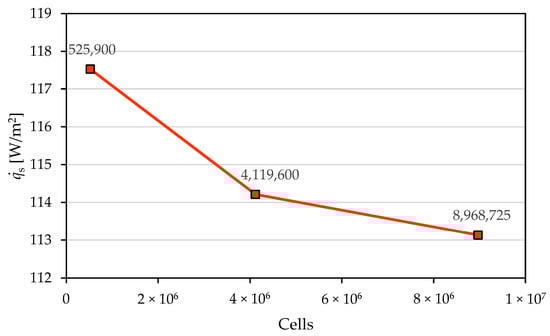
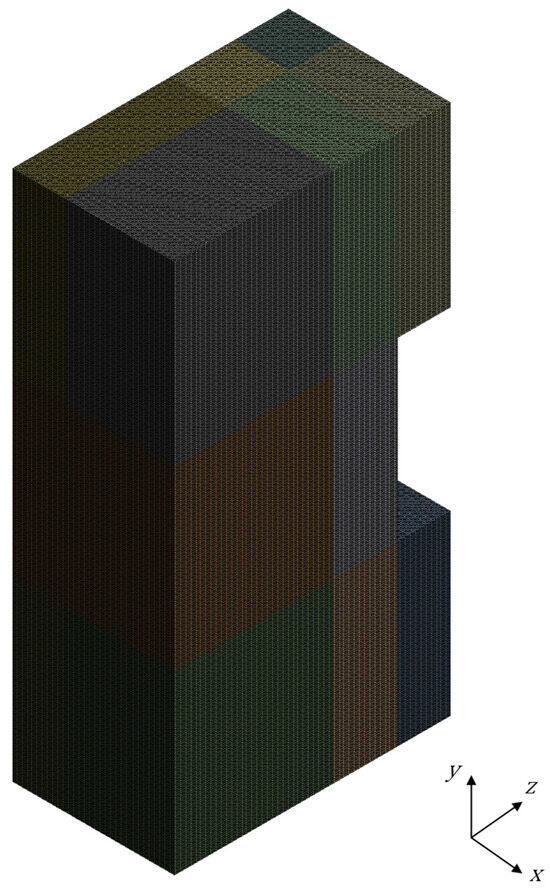
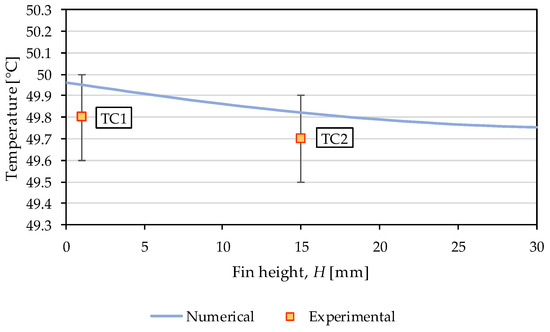
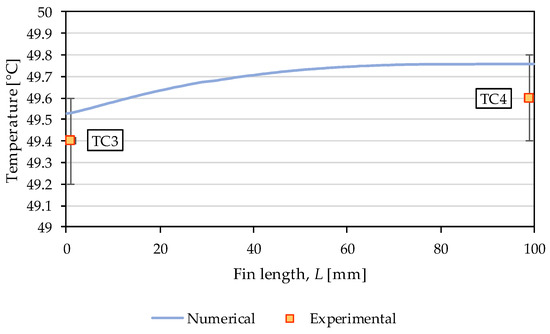
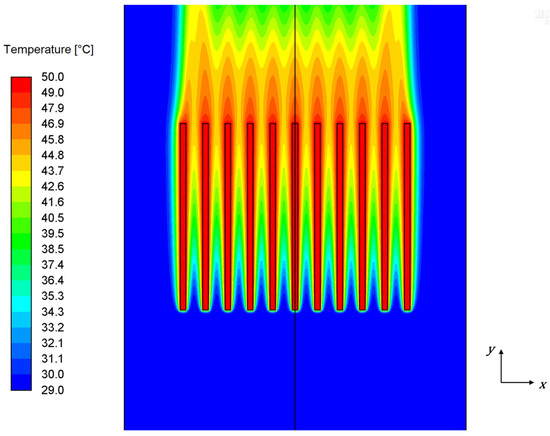
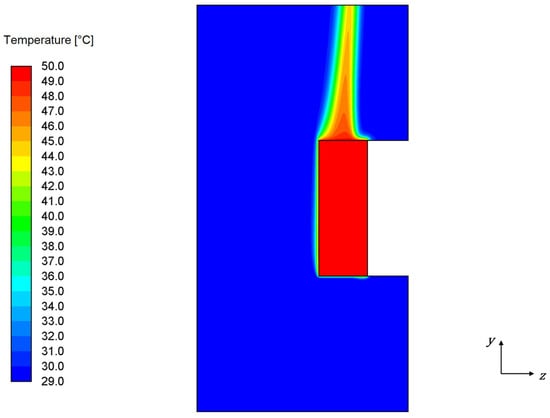
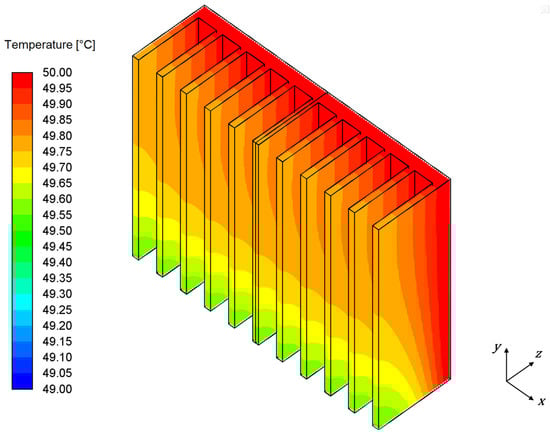
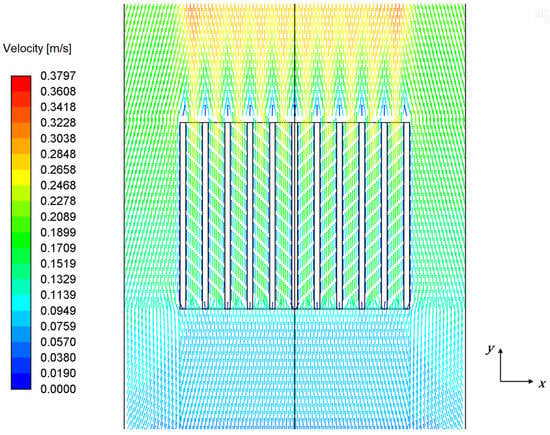
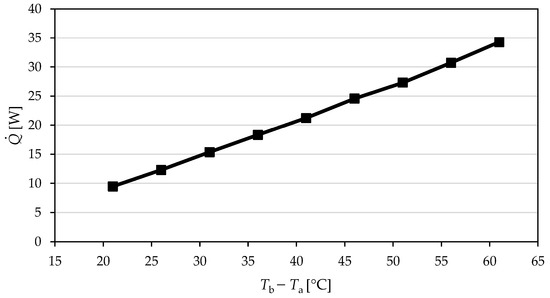
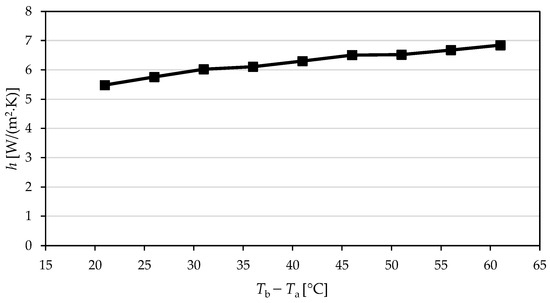
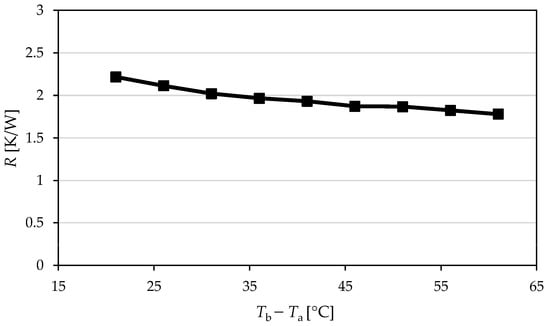
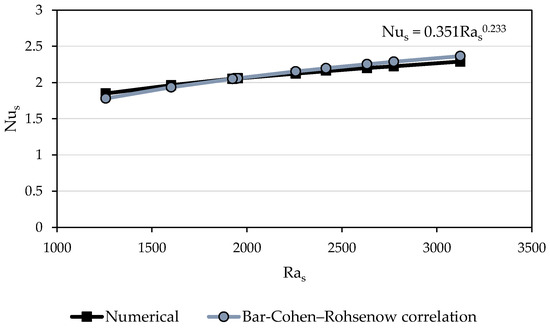
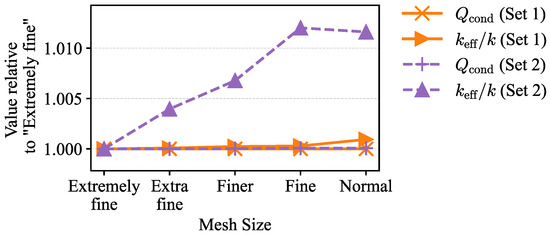
This study investigates the thermal performance of a passive vertical aluminum heat sink with plate fins through combined experimental measurements and numerical simulations. Using a custom-made experimental apparatus which used water as the heat source, heat transfer rate was determined, and heat transfer coefficient was compared against established empirical correlations, demonstrating good agreement. A 3D steady-state mathematical model was developed to capture the conjugate heat transfer problem of conduction and natural convection, with buoyancy-driven airflow modeled with the incompressible ideal gas law. The problem was solved numerically using the finite volume method through ANSYS Fluent 18.2 solver and validated against experimental data and analytical correlations, exhibiting good agreement throughout. Parametric analysis followed, investigating the influence of various base (50, 65, 80 °C) and ambient (19, 24, 29 °C) temperatures, resulting in base-to-ambient temperature differences from 21 to 61 °C. Increasing this temperature difference led to a significant increase in heat transfer rate, while heat transfer coefficient increased and overall thermal resistance decreased moderately. Additionally, a Nusselt–Rayleigh (Nu–Ra) number correlation, consistent with ranges reported in the literature, was derived, providing the scaling to predict the thermal performance of similar natural convection-governed heat sinks. The validated computational methodology, combined with obtained experimental and numerical results, presents a foundation for future studies focused on more complex heat sink geometries and physics.
Full article

Figure 1
Open AccessArticle
Dynamic Vapor Sorption (DVS) Analysis of the Thermo-Hygroscopic Behavior of Arthrospira platensis Under Varying Environmental Conditions
by
Thouraya Ghnimi, Lamine Hassini and Mohamed Bagane
Thermo 2025, 5(4), 56; https://doi.org/10.3390/thermo5040056 - 2 Dec 2025
Abstract
►▼
Show Figures
This paper presents a new study and analysis of the thermo-hygroscopic behavior of Arthrospira platensis using dynamic vapor sorption (DVS) system. Thermo-hygroscopic characterization is essential for optimizing the drying process and enhancing storage conditions. Therefore, the objective of this work was to investigate
[...] Read more.
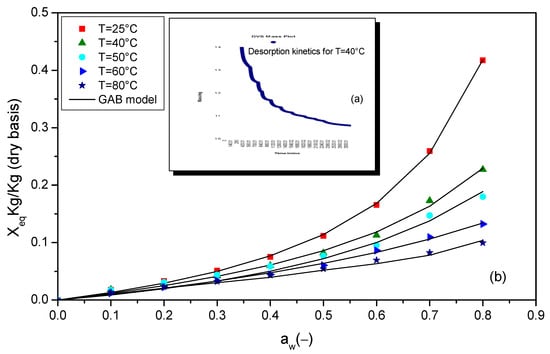
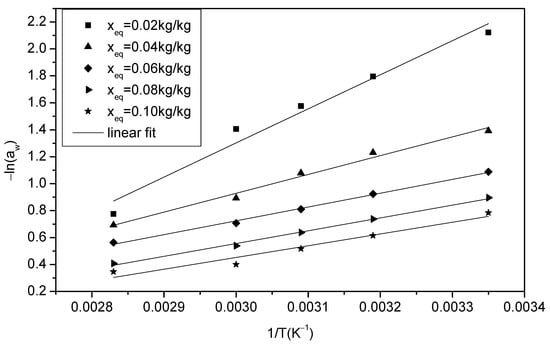
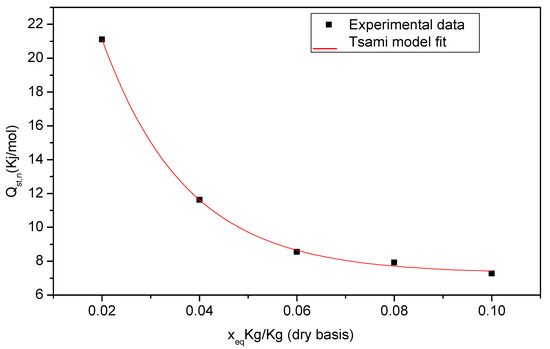
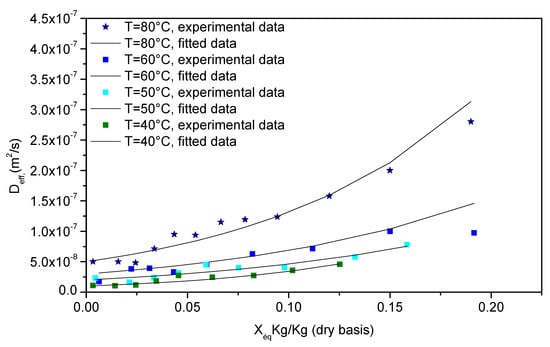
This paper presents a new study and analysis of the thermo-hygroscopic behavior of Arthrospira platensis using dynamic vapor sorption (DVS) system. Thermo-hygroscopic characterization is essential for optimizing the drying process and enhancing storage conditions. Therefore, the objective of this work was to investigate the thermo-hygroscopic properties of Arthrospira (Spirulina) platensis using a dynamic vapor sorption (DVS) system. This thermo-hygroscopic analysis focused on three fundamental parameters, namely: the desorption isotherms, the net isosteric heat of water desorption, and the moisture diffusivity. Desorption isotherms were measured at five different temperatures (25 °C, 40 °C, 50 °C, 60 °C and 80 °C) over a relative humidity range of 10–80%. The desorption isotherm data were fitted to five semi-empirical models: GAB, Oswin, Smith, Henderson, and Peleg. The results indicated that the GAB model provided the best fit for the experimental data. The net isosteric heat of desorption was determined using the Clausius–Clapeyron relation. It decreased from 21.3 to 4.29 KJ/mol as the equilibrium moisture content increased from 0.02 to 0.1 Kg/Kg (dry basis). Additionally, the moisture diffusivity of Arthrospira platensis was estimated based on Fick’s second law of diffusion and the desorption kinetics obtained from the DVS equipment. This parameter varied between 1.04 10−8 m2/s and 1.46 10−7 m2/s for average moisture contents ranging from 0.003 Kg/Kg to 0.191 Kg/Kg (dry basis). Furthermore, the activation energy for desorption was estimated to be approximately 33.7 KJ/mol.
Full article

Figure 1
Open AccessArticle
Mesoscale Insights into Convective Heat Transfer in Concentric Cylinder Systems
by
Thorstein Wang, Zhiliang Zhang and Jianying He
Thermo 2025, 5(4), 55; https://doi.org/10.3390/thermo5040055 - 24 Nov 2025
Abstract
►▼
Show Figures
As devices and systems shrink in size, understanding heat transfer at the mesoscopic scale becomes increasingly critical for the design of efficient thermal management strategies. This study investigates convective heat transfer in concentric cylinders, a geometry which is relevant to small-scale technologies. Finite
[...] Read more.
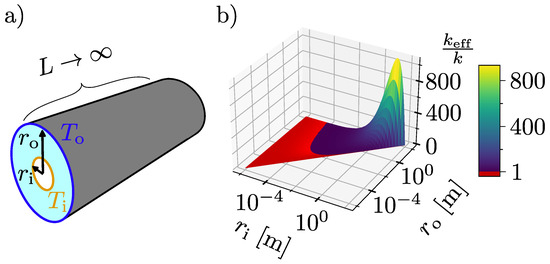
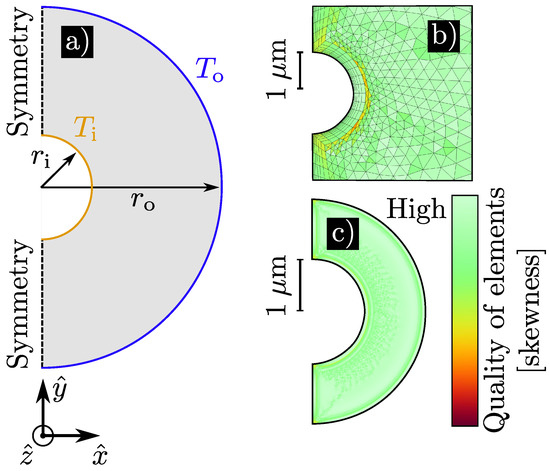
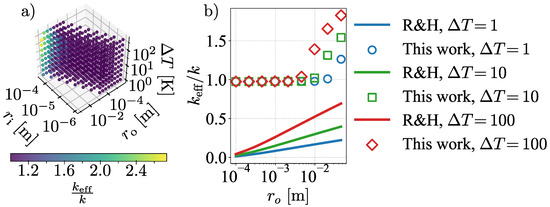
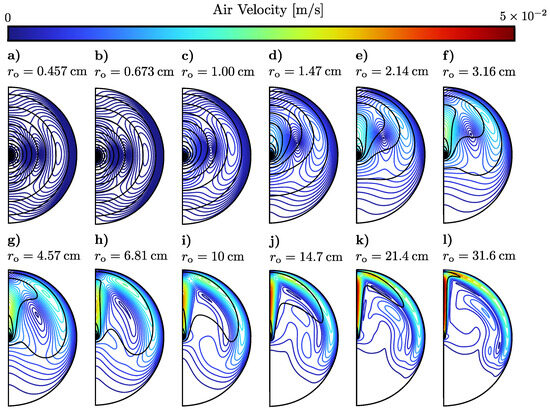
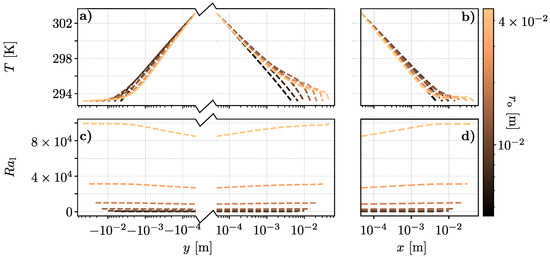
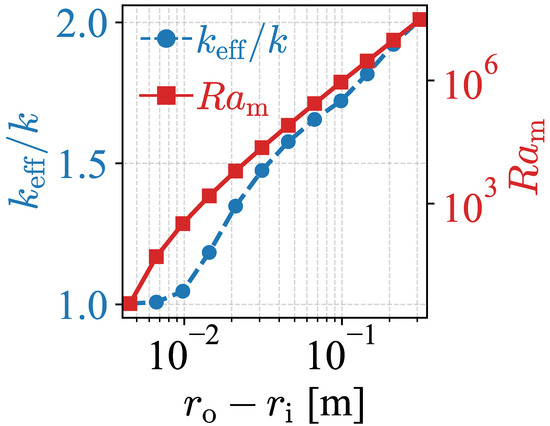
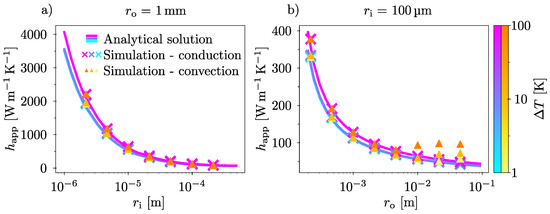
As devices and systems shrink in size, understanding heat transfer at the mesoscopic scale becomes increasingly critical for the design of efficient thermal management strategies. This study investigates convective heat transfer in concentric cylinders, a geometry which is relevant to small-scale technologies. Finite elements simulation are used to examine the influence of geometry and temperature on effective thermal conductivity, and on a parameter introduced as the apparent heat transfer coefficient. It is found that the effective thermal conductivity goes above unity for inner and outer radii at the millimeter scale, which is smaller than that predicted by the available analytical studies. This deviation is attributed to the fact that finite element simulations capture the behavior of temperature boundary layers more accurately at small scales than these analytical models. These insights aid in identifying conditions in which convection can be ignored, significantly simplifying thermal simulations. This work also reveals that at the mesoscale, the ratio between outer and inner radius for which a cylinder can be considered free-standing is much larger than at the macroscale. This highlights the importance of taking the surrounding surfaces into consideration when performing experiments on the heat transfer properties of mesoscale cylinders such as wires.
Full article

Figure 1
Open AccessArticle
Structural Design and Optimization of Knitted Heaters for Optimized Heat Distribution
by
Beyza Bozali, Sepideh Ghodrat and Kaspar M. B. Jansen
Thermo 2025, 5(4), 54; https://doi.org/10.3390/thermo5040054 - 19 Nov 2025
Abstract
►▼
Show Figures
Knitted heaters have attracted significant interest due to their flexibility and ease of integration into smart textile applications. However, uneven heat distribution remains a major challenge, leading to comfort issues and inefficient energy usage. This study presents an analytical, physics-based model that links
[...] Read more.
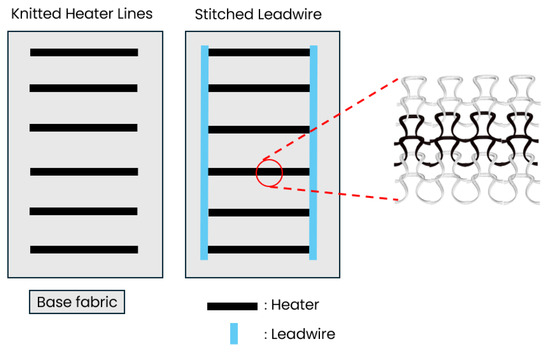
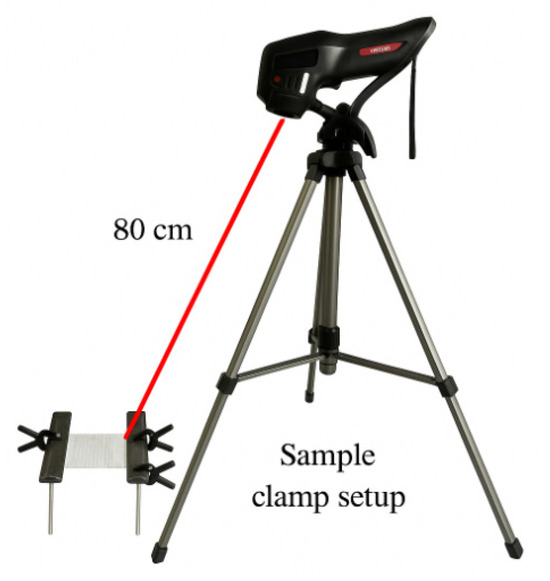
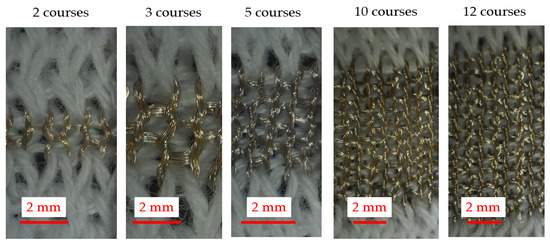
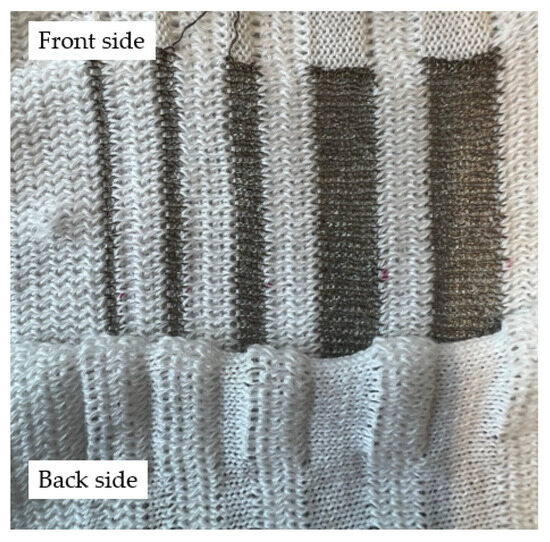
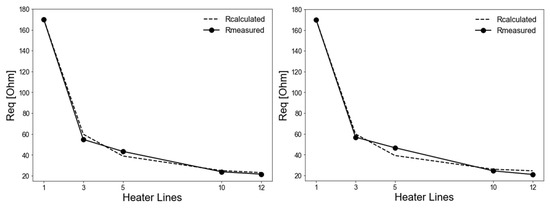
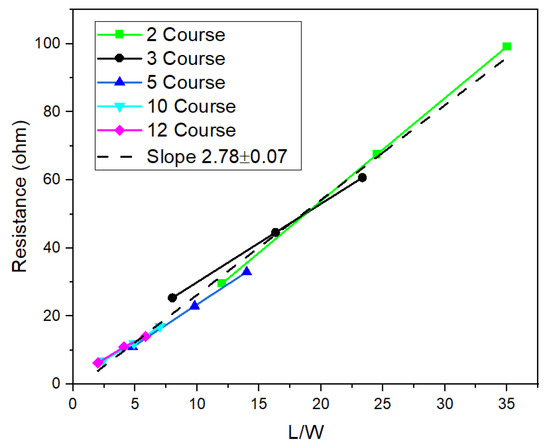
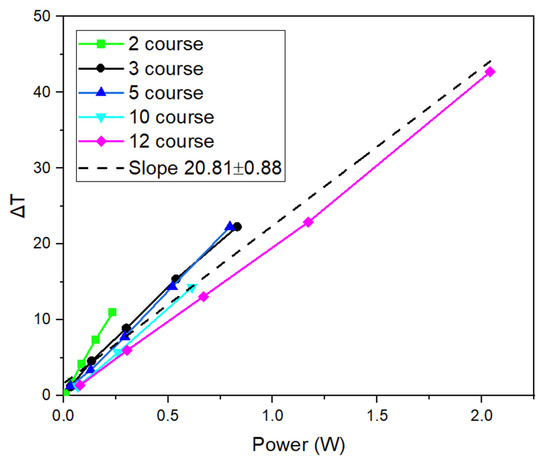
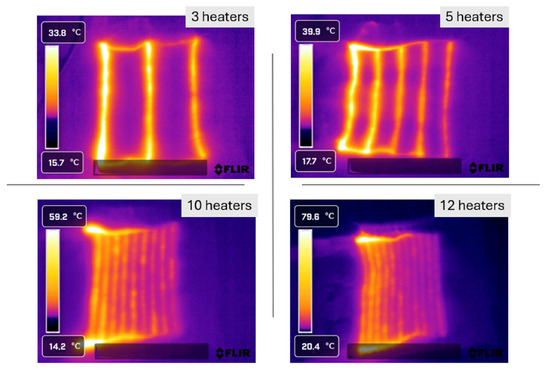
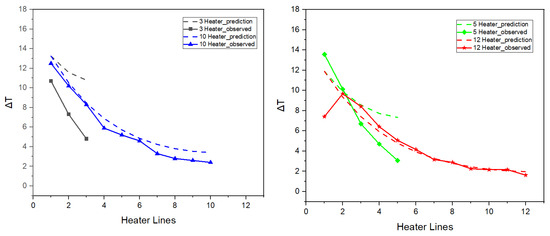
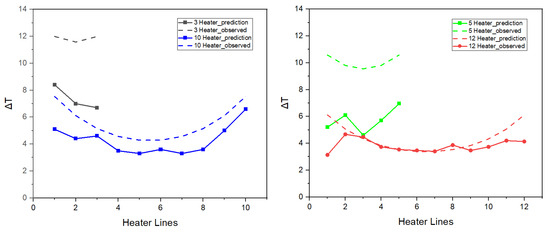
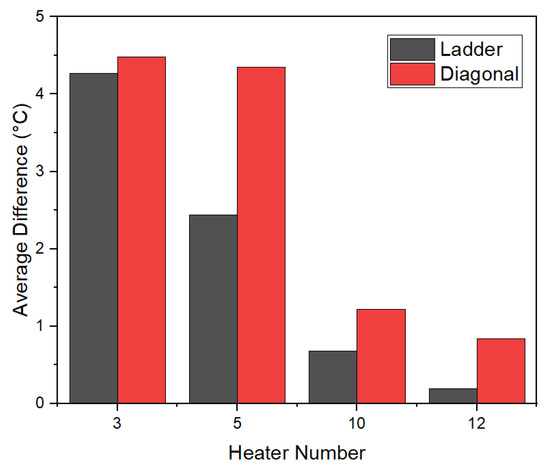
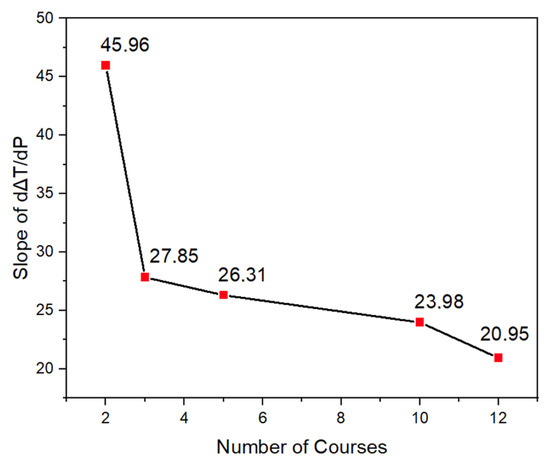
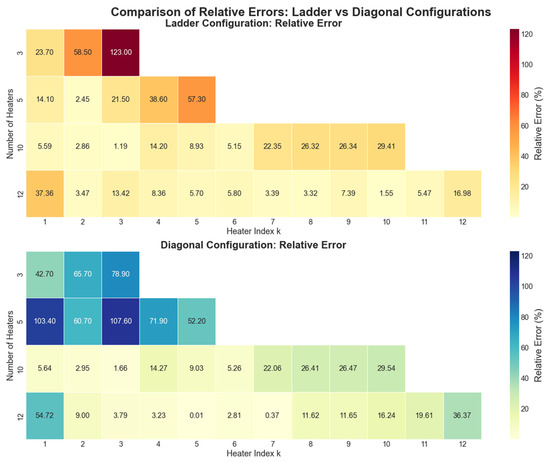
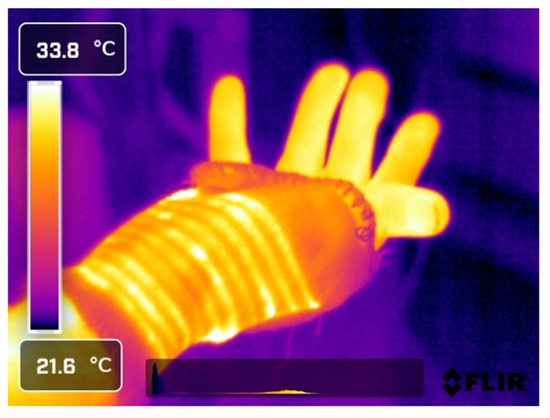
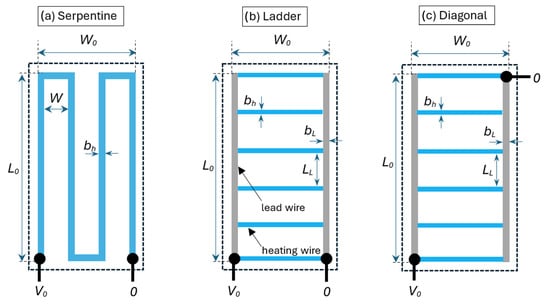
Knitted heaters have attracted significant interest due to their flexibility and ease of integration into smart textile applications. However, uneven heat distribution remains a major challenge, leading to comfort issues and inefficient energy usage. This study presents an analytical, physics-based model that links the resistance, power distribution, and surface temperature of knitted heaters to key design parameters such as size, configuration, material properties, and knitting structure to establish guidelines for achieving a desired temperature rise over a specified surface area. The model was validated experimentally across a range of heaters (3–12 lines) arranged in ladder and diagonal configurations. Results showed good agreement between predictions and measurements for higher line counts (10–12), while larger deviations occurred in smaller heaters (3–5 lines) due to contact resistance and current losses. A prototype knitted wristband demonstrated physiologically relevant heating (>33 °C) under safe, low-voltage operation. These findings provide a quantitative design framework for optimizing knitted heaters and highlight their potential for scalable integration into wearable and therapeutic applications.
Full article

Figure 1
Open AccessArticle
Optimization of the Performance of Double-Skin Façades Across Six Climates: Effects of Orientation, Blinds, and Overhangs on Energy Efficiency and Carbon Emissions
by
Niloufar Ziasistani, Andrés Meana-Fernández and Antonio José Gutiérrez-Trashorras
Thermo 2025, 5(4), 53; https://doi.org/10.3390/thermo5040053 - 13 Nov 2025
Abstract
►▼
Show Figures
The building sector accounts for nearly 40% of global energy consumption and over one-third of energy-related carbon emissions. Therefore, it is vital to adopt low-carbon design strategies. Double-Skin Façades (DSFs) offer significant potential to improve energy efficiency through the dynamic control of heat
[...] Read more.
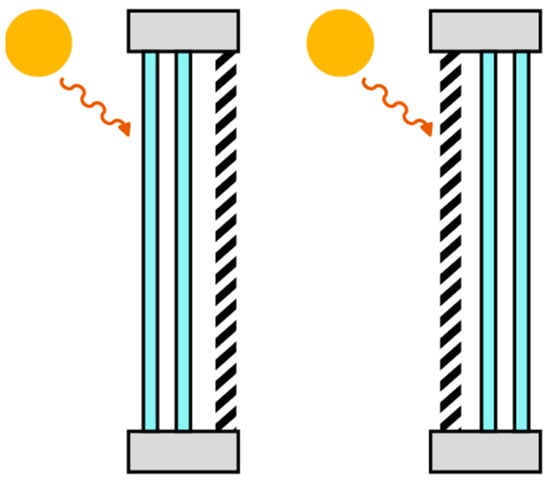
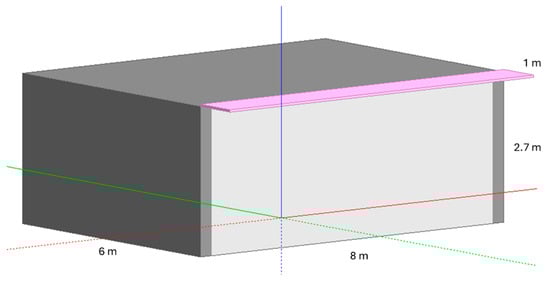
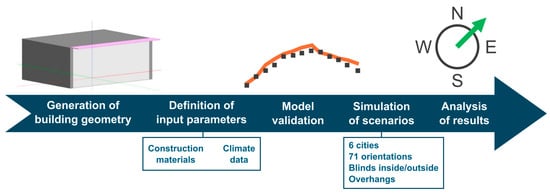
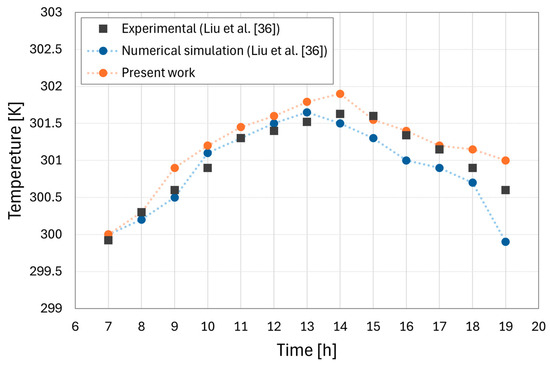
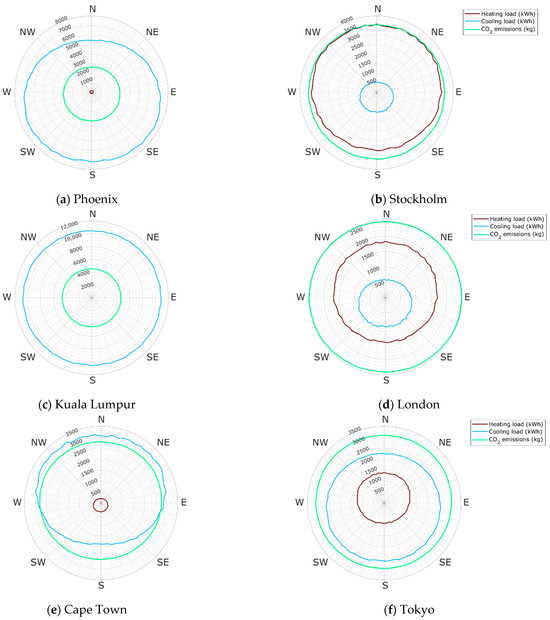
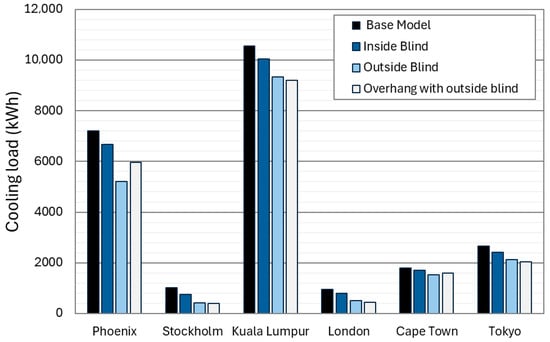
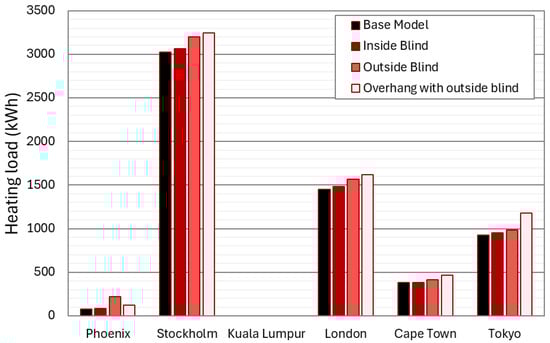
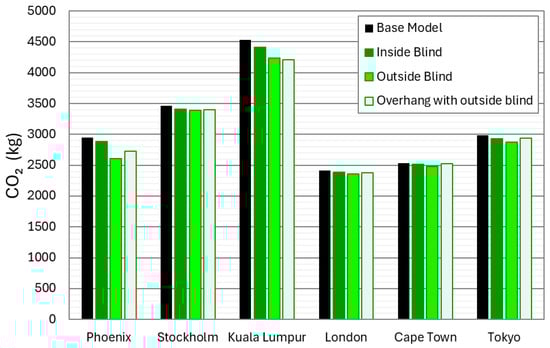
The building sector accounts for nearly 40% of global energy consumption and over one-third of energy-related carbon emissions. Therefore, it is vital to adopt low-carbon design strategies. Double-Skin Façades (DSFs) offer significant potential to improve energy efficiency through the dynamic control of heat and daylight. This study evaluates the combined effects of building orientation, fixed shading devices, and adjustable blinds on the performance of DSFs across six cities representing diverse climate types: Phoenix, Stockholm, Kuala Lumpur, London, Cape Town, and Tokyo. Using a model developed in DesignBuilder, 852 scenarios were simulated with 5-min time steps over a full year. The results show that optimal orientation depends on the climate and that cooling load may be reduced up to 59%, with CO2 emission savings up to 11.7% compared to a base south-facing configuration. External blinds outperformed internal blinds in reducing the cooling demand, reaching reductions of up to 27.7% in hot climates, though often increasing the heating load in cold climates. Combining overhangs and external blinds provided additional cooling savings in some cases but was generally less effective than external blinds alone. The findings highlight the importance of climate-specific DSF designs, with orientation and external blinds being the most effective strategies for reducing operational energy use and emissions.
Full article

Figure 1
Open AccessArticle
Advancing Sustainable Refrigeration: In-Depth Analysis and Application of Air Cycle Technologies
by
Lorenz Hammerschmidt, Zlatko Raonic and Michael Tielsch
Thermo 2025, 5(4), 52; https://doi.org/10.3390/thermo5040052 - 12 Nov 2025
Abstract
►▼
Show Figures
Air cycle systems, once largely replaced by vapour-compression technologies due to efficiency concerns, are now re-emerging as a viable and sustainable alternative for highly dynamic thermal applications and excel in ultra-low temperature. By using air as the working fluid, these systems eliminate the
[...] Read more.
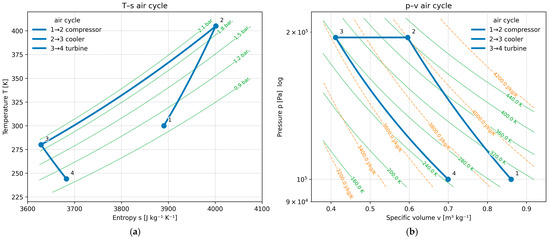
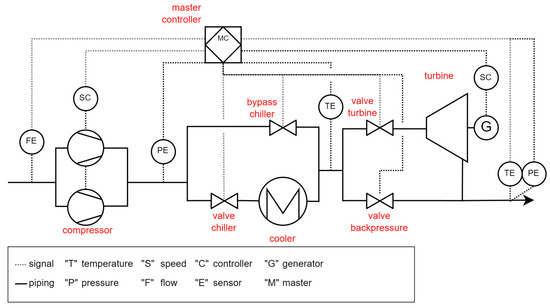
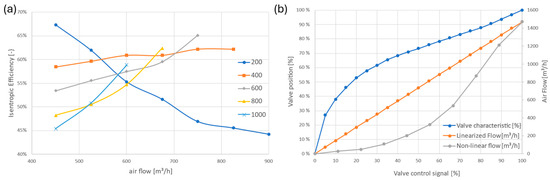
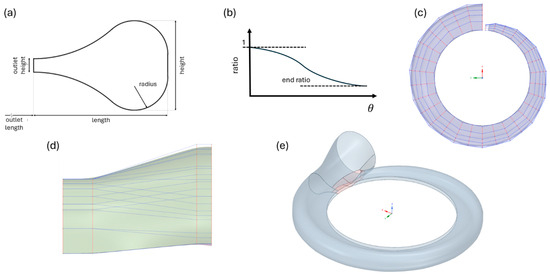
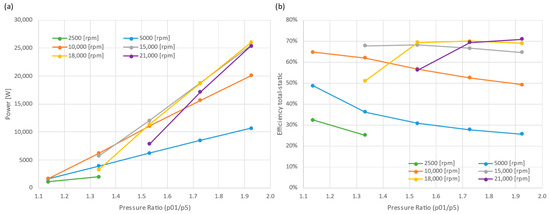
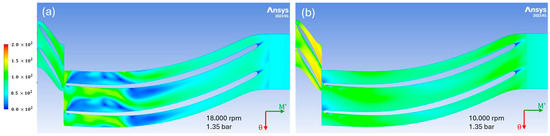
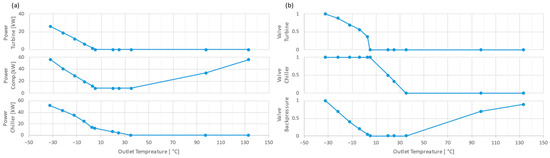
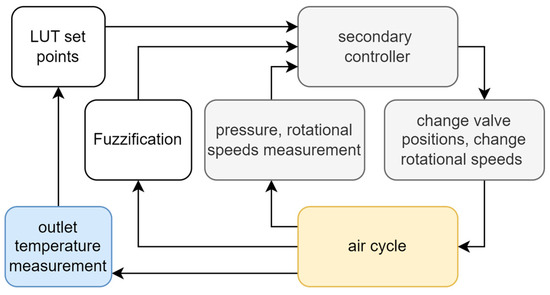
Air cycle systems, once largely replaced by vapour-compression technologies due to efficiency concerns, are now re-emerging as a viable and sustainable alternative for highly dynamic thermal applications and excel in ultra-low temperature. By using air as the working fluid, these systems eliminate the need for synthetic refrigerants and comply naturally with evolving environmental regulations. This study presents the conceptual design and simulation-based analysis of a novel air cycle machine developed for advanced automotive testing environments. The system is intended to replicate a wide range of climatic conditions—from deep winter to peak summer—through the use of fast-responding turbomachinery and a flexible control strategy. A central focus is placed on the radial turbine, which is designed and evaluated using a modular, open source framework that integrates geometry generation, off-design CFD simulation, and performance mapping. The study outlines a potential operating strategy based on these simulations and discusses a control architecture combining lookup tables with zone-specific PID tuning. While the results are theoretical, they demonstrate the feasibility and flexibility of the proposed approach, particularly the turbine’s role within the system.
Full article

Figure 1
Open AccessArticle
Thermodynamics and Nonlocality in Continuum Physics
by
Claudio Giorgi and Angelo Morro
Thermo 2025, 5(4), 51; https://doi.org/10.3390/thermo5040051 - 9 Nov 2025
Cited by 1
Abstract
This paper is devoted to the modelling of nonlocality in continuum physics through constitutive functions that depend on suitable gradients. For definiteness, the attention is addressed to elastic solids, heat conductors, and magnetic solids. Models are developed where both the requirements of the
[...] Read more.
This paper is devoted to the modelling of nonlocality in continuum physics through constitutive functions that depend on suitable gradients. For definiteness, the attention is addressed to elastic solids, heat conductors, and magnetic solids. Models are developed where both the requirements of the second law of thermodynamics and the balance equations are satisfied for the constitutive functions that involve gradients of strain, temperature, heat flux, and magnetization. Concerning elastic and magnetic solids, it is shown that, depending on the chosen variables, the standard symmetry property of the stress holds identically. The models so developed are free from any hyperstress tensor frequently considered in the literature.
Full article
Highly Accessed Articles
Latest Books
E-Mail Alert
News
Topics
Topic in
Applied Sciences, Clean Technol., Energies, Sustainability, Thermo, Solar, Batteries, ESA
Clean Energy Technologies and Assessment, 2nd Edition
Topic Editors: Francesco Calise, Maria Vicidomini, Rafał Figaj, Francesco Liberato CappielloDeadline: 31 December 2026
Topic in
Buildings, Energies, Solar, Sustainability, Processes, Thermo
Advances in Solar Heating and Cooling, 2nd Edition
Topic Editors: Salvatore Vasta, Uli Jakob, Sotirios Karellas, Marina BonomoloDeadline: 31 March 2027
Conferences
Special Issues
Special Issue in
Thermo
Selected Papers from International Meet & Expo on Fluid Mechanics and Thermodynamics
Guest Editor: Marcello IasielloDeadline: 28 February 2026
Special Issue in
Thermo
Innovations in Thermographic Techniques for Diagnostics and Monitoring: Quantitative Methods, AI, and Real-Time Applications
Guest Editors: Luca Santoro, Michele QuercioDeadline: 31 March 2026
Special Issue in
Thermo
Heat and Mass Transfer in Nanoporous Media
Guest Editors: Sheng Xu, Johan JacqueminDeadline: 31 March 2026
Special Issue in
Thermo
Design, Simulation and Optimization of Bio-Inspired Thermal Systems
Guest Editors: Andrea Fragnito, Marcello Iasiello, Gerardo Maria MauroDeadline: 1 April 2026