
Topical Advisory Panel applications are now closed. Please contact the Editorial Office with any queries.
-
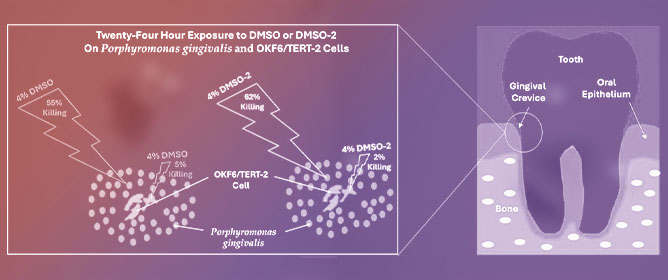
Comparative Antimicrobial Effects of Dimethylsulfoxide and Dimethylsulfone on the Planktonic Growth and Viability of Porphyromonas gingivalis and Their Cytotoxic Effects on Human Oral Epithelial Cells -
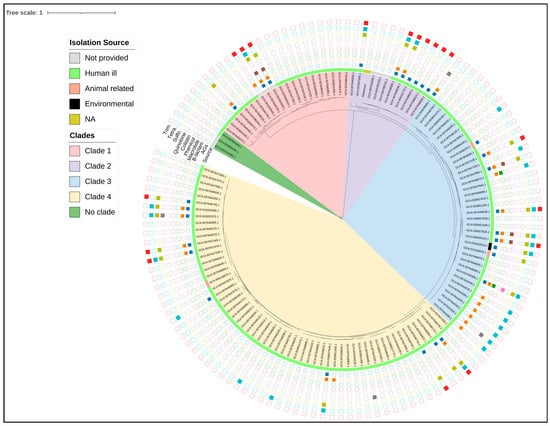
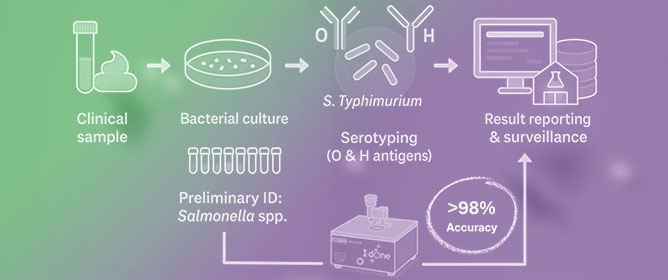
Machine Learning-Powered ATR-FTIR Spectroscopic Clinical Evaluation for Rapid Typing of Salmonella enterica O-Serogroups and Salmonella Typhi -
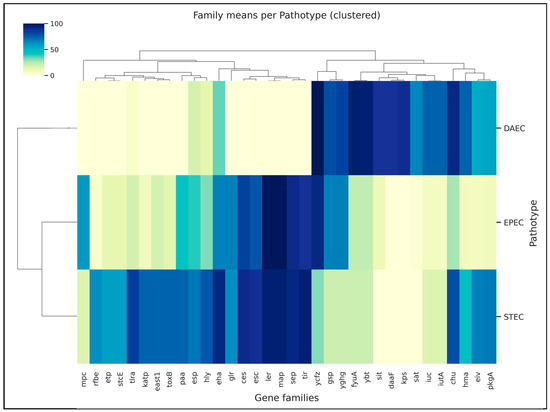
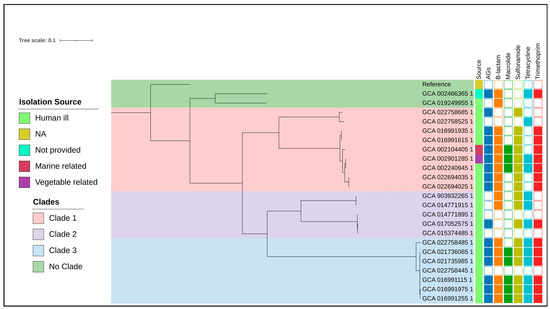
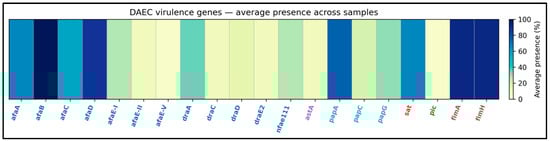
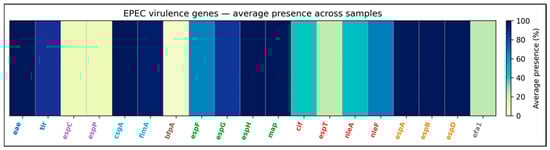
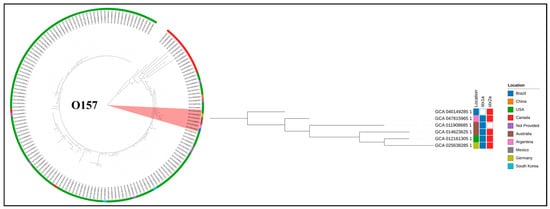
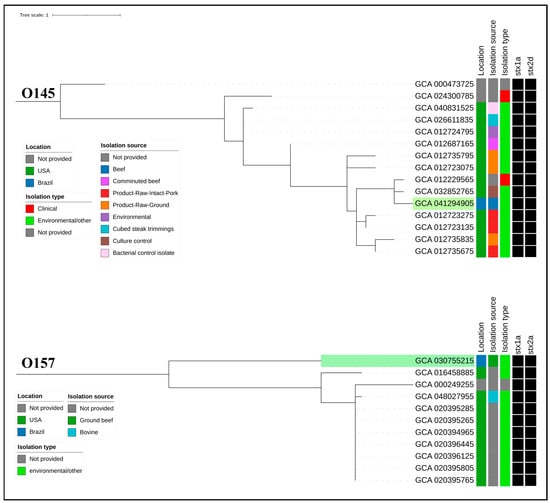
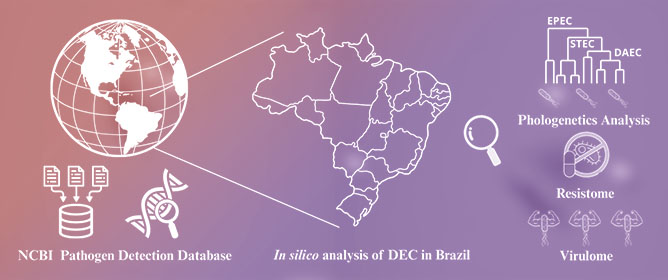
Genomic Mapping of Brazilian Escherichia coli: Characterizing Shiga Toxin-Producing, Enteropathogenic, and Diffusely Adherent Strains Using an In Silico Approach -
Beyond Genes: Non-Canonical Mechanisms Driving Antimicrobial Resistance in Bacteria
Journal Description
Bacteria
Bacteria
is an international, peer-reviewed, open access journal on bacteriology published quarterly online by MDPI.
- Open Access— free for readers, with article processing charges (APC) paid by authors or their institutions.
- High Visibility: indexed within Scopus and other databases.
- Journal Rank: CiteScore - Q2 (Immunology and Microbiology (miscellaneous))
- Rapid Publication: manuscripts are peer-reviewed and a first decision is provided to authors approximately 27.4 days after submission; acceptance to publication is undertaken in 5.4 days (median values for papers published in this journal in the second half of 2025).
- Recognition of Reviewers: APC discount vouchers, optional signed peer review, and reviewer names published annually in the journal.
- Bacteria is a companion journal of Pathogens and Microorganisms.
Latest Articles
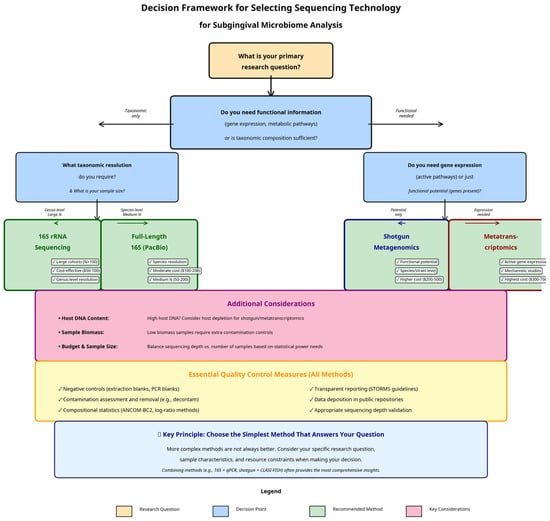
Advanced Sequencing Approaches for the Subgingival Microbiome: Technology Selection, Quality Control, and Best Practices in Periodontal Research
Bacteria 2026, 5(1), 11; https://doi.org/10.3390/bacteria5010011 - 9 Feb 2026
Abstract
Sequencing technologies have reshaped the study of the subgingival microbiome, but selecting the appropriate method remains challenging because of differences in resolution, cost, host DNA contamination, and computational complexity. This review compares 16S rRNA sequencing, full-length 16S, shotgun metagenomics, and metatranscriptomics with respect
[...] Read more.
Sequencing technologies have reshaped the study of the subgingival microbiome, but selecting the appropriate method remains challenging because of differences in resolution, cost, host DNA contamination, and computational complexity. This review compares 16S rRNA sequencing, full-length 16S, shotgun metagenomics, and metatranscriptomics with respect to taxonomic resolution, functional output, sample requirements, and analytical limitations. Key practical issues, including low microbial biomass, contamination control, and the choice of appropriate bioinformatic tools, are emphasized to help researchers avoid common pitfalls. A decision-making framework is provided to link study goals to suitable sequencing methods while outlining realistic budget and sample-handling constraints. The review concludes with recommendations for integrating sequencing with complementary techniques to improve the accuracy, reproducibility, and clinical relevance of periodontal microbiome studies.
Full article
(This article belongs to the Special Issue Bacterial Molecular Biology: Stress Responses and Adaptation)
►
Show Figures
Open AccessArticle
Phenotypic and Molecular Characterization of Carbapenem-Resistant Escherichia coli Isolated from Retail Meats in Hat Yai, Thailand
by
Arnon Chukamnerd, Woralop Modleahman, Pattamarat Rattanachuay, Rattanaruji Pomwised and Pharanai Sukhumungoon
Bacteria 2026, 5(1), 10; https://doi.org/10.3390/bacteria5010010 - 9 Feb 2026
Abstract
(1) Background: Carbapenem-resistant Escherichia coli (CREC) is widespread and resistant to almost all available antimicrobial agents. In this study, we aimed to assess the phenotypic and molecular characteristics of CREC isolated from retail meats in Hat Yai, Songkhla, Thailand. (2) Methods: A total
[...] Read more.
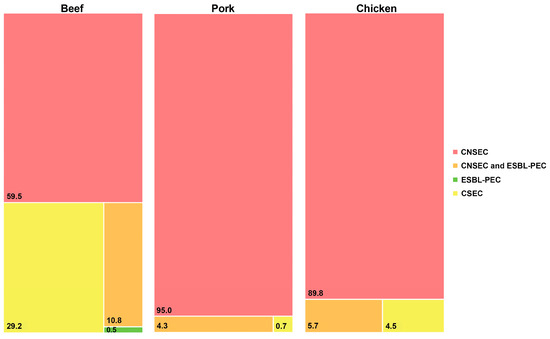
(1) Background: Carbapenem-resistant Escherichia coli (CREC) is widespread and resistant to almost all available antimicrobial agents. In this study, we aimed to assess the phenotypic and molecular characteristics of CREC isolated from retail meats in Hat Yai, Songkhla, Thailand. (2) Methods: A total of 155 retail meat samples were randomly collected, and 412 presumptive carbapenem-non-susceptible isolates were screened via culturing on imipenem-containing eosin methylene blue (EMB) agar. Susceptibility to imipenem and meropenem was tested using the disk diffusion method, and carbapenemase and virulence genes in CREC isolates were detected using PCR. Phylogenetic groups and genetic relatedness of carbapenemase-positive CREC isolates were analyzed using gene markers and BOX-PCR, respectively. (3) Results: The results revealed a high prevalence of presumptive carbapenem-non-susceptible E. coli (CNSEC) isolates in beef samples. Over 89% of the CNSEC isolates from all meat types were identified as CREC. Of these, only 4.8% of the isolates from beef samples were positive for the blaNDM gene, and one was also positive for the blaVIM gene. These isolates carried only the fimH gene as a virulence factor. The blaNDM-positive CREC isolates were classified in phylogenetic Group D. (4) Conclusions: Identifying antimicrobial-resistant pathogens, particularly CREC, in food-producing animals is critical due to potential risks to public health.
Full article
(This article belongs to the Topic Multidrug Resistance Across Pathogens: Fungi, Bacteria, Parasites, and Viruses)
►▼
Show Figures

Figure 1

Open AccessReview
Antibiotic Resistance and Virulence Mechanisms in Klebsiella pneumoniae: Understanding for Better Interventions
by
Assefa Asnakew Abebe, Alemayehu Godana Birhanu and Tesfaye Sisay Tessema
Bacteria 2026, 5(1), 9; https://doi.org/10.3390/bacteria5010009 - 2 Feb 2026
Abstract
►▼
Show Figures
Klebsiella pneumoniae is a prominent pathogen implicated in a wide range of infections, including pneumonia, urinary tract infections, and septicemia. Its ability to acquire and disseminate antibiotic resistance, coupled with the rising prevalence of hypervirulent strains, represents a significant public health threat. Understanding
[...] Read more.
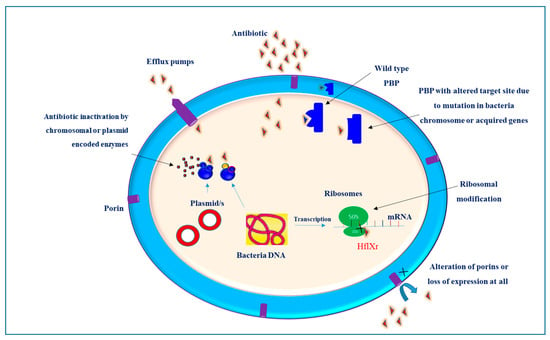
Klebsiella pneumoniae is a prominent pathogen implicated in a wide range of infections, including pneumonia, urinary tract infections, and septicemia. Its ability to acquire and disseminate antibiotic resistance, coupled with the rising prevalence of hypervirulent strains, represents a significant public health threat. Understanding the molecular basis of drug resistance can guide the design and development of effective treatment strategies. Antimicrobial resistance (AMR) in these bacteria is a complicated process and cannot be attributed to a single resistance mechanism. K. pneumoniae develops resistance to antibiotics through a variety of mechanisms, ranging from single molecular mechanisms to complex interactions, where molecular synergy exacerbates resistance. This review summarizes the current understanding of the molecular mechanisms that contribute to the drug resistance and virulence of this pathogen. Key antibiotic resistance mechanisms include drug inactivation via B-lactamases and carbapenemases, membrane remodeling, efflux pump systems, such as AcrAB-TolC and OqxAB, and biofilm formation facilitated by quorum sensing. Additionally, the role of ribosomal changes in resistance is highlighted. This review also examines the mechanisms of virulence, emphasizing fimbriae, iron acquisition systems, and immune evasion strategies. Understanding these mechanisms of drug resistance and virulence is crucial for remodeling existing antibiotics and developing new therapeutic strategies.
Full article

Figure 1
Open AccessArticle
Prevalence, Determinants, and Temporal Dynamics of Multidrug-Resistant Gram-Negative Bacilli in Urinary Tract Infection Patients from Central Portugal (2018–2022)
by
Muhammad Adnan, Patrícia Coelho, Miguel Castelo-Branco and Francisco José Barbas Rodrigues
Bacteria 2026, 5(1), 8; https://doi.org/10.3390/bacteria5010008 - 2 Feb 2026
Abstract
►▼
Show Figures
Background: Multidrug-resistant (MDR) Gram-negative bacilli (GNBs) significantly compromise the effective management of urinary tract infections (UTIs) worldwide. As antimicrobial resistance varies across regions, locally tailored data are essential to guide empirical therapy. This study investigated the prevalence, determinants, and temporal dynamics of MDR
[...] Read more.
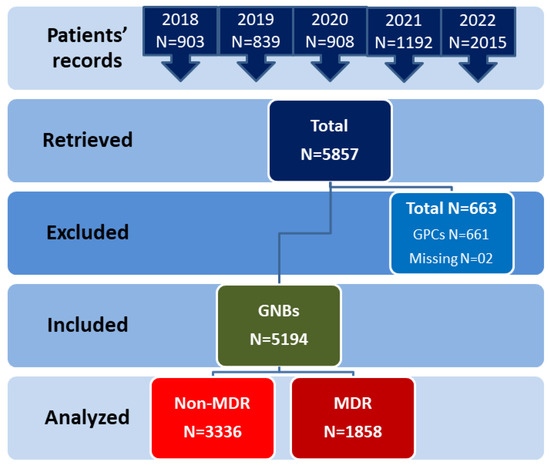
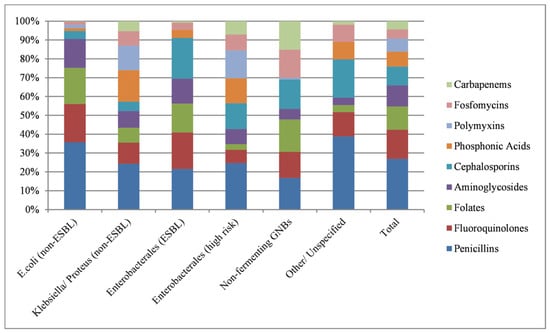
Background: Multidrug-resistant (MDR) Gram-negative bacilli (GNBs) significantly compromise the effective management of urinary tract infections (UTIs) worldwide. As antimicrobial resistance varies across regions, locally tailored data are essential to guide empirical therapy. This study investigated the prevalence, determinants, and temporal dynamics of MDR GNBs in UTI patients from Central Portugal between 2018 and 2022. Methods: We conducted a retrospective observational study at a hospital center in Central Portugal, analyzing data from 2018 to 2022. Data from 5194 UTI patients with GNB-positive cultures were analyzed. Binary logistic regression was used to identify determinants of MDR GNBs, defined as resistance to ≥1 agent in ≥3 antibiotic classes. Results: The study population had a mean age of 64.5 ± 25.3 years, and females represented two-thirds of the sample (67.0%). The overall prevalence of MDR GNBs was 35.8%. Advanced age (≥75 years), male sex, and specific treatment contexts—particularly day treatment and laboratory-only cases—were independently associated with MDR. SBL-producing Enterobacterales and non-fermenting GNBs showed the highest risk levels. Conclusions: MDR GNBs are highly prevalent among UTI patients in Central Portugal, and their increasing trend—particularly in 2022—highlights an urgent need for strengthened surveillance and updated empirical treatment strategies. The observed temporal increase highlights the urgent need for strengthened regional surveillance and updated empirical treatment guidelines.
Full article

Figure 1
Open AccessOpinion
Nomenclatural Recommendations for Genera Assigned to the Arcobacteraceae from the Subcommittee on the Taxonomy of Campylobacter and Related Bacteria
by
Stephen L. W. On, Maria J. Figueras, James G. Fox, Kurt Houf, Francis Mégraud, William G. Miller, John Stolz, Ken Takai and Peter Vandamme
Bacteria 2026, 5(1), 7; https://doi.org/10.3390/bacteria5010007 - 2 Feb 2026
Abstract
The taxonomy of the genus Arcobacter has been subject to substantive turmoil in recent years following a proposal to subdivide the genus into six genera. This proposal has been challenged by a number of multidisciplinary studies employing phenotypic, genomic, and phylogenetic analyses. Following
[...] Read more.
The taxonomy of the genus Arcobacter has been subject to substantive turmoil in recent years following a proposal to subdivide the genus into six genera. This proposal has been challenged by a number of multidisciplinary studies employing phenotypic, genomic, and phylogenetic analyses. Following several discussions among members of the International Committee on Systematics of Prokaryotes (ICSP) subcommittee on the taxonomy of Campylobacter and related bacteria, this group now unanimously recommends the use of the genus term Arcobacter to refer to these species.
Full article
Open AccessArticle
Temporal Dynamics and Integrative Characterization of Streptococcus uberis Biofilm Development
by
Melina Vanesa Moliva, María Florencia Cerioli, Ignacio Velzi, María Alejandra Molina, Carina Maricel Pereyra, Ayelen Nigra, Andrea Lorena Cristofolini, Cecilia Inés Merkis, Pablo Bogino and Elina Beatriz Reinoso
Bacteria 2026, 5(1), 6; https://doi.org/10.3390/bacteria5010006 - 15 Jan 2026
Abstract
►▼
Show Figures
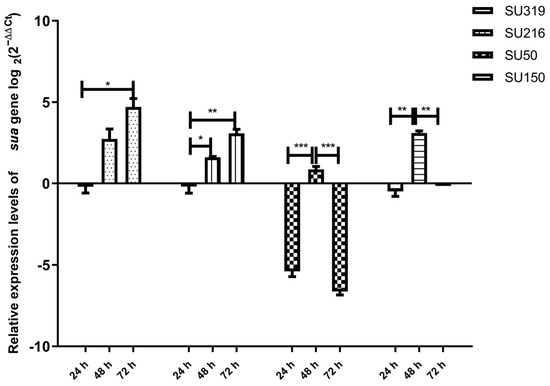
Streptococcus uberis is a bovine mastitis pathogen with a demonstrated ability to form biofilms. However, the dynamics of this process remain poorly characterized. This study aimed to comprehensively characterize biofilm formation in four S. uberis strains that differed in their biofilm-forming capacity, from
[...] Read more.
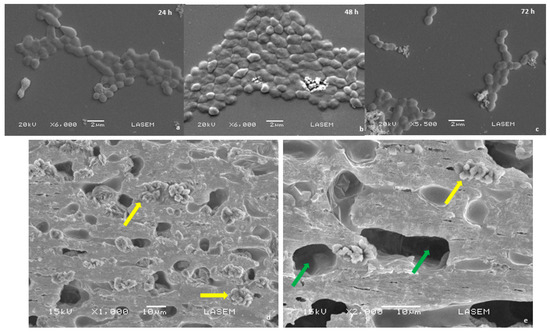
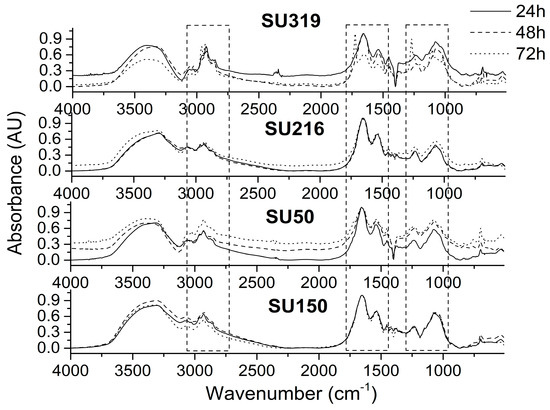
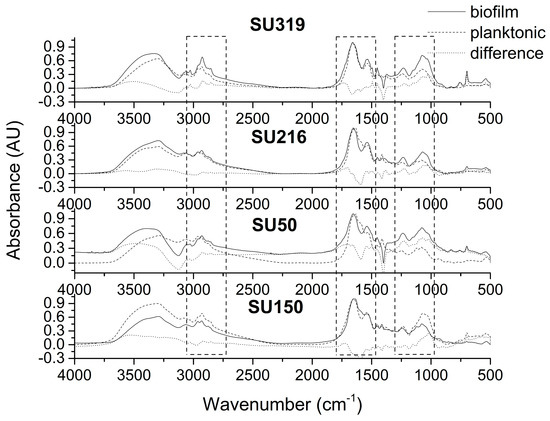
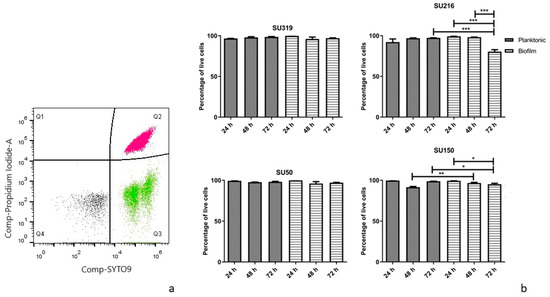
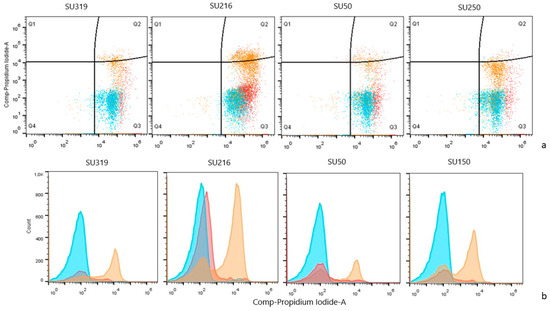
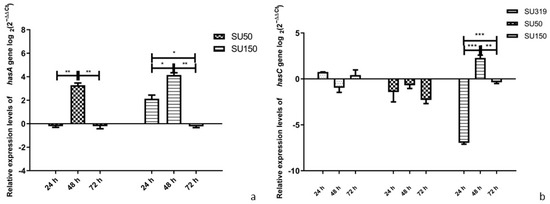
Streptococcus uberis is a bovine mastitis pathogen with a demonstrated ability to form biofilms. However, the dynamics of this process remain poorly characterized. This study aimed to comprehensively characterize biofilm formation in four S. uberis strains that differed in their biofilm-forming capacity, from weak to strong producers, and in the presence of key virulence-associated genes, such as sua, hasA and hasC. To achieve this, we integrated structural, biochemical, physiological and transcriptional analyses using scanning electron microscopy (SEM), Fourier-transform infrared spectroscopy (FT-IR), spectral flow cytometry and qRT-PCR. The multi-faceted analysis revealed a coordinated maturation peak at 48 h, characterized by a structured architecture with water channels, a distinct biochemical signature rich in polysaccharides and proteins, and a predominantly viable bacterial population. This peak coincided with a marked upregulation of key virulence-associated genes, with sua expression increasing 2.5-fold and hasA increasing 3-fold at 48 h. This mature biofilm conferred high tolerance to antibiotics, with eradication concentrations (>256 µg/mL) exceeding planktonic MICs, although tetracycline was notably effective. At 72 h, the biofilm entered a dispersion phase characterized by structural collapse and reduced viability. These findings establish S. uberis biofilm maturation as a highly coordinated process, providing new insights into the biofilm lifecycle of this important pathogen and identifying key temporal and molecular targets for future interventions.
Full article

Figure 1
Open AccessArticle
Survival of Bacterial Pathogens During Storage of Animal Waste and Wastewater Treatment Sludge and Their Subsequent Application to Clay–Loam Soil
by
Natalia Alija-Novo, Paul Whyte and Declan Bolton
Bacteria 2026, 5(1), 5; https://doi.org/10.3390/bacteria5010005 - 12 Jan 2026
Abstract
Globally, large quantities of animal waste and human sewage sludge are generated annually. Their application as soil amendments can enhance soil quality and support a circular economy. However, these wastes may harbour pathogenic bacteria, posing contamination risks to soil and water and potential
[...] Read more.
Globally, large quantities of animal waste and human sewage sludge are generated annually. Their application as soil amendments can enhance soil quality and support a circular economy. However, these wastes may harbour pathogenic bacteria, posing contamination risks to soil and water and potential transmission to animals and humans. This study investigated the survival of five bacterial pathogens during six months of storage in five types of organic waste and following their subsequent application to soil. During storage, T90 values ranged as follows: Salmonella Typhimurium (2.3–17.7 days), Campylobacter jejuni (0 to 23.9 days), Escherichia coli O157:H7 (4.3 to 57.8 days), and Listeria monocytogenes (1.9 to 170.4 days). In soil, T90 values were S. Typhimurium (4.2 to 17.4 days), C. jejuni (4.8 to 26.8 days), E. coli O157:H7 (4.3 to 52.9 days), and L. monocytogenes (2 to 83.7 days). Clostridium sporogenes remained stable throughout both experiments, preventing T90 calculation. Contrary to our initial hypothesis that soil microbiota would accelerate pathogen decline, T90 values were higher during storage in 11 cases and higher in soil in nine scenarios. These findings highlight the need for pre-treatment strategies for animal waste and biosolids before land spreading to consistently mitigate risks of pathogen transmission and environmental contamination.
Full article
(This article belongs to the Special Issue Harnessing of Soil Microbiome for Sustainable Agriculture)
Open AccessArticle
Computational Assessment of Lactobacillus helveticus and Bifidobacterium longum Metabolites for Perinatal Depression Therapy
by
Oumaima Anachad, Wafaa Taha, Chaimaa Saadoune, Houssam Assioui, Imad Fenjar, Imane Thaifa, Faiza Bennis and Fatima Chegdani
Bacteria 2026, 5(1), 4; https://doi.org/10.3390/bacteria5010004 - 5 Jan 2026
Abstract
Perinatal depression (PND) is a severe mood disorder affecting mothers during pregnancy and postpartum, with implications for both maternal and neonatal health. Emerging evidence suggests that gut microbiota-derived metabolites play a critical role in neuroinflammation and neurotransmission. In this study, we employed an
[...] Read more.
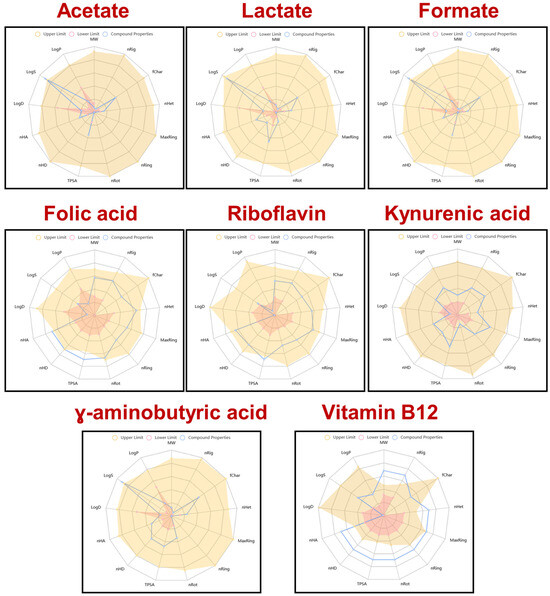
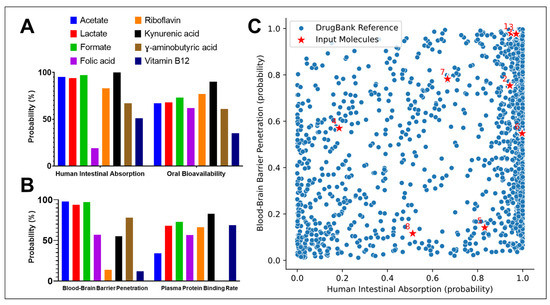
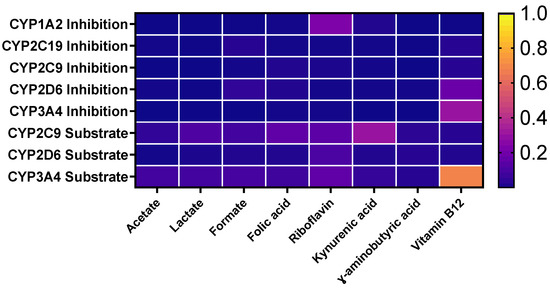
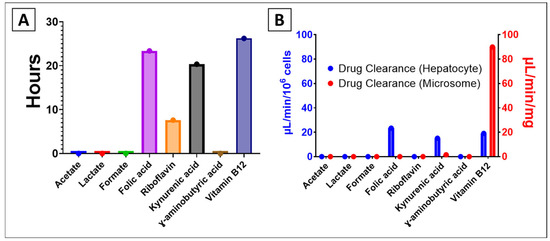
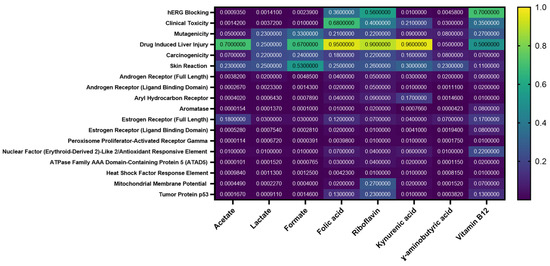
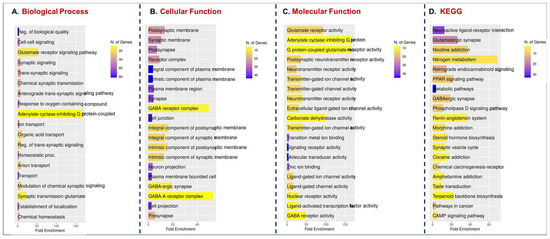
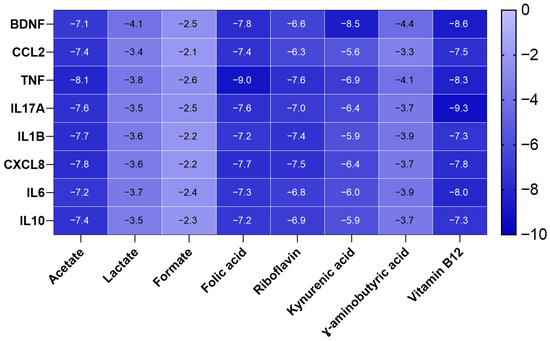
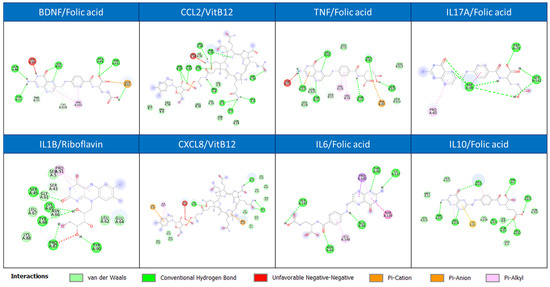
Perinatal depression (PND) is a severe mood disorder affecting mothers during pregnancy and postpartum, with implications for both maternal and neonatal health. Emerging evidence suggests that gut microbiota-derived metabolites play a critical role in neuroinflammation and neurotransmission. In this study, we employed an in silico approach to evaluate the pharmacokinetic and therapeutic potential of metabolites produced by Lactobacillus helveticus and Bifidobacterium longum in targeting key proteins implicated in PND, including BDNF, CCL2, TNF, IL17A, IL1B, CXCL8, IL6, IL10. The ADMET (Absorption, Distribution, Metabolism, Excretion, and Toxicity) profiles of selected microbial metabolites, including acetate, lactate, formate, folic acid, riboflavin, kynurenic acid, γ-aminobutyric acid, and vitamin B12 were assessed using computational tools to predict their bioavailability and safety. Enrichment analysis was performed to identify biological pathways and molecular mechanisms modulated by these metabolites, with a focus on neuroinflammation, stress response, and neurogenesis. Additionally, molecular docking studies were conducted to evaluate the binding affinities of these metabolites toward the selected PND-associated targets, providing insights into their potential as neuroactive agents. Our findings suggest that specific microbial metabolites exhibit favorable ADMET properties and strong binding interactions with key proteins implicated in PND pathophysiology. These results highlight the therapeutic potential of gut microbiota-derived metabolites in modulating neuroinflammatory and neuroendocrine pathways, paving the way for novel microbiome-based interventions for perinatal depression. Further experimental validation is warranted to confirm these computational predictions and explore the clinical relevance of these findings.
Full article
(This article belongs to the Collection Feature Papers in Bacteria)
►▼
Show Figures

Figure 1
Open AccessArticle
Discovery and Activity Evaluation of Quorum-Sensing Inhibitors from an Endophytic Bacillus Strain W10-B1 Isolated from Coelothrix irregularis
by
Chang You, Zhi-Wen Ding, Ai-Qun Jia and Kai-Zhong Xu
Bacteria 2026, 5(1), 3; https://doi.org/10.3390/bacteria5010003 - 5 Jan 2026
Abstract
►▼
Show Figures
This study focuses on discovering novel quorum-sensing inhibitors (QSIs) from endophytes of Coelothrix irregularis, aiming to develop new strategies against drug-resistant bacterial infections. From the endophytic bacterial strain Bacillus strain W10-B1, isolated from C. irregularis, twelve compounds were isolated and structurally
[...] Read more.
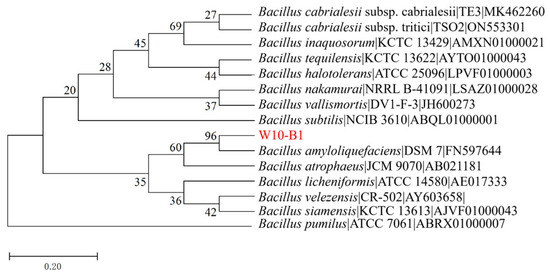
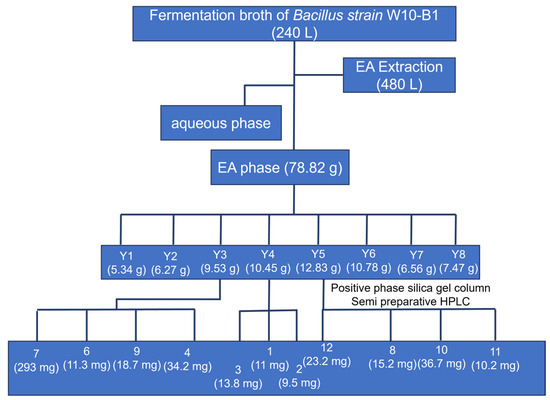
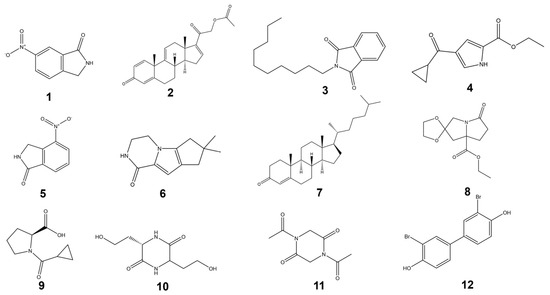
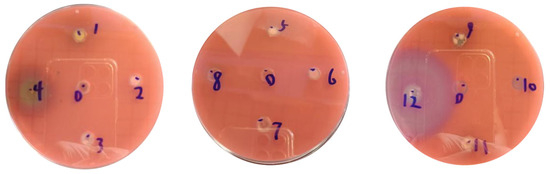
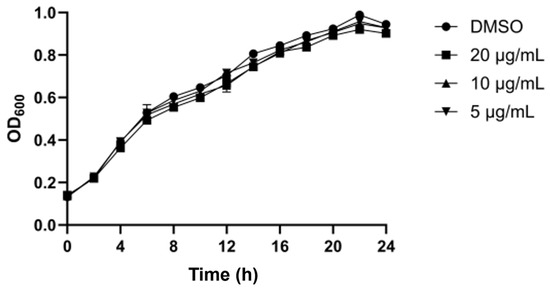
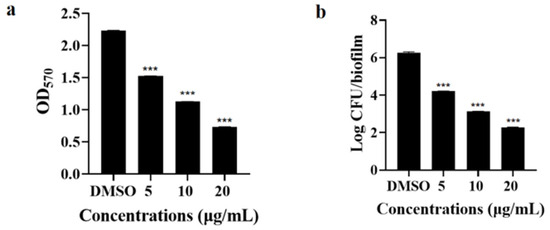
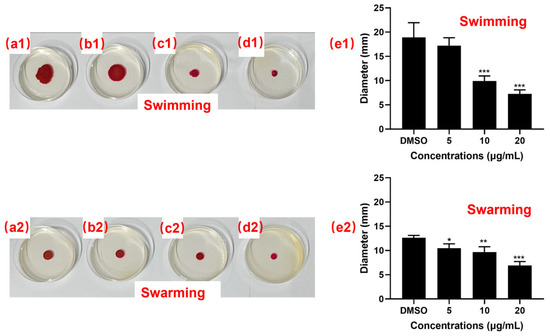
This study focuses on discovering novel quorum-sensing inhibitors (QSIs) from endophytes of Coelothrix irregularis, aiming to develop new strategies against drug-resistant bacterial infections. From the endophytic bacterial strain Bacillus strain W10-B1, isolated from C. irregularis, twelve compounds were isolated and structurally identified. Subsequent screening against Serratia marcescens NJ01 revealed that compound (12), 3,3′-dibromo-4,4′-biphenyldiol, exhibited significant inhibitory activity against the quorum-sensing system of S. marcescens NJ01. It effectively suppressed biofilm formation, swimming, and swarming motilities of the bacterium. This work is the first to demonstrate that endophytes from C. irregularis are a novel source of potent QSIs, providing both material and theoretical foundations for combating pathogen virulence, drug resistance, and pathogenicity.
Full article

Figure 1
Open AccessReview
Propagation of Emerging and Re-Emerging Infectious Disease Pathogens in Africa: The Role of Migratory Birds
by
Babatunde Ibrahim Olowu, Maryam Ebunoluwa Zakariya, Abdulhakeem Opeyemi Azeez, Abdullah Adedeji Al-Awal, Kehinde Samuel Adebayo, Nahimah Opeyemi Idris, Halima Idris Muhammad, Blessing Chizaram Ukauwa and Al-Amin Adebare Olojede
Bacteria 2026, 5(1), 2; https://doi.org/10.3390/bacteria5010002 - 4 Jan 2026
Abstract
►▼
Show Figures
Migratory birds have been implicated in the spread of diverse emerging infectious pathogens, including West Nile virus, Usutu virus, Avian influenza viruses, Salmonella, Campylobacter, antimicrobial-resistant (AMR) bacteria, and antibiotic resistance genes (ARGs). Beyond their roles as vectors and reservoirs, migratory birds
[...] Read more.
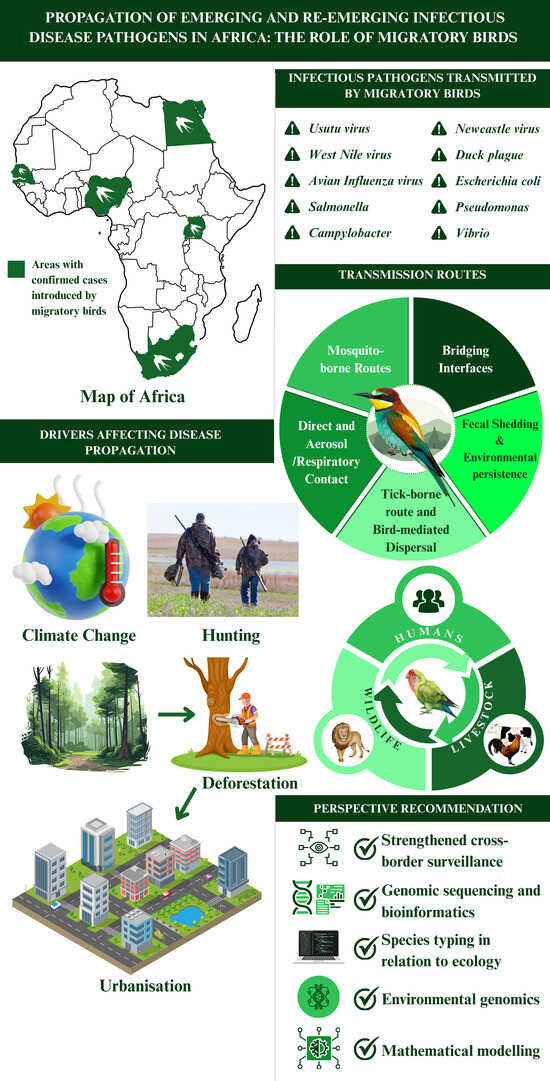
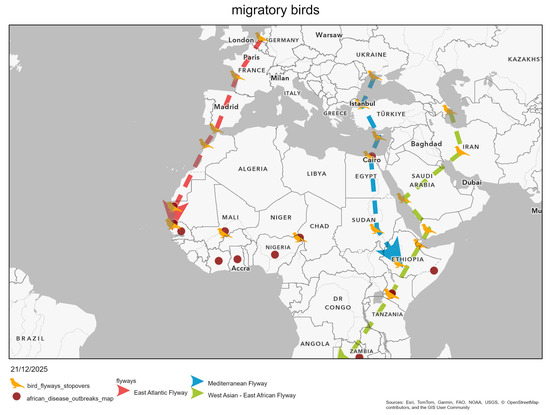
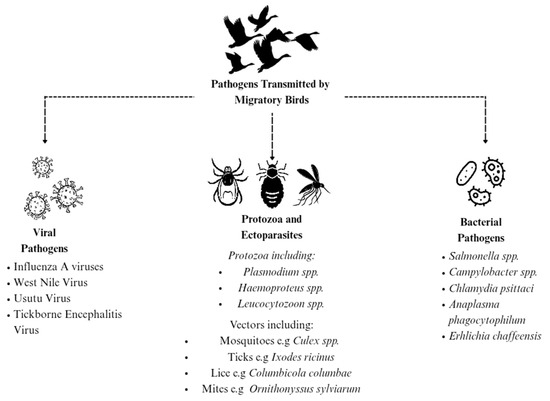
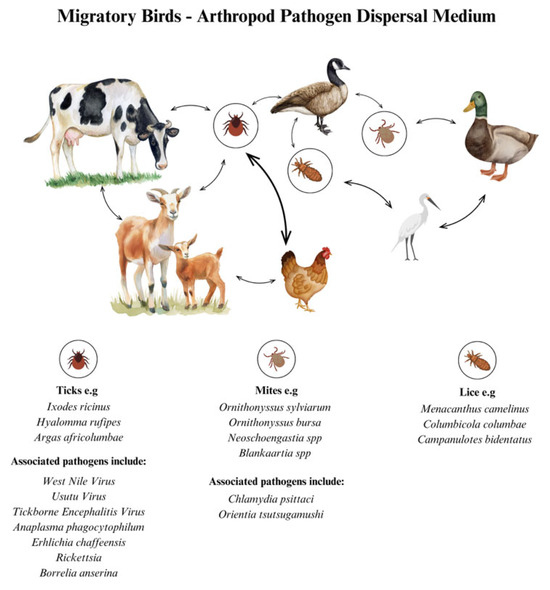
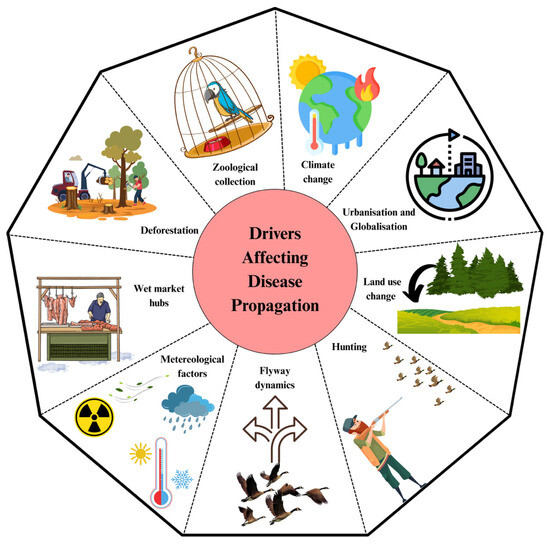
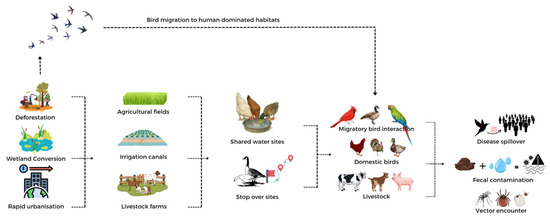
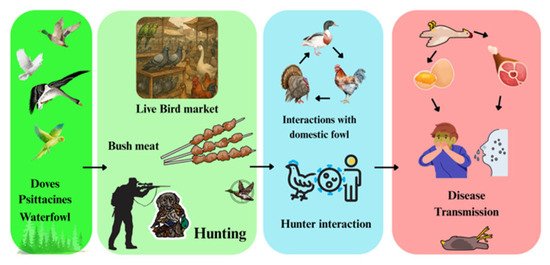
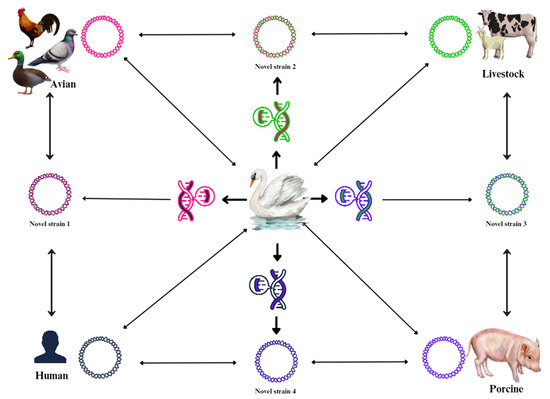
Migratory birds have been implicated in the spread of diverse emerging infectious pathogens, including West Nile virus, Usutu virus, Avian influenza viruses, Salmonella, Campylobacter, antimicrobial-resistant (AMR) bacteria, and antibiotic resistance genes (ARGs). Beyond their roles as vectors and reservoirs, migratory birds are also susceptible hosts whose own health may be compromised by these infections, reflecting their dual position in the ecology of pathogens. As facilitators of pathogen transmission during their long-distance migrations, often spanning thousands of kilometres and connecting ecosystems across continents, these birds can easily cross-national borders and circumvent traditional biosecurity measures, thereby acting as primary or secondary vectors in the transmission of cross-species diseases among wildlife, livestock, and humans. Africa occupies a pivotal position in global migratory bird networks, yet comprehensive data on pathogen carriage remain limited. Gaps in knowledge of pathogen diversity constrain current surveillance systems, resulting in insufficient genomic monitoring of pathogen evolution and a weak integration of avian ecology with veterinary and human health. These limitations hinder early detection of novel pathogens and reduce the continent’s preparedness to manage outbreaks. Therefore, this review provides a holistic assessment of these challenges by consolidating existing knowledge concerning the pathogens transmitted by migratory birds in Africa, while recognizing the adverse effect of pathogens, which potentiates population decline, extinction, and ecological imbalance. It further advocates for the adoption of a comprehensive One Health-omics approach that not only strengthens surveillance and technological capacity but also prioritizes the protection of avian health as an integral component of ecosystem and public health.
Full article

Graphical abstract
Open AccessArticle
Essential Oil Nanoemulsions: A Novel Strategy Against Extensively Drug-Resistant Bacteria and Human Cancer Cells
by
Tamer Abdel Fattah, Gamal M. El-Sherbiny, Mohamed H. Kalaba, Mohamed H. Sharaf and Ahmed A. Radwan
Bacteria 2026, 5(1), 1; https://doi.org/10.3390/bacteria5010001 - 4 Jan 2026
Abstract
►▼
Show Figures
Extensively drug-resistant (XDR) bacteria pose a serious global public health threat due to their high levels of resistance to multiple classes of antibiotics. This study aimed to characterize bacterial isolates obtained from clinical samples, evaluate their antibiotic resistance patterns, and investigate the antimicrobial
[...] Read more.
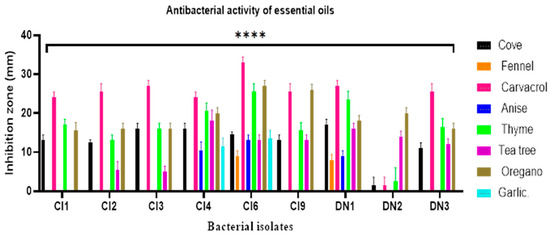
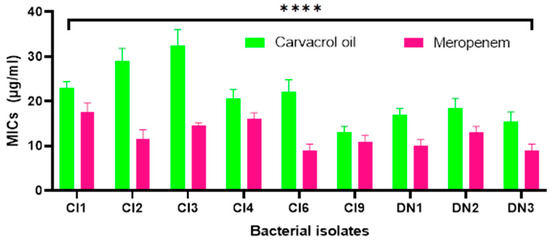
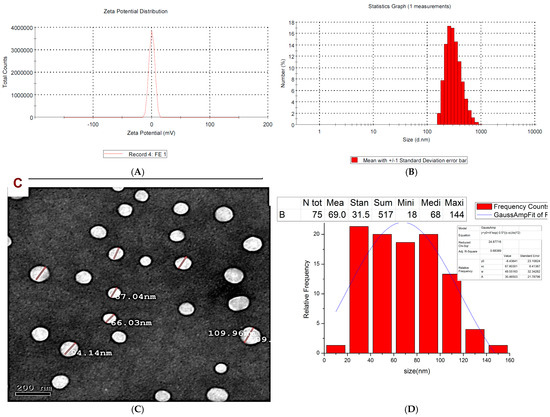
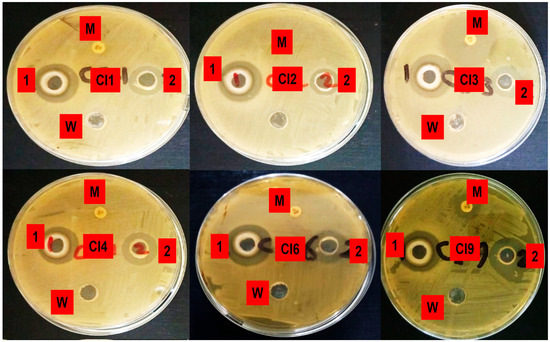
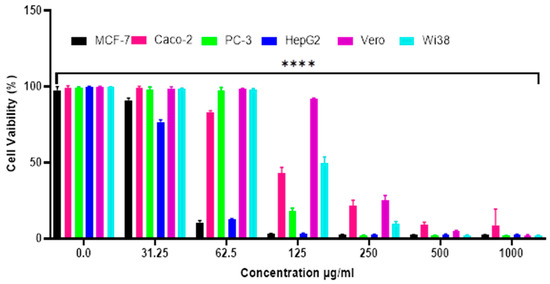
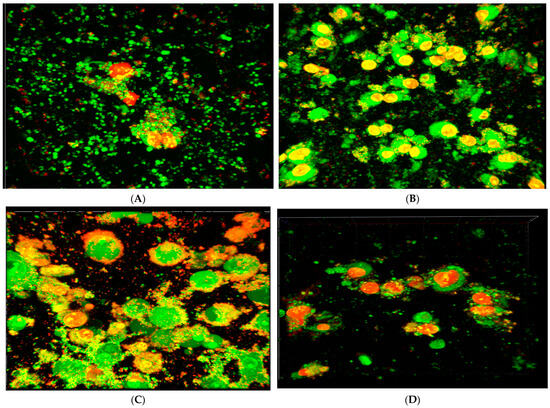
Extensively drug-resistant (XDR) bacteria pose a serious global public health threat due to their high levels of resistance to multiple classes of antibiotics. This study aimed to characterize bacterial isolates obtained from clinical samples, evaluate their antibiotic resistance patterns, and investigate the antimicrobial and anticancer potential of essential oils (EOs) and their nanoemulsions (NEs). A total of 175 bacterial isolates were collected from various clinical sources, identified, and subjected to antibiotic susceptibility testing using both conventional methods and the VITEK® 2 system. Among these, nine isolates were identified as extensively drug-resistant. Among the tested EOs, carvacrol exhibited the strongest antibacterial activity, with minimum inhibitory concentrations (MICs) ranging from 14 to 35 µg/mL, compared to 8 to 19 µg/mL for meropenem. To enhance its stability and efficacy, carvacrol nanoemulsions (CANE) were prepared via ultrasonication and characterized using zeta potential measurements, which indicated a positive surface charge of +14.2 mV, while dynamic light scattering (DLS) analysis revealed a narrow size distribution with a mean hydrodynamic diameter of 411.3 nm. High-resolution transmission electron microscopy (HR-TEM) showed spherical droplets ranging from 18 to 144 nm in size, with an average diameter of 69 ± 28 nm. The nanoemulsion formulation significantly enhanced antibacterial activity, with MICs reduced to 11 ± 0.0–23 ± 0.21 µg/mL, compared to 14 ± 0.13–35 ± 0.11 µg/mL for pure carvacrol oil. Gas chromatography–mass spectrometry (GC–MS) analysis identified major active constituents, including thymol, methoxyphenyl, estragole, and D-limonene, which are likely contributors to the observed antimicrobial and anticancer effects. In addition, carvacrol nanoemulsions demonstrated potent cytotoxicity against multiple human cancer cell lines (HepG2, MCF-7, PC-3, and Caco-2) while showing minimal toxicity toward normal cells. Confocal microscopy further confirmed apoptosis induction in treated cancer cells, suggesting a mitochondria-mediated apoptotic pathway. In conclusion, this study highlights the strong therapeutic potential of essential oils—particularly carvacrol and its nanoemulsion formulation—as dual-action agents exhibiting broad-spectrum antibacterial activity against XDR pathogens and selective cytotoxicity against cancer cells.
Full article

Figure 1
Open AccessReview
Extracellular Vesicles in Host–Pathogen Interactions: Roles of Exosomes and Bacterial Outer Membrane Vesicles in Immunity and Microbial Communication
by
Tanvi Premchandani, Milind Umekar, Amol Tatode, Jayshree Taksande, Rahmuddin Khan, Mohammad Faizan and Mohammad Qutub
Bacteria 2025, 4(4), 63; https://doi.org/10.3390/bacteria4040063 - 4 Dec 2025
Cited by 1
Abstract
Extracellular vesicles, encompassing eukaryotic exosomes and bacterial outer membrane vesicles (OMVs), play multifaceted roles in mediating host–pathogen interactions. These nanoscale structures act as critical mediators of intercellular communication, transporting diverse bioactive cargo such as miRNAs, cytokines, proteins, and bacterial components. Exosomes contribute to
[...] Read more.
Extracellular vesicles, encompassing eukaryotic exosomes and bacterial outer membrane vesicles (OMVs), play multifaceted roles in mediating host–pathogen interactions. These nanoscale structures act as critical mediators of intercellular communication, transporting diverse bioactive cargo such as miRNAs, cytokines, proteins, and bacterial components. Exosomes contribute to host immunity by delivering antimicrobial agents and modulating inflammatory responses, but they can also be hijacked by pathogens to suppress defenses and promote persistent infection. OMVs, on the other hand, enable bacteria to disseminate virulence factors, deliver toxins directly into host cells, and modulate immune signaling. For example, exosomes from infected macrophages can stimulate dendritic cell activation and T-cell priming, whereas bacterial OMVs have been shown to suppress host immunity or trigger excessive inflammation depending on their molecular cargo. Importantly, OMVs facilitate horizontal gene transfer and nutrient exchange within microbial communities, thereby influencing microbiome composition and adaptation. Together, these complex dynamics position both exosomes and OMVs as central players in immunity and pathogenesis. This review synthesizes recent insights into how host- and pathogen-derived vesicles modulate infection biology and immune responses, while also exploring their potential as diagnostic biomarkers and therapeutic carriers, and discussing current limitations in their clinical translation.
Full article
Open AccessReview
Biostimulation in Clean-Up Biotechnologies: The Present Scenario and Future Trends
by
Olga Muter
Bacteria 2025, 4(4), 62; https://doi.org/10.3390/bacteria4040062 - 2 Dec 2025
Abstract
►▼
Show Figures
The aim of this paper is to provide an overview of the main trends and progress in the biostimulation approach, which represents a crucial component of the broader multi-factor bioremediation process. A comprehensive search was carried out in the Scopus database. The stimulating
[...] Read more.
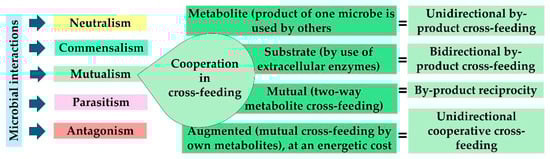
The aim of this paper is to provide an overview of the main trends and progress in the biostimulation approach, which represents a crucial component of the broader multi-factor bioremediation process. A comprehensive search was carried out in the Scopus database. The stimulating roles of individual and complex nutrient amendments are reviewed, with particular emphasis on plant extracts, molasses, and surfactants. Methodological approaches for optimising nutrient formulations and conditions to strengthen the biostimulation effect are analysed, taking into account microbial ecology and physiology. Aspects of interspecies microbial interactions, such as cross-feeding connections, are discussed. The roles of directed evolution, starvation, and statistical optimisation in enhancing microbial activity are also highlighted. Overall, substantial theoretical knowledge on this topic has been accumulated in the scientific literature. However, data from long-term field studies remain scarce. Looking forward, modern methodological approaches may bridge these knowledge gaps by enabling the prediction of microbial activity, interactions, and cross-feeding, supported by comprehensive monitoring. In particular, artificial intelligence tools for the statistical optimisation of biostimulation conditions are expected to significantly improve process performance. This review summarises recent scientific papers alongside findings from our own long-term studies.
Full article

Figure 1
Open AccessReview
Toxin–Antitoxin Modules: Genetic Elements with Many Faces and Functions
by
Aayush Bahl, Manasa Rajagopalan, Roopshali Rakshit, Sashi Kant, Saurabh Pandey and Deeksha Tripathi
Bacteria 2025, 4(4), 61; https://doi.org/10.3390/bacteria4040061 - 1 Dec 2025
Abstract
►▼
Show Figures
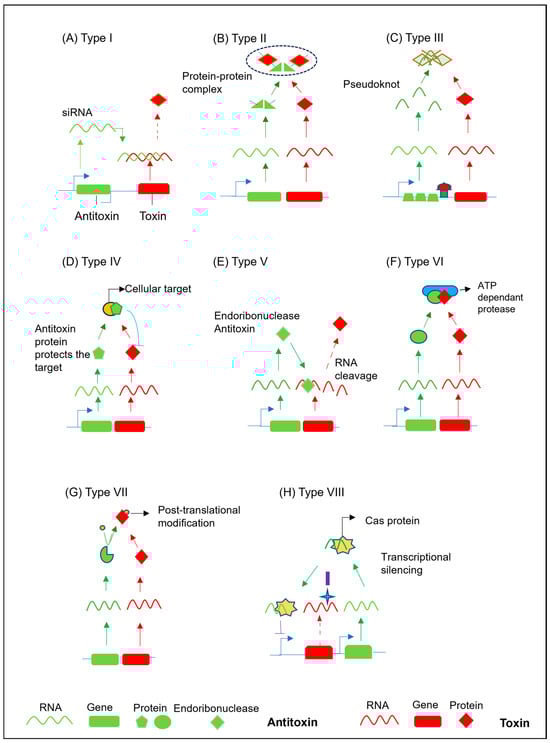
Toxin–antitoxin (TA) modules represent sophisticated regulatory networks that have evolved from simple plasmid maintenance factors into multifunctional genetic modules orchestrating bacterial stress responses, pathogenesis, and ecological adaptation. This review highlights a compelling correlation between the abundance of toxin–antitoxin (TA) modules and bacterial pathogenicity,
[...] Read more.
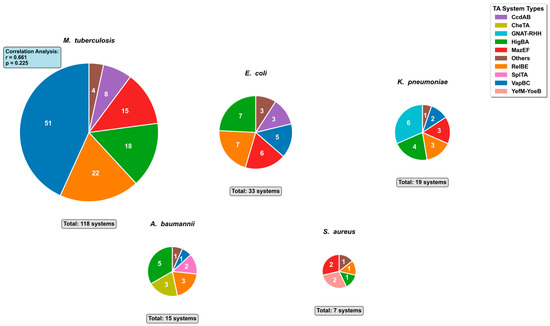
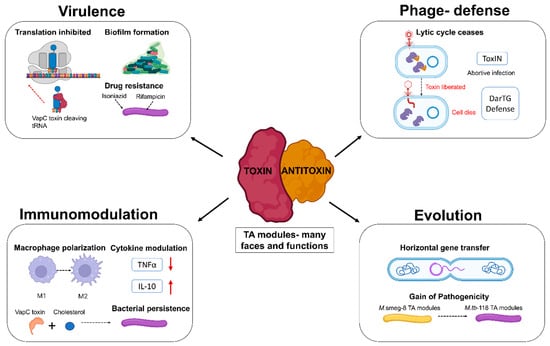
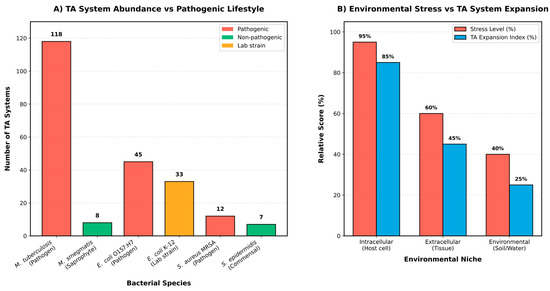
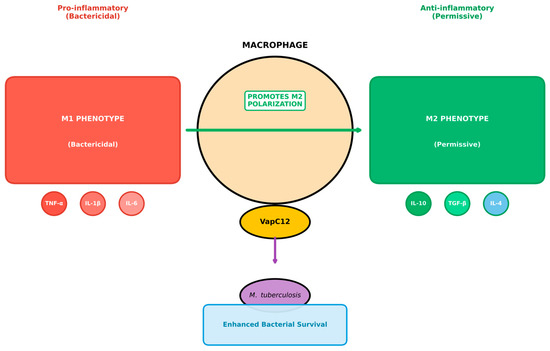
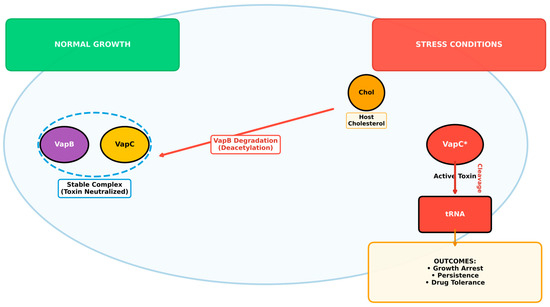
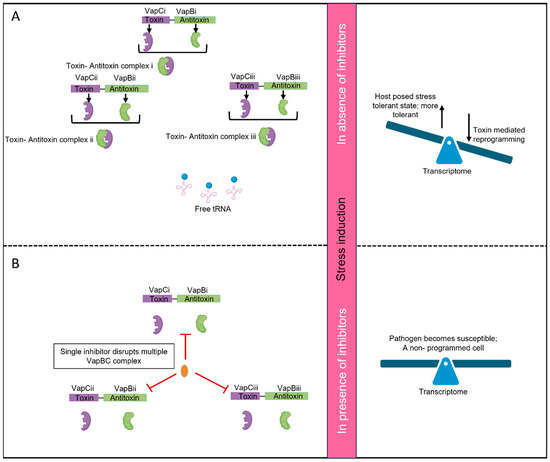
Toxin–antitoxin (TA) modules represent sophisticated regulatory networks that have evolved from simple plasmid maintenance factors into multifunctional genetic modules orchestrating bacterial stress responses, pathogenesis, and ecological adaptation. This review highlights a compelling correlation between the abundance of toxin–antitoxin (TA) modules and bacterial pathogenicity, as exemplified by Mycobacterium tuberculosis (M.tb), which encodes 118 TA loci—significantly more than the fewer than 10 found in closely related saprophytic species. The clinical significance of TA modules extends beyond traditional stress response roles to encompass antimicrobial persistence, where systems like VapBC and MazEF facilitate dormant subpopulations that survive antibiotic therapy while maintaining chronic infections. Recent discoveries have revealed TA modules as sophisticated bacterial defense mechanisms against bacteriophage infection, with DarTG and ToxIN systems representing novel antiviral immunity components that complement CRISPR-Cas and restriction–modification systems. The immunomodulatory capacity of TA modules demonstrates their role in host–pathogen interactions, where systems such as VapC12 in M.tb promote macrophage polarization toward permissive M2 phenotypes while inducing anti-inflammatory cytokine production. Large-scale genomic analyses reveal that TA modules function as drivers of horizontal gene transfer networks, with their signatures enabling accurate prediction of plasmid community membership and serving as determinants of microbial community structure. The biotechnological applications of TA modules have expanded to include genetic circuit stabilization, biocontainment device construction, and multi-species microbial community engineering, while therapeutic strategies focus on developing multi-target inhibitors against conserved TA protein families as promising approaches for combating drug-resistant bacterial infections. The evolutionary conservation of TA modules across diverse bacterial lineages underscores their fundamental importance as central organizing principles in bacterial adaptation strategies, where their multifunctional nature reflects complex selective pressures operating across environmental niches and host-associated ecosystems. This review provides an integrated perspective on TA modules as dynamic regulatory elements that support bacterial persistence, immune evasion, and ecological versatility, establishing them as genetic elements with truly “many faces and functions” in prokaryotic biology.
Full article

Figure 1
Open AccessArticle
Gene Regulatory Network Inference Relating to Glycolysis in Escherichia coli with Causal Discovery Method Based on Machine Learning
by
Akihito Nakanishi, Natsumi Omino, Ren Owa, Hayato Kinoshita and Hiroaki Fukunishi
Bacteria 2025, 4(4), 60; https://doi.org/10.3390/bacteria4040060 - 13 Nov 2025
Abstract
Escherichia coli LS5218 is an attractive host for producing polyhydroxybutyrate. The strain, however, strongly requires heterologous gene expressions like phaC for efficient production. For enhancing the production, the whole gene expressions relating to end product-producing flow should be optimized so that not only
[...] Read more.
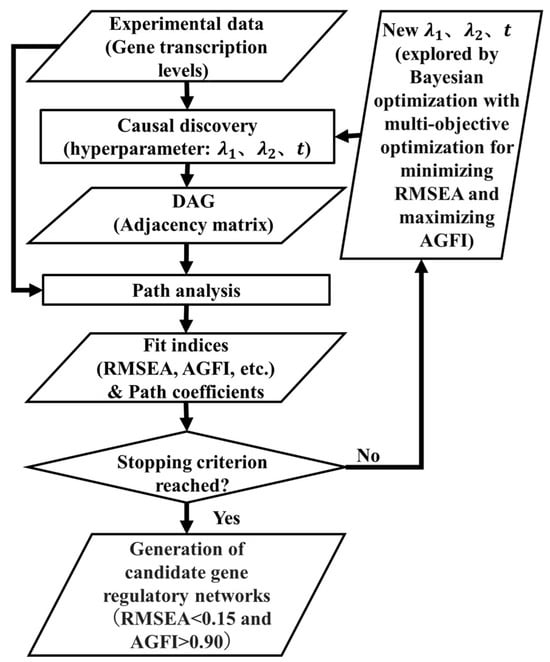
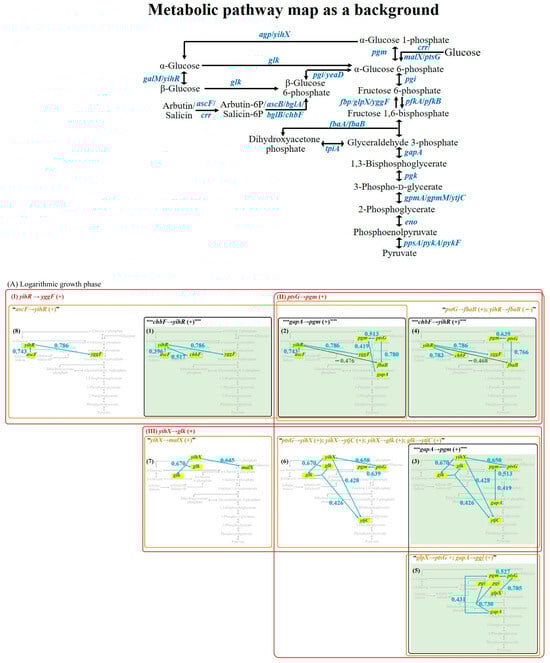
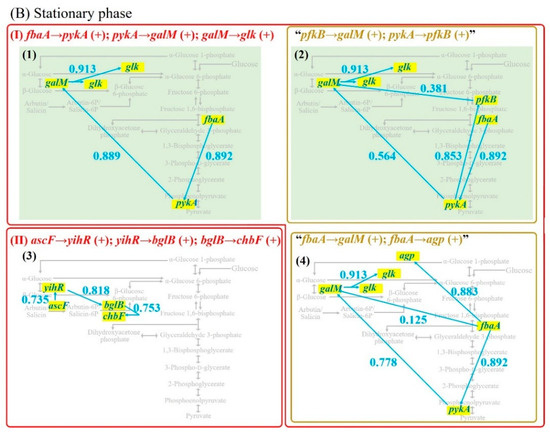
Escherichia coli LS5218 is an attractive host for producing polyhydroxybutyrate. The strain, however, strongly requires heterologous gene expressions like phaC for efficient production. For enhancing the production, the whole gene expressions relating to end product-producing flow should be optimized so that not only heterologous induced-genes but also other relating genes are comprehensively analyzed on the transcription levels, resulting in normally time-consuming mutant-creation. Additionally, the explanation for each transcriptional relationship is likely to follow the relationships on known metabolic pathway map to limit the consideration. This study aimed to infer gene regulatory networks within glycolysis, a central metabolic pathway in LS5218, using machine learning-based causal discovery methods. To construct a directed acyclic graph representing the gene regulatory network, we employed the NOTEARS algorithm (Non-combinatorial Optimization via Trace Exponential and Augmented lagRangian for Structure learning). Using transcription data of 264 time-resolved sampling points, we inferred the gene regulatory network and identified several distal regulatory relationships. Notably, gapA, a key enzyme controlling the transition between the preparatory and rewarding phases in glycolysis, was found to influence pgi, the enzyme at the pathway’s entry point. These findings suggest that inferring such nonlocal regulatory interactions can provide valuable insights for guiding genetic engineering strategies.
Full article
(This article belongs to the Topic Bioinformatics, Machine Learning and Risk Assessment in Food Industry)
►▼
Show Figures

Figure 1

Open AccessArticle
Computational Analysis of the Effect of Dietary Interventions on the Gut Microbiome Composition in Parkinson’s Disease
by
López Franyer, García Macias Adrian, Beltran Oscar, González Janneth and Pinzón Andrés
Bacteria 2025, 4(4), 59; https://doi.org/10.3390/bacteria4040059 - 3 Nov 2025
Abstract
►▼
Show Figures
Parkinson’s disease (PD) is a neurodegenerative disorder characterized by motor symptoms like tremor, rigidity, and bradykinesia. The WHO estimates that 10 million people currently have PD, with its prevalence expected to double to 20 million by 2050. Key risk factors include age, male
[...] Read more.
Parkinson’s disease (PD) is a neurodegenerative disorder characterized by motor symptoms like tremor, rigidity, and bradykinesia. The WHO estimates that 10 million people currently have PD, with its prevalence expected to double to 20 million by 2050. Key risk factors include age, male sex, environmental contaminants, and family history. Emerging evidence links gut microbiota dysbiosis to PD, suggesting it contributes to neuroinflammation and disease progression, though the role of dietary interventions remains unclear. This study used computational simulations with genome-scale metabolic models (GEMs) to analyze how diet impacts the gut microbiota in PD patients. Fecal microbiota from PD patients and healthy controls were compared across three diets: high-fiber, Mediterranean, and vegan. Simulations revealed increased pro-inflammatory bacteria (e.g., Escherichia coli O157) in PD patients, likely due to reduced bacterial competition, alongside the decreased production of beneficial metabolites like butyrate, phenylalanine, and cysteine. The Mediterranean diet showed higher short-chain fatty acid production, potentially benefiting PD patients. These findings underscore the importance of dietary interventions in modulating the gut microbiome and suggest that targeted diets may complement PD therapies, improving patient outcomes.
Full article

Figure 1
Open AccessBrief Report
RTGill-W1 Cells Response to Salmonella enterica Metabolites
by
Abdulhusein Jawdhari, Robert Wolff, Bianca-Maria Tihăuan, Irina-Tania Ghitoc and Nicolae Crăciun
Bacteria 2025, 4(4), 58; https://doi.org/10.3390/bacteria4040058 - 2 Nov 2025
Abstract
►▼
Show Figures
This report investigates the interaction between the metabolites of the highly virulent bacteria Salmonella enterica and RTGill-W1 cells, a cell line derived from rainbow trout gills. As a facultative intracellular pathogen, Salmonella enterica infects both animals and humans through many routes. Upon entering
[...] Read more.
This report investigates the interaction between the metabolites of the highly virulent bacteria Salmonella enterica and RTGill-W1 cells, a cell line derived from rainbow trout gills. As a facultative intracellular pathogen, Salmonella enterica infects both animals and humans through many routes. Upon entering an organism it can cause severe infection and pathology, which is also influenced by the bacterial metabolites. Although no intracellular presence of the pathogen in the exposed cell line could be detected, a dose-dependent effect of the metabolites on the cell line was observed, as exposure to 5%, 10%, and 20% concentrations led to enhanced metabolic activity and increased cytoplasmic neutral lipid droplets accumulation, whereas the lower dosage of 2.5% induced a lower metabolic rate compared to control and no significant intracellular lipid accumulation. The combination of all of the metabolites might be speculated to have increased the metabolic rate and lipid droplet production at higher concentrations due to possessing a growth factor or an endocrine effect, or as a response to a toxin. This paper may be the first report investigating the effect of a complete bacterial metabolite mixture in cultured cells.
Full article

Graphical abstract
Open AccessArticle
Comparative Antimicrobial Effects of Dimethylsulfoxide and Dimethylsulfone on the Planktonic Growth and Viability of Porphyromonas gingivalis and Their Cytotoxic Effects on Human Oral Epithelial Cells
by
Dominic L. Palazzolo, Andrea Jorratt, Deneil Patel, Makenna Hoover, Debasis Mondal, Maya Tabakha, Cathy Tran, Juliette R. Amram and Giancarlo A. Cuadra
Bacteria 2025, 4(4), 57; https://doi.org/10.3390/bacteria4040057 - 1 Nov 2025
Abstract
►▼
Show Figures
Background: Past studies have documented the antimicrobial effects of dimethyl sulfoxide (D.M.SO). However, the side effects and toxicity profiles of DMSO in vivo have been a significant deterrent for its wide-ranging clinical use. Dimethyl sulfone (DMSO-2), a natural metabolite of DMSO, is
[...] Read more.
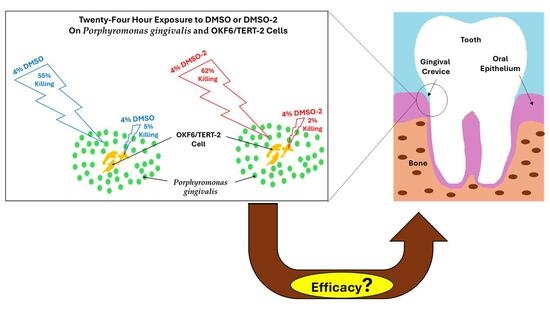
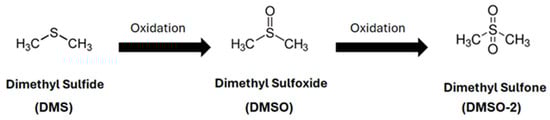
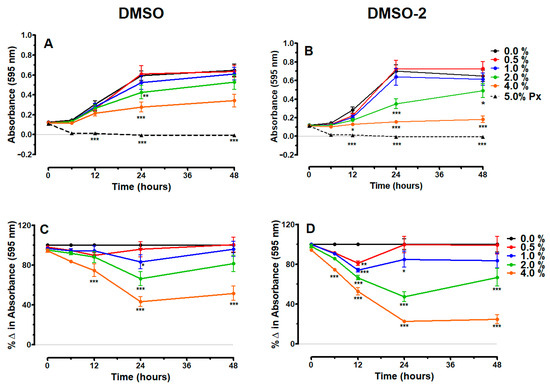
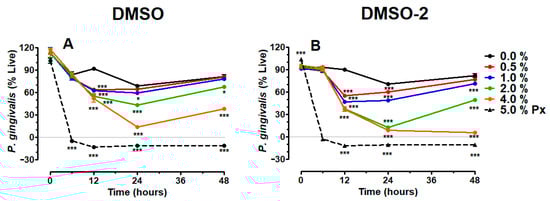
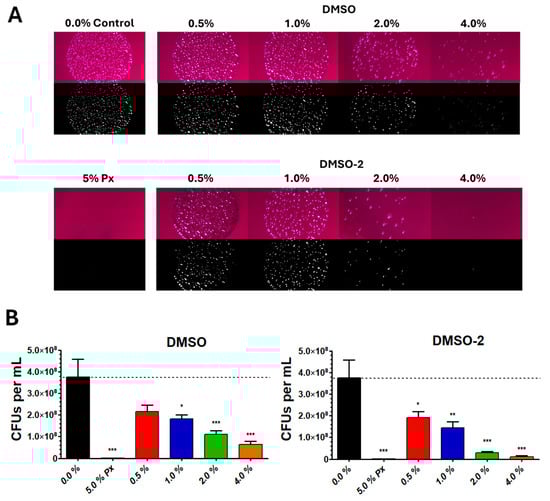
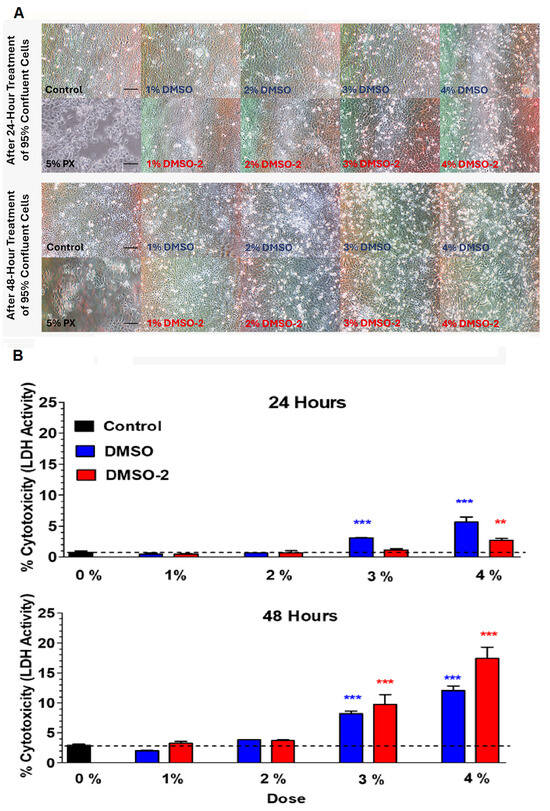
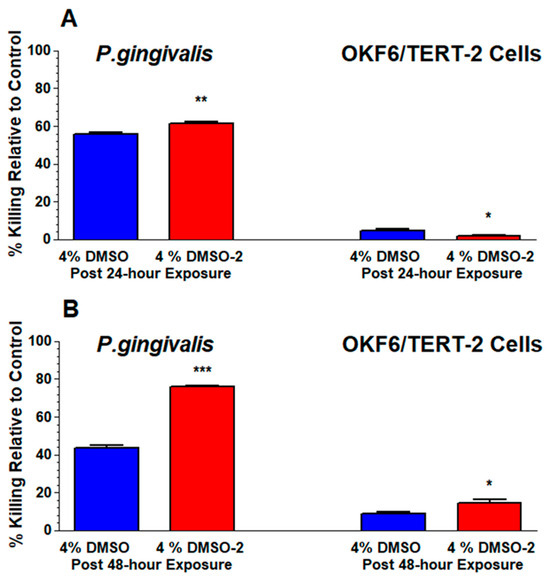
Background: Past studies have documented the antimicrobial effects of dimethyl sulfoxide (D.M.SO). However, the side effects and toxicity profiles of DMSO in vivo have been a significant deterrent for its wide-ranging clinical use. Dimethyl sulfone (DMSO-2), a natural metabolite of DMSO, is currently used as a safe dietary supplement due to its antioxidant properties and multimodal mechanisms of action. While DMSO displays antimicrobial activity, little is known concerning DMSO-2’s antimicrobial effect. Thus, this investigation compares the antimicrobial effects of DMSO and DMSO-2 on the growth and viability of the pathogenic anaerobic bacteria, Porphyromonas gingivalis, and their cytotoxic effect on human oral epithelial (OKF6/TERT-2) cells. Methods: P. gingivalis was grown in TSBY media in the presence of DMSO or DMSO-2 (0–4%) for planktonic growth and viability determinations. OKF6/TERT-2 cells were expanded in vitro and similarly exposed to DMSO or DMSO-2 for viability studies. Results: After 24 h exposure to DMSO or DMSO-2, growth of P. gingivalis is inhibited by 57% and 77%, respectively, while viability is inhibited by 55% and 62%. In contrast, 24 h exposure to similar concentrations of DMSO or DMSO-2 induces 5% and 2% cytotoxicity in OKF6/TERT-2 cells, respectively. Conclusions: Both DMSO and DMSO-2 inhibit the growth and viability of P. gingivalis but show minimal toxic effect on OKF6/TERT-2 cells. Therefore, the utility of these two natural compounds as antimicrobial agents against anaerobic pathogens should be further investigated.
Full article

Graphical abstract
Open AccessArticle
Dual Action of Bacillus and Lactobacillus spp.: Promoting Bean Cultivar Development and Suppressing Xanthomonas axonopodis pv. phaseoli
by
Ibrahim Isse Ali and Kubilay Kurtulus Bastas
Bacteria 2025, 4(4), 56; https://doi.org/10.3390/bacteria4040056 - 1 Nov 2025
Abstract
Common bacterial blight (CBB) is a significant disease caused by the seed-borne pathogen Xanthomonas axonopodis pv. phaseoli (Xap), which devastates global bean production. This study evaluated the effects of Bacillus subtilis (Bst26), Lactobacillus plantarum (Lpkb10), their combination (Bst26 + Lpkb10), copper hydroxide (CH),
[...] Read more.
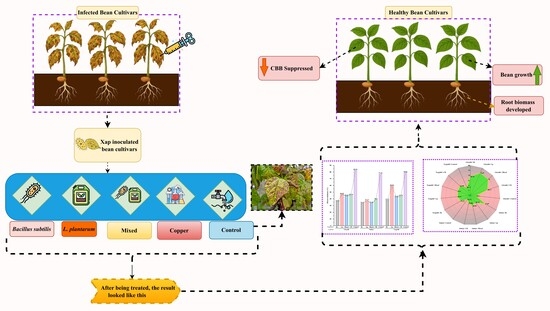
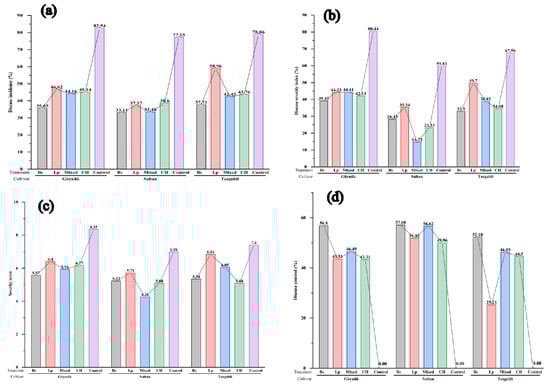
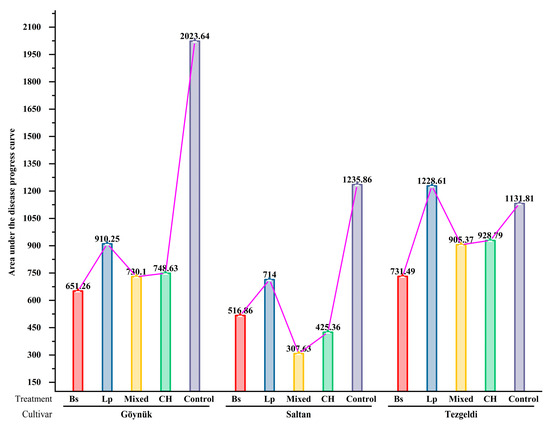
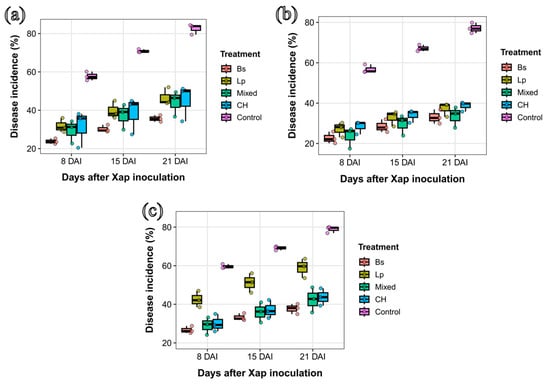
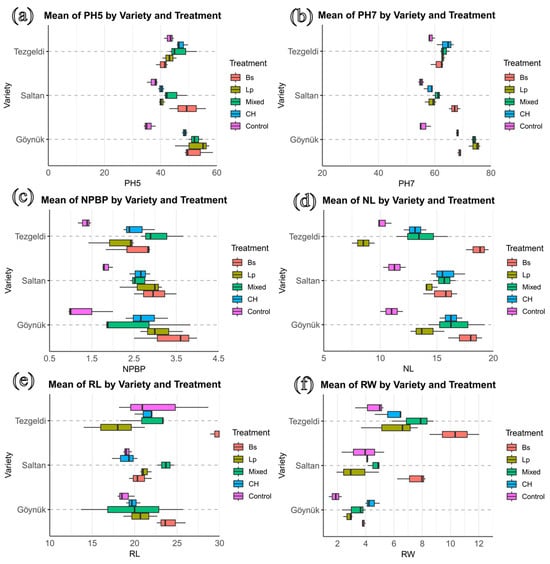
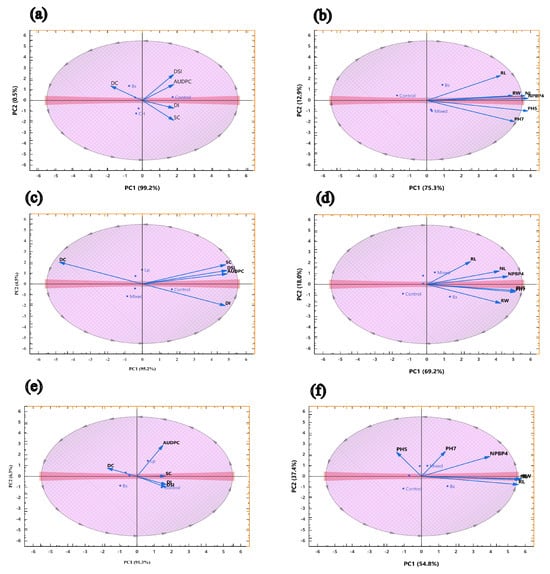
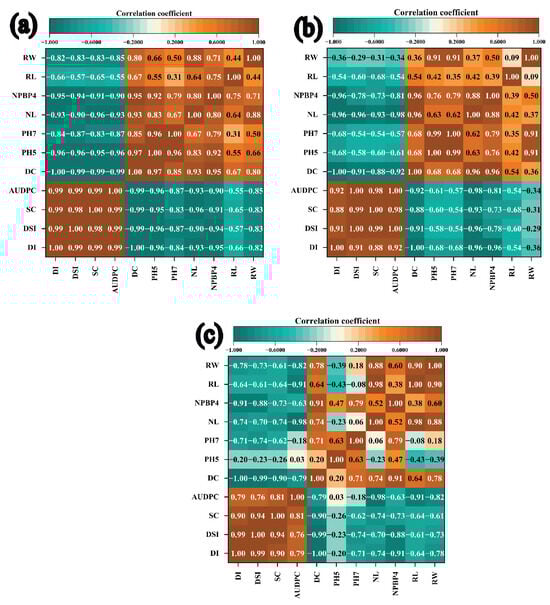
Common bacterial blight (CBB) is a significant disease caused by the seed-borne pathogen Xanthomonas axonopodis pv. phaseoli (Xap), which devastates global bean production. This study evaluated the effects of Bacillus subtilis (Bst26), Lactobacillus plantarum (Lpkb10), their combination (Bst26 + Lpkb10), copper hydroxide (CH), and an untreated control on controlling CBB in three bean cultivars (Göynük, Saltan, and Tezgeldi). Disease incidence (CI), disease severity index (DSI), severity score (SC), area under disease progress curve (AUDPC), and disease control (DC), along with agronomic traits such as plant height, number of primary branches, root length, and fresh root weight, were recorded to assess both infection rates and plant health under each treatment. The findings revealed significant differences in DI, DSI, SC, AUDPC, and DC (p ≤ 0.01) among the bean cultivars for CBB. Among the cultivars, the Bst26 treatment and the combination of Bst26 and Lpkb10 showed the highest control effectiveness, with DI values of 33.11% and 33.46% in Saltan, 35.65% and 44.16% in Göynük, and 37.71% and 42.43% in Tezgeldi, respectively, at 21 days after inoculation (DAI). Bst26 alone and in combination with Lpkb10 effectively controlled CBB, with disease reduction of 56.80% and 46.49% in Göynük, 57.08% and 56.62% in Saltan, and 52.18% and 46.19% in Tezgeldi, respectively. Disease progression was highest in the untreated control, with DI ranging from 77.15% to 82.54% across Göynük, Saltan, and Tezgeldi cultivars. Significant differences (p ≤ 0.01) in plant height, root length, and root weight were observed among treatments and cultivars. Disease parameters were negatively correlated with plant growth traits, and multi-treatment analysis demonstrated that combining bacterial strains effectively reduced disease severity in susceptible cultivars, highlighting their potential for improved CBB management.
Full article
(This article belongs to the Special Issue New Insights into Microbial Biocontrol: Strategies for Sustainable Aquaculture and Agriculture)
►▼
Show Figures

Graphical abstract
Open AccessArticle
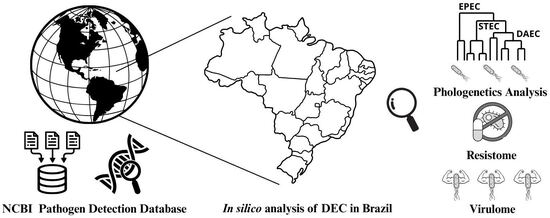
Genomic Mapping of Brazilian Escherichia coli: Characterizing Shiga Toxin-Producing, Enteropathogenic, and Diffusely Adherent Strains Using an In Silico Approach
by
Vinicius Silva Castro, Emmanuel W. Bumunang, Kim Stanford and Eduardo Eustáquio de Souza Figueiredo
Bacteria 2025, 4(4), 55; https://doi.org/10.3390/bacteria4040055 - 26 Oct 2025
Abstract
►▼
Show Figures
Background: Diarrheagenic Escherichia coli (DEC) remains relevant to public health and agri-food chains. The context in Brazil, as a major food producer and exporter, reinforces the need for genomic surveillance. Objective: We aimed to characterize Brazilian diffusely adhering (DAEC), enteropathogenic (EPEC), and
[...] Read more.
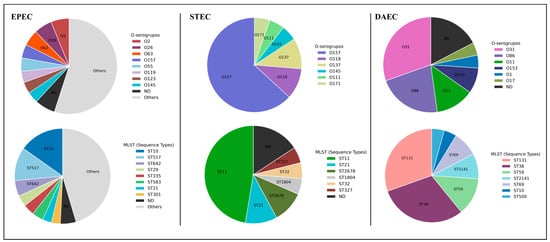
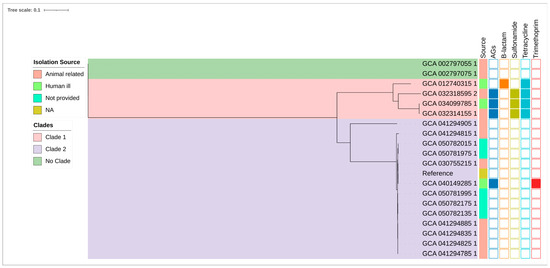
Background: Diarrheagenic Escherichia coli (DEC) remains relevant to public health and agri-food chains. The context in Brazil, as a major food producer and exporter, reinforces the need for genomic surveillance. Objective: We aimed to characterize Brazilian diffusely adhering (DAEC), enteropathogenic (EPEC), and Shiga toxin-producing E. coli (STEC) sequences in silico across O-serogroups, in addition to sequence-type (ST), virulence, resistome, and phylogenomic relationships. Methodology: We retrieved 973 genomes assigned to Brazil from NCBI Pathogen Detection Database and performed virtual-PCR screening for key DEC-genes. We then typed O-serogroups (ABRicate/EcOH), Multi-Locus Sequencing Type (MLST), virulome (Ecoli_VF), resistome (ResFinder), and characterized stx genes. Results: DEC represented 18.7% of genomes, driven primarily by EPEC. In EPEC, the eae β-1 subtype was most common; we detected, for the first time in Brazilian sequences, ξ-eae subtype and ST583/ST301. Seventy-eight percent of DAEC isolates were multidrug-resistant (MDR), and two ST were newly reported in the country (ST2141/ST500). In STEC, O157 formed a largely susceptible clade with uniform eae γ-1, whereas 57% of non-O157 were MDR. New STs (ST32/ST1804) were observed, and three genomes were closely related to international isolates. Conclusions: Despite the low DEC representation in the dataset, new STs and eae subtypes were detected in Brazil. Also, MDR in DAEC and non-O157 STEC reinforces the need for antimicrobial-resistance genomic surveillance.
Full article

Graphical abstract
Highly Accessed Articles
Latest Books
E-Mail Alert
News
Topics
Topic in
Antibiotics, Bacteria, Microbiology Research, Microorganisms, Pathogens, Parasitologia
Multidrug Resistance Across Pathogens: Fungi, Bacteria, Parasites, and Viruses
Topic Editors: Célia F. Rodrigues, Andreia S. AzevedoDeadline: 31 December 2026
Special Issues
Special Issue in
Bacteria
Bacterial Infections, Oxidative Stress, and Inflammation: Integrative Therapeutic Solutions
Guest Editors: Hicham Wahnou, Gustavo Fehrenbach, Tielidy LimaDeadline: 31 March 2026
Special Issue in
Bacteria
Ancient Yet Alive: Exploring Extant Microbial Lineages from Earth’s Earliest Life
Guest Editors: Douglas M. Ruden, Bart C. WeimerDeadline: 31 May 2026
Special Issue in
Bacteria
Bacterial Pathogens in Aquatic Animals
Guest Editor: Lee Seong WeiDeadline: 31 May 2026
Special Issue in
Bacteria
New Insights into Microbial Biocontrol: Strategies for Sustainable Aquaculture and Agriculture
Guest Editors: Sourav Chattaraj, Arindam Ganguly, Leonard Koolman, Debasis MitraDeadline: 20 June 2026