
Journal Description
Corrosion and Materials Degradation
is an international, peer-reviewed, open access journal on corrosion, environment-assisted degradation, corrosion mitigation, corrosion mechanism and corrosion monitoring, published quarterly online by MDPI.
- Open Access— free for readers, with article processing charges (APC) paid by authors or their institutions.
- High Visibility: indexed within ESCI (Web of Science), Scopus, EBSCO, and other databases.
- Rapid Publication: manuscripts are peer-reviewed and a first decision is provided to authors approximately 19.2 days after submission; acceptance to publication is undertaken in 4.6 days (median values for papers published in this journal in the second half of 2025).
- Journal Rank: CiteScore - Q2 (Materials Science (miscellaneous))
- Recognition of Reviewers: APC discount vouchers, optional signed peer review, and reviewer names published annually in the journal.
Impact Factor:
2.4 (2024);
5-Year Impact Factor:
3.4 (2024)
Latest Articles
Silane-Based Coatings Containing TiO2 for Corrosion Protection of 316L Stainless Steel
Corros. Mater. Degrad. 2026, 7(1), 10; https://doi.org/10.3390/cmd7010010 - 6 Feb 2026
Abstract
►
Show Figures
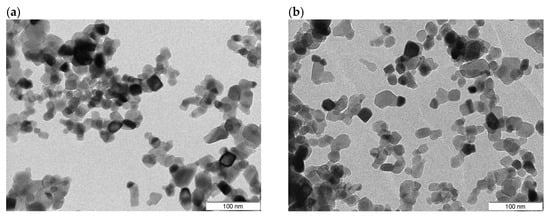
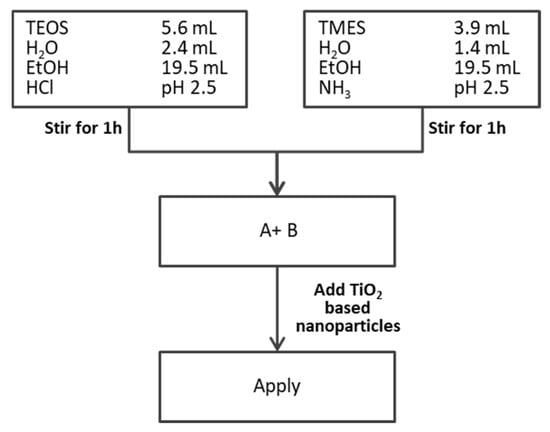
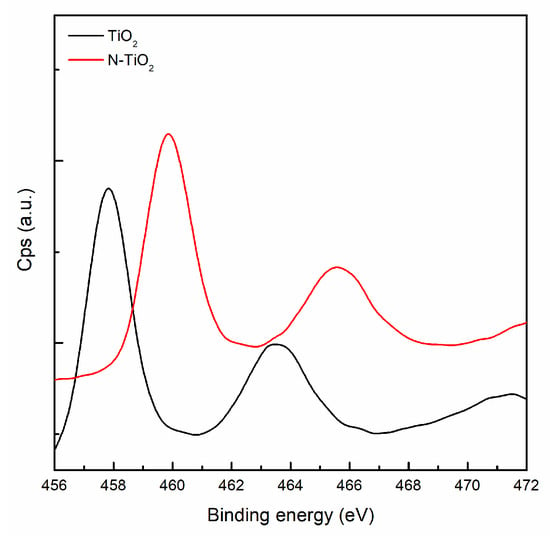
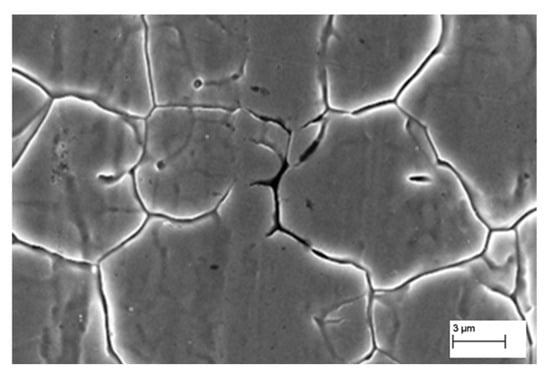
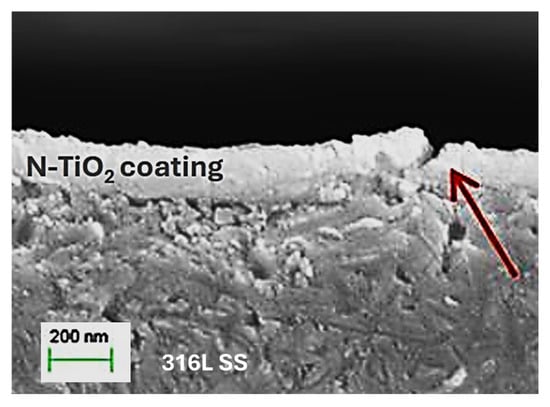
The present work aims to evaluate the electrochemical behaviour of 316L stainless steel flat sheets both uncoated and coated with an organic–inorganic silane hybrid formulation based on TEOS (tetraethyl orthosilicate) and TMES (Trimethylethoxysilane) as silane precursors. The influence of the modification of the
[...] Read more.
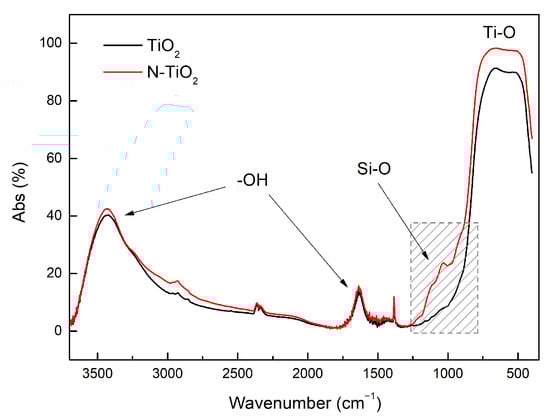
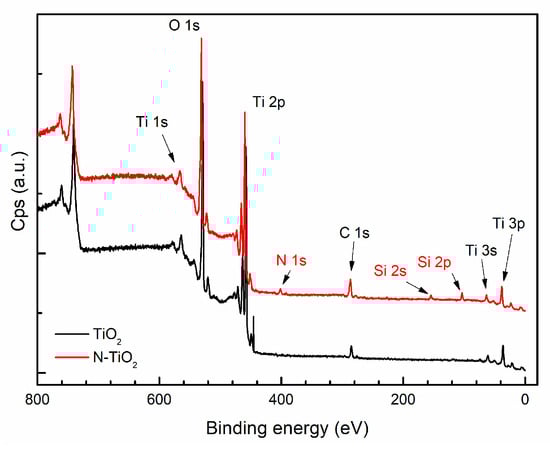
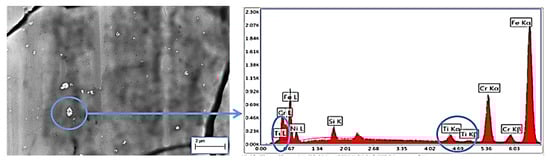
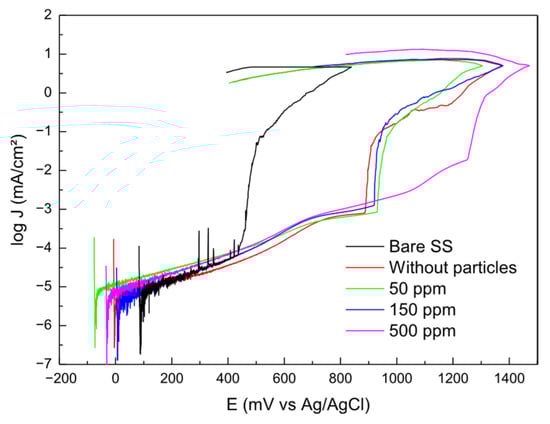
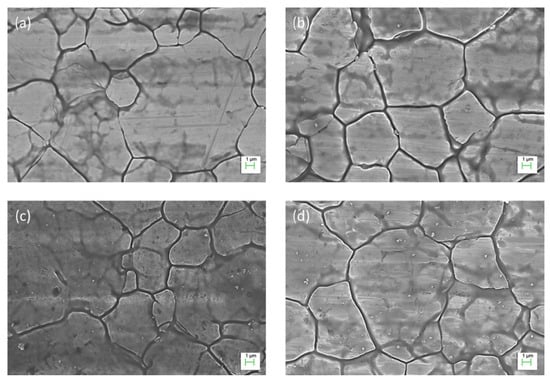
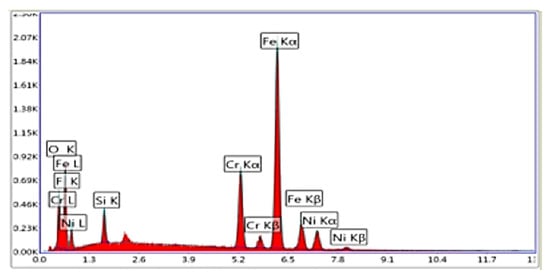
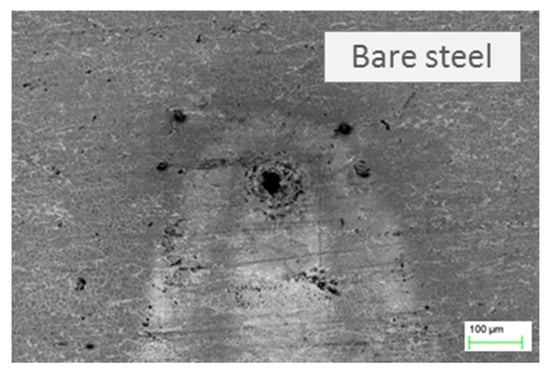
The present work aims to evaluate the electrochemical behaviour of 316L stainless steel flat sheets both uncoated and coated with an organic–inorganic silane hybrid formulation based on TEOS (tetraethyl orthosilicate) and TMES (Trimethylethoxysilane) as silane precursors. The influence of the modification of the silane-based layer by the incorporation of 3-aminopropyl trimethoxysilane (APS) doped TiO2 (N-TiO2) on the pitting properties of the coatings has been studied. The obtained protective films have been characterized from compositional (EDX), morphological (FE-SEM), and electrochemical (corrosion) points of view. Concerning their morphology, the coatings look continuous and smooth. Regarding their electrochemical properties, the results show that the application of the developed N-TiO2-containing silane coatings extends the passive potential range of 316L stainless steel in simulated body fluid; thus, it improves the pitting resistance of the substrate.
Full article
Open AccessReview
Advances in Understanding of Secondary Phases and Their Corrosion Implications in Stainless Steel Alloys—A Review
by
Ihsan Ulhaq Toor
Corros. Mater. Degrad. 2026, 7(1), 9; https://doi.org/10.3390/cmd7010009 - 30 Jan 2026
Abstract
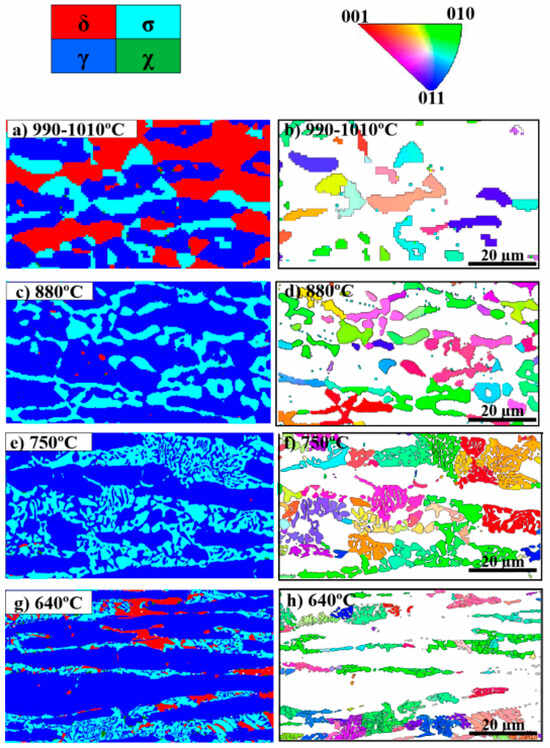
The formation and evolution of secondary phases, such as sigma (σ), chi (χ), Laves, carbides (M23C6), and nitrides (Cr2N), have a fundamental impact on the corrosion resistance of stainless steels. These stages alter the matrix’s local chemistry,
[...] Read more.
The formation and evolution of secondary phases, such as sigma (σ), chi (χ), Laves, carbides (M23C6), and nitrides (Cr2N), have a fundamental impact on the corrosion resistance of stainless steels. These stages alter the matrix’s local chemistry, compromise the passive film’s quality, and promote micro-galvanic interaction, which enhances localized corrosion issues. The thermodynamic stability, precipitation kinetics, and corrosion consequences of secondary phases in austenitic, ferritic, duplex, and lightweight (Fe–Mn–Al–C) stainless-steel systems are thoroughly reviewed and discussed in this paper. Advances in high-resolution characterization techniques, such as TEM, EBSD, atom-probe tomography, and in situ synchrotron techniques, have made it possible to map corrosion problems caused by secondary phases at the nanoscale. Computational thermodynamics (CALPHAD, DICTRA, TC-PRISMA) and emerging machine-learning models now provide quantitative prediction of phase formation and dissolution. Strategies for mitigation through alloy design, thermal treatment, and surface engineering are summarized, together with additive-manufacturing approaches for microstructural tailoring. Finally, this review highlights the integration of multi-scale modeling and sustainable alloy design to ensure phase-stable, corrosion-resistant stainless steels that enhance asset integrity and infrastructure reliability as per Sustainable Development Goals.
Full article
(This article belongs to the Special Issue Atmospheric Corrosion of Materials, 2nd Edition)
►▼
Show Figures

Figure 1
Open AccessArticle
The Importance of Considering the Service Environment When Studying and Predicting the Performance of Corrodible Structures
by
Fraser King
Corros. Mater. Degrad. 2026, 7(1), 8; https://doi.org/10.3390/cmd7010008 - 30 Jan 2026
Abstract
►▼
Show Figures
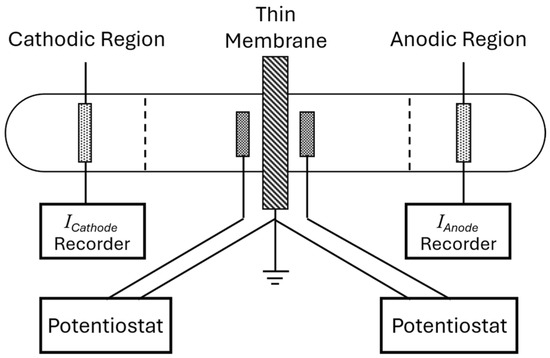
It goes without saying that when studying the corrosion behaviour of a component or structure, the experimental conditions should reflect the service environment to which the object will be exposed. However, all too frequently, “accelerated” conditions are used, involving applied potentials, elevated temperature,
[...] Read more.
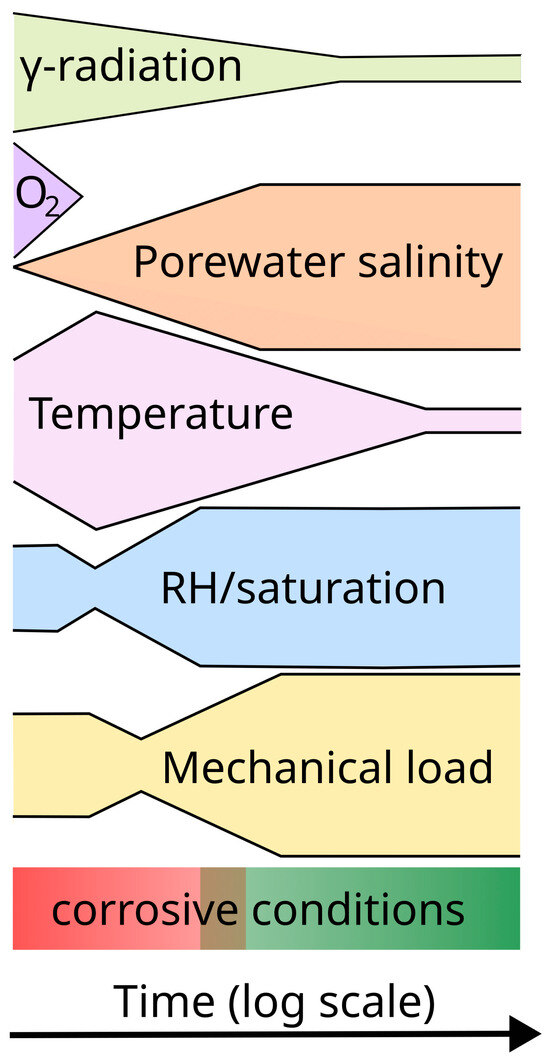
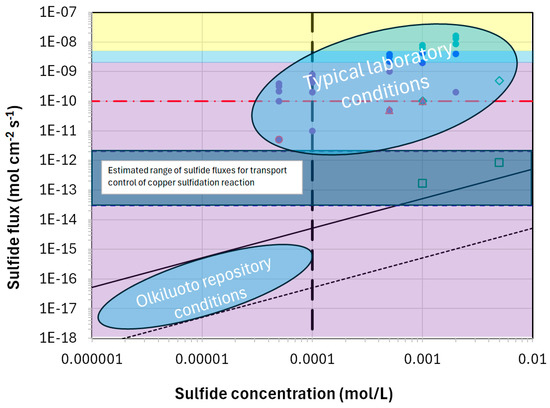
It goes without saying that when studying the corrosion behaviour of a component or structure, the experimental conditions should reflect the service environment to which the object will be exposed. However, all too frequently, “accelerated” conditions are used, involving applied potentials, elevated temperature, high solute concentrations, excessive strain or strain rates, etc., which complicates the prediction of the in-service behaviour or component lifetime. At best, it is necessary to extrapolate the results of these accelerated laboratory measurements to more realistic conditions, ideally based on a mechanistic understanding of the processes involved. At worst, accelerated laboratory tests may suggest corrosion processes that are not feasible or relevant to the service environment, potentially disqualifying a given material or design from consideration that would otherwise provide acceptable behaviour in service. Examples of the need to properly take into account the service environment and the potential negative consequences of accelerated testing are given for the case of the corrosion behaviour of nuclear waste container materials. For example, the use of bulk solutions to study the corrosion of copper by sulfide in the laboratory involves high sulfide fluxes and leads to localized corrosion and stress corrosion cracking mechanisms that are not possible under actual repository conditions. Similarly, accelerating the effects of γ-irradiation using high absorbed dose rates runs the risk of changing the mechanism of radiation-induced corrosion. Above all, it is imperative to develop a sound mechanistic understanding of the underlying corrosion mechanisms in order to confidently apply the results of short-term laboratory observations to the prediction of the long-term performance of nuclear waste containers.
Full article

Figure 1
Open AccessEditorial
Reflections and Highlights from Forty Years of Atmospheric Corrosion Research
by
Christofer Leygraf
Corros. Mater. Degrad. 2026, 7(1), 7; https://doi.org/10.3390/cmd7010007 - 28 Jan 2026
Abstract
I grew up in a home filled with music [...]
Full article
(This article belongs to the Special Issue Atmospheric Corrosion, Surface Electrochemistry and Environmental Degradation of Materials: In Honor of Prof. Christofer Leygraf)
Open AccessArticle
Long-Term Atmospheric Corrosion of Magnesium Alloys: Influence of Aluminium Content
by
Dominique Thierry, Dan Persson and Nathalie LeBozec
Corros. Mater. Degrad. 2026, 7(1), 6; https://doi.org/10.3390/cmd7010006 - 25 Jan 2026
Abstract
This paper is dedicated to long-term atmospheric corrosion behaviour of magnesium alloys. Five different magnesium alloys, namely, AZ31, AM60, AZ61, AZ80, and AZ91, were exposed for 4 years under harsh conditions at the marine corrosion site of Brest (France). From the results, the
[...] Read more.
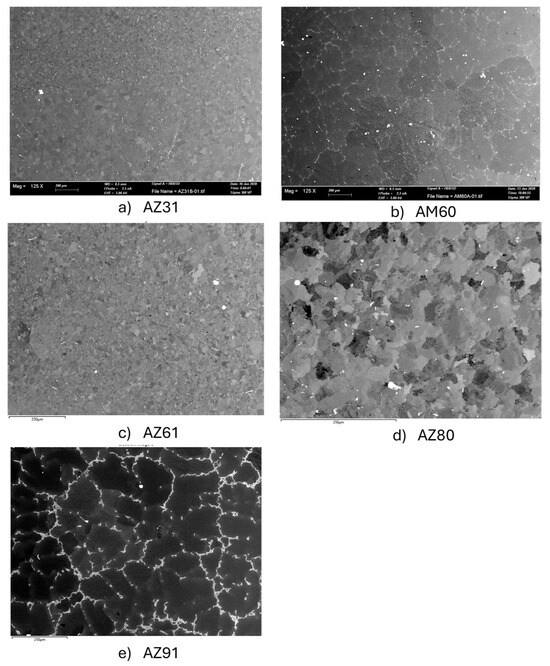
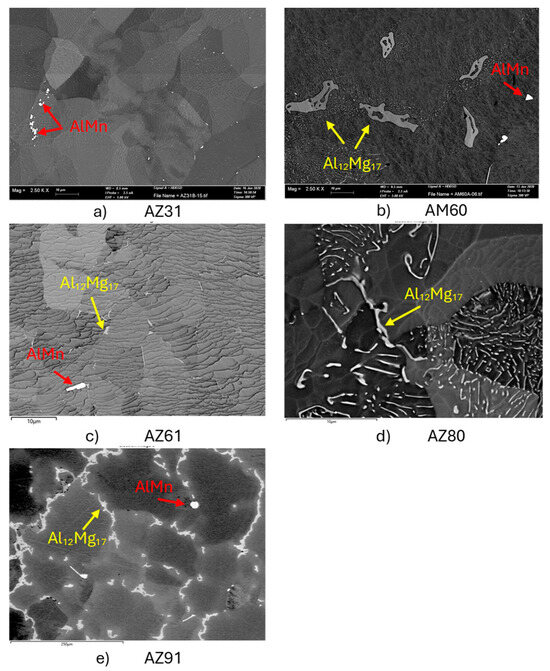
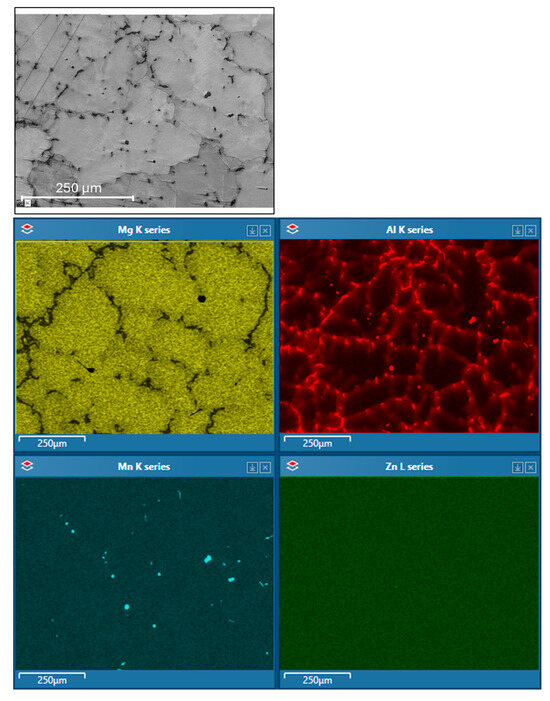
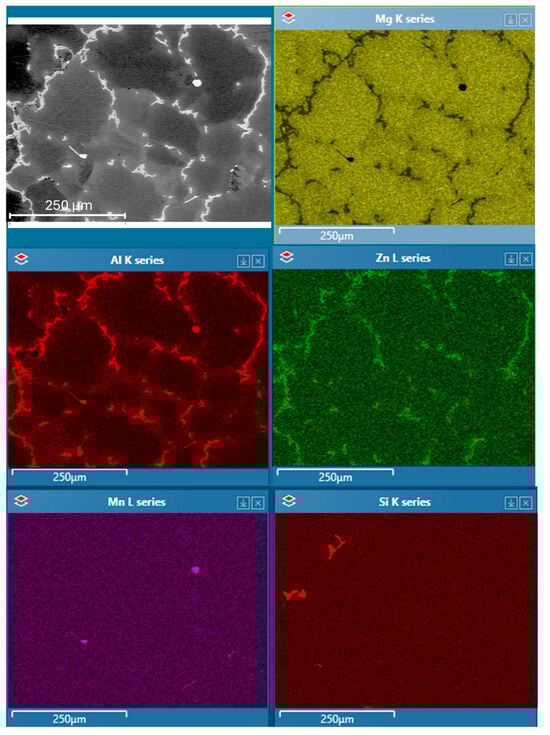
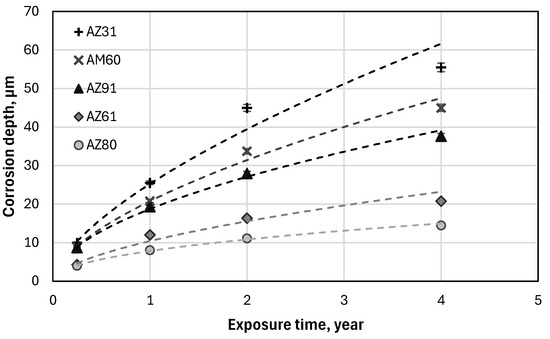
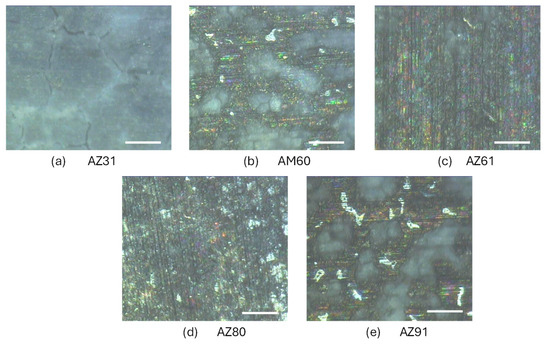
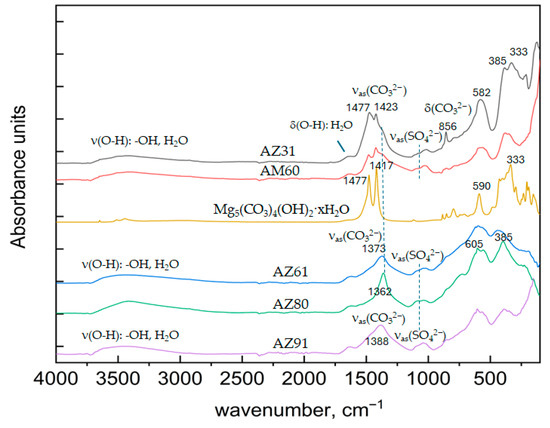
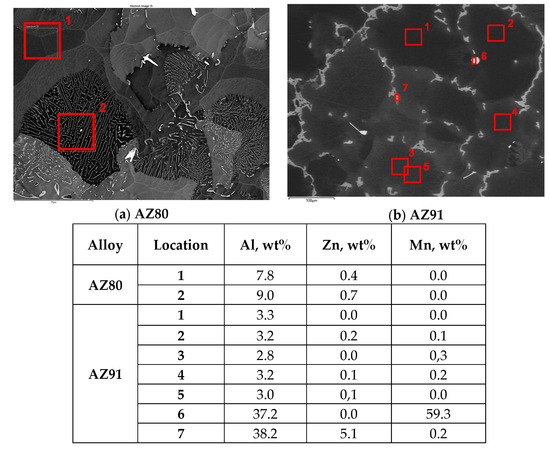
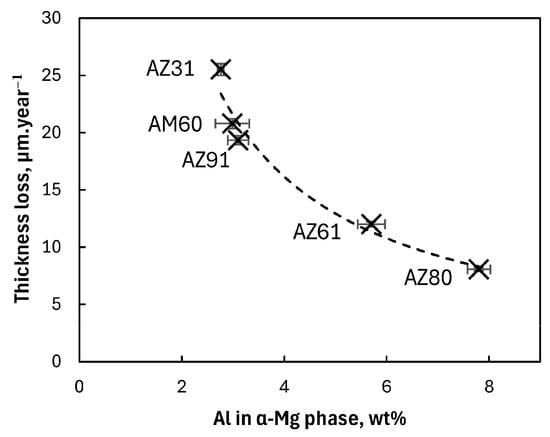
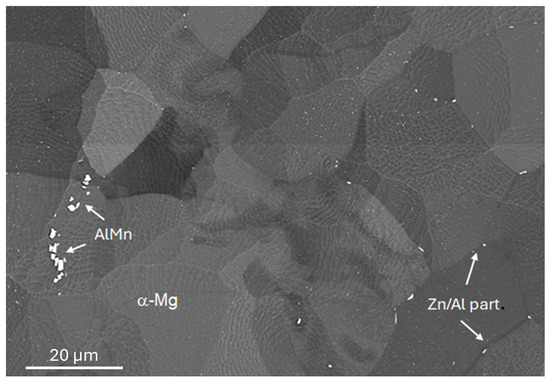
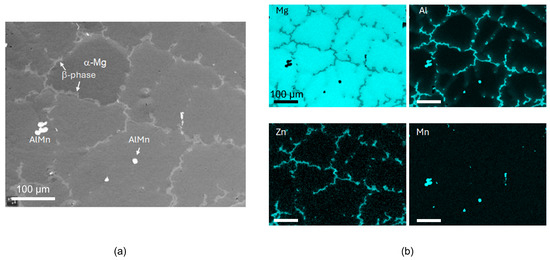
This paper is dedicated to long-term atmospheric corrosion behaviour of magnesium alloys. Five different magnesium alloys, namely, AZ31, AM60, AZ61, AZ80, and AZ91, were exposed for 4 years under harsh conditions at the marine corrosion site of Brest (France). From the results, the corrosion performance increased in the following order: AZ31 < AM60 < AZ91 < AZ61 < AZ80. The corrosion was highly localised during the first year of exposure, but more general corrosion prevailed after long-term exposure. All materials followed a power law with rather similar kinetics of corrosion. The observed difference in the corrosion performance of the alloys was explained by the amount of secondary phases as well as that of the Al-content in the α-Mg phase.
Full article
(This article belongs to the Special Issue Atmospheric Corrosion, Surface Electrochemistry and Environmental Degradation of Materials: In Honor of Prof. Christofer Leygraf)
►▼
Show Figures

Figure 1
Open AccessArticle
Effect of Heat Treatment on the Corrosion Behavior of Additively Manufactured and Cast AlSi10Mg
by
Fynn Buhl, Kilian Feil, Nic Tusch, André Korten and Philipp Schempp
Corros. Mater. Degrad. 2026, 7(1), 5; https://doi.org/10.3390/cmd7010005 - 22 Jan 2026
Abstract
►▼
Show Figures
This study investigates the corrosion resistance of aluminum alloy AlSi10Mg to evaluate the influence of both manufacturing methods and heat treatments on its durability. The research compares samples produced via laser powder bed fusion (LPBF) and conventional casting, with subsets subjected to either
[...] Read more.
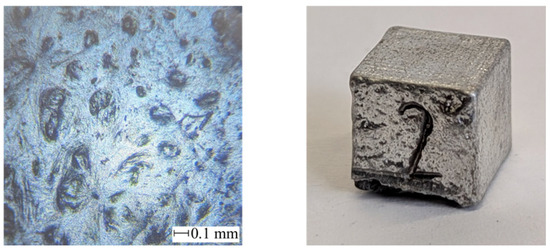
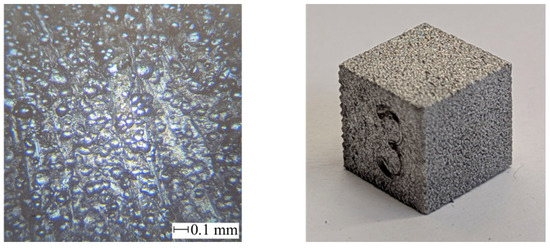
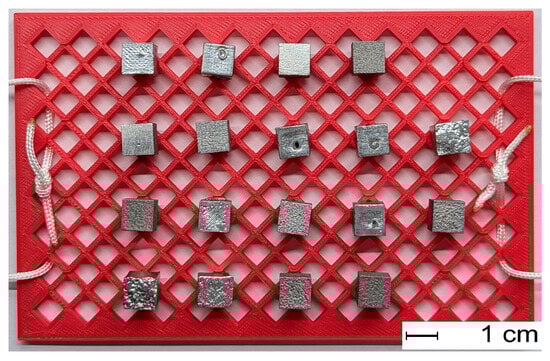
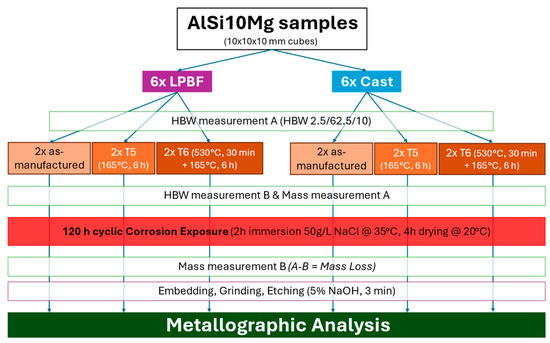
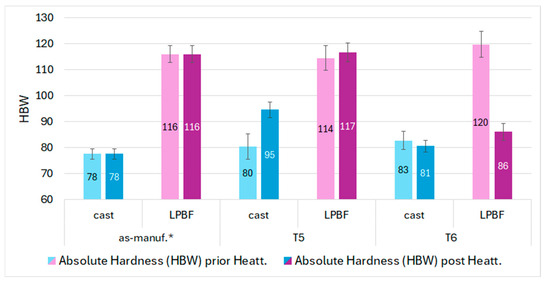
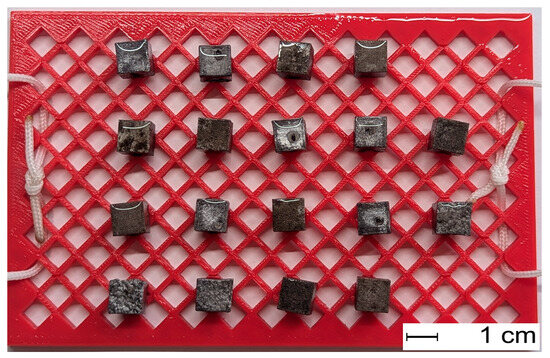
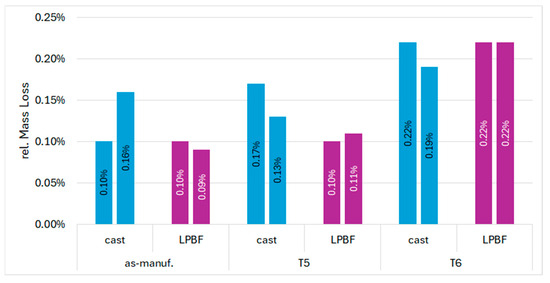
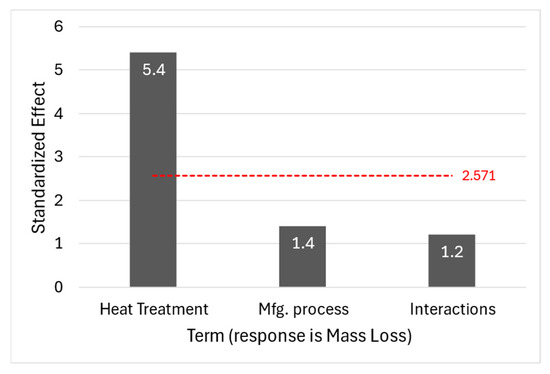
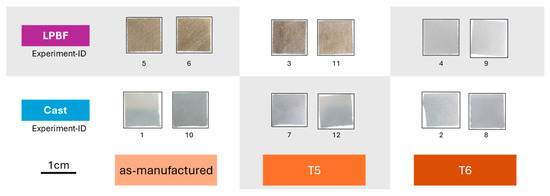
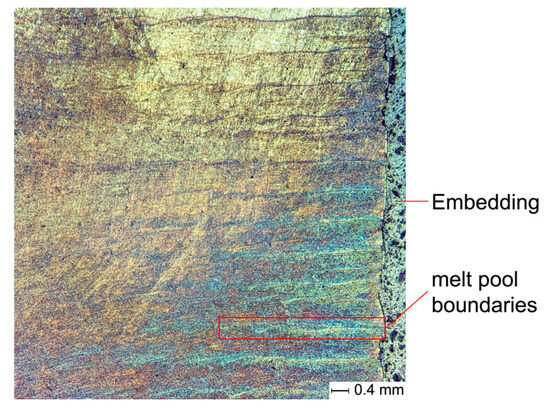
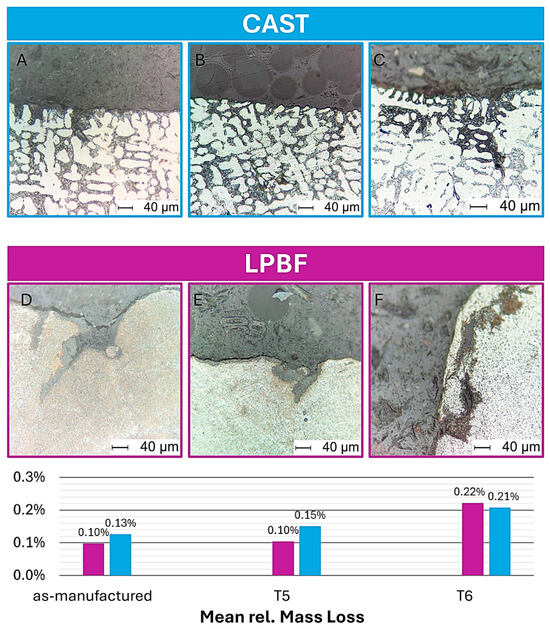
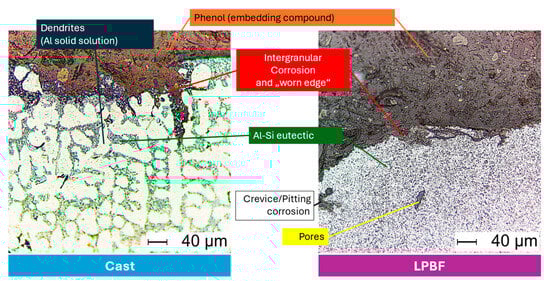
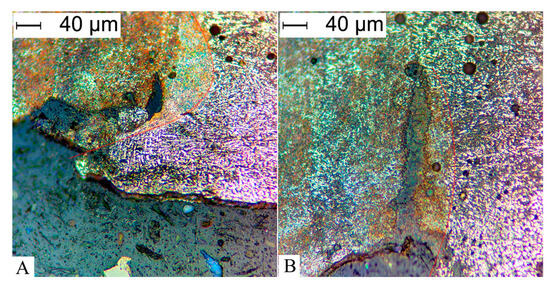
This study investigates the corrosion resistance of aluminum alloy AlSi10Mg to evaluate the influence of both manufacturing methods and heat treatments on its durability. The research compares samples produced via laser powder bed fusion (LPBF) and conventional casting, with subsets subjected to either no, T5 (artificial aging), and T6 (solution annealing and aging) heat treatment. All samples were exposed to an accelerated cyclic corrosion test, using immersion and drying cycles. Corrosion performance was quantified via mass loss (ML) measurements and analyzed using metallography. The analysis revealed that heat treatment (factor A) is the only statistically significant factor affecting mass loss. Even short exposure to the corrosive environment caused clearly visible surface changes. This suggests a significant decrease in corrosion resistance, linked to microstructural changes. While LPBF parts exhibited lower mass loss in the as-manufactured and T5 states, the T6 treatment negatively impacted both manufacturing routes.
Full article

Figure 1
Open AccessArticle
An Evidence-Based Framework for the Sustainable Rehabilitation of Corrosion-Damaged Historic Marine Structures
by
Tamim A. Samman and Ahmed Gouda
Corros. Mater. Degrad. 2026, 7(1), 4; https://doi.org/10.3390/cmd7010004 - 29 Dec 2025
Abstract
This paper presents a validated, data-driven framework for the sustainable rehabilitation of corrosion-damaged marine infrastructure, demonstrated through a comprehensive study on a historic coastal structure. The implemented three-phase methodology—integrating advanced condition assessment, evidence-based intervention design, and rigorous performance validation—successfully addressed severe chloride-induced deterioration.
[...] Read more.
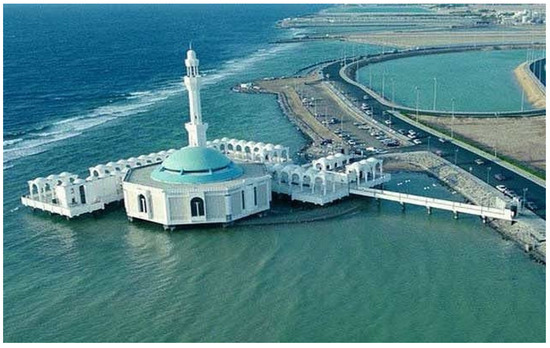
This paper presents a validated, data-driven framework for the sustainable rehabilitation of corrosion-damaged marine infrastructure, demonstrated through a comprehensive study on a historic coastal structure. The implemented three-phase methodology—integrating advanced condition assessment, evidence-based intervention design, and rigorous performance validation—successfully addressed severe chloride-induced deterioration. Diagnostic quantification revealed that 30% of the primary substructure was severely compromised, with chloride concentrations reaching 1.94% by weight (970% above the corrosion threshold) and half-cell potential mapping confirming a >90% probability of active corrosion in critical elements. Guided by this data, a synergistic intervention combining galvanic cathodic protection, high-performance coatings, and structural strengthening was deployed. Post-repair validation confirmed exceptional outcomes: a complete electrochemical repassivation (potential shift from −385 mV to −185 mV), a 97.3% reduction in chloride diffusion rates, a 250% increase in surface resistivity, and the restoration of structural capacity to 115% of design specifications. The framework achieved a 65% reduction in projected lifecycle costs while establishing a new paradigm for preserving marine infrastructure through evidence-based, multi-mechanism strategies that ensure long-term durability and economic viability.
Full article
(This article belongs to the Special Issue Corrosion and Corrosion Protection Strategies in the Marine Environment)
►▼
Show Figures

Figure 1
Open AccessArticle
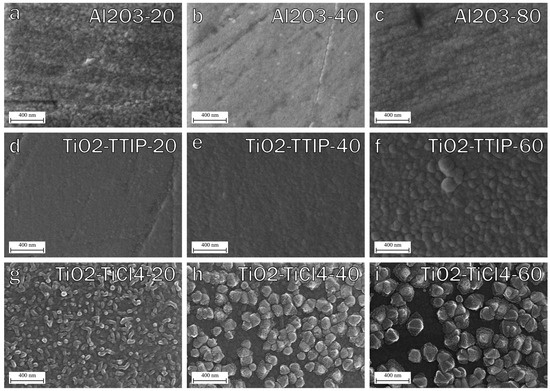
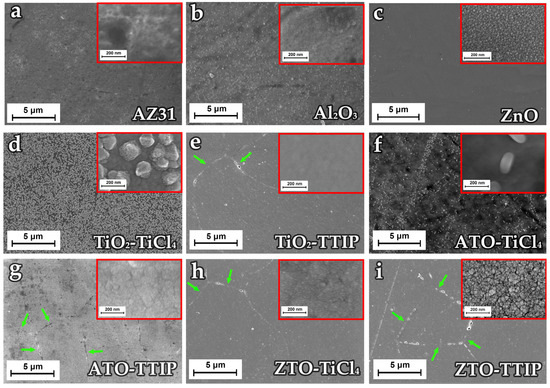
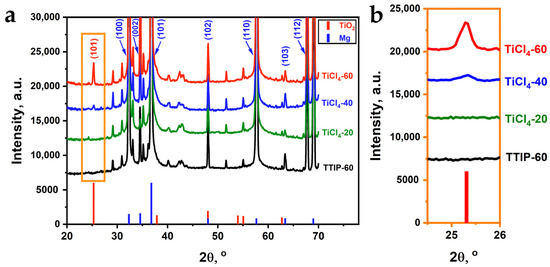
Atomic Layer Deposition of Oxide-Based Nanocoatings for Regulation of AZ31 Alloy Biocorrosion in Ringer’s Solution
by
Denis Nazarov, Lada Kozlova, Vladislava Vartiajnen, Sergey Kirichenko, Maria Rytova, Anton P. Godun, Maxim Maximov, Arina Ilina, Stephanie E. Combs, Mark Pitkin and Maxim Shevtsov
Corros. Mater. Degrad. 2026, 7(1), 3; https://doi.org/10.3390/cmd7010003 - 26 Dec 2025
Abstract
Research into methods for regulating the biocorrosion rate of biodegradable magnesium implants is one of the most urgent tasks in the field of biomedical materials science. Atomic layer deposition (ALD) is a highly effective method for the preparation of nanocoatings, which can be
[...] Read more.
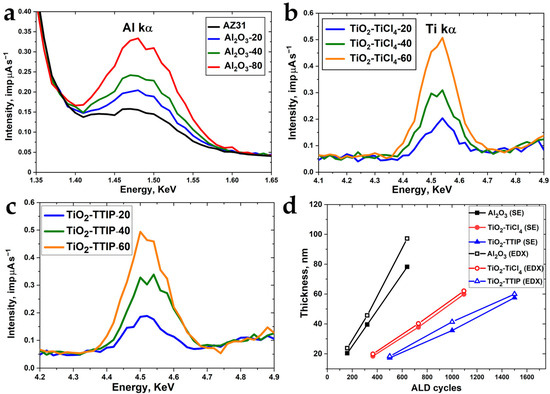
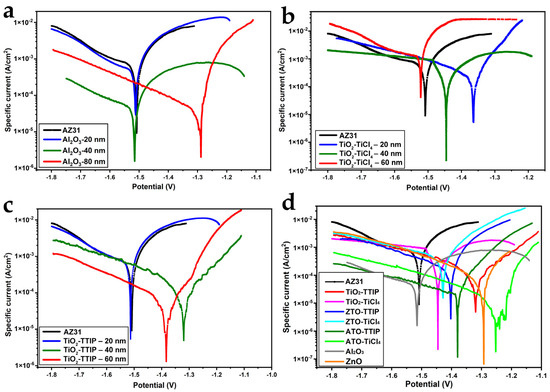
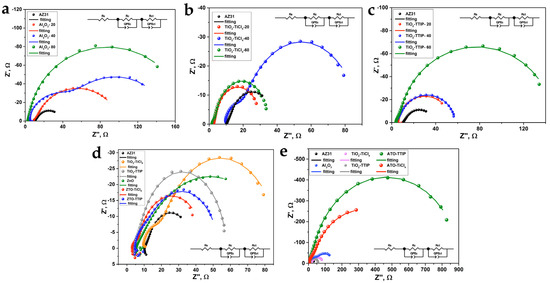
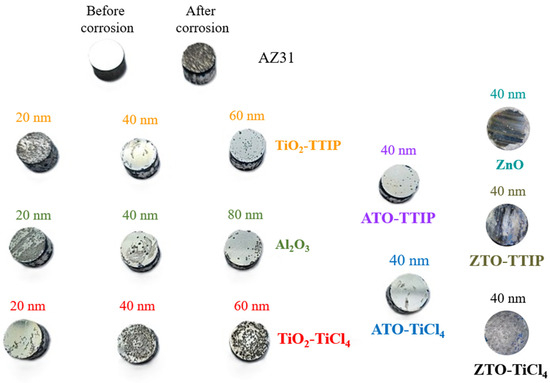
Research into methods for regulating the biocorrosion rate of biodegradable magnesium implants is one of the most urgent tasks in the field of biomedical materials science. Atomic layer deposition (ALD) is a highly effective method for the preparation of nanocoatings, which can be used to regulate the biodegradation rate. The present paper presents the findings of a research study in which the most commonly used simple oxide ALD coatings (Al2O3, TiO2, and ZnO) were examined, in addition to mixed coatings obtained by alternating ALD cycles of the application of ZnO-TiO2 (ZTO) and Al2O3-TiO2 (ATO). The coating thicknesses exhibited a variation within the most typical range for ALD coatings, measuring between 20 and 80 nanometres. The biocorrosion testing was conducted in Ringer’s physiological solution through the measurement of potentiodynamic polarisation curves and impedance spectroscopy. The findings demonstrated that, for Al2O3 coatings, the protective properties exhibited an increase with increasing thickness, while for TiO2, the trend was found to be dependent on the type of precursor utilised. The protective properties of titanium tetraisopropoxide (TTIP) have been observed to increase with increasing thickness. Conversely, the protective properties of titanium tetrachloride (TiCl4) have been observed to decrease. The application of mixed ZTO oxides with a thickness of 40 nm has been demonstrated to reduce the corrosion current by 1.7 and 3.4 times, depending on the use of TiCl4 or TTIP. Furthermore, the effectiveness of ATO coatings of similar thicknesses has been shown to be higher, with a reduction in corrosion currents of 54 and 24 times for samples obtained using TiCl4 and TTIP, respectively. A thorough analysis of the collected data unequivocally demonstrates the superior efficacy of mixed oxides in comparison to their pure oxide counterparts.
Full article
(This article belongs to the Special Issue Advances in Material Surface Corrosion and Protection)
►▼
Show Figures

Figure 1
Open AccessArticle
Rubber-Induced Corrosion of Painted Automotive Steel: Inconspicuous Case of Galvanic Corrosion
by
Kateryna Popova, Jan Švadlena and Tomáš Prošek
Corros. Mater. Degrad. 2026, 7(1), 2; https://doi.org/10.3390/cmd7010002 - 23 Dec 2025
Abstract
Rubber components filled with carbon black are widely used in vehicles for sealing, preventing water ingress, and reducing vibration and aerodynamic noise. However, carbon particles increase the electrical conductivity of rubber. When a carbon-filled rubber part comes into contact with the metal car
[...] Read more.
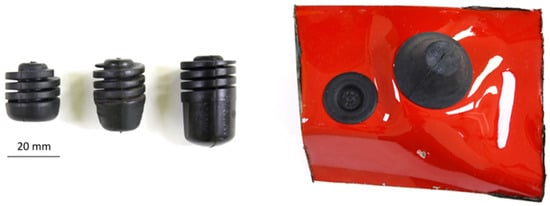
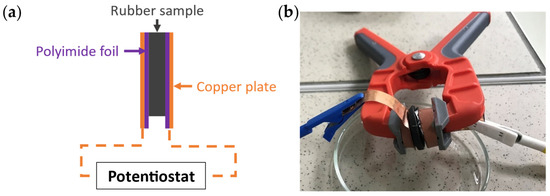
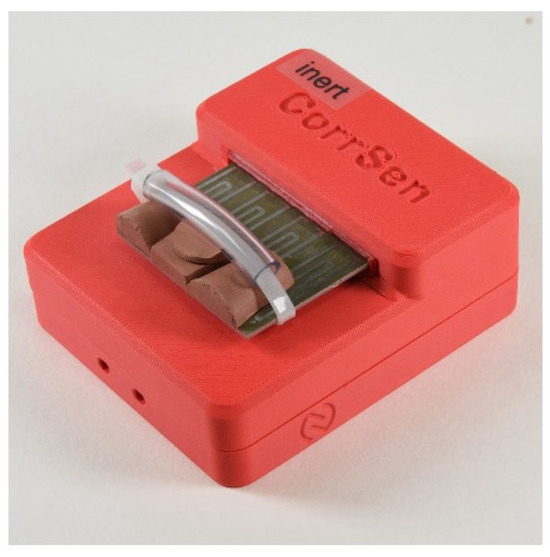
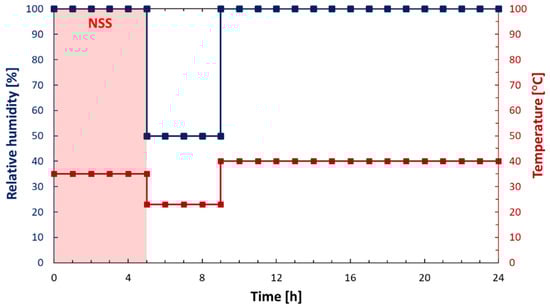
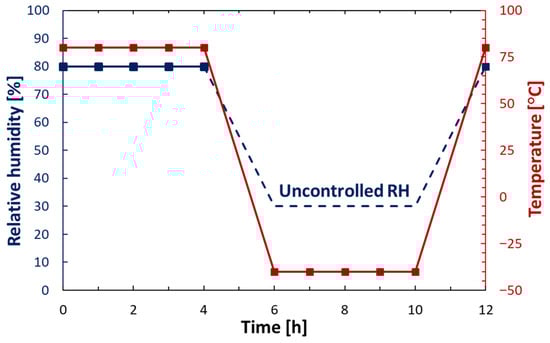
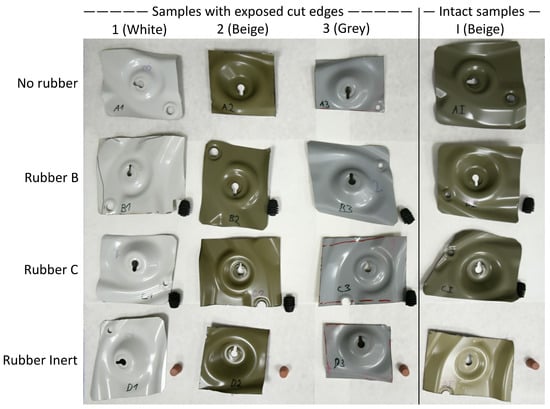
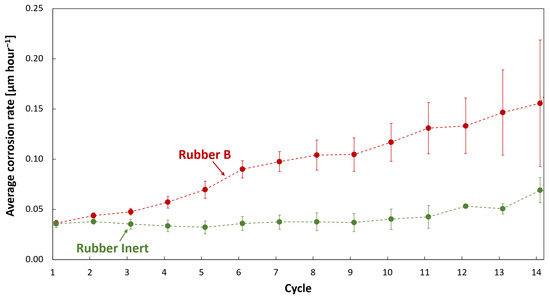
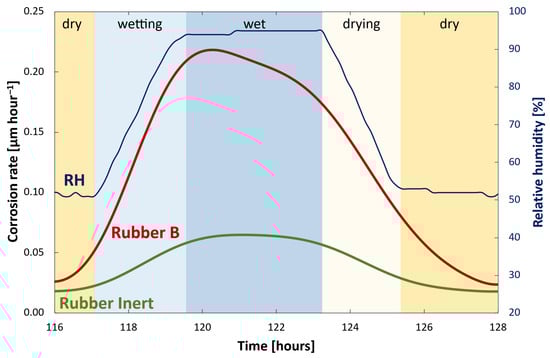
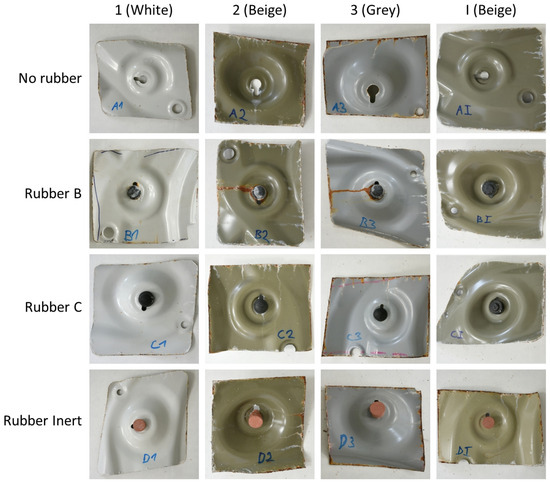
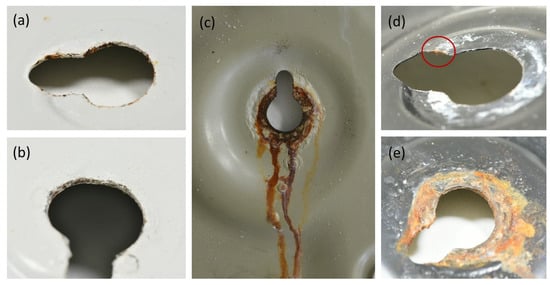
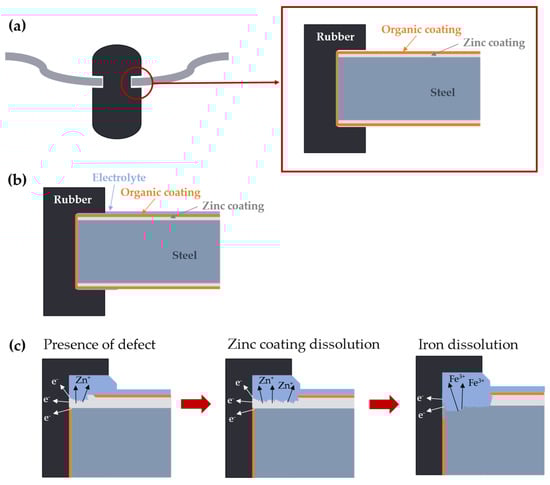
Rubber components filled with carbon black are widely used in vehicles for sealing, preventing water ingress, and reducing vibration and aerodynamic noise. However, carbon particles increase the electrical conductivity of rubber. When a carbon-filled rubber part comes into contact with the metal car body, it may act as a cathode, accelerating metal corrosion via galvanic coupling. This study combined volume resistivity and zero-resistance ammeter (ZRA) measurements, resistometric corrosion monitoring, and accelerated corrosion testing to assess the effect of rubber conductivity on the corrosion degradation of painted car body panels in defects. More conductive rubber induced a higher galvanic current and accelerated paint delamination from defects. Real-time monitoring confirmed an earlier onset of corrosion and higher corrosion rates for steel coupled with conductive rubber. These findings emphasize the importance of using low-conductive rubber with resistivity from 104 Ω·m to minimize the risk of galvanic corrosion of the car body.
Full article
(This article belongs to the Special Issue Atmospheric Corrosion, Surface Electrochemistry and Environmental Degradation of Materials: In Honor of Prof. Christofer Leygraf)
►▼
Show Figures

Figure 1
Open AccessArticle
Corrosion of Carbon Steel and Extra High-Speed Laser Application Clad Materials in Superheated H2O Containing CO2 and H2S
by
Andri Isak Thorhallsson, Erlend Oddvin Straume, Tomaso Maccio, Erfan Abedi Esfahani, Helen Osk Haraldsdottir, Lilja Tryggvadottir and Sigrun Nanna Karlsdottir
Corros. Mater. Degrad. 2026, 7(1), 1; https://doi.org/10.3390/cmd7010001 - 19 Dec 2025
Abstract
►▼
Show Figures
Currently, there are several deep drill geothermal projects that aim to discharge superheated or supercritical geothermal fluid for sustainable power production. In geothermal power utilisation, the well casing steel and surface equipment is susceptible to corrosion due to corrosive species in the geothermal
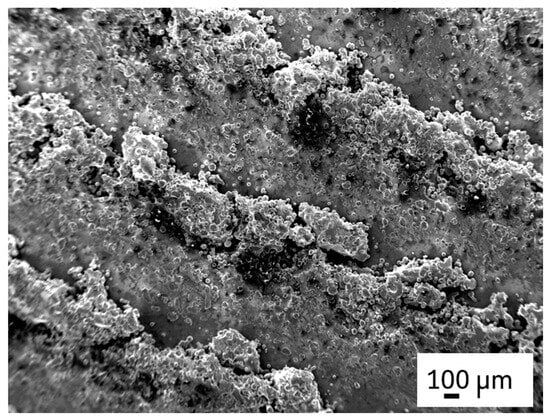
[...] Read more.
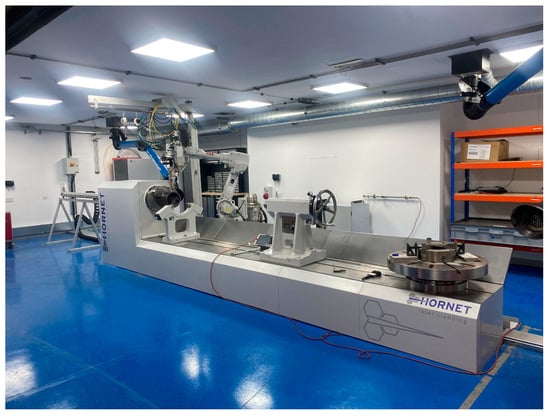
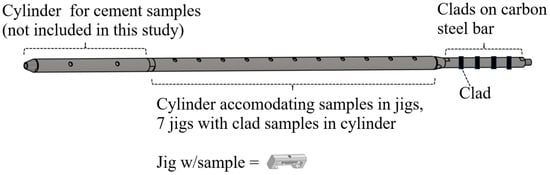
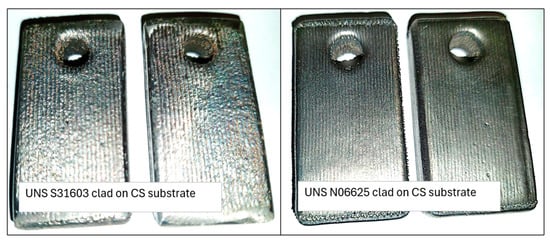
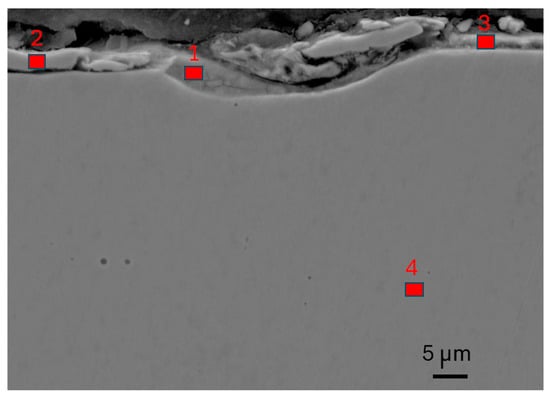
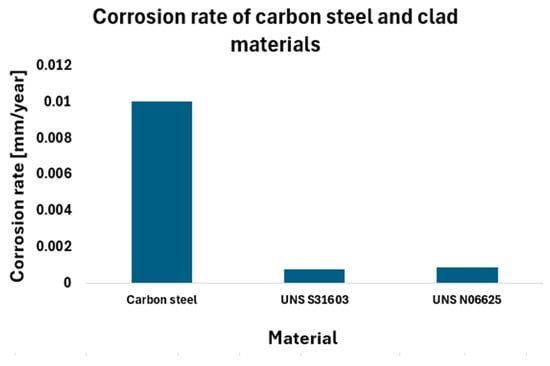
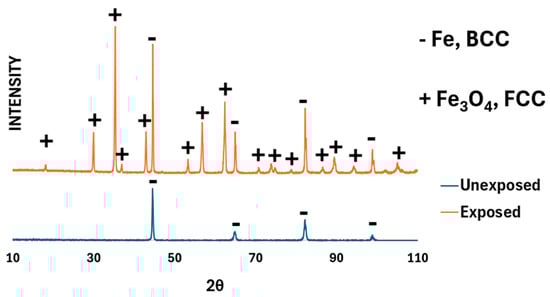
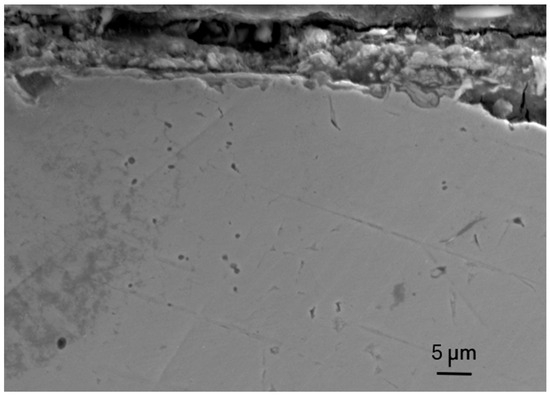
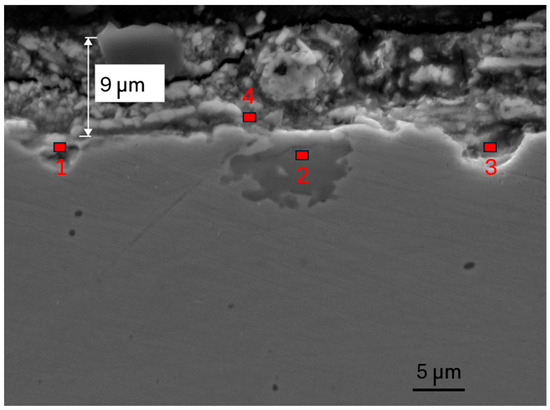
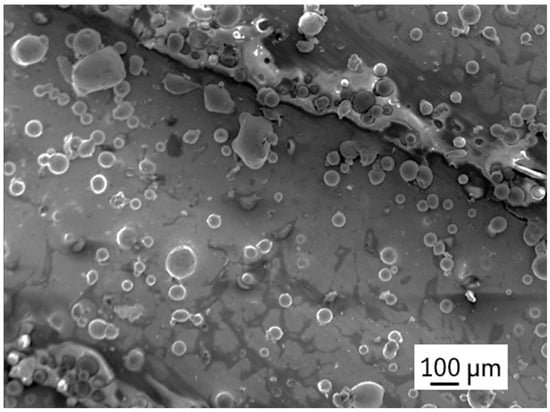
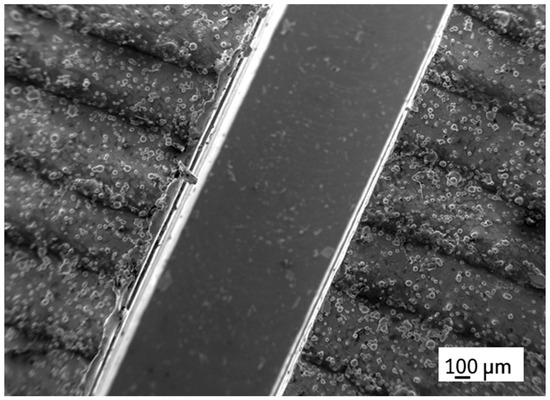
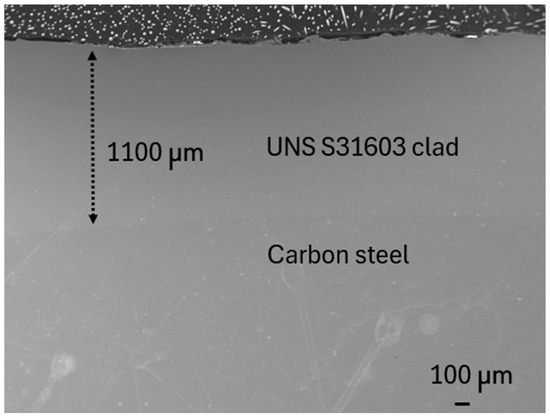
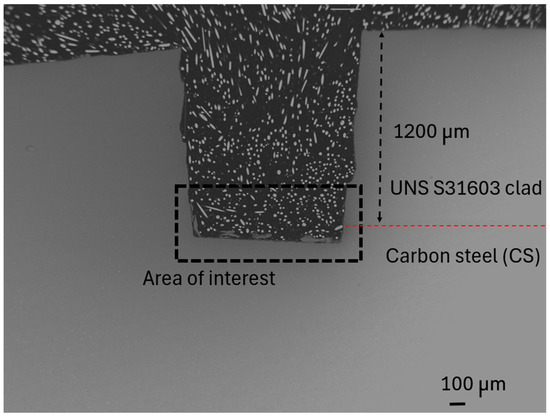
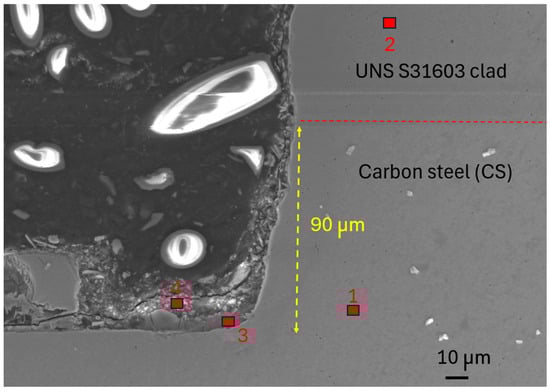
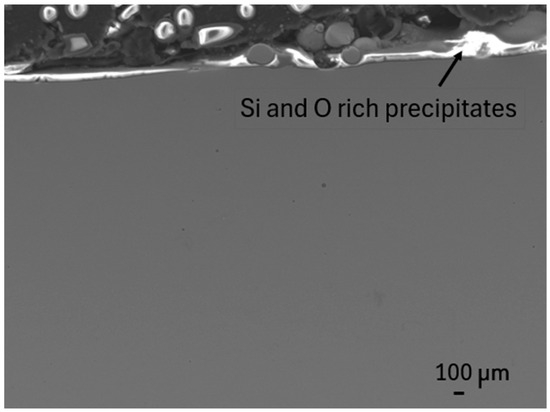
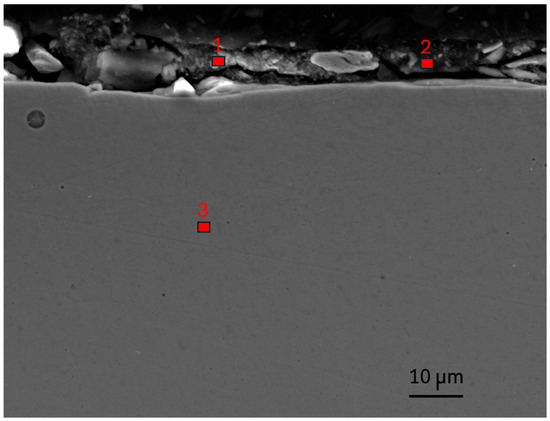
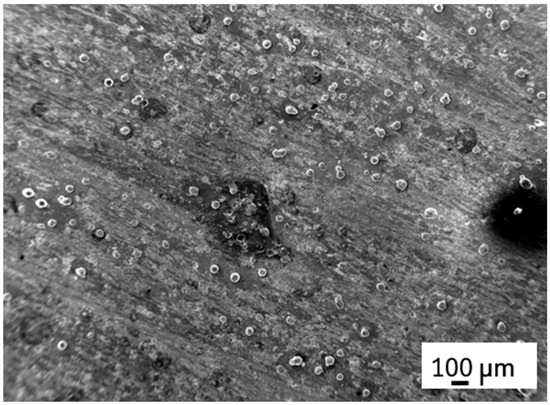
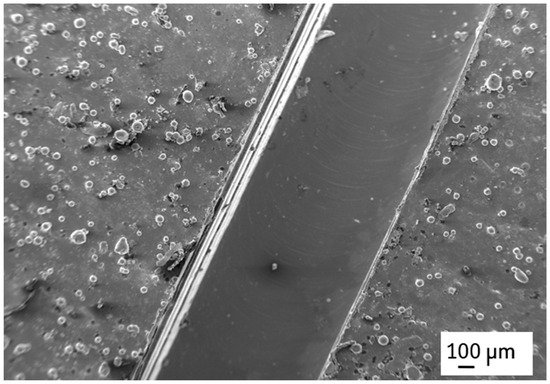
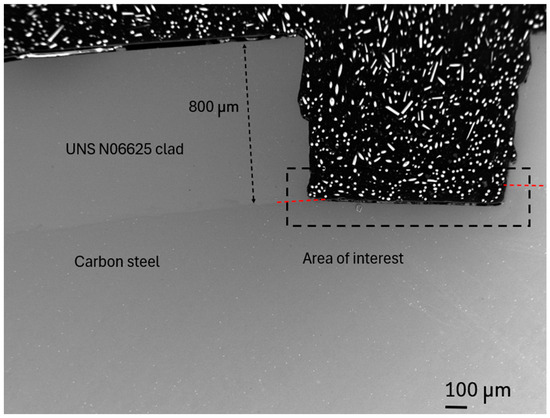
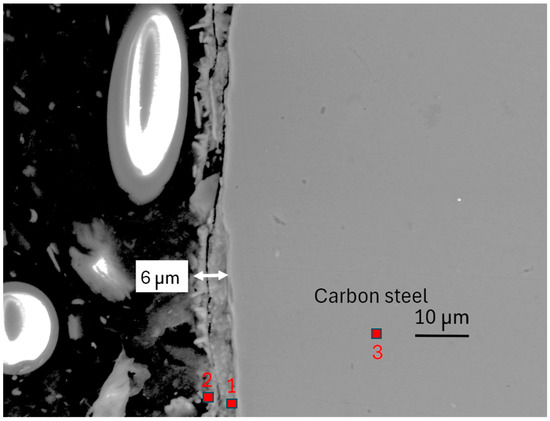
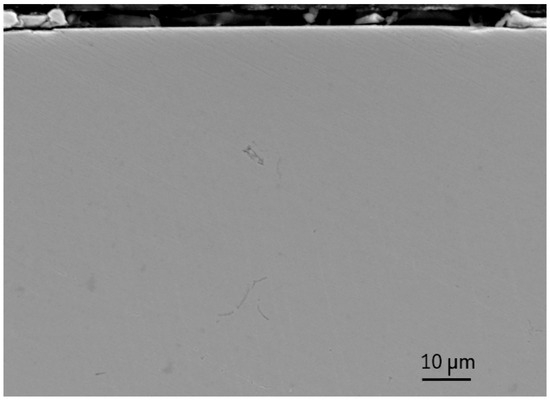
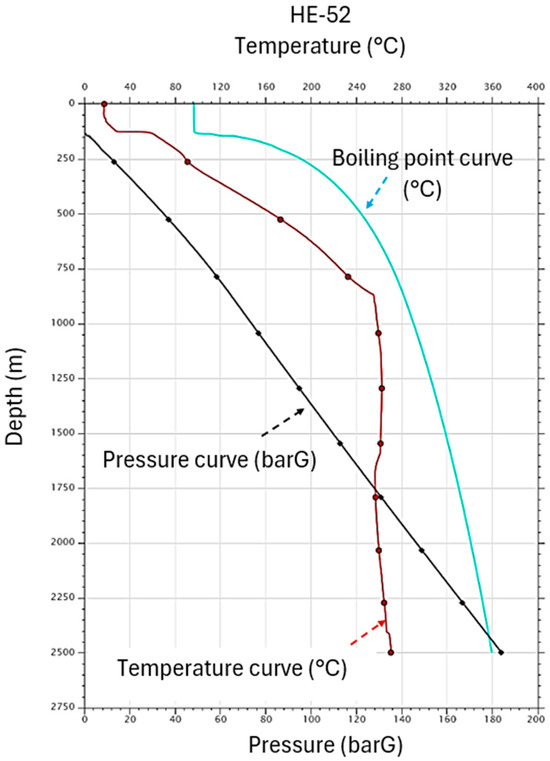
Currently, there are several deep drill geothermal projects that aim to discharge superheated or supercritical geothermal fluid for sustainable power production. In geothermal power utilisation, the well casing steel and surface equipment is susceptible to corrosion due to corrosive species in the geothermal fluid. The temperature and the phase state of the fluid greatly affect the extent and the forms of corrosion that can occur. To mitigate corrosion damage in the casing and surface equipment, the recently developed production method Extra High-speed Laser Application (EHLA) cladding is proposed as a solution. To simulate application of carbon steel and EHLA clads in superheated geothermal wells, the materials were tested in a superheated steam containing CO2 and H2S at 450 °C temperature and 150 barG pressure. Microstructural and chemical analysis was performed with SEM, EDX and XRD, and corrosion rate was analysed with the weight loss method. The carbon steel was prone to corrosion with a double corrosion layer but the corrosion of the EHLA clads was insignificant. The results show that the EHLA clads tested have good corrosion resistance in the test environment, and the study can aid in the selection of casing and clad materials for future deep geothermal wells. Furthermore, this study shows that the EHLA clads increase the variety of corrosion mitigation solutions for future geothermal projects.
Full article

Figure 1
Open AccessArticle
Natural Orange Peel Extract as a Corrosion Inhibitor and Cleaning Agent for Surgical Instruments
by
Willian Aperador, Giovany Orozco-Hernández and Jonnathan Aperador
Corros. Mater. Degrad. 2025, 6(4), 67; https://doi.org/10.3390/cmd6040067 - 17 Dec 2025
Abstract
This study evaluated the efficacy of an environmentally friendly degreasing agent formulated from orange peel extract as both a cleaning agent and corrosion inhibitor for surgical instruments manufactured from 316LVM stainless steel. The extract was obtained via microwave-assisted hydrodistillation and subsequently blended with
[...] Read more.
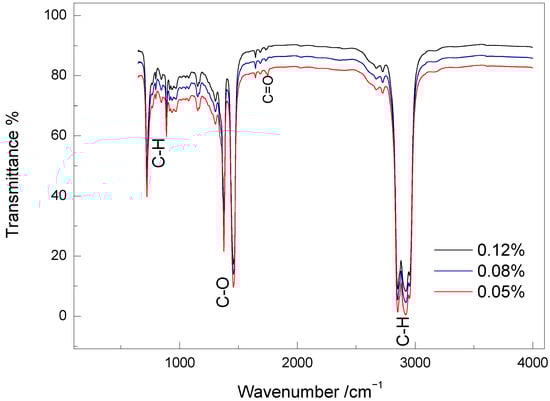
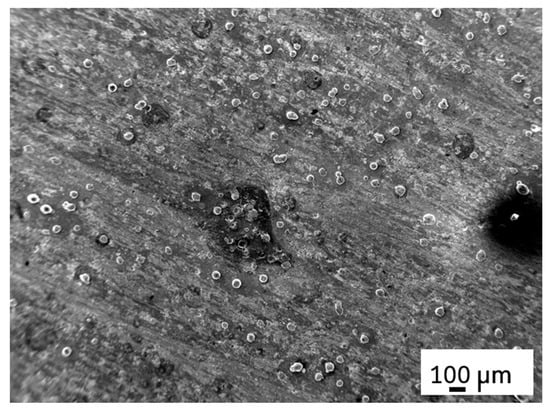
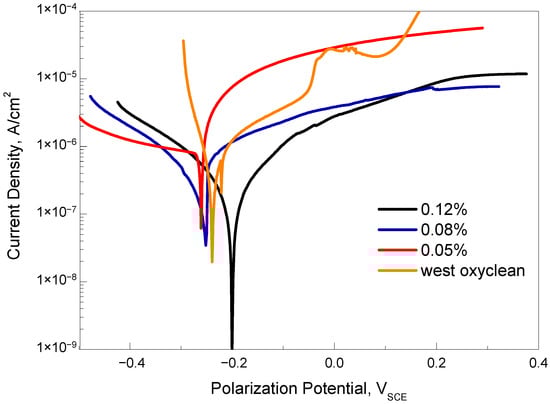
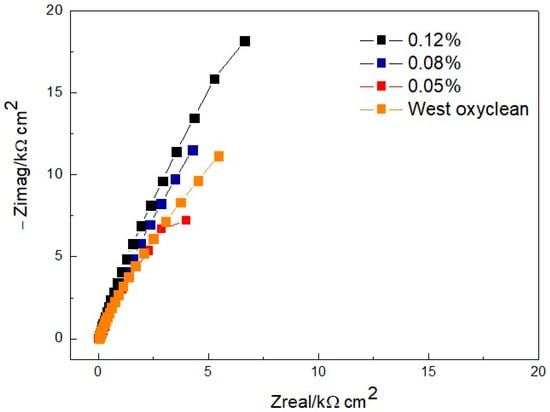
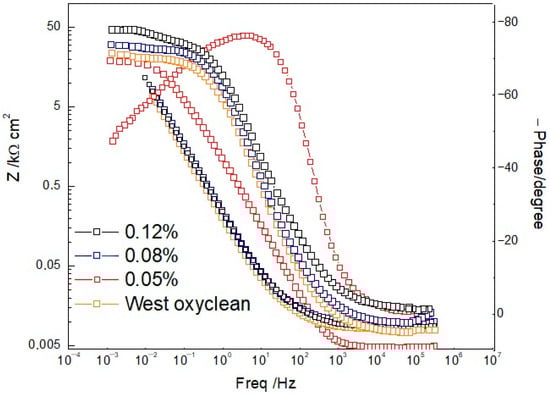
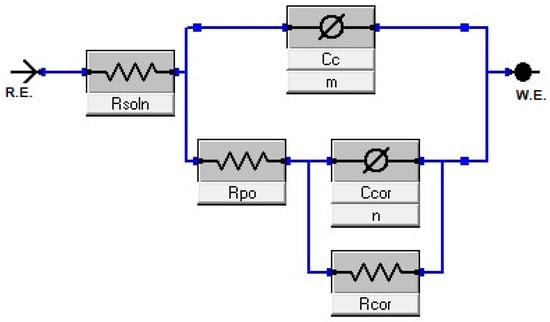
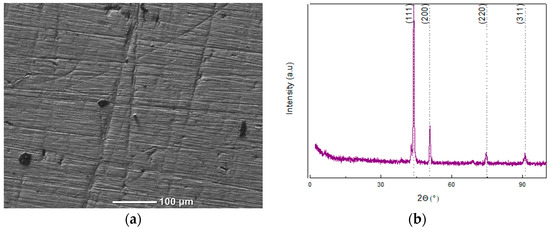
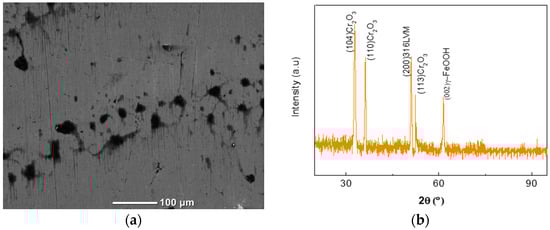
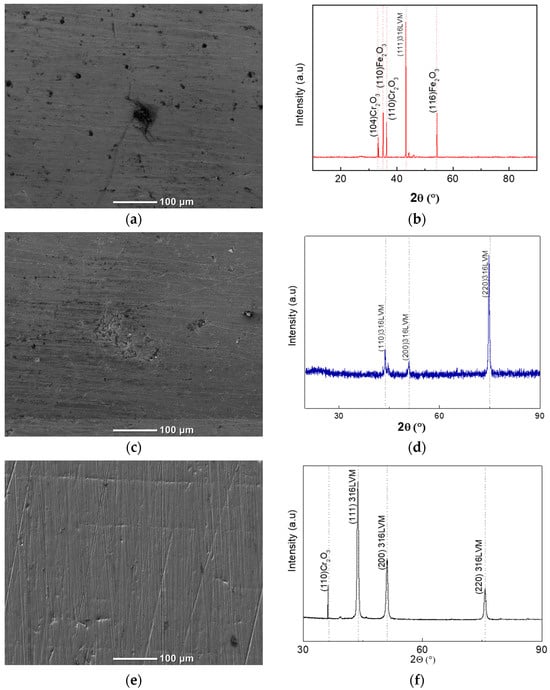
This study evaluated the efficacy of an environmentally friendly degreasing agent formulated from orange peel extract as both a cleaning agent and corrosion inhibitor for surgical instruments manufactured from 316LVM stainless steel. The extract was obtained via microwave-assisted hydrodistillation and subsequently blended with biodegradable surfactants. Its performance was compared against a benchmark commercial cleaner (West Oxyclean®) through Tafel polarization, Electrochemical Impedance Spectroscopy (EIS), Fourier Transform Infrared Spectroscopy (FTIR), Scanning Electron Microscopy (SEM), and X-Ray Diffraction (XRD). FTIR analysis confirmed the presence of terpenic compounds, predominantly limonene, alongside ethers, alcohols, and unsaturated structure characteristics of citrus essential oils. Polarization and EIS results showed that the formulation containing 0.12% extract exhibited the highest charge-transfer resistance and the lowest corrosion current density (0.093 μA/cm2), achieving an inhibition efficiency of 81.29%, whereas the 0.08% formulation showed greater corrosive response than the commercial cleaner. SEM imaging demonstrated a progressive decline in both the severity and density of localized corrosion attacks with increasing extract concentration, while XRD diffractograms indicated a marked reduction in corrosion-product formation—completely absent at the optimal concentration. These findings demonstrate that orange peel extract functions as an effective and environmentally sustainable corrosion inhibitor, capable of preserving the structural and surface integrity of surgical-grade steel. Its technical performance, combined with its biodegradable profile, positions it as a promising alternative to conventional industrial cleaners within medical and hospital applications.
Full article
(This article belongs to the Special Issue Advances in Material Surface Corrosion and Protection)
►▼
Show Figures

Figure 1
Open AccessArticle
Pre-Corroded ER Sensors as Realistic Mock-Ups for Evaluating Conservation Strategies
by
Chiara Petiti, Marco Faifer, Irena Todua, Sergio Toscani, Jaime J. H. Henriquez and Sara Goidanich
Corros. Mater. Degrad. 2025, 6(4), 66; https://doi.org/10.3390/cmd6040066 - 9 Dec 2025
Abstract
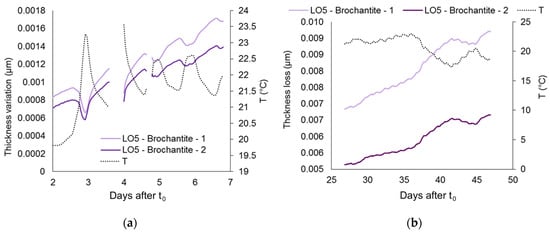
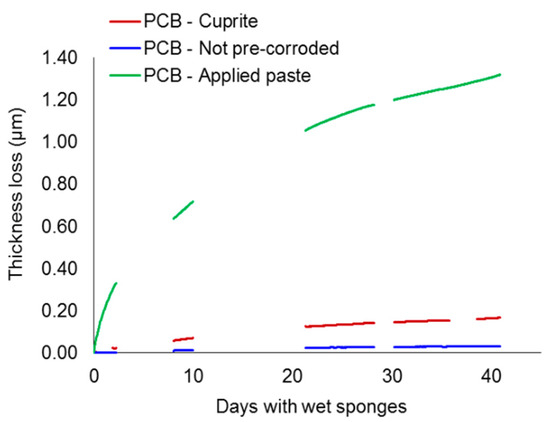
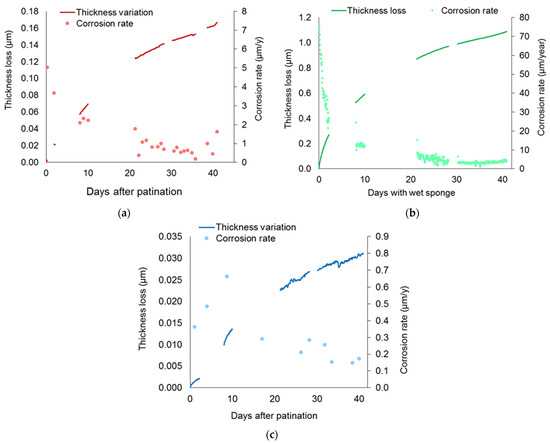
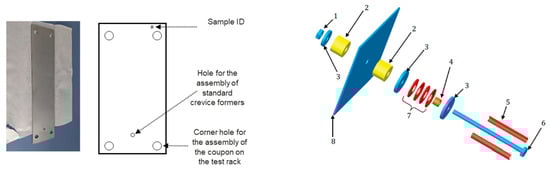
Electrical resistance (ER) sensors are established tools for monitoring atmospheric corrosion in real time, yet their application to cultural heritage requires adaptation to the complex stratigraphy of patinated surfaces. In this work, customised ER sensors were optimised to allow the sensors to be
[...] Read more.
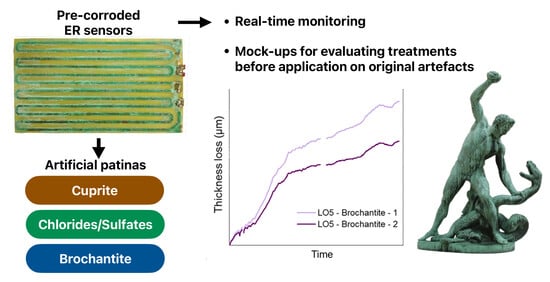
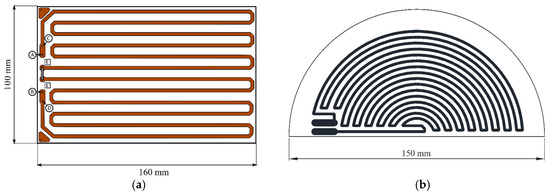
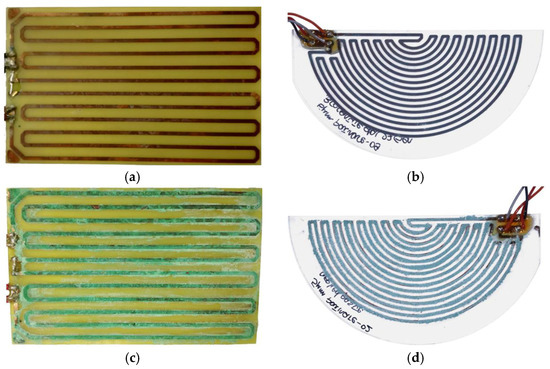
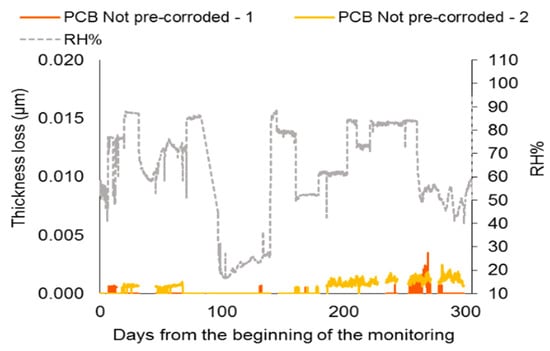
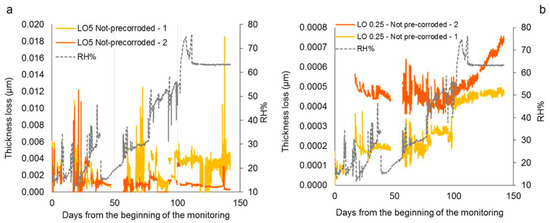
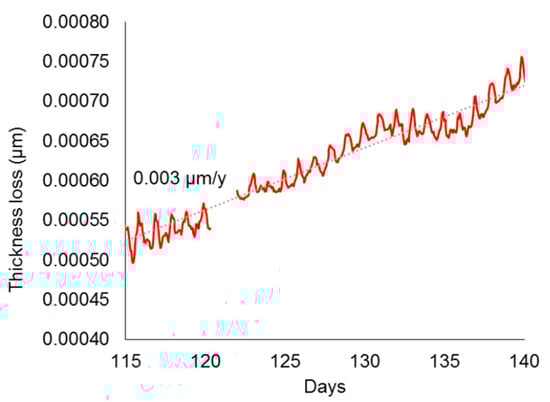
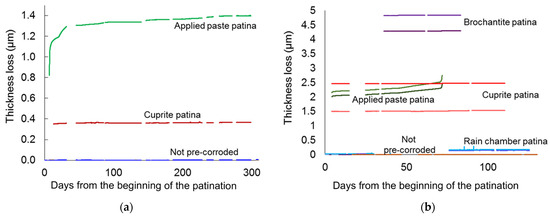
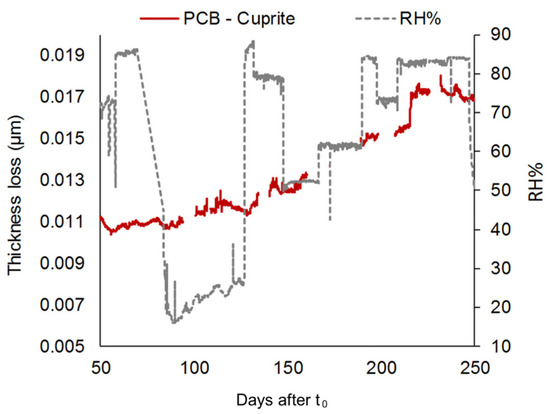
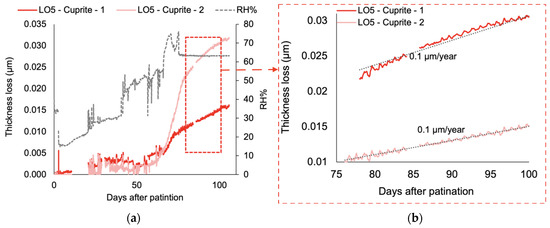
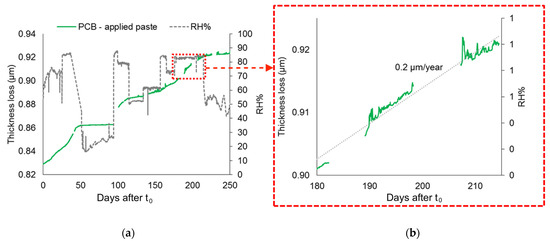
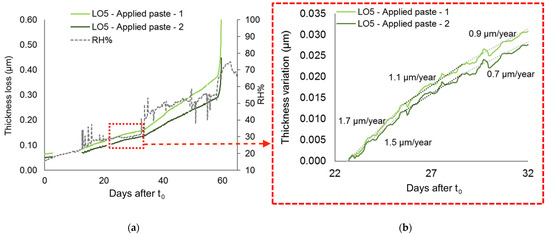
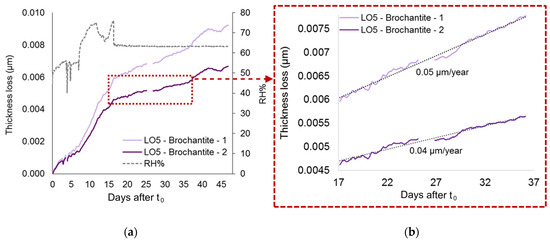
Electrical resistance (ER) sensors are established tools for monitoring atmospheric corrosion in real time, yet their application to cultural heritage requires adaptation to the complex stratigraphy of patinated surfaces. In this work, customised ER sensors were optimised to allow the sensors to be pre-patinated, enabling a more realistic simulation of corroded heritage metals. Different geometries and artificial patinas were applied to assess sensitivity, robustness, and representativeness under variable environmental conditions. The study confirms the decisive role of corrosion layers in shaping sensor response and highlights the potentialities of pre-patinated ER sensors as realistic mock-ups for testing conservation strategies and evaluating environmental corrosivity under conditions relevant to cultural heritage preservation.
Full article
(This article belongs to the Special Issue Atmospheric Corrosion, Surface Electrochemistry and Environmental Degradation of Materials: In Honor of Prof. Christofer Leygraf)
►▼
Show Figures

Graphical abstract
Open AccessArticle
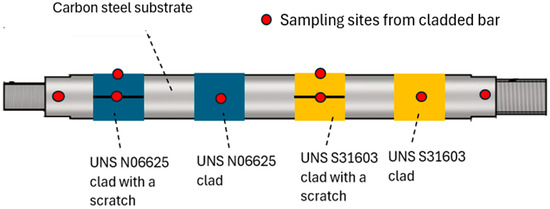
In-Situ Corrosion Testing of Carbon Steel and EHLA Clad Materials in High-Temperature Geothermal Well
by
Andri Isak Thorhallsson, Gunnar Skulason Kaldal, Thorri Jokull Thorsteinsson, Deirdre Elizabeth Clark, Erfan Abedi Esfahani, Tomaso Maccio, Helen Osk Haraldsdottir and Lilja Tryggvadottir
Corros. Mater. Degrad. 2025, 6(4), 65; https://doi.org/10.3390/cmd6040065 - 8 Dec 2025
Abstract
►▼
Show Figures
Carbon steel casing material in high-temperature deep geothermal wells can be prone to severe corrosion and premature failure due to the oxidation capacity of H2O, H2S, CO2, and more corrosive species in geothermal fluid. Due to the
[...] Read more.
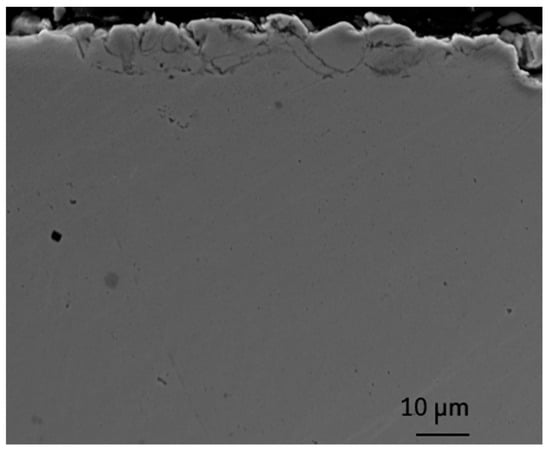
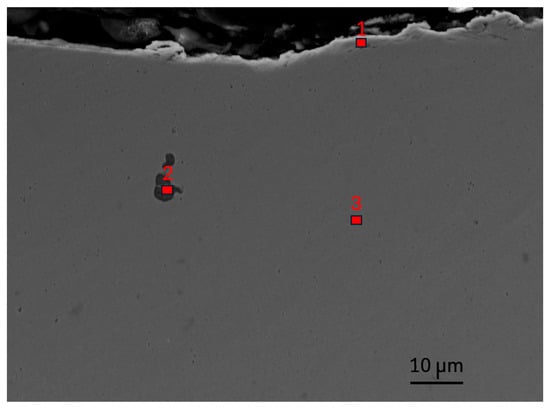
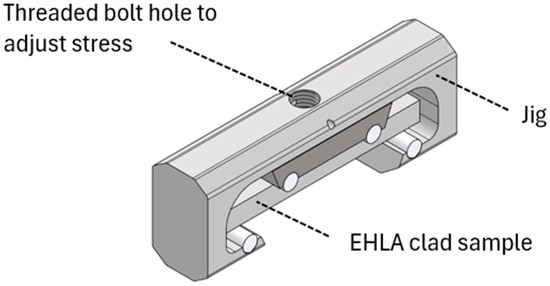
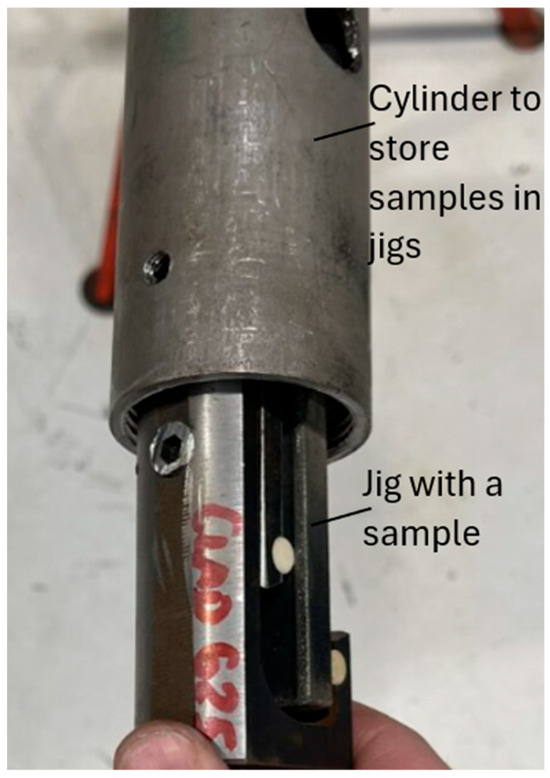
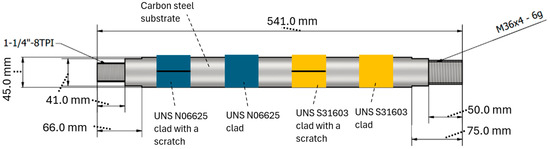
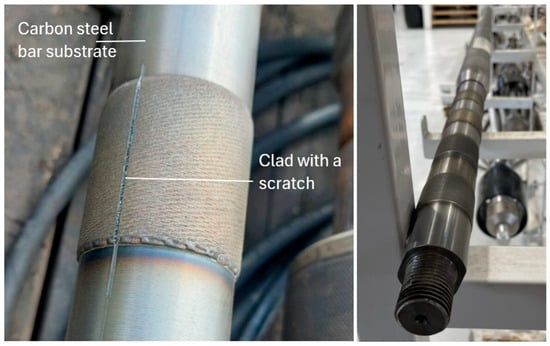
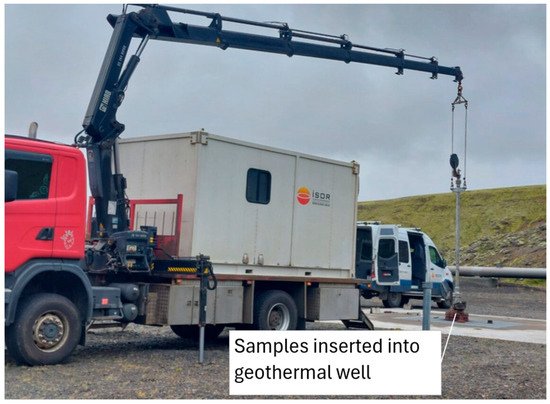
Carbon steel casing material in high-temperature deep geothermal wells can be prone to severe corrosion and premature failure due to the oxidation capacity of H2O, H2S, CO2, and more corrosive species in geothermal fluid. Due to the higher temperature and pressure and phase state of fluid in high-temperature deep geothermal wells, the rate and extent of corrosion can be expected to be different than in low-temperature geothermal wells. To reduce the extent of corrosion damage and corrosion rate, and increase the lifetime of geothermal wells, one mitigation method is to clad the internal surface of the geothermal casing with a more noble, corrosion-resistant material. Conventional cladding, however, has been an expensive and time-consuming process up to the current date, but recently, a more economical and productive method has been established, i.e., EHLA cladding. In this study, a 14-day corrosion performance test was conducted on stainless steel and nickel-based alloy clads on a carbon steel substrate in a 262 °C and 95 bar geothermal well in the Hellisheidi geothermal field (SW Iceland). Samples were partially or fully cladded, and some samples were stressed to investigate the clads’ susceptibility to general corrosion and stress corrosion cracking, as well as the substrate’s vulnerability to galvanic corrosion. Corrosion analysis of pure carbon steel substrate was also investigated for comparison. Samples were microstructurally analysed with SEM, and chemical analysis was performed with EDX. The results indicated that the clad materials have good corrosion resistance in the geothermal environment tested, suggesting that EHLA cladding is a more feasible option for strengthening the corrosion resistance of geothermal casing and equipment.
Full article

Figure 1

Open AccessArticle
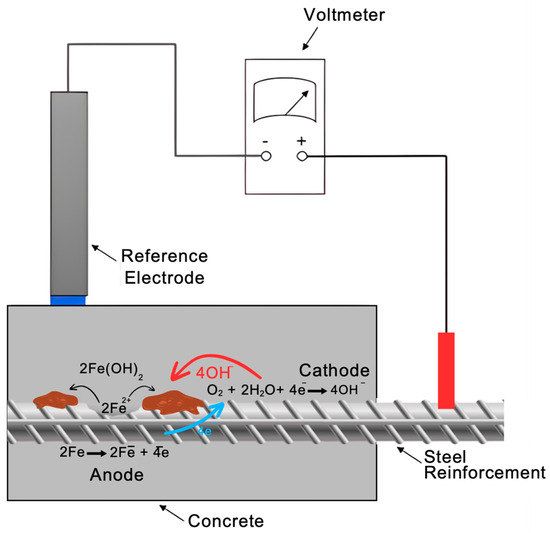
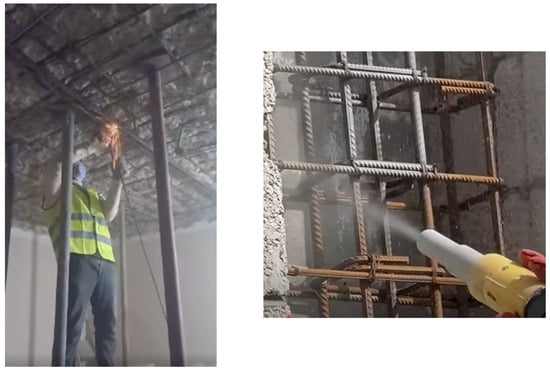
A Combined Experimental and Analytical Analysis of the Prediction of the Bonding Strength in Corroded Reinforced Concrete Through Half-Cell Potential Measurements
by
John Paulo M. Serwelas, Seong-Hoon Kee, Cris Edward F. Monjardin and Kevin Paolo V. Robles
Corros. Mater. Degrad. 2025, 6(4), 64; https://doi.org/10.3390/cmd6040064 - 6 Dec 2025
Abstract
►▼
Show Figures
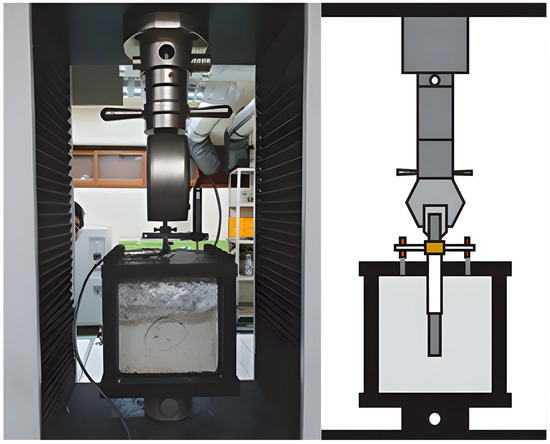
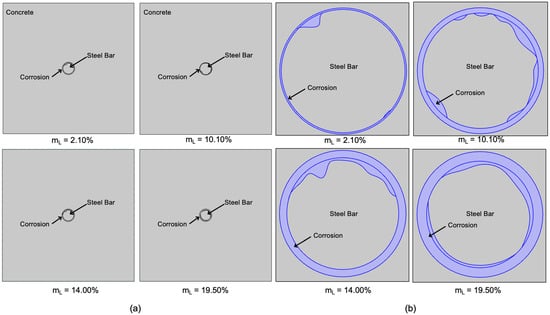
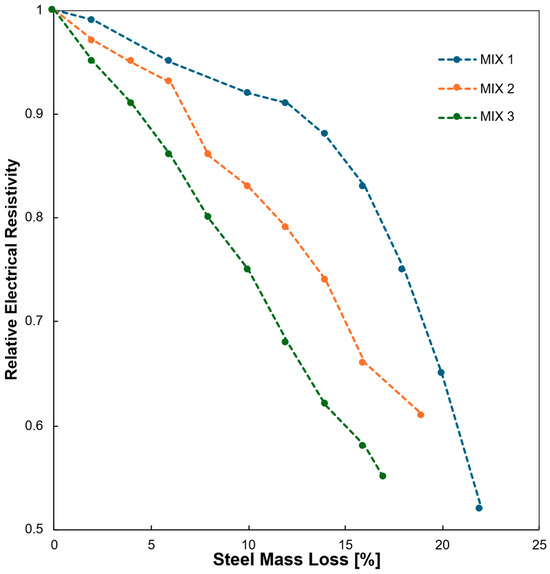
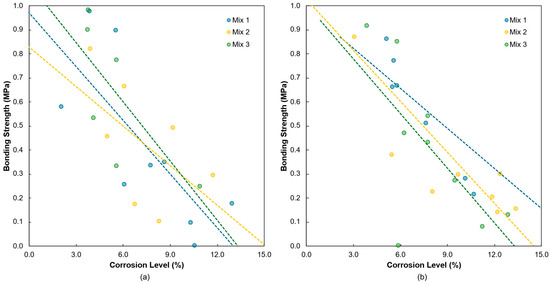
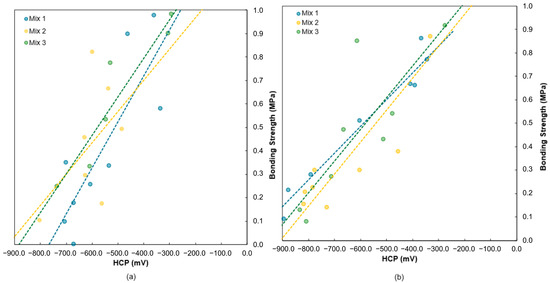
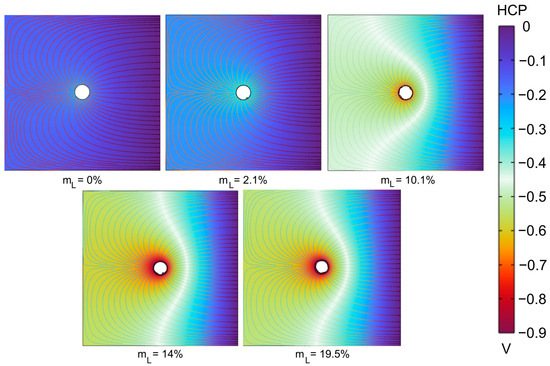
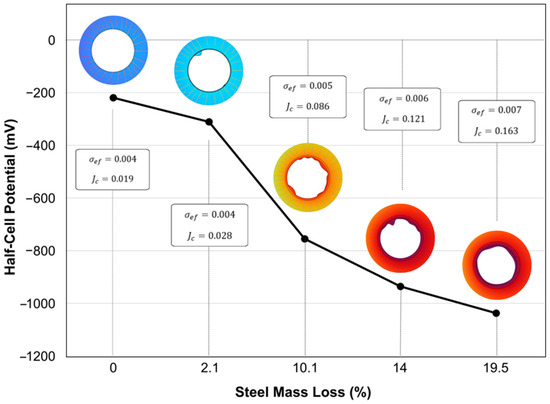
This study examines the relationship between bond strength degradation in corroded reinforced concrete and Half-Cell Potential (HCP) measurements through a combined experimental and numerical approach. Fifty-four concrete specimens reinforced with D19 and D22 rebars underwent impressed-current corrosion to induce specific levels of mass
[...] Read more.
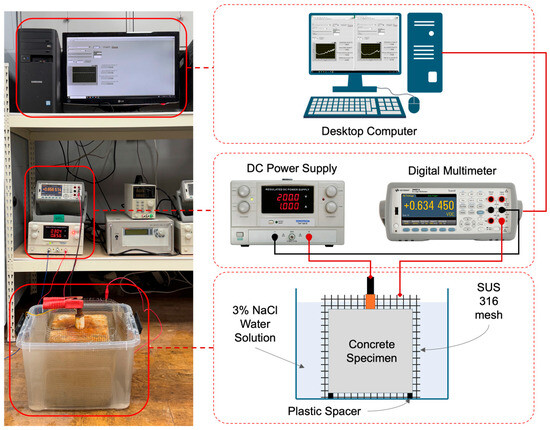
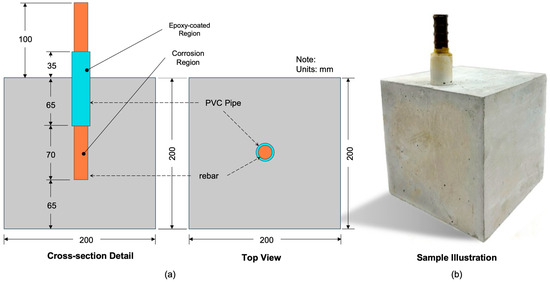
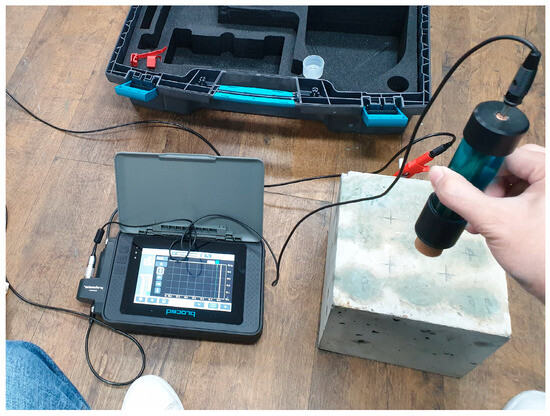
This study examines the relationship between bond strength degradation in corroded reinforced concrete and Half-Cell Potential (HCP) measurements through a combined experimental and numerical approach. Fifty-four concrete specimens reinforced with D19 and D22 rebars underwent impressed-current corrosion to induce specific levels of mass loss. The experimental results showed a progressive reduction in bond strength with increasing corrosion; at approximately 20% mass loss, D19 specimens exhibited up to ~45% reduction, while D22 specimens showed a reduction in ~30%. Correspondingly, HCP values became more negative as corrosion intensified, shifting from around −200 mV at 0% corrosion to values below −900 mV at higher corrosion levels. Although HCP effectively reflected corrosion severity, it did not correlate linearly with bond strength degradation. Numerical simulations performed using COMSOL Multiphysics reproduced the observed electrochemical trends, demonstrating increasingly negative potential distributions with higher corrosion current densities. The findings confirm that HCP is a reliable indicator of corrosion activity but has limited predictive capacity for bond strength loss. This work contributes quantitative insight into the electrochemical–mechanical relationship in corroded reinforced concrete and supports the development of improved assessment frameworks for early maintenance and structural integrity evaluation.
Full article

Figure 1
Open AccessArticle
Field Exposure of Duplex Stainless Steel in the Marine Environment: The Impact of the Exposure Zone
by
Saman Hosseinpour, Sukanya Hägg Mameng, Marie Almen and Mia Liimatainen
Corros. Mater. Degrad. 2025, 6(4), 63; https://doi.org/10.3390/cmd6040063 - 28 Nov 2025
Abstract
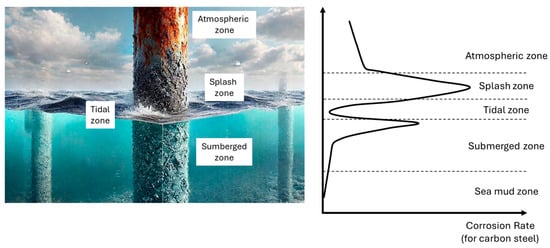
Owing to its corrosion resistance, stainless steel is a sustainable alternative to carbon steel as a structural material in challenging seawater environments. Studies on carbon steel indicate that among all marine corrosion zones (i.e., atmospheric zone, splash zone, tidal zone, and immersed zone),
[...] Read more.
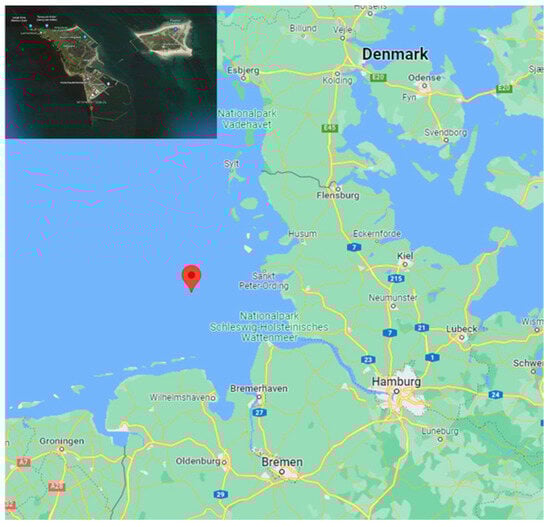
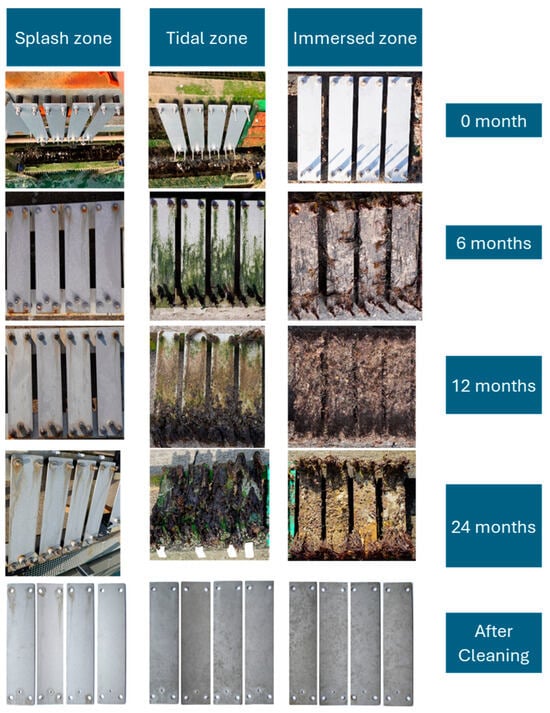
Owing to its corrosion resistance, stainless steel is a sustainable alternative to carbon steel as a structural material in challenging seawater environments. Studies on carbon steel indicate that among all marine corrosion zones (i.e., atmospheric zone, splash zone, tidal zone, and immersed zone), the rate of corrosion is particularly high in the splash zone, above the seawater level, due to the recurrent splashing of seawater with high levels of oxygen and chloride content. Nevertheless, the information on the extent of localized corrosion (i.e., pitting and crevice corrosion) on stainless steel in the splash and tidal zones is scarce and, in most cases, limited to standard austenitic grades. In this work, we present the pitting and crevice corrosion results on lean duplex, duplex, and super duplex stainless steels after two years of field exposure in the North Sea (site at Heligoland South Harbour). The standard austenitic grade 1.4404 (316L) was also exposed as a reference material in atmosphere and splash zone conditions. Parallel exposure of coupons in splash, tidal, and immersed zones allows comparison of the extent of corrosion in each zone and enables proper material selection for structural applications in marine environments.
Full article
(This article belongs to the Special Issue Atmospheric Corrosion, Surface Electrochemistry and Environmental Degradation of Materials: In Honor of Prof. Christofer Leygraf)
►▼
Show Figures

Figure 1
Open AccessArticle
Aging Investigation of Polyethylene-Coated Underground Steel Pipelines
by
Gregory R. Neizvestny, Samuel Kenig and Konstantin Kovler
Corros. Mater. Degrad. 2025, 6(4), 62; https://doi.org/10.3390/cmd6040062 - 27 Nov 2025
Abstract
The aging of three-layer polyethylene-coated buried steel pipelines for oil/gas and water transport poses significant challenges for public safety, environmental integrity, and economic sustainability. Over time, these pipelines become increasingly susceptible to corrosion and eventual failures, which can pose environmental hazards, safety risks,
[...] Read more.
The aging of three-layer polyethylene-coated buried steel pipelines for oil/gas and water transport poses significant challenges for public safety, environmental integrity, and economic sustainability. Over time, these pipelines become increasingly susceptible to corrosion and eventual failures, which can pose environmental hazards, safety risks, and costly repairs. Consequently, predicting the service life of polyethylene-coated steel pipelines is critical for mitigating corrosion risks, extending operational lifespan, and planning effective maintenance strategies. Current international standards lack clear methodologies and criteria for assessing the aging behavior of polyethylene-coated underground pipelines. Current studies have examined two techniques—Line Current Attenuation (LCA) and Drainage Test (DT)—to estimate aging rates in polyolefin-coated pipelines following soil exposure during service. The present study introduces an innovative approach for evaluating aging behavior. It includes a comprehensive analysis using an exponential aging model to estimate the coating’s average specific electrical resistance at any service time, as well as quantitative criteria for the failure of oil/gas and water pipelines. Moreover, it is based on the modified LCA as the most suitable aging methodology with some limitations. Finally, the study concludes with a derived correlation between the coating’s initial specific electrical resistance and its aging rates, and the prediction of the residual life of the polyethylene coating. This integrated framework provides a robust foundation for regulatory bodies, design engineers, maintenance planners, quality assurance/control teams, and researchers to ensure the long-term integrity and sustainability of underground polyethylene-coated steel pipelines.
Full article
(This article belongs to the Special Issue Advances in Material Surface Corrosion and Protection)
►▼
Show Figures

Figure 1
Open AccessArticle
Hydrogen Embrittlement Susceptibility of New Generation Advanced High-Strength Steels for Automotive Applications
by
James Lelliott, Elizabeth Sackett, Neil McMurray and Douglas Figueroa-Gordon
Corros. Mater. Degrad. 2025, 6(4), 61; https://doi.org/10.3390/cmd6040061 - 24 Nov 2025
Abstract
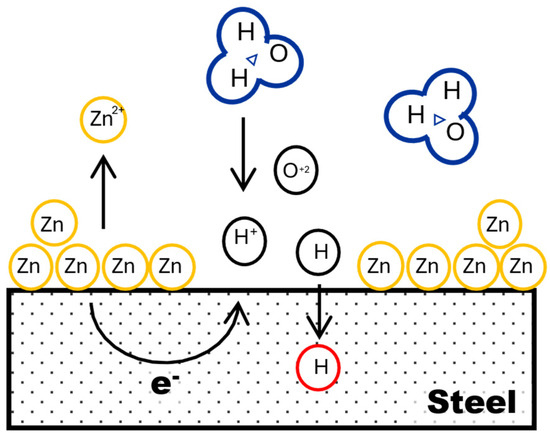
The adoption of advanced high-strength steels (AHSS) in the automotive industry has significantly increased in recent years driven by weight reduction and enhanced crashworthiness. Hot dip galvanised sacrificial coatings are regularly applied to these steels for corrosion protection. In this investigation, the scanning
[...] Read more.
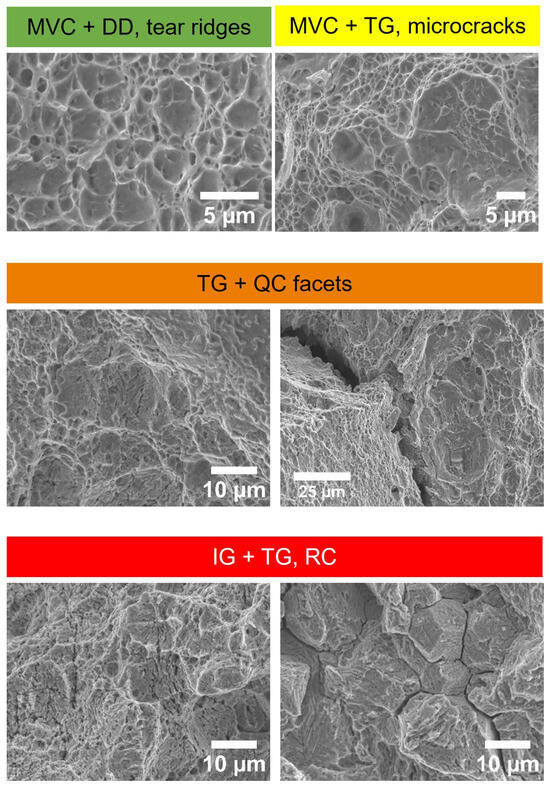
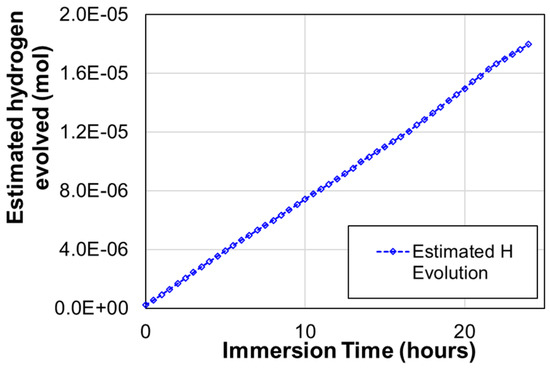
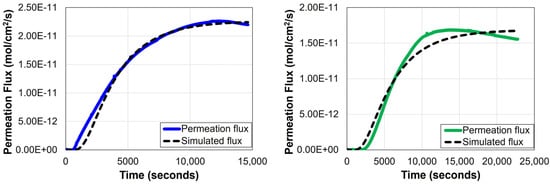
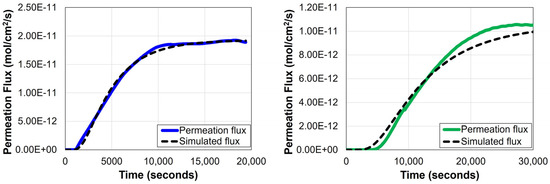
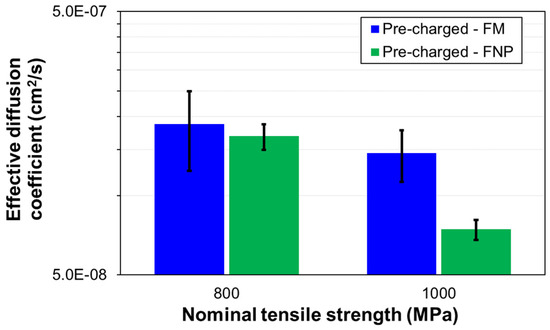
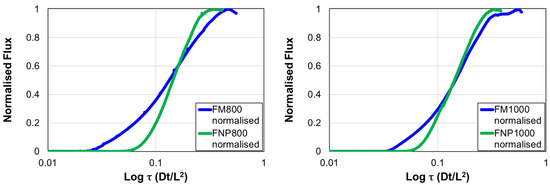
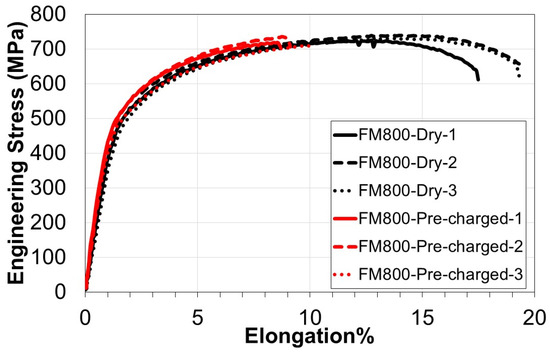
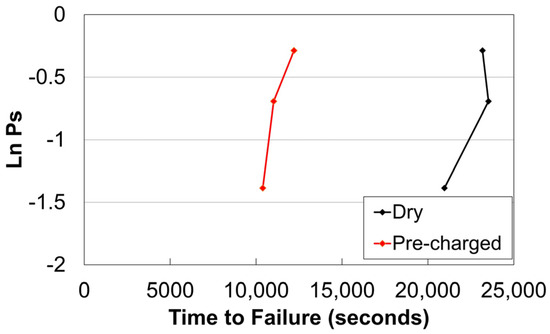
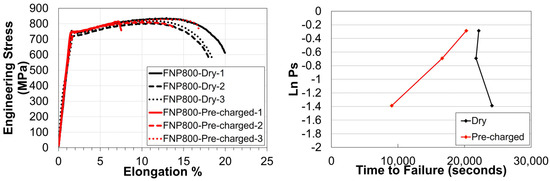
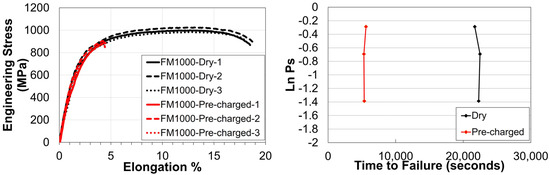
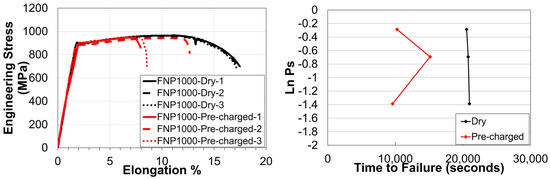
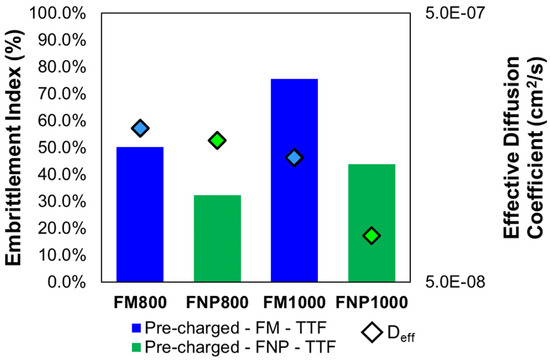
The adoption of advanced high-strength steels (AHSS) in the automotive industry has significantly increased in recent years driven by weight reduction and enhanced crashworthiness. Hot dip galvanised sacrificial coatings are regularly applied to these steels for corrosion protection. In this investigation, the scanning vibrating electrode technique (SVET) demonstrated that hydrogen evolution on the steel substrate is taking place when these sacrificial coatings are damaged during service, increasing the risk of hydrogen embrittlement. The hydrogen embrittlement susceptibility of a new generation of nano-precipitate ferritic, FNP, AHSS have been studied and compared against conventional dual phase ferritic-martensitic, FM, AHSS at equivalent strength levels. Hydrogen permeation tests have shown that FNP AHSS have lower effective diffusion coefficients, Deff, than FM AHSS at equivalent strength levels. At 800 MPa strength levels Deff were 1.68 × 10⁻⁷ cm2/s and 1.87 × 10⁻⁷ cm2/s for FNP800 and FM800, respectively. At higher strength levels, 1000 MPa, Deff were 7.45 × 10⁻⁸ cm2/s and 1.45 × 10⁻⁷ cm2/s for the FNP1000 and FM1000, respectively. Slow strain-rate tests (SSRT) showed that FNP AHSS displayed over 35% higher resistance to hydrogen embrittlement than conventional FM AHSS. Quantitative fractographic analyses confirmed that the new ferritic nano-precipitate microstructure retains much more ductile behaviour than conventional martensitic-ferritic even under the most severe hydrogen charging conditions tested.
Full article
(This article belongs to the Special Issue Atmospheric Corrosion, Surface Electrochemistry and Environmental Degradation of Materials: In Honor of Prof. Christofer Leygraf)
►▼
Show Figures

Figure 1
Open AccessArticle
Preparation and Characterization of a Dual-Layer Coating with Synergistic Ionic Selectivity and Photocathodic Protection Property
by
Chuyuan Cui, Yongsheng An, Xiangpeng Wang and Ping Qiu
Corros. Mater. Degrad. 2025, 6(4), 60; https://doi.org/10.3390/cmd6040060 - 17 Nov 2025
Abstract
Inspired by the mechanism of ion exchange resins, this study is a first-report in constructing a dual-layer photocathodic protective coating with ionic selectivity to enhance corrosion resistance property. The microstructure, composition, and ion selectivity of the coating are characterized by scanning electron microscopy,
[...] Read more.
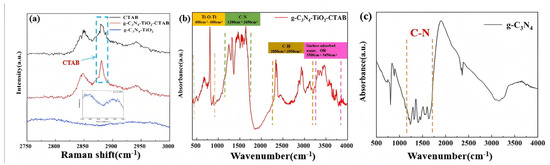
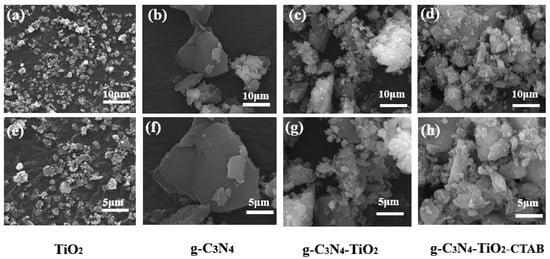
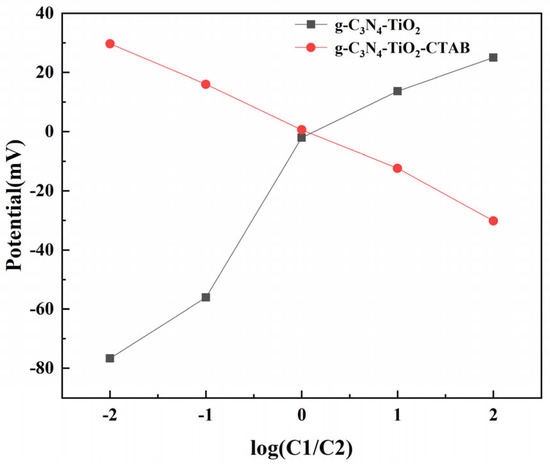
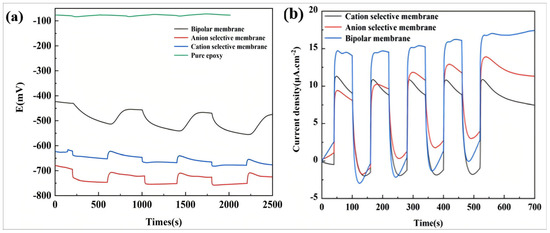
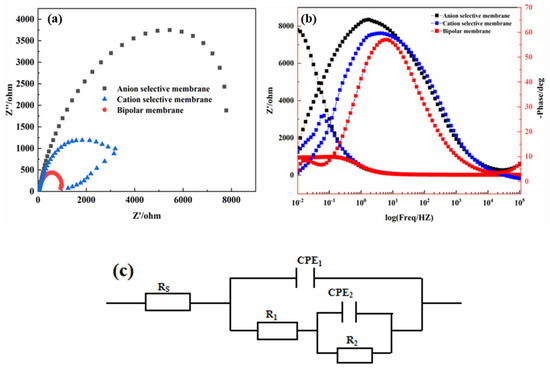
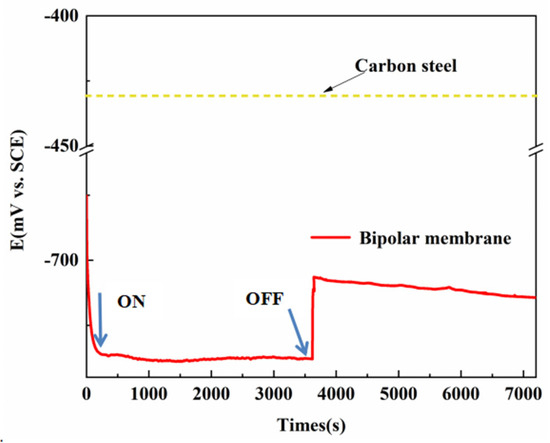
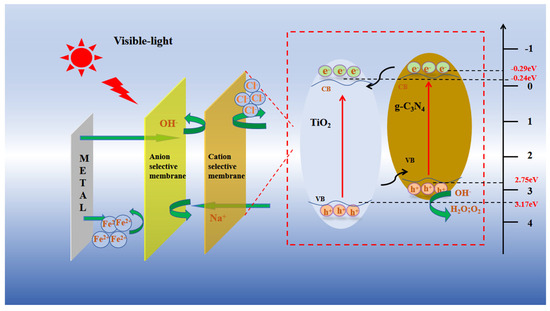
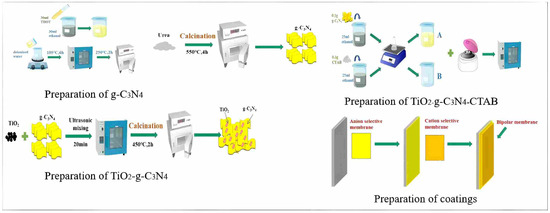
Inspired by the mechanism of ion exchange resins, this study is a first-report in constructing a dual-layer photocathodic protective coating with ionic selectivity to enhance corrosion resistance property. The microstructure, composition, and ion selectivity of the coating are characterized by scanning electron microscopy, Raman spectroscopy, infrared spectroscopy, and membrane potential. It shows that the outer g-C3N4/TiO2 cation-selective layer plays a role in preventing corrosive Cl− ions passing through the coating; the inner g-C3N4-TiO2-CTAB anion-selective layer could prevent Fe2+ ions from diffusing through the coating. Furthermore, the coated carbon steel sample demonstrates a minimum OCP (open circuit potential) value of −770 mV (vs. SCE) under illumination in 3.5% NaCl media. Interestingly, the OCP remains around −720 mV (vs. SCE) even after light deprivation. The synergistic effect between ion selectivity and photocathodic protection is described, in detail, in the following.
Full article
(This article belongs to the Special Issue Atmospheric Corrosion, Surface Electrochemistry and Environmental Degradation of Materials: In Honor of Prof. Christofer Leygraf)
►▼
Show Figures

Figure 1
Open AccessArticle
Studies of Initial Atmospheric Corrosion of Magnesium Alloys AZ91 and AZ31 with Infrared Spectroscopy Techniques
by
Dan Persson, Alexander Wärnheim, Nathalie LeBozec and Dominique Thierry
Corros. Mater. Degrad. 2025, 6(4), 59; https://doi.org/10.3390/cmd6040059 - 17 Nov 2025
Cited by 1
Abstract
The initial formation of corrosion products in pure humid air on magnesium alloys AZ91 and AZ31 was studied using infrared reflection absorption spectroscopy (IRRAS), infrared spectroscopic imaging, and SEM-EDS. The kinetics of corrosion product formation were monitored in situ with IRRAS during exposure
[...] Read more.
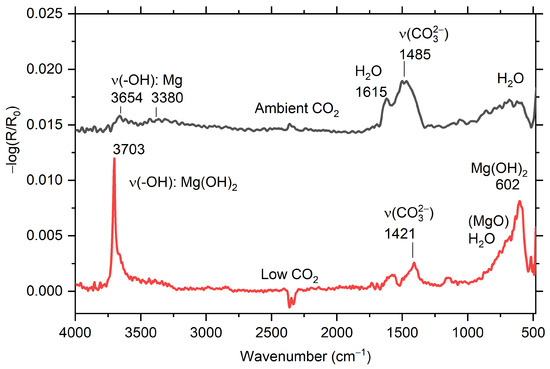
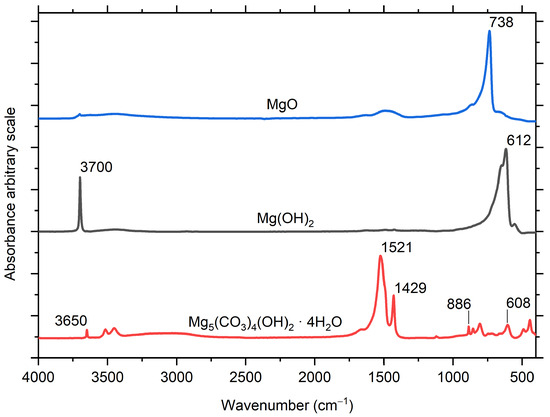
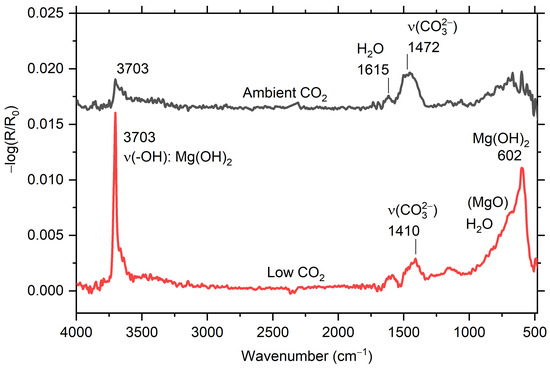
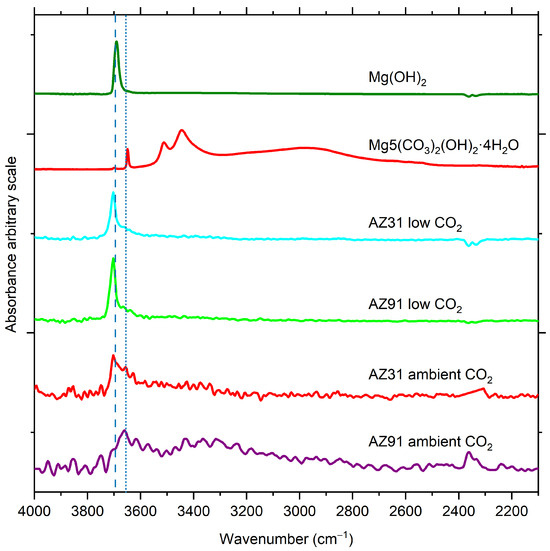
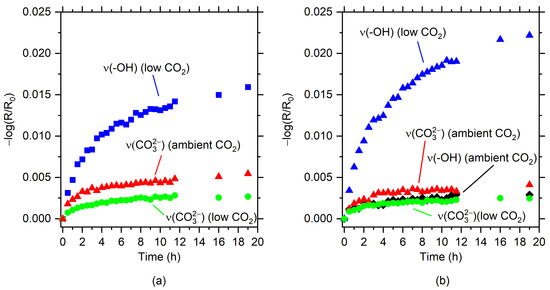
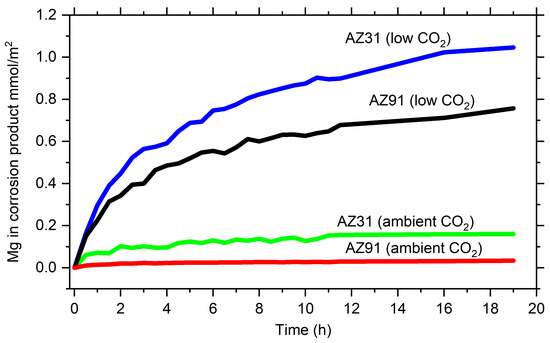
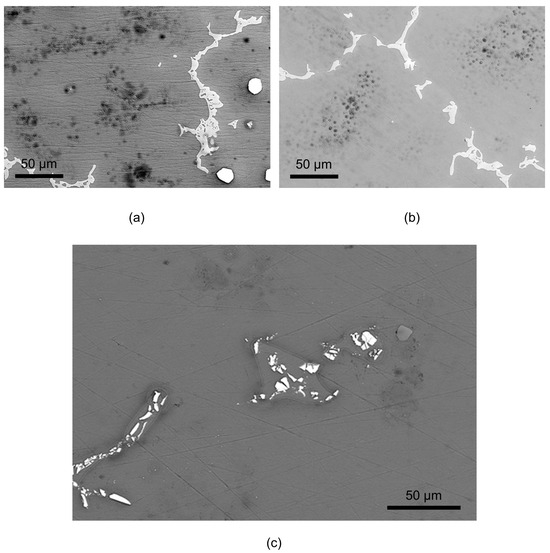
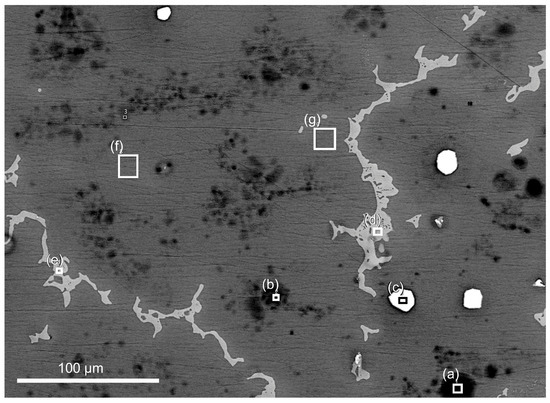
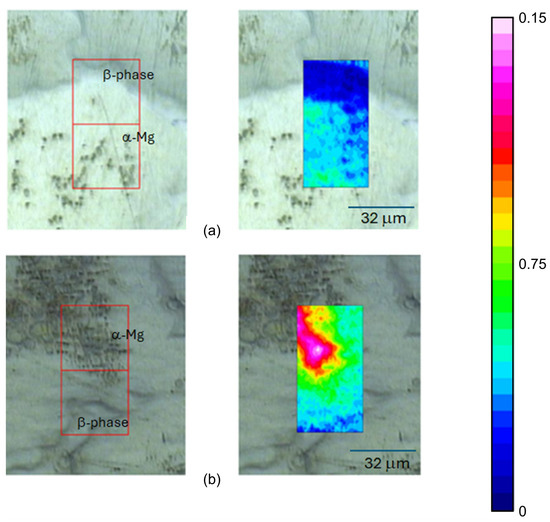
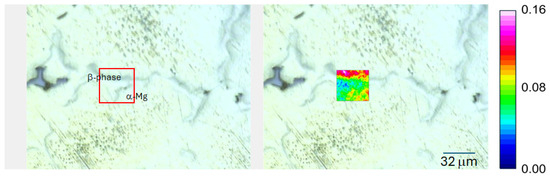
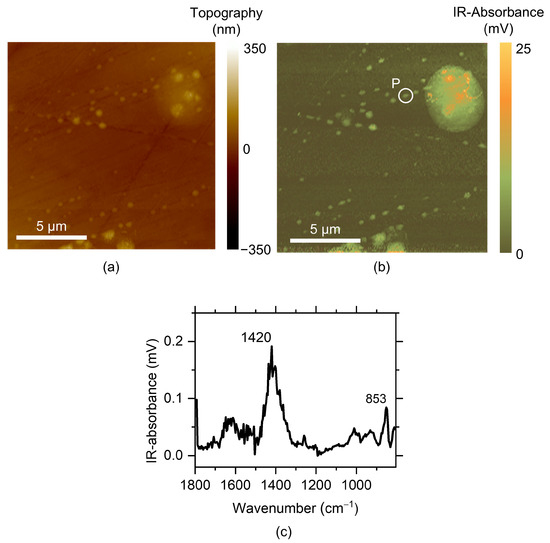
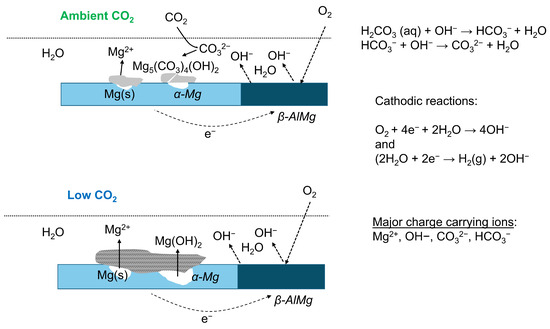
The initial formation of corrosion products in pure humid air on magnesium alloys AZ91 and AZ31 was studied using infrared reflection absorption spectroscopy (IRRAS), infrared spectroscopic imaging, and SEM-EDS. The kinetics of corrosion product formation were monitored in situ with IRRAS during exposure to humid air (95% relative humidity) under two different CO2 concentrations: low (≤1 ppm) and ambient (400 ppm). For low CO2 concentrations, the primary corrosion product detected on both alloys was magnesium hydroxide (Mg(OH)2). In contrast, under ambient CO2 conditions (400 ppm), magnesium hydroxy carbonate was the dominant product. After 16 h of exposure, the amount of magnesium converted into corrosion products was approximately 8–10 times higher under low-CO2 conditions compared to ambient levels. The smaller formation of corrosion products but increased magnesium carbonate formation on AZ91D is attributed to its higher aluminium content compared to AZ31. Corrosion attack and product formation were largely localised to the centre of the α-phase in AZ91D, with the β-phase likely serving as sites for cathodic reactions.
Full article
(This article belongs to the Special Issue Atmospheric Corrosion, Surface Electrochemistry and Environmental Degradation of Materials: In Honor of Prof. Christofer Leygraf)
►▼
Show Figures

Figure 1
Open AccessReview
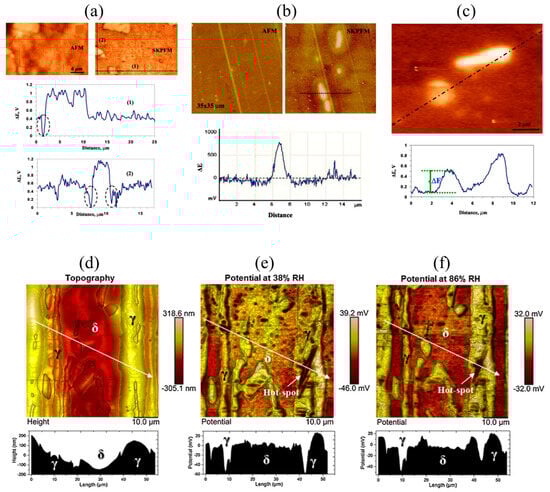
A Review on Advanced AFM and SKPFM Data Analytics for Quantitative Nanoscale Corrosion Characterization
by
Mohammad Reza Attar and Ali Davoodi
Corros. Mater. Degrad. 2025, 6(4), 58; https://doi.org/10.3390/cmd6040058 - 13 Nov 2025
Abstract
Corrosion is a complex, surface-initiated process that demands nanoscale, real-time characterization to understand its initiation and propagation. Atomic force microscopy (AFM) and scanning Kelvin probe force microscopy (SKPFM) have emerged as powerful tools in corrosion science, enabling high-resolution imaging and electrochemical mapping under
[...] Read more.
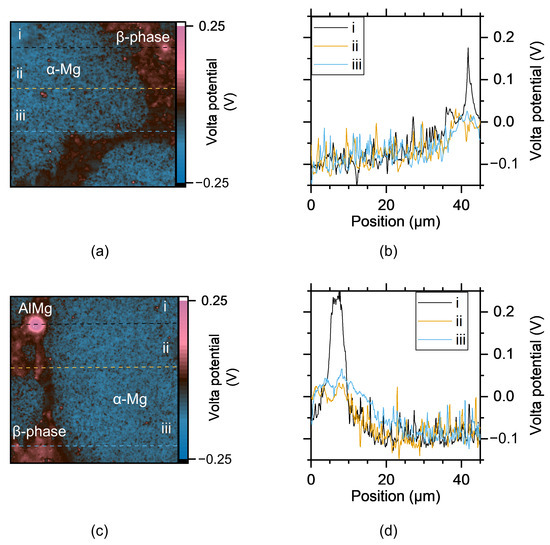
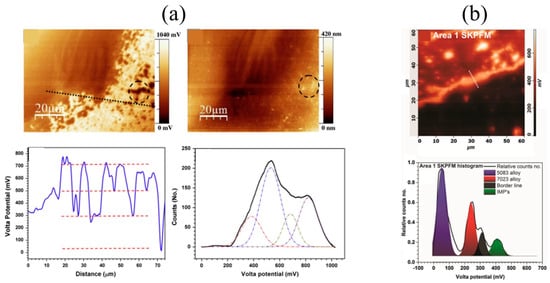
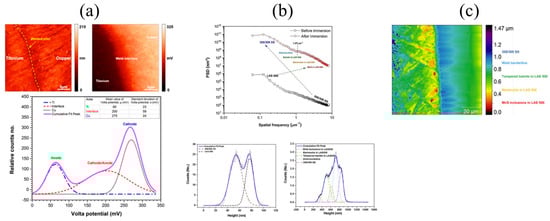
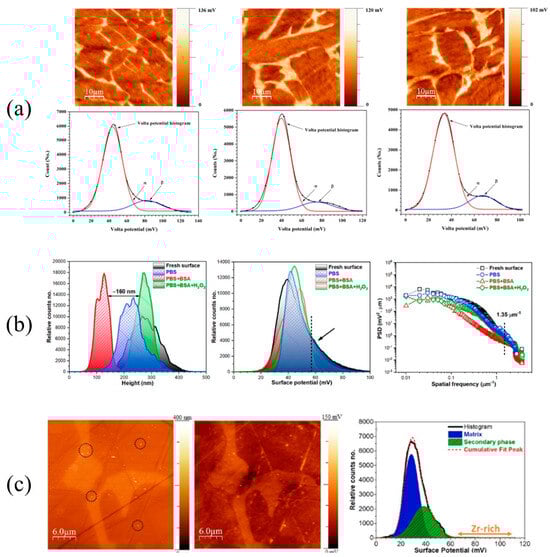
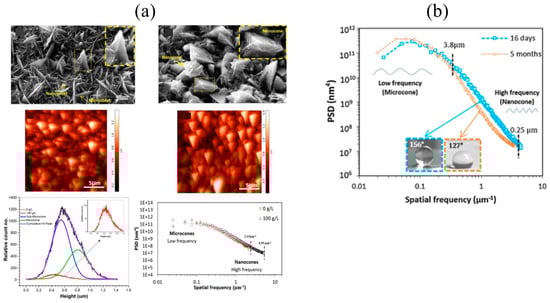
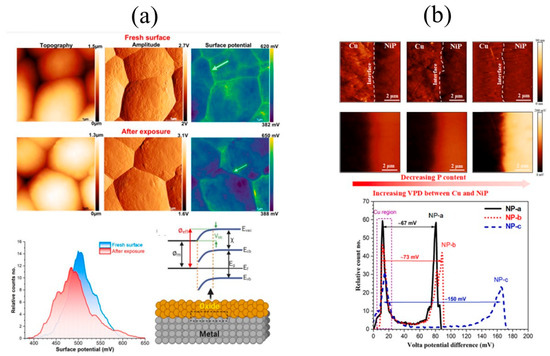
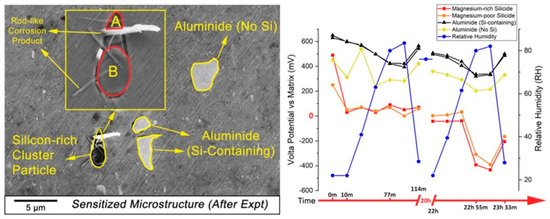
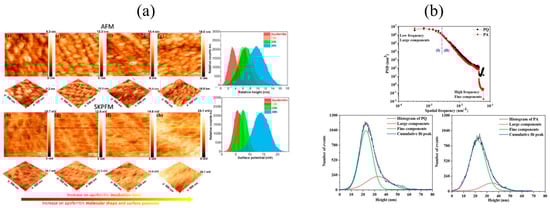
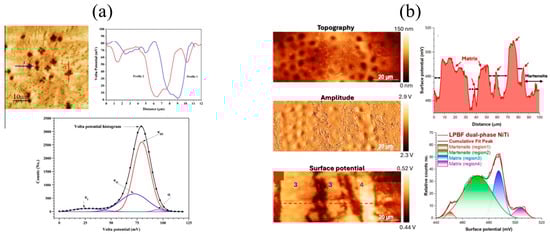
Corrosion is a complex, surface-initiated process that demands nanoscale, real-time characterization to understand its initiation and propagation. Atomic force microscopy (AFM) and scanning Kelvin probe force microscopy (SKPFM) have emerged as powerful tools in corrosion science, enabling high-resolution imaging and electrochemical mapping under realistic conditions. This review, inspired by pioneering work at KTH by Professors Christofer Leygraf and Jinshan Pan, highlights advanced analytical strategies that extend the capabilities of AFM and SKPFM beyond traditional line-profile analysis. Techniques such as power spectral density (PSD) analysis, multimodal Gaussian histogram fitting, statistical roughness quantification, and deconvolution methods are discussed in the context of case studies on aluminum alloys, stainless steels, magnesium alloys, biomedical implants, and protective coatings. By integrating in situ imaging, electrochemical mapping, and statistical data processing, these approaches provide deeper insights into localized corrosion, micro-galvanic coupling, and surface reactivity. Future directions include coupling AFM-based methods with high-speed imaging, machine learning, and spectro-electrochemical techniques to accelerate the development of corrosion-resistant materials and enable probabilistic diagnostics of corrosion initiation susceptibility.
Full article
(This article belongs to the Special Issue Atmospheric Corrosion, Surface Electrochemistry and Environmental Degradation of Materials: In Honor of Prof. Christofer Leygraf)
►▼
Show Figures

Figure 1
Highly Accessed Articles
Latest Books
E-Mail Alert
News
Topics
Topic in
Applied Sciences, Buildings, Construction Materials, CMD, Materials, Metals
Construction Materials: Corrosion, Prevention and Protection
Topic Editors: Sergio Lorenzi, Marco OrmelleseDeadline: 1 May 2026
Topic in
Coatings, Lubricants, Metals, Applied Sciences, CMD, JMMP
Surface Modification and Durability Enhancement of Advanced Alloys
Topic Editors: Ping Zhang, Chuang He, Damian Przestacki, Yu-Cun GuDeadline: 5 October 2026
Conferences
Special Issues
Special Issue in
CMD
Environment-Assisted Cracking
Guest Editor: Marina CabriniDeadline: 30 April 2026
Special Issue in
CMD
Enhancing the Resilience of Reinforced Concrete Structures: Innovations in Monitoring, Assessment, and Retrofitting
Guest Editors: Stefania Imperatore, Francesca Nerilli, Emilia Vasanelli, Luigi CapozzoliDeadline: 31 May 2026
Special Issue in
CMD
Corrosion and Corrosion Protection Strategies in the Marine Environment
Guest Editors: Ladislav Vrsalović, Philippe RefaitDeadline: 30 July 2026
Special Issue in
CMD
Advanced Corrosion Protection Systems—from Metal Passivity to Smart Coatings: In Honor of Prof. Dr. Mário Ferreira
Guest Editors: David M. Bastidas, Raman SinghDeadline: 31 July 2026