
Electricity 2026, 7(2), 35; https://doi.org/10.3390/electricity7020035 - 4 Apr 2026
Abstract
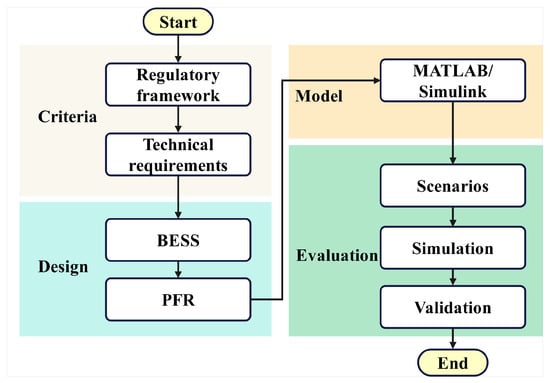
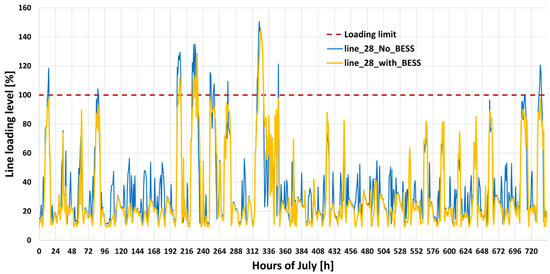
A replicable methodology for testing the size and placement of Battery Energy Storage Systems connected to high-voltage transmission networks is presented in this study. The proposed approach involves the power flow analysis inside a Renewable Energy Zone, namely a high-renewable area prone to
[...] Read more.
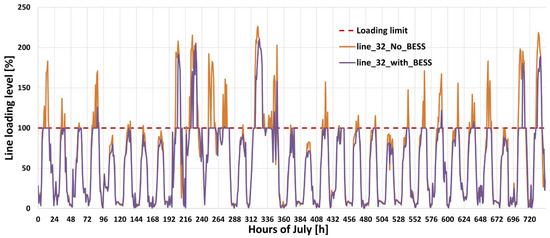
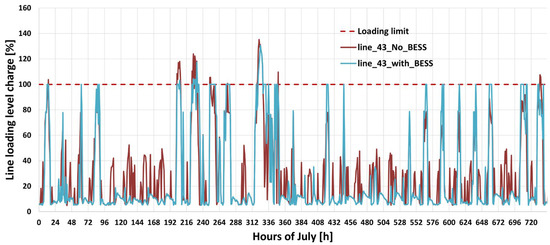
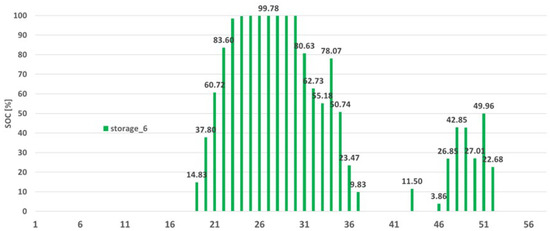
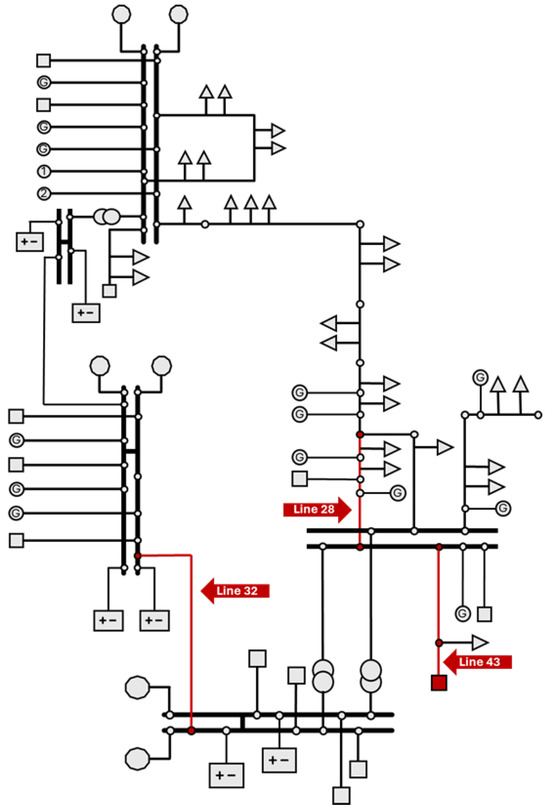
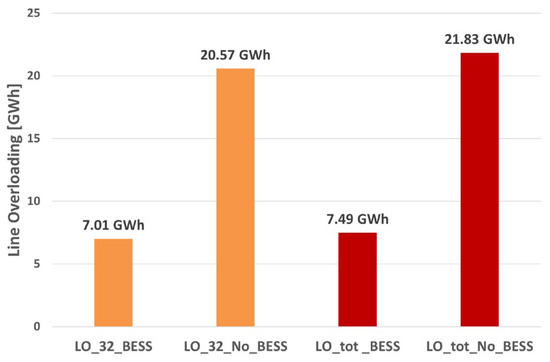
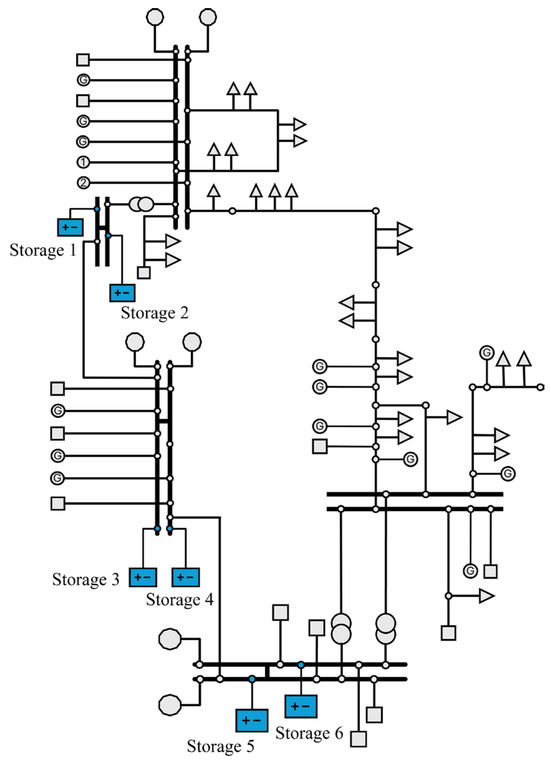
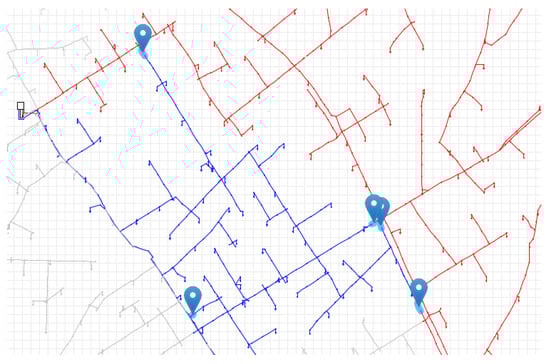
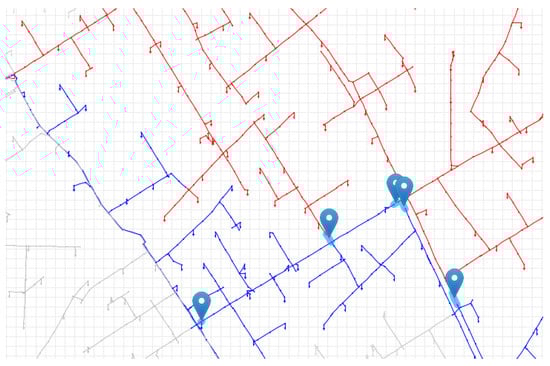
A replicable methodology for testing the size and placement of Battery Energy Storage Systems connected to high-voltage transmission networks is presented in this study. The proposed approach involves the power flow analysis inside a Renewable Energy Zone, namely a high-renewable area prone to grid congestion during peak generation periods, based on time-series hourly analysis over a critical month. The model includes detailed operational descriptions such as lines ampacity, battery state of charge limits, round-trip efficiency, self-discharge behavior, and ramp rate restrictions. The methodology distinguishes itself by its simplicity, flexibility, and use of open-source tools, making it a valuable asset for supporting future transmission planning in high-renewable-energy scenarios. The model was developed in Python (version 3.12) using the open-source Pandapower library, introducing an innovative constraint management criterion, and validated against real data provided by the national Transmission System Operator. The approach was then applied to a portion of the Sicilian grid with massive wind and solar penetration. Results show that strategic allocation of batteries leads to a significant reduction in line overloads (up to 13 GWh mitigated in one month), improves the dispatch of renewable energy generated within the Renewable Energy Zone and allows a more sustainable exercise of the power system.
Full article
(This article belongs to the Special Issue Feature Papers to Celebrate the First Impact Factor of Electricity)
►
Show Figures
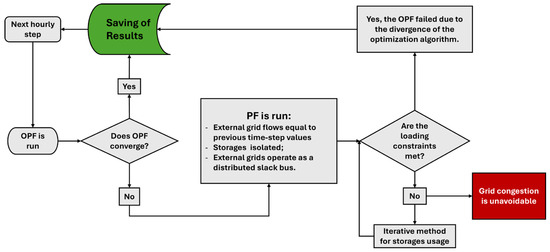
Figure 1