Journal Description
Epidemiologia
Epidemiologia
is an international, peer-reviewed, open access journal on epidemiologic research published bimonthly online by MDPI. The Italian Society of Environmental Medicine (SIMA) is affiliated with Epidemiologia, and its members receive discounts on article processing charges.
- Open Access— free for readers, with article processing charges (APC) paid by authors or their institutions.
- High Visibility: indexed within ESCI (Web of Science), Scopus, PMC, PubMed, FSTA, and other databases.
- Rapid Publication: manuscripts are peer-reviewed and a first decision is provided to authors approximately 21.9 days after submission; acceptance to publication is undertaken in 6.7 days (median values for papers published in this journal in the second half of 2025).
- Journal Rank: JCR - Q2 (Public, Environmental and Occupational Health) / CiteScore - Q2 (Medicine (miscellaneous))
- Recognition of Reviewers: APC discount vouchers, optional signed peer review, and reviewer names published annually in the journal.
- Epidemiologia is a companion journal of JCM.
Impact Factor:
2.2 (2024);
5-Year Impact Factor:
1.9 (2024)
Latest Articles
What Drives Influenza Vaccination in People with Diabetes? Evidence from the National Health Surveys of 2020 and 2023 in Spain
Epidemiologia 2026, 7(2), 53; https://doi.org/10.3390/epidemiologia7020053 - 8 Apr 2026
Abstract
Background/Objectives: Diabetes is associated with an increased risk of influenza-related complications; therefore, annual vaccination constitutes an essential preventive measure. The objective of this study is to analyze the evolution of influenza vaccination coverage among the population with diabetes in Spain between 2020
[...] Read more.
Background/Objectives: Diabetes is associated with an increased risk of influenza-related complications; therefore, annual vaccination constitutes an essential preventive measure. The objective of this study is to analyze the evolution of influenza vaccination coverage among the population with diabetes in Spain between 2020 and 2023 and to identify factors associated with adherence, comparing it with a matched population without diabetes. Methods: A cross-sectional study was conducted using data from the European Health Survey in Spain 2020 and the Spanish National Health Survey 2023, applying 1:1 matching by age, gender, and place of residence. Multivariable logistic regression was applied to assess time trend and to identify adherence predictors. Results: Vaccination coverage among individuals with diabetes increased from 52.0% in 2020 to 65.9% in 2023 and was higher than that observed among the matched participants without diabetes in both periods. Older age and the presence of comorbidities, such as myocardial infarction or respiratory diseases, were associated with a higher likelihood of vaccination, whereas alcohol consumption and smoking were associated with lower adherence among subjects with diabetes. The year 2023 was independently associated with a higher probability of vaccination compared with 2020 (OR: 1.82; 95% CI: 1.56–2.12). Conclusions: Although influenza vaccination coverage among the Spanish people with diabetes has improved following the COVID-19 pandemic, it remains below recommended targets, highlighting the need to strengthen targeted strategies aimed at less adherent subgroups.
Full article
Open AccessArticle
Epidemiological Survey on Water, Sanitation, and Hygiene (WaSH) in Uganda’s Karamoja Sub-Region, Using a KAP Questionnaire Within a One Health Framework
by
Davide Ceccarelli, Silvana Diverio, Pier Giorgio Lappo, Carlo Ruspantini, Simon Peter Losike, Alma Rosa Pareschi and Maria Luisa Marenzoni
Epidemiologia 2026, 7(2), 52; https://doi.org/10.3390/epidemiologia7020052 - 7 Apr 2026
Abstract
►▼
Show Figures
Background: The Karamoja sub-region of Uganda addresses significant challenges in water, sanitation, and hygiene (WaSH), deeply linked to public and environmental health and regional development. Objectives: This study applied a Knowledge, Attitudes, and Practices (KAP) survey within a One Health framework to assess
[...] Read more.
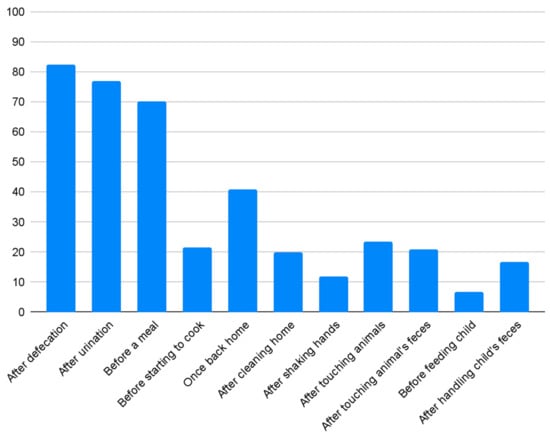
Background: The Karamoja sub-region of Uganda addresses significant challenges in water, sanitation, and hygiene (WaSH), deeply linked to public and environmental health and regional development. Objectives: This study applied a Knowledge, Attitudes, and Practices (KAP) survey within a One Health framework to assess WaSH conditions, hygiene behaviour, livestock management, and disease prevention in the Moroto and Napak districts. Methods: A total of 195 respondents were surveyed, providing insights into socio-demographic factors, hygiene practices, livestock management, and disease prevention. Results: Findings highlighted gender disparities, with women less likely to achieve good knowledge compared to men (OR = 0.04; p = 0.002), probably reflecting limited access to information in traditionally male-focused community settings, and their greater involvement in water collection tasks. Age significantly influenced WaSH knowledge, with older individuals (aged ≥ 30 years) showing higher odds of good knowledge (OR = 20.39; 95% CI: 2.74–151.83; p = 0.003), probably due to their roles in knowledge transmission within the community. Proximity to water sources shaped behaviours, with greater distances associated with improved attitudes (OR = 3.56; p = 0.002) but reduced hygienic practices (OR = 0.20; p = 0.01). Livestock ownership, particularly of small ruminants, strongly correlates with good hygiene knowledge (OR = 16.89; p = 0.02), probably due to interactions with veterinarians and authorities during vaccination campaigns. Integrated communication strategies, including community meetings, home visits, and radio outreach, were strongly associated with improved practices (e.g., home visits: OR = 30.78; p < 0.001). Conclusions: Despite progress, challenges such as water scarcity, waste management, and gender disparities persist. Improving water infrastructure, promoting equitable access, and integrating tailored communication strategies are essential for fostering sustainable development, health equity, and the empowerment of women in Karamoja.
Full article

Figure 1
Open AccessArticle
Long-Term BMI Trajectories and Category Changes in Older Mexican Adults: A 20-Year Longitudinal Analysis
by
Israel Rico-Alba, Horacio Marquez-Gonzalez and Jessie Nallely Zurita-Cruz
Epidemiologia 2026, 7(2), 51; https://doi.org/10.3390/epidemiologia7020051 - 7 Apr 2026
Abstract
►▼
Show Figures
Background/Objectives: Body mass index (BMI) trajectories and transitions across adulthood are dynamic processes influenced by aging and social- and health-related factors, yet long-term patterns in older adults from middle-income countries remain insufficiently characterized. The objective of this study was to characterize long-term BMI
[...] Read more.
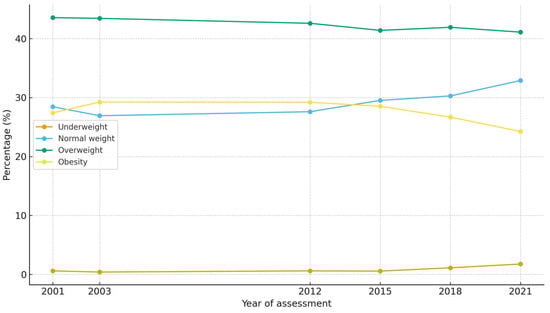
Background/Objectives: Body mass index (BMI) trajectories and transitions across adulthood are dynamic processes influenced by aging and social- and health-related factors, yet long-term patterns in older adults from middle-income countries remain insufficiently characterized. The objective of this study was to characterize long-term BMI trajectories and transitions, and to identify sociodemographic and clinical factors associated with adverse BMI patterns among Mexican adults aged ≥50 years followed over 20 years. Methods: This study used data from the Mexican Health and Aging Study (ENASEM), a nationally representative longitudinal cohort. Participants aged ≥50 years with repeated BMI measurements across survey waves were included. BMI trajectories and transitions between BMI categories were described, and multinomial regression models were used to examine factors associated with upward transitions and unstable high-BMI patterns. Results: Distinct BMI trajectory patterns were identified over the 20-year follow-up. Participants in stable normal-weight trajectories were younger, more frequently female, and had higher educational attainment and income. In contrast, those with stable overweight/obesity or fluctuating–adverse BMI patterns had higher baseline BMI and a greater prevalence of diabetes, hypertension, and multimorbidity. In multivariable analyses, age contributed to trajectory differences; however, sex, socioeconomic factors, baseline BMI, and chronic conditions remained independently associated with adverse BMI patterns. Conclusions: BMI trajectories in later life are heterogeneous and reflect the combined influence of aging, socioeconomic conditions, and chronic disease burden. Identifying groups at risk of adverse BMI patterns may support the development of targeted interventions to reduce obesity-related health consequences in older adults.
Full article
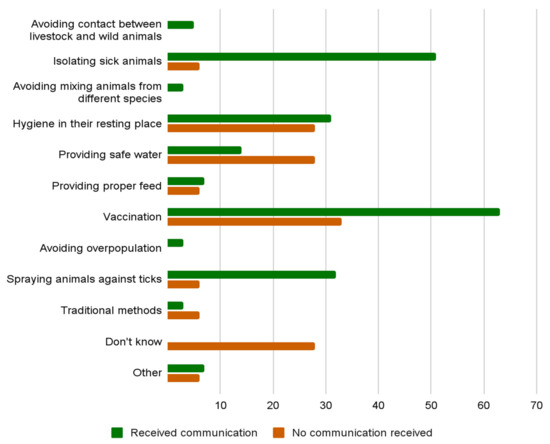
Figure 1
Open AccessArticle
An Ecological Study on the Mortality Impact of the COVID-19 Pandemic According to Country Development Status and Pandemic Years
by
Murat Razi and Manuel Graña
Epidemiologia 2026, 7(2), 50; https://doi.org/10.3390/epidemiologia7020050 - 6 Apr 2026
Abstract
►▼
Show Figures
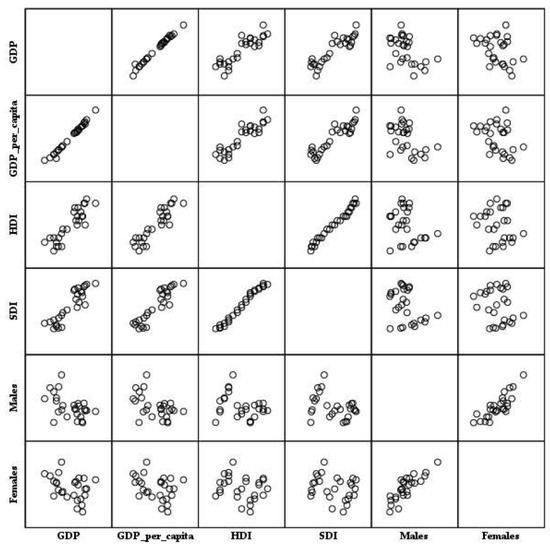
The COVID-19 pandemic caused stark global mortality disparities, influenced by a complex interplay of demographic, economic, and health factors. This ecological study investigates associations between country macroscopic variables and COVID-19 accumulated mortality ratio (AMR) across 174 countries and may serve as a preparation
[...] Read more.
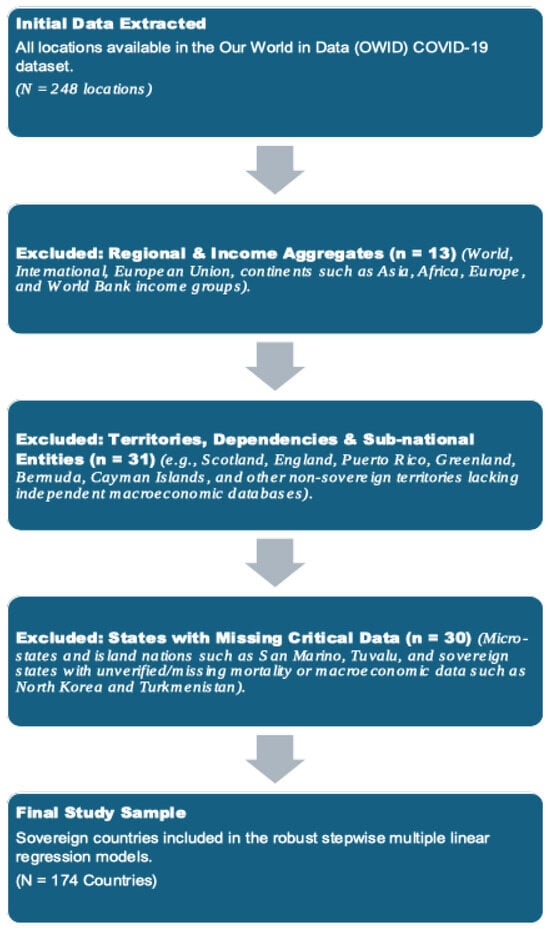
The COVID-19 pandemic caused stark global mortality disparities, influenced by a complex interplay of demographic, economic, and health factors. This ecological study investigates associations between country macroscopic variables and COVID-19 accumulated mortality ratio (AMR) across 174 countries and may serve as a preparation for new pandemics. Methods: The study applies bidirectional stepwise multiple linear regression. To ensure statistical validity, we conducted diagnostic tests for multicollinearity and heteroscedasticity, applying robust M-estimation where necessary to minimize root mean squared error. The analysis covered six distinct stratifications based on development status (developed, developing, least developed, and combinations), and incorporated temporal analyses across three specific annual periods: 21 January 2020–20 January 2021; 21 January 2021–20 January 2022; and 21 January 2022–10 January 2023. Data: AMR per country values, accumulated between 21 January 2020 and 10 January 2023, and data on the prevalence of health conditions, and socioeconomic descriptive variables were extracted from Our World in Data (OWID) and other public data sites, like the World Bank. Results: The percentage of population aged over 65 years has the most consistent association with increased AMR globally. Obesity prevalence and income inequality (Gini index) were positively associated with AMR regardless of country development status. Conversely, the study finds a consistent negative correlation with diabetes prevalence, while the prevalence of respiratory diseases is a significant association only for developed nations. Socioeconomic factors were significantly associated with AMR, but this influence is stronger in developed countries than in the developing and least developed countries. Conclusions: While population aging is the primary association with increased AMR, the mortality impact of comorbidities and socioeconomic factors is heavily conditioned by a country’s development stage, pointing to the necessity of development-status-aware public health strategies for incoming pandemics.
Full article
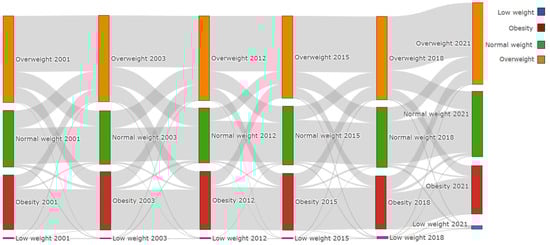
Figure 1
Open AccessArticle
Evaluating How University Students Adapt to Stress: Psychometric Validation of a Psychological Instruments Battery
by
Clara Simães, Catarina Morais, Liliana Fontes, Adérito Seixas and Rui Gomes
Epidemiologia 2026, 7(2), 49; https://doi.org/10.3390/epidemiologia7020049 - 3 Apr 2026
Abstract
►▼
Show Figures
Background: In modern society, increased awareness of stress stems mainly from the pressures of competitive environments, where the pursuit of academic and professional success places substantial demands on individuals, who must adapt. Drawing on the Transactional Model and the Interactive Model of
[...] Read more.
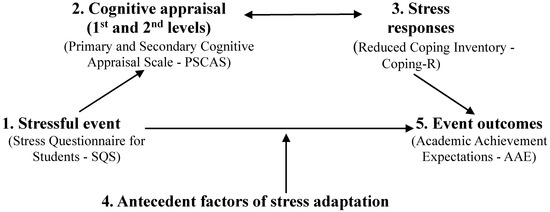
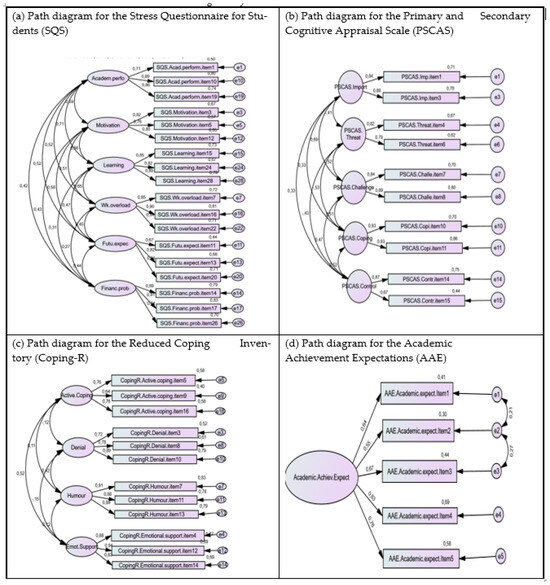
Background: In modern society, increased awareness of stress stems mainly from the pressures of competitive environments, where the pursuit of academic and professional success places substantial demands on individuals, who must adapt. Drawing on the Transactional Model and the Interactive Model of Human Adaptation to Stress, this paper presents a battery of instruments designed to comprehensively assess university students’ adaptation to stress. Methods: Data were collected from two academic years, using two independent samples of students: a calibration sample (n = 561) and a validation sample (n = 370) to test the psychometric properties of the instruments. The evaluation protocol included the Stress Questionnaire for Students (SQS), the Primary and Secondary Cognitive Appraisal Scale (PSCAS), the Reduced Coping Inventory (Coping-R), and the Academic Achievement Expectations (AAE). Results: Psychometric validation analyses indicated the best versions of the instruments’ battery. Namely, an 18-item version and a six-factor structure for the SQS, a 10-item version and a five-factor structure for the PSCAS, a 12-item version and a four-factor structure for the Coping-R, and a five-item, one-factor structure for the AAE. Conclusions: The proposed instruments can serve as a compound resource for screening for academic stress experiences in university students, and as an original tool to understand the entire process of stress adaptation.
Full article
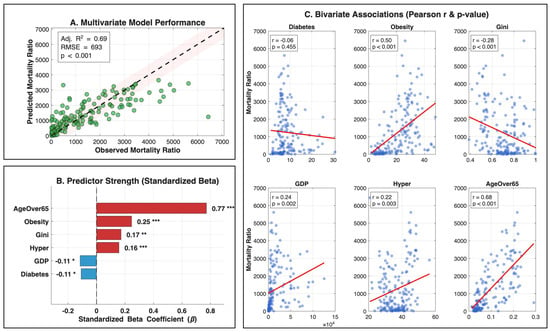
Figure 1
Open AccessArticle
Perceived Readiness and Ability to Socially Distance During the Early COVID-19 Epidemic in a U.S. Metropolitan Area: Implications for Local Public Health Preparedness
by
Emmanuel K. Tetteh, Julia D. López, Collin McGovern, Gifty Aboagye-Mensah, Elvin H. Geng and Virginia R. McKay
Epidemiologia 2026, 7(2), 48; https://doi.org/10.3390/epidemiologia7020048 - 2 Apr 2026
Abstract
Background/Objectives: Nonpharmaceutical interventions such as social distancing and face mask use were central to controlling infectious disease transmission during the early phases of the COVID-19 pandemic, particularly when vaccines and treatments were limited or unevenly available. Although public health strategies emphasized individual compliance,
[...] Read more.
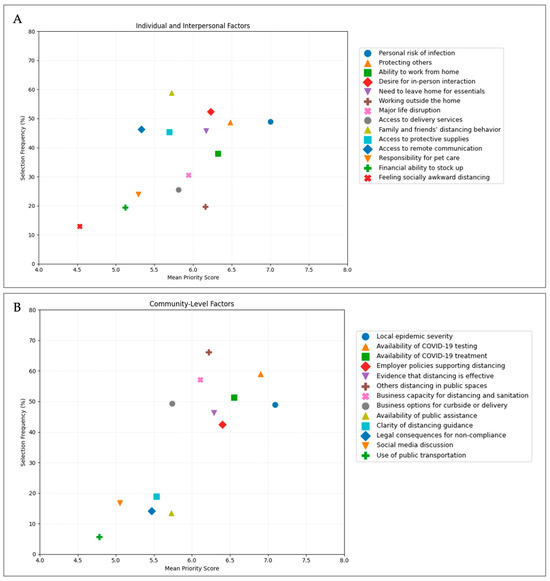
Background/Objectives: Nonpharmaceutical interventions such as social distancing and face mask use were central to controlling infectious disease transmission during the early phases of the COVID-19 pandemic, particularly when vaccines and treatments were limited or unevenly available. Although public health strategies emphasized individual compliance, adherence varied widely. Empirical evidence remains limited regarding how individuals integrate influences across individual, interpersonal, and community levels when assessing their ability and readiness to socially distance. This study examined how residents evaluated, prioritized, and experienced multi-level factors shaping perceived ability and readiness to practice social distancing during the early phase of the COVID-19 epidemic. Methods: We conducted a cross-sectional online survey of adults (≥18 years) residing in St. Louis City and St. Louis County, Missouri, between April and July 2020. Participants selected and ranked individual/interpersonal and community-level factors influencing social distancing and provided open-ended explanations of their choices. Quantitative data were analyzed descriptively to assess selection frequency and ranking priority. Qualitative responses were analyzed using iterative thematic coding to examine how participants interpreted and combined these factors. Results: The analytic sample included 1692 respondents. At the individual/interpersonal level, family and friends’ distancing behavior (58.9%), desire for in-person interaction (52.4%), and personal risk of COVID-19 (48.9%) were frequently selected, while personal risk, caring for others, and ability to work from home were most often ranked as the highest priority. At the community level, others’ distancing in public spaces (66.2%), availability of COVID-19 testing (58.9%), and businesses’ ability to ensure distancing and sanitation (57.2%) were most frequently selected, with epidemic severity, testing availability, and treatment availability ranked as most influential. Qualitative findings indicated that respondents experienced these influences as interconnected, integrating personal and relational risk, local epidemic conditions, healthcare access, visible community norms, and employer policies. Conclusions: Perceived ability and readiness to practice social distancing emerge from interdependent social and structural conditions rather than isolated individual motivations. Public health responses to emerging infectious diseases may be more effective when individual-level guidance is complemented by accessible testing and treatment, supportive workplace policies, and community environments that visibly reinforce protective behaviors.
Full article
(This article belongs to the Special Issue Local Healthcare Preparedness and Alert Systems—How to Prevent Future Pandemics?)
►▼
Show Figures

Figure A1
Open AccessArticle
Cholecystectomy in the Pediatric Population—What Has Changed in Recent Decades? Insight from a Tertiary Pediatric Referral Center
by
Tal Weiss, Yael Dreznik, Dragan Kravarusic and Samah Hayek
Epidemiologia 2026, 7(2), 47; https://doi.org/10.3390/epidemiologia7020047 - 2 Apr 2026
Abstract
Background: Symptomatic cholelithiasis is the leading indication for pediatric cholecystectomy. While historically linked to hemolytic disorders, non-hemolytic gallbladder disease in children has become increasingly common in recent decades. Objective: The objective of this study was to describe the distribution and temporal trends of
[...] Read more.
Background: Symptomatic cholelithiasis is the leading indication for pediatric cholecystectomy. While historically linked to hemolytic disorders, non-hemolytic gallbladder disease in children has become increasingly common in recent decades. Objective: The objective of this study was to describe the distribution and temporal trends of indications for cholecystectomy among children (ages ≤ 19 years) undergoing surgery at a tertiary pediatric center in Israel and to compare clinical presentation between hemolysis-related and non-hemolysis-related cases. Methods: We conducted a retrospective observational cohort study of all pediatric patients who underwent cholecystectomy at Schneider Children’s Medical Center between 2011 and 2024. Patients with congenital biliary tract anomalies or biliary tract neoplasms were excluded. Results: A total of 199 cholecystectomies were performed (median age 13.4 years). Hemolysis-related cholelithiasis accounted for 34.2% of cases; five patients (2.5%) had gallbladder polyps or other benign lesions, while the remaining patients had non-hemolysis-related cholelithiasis. No cases of biliary dyskinesia were identified. The proportion of non-hemolysis-related cholecystectomies remained stable over time. Among symptomatic patients, the rate of choledocholithiasis was significantly higher in the hemolysis-related group compared to the non-hemolysis group (27% vs. 7.9%, p = 0.004). No statistically significant association was observed between obesity and increased disease severity or adverse outcomes. Conclusion: Unlike trends reported in some Western countries, the number of cholecystectomies performed for non-hemolysis-related cholelithiasis in our single-center cohort did not increase over time. Hemolysis-related disease remains a leading indication for pediatric cholecystectomy. Prophylactic surgery may help prevent biliary complications in this group while symptomatic patients have substantial complication rates.
Full article
Open AccessArticle
Lower Urinary Tract Symptoms (LUTSs) in Elite Female and Male Athletes: Prevalence and Impact on Performance—A Cross-Sectional Study Using the STROBE-SIIS (Sports Injury and Illness Surveillance) Reporting Guidelines
by
Beth McCullough, Thomas Fallon and Neil Heron
Epidemiologia 2026, 7(2), 46; https://doi.org/10.3390/epidemiologia7020046 - 1 Apr 2026
Abstract
►▼
Show Figures
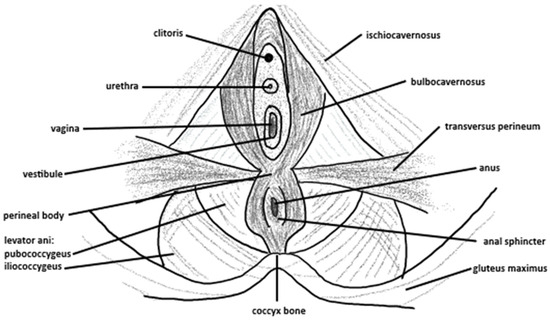
Introduction: Lower urinary tract symptoms (LUTSs), including urinary incontinence (UI), are common problems present in the general population. However, these symptoms have also been seen in young, elite-level athletes, especially females, including those who are nulliparous. This preliminary study aimed to report on
[...] Read more.
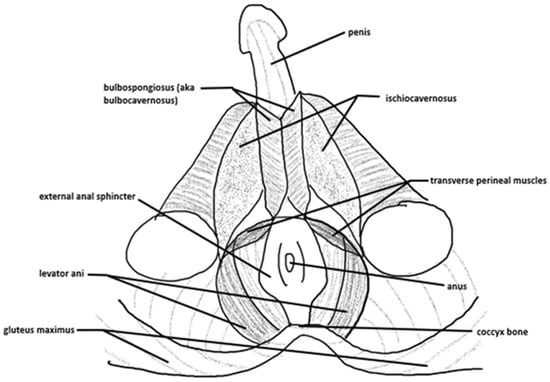
Introduction: Lower urinary tract symptoms (LUTSs), including urinary incontinence (UI), are common problems present in the general population. However, these symptoms have also been seen in young, elite-level athletes, especially females, including those who are nulliparous. This preliminary study aimed to report on the prevalence of LUTSs within an elite athletic population, including both males and females, within the UK high-performance system (the Sports Institute of Northern Ireland) and a women’s elite cycling team, while also investigating the link between LUTSs and specific training and sporting activities. Methods: A cross-sectional study of elite athletes in the Sports Institute of Northern Ireland (SINI) and a women’s professional cycling team, using an online questionnaire, was conducted to investigate the prevalence of LUTSs and UI and their impact on quality of life (QOL) among both male and female elite athletes. The authors used the STROBE-SIIS guidelines to produce separate electronic questionnaires for male and female athletes. This is a preliminary pilot study due to the small sample size. Results: Ten male athletes completed the IPPS questionnaire, reporting a median score of 5.5/35. Meanwhile, 18 female athletes completed the Athlete Female LUTS (A-FLUTS) questionnaire and reported a median score of 6/44. Female athletes had a higher prevalence of UI in the last four weeks (66.7%) compared to male athletes (20%). Of the 28 athletes, 7 were explosive/sprint athletes, and 21 were endurance athletes. Explosive/sprint athletes (71.4%) appeared to have a higher prevalence of UI in the last four weeks compared to endurance athletes (42.9%). Athletes self-managed these UI symptoms through a variety of methods, including reducing fluid intake, which could impact their athletic performance. This is a preliminary pilot study and—despite its small size—it defines a methodology and shows some important results that encourage research to be carried out on a larger sample size. Conclusions: The reported QOL impact and potential impact on health and athletic performance highlight the need for better management and treatment protocols, including the need to screen for urinary symptoms in the pre-season medical.
Full article
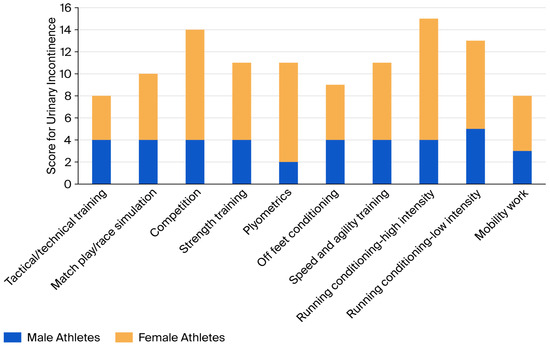
Figure 1
Open AccessArticle
Association Between Socio-Political and Economic Factors and COVID-19 Vaccination Uptake: US–Mexico Border Study
by
Komla Koumi, Soyoung Jeon and Yu-Feng Lee
Epidemiologia 2026, 7(2), 45; https://doi.org/10.3390/epidemiologia7020045 - 1 Apr 2026
Abstract
►▼
Show Figures
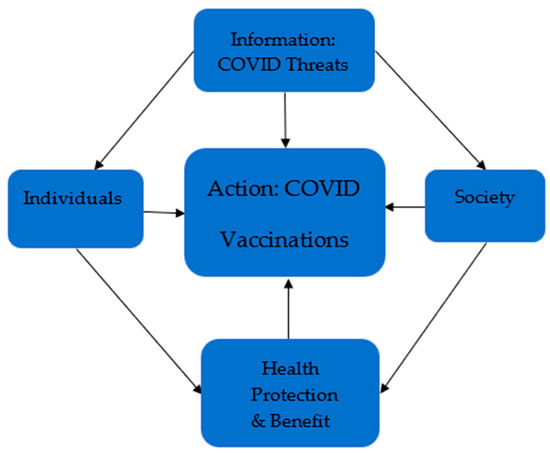
Background/Objectives: The implementation of COVID-19 vaccination in the United States has revealed substantial disparities driven by geography, socioeconomic conditions, and political ideology. This study examines the association between these factors and COVID-19 vaccination uptake across 360 counties in four U.S.–Mexico border states, characterized
[...] Read more.
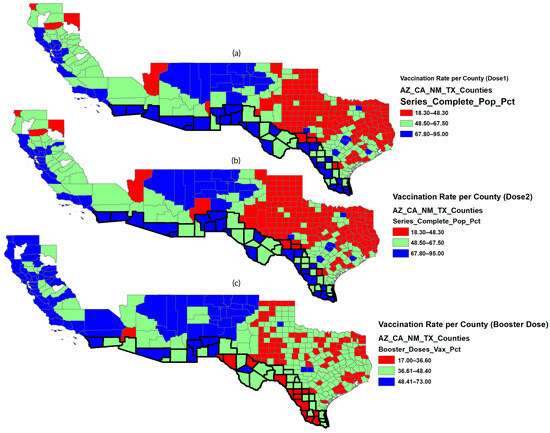
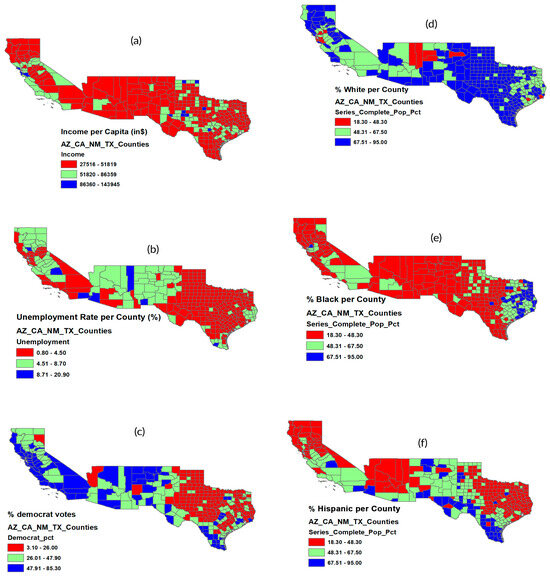
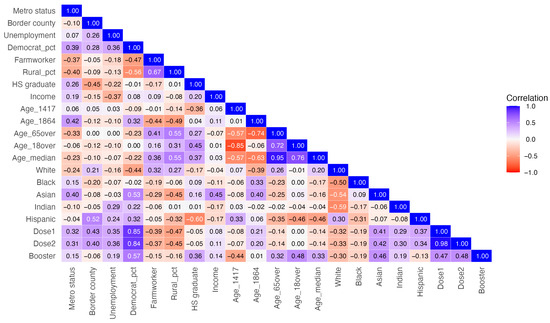
Background/Objectives: The implementation of COVID-19 vaccination in the United States has revealed substantial disparities driven by geography, socioeconomic conditions, and political ideology. This study examines the association between these factors and COVID-19 vaccination uptake across 360 counties in four U.S.–Mexico border states, characterized by distinct socio-political traits. Methods: Using county-level data, this study employed multivariable regression analysis and GIS mapping to assess the effects of income, education, employment, age, race, ethnicity, occupation, metropolitan status, border status, and political affiliation on Dose 1, Dose 2, and booster vaccination rates. Results: The analysis showed that Dose 1 vaccination rates were significantly higher in border counties and metropolitan areas. Democratic population share and per capita income were positively associated with vaccination uptake. Dose 2 vaccination rates exhibited patterns similar to those observed for Dose 1. Booster vaccination rates were positively associated with Democratic affiliation, the proportion of the population with at least a high school education, and the share of individuals aged 65 years and older. In contrast, unemployment rates were negatively associated with booster uptake. Racial and ethnic composition was also associated with vaccination outcomes: higher Black population shares were associated with lower Dose 1 vaccination rates, whereas higher Native American population shares were associated with higher vaccination rates. Booster uptake was higher with larger shares of the Asian population but slightly lower with larger shares of the White population. Conclusions: COVID-19 vaccination uptake in U.S.–Mexico border counties was associated with a complex interaction of geographic, socioeconomic, demographic, and political factors. These findings underscore the importance of targeted, context-specific public health strategies to reduce vaccination disparities and improve booster coverage in border regions.
Full article
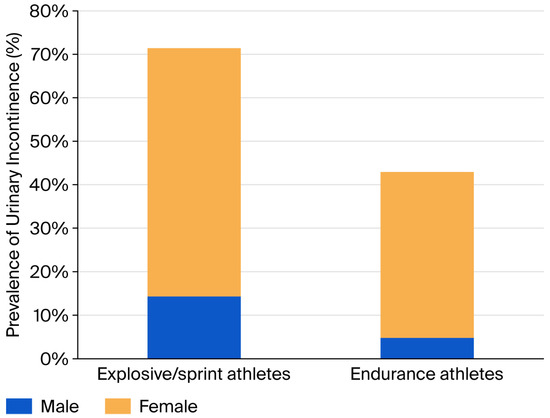
Figure 1
Open AccessArticle
Knowledge, Attitudes, and Practices of the Mexican Population Regarding the Disposal of Medications: A Cross-Sectional Study
by
Raymundo Escutia-Gutiérrez, Igor Martin Ramos-Herrera, Anahí Dreser-Mansilla and Nelson Bruno de Almeida-Cunha
Epidemiologia 2026, 7(2), 44; https://doi.org/10.3390/epidemiologia7020044 - 31 Mar 2026
Abstract
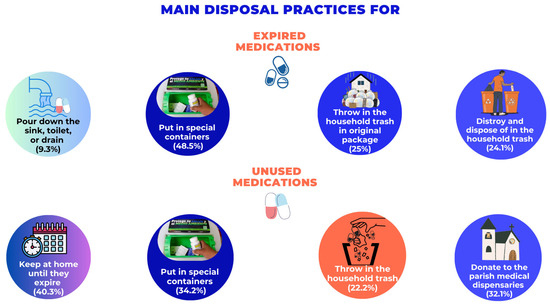
Background and Objectives: The improper disposal of expired and unused medications (EUM) poses significant environmental and health risks. Discarding EUM in household trash or drains leads to accidental poisoning, illegal trade, and ecosystem contamination. These persistent compounds often resist wastewater treatment, disrupting ecological
[...] Read more.
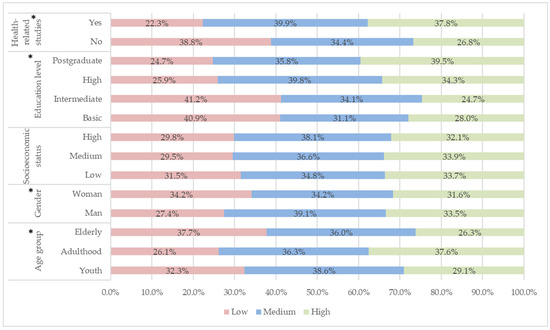
Background and Objectives: The improper disposal of expired and unused medications (EUM) poses significant environmental and health risks. Discarding EUM in household trash or drains leads to accidental poisoning, illegal trade, and ecosystem contamination. These persistent compounds often resist wastewater treatment, disrupting ecological balance and contributing to antimicrobial resistance, thereby increasing morbidity and mortality rates. This study aims to analyze the knowledge, attitudes and practices (KAP) and related factors of the Mexican population regarding the disposal of EUM. Methods: A cross-sectional, descriptive, and correlational study was conducted via an online survey of adults (18+) from October 2021 to October 2024. Results: Among 6080 participants (95.4% aged 18–59; 65.8% women), a medium level of KAP was observed. Notably, 51.5% did not use specialized disposal containers, only 15.5% knew container locations, and 30.5% correctly identified expiration dates. Significant associations emerged: lower education levels correlated with poorer disposal knowledge, while health-related backgrounds and postgraduate studies linked to positive attitudes and adequate practices. Ordinal logistic regression revealed that being elderly, belonging to a high socioeconomic class, having lower education levels, and lacking health-related studies were significantly associated with poor KAP regarding EUM disposal. Conclusions: Inadequate pharmaceutical disposal in Mexico compromises environmental and public health. Addressing this requires reinforced regulations, professionalized pharmacies, and a comprehensive approach to bridge knowledge gaps. Integrating digital tools—like real-time mapping and QR labeling—with accessible take-back schemes is vital in mitigating hazards and uphold the One Health triad.
Full article
(This article belongs to the Section Environmental Epidemiology)
►▼
Show Figures

Figure 1
Open AccessArticle
Association of Clinical Scores and Cardiac Troponin I with 30-Day Mortality in Patients with Spontaneous Intracerebral Hemorrhage
by
Nina Mihic, Ivan Cavar, Jelena Sulic, Katarina Vukojevic, Mirela Mabic, Sandra Lakicevic and Ante Kvesic
Epidemiologia 2026, 7(2), 43; https://doi.org/10.3390/epidemiologia7020043 - 16 Mar 2026
Abstract
►▼
Show Figures
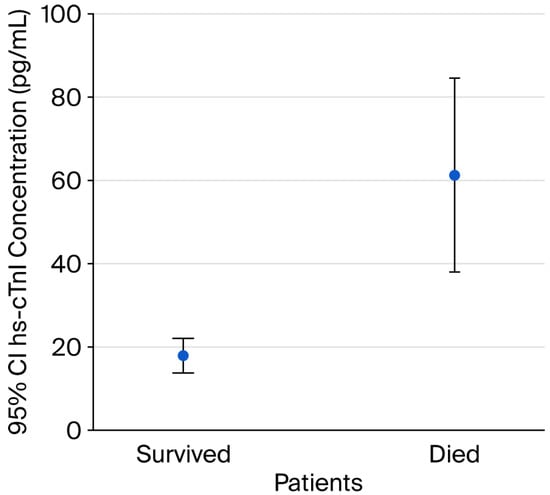
Background/Objectives: Spontaneous intracerebral hemorrhage (sICH) is a particularly severe subtype of stroke, characterized by high rates of mortality and long-term disability, for which robust prognostic markers are still lacking. The aim of this study was to assess the relationship of the ICH score,
[...] Read more.
Background/Objectives: Spontaneous intracerebral hemorrhage (sICH) is a particularly severe subtype of stroke, characterized by high rates of mortality and long-term disability, for which robust prognostic markers are still lacking. The aim of this study was to assess the relationship of the ICH score, the National Institutes of Health Stroke Scale (NIHSS) score, and serum high-sensitivity cardiac troponin I (hs-cTnI) levels with 30-day mortality in patients with sICH. Methods: We conducted a prospective observational cohort study enrolling 100 consecutive patients diagnosed with sICH based on neuroimaging findings. Demographic data, clinical parameters, neuroimaging findings, and serum hs-cTnI levels were collected on admission. Subsequently, the ICH score, its individual components, and the NIHSS score were assessed. Results: Patients who died were older and had significantly higher ICH and NIHSS scores, lower Glasgow Coma Scale (GCS) scores, larger hematoma volumes, more frequent intraventricular hemorrhage (IVH), and elevated hs-cTnI levels compared to survivors. Serum hs-cTnI concentrations were significantly correlated with ICH and NIHSS scores, lower GCS scores, larger hematoma volumes, and the presence of IVH. On univariate logistic regression, higher ICH score, NIHSS score, and hs-cTnI level were associated with mortality, whereas multivariate analysis identified the GCS score, hematoma volume, and IVH score as significant independent factors related to fatal outcome. Conclusions: Individual components of the ICH score may provide useful information on outcomes in patients with sICH. Higher serum hs-cTnI levels were associated with 30-day mortality but were not independent predictors. These markers may assist in patient monitoring and support established clinical procedures in therapeutic decision-making. Nevertheless, larger multicenter studies are needed to further clarify their clinical implications in sICH management.
Full article
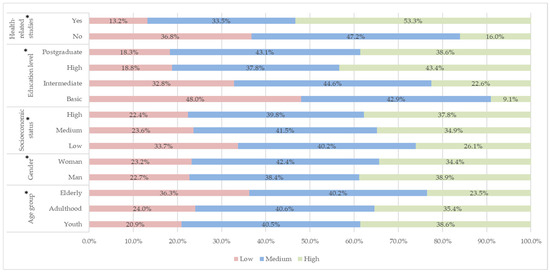
Figure 1
Open AccessArticle
Unveiling Place-Based Effects at Scale: A Multiscale Geographically Weighted Regression of Food Deserts and Cardiovascular Risk in Chile
by
Francisco Vergara-Perucich, Leslie Landaeta-Díaz and Carlos Aguirre-Nuñez
Epidemiologia 2026, 7(2), 42; https://doi.org/10.3390/epidemiologia7020042 - 10 Mar 2026
Abstract
►▼
Show Figures
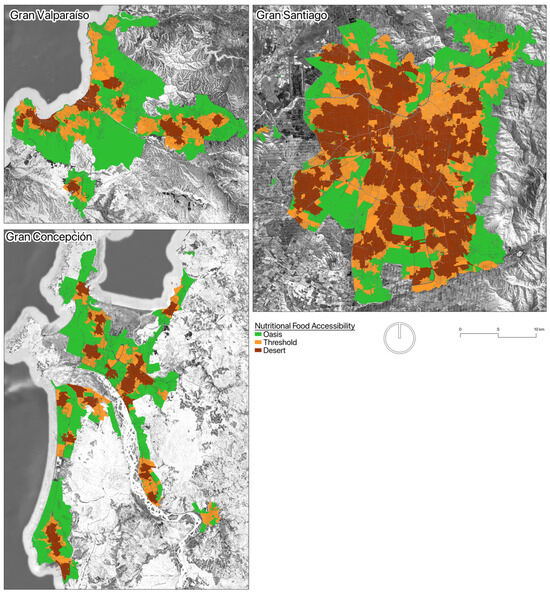
Background/Objectives: Cardiovascular diseases (CVD) in Chile are profoundly shaped by place-based determinants of diet. This study examines the association between food deserts—areas with structurally limited access to nutritious, affordable food—and population-level cardiovascular risk across Chile’s three largest metropolitan areas (Santiago, Valparaíso, Concepción). Methods:
[...] Read more.
Background/Objectives: Cardiovascular diseases (CVD) in Chile are profoundly shaped by place-based determinants of diet. This study examines the association between food deserts—areas with structurally limited access to nutritious, affordable food—and population-level cardiovascular risk across Chile’s three largest metropolitan areas (Santiago, Valparaíso, Concepción). Methods: We constructed a geospatial food desert index combining OpenStreetMap-derived retail accessibility with census information, and linked it to georeferenced cardiovascular health records. To overcome the limitations of global models that assume spatial stationarity, we applied Multiscale Geographically Weighted Regression (MGWR) to allow coefficients to vary across space and to recover variable-specific process scales. Results: The MGWR results indicate pronounced spatial non-stationarity in the food desert–CVD association. The relationship is predominantly positive across Gran Valparaíso, predominantly negative in Gran Concepción, and highly mixed within Gran Santiago, evidencing divergent local mechanisms rather than a single national pattern. Conclusions: The observed heterogeneity undermines “one-size-fits-all” national interventions and supports place-sensitive, equity-oriented strategies. Policy implications include territorially tailored food-retail regulation and primary-care outreach, co-designed with local actors, with MGWR providing a critical analytic basis for actionable, context-specific public health planning.
Full article
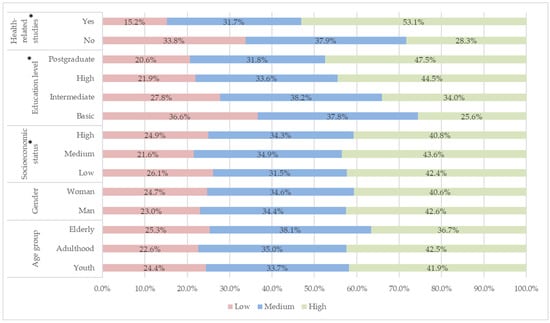
Figure 1
Open AccessArticle
Combined Treatment of Type 2 Diabetes and Hypothyroidism: Impact of Oral Semaglutide and Levothyroxine on Cardiometabolic and Thyroid Parameters: A 6-Month Comparative Study
by
Dana-Mihaela Tilici, Ruxandra-Mihaela Costinescu, Diana Loreta Paun, Daniela Stegaru, Beatrice Mihaela Grecu, Mirona Costea and Cristian Guja
Epidemiologia 2026, 7(2), 41; https://doi.org/10.3390/epidemiologia7020041 - 4 Mar 2026
Abstract
►▼
Show Figures
Background/Objectives: Type 2 diabetes (T2DM) and hypothyroidism often coexist, worsening cardiometabolic risk. Oral semaglutide and levothyroxine each improve metabolic parameters, but the effect of combined therapy is understudied. This study aimed to evaluate whether oral semaglutide administered concomitant with levothyroxine provides additive benefits
[...] Read more.
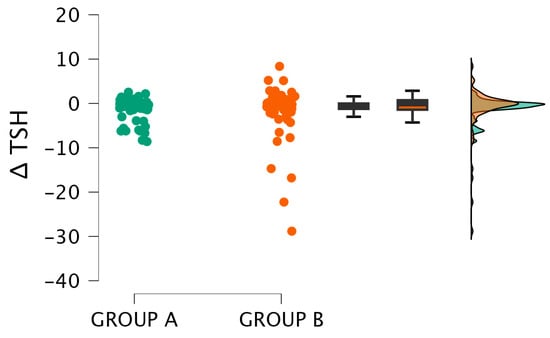
Background/Objectives: Type 2 diabetes (T2DM) and hypothyroidism often coexist, worsening cardiometabolic risk. Oral semaglutide and levothyroxine each improve metabolic parameters, but the effect of combined therapy is understudied. This study aimed to evaluate whether oral semaglutide administered concomitant with levothyroxine provides additive benefits on lipid profile, glycemic control, and body weight in patients with both conditions. Methods: This prospective comparative observational study assessed a total of 210 patients who were enrolled (70 per group) with a 6-month follow-up. Group A (T2DM and hypothyroidism) received semaglutide and levothyroxine, group B (hypothyroidism only) received levothyroxine, and group C (T2DM only) received oral semaglutide. Lipid profile, glycemic profile (HbA1c), thyroid profile, and anthropometric parameters were comparable across groups at baseline and after 6 months. Results: Group A demonstrated significant improvements in lipid parameters: LDL-cholesterol decreased by 12.7%, HDL increased by 9.0%, and triglycerides decreased by 6.7% (all comparisons p < 0.001 unless otherwise specified). In contrast, group B experienced worsening lipid profiles (LDL increased by 11.0%, HDL decreased by 0.5%, and triglycerides increased by 9.1%), while group C showed modest changes (LDL increased by 4.5%). Glycemic control improved among diabetic patients, with HbA1c declining by 7.7% in group A and 12.6% in group C. Body mass index (BMI) decreased in groups A (4.9%) and C (6.0%). Conclusions: The concurrent administration of oral semaglutide and levothyroxine produces additive cardiometabolic advantages in individuals with T2DM and hypothyroidism. These findings suggest that combined treatment may optimize metabolic outcomes in this particularly high-risk population.
Full article

Figure 1
Open AccessArticle
Vitamin D Serum Status and Associated Factors Among Women with Cervical Lesions
by
Zinhle Simelane, Likhona S. Masika, Charles B. Businge and Zizipho Z. A. Mbulawa
Epidemiologia 2026, 7(2), 40; https://doi.org/10.3390/epidemiologia7020040 - 4 Mar 2026
Abstract
Background/Objectives: Vitamin D plays a role in cellular regulation and immune processes relevant to cervical carcinogenesis, yet data on vitamin D status and its determinants in high-burden settings such as South Africa remain scarce. This paper therefore describes the prevalence of vitamin D
[...] Read more.
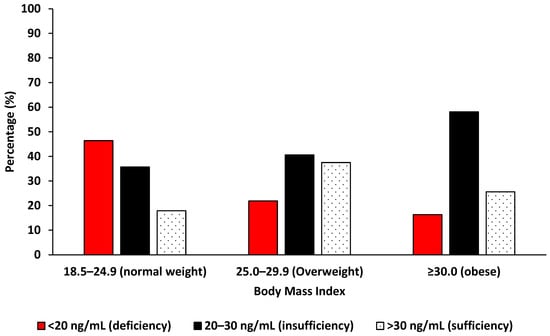
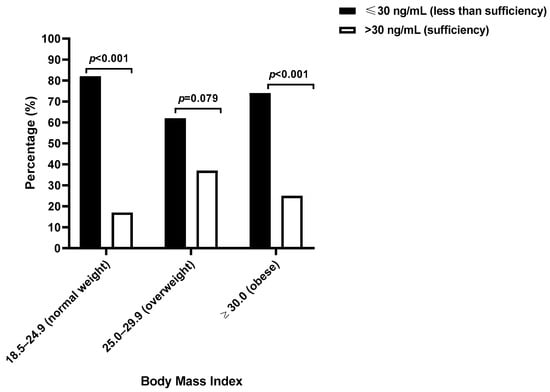
Background/Objectives: Vitamin D plays a role in cellular regulation and immune processes relevant to cervical carcinogenesis, yet data on vitamin D status and its determinants in high-burden settings such as South Africa remain scarce. This paper therefore describes the prevalence of vitamin D deficiency, insufficiency, and sufficiency, and explores associated factors among women with cervical lesions. Methods: A descriptive cross-sectional study was conducted among 103 women aged 18–81 years. Women were referred to Nelson Mandela Academic Hospital due to cervical cancer, high-grade squamous intraepithelial lesions (HSILs), or atypical squamous cells—cannot exclude HSIL, or low-grade squamous intraepithelial lesions, or atypical squamous cells of undetermined significance. The total serum 25(OH)D (D2 + D3) was quantified using the MAGLUMI 25-OH Vitamin D chemiluminescent immunoassay kit on the MAGLUMI X3 Fully Automatic Chemiluminescence Immunoassay Analyzer (Snibe Diagnostic, Shenzhen New Industries Biomedical Engineering Co., Ltd., Shenzhen, China). Serum vitamin D was categorized according to the Endocrine Society Task Force guidelines. Results: Vitamin D insufficiency was observed in 46.60% of participants and deficiency in 26.21% while only 27.18% had sufficient levels. Overall, vitamin D deficiency or insufficiency was more common than sufficiency (72.82%; 27.18%, p < 0.0001). Among HIV-positive women, 78.26% had vitamin D deficiency or insufficiency compared with 63.33% of HIV-negative women; however, this difference was not statistically significant. Vitamin D deficiency was most prevalent in women with healthy body mass index (BMI, 46.40%) values and decreased significantly with increasing BMI values (p = 0.008). Conclusions: Vitamin D deficiency and insufficiency were common among women with cervical lesions in this rural South African population. Associations with BMI suggest context-specific influences on vitamin D status. Owing to the study’s cross-sectional design and lack of normal cervical cytology participants, the findings are descriptive and exploratory, underscoring the need for longitudinal and comparative research to better define the role of vitamin D in cervical disease.
Full article
(This article belongs to the Section Molecular Epidemiology)
►▼
Show Figures

Figure 1
Open AccessArticle
Trends in Tuberculosis Incidence and Mortality in South Africa and Bulgaria (2000–2023): The Impact of Income, Poverty, Unemployment, and Universal Health Coverage
by
Siyabonga Kave, Joana Simeonova, Antoniya Yanakieva, Alexandrina Vodenitcharova, Denisha Govender, Yandisa Sikweyiya and Nelisiwe Khuzwayo
Epidemiologia 2026, 7(2), 39; https://doi.org/10.3390/epidemiologia7020039 - 4 Mar 2026
Abstract
Background: Tuberculosis (TB) remains a major global public health challenge, with substantial variation across countries. South Africa has one of the highest TB incidence and mortality rates globally, while Bulgaria, a low-incidence country, faces a persistent TB burden among vulnerable populations. Objectives: To
[...] Read more.
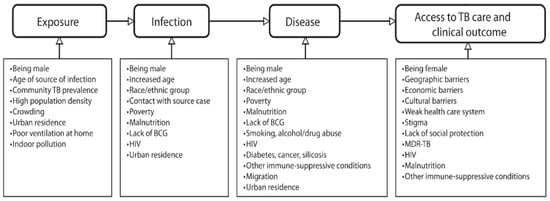
Background: Tuberculosis (TB) remains a major global public health challenge, with substantial variation across countries. South Africa has one of the highest TB incidence and mortality rates globally, while Bulgaria, a low-incidence country, faces a persistent TB burden among vulnerable populations. Objectives: To compare national trends in TB incidence and mortality in South Africa and Bulgaria from 2000 to 2023 and explore associations with selected socioeconomic indicators and health system coverage. Methods: An ecological, descriptive, analytical study used national-level data from the WHO, World Bank, and official statistics. TB trends were analyzed alongside income, poverty, unemployment, and Universal Health Coverage indicators. Time series measures and Pearson correlation were used descriptively to summarize co-variation over time. Results: Between 2000 and 2023, TB incidence declined by approximately 44% in the Republic of South Africa and 69% in Bulgaria. In both countries, TB incidence co-varied strongly with unemployment (RSA: r = 0.805; BG: r = 0.723). In Bulgaria, TB incidence was also strongly negatively associated with GDP per capita (r = −0.910), whereas no significant association with GDP was observed in South Africa. These findings indicate that TB trends co-varied more closely with labour market conditions in both contexts, while broader economic growth co-occurred with declining TB incidence only in Bulgaria. Conclusions: TB trends co-occurred with changes in socioeconomic conditions and health system coverage, with differing patterns across contexts. Findings highlight the relevance of equity-oriented, context-specific TB control strategies integrated with social and economic policies.
Full article
(This article belongs to the Topic Surveillance Systems and Predictive Analytics for Epidemics)
►▼
Show Figures

Figure 1
Open AccessArticle
The Association Between Religiosity and Lifelong Cancer Incidence in an Israeli Male Cohort: A Competing Risk Survival Analysis
by
Lipaz Varkel, Uri Goldbourt and Yariv Gerber
Epidemiologia 2026, 7(2), 38; https://doi.org/10.3390/epidemiologia7020038 - 3 Mar 2026
Abstract
►▼
Show Figures
Background: While religious involvement has been linked to better health outcomes, its specific association with cancer incidence remains uncertain. The potential for confounding by lifestyle factors, such as physical activity, body weight, and smoking, complicates the interpretation of this relationship, necessitating further research
[...] Read more.
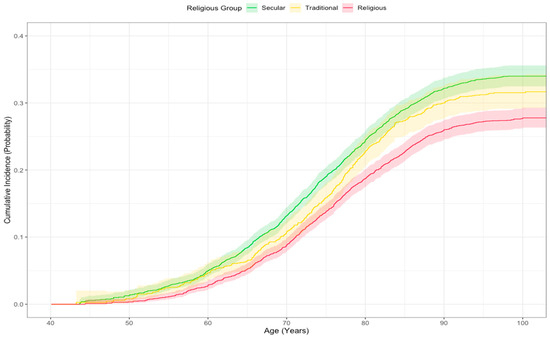
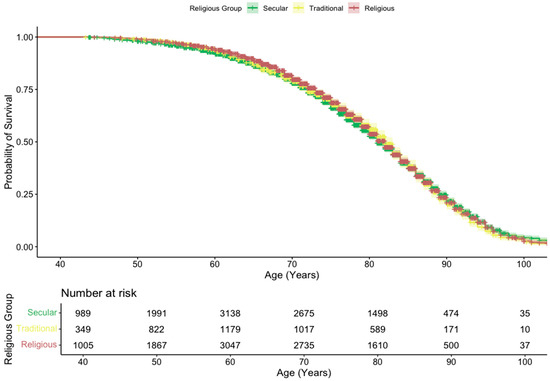
Background: While religious involvement has been linked to better health outcomes, its specific association with cancer incidence remains uncertain. The potential for confounding by lifestyle factors, such as physical activity, body weight, and smoking, complicates the interpretation of this relationship, necessitating further research in large, well-defined cohorts. This study aims to investigate the association between religiosity and cancer incidence in a large Israeli cohort while controlling for a comprehensive set of confounders and the competing risk of mortality. Methods: We conducted a retrospective analysis of 8746 male city-hall employees from the Israeli Ischemic Heart Disease (IIHD) cohort, enrolled in 1963. Cancer and mortality follow-up lasted through 2019. Religiosity was self-reported at baseline and categorized as secular, traditional, or religious. We employed a cause-specific Cox proportional hazards model with age as the time scale to analyze the risk of cancer incidence, treating death as a competing risk. The model was adjusted for a comprehensive set of baseline confounders, including socioeconomic status, smoking, physical activity, body mass index, systolic blood pressure, cholesterol, and diabetes. Results: During the follow-up period, cancer was diagnosed in 2692 participants. We observed a significant inverse association between religiosity and cancer incidence. Compared to secular participants, the religious group had a significantly lower risk of cancer (multivariable-adjusted hazard ratio [HR] = 0.80, 95% CI: 0.73–0.87; p < 0.001); the traditional group had a nonsignificantly lower risk (HR = 0.91, 95% CI: 0.82–1.02; p = 0.10). This association was specific to cancer incidence, as religiosity was not significantly associated with the competing risk of mortality. Conclusions: In this cohort study, a higher level of religiosity was associated with a significantly lower risk of lifelong cancer incidence, independent of a wide range of lifestyle, social, and clinical factors. These findings suggest that psychosocial and biobehavioral pathways associated with a religious lifestyle may play a protective role in cancer etiology.
Full article

Figure 1
Open AccessArticle
Mortality Trends in Cancer of Unknown Primary Site in Serbia, 1990–2024: A Joinpoint Regression and Age–Period–Cohort Analysis
by
Irena Ilic, Vladimir Jakovljevic and Milena Ilic
Epidemiologia 2026, 7(2), 37; https://doi.org/10.3390/epidemiologia7020037 - 2 Mar 2026
Abstract
►▼
Show Figures
Background/Objectives: Research on the mortality trends from cancer of unknown primary site in Serbia is scarce. This research sought to investigate temporal trends in mortality from cancer of unknown primary site in Serbia in the last few decades. Methods: This research was a
[...] Read more.
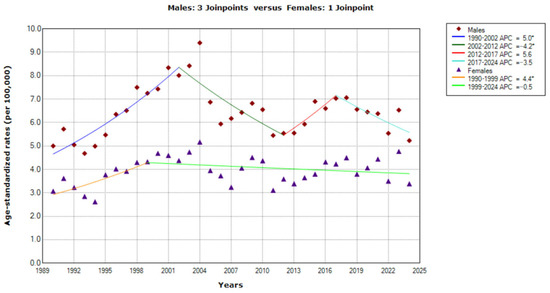
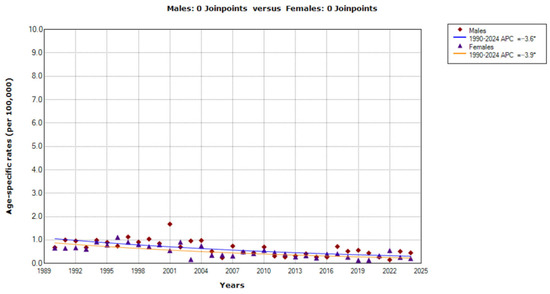
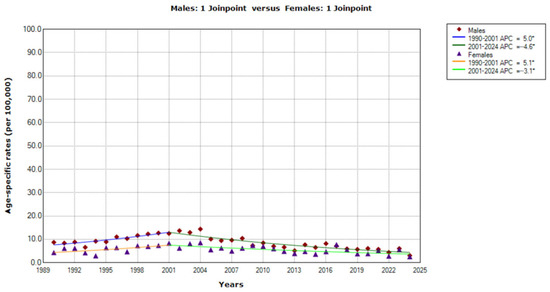
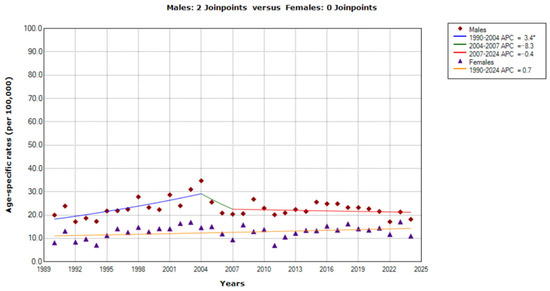
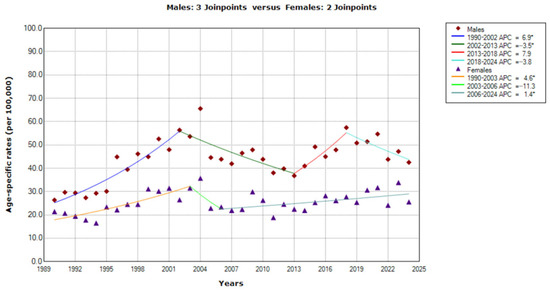
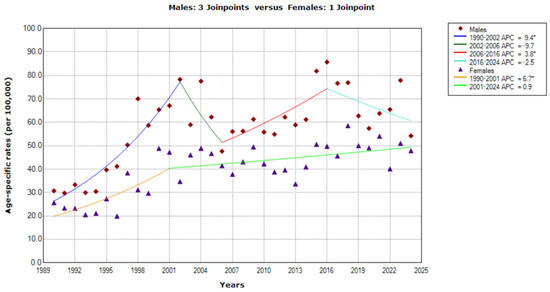
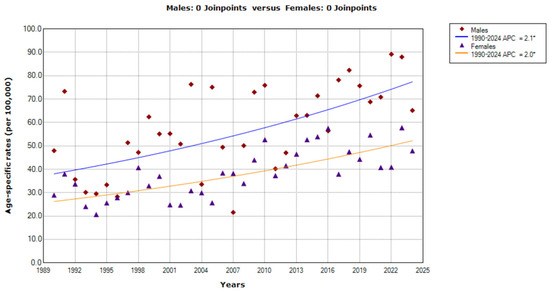
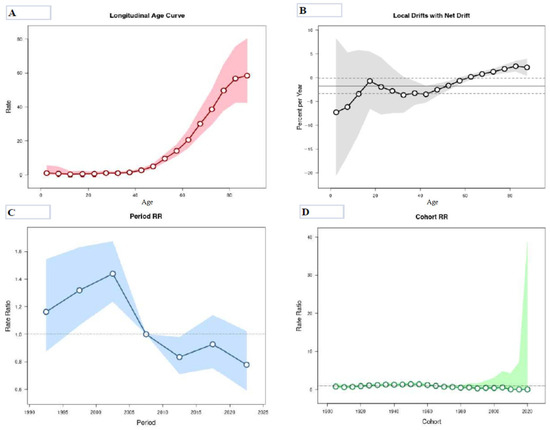
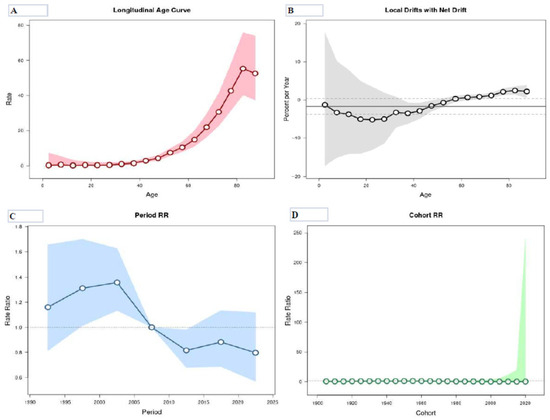
Background/Objectives: Research on the mortality trends from cancer of unknown primary site in Serbia is scarce. This research sought to investigate temporal trends in mortality from cancer of unknown primary site in Serbia in the last few decades. Methods: This research was a population-based epidemiological descriptive study. Trends of age-standardized rates (ASRs) in mortality and average annual percent change (AAPC) were examined with joinpoint regression analysis. The age, period and cohort effects on mortality rates were evaluated using the age–period–cohort analysis. Results: From 1990 to 2024, 26,597 deaths from cancer of unknown primary site were registered in Serbia (14,944 in males and 11,613 in females). The trends for ASRs of mortality from cancer of unknown primary site in Serbia were stable for both males (AAPC = 0.2%, 95% CI = −0.4 to 0.7) and females (AAPC = 0.4%, 95% CI = −0.1 to 0.9) in all ages. Decreasing trends in mortality were observed in those under 55 years of age, while increasing trends were observed in older persons (55+), both in men and women. All estimated functions (period effect, cohort effect, the local drifts and net drift) for mortality in males in Serbia were significant (p < 0.05). For mortality in females, statistical significance was observed for cohort and period effects, along with the local drifts (p < 0.05 for all), while no statistical significance was observed for the net drift (p > 0.05). Conclusions: Mortality trends due to the cancer of unknown primary site were particularly unfavorable in elderly, suggesting that this burden of disease remains a public health issue in Serbia.
Full article

Figure 1
Open AccessReview
Environmental Determinants of Pediatric Obesity: An Epidemiological Review
by
Doha Hassan, Mostafa Salama, Reham Ahmed and Seema Kumar
Epidemiologia 2026, 7(2), 36; https://doi.org/10.3390/epidemiologia7020036 - 2 Mar 2026
Abstract
►▼
Show Figures
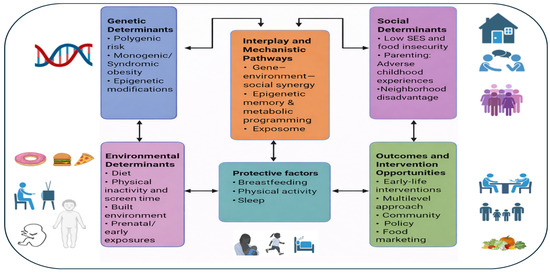
Pediatric obesity represents an urgent public health concern, with rapidly increasing prevalence across all regions. While genetic susceptibility contributes significantly to interindividual variability in weight, the significant increase in obesity prevalence over the last 30 years is driven by shifts in environmental contributors.
[...] Read more.
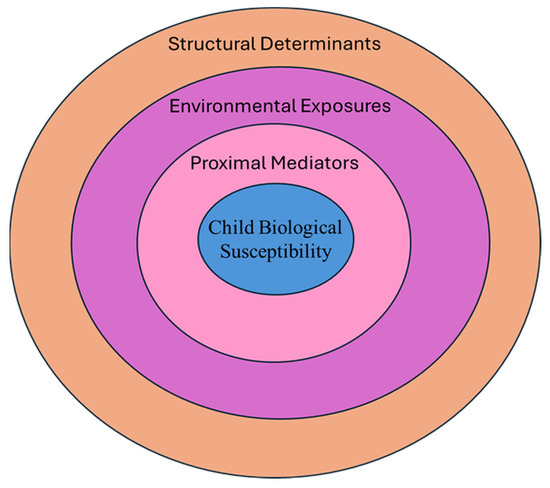
Pediatric obesity represents an urgent public health concern, with rapidly increasing prevalence across all regions. While genetic susceptibility contributes significantly to interindividual variability in weight, the significant increase in obesity prevalence over the last 30 years is driven by shifts in environmental contributors. This narrative review will summarize evidence on the major environmental determinants of childhood obesity. Environmental contributors to obesity include the food environment, physical activity and built environments, socioeconomic and community context, home and family environments, digital exposures, early life and chemical obesogens and policy drivers. These environmental factors influence activity patterns, dietary habits, sleep, and stress. Additionally, many of these contributing factors cluster within communities that are disadvantaged, thereby increasing predisposition of specific racial, ethnic and socioeconomic groups to childhood obesity. We highlight research gaps and opportunities for multisectoral interventions aligned to impact the growing prevalence of childhood obesity.
Full article

Figure 1
Open AccessArticle
Infection and Vaccination-Induced Tick-Borne Encephalitis Virus IgG Antibody Prevalence in the Austrian Federal State of Upper Austria, a High-Risk Region for TBEV
by
Gerhard Dobler, Susanne Süßner, Anne B. Schindler, Philipp Girl and Johannes Borde
Epidemiologia 2026, 7(2), 35; https://doi.org/10.3390/epidemiologia7020035 - 2 Mar 2026
Abstract
►▼
Show Figures
Background/Objectives: Tick-borne encephalitis (TBE) is the most important tick-borne viral central nervous system (CNS) infection in Europe and Asia. Since the introduction of a vaccine in Austria in the late 1970s, sero-epidemiological studies on the true incidence of tick-borne encephalitis virus (TBEV) infection
[...] Read more.
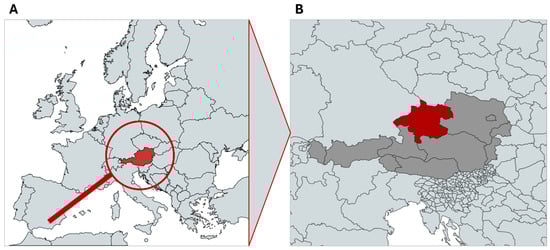
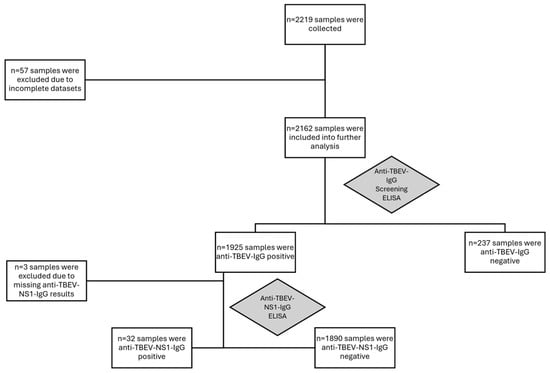
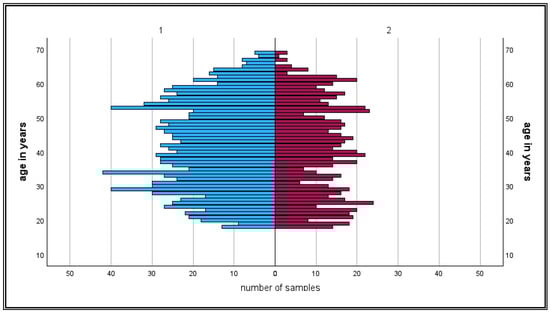
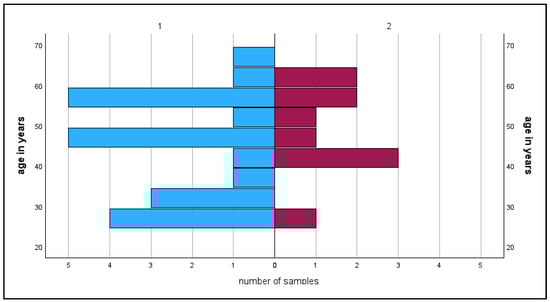
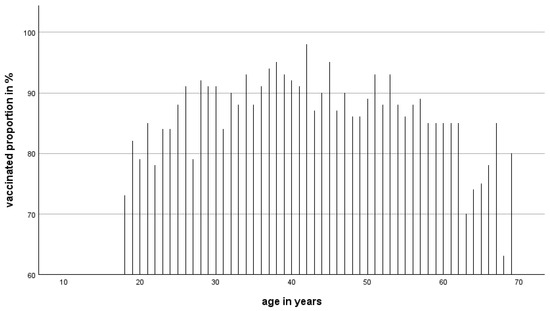
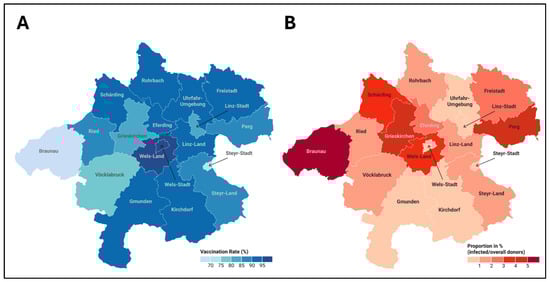
Background/Objectives: Tick-borne encephalitis (TBE) is the most important tick-borne viral central nervous system (CNS) infection in Europe and Asia. Since the introduction of a vaccine in Austria in the late 1970s, sero-epidemiological studies on the true incidence of tick-borne encephalitis virus (TBEV) infection in the population have been difficult, because it was not possible to distinguish between vaccine- and infection-induced antibodies. The goal of our study has been to analyze the sero-epidemiology of TBEV infections, vaccination protection rate, and manifestation index of the disease in the region of interest. Methods: Applying a newly developed anti-TBEV-NS1-IgG assay and the neutralization test, the protection and infection rates in blood donors of the Austrian Federal State of Upper Austria.It is one of the first areas in Austria, where the TBEV vaccine had been rolled out and broadly used. Samples from blood donors of all districts of the Federal State of Upper Austria were screened for anti-TBEV-IgG. Positive sera were differentiated for infection- and vaccine-induced antibodies. The results were matched with donor age, gender, and geographical origin. Results: 2162 samples were analyzed. A total of 87.0% of the blood donors tested showed anti-TBEV-IgG related to past TBEV vaccination. Within the unvaccinated group, a total of 13.3% of male and 9.9% of female blood donors exhibited anti-TBEV-NS1-IgG, indicating a past TBEV infection. The anti-TBE-NS1-IgG seroprevalence was determined at 74/100,000 for the whole population and at 594/100,000 in the non-vaccinated population. The manifestation index (MI) was calculated at 2.8%. The MI is defined as the probability or percentage of infected individuals who develop clinical symptoms of a disease. Conclusions: Our data provide evidence of a continuing high risk of TBEV infection in the Federal state of Upper Austria. The non-vaccinated population has an eightfold higher infection prevalence compared to the whole population. The MI of TBEV for severe infection seems lower as detailed in previous reports.
Full article

Figure 1
Open AccessArticle
Comorbidities and Concomitant Medications in Middle-Aged Japanese People According to the Charlson Comorbidity Index and Age: Results of the NDB-K7Ps-Study-3
by
Airi Sekine and Kei Nakajima
Epidemiologia 2026, 7(2), 34; https://doi.org/10.3390/epidemiologia7020034 - 2 Mar 2026
Abstract
Background/Objectives: The Charlson Comorbidity Index (CCI), which focuses on 19 comorbid diseases and conditions, has been widely used as a valid predictor of mortality. This study aimed to comprehensively examine the prevalence of nearly all comorbidities and concomitant medications according to CCI
[...] Read more.
Background/Objectives: The Charlson Comorbidity Index (CCI), which focuses on 19 comorbid diseases and conditions, has been widely used as a valid predictor of mortality. This study aimed to comprehensively examine the prevalence of nearly all comorbidities and concomitant medications according to CCI classification (CCI = 0 and CCI ≥ 4) and age group (aged 40–44 and 70–74 years) in middle-aged Japanese adults. Methods: The present study included 9,182,226 individuals who underwent health checkups from April 2018 to March 2019. A total of 15,916 cases of diagnosed diseases and conditions, including communicable diseases; diseases of the eye, ear, skin, and musculoskeletal system; and psychiatric disorders, were investigated alongside 16,886 prescribed medications. Results: The prevalence of allergic rhinitis was ranked among the leading comorbidities in all age groups and CCI categories. Individuals with a CCI ≥ 4 in the 40–44 age group showed a higher prevalence of cardiometabolic diseases such as hypertension, diabetes, and dyslipidemia compared with individuals with a CCI = 0 in the 70–74 age group. Furthermore, individuals with a CCI ≥ 4 in the 40–44 age group also had a higher prevalence of communicable diseases, gastrointestinal symptoms, iron deficiency anemia, and psychiatric disorders compared with individuals with a CCI = 0 in the 70–74 age group. The ranking for prescribed medications was essentially the same between age groups, but was found to differ between CCI categories. Conclusions: This study identified overlooked comorbidities and concomitant medications that are not accounted for in the 19 conditions included in the CCI, which may be important prognostic factors in determining mortality. Although patients with more comorbidities were found to be more frequently diagnosed with cardiometabolic diseases regardless of their age, the presence of pharmacotherapy may be dependent on age.
Full article
Journal Menu
► ▼ Journal Menu-
- Epidemiologia Home
- Aims & Scope
- Editorial Board
- Topical Advisory Panel
- Instructions for Authors
- Special Issues
- Topics
- Sections
- Article Processing Charge
- Indexing & Archiving
- Editor’s Choice Articles
- Most Cited & Viewed
- Journal Statistics
- Journal History
- Journal Awards
- Society Collaborations
- Editorial Office
Journal Browser
► ▼ Journal BrowserHighly Accessed Articles
Latest Books
E-Mail Alert
News
Topics
Topic in
Diseases, Epidemiologia, Infectious Disease Reports, Medicina, TropicalMed
Surveillance Systems and Predictive Analytics for Epidemics
Topic Editors: Georgia Kourlaba, Elisavet StavropoulouDeadline: 31 January 2027
Topic in
AMH, Antibiotics, Epidemiologia, Microorganisms
Healthcare-Associated Infections and Antimicrobial Therapy
Topic Editors: Diamantis P. Kofteridis, Petros IoannouDeadline: 28 February 2027
Topic in
Children, Dietetics, Epidemiologia, Healthcare, Obesities, Medical Sciences, Diseases, Trends in Public Health
Dietary and Lifestyle Determinants of Non‑Communicable Diseases: Salt, Sugar, Alcohol and Physical Activity
Topic Editors: Kotsedi Daniel Monyeki, Machoene Derrick SekgalaDeadline: 30 April 2027
Special Issues
Special Issue in
Epidemiologia
Local Healthcare Preparedness and Alert Systems—How to Prevent Future Pandemics?
Guest Editors: Giuseppe Stirparo, Alberto Arnedo-PenaDeadline: 15 April 2026
Special Issue in
Epidemiologia
Recent Advances in Acute Diseases and Epidemiological Studies
Guest Editors: Giuseppe Stirparo, Giuseppe RistagnoDeadline: 30 April 2026
Special Issue in
Epidemiologia
Advances in Environmental Epidemiology, Health and Lifestyle
Guest Editor: Rajendra Prasad ParajuliDeadline: 30 April 2026
Special Issue in
Epidemiologia
Nutritional Epidemiology in Public Health
Guest Editor: Kei NakajimaDeadline: 30 June 2026