



Epigenetic Regulation of Cellular Differentiation

Editor


E-Mail Website
Collection Editor
Laboratory of Calcium Binding Proteins, Department of Molecular and Cellular Neurobiology, Nencki Institute of Experimental Biology of the Polish Academy of Sciences, 3 Pasteur Street, 02-093 Warsaw, Poland
Interests: cell/molecular biology; gene/protein expression; epigenetics; protein biochemistry
Special Issues, Collections and Topics in MDPI journals

Topical Collection Information

Dear Colleagues,

Cell differentiation is a process through which newly formed cells acquire specific features required for the precise functions that they are to fulfill in the organism. The most spectacular example of the differentiation process is the transformation of a zygote into a mature organism with multiple specialized tissues. In an adult organism, the process of cellular differentiation is active, albeit within a somewhat different range, in all tissues, which are constantly renewed thanks to the proliferative capacity of tissue stem cells. The stem cell progeny, newly derived undifferentiated cells, undergo differentiation along a tissue-specific lineage.

Upon differentiation, cells alter not only their size, shape, motile/adhesive properties, etc., but also metabolic and other biochemical characteristics. All these changes are possible due to orchestrated and time-coordinated expression, or silencing, of multiple genes. The involvement of epigenetic factors, such as DNA methylation, histone modifications or micro RNAs, in the regulation of genes involved in cell differentiation is a recognized fact; however, what we still need to know is how the epigenetic changes accompanying cellular differentiation are tailored to execute a gene expression program appropriate for each cell/tissue type.

The aim of this Topical Collection is to bring together a set of reviews and research articles on the role of epigenetic regulation in cell differentiation in vitro and in vivo.

Prof. Dr. Wiesława Leśniak
Collection Editor

Manuscript Submission Information

Manuscripts should be submitted online at www.mdpi.com by registering and logging in to this website. Once you are registered, click here to go to the submission form. All submissions that pass pre-check are peer-reviewed. Accepted papers will be published continuously in the journal (as soon as accepted) and will be listed together on the collection website. Research articles, review articles as well as short communications are invited. For planned papers, a title and short abstract (about 250 words) can be sent to the Editorial Office for assessment.

Submitted manuscripts should not have been published previously, nor be under consideration for publication elsewhere (except conference proceedings papers). All manuscripts are thoroughly refereed through a single-blind peer-review process. A guide for authors and other relevant information for submission of manuscripts is available on the Instructions for Authors page. Epigenomes is an international peer-reviewed open access quarterly journal published by MDPI.

Please visit the Instructions for Authors page before submitting a manuscript. The Article Processing Charge (APC) for publication in this open access journal is 1600 CHF (Swiss Francs). Submitted papers should be well formatted and use good English. Authors may use MDPI's English editing service prior to publication or during author revisions.

Keywords

  • cellular differentiation
  • epigenetic factors
  • DNA methylation
  • histone modifications
  • gene silencing

Published Papers (4 papers)

2026

Jump to: 2025, 2021, 2020

17 pages, 2282 KB  
Article
Fisetin Suppresses the Proliferative and Migratory Behavior of HeLa Cells by Modulating Aberrant Epigenetic Marks (Writers and Erasers)
by Nazia Afroze, Reham I. Alagal, Lujain A. Almousa, Ritu Raina, Prathap Bava, Lizna Mohamed Ali, Tarique Noorul Hasan and Arif Hussain
Epigenomes 2026, 10(1), 3; https://doi.org/10.3390/epigenomes10010003 - 12 Jan 2026
Viewed by 540
Abstract
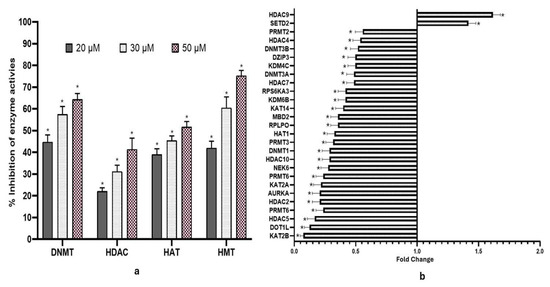
Purpose: The reversible deviant in epigenomic modulations is the highlight of developing new anti-cancer drugs, necessitating the use of fisetin as an epigenetic modifier in the study. Methods: In silico and molecular studies were performed to analyze the modulatory effect of fisetin on [...] Read more.
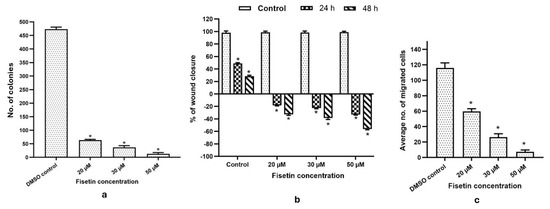
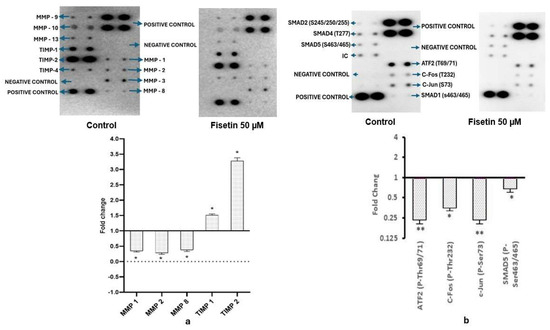
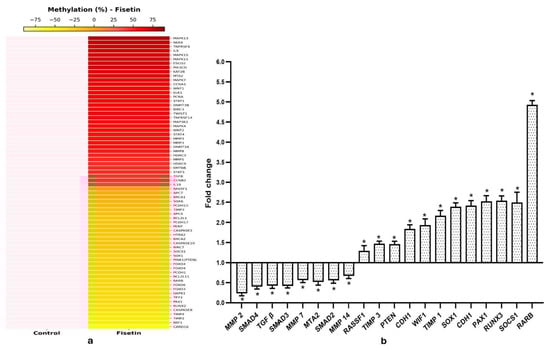
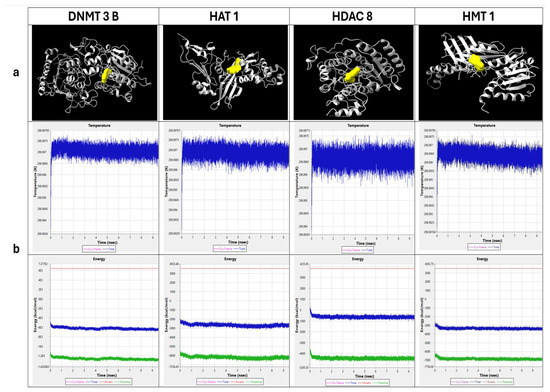
Purpose: The reversible deviant in epigenomic modulations is the highlight of developing new anti-cancer drugs, necessitating the use of fisetin as an epigenetic modifier in the study. Methods: In silico and molecular studies were performed to analyze the modulatory effect of fisetin on various writers and erasers. Further, whole genome DNA methylation sequencing and expression studies were performed. Global DNA methylation-LINE 1 kit was used to check global DNA methylation. Additionally, the effect of fisetin on migration was evaluated by colony, scratch, and invasion assays and qPCR and protein expression studies of migration-related genes were carried out on HeLa cells. Results: In silico studies have supported that fisetin interacts with writers and erasers in their catalytic site and the simulation studies showed minimum fluctuations in energy and temperature over a 10 ns timescale indicating that these complexes are likely to remain stable. Fisetin (20–50 µM) dose-dependently inhibited DNA methyltransferases (DNMT), histone deacetyl transferases (HDAC), histone acetyl transferases (HAT), and histone methyltransferases (HMT) activities at 48 h, with inhibition ranging from 24 to 72% compared to the control. The expression and enzymatic activity of these proteins, along with various H4 and H3 modification marks, were observed to be altered following fisetin treatment at 48 h. Fisetin treatment reduced promoter methylation in various tumor suppressor genes ranging from 15.29% to 76.23% and leading to the corresponding reactivation of important tumor suppressor genes; however, it did not lead to any alteration in the global DNA methylation compared to untreated controls linked with the anti-migratory properties of fisetin as the percentage of migrated cells dropped from ~40% to ~8%. Conclusions: This study gives a mechanistic insight of fisetin as a potential epigenetic modifier in HeLa cells. Full article
Show Figures

Figure 1

2025

Jump to: 2026, 2021, 2020

18 pages, 3065 KB  
Article
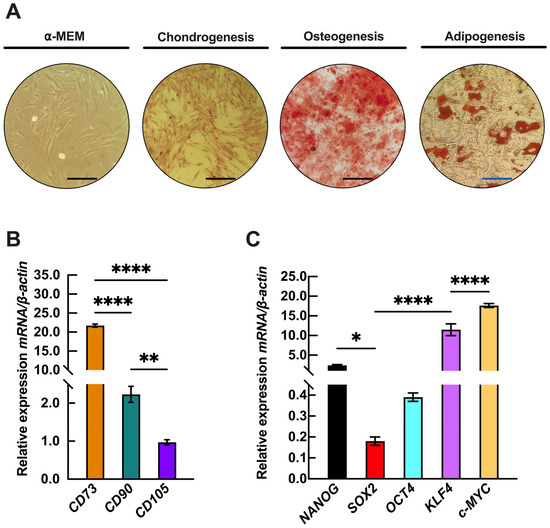
Histone H3 Lysine 9 Acetylation Plays a Role in Adipogenesis of Periodontal Ligament-Derived Stem Cells
by Julio A. Montero-Del-Toro, Angelica A. Serralta-Interian, Geovanny I. Nic-Can, Mónica Lamas, Rodrigo A. Rivera-Solís and Beatriz A. Rodas-Junco
Epigenomes 2025, 9(2), 15; https://doi.org/10.3390/epigenomes9020015 - 24 May 2025
Cited by 1 | Viewed by 1400
Abstract
Background: The epigenetic regulation of adipogenic differentiation in dental stem cells (DSCs) remains poorly understood, as research has prioritized osteogenic differentiation for dental applications. However, elucidating these mechanisms could enable novel regenerative strategies for soft tissue engineering. Periodontal ligament stem cells (PDLSCs) exhibit [...] Read more.
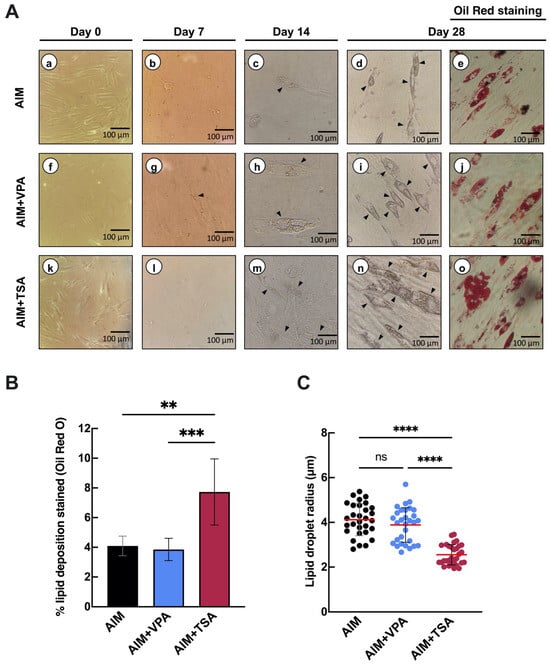
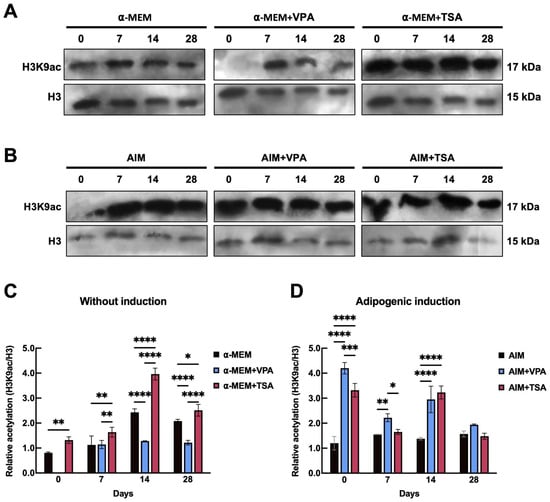
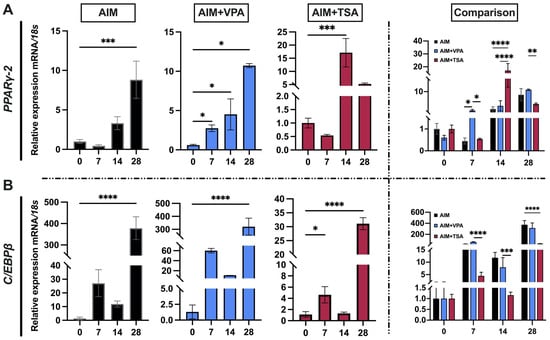
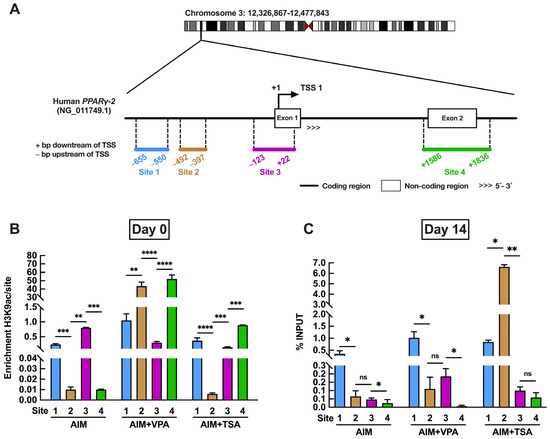
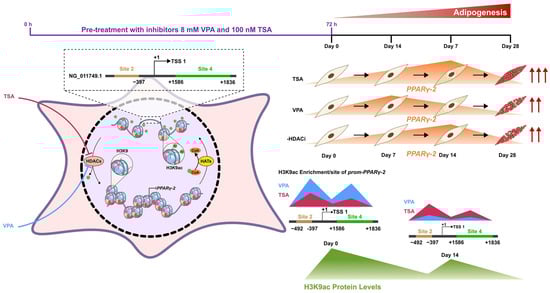
Background: The epigenetic regulation of adipogenic differentiation in dental stem cells (DSCs) remains poorly understood, as research has prioritized osteogenic differentiation for dental applications. However, elucidating these mechanisms could enable novel regenerative strategies for soft tissue engineering. Periodontal ligament stem cells (PDLSCs) exhibit notable adipogenic potential, possibly linked to histone 3 acetylation at lysine 9 (H3K9ac); however, the mechanistic role of this modification remains unclear. Methods: To address this gap, we investigated how histone deacetylase inhibitors (HDACis)—valproic acid (VPA, 8 mM) and trichostatin A (TSA, 100 nM)—modulate H3K9ac dynamics, adipogenic gene expression (C/EBPβ and PPARγ-2), and chromatin remodeling during PDLSCs differentiation. Techniques used included quantitative PCR (qPCR), lipid droplet analysis, and chromatin immunoprecipitation followed by qPCR (ChIP-qPCR). Results: TSA-treated cells exhibited increased lipid deposition with smaller lipid droplets compared to VPA-treated cells. Global H3K9ac levels correlated positively with adipogenic progression. VPA induced early upregulation of C/EBPβ and PPARγ-2 (day 7), whereas TSA triggered a delayed but stronger PPARγ-2 expression. ChIP-qPCR analysis revealed significant H3K9ac enrichment at the PPARγ-2 promoter in TSA-treated cells, indicating enhanced chromatin accessibility. Conclusions: These findings demonstrate that H3K9ac-mediated epigenetic remodeling plays a critical role in the adipogenic differentiation of PDLSCs and identifies TSA as a potential tool for modulating this process. Full article
Show Figures

Figure 1

2021

Jump to: 2026, 2025, 2020

12 pages, 781 KB  
Review
Epigenetic Regulation of Epidermal Differentiation
by Wiesława Leśniak
Epigenomes 2021, 5(1), 1; https://doi.org/10.3390/epigenomes5010001 - 1 Jan 2021
Cited by 10 | Viewed by 7711
Abstract
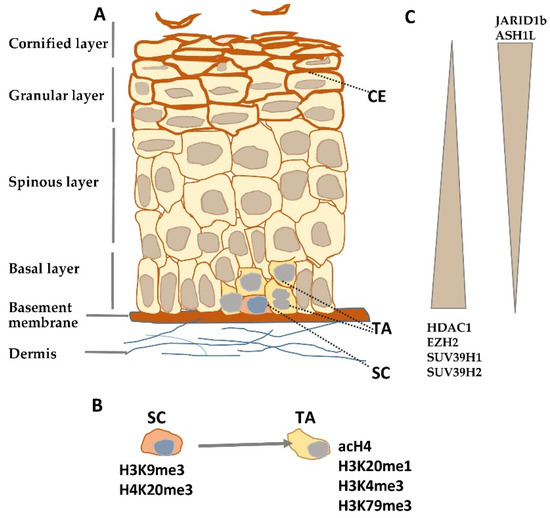
The epidermis is the outer part of the skin that protects the organism from dehydration and shields from external insults. Epidermal cells, called keratinocytes, undergo a series of morphological and metabolic changes that allow them to establish the biochemical and structural elements of [...] Read more.
The epidermis is the outer part of the skin that protects the organism from dehydration and shields from external insults. Epidermal cells, called keratinocytes, undergo a series of morphological and metabolic changes that allow them to establish the biochemical and structural elements of an effective epidermal barrier. This process, known as epidermal differentiation, is critical for the maintenance of the epidermis under physiological conditions and also under stress or in various skin pathologies. Epidermal differentiation relies on a highly coordinated program of gene expression. Epigenetic mechanisms, which commonly include DNA methylation, covalent histone modifications, and microRNA (miRNA) activity, modulate various stages of gene expression by altering chromatin accessibility and mRNA stability. Their involvement in epidermal differentiation is a matter of intensive studies, and the results obtained thus far show a complex network of epigenetic factors, acting together with transcriptional regulators, to maintain epidermal homeostasis and counteract adverse effects of environmental stressors. Full article
Show Figures

Figure 1

2020

Jump to: 2026, 2025, 2021

15 pages, 653 KB  
Review
UV Radiation and Its Relation to DNA Methylation in Epidermal Cells: A Review
by Naila Francis Paulo de Oliveira, Beatriz Fernandes de Souza and Marina de Castro Coêlho
Epigenomes 2020, 4(4), 23; https://doi.org/10.3390/epigenomes4040023 - 30 Sep 2020
Cited by 36 | Viewed by 6806
Abstract
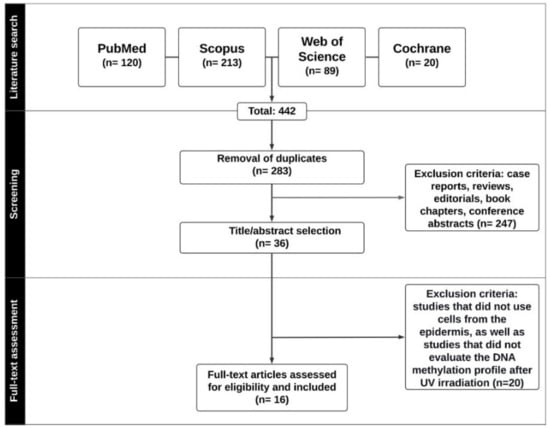
DNA methylation is the most studied epigenetic mark, and it can be altered by environmental factors. Among these factors, ultraviolet radiation (UV) is little explored within this context. While the relationship between UV radiation and DNA mutations is clear, little is known about [...] Read more.
DNA methylation is the most studied epigenetic mark, and it can be altered by environmental factors. Among these factors, ultraviolet radiation (UV) is little explored within this context. While the relationship between UV radiation and DNA mutations is clear, little is known about the relationship between UV radiation and epimutations. The present study aimed to perform a literature review to determine the influence of artificial or natural (solar) UV radiation on the global and site-specific methylation profile of epidermal cells. A systematic review of the literature was carried out using the databases PubMed, Scopus, Cochrane, and Web of Science. Observational and intervention studies in cultured cells and animal or human models were included. Most studies showed a relationship between UV radiation and changes in the methylation profile, both global and site-specific. Hypermethylation and hypomethylation changes were detected, which varied according to the studied CpG site. In conclusion, UV radiation can alter the DNA methylation profile in epidermal cells derived from the skin. These data can be used as potential biomarkers for environmental exposure and skin diseases, in addition to being targets for treatments. On the other hand, UV radiation (phototherapy) can also be used as a tool to treat skin diseases. Thus, the data suggest that epigenetic homeostasis can be disrupted or restored by exposure to UV radiation according to the applied wavelength. Full article
Show Figures

Figure 1

Back to TopTop