

-
The Role of Reduced Surface Sulfur Species in the Removal of Se(VI) by Sulfidized Nano Zero-Valent Iron -
Assessment of Optical Light Microscopy for Classification of Real Coal Mine Dust Samples -
Investigating the Semi-Permeable Membrane Behavior of Geosynthetic Clay Liners by Means of a Novel Apparatus -
Phase Transformation of the Analytic Signal for Enhancing the Resolution of Potential Field Data † -
Controls, Expressions, and Discovery Potential of Gold Mineralization in the Central-Eastern Yilgarn Craton, Western Australia: New Insights from an Integrated Targeting Study
Journal Description
Minerals
Minerals
is an international, peer-reviewed, open access journal of natural mineral systems, mineral resources, mining, and mineral processing, and is published monthly online by MDPI.
- Open Access— free for readers, with article processing charges (APC) paid by authors or their institutions.
- High Visibility: indexed within Scopus, SCIE (Web of Science), GEOBASE, GeoRef, CaPlus / SciFinder, Inspec, Astrophysics Data System, AGRIS, and other databases.
- Journal Rank: JCR - Q2 (Mining and Mineral Processing) / CiteScore - Q1 (Geology)
- Rapid Publication: manuscripts are peer-reviewed and a first decision is provided to authors approximately 17.7 days after submission; acceptance to publication is undertaken in 2.6 days (median values for papers published in this journal in the second half of 2025).
- Recognition of Reviewers: reviewers who provide timely, thorough peer-review reports receive vouchers entitling them to a discount on the APC of their next publication in any MDPI journal, in appreciation of the work done.
- Companion journal: Mining
- Journal Cluster of Geotechnical Engineering and Geology: Minerals, GeoHazards, Mining, Geotechnics, Glacies and Stratigraphy and Sedimentology.
Impact Factor:
2.2 (2024);
5-Year Impact Factor:
2.5 (2024)
Latest Articles
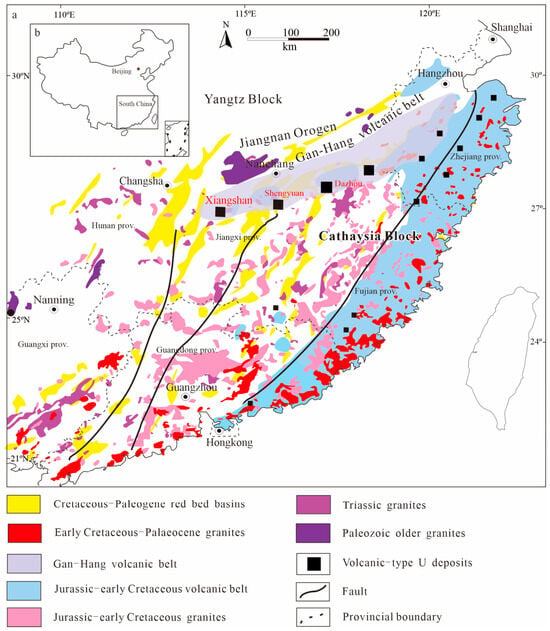
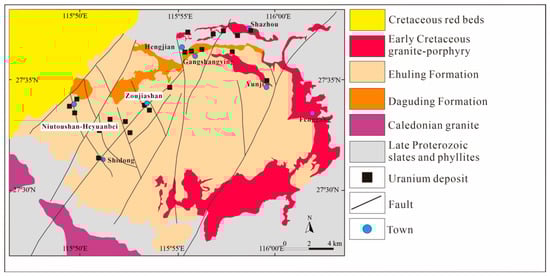
Characteristics of Alkali Metasomatism and Implications for Uranium Mineralization in the Xiangshan Volcanic-Related Uranium Ore Field
Minerals 2026, 16(5), 432; https://doi.org/10.3390/min16050432 - 22 Apr 2026
Abstract
The Xiangshan ore field is characterized by extensive alkali metasomatism, which represents the early-stage hydrothermal event before the acidic metasomatism during major U mineralization. However, the mineralogical and geochemical characteristics of alkali metasomatism, as well as its association with uranium mineralization, remain poorly
[...] Read more.
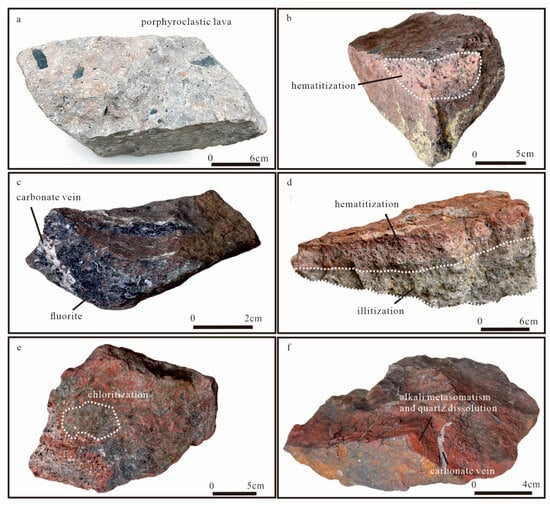
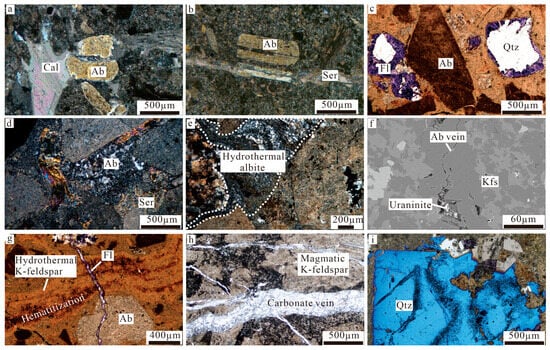
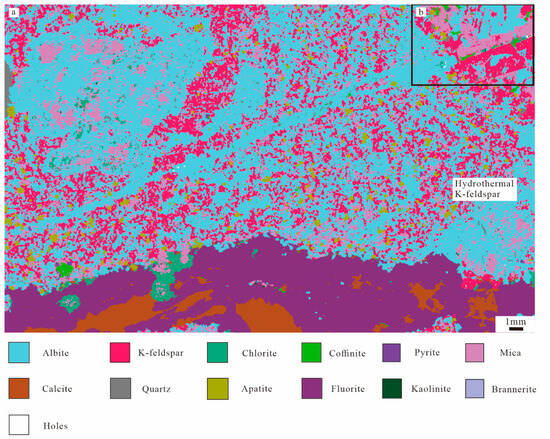
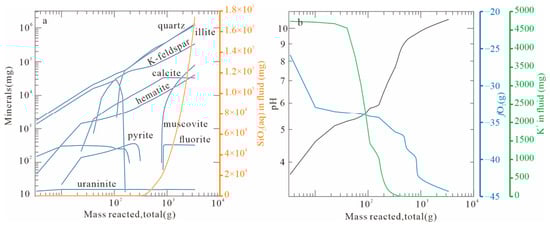
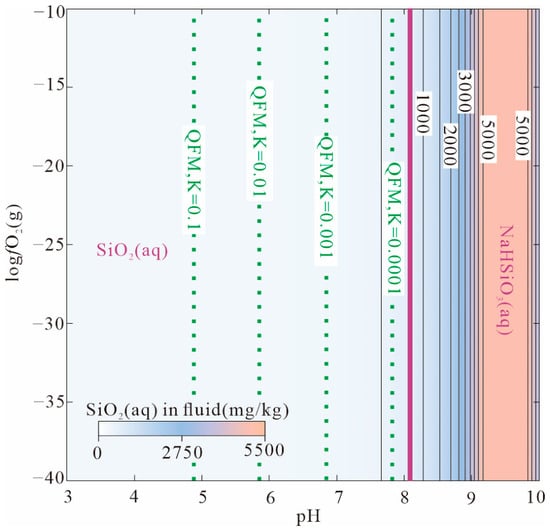
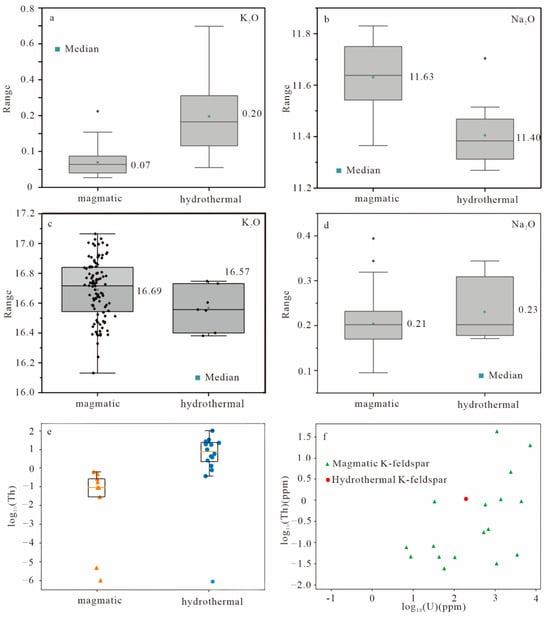
The Xiangshan ore field is characterized by extensive alkali metasomatism, which represents the early-stage hydrothermal event before the acidic metasomatism during major U mineralization. However, the mineralogical and geochemical characteristics of alkali metasomatism, as well as its association with uranium mineralization, remain poorly understood. This study evaluates these scientific problems by conducting petrographic and geochemical analyses on feldspar, together with thermodynamic modeling. Hydrothermal feldspars are present as veinlets, differing from the magmatic ones with granular and subhedral structures. Hydrothermal albites have lower Na but higher K content than magmatic ones, while hydrothermal K-feldspars have lower K but higher Na content than magmatic ones. In addition, hydrothermal feldspars are significantly depleted in Ca and Sr, likely associated with the consumption of Ca in fluids by fluorite and calcite precipitation. Furthermore, alkali metasomatism is accompanied by intense hematitization, indicating the oxidized properties of ore fluids that are favorable for uranium transport. Thermodynamic modeling further demonstrates that continuous K+ consumption during fluid–rock interaction leads to a pH increase in the fluid, which is buffered by quartz–muscovite–K-feldspar (QMF). Given that quartz solubility is positively correlated with pH, this process induces extensive quartz dissolution in the host rocks. Such dissolution significantly enhances the porosity and permeability of the host rocks, creating ideal physical traps for the subsequent accumulation of uranium-bearing fluids. Consequently, alkali-metasomatized rocks associated with quartz dissolution and hematitization serve as critical indicators for regional uranium exploration.
Full article
(This article belongs to the Special Issue Genesis of Uranium Deposit: Geology, Geochemistry, and Geochronology)
►
Show Figures
Open AccessArticle
Selective Extraction of Nickel and Cobalt from Limonitic Laterite via Optimized Sulfation Roasting–Water Leaching and Solvent Extraction
by
Maryam Osali, Farid Ahani, Mohammad Reza Aboutalebi, Mandana Adeli, Javad Moghaddam, Saeid Karimi, Janaka Jayamini Wijenayake and Lana Alagha
Minerals 2026, 16(5), 431; https://doi.org/10.3390/min16050431 - 22 Apr 2026
Abstract
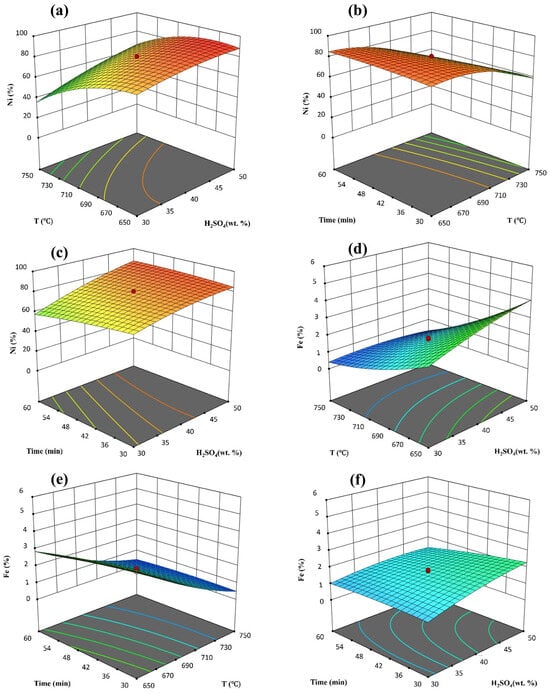
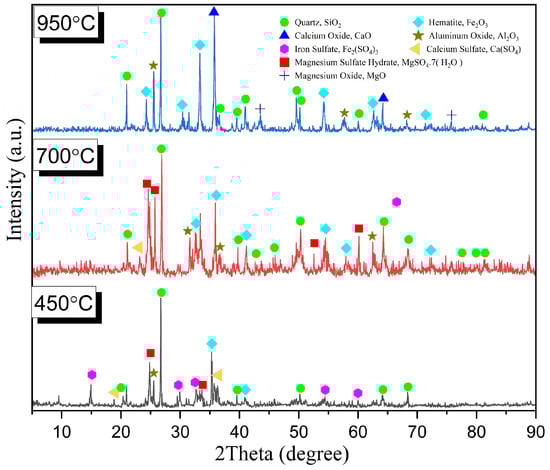
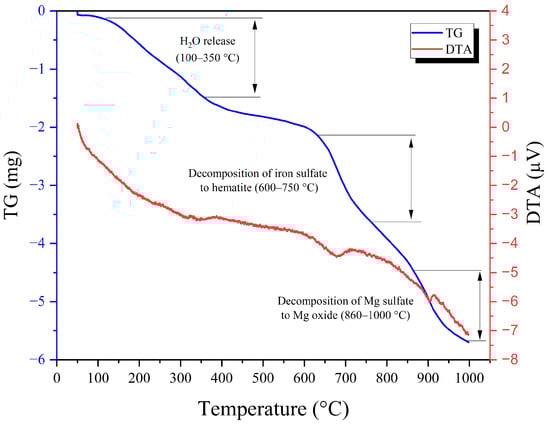
Limonitic laterites typically contain low Ni and Co contents and significant impurities, making the development of technical and economically feasible processes challenging. To address this challenge, this study investigates and evaluates an integrated hydrometallurgical process comprising sulfation roasting, water leaching, and solvent extraction
[...] Read more.
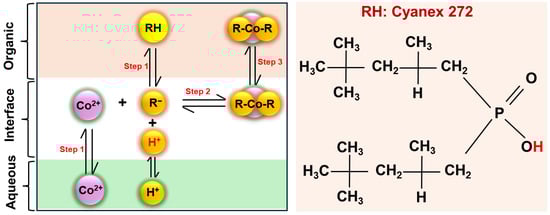
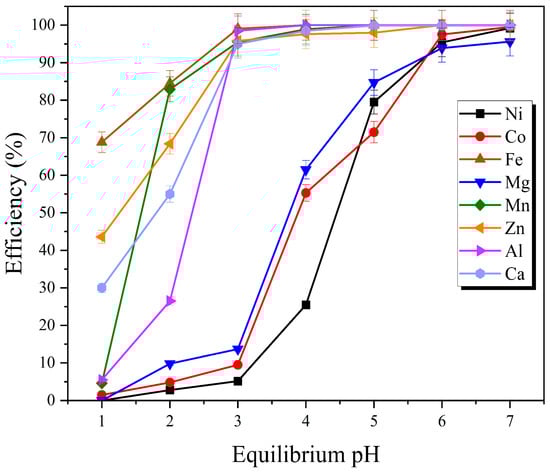
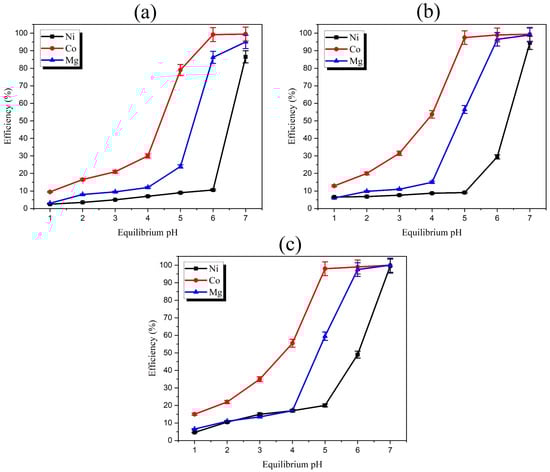
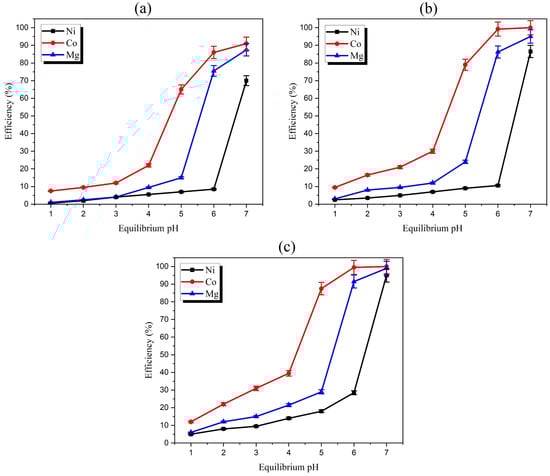
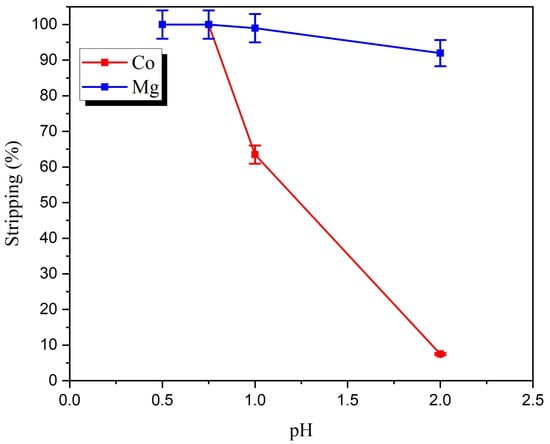
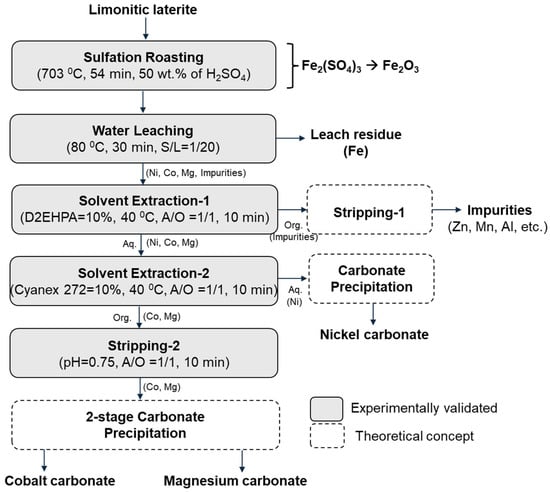
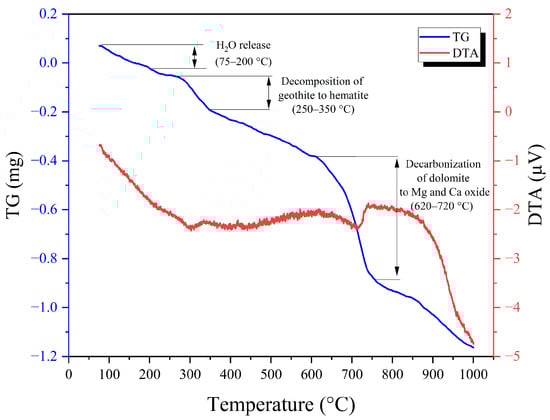
Limonitic laterites typically contain low Ni and Co contents and significant impurities, making the development of technical and economically feasible processes challenging. To address this challenge, this study investigates and evaluates an integrated hydrometallurgical process comprising sulfation roasting, water leaching, and solvent extraction (SX) for the selective recovery of Ni and Co from limonite-type laterite. Response Surface Methodology coupled with a Central Composite Design (RSM-CCD) was employed as a statistical experimental design tool to efficiently optimize the sulfation roasting conditions. Under the optimal sulfation roasting conditions (temperature 703 °C), selective leaching efficiencies of 87.2% for Ni and 96.6% for Co were achieved, with only 3.8% Fe co-leaching. A multi-stage SX scheme was subsequently applied to purify the pregnant leach solution (PLS) of water leaching. In the first SX step, D2EHPA at pH 2.8 selectively removed more than 95% of the impurities, including Mn, Zn, Al, Ca, and Fe. In the second SX step, Cyanex 272 at pH 5.8 enabled the extraction of more than 99.9% of Co and 86.0% of Mg into the organic phase, and Ni remained in the raffinate. Subsequent stripping with H2SO4 enabled the recovery of 99.9% of both Co and Mg from the loaded organic phase. Finally, selective carbonate precipitation is proposed as a potential downstream recovery method for Ni after enrichment. This approach is considered relatively less energy-intensive than sulfate crystallization. The process developed in this study was benchmarked against similar processes reported in the literature, and a conceptual flowsheet for the selective extraction and separation of Ni and Co from limonitic laterite was proposed. Findings demonstrated the feasibility of the integrated sulfation roasting-water leaching, solvent extraction process for treating impurity-rich laterite leach solutions.
Full article
(This article belongs to the Special Issue Innovations in Hydrometallurgy: Traditional and Emerging Approaches for Sustainable Metal Recovery)
►▼
Show Figures

Figure 1

Open AccessArticle
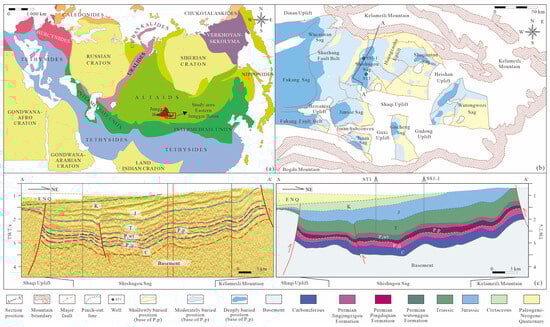
Fracture Development in Alkaline Lacustrine Shales: Insights from Multi-stage Fluid–Rock Interactions in the Permian Fengcheng Formation, Mahu Sag, Junggar Basin
by
Kuan Lu, Jiakai Hou, Zhenkai Huang, Guangyou Zhu, Jianyong Liu, Jiangna Fu and Heting Gao
Minerals 2026, 16(4), 430; https://doi.org/10.3390/min16040430 - 21 Apr 2026
Abstract
The Mahu Sag, a hydrocarbon-rich depression within the Junggar Basin, hosts significant petroleum resources. Here, the Permian Fengcheng Formation shale oil reservoirs have emerged as a primary exploration target. This study investigates fracture development within these alkaline lacustrine shales, a critical factor governing
[...] Read more.
The Mahu Sag, a hydrocarbon-rich depression within the Junggar Basin, hosts significant petroleum resources. Here, the Permian Fengcheng Formation shale oil reservoirs have emerged as a primary exploration target. This study investigates fracture development within these alkaline lacustrine shales, a critical factor governing hydrocarbon migration and accumulation. Through integrated petrographic and geochemical analyses, we elucidate a multifactorial fracture formation mechanism driven by the interplay of alkaline minerals, stress, and fluids. Two distinct fracture types were identified: bedding-complex fracture veins (BCFVs) and Y-shaped high-angle fracture veins (Y-HFVs). Both fracture types result from alkaline fluid–rock interactions, which induce fracture opening along specific orientations, alter fracture angles, and control aperture width and final morphology. Alkaline mineral assemblages further influence fracture evolution via dissolution–precipitation cycles. Concurrently, these assemblages preserve hydrocarbons by inhibiting the thermal maturation of organic matter, as evidenced by variations in fluid inclusion fluorescence. The fracture networks act as crucial migration pathways, with the BCFV containing higher-maturity hydrocarbons (indicated by blue-green fluorescence) and the Y-HFV retaining less mature fluids (indicated by yellow-green fluorescence). This study presents the first systematic characterization of the multifactorial controls on fractures in alkaline lake environments, proposing a cooperative “alkaline minerals–stress–fluids” mechanism. These findings provide a new framework for understanding fracture development in alkaline lacustrine shales and offer valuable insights for shale oil exploration in analogous depositional settings.
Full article
(This article belongs to the Topic Advances in Integrated Geological, Mineralogical, and Engineering Research on Unconventional Oil and Gas)
Open AccessArticle
Study on Recovering Graphite from Lithium Batteries Leaching Carbon Residues via Multi-Field-Assisted Low-Temperature Molten Salt Roasting
by
Yanlin Zhang, Wenyi Liang, Yunzuo Lei, Zhen Zhou, Jun Zhou, Zhen Yao, Qifan Zhong and Fuzhong Wu
Minerals 2026, 16(4), 429; https://doi.org/10.3390/min16040429 - 21 Apr 2026
Abstract
Leaching carbon residue (LCR) is a carbonaceous solid waste generated during the hydrometallurgical recycling of spent lithium-ion batteries. Although its high graphite content offers substantial potential for resource recovery, the residual heavy metals and fluorides present in LCR pose considerable environmental risks. Currently,
[...] Read more.
Leaching carbon residue (LCR) is a carbonaceous solid waste generated during the hydrometallurgical recycling of spent lithium-ion batteries. Although its high graphite content offers substantial potential for resource recovery, the residual heavy metals and fluorides present in LCR pose considerable environmental risks. Currently, LCR has not garnered sufficient attention within the industry, and the lack of recycling technologies suitable for large-scale disposal results in resource wastage and environmental pollution. To address these challenges, this study proposes an innovative strategy based on the concept of multi-field synergistic enhancement. The proposed approach involves recovering and regenerating graphite (RG) from LCR via low-temperature molten salt roasting assisted by high-pressure and mechanical activation. A combination of advanced characterization techniques was employed to compare the physicochemical properties of RG and commercial graphite (CG) and to systematically evaluate the technical feasibility of using regenerated graphite as an anode material for lithium-ion batteries. The results demonstrate that, under optimized molten salt roasting and aqueous leaching conditions, the carbon content of RG reaches 99.94 wt%, indicating the efficient removal of non-carbon impurities from the graphite matrix. Compared to CG, RG retains a typical layered structure; however, a lower carbon content (99.94 wt%) and poorer structural order (ID/IG = 0.30) are observed. In terms of electrochemical performance, RG delivers a discharge specific capacity of 394.64 mAh/g during the first cycle and exhibits excellent cycling stability, with a capacity retention of 86.50% after 100 cycles. This electrochemical performance is comparable to that of commercial graphite. The proposed multi-field-assisted low-temperature molten salt roasting technique enables the efficient recovery of high-value graphite resources from LCR, establishing a full-lifecycle recycling strategy tailored for lithium-ion battery applications.
Full article
(This article belongs to the Collection Mining/Metallurgical Solid Waste Treatment and Resource Utilization: Towards a Circular Economy)
Open AccessArticle
Fuzzy Logic Mineral Potential Mapping of the Tisová–Klingenthal Cu–Co Deposit
by
Martin Köhler, Percy Clark, Jiří Zachariáš and Andreas Knobloch
Minerals 2026, 16(4), 428; https://doi.org/10.3390/min16040428 - 21 Apr 2026
Abstract
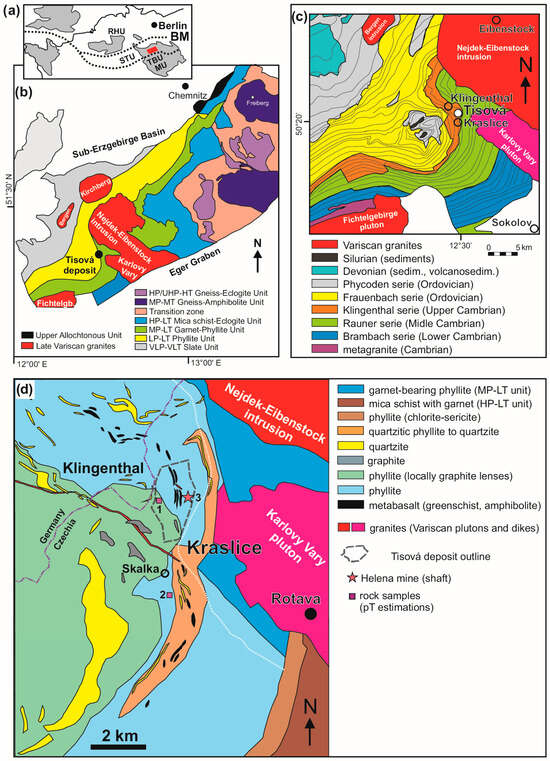
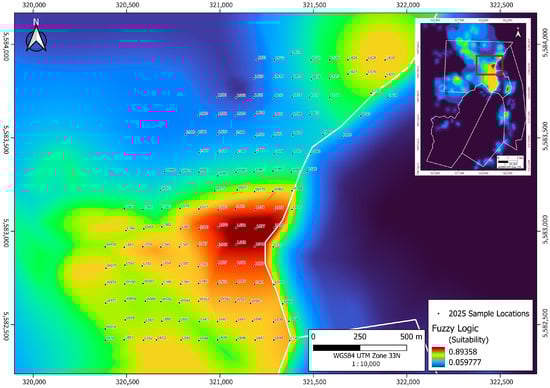
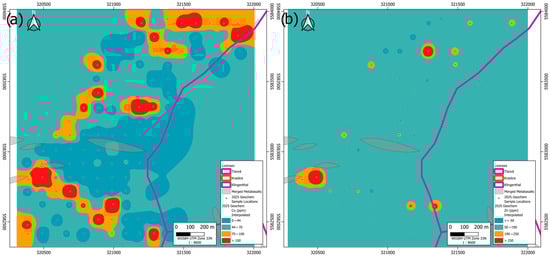
Fuzzy logic-based mineral potential mapping was applied to the Tisová–Klingenthal Cu–Co VMS deposit (Erzgebirge) in the Czech–German border region. The study area is characterized by heterogeneous geological and geochemical datasets derived from differing national surveys and historical mining. Using the Exploration Information System
[...] Read more.
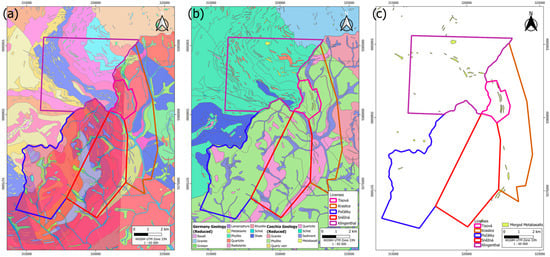
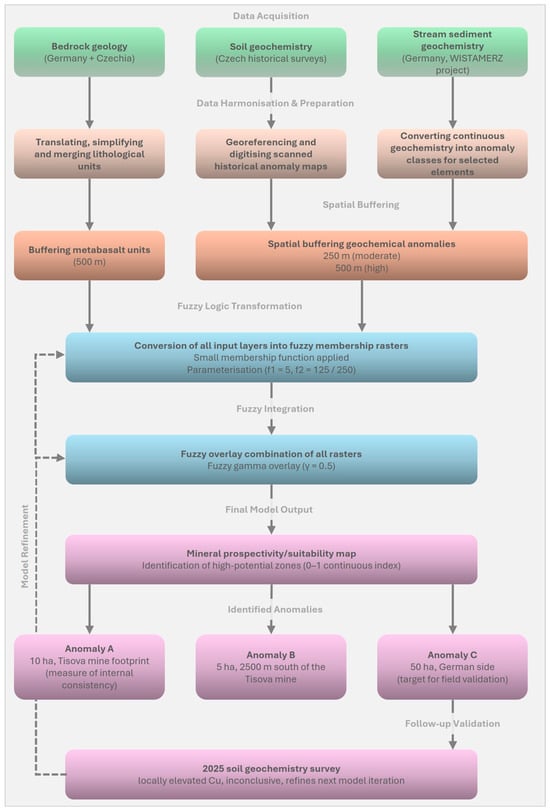
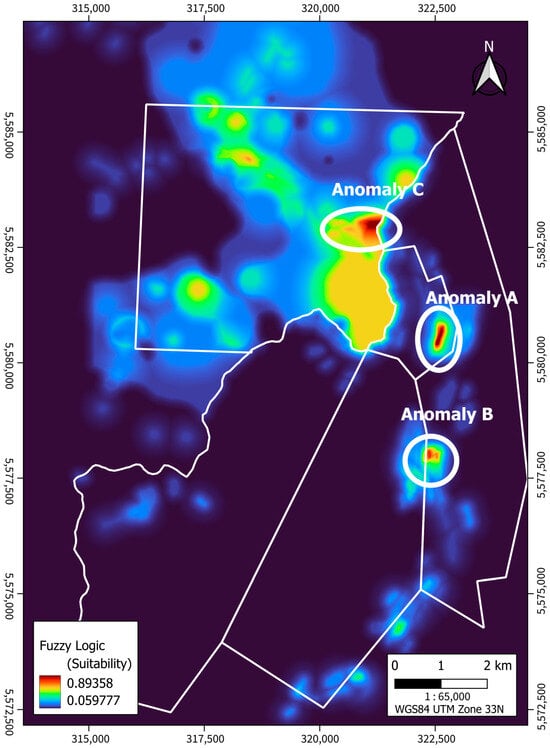
Fuzzy logic-based mineral potential mapping was applied to the Tisová–Klingenthal Cu–Co VMS deposit (Erzgebirge) in the Czech–German border region. The study area is characterized by heterogeneous geological and geochemical datasets derived from differing national surveys and historical mining. Using the Exploration Information System (EIS) toolkit, a knowledge-driven fuzzy logic approach integrated key spatial datasets, including copper and zinc soil and stream sediment anomalies and metabasalt lithology, relevant to Besshi-type VMS deposits. Three prospective anomalies were identified: the historic Tisová mine and two additional targets aligned along the same stratigraphic horizon. Artificial Neural Network (ANN) modelling was limited by insufficient training data, resulting in overfitting and reduced predictive reliability. Follow-up soil geochemical surveys conducted over the largest anomaly returned locally elevated copper values but did not conclusively confirm mineralisation. The results demonstrate that fuzzy logic provides a flexible and interpretable framework for mineral potential mapping in complex, data-scarce environments and highlight the need for iterative modelling and targeted exploration.
Full article
(This article belongs to the Topic Big Data and AI for Geoscience)
►▼
Show Figures

Figure 1
Open AccessArticle
Environmental Pollution Load and Contaminant Transfer in Natura 2000 Protected Brownfield Site
by
Anja Ilenič, Petra Vrhovnik, Sonja Lojen and Matej Dolenec
Minerals 2026, 16(4), 427; https://doi.org/10.3390/min16040427 - 21 Apr 2026
Abstract
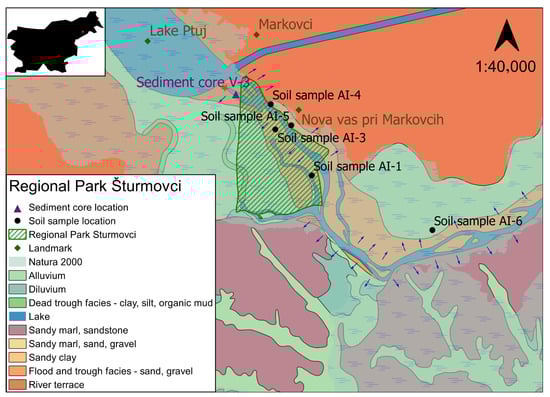
Revitalisation of contaminated brownfield sites is essential for sustainable development, particularly near sensitive ecological areas like Natura 2000 sites. The lagoon in Slovenia’s Regional Park Šturmovci, an artificial wastewater convergence point created during hydroelectric construction, is a highly relevant example. This study integrates
[...] Read more.
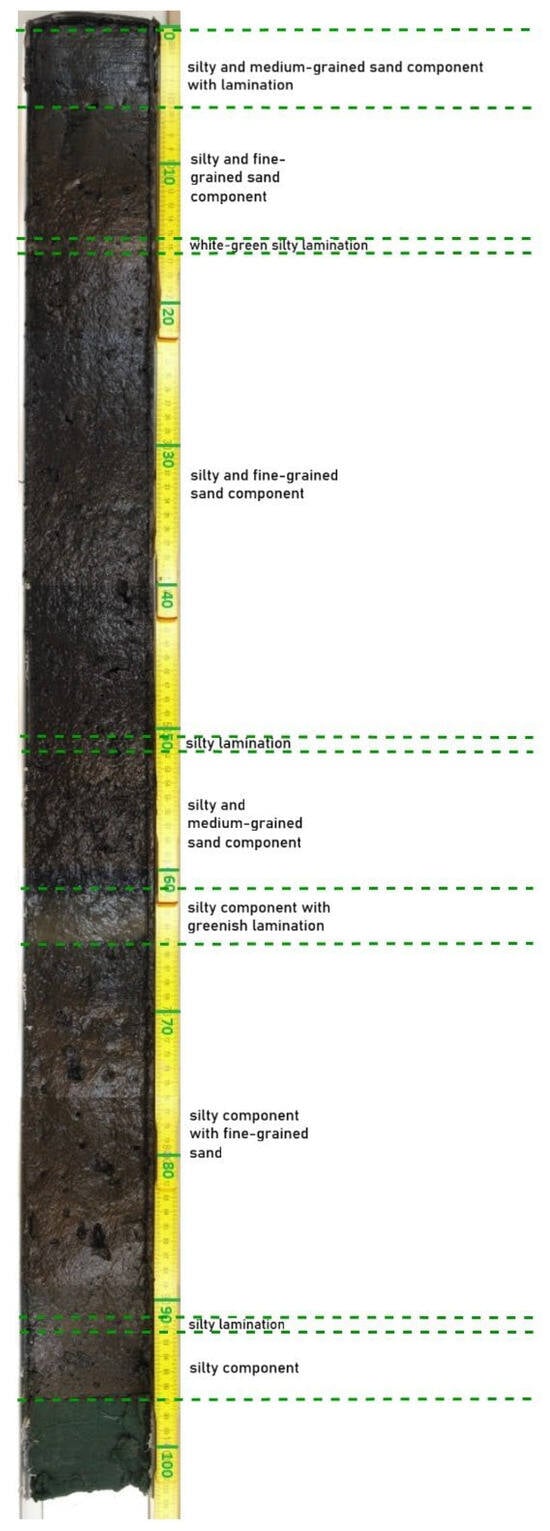
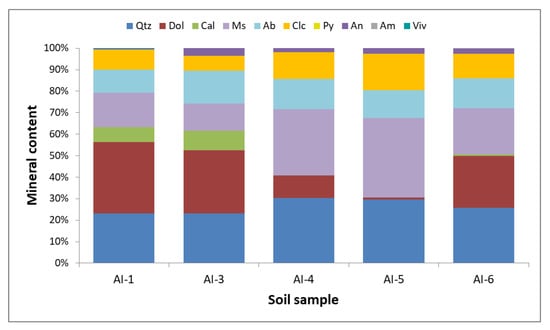
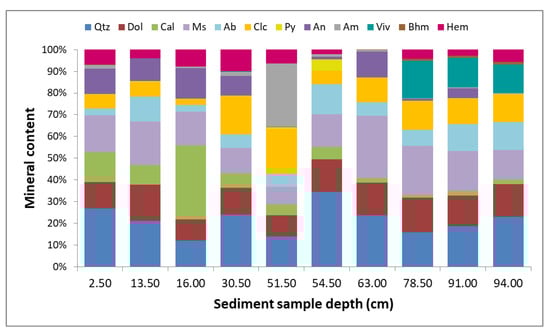
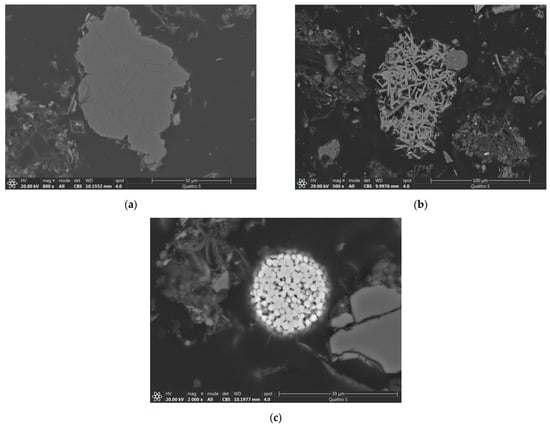
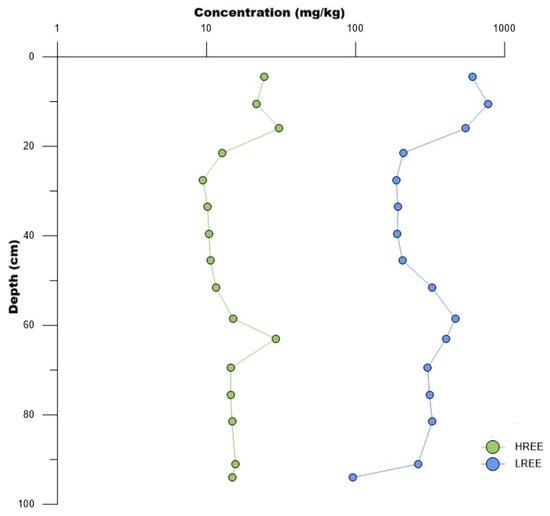
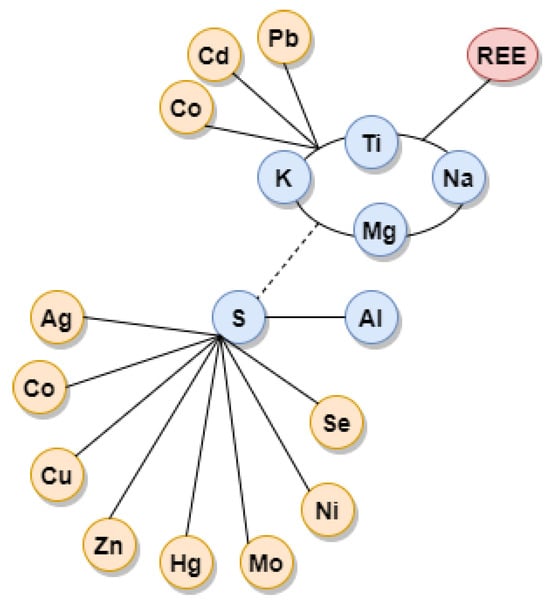
Revitalisation of contaminated brownfield sites is essential for sustainable development, particularly near sensitive ecological areas like Natura 2000 sites. The lagoon in Slovenia’s Regional Park Šturmovci, an artificial wastewater convergence point created during hydroelectric construction, is a highly relevant example. This study integrates geochemical, mineralogical and isotopic analyses to identify sources and controlling mechanisms of contaminant distribution in lagoon sediments and assess their transfer to nearby agricultural soils during flooding events. Results indicate anaerobic conditions, with depth-related shifts in phosphorus, sulphur and redox-sensitive elements, such as rare earth elements (REE), arsenic (As), barium (Ba), cobalt (Co), chromium (Cr), lead (Pb) and vanadium (V), as well as fluctuations in pyrite-rich laminated layers, suggesting potential flood-driven remobilisation of trace elements. Lagoon sediments are highly contaminated with As (73 mg kg−1), Ba (247 mg kg−1), Pb (97 mg kg−1) and Zn (1118 mg kg−1), with elevated concentrations also observed in agricultural soil, all exceeding respective limit values of 20, 160, 85 and 200 mg kg−1. Pollutant concentrations were highest near wastewater inflows and decreased with distance, with nitrogen isotopic patterns indicating partial nitrification and surface ammonium accumulation, reflecting intensive agricultural inputs in the area. High enrichment factor (EF > 20) and geoaccumulation index (Igeo > 3) values, in particular for As, Cd and Zn, indicated severe contamination and highlighted the urgent need for effective remediation strategies, including immobilisation using biochar or cement-based binders, as well as phytoremediation approaches.
Full article
(This article belongs to the Special Issue Mineralogical and Chemical Characterization of Rocks, Soils, Sediments, and Water Containing Hazardous Substances)
►▼
Show Figures

Figure 1
Open AccessSystematic Review
The Conservation of Architectural Heritage Structures Built with Tuff and Coral Rock: A Systematic Review and Bibliometric Analysis of Geopolymer Formulation, Application, Compatibility and Durability
by
Kent Benedict Aleonar Salisid, Raul Lucero, Jr., Reymarvelos Oros, Mylah Villacorte-Tabelin, Theerayut Phengsaart, Shengguo Xue, Jiaqing Zeng, Ivy Corazon A. Mangaya-ay, Takahiko Arima, Ilhwan Park, Mayumi Ito, Sanghee Jeon and Carlito Baltazar Tabelin
Minerals 2026, 16(4), 426; https://doi.org/10.3390/min16040426 - 20 Apr 2026
Abstract
The conservation of tuff- and coral rock-built architectural heritage structures (AHS) is challenging because access to original tuff and coral rock has become difficult and severely limited due to urbanization, land reclamation, the depletion of stone quarries, anti-mining and anti-quarrying legislation. An emerging
[...] Read more.
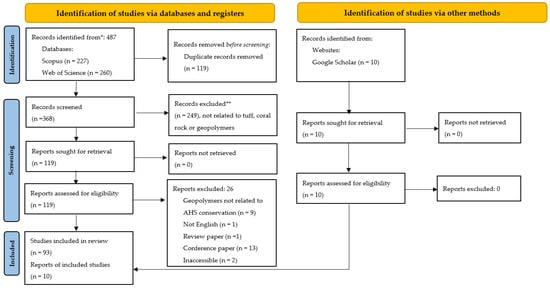
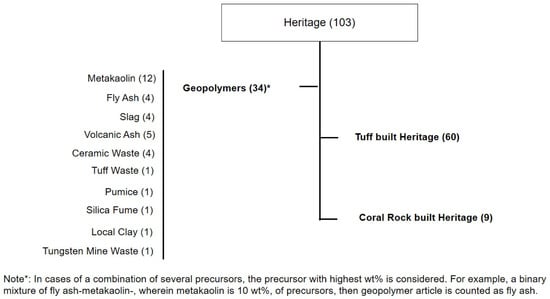
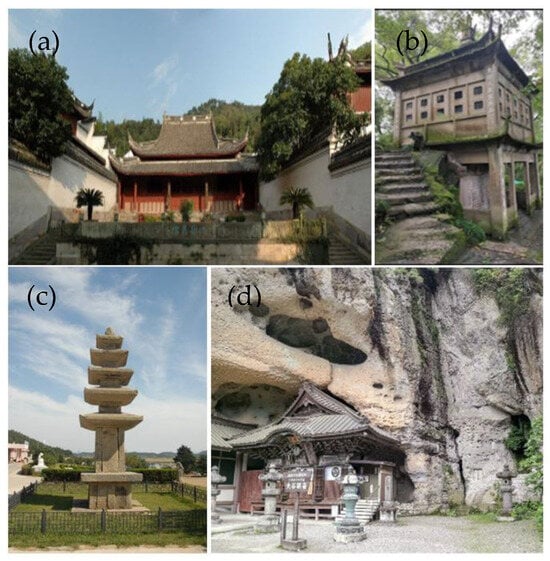
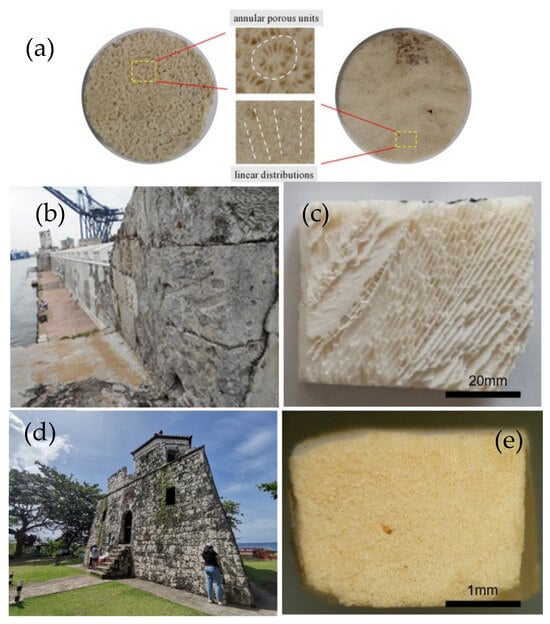
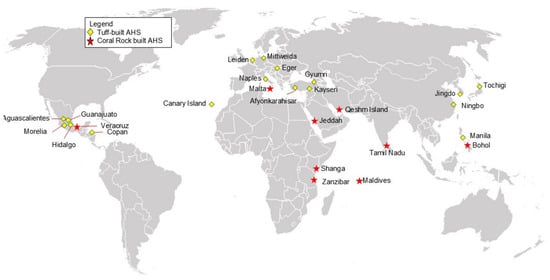
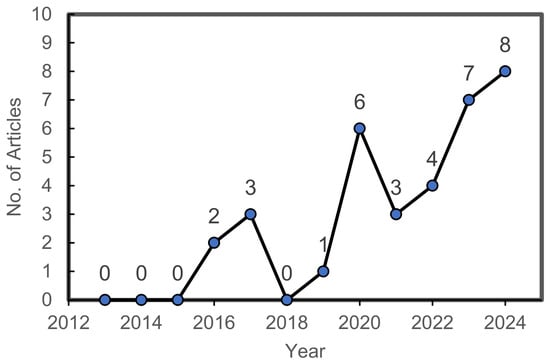
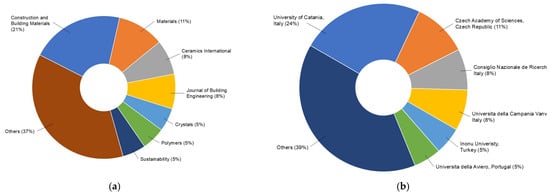
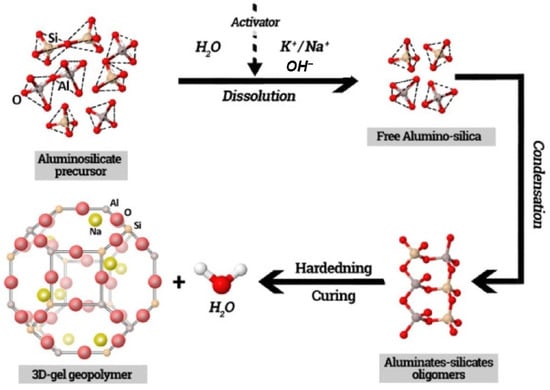
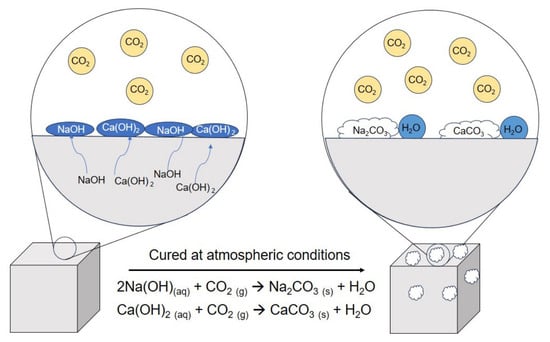
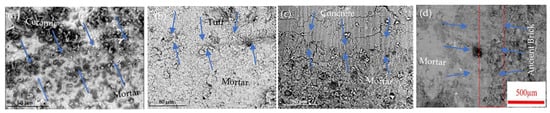
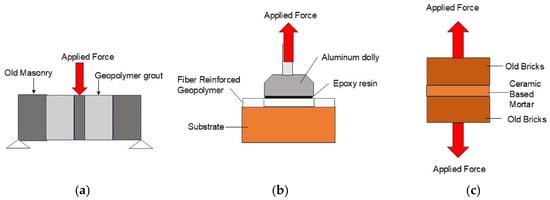
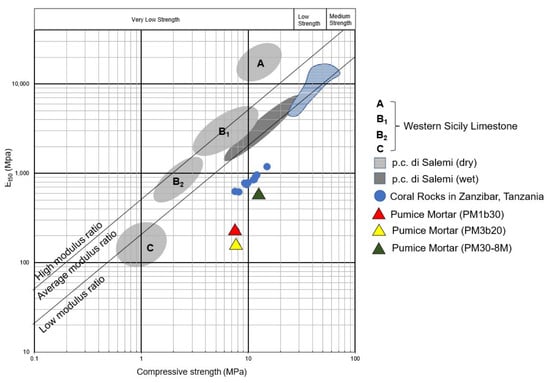
The conservation of tuff- and coral rock-built architectural heritage structures (AHS) is challenging because access to original tuff and coral rock has become difficult and severely limited due to urbanization, land reclamation, the depletion of stone quarries, anti-mining and anti-quarrying legislation. An emerging approach to address this issue is to create compatible “replacement” rocks via geopolymerization, a process that is more sustainable and greener than the use of conventional cement and concrete. To explore the potential of geopolymers for AHS conservation strategies, the Preferred Reporting Items for Systematic Reviews and Meta-Analyses (PRISMA) guidelines were implemented; 103 eligible articles were identified and classified into geopolymers for AHS (34 articles), tuff-built AHS (60 articles), and coral rock-built AHS (9 articles). Tuff substrates in AHSs appear in a variety of colors (yellowish-brown, grayish-cream, reddish-brown, pale greenish-gray and pink hues), densities (1.0–2.5 g/m3), and compressive strengths (3–100 MPa). Meanwhile, coral rock substrates in AHSs appear in whitish-cream color and are coarse-pored (1–5 MPa), fine-grained (8–15 MPa), and calcarenite (50–60 MPa). In terms of geopolymer formulation, metakaolin was reported as the most popular main precursor or admixture, while NaOH and Na2SiO3 were used simultaneously as alkaline activators. Aggregates used in geopolymer formulations depended on local availability, including quartz sand, river sand, crushed stones, carbonate stones, volcanic rock, volcanic sand, tuff, brick, ceramic tiles, and waste materials. Aesthetics, chemical composition, physical attributes, and mechanical properties have been identified as key criteria to ensure geopolymer compatibility for AHS conservation application. To date, geopolymers have been applied for AHS conservation as repair mortars, consolidants (i.e., grout and adhesives), and masonry strengthening (i.e., fiber-reinforced mortar). Finally, geopolymers formulated for AHS conservation have similar durability as the original substrate based on accelerated aging tests (i.e., salt mist, wet-dry, and freeze–thaw) and long-term outdoor exposure experiments.
Full article
(This article belongs to the Special Issue Mineralogical and Geochemical Characterization of Geological Materials, 2nd Edition)
►▼
Show Figures

Figure 1
Open AccessArticle
Paleoclimatic Transition, Paleoenvironmental Evolution, and Organic-Rich Source Rock Formation in the Permian Pingdiquan Formation, Junggar Basin, Northwest China
by
Keting Fan, Gang Gao, Xiaobing Jiao, Xinsong Wu, Miao Yu, Zhehui Jin, Jilun Kang, Youjin Zhang, Xiongfei Xu and Qiang Ma
Minerals 2026, 16(4), 425; https://doi.org/10.3390/min16040425 - 20 Apr 2026
Abstract
A climatic transition from arid to humid conditions occurred during the deposition of the Permian Pingdiquan Formation in the Shishugou Sag, Junggar Basin, Northwest China. This study reconstructs the paleoenvironmental evolution and organic matter (OM) enrichment mechanisms recorded in six stratigraphic intervals, with
[...] Read more.
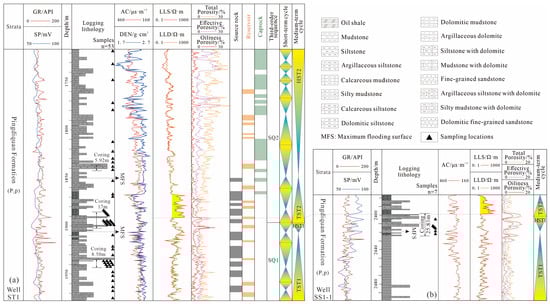
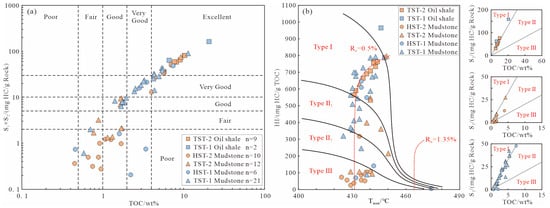
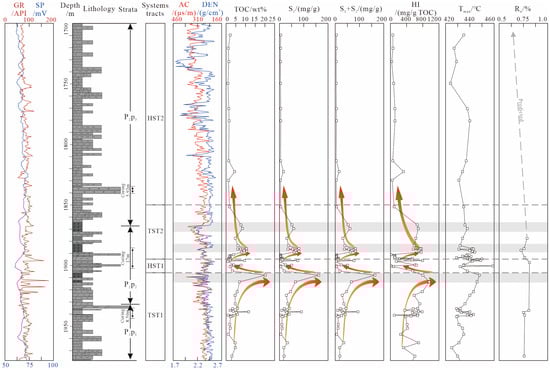
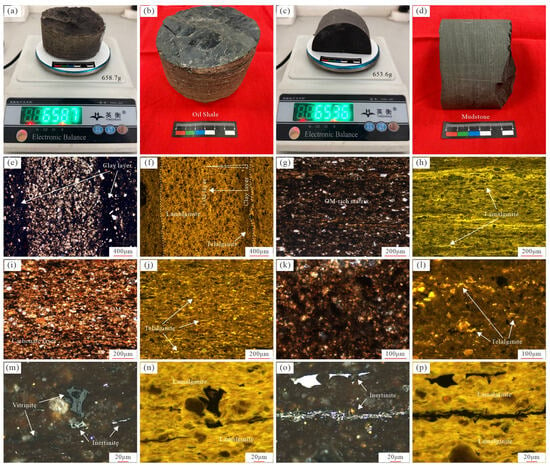
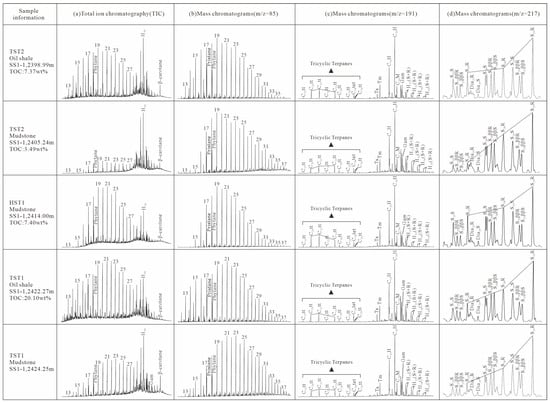
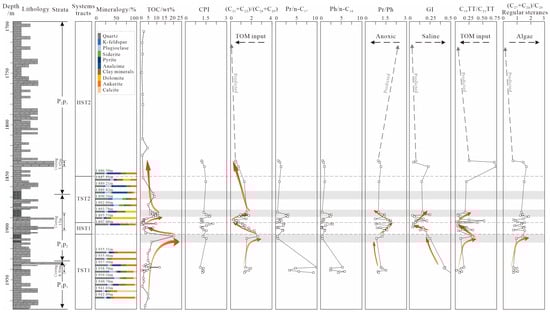
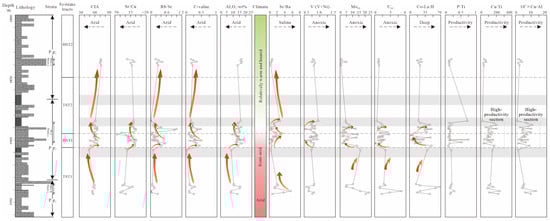
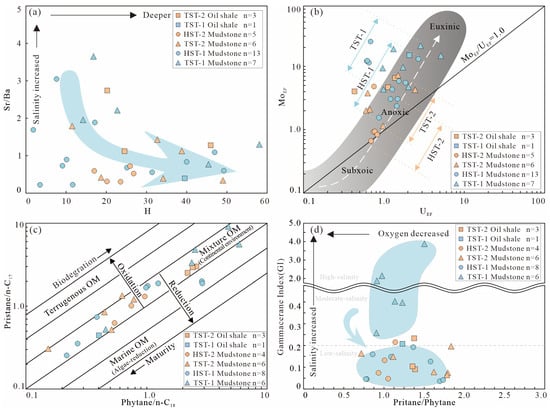
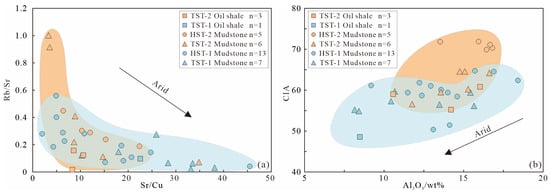
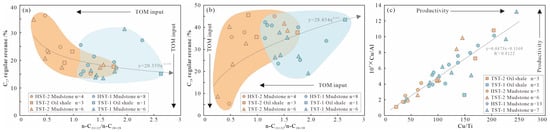
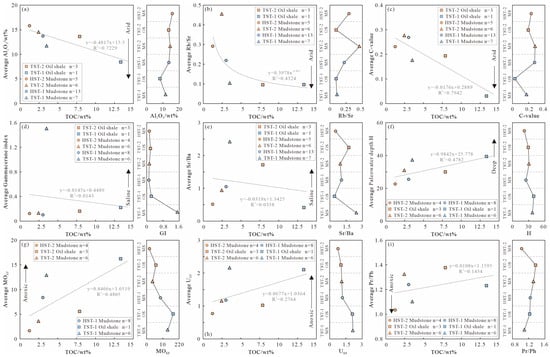
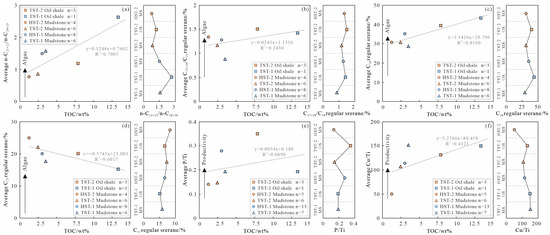
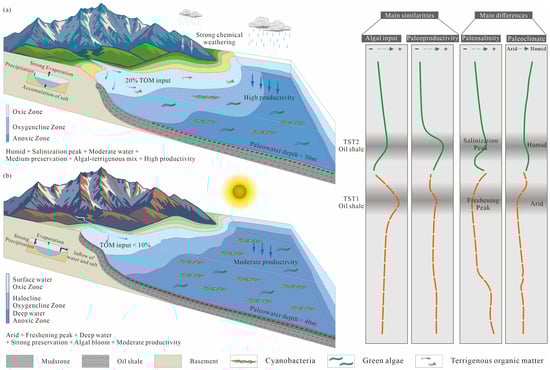
A climatic transition from arid to humid conditions occurred during the deposition of the Permian Pingdiquan Formation in the Shishugou Sag, Junggar Basin, Northwest China. This study reconstructs the paleoenvironmental evolution and organic matter (OM) enrichment mechanisms recorded in six stratigraphic intervals, with emphasis on the two oil shale units formed during the transgressive system tracts (TST1 and TST2). Geochemical, elemental, and biomarker data reveal that climate, salinity, and redox conditions fluctuated significantly and jointly governed OM enrichment, with paleoclimate acting as the primary background control by regulating lake hydrology, salinity, and preservation. During the early stage (SQ1), an arid climate prevailed, the TST1 oil shale formed during a transient freshening event in a deep stratified lake. Dominant algal productivity and minimal terrigenous input favored excellent preservation, yielding the highest TOC and superior hydrocarbon potential. In contrast, during the humid stage (SQ2), the TST2 oil shale was deposited in a moderately deep, weakly reducing, and slightly saline lake. Although preservation was less efficient, enhanced primary productivity under humid conditions compensated for OM loss, producing abundant but slightly lower quality OM. These results establish two depositional models, an arid freshening model (TST1) and a humid salinization model (TST2). Both transient freshening under arid conditions and salinization during humid periods facilitated the accumulation of organic-rich source rocks through different balances between productivity and preservation. This highlights the complex response of lacustrine source rock development to climatic variability. The occurrence of similar organic-rich source rocks can be anticipated under comparable paleoenvironmental transitions, particularly in saline lakes characterized by frequent fluctuations in water salinity and paleoclimate.
Full article
(This article belongs to the Section Mineral Geochemistry and Geochronology)
►▼
Show Figures

Figure 1
Open AccessArticle
In Situ LA-ICP-MS Trace-Element and Sulfur Isotope Characteristics of Sulfides from Pb-Zn Ore Bodies in the Gariatong W-Mo Polymetallic Metallogenic System, Xizang, and Their Geological Implications
by
Run Cao, Fuwei Xie, Ming Jia, Yang Cao and Lutong Gao
Minerals 2026, 16(4), 424; https://doi.org/10.3390/min16040424 - 20 Apr 2026
Abstract
The peripheries of rare-metal metallogenic systems frequently host skarn-type or hydrothermal vein-type Pb-Zn deposits, though their genetic connections with parental systems remain debated. The newly identified Gariatong W-Mo polymetallic metallogenic system in the Lhasa Terrane displays well-defined Nb-Ta-Rb, Mo-W, W-Mo, W-Bi, and Pb-Zn-Ag
[...] Read more.
The peripheries of rare-metal metallogenic systems frequently host skarn-type or hydrothermal vein-type Pb-Zn deposits, though their genetic connections with parental systems remain debated. The newly identified Gariatong W-Mo polymetallic metallogenic system in the Lhasa Terrane displays well-defined Nb-Ta-Rb, Mo-W, W-Mo, W-Bi, and Pb-Zn-Ag metallogenic zoning, establishing it as an exemplary site for investigating genetic relationships between Pb-Zn and rare-metal mineralization. This investigation targets skarn-type Pb-Zn deposits spatially associated with rare-metal orebodies at Gariatong, utilizing integrated analytical approaches, including in situ LA-ICP-MS trace-element analysis of sulfides, sulfur isotope geochemistry, and LA-ICP-MS elemental mapping of sphalerite, to constrain metal sources, characterize fluid evolution, and establish genetic correlations with the rare-metal system. Key findings include the following: (1) sphalerite shows enrichment in Fe, Mn, Co, and Cd, while pyrite contains elevated As, Pb, Co, Cu, and Mn. Fe, Cd, and Mn primarily occur as solid solutions or nanoparticles, whereas As and Pb exist as micro-inclusions. (2) Sphalerite Zn/Cd ratios (73.6–184) and Co-Ni-As ternary diagrams confirm a magmatic–hydrothermal skarn origin. (3) Mineralization occurred under moderate-temperature, mildly oxidized conditions, as constrained by sphalerite Fe contents and mineral assemblages. Sulfur isotope compositions (δ34S = −1.0‰ to 3.2‰; mean: 1.9‰) indicate a magmatic sulfur source. This study reveals that the Nb-Ta-Rb mineralization, quartz-vein- and greisen-type W-Mo deposits, and skarn-type Pb-Zn orebodies—all genetically associated with highly fractionated granites—constitute an integrated magmatic–hydrothermal system with vertical (depth-related) zoning relative to the granitic intrusion. These results provide critical constraints for understanding rare-metal–Pb-Zn genetic associations and suggest that Pb-Zn mineralization may serve as a key exploration indicator for rare metals in the Lhasa Terrane.
Full article
(This article belongs to the Special Issue New Discovery and Exploration Methods of Porphyry and Epithermal Mineral Deposits, 2nd Edition)
Open AccessArticle
Origins of Au deposits in Mesozoic Clastic-Hosted Ore Formations in the Great Xing’an Range, China: Constraints from the Baoxinggou Au Deposit
by
Sheng Lu, Tao Liu, Tiesheng Li, Hongpeng Chen, Qingyuan Song, Zhengbo Zang and Wenlong Li
Minerals 2026, 16(4), 423; https://doi.org/10.3390/min16040423 - 19 Apr 2026
Abstract
The northern part of the Great Xing’an Range in China hosts a prominent Au mineralization belt, where Mesozoic clastic rock-hosted Au deposits represent the mineralization type. A study of the Baoxinggou Au deposit in this region might provide new perspectives on the mineralization
[...] Read more.
The northern part of the Great Xing’an Range in China hosts a prominent Au mineralization belt, where Mesozoic clastic rock-hosted Au deposits represent the mineralization type. A study of the Baoxinggou Au deposit in this region might provide new perspectives on the mineralization mechanisms of these Mesozoic clastic-rock-hosted Au deposits. This study investigated the age of mineralization, origins and evolution of the ore-forming fluids, and sources of the ore-forming materials in this deposit. Rubidium–Sr dating of sulfides yielded a mineralization age of 119 ± 2 Ma. Fluid inclusion analyses revealed that the ore precipitated from fluids with temperatures of 105–415 °C and salinities of 4.3–8.8 wt.% NaCl equivalent. Hydrogen and O isotopic data show that the ore-forming fluids were of magmatic origin and, during mineralization, the proportion of meteoric waters increased gradually and eventually dominated the late mineralization stage. Fluid mixing was the primary ore-forming mechanism. Sulfur isotopic data for pyrite and chalcopyrite (δ34SV–CDT = −4.35‰ to −0.91‰) and Pb isotopic ratios (206Pb/204Pb = 18.429–18.477; 207Pb/204Pb = 15.581–15.591) indicate the ore-forming materials were magmatic in origin, with a similar source as an Early Cretaceous diorite and mixed crust–mantle materials. The results indicate the Baoxinggou Au deposit is a magmatic–hydrothermal deposit.
Full article
(This article belongs to the Special Issue Metallogenic Enrichment in Orogenic Systems: Processes Linking Crustal Evolution to Ore Genesis)
Open AccessArticle
Introducing Dominant Tree Species Classification to the Mineral Alteration Extraction Process in Vegetation Area of Shabaosi Gold Deposit Region, Mohe City, China
by
Zhuo Chen and Jiajia Yang
Minerals 2026, 16(4), 422; https://doi.org/10.3390/min16040422 - 19 Apr 2026
Abstract
The performance of remote sensing-based mineral alteration extraction is significantly restricted in the vegetation area. Spectral unmixing is one of the effective methods to address the vegetation problem during mineral alteration extraction. However, the spectral curves of different tree species vary a lot;
[...] Read more.
The performance of remote sensing-based mineral alteration extraction is significantly restricted in the vegetation area. Spectral unmixing is one of the effective methods to address the vegetation problem during mineral alteration extraction. However, the spectral curves of different tree species vary a lot; if multiple tree species are regarded as a whole during the spectral unmixing stage, the proportions of vegetation would be estimated with more errors. The purpose of this study was to verify the effects of dominant tree species classification on spectral unmixing and reconstruction, and to apply the proposed method to the mineral alteration extraction practice. To accomplish this, the Shabaosi gold deposit region in Mohe City, China, with an area of 650 km2, was selected as the study area. Firstly, reference spectral curves, GaoFen-1/6 (GF-1/6) satellite imageries, ZiYuan-1F (ZY-1F) satellite imageries, Sentinel-1B satellite synthetic aperture radar (SAR) data, the ALOS digital elevation model (DEM), and sub-compartment dominant tree species data were collected; subsequently, simulated mixed-pixel reflectance images of ZY-1F, reflectance images of GF-1/6, ZY-1F, backscattering data of Sentinel-1B, slope, aspect, and 5484 tree species samples were derived from the collected data. Secondly, to verify the effect of dominant tree species classification on mineral alteration extraction, the reference spectra of pine, oak, goethite, and kaolinite were used to construct a simulated ZY-1F mixed-pixel image, and spectral unmixing and reconstruction experiments were conducted. Thirdly, fourteen independent variables were selected from the derived data, five dominant tree species classification models were trained and tested using tree species samples via the ResNet50 algorithm, and the pine- and birch-dominated parts were segmented from the ZY-1F images. Fourthly, minimum noise fraction (MNF), pixel purity index (PPI), n-dimensional visualizer auto-clustering, and spectral angle mapper (SAM) methods were separately applied to the pine- and birch-dominated parts of ZY-1F images to extract and identify endmembers; subsequently, the fully constrained least squares (FCLS) and linear spectral unmixing (LSU) methods were separately applied to the pine- and birch-dominated parts to estimate endmember proportions and generate spectrally reconstructed ZY-1F images. Fifthly, the pine- and birch-dominated parts of spectrally reconstructed ZY-1F images were mosaiced, and the SAM was utilized to extract mineral alteration in the study area. The result showed that in the spectral unmixing and reconstruction experiment, the spectral reconstruction error declined from 0.0594 (simulated ZY-1F image without segmentation) to 0.0292 and 0.0388 (simulated ZY-1F image that was segmented by pine- and oak-dominated parts), suggesting that dominant tree species classification could improve the accuracy of spectral unmixing and reconstruction and help obtain a more reliable mineral alteration extraction result. In the study area, the tested overall accuracies (OA) and Kappa coefficients of the five dominant tree species classification models were 0.75 ± 0.03 and 0.50 ± 0.05, respectively, suggesting that conducting dominant tree species classification was feasible in dense vegetation areas and could facilitate mineral alteration extraction. After segmenting the ZY-1F image by pine- and birch-dominated parts and spectral reconstruction, eight main types of alteration, including kaolinite, vesuvianite, montmorillonite, rutile, limonite, mica, sphalerite, and quartz, were identified, and nine mineral alteration areas (MA) were delineated accordingly.
Full article
Open AccessArticle
Geochemistry and Ore Genesis of the Huoyanshan Cu-Zn Polymetallic Deposit, North Qilian Orogenic Belt, China: Constraints from Trace Element Compositions and Sulfur Isotopes
by
Zaijia Zhang, Xiaogang Guo, Peiqing Hu, Bo Mai and Zhuang Wu
Minerals 2026, 16(4), 421; https://doi.org/10.3390/min16040421 - 19 Apr 2026
Abstract
The Huoyanshan Cu-Zn volcanogenic massive sulfide (VMS) deposit, located in the North Qilian Orogenic Belt, China, is of significant economic importance. This study provides new constraints on the ore-forming processes through high-resolution in situ trace element and sulfur isotope analyses of pyrite and
[...] Read more.
The Huoyanshan Cu-Zn volcanogenic massive sulfide (VMS) deposit, located in the North Qilian Orogenic Belt, China, is of significant economic importance. This study provides new constraints on the ore-forming processes through high-resolution in situ trace element and sulfur isotope analyses of pyrite and sphalerite using LA-(MC)-ICP-MS. Petrographic and geochemical investigations identified three distinct generations of pyrite (Py l to Py III). Early-stage Py I and Py II are characterized by high trace element contents (Au, As, Bi, Cu, Pb), elevated Co/Ni ratios (>1–10), and enriched δ34S values (+4.98‰ to +7.47‰). These signatures indicate precipitation from high-temperature, reduced magmatic–hydrothermal fluids influenced by thermochemical sulfate reduction (TSR). Late-stage Py IIl exhibits markedly lower Co/Ni ratios (<0.1) and lighter δ34S values (+3.72‰ to 3.89‰). This geochemical shift reflects a transition toward a cooler, more oxidized environment driven by the incursion and mixing of ambient seawater as the hydrothermal system waned. Trace element geochemistry of sphalerite reveals an average crystallization temperature of 265.8 °C (derived from the “GGIMFis” geothermometer), consistent with fluid inclusion data and representing a thermal “snapshot” of the waning hydrothermal stage. Systematic discriminant analysis using Ga/In, Ge/In, and Co-Ni-As systematics further confirms a strong magmatic–hydrothermal affiliation.
Full article
(This article belongs to the Special Issue Volcanogenic Massive Sulfide Deposits: Genesis, Tectonics and Exploration)
Open AccessArticle
Effects of Carbonated Recycled Aggregate on Performance of Cemented Paste Backfill
by
Yin Liu, He Zhang, Shengtang Zhang, Lingran Min, Hao Fang, Hongru Rui and Hao Li
Minerals 2026, 16(4), 420; https://doi.org/10.3390/min16040420 - 19 Apr 2026
Abstract
In order to explore the outstanding problems, such as poor mechanical performance, of recycled aggregate from construction waste in the application of backfills, this study innovatively used accelerated carbonation treatment technology to pretreat the recycled aggregates, and systematically investigated the evolution of mechanical
[...] Read more.
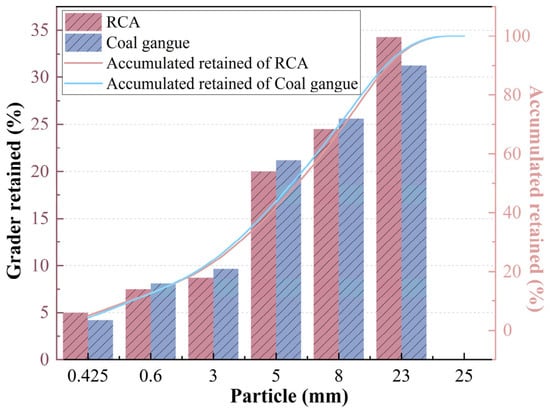
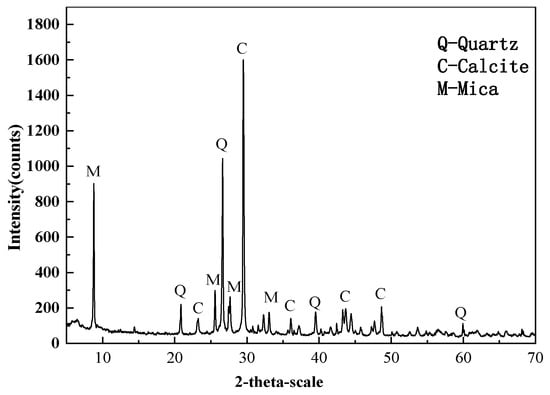
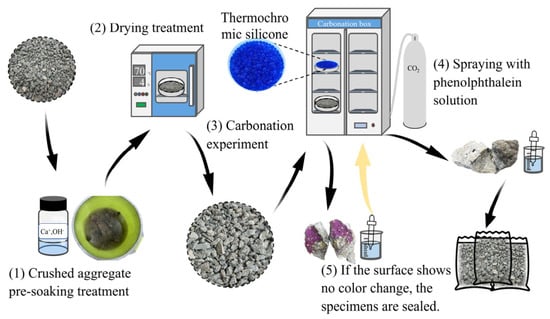
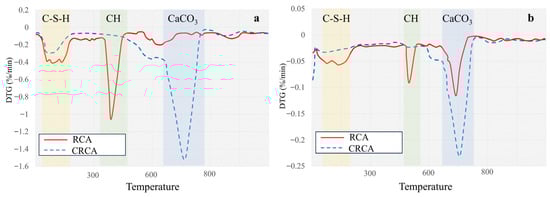
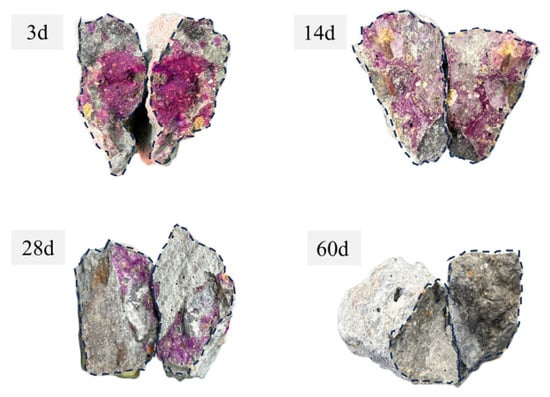
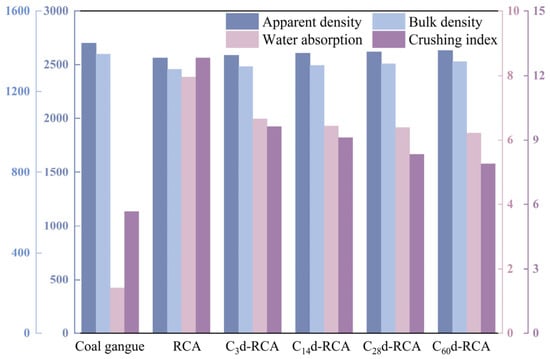
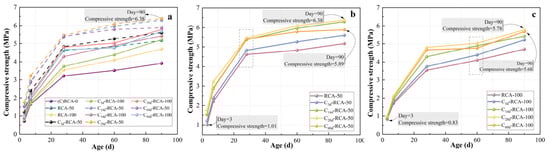
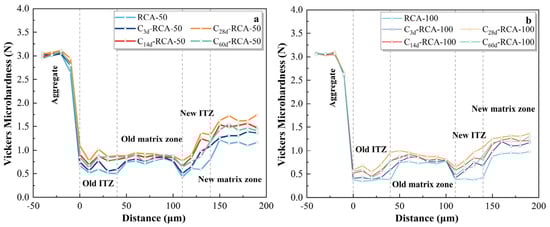
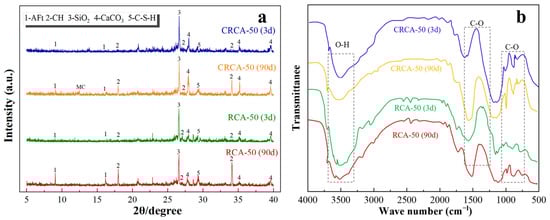
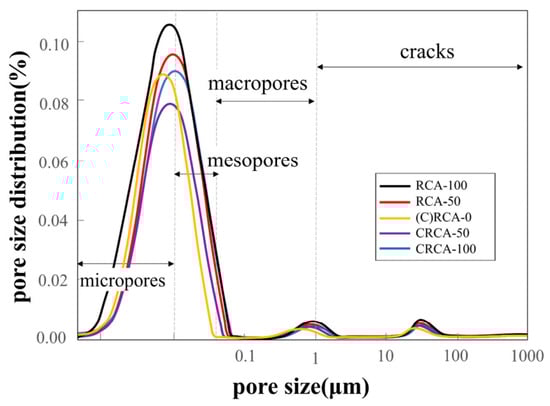
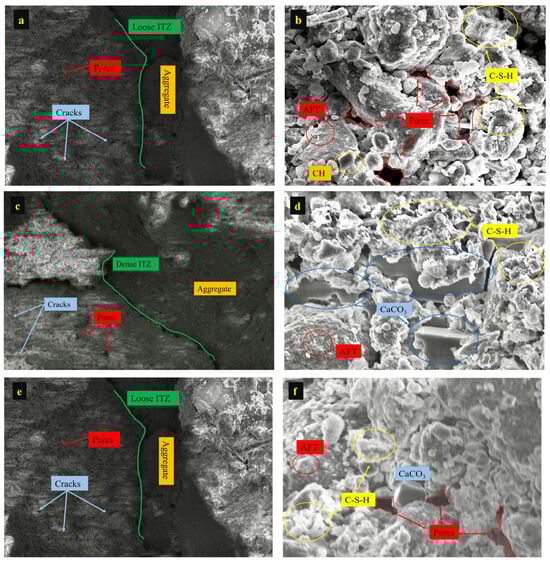
In order to explore the outstanding problems, such as poor mechanical performance, of recycled aggregate from construction waste in the application of backfills, this study innovatively used accelerated carbonation treatment technology to pretreat the recycled aggregates, and systematically investigated the evolution of mechanical properties in carbonated recycled aggregate-based cemented paste backfill (CPB). By carbonizing the waste recycled concrete aggregate (RCA), carbonation recycled concrete aggregates (CRCA) were obtained, and coal gangue was replaced as the filling aggregate at 50% and 100% for mine paste filling. The mechanical properties of the CPB were measured, and the mechanism was analyzed in combination with the changes in the microstructure. The results showed that the physical properties of RCA were significantly improved by carbonation treatment compared with untreated raw RCA: the apparent density of C60d-RCA increased by 2.88% relative to non-carbonated RCA, while its crushing value decreased by 51.45%, resulting in a more stable aggregate structure. In terms of mechanical properties, the compressive strengths of the 28day carbonated backfills with 50% and 100% CRCA contents (denoted as C28d-RCA-50 and C28d-RCA-100) reached 6.38 MPa and 5.32 MPa, representing increases of 61.52% and 46.33%, respectively, compared to the control group. Microstructure and phase composition analysis showed that the carbonation reaction not only produced calcium carbonate (CaCO3) crystals to effectively fill the internal pores and reduce the total porosity of the matrix, but also promoted the generation of monocarboaluminate and provided abundant nucleation sites for calcium silicate hydrate (C-S-H) gel hydration, which significantly optimized the structure of the interfacial transition zone (ITZ) and improved its microhardness. Among all test groups, the CRCA-50 group showed the most optimized microstructure and the best mechanical properties. This study provides a theoretical reference for the resource utilization of this type of 30-year service life RCA in mine filling.
Full article
(This article belongs to the Special Issue Advanced Techniques in Mining Wastewater Treatment and Resource Recovery)
►▼
Show Figures

Figure 1
Open AccessArticle
Inevitable Ion Influence and Mechanism of Action on the Flotation Behavior of Bastnaesite in BHA/OHA Combined Collector System
by
Hao Jiang, Rui Jiang, Yanling Xu, Xin Teng and Yanhong Wang
Minerals 2026, 16(4), 419; https://doi.org/10.3390/min16040419 - 19 Apr 2026
Abstract
The concentration of inevitable ionic species in regenerated water significantly alters the flotation characteristics of rare earth minerals, thereby hindering the effective extraction of bastnaesite. Therefore, it is of great significance to study the influence and mechanism of inevitable ions on the flotation
[...] Read more.
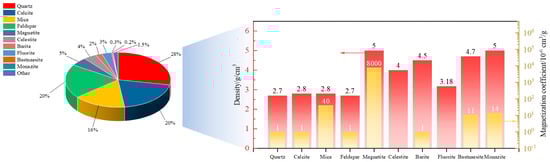
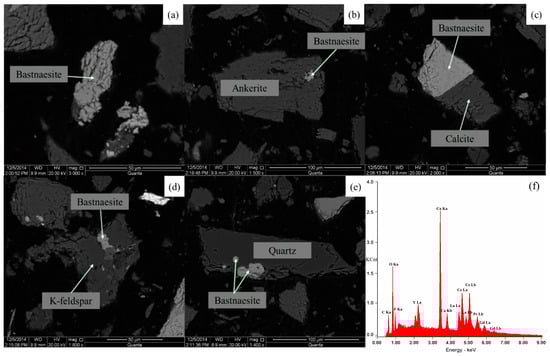
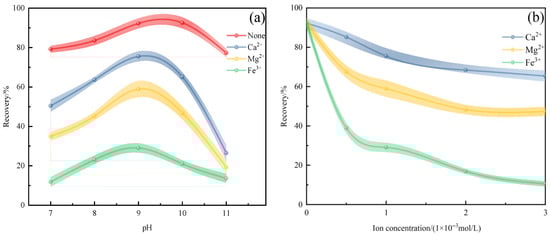
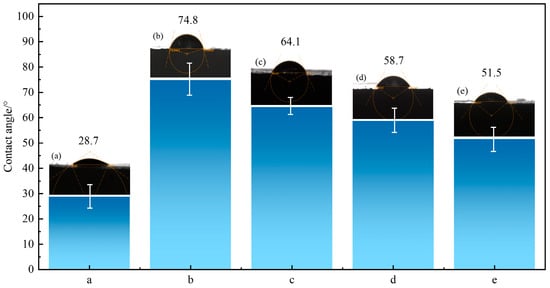
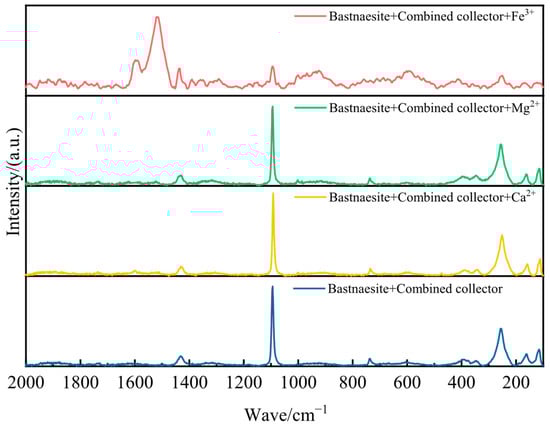
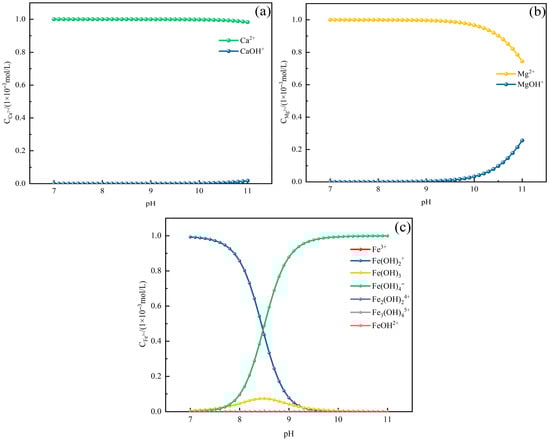
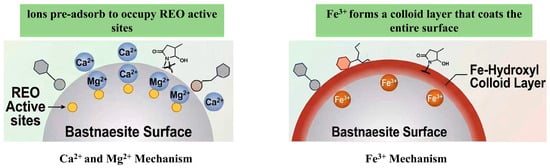
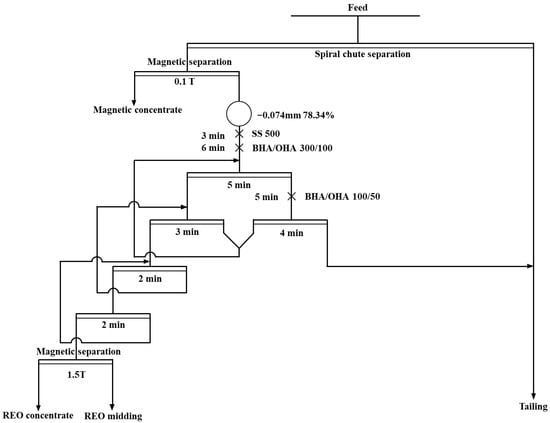
The concentration of inevitable ionic species in regenerated water significantly alters the flotation characteristics of rare earth minerals, thereby hindering the effective extraction of bastnaesite. Therefore, it is of great significance to study the influence and mechanism of inevitable ions on the flotation of bastnaesite. This paper systematically investigated the effects of Ca2+, Mg2+, and Fe3+ on the flotation behavior of bastnaesite using a BHA/OHA combined collector system and studied the mechanism of action using contact angle testing, Raman spectroscopy, and Visual MINTEQ solution chemistry calculations. The results showed that the BHA/OHA combined collector had good collecting performance for bastnaesite, while Ca2+, Mg2+, and Fe3+ all had varying degrees of inhibitory effects on its flotation, with the order of influence being Fe3+ > Mg2+ > Ca2+. Contact angle tests showed that the presence of inevitable ions weakened the effect of the combined collector on improving the hydrophobicity of the bastnaesite surface. Raman spectroscopy results indicated that inevitable ions interfered with the adsorption of the combined collector on the mineral surface, with Fe3+ having the most significant effect. Solution chemistry analysis further demonstrated that Ca2+ and Mg2+ have been the primary ions influencing flotation because of their interactions with the mineral surface and collector molecules, but not Fe3+, which is mainly adsorbed on the mineral surface in the form of hydrolyzed species, thereby inhibiting the reagent adsorption and enhancing the surface hydrophilicity. Based on this, this paper revealed the differentiated interference mechanisms of different inevitable ions on the flotation of bastnaesite, and applied the relevant insights to guide the recovery of rare earth resources in molybdenum tailings, providing a theoretical basis and new research ideas for the flotation control of bastnaesite and the efficient utilization of rare earth resources under complex backwater conditions.
Full article
(This article belongs to the Special Issue Advances in Process Mineralogy)
►▼
Show Figures

Figure 1
Open AccessReview
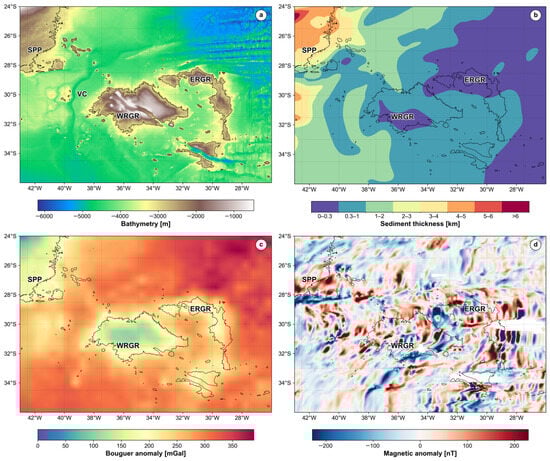
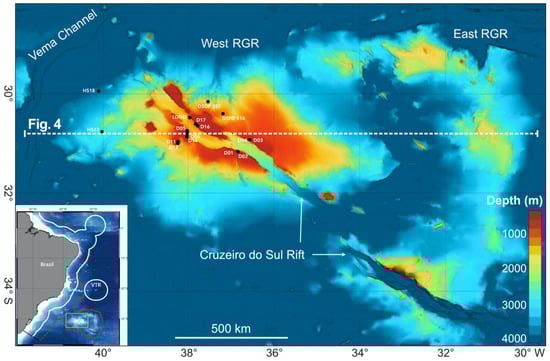
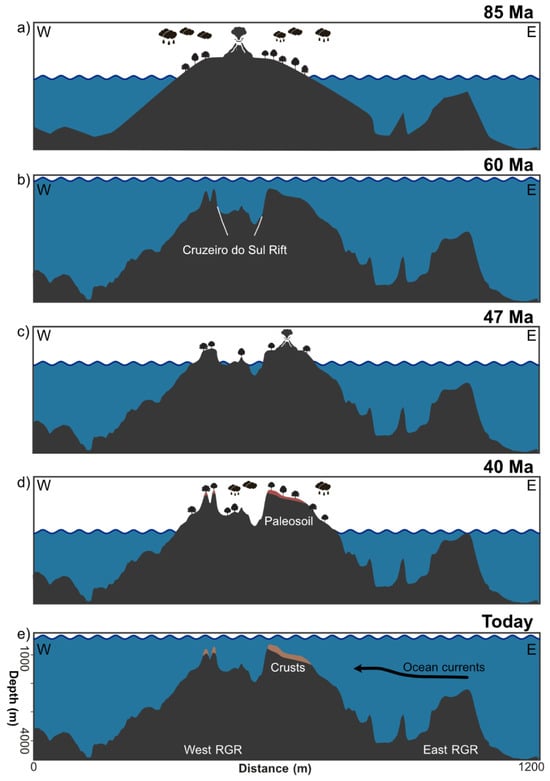
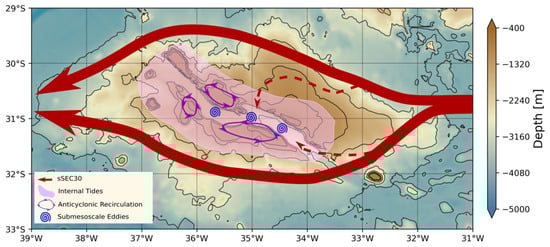
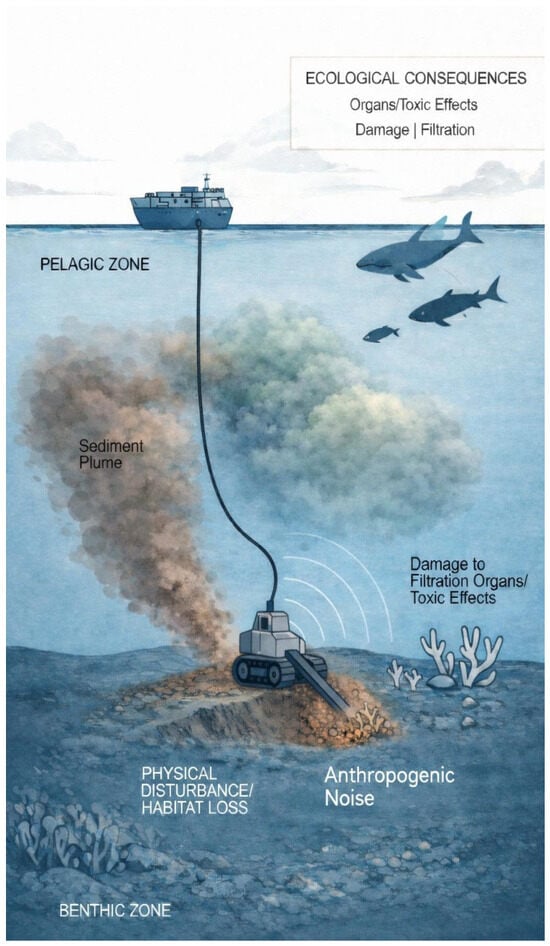
The Rio Grande Rise: Current Knowledge and Future Frontiers for Deep-Sea Science, Mineral Resources and Governance
by
Luigi Jovane, Carina Ulsen, Douglas Galante, Simone Bernardini, Natascha Menezes Bergo, Elisabete de Santis Braga, Frederico P. Brandini, Ronaldo Carrion, David Lopes de Castro, Renata R. Constantino, Muhammad Bin Hassan, Valdecir de Assis Janasi, Izabel King Jeck, Luciano de Oliveira Junior, Marco Antonio Couto Junior, Fabiola A. Lima, Simone Marques, Gustavo M. Massola, Nelia C. C. Mestre, Webster Mohriak, Eduardo F. Monlevade, Carina Costa de Oliveira, Vivian Helena Pellizari, Marcelo Cecconi Portes, Adriane G. P. Praxedes, Fabio Rodrigues, Lucas C. V. Rodrigues, Francisco Javier González Sanz, Ilson C. A. da Silveira, Jules M. R. Soto, Pedro Walfir Souza-Neto, Paulo Y. G. Sumida, Gabriel T. Tagliaro, Solange Teles da Silva, Alexander Turra, Roberto Ventura Santos, Marcio Yamamoto and Sidney L. M. Melloadd
Show full author list
remove
Hide full author list
Minerals 2026, 16(4), 418; https://doi.org/10.3390/min16040418 - 17 Apr 2026
Abstract
The Rio Grande Rise (RGR) is the largest oceanic plateau in the South Atlantic and represents a key natural laboratory for understanding oceanic plateau formation, deep-sea circulation, ecosystem functioning, and ferromanganese crust development. This study presents a critical synthesis of current scientific knowledge
[...] Read more.
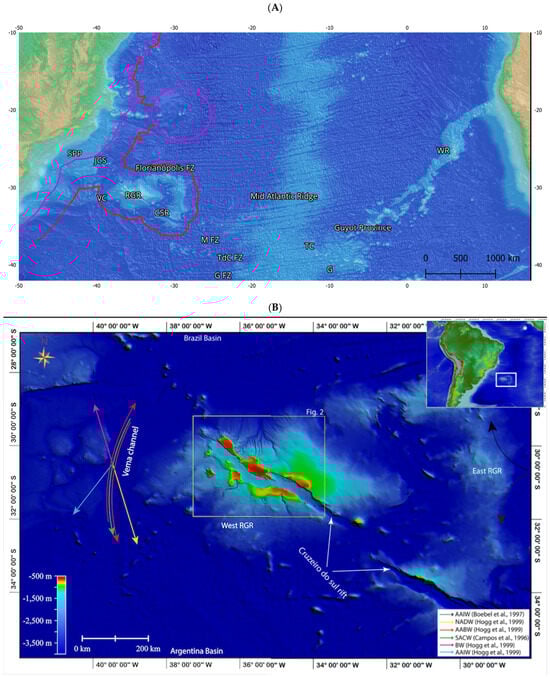
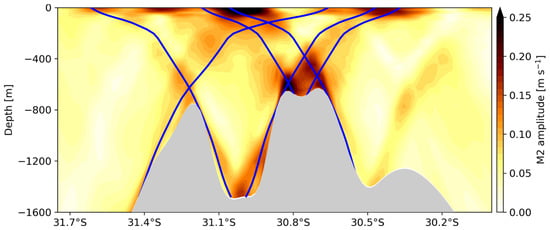
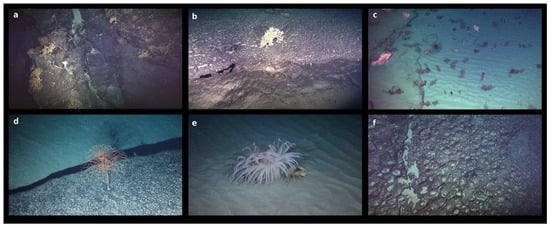
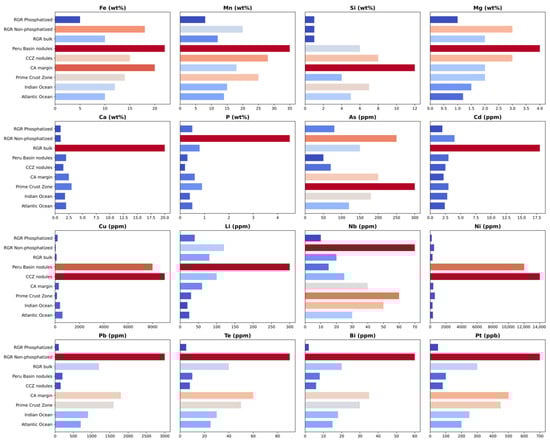
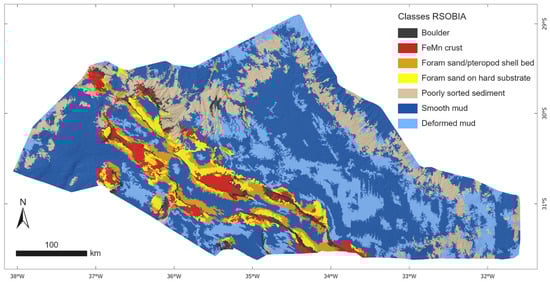
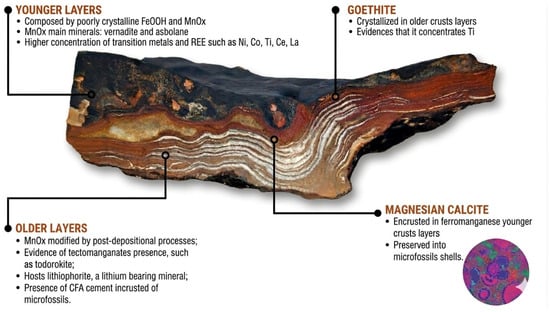
The Rio Grande Rise (RGR) is the largest oceanic plateau in the South Atlantic and represents a key natural laboratory for understanding oceanic plateau formation, deep-sea circulation, ecosystem functioning, and ferromanganese crust development. This study presents a critical synthesis of current scientific knowledge on the RGR, integrating geological, geophysical, oceanographic, biological, and geochemical evidence published over the last two decades. Geophysical data reveal a complex tectono-magmatic evolution involving Late Cretaceous plume-related volcanism, crustal thickening, rifting, and subsequent subsidence. The structural framework of the plateau is dominated by the Cruzeiro do Sul Rift, which plays a central role in controlling sedimentation, magmatism, and seawater circulation. Oceanographic studies demonstrate that the interaction between the southern branch of the South Equatorial Current and the complex topography of the RGR generates intense internal tides and bottom currents, strongly influencing sediment transport and benthic habitats. Biological investigations indicate that the RGR hosts diverse deep-sea communities, including sponge grounds, cold-water corals, and associated fauna, whose distribution is tightly linked to geomorphology and hydrodynamics. Ferromanganese crusts occurring on the plateau preserve valuable geochemical records of oceanographic and redox conditions, although their spatial distribution, thickness, and metal budgets remain incompletely constrained. Despite major advances, significant knowledge gaps persist regarding crustal structure, sedimentary evolution, ecosystem functioning, and mineral formation processes. This review highlights these uncertainties and outlines research priorities necessary to improve understanding of oceanic plateaus and deep-sea systems in the South Atlantic.
Full article
(This article belongs to the Special Issue Geology, Exploration and Mining of Deep-Sea Mineral Resources)
►▼
Show Figures

Figure 1
Open AccessReview
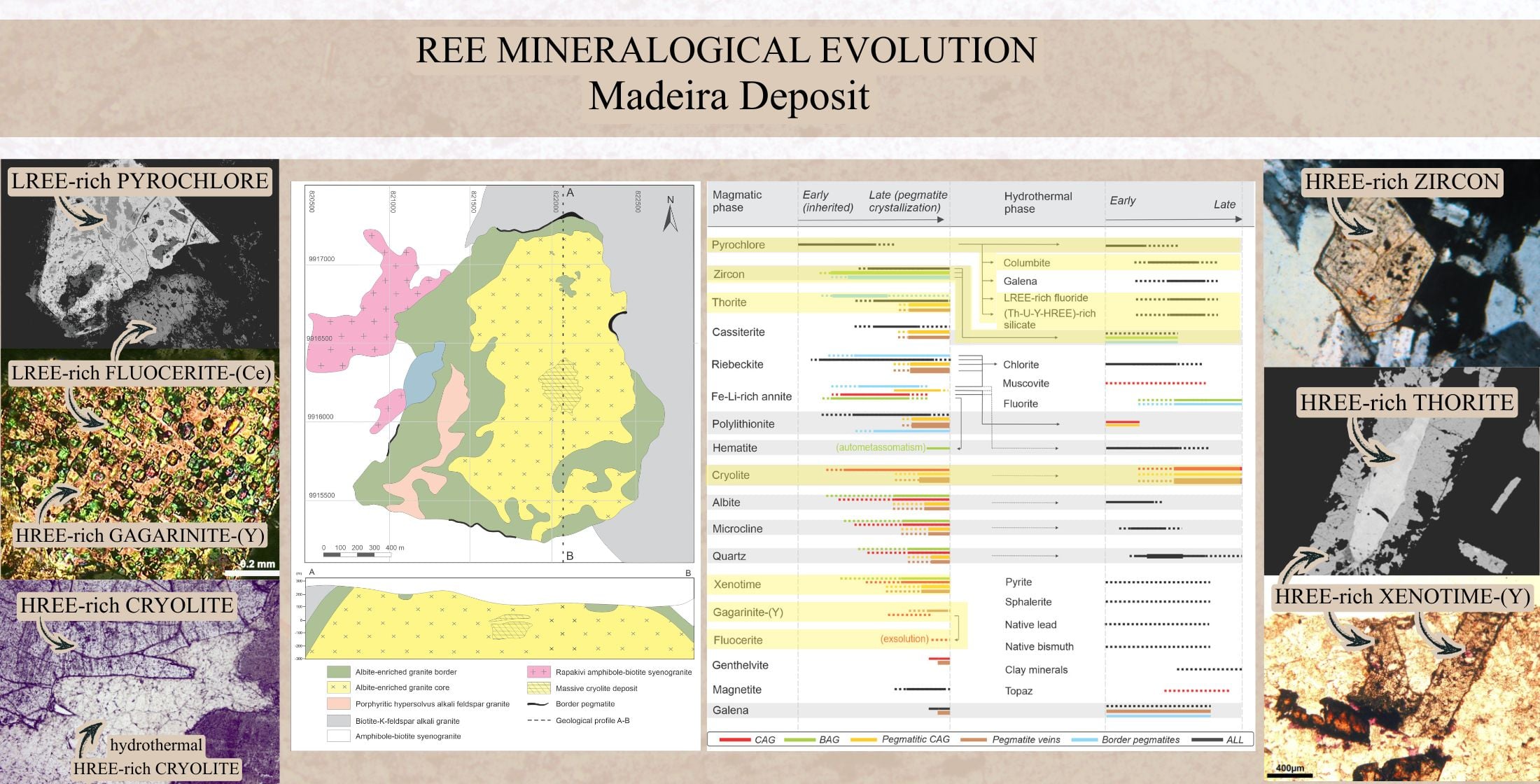
REE Mineralogical Evolution in a F-Rich Peralkaline System: A Review on the REE Mineralization Associated with the Madeira Sn-Nb-Ta-Cryolite (REE, U, Th, Zr, Li) Deposit (Amazonas, Brazil)
by
Artur C. Bastos Neto, Ingrid W. Hadlich, Harald G. Dill and Vitor P. Pereira
Minerals 2026, 16(4), 417; https://doi.org/10.3390/min16040417 - 17 Apr 2026
Abstract
This study is centered on REE distribution in several minerals exhibiting exceptionally rare mineralogical and chemical compositions in the 1.8 Ga albite-enriched granite (AEG) in Madeira. This is a peralkaline A-type granite and corresponds to the Madeira Sn-Nb-Ta-cryolite (REE, Th, U, Zr, Li)
[...] Read more.
This study is centered on REE distribution in several minerals exhibiting exceptionally rare mineralogical and chemical compositions in the 1.8 Ga albite-enriched granite (AEG) in Madeira. This is a peralkaline A-type granite and corresponds to the Madeira Sn-Nb-Ta-cryolite (REE, Th, U, Zr, Li) world-class deposit (195 Mt) (Amazonas, Brazil). The REE mineralization ranks among the major deposits associated with alkaline and peralkaline magmatism in intracontinental and extensional anorogenic environments in terms of tonnage and grades. However, with respect to REE paragenesis and structure, it differs from all other known REE deposits. The REE mineralization (xenotime, gagarinite, fluocerite, thorite, pyrochlore, zircon, fluorite, and cryolite) is disseminated and zoned. In addition, in the central part of the deposit, there is a massive hydrothermal cryolite body, whose feasibility for REE extracting has been demonstrated. The evolution of rare earth minerals followed a precise order, with minimal formation of compound minerals and minerals with compositions distinct from their typical occurrences. Small pegmatites very rich in xenotime and gagarinite occur in the core AEG. These characteristics are due to the very high F activity in the magma, buffered by cryolite crystallization, to progressive, undisturbed crystallization from the margins toward the center, and to minimal CO2 activity. The alteration of primary REE minerals by F-rich hydrothermal fluids, the origin of these fluids, and the formation of secondary REE minerals are also discussed.
Full article
(This article belongs to the Special Issue Critical Mineral Exploration: Innovations, Challenges and Future Directions)
►▼
Show Figures

Graphical abstract
Open AccessArticle
Complex Pressure Distribution and Genesis Analysis of the Shaximiao Formation in Central and Western Sichuan Basin
by
Yilin Liang, Lurui Dang, Xiaojuan Wang, Dongxia Chen, Xu Guan, Shuangling Chen, Ke Pan, Zijian Wang, Xiaoli Zhang and Xiaoting Pang
Minerals 2026, 16(4), 416; https://doi.org/10.3390/min16040416 - 17 Apr 2026
Abstract
The distribution and evolution of complex formation pressures fundamentally control natural gas accumulation patterns and the prediction of favorable zones. To elucidate the controlling factors behind complex pressure distribution in tight sandstone gas reservoirs with source-reservoir separation, this study investigated the Shaximiao Formation
[...] Read more.
The distribution and evolution of complex formation pressures fundamentally control natural gas accumulation patterns and the prediction of favorable zones. To elucidate the controlling factors behind complex pressure distribution in tight sandstone gas reservoirs with source-reservoir separation, this study investigated the Shaximiao Formation in the central-western Sichuan Basin. Integrating statistical, physical, and rock mechanics analyses with reservoir properties and gas compositional data, this study characterized the present-day pressure regime using seismic interpretation, well logs, measured pressure data, and drilling records. This study clarifies the genetic mechanisms, establishes a differential enrichment model, and identifies future exploration targets. Results reveal a present-day pressure distribution trending from high in the north and west to low in the south and east. Erosional unloading and strata cooling, mechanisms that lead to an average pressure reduction of about 4–15 MPa, jointly contribute to the development of abnormally negative pressure in the central Sichuan Basin. Vertically, pressure magnitude within sand groups shows a positive correlation with productivity. The pressure evolution is governed by a quadruple mechanism: hydrocarbon-generation pressurization, fault-mediated transmission, gas charging, and uplift-induced release. Consequently, future exploration should prioritize areas where high-quality reservoirs adjacent to active hydrocarbon kitchens, significant source-reservoir pressure differentials, and effective fault-sandbody transport pathways are optimally combined.
Full article
(This article belongs to the Section Mineral Exploration Methods and Applications)
Open AccessArticle
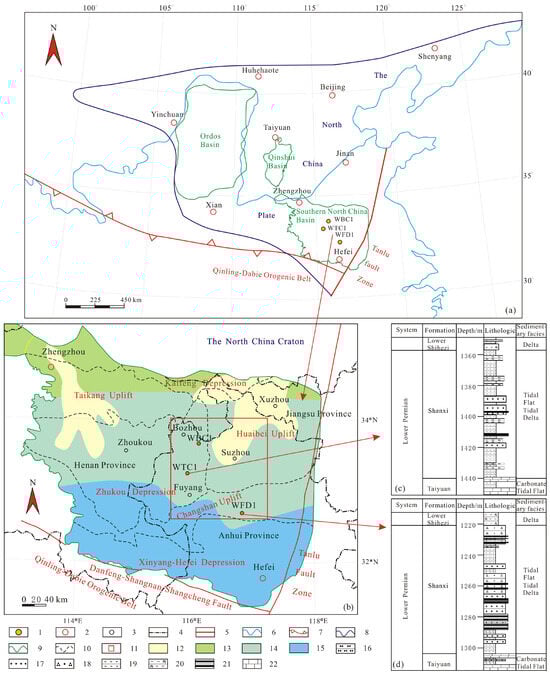
Provenance Analysis of Marine–Continental Transitional Sediments Using Integrated Geochemistry and Detrital Zircon U–Pb Data: A Case Study from the Lower Permian Shanxi Formation, Southern North China Basin
by
Enran Liu, Tianxu Guo, Peng Qiao, Disi Zhu, Qiuchen Xu, Dishi Shi, Degang Mou and Rong Chen
Minerals 2026, 16(4), 415; https://doi.org/10.3390/min16040415 - 17 Apr 2026
Abstract
The reliability of bulk geochemical proxies for provenance analysis in heterogeneous clastic systems remains a critical yet underexplored issue. This study investigates the Lower Permian Shanxi Formation in the Southern North China Basin (SNCB) using an integrated approach combining major and trace element
[...] Read more.
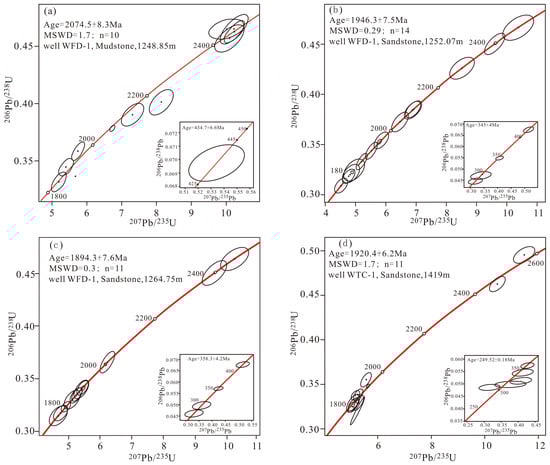
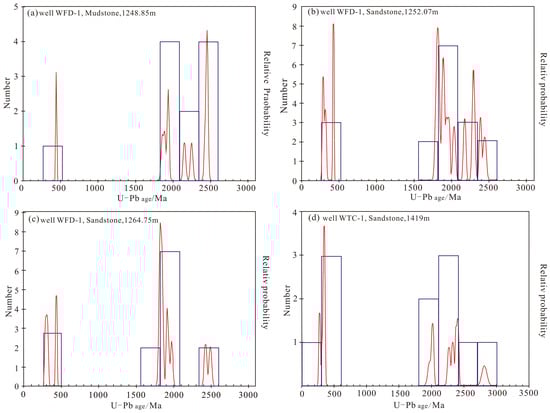
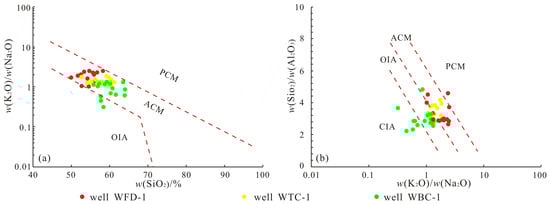
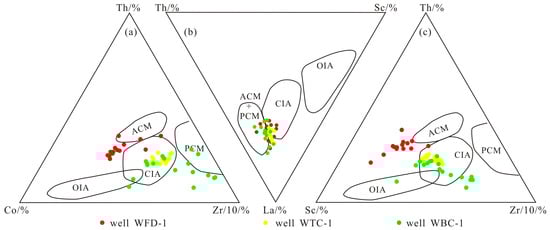
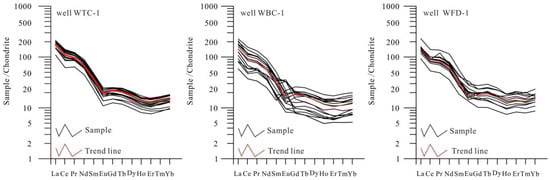
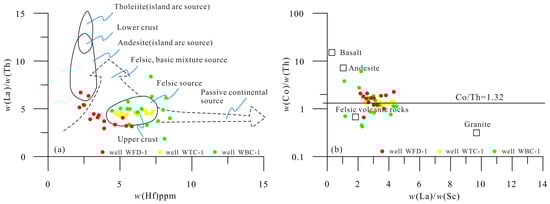
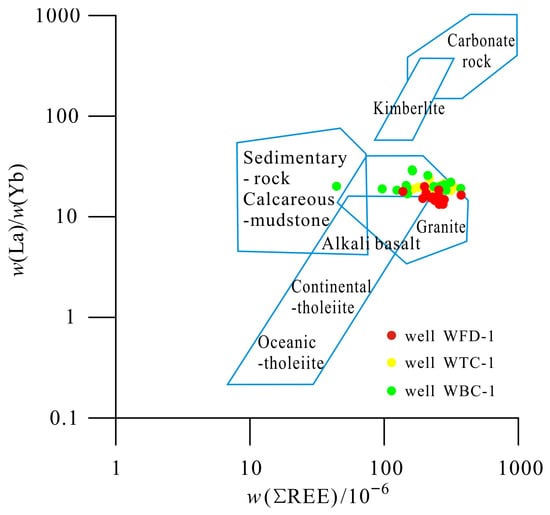
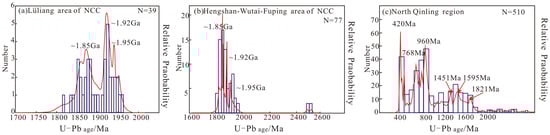
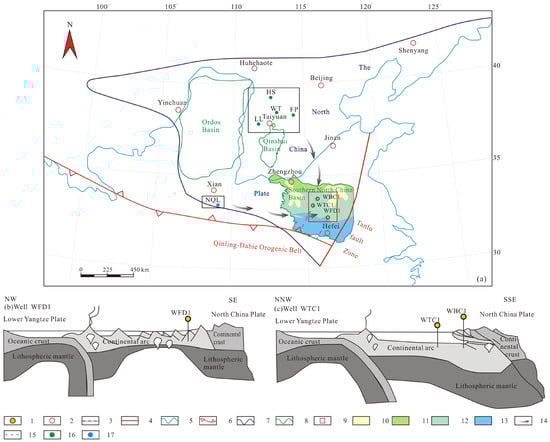
The reliability of bulk geochemical proxies for provenance analysis in heterogeneous clastic systems remains a critical yet underexplored issue. This study investigates the Lower Permian Shanxi Formation in the Southern North China Basin (SNCB) using an integrated approach combining major and trace element geochemistry, rare earth elements (REEs), and detrital zircon U–Pb geochronology. The results show that major element compositions have been significantly modified by diagenetic processes in tidal flat environments, limiting their applicability in tectonic discrimination. In contrast, immobile trace elements and REE patterns provide more robust constraints on source rock composition, suggesting predominantly felsic upper continental crustal sources. Detrital zircon age spectra reveal two dominant populations at 290–440 Ma and 1800–2500 Ma, indicating mixed provenance from the North Qinling Region (NQR) and the North China Craton (NCC). However, the application of classical discrimination diagrams is challenged by lithological heterogeneity, as the mixed presence of sandstone, sandy mudstone, and mudstone introduces compositional bias. Spatial variations among wells suggest differential contributions from continental island arc and active continental margin, likely controlled by paleogeographic configuration and sediment transport pathways. This study emphasizes the necessity of multi-proxy integration for reliable provenance reconstruction in complex sedimentary systems.
Full article
(This article belongs to the Topic Reservoir Genesis and Quality Evolution in Hydrocarbon Systems)
►▼
Show Figures

Figure 1
Open AccessArticle
Zircon Trace Element Constraints on the Evolution of the Continental Crust in the Western Domain of the Congo Craton
by
Ngong Divine Njinchuki, Evine Laure Njiosseu Tanko, Philomène Nga Essomba Tsoungui, Brice Woguia Kamguia, Marvine Nzepang Tankwa, Landry Soh Tamehe, Donald Hermann Fossi and Jean Paul Nzenti
Minerals 2026, 16(4), 414; https://doi.org/10.3390/min16040414 - 16 Apr 2026
Abstract
This study integrates LA-ICP-MS zircon U–Pb ages and the first zircon trace element data from metasedimentary and metaigneous rocks of the Nyong Complex (NyC) in the NW Congo Craton, southern Cameroon, to constrain its petrogenesis, tectonic setting, and crustal evolution. Chondrite-normalized REE patterns
[...] Read more.
This study integrates LA-ICP-MS zircon U–Pb ages and the first zircon trace element data from metasedimentary and metaigneous rocks of the Nyong Complex (NyC) in the NW Congo Craton, southern Cameroon, to constrain its petrogenesis, tectonic setting, and crustal evolution. Chondrite-normalized REE patterns show strong HREE enrichment, depleted LREE–MREE, and pronounced positive Ce and negative Eu anomalies, indicating a magmatic origin for the zircons. Trace element signatures suggest that the zircons derived from continental crustal magmas generated under variable oxidation conditions in a long-lived arc-related tectonic environment. Detrital zircon ages range from Archean to Paleoproterozoic, with five major age peaks at 2885 ± 8 Ma, 2775 ± 6 Ma, 2654 ± 7 Ma, 2469 ± 11 Ma, and 2316 ± 11 Ma. These ages correspond to major magmatic and metamorphic events recognized in both the Congo and São Francisco cratons. The preservation of felsic continental crust between 2.9 and 2.2 Ga in the NyC and the Borborema Province (NE Brazil) likely records a critical transition in Earth’s geodynamic regime, marked by enhanced consumption and recycling of mafic crust during Proterozoic accretion compared to the late Archean. This transition reflects the onset of modern-style plate tectonics, enabling craton stabilization and contributing to the assembly of the Nuna/Columbia supercontinent. The NyC is thus interpreted as part of the Trans-Amazonian belt, analogous to that in NE Brazil, and formed during the collision between the Congo and São Francisco cratons.
Full article
(This article belongs to the Special Issue Petrography, Mineralogy, Geochemistry and Geochronology of Igneous Rocks)
Open AccessArticle
Geochemical Compositions of Zircon and Apatite from the Langdu Intrusions in the Zhongdian Arc: Implications for Porphyry–Skarn Cu Mineralization
by
Lei Mo, Chengbiao Leng, Hongze Gao, Kaixuan Li, Xilian Chen, Yanjun Wang, Tao Dong, Wanquan Luo and Haijun Yu
Minerals 2026, 16(4), 413; https://doi.org/10.3390/min16040413 - 16 Apr 2026
Abstract
The Zhongdian Arc is an important copper polymetallic ore cluster in China’s Sanjiang Tethyan Metallogenic Domain, and the Langdu deposit is a representative porphyry–skarn Cu deposit in this region. This study aims to constrain the timing of magmatic activity at the Langdu deposit.
[...] Read more.
The Zhongdian Arc is an important copper polymetallic ore cluster in China’s Sanjiang Tethyan Metallogenic Domain, and the Langdu deposit is a representative porphyry–skarn Cu deposit in this region. This study aims to constrain the timing of magmatic activity at the Langdu deposit. It also seeks to reveal the magma’s physical–chemical properties and evolution, and to identify the factors controlling mineralization. To achieve these objectives, this study used LA-ICP-MS zircon U-Pb dating and elemental analysis, combined with halogen and trace element data from apatite. Zircon U–Pb dating shows that the Langdu intrusions were emplaced at ca. 216 Ma in a continental arc setting associated with the westward subduction of the Garzê–Litang oceanic crust during the Late Triassic. Geochemical and mineralogical features indicate that the Langdu intrusions are I-type granite. They originated from partial melting of the mantle wedge metasomatized by subduction fluids. During their ascent, these magmas experienced fractional crystallization dominated by amphibole, titanite, rutile, and monazite. Geochemical records from zircon and apatite further reveal that the ore-forming magma of the Langdu intrusions exhibited high oxygen fugacity (ΔFMQ = +1.53), elevated H2O content (avg. 7.63 wt.%), and enrichment in S (avg. 560 ppm) and Cl (avg. 2141 ppm). This Cl-rich magma experienced fluid exsolution during its early evolutionary stage. This provided the necessary conditions for metal extraction and transport. In summary, the key factors controlling the formation of the Langdu porphyry–skarn Cu deposit are high-oxygen-fugacity magma enriched in water and volatiles (S and Cl), coupled with efficient fluid exsolution. This understanding is important for better understanding regional metallogeny and for guiding mineral exploration.
Full article
(This article belongs to the Special Issue Porphyry and Skarn Systems: Critical Metal Enrichment, Fluid Evolution and Exploration Implications)
Journal Menu
► ▼ Journal Menu-
- Minerals Home
- Aims & Scope
- Editorial Board
- Reviewer Board
- Topical Advisory Panel
- Instructions for Authors
- Special Issues
- Topics
- Sections & Collections
- Article Processing Charge
- Indexing & Archiving
- Editor’s Choice Articles
- Most Cited & Viewed
- Journal Statistics
- Journal History
- Journal Awards
- Editorial Office
Journal Browser
► ▼ Journal BrowserHighly Accessed Articles
Latest Books
E-Mail Alert
News
Topics
Topic in
Materials, Mining, Recycling, Resources, Sustainability, Minerals, Geosciences, Environments
Sustainable Recycling and Reuse of Industrial By-Products or Waste from Geo-Resource Exploitation
Topic Editors: Sossio Fabio Graziano, Rossana Bellopede, Giovanna Antonella Dino, Nicola CaredduDeadline: 30 May 2026
Topic in
Applied Sciences, Energies, Geosciences, Minerals, Processes
Complex Rock Mechanics Problems and Solutions, 2nd Edition
Topic Editors: Chun Zhu, Shibin Tang, Shengyuan SongDeadline: 30 June 2026
Topic in
Metals, Minerals, Mining
Innovations and Sustainable Approaches in Mining, Metallurgy, Technology and Materials Engineering: Insights from IOC 2025
Topic Editors: Markus A. Reuter, Peizhong Feng, Ljubiša BalanovićDeadline: 30 August 2026
Topic in
Applied Sciences, Energies, Geosciences, Geotechnics, Minerals, Eng
Support Theory and Technology of Geotechnical Engineering, 2nd Edition
Topic Editors: Qi Wang, Bei Jiang, Xuezhen Wu, Hongke GaoDeadline: 30 September 2026
Special Issues
Special Issue in
Minerals
Clay Minerals, Biomaterials and Engineered Mineral Materials in Water and Wastewater Treatment
Guest Editors: Jorge César Masini, Vhahangwele MasindiDeadline: 24 April 2026
Special Issue in
Minerals
Natural and Induced Diagenesis in Clastic Rock
Guest Editors: Meiyan Fu, Jon Gluyas, Dong WuDeadline: 30 April 2026
Special Issue in
Minerals
Mechanisms of Magma–Rock Interaction in Crustal Evolution
Guest Editors: Russell Bailie, Petrus RouxDeadline: 30 April 2026
Special Issue in
Minerals
Mineralization and Metallogeny of Iron Deposits
Guest Editors: Shigang Duan, Chengdong Yang, Xiuqing YangDeadline: 30 April 2026
Topical Collections
Topical Collection in
Minerals
Mining/Metallurgical Solid Waste Treatment and Resource Utilization: Towards a Circular Economy
Collection Editors: Longhua Xu, Lei Xie, Qingye Lu
Topical Collection in
Minerals
Clays and Other Industrial Mineral Materials
Collection Editors: Manuel Pozo Rodríguez, Francisco Franco, Michael Stamatakis
Topical Collection in
Minerals
Advances in Fine Particle Flotation: Challenges and Solutions
Collection Editors: Yijun Cao, Dongping Tao, Lev Filippov, Jian Peng, Chao Li
Topical Collection in
Minerals
Ultrasound-Assisted Technologies in Mineral Processing and Metallurgy
Collection Editors: Shenxu Bao, Libo Zhang, Bo Chen