
Journal Description
Psychoactives
Psychoactives
is an international, peer-reviewed, open access journal on psychoactive substances published quarterly online by MDPI.
- Open Access— free for readers, with article processing charges (APC) paid by authors or their institutions.
- High Visibility: indexed within ESCI (Web of Science), Embase and other databases.
- Rapid Publication: manuscripts are peer-reviewed and a first decision is provided to authors approximately 23.4 days after submission; acceptance to publication is undertaken in 4.7 days (median values for papers published in this journal in the second half of 2025).
- Recognition of Reviewers: APC discount vouchers, optional signed peer review, and reviewer names published annually in the journal.
- Psychoactives is a companion journal of Pharmaceuticals.
Latest Articles
Subanesthetic Ketamine for Chronic Non-Cancer Pain: A Systematic Review of Evidence from Randomized Trials over the Past Two Decades
Psychoactives 2026, 5(2), 10; https://doi.org/10.3390/psychoactives5020010 - 2 Apr 2026
Abstract
►
Show Figures
Introduction: Chronic non-cancer pain represents a major global health challenge because of its high prevalence, functional impact, and limited response to conventional therapies, highlighting the need for alternative approaches. In this context, subanesthetic-dose ketamine has emerged as a promising therapeutic option because of
[...] Read more.
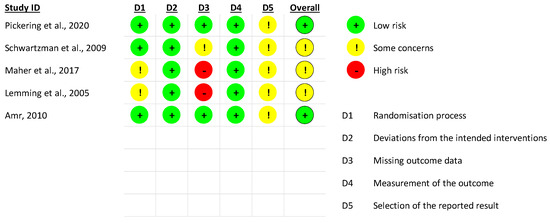
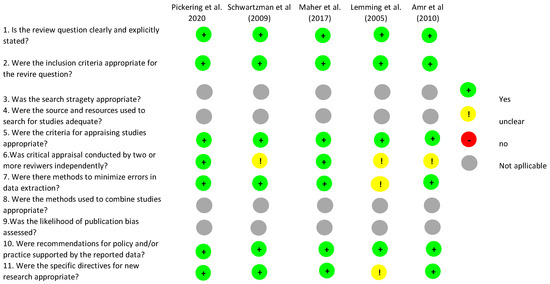
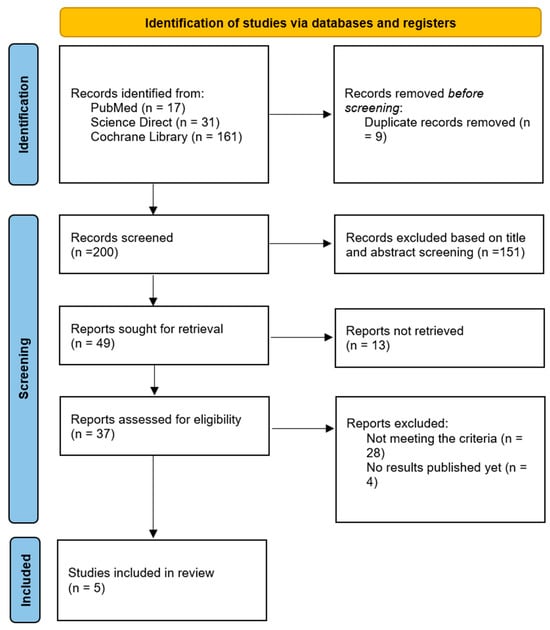
Introduction: Chronic non-cancer pain represents a major global health challenge because of its high prevalence, functional impact, and limited response to conventional therapies, highlighting the need for alternative approaches. In this context, subanesthetic-dose ketamine has emerged as a promising therapeutic option because of its ability to modulate central sensitization and enhance analgesia through NMDA receptor antagonism. However, current evidence regarding its long-term efficacy and safety remains limited and heterogeneous. Objective: To evaluate the efficacy and safety of subanesthetic ketamine for the management of chronic non-cancer pain in adults, based on randomized controlled trials published between 2005 and 2025. Methods: A systematic review was conducted in accordance with the PRISMA 2020 guidelines. Randomized controlled trials involving adults with chronic non-cancer pain were included, comparing ketamine with placebo or other active agents. The databases searched were PubMed, ScienceDirect, and the Cochrane Library. Risk of bias was assessed using the Cochrane RoB-2 tool, and the certainty of evidence was evaluated using GRADE. Results: Five trials met the inclusion criteria. All included studies evaluated intravenous ketamine at doses ranging from 0.3 to 0.5 mg/kg. Overall, ketamine demonstrated significant short-term pain relief (p < 0.05), particularly in neuropathic conditions; however, the magnitude of this effect decreased progressively after the infusion ended. Reported adverse effects were mild and transient, with no evidence of severe toxicity. Heterogeneity in dosing protocols, pain phenotypes, comparator strategies, and follow-up duration limited cross-study comparability. Conclusions: Current evidence supports the short-term efficacy and safety of subanesthetic-dose ketamine as an analgesic option for chronic non-cancer pain, especially in neuropathic syndromes. However, the transient nature of its effects and the heterogeneity among studies underscore the need for standardized protocols and longer follow-up periods. Despite its generally favorable short-term safety profile, subanesthetic ketamine should be used with caution under strict clinical supervision, as the potential for long-term neurocognitive, urological, and hepatic adverse effects remains insufficiently defined.
Full article
Open AccessArticle
Disparities in Synthetic Cannabis Use Among U.S. Adults, 2022–2024
by
Delvon T. Mattingly, Meman Diaby, Osayande Agbonlahor and Joy L. Hart
Psychoactives 2026, 5(2), 9; https://doi.org/10.3390/psychoactives5020009 - 1 Apr 2026
Abstract
Synthetic cannabinoids are widely available in the United States, yet contemporary national data on who uses these products, and disparities in use, are limited. To assess disparities in lifetime and past-year synthetic cannabis use (each yes/no), we used 2022–2024 National Survey on Drug
[...] Read more.
Synthetic cannabinoids are widely available in the United States, yet contemporary national data on who uses these products, and disparities in use, are limited. To assess disparities in lifetime and past-year synthetic cannabis use (each yes/no), we used 2022–2024 National Survey on Drug Use and Health data from adults aged ≥18 years (n = 139,532) and fit two multivariable logistic regression models adjusted for survey year and sociodemographic and policy characteristics. We also calculated proportions of lifetime and past-year use by various plant-based cannabis use modalities. The proportions of adults with lifetime and past-year synthetic cannabis use were 2.7% and 0.3%, respectively. Younger age, male sex, lower education and household income, and non-metropolitan residence were linked to both lifetime and past-year synthetic cannabis use. For example, past-year synthetic cannabis use was associated with living in non-metropolitan (vs. large metropolitan) areas (AOR = 1.54; 95% CI: 1.03–2.30). Past-year use was also linked to residence in states without medical cannabis law coverage (AOR = 1.45; 95% CI: 1.09–1.94). Finally, past-year synthetic cannabis use was most prevalent among adults who smoked (67.3%) or vaped (52.5%) plant-based cannabis. Synthetic cannabis use was uncommon overall but exhibited clear disparities, underscoring the need for continued surveillance amid evolving cannabinoid policies and markets.
Full article
Open AccessEditorial
Psychoactives in 2025: Consolidating an Interdisciplinary Platform for Psychoactive Substance Science and Looking to the Future
by
Ricardo Jorge Dinis-Oliveira
Psychoactives 2026, 5(2), 8; https://doi.org/10.3390/psychoactives5020008 - 1 Apr 2026
Abstract
In 2025, Psychoactives continued its clear upward trajectory, strengthening its position as an international, peer-reviewed, open-access journal dedicated to advancing the science of psychoactive substances, spanning pharmacology, clinical psychiatry, toxicology, neuroscience, forensic science, and public health [...]
Full article
Open AccessCase Report
Mitragynine Pseudoindoxyl Withdrawal Treated with Macro-Dosed Buprenorphine Induction: A Case Report and Review of the Literature
by
TaReva Warrick-Stone, Kate Fulton, Phil Durney, Dennis Goodstein, Elise Paquin, Gamal Fitzpatrick, Maeve Montesi, Christopher Martin and Kory London
Psychoactives 2026, 5(1), 7; https://doi.org/10.3390/psychoactives5010007 - 23 Mar 2026
Abstract
►▼
Show Figures
Background: Mitragynine pseudoindoxyl (MP) is a semi-synthetic kratom metabolite increasingly sold online and over-the-counter, marketed misleadingly as “kratom” or “7-OH,” despite lacking FDA approval and safety data in humans. Methods: This case report describes a 44-year-old male with polysubstance use history who developed
[...] Read more.
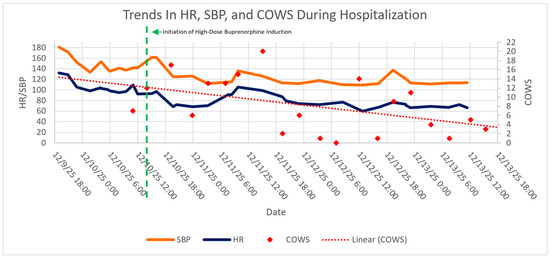
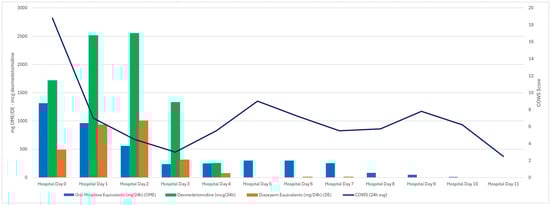
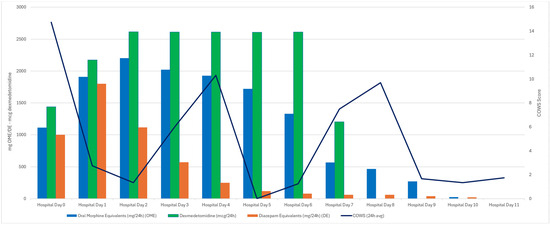
Background: Mitragynine pseudoindoxyl (MP) is a semi-synthetic kratom metabolite increasingly sold online and over-the-counter, marketed misleadingly as “kratom” or “7-OH,” despite lacking FDA approval and safety data in humans. Methods: This case report describes a 44-year-old male with polysubstance use history who developed opioid withdrawal symptoms after regular MP use (400 mg daily for pain management following neck injury). Vital signs, alcohol and opioid withdrawal scores and clinical outcomes were recorded. Results: The patient presented exhibiting symptoms of moderate opioid withdrawal in the absence of other opioid use. A buprenorphine macro-induction protocol was initiated. Following pre-treatment using chlorpromazine as an anti-emetic and diazepam to treat concomitant alcohol withdrawal, 32 mg buprenorphine were provided (16 mg × 2) on day one, with subsequent maintenance dosing and adjunctive medications. The patient demonstrated significant symptomatic improvement with decreased COWS scores and expressed interest in long-acting injectable buprenorphine maintenance therapy. Discussion: This represents the first documented case of suspected MP withdrawal successfully managed with buprenorphine macro-induction, demonstrating the potential efficacy of this approach for novel semi-synthetic kratom metabolites when standard withdrawal management protocols are insufficient. Further studies should evaluate long term outcomes and validate findings.
Full article

Figure 1
Open AccessOpinion
When Advice Becomes Infrastructure: Ethical Governance of Conversational AI in Psychoactive Substance Information Ecosystems
by
Jaewon Lee
Psychoactives 2026, 5(1), 6; https://doi.org/10.3390/psychoactives5010006 - 13 Mar 2026
Abstract
Public debates about psychoactive substances have traditionally been organized around the pharmacology of compounds and the institutional control of supply. In digitally mediated societies, however, the pathways through which people encounter psychoactives are increasingly informational: search engines, recommender systems, social platforms, and—distinctively—conversational AI.
[...] Read more.
Public debates about psychoactive substances have traditionally been organized around the pharmacology of compounds and the institutional control of supply. In digitally mediated societies, however, the pathways through which people encounter psychoactives are increasingly informational: search engines, recommender systems, social platforms, and—distinctively—conversational AI. These systems do not merely deliver neutral facts. They rank, frame, personalize, and conversationally validate claims in ways that can shape perceived norms, acceptable risk thresholds, and willingness to seek help. This opinion advances the concept of AI-mediated exposure to capture how algorithmic curation and interactive dialogue become upstream determinants of psychoactive-related harms and benefits across the continuum from everyday medicines to non-medical use. From a social-scientific ethics perspective, the central question is not whether AI is “good” or “bad,” but what obligations apply when AI performs interpretive authority in contexts characterized by vulnerability, stigma, and unequal access to trusted expertise. The paper argues for an ethics-centered governance framework grounded in four commitments: epistemic responsibility (how claims are generated, warranted, and communicated), relational responsibility (how users are treated in moments of uncertainty, distress, and stigma), distributive justice (who benefits and who bears risk under unequal conditions), and accountability (how behavior is evaluated, contested, and corrected over time). The aim is to treat conversational AI as a public-facing institution whose design choices must be ethically legible and publicly contestable, oriented toward harm reduction without intensifying surveillance, moralization, or inequity.
Full article
Open AccessArticle
Female Drug Use in the Ethnographic Record: A Cross-Cultural Analysis of Presence, Variation, and Cultural Context
by
Drake Rinks and Casey J. Roulette
Psychoactives 2026, 5(1), 5; https://doi.org/10.3390/psychoactives5010005 - 5 Mar 2026
Abstract
►▼
Show Figures
Male-biased drug use is a consistent finding in contemporary epidemiology, yet most global evidence derives from urban and industrialized populations. As a result, little is known about gendered substance use in small-scale societies, leaving unresolved whether male-biased drug use reflects universal features of
[...] Read more.
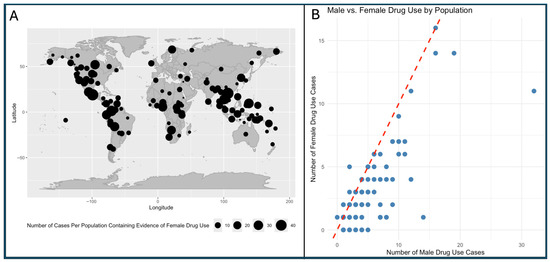
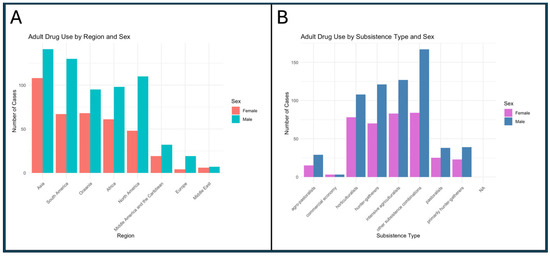
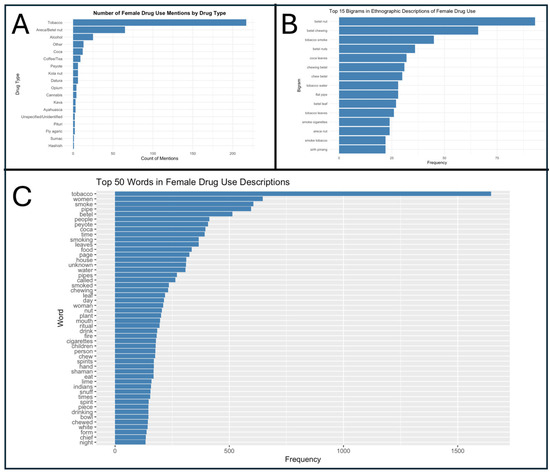
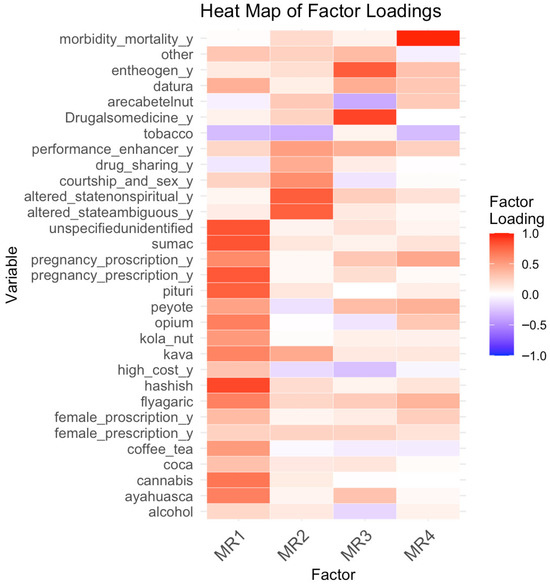
Male-biased drug use is a consistent finding in contemporary epidemiology, yet most global evidence derives from urban and industrialized populations. As a result, little is known about gendered substance use in small-scale societies, leaving unresolved whether male-biased drug use reflects universal features of human behavior or is primarily a product of industrialization. To address this gap, we examine ethnographic evidence of female substance use across 171 societies in the Standard Cross-Cultural Sample using 1397 ethnographic cases from the Human Relations Area Files. We document the presence of male and female drug use descriptions, regional and subsistence-based variation, substances associated with women’s use, and the cultural contexts in which female consumption occurs. Results reveal that women’s drug use is consistently less frequent and more culturally regulated than men’s across all world regions and subsistence economies, with variation in magnitude. Exploratory factor and cluster analyses identify four domains structuring female drug-use contexts: prestige-regulated substances, ceremonial and social practices, medicinal use, and high-risk entheogenic rites. Together, these findings demonstrate that low female drug use is a cross-cultural regularity while highlighting patterned variation in the contexts of women’s consumption, providing a comparative foundation for evaluating biocultural, political–economic, and evolutionary explanations of gendered substance use.
Full article

Figure 1
Open AccessOpinion
Is Cannabidiol (CBD) a Non-Psychoactive Phytocannabinoid?
by
Eliana Rodrigues
Psychoactives 2026, 5(1), 4; https://doi.org/10.3390/psychoactives5010004 - 3 Feb 2026
Abstract
►▼
Show Figures
Interest in psychoactive substances, including psychedelics, is rapidly expanding in medical, academic, and other popular fields. Despite the classifications established within the psychopharmacological scientific community, certain plants, animals, and fungi, as well as the substances obtained from them, have been misclassified by both
[...] Read more.
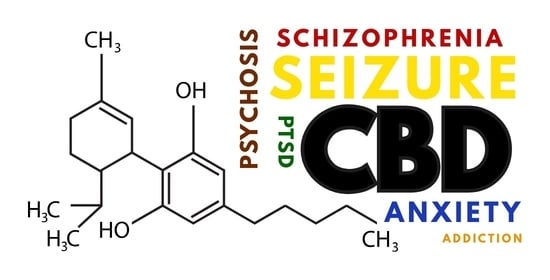
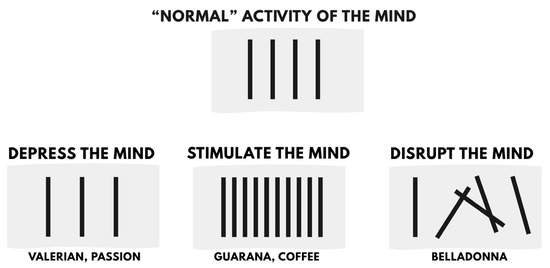
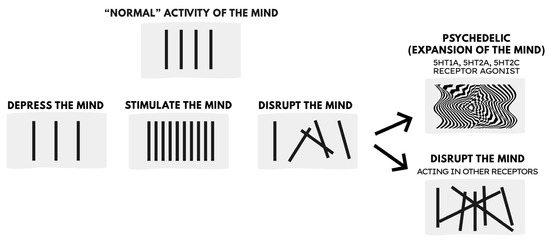
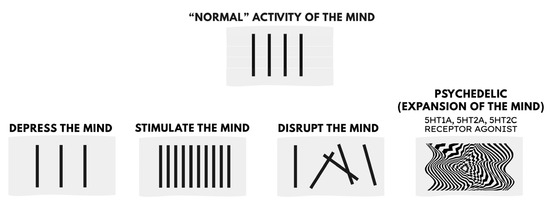
Interest in psychoactive substances, including psychedelics, is rapidly expanding in medical, academic, and other popular fields. Despite the classifications established within the psychopharmacological scientific community, certain plants, animals, and fungi, as well as the substances obtained from them, have been misclassified by both the media and academic circles. This opinion piece aims to present arguments to answer the following question: Is CBD a non-psychoactive phytocannabinoid? Hundreds of robust scientific studies published in recent years involving CBD have strengthened its clinical use in the treatment of seizures, anxiety, psychosis, schizophrenia, post-traumatic stress disorder, and addiction. As part of the arguments to answer the question posed, this text provides a historical overview of the classifications of psychoactive substances available to date, and offers reflections on these terminologies and a proposed classification of psychedelics.
Full article

Graphical abstract
Open AccessArticle
Effects of Cannabis on Multiple Visual Parameters and Self-Perceived Eyesight: A Cross-Sectional Study in Cannabis Users in Morocco
by
Karima Raoui, Elmhedi Wakrim, Abdelmounaim Baslam, René Combe, Sarah Michaud, Hajar Gebrati, Mohamed Cherkaoui and Chait Abderrahman
Psychoactives 2026, 5(1), 3; https://doi.org/10.3390/psychoactives5010003 - 18 Jan 2026
Abstract
Cannabis is one of the most common intoxicants used worldwide. Cannabis is widely consumed worldwide and can lead to visual alterations. However, most of the available information on its effects comes from studies conducted in developed countries, while data remain limited in developing
[...] Read more.
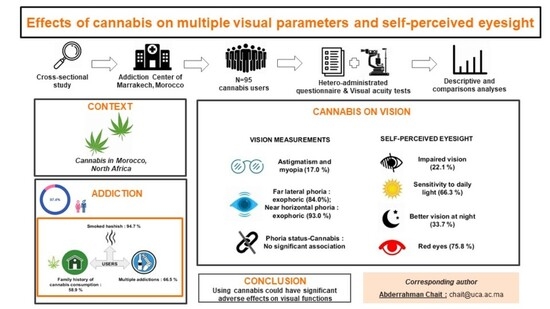
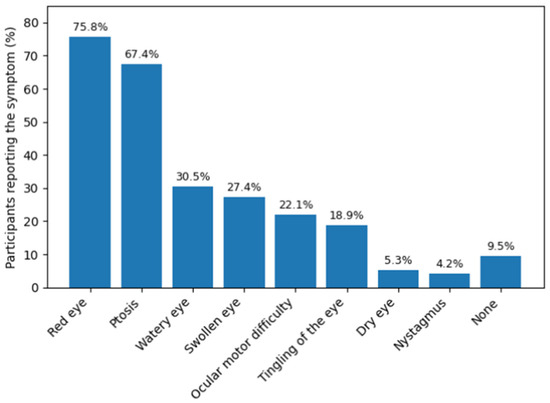
Cannabis is one of the most common intoxicants used worldwide. Cannabis is widely consumed worldwide and can lead to visual alterations. However, most of the available information on its effects comes from studies conducted in developed countries, while data remain limited in developing regions such as Morocco, despite its significant role in cannabis cultivation. The aim of this study was to explore multiple visual parameters and self-perceived eyesight in cannabis users in Morocco. A cross-sectional study was conducted between March 2022 and April 2023 in Marrakesh, Morocco, in cannabis consumers. Data collection was performed in two phases. First a hetero-administrated questionnaire was used to collect socio-demographics, intoxicant consumption habit information, and eye health information. Then, several visual acuity tests were performed, including a preliminary examination, a visual function assessment, and an eye health assessment. Ninety-five cannabis users participated in this study. The majority were single (62.1%) males (87.4%). All lived in the Marrakesh-Safi region (100%), and most had daily activities such as having a job or being a student (77.9%). Most had vision conditions like astigmatism or myopia (83.4%). The majority had multiple addictions (66.5%), mainly to tobacco (43.7%). Hashish was the main cannabis type used (57.9%), and smoked cannabis was the principal mode of consumption (94.7%). Many had a family history of cannabis addiction (58.9%). Day light sensitivity (66.3%) and appearance of eye symptoms after cannabis use (90.5%) were declared by the majority. In most cases, no impact on far or near vision or vision impairment due to cannabis use were declared. Our results showed that using cannabis could have significant adverse effects on visual functions.
Full article
(This article belongs to the Special Issue New Psychoactive Substances and Emerging Trends: Pharmacology, Neurotoxicity and Public Health Implications)
►▼
Show Figures

Graphical abstract
Open AccessReview
From Adults to Adolescents: Bridging Scientific Potential and Evidence-Based Paths for Psychedelic-Assisted Interventions
by
Mayank Gupta, Aaron Krasner and Priyal Khurana
Psychoactives 2026, 5(1), 2; https://doi.org/10.3390/psychoactives5010002 - 6 Jan 2026
Cited by 1
Abstract
Adolescent mental health conditions, particularly treatment-resistant depression (TRD), represent a growing public health challenge associated with high morbidity, functional impairment, and elevated suicide risk. Psychedelic-assisted therapies have shown robust antidepressant and transdiagnostic effects in rigorously controlled adult trials. Extending this work to adolescents
[...] Read more.
Adolescent mental health conditions, particularly treatment-resistant depression (TRD), represent a growing public health challenge associated with high morbidity, functional impairment, and elevated suicide risk. Psychedelic-assisted therapies have shown robust antidepressant and transdiagnostic effects in rigorously controlled adult trials. Extending this work to adolescents is scientifically compelling yet ethically complex, given neurodevelopmental vulnerabilities and the paucity of pediatric data. This review examines the historical context of psychedelic use, summarizes adult efficacy and mechanistic insights, explores adolescent-specific opportunities and risks, and considers applications in co-occurring neurodevelopmental disorders. Conventional treatments, including selective serotonin reuptake inhibitors and psychotherapy, are often inadequate for a narrow but substantial subset of clinical phenotypes, prompting interest in novel and rapid-acting interventions. Psychedelic-assisted therapies have shown promising results in adults with refractory mood disorders, yet their applicability to adolescents remains uncertain due to ongoing neurodevelopment and ethical constraints. This review critically examines evidence from adult psychedelic and psychedelic-adjacent interventions, including esketamine, and evaluates their potential relevance to adolescent populations through a developmental, mechanistic, and ethical lens. Rather than advocating for premature clinical adoption, we highlight translational gaps, developmental risks, and research priorities paramount to responsibly assess these approaches in youth.
Full article
(This article belongs to the Special Issue New Psychoactive Substances and Emerging Trends: Pharmacology, Neurotoxicity and Public Health Implications)
►▼
Show Figures

Figure 1
Open AccessReview
Cannabis, Extracts, and Individual Phytocannabinoids—All the Same or Substantially Different? A Call for Better Characterization of Cannabis Products
by
Gerhard Nahler
Psychoactives 2026, 5(1), 1; https://doi.org/10.3390/psychoactives5010001 - 4 Jan 2026
Abstract
Cannabis and its derivatives are increasingly popular. The public perception of “cannabis” is commonly related to abuse potential with no sharp distinction to “marijuana”, “cannabinoids”, “hemp”, and cannabis derivatives. Delta 9-tetrahydrocannabinol (THC)—rich cannabis (“marijuana”), needs to be distinguished from hemp and cannabidiol (CBD)—rich;
[...] Read more.
Cannabis and its derivatives are increasingly popular. The public perception of “cannabis” is commonly related to abuse potential with no sharp distinction to “marijuana”, “cannabinoids”, “hemp”, and cannabis derivatives. Delta 9-tetrahydrocannabinol (THC)—rich cannabis (“marijuana”), needs to be distinguished from hemp and cannabidiol (CBD)—rich; the former is psychotomimetic, while the latter is not, and it is increasingly used as a “health product”; the phytochemical composition makes the difference. However, this is still inadequately addressed. Without a detailed characterization of the components and effects conclusions cannot be generalized and are only applicable to the product used. Cannabis varieties have a highly variable phytochemical composition; the effects cannot always be attributed solely to the “main cannabinoids.” Growth conditions and processing methods also have a significant influence on the properties of the final product, even when the same cannabis variety is used. Therefore, the few comparative studies between extracts and the corresponding pure cannabinoids often produce conflicting results, as numerous preclinical and clinical examples demonstrate. They also show how little attention is paid to the phytochemical profile, even in scientific publications. Both in scientific research and consumer products, the phytochemical profile beyond the main cannabinoids should be disclosed in detail, especially since new cannabis products containing semi-synthetic CBD derivatives have recently entered the market.
Full article
Open AccessReply
Cautions on the Notion of Moral Enhancement with Psychedelics. Reply to Kähönen, J. Subjective Effects of Psychedelics Are the Plausible Mechanism of Psychedelic Moral Enhancement Rather than a Risk. Comment on “Tang, B.L. Psychedelics for Moral Bioenhancement in Healthy Individuals—A Violation of the Non-Maleficence Principle? Psychoactives 2025, 4, 5”
by
Bor Luen Tang
Psychoactives 2025, 4(4), 44; https://doi.org/10.3390/psychoactives4040044 - 17 Dec 2025
Abstract
Kähönen argued that the harms associated with psychedelics have been overstated, while evidence for the latter’s moral enhancing effects was disregarded, in my earlier commentary. Here, I respond to these arguments and maintain that the notion of moral enhancement with psychedelics needs substantially
[...] Read more.
Kähönen argued that the harms associated with psychedelics have been overstated, while evidence for the latter’s moral enhancing effects was disregarded, in my earlier commentary. Here, I respond to these arguments and maintain that the notion of moral enhancement with psychedelics needs substantially more scientific evidence and extended bioethical debates.
Full article
Open AccessComment
Subjective Effects of Psychedelics Are the Plausible Mechanism of Psychedelic Moral Enhancement Rather than a Risk. Comment on Tang, B.L. Psychedelics for Moral Bioenhancement in Healthy Individuals—A Violation of the Non-Maleficence Principle? Psychoactives 2025, 4, 5
by
Juuso Kähönen
Psychoactives 2025, 4(4), 43; https://doi.org/10.3390/psychoactives4040043 - 17 Dec 2025
Cited by 2
Abstract
In a recent Psychoactives article, Bor Luen Tang argues against psychedelic moral bioenhancement (PMBE)—the use of classic psychedelics such as psilocybin to foster moral growth in healthy individuals [...]
Full article
Open AccessSystematic Review
A Systematic Review of the Prevalence of Substance Abuse in the South Pacific Region
by
Wole Akosile, Daniel McDonald, Henry Aghanwa and Bola Ola
Psychoactives 2025, 4(4), 42; https://doi.org/10.3390/psychoactives4040042 - 3 Dec 2025
Cited by 1
Abstract
►▼
Show Figures
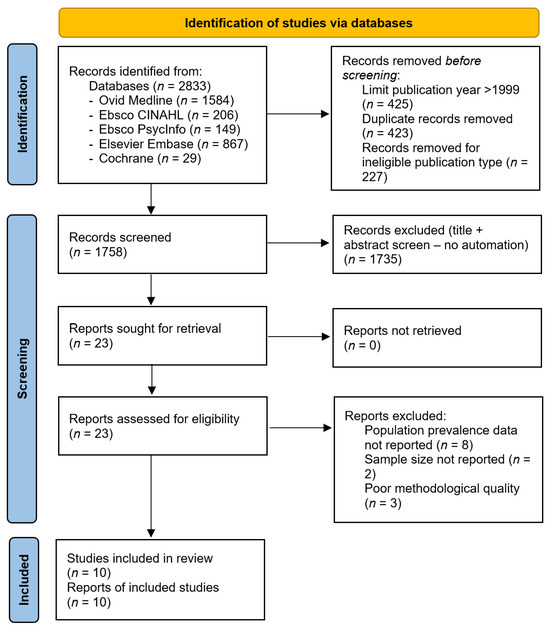
Background: This review examines the prevalence of substance abuse and related disorders in South Pacific nations. Methods: The review focused on data included in reports published since 2000 from countries like Samoa, Papua New Guinea, Fiji, and French Polynesia, excluding Hawaii, New Zealand,
[...] Read more.
Background: This review examines the prevalence of substance abuse and related disorders in South Pacific nations. Methods: The review focused on data included in reports published since 2000 from countries like Samoa, Papua New Guinea, Fiji, and French Polynesia, excluding Hawaii, New Zealand, Australia, and American Samoa. Prevalence studies indexed in Medline, CINAHL, PsycInfo, Embase, and Cochrane were screened and retrieved. Joanna Briggs Institute critical appraisal tools were used to assess included studies. Results: Ten studies with diverse methods, such as national surveys, were analysed. Results show high variability in prevalence across countries, sexes, and ethnicities. Notably, tobacco and betel nut use are prevalent. Indigenous populations and men face higher SUD burdens. Discussion: inconsistencies in study methods and reliance on self-reporting limit direct comparison. Data on co-occurring disorders and polysubstance use are limited, highlighting research gaps. The review emphasises the need for culturally sensitive, standardised research to monitor emerging trends like synthetic drug use. Policy suggestions call for targeted interventions and improved surveillance to reduce disparities and support vulnerable populations in Pacific Island communities.
Full article

Figure 1
Open AccessReview
A Comparative Neurophenomenology of the Psychedelic State and Autism: Predictive Processing as a Unifying Lens
by
William Roseby and Catriona Osborn Moar
Psychoactives 2025, 4(4), 41; https://doi.org/10.3390/psychoactives4040041 - 14 Nov 2025
Abstract
Serotonergic psychedelics, particularly psilocybin, lysergic acid diethylamide (LSD), and dimethyltryptamine (DMT), are increasingly recognised as powerful tools to advance the understanding of consciousness and its relation to brain activity. Psychedelic research has informed neuroscientific theories that attempt to map neural observations of network
[...] Read more.
Serotonergic psychedelics, particularly psilocybin, lysergic acid diethylamide (LSD), and dimethyltryptamine (DMT), are increasingly recognised as powerful tools to advance the understanding of consciousness and its relation to brain activity. Psychedelic research has informed neuroscientific theories that attempt to map neural observations of network connectivity and signal diversity to phenomenological qualities like psychological flexibility. Thus far, however, there have been relatively limited efforts to bridge the gap between psychedelic-informed theory and the experiential differences observed in neurodevelopmental conditions such as autism. In this narrative review and conceptual synthesis, we compare the psychedelic state and autism in adults from a neurophenomenological perspective. Predictive processing is invoked as a unifying framework. This procedure highlights both phenomena as involving a shift towards sensory information relative to prior knowledge, but potentially implicating alterations at opposite ends of the cortical hierarchy. This contrastive approach also reveals opportunities for refining concepts—including psychological flexibility—as well as interpretations of results across fields. However, neurobiological findings, especially in autism, are heterogeneous and there are inherent restrictions in comparing transient state and lifelong trait phenomena. Conclusions of this comparison are primarily conceptual and offer testable hypotheses for the neurophenomenology of the psychedelic state, autism, and their interaction.
Full article
Open AccessReview
A Bibliometric Review of Genetic Research on Methamphetamine
by
Caroline Anastasia Fernando, Akila Randika Jayamaha, Nafeesa Noordeen, Tibutius Thanesh Pramanayagam Jayadas, Chinthika Gunasekara, Chandima Jeewandara and Neluka Fernando
Psychoactives 2025, 4(4), 40; https://doi.org/10.3390/psychoactives4040040 - 13 Nov 2025
Abstract
►▼
Show Figures
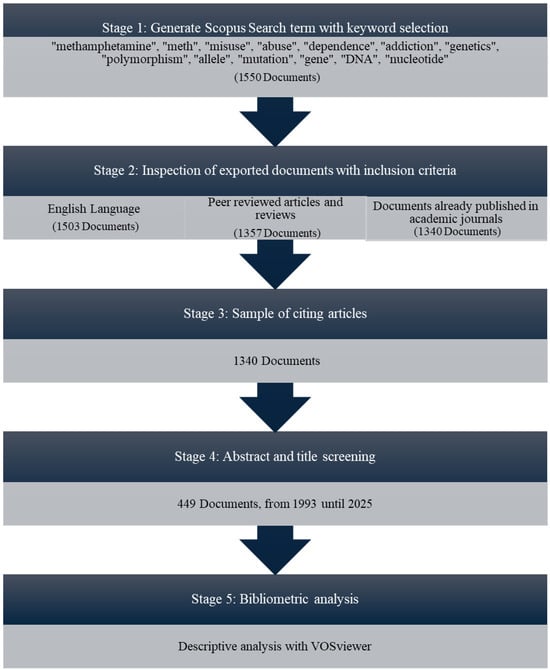
Methamphetamine is a highly addictive stimulant with severe health and psychosocial consequences. Over recent decades, genetic and molecular research on methamphetamine use disorders has expanded considerably, yet a comprehensive synthesis of this growing body of literature is lacking. This study conducted a bibliometric
[...] Read more.
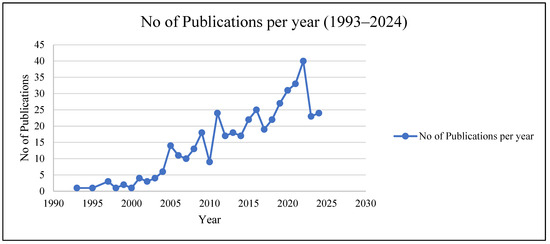
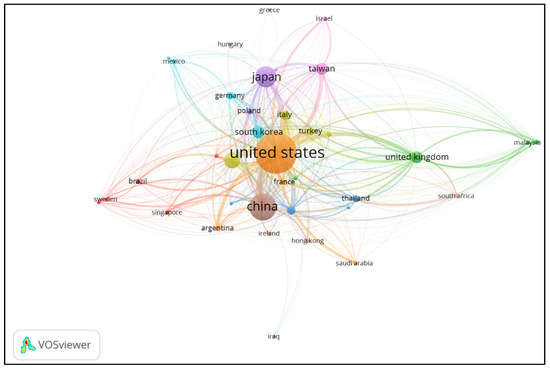
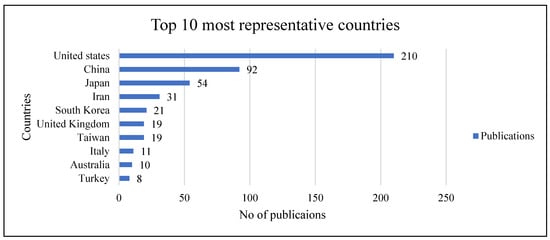
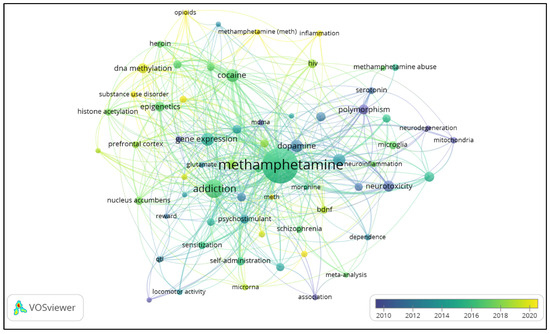
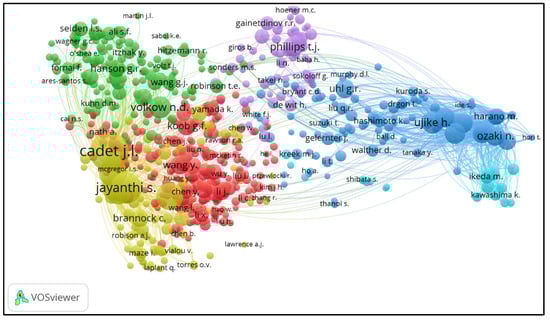
Methamphetamine is a highly addictive stimulant with severe health and psychosocial consequences. Over recent decades, genetic and molecular research on methamphetamine use disorders has expanded considerably, yet a comprehensive synthesis of this growing body of literature is lacking. This study conducted a bibliometric analysis to map the scientific landscape of genetic and molecular biology research on methamphetamine use, identifying key contributors, influential publications, publication trends, and co-occurring keywords and citations. A systematic search of the Scopus database retrieved 1550 documents. After applying the inclusion criteria and manual screening, 449 peer-reviewed articles published between 1993 and 2025 were included. Performance analysis and scientific mapping were conducted using VOSviewer software through bibliographic coupling and keyword co-occurrence. The study followed the BIBLIO checklist for reporting bibliometric reviews in biomedical literature. Publication output increased markedly after 2005, peaking in 2022, followed by a decline that may reflect a shift in research priorities. The United States, China, and Japan emerged as leading contributors, underscoring their significant investment in addiction and molecular research. Keyword co-occurrence revealed strong emphasis on addiction, dopamine, neurotoxicity, gene expression, and genetic polymorphisms, highlighting their central role in the pathophysiology of methamphetamine use disorders. This bibliometric analysis demonstrates substantial growth and influence of genetic research on methamphetamine use. Despite a recent decline in publications, the field provides a solid foundation for future interdisciplinary research and funding priorities in addiction genetics.
Full article

Figure 1
Open AccessReview
Hormonal Influences on Psilocybin Responsivity Across the Female Lifespan: Toward Personalized Psychedelic-Assisted Therapy
by
Faith Ekoh, Shanice Rerrie, James Angud and Ersilia Mirabelli
Psychoactives 2025, 4(4), 39; https://doi.org/10.3390/psychoactives4040039 - 2 Nov 2025
Abstract
►▼
Show Figures
Today’s research highlights the therapeutic potential of the hallucinogen psilocybin in the treatment of pathologies associated with mood, cognitive, and affective dysregulation. These domains of function are regulated by the serotonergic system, which can be influenced by sex hormones, like estrogen and testosterone,
[...] Read more.
Today’s research highlights the therapeutic potential of the hallucinogen psilocybin in the treatment of pathologies associated with mood, cognitive, and affective dysregulation. These domains of function are regulated by the serotonergic system, which can be influenced by sex hormones, like estrogen and testosterone, and psychedelic compounds including psilocybin. Current evidence supports a higher prevalence of affective disorders in females, and a growing awareness of sex-based differences in response to drug therapy. Estrogen’s influence on serotonin physiology is an aspect that must be accounted for when planning a treatment regimen that includes a psychoactive drug such as psilocybin. A review of the current literature was conducted, and an analysis of how the fluid hormonal states in females across their different reproductive phases may impact serotonin dynamics, synaptic plasticity, and therapeutic timing of psilocybin use is discussed. Future research should focus on the influence of sex hormones on psychedelic-assisted therapy in the effort to further personalize treatment plans for these pathologies.
Full article

Figure 1
Open AccessReview
Suicidal Ideation, Suicide Attempts, and Non-Suicidal Self-Injury Associated with Opioid Misuse Among Adolescents and Young Adults in the USA: A Scoping Review of Emerging Patterns and Risks
by
Sharmistha Roy, Ashis Kumar Biswas and Manoj Sharma
Psychoactives 2025, 4(4), 38; https://doi.org/10.3390/psychoactives4040038 - 28 Oct 2025
Cited by 1
Abstract
►▼
Show Figures
Opioid misuse and suicide among youth remain pressing public health challenges. This scoping review examined studies published between 2020 and 2024 on associations between opioid misuse and suicidal ideation, suicide attempts, or non-suicidal self-injury (NSSI) among adolescents and young adults aged 12–30, emphasizing
[...] Read more.
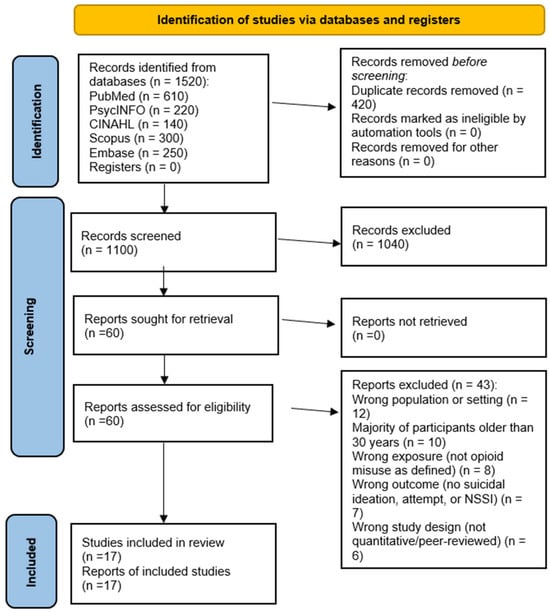
Opioid misuse and suicide among youth remain pressing public health challenges. This scoping review examined studies published between 2020 and 2024 on associations between opioid misuse and suicidal ideation, suicide attempts, or non-suicidal self-injury (NSSI) among adolescents and young adults aged 12–30, emphasizing sex and racial or ethnic differences. Guided by Arksey and O’Malley’s framework and PRISMA-ScR, we searched MEDLINE (PubMed), PsycINFO, Scopus, Embase, and CINAHL for peer-reviewed cross-sectional studies in English. Eligible studies assessed nonmedical prescription or illicit opioid use and excluded clinical or incarcerated samples and those with older participants. Seventeen studies met the inclusion criteria. Fifteen analyzed U.S. national or state data, one examined youth in the Northern Mariana Islands, and one used Canadian data. Sixteen studies identified a positive association between opioid misuse and suicide-related outcomes, while one showed a recency gradient, with current misuse carrying the highest risk. Other findings showed that frequent misuse increased risk, multiple substance use heightened danger, and females and youth from racial and ethnic minority groups were more vulnerable. Opioid misuse is strongly associated with suicide risk. Integrated, sex- and culturally responsive prevention strategies are needed, alongside further research clarifying mechanisms and protective factors.
Full article

Figure 1
Open AccessCase Report
Profound Opioid and Medetomidine Withdrawal: A Case Series and Narrative Review of Available Literature
by
Phil Durney, Elise Paquin, Gamal Fitzpatrick, Drew Lockstein, TaReva Warrick-Stone, Maeve Montesi, Sejal H. Patel-Francis, Jamal Rashid, Oluwarotimi Vaughan-Ogunlusi, Kelly Goodsell, Jennifer L. Kahoud, Christopher Martin, Keira Chism, Paul Goebel, Karen Alexander, Dennis Goodstein and Kory S. London
Psychoactives 2025, 4(4), 37; https://doi.org/10.3390/psychoactives4040037 - 23 Oct 2025
Abstract
Medetomidine, a potent central acting α2 agonist, has emerged as a fentanyl adulterant in the non-medical opioid supply. Its use has been linked to a novel withdrawal syndrome that is often resistant to conventional treatment protocols. Four cases are presented exemplifying extreme, but
[...] Read more.
Medetomidine, a potent central acting α2 agonist, has emerged as a fentanyl adulterant in the non-medical opioid supply. Its use has been linked to a novel withdrawal syndrome that is often resistant to conventional treatment protocols. Four cases are presented exemplifying extreme, but increasingly common forms of this withdrawal syndrome. A literature review is provided demonstrating both the paucity of available literature as well as potential avenues for treatment and future research. As adulterants continue to proliferate in the illicit drug supply, clinicians should anticipate atypical withdrawal phenotypes and consider early intervention.
Full article
(This article belongs to the Special Issue New Psychoactive Substances and Emerging Trends: Pharmacology, Neurotoxicity and Public Health Implications)
►▼
Show Figures

Figure 1
Open AccessArticle
Cannabis Use Motives Associated with Mental Health Screening Among Older Adults
by
Rachel E. Thayer, Juliamaria Coromac-Medrano and Adrianna C. Neiderman
Psychoactives 2025, 4(4), 36; https://doi.org/10.3390/psychoactives4040036 - 5 Oct 2025
Cited by 1
Abstract
►▼
Show Figures
Cannabis use (CU) motives among older adults (OA) could be an important indicator of broader mental health. OA ages 60+ (N = 78) reported on CU, alcohol consumption, and mood and anxiety. Coping, enhancement, social, conformity, expansion, and routine motives were assessed.
[...] Read more.
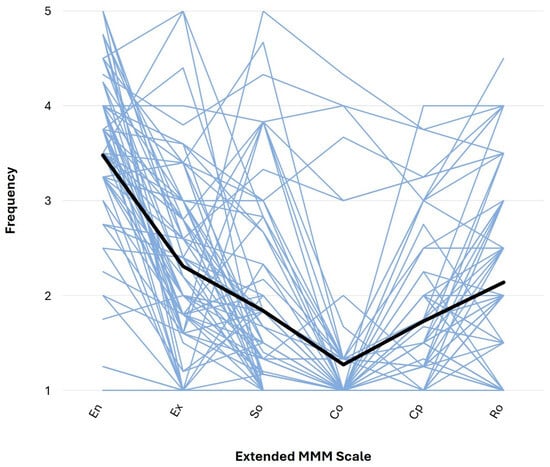
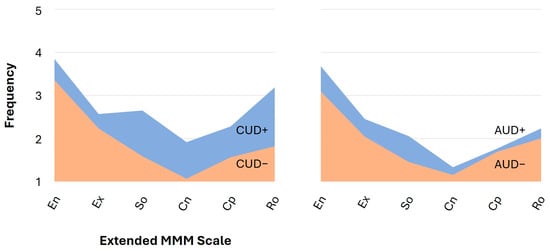
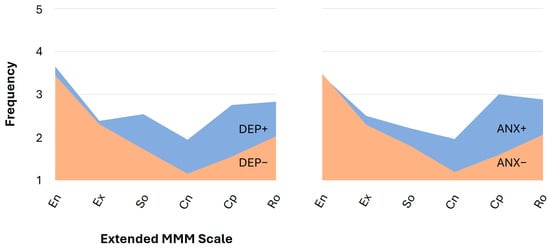
Cannabis use (CU) motives among older adults (OA) could be an important indicator of broader mental health. OA ages 60+ (N = 78) reported on CU, alcohol consumption, and mood and anxiety. Coping, enhancement, social, conformity, expansion, and routine motives were assessed. Relationships among CU, alcohol consumption, and screenings for Cannabis Use Disorder (CUD), Alcohol Use Disorder (AUD), depression, and anxiety were examined. OA who screened positive for CUD were not different in CU frequency or alcohol consumption, but did endorse higher routine, social, coping, and conformity motives than OA endorsing non-harmful CU (d = 1.01 to 1.70). Participants who screened positive for depression or anxiety endorsed higher coping (d = 1.87, 2.18) and routine (d = 0.83, 0.85) motives in the absence of higher alcohol or CU. Higher routine motives were particularly associated with positive CUD screening, beyond other motives and CU frequency. Healthcare providers serving OA with CU should ask about motives to help determine if further mental health evaluation is warranted.
Full article

Figure 1
Open AccessSystematic Review
Digital Enablement of Psychedelic-Assisted Therapy in Non-Clinical Settings: A Systematic Review of Safety, Efficacy, and Implementation Models
by
Brendan Driscoll and Shaheen E. Lakhan
Psychoactives 2025, 4(4), 35; https://doi.org/10.3390/psychoactives4040035 - 1 Oct 2025
Abstract
►▼
Show Figures
Psychedelic-assisted therapy offers rapid and profound benefits for treatment-resistant psychiatric conditions but remains constrained by the need for intensive, clinic-based administration. Concurrently, advances in digital health technologies have introduced scalable tools. This systematic review evaluates the safety, efficacy, and implementation of digitally enabled
[...] Read more.
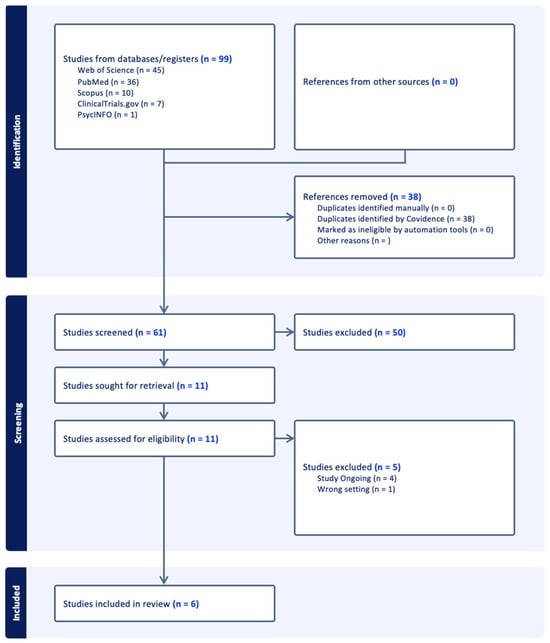
Psychedelic-assisted therapy offers rapid and profound benefits for treatment-resistant psychiatric conditions but remains constrained by the need for intensive, clinic-based administration. Concurrently, advances in digital health technologies have introduced scalable tools. This systematic review evaluates the safety, efficacy, and implementation of digitally enabled psychedelic-assisted therapy delivered in non-clinical settings. A comprehensive search of five databases, registered in PROSPERO (CRD420251020968) and conducted in accordance with PRISMA guidelines, identified six eligible studies including real-world analyses, clinical trials, qualitative research, and case reports, representing a total of 12,731 participants. Most studies examined at-home ketamine or esketamine therapy supported by telehealth platforms or mobile applications. Data were synthesized narratively given the heterogeneity of designs and outcomes. Digital enablement was associated with high response rates (ranging from 56.4% to 62.8% for depression) and rapid symptom improvement, particularly in depression and anxiety. Remote monitoring and digital tools demonstrated feasibility and acceptability, but serious safety concerns—including psychiatric adverse events and one unintentional overdose—underscore the need for strict oversight. Risk of bias was moderate to serious across non-randomized studies, limiting confidence in the findings. One study on virtual ayahuasca rituals highlighted the sociocultural potential and limitations of online practices. Despite promising preliminary findings, the field is marked by low methodological rigor and absence of controlled trials. Digitally supported at-home psychedelic therapy represents a transformative but high-stakes frontier, requiring robust research and safeguards to ensure safe, equitable, and effective implementation. No funding was received for this review, and the authors declare no conflicts of interest.
Full article

Figure 1

Highly Accessed Articles
Latest Books
E-Mail Alert
News
Topics
Conferences
Special Issues
Special Issue in
Psychoactives
New Psychoactive Substances and Emerging Trends: Pharmacology, Neurotoxicity and Public Health Implications
Guest Editors: Daniel José Barbosa, Ana Filipa Sobral, Renata Silva, Ricardo Dinis-OliveiraDeadline: 30 June 2026