Analysis of the Toll-Like Receptor 2-2 (TLR2-2) and TLR4 mRNA Expression in the Intestinal Mucosal Immunity of Broilers Fed on Diets Supplemented with Nickel Chloride


Abstract
1. Introduction
2. Materials and Methods
2.1. Chickens and Diets
2.2. Detection of TLR2 and TLR4 mRNA Expression Levels in the Intestinal Mucosa and the Cecal Tonsil by qRT-PCR

| Gene Symbol | Accession Number | Primer | Primer Sequence (5′ → 3′) |
|---|---|---|---|
| TLR2-2 | AB046533 | F | AGGCACTTGAGATGGAGCAC |
| R | CCTGTTATGGGCCAGGTTTA | ||
| TLR4 | AY064697 | F | AGTCTGAAATTGCTGAGCTCAAAT |
| R | GCGACGTTAAGCCATGGAAG | ||
| β-Actin | L08165 | F | TGCTGTGTTCCCATCTATCG |
| R | TTGGTGACAATACCGTGTTCA |
2.3. Statistical Analysis
3. Results
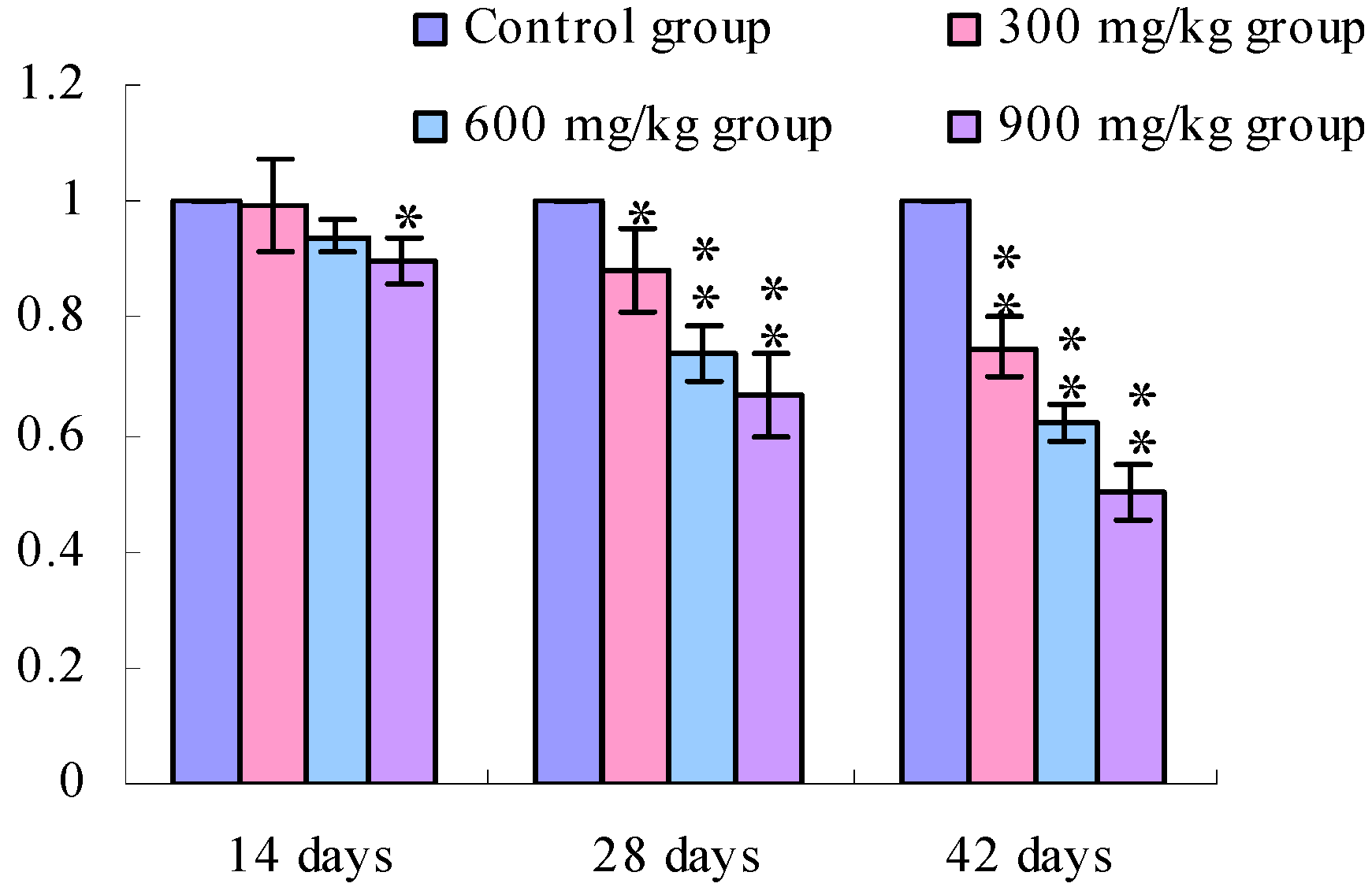
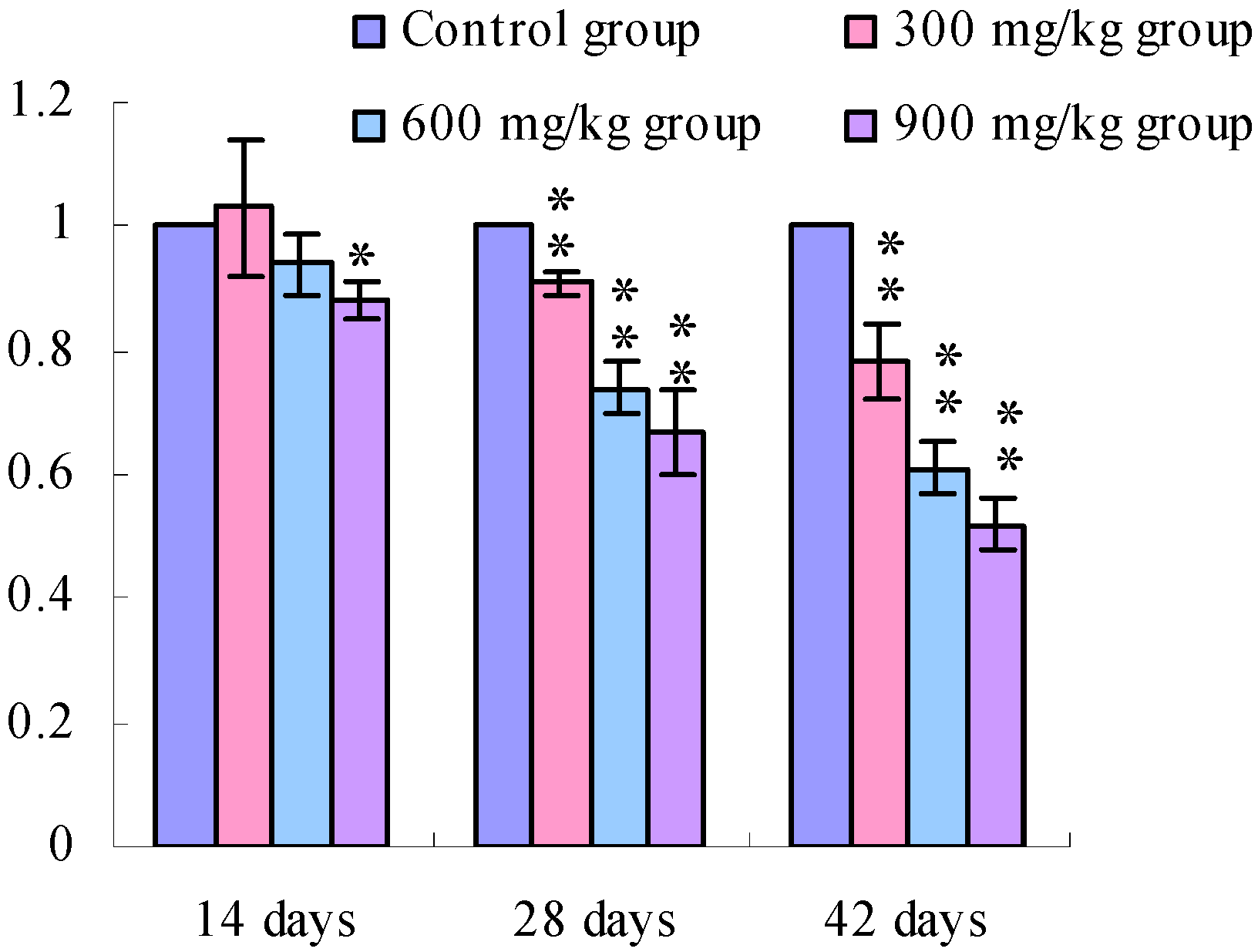
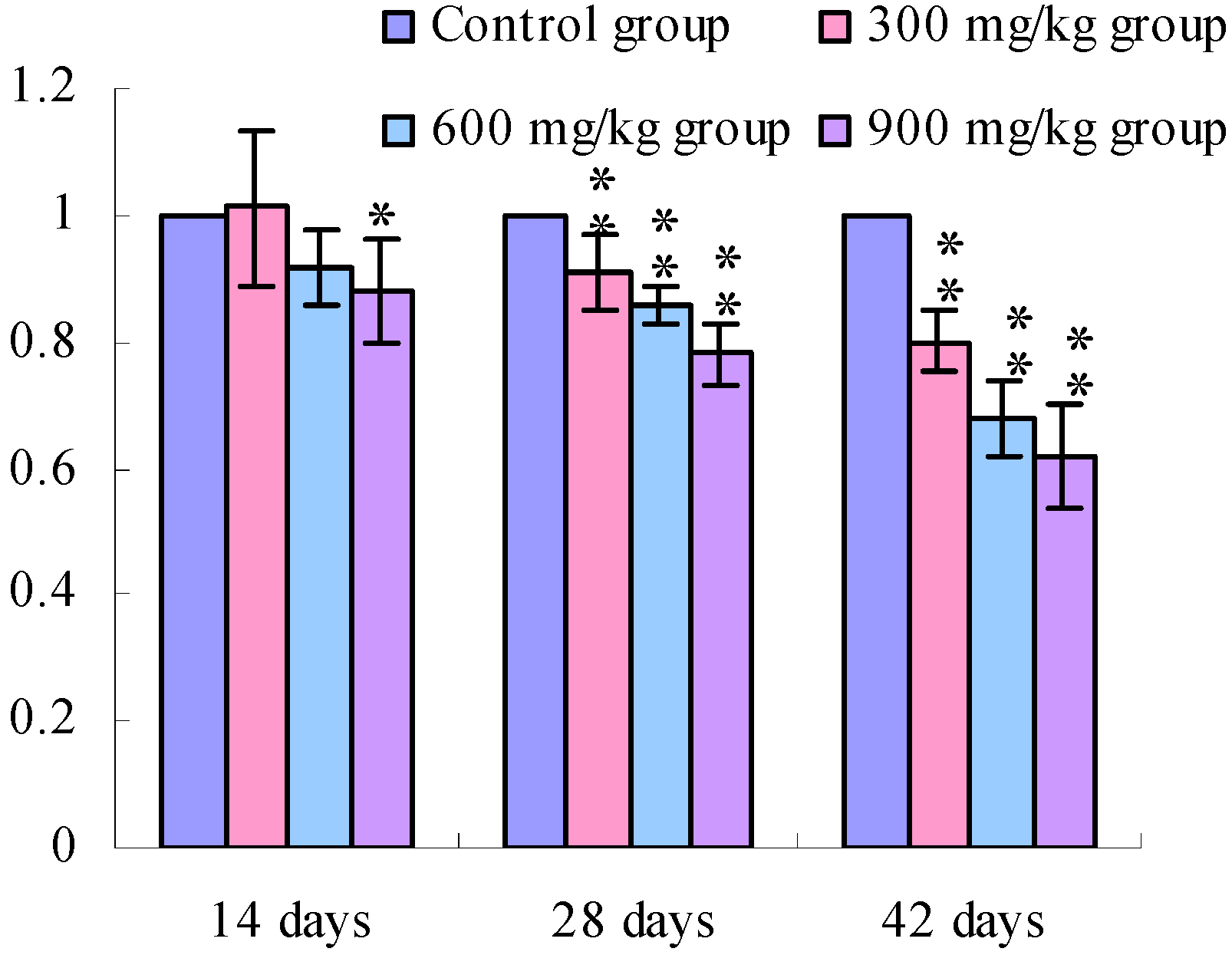
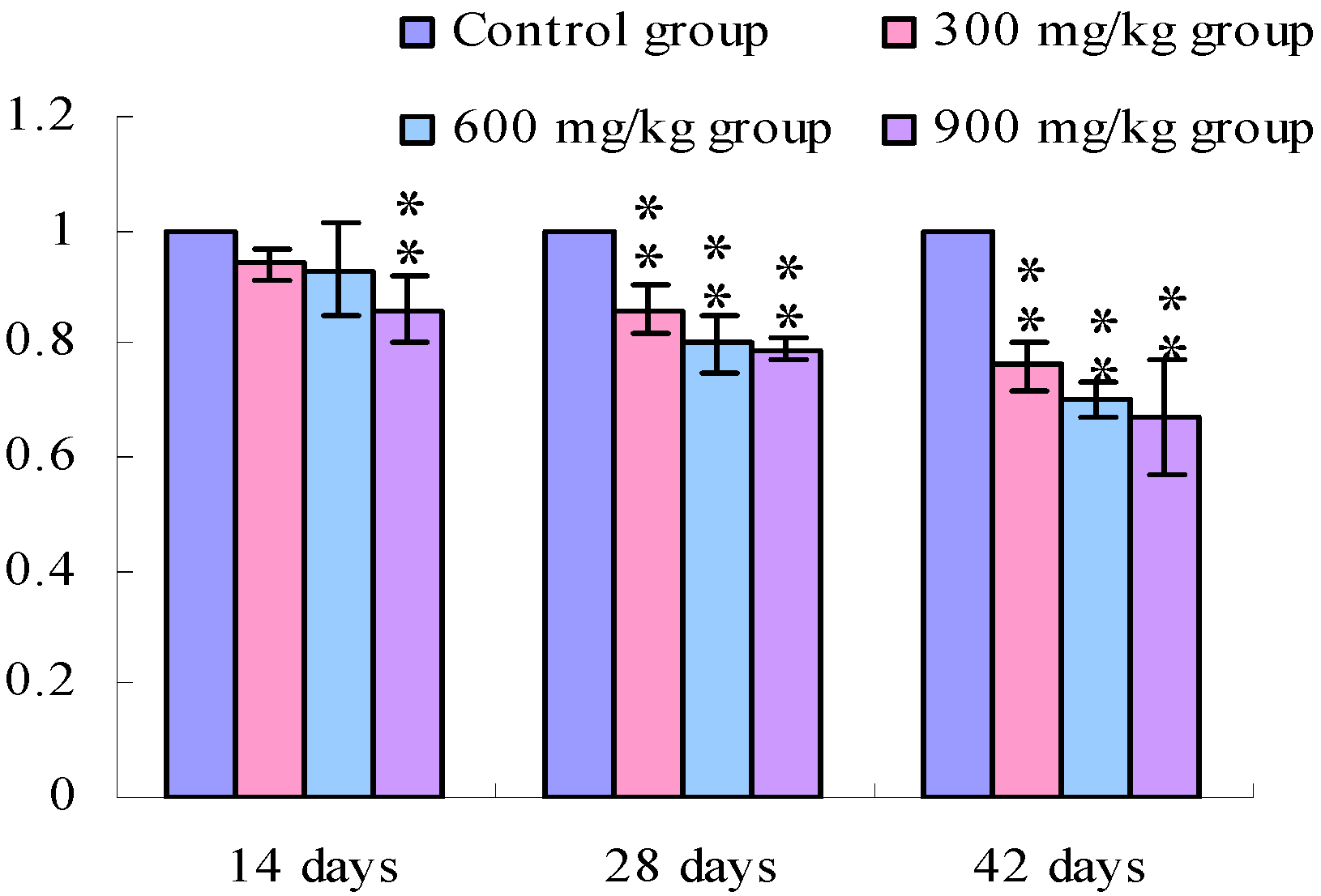
3.1. Changes of the TLR2-2 mRNA Expression Levels

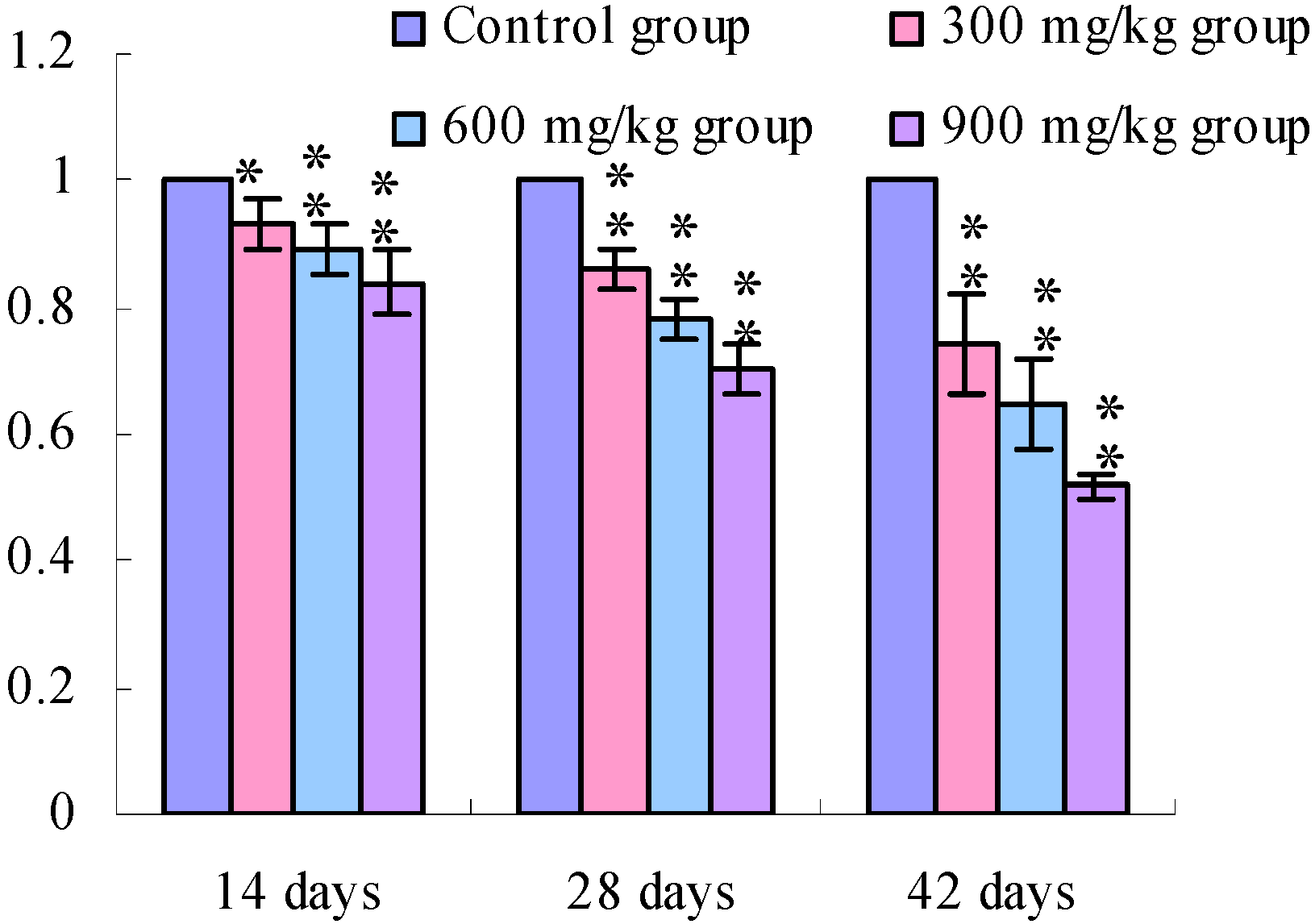
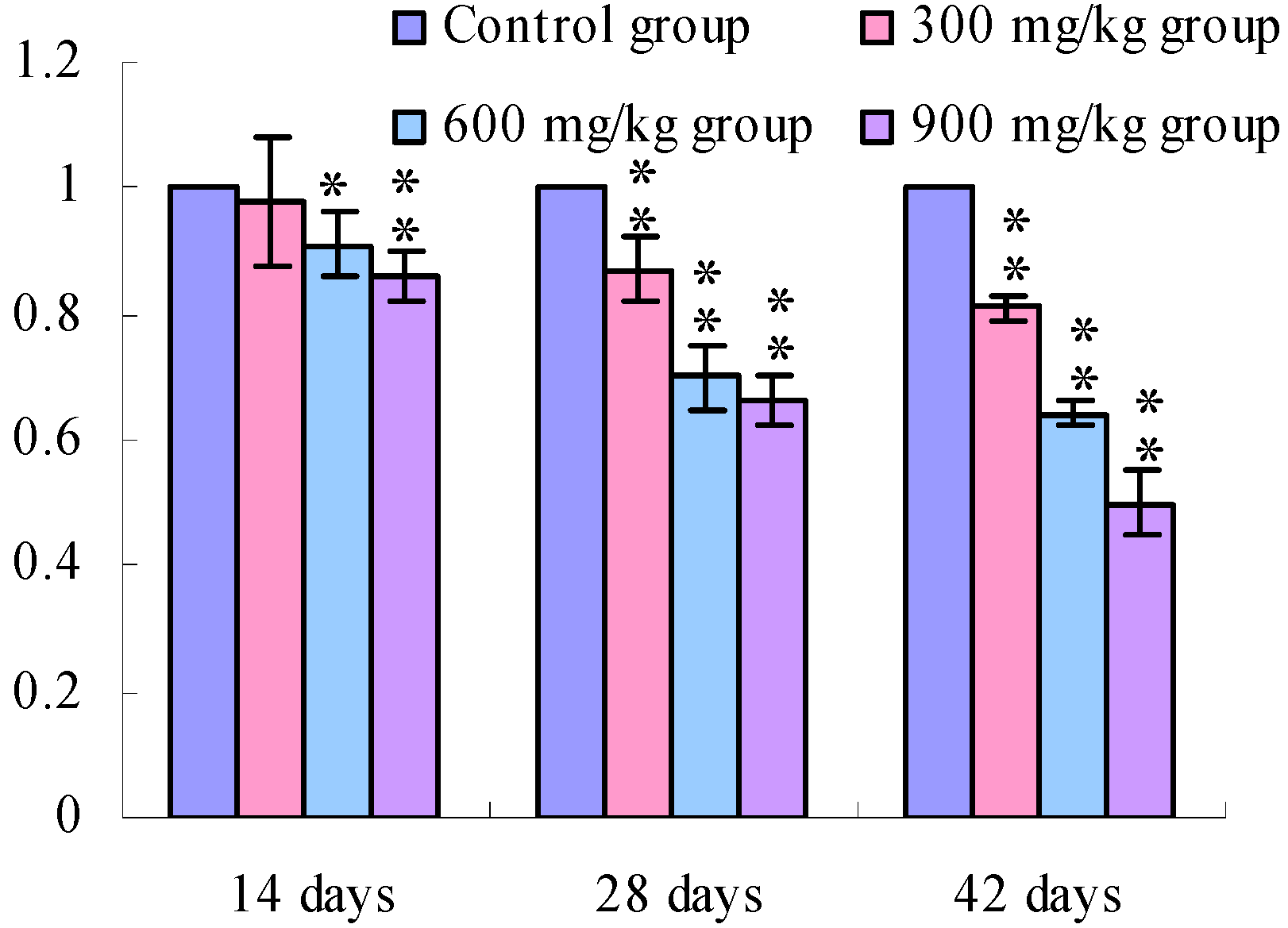
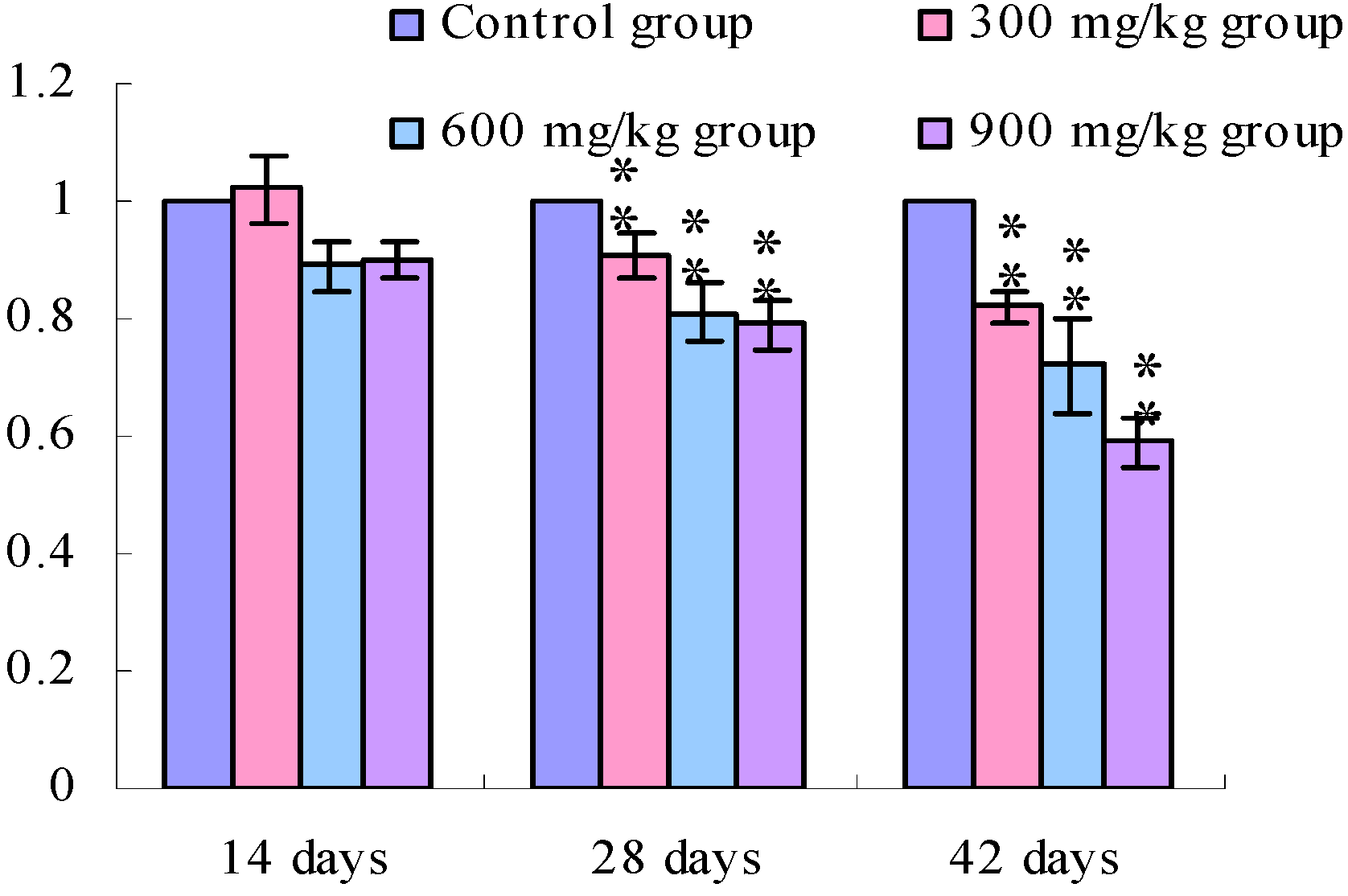
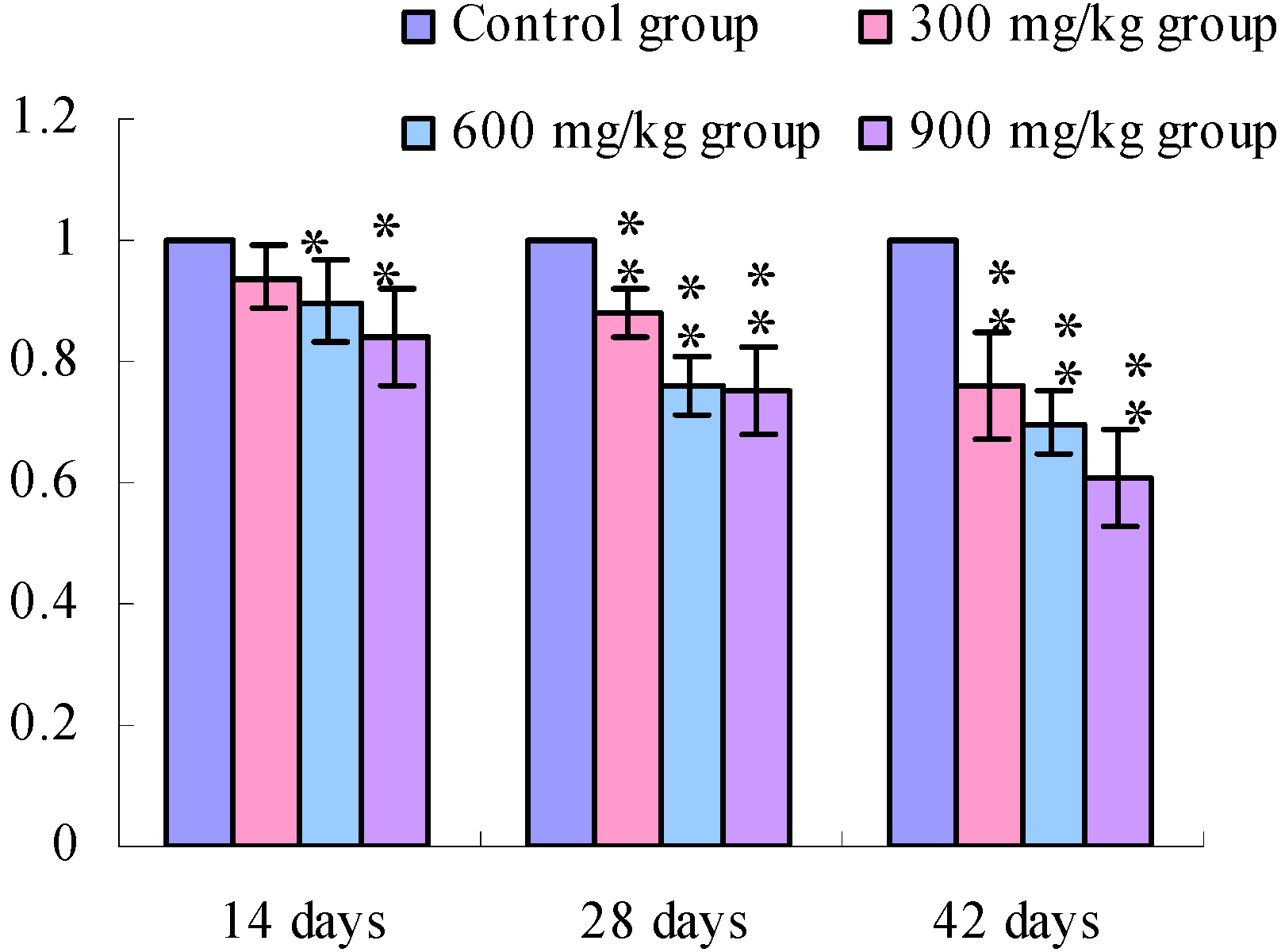
3.2. Changes of the TLR4 mRNA Expression Levels
4. Discussion
5. Conclusions
Acknowledgments
Conflicts of Interest
References
- Grandjean, P. Human exposure to Ni. IARC Sci. Publ. 1984, 53, 469–485. [Google Scholar]
- Marzec, Z. Alimentary chromium, Ni, and selenium intake of adults in Poland estimated by analysis and calculations using the duplicate portion technique. Nahrung 2004, 48, 47–52. [Google Scholar] [CrossRef]
- Spears, J.W. Ni is a “newer trace element” in the nutrition of domestic animals. J. Anim. Sci. 1984, 59, 823–835. [Google Scholar]
- Samal, L.; Mishra, C. Significance of Ni in livestock health and production. IJAVMS 2011, 5, 349–361. [Google Scholar] [CrossRef]
- Kasprzak, K.S.; Sunderman, F.W., Jr.; Salnikow, K. Ni carcinogenesis. Mutat. Res. Fundam. Mol. Mech. Mutagen. 2003, 533, 67–97. [Google Scholar] [CrossRef]
- Lidén, C.; Carter, S. Ni release from coins. Contact Dermatitis 2001, 44, 160–165. [Google Scholar] [CrossRef]
- Lidén, C.; Skare, L.; Vahter, M. Release of Ni from coins and deposition onto skin from coin handling-comparing euro coins and SEK. Contact Dermatitis 2008, 59, 31–37. [Google Scholar] [CrossRef]
- Shen, H.M.; Zhang, Q.F. Risk assessment of Ni carcinogenicity and occupational lung cancer. Environ.Health Perspect. 1994, 102, 275–282. [Google Scholar] [CrossRef]
- Costa, M.; Zhuang, Z.X.; Huang, X.; Cosentino, S.; Klein, C.B.; Salnikow, K. Molecular mechanisms of Ni carcinogenesis. Sci. Total Environ. 1994, 148, 191–199. [Google Scholar] [CrossRef]
- Oller, A.R.; Costa, M.; Oberdorster, G. Carcinogenicity assessment of selected Ni compounds. Toxicol. Appl. Pharm. 1997, 143, 152–166. [Google Scholar] [CrossRef]
- Schaumloffel, D. Ni species: Analysis and toxic effects. J. Trace Elem. Med. Biol. 2012, 26, 1–6. [Google Scholar] [CrossRef]
- Anke, M.; Groppel, B.; Krause, U.; Langer, M. Further Data on the Biological Essentiality of Nickel. In Trace Elements in Man and Animals 6; Hurley, L.S., Keen, C.L., Lonnerdal, B., Rucker, R.B., Eds.; Plenum: New York, NY, USA, 1988. [Google Scholar]
- Ling, J.R.; Leach, M., Jr. Studies on nickel metabolism: Interaction with other elements. Poult. Sci. 1979, 58, 591–596. [Google Scholar] [CrossRef]
- Schmidt, M.; Raghavan, B.; Müller, V.; Vogl, T.; Fejer, G.; Tchaptchet, S.; Keck, S.; Kalis, C.; Nielsen, P.J.; Galanos, C.; et al. Crucial role for human Toll-like receptor 4 in the development of contact allergy to nickel. Nat. Immunol. 2010, 11, 814–819. [Google Scholar] [CrossRef]
- Kopp, E.B.; Medzhitov, R. The toll-receptor family and control of innate immunity. Curr. Opin. Immunol. 1999, 11, 13–18. [Google Scholar] [CrossRef]
- Zarember, K.A.; Godowski, P.J. Tissue expression of human toll-like receptors and differential regulation of toll-like receptor mRNAs in leukocytes in response to microbes, their products, and cytokine. J. Immunol. 2002, 168, 554–561. [Google Scholar]
- Humberd, J.; Boyd, K.; Webster, R.G. Emergence of influenza A virus variants after prolonged shedding from pheasants. J. Virol. 2007, 81, 4044–4051. [Google Scholar] [CrossRef]
- Chung, C.S.; Song, G.Y.; Moldawer, L.L.; Chaudry, I.H.; Ayala, A. Neither Fas ligand nor endotoxin is responsible for inducible peritoneal phagocyte apoptosis during sepsis/peritonitis. J. Surg. Res. 2000, 91, 147–153. [Google Scholar] [CrossRef]
- Medvedev, A.E.; Kopydlowski, K.M.; Vogel, S.N. Inhibition of lipopolysaccharide-induced signal transduction in endotoxin-tolerized mouse macrophages: Dysregulation of cytokine, chemokine, and toll-like receptor 2 and 4 gene expression. J. Immunol. 2000, 164, 5564–5574. [Google Scholar]
- Sato, S.; Nomura, F.; Kawai, T.; Takeuchi, O.; Mühlradt, P.F.; Takeda, K.; Akira, S. Synergy and cross-tolerance between toll-like receptor (TLR) 2-and TLR4-mediated signaling pathways. J. Immunol. 2000, 165, 7096–7101. [Google Scholar]
- Thoma-Uszynski, S.; Kiertscher, S.M.; Ochoa, M.T.; Bouis, D.A.; Norgard, M.V.; Miyake, K.; Godowski, P.J.; Roth, M.D.; Modlin, R.L. Activation of toll-like receptor 2 on human dendritic cells triggers induction of IL-12, but not IL-10. J. Immunol. 2000, 165, 3804–3810. [Google Scholar]
- Wang, Q.; Dziarski, R.; Kirschning, C.J.; Muzio, M.; Gupta, D. Micrococci and peptidoglycan activate TLR2→MyD88→IRAK→TRAF→NIK→IKK→NF-κB signal transduction pathway that induces transcription of interleukin-8. Infect. Immun. 2001, 69, 2270–2276. [Google Scholar] [CrossRef]
- Anderson, K.V.; Jurgens, G.; Nusslein-Volhard, C. Establishment of dorsal-ventral polarity in the Drosophila embryo: Genetic studies on the role of the Toll gene product. Cell 1985, 42, 779–789. [Google Scholar] [CrossRef]
- Halfon, M.S.; Hashimoto, C.; Keshishian, H. The Drosophila toll gene functions zygotically and is necessary for proper motoneuron and muscle development. Dev. Biol. 1995, 169, 151–167. [Google Scholar] [CrossRef]
- Keith, F.J.; Gay, N.J. The Drosophila membrane receptor Toll can function to promote cellular adhesion. EMBO J. 1990, 9, 4299–4306. [Google Scholar]
- Hajjar, A.M.; O’Mahony, D.S.; Ozinsky, A.; Underhill, D.M.; Aderem, A.; Klebanoff, S.J.; Wilson, C.B. Cutting edge: Functional interactions between Toll-like receptor (TLR) 2 and TLR1 or TLR6 in response to phenolsoluble modulin. J. Immunol. 2001, 166, 15–19. [Google Scholar]
- Ozinsky, A.; Underhill, D.M.; Fontenot, J.D.; Hajjar, A.M.; Smith, K.D.; Wilson, C.B.; Schroeder, L.; Aderem, A. The repertoire for pattern recognition of pathogens by the innate immune system is defined by cooperation between Toll-like receptors. Proc. Natl. Acad. Sci. USA 2000, 97, 13766–13771. [Google Scholar] [CrossRef]
- Ulevitch, R.J. Immunology: Toll gates for pathogen selection. Nature 1999, 401, 755–756. [Google Scholar] [CrossRef]
- Akter, S.; Khan, M.Z.I.; Jahan, M.R.; Karim, M.R.; Islam, M.R. Histomorphological study of the lymphoid tissues of broiler chickens. Bangladesh J. Vet. Med. 2006, 4, 87–92. [Google Scholar]
- Jeurissen, S.H.M.; Veldman, B. The Interactions between Feed (Components) and Eimeria Infections in Poultry Health. In Nutrion and Health of the Gastrointestinal Tract; Blok, M.C., Vahl, H.A., de Lange, L., van de Braak, A.E., Hemke, G., Hessing, M., Eds.; Wageningen Academic Publishers: Haarlem, Netherlands, 2002; pp. 159–182. [Google Scholar]
- Rietschel, E.T.; Brade, H. Bacterial endotoxins. Sci. Amer. 1992, 267, 54–61. [Google Scholar] [CrossRef]
- Medzhitov, R.; Janaway, C.A. Innate immunity: The virtues of nonclonal system of recognition. Cell 1997, 91, 295–298. [Google Scholar] [CrossRef]
- Cario, E.; Podolsky, D.K. Differential alteration in intestinal epithelial cell expression of toll-like receptor 3 (TLR3) and TLR4 in inflammatory bowel disease. Infect. Immun. 2000, 68, 7010–7017. [Google Scholar] [CrossRef]
- Mayer, L.; Eisenhardt, D.; Salomon, P.; Bauer, W.; Plous, R.; Piccini, I. Expression of class II molecules on intestinal epithelial cells in humans: Differences between normal and inflammatory bowel disease. Gastroenterology 1991, 100, 3–12. [Google Scholar]
- Hecht, G.A. Microbial Pathogenesis and the Intestinal Epithelial Cell; ASM American Society for Microbiology: Washington, DC, USA, 2003; pp. 61–72. [Google Scholar]
- Cario, E.; Rosenberg, I.M.; Brandwein, S.L.; Beck, P.L.; Reinecker, H.C.; Podolsky, D.K. Lipopolysaccharide activates distinct signaling pathways in intestinal epithelial cell lines expressing Toll-like receptors. J. Immunol. 2000, 164, 966–972. [Google Scholar]
- Kostial, K.; Kargačin, B.; Landeka, M. Gut retention of metals in rats. Biol. Trace Elem. Res. 1989, 21, 213–218. [Google Scholar] [CrossRef]
- Denkhaus, E.; Salnikow, K. Ni essentiality, toxicity, and carcinogenicit. Crit. Rev. Oncol. Hematol. 2002, 42, 35–56. [Google Scholar] [CrossRef]
- Wu, B.Y.; Cui, H.M.; Peng, X.; Fang, J.; Zuo, Z.C.; Deng, J.L.; Huang, J.Y. Dietary Ni chloride induces oxidative intestinal damage in broilers. Int. J. Environ. Res. Public Health 2013, 10, 2109–2119. [Google Scholar] [CrossRef]
- Wu, B.Y.; Cui, H.M.; Peng, X.; Fang, J.; Zuo, Z.C.; Deng, J.L.; Huang, J.Y. Dietary nickel chloride restrains the development of small intestine in broilers. Biol. Trace Elem. Res. 2013, 155, 236–246. [Google Scholar] [CrossRef]
- Wu, B.Y.; Cui, H.M.; Peng, X.; Fang, J.; Zuo, Z.C.; Deng, J.L.; Huang, J.Y. Changes of the serum cytokine contents in broilers fed on diets supplemented with nickel chloride. Biol. Trace Elem. Res. 2013, 151, 234–239. [Google Scholar] [CrossRef]
- National Research Council (NRC). Nutrient Requirements of Poultry, 9th ed.; National Academy Press: Washington, DC, USA, 1994. [Google Scholar]
- Iqbal, M.; Philbin, V.J.; Smith, A.L. Expression patterns of the Toll-like receptor mRNA in tissues, immune cell subsets and cell lines. Vet. Immunol. Immunopathol. 2005, 104, 117–127. [Google Scholar] [CrossRef]
- Schmidt, M.; Goebeler, M. Ni allergies: Paying the toll for innate immunity. J. Mol. Med. 2011, 89, 961–970. [Google Scholar] [CrossRef]
- Roediger, B.; Weninger, W. How Ni turns on innate immune cells. Immunol. Cell Biol. 2010, 89, 1–2. [Google Scholar] [CrossRef]
- Campbell, K.; Perkins, N. Regulation of NF-κB function. Biochem. Soc. Symp. 2006, 73, 165–180. [Google Scholar]
- Banchereau, J.; Steinman, R.M. Dendritic cells and the control of immunity. Nature 1998, 392, 245–252. [Google Scholar] [CrossRef]
- Akira, S.; Takeda, K. Toll-like receptor signalling. Nat. Rev. Immunol. 2004, 4, 499–511. [Google Scholar] [CrossRef]
- Boyd, Y.; Goodchild, M.; Morroll, S.; Bumstead, N. Mapping of the chicken and mouse genes for toll-like receptor 2 (TLR2) to an evolutionarily conserved chromosomal segment. Immunogenetics 2001, 52, 294–298. [Google Scholar] [CrossRef]
- Fukui, A.; Inoue, N.; Matsumoto, M.; Nomura, M.; Yamada, K.; Matsuda, Y.; Toyoshima, K.; Seya, T. Molecular cloning and functional characterization of chicken toll-like receptors. A single chicken toll covers multiple molecular patterns. J. Biol. Chem. 2001, 276, 47143–47149. [Google Scholar]
- Leveque, G.; Forgetta, V.; Morroll, S.; Smith, A.L.; Bumstead, N.; Barrow, P.; Loredo-Osti, J.C.; Morgan, K.; Malo, D. Allelic variation in TLR4 is linked to susceptibility to Salmonella enterica serovar Typhimurium infection in chickens. Infect. Immun. 2003, 71, 1116–1124. [Google Scholar] [CrossRef]
- Cario, E.; Gerken, G.; Podolsky, D.K. Toll-like receptor 2 controls mucosal inflammation by regulating epithelial barrier function. Gastroenterology 2007, 132, 1359–1374. [Google Scholar] [CrossRef]
- Hausmann, M.; Kiessling, S.; Mestermann, S.; Webb, G.; Spöttl, T.; Andus, T.; Schölmerich, J.; Herfarth, H.; Ray, K.; Falk, W.; et al. Toll-like receptors 2 and 4 are up-regulated during intestinal inflammation. Gastroenterology 2002, 122, 1987–2000. [Google Scholar] [CrossRef]
- Brant, K.A.; Fabisiak, J.P. Ni Alterations of TLR2-dependent chemokine profiles in lung fibroblasts are mediated by COX-2. Am. J. Respir. Cell Mol. Biol. 2008, 38, 591–599. [Google Scholar] [CrossRef]
- Aliprants, A.O.; Yang, R.B.; Weiss, D.S.; Godowski, P.; Zychlinsky, A. The apoptotic signaling pathway activated by Toll-like receptor-2. EMBO J. 2000, 19, 3325–3336. [Google Scholar] [CrossRef]
- Hoshino, K.; Takeuchi, O.; Kawai, T.; Sanjo, H.; Ogawa, T.; Takeda, Y.; Takeda, K.; Akira, S. Cutting edge: Toll-like receptor 4 (TLR4)-deficient mice are hyporesponsive to lipopolysaccharide: Evidence for TLR4 as the Lps gene product. J. Immunol. 1999, 162, 3749–3752. [Google Scholar]
- Poltorak, A.; He, X.; Smirnova, I.; Liu, M.Y.; van Huffel, C.; Du, X.; Birdwell, D.; Alejos, E.; Silva, M.; Galanos, C.; et al. Defective LPS signaling in C3H/HeJ and C57BL/10ScCr mice: Mutations in the Tlr4 gene. Science 1998, 282, 2085–2088. [Google Scholar] [CrossRef]
- Chow, J.C.; Young, D.W.; Golenbock, D.T.; Christ, W.J.; Gusovsky, F. Toll-like receptor-4 mediates lipopolysaccharide-induced signal transduction. J. Biol. Chem. 1999, 274, 10689–10692. [Google Scholar]
- Lu, Y.C.; Yeh, W.C.; Ohashi, P.S. LPS/TLR4 signal transduction pathway. Cytokine 2008, 42, 145–151. [Google Scholar] [CrossRef]
- Muzio, M.; Natoli, G.; Saccani, S.; Levrero, M.; Mantovani, A. The human Toll signaling pathway: Divergence of nuclear factor kB and JNK/SAPK activation upstream of tumor necrosis factor receptor-associated factor 6 (TRAF6). J. Exp. Med. 1998, 187, 2097–2101. [Google Scholar] [CrossRef]
- Zhang, F.X.; Kirscning, C.; Mancinelli, R.; Jin, Y.; Mantovani, A.; Faure, E.; Rothe, M.; Muzio, M.; Arditi, M. Bacterial lipopolysaccharide activates nuclear factor-kB through interleukin-1 signaling mediators in cultured human dermal endothelial cells and human mononuclear phagocytes. J. Biol. Chem. 1999, 274, 7611–7614. [Google Scholar] [CrossRef]
- Rothenberg, M.E. Innate sensing of Ni. Nat. Immunol. 2010, 11, 781–782. [Google Scholar] [CrossRef]
- Medzhitov, R.; Preston-Hurlburt, P.; Kopp, E.; Stadlen, A.; Chen, C.; Ghosh, S.; Janeway, C.A., Jr. MyD88 is an adaptor protein in the hToll/IL-1 receptor family signaling pathways. Mol. Cell 1998, 2, 253–258. [Google Scholar] [CrossRef]
- Medzhitov, R.; Janeway, C. Innate immunity. N. Engl. J. Med. 2000, 343, 338–344. [Google Scholar] [CrossRef]
- Anderson, K.V. Toll signaling pathways in the innate immune response. Curr. Opin. Immunol. 2000, 12, 13–19. [Google Scholar] [CrossRef]
- Wu, B.Y.; Cui, H.M.; Peng, X.; Fang, J.; Zuo, Z.C.; Deng, J.L.; Huang, J.Y. Dietary nickel chloride induces oxidative stress, apoptosis and alters Bax/Bcl-2 and caspase-3 mRNA expression in the cecal tonsil of broilers. Food Chem. Toxicol. 2014, 63, 18–29. [Google Scholar] [CrossRef]
- Fas, S.C.; Fritzsching, B.; Suri-Payer, E.; Krammer, P.H. Death receptor signaling and its function in the immune system. Curr. Dir. Autoimmun. 2006, 9, 1–17. [Google Scholar]
© 2014 by the authors; licensee MDPI, Basel, Switzerland. This article is an open access article distributed under the terms and conditions of the Creative Commons Attribution license (http://creativecommons.org/licenses/by/3.0/).
Share and Cite
Wu, B.; Cui, H.; Peng, X.; Fang, J.; Zuo, Z.; Deng, J.; Huang, J. Analysis of the Toll-Like Receptor 2-2 (TLR2-2) and TLR4 mRNA Expression in the Intestinal Mucosal Immunity of Broilers Fed on Diets Supplemented with Nickel Chloride. Int. J. Environ. Res. Public Health 2014, 11, 657-670. https://doi.org/10.3390/ijerph110100657
Wu B, Cui H, Peng X, Fang J, Zuo Z, Deng J, Huang J. Analysis of the Toll-Like Receptor 2-2 (TLR2-2) and TLR4 mRNA Expression in the Intestinal Mucosal Immunity of Broilers Fed on Diets Supplemented with Nickel Chloride. International Journal of Environmental Research and Public Health. 2014; 11(1):657-670. https://doi.org/10.3390/ijerph110100657
Chicago/Turabian StyleWu, Bangyuan, Hengmin Cui, Xi Peng, Jing Fang, Zhicai Zuo, Junliang Deng, and Jianying Huang. 2014. "Analysis of the Toll-Like Receptor 2-2 (TLR2-2) and TLR4 mRNA Expression in the Intestinal Mucosal Immunity of Broilers Fed on Diets Supplemented with Nickel Chloride" International Journal of Environmental Research and Public Health 11, no. 1: 657-670. https://doi.org/10.3390/ijerph110100657
APA StyleWu, B., Cui, H., Peng, X., Fang, J., Zuo, Z., Deng, J., & Huang, J. (2014). Analysis of the Toll-Like Receptor 2-2 (TLR2-2) and TLR4 mRNA Expression in the Intestinal Mucosal Immunity of Broilers Fed on Diets Supplemented with Nickel Chloride. International Journal of Environmental Research and Public Health, 11(1), 657-670. https://doi.org/10.3390/ijerph110100657