


Abstract
The growing population of cities means that they face many new challenges in improving their economic, social and environmental efficiency. These themes are relevant to the increasingly popular worldwide concept of smart cities. A smart city is a city that is friendly to people and the environment, in which people live better, safer, and healthier. From the point of view of management sciences, they are a result of creative development and the implementation of various solutions that should involve various stakeholders. The quality of life of city residents is largely influenced by logistics solutions, including the movement of both people and cargo in the city. This issue is directly relevant to the aim of this article, which is to try to determine the degree of cooperation between the city and city logistics stakeholders in the context of identifying gaps in the inclusion of logistics areas in the strategies of Polish cities. Both the role of stakeholders in actively shaping city strategies and the inclusion of logistics aspects in strategies are areas discussed in recent years in the literature in the context of smart cities. Our approach combines these two areas by pointing to their importance in the development of cities towards smart cities. In our stakeholder research, we focus on city logistics stakeholders, as the identified gaps in strategies relate only to logistics aspects. We conduct our research in Polish cities. In assessing the cooperation of Polish cities with their stakeholders and identifying gaps in the inclusion of logistic aspects in the strategies, we used an original questionnaire that allowed us to survey 280 Polish cities. To analyse the stakeholders we used statistics. To analyse the questionnaires, we used descriptive statistics, while gaps were identified by relating the results to the developed template. Both the problem of gaps and the problem of stakeholders were also considered on a voivodeship scale. The research results indicated a low level of cooperation between local authorities and key city logistics stakeholders. Moreover, logistic aspects were found to be insufficiently included in the city strategies of Polish cities (a high level of gaps was identified for most of the examined areas). This indicates the low awareness of local authorities regarding the shaping of cities’ logistics systems and a lack of activity in this area. The results provide city managers with information on how to develop cooperation with stakeholders and which logistic areas to include in the formulated strategies. Undertaking these actions is a condition for the development of Polish cities towards the “smart city” concept.
1. Introduction
The development of cities is associated with the increasing importance of logistics, which is involved in building city attractiveness and economic growth, as well as improving the quality of life of residents [1,2]. The logistical support of cities is dictated by intensifying competition, the increasing dynamics of economic processes, and increasing competition between cities and regions [3]. By focusing on defining and analysing the logistical problems of modern cities and developing solutions for them, urban logistics fits well with current and anticipated urbanization trends [4]. This is especially important due to the fact that most of the economic and social processes carried out in cities require logistical support [3]. At the same time, the importance, complexity, and diversity of problems associated with the current formation of the logistics systems of cities means that the inclusion of a number of stakeholders is required in logistics design. The literature emphasizes that cooperation between stakeholders and their inclusion in the development of cities can reduce the negative effects of logistics activities and, therefore, can facilitate the formation of efficient and sustainable city logistics [5,6,7,8,9,10]. Additionally, Bachofner et al. [11] note the necessity of undertaking cooperation between public authorities and stakeholders, especially in order to improve the efficiency of implemented “last-mile” operations. At the same time, they emphasize that, currently, this cooperation is rarely undertaken. The researchers also emphasize the necessity of managing stakeholders in the city and building appropriate relationships with them, both because of their roles in the city’s logistics system and because of the differences in the interests they represent. The different goals and priorities of different stakeholder groups require their inclusion and coordination in the context of developing city strategies and plans and achieving more sustainable, smart, and liveable cities [5,8,12,13,14,15,16]. Katsela and Browne [8] also emphasize the need to involve stakeholders in decisions about city logistics, considering that solutions initiated directly by stakeholders have better character and a greater possibility of positive perception.
Local authorities have an essential influence on the development of urban logistics systems [9,17]. Marrone and Hammerle [18] identify smart governance as a group that exerts influence not only on urban logistics solutions (including smart city solutions), but also influences the behaviour of other stakeholders. It is the attitude of this group that determines the degree to which logistics aspects are taken into account in land use and urban development policies. According to the smart city concept, different stakeholders should be involved in the search for solutions to improve urban systems. Their role is particularly emphasised in shaping city strategies and generating innovative solutions [19]. Reflecting stakeholders’ needs for logistics solutions in the city is one of the building blocks of logistics support for smart cities. Research in this area has been undertaken in recent years by various authors [20,21,22]. Studies especially focus on the inclusion of cargo flow stakeholders or people flow stakeholders in strategic decisions. The authors look at the problem of logistics support holistically, taking into account different subsystems of urban logistics and examining their inclusion in the strategies of Polish cities. Kiba-Janiak [23] and Baalsrud Hauge et al. [24] present similar perspectives on urban logistics systems and stakeholders in their research. Their approach allows for a broad perspective of analysis that, among other things, takes into account the sharing of logistics infrastructure by flows of cargo and people in the city. The authors, with their research, fit into the existing stream of urban logistics stakeholder analysis, expanding this research field to include the identification of gaps in urban logistics support. Here, the important assumption is made that smart cities cooperate with stakeholders and include logistics issues in the city strategies they build. In view of this fact, cooperation with city logistics stakeholders and the level of inclusion of logistics aspects in city strategies are an expression of city intelligence.
This research concept is geared towards finding answers to the following questions:
- To what extent is logistics included in the strategies of Polish cities?
- To what extent do Polish cities interact with urban logistics stakeholders?
This article is organized as follows. In the next part of the article (regarding the theoretical background), we present the findings of the literature on the logistics areas that should be included in city strategies and the groups of city logistics stakeholders that should be considered for the cooperation undertaken. These results form the basis for further practical analyses. In the next section of the article, we present the methodology that covers the different stages of the research, ultimately leading to the answers to the research questions.
In the next part of the article, we present the results of our research with a discussion. In this part of the article, we indicate the level of inclusion of logistics in the strategies of Polish cities and the degree of cooperation of Polish cities with stakeholders in the field of city logistics. For this purpose, on the Polish scale, we conduct a comparative analysis of the cooperation of cities with stakeholders from two perspectives: the first one includes references to the entire country, while the second refers to particular voivodeships. We adopted similar perspectives in our analysis of the level of inclusion of logistics in the strategies of Polish cities. As a result of this analysis, we identify a gap in the strategic shaping of the logistics system of Polish cities, which is the lack of consideration of cooperation with urban logistics stakeholders. We also point out the gap in the inclusion of particular logistic areas in the strategies of Polish cities. The last element of the article is the conclusion. This includes both final conclusions and the limitations of our research. In this section, we also include directions for our future research.
The analyses presented in the paper are part of broader research on the logistic aspects of Polish cities, including the pursuit of intelligent and sustainable development.
2. Theoretical Background
2.1. Logistics Aspects Determining Quality of Life in Smart Cities
The concept of smart cities is evolving. The beginnings of the definition of smart cities were oriented towards innovative solutions, high technology, and IT solutions to support information and communication systems in cities. Over the years, the interpretation of the Smart City (SC) concept has given greater priority to sustainable development and a focus on quality of life. Indeed, at the core of the idea of the SC is the key assumption that it is created and improved to continuously improve the lives of its inhabitants. As indicated by Gupta et al. [25], a smart city is a complex construct consisting of:
- Smart People—good levels of qualifications, affinities for lifelong learning, social and ethnic plurality, open mindedness, cosmopolitanism, flexibility, creativity, democracy, and participation in public life;
- Smart Governance—participatory decision-making, public utilities and information-based services, political strategies and perspectives, and transparent governance;
- Smart Economy—driven by innovation, entrepreneurship, economic image and trademarks, a productive and flexible labour market, international embeddings, and the ability to transform;
- Smart Mobility—local accessibility, international accessibility, the availability of ICT infrastructure, sustainable and innovative transport systems, transport safety;
- Smart Environment—an attractive natural environment, no pollution, sustainable resource management, a protected environment;
- Smart Living—cultural facilities, educational facilities, tourist attractions, good health conditions, quality housing, and social cohesion.
When analysing the indicated areas that make up the smart city model, logistical mapping can be assigned to them, which constitutes both support for the indicated area and generates needs in the mentioned areas. In terms of mobility, this support is included in Area 4. It should be understood very broadly, both through the problems of connecting various areas of the city and the inclusion of logistical solutions in the spatial development of the city in accordance with the natural movement of people between workplaces, facilities related to education, healthcare, culture and recreation, and sport. Furthermore, the deployment of organisations that ensure the safety of residents and their connectivity to different urban areas should be implemented [26]. Area 4 does not exhaust all the logistical challenges that constitute a holistic view of urban logistics that support the development of smart cities.
Smart People is an area that determines the development of logistics systems in the city, especially the quality of the logistics solutions designed and the processes implemented. Human capital can currently be considered as one of the key barriers to the development of logistics ecosystems [27]. Therefore, cities equipped with qualified personnel educated in logistics, transport, and related fields, thanks to universities and secondary schools located within their borders and offering education in these fields, have an enhanced potential for the innovative shaping of urban logistics systems design [28]. Thus, this area can be considered to significantly influence the quality of logistics solutions in cities.
Smart governance is an area that directly touches on the ability to involve stakeholders in the generation of solutions in urban logistics systems, both in the phase of researching stakeholders’ needs, creating and designing solutions, and accepting the resulting proposals [29]. Decision makers’ awareness of the impact of logistics aspects and innovative solutions supporting the flow of people and cargo in the city is extremely important for shaping the city’s logistics system in such a way that it supports, rather than hinders, smart city development. Therefore, this area can be considered to significantly influence the quality of solutions in the urban logistics system.
Smart Economy is an area that directly affects transport and logistics companies and cooperating companies in supply chains, including manufacturing and trading companies located in cities and their periphery. In this area, it is important for all stakeholders to understand the importance of last-mile logistics [30]. Indeed, in last-mile transport solutions, it is not enough to have cooperation between links in the supply chain. Intelligent solutions in last-mile transport and storage must be supported by systemic solutions in the city. Therefore, this area has a strong influence on solutions in the area of urban freight transport, but also in the area of industrial waste management.
Smart Environment is an area that is interdependent on decisions in the field of logistics. On the one hand, the external costs of transporting both passengers and freight indicate the significant impact of logistics on the environment. On the other hand, legal regulations that aim to improve the environment become constraints on the free shaping of the urban logistics system and point to the need for a holistic view of urban logistics. Indeed, reducing the external costs of transport activities is possible not only by reorganising the transport processes themselves and changing the means of transport to more environmentally friendly ones, but also by organising cargo storage places subordinated to sustainable development [29].
Smart Living is a summary of the consequences of organising a city’s logistics system. The quality of solutions not only in the urban mobility subsystem (which is directly related to the quality of life), but also in the freight transport subsystem and the waste management subsystem together determine the quality of life. The external costs of freight transport, whether related to environmental pollution, congestion, accidents, land occupation for transport and storage, infrastructure, noise, and vibration, are important factors that are felt by residents. At the same time, they are not fully consciously associated by them with freight transport. Many authors treat this area as a way to evaluate logistic solutions in the city [31].
The smart city areas indicated above can be decomposed into logistical support depending on the needs of residents, which in turn determines the sources of traffic in the city. Such assumptions for characterizing the city logistics system were proposed by Szoltysek [22]. The author believes that the needs of a city are the sum of the needs of its inhabitants, including the need for mobility, the need to work, produce and manufacture, the need for learning and development, the need for recreation and sports, the need to purchase goods and services, the need for housing, culture, healthcare, social welfare, safety, and comfort in the city, and the need for information. The focus of city logistics is, therefore, on transport, storage, the spatial configuration of networks, telecommunications networks, utilities, energy and water supply, and waste treatment, in other words, all activities that make up the daily life cycle of a city as an economic, social, and cultural space. These elements, supplemented by environmental aspects resulting from smart city assumptions, are decided from a list of 15 areas that are important in smart city development. We decided that mobility should be studied in detail because of the different external costs of public transport, low mobility, individual passenger transport, and the movement of disabled and elderly people. In response to the challenges of a complex logistics system, we have identified the following areas that should be addressed in city strategies:
- (1)
- Collective passenger transport;
- (2)
- Individual car transport (interchange centres, car parks, etc.);
- (3)
- Freight transport;
- (4)
- The location of logistics/distribution centres;
- (5)
- The location of commercial and manufacturing enterprises and how they are connected;
- (6)
- The distribution of recreational areas and how they are connected;
- (7)
- The location of cultural organisations (libraries, museums, cultural centres, cinemas, theaters, etc.) and how they are connected;
- (8)
- The location of health-related organisations and how they are connected;
- (9)
- The layout of residential areas and how they are connected;
- (10)
- The location of organisations involved in the safety of residents and how they are connected;
- (11)
- Broadly defined cooperation in the creation of innovative logistics solutions in the city;
- (12)
- Waste management;
- (13)
- Closed-loop economy;
- (14)
- Solving the problem of low mobility;
- (15)
- The mobility of elderly and disabled people.
To confirm the selection of these 15 areas, we conducted a detailed literature analysis to justify the need to include them in our study (Table 1).
Table 1.
Literature analysis supporting the selection of 15 areas.
When analysing the individual areas of smart city development, we noticed not only the high complexity and strong dependence on the quality of logistics solutions in a city, but also the importance of a city’s cooperation with broadly defined stakeholders. This is because such cooperation makes it possible to consciously create solutions in the city’s logistics system that meet the needs of the various participants in the flow of people and goods in the city. The vision of the city’s development is provided by its users who are both decision makers and beneficiaries of the services provided by the system, as well as the performers (implementers) of these services [22].
2.2. Interaction with Stakeholders as a Determinant of Smart City Development
Regardless of the adopted style of city–stakeholder interaction, monitoring the behaviours, goals, and needs of city stakeholders and, on this basis, modelling cooperation with them becomes important for planning urban logistics activities [15,56] and developing satisfactory solutions for different stakeholder groups [14,57,58,59]. The city’s collaboration with stakeholders should contribute to the sustainable development of the city, including, among other things, the rational development of urban resources and urban planning and transport systems [60,61]. This important issue is highlighted by many contemporary urban logistics systems, proving the impact of the management of logistics processes in the city on achieving sustainability goals [62,63,64]. In these studies, the relevance of stakeholder collaboration and different models of collaboration are often raised [59,60,65,66,67]. These considerations define the stakeholders themselves very differently. Katsela and Browne [8] consider that stakeholders are those who have a stake or interest in the outcomes of urban logistics initiatives. Kiba-Janiak [68] highlights that, in the literature, the term stakeholder is often used interchangeably with the term actor. According to Ballantyne et al. [69], there is a difference between actors and stakeholders. Stakeholders represent individuals and institutions that are indirectly related to urban logistics (associations, organisations, companies, individuals). Actors, on the other hand, are persons or institutions that have a direct influence on the functioning of urban logistics. They include freight forwarders, customers, freight operators, and local authorities. Thus, every actor is also a stakeholder, but not every stakeholder is an actor.
To understand the problems and needs of multi-stakeholder cooperation and interaction in urban logistics, some authors undertake research on the complexity and dynamics of the relationships between stakeholders involved in this field [70]. The first step in these studies is to identify stakeholder groups. In many studies, authors in the field of urban logistics isolate the freight transport system and focus their attention on it when identifying stakeholders. Ogden [71], regarding the urban freight transport system, distinguished only three actors: institutions/people receiving cargo, carriers, and forwarders. This classification included only private institutions/persons, leaving out the local government. In subsequent years, different authors have extended this classification. In the classification developed by Muñuzuri et al. [20], the local government, more specifically the local authority, was included. In both classifications presented here, stakeholders are rather narrowly defined, focusing on institutions/persons that directly influence freight transport in a city. A broader view of urban logistics stakeholders is presented by Taniguchi et al. [72], who added residents to the list developed by Muñuzuri et al. [20], which included residents but only those who influence urban freight transport (for example, by making purchases online). Katsela and Browne [8], on the other hand, point to the five stakeholder groups most frequently mentioned in the literature: shippers, freight carriers, administrators, residents, and others [73,74]. The last category may include non-governmental organisations (NGOs) and property owners [75]. Kiba-Janiak [9] takes a much broader look at urban logistics and its stakeholders in her research by combining passenger and freight transport together with their accompanying services. The author, taking a holistic approach to urban logistics in her considerations, proposes the following classification of stakeholders:
- –
- Public organisations (representatives of the local authorities, including decision-making and control bodies, executive bodies, and the city council as a supporting apparatus, including, among others: planning, infrastructure, transport, IT and telematics, development and promotion departments, companies offering public transport on behalf of the city council, municipal companies, European Union Institutions, etc.);
- –
- Private organisations (companies/persons sending and receiving cargo, transport companies, freight forwarders, logistics companies, couriers, private companies offering collective transport, manufacturing companies);
- –
- Non-governmental organisations (associations, foundations);
- –
- Society: unorganised (residents, consumers, visitors to the city) and organised (e.g., grassroots movements).
The author captures urban logistics stakeholders in detail, linking the flows of people and cargo in the city. Such a detailed distinction of stakeholders is consistent with the research conducted in this article. With reference to these approaches and the indicated 15 areas, we complemented these classifications by proposing 13 stakeholder groups for the city’s logistics solutions: inhabitants (I), production enterprises (PE), trade and service enterprises (TSE), transport and logistics enterprises (TLE), environmental organisations (EO), organisations related to healthcare (OHC), organisations related to arts and culture (OAC), organizations related to public safety (OPS), organisations related to sport and recreation (OSR), R&D organisations (R&D), municipal management enterprises (MME), organisations working for the benefit of disabled people (ODP), and other cities (OC). The indicated stakeholder groups comprehensively capture the stakeholders identified in the literature, including the addition of R&D organizations, as pointed out by Ballantyne et al. [69]. In relation to the more detailed presentation of stakeholders proposed by Kiba–Janiak [9], the stakeholder group was supplemented with organizations related to healthcare, public safety, culture, and arts. The expansion of stakeholders is due to the areas of logistical support of the cities adopted in the study. As highlighted by Anand et al. [75], a characteristic feature of the urban logistics domain is the heterogeneity of stakeholders. Each stakeholder has a different role to play in urban logistics initiatives. For example, shippers and carriers are commonly interested in delivery times and cost-effectiveness. Administrators are primarily interested in minimising the environmental impact of urban distribution and passenger transport and achieving a vibrant and attractive city through economic performance. In contrast, residents are the main recipients of urban logistics initiatives [12]. Suboptimally planned urban logistics activities lead to an inefficient use of resources which, in turn, creates problems such as pollution, congestion, low accessibility, and unsafe urban areas. Administrators (managers) and inhabitants therefore focus on environmental and social issues when looking for logistical solutions, which should lead to a more attractive city. As a result, the individual motivations of different stakeholder groups may conflict with the overarching goals of urban logistics [8].
Just as the motives for a city’s cooperation with its stakeholders are different, so are the patterns of cooperation. Depending on the management style, authorities may focus on dialogue and social communication or apply more advanced concepts such as interactive decision-making and negotiation (IDN). Although the main feature of stakeholder dialogue is communication and exchange, IDNs imply action by stakeholder groups that seek agreement as a whole group [9]. Stakeholder participation is an opportunity for individuals to influence public decisions and shape the policy process in a direction consistent with their interests. All actors can reduce mutual biases and realise synergies and added value (win–win).
Finding synergies between stakeholders to create an effective urban logistics system is a real challenge. Therefore, taking a holistic view to capture the perspective of urban logistics stakeholders offers an opportunity to improve the urban logistics system and enhance the quality of life. An important question is under which conditions do stakeholder interactions with the city occur and how can they be stimulated? Thus, Scheffran [76] proposes tools for stimulating city–stakeholder interactions. Such tools, designed as simple or comprehensive models and established as rules, procedures, or programmes, can deepen the understanding of phenomena and manage their complexity and uncertainty [76]. The development of tools to improve collaboration must be a consequence of a properly performed diagnosis. Hence, in this paper, we focus our attention on the assessment of cities’ cooperation with stakeholders in the field of logistics in the broadest sense. This assessment refers to research conducted by other authors independently in the field of urban freight transport and urban passenger transport.
3. Materials and Methods
When conducting research to answer the two research questions posed, we adopted the research methodology presented in Figure 1. It consisted of three main phases, within which individual research steps were carried out.
Figure 1.
Research methodology.
In line with the concept presented in Figure 1, in the first phase of the research we conducted a literature analysis. We began our literature research with a bibliometric analysis covering the context of logistics in smart cities and the role of stakeholders in smart city development, which we conducted in several stages (Figure 2). Stage I consisted of a review of bibliographic databases for their potential use in creating a numerical summary of publications. Stage II involved the selection of an appropriate database containing literature items from the area under study. For the purpose of this study, we selected the Web of Science database. Stage III consisted of identifying key queries. We formulated 4 different combinations of queries, which are presented in Table 2, along with the results. Stage IV consisted of conducting the survey, while Stage V consisted of analysing the obtained results.
Figure 2.
Stages of the bibliometric analysis of the literature.
Table 2.
A numerical analysis of the literature.
As can be seen from Table 2 and Figure 3, the topic of city stakeholders was most popular among researchers in this area. In the Web of Science database, there are about 9.7 thousand literature items on this topic. In second place, in terms of the number of items appearing in this topic of publications, were the areas of smart cities. Smart city areas also turned out to be the phrase that appeared most frequently in the titles of publications. However, the whole phrase “Stakeholders of smart city” appeared only 4 times in the titles of publications. This analysis shows that there is great potential for research in areas related to logistics in smart cities. It can also be concluded that smart city logistics still has many unexplored problems that need to be addressed and supplemented.
Figure 3.
Bibliometric analysis of the literature.
In the second phase of the analysis, we conducted a survey. Within its scope, we developed a survey questionnaire taking into account various areas of city management which simultaneously influence the perception of a city by its stakeholders and its pursuit of the smart city idea. We conducted the survey on a sample of 280 cities representing all 16 voivodeships of Poland. The survey questionnaire covered social, logistical, economic, managerial, technical, information-evaluation, and environmental aspects in examining the development potential of smart cities in Poland. The questionnaire consisted of 46 semi-open questions, 5 of which were directly related to the area of city logistics. The questions included in the survey questionnaire were a consequence of the theoretical and cognitive gaps identified in the literature research, concerning both the interaction with stakeholders and the inclusion of logistics aspects in city strategies. Research was carried out using the CATI (computer-assisted telephone interview) method and in some cases the CAWI (computer-assisted web interview) method by means of filling in a questionnaire in electronic form within the framework of computer-assisted interviewing using a website. The survey covered persons responsible for the preparation of urban development strategies/plans. The selection of the sample for the survey was random, assuming a confidence level of 0.95, a maximum error of 5%, and a fraction of 0.5. The selection of cities in particular voivodeships was stratified.
Within the framework of this research, we evaluated two problems:
- –
- The degree of inclusion of the 15 logistic areas in the Polish cities’ strategies;
- –
- The level of cooperation of Polish cities with the above-mentioned 13 stakeholder groups in the field of urban logistics.
For the first problem included in the survey questionnaire, we analysed the identified logistical areas according to the following assumptions:
- –
- A—the area is not included in the strategic assumptions of the city;
- –
- B—the area is planned to be included in the next strategic documents of the city;
- –
- C—the area is minimally included in the strategic assumptions of the city;
- –
- D—the area is included at a general level in the city’s strategic documents;
- –
- E—the area is included in detail in the city’s strategic documents.
In the case of the second problem, we evaluated the level of the city’s cooperation with the identified 13 stakeholder groups on a five-point scale:
- –
- 1—very low level of cooperation;
- –
- 2—low level of cooperation;
- –
- 3—medium level of cooperation;
- –
- 4—high level of cooperation;
- –
- 5—very high level of cooperation.
In the third phase, the data obtained from the surveys were analysed to obtain answers to the research questions. The analysis of logistic area inclusion in the strategies of Polish cities (on the scale of the whole country and individual provinces) was the stage of research aimed at finding answers to the first research question. For this purpose, we developed a measure to assess the gaps in the inclusion of logistics in the city strategy. As a gap, we defined the distance of the degree of inclusion of a given logistics area in city strategies from the adopted benchmark level. Those gaps that exceeded 75% were considered critical. The method of determining gaps was included in three steps [77]:
- Evaluation of the degree of inclusion of the given area in the urban strategy (Ost).
In this step, three levels were taken into account: inclusion of the given area on a minimum level (Pm), inclusion of the given area on a general level (Po), and inclusion of the given area on a detailed level (Psz). Each of these three options was assigned a score of 1 point for the first, 2 points for the second, and 3 points for the third. This way of assigning marks is related to the fact that the best situation is when a given area is taken into account in detail in the city strategy, which results in the highest score. Next, the sum of the products of the points and the given level of inclusion of the logistical area in the city strategy was determined, as shown by Formula (1).
- 2.
- Setting an exemplary level of inclusion of the area in city strategies.
As an exemplary situation, it was assumed that each logistic area was included in the city strategy on a detailed level of 100%. Due to the fact that 3 points were assigned to this level, the model level was 300.
- 3.
- The determination of the gap for each logistic area (L) is shown by Formula (2):
The identified gaps for individual logistic areas both nationwide and for individual regions of the country (voivodeships) allowed us to indicate which of the examined areas were least included in the city strategies and how the individual regions differed in this respect.
The analysis of the level of cooperation of the city in the area of logistics with the identified stakeholders allowed us to answer the second research question. The analysis of the literature indicated that the research carried out in this area was particularly focused on the analysis of the impact of stakeholders on the implemented strategy of the city or even the region [78] and on the indication of the determinants of the establishment of cooperation [79]. There are also broader studies emerging that bring together both parties (city and stakeholders) through case studies. One of these studies was undertaken by Katsela and Browne [8]. They applied comparative, longitudinal research in mono-national or single-country case studies. The comparative, longitudinal case study approach engages two logics of comparison: first, the more common comparison; second, tracing across sites or scales. This approach has helped to capture the complexity of stakeholder interactions, criteria, and patterns of interaction. This approach is attractive for detailing the interaction between stakeholders and the city; however, it does not provide information on the degree of this collaboration. The research results indicated in the publications that used case studies inspired us to conduct an assessment of the degree of cooperation between the city and the stakeholders at the city level. The analyses carried out in this regard with the use of descriptive statistics allowed us to indicate to what extent Polish cities cooperate with particular groups of stakeholders and what the distribution of particular evaluations of cooperation among the identified groups of stakeholders looks like, not only on a national scale but also on a regional scale.
The last step of our analyses was related to indicating directions of further research related to the search for relations between the identified gaps and the level of cooperation between the city and its stakeholders.
4. Results
At the first stage, we determined the level of inclusion of logistic areas in the strategies of Polish cities (for the country). Then, we assessed the distance of the determined level from the benchmark. In this way, we identified the gap in including logistic areas in the strategies of Polish cities.
The gaps identified for each separate logistics area are summarised in Table 3. Gaps greater than 75% were considered critical.
Table 3.
Gaps in logistic problems in Polish cities.
The conducted research indicated a low level of considering logistic aspects in the strategies of Polish cities. In each area, the gap exceeded 46%, and in as many as 10 cases it exceeded 60%. At the same time, we identified critical gaps whose level exceeded 75%. They concerned areas such as (from the largest gap): closed-circuit economy (85.36%), location of logistics and distribution centres (82.02%), freight transport (81.67%), cooperation in creating innovative solutions in the city, and problems of low mobility (80.83% each). Among those five areas, in the case of the last two, it is positive that the problem has been noticed and that plans have been made to include them in the strategies (approx. 22.5% and approx. 21% of cities, respectively). Unfortunately, in the remaining three areas, such planning is at a very low level, with freight transport being the lowest at only 11%.
In further research, we analysed the level of gaps for individual logistics areas in 16 voivodeships. In Figure 4, we first divided the voivodeships according to the number of critical gaps exceeding 75% (hence, each voivodeship was marked with a colour depending on the number of critical gaps). The lowest number of critical gaps (three) was identified in two voivodeships: Kujawsko-Pomorskie and Podkarpackie. Four critical gaps were identified in five voivodeships: Łódzkie, Mazowieckie, Opolskie, Śląskie, and Świętokrzyskie. The highest level of critical gaps (nine) was identified in the Warmińsko-Mazurskie voivodeship. In addition, in the figure, using voivodeships, we present the critical gaps, covering the areas of freight transport, closed-loop economy, and the location of logistics and distribution centres.
Figure 4.
Regional gaps in logistics areas.
The identified gaps and their magnitudes indicate the need for recommendations related to the pursuit of greater attention to logistical problems occurring in cities. The logistics of a city have an impact on urban sustainability, the quality of life of residents, and the satisfaction of other stakeholders. The results indicate a number of challenges for policy makers in relation to the implementation of logistics in the strategic framework for smart city development in practically all voivodeships. These particularly concern the areas for which critical gaps were identified, especially the three areas for which, in most cases, there were no plans for inclusion in future city strategies. The gap in the area of freight transport was identified in as many as 12 out of 16 voivodeships (in two more, the result was on the verge of the identification of a critical gap: 75%). A gap was identified in the area of the location of logistics and distribution centres in 13 out of 16 voivodeships. Freight transport and the location of logistics and distribution centres are some of the most important areas in the implementation of goods flows. In addition, they generate a number of problems, with high external costs at the forefront. Moreover, the current forecasts predict an increase in the volume of freight transport and the growth of e-commerce sales, increasing customer requirements related to delivery. These aspects will generate increasing problems in logistics areas. This should definitely lead to more interest in these areas in cities. The closed-loop economy also represents a major challenge for city managers. A gap in this area was identified in up to 15 out of 16 voivodeships. Closed-loop economy is connected with the concept of the rational use of resources and limiting the negative environmental impact of manufactured goods, which should remain in the economy for as long as possible, thus aiming to minimise waste. This area is thus strongly linked to the relatively well evaluated waste management area. The need to include this area is also related to the 2019 resolution of the adoption of the “Roadmap for the transformation towards a closed-loop economy”. At the same time, the link between freight transport and logistics and distribution centres, which, as mentioned above, strongly affects the environment, is also evident. Thus, taking into account the assumptions of smart cities, it is necessary to work with the stakeholders of urban logistics, especially those areas that are currently excluded from city strategies. Therefore, the surveyed cities’ levels of cooperation with stakeholders was assessed in further analyses.
To determine the diversity of Polish cities in terms of their cooperation with particular groups of stakeholders in urban logistics, we used descriptive statistics. On the national scale, we determined the arithmetic mean, the standard deviation, and the coefficient of variation for each stakeholder group (Table 4).
Table 4.
Evaluation of cooperation between Polish cities and stakeholders.
Figure 5 shows the degree of variation in the evaluation of cities’ cooperation with individual stakeholders.
Figure 5.
The degree of variation in the evaluation of cities’ cooperation with individual stakeholders.
The highest level of the cooperation of cities with stakeholders involved: municipal economy, enterprises, organisations connected with sports and recreation, organisations connected with culture and arts, inhabitants, and organisations connected with public safety. At the same time, it is worth highlighting that these ratings oscillated around the average level of cooperation. In cases where there were no stakeholders, we could not determine a high or very high level. The lowest levels of cooperation were observed in relation to R&D organisations, designing innovative solutions in urban logistics, environmental organisations, and transport and logistics companies. Of particular concern is the low level of cooperation with transport and logistics companies, which are the main contractors for logistics services in cities.
Cities assessed their interaction with stakeholders heterogeneously. The coefficient of variation for individual stakeholder groups ranged from 35.19 to 63.32%. Thus, in most cases (eight groups of stakeholders), there was an average variability of assessment (the lowest for inhabitants and municipal enterprises). In the case of the remaining five stakeholder groups, there was a strong variability of assessment (the highest for R&D organisations and transport and logistics companies).
For each group of stakeholders, we also determined the dominant group with its number in the given set of cities. This allowed us to determine the most frequently indicated evaluation of cooperation (Figure 6). The lowest cooperation rating was assigned most frequently by cities for four stakeholder groups: transport and logistics companies—108 cities; environmental organisations—100 cities; R&D organisations—166 cities; and other cities—89 cities.
Figure 6.
Dominant (mode) and its number in the examined group of cities.
Due to varying assessments of cooperation from a national perspective, we deepened our research by adding a regional approach. Analysing the results, we noticed slight differences in the average evaluation assigned to particular voivodeships (in Figure 6, different colours were assigned to the average level of cooperation determined for all stakeholders together). It is alarming that the average assessment of the cities’ cooperation with all groups of stakeholders in particular voivodeships fluctuated within the range of 2.5–3.2. Therefore, cities have a relatively low awareness of the need to include stakeholders in shaping logistics solutions.
Against this background, two voivodeships stood out: Śląskie and Świętokrzyskie. In these voivodeships, the average assessment was the highest and exceeded 3.
On the other hand, differences between individual voivodeships were visible in the evaluation of cities’ cooperation with particular groups of stakeholders. In our analysis, we took into account all 13 groups of stakeholders. In Figure 7, in the bar charts, we placed the evaluation results for the five groups of stakeholders who were most often mentioned by researchers of urban logistics as the key to building effective logistics solutions in a city. These were inhabitants, manufacturing companies, trade and service companies, transport and logistics companies, and municipal management companies.
Figure 7.
Level of cooperation between cities and stakeholders by region.
The results of the evaluation of cooperation on a national scale indicated that cities most often cooperate not with those stakeholders mentioned by the problem researchers, but with organisations from the areas of sport and recreation, culture, and arts and from the area of public safety. These organizations are most often involved in logistics solutions in a city. At the voivodeship level, these results were even more pronounced. Cities in 15 voivodeships showed that the weakest relations in the field of logistics were formed by cities with R&D organisations. At the same time, other (neighbouring) cities were included in the study as a 13th stakeholder group. Cooperation with this group was rated lowest by one province (Podlaskie), which indicated that these stakeholders were not taken into account in the design of logistics solutions.
Cities in Zachodniopomorskie and Śląskie voivodeships assessed the cooperation with all groups of stakeholders similarly, while in the remaining voivodeships a differentiation between the assessments was observed. Concentrating on the stakeholders’ groups presented in Figure 5, in all voivodeships, the strongest cooperation was with municipal economy enterprises. Similarly, at the voivodeship level, the inhabitants were evaluated as relatively high in each Voivodeship. Slight differences between voivodeships can be noted in the assessment of the cities’ cooperation with transport and logistics enterprises. This excluded the Śląskie and Zachodniopomorskie voivodeships, whose cooperation with stakeholders was assessed as low. However, differences were observed between voivodeships in assessing the cities’ cooperation with trade companies. In relation to the other stakeholder groups, a low level of cooperation with that group was demonstrated, especially in the Pomorskie, Świętokrzyskie and Podkarpackie voivodeships, while the Małopolskie, Mazowieckie and Lubuskie voivodeships assessed relatively low cooperation with both production and trade enterprises. The low involvement of these three groups of stakeholders (manufacturing, trade, and transport and logistics enterprises) is worrying. The aforementioned groups are stakeholders who feel the effects of logistics decisions and, at the same time, want to influence solutions. Although cities understand the need to improve the flow of people in the city to build quality of life, and therefore take into account the point of view of different stakeholders (including residents, public safety organisations, organisations related to sport, recreation, arts and culture, and municipal management companies) when designing solutions, freight transport was not clearly identified by all cities with quality of life and the efficiency of urban logistics. The indicated disproportions between the assessment of the cooperation of Polish cities with passenger transport stakeholders and freight transport stakeholders confirm an earlier study by Kiba-Janiak [9] which was aimed at assessing the inclusion of logistics aspects in the strategies of European capitals.
5. Discussion
5.1. Discussion of Theoretical Background
Numerous studies in the literature point to the important role of stakeholders in a city’s logistics system. Mayne [80] assigns stakeholders the role of performance evaluators who directly consider the most important goals of smart city-related programs and the corresponding outcomes. Brůhová et al. [81] emphasize in their research the intensity of the cooperation of the cities of the Czech Republic with one group of stakeholders in a selected area: sustainable urban mobility. The result of this research not only highlights the variation in the strength of cooperation with this group of stakeholders, but also indicates a significant diversity of opinions regarding the vision of sustainable urban mobility.
The activity of this group in interacting with the city is the highest of all the stakeholder groups we identified, which was also indicated by the research conducted by Kiba-Janiak in European capitals. Additionally, the disproportions we found between the assessment of Polish cities’ cooperation with passenger transport stakeholders and freight transport stakeholders confirm the earlier results of Kiba-Janiak [9]. Katsela and Browne [8], on the other hand, identified six criteria for stakeholder interactions during the implementation process stage of logistics initiatives in cities: (1) knowledge dissemination, (2) consultation, (3) stakeholder diversity, (4) stakeholder interest, (5) existing collaborations, and (6) information. The authors focused their attention on cities working with different stakeholder groups, but this work did not study such broad groups or such diverse areas of logistic support as this study. The criteria indicated by the authors, however, complement the context for building model forms of cooperation with stakeholders.
Kiba-Janiak [9] has also conducted comprehensive research in the field of the logistics strategies of cities. In our research, we expand the areas and stakeholders studied by the author, while using a different concept to evaluate the inclusion of logistics aspects in city strategies. In our study, we focused on the gap definition, whereas the result of Kiba-Janiak’s research was the assessment of the level of maturity of selected European cities through the analysis of implemented urban logistics projects. In this respect, European capitals are very differentiated, especially in the area of charging for entering the city centre by passenger cars; there are also significant differences in the length of bicycle lanes per city area. As the author points out, even cities that have more experience in formulating and implementing logistics strategies require improvements in the area of the efficient flow of people and cargo and reducing environmental pollution. The results of the author’s study are in line with the conclusions of this research on Polish cities. Despite a different research sample and differently selected research methodologies, we have identified the low awareness of cities in terms of strategic approaches to the organization of cargo flows and, consequently, a low awareness of the need for the city to interact with the stakeholders related to these flows.
Our contribution to the development of the theory on city logistics stakeholders is, therefore, an extension of the areas of logistic support captured so far in the literature. The extension of the area results from the perspective of the influence of logistical support on smart city development. Each of the adopted areas has separately appeared in the literature, but there are no works that comprehensively combine all these areas. The separate areas allowed us to complement the stakeholder groups known from the literature, and their separation is also a contribution to the development of urban logistics theory.
5.2. Practical Proposal
The identified gaps indicate imperfections in the strategies of Polish cities. These imperfections make it difficult to strive to be smart due to the lack of logistical security in different spheres of city development. The results provide Polish city authorities with guidance on how to reduce the gaps in integrating logistics into city strategies and increase the level of cooperation with stakeholders for smart city development. An important result of our study is the identification of a low level of cooperation with stakeholders that we included in the study because of their focus on logistical support for smart city development, environmental organizations, other cities, and R&D organizations. The presented results also confirm the identified gaps in the logistical areas included in cities’ strategies. These gaps also relate to those areas that are the result of looking at the city from the perspective of its aspiration to be smart. The broadening of stakeholder groups gives companies a wide range of opportunities for cooperation aimed at shaping a strategy that fits the interests of different groups. The gaps identified in this paper are the result not only of low awareness among urban decision makers, but also of poorly covered logistics policies at a country-wide level. Thus, the results obtained also give practical knowledge to decision makers at the level of national policies. The guidelines included in national policies give guidance to local authorities on which aspects to pay special attention to in their strategies. At present, the degree to which logistical aspects are included in strategies is a result of the vision of those involved in developing strategies for individual cities. We see one more important practical use of the research results. The developed methodology allows for city benchmarks. It is crucial to identify the cities with the highest levels of integration of logistics in their city strategies and to conduct comparative analyses that will indicate which stakeholders—and to what extent—should be involved in shaping policies in order to ensure smart city development with proper logistic support.
5.3. Limitations and Directions for Further Research
The obtained results are worth relating to the results of other researchers presenting studies on the level of cooperation with stakeholders of logistic support of cities in Europe. Differences in the level of cooperation and consideration of logistic aspects between Polish and other European cities may result from a higher level of maturity of city intelligence in Europe. This relationship will be the subject of further interest and research. The insignificant differences between provinces in the cooperation of cities with stakeholders revealed in the study and, at the same time, the average and high coefficients of variation in the assessment of cities’ cooperation with stakeholders, suggest that reasons for the differences should be sought. Such reasons may be sought in different city management models and management competencies. Governance models differ not only between cities across the country but also within regions. This line of research is worth exploring, and this is the challenge we have set ourselves for future research. The research we have conducted focuses on collaboration from the city side. Local authorities participated in the research. It would be interesting to see how stakeholders themselves would evaluate collaboration in city logistics. This aspect will be part of our further research. The results of the survey also allow future reflection on the target roles of stakeholders in developing solutions in cities and their participation in strategic decision-making in cities. A limitation of our results is the fact that this research is focused on Polish cities which, in comparison with other European cities, do not show a high level of maturity. Therefore, it is worth extending our analyses to other European cities with different levels of intelligence. This direction of further research will be enabled by the universal research methodology.
In Table 5, we have summarized the limitations of the conducted research and potential directions for further research.
Table 5.
Limitations and directions for further research.
6. Conclusions
Today’s cities face a number of challenges in striving to be sustainable and smart, and consequently providing a high quality of life. In relation to this issue, we conducted a study into how smart cities cooperate with stakeholders, and investigated logistics aspects in city strategies. The research approach adopted in the article allowed us to find answers to the two research questions posed in the Introduction. For this purpose, we applied three stages of research in the adopted methodology. As a result, we identified 15 logistic areas that should be taken into account in shaping a city’s strategy, as well as 13 groups of stakeholders with whom cooperation should be undertaken. The identified areas fit into the three main flow streams of city’s logistics systems: product flow, people flow, and waste flow. By identifying the stakeholders, we expanded their role in relation to that proposed by the current literature. This is a result of both the identified logistics areas in cities and the fact that, in cities developing towards smart cities and taking into account aspects of sustainable development, it is necessary to cooperate with such entities as environmental organizations (the ecological dimension of sustainable development), organizations working for the benefit of the disabled (the social dimension of sustainable development), R&D organizations (city innovation), and other cities (the ecological dimension of sustainable development and city innovation). Thus, our theoretical contribution to the existing body of literature is to expand the areas that should be included in cities’ strategies, as well as the stakeholder groups with which a city should interact due to the holistic logistical support of smart city development.
The study has identified that gaps in the inclusion of logistics aspects in city strategies and the cooperation with urban logistics stakeholders indicate the low awareness of Polish cities of the impact of logistics on the level of city intelligence. The differences between the examined cities were insignificant, which can be seen especially in the evaluation carried out at the voivodeship level.
As a result of our research, we identified differences in the assessment of cities’ interaction with stakeholders both nationally and provincially. These differences were not significant (1.87–3.41), but they indicated groups of stakeholders involved in the city’s logistical decisions that are not reported in the literature as direct stakeholders of urban logistics. These included organizations related to sport and recreation (3.36), arts and culture (3.21), and public safety (3.13). The highest levels of cooperation were indicated for municipal management entities (3.41) and residents (3.20). These results are not surprising, as these are the groups that directly identify with logistics in cities. However, it is worrying that the results of the evaluation of the cooperation of entities such as transport logistics, manufacturing, and trade service companies was rated at a low level. Due to the fact that they are major participants in urban freight flows, they should be considered as important stakeholders. They have a significant impact on logistics solutions in cities.
The regional approach confirmed the results obtained nationwide. Thus, the lack of awareness of local authorities regarding the shaping of freight flows occurring in the city and their impact on quality of life was evident.
The obtained results indicate our practical contribution to the existing research. This research study provides Polish city authorities with information on how to develop cooperation with stakeholders and which areas to include in formulating city strategies. These guidelines will allow the city to develop towards the “smart city” concept.
Our research is subject to several limitations. They are presented in detail in the Discussion section. It should be noted, however, that these limitations do not affect the validity of the conducted research and formulated conclusions. What is important is that the adopted methodology is universal, supporting its further use in the future. The formulated limitations result mainly from the necessity of introducing assumptions at particular stages of the research process. Such limitations have allowed us to set directions for our further research (these are included in the Discussion section). Thus, we have indicated five potential directions in which we will develop our research on the logistics systems of cities moving towards becoming smart cities.
Author Contributions
Conceptualization, K.D., M.K. and E.P.; methodology, K.D., M.K. and E.P.; software, K.D. and E.P.; validation, K.D., M.K. and E.P.; formal analysis, K.D., M.K. and E.P.; investigation, K.D., M.K. and E.P.; resources, K.D., M.K. and E.P.; data curation, K.D., M.K. and E.P.; writing—original draft preparation, K.D., M.K. and E.P.; writing—review and editing, K.D.; visualization, K.D. and E.P.; supervision, K.D., M.K. and E.P. All authors have read and agreed to the published version of the manuscript.
Funding
The research presented in the paper was supported by the statutory work 13/050/BK-22/0001 carried out at the Faculty of Organization and Management, Silesian University of Technology.
Institutional Review Board Statement
Not applicable.
Informed Consent Statement
Not applicable.
Data Availability Statement
Not applicable.
Conflicts of Interest
The authors declare no conflict of interest.
References
- Holguín-Veras, J.; Leal, J.; Sánchez-Diaz, I.; Browne, M.; Wojtowicz, J. State of the art and practice of urban freight management, Part 1: Infrastructure, vehicle-related and traffic operations. Transp. Res. Part A Policy Pract. 2020, 137, 360–382. [Google Scholar] [CrossRef] [Scilit]
- Škultéty, F.; Beňová, D.; Gnap, J. City logistis as an imperative smart city mechanism: Scrutiny of lustered EU27 capitals. Sustainability 2021, 13, 3641. [Google Scholar] [CrossRef] [Scilit]
- Tundys, B. Logistyka Miejska. Teoria i Praktyka; Difin: Warszawa, Poland, 2013. [Google Scholar]
- Büyüközkan, G.; Ilicak, O. Smart urban logistics: Literature review and future directions. Socio-Econ. Plan. Sci. 2022, 81, 1–14. [Google Scholar] [CrossRef] [Scilit]
- Browne, M.; Gonzalez-Feliu, J. Editorial: Sustainable efficiency and management issues in urban goods transport: New trends and applications. Res. Transp. Bus. Manag. 2017, 24, 17–25. [Google Scholar] [CrossRef] [Scilit]
- Gammelgaard, B. The emergence of city logistics: The case of Copenhagen’s Citylogistik-kbh. Int. J. Phys. Distrib. Logist. Manag. 2014, 45, 333–351. [Google Scholar] [CrossRef] [Scilit]
- Rubini, L.; Lucia, L. Governance and the stakeholders’ engagement in city logistics: The SULPiTER methodology and the Bologna application. Transp. Res. Procedia 2018, 30, 255–264. [Google Scholar] [CrossRef] [Scilit]
- Katsela, K.; Browne, M. Importance of the stakeholders’interaction: Comparative, longitudinal study of two city logistics initiatives. Sustainability 2019, 11, 5844. [Google Scholar] [CrossRef] [Scilit]
- Kiba-Janiak, M. Logistyka w Strategiach Rozwoju Miast; Wydawnictwo Uniwersytetu Ekonomicznego we Wrocławiu: Wrocław, Poland, 2018. [Google Scholar]
- De Oliveira, G.; De Oliveira, L. Stakeholder’s perceptions of city logistics: An exploratory study in Brazil. Transp. Res. Procedia 2016, 12, 339–347. [Google Scholar] [CrossRef] [Scilit]
- Bachofner, M.; Lemardelé, C.; Estrada, M.; Pagès, L. City logistics: Challenges and opportunities for technology providers. J. Urban Mobil. 2022, 2, 1–10. [Google Scholar] [CrossRef] [Scilit]
- Katsela, K.; Pålsson, H. A multi-criteria decision model for stakeholder management in city Logistics. Res. Transp. Bus. Manag. 2019, 33, 1–10. [Google Scholar] [CrossRef] [Scilit]
- Rześny-Cieplińska, J.; Szmelter-Jarosz, A.; Moslem, S. Priority-based stakeholders analysis in the view of sustainable city logistics: Evidence for Tricity, Poland. Sustain. Cities Soc. 2021, 67, 1–14. [Google Scholar] [CrossRef] [Scilit]
- Guerlain, C.; Renault, S.; Ferrero, F.; Faye, S. Decision support systems for smarter and sustainable logistics of construction sites. Sustainability 2019, 11, 2762. [Google Scholar] [CrossRef] [Scilit]
- Oliveira, L.K.; Barraza, B.; Bertocini, B.V.; Isler, C.A.; Pires, D.R.; Madalon, E.C.N.; Lima, J.; Vieira, J.G.V.; Meira, L.H.; Bracarense, L.S.F.P.; et al. An overview of problems and solutions for urban freight transport in Brazilian cities. Sustainability 2018, 10, 1233. [Google Scholar] [CrossRef] [Scilit]
- Russo, F.; Comi, A. Urban freight transport planning towards green goals: Synthetic environmental evidence from tested results. Sustainability 2016, 8, 381. [Google Scholar] [CrossRef] [Scilit]
- Witkowski, J.; Kiba-Janiak, M. The role of local governments in the development of city logistics. Procedia Soc. Behav. Sci. 2014, 125, 373–385. [Google Scholar] [CrossRef] [Scilit]
- Marrone, M.; Hammerle, M. Smart Cities: A Review and Analysis of Stakeholders. Literature. Bus. Inf. Syst. Eng. 2017, 60, 197–213. [Google Scholar] [CrossRef] [Scilit]
- Agbali, M.; Trillo, C.; Ali Ibrahim, I.; Arayici, Y.; Fernando, T. Are Smart Innovation Ecosystems Really Seeking to Meet Citizens’ Needs? Insights from the Stakeholders. Vision on Smart City Strategy Implementation. Smart Cities 2019, 2, 307–327. [Google Scholar] [CrossRef] [Scilit]
- Muñuzuri, J.; Larrañeta, J.; Onieva, L.; Cortés, P. Solutions applicable by local administrations for urban logistics improvement. Cities 2005, 22, 15–28. [Google Scholar] [CrossRef] [Scilit]
- Behrends, S.; Lindholm, M.; Woxenius, S. The impact of urban freight: A definition of sustainability from an actor’s perspective. Transp. Plan. Technol. 2008, 31, 693–713. [Google Scholar] [CrossRef] [Scilit]
- Szołtysek, J. Logistyczne Aspekty Zarządzania Przepływami Osób i Ładunków w Miastach; Wydawnictwo AE: Katowice, Poland, 2009. [Google Scholar]
- Kiba-Janiak, M. Opportunities and threats for city logistics development from a local authority perspective. J. Econ. Manag. 2017, 28, 23–39. [Google Scholar] [CrossRef] [Scilit]
- Baalsrud Hauge, J.; Eshetu Birkie, S.; Jeong, Y. Developing a holistic decision support framework: From production logistics to sustainable freight transport in an urban environment. Transp. Res. Interdiscip. Perspect. 2021, 12, 100496. [Google Scholar] [CrossRef] [Scilit]
- Gupta, S.; Mustafa, S.Z.; Kumar, H. Smart people for Smart Cities: A behavioral framework for personality and roles: Smarter people, governance and solution. In Advances in Smart Cities; Chapman Hall/CRC: London, UK, 2017; pp. 23–30. [Google Scholar] [CrossRef] [Scilit]
- Šurdonja, S.; Giuffrè, T.; Deluka-Tibljaš, A. Smart mobility solutions—Necessary precondition for a well-functioning smart city. Transp. Res. Procedia 2020, 45, 604–611. [Google Scholar] [CrossRef] [Scilit]
- Sista, E.; De Giovanni, P. Scaling up Smart City Logistics Projects: The Case of the Smooth Project. Smart Cities 2021, 4, 1337–1365. [Google Scholar] [CrossRef] [Scilit]
- Calabrò, T.; Iiritano, G.; Trecozzi, M.R. Activities training on city logistics: Case study of the Calabria Region Italy. In Proceedings of the Sustainable City XIII, Regione Calabria, Italy, 10–12 October 2022; p. 161. [Google Scholar] [CrossRef] [Scilit]
- Shee, H.K.; Miah, S.J.; De Vass, T. Impact of smart logistics on smart city sustainable performance: An empirical investigation. Int. J. Logist. Manag. 2021, 32, 821–845. [Google Scholar] [CrossRef] [Scilit]
- Guerrazzi, E. Last Mile Logistics in Smart Cities: An IT Platform for Vehicle Sharing and Routing. In Exploring Digital Ecosystems; Lecture Notes in Information Systems and Organisation; Lazazzara, A., Ricciardi, F., Za, S., Eds.; Springer: Cham, Switzerland, 2020; Volume 33. [Google Scholar] [CrossRef] [Scilit]
- Witkowski, J.; Kiba-Janiak, M. Correlation between City Logistics and Quality of Life as an Assumption for Referential Model. Procedia-Soc. Behav. Sci. 2012, 39, 568–581. [Google Scholar] [CrossRef] [Scilit]
- Vakula, D.; Raviteja, B. Smart public transport for smart cities. In Proceedings of the 2017 International Conference on Intelligent Sustainable Systems (ICISS), Palladam, India, 7–8 December 2017; pp. 805–810. [Google Scholar] [CrossRef] [Scilit]
- Nocera, S.; Pungillo, G.; Bruzzone, F. How to evaluate and plan the freight-passengers first-last mile. Transp. Policy 2021, 113, 56–66. [Google Scholar] [CrossRef] [Scilit]
- Rezende Amaral, R.; Šemanjski, I.; Gautama, S.; Aghezzaf, E.-H. Urban Mobility and City Logistics—Trends and Case Study. Promet-Traffic Transp. 2018, 30, 613–622. [Google Scholar] [CrossRef] [Scilit]
- Cohen, T.; Cavoli, C. Automated vehicles: Exploring possible consequences of government (non)intervention for congestion and accessibility. Transp. Rev. 2019, 39, 129–151. [Google Scholar] [CrossRef] [Scilit]
- Crainic, T.G.; Ricciardi, N.; Storchi, G. Models for Evaluating and Planning City Logistics Systems. Transp. Sci. 2007, 43, 432–454. [Google Scholar] [CrossRef] [Scilit]
- Bruzzone, F.; Cavallaro, F.; Nocera, S. The integration of passenger and freight transport for first-last mile operations. Transp. Policy 2021, 100, 31–48. [Google Scholar] [CrossRef] [Scilit]
- Zhao, L.; Li, H.; Li, M.; Sun, Y.; Hu, Q.; Mao, S.; Li, J.; Xue, J. Location selection of intra-city distribution hubs in the metro-integrated logistics system. Tunn. Undergr. Space Technol. 2018, 80, 246–256. [Google Scholar] [CrossRef] [Scilit]
- Musolino, G.; Rindone, C.; Polimeni, A.; Vitetta, A. Planning urban distribution center location with variable restocking demand scenarios: General methodology and testing in a medium-size town. Transp. Policy 2019, 80, 157–166. [Google Scholar] [CrossRef] [Scilit]
- Deja, A.; Dzhuguryan, T.; Dzhuguryan, L.; Konradi, O.; Ulewicz, R. Smart Sustainable City Manufacturing and Logistics: A Framework for City Logistics Node 4.0 Operations. Energies 2021, 14, 8380. [Google Scholar] [CrossRef] [Scilit]
- Akkad, M.Z.; Bányai, T. Multi-Objective Approach for Optimization of City Logistics Considering Energy Efficiency. Sustainability 2020, 12, 7366. [Google Scholar] [CrossRef] [Scilit]
- Ordonez-Lucena, J.; Chavarria, J.F.; Contreras, L.M.; Pastor, A. The use of 5G Non-Public Networks to support Industry 4.0 scenarios. In Proceedings of the 2019 IEEE Conference on Standards for Communications and Networking (CSCN), Granada, Spain, 28–30 October 2019. [Google Scholar]
- Bassolas, A.; Barbosa-Filho, H.; Dickinson, B.; Dotiwalla, X.; Eastham, P.; Gallotti, R.; Ghoshal, G.; Gipson, B.; Hazari, S.A.; Kautz, H.; et al. Hierarchical organization of urban mobility and its connection with city livability. Nat. Commun. 2019, 10, 4817. [Google Scholar] [CrossRef] [Scilit] [PubMed]
- Krešimir, B.; Kovačić, M.; Martinčević, I. Impact of medical logistics on the quality of life of health care users. Proc. Eng. Sci. 2019, 1, 1025–1032. [Google Scholar] [CrossRef] [Scilit]
- Tiboni, M.; Rossetti, S.; Vetturi, D.; Torrisi, V.; Botticini, F.; Schaefer, M.D. Urban Policies and Planning Approaches for a Safer and Climate Friendlier Mobility in Cities: Strategies, Initiatives and Some Analysis. Sustainability 2021, 13, 1778. [Google Scholar] [CrossRef] [Scilit]
- Zwęgliński, T.; Morgado, C. Analytical Approach to Cooperation Between Fire Brigade and the Police—Comparison Study on Base of Polish and Portuguese Experiences. Intern. Secur. 2018, 10, 161–181. [Google Scholar] [CrossRef] [Scilit]
- Widodo, K.H.; Perdana, Y.R.; Thompson, R.G.; Purwoto, H.; Kurniawan, A.D.; Soemardjito, J. Current Research on City Logistics and Possible Adoption in Developing Countries. AIP Conf. Proc. 2020, 2217, 030173. [Google Scholar] [CrossRef] [Scilit]
- Rubio, S.; Jiménez-Parra, B.; Chamorro-Mera, A.; Miranda, F.J. Reverse Logistics and Urban Logistics: Making a Link. Sustainability 2019, 11, 5684. [Google Scholar] [CrossRef] [Scilit]
- Asefi, H.; Shahparvari, S.; Chhetri, P. Integrated Municipal Solid Waste Management under uncertainty: A tri-echelon city logistics and transportation context. Sustain. Cities Soc. 2019, 50, 101606. [Google Scholar] [CrossRef] [Scilit]
- Van Buren, N.; Demmers, M.; Van der Heijden, R.; Witlox, F. Towards a Circular Economy: The Role of Dutch Logistics Industries and Governments. Sustainability 2016, 8, 647. [Google Scholar] [CrossRef] [Scilit]
- Beames, A.; Claassen, G.D.H.; Akkerman, R. Logistics in the Circular Economy: Challenges and Opportunities. In Strategic Decision Making for Sustainable Management of Industrial Networks. Greening of Industry Networks Studies; Rezaei, J., Ed.; Springer: Cham, Switzerland, 2021; Volume 8. [Google Scholar] [CrossRef] [Scilit]
- Liao, Y.; Kaviyani-Charati, M.; Hajiaghaei-Keshteli, M.; Diabat, A. Designing a closed-loop supply chain network for citrus fruits crates considering environmental and economic issues. J. Manuf. Syst. 2019, 55, 199–220. [Google Scholar] [CrossRef] [Scilit]
- Abduljabbar, R.L.; Liyanage, S.; Dia, H. The role of micro-mobility in shaping sustainable cities: A systematic literature review. Transp. Res. Part D-Transp. Environ. 2021, 92, 102734. [Google Scholar] [CrossRef] [Scilit]
- Azevedo, G.A.; Sampaio, R.R.; Filho, A.S.N.; Moret, M.A.; Murari, T.B. Sustainable urban mobility analysis for elderly and disabled people in São Paulo. Sci. Rep. 2021, 11, 791. [Google Scholar] [CrossRef] [Scilit]
- Remillard, E.T.; Campbell, M.L.; Koon, L.M.; Rogers, W.A. Transportation challenges for persons aging with mobility disability: Qualitative insights and policy implications. Disabil. Health J. 2022, 15, 101209. [Google Scholar] [CrossRef] [Scilit]
- Le Pira, M.; Marcucci, E.; Gatta, V.; Inturri, G.; Ignaccolo, M.; Pluchino, A. Integrating discrete choice models and agent-based models for ex-ante evaluation of stakeholder policy acceptability in urban freight transport. Res. Transp. Econ. 2017, 64, 13–25. [Google Scholar] [CrossRef] [Scilit]
- Holguín-Veras, J.; Aros-Vera, F.; Browne, M. Agent interactions and the response of supply chains to pricing and incentives. Econ. Transp. 2015, 4, 147–155. [Google Scholar] [CrossRef] [Scilit]
- Anand, N.; Yang, M.; Van Duin, J.H.R.; Tavasszy, L. GenCLOn: An ontology for city logistics. Expert Syst. Appl. 2012, 39, 11944–11960. [Google Scholar] [CrossRef] [Scilit]
- Taniguchi, E.; Tamagawa, D. Evaluating city logistics measures considering the behavior of several stakeholders. J. East. Asia Soc. Transp. Stud. 2005, 6, 3062–3076. Available online: https://citeseerx.ist.psu.edu/viewdoc/download?doi=10.1.1.583.7868&rep=rep1&type=pdf (accessed on 30 March 2022).
- Gatta, V.; Marcucci, E.; Delle Site, P.; Le Pira, M.; Carrocci, C.S. Planning with stakeholders: Analysing alternative off-hour delivery solutions via an interactive multicriteria approach. Res. Transp. Econ. 2019, 73, 53–62. [Google Scholar] [CrossRef] [Scilit]
- Lebeau, P.; Macharis, C.; Van Mierlo, J.; Janjevic, M. Improving policy support in city logistics: The contributions of a multi-actor multi-criteria analysis. Case Stud. Transp. Policy 2018, 6, 554–563. [Google Scholar] [CrossRef] [Scilit]
- Lindholm, M.; Browne, M. Local authority cooperation with urban freight stakeholders: A comparison of partnership approaches. Eur. J. Transp. Infrastruct. Res. 2013, 13, 20–38. [Google Scholar] [CrossRef] [Scilit]
- Quak, H.; Lindholm, M.; Tavasszy, L.A.; Browne, M. From freight partnerships to city logistics living labs—Giving meaning to the elusive concept of living labs. Transp. Res. Procedia 2016, 12, 461–473. [Google Scholar] [CrossRef] [Scilit]
- Awasthi, A.; Proth, J.M. A systems-based approach for city logistics decision making. J. Adv. Manag. Res. 2006, 3, 7–17. [Google Scholar] [CrossRef] [Scilit]
- Stathopoulos, A.; Valeri, E.; Marcucci, E. Stakeholder reactions to urban freight policy innovation. J. Transp. Geogr. 2012, 22, 34–45. [Google Scholar] [CrossRef] [Scilit]
- Marcucci, E.; Gatta, V.; Marciani, M.; Cossu, P. Measuring the effects of an urban freight policy package defined via a collaborative governance model. Res. Transp. Econ. 2017, 65, 3–9. [Google Scholar] [CrossRef] [Scilit]
- Marcucci, E.; Gatta, V.; Le Pira, M. Gamification design to foster stakeholder engagement and behavior change: An application to urban freight transport. Transp. Res. Part A Policy Pract. 2018, 118, 119–132. [Google Scholar] [CrossRef] [Scilit]
- Kiba-Janiak, M. Key success factors for city logistics from the perspective of various groups of stakeholders. Transp. Res. Procedia 2016, 12, 557–569. [Google Scholar] [CrossRef] [Scilit]
- Ballantyne, E.E.F.; Lindholm, M.; Whiteing, A. A comparative study of urban freight transport planning: Addressing stakeholder needs. J. Transp. Geogr. 2013, 32, 93–101. [Google Scholar] [CrossRef] [Scilit]
- Holguín-Veras, J.; Wang, C.; Sánchez-Díaz, I.; Campbell, S.; Hodge, S.D.; Jaller, M.; Wojtowicz, J. Fostering Unassisted Off-Hour Deliveries: The Role of Incentives. Transp. Res. Part A Policy Pract. 2017, 102, 172–187. [Google Scholar] [CrossRef] [Scilit]
- Ogden, K.W. Urban Goods Movement: A Guide to Policy and Planning; Ashgate Publishing Company: Burlington, VT, USA, 1992. [Google Scholar]
- Taniguchi, E.; Thompson, R.G.; Yamada, T. Emerging techniques for enhancing practical applications of city logistics models. Procedia-Soc. Behav. Sci. 2012, 39, 3–18. [Google Scholar] [CrossRef] [Scilit]
- Taniguchi, E.; Thompson, R.G.; Yamada, T.; van Duin, R. City Logistics. Network Modelling and Intelligent Transport Systems; Pergamon Press: Oxford, UK, 2001. [Google Scholar]
- Benjelloun, A.; Crainic, T.G.; Bigras, Y. Towards a taxonomy of city logistics projects. Procedia-Soc. Behav. Sci. 2010, 2, 6217–6228. [Google Scholar] [CrossRef] [Scilit]
- Anand, N.; van Duin, J.H.; Tavasszy, L. Framework for modelling multi-stakeholder city logistics domain using the agent based modelling approach. Transp. Res. Procedia 2016, 16, 4–15. [Google Scholar] [CrossRef] [Scilit]
- Scheffran, J. Tools for Stakeholder Assessment and Interaction. Stakeholder Dialogues in Natural Resources Management: Theory and Practice; Springer: Berlin/Heidelberg, Germany, 2006; pp. 153–185. [Google Scholar] [CrossRef] [Scilit]
- Dohn, K.; Kramarz, M.; Przybylska, E. Luki i Aspekty Logistyczne w Strategiach Polskich Miast; Jonek-Kowalska, I.R., Kaźmierczak, J., Eds.; CeDeWu: Warszawa, Poland, 2020; pp. 55–72. [Google Scholar]
- Kramarz, M.; Przybylska, E. Multimodal transport in the context of sustainable development of a city. Sustainability 2021, 13, 2239. [Google Scholar] [CrossRef] [Scilit]
- Wojewnik-Filipkowska, A.; Gierusz, A.; Krauze-Maślankowska, P. Fundamentalna Siła Miasta: Synteza Koncepcji Zrównoważonego, Inteligentnego i Odpornego Miasta; CeDeWu: Warszawa, Poland, 2021. [Google Scholar]
- Mayne, J. Contribution Analysis: Addressing Cause and Effect. In Evaluating the Complex; Forss, K., Marra, M., Schwartz, R., Eds.; Transaction Publishers: Piscataway, NJ, USA, 2011. [Google Scholar]
- Brůhová Foltýnová, H.; Vejchodská, E.; Rybová, K.; Květoň, V. Sustainable urban mobility: One definition, different stakeholders’ opinions. Transp. Res. Part D 2020, 87, 102465. [Google Scholar] [CrossRef] [Scilit]
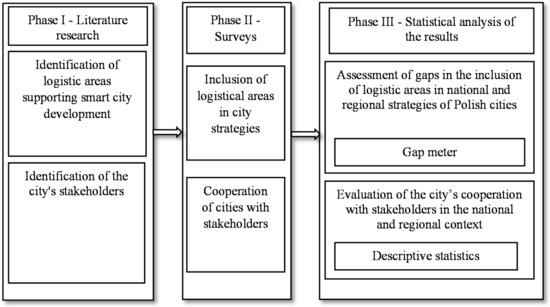
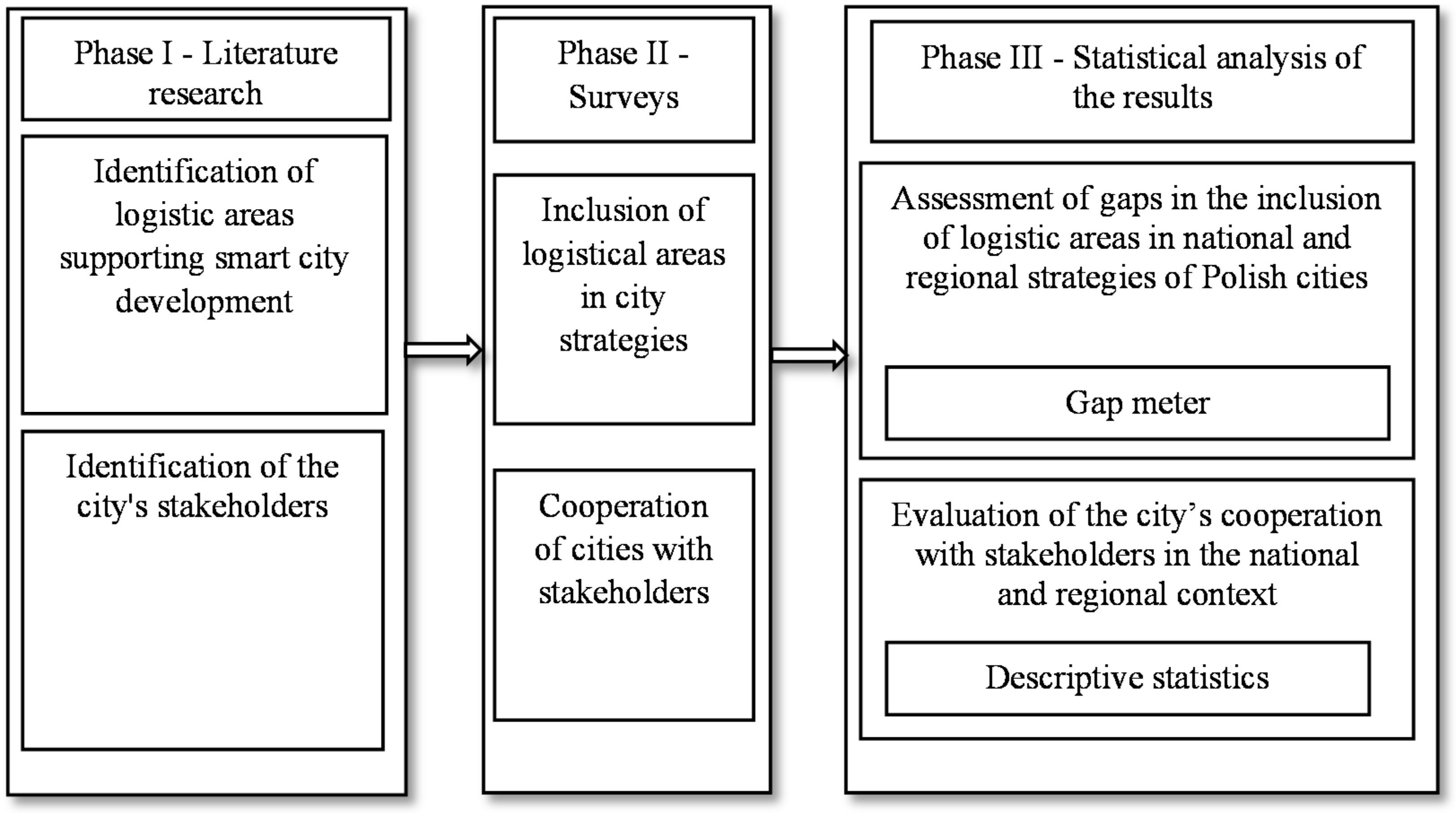
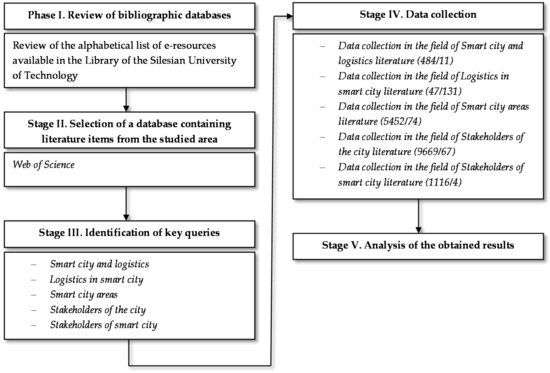
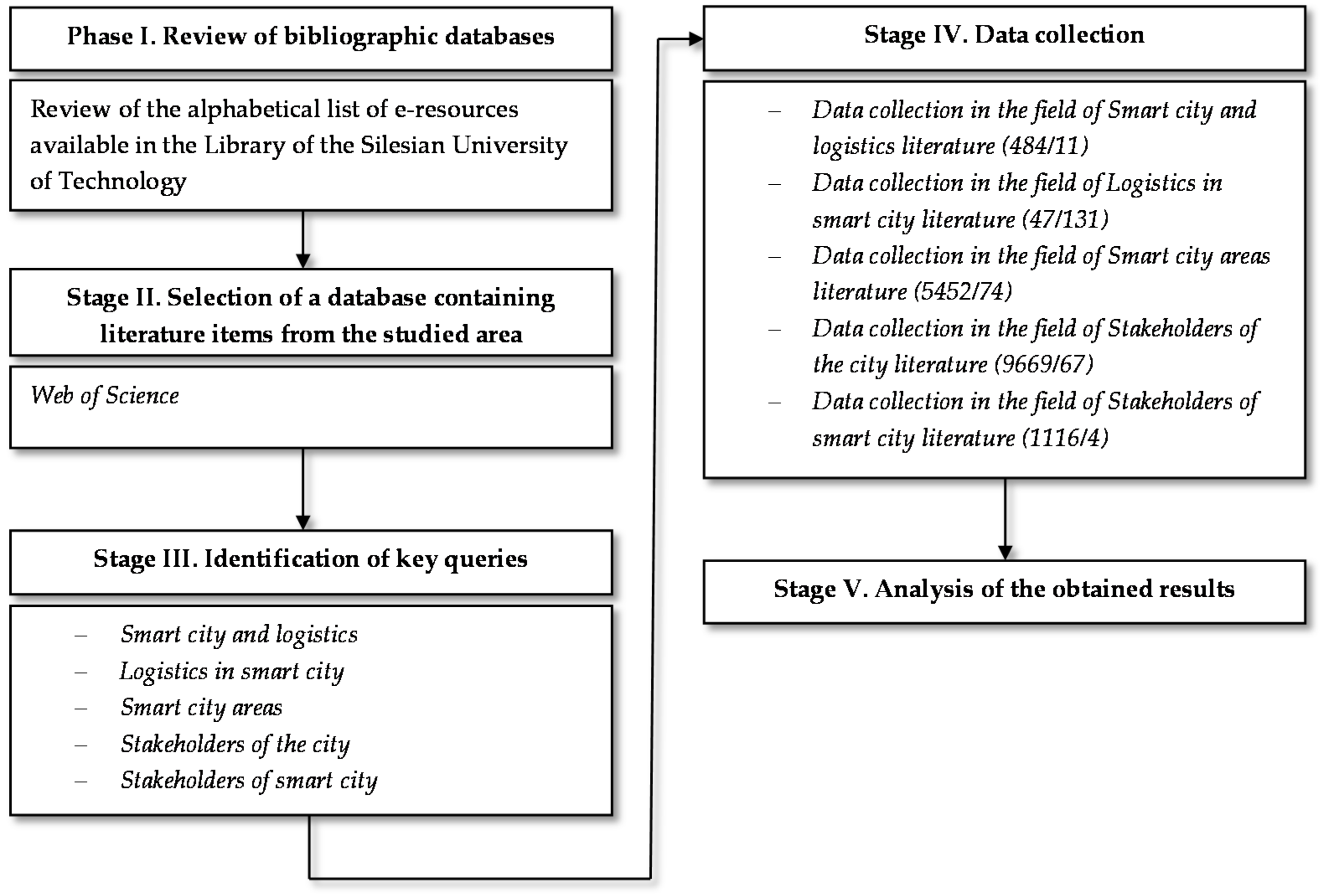
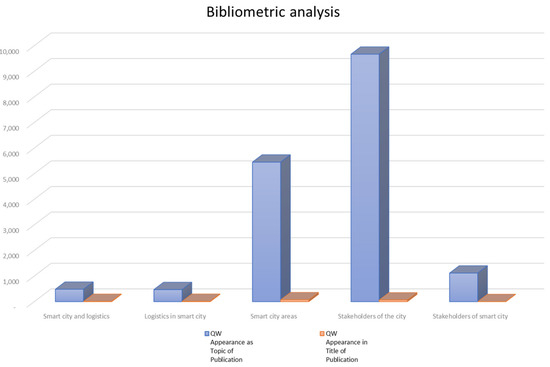
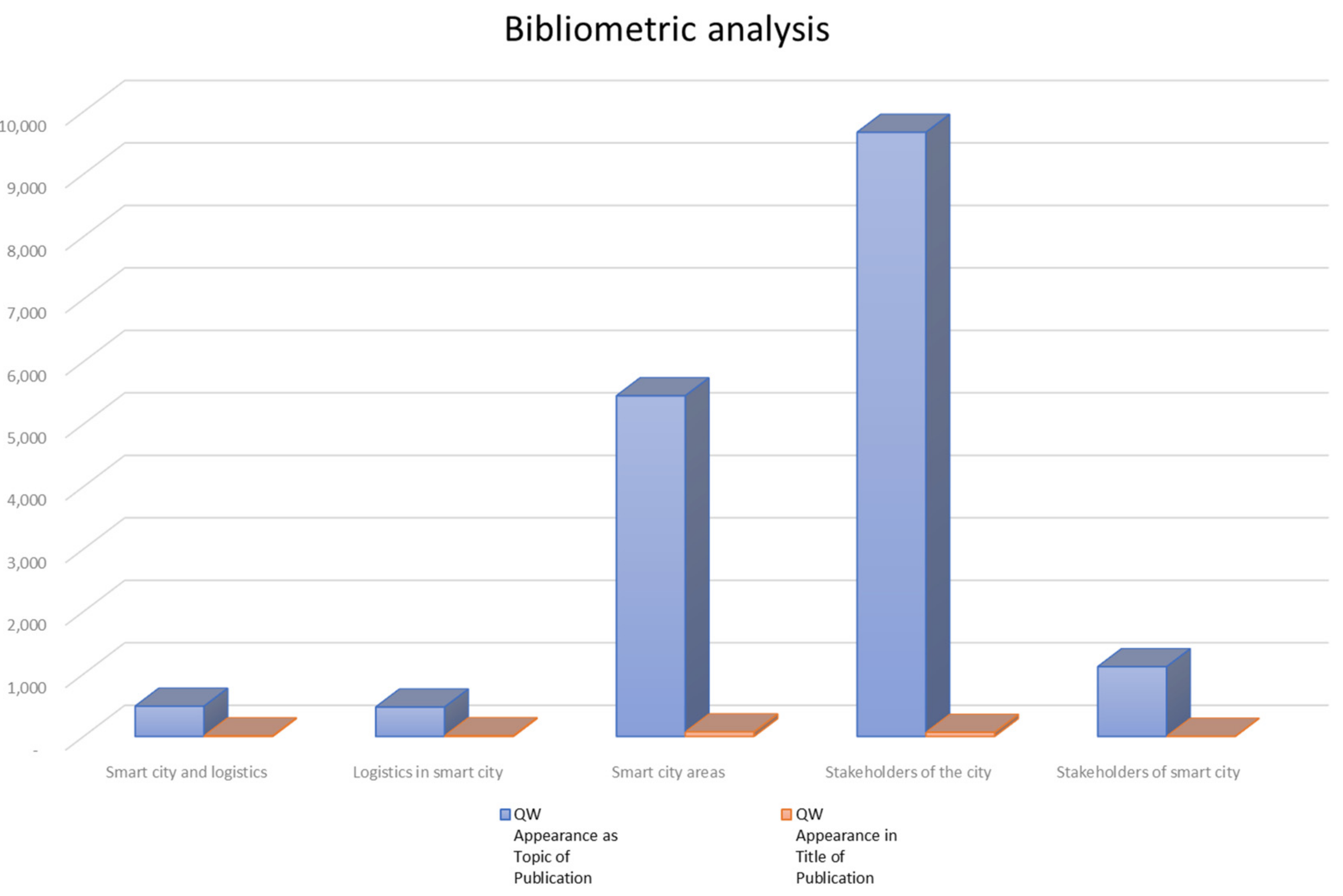
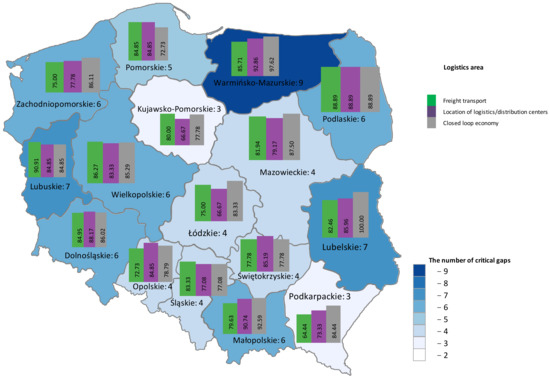
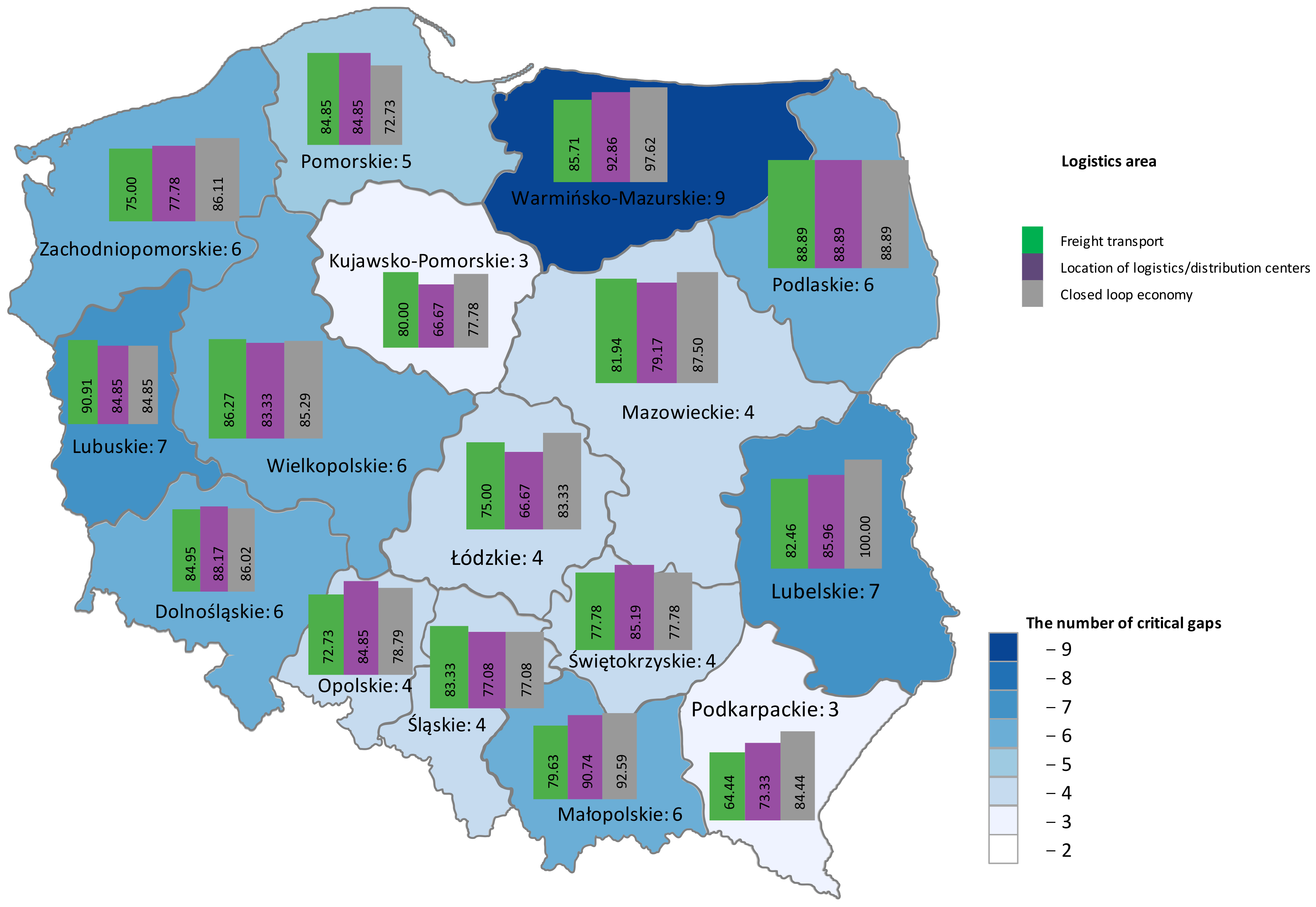
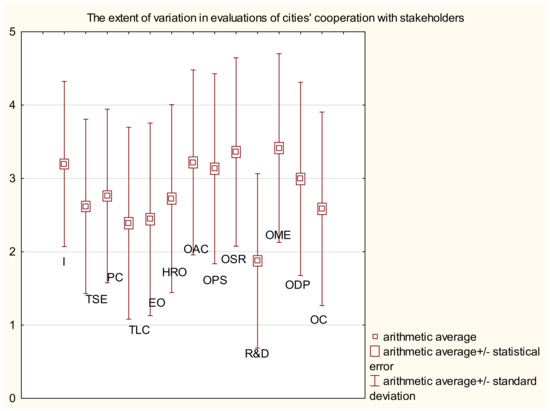
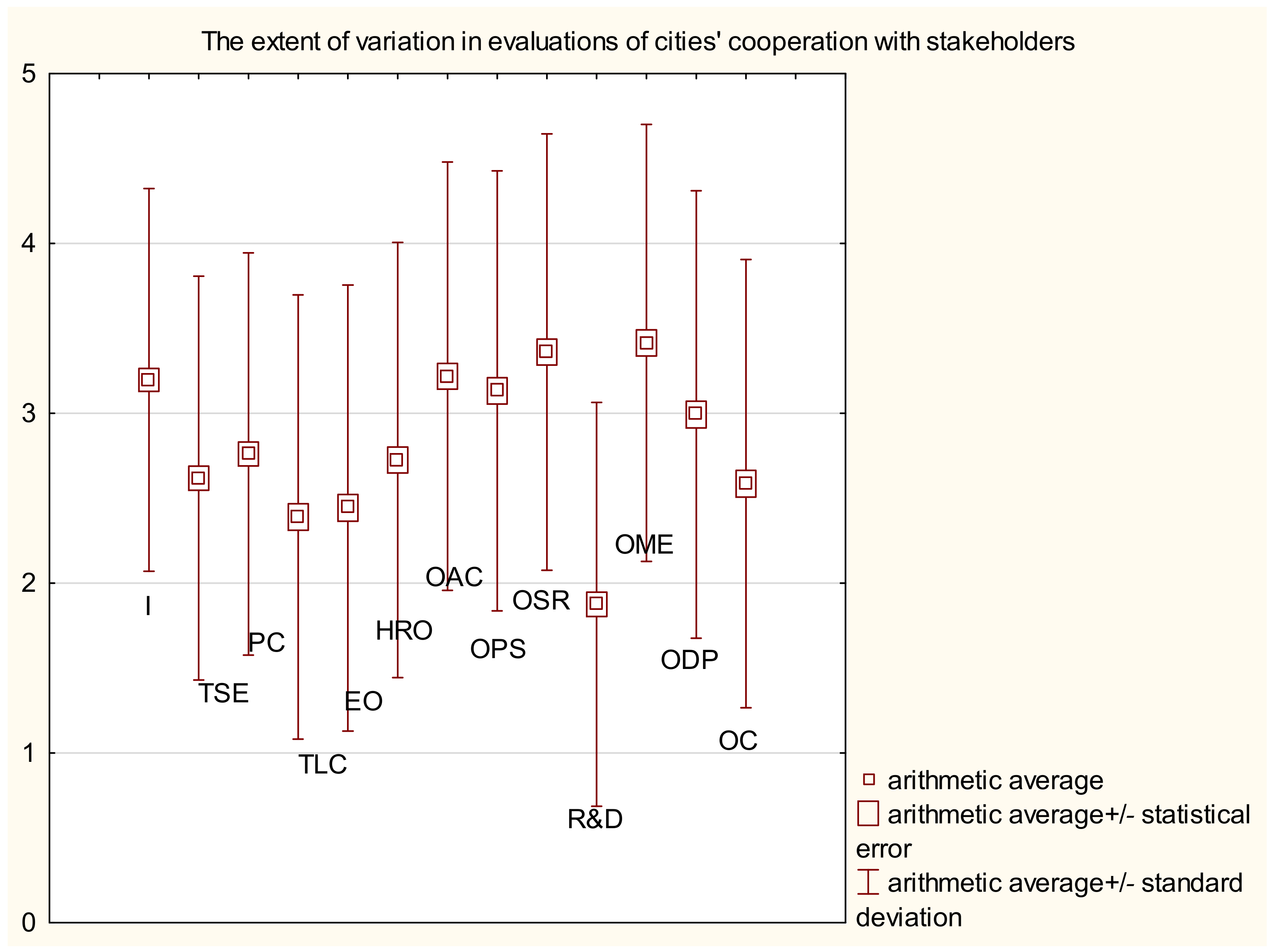
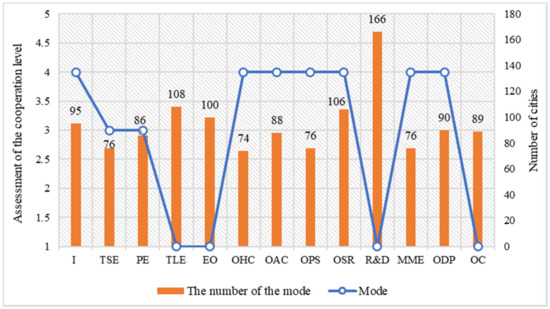
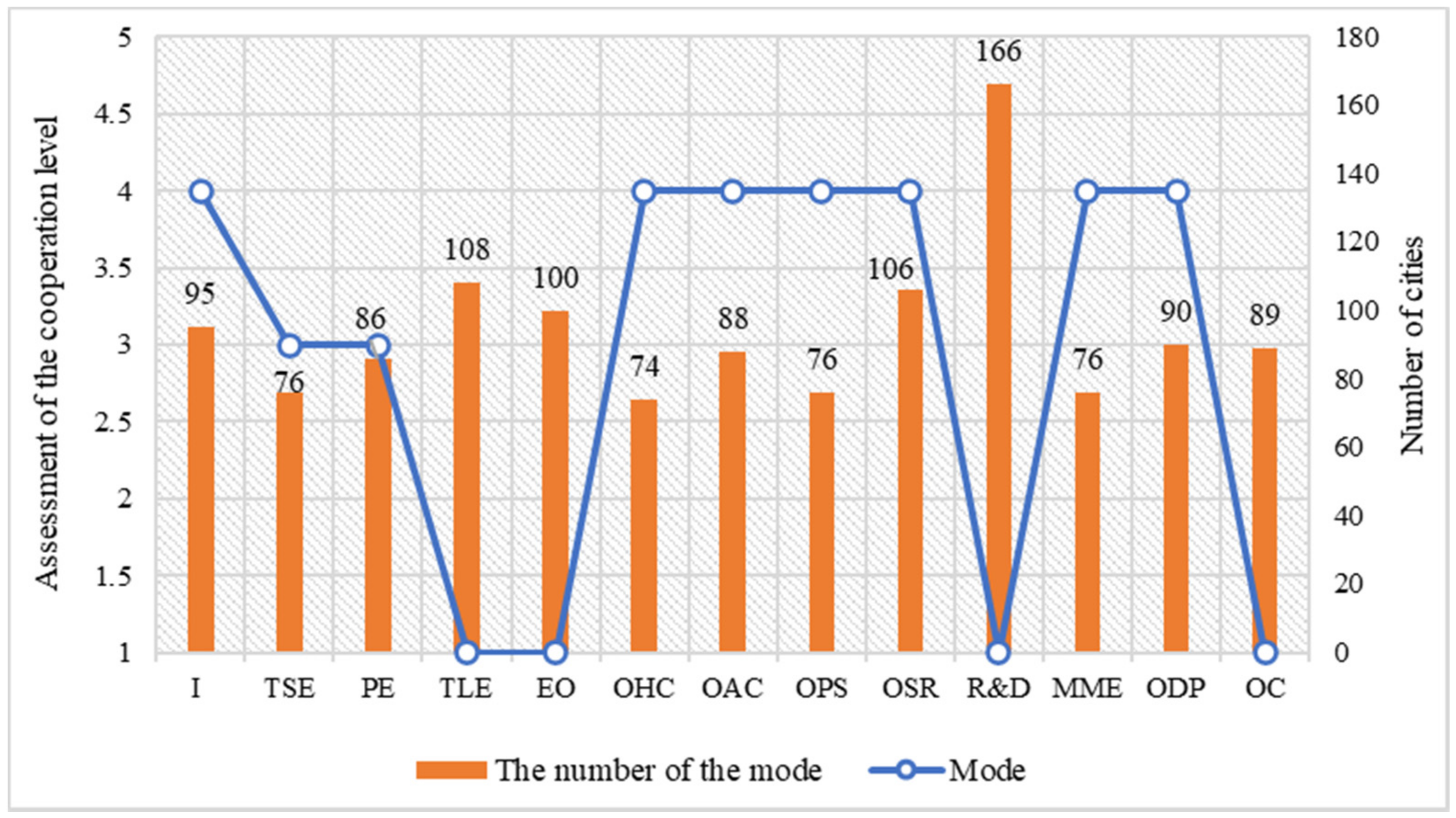
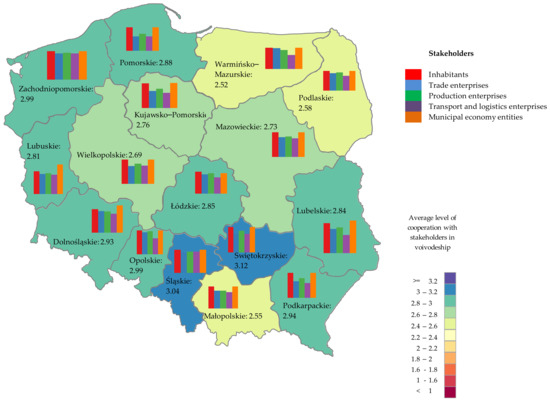
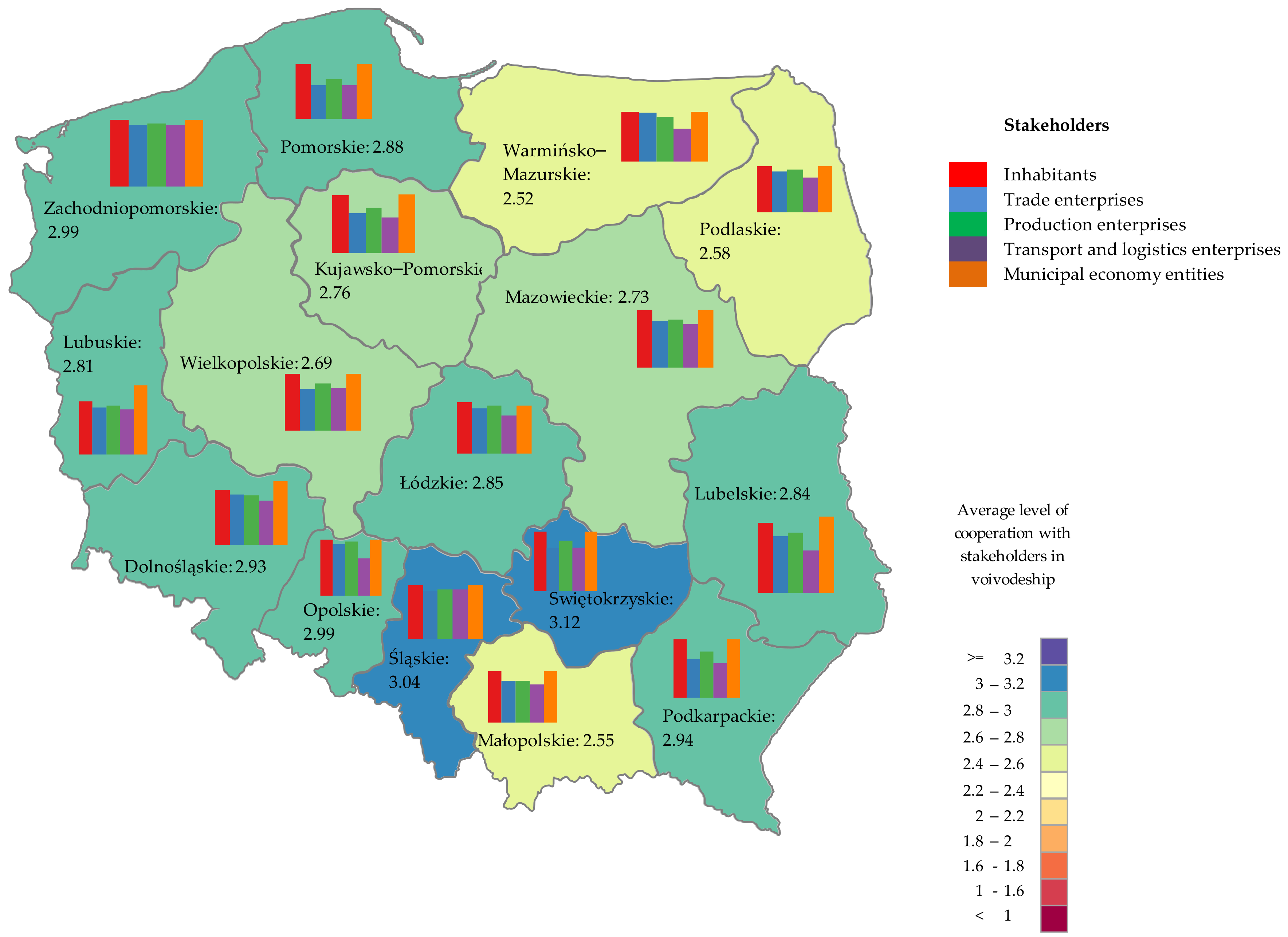

Publisher’s Note: MDPI stays neutral with regard to jurisdictional claims in published maps and institutional affiliations. |
© 2022 by the authors. Licensee MDPI, Basel, Switzerland. This article is an open access article distributed under the terms and conditions of the Creative Commons Attribution (CC BY) license (https://creativecommons.org/licenses/by/4.0/).