


Simple Summary
Hyperthermophiles grow optimally above 80 °C and include mostly microorganisms belonging to the Archaea domain and are thriving in terrestrial and seafloor geothermal vents as well as in subsurface environments. From an anaerobic hyperthermophilic mixed culture obtained from water produced from a deep and hot oil reservoir we isolated and characterized a starch-degrading strain. Based on phylogenomic analysis, the strain represents a novel hyper-thermophilic species belonging to genus Thermococcus, for which we propose the name Thermococcus bergensis sp. nov.
Abstract
A novel hyperthermophilic archaeon, termed strain T7324T, was isolated from a mixed sulfate-reducing consortium recovered from hot water produced from a deep North Sea oil reservoir. The isolate is a strict anaerobic chemo-organotroph able to utilize yeast extract or starch as a carbon source. The genes for a number of sugar degradation enzymes and glutamate dehydrogenase previously attributed to the sulfate reducing strain of the consortium (Archaeoglobus fulgidus strain 7324) were identified in the nearly completed genome sequence. Sequence analysis of the 16S rRNA gene placed the strain in the Thermococcus genus, but with an average nucleotide identity that is less than 90% to its closest relatives. Phylogenomic treeing reconstructions placed the strain on a distinct lineage clearly separated from other Thermococcus spp. The results indicate that the strain T7324T represents a novel species, for which the name Thermococcus bergensis sp. nov. is proposed. The type strain is T7324T (=DSM 27149T = KCTC 15808T).
1. Introduction
The Euryarchaeota order (Thermococcales) encompasses a diverse and widely distributed group of thermophilic and hyperthermophilic archaeal members isolated from geothermally heated environments [1]. The order contains three genera; Thermococcus [2], Pyrococcus [3] and Palaeococcus [4]. According to the list of prokaryotic names with standing in nomenclature (LPSN; http://lpsn.dsmz.de, accessed on 2 March 2021), the genus Thermococcus contains 33 validly described species, all being organotrophic and strictly anaerobic hyperthermophiles. They grow preferentially with proteinaceous compounds such as yeast extract or peptone and carbohydrates. Growth temperatures range from 50 to over 100 °C. Based on their DNA G + C content, Thermococcus spp. can be divided into a low G + C content group (38 to 47 mol%) and a high G + C group (50 to 58 mol%) [5]. Most Thermococcus members have a marine origin, from deep hydrothermal vents or geothermally heated seashore environments. Two species, Thermococcus zilligii and Thermococcus waitotapuensis, originate from terrestrial fresh-water hot springs [6,7] while one species, Thermococcus sibiricus, originates from a high-temperature deep oil reservoir [8].
Deep petroleum reservoirs represent extremophilic subsurface environments with a diversity of anaerobic thermophilic micro-organisms [9,10,11] (e.g., thermophilic sulphate reducers, Thermotogales species, methanogens and even unique deep subsurface thermophiles such as Thermovirga and Petrotoga [12,13]). The hyperthermophilic archaeal sulphate reducer, Archaeoglobus fulgidus, was initially isolated from a shallow hot vent at Vulcano island, Italy [14], and subsequently isolated from a deep North Sea oil field [15].
The North Sea culture deposited at DSMZ (DSM 8774) in 1994 grew with lactate as a carbon and energy source under sulfate-reducing conditions but was later found to also grow on starch under sulfate-reducing conditions using a modified Embden–Meyerhof pathway [16]. However, genome sequencing later revealed a contamination with a Thermococcus strain, which apparently was responsible for the starch degradation [17]. Here we describe a novel Thermococcus species that originated from the North Sea A. fulgidus culture, which was believed to be a pure culture at the time of deposition.
2. Materials and Methods
2.1. Isolation and Cultivation
An active culture of DSM 8774 was obtained from DSMZ and cultivated anaerobically in 50 mL serum flasks under nitrogen with lactate and sulfate at 80 °C as described in [15]. To isolate the Thermococcus strain, active cultures were transferred to an anaerobic lactate-free medium containing the following components (L−1 distilled water): 18 g NaCl, 2 g MgCl2∙6H2O, 0.32 g KCl, 0.14 g CaCl2∙2H2O, 0.11 g K2HPO4∙3H2O, 0.02 g KH2PO4, 0.5 mL 0.2% resazurin, 1 mL of a stock solution of 0.2% (NH4)2Fe(SO4)2∙6H2O and 10 mL of a stock solution containing 1.5 g Titriplex I, 0.5 g MnSO4∙2H2O, 0.1 g CoCl2∙6H2O, 0.1 g ZnSO4∙7H2O, 0.01 g CuSO4∙5H2O, 0.01 g H3BO3, 0.01 g Na2MoO4∙2H2O and 0.2 g NiSO4∙6H2O per litre. After autoclaving, the medium was flushed with N2/CO2 at a 9:1 ratio, 30 mL 1M NaHCO3, 4 mL 0.5 M Na2S and 10 mL vitamin solution [18] were added and the pH was adjusted to 6.5. Following its transfer to 50 mL or 20 mL serum flasks, the medium was supplemented with yeast extract and peptone to 0.1% final concentration. The culture was transferred 10 times using the above medium, followed by two dilutions to extinction. Subsequent cultivation was performed in a marine Thermococcus medium (DSMZ medium 760 (http://www.dsmz.de/microorganisms/medium/pdf/DSMZ_Medium760.pdf, accessed on 2 March 2021) under nitrogen at pH 7.0 and 80 °C.
2.2. Sequencing and Bioinformatics
For initial phylogenetic characterization, genomic DNA was extracted from cells grown in the medium used for isolation as described above using a modification of the cetyl trimethylammonium bromide method [19]. The partial 16S rRNA gene was amplified with general archaeal 16S rRNA primers (21F, 5′-TTCCGGTTGATCCYGCCGGA-3′; 958R, 5′-YCCGGCGTTGAMTCCAATT-3′) and sequenced as described in [20].
For genome sequencing, DNA was isolated using a JetFlex Genomic DNA Isolation Kit (ThermoFisher Scientific). SMRTbell template library was prepared according to the instructions from PacificBiosciences, Menlo Park, CA, USA, following the procedure and checklist—20 kb Template Preparation using a BluePippin Size-Selection System. Briefly, for preparation of 15kb libraries 5µg genomic DNA were end-repaired and ligated overnight to hairpin adapters applying components from the DNA/Polymerase Binding Kit P6 from Pacific Biosciences, Menlo Park, CA, USA. Reactions were carried out according to the manufacturer’s instructions. BluePippin Size-Selection was performed according to the manufacturer´s instructions (Sage Science, Beverly, MA, USA). Conditions for the annealing of sequencing primers and the binding of polymerase to purified SMRTbell template were assessed with the calculator in RS Remote, PacificBiosciences, Menlo Park, CA, USA. SMRT sequencing was carried out on the PacBio RSII (PacificBiosciences, Menlo Park, CA, USA), taking a 240-min movie on two SMRTcells, which resulted in 101,716 post-filtered reads with a mean read length of 4947 bp.
Long read genome assembly was performed with the “RS_HGAP_Assembly.3” protocol included in SMRTPortal version 2.3.0 using default parameters (with the exception of the target genome size, which was increased to 10 Mbp). Assembly resulted in 61 contigs, from which only five revealed the expected coverage values (>130×). The draft genome was annotated using the NCBI prokaryotic genome annotation pipeline (PGAP) (https://www.ncbi.nlm.nih.gov/genome/annotation_prok, accessed on 2 March 2021) and RAST (http://rast.nmpdr.org/, accessed on 2 March 2021). Genome completeness was assessed using CheckM [21]. Pairwise average nucleotide identity (ANI) values and in silico genome sequence similarities (dDDH) were determined using the ANI calculator (http://enve-omics.ce.gatech.edu/ani/, accessed on 2 March 2021) and the genome-to-genome distance calculator available at DSMZ (http://ggdc.dsmz.de/, accessed on 2 March 2021).
3. Results and Discussion
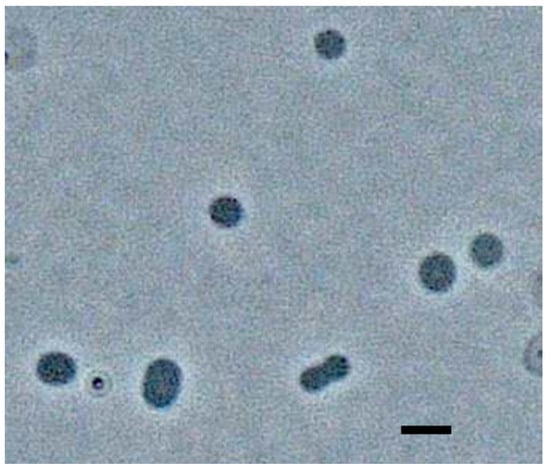
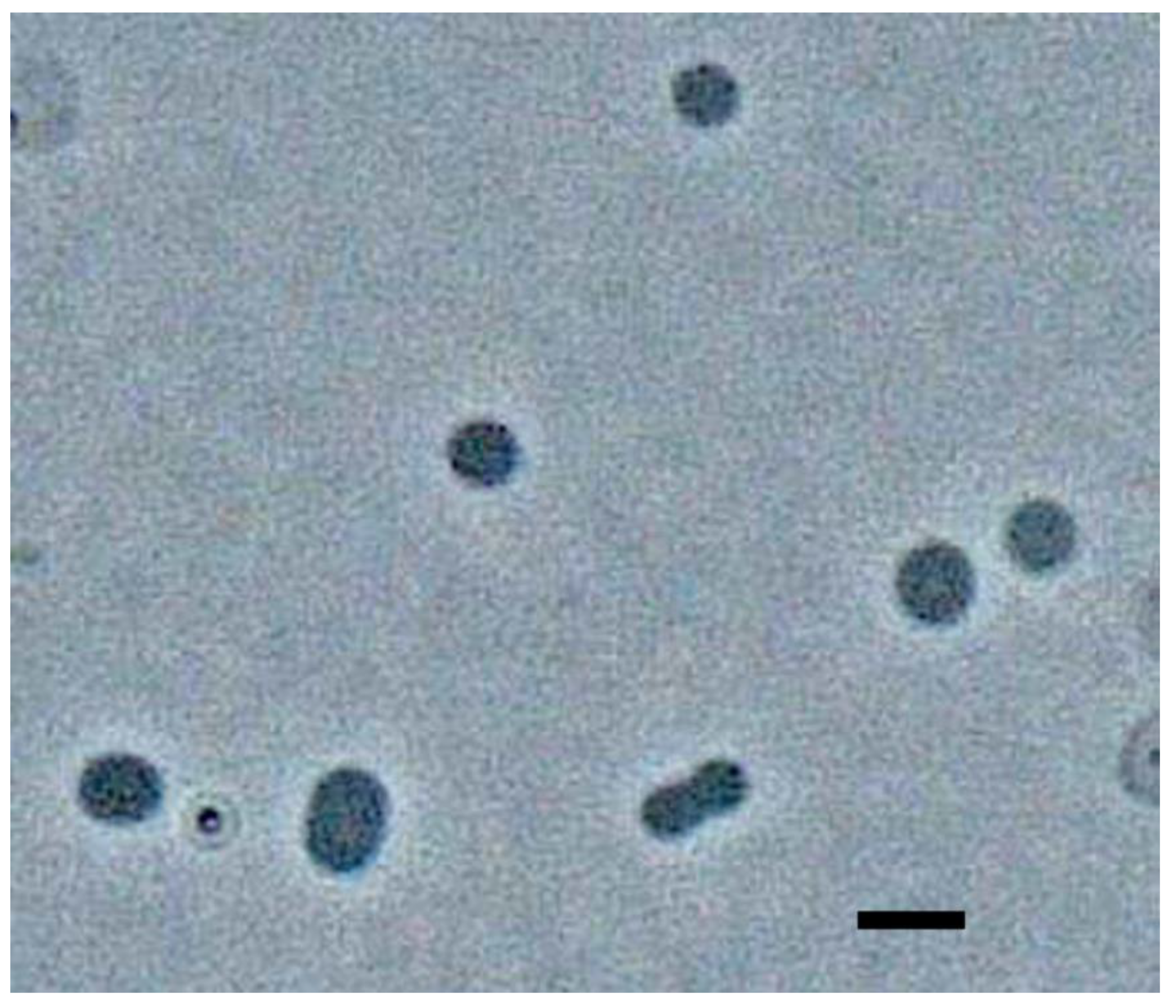
A. fulgidus depends on sulfate as an electron acceptor for anaerobic respiration and preferentially uses inorganic nitrogen sources and lactate as nitrogen and carbon sources, respectively, while thermococci are fermentative organisms that preferentially grow on complex media containing polysaccharides or proteinaceous compounds. To isolate the Thermococcus organism previously detected in this sulfate-reducing co-culture [17], the culture was transferred to the lactate-free and low-sulfate/ammonium medium described above and subjected to dilutions to extinction to enrich and isolate the Thermococcus organism. Following 10 culture transfers and two 10-fold dilution series, an apparent pure culture of coccoid to oblong cells with the typical morphology of Thermococcus members was obtained (Figure 1), with cell sizes ranging from 1–2 µm. Sequencing of the amplified 16S rRNA gene using universal archaeal PCR primers yielded a nearly complete sequence identical to that of Thermococcus litoralis DSM 5473 (NR_121707). The isolate, designated strain T7324T, was unable to grow using lactate and sulfate as an electron donor and electron acceptor, respectively. PacBio sequencing and assembly yielded five contigs with a base coverage of 137× and a size range of 0.85 to 1.2 Mb (Table 1). The total draft genome size was 2,077,832 bp (comparable with that of its closest relatives, T. litoralis (2,215,172 bases; CP006670.1) and T. kodakarensis (2,088,737 bp; NC_006624)). The genome completeness was estimated to be 99.01%. Overall genome sequence comparisons revealed an ANI value between T. litoralis and strain T7324T of 87.9% and an in silico DNA-DNA hybridization value of 35.8%, which are significantly below the recommended species demarcation values of 98.7% [22] and 70%, respectively [23]. Based on the genome sequence difference, T7324T therefore constitutes a separate species, for which we propose the name Thermococcus bergensis (ber.gen′sis N.L. masc. adj. bergensis referring to Bergen, the Norwegian city where the strain was isolated).
Figure 1.
Phase-contrast microscopy image of strain T7324. Scale bar: 2 µm. The photo was taken at the.Leibniz-Institute DSMZ GmbH, Department Microbiology.
Table 1.
Genome statistics of T. bergensis T7324T and T. litoralis DSM 5473T.
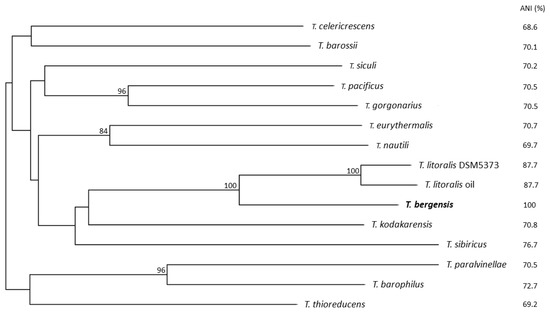
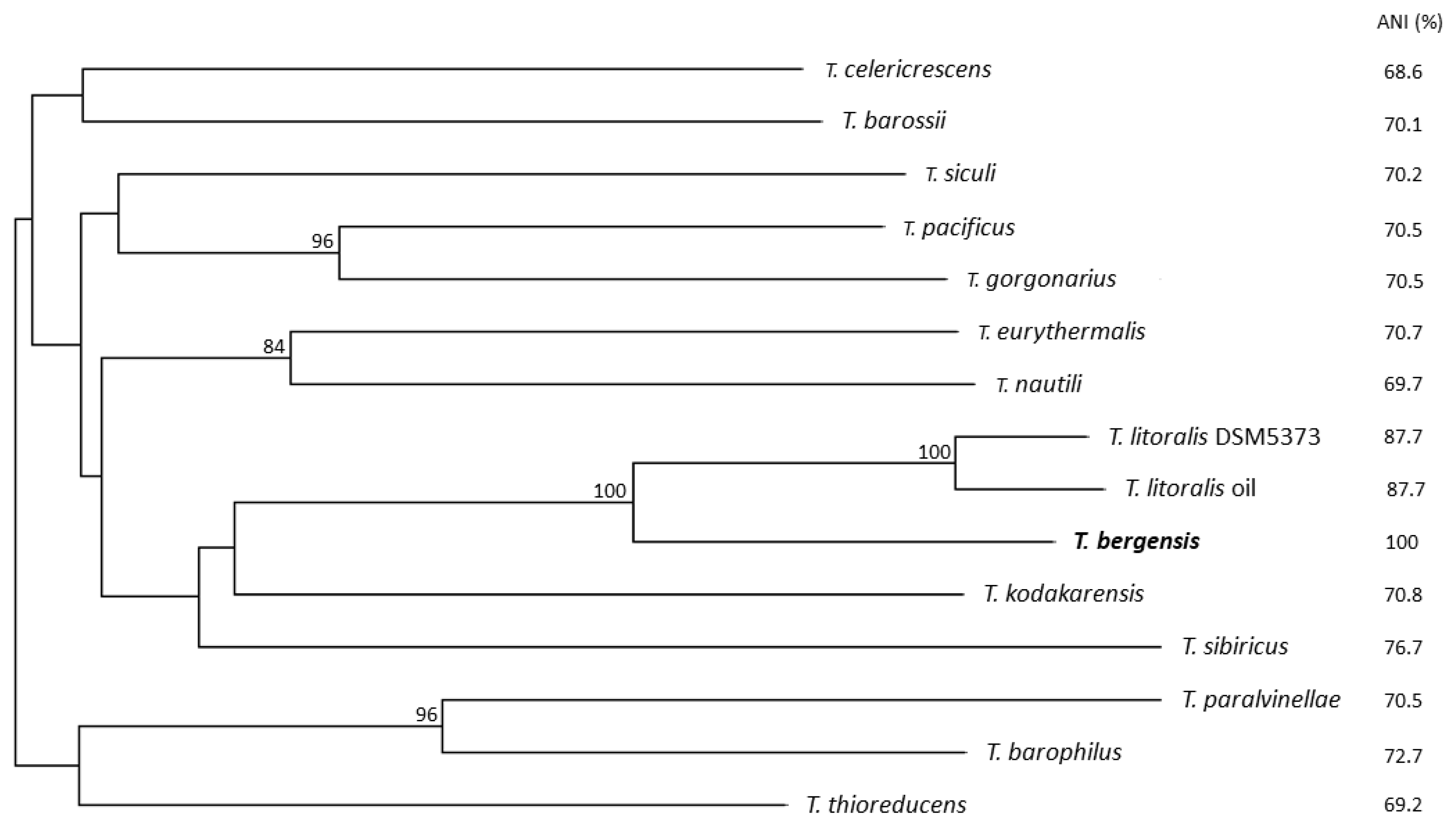
Another close genome neighbour of strain 7324, termed Thermococcus litoralis strain oil (NZ_FJMQ00000000), was identified after further searches in the NCBI nucleotide database. This strain is the closest relative of strain T7324T based on overall genome similarity and also originates from a deep subsurface oil reservoir, but the two share an ANI value of only 89.85% and clearly represent different species. A phylogenomic tree including the closest relatives of strain T7324T shows a distinct branching of T. bergensis from all the other species/strains with 100% bootstrap support and highly significant pairwise ANI values (Figure 2).
Figure 2.
Phylogenomic tree of T. bergensis and other related Thermococcus type strains. The tree was inferred with FastME 2.1.6.1 [24] from genome blast distance phylogeny (GBDP) distances calculated from genome sequences using the TYGS server (https://tygs.dsmz.de, accessed on 2 March 2021) [22]. The branch lengths are scaled in terms of GBDP distance formula d5. The numbers above branches are GBDP pseudo-bootstrap support values >60% from 100 replications with an average branch support of 61.2%. The tree was rooted at the midpoint [25]. ANI values against T. bergensis calculated with OrthoANI (https://help.ezbiocloud.net/orthoani-genomic-similarity/, accessed on 2 March 2021) are shown to the right. Genome sequence accession numbers are as follows: T. barophilus, NC_014804.1; T. barossii, CP015101.1; T. bergensis 7324, JABFNK000000000; T. celericrescens, GCA_001484195.1; T. eurythermalis, GCA_000769655.1; T. gorgonarius, CP014855.1; T. kodakarensis, NC_006624.1; T. litoralis DSM 5473, CP006670.1; T. litoralis oil, GCA_900064395.1; T. nautili, CP007264.1; T. pacificus, CP015102.1; T. paralvinellae, NZ_CP006965.1; T. siculi, CP015103.1; T. sibiricus, CP001463.1; T. thioreducens, CP015105.1.
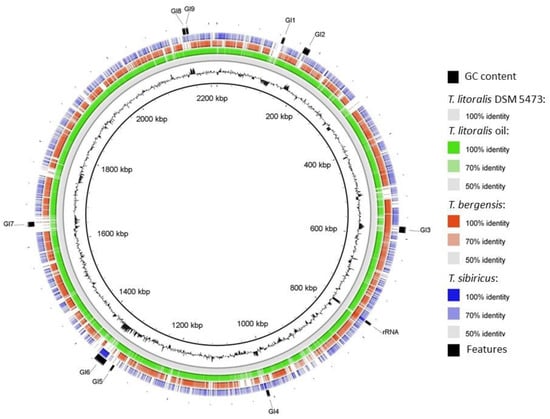
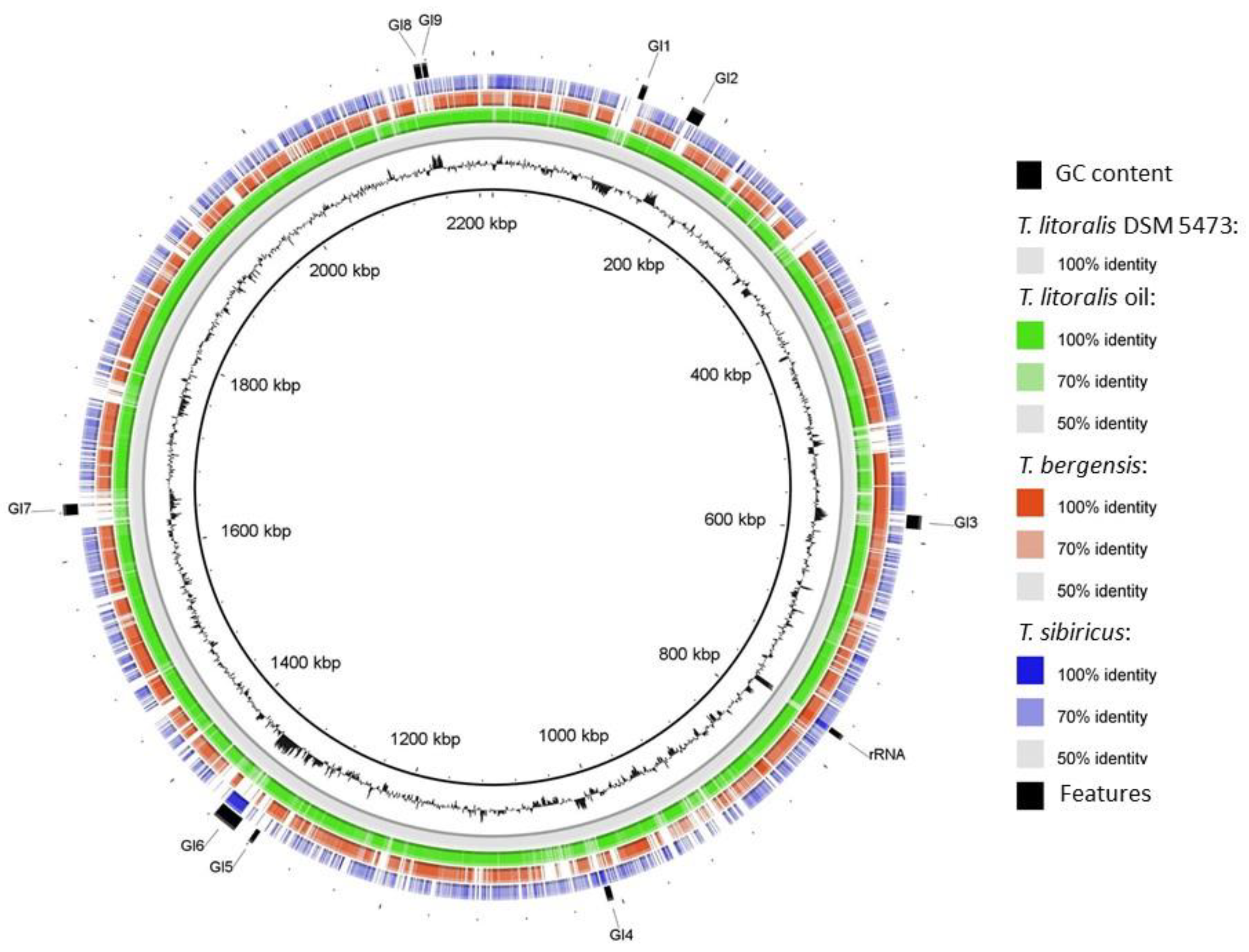
The T. bergensis genome contained a single 16S/23S rRNA operon with two separately coded 5S rRNA genes, as is also the case for T. litoralis DSM 5473 (Table 1). The two strains differ by 1 mole% G + C, also indicating genetic diversification. Both strains contain a large number of CRISPR arrays but differ significantly in the number of spacers (Table 1). A simple genome comparison using the BLAST ring image generator (BRIG) with the complete T. litoralis DSM 5473 genome as reference revealed a number of non-homologous regions of various lengths, some of which corresponds to strongly GC biased genomic islands (Figure 3). These genomic islands possess a total of 200 predicted open reading frames, including 120 hypothetical genes and 18 genes annotated as membrane transport functions. As expected, the T. litoralis strain oil is significantly more similar to strain DSM 5473, while T. sibiricus, another Thermococcus oil reservoir isolate, shares with T. bergensis a number of non-homologous regions as compared to the strain DSM 5473 genome.
Figure 3.
Circular BLAST ring image generator (BRIG) [26] representation of the T. bergensis T7324T genome as compared with four representative Thermococcus species/strains using T. litoralis DSM5473 as a reference. Genomic islands (GI) were determined by SIGI-HMM implemented in IslandViewer 4 (https://www.pathogenomics.sfu.ca/islandviewer/, accessed on 2 March 2021). Ring colour codes are indicated to the right. The black (innermost) ring indicates the distribution of GC content of T. litoralis DSM5473. Genome sequence accession numbers are the same as in Figure 2.
Based on the N-terminal sequences, all the genes encoding the previously purified thermostable enzymes for sugar degradation of the mixed culture, cyclodextrin gluconotransferase, maltodextrin–phosphorylase, phosphoglucomutase, ADP-dependent glucokinase, ADP-specific phosphofructokinase and pyruvate kinase were identified in the T. bergensis draft genome (Table 2), confirming the proposed sugar degradation pathway via cyclodextrins in this organism [27]. Thus, the growth and degradation of the starch and cyclodextrin of the mixed culture can be attributed to the Thermococcus strain of the mixed culture, which was enriched in comparison to the A. fulgidus strain during growth on sugars. Additionally, the gene for glutamate dehydrogenase previously purified and characterized from cells grown on lactate plus sulfate with yeast extract supplement [28] was identified (Table 2). Furthermore, the enzyme glyceraldehyde-3-phosphate ferredoxin oxidoreductase (GAPOR) was purified to homogeneity from a starch-grown culture of “strain 7324”. The purification consisted of four steps involving hydrophobic interaction and anion exchange chromatography on phenyl sepharose and Q sepharose columns, respectively, followed by gel filtration on Superdex 200 [29]. The gene encoding GAPOR was identified in the T. bergensis genome (Table 2) based on its N-terminal sequence, MRFSVLKINLNEKKVX(X)EVFEREXV. GAPOR from T. bergensis is a 66 kDa monomeric protein that contains 0.5 mol tungsten/mol but not molybdenum. The enzyme showed an optimum temperature above 80 °C and a high thermostability up to 100 °C [29]. GAPOR catalysed the oxidation of glyceraldehyde-3-phosphate (GAP) with benzyl viologen (BV) with apparent Vmax and Km values of 60 U/mg and 5 µM for GAP, and 73 U/min and 4 mM for BV, respectively, at 50 °C and pH 7.8.
Table 2.
Enzymes previously purified from DSM 8774 cultures.
T. bergensis T7324 and A. fulgidus DSM 8774 have most likely constituted a co-culture since it was recovered from hot oil-field water in 1991 and deposited at DSMZ. The initial characterization did not include a phylogenetic analysis via sequencing of the 16S rRNA gene, and since the culture was routinely grown and transferred in a mineral medium containing only lactate as carbon and energy source with sulfate as electron acceptor, it was presumed to be a pure A. fulgidus sulfate-reducing culture. The addition of elevated amounts of yeast extract [28] or starch [16] apparently enriched for the T. bergensis strain. Despite numerous trials to isolate A. fulgidus DSM 8774 from this co-culture by dilution to extinction and the picking of colonies from gelrite-based anaerobic shake-tubes with lactate plus sulfate medium, the establishment of a pure culture has not been successful (Birkeland, unpublished), indicating an obligate syntrophic relationship between the two strains. Furthermore, although growing in isolation, T. bergensis grows much better as part of the co-culture, for reasons still not understood.
4. Concluding Remarks
The A. fulgidus DSM 8774 culture was found to be contaminated with a novel Thermococcus species, termed T. bergensis T7324, which was isolated and genome sequenced. The previously reported growth of the DSM 8874 culture on starch is now shown to be attributed to the T. bergensis partner of this consortium. There is an obligate syntrophic relationship between the two strains, as A. fulgidus 7324 has not been able to grow in pure culture. The molecular basis for this syntrophy has not been resolved.
Author Contributions
Conceptualization, N.-K.B., B.B., C.S., H.-P.K. and P.S.; data curation, B.B. and C.S.; formal analysis, N.-K.B., B.B. and H.-P.K.; funding acquisition, N.-K.B.; methodology, N.-K.B., B.B. and C.S.; validation, C.S., H.-P.K. and P.S.; Visualization, N.-K.B. and C.S.; writing—original draft, N.-K.B., B.B., C.S., H.-P.K. and P.S.; writing—review & editing, N.-K.B. All authors have read and agreed to the published version of the manuscript.
Funding
This work was supported by a research grant from The Meltzer Research Fund, University of Bergen.
Institutional Review Board Statement
Not applicable.
Informed Consent Statement
Not applicable.
Data Availability Statement
The T. bergensis DSM 8874 genome sequence is deposited in GenBank under accession number JABFNK000000000.
Acknowledgments
The authors thank Simone Severitt, Nicole Heyer and Regine Fähnrich (at DSMZ), and Marit Madsen (at UoB) for excellent technical assistance. The authors are grateful to Aharon Oren, The Hebrew University of Jerusalem, for his assistance with the etymology.
Conflicts of Interest
The authors declare no conflict of interest.
References
- Prieur, D. Hydrothermal Vents: Prokaryotes in Deep Sea Hydrothermal Vents. In Encyclopedia of Environmental Microbiology; Bitton, G., Ed.; John Wiley & Sons, Inc.: New York, NY, USA, 2003; pp. 1617–1628. [Google Scholar] [CrossRef] [Scilit]
- Zillig, W.; Holz, I.; Janekovic, D.; Schäfer, W.; Reiter, W.D. The Archaebacterium Thermococcus-Celer Represents, a Novel Genus within the Thermophilic Branch of the Archaebacteria. Syst. Appl. Microbiol. 1983, 4, 88–94. [Google Scholar] [CrossRef] [Scilit]
- Fiala, G.; Stetter, K.O. Pyrococcus furiosus sp. nov. represents a novel genus of marine heterotrophic archaebacteria growing optimally at 100 °C. Arch. Microbiol. 1986, 145, 56–61. [Google Scholar] [CrossRef] [Scilit]
- Takai, K.; Sugai, A.; Itoh, T.; Horikoshi, K. Palaeococcus ferrophilus gen. nov., sp. nov., a barophilic, hyperthermophilic archaeon from a deep-sea hydrothermal vent chimney. Int. J. Syst. Evol. Microbiol. 2000, 50, 489–500. [Google Scholar] [CrossRef] [Scilit] [PubMed]
- Jolivet, E.; Corre, E.; L’Haridon, S.; Forterre, P.; Prieur, D. Thermococcus marinus sp. nov. and Thermococcus radiotolerans sp. nov., two hyperthermophilic archaea from deep-sea hydrothermal vents that resist ionizing radiation. Extremophiles 2004, 8, 219–227. [Google Scholar] [CrossRef] [Scilit]
- Gonzalez, J.M.; Sheckells, D.; Viebahn, M.; Krupatkina, D.; Borges, K.M.; Robb, F.T. Thermococcus waiotapuensis sp. nov., an extremely thermophilic archaeon isolated from a freshwater hot spring. Arch. Microbiol. 1999, 172, 95–101. [Google Scholar] [CrossRef] [Scilit]
- Ronimus, R.S.; Reysenbach, A.L.; Musgrave, D.R.; Morgan, H.W. The phylogenetic position of the Thermococcus isolate AN1 based on 16S rRNA gene sequence analysis: A proposal that AN1 represents a new species, Thermococcus zilligii sp. nov. Arch. Microbiol. 1997, 168, 245–248. [Google Scholar] [CrossRef] [Scilit]
- Miroshnichenko, M.L.; Hippe, H.; Stackebrandt, E.; Kostrikina, N.A.; Chernyh, N.A.; Jeanthon, C.; Nazina, T.N.; Belyaev, S.S.; Bonch-Osmolovskaya, E.A. Isolation and characterization of Thermococcus sibiricus sp. nov. from a Western Siberia high-temperature oil reservoir. Extremophiles 2001, 5, 85–91. [Google Scholar] [CrossRef] [Scilit]
- Cai, M.; Nie, Y.; Chi, C.Q.; Tang, Y.Q.; Li, Y.; Wang, X.B.; Liu, Z.S.; Yang, Y.F.; Zhou, J.Z.; Wu, X.L. Crude oil as a microbial seed bank with unexpected functional potentials. Sci. Rep. 2015, 5, 16057. [Google Scholar] [CrossRef] [Scilit]
- Magot, M.; Ollivier, B.; Patel, B.K. Microbiology of petroleum reservoirs. Antonie Van Leeuwenhoek 2000, 77, 103–116. [Google Scholar] [CrossRef] [Scilit]
- Pannekens, M.; Kroll, L.; Muller, H.; Mbow, F.T.; Meckenstock, R.U. Oil reservoirs, an exceptional habitat for microorganisms. New Biotechnol. 2019, 49, 1–9. [Google Scholar] [CrossRef] [Scilit]
- Dahle, H.; Birkeland, N.K. Thermovirga lienii gen. nov., sp. nov., a novel moderately thermophilic, anaerobic, amino-acid-degrading bacterium isolated from a North Sea oil well. Int. J. Syst. Evol. Microbiol. 2006, 56, 1539–1545. [Google Scholar] [CrossRef] [Scilit]
- Dahle, H.; Garshol, F.; Madsen, M.; Birkeland, N.K. Microbial community structure analysis of produced water from a high-temperature North Sea oil-field. Anton Leeuw Int. J. G 2008, 93, 37–49. [Google Scholar] [CrossRef] [Scilit]
- Stetter, K.O. Archaeoglobus fulgidus gen. nov, sp. nov.: A new taxon of extremely thermophilic archaebacteria. Syst. Appl. Microbiol. 1988, 10, 172–173. [Google Scholar] [CrossRef] [Scilit]
- Beeder, J.; Nilsen, R.K.; Rosnes, J.T.; Torsvik, T.; Lien, T. Archaeoglobus fulgidus Isolated from Hot North-Sea-Oil Field Waters. Appl. Environ. Microbol. 1994, 60, 1227–1231. [Google Scholar] [CrossRef] [Scilit] [PubMed]
- Labes, A.; Schönheit, P. Sugar utilization in the hyperthermophilic, sulfate-reducing archaeon Archaeoglobus fulgidus strain 7324: Starch degradation to acetate and CO2 via a modified Embden-Meyerhof pathway and acetyl-CoA synthetase (ADP-forming). Arch. Microbiol. 2001, 176, 329–338. [Google Scholar] [CrossRef] [Scilit] [PubMed]
- Birkeland, N.K.; Schönheit, P.; Poghosyan, L.; Fiebig, A.; Klenk, H.P. Complete genome sequence analysis of Archaeoglobus fulgidus strain 7324 (DSM 8774), a hyperthermophilic archaeal sulfate reducer from a North Sea oil field. Stand. Genom. Sci. 2017, 12. [Google Scholar] [CrossRef] [Scilit] [PubMed]
- Balch, W.E.; Fox, G.E.; Magrum, L.J.; Woese, C.R.; Wolfe, R.S. Methanogens: Reevaluation of a unique biological group. Microbiol. Rev. 1979, 43, 260–296. [Google Scholar] [CrossRef] [PubMed]
- Lien, T.; Madsen, M.; Rainey, F.A.; Birkeland, N.K. Petrotoga mobilis sp. nov., from a North Sea oil-production well. Int. J. Syst. Bacteriol. 1998, 48, 1007–1013. [Google Scholar] [CrossRef] [Scilit] [PubMed]
- Shurigin, V.; Hakobyan, A.; Panosyan, H.; Egamberdieva, D.; Davranov, K.; Birkeland, N.K. A glimpse of the prokaryotic diversity of the Large Aral Sea reveals novel extremophilic bacterial and archaeal groups. MicrobiologyOpen 2019, 8, e00850. [Google Scholar] [CrossRef] [Scilit]
- Parks, D.H.; Imelfort, M.; Skennerton, C.T.; Hugenholtz, P.; Tyson, G.W. CheckM: Assessing the quality of microbial genomes recovered from isolates, single cells, and metagenomes. Genome Res. 2015, 25, 1043–1055. [Google Scholar] [CrossRef] [Scilit]
- Meier-Kolthoff, J.P.; Göker, M. TYGS is an automated high-throughput platform for state-of-the-art genome-based taxonomy. Nat. Commun. 2019, 10. [Google Scholar] [CrossRef] [Scilit]
- Chun, J.; Oren, A.; Ventosa, A.; Christensen, H.; Arahal, D.R.; da Costa, M.S.; Rooney, A.P.; Yi, H.; Xu, X.W.; De Meyer, S.; et al. Proposed minimal standards for the use of genome data for the taxonomy of prokaryotes. Int. J. Syst. Evol. Microbiol. 2018, 68, 461–466. [Google Scholar] [CrossRef] [Scilit]
- Lefort, V.; Desper, R.; Gascuel, O. FastME 2.0: A Comprehensive, Accurate, and Fast Distance-Based Phylogeny Inference Program. Mol. Biol. Evol. 2015, 32, 2798–2800. [Google Scholar] [CrossRef] [Scilit] [PubMed]
- Farris, J.S. Estimating Phylogenetic Trees from Distance Matrices. Am. Nat. 1972, 106, 645. [Google Scholar] [CrossRef] [Scilit]
- Alikhan, N.F.; Petty, N.K.; Ben Zakour, N.L.; Beatson, S.A. BLAST Ring Image Generator (BRIG): Simple prokaryote genome comparisons. BMC Genom. 2011, 12, 402. [Google Scholar] [CrossRef] [Scilit] [PubMed]
- Labes, A.; Schönheit, P. Unusual starch degradation pathway via cyclodextrins in the hyperthermophilic sulfate-reducing archaeon Archaeoglobus fulgidus strain 7324. J. Bacteriol. 2007, 189, 8901–8913. [Google Scholar] [CrossRef] [Scilit] [PubMed]
- Aalen, N.; Steen, I.H.; Birkeland, N.K.; Lien, T. Purification and properties of an extremely thermostable NADP(+)-specific glutamate dehydrogenase from Archaeoglobus fulgidus. Arch. Microbiol. 1997, 168, 536–539. [Google Scholar] [CrossRef] [Scilit]
- Gebhard, S. Zuckerstoffwechsel von Hyperthermophilen Archaea. Master’s Thesis, University of Kiel, Kiel, Germany, 2003. [Google Scholar]
- Labes, A.; Schönheit, P. ADP-dependent glucokinase from the hyperthermophilic sulfate-reducing archaeon Archaeoglobus fulgidus strain 7324. Arch. Microbiol. 2003, 180, 69–75. [Google Scholar] [CrossRef] [Scilit] [PubMed]
- Hansen, T.; Schönheit, P. ADP-dependent 6-phosphofructokinase, an extremely thermophilic, non-allosteric enzyme from the hyperthermophilic, sulfate-reducing archaeon Archaeoglobus fulgidus strain 7324. Extremophiles 2004, 8, 29–35. [Google Scholar] [CrossRef] [Scilit]
- Johnsen, U.; Hansen, T.; Schönheit, P. Comparative analysis of pyruvate kinases from the hyperthermophilic archaea Archaeoglobus fulgidus, Aeropyrum pernix, and Pyrobaculum aerophilum and the hyperthermophilic bacterium Thermotoga maritima—Unusual regulatory properties in hyperthermophilic archaea. J. Biol. Chem. 2003, 278, 25417–25427. [Google Scholar] [CrossRef] [Scilit]

Publisher’s Note: MDPI stays neutral with regard to jurisdictional claims in published maps and institutional affiliations. |
© 2021 by the authors. Licensee MDPI, Basel, Switzerland. This article is an open access article distributed under the terms and conditions of the Creative Commons Attribution (CC BY) license (https://creativecommons.org/licenses/by/4.0/).