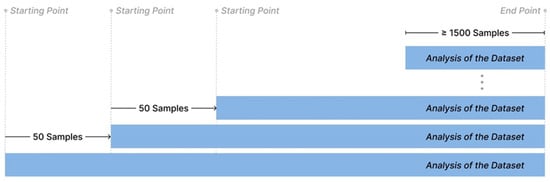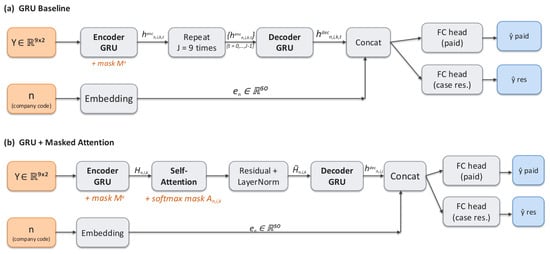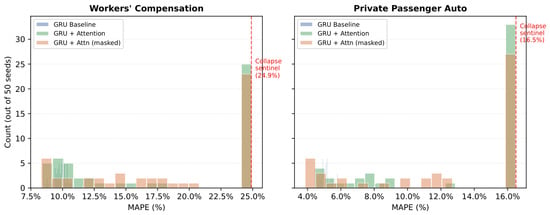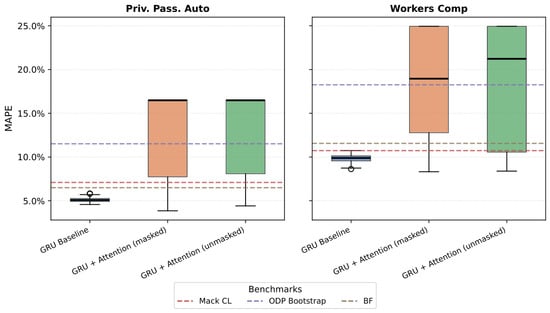

Journal Description
Risks
Risks
is an international, scholarly, peer-reviewed, open access journal for research and studies on insurance and financial risk management. Risks is published monthly online by MDPI.
- Open Access— free for readers, with article processing charges (APC) paid by authors or their institutions.
- High visibility: indexed within Scopus, ESCI (Web of Science), EconLit, EconBiz, RePEc, and other databases.
- Journal Rank: CiteScore - Q1 (Economics, Econometrics and Finance (miscellaneous))
- Rapid Publication: manuscripts are peer-reviewed and a first decision is provided to authors approximately 21.8 days after submission; acceptance to publication is undertaken in 7.6 days (median values for papers published in this journal in the first half of 2026).
- Recognition of Reviewers: reviewers who provide timely, thorough peer-review reports receive vouchers for a discount on the APC of their next publication in any MDPI journal, in appreciation of the work done
Impact Factor:
1.8 (2025);
5-Year Impact Factor:
1.8 (2025)
Latest Articles
Digital Financial Inclusion and Household Financial Fragility: Evidence of a U-Shaped Relationship in China
Risks 2026, 14(7), 164; https://doi.org/10.3390/risks14070164 - 15 Jul 2026
Abstract
China’s rising household leverage has intensified concern about household-level financial risk, yet the role of digital financial inclusion (DFI) remains ambiguous. This study examines the association between DFI and household financial fragility through two channels: an information channel and a credit-constraint channel. We
[...] Read more.
China’s rising household leverage has intensified concern about household-level financial risk, yet the role of digital financial inclusion (DFI) remains ambiguous. This study examines the association between DFI and household financial fragility through two channels: an information channel and a credit-constraint channel. We develop a three-period household decision framework and test its implications using China Family Panel Studies (CFPS) data from 2014 to 2022, matched with a county-level DFI index. The results show a U-shaped association between DFI and household financial fragility. Mechanism tests are consistent with a leverage channel: broader credit availability is associated with higher household leverage and higher distress risk. Evidence for the risk-taking channel is more conditional and becomes more visible at higher levels of DFI development. Instrumental-variable estimates, lagged specifications, alternative fragility measures, and double machine learning produce the same nonlinear sign pattern, although the exact turning point is specification-sensitive and the exclusion restriction remains an identifying assumption. The findings support risk-based monitoring of digital credit and consumer-protection policies targeted at households with weak liquidity buffers and high debt-service burdens.
Full article
(This article belongs to the Special Issue Digital Finance, Green Transition and Financial Risks)
Open AccessArticle
Mean-Field Singular Stochastic Control with Regime Switching: Maximum Principles and Application
by
Maalvladédon Ganet Somé, Edward Korveh, Japhet Niyobuhungiro and Olivier Menoukeu Pamen
Risks 2026, 14(7), 163; https://doi.org/10.3390/risks14070163 - 15 Jul 2026
Abstract
In this paper, we study a class of mean-field singular stochastic optimal control problems for systems governed by regime-switching mean-field stochastic differential equations. The state dynamics depend on both regular and singular controls, and the coefficient of the singular component is allowed to
[...] Read more.
In this paper, we study a class of mean-field singular stochastic optimal control problems for systems governed by regime-switching mean-field stochastic differential equations. The state dynamics depend on both regular and singular controls, and the coefficient of the singular component is allowed to depend explicitly on the state variable. We establish both necessary and sufficient stochastic maximum principles for this class of problems under the assumption that the control domain is convex. The presence of the state variable in the singular term leads to an adjoint process characterised by a generalised backward stochastic differential equation. As an application, we consider a one-dimensional regime-switching mean-field portfolio optimization problem with transaction costs, where the investor controls consumption and cumulative investment in a risky asset.
Full article
Open AccessFeature PaperArticle
Hyperparameters over Architecture: A Controlled Comparison of Neural Networks for Aggregate Loss Reserving
by
Qiheng Guo
Risks 2026, 14(7), 162; https://doi.org/10.3390/risks14070162 - 14 Jul 2026
Abstract
►▼
Show Figures
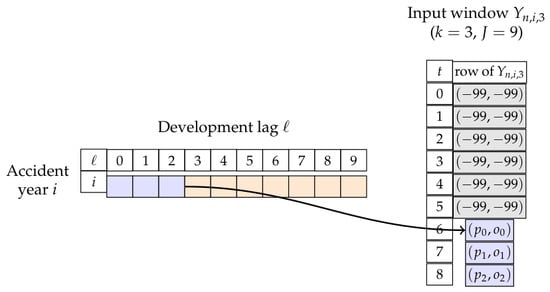
We compare neural network architectures for aggregate loss triangle reserving under matched data, training, and evaluation protocols, separating architectural choice from hyperparameter configuration across hundreds of training runs. We compare the GRU Baseline of the DeepTriangle framework against two attention-augmented variants on Workers’
[...] Read more.
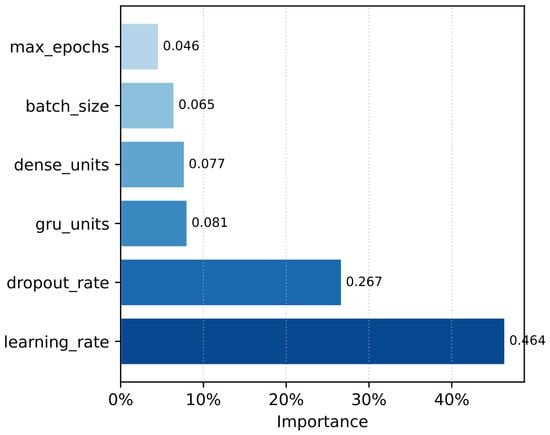
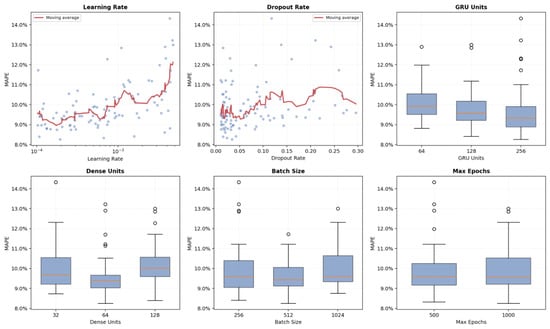
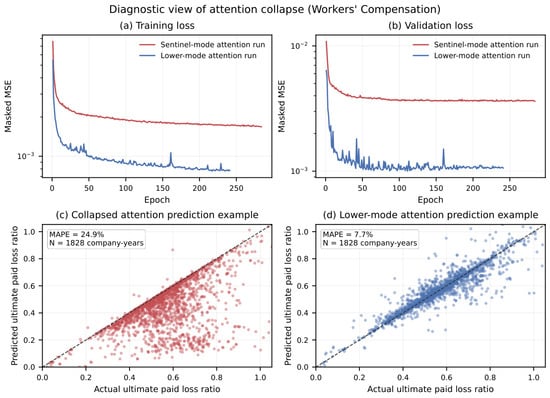
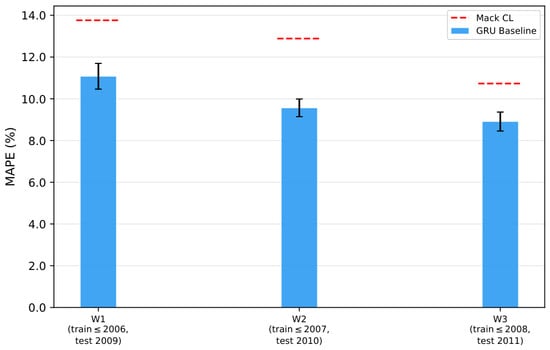
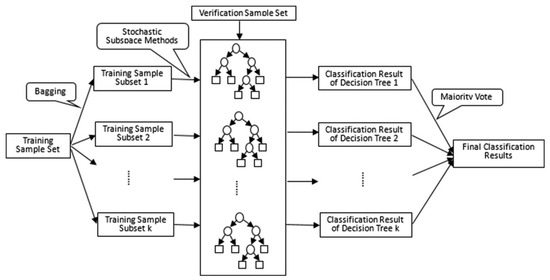
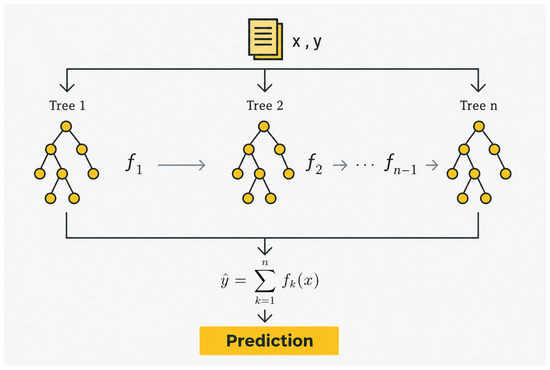
We compare neural network architectures for aggregate loss triangle reserving under matched data, training, and evaluation protocols, separating architectural choice from hyperparameter configuration across hundreds of training runs. We compare the GRU Baseline of the DeepTriangle framework against two attention-augmented variants on Workers’ Compensation and Private Passenger Auto data from NAIC Schedule P, and we report two findings. First, attention does not improve reserving accuracy on these short triangles. Both attention variants exhibit a bimodal training instability we call “attention collapse”, in which a sizable fraction of seeds degenerate to a naive mean predictor and the remaining seeds do not reliably outperform the Baseline once the full seed distribution and post hoc survivor filters are considered. Adding or removing the padding mask changes the failure rate only modestly, indicating that the issue is not a masking bug but the limited cross-position information available in 9-lag aggregate triangles. Second, hyperparameter configuration is the dominant driver of accuracy: learning rate receives the largest share of impurity-based importance (about 46%) in a Random Forest decomposition, and tuning the GRU Baseline yields a larger gain over Chain–Ladder than any architectural variant tested. The tuned GRU Baseline remains the recommended starting point for aggregate triangle reserving.
Full article

Figure 1
Open AccessFeature PaperArticle
Mortality Heterogeneity and Pension Redistribution Across Spatial Scales: Evidence from Japan
by
Ning Zhang, Chenlu Deng and Lingyu He
Risks 2026, 14(7), 161; https://doi.org/10.3390/risks14070161 - 11 Jul 2026
Abstract
►▼
Show Figures
Under a unified pension system, subnational differences in longevity can translate into implicit pension redistribution through differences in the expected duration of pension receipt. Using Japan as a case study, this paper examines the implicit pension redistribution induced by subnational longevity heterogeneity and
[...] Read more.
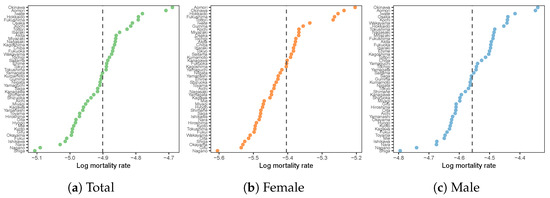
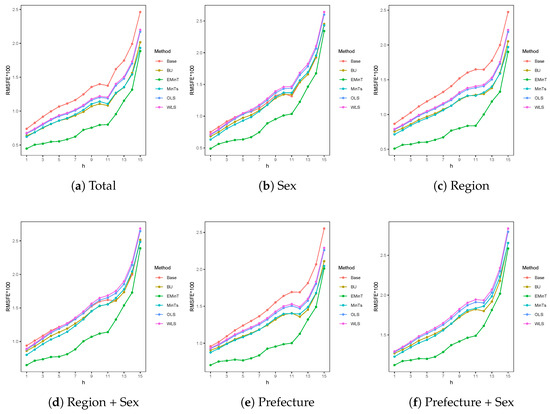
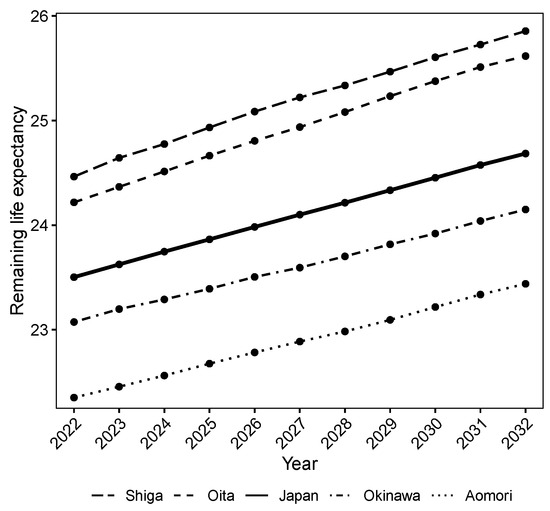
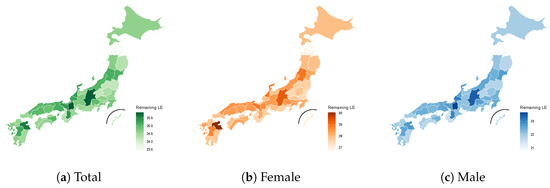
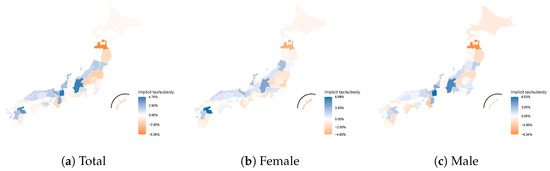
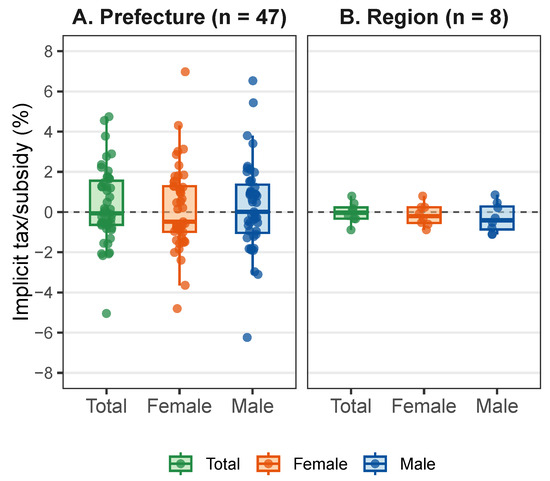
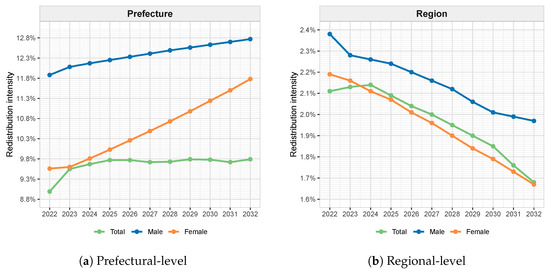
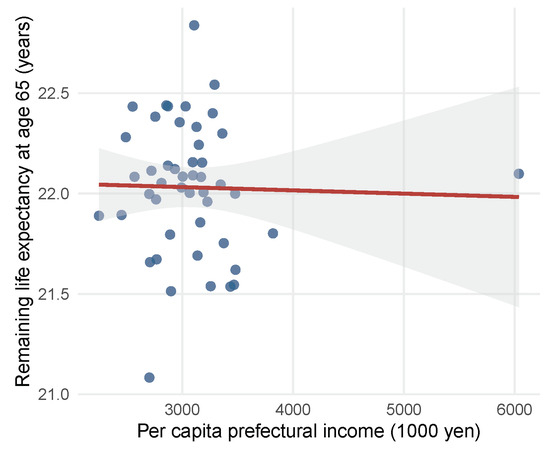
Under a unified pension system, subnational differences in longevity can translate into implicit pension redistribution through differences in the expected duration of pension receipt. Using Japan as a case study, this paper examines the implicit pension redistribution induced by subnational longevity heterogeneity and analyzes how its measurement varies across spatial scales. Accurate measurement of future redistribution requires forecasts of subnational mortality rates, from which future remaining life expectancy can be derived. Because mortality series at different spatial scales are linked by hierarchical aggregation relationships, independent forecasts may violate aggregation coherence and affect the comparability of redistribution estimates. To address this issue, we introduce and compare several forecast reconciliation methods and select the empirical minimum trace (EMinT) method based on its forecasting performance. Using the reconciled mortality forecasts, we estimate future post-retirement remaining life expectancy across subnational areas and subsequently measure implicit pension redistribution. The results show that subnational longevity heterogeneity will persist throughout the forecast period, generating implicit pension redistribution with clear spatial clustering. Redistribution is substantially greater at the prefectural level than at the regional level, and the difference is projected to widen over time. These findings indicate that analyses conducted at more aggregated spatial scales may underestimate the true extent of pension redistribution across areas. This study provides quantitative evidence for the spatial evaluation of pension systems and public policymaking.
Full article

Figure 1
Open AccessArticle
Are Natural Resources a Curse for Green Growth in OECD Countries? The Moderating Role of Green Innovations and Environmental Regulations
by
Shomaila Habib, Huan Qiu, Anum Rashid, Yiwei Zhao and Jimmy Chien
Risks 2026, 14(7), 160; https://doi.org/10.3390/risks14070160 - 10 Jul 2026
Abstract
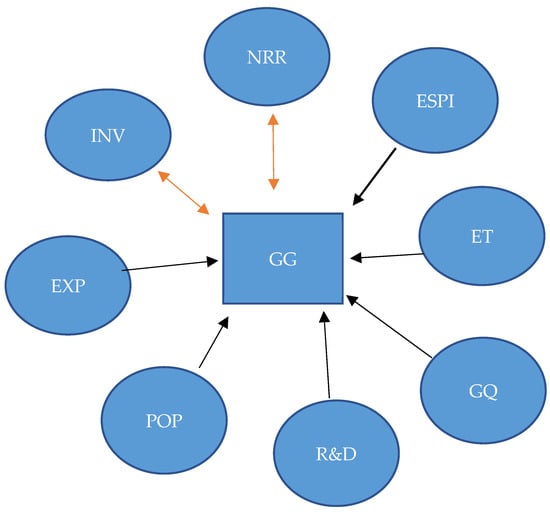
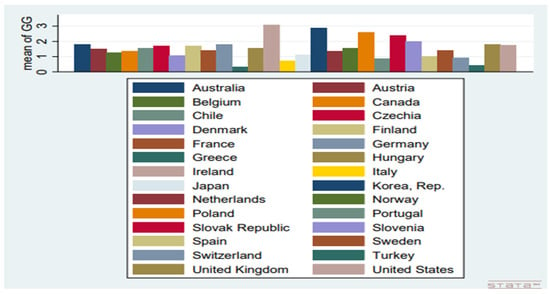
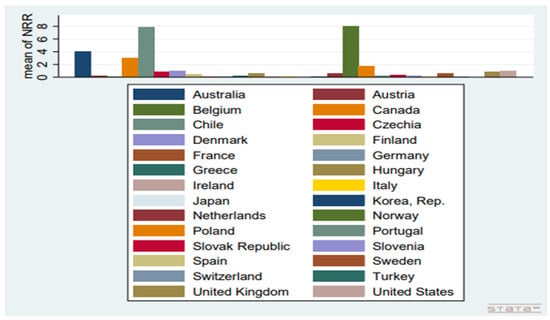
This study empirically examines the impact of natural resource rents (NRR), a proxy for economic benefits and costs of natural resources, on green growth (GG) in Organization for Economic Co-operation and Development (OECD) countries from 1996 to 2020, while accounting for the moderating
[...] Read more.
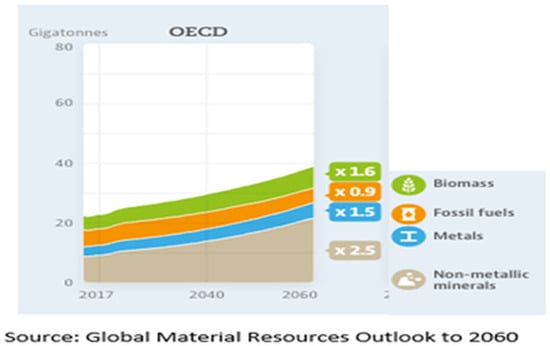
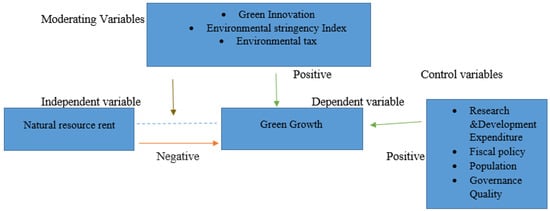
This study empirically examines the impact of natural resource rents (NRR), a proxy for economic benefits and costs of natural resources, on green growth (GG) in Organization for Economic Co-operation and Development (OECD) countries from 1996 to 2020, while accounting for the moderating roles of green innovations and environmental regulations. Using the Common Correlated Effects Mean Group (CCEMG) and Augmented Mean Group (AMG) estimators as our baseline model, the analysis reveals a significantly negative association between natural resource rents and green growth in OECD countries, consistent with the resource curse hypothesis, which reflects heightened economic, institutional, and environmental risks associated with resource reliance. Furthermore, the results indicate that green innovations and environmental regulations not only promote green growth but also weaken the adverse association between natural resource rents and green growth, thereby suggesting their positive roles in managing resource-related risks. These findings remain robust across alternative variable definitions and model specifications. Overall, the empirical evidence highlights the importance of adopting policy measures, such as increased investment in sustainable technology research and development and providing incentives for firms to implement environmentally friendly practices, to manage resource-related risks and support the transition toward sustainable development.
Full article
(This article belongs to the Special Issue Climate Risk in Financial Markets and Institutions)
►▼
Show Figures

Figure 1
Open AccessArticle
Eskom-Induced Metabolic Arrest in JSE Financial Hypergraphs: A Physics-Informed Entropy Protocol for Systemic Risk Governance
by
Ntebogang Dinah Moroke
Risks 2026, 14(7), 159; https://doi.org/10.3390/risks14070159 - 10 Jul 2026
Abstract
►▼
Show Figures
Physical infrastructure failure induces topological phase transitions in financial networks that existing systemic risk models cannot detect, attribute, or govern. This study introduces CASCADEnt (Cascading Systemic-Entropy-Detecting Network), a physics-informed entropy protocol for infrastructure-coupled financial hypergraphs. The model integrates three components: (i) a Landauer-motivated
[...] Read more.
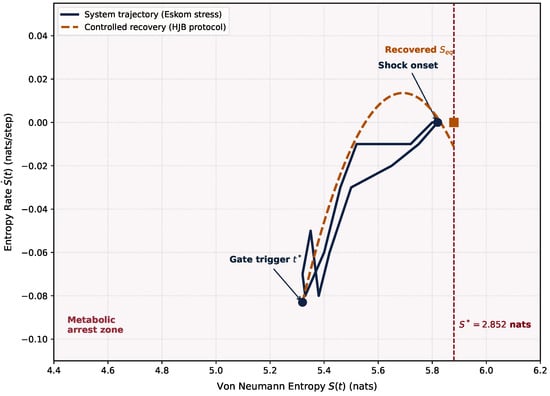
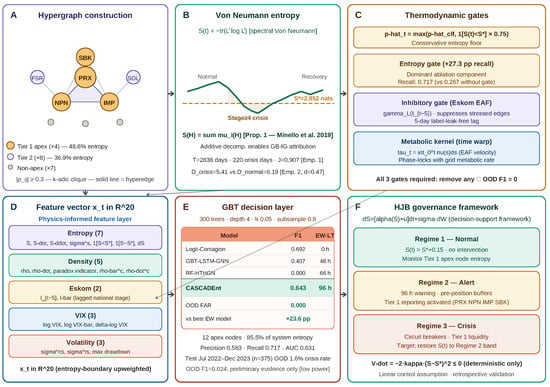
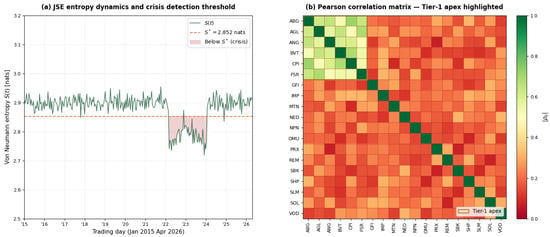
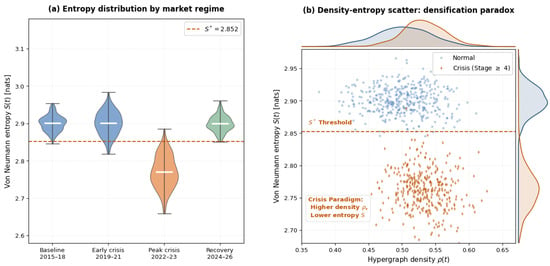
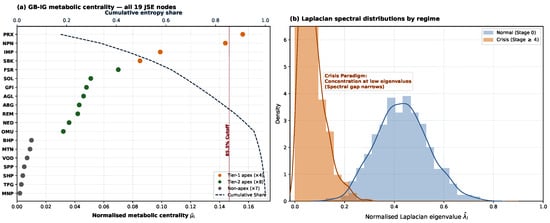
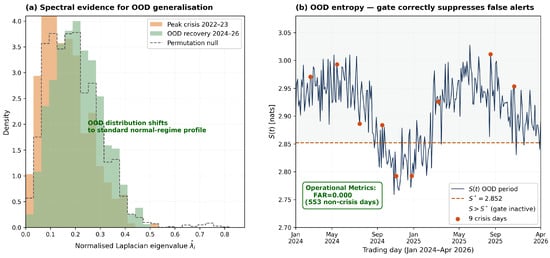
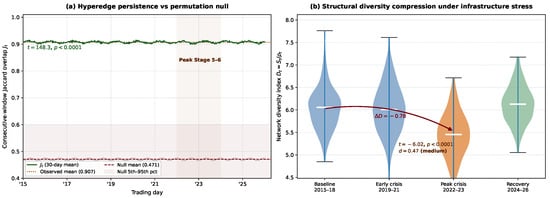
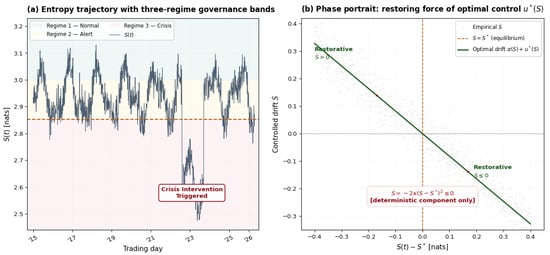
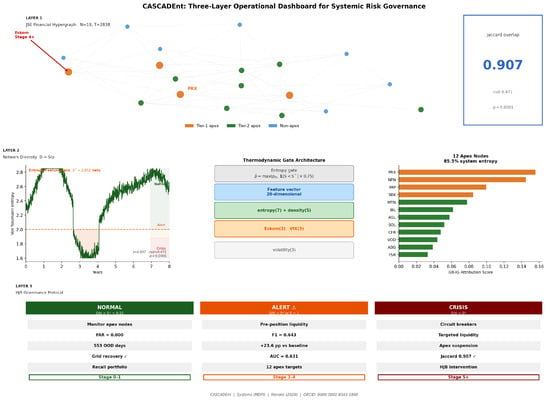
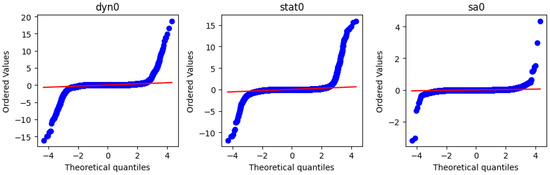
Physical infrastructure failure induces topological phase transitions in financial networks that existing systemic risk models cannot detect, attribute, or govern. This study introduces CASCADEnt (Cascading Systemic-Entropy-Detecting Network), a physics-informed entropy protocol for infrastructure-coupled financial hypergraphs. The model integrates three components: (i) a Landauer-motivated entropy threshold ( nats) that detects imminent metabolic arrest before it manifests as market stress; (ii) Gradient-Boosted Integrated Gradients (GB-IG) metabolic centrality that attributes systemic collapse to the specific apex nodes driving it; and (iii) a Lyapunov-constrained Hamilton–Jacobi–Bellman protocol that governs macroprudential intervention with deterministic stability tendency under a linear control assumption (Theorem 1); stochastic extensions remain future work. The key variables are daily equity returns and hypergraph topology for 19 JSE Top40 securities, integrated with Eskom Energy Availability Factor (EAF) telemetry and CBOE VIX ( trading days, January 2015–April 2026). CASCADEnt achieves F1 = 0.643 at a 96 h early-warning lead time, outperforming all advance-warning baselines by 23.6 percentage points, with a false alarm rate of zero across 553 out-of-distribution days. Twelve apex nodes concentrate 85.5% of total system entropy, providing a governance target for macroprudential capital buffer design in infrastructure-dependent emerging economies.
Full article

Figure 1
Open AccessArticle
Does Regulation Promote or Impede Financial Inclusion in South Africa
by
Loyiso Maciko
Risks 2026, 14(7), 158; https://doi.org/10.3390/risks14070158 - 8 Jul 2026
Abstract
►▼
Show Figures
This study examines South Africa’s financial inclusion landscape, with a focus on how regulatory design, consumer capability, and community-based financial ecosystems shape equitable access to financial services. Despite sustained policy commitments, financial inclusion outcomes remain suboptimal, with approximately 3.9 million low-income adults lacking
[...] Read more.
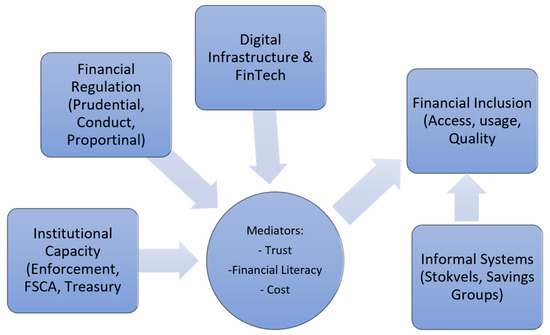
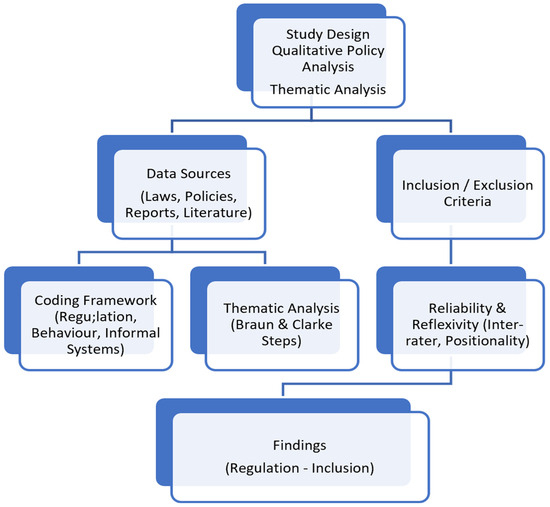
This study examines South Africa’s financial inclusion landscape, with a focus on how regulatory design, consumer capability, and community-based financial ecosystems shape equitable access to financial services. Despite sustained policy commitments, financial inclusion outcomes remain suboptimal, with approximately 3.9 million low-income adults lacking access to basic financial services such as savings and credit accounts. The paper contributes to the financial inclusion discourse by assessing whether government and regulatory institutions have enabled access for low-income groups or reinforced existing patterns of exclusion. Using a qualitative thematic analysis of academic literature, national policy documents, and regulatory frameworks, the study identifies key structural barriers and enabling factors influencing financial inclusion in South Africa. Adopting an institutional-capability approach, the analysis integrates regulatory theory with insights from behavioural finance and community-based financial systems. The findings indicate that while the Financial Sector Regulation Act represents a significant milestone by establishing financial inclusion as a statutory objective, meaningful progress depends on a stronger emphasis on financial literacy, differentiated consumer education, and context-responsive product design. The study further highlights that fintech innovation presents both opportunities and risks, expanding access while intensifying regulatory asymmetries and operational vulnerabilities. A holistic policy approach that promotes inclusive institutional design, revised credit risk assessment frameworks, and gender-responsive financial products is therefore essential to advancing South Africa’s financial inclusion agenda.
Full article

Figure 1
Open AccessArticle
Investment Performance and the Formation of Horizon-Specific Inflation Expectations: Evidence from Japanese Investors
by
Sumeet Lal, Sota Hirahara, Sakiho Aizawa, Mostafa Saidur Rahim Khan and Yoshihiko Kadoya
Risks 2026, 14(7), 157; https://doi.org/10.3390/risks14070157 - 7 Jul 2026
Abstract
Inflation expectations are central to monetary policy transmission, yet relatively little is known about whether individuals’ own investment experiences are associated with how they form such expectations across different forecast horizons. This study examines the association between self-reported past investment performance and horizon-specific
[...] Read more.
Inflation expectations are central to monetary policy transmission, yet relatively little is known about whether individuals’ own investment experiences are associated with how they form such expectations across different forecast horizons. This study examines the association between self-reported past investment performance and horizon-specific expected cumulative consumer price changes at the one-, three-, and five-year horizons using a large-scale online survey of 157,523 active Japanese investors. Because the survey asks respondents how consumer prices will change over each horizon, the three- and five-year responses are interpreted as expected cumulative price changes rather than annualized inflation rates. Ordered probit models are estimated while controlling for demographic, socioeconomic, and behavioral characteristics. The results show a horizon-dependent conditional association: self-reported investment performance is not significantly associated with one-year expectations in the full specification, whereas it is positively and significantly associated with three- and five-year expectations. Formal stacked OLS interaction tests indicate that the association differs significantly across horizons, and additional threshold-specific probit models show that the pattern is most evident for moderate inflation-expectation thresholds. The economic magnitudes are statistically precise but modest. Heterogeneity analyses further suggest that the association is weaker among respondents with higher financial literacy and higher assets, and stronger among respondents with a more myopic view of the future. Because the analysis relies on cross-sectional observational data and subjective performance measures, the findings should be interpreted as conditional associations rather than causal effects.
Full article
Open AccessArticle
Decoupled or Connected? Bitcoin and Global Financial Spillovers to the Kazakhstan Stock Exchange
by
Laziza Nuskabayeva, Aziza Syzdykova and Gulmira Azretbergenova
Risks 2026, 14(7), 156; https://doi.org/10.3390/risks14070156 - 6 Jul 2026
Abstract
►▼
Show Figures
This study investigates the dynamic interactions between Bitcoin, global financial indicators, and the Kazakhstan Stock Exchange (KASE) index within a VAR-based econometric framework, addressing a notable gap in the literature on emerging and shallow financial markets. While prior research predominantly focuses on developed
[...] Read more.
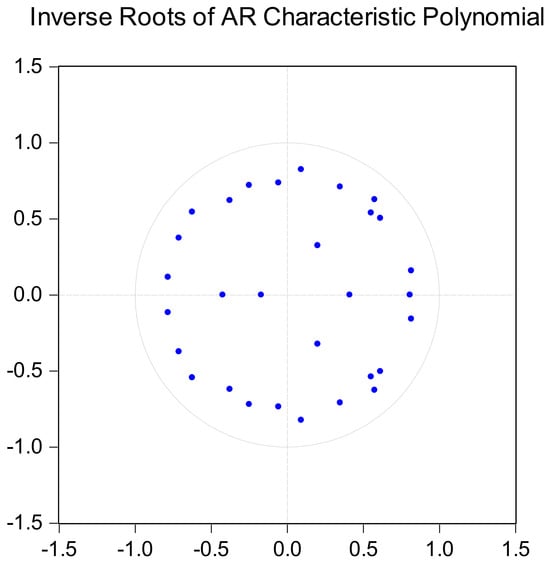
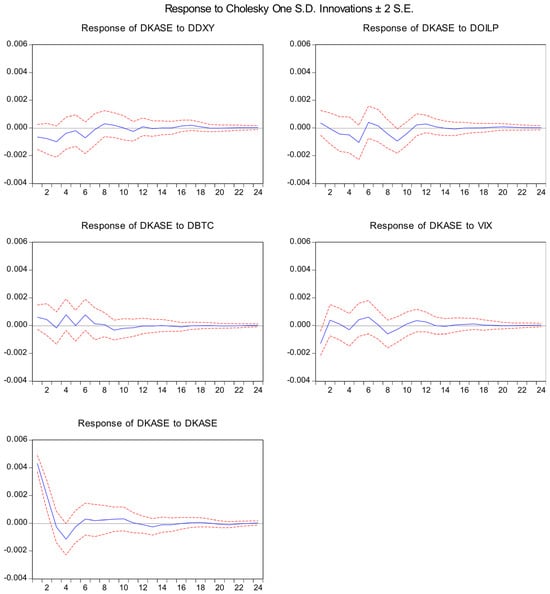
This study investigates the dynamic interactions between Bitcoin, global financial indicators, and the Kazakhstan Stock Exchange (KASE) index within a VAR-based econometric framework, addressing a notable gap in the literature on emerging and shallow financial markets. While prior research predominantly focuses on developed economies, evidence suggests that cryptocurrency–stock market linkages are time-varying, crisis-sensitive, and often asymmetric. In this context, the present study examines both short-term causality structures and shock transmission mechanisms among KASE, Bitcoin (BTC), oil prices, the U.S. dollar index (DXY), and the VIX using monthly data for the period 2017M01–2026M04. Empirical findings indicate that, despite the absence of statistically significant Granger causality from individual global variables to KASE, the joint dynamics suggest a non-negligible, albeit indirect, interaction structure. Variance decomposition and impulse-response analyses further reveal that KASE dynamics are predominantly driven by its own shocks, reflecting the relatively segmented and internally driven nature of the market. Diagnostic tests confirm the robustness of the model, with no evidence of serial correlation or heteroskedasticity in residuals. These findings are consistent with the structural characteristics of the Kazakh financial system, including limited market depth, lower investor participation, and high sensitivity to domestic macroeconomic conditions. Unlike developed markets where stronger integration is observed, KASE appears only weakly connected to global financial and cryptocurrency markets. The study contributes to the literature by providing empirical evidence from a frontier market and highlights the importance of considering country-specific structural factors when evaluating financial integration. Policy implications emphasize the need to enhance market depth, transparency, and investor confidence to strengthen the responsiveness of KASE to global financial developments.
Full article

Figure 1
Open AccessArticle
Optimized Moving Average Smoothing for Volatility Forecasting in Futures Markets
by
Pijus Zlatkus, Aistis Raudys, Linas Lazaravičius, Linas Žvirblis, Tomas Plankis, Vytautas Valaitis, Julius Andrikonis and Rimantas Vaicekauskas
Risks 2026, 14(7), 155; https://doi.org/10.3390/risks14070155 - 6 Jul 2026
Abstract
►▼
Show Figures
Common moving averages (MAs) used for volatility forecasting rely on fixed heuristic weights. We propose a Custom Moving Average (CMA) whose weights are learned to forecast the next-day True Range (TR). Using daily OHLC data for 55 futures contracts with a chronological 60/20/20
[...] Read more.
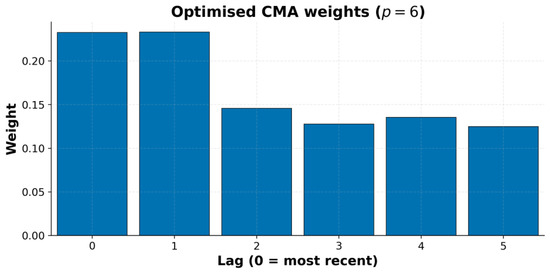
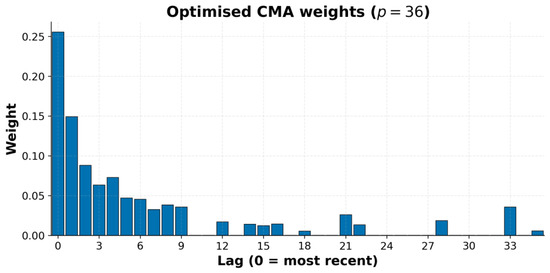
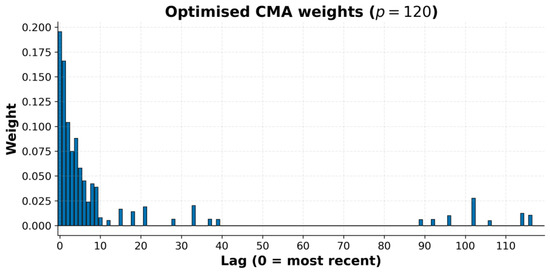
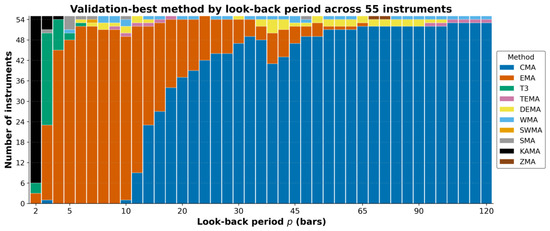
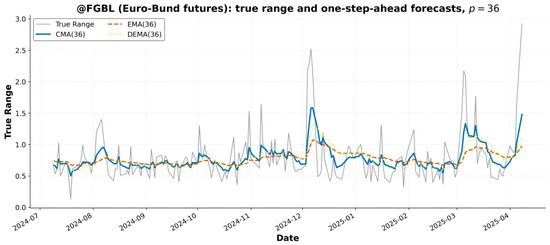
Common moving averages (MAs) used for volatility forecasting rely on fixed heuristic weights. We propose a Custom Moving Average (CMA) whose weights are learned to forecast the next-day True Range (TR). Using daily OHLC data for 55 futures contracts with a chronological 60/20/20 train/validation/test split, CMA weights are optimized for each look-back period p by projected subgradient descent against Mean Absolute Error (MAE), with validation-based early stopping. We benchmark CMA against nine standard MAs over 62 look-back periods, selecting the period on validation and reporting accuracy on the held-out test set. Learned weights concentrate on an effective horizon of 15–20 observations regardless of p: about 85% of the mass sits in lags 0–14 for both and . EMA is the validation-best method at very short windows; CMA dominates from onwards, winning on 53 of 55 instruments by . Under a single-global-period rule, CMA at attains the lowest test-set geometric-mean MAE, with EMA at the closest competitor (0.87% higher); per-instrument validation selection does not overturn the ranking, with EMA again closest at 0.53%. Higher-order smoothers (T3, TEMA, DEMA) do not improve on CMA under either rule; CMA’s advantage is robust to the choice of selection granularity.
Full article

Figure 1
Open AccessArticle
Investor Heterogeneity in Preferences for AI-Based Financial Services: Evidence from Japanese Online Investors
by
Honoka Nabeshima and Yoshihiko Kadoya
Risks 2026, 14(7), 154; https://doi.org/10.3390/risks14070154 - 3 Jul 2026
Abstract
This study examines investor heterogeneity in relative priorities for AI-based financial services using a large-scale survey of Japanese online investors. We use data from the 2026 wave of the “Survey on Life and Money,” administered by Rakuten Securities and Kadoya Lab at Hiroshima
[...] Read more.
This study examines investor heterogeneity in relative priorities for AI-based financial services using a large-scale survey of Japanese online investors. We use data from the 2026 wave of the “Survey on Life and Money,” administered by Rakuten Securities and Kadoya Lab at Hiroshima University. The final analytical sample comprises 14,432 respondents. Respondents selected their first-, second-, and third-preferred AI-based services from 11 options, which were grouped into five functional categories: administrative procedure proxy services, consultation for troubles and emergencies, education and literacy support, information provision and planning support, and advisory and management for investment. Because respondents were required to select their top three preferred services, the dependent variables capture relative priorities rather than absolute willingness to use AI services. Binary probit and ordered probit models show that investor characteristics are associated with relative priorities across service categories, although the estimated marginal effects are generally modest. Information provision and planning support is more strongly prioritized by male respondents, more-educated respondents, and those with greater household financial assets. Advisory and management services are more strongly prioritized by higher-income and more impatient respondents, while risk aversion is negatively associated with this category. Additional robustness checks suggest that these patterns are not explained entirely by unequal category sizes, although option-level results reveal some within-category heterogeneity. These findings suggest that AI-based financial services should reflect investor heterogeneity while recognizing that service categories may contain diverse underlying functions.
Full article
Open AccessArticle
The Impact of Digital Risk Management on Innovative Islamic Banking Services: The Mediating Role of Digital Capabilities and the Moderating Role of Digital Culture
by
Ahmad Almajali, Abdulrahman Al-Kharabsheh, Ibrahim Mkheimer, Abdullah Alkhrabsheh and Nasser Assaf
Risks 2026, 14(7), 153; https://doi.org/10.3390/risks14070153 - 2 Jul 2026
Abstract
►▼
Show Figures
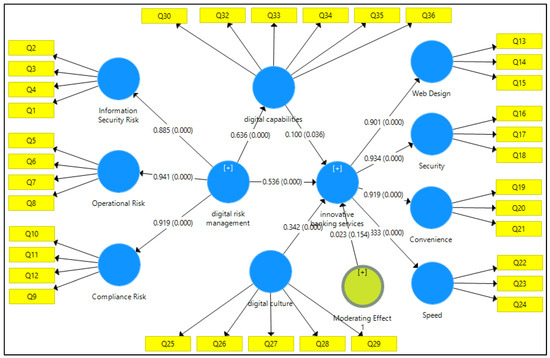
Purpose: This research intends to explore the relationships between digital risk management practices and the successful implementation of innovative banking services with the mediating effect of digital capabilities and the moderating effect of digital culture. Methodology Approach: In this study, the data was
[...] Read more.
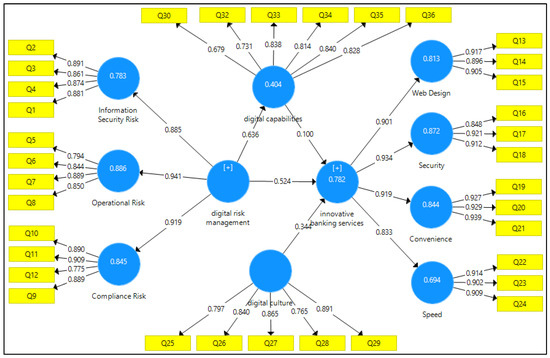
Purpose: This research intends to explore the relationships between digital risk management practices and the successful implementation of innovative banking services with the mediating effect of digital capabilities and the moderating effect of digital culture. Methodology Approach: In this study, the data was gathered using a quantitative approach and the cross-sectional survey method with responses from participants who were chosen as the unit of analysis of being investigated for the study. Islamic finance institutions in Jordan were used as the unit of analysis in this study. Responses of different Islamic finance institutions were surveyed in a structured manner to collect data with 281 valid responses. The current study then used structural equation modeling using SmartPLS3 to investigate the relationship between the variables. Findings: The results show that utilizing digital risk management, advanced analytics, artificial intelligence, and automated compliance systems is essential to fostering innovation while upholding Shariah compliance. The study also shows that efficient digital risk management boosts users’ confidence increases service effectiveness and facilitates the launch of cutting-edge Shariah-compliant products. The findings supported a significant meditating effect of the digital capabilities but did not support a moderating effect of the digital culture between digital risk management and innovative banking services respectively. Originality: By investigating digital risk management in the particular context of Islamic innovative banking services, this study provides novel insight. In contrast to earlier research that focuses on innovation in Islamic finance, this paper examines how digital risk management frameworks impact the sustainability of innovative banking services that adhere to Shariah. Moreover, building institutional capacity and resilience requires training programs that emphasize emerging technologies and digital risk awareness.
Full article

Figure 1
Open AccessArticle
Application of Explainable AI and Uncertainty Quantification in Credit Risk Assessment
by
Mulavhelesi Rambauli, Thakhani Ravele and Caston Sigauke
Risks 2026, 14(7), 152; https://doi.org/10.3390/risks14070152 - 1 Jul 2026
Abstract
►▼
Show Figures
Credit risk modelling is important for assessing the probability of borrower default and for lending decisions. Even with recent advances in predictive algorithms, however, there are obstacles to implementing transparent, robust, and reliable models that can adapt to uncertain inputs. This paper examines
[...] Read more.
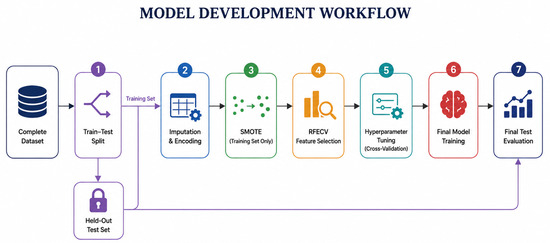
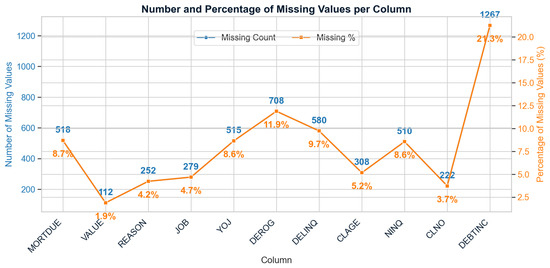
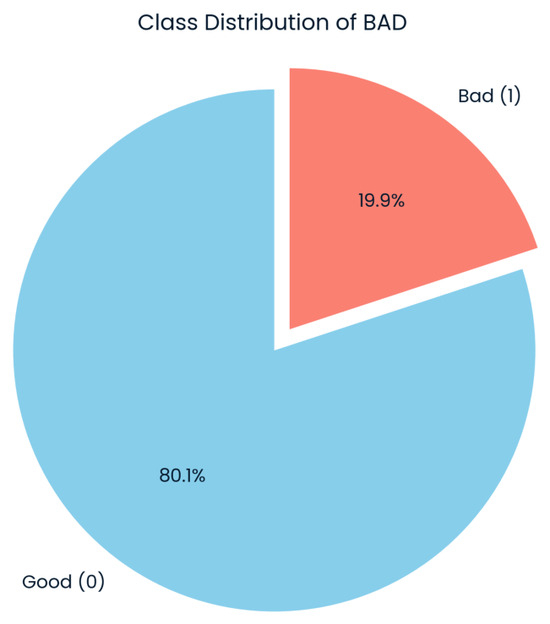
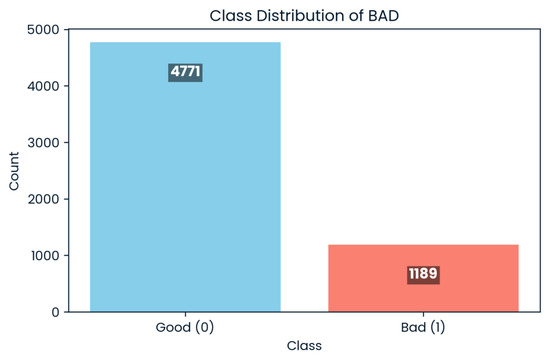
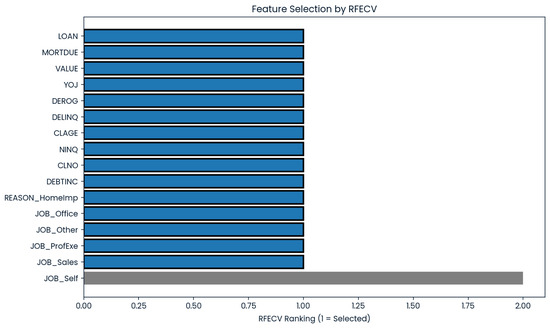
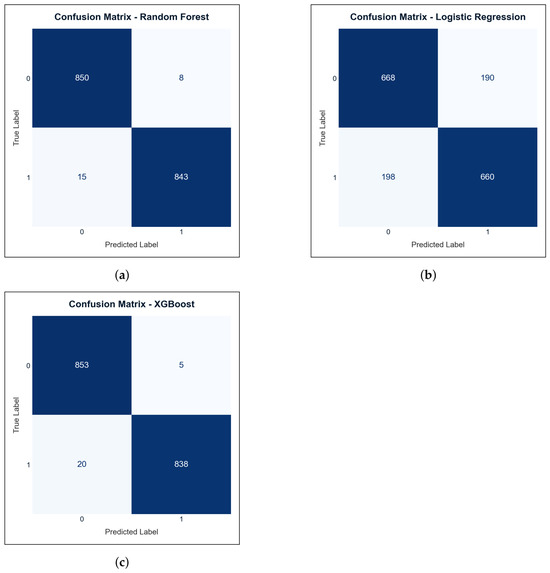
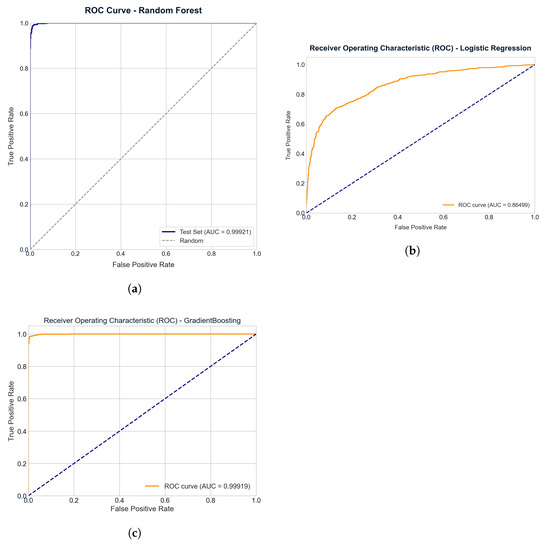
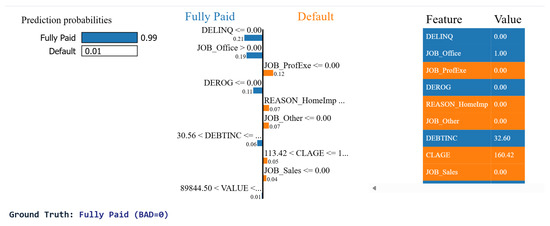
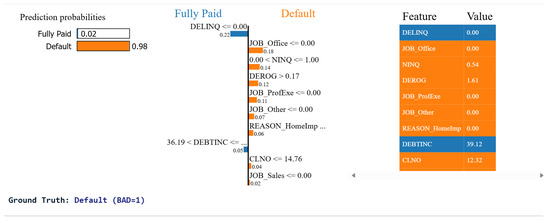
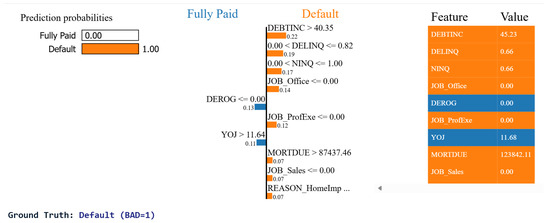
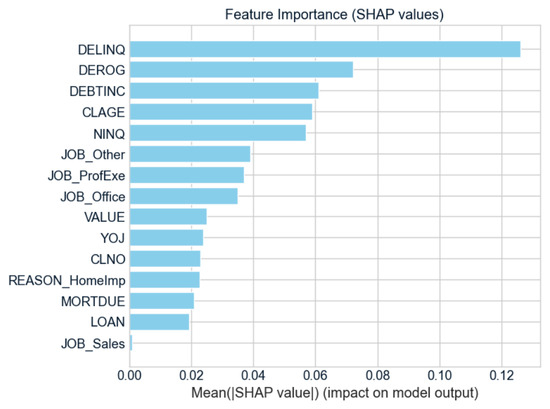
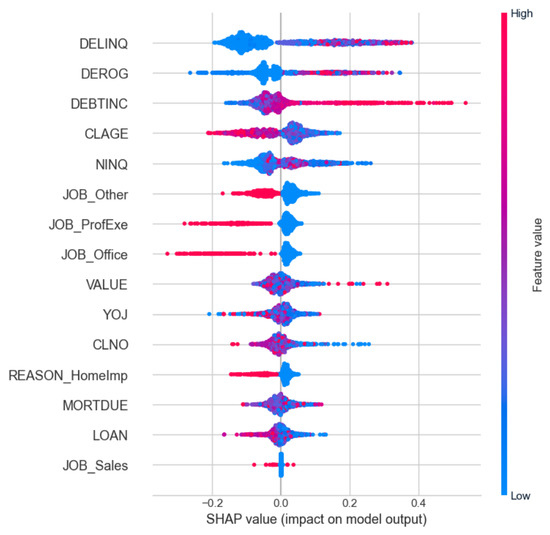
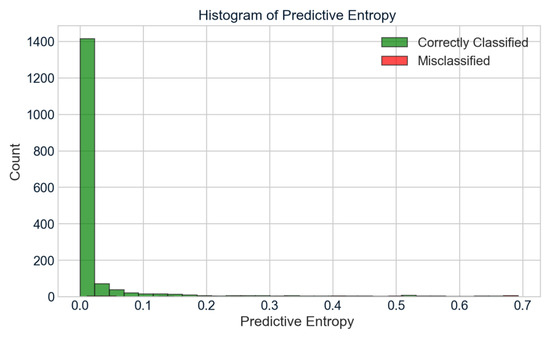
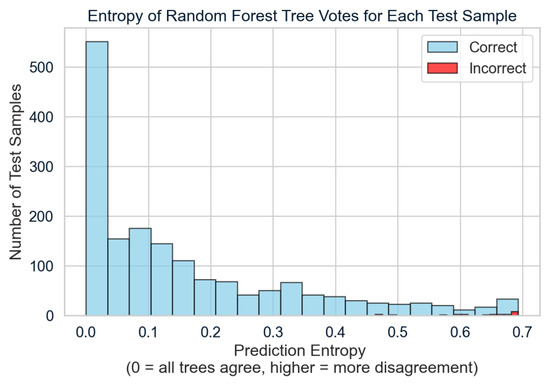
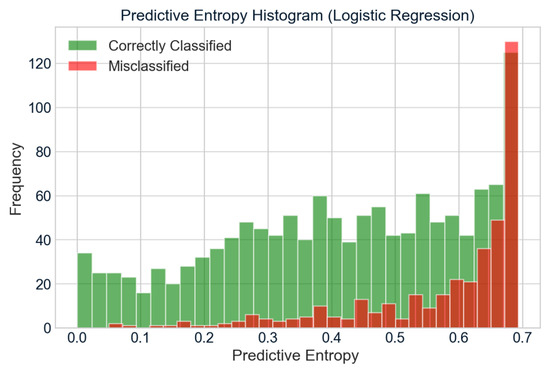
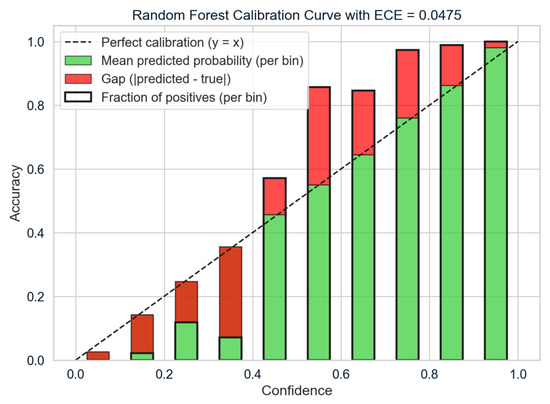
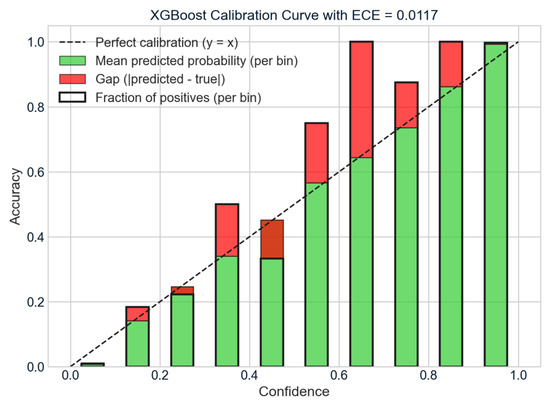
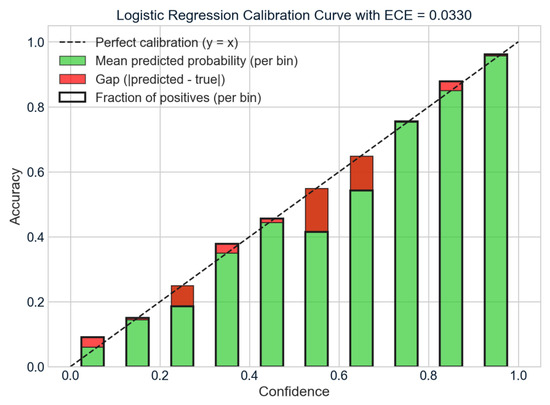
Credit risk modelling is important for assessing the probability of borrower default and for lending decisions. Even with recent advances in predictive algorithms, however, there are obstacles to implementing transparent, robust, and reliable models that can adapt to uncertain inputs. This paper examines how combining XAI and UQ can improve interpretability and confidence in credit risk predictions. Three modelling methods, logistic regression, Random Forest and XGBoost, were compared with respect to the Home Equity (HMEQ) dataset based on predictive accuracy, probability calibration, interpretability, and uncertainty management. Ensemble methods showed better predictive performance, with over 98% accuracy and AUC values >0.999, while logistic regression showed poor performance. A disparity between accuracy and probabilistic reliability was found through calibration analysis. Random Forest yielded more accurate results with less well calibrated estimates (ECE = 0.0475). Nevertheless, XGBoost had strong prediction accuracy and trustworthy confidence estimates (ECE = 0.0117). Entropy-based uncertainty quantification found that the model’s predictions were quite uncertain in some cases, yet it was able to mark challenging problems accurately. SHAP and LIME consistently found DELINQ, DEROG, and DEBTINC the driving variables of default risk, which was in line with accepted financial risk rationale. Utilising SHAP, LIME and entropy-based uncertainty quantification, the paper develops a framework to improve interpretation, regulatory compliance and trust in automated loan systems. It highlights the need for assurance in addition to prediction.
Full article

Figure 1
Open AccessFeature PaperArticle
Implementing Neural SDEs for Data-Driven Dynamics of the Bitcoin Option Surface
by
Arjun Shah and Erik Schlögl
Risks 2026, 14(7), 151; https://doi.org/10.3390/risks14070151 - 30 Jun 2026
Abstract
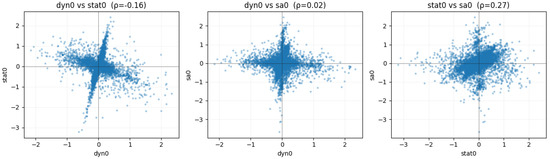
This paper presents a full implementation of data-driven modelling of the dynamics of the options on Bitcoin, using high-frequency data from the Deribit exchange. To this end, we provide a synthesis of methods established in prior papers, namely, the works involving “neural SDE
[...] Read more.
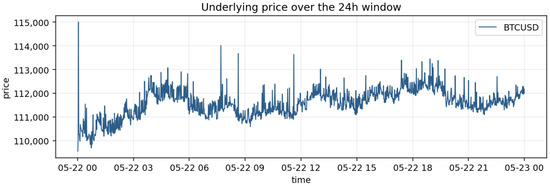
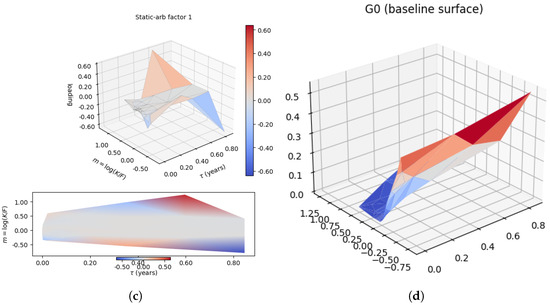
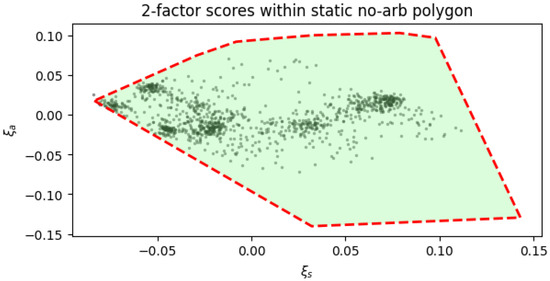
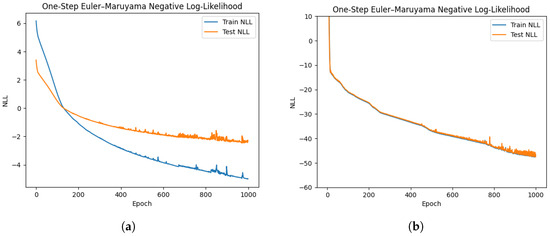
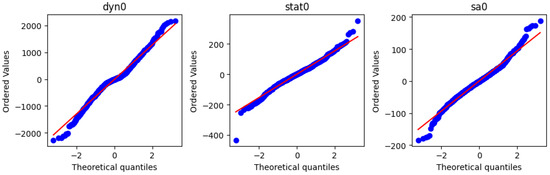
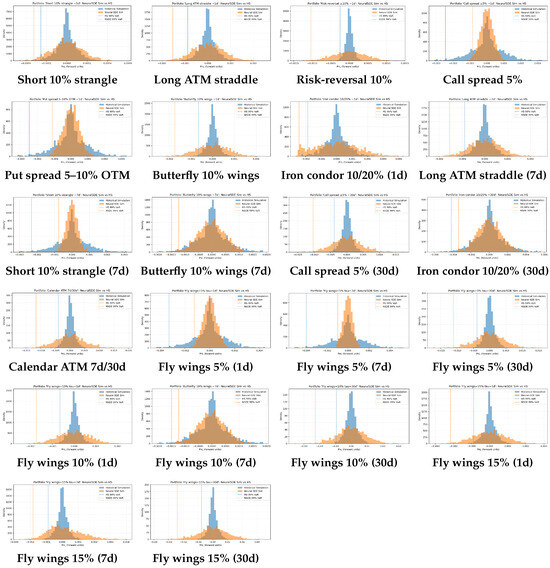
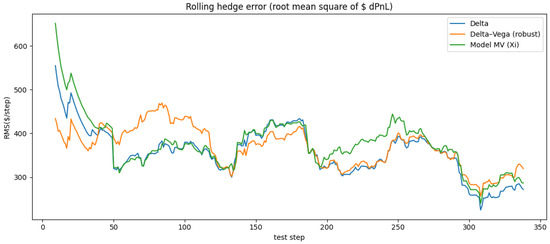
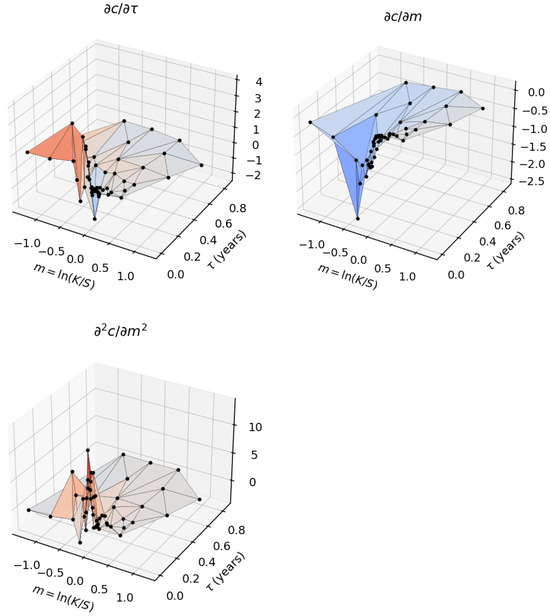
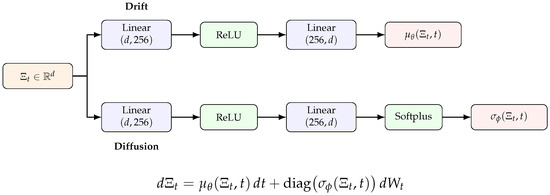
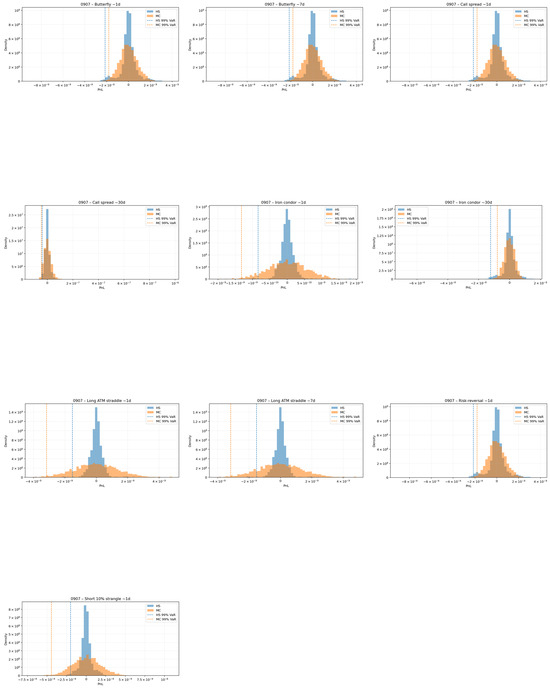
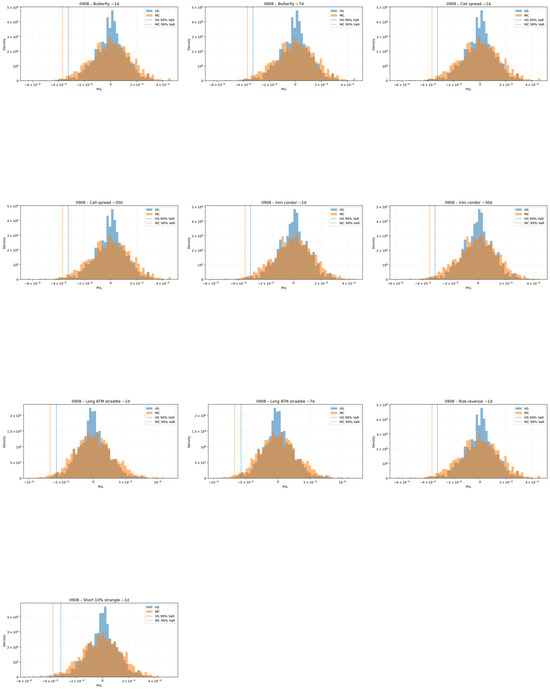
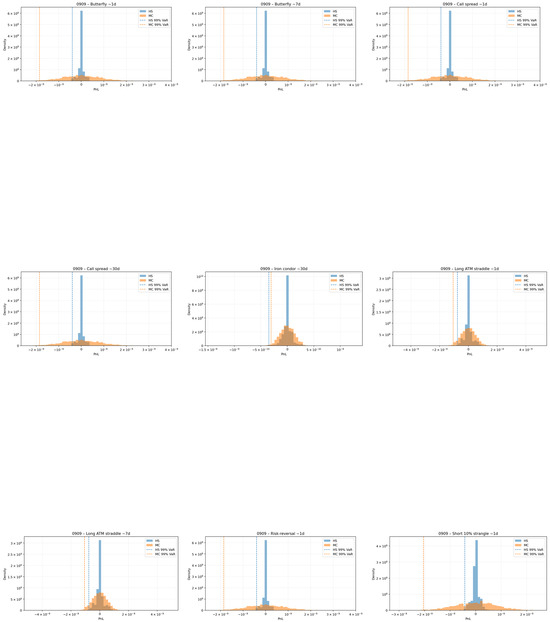
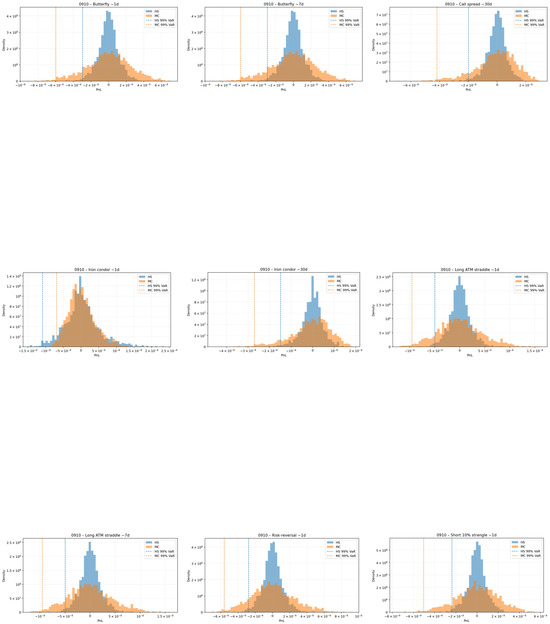
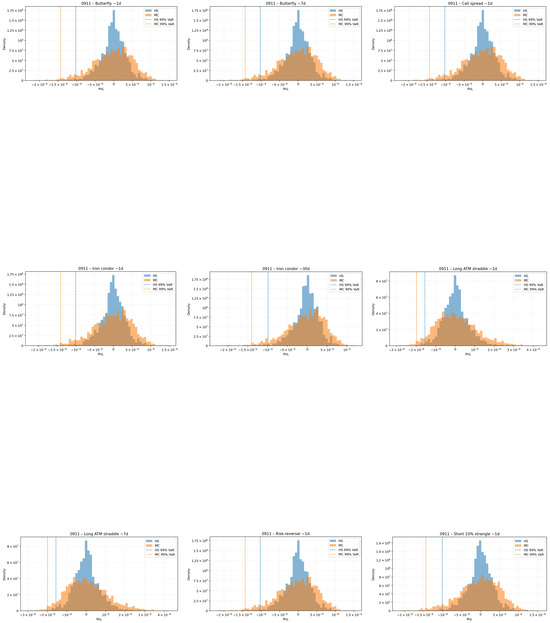
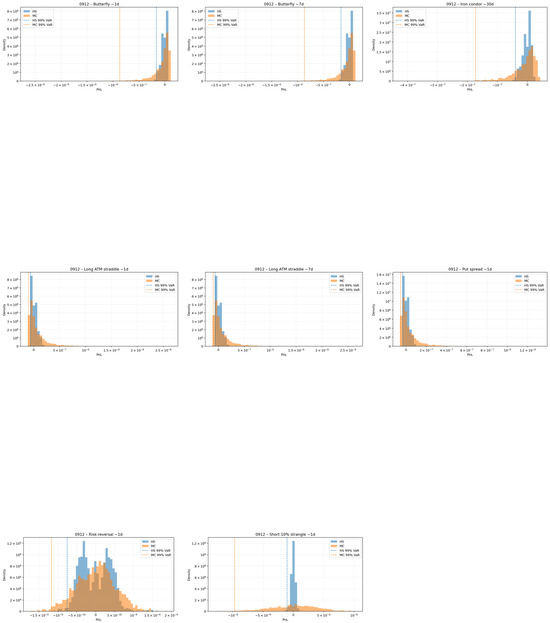
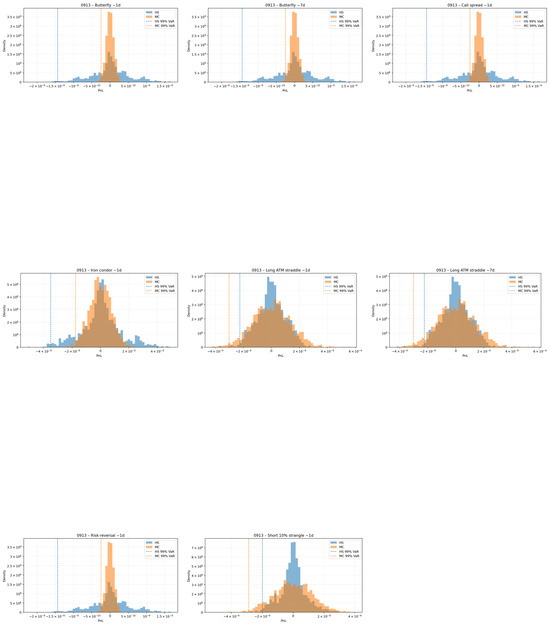
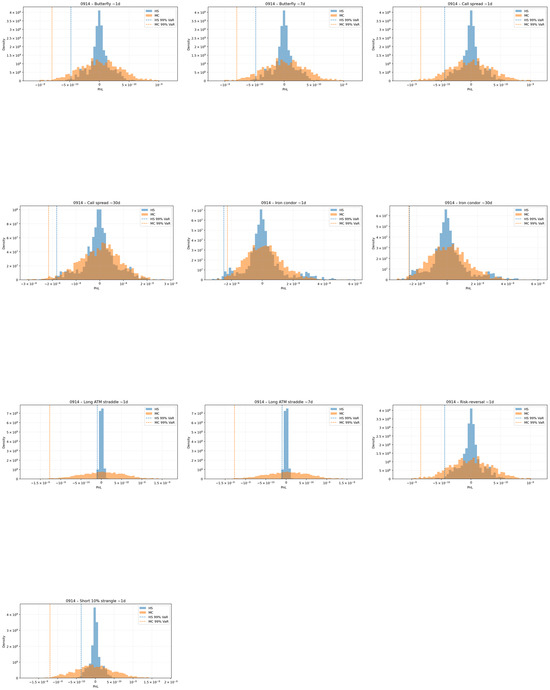
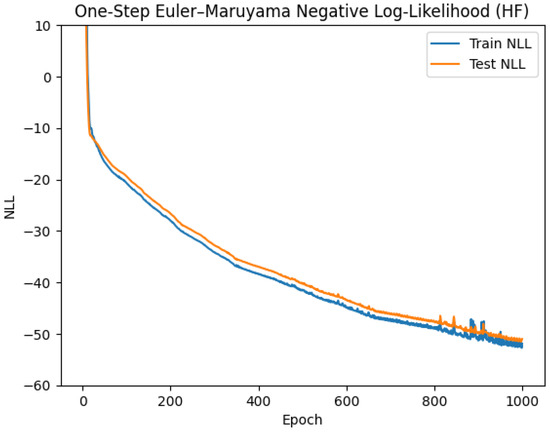
This paper presents a full implementation of data-driven modelling of the dynamics of the options on Bitcoin, using high-frequency data from the Deribit exchange. To this end, we provide a synthesis of methods established in prior papers, namely, the works involving “neural SDE market models,” to build a pipeline to go from raw option quotes to a functioning non-parametric model. The option surface is decomposed into a low-dimensional latent space designed to minimise arbitrage in reconstruction, and the temporal evolution of these factors is modelled with a stochastic differential equation (SDE). The drift and diffusion of the SDE are learned from data using neural networks, thereby forming a “neural SDE”. These networks are constrained in order to guarantee the absence of static arbitrage and to minimise dynamic arbitrage in the resulting model. The networks are trained using a likelihood-based objective function in an SDE transition discretisation. The framework produces arbitrage-free simulations of option surfaces and enables risk management applications, such as Value-at-Risk estimation and hedging applications.
Full article
(This article belongs to the Special Issue Cryptocurrency Pricing and Trading)
►▼
Show Figures

Figure 1
Open AccessArticle
Corporate Financial Resilience Under Incomplete Markets: A Theoretical Framework for Derivative-Constrained Emerging Markets
by
Gabriela Prelipcean, Mircea Boșcoianu and Veaceslav Samburschii
Risks 2026, 14(7), 150; https://doi.org/10.3390/risks14070150 - 30 Jun 2026
Cited by 1
Abstract
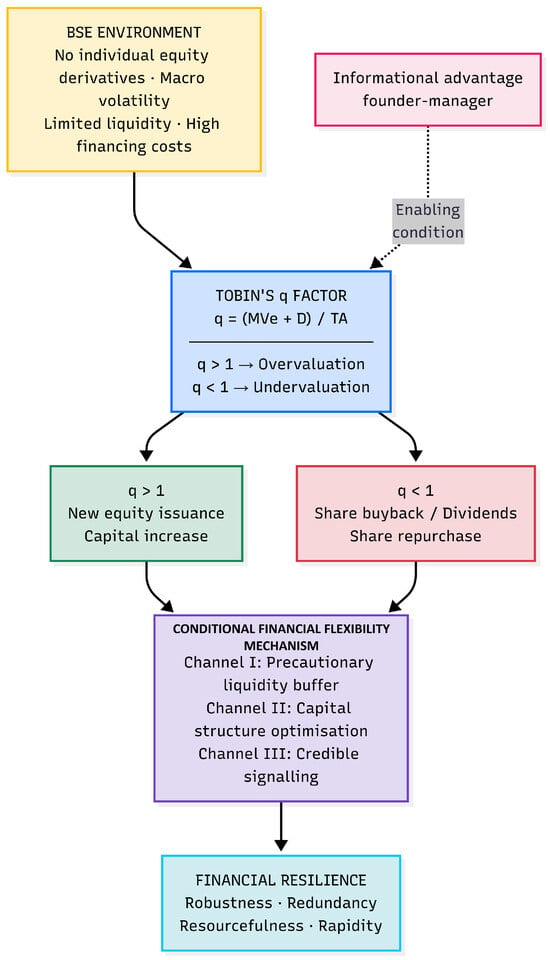
This paper develops a theoretical framework for corporate financial resilience under incomplete-market conditions, in which firm-specific equity derivatives are structurally unavailable or only weakly developed. Using the Romanian capital market and the Bucharest Stock Exchange (BSE) as a focal context rather than as
[...] Read more.
This paper develops a theoretical framework for corporate financial resilience under incomplete-market conditions, in which firm-specific equity derivatives are structurally unavailable or only weakly developed. Using the Romanian capital market and the Bucharest Stock Exchange (BSE) as a focal context rather than as the paper’s sole relevance, the study links Tobin’s q, liquidity policy, capital structure, ESG governance, and the domestic quasi-risk-free benchmark ( ) to explain how firms may partly support financial flexibility when direct hedging instruments are missing. This is a conceptual framework paper: it does not provide empirical tests or validated firm-level results but instead formulates empirically testable propositions (P1–P4) and a future empirical research agenda. Building on selective hedging theory, Tobin’s q investment theory ESG finance and organisational resilience research, the framework identifies six assumptions of the classical model that are violated and four limitations affecting q measurement on the BSE. Within thin and illiquid markets, Tobin’s q is treated as a noisy, imperfect valuation signal rather than as a precise decision threshold. The paper contributes by delimiting the scope conditions under which classical q-based and selective-hedging assumptions weaken in derivative-constrained markets by reframing financial flexibility as a conditional resilience mechanism rather than a hedge substitute and by specifying falsifiable propositions for future empirical testing in the Romanian capital-market context.
Full article
(This article belongs to the Special Issue Environmental, Social, and Governance (ESG) and Corporate Risk-Taking Capability)
►▼
Show Figures

Figure 1
Open AccessArticle
Do Board Characteristics Determine Litigation Risk? Evidence from the Jordanian Banking Industry
by
Hashem Alshurafat, Mohammed Alzahrane, Omar Arabiat and Randa Al-Tayan
Risks 2026, 14(7), 149; https://doi.org/10.3390/risks14070149 - 29 Jun 2026
Abstract
This paper investigates how corporate governance can impact the litigation risk of banks with reference to the board characteristics of the Jordanian banking industry. With a dataset of 14 of the banks listed on the Amman Stock Exchange between the years 2013–2023, the
[...] Read more.
This paper investigates how corporate governance can impact the litigation risk of banks with reference to the board characteristics of the Jordanian banking industry. With a dataset of 14 of the banks listed on the Amman Stock Exchange between the years 2013–2023, the study examines how gender diversity on a board, board size, board independence, foreign board representation, and directors’ financial education affect litigation costs. The analysis is based on agency theory and upper echelons theory and uses pooled ordinary least squares regression. The findings indicate that board characteristics have an uneven impact on litigation risk. The presence of female board members is always related to reduced legal costs, which implies that gender diversity improves the quality of monitoring and control over risks. Conversely, an increased board size and increase in foreign directors and directors of financial education are both linked to increased legal expenses, suggesting coordination issues and unfamiliarity with regulations in the cross-border governance environment. Board independence, however, does not demonstrate any statistically significant correlation with litigation risk. The paper adds to the literature by offering new evidence based on a developing economy with a unique institutional environment. The findings have significant implications for regulators, policymakers, and practitioners seeking to design effective board structures that reduce legal and compliance risks in the banking sector.
Full article
Open AccessArticle
Attention Under Fire: The Effect of Wartime Public Focus on Israel’s Stock and Exchange Rate
by
Nikolaos Papanikolaou, Evangelos Vasileiou and Themistoclis Pantos
Risks 2026, 14(7), 148; https://doi.org/10.3390/risks14070148 - 29 Jun 2026
Abstract
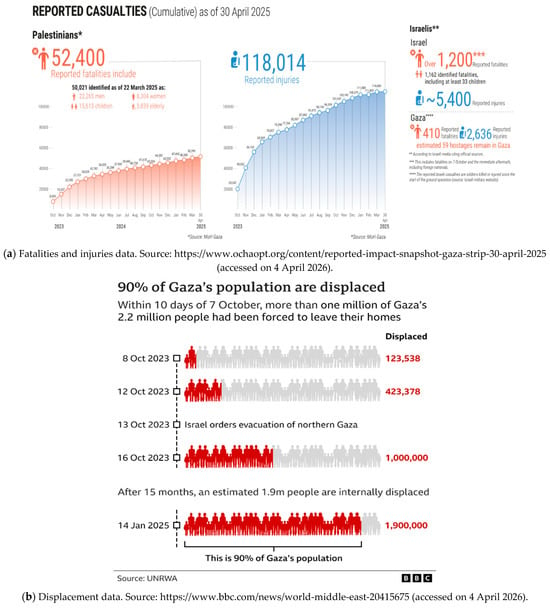
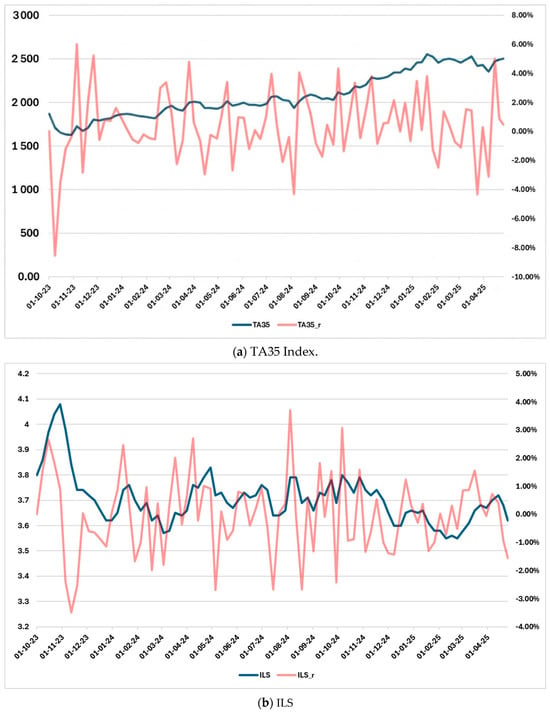
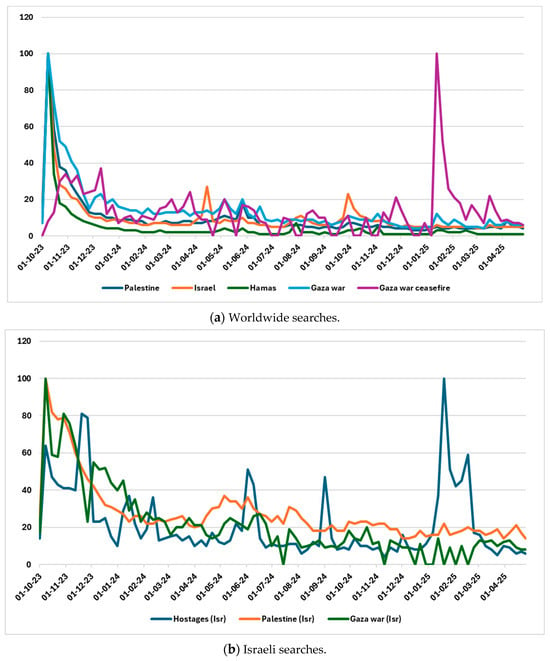
This study examines the impact of public attention on financial markets during the Israel–Hamas conflict, focusing on the TA35 stock index and the Israeli Shekel (ILS) exchange rate over the period October 2023 to April 2025. By distinguishing between global and domestic Google
[...] Read more.
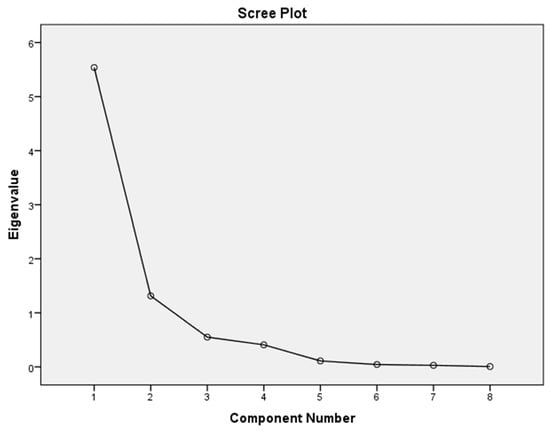
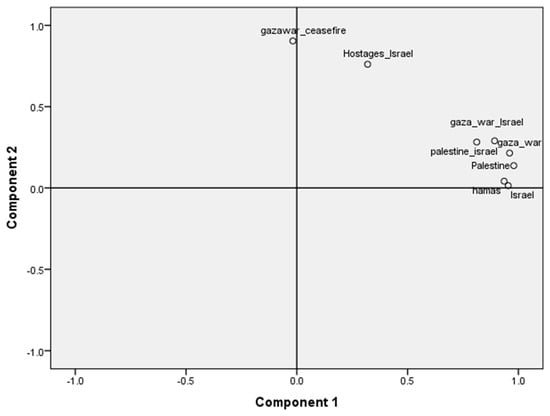
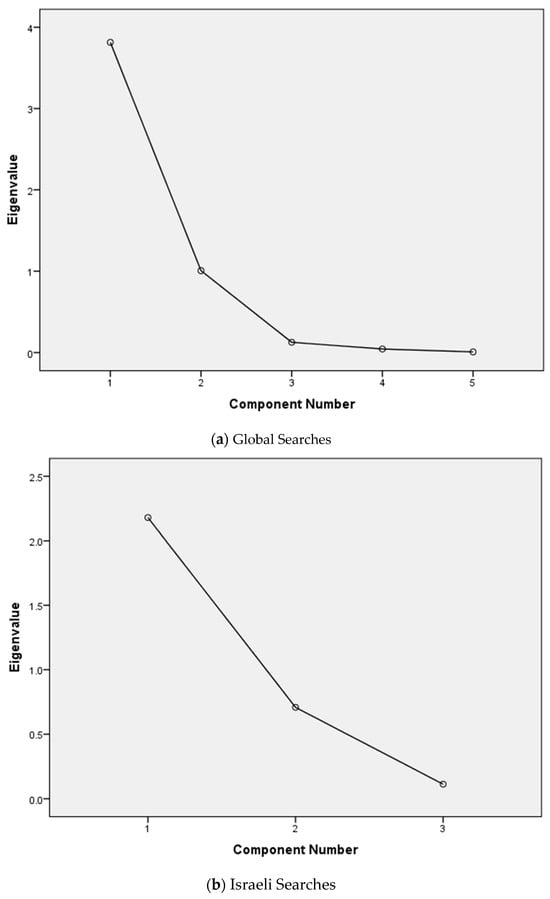
This study examines the impact of public attention on financial markets during the Israel–Hamas conflict, focusing on the TA35 stock index and the Israeli Shekel (ILS) exchange rate over the period October 2023 to April 2025. By distinguishing between global and domestic Google search activity, the analysis investigates whether the origin of attention differentially affects market performance and currency dynamics. Public attention is treated as a real-time proxy for investor sentiment and perceived risk. Methodologically, the study combines Google Trends data with EGARCH(1,1) models to capture both return effects and asymmetric volatility responses. To enhance robustness, Principal Component Analysis (PCA) is applied separately to global and domestic search datasets, generating latent indices that reflect conflict-related and humanitarian narratives. These indices are subsequently incorporated into the empirical models. The findings reveal that global search intensity related to conflict topics exerts a significant negative effect on stock returns and contributes to currency depreciation, reflecting heightened uncertainty and risk aversion. In contrast, domestic search activity is associated with stabilizing or positive effects, suggesting local resilience and confidence. PCA-based models improve explanatory power and confirm that the geographical origin of attention plays a crucial role in shaping financial outcomes. Additionally, the results indicate that attention-driven shocks influence volatility asymmetrically, amplifying downside risk during periods of intensified global concern. Overall, the study contributes to the literature by integrating behavioral indicators into financial risk modeling and providing a novel, real-time framework for assessing how digital attention transmits geopolitical risk into asset prices.
Full article
(This article belongs to the Special Issue Risk-Based and Behavioral Approaches to Stock Market Investment)
►▼
Show Figures

Figure 1
Open AccessArticle
Heterogeneous Dependence on Global Financial Conditions: Evidence from Emerging Equity Markets
by
Sana Braïek, Catalin Gheorghe, Oana Panazan and Ahmed Jeribi
Risks 2026, 14(7), 147; https://doi.org/10.3390/risks14070147 - 29 Jun 2026
Abstract
►▼
Show Figures
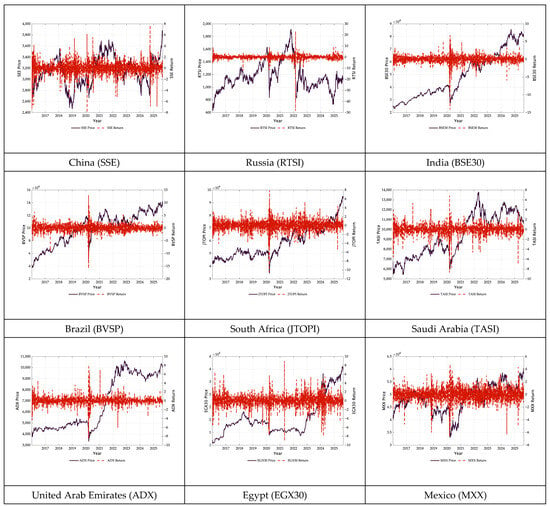
This study investigates the transmission of global risk sentiment and U.S. monetary conditions across emerging equity markets. Using Multiple Wavelet Coherence (MWC) and Quantile-on-Quantile Regression (QQR) over January 2016–December 2025, the analysis examines time–frequency co-movements and asymmetric linkages between emerging market equity indices,
[...] Read more.
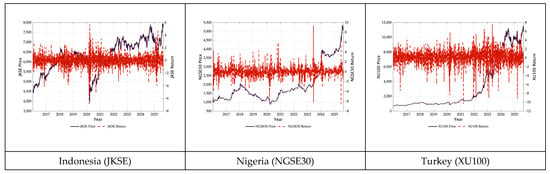
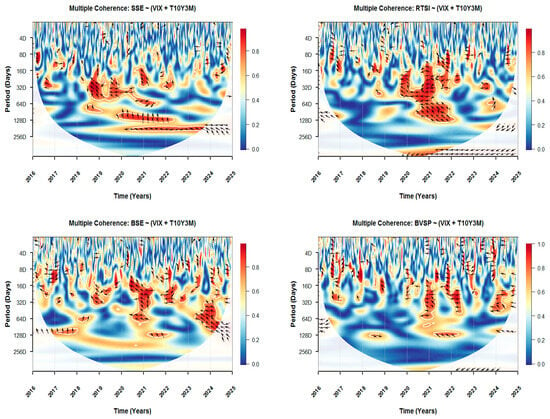
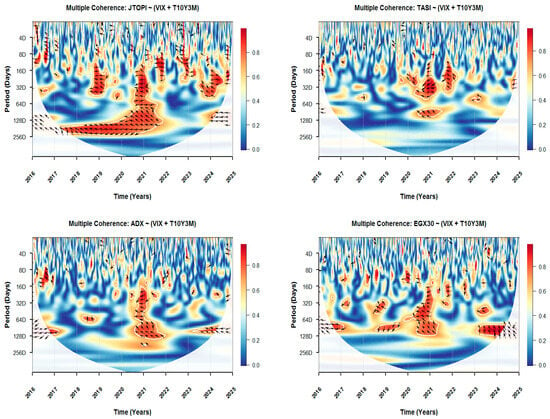
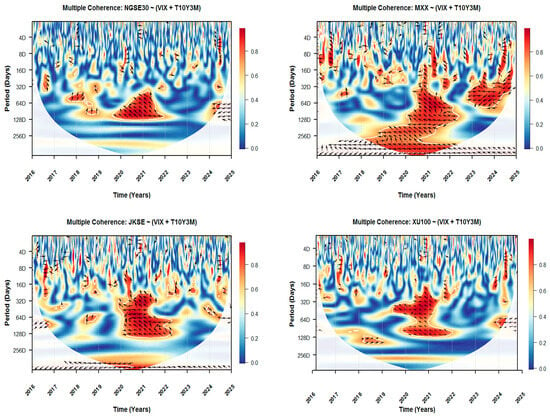
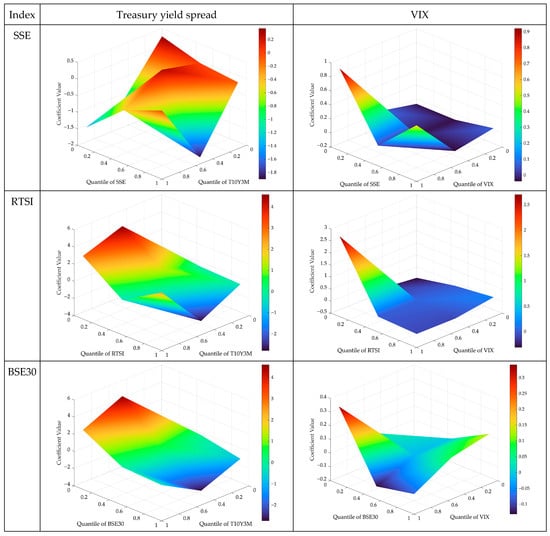
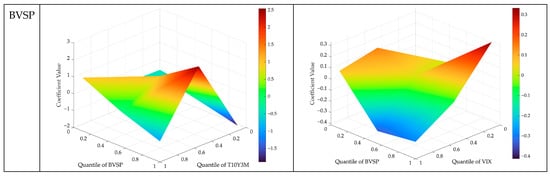
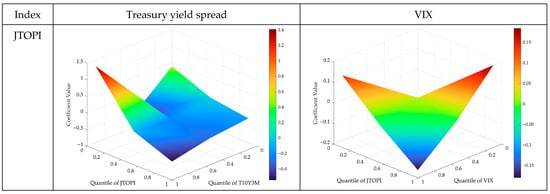
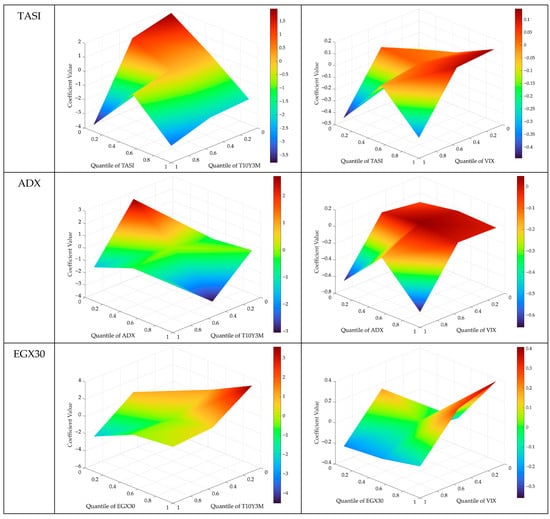
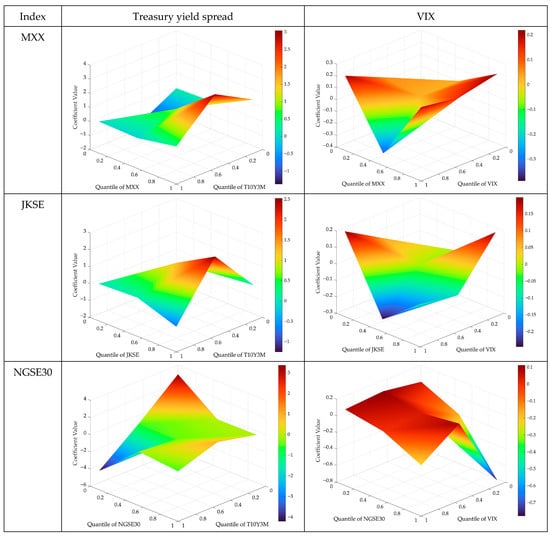
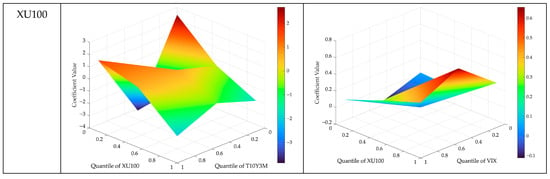
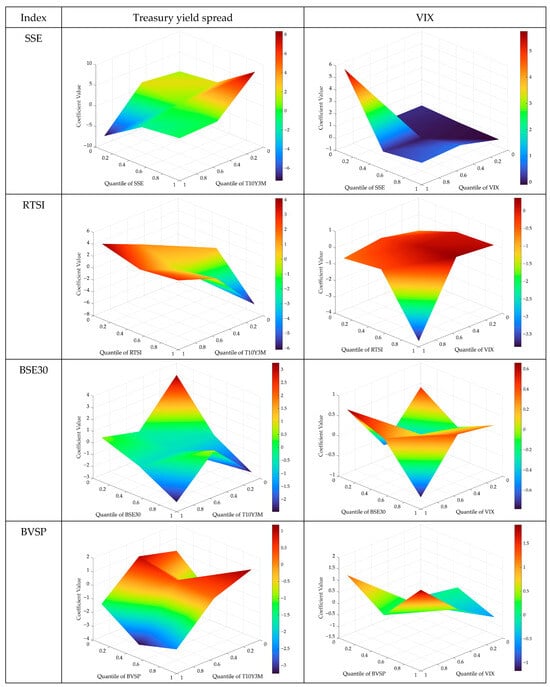
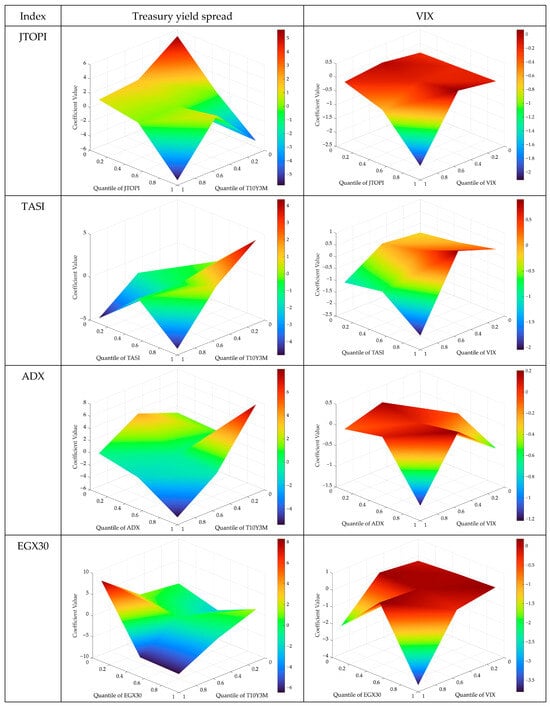
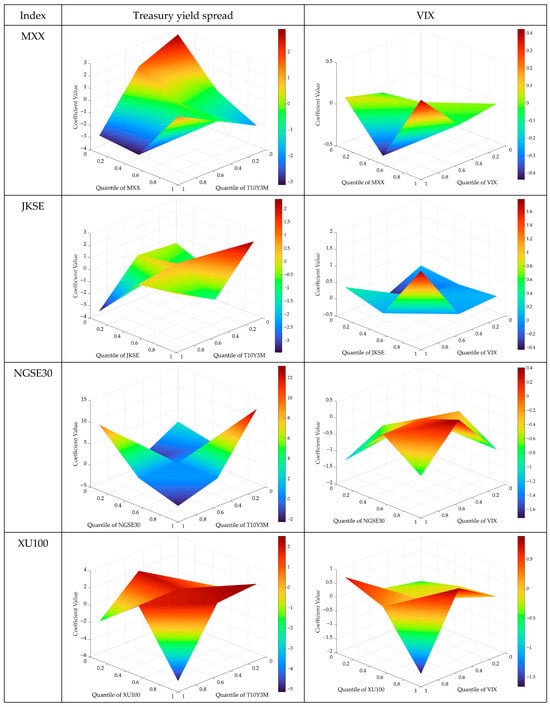
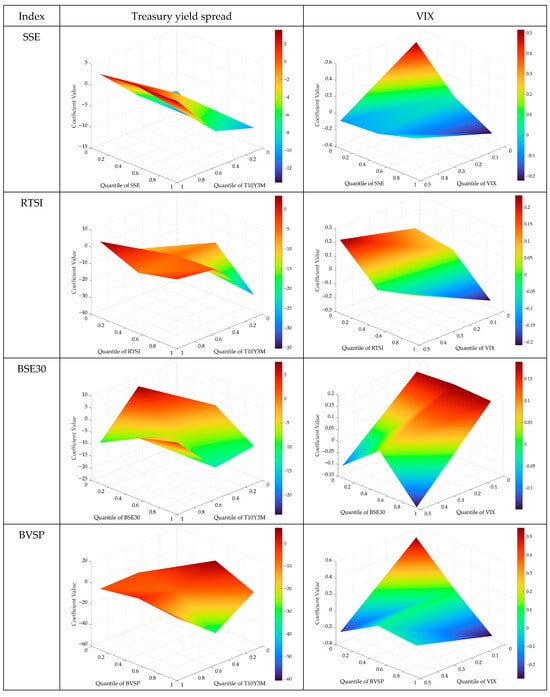
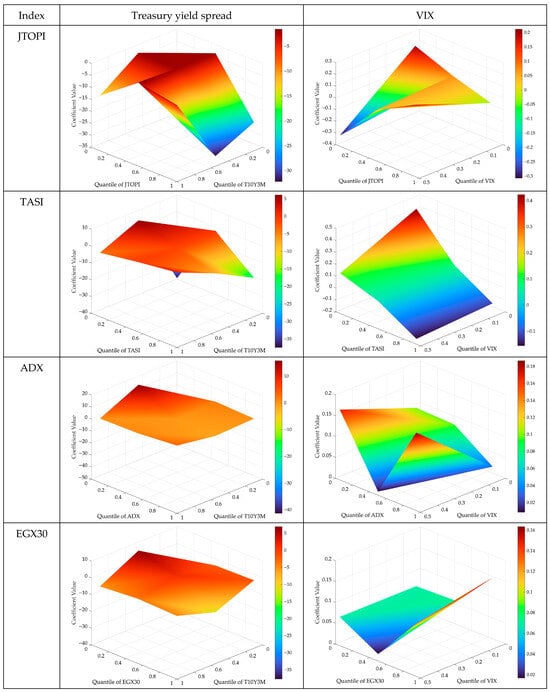
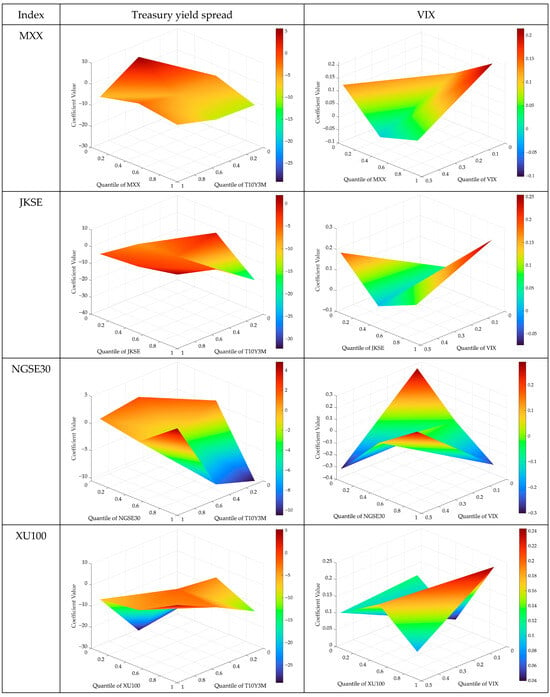
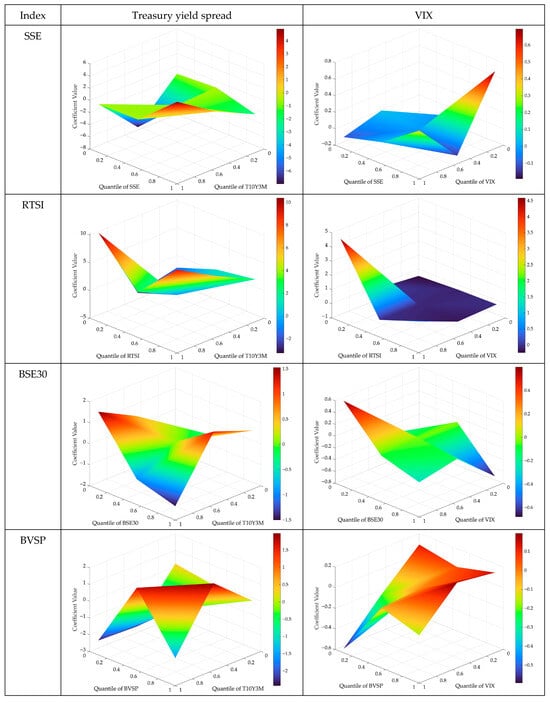
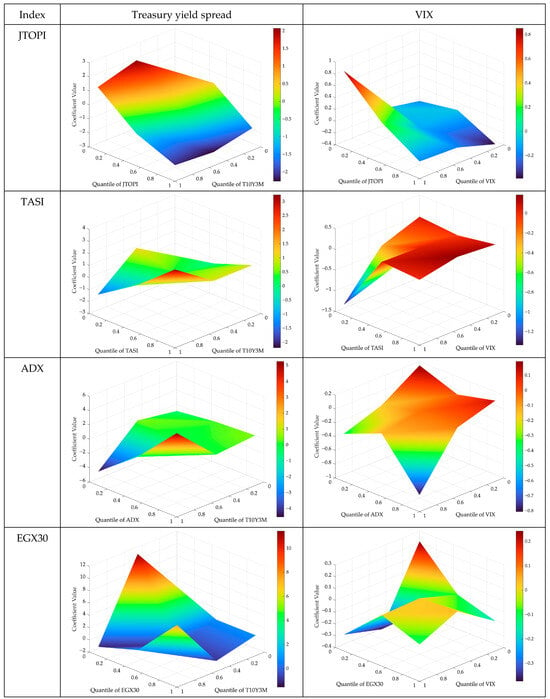
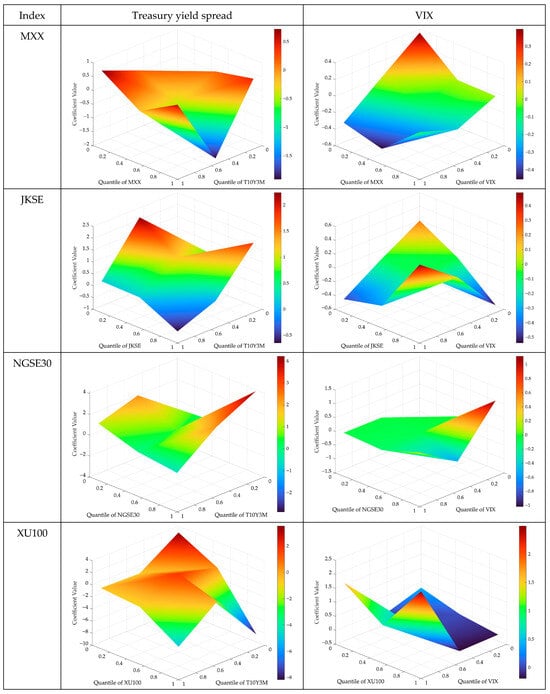
This study investigates the transmission of global risk sentiment and U.S. monetary conditions across emerging equity markets. Using Multiple Wavelet Coherence (MWC) and Quantile-on-Quantile Regression (QQR) over January 2016–December 2025, the analysis examines time–frequency co-movements and asymmetric linkages between emerging market equity indices, the CBOE Volatility Index (VIX), and the U.S. Treasury yield spread (T10Y3M). The results reveal substantial heterogeneity across markets. China, Russia, Turkey, Mexico, Egypt, and South Africa exhibit stronger long-run synchronization with external financial conditions. Saudi Arabia and Nigeria display more episodic exposure to external shocks. India, Brazil, Indonesia, and the United Arab Emirates represent intermediate cases characterized by recurrent but less persistent linkages. The findings suggest that global risk sentiment and U.S. monetary conditions affect emerging markets differently across investment horizons and periods of financial stress. The robustness analysis indicates that synchronization patterns became fragmented following the tightening cycle and rising geopolitical tensions after 2022, with less uniform spillover transmission across regions. The analysis highlights the importance of nonlinear and time-varying mechanisms in shaping financial spillovers across emerging equity markets.
Full article

Figure 1
Open AccessArticle
Does Broader Insurance Weaken Preventive Supply Chain Resilience? Moral Hazard, Verification, and the Limits of Visibility
by
Seyed Amirhossein Shojaei, Bashar Yaser Almansour, Alireza Pakgohar and Marjan Orouji
Risks 2026, 14(7), 146; https://doi.org/10.3390/risks14070146 - 29 Jun 2026
Abstract
►▼
Show Figures
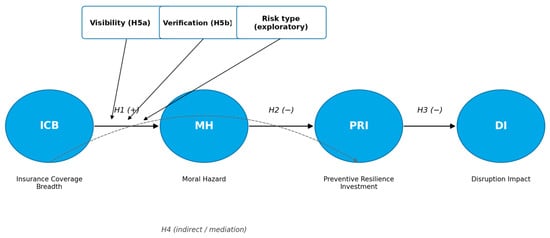
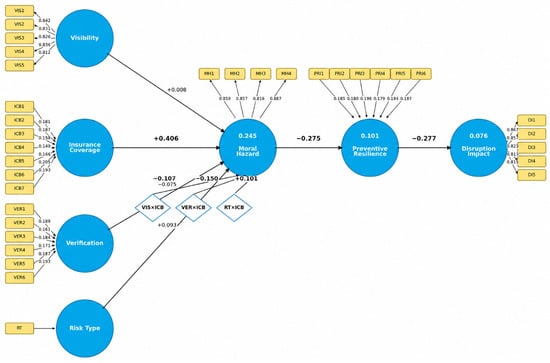
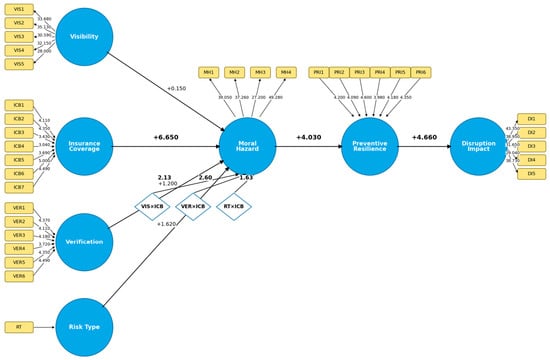
This study examines whether broader supply chain insurance coverage is associated with lower preventive resilience investment through perceived managerial moral hazard. Drawing on moral hazard theory and supply chain resilience research, it tests a moderated-mediation model using survey data from 241 managers in
[...] Read more.
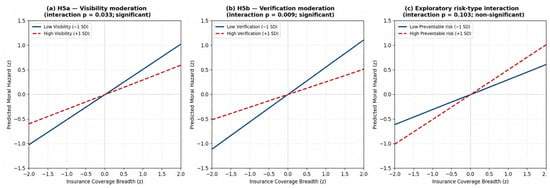
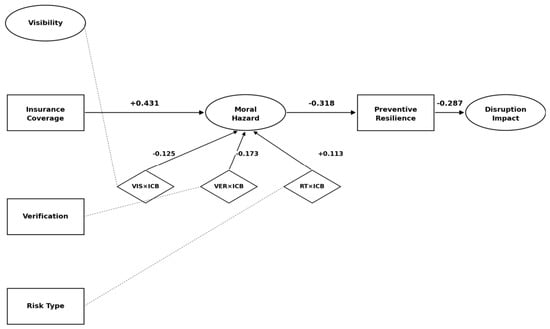
This study examines whether broader supply chain insurance coverage is associated with lower preventive resilience investment through perceived managerial moral hazard. Drawing on moral hazard theory and supply chain resilience research, it tests a moderated-mediation model using survey data from 241 managers in manufacturing-intensive firms. PLS-SEM is used as the main estimator, and covariance-based SEM is reported as an estimator-sensitivity check. Results show that insurance coverage breadth is positively associated with moral hazard perceptions, moral hazard perceptions are negatively associated with preventive resilience investment, and preventive investment is negatively associated with perceived disruption impact. Moral hazard perceptions significantly mediate the coverage breadth–preventive investment relationship, while the direct effect is not significant. The total effect of insurance coverage breadth on preventive resilience investment is negative and significant. Firm-perceived insurer verification stringency is associated with a weaker coverage–moral hazard perception relationship, whereas supply chain visibility provides a smaller attenuation effect. Exploratory risk-type moderation is directional but inconclusive. This study offers evidence from an emerging-market manufacturing context and suggests that contractual verification may help preserve prevention incentives, without estimating causal treatment effects.
Full article

Figure 1
Open AccessFeature PaperArticle
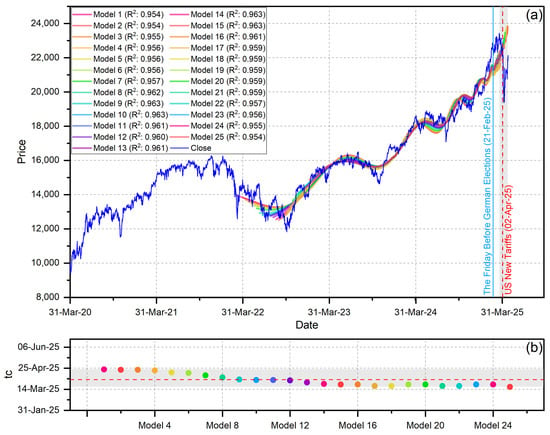
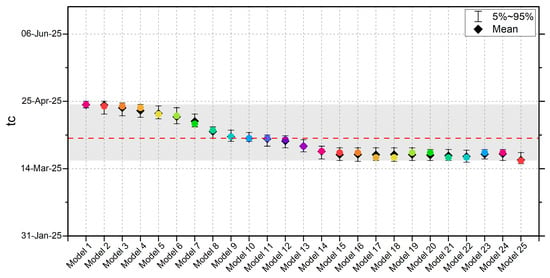
Was the 2025 DAX Crash Endogenous? Evidence from the Log-Periodic Power Law Model
by
Pavlos I. Zitis and Stelios M. Potirakis
Risks 2026, 14(7), 145; https://doi.org/10.3390/risks14070145 - 29 Jun 2026
Abstract
►▼
Show Figures
In this article, we investigate whether the crash of the German DAX index following the U.S. tariff announcement in April 2025 is consistent with pre-existing endogenous market fragility rather than a purely exogenous shock. The analysis is conducted within the Log-Periodic Power Law
[...] Read more.
In this article, we investigate whether the crash of the German DAX index following the U.S. tariff announcement in April 2025 is consistent with pre-existing endogenous market fragility rather than a purely exogenous shock. The analysis is conducted within the Log-Periodic Power Law (LPPL) framework using the Filimonov–Sornette (FS) specification, complemented by shrinking-window estimation, Ornstein–Uhlenbeck residual diagnostics, surrogate time-series analysis, and a GARCH-based Monte Carlo false-positive assessment. The results reveal a statistically stable critical period preceding the observed market collapse, within which the tariff announcement occurred and was followed by a pronounced market decline. Overall, the findings suggest that the market operated in a regime of elevated systemic fragility, where the tariff announcement may have acted as a triggering event within an already critical state. This study contributes to the literature on financial critical phenomena by providing evidence that LPPL-based critical windows may be interpreted as periods of heightened systemic vulnerability rather than precise crash forecasts. From a risk management perspective, such periods may be informative for identifying conditions under which markets are particularly sensitive to external disturbances.
Full article

Figure 1
Highly Accessed Articles
Latest Books
E-Mail Alert
News
Topics
Topic in
Economies, JRFM, Risks, Sustainability
The Future of Global Finance and Business: Trends, Policies and Market Evolution
Topic Editors: John Malindretos, Giuliana Andreopoulos, Eleftherios Thalassinos, Ana Cristina SiqueiraDeadline: 31 July 2026
Topic in
Businesses, Economies, IJFS, JRFM, Risks
The Future of Banking and Financial Risk Management
Topic Editors: Eliana Angelini, Elisa Di Febo, Tu DQ LeDeadline: 31 October 2026
Topic in
Sustainability, IJFS, Risks, JRFM, Accounting and Auditing, Economies
Artificial Intelligence, Banking, and Financial Risk Management
Topic Editors: Herbert Kimura, Leonardo Fernando Cruz BassoDeadline: 31 December 2026
Topic in
IJFS, JRFM, Risks, Sustainability, FinTech, Platforms
Innovations of Digital Finance, Green Finance, Climate Finance and Financial Risk in the AI Era
Topic Editors: Qian Li, Canzhong YaoDeadline: 1 February 2027
Conferences
Special Issues
Special Issue in
Risks
New Trends in Asset Pricing, Market Microstructure, and Risk Management
Guest Editor: Dimitrios KoutmosDeadline: 31 July 2026
Special Issue in
Risks
Innovations in Non-Life Insurance Pricing and Reserving
Guest Editors: Hua Chen, Liang YangDeadline: 31 July 2026
Special Issue in
Risks
Modeling, Pricing, and Risk Management of Specialty Line Insurance
Guest Editors: Petar Jevtic, David GrimsmanDeadline: 31 July 2026
Special Issue in
Risks
Longevity and Morbidity Risks: Emerging Technologies and Perspectives
Guest Editors: Marilena Sibillo, Giovanna ApicellaDeadline: 31 July 2026