Article

A Nexus-Based Impact Assessment of Rapid Transitions of the Power Sector: The Case of Greece

by
Diamantis Koutsandreas
Department of Mechanical Engineering, Aalto University, Otakaari 4, 02150 Espoo, Finland
Electricity 2023, 4(3), 256-276; https://doi.org/10.3390/electricity4030016

Submission received: 1 August 2023 / Revised: 29 August 2023 / Accepted: 1 September 2023 / Published: 5 September 2023

Abstract

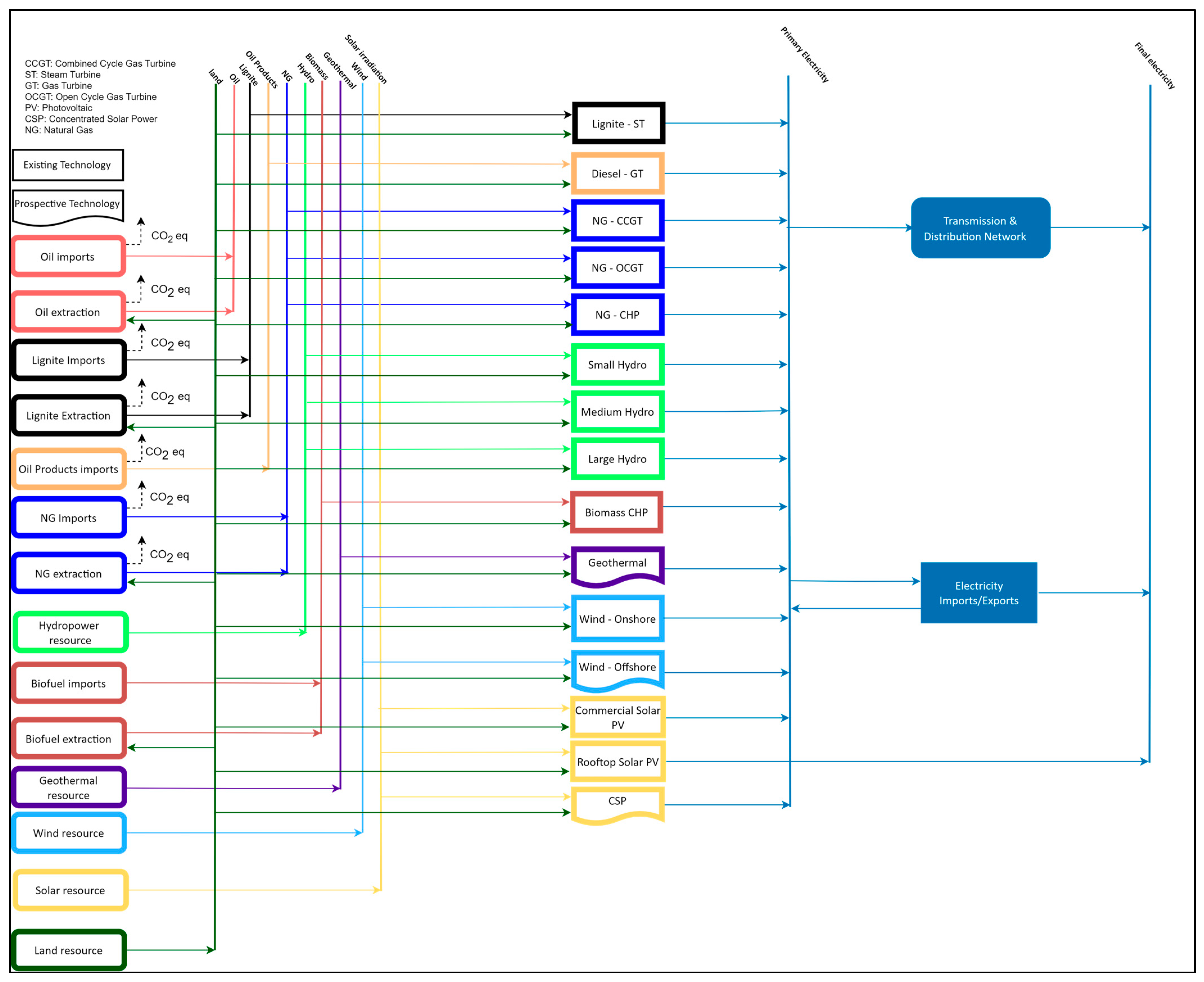
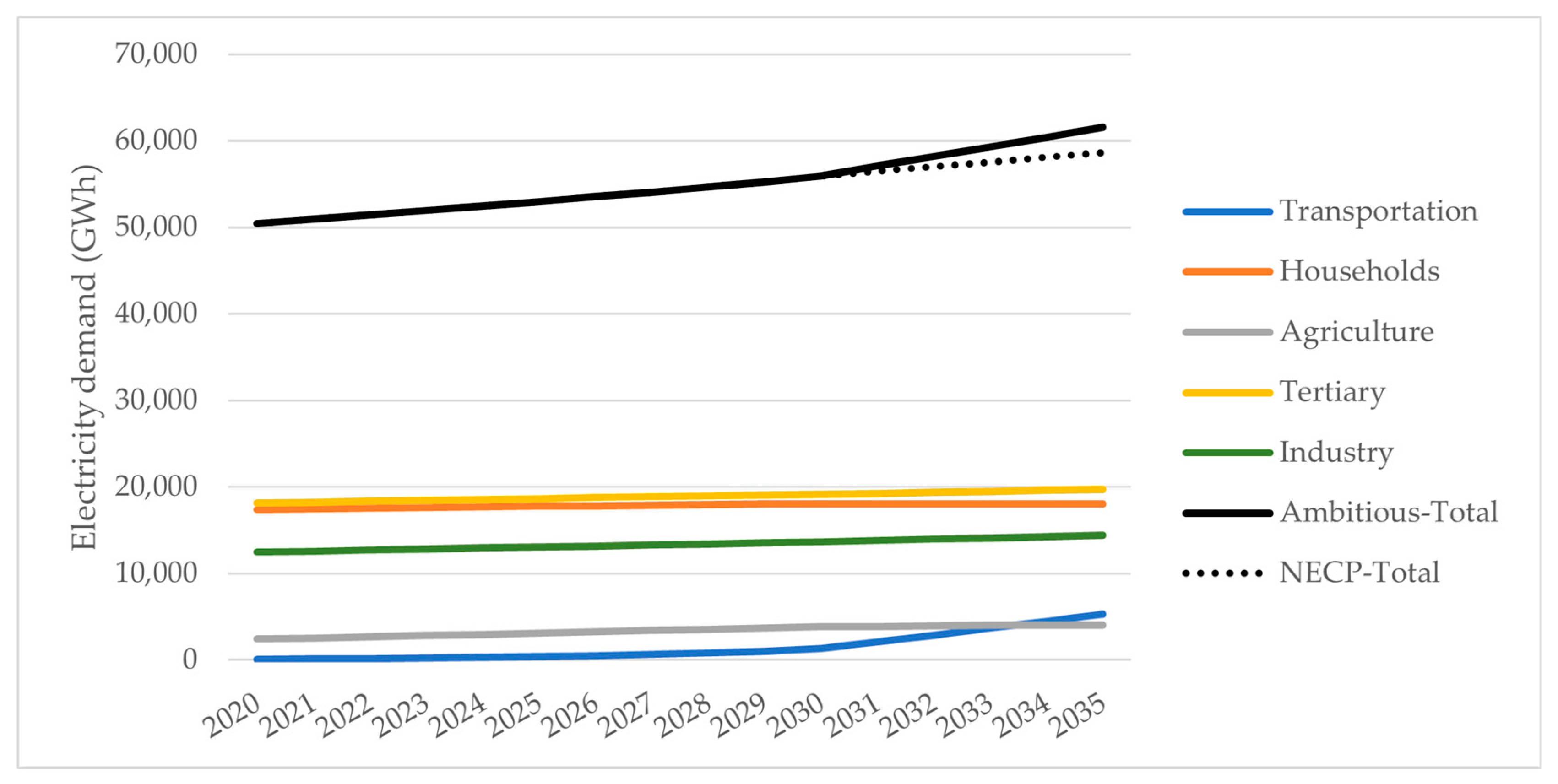
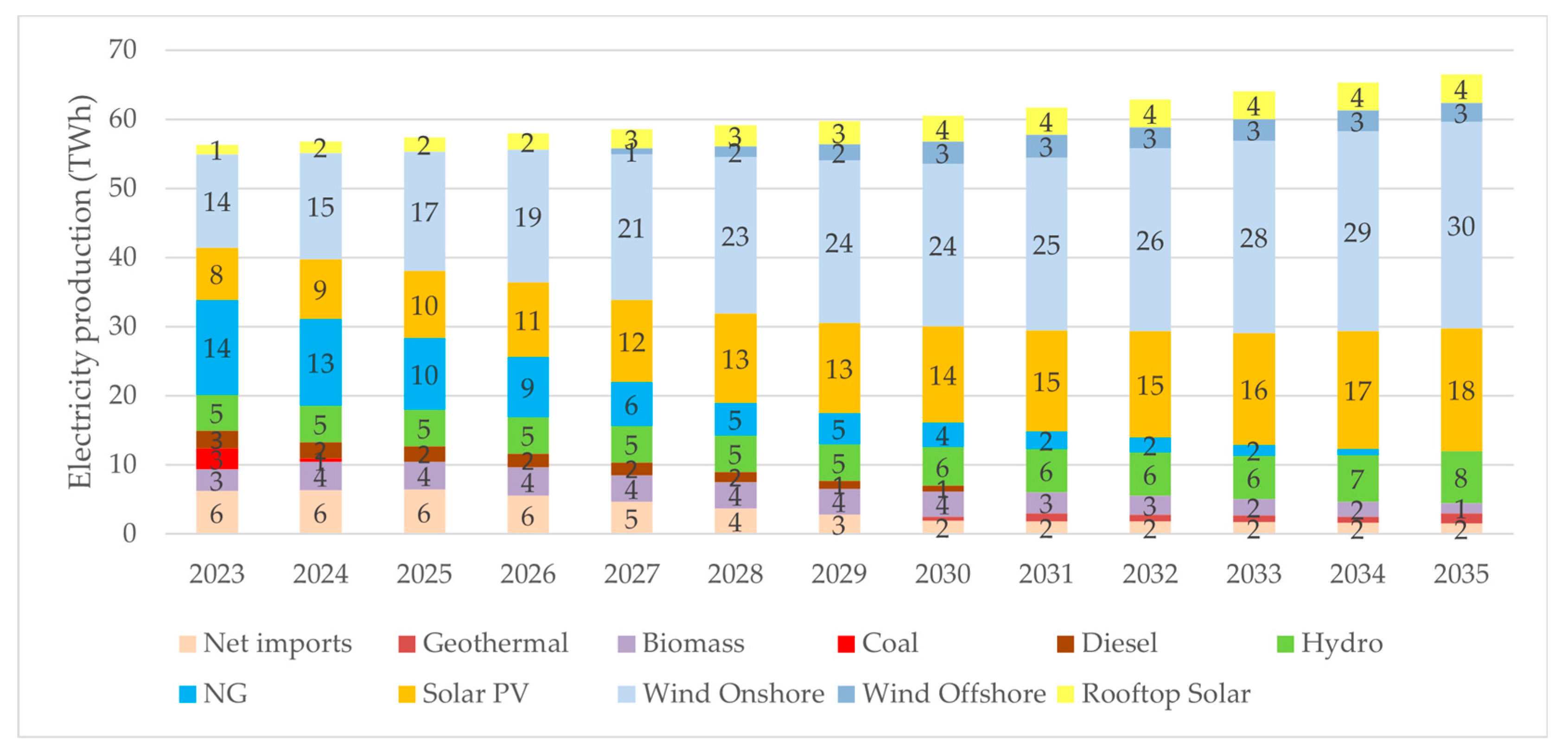
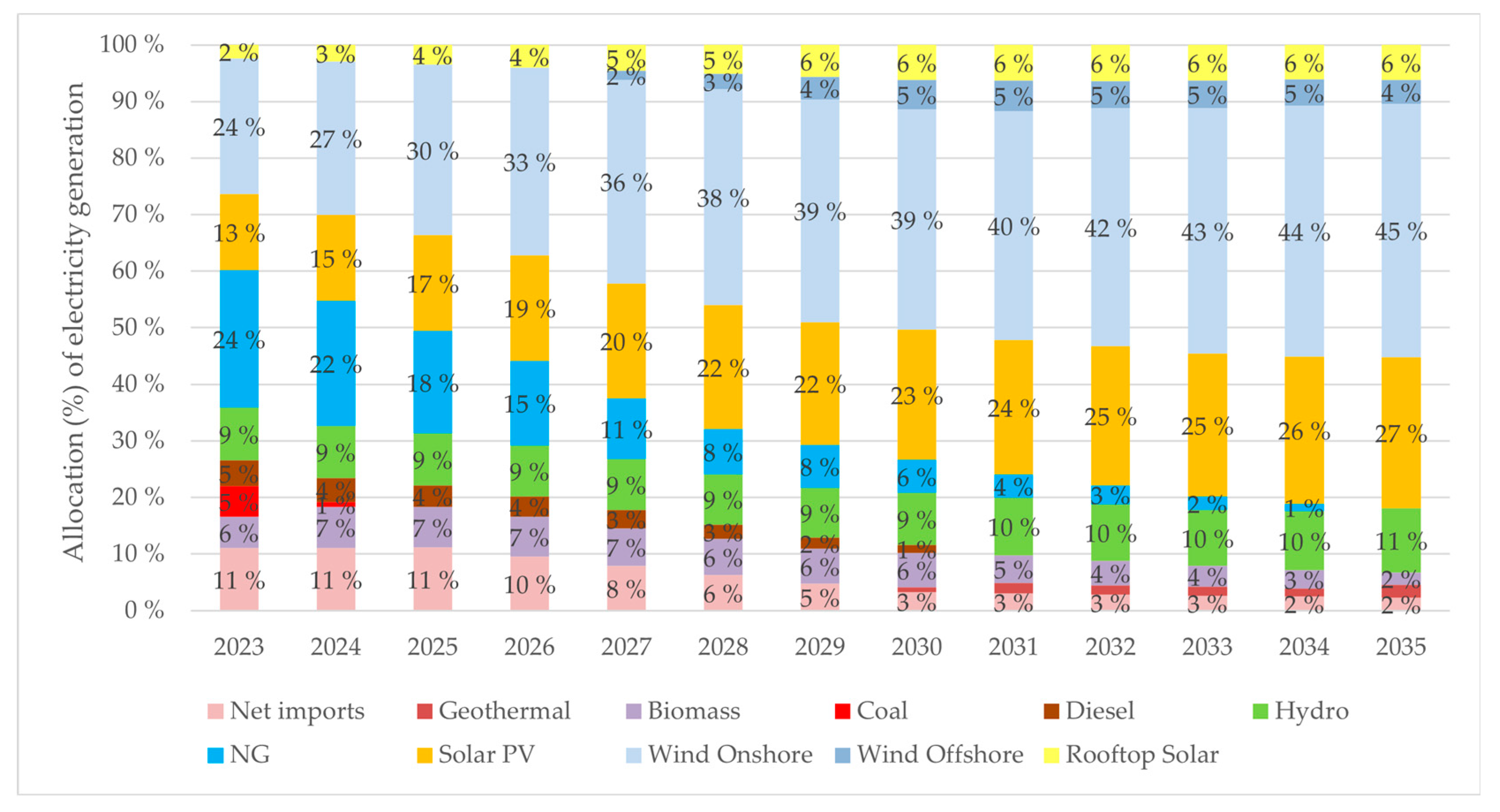
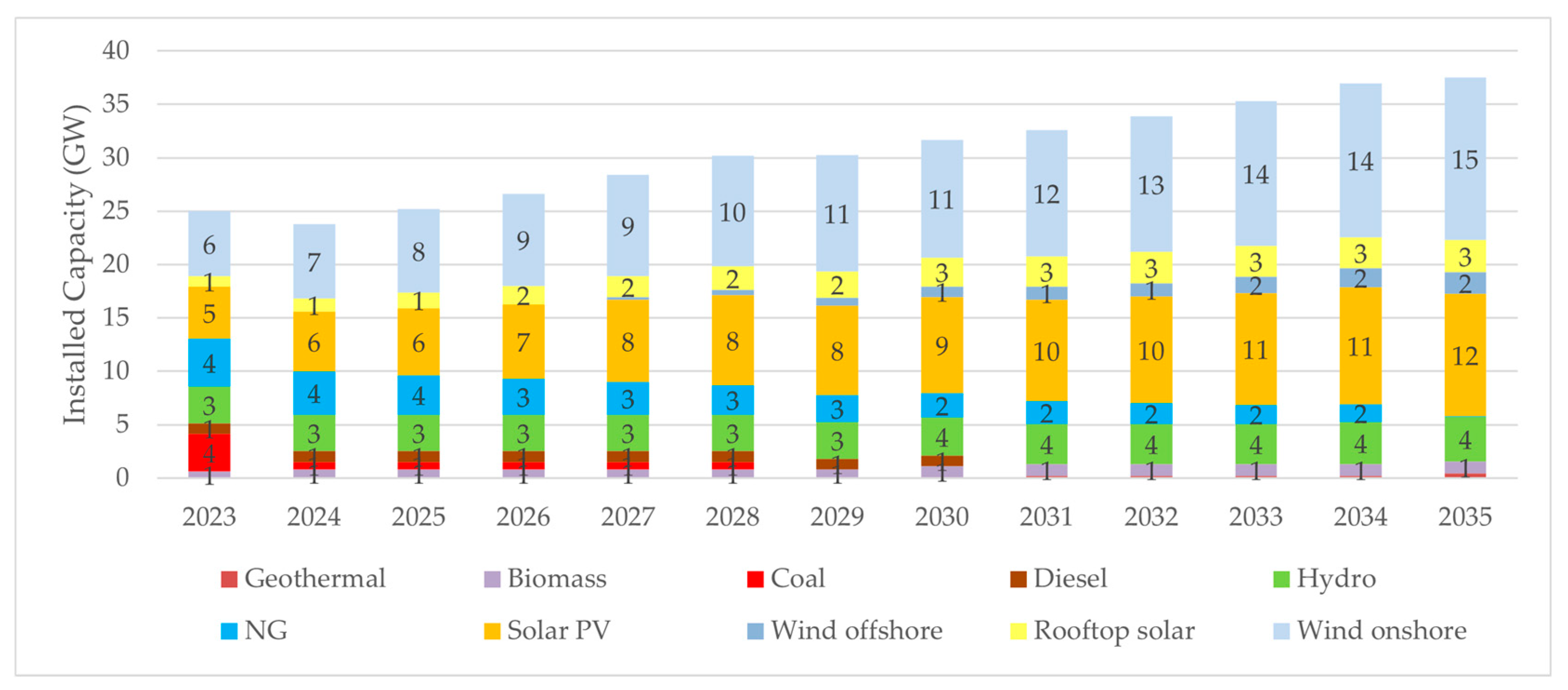
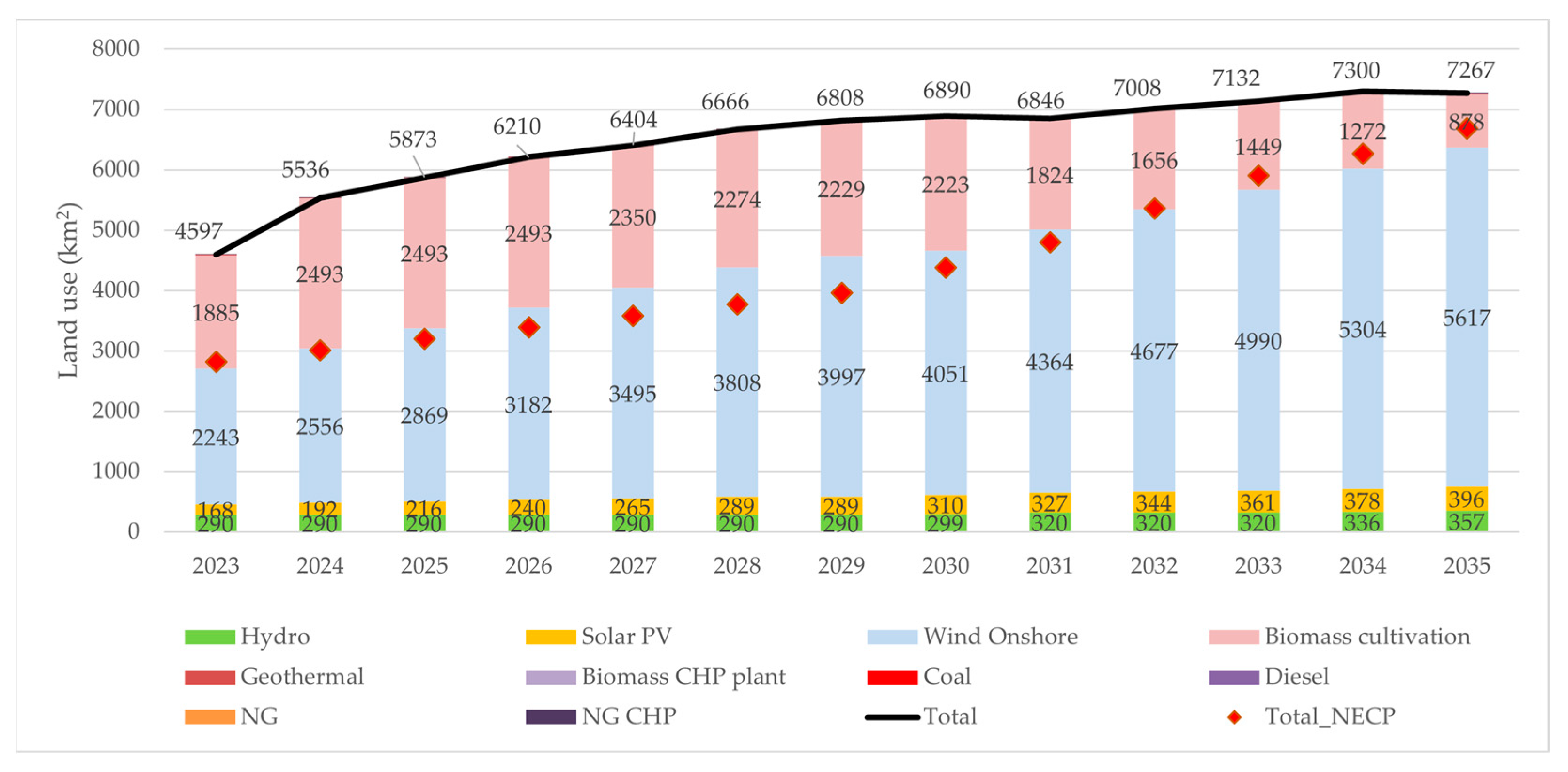
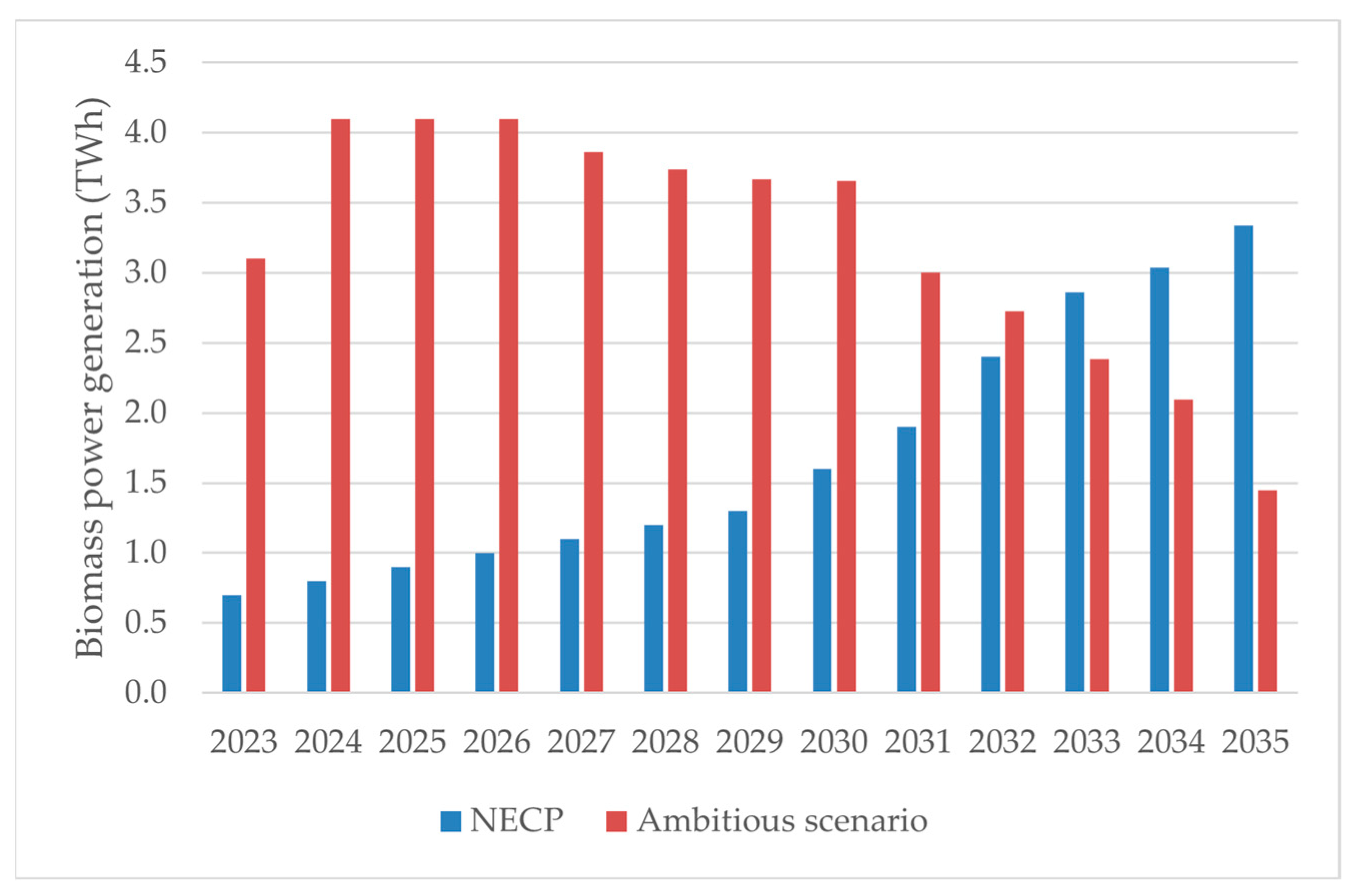
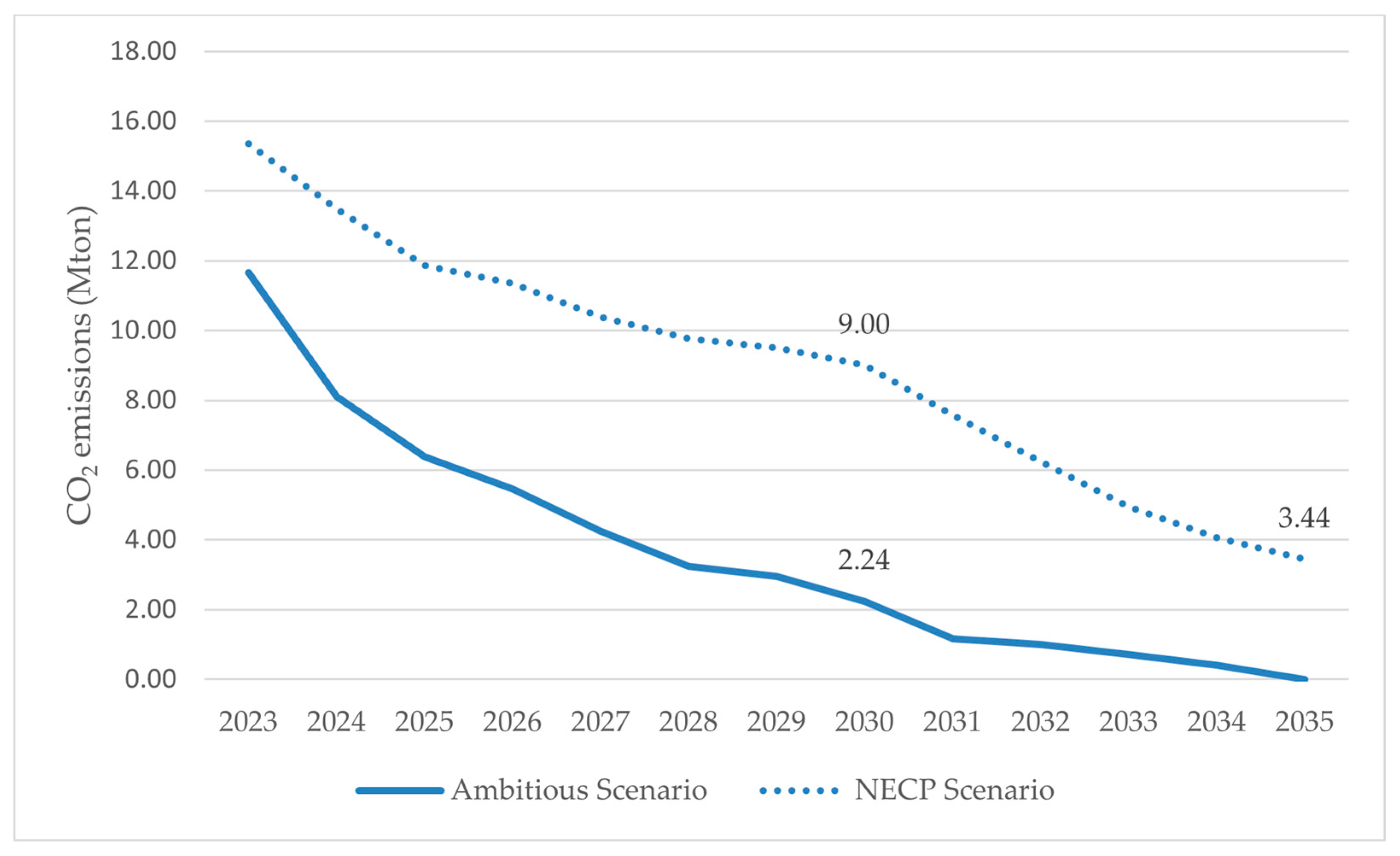
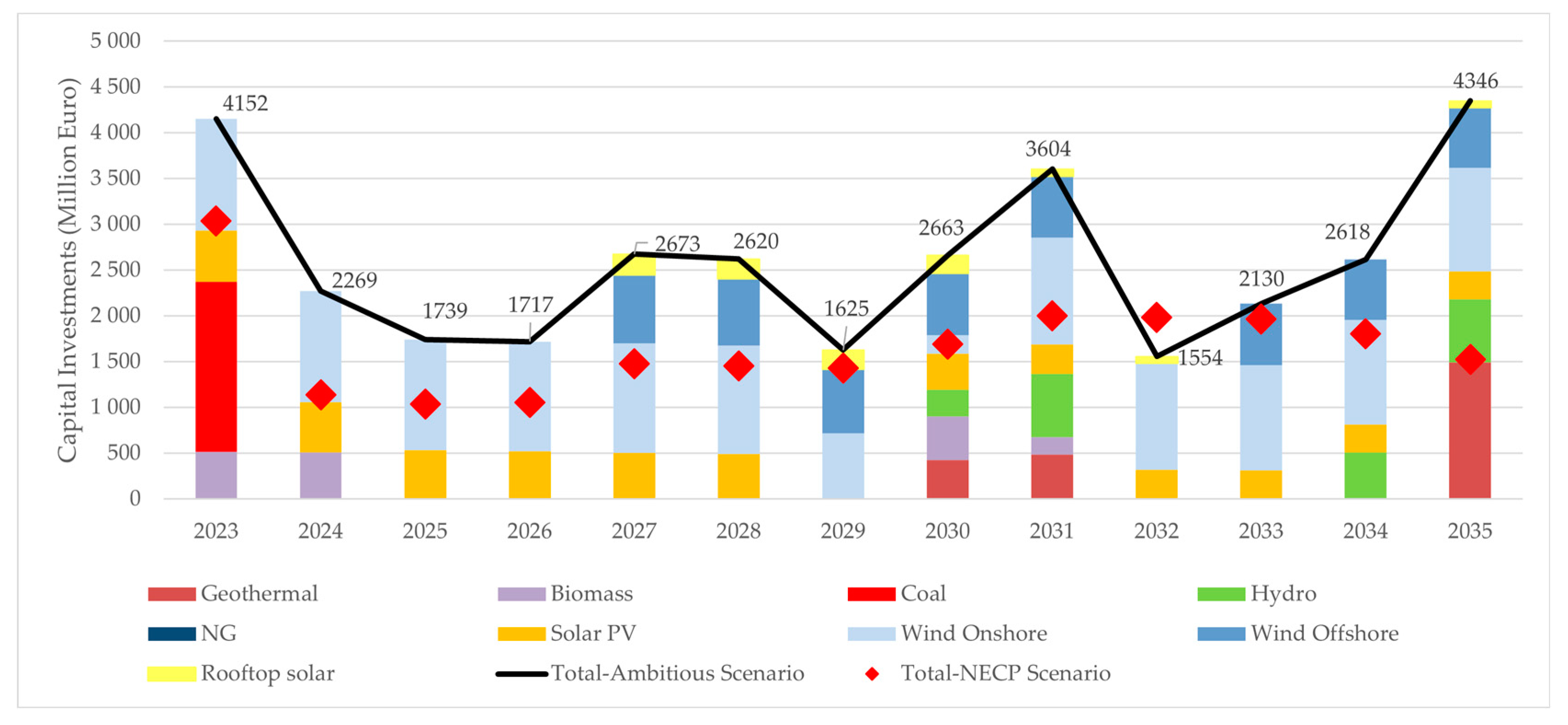
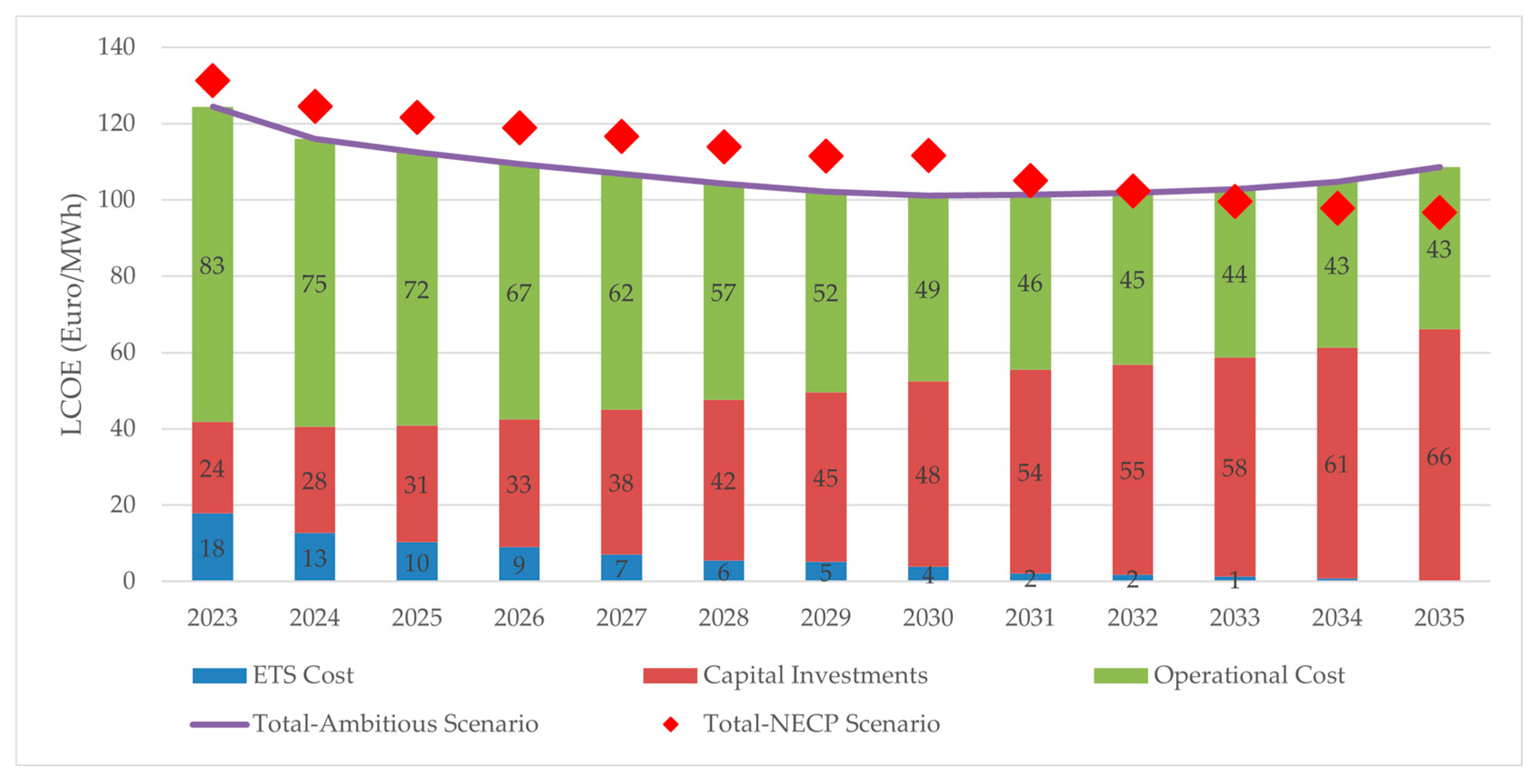
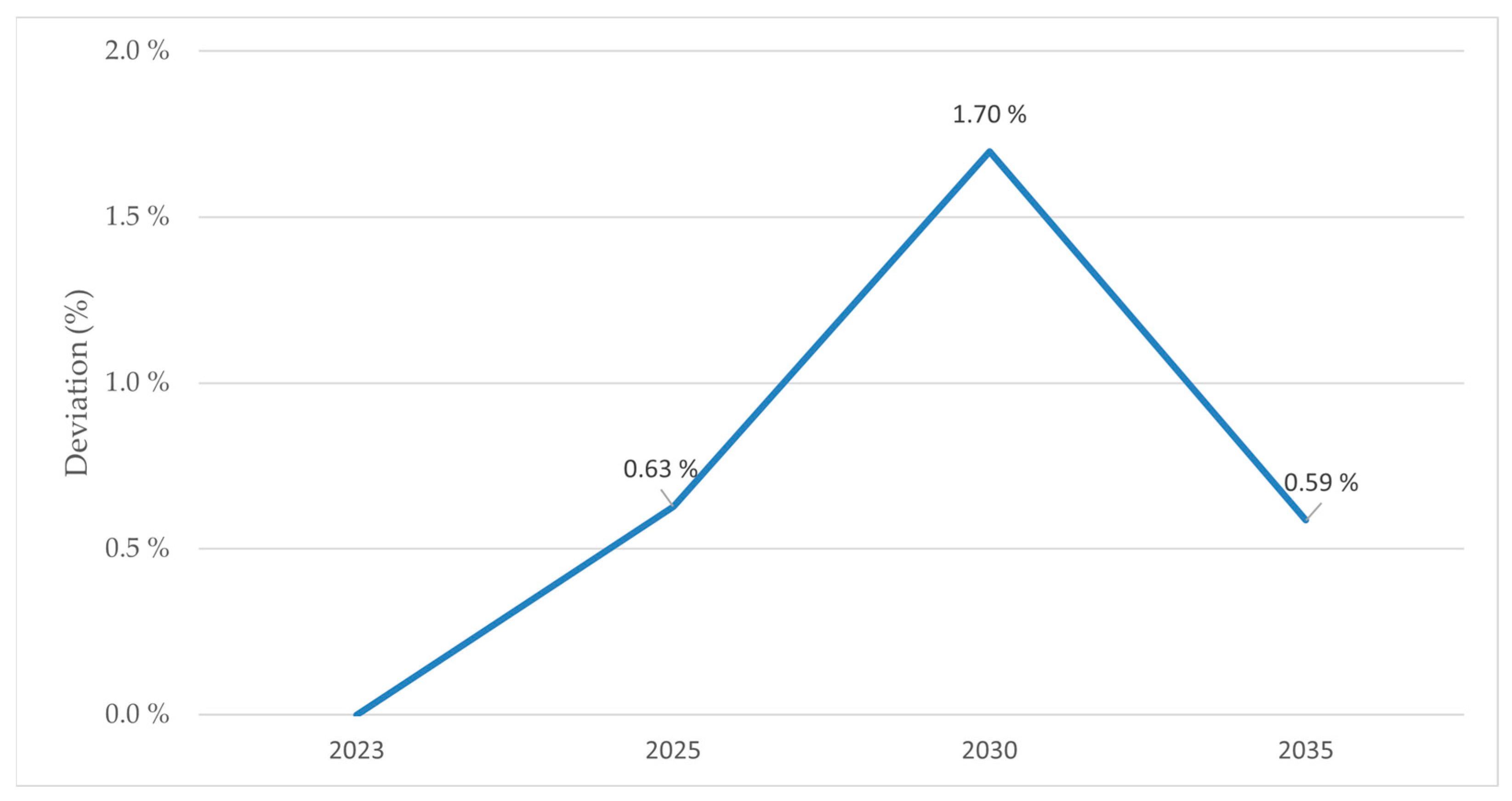
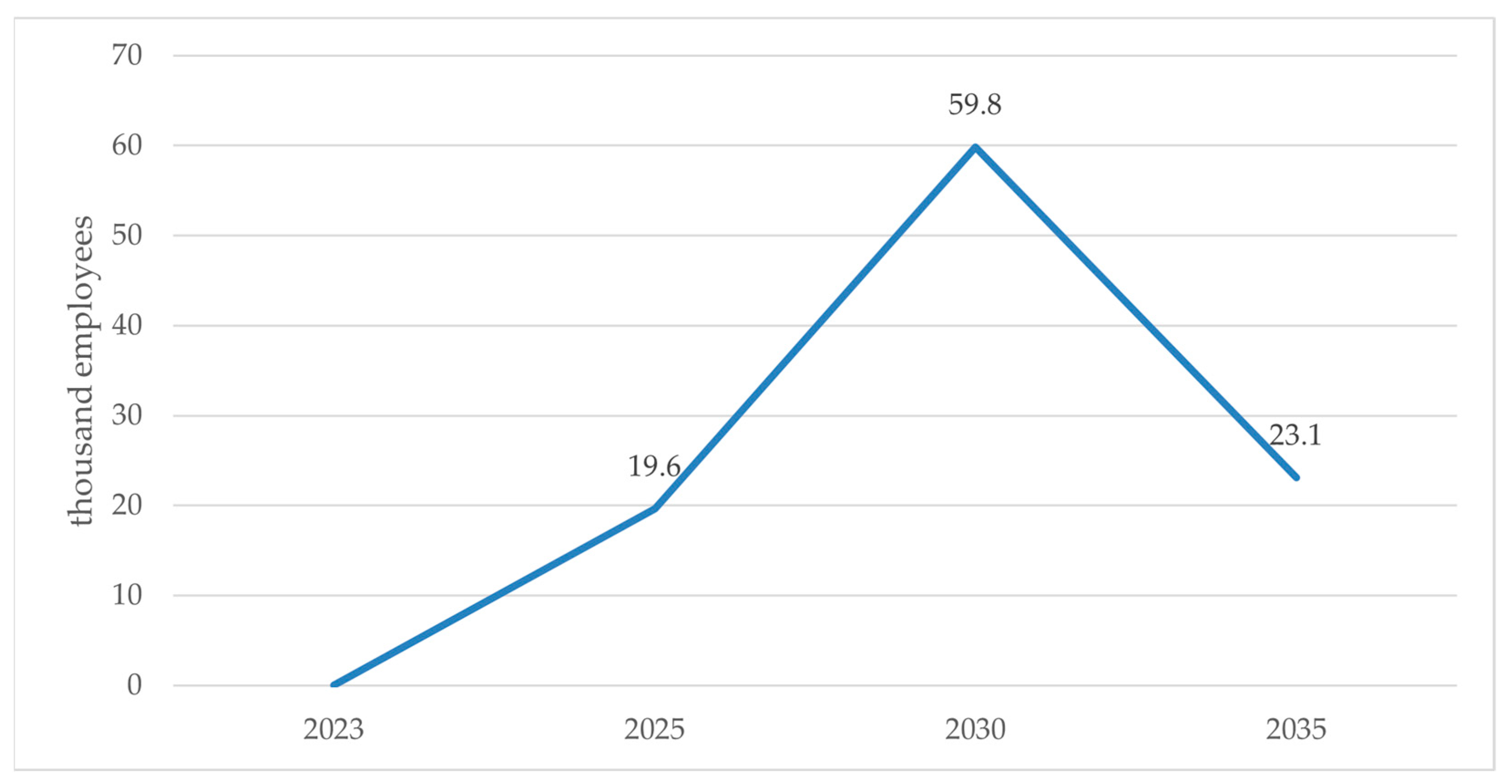
Power system transformation can unleash wide-ranging effects across multiple, frequently interlinked dimensions such as the environment, economy, resource systems, and biodiversity. Consequently, assessing the multidimensional impacts of power system transformation, especially under rapid transitions, has become increasingly important. Nonetheless, there is a gap in the literature when it comes to applying such an analysis to a Mediterranean country facing structural socioeconomic challenges. This paper explores the potential multifaceted implications of rapidly decarbonizing the Greek power sector by 2035, focusing on the local-level consequences. The evaluation criteria encompass the cost-optimal power mix, power costs, land use, biomass utilization, GDP, and employment. In this effort, a technology-rich cost optimization model representing Greece’s power sector is linked to a global Computable General Equilibrium (CGE) macroeconomic model focusing on the Greek economy. The results indicate that a fast decarbonization of the Greek power sector could trigger positive socioeconomic consequences in the short- and medium-term (GDP: +1.70, employees: +59,000 in 2030), although it may induce negative long-term socioeconomic effects due to increased capital investment requirements. Additionally, the impact on land use may only be trivial, with the potential to decrease over time due to the de-escalation of biomass power generation, thereby reducing the risk of harming biodiversity.
Keywords: power system modelling; land planning; macroeconomic impacts; distributional impacts; OSeMOSYS-Greece; GTAP-Greece; biodiversity; critical resources power system modelling; land planning; macroeconomic impacts; distributional impacts; OSeMOSYS-Greece; GTAP-Greece; biodiversity; critical resources