Journal Description
Adolescents
Adolescents
is an international, peer-reviewed, open access journal on adolescent development and health sciences published bimonthly online by MDPI.
- Open Access— free for readers, with article processing charges (APC) paid by authors or their institutions.
- High Visibility: indexed within ESCI (Web of Science), Scopus and other databases.
- Journal Rank: CiteScore - Q2 (Health Professions (miscellaneous))
- Rapid Publication: manuscripts are peer-reviewed and a first decision is provided to authors approximately 42.3 days after submission; acceptance to publication is undertaken in 5.9 days (median values for papers published in this journal in the first half of 2026).
- Recognition of Reviewers: APC discount vouchers, optional signed peer review, and reviewer names published annually in the journal.
- Journal Cluster of Education and Psychology: Adolescents, AI in Education, Behavioral Sciences, Education Sciences, International Journal of Cognitive Sciences, Journal of Intelligence, Psychology International and Youth.
Impact Factor:
1.7 (2025);
5-Year Impact Factor:
1.6 (2025)
Latest Articles
Beyond Knowledge: A Qualitative Exploration of Sexual Health Interventions and Adolescent Pregnancy Prevention in Rural Bolobedu, South Africa
Adolescents 2026, 6(4), 58; https://doi.org/10.3390/adolescents6040058 - 6 Aug 2026
Abstract
Background: Adolescents in low- and middle-income countries (LMICs) continue to face substantial challenges related to sexual and reproductive health (SRH), including high rates of unintended pregnancy, sexually transmitted infections (STIs), and limited access to accurate reproductive health information and services. Rural provinces of
[...] Read more.
Background: Adolescents in low- and middle-income countries (LMICs) continue to face substantial challenges related to sexual and reproductive health (SRH), including high rates of unintended pregnancy, sexually transmitted infections (STIs), and limited access to accurate reproductive health information and services. Rural provinces of South Africa, such as Limpopo, are no exception, with notably higher pregnancy rates. Aim: This study aimed to explore adolescent girls’ perceptions and experiences associated with school-based comprehensive sexuality education (CSE) programs and their perceived role in pregnancy prevention in Bolobedu, Limpopo province, South Africa. Methods: A qualitative, descriptive, and contextual design was employed. Data were collected through individual interviews and field notes from adolescent girls aged 14–19 years who were accessing contraceptives or had given birth. Content analysis was conducted using Tesch’s method. Findings: Results suggest that the quality and contents of CSE programs varied widely, leading to CSE intervention programs not being successfully implemented, leading to poor uptake and no behavior change. Implications: While research on CES programs shows that the CSE programming varies and can be vital to reducing adolescent pregnancy, its success depends on the quality of the implementation, which leads to behavior change. The research finds that the adoption of Comprehensive Sexual Education in schools and communities is vital to tackling the high incidence of adolescent pregnancy. However, its success depends on the quality of implementation, facilitator training, and resource availability.
Full article
Open AccessArticle
Examining the Relationship Between Adolescent Girls’ Perception of Their Fathers and Father Attachment with Peer Bullying Experiences
by
Elif Sezgin, Emine Kılıçaslan and Ece Ezer
Adolescents 2026, 6(4), 57; https://doi.org/10.3390/adolescents6040057 - 30 Jul 2026
Abstract
Objective: This study examined the relationships between father-related attachment and parenting variables and peer bullying among adolescent girls. Secure and insecure attachment styles, paternal caregiving styles, paternal autonomy support, and paternal involvement were investigated in relation to bullying victimization and bullying perpetration. Method:
[...] Read more.
Objective: This study examined the relationships between father-related attachment and parenting variables and peer bullying among adolescent girls. Secure and insecure attachment styles, paternal caregiving styles, paternal autonomy support, and paternal involvement were investigated in relation to bullying victimization and bullying perpetration. Method: The study employed a correlational design with 200 adolescent girls aged 16–18 years attending vocational high schools in Bursa, Türkiye. Data were collected using the Adult Attachment to Father Scale, the Father Caregiving and Attachment Styles Scale, the Father Perception Scale, and the Peer Bullying Identification Scale. Pearson and Spearman correlation analyses, partial correlations, and Benjamini–Hochberg false discovery rate (FDR) corrections were conducted. Results: Secure attachment, paternal warmth/responsiveness, paternal involvement, and paternal autonomy support were negatively associated with bullying victimization and perpetration. In contrast, cold/rejecting and inconsistent/incongruent paternal attitudes were positively associated with bullying variables. Most findings remained significant after controlling for demographic variables and applying robustness and FDR correction analyses. However, some associations involving the Fearful Attachment subdimension appeared less robust. Conclusions: The findings suggest that supportive father–daughter relationships are consistently associated with lower levels of bullying involvement against peer bullying among adolescent girls. Interventions aimed at strengthening secure attachment and supportive parenting practices may contribute to reducing bullying behaviors and victimization.
Full article
Open AccessArticle
Using a Novel Peer Discussion Task to Examine Internalized Weight Stigma, Peer Acceptance, and Heart Rate Variability in Early Adolescents
by
Meghan J. Gangel, Daniel Hamill and Alleyne P. R. Broomell
Adolescents 2026, 6(4), 56; https://doi.org/10.3390/adolescents6040056 - 24 Jul 2026
Abstract
►▼
Show Figures
Internalized weight stigma is related to psychological and physiological consequences independent of actual weight status. However, as peers assume an increasingly important role in early adolescence, peer support may protect adolescents from the related costs of weight stigma. The current study examines concurrent
[...] Read more.
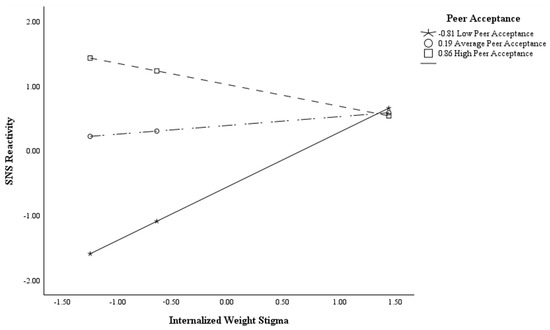
Internalized weight stigma is related to psychological and physiological consequences independent of actual weight status. However, as peers assume an increasingly important role in early adolescence, peer support may protect adolescents from the related costs of weight stigma. The current study examines concurrent associations between internalized weight stigma and heart rate variability in response to an acute stressor in a non-clinical early adolescent sample using a novel peer-to-peer discussion task. We hypothesized that peer acceptance will moderate the effect of internalized weight stigma on changes in sympathetic and parasympathetic indices of HRV. The study included 31 adolescents (58.1% boys; Mage = 12.82, SDage = 1.00) from a charter middle school who completed self-report questionnaires to assess internalized weight stigma and perceived peer acceptance. Participants also completed a novel peer-to-peer discussion task to induce stress responses. Heart rate variability (HRV) was recorded during the baseline and the discussion task, and baseline-to-task change scores were used as an index of sympathetic and parasympathetic responses. Peer acceptance significantly moderated the association between internalized weight stigma and sympathetic reactivity (∆r2 = 0.07, B = −0.97 *, p < 0.05). Specifically, only for adolescents with low peer acceptance, increased internalized weight stigma predicted heightened sympathetic reactivity (B = 0.84, p = 0.03). The findings of this study support the development of a novel peer-to-peer discussion task as an acute stressor and suggest that peer acceptance may alter the association between internalized weight stigma and physiological stress reactivity.
Full article
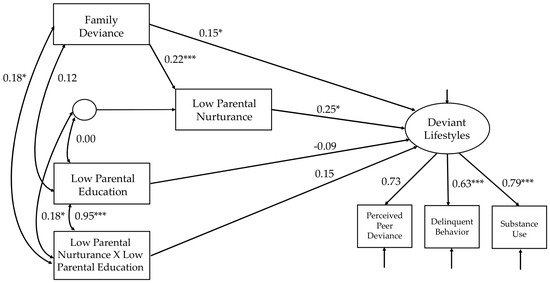
Figure 1
Open AccessArticle
Adolescent Girls on the Move: A Qualitative Exploration of Middle School Girls’ Perceptions of Actively Commuting to School
by
Kaitlyn Swinney, Sarah S. Bentley, Leigh Ann Ganzar, Niamh Tierny, Brooklyn Baker, Henry S. Brown, Deborah Salvo and Deanna M. Hoelscher
Adolescents 2026, 6(4), 55; https://doi.org/10.3390/adolescents6040055 - 21 Jul 2026
Abstract
Purpose: The purpose of this study is to conduct a qualitative study of perceptions of active commuting to school (ACS) amongst middle school girls. Methods: Twelve adolescent girls (M = 13.1 ± 0.7 years old) who participated in the Safe TRavel Environment Evaluation
[...] Read more.
Purpose: The purpose of this study is to conduct a qualitative study of perceptions of active commuting to school (ACS) amongst middle school girls. Methods: Twelve adolescent girls (M = 13.1 ± 0.7 years old) who participated in the Safe TRavel Environment Evaluation of Texas Schools (STREETS) natural experiment were recruited to participate in semi-structured interviews. The semi-structured interview guide was grounded in Social Cognitive Theory, the Theory of Planned Behavior, and the existing literature. All interviews were transcribed by WebEx and thematic analysis was conducted via NVivo 12. Results: Participants had generally neutral to positive views of ACS. Main themes included social support of peers and the convenience of active commuting. Commonly reported barriers were distance to school, safety, and concerns about lack of sleep because of an early commuting time. Areas for future intervention included reducing perceived barriers of distance, time management, and safety, increasing girls’ motivation to actively commute, and improving skills and self-efficacy related to ACS through education, social support, guided practice, and incentives. Conclusions: This study provides evidence for schools and communities to include support programs for those who want to actively commute and suggestions for school policy changes to encourage active commuting to school (ACS). When developing ACS infrastructure or programs for middle school girls, concomitant programs that address strategies to address student perceptions and psychosocial barriers should be included.
Full article
(This article belongs to the Topic Physical Activity, Exercise, and Psychological Well-Being Across the Lifespan)
Open AccessFeature PaperArticle
Beyond Supplementation: Knowledge Gaps, Dietary Barriers, and Digital Education Opportunities for Anemia Prevention Among Adolescent Girls in Bali, Indonesia—A Qualitative Study
by
Kadek Primadewi, Haryono, Irwan Budiono and Dina Nur Anggraini Ningrum
Adolescents 2026, 6(4), 54; https://doi.org/10.3390/adolescents6040054 - 20 Jul 2026
Abstract
►▼
Show Figures
Anemia among adolescent girls remains a persistent public health challenge in Indonesia, driven by limited nutritional knowledge, poor dietary practices, and suboptimal adherence to iron supplementation programs. This study is grounded in the Social–Ecological Model (SEM), which frames health behaviors as shaped by
[...] Read more.
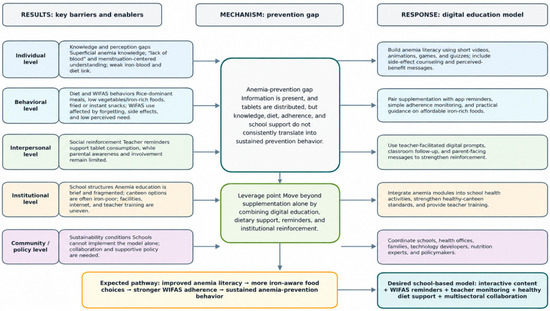
Anemia among adolescent girls remains a persistent public health challenge in Indonesia, driven by limited nutritional knowledge, poor dietary practices, and suboptimal adherence to iron supplementation programs. This study is grounded in the Social–Ecological Model (SEM), which frames health behaviors as shaped by individual, interpersonal, institutional, and community-level factors. This study aimed to explore students’ knowledge and dietary behaviors related to anemia, assess perceptions of existing supplementation programs, and examine teachers’ and students’ perspectives on school-based digital education for anemia prevention in Denpasar, Bali. A qualitative descriptive design was employed across eight public junior high schools. Participants included eight teachers and 40 female students (aged 13–15 years) selected via purposive sampling. Data were collected through semi-structured in-depth interviews, non-participant observations, and document analysis. Thematic analysis was conducted using Atlas.ti version 23, with trustworthiness ensured through triangulation, member checking, peer debriefing, and iterative saturation assessment. Four inter-related themes emerged: (1) students held superficial, menstruation-centric conceptualizations of anemia with limited understanding of iron deficiency as an underlying cause; (2) dietary patterns were dominated by low-iron foods with poor vegetable consumption; (3) adherence to the Weekly Iron and Folic Acid Supplementation (WIFAS) program was inconsistent, hindered by side effects, forgetfulness, and low perceived benefit; and (4) both teachers and students expressed strong interest in digital education tools while identifying infrastructure and training gaps as barriers. Anemia prevention in school settings requires a multi-level approach integrating knowledge improvement, dietary behavior support, and institutional reinforcement. School-based digital education represents a contextually appropriate, youth-aligned innovation with strong potential to bridge the gap between health information and sustained behavioral change.
Full article

Figure 1
Open AccessArticle
The Behavioral and Emotional Impact of Growing Up Without Parents Among Adolescents in Conflict with the Law in a Secure Care Center in the Limpopo Province, South Africa
by
Esther Shuma, Josephine Mudau, Kingsley Amaechi, Winter Mokhwelepa and Olivia Sumbane
Adolescents 2026, 6(4), 53; https://doi.org/10.3390/adolescents6040053 - 6 Jul 2026
Abstract
Growing up without parental care may negatively affect adolescents’ behavioral and emotional development, particularly among adolescents in conflict with the law. In a selected secure care center in the Vhembe District, limited research has explored the lived experiences and behavioral impact of growing
[...] Read more.
Growing up without parental care may negatively affect adolescents’ behavioral and emotional development, particularly among adolescents in conflict with the law. In a selected secure care center in the Vhembe District, limited research has explored the lived experiences and behavioral impact of growing up without parents. This study aimed to explore and describe the behavioral and emotional impact of growing up without parents among adolescents in conflict with the law in a child and adolescent secure care center in Limpopo Province. A qualitative, explorative, descriptive, and contextual research design was employed. Purposive sampling was used to recruit twelve (12) adolescents aged 15–17 years admitted to a secure care center in the Vhembe District. Data was collected through individual semi-structured interviews conducted in Xitsonga or Tshivenda, depending on participants’ preferred language. Interviews were audio-recorded, transcribed, translated into English, and analyzed using Tesch’s eight steps of data analysis. Ethical considerations and measures to ensure trustworthiness were observed throughout the study. The findings revealed that adolescents experienced low self-esteem, diminished self-confidence, early initiation of substance use, poor educational engagement, survival-oriented delinquent behavior, and feelings of neglect. These findings highlight the need for an integrated intervention approach to ensure coordinated psychosocial, educational, behavioral, and socio-economic support for this population.
Full article
Open AccessArticle
Exploring the Associations Between Organized Sports Participation, Body Composition and Dietary Habits in a Sample of Greek Adolescents
by
Anastasios Karaoglou, Tzortzis Nomikos, Tonia Vassilakou, Aikaterini Pontikaki, Theodosia Chatzopoulou, Athanasia Zourou and Konstantinos Kotrokois
Adolescents 2026, 6(4), 52; https://doi.org/10.3390/adolescents6040052 - 6 Jul 2026
Abstract
(1) Background: Adolescence is a critical period for the development of health-related behaviors, including dietary habits and physical activity. This cross-sectional study examined the associations between participation in organized sports, nutrient intake, and body composition in a sample of Greek adolescents. (2) Methods:
[...] Read more.
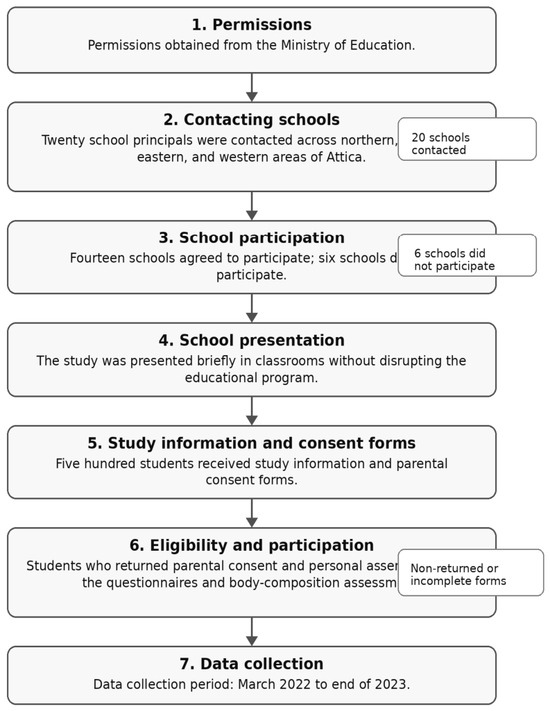
(1) Background: Adolescence is a critical period for the development of health-related behaviors, including dietary habits and physical activity. This cross-sectional study examined the associations between participation in organized sports, nutrient intake, and body composition in a sample of Greek adolescents. (2) Methods: A total of 224 adolescents aged 12–18 years from schools in the Attica region, Greece, participated in the study. Physical activity and organized sports participation were assessed using a validated questionnaire. Body composition was estimated using bioelectrical impedance analysis, and dietary intake was evaluated using three-day self-reported food records analyzed with Cronometer® nutrition analysis software. (3) Results: Boys had higher fat-free mass and basal metabolic rate and lower fat-mass percentage than girls. Organized sports participation was common and differed by sex, with boys reporting higher participation and greater adherence to physical activity recommendations than girls. Organized sports participation was associated with differences in selected nutrient intakes, particularly among late adolescents; however, several differences were attenuated when nutrient intake was standardized per 1000 kcal, suggesting that part of the observed pattern may reflect differences in total energy intake. (4) Conclusions: These cross-sectional findings suggest that age-defined adolescent stage and organized sports participation are associated with differences in sports involvement, body composition, and nutrient intake among Greek adolescents; however, causal relationships cannot be established, and the findings should be interpreted as associations.
Full article
(This article belongs to the Section Adolescent Health and Mental Health)
►▼
Show Figures

Figure 1
Open AccessArticle
A Preliminary Study of Sleep and Heart Rate Changes In-Season vs. Off-Season in Young Gymnasts
by
Lainey E. Hunnicutt and Scott R. Collier
Adolescents 2026, 6(4), 51; https://doi.org/10.3390/adolescents6040051 - 3 Jul 2026
Abstract
►▼
Show Figures
Objective: In-season youth gymnastics is a sport that has maintained popularity, even though the youth are exposed to psychological and physiological injuries throughout their career. The absence of clearly demarcated competitive seasons complicates the distinction between in- and out-of-season, potentially masking cumulative health
[...] Read more.
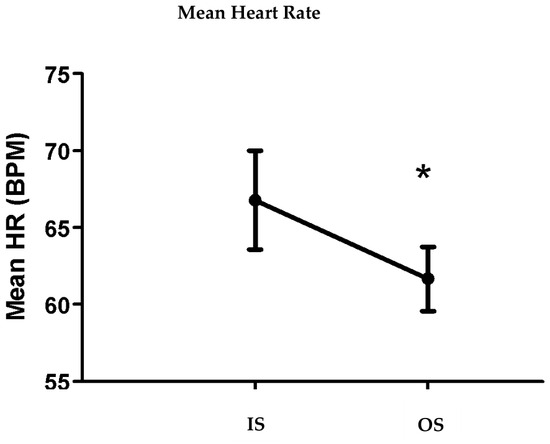
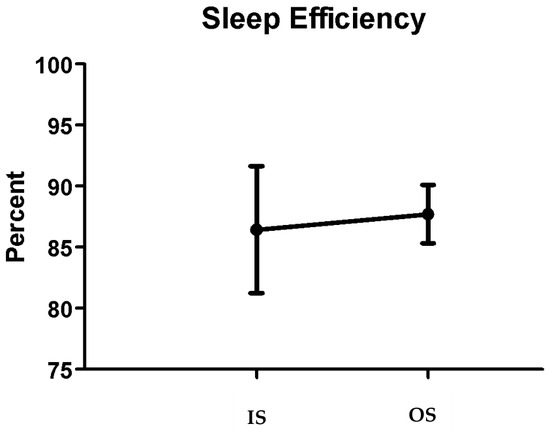
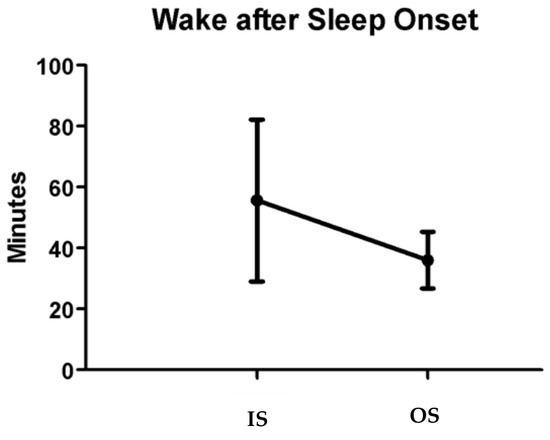
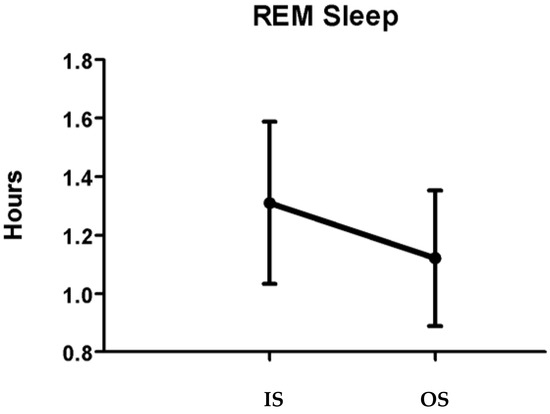
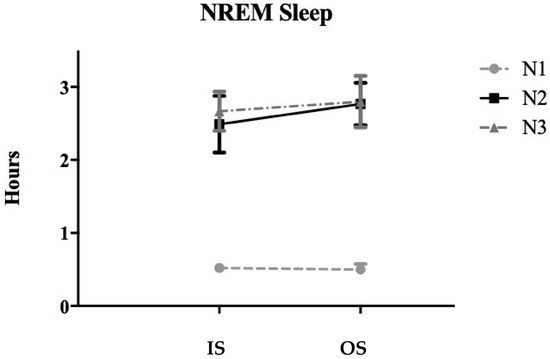
Objective: In-season youth gymnastics is a sport that has maintained popularity, even though the youth are exposed to psychological and physiological injuries throughout their career. The absence of clearly demarcated competitive seasons complicates the distinction between in- and out-of-season, potentially masking cumulative health changes from chronically poor sleep and inadequate autonomic recovery. The present study investigated the differences in sleep architecture and health in- and out-of-season in young, in-season gymnasts. Methods: Nine in-season youth gymnasts between the ages of 12 and 16 years were recruited. Sleep data were collected for three consecutive nights during in-season and off-season using an ambulatory sleep monitor so the subjects could sleep in their own beds. Results: Mean nocturnal pulse was significantly higher during in-season versus off-season, reflecting higher sympatho-vagal outflow during the competition season. Sleep efficiency, wake after sleep onset (WASO), and spindle duration were similar during in-season and off-season, yet they had better values during off-season. Sleep latency, rapid eye movement (REM), and non-rapid eye movement (NREM) had greater sleep regularity during the off-season. Conclusion: These data demonstrate a significant decrease in mean nocturnal heart rate when an athlete transitions from in-season to off-season.
Full article

Figure 1
Open AccessReview
Adolescents’ Appraisals of Family Relationships in Intact Family Contexts: A Scoping Review
by
Agustin E. Fatmasari, Hidayatun Nur’Aini and Rahkman Ardi
Adolescents 2026, 6(4), 50; https://doi.org/10.3390/adolescents6040050 - 1 Jul 2026
Abstract
(1) Background: Adolescents’ appraisals of family relationships play an important role in bridging family dynamics and maladaptive behavior in various contexts. However, the mechanism of adolescents’ appraisals remains unclear. This review aims to map the state of the art about adolescents’ appraisals of
[...] Read more.
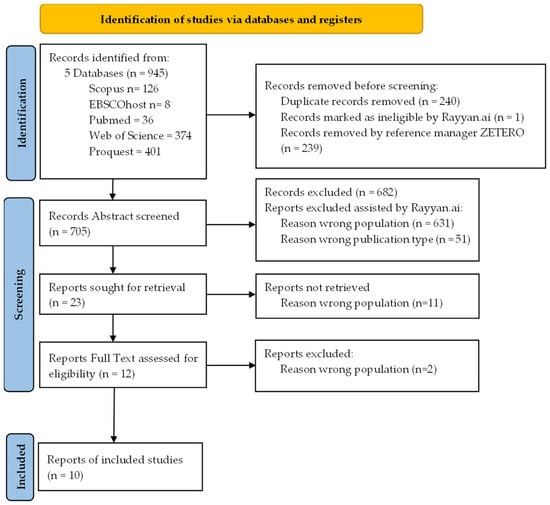
(1) Background: Adolescents’ appraisals of family relationships play an important role in bridging family dynamics and maladaptive behavior in various contexts. However, the mechanism of adolescents’ appraisals remains unclear. This review aims to map the state of the art about adolescents’ appraisals of family relationships in intact family contexts from the existing global literature. (2) Methods: The article collection was performed in accordance with the PRISMA guideline and screening articles from 5 sources. Two reviewers independently screened to obtain 10 reported articles that met the inclusion criteria. (3) Results: Analyses identified that 90% of the previous study involved adolescents aged 8–19 years from the United States (USA) and predominantly White. The majority of the samples were also identified from middle to upper class socioeconomic status (n = 6), and relatively low conflict family structure (n = 5). The most commonly used variable term of adolescents’ appraisal was interparental conflict (IPC) appraisals (n = 7), and the Cognitive Contextual Framework (CCF) by Grych et al. was used as a theoretical framework. (4) Conclusions: Based on a global literature review, the findings of this review are limited, based on age, race, socioeconomic status, family structure, and certain geographical locations. The limited range of samples may affect the sensitivity of the theoretical framework and measurement tools in capturing variations in adolescents’ appraisals of family relationships in intact family contexts. Furthermore, the generalizability of these findings may be limited. Accordingly, future studies are encouraged to replicate the present research using larger samples from diverse ages, cultural and socioeconomic status, and family structure backgrounds. Future researchers could further advance this research area by incorporating a wider variety of theoretical perspectives, methodological approaches, and measurement instruments to promote the future health and well-being of adolescents.
Full article
(This article belongs to the Section Adolescent Health and Mental Health)
►▼
Show Figures

Figure 1
Open AccessReview
Contraceptive Counseling: Navigating Strengths, Gaps, and Opportunities in Patient-Centered Practice—A Narrative Literature Review
by
Alessandro Messina, Safae El Motarajji, Livio Leo, Alessandro Libretti and Bianca Masturzo
Adolescents 2026, 6(4), 49; https://doi.org/10.3390/adolescents6040049 - 25 Jun 2026
Abstract
Background: Contraceptive counseling is a critical component of reproductive healthcare, directly influencing method uptake, continuation, and user satisfaction. While global health guidelines increasingly emphasize person-centered, rights-based approaches to counseling, wide variations in practice persist, with significant implications for equity and autonomy. Objective: This
[...] Read more.
Background: Contraceptive counseling is a critical component of reproductive healthcare, directly influencing method uptake, continuation, and user satisfaction. While global health guidelines increasingly emphasize person-centered, rights-based approaches to counseling, wide variations in practice persist, with significant implications for equity and autonomy. Objective: This narrative review aims to synthesize current evidence on the strengths, limitations, and future opportunities of contraceptive counseling within person-centered care frameworks, with particular attention to adolescents and other populations facing structural or sociocultural barriers to equitable care. Methods: A comprehensive literature search was conducted across six indexed databases (PubMed, Scopus, Embase, Web of Science, CINAHL, and PsycINFO) for peer-reviewed articles published between January 2010 and April 2025. Eligible studies included original quantitative, qualitative, and mixed-methods research examining contraceptive counseling practices, user experiences, provider–client communication, counseling interventions, or implementation strategies in reproductive healthcare settings. Results: Emerging strengths in the field include the increasing adoption of shared decision-making, motivational interviewing, and culturally tailored counseling approaches, all of which contribute to improved client satisfaction and method adherence. Digital tools and mHealth platforms have expanded the reach of counseling and show promise in supplementing in-person care. However, significant gaps remain. Provider bias, limited training, communication barriers, and a lack of socio-cultural tailoring frequently undermine the quality of care, especially for adolescents, migrants, women with disabilities, and socially vulnerable populations. Ethical challenges—such as coercion, inadequate informed consent, and structural inequities—persist in many healthcare settings. Moreover, contraceptive counseling is often treated as a one-time event rather than an ongoing, adaptive process. Conclusions: To maximize its impact, contraceptive counseling must be reframed as a longitudinal, relational, and ethically grounded practice. Future efforts should prioritize the development of structured training programs, integration into broader health services, and qualitative research that centers patient experiences. Embedding counseling within reproductive justice frameworks will be essential for advancing equity and autonomy. High-quality contraceptive counseling, when informed by evidence and empathy, is a strategic tool for reproductive empowerment and public health advancement.
Full article
(This article belongs to the Section Adolescent Health Behaviors)
Open AccessArticle
The Hierarchical Taxonomy of Psychopathology in Adolescents: Support for a Neurodevelopmental Spectrum Without ADHD
by
Rapson Gomez, Stephen Houghton, Shane Langsford, Shaun Watson and Leila Karimi
Adolescents 2026, 6(4), 48; https://doi.org/10.3390/adolescents6040048 - 24 Jun 2026
Abstract
Using the Hierarchical Taxonomy of Psychopathology (HiTOP) as our framework, the current study examines how 13 common psychological disorders can be grouped into different spectra in two groups of adolescents: a community sample (N = 951), and a clinic-referred sample (N
[...] Read more.
Using the Hierarchical Taxonomy of Psychopathology (HiTOP) as our framework, the current study examines how 13 common psychological disorders can be grouped into different spectra in two groups of adolescents: a community sample (N = 951), and a clinic-referred sample (N = 173). Scores for the disorders were obtained using the parent version of the Child and Adolescent PsychProfiler. Taken together, the findings across the two samples for factor structure, reliability, and discriminant and concurrent validity indicate the most support for a three-factor CFA oblique model with primary factors for neurodevelopment disorders (that include Specific Learning Disorder, Autism Spectrum Disorder, Language Disorder, and Speech Sound Disorder), internalizing disorder problems (that include Generalized Anxiety Disorder, Persistent Depressive Disorder, Separation Anxiety Disorder, Obsessive–Compulsive Disorder, Posttraumatic Stress Disorder, Anorexia Nervosa, and Bulimia Nervosa), and externalizing disorder problems [(that include Attention Deficit/Hyperactivity Disorder (ADHD), and Oppositional Defiant Disorder/Conduct Disorder (ODD/CD)], with a covariance for the error variance for Anorexia Nervosa and Bulimia Nervosa. Additionally, the analysis for Sample 2 supports the concurrent validity of the factors in this model. A modification of this model, with ADHD cross-loading on the neurodevelopment disorders factor, did not produce an admissible solution. The findings indicate support for a neurodevelopmental spectrum in the HiTOP model, with ADHD and ODD/CD showing stronger statistical association with the externalizing factor than with the neurodevelopmental factor in the models tested. This finding pertains to dimensional structure and does not invalidate the neurodevelopmental classification of ADHD in DSM-5-TR.
Full article
Open AccessArticle
Perceived Closeness to Others: Preliminary Tests of a Visual Self-Report Measure and Its Associations with Prosocial and Problematic Development in Preadolescents
by
Carolina Facci, Paul J. Frick, Andrea Baroncelli and Enrica Ciucci
Adolescents 2026, 6(3), 47; https://doi.org/10.3390/adolescents6030047 - 11 Jun 2026
Abstract
►▼
Show Figures
Relationships are a fundamental foundation of human development, shaping developmental trajectories, well-being, and health, yet their psychological assessment remains challenging. Youths’ perceived closeness to others has been linked to a range of prosocial outcomes but has been less extensively examined in research studying
[...] Read more.
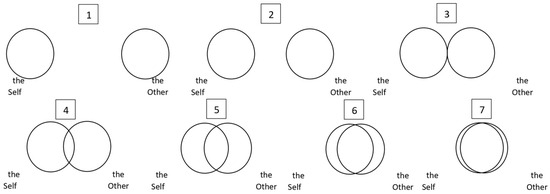
Relationships are a fundamental foundation of human development, shaping developmental trajectories, well-being, and health, yet their psychological assessment remains challenging. Youths’ perceived closeness to others has been linked to a range of prosocial outcomes but has been less extensively examined in research studying problematic developmental outcomes, such as conduct problems. Further, most studies have focused on a single relationship, which ignores the potential importance of determining the extent to which youth’s perceptions of closeness extend beyond immediate social groups. The present study addressed these gaps by examining the factor structure and construct validity of an expanded measure of perceived closeness that includes a broader range of relationships, labeled the Perceived Closeness to Others Questionnaire (PCtO). A sample of 426 middle school students (216 girls; M age = 12.90 (0.91) years) was recruited and completed a visual measure of perceived closeness that utilizes visual images of pairs of circles (i.e., one indicating “the Self” and one indicating “the Other”) at different distances (i.e., from very far away to almost completely overlapping) to indicate how close they feel to others. Participants also completed self-report measures assessing a range of prosocial and problematic outcomes. An exploratory factor analysis (EFA) suggested that, despite assessing a wide range of relationships, the measure seemed to be capturing a unidimensional construct. Further, scores from the measure showed adequate reliability and were positively correlated with all the measures of prosocial outcomes and with all but one measure of problematic outcomes (i.e., conduct problems). Overall, the findings provide initial support for a measure of psychological closeness suitable for use in research with youth. This tool may help advance theories of prosocial and antisocial development and guide interventions aimed at enhancing youths’ relationships with others.
Full article

Figure 1
Open AccessArticle
Family Deviance, Parental Nurturance, Parental Education and Deviant Lifestyles: A Latent Moderated Indirect Effects Analysis
by
Minh Hao D. Tran, Kathan D. Shukla, Xinye Xia, Norma Olvera and Margit Wiesner
Adolescents 2026, 6(3), 45; https://doi.org/10.3390/adolescents6030045 - 10 Jun 2026
Abstract
►▼
Show Figures
Structural constraints arising from the family environment have been highlighted as a key predictor of deviant lifestyles that expose youths to criminogenic circumstances. Intervening processes are not well-understood. This study examined (a) whether family deviance is associated with students’ deviant lifestyles, (b) whether
[...] Read more.
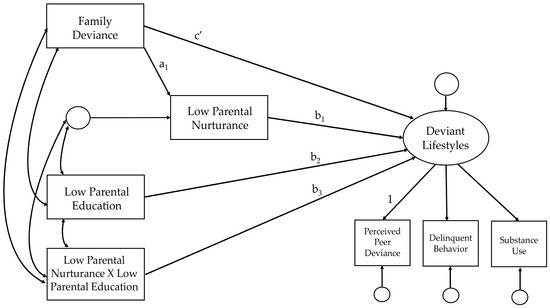
Structural constraints arising from the family environment have been highlighted as a key predictor of deviant lifestyles that expose youths to criminogenic circumstances. Intervening processes are not well-understood. This study examined (a) whether family deviance is associated with students’ deviant lifestyles, (b) whether this association is mediated by low parental nurturance, and (c) whether this indirect effect is moderated by low parental education. Cross-sectional data from 233 African American, Hispanic, White, Asian American, and multiracial 11th grade students were used. The student deviant lifestyles construct was assessed using three composite indicators (student delinquent behavior, perceived peer deviance, student substance use). Using structural equation modeling, a latent moderated indirect effects model showed excellent fit (e.g., CFI = 0.986, RMSEA = 0.047, SRMR = 0.027). Parental nurturance significantly mediated the relation of family deviance with student deviant lifestyles, but only for students whose parents have low levels of education. Our results support the utility of an integrative criminogenic framework that includes structural constraints arising from the family environment and showed that high parental education can serve as a buffer against the adverse indirect effects of family deviance on adolescents’ deviant lifestyles via low parental nurturance.
Full article

Figure 1
Open AccessSystematic Review
Nursing Interventions for Adolescent Mental Health: A Systematic Mixed-Methods Review
by
Paula Segura-Daroca, Vicente Gea-Caballero, Raúl Juárez-Vela, Elena Chover-Sierra, Raquel María Martínez-Pascual and Antonio Martínez-Sabater
Adolescents 2026, 6(3), 46; https://doi.org/10.3390/adolescents6030046 - 9 Jun 2026
Abstract
Mental health disorders among adolescents have risen significantly in recent years, particularly following the COVID-19 pandemic, highlighting the need for effective preventive and supportive interventions. Nurses play a key role in the promotion, early detection, and management of mental health issues in adolescents,
[...] Read more.
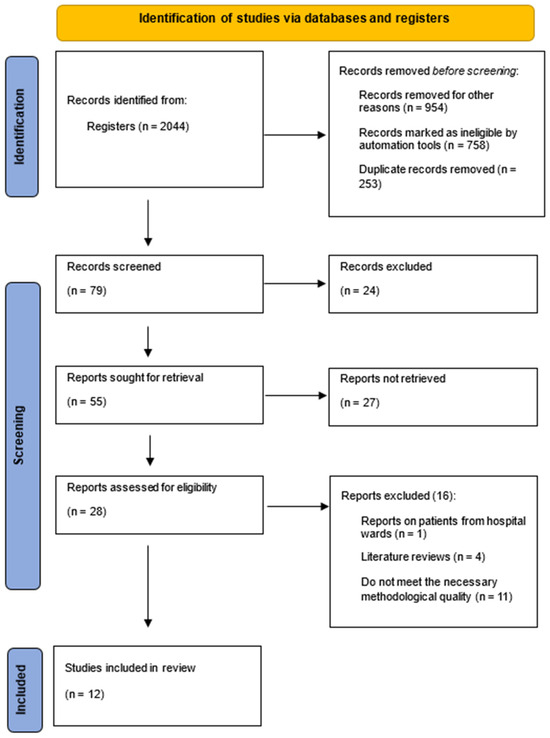
Mental health disorders among adolescents have risen significantly in recent years, particularly following the COVID-19 pandemic, highlighting the need for effective preventive and supportive interventions. Nurses play a key role in the promotion, early detection, and management of mental health issues in adolescents, both in school and community settings. This study aimed to synthesize quantitative and qualitative evidence on the role, effectiveness, and implementation of nursing interventions for adolescent mental health. A systematic mixed-methods review was conducted in accordance with the PRISMA 2020 guidelines. It was registered in PROSPERO (CRD42024502076). Databases including PubMed, Scopus, SciELO, Dialnet, BVS, and Cuiden were searched for studies published between 2014 and 2024. Twelve studies met the inclusion criteria, comprising randomized and non-randomized quantitative studies, qualitative studies, and previous reviews. The interventions identified included cognitive-behavioral therapy programs, resilience and life skills training, physical activity initiatives, digital interventions, and mental health literacy strategies. Overall, the findings suggest improvements in symptoms of anxiety and depression, coping skills, resilience, and knowledge about mental health, particularly in structured school-based programs. Qualitative evidence highlighted the importance of accessibility, multidisciplinary collaboration, cultural sensitivity, and sustained commitment for successful implementation. However, considerable heterogeneity was observed in study designs, interventions, and outcome measures. In conclusion, nursing interventions can make a positive contribution to adolescents’ mental health, particularly in school and community settings. However, further rigorous, long-term studies are needed to strengthen the evidence base.
Full article
(This article belongs to the Section Adolescent Health and Mental Health)
►▼
Show Figures

Figure 1
Open AccessArticle
SWOT Analysis of Child and Adolescent Mental Health Services in the Rural Chris Hani District, Eastern Cape, South Africa
by
Nomava Siyasamkela Jinoyi and Eugene Lee Davids
Adolescents 2026, 6(3), 44; https://doi.org/10.3390/adolescents6030044 - 29 May 2026
Abstract
Child and adolescent mental health (CAMH) is a global concern that is increasingly recognized and prioritized. Worldwide, mental health conditions affect a significant number of children and adolescents; however, access to CAMH services remains limited. This study sought to explore the implementation of
[...] Read more.
Child and adolescent mental health (CAMH) is a global concern that is increasingly recognized and prioritized. Worldwide, mental health conditions affect a significant number of children and adolescents; however, access to CAMH services remains limited. This study sought to explore the implementation of child and adolescent mental health services in the rural Chris Hani District of the Eastern Cape province, South Africa, from the perspectives of health professionals and teachers, focusing on strengths, weaknesses, opportunities, and threats. Using a qualitative approach, a sample of 36 participants (12 health professionals and 24 teachers) was purposively recruited. Data were collected through face-to-face, semi-structured individual interviews and focus group discussions. Thematic analysis identified several strengths, including effective screening and identification of CAMH problems, training in psychiatry and psychology, teacher support, collaboration with stakeholders, and the availability of policy and guidelines. Key weaknesses included inadequate CAMH training, a limited CAMH workforce, personal barriers, guidelines primarily oriented toward physical health, and insufficient basic infrastructure. Opportunities for improvement include enhancing the skills of the existing workforce, increasing engagement in extramural activities, and empowering parents with knowledge of available CAMH services. Identified threats included the normalization of CAMH symptoms, challenges involving parents and feeder schools, stigma, poor stakeholder collaboration, and inadequate guidelines. Overall, the analysis of strengths, weaknesses, opportunities, and threats reflects the broader challenges present in low-resource settings that hinder the implementation of CAMH services. It also highlights the need for integrative approaches to implementing CAMH services in rural contexts, while identifying opportunities to improve service delivery.
Full article
Open AccessArticle
Promoting Mental Health Literacy Among Adolescence in Schools: Pilot Feasibility and Change Following the BeBuddies
by
Carla Viana de Sousa, Anabela Pereira and Paula Vagos
Adolescents 2026, 6(3), 43; https://doi.org/10.3390/adolescents6030043 - 28 May 2026
Abstract
This pilot clinical trial evaluated the feasibility and changes following the BeBuddies, which is a school-based program designed to promote mental health Literacy (MHL) among adolescents, based on MHL being a key protective factor for well-being in adolescence. Twenty-eight adolescents (57% girls; Mage
[...] Read more.
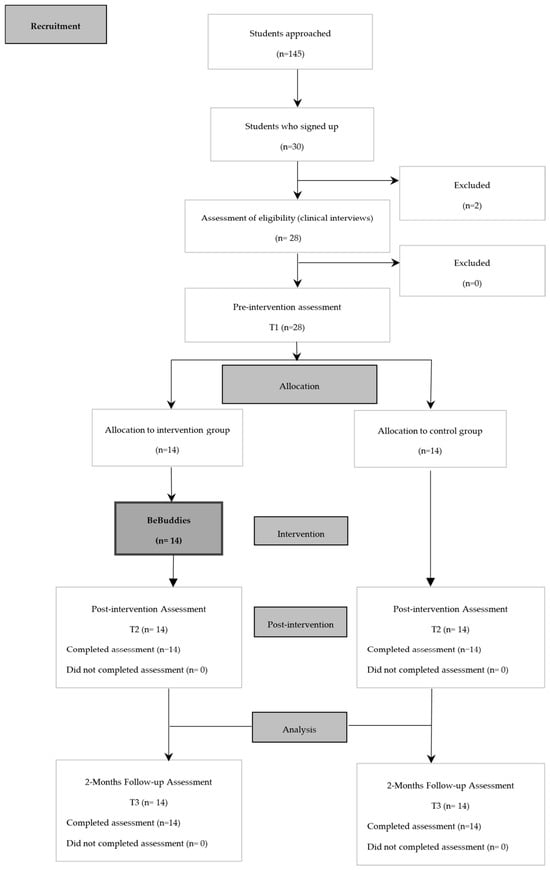
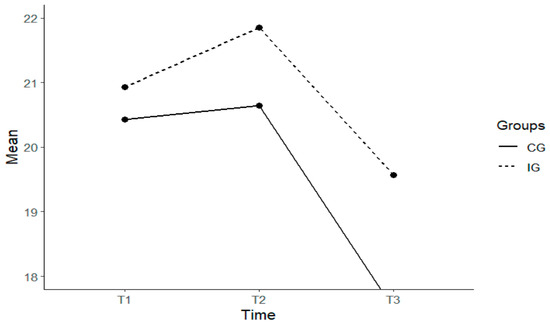
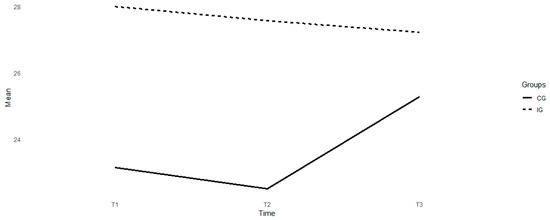
This pilot clinical trial evaluated the feasibility and changes following the BeBuddies, which is a school-based program designed to promote mental health Literacy (MHL) among adolescents, based on MHL being a key protective factor for well-being in adolescence. Twenty-eight adolescents (57% girls; Mage = 16.46) were randomly assigned to either an intervention (n = 14) or a control group (n = 14). Participants were asked both qualitatively and quantitatively about their perception of acceptability, usability and satisfaction regarding each intervention session; they were also asked to fill in self-report questionnaires at pre-intervention, post-intervention, and follow-up. Program satisfaction and acceptability were consistently high, highlighting its potential to bind participants due to its experiential and dynamic nature. About changes over time, preliminary findings suggest that the BeBuddies yielded improvements primarily in symptom recognition and problem-solving, with more favorable change patterns in the intervention group. A slight reduction in stigma was also observed in the intervention group, in contrast with a small increase in the control group. These results are consistent with the existing literature and point to the feasibility and potential benefits of structured, school-based interventions focused on promoting MHL programs in adolescence.
Full article
(This article belongs to the Section Adolescent Health and Mental Health)
►▼
Show Figures

Figure 1
Open AccessArticle
The Relationship Between Resilience, Self-Esteem, and Academic Performance: An Investigation in Primary School Students
by
Glykeria P. Reppa, Christos Rentzios, Iliana Tsoutsa, Irini K. Zerva, Aikaterini Voulgari and Christiana Koundourou
Adolescents 2026, 6(3), 42; https://doi.org/10.3390/adolescents6030042 - 14 May 2026
Abstract
The present study investigated the relationship between resilience, self-esteem, and academic performance in primary school students. The sample comprised 124 pupils (59 males and 65 females) enrolled in the 5th and 6th grades. Psychometric assessment was conducted using the Resilience Scale and the
[...] Read more.
The present study investigated the relationship between resilience, self-esteem, and academic performance in primary school students. The sample comprised 124 pupils (59 males and 65 females) enrolled in the 5th and 6th grades. Psychometric assessment was conducted using the Resilience Scale and the Rosenberg Self-Esteem Scale, while academic achievement was evaluated based on students’ grades in Language, Mathematics, Science, English, and Physical Education. Data analysis was performed using ANOVAs and Pearson correlation coefficients. The results indicated that higher academic performance was positively correlated with both increased resilience and self-esteem. Furthermore, a strong positive correlation was observed between self-esteem and resilience. Regarding gender, no significant differences were found in resilience or self-esteem levels. However, academic performance variations were identified exclusively in English language proficiency; specifically, for male students, higher performance in English was significantly associated with greater resilience. In conclusion, these findings suggest that integrating self-esteem and resilience-building activities into the educational curriculum is essential. Such interventions may enhance students’ capacity to manage adversity and facilitate the attainment of their academic goals.
Full article
Open AccessArticle
Parental Reports of Adolescent Problematic Internet Use: Associations with Emotional and Behavioral Problems and Family Functioning in Cyprus
by
Chrysi Paradeisioti, Gerasimos Kolaitis, Konstantinos Siomos and Georgios Giannakopoulos
Adolescents 2026, 6(3), 41; https://doi.org/10.3390/adolescents6030041 - 11 May 2026
Abstract
Excessive internet use among adolescents is a growing public health concern, yet data from Cyprus are scarce. This cross-sectional study used parent reports for 248 adolescents (12–17 years; 54.4% boys) to describe problematic internet use and examine associations with emotional–behavioral difficulties and family
[...] Read more.
Excessive internet use among adolescents is a growing public health concern, yet data from Cyprus are scarce. This cross-sectional study used parent reports for 248 adolescents (12–17 years; 54.4% boys) to describe problematic internet use and examine associations with emotional–behavioral difficulties and family functioning. Based on published Parent–Child Internet Addiction Test (PCIAT) cut-offs, used descriptively rather than as clinically validated Cypriot thresholds, 74.2% of adolescents in this parent-reported convenience sample fell within the broader problematic internet use range. This sample-specific proportion comprised 38.3% in the mild, 33.9% in the moderate, and 2.0% in the severe PCIAT category. Adolescents using the internet >3 h/day (n = 112) had significantly higher PCIAT scores than those using it <3 h/day (n = 136; U = 3100.00, Z = −4.72, p < 0.001). PCIAT scores correlated with conduct problems (r = 0.449), hyperactivity/inattention (r = 0.441), and total difficulties (r = 0.475), and inversely with prosocial behavior (r = −0.471; p < 0.001). Family functioning worsened across PCIAT severity categories (GF-12 means: 18.83 in the PCIAT 20–30 range vs. 29.00 in the severe range; H(3) = 28.30, p < 0.001). In multivariable regression, daily use (B = 8.02), poorer family functioning (B = 0.42), conduct problems (B = 5.28), and hyperactivity/inattention (B = 6.81) independently predicted higher PCIAT scores (R2 = 0.24), whereas emotional symptoms were not significant (p = 0.637). Findings from this convenience sample highlight the potential importance of prevention efforts targeting screen-time regulation and family relationships; longitudinal, representative, multi-informant studies are warranted.
Full article
Open AccessArticle
Personality, Interest and Career Decisions: Assessing Psychological Readiness for Professional Choice Among High School Students
by
Nazerke Asemkhankyzy Bazargaliyeva, Niyetbayeva Gulmira Bekenovna, Ayapbergenova Almira Zhenisbekovna, Aksakalova Zhanna Kenzhebekovna and Dautkaliyeva Perizat Bolatovna
Adolescents 2026, 6(3), 40; https://doi.org/10.3390/adolescents6030040 - 6 May 2026
Abstract
►▼
Show Figures
Psychological readiness for career choice represents a critical developmental task during adolescence, shaping subsequent educational paths and vocational self-determination. This study investigates the formation of such readiness among grade nine students in a public secondary school in Almaty, Kazakhstan, using an integrated psychological
[...] Read more.
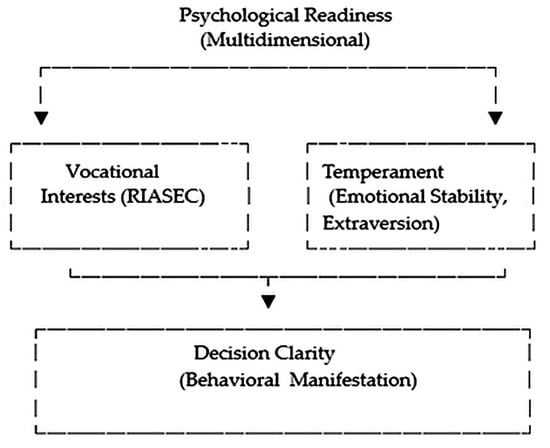
Psychological readiness for career choice represents a critical developmental task during adolescence, shaping subsequent educational paths and vocational self-determination. This study investigates the formation of such readiness among grade nine students in a public secondary school in Almaty, Kazakhstan, using an integrated psychological assessment approach. Grounded in Holland’s RIASEC theory and temperament-based perspectives, the study examines how vocational interests, temperament characteristics, and educational decision status interact in early career planning. Data were collected from 185 students during structured school-based diagnostic sessions employing a RIASEC vocational interest inventory, a temperament assessment, and a brief educational decision questionnaire. The findings reveal a differentiated structure of vocational interests, with social and investigative orientations most prevalent. While a majority of students reported preliminary career or educational choices, a substantial proportion remained undecided, indicating heterogeneous levels of psychological readiness. Temperament distributions suggest that emotional regulation plays an important role in translating vocational interests into concrete decisions. Overall, the results support conceptualizing psychological readiness as a multidimensional construct encompassing interest clarity, personality-related regulation, and decision commitment. The study highlights the importance of sustained, psychologically informed career guidance during key educational transitions and offers practical implications for school-based career counseling.
Full article
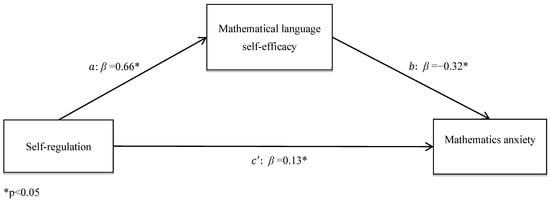
Figure 1
Open AccessArticle
Self-Regulation and Mathematics Anxiety: The Conditional Mediating Role of Mathematical Language Self-Efficacy and Implications for Inclusive Education
by
Mesut Öztürk, Kübra Ada Yildiz and Garyfalia Charitaki
Adolescents 2026, 6(3), 39; https://doi.org/10.3390/adolescents6030039 - 28 Apr 2026
Abstract
►▼
Show Figures
In this quantitative study, we investigated the conditional mediating role of students’ mathematical language self-efficacy in the relationship between self-regulation and mathematics anxiety. The study employed a relational research design and included survey data from 706 middle school students attending public schools in
[...] Read more.
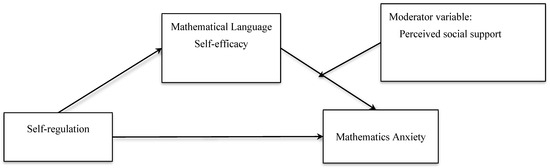
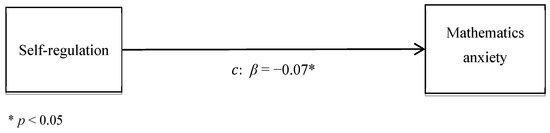
In this quantitative study, we investigated the conditional mediating role of students’ mathematical language self-efficacy in the relationship between self-regulation and mathematics anxiety. The study employed a relational research design and included survey data from 706 middle school students attending public schools in Turkey. Findings indicated that both self-regulation and perceived self-efficacy in mathematical language use were significantly associated with mathematics anxiety. Moreover, the effect of self-regulation on mathematics anxiety was significantly mediated by students’ perceptions of their ability to understand and use mathematical language self-efficacy. The indirect effect was negative while the direct effect was positive, indicating a suppression (competitive mediation) effect, whereby self-regulation exerts both anxiety-reducing and potentially anxiety-inducing influences through different pathways. Conditional mediation analysis further revealed that this mediating effect varied as a function of students’ perceived academic support, with the indirect effect being non-significant for students who did not receive support. Measurement invariance across gender and grade level was examined to ensure that the constructs were measured equivalently across groups. These findings highlight the importance of fostering both self-regulation skills and mathematical language proficiency, particularly in contexts where students may lack sufficient support. These findings provide a theoretically grounded and practically relevant framework for understanding mathematics anxiety within inclusive mathematics education contexts.
Full article
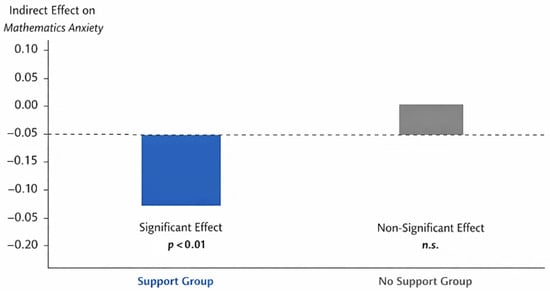
Figure 1
Highly Accessed Articles
Latest Books
E-Mail Alert
News
Topics
Topic in
Behavioral Sciences, Healthcare, Psychiatry International, Adolescents, Social Sciences, Children
Behavioral Addictions and Risk-Taking in the Digital Age: Gambling, Sports Betting, and Emerging Challenges
Topic Editors: André Luiz Monezi Andrade, Denise De MicheliDeadline: 31 August 2026
Topic in
Behavioral Sciences, Education Sciences, Societies, Youth, Adolescents, Social Sciences
Emotional Well-Being and Assessment in Multicultural Educational Contexts: Interdisciplinary Research and Perspectives
Topic Editors: Enrique Riquelme, Daniel Quilaqueo, Héctor Torres, Ignacio MonteroDeadline: 28 February 2027
Topic in
Healthcare, Sports, JFMK, Adolescents, Children
Physical Activity, Exercise, and Psychological Well-Being Across the Lifespan
Topic Editors: Gianpiero Greco, Eduardo Matta Mello PortugalDeadline: 31 March 2027
Conferences
Special Issues
Special Issue in
Adolescents
Dentistry for Adolescents
Guest Editor: Ziad D. BaghdadiDeadline: 13 November 2026
Special Issue in
Adolescents
Emerging Trends in Adolescent Psychological Education: Integrating Artificial Intelligence and Public Health Approaches
Guest Editors: Habeeb Adewuyi, Udeme Samuel JacobDeadline: 31 March 2027
Special Issue in
Adolescents
Youth Justice and Child Welfare: Needs and Service Access Related to Trauma, Risk and Behavioral Patterns
Guest Editors: Richard Dembo, Michael L. DennisDeadline: 30 June 2027
Special Issue in
Adolescents
Developmental Risk and Protective Factors for Anxiety and Depression in Adolescence
Guest Editor: Sabrina SuffrenDeadline: 31 December 2027
Topical Collections
Topical Collection in
Adolescents
Featured Research in Adolescent Health
Collection Editor: Laura L. Hayman