Journal Description
Anesthesia Research
Anesthesia Research
is an international, peer-reviewed, open access journal on anesthesia research and practices published quarterly online by MDPI.
- Open Access— free for readers, with article processing charges (APC) paid by authors or their institutions.
- Rapid Publication: manuscripts are peer-reviewed and a first decision is provided to authors approximately 23 days after submission; acceptance to publication is undertaken in 14.7 days (median values for papers published in this journal in the first half of 2026).
- Recognition of Reviewers: APC discount vouchers, optional signed peer review, and reviewer names published annually in the journal.
- Anesthesia Research is a companion journal of Biomedicines.
Latest Articles
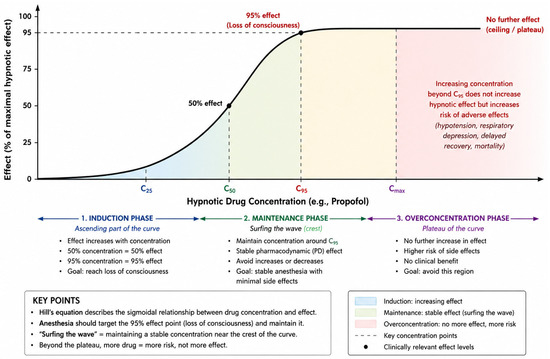
PK/PD Foundations of Intravenous Anesthesia with Target-Controlled Infusion: From Hill’s Concentration–Effect Theory to the AI-Based Perspectives
Anesth. Res. 2026, 3(3), 22; https://doi.org/10.3390/anesthres3030022 - 1 Aug 2026
Abstract
►
Show Figures
Background: Pharmacokinetic/pharmacodynamic (PK/PD)-guided intravenous anesthesia and target-controlled infusion (TCI) have progressively transformed modern anesthetic practice from empirical drug administration toward individualized, model-informed precision anesthesia. Recent advances in neuromonitoring, closed-loop systems, and artificial intelligence (AI) are further expanding this paradigm. Methods: This Perspective article
[...] Read more.
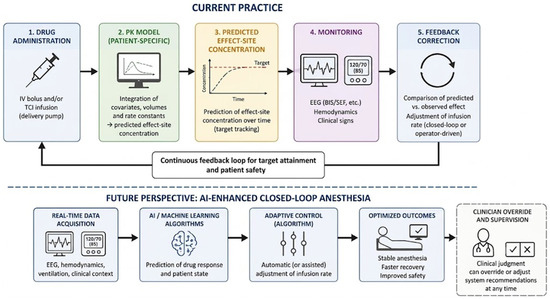
Background: Pharmacokinetic/pharmacodynamic (PK/PD)-guided intravenous anesthesia and target-controlled infusion (TCI) have progressively transformed modern anesthetic practice from empirical drug administration toward individualized, model-informed precision anesthesia. Recent advances in neuromonitoring, closed-loop systems, and artificial intelligence (AI) are further expanding this paradigm. Methods: This Perspective article provides a conceptual and educational synthesis of the historical foundations, mathematical principles, clinical applications, and AI-based perspectives of PK/PD-guided intravenous anesthesia and TCI. Results: The concentration–effect relationship derived from Hill’s equation represents the conceptual basis of modern anesthetic pharmacology. Contemporary TCI systems integrate PK/PD models, effect-site targeting, synergistic drug interactions, and multimodal monitoring to improve anesthetic precision and safety. Recent evidence supports the advantages of total intravenous anesthesia (TIVA) in postoperative recovery outcomes, including reduced postoperative nausea and vomiting, emergence delirium, and improved quality of recovery. Emerging developments include increasingly generalizable PK “supermodels,” adaptive closed-loop control systems, multimodal AI integration, and patient-specific digital twins that may eventually support simulation of physiological responses and optimization of drug administration. However, biological variability, monitoring limitations, signal artifacts, model uncertainty, and the need for prospective validation, regulatory oversight, and continuous clinician supervision remain major challenges to the routine implementation of AI-assisted individualized anesthesia. Conclusions: PK/PD-guided anesthesia and TCI increasingly represent a clinically relevant framework for precision anesthesia, integrating pharmacology, monitoring, adaptive control, and AI-assisted systems. Future developments may progressively reduce the discrepancy between predicted and observed clinical effects, moving anesthetic practice toward continuously adaptive, feedback-driven, and individualized anesthesia care.
Full article
Open AccessPerspective
Polymodal Chemoreception by the Carotid Body in Severe Sepsis: Neuromodulation and Consequences for Ventilatory Control
by
Ana Belén Fernández and Inmaculada Vinuesa
Anesth. Res. 2026, 3(3), 21; https://doi.org/10.3390/anesthres3030021 - 10 Jul 2026
Abstract
►▼
Show Figures
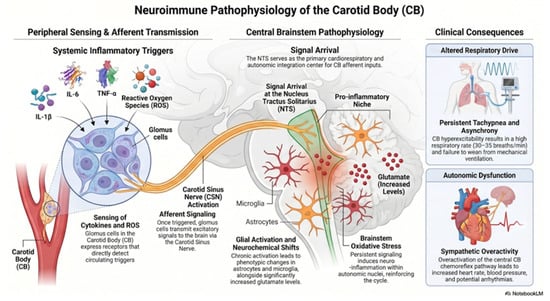
The carotid body (CB) is an interoceptive organ that transmits afferent information to the brain via the carotid sinus nerve (CSN) to maintain homeostasis, i.e., the regulation of internal equilibrium despite external changes. It functions as a complex polymodal receptor capable of sensing
[...] Read more.
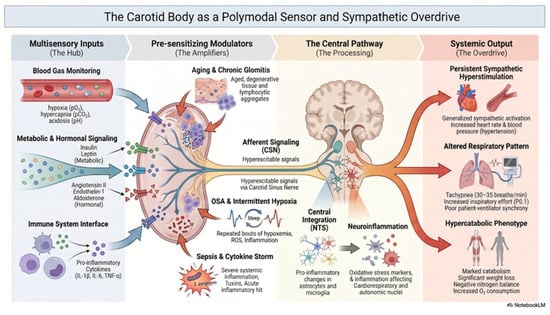
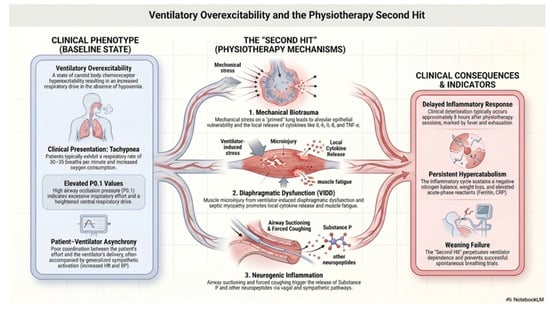
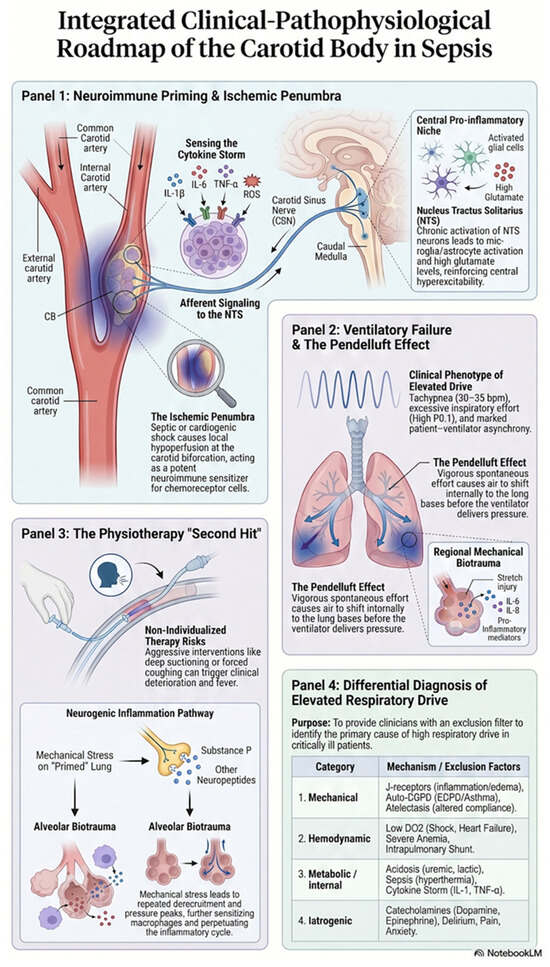
The carotid body (CB) is an interoceptive organ that transmits afferent information to the brain via the carotid sinus nerve (CSN) to maintain homeostasis, i.e., the regulation of internal equilibrium despite external changes. It functions as a complex polymodal receptor capable of sensing multiple stimuli, including blood flow, osmolarity, pO2, pH, pCO2, CO2/H+, and temperature. In addition, the CB responds to a wide range of circulating molecules such as angiotensin II, endothelin-1, aldosterone, insulin, histamine, and leptin, and expresses receptors for interleukins (ILs) and tumor necrosis factor-α (TNF-α) (1). CB dysfunction has been associated with conditions such as obstructive sleep apnea (OSA), in which intermittent hypoxemia induces an inflammatory response mediated, among other mechanisms, by reactive oxygen species (ROS). This process contributes to alterations in respiratory drive and enhanced sympathetic nervous system activity. Following streptococcal toxic shock syndrome due to Streptococcus Pyogenes, severe abdominal septic shock, and multiple infectious complications, our patient developed an altered respiratory pattern and a hypercatabolic state that precluded weaning from mechanical ventilation (MV) despite respiratory physiotherapy. Given treatment failure, we hypothesized underlying carotid body (CB) hyperexcitability, likely pre-existing due to obstructive sleep apnea (OSA) and exacerbated by cytokine storm and severe systemic inflammation related to Strept. Pyogenes toxins and subsequent abdominal sepsis from colonic perforation. This may have contributed to sustained sympathetic overactivation and immune dysregulation. Clinically, the patient exhibited increased respiratory drive (30–35 breaths/min), excessive inspiratory effort, and marked patient–ventilator asynchrony in the absence of hypoxemia. Non-targeted physiotherapy may have acted as a second inflammatory hit, perpetuating the inflammatory cycle.
Full article

Figure 1
Open AccessPerspective
Regional Anesthesia and the Perioperative Metastatic Window: A Hypothesis-Generating Framework for Surgery-Induced NETosis Modulation
by
Chiara Angeletti, Paolo Matteo Angeletti, Valentina Arcangeli and Alessandra Ciccozzi
Anesth. Res. 2026, 3(3), 20; https://doi.org/10.3390/anesthres3030020 - 7 Jul 2026
Abstract
►▼
Show Figures
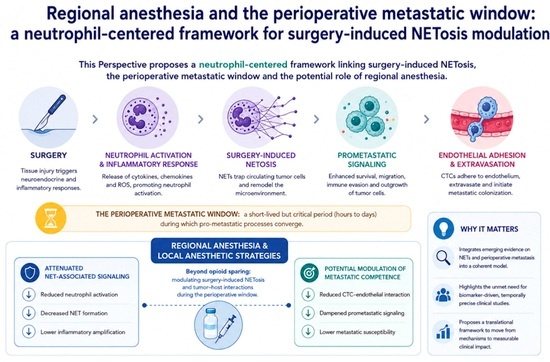
In this Perspective, we present a non-systematic narrative synthesis and propose a hypothesis-generating framework that links regional anesthesia, local anesthetic strategies, surgery-induced NETosis, and perioperative metastatic biology. Surgical tumor resection coincides with a biologically vulnerable perioperative period characterized by inflammatory activation, innate immune
[...] Read more.
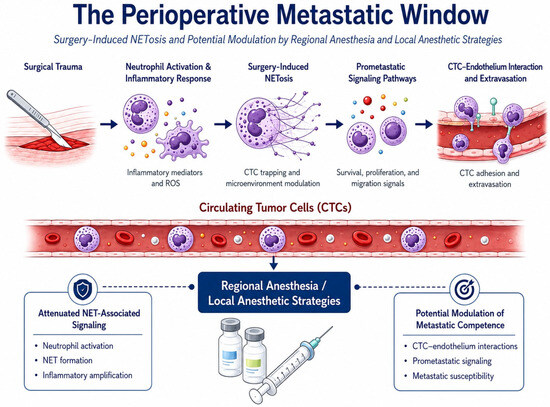
In this Perspective, we present a non-systematic narrative synthesis and propose a hypothesis-generating framework that links regional anesthesia, local anesthetic strategies, surgery-induced NETosis, and perioperative metastatic biology. Surgical tumor resection coincides with a biologically vulnerable perioperative period characterized by inflammatory activation, innate immune remodeling, and potential metastatic susceptibility. Preclinical evidence suggests that this interval may represent a transient metastatic window in which circulating tumor cells and host inflammatory responses overlap, potentially favoring metastatic implantation. Among the mechanisms implicated in this process, neutrophil extracellular traps (NETs) have been implicated in tumor-cell capture, endothelial interaction, immune evasion, and metastatic outgrowth. Experimental studies further suggest that surgery-induced NETosis may contribute to prometastatic signaling and tumor-cell metabolic adaptation during the postoperative period. Human evidence remains more limited and heterogeneous. Observational studies indicate that NET-related biology is active during oncologic surgery, with the presence of tissue NETs and circulating NET-associated biomarkers correlating with tumor stage, inflammatory context, or tumor burden in selected malignancies. Perioperative clinical studies also suggest that regional anesthesia and local anesthetic-based strategies, including intravenous lidocaine, may influence neutrophil activation and postoperative NET-associated biomarkers. However, robust evidence of clinical oncologic outcomes remains limited, and a clear distinction between surrogate perioperative endpoints and long-term clinical outcomes is still lacking. Within this context, we propose that regional anesthesia may influence pathways associated with perioperative tumor–host interactions not primarily through opioid sparing but through modulation of mechanisms related to surgery-induced NETosis during a short-lived biological window. The neutral results of large survival-based trials do not necessarily invalidate this hypothesis; rather, they underscore the limitations of conventional oncologic endpoints in capturing transient perioperative biological effects. This Perspective outlines a translational research agenda centered on biomarker-driven perioperative studies integrating NET-specific markers, circulating tumor cell dynamics, and temporally precise postoperative sampling.
Full article

Graphical abstract
Open AccessReview
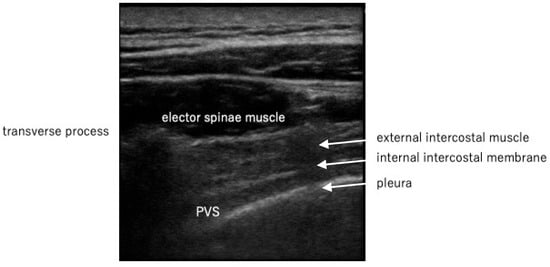
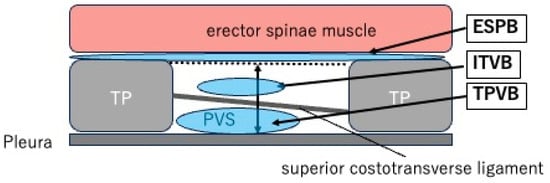
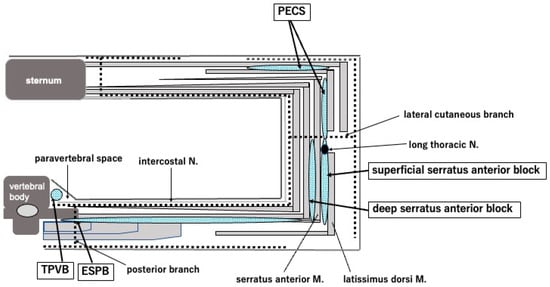
Recent Advances in Regional Anesthesia for Thoracic Surgery
by
Yasuhiro Morimoto
Anesth. Res. 2026, 3(3), 19; https://doi.org/10.3390/anesthres3030019 - 3 Jul 2026
Abstract
►▼
Show Figures
For perioperative analgesia in thoracic surgery, epidural anesthesia has long been considered the gold standard. However, as surgical techniques have become less invasive, interest in less invasive analgesic strategies has increased. According to the procedure-specific postoperative pain management (PROSPECT) guidelines published by the
[...] Read more.
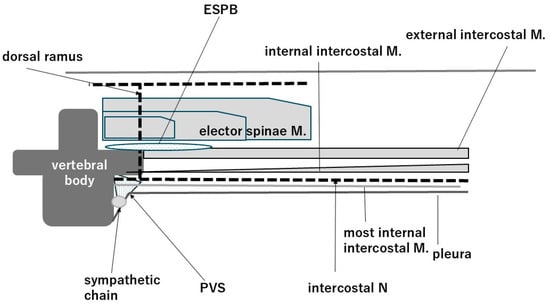
For perioperative analgesia in thoracic surgery, epidural anesthesia has long been considered the gold standard. However, as surgical techniques have become less invasive, interest in less invasive analgesic strategies has increased. According to the procedure-specific postoperative pain management (PROSPECT) guidelines published by the European Society of Regional Anesthesia in 2021, epidural anesthesia is no longer recommended as the method of choice for regional anesthesia in video-assisted thoracic surgery (VATS), and thoracic paravertebral block (TPVB) and erector spinae plane block (ESPB) are now recommended. Understanding the effectiveness and limitations of each regional technique is essential to facilitating appropriate anesthetic planning for individual cases. This narrative review summarizes current evidence regarding thoracic epidural anesthesia, TPVB, ESPB, serratus anterior plane block, and emerging intertransverse process block techniques for thoracic surgery.
Full article

Figure 1

Open AccessReview
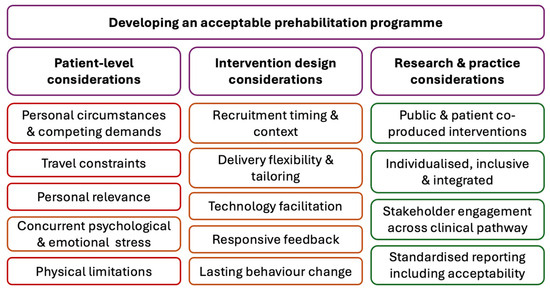
Patient Acceptance of Colorectal Cancer Exercise Prehabilitation: A Scoping Review
by
Todd Leckie, Hamish Sinclair, Leonie Murphy, Stefanie Harding, Neil Botting, Sally Wheelwright, Catherine Aicken, Jörg W Huber and Luke E Hodgson
Anesth. Res. 2026, 3(2), 18; https://doi.org/10.3390/anesthres3020018 - 17 Jun 2026
Abstract
►▼
Show Figures
Background: Exercise prehabilitation may improve physiological resilience before colorectal cancer (CRC) surgery. However, patient acceptance, reflected by recruitment, retention and adherence, is variably reported. Understanding how acceptance is captured and described is essential for designing effective, equitable interventions. Objectives: Map how CRC prehabilitation
[...] Read more.
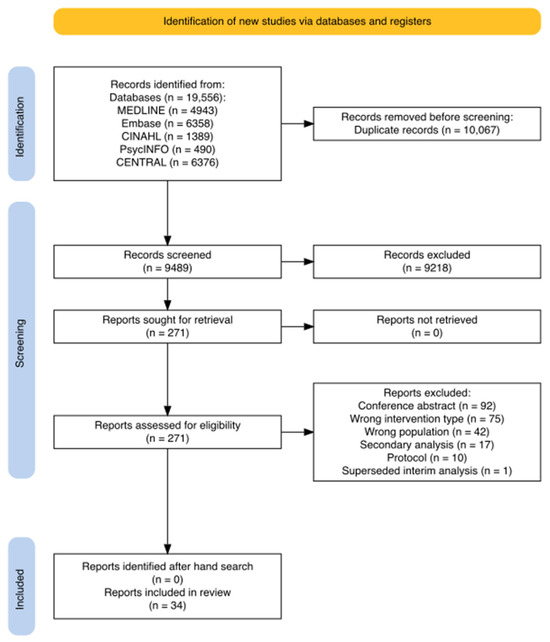
Background: Exercise prehabilitation may improve physiological resilience before colorectal cancer (CRC) surgery. However, patient acceptance, reflected by recruitment, retention and adherence, is variably reported. Understanding how acceptance is captured and described is essential for designing effective, equitable interventions. Objectives: Map how CRC prehabilitation programmes report recruitment, retention and adherence, and identify characteristics associated with high acceptance. Methods: A scoping review was conducted following published guidance. MEDLINE, Embase, CINAHL, PsycINFO and Cochrane databases were searched. Studies of unimodal or multimodal prehabilitation interventions including an exercise component were included. Data relating to recruitment processes, retention, adherence and engagement-enhancing strategies were extracted and summarised using descriptive and content analysis. Reporting quality and variation were mapped. Results: Thirty-four studies were included: 15 randomised controlled trials, 12 prospective cohorts, four retrospective comparative cohorts, two non-randomised trials, and one quality-improvement project. Recruitment rates varied widely (3.8% to >90%), with four studies not reporting the proportion of eligible patients who declined and no study providing demographic characterisation of patients not recruited. Retention was reported in 31 of 34 studies and was generally high, including seven studies reporting 100% retention, although no consistent definition was used. Adherence was not reported in nine studies; among those reporting it, supervised programmes achieved attendance rates of 68–100% and unsupervised programmes 78–98%. Only four studies quantified adherence to prescribed exercise intensity or volume. No consistent association emerged between programme format (location, supervision, and digital support) and patient acceptance. Conclusions: Substantial variability exists in how CRC prehabilitation studies report recruitment, retention and adherence, constraining understanding of acceptance. Future research should prioritise standardised, detailed acceptance reporting and consider behaviour change theory informed, patient-centred intervention design to ensure effective and equitable CRC prehabilitation.
Full article

Figure 1
Open AccessCase Report
Topical Lidocaine for Uvular Necrosis Post-Septoturbinoplasty: A Patient–Medical Trainee Case Report
by
Christian Neira Agonh, Leigh Sowerby and Victor Neira
Anesth. Res. 2026, 3(2), 17; https://doi.org/10.3390/anesthres3020017 - 16 Jun 2026
Abstract
►▼
Show Figures
Introduction: Uvular necrosis is a rare post-general anesthesia complication of airway instrumentation with an estimated 0.03% incidence characterized by delayed onset, disproportionate oropharyngeal pain, and uvular discoloration. Case Description: A 24-year-old male developed uvular necrosis following elective septoplasty–turbinoplasty under general anesthesia. Pain escalated
[...] Read more.
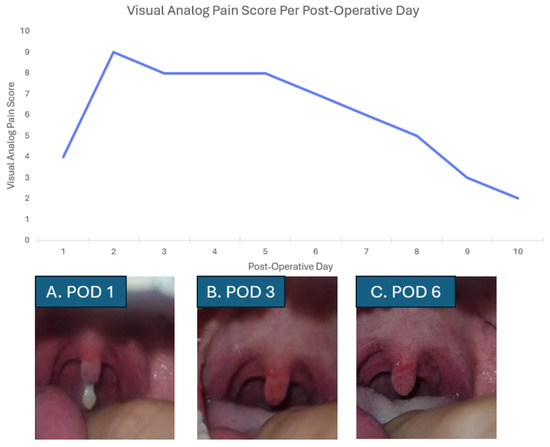
Introduction: Uvular necrosis is a rare post-general anesthesia complication of airway instrumentation with an estimated 0.03% incidence characterized by delayed onset, disproportionate oropharyngeal pain, and uvular discoloration. Case Description: A 24-year-old male developed uvular necrosis following elective septoplasty–turbinoplasty under general anesthesia. Pain escalated 24–72 h post-operatively (8/10) and was refractory to oral analgesics (acetaminophen and tramadol). Topical 1% viscous lidocaine provided significant relief but required frequent application (q1–2 h). Pain decreased after day 6, with complete resolution by day 10. Conclusions: Uvular necrosis is an uncommon post-intubation complication. The take-home points of this study are as follows: (1) Uvular necrosis is characterized by delayed, disproportionate oropharyngeal pain and discoloration of the uvula. (2) Recommended treatments (oral analgesics, oral steroids, and topical lidocaine among others) are based on limited case reports. (3) Topical viscous lidocaine (1%) was an effective option in this case. Application with a cotton swab reduced dose and toxicity risk (20 to 2 mls) with no loss in analgesic efficacy. (4) Potential causes in this case include oral secretion suctioning, midline placement of endotracheal tube, and oropharyngeal manipulation. (5) Uvular necrosis is under-recognized and under-reported in anesthesia.
Full article

Figure 1

Open AccessArticle
Postoperative Pulmonary Complications After Surgery with General Anesthesia
by
Kayla Cayton, Nadina Mrkaljevic, Matthew Lumsden, Joseph Colorafi, Abdulla Mamun, Braden Hemingway, Kenneth Daratha and Karen Colorafi
Anesth. Res. 2026, 3(2), 16; https://doi.org/10.3390/anesthres3020016 - 15 Jun 2026
Abstract
►▼
Show Figures
Background/Objectives: Postoperative pulmonary complications (PPCs) significantly contribute to surgical morbidity, mortality, and healthcare costs, yet their definition remains heterogeneous in clinical literature. We aimed to develop and apply a standardized system for defining and measuring PPCs and their severity among a general, low-risk
[...] Read more.
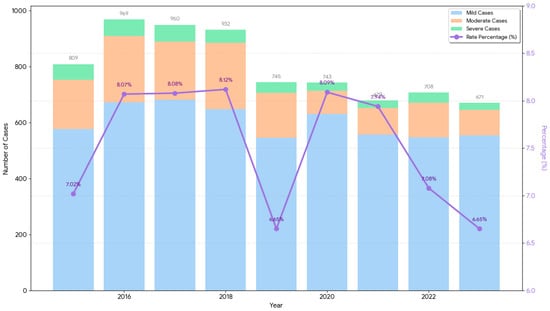
Background/Objectives: Postoperative pulmonary complications (PPCs) significantly contribute to surgical morbidity, mortality, and healthcare costs, yet their definition remains heterogeneous in clinical literature. We aimed to develop and apply a standardized system for defining and measuring PPCs and their severity among a general, low-risk surgical population. Methods: A retrospective, observational design evaluated data from 95,808 adult patients undergoing elective surgery with general anesthesia between 2015 and 2023 at a large tertiary medical center. PPCs were identified using a curated list of ICD-10 codes based on the StEP-COMPAC consensus and were categorized into mild, moderate, or severe based on the intensity of postoperative oxygen delivery. Multivariable logistic and ordinal regression models were utilized to identify risk factors for the occurrence and clinical severity of PPCs. Results: The overall incidence of PPCs was 7.52% (n = 7206), with mild cases accounting for the majority (5.65%), followed by moderate (1.47%), and severe (0.40%) cases. Key risk factors for PPCs included ASA class 3 or 4, OSA, COPD, increased case duration, and the use of home oxygen devices. Higher mean pre-operative oxygen saturation was identified as a protective factor against PPCs. Conclusions: A feasible and promising framework for standardizing PPC measurement using EHR data and interprofessional collaboration is presented for use in ongoing initiatives aimed at reducing rates of PPCs. Identified risk factors may serve as critical triggers for implementing perioperative strategies to mitigate complications in the general surgical population.
Full article

Figure 1

Open AccessCorrection
Correction: Nelson et al. A Retrospective Observational Study of Post-Induction Low Systolic Blood Pressure and Associated Patient and Perioperative Factors in Infants Undergoing General Anesthesia for Inguinal Hernia Repair. Anesth. Res. 2024, 1, 80–90
by
Olivia Nelson, Lezhou Wu, Jessica A. Berger, Ian Yuan, Asif Padiyath, Paul A. Stricker, Fuchiang Rich Tsui and Allan F. Simpao
Anesth. Res. 2026, 3(2), 15; https://doi.org/10.3390/anesthres3020015 - 26 May 2026
Abstract
Correction of Institutional Review Board Statement and Informed Consent Statement in back matter [...]
Full article
Open AccessArticle
Impact of Anesthetic Technique on Acute Pain, Complications, and Chronic Pain After Inguinal Hernioplasty in a Day Surgery Setting: An Observational Study
by
Pierfrancesco Tozzi, Beatrice Frasacco, Elisa Tarquini, Gianluca Di Berardino, Andrea Corona and Guglielmo Tellan
Anesth. Res. 2026, 3(2), 14; https://doi.org/10.3390/anesthres3020014 - 26 May 2026
Abstract
Background: Inguinal hernia repair is a high-volume procedure frequently performed in Day Surgery settings. While local anesthesia is often considered the gold standard, its feasibility is limited in complex cases or due to patient refusal, necessitating alternatives like general (GA) or spinal anesthesia
[...] Read more.
Background: Inguinal hernia repair is a high-volume procedure frequently performed in Day Surgery settings. While local anesthesia is often considered the gold standard, its feasibility is limited in complex cases or due to patient refusal, necessitating alternatives like general (GA) or spinal anesthesia (SA). This study evaluates the impact of these techniques on acute pain, complications, and chronic postoperative inguinal pain (CPIP). Methods: A retrospective observational study was conducted on 73 adult patients undergoing unilateral Lichtenstein hernioplasty (GA = 24; SA = 49). Pain was assessed using the Numeric Rating Scale (NRS) at discharge (T0), 24 h (T1), 7 days (T2), and 180 days (T3). Postoperative complications, rescue analgesic consumption, and perceived time to recovery were recorded. A multivariable linear regression analysis was performed to adjust pain outcomes for age, sex, and ASA status. Results: GA patients reported significantly lower median NRS scores at T0, T1, and T2 in univariate analysis (p < 0.05). However, the multivariable model did not show statistical significance for anesthetic technique as an independent predictor. Constipation was the most frequent complication (35.6%), while nausea occurred only in the SA group (10.2%). Descriptive data showed a trend toward lower rescue analgesic needs and a faster perceived time to recovery in the GA group compared to SA. CPIP incidence was remarkably low (2.7%). Conclusions: GA is a valid alternative to SA in Day Surgery, showing a clinical trend toward better early pain control, lower analgesic consumption, and improved recovery perception, although multivariable analysis did not reach statistical significance.
Full article
Open AccessArticle
Back and Neck Pain in Anesthesiology: A Survey-Based Study of 191 Providers at Four Departments of Anesthesiology in One Health System
by
Alex Yu, Amir Taree, Mo Shirur, Daniel Katz, Matthew A. Levin and Samuel DeMaria, Jr.
Anesth. Res. 2026, 3(2), 13; https://doi.org/10.3390/anesthres3020013 - 20 May 2026
Abstract
►▼
Show Figures
Background/Objectives: Low back and neck pain are common musculoskeletal complaints among healthcare workers, including anesthesia providers. This study aims to quantify the prevalence of back and neck pain amongst anesthesiology providers to identify risk factors, mechanisms of injury, and recovery practices to guide
[...] Read more.
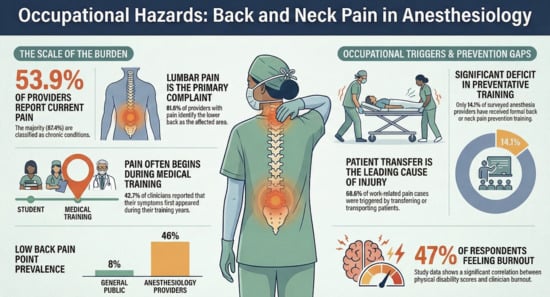
Background/Objectives: Low back and neck pain are common musculoskeletal complaints among healthcare workers, including anesthesia providers. This study aims to quantify the prevalence of back and neck pain amongst anesthesiology providers to identify risk factors, mechanisms of injury, and recovery practices to guide preventative measures. Methods: A cross-sectional survey of anesthesiology clinicians in a multi-site academic healthcare system in New York City was administered using REDCap version 12.5.9. The recorded survey results were aggregated to determine percentages for each question. Descriptive statistics were used to determine the nature of low back and neck pain and detail causes. Oswestry Disability Index (ODI) and Neck Disability Index (NDI) scores were calculated. Results: The survey instrument was distributed to 380 anesthesiology clinicians at four separate institutions and yielded 191 responses for a response rate of 50.3%. Fifty-three-point-nine percent of survey respondents reported having current back or neck pain, with the majority reporting that it was chronic (87.4%). A substantial proportion of respondents reported not having back or neck pain prior to training (58.3%), and the majority reported that their back or neck pain was work-related (54.1%). Only 14.1% of respondents reported having had training in back or neck pain prevention. The most common location of pain was lumbar (81.6%). The most common inciting event for work-related pain was patient transfer/transport (68.6%). For ODI scoring, 98% of clinicians within the health system were classified as minimal disability and 2% of clinicians as moderate disability. For NDI scoring, 95.8% of clinicians were classified as minimally disabled, with 2.6% classified as moderate disabled. Conclusions: Back and neck pain are common pathologies amongst anesthesia providers. For most clinicians, the pain began to occur during training. Common inciting events include patient transfer/transport, procedure performance, and room setup. This provides a framework with which preventative practices can take place to reduce the prevalence of back and neck pain in anesthesiology and other related health care disciplines.
Full article

Graphical abstract
Open AccessArticle
Evaluation of the Analgesic Efficacy of a Protocol of Opioid-Free Anesthesia in Healthy Cats Undergoing Ovariectomy
by
Virginia Paolino, Andrea Paolini, Maria Chiara Fabbri, Eleonora Maestri, Marco Bigozzi, Roberta Bucci, Patrizia Ponzio, Augusto Carluccio, Marco Cimini and Salvatore Parrillo
Anesth. Res. 2026, 3(2), 12; https://doi.org/10.3390/anesthres3020012 - 6 May 2026
Abstract
►▼
Show Figures
Background/Objectives: Opioids are widely used for perioperative analgesia in small animal practice; however, their administration is associated with dose-dependent adverse effects, regulatory restrictions, and increasing stewardship concerns. Evidence supporting opioid-free anesthesia protocols in cats remains limited. The aim of this study was to
[...] Read more.
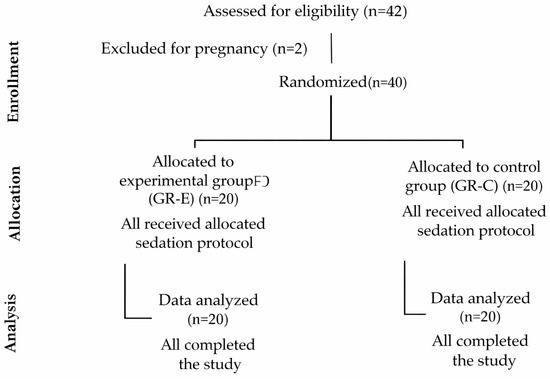
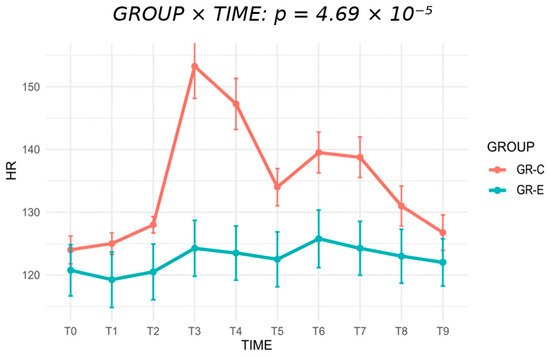
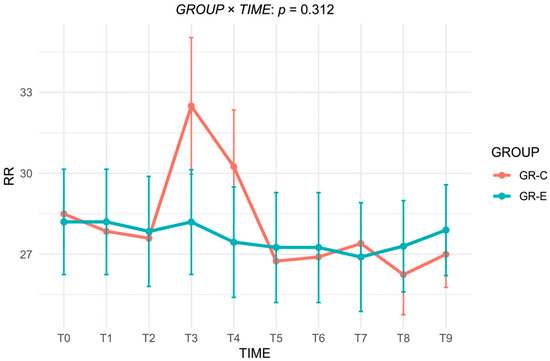
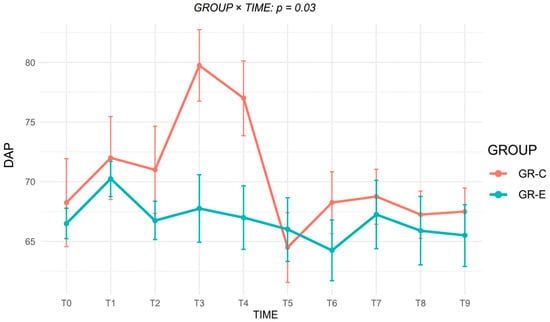
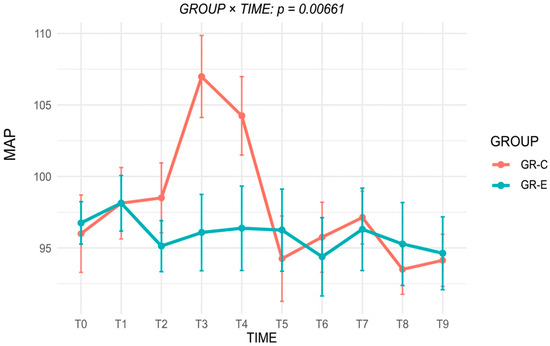
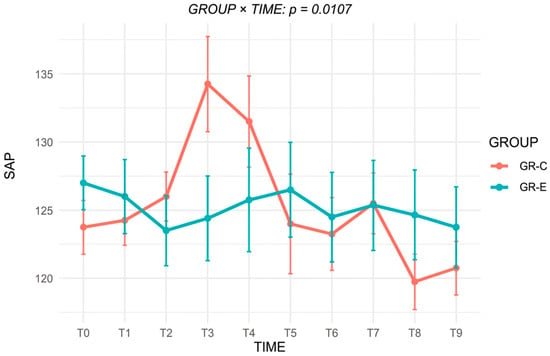
Background/Objectives: Opioids are widely used for perioperative analgesia in small animal practice; however, their administration is associated with dose-dependent adverse effects, regulatory restrictions, and increasing stewardship concerns. Evidence supporting opioid-free anesthesia protocols in cats remains limited. The aim of this study was to evaluate the analgesic efficacy of a dexmedetomidine constant rate infusion as part of an opioid-free anesthetic protocol in cats undergoing ovariectomy, as well as to determine its effect on intraoperative opioid requirements. Methods: This prospective, randomized clinical trial included forty healthy female cats (mean age 1.9 ± 0.7 years; mean body weight 3.5 ± 0.6 kg; body condition score 5 [range 4–5]/9) undergoing elective ovariectomy. Cats were randomly assigned to receive either a dexmedetomidine constant rate infusion (CRI) at 1 mcg kg−1 h−1 (GR-E) or a control protocol without dexmedetomidine CRI (GR-C). Anesthesia was induced and maintained using standardized protocols in both groups. Intraoperative fentanyl (5 mcg kg−1 IV) was administered as rescue analgesia when two of three physiological parameters (heart rate, respiratory rate, mean arterial pressure) increased by ≥20% compared to the previous recorded value. Cardiovascular and respiratory variables, rescue opioid requirements, and recovery quality were recorded. Results: The requirement for rescue analgesia was significantly lower in GR-E (4/20; 20%) compared to GR-C (13/20; 65%) (p = 0.0097). Cats receiving dexmedetomidine showed greater intraoperative cardiovascular stability during ovarian pedicle manipulation. No clinically relevant adverse effects were observed. Recovery was smooth in all cats, and all resumed feeding within eight hours postoperatively. Conclusions: A low-dose dexmedetomidine CRI effectively reduced intraoperative opioid requirements during feline ovariectomy while maintaining physiological stability and satisfactory recovery. This opioid-free anesthetic protocol represents a safe and clinically applicable alternative in settings where opioid use is restricted or limited.
Full article

Figure 1

Open AccessArticle
Comparison of Propofol-Based Sedation and Sevoflurane-Based General Anesthesia on Arrhythmia Inducibility During Electrophysiological Study in Pediatric Patients with Wolff–Parkinson–White Syndrome: A Retrospective Cohort Study
by
Paulo Warpechowski, Bruna Eibel, Gustavo Glotz de Lima, Tiago Batista Warpechowski, Ari Tadeu Lírio Santos and Tiago Luiz Luz Leiria
Anesth. Res. 2026, 3(2), 11; https://doi.org/10.3390/anesthres3020011 - 27 Apr 2026
Abstract
Introduction: Propofol is one of the most commonly used intravenous anesthetics worldwide and is considered safe for all age groups. However, there have been reports that propofol can induce severe atrioventricular block in humans, and several studies have shown that propofol hinders or
[...] Read more.
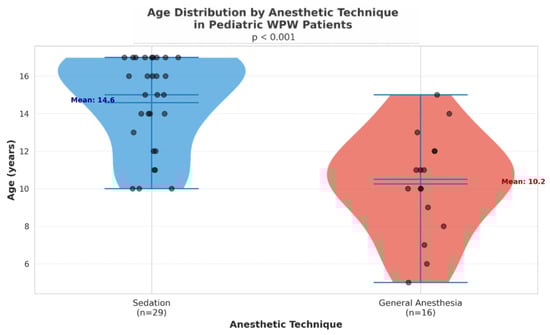
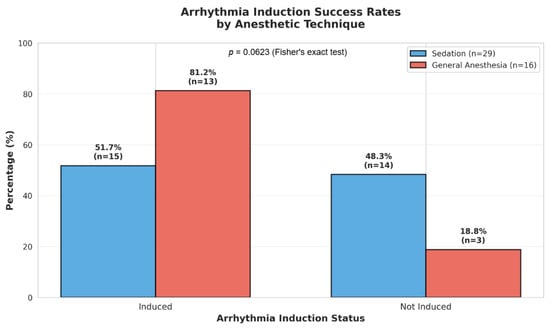
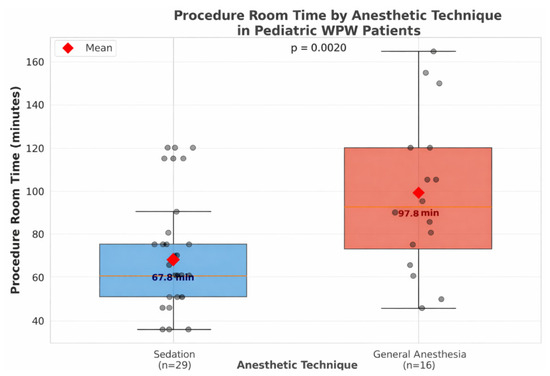
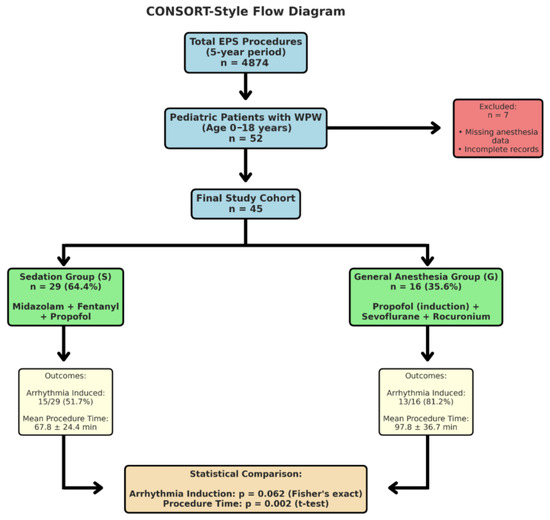
Introduction: Propofol is one of the most commonly used intravenous anesthetics worldwide and is considered safe for all age groups. However, there have been reports that propofol can induce severe atrioventricular block in humans, and several studies have shown that propofol hinders or prevents the inducibility of arrhythmias during electrophysiological studies (EPS) and radiofrequency (RF) ablation. Objectives: To compare arrhythmia inducibility during electrophysiological study and radiofrequency ablation in pediatric patients with Wolff–Parkinson–White syndrome undergoing propofol-based sedation versus sevoflurane-based general anesthesia. Methods: We conducted a retrospective observational cohort study including 45 pediatric patients aged 0–18 years. Patients were identified through a review and analysis of a database of individuals with Wolff–Parkinson–White syndrome who were referred for electrophysiological study and/or radiofrequency ablation at the Electrophysiology Laboratory of the Institute of Cardiology (IC/FUC) in Porto Alegre over the past five years (2019–2024). Patients with prior ablation, structural heart disease, or ongoing antiarrhythmic therapy were excluded. The patients were divided into two groups and designated as group S (who received sedation) or group G (who received general anesthesia). Sedation (group S) was performed with midazolam (0.08–0.2 mg/kg), fentanyl (0.1–0.2 μcg/kg), and propofol 50–60 µg/kg/min in continuous infusion. General anesthesia (group G), in turn, was performed with sevoflurane at an average dose of 2% (1 MAC according to age). Results: From 4874 invasive electrophysiology procedures performed during the study period, 45 involved pediatric patients with WPW. The sedation group (n = 29) had significantly older patients (14.6 ± 2.5 vs. 10.3 ± 2.8 years, p < 0.001) with higher weight (65.9 ± 16.3 vs. 41.2 ± 7.8 kg, p < 0.001) compared to the general anesthesia group (n = 16). Arrhythmia was successfully induced in 15/29 (51.7%) patients in the sedation group compared to 13/16 (81.2%) in the general anesthesia group (p = 0.062, Fisher’s exact test). Although this difference did not reach statistical significance, it represents a clinically relevant 29.5% lower induction rate in the sedation group. Post hoc power analysis revealed the study was underpowered (49.8%), suggesting a possible Type II error. Analysis of the “procedure room time” revealed a longer duration in the general anesthesia group (97.8 ± 36.7 vs. 67.8 ± 24.4 min), and this difference was statistically significant (p = 0.002). Conclusions: This study compared propofol-based sedation with sevoflurane-based general anesthesia in pediatric WPW patients. While sedation with propofol did not show a statistically significant reduction in arrhythmia inducibility, there was a concerning trend toward lower induction rates (29.5% difference) that may be clinically relevant. The study’s limited statistical power (49.8%) suggests these findings should be interpreted cautiously, and larger prospective studies are needed to definitively establish whether propofol affects arrhythmia inducibility in this population. Propofol remains a viable option for these procedures, but clinicians should be aware of the potential for reduced inducibility, particularly in cases where arrhythmia induction is critical for diagnosis and treatment.
Full article
(This article belongs to the Special Issue New Innovations in Airway Management and Clinical Anesthesia)
►▼
Show Figures

Figure 1
Open AccessArticle
Effect of Sedation on EEG During Deep Brain Stimulation Surgery in Parkinson’s Patients
by
Mahta Mousavi, Dorothee Kübler-Weller, Lisa Paulsen, Friedrich Borchers, Claudia Spies, Andrea A. Kühn and Benjamin Blankertz
Anesth. Res. 2026, 3(2), 10; https://doi.org/10.3390/anesthres3020010 - 22 Apr 2026
Abstract
►▼
Show Figures
Background: While providing enough sedatives to avoid pain and trauma during surgery is important, studies show a link between the received sedatives and the development of postoperative delirium (POD). Therefore, predicting POD from clinical or physiological data before or during surgery is highly
[...] Read more.
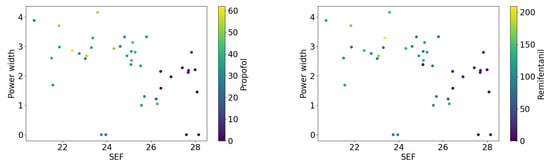
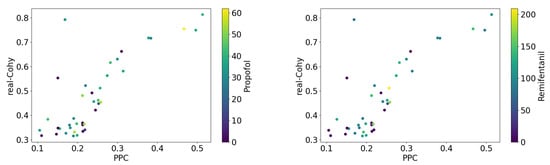
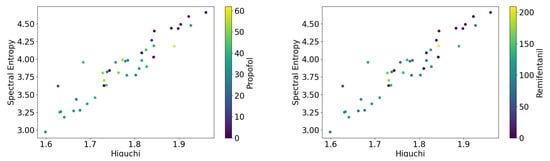
Background: While providing enough sedatives to avoid pain and trauma during surgery is important, studies show a link between the received sedatives and the development of postoperative delirium (POD). Therefore, predicting POD from clinical or physiological data before or during surgery is highly advantageous. This capability enables healthcare providers to proactively implement necessary measures, thereby mitigating or preventing potential complications. Methods: In this study, we focus on patients with Parkinson’s disease undergoing deep brain stimulation surgery who are particularly susceptible to POD. We investigate what aspects of EEG’s power, functional connectivity and complexity during the course of the surgery are influenced by the amount of sedative. Furthermore, we aim to determine whether and to what extent the recorded brain activity during surgery can serve as a reliable means for the prediction of POD in this group of patients. Results and Conclusions: Our results show significant correlations between various power, connectivity and complexity features of EEG and the amount of sedatives. Even though single EEG features are not significantly different between the two groups who either developed or did not develop POD, we show that a classifier based on support vector machines using the selected EEG features could predict POD. Furthermore, our results provide evidence that a classifier trained only on the amount of sedatives is unable to predict POD. Accompanying this paper, our code is published as an open-source toolbox for the analysis of the EEG signal recorded with the four-channel SEDLine Root system, which is among the widely used EEG systems in operation rooms and its recorded data come with challenges that are addressed in our toolbox.
Full article

Figure 1
Open AccessArticle
A 20-Year Analysis of Analgesic Enquiries to an Obstetric Medicines Information Service
by
Nabeelah Mukadam, Lynne Emmerton, Petra Czarniak, Oksana Burford, Stephanie W. K. Teoh and Tamara Lebedevs
Anesth. Res. 2026, 3(2), 9; https://doi.org/10.3390/anesthres3020009 - 13 Apr 2026
Abstract
►▼
Show Figures
Background: Access to reliable medicines information is essential to support safe medicine use during pregnancy and breastfeeding, where concerns regarding fetal and neonatal safety complicate clinical decision-making. Analgesics are widely used during these periods, yet uncertainty regarding safety persists due to evolving
[...] Read more.
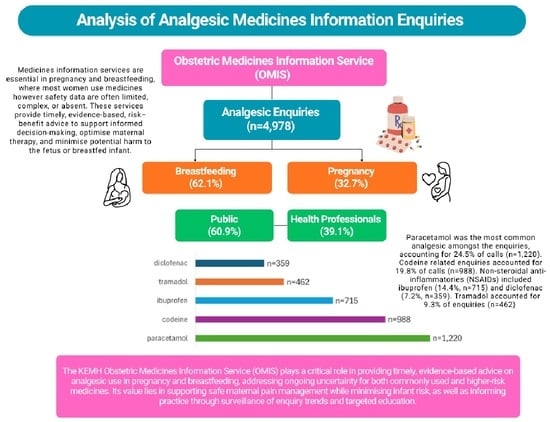
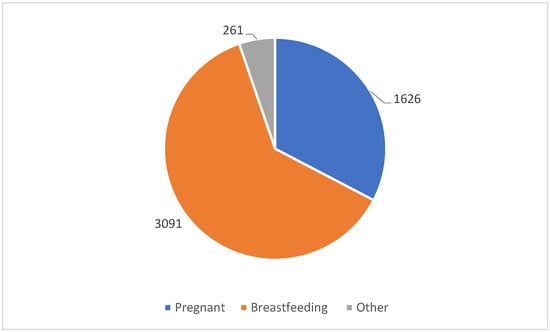
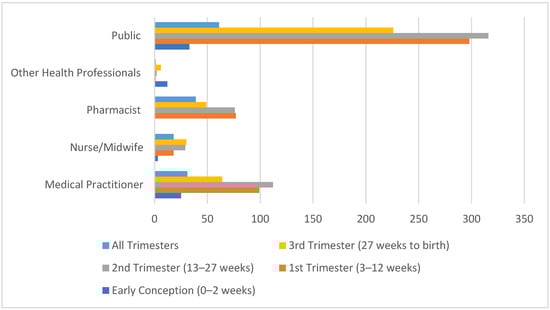
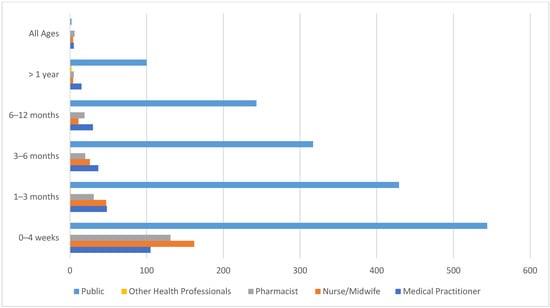
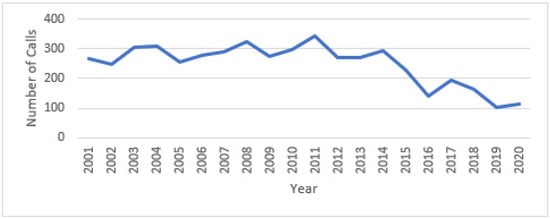
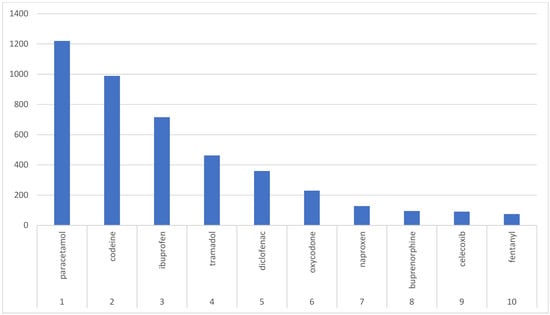
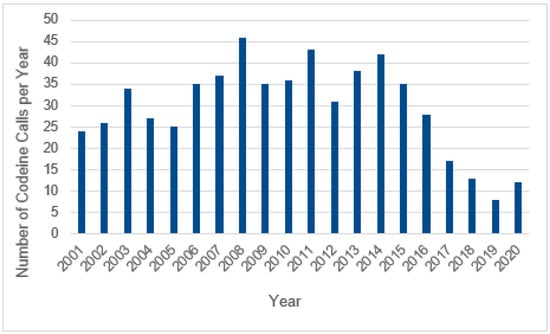
Background: Access to reliable medicines information is essential to support safe medicine use during pregnancy and breastfeeding, where concerns regarding fetal and neonatal safety complicate clinical decision-making. Analgesics are widely used during these periods, yet uncertainty regarding safety persists due to evolving evidence, regulatory changes, and inconsistent information sources. Obstetric medicines information services play a critical role in addressing these information needs. This study aimed to evaluate patterns of analgesic-related enquiries to a pharmacist-led specialist obstetric medicines information service over a 20-year period. Methods: A retrospective observational study was conducted using enquiry data from the King Edward Memorial Hospital Obstetric Medicines Information Service (KEMH OMIS), Western Australia. All enquiries recorded between 1 January 2001 and 31 December 2020 were extracted from the Microsoft Access® database. Records with incomplete data were excluded. Data were standardised, coded, and analysed using Microsoft Excel® and SPSS® Version 25. Descriptive statistics were used to summarise enquiry characteristics, caller type, the timing of exposure, and analgesic medicines involved. Trends over time were analysed. Results: A total of 48,458 enquiries were analysed, of which 4,978 (10.3%) related to analgesics, making this the third most common medicine class. Most enquiries related to breastfeeding (62.1%), followed by pregnancy (32.7%). The public accounted for 60.9% of calls, while health professionals contributed 39.1%. The highest frequency of breastfeeding enquiries occurred within the first four weeks postpartum, and pregnancy enquiries were most common in the second trimester. Paracetamol was the most frequently enquired analgesic (24.5%), followed by codeine (19.8%), ibuprofen (14.4%), diclofenac (7.2%), and tramadol (9.3%). Analgesic-related enquiries declined significantly over time (p < 0.001), particularly codeine-related enquiries following regulatory safety warnings. Conclusions: Analgesics represent a substantial proportion of medicines information enquiries in pregnancy and breastfeeding, reflecting widespread use and ongoing safety concerns. Pharmacist-led medicines information services play a critical role in supporting safe analgesic use.
Full article

Graphical abstract
Open AccessArticle
Perioperative Factors Associated with Delayed Graft Function in Adults Undergoing Deceased Donor Kidney Transplantation
by
Edel Rafael Rodea-Montero, Paulina Millán-Ramos, Luis David Delgadillo-Mora, Ricardo Garcia-Mora and Miguel Ángel Aguayo-Preciado
Anesth. Res. 2026, 3(2), 8; https://doi.org/10.3390/anesthres3020008 - 27 Mar 2026
Abstract
Introduction: In adult patients undergoing deceased donor kidney transplantation, anesthesia management impacts graft function and survival and is influenced by various donor and recipient clinical factors. The aim of this study was to describe the perioperative factors and to evaluate their association
[...] Read more.
Introduction: In adult patients undergoing deceased donor kidney transplantation, anesthesia management impacts graft function and survival and is influenced by various donor and recipient clinical factors. The aim of this study was to describe the perioperative factors and to evaluate their association with delayed graft function (DGF) during the first seven days after transplantation. Materials and Methods: This cross-sectional study of adult patients who underwent deceased donor kidney transplantation at a tertiary care hospital from 2022–2023 was performed to evaluate pre-, trans- and postoperative patient’s characteristics. Comparisons or association tests were implemented between patient characteristics grouped by the absence or presence of DGF. In the case of the variables with clinical relevance, univariate and multivariate logistic models were constructed to evaluate the predictive capacity of these variables to predict delayed graft function. Crude and adjusted odds ratio (ORs) with 95% confidence intervals were calculated for each variable. Results: DGF was present in 25/69 (36.23%) patients. The anesthesia time was significantly longer (310.28 vs. 273.55 min; p = 0.043) and the post-transplantation stay was significantly longer (11.04 vs. 8.11 days; p < 0.001) in patients with delayed graft function. In univariable analyses, male sex (p = 0.018), platelet count (p = 0.025), and surgical time (p = 0.062) showed significant or borderline associations with DGF. In the multivariable model, male sex remained independently associated with DGF (adjusted OR 10.64; 95% CI 1.23–92.1; p = 0.031). Platelet count (per 50 × 103 µL increase) demonstrated a borderline inverse association (adjusted OR 0.57; 95% CI 0.32–1.02; p = 0.057). Conclusions: Our results suggest that male sex was independently associated with delayed graft function after deceased donor kidney transplantation, while platelet count showed a borderline association.
Full article
Open AccessReview
Periprocedural Stroke: Stroke Mechanisms, Risks, Outcomes, Prevention, and Treatment
by
Kasim Qureshi, Jason Schick, Ahmedyar Hasan, Muhammad U. Farooq and Philip B. Gorelick
Anesth. Res. 2026, 3(1), 7; https://doi.org/10.3390/anesthres3010007 - 17 Mar 2026
Abstract
The growth of brain health initiatives in the United States and worldwide has led to a movement to protect the brain from avoidable injury across the lifespan. With the advancement of our armamentarium of neurologic treatments and preventives during the past several decades,
[...] Read more.
The growth of brain health initiatives in the United States and worldwide has led to a movement to protect the brain from avoidable injury across the lifespan. With the advancement of our armamentarium of neurologic treatments and preventives during the past several decades, the field of preventive neurology has spawned. Under the umbrella of preventive neurology is perioperative brain health, an under-addressed but important topic in the field of neurology. Perioperative brain health is important because perioperative mortality may be relatively high, and morbidity as quantified by brain injury biomarkers (e.g., MRI brain) and clinical phenotypic manifestations related to stroke can be common. In this perspective, in relation to periprocedural stroke, we review the stroke mechanisms, epidemiology and risk factors, risk stratification measures and long-term outcomes, and potential mitigation and treatment opportunities. As perioperative brain health crosses many medical disciplines, multidisciplinary action is needed to bridge the knowledge gaps and reduce brain injury and attendant neurologic complications. Anesthesiologists and other healthcare professionals working in the surgical and procedural field are well-positioned to make important contributions to this growing discipline of the prevention of brain injury in the perioperative period.
Full article
Open AccessArticle
Effects of Preceding Anesthesia Protocols on Insulin and Glucagon Secretion from Isolated Perfused Rat Pancreas Preparations
by
Valentina Abba, Amalie B. E. Nielsen, Petra Buhr, Karsten Pharao Hammelev, Jens J. Holst and Carolina B. Lobato
Anesth. Res. 2026, 3(1), 6; https://doi.org/10.3390/anesthres3010006 - 8 Mar 2026
Abstract
►▼
Show Figures
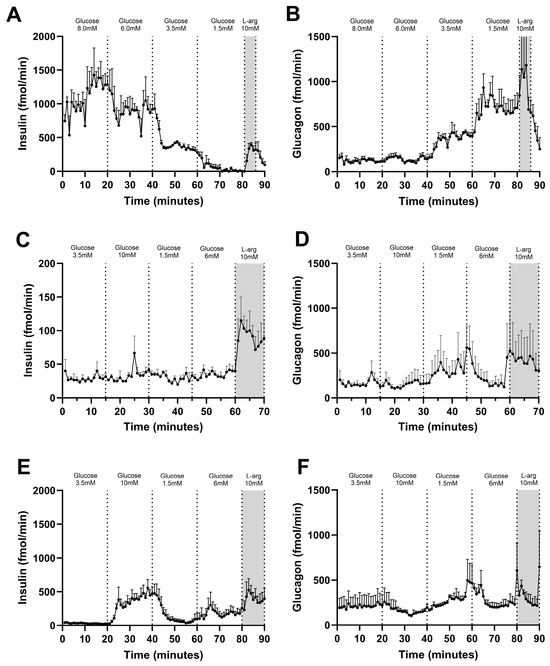
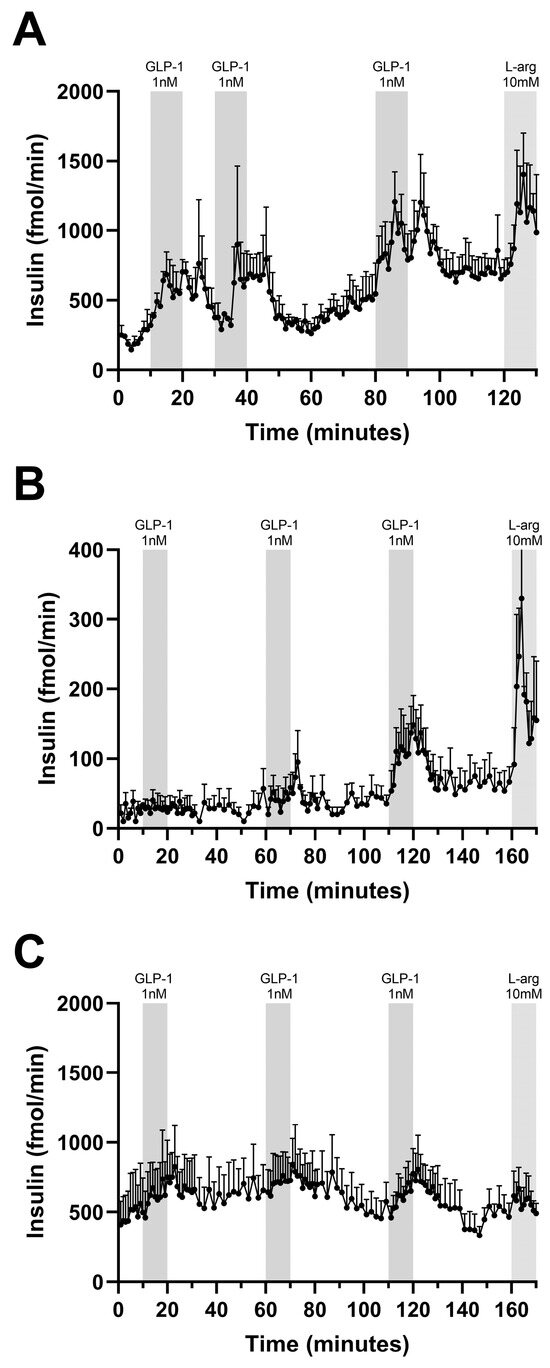
Background/Objectives: Insulin and glucagon are key hormones in metabolic regulation. There are limited comparative data on how common rodent anesthetic regimens influence hormone secretion, leading to misinterpretation of results. We aimed to compare the effects of several anesthetic regimens on insulin and
[...] Read more.
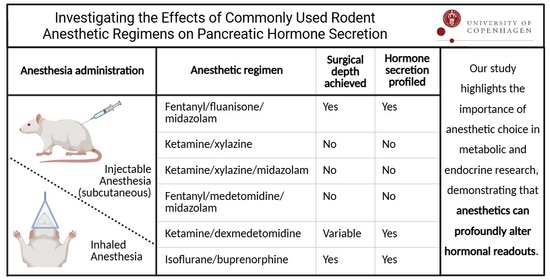
Background/Objectives: Insulin and glucagon are key hormones in metabolic regulation. There are limited comparative data on how common rodent anesthetic regimens influence hormone secretion, leading to misinterpretation of results. We aimed to compare the effects of several anesthetic regimens on insulin and glucagon secretion using the physiologically relevant isolated perfused rat pancreas model. Methods: Six commonly used rodent anesthetic regimens were assessed for their ability to induce surgical depth of anesthesia. Once achieved, the pancreas was vascularly isolated and perfused. After euthanasia, the pancreas was stimulated with glucose and glucagon-like peptide-1 (GLP-1). Insulin and glucagon were measured in the effluent using radioimmunoassay. Results: Anesthesia with Hypnorm® (fentanyl/fluanisone)/midazolam produced the most physiological responses, meaning that insulin was secreted in response to hyperglycemia and GLP-1, and glucagon was secreted under hypoglycemia. Ketamine/dexmedetomidine anesthesia abolished insulin dynamic secretion and blunted glucagon secretion. Isoflurane/buprenorphine anesthesia partially suppressed insulin secretion, but it still followed a physiological pattern in response to glucose fluctuations. However, it abolished the dynamic glucagon responses to glucose. Three additional anesthetic regimens failed to produce surgical depth anesthesia and were therefore not further analyzed. Conclusions: Different anesthetic regimens altered pancreatic hormone secretion. Fentanyl/fluanisone/midazolam was associated with dynamic insulin and glucagon secretion, whereas ketamine/dexmedetomidine and isoflurane/buprenorphine altered the pattern and/or magnitude of hormone secretion. Overall, the choice of anesthesia is a critical variable in animal experimentation for metabolic studies and may confound the interpretation of results.
Full article

Graphical abstract
Open AccessReview
Nanomedicine in the Use of Opioids: Enhancing Analgesia, Mitigating Harm
by
Hector Katifelis and Sofia Poulopoulou
Anesth. Res. 2026, 3(1), 5; https://doi.org/10.3390/anesthres3010005 - 20 Feb 2026
Abstract
►▼
Show Figures
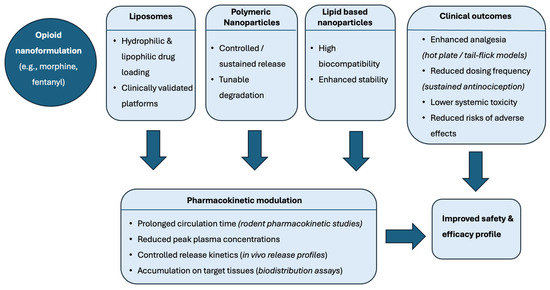
Opioids represent one of the oldest classes of drugs in medicine and remain central to pain management to this day. However, their use is limited by a series of adverse effects, and they are notorious for their addiction potential and for contributing to
[...] Read more.
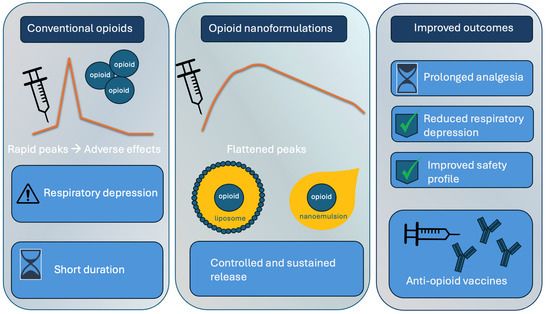
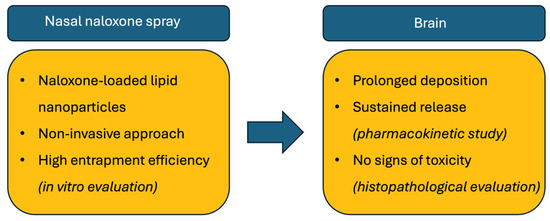
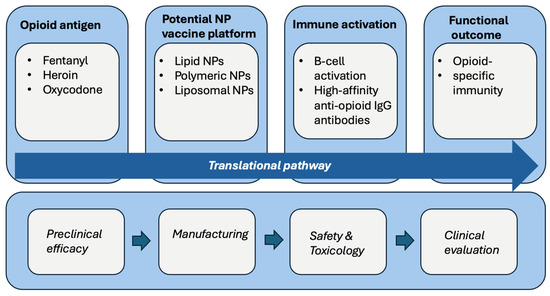
Opioids represent one of the oldest classes of drugs in medicine and remain central to pain management to this day. However, their use is limited by a series of adverse effects, and they are notorious for their addiction potential and for contributing to the opioid epidemic in the US. Nanomedicine, the branch of nanotechnology that utilizes materials at the nanoscale for drug delivery, provides a unique platform that can potentially revolutionize conventional opioid treatment. The aim of this literature review is to summarize the latest research on opioid nanoformulations and their potential to increase analgesic efficacy while minimizing associated risks. Preclinical studies have already demonstrated that both liposomal and dendrimer-based opioid formulations allow for extended release and, consequently, more prolonged and stable analgesia. Moreover, nanoemulsions are currently being investigated for the delivery of opioid compounds, offering formulation versatility and improved bioavailability while maintaining an improved safety profile. At the same time, the use of nanomedicine for vaccines against opioids may enable novel therapeutic strategies to be developed for individuals with opioid addiction. However, several barriers need to be overcome for the promise of nanomedicine to be fulfilled, including the lack of clinical trials, difficulties in mass production of several nanoparticles, toxicity concerns, and regulatory issues.
Full article

Graphical abstract
Open AccessArticle
Safety of Perineural Lidocaine in Cervical Nerve Root Injections: A Retrospective Case–Control Study
by
Kevin E. Salinas, Samir Ghandour, Jingyan Yue, Ronald W. Mercer and Zachary E. Stewart
Anesth. Res. 2026, 3(1), 4; https://doi.org/10.3390/anesthres3010004 - 6 Feb 2026
Abstract
►▼
Show Figures
Background/Objectives: Fluoroscopically guided cervical nerve root corticosteroid injections are used for the treatment and diagnosis of radicular pain. Including a local anesthetic with the injected corticosteroid may decrease the pain associated with the procedure and add immediate diagnostic value. However, little is known
[...] Read more.
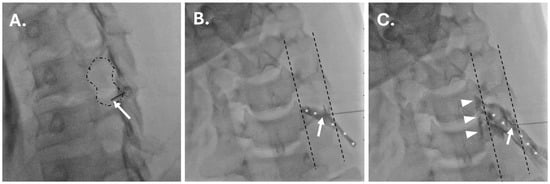
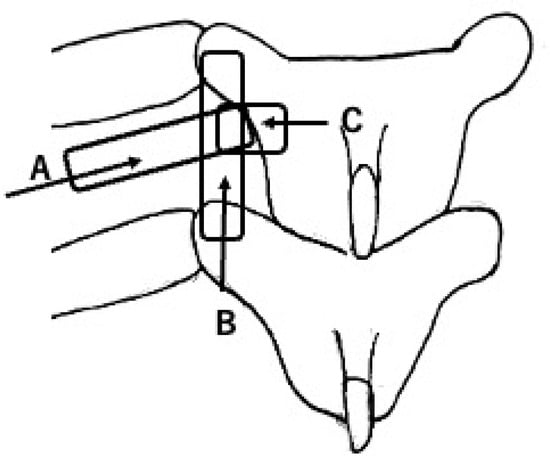
Background/Objectives: Fluoroscopically guided cervical nerve root corticosteroid injections are used for the treatment and diagnosis of radicular pain. Including a local anesthetic with the injected corticosteroid may decrease the pain associated with the procedure and add immediate diagnostic value. However, little is known about the safety of including a local anesthetic with a corticosteroid in these injections. Methods: A total of 299 consecutive cervical nerve root injections, performed between 2016 and 2024, were reviewed. Demographic and injection information (level/laterality and inclusion/exclusion of 1% preservative-free lidocaine with dexamethasone injectate) were documented. Charts were reviewed for major complications and increased pain post-procedure. Categorical data were compared between groups using Fisher’s exact test or Chi-square testing. Results: Injections were performed with 10 mg of dexamethasone only in 263 cases and with a mixture of 10 mg of dexamethasone and 1 mL of 1% lidocaine in 36 cases. There was no statistically significant difference in the incidence of major complications (p ≈ 1) or immediately increased pain post-procedure (p = 0.799). Conclusions: With proper technique, there is no evidence from this case–control study or in the available literature to suggest that including lidocaine with corticosteroid increases risks associated with cervical nerve root injections. However, serious adverse events are theoretically possible with injection of local anesthetic into a radicular artery, the vertebral artery, or subdural space. Given that such risks are not associated with the use of non-particulate steroids alone, large multi-institutional studies are needed to draw confident conclusions on the risks and benefits of the inclusion of local anesthetics with non-particulate corticosteroids for cervical transforaminal epidural steroid injection to inform clinical practice.
Full article

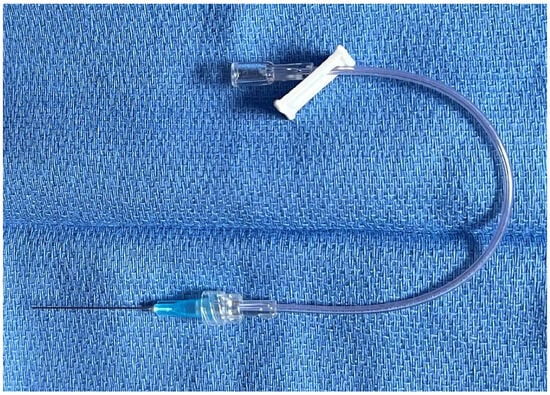
Figure 1

Open AccessArticle
Methadone as an Additive to Multimodal Analgesia vs. Epidural Analgesia in Open and Minimal Invasive Pancreatic Surgery: A Retrospective Analysis
by
Tom Pisters, Annemarie Akkermans, Ignace H. J. T. de Hingh, Misha D. P. Luyer and Harm J. Scholten
Anesth. Res. 2026, 3(1), 3; https://doi.org/10.3390/anesthres3010003 - 22 Jan 2026
Cited by 2
Abstract
►▼
Show Figures
Background: Epidural analgesia (EA) is widely used in pancreatic surgery but is associated with hypotension and delayed recovery. The shift towards minimally invasive surgery has led to the exploration of alternative multimodal analgesia strategies. Methadone, with its unique pharmacological properties, may further optimize
[...] Read more.
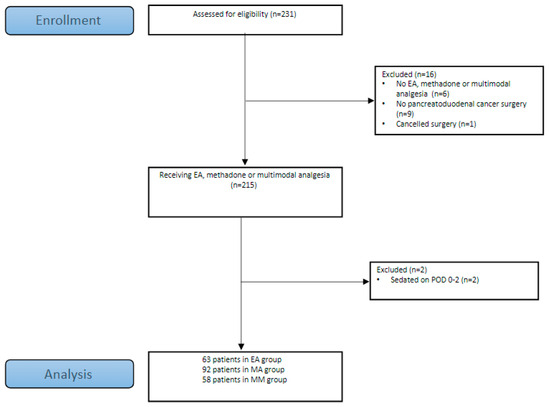
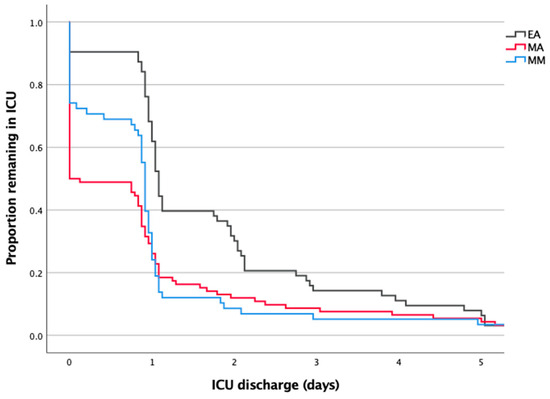
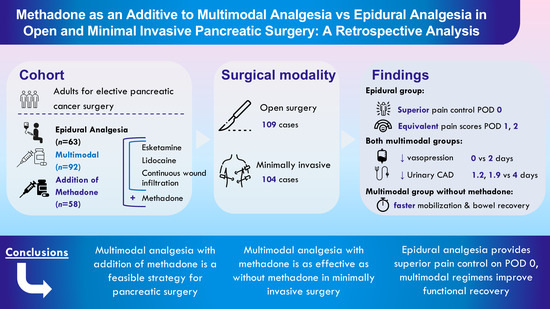
Background: Epidural analgesia (EA) is widely used in pancreatic surgery but is associated with hypotension and delayed recovery. The shift towards minimally invasive surgery has led to the exploration of alternative multimodal analgesia strategies. Methadone, with its unique pharmacological properties, may further optimize recovery. Methods: This retrospective cohort study included 213 patients undergoing pancreatic resection, receiving EA (n = 63), multimodal analgesia without methadone (MA; n = 92), or with methadone (MM; n = 58). MA and MM included intravenous ketamine, lidocaine and continuous wound infiltration. Primary outcome was maximum daily postoperative pain scores. Secondary outcomes included opioid consumption, vasopressor use, mobilization, bowel recovery, urinary catheter duration, and ICU/hospital stay. Results: Compared with EA, pain scores were slightly higher in MM (mean difference 2.22; 95% CI 1.22–3.90; p = 0.01) and in MA (mean difference 2.06; 95% CI 0.99–4.30; p = 0.06). Opioid use was comparable between MM and EA (OR 0.99, 95% CI [0.98, 1.00], p = 0.20), and significantly lower in MA (OR 0.97, 95% CI [0.96, 0.98], p < 0.001). Both MA and MM demonstrated reduced vasopressor requirements (both 0 vs. 2.0 median days) and shorter urinary catheterization durations (MA 1.2 MM 1.9 vs. EA 4.0 median days). MA improved mobilization (0 vs. 1 median days; OR 0.52, p = 0.03) and bowel recovery (OR 0.76, p = 0.02). ICU stay was longer in EA due to routine ICU admission for open surgery. Conclusions: Multimodal analgesia, with or without methadone, offers alternative strategies in pancreatic surgery. While EA provides superior pain control, multimodal regimens are associated with improved functional recovery.
Full article

Graphical abstract
Highly Accessed Articles
Latest Books
E-Mail Alert
News
Topics
Topic in
Life, Biomedicines, JCRM, Diseases, Emergency Care and Medicine, Anesthesia Research
Electrolytes and Acid-Base Disturbances: Advances in Pathophysiology and Treatment
Topic Editors: Caterina Carollo, Giuseppe MulèDeadline: 30 March 2027
Conferences
Special Issues
Special Issue in
Anesthesia Research
New Innovations in Airway Management and Clinical Anesthesia
Guest Editor: Luk Hsiang NingDeadline: 15 September 2026