
Journal Description
Arthropoda
Arthropoda
- formerly Entomology - is an international, peer-reviewed, open access journal on the study of arthropods published quarterly online by MDPI.
- Open Access— free for readers, with article processing charges (APC) paid by authors or their institutions.
- Rapid Publication: manuscripts are peer-reviewed and a first decision is provided to authors approximately 47.5 days after submission; acceptance to publication is undertaken in 4.6 days (median values for papers published in this journal in the first half of 2026).
- Recognition of Reviewers: APC discount vouchers, optional signed peer review, and reviewer names published annually in the journal.
- Journal Cluster of Animal Science: Animals, Arthropoda, Birds, Dairy, Insects, Journal of Zoological and Botanical Gardens, Pets, Poultry, Ruminants and Veterinary Sciences.
Latest Articles
New Insights on the Geographical Distribution of the Malagasy Genus Neogrosphus Lourenço, 1995 (Scorpiones: Buthidae) with the Description of a New Species from a More Humid Environment
Arthropoda 2026, 4(3), 11; https://doi.org/10.3390/arthropoda4030011 (registering DOI) - 17 Jul 2026
Abstract
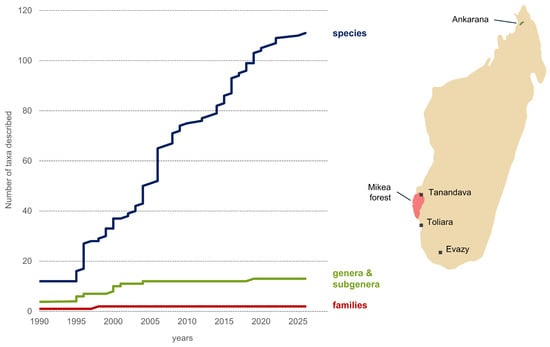
Madagascar remains one of the major hotspots of diversity and endemism in the world. Its scorpion fauna provides a striking example, with more than one hundred known species, all endemic, within a territory of only 587,000 km2. These species are associated
[...] Read more.
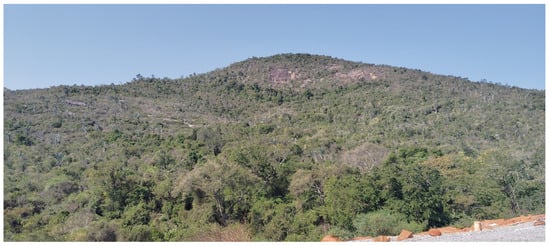
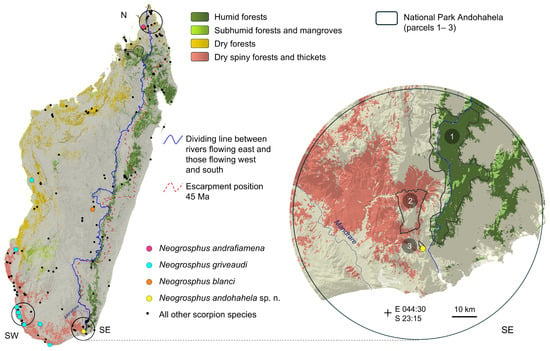
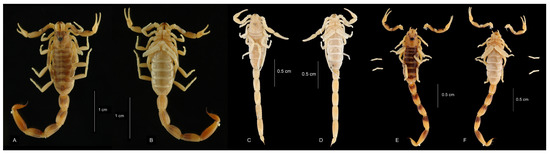
Madagascar remains one of the major hotspots of diversity and endemism in the world. Its scorpion fauna provides a striking example, with more than one hundred known species, all endemic, within a territory of only 587,000 km2. These species are associated with entirely endemic genera and, to a large extent, endemic familial lineages. While some groups are diverse and locally abundant, others are inconspicuous and occur at very low densities, as is the case for the genus Neogrosphus Lourenço, 1995. In this contribution, the distribution patterns of Neogrosphus are reassessed in light of new material and a revised eco-biogeographical framework. Until recently, this genus comprised three species: Neogrosphus griveaudi (Vachon, 1969), restricted to the dry forest formations in the southern and western portions of Madagascar; Neogrosphus blanci Lourenço, 1996, known from the central region; and Neogrosphus andrafiabe Lourenço, Wilmé & Waeber, 2015, endemic to northern dry formations. A fourth species is described here from mesic forest formations in Andohahela National Park. The current distribution of the genus is shown to be highly fragmented across a broad environmental gradient ranging from subarid to more humid conditions. This pattern is interpreted as the result of historical fragmentation processes linked to limited dispersal capacity and long-term landscape evolution. On this basis, the general framework previously proposed to explain species diversity and vicariance in Malagasy scorpions is revisited and refined.
Full article
Open AccessReview
Toxicity Effects and Biomarker Responses in Two South American Freshwater Prawns Exposed to Pesticides
by
Sabrina María Luisa Lavarías, Leda Etcheverry, Naomi Carolina Yacelga Villavicencio and Lidwina Bertrand
Arthropoda 2026, 4(3), 10; https://doi.org/10.3390/arthropoda4030010 (registering DOI) - 6 Jul 2026
Abstract
►▼
Show Figures
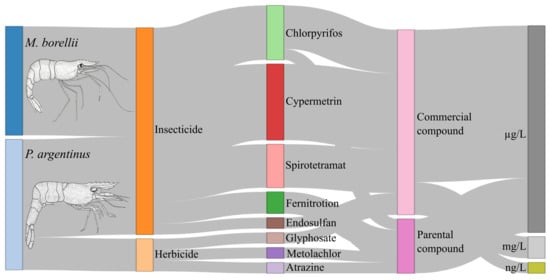
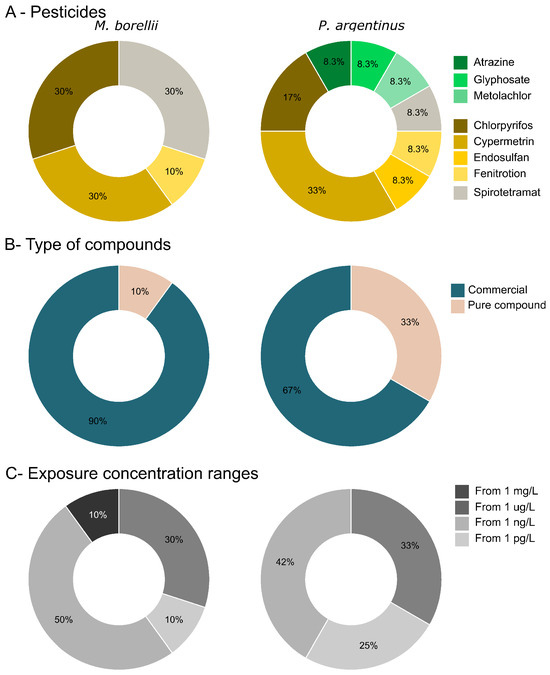
The freshwater crustaceans Macrobrachium borellii and Palaemon argentinus are key components of benthic communities and are widely distributed throughout South American freshwater ecosystems. As native species, they inhabit environments frequently impacted by pollutants from agricultural activity. Due to their marked sensitivity to these
[...] Read more.
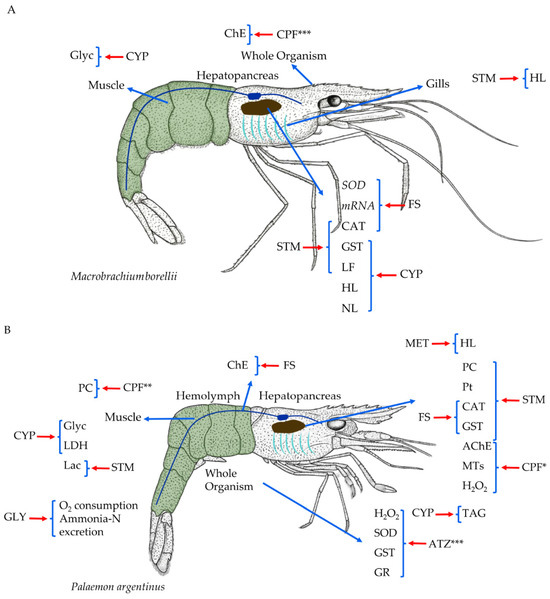
The freshwater crustaceans Macrobrachium borellii and Palaemon argentinus are key components of benthic communities and are widely distributed throughout South American freshwater ecosystems. As native species, they inhabit environments frequently impacted by pollutants from agricultural activity. Due to their marked sensitivity to these chemical stressors, both species have been proposed as valuable bioindicators for monitoring freshwater pollution. The aim of this study was to synthesize available information regarding the effects of several pesticide classes on standard ecotoxicological endpoints. Specifically, the review examines lethal concentration values (e.g., LC50) and sublethal effects including metabolic disorders, histopathological alterations, and behavioral changes used as biomarkers. These biological responses were evaluated across different life stages, including embryos, larvae, and adults. Reports to date show that both species are highly sensitive to pesticides with different mechanisms of toxicity. Such biological responses are significantly influenced by concentration, exposure time, and developmental stage. The information collected on the biological and ecological characteristics of M. borellii and P. argentinus supports their suitability for ecotoxicological research and underscores their role as reliable indicator organisms for assessing the health of South American aquatic ecosystems.
Full article

Graphical abstract
Open AccessArticle
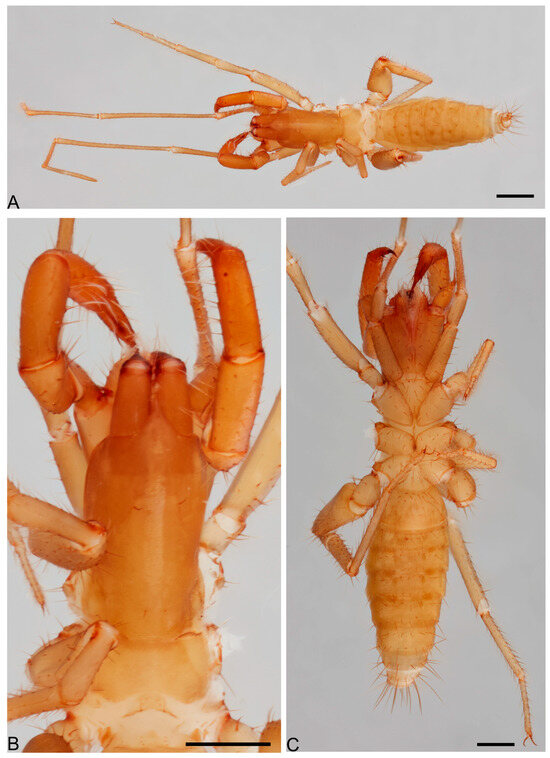
A New Species of Mastigoproctus Pocock, 1894 (Arachnida: Thelyphonida), from Jalisco, Mexico
by
Carlos A. Torres-Muñoz, André F. A. Lira and Edmundo González-Santillán
Arthropoda 2026, 4(2), 9; https://doi.org/10.3390/arthropoda4020009 - 13 Jun 2026
Abstract
►▼
Show Figures
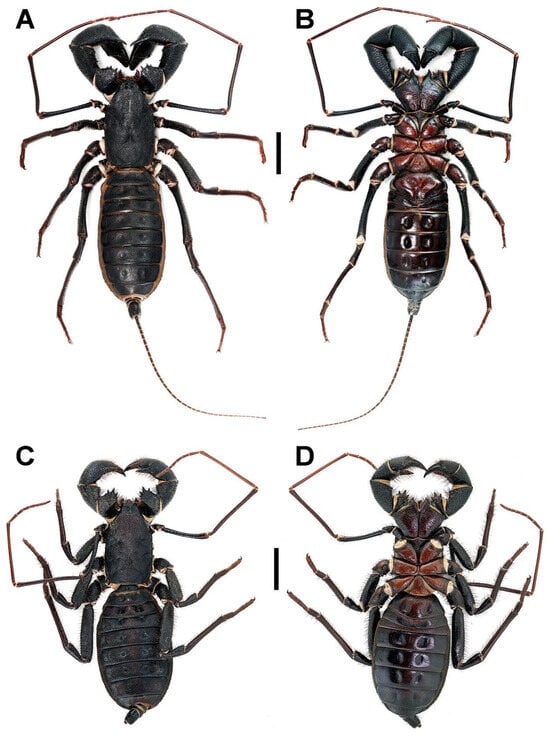
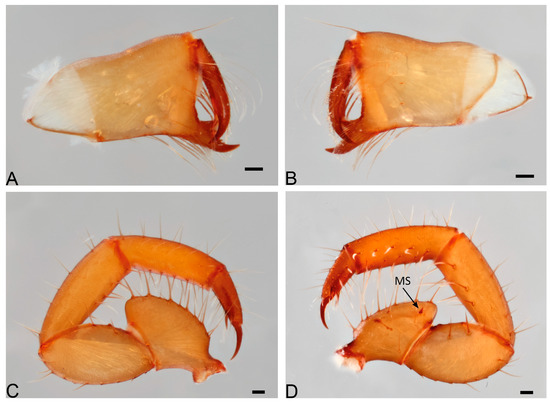
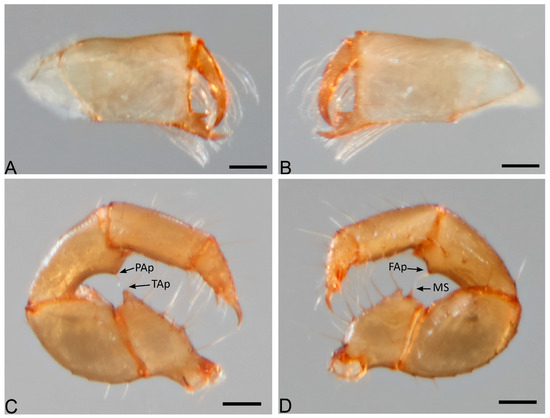
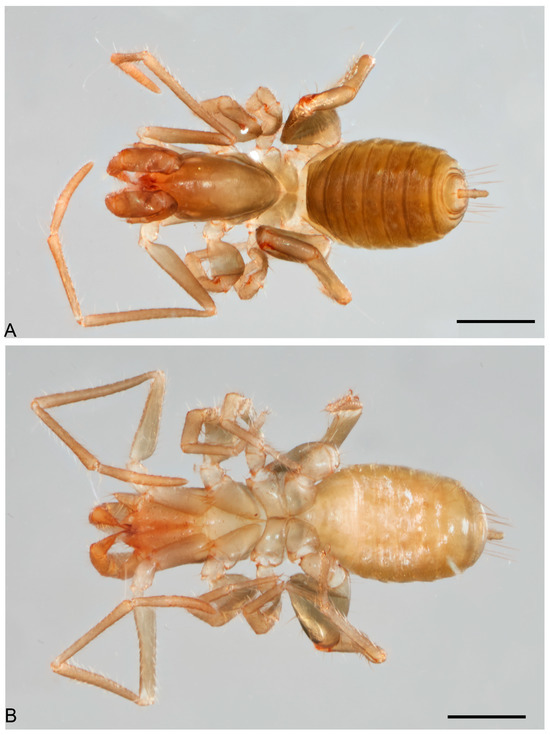
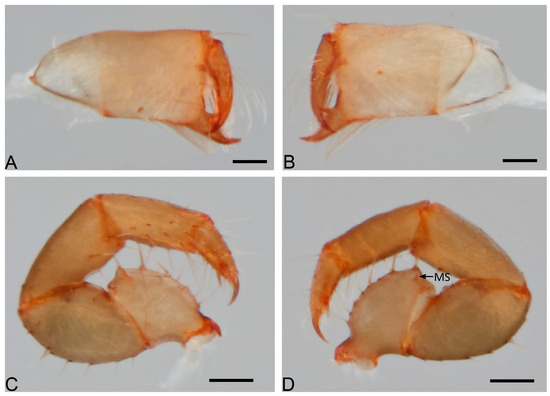
In this contribution, we describe a new species from the Estación de Biología Chamela (IBUNAM), located in Jalisco, Mexico. Mastigoproctus claritae sp. nov. has a stridulatory organ like M. mexicanus and M. xetame. However, it is distinguished from these species by the presence
[...] Read more.
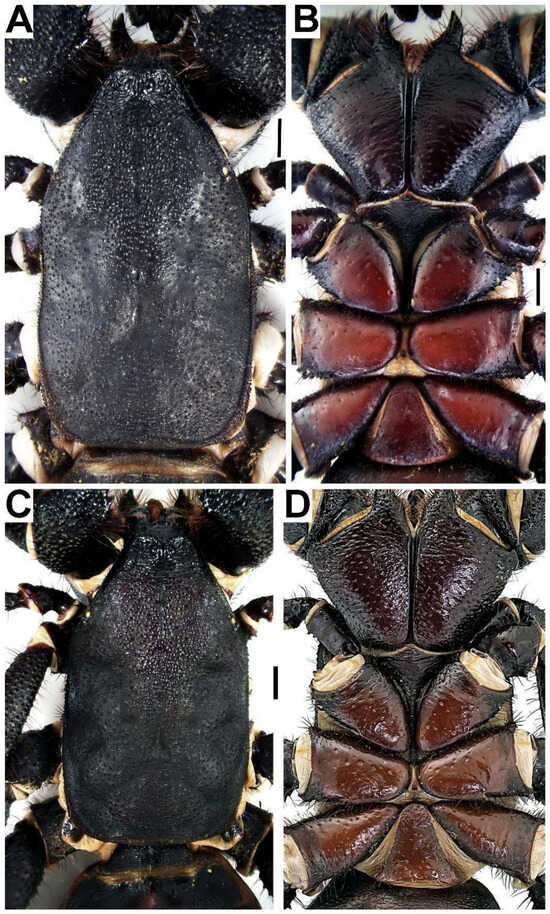
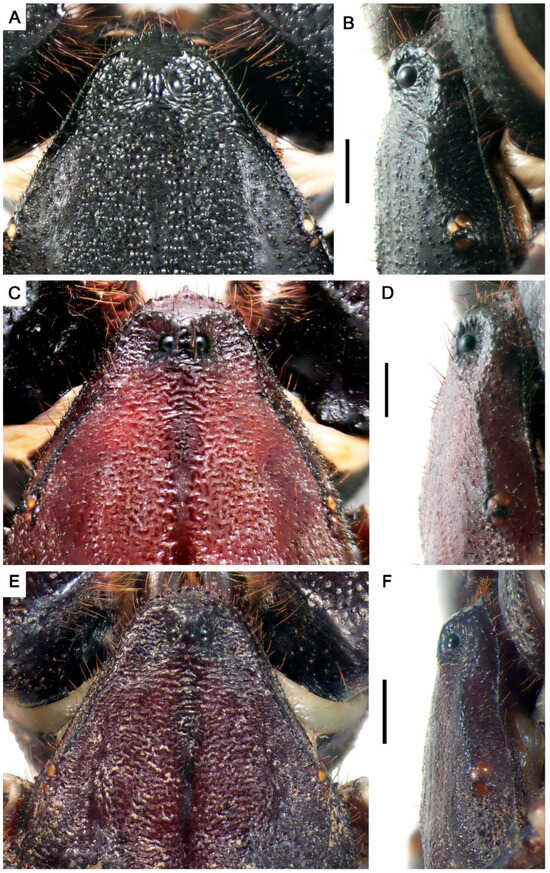
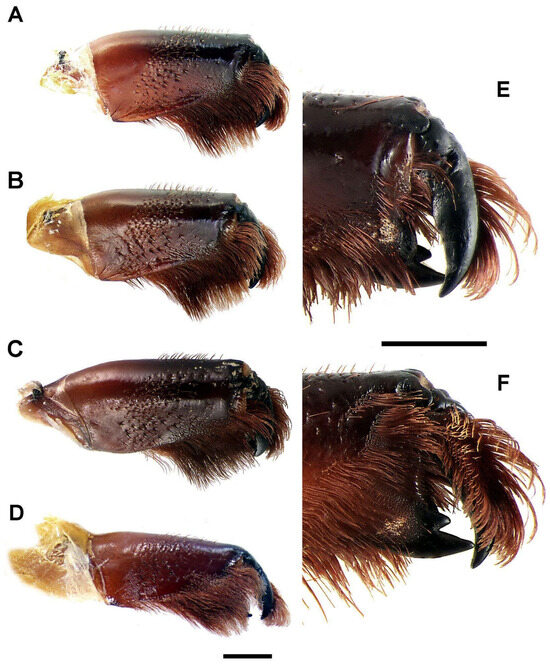
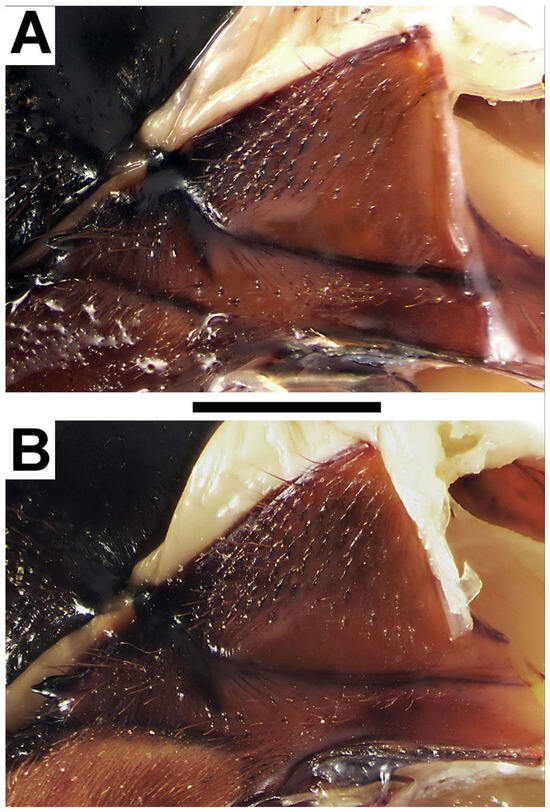
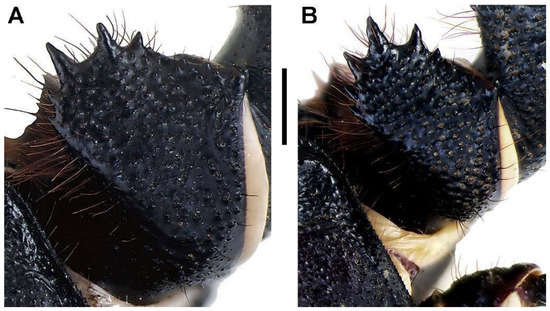
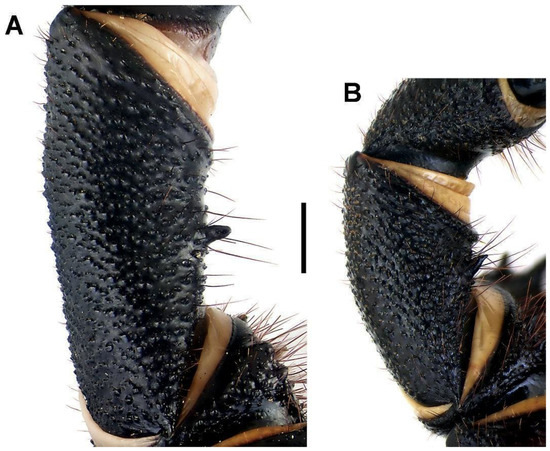
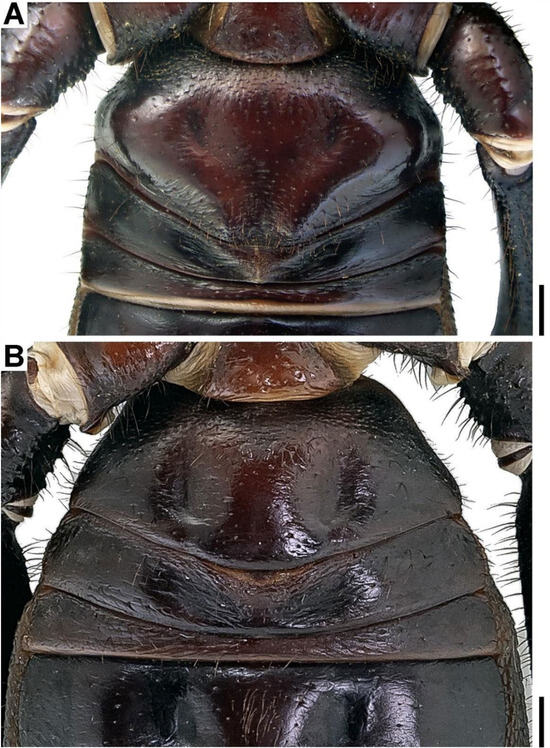
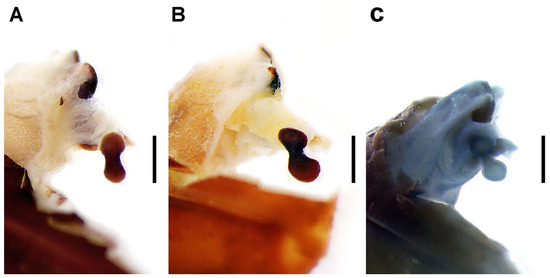
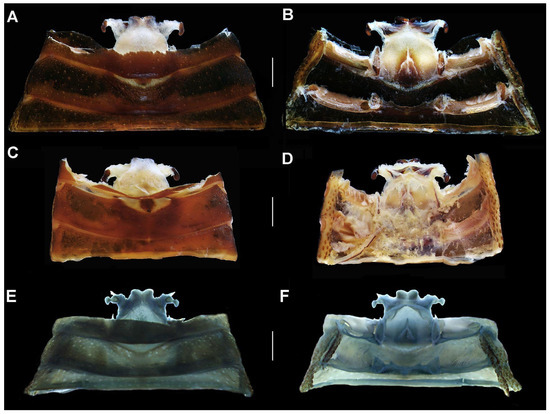
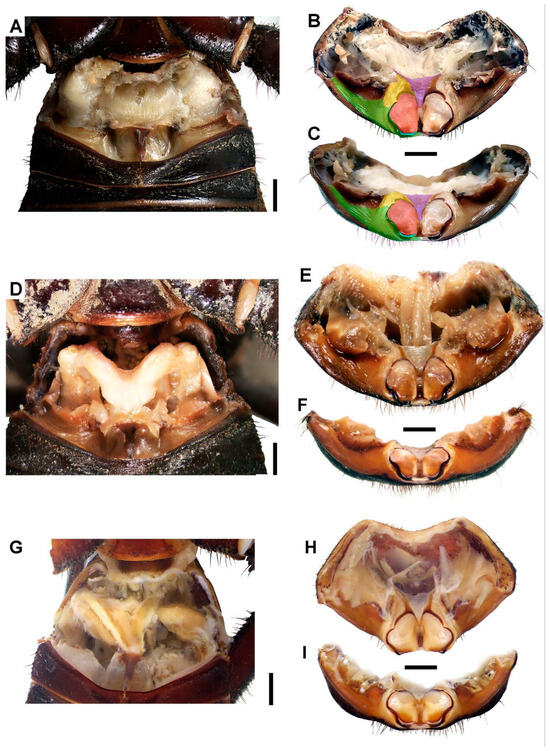
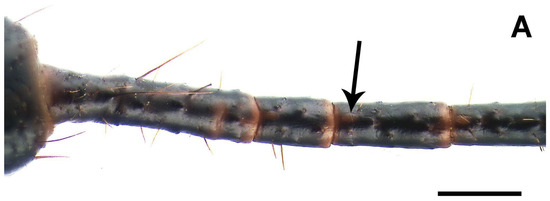
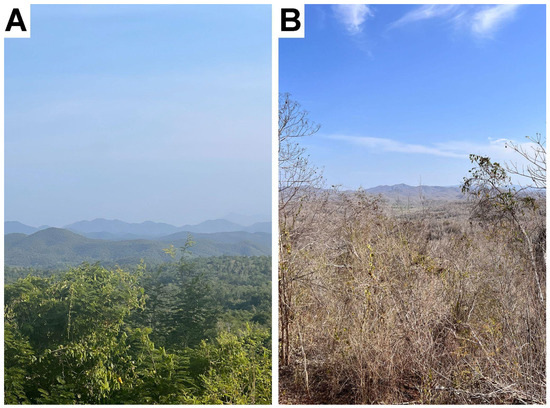
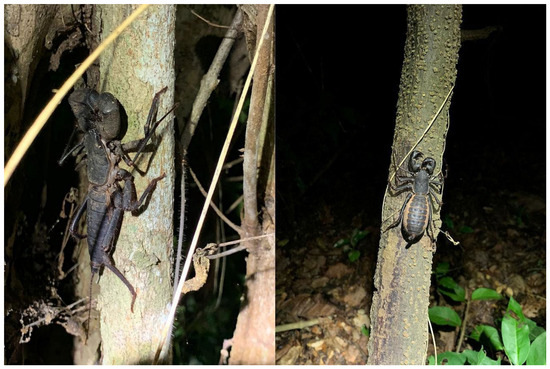
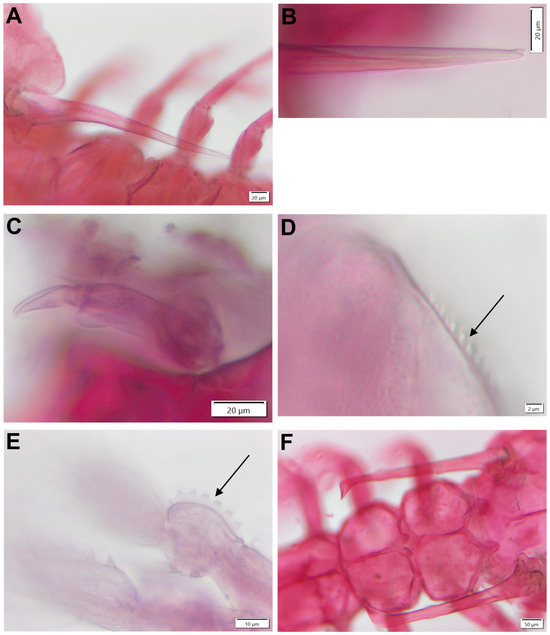
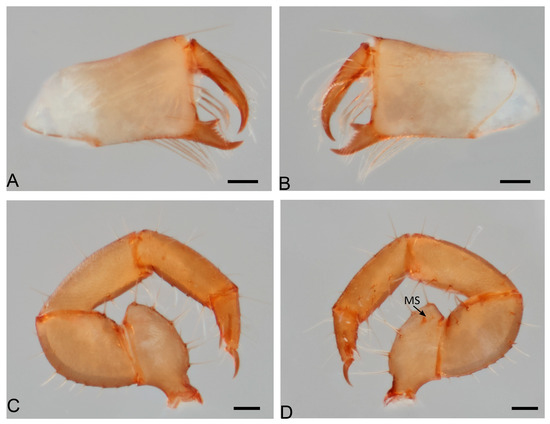
In this contribution, we describe a new species from the Estación de Biología Chamela (IBUNAM), located in Jalisco, Mexico. Mastigoproctus claritae sp. nov. has a stridulatory organ like M. mexicanus and M. xetame. However, it is distinguished from these species by the presence of a proventral marginal smooth keel in the chelicerae, a retrolateral surface pedipalp femur with congregated and blunt cristulae, a prodorsal margin spine S3 that is longer than the other spines in males, and symmetric, peanut-shaped spermatheca seminal receptacles in females. Mastigoproctus claritae sp. nov. represents the twenty-third species of the genus and the twelfth species documented in Mexico.
Full article

Figure 1
Open AccessArticle
Aphid Prey May Relieve Deficiencies in Carbohydrate but Not Protein in a Harvestman
by
Søren Toft, Marie Rosenkjær Skalshøi, Line Brun-Witt and Laurids Christoffersen Gautier
Arthropoda 2026, 4(2), 8; https://doi.org/10.3390/arthropoda4020008 - 12 Jun 2026
Abstract
►▼
Show Figures
Balancing of macronutrient intake assumes that animals change their food preferences to increase consumption of the deficient nutrients and/or decrease consumption of nutrients in excess. Harvestmen are generalist predators that consume mostly soft-bodied insects, but they supplement this with plant-derived food such as
[...] Read more.
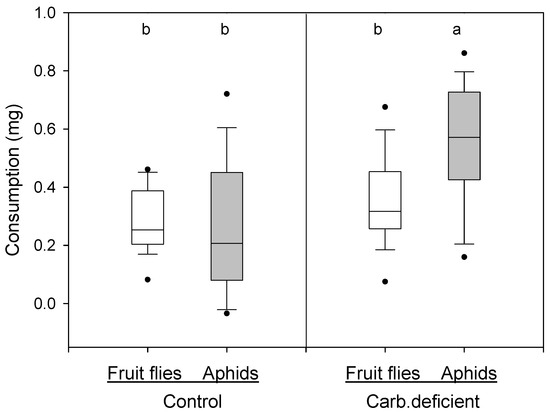
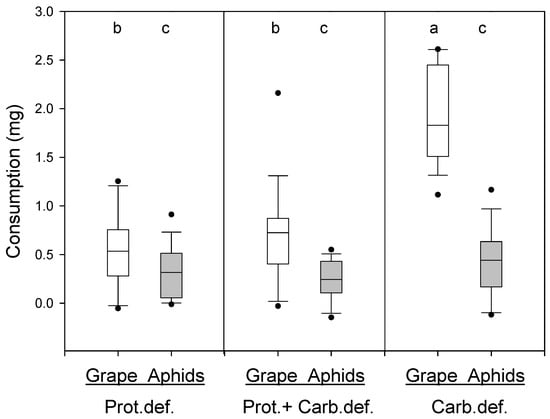
Balancing of macronutrient intake assumes that animals change their food preferences to increase consumption of the deficient nutrients and/or decrease consumption of nutrients in excess. Harvestmen are generalist predators that consume mostly soft-bodied insects, but they supplement this with plant-derived food such as berries (omnivory). In spite of this, they are often carbohydrate-limited in their natural habitats. As aphids have higher sugar content than most other insect prey, they are a potential source of sugar. We hypothesized that sugar-deficient harvestmen have increased preference for aphids relative to other insect prey (fruit flies) and consume more aphids than sugar-satiated harvestmen. Likewise, we hypothesized that protein-deficient harvestmen would show increased consumption of aphids relative to a pure sugar source (dried grape pulp). The former hypothesis was confirmed but the latter was not. Carbohydrate-deprived harvestmen (Leiobunum gracile) consumed 1.9 times more aphids than nutritionally balanced ones (p = 0.0004). Consumption of dried grape was increased in carbohydrate-deficient harvestmen, while protein deficiency did not increase consumption of aphids. These results indicate that aphids may be used as a carbohydrate source if no better alternative is available, but they are unable to relieve a deficiency in protein. We suggest that carbohydrate deprivation in predators may enhance aphid control.
Full article

Figure 1
Open AccessArticle
Re-Description of Kroyeria minuta Pillai, 1968, and Description of Kroyeria confusa n. sp. (Copepoda: Siphonostomatoida: Kroyeriidae) from the Gills of Rhizoprionodon acutus (Carcharhinidae) off South Africa
by
Susan M. Dippenaar
Arthropoda 2026, 4(2), 7; https://doi.org/10.3390/arthropoda4020007 - 28 May 2026
Abstract
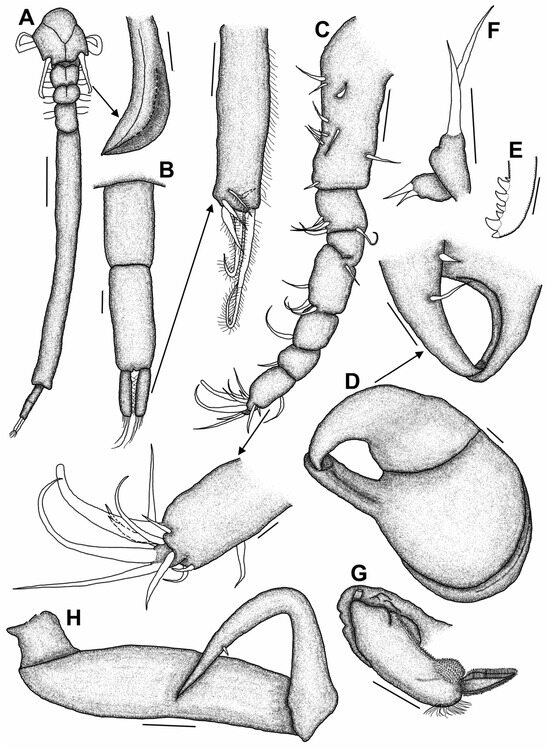
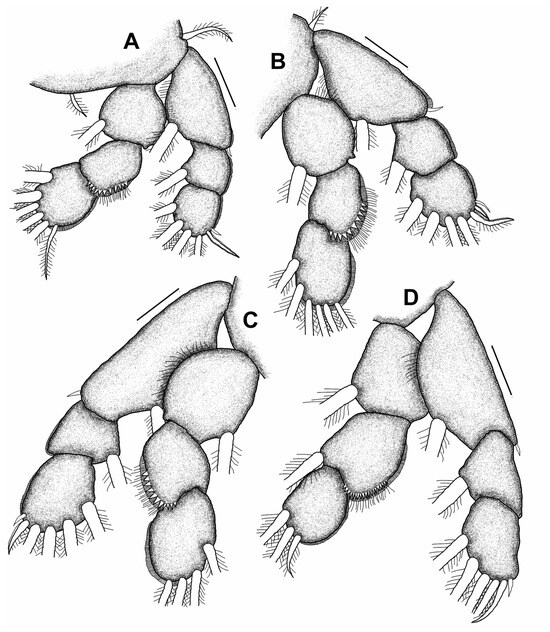
Kroyeria species (Siphonostomatoida: Kroyeriidae) are currently represented by 20 valid species. One of these is K. minuta described from the milk shark off India. However, the original description has some uncertainties and atypical features and therefore a re-description is needed. Kroyeria species
[...] Read more.
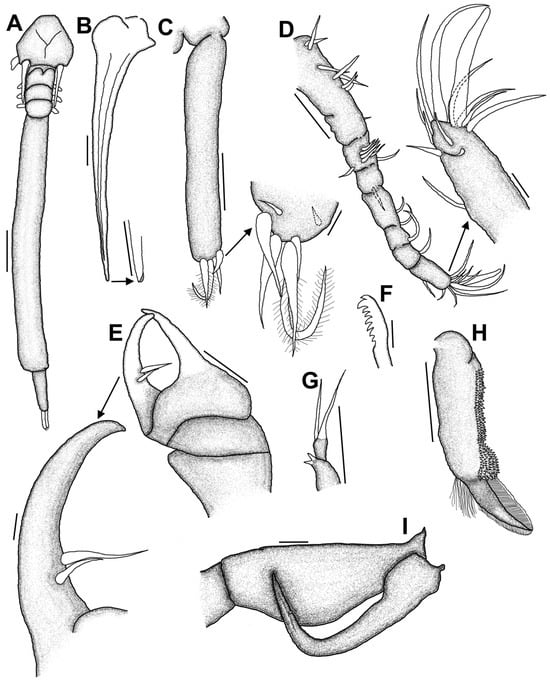
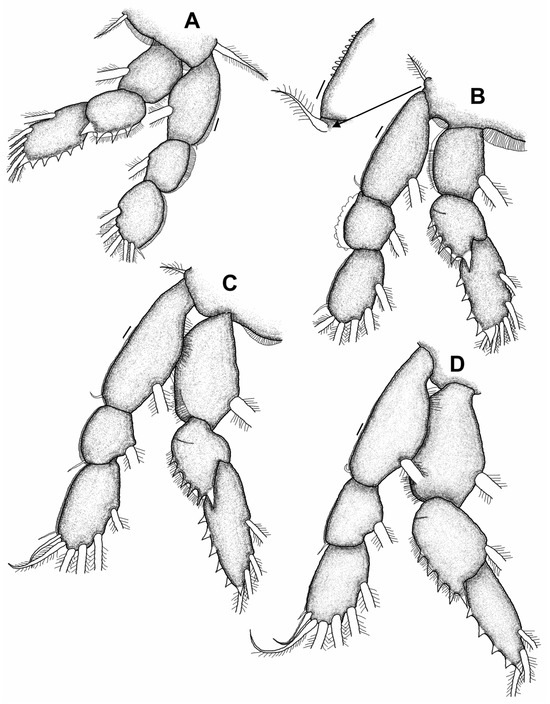
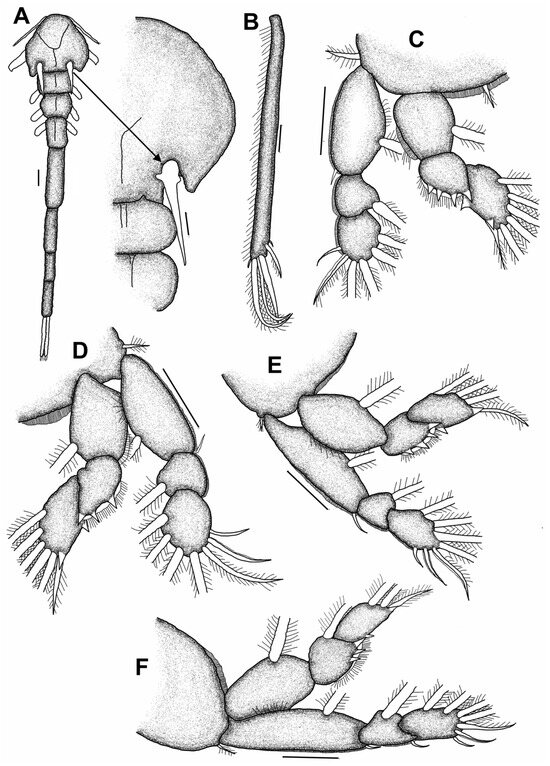
Kroyeria species (Siphonostomatoida: Kroyeriidae) are currently represented by 20 valid species. One of these is K. minuta described from the milk shark off India. However, the original description has some uncertainties and atypical features and therefore a re-description is needed. Kroyeria species were collected from milk sharks off South Africa, and amongst these were some specimens of K. minuta as well as a new species of Kroyeria. This work therefore combines a re-description of K. minuta as well as a description of K. confusa n. sp. from the milk shark off South Africa. The most distinguishing feature of K. minuta is the structure of the legs, especially that of leg 2 in the female. The new species shares characteristics with K. rhophemophaga and K. triakos but differs mainly with respect to the morphology of the legs. Thus, the number of valid Kroyeria species is now 21, and the number of reported Kroyeria species from South African waters increases to 13 with the addition of K. confusa n. sp. and the newly reported K. minuta.
Full article
(This article belongs to the Special Issue Integrative Taxonomy of Cladocera and Copepoda)
►▼
Show Figures

Figure 1
Open AccessBrief Report
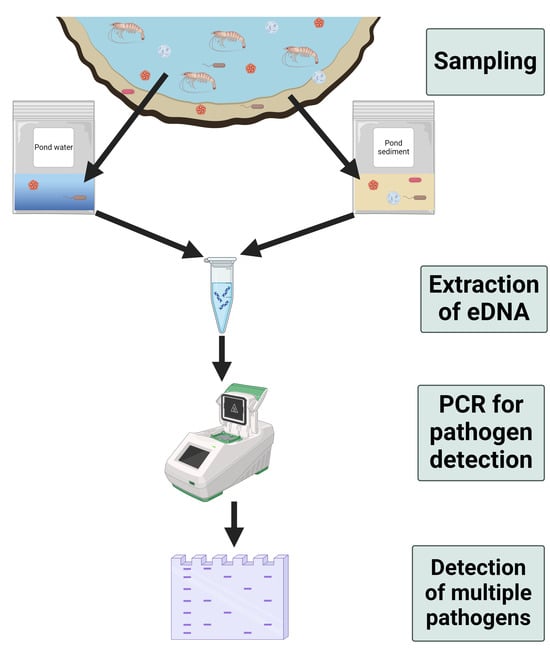
Detection of Penaeus vannamei Pathogens from Water and Sediment eDNA Using a Universal Conventional PCR Approach
by
Mriya López-Galicia, Roberto Cruz-Flores, Laurence Mercier, Eduardo Quiroz-Guzmán and Jorge Cáceres-Martínez
Arthropoda 2026, 4(2), 6; https://doi.org/10.3390/arthropoda4020006 - 20 Apr 2026
Abstract
►▼
Show Figures
Environmental DNA (eDNA) offers a promising, non-invasive approach for monitoring infectious agents in aquaculture. While molecular techniques for detecting shrimp pathogens are well established in host tissues, there is a lack of standardized protocols for pathogen detection from environmental samples using conventional PCR.
[...] Read more.
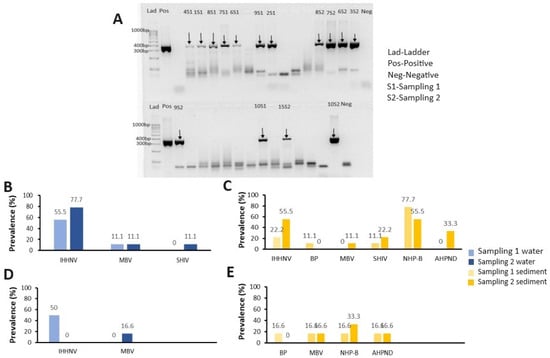
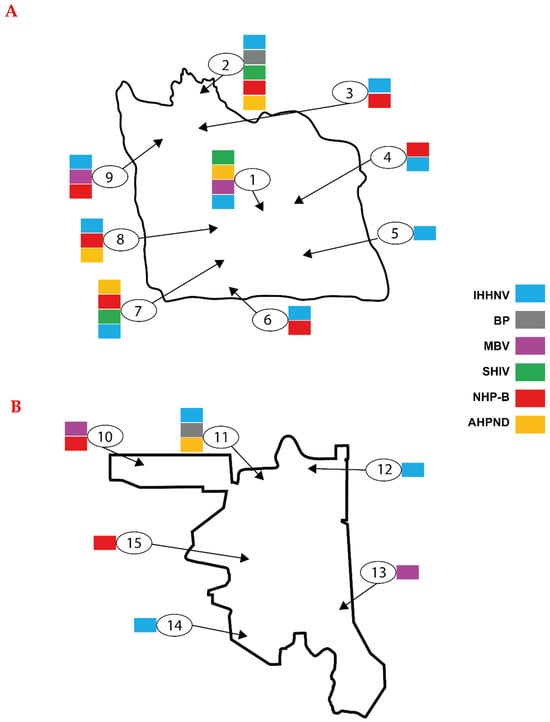
Environmental DNA (eDNA) offers a promising, non-invasive approach for monitoring infectious agents in aquaculture. While molecular techniques for detecting shrimp pathogens are well established in host tissues, there is a lack of standardized protocols for pathogen detection from environmental samples using conventional PCR. In this study, we developed and validated a universal conventional PCR protocol for monitoring DNA from major viral and bacterial shrimp pathogens within pond water and sediment samples. The method was applied to two commercial shrimp farms in Mexico, where eDNA was extracted from field-collected water and sediment. Using published primer sets, we successfully amplified DNA sequences corresponding to six key pathogens—Infectious hypodermal and hematopoietic necrosis virus (IHHNV), Baculovirus penaei (BP), Monodon baculovirus (MBV), Shrimp hemocyte iridescent virus (SHIV), Candidatus Hepatobacter penaei (NHP-B), and Acute hepatopancreatic necrosis disease (AHPND)-causing Vibrio spp.—in environmental samples. Sequencing of PCR amplicons confirmed 93–100% identity to previously reported pathogen strains, highlighting the method’s reliability. Pathogen detection rates varied by site, sample type, and date, with the percentage of positive samples ranging from 11.1% to 77.7%. Notably, this is the first report of SHIV DNA detection from environmental samples in the Americas, highlighting its value for pathogen surveillance even in the absence of documented outbreaks. This protocol offers a cost-effective and scalable tool for pathogen surveillance in shrimp aquaculture, enhancing early disease detection and contributing to improved biosecurity and risk assessment frameworks.
Full article

Graphical abstract
Open AccessArticle
Description of Five New Species of Schizomida, Including a Troglophile Species (Schizomida: Hubbardiidae) from Ecuador
by
Nadine Dupérré and Elicio Tapia
Arthropoda 2026, 4(2), 5; https://doi.org/10.3390/arthropoda4020005 - 1 Apr 2026
Abstract
►▼
Show Figures
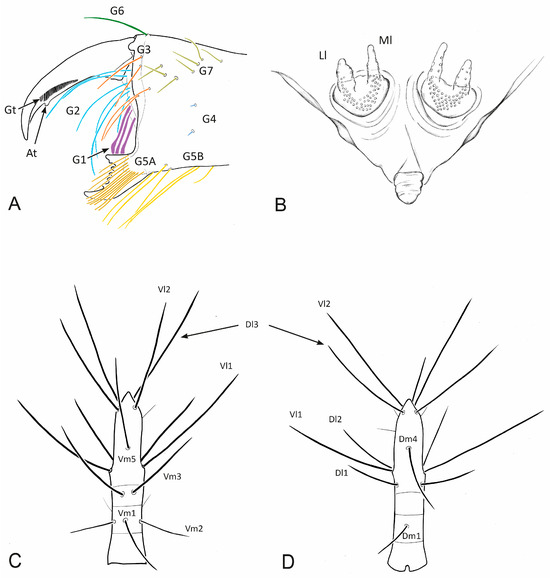
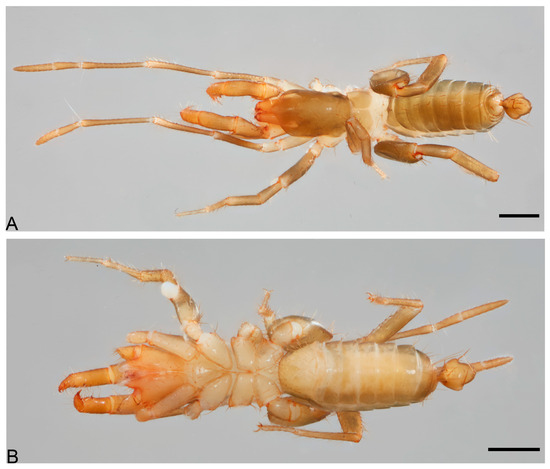
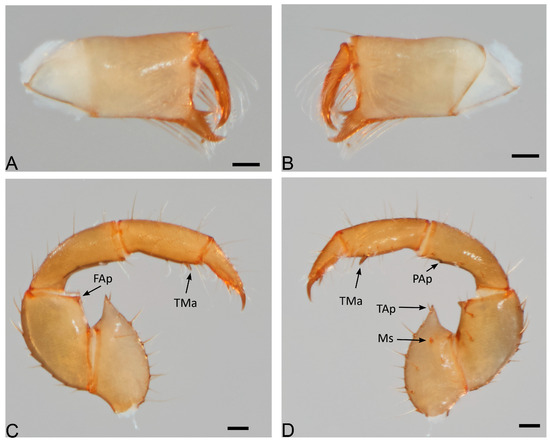
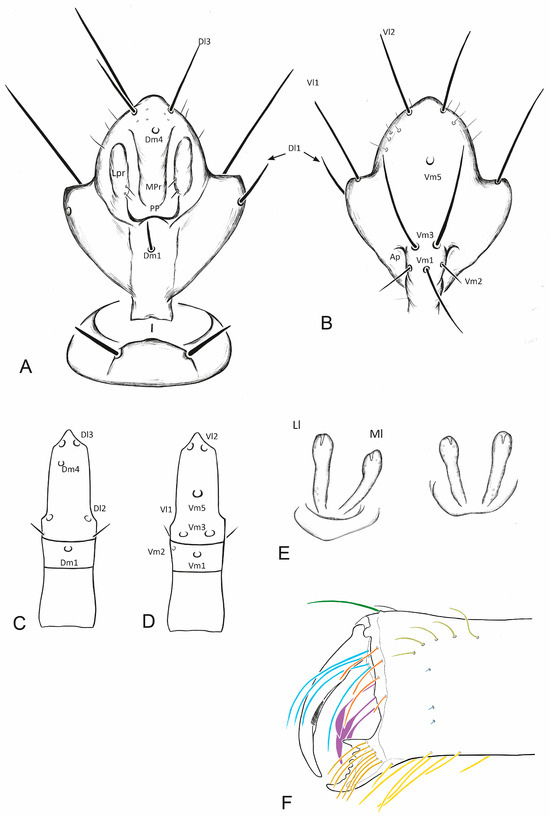
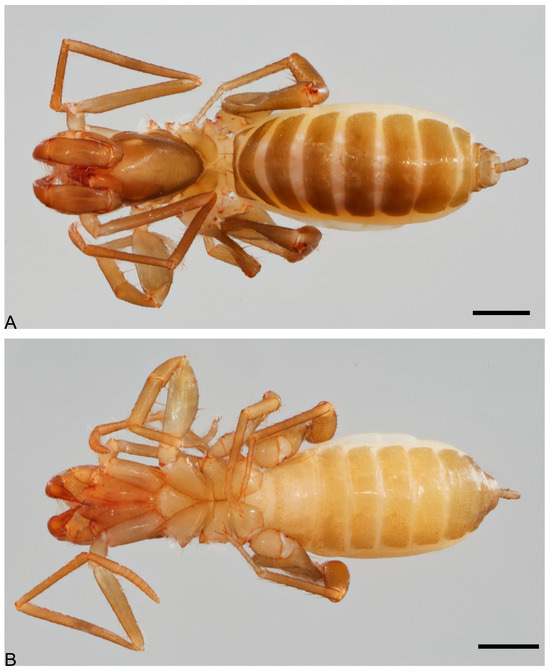
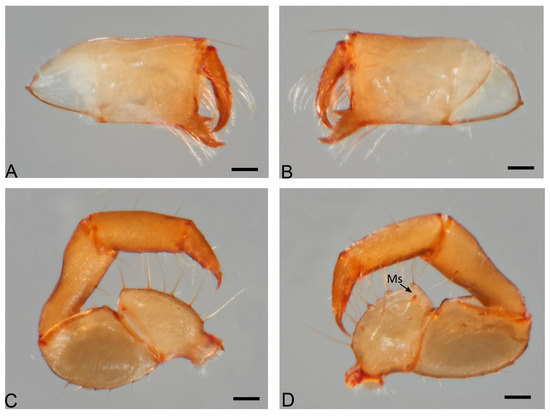
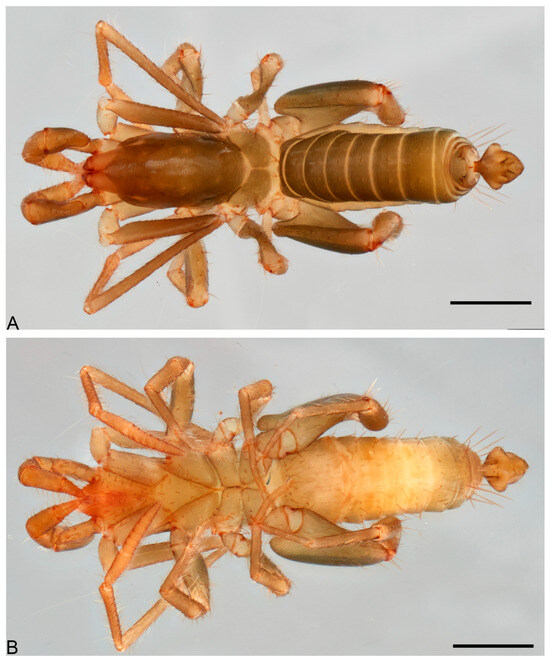
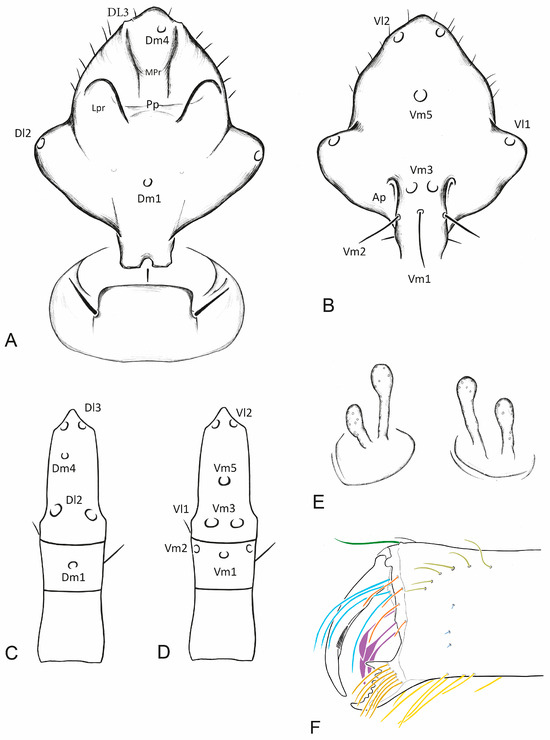
Five new species of Schizomida are described from the Ecuadorian Andes and the Amazonian ecoregion in three different genera: in Colombiazomus, Colombiazomus karsticus n. sp. (female); in Hansenochrus, Hansenochrus maicun. sp. (male) and Hansenochrus pastaza n. sp. (female);
[...] Read more.
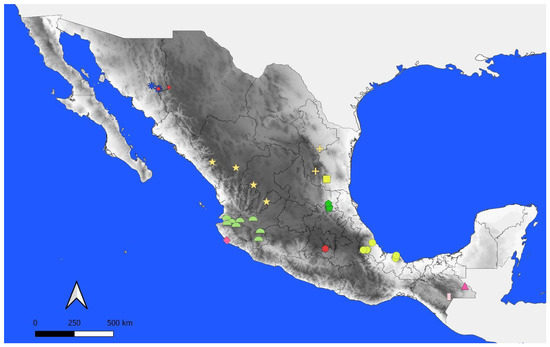
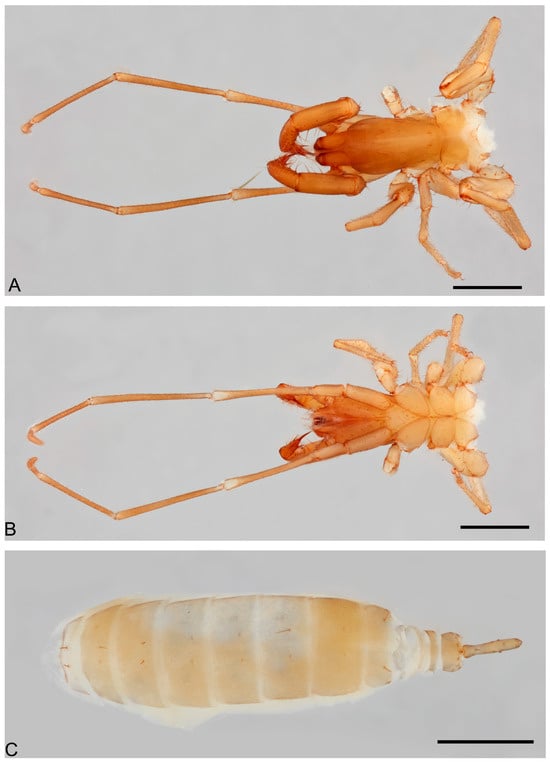
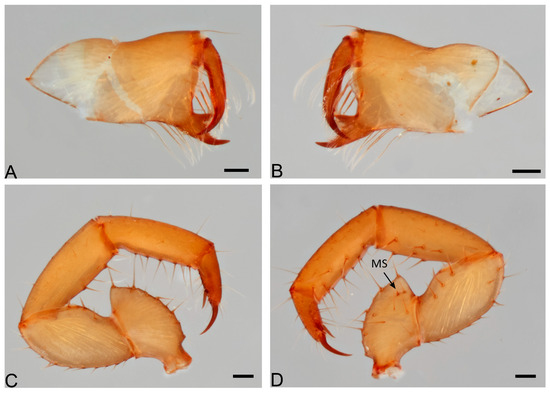
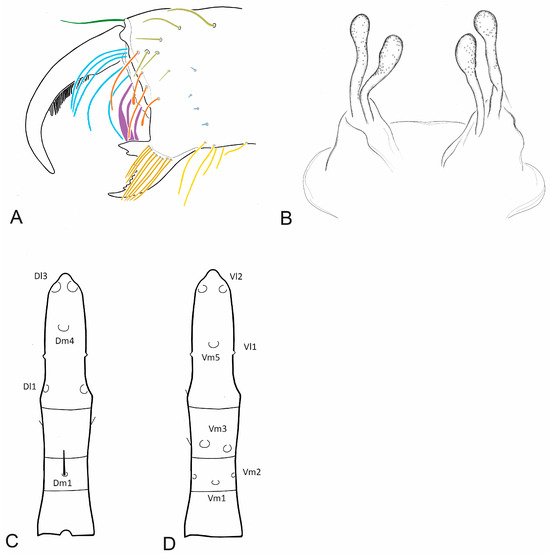
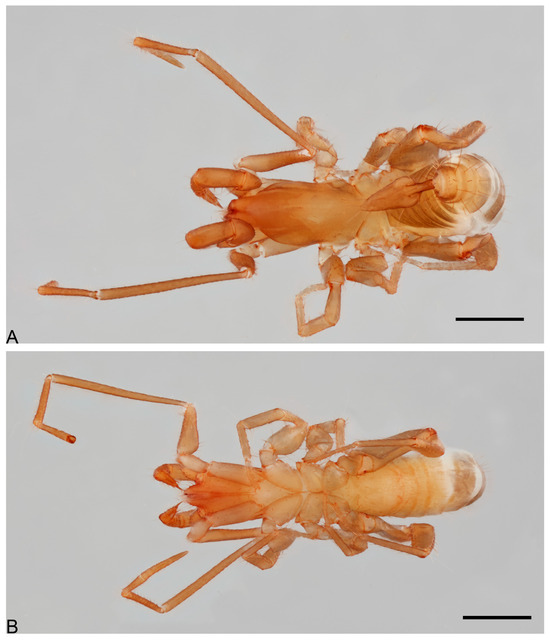
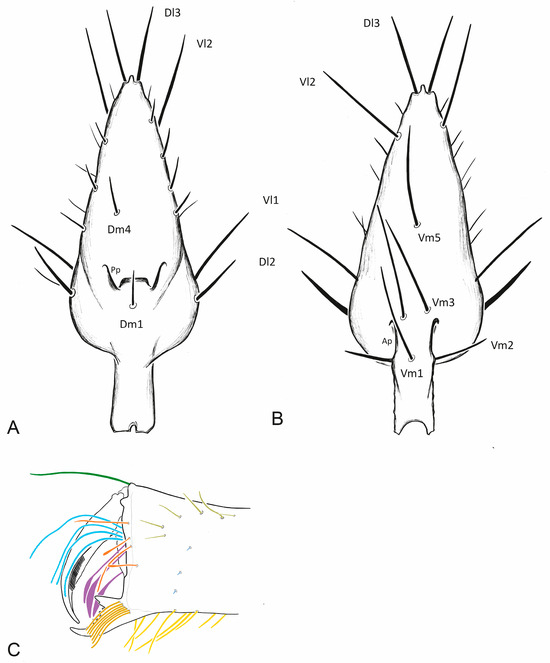
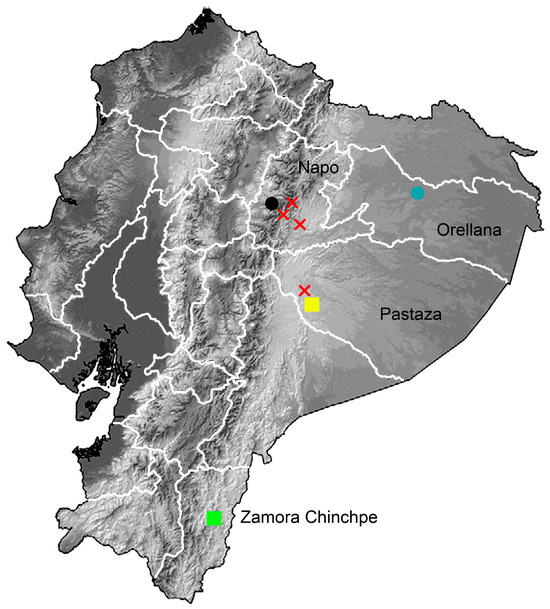
Five new species of Schizomida are described from the Ecuadorian Andes and the Amazonian ecoregion in three different genera: in Colombiazomus, Colombiazomus karsticus n. sp. (female); in Hansenochrus, Hansenochrus maicun. sp. (male) and Hansenochrus pastaza n. sp. (female); and in Surazomus, Surazomus colonso, n. sp. (male, female) and Surazomus yasunin. sp. (male, female). A distribution map of all newly described species is presented.
Full article

Figure 1
Open AccessArticle
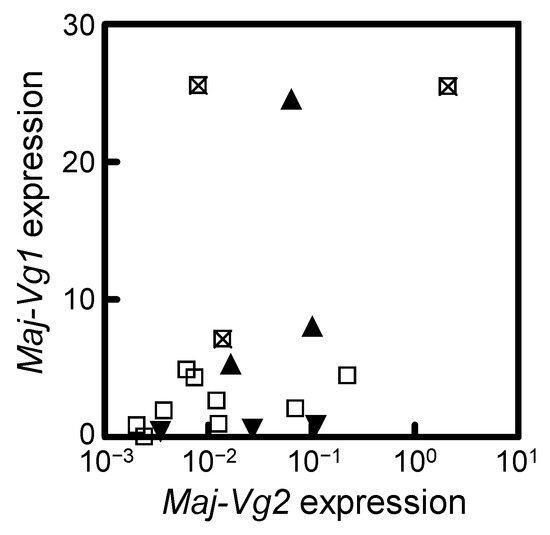
Hepatopancreatic Vitellogenin Regulation in Marsupenaeus japonicus: Transcriptome Based on Endogenous Variation in Vitellogenin Expression Levels
by
Azreen Syazana Nazaruddin, Marwa Said El-Desoky, Yoji Igarashi, Kazutoshi Yoshitake, Makoto Kakinuma and Naoaki Tsutsui
Arthropoda 2026, 4(1), 4; https://doi.org/10.3390/arthropoda4010004 - 23 Mar 2026
Abstract
►▼
Show Figures
In penaeids, the major yolk protein precursor vitellogenin is synthesized in both the hepatopancreas and the ovary. While ovarian vitellogenin expression is clearly regulated by hormones from the X-organ/sinus gland in the eyestalk, regulation in the hepatopancreas remains poorly understood. Here, we performed
[...] Read more.
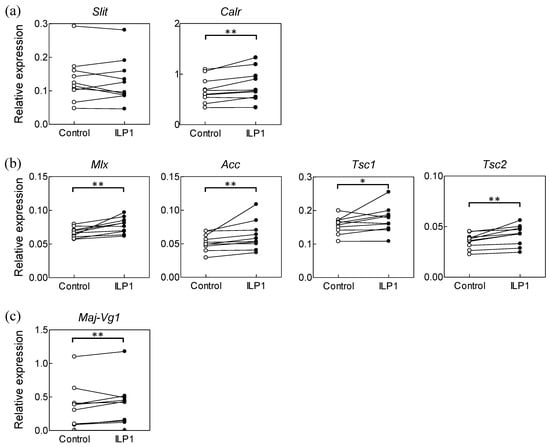
In penaeids, the major yolk protein precursor vitellogenin is synthesized in both the hepatopancreas and the ovary. While ovarian vitellogenin expression is clearly regulated by hormones from the X-organ/sinus gland in the eyestalk, regulation in the hepatopancreas remains poorly understood. Here, we performed transcriptome profiling stratified by endogenous hepatopancreatic vitellogenin gene (Maj-Vg1) expression levels in immature kuruma prawn Marsupenaeus japonicus. Pathway enrichment analysis identified the insulin, mechanistic target of rapamycin (mTOR), glucagon, and AMP-activated protein kinase (AMPK) pathways as candidate modules associated with the control of hepatopancreatic Maj-Vg1 expression. Analysis of differentially expressed genes identified slit-like (Slit) and calreticulin (Calr) as genes potentially involved in the regulation of Maj-Vg1 expression. In ex vivo hepatopancreas explants, insulin-like peptide 1 from this species induced Maj-Vg1 and was accompanied by the upregulation of lipogenic markers (Max-like protein X (Mlx) and acetyl-CoA carboxylase (Acc)), consistent with vitellogenin’s lipid-transport role. Expression patterns of Calr, tuberous sclerosis complex 1 and 2 (Tsc1 and Tsc2) suggest regulatory inputs beyond insulin signaling, indicating context-dependent regulation. Taken together, these data identify metabolic status as an important contributor to hepatopancreatic Maj-Vg1 expression and define further research targets, including mTOR, AMPK, glucagon, and the Slit/Roundabout axis, for understanding vitellogenesis in penaeids.
Full article

Figure 1
Open AccessArticle
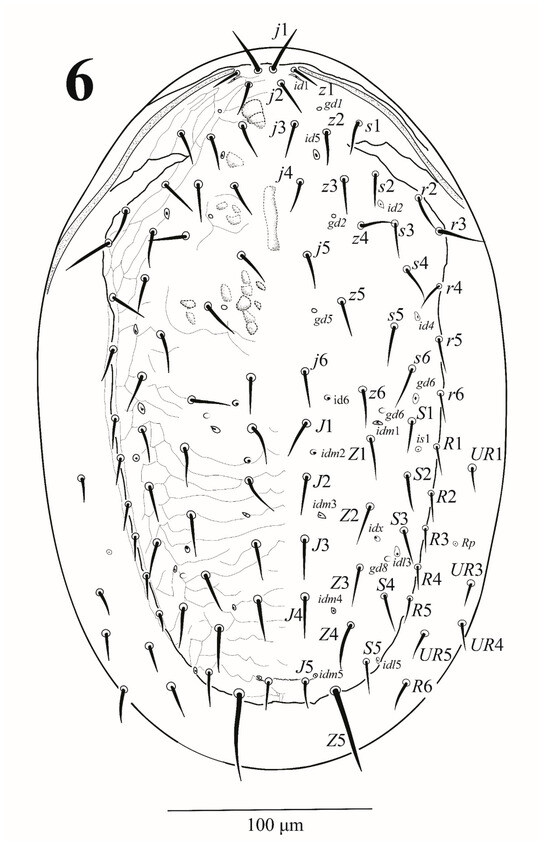
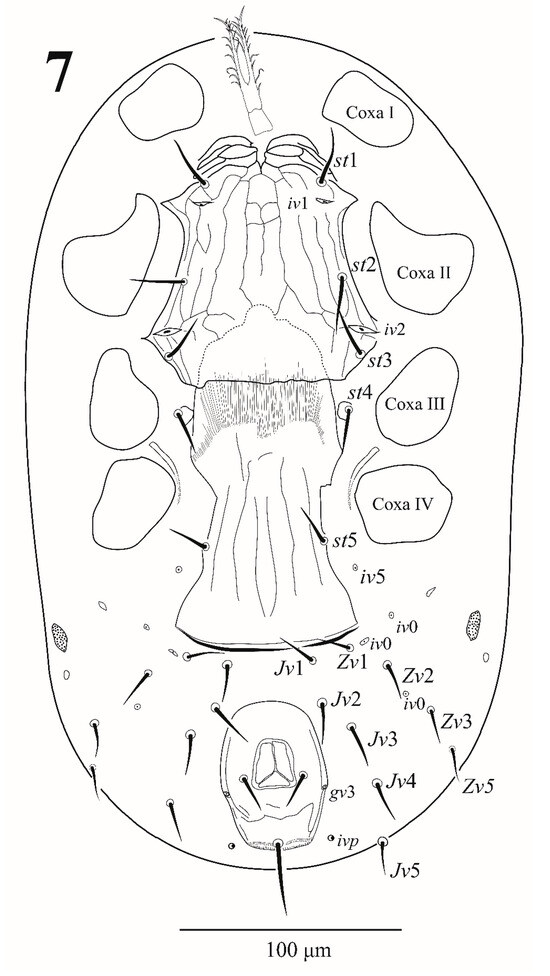
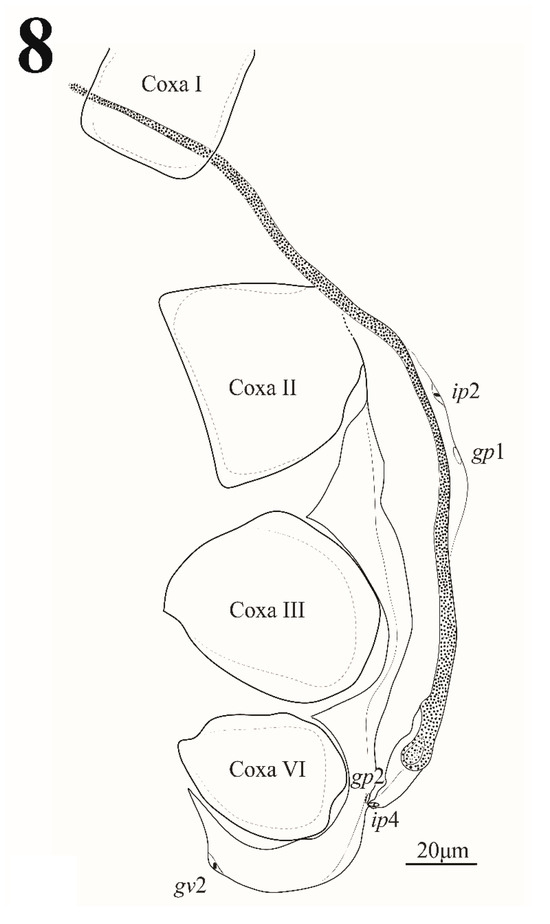
A New Species of Proctolaelaps (Acari: Mesostigmata: Ascoidea: Melicharidae) Associated with Ambrosia Beetles (Coleoptera: Curculionidae: Scolytinae: Xyleborini) in South Florida Avocados
by
Marielle M. Berto, Raphael de Campos Castilho, Aline D. Tassi, Avyla Regia de Albuquerque Barros and Daniel Carrillo
Arthropoda 2026, 4(1), 3; https://doi.org/10.3390/arthropoda4010003 - 28 Feb 2026
Abstract
►▼
Show Figures
A new species of Proctolaelaps (Acari: Mesostigmata: Melicharidae), Proctolaelaps ambrosiae sp. nov., is described from south Florida, USA, based on adult females found in phoretic association with ambrosia beetles infesting avocado (Persea americana) trees. Mites were removed from adults of Xyleborinus
[...] Read more.
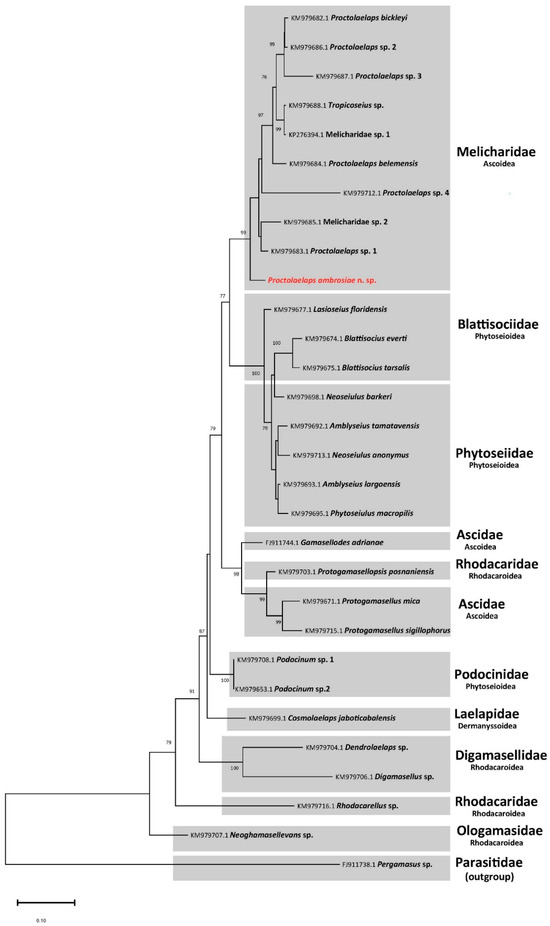
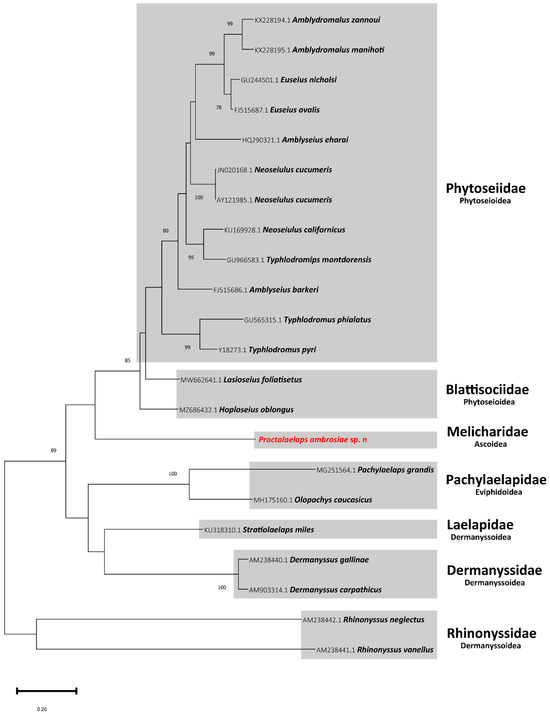
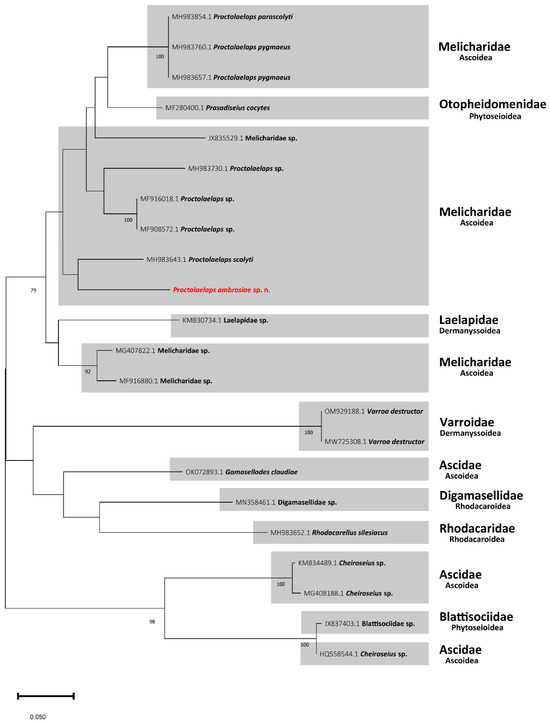
A new species of Proctolaelaps (Acari: Mesostigmata: Melicharidae), Proctolaelaps ambrosiae sp. nov., is described from south Florida, USA, based on adult females found in phoretic association with ambrosia beetles infesting avocado (Persea americana) trees. Mites were removed from adults of Xyleborinus saxesenii and Xyleborus affinis (Coleoptera: Curculionidae: Scolytinae: Xyleborini) captured in flight and were also collected from beetle galleries in infested avocado wood. The new species is diagnosed based on a combination of morphological characters and molecular markers (nuclear 28S rRNA and ITS, and mitochondrial COI), supporting its distinctiveness from related taxa. This study represents the first formal description of a Proctolaelaps species documented in phoretic association with xyleborine ambrosia beetles and their galleries, contributing to the knowledge of melicharid diversity in woody microhabitats and providing baseline data for future ecological and applied studies of ambrosia beetle systems in avocado.
Full article

Figure 1
Open AccessArticle
Unlocking Industry Views for Effective Redlegged Earth Mite Resistance Management
by
Elizabeth C. Lowe, Luis Mata, Michael Santhanam-Martin, Leo McGrane, Jessica C. Lye and Paul A. Umina
Arthropoda 2026, 4(1), 2; https://doi.org/10.3390/arthropoda4010002 - 26 Jan 2026
Abstract
Insecticide resistance is a growing threat to global food security, with several major pests in Australian broad-acre systems already showing high resistance levels. Integrated Pest Management (IPM) can reduce insecticide reliance and slow resistance evolution, yet adoption remains low. Using the redlegged earth
[...] Read more.
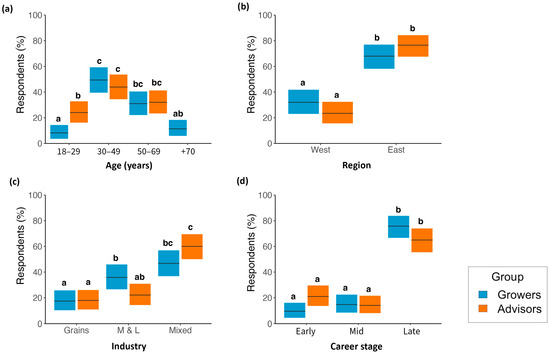
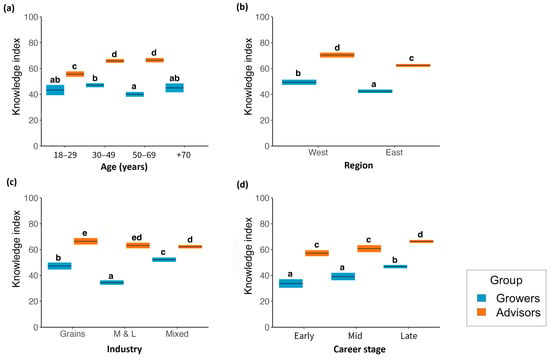
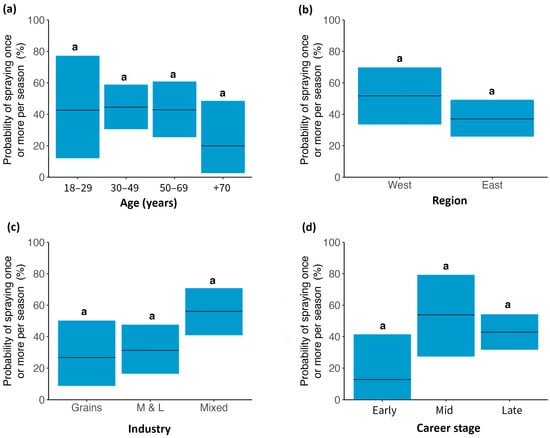
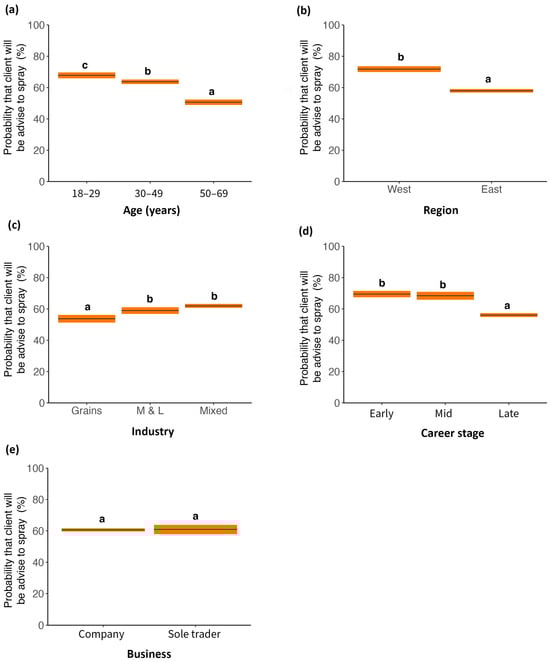
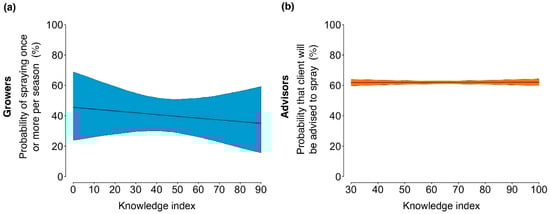
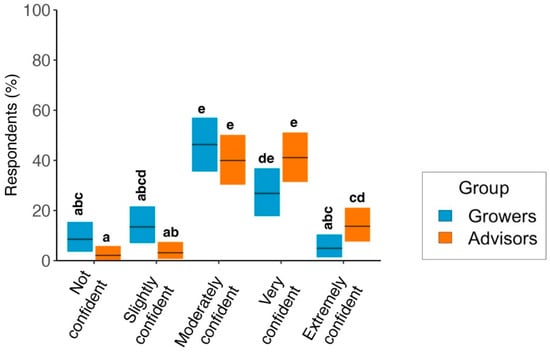
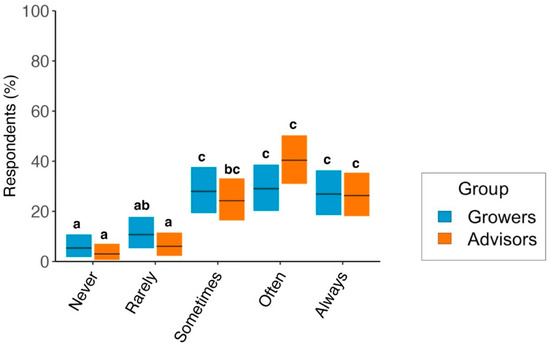
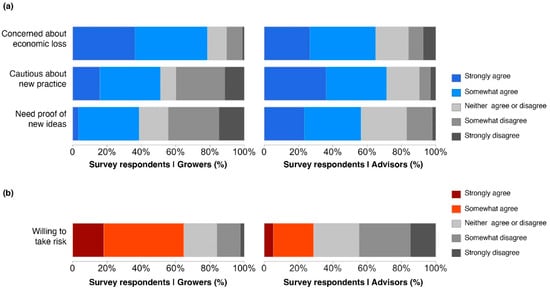
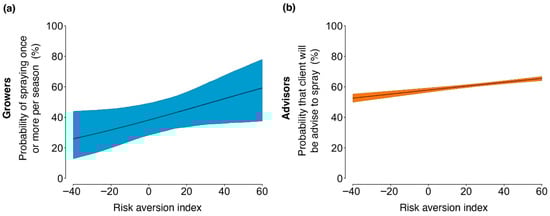
Insecticide resistance is a growing threat to global food security, with several major pests in Australian broad-acre systems already showing high resistance levels. Integrated Pest Management (IPM) can reduce insecticide reliance and slow resistance evolution, yet adoption remains low. Using the redlegged earth mite (Halotydeus destructor, RLEM) as a case study, we examined how knowledge gaps and risk attitudes influence insecticide use and broader pest management. An online survey of grain growers and advisors in RLEM-affected regions revealed that, despite widespread resistance to synthetic pyrethroids and organophosphates, and most respondents identifying with an IPM mindset, these insecticides remain frequently used. Advisors demonstrated greater overall knowledge than growers, but substantial gaps persisted across both groups, including awareness of field resistance and familiarity with national resistance management guidelines. Risk aversion showed a stronger and more consistent influence on management decisions than knowledge, shaping both growers’ and advisors’ recommendations. These findings highlight demographic and attitudinal factors that can undermine resistance management. While centred on RLEM, the behavioural drivers identified here likely influence pest control decisions across a range of pest species and farming systems.
Full article
(This article belongs to the Special Issue Sustainable Management of Arthropod Pests in Agriculture)
►▼
Show Figures

Figure 1
Open AccessArticle
The Global Fossil Record of Chilopoda
by
Suzzet Cadenas-Amaya, Francisco Riquelme, Miguel Hernández-Patricio and Fabio Cupul-Magaña
Arthropoda 2026, 4(1), 1; https://doi.org/10.3390/arthropoda4010001 - 26 Dec 2025
Abstract
►▼
Show Figures
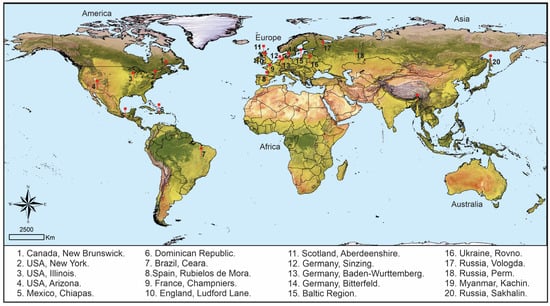
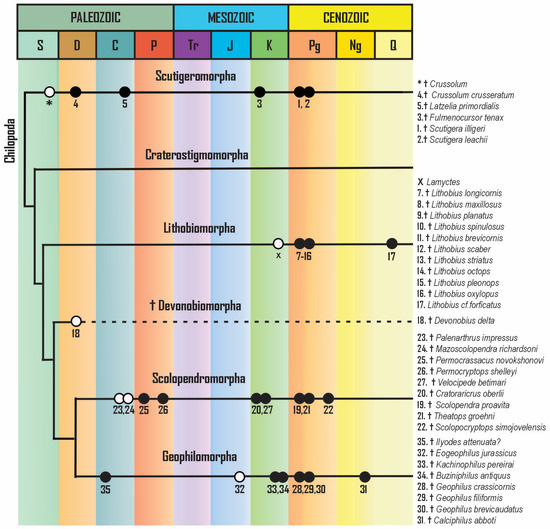
We present a revised catalog of the Chilopoda fossil record based on descriptions and reports published from 1854 to the present. Our compilation reveals 74 fossil occurrences encompassing five orders, 13 families, 26 genera, and 35 species. The fossil record is distributed across
[...] Read more.
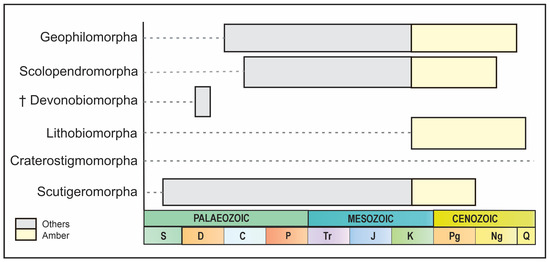
We present a revised catalog of the Chilopoda fossil record based on descriptions and reports published from 1854 to the present. Our compilation reveals 74 fossil occurrences encompassing five orders, 13 families, 26 genera, and 35 species. The fossil record is distributed across three geological eras: the Paleozoic (11 records), the Mesozoic (17 records), and the Cenozoic (46 records). This study provides insights into the diversity and distribution of centipedes across geological time.
Full article

Figure 1
Open AccessArticle
Bristly millipedes (Polyxenida) in Deep-Time Highlight Their Conserved Life Habits for 100 Million Years
by
Jéhan Le Cadre, Diying Huang, Patrick Müller, Carolin Haug and Joachim T. Haug
Arthropoda 2025, 3(4), 17; https://doi.org/10.3390/arthropoda3040017 - 12 Dec 2025
Cited by 1
Abstract
►▼
Show Figures
Pincushion millipedes or bristly millipedes (Polyxenida) are common and widespread around the world, yet we still lack a proper understanding of the life of these elusive animals. This limit is even more expressed when looking at their extinct counterparts. Luckily, such fossils are
[...] Read more.
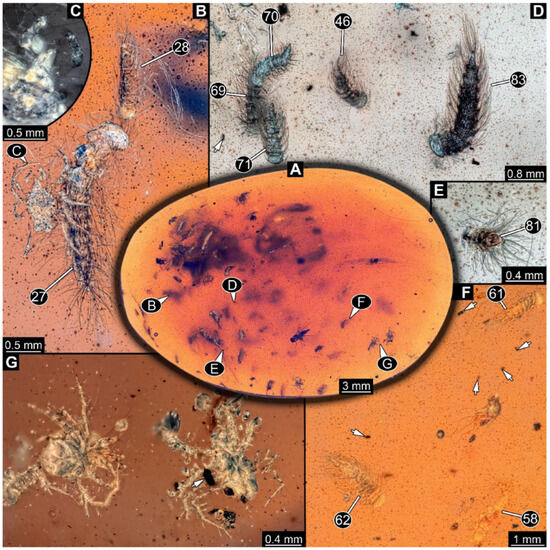
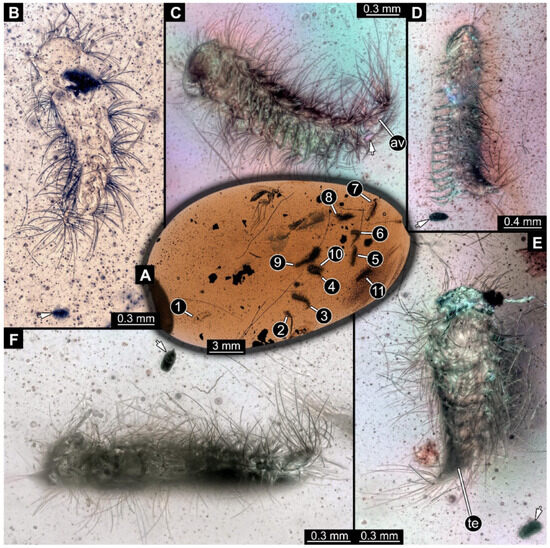
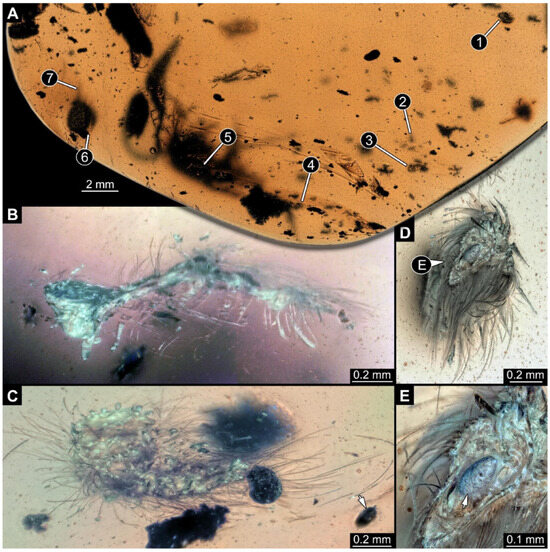
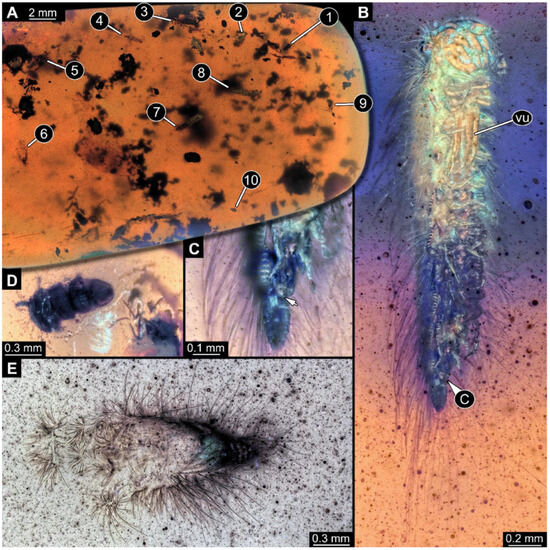
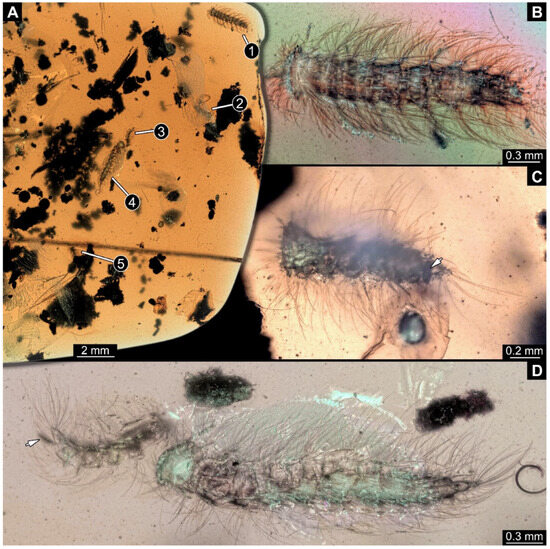
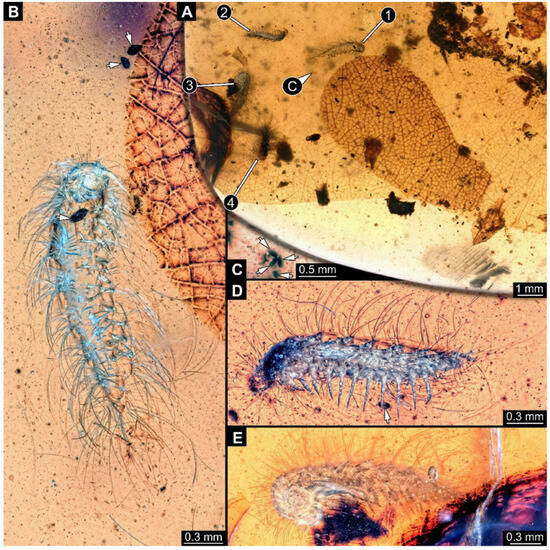
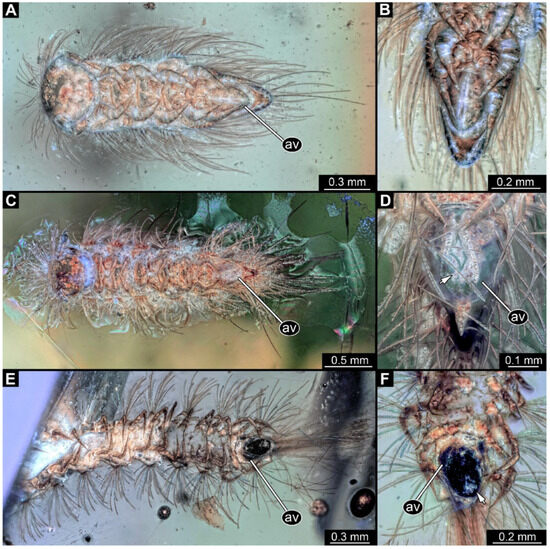
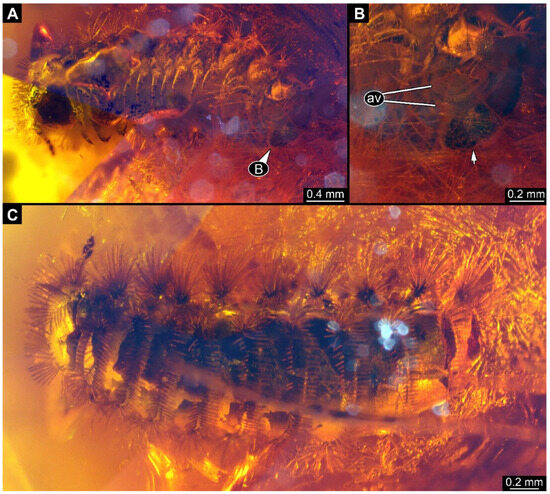
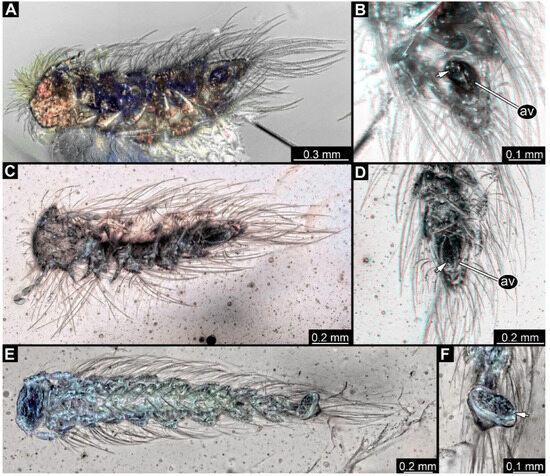
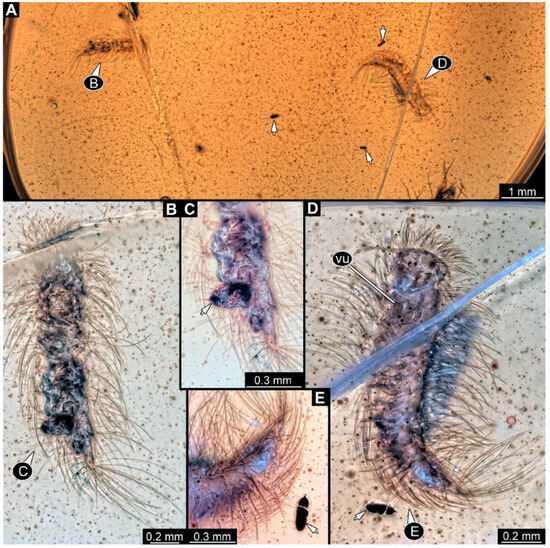
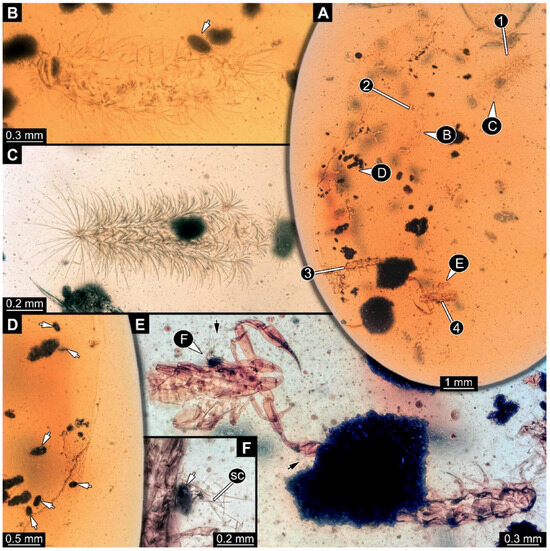
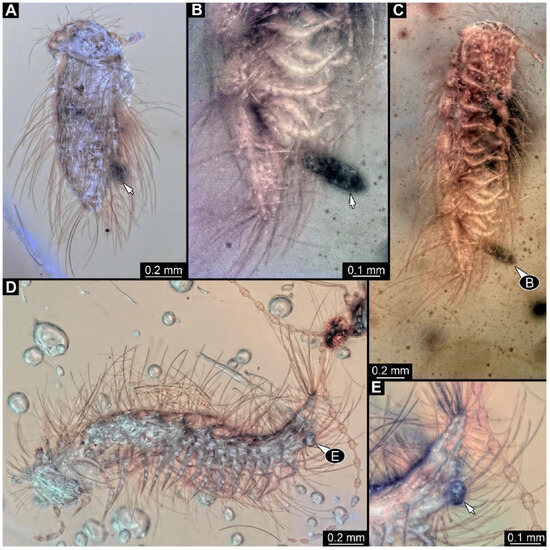
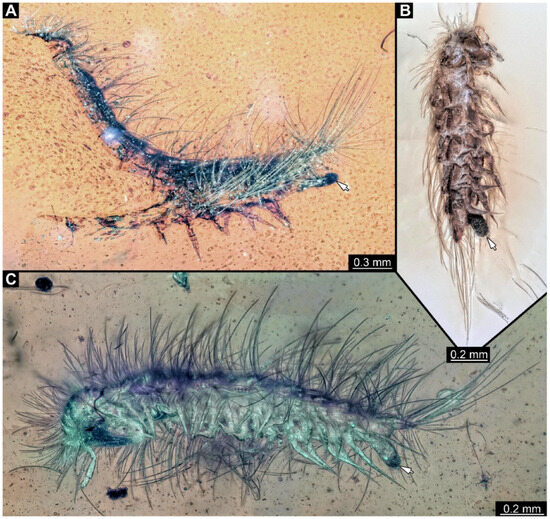
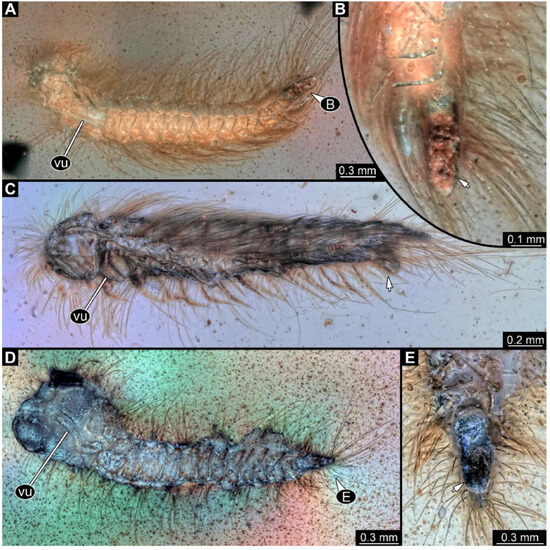
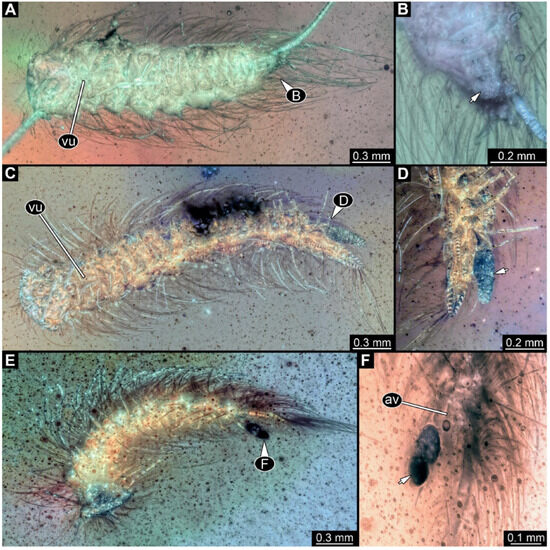
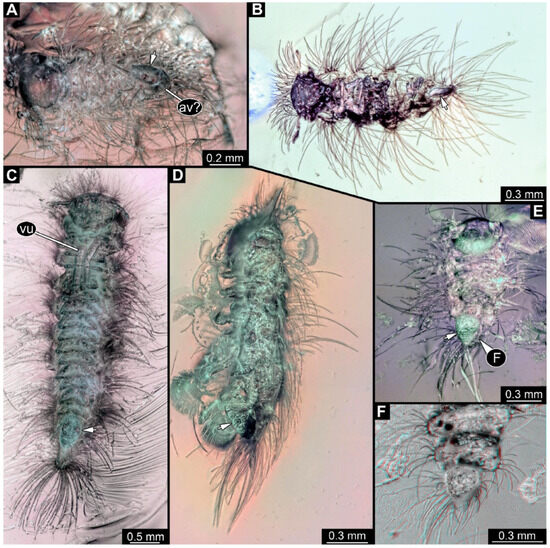
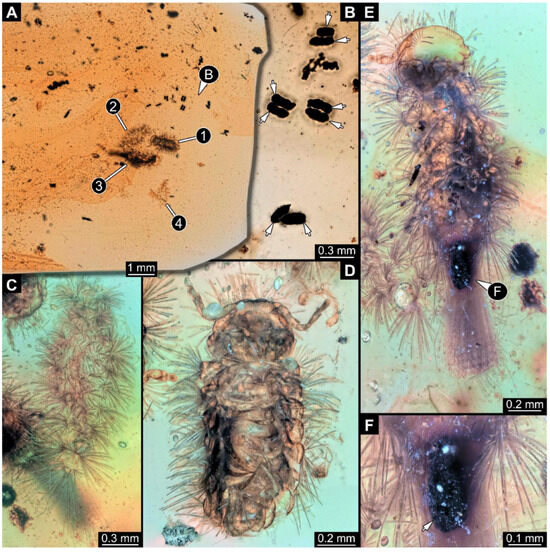
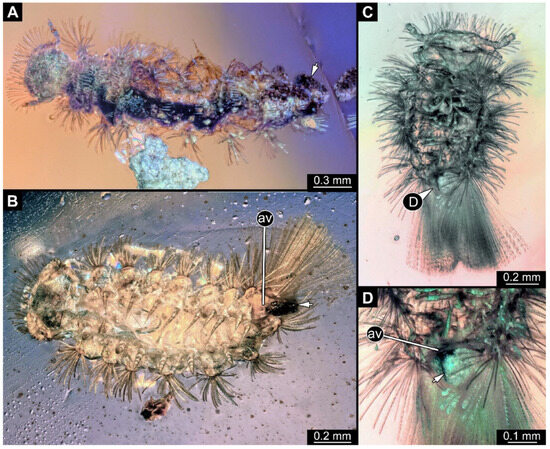
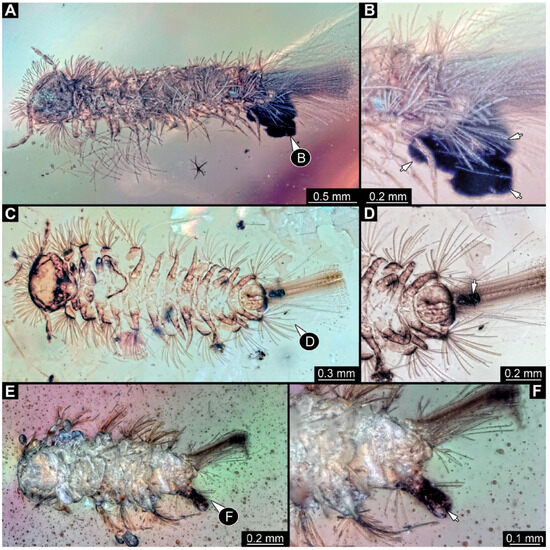
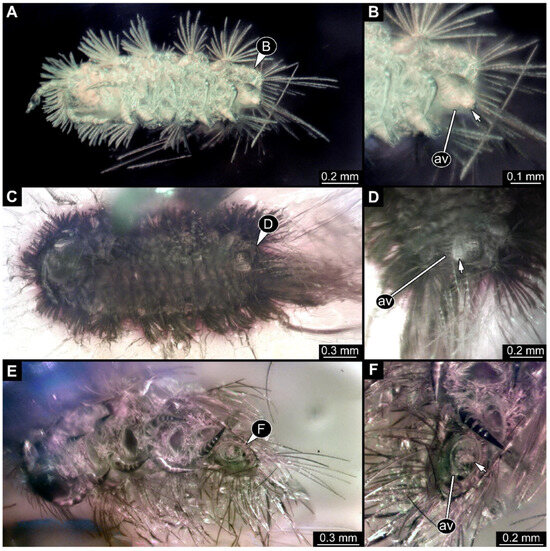
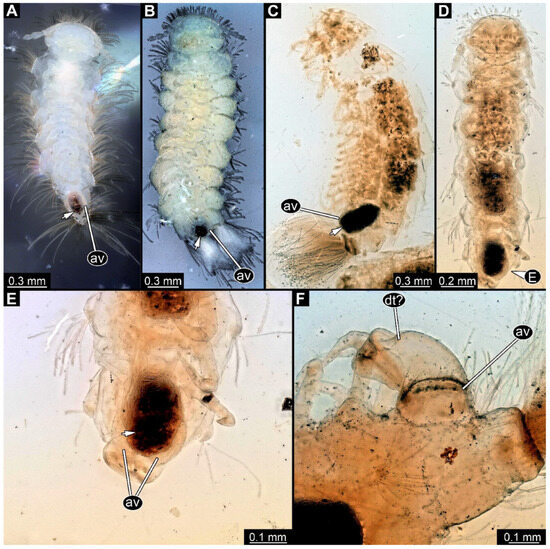
Pincushion millipedes or bristly millipedes (Polyxenida) are common and widespread around the world, yet we still lack a proper understanding of the life of these elusive animals. This limit is even more expressed when looking at their extinct counterparts. Luckily, such fossils are usually preserved in amber, which has the potential to preserve unusual details. We investigated 44 new and 6 previously published fossils of Polyxenida, starting from the Cretaceous period (~100 mya) through the Eocene (~35 mya) and Oligocene/Miocene (~23 mya) to the present. As suggested by previous research, fossil bristly millipedes in the Cretaceous period shared the same lifestyle as their extant counterparts, including aggregation behaviour of both immatures and adults. In addition, we report newly observed behaviours for the fossils such as defecation, cohabitation between representatives of Polyxenidae and Synxenidae, and the possible role of frass and exuviae as defence. Altogether these findings improve our knowledge on the intricate life of bristly millipedes, revealing not only glimpses into their past but also clues and cues on their modern-day counterparts. Bristly millipedes are not just “simple” bark-dwellers; their communities and behaviours visibly testify to a rather complex lifestyle, which remained largely unchanged for 100 million years.
Full article

Figure 1
Open AccessReview
Viruses and Ticks: An Integrative Review of Virological Findings in Ticks
by
Lucas Henrique da Silva e Silva, Fábio Silva da Silva, Daniel Damous Dias, Sâmia Luzia Sena da Silva, Lucia Aline Moura Reis, Hanna Carolina Farias Reis, Bruna Laís Sena do Nascimento and Joaquim Pinto Nunes Neto
Arthropoda 2025, 3(4), 16; https://doi.org/10.3390/arthropoda3040016 - 29 Nov 2025
Cited by 2
Abstract
►▼
Show Figures
Vector-borne diseases account for over 17% of reported infectious diseases worldwide and are associated with approximately 700,000 deaths annually. The main vectors include mosquitoes, moths, sand flies, black flies, and ticks. Ticks deserve special attention because they transmit a wide range of pathogens,
[...] Read more.
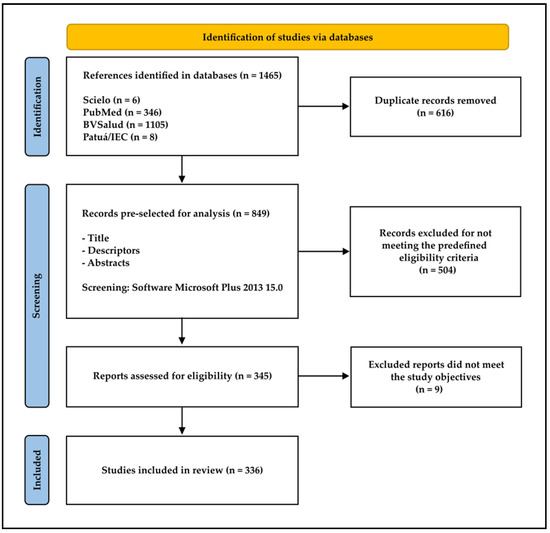
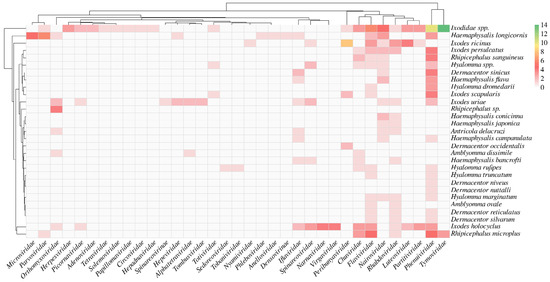
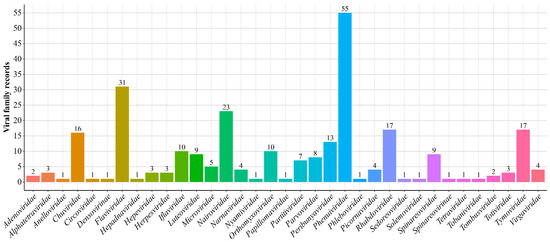
Vector-borne diseases account for over 17% of reported infectious diseases worldwide and are associated with approximately 700,000 deaths annually. The main vectors include mosquitoes, moths, sand flies, black flies, and ticks. Ticks deserve special attention because they transmit a wide range of pathogens, including viruses of major medical importance, such as tick-borne encephalitis virus (Orthoflavivirus encephalitidis) and Crimean-Congo hemorrhagic fever virus (Orthonairovirus haemorrhagiae), as well as animal-borne pathogens, such as African swine fever virus (Asfivirus haemorrhagiae). Recent advances in next-generation sequencing have expanded the ability to detect and characterize tick-borne viruses, revealing increasing viral diversity. However, for many of these viruses, aspects such as pathogenic potential, main vectors, and natural hosts remain unclear. To address this gap, we conducted an integrative literature review using the PubMed, SciELO, BVSalud, and Patuá-IEC databases. We analyzed 336 articles addressing various species of tick-borne viruses. The Flaviviridae, Phenuiviridae, and Nairoviridae families were the most frequently identified among the viral agents detected. Furthermore, we identified that as-yet-unclassified viruses have been frequently detected in different tick species, which sparks significant interest in investigating their potential interactions and public health implications. Investigating viral agents in tick populations is crucial for understanding viral diversity and assessing potential public health risks, especially in the current context of climate change.
Full article

Figure 1
Open AccessArticle
Rapid and Cost-Effective Differentiation of the Lobsters Homarus americanus, H. gammarus and Their F1 Hybrids Using DNA-Based Methods
by
Matt Edwards, Charlie Ellis and Frederico Batista
Arthropoda 2025, 3(4), 15; https://doi.org/10.3390/arthropoda3040015 - 20 Nov 2025
Cited by 1
Abstract
►▼
Show Figures
The American lobster (Homarus americanus) is a non-native species to Europe, but is imported as live seafood and has been identified in European waters. These introductions threaten native populations of the European lobster (Homarus gammarus) via disease introduction, competition,
[...] Read more.
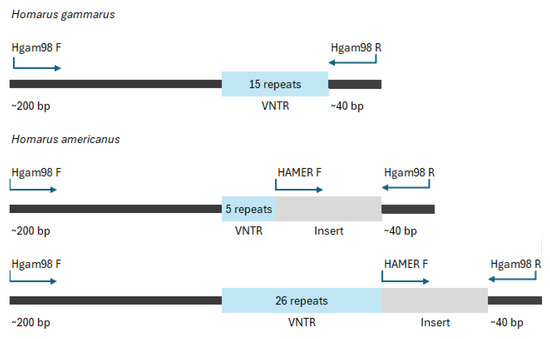
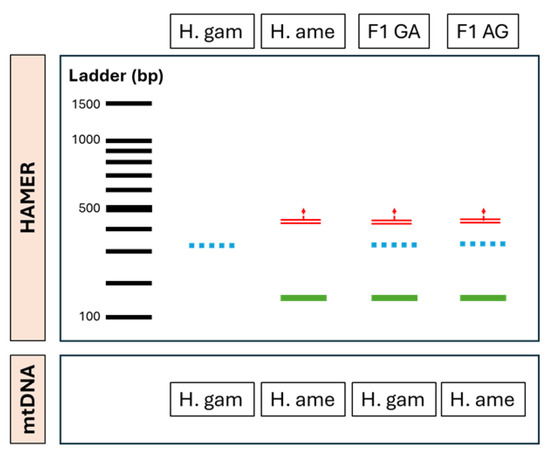
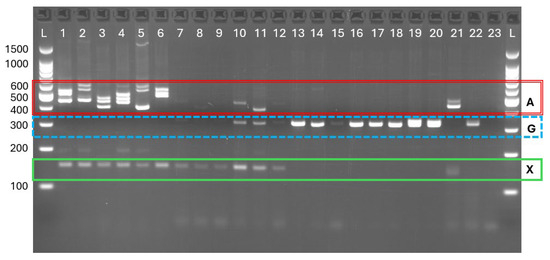
The American lobster (Homarus americanus) is a non-native species to Europe, but is imported as live seafood and has been identified in European waters. These introductions threaten native populations of the European lobster (Homarus gammarus) via disease introduction, competition, direct predation, and genetic introgression. Differentiating the two species and their hybrids based solely on morphological criteria can be difficult and unreliable. This study presents a real-time PCR assay targeting the cytochrome c oxidase gene 1 (cox1) for rapid detection and identification of H. americanus and H. gammarus. We have also designed a conventional duplex PCR from a previously described nuclear marker (Hgam98), which was sequenced and revealed the presence of a specific H. americanus insert downstream from a variable number tandem repeat region. The combination of these assays resulted in the accurate identification of the two lobster species and F1 hybrid specimens.
Full article

Figure 1
Open AccessArticle
Omics Description (Metabolome and Microbiome) from Centuroides suffusus and Centuroides vittatus (Arachnida: Scorpiones)
by
Mariana Lizbeth Jiménez-Martínez, Patricio Adrián Zapata-Morin, María de Lourdes Ramírez-Ahuja, Manuel de Luna, Ivan Meneses-Morales, Gerardo de Jesús Trujillo-Rodríguez, Estela Ruiz-Baca, Laura Elia Martínez-Garza, Cesaré Moises Ovando-Vazquez, Carlos Solis-Rojas, Antonio Guzman-Velasco, Margarita L. Martinez-Fierro, Ivan Delgado-Enciso, Adriana E. Flores-Suarez, Angelica Lopez-Rodriguez and Iram P. Rodríguez-Sánchez
Arthropoda 2025, 3(4), 14; https://doi.org/10.3390/arthropoda3040014 - 17 Oct 2025
Abstract
►▼
Show Figures
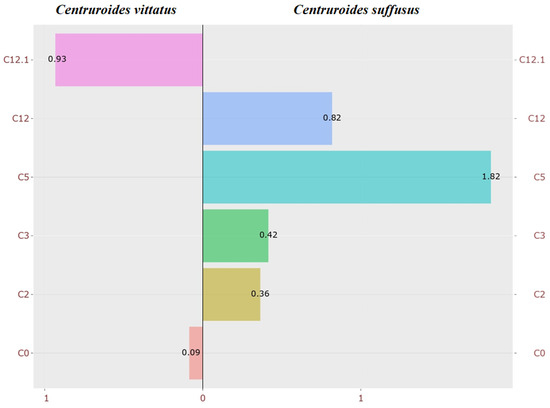
Scorpions are characterized by their venomous adaptations, including specialized stingers, and their ecological diversity. Some families, such as Buthidae, have medically significant species and their venoms possess a diverse array of chemicals. In Mexico, Centruroides suffusus and Centruroides vittatus coexist, with C. suffusus
[...] Read more.
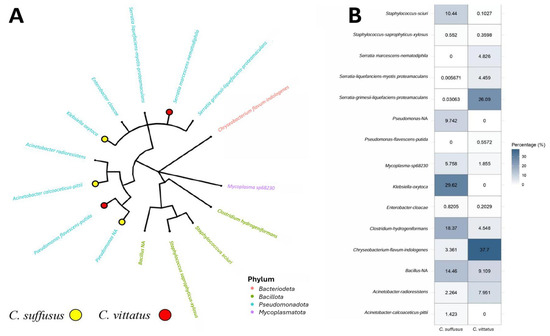
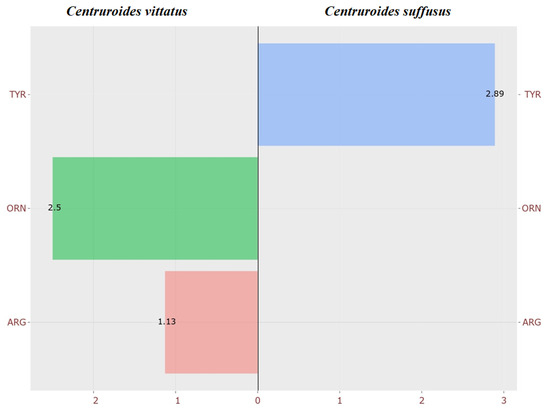
Scorpions are characterized by their venomous adaptations, including specialized stingers, and their ecological diversity. Some families, such as Buthidae, have medically significant species and their venoms possess a diverse array of chemicals. In Mexico, Centruroides suffusus and Centruroides vittatus coexist, with C. suffusus considered medically important due to its highly toxic venom. This study describes the metabolomic and microbiomic profiles of C. suffusus and C. vittatus. The metabolomic profiling (12 amino acids and 28 acylcarnitines) reveals significant differences between the two species, hinting at metabolic and ecological variations. Ornithine (ORN) and arginine (ARG) were the most abundant in C. vittatus, while tyrosine (TYR) was the most abundant amino acid molecule in C. suffusus. The microbiome analysis (by Next-Generation Sequencing of the 16S ribosomal gene) indicates similarities in gut bacteria composition between the two species (Phyla: Actinobacteria, Bacteroidetes, Cyanobacteria, Firmicutes, Proteobacteria and Tenericutes).
Full article

Figure 1
Open AccessArticle
Into the Depths of Patagonia: The First Troglobitic Species of Pleonaraius Attems, 1898 (Polydesmida, Dalodesmidae) from Argentina
by
Juan Romero-Rincon and Rodrigo Lopes Ferreira
Arthropoda 2025, 3(3), 13; https://doi.org/10.3390/arthropoda3030013 - 3 Sep 2025
Abstract
►▼
Show Figures
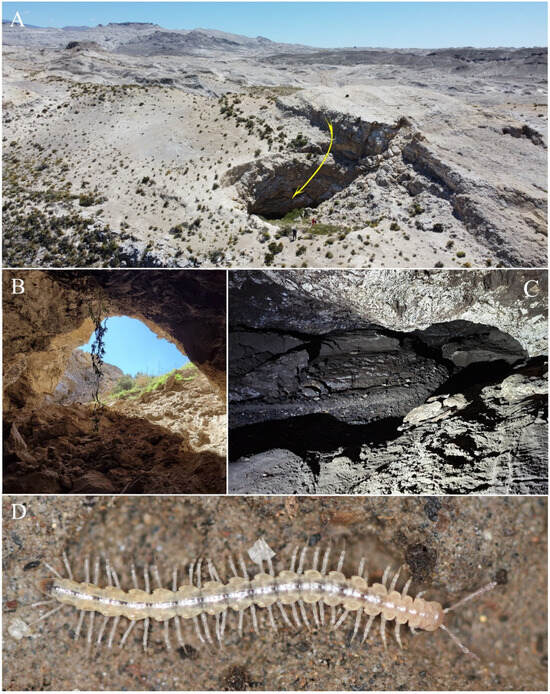
A new troglobitic species of Dalodesmidae, Pleonaraius spelaeus n. sp., is described from Rolo Vergara Cave, Neuquén Province, Argentina. This species represents the fourth known troglobitic member of the family, the first troglobitic species of Dalodesmidae recorded in South America, and the first
[...] Read more.
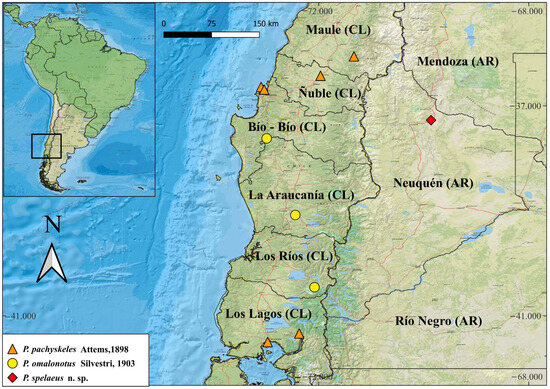
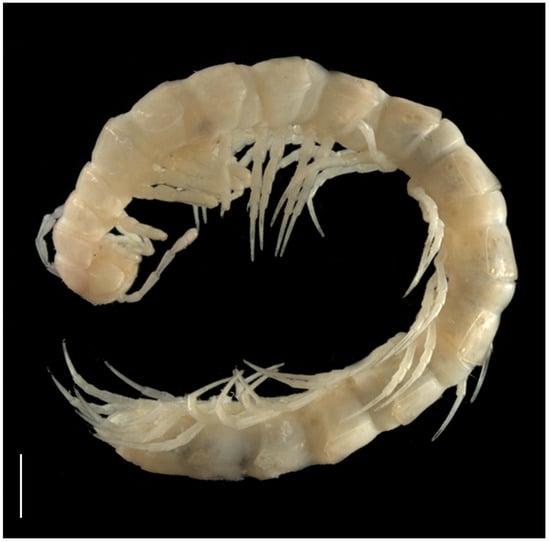
A new troglobitic species of Dalodesmidae, Pleonaraius spelaeus n. sp., is described from Rolo Vergara Cave, Neuquén Province, Argentina. This species represents the fourth known troglobitic member of the family, the first troglobitic species of Dalodesmidae recorded in South America, and the first known troglobitic millipede from Argentina. Pleonaraius spelaeus n. sp. is distinguished from its congeners by the absence of cuticular pigmentation and a unique combination of gonopodal characters. Ecological notes, a key, and a distribution map of Pleonaraius species are also provided.
Full article

Figure 1
Open AccessFeature PaperArticle
Locomotory Effect of Reversibly Restraining the Pectines of Scorpions
by
Douglas D. Gaffin, Sofía E. Gálvez Falcón and Mariëlle H. Hoefnagels
Arthropoda 2025, 3(3), 12; https://doi.org/10.3390/arthropoda3030012 - 6 Aug 2025
Abstract
►▼
Show Figures
Scorpions possess unique, ornate mid-ventral sensory organs called pectines. The pectines are used to process chemo- and mechanosensory information acquired from the ground as the animal walks, and they are implicated in a variety of behaviors including navigation and detection of mates and
[...] Read more.
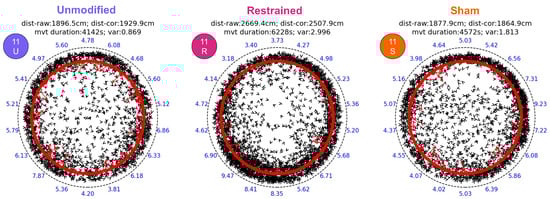
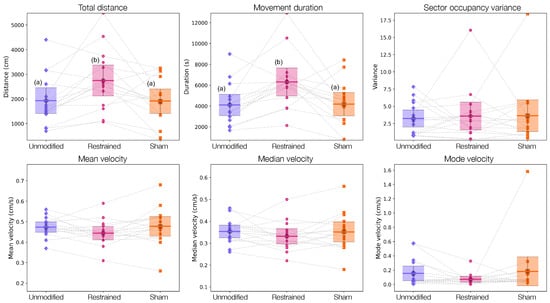
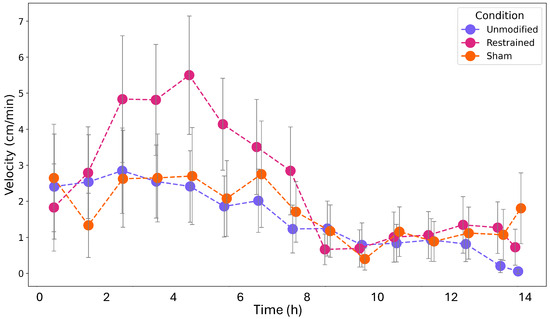
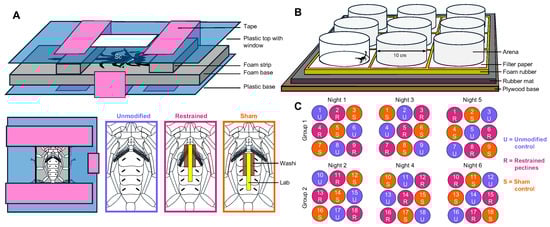
Scorpions possess unique, ornate mid-ventral sensory organs called pectines. The pectines are used to process chemo- and mechanosensory information acquired from the ground as the animal walks, and they are implicated in a variety of behaviors including navigation and detection of mates and prey. Many previous researchers have investigated pecten function by cutting the organs from the animals (full ablation) and comparing their behaviors with those of intact scorpions. This drastic approach is likely to not only cause enormous stress to the ablated animals but also change their behavior. Here, we have developed a method for gently and reversibly impairing the pectines by partially covering them to prevent them from lowering to the ground. Specifically, we fabricated small rectangles of a commercially available lightly adhesive foil tape that we placed across the pectines and secured to the body wall with a thin strip of a more strongly adhesive lab tape. Using a repeated measures design, we monitored the animals’ locomotory activity overnight in small behavioral arenas under three conditions: unmodified (intact) control, pectines restrained, and sham control. We found that scorpions with their pectines restrained had a significant increase in both the distance and duration of movement when compared to unmodified and sham control animals. Our method allows for temporary, reversible compromise of pecten function and should be useful in fully understanding the role of pectines in behavior.
Full article

Figure 1
Open AccessFeature PaperArticle
It’s a Spider-Eat-Spider World: Observations of Nonsexual Cannibalism in the Invasive Jorō Spider Trichonephila clavata
by
Andrew K. Davis, Andre Leo, Kade Stewart, Caitlin Phelan and Alexa Schultz
Arthropoda 2025, 3(3), 11; https://doi.org/10.3390/arthropoda3030011 - 10 Jul 2025
Cited by 1
Abstract
►▼
Show Figures
Spiders and other arthropods can sometimes consume others of their kind, and this is most often associated with mating activity, whereby females cannibalize males during or after mating, or during mating attempts. Nonsexual cannibalism is less common but may be associated with food
[...] Read more.
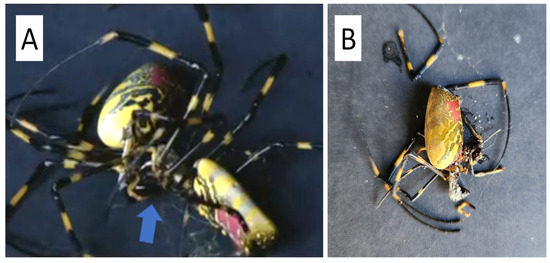
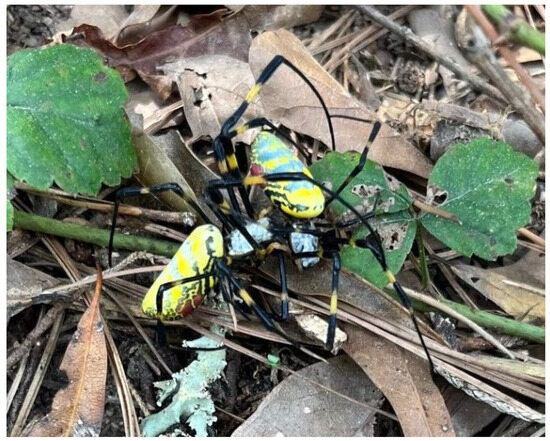
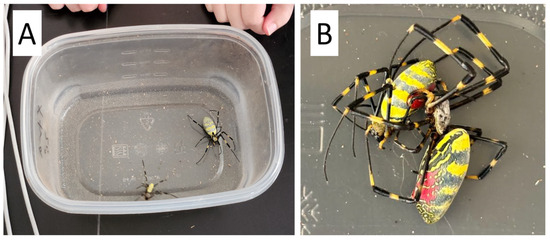
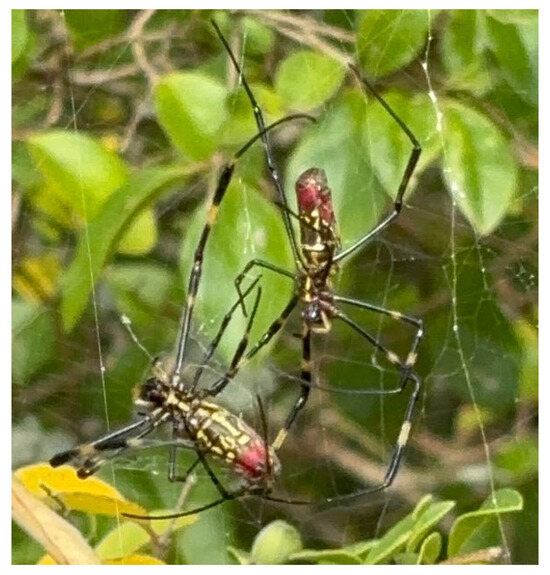
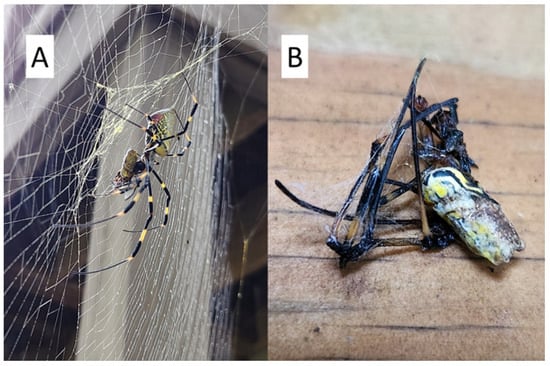
Spiders and other arthropods can sometimes consume others of their kind, and this is most often associated with mating activity, whereby females cannibalize males during or after mating, or during mating attempts. Nonsexual cannibalism is less common but may be associated with food availability or territorial aggression. In the Southeastern United States, a non-native orb-weaving spider, Trichonephila clavata (the “jorō spider”), is expanding its range. Prior lab experiments indicated this species to be “shy” compared to other native spiders, based on behavioral reactions to stimuli. Here, we report descriptive observations and photo-documentation of nonsexual cannibalism by this species, including from anecdotal observations, plus findings from controlled pairings of spiders, both in the lab and in natural webs in the field. In the cases where cannibalism was witnessed, it involved one female biting and killing another, typically after a short fight. When two females of a similar size were placed together in a container (n = 25 trials), fights ensued 40% of the time. When females of different sizes were paired (n = 27 trials), fights happened 18% of the time, and the larger females were not always the aggressor. Across all the lab trials (n = 52), six bouts (9%) led to the direct killing of one female. In field trials where two females were placed on an empty web (n = 14 trials), we observed one fight (7%) where the aggressor ended up killing and wrapping the other spider in silk. Given that some of these instances happened away from any web, these observations imply that the aggression is not necessarily an act of territoriality. The intraspecific aggression could arise when females are provoked or stressed, which deserves more study.
Full article

Figure 1
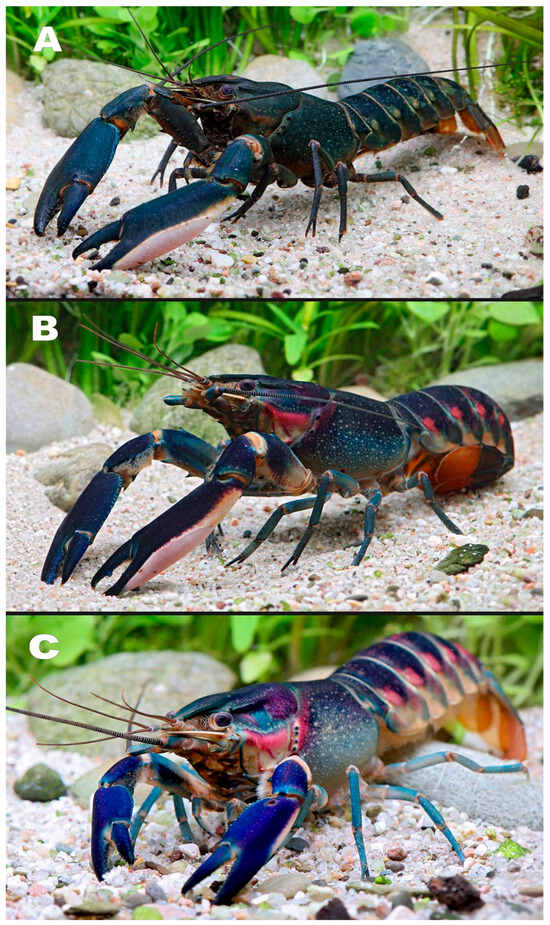
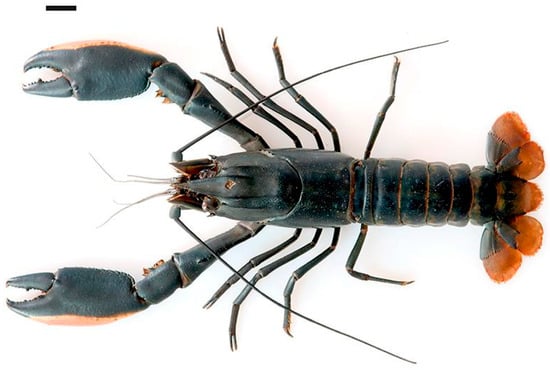
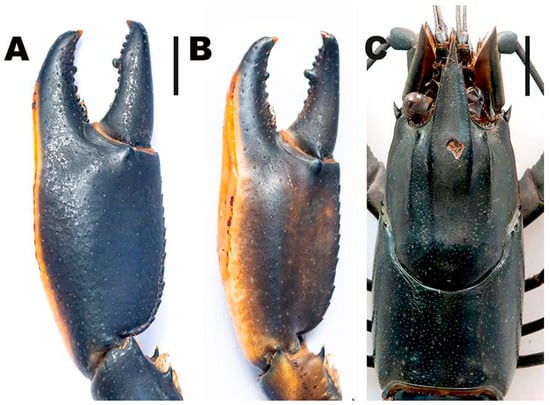
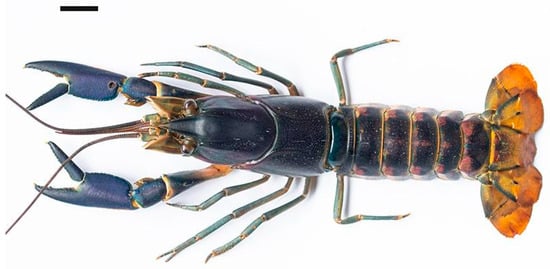
Open AccessArticle
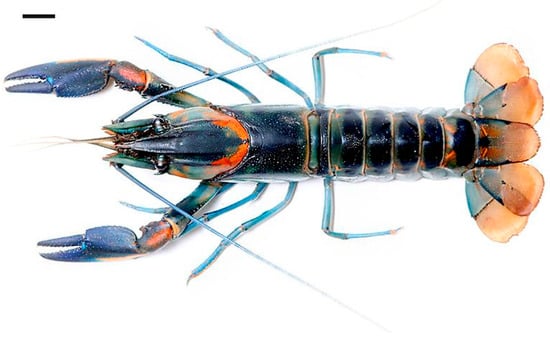
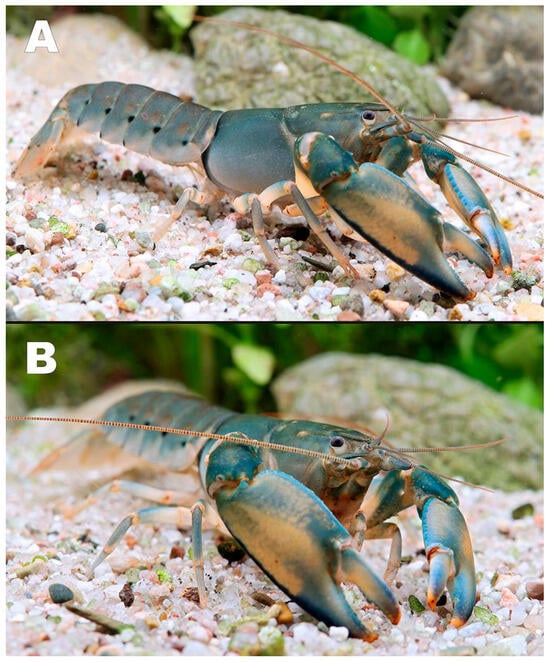
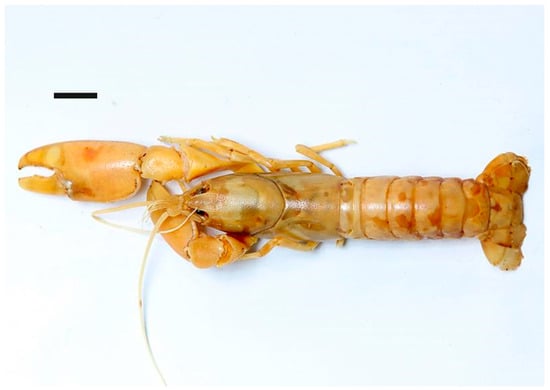
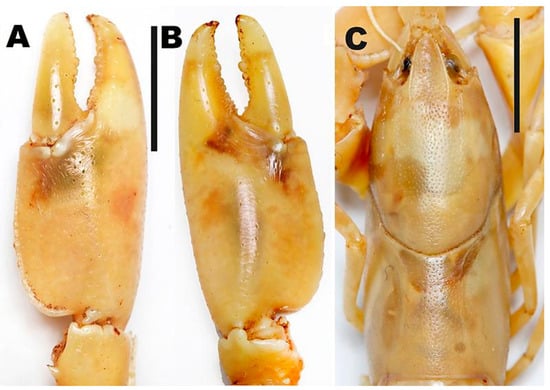
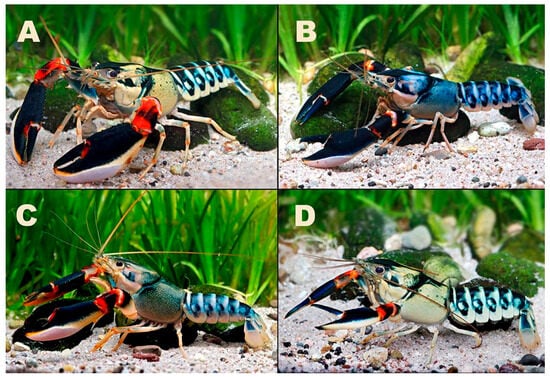
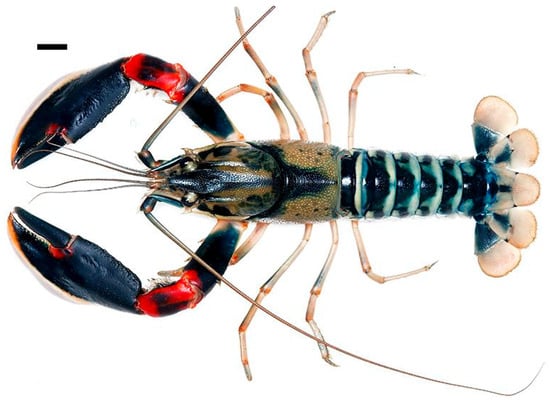
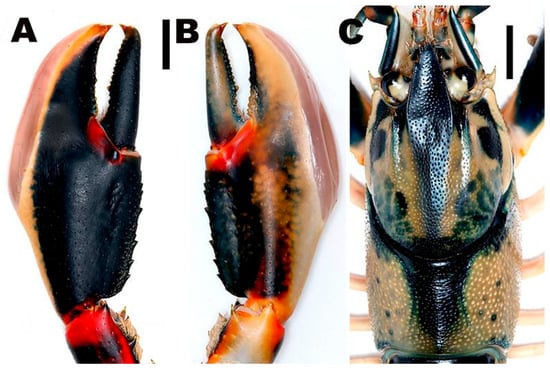
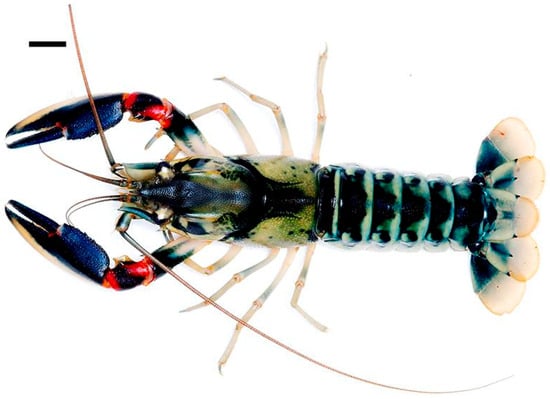
Seven New Species of Crayfish of the Genus Cherax (Crustacea, Decapoda, Parastacidae) from Western New Guinea, Indonesia
by
Christian Lukhaup, Rury Eprilurahman and Thomas von Rintelen
Arthropoda 2025, 3(2), 10; https://doi.org/10.3390/arthropoda3020010 - 6 Jun 2025
Abstract
►▼
Show Figures
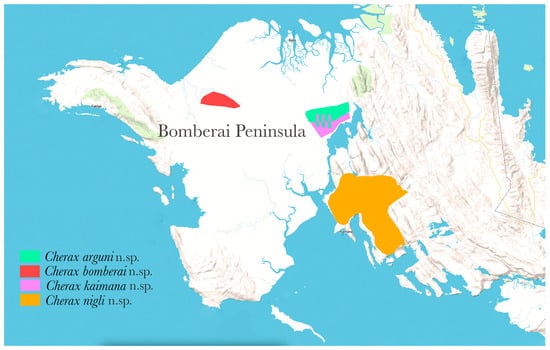
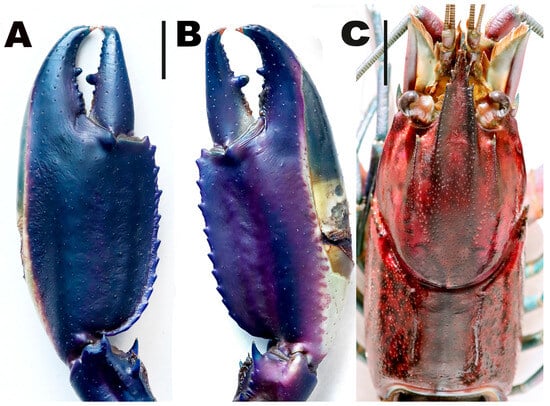
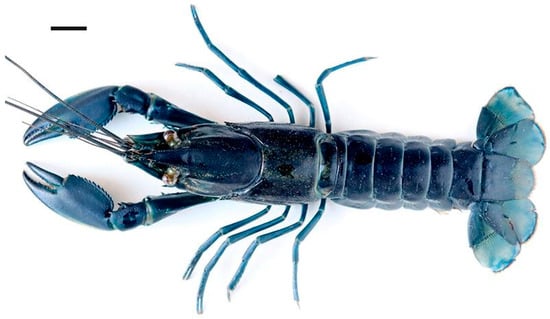
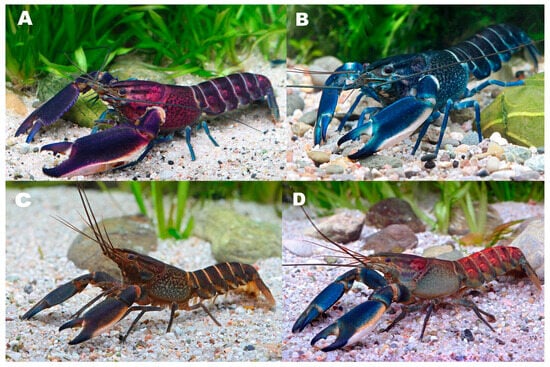
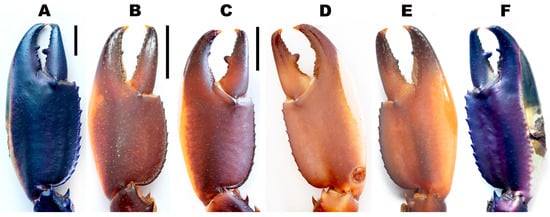
Seven new species of the genus Cherax from the western region of Western New Guinea, Indonesia, are described and illustrated. All new species—Cherax veritas n. sp. from the southeastern part of Misool Island of Raja Ampat Regency, Southwest Papua; Cherax arguni n.
[...] Read more.
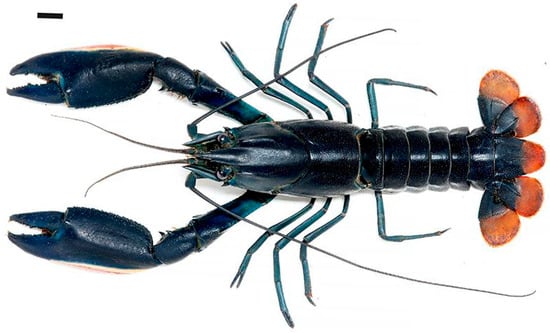
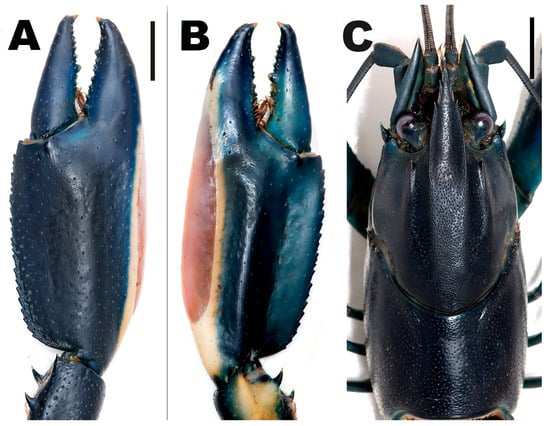
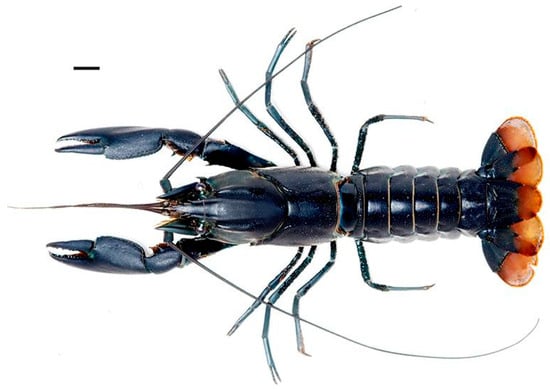
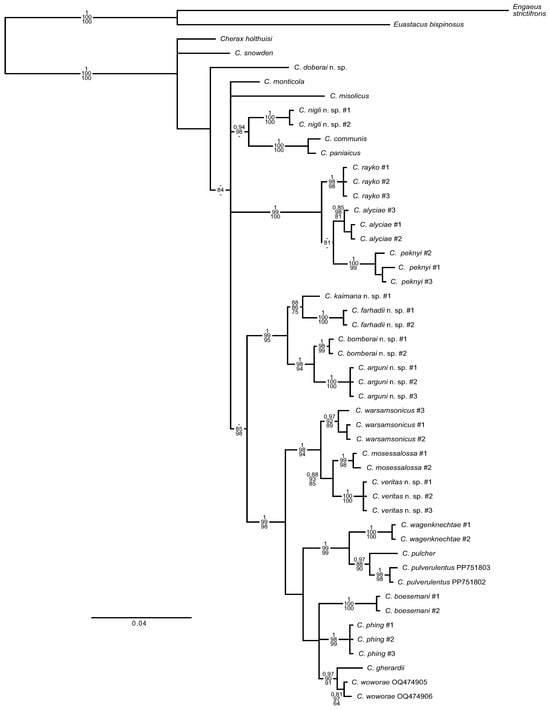
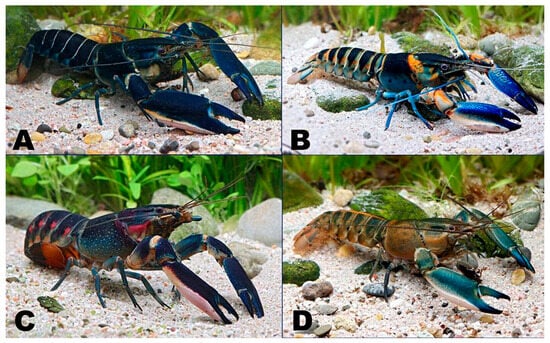
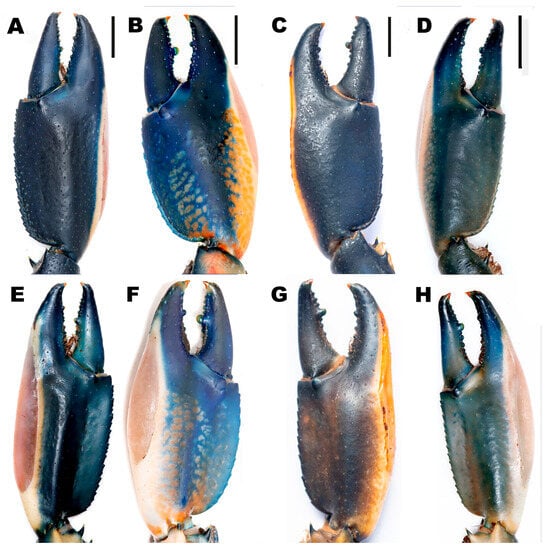
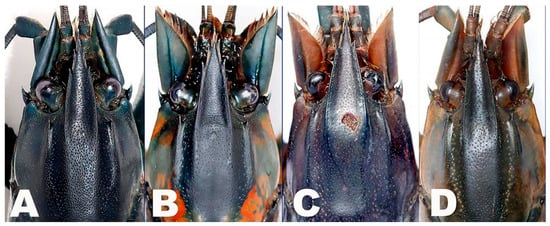
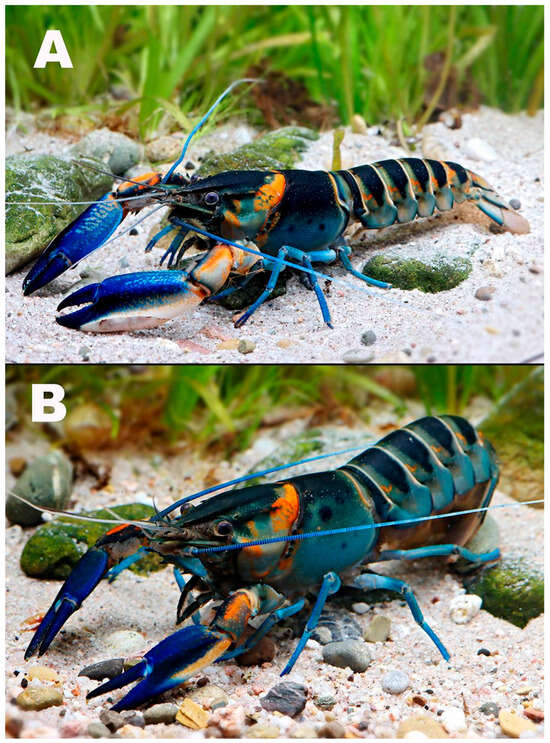
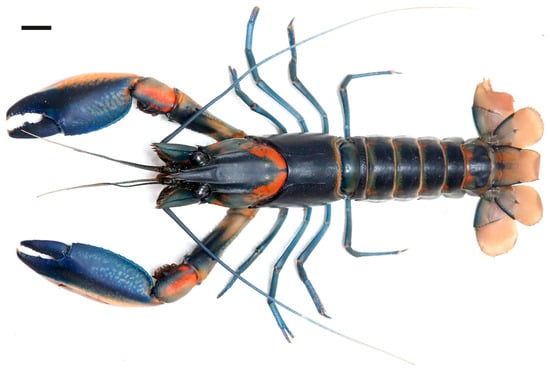
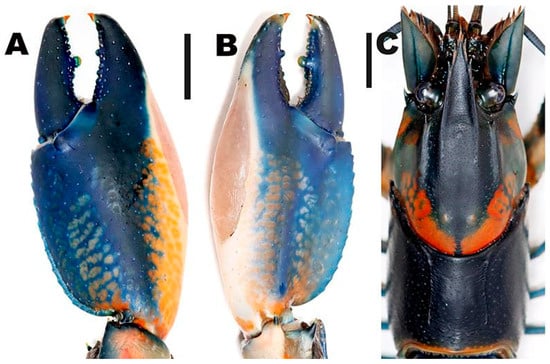
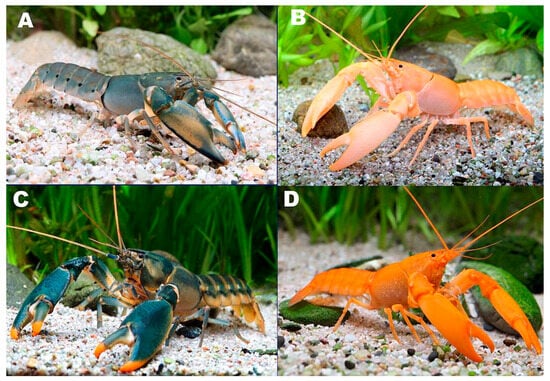
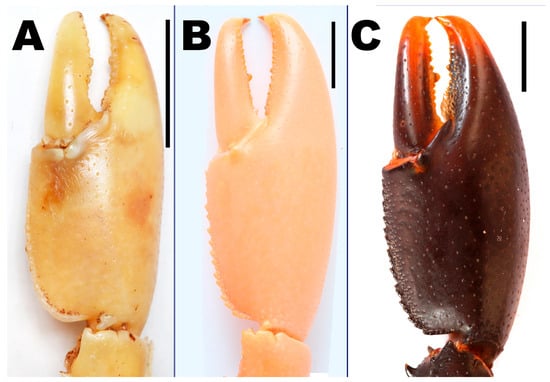
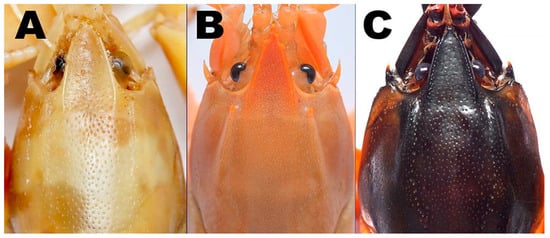
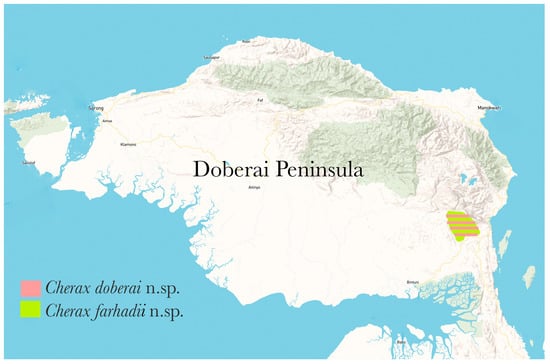
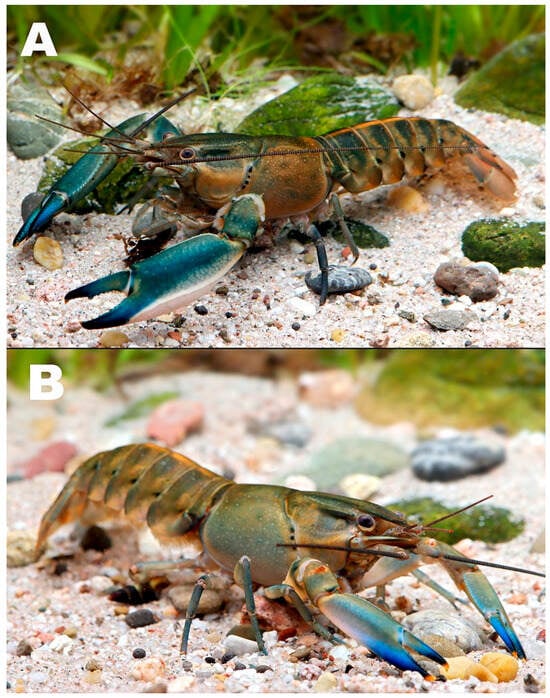
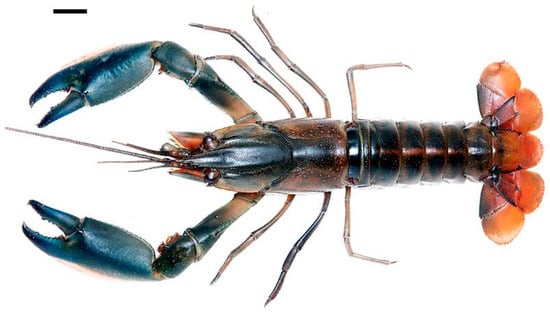
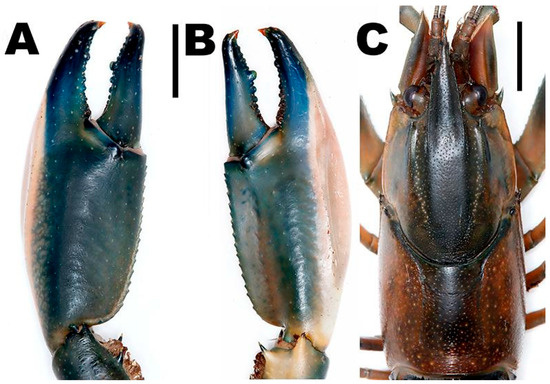
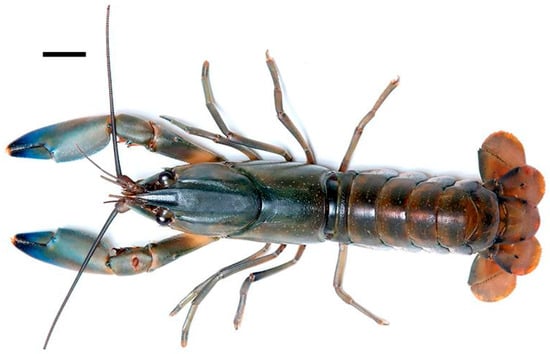
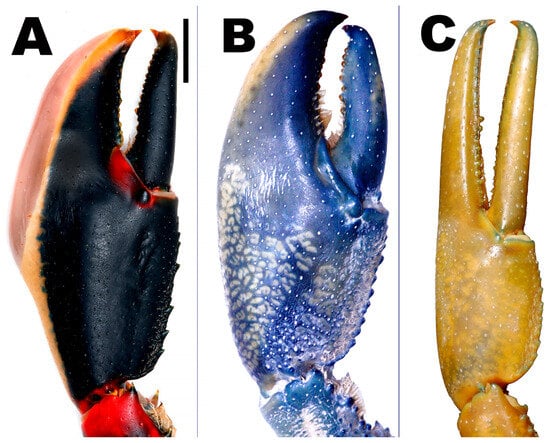
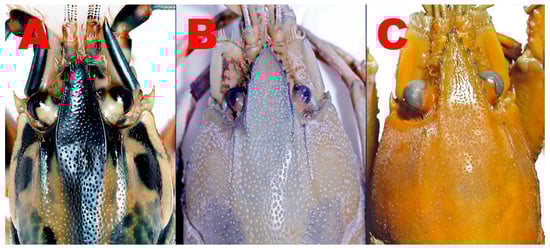
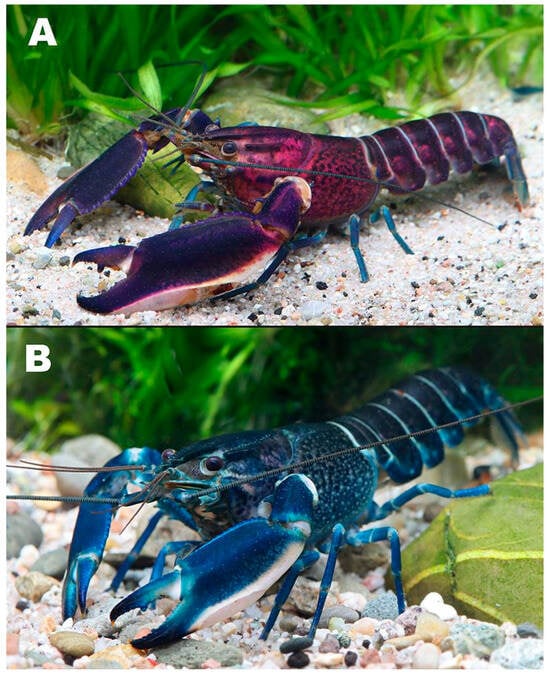
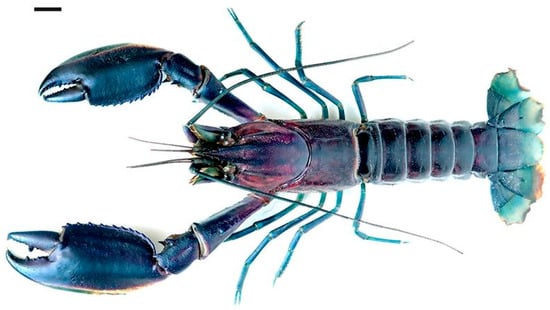
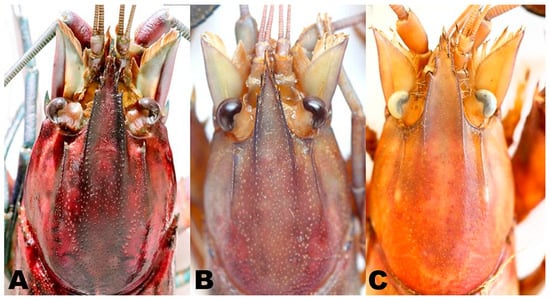
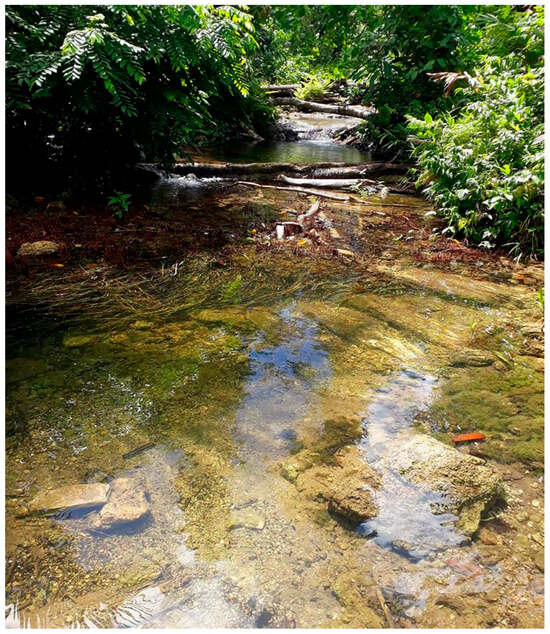
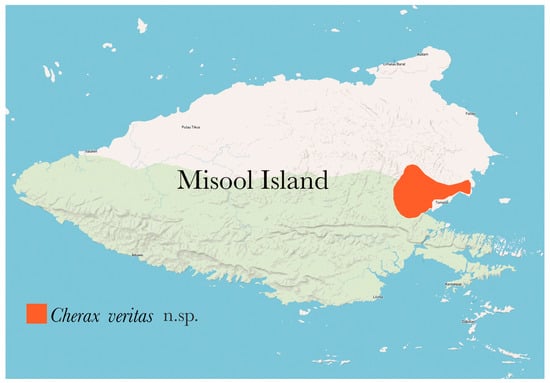
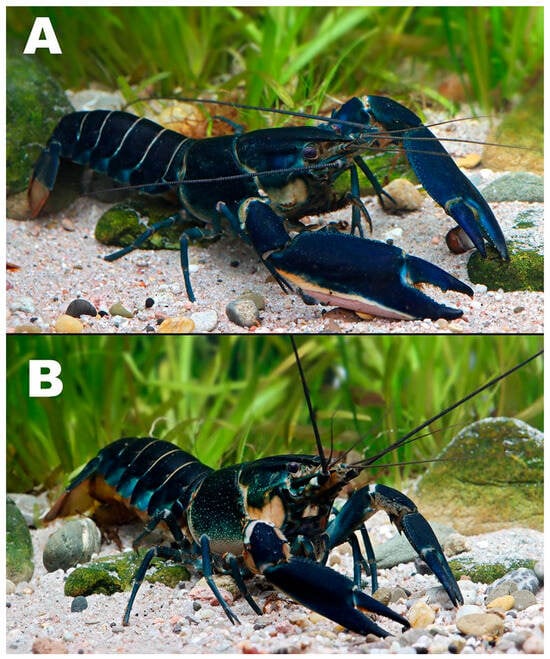
Seven new species of the genus Cherax from the western region of Western New Guinea, Indonesia, are described and illustrated. All new species—Cherax veritas n. sp. from the southeastern part of Misool Island of Raja Ampat Regency, Southwest Papua; Cherax arguni n. sp. and Cherax kaimana n. sp. from the northern part of Kaimana Regency, West Papua; Cherax nigli n. sp. from the southeastern part of Kaimana Regency, West Papua; Cherax bomberai n. sp. from the northeastern part of the Fakfak Regency, West Papua; Cherax farhadii n. sp. and Cherax doberai n. sp. from the Teluk Bintuni Regency, West Papua—belong to the northern group of Cherax. The new species are compared with their closest relatives, from which they can all be easily distinguished by morphological characters, such as the shape of the chelae, rostrum, body, and by their coloration. A molecular phylogeny based on a mitochondrial gene fragment, 16S, supports the morphology-based description of the seven new species, which can also be clearly distinguished by sequence differences.
Full article

Figure 1
Open AccessFeature PaperArticle
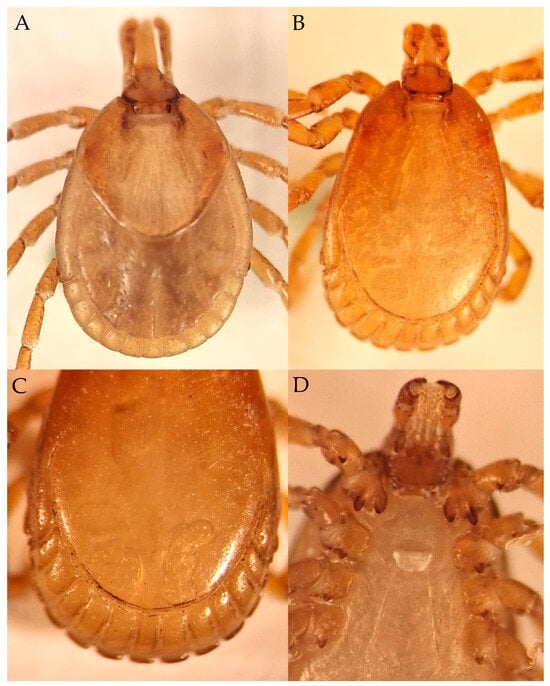
Amblyomma auricularium (Acari: Ixodidae) in Nine-Banded Armadillo, Dasypus novemcinctus: A New Record for the Neotropical Region of Mexico
by
Vicente Homero González-Álvarez, Elena Prudente-Peláez, Luis Ángel Díaz-Vargas, Marco Antonio Ayala-Monter, Gabriela Alvarado-Rodríguez and Carmen Guzmán-Cornejo
Arthropoda 2025, 3(2), 9; https://doi.org/10.3390/arthropoda3020009 - 6 Jun 2025
Cited by 1
Abstract
►▼
Show Figures
The nine-banded armadillo, Dasypus novemcinctus, is one of only two species of armadillo found in Mexico. Among the ectoparasites reported on this mammal are ticks of the genus Amblyomma. Between December 2022 and April 2024, 52 ticks of different developmental stages
[...] Read more.
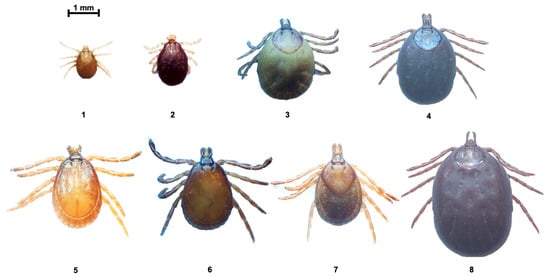
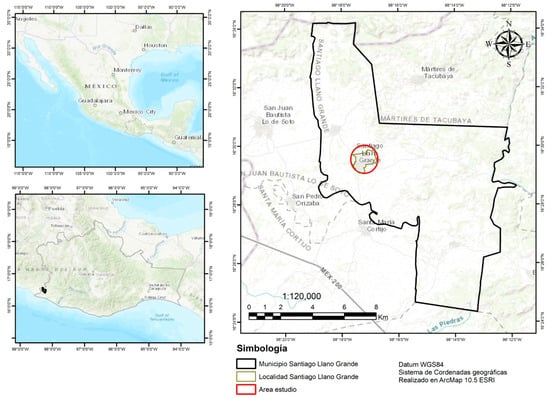
The nine-banded armadillo, Dasypus novemcinctus, is one of only two species of armadillo found in Mexico. Among the ectoparasites reported on this mammal are ticks of the genus Amblyomma. Between December 2022 and April 2024, 52 ticks of different developmental stages (females, males, and nymphs) were collected from five D. novemcinctus. All ticks were morphologically identified as A. auricularium. This study reports for the first time the presence of this tick species in the Municipality of Santiago Llano Grande, Oaxaca.
Full article

Figure 1
Highly Accessed Articles
Latest Books
E-Mail Alert
News
Topics
Topic in
Animals, Arthropoda, Insects, Vaccines, Veterinary Sciences, Pathogens
Ticks and Tick-Borne Pathogens: 2nd Edition
Topic Editors: Alina Rodriguez-Mallon, Alejandro Cabezas-CruzDeadline: 31 March 2027
Topic in
Animals, Arthropoda, Diversity, Insects, Life, Pathogens
Arthropod Biodiversity: Ecological and Functional Aspects, 2nd Edition
Topic Editors: Paolo Solari, Roberto M. Crnjar, Anita Giglio, Gianluca TettamantiDeadline: 30 June 2027