
Journal Description
Biologics
Biologics
is an international, peer-reviewed, open access journal on all areas of biologics derived from both novel and established biotechnologies, published quarterly online by MDPI.
- Open Access— free for readers, with article processing charges (APC) paid by authors or their institutions.
- High Visibility: indexed within Scopus, EBSCO, and other databases.
- Journal Rank: CiteScore - Q2 (Pharmacology, Toxicology and Pharmaceutics (miscellaneous))
- Rapid Publication: manuscripts are peer-reviewed and a first decision is provided to authors approximately 32.7 days after submission; acceptance to publication is undertaken in 4.7 days (median values for papers published in this journal in the first half of 2026).
- Recognition of Reviewers: APC discount vouchers, optional signed peer review, and reviewer names published annually in the journal.
- Journal Clusters-Pharmaceutical Science: Scientia Pharmaceutica, Marine Drugs, Pharmaceuticals, Pharmaceutics, Pharmacy, Biologics, Future Pharmacology, Pharmacoepidemiology, Drugs and Drug Candidates and Journal of Pharmaceutical and BioTech Industry.
Latest Articles
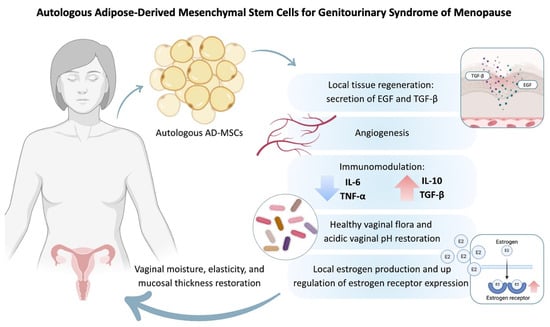
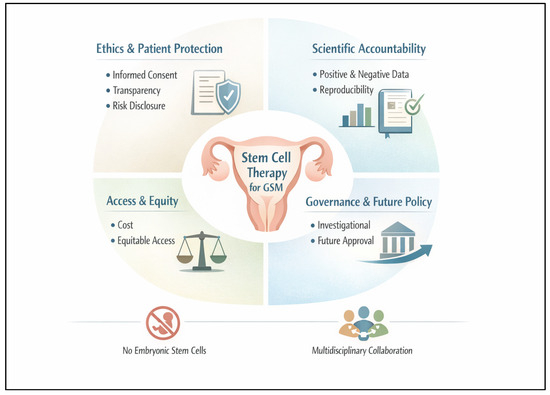
Stem Cell-Based Regenerative Therapy for Genitourinary Syndrome of Menopause (GSM): Current Evidence and Future Perspectives
Biologics 2026, 6(3), 24; https://doi.org/10.3390/biologics6030024 - 5 Aug 2026
Abstract
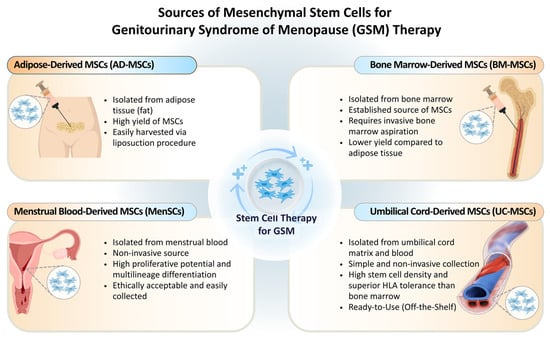
Genitourinary syndrome of menopause (GSM) is a common hypoestrogenic condition marked by vulvovaginal atrophy and lower urinary tract symptoms that significantly impair quality of life in peri- and postmenopausal women. Although local estrogen therapy remains the standard of care, its use is constrained
[...] Read more.
Genitourinary syndrome of menopause (GSM) is a common hypoestrogenic condition marked by vulvovaginal atrophy and lower urinary tract symptoms that significantly impair quality of life in peri- and postmenopausal women. Although local estrogen therapy remains the standard of care, its use is constrained by contraindications, adherence challenges, and concerns regarding long-term safety, particularly in women with estrogen-sensitive conditions. As a result, interest has grown in regenerative, non-hormonal alternatives. Stem cell-based therapy, particularly using mesenchymal stem cells (MSCs), has emerged as a potential therapeutic strategy for restoring urogenital tissue structure and function. The current body of evidence largely consists of preclinical studies, small clinical case series, and investigations in related but distinct conditions, which provide potential mechanistic insights. Preclinical studies suggest that MSCs from adipose tissue, bone marrow, and umbilical cord promote vaginal epithelial regeneration through paracrine mechanisms, including angiogenesis, immunomodulation, extracellular matrix remodeling, and restoration of local estrogen signaling and vaginal microbiota. To date, current clinical studies have not provided direct evidence on the efficacy of characterized MSC-based therapies specifically in GSM populations. Early clinical evidence, primarily involving adipose-derived tissue products such as micro-fragmented adipose tissue, reports improvements in symptoms overlapping with GSM, including vaginal dryness, dyspareunia, urinary symptoms, and sexual function, with benefits lasting up to two to three years after a single treatment and no serious adverse events reported. However, available data are limited by small cohorts, the absence of randomized trials, and regulatory variability. This review summarizes current evidence and outlines key scientific, ethical, and regulatory challenges that must be addressed to guide future research and clarify the therapeutic potential of MSC-based approaches in GSM, ultimately enabling translation.
Full article
(This article belongs to the Section Protein Therapeutics)
►
Show Figures
Open AccessArticle
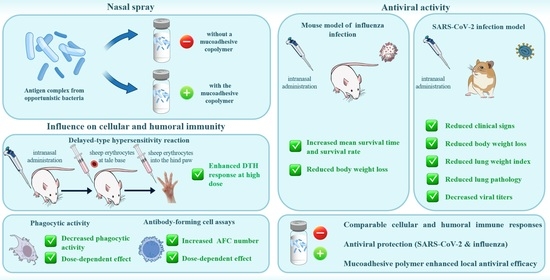
Effects of a Nasal Spray Based on an Antigen Complex from Opportunistic Bacteria in Experimental Models of SARS-CoV-2 and Influenza A Infection
by
Nikita Sidorov, Alena Soldatenkova, Stanislav Kedik, Natalia Michailova, Elvira Kudryavtseva, Elena Afanasyeva, Alexey Panov and Vladimir Gureev
Biologics 2026, 6(3), 23; https://doi.org/10.3390/biologics6030023 - 4 Aug 2026
Abstract
►▼
Show Figures
Background/Objectives: Acute respiratory infections represent a global health burden due to their high incidence, morbidity and mortality. Despite advances in prevention and treatment, strategies providing broad protection against respiratory pathogens remain limited. This study evaluated the antiviral activity of nasal spray forms based
[...] Read more.
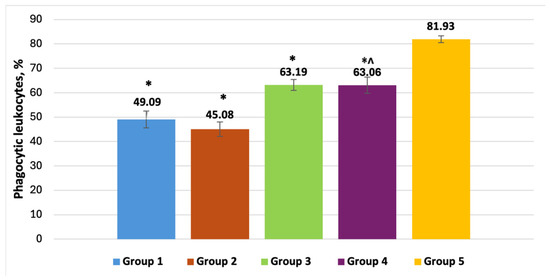
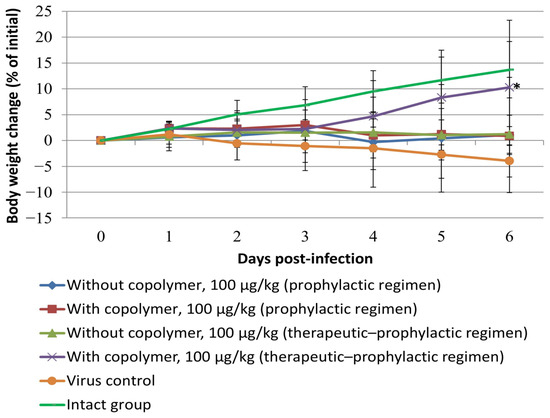
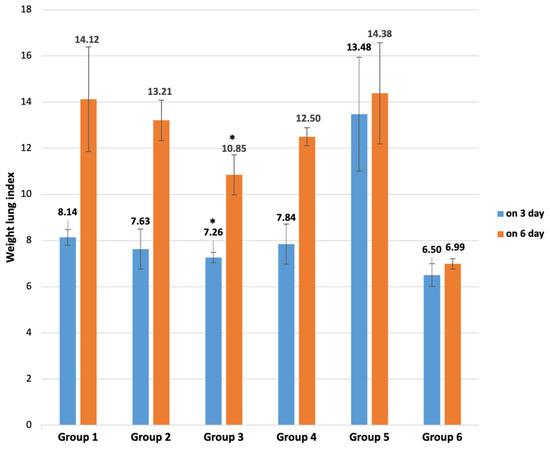
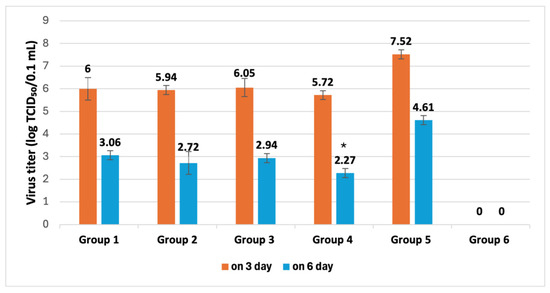
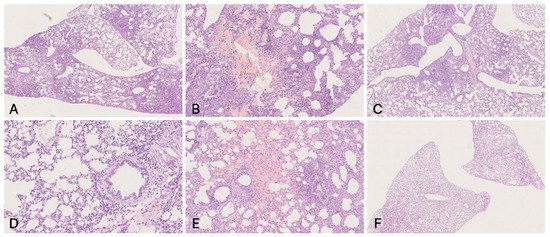
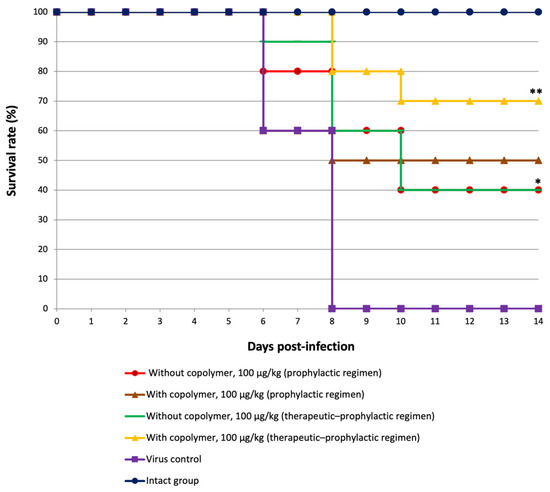
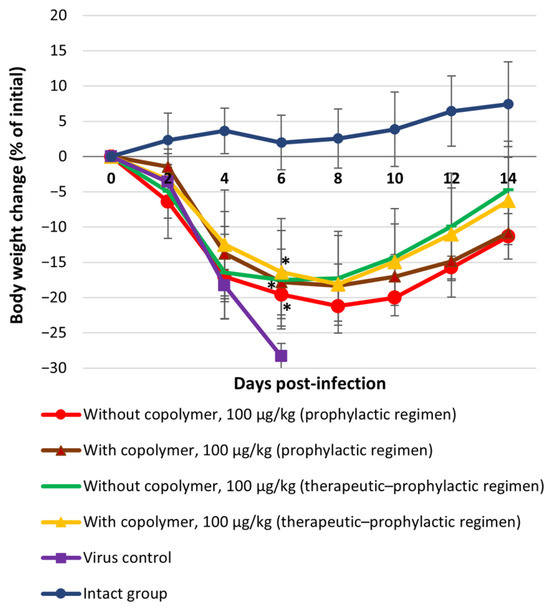
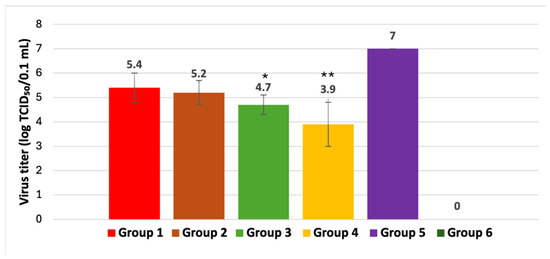
Background/Objectives: Acute respiratory infections represent a global health burden due to their high incidence, morbidity and mortality. Despite advances in prevention and treatment, strategies providing broad protection against respiratory pathogens remain limited. This study evaluated the antiviral activity of nasal spray forms based on an antigen complex from opportunistic bacteria, with or without a mucoadhesive copolymer, and their influence on cellular and humoral components of the immune response. Methods: Antiviral activity was assessed in experimental models of SARS-CoV-2 infection in Syrian hamsters and influenza A pneumonia in mice under prophylactic and therapeutic–prophylactic regimens. Parameters of cellular and humoral immune response were assessed using delayed-type hypersensitivity, antibody-forming cell assays, and leukocyte phagocytic activity. Results: Both forms showed comparable influence on cellular and humoral components of the immune response. In a mouse model of lethal influenza pneumonia induced by A/California/04/2009 (H1N1)pdm09 virus, intranasal administration at 100 µg/kg increased mean survival time and survival rate, and reduced body weight loss. In SARS-CoV-2-infected hamsters, both forms reduced clinical signs, body weight loss, weight lung index, lung pathology, and decreased viral titers. The copolymer-containing form showed the most pronounced effect under the therapeutic–prophylactic regimen, with greater protection against body weight loss and stronger suppression of viral replication. Conclusions: The findings support further investigation of these nasal spray forms as candidates for prophylaxis and adjunctive therapy of respiratory infections, particularly when pathogen variability may limit the effectiveness of pathogen-directed treatments. Further mechanistic studies are needed to clarify the pathways underlying the observed antiviral effect.
Full article

Graphical abstract
Open AccessReview
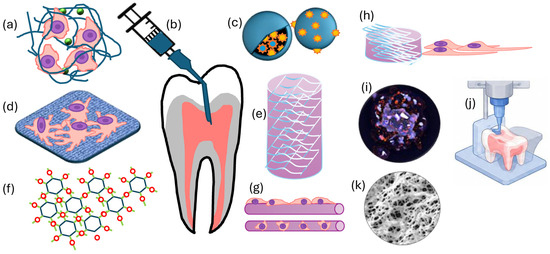
Tooth Regeneration via the Scaffold–Cell–Growth Factor Triad: An Evolution in Regenerative Dentistry
by
Maree Gould, Jithendra Ratnayake and Paul Cooper
Biologics 2026, 6(3), 22; https://doi.org/10.3390/biologics6030022 - 24 Jul 2026
Abstract
►▼
Show Figures
The tooth is a complex biological organ composed of multiple tissues, including enamel, dentine, cementum and pulp. However, dental disease and tooth loss due to periodontitis, caries, or trauma adversely affect most adults at some time in their lives. Tooth regeneration represents a
[...] Read more.
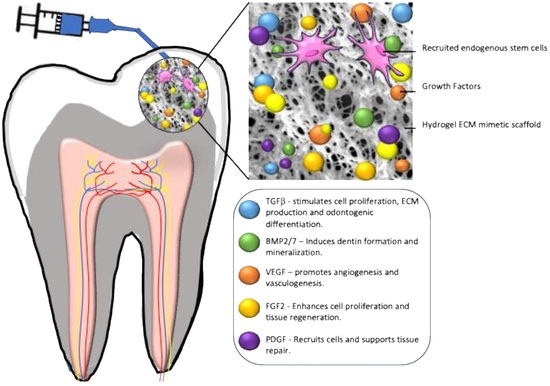
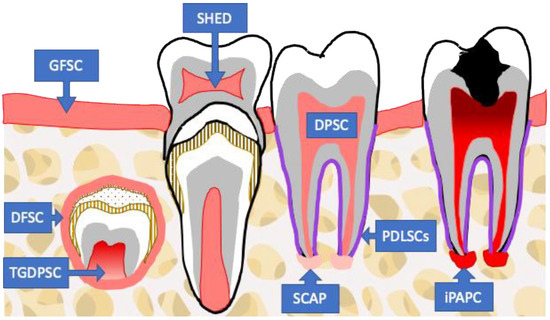
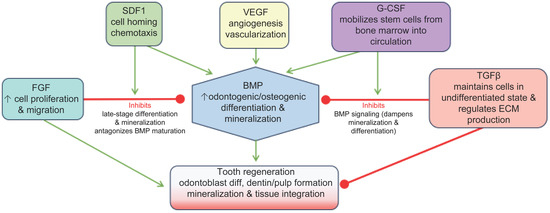
The tooth is a complex biological organ composed of multiple tissues, including enamel, dentine, cementum and pulp. However, dental disease and tooth loss due to periodontitis, caries, or trauma adversely affect most adults at some time in their lives. Tooth regeneration represents a shift in the dental paradigm from removal to repair to regeneration. Tooth regeneration is an extension of the broader field of regenerative medicine, aiming to restore a tissue defect to its original form and function by using biological substitutes to replace lost teeth or tooth tissue, providing a viable alternative to currently available clinical treatments. A full array of cell sources has been trialled for endodontic regeneration, following the basic premise of tissue engineering, including cells–scaffold–bioactive molecules. Several reports have documented dental pulp-like tissue regeneration, either in vitro or following the transplantation of stem cells. Tooth regeneration follows two unique approaches: cell transplantation and cell homing. Cell transplantation has been the predominant approach, whereas cell homing aims to achieve tissue repair and regeneration of the injury site through the chemotaxis of host endogenous cells. This narrative review explores therapeutically viable tooth regeneration approaches by contrasting cell transplantation and cell-to-scaffold methodologies focussing on the cell–scaffold–bioactive molecule triad.
Full article

Graphical abstract
Open AccessArticle
IL-4-Inducing Hypothetical Proteins of Chicken-Isolated Limosilactobacillus reuteri
by
Isaac Oluseun Adejumo and Olufemi Adebukola Adebiyi
Biologics 2026, 6(3), 21; https://doi.org/10.3390/biologics6030021 - 14 Jul 2026
Abstract
►▼
Show Figures
Backgrounds/Objectives: Probiotics confer health-promoting and immunomodulatory effects on the host. However, a lot remains to be understood regarding their safety profile, characteristics and functional mechanisms. This study was conducted to comprehend the functional mechanisms of Limosilactobacillus reuteri isolated from chickens and characterize some
[...] Read more.
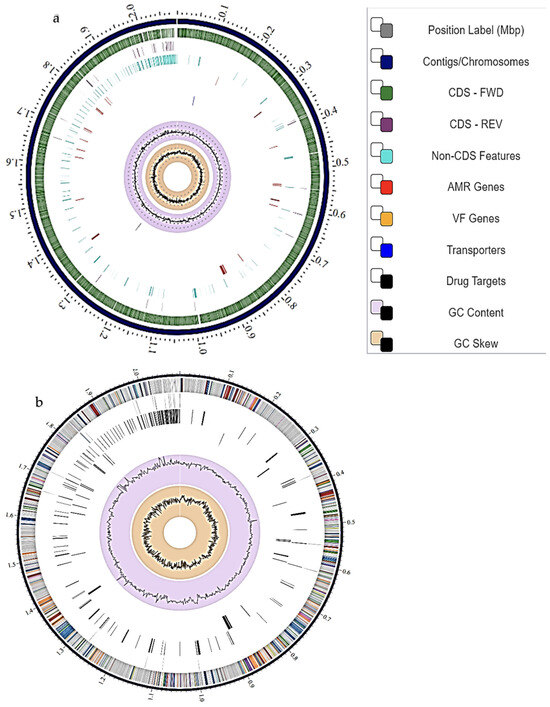
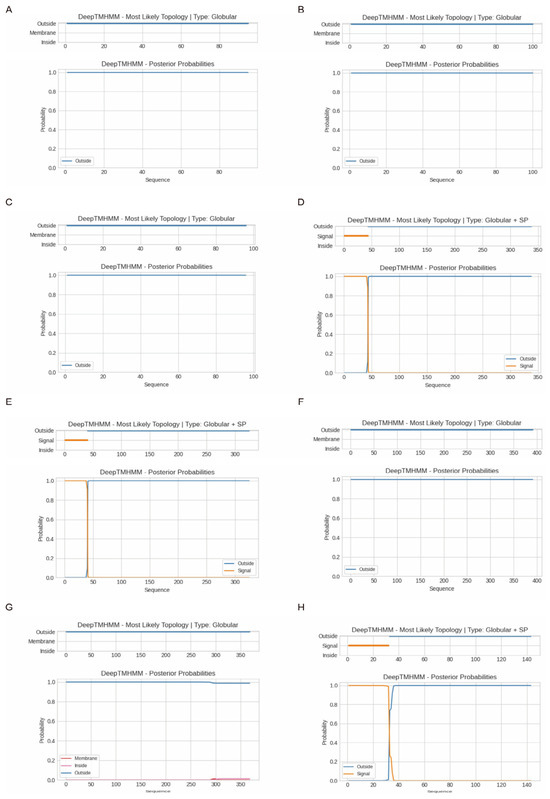
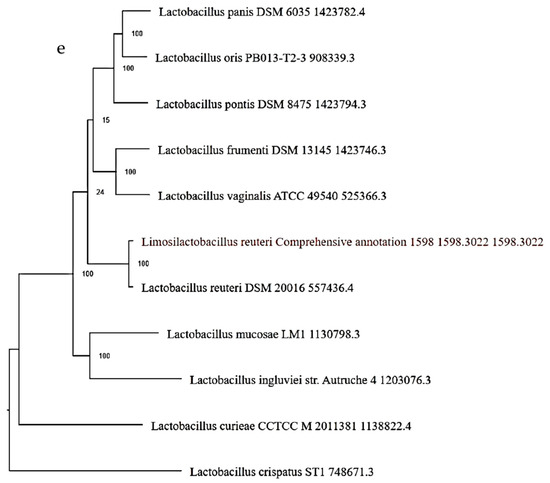
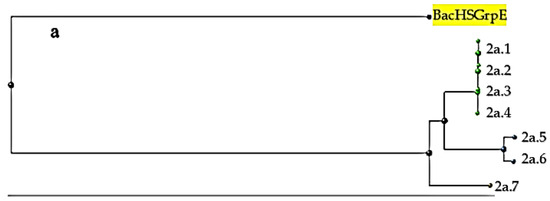
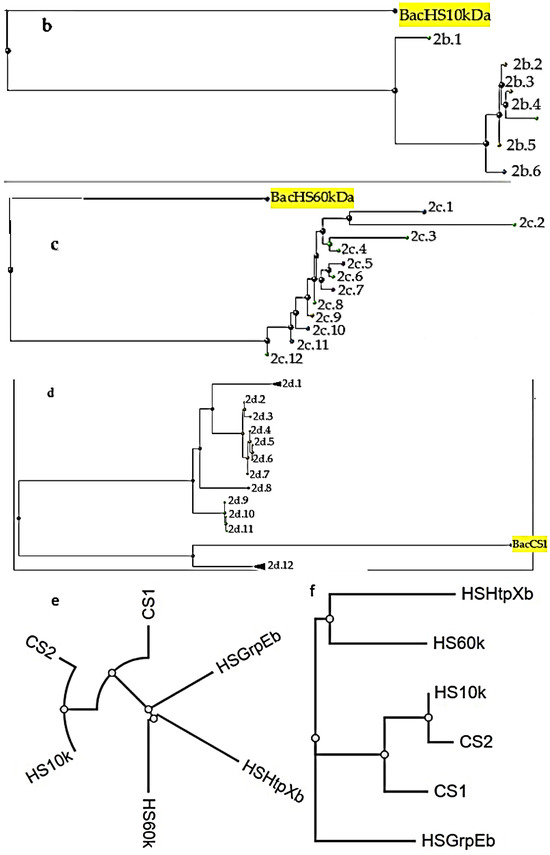
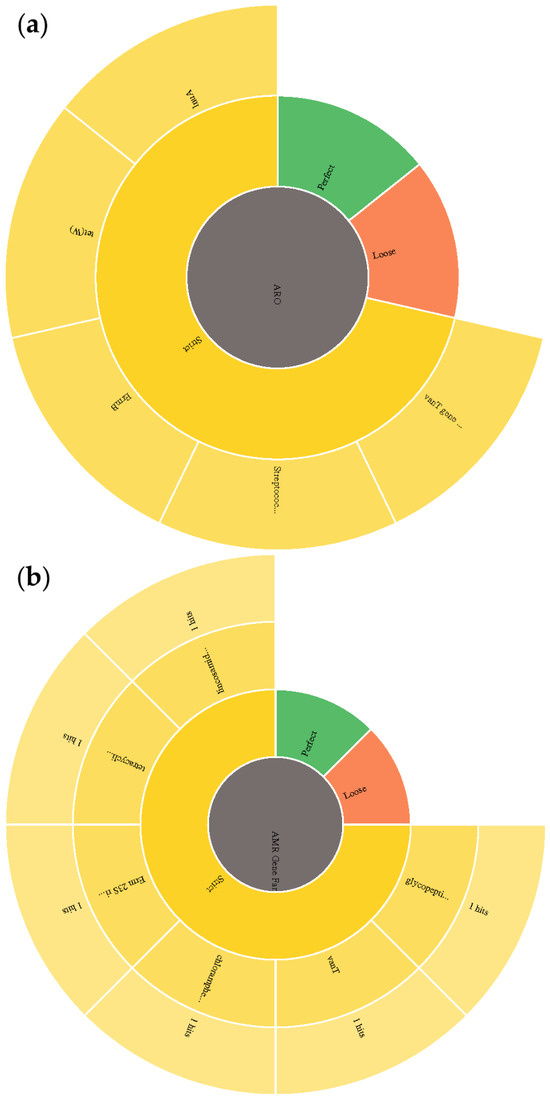
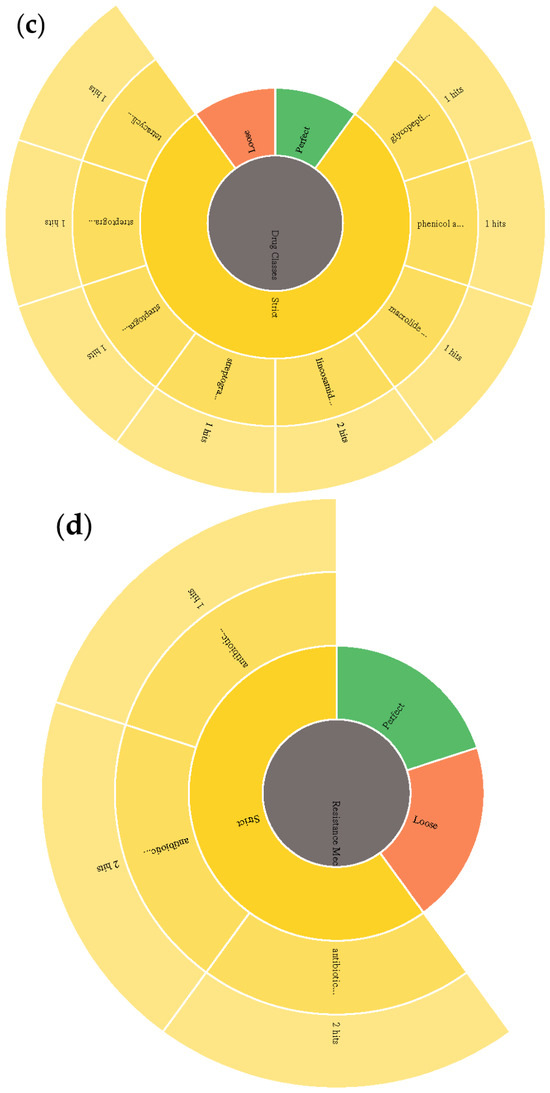
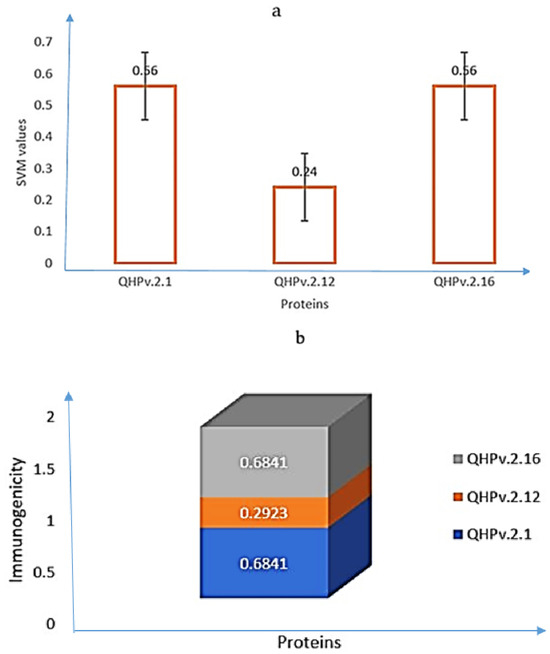
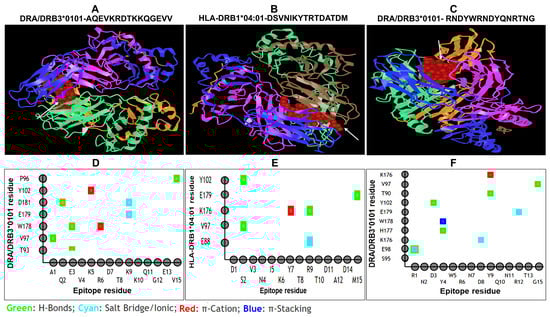
Backgrounds/Objectives: Probiotics confer health-promoting and immunomodulatory effects on the host. However, a lot remains to be understood regarding their safety profile, characteristics and functional mechanisms. This study was conducted to comprehend the functional mechanisms of Limosilactobacillus reuteri isolated from chickens and characterize some of its uncharacterized proteins (hypothetical proteins). Methods: The chicken-isolated Limosilactobacillus reuteri genome, sequenced using Illumina MiSeq sequencing technology, was explored for proteome comparison analyses, comprehensive antibiotic resistance analysis, interleukin-4 (IL-4) expression across various conditions as well as IL-4-inducing potential. Results: Five antibiotic resistance-associated genes were found. Hypothetical proteins labeled QHPv.2.1, QHPv.2.12 and QHPv.2.16 induced IL-4, but QHPv.2.12 was not immunogenic. Immunogenic IL-4-inducing mutants from QHPv.2.1 (0.7013) and QHPv.2.16 (0.7040) had the best support vector machine (SVM) values, which were significantly (p < 0.05) higher than the rest of the group, followed by those from QHPv.2.12 (0.4587). QHPv.2.5 (0.0560) had the lowest value. QHPv.2.1 (5484.71) and QHPv.2.16 (5491.05) had significantly (p < 0.05) larger molecular weights (MWs), followed by QHPv.2.12 (5302.05). The lowest value was obtained for QHPv.2.7 (3386.74). Conclusions: This explorative study revealed the IL-4 inducing capacity of the hypothetical proteins of L. reuteri and their mutants, as well as identified heat and cold shock proteins associated with L. reuteri.
Full article

Figure 1
Open AccessArticle
Dose-Limiting Cytopenias Associated with Lutetium-177-PSMA-617 for Metastatic Castration-Resistant Prostate Cancer: An Institutional Review
by
Evan Adler, Krishna Gandhi, Debamita Kundu, Paul Viscuse, Jack Masur, Michael Devitt, Robert Dreicer and William Paul Skelton IV
Biologics 2026, 6(3), 20; https://doi.org/10.3390/biologics6030020 - 3 Jul 2026
Abstract
►▼
Show Figures
Background: Despite the therapeutic advances made in castration-sensitive prostate cancer, progression to castration-resistant disease is inevitable. Lutetium-177 vipivotide tetraxetan (177Lu-PSMA-617) is a novel radioligand approved for use in metastatic castration-resistant prostate cancer (mCRPC). With promising efficacy, it is not without numerous
[...] Read more.
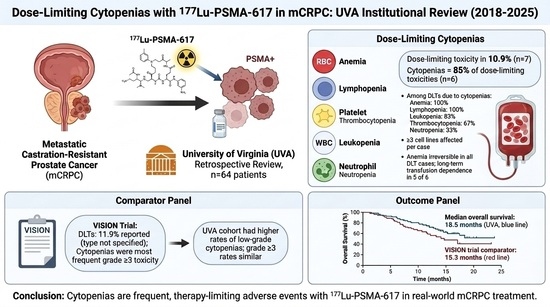
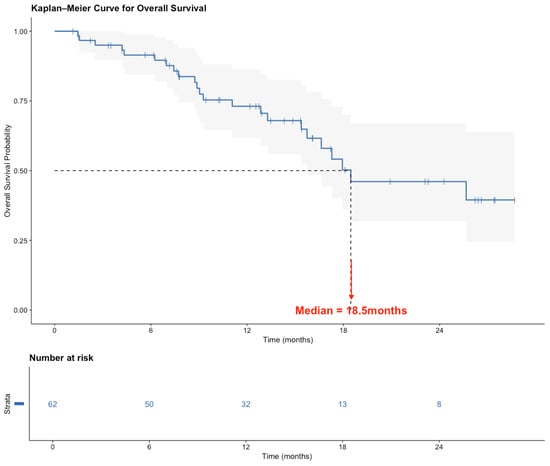
Background: Despite the therapeutic advances made in castration-sensitive prostate cancer, progression to castration-resistant disease is inevitable. Lutetium-177 vipivotide tetraxetan (177Lu-PSMA-617) is a novel radioligand approved for use in metastatic castration-resistant prostate cancer (mCRPC). With promising efficacy, it is not without numerous potential side effects, namely cytopenias, which are often a reason for early discontinuation of 177Lu-PSMA-617. We sought to describe the incidence of cytopenias associated with permanent discontinuation of 177Lu-PSMA-617 at our institution. Methods: We conducted a retrospective review of patients who received 177Lu-PSMA-617at the University of Virginia Comprehensive Cancer Center from 2018 to 2025. From this we assessed for the incidence of toxicities resulting in permanent discontinuation of 177Lu-PSMA-617, which we refer to as dose-limiting toxicities. Descriptive statistics were used to summarize characteristics of the study population. Median overall survival from time of initiation of 177Lu-PSMA-617 was estimated using a Kaplan–Meier curve. Results: Of the patients who received 177Lu-PSMA-617 (n = 64), grade 3 or greater anemia occurred in 36% (n = 23), thrombocytopenia in 3% (n = 2), leukopenia in 3% (n = 2), neutropenia in 0% (n = 0), and lymphopenia in 33% (n = 21). In our cohort, 10.9% (n = 7) developed toxicities necessitating permanent discontinuation. Of these, 9.3% (n = 6) were attributable to cytopenias. Those cytopenias consisted of anemias in 100% (n = 6) of cases, leukopenia in 83% (n = 5), thrombocytopenia in 67% (n = 4), lymphopenia in 100% (n = 6), and neutropenia in 33% (n = 2). Aside from cytopenias, the remaining 1.6% (n = 1) of dose-limiting toxicities were attributable to renal injury. In the VISION trial, the 177Lu-PSMA-617 treatment arm reported dose-limiting toxicities necessitating permanent discontinuation in 11.9% of participants, but did not report if these were attributable to cytopenia or other toxicities. Notably, 2 patients developed grade 5 pancytopenia and 1 patient developed grade 5 bone marrow failure in the VISION 177Lu-PSMA-617 treatment arm. Compared to the VISION 177Lu-PSMA-617 treatment arm, our cohort differed in the distribution of organ metastases, younger median age of patients, and a higher portion of those with ECOG 2 functional status. From the time of 177Lu-PSMA-617 initiation, median overall survival was estimated to be 18.5 months, compared to 15.3 months in the VISION 177Lu-PSMA-617 treatment arm. Conclusions: In our real-world analysis, 85% of dose-limiting toxicities necessitating 177Lu-PSMA-617 discontinuation were attributed to cytopenias. Though a direct comparison cannot be made with the VISION 177Lu-PSMA-617 treatment arm in terms of dose-limiting toxicity attributable specifically to cytopenias, they reported total dose-limiting toxicity to a similar degree, and cytopenias were the most common causes of grade 3 or greater toxicities. Therefore, it is important to recognize the ubiquity of these adverse events as well as the role that they play in therapy-limiting toxicity.
Full article

Graphical abstract
Open AccessCase Report
Occupational Meralgia Paresthetica in a Professional Diving Instructor Successfully Treated with Platelet-Rich Plasma: A Case Report
by
Ivan Medina-Porqueres, Pablo Martin-Garcia, Sofia Sanz-De Diego, Marcelo Reyes-Eldblom, Daniel Rosado-Velazquez and Abel Gomez-Caceres
Biologics 2026, 6(2), 19; https://doi.org/10.3390/biologics6020019 - 22 Jun 2026
Abstract
Background: Meralgia paresthetica (MP) of the lateral femoral cutaneous is a rare, nerve-entrapment condition, often related to an inflammatory and fibrotic pathological component. Although most cases resolve with conservative management, refractory presentations may require interventional or surgical treatment. Platelet-rich plasma (PRP) has
[...] Read more.
Background: Meralgia paresthetica (MP) of the lateral femoral cutaneous is a rare, nerve-entrapment condition, often related to an inflammatory and fibrotic pathological component. Although most cases resolve with conservative management, refractory presentations may require interventional or surgical treatment. Platelet-rich plasma (PRP) has demonstrated emerging potential in peripheral neuropathies through anti-inflammatory, neurotrophic, and antifibrotic mechanisms. Case Presentation: We report the case of a 64-year-old professional scuba diving instructor with occupational MP related to repetitive compression from a tight lead weight belt. Symptoms persisted for six months despite conservative therapies. Clinical examination supported lateral femoral cutaneous nerve (LFCN) entrapment. The patient underwent three serial perineural PRP injections prepared from autologous blood and administered along the inguinal course of the nerve. Progressive symptom reduction was observed after each session, reaching approximately 90% improvement at two months. At six months, the patient was pain-free and had returned to full professional activity without limitations. Discussion: Occupational microcompression may induce intraneural edema, ischemia, and perineural fibrosis, creating a biological substrate amenable to regenerative intervention. PRP delivers concentrated growth factors capable of promoting axonal regeneration, angiogenesis, and modulation of the neuroinflammatory microenvironment. Preclinical and clinical evidence in other compressive neuropathies supports this translational rationale. Conclusions: Perineural PRP infiltration may represent a safe and promising regenerative strategy for refractory occupational MP. Controlled clinical studies are needed to define optimal protocols, patient selection criteria, and long-term efficacy in peripheral compressive neuropathies.
Full article
(This article belongs to the Section Blood Products)
Open AccessArticle
Immunoinformatics-Guided Identification and Functional Screening of T Cell Epitopes from Mycobacterium tuberculosis for Multi-Epitope mRNA Vaccine Design
by
Zibei Huang, Beibei Wu, Zhengwei Liu, Zhangnv Yang, Shigui Yang and Jianmin Jiang
Biologics 2026, 6(2), 18; https://doi.org/10.3390/biologics6020018 - 12 Jun 2026
Abstract
►▼
Show Figures
Background/Objectives: Tuberculosis, caused by Mycobacterium tuberculosis, remains a major global health challenge requiring novel prevention strategies. This study aims to developed an immunoinformatics-guided framework coupled with experimental screening to prioritize for multi-epitope mRNA vaccine design. Methods: Eight immunologically relevant antigens were computationally
[...] Read more.
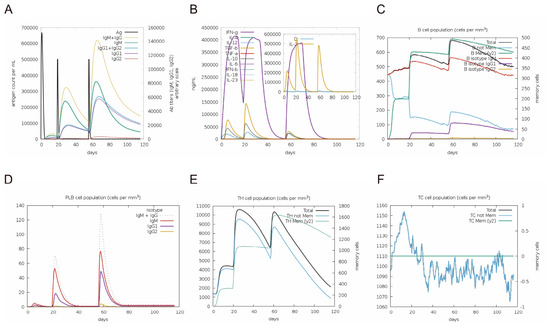
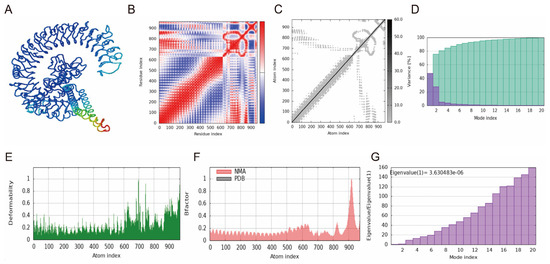
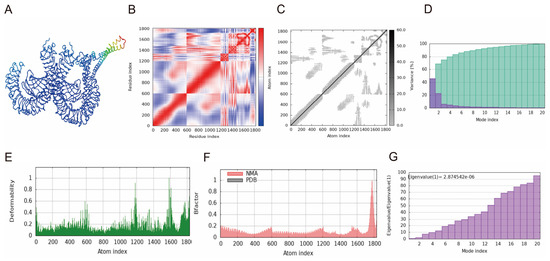
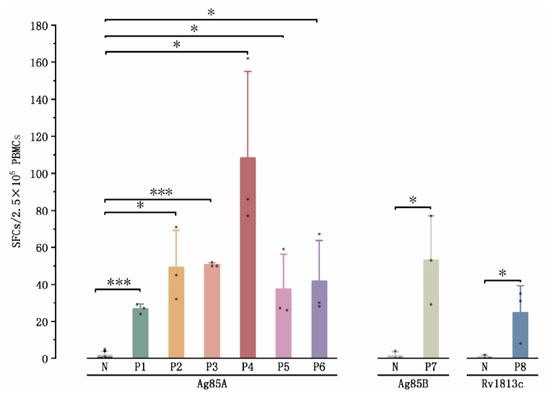
Background/Objectives: Tuberculosis, caused by Mycobacterium tuberculosis, remains a major global health challenge requiring novel prevention strategies. This study aims to developed an immunoinformatics-guided framework coupled with experimental screening to prioritize for multi-epitope mRNA vaccine design. Methods: Eight immunologically relevant antigens were computationally analyzed to predict cytotoxic (CTL) epitopes and helper T lymphocyte (HTL) epitopes. Population coverage, immune simulation, molecular docking, and normal mode analysis (NMA) were performed in silico. To evaluate peptide immunoreactivity, human IFN-γELISPOT assays were conducted using the candidate peptides, though HLA restriction was not experimentally validated. Results: The workflow identified 14 candidate CTL and 8 HTL epitopes, yielding an estimated global population coverage of 82.6% (60.7% in China; 51.2% in Indonesia). Immune simulations predicted robust humoral and Th1-associated cellular responses, though sustained CD8+ memory responses appeared limited. Docking and NMA suggested favorable structural interactions with TLR3 and TLR4. Crucially, the IFN-γ ELISPOT assay validated eight reactive epitopes that partially coincided with computational predictions within the tested donor group. Conclusions: This study establishes an integrated computational–experimental workflow for T cell epitope prioritization. The identified reactive epitopes provide a preliminary immunological basis and candidate pool for the future design and evaluation of multi-epitope mRNA vaccine strategies against tuberculosis.
Full article

Figure 1
Open AccessReview
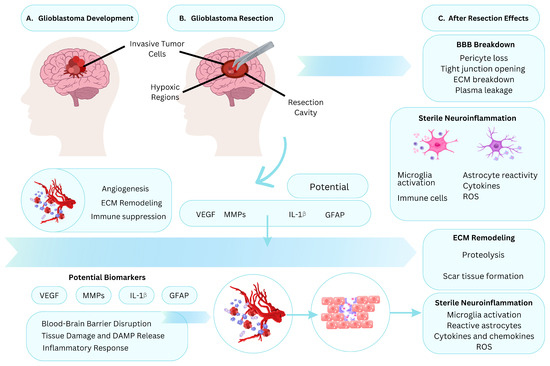
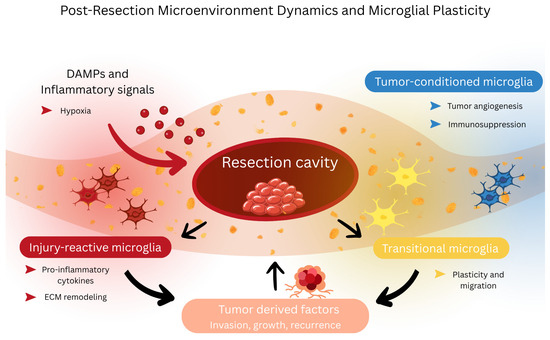
Perioperative Modulation of Microglia in Glioblastoma Resection
by
Antea Krsek, Nenad Koruga and Lara Baticic
Biologics 2026, 6(2), 17; https://doi.org/10.3390/biologics6020017 - 4 Jun 2026
Abstract
►▼
Show Figures
Glioblastoma recurrence remains nearly universal despite maximal safe surgical resection and multimodal adjuvant therapy. Beyond tumor debulking, resection induces profound local brain microenvironment alterations, including sterile neuroinflammation, blood–brain barrier disruption, extracellular matrix remodeling, and rapid activation of innate immune pathways. Among resident immune
[...] Read more.
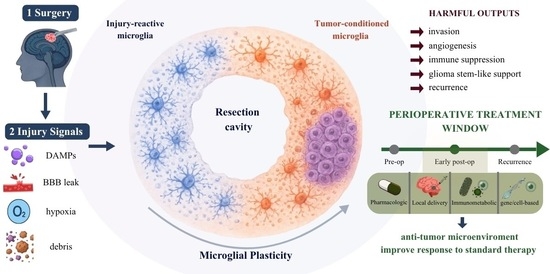
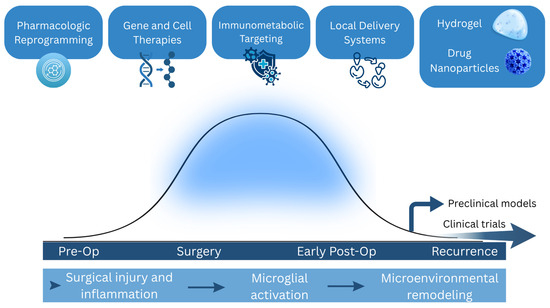
Glioblastoma recurrence remains nearly universal despite maximal safe surgical resection and multimodal adjuvant therapy. Beyond tumor debulking, resection induces profound local brain microenvironment alterations, including sterile neuroinflammation, blood–brain barrier disruption, extracellular matrix remodeling, and rapid activation of innate immune pathways. Among resident immune populations, microglia emerge as central regulators of the post-resection microenvironment, influencing inflammatory signaling, tissue repair, and tumor–host interactions. Activated microglia accumulate at the resection margin, where they adopt highly plastic functional states shaped by cytokine gradients, metabolic stress, hypoxia, and tumor-derived mediators. This dynamic activation landscape establishes bidirectional crosstalk with residual glioblastoma cells, promoting invasion, angiogenesis, maintenance of stem-like phenotypes, and suppression of anti-tumor immunity. As a result, microglial responses contribute to a permissive microenvironment that supports therapeutic resistance and tumor regrowth. Importantly, the perioperative period represents a short but important opportunity to modify microglial activity. Targeted therapeutic strategies, including pharmacologic modulation, local drug delivery systems, immunometabolic approaches, and gene- and cell-based therapies, may help alter the tumor microenvironment. This narrative review synthesizes current mechanistic insights into microglial dynamics following glioblastoma resection and evaluates emerging therapeutic strategies targeting microglial function. We further discuss integration with standard-of-care treatments and highlight evolving biomarker platforms for monitoring microglial states. Ultimately, targeting microglial plasticity represents a biologically grounded and clinically actionable strategy to improve outcomes after glioblastoma surgery.
Full article

Graphical abstract
Open AccessReview
Platelet-Rich Plasma Versus Injectable Platelet-Rich Fibrin in the Management of Temporomandibular Joint Osteoarthritis: A Narrative Review
by
Tânia Martins, Bruno Daniel Carneiro, Carlos Silva Faria and Daniel Humberto Pozza
Biologics 2026, 6(2), 16; https://doi.org/10.3390/biologics6020016 - 21 May 2026
Abstract
Temporomandibular joint osteoarthritis (TMJ-OA) is a multifactorial degenerative disorder characterized by progressive cartilage degradation, subchondral bone remodeling, and chronic inflammation, leading to pain and functional impairment in affected individuals. Despite its clinical impact, effective disease-modifying treatments remain limited, highlighting the need for innovative
[...] Read more.
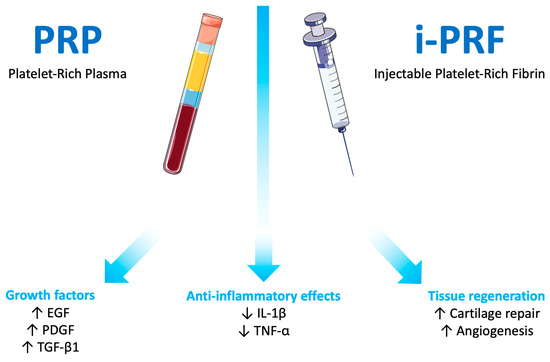
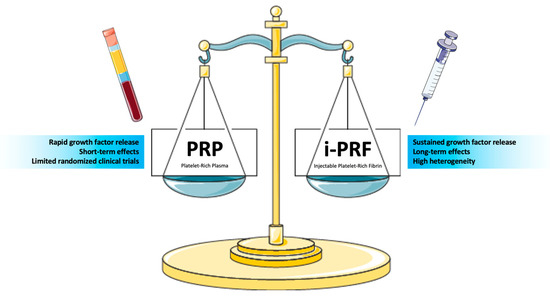
Temporomandibular joint osteoarthritis (TMJ-OA) is a multifactorial degenerative disorder characterized by progressive cartilage degradation, subchondral bone remodeling, and chronic inflammation, leading to pain and functional impairment in affected individuals. Despite its clinical impact, effective disease-modifying treatments remain limited, highlighting the need for innovative therapeutic approaches for treating this condition in the future. This manuscript examines the biological rationale, clinical applications, and therapeutic potential of platelet-rich plasma (PRP) and injectable platelet-rich fibrin (i-PRF) in the management of TMJ-OA. As autologous platelet-derived biomaterials, PRP and i-PRF contain high concentrations of growth factors and bioactive molecules that can modulate inflammatory responses and support tissue repair. PRP is associated with a relatively rapid release of these mediators, whereas i-PRF forms a fibrin matrix that may enable a more sustained release profile. Current clinical evidence suggests that both therapies show potential to contribute to pain reduction and may facilitate improvements in mandibular function. However, substantial heterogeneity in preparation protocols, study designs, and outcome measures limits the comparability and generalizability of these findings to the general population. Overall, PRP and i-PRF represent promising, minimally invasive regenerative strategies for managing TMJ-OA.
Full article
(This article belongs to the Section Blood Products)
►▼
Show Figures

Figure 1
Open AccessEditor’s ChoiceArticle
Comparative Effectiveness of Cycling Versus Swapping Strategies After Advanced Therapy Failure in Axial Spondyloarthritis: A Real-World Retrospective Study
by
Andrea Becciolini, Daniele Santilli, Giuditta Adorni, Brunella Bigliardo, Gianluca Lucchini and Alarico Ariani
Biologics 2026, 6(2), 15; https://doi.org/10.3390/biologics6020015 - 21 May 2026
Abstract
Background/Objectives: The therapeutic arsenal for axial spondyloarthritis (axSpA) now includes multiple biologic and targeted synthetic DMARDs (b/tsDMARDs). Following the failure of an advanced therapy, clinicians may either cycle (switch to another drug with the same mechanism of action) or swap (switch to
[...] Read more.
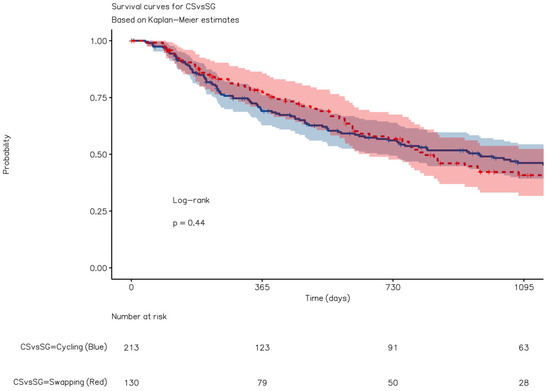
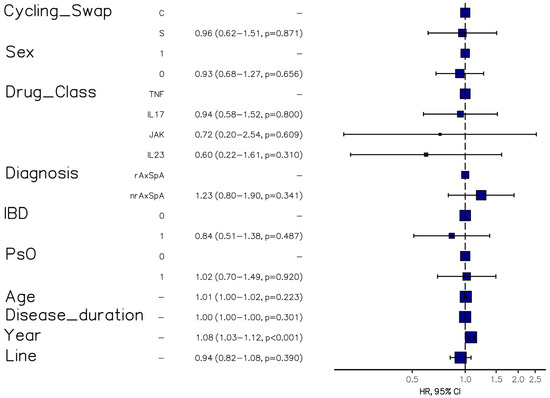
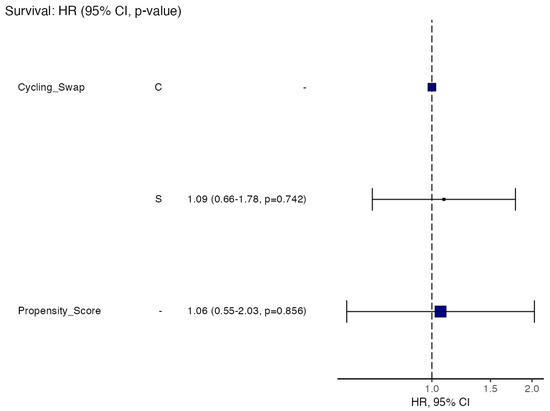
Background/Objectives: The therapeutic arsenal for axial spondyloarthritis (axSpA) now includes multiple biologic and targeted synthetic DMARDs (b/tsDMARDs). Following the failure of an advanced therapy, clinicians may either cycle (switch to another drug with the same mechanism of action) or swap (switch to a drug with a different mechanism). The optimal strategy remains unclear. This study aimed to compare the real-world effectiveness of cycling versus swapping in axSpA patients. Methods: This mono-centric, retrospective observational study included axSpA patients who failed ≥1 line of b/tsDMARD therapy. Subsequent treatment courses were classified as cycling (CG) or swapping (SG). Drug retention rates were compared using Kaplan–Meier analysis. A Cox proportional hazards model identified factors associated with treatment persistence. Results: We analyzed 156 patients (59 radiographic, 97 non-radiographic), corresponding to 343 treatment courses (CG: 213; SG: 130). Retention rates at 1, 2, and 3 years were 62.7%, 49.3%, and 39.2% (CG) versus 69.8%, 47.8%, and 31.8% (SG) (HR: 1.13, 95% CI: 0.83–1.53; p = 0.442). In the multivariable model, only a more recent prescription year was associated with higher discontinuation risk (HR: 1.08 per year, 95% CI: 1.03–1.12; p < 0.001). Conclusions: In this real-world cohort, cycling and swapping strategies demonstrated comparable treatment persistence over three years following advanced therapy failure in axSpA. The choice of subsequent therapy should be individualized, as no strategy proved superior.
Full article
(This article belongs to the Section Monoclonal Antibodies)
►▼
Show Figures

Figure 1
Open AccessArticle
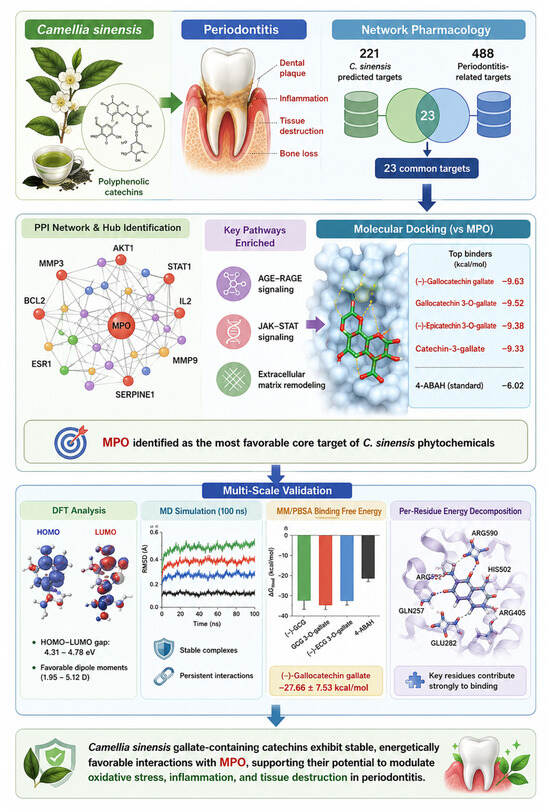
Integrative Multi-Scale Molecular Modeling Reveals Novel Therapeutic Mechanisms of Camellia sinensis in Periodontitis
by
Doni Dermawan
Biologics 2026, 6(2), 14; https://doi.org/10.3390/biologics6020014 - 14 May 2026
Abstract
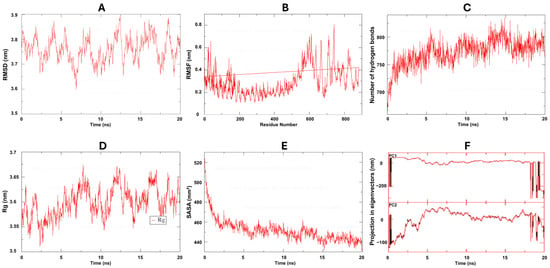
Objectives: This study aimed to elucidate the multi-target therapeutic mechanisms of Camellia sinensis phytochemicals in periodontitis using an integrative multi-scale molecular modeling strategy. Methods: An integrated in silico strategy was employed, incorporating network-based pharmacological analysis, protein interaction network evaluation, molecular docking
[...] Read more.
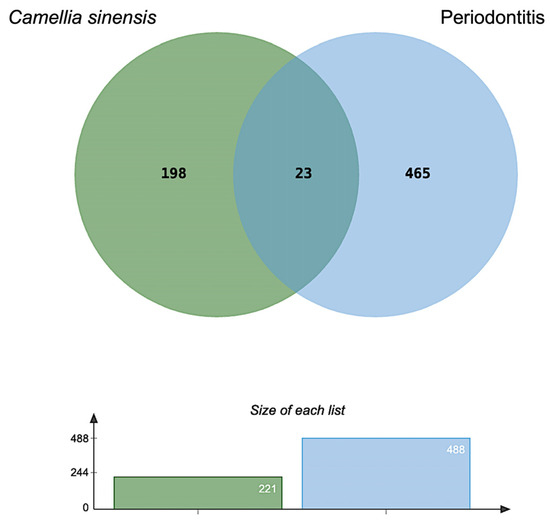
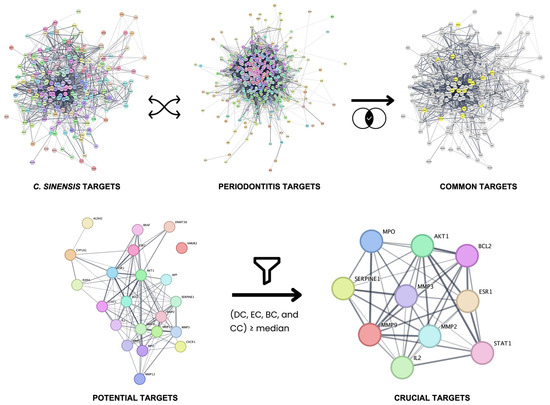
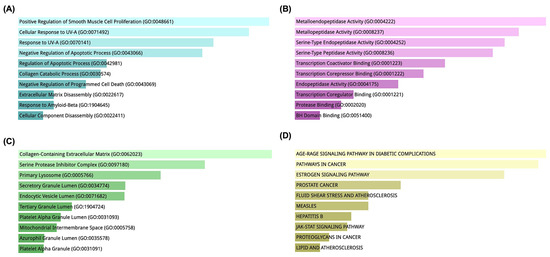
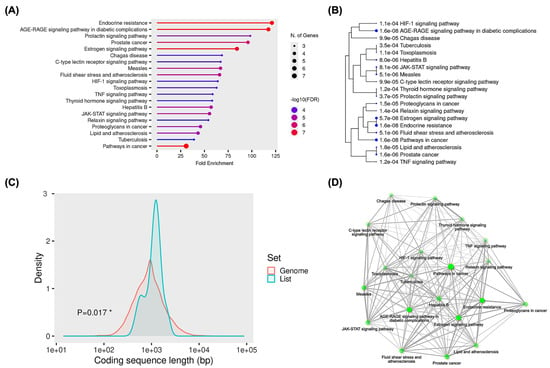
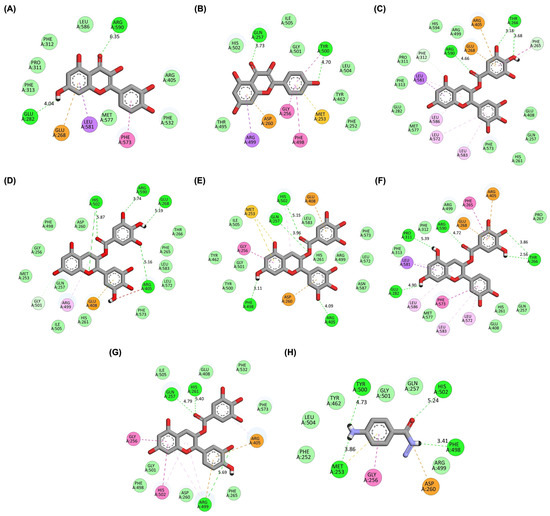
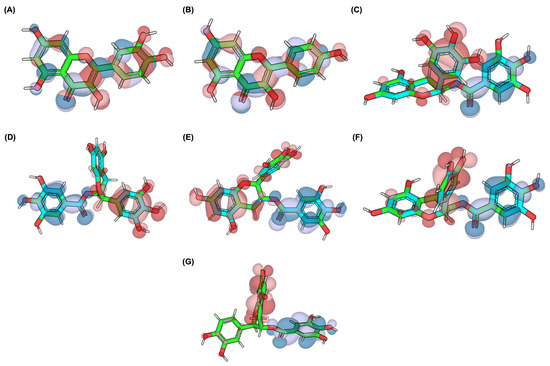
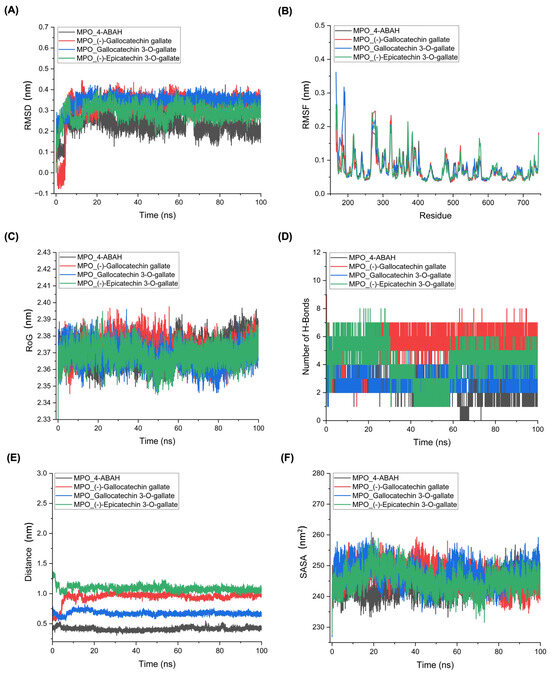
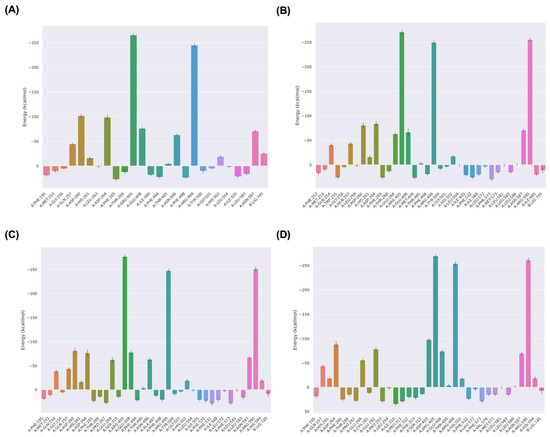
Objectives: This study aimed to elucidate the multi-target therapeutic mechanisms of Camellia sinensis phytochemicals in periodontitis using an integrative multi-scale molecular modeling strategy. Methods: An integrated in silico strategy was employed, incorporating network-based pharmacological analysis, protein interaction network evaluation, molecular docking assessment, density functional theory (DFT) computations, molecular dynamics (MD) trajectory analysis, MM/PBSA-derived binding energy estimation, and residue-level energetic contribution profiling. Overlapping targets between C. sinensis and periodontitis-associated genes were identified, followed by topological screening to determine crucial hub proteins. The most promising target was subjected to detailed structural and energetic evaluation. Results: Intersection analysis identified 23 common targets, with AKT1, myeloperoxidase (MPO), MMP2, MMP3, MMP9, STAT1, IL2, BCL2, ESR1, and SERPINE1 emerging as central hubs. Functional enrichment highlighted AGE–RAGE and JAK–STAT signaling pathways and extracellular matrix remodeling processes. Docking revealed MPO as the most favorable core target. Gallate-containing catechins, particularly (−)-gallocatechin gallate (−9.63 kcal/mol) and gallocatechin 3-O-gallate (−9.52 kcal/mol), exhibited more favorable binding affinities than the standard inhibitor 4-ABAH (−6.02 kcal/mol). DFT analysis demonstrated moderate HOMO–LUMO gaps (4.31–4.78 eV) and favorable dipole moments supporting electronic stability and reactivity. MD simulations confirmed stable complex formation over 100 ns, with persistent hydrogen bonding and consistent ligand retention. MM/PBSA calculations further validated a favorable binding of (−)-gallocatechin gallate (−27.66 ± 7.53 kcal/mol) and gallocatechin 3-O-gallate (−26.09 ± 8.96 kcal/mol), comparable to or exceeding 4-ABAH (−25.88 ± 4.44 kcal/mol). Conclusions: C. sinensis phytochemicals, particularly gallate-containing catechins, exhibit stable, energetically favorable interactions with MPO, supporting their potential as competitive inhibitors that modulate oxidative stress and inflammatory pathways in periodontitis.
Full article
(This article belongs to the Section Natural Products)
►▼
Show Figures

Graphical abstract
Open AccessReview
Growth and Osteoimmunology in Atopic Dermatitis: A Review of the Potential Role of the Double Inhibition of IL-4 and IL-13 Signaling
by
Fabiana Furci, Marco Umberto Scaramozzino, Antonio Furci, Camilla Chello, Francesca Romana Parisella, Corrado Pelaia, Cristiano Caruso and Antonella Tammaro
Biologics 2026, 6(2), 13; https://doi.org/10.3390/biologics6020013 - 30 Apr 2026
Abstract
►▼
Show Figures
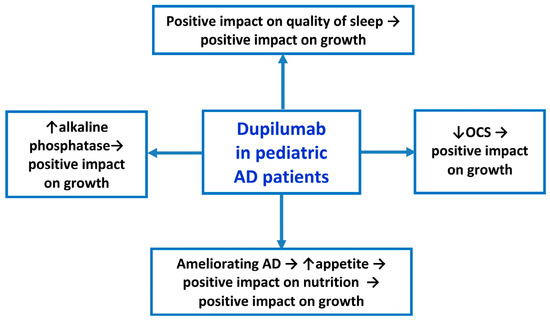
Atopic dermatitis (AD) is a common inflammatory skin disorder which presents with recurrent eczematous lesions and itching. Its pathophysiology is complex and multifactorial. Alterations in cell-mediated immune responses, barrier dysfunction, environmental aspects and IgE-mediated hypersensitivity are all involved. This review aims to provide
[...] Read more.
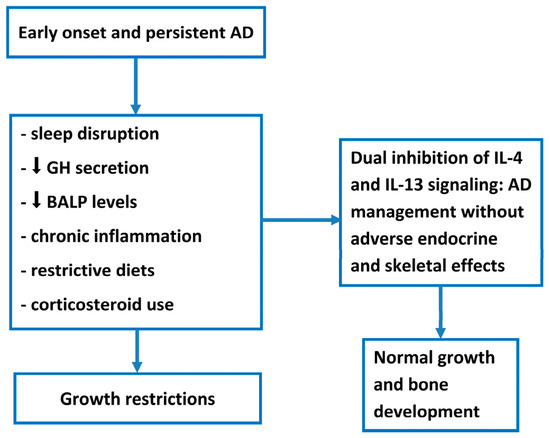
Atopic dermatitis (AD) is a common inflammatory skin disorder which presents with recurrent eczematous lesions and itching. Its pathophysiology is complex and multifactorial. Alterations in cell-mediated immune responses, barrier dysfunction, environmental aspects and IgE-mediated hypersensitivity are all involved. This review aims to provide the clinician with an update on the impact that Th2 inflammation can have on growth and osteoimmunology. The potential adverse or protective effects brought on by the many therapies administered in this condition are also considered. Moreover, through this analysis, we aim to show how, by inhibiting the IL-4 and IL-13 signaling pathways—fundamental in the T helper 2 (Th2) immune axis and in AD pathogenesis—dupilumab may exert a protective role on growth and osteoimmunology in moderate-to-severe AD, particularly in young patients. This focus is essential for the correct, safe management of patients with Th2 inflammation.
Full article

Figure 1
Open AccessEditor’s ChoiceSystematic Review
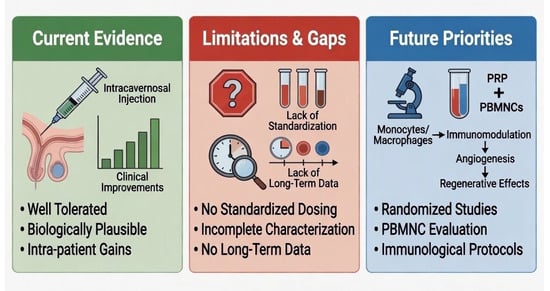
From Growth Factors to an Immune-Centric Approach: A Systematic Review of the Biological and Clinical Evidence for Platelet-Rich Plasma in Erectile Dysfunction
by
Laura Rehak, Giada Manti and Giuseppe Massimo Sangiorgi
Biologics 2026, 6(2), 12; https://doi.org/10.3390/biologics6020012 - 20 Apr 2026
Abstract
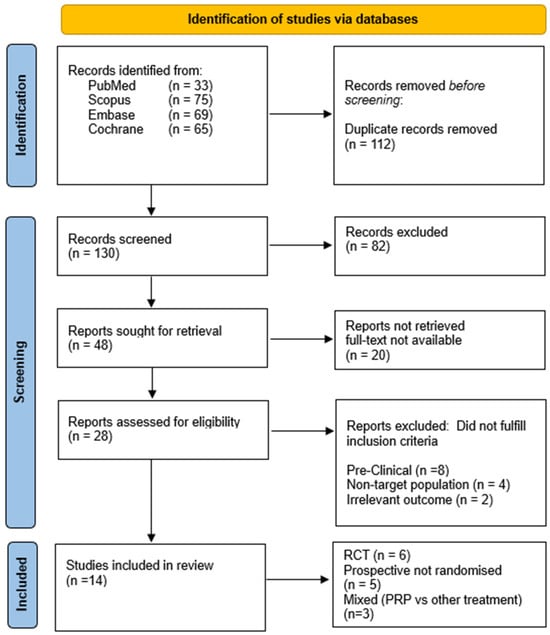
Background: Intracavernosal platelet-rich plasma (PRP) is increasingly used for erectile dysfunction (ED), despite the absence of standardized biological characterization and clear dose definitions. This systematic review evaluates the clinical efficacy of PRP in ED while integrating emerging immune-centric mechanistic evidence. Methods: Following PRISMA
[...] Read more.
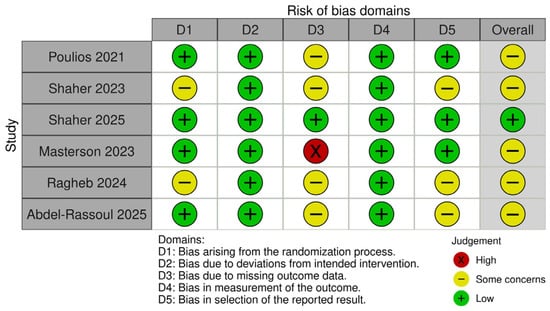
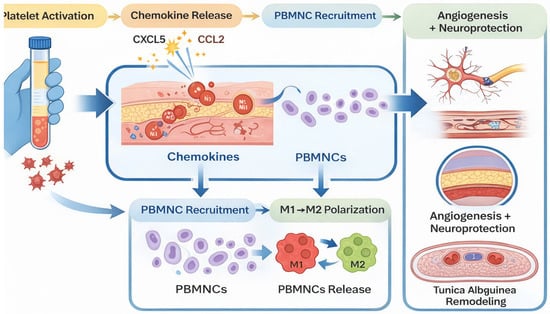
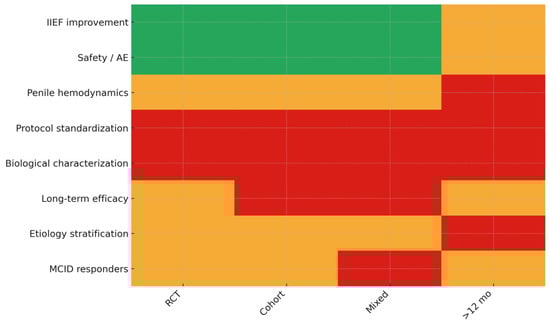
Background: Intracavernosal platelet-rich plasma (PRP) is increasingly used for erectile dysfunction (ED), despite the absence of standardized biological characterization and clear dose definitions. This systematic review evaluates the clinical efficacy of PRP in ED while integrating emerging immune-centric mechanistic evidence. Methods: Following PRISMA 2020 guidelines, randomized controlled trials (RCTs) and prospective studies (2020–2025) investigating intracavernosal PRP in adult men with ED were identified across major databases. Validated outcomes included International Index of Erectile Function (IIEF-EF or IIEF-5), Erection Hardness Score (EHS), Sexual Encounter Profile (SEP), and penile Doppler parameters. Preclinical data were narratively integrated to contextualize biological plausibility. Results: Fourteen clinical studies met the inclusion criteria (six RCTs, eight prospective cohorts). Across most studies, PRP produced clinically relevant within-patient improvements, and three RCTs demonstrated minimal clinically important difference (MCID) responder rates compared with placebo. However, other trials showed comparable improvements in placebo arms, underscoring substantial contextual effects. Safety was consistently favourable. Marked heterogeneity in blood volume processed (10–120 mL), injected PRP volume (3–12 mL), preparation systems, and session protocols precluded cross-study comparability. Critically, no study reported platelet dose, leukocyte subsets, peripheral blood mononuclear cell (PBMNC) content, or red blood cell contamination. Preclinical models consistently demonstrate that PRP restores erectile function through angiogenic, neuroprotective, and immunomodulatory mechanisms, including CXCL5-mediated monocyte recruitment and M1-to-M2 macrophage polarization. Conclusions: Intracavernosal PRP shows promising short-term efficacy signals and a favourable short-term safety profile in mild-to-moderate vasculogenic ED, but current evidence is limited by profound biological and methodological heterogeneity. PRP should be reconsidered as an immune-regenerative intervention requiring dose-defined, composition-defined, and mechanistically informed randomized trials. Interpretation of these findings is constrained by the absence of formal risk-of-bias assessment for non-randomized studies, substantial clinical and biological heterogeneity across trials, and the lack of standardized PRP characterization.
Full article
(This article belongs to the Section Blood Products)
►▼
Show Figures

Graphical abstract
Open AccessEditor’s ChoiceReview
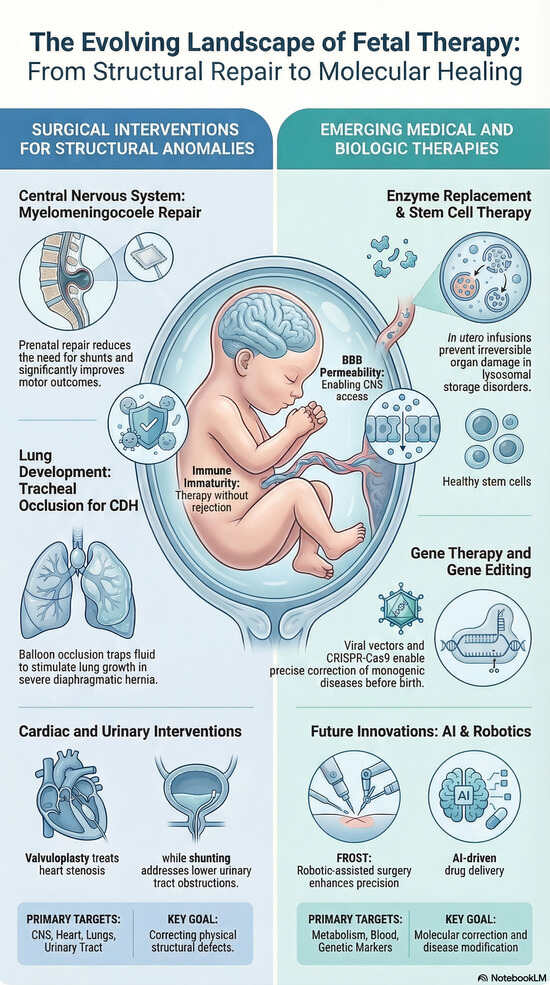
The Evolving Landscape of Fetal Therapy: Surgical Interventions and Emerging Biologics
by
Berna Seker-Yilmaz, Melissa Hill, Giovanni Baranello, Stavros Loukogeorgakis, Paolo De Coppi, Paul Gissen and Lyn S. Chitty
Biologics 2026, 6(2), 11; https://doi.org/10.3390/biologics6020011 - 13 Apr 2026
Cited by 1
Abstract
Fetal therapy has evolved into a rapidly advancing field with the potential to alter the natural history of many severe congenital and genetic disorders before irreversible injury occurs. Progress in prenatal imaging, molecular diagnostics, and fetal intervention techniques now enables the earlier identification
[...] Read more.
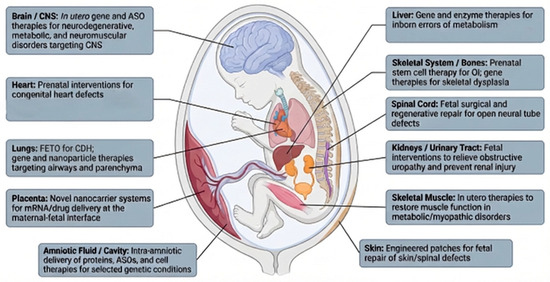
Fetal therapy has evolved into a rapidly advancing field with the potential to alter the natural history of many severe congenital and genetic disorders before irreversible injury occurs. Progress in prenatal imaging, molecular diagnostics, and fetal intervention techniques now enables the earlier identification of disease and, in select settings, targeted prenatal treatment. This review synthesizes the current landscape of fetal therapies, spanning established surgical interventions for structural anomalies and emerging biologic and molecular approaches, including enzyme replacement therapy, stem cell-based strategies, gene therapy, and gene editing. The intrauterine environment provides a distinct therapeutic context, with developmental plasticity, immune immaturity, enhanced tissue accessibility, and relatively permissive central nervous system exposure that together define a time-sensitive window for intervention. Preclinical studies and early clinical experience across both structural anomalies and genetic disorders, including lysosomal storage disorders, osteogenesis imperfecta, and spinal muscular atrophy, support the premise that prenatal treatment can preserve organ development and improve pediatric outcomes. However, translation remains constrained by procedural risks, uncertainty regarding long-term safety and durability, ethical and regulatory complexities, and challenges with equitable access, alongside the need for robust comparative evidence versus early postnatal therapy. As the field advances, multidisciplinary collaboration, rigorous trial design with meaningful developmental endpoints, and ethically grounded implementation frameworks will be essential to guide responsible clinical adoption and maximize benefit for children and families.
Full article
(This article belongs to the Special Issue Gene and Stem Cell Therapies for Inherited Metabolic Disorders)
►▼
Show Figures

Graphical abstract
Open AccessArticle
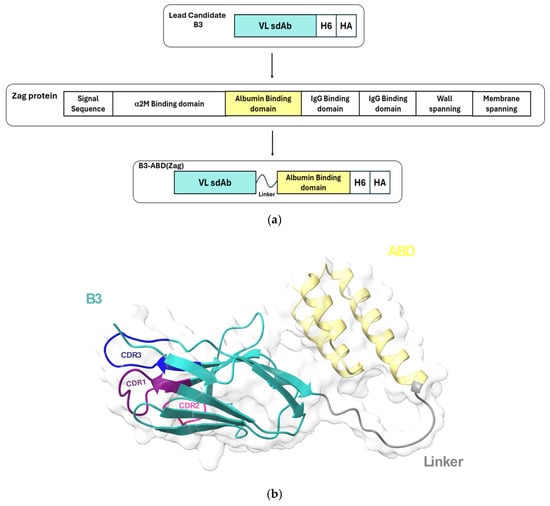
A Rabbit-Derived Single-Domain Antibody Fused to the Streptococcus zooepidemicus Zag Protein Engineered for SARS-CoV-2 Neutralization and Extended Half-Life
by
Isa Moutinho, Rafaela Marimon, Rúben D. M. Silva, Célia Fernandes, Lurdes Gano, João D. G. Correia, João Gonçalves, Luís Tavares and Frederico Aires-da-Silva
Biologics 2026, 6(2), 10; https://doi.org/10.3390/biologics6020010 - 26 Mar 2026
Cited by 1
Abstract
Background/Objectives: The continuous emergence of immune-evasive SARS-CoV-2 variants underscores the need for adaptable and accessible therapeutics that complement vaccination. Single-domain antibodies (sdAbs) offer advantages in size, stability, and production costs compared to conventional monoclonal antibodies, but their clinical utility is limited by
[...] Read more.
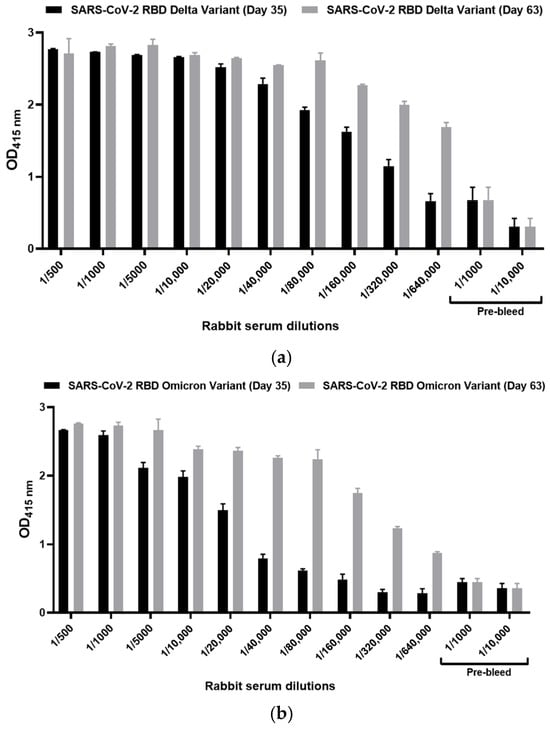
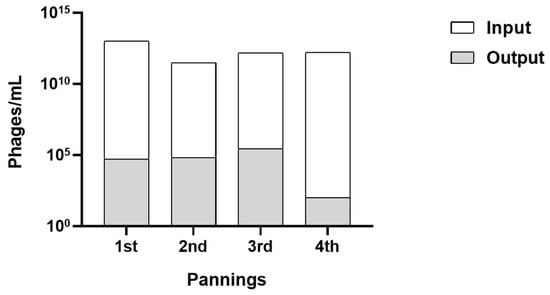
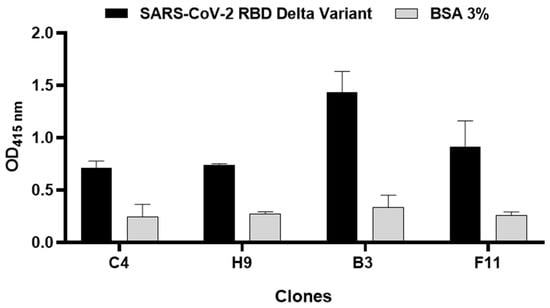
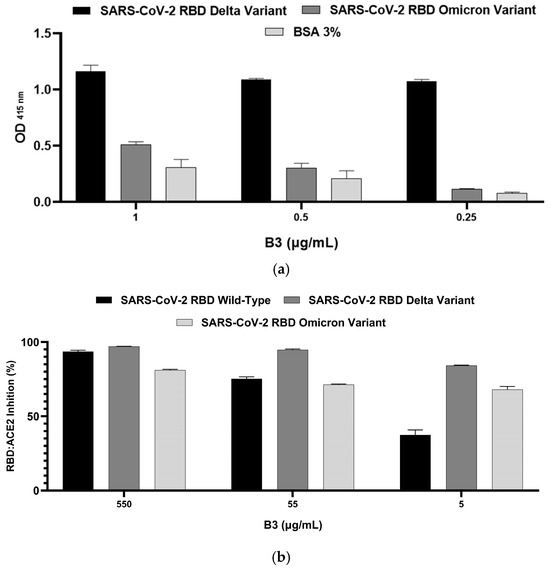
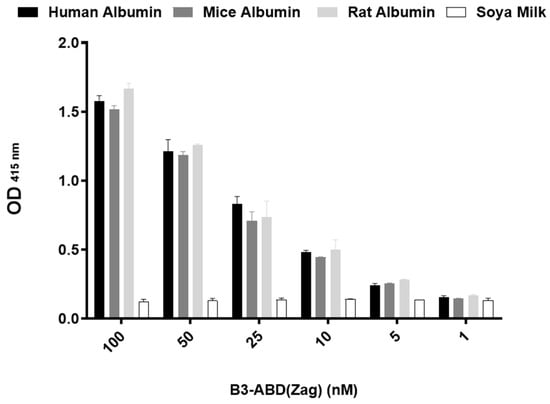
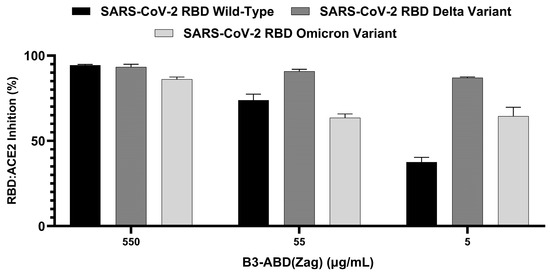
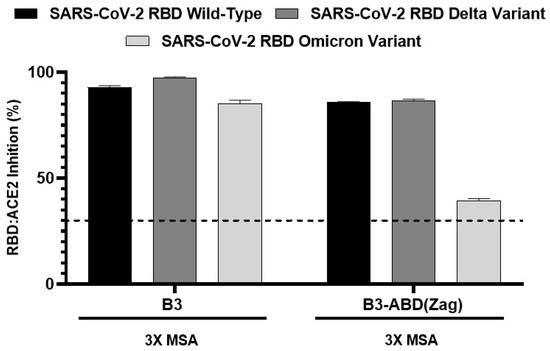
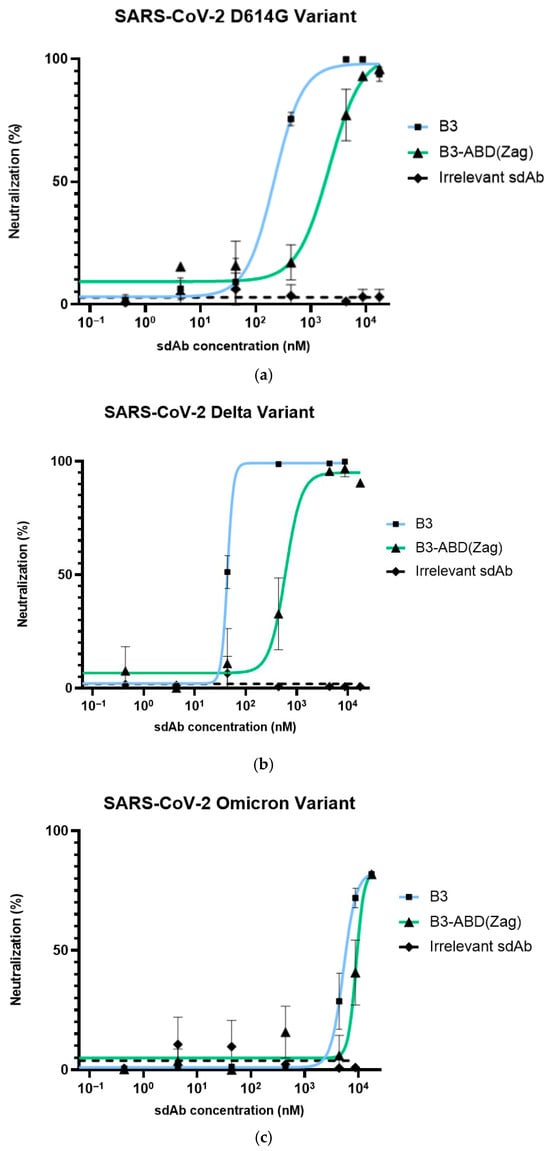
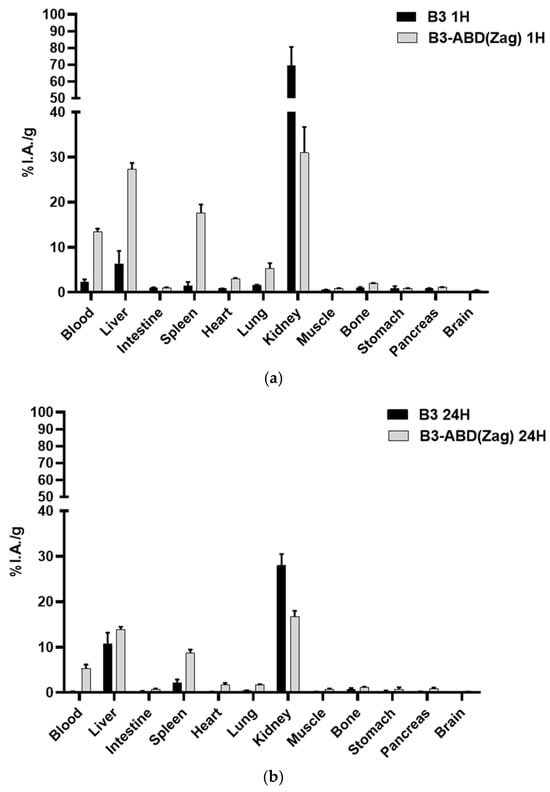
Background/Objectives: The continuous emergence of immune-evasive SARS-CoV-2 variants underscores the need for adaptable and accessible therapeutics that complement vaccination. Single-domain antibodies (sdAbs) offer advantages in size, stability, and production costs compared to conventional monoclonal antibodies, but their clinical utility is limited by rapid clearance. This study aimed to develop a rabbit-derived sdAb with broad SARS-CoV-2 neutralization capacity and improved pharmacokinetic properties. Methods: A rabbit-derived variable light-chain (VL) sdAb library was constructed and subjected to phage display selection to identify high-affinity binders. Candidate sdAbs were characterized for cross-variant binding and neutralization. The lead sdAb, B3, was fused to the albumin-binding domain (ABD) of the Streptococcus zooepidemicus Zag protein to enhance in vivo half-life. Expression, albumin-binding capacity, and in vitro neutralization were assessed, followed by biodistribution studies in mice. Results: The selected sdAb, B3, showed strong binding and cross-variant neutralization against multiple SARS-CoV-2 lineages, including Delta and Omicron. Fusion to ABD(Zag) preserved neutralization potency, increased expression yields ~5-fold, and enabled cross-species albumin binding. In vivo, B3-ABD(Zag) exhibited markedly extended blood retention, showing a 21.2-fold increase at 24 h post-injection (5.30 vs. 0.25% I.A./g), and reduced renal uptake by 40% compared with unmodified B3. Conclusions: Rabbit-derived VL sdAbs fused to ABD(Zag) provide a promising platform for next-generation SARS-CoV-2 biologics. The enhanced pharmacokinetic profile of B3-ABD(Zag) supports its potential as a scalable therapeutic modality and highlights the broader utility of this approach for future emerging infectious threats.
Full article
(This article belongs to the Section Monoclonal Antibodies)
►▼
Show Figures

Figure 1

Open AccessEditor’s ChoiceArticle
De Novo Protein Design Enables Targeting of Intractable Oncogenic Protein–Protein Interfaces
by
Varshika Ram Prakash, Yusuf Najy, Kalel Garrett, Brian F. P. Edwards and Benjamin L. Kidder
Biologics 2026, 6(1), 9; https://doi.org/10.3390/biologics6010009 - 18 Mar 2026
Abstract
Background/Objectives: Protein–protein interactions (PPIs) involving oncogenic drivers remain among the most intractable targets in cancer biology due to their dynamic conformations and limited accessibility to conventional small molecules. Although antibodies and inhibitors have achieved clinical success against targets such as PD-1/PD-L1 and MYC,
[...] Read more.
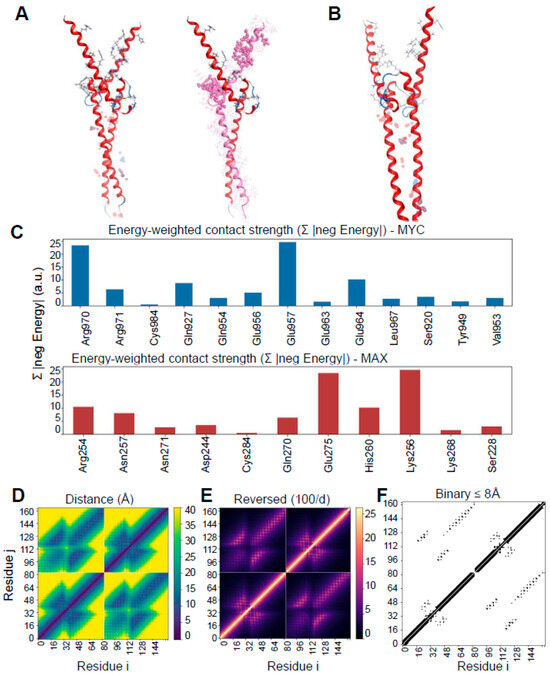
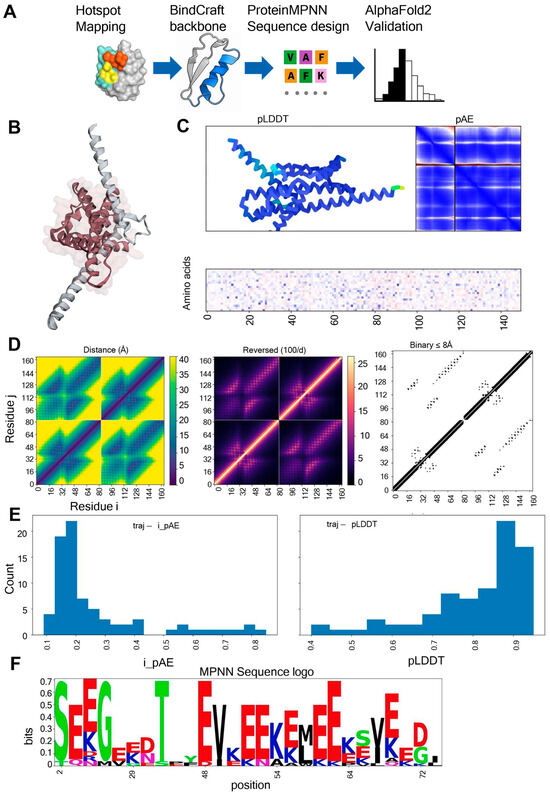
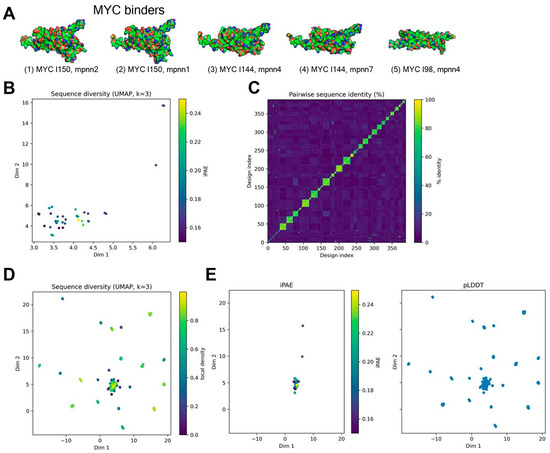
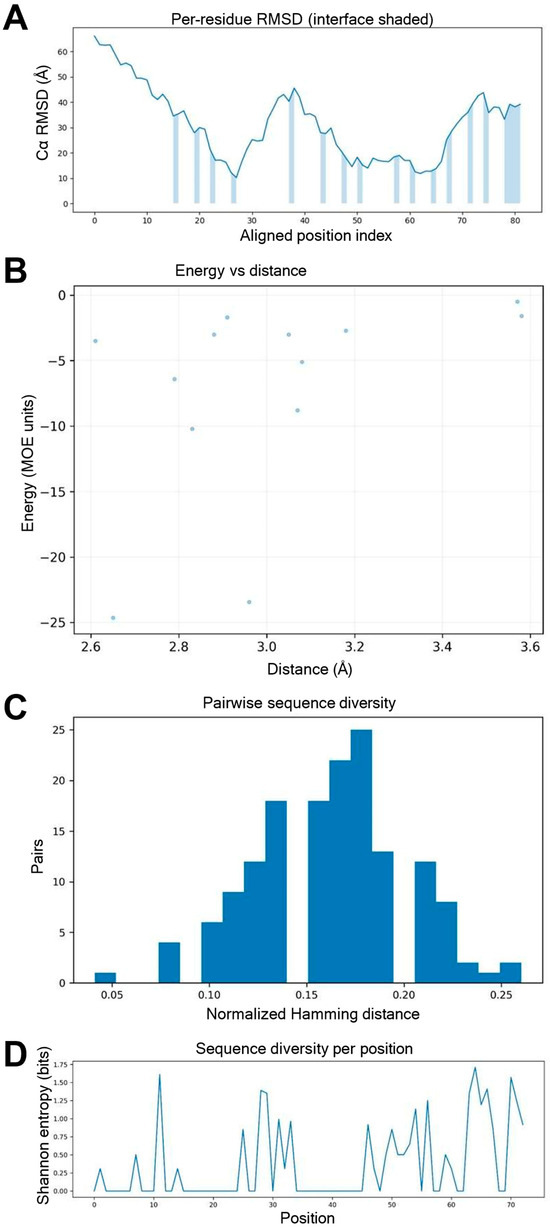
Background/Objectives: Protein–protein interactions (PPIs) involving oncogenic drivers remain among the most intractable targets in cancer biology due to their dynamic conformations and limited accessibility to conventional small molecules. Although antibodies and inhibitors have achieved clinical success against targets such as PD-1/PD-L1 and MYC, challenges persist related to tissue penetration, intracellular delivery, resistance, and incomplete blockade of key interface hotspots. The objective of this study is to develop an integrated computational framework for systematically designing hotspot-conditioned de novo miniprotein binders to target these interfaces. Methods: We present DesignForge, a computational protein design pipeline that integrates energetic hotspot identification, generative backbone design, sequence optimization, and structural confidence evaluation. The framework combines hotspot mapping using an open force-field-based energetic analysis module with generative backbone sampling using BindCraft, sequence optimization using ProteinMPNN, and structural validation using AlphaFold2. This in silico pipeline was applied to three representative oncogenic interfaces: PD-1/PD-L1, MYC/MAX, and KRAS/RAF. Results: Computationally generated designs exhibited high predicted structural confidence, favorable interface energetics, and consistent engagement of identified hotspot residues across targets. AlphaFold2-Multimer structural modeling indicated that the candidate PD-1 mimetic scaffolds, MYC/MAX interface binders, and KRAS interaction candidates can adopt conformations compatible with the target interfaces. Energetic contact analysis further supported predicted engagement of key hotspot residues. These findings support the computational feasibility of hotspot-conditioned binder generation using a unified design workflow. Conclusions: DesignForge provides a reproducible computational framework for hotspot-guided de novo protein binder design targeting oncogenic protein–protein interfaces. The designs reported here represent computational predictions derived from structural modeling and energetic analysis. Experimental biochemical and cellular validation will be required to determine the functional activity of the proposed binders.
Full article
(This article belongs to the Section Protein Therapeutics)
►▼
Show Figures

Figure 1
Open AccessArticle
Beetroot Extract Ameliorates DSS-Induced Colitis in Mice via Gut Microbiota Modulation
by
Adisti Dwijayanti, Kusmardi Kusmardi, Fadilah Fadilah, Nur Azizah and Mohd Azrul Naim Mohamad
Biologics 2026, 6(1), 8; https://doi.org/10.3390/biologics6010008 - 2 Mar 2026
Abstract
Background: Dextran sodium sulfate (DSS)-induced colitis serves as a preclinical model for studying gut dysbiosis and inflammation relevant to inflammatory bowel disease (IBD) and its long-term complication of colorectal cancer (CRC). Beetroot (Beta vulgaris L.) extract, rich in betalains, polyphenols, and nitrates,
[...] Read more.
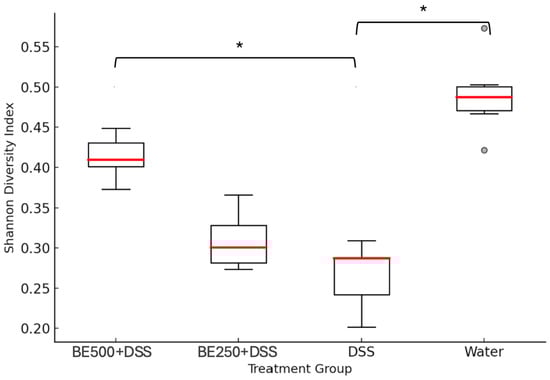
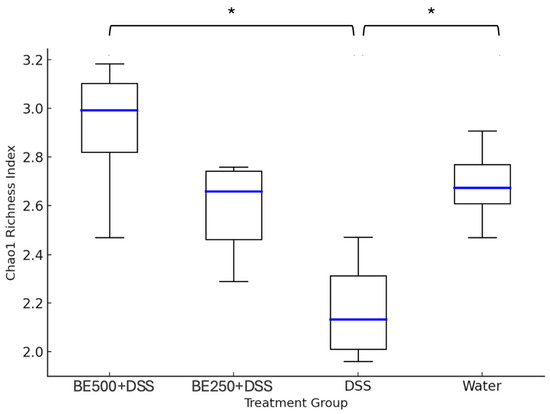
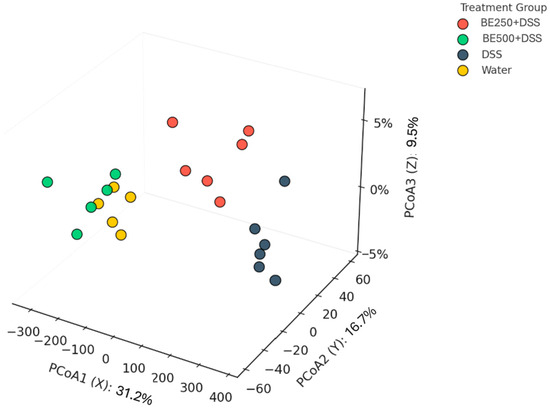
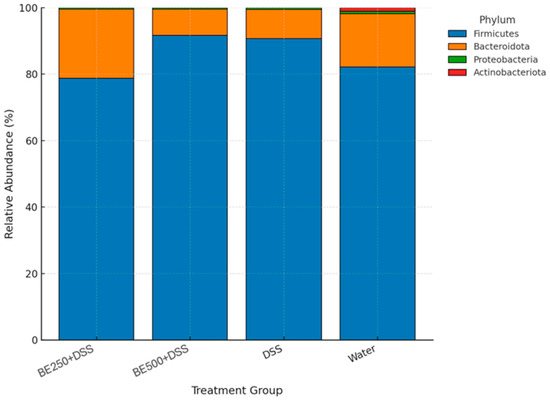
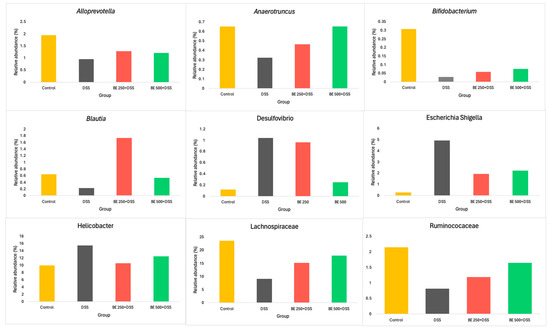
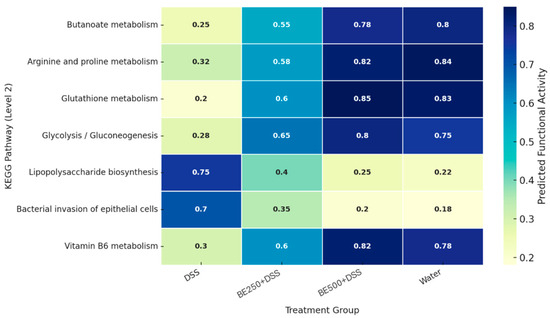
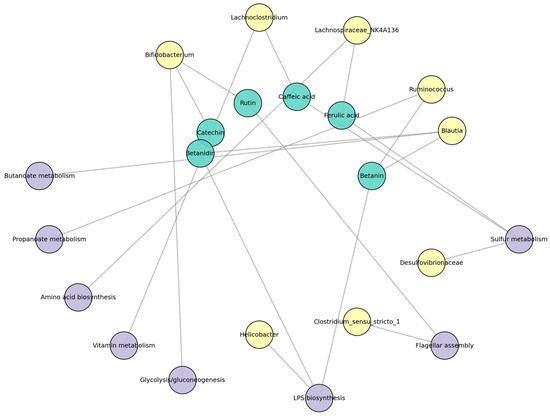
Background: Dextran sodium sulfate (DSS)-induced colitis serves as a preclinical model for studying gut dysbiosis and inflammation relevant to inflammatory bowel disease (IBD) and its long-term complication of colorectal cancer (CRC). Beetroot (Beta vulgaris L.) extract, rich in betalains, polyphenols, and nitrates, exhibits antioxidant and anti-inflammatory properties. This study investigated beetroot extract’s effects on gut microbiota composition and predicted functional pathways in DSS-induced colitis. Methods: Male BALB/c mice were divided into four groups: control (water), DSS-only, beetroot 250 mg/kg + DSS, and beetroot 500 mg/kg + DSS. Beetroot extract was administered orally for 14 days prior to and during DSS exposure. Gut microbial profiles were analyzed using 16S rRNA sequencing, while microbial diversity, community structure, and predicted metabolic functions were evaluated using Shannon, Chao1, PCoA, PERMANOVA, and PICRUSt2 analyses. Results: DSS administration significantly reduced body weight, microbial diversity, and Bacteroidota abundance, while increasing Proteobacteria and Desulfobacterota—a classic colitis-associated dysbiosis signature. Beetroot supplementation restored body weight and microbial balance in a dose-dependent manner, with the 500 mg/kg group showing near-complete normalization of the microbiota. Functional predictions revealed the upregulation of short-chain fatty acid (SCFA) biosynthesis, glutathione metabolism, and amino acid pathways, and suppression of lipopolysaccharide biosynthesis. Identified phytochemicals, including betanin, ferulic acid, and rutin, were associated with antioxidant and prebiotic activities that support microbial restoration. Conclusions: Beetroot extract mitigates DSS-induced gut dysbiosis and inflammation by enhancing microbial diversity, restoring SCFA-associated taxa, and promoting anti-inflammatory and antioxidant pathways. These findings highlight beetroot as a promising natural dietary intervention for colitis and microbiome-associated intestinal disorders.
Full article
(This article belongs to the Section Natural Products)
►▼
Show Figures

Figure 1

Open AccessArticle
A Single-Center Review of Infusion-Associated Reactions in Patients with CLN2 Disease Receiving Cerliponase Alfa
by
Rebecca Whiteley, Megan Keating, Mel McSweeney, Megan Dorman, Mathilda Antonini, Spyros Batzios, Emma Footitt, Laura Lee-Clark and Paul Gissen
Biologics 2026, 6(1), 7; https://doi.org/10.3390/biologics6010007 - 13 Feb 2026
Abstract
►▼
Show Figures
Background: Cerliponase alfa is an intracerebroventricular (ICV) enzyme replacement therapy (ERT) and the only approved treatment for neuronal ceroid lipofuscinosis type 2 (CLN2) disease. While generally well tolerated, infusion-associated reactions (IARs), including hypersensitivity events and anaphylaxis, remain a recognized safety consideration. Methods: This
[...] Read more.
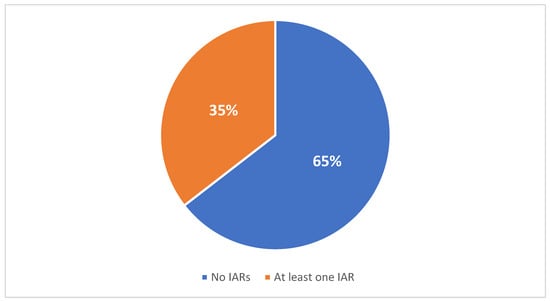
Background: Cerliponase alfa is an intracerebroventricular (ICV) enzyme replacement therapy (ERT) and the only approved treatment for neuronal ceroid lipofuscinosis type 2 (CLN2) disease. While generally well tolerated, infusion-associated reactions (IARs), including hypersensitivity events and anaphylaxis, remain a recognized safety consideration. Methods: This single-center, retrospective study describes the incidence and management of IARs in pediatric patients with CLN2 receiving long-term ICV cerliponase alfa at Great Ormond Street Hospital, London, United Kingdom. Results: Over a 10-year period (2014–2024), 31 patients received approximately 2705 ICV infusions. Eleven patients experienced at least one IAR. Most reactions were mild and transient, typically consisting of pyrexia, vomiting, or rash, and were managed conservatively with antipyretics and antihistamines. Four patients required steroid intervention following recurrent or more pronounced symptoms, which led to improved infusion tolerance. One patient experienced a single episode of anaphylaxis that required treatment with intramuscular adrenaline and intravenous hydrocortisone. Therapy was continued with a revised pre-medication regime, with no further severe reactions. Conclusions: These findings demonstrate that IARs to ICV cerliponase alfa are typically mild and readily manageable within a multidisciplinary framework. They highlight the importance of structured infusion protocols, vigilant monitoring strategies, and a coordinated management approach to ensure the long-term safety of ERT for children with CLN2 disease.
Full article

Figure 1
Open AccessEditor’s ChoiceArticle
Reverse Vaccinology and Immune Simulation of a Novel Multiepitope Vaccine Targeting Brucella Virulence
by
Mostafa F. Abushahba
Biologics 2026, 6(1), 6; https://doi.org/10.3390/biologics6010006 - 3 Feb 2026
Abstract
Background/Objectives: Brucella is a major global One Health threat, causing an estimated 2.1 million human infections and substantial livestock losses annually, with no vaccine currently available for humans, underscoring the urgent need for a safe and effective vaccine. Methods: Employing a
[...] Read more.
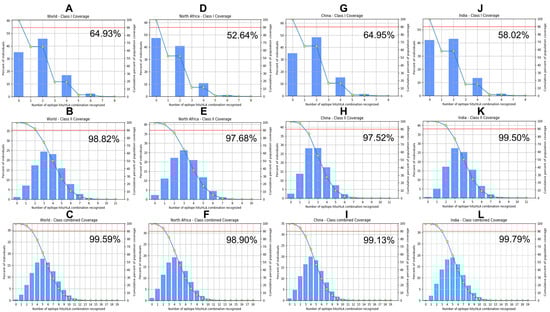
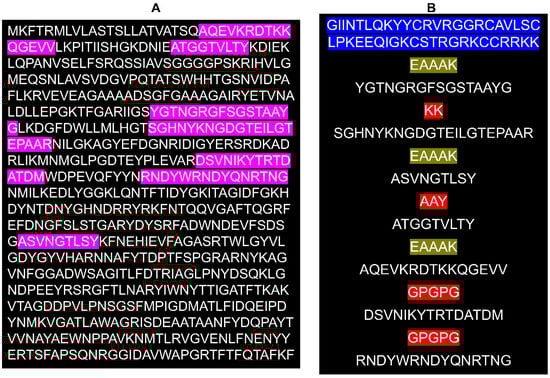
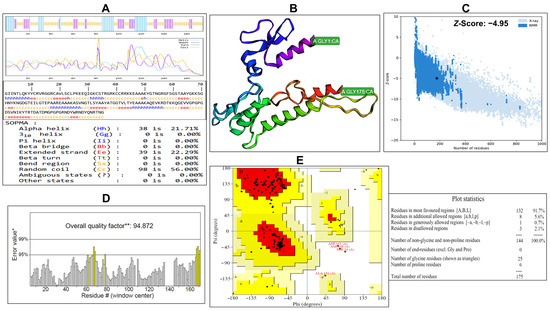
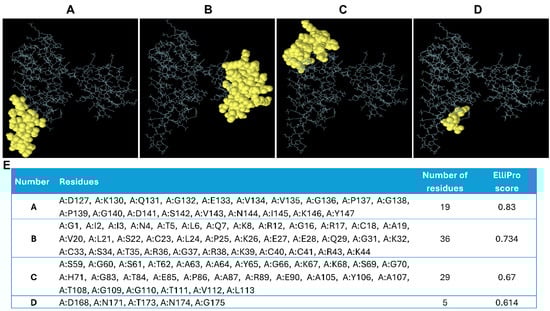
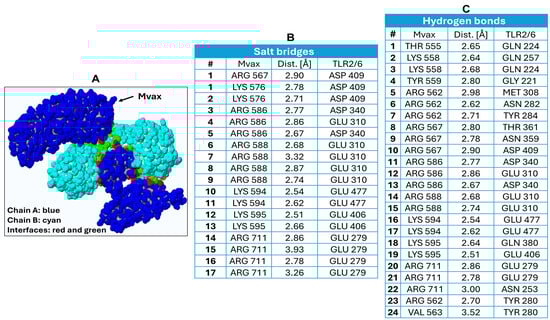
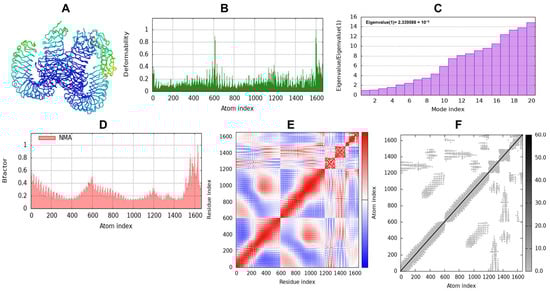
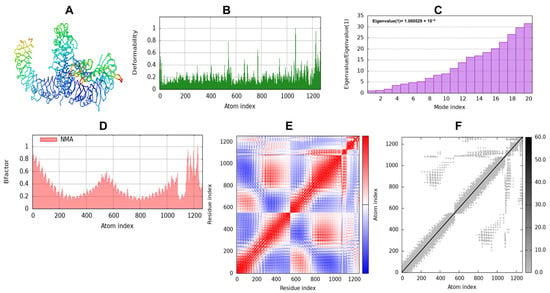
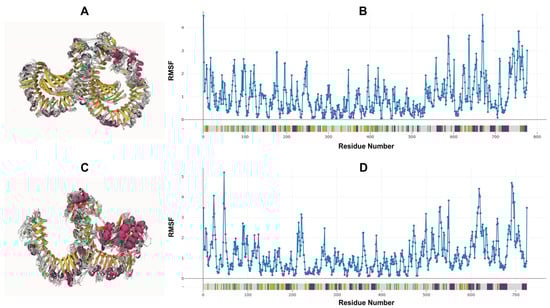
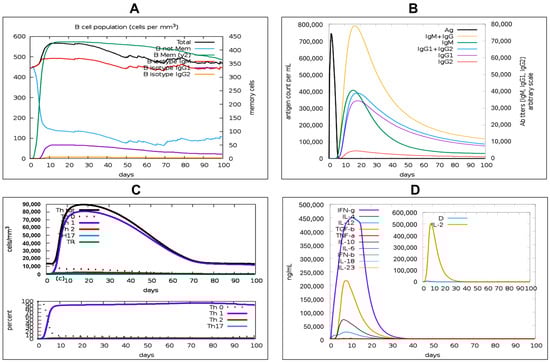
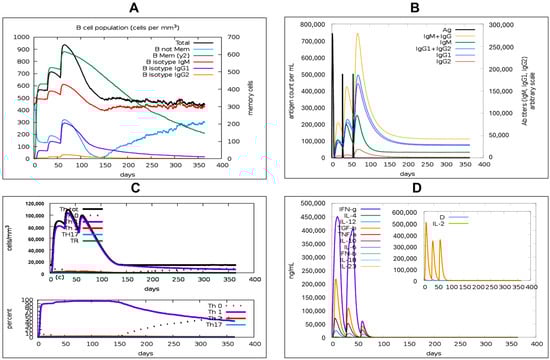
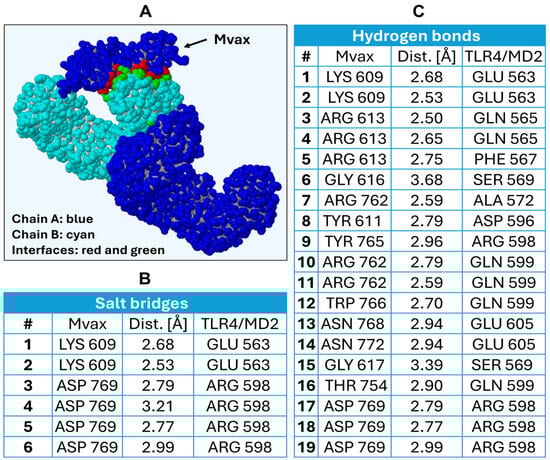
Background/Objectives: Brucella is a major global One Health threat, causing an estimated 2.1 million human infections and substantial livestock losses annually, with no vaccine currently available for humans, underscoring the urgent need for a safe and effective vaccine. Methods: Employing a reverse vaccinology approach, a novel 175-mer multiepitope vaccine (Mvax) targeting Brucella FrpB was computationally designed in this study, incorporating two B-cell, two MHC class I (MHC-I), and three MHC class II (MHC-II) epitopes selected for their high predicted antigenicity, safety, and IFN-γ-inducing potential. Human β-defensin-3 (hBD3) was fused to the N-terminus as an adjuvant, followed by comprehensive in silico evaluation of the construct. Results: Population coverage analysis predicted 99.59% global MHC class I/II coverage for selected epitopes. In silico analyses predicted that Mvax has high solubility (Protein-SOL score: 0.808), a high antigenicity score (VaxiJen: 1.06), and a negative GRAVY index (−0.881), indicating favorable predicted physicochemical characteristics. iMODS, CABS-Flex 3, and molecular dynamics simulations suggested theoretical stability trends for the modeled vaccine complexes. C-ImmSim immune simulations further predicted elevated Th1 cell populations and associated cytokines (IL-12, IFN-γ, IL-2) following both single and multiple simulated Mvax exposures. Conclusions: The computational analyses described here provide a theoretical modeling basis for an antivirulence multi-epitope vaccine design against human brucellosis, with predicted metrics and simulated immune responses requiring empirical validation.
Full article
(This article belongs to the Section Vaccines)
►▼
Show Figures

Figure 1

Open AccessReview
Interleukin-6: A Central Biomarker in Adult and Pediatric Cancer and Infectious Disease
by
Giorgia Di Benedetto, Carmen Sorice, Immacolata Cantiello, Maria Savarese, Ornella Leone, Michele Antonio Capozza and Mariaevelina Alfieri
Biologics 2026, 6(1), 5; https://doi.org/10.3390/biologics6010005 - 2 Feb 2026
Cited by 3
Abstract
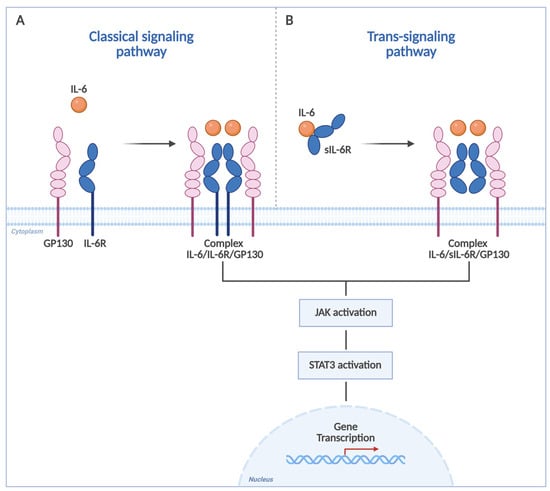
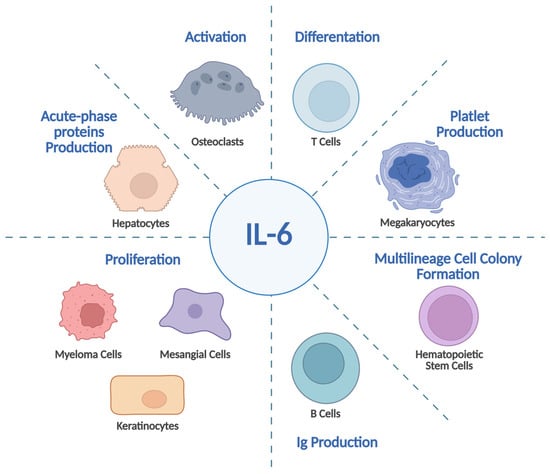
Interleukin-6 (IL-6) is a multifunctional cytokine with an essential role in immunity, inflammation, and cancer. Produced by immune, stromal and epithelial cells in response to infection or tissue stress, IL-6 regulates immune responses, acute-phase proteins (including serum amyloid A and C-reactive protein), hematopoiesis,
[...] Read more.
Interleukin-6 (IL-6) is a multifunctional cytokine with an essential role in immunity, inflammation, and cancer. Produced by immune, stromal and epithelial cells in response to infection or tissue stress, IL-6 regulates immune responses, acute-phase proteins (including serum amyloid A and C-reactive protein), hematopoiesis, and tissue remodeling. These effects are mediated via classical and trans-signaling pathways, which activate key intracellular cascades such as JAK/STAT3, MAPK, and PI3K/AKT. Accumulating evidence implicates dysregulated IL-6 signaling in both oncologic and infectious diseases, where it contributes to disease progression, immune evasion, and therapeutic resistance. This review aims to critically examine the role of IL-6 as a biomarker and therapeutic target in these two major clinical contexts: in cancer, IL-6 levels reflect tumor burden, prognosis, and therapy resistance in both adult and pediatric patients; in infectious diseases, circulating IL-6 may support early diagnosis and risk stratification, particularly in vulnerable pediatric populations. By integrating molecular mechanisms with clinical evidence, this review highlights IL-6 as a unifying biomarker linking inflammation, infection, and malignancy. It also addresses current limitations, including assay variability, lack of standardized reference ranges, especially in children, and challenges in clinical implementation.
Full article
(This article belongs to the Section Cytokines and Allied Mediators)
►▼
Show Figures

Graphical abstract
Highly Accessed Articles
Latest Books
E-Mail Alert
News
Topics
Topic in
Biomolecules, Cells, IJMS, Pathogens, Vaccines, Biologics, Microorganisms, Biomedicines
Advances in Vaccines and Antimicrobial Therapy—2nd Edition
Topic Editors: Raffaele D’Amelio, Roberto PaganelliDeadline: 30 September 2026
Topic in
Agriculture, Animals, Antibiotics, Microorganisms, Poultry, Pathogens, Veterinary Sciences, Biologics
Advances in Infectious and Parasitic Diseases of Animals
Topic Editors: Felipe M. Salvarani, Sheyla Farhayldes Souza Domingues, Júlia Angélica Gonçalves Da SilveiraDeadline: 31 December 2026
Topic in
Biomedicines, Cancers, Immuno, IJMS, Biologics
New Advancements in Innate Immunity and Cancer Immunotherapy
Topic Editors: Jeonghyun Ahn, Zhiwei HuDeadline: 30 June 2027
Topic in
Biomedicines, IJMS, Medical Sciences, Pharmaceuticals, Cells, Pathogens, Biologics
The Pathogenesis and Treatment of Immune-Mediated Disease
Topic Editors: Ranferi Ocaña-Guzmán, Lucero A. Ramon-LuingDeadline: 31 August 2027
Special Issues
Special Issue in
Biologics
Gene and Stem Cell Therapies for Inherited Metabolic Disorders
Guest Editor: Paul GissenDeadline: 25 September 2026
Special Issue in
Biologics
Biologics in Allergy and Asthma Treatment—Clinical Updates and Perspectives
Guest Editor: Marcin KurowskiDeadline: 31 December 2026