




-
Estimating Potential Distribution, Density and Abundance of the European Turtle Dove Streptopelia turtur in Apulia, Italy -
Wing Shape and Size Variation in Migratory Sylviid Warblers: Links to Ecology and Migration -
Willow Tits Use Chick-a-Dee Calls for Prophylactic Mobbing -
Being Seen and Heard Outweighs the Risk of Predation
Journal Description
Birds
Birds
is an international, peer-reviewed, open access journal on ornithology published quarterly online by MDPI.
- Open Access— free for readers, with article processing charges (APC) paid by authors or their institutions.
- High Visibility: indexed within ESCI (Web of Science), Scopus, AGRIS, and other databases.
- Rapid Publication: manuscripts are peer-reviewed and a first decision is provided to authors approximately 13.8 days after submission; acceptance to publication is undertaken in 3.8 days (median values for papers published in this journal in the first half of 2026).
- Journal Rank: JCR - Q1 (Ornithology) / CiteScore - Q2 (Animal Science and Zoology)
- Recognition of Reviewers: Reviewers who provide timely, thorough peer-review reports receive vouchers entitling them to a discount on the APC of their next publication in any MDPI journal. While single-blind peer review is standard, reviewers have the option available for signed peer review, and reviewer names are published annually in the journal.
- Birds is a companion journal of Animals.
- Journal Cluster of Animal Science: Animals, Arthropoda, Birds, Dairy, Insects, Journal of Zoological and Botanical Gardens, Pets, Poultry, Ruminants and Veterinary Sciences.
Impact Factor:
1.7 (2025);
5-Year Impact Factor:
1.9 (2025)
Latest Articles
Slow Spread of the Introduced Oriental Magpie in Dispersed Urban Habitats on Hokkaido Island, Northern Japan
Birds 2026, 7(3), 41; https://doi.org/10.3390/birds7030041 - 1 Jul 2026
Abstract
►
Show Figures
The Oriental Magpie Pica serica invaded Hokkaido, Japan, in the 1980s, but little is known about its current population status or potential for further range expansion. Here, we compile records on the distribution of magpies from 2012 to 2016 and estimate potential suitable
[...] Read more.
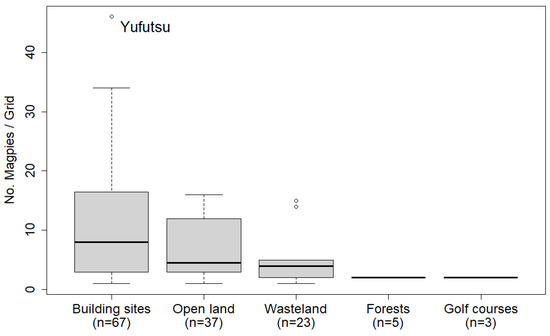
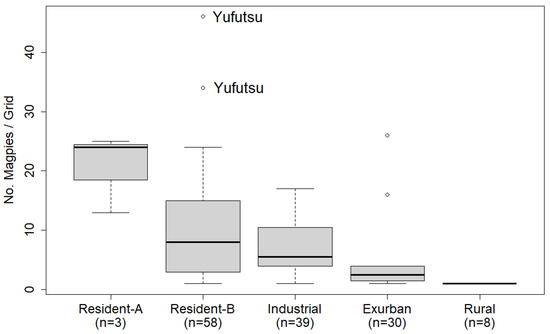
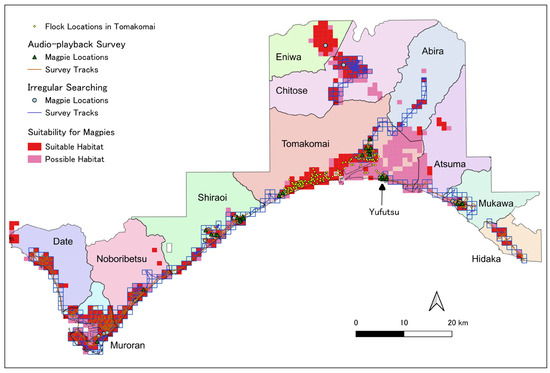
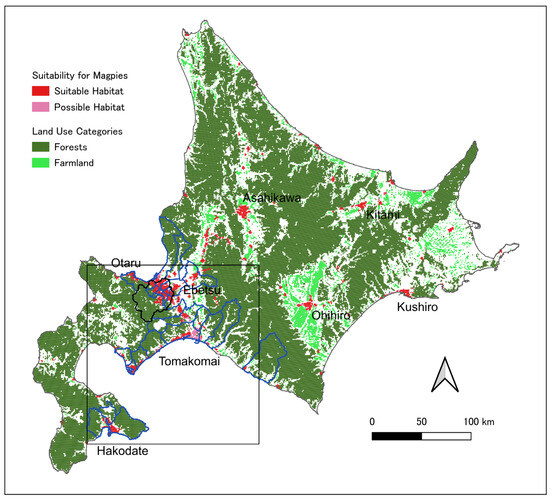
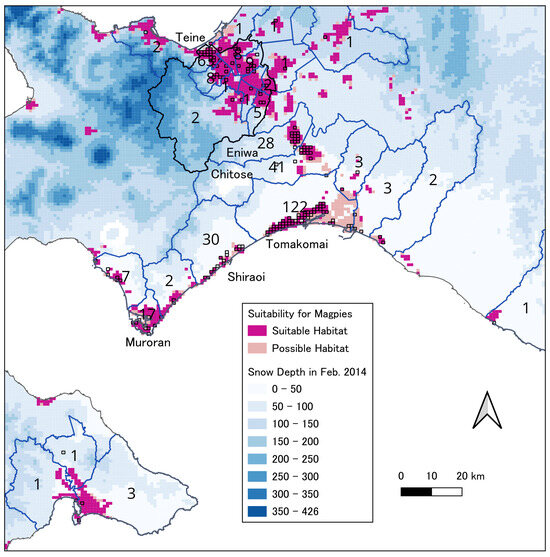
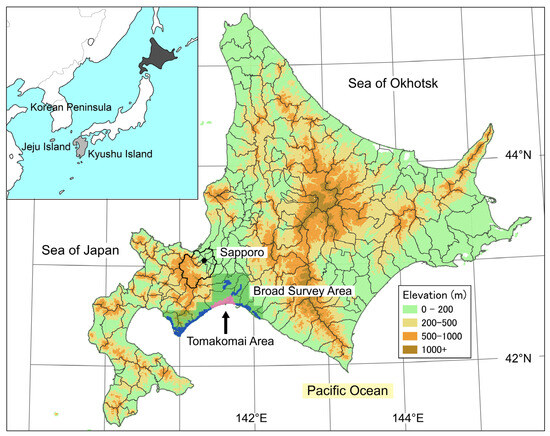
The Oriental Magpie Pica serica invaded Hokkaido, Japan, in the 1980s, but little is known about its current population status or potential for further range expansion. Here, we compile records on the distribution of magpies from 2012 to 2016 and estimate potential suitable habitats. Field surveys and citizen science reports revealed that breeding and individual birds occurred in 28 municipalities located in western Hokkaido. Although dozens or more birds have become established in three of these municipalities on the Pacific coast, populations in the other 25 appear not self-sustaining. Suitable habitats for magpies were almost exclusively limited to urban residential areas, presumably due to the availability of anthropogenic food resources. While these apparently suitable habitats occur throughout Hokkaido Island, no sightings have been recorded in eastern Hokkaido, suggesting that magpies have not crossed the forest area that runs north–south through the central part of the island. Suitable habitats, estimated based on the habitat selection by the largest population in Tomakomai, are concentrated near the centers of each municipality, separated by agricultural land, which may have slowed down the range expansion of the magpie through the Allee effect. The island-like fragmentation of suitable habitats is advantageous for comparative studies of magpie populations, food resources, predators, and competitors. Furthermore, the magpie has a distinctive black-and-white coloration and a unique, loud call, making it well-suited for citizen science surveys. Continuous monitoring of Hokkaido’s magpie population by experts and citizens will provide excellent opportunities to ask ecological questions involving bird distributions and the establishment of invasive species.
Full article
Open AccessArticle
Multidimensional Diet Diversity in Nine European Owl Species: Integrating Taxonomic, Functional, and Phylogenetic Perspectives
by
Franc Janžekovič and Tina Klenovšek
Birds 2026, 7(3), 40; https://doi.org/10.3390/birds7030040 - 29 Jun 2026
Abstract
►▼
Show Figures
Diet diversity of owls has traditionally been studied using prey taxonomic composition, but species identities alone do not necessarily capture ecological roles, energetic dominance, or evolutionary breadth of prey. Here we quantified diversity across taxonomic, functional, and phylogenetic dimensions of prey of nine
[...] Read more.
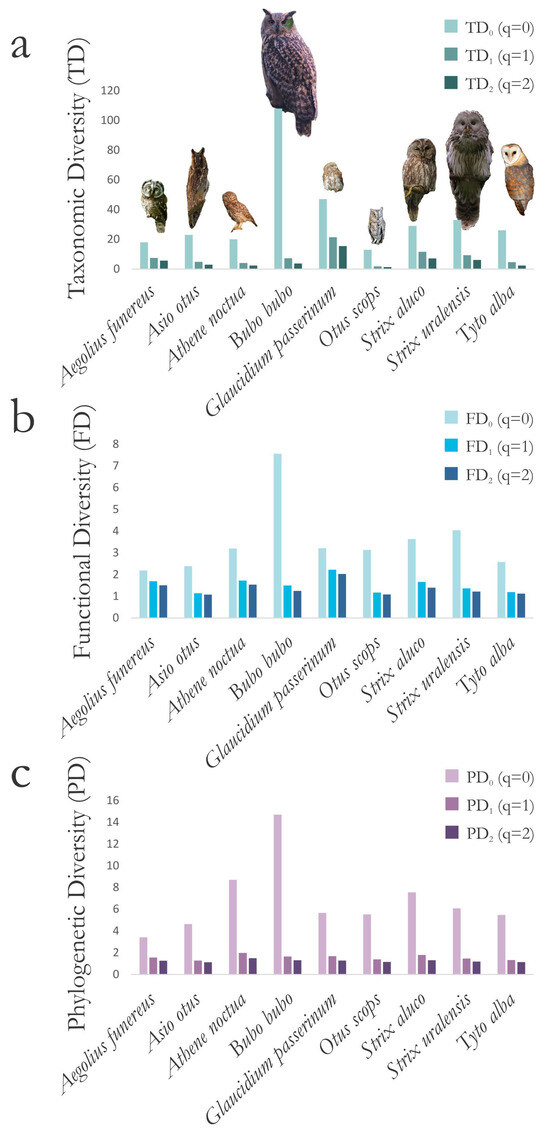
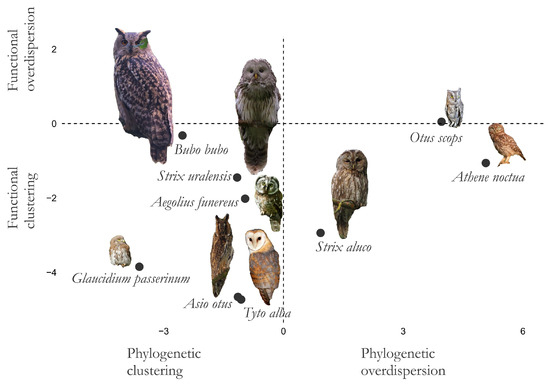
Diet diversity of owls has traditionally been studied using prey taxonomic composition, but species identities alone do not necessarily capture ecological roles, energetic dominance, or evolutionary breadth of prey. Here we quantified diversity across taxonomic, functional, and phylogenetic dimensions of prey of nine European owl species: Aegolius funereus, Asio otus, Athene noctua, Bubo bubo, Glaucidium passerinum, Otus scops, Strix uralensis, Strix aluco, and Tyto alba. Using a unified Hill-number framework we estimated richness- and evenness-sensitive diversity and evaluated prey assemblage structures using standardized effect sizes from richness-controlled null models. Prey diversity varied strikingly among owls. Diet strongly relied on a limited set of functionally and phylogenetically similar prey. Bubo bubo showed high richness but low evenness, Otus scops specialization, Glaucidium passerinum high evenness, and Athene noctua high phylogenetic breadth. Large differences in taxonomic richness were frequently decoupled from functional or evolutionary breadth, for example in Bubo bubo and Athene noctua. Structural analyses revealed phylogenetic overdispersion in Athene noctua and Otus scops, clustering in Glaucidium passerinum, and extreme functional clustering in Tyto alba and Asio otus. Together, these results show that owl diets are structured along multiple, partially independent axes, best revealed by combining Hill-number profiles with null-model analyses.
Full article

Figure 1
Open AccessArticle
Long-Term Winter Population Trends of Tits (Paridae) in Relation to Urbanization
by
Jukka Jokimäki, Jukka Suhonen and Marja-Liisa Kaisanlahti-Jokimäki
Birds 2026, 7(3), 39; https://doi.org/10.3390/birds7030039 - 25 Jun 2026
Abstract
►▼
Show Figures
Tit species (Paridae) are an important part of urban settlements during winter. We counted wintering tit species from 31 urban settlements along a 920 km latitudinal gradient in Finland during four winters between 1991 and 2020. We observed a total of five tit
[...] Read more.
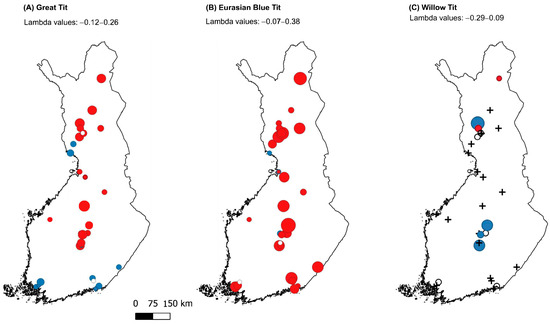
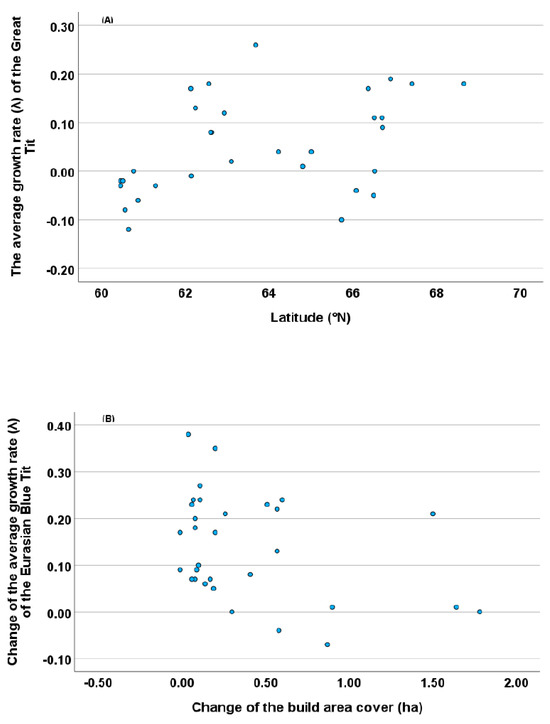
Tit species (Paridae) are an important part of urban settlements during winter. We counted wintering tit species from 31 urban settlements along a 920 km latitudinal gradient in Finland during four winters between 1991 and 2020. We observed a total of five tit species, the Great Tit (Parus major), Eurasian Blue Tit (Cyanistes caeruleus), Coal Tit (Periparus ater), Willow Tit (Poecile montanus), and Crested Tit (Lophophanes cristatus) during the surveys. The most common and abundant species were the deciduous forest preferring Great Tit and Eurasian Blue Tit, whereas the coniferous forest preferring species exhibiting a hoarding behavior, the Coal Tit, Willow Tit, and the Crested Tit, were seldom observed, and no Siberian Tits were detected. These results indicated that food-hording coniferous preferring tit species avoided urban areas. The numbers of Great Tit and Eurasian Blue Tit were greater at the end of the study period than in the first two winters studied. The average growth rate (λ) of the Great Tit and Eurasian Blue Tit increased during the winters studied. Our data indicated a greater increase rate of the Great Tit and Eurasian Blue Tit than the Finnish winter bird monitoring work, probably because we only surveyed tits within human settlements. There was a positive correlation between the average growth rate of the Great Tit and the latitude. There was a negative correlation between the changes in average growth rate (λ) of the Eurasian Blue Tit and the changes in built-up area cover within the study areas between winters 1991/1992 and 2019/2020, and vice versa, indicating that the Eurasian Blue Tit population suffered from the increase in built-up area cover. Despite the fact that the total number of winter-feeding sites decreased during the study period, changes in their numbers were not associated with the growth rates of any tit species. The abundance of the Great Tit was negatively associated with building cover and positively associated with winter temperature. The abundance of the Eurasian Blue Tit was negatively associated with building cover and negatively associated with latitude. When controlling for the latitude, the growth rate of the Great Tit increased with the temperature in winter months, indicating that the Great Tit populations have increased in colder study sites. Our results indicated that population trends of tit species may differ regionally, and that changes in urban settlements may modify the abundance of tit species during winter. We did not detect any correlation in population growth rates between species. We recommend conducting more long-term tit research both during the winter and breeding seasons to understand the population dynamics and population trends of tit species across diverse types of habitats in more detail.
Full article

Figure 1
Open AccessArticle
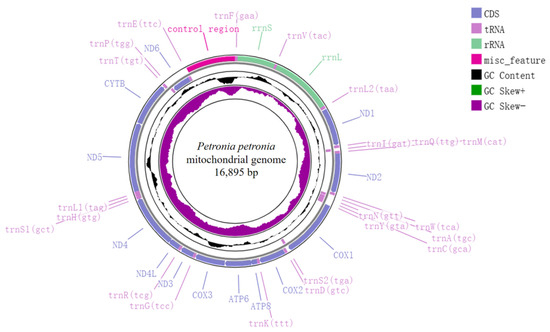
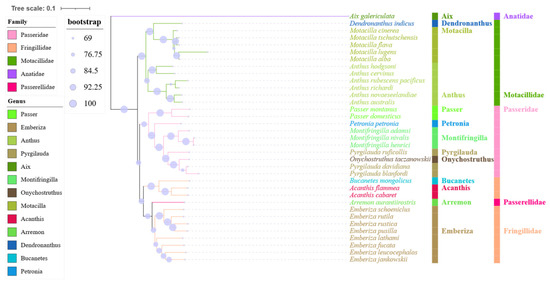
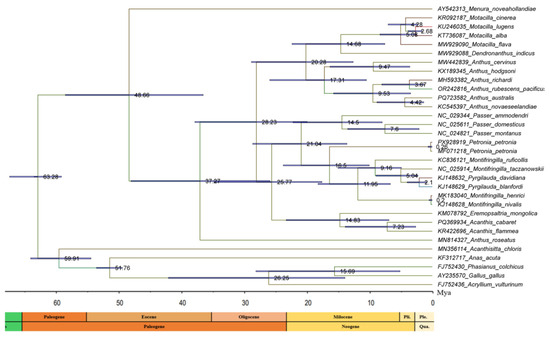
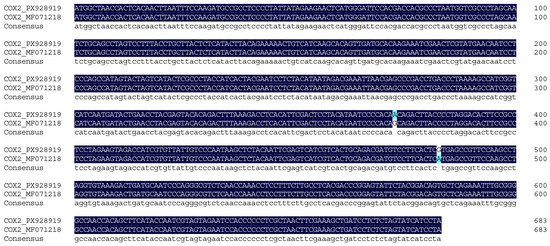
Mitochondrial Genome and Phylogenetic Analysis of the Rock Sparrow (Petronia petronia) on the Qinghai–Tibet Plateau
by
Wenshu Zhang and Shaobin Li
Birds 2026, 7(3), 38; https://doi.org/10.3390/birds7030038 - 25 Jun 2026
Abstract
Petronia petronia is a highly adaptable passerine bird in the western Palearctic region. Its mitochondrial genome characteristics and intraspecific genetic variation have been poorly studied. This study sequenced and annotated the complete mitochondrial genome of P. petronia. The newly obtained mitochondrial genome
[...] Read more.
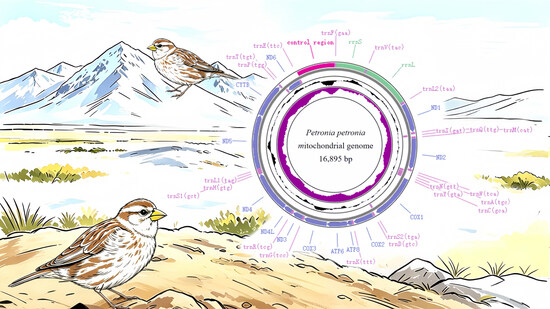
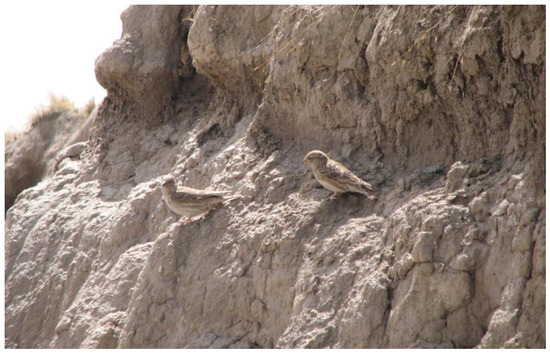
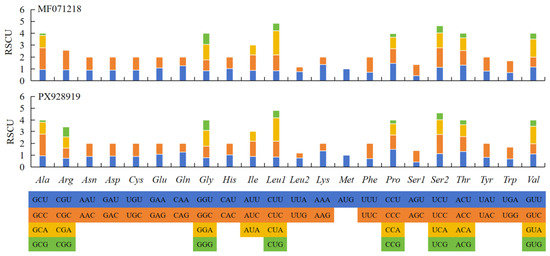
Petronia petronia is a highly adaptable passerine bird in the western Palearctic region. Its mitochondrial genome characteristics and intraspecific genetic variation have been poorly studied. This study sequenced and annotated the complete mitochondrial genome of P. petronia. The newly obtained mitochondrial genome was 16,895 bp in length, with an A + T content of 54.50%. By comparing this sequence with another published mitochondrial genome from a different individual of the same species, which differed in elevation by approximately 210 m. The results identified 30 nucleotide variation sites across the 13 protein-coding genes. Among these, ND5 showed the highest number of variations, while COXII and ND6 contained non-synonymous mutations. The similarity between the two control regions was only 70.60%, indicating intraspecific sequence divergence. Divergence time analysis revealed that the genus Petronia diverged from other passerine lineages around 16.5 million years ago, whereas the two haplotypes of P. petronia diverged approximately 0.26 million years ago. This study reports the complete mitochondrial genome of P. petronia and provides a preliminary description of the differences among individuals in mitochondrial sequences and structure, laying a foundation for future population genetics and comparative genomics research on this species.
Full article
(This article belongs to the Special Issue Unveiling the Breeding Biology and Life History Evolution in Birds)
►▼
Show Figures

Graphical abstract
Open AccessArticle
Integrative Analysis of Flight Performance Data Using Basic Machine Learning Approaches in Racing Pigeons (Columba livia)
by
Ozden Cobanoglu, Nursen Senturk, Fazli Alpay and Sena Ardicli
Birds 2026, 7(2), 37; https://doi.org/10.3390/birds7020037 - 19 Jun 2026
Abstract
►▼
Show Figures
Racing pigeons (Columba livia domestica) have been selectively bred for centuries for superior flight capacity. Yet, the quantitative structure of flight performance traits and the extent to which sex influences these parameters remain poorly characterized, particularly in Turkish populations. This study
[...] Read more.
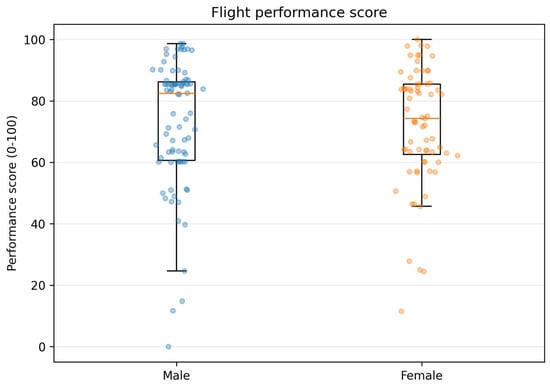
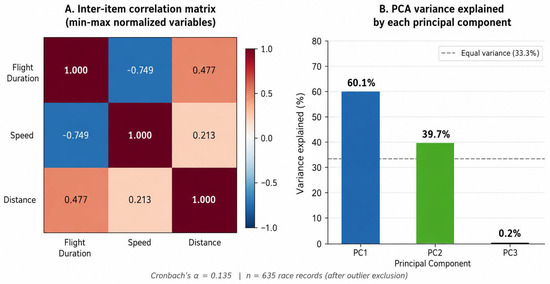
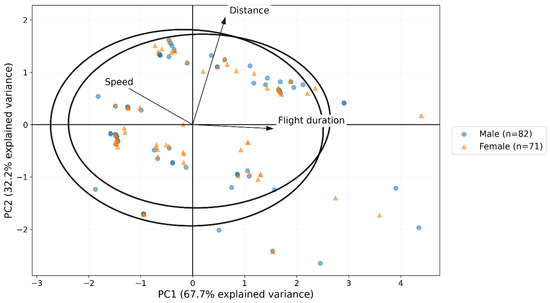
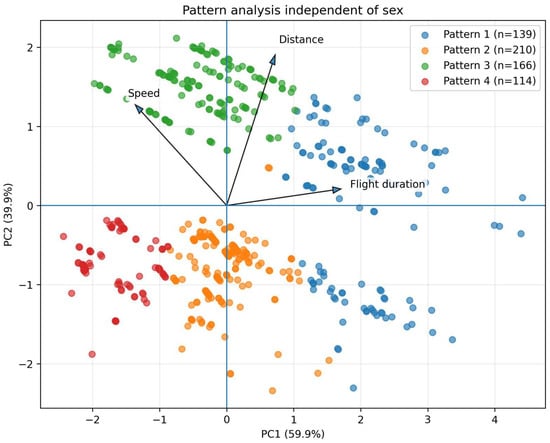
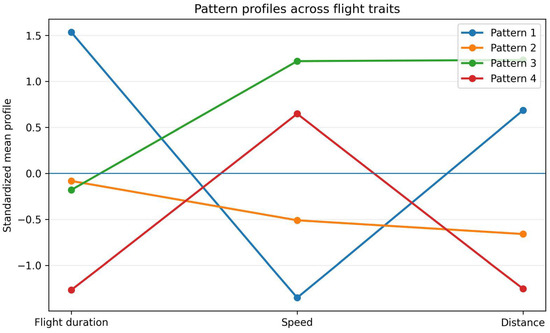
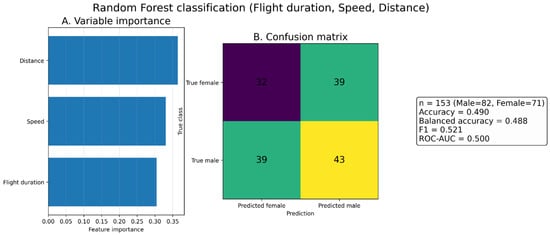
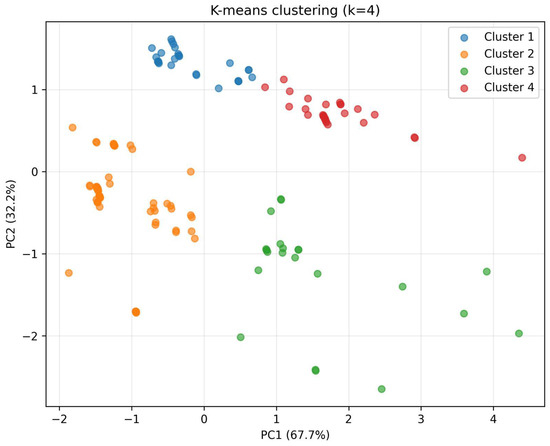
Racing pigeons (Columba livia domestica) have been selectively bred for centuries for superior flight capacity. Yet, the quantitative structure of flight performance traits and the extent to which sex influences these parameters remain poorly characterized, particularly in Turkish populations. This study aimed to evaluate flight performance in racing pigeons raised in the South Marmara region of Türkiye using three key kinematic traits (flight duration, speed, and distance) and to explore the multivariate structure and individual variation of these parameters through an integrative machine learning framework. Data were compiled from 166 individually registered pigeons (77 females, 89 males), totaling 781 race records used for pattern analysis. A composite Flight Performance Score (FPS) was constructed using min–max normalized component variables, and its internal consistency was assessed via Cronbach’s alpha and principal component analysis. Univariate comparisons revealed no statistically significant sex-related differences in any of the three flight parameters (p > 0.05 for all traits). Principal component analysis confirmed substantial overlap between male and female individuals in multivariate trait space, and Random Forest classification failed to discriminate between sexes above chance level (accuracy = 0.490; ROC-AUC = 0.500), collectively indicating that sex is not a dominant determinant of flight performance in this population. Internal consistency analysis revealed that flight duration, speed, and distance are functionally independent dimensions (Cronbach’s α = 0.135; r = −0.749 between duration and speed), with PCA of the FPS component variables indicating an effectively two-dimensional variance structure (PC1: 60.1%; PC2: 39.7%). Pattern analysis of race records identified four biologically distinct flight performance profiles, characterized by differential trade-offs among flight duration, speed, and distance, suggesting that individual-level performance strategy, rather than sex, is the primary axis of variation in this dataset. These findings challenge common breeder assumptions about sex-based differences in performance and highlight the multidimensional, individual-specific nature of flight performance in racing pigeons.
Full article

Figure 1
Open AccessEssay
Provisional or Incomplete? Two Centuries of Systematic Inquiry into the Totipalmate Birds
by
Caio J. Carlos
Birds 2026, 7(2), 36; https://doi.org/10.3390/birds7020036 - 19 Jun 2026
Abstract
►▼
Show Figures
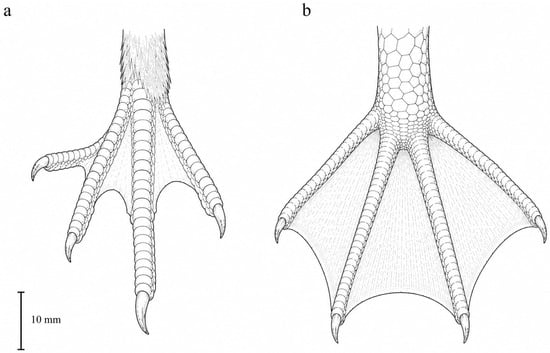
The traditional Pelecaniformes, defined by the totipalmate foot, persisted as an apparently stable assemblage from the nineteenth century to the early 2000s, its coherence resting on a single diagnostic character whose phylogenetic interpretation was rarely tested. This essay traces the history of the
[...] Read more.
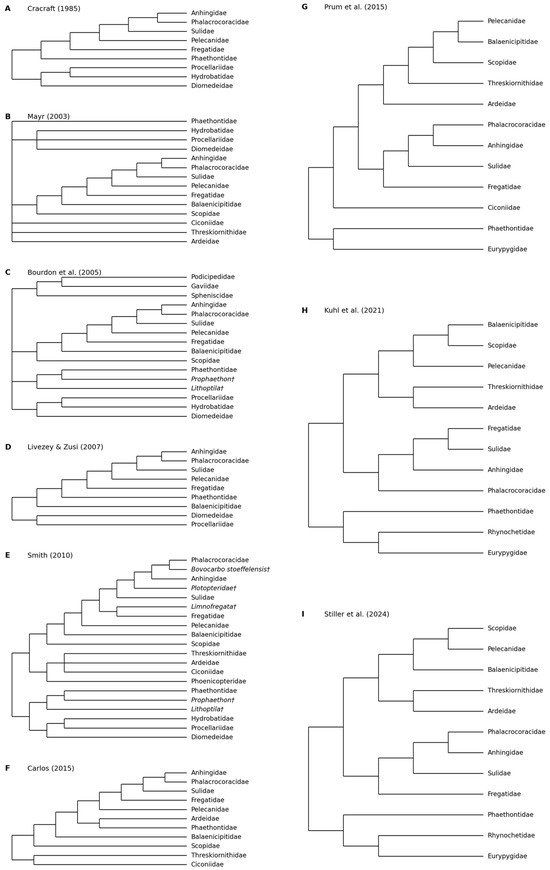
The traditional Pelecaniformes, defined by the totipalmate foot, persisted as an apparently stable assemblage from the nineteenth century to the early 2000s, its coherence resting on a single diagnostic character whose phylogenetic interpretation was rarely tested. This essay traces the history of the group’s classification, from the comparative anatomy of the nineteenth century, through the cladistic analyses of 1985–2015, to the molecular redefinition of the early 2020s, in which the traditional order was found polyphyletic, with pelicans placed among herons, ibises, and the shoebill; cormorants and allies transferred to Suliformes; and tropicbirds to Phaethontiformes. The position of Phaethontiformes within Aequornithes remains the principal point of instability, recovered as sister to Eurypygiformes in molecular analyses but variously placed in morphological ones. The redefinition is supported mainly by molecular evidence, and the candidate morphological synapomorphies proposed for some groupings remain untested in a comprehensive analysis incorporating extant and fossil terminals and evaluated against the molecular topology. In such an analysis, the principal remaining task would be to test whether the molecular groupings are recognisable in phenotype, including in fossil taxa accessible only to morphology. The classification is incomplete in this sense rather than provisional, not because it is likely wrong but because that test has not been performed.
Full article

Figure 1
Open AccessArticle
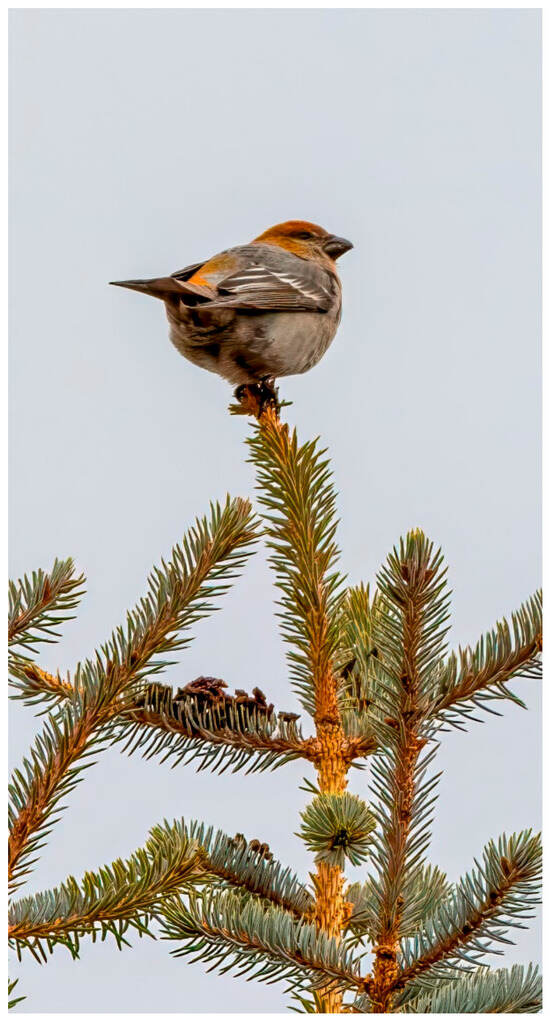
Pine Grosbeak (Pinicola enucleator) Exhibit Collective Vocal Behavior During Foraging Bouts
by
Stefani A. Crabtree and Thomas J. Crabtree
Birds 2026, 7(2), 35; https://doi.org/10.3390/birds7020035 - 18 Jun 2026
Abstract
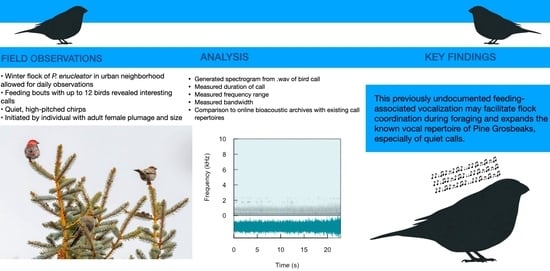
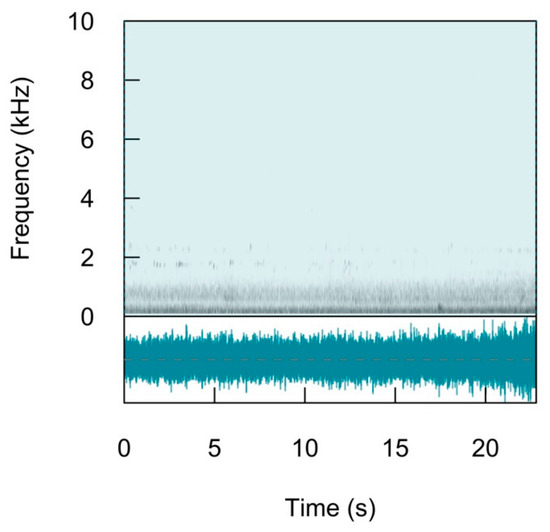
Pine Grosbeaks (Pinicola enucleator) are boreal finches whose winter ecology and social behavior remain only sporadically documented due to their remote distributions and irruptive dispersions. From 18 December 2023 to 6 March 2024, we conducted repeated daily observations of a flock
[...] Read more.
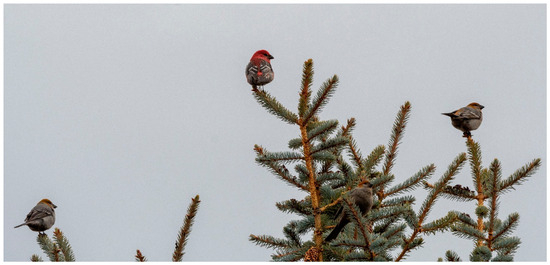
Pine Grosbeaks (Pinicola enucleator) are boreal finches whose winter ecology and social behavior remain only sporadically documented due to their remote distributions and irruptive dispersions. From 18 December 2023 to 6 March 2024, we conducted repeated daily observations of a flock of up to twelve P. enucleator occupying a temporary wintering range in an urban neighborhood in Oregon. During these observations, we documented a previously undescribed collective vocalization associated with feeding. Comparison with 2674 archived Pine Grosbeak recordings from major bioacoustic repositories revealed that no clear matches between our recording and archives could be established. The low amplitude and coordinated nature of these calls may suggest a collective vocal behavior. These observations highlight the value of sustained, close-range field observation in revealing context-dependent behaviors that may otherwise remain undocumented.
Full article
(This article belongs to the Special Issue Spatial Variation in Birdsong: Ecological Drivers and Behavioural Functions)
►▼
Show Figures

Graphical abstract
Open AccessCorrection
Correction: Cardoso et al. Long-Term Patterns of Wild Bird Admissions and Predictors of Outcomes at a Rehabilitation Center in Northern Portugal. Birds 2026, 7, 28
by
Camila Alampe Cardoso, Roberto Sargo, Luís Sousa, Filipe Silva and Isabel Pires
Birds 2026, 7(2), 34; https://doi.org/10.3390/birds7020034 - 17 Jun 2026
Abstract
Compared with the original publication [...]
Full article
Open AccessArticle
Climate-Driven Distribution Modeling of Endemic Iranian Ground Jay (Podoces pleskei): Ecological Niche and Conservation
by
Yeganeh Rakhshanifari, Malihe Erfani, Saeed Mohammadi and Narjes Okati
Birds 2026, 7(2), 33; https://doi.org/10.3390/birds7020033 - 11 Jun 2026
Abstract
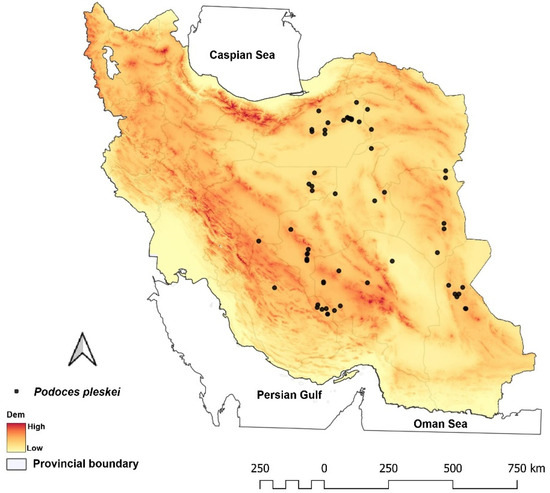
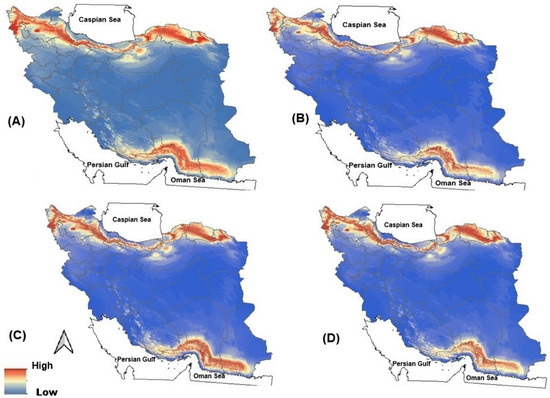
The Iranian Ground Jay (Podoces pleskei) is the endemic bird species inhabiting the deserts and steppes of Iran, a region experiencing severe ecological disturbances like habitat loss and fragmentation of preferred habitat. Despite its remarkable adaptation to arid environments, Iranian Ground
[...] Read more.
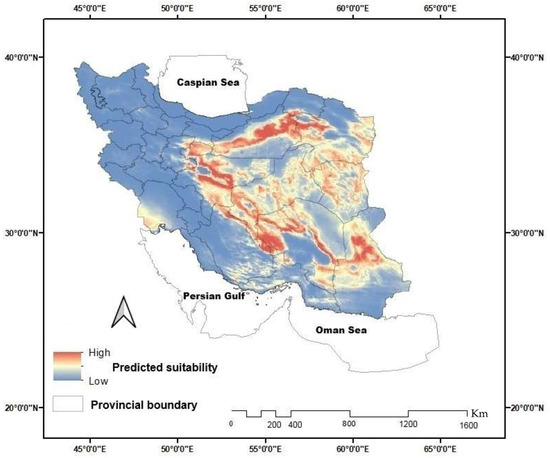
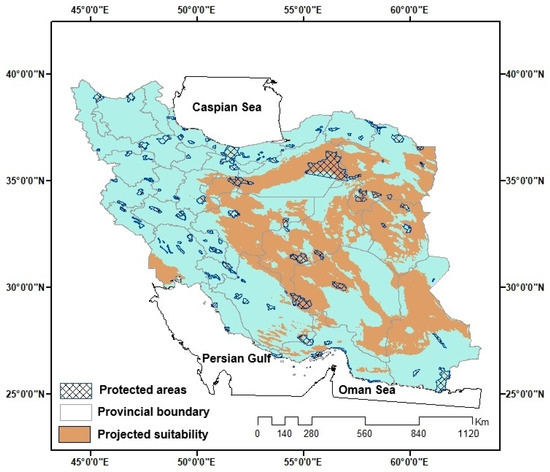
The Iranian Ground Jay (Podoces pleskei) is the endemic bird species inhabiting the deserts and steppes of Iran, a region experiencing severe ecological disturbances like habitat loss and fragmentation of preferred habitat. Despite its remarkable adaptation to arid environments, Iranian Ground Jay exhibits strong habitat specialization, making it both ecologically resilient and vulnerable—an intriguing case for evaluating how the species responds to climate-driven habitat shifts. The present study aims to assess the current and future distribution of Iranian Ground Jay under climatic change using MaxEnt incorporating presence records and bioclimatic variables. We modeled the species’ potential distribution under two climate models (HadGEM3-GC31-LL and MIROC6) for 2070. Then, using the predicted habitats, we estimated the coverage of protected areas in Iran. Among climatic variables, we predicted that the annual precipitation (bio12), precipitation of driest quarter (bio17), and temperature seasonality (bio4) significantly influenced the distribution of Iranian Ground Jays. The highly suitable distributions of the species are concentrated in Eastern, Southeastern, and Central Iran. Our results indicated that a vast range of potential distribution is located outside protected areas, emphasizing the importance of conservation efforts. Our investigation shed lighted the consequences of global warming, where the highly suitable habitat is expected to shift under predicted climatic changes, resulting in a reduction in suitable habitat extent projected for the future. Based on these insights, it becomes imperative to reassess current conservation policy and devise an action plan specifically tailored for the Iranian Ground Jay, particularly emphasizing the protection of its core habitats within anthropogenically altered landscapes and non-protected regions.
Full article
(This article belongs to the Special Issue Resilience of Birds in Changing Environments)
►▼
Show Figures

Figure 1
Open AccessReview
Birds: Did Evolution of Biological Novelties Compromise Their Capacity to Effectively Adapt to Extreme Environmental Conditions?
by
John Ndegwa Maina
Birds 2026, 7(2), 32; https://doi.org/10.3390/birds7020032 - 29 May 2026
Abstract
►▼
Show Figures
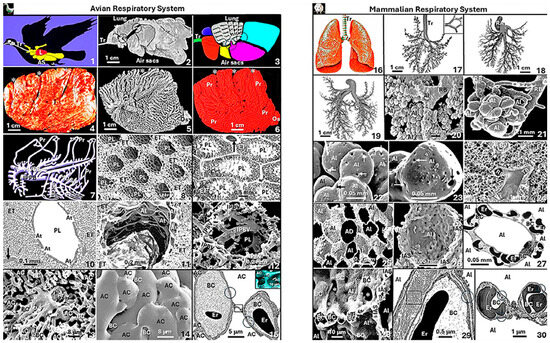
Foremost, the structural, functional and behavioural traits of birds relate directly or indirectly to volancy, i.e., the capacity for powered flight, an elite mode of locomotion that decisively made them what they are today: ‘specialist and extreme animals’. Placing them at the pinnacle
[...] Read more.
Foremost, the structural, functional and behavioural traits of birds relate directly or indirectly to volancy, i.e., the capacity for powered flight, an elite mode of locomotion that decisively made them what they are today: ‘specialist and extreme animals’. Placing them at the pinnacle of the evolutionary hierarchy, birds possess exceptional biological specialisations which, dispersed across the globe, have provided them with profound survival advantages. The adaptive novelties of birds are above all indicated by the remarkable morphological refinements and physiological specialisations of their respiratory system, the lung-air sac system. To contribute to the ongoing discussions and debates on the impacts of existing and continuing extreme environmental conditions (ECs) on the biology of birds, here, a viewpoint is posed that the adaptive innovations that birds acquired in the past, ostensibly under different ECs, may have undermined their capacity to effectively adjust to different outcomes. To explain this perspective, the following aspects are considered: the specialist and extreme biology of birds; the prevailing brutal ECs that birds must presently endure; and the consequences of having to suffer extreme conditions that include global warming and habitat destruction and pollution. It is proposed that under these existential threats, in general, the adaptive capacities of birds appear to have weakened, rendering them more vulnerable to external pressures. It is suggested that urgent conservation measures, especially for the most threatened species of birds, should be considered.
Full article

Figure 1
Open AccessArticle
Global Distribution of Monk Parakeets (Myiopsitta monachus): How the Monk Parakeet Invasive Map Is Drawn upon Nations’ Wealth
by
Valentina López-Jara, Matilde Larraechea and Cristóbal Briceño
Birds 2026, 7(2), 31; https://doi.org/10.3390/birds7020031 - 28 May 2026
Abstract
►▼
Show Figures
The Monk Parakeet (Myiopsitta monachus) is a psittacid species native to central and eastern South America that was introduced into many countries by traders, for its popularity as caged pets. After escapes or releases, it has been successful in establishing in
[...] Read more.
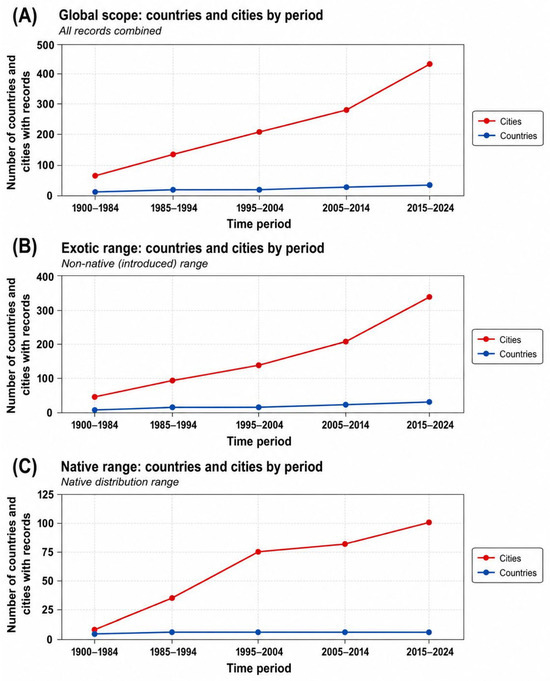
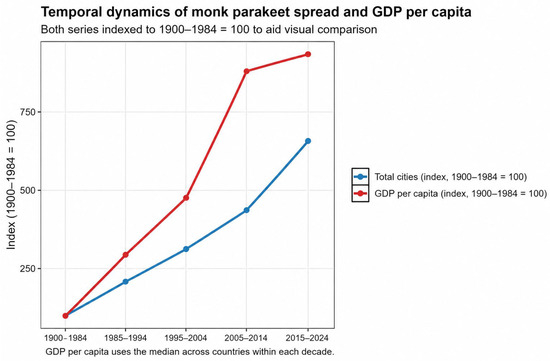
The Monk Parakeet (Myiopsitta monachus) is a psittacid species native to central and eastern South America that was introduced into many countries by traders, for its popularity as caged pets. After escapes or releases, it has been successful in establishing in new territories, capable of reproducing, dispersing, and exhibiting population growth in introduction sites during recent decades. It is considered a pest due to negative impacts, especially for its damage to agriculture and urban infrastructure. Although its global distribution has been previously described, given its high adaptability and effectiveness in colonizing new environments, many of these distribution maps may be outdated. We used eBird, a free online birding database, to locate sightings of this species globally and compared it with the reported range for the species. Additionally, we overlaid compiled data on species distribution with economic data to explore if there is a correlation between the reported parakeet presence in new cities and wealth. We compiled data from 1900 to 2024 and compared reported differences in the Monk Parakeet presence. Our results indicate that Monk Parakeets have invaded at least 31 countries, being present in capital cities, cities, towns, and rural territories. The number of cities where the species was reported as invasive increased significantly since 1985, by an average of 150% by decade. We found a positive pooled association between country-level Gross Domestic Product (GDP) per capita and the number of cities with Monk Parakeet records, although this pattern should be interpreted cautiously, given potential biases from observation effort, country size, and temporal co-variation. We present new evidence on Monk Parakeet’s rapid global expansion and deliver an updated map of the Monk Parakeet global distribution, relevant for planning and implementing control measures.
Full article

Figure 1
Open AccessBrief Report
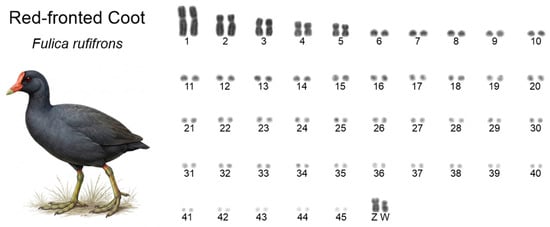
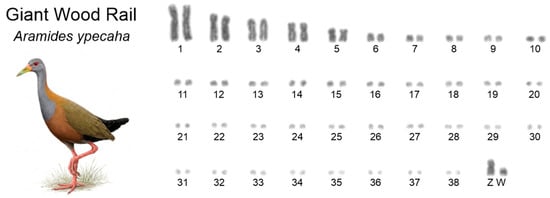
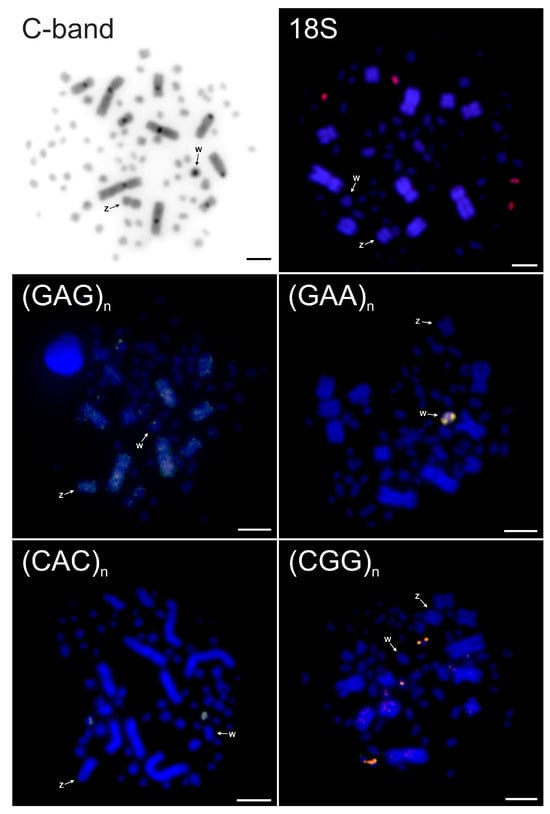
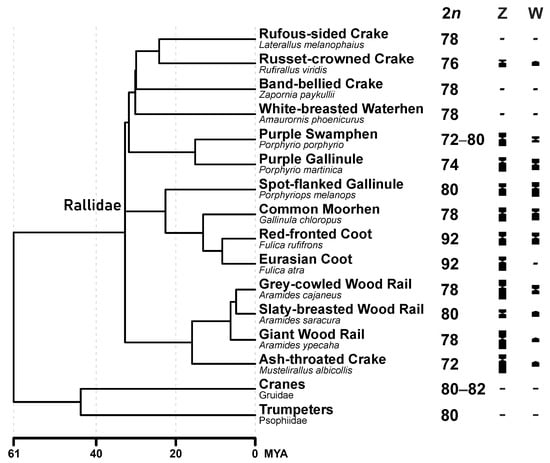
Cytogenetic Characterization of Red-Fronted Coot (Fulica rufifrons Philippi & Landbeck, 1861) and Giant Wood Rail (Aramides ypecaha Vieillot, 1819) (Rallidae) and Implications for Avian Karyotype Evolution
by
Luciano Cesar Pozzobon, Felipe Lagreca Bitencourt, Victor Cruz Cuervo, Raqueli Teresinha França, Thales Renato Ochotorena de Freitas and Rafael Kretschmer
Birds 2026, 7(2), 30; https://doi.org/10.3390/birds7020030 - 22 May 2026
Abstract
►▼
Show Figures
Karyotypic diversification in birds is often masked by overall chromosomal conservation, yet the mechanisms driving lineage-specific variation remain poorly understood. Here, we demonstrate that genome evolution in Rallidae is shaped by dynamic, independent trajectories of chromosomal reorganization, despite the retention of general avian
[...] Read more.
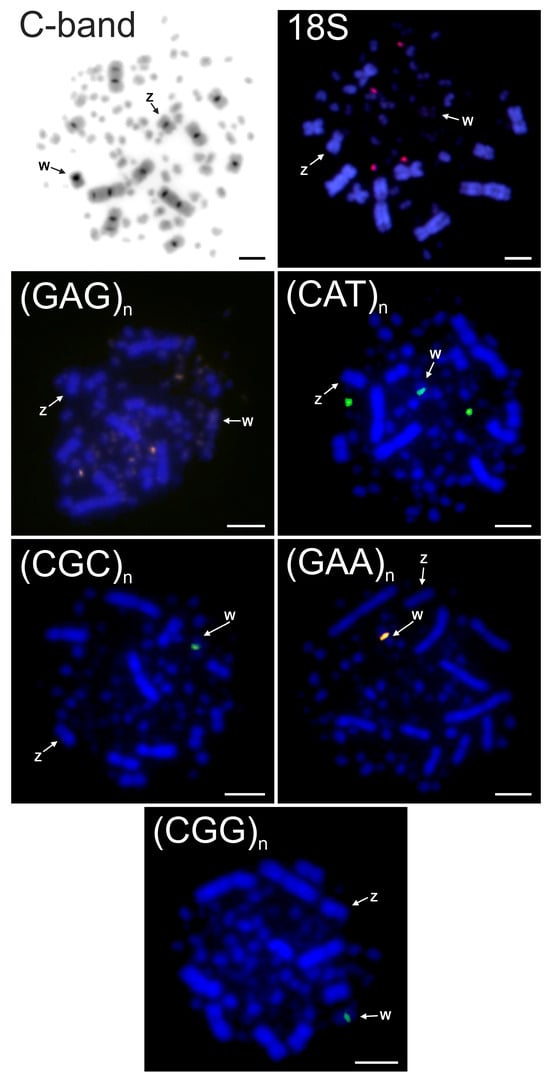
Karyotypic diversification in birds is often masked by overall chromosomal conservation, yet the mechanisms driving lineage-specific variation remain poorly understood. Here, we demonstrate that genome evolution in Rallidae is shaped by dynamic, independent trajectories of chromosomal reorganization, despite the retention of general avian architectural features. By integrating cytogenetic and molecular mapping data from two Neotropical species, Fulica rufifrons Philippi & Landbeck, 1861 (Red-fronted Coot) and Aramides ypecaha Vieillot, 1819 (Giant Wood Rail), we show that repetitive DNA expansion and heterochromatinization contribute to karyotype variability and sex chromosome differentiation. The contrasting structure and heterochromatic composition of the W chromosome between these species reveal that sex chromosomes evolve rapidly and independently, driven by lineage-specific accumulation of repetitive elements. Moreover, the variation in microsatellite distribution, especially the distinct localization of motifs on macro- and microchromosomes, underscores the independent and dynamic evolution of repetitive sequences. Our findings collectively indicate that chromosomal rearrangements, along with the amplification and redistribution of repetitive DNA, are contributing factors of genomic diversification in Rallidae, offering new insights into the mechanisms underlying karyotype evolution and sex chromosome differentiation in birds.
Full article

Figure 1
Open AccessArticle
Individual Specialization of Frugivorous Birds Within a Plant–Frugivore Community: A Network Approach
by
Aarón González-Castro and Carla Luis-Sánchez
Birds 2026, 7(2), 29; https://doi.org/10.3390/birds7020029 - 19 May 2026
Abstract
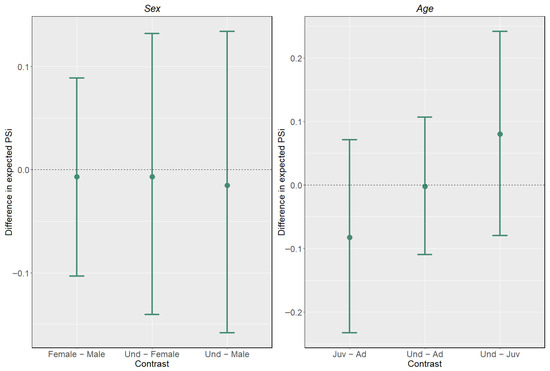
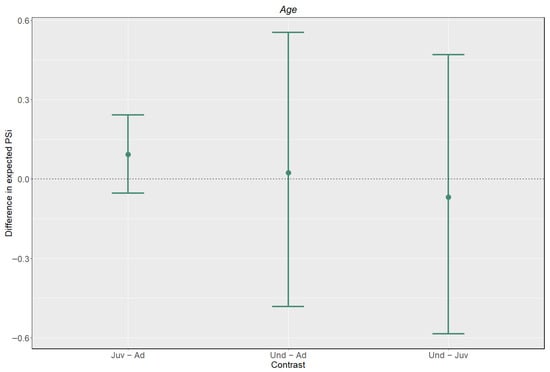
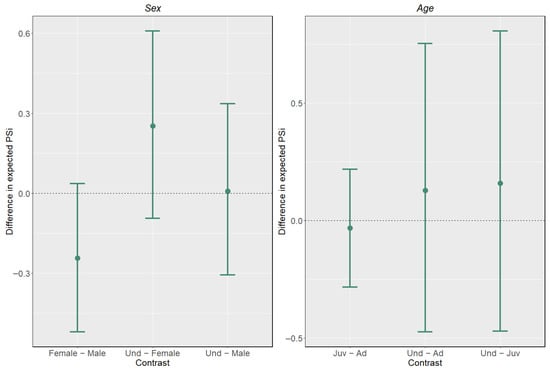
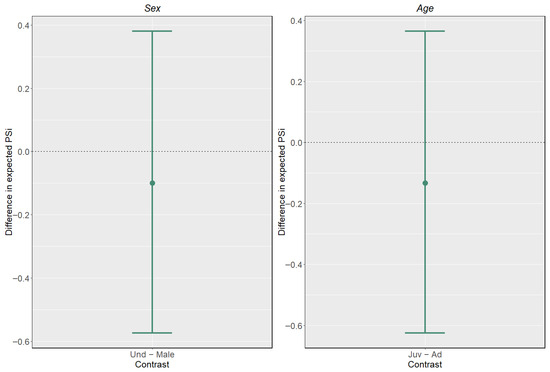
►▼
Show Figures
Network approaches are commonly used to study mutualistic interactions between frugivorous birds and plants at the community level. However, most fruit–bird networks aggregate individual data and rely on species-level traits, often overlooking intraspecific variation. Here, we downscale a fruit–bird network to the individual
[...] Read more.
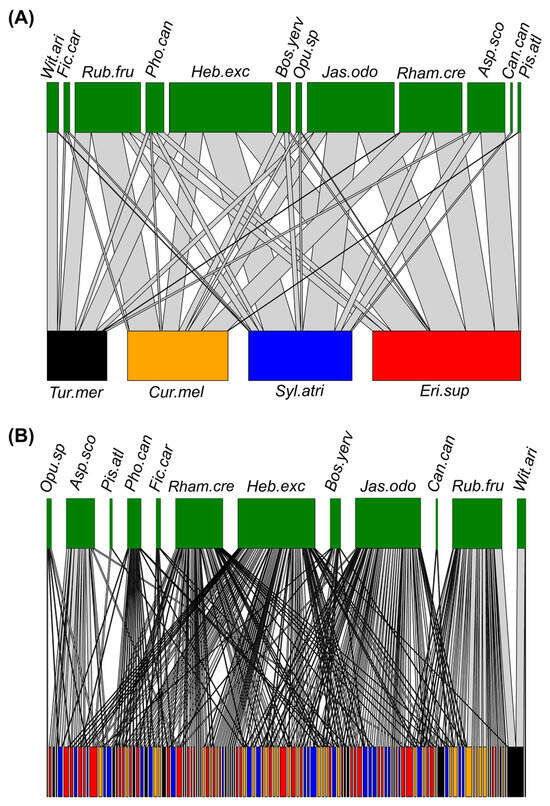
Network approaches are commonly used to study mutualistic interactions between frugivorous birds and plants at the community level. However, most fruit–bird networks aggregate individual data and rely on species-level traits, often overlooking intraspecific variation. Here, we downscale a fruit–bird network to the individual level to evaluate intraspecific diet variation and individual specialization in the four main frugivorous passerine species of an island community. Fruit consumption was identified from fecal samples collected from mist-netted birds and individuals’ diets were modeled with a Bayesian approach. Intraspecific diet variation was quantified using the E and NODF indices, individual specialization using the Psi index, and clustering of individuals sharing fruit resources using the Cws index. We detected low intraspecific diet variation and individuals’ diets were not nested. Individual specialization was mainly related to recapture of individuals and weakly related to phenotypic traits. Clustering mainly involved heterospecific individuals whose diets matched plant fruiting phenology during the capture period. Accordingly, future community-level studies addressing the role of mutualistic interactions in biodiversity maintenance may benefit from integrating network approaches with complementary information on interindividual and interspecific competition.
Full article

Figure 1
Open AccessArticle
Long-Term Patterns of Wild Bird Admissions and Predictors of Outcomes at a Rehabilitation Center in Northern Portugal
by
Camila Alampe Cardoso, Roberto Sargo, Luís Sousa, Filipe Silva and Isabel Pires
Birds 2026, 7(2), 28; https://doi.org/10.3390/birds7020028 - 14 May 2026
Cited by 1
Abstract
►▼
Show Figures
Wild birds are increasingly exposed to anthropogenic threats that compromise population viability. Wildlife rehabilitation centers provide valuable data to monitor these pressures and their conservation implications. This retrospective study analyzed wild bird admissions to the Wildlife Recovery Center of the University of Trás-os-Montes
[...] Read more.
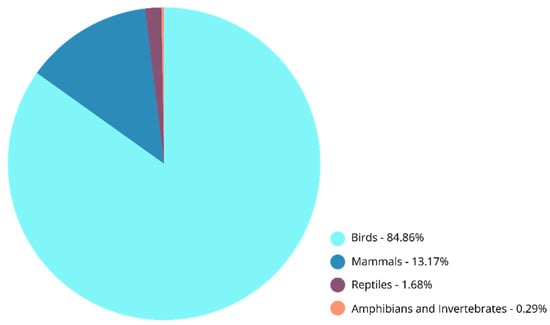
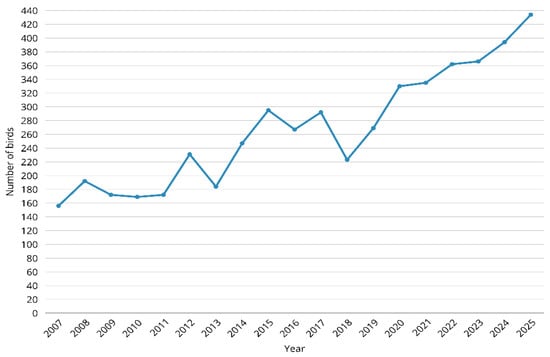
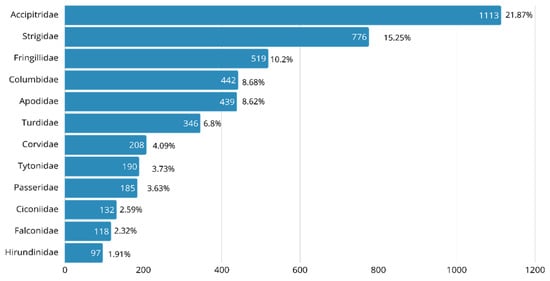
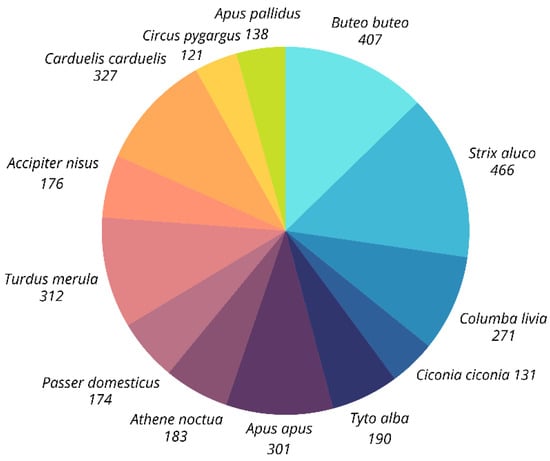
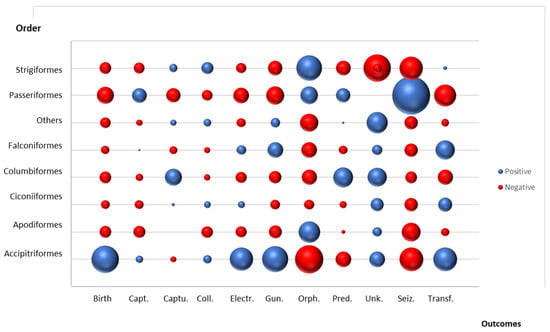
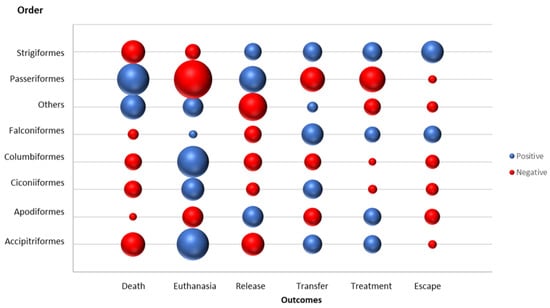
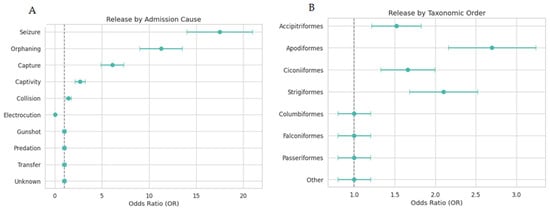
Wild birds are increasingly exposed to anthropogenic threats that compromise population viability. Wildlife rehabilitation centers provide valuable data to monitor these pressures and their conservation implications. This retrospective study analyzed wild bird admissions to the Wildlife Recovery Center of the University of Trás-os-Montes and Alto Douro (CRAS-UTAD) in northern Portugal between January 2007 and October 2025. A total of 5090 birds from 135 species and 44 families were admitted. Causes of admission were grouped into 11 categories, and outcomes into 7. Admissions increased over time, rising from approximately 160 birds in 2007 to more than 430 in 2025, although the overall temporal trend was not statistically significant. Birds of prey were the most frequently admitted group, particularly Strix aluco (9.16%) and Buteo buteo (8.00%). The most common causes of admission were orphaned birds (26.2%), followed by seizures from illegal captivity (12.2%) and collisions (5.0%). Overall, 43.2% of birds were released, while 29.4% died and 18.3% were euthanized. Admission cause was strongly associated with outcome, with electrocution showing the poorest prognosis and seizure from illegal captivity the highest probability of release. These findings highlight the major impact of human activities on wild bird morbidity and mortality and reinforce the importance of rehabilitation centers as sentinels for conservation and mitigation strategies.
Full article

Figure 1
Open AccessArticle
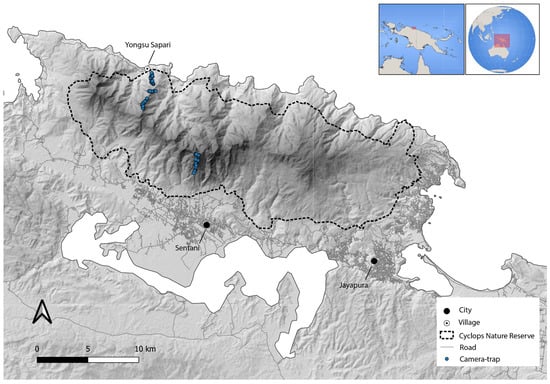
New Avian Records Along the Elevation Gradient of the Cyclops Mountains, New Guinea, Revealed by Camera Trapping
by
James Alexander Kempton, Attila Balázs, Yoel Bessoran, Yohanna Dalimunthe, Anik Budhi Dharmayanthi, Jared Diamond, David Bishop, Yolanda Duwiri, Amir Hamidy, Tri Haryoko, Charlie Danny Heatubun, Edward Glorious Excelsa Heatubun, Melias Heluka, John Imbenai Gustiar, Nurul Inayah, Mohammad Irham, Georgios Karris, Henderina Keiluhu, Iain Kobak, Malcolm Kobak, Gison Morib, Pascal Norotouw, Ruben Penggu, Dewi Prawiradilaga, Mochtar Tanassy, Heron Yando, John Yalak, Sili Yalak and Leonidas-Romanos Davranoglouadd
Show full author list
remove
Hide full author list
Birds 2026, 7(2), 27; https://doi.org/10.3390/birds7020027 - 23 Apr 2026
Abstract
►▼
Show Figures
New Guinea, the world’s largest tropical island, supports the planet’s richest insular avifauna. Large areas of New Guinea remain poorly surveyed, however, in part due to the island’s challenging terrain. In hard-to-access areas, like many mountainous parts of New Guinea, automated surveying tools,
[...] Read more.
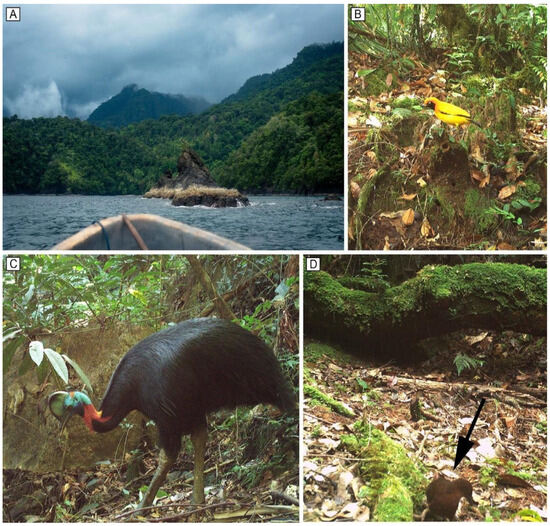
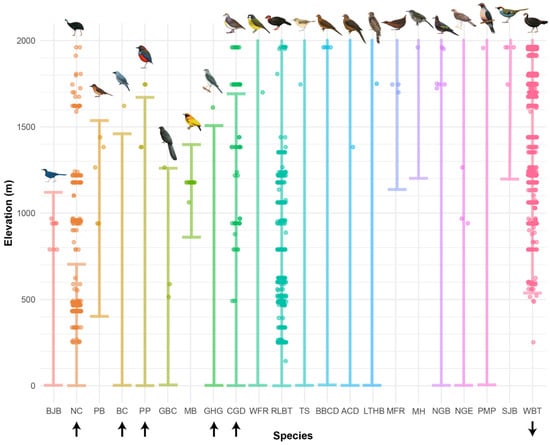
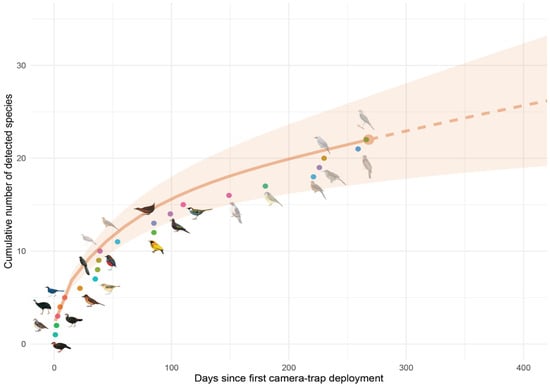
New Guinea, the world’s largest tropical island, supports the planet’s richest insular avifauna. Large areas of New Guinea remain poorly surveyed, however, in part due to the island’s challenging terrain. In hard-to-access areas, like many mountainous parts of New Guinea, automated surveying tools, like camera traps, may be especially helpful to address the survey deficit. Here we present the results of a camera-trap survey of the avifauna of the Cyclops Mountains, a range in New Guinea’s western, Indonesian provinces (Indonesian Papua). To our knowledge, our results represent only the second published camera-trap survey of birds from Indonesian Papua. We deployed 73 camera traps along an elevation gradient (143–1963 m) of the Cyclops Mountains for 11,869 camera-trap nights, recording 22 bird species from 1696 independent detections. Our species list is, to our knowledge, the first to include observations from the upper northern slopes of the Cyclops Mountains. It documents the first record of Masked Bowerbird (Sericulus aureus) in the range and provides photographic rediscoveries of two ‘lost’ species: Mayr’s Honeyeater (Ptiloprora mayri) and Mayr’s Forest Rail (Rallicula mayri). We also report substantial elevation range extensions for several species, including numerous records of Northern Cassowary (Casuarius unappendiculatus) over 1000 m above its historically known elevation ceiling. These findings provide new insights into species distributions and ecological flexibility in New Guinea’s montane systems, highlighting the potential for previously undocumented biodiversity in under-surveyed regions. Although camera traps detected fewer species than traditional ornithological methods, they were effective in documenting several elusive, ground-dwelling bird species, highlighting their value as a complementary tool for ornithological research in challenging terrain like New Guinea. Finally, we use our data to publish an updated bird species checklist for the Cyclops Mountains.
Full article

Figure 1
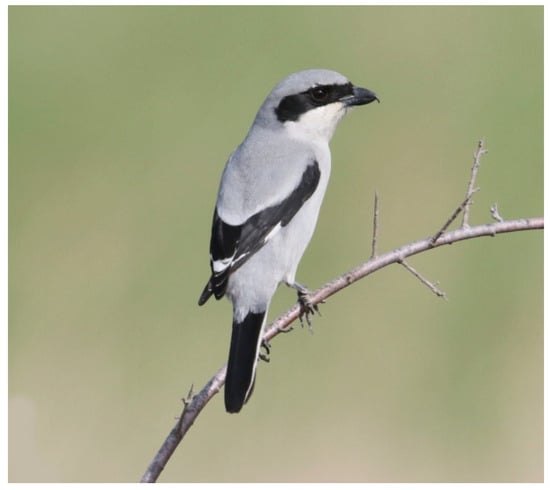
Open AccessPerspective
Rethinking Solitary Living in the True Shrikes (Family Laniidae): Territoriality, Cognitive Innovation, and Vulnerability
by
Reuven Yosef
Birds 2026, 7(2), 26; https://doi.org/10.3390/birds7020026 - 21 Apr 2026
Abstract
►▼
Show Figures
Solitary living is an evolutionarily widespread yet comparatively under-theorized social system, despite its occurrence across diverse animal taxa. Shrikes (family Laniidae) are small predatory passerines that combine raptorial behavior, strong territoriality, and predominantly solitary space use, making them a powerful model for
[...] Read more.
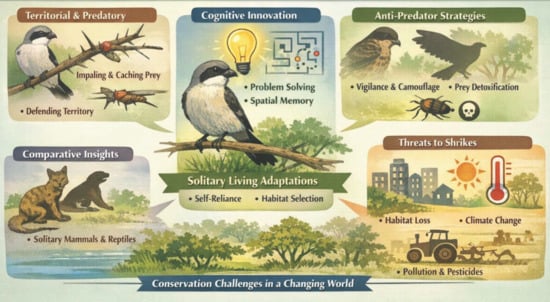
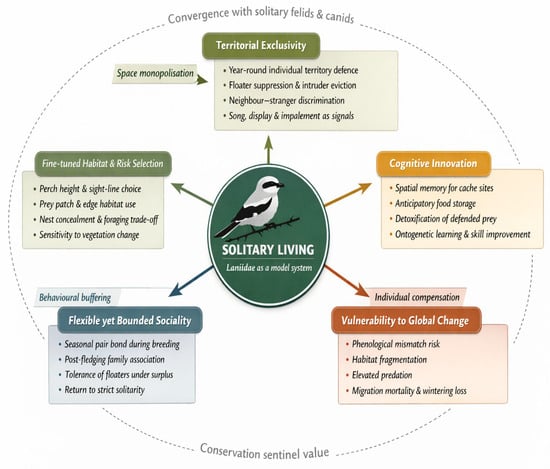
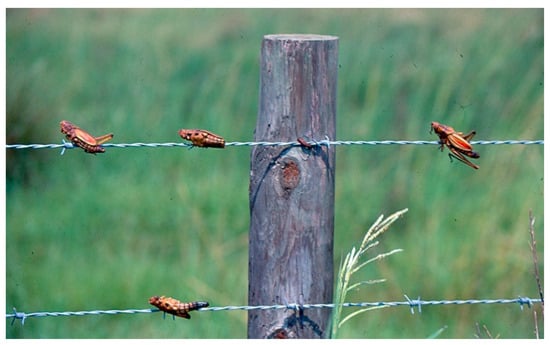
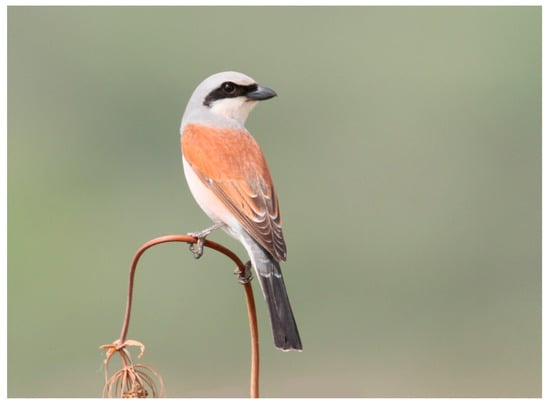
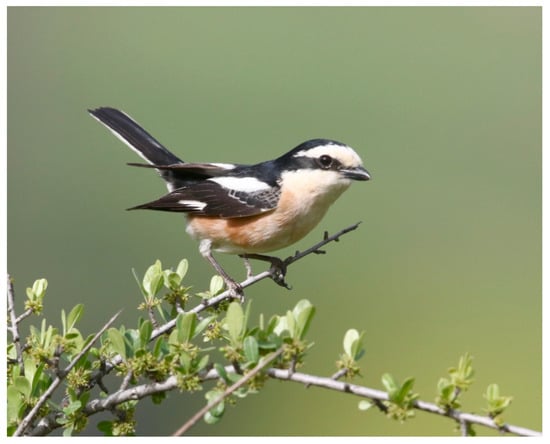
Solitary living is an evolutionarily widespread yet comparatively under-theorized social system, despite its occurrence across diverse animal taxa. Shrikes (family Laniidae) are small predatory passerines that combine raptorial behavior, strong territoriality, and predominantly solitary space use, making them a powerful model for examining the ecology and evolution of solitary living. Here, I synthesize published work on shrike behavioral ecology and explicitly link these traits to the costs and benefits of a solitary lifestyle. I argue that shrikes exemplify how solitary species can offset the absence of social buffering through cognitive innovation, finetuned habitat selection, and flexible yet tightly bounded sociality. I then compare shrike ecology to solitary mammals and reptiles, highlighting convergent patterns in resource dispersion, spatial memory, risk management, and juvenile dispersal. I further examine how anthropogenic pressures, such as habitat fragmentation, climatic instability, and urbanization, interact with solitary life histories and review evidence from management interventions in both European farmland and North American systems that demographic recovery is achievable but remains contingent on addressing broader land-use conflicts and sources of adult mortality. Finally, I outline five interconnected research priorities—spanning cognitive ecology, trophic interactions, movement ecology, genomics, and formal comparative analyses—that would move shrike research from its current observational foundation toward a more experimental, mechanistic, and phylogenetically informed programme. By reframing shrikes as a model taxon for solitary living, this review aims to integrate avian behavioral ecology into broader comparative frameworks of social organization, cognition, and resilience under global change.
Full article

Graphical abstract
Open AccessCommunication
Death Cause of Eastern Red-Rumped Swallows (Cecropis daurica) in a Mass-Mortality Event in Autumn Migration from Southern China
by
Xuemeng Zhou, Fang Fang, Junxiang Huang, Ruiling Liu and Aiwu Jiang
Birds 2026, 7(2), 25; https://doi.org/10.3390/birds7020025 - 17 Apr 2026
Abstract
►▼
Show Figures
Bird migration is an awe-inspiring phenomenon that causes massive global shifts in bird distributions twice a year. To understand the evolution of this phenomenon, it is crucial to know the mortality costs of these journeys. Extreme weather-related events can lead to abnormally high
[...] Read more.
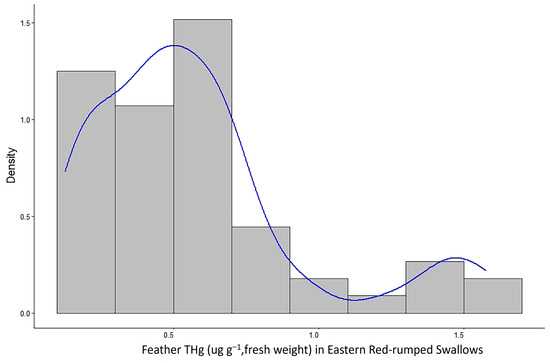
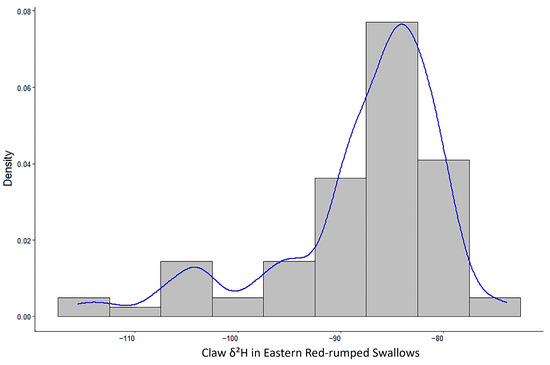
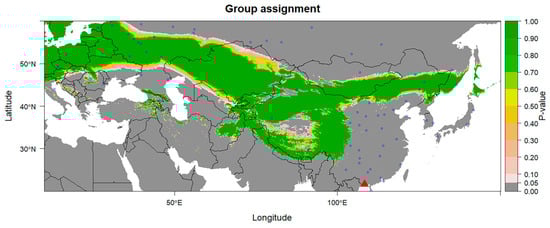
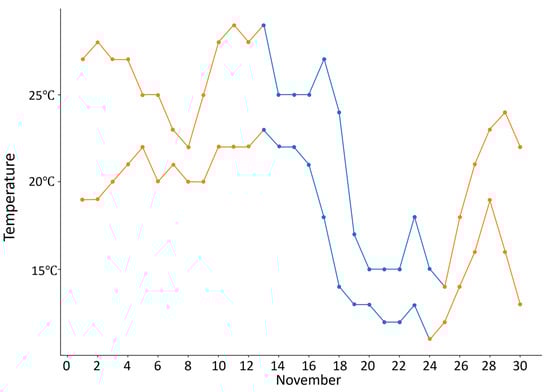
Bird migration is an awe-inspiring phenomenon that causes massive global shifts in bird distributions twice a year. To understand the evolution of this phenomenon, it is crucial to know the mortality costs of these journeys. Extreme weather-related events can lead to abnormally high mortality rates among migratory birds, while high mercury concentration may reduce the survival of songbirds in the field, especially for the long-distance migrant insectivores. Yet the specific vulnerability factors remain largely unknown. We collected the opportunistic dead Eastern Red-rumped Swallows (Cecropis daurica) in a mass-mortality event caused by a cold wave in autumn migration in Southern China. Mercury concentration in their tail feathers is 0.57 ± 0.37 µg g−1, lower than the established toxicity threshold for birds. The claws’ hydrogen stable isotopic (δD) values ranged from −116 to −78 ‰, with a mean of (−88.00 ± 8.22) ‰. Stable hydrogen isotopes indicated broad origins for the Eastern Red-rumped Swallows, ranging from ~30° N to ~62° N and ~10° E to ~150° E. Considering subspecies ranges, most of the dead swallows likely came from their almost furthest breeding sites. Our results indicated the primary cause of the mass-mortality event was likely fatigue or starvation resulting from long-distance flight during an extreme cold wave. Mercury exposure may not be the main direct cause of death.
Full article

Figure 1
Open AccessBrief Report
Past Distribution of Bustards (Otidiformes Wagler, 1830) in Bulgaria
by
Zlatozar Nikolaev Boev
Birds 2026, 7(2), 24; https://doi.org/10.3390/birds7020024 - 1 Apr 2026
Cited by 1
Abstract
►▼
Show Figures
For the first time, an attempt has been made to comprehensively summarize data on the past distribution of bustards on the territory of Bulgaria based on their fossil and subfossil finds. The collected data refer to a total of 32 Quaternary localities (natural
[...] Read more.
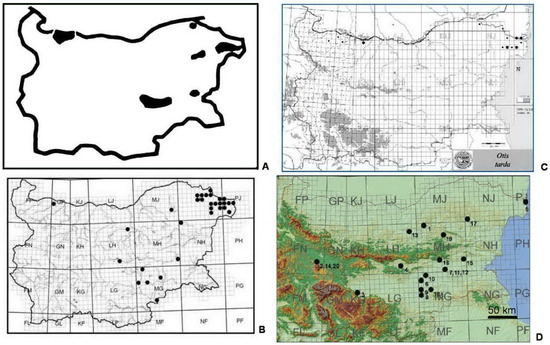
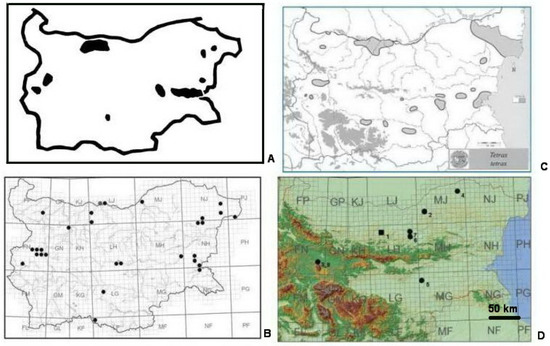
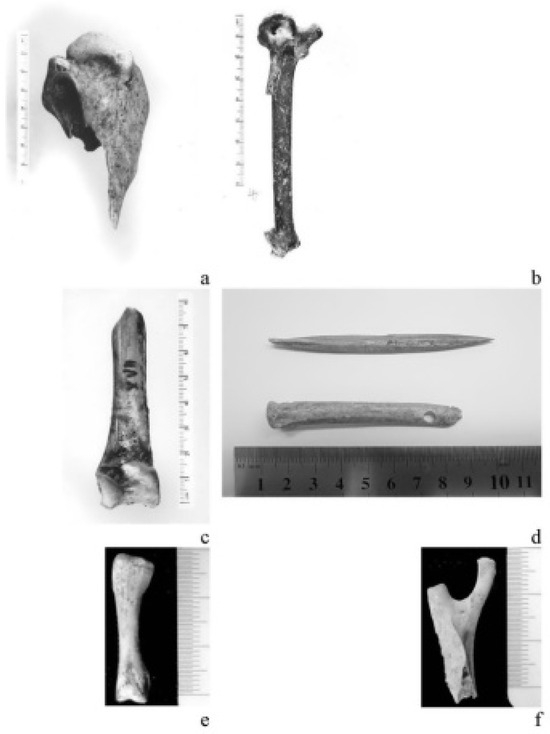
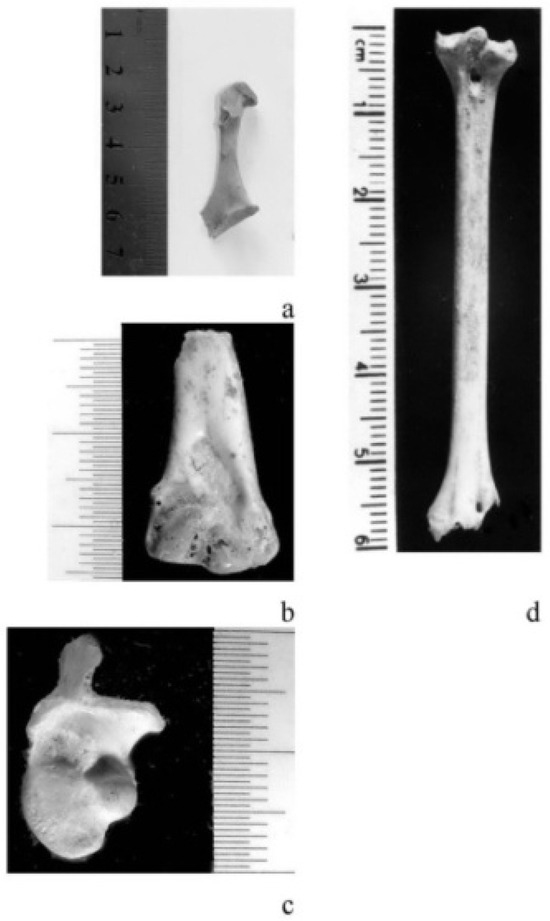
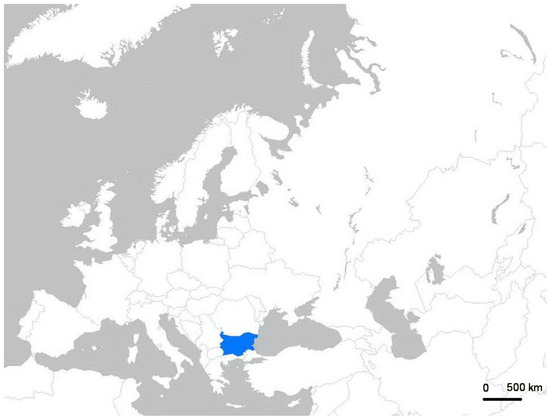
For the first time, an attempt has been made to comprehensively summarize data on the past distribution of bustards on the territory of Bulgaria based on their fossil and subfossil finds. The collected data refer to a total of 32 Quaternary localities (natural and of anthropogenic origin), of which three are Pleistocene and 29 of Holocene age. The earliest locality of an otidid identified to the species level dates back to 2.4 million years ago. A total of three species have been identified. Among them, one species, Khosatzki’s Houbara (Otis aff. khosatzkii), has disappeared from the modern fauna of the country. Great Bustard (Otis tarda) was found in 20 Quaternary localities, Little Bustard (Tetrax tetrax) in eight, Otis tarda/Tetrax tetrax in two, Khosatzki’s Houbara in one and Otididae gen. in one locality. Chronostratigraphically both Great Bustard and Little Bustard were spread from Greenlandian to Meghalayan (i.e., last ca. 117,000 ya), while the earliest Khosatzki’s Houbara is known only from Gelasian (2.23–2.40 Mya). All finds originated from localities at between 20 and 670 m. a.s.l. in plains, lowlands and low hills. The presence of extant species of bustards on the territory of Bulgaria is rather a post-Pleistocene (Holocene) phenomenon. Besides their primary use as a source of meat for food, bustards in Bulgaria were also used as a source of materials for tool making by ancient people.
Full article

Figure 1
Open AccessArticle
Wind Speed Influences Vigilance in Sentinels of a Cooperative Breeder
by
Guy Beauchamp and Sahas Barve
Birds 2026, 7(2), 23; https://doi.org/10.3390/birds7020023 - 1 Apr 2026
Abstract
►▼
Show Figures
Vigilance is used to detect distant threats in many species of birds. Allocation of time to vigilance is shaped by the social and physical environment of individuals, but little research has focused on how weather variables affect vigilance. Wind speed, in particular, can
[...] Read more.
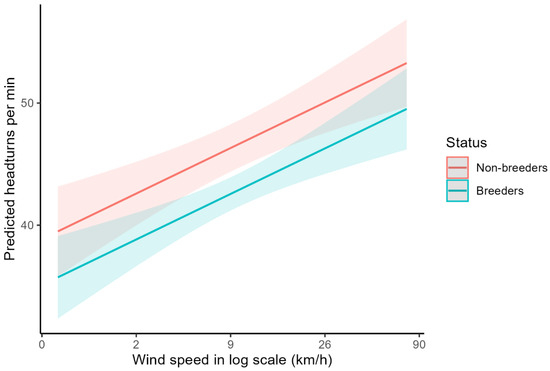
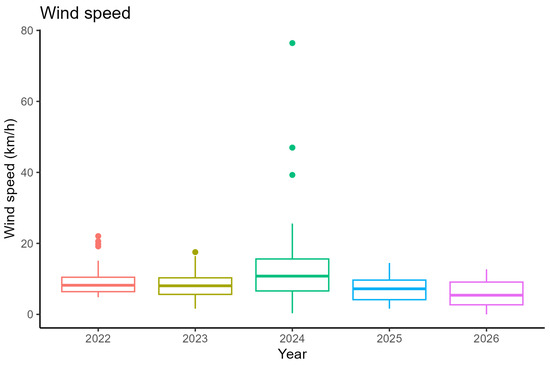
Vigilance is used to detect distant threats in many species of birds. Allocation of time to vigilance is shaped by the social and physical environment of individuals, but little research has focused on how weather variables affect vigilance. Wind speed, in particular, can influence vigilance by decreasing manoeuvrability during escape, increasing energy costs or by decreasing the ability to communicate and assess risk. We examined how wind speed influenced vigilance in sentinels of a cooperative breeder, the Florida Scrub-Jay (Aphelocoma coerulescens). Sentinels in this species occupy vantage points to monitor their surroundings and can devote all their time to vigilance during sentinel bouts. We found that head turns in sentinels, which allow individuals to monitor different areas, became more frequent under windier conditions. Wind speed is not likely to affect manoeuvrability in sentinels that are already close to cover. Energy costs during high wind likely are not as relevant to sentinels as they may be to other group members, since sentinels do not forage. We conclude that the ability to assess risk visually was probably compromised by movements in the vegetation caused by wind. The study highlights behavioural adjustments to weather-related environmental variability.
Full article

Figure 1
Open AccessArticle
Visibility, Sound Propagation and Exposure to Predators: Effect of Height on Birds’ Perch Use in a Meadow Habitat
by
Heather Williams and Leslie Reed-Evans
Birds 2026, 7(1), 22; https://doi.org/10.3390/birds7010022 - 16 Mar 2026
Abstract
►▼
Show Figures
Elevated perches allow songbirds to better transmit their songs and increase the visibility of territorial displays, but there is a cost: increased predation risk. To investigate how grassland birds evaluate these tradeoffs, we placed artificial perches in one of four meadows kept open
[...] Read more.
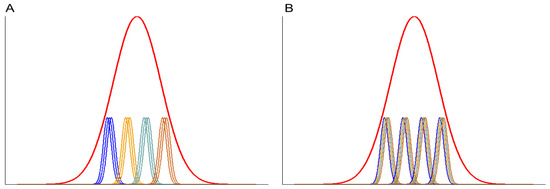
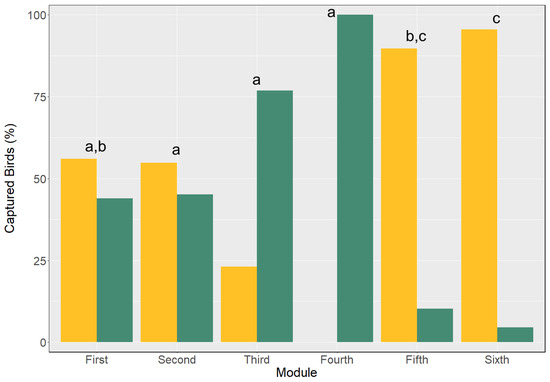
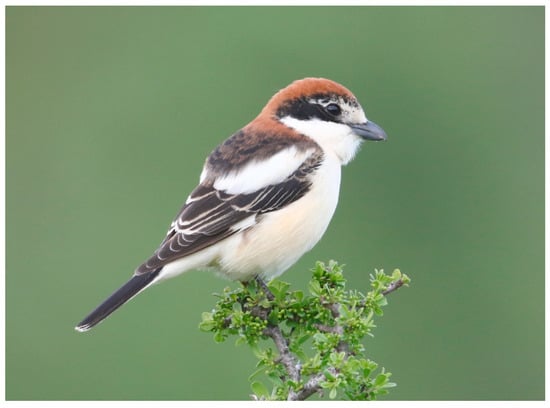
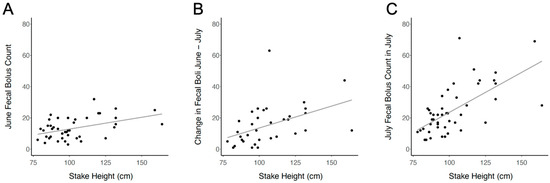
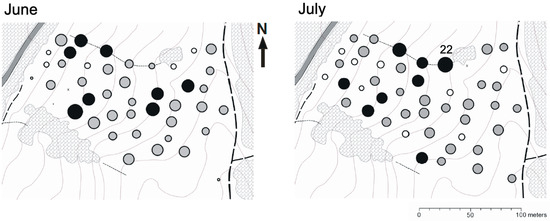
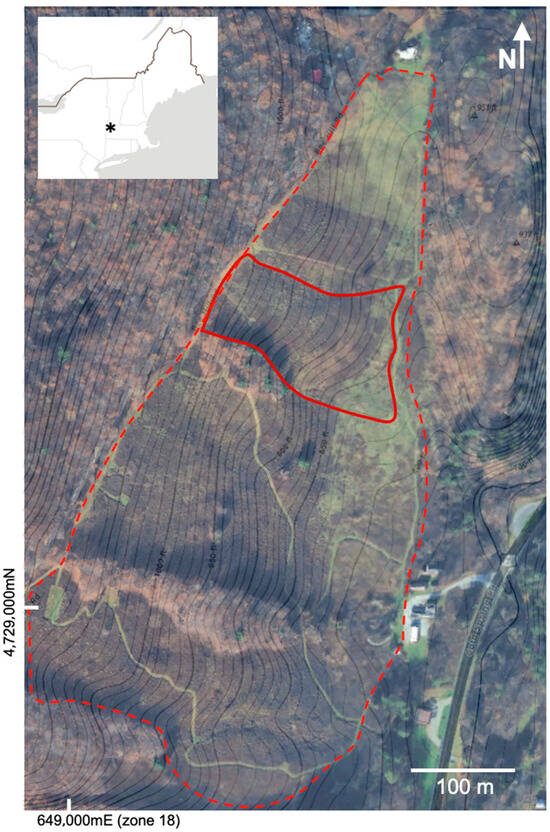
Elevated perches allow songbirds to better transmit their songs and increase the visibility of territorial displays, but there is a cost: increased predation risk. To investigate how grassland birds evaluate these tradeoffs, we placed artificial perches in one of four meadows kept open by mowing in Williamstown, Massachusetts. We tracked meadow and perch usage by passerine birds using both a weekly census and monthly counts of fecal boli as a proxy for occupancy of the artificial perches. The same species were observed in the meadow with artificial perches and the meadows without such perches. Nevertheless, all of the artificial perches were used, some extensively. Much of the variation in perch use could be explained by perch height. Birds preferred taller perches, which are the most visible to predators, but also provide the largest advantages in terms of song propagation and visibility for better territory advertisement. Other advantages include increased visibility for foragers hunting insects, as well as possible earlier detection of predators. The increased predation risk of perching in the open on higher perches appears to be offset by the advantages gained by being seen, being heard, and having a better view of the surrounding area.
Full article

Figure 1

Highly Accessed Articles
Latest Books
E-Mail Alert
News
Topics
Topic in
Animals, Biology, Birds, Veterinary Sciences, Wild
Wildlife Intelligent Monitoring: Advancing Conservation Through Visual and Acoustic Monitoring Technologies
Topic Editors: Jiangjian Xie, Junguo ZhangDeadline: 31 July 2026
Topic in
Animals, Birds, Diversity, Life
Ecology, Management and Conservation of Vertebrates: 2nd Edition
Topic Editors: Miguel Lizana, Víctor Colino-RabanalDeadline: 31 July 2027
Special Issues
Special Issue in
Birds
Unveiling the Breeding Biology and Life History Evolution in Birds
Guest Editors: Shaobin Li, Changcao Wang, Weibin GuoDeadline: 30 September 2026
Special Issue in
Birds
Spatial Variation in Birdsong: Ecological Drivers and Behavioural Functions
Guest Editors: Jie Xie, Juan Gabriel Colonna, Shufei DuanDeadline: 30 September 2026
Special Issue in
Birds
Resilience of Birds in Changing Environments: Second Edition
Guest Editors: Jason Davis, Sarah L. FoltzDeadline: 31 October 2026