Journal Description
Businesses
Businesses
is an international, peer-reviewed, open access journal on business published quarterly online by MDPI.
- Open Access— free for readers, with article processing charges (APC) paid by authors or their institutions.
- High Visibility: indexed within RePEc, and other databases.
- Rapid Publication: manuscripts are peer-reviewed and a first decision is provided to authors approximately 22.3 days after submission; acceptance to publication is undertaken in 5.7 days (median values for papers published in this journal in the first half of 2026).
- Recognition of Reviewers: Reviewers whose reports are timely and of high quality receive an APC discount voucher for a future publication in an MDPI journal. Become a reviewer.
- Journal Cluster of Business, Management & Digital Commerce: Administrative Sciences, Businesses, Journal of Innovation, Journal of Theoretical and Applied Electronic Commerce Research, Knowledge, Logistics, and Merits — Journal of Human Resources.
Latest Articles
Explainable AI in Corporate Finance: A SHAP-Based Approach to Enhancing Transparency
Businesses 2026, 6(3), 50; https://doi.org/10.3390/businesses6030050 (registering DOI) - 14 Sep 2026
Abstract
►
Show Figures
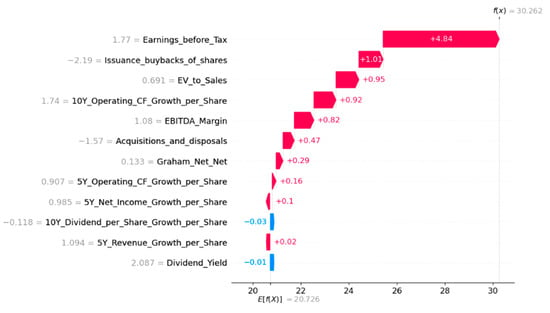
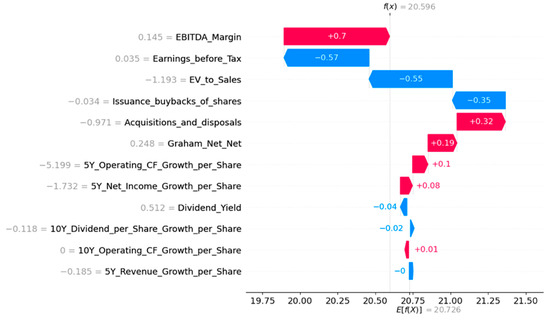
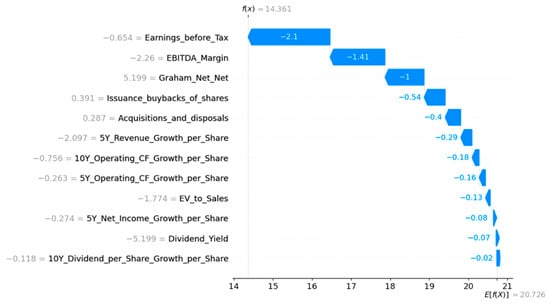
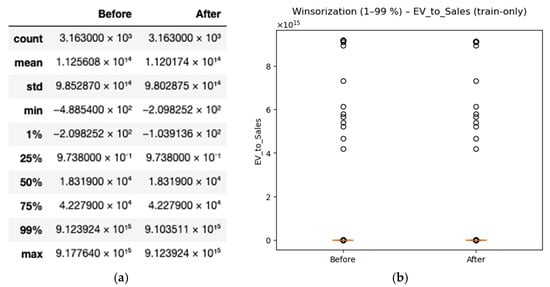
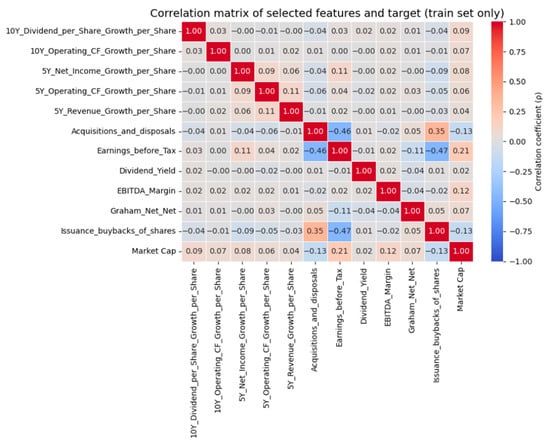
The increasing adoption of machine learning models in corporate valuation has substantially improved predictive accuracy but at the cost of interpretability, a critical limitation in regulated financial environments. This study investigates whether SHAP (Shapley Additive Explanations) can systematically enhance the transparency of XGBoost
[...] Read more.
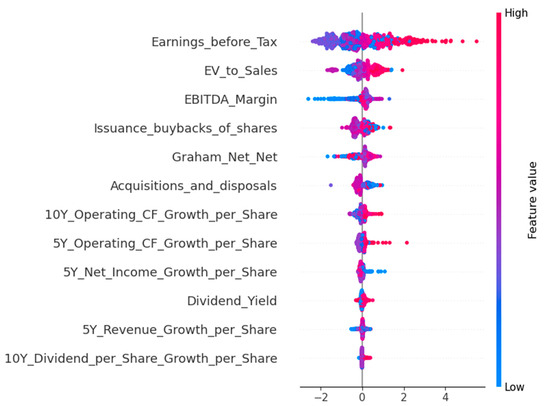
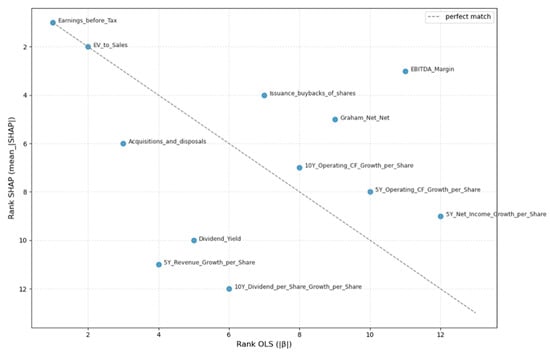
The increasing adoption of machine learning models in corporate valuation has substantially improved predictive accuracy but at the cost of interpretability, a critical limitation in regulated financial environments. This study investigates whether SHAP (Shapley Additive Explanations) can systematically enhance the transparency of XGBoost based valuation models and examines whether the resulting insights extend those of classical linear regression. An empirical analysis was conducted on a cross-sectional dataset of U.S. publicly listed firms (2018), including more than 200 financial indicators. After systematic preprocessing and a hybrid feature selection procedure combining XGBoost importance, mutual information, and correlation based filtering, both an OLS regression and an XGBoost model were trained and validated. XGBoost achieved substantially higher predictive performance (R2 = 0.654 vs. 0.364), while SHAP values provided transparent global and local explanations of model decisions. Both models consistently identified earnings before tax and EV to sales as primary value drivers; however, SHAP additionally showed nonlinear effects, threshold behaviors, and context dependent interactions, particularly for EBITDA margin, share buybacks, and asset based indicators, that remain undetectable in linear models. These findings confirm that SHAP significantly enhances model transparency and generates economically meaningful insights beyond classical regression, supporting its application in auditable, regulatory compliant financial modeling.
Full article
Open AccessArticle
Context on Display: Digital Signage Attributes, Contextual Advertising, and Consumer Persuasion
by
Thérèse Roux
Businesses 2026, 6(3), 49; https://doi.org/10.3390/businesses6030049 - 9 Sep 2026
Abstract
Digital signage is increasingly used in retail spaces, enabling contextually relevant forms of commercial communication. Despite its widespread adoption, relatively little research has examined how contextual variables influence the persuasive effectiveness of digital signage, particularly in developing markets. To address this gap, this
[...] Read more.
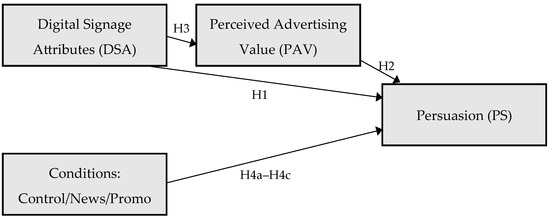
Digital signage is increasingly used in retail spaces, enabling contextually relevant forms of commercial communication. Despite its widespread adoption, relatively little research has examined how contextual variables influence the persuasive effectiveness of digital signage, particularly in developing markets. To address this gap, this study examines how digital signage attributes, advertising value and contextual advertising are associated with consumer persuasion. A conceptual model was developed integrating Advertising Value Theory and Congruity Theory to explain how context-aware communication functions within interactive retail environments. Data were collected from 200 shoppers at a South African shopping mall under three advertising conditions: no contextual content, a contextual advertisement referencing local news, or a promotional advertisement referencing local products. Consumer persuasion was analysed using linear regression and comparative statistics. The results indicate that digital signage attributes positively influence consumer persuasion. However, perceived advertising value of the content was not significantly associated with persuasion. In contrast, persuasion was higher when advertising content was contextually aligned with the surrounding environment. No significant differences in persuasion were found between local news and promotional conditions. These findings highlight the importance of contextual alignment between message and environment in shaping persuasive outcomes and demonstrate how context-aware digital signage functions as an adaptive interactive marketing touchpoint in which message, medium, and context contribute to persuasive communication.
Full article
(This article belongs to the Topic Innovations in New Media: Shaping the Future of Interactive Marketing)
►▼
Show Figures

Figure 1
Open AccessArticle
CEO Characteristics, Industry 4.0 Capability Disclosure, and Firm Performance
by
Vidya Ganji, Sridhar Nerur, Mahmut Yasar, Edmund Prater, Kay-Yut Chen and Gajanan Ganji
Businesses 2026, 6(3), 48; https://doi.org/10.3390/businesses6030048 - 8 Sep 2026
Abstract
►▼
Show Figures
Industry 4.0 (I4.0) garnered significant attention from academics and practitioners in the last decade. However, there is a lack of a measure in the extant literature that evaluates I4.0 and digital transformation capability disclosure of companies. The purpose of this study is threefold.
[...] Read more.
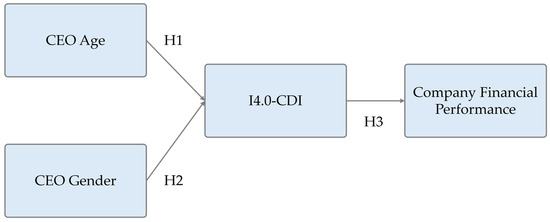
Industry 4.0 (I4.0) garnered significant attention from academics and practitioners in the last decade. However, there is a lack of a measure in the extant literature that evaluates I4.0 and digital transformation capability disclosure of companies. The purpose of this study is threefold. First, we conceptualized and developed a novel measure, “Industry 4.0 Capability Disclosure Index (I4.0-CDI)”, using machine learning and text analytics to assess I4.0 and the digital innovation capability disclosure of companies. Second, we investigated the influence of CEO demographics, such as CEO age and gender, on a firm’s I4.0 capability disclosure. We found that CEO age has a negative and statistically significant relationship with I4.0-CDI. Finally, we examined the impact of I4.0 capability disclosure of firms on their financial performance. Our results suggest that I4.0 and the digital capability disclosure of firms have a positive and statistically significant association with their financial performance. This study makes significant contributions to the literature on CEO characteristics, I4.0, and innovation. It is among the first to derive a measure of I4.0 and the digitalization capability disclosure of organizations using machine learning algorithms and text analytics. Our findings provide invaluable insights for academics and practitioners alike.
Full article

Figure 1

Open AccessArticle
The ACE Model: Testing Authenticity, Competence, and Emotional Intelligence as an Integrated Leadership Construct
by
Josh B. Talbert and Jody A. Worley
Businesses 2026, 6(3), 47; https://doi.org/10.3390/businesses6030047 - 1 Sep 2026
Abstract
The ACE model proposes authenticity, competence, and emotional intelligence as an integrated set of internally regulated leadership-related capacities. Grounded in Self-Determination Theory, the model proposes that these competencies align with autonomy, competence, and relatedness and may function together as an integrated leadership framework
[...] Read more.
The ACE model proposes authenticity, competence, and emotional intelligence as an integrated set of internally regulated leadership-related capacities. Grounded in Self-Determination Theory, the model proposes that these competencies align with autonomy, competence, and relatedness and may function together as an integrated leadership framework operating within individuals. The present study provides an initial empirical evaluation of the ACE model by examining its relationship with turnover intention among nonprofit employees, where employee retention remains a persistent organizational challenge. Using a cross-sectional survey design, findings are reported from an analytic sample of 46 nonprofit employees. Descriptive statistics, bivariate correlations, and multiple regression analyses were conducted to examine both the individual and combined predictive effects of the ACE dimensions on turnover intention, which served as an initial criterion variable for evaluating the model. Results did not support the hypothesized predictive relationships. Authenticity, competence, and emotional intelligence were not statistically significant predictors of turnover intention when examined individually within a multiple regression framework, nor did a standardized ACE composite account for meaningful variance in the outcome. Observed relationships were small in magnitude and nonsignificant. However, each ACE dimension demonstrated strong internal reliability, and moderate-to-strong intercorrelations among the three constructs provided preliminary evidence of meaningful associations among the ACE dimensions. These findings provide an initial empirical evaluation of the ACE model. While ACE did not function as a direct predictor of turnover intention in this sample, the observed relationships among authenticity, competence, and emotional intelligence support continued examination of these competencies as a potentially integrated constellation of internally regulated leadership capacities. By empirically evaluating authenticity, competence, and emotional intelligence as an integrated framework rather than isolated constructs, this study provides an initial foundation for continued theoretical, psychometric, longitudinal, and cross-sector investigation.
Full article
Open AccessSystematic Review
The Ethics of Cryptocurrency Marketing: A Systematic Review of Promotional Practices, Consumer Vulnerability, and Governance
by
Anas Al-Fattal
Businesses 2026, 6(3), 46; https://doi.org/10.3390/businesses6030046 - 27 Aug 2026
Abstract
In cryptocurrency markets, credibility may be created before it can be verified. Promotional signals from influencers, online communities, exchanges, and project actors can create an impression of legitimacy before consumers are able to independently assess the quality, risks, or underlying value of the
[...] Read more.
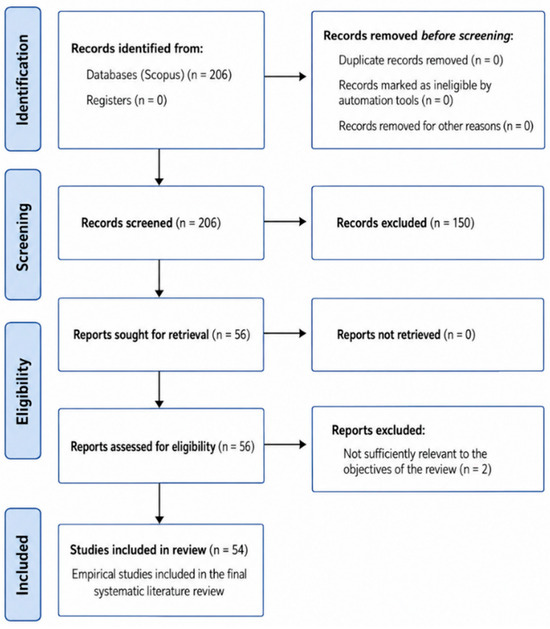
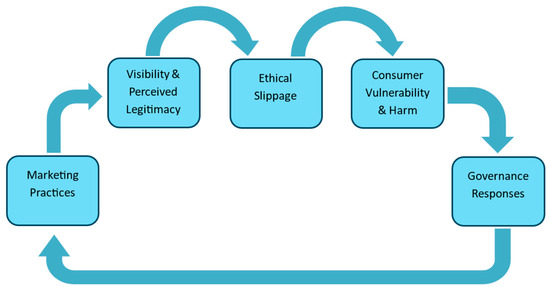
In cryptocurrency markets, credibility may be created before it can be verified. Promotional signals from influencers, online communities, exchanges, and project actors can create an impression of legitimacy before consumers are able to independently assess the quality, risks, or underlying value of the asset. This systematic review examines how promotional activity contributes to this condition and how the literature connects it with ethical concerns, consumer consequences, and governance. Following PRISMA 2020, 54 empirical studies published between 2019 and 2025 were identified through Scopus and analyzed using thematic synthesis. The findings indicate that promotion is distributed across social media, influencers, communities, exchanges, and project actors, making the boundary between marketing, personal opinion, and financial advice difficult to maintain. Ethical problems arise not only from fraud, but also from selective information, hidden incentives, artificial attention, and market signals that give uncertain assets an appearance of legitimacy. Consumer vulnerability is similarly situational. Knowledge and experience may offer some protection, but trust, technological complexity, social influence, and speculative expectations continue to shape judgement. Regulatory and educational responses remain fragmented because responsibility is dispersed across actors and jurisdictions. The review connects these relationships through an ethical marketing cycle that conceptually organizes how ethical concerns may develop across communication, market activity, consumer interpretation, and governance. This perspective extends ethical marketing beyond the accuracy of individual claims and locates responsibility within the structures through which cryptocurrency credibility is produced. The review is limited by its reliance on Scopus and the absence of a formal risk-of-bias assessment of the included studies.
Full article
(This article belongs to the Topic Advanced Contributions in the Era of Digital World)
►▼
Show Figures

Figure 1
Open AccessArticle
Leadership Behavioral Integration in the AI Era: The Root–Reset–Rise Framework
by
Kate McCombs
Businesses 2026, 6(3), 45; https://doi.org/10.3390/businesses6030045 - 21 Aug 2026
Abstract
►▼
Show Figures
Artificial intelligence (AI) is transforming organisations by accelerating decision cycles, increasing informational density, and expanding behavioural visibility. While these technologies enhance analytical capability, they do not resolve a persistent leadership challenge: the knowing–doing gap between leaders’ intentions and their enacted behaviour under pressure.
[...] Read more.
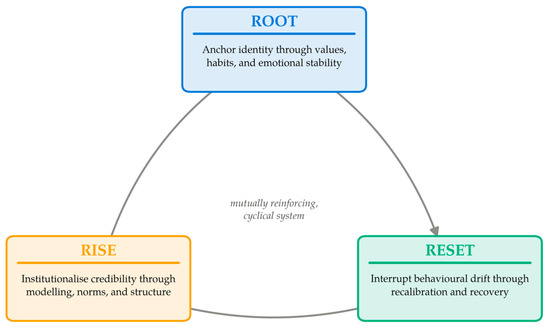
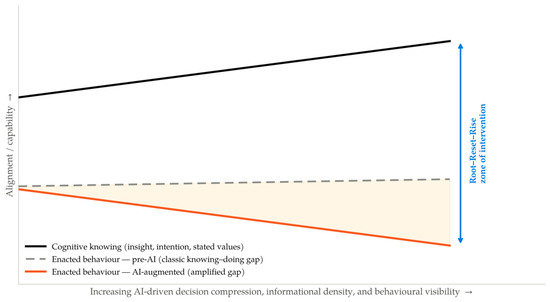
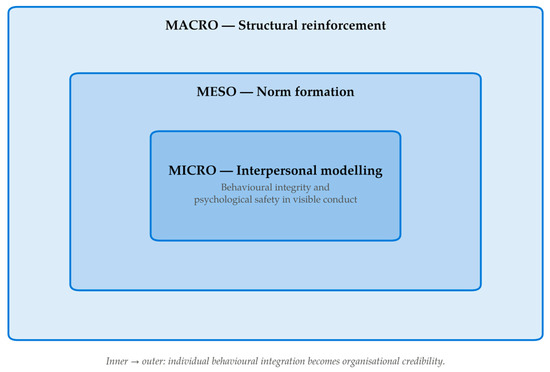
Artificial intelligence (AI) is transforming organisations by accelerating decision cycles, increasing informational density, and expanding behavioural visibility. While these technologies enhance analytical capability, they do not resolve a persistent leadership challenge: the knowing–doing gap between leaders’ intentions and their enacted behaviour under pressure. This article introduces the Root–Reset–Rise framework, explaining how leaders sustain behavioural alignment and credibility in AI-augmented environments where technological acceleration intensifies integration strain. The article develops a conceptual framework through integrative theory synthesis drawing on identity theory, behavioural integrity, self-regulation, emotional regulation, recovery science, and institutional theory to explain why leaders struggle to translate knowledge into consistent action and how technological acceleration amplifies this challenge. It argues that AI does not correct leadership weakness; it amplifies the conditions under which behavioural misalignment occurs. As decision tempo and informational inputs increase, leaders experience greater cognitive load and integration strain. The Root–Reset–Rise framework explains how leadership stability can be sustained through three reinforcing capabilities: Root, anchoring leadership identity through values, habits, and emotional stability; Reset, interrupting behavioural drift through recalibration practices such as reflection and recovery; and Rise, institutionalising credibility through modelling, norm formation, and structural reinforcement. By positioning AI as a structural amplifier of the knowing–doing gap, the model provides a novel conceptual explanation of leadership effectiveness in AI-accelerated organisations.
Full article

Figure 1
Open AccessCorrection
Correction: Chaudhary and DaSouza (2024). Consumer Readiness for Microtransactions in Digital Content Business Models. Businesses, 4(3), 473–490
by
Pankaj Chaudhary and Richelle Oakley DaSouza
Businesses 2026, 6(3), 44; https://doi.org/10.3390/businesses6030044 - 20 Aug 2026
Abstract
In the original publication (Chaudhary & DaSouza, 2024), there was an error regarding the Institutional Review Board Statement [...]
Full article
Open AccessArticle
Benchmarking Generative AI Models for Skill-Aligned Job Posting Generation: A Multi-Domain Comparative Evaluation
by
Alexandros Adam, Konstantinos Georgiou and Lefteris Angelis
Businesses 2026, 6(3), 43; https://doi.org/10.3390/businesses6030043 - 14 Aug 2026
Abstract
►▼
Show Figures
Generative Artificial Intelligence (Gen AI) is reshaping recruitment, with organizations increasingly using it to draft job postings and screen candidates. Research on labor market analytics has concentrated on extracting skills from existing postings; the complementary task of generating postings aligned with a required
[...] Read more.
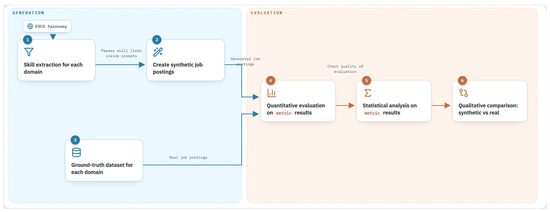
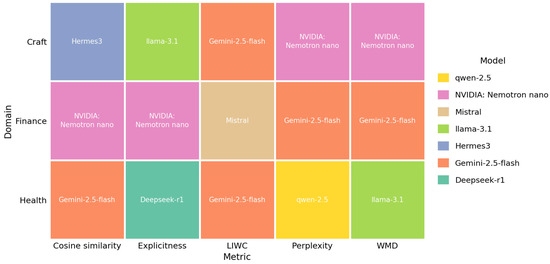
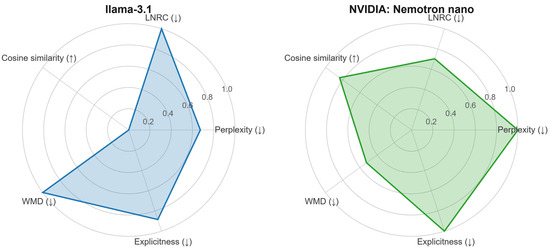
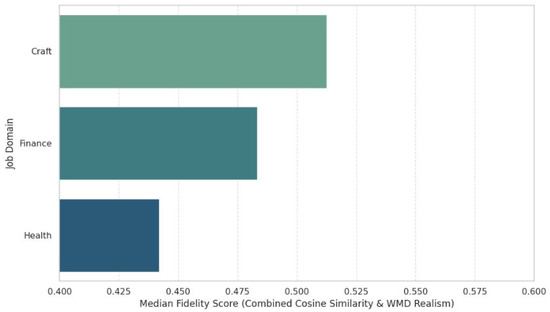
Generative Artificial Intelligence (Gen AI) is reshaping recruitment, with organizations increasingly using it to draft job postings and screen candidates. Research on labor market analytics has concentrated on extracting skills from existing postings; the complementary task of generating postings aligned with a required skill set has received little systematic attention. This paper addresses that gap by benchmarking ten Gen AI models on skill-aligned job posting generation across three ESCO-derived skill domains: Finance, Healthcare, and Craft and related trades workers. Each model produced 100 postings per domain, giving 3000 synthetic postings, evaluated with five complementary metrics—Perplexity, Cosine Similarity, Word Mover’s Distance, LIWC-style divergence, and Explicitness—and verified through inferential statistical testing. No single model dominated across metrics or domains. The models prioritized explicit skills over the broader contextual information found in real postings, and performance showed a marked domain sensitivity, with a significant model-by-domain interaction for four of the five metrics. These findings offer guidance for HR practitioners and business decision-makers selecting a Gen AI tool for recruitment tasks. Recruitment outcomes such as time-to-hire and candidate–job fit were not measured, so such benefits remain potential practical implications rather than empirically demonstrated effects.
Full article

Figure 1
Open AccessArticle
Legal Certainty in Digital Commercial Contracting: A Quantitative Contract-Level Study in the Ecuadorian Context
by
James Andrés Torres-Peralta, Marcela Luzuriaga-Amador, Nibia Novillo-Luzuriaga and Juan Diego Valenzuela Cobos
Businesses 2026, 6(3), 42; https://doi.org/10.3390/businesses6030042 - 12 Aug 2026
Abstract
►▼
Show Figures
Legal certainty is a central condition of commercial exchange, yet its relationship with contractual digitalization remains insufficiently specified in business-to-business settings. This study examined how the degree of contractual digitalization was associated with legal certainty in intercompany commercial relations in Ecuador. A contract-level
[...] Read more.
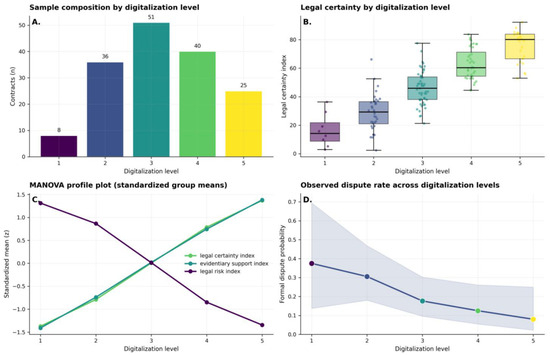
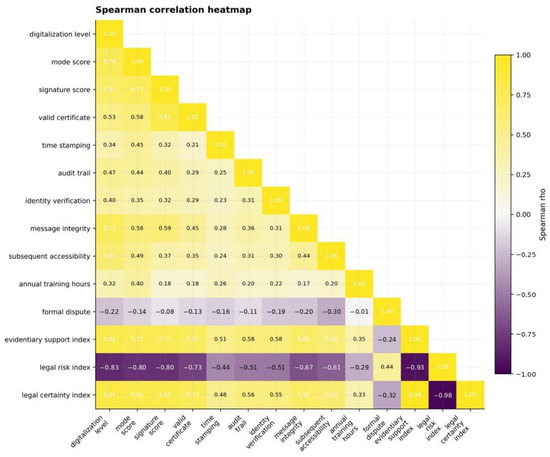
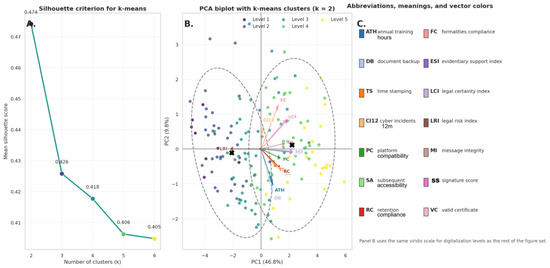
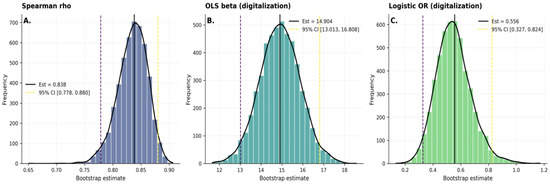
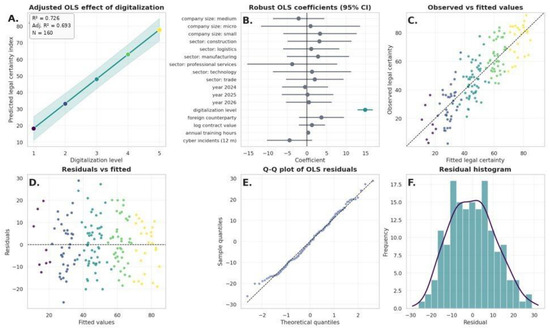
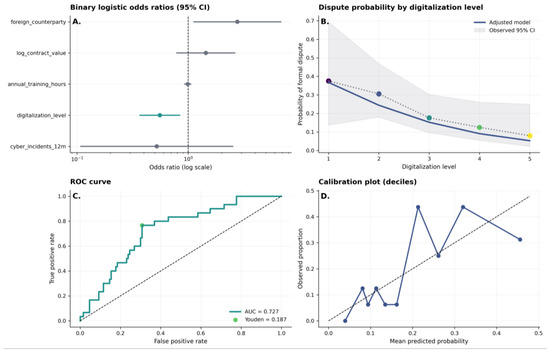
Legal certainty is a central condition of commercial exchange, yet its relationship with contractual digitalization remains insufficiently specified in business-to-business settings. This study examined how the degree of contractual digitalization was associated with legal certainty in intercompany commercial relations in Ecuador. A contract-level dataset of 160 commercial contracts was analyzed using descriptive statistics, Spearman correlation, MANOVA, robust OLS regression, binary logistic regression, principal component analysis, k-means clustering, and bootstrap resampling. A digitalization gradient was observed across the sample. Digitalization levels were associated with evidentiary support, legal risk, legal certainty, formal-dispute prevalence, and contingency-resolution times. The most pronounced monotonic association linked digitalization with legal certainty (Spearman’s ρ = 0.8379, p < 0.001). In the adjusted OLS model, digitalization level was associated with a 14.90-point difference in legal certainty per unit increase, while the adjusted logistic model showed lower odds of formal dispute at higher digitalization levels. Unsupervised analyses identified two broad contract profiles corresponding to lower- and higher-certainty digital environments, and bootstrap results indicated stability of the principal estimates. These findings should be interpreted as correlational evidence derived from a contract-level, non-probabilistic sample of Ecuadorian commercial contracts, and not as causal or nationally representative conclusions.
Full article

Figure 1
Open AccessArticle
Organizational Resilience During Public Funding Transitions: A Typology of Strategic Adaptation in Innovation Clusters
by
Salman Naseem, Md Shariful Islam and Tatiana Iakovleva
Businesses 2026, 6(3), 41; https://doi.org/10.3390/businesses6030041 - 28 Jul 2026
Abstract
►▼
Show Figures
Innovation clusters contribute to regional development but face substantial organizational challenges when time-limited public support is reduced or withdrawn. This study examines how membership-based cluster organizations build resilience during such funding transitions. Drawing on organizational resilience theory and conceptualizing clusters as meta-organizations governed
[...] Read more.
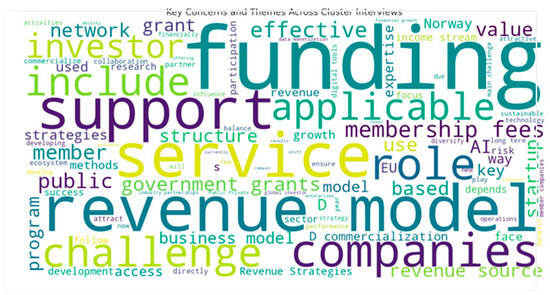
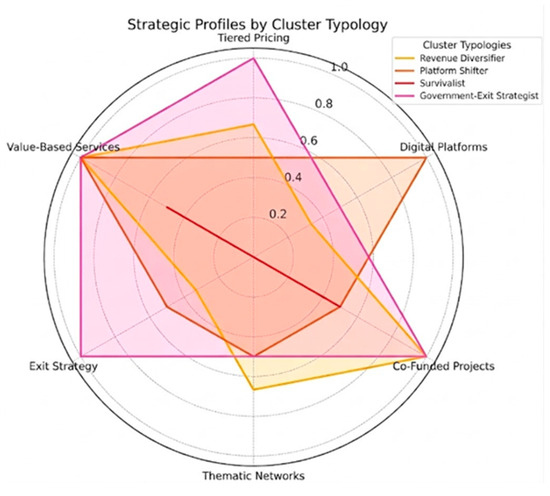
Innovation clusters contribute to regional development but face substantial organizational challenges when time-limited public support is reduced or withdrawn. This study examines how membership-based cluster organizations build resilience during such funding transitions. Drawing on organizational resilience theory and conceptualizing clusters as meta-organizations governed through negotiated authority, we conducted a qualitative comparative multiple-case study of nine innovation clusters in Norway and Europe. The empirical material comprises five live semi-structured interviews, four written responses to the same interview guide, and secondary documentary sources. An abductive within-case and cross-case analysis identified four strategic adaptation types: Revenue Diversifiers, Government-Exit Strategists, Survivalists, and Platform Shifters. Cross-case analysis showed that Revenue Diversifiers and Platform Shifters combined multiple revenue mechanisms and service infrastructures, whereas Survivalists remained primarily dependent on public grants and basic membership contributions. The findings show that resilience during predictable funding transitions is strengthened by anticipatory development of member-value propositions, service portfolios, partnerships, and digital infrastructure. The study contributes a typology of post-grant adaptation and explains how negotiated member legitimacy and coordinated service reconfiguration shape resilience in membership-based innovation intermediaries.
Full article

Figure 1
Open AccessArticle
AI-Related Technological Capability and Economic Growth in Cyprus: Exploratory Macroeconomic Evidence
by
Constantinos Challoumis, Nikolaos Eriotis, Dimitrios Vasiliou and Konstantinos Mavrommatis
Businesses 2026, 6(3), 40; https://doi.org/10.3390/businesses6030040 - 27 Jul 2026
Abstract
►▼
Show Figures
Artificial intelligence (AI) may influence economic performance through productivity, innovation, and the diffusion of advanced technologies, but direct country-level measures of AI adoption remain limited for small economies. This study examines the association between AI-related technological capability and economic growth in Cyprus. The
[...] Read more.
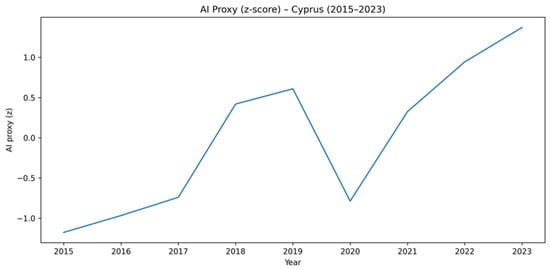
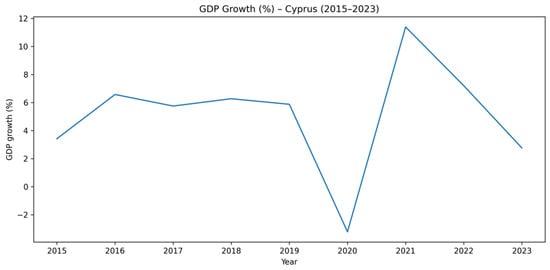
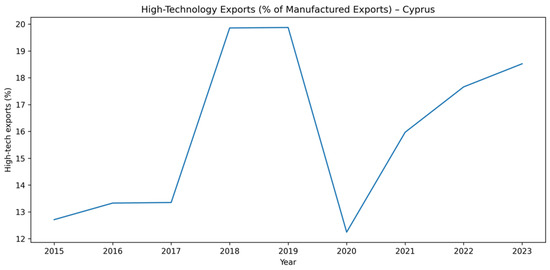
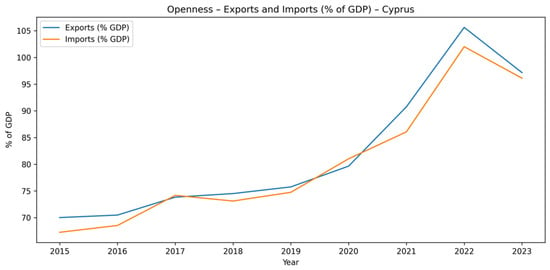
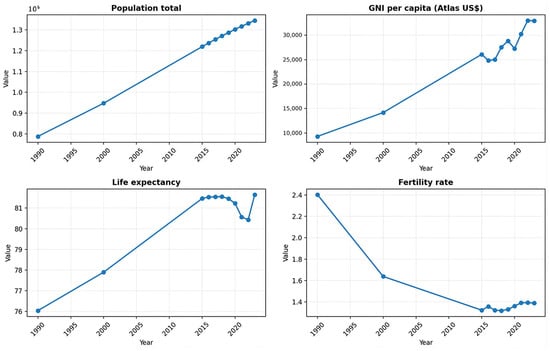
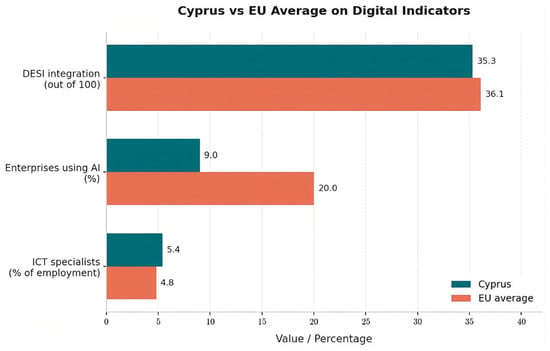
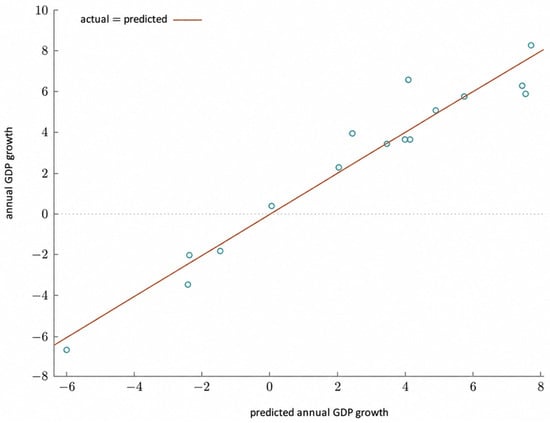
Artificial intelligence (AI) may influence economic performance through productivity, innovation, and the diffusion of advanced technologies, but direct country-level measures of AI adoption remain limited for small economies. This study examines the association between AI-related technological capability and economic growth in Cyprus. The descriptive analysis covers 1993–2024, while the econometric analysis uses the common annual sample for 2008–2024 after introducing one-period lags. High-technology exports as a percentage of manufactured exports are treated as an indirect indicator of technological sophistication and absorptive capacity, rather than as a direct measure of AI adoption. A sequential distributed lag ordinary least squares framework introduces current and lagged high-technology exports, merchandise trade, and inflation, with heteroskedasticity-consistent HC3 standard errors. A COVID-19 indicator for 2020–2021 and an observation-exclusion sensitivity analysis are used to assess the influence of exceptional pandemic-era movements. The preferred specification explains a substantial share of annual GDP growth variation, but the small sample requires cautious interpretation. The estimates indicate a positive contemporaneous and a negative lagged association for high-technology exports, a stronger lagged than contemporaneous trade association, and opposite-signed current and lagged inflation coefficients. The COVID-19 indicator is statistically insignificant and does not materially alter the principal coefficient pattern. Complementary DESI, Eurostat enterprise AI use, and ICT employment indicators show that Cyprus has broadly adequate digital inputs while enterprise AI adoption has not yet reached the European Union average, indicating considerable scope for further diffusion. The findings are exploratory statistical associations and do not identify causal effects of AI. The study contributes a country-specific macroeconomic assessment of technological capability, digital readiness, and growth in a small, highly open economy.
Full article

Figure 1

Open AccessArticle
The Role of Artificial Intelligence in Enhancing Customer Relationship Management Within the Tourism Sector in the Eastern Cape
by
Anele Pakkies, Ifeanyi Mbukanma and Olaitan Ayotunde Shemfe
Businesses 2026, 6(3), 39; https://doi.org/10.3390/businesses6030039 - 10 Jul 2026
Abstract
►▼
Show Figures
Artificial Intelligence (AI) is increasingly reshaping customer relationship management (CRM) practices in service industries, yet its perceived effectiveness within emerging regional tourism economies remains underexplored. This study examined respondents’ perceptions of how AI-enabled capabilities influence CRM effectiveness within the tourism sector in Mthatha,
[...] Read more.
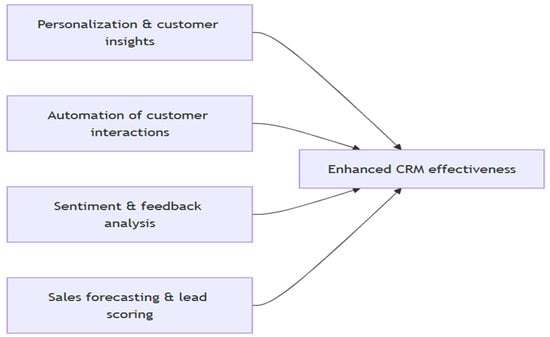
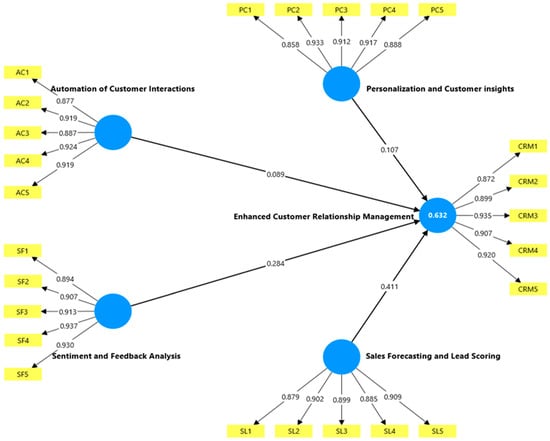
Artificial Intelligence (AI) is increasingly reshaping customer relationship management (CRM) practices in service industries, yet its perceived effectiveness within emerging regional tourism economies remains underexplored. This study examined respondents’ perceptions of how AI-enabled capabilities influence CRM effectiveness within the tourism sector in Mthatha, in the Eastern Cape, South Africa. Existing AI–CRM research is largely concentrated in developed economies, limiting contextual understanding of its strategic value in resource-constrained and relational tourism environments. A positivist, quantitative explanatory design was adopted, and data were collected through a structured survey administered to managers and staff of tourism enterprises across the Eastern Cape (n = 121). Partial Least Squares Structural Equation Modelling was employed to assess the measurement model and test the hypothesized relationships. The model explained 63.2% of the variance in perceived CRM effectiveness. Sales forecasting and lead scoring exerted the strongest positive influence, followed by sentiment and feedback analysis, while personalization and automation showed positive but statistically insignificant effects. The findings suggest that tourism enterprises may achieve stronger relationship outcomes by prioritizing predictive and analytical AI tools while integrating automation within human-centered service strategies. The study extends AI–CRM theory to an emerging African tourism context and demonstrates that AI effectiveness is context dependent rather than universally transferable.
Full article

Figure 1

Open AccessArticle
Last-Mile Delivery Performance Through the Eyes of Gen Z and Millennials
by
Dimitrios Folinas, Elena Fakou, Achilleas Christou, Maria-Theodora Folina and Dimitrios Mylonas
Businesses 2026, 6(3), 38; https://doi.org/10.3390/businesses6030038 - 10 Jul 2026
Abstract
The rapid growth of e-commerce has increased the strategic importance of last-mile delivery as a critical determinant of customer satisfaction and retention. This study examines consumer perceptions of last-mile delivery performance in the Greece e-commerce market, focusing on Millennials and Generation Z. Data
[...] Read more.
The rapid growth of e-commerce has increased the strategic importance of last-mile delivery as a critical determinant of customer satisfaction and retention. This study examines consumer perceptions of last-mile delivery performance in the Greece e-commerce market, focusing on Millennials and Generation Z. Data were collected from 1252 consumers through a structured questionnaire covering demographics, online purchasing behavior and satisfaction with third-party logistics (3PL) services. Reliability analysis confirmed strong internal consistency of the measurement scales. The findings show that Greek logistics service providers generally meet consumer expectations at a moderate-to-high level, particularly in tracking information, pre-order information and service quality. However, delivery time, communication during delays and compensation procedures remain weaker service dimensions. Comparative analysis revealed no significant differences in satisfaction between Millennials and Gen Z. Regression analysis demonstrated that communication quality, delivery execution and problem resolution positively affect satisfaction, while longer lead times reduce it. Furthermore, positive customer experience significantly increases future intention to continue online shopping, highlighting the strategic importance of efficient last-mile delivery.
Full article
Open AccessSystematic Review
The Many Faces of Business Localness: Systematic Review and Integrative Framework Incorporating Economic Embeddedness
by
Georgia Parastatidou and Vassilios Chatzis
Businesses 2026, 6(3), 37; https://doi.org/10.3390/businesses6030037 - 6 Jul 2026
Abstract
►▼
Show Figures
This study presents a systematic review of the literature on business localness, a concept which, despite increasing interest, remains theoretically fragmented. This fragmentation limits a comprehensive understanding of how firms are embedded in local economies and how localness can be systematically measured. Using
[...] Read more.
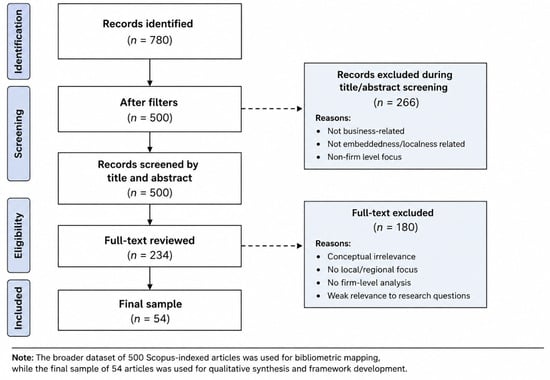
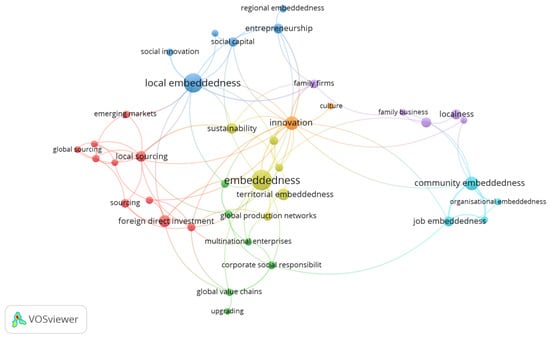
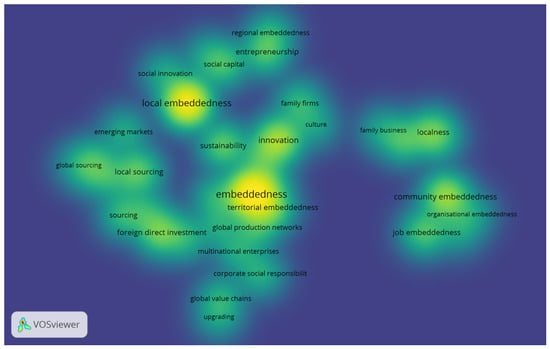
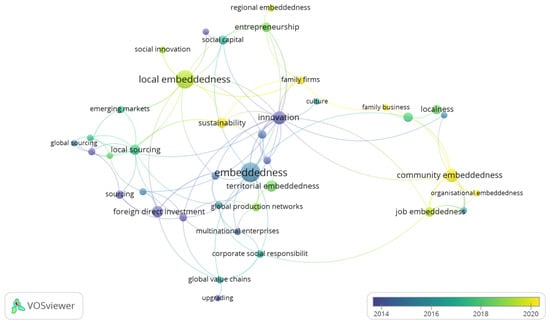
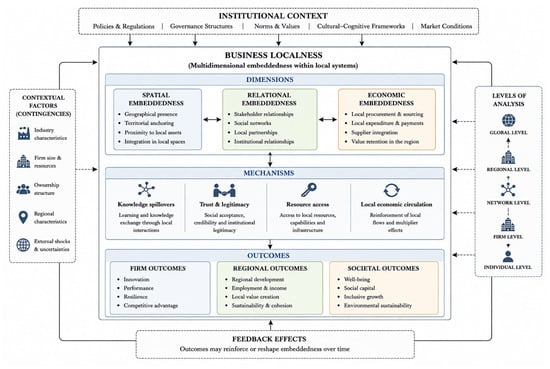
This study presents a systematic review of the literature on business localness, a concept which, despite increasing interest, remains theoretically fragmented. This fragmentation limits a comprehensive understanding of how firms are embedded in local economies and how localness can be systematically measured. Using the PRISMA methodology, 54 articles were analyzed from an initial set of 500 publications in the Scopus database. Combining bibliometric clustering and qualitative synthesis, the study identifies seven major research clusters and organizes them into broader research streams. The findings suggest that localness is primarily examined in terms of its relational, spatial and economic dimensions. Mechanisms such as knowledge diffusion, trust and access to resources are emphasized, as are outcomes relating to innovation, business performance, sustainability and regional development. However, the economic dimension remains fragmented and is rarely conceptualized as a distinct and measurable component of business localness. Combining findings from previously fragmented research streams, this study develops an integrative framework for business localness that incorporates spatial, relational, and economic dimensions of embeddedness and links them to the mechanisms and outcomes through which firms contribute to local economies. The study is limited by its reliance on English-language journal articles indexed in Scopus and by the conceptual nature of the proposed framework, which requires further empirical validation across different contexts and industries. By explicitly introducing economic embeddedness as a distinct analytical dimension, the framework extends existing embeddedness theory and provides a foundation for future empirical research on how firms contribute to local economic development and sustainability.
Full article

Figure 1

Open AccessArticle
Safety Management and Operational Challenges in Adventure Tourism Businesses
by
Truls Engström and Mitja Gorenak
Businesses 2026, 6(3), 36; https://doi.org/10.3390/businesses6030036 - 3 Jul 2026
Abstract
Adventure tourism businesses operate in environments characterized by substantial physical risk, highly dynamic natural conditions, and rising customer expectations. As demand for adventure tourism grows, operators must continuously balance experiential delivery with effective risk management and operational control. This study investigates safety management
[...] Read more.
Adventure tourism businesses operate in environments characterized by substantial physical risk, highly dynamic natural conditions, and rising customer expectations. As demand for adventure tourism grows, operators must continuously balance experiential delivery with effective risk management and operational control. This study investigates safety management practices among adventure tourism operators in Norway. Data were collected via an online survey of 89 commercial adventure tourism businesses. Results show that environmental conditions—particularly rapidly changing weather—represent the most commonly perceived risk factor, followed by client behaviour, including failure to follow instructions. Slips, trips, and falls constitute the most frequently reported injury type. Tour guide competence emerges as a central safety management strategy. Collectively, the findings underscore the crucial role of tour guides as frontline safety managers and illustrate how small adventure tourism operators in Norway maintain robust safety systems within the constraints of limited resources. The study contributes to the literature on business management in high-risk service sectors and provides practical insights for strengthening safety management practices in adventure tourism.
Full article
Open AccessPerspective
Increasing Work Engagement as Social Justice: Reimagining the Four-Quadrant Model of Skill and Challenge for Options to Eliminate Work-Related Exhaustion
by
Carol Nash
Businesses 2026, 6(2), 35; https://doi.org/10.3390/businesses6020035 - 18 Jun 2026
Abstract
►▼
Show Figures
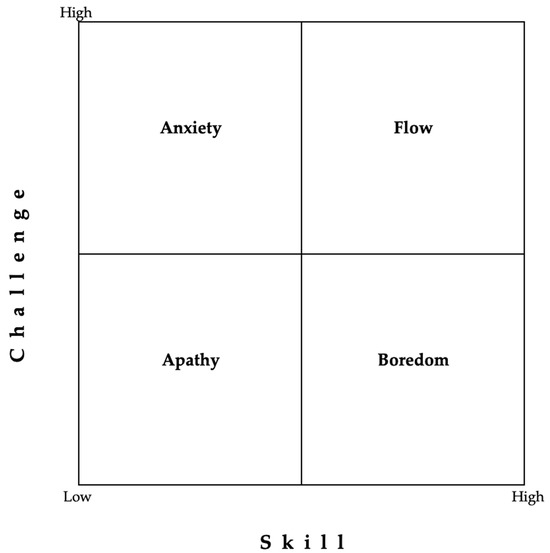
Endpoints of a continuous scale have identified the work engagement extremes of psychological flow and burnout. If a scale, employees could hold these experiences simultaneously, to some degree. Instead, there are two types of employees concerning work engagement: those who experience the extremes
[...] Read more.
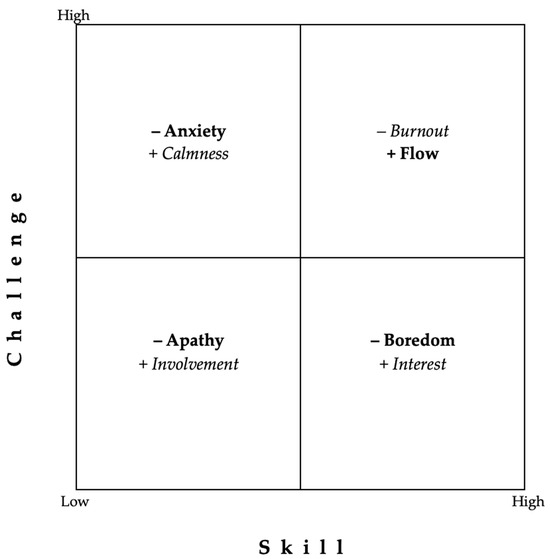
Endpoints of a continuous scale have identified the work engagement extremes of psychological flow and burnout. If a scale, employees could hold these experiences simultaneously, to some degree. Instead, there are two types of employees concerning work engagement: those who experience the extremes of psychological flow and burnout, and those who do not. A deductive model concerning General Systems Theory modifies Csikszentmihalyi’s four-quadrant model. It indicates that eliminating burnout requires achieving psychological flow rather than any other form of work engagement. Therefore, not all experiences currently labelled as burnout are such. Considering skill and challenge, apathy, anxiety, and boredom more correctly define these other negative work-engagement experiences. As such, solutions for improving work engagement require: (1) differentiating burnout from other forms of work-related exhaustion concerning employee skill and challenge, (2) interventions promoting the positive aspect of every work engagement type, and (3) abandoning the idea that social justice necessitates all employees achieve psychological flow—instead viewing social justice as achieved work engagement. Relevant work engagement solutions are according to the modified four-quadrant model. This novel perspective offers conceptually simple, research-supported approaches to eliminating burnout and other forms of work-related exhaustion, promoting work engagement as a preferred form of social justice.
Full article

Figure 1
Open AccessReview
The Rise of the Grocerant: Reviewing Consumer, Strategic, and Operational Perspectives
by
Almudena Recio-Román, Manuel Recio-Menéndez and María Victoria Román-González
Businesses 2026, 6(2), 34; https://doi.org/10.3390/businesses6020034 - 13 Jun 2026
Abstract
►▼
Show Figures
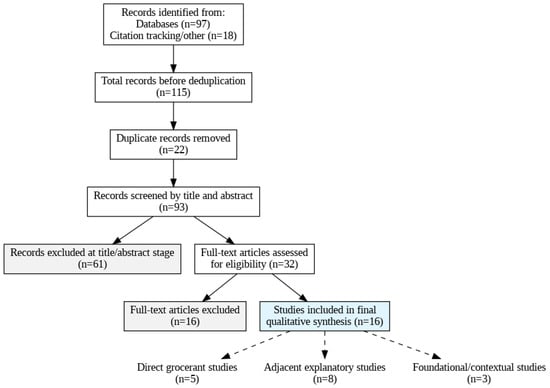
The grocerant represents an emerging hybrid retail–foodservice format integrating grocery shopping, prepared meals, and in-store dining. Although practically significant, the academic literature remains limited and dispersed. This PRISMA-informed semi-systematic review synthesizes 16 studies—including direct grocerant research and adjacent work on retail innovation, prepared
[...] Read more.
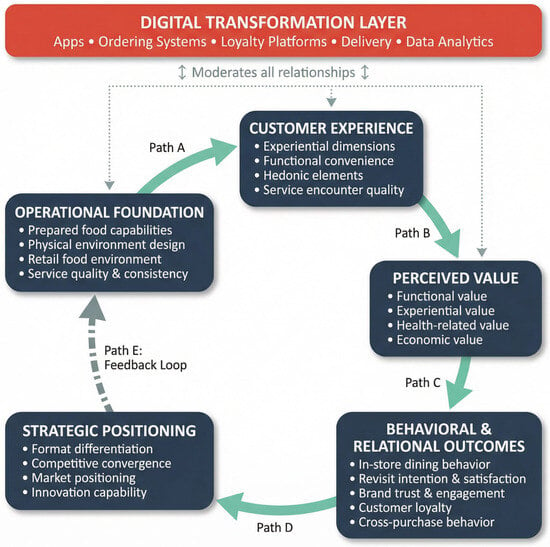
The grocerant represents an emerging hybrid retail–foodservice format integrating grocery shopping, prepared meals, and in-store dining. Although practically significant, the academic literature remains limited and dispersed. This PRISMA-informed semi-systematic review synthesizes 16 studies—including direct grocerant research and adjacent work on retail innovation, prepared foods, and digital food retail—to clarify the current state of knowledge. The review followed structured database searches, citation tracking, title/abstract screening, and full-text eligibility assessment. Three main perspectives emerged. First, consumer-focused studies emphasize customer experience, food healthiness, multidimensional perceived value (functional, hedonic, social, and financial), brand prestige, in-store dining behavior, and loyalty. Second, strategic research positions grocerants within retail format innovation and competitive convergence between grocery and restaurant sectors. Third, operational perspectives link grocerants to prepared-food systems, retail food environments, and omnichannel transformation. Major gaps include limited operational and comparative research, geographic concentration, and weak digital integration. The review suggests that grocerants function as evolving systems where convenience, experience, branding, and digital transformation converge.
Full article

Figure 1

Open AccessArticle
Innovation Proficiency and Barriers to Its Development by Product Managers and Their Teams
by
Sara L. Beckman, Amy G. Chen, Christopher Chou, Charles Zhou Gu, Nick Jiang and Lingyue Zhu
Businesses 2026, 6(2), 33; https://doi.org/10.3390/businesses6020033 - 12 Jun 2026
Abstract
►▼
Show Figures
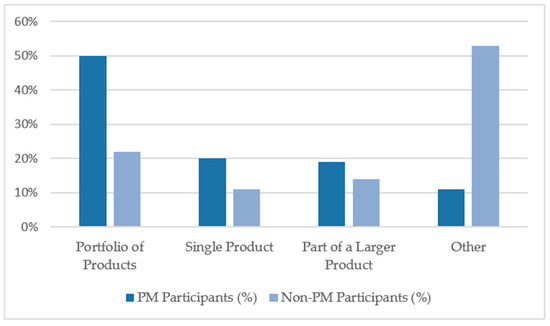
Innovation proficiency is widely recognized as essential to organizational competitiveness; yet, how product managers and their teams develop these proficiencies across organizational contexts remains understudied. This study examines six innovation proficiencies—Customer Empathy, Insight Generation, Idea Generation, Idea Selection, Experimentation and Learning, and Mobilizing
[...] Read more.
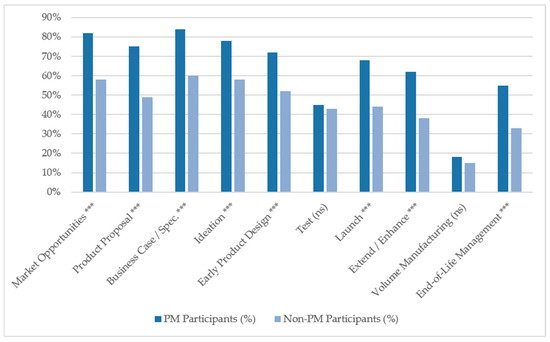
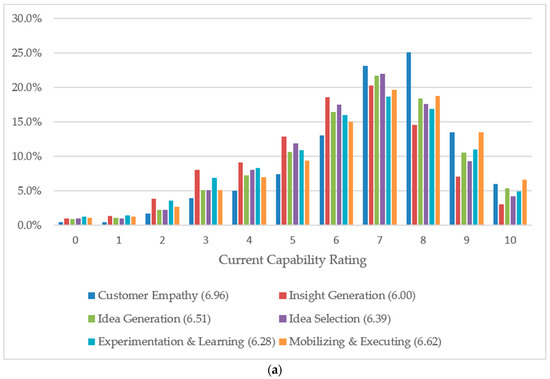
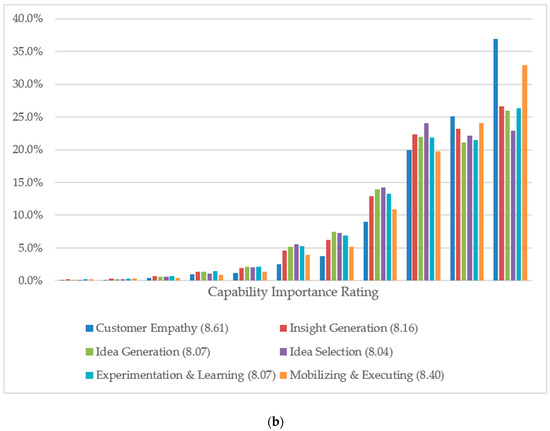
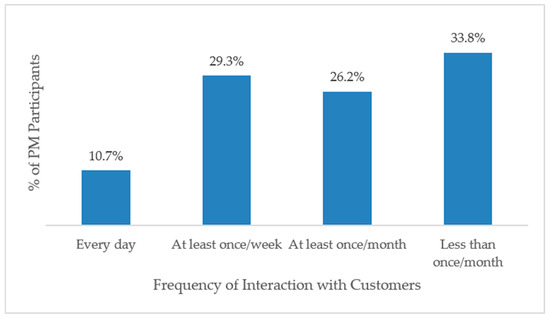
Innovation proficiency is widely recognized as essential to organizational competitiveness; yet, how product managers and their teams develop these proficiencies across organizational contexts remains understudied. This study examines six innovation proficiencies—Customer Empathy, Insight Generation, Idea Generation, Idea Selection, Experimentation and Learning, and Mobilizing and Executing—using a longitudinal dataset of 15,842 survey responses collected across 1066 organizations over nine years (2016–2024). Responses were analyzed using descriptive statistics, nonparametric group comparisons, correlation analysis, reliability testing, longitudinal analysis, and systematic qualitative theme extraction from nearly 50,000 responses. Insight Generation is consistently the lowest-rated proficiency despite being ranked high in importance. Organization-weighted analysis finds significant, but modest, improvement in just one of the six proficiencies (Idea Selection) over the study period and positive but non-significant trends in the others. Qualitative analysis identifies customer centricity, lack of formalized processes and data-based decision making as persistent challenges over time. These findings suggest that improvement of innovation practices depends not only on Product Managers and their teams, but on organization-wide infrastructure changes to facilitate and support their innovation work.
Full article

Figure 1
Open AccessArticle
Adoption and Impact of Big Data Analytics in the Food Industry in South-Western Nigeria
by
Ignatius Osakue, Sanar Muhyaddin, Colin Kuka, Sandra Nelly Leyva-Hernández, Victoria Onyeagwibe and Juan Cristóbal Hernández-Arzaba
Businesses 2026, 6(2), 32; https://doi.org/10.3390/businesses6020032 - 9 Jun 2026
Cited by 1
Abstract
Within the South-Western food industry of Nigeria, the overall impact, associated challenges, and implementation of Big Data Analytics (BDA) have remained underexplored. Thus, this study aimed to investigate the extent of BDA adoption, identify key barriers and enablers, assess the operational impacts of
[...] Read more.
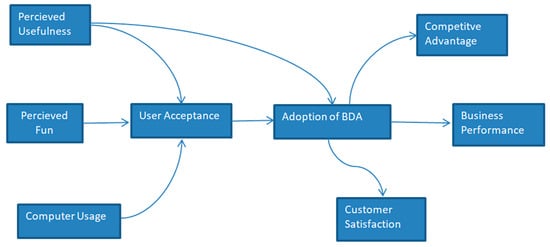
Within the South-Western food industry of Nigeria, the overall impact, associated challenges, and implementation of Big Data Analytics (BDA) have remained underexplored. Thus, this study aimed to investigate the extent of BDA adoption, identify key barriers and enablers, assess the operational impacts of BDA adoption, and propose a structured framework to guide effective integration. The study adopted a deductive, mono-quantitative method. Data were collected from 151 participants through a stratified sampling technique using an online survey questionnaire and analysed using descriptive and inferential statistical methods, including Chi-Square, Likelihood Ratio, and Fisher-Freeman-Halton Exact tests, using SPSS version 26 and Excel as analytical tools. While awareness and appreciation of BDA’s strategic benefits are growing, significant challenges such as high implementation costs, a shortage of skilled personnel, regulatory uncertainties, and technological limitations persist. Nevertheless, organisations that have embraced BDA report notable improvements in operational efficiency, strategic decision-making, customer satisfaction, and competitive advantage. This study proposes a practical BDA adoption framework designed to address the identified barriers and enhance successful implementation and offers several recommendations. The research helps bridge the knowledge gap on BDA adoption in emerging economies and offers actionable insights for business leaders, policymakers, and practitioners seeking to drive innovation and sustainability in Nigeria’s food industry.
Full article
(This article belongs to the Special Issue New Technologies in Business Informatics)
►▼
Show Figures

Figure 1
Open AccessArticle
Competitor Orientation and Performance of Furniture Manufacturing SMEs in Dar es Salaam, Tanzania: The Mediating Effect of Customer Loyalty
by
Gordian Bwemelo, Goodluck Mmari and Robert Mashenene
Businesses 2026, 6(2), 31; https://doi.org/10.3390/businesses6020031 - 2 Jun 2026
Abstract
►▼
Show Figures
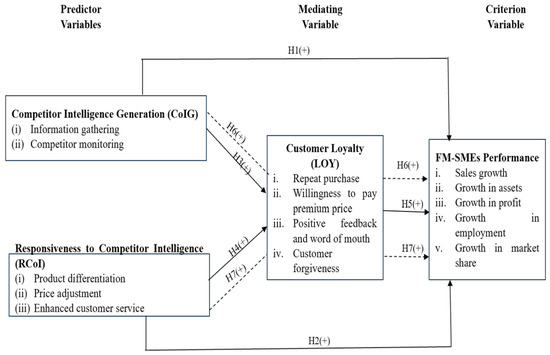
The effect of competitor orientation on the performance of furniture manufacturing Small and Medium Enterprises was examined, with a special focus on customer loyalty as a mediator. A sample of 364 firms was obtained from the Dar es Salaam Region using proportionate stratified
[...] Read more.
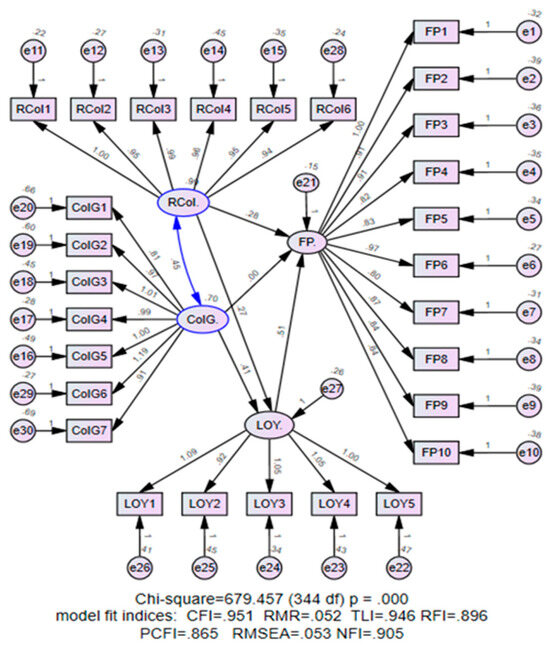
The effect of competitor orientation on the performance of furniture manufacturing Small and Medium Enterprises was examined, with a special focus on customer loyalty as a mediator. A sample of 364 firms was obtained from the Dar es Salaam Region using proportionate stratified sampling. Data were collected using structured questionnaires and analysed inferentially using covariance-based structural equation modelling. When the mediator was controlled, the results showed that responsiveness to competitor intelligence had a significant effect on FM-SME performance, suggesting partial mediation. However, competitor intelligence generation had no significant effect on FM-SME performance when the mediator was included, implying full mediation. The conclusion is that the mere generation of competitor intelligence does not guarantee improved performance unless firms deploy strategies to reinforce customer loyalty. FM-SMEs should monitor competitors and use competitor insights and customer feedback to improve product design and features, adjust prices, and enhance customer service.
Full article

Figure 1
Highly Accessed Articles
Latest Books
E-Mail Alert
News
12 September 2026
MDPI Webinar | MDPI Topic Editor Club 2026—Social Sciences & Humanities Session, 15 September 2026
1 September 2026
MDPI INSIGHTS: The CEO’s Letter #38 – 2 Million Published Articles, Outstanding Reviewers, Michele Parrinello Award, AIS 2026 & WSF-12
Topics
Topic in
Administrative Sciences, Businesses, Informatics, JTAER
Innovations in New Media: Shaping the Future of Interactive Marketing
Topic Editors: Chenglu Wang, Hongfei Liu, Morgan Yang, Qing Ye, Yunjia ChiDeadline: 30 September 2026
Topic in
Economies, IJFS, Sustainability, Businesses, JRFM
Sustainable and Green Finance
Topic Editors: Otilia Manta, Maria PalazzoDeadline: 31 October 2026
Topic in
Businesses, Economies, Foods, Nutrients, Sustainability, JTAER, Platforms
Consumer Behaviour and Healthy Food Consumption, 2nd Edition
Topic Editors: Manuel Escobar-Farfán, Elizabeth Emperatriz García-Salirrosas, Ivan Veas-GonzalezDeadline: 15 November 2026
Topic in
Agriculture, Businesses, Processes, Standards, Sustainability
Determinants and Methods of Quality Management in Agriculture and Food Processing
Topic Editors: Barbara Sawicka, Barbara Krochmal-Marczak, Piotr Barbaś, Dominika SkibaDeadline: 31 December 2026
Conferences
Special Issues
Special Issue in
Businesses
New Technologies in Business Informatics
Guest Editors: Octavian Dospinescu, Valentin Florentin DumitruDeadline: 31 January 2027
Special Issue in
Businesses
Business Management and Sustainable Development: Integrating the Support of GenAI
Guest Editors: Ruxandra Bejinaru, Faisal MahmoodDeadline: 1 March 2027