
Topical Advisory Panel applications are now closed. Please contact the Editorial Office with any queries.
Journal Description
Condensed Matter
Condensed Matter
is an international, peer-reviewed, open access journal on the physics of condensed matter published quarterly online by MDPI.
- Open Access— free for readers, with article processing charges (APC) paid by authors or their institutions.
- High Visibility: indexed within Scopus, ESCI (Web of Science), Inspec, CAPlus / SciFinder, and other databases.
- Rapid Publication: manuscripts are peer-reviewed and a first decision is provided to authors approximately 22 days after submission; acceptance to publication is undertaken in 4.4 days (median values for papers published in this journal in the first half of 2026).
- Recognition of Reviewers: reviewers who provide timely, thorough peer-review reports receive vouchers entitling them to a discount on the APC of their next publication in any MDPI journal, in appreciation of the work done.
Impact Factor:
1.5 (2025);
5-Year Impact Factor:
1.6 (2025)
Latest Articles
DFT-Guided Molecular Engineering of Donor–Bridge–Acceptor Semiconductors for Organic Photovoltaics Solar Cells
Condens. Matter 2026, 11(3), 29; https://doi.org/10.3390/condmat11030029 (registering DOI) - 31 Jul 2026
Abstract
Organic semiconductors offer a potential class of materials for organic photovoltaic (OPV) applications due to their tunable optoelectronic properties and low-cost processing. A methodical DFT/TD-DFT study of a library of organic donor–π–acceptor (D–π–A) compounds based on triphenylamine donors, thiophene-based π-bridges, and benzothiadiazole/malononitrile acceptors
[...] Read more.
Organic semiconductors offer a potential class of materials for organic photovoltaic (OPV) applications due to their tunable optoelectronic properties and low-cost processing. A methodical DFT/TD-DFT study of a library of organic donor–π–acceptor (D–π–A) compounds based on triphenylamine donors, thiophene-based π-bridges, and benzothiadiazole/malononitrile acceptors is presented in this work, with the goal of rationalizing the structure–property relationships governing their photovoltaic behavior. CAM-B3LYP calculations were used to analyze the role of donor, bridge, and acceptor units in modulating frontier-orbital alignment, charge-transfer character, and optical absorption properties, as well as to evaluate the active-layer thickness in the estimation of the light-harvesting efficiency. The results, which are intended as internal comparative descriptors rather than predictive device efficiencies, reveal that the most pronounced bathochromic shifts and most favorable optical responses are not simply associated with the strongest donor or acceptor moieties, but rather arise from an optimal balance between frontier-orbital delocalization and charge-transfer character across the molecular framework. A preliminary assessment of photovoltaic descriptors suggests that the proposed computational workflow may provide useful guidelines for the descriptor-guided design and screening of next-generation organic photovoltaic materials.
Full article
(This article belongs to the Section Physics of Materials)
Open AccessFeature PaperArticle
Delayed Conceptual Unification in the Theory of Hole Superconductivity
by
J. E. Hirsch
Condens. Matter 2026, 11(3), 28; https://doi.org/10.3390/condmat11030028 - 20 Jul 2026
Abstract
The theory of hole superconductivity has developed over more than three decades through a sequence of steps addressing distinct physical problems. This paper identifies and documents a recurring structural pattern in that development: ideas introduced to solve one problem were only later recognized
[...] Read more.
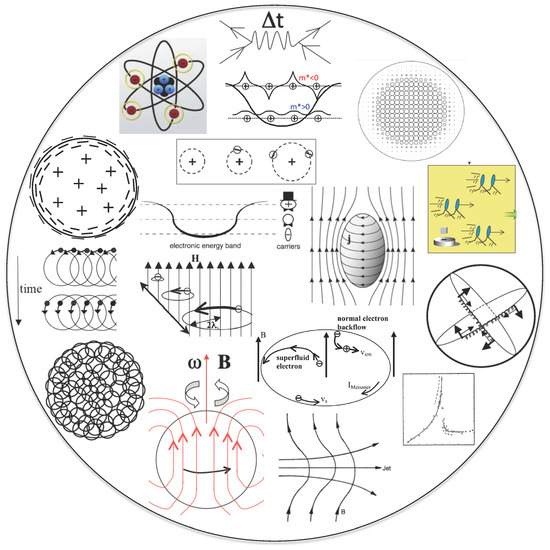
The theory of hole superconductivity has developed over more than three decades through a sequence of steps addressing distinct physical problems. This paper identifies and documents a recurring structural pattern in that development: ideas introduced to solve one problem were only later recognized as being required by independent physical constraints. By tracing a series of such delayed conceptual unifications, spanning pairing mechanism, charge expulsion, electrodynamics, spin structure, rotation, relativity, thermodynamics and momentum conservation, we highlight that the framework evolves by constraint tightening rather than by ad hoc embellishment. While this does not establish the correctness of the theory, it provides evidence that it is responding to real physical requirements uncovered progressively, in contrast to theories that accommodate discrepancies or new constraints primarily through auxiliary assumptions and ultimately fail.
Full article
(This article belongs to the Special Issue 10th Anniversary of Condensed Matter: Recent Advances in Condensed Matter Physics)
►▼
Show Figures

Figure 1
Open AccessArticle
The Interplay of Thermal Melting and Pump-Driven Melting of Charge Order: A Two-Temperature Study of the Holstein Model
by
Debraj Bose, Sankha Subhra Bakshi and Pinaki Majumdar
Condens. Matter 2026, 11(3), 27; https://doi.org/10.3390/condmat11030027 - 17 Jul 2026
Abstract
Charge order driven by electron–phonon coupling is well understood at equilibrium but pump-probe experiments raise a new question: how does this order melt and recover after strong photoexcitation? A pump pulse promotes carriers across the charge-order gap and creates a nonequilibrium high-energy electronic
[...] Read more.
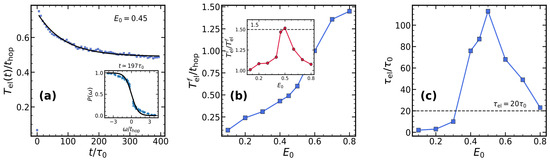
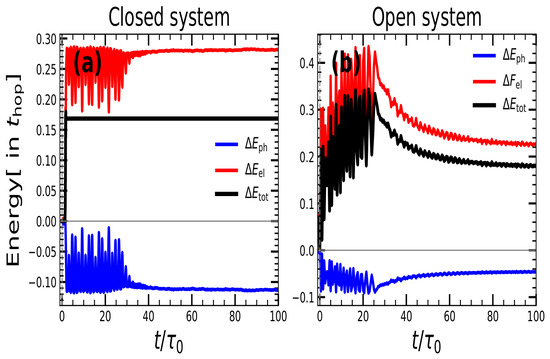
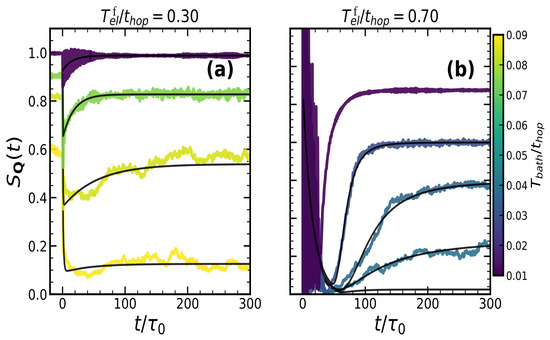
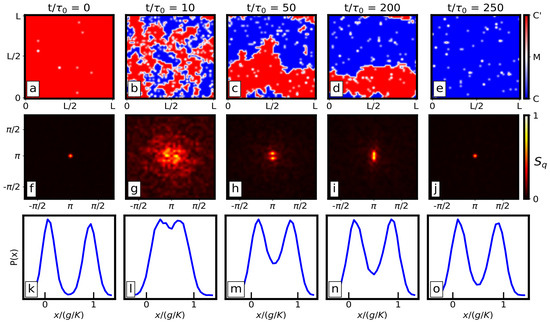
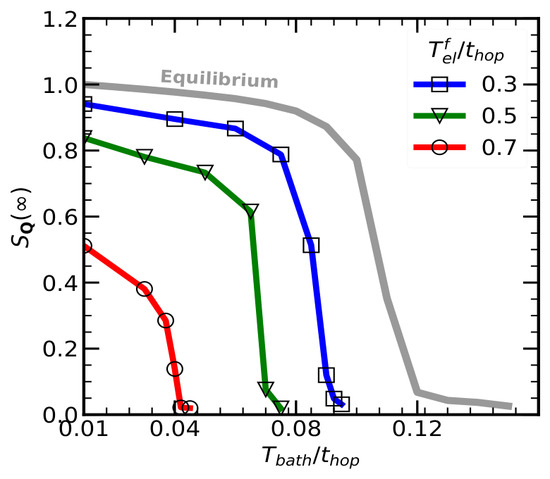
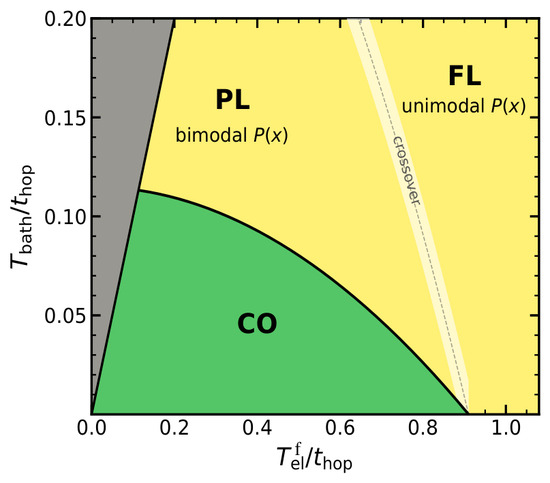
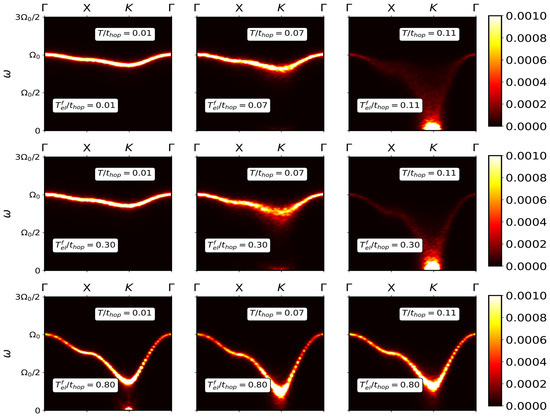
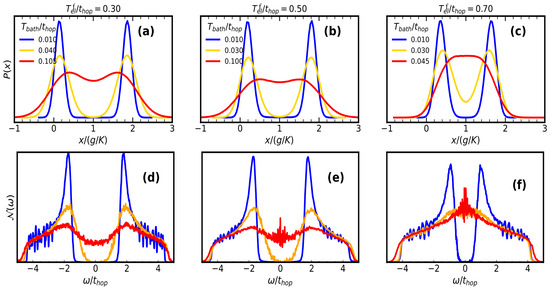
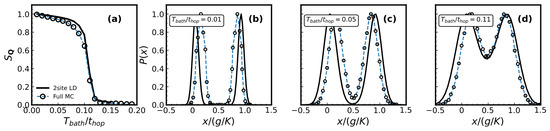
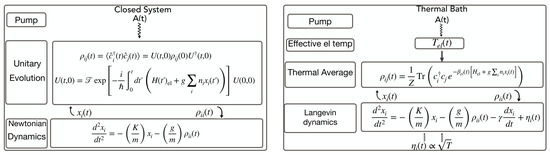
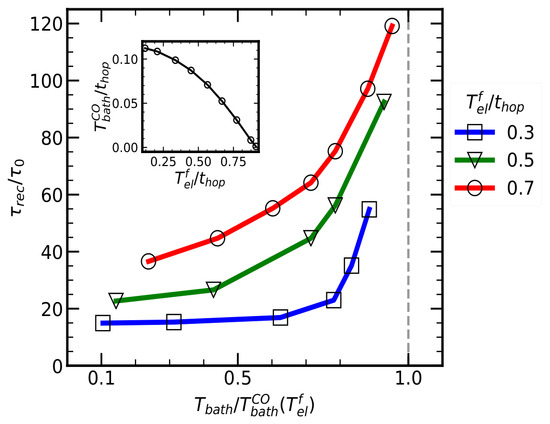
Charge order driven by electron–phonon coupling is well understood at equilibrium but pump-probe experiments raise a new question: how does this order melt and recover after strong photoexcitation? A pump pulse promotes carriers across the charge-order gap and creates a nonequilibrium high-energy electronic population. In a closed system, the subsequent dynamics are constrained by energy conservation. In an ‘open system’—where the system is coupled to a thermal bath at some temperature —there are new fluctuation and dissipation processes at play. One can attempt a computational scheme that incorporates coupling of electrons to a laser pump, the coupling of system phonons to a thermal bath, and the Holstein interaction that couples electrons and phonons. We attempt an approximation where the pump-induced electronic excitations are modeled by a slowly time-varying ‘electron temperature’, , indicative of a quasi-equilibrium electronic state. We solve the problem for different combinations of and , probing the order parameter dynamics, the static properties and excitations in the long-time ‘quasi-steady state’, and establish a ‘phase diagram’ in terms of bath temperature and electron temperature.
Full article
(This article belongs to the Section Condensed Matter Theory)
►▼
Show Figures

Figure 1
Open AccessArticle
Enhancing X-Ray and Gamma-Ray Detector Calibration via AI-Driven Digital Twins: Predicting Extracorporeal Photon Emission from OpenDose Specific Absorbed Fraction Datasets Using Uncertainty-Aware Transformer Ensembles
by
Muhammed Emin Bedir
Condens. Matter 2026, 11(3), 26; https://doi.org/10.3390/condmat11030026 - 15 Jul 2026
Abstract
Patient-specific dosimetry and quantitative external counting for in vivo monitoring of radiopharmaceutical therapies require detector calibration coefficients (k) that are currently obtained through computationally intensive Monte Carlo (MC) simulations. We present a digital-twin framework that learns the mapping from organ-level Specific Absorbed Fractions
[...] Read more.
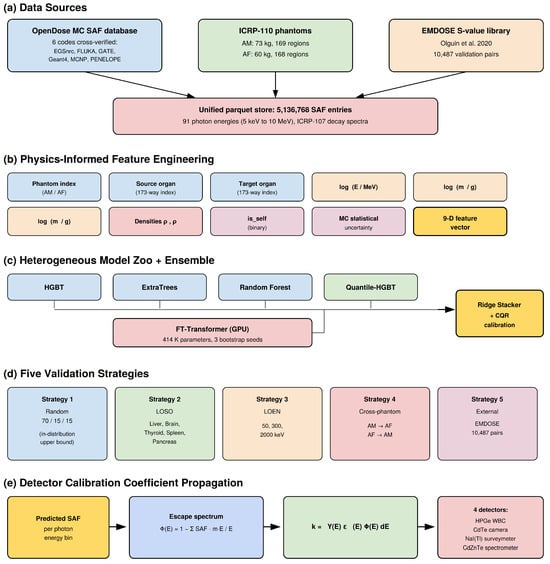
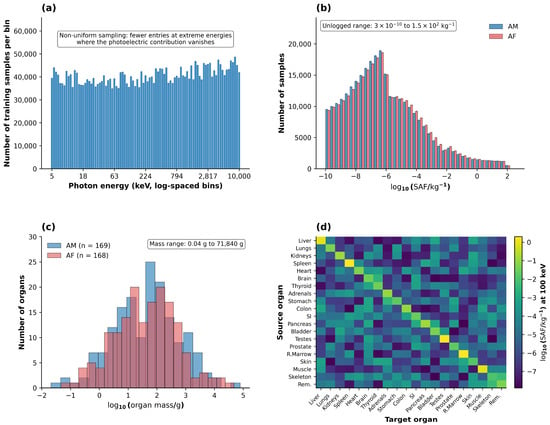
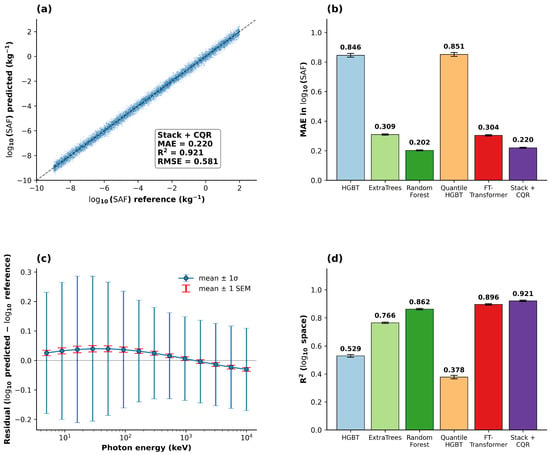
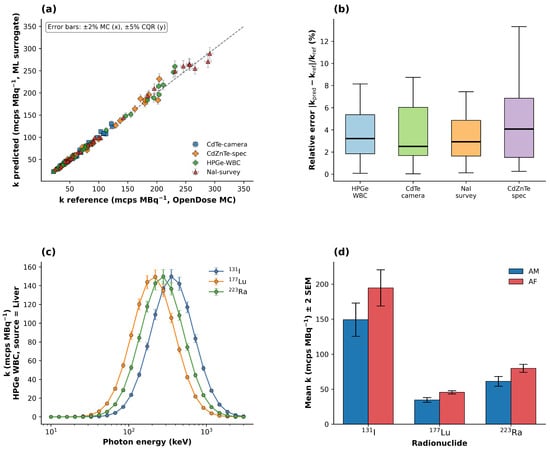
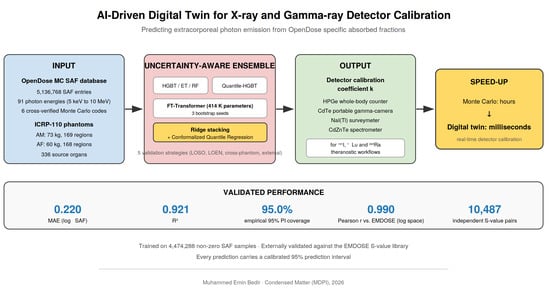
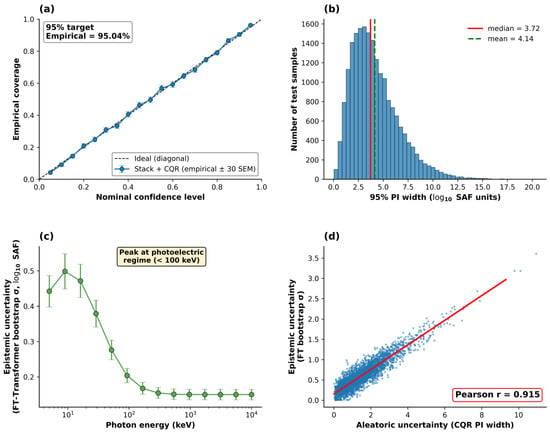
Patient-specific dosimetry and quantitative external counting for in vivo monitoring of radiopharmaceutical therapies require detector calibration coefficients (k) that are currently obtained through computationally intensive Monte Carlo (MC) simulations. We present a digital-twin framework that learns the mapping from organ-level Specific Absorbed Fractions (SAFs) to clinical k values for X-ray and gamma-ray detectors, trained on 4.47 million SAF entries from the OpenDose collaboration covering the ICRP-110 adult male (AM) and adult female (AF) reference phantoms, 91 photon energies (5–10,000 keV), and 336 source organs. An uncertainty-aware ensemble combining Histogram Gradient Boosting, ExtraTrees, Random Forest, Quantile-HGBT, and a Feature-Tokenizer Transformer (414 K parameters) was stacked via ridge regression and calibrated using Conformalized Quantile Regression. The ensemble achieved a test mean absolute error of 0.220 in log10-SAF space (R2 = 0.921) with an empirical 95% prediction interval coverage of 95.0%. Validation against 10,487 independent published S-values (EMDOSE) yielded a Pearson correlation of 0.990 (log space). The framework reduces k-coefficient computation time from hours of MC simulation to milliseconds, supporting real-time detector calibration for theranostic workflows.
Full article
(This article belongs to the Special Issue Advances in X-Ray and Gamma Ray Detectors and Applications)
►▼
Show Figures

Graphical abstract
Open AccessReview
Wakefield Acceleration in Gamma-Ray Bursts
by
Jahanvi Jahanvi, Alessandro Armando Vigliano and Francesco Longo
Condens. Matter 2026, 11(3), 25; https://doi.org/10.3390/condmat11030025 - 3 Jul 2026
Abstract
Gamma-ray bursts (GRBs) represent the most powerful explosions in the Universe, releasing extreme fluxes of non-thermal radiation across the electromagnetic spectrum. A central enigma in GRB physics remains the mechanism responsible for accelerating electrons, positrons, and hadrons to the required ultra-relativistic energies. Conventional
[...] Read more.
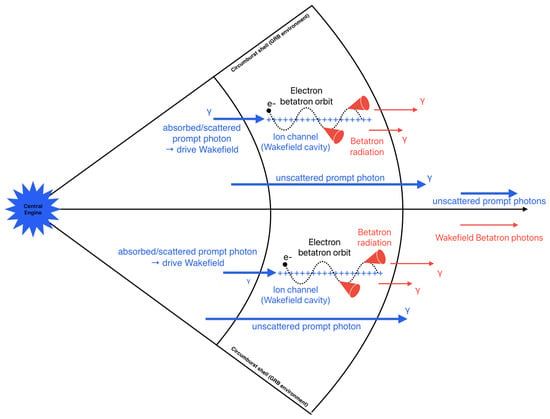
Gamma-ray bursts (GRBs) represent the most powerful explosions in the Universe, releasing extreme fluxes of non-thermal radiation across the electromagnetic spectrum. A central enigma in GRB physics remains the mechanism responsible for accelerating electrons, positrons, and hadrons to the required ultra-relativistic energies. Conventional theories primarily invoke diffusive shock acceleration (DSA), magnetic reconnection, and relativistic turbulence. This short review first examines these canonical acceleration methods, then discusses the principles and successes of plasma wakefield acceleration as a powerful future technique for ground-based applications. Finally, we critically analyze the feasibility of applying this mechanism to the cosmological environment of GRBs, exploring why the terrestrial success of wakefield acceleration has not yet been definitively confirmed “on the sky”.
Full article
(This article belongs to the Special Issue The Universe Observed With Particle Detectors: Celebrating the Scientific Legacy of Prof. Guido Barbiellini Amidei)
►▼
Show Figures

Figure 1
Open AccessArticle
Piezoelectric Double Layer Pressure Sensors: An Analytical Study and Multiphysics Simulation
by
Moirangthem Shamjit Singh, Pradip Kumar Kalita and Maibam Sanju Meetei
Condens. Matter 2026, 11(3), 24; https://doi.org/10.3390/condmat11030024 - 30 Jun 2026
Abstract
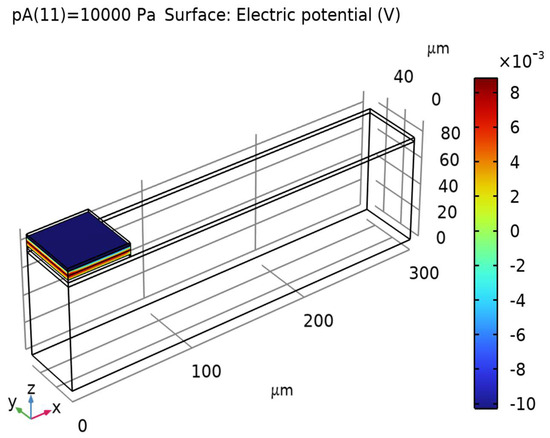
This study presents both the analytical modeling and simulation of a cantilever pressure sensor with double-layer piezoelectric materials, specifically ZnO and PVDF, which have negative and positive voltage coefficients, in order to investigate the performance of the sensor and to validate the analytical
[...] Read more.
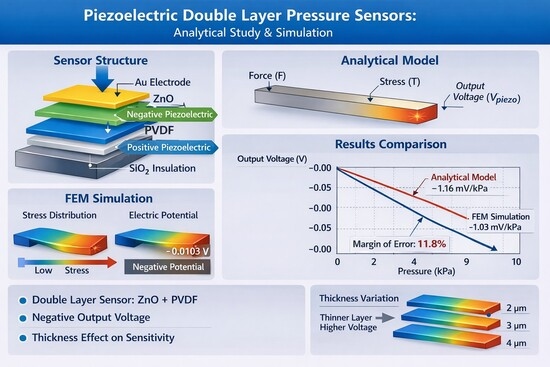
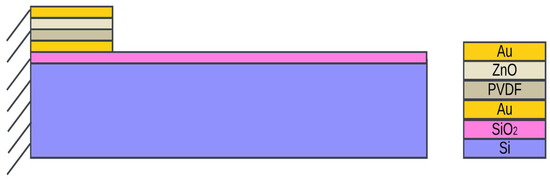
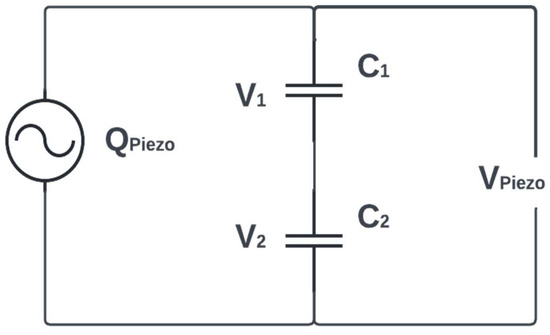
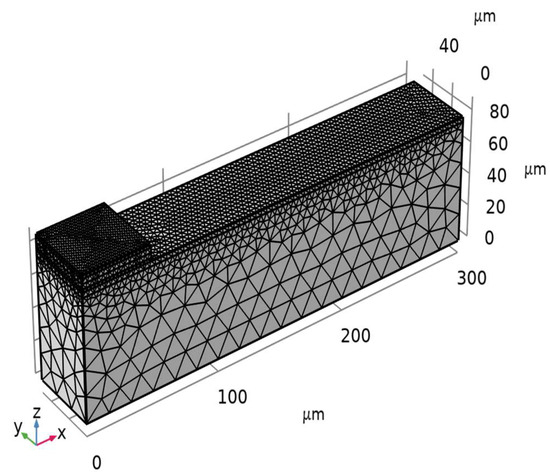
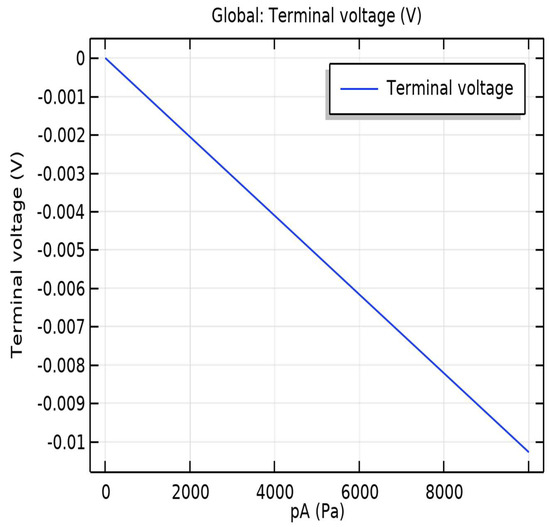
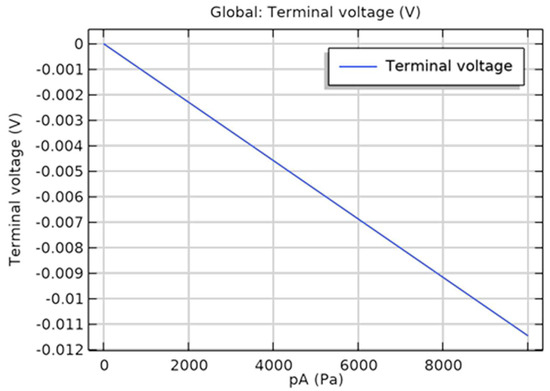
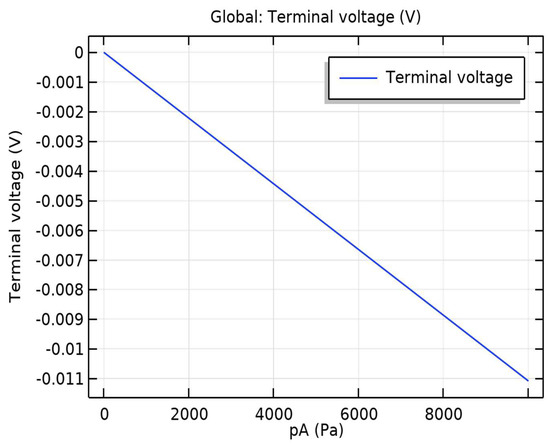
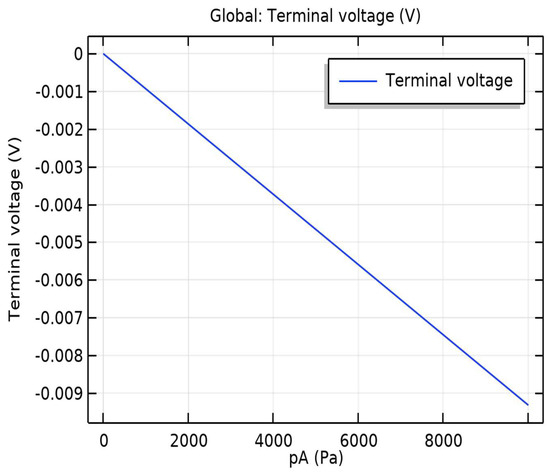
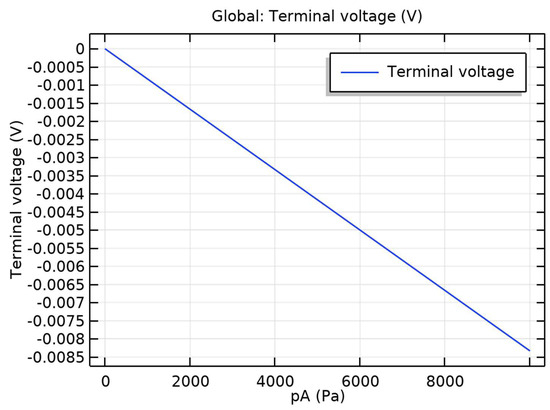
This study presents both the analytical modeling and simulation of a cantilever pressure sensor with double-layer piezoelectric materials, specifically ZnO and PVDF, which have negative and positive voltage coefficients, in order to investigate the performance of the sensor and to validate the analytical model with simulation. A detailed three-dimensional sensor model was developed in FEM, comprising gold (Au) as electrodes, silicon dioxide (SiO2) as an insulating layer, and silicon (Si) as a substrate. Simulations performed across a pressure range of 0–10 kPa revealed a linear output voltage response, and the average margin of error (MoE) between the calculated and simulated values is approximately 11.8%. The observed net potential difference exhibited a negative polarity, primarily due to the dominant effect of ZnO, which has negative piezoelectric voltage coefficients. Comparison of analytical and simulated results shows close agreement, with slope values of −1.16 mV/kPa and −1.03 mV/kPa, respectively, validating the FEM model’s accuracy. From the analytical model, it is observed that the sensitivity of the sensor varies with piezoelectric voltage coefficients, stress produced on the piezoelectric surface and the thickness of the piezoelectric material. Various simulation results show that the output voltage increases as the thickness of ZnO and PVDF decreases.
Full article
(This article belongs to the Section Physics of Materials)
►▼
Show Figures

Graphical abstract
Open AccessArticle
Using Machine-Learned Force Fields for Describing Heat-Transport-Related Quantities in AlGaN and Derived Materials
by
Simon Fernbach, Egbert Zojer and Natalia Bedoya-Martínez
Condens. Matter 2026, 11(2), 23; https://doi.org/10.3390/condmat11020023 - 11 Jun 2026
Cited by 1
Abstract
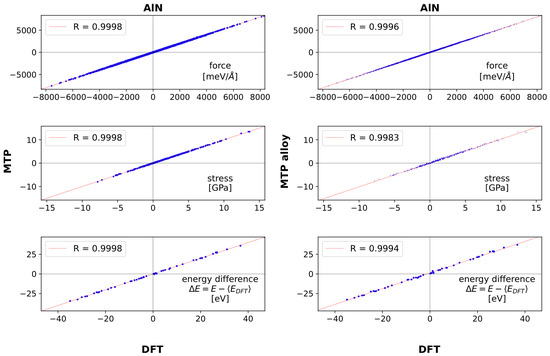
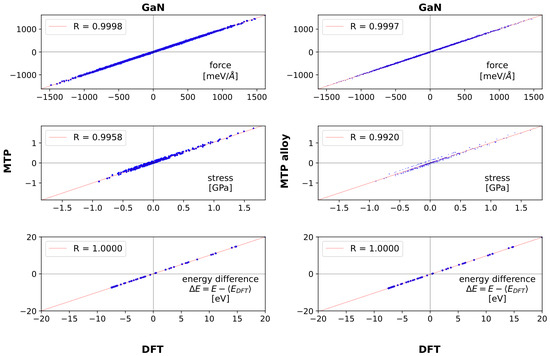
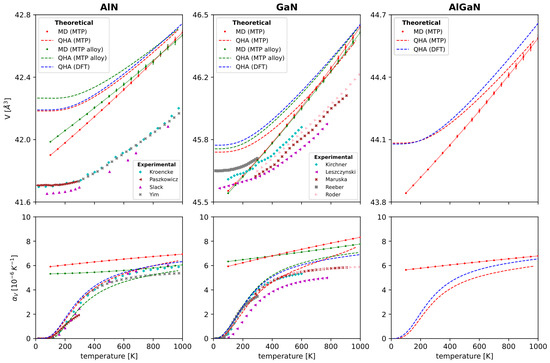
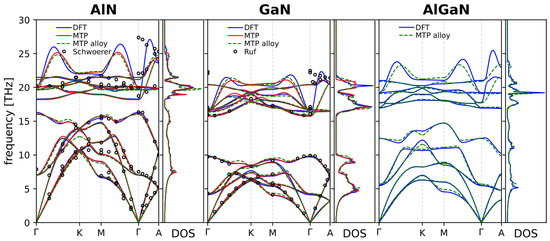
In this work, we develop machine-learned moment tensor potentials (MTPs) to simulate the static and dynamic structural properties in AlxGa1−xN and related materials. The potentials are trained on DFT-calculated data for forces, stresses, and energies obtained from random
[...] Read more.
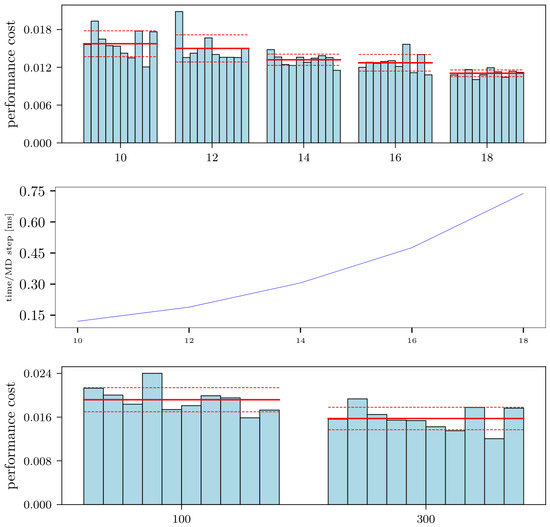
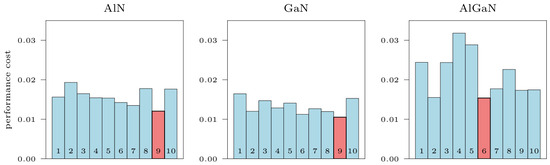
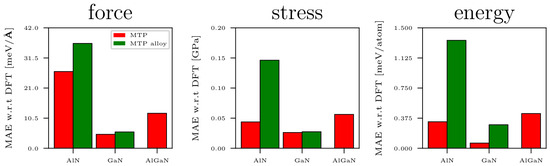
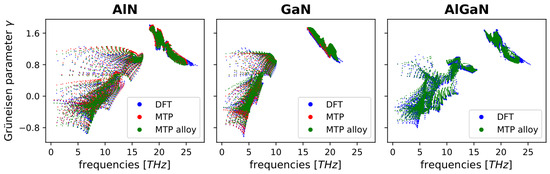
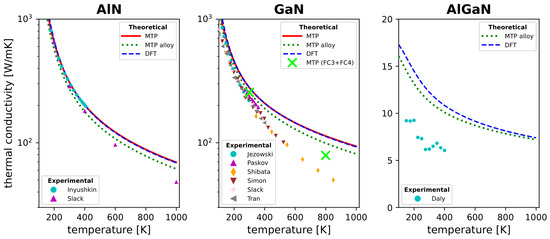
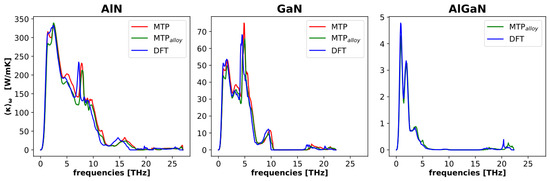
In this work, we develop machine-learned moment tensor potentials (MTPs) to simulate the static and dynamic structural properties in AlxGa1−xN and related materials. The potentials are trained on DFT-calculated data for forces, stresses, and energies obtained from random atomic displacements and cell deformations. MTP-calculated physical properties, including lattice parameters and elastic constants, thermal expansion, harmonic and anharmonic vibrational properties, and the thermal conductivity, are benchmarked against first-principles results and experimental data. The comparisons testify to the very high accuracy achieved by the machine-learned potentials despite the massively reduced computational effort. Additionally, the impact of various aspects of the MTP training procedure is examined.
Full article
(This article belongs to the Special Issue 10th Anniversary of Condensed Matter: Recent Advances in Condensed Matter Physics)
►▼
Show Figures

Figure 1
Open AccessOpinion
The Universe Observed with Particle Detectors: Astrophysical Legacy of Guido Barbiellini Amidei
by
Roberto Capuzzo Dolcetta
Condens. Matter 2026, 11(2), 22; https://doi.org/10.3390/condmat11020022 - 8 Jun 2026
Abstract
The development of modern high-energy astrophysics has been deeply intertwined with advances in particle detector technology. Guido Barbiellini Amidei (1943–2024) played a pivotal role in bridging experimental particle physics and astrophysical observation. His scientific career spanned over four decades, from early electron–positron collider
[...] Read more.
The development of modern high-energy astrophysics has been deeply intertwined with advances in particle detector technology. Guido Barbiellini Amidei (1943–2024) played a pivotal role in bridging experimental particle physics and astrophysical observation. His scientific career spanned over four decades, from early electron–positron collider experiments at ADONE and LEP (DELPHI) to space-based missions such as AGILE, Fermi, and PAMELA. This memorial paper reviews the evolution of high-energy astrophysics as a detector-driven science, highlighting key domains where Barbiellini left an indelible mark: gamma-ray astronomy, cosmic-ray physics, and antimatter studies. We discuss his personal contributions to silicon tracking, calorimetry, data analysis, and his leadership in international collaborations. The conceptual impact of his interdisciplinary approach is examined, and future perspectives in the observation of the high-energy universe are outlined, recognizing that the path forward is built on the foundations he helped lay.
Full article
(This article belongs to the Special Issue The Universe Observed With Particle Detectors: Celebrating the Scientific Legacy of Prof. Guido Barbiellini Amidei)
Open AccessReview
MXene-Based Terahertz Metamaterial Biosensors: From Laboratory Simulation to Clinical Application
by
Chenxu Jiang, Sitong Li, Junyu Chen, Haoqi Liu, Chenyang Jia, Changlin Yang, Juan Zhang, Jiahao Huang, Xu Xiao and Wenke Xie
Condens. Matter 2026, 11(2), 21; https://doi.org/10.3390/condmat11020021 - 28 May 2026
Abstract
Terahertz (THz) metamaterial biosensors have emerged as a powerful platform for label-free, non-ionizing biodetection, yet their clinical translation is severely hindered by limited sensitivity, poor anti-interference capability, and a fragmented research chain that rarely extends beyond simulation. Two-dimensional transition metal carbides/nitrides (MXenes) offer
[...] Read more.
Terahertz (THz) metamaterial biosensors have emerged as a powerful platform for label-free, non-ionizing biodetection, yet their clinical translation is severely hindered by limited sensitivity, poor anti-interference capability, and a fragmented research chain that rarely extends beyond simulation. Two-dimensional transition metal carbides/nitrides (MXenes) offer a transformative alternative to conventional gold-based metamaterials, providing metal-like high conductivity, abundant surface functional groups for specific biomolecular capture, excellent biocompatibility, and mechanical flexibility. This review systematically examines the recent progress of MXene-based THz metamaterial biosensors, covering structural design strategies, material synergistic system, machine learning-assisted optimization, and performance evaluation metrics. While most studies remain in the simulation stage, a landmark in vivo validation by Yang et al. achieved real-time thrombus monitoring with 94.7% sensitivity and 92.3% specificity, bridging the gap between simulation and clinical application. We identified key bottlenecks hindering clinical translation and propose future directions toward clinically adaptive, full-chain development. This review provides a roadmap for transitioning MXene-based THz biosensors from laboratory simulation to practical point-of-care diagnostics.
Full article
(This article belongs to the Special Issue Flexible Matter for Electronics, Photonics, and Energy Conversion)
►▼
Show Figures

Figure 1
Open AccessArticle
A Coordination-Based Framework for Superconductivity in Strongly Correlated Systems
by
Bin Li
Condens. Matter 2026, 11(2), 20; https://doi.org/10.3390/condmat11020020 - 22 May 2026
Abstract
High-temperature superconductivity in strongly correlated materials is often accompanied by pseudogap behavior, strange-metal transport, strong phase fluctuations, and reduced superfluid stiffness, particularly in quasi-two-dimensional systems. These features suggest that pairing alone may not determine the onset of global superconductivity. We develop a coordination-based
[...] Read more.
High-temperature superconductivity in strongly correlated materials is often accompanied by pseudogap behavior, strange-metal transport, strong phase fluctuations, and reduced superfluid stiffness, particularly in quasi-two-dimensional systems. These features suggest that pairing alone may not determine the onset of global superconductivity. We develop a coordination-based framework in which superconductivity is promoted by the collective organization of internal electronic degrees of freedom coupled to a carrier phase. A minimal lattice model is introduced, combining a U(1) phase sector, an internal coordination field, and an inter-sector coupling. A Landau analysis shows that internal coordination enhances the effective phase stiffness and can destabilize the incoherent state once the coordination amplitude becomes sufficiently large. Monte Carlo simulations of the model confirm that increasing coordination strength enhances phase stiffness and shifts the onset of global coherence to higher temperature. The framework provides a possible organizing interpretation of the separation between pseudogap onset and superconducting coherence, as well as the sensitivity of layered superconductors to reduced dimensionality, competing orders, and vortex-core structure. It is not intended to replace BCS theory, but to extend phase-stiffness-based descriptions to regimes where pairing, local coordination, and global phase coherence are distinct.
Full article
(This article belongs to the Section Superconductivity)
►▼
Show Figures

Figure 1
Open AccessArticle
Pseudogap and Condensation in Cuprate Superconductors from NMR Shifts
by
Abigail Lee and Jürgen Haase
Condens. Matter 2026, 11(2), 19; https://doi.org/10.3390/condmat11020019 - 16 May 2026
Abstract
The electronic properties of high-temperature superconducting cuprates are encoded in NMR data. Without microscopic theory, reliable NMR phenomenologies are in demand. Here we make use of the extensive literature data to develop a different understanding of the cuprates from the shifts of the
[...] Read more.
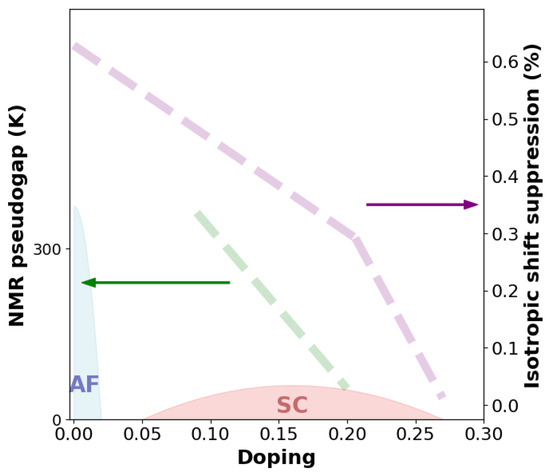
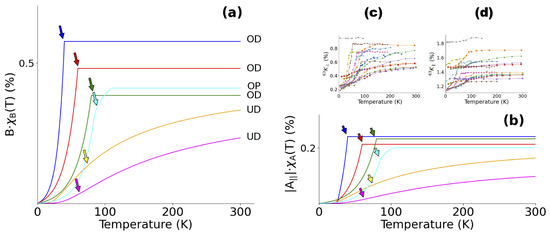
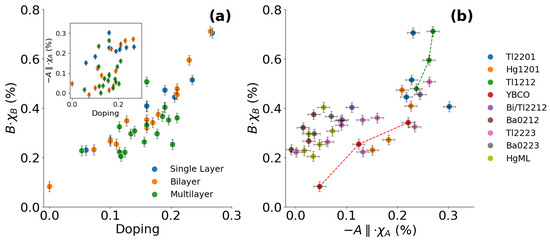
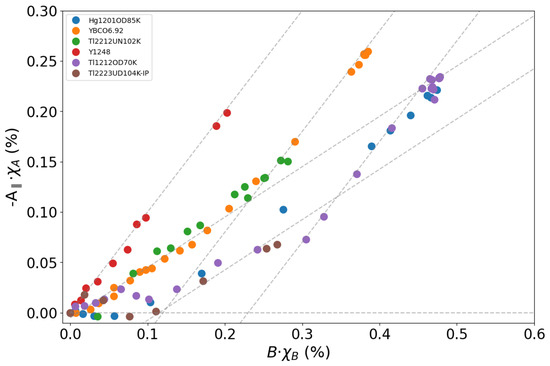
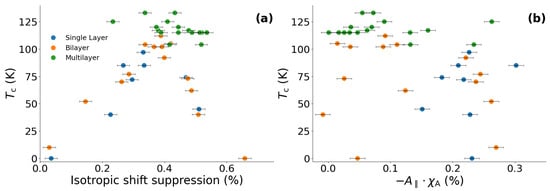
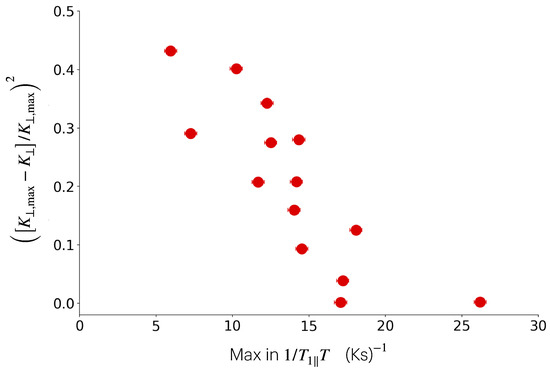
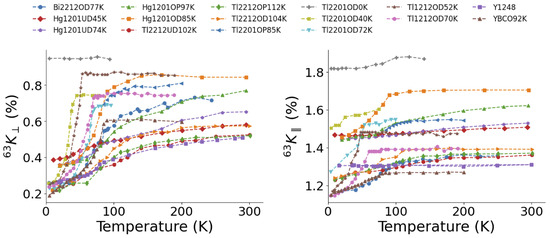
The electronic properties of high-temperature superconducting cuprates are encoded in NMR data. Without microscopic theory, reliable NMR phenomenologies are in demand. Here we make use of the extensive literature data to develop a different understanding of the cuprates from the shifts of the plane. The Cu shift analysis is based only on the symmetry of the two Cu hyperfine couplings, without assumptions about their size. We use an anisotropic and isotropic B, as from atomic Cu orbitals, and find two spin components (A- and B-spins) that explain all the shift data. The components differ in size and temperature dependence according to simple rules. Upon doping the cuprates, metallic B-spin appears above a pseudogap temperature, which is shared with the A-spin. Further doping decreases the pseudogap temperature and increases the B-spin, but less so the A-spin. The apparent linear rate of increase in the density of states of the B-spin with doping is nearly threefold above , where the pseudogap disappears. The pseudogap temperature is a measure of the coupling between A and B, which suppresses the shifts but not nuclear relaxation. Spin-singlet pairing involves A and B according to three simple condensation rates, which will be discussed. The optimal demands a special match between A and B. However, the shifts do not simply predict the highest of all cuprates, in contrast to nuclear relaxation anisotropy and charge sharing between planar Cu and O. Relations to other probes are discussed.
Full article
(This article belongs to the Section Superconductivity)
►▼
Show Figures

Figure 1
Open AccessReview
Negative Capacitance Revisited: A Unified Framework Based on Synchronization, Temporal Delay, and Spatial/Quantitative Mismatch
by
Yong Sun and Shigeru Kanemitsu
Condens. Matter 2026, 11(2), 18; https://doi.org/10.3390/condmat11020018 - 14 May 2026
Abstract
Negative capacitance (NC) has been reported across a wide range of physical systems, yet its interpretation has remained fragmented due to the lack of a unified conceptual framework. Existing explanations—spanning ferroelectric free-energy curvature, tunneling transport, plasmonic resonances, and electronic compressibility—have often been treated
[...] Read more.
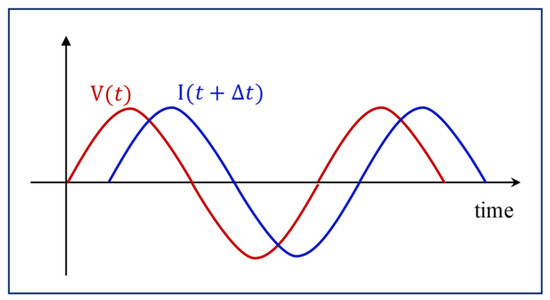
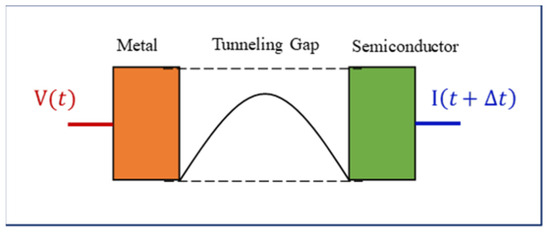
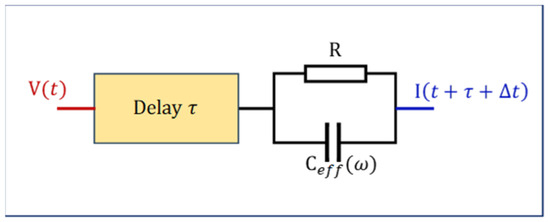
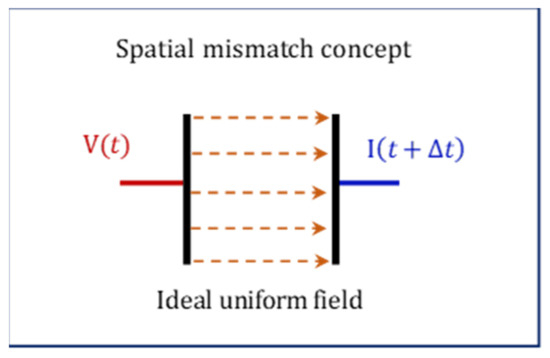
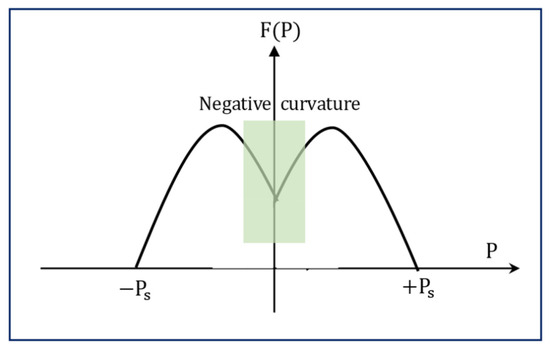
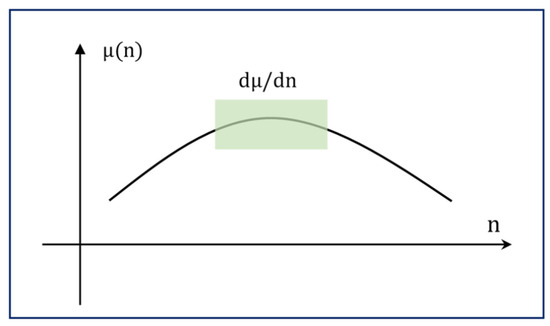
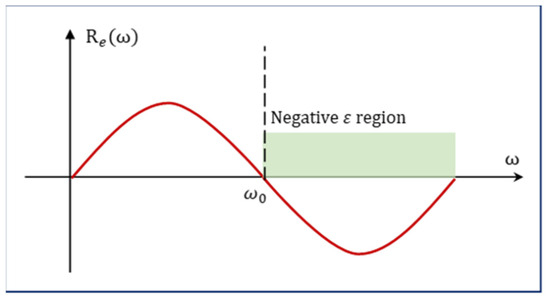
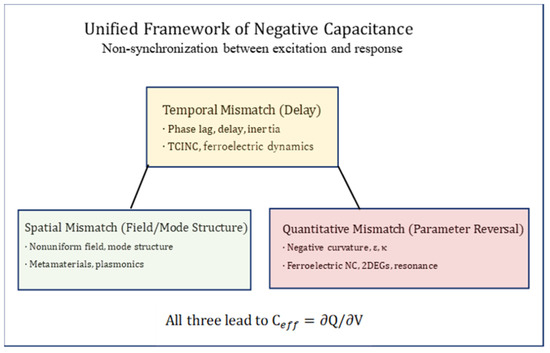
Negative capacitance (NC) has been reported across a wide range of physical systems, yet its interpretation has remained fragmented due to the lack of a unified conceptual framework. Existing explanations—spanning ferroelectric free-energy curvature, tunneling transport, plasmonic resonances, and electronic compressibility—have often been treated as unrelated or even contradictory. This review resolves these inconsistencies by showing that all manifestations of NC arise from non-synchronization between external excitation and internal response. We classify NC into three fundamental categories: temporal mismatch, originating from delays or inertia in charge or polarization dynamics; spatial mismatch, caused by nonuniform field or mode distributions; and quantitative mismatch, resulting from intrinsic parameter reversal such as negative curvature or negative compressibility. Despite their diverse physical origins, these mechanisms share the same mathematical signature ( ). Organizing NC within this unified framework clarifies long-standing ambiguities, connects previously isolated research fields, and establishes a systematic foundation for engineering NC in electronic, photonic, and quantum devices. The framework further highlights tunnel-current-induced NC as a representative single-particle mechanism within the temporal mismatch category, expanding the scope of NC beyond ferroelectricity and collective modes. Overall, this work positions NC not as a singular anomaly but as a universal response class emerging from the interplay between excitation and internal dynamics.
Full article
(This article belongs to the Special Issue 10th Anniversary of Condensed Matter: Recent Advances in Condensed Matter Physics)
►▼
Show Figures

Figure 1
Open AccessFeature PaperArticle
Impurity-Scattering Assisted Umklapp Scattering as the Origin of Low-Temperature Resistivity in the Normal State of Cuprate Superconductors
by
Xingyu Ma, Minghuan Zeng, Huaiming Guo and Shiping Feng
Condens. Matter 2026, 11(2), 17; https://doi.org/10.3390/condmat11020017 - 8 May 2026
Abstract
The transport experiments reveal that the low-temperature resistivity in the normal state of cuprate superconductors is quadratic in temperature (T-quadratic) in the underdoped pseudogap phase, while it is linear in temperature (T-linear) in the overdoped strange-metal phase; however, the full understanding of these
[...] Read more.
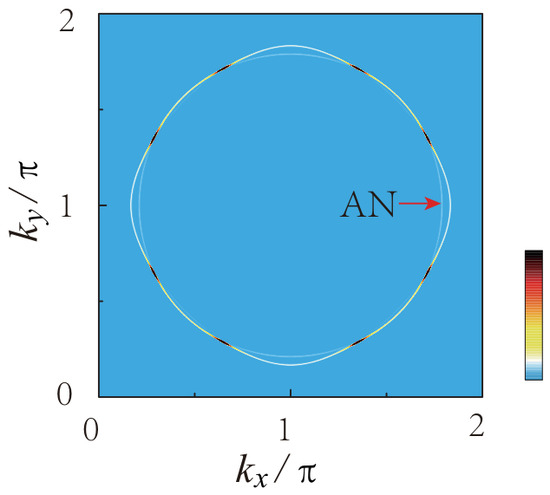
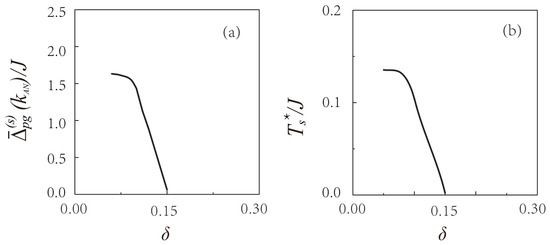
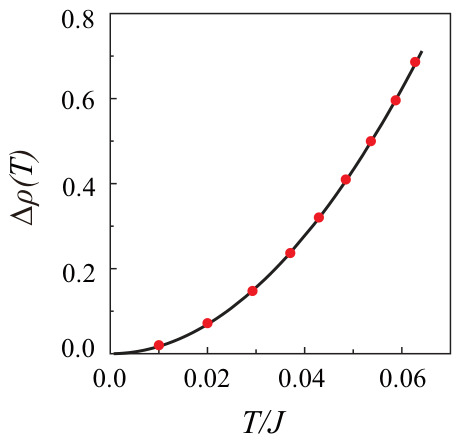
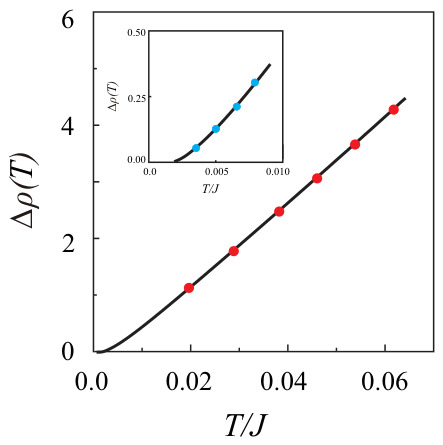
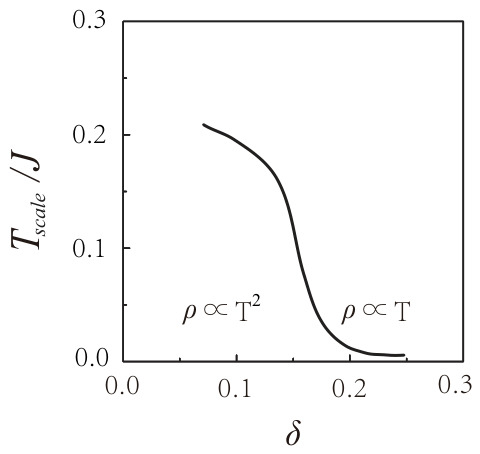
The transport experiments reveal that the low-temperature resistivity in the normal state of cuprate superconductors is quadratic in temperature (T-quadratic) in the underdoped pseudogap phase, while it is linear in temperature (T-linear) in the overdoped strange-metal phase; however, the full understanding of these different behaviors is still a challenging issue. Here starting from the microscopic electronic structure of cuprate superconductors, the low-temperature resistivity in the normal state is investigated from the underdoped pseudogap phase to the overdoped strange-metal phase. It is shown that the mechanism requires both the impurity scattering and the umklapp scattering: the impurity scattering is needed to restrict the modification of the distribution function to at and around the antinodal region, while the impurity-scattering assisted umklapp scattering from a spin excitation is at the heart of the behavior in the low-temperature resistivity, where the doping dependence of the temperature scale exists, and presents a similar behavior of the antinodal spin pseudogap crossover temperature. In the low-temperature region above the temperature scale in the overdoped strange-metal phase, the resistivity is T-linear; however, in the low-temperature region below the temperature scale in the underdoped pseudogap phase, the opening of the spin pseudogap lowers the spin excitation density of states at and around the antinodal region, which reduces the strength of the electron umklapp scattering from a spin excitation associated with the antinode, and thus leads to a T-quadratic behavior of the resistivity.
Full article
(This article belongs to the Special Issue Superstripes Physics, 4th Edition)
►▼
Show Figures

Figure 1
Open AccessArticle
Josephson Interferometry of Helical Phases in Superconducting Heterostructures
by
Paulo J. F. Cavalcanti, Jérôme Cayssol and Alexander I. Buzdin
Condens. Matter 2026, 11(2), 16; https://doi.org/10.3390/condmat11020016 - 29 Apr 2026
Abstract
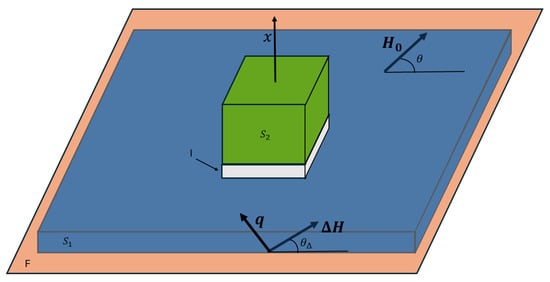
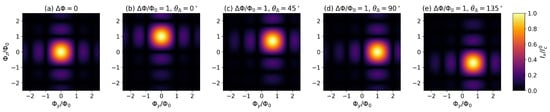
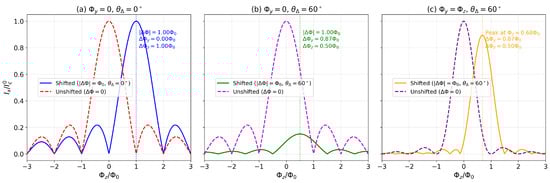
We suggest Josephson interferometry as a quantitative probe of spin–orbit-driven phenomena in superconducting heterostructures. Two distinct mechanisms are analyzed: (i) intrinsic helical superconductivity, producing asymmetric Fraunhofer patterns with lobe deformations and field-reversal asymmetry, and (ii) emergent interfacial magnetism in ferromagnet–superconductor hybrids, where Rashba
[...] Read more.
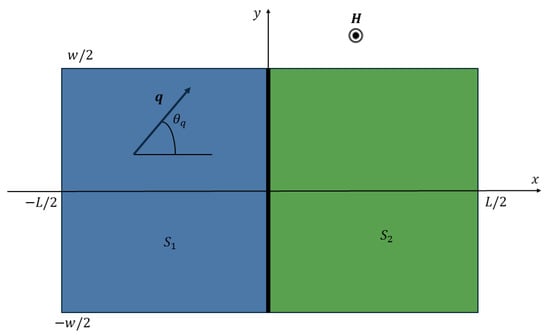
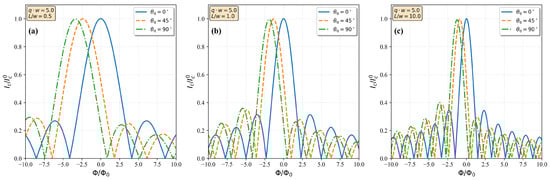
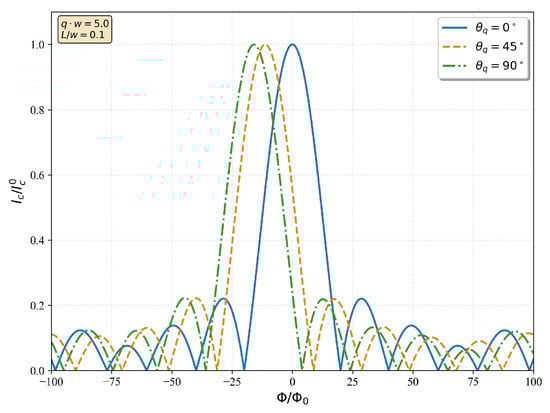
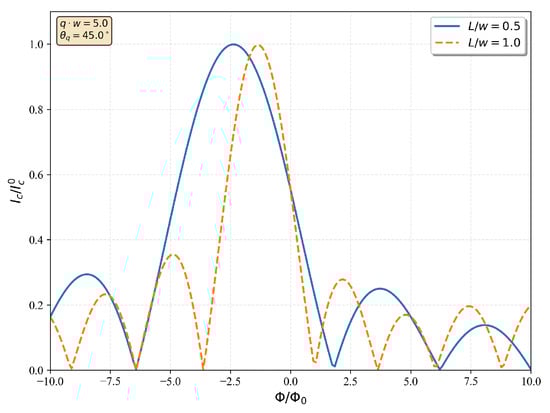
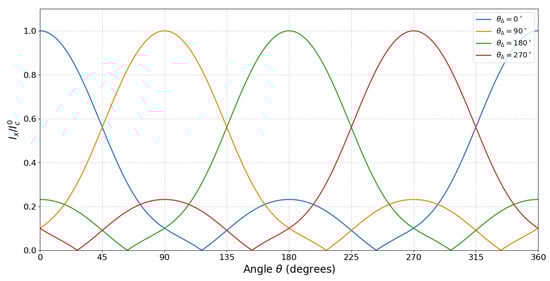
We suggest Josephson interferometry as a quantitative probe of spin–orbit-driven phenomena in superconducting heterostructures. Two distinct mechanisms are analyzed: (i) intrinsic helical superconductivity, producing asymmetric Fraunhofer patterns with lobe deformations and field-reversal asymmetry, and (ii) emergent interfacial magnetism in ferromagnet–superconductor hybrids, where Rashba spin–orbit coupling generates spontaneous fields that rigidly shift the interference fringes. The predicted signatures—flux-shifted interference minima, anisotropic critical current suppression, and angle-dependent pattern distortions—provide direct experimental access to finite-momentum pairing and interface-localized fields via standard Josephson current measurements.
Full article
(This article belongs to the Special Issue 10th Anniversary of Condensed Matter: Recent Advances in Condensed Matter Physics)
►▼
Show Figures

Figure 1
Open AccessOpinion
Lasting Aftermaths of the First Incitement for High-Temperature Superconductivity
by
Serguei Brazovskii and Natasha Kirova
Condens. Matter 2026, 11(2), 15; https://doi.org/10.3390/condmat11020015 - 27 Apr 2026
Abstract
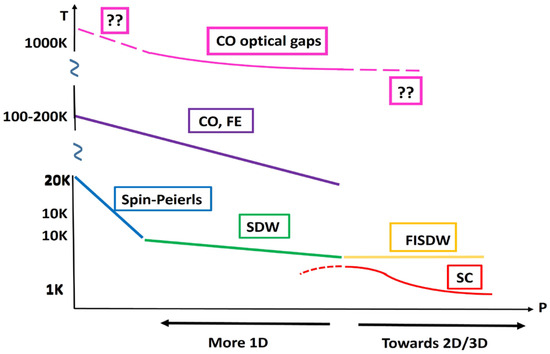
Six decades ago, the scientist from Stanford University, W.P. Little, announced a crusade to search for superconductivity, assumed to be heat-resistant in organic materials. Although such an ambitious goal was never realized in practice, this proposal gave rise to the entire ecosystem of
[...] Read more.
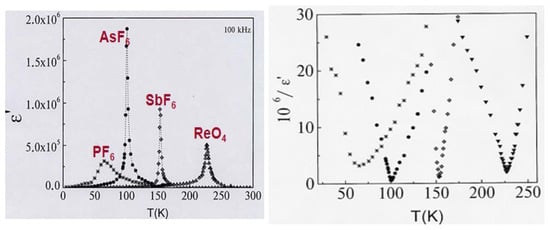
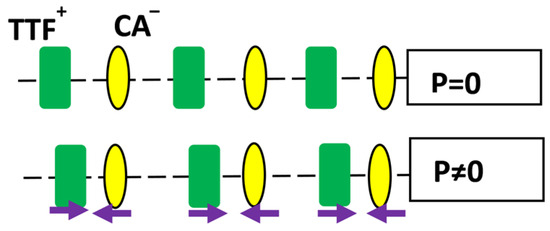
Six decades ago, the scientist from Stanford University, W.P. Little, announced a crusade to search for superconductivity, assumed to be heat-resistant in organic materials. Although such an ambitious goal was never realized in practice, this proposal gave rise to the entire ecosystem of studies on “synthetic metals,” creating a diverse community of material, experimental, and theoretical activities in low-dimensional electronic systems. We shall briefly review some key steps in this history, examine its main branches, and recall the consequences that remain on the agenda today. Particularly, we shall focus on a phenomenon of electronic ferroelectricity, whose roots can be found in the suggestion of a would-be superconducting polymer.
Full article
(This article belongs to the Special Issue Superstripes Physics, 4th Edition)
►▼
Show Figures

Figure 1
Open AccessArticle
Liquid-Precursor-Mediated CVD Synthesis of WSe2
by
Krastyo Buchkov, Peter Rafailov, Nikolay Minev, Vladimira Videva, Ivalina Avramova, Velichka Strijkova, Todor Lukanov, Dimitre Dimitrov and Vera Marinova
Condens. Matter 2026, 11(2), 14; https://doi.org/10.3390/condmat11020014 - 23 Apr 2026
Abstract
The present study focuses on liquid-precursor-mediated chemical vapor deposition (under ambient pressure and moderate temperature range) of WSe2 on sapphire using ammonium meta-tungstate and sodium cholate. The investigation provides additional results and information for the WSe2 cluster formations on sapphire as
[...] Read more.
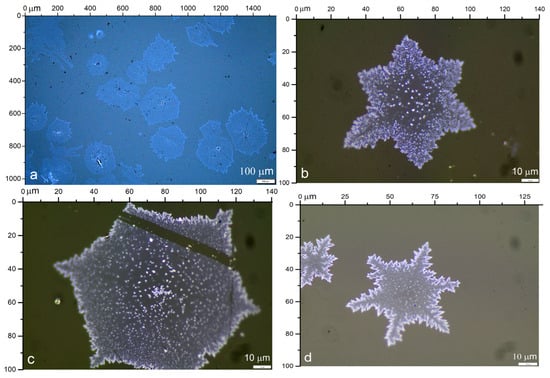
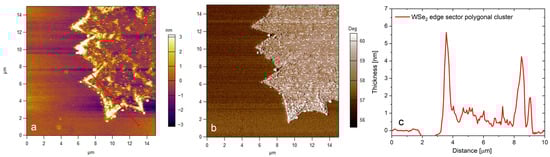
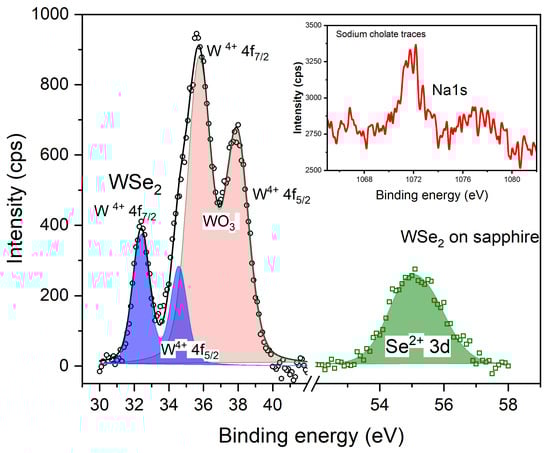
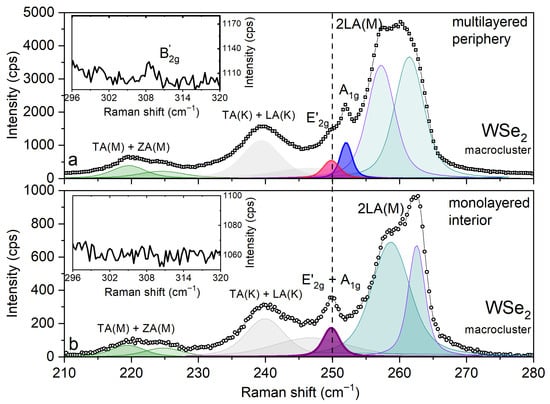
The present study focuses on liquid-precursor-mediated chemical vapor deposition (under ambient pressure and moderate temperature range) of WSe2 on sapphire using ammonium meta-tungstate and sodium cholate. The investigation provides additional results and information for the WSe2 cluster formations on sapphire as an extension of our previous study, especially based on structural, chemical and morphological characterization of the observed largest and predominant polygonal WSe2 domains whose lateral size can reach several hundreds of micrometers. In addition, highly symmetrical shapes were also observed. The Raman spectroscopy and atomic force microscopy identified the formation of both mono- and multilayered WSe2. Moreover, the Raman spectrum analysis shows a complex peak structure with unusual splitting effects in the second-order modes marking strong activity of excitonic-resonance processes.
Full article
(This article belongs to the Section Physics of Materials)
►▼
Show Figures

Figure 1
Open AccessArticle
Magnetic Nanocomposite-Driven Harvesting of Chlorella vulgaris: Enhancing Microalgal Biomass Recovery Using Fe3O4 and Fe3O4@PEG Nanoparticles
by
Lady Johana Endo Aguilar, Indry Milena Saavedra Gaona, Carlos Arturo Parra Vargas, Jahaziel Amaya, Jaime Ernesto Vargas and Daniel Llamosa Pérez
Condens. Matter 2026, 11(2), 13; https://doi.org/10.3390/condmat11020013 - 20 Apr 2026
Abstract
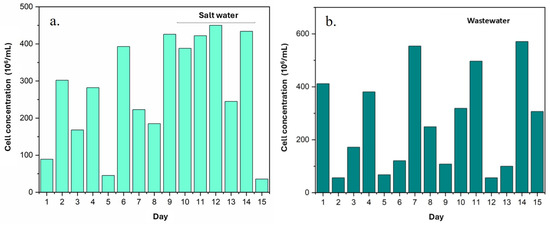
This study investigates magnetic harvesting of Chlorella vulgaris cultivated under saline and wastewater conditions using Fe3O4 and polyethylene-glycol-coated Fe3O4 (Fe3O4@PEG) nanoparticles synthesized by ultrasound-assisted coprecipitation. TEM showed agglomerated, quasi-spherical particles with mean diameters
[...] Read more.
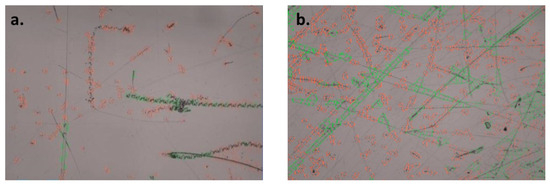
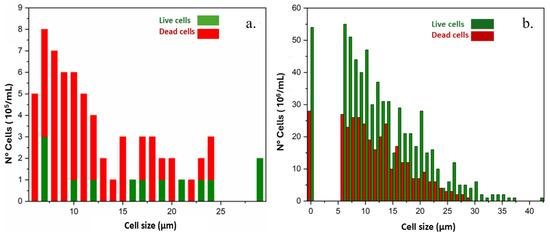
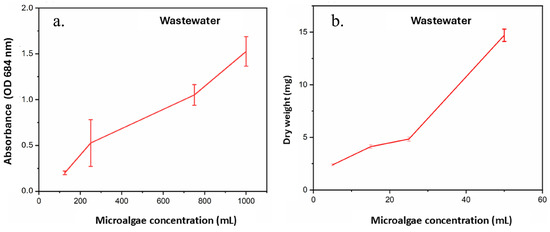
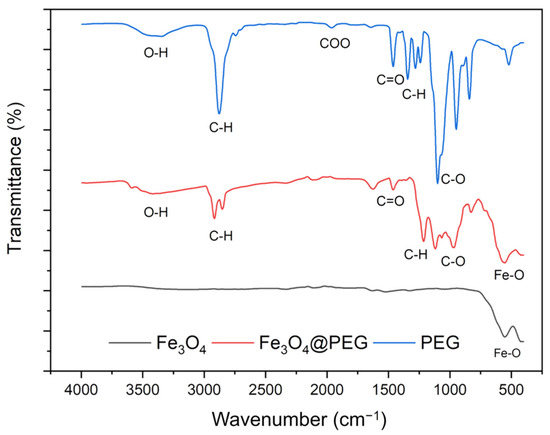
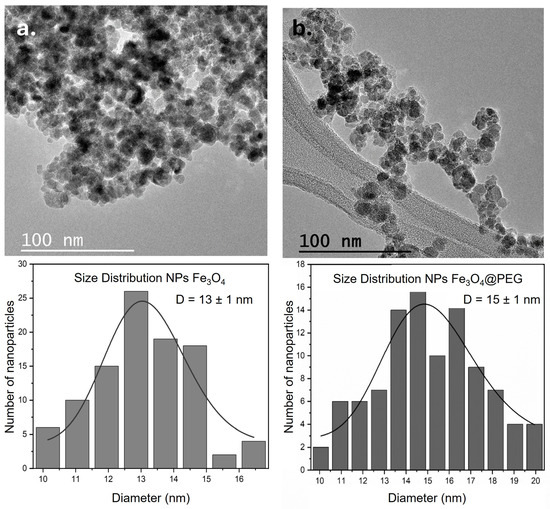
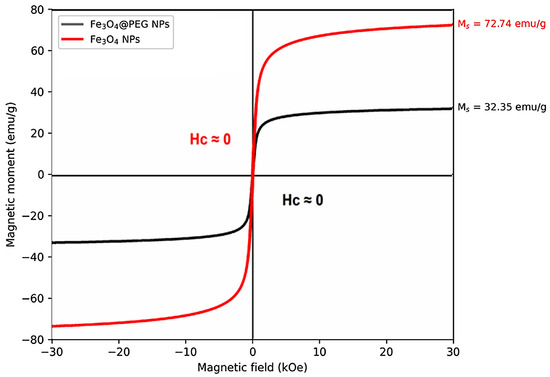
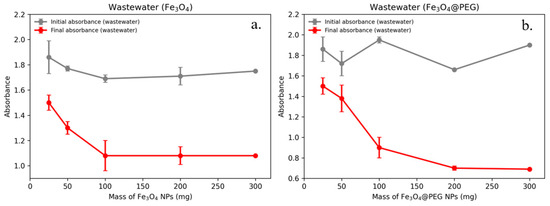
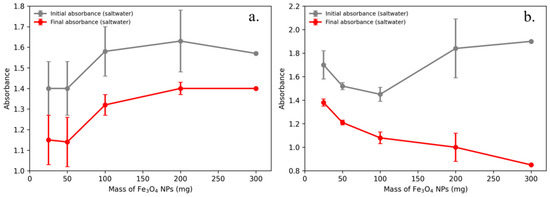
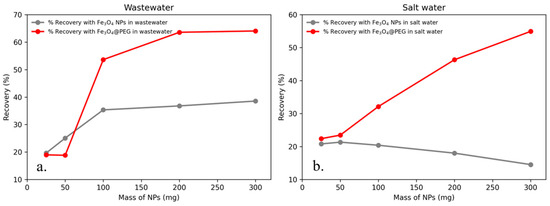
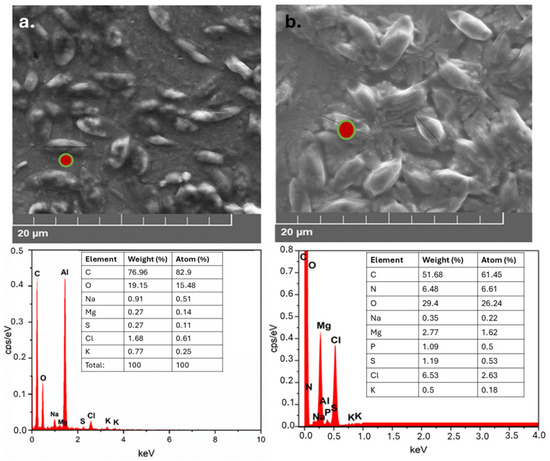
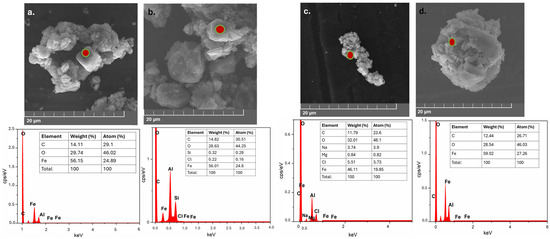
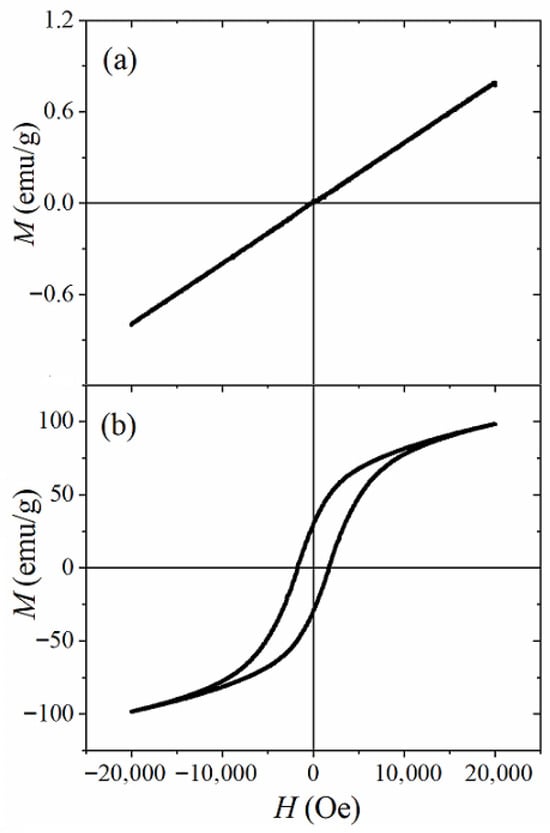
This study investigates magnetic harvesting of Chlorella vulgaris cultivated under saline and wastewater conditions using Fe3O4 and polyethylene-glycol-coated Fe3O4 (Fe3O4@PEG) nanoparticles synthesized by ultrasound-assisted coprecipitation. TEM showed agglomerated, quasi-spherical particles with mean diameters of 13 ± 1 nm (Fe3O4) and 15 ± 1 nm (Fe3O4@PEG). FTIR confirmed the Fe–O vibrational bands of magnetite and the characteristic PEG vibrations in the coated sample. VSM measurements indicated superparamagnetic behavior, with saturation magnetizations of 72.74 emu/g for Fe3O4 and 32.25 emu/g for Fe3O4@PEG. SEM–EDX of native and functionalized cells verified nanoparticle attachment on the algal surface. Magnetic separation experiments (OD684) showed a decrease in supernatant absorbance with increasing nanoparticle dose, consistent with biomass removal; the PEG-coated system showed a lower apparent biomass concentration after functionalization.
Full article
(This article belongs to the Section Magnetism)
►▼
Show Figures

Figure 1
Open AccessArticle
Phase Transformation and Magnetic Properties of Rapidly Solidified Mn-Al Alloys
by
Marco A. Camacho-Peralta, Israel Betancourt and Jose T. Elizalde-Galindo
Condens. Matter 2026, 11(2), 12; https://doi.org/10.3390/condmat11020012 - 17 Apr 2026
Abstract
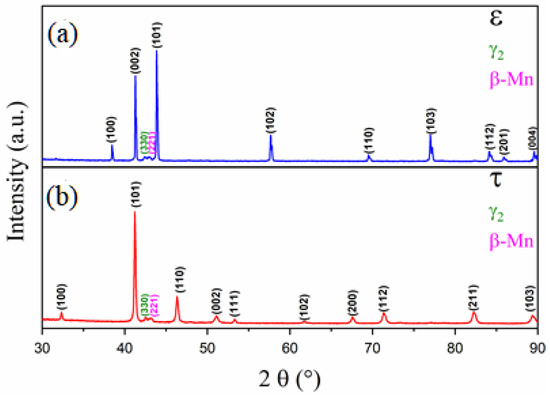
Mn54Al46 alloys with τ-phase as their main component were successfully obtained in a reproducible processing window combining melt-spinning, annealing at intermediate temperatures (450 °C) and low-energy milling. The complete ε → τ phase transformation was driven by thermal decomposition of
[...] Read more.
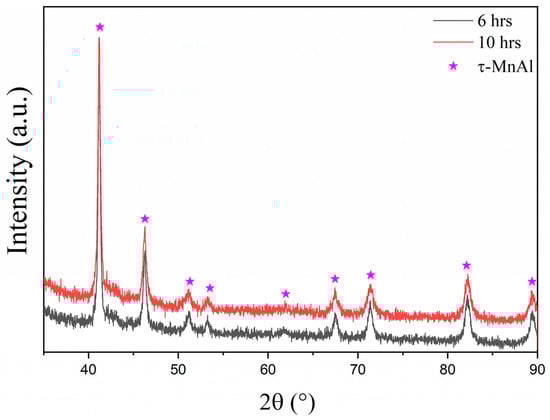
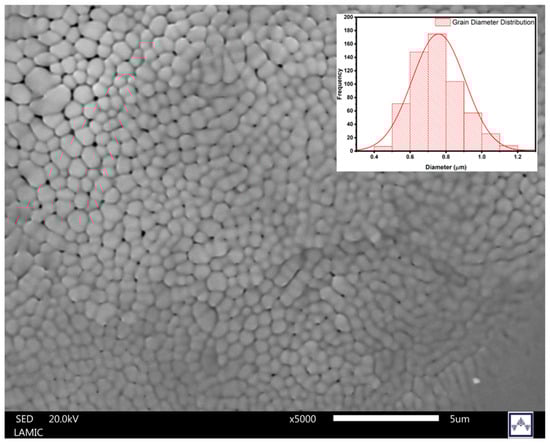
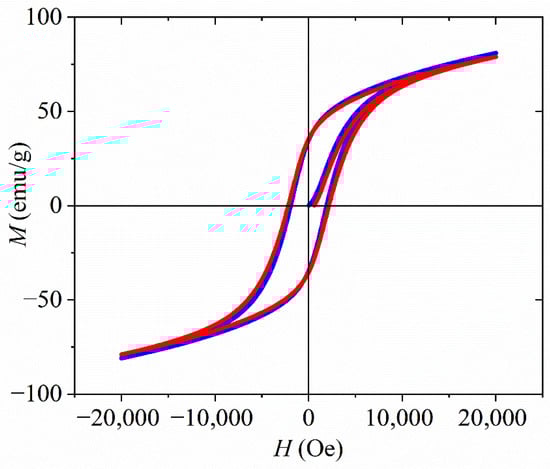
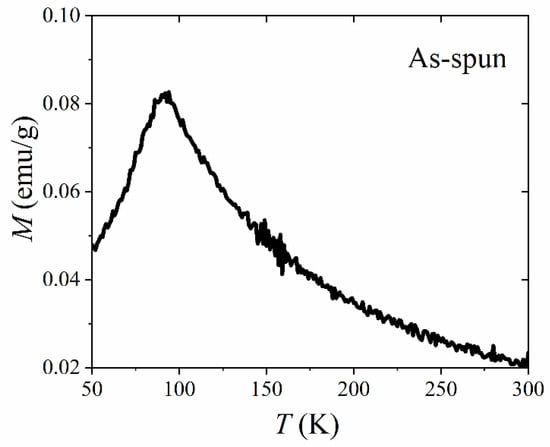
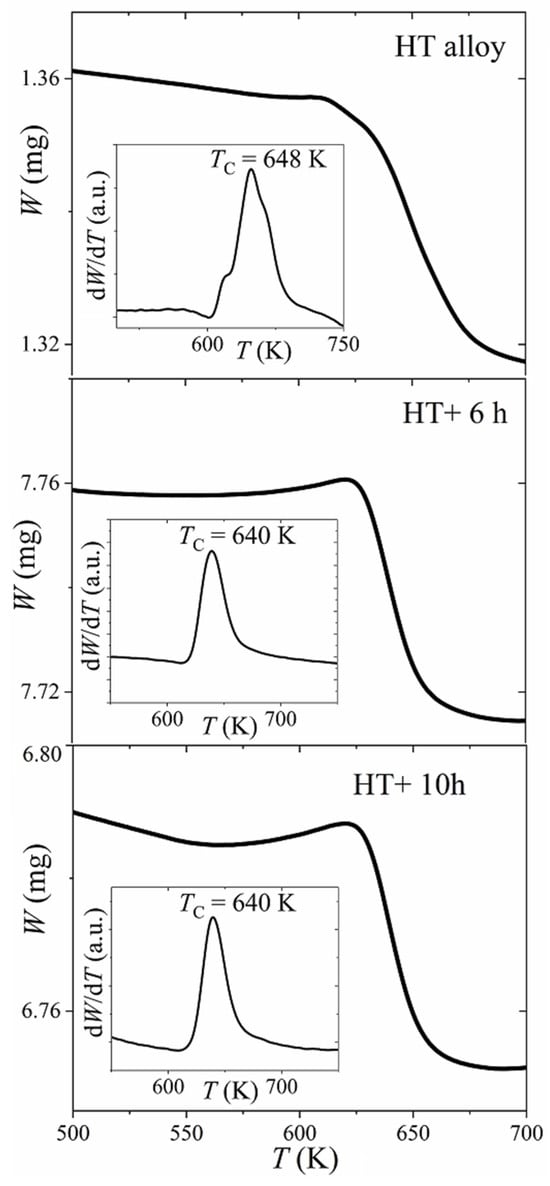
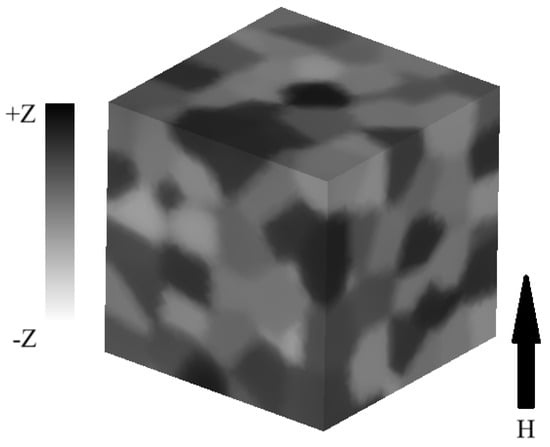
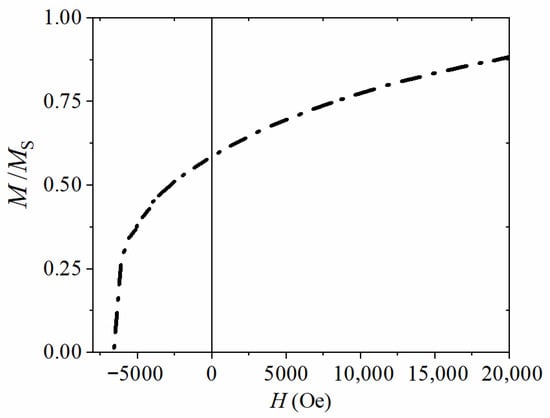
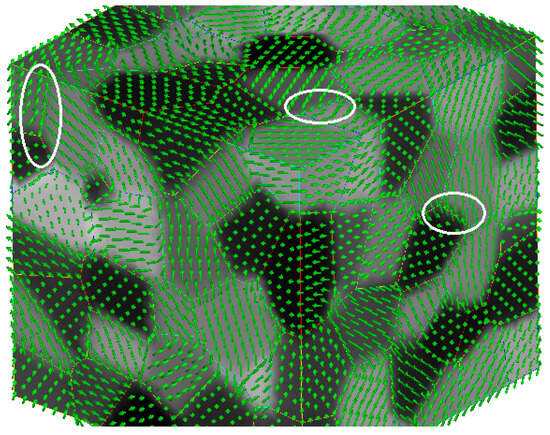
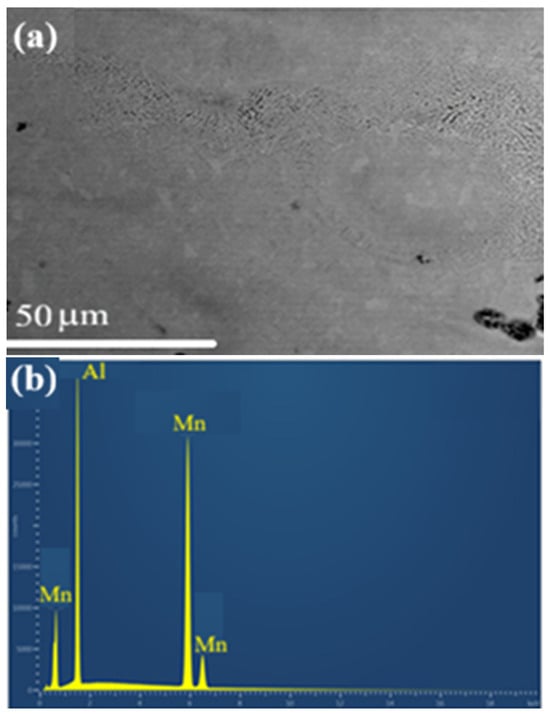
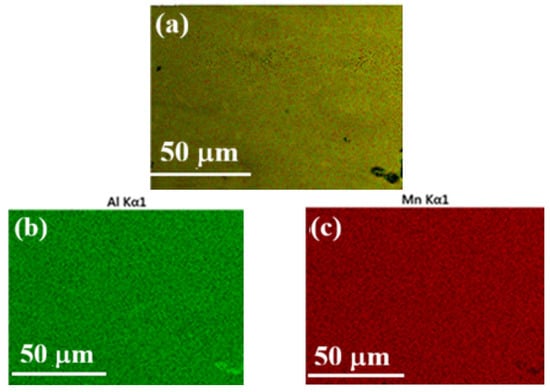
Mn54Al46 alloys with τ-phase as their main component were successfully obtained in a reproducible processing window combining melt-spinning, annealing at intermediate temperatures (450 °C) and low-energy milling. The complete ε → τ phase transformation was driven by thermal decomposition of ε-phase and favored by high grain boundary density inherent to the melt-spun microstructure. An improved magnetic response of the melt-spun Mn54Al46 alloys was observed, as they exhibited saturation magnetization values between 80 and 90 emu/g, together with intrinsic coercivities around 2000 Oe and Curie temperatures between 640 and 648 K. Significant coercivity enhancement over 6000 Oe was predicted, by means of micromagnetic calculations, for alloys with grain size refinement below 100 nm. The efficient, single-step experimental phase transformation with no additional stabilizers for the τ-phase was explained in terms of microstructural features, whereas magnetic enhancement was attributed to lattice distortions promoted by the milling process. This integrated approach introduces a pathway to achieve τ-phase Mn-Al with tunable magnetic performance useful for applications.
Full article
(This article belongs to the Section Magnetism)
►▼
Show Figures

Figure 1
Open AccessArticle
Impact of Synthesis Temperature on the Structural, Electronic Structural, Optical, Magnetic, and Electrochemical Properties of SmFeO3 Nanoparticles
by
Sakshi Khandal, Preksha Gagneja, Manas Nasit, Sameer Saharan, Sarita Khaturia, Pratibha Sharma, Sujata Kumari, P. A. Alvi, Naveen Yadav, Bon-Heun Koo, Shalendra Kumar and Kavita Kumari
Condens. Matter 2026, 11(2), 11; https://doi.org/10.3390/condmat11020011 - 31 Mar 2026
Cited by 1
Abstract
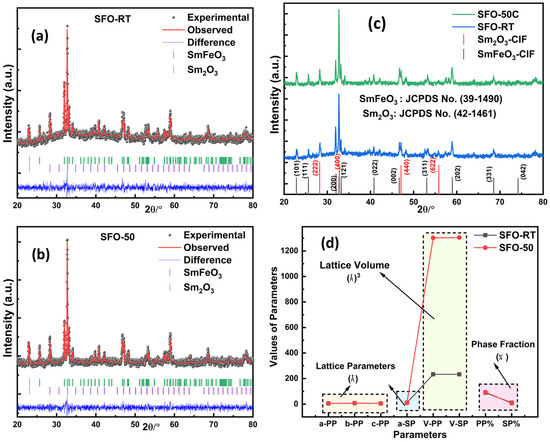
The multifunctional attributes of SmFeO3 make it a promising candidate for the current diverse technological applications. Therefore, in this work, we investigated the effect of synthesis temperature on the magnetic, optical and electrochemical properties of SmFeO3 nanoparticles at room temperature (SFO-RT)
[...] Read more.
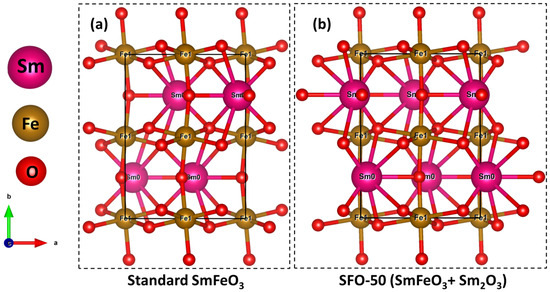
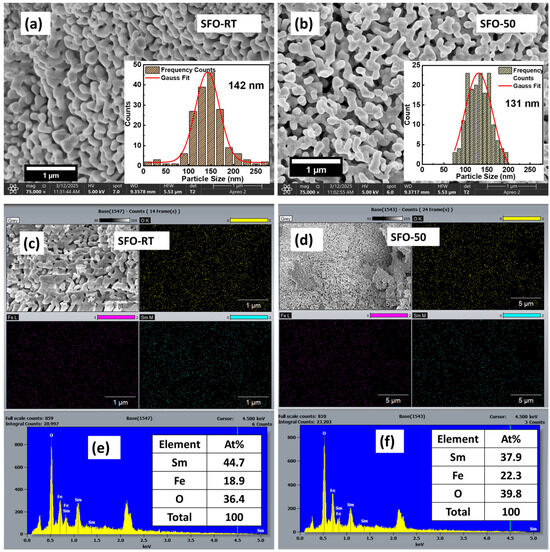
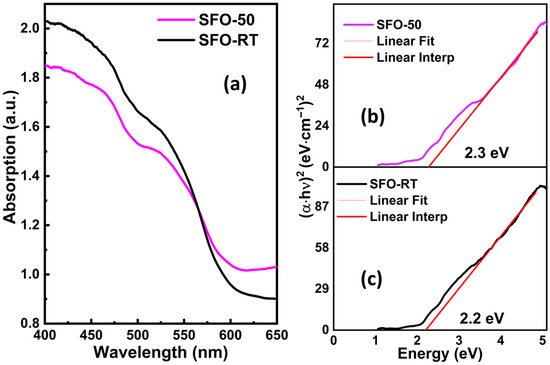
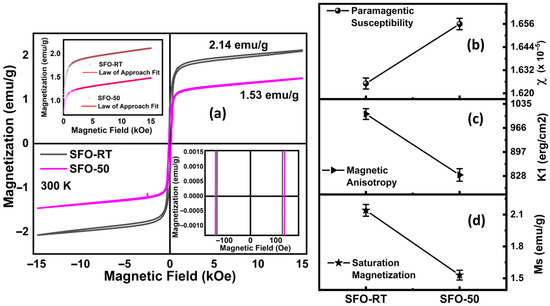
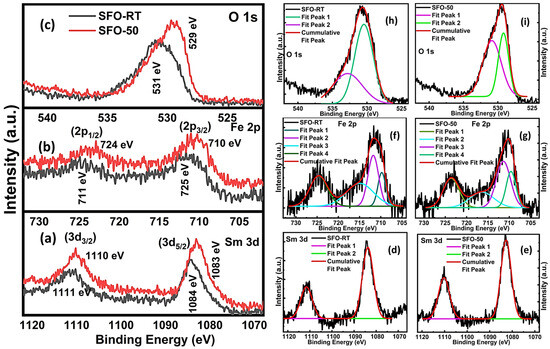
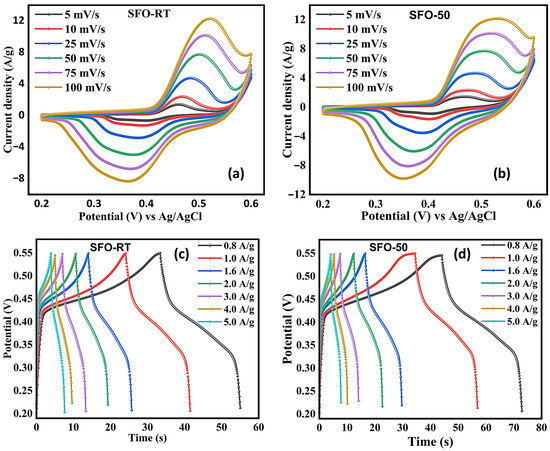
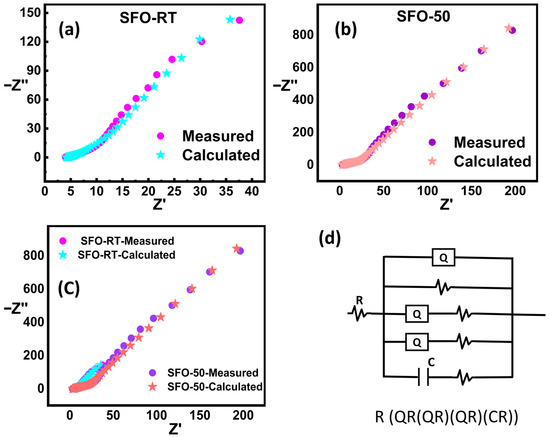
The multifunctional attributes of SmFeO3 make it a promising candidate for the current diverse technological applications. Therefore, in this work, we investigated the effect of synthesis temperature on the magnetic, optical and electrochemical properties of SmFeO3 nanoparticles at room temperature (SFO-RT) and 50 °C (SFO-50) when prepared through the co-precipitation method. The XRD analysis revealed two distinct phases: SmFeO3 and Sm2O3 as secondary with SmFeO3 emerging as the primary phase (88–93%). The FESEM images showed the amalgamated morphology of the nanoparticles indicating the enhanced thermal kinetics of the solution which not only limited the particle growth but also facilitated their coalition. The band gap energy was found to be 2.2 and 2.3 eV for SFO-RT and SFO-50, respectively, while the values of saturation magnetization noted were 2.14 and 1.53 emu/g for SFO-RT and SFO-50, respectively. The XPS analysis revealed Sm to be in a +3 oxidation state, while Fe was in a mixed (+3/+2) oxidation state showing an increase in the ionic concentration in SFO-50. From the electrochemical measurements, the highest specific capacitance was observed for SFO-50 (65.8 F/g) as compared to SFO-RT (49.3 F/g). The results indicate a clear effect of synthesis temperature on the properties of SmFeO3. Here, two factors played a prominent role: one was the morphology, shaped through the particle growth, and the other was the secondary phase. The decrease in the size of the agglomerated particles and phase fraction of the secondary phase brought about necessary changes in the structural attributes to reduce the saturation magnetization and enhance the specific capacitance of SFO-50. Overall, this study shows that the synthesis temperature affects the crystalline structure and phase fractions leading to the modulation of electronic structure, band gap, magnetic interactions and specific capacitance.
Full article
(This article belongs to the Special Issue Synergistic Electrochemical and Magnetic Behavior in Nanocomposite Materials)
►▼
Show Figures

Figure 1
Open AccessReview
Bridging Quantum Capacitance and Experimental Electrochemical Performance in 2D Materials for Supercapacitors: From Density of States to Device-Level Interpretation
by
Maria C. Barrero-Moreno, Abraham Méndez-Reséndiz, Juan C. Carrillo-Rodriguez and Andrés M. Garay-Tapia
Condens. Matter 2026, 11(1), 10; https://doi.org/10.3390/condmat11010010 - 21 Mar 2026
Abstract
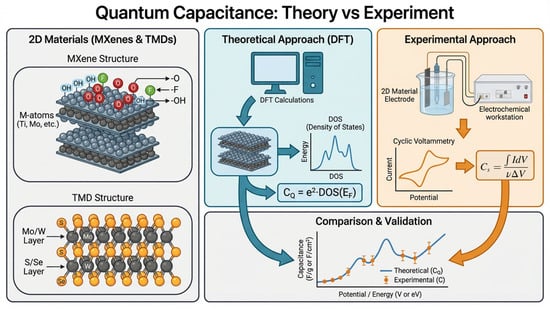
Two-dimensional (2D) materials, particularly MXenes and transition metal dichalcogenides (TMDs), have attracted intense interest as supercapacitor electrodes due to their high surface area and tunable electronic structure. However, large discrepancies persist between the quantum capacitance values predicted by density functional theory (DFT) calculations
[...] Read more.
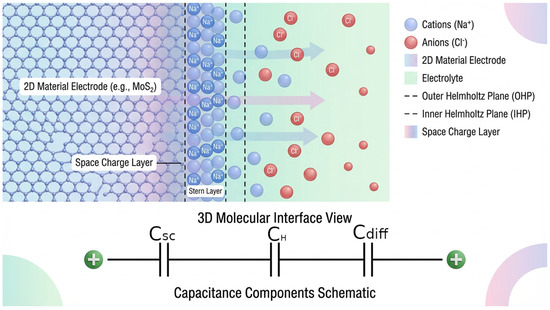
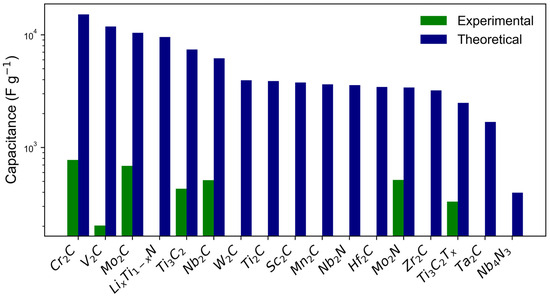
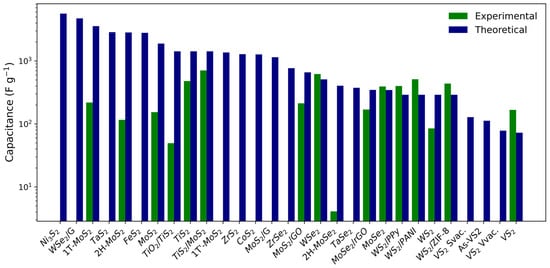
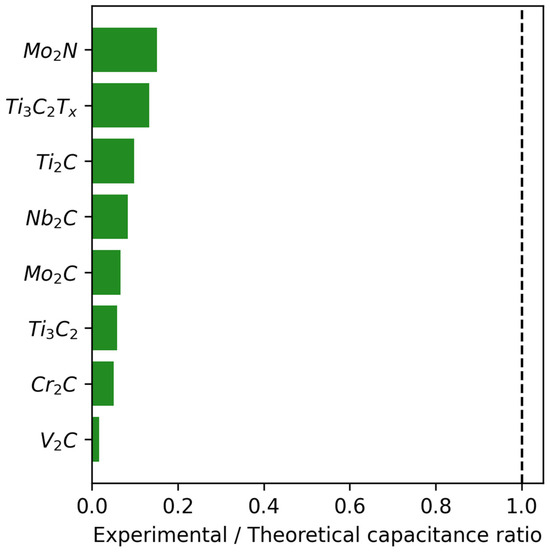
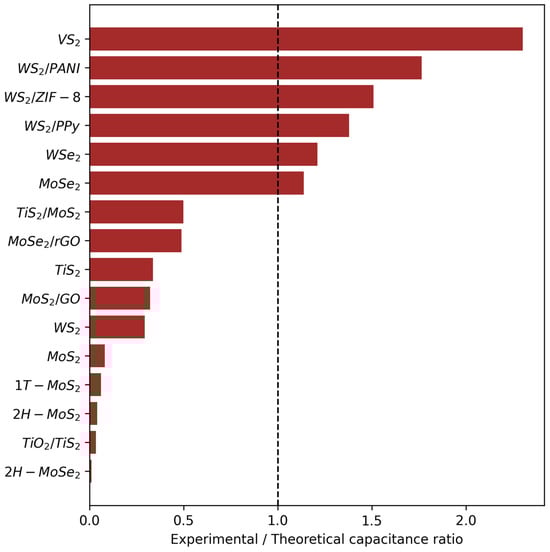
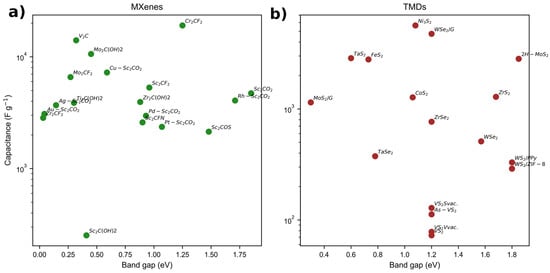
Two-dimensional (2D) materials, particularly MXenes and transition metal dichalcogenides (TMDs), have attracted intense interest as supercapacitor electrodes due to their high surface area and tunable electronic structure. However, large discrepancies persist between the quantum capacitance values predicted by density functional theory (DFT) calculations and experimentally measured gravimetric capacitances. In this review, we critically analyze DFT methodologies, surface models, normalization strategies, and electrochemical characterization protocols, and compile an extensive dataset of reported MXene and TMD systems to quantify the degree of experimental–theoretical agreement. We show that MXenes typically achieve less than 20% of their predicted capacitance because of restacking, surface terminations, and limited ion accessibility, whereas TMDs exhibit substantially better correspondence, often approaching or exceeding 70% of theoretical values. These results indicate that the theoretical capacitance predicted by DFT is primarily determined by the electronic structure of the material, which defines the upper limit of charge storage, whereas the experimentally achieved capacitance is largely controlled by morphological factors, surface chemistry, and electrode architecture that limit ion accessibility.
Full article
(This article belongs to the Special Issue Flexible Matter for Electronics, Photonics, and Energy Conversion)
►▼
Show Figures

Graphical abstract
Journal Menu
► ▼ Journal Menu-
- Condensed Matter Home
- Aims & Scope
- Editorial Board
- Reviewer Board
- Topical Advisory Panel
- Early Career Editorial Board
- Instructions for Authors
- Special Issues
- Topics
- Sections
- Article Processing Charge
- Indexing & Archiving
- Editor’s Choice Articles
- Most Cited & Viewed
- Journal Statistics
- Journal History
- Editorial Office
- 10th Anniversary
Journal Browser
► ▼ Journal BrowserHighly Accessed Articles
Latest Books
E-Mail Alert
News
Topics
Special Issues
Special Issue in
Condensed Matter
Advances in X-Ray and Gamma Ray Detectors and Applications
Guest Editors: Leonardo Abbene, Antonino Buttacavoli, Alessandro ScordoDeadline: 15 September 2026
Special Issue in
Condensed Matter
Tuning Metal–Organic Frameworks for Enhanced Functional Performance
Guest Editor: Fatemeh KeshavarzDeadline: 31 October 2026
Special Issue in
Condensed Matter
10th Anniversary of Condensed Matter: Recent Advances in Condensed Matter Physics
Guest Editors: Antonio Bianconi, Annette Bussmann-Holder, Bernardo BarbielliniDeadline: 31 October 2026
Special Issue in
Condensed Matter
Superstripes Physics, 5th Edition
Guest Editors: Antonio Bianconi, Yasutomo UemuraDeadline: 1 November 2026