

Journal Description
Cosmetics
Cosmetics
is an international, scientific, peer-reviewed, open access journal on the science and technology of cosmetics published bimonthly online by MDPI.
- Open Access— free for readers, with article processing charges (APC) paid by authors or their institutions.
- High Visibility: indexed within Scopus, ESCI (Web of Science), CAPlus / SciFinder, and other databases.
- Journal Rank: JCR - Q1 (Dermatology) / CiteScore - Q1 (Surgery)
- Rapid Publication: manuscripts are peer-reviewed and a first decision is provided to authors approximately 17 days after submission; acceptance to publication is undertaken in 3.9 days (median values for papers published in this journal in the first half of 2026).
- Recognition of Reviewers: reviewers who provide timely, thorough peer-review reports receive vouchers entitling them to a discount on the APC of their next publication in any MDPI journal, in appreciation of the work done.
Impact Factor:
4.1 (2025);
5-Year Impact Factor:
4.6 (2025)
Latest Articles
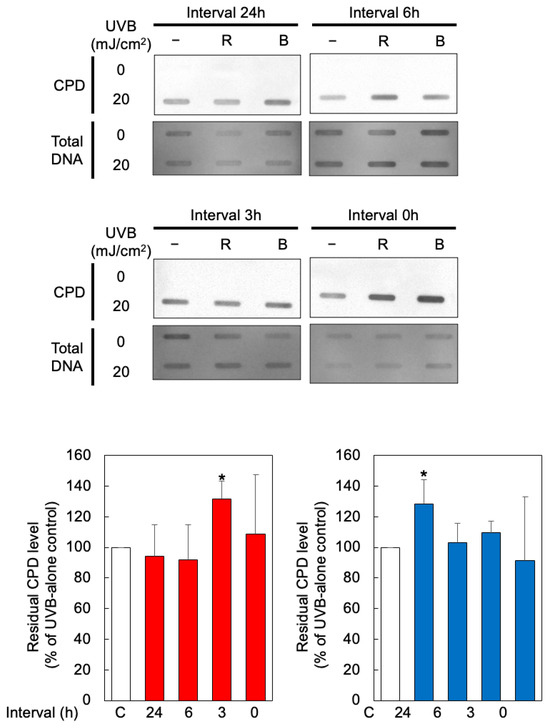
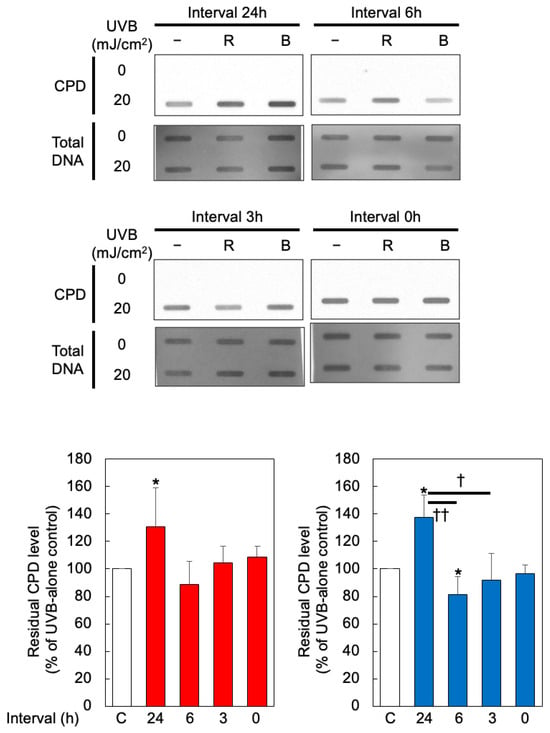
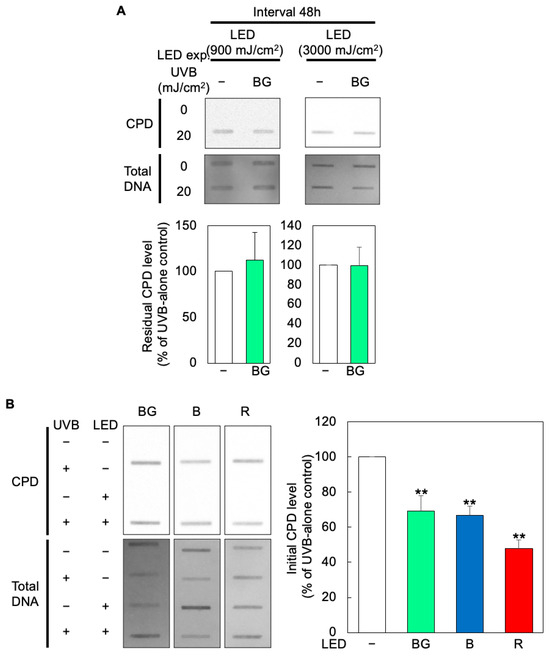
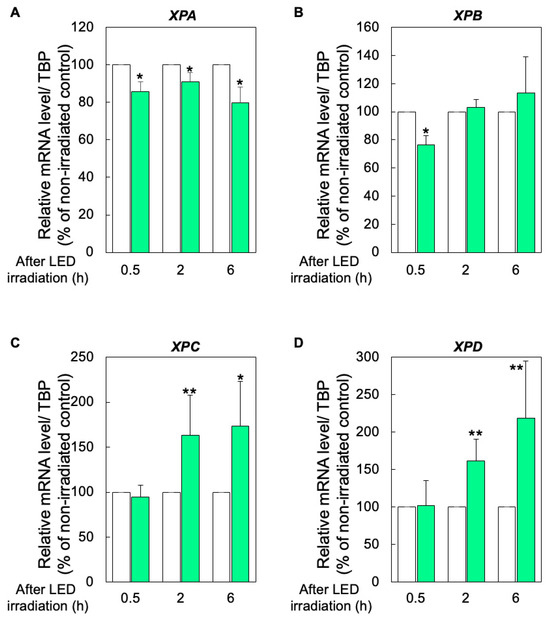
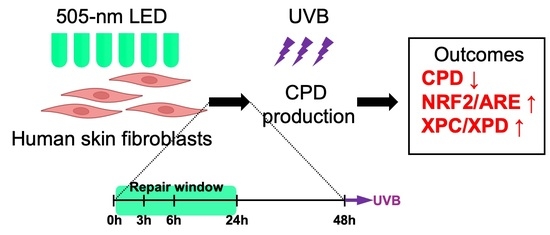
Preconditioning Human Skin Fibroblasts with 505 nm Blue–Green Light Reduces UVB-Induced Cyclobutane Pyrimidine Dimers
Cosmetics 2026, 13(4), 198; https://doi.org/10.3390/cosmetics13040198 - 4 Aug 2026
Abstract
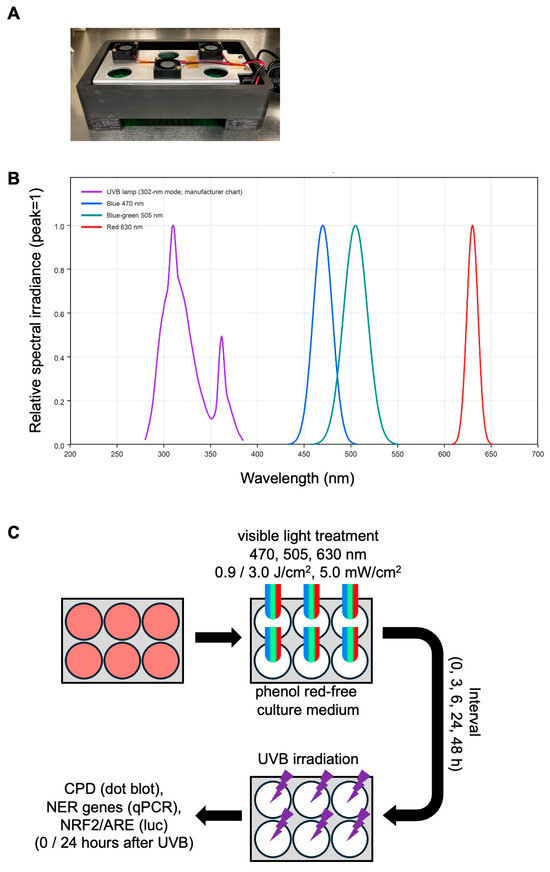
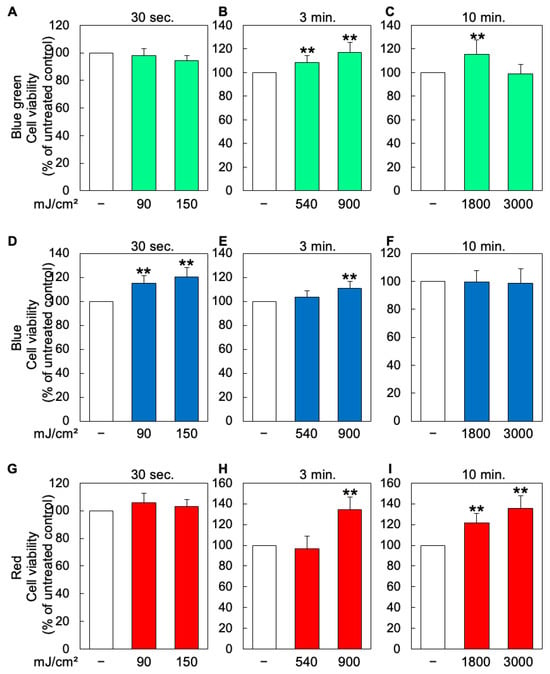
Visible-light preconditioning may complement sunscreen use by enhancing intrinsic DNA damage responses. We pre-irradiated Hs27 human dermal fibroblasts with 505 nm blue–green light (5.0 mW/cm2, 3–10 min; 0.9–3.0 J/cm2) before UVB irradiation (20 mJ/cm2). At 505 nm,
[...] Read more.
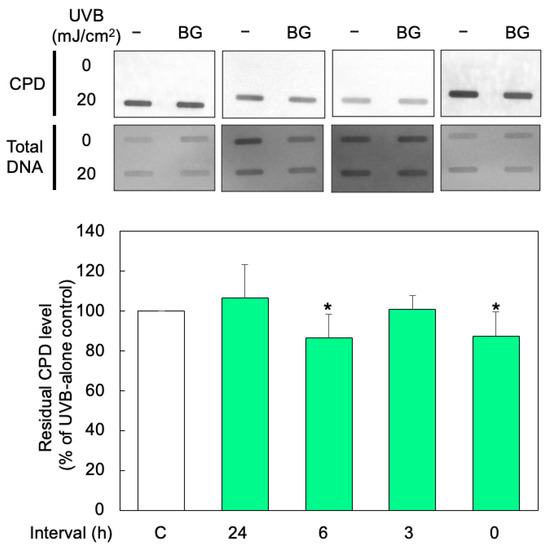
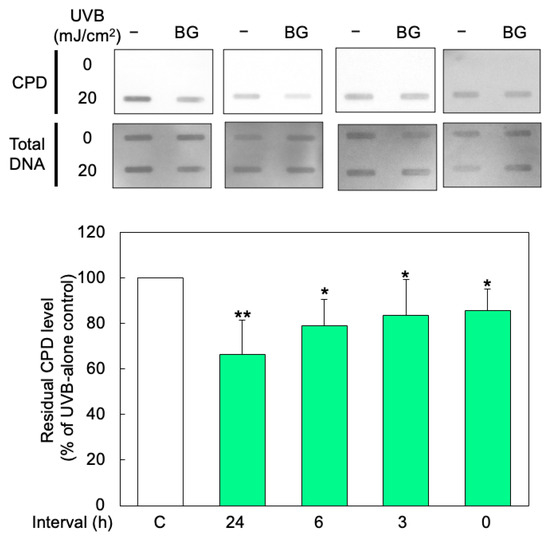
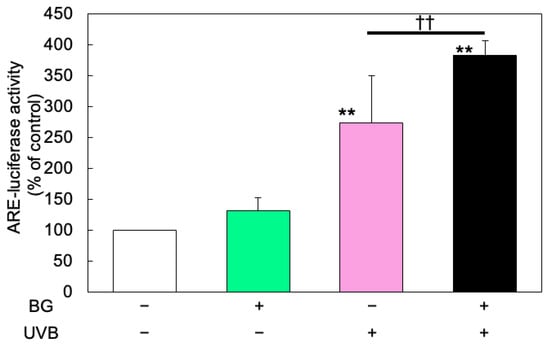
Visible-light preconditioning may complement sunscreen use by enhancing intrinsic DNA damage responses. We pre-irradiated Hs27 human dermal fibroblasts with 505 nm blue–green light (5.0 mW/cm2, 3–10 min; 0.9–3.0 J/cm2) before UVB irradiation (20 mJ/cm2). At 505 nm, the residual cyclobutane pyrimidine dimer (CPD) burden measured 24 h after UVB was reduced when UVB followed immediately or after 3–24 h (with residual CPDs falling to approximately 67% of the UVB-alone level—an approximately 33% reduction—at the most effective 3.0 J/cm2, 24 h condition), whereas protection was lost by 48 h. Under the 0 h interval condition, CPDs were also quantified immediately after UVB to compare the early CPD signal with the 24 h residual endpoint; all three visible wavelengths (505, 470 and 630 nm) lowered the immediate post-UVB signal, but only 505 nm preconditioning sustained the protective effect at the 24 h endpoint. Blue light (470 nm) produced a limited delayed benefit, whereas red light (630 nm) did not confer consistent protection and increased the residual CPD burden under selected conditions. Non-toxic 505 nm exposure primed an amplified NRF2/ARE response to subsequent UVB; XPC and XPD mRNAs rose at 2–6 h, while XPA and XPB declined early. Together, these findings support further evaluation of 505 nm blue–green light as a proof-of-concept, device-oriented strategy for timed photoprotection against UVB-induced photoaging; because these findings were obtained in a single dermal fibroblast model, they will require validation in keratinocytes and more complex skin systems before any practical application.
Full article
(This article belongs to the Section Cosmetic Dermatology)
►
Show Figures
Open AccessReview
Biotics for Acne-Prone Skin and Scalp Disorders: A Scoping Review
by
Gisele Mara Silva Gonçalves
Cosmetics 2026, 13(4), 197; https://doi.org/10.3390/cosmetics13040197 - 4 Aug 2026
Abstract
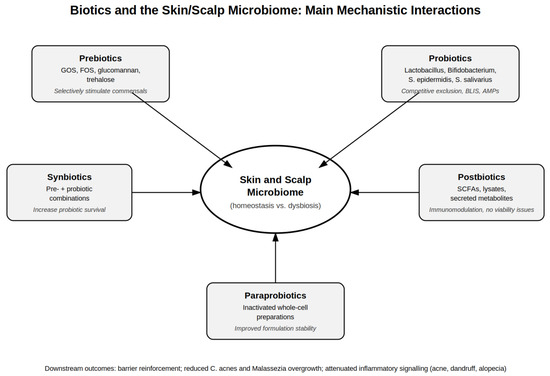
Background/Objectives: The skin microbiome maintains barrier integrity, immune homeostasis, and pathogen defense; dysbiosis contributes to acne vulgaris, dandruff, seborrheic dermatitis, atopic dermatitis, psoriasis, and alopecia. This scoping review critically appraised evidence on prebiotics, probiotics, synbiotics, postbiotics, and paraprobiotics in dermo-cosmetics for acne vulgaris
[...] Read more.
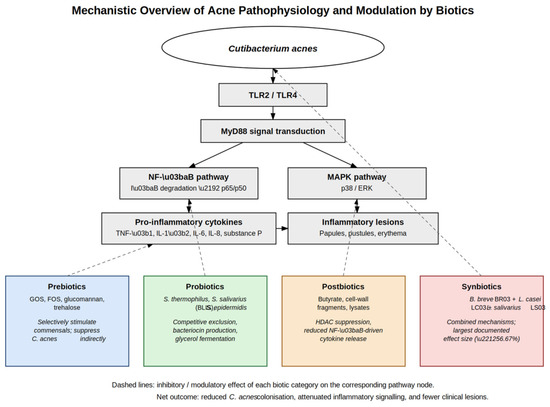
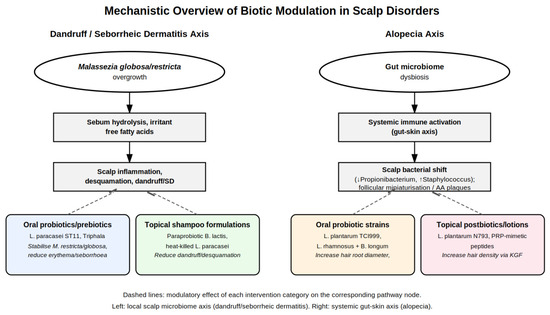
Background/Objectives: The skin microbiome maintains barrier integrity, immune homeostasis, and pathogen defense; dysbiosis contributes to acne vulgaris, dandruff, seborrheic dermatitis, atopic dermatitis, psoriasis, and alopecia. This scoping review critically appraised evidence on prebiotics, probiotics, synbiotics, postbiotics, and paraprobiotics in dermo-cosmetics for acne vulgaris and scalp disorders. Methods: A scoping search (2006–2026) covered SciELO, PubMed/PMC, Google Scholar, CAPES Portal, Scopus, Heliyon, Frontiers, Nature, Wiley, and MDPI, following PRISMA 2020 guidelines. Results: Of 1665 records, 66 were included. For acne, effective prebiotics included blackcurrant, grape seed, ginseng, trehalose, and glucomannan hydrolysate; effective probiotic strains included Streptococcus thermophilus, Bifidobacterium longum, Staphylococcus epidermidis, and Streptococcus salivarius. A synbiotic (B. breve BR03, Lacticaseibacillus casei LC03, Ligilactobacillus salivarius LS03) reduced inflammatory lesions by 56.67% in an 8-week RCT (n = 114). For scalp disorders, oral Lacticaseibacillus paracasei ST11 reduced dandruff by 70% vs. 23% (placebo); Lactiplantibacillus plantarum TCI999 increased hair root diameter (n = 50, 12 weeks); a Lacticaseibacillus rhamnosus plus Bifidobacterium longum mixture improved alopecia areata by 56% vs. 30% (n = 26, 24 weeks). Conclusions: Biotic dermo-cosmetics can modulate the cutaneous microbiome and attenuate inflammation in acne and scalp disorders, with strongest evidence for multi-strain/synbiotic formulations. Formulation stability, strain specificity, regulatory heterogeneity, and lack of standardized microbiological endpoints remain key challenges; larger standardized RCTs with active comparators are needed.
Full article
(This article belongs to the Special Issue Feature Papers in Cosmetics in 2026)
►▼
Show Figures

Figure 1
Open AccessArticle
Trehalose in an Emulsion-Based Carrier: Effects on Skin Hydration and Transepidermal Water Loss
by
Anna Czajkowska-Kośnik, Paulina Perkowska and Katarzyna Winnicka
Cosmetics 2026, 13(4), 196; https://doi.org/10.3390/cosmetics13040196 - 4 Aug 2026
Abstract
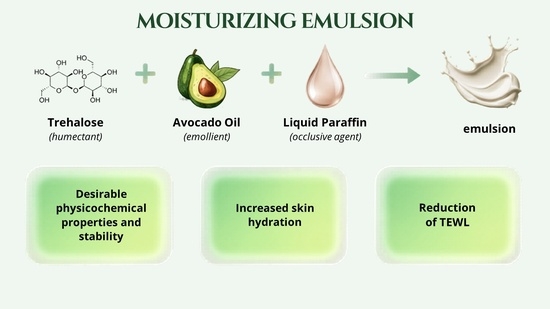
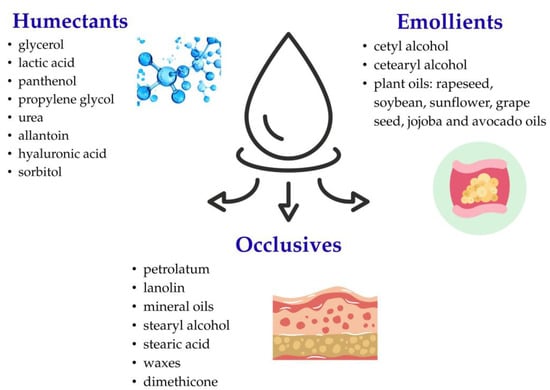
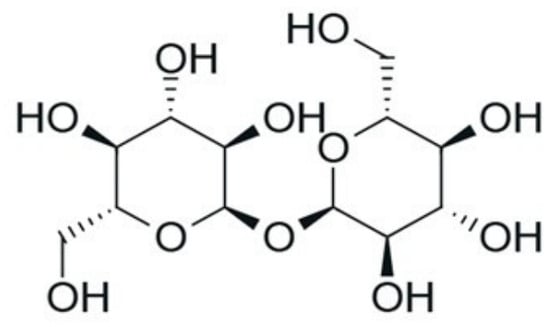
Dry skin and skin barrier dysfunction are common dermatological problems associated with increased transepidermal water loss (TEWL) and reduced stratum corneum hydration. Among moisturizing agents, trehalose—a naturally occurring disaccharide—has attracted considerable attention due to its moisturizing, protective, and stabilizing properties. The aim of
[...] Read more.
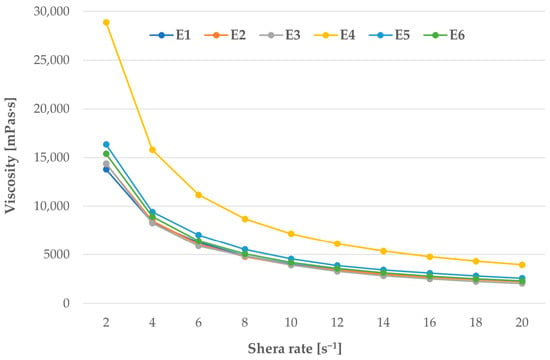
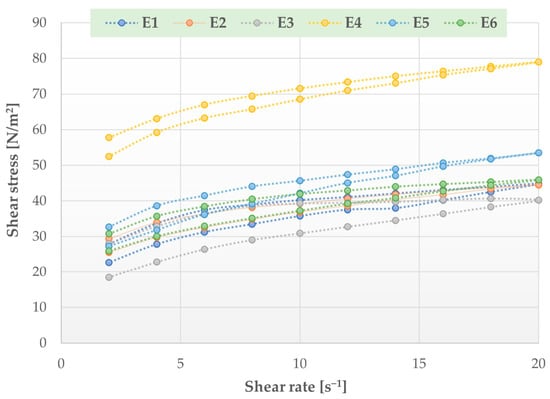
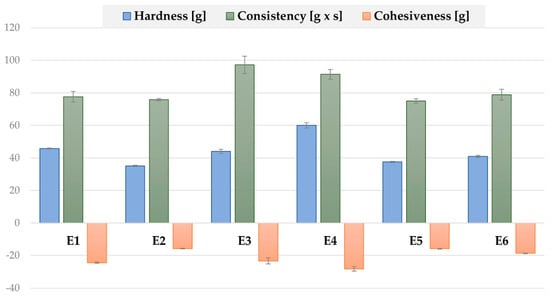
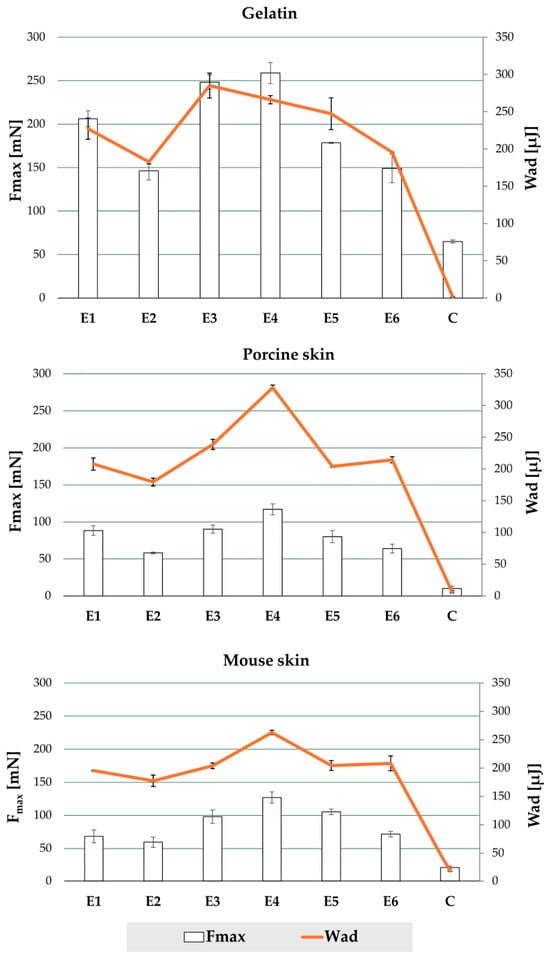
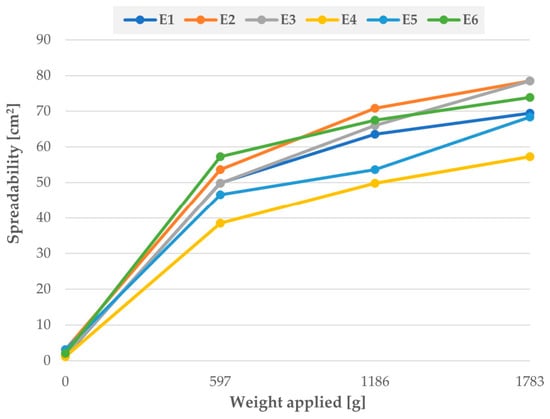
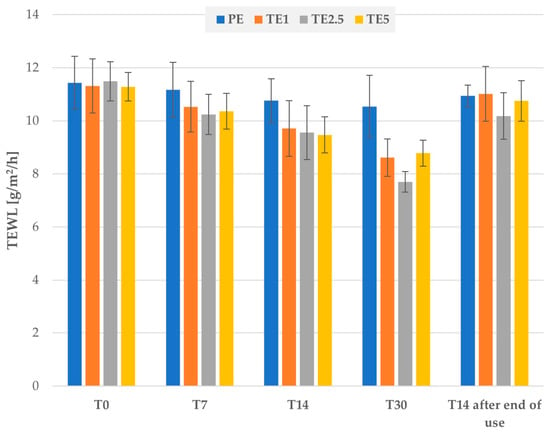
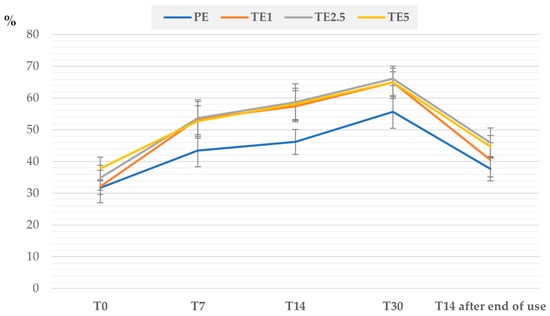
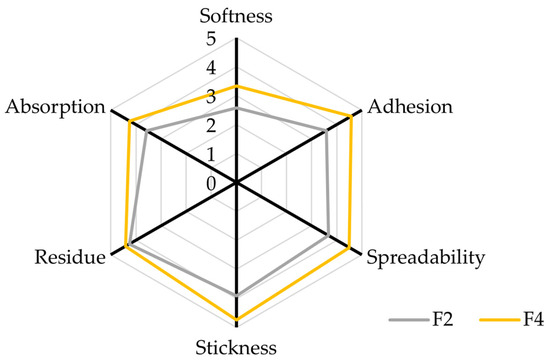
Dry skin and skin barrier dysfunction are common dermatological problems associated with increased transepidermal water loss (TEWL) and reduced stratum corneum hydration. Among moisturizing agents, trehalose—a naturally occurring disaccharide—has attracted considerable attention due to its moisturizing, protective, and stabilizing properties. The aim of this study was to develop dermatological emulsions with desirable physicochemical, rheological, mechanical, adhesive, and moisturizing properties for dry skin care. Six placebo emulsions, differing in emulsifier and oil compositions, were prepared and evaluated for stability, pH, viscosity, rheological behavior, texture, adhesion, and spreadability. Based on the results obtained, the formulation containing avocado oil and Olivem 1000 was selected as the optimal base for incorporating trehalose at concentrations of 1%, 2.5%, and 5%. The formulations were further evaluated in vivo using TEWL and corneometry measurements. All emulsions exhibited non-Newtonian shear-thinning and thixotropic properties. Regular application of the emulsions reduced TEWL by approximately 33%, while skin hydration increased up to 102%. However, discontinuation of the emulsion application resulted in decreased skin hydration and increased TEWL, suggesting the need for constant use.
Full article
(This article belongs to the Special Issue Skin Care and Innovation from the Perspective of Molecular Dermatology)
►▼
Show Figures

Graphical abstract
Open AccessArticle
Ascorbic Acid and Its Hydrophilic Derivatives in Commercial Cosmetics: A Cross-Sectional Study of Their Quality Control and Stability
by
Žane Temova Rakuša and Robert Roškar
Cosmetics 2026, 13(4), 195; https://doi.org/10.3390/cosmetics13040195 - 2 Aug 2026
Abstract
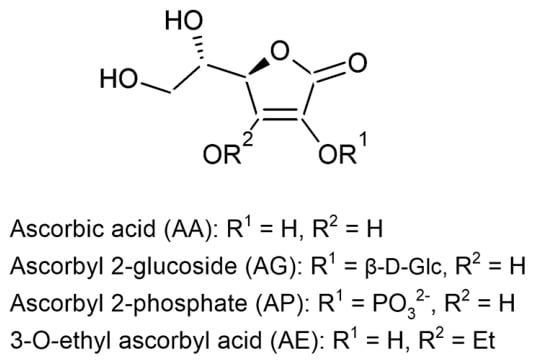
Ascorbic acid and its hydrophilic derivatives, ascorbyl phosphate, ascorbyl glucoside, and 3-O-ethyl ascorbic acid, are wide used active ingredients in cosmetics, with concentrations increasingly declared on product labels. Since such products are not subject to routine quality control, this study aimed
[...] Read more.
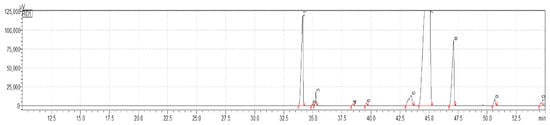
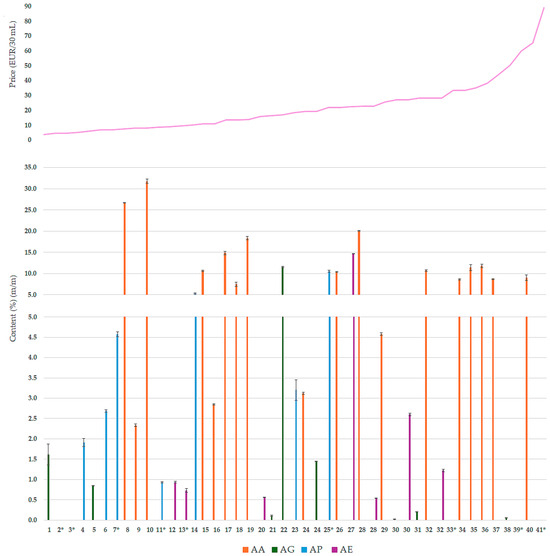
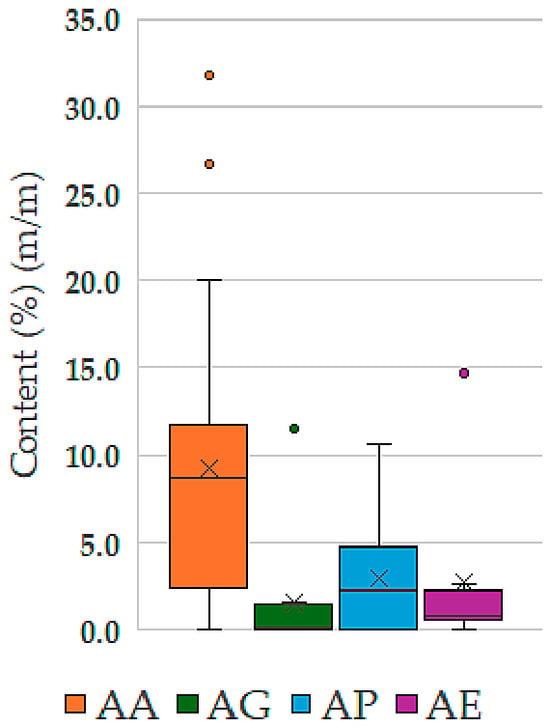
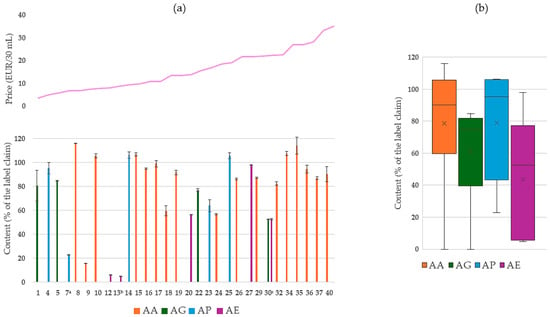
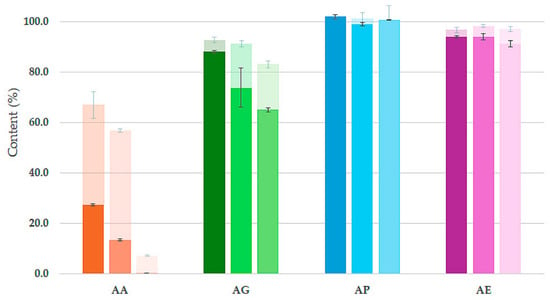
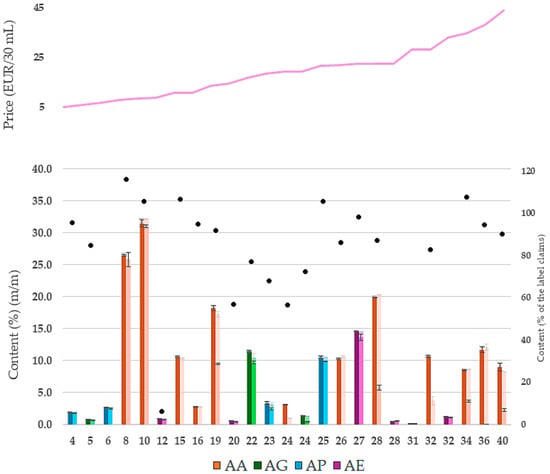
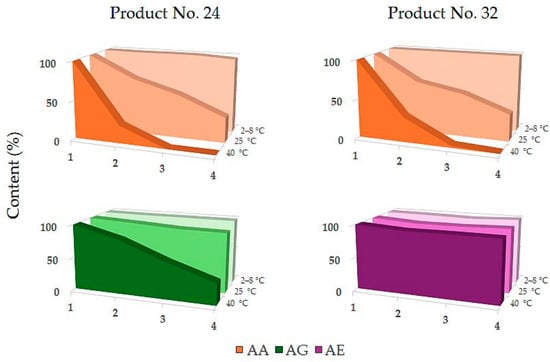
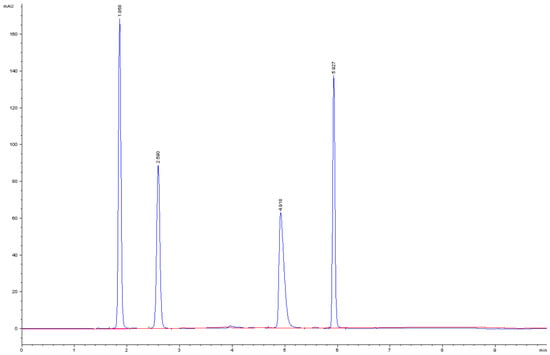
Ascorbic acid and its hydrophilic derivatives, ascorbyl phosphate, ascorbyl glucoside, and 3-O-ethyl ascorbic acid, are wide used active ingredients in cosmetics, with concentrations increasingly declared on product labels. Since such products are not subject to routine quality control, this study aimed to evaluate the content-related quality and stability of a comprehensive sample of commercial cosmetics. For this purpose, a selective HPLC-UV analytical method for their simultaneous determination was developed, validated, and applied to 41 products. The analysis revealed 0–31.7% (m/m) contents and inappropriate labeling in 22% of the products, including the absence and replacement of the labeled vitamin C form. Over half (57%) of the determined contents corresponded to the labels, which was claimed for 31 products, while the remaining contents were considerably lower (<80%). The stability study, performed on selected cosmetics and standard solutions under ambient and elevated temperatures, demonstrated instability, which could account for their inadequate content. Thus, the instability was found to be temperature-dependent and most pronounced for ascorbic acid, whereas the product price did not show a clear correlation with greater content or stability. Overall, these results highlight the need for proper quality control and stricter cosmetics regulation as well as formulation design to achieve sufficient stabilization, as observed in certain products.
Full article
(This article belongs to the Section Cosmetic Formulations)
►▼
Show Figures

Figure 1
Open AccessArticle
Phytochemical Characterization and In Vitro Anti-Tyrosinase Activity of a Traditional Hypericum perforatum L. Olive Oil Macerate for Cosmetic Applications
by
Melike Akgün, Ömerül Faruk Tavlı, Orçun Çınar, Alevcan Kaplan, Mehmet Boğa, Ercan Çınar, Serpil Demirci Kayıran and Esra Eroğlu Özkan
Cosmetics 2026, 13(4), 194; https://doi.org/10.3390/cosmetics13040194 - 31 Jul 2026
Abstract
Hypericum perforatum L. olive-oil macerate is a traditional topical remedy whose wound-healing efficacy is well documented, yet the phytochemical and mechanistic basis of its cosmetic-relevant activity remains poorly defined. This study provides an integrated experimental and in silico characterization of a traditionally prepared
[...] Read more.
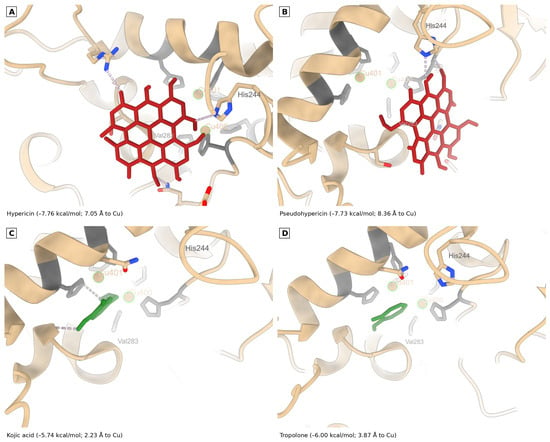
Hypericum perforatum L. olive-oil macerate is a traditional topical remedy whose wound-healing efficacy is well documented, yet the phytochemical and mechanistic basis of its cosmetic-relevant activity remains poorly defined. This study provides an integrated experimental and in silico characterization of a traditionally prepared macerate of defined origin. The fatty acid composition, oxidative-stability indices, total phenolic and flavonoid contents, naphthodianthrone level, antioxidant capacity, and tyrosinase inhibition were determined, and the principal constituents were examined by molecular docking and in silico skin-permeation and toxicity profiling. The olive-oil matrix was oleic acid-dominated (73.9%) and oxidatively stable (iodine value 86.0; oxidizability index, COX, 1.84), while the macerate showed modest phenolic ( g pyrocatechol equivalents, PCE/mg) and naphthodianthrone (0.044 mg/mL hypericin equivalents) contents. It showed limited antioxidant activity but moderate tyrosinase inhibition (38.75% at g/mL). Docking revealed that, despite high affinity scores, the naphthodianthrones lay 7–9 Å from the catalytic copper centre (an artefact of the scoring function), whereas fatty acids accessed the active site more closely, implicating the matrix in the observed activity. In silico profiling indicated that the photoactive naphthodianthrones are largely retained at the skin surface. These findings link this centuries-old preparation to a mechanistically informed understanding of its cosmetic potential.
Full article
(This article belongs to the Special Issue Bioactive Natural Compounds for Skin Rejuvenation: Advances in Cosmetic Science)
►▼
Show Figures

Figure 1
Open AccessArticle
Phytochemical Screening and Antibacterial Activity of Jatropha multifida L. (Coral Bush) Leaf Extract-Based Soap Against Staphylococcus aureus and Escherichia coli
by
Trixie Joy B. Gano and Ariel M. Alcones
Cosmetics 2026, 13(4), 193; https://doi.org/10.3390/cosmetics13040193 - 29 Jul 2026
Abstract
The development of bio-based hygiene products offers a sustainable approach to managing infectious topical pathogens while reducing dependence on synthetic antimicrobials. This study evaluated the antibacterial efficacy of soap formulated with Jatropha multifida leaf ethanolic extract (25%, 50%, and 75% v/v
[...] Read more.
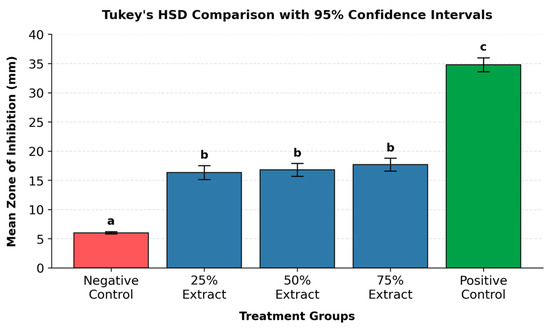
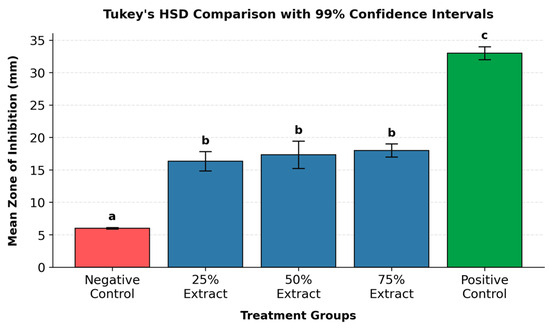
The development of bio-based hygiene products offers a sustainable approach to managing infectious topical pathogens while reducing dependence on synthetic antimicrobials. This study evaluated the antibacterial efficacy of soap formulated with Jatropha multifida leaf ethanolic extract (25%, 50%, and 75% v/v) against Staphylococcus aureus and Escherichia coli. Antibacterial activity was determined using the Kirby–Bauer disk diffusion method alongside positive and negative controls. All extract-infused soap formulations exhibited distinct, measurable zones of inhibition (ZOI) ranging from 16.33 mm to 17.67 mm for S. aureus and 16.33 mm to 18.00 mm for E. coli, consistently achieving an “Active” qualitative classification. A one-way analysis of variance (ANOVA) demonstrated highly significant differences across the entire dataset (p < 0.001). However, Tukey’s Honestly Significant Difference (HSD) post hoc test revealed no statistically significant differences in antibacterial performance among the 25%, 50%, and 75% concentrations (p > 0.05). This indicates a performance plateau caused by agar diffusion limits or micellar entrapment within the soap base. J. multifida maintains antibacterial integrity within a soap matrix, offering a viable plant-based antiseptic alternative against S. aureus and E. coli. Formulating at a 25% concentration represents the optimal commercial choice, maximizing antimicrobial performance while minimizing raw material costs.
Full article
(This article belongs to the Section Cosmetic Formulations)
►▼
Show Figures

Figure 1
Open AccessArticle
A Triple-Helical Collagen Gel Modulates Electrophysiological Parameters in Isolated Rabbit Skin
by
Dominika Dąbrowska-Wisłocka, Aleksandra Kalinoska, Olga Zavyalova, Beata Winiecka, Karolina Pisanko, Arkadiusz Jundziłł, Karolina Szewczyk-Golec and Iga Hołyńska-Iwan
Cosmetics 2026, 13(4), 192; https://doi.org/10.3390/cosmetics13040192 - 29 Jul 2026
Abstract
Collagen is widely used in the cosmetics industry as an active ingredient in skin-care formulations due to its biocompatibility, biodegradability, low antigenicity, and high biological activity. As a natural humectant, collagen binds water molecules within the skin, reduces transepidermal water loss, and helps
[...] Read more.
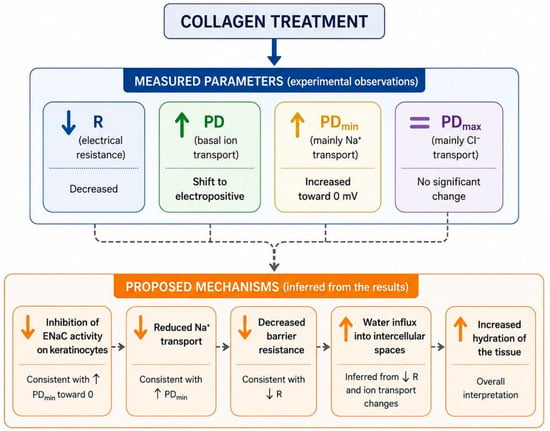
Collagen is widely used in the cosmetics industry as an active ingredient in skin-care formulations due to its biocompatibility, biodegradability, low antigenicity, and high biological activity. As a natural humectant, collagen binds water molecules within the skin, reduces transepidermal water loss, and helps maintain skin elasticity and hydration. Despite its broad application, the influence of collagen on epithelial ion transport remains insufficiently understood. This study evaluated the effect of a gel containing triple-helical collagen on sodium and chloride ion transport in the isolated rabbit skin. The collagen gel was applied to 25 skin specimens for 24 h and compared with 30 untreated control specimens. Electrophysiological analyses included measurements of transepithelial electrical potential (PD), electrical resistance (R), and potential changes during stimulation (PDmin and PDmax). Collagen gel significantly decreased R compared with control tissues, indicating altered tissue permeability. Collagen gel-treated tissues also exhibited a significantly more electropositive PDmin than controls, whereas PDmax values remained comparable between groups, suggesting that electrophysiological responsiveness was maintained under the experimental conditions. The observed electropositive shift in PDmin may reflect altered sodium ion transport. Whether these electrophysiological changes are associated with changes in tissue hydration requires direct investigation.
Full article
(This article belongs to the Special Issue Skin Care and Innovation from the Perspective of Molecular Dermatology)
►▼
Show Figures

Figure 1
Open AccessArticle
Effects of a Tubtim Chumphae Rice Extract Facial Serum on Skin Biophysical Properties in Healthy Middle-Aged Adults: A Split-Face Controlled Clinical Trial
by
Thapanee Roengrit, Thirapit Subongkot, Thanchanok Sirirak, Suwipa Intakhiao, Jatuporn Phoemsapthawee and Piyapong Prasertsri
Cosmetics 2026, 13(4), 191; https://doi.org/10.3390/cosmetics13040191 - 25 Jul 2026
Abstract
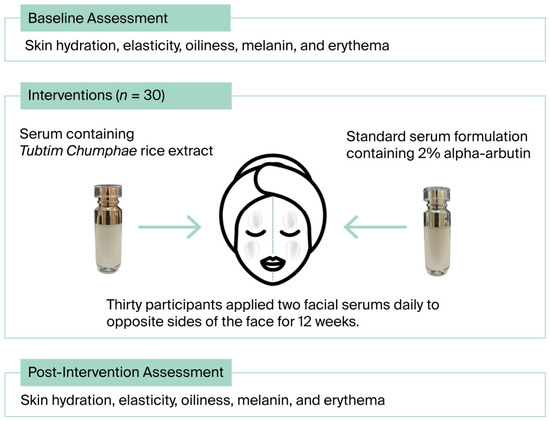
This study aimed to investigate the effects of a facial serum containing Tubtim Chumphae rice extract on skin hydration, elasticity, oiliness, pigmentation, and erythema in healthy adults aged 30–50 years. Thirty participants applied two facial serums daily to opposite sides of the face
[...] Read more.
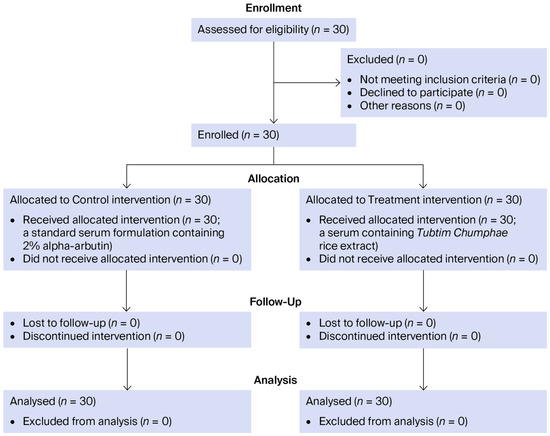
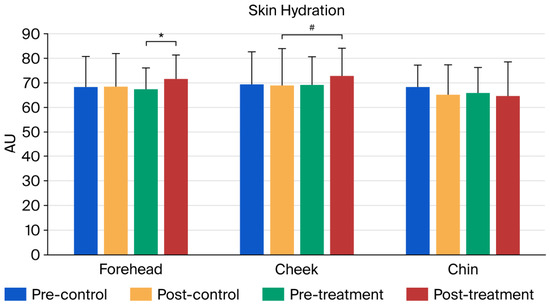
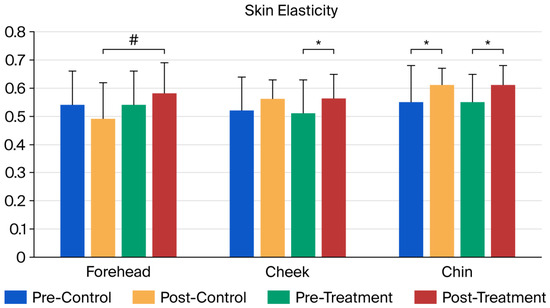
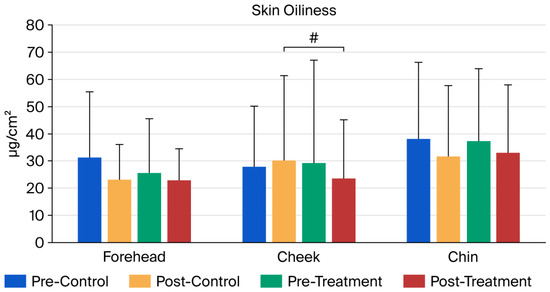
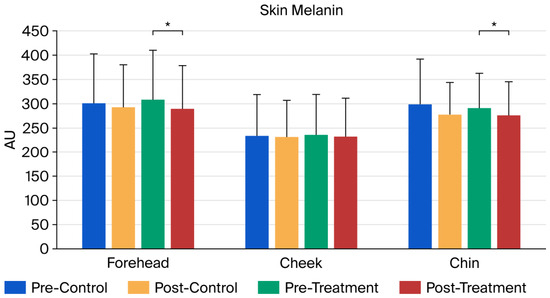
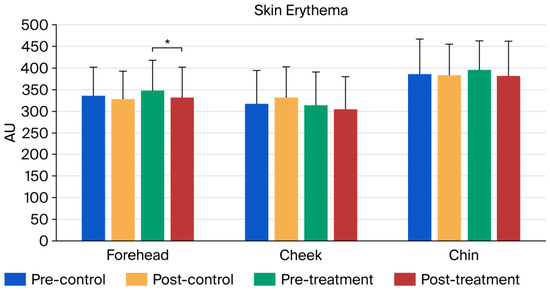
This study aimed to investigate the effects of a facial serum containing Tubtim Chumphae rice extract on skin hydration, elasticity, oiliness, pigmentation, and erythema in healthy adults aged 30–50 years. Thirty participants applied two facial serums daily to opposite sides of the face for 12 weeks: (1) a serum containing Tubtim Chumphae rice extract (treatment intervention) and (2) a standard serum formulation containing 2% α-arbutin (control intervention). Skin hydration, elasticity, oiliness, melanin, and erythema were assessed at baseline and after the intervention using non-invasive skin measurement techniques. At baseline, no significant differences were observed between facial sides for any outcome. After 12 weeks, the side treated with the treatment intervention demonstrated significant within-side improvements in skin hydration at the forehead, skin elasticity at the cheeks and chin, and reductions in melanin and erythema in selected facial regions (all p < 0.05). However, paired split-face comparisons revealed that the treatment intervention produced significantly greater skin hydration at the cheek (mean difference = 3.88 AU, 95% CI: 0.23–7.53 AU, p = 0.039) and significantly greater skin elasticity at the forehead (mean difference = 0.090, 95% CI: 0.011–0.169, p = 0.028) compared with the control intervention. In addition, skin oiliness at the cheek was significantly lower on the side treated with the treatment intervention (mean difference = −6.62 µg/cm2, 95% CI: −12.62 to −0.62 µg/cm2, p = 0.032). No significant between-intervention differences were observed for melanin or erythema at any facial region. These findings suggest that topical application of a facial serum containing Tubtim Chumphae rice extract may improve skin hydration and elasticity while reducing skin oiliness in healthy middle-aged adults. However, no significant advantages over a standard 2% α-arbutin serum were observed for skin pigmentation or erythema after 12 weeks of treatment. Clinical Trial Registration: ClinicalTrials.gov, NCT06475222.
Full article
(This article belongs to the Topic The Use of Natural Bioactive Ingredients in Cosmetic Products: Advantages and Challenges)
►▼
Show Figures

Figure 1
Open AccessArticle
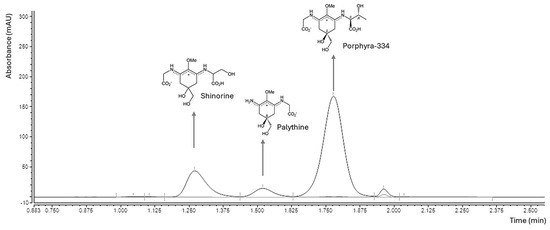
Development and Optimization of a Nanoemulsion-Based Lip Balm Incorporating Mycosporine-like Amino Acids from Catenella sp. for Enhanced Photoprotection
by
Vanessa Urrea-Victoria, Valentina Aranzazu Suárez, Santiago Andrés Barrero Salinas, Yoshie A. Hata, Daniel Cárdenas Ballesteros, Leonardo Castellanos and Diana Marcela Aragón Novoa
Cosmetics 2026, 13(4), 190; https://doi.org/10.3390/cosmetics13040190 - 24 Jul 2026
Abstract
Background: Solar ultraviolet (UV) radiation is a major contributor to skin damage, driving the demand for safer and more sustainable photoprotective systems. Mycosporine-like amino acids (MAAs) have emerged as promising natural UV filters due to their strong absorption and photostability; however, their application
[...] Read more.
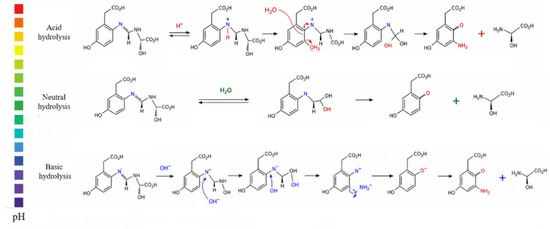
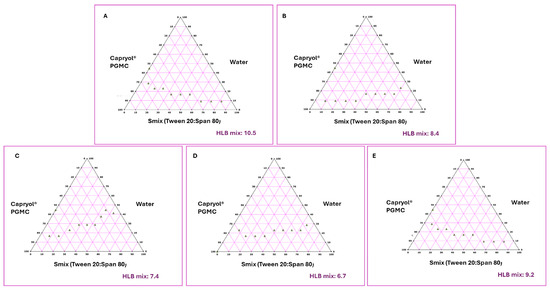
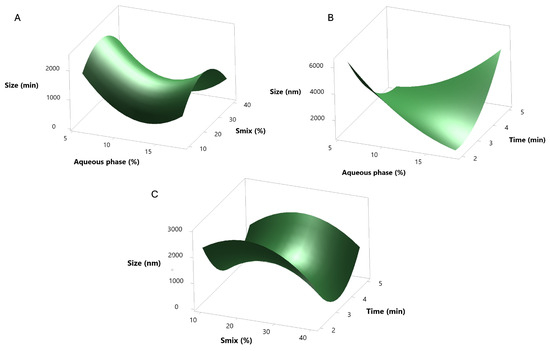
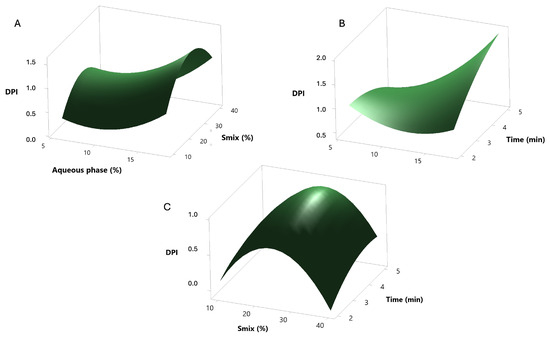
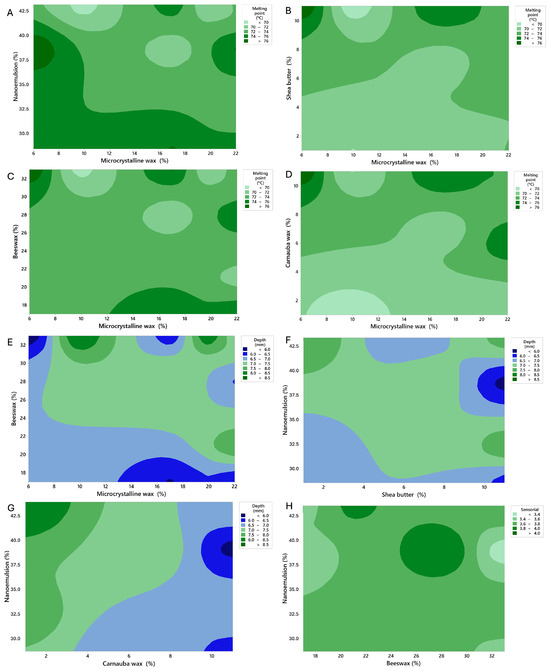
Background: Solar ultraviolet (UV) radiation is a major contributor to skin damage, driving the demand for safer and more sustainable photoprotective systems. Mycosporine-like amino acids (MAAs) have emerged as promising natural UV filters due to their strong absorption and photostability; however, their application is limited by poor chemical stability in aqueous environments. Objective: The present study aimed to develop and optimize a nanoemulsion-based lip balm incorporating a MAAs-rich extract from Catenella sp., addressing stability limitations while enhancing photoprotective performance. Methods: A MAAs-rich extract was obtained and characterized by UHPLC-DAD, followed by cytotoxicity evaluation in NIH-3T3 fibroblasts and stability assessment under stress conditions. A water-in-oil (w/o) nanoemulsion was rationally developed using pseudo-ternary phase diagrams and optimized through a Box–Behnken experimental design, considering aqueous phase, surfactant mixture, and sonication time as key variables. The optimized nanoemulsion was subsequently incorporated into a lip balm matrix, which was formulated and optimized using a mixture design approach to evaluate thermal, mechanical, and sensory properties. Results: The extract exhibited a high MAAs content (9.53 mg g−1 DW) and low cytotoxicity (IC50 > 100 µg/mL), but pronounced hydrolytic instability, particularly under alkaline conditions, while remaining photostable. The optimized nanoemulsion achieved a droplet size below 200 nm and low polydispersity (PDI < 0.3). Importantly, incorporation of MAAs into nanoemulsion significantly enhanced the in vitro sun protection factor (SPF), increasing from 16.1 (extract) to 35.4, while maintaining broad-spectrum UV coverage (λc = 380 nm). The blank nanoemulsion also contributed to UV attenuation, indicating a synergistic effect of the colloidal system. The optimized lip balm formulation (33% beeswax, 40% nanoemulsion, 22% shea butter, 1% candelilla wax, 4% carnauba wax) demonstrated suitable melting behavior, mechanical resistance, and high sensory acceptance. Conclusions: This study demonstrates that nanoemulsion-based structuring combined with statistical formulation design provides an effective strategy to stabilize MAAs and enhance their photoprotective efficacy, supporting the development of high-performance, natural sunscreen products.
Full article
(This article belongs to the Special Issue Functional Molecules as Novel Cosmetic Ingredients, 2nd Edition)
►▼
Show Figures

Figure 1
Open AccessArticle
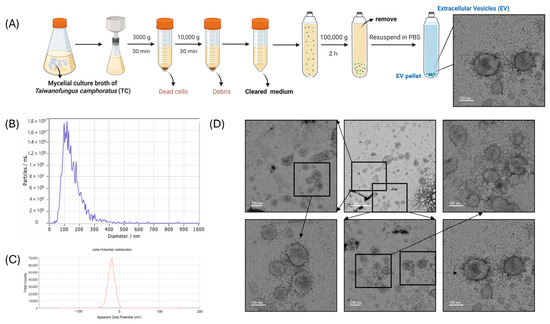
Taiwanofungus camphoratus-Derived Extracellular Vesicles as a Potential Cosmetic Bioactive Candidate for Protecting Keratinocytes from UVB-Induced Photoaging
by
Han-Wen Hsieh, Mo-Rong Xu, Wen-Wei Hsiao and Sheng-Yang Wang
Cosmetics 2026, 13(4), 189; https://doi.org/10.3390/cosmetics13040189 - 24 Jul 2026
Abstract
Ultraviolet B (UVB)-induced photoaging is characterized by oxidative stress, mitochondrial dysfunction, and epidermal barrier impairment. Although extracellular vesicles (EVs) have emerged as bioactive mediators of intercellular signaling, the dermatological relevance of fungal-derived EVs remains poorly understood. In this study, we investigated whether EVs
[...] Read more.
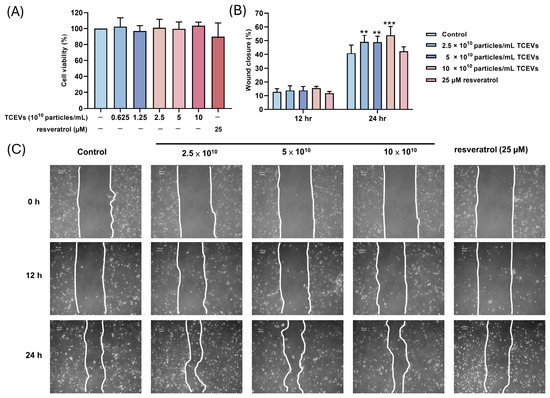
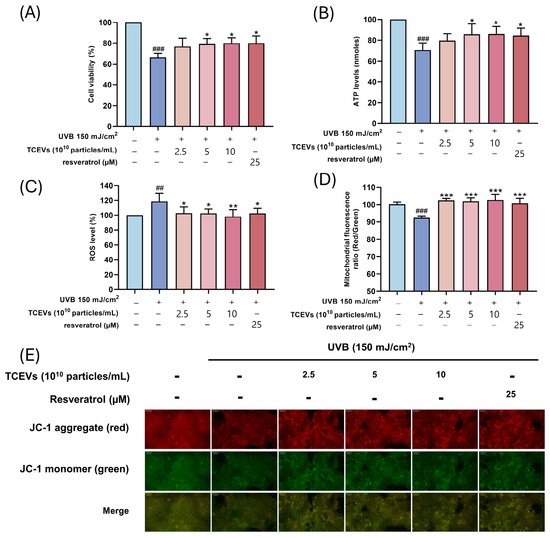
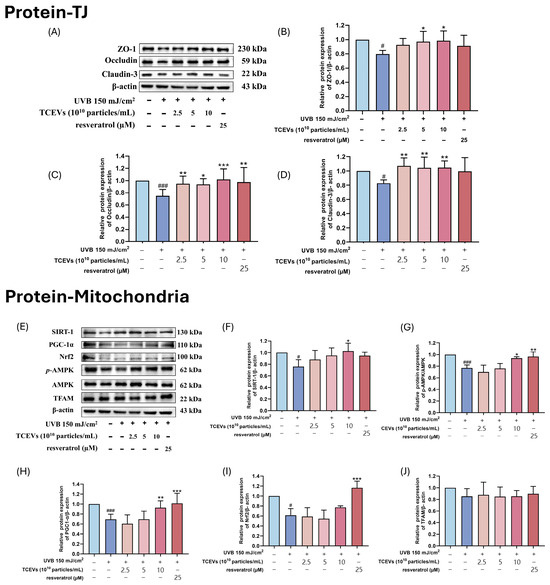
Ultraviolet B (UVB)-induced photoaging is characterized by oxidative stress, mitochondrial dysfunction, and epidermal barrier impairment. Although extracellular vesicles (EVs) have emerged as bioactive mediators of intercellular signaling, the dermatological relevance of fungal-derived EVs remains poorly understood. In this study, we investigated whether EVs isolated from liquid-cultured Taiwanofungus camphoratus mycelia (TCEVs) protect keratinocytes against UVB-induced damage. TCEVs displayed nanosized vesicular features with a mean particle size of 134.6 ± 4.6 nm and a stable negative surface charge. In HaCaT cells, TCEVs showed no obvious cytotoxicity and increased wound closure. In UVB-exposed keratinocytes, TCEV pretreatment improved cell viability, increased ATP production, reduced intracellular reactive oxygen species accumulation, and improved mitochondrial membrane potential. At the highest tested concentration (10 × 1010 particles/mL), TCEVs reduced UVB-induced relative ROS levels from 118.65% to 98.2% and increased relative ATP levels from 70.47% to 86.0%. TCEVs also increased the expression of ZO-1, occludin, and Claudin-3 and were associated with increased SIRT1 and p-AMPK expression and partial improvement of PGC-1α. In contrast, Nrf2 and TFAM did not differ significantly from the UVB-irradiated group. These findings support the potential of TCEVs to prevent UVB-induced keratinocyte damage under the present in vitro conditions.
Full article
(This article belongs to the Section Cosmetic Dermatology)
►▼
Show Figures

Figure 1
Open AccessArticle
Comparative Characterization of Injectable Dermal Fillers: Physicochemical Properties, Cytotoxicity, Collagen-Stimulating Activity, and Macrophage Cytokine Profiles
by
Seonhong Min, Gadug Han and Jaehyeon Kim
Cosmetics 2026, 13(4), 188; https://doi.org/10.3390/cosmetics13040188 - 23 Jul 2026
Abstract
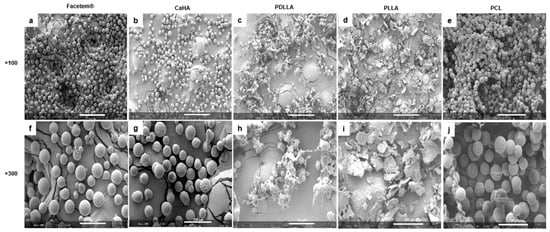
Injectable dermal fillers are widely used in aesthetic medicine for soft-tissue augmentation and facial rejuvenation; however, systematic comparative data on their physicochemical properties and biological activities remain limited. This study aimed to characterise five commercially available dermal filler products—Facetem®, cCaHA, PDLLA,
[...] Read more.
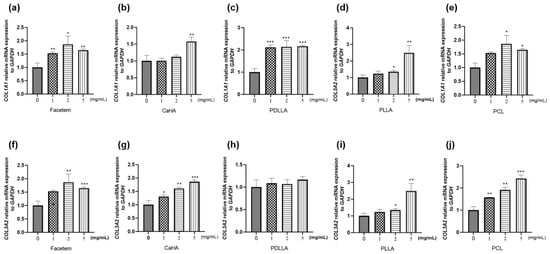
Injectable dermal fillers are widely used in aesthetic medicine for soft-tissue augmentation and facial rejuvenation; however, systematic comparative data on their physicochemical properties and biological activities remain limited. This study aimed to characterise five commercially available dermal filler products—Facetem®, cCaHA, PDLLA, PLLA, and PCL—with respect to particle morphology and size distribution, in vitro cytotoxicity, collagen-stimulating gene expression, and macrophage cytokine secretion profiles. Particle size and distribution were determined by laser diffraction. Cytotoxicity was assessed in L929 mouse fibroblasts using the CCK-8 assay at concentrations of 0.1–5 mg/mL. Collagen-stimulating activity was evaluated by measuring COL1A1 and COL3A2 mRNA expression in primary human fibroblasts via quantitative RT-PCR. Macrophage immune responses were profiled by a multiplexed cytokine array (40 analytes) in lipopolysaccharide/interferon-γ-polarised M1 and interleukin-4/interleukin-13-polarised M2 macrophages. Scanning electron microscopy revealed distinct morphological differences among the five products. PDLLA exhibited the smallest median particle size (d(0.5) = 24.9 μm) and highest specific surface area (701.4 m2/kg), while PLLA showed the broadest size distribution (Span = 1.617). All products maintained cell viability above 85% at all tested concentrations, indicating acceptable biocompatibility. Facetem®, PDLLA, and PLLA significantly upregulated COL1A1 expression in human fibroblasts; PDLLA and Facetem® also significantly increased COL3A2 expression. Cytokine profiling demonstrated that the products did not substantially alter pro-inflammatory cytokine secretion in M1 macrophages, whereas selected products at high concentrations modulated several mediators in M2 macrophages, suggesting a tissue-remodelling rather than inflammatory response. These findings demonstrate product-specific physicochemical and biological profiles that may guide clinician selection and formulation development of injectable dermal fillers. Facetem® exhibited a favourable combination of biocompatibility, collagen-stimulating activity, and immune-modulatory properties comparable or superior to established reference products.
Full article
(This article belongs to the Section Cosmetic Dermatology)
►▼
Show Figures

Figure 1
Open AccessArticle
Discovery of Multifunctional Probiotic Strains with Antioxidant, Anti-Inflammatory, Antimicrobial, and Skin Barrier-Supportive Activities for Postbiotic Cosmetic Applications
by
Jeong-Hoo Lee, Jia Yoo, Young-Youn Kim and Hye-Sung Kim
Cosmetics 2026, 13(4), 187; https://doi.org/10.3390/cosmetics13040187 - 23 Jul 2026
Abstract
Probiotic strains with multifunctional skin-beneficial properties represent promising candidates for next-generation cosmetic ingredients. In this study, a systematic stepwise screening strategy was applied to an in-house bacterial library comprising 302 isolates to identify candidates with antioxidant, anti-inflammatory, antimicrobial, wound-healing, and skin barrier-supportive activities.
[...] Read more.
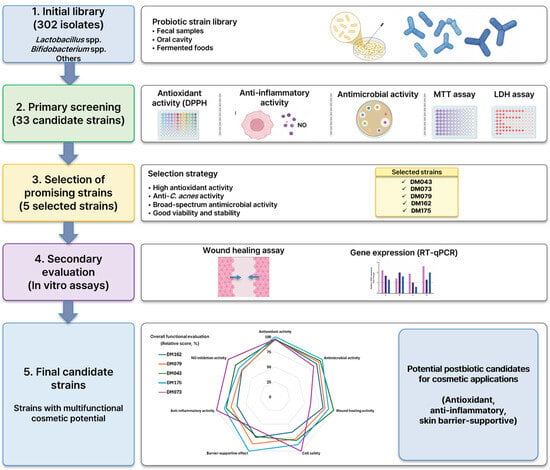
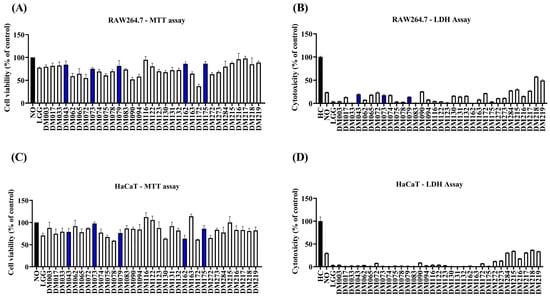
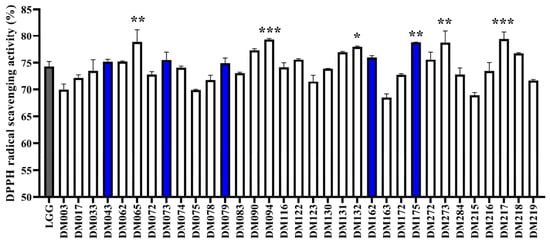
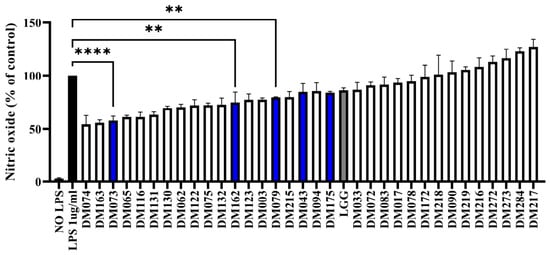
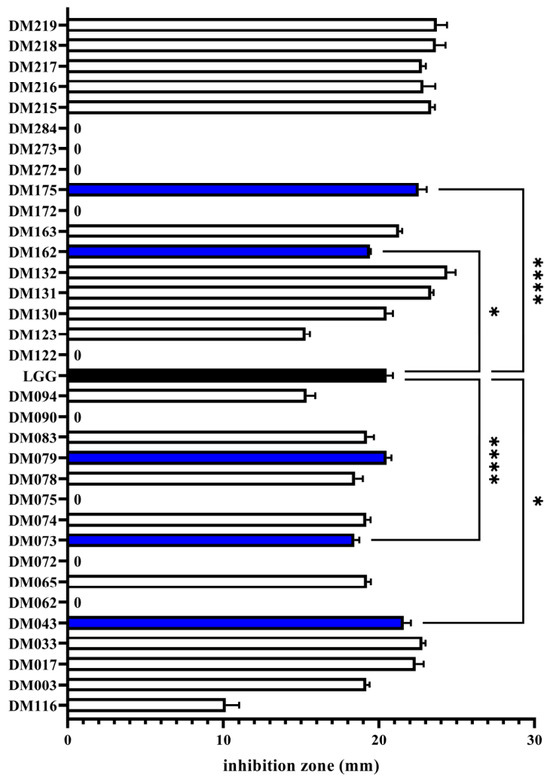
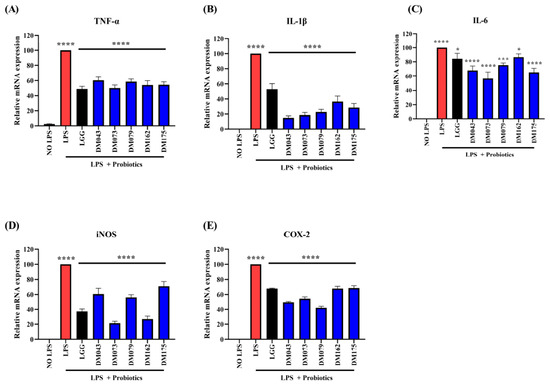
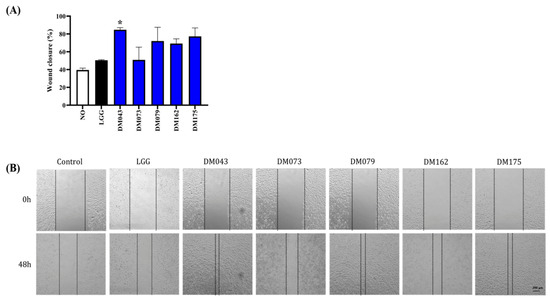
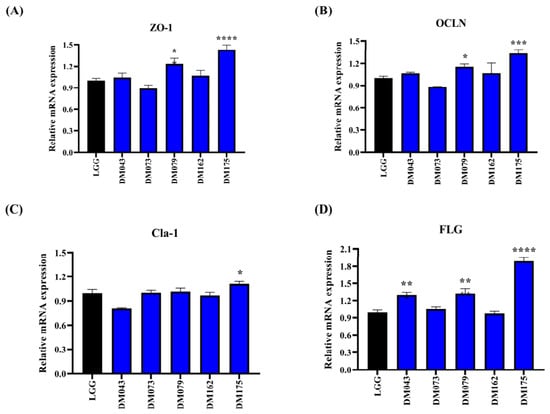
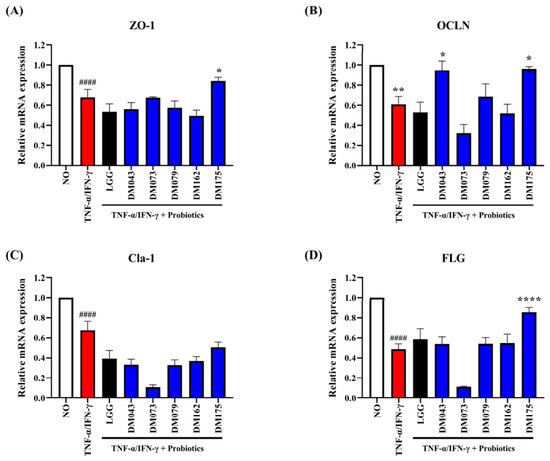
Probiotic strains with multifunctional skin-beneficial properties represent promising candidates for next-generation cosmetic ingredients. In this study, a systematic stepwise screening strategy was applied to an in-house bacterial library comprising 302 isolates to identify candidates with antioxidant, anti-inflammatory, antimicrobial, wound-healing, and skin barrier-supportive activities. From this library, 33 strains were selected based on preliminary assessments and subjected to comprehensive in vitro evaluation. Cell viability and cytotoxicity assays confirmed the safety of all selected strains in RAW264.7 macrophages and HaCaT keratinocytes. Several strains exhibited strong DPPH radical scavenging activity and significantly inhibited nitric oxide production in LPS-stimulated macrophages. Among the selected candidates, Lacticaseibacillus rhamnosus DM073 demonstrated the most potent anti-inflammatory activity, whereas Lactiplantibacillus plantarum DM043 exhibited the greatest wound-healing capacity. All five selected strains displayed antimicrobial activity against Cutibacterium acnes. Furthermore, selected strains, particularly Lactiplantibacillus plantarum DM175 and Ligilactobacillus salivarius DM079, enhanced the expression of skin barrier-related genes, including zonula occludens-1 (ZO-1), occludin (OCLN), claudin-1 (Cla-1), and filaggrin (FLG), and partially restored their expression under TNF-α/IFN-γ-induced inflammatory conditions. Selected strains also reduced the expression of inflammatory chemokines in stimulated keratinocytes. Collectively, these findings demonstrate that the selected probiotic strains possess complementary multifunctional activities associated with skin health. In particular, DM073 exhibited superior anti-inflammatory activity, DM043 showed strong wound-healing potential, and DM175 demonstrated remarkable skin barrier-supportive effects. These strain-specific properties support their potential application in the development of probiotic-derived postbiotic cosmetic ingredients for skin soothing, barrier reinforcement, skin recovery, and microbiome-friendly skincare formulations. Further studies are warranted to evaluate their efficacy and safety in advanced skin models and clinical cosmetic applications.
Full article
(This article belongs to the Section Cosmetic Formulations)
►▼
Show Figures

Figure 1
Open AccessArticle
The Effect of Antioxidants on the Photoinduced Degradation of Sunscreens
by
Dávid Laššák, Patrícia Jackuliaková, Daniel Krchňák, Mária Čuchorová and Miroslava Špaglová
Cosmetics 2026, 13(4), 186; https://doi.org/10.3390/cosmetics13040186 - 23 Jul 2026
Abstract
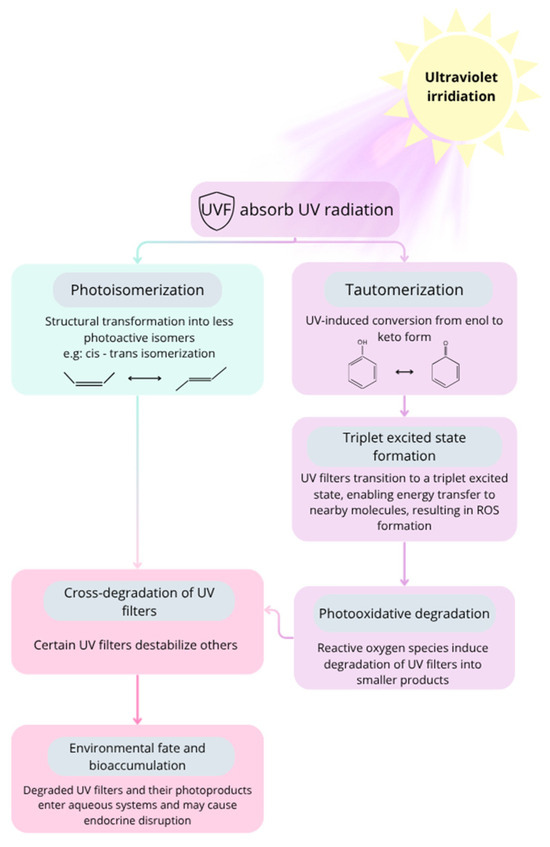
The stability of sunscreen formulations is a key factor influencing their protective efficacy and safety, particularly under UV exposure, which can induce photodegradation of UV filters. (1) Background: This study aimed to evaluate the effect of selected antioxidants (stabilized vitamin C, carrot macerate,
[...] Read more.
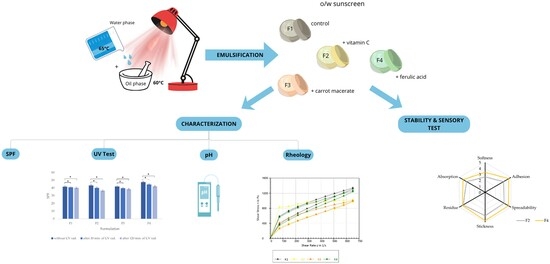
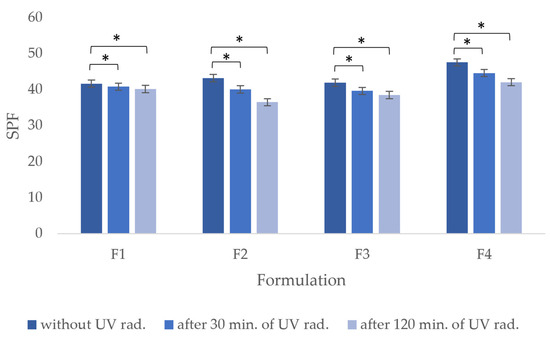
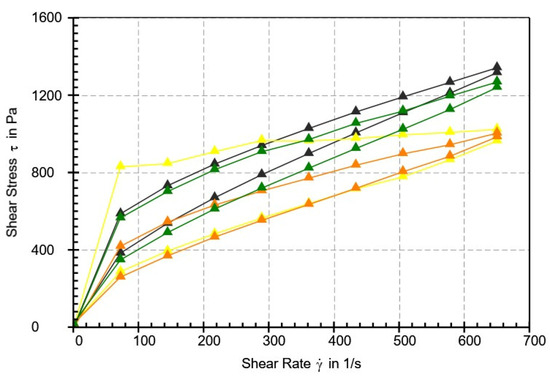
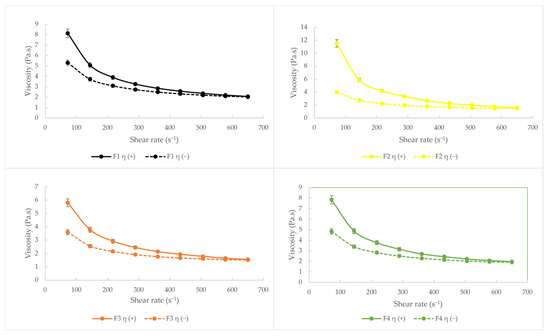
The stability of sunscreen formulations is a key factor influencing their protective efficacy and safety, particularly under UV exposure, which can induce photodegradation of UV filters. (1) Background: This study aimed to evaluate the effect of selected antioxidants (stabilized vitamin C, carrot macerate, and ferulic acid) on the sun protection factor (SPF) and photostability of sunscreen formulations. (2) Methods: Four oil-in-water creams with identical compositions, except for the antioxidant type, were prepared and characterized in terms of SPF, rheological behavior, pH, conductivity, stability, and sensory properties. SPF was determined using an in vitro spectrophotometric method before and after UV irradiation (30 and 120 min). (3) Results: Antioxidant incorporation increased initial SPF, with ferulic acid providing the most significant enhancement. After UV exposure, all formulations exhibited a decrease in SPF. However, the formulation containing ferulic acid maintained the highest absolute SPF value, indicating superior photostability. In contrast, vitamin C showed the greatest reduction in SPF, suggesting lower stability under irradiation. Physical characterization confirmed appropriate properties of the formulations, and sensory analysis identified the ferulic acid formulation as the most acceptable. (4) Conclusions: Ferulic acid demonstrated the most favorable impact on sunscreen performance, suggesting its potential as an effective multifunctional ingredient in sunscreens.
Full article
(This article belongs to the Special Issue Sunscreen Advances and Photoprotection Strategies in Cosmetics)
►▼
Show Figures

Graphical abstract
Open AccessArticle
In Vitro Antioxidant and Anti-Inflammatory Activities of Crithmum maritimum for Anti-Aging Skin Care
by
Anthony Groso, Paul Jabet, Yue Zhang, Yanshan Xie, Ping Wang, Zejian Wang, Richard Daniellou and Guillaume Collet
Cosmetics 2026, 13(4), 185; https://doi.org/10.3390/cosmetics13040185 - 22 Jul 2026
Abstract
Background and objective: A huge part of cosmetics research is devoted to the identification of new molecules and new ingredients which could prevent skin aging. Crithmum maritimum has attracted interest in the cosmetic field because it has been used since antiquity in traditional
[...] Read more.
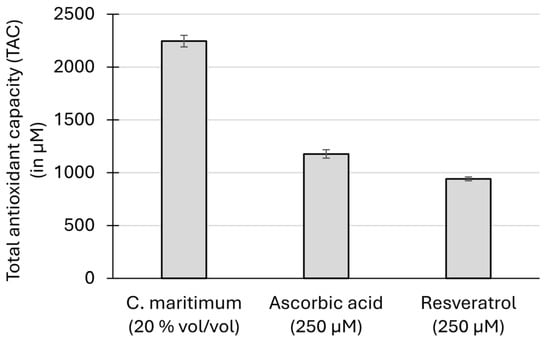
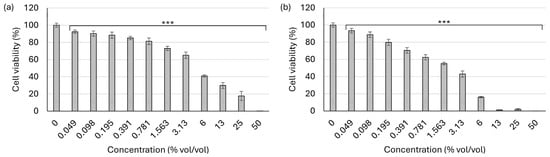
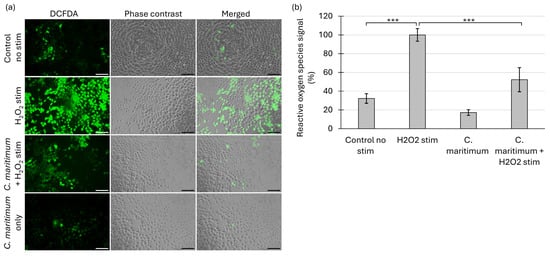
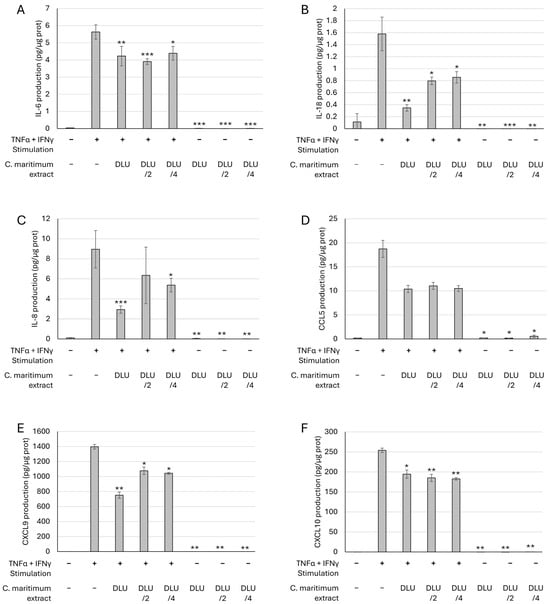
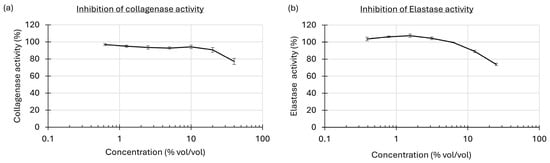
Background and objective: A huge part of cosmetics research is devoted to the identification of new molecules and new ingredients which could prevent skin aging. Crithmum maritimum has attracted interest in the cosmetic field because it has been used since antiquity in traditional medicine and is traditionally consumed in Mediterranean regions. However, data about demonstrated efficacy on living cells remain sparse. To better understand the potential of this plant for the cosmetics industry, we aimed to investigate in vitro some key properties in line with anti-aging skin care. Methods and results: Molecular results demonstrated an impressive antioxidant effect which was confirmed in vitro on living keratinocytes with a decrease of 50% of oxidative stress measured with the fluorescent CM-H2DCFDA probe. Additionally, an inhibitory effect around 20% was observed on isolated collagenase and elastase, highlighting the ability of C. maritimum to preserve the skin matrix. Lastly, anti-inflammatory properties were explored at protein levels by ELISA method, indicating a clear decrease of six inflammatory mediators, IL-6, IL-8, IL-18, CXCL9, CXCL10, and CCL5, on stressed keratinocytes. These observed decreases span from 20% up to 75% in the case of the IL-18. Conclusions: All together, these results reveal how efficient C. maritimum extract could be to alleviate signs of aging.
Full article
(This article belongs to the Topic Oxidative Stress and Inflammation, 3rd Edition)
►▼
Show Figures

Figure 1
Open AccessReview
Plant-Derived Extracellular Vesicles for Cosmetic and Regenerative Applications: Current Evidence, Research Trends, and Future Perspectives
by
Yury Shkryl, Elena Vasyutkina and Yulia Yugay
Cosmetics 2026, 13(4), 184; https://doi.org/10.3390/cosmetics13040184 - 18 Jul 2026
Abstract
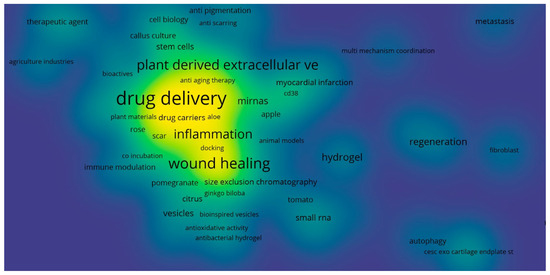
Plant-derived extracellular vesicles (PDEVs), also referred to as plant exosomes or exosome-like nanovesicles, have emerged as promising natural bioactive nanoparticles for cosmetic and regenerative applications. Owing to their biocompatibility, intrinsic bioactive cargo, and ability to interact with mammalian cells, PDEVs are increasingly investigated
[...] Read more.
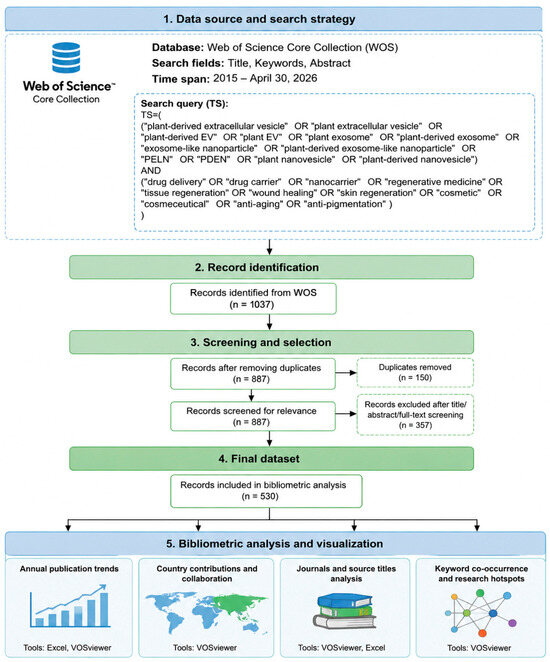
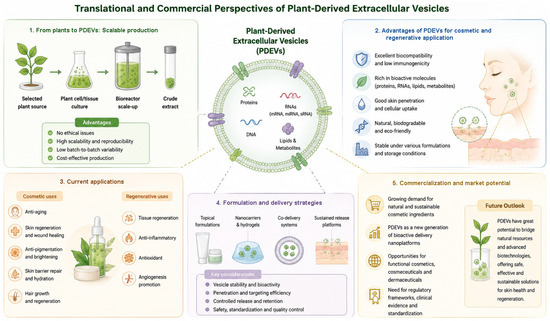
Plant-derived extracellular vesicles (PDEVs), also referred to as plant exosomes or exosome-like nanovesicles, have emerged as promising natural bioactive nanoparticles for cosmetic and regenerative applications. Owing to their biocompatibility, intrinsic bioactive cargo, and ability to interact with mammalian cells, PDEVs are increasingly investigated as agents for skin rejuvenation, wound healing, photoprotection, pigmentation control, and skin barrier enhancement. However, the available evidence remains fragmented across different plant sources and experimental models. This review aimed to summarize and critically evaluate the current evidence regarding the cosmetic and regenerative properties of PDEVs. Experimental studies investigating the effects of PDEVs on skin cells, reconstructed skin models, animals, or human subjects were systematically identified and analyzed. The available evidence consistently demonstrated that PDEVs promote skin regeneration and tissue repair. The most frequently reported effects included enhanced keratinocyte and fibroblast proliferation and migration, accelerated wound closure, increased collagen synthesis, reduced oxidative stress, activation of antioxidant defense pathways, and suppression of inflammatory responses. Additional studies reported improvements in skin barrier function, hydration, photoprotection, pigmentation control, and cellular senescence. Collectively, the available studies demonstrate consistent regenerative, antioxidant, anti-inflammatory, and skin-protective effects of PDEVs. Overall, PDEVs represent multifunctional bioactive nanomaterials with substantial potential for cosmetic applications. While clinical translation remains limited by regulatory and standardization challenges, cosmetic use appears to offer a more immediate route toward commercialization. Further standardization, mechanistic studies, and clinical investigations are required to support the broader implementation of PDEV-based technologies.
Full article
(This article belongs to the Section Cosmetic Technology)
►▼
Show Figures

Figure 1
Open AccessArticle
Oral Probiotic Supplementation Improves Skin Aging Biomarkers: An 8-Week Double-Blind, Randomized, Placebo-Controlled Trial
by
Francesca De Gennaro, Enza Cestone and Vincenzo Nobile
Cosmetics 2026, 13(4), 183; https://doi.org/10.3390/cosmetics13040183 - 18 Jul 2026
Abstract
Background: Skin aging is influenced by intrinsic and extrinsic factors, and growing evidence suggests that nutritional interventions, particularly probiotics, may modulate key biological pathways involved in skin barrier function, hydration, and oxidative stress through the gut–skin axis. Methods: In this randomized, double-blind, placebo-controlled
[...] Read more.
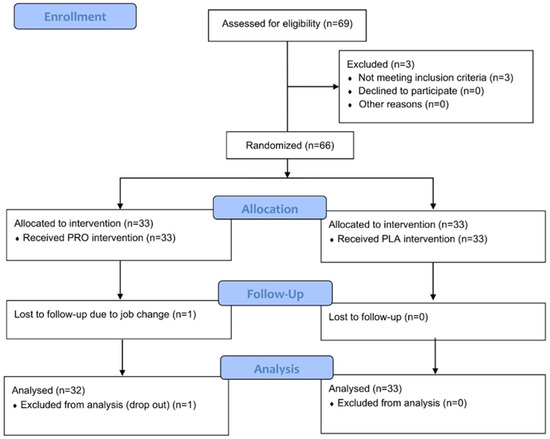
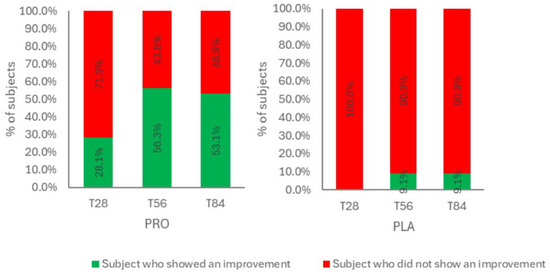
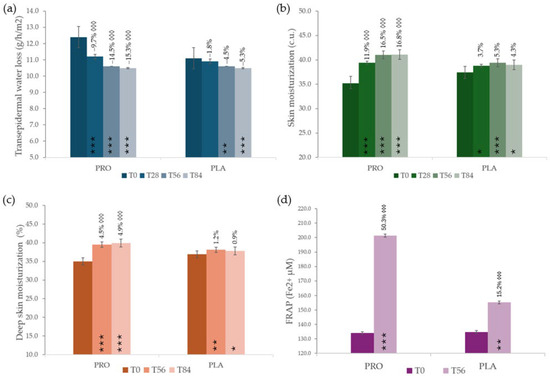
Background: Skin aging is influenced by intrinsic and extrinsic factors, and growing evidence suggests that nutritional interventions, particularly probiotics, may modulate key biological pathways involved in skin barrier function, hydration, and oxidative stress through the gut–skin axis. Methods: In this randomized, double-blind, placebo-controlled clinical trial, 66 adults received a probiotic formulation containing Lacticaseibacillus rhamnosus LRH020, Lactiplantibacillus plantarum PBS067, and Limosilactobacillus reuteri PBS072 for 56 days, followed by a 28-day follow-up. Skin structure, function, and oxidative status were assessed using 3D profilometry, high-frequency ultrasound, corneometry, transepidermal water loss (TEWL), FRAP assay, and expert clinical scoring. Results: Compared with placebo, the probiotic group showed significant improvements in wrinkle depth (−15.0% at T56), and roughness (−6.1% at T56). Moreover, other skin parameters were significantly enhanced by the end of treatment, including greater skin density, hydration, and antioxidant capacity, alongside a reduction in TEWL. Improvements persisted at follow-up, suggesting a durable, lasting benefit of the probiotic formulation beyond the treatment period. Conclusions: These findings support the role of targeted probiotic supplementation as a promising strategy to improve structural, functional, and oxidative markers of skin aging.
Full article
(This article belongs to the Section Cosmetic Dermatology)
►▼
Show Figures

Figure 1
Open AccessReview
Agro-Industrial Residues as Sources of Dermo-Cosmetic Enzyme Inhibitors: Extraction Strategies, Matrix Effects, and Cosmetic Potential
by
Amanda Rubia de Figueiredo Trindade, Samanta Shiraishi Kagueyama, Isadora de Brito Hilario, Luís Felipe Oliva dos Santos, José Rivaldo dos Santos Filho, Rúbia Carvalho Gomes Corrêa, Cristina Giatti Marques de Souza, Adelar Bracht and Rosane Marina Peralta
Cosmetics 2026, 13(4), 182; https://doi.org/10.3390/cosmetics13040182 - 17 Jul 2026
Abstract
Agro-industrial residues have emerged as promising sources of bioactive compounds for dermo-cosmetic applications, particularly as inhibitors of collagenase, elastase, hyaluronidase, and tyrosinase. However, the interpretation of reported inhibitory activities is frequently complicated by variations in extraction strategies, matrix composition, assay design, and methodological
[...] Read more.
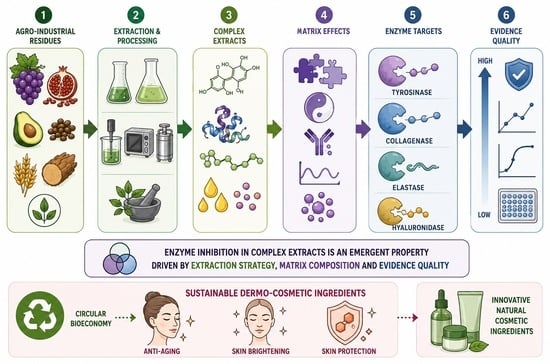
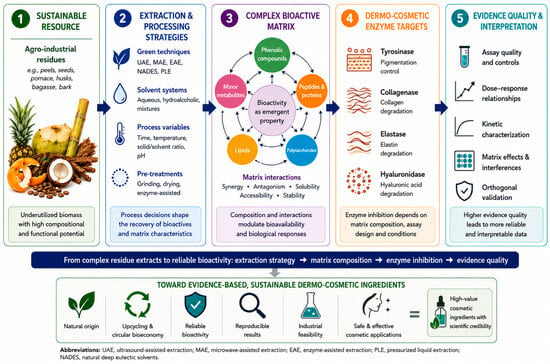
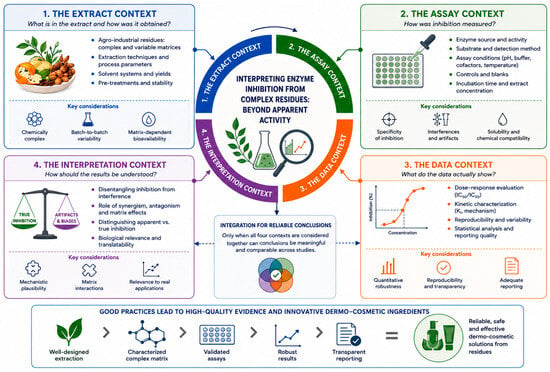
Agro-industrial residues have emerged as promising sources of bioactive compounds for dermo-cosmetic applications, particularly as inhibitors of collagenase, elastase, hyaluronidase, and tyrosinase. However, the interpretation of reported inhibitory activities is frequently complicated by variations in extraction strategies, matrix composition, assay design, and methodological rigor. This critical narrative review examines how these factors collectively influence the reliability, comparability, and translational relevance of enzyme inhibition data obtained from residue-derived extracts. The literature was analyzed using a framework-oriented approach based on representative peer-reviewed studies selected according to their methodological quality, experimental design, and mechanistic relevance. The analysis integrates three complementary dimensions: extraction and processing strategies, compositional complexity of the recovered matrices, and evidence quality supporting the reported bioactivities. The reviewed literature demonstrates that enzyme inhibition is rarely an intrinsic property of isolated compounds but rather an emergent behavior arising from complex physicochemical systems in which synergistic interactions, matrix effects, and assay-dependent artefacts frequently influence the observed responses. The widespread reliance on simplified in vitro screening methods, often without dose–response evaluation, kinetic characterization, or adequate control of assay interference, remains a major obstacle to reproducibility and cross-study comparison. Based on this analysis, an integrative framework is proposed to guide the interpretation of enzyme inhibition in complex botanical extracts by explicitly linking process design, matrix composition, and methodological evidence. This perspective provides a more robust basis for the identification, validation, and industrial translation of sustainable bioactive ingredients obtained from agro-industrial residues for next-generation dermo-cosmetic formulations.
Full article
(This article belongs to the Topic The Use of Natural Bioactive Ingredients in Cosmetic Products: Advantages and Challenges)
►▼
Show Figures

Graphical abstract
Open AccessReview
Eye Cosmetics and Ocular Surface Diseases: An Emerging Concern in Modern Aesthetic Practices
by
Basanta Bhujel, Kyu Sang Eah, Soon Suk Kang, Ho Seok Chung, Hun Lee and Jae-Yong Kim
Cosmetics 2026, 13(4), 181; https://doi.org/10.3390/cosmetics13040181 - 16 Jul 2026
Abstract
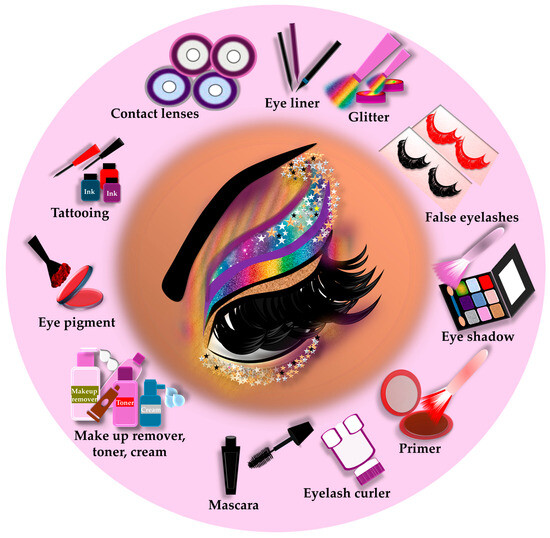
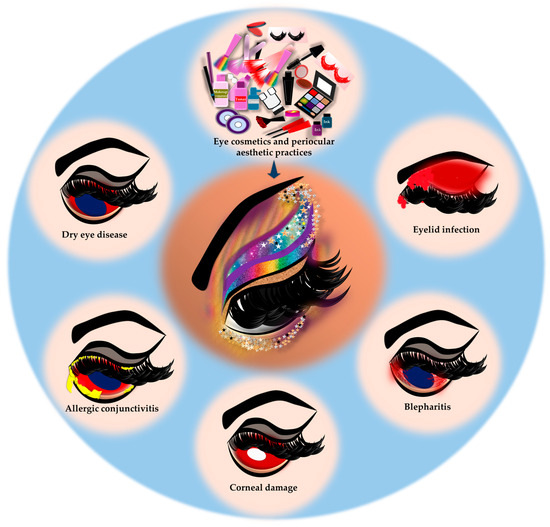
Eye cosmetics, including eyeliners, mascaras, eyeshadows, and eyebrow products, are widely used to enhance the aesthetic appearance of the eyes. While generally considered safe, their application to the delicate periocular region can pose significant risks to ocular surface health. Growing clinical and experimental
[...] Read more.
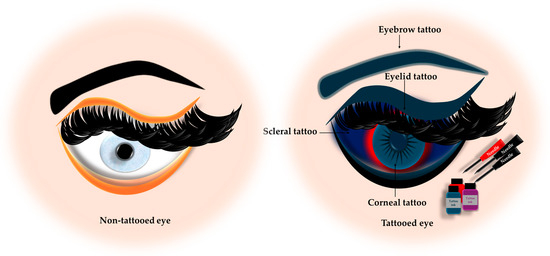
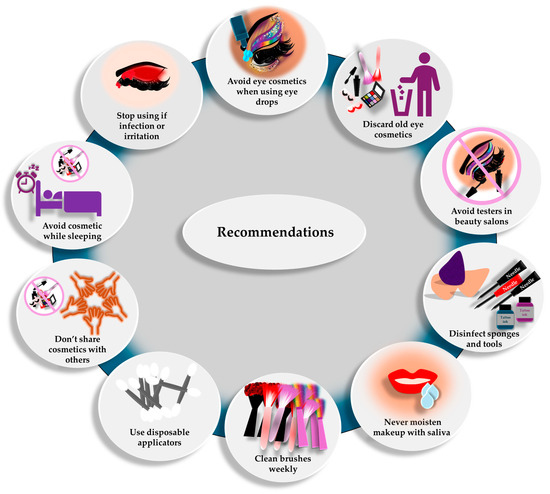
Eye cosmetics, including eyeliners, mascaras, eyeshadows, and eyebrow products, are widely used to enhance the aesthetic appearance of the eyes. While generally considered safe, their application to the delicate periocular region can pose significant risks to ocular surface health. Growing clinical and experimental evidence links the use of eye cosmetics to ocular surface disorders, including blepharitis, conjunctivitis, dry eye syndrome, and meibomian gland dysfunction. These adverse effects may result from mechanical irritation, chemical exposure, microbial contamination, or allergic reactions associated with cosmetic ingredients such as pigments, preservatives, emulsifiers, and fragrances. In addition, emerging periocular aesthetic procedures and novel formulations containing nanoparticles and complex additives may further contribute to ocular surface instability and inflammation. The growing popularity of eye cosmetics, influenced by social media, cultural trends, and the global beauty industry, underscores the importance of understanding their impact on ocular health. Thus, this review provides a comprehensive overview of the composition, types, ocular migration, and potential adverse effects of eye cosmetics and periocular aesthetic practices. By highlighting the clinical implications of cosmetic use on the ocular surface, this study emphasizes the need for evidence-based guidance, safe cosmetic practices, and further research to mitigate lifestyle-related ocular risks.
Full article
(This article belongs to the Special Issue Feature Papers in Cosmetics in 2026)
►▼
Show Figures

Figure 1
Open AccessReview
Macromolecular Fragmentation on the Skin Surface: Formation Mechanisms, Evidence Limitations, and Potential Relevance for Skin Homeostasis
by
Keran Jia, Xiao Ning, Liya Song and Jin Cao
Cosmetics 2026, 13(4), 180; https://doi.org/10.3390/cosmetics13040180 - 14 Jul 2026
Abstract
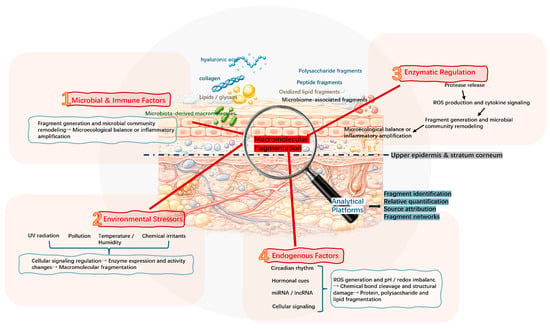
The skin surface is a dynamic biochemical interface where proteins, polysaccharides, lipids, and microbial or environmental molecules are continuously exposed to ultraviolet(UV) radiation, oxidative stress, mechanical stimulation, pH variation, host-derived enzymes, and microbial enzymes. These factors can generate heterogeneous macromolecular fragments on the
[...] Read more.
The skin surface is a dynamic biochemical interface where proteins, polysaccharides, lipids, and microbial or environmental molecules are continuously exposed to ultraviolet(UV) radiation, oxidative stress, mechanical stimulation, pH variation, host-derived enzymes, and microbial enzymes. These factors can generate heterogeneous macromolecular fragments on the skin surface through cleavage, oxidation, structural modification, or enzymatic degradation. However, current evidence does not support interpreting these fragments uniformly as active regulatory molecules. Instead, they should be considered a mixed molecular population that may include passive degradation products, stress-associated markers, host- or microbiome-derived cleavage products and, in some contexts, molecules with potential biological activity. This review summarizes current knowledge on the formation mechanisms, analytical detection, and possible biological relevance of skin surface macromolecular fragments, with emphasis on hyaluronic acid, collagen, keratin, lipids, and microbiome-associated fragments. Evidence from in vitro, ex vivo, and in vivo studies is distinguished to clarify the strengths and limitations of current interpretations. Particular attention is given to contradictory findings, concentration-dependent effects, source attribution, contamination, matrix interference, lack of reference standards, and insufficient functional validation. Overall, skin surface macromolecular fragmentation is better viewed as an emerging analytical and biological framework rather than as a proven regulatory mechanism. Future studies should combine standardized sampling, validated mass spectrometry(MS) workflows, multi-omics integration, reconstructed skin models, microbiota-related models, and controlled human studies to determine whether specific fragments are degradation products, biomarkers, or context-dependent functional molecules.
Full article
(This article belongs to the Section Cosmetic Dermatology)
►▼
Show Figures

Figure 1
Open AccessArticle
HA20, a Broad-Molecular-Weight Hyaluronic Acid Complex, Supports Transepidermal Bioavailability and Multi-Stress Barrier Protection in Human Skin Models
by
Zheng Wang, Yumei Fan, Luxian Zhou, Dandan Jiang, Jiajun Qian and Peixue Ling
Cosmetics 2026, 13(4), 179; https://doi.org/10.3390/cosmetics13040179 - 13 Jul 2026
Abstract
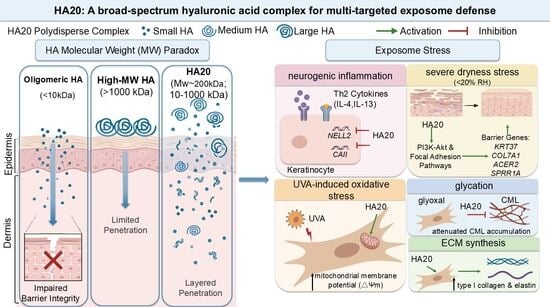
Hyaluronic acid (HA) is widely used in skincare, but its efficacy varies with molecular weight (MW), affecting its skin penetration and activity. This study examined whether HA20, a broad-MW HA complex (weight-average MW: 188 kDa, 10–1000 kDa), improves skin absorption and shields human
[...] Read more.
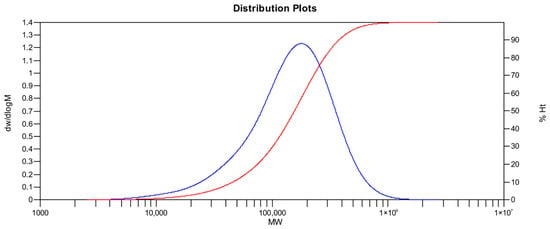
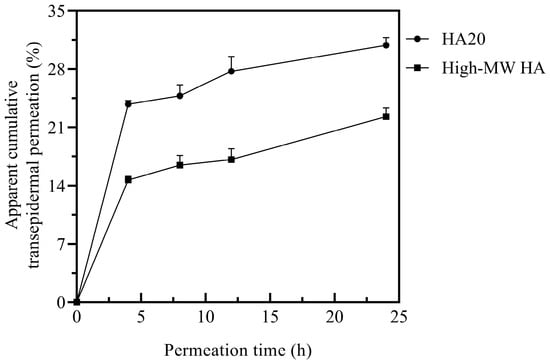
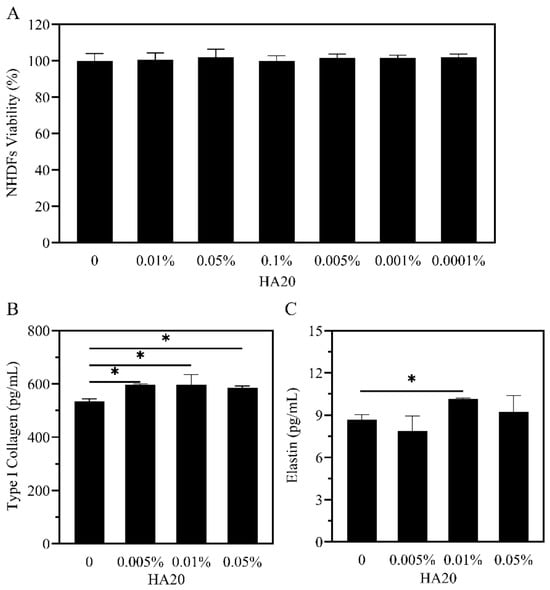
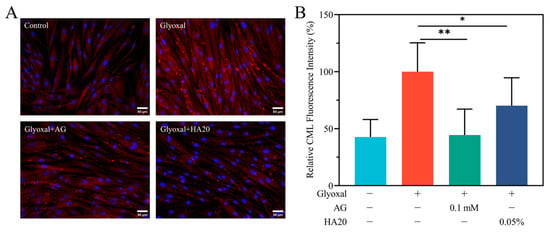
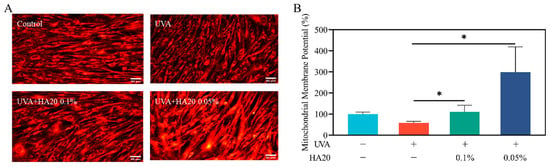
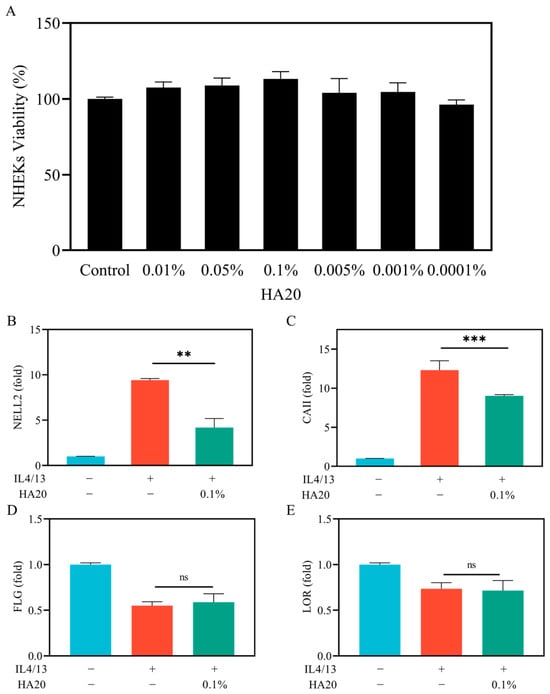
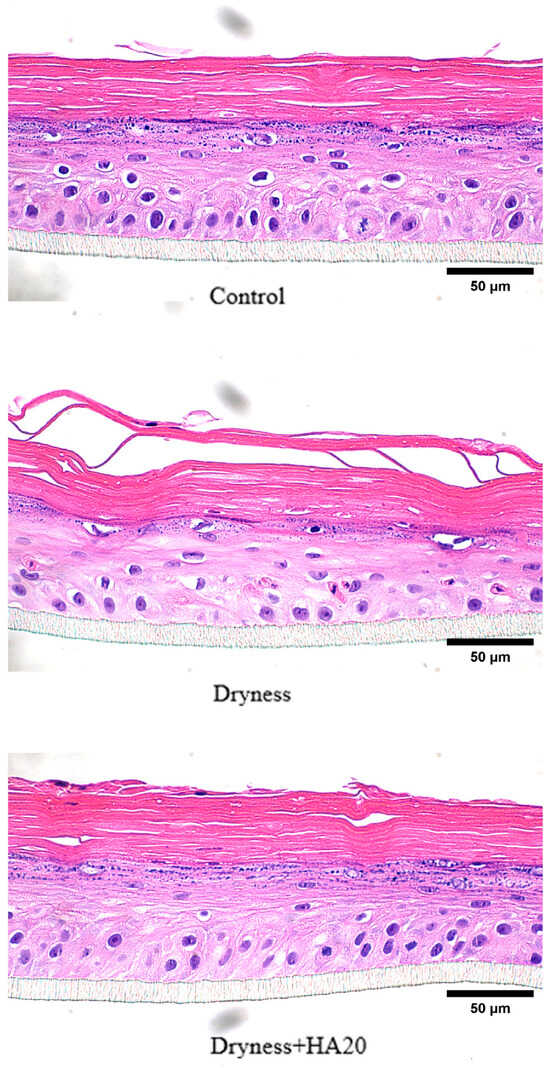
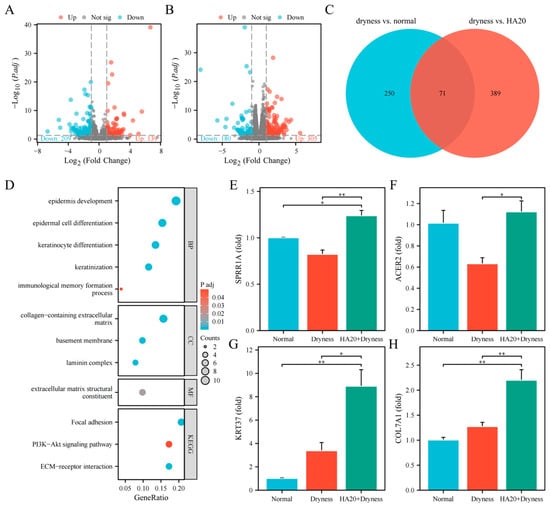
Hyaluronic acid (HA) is widely used in skincare, but its efficacy varies with molecular weight (MW), affecting its skin penetration and activity. This study examined whether HA20, a broad-MW HA complex (weight-average MW: 188 kDa, 10–1000 kDa), improves skin absorption and shields human skin models from environmental stress. HA transepidermal bioavailability, extracellular-matrix responses, glyoxal-induced Nε-(carboxymethyl)lysine (CML), UVA-induced mitochondrial membrane potential (MMP) loss, Th2 cytokine-induced markers, and dryness-induced barrier changes were assessed in reconstructed human epidermis, dermal fibroblasts, and epidermal keratinocytes. HA20 exhibited greater apparent permeation detectable by ELISA at all time points during the 24 h RHE assay compared to high-MW HA. In fibroblasts, 0.05% HA20 increased type I collagen secretion from 535.20 to 585.47 pg/mL and elastin from 8.68 to 9.24 pg/mL, reduced CML fluorescence to 70.13% of the glyoxal control, and increased MMP-associated fluorescence from 58.76% in the UVA model group to 298.86%. In keratinocytes, 0.1% HA20 reduced IL-4/IL-13-induced NELL2 and CAII expression. Under acute dryness, HA20 maintained stratum corneum morphology and altered transcriptomic signatures related to epidermal differentiation, extracellular matrix organization, and barrier-associated genes, including KRT37, COL7A1, ACER2, and SPRR1A. These findings suggest that HA20 supports barrier resilience mainly through improved transepidermal delivery and ECM or barrier-repair responses.
Full article
(This article belongs to the Section Cosmetic Dermatology)
►▼
Show Figures

Graphical abstract
Highly Accessed Articles
Latest Books
E-Mail Alert
News
Topics
Topic in
Antioxidants, Cosmetics, Molecules, Pharmaceutics, Applied Sciences, Sci
The Use of Natural Bioactive Ingredients in Cosmetic Products: Advantages and Challenges
Topic Editors: Hugo Almeida, Maria Beatriz P. P. OliveiraDeadline: 30 June 2027
Special Issues
Special Issue in
Cosmetics
New Perspectives in Cosmetics and Dermatology: Mechanisms and Therapies—2nd Edition
Guest Editor: Montserrat Fernández-GuarinoDeadline: 31 August 2026
Special Issue in
Cosmetics
Fine Chemicals from Natural Sources with Potential Application in the Cosmetic/Pharmaceutical Industry—3rd Edition
Guest Editors: Agnieszka Feliczak-Guzik, Agata WawrzyńczakDeadline: 31 August 2026
Special Issue in
Cosmetics
Sunscreen Advances and Photoprotection Strategies in Cosmetics
Guest Editor: Vincenzo NobileDeadline: 30 September 2026
Special Issue in
Cosmetics
Artificial Intelligence in Cosmetic Science
Guest Editor: Ki Han KwonDeadline: 30 September 2026
Topical Collections
Topical Collection in
Cosmetics
Editorial Board Members' Collection Series: "Sustainability in Materials and Processes in Cosmetic Science"
Collection Editors: Pierfrancesco Morganti, Alina Sionkowska
Topical Collection in
Cosmetics
Editorial Board Members' Collection Series: "Novel Delivery Systems for Dermocosmetic Applications"
Collection Editors: Elisabetta Esposito, Debora Santonocito