



Topical Advisory Panel applications are now closed. Please contact the Editorial Office with any queries.
-
Prevalence, Anatomical Distribution, and Risk Factors for Integumentary Injuries in Grazing Dairy Cows Under Tropical Conditions -
No Evidence for Highly Pathogenic Avian Influenza H5N1 Virus in Direct-To-Consumer Raw Cow’s Milk Samples in Switzerland -
The Mitigation of Methane Emissions from Ruminants: Evaluating the Efficacy of Selected Additives and Feed Replacements in an In Vitro Trial -
Efficient Prediction of Milk Yield with Machine Learning Models Using Cow Identification or Milk Quality Traits -
Delving into Enzyme-Encoding Genes in Metagenome Assembled Genomes from Artisanal Dairies Producing Raw Ewe Milk PDO Cheeses
Journal Description
Dairy
Dairy
is an international, peer-reviewed, open access journal on dairy science published bimonthly online by MDPI.
- Open Access— free for readers, with article processing charges (APC) paid by authors or their institutions.
- High Visibility: indexed within ESCI (Web of Science), Scopus, FSTA, and other databases.
- Journal Rank: JCR - Q1 (Agriculture, Dairy and Animal Science) / CiteScore - Q1 (Veterinary (miscellaneous))
- Rapid Publication: manuscripts are peer-reviewed and a first decision is provided to authors approximately 31.2 days after submission; acceptance to publication is undertaken in 3.1 days (median values for papers published in this journal in the first half of 2026).
- Recognition of Reviewers: APC discount vouchers, optional signed peer review, and reviewer names published annually in the journal.
- Journal Cluster of Animal Science: Animals, Arthropoda, Birds, Dairy, Insects, Journal of Zoological and Botanical Gardens, Pets, Poultry, Ruminants and Veterinary Sciences.
Impact Factor:
3.0 (2025);
5-Year Impact Factor:
3.6 (2025)
Latest Articles
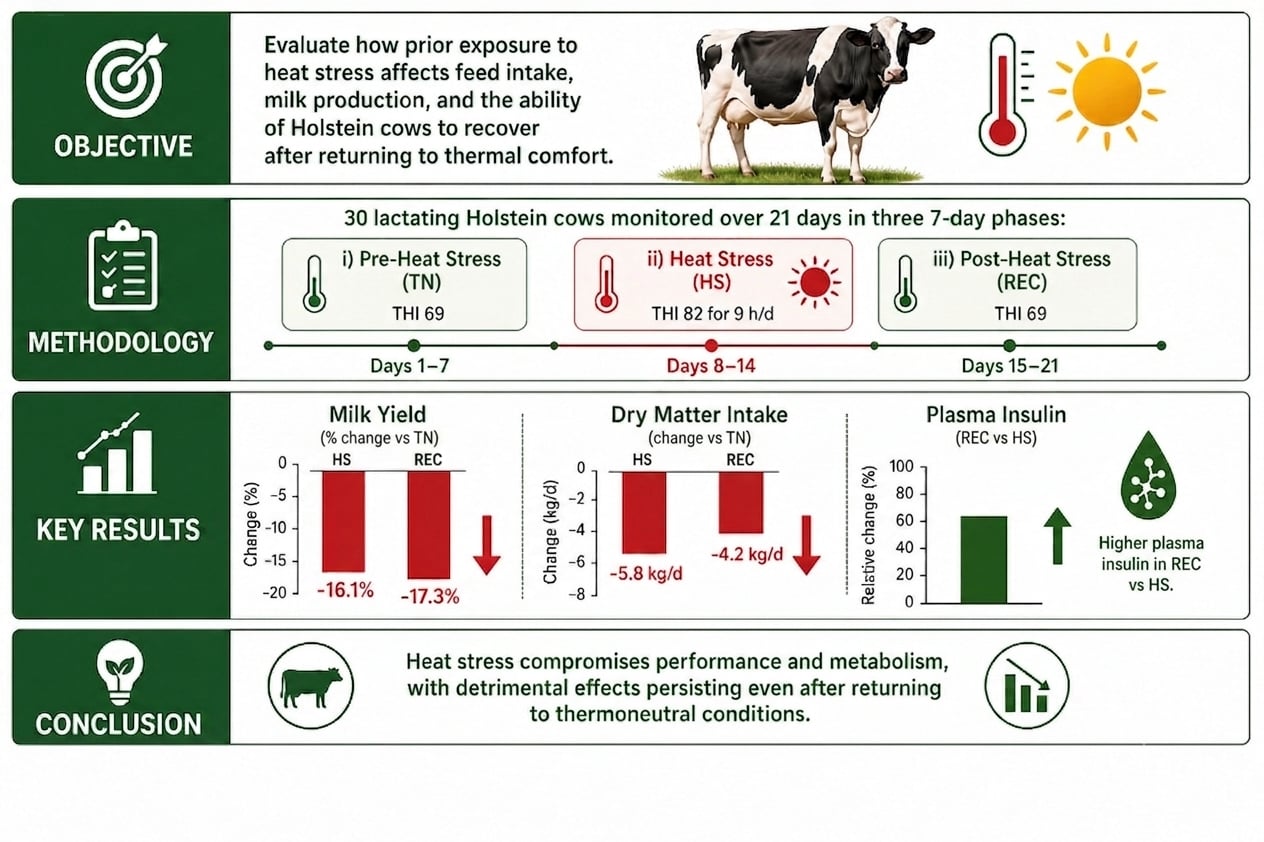
Residual Effects of Heat Stress on Lactating Holstein Cows During Post-Heat Recovery
Dairy 2026, 7(4), 64; https://doi.org/10.3390/dairy7040064 - 13 Aug 2026
Abstract
Heat stress is frequently associated with reduced dry matter intake (DMI), milk yield, and physiological alterations in Holstein dairy cows. The aim was to evaluate how prior exposure to heat stress affects feed intake, milk production, energy balance, blood metabolites, and infrared thermography,
[...] Read more.
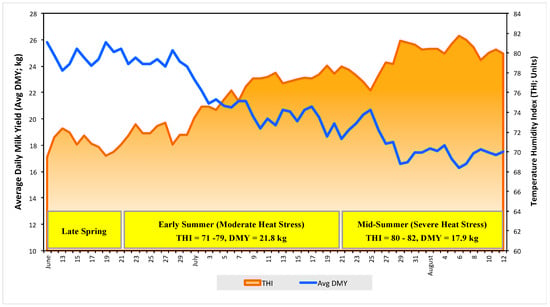
Heat stress is frequently associated with reduced dry matter intake (DMI), milk yield, and physiological alterations in Holstein dairy cows. The aim was to evaluate how prior exposure to heat stress affects feed intake, milk production, energy balance, blood metabolites, and infrared thermography, with special emphasis on the cows’ ability to recover and re-establish normal physiological and productive responses. Thirty multiparous lactating Holstein cows (days in milk = 87 ± 19.6 days) and previous milk yield (30.8 ± 3.95 kg/d) were monitored over 21 days, divided into three 7-day phases: thermoneutral (TN), cows kept at a constant temperature–humidity index (THI) of 69; heat stress (HS), cows at a THI of 82 for 9 h and 69 for 15 h, and recovery (REC), cows at a constant THI of 69. Milk yield decreased by 16.1% during HS and remained 17.3% lower during REC compared with TN. Dry matter intake was reduced by 5.8 and 4.2 kg/d for HS and REC compared to TN cows. Plasma insulin was higher in REC compared to HS. Under the conditions of the present study, heat stress was associated with impaired productive performance, altered metabolism, and changes in the physiological status of mid-lactation Holstein dairy cows, with some effects persisting after the cows returned to thermoneutral conditions.
Full article
(This article belongs to the Special Issue The Effects of Heat Stress on Dairy Cows)
►
Show Figures
Open AccessArticle
The Effects of Collecting Bovine Milk Samples Premilking and Postmilking on the Results of Bacteriologic Analysis and Somatic Cell Count
by
Lilli Bittner-Schwerda, Rüdiger D. Ollhoff, Adriana Wöckel, Anne Kaiser, Sofija Džakula, Anja Gretzschel, Tilman Kühn, Joachim Spilke and Alexander Starke
Dairy 2026, 7(4), 63; https://doi.org/10.3390/dairy7040063 - 10 Aug 2026
Abstract
Milk sample collection before attaching the milking cluster for bacteriological and cytological examination is a standard clinical diagnostic procedure in dairy production. Collecting samples premilking can be difficult under certain field conditions. Therefore, we aimed to determine the effect of the timing of
[...] Read more.
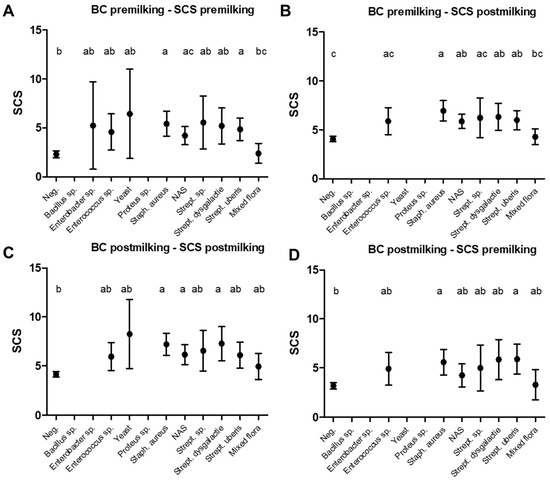
Milk sample collection before attaching the milking cluster for bacteriological and cytological examination is a standard clinical diagnostic procedure in dairy production. Collecting samples premilking can be difficult under certain field conditions. Therefore, we aimed to determine the effect of the timing of milk sampling on the results of bacteriologic analysis and somatic cell count. The study was conducted on a dairy herd of 1520 German Holstein cows. From 110 cows selected because of previously high somatic cell count, paired milk samples (premilking and postmilking) were taken and submitted for bacteriological and cell count analysis. The somatic cell score (SCS) was significantly higher in postmilking samples than in premilking samples (p = 0.001). A total of 113 of 433 premilking and 69 of 433 postmilking samples had positive bacteriologic culture. Quarter samples with a positive bacteriologic culture had numerically higher SCS estimates than negative samples. Mammary quarters with positive premilking and negative postmilking cultures had a significantly lower SCS than quarters with positive premilking and postmilking cultures (p < 0.05). Our findings suggest that premilking and postmilking samples differ in bacteriological and cytological composition. Therefore, the sampling strategy has to be taken into account when making treatment and prevention strategy decisions based on milk samples.
Full article
(This article belongs to the Section Dairy Animal Health)
►▼
Show Figures

Figure 1
Open AccessArticle
Clinical Presentation of Tail Inflammation and Necrosis in Dairy Cows: A Possible Manifestation of Bovine Inflammation and Necrosis Syndrome (BINS)
by
Kathrin M. Weber, Romina T. Albersdörfer, Christine Schmidt and Prisca V. Kremer-Rücker
Dairy 2026, 7(4), 62; https://doi.org/10.3390/dairy7040062 - 10 Aug 2026
Abstract
Tail inflammation and necrosis in dairy cows are increasingly reported, yet the early stages of their development and dynamics remain unclear. We conducted a longitudinal study to characterize the macroscopic pathogenesis of tail lesions throughout the entire lactation period to identify the initial
[...] Read more.
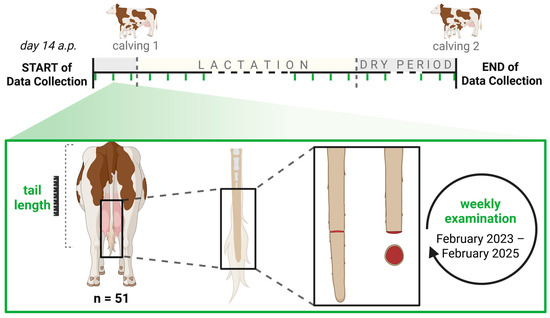
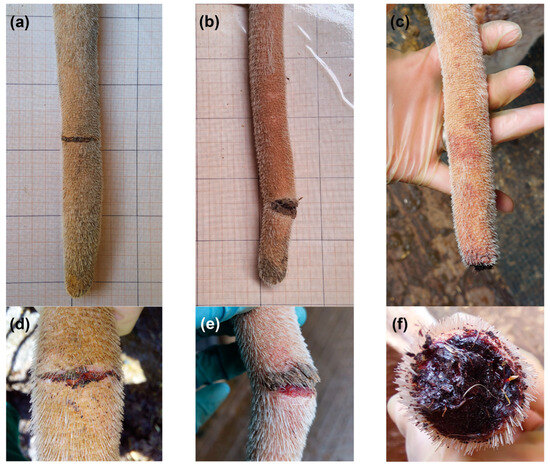
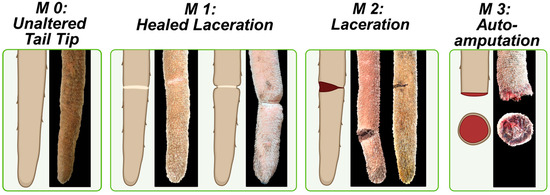
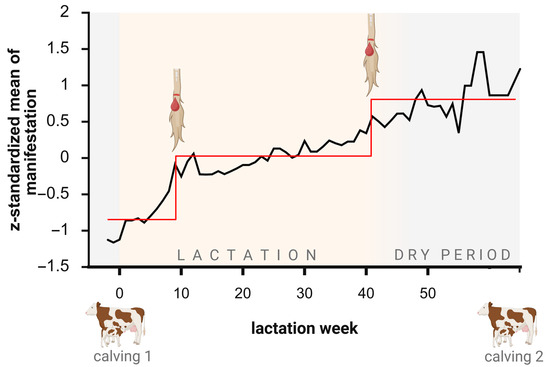
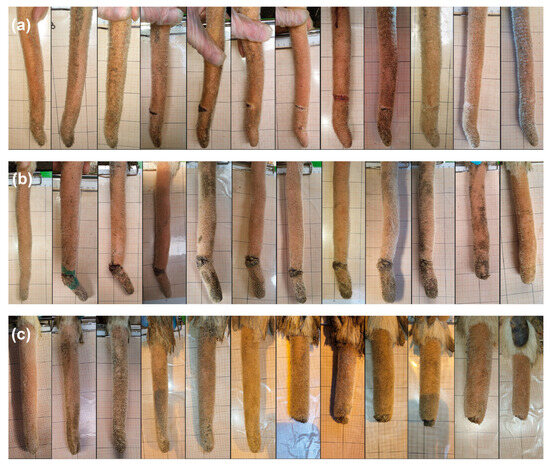
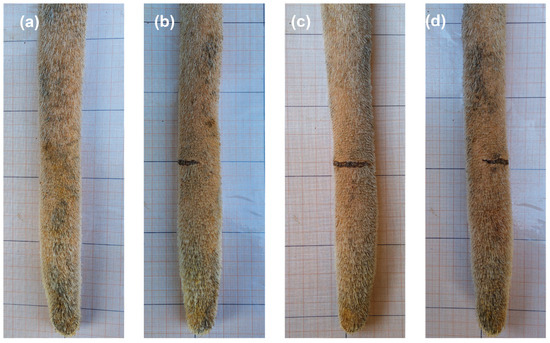
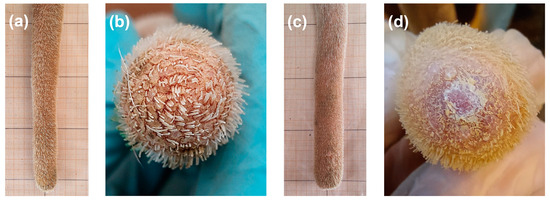
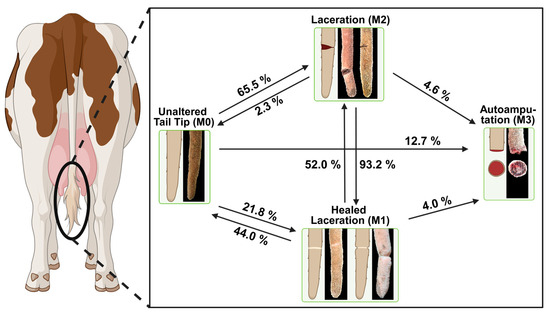
Tail inflammation and necrosis in dairy cows are increasingly reported, yet the early stages of their development and dynamics remain unclear. We conducted a longitudinal study to characterize the macroscopic pathogenesis of tail lesions throughout the entire lactation period to identify the initial stages and vulnerable phases of lactation. Fifty-one cows were examined weekly. We scored the distal spineless tail for bloody lesions. Change point analysis and first-order Markov chains were used to describe the timing and transitions probabilities. Overall, 60.8% of the cows developed at least one bloody lesion, with 49.0% experiencing lacerations and 25.5% undergoing autoamputation. On average, autoamputation shortened tails by 4.0 cm. Three progression types were identified: laceration with healing and preservation of the tip, autoamputation after laceration and spontaneous autoamputation. Regarding the frequency of occurrence, 65.5% began as bloody lacerations and healed in 93.2% of cases. Of these, 4.0% progressed to autoamputation, 12.7% underwent spontaneous autoamputation from an intact tip. Significant changes in lesion severity occurred in lactation weeks 8 and 40. These patterns are consistent with an endogenous microcirculatory mechanism and support the hypothesis that tail inflammation and necrosis may represent a manifestation of Bovine Inflammation and Necrosis Syndrome.
Full article
(This article belongs to the Section Dairy Animal Health)
►▼
Show Figures

Figure 1
Open AccessReview
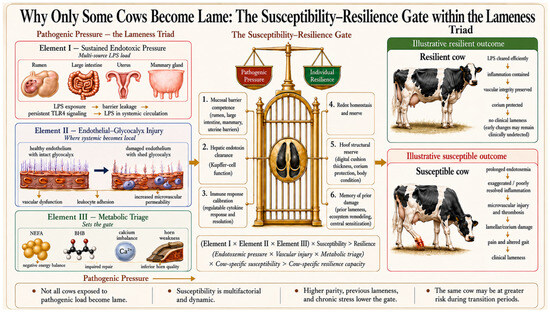
The Hoof as the Sentinel of Systemic Failure: The Lameness Triad and the Susceptibility–Resilience Gate in Dairy Cows
by
Burim N. Ametaj
Dairy 2026, 7(4), 61; https://doi.org/10.3390/dairy7040061 - 5 Aug 2026
Abstract
Lameness is a major welfare and economic disorder in dairy production and a clinical sign with multiple causes. This review focuses on claw horn disruption lesions (CHDL), a major cause of periparturient lameness. Although hoof-centered prevention and treatment remain essential, preclinical systemic alterations,
[...] Read more.
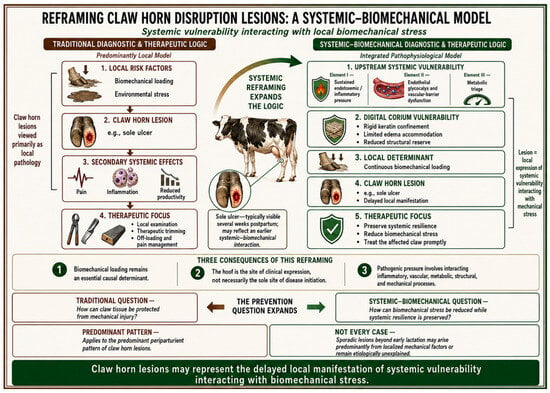
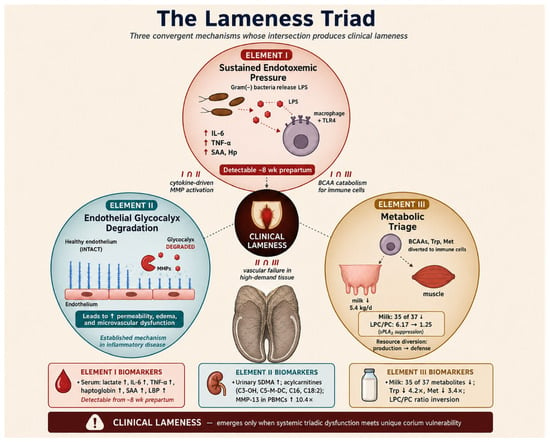
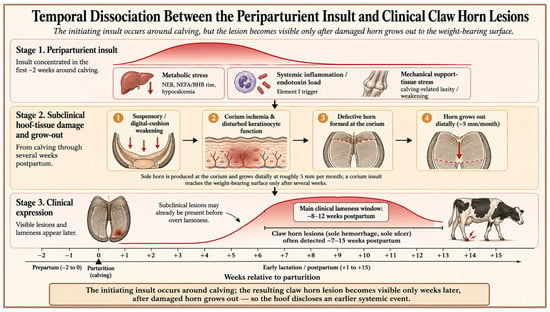
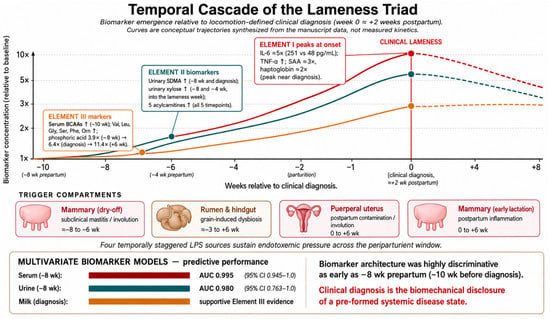
Lameness is a major welfare and economic disorder in dairy production and a clinical sign with multiple causes. This review focuses on claw horn disruption lesions (CHDL), a major cause of periparturient lameness. Although hoof-centered prevention and treatment remain essential, preclinical systemic alterations, recurrence, and clustering with other transition-period disorders suggest that CHDL may sometimes represent the local expression of broader pathophysiology. We propose the Lameness Triad, in which three mechanisms converge: sustained endotoxemic pressure and TLR4-mediated innate immune activation, endothelial glycocalyx degradation and vascular dysfunction, and metabolic triage that reallocates resources from production toward defense. Their combined pathogenic pressure is proposed to produce clinical disease when it exceeds a cow-specific Susceptibility–Resilience Gate comprising mucosal barrier integrity, hepatic endotoxin clearance, immune calibration, redox reserve, hoof structural reserve, and prior damage. Ruminal dysbiosis, mammary involution, and postpartum uterine contamination may contribute to inflammatory and endotoxemic pressure, whereas the confined, continuously loaded digital corium may become a principal site of clinical expression. Longitudinal multi-omics studies identified inflammatory, urinary, and milk-metabolite alterations before diagnosis, with within-cohort serum and urine models discriminating cows that later became lame as early as eight weeks prepartum. These findings require prospective validation and do not establish the complete causal sequence. The framework extends, rather than replaces, established hoof-health programs and provides testable hypotheses for earlier detection, prevention, and selection for resilience.
Full article
(This article belongs to the Section Dairy Animal Health)
►▼
Show Figures

Figure 1
Open AccessArticle
Effect of Injectable Trace Minerals in Pasture-Based Dairy Cattle: Responses in Calves and Early-Lactation Cows
by
Mohammad Javed Ashar, Paula A. Gonzalez-Rivas, Frank R. Dunshea, Christina D. Marth and Surinder S. Chauhan
Dairy 2026, 7(4), 60; https://doi.org/10.3390/dairy7040060 - 2 Aug 2026
Abstract
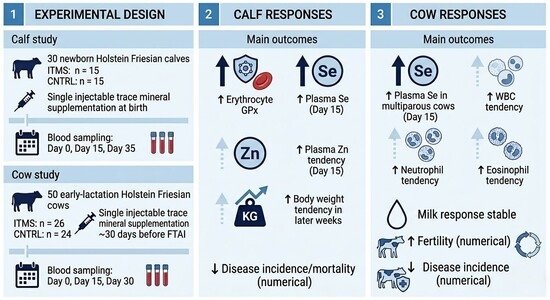
Injectable trace mineral supplementation (ITMS) has been proposed to support physiological adaptation during critical stages in dairy cattle; however, field-based evidence from pasture-based seasonal-calving systems remains limited. This study evaluated the effects of ITMS, administered at birth in calves and approximately 30 days
[...] Read more.
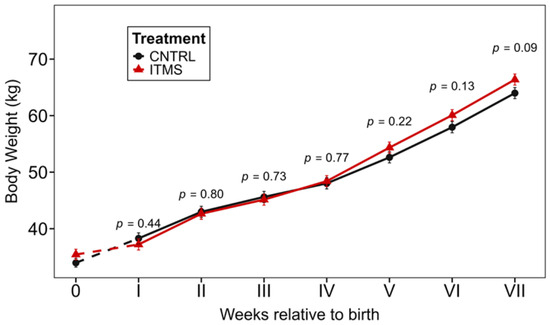
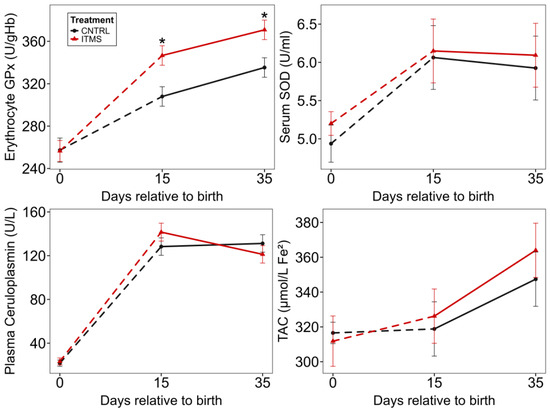
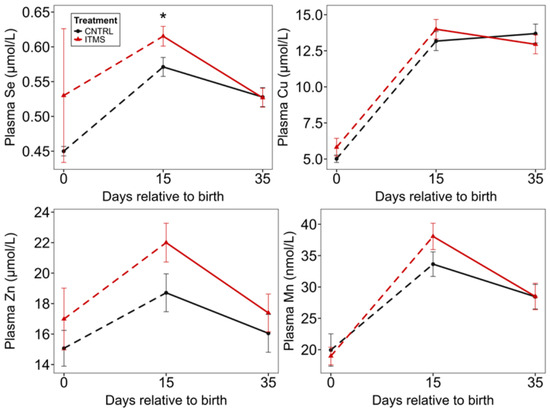
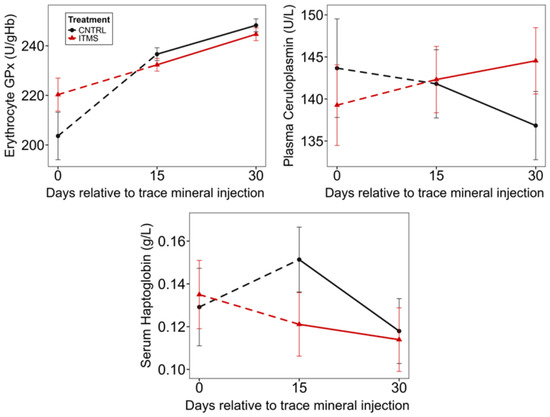
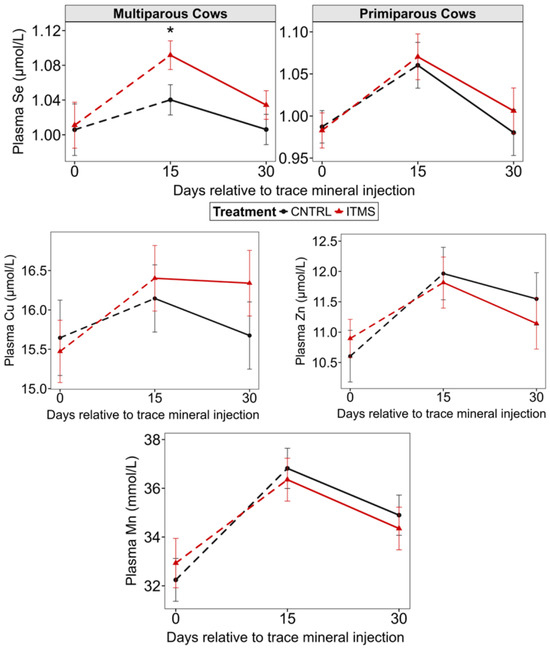
Injectable trace mineral supplementation (ITMS) has been proposed to support physiological adaptation during critical stages in dairy cattle; however, field-based evidence from pasture-based seasonal-calving systems remains limited. This study evaluated the effects of ITMS, administered at birth in calves and approximately 30 days before fixed-time artificial insemination in early-lactation cows, primarily on erythrocyte glutathione peroxidase activity and plasma trace mineral concentrations, while health, growth, production, and fertility were monitored as secondary outcomes. Thirty newborn calves receiving isotonic saline control (CNTRL; n = 15) or ITMS (n = 15) and 50 early-lactation cows (CNTRL, n = 24; ITMS, n = 26) were enrolled. In calves, erythrocyte glutathione peroxidase activity was higher in ITMS calves (322 vs. 359 U/g Hb; p < 0.01), and plasma selenium was higher on day 15 (0.57 vs. 0.62 µmol/L; p = 0.03). A treatment × week interaction was detected for body weight, but overall body weight and average daily gain did not differ. In cows, plasma selenium was transiently higher in multiparous ITMS cows on day 15 (1.04 vs. 1.09 µmol/L; p = 0.03), while antioxidant and inflammatory biomarkers, production, mastitis incidence, and fertility were unaffected. Overall, a single ITMS administration elicited modest biochemical and selenium responses without statistically detectable improvements in growth, health, production, or fertility.
Full article
(This article belongs to the Section Dairy Animal Health)
►▼
Show Figures

Graphical abstract
Open AccessArticle
Insight into the Effects of In Vitro-Digested Donkey and Sheep Milk on Differentiated Human Intestinal Caco-2 Cells
by
Milan Bogdanović, Dušan Stevanović, Ksenija Čobanović, Sara Panseri, Maria Nobile, Radoslava Savić Radovanović, Nataša Golić and Nikola Popović
Dairy 2026, 7(4), 59; https://doi.org/10.3390/dairy7040059 - 2 Aug 2026
Abstract
The chemical composition of donkey and sheep milk showed significant differences, with donkey milk containing less fat and protein and a higher level of lactose, while sheep milk had more dry matter and a higher proportion of casein and saturated, unsaturated, monounsaturated, and
[...] Read more.
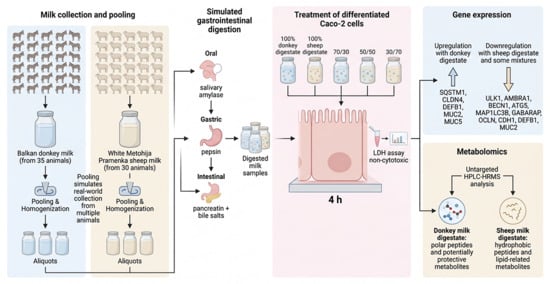
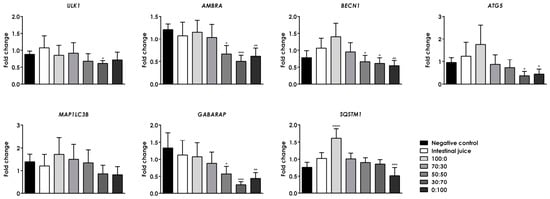
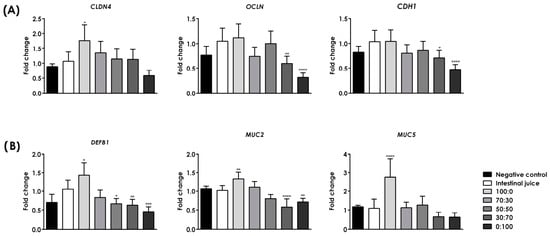
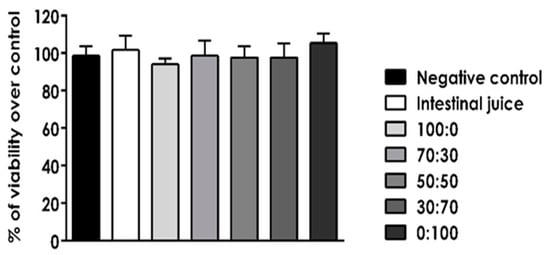
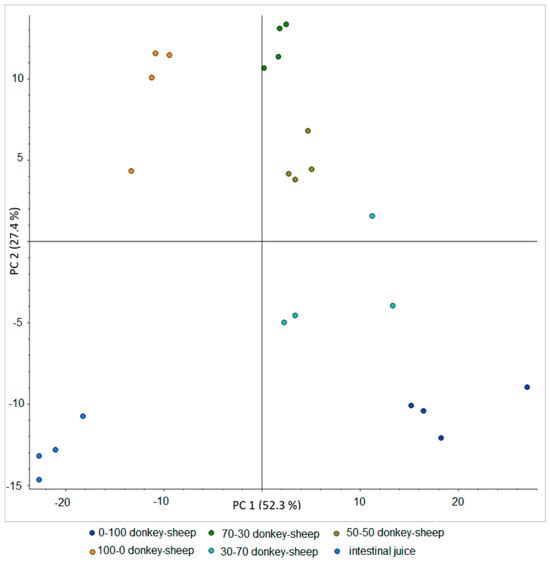
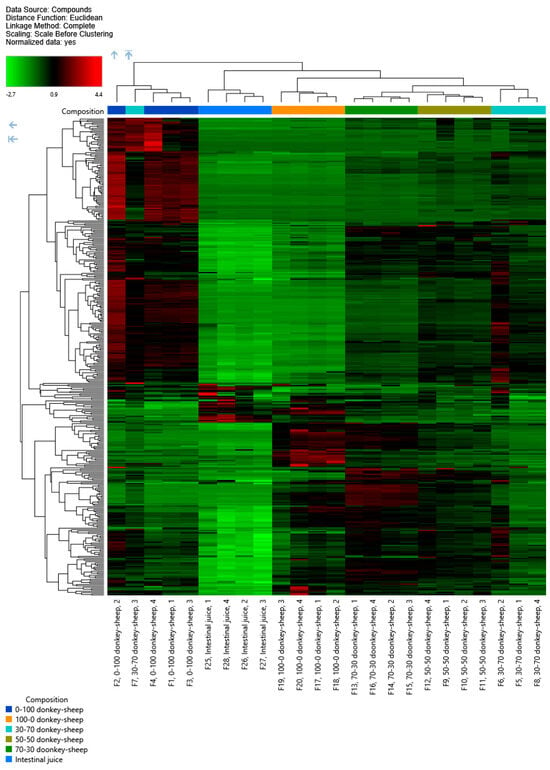
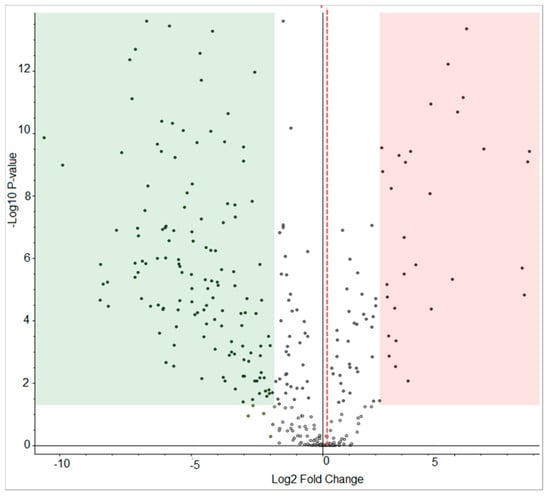
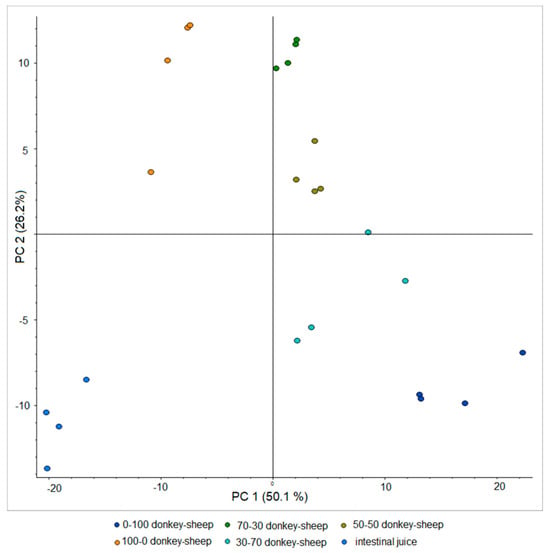
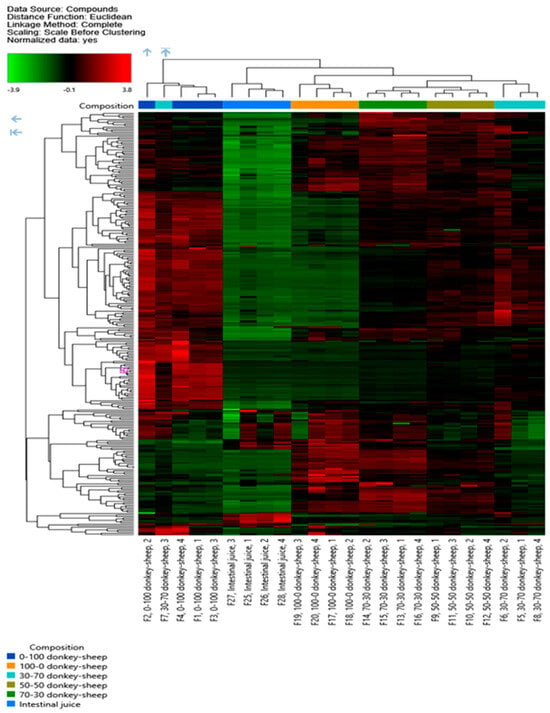
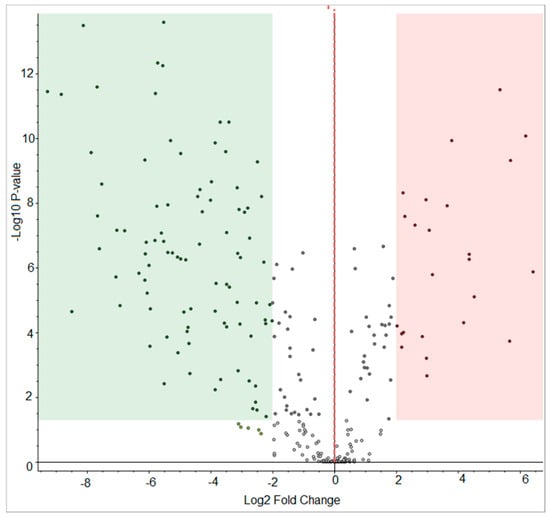
The chemical composition of donkey and sheep milk showed significant differences, with donkey milk containing less fat and protein and a higher level of lactose, while sheep milk had more dry matter and a higher proportion of casein and saturated, unsaturated, monounsaturated, and polyunsaturated fatty acids. This study investigated the biological effects of in vitro-digested donkey and sheep milk, and their blends at different ratios, on differentiated human intestinal Caco-2 cells. Gene expression analysis showed that treatment with digested donkey milk (100%) significantly altered the expression of the autophagy-related gene (SQSTM1), tight junction (CLDN4), and innate defense genes (DEFB1, MUC2, and MUC5), showing a non-cytotoxic response and a profile consistent with a barrier-related transcriptional response. In contrast, sheep milk (100%) and certain milk blends (70% and 50% sheep’s milk) down-regulated genes involved in the autophagy process (ULK1, AMBRA, BECN1, ATG5, GABARAP, and SQSTM1), tight junction genes (OCLN and CDH1), and innate defense genes (DEFB1 and MUC2), suggesting a distinct epithelial response that warrants further confirmation. Metabolomic profiling revealed clear compositional and functional distinctions among the digested milks, identifying 166 metabolites that were differentially regulated (136 compounds were down-regulated and 30 up-regulated). Donkey milk digestion yielded a metabolite profile enriched in polar peptides and compounds with reported antioxidant associations, whereas sheep milk digestion showed a different pattern dominated by hydrophobic peptides and lipid-related metabolites. These findings indicate that, under the tested in vitro conditions, donkey milk digestion is associated with gene expression and metabolomic patterns consistent with epithelial barrier support.
Full article
(This article belongs to the Section Milk and Human Health)
►▼
Show Figures

Graphical abstract
Open AccessArticle
Estimation of Probability of Pregnancy Based on Health Status and Estrus Intensity in Organic Dairy Cows
by
Carlos Niño de Guzmán, Pablo Pinedo, Haipeng Yu, Nikolay Bliznyuk and Albert De Vries
Dairy 2026, 7(4), 58; https://doi.org/10.3390/dairy7040058 - 1 Aug 2026
Abstract
Our first objective was to quantify the associations between health-related events (HRE) before insemination, the relative increase in estrus intensity (REI) at insemination, and the probability of cow-level pregnancy per artificial insemination (P/AI) in organic Holstein dairy cows. Quantifying these associations may aid
[...] Read more.
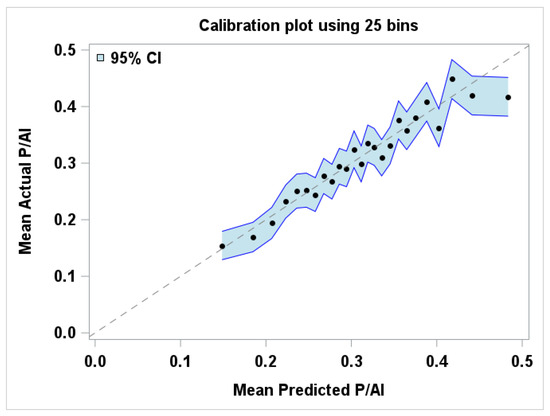
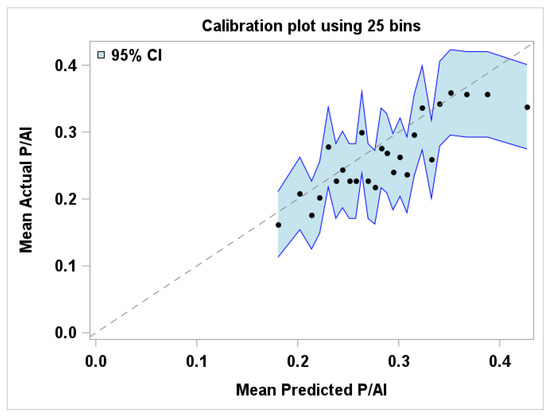
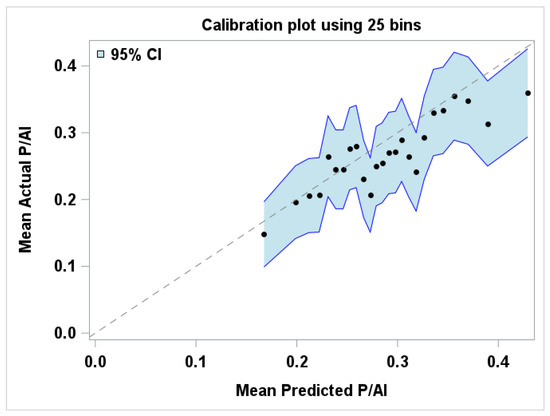
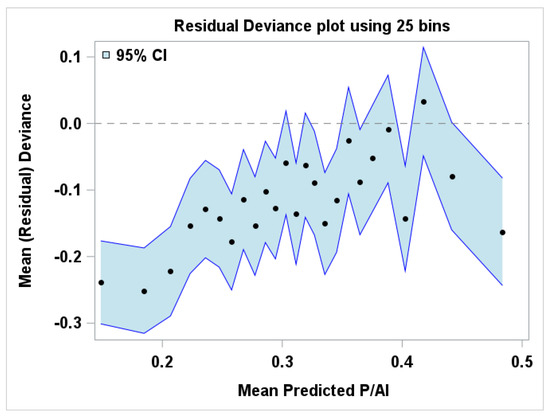
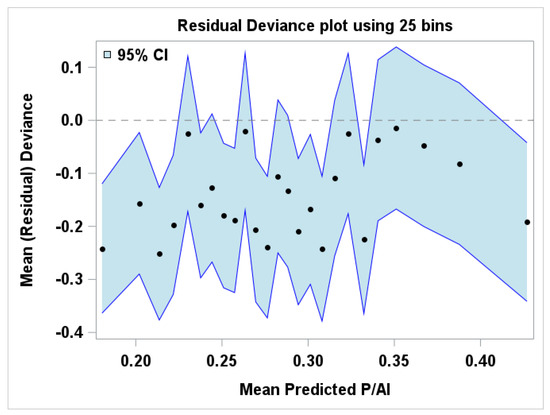
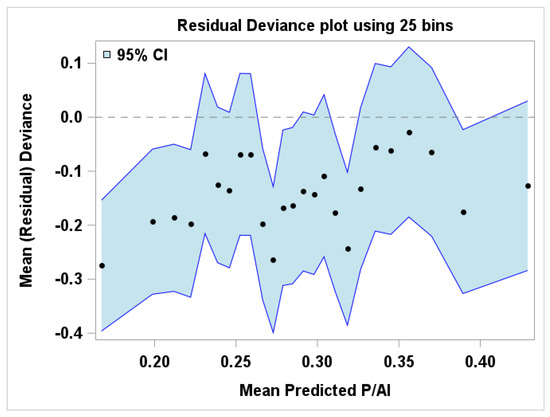
Our first objective was to quantify the associations between health-related events (HRE) before insemination, the relative increase in estrus intensity (REI) at insemination, and the probability of cow-level pregnancy per artificial insemination (P/AI) in organic Holstein dairy cows. Quantifying these associations may aid on-farm decision-making, such as setting the voluntary waiting period, choice of type of semen, do-not-breed and culling decisions. A second objective was to develop predictive models to estimate P/AI based on readily available data, and present common goodness-of-fit results also used in the machine learning community. All data were collected from a certified organic dairy farm in the western USA from 2019 to 2021. Health-related and reproduction data were obtained through Dairy Records Management Systems (DRMS; Raleigh, NC, USA). Activity data were collected using pedometers (IceRobotics, Stirling, UK) mounted on the rear legs. The REI, defined as walking steps per hour before insemination divided by the cow’s baseline steps per hour, was available for 17,238 inseminations from 4759 cows. The REI was categorized as ≤200%, >200–400%, >400–600%, or >600%. The HRE were available for 65,684 inseminations from 13,365 cows. The HRE were categorized as mastitis, metabolic disease (i.e., hypocalcemia, ketosis, displaced abomasum, digestive problems), reproductive disease (i.e, metritis, endometritis, pyometra, retained fetal membranes), lameness, 2 different diseases, ≥3 different diseases, or as healthy (none of these diseases prior to insemination). Combinations (COMBO) between REI categories and 0, 1, or ≥2 HRE were also created. Data were split into training and test sets. The training data were used to fit three logistic regression models that included either HRE, or REI, or COMBO. Each of the three models also included the covariates of 3-mo herd-average P/AI prior to insemination, days in milk, and the fixed effects of parity, insemination season, days after the previous insemination or days to 1st insemination. A random effect accounted for repeated inseminations within cow. Parameter estimates, odds ratios, and the estimated marginal means of the estimated P/AI of the fixed effects were obtained from the logistic regression models. The models’ estimates were applied to the test datasets, and discrimination and calibration statistics were calculated to judge goodness-of-fit. Unadjusted mean P/AI were 0.31, 0.28 and 0.28 for the HRE, REI and COMBO training datasets. For the HRE model, estimated P/AI ranged from 0.20 (≥3 different HRE) to 0.30 (healthy). The estimated P/AI associated with four REI categories were not different from 0.27 in the REI model. The estimated P/AI associated with the combinations of HRE and REI in the COMBO model varied from 0.18 after ≥2 HRE and >200–400% REI, to 0.30 when inseminations were in healthy cows with REI >600%. Inseminations in older cows, in the spring, and outside 18–24 d after the previous insemination were also associated with lower estimated P/AI. The area underneath the Receiver Operating Characteristic curve ranged from 0.57 (COMBO) to 0.60 (HRE) for the test data, indicating fair discrimination ability of the models. Calibration plots showed that the prediction models produced unbiased predicted P/AI. In conclusion, the results showed no conclusive evidence of greater estimated P/AI related to greater REI as a measure of estrus activity. More HRE were associated with lower estimated P/AI. Combinations of low REI and more HRE were associated with notably decreased estimated P/AI. The logistic regression models produced unbiased predicted P/AI. We found no evidence that the strength of the relationship between REI and P/AI depended on the HRE category. The applications of the results are as follows. First, these predictive models may help inform insemination decisions in organic dairy cows, although further external validation is recommended, and the discriminatory performance is weak. Second, a variety of goodness-of-fit statistics were calculated to allow comparisons of the current logistic regression analyses with future analyses made by other machine learning techniques.
Full article
(This article belongs to the Section Dairy Farm System and Management)
►▼
Show Figures

Figure 1
Open AccessArticle
Interrelationships Between Behavioural and Physiological Responses and Milk Production in Dairy Cows
by
Mst. Ishrat Zerin Moni, Asif Uzzaman, Rezoanul Haque, Md. Niamot Ali, Amira A. Goma, Md. Reazul Islam, Mohammad Mahbubur Rahman and Jashim Uddin
Dairy 2026, 7(4), 57; https://doi.org/10.3390/dairy7040057 - 24 Jul 2026
Abstract
Dairy cattle are particularly susceptible to welfare challenges that can negatively impact their behaviour, physiological responses, milk yield, and overall health. These challenges include rough handling by unfamiliar people, extreme climatic conditions, inconsistent feeding, regrouping, and transportation. This pilot study investigated the interrelationships
[...] Read more.
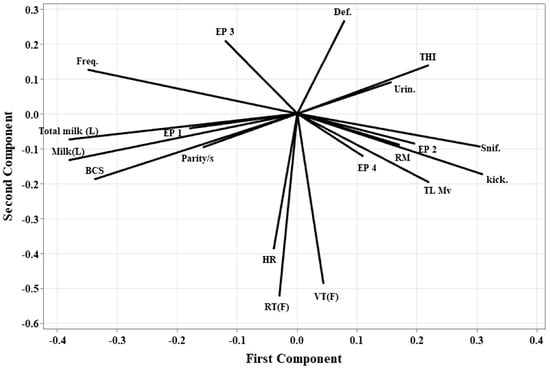
Dairy cattle are particularly susceptible to welfare challenges that can negatively impact their behaviour, physiological responses, milk yield, and overall health. These challenges include rough handling by unfamiliar people, extreme climatic conditions, inconsistent feeding, regrouping, and transportation. This pilot study investigated the interrelationships between behavioural and physiological responses and milk production of dairy cows reared in a smallholder stall housing system, restricting cow movement to standing and lying down in the Rajshahi district of Bangladesh. Fifty cows were observed, with all cows assessed over two days. Video recordings were made using a smartphone during the morning milking routine, focusing on specific behaviours: ear position (upright, forward, backward, downward), sniffing, stepping, and tail movement. Observations were conducted during the first two minutes after the start of the milking process manually. Physiological responses recorded included rectal temperature, vaginal temperature, and heart rate. Productivity outcomes include body condition score (BCS), milk yield per milking, daily milk yield, and milking frequency. Environmental data were collected to calculate the Temperature-Humidity Index (THI), which averaged 84.5 (±1.78 SD), exceeding the thermal comfort zone for dairy cattle (THI < 72). Statistical analyses comprised principal component analysis (PCA) to determine the most descriptive variables. Pearson correlation assesses the direction and strength of relationships between variables, and simple linear regression to evaluate milk production variables using all other variables as predictors. Results showed that cows displaying an upright ear position during milking had a positive relation with average daily milk yields (r = 0.456, p = 0.001). Milk yield was negatively correlated with THI (r = −0.331, p = 0.02), forward ear position (r = −0.356, p = 0.01), kicking (r = −0.531, p < 0.001), and sniffing behaviour during milking (r = −0.511, p < 0.001). The daily milk yields were positively correlated with body condition scores of milking cows (r = 0.661, p < 0.001). Rectal and vaginal temperatures were positively associated with each other (r = 0.777, p < 0.001). Similarly, rectal temperature and heart rate were positively associated with each other (r = 0.511, p < 0.001). Therefore, ear position, kicking, and sniffing behaviour during milking were used to assess emotional states, with forward ears associated with signs of stress. Healthy cows with higher body condition scores (BCS) produced more milk, requiring farmers to milk them more than twice a day. This pilot study highlights key behaviour and physiological responses relevant to stress and milk production, and thus overall welfare. For greater generalisability, future research should incorporate larger sample sizes and repeated environmental assessments over extended periods.
Full article
(This article belongs to the Special Issue Farm Management Practices to Improve Milk Quality and Yield)
►▼
Show Figures

Figure 1
Open AccessArticle
Prevalence and Associated Risk Factors of Teat-End Hyperkeratosis in a Commercial Dairy Herd
by
Flávio G. Silva, Ana Geraldo, Cátia Antas, Alfredo Pereira and Cristina Conceição
Dairy 2026, 7(4), 56; https://doi.org/10.3390/dairy7040056 - 16 Jul 2026
Abstract
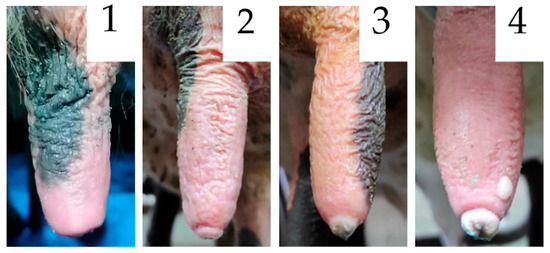
Teat-end hyperkeratosis (THK) is a welfare concern in dairy cows, associated with pain, discomfort, and increased mastitis risk. Identifying risk factors associated with THK may support targeted preventive management. This cross-sectional observational study aimed to determine the prevalence of THK and identify factors
[...] Read more.
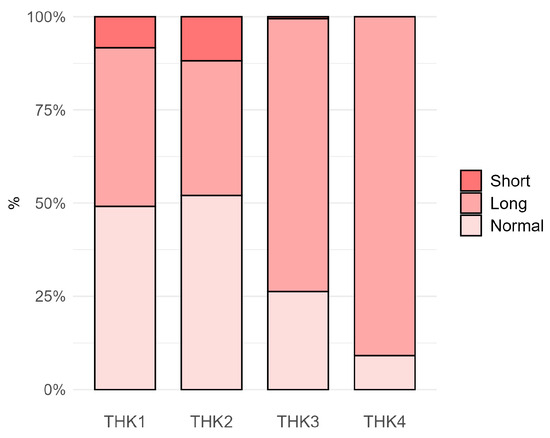
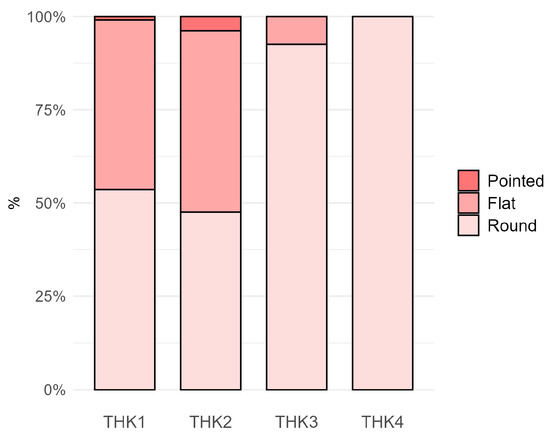
Teat-end hyperkeratosis (THK) is a welfare concern in dairy cows, associated with pain, discomfort, and increased mastitis risk. Identifying risk factors associated with THK may support targeted preventive management. This cross-sectional observational study aimed to determine the prevalence of THK and identify factors associated with its occurrence. A total of 492 Holstein-Friesian cows were evaluated at the milking parlor of a dairy farm located in Évora, Portugal. All four teats per cow (n = 1968) were scored on a 4-point scale: no lesion (1), smooth ring (2), rough (3), and very rough skin (4). Parity, days in milk, teat length, teat-end shape, udder health, and milking procedures were assessed as potential factors associated with THK. A mixed-effects ordinal logistic regression model was used to evaluate the associations between THK and the selected factors. Overall THK prevalence was 54.4%, with a median score of 2 (range: 1–4; IQR: 1–2). Score distribution was 45.6% (score 1), 43.0% (score 2), 10.3% (score 3), and 1.1% (score 4). Round teat ends were associated with greater odds of severe THK compared with flat teat ends (OR = 6.4; p = 0.016). Longer milking duration (OR = 2.7 per 100 s; p = 0.002) and a history of mastitis (OR = 80.0; p < 0.001) were also positively associated with THK severity. These findings highlight opportunities to mitigate THK through optimized milking management and breeding strategies. Notably, factors such as mastitis and prolonged milking time are also associated with culling, potentially masking the true burden of THK on animal welfare.
Full article
(This article belongs to the Section Dairy Animal Health)
►▼
Show Figures

Figure 1
Open AccessArticle
Colostrum Management and Its Effects on Bacterial Load, Passive Immunity Transfer, and Neonatal Diarrhea in an Italian Dairy Herd
by
Elisa Rampacci, Marcello Guadagnini, Sebastiano Carra, Cecilia Tolasi and Fabrizio Passamonti
Dairy 2026, 7(4), 55; https://doi.org/10.3390/dairy7040055 - 13 Jul 2026
Abstract
Effective colostrum management is essential to ensure adequate transfer of passive immunity (TPI) and reduce neonatal morbidity in calves. This study evaluated the impact of pasteurization on colostrum microbiological and immunological quality and its association with TPI and calf health on a dairy
[...] Read more.
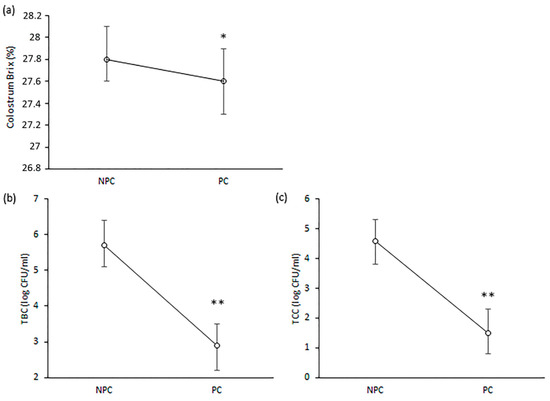
Effective colostrum management is essential to ensure adequate transfer of passive immunity (TPI) and reduce neonatal morbidity in calves. This study evaluated the impact of pasteurization on colostrum microbiological and immunological quality and its association with TPI and calf health on a dairy farm in Italy. A total of 79 colostrum samples were included: 39 pasteurized (PC) and 40 non-pasteurized (NPC). Immunoglobulin concentration was estimated by Brix refractometry, while bacterial contamination was assessed by total bacterial count (TBC) and total coliform count (TCC). In a second phase of the study, 80 newborn calves received either pasteurized (C-PC, n = 40) or non-pasteurized colostrum (C-NPC, n = 40). TPI was evaluated at 48 h and calves were clinically monitored for 21 days. Overall, colostrum showed not only high Brix values but also elevated bacterial contamination. Pasteurization significantly reduced the microbial load in colostrum (TBC, 5.7 vs. 2.9 log CFU/mL; TCC 4.6 vs. 1.5 log CFU/mL) (p < 0.0001). Brix values differed significantly between PC and NPC colostrum (p < 0.001), although the magnitude of the difference was minimal (27.8% in NPC vs. 27.6% in PC), suggesting limited biological relevance. Calves receiving pasteurized colostrum showed significantly lower odds of developing neonatal diarrhea than calves receiving unpasteurized colostrum (C-PC: OR 0.1, 95% CI 0.0–0.3; C-NPC: OR 9.9, 95% CI 3.4–32.6). These findings indicate that colostrum pasteurization reduces contamination effectively even in colostrum with high bacterial loads without substantial impact on its Brix values and was associated with improved calf diarrhea outcomes in the investigated herd.
Full article
(This article belongs to the Section Dairy Animal Health)
►▼
Show Figures

Figure 1
Open AccessArticle
Preliminary Assessment of Co-Occurrence of Aflatoxin M1 and Per- and Polyfluoroalkyl Substances in Bovine and Goat Milk in Algeria
by
Maria Belkacemi, Naziha Fedala, Teresa Gazzotti, Elisa Zironi, Giacomo Depau, Giulia Rampazzo, Carlo Boselli, Valentina D’Onofrio, Angela Costa, Moussa Mokhtari and Giampiero Pagliuca
Dairy 2026, 7(4), 54; https://doi.org/10.3390/dairy7040054 - 7 Jul 2026
Abstract
Chemical contamination of milk represents a relevant food safety concern, particularly in countries where systematic monitoring programs are still limited. In Algeria, information on human exposure to aflatoxin M1 (AFM1) and per- and polyfluoroalkyl substance (PFAS) contamination remains fragmented or
[...] Read more.
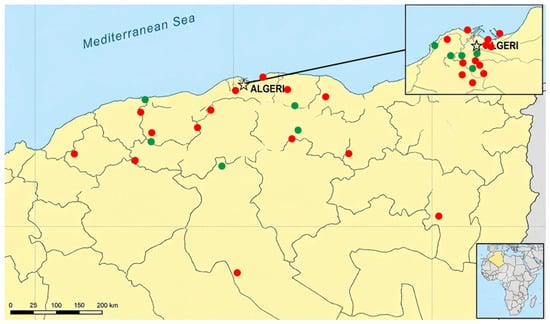
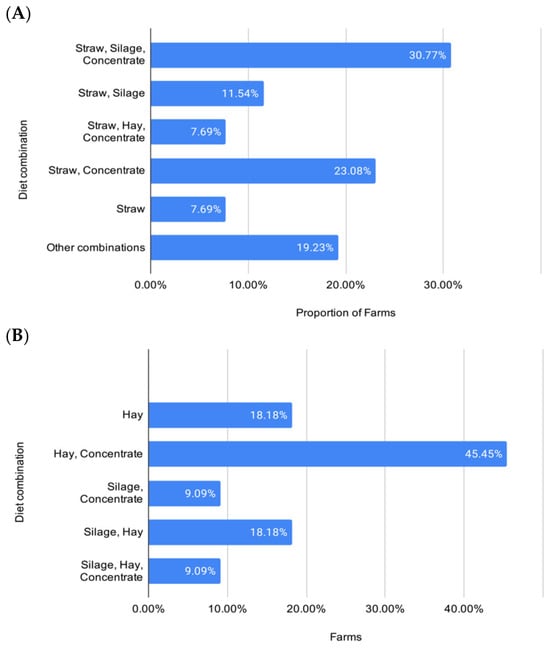
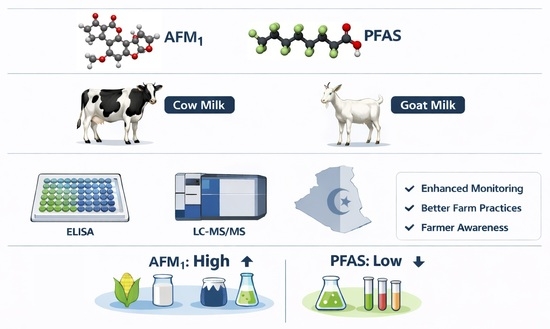
Chemical contamination of milk represents a relevant food safety concern, particularly in countries where systematic monitoring programs are still limited. In Algeria, information on human exposure to aflatoxin M1 (AFM1) and per- and polyfluoroalkyl substance (PFAS) contamination remains fragmented or lacking. This study assessed the occurrence of AFM1 and 17 PFAS in cow and goat milk and explored farm-level management practices potentially influencing contamination. Bulk-tank milk samples were collected from 26 dairy cattle and 11 dairy goat farms. Farm characteristics, including feeding strategies, water sources, grazing practices, and herd size, were recorded using structured questionnaires to characterize farm-level practices and explore their potential association with contamination patterns. AFM1 was detected in all samples. In cow milk, 96.1% exceeded the EU limit (0.05 µg/kg), with concentrations ranging from 0.048 to 0.410 µg/kg (mean: 0.102 µg/kg), although none exceeded the Codex Alimentarius limit (0.50 µg/kg). Goat milk showed a lower prevalence of samples above the EU limit (36.4%), but higher concentrations were observed (range 0.030–0.578 µg/kg; mean 0.193 µg/kg), with two samples (18.2%) exceeding the Codex limit. PFAS contamination was generally low: 73.0% of cow and 64.0% of goat samples were below detection limits, with only PFBS (cow milk) and PFDA (goat milk) quantified above LOQ. Because of the limited number of farms and the single sampling period, no robust associations could be established between farm-level variables and contaminant concentrations. This preliminary study provides an exploratory overview of AFM1 and PFAS occurrence in bovine and goat bulk milk from the sampled Algerian farms. These findings reveal widespread AFM1 contamination within the investigated farms, consistent with possible feed-borne AFB1 exposure, whereas PFAS occurrence appeared sporadic and generally low.
Full article
(This article belongs to the Section Milk Processing)
►▼
Show Figures

Graphical abstract
Open AccessArticle
Effect of Dietary Choline and Diet Fermentability on Performance and Feeding Behavior of Postpartum Dairy Cows
by
Kelsey Pasch, Felicitas Vignati and William Brown
Dairy 2026, 7(4), 53; https://doi.org/10.3390/dairy7040053 - 7 Jul 2026
Abstract
Postpartum dairy cows fed more rapidly fermentable starch sources have depressed dry matter intake (DMI), compounding the risk of negative energy balance and hepatic lipid accumulation. Rumen-protected choline (RPC) is supplemented to periparturient dairy cows to facilitate hepatic lipid export. Our objective was
[...] Read more.
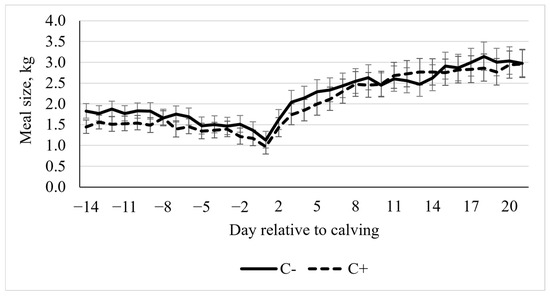
Postpartum dairy cows fed more rapidly fermentable starch sources have depressed dry matter intake (DMI), compounding the risk of negative energy balance and hepatic lipid accumulation. Rumen-protected choline (RPC) is supplemented to periparturient dairy cows to facilitate hepatic lipid export. Our objective was to evaluate the interaction of dietary starch fermentability (DF) and RPC supplementation on postpartum DMI and performance. Prepartum supplementation of a low dose of RPC (no RPC [C−] vs. RPC [C+; 30 g/d]) began 21 d before the expected calving date for Holstein cows with at least one parity. Postpartum, cows were assigned to 1 of 4 postpartum treatments for 21 d with a 2 × 2 factorial arrangement of starch fermentability rate (low [dry-rolled corn; LFERM] vs. high [dry-rolled wheat; HFERM]) and RPC (C− vs. C+). Prepartum, C+ decreased DMI by 2.3 kg compared with C−, but there was no evidence of treatment effect on DMI postpartum. Time and DF interacted on milk yield, with HFERM increasing milk yield after d 3 compared with LFERM. Compared with LFERM, HFERM decreased milk fat content but not fat yield. For blood metabolites, C+ decreased plasma beta-hydroxybutyrate by 0.3 mmol/L and tended to increase glucose concentration compared to C−. In conclusion, supplementation with RPC at a low rate of inclusion reduced DMI in prepartum cows and decreased postpartum plasma BHB concentrations. Further work is required to elucidate potential mechanisms of action for RPC-mediated reductions in DMI.
Full article
(This article belongs to the Section Dairy Animal Nutrition and Welfare)
►▼
Show Figures

Figure 1
Open AccessArticle
Thermotolerance-Related SNPs and Heat Stress Effects on Productive Performance and Gene Expression in Holstein Cows
by
Arhemy Pineda-Montes, Javier R. Reyna-Granados, Rosa I. Luna-Ramirez, Mario R. Mondaca-Duarte, Ulises Macías-Cruz, Leonel Avendaño-Reyes, Carolina García-Benitez, José C. Leyva-Corona, Juan F. Hernández-Chávez and Pablo Luna-Nevárez
Dairy 2026, 7(4), 52; https://doi.org/10.3390/dairy7040052 - 6 Jul 2026
Abstract
Heat stress (HS) is a major issue affecting productivity and physiological responses in dairy cattle. Advances in gene function research have made it possible to identify favorable genotypes for HS tolerance. This study evaluates the combined effects of temperature–humidity index (THI) and genomic
[...] Read more.
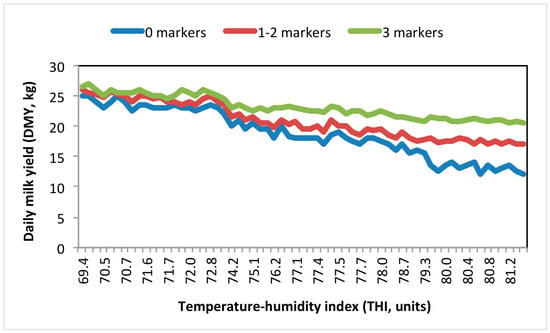
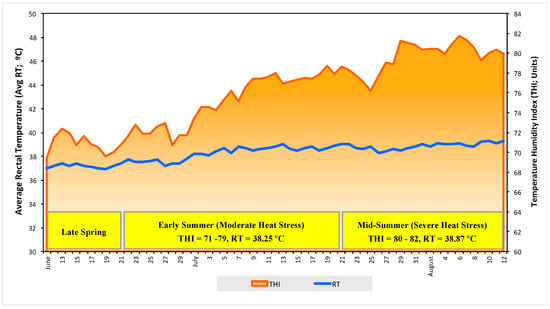
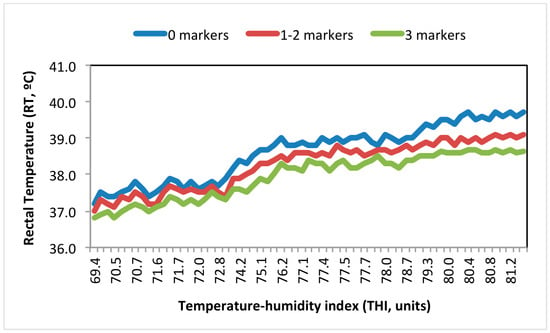
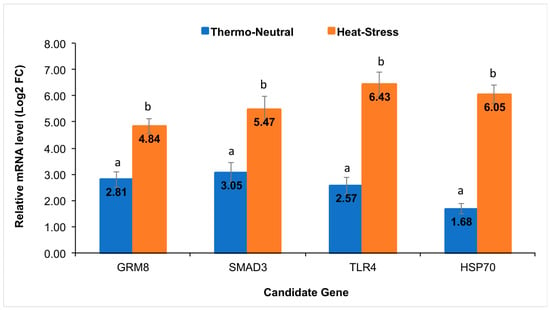
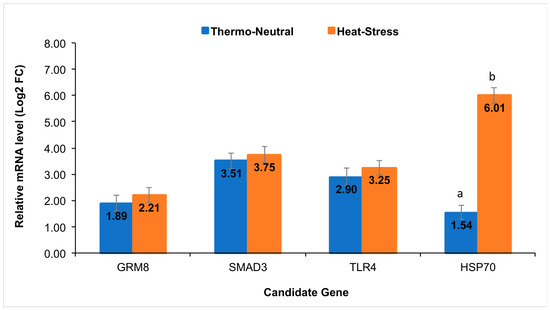
Heat stress (HS) is a major issue affecting productivity and physiological responses in dairy cattle. Advances in gene function research have made it possible to identify favorable genotypes for HS tolerance. This study evaluates the combined effects of temperature–humidity index (THI) and genomic load of favorable SNPs in the genes GRM8, SMAD3, and TLR4 on daily milk yield (DMY), rectal temperature (RT), and gene expression in Holstein cows (n = 160). Environmental conditions ranged from thermoneutral to severe HS, allowing the assessment of genotype by environment interactions. A subset of cows (n = 40) was selected based on genomic load to evaluate gene expression under opposite thermal conditions. Results showed that increasing THI was associated with reduced DMY and increased RT, with more pronounced effects in cows carrying fewer favorable genotypes. Slope analyses revealed that cows with higher genomic load exhibited a moderate decline in DMY and lower increase in RT, indicating enhanced resilience to HS. Significant THI × genomic load interactions were detected above a threshold of 79 units (p < 0.05). Gene expression analyses supported these findings, showing differential expressions of GRM8, SMAD3, and TLR4 under HS conditions. The functional and predictive value of these genes as markers of thermotolerance could help producers by supporting their application in genetic selection programs, thus providing another tool to combat HS and improve resilience and productivity in dairy systems.
Full article
(This article belongs to the Special Issue The Effects of Heat Stress on Dairy Cows)
►▼
Show Figures

Figure 1
Open AccessCommunication
Impact of Moderate Teat-End Hyperkeratosis on Milk Somatic Cell Count and Bacterial Load in Clinically Healthy Dairy Cows
by
Yasunori Shinozuka, Takuya Kanda, Keiichi Hisaeda, Akira Goto, Yoichi Inoue and Naoki Yamamoto
Dairy 2026, 7(4), 51; https://doi.org/10.3390/dairy7040051 - 3 Jul 2026
Abstract
This study investigated the impact of moderate teat-end hyperkeratosis on milk somatic cell count (SCC) and bacterial count (BC) in Holstein cows. Comparing teat-end scores (TS) 2 and 3, we found that TS3 quarters exhibited significantly higher SCC (p = 0.017) despite
[...] Read more.
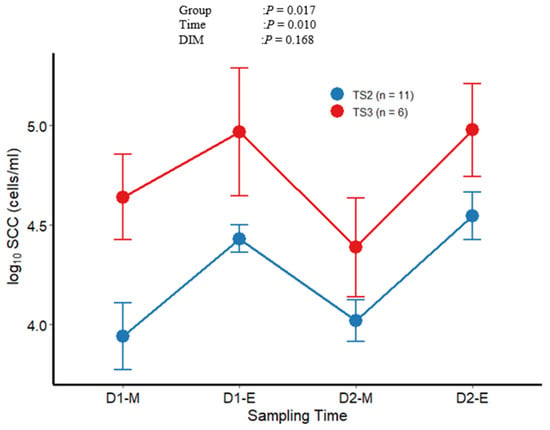
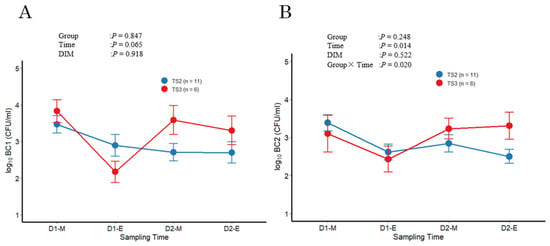
This study investigated the impact of moderate teat-end hyperkeratosis on milk somatic cell count (SCC) and bacterial count (BC) in Holstein cows. Comparing teat-end scores (TS) 2 and 3, we found that TS3 quarters exhibited significantly higher SCC (p = 0.017) despite having shorter days in milk than TS2 quarters. While BC in foremilk (BC1) remained stable, post-milking samples (BC2) decreased during sequential sampling; however, a significant Group × Time interaction (p = 0.020) revealed a less pronounced bacterial reduction in TS3. These findings tentatively suggest that moderate hyperkeratosis (TS3) may be associated with subclinical mammary irritation and altered bacterial clearance dynamics, independent of the absolute bacterial load. Managing teat-end morphology may help optimize milk quality, even when bacterial contamination is minimal.
Full article
(This article belongs to the Section Dairy Animal Health)
►▼
Show Figures

Figure 1
Open AccessReview
Bioactive Potential of Apicultural Products in Dairy Science: A Critical and Comprehensive Review on Rumen Modulation and Functional Food Development
by
Vittorio Lo Presti
Dairy 2026, 7(4), 50; https://doi.org/10.3390/dairy7040050 - 1 Jul 2026
Abstract
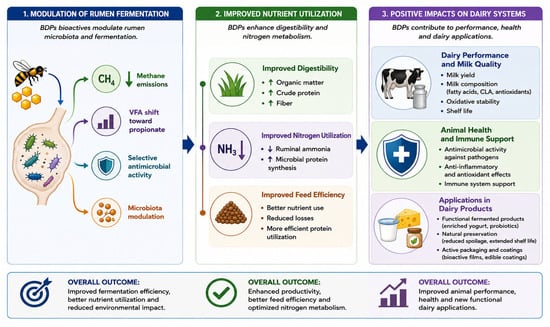
The dairy industry is increasingly seeking natural alternatives to synthetic additives to meet the growing demand for clean-label and functional foods. Bee-derived products (BDPs), including propolis, honey, bee pollen, bee bread, and royal jelly, represent a promising class of bioactive ingredients due to
[...] Read more.
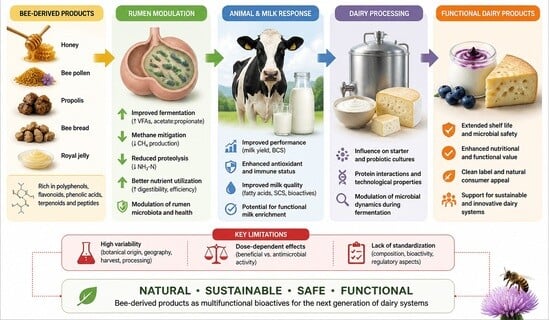
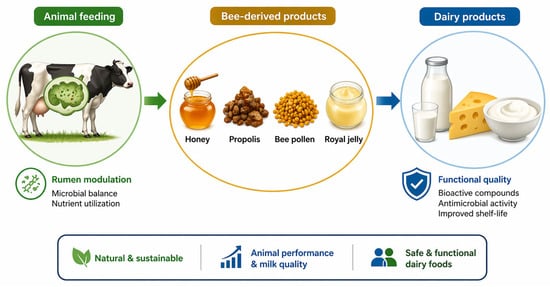
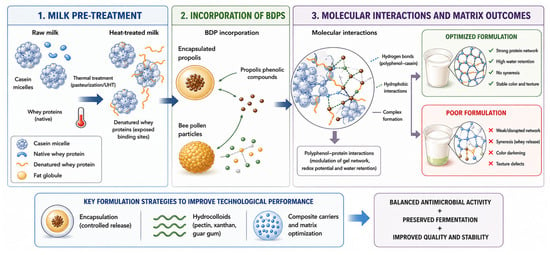
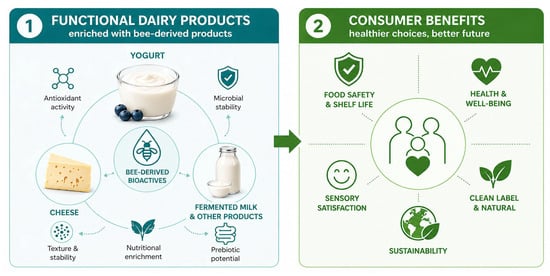
The dairy industry is increasingly seeking natural alternatives to synthetic additives to meet the growing demand for clean-label and functional foods. Bee-derived products (BDPs), including propolis, honey, bee pollen, bee bread, and royal jelly, represent a promising class of bioactive ingredients due to their antimicrobial, antioxidant, and immunomodulatory properties. This review critically examines their integration across the dairy value chain, adopting a farm-to-product perspective. At the farm level, BDPs can modulate rumen fermentation, influence microbial populations, and contribute to improved feed efficiency and reduced enteric methane emissions. These effects may translate into modifications in milk composition and functional properties. At the processing and product levels, the incorporation of BDPs into dairy matrices such as yogurt, cheese, and fermented milk enables the development of functional foods enriched with bioactive compounds and supports probiotic viability in synbiotic systems. However, their application is associated with technological and sensory challenges, including variability in chemical composition, dose-dependent antimicrobial effects, and potential impacts on texture and flavour. By bridging animal and food science, this review highlights the multifunctional role of BDPs in enhancing sustainability, safety, and nutritional value in dairy systems, while identifying current limitations and future research directions for their effective industrial implementation.
Full article
(This article belongs to the Section Dairy Animal Nutrition and Welfare)
►▼
Show Figures

Graphical abstract
Open AccessArticle
Efficiency of Six Dairy and Dual-Purpose Cattle Breeds Reared in Low- and High-Productivity Mountain Farming Systems
by
Giovanni Bittante, Giorgia Stocco, Alessio Cecchinato, Luigi Gallo and Stefano Schiavon
Dairy 2026, 7(4), 49; https://doi.org/10.3390/dairy7040049 - 1 Jul 2026
Abstract
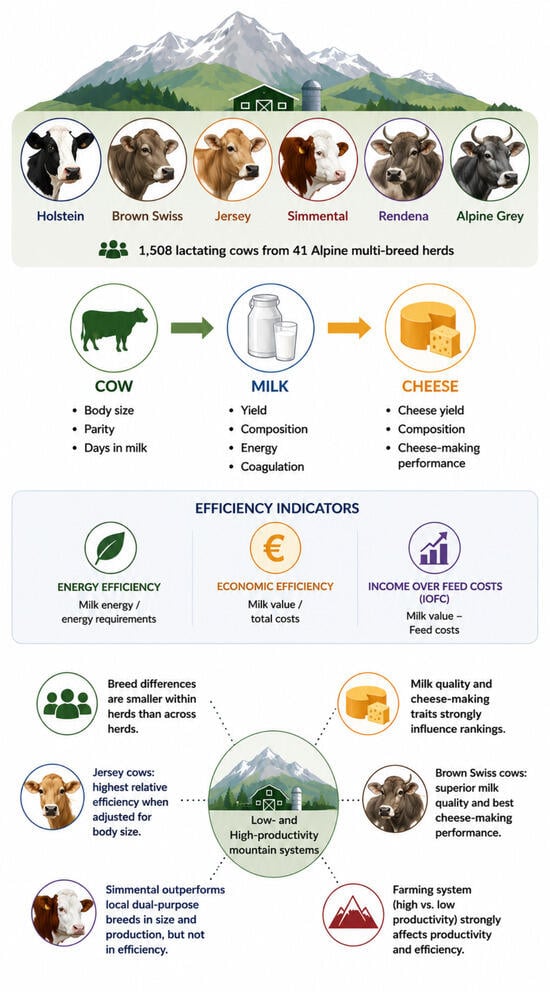
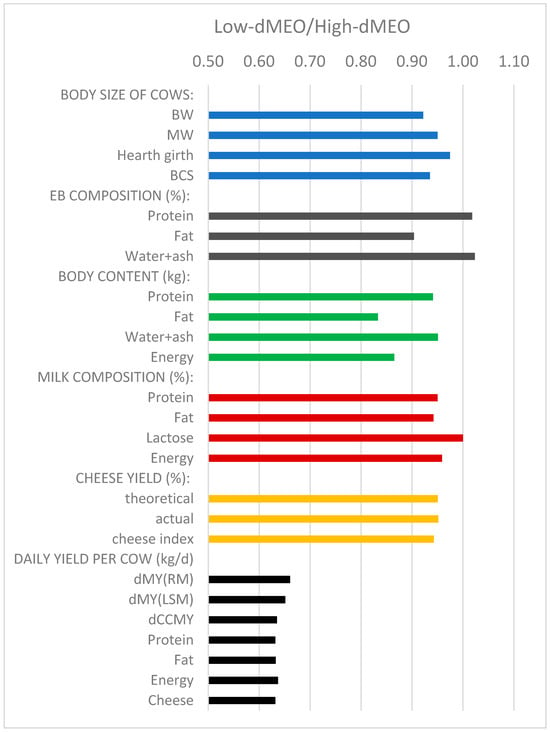
Breed and herd are major determinants of milk productivity and efficiency. This study evaluated 1508 lactating cows from three dairy (Holstein, Brown Swiss, Jersey) and three dual-purpose (Simmental, Rendena, Alpine Grey) breeds across 41 multi-breed mountain herds. Data on body size, production, and
[...] Read more.
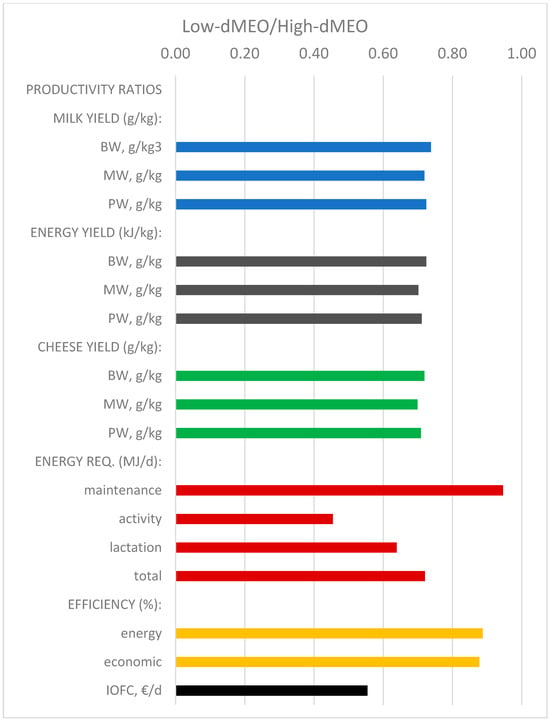
Breed and herd are major determinants of milk productivity and efficiency. This study evaluated 1508 lactating cows from three dairy (Holstein, Brown Swiss, Jersey) and three dual-purpose (Simmental, Rendena, Alpine Grey) breeds across 41 multi-breed mountain herds. Data on body size, production, and milk samples were collected. Daily milk yield, milk energy, and cheese yield were quantified, and herds were classified under high (>75 MJ/d) or low (<75 MJ/d) average daily milk energy production. Cheese-making traits were predicted from 508 individual model cheese-making trials. Nine productivity ratios and three efficiency indicators (energy efficiency, economic efficiency, and income over feed costs) were calculated. Data was analyzed using mixed models including herd productivity class, herd within class (random), breed, parity, and days in milk. Differences among breeds were smaller within herds than across herds and were more pronounced for quality and cheese-making traits. Dairy and dual-purpose breeds showed similar overall performance. Jerseys were the least productive in absolute terms but, when adjusted for body size, were as or more efficient than other dairy breeds. Holsteins had the highest milk yield, whereas Brown Swiss showed superior milk quality and cheese yield. Simmental outperformed local dual-purpose breeds in size and production but not in efficiency. Accurate assessment of energy and economic efficiency is essential for breeding and crossbreeding strategies.
Full article
(This article belongs to the Special Issue Farm Management Practices to Improve Milk Quality and Yield)
►▼
Show Figures

Graphical abstract
Open AccessArticle
Occurrence and Risk Characterization of Mycotoxins in Milk-Based Infant Foods Commercially Traded in São Paulo, Brazil
by
Sana Ullah, Sher Ali, Usama Nasir, Ana Raquel Pinardi, Roice Eliana Rosim, Muhib Ullah and Carlos Augusto Fernandes de Oliveira
Dairy 2026, 7(4), 48; https://doi.org/10.3390/dairy7040048 - 1 Jul 2026
Abstract
Mycotoxins are toxic fungal secondary metabolites that can contaminate the feed of dairy animals and can be transferred into milk and dairy products. This study aims to assess the occurrence of major mycotoxins in 190 samples of milk-based infant foods commercially available in
[...] Read more.
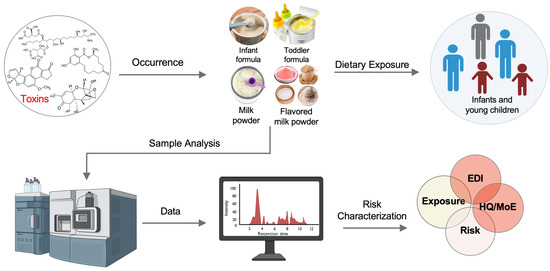
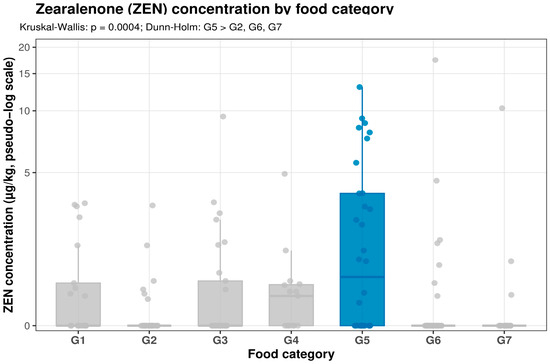
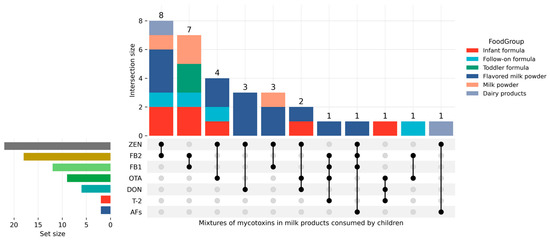
Mycotoxins are toxic fungal secondary metabolites that can contaminate the feed of dairy animals and can be transferred into milk and dairy products. This study aims to assess the occurrence of major mycotoxins in 190 samples of milk-based infant foods commercially available in São Paulo, Brazil, and characterize the associated risks. Aflatoxins (AFs) M1 (AFM1), B1 (AFB1), B2 (AFB2), G1 (AFG1) and G2 (AFG2), fumonisins (FBs) B1 (FB1) and B2 (FB2), ochratoxin A (OTA), zearalenone (ZEN), deoxynivalenol (DON), and T-2 toxin were analyzed using ultra-performance liquid chromatography coupled with tandem mass spectrometry (UPLC–MS/MS). Ninety-eight samples (51.6%) were contaminated with at least one mycotoxin, while the co-occurrence of two to four mycotoxins was observed in 32 samples (16.8%). ZEN was the most prevalent mycotoxin (60 samples; 32%), followed by FBs (FB1 and FB2) (42 samples; 22%), OTA (11 samples; 5.8%), DON (8 samples; 4.2%), and T-2 toxin (2 samples; 1.1%). AFs were quantified in only two samples (1.1%), one milk-based product containing 0.630 μg/kg of AFM1 and one flavored milk powder with AFB1 at 5.850 μg/kg. The analyzed flavored milk powder samples showed the highest maximum concentrations of DON, FBs, and OTA (165.5, 93.79, and 86.77 μg/kg, respectively), while unflavored milk powder contained the highest concentration of ZEN (17.40 μg/kg). Infant formula provided the highest estimated daily intake (EDI) value of DON (1.226 μg/kg bw/day) for infants aged ≤one year. Hazard quotient (HQ) values > 1 revealed a potential health concern for DON in only one sample of infant formula intended for infants up to six months of age. Margin of exposure (MoE) values for AFs and OTA were <10,000, emphasizing the need for continuous monitoring due to their potential toxic effects. These findings emphasize the need for stringent preventive measures and regulatory compliance to prevent mycotoxin contamination in milk-based infant foods in Brazil.
Full article
(This article belongs to the Section Milk Processing)
►▼
Show Figures

Graphical abstract
Open AccessArticle
Milk Production and Nutrient Utilization Efficiency in Dairy Ewes Fed Alfalfa Hay, Sulla Hay or Sulla Haylage Under Pasture-Based Conditions
by
Mauro Decandia, Valeria Giovanetti, Andrea Frongia, Maria Gabriella Serra, Andrea Cabiddu, Maria Rosaria Carboni, Maria Sitzia and Marco Acciaro
Dairy 2026, 7(4), 47; https://doi.org/10.3390/dairy7040047 - 24 Jun 2026
Abstract
This study evaluated the effects of replacing alfalfa hay with sulla [Sulla coronaria (L.) B.H. Choi & H. Ohashi] hay or sulla haylage in pasture-based diets for lactating Sarda ewes on milk production, milk composition, and nutrient utilization efficiency. Seventy-two mid-lactation ewes
[...] Read more.
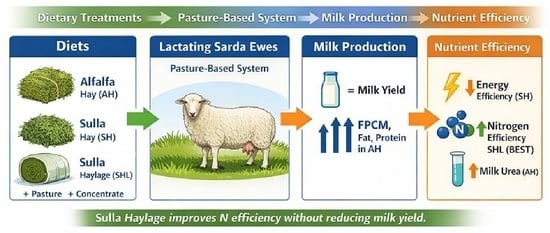
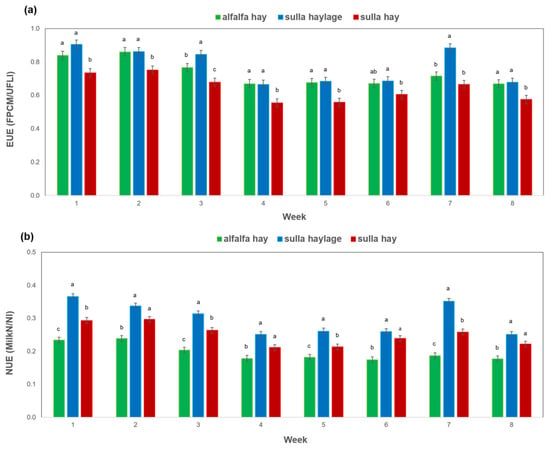
This study evaluated the effects of replacing alfalfa hay with sulla [Sulla coronaria (L.) B.H. Choi & H. Ohashi] hay or sulla haylage in pasture-based diets for lactating Sarda ewes on milk production, milk composition, and nutrient utilization efficiency. Seventy-two mid-lactation ewes were assigned to three dietary treatments for 56 days—alfalfa hay (AH), sulla hay (SH), or sulla haylage (SHL)—all combined with 3 h/day grazing and a fixed amount of supplemental concentrate. The diets were formulated to be theoretically isoenergetic and isoproteic. Pasture nutritive value was generally comparable among the groups throughout the experimental period. Milk yield did not differ among treatments; however, fat- and protein-corrected milk (FPCM) and milk fat and protein concentrations were higher in AH compared with the sulla-based diets. Actual nutrient intake differed among treatments, with nitrogen intake (NI) being greatest in AH, consistent with the higher milk urea concentration observed in this group. Estimated apparent energy utilization efficiency (FPCM/UFL intake) showed treatment-associated differences in exploratory analyses, with lower values observed in SH compared with AH and SHL. Similarly, exploratory estimates of apparent nitrogen utilization efficiency (Milk N/NI) were highest in SHL, intermediate in SH, and lowest in AH (p < 0.001). Condensed tannins were not detected in the conserved sulla forages under the analytical conditions adopted in this study. Therefore, the observed responses were unlikely to be directly associated with detectable condensed tannin activity. Overall, the results suggest that forage conservation method may influence milk composition and estimated apparent nutrient utilization indices, with sulla haylage showing higher exploratory estimates of apparent nitrogen utilization efficiency without negative effects on milk yield under the conditions of the present study.
Full article
(This article belongs to the Section Dairy Small Ruminants)
►▼
Show Figures

Graphical abstract
Open AccessReview
Machine Milking in Small Ruminants: Milking Systems and Association with Milk Quality Produced in the Farms
by
Dimitra V. Liagka, George C. Fthenakis, Vasia S. Mavrogianni, Dafni T. Lianou, Vassiliki Spyrou and Natalia G. C. Vasileiou
Dairy 2026, 7(3), 46; https://doi.org/10.3390/dairy7030046 - 22 Jun 2026
Abstract
The intensification and continuous evolution of dairy sheep and goat farming have played an essential role in the development and implementation of milking equipment. The increasing demand for time-efficient milking procedures, reduced labour costs, sustained milk production, and optimal mammary health have driven
[...] Read more.
The intensification and continuous evolution of dairy sheep and goat farming have played an essential role in the development and implementation of milking equipment. The increasing demand for time-efficient milking procedures, reduced labour costs, sustained milk production, and optimal mammary health have driven the widespread adoption and optimisation of machine milking technologies. The objectives of this article are (i) the review of milking systems and relevant technological developments in milking equipment and (ii) the evaluation and description of their impact on udder health, as applied on dairy small ruminant farms. Milking systems used on farms depend on the available space and number of animals on the farms. Appropriate settings in milking systems are important for ensuring good milk quality; among them, vacuum level, pulsation rate and ratio are important characteristics that must be monitored regularly. Further, use of appropriate teatcups specific to the animal species to be milked is significant. An important aspect of proper maintenance of the milking system is the cleaning procedure after completion of milking. Points for consideration are quality and temperature of the water used for cleaning, use of detergents and disinfectants, and maintenance schedule and teatcup replacement. Some technological features that are part of milking systems include automatic vacuum shut off, electronic milk recording, electronic identification of animals, automatic flushing of milking clusters and automatic pre-stimulators. Farms will benefit from applying precision technologies, which will use data from tools related to animal genetic background, animal behavioural indicators, environmental conditions and disease-related functions for more holistic and cost-effective farm management. In this context, integration of sensor-based technologies in milking systems will be able to provide real-time information regarding quality of milk produced at individual and farm levels. Moreover, the introduction of automatic system flushing in-between animals during the milking procedure can contribute to breaking chains of potential bacterial transfer and reducing animal infections during milking. Overall, although machine milking has certainly contributed to improved efficiency, milk quality and labour conditions, flaws in system function may adversely affect mammary health.
Full article
(This article belongs to the Special Issue Farm Management Practices to Improve Milk Quality and Yield)
Open AccessArticle
Comparative Analysis of Free and Smart-Gated Cow Traffic Designs in Brazilian Automated Milking System Dairy Farms
by
Marcos Busanello, Mariani Schmalz Lindorfer, Alexandre Gallucci Toloi and Maity Zopollatto
Dairy 2026, 7(3), 45; https://doi.org/10.3390/dairy7030045 - 22 Jun 2026
Abstract
Automatic milking systems (AMSs) are increasingly adopted in dairy farms, and barn design, particularly regarding cow traffic design (CowTD), plays a key role in system performance. This study evaluated the association between different CowTDs and operational and production indicators of AMS Brazilian dairy
[...] Read more.
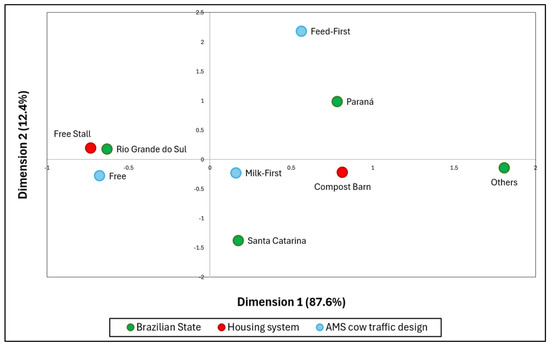
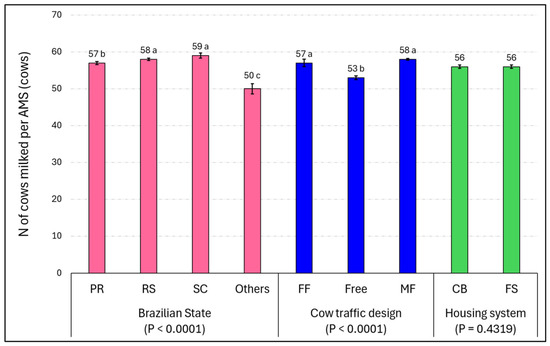
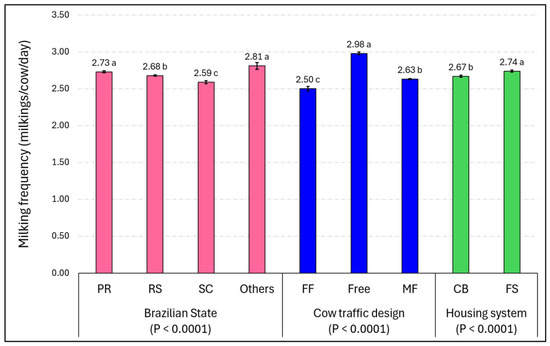
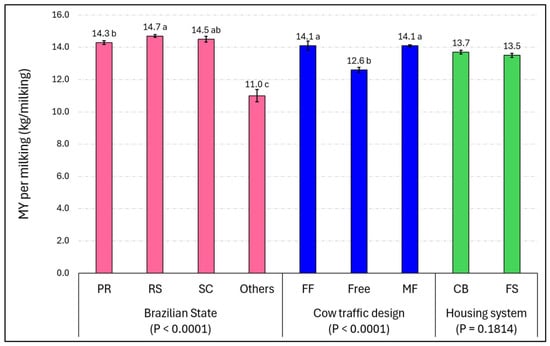
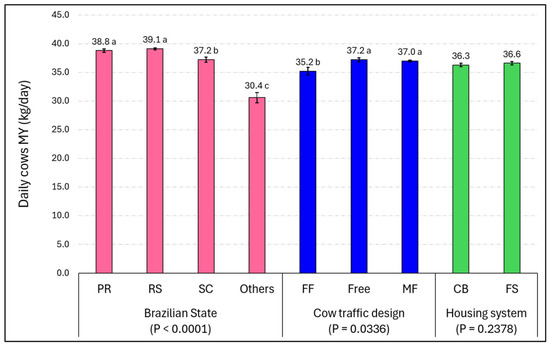
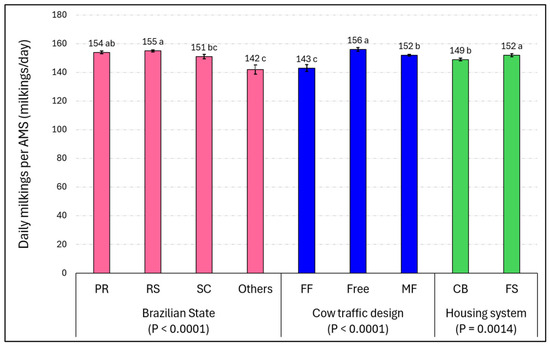
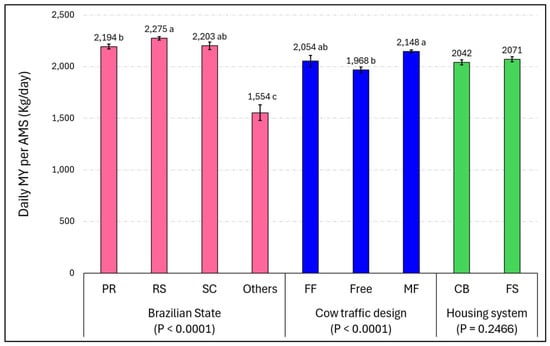
Automatic milking systems (AMSs) are increasingly adopted in dairy farms, and barn design, particularly regarding cow traffic design (CowTD), plays a key role in system performance. This study evaluated the association between different CowTDs and operational and production indicators of AMS Brazilian dairy farms. The data were obtained from 149 commercial dairy farms equipped with AMS (average of 1.6 AMS per farm) encompassing approximately 14,642 lactating cows recorded between June and December 2025. Cow traffic designs were classified as free or smart-gated systems, including milk-first (MF) and feed-first (FF) configurations. Mixed models were used to evaluate the effects of regions, housing system, and CowTD on the number of lactating cows per AMS (NCowsAMS), milking frequency (MFreq), milk yield per milking (MYMilking), daily milk yield per cow (MYcow), daily milkings per AMS (MilkingsAMS), and daily milk yield per AMS (MYAMS). On average, farms milked 58 cows per AMS with a mean MFreq of 2.69 milkings/cow per day and produced 2227 kg of milk per AMS per day. Smart-gated CowTD supported a greater number of cows per AMS than free CowTD systems (FF = 57 and MF = 58 vs. Free = 53 cows/AMS). Although free CowTD increased MFreq to approximately three milkings/cow/day, this advantage did not translate into greater or equivalent MYAMS, despite MF and free CowTD exhibiting similar MYcow (37.0 and 37.2 kg/day, respectively). Even though free CowTD achieved the highest MilkingsAMS (Free = 156 vs. MF = 151 and FF = 143 milkings/day), it milked fewer cows per robot, resulting in lower MYAMS. Consequently, FF and MF systems produced 86 and 180 kg/day more MYAMS, respectively, than free CowTD. These results suggest that AMS performance is primarily driven by the NCowsAMS rather than MFreq alone. Under Brazilian commercial conditions, smart-gated CowTD systems appear to be more efficient, as evidenced by higher MYAMS, while allowing higher stocking densities, potentially without increasing labor requirements.
Full article
(This article belongs to the Section Dairy Farm System and Management)
►▼
Show Figures

Figure 1
Journal Menu
► ▼ Journal Menu-
- Dairy Home
- Aims & Scope
- Editorial Board
- Reviewer Board
- Topical Advisory Panel
- Instructions for Authors
- Special Issues
- Topics
- Sections
- Article Processing Charge
- Indexing & Archiving
- Editor’s Choice Articles
- Most Cited & Viewed
- Journal Statistics
- Journal History
- Journal Awards
- Conferences
- Editorial Office
Journal Browser
► ▼ Journal BrowserHighly Accessed Articles
Latest Books
E-Mail Alert
News
15 May 2026
Nutrients 2026—Clinical Nutrition: From Research to Practice—Submission Deadline Extended
5 August 2026
Summary of the MDPI Academic Publishing Workshop at Naresuan University Held on 20 July 2026
Topics
Topic in
Agriculture, Dairy, Poultry, Veterinary Sciences, Animals
Precision Feeding and Management of Farm Animals, 3rd Edition
Topic Editors: Manuel Gonzalez-Ronquillo, Marta I. Miranda Castañón, Einar Vargas-Bello-PérezDeadline: 31 October 2026
Topic in
Animals, Dairy, Microorganisms, Veterinary Sciences, Metabolites, Life, Parasitologia
The Complexity of Parasites in Animals: Impacts, Innovation, and Interventions
Topic Editors: Kun Li, Rongjun Wang, Ningbo Xia, Md. F. KulyarDeadline: 31 December 2026
Topic in
Agriculture, Dairy, Foods, Nutrients, Animals
Advances in Animal-Derived Non-Cow Milk and Niche Cow Milk. Properties, Processing, Dairy Products and Environmental Impact, 2nd Edition
Topic Editors: Jacek Wójtowski, Jan Pikul, Maria Markiewicz-KęszyckaDeadline: 31 January 2027
Topic in
Agriculture, Beverages, Dairy, Fermentation, Foods
Food Processing and Preservation: Innovative Solutions for Natural Food Preservation, 2nd Edition
Topic Editors: Ângela Fernandes, Filipa MandimDeadline: 31 March 2027
Conferences
Special Issues
Special Issue in
Dairy
The Effects of Heat Stress on Dairy Cows
Guest Editors: Geraldo Tadeu Dos Santos, Camila Soares CunhaDeadline: 15 August 2026
Special Issue in
Dairy
Optimizing Production, Quality and Safety of Sheep and Goat Milk
Guest Editor: Zvonimir PrpićDeadline: 15 April 2027
Special Issue in
Dairy
Precision Biomarkers for Early Detection and Prevention of Disease in Dairy Cows
Guest Editors: Ramunas Antanaitis, Lina AnskienėDeadline: 5 July 2027
Special Issue in
Dairy
Smart Dairy Farming: Automatic Monitoring for Dairy Farm Sustainability, Efficiency and Environmental Impact
Guest Editor: Olivier DebaucheDeadline: 15 July 2027