Journal Description
Gases
Gases
is an international, peer-reviewed, open access journal on the field of applied science and engineering advances in natural gas, greenhouse gas control, and gas sensors, published quarterly online by MDPI.
- Open Access— free for readers, with article processing charges (APC) paid by authors or their institutions.
- High Visibility: indexed within Scopus, EBSCO, ProQuest and other databases.
- Journal Rank: CiteScore - Q1 (Environmental Science (miscellaneous))
- Rapid Publication: manuscripts are peer-reviewed and a first decision is provided to authors approximately 19.6 days after submission; acceptance to publication is undertaken in 6.9 days (median values for papers published in this journal in the first half of 2026).
- Recognition of Reviewers: APC discount vouchers, optional signed peer review, and reviewer names published annually in the journal.
- Journal Cluster of Energy and Fuels: Energies, Batteries, Hydrogen, Biomass, Electricity, Wind, Fuels, Gases, Solar, ESA, Bioresources and Bioproducts and Methane.
Latest Articles
Variation in Total Volatile Organic Compounds and Health Risk Assessment Across Different Hair Salons
Gases 2026, 6(3), 33; https://doi.org/10.3390/gases6030033 - 20 Jul 2026
Abstract
Workers are exposed to pollutants generated by hair salon activities, which may pose potential health risks. This study measured volatile organic compound (VOC) concentrations in five hair salons using a high-sensitivity photoionization detector (PID) during daily work shifts. The highest VOC concentration was
[...] Read more.
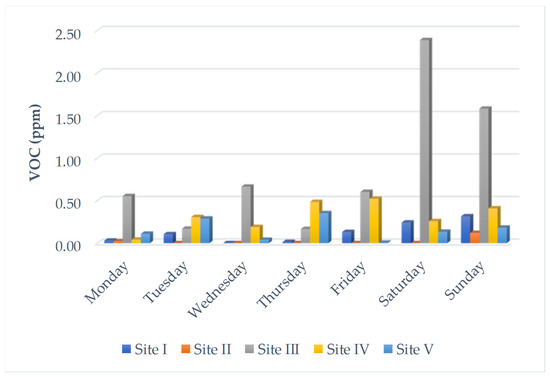
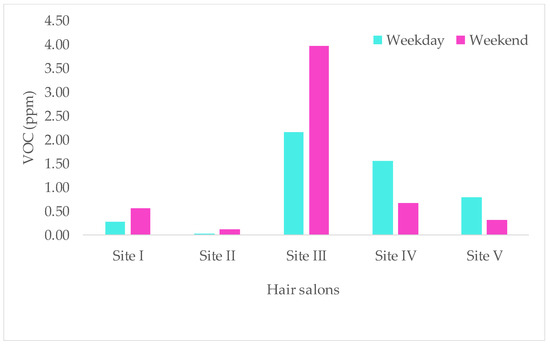
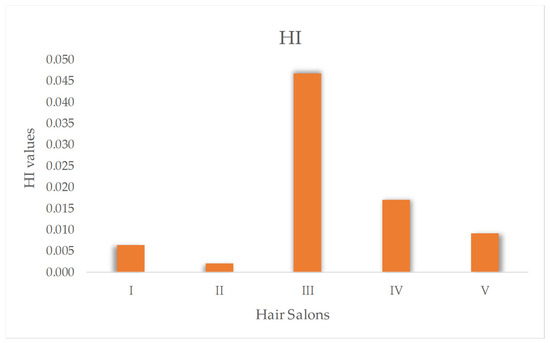
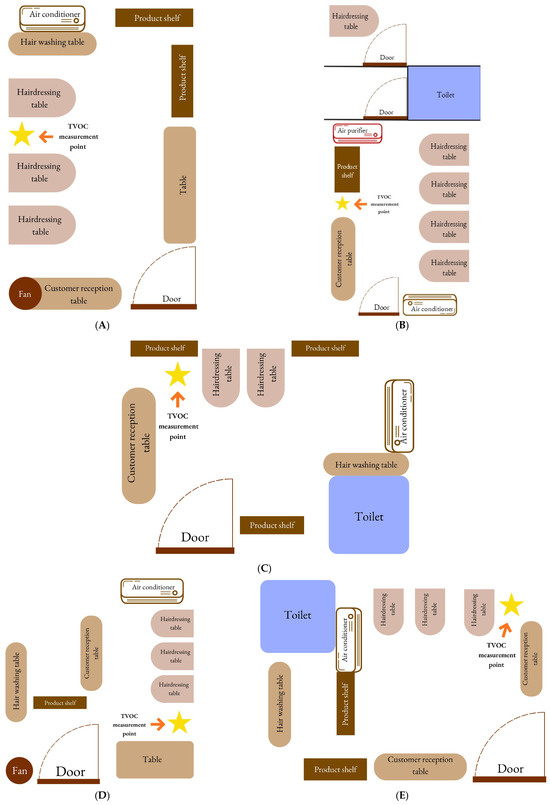
Workers are exposed to pollutants generated by hair salon activities, which may pose potential health risks. This study measured volatile organic compound (VOC) concentrations in five hair salons using a high-sensitivity photoionization detector (PID) during daily work shifts. The highest VOC concentration was observed in Hair Salon III (0.87 ± 0.57 ppm), likely due to its high customer volume and the use of organic solvents during cleaning procedures. VOC concentrations were higher on weekends than on weekdays. Workers’ exposure to VOCs was elevated during the morning and evening periods, possibly due to inadequate ventilation and cleaning activities conducted at the beginning and end of business hours. The variance structure indicated that indoor VOC concentrations were primarily influenced by emission sources within the salons. Therefore, representative monitoring should prioritize a range of salon types to adequately characterize the variability in VOC exposure. Hair Salon III exhibited the highest exposure concentration (EC), hazard quotient (HQ), and hazard index (HI), with values of 0.055, 0.018, and 0.047, respectively. The health risk assessment indicated that workers in all five hair salons were not at significant risk of non-carcinogenic health effects, as all HQ values were below the acceptable threshold of 1.0.
Full article
(This article belongs to the Section Gaseous Pollutants)
►
Show Figures
Open AccessArticle
Preliminary Assessment of Measurement Frequency and Replication Effects on Season-Long Greenhouse Gas Emissions and Global Warming Potential Estimation Consistency Among Various Ecosystems
by
Kristofor R. Brye, Diego Della Lunga, Jonathan B. Brye, Cassie Seuferling, Tyler Buchanan, Will Dockery and Lauren Gwaltney
Gases 2026, 6(3), 32; https://doi.org/10.3390/gases6030032 - 6 Jul 2026
Abstract
For soil processes that are known to be temporally dynamic, such as soil respiration, methanogenesis, and nitrification–denitrification, it is challenging to capture temporal variations with field-portable greenhouse gas (GHG) analyzers to provide the most accurate estimates of season-long GHG emissions and global warming
[...] Read more.
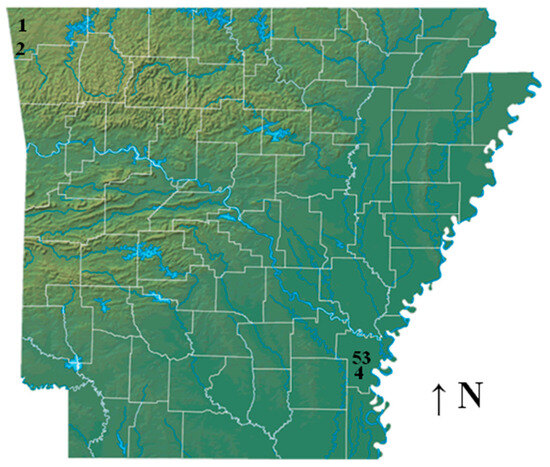
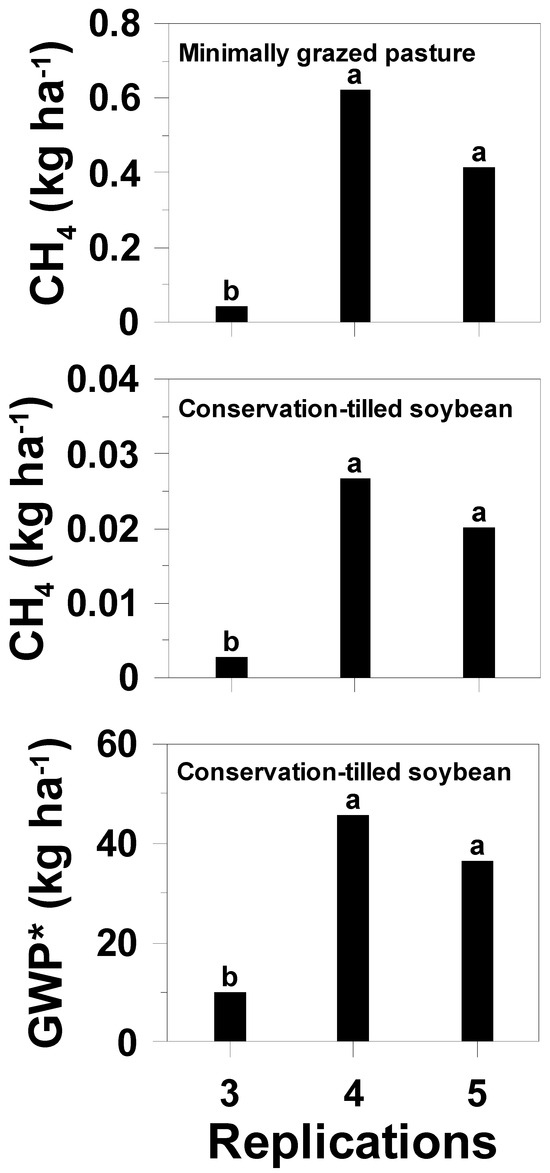
For soil processes that are known to be temporally dynamic, such as soil respiration, methanogenesis, and nitrification–denitrification, it is challenging to capture temporal variations with field-portable greenhouse gas (GHG) analyzers to provide the most accurate estimates of season-long GHG emissions and global warming potentials (GWPs). The objective of this field study was to evaluate the effects of measurement frequency (i.e., weekly, every other week, and every third week), replication (i.e., three, four, or five), and their interaction on the consistency of season-long carbon dioxide (CO2), methane (CH4), and nitrous oxide (N2O) emissions and GWP estimates across multiple ecosystems. Results are based on direct, in-field measurements with a field-portable gas analyzer. Field research was conducted throughout the 2024 growing season in a minimally grazed pasture, tallgrass prairie, soybean under conventional and conservation management practices, and cotton under conservation management in Arkansas, USA. Season-long CO2 emissions and GWP from the tallgrass prairie were 1.1 times (12%) greater from the weekly and every-other-week (16.9 and 17.0 Mg ha−1, respectively), which did not differ, than the every-third-week (14.2 and 14.2 Mg ha−1, respectively) measurement frequencies. Season-long CH4 emissions from the minimally grazed pasture and conservation-tilled soybean system were ≥7.5 times greater with four and five replications, which did not differ, than with three replications. Global warming potential in the conservation-tilled soybean (13.9 Mg ha−1) and conservation-tilled cotton (21.1 Mg ha−1) systems were ≥1.1 times (13%) greater with the every-third-week than with the weekly data set. Though this study was somewhat limited due the data sub-setting approach used, even using current, state-of-the-art, field-portable GHG analyzers, an appropriate in-field measurement frequency and number of spatial replications should be considered to reliably quantify whole-field, season-long GHG emissions and GWP estimates.
Full article
(This article belongs to the Topic Ecosystems and Climate Change: Understanding Impacts to Shape the Future)
►▼
Show Figures

Figure 1
Open AccessArticle
Real-Gas Corrected Knudsen-Based Flow Regime Mapping of Methane in Nanoporous Media: Sensitivity, Validity Limits, and Engineering Implications
by
Sherif Fakher and Abdelaziz Khlaifat
Gases 2026, 6(3), 31; https://doi.org/10.3390/gases6030031 - 1 Jul 2026
Abstract
Understanding how methane moves through nanoporous media is key to predicting performance in unconventional gas reservoirs. At these extremely small scales, pore sizes approach the molecular level, where classical flow assumptions begin to fail and multiple transport mechanisms can occur at the same
[...] Read more.
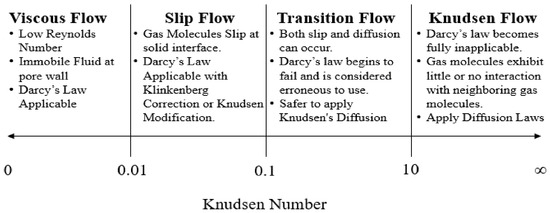
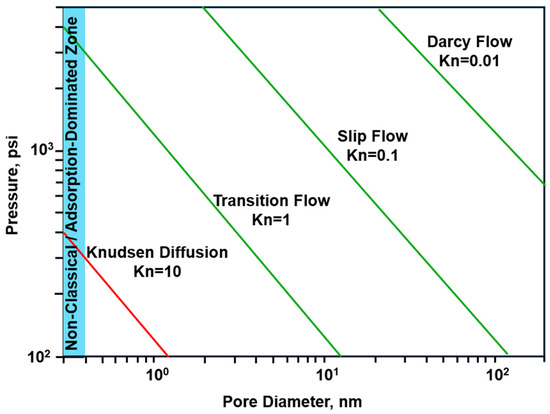
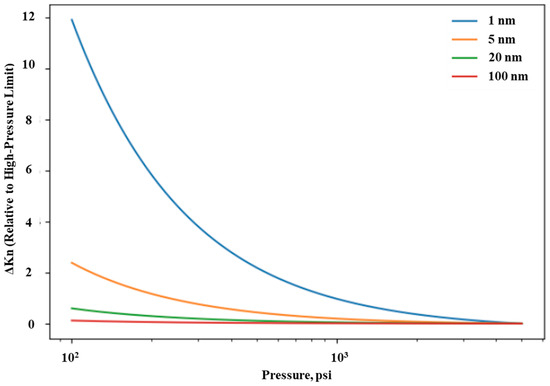
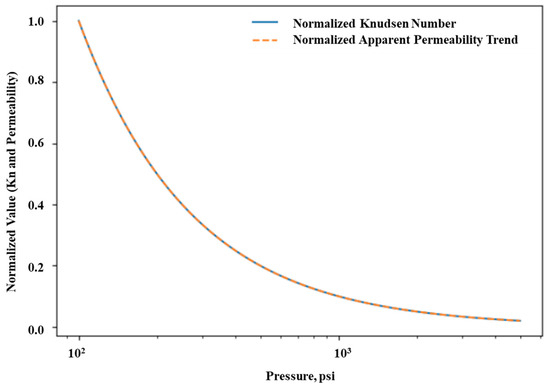
Understanding how methane moves through nanoporous media is key to predicting performance in unconventional gas reservoirs. At these extremely small scales, pore sizes approach the molecular level, where classical flow assumptions begin to fail and multiple transport mechanisms can occur at the same time. In this work, a unified framework is developed to characterize methane flow regimes using a real-gas corrected Knudsen number. By combining pore size, pressure, and temperature within a single formulation, the approach captures how flow behavior evolves across realistic reservoir conditions. A unified flow regime map is used to characterize the gradual shift in transport behavior—from adsorption-dominated and diffusion-like mechanisms in ultra-tight pores, to transition and slip flow, and eventually to continuum (Darcy) flow in larger pores. The results show that pore size plays the dominant role in determining flow behavior, while pressure introduces a dynamic effect, particularly during reservoir depletion. Sensitivity analysis also highlights that flow regime classification depends not only on thermodynamic conditions but also on molecular-scale parameters such as methane diameter. Comparison with established models and experimental observations shows that the framework captures the expected increase in rarefaction effects at low pressures and small pore sizes. Overall, the results emphasize that gas transport in nanoporous systems is not governed by a single mechanism but evolves over time and across scales. The proposed framework offers a simple, physically grounded tool for identifying dominant transport mechanisms and supporting model selection, while also providing a foundation for more advanced descriptions of gas flow in unconventional reservoirs.
Full article
(This article belongs to the Topic Petroleum and Gas Engineering, 2nd edition)
►▼
Show Figures

Figure 1
Open AccessArticle
Fragmentation and Vulnerability in the Global Natural Gas Market for a Sample of 59 Countries: A Combined Approach of Econometric Modeling and Hierarchical Clustering
by
Ana Lorena Jiménez-Preciado, Francisco Venegas-Martínez and Luis Enrique García-Pérez
Gases 2026, 6(3), 30; https://doi.org/10.3390/gases6030030 - 23 Jun 2026
Abstract
This article aims to examine how the natural gas market evolved following the price shocks observed between 2020 and 2024, paying particular attention to market integration and the persistence of these shocks. The proposed analysis uses daily price data for the Title Transfer
[...] Read more.
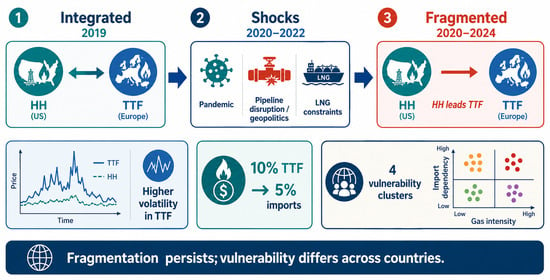
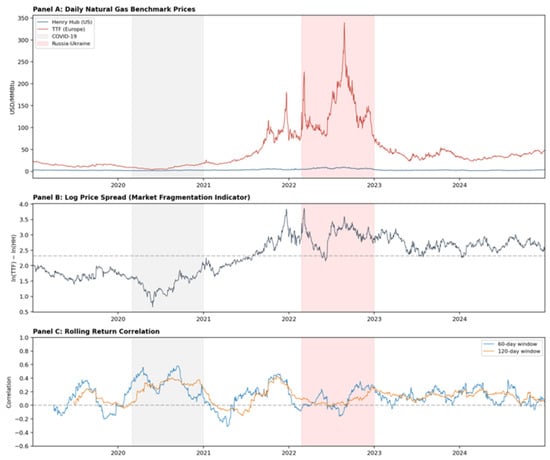
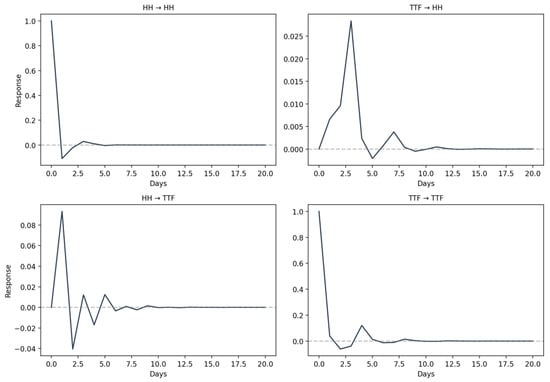
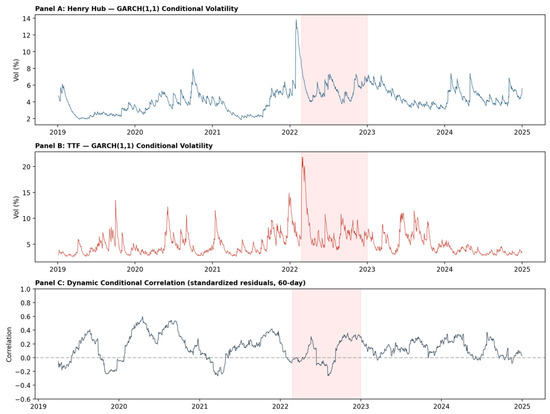
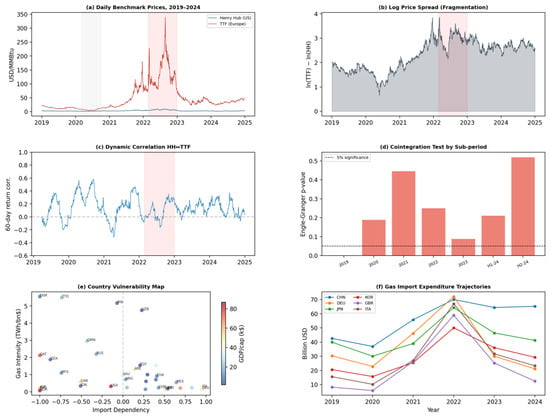
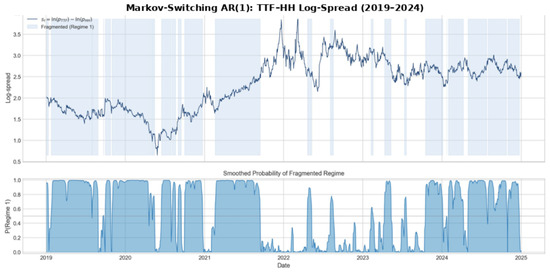
This article aims to examine how the natural gas market evolved following the price shocks observed between 2020 and 2024, paying particular attention to market integration and the persistence of these shocks. The proposed analysis uses daily price data for the Title Transfer Facility (TTF), the main European benchmark traded on the Intercontinental Exchange and quoted in EUR/MWh, as well as Henry Hub (HH), the United States benchmark. These series are combined with a country panel on natural gas production, consumption, and gross domestic product for 59 economies, subject to data availability. The cointegration results show that TTF and HH prices moved together in 2019, but this relationship broke down in 2020 and did not return to its previous pattern in the following years. Granger causality tests point to a one-directional transmission from Henry Hub to Europe. Moreover, GARCH estimates indicate that TTF reacts almost twice as strongly to daily shocks as HH, while volatility remains persistent in both markets. Fixed-effects estimates place the TTF price elasticity of import spending close to 0.5, providing evidence consistent with a causal link between higher natural gas prices and higher domestic energy expenditure. Finally, the clustering analysis complements the econometric modeling by identifying four groups of countries defined by gas import dependency and gas intensity. This classification also offers implications for the global natural gas market since it points to the need for cluster-specific policy approaches rather than a single solution applied to every country.
Full article
(This article belongs to the Section Natural Gas)
►▼
Show Figures

Graphical abstract
Open AccessArticle
Introducing CdZnTe Detectors into Measuring 222Rn Concentrations in Water
by
Ioannis Kaissas, Konstantinos Karafasoulis, Aris Kyriakis and Panagiotis Papaprokopiou
Gases 2026, 6(2), 29; https://doi.org/10.3390/gases6020029 - 3 Jun 2026
Abstract
Radon (222Rn) is a noble, radioactive gas and tends to be accumulated in poorly ventilated enclosed spaces. Mainly due to its radioactive daughters and the α-particles emitted, 222Rn poses a risk of cancer and therefore its concentration in air and
[...] Read more.
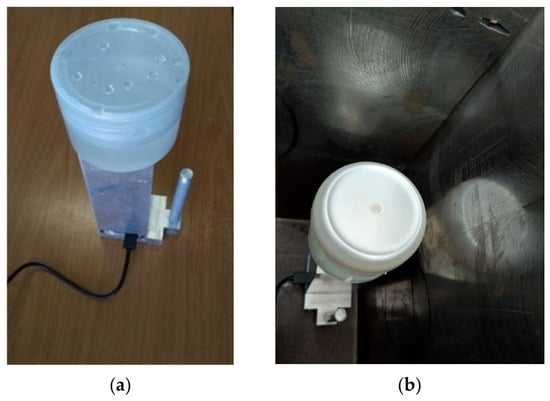
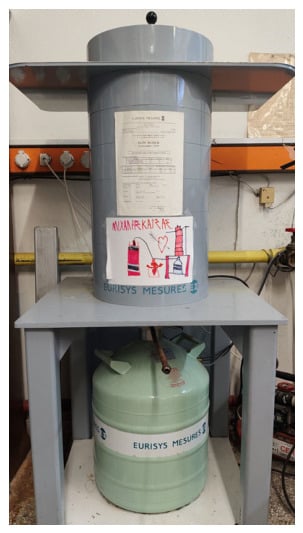
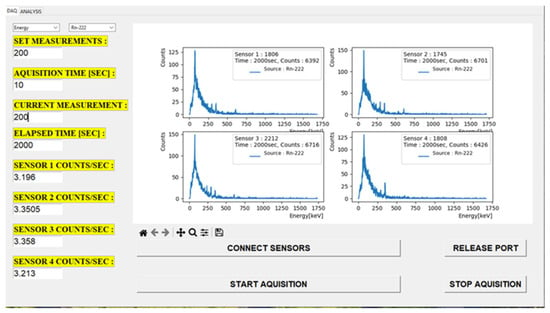
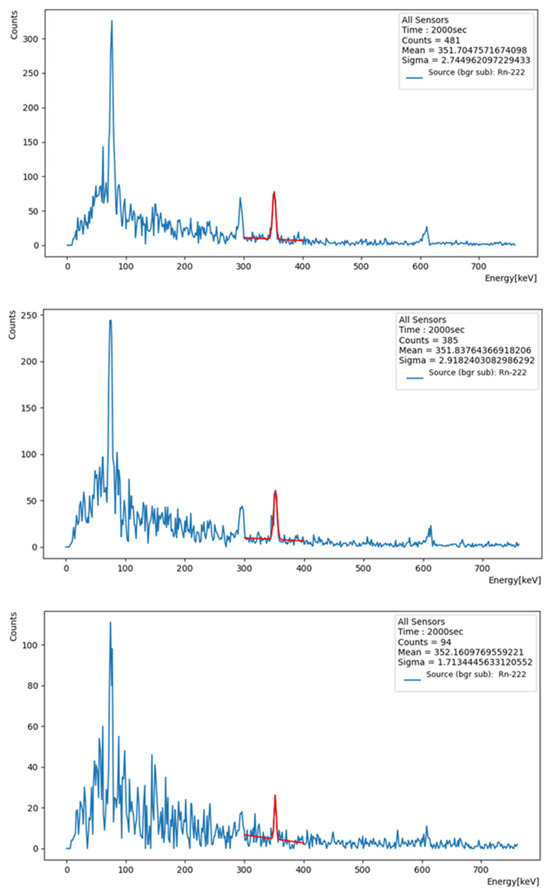
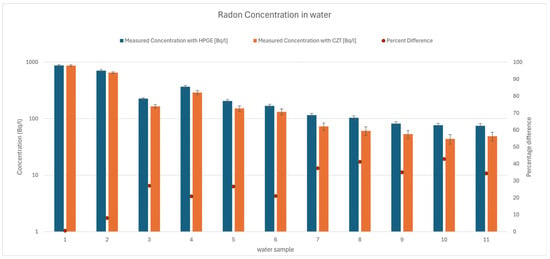
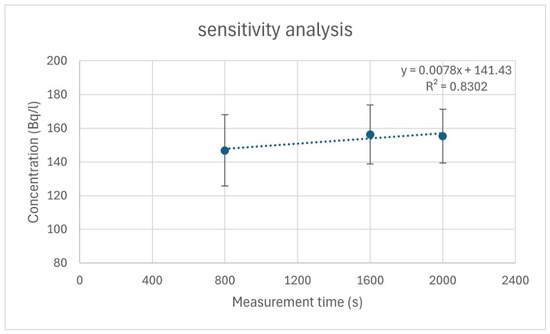
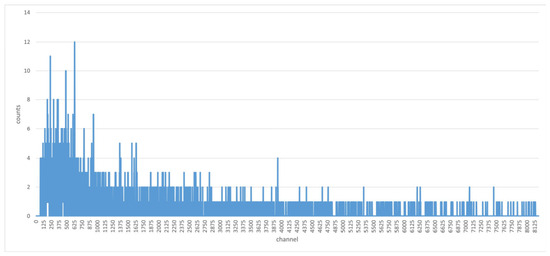
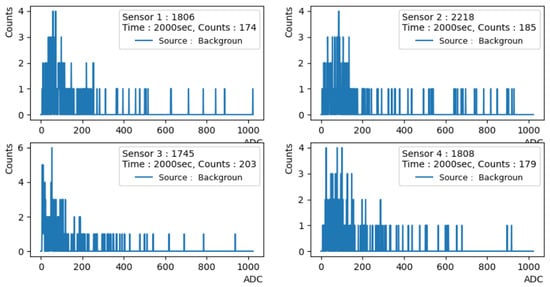
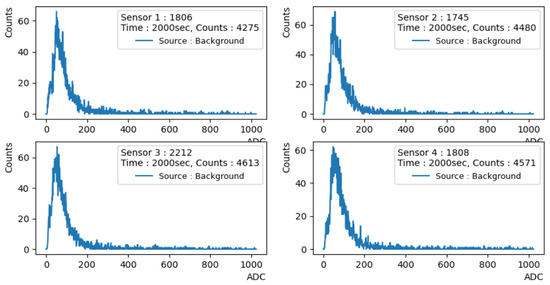
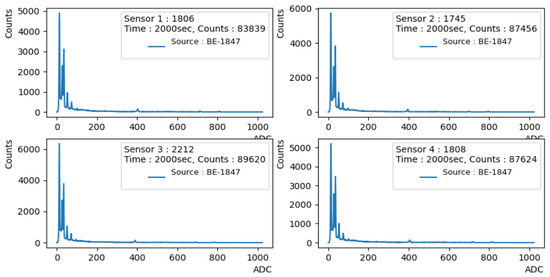
Radon (222Rn) is a noble, radioactive gas and tends to be accumulated in poorly ventilated enclosed spaces. Mainly due to its radioactive daughters and the α-particles emitted, 222Rn poses a risk of cancer and therefore its concentration in air and water should be kept under certain reference levels. Several methods have been developed to accurately measure 222Rn concentration in water, using α, β or γ counting. A well-established, but not the only, method involves γ-spectroscopy using a High-Purity Germanium (HPGe) detector to identify the 222Rn decay isotopes 214Pb and 214Bi, assuming they are in secular equilibrium with 222Rn. This technique requires costly, bulky equipment due to the HPGe’s operation at −196 °C and the need for substantial shielding. The present study introduces a more affordable and compact device, utilizing CdZnTe (CZT) crystals, which provide exceptional energy resolution in the 300 to 600 keV range, with nearly eight times the Full Width at Half Maximum (FWHM) of HPGe. Four stacked CZT detectors, each containing a 0.5 cm3 crystal, were compared with measurements from an HPGe detector. Water samples were collected from boreholes and taps in a region where radon concentration in water ranged from 10 to 900 Bq/L. The results are promising for samples around 100 Bq/L, considering the potential advancements of the device with larger CZT detectors. Additionally, the method has the potential for in situ use due to its handheld capability.
Full article
(This article belongs to the Topic Ecosystems and Climate Change: Understanding Impacts to Shape the Future)
►▼
Show Figures

Figure 1
Open AccessArticle
A Correction for the Cylinder Wall Adsorption in Forensic Ethanol Gas Standards
by
Adriaan M. H. van der Veen, Gerard Nieuwenkamp, Nilenska Martina and Jianrong Li
Gases 2026, 6(2), 28; https://doi.org/10.3390/gases6020028 - 2 Jun 2026
Abstract
Forensic ethanol gas standards are used for, among other things, the calibration and metrological verification of evidential breath analysers as described in OIML-R126 Evidential breath analysers. A correction for the amount fraction of ethanol in forensic gas standards due to cylinder wall adsorption
[...] Read more.
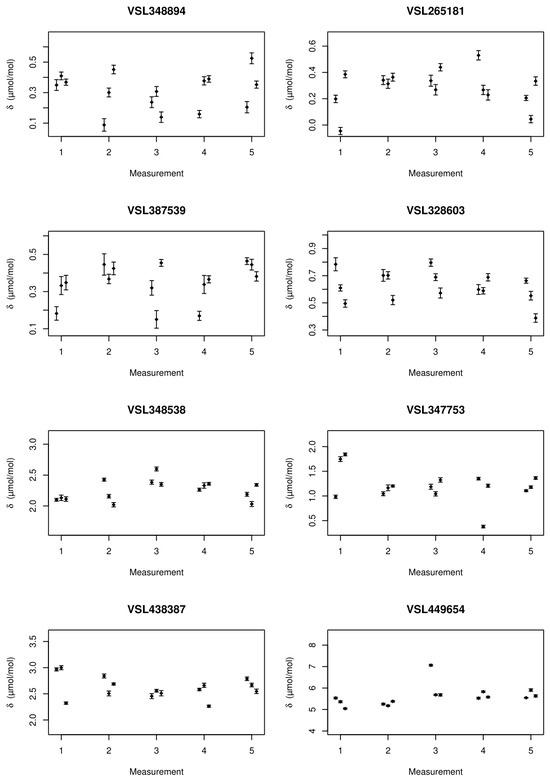
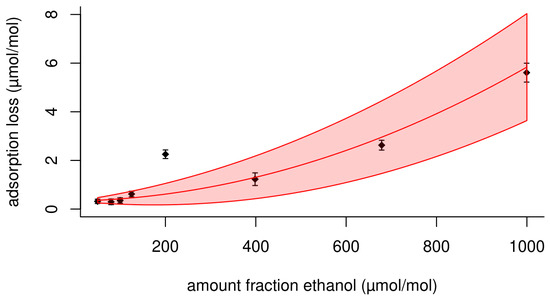
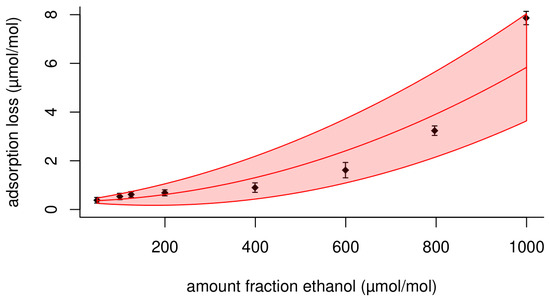
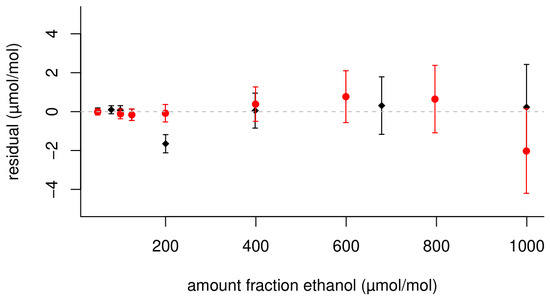
Forensic ethanol gas standards are used for, among other things, the calibration and metrological verification of evidential breath analysers as described in OIML-R126 Evidential breath analysers. A correction for the amount fraction of ethanol in forensic gas standards due to cylinder wall adsorption is described. The correction was developed for both the national primary measurement standards as well as for derived primary reference materials. A novel method based on the well-known decanting principle was developed and assessed using two suites of gas mixtures with ethanol amount fractions between 50 μmol mol−1 to 1000 μmol mol−1 in nitrogen. From the results, it is inferred that the initial adsorption loss is a function of the amount fraction, and an interpolation formula was developed accordingly. To account for differences in adsorption between cylinders, a mixed-effects model was used to describe the adsorption loss data with an excess standard deviation to account for between-cylinder effects.
Full article
(This article belongs to the Section Gas Control)
►▼
Show Figures

Figure 1

Open AccessArticle
Artificial Intelligence-Driven Failure Analysis of Smog Mitigation for Sustainable Indoor Air Quality
by
Sadaf Zeeshan and Muhammad Ali Ijaz Malik
Gases 2026, 6(2), 27; https://doi.org/10.3390/gases6020027 - 1 Jun 2026
Abstract
►▼
Show Figures
In megacities, where conventional mitigation strategies exhibit variable and environment-dependent performance, urban air pollution continues to be a significant public health concern. To methodically assess the operational reliability of urban smog mitigation systems under dynamic atmospheric conditions, this study proposes a data-driven failure
[...] Read more.
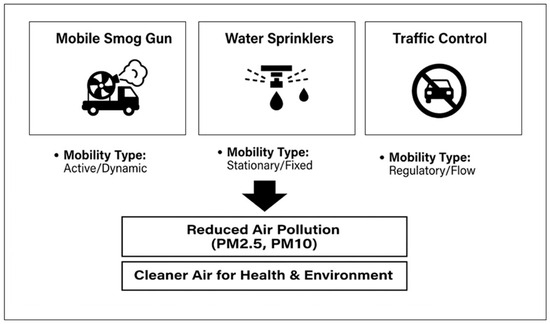
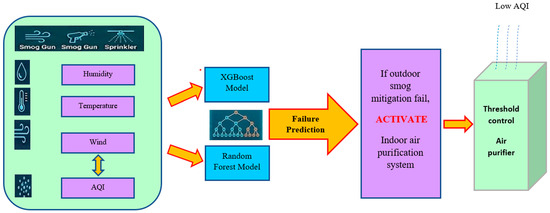
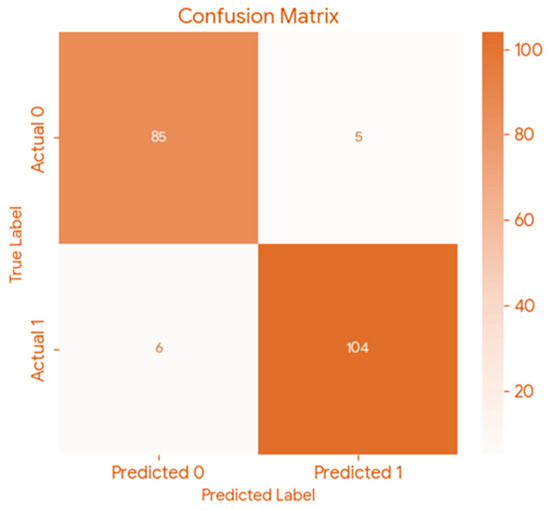
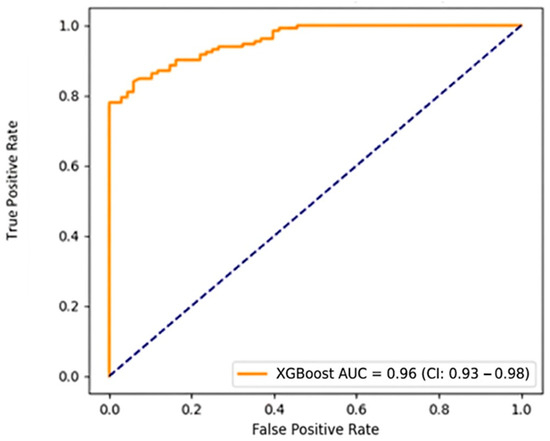
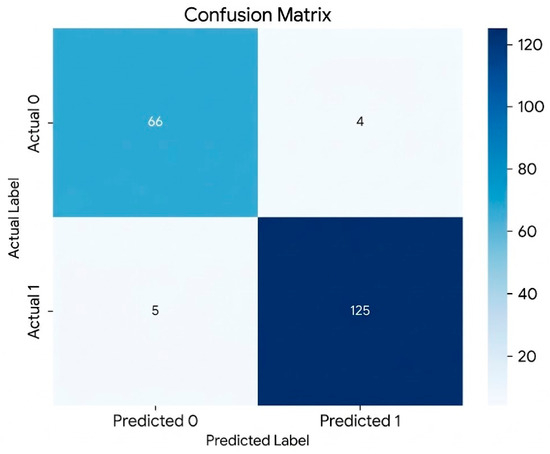
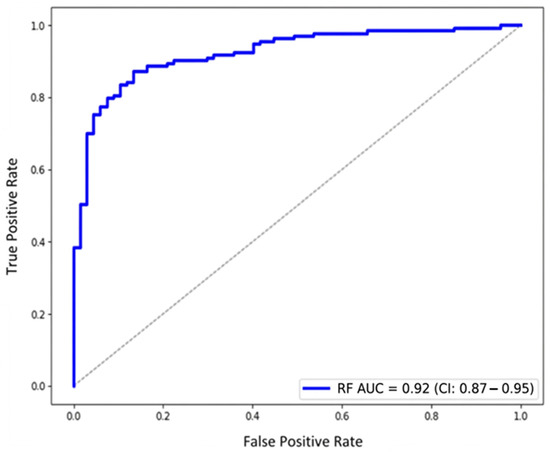
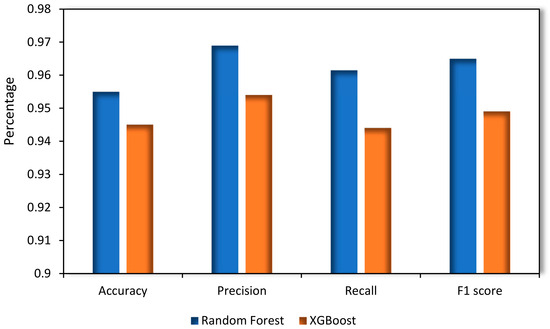
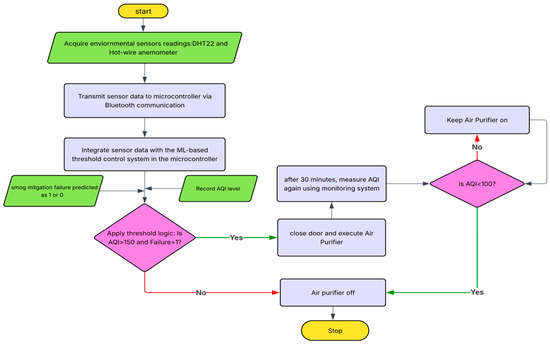
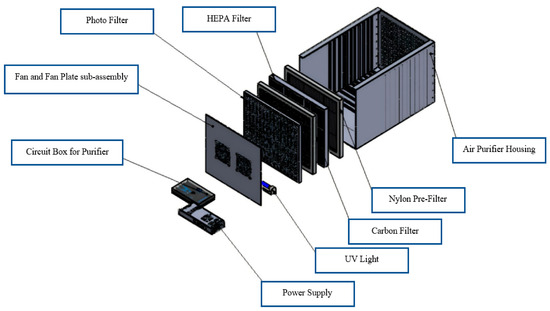
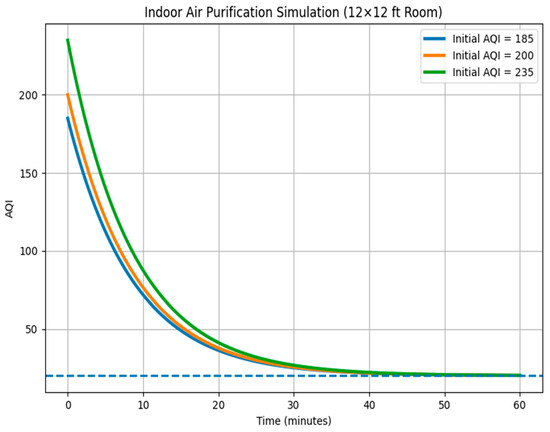
In megacities, where conventional mitigation strategies exhibit variable and environment-dependent performance, urban air pollution continues to be a significant public health concern. To methodically assess the operational reliability of urban smog mitigation systems under dynamic atmospheric conditions, this study proposes a data-driven failure analysis approach. A machine learning architecture based on Random Forest and XGBoost algorithms is developed using integrated meteorological and air quality metrics from Lahore, Pakistan, such as temperature, wind speed, and relative humidity. AQI is used as an integrated pollution indicator alongside meteorological variables to enhance the model’s ability to capture overall atmospheric pollution impact and improve the accuracy of smog mitigation failure prediction. This study presents a data-driven framework for predicting the failure of smog mitigation methods based on meteorological conditions. Unlike existing approaches that primarily focus only on air quality prediction, this work identifies specific environmental conditions, along with AQI as an input feature, to determine when mitigation strategies become ineffective. This enables proactive decision-making to maintain healthy indoor air quality. A threshold-controlled indoor air purification system that self-activates when the model predicts mitigation failure using real-time sensor inputs is introduced to address outdoor mitigation restrictions. PM2.5 reduction efficiency, clean air delivery rate, and energy consumption indicators are used to evaluate the purifier’s optimized performance. Predicting mitigation failure rather than just pollution levels and connecting it with an intelligent interior reaction mechanism is what makes this research novel. In a comparative analysis, Random Forest outperforms XGBoost with an accuracy of 95.5% as opposed to 94.5%, as well as higher precision (96.9%), recall (96.1%), and F1-score (96.5%). The purifier lowered indoor AQI from dangerous to safe levels within 30–40 min.
Full article

Figure 1
Open AccessArticle
CO2 and CH4 Adsorption Behavior in Early-Mature Shales: An Experimental Study from the Cesar-Ranchería Basin, Colombia
by
Olga Patricia Ortiz Cancino, Nicolas Santos Santos and David Bessieres
Gases 2026, 6(2), 26; https://doi.org/10.3390/gases6020026 - 1 Jun 2026
Abstract
►▼
Show Figures
This study presents experimental adsorption–desorption data of CH4 and CO2 on shale samples from the Cesar-Ranchería Basin, Colombia, a region with limited characterization of gas–rock interactions under reservoir-relevant conditions. The work addresses the behavior of early-mature shales, contributing to the understanding
[...] Read more.
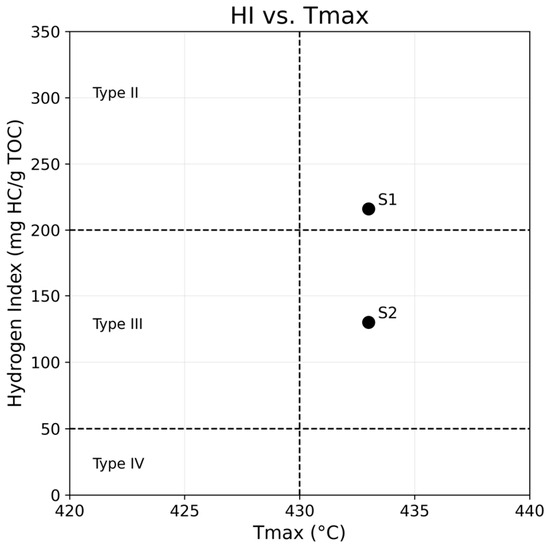
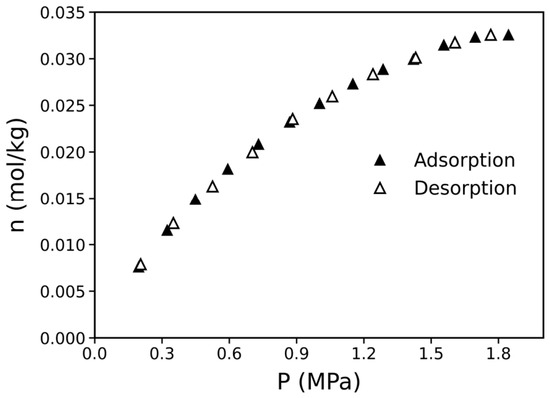
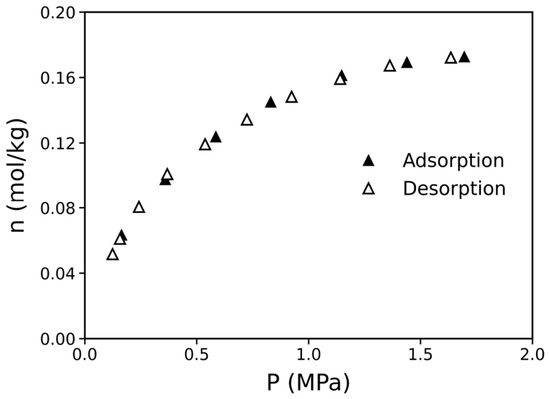
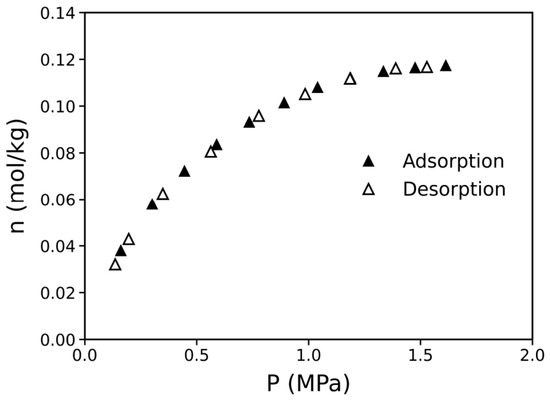
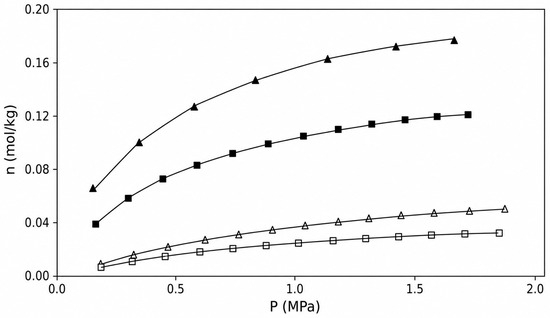
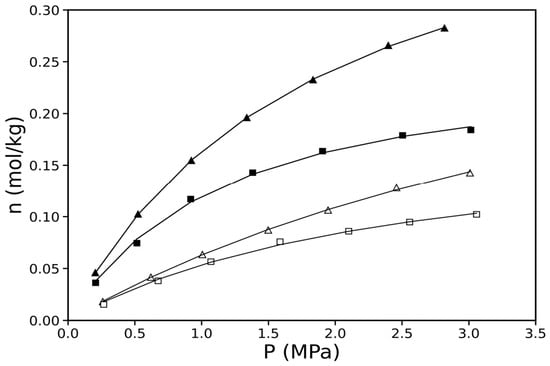
This study presents experimental adsorption–desorption data of CH4 and CO2 on shale samples from the Cesar-Ranchería Basin, Colombia, a region with limited characterization of gas–rock interactions under reservoir-relevant conditions. The work addresses the behavior of early-mature shales, contributing to the understanding of gas retention mechanisms in tropical basins. Adsorption–desorption isotherms were obtained using a high-pressure manometric system at 50 °C and 80 °C, with pressures up to 3 MPa, and were fitted using the Langmuir model. The results show a consistently higher adsorption capacity for CO2 compared to CH4 across all conditions, along with a clear decrease in adsorption capacity with increasing temperature, confirming the exothermic nature of the process. No hysteresis was observed, indicating fully reversible adsorption dominated by physisorption mechanisms. The integration of adsorption data with mineralogical, BET surface area, and geochemical characterization provides insight into the factors controlling gas retention in early-mature shales. The results highlight the combined influence of surface area, organic matter, and clay mineralogy on adsorption performance, and demonstrate that CO2 exhibits a stronger affinity for the shale matrix under all tested conditions. These findings contribute experimental evidence of gas adsorption behavior in an underexplored basin and provide a reference framework for evaluating gas storage potential in similar geological settings.
Full article

Figure 1
Open AccessArticle
XAI–MCDA-HoDEM: An Explainable Multi-Criteria Decision Framework for Maritime and Port Decarbonization
by
Monica Canepa
Gases 2026, 6(2), 25; https://doi.org/10.3390/gases6020025 - 14 May 2026
Cited by 1
Abstract
►▼
Show Figures
Maritime transport accounts for around 3% of global anthropogenic greenhouse gas (GHG) emissions, a share expected to grow without effective technological and regulatory intervention. Recent policy developments, including the IMO Revised GHG Strategy (2023), the extension of the EU Emissions Trading System to
[...] Read more.
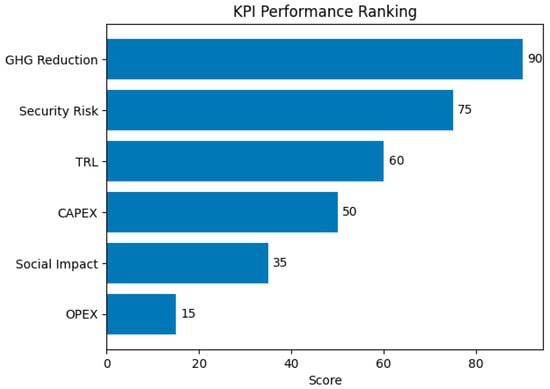
Maritime transport accounts for around 3% of global anthropogenic greenhouse gas (GHG) emissions, a share expected to grow without effective technological and regulatory intervention. Recent policy developments, including the IMO Revised GHG Strategy (2023), the extension of the EU Emissions Trading System to maritime transport, and the FuelEU Maritime Regulation, require ports and shipping stakeholders to evaluate multiple decarbonization technologies under complex and often conflicting constraints. These decisions involve trade-offs across economic, technical, environmental, social, and cyber–physical security dimensions, which are not adequately addressed by conventional decision-support tools. This paper introduces XAI–MCDA-HoDEM, an explainable multi-criteria decision framework integrating Analytic Hierarchy Process (AHP), Technique for Order Preference by Similarity to Ideal Solution (TOPSIS), and SHAP-based explainability. The framework explicitly incorporates cyber–physical security as a core evaluation criterion and provides transparent, criterion-level explanations of decision outcomes. Using real-world data, the methodology is demonstrated through an illustrative case study and empirically validated at the Port of Rotterdam. Results show stable and robust rankings, alignment with observed port decarbonization strategies, and improved interpretability of decision drivers. The proposed framework supports transparent, policy-relevant decision-making for the maritime energy transition.
Full article

Figure 1
Open AccessArticle
Effects of NO2 Gas on CO2 Capture by an Elastic Layer-Structured MOF (ELM-11)
by
Xiao Luo and Hirofumi Kanoh
Gases 2026, 6(2), 24; https://doi.org/10.3390/gases6020024 - 13 May 2026
Abstract
►▼
Show Figures
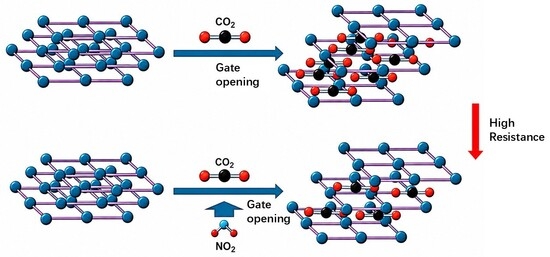
Metal-organic frameworks (MOFs), particularly ELM-11, are promising sorbents for CO2 capture due to their gate-opening phenomenon and excellent reusability. Since actual exhaust gases contain impurities such as NO2, in this study, the effect of NO2 on the CO2
[...] Read more.
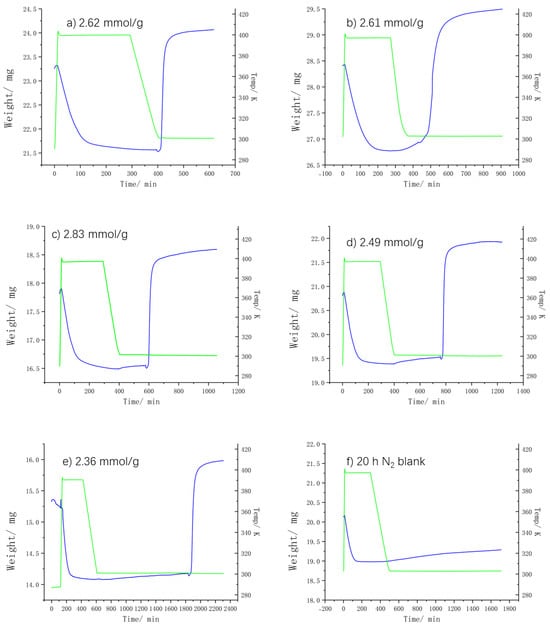
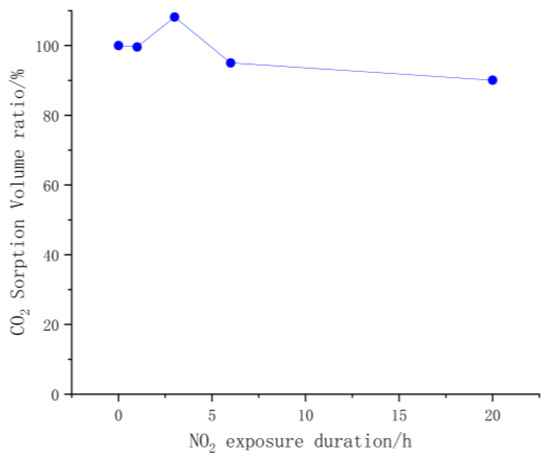
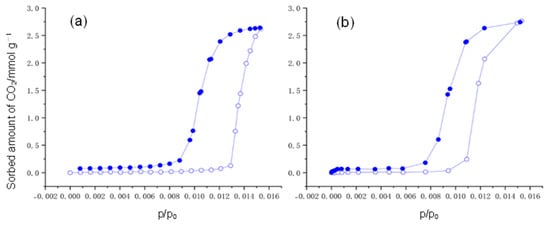
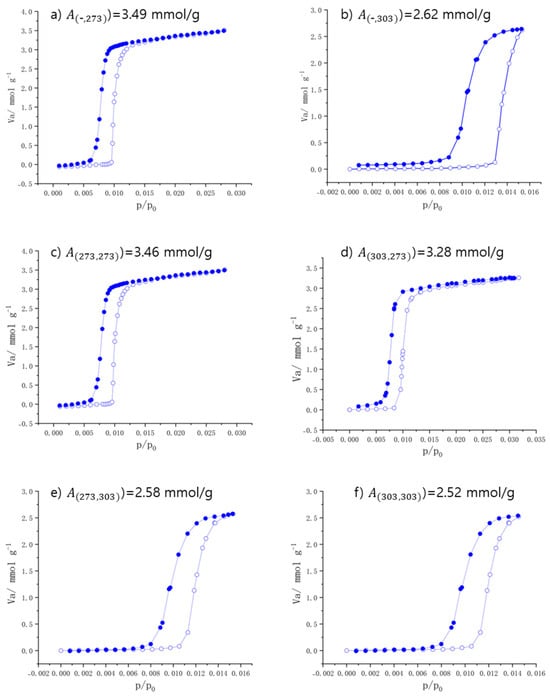
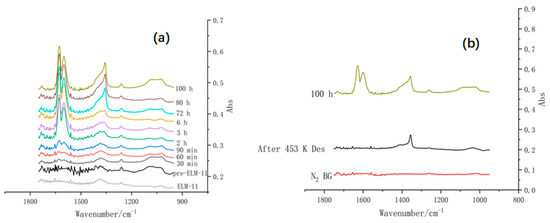
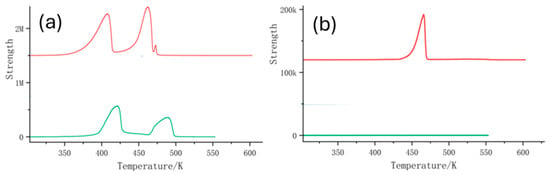
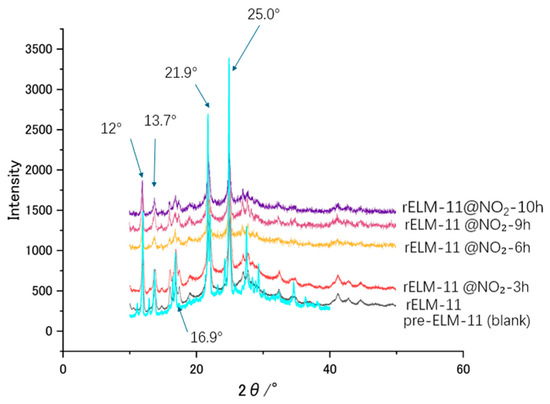
Metal-organic frameworks (MOFs), particularly ELM-11, are promising sorbents for CO2 capture due to their gate-opening phenomenon and excellent reusability. Since actual exhaust gases contain impurities such as NO2, in this study, the effect of NO2 on the CO2 sorption performance of ELM-11 was investigated. ELM-11 was exposed to 1000 ppm NO2 for varying durations, ranging from short to long, and subsequent CO2 sorption was evaluated using several methods: gravimetric analysis (TG-DTA), volumetric analysis (sorption isotherms), FT-IR spectroscopy (to detect chemical bond changes), TG-MS (to analyze decomposition products), and PXRD (to observe structural changes). The TG-DTA results indicated that long-term NO2 exposure (e.g., 20 h) generally reduced CO2 sorption, whereas short-term exposure (3 h) could enhance it. This finding was supported by volumetric sorption isotherm measurements. FT-IR and TG-MS analyses revealed that NO2 underwent both physical and chemical sorption in small amounts, with chemical sorption occurring through reactions with Cu2+ ions. Consequently, 20 h of NO2 exposure resulted in approximately a 6 or 10% reduction in CO2 recovery capacity. However, since the degradation was only 6 or 10% despite exposure to a relatively high concentration of NO2 (1000 ppm), these results suggest that ELM-11 exhibits high resistance to NO2, making it suitable for practical applications.
Full article

Graphical abstract
Open AccessArticle
Synergistic Effect of Nickel and Carbon Defects on Reverse Boudouard Reaction Toward Sustainable Chemical Looping
by
Ahmed M. S. Soliman, Yahia H. Ahmad, Roman Tschentscher, Duncan Akporiaye and Ma’moun Al-Rawashdeh
Gases 2026, 6(2), 23; https://doi.org/10.3390/gases6020023 - 12 May 2026
Abstract
The integration of catalytic methane decomposition (CMD) with CO2 gasification (Reverse Boudouard Reaction) offers a promising chemical looping route for carbon-negative hydrogen and syngas production. This work systematically investigates the gasification reactivity of six carbon morphologies, CNTs, CNFs, activated carbon, graphite, graphene,
[...] Read more.
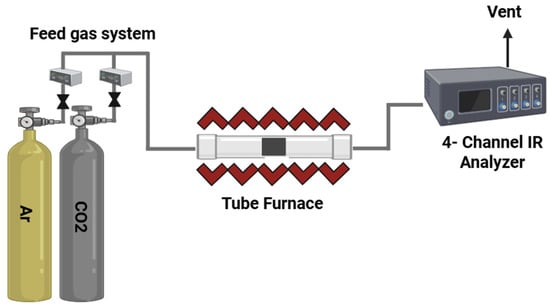
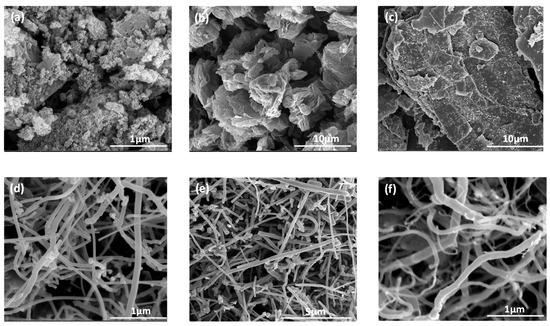
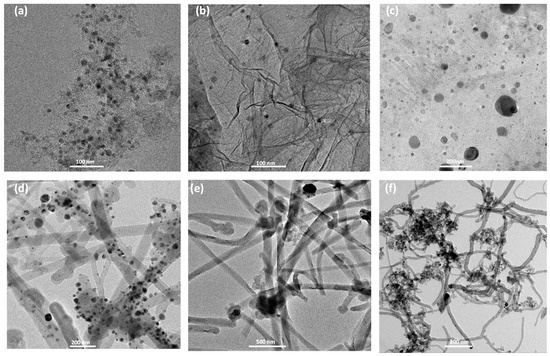
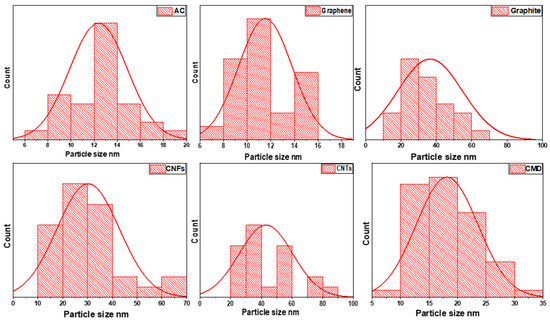
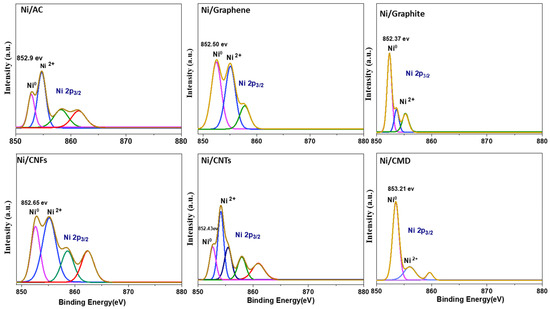
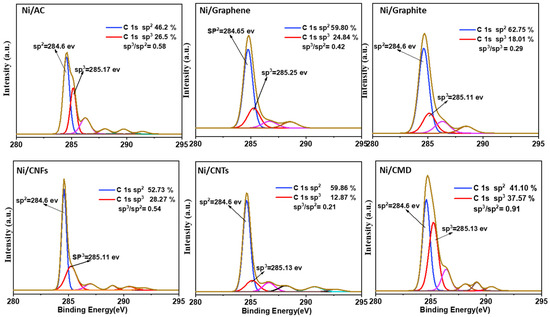
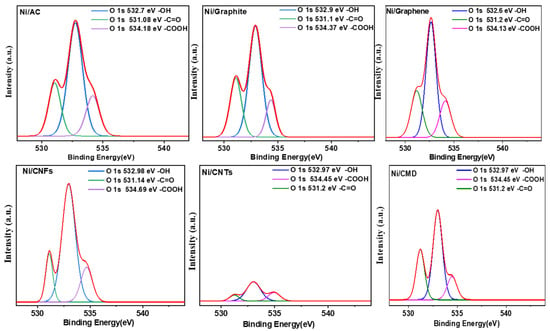
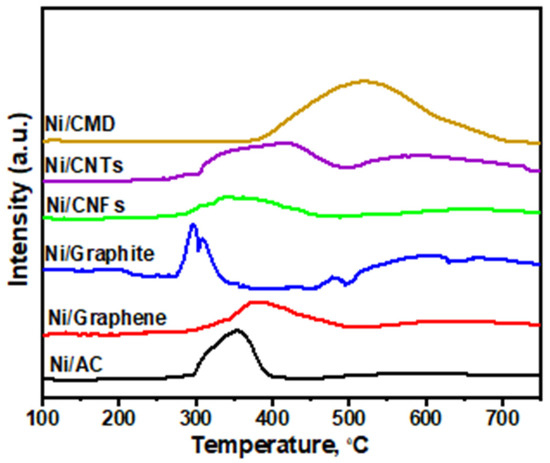
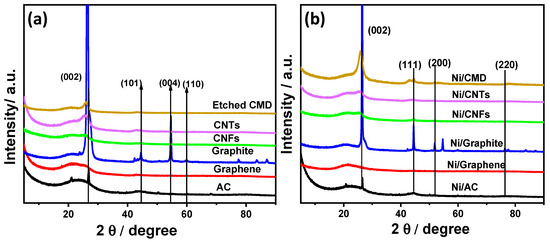
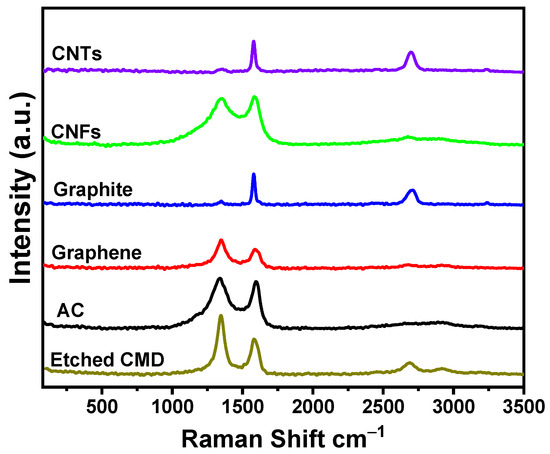
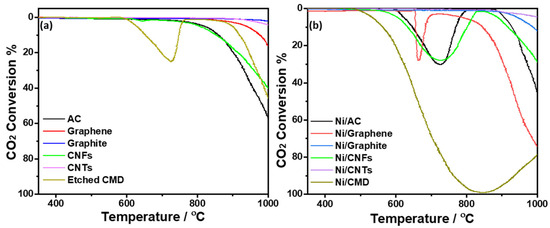
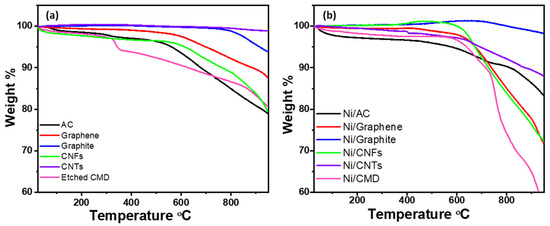
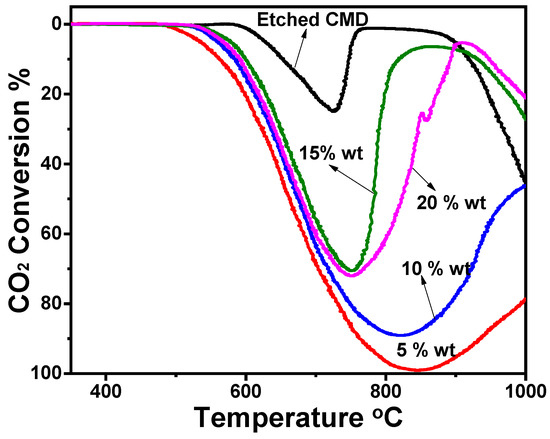
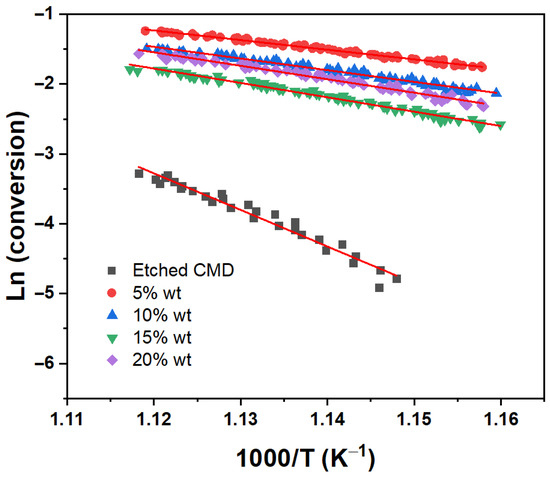
The integration of catalytic methane decomposition (CMD) with CO2 gasification (Reverse Boudouard Reaction) offers a promising chemical looping route for carbon-negative hydrogen and syngas production. This work systematically investigates the gasification reactivity of six carbon morphologies, CNTs, CNFs, activated carbon, graphite, graphene, and CMD-derived carbon, with and without Ni addition. First, activity tests and characterization (XRD, XPS, Raman) revealed that CMD-derived carbon outperformed all other benchmarks due to its highly amorphous nature (sp3/sp2 = 0.98), which provides a high density of reactive sites. Second, kinetic analysis showed that the incorporation of 5 wt% Ni on CMD carbon reduced the activation energy (Ea) from 435.3 kJ mol−1 to 114.6 kJ/mol, the lowest among all samples. This 74% reduction confirms that structural defects in CMD carbon act as anchoring sites for Ni, facilitating a strong metal–support interaction (MSI) that promotes CO2 activation. Third, an investigation into structural synergy revealed that higher Ni loadings (>5 wt%) increased the activation energy (up to 171.2 kJ mol−1). This trend is attributed to Ni agglomeration and weakened MSI, which reduces the active catalytic interface. These findings demonstrate that the efficiency of CO2 valorization is highly sensitive to carbon morphology, providing a clear optimization strategy for integrated chemical looping methane-to-syngas energy cycles.
Full article
(This article belongs to the Special Issue 5th Anniversary of Gases—Feature Papers on Gas to Fuels)
►▼
Show Figures

Figure 1
Open AccessBrief Report
Hydrogen Sulfide Removal from Flare Gas
by
Yousef Alqaheem
Gases 2026, 6(2), 22; https://doi.org/10.3390/gases6020022 - 7 May 2026
Abstract
►▼
Show Figures
Flaring is necessary to prevent pressure buildup in the unit. Due to hydrotreatment processes at the refinery, flare gas can contain significant amounts of hydrogen sulfide. Combusting this gas can result in environmental and health issues. One method to reduce hydrogen sulfide is
[...] Read more.
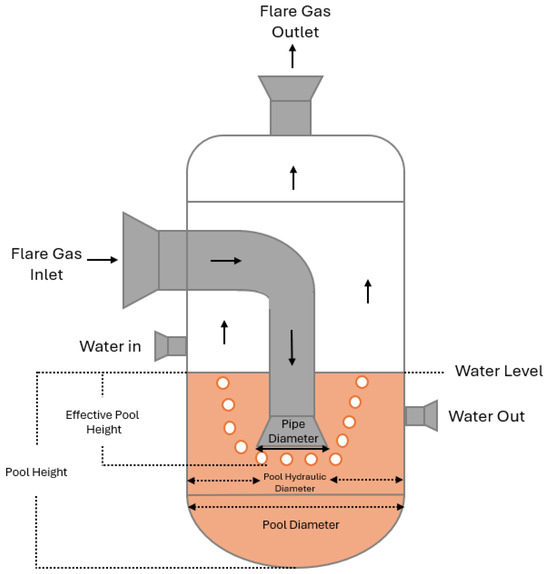
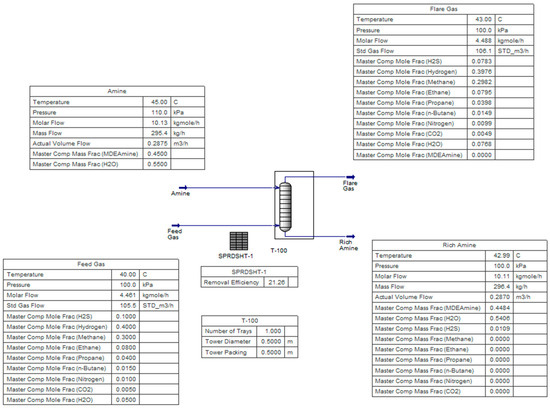
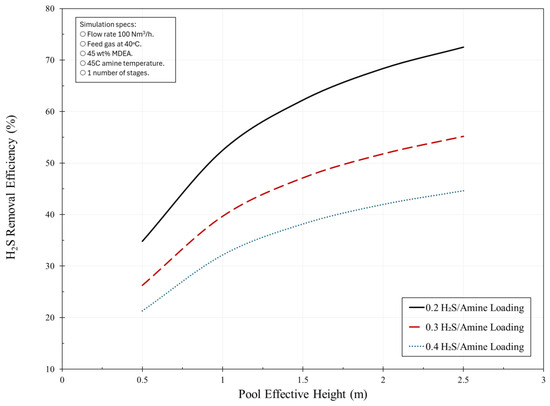
Flaring is necessary to prevent pressure buildup in the unit. Due to hydrotreatment processes at the refinery, flare gas can contain significant amounts of hydrogen sulfide. Combusting this gas can result in environmental and health issues. One method to reduce hydrogen sulfide is to replace the water in the seal drum with an amine solution. Honeywell UniSIM® process simulation was used to calculate the hydrogen sulfide removal efficiency with 45 wt% MDEA solution. Results show that removal efficiency depends on amine loading and pool height. Removal efficiency of up to 72.5% was achieved with a hydrogen sulfide-to-amine molar loading of 0.2 (4:20 ratio) and a pool effective height of 2.5 m.
Full article

Figure 1
Open AccessArticle
Cycle-Level Evaluation of a Temperature-Modulated MOX Digital Nose for Ethylene Presence Classification in Fruit Headspace
by
Marcus D. Palmer, Adrian P. Crew and Matt J. Bell
Gases 2026, 6(2), 21; https://doi.org/10.3390/gases6020021 - 1 May 2026
Abstract
Electronic nose platforms based on metal-oxide (MOX) sensors offer potential for low-power gas classification under dynamic operating conditions. This study evaluates a BME688-based digital nose configured with a temperature-modulated heater profile (HP-354) and reduced duty cycle (RDC-5-10) for binary ethylene presence classification in
[...] Read more.
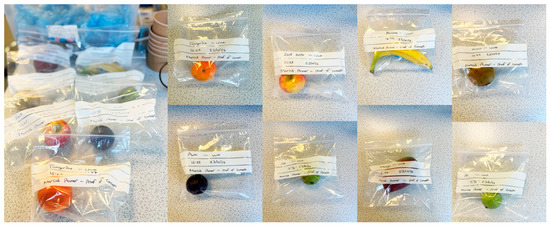
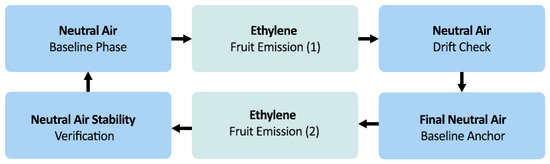
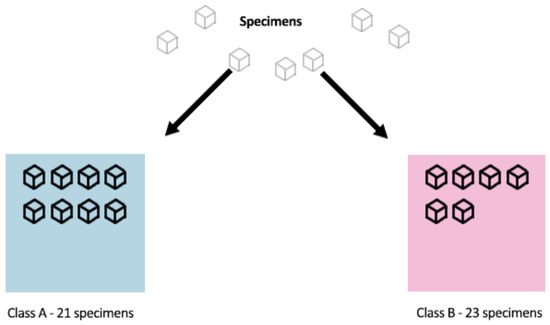
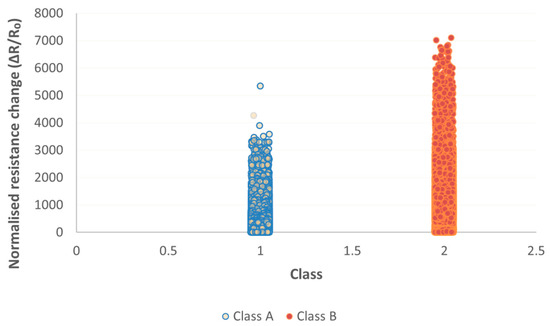
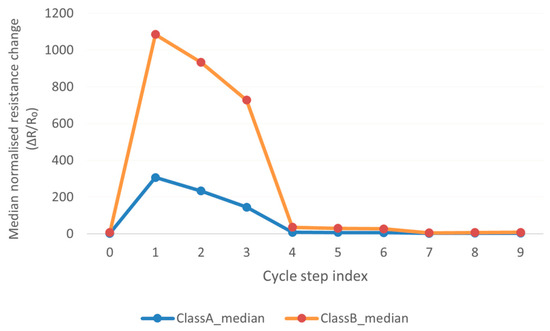
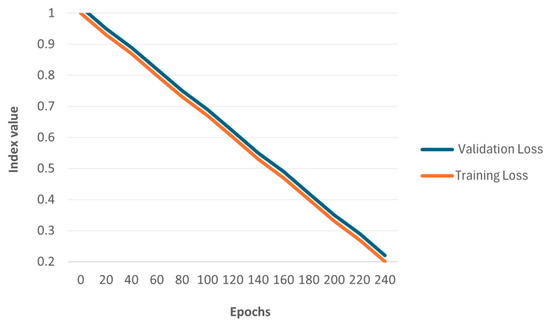
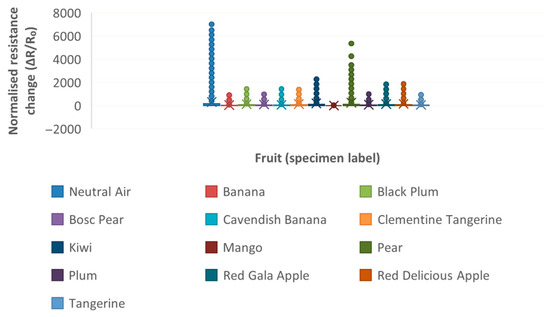
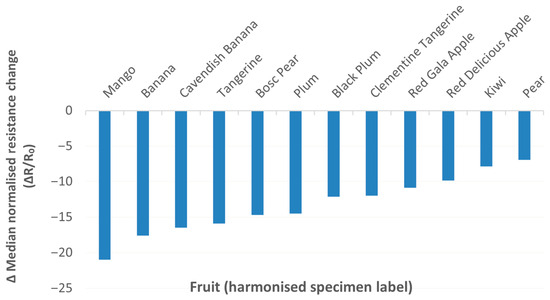
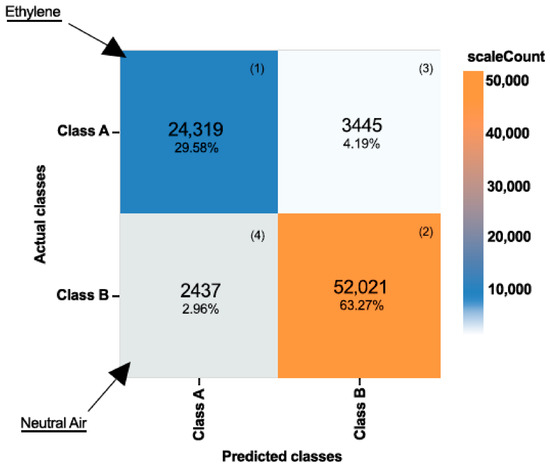
Electronic nose platforms based on metal-oxide (MOX) sensors offer potential for low-power gas classification under dynamic operating conditions. This study evaluates a BME688-based digital nose configured with a temperature-modulated heater profile (HP-354) and reduced duty cycle (RDC-5-10) for binary ethylene presence classification in fruit headspace. Seven climacteric fruit types were sealed in bags to allow natural ethylene accumulation and were sampled across multiple sessions over a two-week period. A structured alternating protocol between fruit headspace (Class A) and neutral air (Class B) generated 21 ethylene sessions and 23 neutral-air sessions, comprising 38,882 individual thermal scan cycles (~10 s per cycle). Each full heater cycle was treated as a training instance within BME AI-Studio. A supervised neural-network classifier trained on 70% of cycle-level data achieved 92.9% overall accuracy with a macro F1 score of 91.9% on validation data. Results demonstrate that temperature-modulated MOX signatures enable robust discrimination of biologically generated ethylene from baseline air under realistic headspace variability. This study demonstrated classification feasibility under naturally accumulated fruit emissions while highlighting the need for future concentration-resolved calibration studies.
Full article
(This article belongs to the Section Gas Sensors)
►▼
Show Figures

Figure 1

Open AccessArticle
Simulation Study on Multi-Stage Expansion Process for Residual Pressure Power Generation at the XC Gas Wellhead
by
Yingying Li, Jin Xue and Fathi Boukadi
Gases 2026, 6(2), 20; https://doi.org/10.3390/gases6020020 - 28 Apr 2026
Abstract
►▼
Show Figures
During natural gas production and transportation, multi-stage pressure regulation is often required to meet downstream pressure demands, resulting in substantial waste of residual pressure energy at high-pressure wellheads. This study focuses on high-pressure natural gas at the wellhead of the XC gas well
[...] Read more.
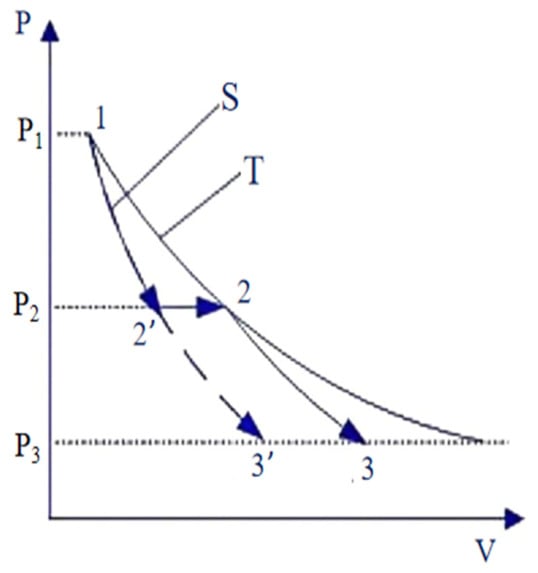
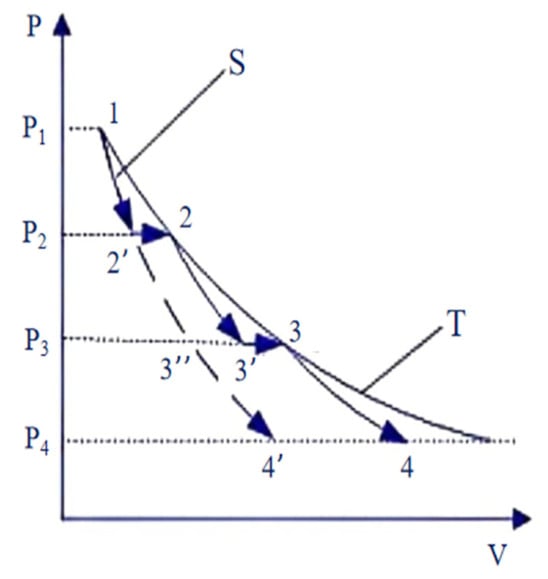
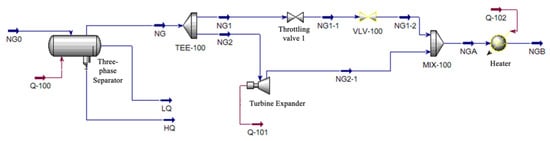
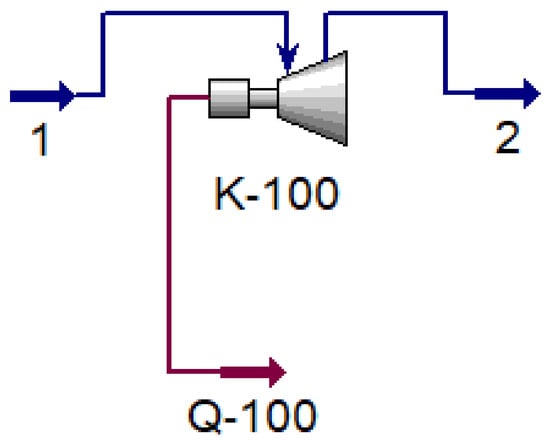
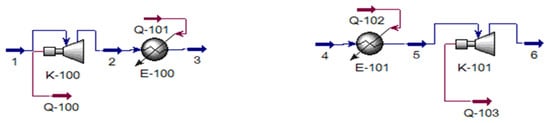
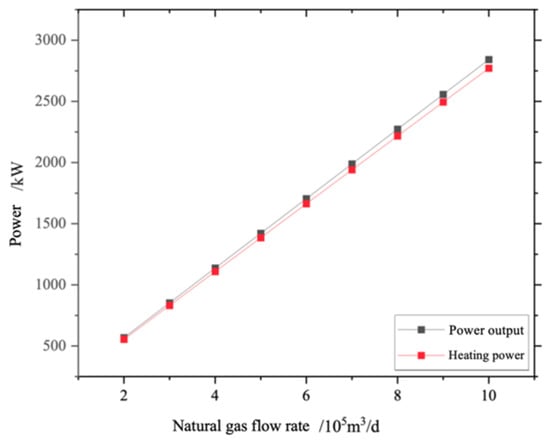
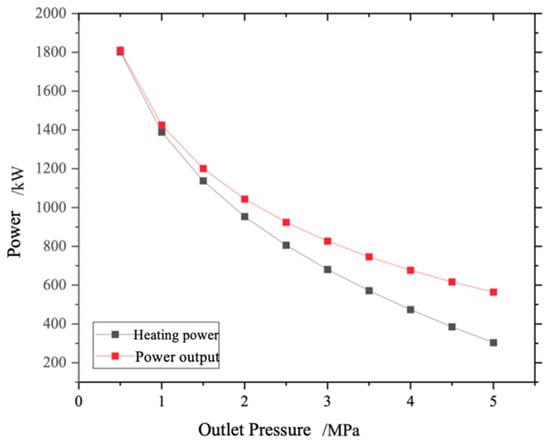
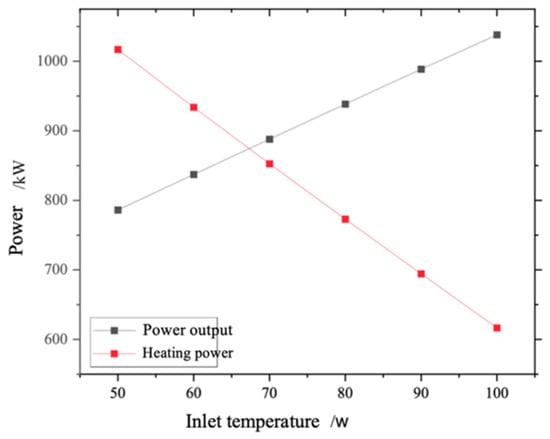
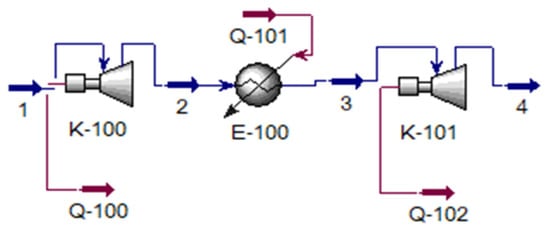
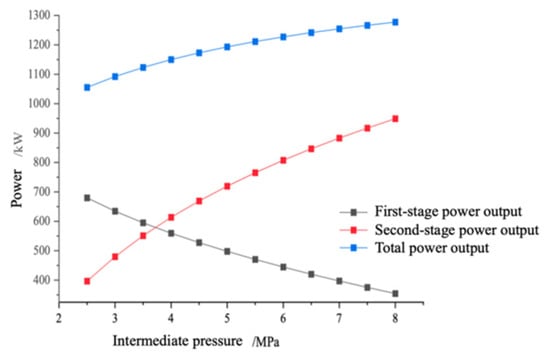
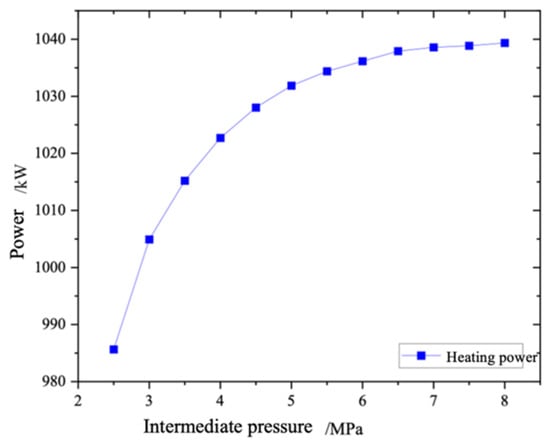
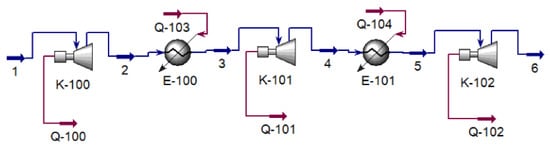
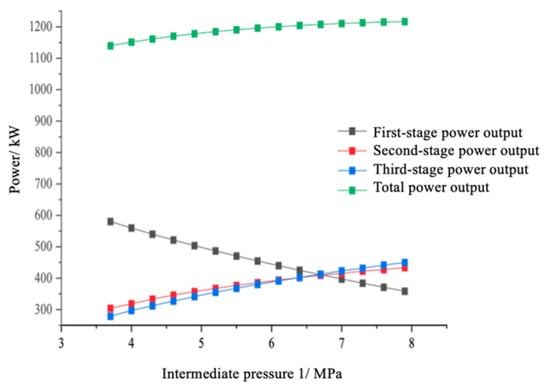
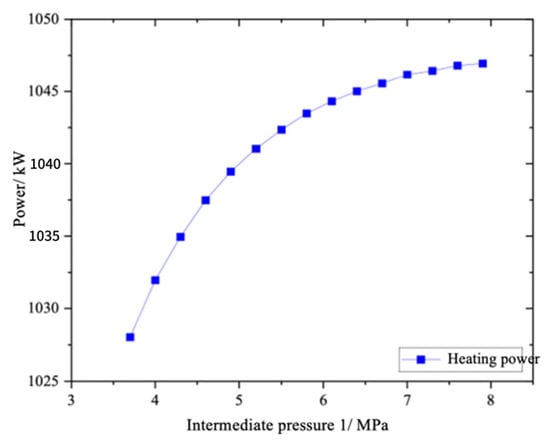
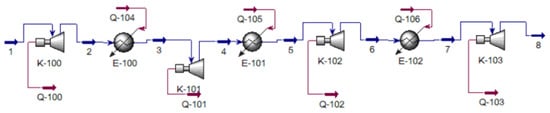
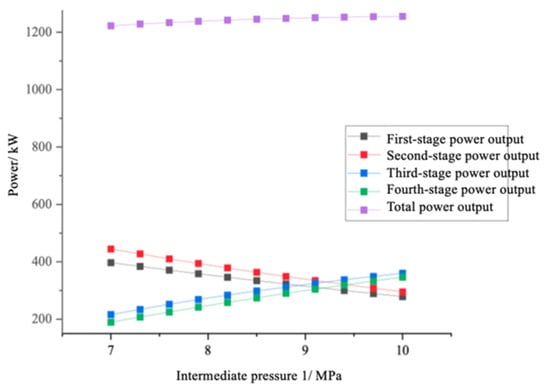
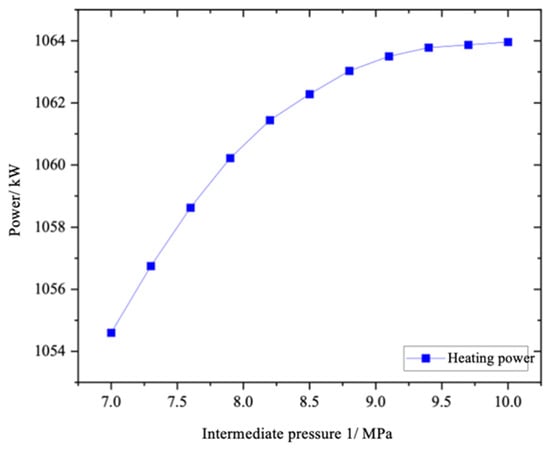
During natural gas production and transportation, multi-stage pressure regulation is often required to meet downstream pressure demands, resulting in substantial waste of residual pressure energy at high-pressure wellheads. This study focuses on high-pressure natural gas at the wellhead of the XC gas well in western Sichuan. Based on thermodynamic and exergy analysis, Aspen HYSYS was employed to simulate residual pressure power generation processes, and a systematic comparison was conducted between single-stage and multi-stage expansion schemes. Under operating conditions of an inlet pressure of 20 MPa, an inlet temperature of 70 °C, and a flow rate of 50 × 104 m3/d, the influence of operating parameters on power generation performance was analyzed. The results indicate that power output increases with increasing natural gas flow rate and inlet temperature but decreases with increasing outlet pressure. Under large pressure differential conditions, single-stage expansion is unable to meet the requirements of high-pressure wellhead residual pressure power generation due to excessive temperature drop and limitations in existing expander performance. On this basis, two-stage, three-stage, and four-stage expansion power generation processes were further developed, and the effects of intermediate pressure selection on power output, heating demand, and pressure energy recovery efficiency were systematically examined. The results show that operating under equal expansion ratio conditions enhances pressure energy utilization. By comprehensively comparing power generation performance, heating power requirements, and economic feasibility, the two-stage expansion scheme was identified as the most favorable option under the investigated operating conditions, providing a practical reference for process design and engineering applications of high-pressure natural gas wellhead residual pressure power generation.
Full article

Figure 1
Open AccessArticle
Balancing CO2 Enrichment and Air Quality: Performance and Safety of a Propane-Based Greenhouse System
by
Haridian del Pilar León, Carlos Morillas, Sara Martinez, Guillermo Armero and Sergio Alvarez
Gases 2026, 6(2), 19; https://doi.org/10.3390/gases6020019 - 8 Apr 2026
Abstract
►▼
Show Figures
Carbon dioxide (CO2) enrichment using fuel combustion is widely applied in greenhouse production. However, its implications for air quality and occupational safety under real operating conditions remain insufficiently characterized. This study evaluates a propane-based CO2 enrichment system in an advanced
[...] Read more.
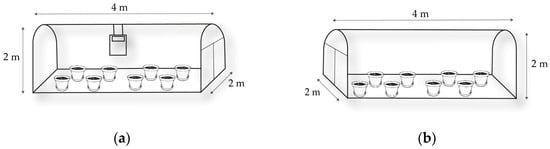
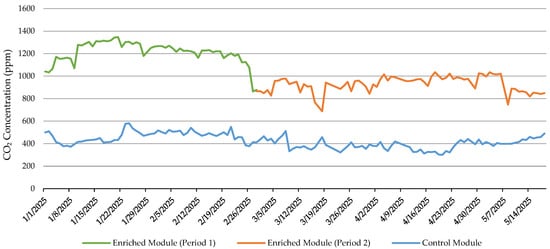
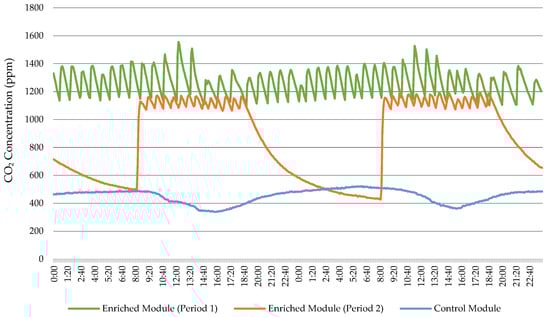
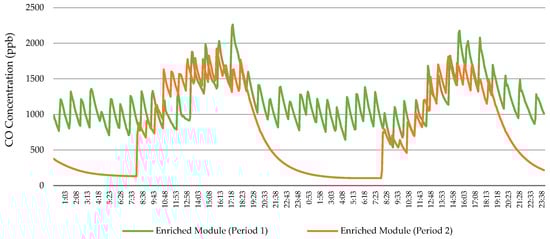
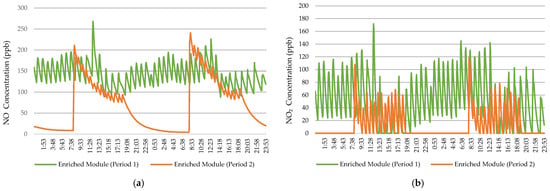
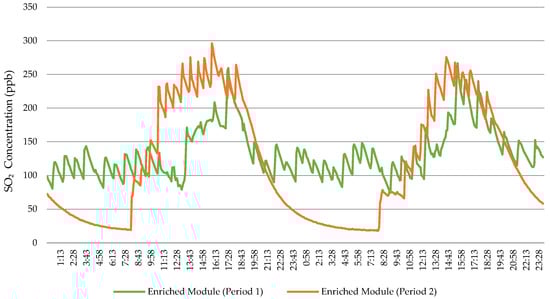
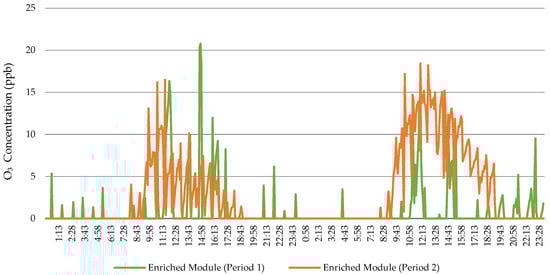
Carbon dioxide (CO2) enrichment using fuel combustion is widely applied in greenhouse production. However, its implications for air quality and occupational safety under real operating conditions remain insufficiently characterized. This study evaluates a propane-based CO2 enrichment system in an advanced greenhouse. The analysis integrates CO2 dynamics, combustion-derived pollutants, and occupational exposure. High-resolution monitoring at 5 min intervals was conducted in an enriched module and a control module over a five-month period. Two operational modes were assessed: continuous and diurnal-only enrichment. The system maintained CO2 concentrations within agronomic targets. Mean values reached 1200 ppm and 940 ppm for continuous and diurnal operation, respectively. However, significant CO2 losses were observed due to ventilation. The maximum enrichment efficiency, expressed as the Combustion Efficiency Index (CEI), was 2.67 × 10⁻³. Combustion-related pollutants (CO, NO, NO2, SO2, and O3) showed transient peaks during burner activation. However, concentrations remained below occupational exposure limits when evaluated using time-weighted averages. The incomplete combustion ratio (ICR) remained stable at approximately 1.9 × 10⁻³. This indicates predominantly complete combustion. These results provide field-based evidence on the performance and safety of propane-based CO2 enrichment systems. They also highlight the importance of continuous monitoring and improved CO2 retention strategies in semi-confined greenhouse environments.
Full article

Figure 1
Open AccessReview
Methane Pyrolysis for Low-Carbon Syngas and Methanol: Economic Viability and Market Constraints
by
Tagwa Musa, Razan Khawaja, Luc Vechot and Nimir Elbashir
Gases 2026, 6(2), 18; https://doi.org/10.3390/gases6020018 - 2 Apr 2026
Abstract
►▼
Show Figures
As the global imperative for climate neutrality intensifies, hydrogen (H2) from fossil fuels remains central to decarbonizing hard-to-abate sectors. Conventional production via steam methane reforming (SMR), however, is carbon-intensive and, even with carbon capture and storage (CCS), incurs energy penalties and
[...] Read more.
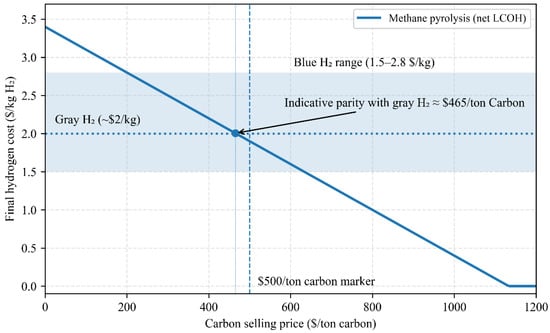
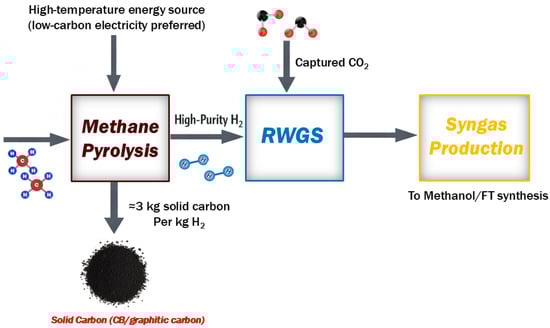
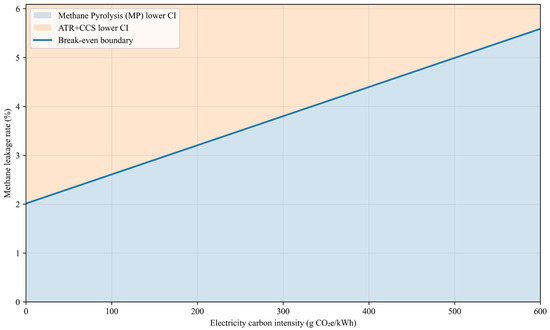
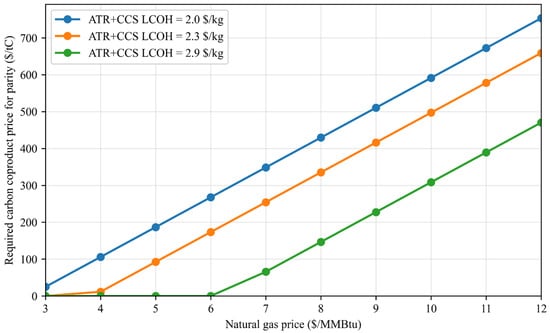
As the global imperative for climate neutrality intensifies, hydrogen (H2) from fossil fuels remains central to decarbonizing hard-to-abate sectors. Conventional production via steam methane reforming (SMR), however, is carbon-intensive and, even with carbon capture and storage (CCS), incurs energy penalties and long-term storage constraints. This review develops a harmonized well-to-gate, market-oriented framework to evaluate methane pyrolysis (MP) relative to SMR and autothermal reforming (ATR), with or without CCS, moving beyond reactor-focused assessments toward system-level commercialization analysis. MP decomposes methane into hydrogen and solid carbon, avoiding direct CO2 formation and the need for CCS infrastructure. Integrating with the reverse water–gas shift (RWGS) reaction enables flexible syngas production with adjustable H2:CO ratios for methanol and chemical synthesis. A central finding is the dominant role of the “carbon lever”: MP generates approximately 3 kg of solid carbon per kg of H2, making the carbon market’s absorptive capacity the primary scalability constraint. While carbon monetization can reduce levelized hydrogen costs, large-scale deployment would rapidly saturate existing carbon black and specialty carbon markets. Techno-economic evidence indicates that carbon prices above $500/ton are required to achieve parity with gray hydrogen, whereas $150–200/ton enables competitiveness with blue hydrogen. Lifecycle assessments further show that climate superiority over SMR or ATR with CCS requires upstream methane leakage below 0.5% and very low-carbon electricity. Commercial readiness varies, with plasma MP at TRL 8–9 and thermal, catalytic, and molten-media pathways remaining at the pilot or demonstration stage. Parametric decision-space analysis under harmonized boundary assumptions shows that MP is not a universal substitute for reforming but a conditional pathway competitive only under aligned conditions of low-leakage gas supply, low-carbon electricity, credible carbon monetization, and supportive policy incentives. The review concludes with a roadmap that highlights standardized carbon certification, end-of-life accounting, and long-duration operational data as priorities for commercialization.
Full article

Figure 1
Open AccessArticle
Comprehensive Survey of End-Use Leakage Rates and Risks from Residential Natural Gas
by
Julian Zenner, Bryan Rainwater and Daniel Zimmerle
Gases 2026, 6(2), 17; https://doi.org/10.3390/gases6020017 - 1 Apr 2026
Cited by 1
Abstract
Methane emissions from end-use installations in residential natural gas systems remain poorly quantified, despite their importance to both safety and climate policies worldwide. While distribution networks and appliances have received research attention, interior piping between the meter and appliances represents a critical knowledge
[...] Read more.
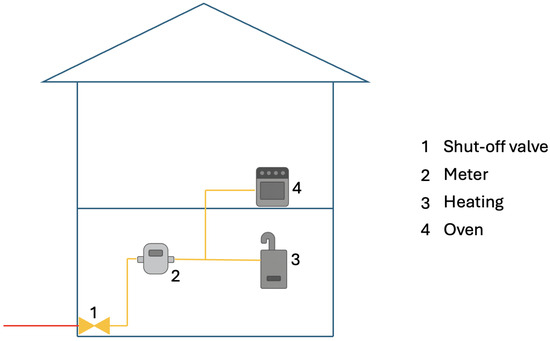
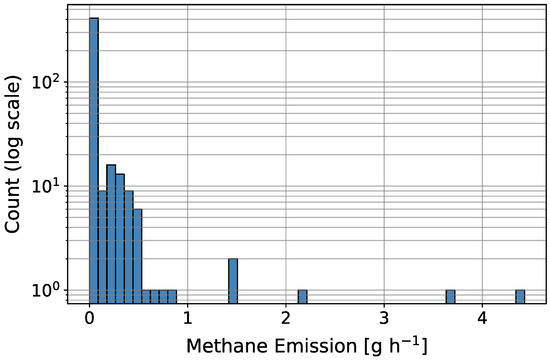
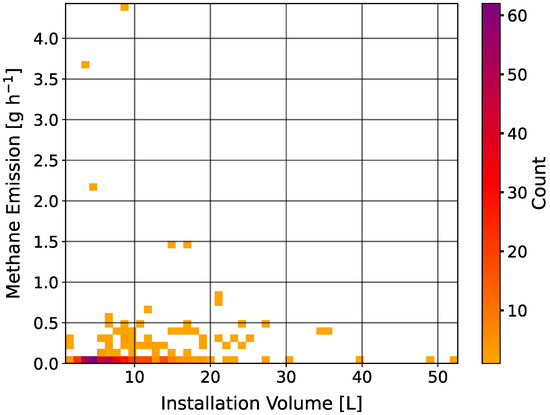
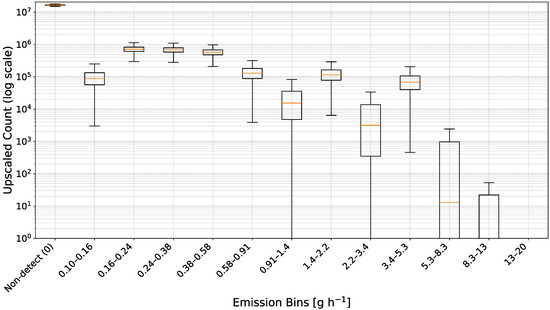
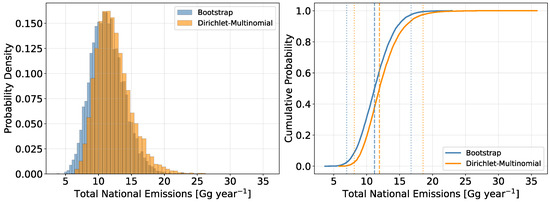
Methane emissions from end-use installations in residential natural gas systems remain poorly quantified, despite their importance to both safety and climate policies worldwide. While distribution networks and appliances have received research attention, interior piping between the meter and appliances represents a critical knowledge gap. To address this gap, a systematic survey of 473 residential systems in Saarlouis, Germany, was conducted using standardized pressure decay tests (DVGW G 600). Measurements were performed during the installation of gas regulators necessitated by a grid pressure increase from 23 mbar to 55 mbar above ambient. This provided a unique opportunity to assess whole-system leakage under controlled conditions without installation modifications. Leak rates were standardized to reference pressure and converted to methane emissions using measured gas composition, using a linear pressure scaling as a provisional approximation valid for the small pressure differences in the applied test conditions. A total of 411 (86.9%) installations showed no detectable leak rate (LDL: 0.2 ). However, seven systems (1.5%) exceeded 1 , and one surpassed the unacceptable threshold of 5 . Mean emissions across all systems were 0.067 [0.041, 0.098] , with smaller installations showing higher volume-normalized rates. Critically, fewer than 1.48% of systems contributed more than 46% of total emissions, demonstrating a strongly skewed, heavy-tailed distribution. Scaled nationally using Monte Carlo methods accounting for sampling uncertainty and skewed distributions, residential interior piping contributes 12.30 [8.11, 18.55] to Germany’s methane emissions. These results emphasize the need to include residential leak rates in emission inventories and highlight the efficiency potential of targeted mitigation strategies focused on high-emitting installations under evolving EU methane regulations.
Full article
(This article belongs to the Section Gas Emissions)
►▼
Show Figures

Figure 1

Open AccessArticle
Effectiveness of Electrokinetic EOR on Gas Condensate Banking Treatment—Proxy Modelling and Optimization
by
Princewill M. Ikpeka, Ugochukwu I. Duru, Stanley Onwukwe, Nnaemeka P. Ohia and Johnson Ugwu
Gases 2026, 6(1), 16; https://doi.org/10.3390/gases6010016 - 18 Mar 2026
Abstract
Gas condensate banking can significantly reduce near-well gas productivity by as much as ~60% in tight gas reservoirs. Existing treatment techniques are resource demanding and could alter the reservoir structure permanently. This study investigates the effectiveness of enhanced electrokinetic oil recovery (EK-EOR) as
[...] Read more.
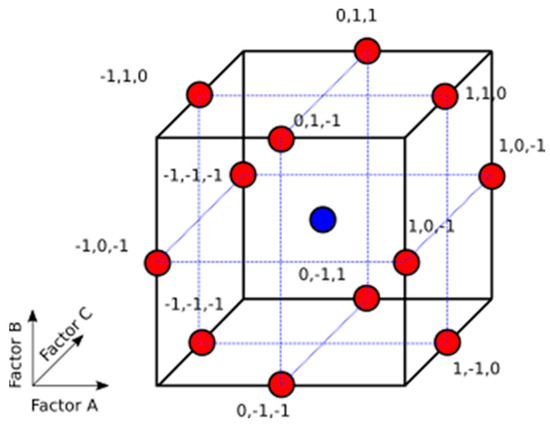
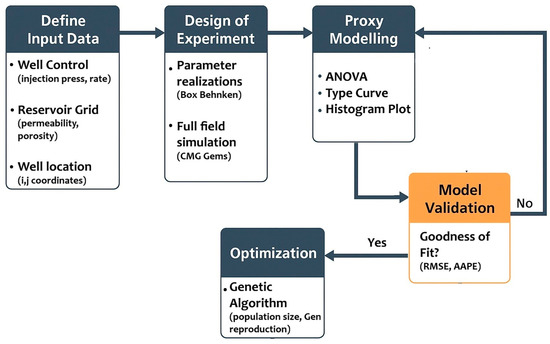
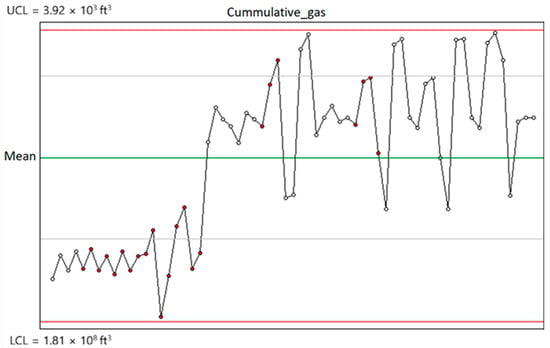
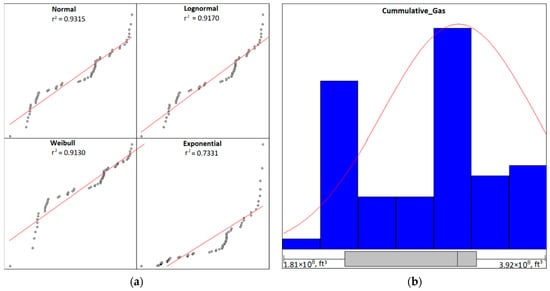
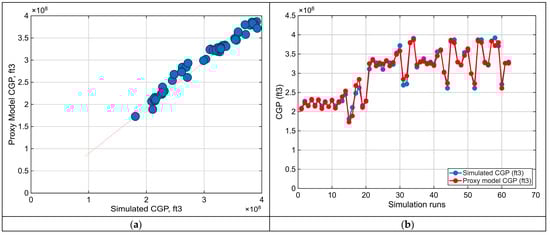
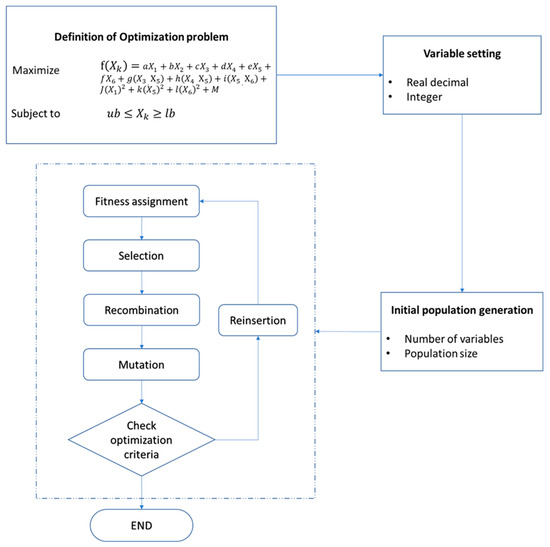
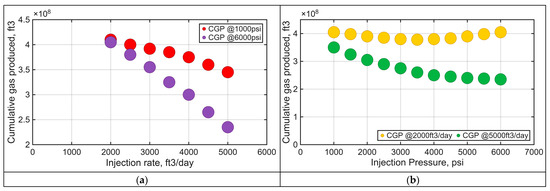
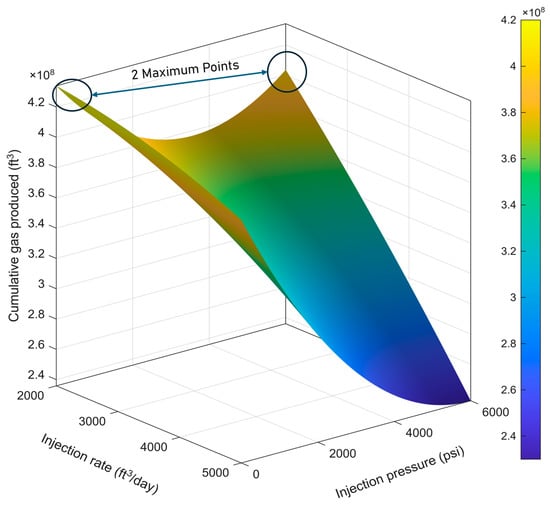
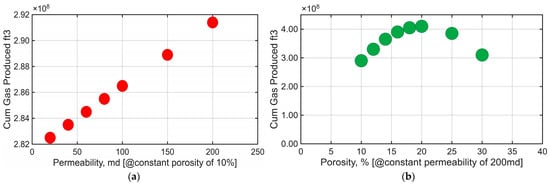
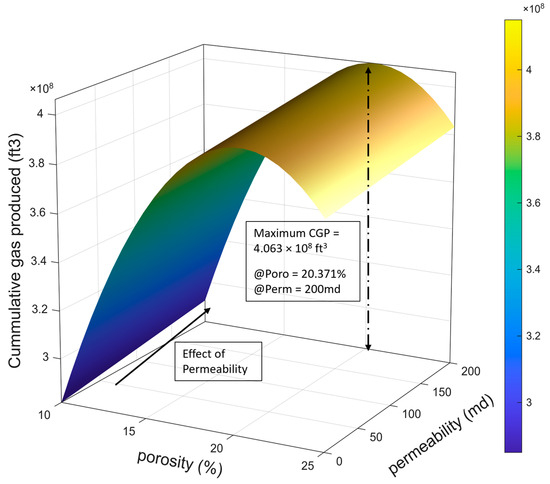
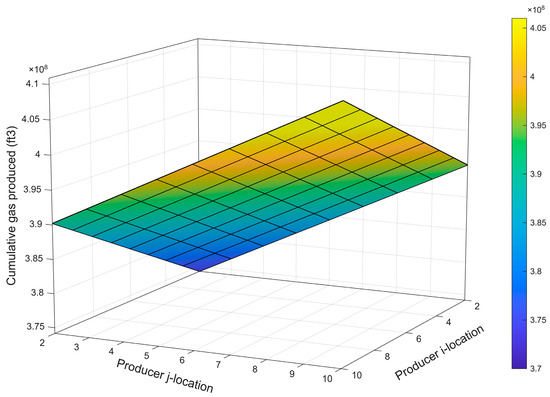
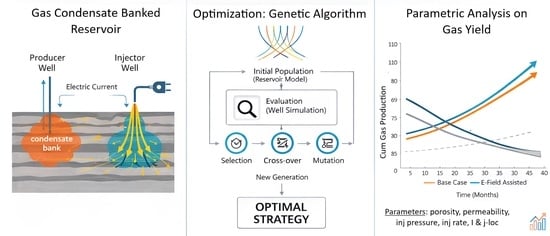
Gas condensate banking can significantly reduce near-well gas productivity by as much as ~60% in tight gas reservoirs. Existing treatment techniques are resource demanding and could alter the reservoir structure permanently. This study investigates the effectiveness of enhanced electrokinetic oil recovery (EK-EOR) as a low-impact alternative for treating condensate banks. Using compositional reservoir simulation (CMG GEM), the influence of key reservoir and operational parameters—porosity, permeability, producer well location (i, j), injection rate, and injection pressure—on cumulative gas production (CGP) was examined. A Box–Behnken design of experiments was employed to generate 62 simulation runs, and a proxy model was developed to approximate full-field responses. Statistical validation showed strong model fidelity (R2 = 0.99, AAPE = 2.2%). The proxy was then optimized using a genetic algorithm (GA) to identify conditions that maximize gas recovery. Results indicate that lower injection rates and lower injection pressures maximize CGP through enhanced electro-osmotic flow and reduced water blocking, achieving a peak cumulative gas of 4.06 × 108 ft3. A secondary optimum at high injection pressure could be attributed to re-pressurization and partial re-vaporization of condensate near the wellbore. Reservoir quality also exerted a strong control: higher permeability and moderate porosity favoured gas yield, while optimal producer placement near the reservoir boundary increased drainage efficiency. This study demonstrates a systematic optimization framework combining design of experiments, proxy modelling, and evolutionary algorithms to evaluate EK-EOR performance.
Full article
(This article belongs to the Topic Petroleum and Gas Engineering, 2nd edition)
►▼
Show Figures

Graphical abstract
Open AccessArticle
Numerical Study of Heavy-Duty (HD) Spark-Ignition (SI) Engine Conversion to H2-Rich Syngas Produced from Plastic Pyrolysis
by
Alberto Ballerini and Tommaso Lucchini
Gases 2026, 6(1), 15; https://doi.org/10.3390/gases6010015 - 6 Mar 2026
Abstract
►▼
Show Figures
This study numerically investigates the conversion of a Heavy-Duty (HD) Spark-Ignition (SI) Compressed Natural Gas (CNG) engine to operate with hydrogen-rich syngas produced from waste plastic pyrolysis. The engine was modeled with a one-dimensional simulation tool. Fuel-specific properties were included through a tabulated
[...] Read more.
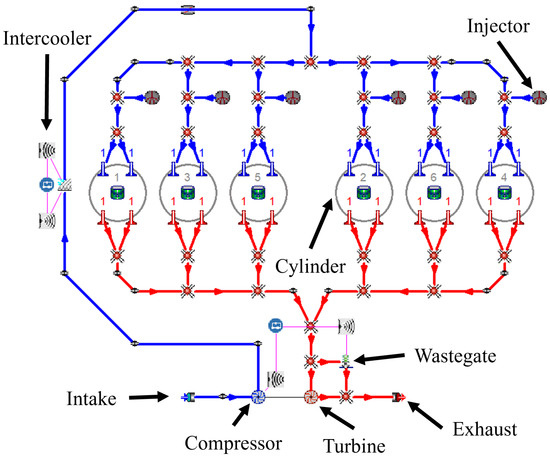
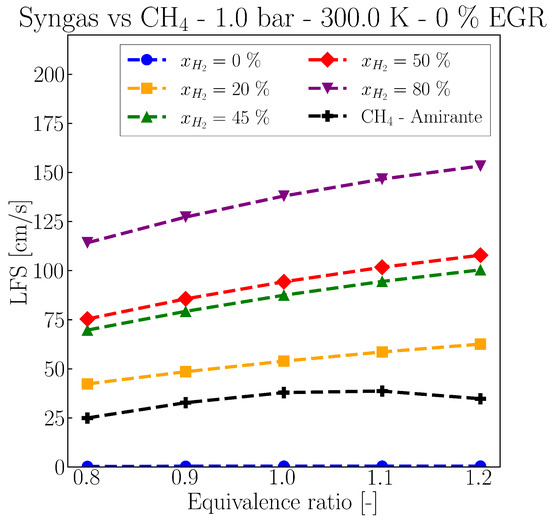
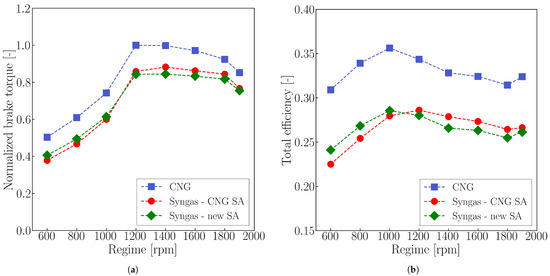
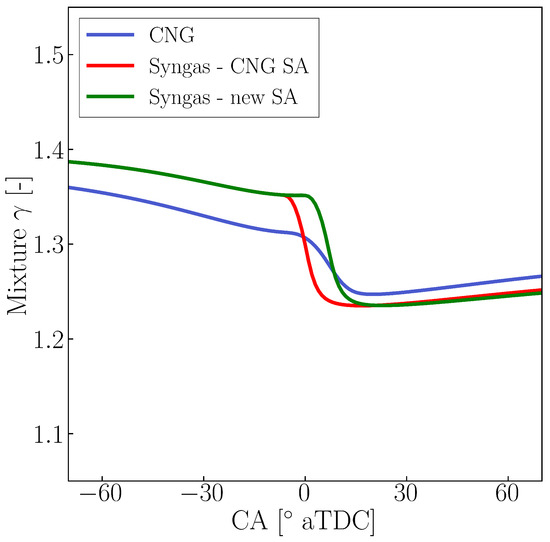
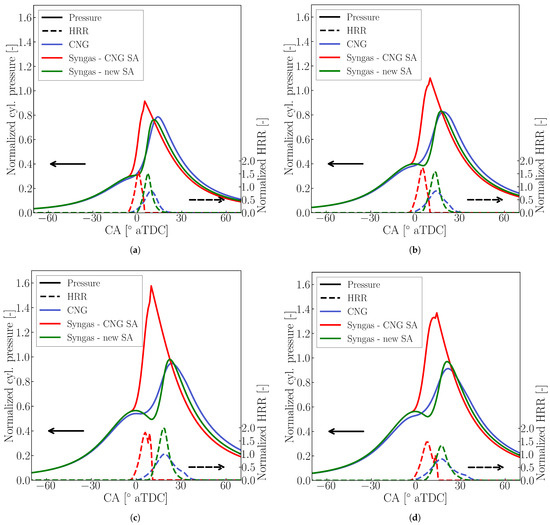
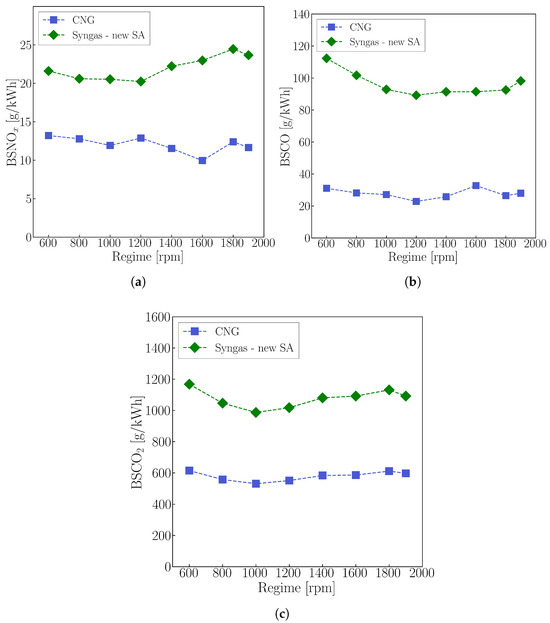
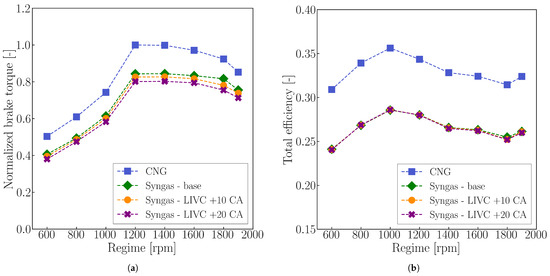
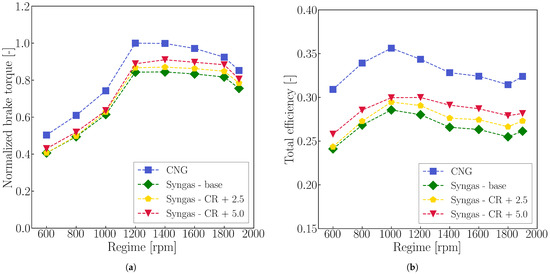
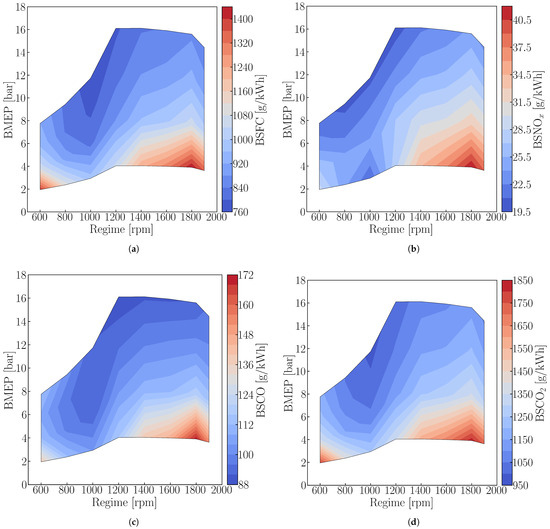
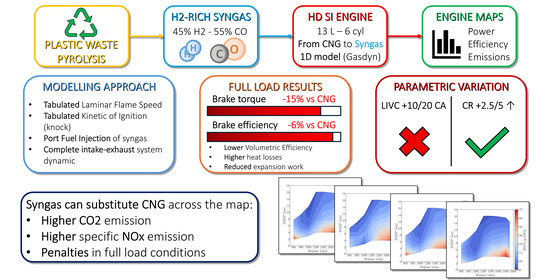
This study numerically investigates the conversion of a Heavy-Duty (HD) Spark-Ignition (SI) Compressed Natural Gas (CNG) engine to operate with hydrogen-rich syngas produced from waste plastic pyrolysis. The engine was modeled with a one-dimensional simulation tool. Fuel-specific properties were included through a tabulated Laminar Flame Speed (LFS) approach, and knock occurrence was predicted with a Tabulated Kinetic of Ignition (TKI) model. Full-load simulations revealed that direct substitution of CNG with syngas leads to abnormal combustion. With adjusted values of Spark Advance (SA) to avoid knock, syngas operation resulted in average reductions of approximately 15% in brake torque and 6% in total efficiency compared to the CNG baseline. Parametric analyses showed that Late Intake Valve Closing (LIVC) provides no benefits, whereas increasing the Compression Ratio (CR) partially recovers performance and efficiency, with knock being a limiting factor. Lastly, a complete engine map of the converted configuration was generated, reporting Brake-Specific Fuel Consumption (BSFC) and emissions. Overall, the study demonstrates that HD SI engines can be operated on hydrogen-rich syngas at the cost of moderate performance penalties. Moreover, it provides a robust modeling framework to support system-level and well-to-wheel assessments of syngas-based powertrains.
Full article

Graphical abstract
Open AccessArticle
Energy and Exergy Analysis of SNG Production from Syngas Derived from Agricultural Residues in Bolívar, Colombia
by
Ana Buelvas, Deibys Barreto, Hermes Ramírez-León and Juan Fajardo
Gases 2026, 6(1), 14; https://doi.org/10.3390/gases6010014 - 3 Mar 2026
Cited by 2
Abstract
►▼
Show Figures
Synthetic natural gas (SNG) production from biomass residues represents a promising strategy to reduce greenhouse gas emissions and enhance energy security in regions with abundant agricultural waste. This study evaluates the thermodynamic performance of SNG synthesis from rice husk (RH) and empty fruit
[...] Read more.
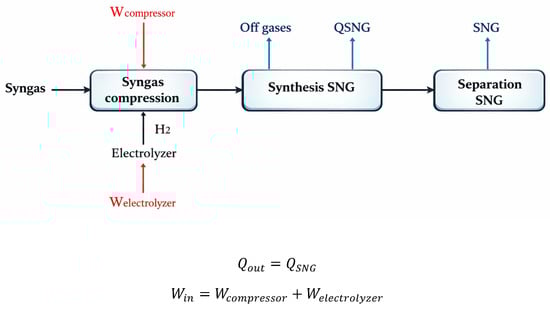
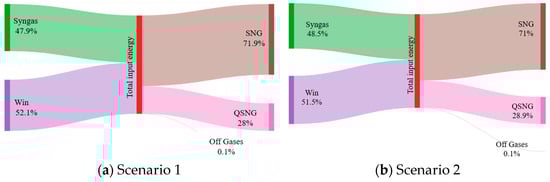
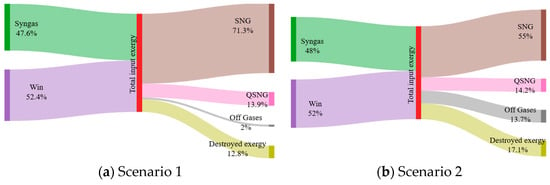
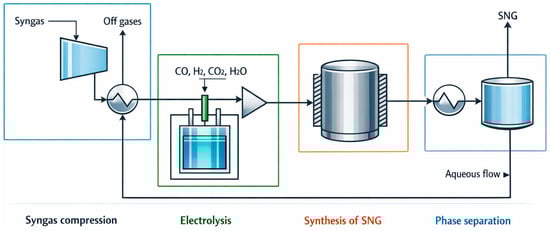
Synthetic natural gas (SNG) production from biomass residues represents a promising strategy to reduce greenhouse gas emissions and enhance energy security in regions with abundant agricultural waste. This study evaluates the thermodynamic performance of SNG synthesis from rice husk (RH) and empty fruit bunches (EFB) bio-oils, major residues in the department of Bolívar, Colombia. The process was simulated in Aspen Plus®, integrating syngas data and methanation under equilibrium conditions at 320 °C and 30 bar, complemented by hydrogen injection via alkaline electrolysis to maintain an H2/CO ratio above 3. Energy and exergy analyses were performed to quantify efficiencies and irreversibilities. Results indicate carbon conversion rates of 48.3% for EFB and 47.4% for RH, producing SNG with 96% CH4 suitable for grid injection. Energy efficiencies reached 71.9% and 71.0%, while exergy efficiencies were 87.2% and 82.9%, respectively, aligning with or surpassing literature benchmarks. The main irreversibilities occurred in methanation and CO2 removal, highlighting thermal integration and gas recycling as key improvement strategies. These findings demonstrate the potential of leveraging local biomass for clean energy production and support the development of Power-to-Gas systems in Colombia.
Full article

Figure 1
Highly Accessed Articles
Latest Books
E-Mail Alert
News
Topics
Topic in
Applied Sciences, Energies, JMSE, Processes, Resources, Gases
Exploitation and Underground Storage of Oil and Gas
Topic Editors: Jianjun Liu, Rui Song, Liuke Huang, Yao Wang, Mingyang Wu, Gang HuiDeadline: 30 September 2026
Topic in
Applied Sciences, Energies, Molecules, Processes, Resources, Gases
Petroleum and Gas Engineering, 2nd edition
Topic Editors: Xiaochuan Wang, Yulong ZhaoDeadline: 1 December 2026
Topic in
Atmosphere, Gases, Sustainability, Toxics, IJERPH
Ecosystems and Climate Change: Understanding Impacts to Shape the Future
Topic Editors: Pasquale Avino, Mario LovrićDeadline: 31 December 2026
Topic in
Energies, Materials, Sustainability, ChemEngineering, Processes, Separations, Gases, Powders
Carbon Capture, Storage and Utilisation Technologies (CCS/CCU)—3rd Edition
Topic Editors: Federica Raganati, Paola AmmendolaDeadline: 31 January 2027
Special Issues
Special Issue in
Gases
Advances in Hydrogen Energy: Production, Storage, and Applications
Guest Editors: Vahid Madadi Avargani, Diogo M.F. SantosDeadline: 31 October 2026
Special Issue in
Gases
5th Anniversary of Gases—Feature Papers on Gas to Fuels
Guest Editors: Kumar Patchigolla, Abdelghafour Zaabout, Ma'moun Al-RawashdehDeadline: 31 December 2026