


Topical Advisory Panel applications are now closed. Please contact the Editorial Office with any queries.
Journal Description
Geriatrics
Geriatrics
is an international, peer-reviewed, scientific open access journal on geriatric medicine published bimonthly online by MDPI.
- Open Access— free for readers, with article processing charges (APC) paid by authors or their institutions.
- High Visibility: indexed within Scopus, ESCI (Web of Science), PubMed, PMC, and other databases.
- Journal Rank: CiteScore - Q2 (Health (Social Science))
- Rapid Publication: manuscripts are peer-reviewed and a first decision is provided to authors approximately 27.7 days after submission; acceptance to publication is undertaken in 3.6 days (median values for papers published in this journal in the first half of 2026).
- Recognition of Reviewers: reviewers who provide timely, thorough peer-review reports receive vouchers entitling them to a discount on the APC of their next publication in any MDPI journal, in appreciation of the work done.
- Testimonials: See what our editors and authors say about Geriatrics.
- Journal Cluster of Healthcare Sciences and Services: Geriatrics, Journal of Ageing and Longevity, Healthcare, Hospitals, Hygiene, International Journal of Environmental Research and Public Health and Nursing Reports.
Impact Factor:
2.4 (2025);
5-Year Impact Factor:
2.7 (2025)
Latest Articles
Pre-Pandemic- and During-COVID-19 Anxiety and Depression Symptoms and Health-Related Quality of Life Were Similar in Injured Older Adults Enrolled in a Clinical Trial
Geriatrics 2026, 11(4), 90; https://doi.org/10.3390/geriatrics11040090 (registering DOI) - 18 Jul 2026
Abstract
Introduction: The Trauma Medical Home (TMH) randomized clinical trial tested the efficacy of a collaborative care intervention on the biopsychosocial recovery of older injured adults compared to usual care. Study enrollment occurred between 11 October 2017 and 13 October 2021 and study operations
[...] Read more.
Introduction: The Trauma Medical Home (TMH) randomized clinical trial tested the efficacy of a collaborative care intervention on the biopsychosocial recovery of older injured adults compared to usual care. Study enrollment occurred between 11 October 2017 and 13 October 2021 and study operations were impacted by the COVID-19 pandemic. It is important to measure the potential effects of COVID-19 on research study participants to ensure accurate reporting of results. The purpose of this secondary analysis was to compare depression and anxiety symptoms and health-related quality of life in older adults at TMH study enrollment pre-COVID-19 and during COVID-19. We hypothesized that those enrolled during COVID-19 would have worse symptoms and quality of life. Methods: This study was a secondary analysis of data from a multicenter randomized clinical trial (R01AG052493-01A1) TMH, that examined the ability of a collaborative care model to enhance the recovery of older injured adults compared to usual care. It was hypothesized that the TMH intervention would improve biopsychosocial recovery for injured older adults compared to usual care. The enrollment periods pre-COVID-19 and during COVID-19 were compared. Chi-square tests and Wilcoxon Rank Sum tests, then multivariable linear and logistic regressions were completed with SF-36 component scores and depression (PHQ-9) and anxiety (GAD-7) scores as the dependent variables, respectively. Results: A total of 429 participants were analyzed. There was no significant difference in anxiety and depression symptoms between the pre-COVID-19 and during-COVID-19 enrollment periods. Perceived limitations due to physical health problems were worse for those enrolled during COVID-19 (adjusted β = −9.8, 95% CI −18.3 to −1.4), but other health-related quality of life measures were similar between the two groups. Conclusions: These findings support the conclusion that the negative psychological impacts of the pandemic are likely due to individual factors other than age or COVID-19. These results suggest a high degree of psychological resiliency in older adults under stress. Future research should focus on the potential effects of socioeconomic status, demographic background, and level of physical functioning on psychological outcomes.
Full article
Open AccessBrief Report
Uncovering Patient-Reported and Observed Barriers and Facilitators to Sufficient Dietary Intake in Acutely Admitted Older Adults: Insights from a Nutritional Trial
by
Olivia Bornæs, Rikke Lundsgaard Nielsen, Ove Andersen, David Peick Sonne, Ingrid Poulsen, Mette Merete Pedersen and Aino Leegaard Andersen
Geriatrics 2026, 11(4), 89; https://doi.org/10.3390/geriatrics11040089 - 17 Jul 2026
Abstract
Background and Aims: Insufficient dietary intake is common among hospitalized older (≥65 years) adults with or at risk of malnutrition. Identifying barriers and facilitators is essential for improving nutritional care in this population. This study aimed to identify the most frequently reported
[...] Read more.
Background and Aims: Insufficient dietary intake is common among hospitalized older (≥65 years) adults with or at risk of malnutrition. Identifying barriers and facilitators is essential for improving nutritional care in this population. This study aimed to identify the most frequently reported and observed barriers and facilitators linked to the achievement of estimated dietary requirements during a nutritional intervention. Methods: This descriptive, inductive qualitative content analysis used data from the intervention group (n = 65) of the OptiNAM trial (NCT03741283), a randomized controlled trial evaluating a multidisciplinary nutritional intervention among acutely admitted older adults at Copenhagen University Hospital, Hvidovre. A total of 23 of the 65 participants were hospitalized for ≥24 h, allowing dietary intake to be assessed by a dietitian using validated 24 h dietary records, supplemented by dietitian-conducted 24 h recalls when records were unavailable. Individual energy and protein requirements were estimated, and intake was validated and recorded. Meaning units were derived from free-text data from patient interviews or observations during patient interviews that were linked to dietary intake and categorized as barriers or facilitators depending on whether dietary intake was below or above the estimated requirements. Results: In acutely admitted older adults with malnutrition or malnutrition risk receiving a nutritional intervention during hospitalization, poor appetite was the most frequently reported barrier to sufficient dietary intake (73.9%), followed by disliking the food (39.1%). In contrast, intrinsic motivation (69.6%), good appetite (34.8%), and support from relatives (30.4%) were the most commonly reported facilitators. Conclusions: Appetite, hospital meals, motivation, and support from relatives play central roles in achieving sufficient dietary intake among acutely admitted older adults with or at risk of malnutrition receiving a nutritional intervention.
Full article
(This article belongs to the Section Geriatric Nutrition)
Open AccessArticle
Daily Step Count Is Associated with Frailty Status in Veterans Presenting for Major Operations
by
Jessica Y. Rove, Yi Su, Jennifer E. Stevens-Lapsley, Hillary D. Lum and Thomas N. Robinson
Geriatrics 2026, 11(4), 88; https://doi.org/10.3390/geriatrics11040088 - 16 Jul 2026
Abstract
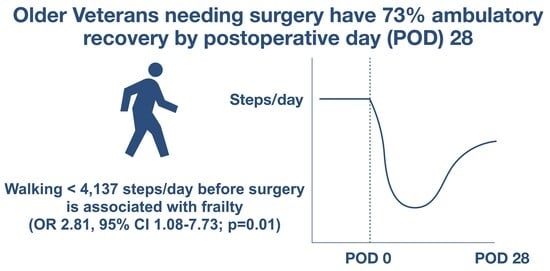
Background/Objectives: Frailty is an under-recognized preoperative risk factor for poor surgical outcomes. Recovery of preoperative ambulation levels one month after surgery represents an important patient-centered outcome. The purpose of this study was to (1) identify a preoperative daily step count threshold associated
[...] Read more.
Background/Objectives: Frailty is an under-recognized preoperative risk factor for poor surgical outcomes. Recovery of preoperative ambulation levels one month after surgery represents an important patient-centered outcome. The purpose of this study was to (1) identify a preoperative daily step count threshold associated with frailty, and (2) characterize the one-month ambulation recovery (steps/day) of older adults (≥60 years) with and without frailty following major elective inpatient operations. Methods: This single-center observational pilot study included older adults undergoing elective inpatient operations at a Veterans Affairs Hospital. Frailty was assessed before surgery. Ambulation (steps/day) was measured continuously from ≥3 full days before surgery, to at least 28 days after surgery, using a wrist-worn accelerometer. Sensitivity analysis identified a step count threshold associated with frailty. The primary outcome was the percentage of daily steps recovered at 28 days. Results: The average age of participants (n = 109) was 69 years, and 37.6% (41/109) were identified as prefrail or frail. Preoperative steps/day were lower in the frail cohort (3322.00 [2654.70, 5483.20] versus 4993.95 [3540.90, 6599.97], p < 0.05). Sensitivity analysis showed 4137 steps/day to be associated with preoperative frailty, and this remained significant in multivariate analysis. At 28 days, the percentage of daily steps recovered did not differ between groups (72.57% [49.15, 92.06] overall). Conclusions: Preoperative frailty is associated with lower daily step counts (<4137 steps/day), identifying individuals at increased likelihood of frailty in this older Veteran cohort undergoing major surgery. The median daily step count, regardless of frailty status, was <5000 steps/day, consistent with a sedentary lifestyle, and likely too low to show a difference in one-month ambulation recovery. This finding underscores the need to explore walking interventions in older Veterans awaiting surgery.
Full article
(This article belongs to the Topic Exercise and Human Aging: Physiological and Psychological Functions)
►▼
Show Figures

Graphical abstract
Open AccessArticle
Bias and Beliefs: Age Discrimination, Perceived Control over Cognitive Aging, and Executive Functioning in Caregiving Grandparents
by
Maia A. McLin, Laura A. Shillingsburg, Amara L. Mason, Kourtney Mia Barfield and Danielle Kristen Nadorff
Geriatrics 2026, 11(4), 87; https://doi.org/10.3390/geriatrics11040087 - 15 Jul 2026
Abstract
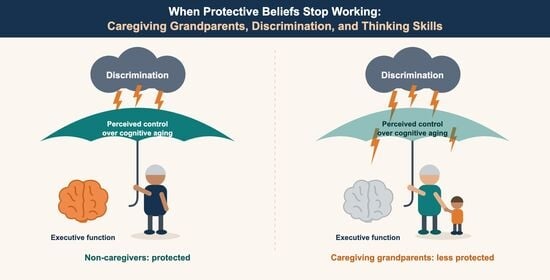
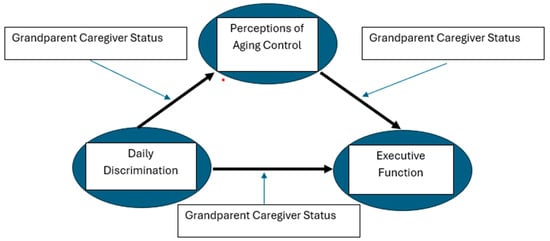
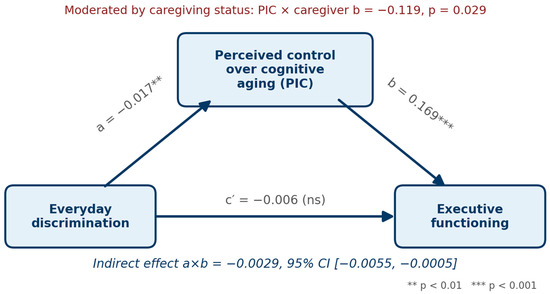
Background: Caregiving grandparents face unique stressors that may affect cognitive health. Discrimination is associated with poorer cognitive performance, whereas stronger perceived control over cognitive aging is associated with better performance. This study examined how everyday discrimination and perceived control over cognitive aging relate
[...] Read more.
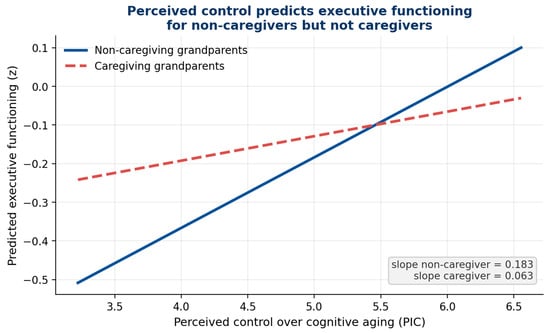
Background: Caregiving grandparents face unique stressors that may affect cognitive health. Discrimination is associated with poorer cognitive performance, whereas stronger perceived control over cognitive aging is associated with better performance. This study examined how everyday discrimination and perceived control over cognitive aging relate to executive function in caregiving grandparents. Methods: Using cross-sectional data from the Midlife in the United States study (MIDUS 3), we analyzed 1326 grandparents (166 caregiving and 1160 non-caregiving) with complete data on all study measures. Everyday discrimination, perceived control over cognitive aging, and executive function were assessed with self-report surveys and telephone-based cognitive assessments. Mediation and moderated mediation models were estimated with covariates. Results: Perceived control over cognitive aging mediated the relation between discrimination and executive function, and this mediation was moderated by caregiving status. Among non-caregivers, stronger perceived control was associated with a weaker negative relation between discrimination and executive function. This protective pattern was not observed among caregiving grandparents. The moderation was attenuated to nonsignificance when an expanded covariate set was added, so it should be considered preliminary. Conclusions: The demands of caregiving may lessen the influence of control beliefs on cognitive performance. Because the design is cross-sectional, these results describe statistical rather than temporal mediation. The findings support targeted interventions for this vulnerable population, although they warrant further investigation.
Full article
(This article belongs to the Section Geriatric Psychiatry and Psychology)
►▼
Show Figures

Graphical abstract
Open AccessArticle
Changes in Caregiver Burden Following Cataract Surgery in Older Adults with Moderate-to-Severe Dementia: A Prospective Pilot Study
by
Reiko Umeya, Koichi Ono and Yuto Yoshida
Geriatrics 2026, 11(4), 86; https://doi.org/10.3390/geriatrics11040086 - 14 Jul 2026
Abstract
Background: Dementia is a global public health priority, and visual impairment has been identified as a modifiable risk factor. While cataract surgery improves quality of life in mild cognitive impairment, its impact on the burden of caregivers supporting patients with moderate-to-severe dementia remains
[...] Read more.
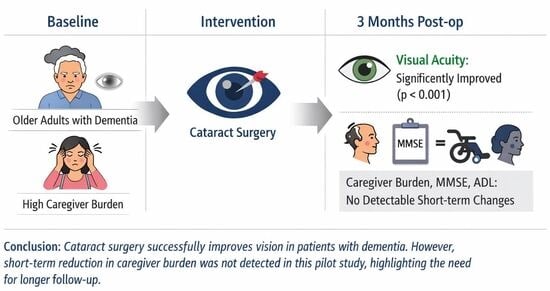
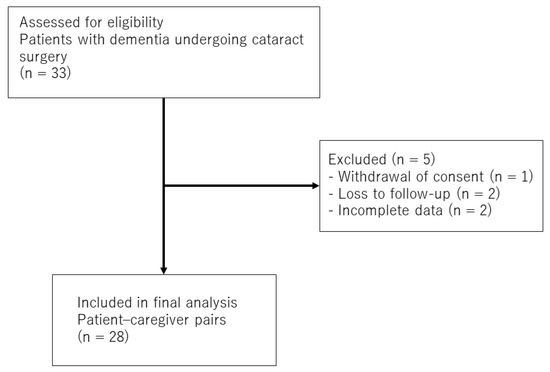
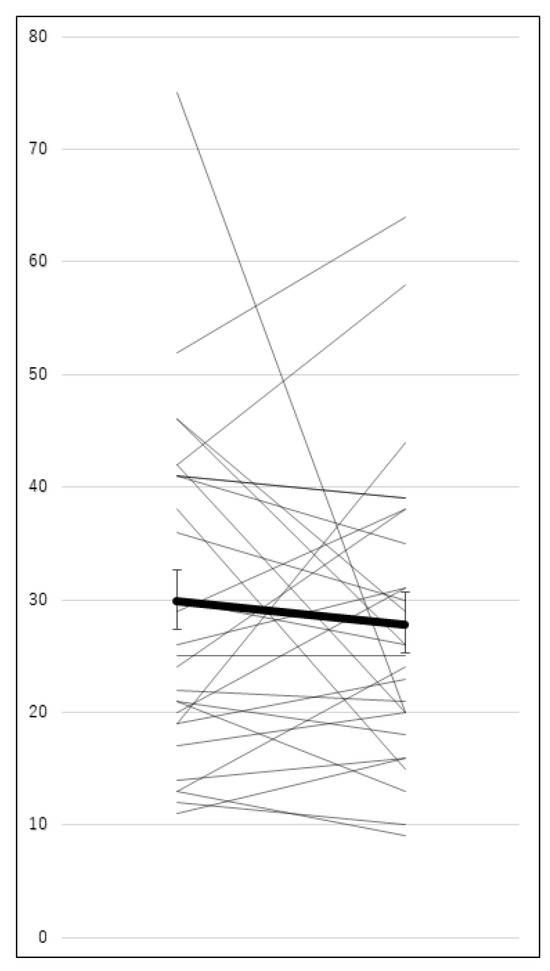
Background: Dementia is a global public health priority, and visual impairment has been identified as a modifiable risk factor. While cataract surgery improves quality of life in mild cognitive impairment, its impact on the burden of caregivers supporting patients with moderate-to-severe dementia remains underexplored. Objectives: To explore changes in caregiver burden following cataract surgery in older adults with dementia. Methods: This prospective, single-center, observational pilot study included 28 patient–caregiver pairs aged ≥ 75 years with dementia who underwent cataract surgery. Caregiver burden was assessed using the Japanese version of the Zarit Burden Interview (J-ZBI) at baseline and 3 months postoperatively. Patient outcomes included best-corrected visual acuity (logMAR), Mini-Mental State Examination (MMSE), and the Barthel Index (BI). Pre- and postoperative values were compared using paired t-tests, with exploratory analyses to identify factors associated with postoperative burden. Results: Visual acuity significantly improved after surgery (p < 0.001). The retention rate was 84.8%, indicating feasibility of postoperative follow-up. No detectable short-term changes were observed in J-ZBI (p = 0.48), BI (p = 0.15), or MMSE (p = 0.89). In exploratory analyses, higher preoperative burden and younger caregiver age were associated with higher postoperative burden. Conclusions: Cataract surgery significantly improved visual acuity in older adults with moderate-to-severe dementia. However, no detectable short-term changes were observed in caregiver burden, cognitive function, or activities of daily living during the 3-month follow-up period. In exploratory analyses, potentially hypothesis-generating associations were suggested between higher baseline J-ZBI scores, younger caregiver age, and higher postoperative burden. The study nevertheless demonstrated the feasibility of conducting prospective research in this population and provides preliminary data for future studies with larger sample sizes and longer follow-up periods.
Full article
(This article belongs to the Special Issue Novel Approaches to Dementia Research and Care)
►▼
Show Figures

Graphical abstract
Open AccessReview
Hyponatraemia in Neck of Femur Fracture: A Narrative Review of Epidemiology, Pathophysiology, and Outcomes
by
Amirmohammad Heidari, Kiana Heidary, Hussain Aladdin Leelo and Mohamed H. Ahmed
Geriatrics 2026, 11(4), 85; https://doi.org/10.3390/geriatrics11040085 - 13 Jul 2026
Abstract
Background: Hyponatraemia is the commonest electrolyte disturbance encountered in older adults admitted with neck of femur (NOF) fracture. It is now recognised both as associated with fragility fracture and as an independent prognostic indicator for adverse post-operative outcomes. Methods: Narrative review of the
[...] Read more.
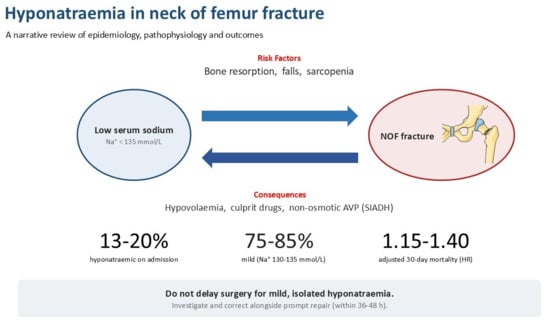
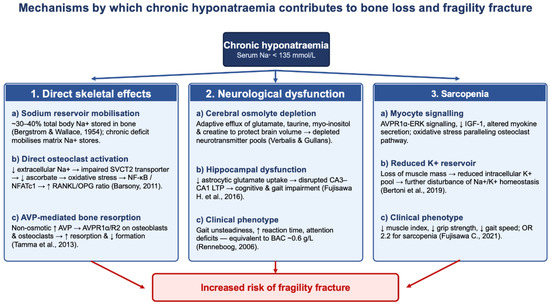
Background: Hyponatraemia is the commonest electrolyte disturbance encountered in older adults admitted with neck of femur (NOF) fracture. It is now recognised both as associated with fragility fracture and as an independent prognostic indicator for adverse post-operative outcomes. Methods: Narrative review of the literature, with emphasis on cohort studies, meta-analyses and mechanistic investigations pertinent to hip fracture in adults. Results: Admission hyponatraemia affects approximately 13–20% of NOF patients, twice the prevalence observed in age-matched community-dwelling elders and broadly comparable to general geriatric inpatients. A further 20–30% develop in-hospital, predominantly post-operative, hyponatraemia. Mild hyponatraemia (130–135 mmol/L) accounts for 75–85% of cases. Pathophysiology is multifactorial: hypovolaemia from the fracture haematoma, fasting and pre-admission “long lie”; drug effects (thiazides, selective serotonin reuptake inhibitors (SSRIs), proton pump inhibitors, carbamazepine, opioids); and non-osmotic arginine vasopressin (AVP) release driven by pain, nausea and peri-operative stress. Chronic hyponatraemia is hypothesised to contribute to fracture risk through three convergent mechanisms, direct sodium-dependent stimulation of osteoclastogenesis with AVP-mediated bone resorption, subtle cerebral dysfunction producing gait and attention deficits, and sarcopenia, although much of this mechanistic evidence derives from animal and in vitro studies rather than from patients with hip fracture. Hyponatraemia is reproducibly associated with longer length of stay, delayed surgery, and an adjusted 30-day mortality hazard of approximately 1.15–1.40. A dose–response relationship with severity is demonstrable; pre-operative correction has not been shown to improve outcomes in any randomised trial. Conclusions: Hyponatraemia in NOF fracture is consistently a consequence of the acute event and, at minimum, a robust marker of frailty and adverse prognosis. Whether it also causally contributes to fracture risk remains unproven, since the supporting human evidence is entirely observational and mechanistic, each contributing study carries methodological weaknesses that warrant caution, and no interventional study has established causality. Where hyponatraemia is mild and isolated, current evidence does not support delaying surgery; moderate and severe hyponatraemia warrant individualised assessment, with cautious correction proceeding alongside surgical planning rather than postponing it. Given the absence of interventional evidence, no correction strategy can yet be recommended to improve fracture or surgical outcomes. Prospective trials of targeted correction strategies and rehabilitation outcomes are overdue.
Full article
(This article belongs to the Special Issue Comprehensive Geriatric Assessment of Older Surgical Patients)
►▼
Show Figures

Graphical abstract
Open AccessReview
Geriatric Oral Health in the United States: Current Status and Challenges
by
Sherif Ammar, Frederick Howard, Xi Chen and Duangporn Duangthip
Geriatrics 2026, 11(4), 84; https://doi.org/10.3390/geriatrics11040084 - 13 Jul 2026
Abstract
The United States is experiencing rapid population aging, making geriatric oral health an increasingly important public health and clinical concern. Older adults bear a disproportionate burden of oral diseases, including dental caries, periodontal disease, edentulism, xerostomia, and oral cancer, many of which are
[...] Read more.
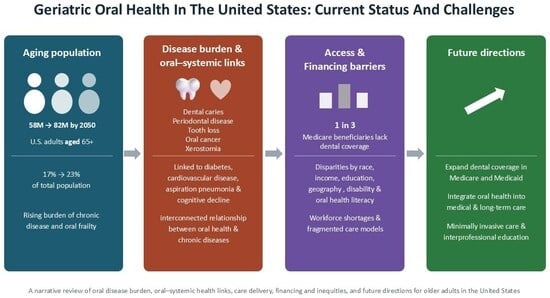
The United States is experiencing rapid population aging, making geriatric oral health an increasingly important public health and clinical concern. Older adults bear a disproportionate burden of oral diseases, including dental caries, periodontal disease, edentulism, xerostomia, and oral cancer, many of which are closely linked to chronic systemic conditions such as diabetes, cardiovascular disease, and cognitive impairment. This narrative review synthesizes current evidence on oral disease patterns and trends among older adults in the United States, with particular attention to the bidirectional relationships between oral and systemic health. It further examines the organization of oral health care delivery and financing for this population, including the roles of Medicare and Medicaid. Persistent inequities in access to preventive and restorative dental services are highlighted, especially among low-income individuals, racial and ethnic minorities, rural residents, and older adults with functional or cognitive limitations. Workforce shortages, fragmented care models, and limited integration of oral health into primary and geriatric care further exacerbate these disparities. Finally, this review identifies future directions to improve geriatric oral health, including policy reforms to expand dental coverage, integration of oral health into medical and long-term care settings, adoption of minimally invasive approaches, and strengthened interprofessional education and research. Addressing these challenges is essential to promoting healthy aging and reducing oral health disparities among older adults in the United States.
Full article

(This article belongs to the Special Issue Oral Health Care in Older Adults)
►▼
Show Figures

Graphical abstract
Open AccessArticle
Overall and Relative Survival After a Second Contralateral Hip Fracture in Adults over 65 Years: A Retrospective Cohort Study
by
Maria-Dolors Rosinés-Cubells, Mercè Castejón, Joan Espaulella-Panicot, Andrew Ore-Zuñiga and Anna Arnau
Geriatrics 2026, 11(4), 83; https://doi.org/10.3390/geriatrics11040083 - 10 Jul 2026
Abstract
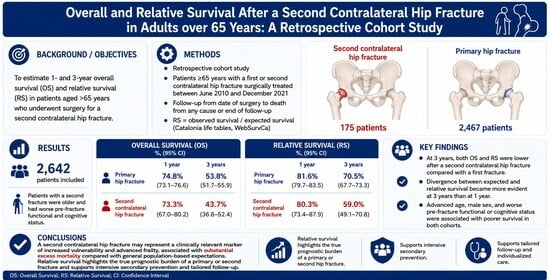
Background/Objectives: The main objective of this study was to estimate 1- and 3-year overall survival and relative survival in patients aged >65 years who underwent surgery for a second contralateral hip fracture. Methods: Retrospective cohort study including patients aged ≥65 years who underwent
[...] Read more.
Background/Objectives: The main objective of this study was to estimate 1- and 3-year overall survival and relative survival in patients aged >65 years who underwent surgery for a second contralateral hip fracture. Methods: Retrospective cohort study including patients aged ≥65 years who underwent surgery for a first or second contralateral hip fracture between June 2010 and December 2021. Overall survival (OS) was estimated from the date of surgery to death from any cause or end of follow-up. Relative survival (RS) was calculated as the ratio between observed survival and expected survival derived from general population mortality tables for Catalonia implemented in the WebSurvCa application. Results: A total of 2642 patients were included (2467 primary fractures; 175 s contralateral fractures). Patients with a second fracture were older and had worse pre-fracture functional and cognitive status. At 3 years, overall survival was 53.8% (95% CI: 51.7–55.9) after a first fracture and 43.7% (95% CI: 36.3–52.4) after a second contralateral fracture. Relative survival estimates were 70.5% (95% CI: 67.7–73.3) and 59.0% (95% CI: 49.1–70.8), respectively. Divergence between expected and relative survival became more evident at 3 years than at 1 year. Advanced age, male sex, and worse pre-fracture functional or cognitive status were associated with poorer survival in both cohorts. Conclusions: A second contralateral hip fracture may represent a clinically relevant marker of increased vulnerability and greater clinical complexity, associated with substantial excess mortality compared with general population matched by age and sex. Relative survival highlights the true prognostic burden of a primary or second fracture and supports intensive secondary prevention and tailored follow-up.
Full article
(This article belongs to the Section Geriatric Public Health)
►▼
Show Figures

Graphical abstract
Open AccessArticle
Favorable Changes in Basic Functional Status and Mobility After Participation in a Community-Based Day Center Program for Older Adults: A Pre–Post Study of Two Independent Annual Cohorts in Chile
by
Armando Cifuentes-Amigo, Claudia Fica, Ignacio Salas, Nacim Molina, Diego Arauna, Eduardo Fuentes and Iván Palomo
Geriatrics 2026, 11(4), 82; https://doi.org/10.3390/geriatrics11040082 - 7 Jul 2026
Abstract
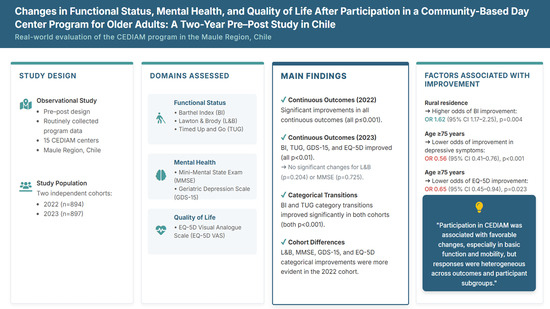
Introduction: Community-based day center programs may support healthy ageing by promoting functional ability, mental well-being, and social participation among older adults, but real-world evidence from Latin America remains limited. Objective: We aimed to examine changes in functional status, mental health, and
[...] Read more.
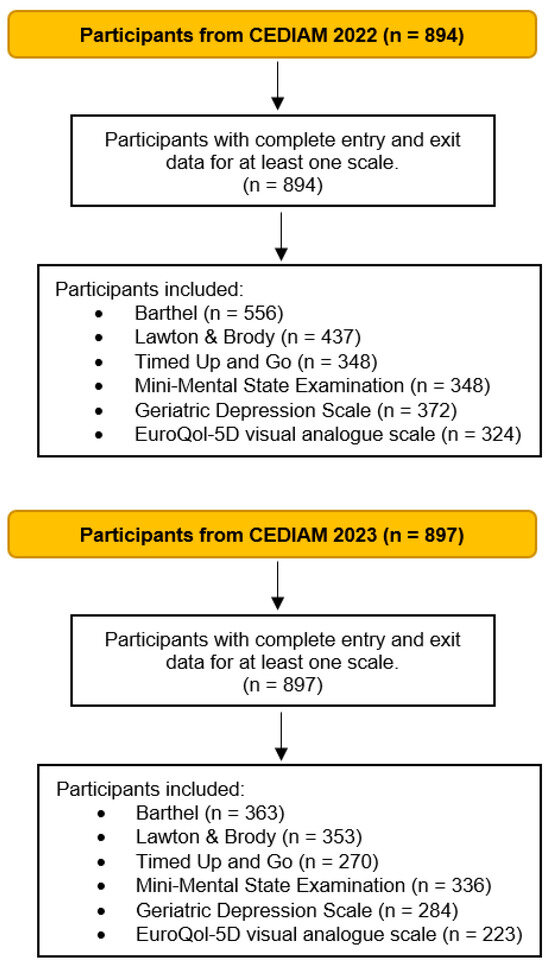
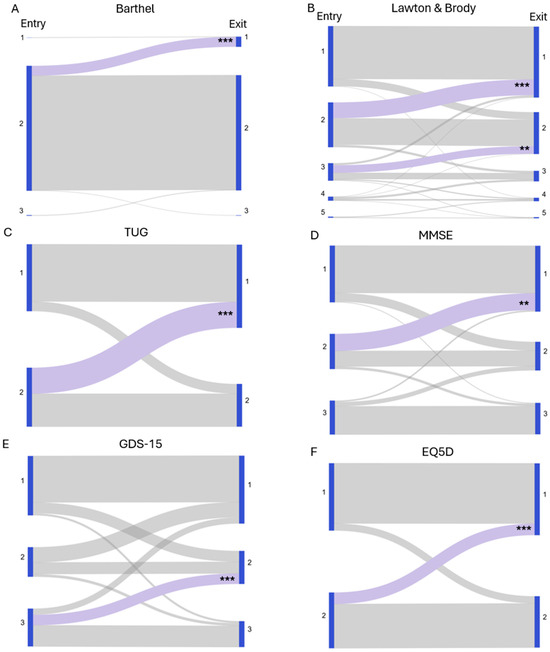
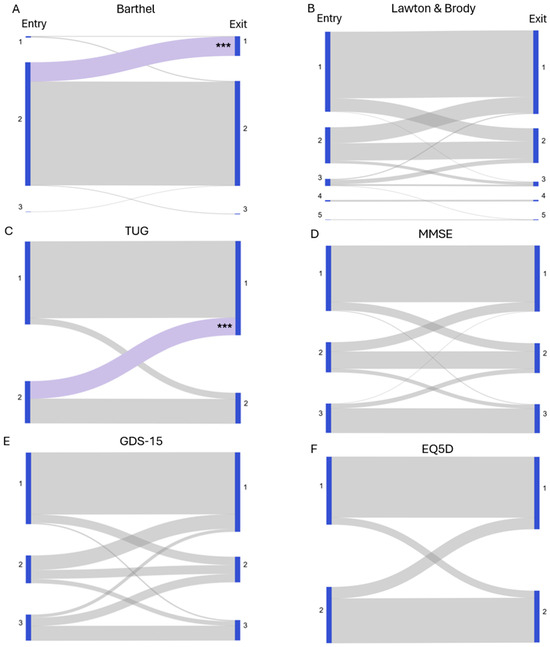
Introduction: Community-based day center programs may support healthy ageing by promoting functional ability, mental well-being, and social participation among older adults, but real-world evidence from Latin America remains limited. Objective: We aimed to examine changes in functional status, mental health, and quality of life among older adults participating in the CEDIAM program in the Maule Region of Chile in 2022 and 2023. Methods: Pre–post observational study using routinely collected data from 15 CEDIAM centers. The 2022 and 2023 datasets were analyzed as independent cohorts. Functional status was assessed with the Barthel Index, the Lawton and Brody scale, and the Timed Up and Go test; mental health with the Mini-Mental State Examination and the 15-item Geriatric Depression Scale; and quality of life with the EuroQol-5D visual analogue scale. Paired comparisons, category-transition analyses, and multivariable logistic regression models of improvement were performed. Results: Baseline samples included 894 participants in 2022 and 897 in 2023. In 2022, all continuous outcomes improved significantly (all p ≤ 0.001). In 2023, the Barthel Index, the Timed Up and Go test, and the Geriatric Depression Scale improved (all p < 0.0001), and the EuroQol-5D visual analogue scale also improved (p < 0.01), whereas the Lawton and Brody scale (p = 0.204) and the Mini-Mental State Examination (p = 0.725) did not. Category-transition analyses showed significant improvements in basic activities of daily living and mobility in both cohorts (both p < 0.001), while significant categorical changes in instrumental activities of daily living, global cognition, depressive symptoms, and self-rated quality of life were observed only in 2022 (all p ≤ 0.01). Rural residence was associated with higher odds of improvement in basic activities of daily living (OR 1.62, 95% CI 1.17–2.25; p = 0.004), whereas age ≥75 years was associated with lower odds of improvement in depressive symptoms (OR 0.56, 95% CI 0.41–0.76; p < 0.001) and self-rated quality of life (OR 0.65, 95% CI 0.45–0.94; p = 0.023). Conclusions: Participation in CEDIAM was associated with favorable changes, particularly in basic functional status and mobility, although responses varied across outcomes and participant subgroups.
Full article
(This article belongs to the Topic Healthy, Safe and Active Aging, 3rd Edition)
►▼
Show Figures

Graphical abstract
Open AccessArticle
Frailty, Sarcopenia, and Cognitive Risk in Senior Living Communities: Associations with Relocation Reasons and Fitness Amenity Utilization
by
Chiung-ju Liu, Gabriella Ulloa, Kelly Leal, Chia-Wei Fan, Pei-Shiun Chang and Inga Wang
Geriatrics 2026, 11(4), 81; https://doi.org/10.3390/geriatrics11040081 - 6 Jul 2026
Abstract
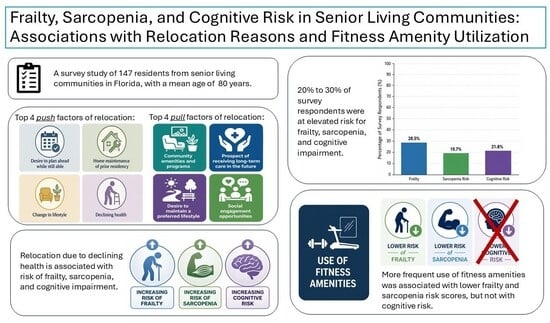
Background/Objectives: Senior living communities have become a popular living arrangement for older adults seeking supportive environments for aging in place. However, older adults may enter these communities with existing health vulnerabilities. This study described the prevalence of frailty, sarcopenia risk, and cognitive risk
[...] Read more.
Background/Objectives: Senior living communities have become a popular living arrangement for older adults seeking supportive environments for aging in place. However, older adults may enter these communities with existing health vulnerabilities. This study described the prevalence of frailty, sarcopenia risk, and cognitive risk among residents and examined their associations with relocation reasons and fitness amenity utilization. Methods: A cross-sectional survey was conducted among residents aged ≥65 years who had lived in the community for at least 3 months. Survey items included demographics, health status, living history, relocation reasons, physical activity, fitness amenity use, and screening tools for frailty, sarcopenia risk, and cognitive impairment. Descriptive statistics, Mann–Whitney U tests, and Spearman rank correlations were conducted. Results: A total of 147 residents (Mean age = 80.2 years, SD = 7.1) responded to the survey. Overall, 28.5% met criteria for frailty, 19.7% screened positive for sarcopenia risk, and 21.8% for cognitive risk. Residents who reported a health-related reason for relocation showed greater frailty (U = 410, p < 0.001), sarcopenia risk (U = 393, p < 0.001), and cognitive impairment (U = 1062, p = 0.01). More frequent fitness amenity use was associated with lower frailty and sarcopenia risk scores (Spearman’s Rho = −0.30 and −0.40, respectively, both p < 0.01), but not cognitive impairment. Conclusions: A meaningful subset of senior living residents were at risk for frailty, sarcopenia, and cognitive impairment. Routine screening and interventions promoting fitness amenity use may support healthy aging in senior living communities.
Full article
(This article belongs to the Section Healthy Aging)
►▼
Show Figures

Graphical abstract
Open AccessCommentary
Invisible Ties and Essential Care: Chosen Family Caregivers in the HIV Landscape
by
Kristina M. Kokorelias, Luxey Sirisegaram, Dean Valentine and Stephanie Hatzifilalithis
Geriatrics 2026, 11(4), 80; https://doi.org/10.3390/geriatrics11040080 - 6 Jul 2026
Abstract
Chosen family caregivers assume caregiving roles by choice rather than by blood or legal relation. Chosen family caregivers play a critical yet often invisible role in supporting older adults living with HIV. Unlike traditional family caregivers, many chosen family members are themselves living
[...] Read more.
Chosen family caregivers assume caregiving roles by choice rather than by blood or legal relation. Chosen family caregivers play a critical yet often invisible role in supporting older adults living with HIV. Unlike traditional family caregivers, many chosen family members are themselves living with HIV or other chronic health conditions, creating unique dynamics of mutual support, resilience, and vulnerability. Older LGBTQ adults are disproportionately reliant on chosen family, often due to stigma, estrangement from biological family, or social marginalization, highlighting distinct challenges in caregiving relationships. Women in chosen family roles frequently experience compounded burdens, balancing emotional, physical, and logistical care responsibilities alongside broader social and structural pressures. Despite their essential contributions, chosen family caregivers remain largely unrecognized within healthcare systems, limiting their access to formal support, respite, and decision-making authority. This commentary synthesizes the existing literature and conceptual perspectives to examine the social, gendered, and health-related dimensions that distinguish chosen family caregiving. It highlights key gaps in recognition and support and outlines implications for policy, research, and practice aimed at strengthening care for older adults living with HIV.
Full article
(This article belongs to the Special Issue Care, Connection and Equity: Advancing the Science of Caregiving in Aging)
Open AccessArticle
Detecting Elder Abuse in an Italian Emergency Department: A Six-Year Retrospective Study and Implications for Systematic Screening
by
Martina Focardi, Paola D’Onofrio, Marco Carnevali, Francesca Romana Ermini, Edoardo Orlandi, Ilenia Bianchi, Barbara Gualco, Vilma Pinchi and Beatrice Defraia
Geriatrics 2026, 11(4), 79; https://doi.org/10.3390/geriatrics11040079 - 2 Jul 2026
Abstract
►▼
Show Figures
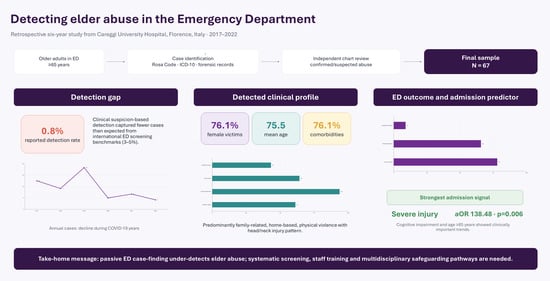
Background/Objectives: Elder abuse remains a significantly underreported public health issue. The study examines how elder abuse is detected through a passive, suspicion-based case-finding pathway in an Italian university hospital emergency department (ED) and what the findings imply for improving systematic screening. Methods: This
[...] Read more.
Background/Objectives: Elder abuse remains a significantly underreported public health issue. The study examines how elder abuse is detected through a passive, suspicion-based case-finding pathway in an Italian university hospital emergency department (ED) and what the findings imply for improving systematic screening. Methods: This retrospective study analyzed elder abuse cases accessed at Careggi University Hospital ED (Florence, Italy) from 2017 to 2022. Eligible patients were aged ≥65 years and had suspected or confirmed elder abuse identified through Rosa Code protocol activation, abuse-related ICD-10 codes, and forensic consultation records. Two investigators independently reviewed eligible charts using predefined inclusion criteria and a standardized data-extraction form. Missing or unclear documentation was quantified descriptively, and no imputation was performed. Results: Sixty-seven elder abuse cases were identified during the six-year period, corresponding to a reported detection rate of 0.8% among the records screened for this study (mean: 11.2 cases/year). All eligible cases were captured through Rosa Code activation; ICD-10 and forensic-record searches did not identify additional cases. The majority of victims were women (76.1%), with a mean age of 75.5 years, and 76.1% had documented comorbidities. Physical abuse was the most common form (61.2%), predominantly perpetrated by family members (93.8%) within the victim’s home (64.2%). Head and neck injuries were most frequent (43.3%). A notable 50% decline in reported cases occurred during the COVID-19 pandemic. Despite law enforcement notification in 78% of cases, 65.7% of patients were discharged home. Conclusions: The study’s detection rate (<1%) falls critically short of international benchmarks (3–5%), underscoring urgent need for systematic screening using validated tools and staff training and multidisciplinary safeguarding pathways in Italian emergency departments.
Full article
Graphical abstract
Open AccessSystematic Review
Impact of mHealth on Medication Adherence in Older Adults with Chronic Diseases Facing Treatment Burden: A Systematic Review
by
Leandro Amato, Isabella Napoleoni, Noemi Giannetta, Emanuele Di Simone, Nicolò Panattoni, Alessandra Improta, Erika Renzi, Azzurra Massimi, Marco Di Muzio and Sofia Taborri
Geriatrics 2026, 11(4), 78; https://doi.org/10.3390/geriatrics11040078 - 2 Jul 2026
Abstract
►▼
Show Figures
Background: In older adults, multimorbidity and polypharmacy complicate medication regimens and often lead to poor adherence. Mobile health (mHealth) has been suggested as a solution to enhance medication adherence in chronic conditions. Despite the increase in smartphone usage among people aged 65
[...] Read more.
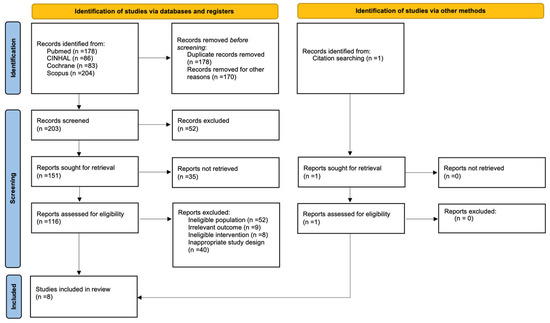
Background: In older adults, multimorbidity and polypharmacy complicate medication regimens and often lead to poor adherence. Mobile health (mHealth) has been suggested as a solution to enhance medication adherence in chronic conditions. Despite the increase in smartphone usage among people aged 65 and over, there is still a lack of evidence of mHealth in this age group. Objectives: To evaluate the impact of mHealth interventions on medication adherence in older adults (≥65 years) with chronic diseases, compared with standard care or other interventions. Methods: The review was conducted in accordance with PRISMA 2020 guidelines and the Cochrane Handbook for Systematic Reviews. Randomized controlled trials published from 2000 onwards were considered with no linguistic or geographical restrictions. The databases searched included PubMed, Scopus, Cochrane Library, and CINAHL. Methodological quality was assessed using the Revised Cochrane Risk of Bias Tool for Randomized Trials. Results: 551 records were initially identified, from which 8 randomized controlled trials published between 2014 and 2025 were included. Six of eight studies showed that medication adherence in mHealth groups was significantly higher than in controls. However, one study found benefits only in specific drug classes rather than a general improvement. Conclusions: The results of this review suggest that mHealth has the potential to improve medication adherence among older adults with chronic diseases, especially when interventions go beyond simple reminders and incorporate educational and relational components. Nevertheless, higher quality studies with larger samples and longer follow-up are needed to clarify mHealth’s role in the care of this population.
Full article
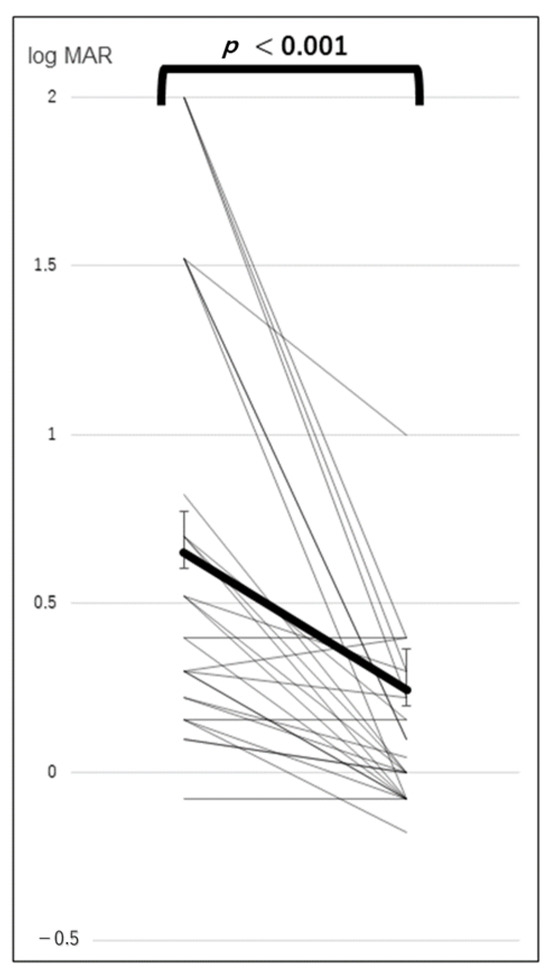
Figure 1
Open AccessArticle
Age, Not Sex, Drives Sarcopenia Severity in Mexican Older Adults with a Health Insurance Plan
by
Selma Karime Castillo-Vazquez, Nadia Alejandra Rivero-Segura, Juan Carlos Gomez-Verjan, Jazmin Camacho and Daniel Hernández-Pando
Geriatrics 2026, 11(4), 77; https://doi.org/10.3390/geriatrics11040077 - 1 Jul 2026
Abstract
Background/Objectives: Sarcopenia significantly increases the risk of hospitalization and mortality in older adults. However, the prevalence by sex varies across populations and according to the criteria used by the European Working Group on Sarcopenia in Older People 2 (EWGSOP2). Hence, in the
[...] Read more.
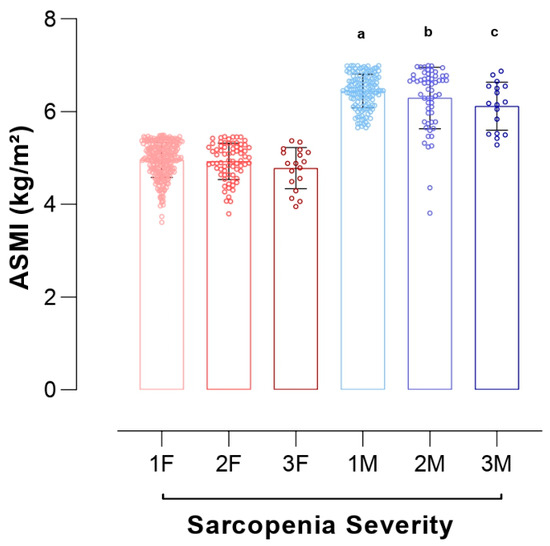
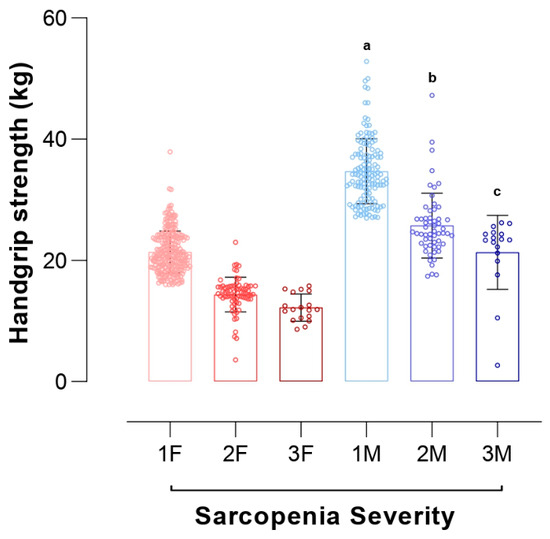
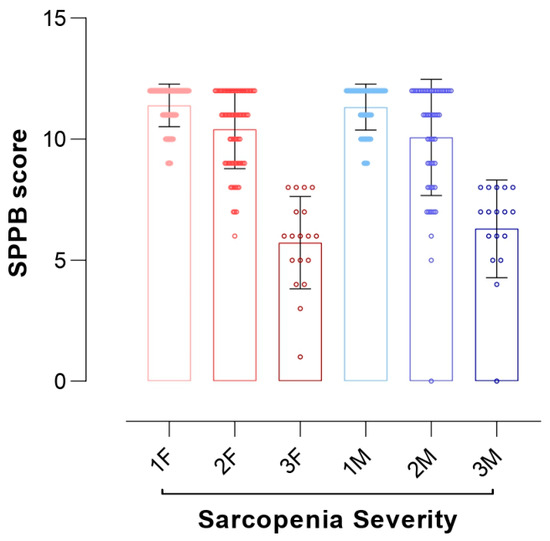
Background/Objectives: Sarcopenia significantly increases the risk of hospitalization and mortality in older adults. However, the prevalence by sex varies across populations and according to the criteria used by the European Working Group on Sarcopenia in Older People 2 (EWGSOP2). Hence, in the current study, we aim to characterize the prevalence of sarcopenia by jointly evaluating all three diagnostic domains in a Mexican cohort of older adults subscribed to a health insurance plan. Methods: We performed binomial and multinomial regression models, ordinal logistic regression, and multiple linear regression from the data corresponding to muscle mass (ASMI), muscle strength (handgrip dynamometry), and physical performance (SPPB) from 556 Mexican older adults (62.2% female; 72.27 ± 6.35 y.o.) categorized by sarcopenia severity according to the EWGSOP2. Results: Men exhibited significantly higher absolute muscle mass and strength across all categories (p < 0.001). Additionally, our statistical analyses demonstrate that age, but not sex, is involved in sarcopenia severity in this population. Moreover, when analyzing the disaggregated EWGSOP2 domains, the results demonstrate that sex is significantly associated with muscle mass (ASMI) and muscle strength (Handgrip strength). Conclusions: These results suggest that sex only influences both muscle mass (ASMI) and muscle strength (handgrip strength) while sarcopenia severity only depends on age.
Full article
(This article belongs to the Section Healthy Aging)
►▼
Show Figures

Figure 1
Open AccessArticle
Determinants of Healthcare Professionals’ Intentions to Use Telemedicine for Elderly Care in Algeria: A Technology Acceptance Model Approach
by
Kamel Mouloudj, Anuli Njoku, Ahmed Chemseddine Bouarar, Dachel Martínez Asanza, Marian A. Evans and Snehal Baviskar
Geriatrics 2026, 11(4), 76; https://doi.org/10.3390/geriatrics11040076 - 27 Jun 2026
Abstract
►▼
Show Figures
Background/Objectives: Telemedicine offers significant potential to improve the quality and accessibility of geriatric care, particularly in resource-constrained settings. However, its effective implementation depends largely on healthcare professionals’ acceptance and willingness to use such systems. Drawing on an extended Technology Acceptance Model (TAM),
[...] Read more.
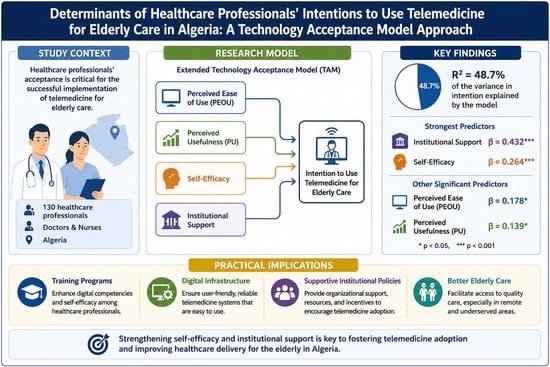
Background/Objectives: Telemedicine offers significant potential to improve the quality and accessibility of geriatric care, particularly in resource-constrained settings. However, its effective implementation depends largely on healthcare professionals’ acceptance and willingness to use such systems. Drawing on an extended Technology Acceptance Model (TAM), this study examines the determinants of doctors’ and nurses’ intentions to adopt telemedicine for elderly care in Algeria, with particular emphasis on self-efficacy and institutional support. Methods: This cross-sectional study employed a structured questionnaire administered to 130 healthcare professionals, including physicians and nurses, in Algeria. Hierarchical multiple regression analysis was conducted to test the proposed hypotheses and assess the incremental explanatory power of the extended model. Results: The extended TAM accounted for 48.7% of the variance in intention to use telemedicine. Institutional support (β = 0.432, p < 0.001) and self-efficacy (β = 0.264, p = 0.001) emerged as the strongest predictors. Perceived ease of use (β = 0.178, p = 0.038) and perceived usefulness (β = 0.139, p = 0.021) also had significant positive effects. The inclusion of self-efficacy and institutional support increased the model’s explanatory power by 23.5%. Conclusions: The findings highlight the critical role of organizational support mechanisms, digital competencies, and system usability in fostering telemedicine adoption among healthcare professionals. The study provides practical implications for policymakers and healthcare institutions, emphasizing the need for targeted training programs, supportive infrastructure, and institutional policies that enhance confidence and facilitate the integration of telemedicine into clinical workflows.
Full article
Graphical abstract
Open AccessArticle
Toothbrushing Ability in Older Adults Across Stages of Cognitive Impairment
by
Xi Chen, Jirakate Madiloggovit-Lower, Carissa Comnick, Daniel Tranel, Lisa Jacobson and Natalie Denburg
Geriatrics 2026, 11(4), 75; https://doi.org/10.3390/geriatrics11040075 - 25 Jun 2026
Abstract
Background/Objectives: Cognitive impairment can compromise toothbrushing and other oral self-care functions, increasing the risk of oral diseases and related complications. However, how toothbrushing ability declines across stages of cognitive impairment remains unclear. This study aimed to describe functional deficits in toothbrushing among older
[...] Read more.
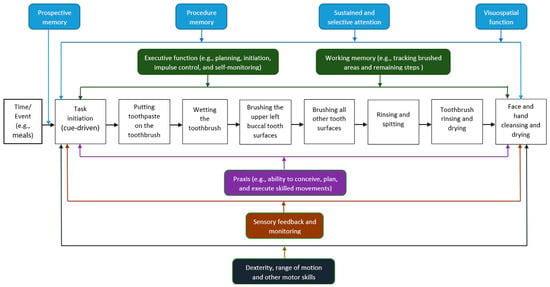
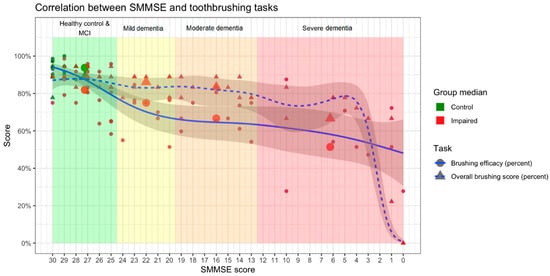
Background/Objectives: Cognitive impairment can compromise toothbrushing and other oral self-care functions, increasing the risk of oral diseases and related complications. However, how toothbrushing ability declines across stages of cognitive impairment remains unclear. This study aimed to describe functional deficits in toothbrushing among older adults with different levels of cognitive function. Method: Sixty-five older adults (14 cognitively healthy and 51 with documented cognitive impairment) were classified into five cognitive levels based on Standardized Mini-Mental State Examination scores. Participants completed a toothbrushing task as they normally would at home. Performance was videotaped, coded, and evaluated across four domains (task initiation, completion, thoroughness, and quality) with total scores reflecting overall toothbrushing ability. Overall performance, functional deficits, and assistance needs were analyzed in relation to cognitive levels. Results: Participants averaged 76.5 years of age. Toothbrushing ability declined gradually with worsening cognitive impairment, followed by a sharp deterioration at the profound stage (e.g., SMMSE ≤ 5). Compared with cognitively healthy participants (n = 14), those with mild cognitive impairment (MCI, n = 20) or mild (n = 10), moderate (n = 10), or severe dementia (n = 11) lost an average of 3%, 8%, 12%, and 37% of overall toothbrushing ability, respectively. Brushing efficiency declined earlier and more rapidly, decreasing by 13% in MCI and up to 46% in severe dementia (p < 0.001). All participants with MCI or mild dementia completed the task independently, whereas 20% with moderate dementia and 80% with severe dementia required assistance to initiate or complete the task. Conclusions: Overall toothbrushing ability remains relatively preserved until the later stages of cognitive impairment, but brushing quality deteriorates much earlier and quicker. These findings highlight the importance of early caregiver–patient partnerships, functionally tailored oral self-care rehabilitation, and personalized caregiver training to support oral hygiene among older adults with cognitive impairment.
Full article
(This article belongs to the Special Issue Oral Health Care in Older Adults)
►▼
Show Figures

Figure 1
Open AccessArticle
The Association Between Active Aging and Health-Related Quality of Life
by
Keon Woo, JungHoon Lee and YoonSoo Choy
Geriatrics 2026, 11(3), 74; https://doi.org/10.3390/geriatrics11030074 - 17 Jun 2026
Abstract
Background and Objectives: This study examined the association between active aging and health-related quality of life (HRQoL) in older Korean adults. Furthermore, it examined how socioeconomic factors were related to active aging and HRQoL. Methods: Data were analyzed using the 8th
[...] Read more.
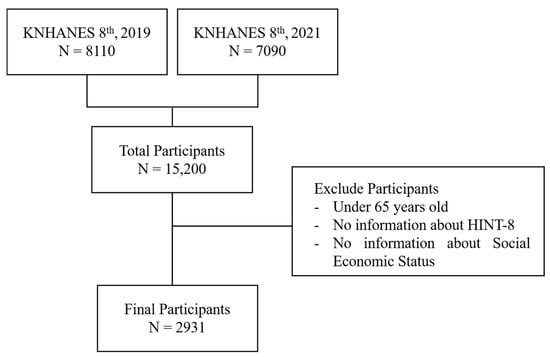
Background and Objectives: This study examined the association between active aging and health-related quality of life (HRQoL) in older Korean adults. Furthermore, it examined how socioeconomic factors were related to active aging and HRQoL. Methods: Data were analyzed using the 8th Korea National Health and Nutrition Examination Survey (KNHANES). This study used the Health-Related Quality of Life Instrument with Eight Items (HINT-8), a Korean-specific HRQoL instrument. Multivariable regression analyses were conducted to estimate the associations of overall active aging and its health, participation, and security domains with HRQoL. Results: The health domain showed the largest coefficient, and the security domain was also significantly associated with HRQoL. The participation domain showed a relatively limited and statistically non-significant association, which may partly reflect measurement constraints in the operationalization of participation. Older adults with lower educational levels and those residing in rural areas had lower levels of both active aging and HRQoL. Conclusions: Active aging was positively associated with HRQoL among older Korean adults. These findings highlight health as the domain most strongly associated with HRQoL and identify security as an additional relevant domain, while participation-related findings should be interpreted cautiously given the limited operationalization of participation and its statistically non-significant association. However, longitudinal or intervention studies are needed to examine temporal and causal relationships between active aging and HRQoL.
Full article
(This article belongs to the Section Healthy Aging)
►▼
Show Figures

Figure 1
Open AccessArticle
From Complexity to Competency: International Nursing Perspectives on Comprehensive Geriatric Assessment
by
Evangelos C. Fradelos, Sini Eloranta, Ioanna Tsatsou, Ioanna Dimitriadou, Susanna Mört, Nina Korsström, Anna Lundberg, Magdalena Häger, Jekaterina Šteinmiller, Agita Melbarde-Kelmere, Kristaps Circenis, Sigrun S. Skuladottir, Ingibjörg Hjaltadòttir and Maria Saridi
Geriatrics 2026, 11(3), 73; https://doi.org/10.3390/geriatrics11030073 - 17 Jun 2026
Abstract
Background/Objectives: Population aging has increased the demand for comprehensive and coordinated care for older adults, placing primary health care (PHC) nurses at the forefront of comprehensive geriatric assessment (CGA) implementation. However, limited evidence exists regarding nurses’ experiences and educational needs related to CGA
[...] Read more.
Background/Objectives: Population aging has increased the demand for comprehensive and coordinated care for older adults, placing primary health care (PHC) nurses at the forefront of comprehensive geriatric assessment (CGA) implementation. However, limited evidence exists regarding nurses’ experiences and educational needs related to CGA across different European healthcare contexts. This study aimed to explore the experiences, perceived challenges, and educational needs of PHC nurses regarding the implementation of CGA in five European countries. Methods: A qualitative study design was employed using five focus groups, one in each participating country: Greece, Iceland, Finland, Estonia, and Latvia. A total of 29 PHC nurses participated in semi-structured interviews. Data were analyzed using reflexive thematic analysis. Results: Three overarching themes and nine subthemes were identified in relation to good practices in CGA: (1) embracing the complexity of holistic assessment; (2) balancing consistency with flexibility in clinical practice; and (3) advancing professional expertise through structured learning. Participants highlighted the importance of standardized assessment tools and effective multidisciplinary collaboration. At the same time, they reported significant gaps in formal education, limited organizational resources, and insufficient training in cultural competence, which hinder consistent CGA implementation. Conclusions: PHC nurses recognize the value of a holistic and structured approach to CGA but require clearer educational pathways and evidence-based training to address the complex needs of older adults. Strengthening curricula that emphasize interprofessional collaboration, practical competencies, and contextual adaptability may support more effective and sustainable implementation of CGA in primary care settings across Europe.
Full article
Open AccessSystematic Review
Breaking the Vicious Cycle? A Systematic Review of Interventions Targeting Both Falls and Fear of Falling in Older Adults
by
Asiye Tuba Ozdogar, Pervin Yesiloglu, Yuval Levitan Marcus and Alon Kalron
Geriatrics 2026, 11(3), 72; https://doi.org/10.3390/geriatrics11030072 - 16 Jun 2026
Abstract
►▼
Show Figures
Background: Falls and fall-related injuries are common in older adults and are frequently accompanied by fear of falling (FoF), which may lead to activity avoidance and functional decline. Because many interventions target falls or FoF in isolation, we conducted a systematic review and
[...] Read more.
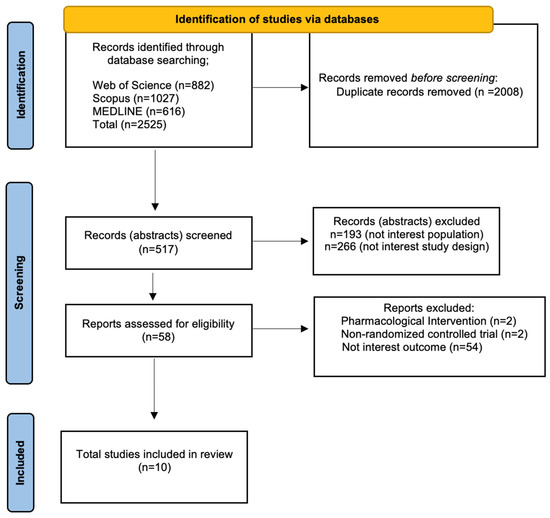
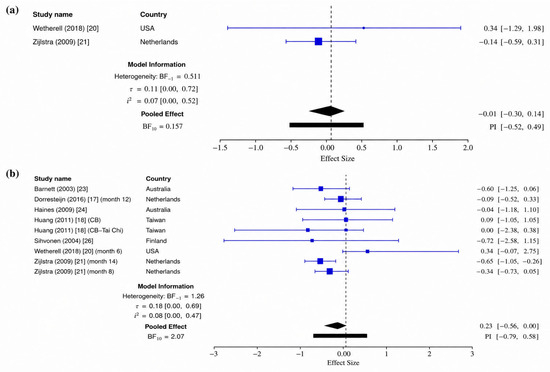
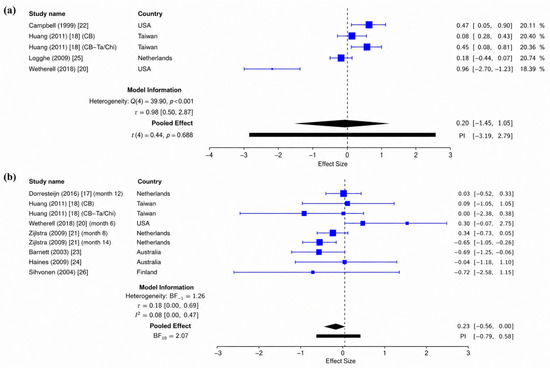
Background: Falls and fall-related injuries are common in older adults and are frequently accompanied by fear of falling (FoF), which may lead to activity avoidance and functional decline. Because many interventions target falls or FoF in isolation, we conducted a systematic review and meta-analysis of randomized controlled trials (RCTs) to identify, describe, and evaluate interventions reporting both falls and FoF outcomes in older adults. Methods: This systematic review and meta-analysis were registered in PROSPERO (CRD420251113137) and conducted in accordance with PRISMA guidelines. PubMed, Embase, and Web of Science were searched from inception to 4 November 2025. Eligible studies were English-language RCTs that included adults aged ≥60 years, evaluated nonpharmacological interventions, and reported both FoF and falls. Methodological quality was assessed using the PEDro scale. Random-effects meta-analyses were performed for FoF (Hedges g), and Bayesian random-effects binomial meta-analyses were conducted for falls. Results: Ten RCTs published between 1998 and 2018 (sample sizes per trial: n = 27–540) were included. Interventions included cognitive–behavioral therapy-based programs, Tai Chi, physiotherapist-led strength and balance training, computerized visual feedback, and video-guided home exercise. PEDro scores ranged from 6 to 9 (mean, 7.7). Pooled analyses showed no significant effect on FoF at the end of intervention (g = −0.20, 95% CI −1.45 to 1.05; p = 0.68; high heterogeneity) or at follow-up (g = −0.14, 95% CI −0.60 to 0.33; p = 0.50). For falls, postintervention evidence favored the null (BF10 = 0.16; pooled estimate −0.01, 95% credible interval [CrI] −0.30 to 0.14). Follow-up results were inconclusive (BF10 = 2.07; pooled CrI −0.56 to 0.00), with substantial uncertainty. Conclusions: Across RCTs that measured both outcomes, interventions did not consistently improve both FoF and falls outcomes. These findings may suggest a partial dissociation between psychological and physical fall-related outcomes, highlighting the need for integrated, adequately powered trials that utilize standardized measures and longer follow-up periods.
Full article

Figure 1
Open AccessReview
Sensory Blurring in Nociplastic Pain: The Role of Descending Inhibitory Dysfunction and Gut–Brain Axis Alterations in Older Adults
by
Takahiko Nagamine
Geriatrics 2026, 11(3), 71; https://doi.org/10.3390/geriatrics11030071 - 16 Jun 2026
Abstract
Background: Inhibitory processes in the nervous system are traditionally conceptualized as suppressive mechanisms; however, their fundamental role is the refinement and optimization of sensory information. In nociception, this function is mediated by the descending pain inhibitory system (DPIS), which modulates nociceptive transmission
[...] Read more.
Background: Inhibitory processes in the nervous system are traditionally conceptualized as suppressive mechanisms; however, their fundamental role is the refinement and optimization of sensory information. In nociception, this function is mediated by the descending pain inhibitory system (DPIS), which modulates nociceptive transmission at multiple hierarchical levels. Biological sex and gender-related factors significantly influence these inhibitory pathways, yet they are often overlooked in clinical frameworks. Methods: A narrative review was conducted using PubMed, MEDLINE, and Scopus databases, focusing on studies published between 2010 and 2025. Search terms included “descending pain inhibitory system,” “nociplastic pain,” “aging,” “sex differences,” “gender,” and “gut–brain axis.” Approximately 30 key references were synthesized. Results: The DPIS enhances the precision of nociceptive signals through mechanisms analogous to lateral inhibition. In chronic and nociplastic pain, this refinement process is impaired, leading to “sensory blurring.” Aging exacerbates these changes through neurochemical depletion and neuroinflammation. Crucially, this decline follows sex-specific trajectories; estrogen depletion in post-menopausal females accelerates the loss of monoaminergic inhibitory reserves, while gender-related sociocultural stressors can further disrupt top-down executive control. Additionally, alterations in the gut–brain axis signaling—modulated by sex-specific gut microbiota profiles—further disrupt inhibitory control. Conclusions: Chronic pain may be conceptualized as a disorder of sensory refinement rather than excessive nociceptive input. Inclusion of sex and gender as biological variables is essential for precision pain management. Therapeutic strategies should focus on restoring inhibitory precision through both central and systemic approaches, tailored to the patient’s hormonal and physiological profile.
Full article
(This article belongs to the Special Issue Pain in Aging and Impaired Cognition, Especially Dementia: Clinical and Experimental Studies)
►▼
Show Figures

Graphical abstract
Journal Menu
► ▼ Journal Menu-
- Geriatrics Home
- Aims & Scope
- Editorial Board
- Reviewer Board
- Topical Advisory Panel
- Instructions for Authors
- Special Issues
- Topics
- Sections & Collections
- Article Processing Charge
- Indexing & Archiving
- Most Cited & Viewed
- Journal Statistics
- Journal History
- Journal Awards
- Conferences
- Editorial Office
- 10th Anniversary
Journal Browser
► ▼ Journal BrowserHighly Accessed Articles
Latest Books
E-Mail Alert
News
Topics
Topic in
Geriatrics, IJMS, Life, Sports, Neurology International, Obesities
Exercise and Human Aging: Physiological and Psychological Functions
Topic Editors: Samuel Da Silva Aguiar, Ismael Perez-SuarezDeadline: 20 September 2026
Topic in
Brain Sciences, Children, Foods, Geriatrics, Nutrients, Clinics and Practice, Dietetics, JGG
Lifestyle, Health and Mental Well-Being Across the Lifespan
Topic Editors: Tonia Vassilakou, Rena I. Kosti, Maria G. GrammatikopoulouDeadline: 31 December 2026
Topic in
IJMS, Cells, Biomolecules, Geriatrics, Immuno
Inflammaging: The Immunology of Aging, 2nd Edition
Topic Editors: Brianna Cyr, Juan Pablo de Rivero VaccariDeadline: 15 February 2027
Topic in
Behavioral Sciences, Brain Sciences, Geriatrics
Psychopathology and Developmental Trajectories
Topic Editors: Donatella Rita Petretto, Carmelo Masala, Stefan BogaertsDeadline: 31 March 2027
Conferences
Special Issues
Special Issue in
Geriatrics
Care, Connection and Equity: Advancing the Science of Caregiving in Aging
Guest Editor: Kristina KokoreliasDeadline: 31 August 2026
Special Issue in
Geriatrics
Exercise Interventions for Healthy Aging
Guest Editors: Pedro Gargallo, Iván Chulvi MedranoDeadline: 30 October 2026
Special Issue in
Geriatrics
REACH at Twenty Years: Evolution and Impact of a Multi-Component Behavioral Caregiving Intervention
Guest Editors: Linda Nichols, Jennifer Martindale-AdamsDeadline: 31 October 2026
Special Issue in
Geriatrics
Digital Innovations in Geriatric and Gerontological Care
Guest Editor: Satu EloDeadline: 31 October 2026
Topical Collections
Topical Collection in
Geriatrics
Joint Arthroplasty in the Oldest People
Collection Editors: Juan F. Blanco, Carmen da Casa
Topical Collection in
Geriatrics
Ageism, the Black Sheep of the Decade of Healthy Ageing
Collection Editor: Lydia Gimenez Llort
Topical Collection in
Geriatrics
Responding to the Pandemic: Geriatric Care Models
Collection Editor: James Powers