Financial Accounting
Share This Topical Collection
Editor
Topical Collection Information
Dear Colleagues,
This Special Issue focuses on the broad topic of “Financial Accounting” and includes novel research studies on the use of financial accounting and techniques for earnings management, banking, corporate finance, and the risk management of financial institutions.
Theoretical and empirical articles on the application of novel financial accounting techniques based on earnings management, corporate finance, banking, and risk management are welcome.
Prof. Dr. Justin Y. Jin
Guest Editor
Manuscript Submission Information
Manuscripts should be submitted online at www.mdpi.com by registering and logging in to this website. Once you are registered, click here to go to the submission form. All submissions that pass pre-check are peer-reviewed. Accepted papers will be published continuously in the journal (as soon as accepted) and will be listed together on the collection website. Research articles, review articles as well as short communications are invited. For planned papers, a title and short abstract (about 250 words) can be sent to the Editorial Office for assessment.
Submitted manuscripts should not have been published previously, nor be under consideration for publication elsewhere (except conference proceedings papers). All manuscripts are thoroughly refereed through a single-anonymized peer-review process. A guide for authors and other relevant information for submission of manuscripts is available on the Instructions for Authors page. Journal of Risk and Financial Management is an international peer-reviewed open access monthly journal published by MDPI.
Please visit the Instructions for Authors page before submitting a manuscript.
The Article Processing Charge (APC) for publication in this open access journal is 1600 CHF (Swiss Francs).
Submitted papers should be well formatted and use good English. Authors may use MDPI's
English editing service prior to publication or during author revisions.
Keywords
- financial accounting
- banking
- risk management
- corporate finance
Published Papers (12 papers)
Open AccessArticle
Corporate Life-Cycle Stages, Leverage, and Earnings Management: Empirical Evidence from Listed Firms in Vietnam
by
Hieu Duc Pham
Viewed by 418
Abstract
The paper investigates the evolution of earnings management across corporate life-cycle stages and evaluates the moderating role of leverage within an emerging market context. Utilising a dataset of 273 non-financial firms listed on Vietnamese stock exchanges over the 2012–2022 period (3003 firm-year observations),
[...] Read more.
The paper investigates the evolution of earnings management across corporate life-cycle stages and evaluates the moderating role of leverage within an emerging market context. Utilising a dataset of 273 non-financial firms listed on Vietnamese stock exchanges over the 2012–2022 period (3003 firm-year observations), we delineate life-cycle phases—introduction, growth, maturity, and decline—using net cash flow patterns. Earnings quality is proxied via diverse discretionary accrual models. Methodologically, the study employs fixed-effects regressions with firm-clustered standard errors, incorporating interaction terms to capture stage-specific leverage dynamics. The empirical evidence reveals a non-linear and stage-dependent trajectory of earnings management, with introduction- and decline-stage firms exhibiting higher discretionary accruals compared to benchmarks. Crucially, the institutional impact of debt financing is contingent upon corporate maturity; while leverage exhibits a baseline positive association with earnings management, this relationship diminishes or reverses during the introduction and decline phases. These insights withstand rigorous robustness checks, including different discretionary accrual models and alternative life-cycle classifications. This study advances current literature by integrating capital structure into the corporate life-cycle framework, demonstrating that leverage effects are dynamic and shaped by shifting financial constraints and monitoring environments. Ultimately, the findings offer valuable insights into financial reporting incentives in emerging markets characterised by concentrated ownership and transitional corporate governance, yielding critical implications for regulators, investors, and auditors.
Full article
Open AccessArticle
The Nexus of Internal Audit System, Cultural Complexity, and Corruption Control in Ghana’s SOEs
by
Samuel Kwadjo Akukumah and Sam Kris Hilton
Viewed by 610
Abstract
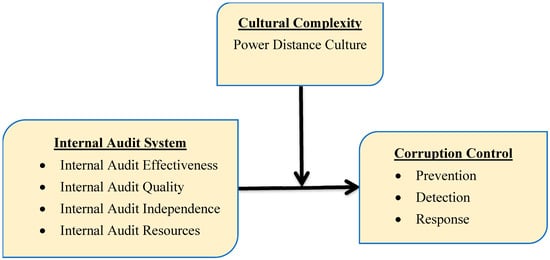
This study investigates the interplay of internal audit system, cultural complexity and corruption control in Ghana’s state-owned enterprises (SOEs), examining how these factors influence anti-corruption efforts. Employing a quantitative and cross-sectional survey design, we gather data from 1150 internal auditors and use EFA,
[...] Read more.
This study investigates the interplay of internal audit system, cultural complexity and corruption control in Ghana’s state-owned enterprises (SOEs), examining how these factors influence anti-corruption efforts. Employing a quantitative and cross-sectional survey design, we gather data from 1150 internal auditors and use EFA, descriptive statistics and macro-process modeling for analysis. The results show that internal audit effectiveness, quality, independence, and resources are all positively related to corruption control (prevention, detection and response), with internal audit independence having the greatest effect on corruption control. Power distance culture (PDC) moderates these relationships, but the direction and significance of the moderation vary across the different aspects of corruption control. This study highlights the importance of strengthening internal audit system and addressing cultural barriers to enhance corruption control in SOEs, informing governance strategies in emerging economies. It has demonstrated that PDC plays a complex role in shaping the effectiveness of internal audit system in controlling corruption. Thus, this research contributes to the limited literature on the intersection of internal audit, PDC and corruption control in a developing country context, offering insights for policymakers and practitioners.
Full article
►▼
Show Figures
Open AccessArticle
The Moderating Effect of Economic Policy Uncertainty on the Relationship Between Working Capital Management Policy and Financial Distress: Evidence from Egyptian Firms
by
Ghada Ahmed Nabil Ibrahim and Hoda Essam Hassan Khaled
Cited by 1 | Viewed by 1583
Abstract
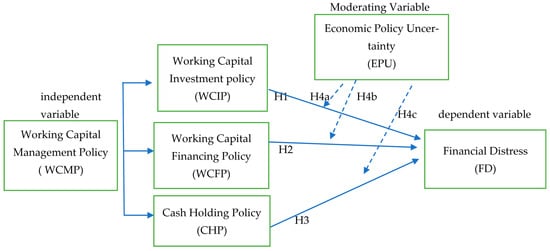
This study examines the impact of working capital management policy (WCMP), including working capital investment policy (WCIP), working capital financing policy (WCFP), and cash holding policy (CHP) on financial distress (FD) among non-financial firms listed on the Egyptian Stock Exchange during 2010–2024. FD
[...] Read more.
This study examines the impact of working capital management policy (WCMP), including working capital investment policy (WCIP), working capital financing policy (WCFP), and cash holding policy (CHP) on financial distress (FD) among non-financial firms listed on the Egyptian Stock Exchange during 2010–2024. FD is proxied by the Altman Z-score, where higher values indicate lower distress risk. The study further investigates whether economic policy uncertainty (EPU) moderates the relationship between WCMP and FD. Using panel data analysis and the Fixed Effects Model, the results show that conservative WCIP and higher cash holdings significantly reduce FD risk, whereas greater reliance on short-term financing increases firms’ vulnerability to distress. The findings also reveal that EPU amplifies the effects of WCMP on FD. Overall, the study highlights the strategic importance of prudent liquidity management in enhancing firms’ financial resilience in emerging market environments characterized by macroeconomic uncertainty.
Full article
►▼
Show Figures
Open AccessArticle
Entities’ Performance and Human Resource Costs Derecognition in the Statement of Financial Position (SOFP): GMM Evidence from the NGX
by
Mukail Akinde and Olasunkanmi Olapeju
Viewed by 1229
Abstract
This study explored Entities’ Performance as an explained function of Human Resource Costs (HRC) to further justify recognition of the Labour Costs proxies in the Statement of Financial Position (SOFP). This has been investigated to provide robust empirical evidence from the Nigerian Exchange
[...] Read more.
This study explored Entities’ Performance as an explained function of Human Resource Costs (HRC) to further justify recognition of the Labour Costs proxies in the Statement of Financial Position (SOFP). This has been investigated to provide robust empirical evidence from the Nigerian Exchange Group (NGX) to spur the International Accounting Standard Board (IASB) to release an Exposure Draft (ED) for public discussion and have a standard to recognize proxies of HRC as assets in the SOFP. To provide grounds for inclusion of HRC in the SOFP by the IASB, unlike most other empirical studies reviewed, which deployed limited methods and years of time series data, this study expanded the scope and methods using Pooled Cross-Sectional (PCS) time series data of 27 quoted companies from 1992 to 2023 in the NGX. While most studies employed inefficient Ordinary Least Squares (OLS), this current study progressed from Descriptive Statistics to OLS, Pooled OLS, and Rodman’s Xtabond2 Generalized Method of Moments (GMM) to resolve the conundrums of endogeneity, reversed causality, and stationarity common to unbalanced PCS time series data. The results revealed from the GMM showed that LSW (18.40), positive, and LTD (−22.63), inverse, and Wald ^2 = 66.35 with
p-value (0.002), obviously validated the strong joint significance of the regressors on ROA (performance) of 27 sampled firms in the NGX. It is recommended that IASB align with the momentum from the output of research from academia by issuing standards to recognize HRC as assets in the SOFP.
Full article
Open AccessArticle
The Impact of Artificial Intelligence on Accounting Information and Earnings Management: Bibliometric Analysis
by
Dalenda Ben Ahmed
Cited by 1 | Viewed by 5748
Abstract
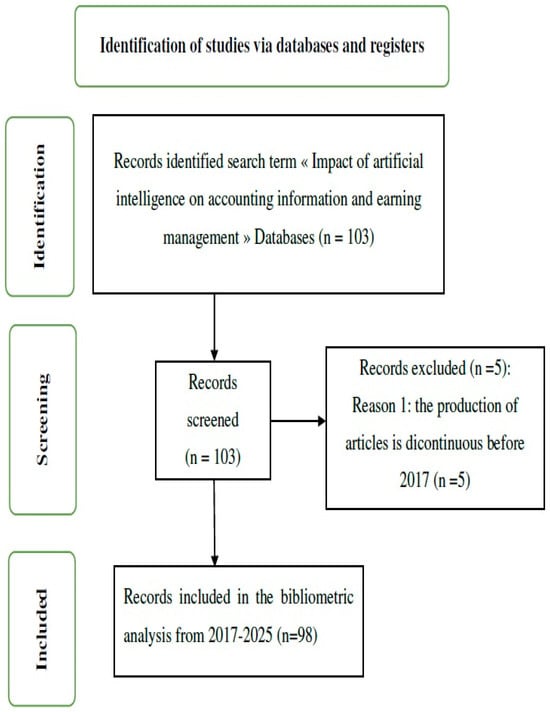
Artificial intelligence technology has increased in popularity in the domain of accounting. Previous studies have focused on analysing the impact of AI integration on accounting in general and on work performance, with few researchers analysing the impact of AI on accounting information. Our
[...] Read more.
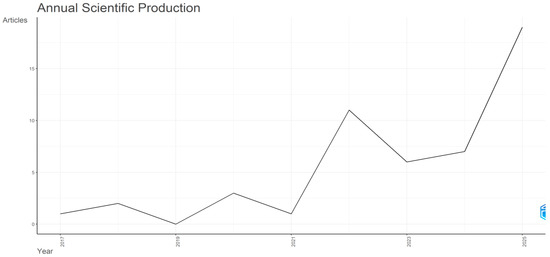
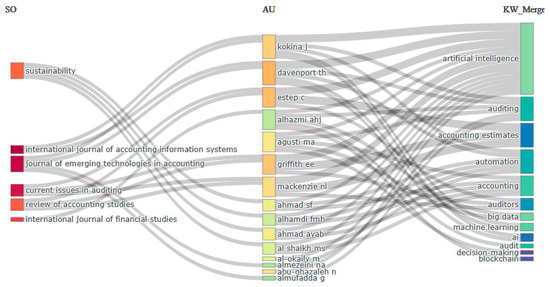
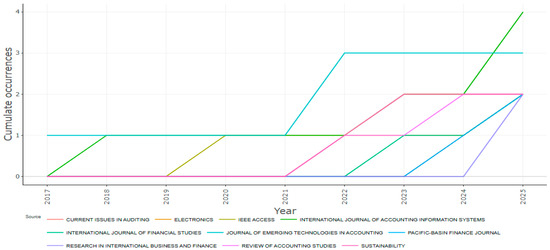
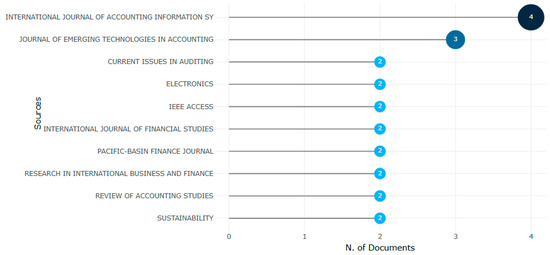
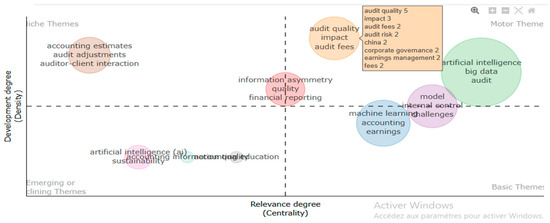
Artificial intelligence technology has increased in popularity in the domain of accounting. Previous studies have focused on analysing the impact of AI integration on accounting in general and on work performance, with few researchers analysing the impact of AI on accounting information. Our study aims to determine the impact of AI on accounting information, on the one hand, and earnings management, on the other, using a bibliometric analysis that examines trends in scientific output. Our analysis was based on the use of the Bibliometrix package of RStudio software. The information is obtained from the “Web of Science” database, which identified 98 articles published in 37 journals that are the subject of our bibliometric analysis for the period 2017–2025. Our study shows that integrating AI into accounting can resolve the problem of information asymmetry, increase the transparency of financial information, and both limit earnings management practices and promote more sophisticated forms of earnings management. The bibliometric results show an increase in scientific output on our topic from 2023 onwards, reaching its peak in 2025. Bibliometric analysis presents productivity over time, identifies the most developed topics and the most cited authors and articles, and reveals the most frequently used keywords. This study provides guidance for future research directions.
Full article
►▼
Show Figures
Open AccessArticle
Effects of the Recognition, Measurement, and Disclosure of Biological Assets Under IAS 41 on Value Creation in Colombian Agribusinesses
by
Iván Andrés Ordóñez-Castaño, Angélica María Franco-Ricaurte, Edila Eudemia Herrera-Rodríguez and Luis Enrique Perdomo Mejía
Viewed by 1750
Abstract
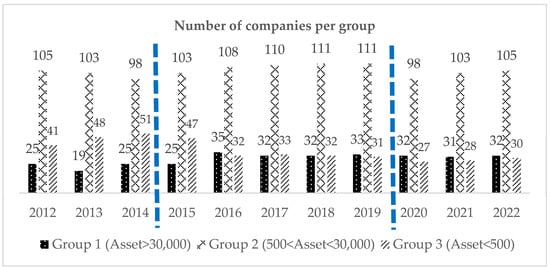
This article examines how the recognition, measurement, and disclosure of biological assets (BAs) under IAS 41 affect value creation in Colombian agribusinesses following IFRS adoption. Using EMIS Benchmark data for Colombia, we construct a panel of 157 agro-industrial firms that are neither subsidiaries
[...] Read more.
This article examines how the recognition, measurement, and disclosure of biological assets (BAs) under IAS 41 affect value creation in Colombian agribusinesses following IFRS adoption. Using EMIS Benchmark data for Colombia, we construct a panel of 157 agro-industrial firms that are neither subsidiaries of multinationals nor listed on the stock exchange; the panel covers 2012–2022, spanning the period before and after IFRS adoption. The database combines accounting and financial indicators with categorical variables capturing the scope of activities, valuation methods (historical cost, realisable value, present value, fair value), and disclosure policies for BAs. Value creation is proxied by EBITDA, return on equity (ROE), and return on assets (ROA). We estimate fixed-effects panel models for three IFRS groups. Results show that, in Group 1, defining the accounting scope and using fair value and present value as measurement bases are associated with higher firm value, while Groups 2 and 3 display positive but statistically weaker effects. Explicit disclosure is also associated with higher profitability, particularly for SMEs. These findings are consistent with agency and firm theories: when entrepreneurial activities are recognised, measured, and disclosed consistently and transparently, information asymmetry and agency costs fall, and accounting policies become a driver of organisational performance in agribusinesses in emerging markets. The results also support the assumptions of institutional theory, as external regulatory pressures from IFRS and internal pressures arising from relationships among firms in the agro-industrial sector shape and reinforce information disclosure practices.
Full article
►▼
Show Figures
Open AccessArticle
Real Options for IFRS-S1 and S2 2024 Mandatory Disclosures: An Alternative Approach to Capital Budgeting Valuation
by
Victor Manuel Castillo Delgadillo and Luz del Carmen Díaz-Peña
Cited by 3 | Viewed by 5339
Abstract
The new financial standards, IFRS S1 and S2, have not only modified the way financial reporting is presented to diverse stakeholders but have also increased uncertainty. These changes make traditional valuation methods inadequate. This article proposes the development of a valuation framework using
[...] Read more.
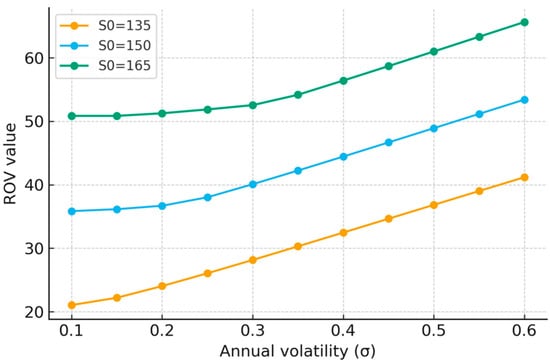
The new financial standards, IFRS S1 and S2, have not only modified the way financial reporting is presented to diverse stakeholders but have also increased uncertainty. These changes make traditional valuation methods inadequate. This article proposes the development of a valuation framework using Real Options Valuation (ROV), which incorporates the disclosures required by S1 and S2 as inputs to the valuation model. The framework proposes a quarterly decision rule for deferring investments, parameters aligned with the new sustainability disclosures, and notes in the financial statements proposed as voluntary reporting. The results show that, under regulatory uncertainty and its associated implications, the deferral option is a more effective technique than the Net Present Value method. For professionals responsible for the valuation process, the proposed model serves as a practical guide for applying the ROV within the capital budgeting process. For investors, it provides an additional element of transparency through disclosure and alignment with other existing accounting standards. This work lays the groundwork for future empirical applications as companies adapt to the implementation of new accounting standards and their associated reporting.
Full article
►▼
Show Figures
Open AccessArticle
The Influence of Institutional Pressures and Personal Attributes on Perceived Importance of Financial Reporting Among Micro-Entrepreneurs: Evidence from Malaysia
by
Mazni Abdullah and Nur Jannah Jamaluddin
Viewed by 1734
Abstract
This study examines the influence of institutional pressures and personal attributes on the perceived importance of financial reporting among micro-entrepreneurs in Malaysia. Survey data from 194 micro-entrepreneurs were analyzed using ordinary least squares (OLS) regression to test the proposed hypotheses. The results indicate
[...] Read more.
This study examines the influence of institutional pressures and personal attributes on the perceived importance of financial reporting among micro-entrepreneurs in Malaysia. Survey data from 194 micro-entrepreneurs were analyzed using ordinary least squares (OLS) regression to test the proposed hypotheses. The results indicate that institutional pressures from Malaysian regulatory bodies, particularly the Inland Revenue Board, and the financial literacy of micro-entrepreneurs are significantly associated with stronger perceptions of the importance of financial reporting. These findings offer practical insights for policymakers and stakeholders seeking to enhance reporting practices and promote financial literacy within the microenterprise sector. While prior research has largely concentrated on small and medium-sized enterprises (SMEs), the financial reporting practices of micro-enterprises remain underexplored, despite their distinctive characteristics and critical role in the economy. By addressing this gap, this study enriches the financial reporting literature and advances a broader understanding of micro, small, and medium-sized enterprises (MSMEs).
Full article
Open AccessArticle
Accounting Outsourcing in Tourism SMEs and Financial Risk Mitigation
by
Ioulia Poulaki, Anna Kyriakaki and Eleni Mavragani
Cited by 3 | Viewed by 4466
Abstract
This paper aims to investigate the characteristics of outsourcing in accounting services for tourism SMEs as a choice to mitigate their financial risk. The research was carried out in summer 2022, during tourism recovery from the COVID-19 pandemic crisis, while the findings indicate
[...] Read more.
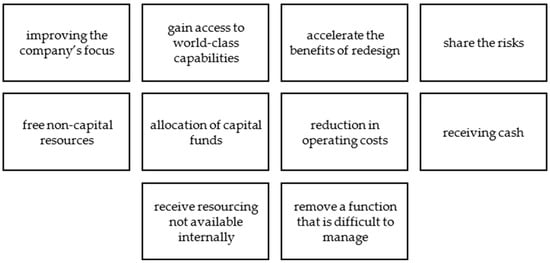
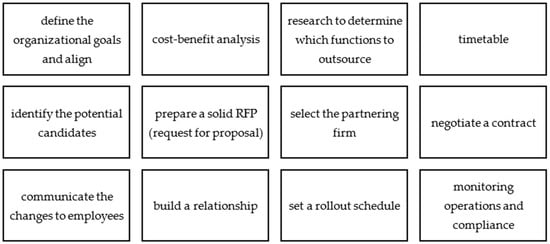
This paper aims to investigate the characteristics of outsourcing in accounting services for tourism SMEs as a choice to mitigate their financial risk. The research was carried out in summer 2022, during tourism recovery from the COVID-19 pandemic crisis, while the findings indicate that the majority of tourism SMEs choose to outsource their accounting services in order to reduce operating costs; to save their funds by exploiting a partner’s information systems; to take advantage of a partner’s accounting knowledge; to achieve greater flexibility in their core activities; and to speed up the processing of the accounting tasks in order to deal with any arising problems and/or difficulties. Furthermore, it is evident that in a constantly changing and complex tax system and a changing economic landscape, accounting outsourcing provides tourism SMEs with advantages such as already established processes, expertise, technology, consulting support, and pathways for dealing with the various accounting issues that may arise.
Full article
►▼
Show Figures
Open AccessArticle
Market Mavericks in Emerging Economies: Redefining Sales Velocity and Profit Surge in Today’s Dynamic Business Environment
by
Enkeleda Lulaj, Blerta Dragusha and Donjeta Lulaj
Cited by 11 | Viewed by 3679
Abstract
This research aims to explore market mavericks by redefining sales velocity and profit surge in today’s dynamic business environment in emerging economies. The study focuses on the interplay between Sales Excellence (SE), Sales Capability (SC), Market Alignment (MA), Strategic Responsiveness (SR), and Dynamic
[...] Read more.
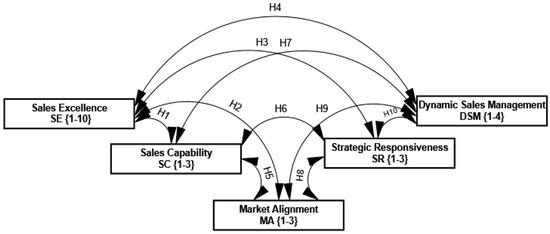
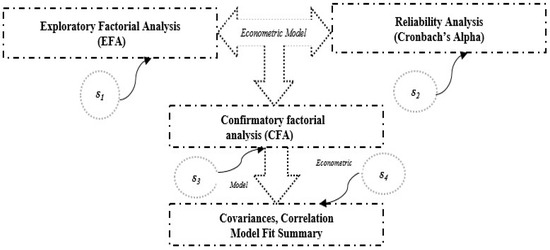
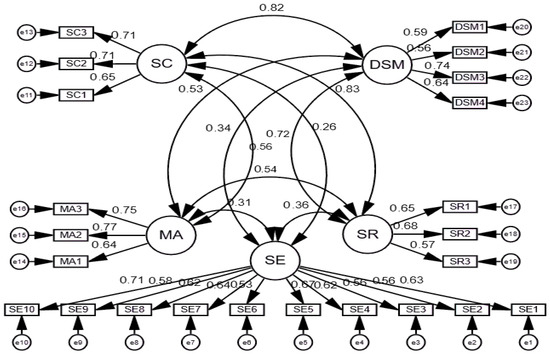
This research aims to explore market mavericks by redefining sales velocity and profit surge in today’s dynamic business environment in emerging economies. The study focuses on the interplay between Sales Excellence (SE), Sales Capability (SC), Market Alignment (MA), Strategic Responsiveness (SR), and Dynamic Sales Management (DSM). Data from 180 companies (2021–2023), provided by financial leaders, were analyzed using SPSS (23.0) and AMOS (23.0) software. The analysis employed exploratory factor analysis (EFA), reliability analysis, and confirmatory factor analysis (CFA). The results highlight the critical role of these factors in shaping market mavericks and their significant impact on sales and profits in emerging economies. Specifically, SE enhances sales and profits when supported by effective strategies, SC drives organizational change by aligning service quality with SE, and MA drives sales velocity and profit surges through accurate forecasting. SR positively influences sales results by aligning sales with corporate strategy, while DSM is critical for motivating salespeople and shows strong links to SC and SR for successful adaptation in a dynamic business environment. The study reveals the interdependence of these factors and emphasizes the need for seamless integration and coordination to drive effective organizational change. These findings have significant implications for corporations seeking to improve their sales strategies and achieve sustainable growth in a rapidly evolving marketplace in emerging economies. This research explores market mavericks, redefines sales velocity and profit surge, and provides valuable insights into the critical factors shaping market mavericks and their impact on sales and profits. It offers guidance for organizations seeking sustainable growth.
Full article
►▼
Show Figures
Open AccessArticle
The Impact of Stock Price Crash Risk on Bank Dividend Payouts
by
Justin Yiqiang Jin and Yi Liu
Cited by 2 | Viewed by 5108
Abstract
In this study, we examine whether and how banks employ dividend payout policies in response to the risk of stock price crashes. Using a sample of U.S. banks, we find that banks increase their dividend payouts when faced with a higher risk of
[...] Read more.
In this study, we examine whether and how banks employ dividend payout policies in response to the risk of stock price crashes. Using a sample of U.S. banks, we find that banks increase their dividend payouts when faced with a higher risk of stock price crashes. In addition, we find that well-capitalized banks tend to pay more dividends when the risk of a stock price crash is elevated. This aligns with the regulatory pressure theory that banks distribute dividends when they have sufficient capital that meets or exceeds the regulatory standards. This is also in line with the signaling theory that dividend payments reflect a bank’s confidence in its financial health. Furthermore, we find that financially opaque banks tend to make more dividend payments when they are at a higher risk of stock price crashes. This supports the agency cost theory, suggesting that dividends counterbalance the need to monitor bank managers in less transparent reporting environments.
Full article
Open AccessArticle
An Alignment of Financial Signaling and Stock Return Synchronicity
by
Tarek Eldomiaty, Islam Azzam, Karim Tarek Hamed Afifi and Mohamed Hashim Rashwan
Cited by 2 | Viewed by 5897
Abstract
Financial signaling and stock return synchronicity may not be at crossroads. This paper optimizes the signaling effect of firms’ financial indicators on stock return synchronicity. The ultimate objective is to align firms’ financial signaling and stock return synchronicity, which implies a benefit of
[...] Read more.
Financial signaling and stock return synchronicity may not be at crossroads. This paper optimizes the signaling effect of firms’ financial indicators on stock return synchronicity. The ultimate objective is to align firms’ financial signaling and stock return synchronicity, which implies a benefit of hedging against fluctuations in the stock market index. The data cover quarterly periods from June 1992 to March 2022 for the non-financial firms listed in the DJIA30 and NASDAQ100. This paper examines the observed return synchronicity as the dependent variable. The independent variables are classified into six groups namely, Solvency (or Liquidity) ratios, Assets Efficiency ratios, Expense Control ratios, Debt (or Leverage) ratios, Profitability ratios, and Dividend ratios. The analysis is conducted on two different groups. The first group examines the observed firms’ financials that affect observed stock return synchronicity. The second group examines optimal firms’ financials that help optimize stock return synchronicity. The final results show that (a) current stock return synchronicity is affected positively by cash ratio, and negatively by receivables and historical growth of earnings; (b) optimal stock return synchronicity can be elevated using significant financial indicators namely, Inventory/Current Assets, Net Working Capital/Total Assets, Net worth/Fixed Assets, and Sales Annual Growth; (c) agency conflicts between managers and shareholders can be mitigated by the aforementioned financial indicators, which do not include debt financing being the common source of agency conflicts; and (d) dividends are still insignificant to stock return synchronization.
Full article