Journal Description
Journal of Risk and Financial Management
is an international, peer-reviewed, open access journal on risk and financial management, published monthly online by MDPI (since Volume 6, Issue 1 - 2013).
- Open Access— free for readers, with article processing charges (APC) paid by authors or their institutions.
- High Visibility: indexed within Scopus, EconBiz, EconLit, RePEc, and other databases.
- Journal Rank: CiteScore - Q1 (Business, Management and Accounting (miscellaneous))
- Rapid Publication: manuscripts are peer-reviewed and a first decision is provided to authors approximately 18.8 days after submission; acceptance to publication is undertaken in 5.5 days (median values for papers published in this journal in the second half of 2025).
- Recognition of Reviewers: reviewers who provide timely, thorough peer-review reports receive vouchers entitling them to a discount on the APC of their next publication in any MDPI journal, in appreciation of the work done.
Latest Articles
Revisiting the Distress Risk Anomaly: The 52-Week High Effect and Lottery-Seeking in Distressed Stocks
J. Risk Financial Manag. 2026, 19(7), 463; https://doi.org/10.3390/jrfm19070463 (registering DOI) - 25 Jun 2026
Abstract
Objective: Contrary to the traditional notion of risk–return trade-off, prior studies document that financially distressed stocks tend to earn lower future returns than their healthier peers. Extending this strand of literature, this study revisits the distress risk anomaly in UK stocks and further
[...] Read more.
Objective: Contrary to the traditional notion of risk–return trade-off, prior studies document that financially distressed stocks tend to earn lower future returns than their healthier peers. Extending this strand of literature, this study revisits the distress risk anomaly in UK stocks and further examines whether proximity to the 52-week high and lottery-like characteristics of stocks help explain the financial distress anomaly, if any. Data and methods: In this paper, we analyse the distress risk anomaly using a sample of 4514 UK stocks over the period 2000–2021. The analysis is conducted using both the portfolio-sorting method and Fama–MacBeth cross-sectional regressions. Key findings: The empirical findings confirm the persistence of the financial distress anomaly, showing that high-distress stocks earn lower returns than their low-distress counterparts. Consistent with a mispricing explanation, this inverse distress–return relationship is more pronounced for stocks that are difficult to arbitrage and is stronger following periods of market optimism. Furthermore, the analysis reveals that both the 52-week high effect and lottery-like trading, independently and jointly, contribute to the poor performance of financially distressed stocks. This suggests that underreaction and overreaction interact to shape the observed overvaluation of distressed stocks. These findings remain robust to a battery of robustness checks. The results have several important implications for investors, researchers, and regulators.
Full article
(This article belongs to the Section Risk)
Open AccessArticle
The Performance Comparison Between Time-Series and Cross-Sectional Momentum Strategies in Taiwan Stock Market
by
Hung-Hsi Huang, Yi-Ru Pan and Ching-Ping Wang
J. Risk Financial Manag. 2026, 19(7), 462; https://doi.org/10.3390/jrfm19070462 (registering DOI) - 25 Jun 2026
Abstract
This study compares the performance of time-series (TS) and cross-sectional (CS) momentum strategies in the Taiwan stock market from January 1993 to December 2025. Using a sample of 1169 listed and delisted firms, we construct five TS and five CS momentum strategies across
[...] Read more.
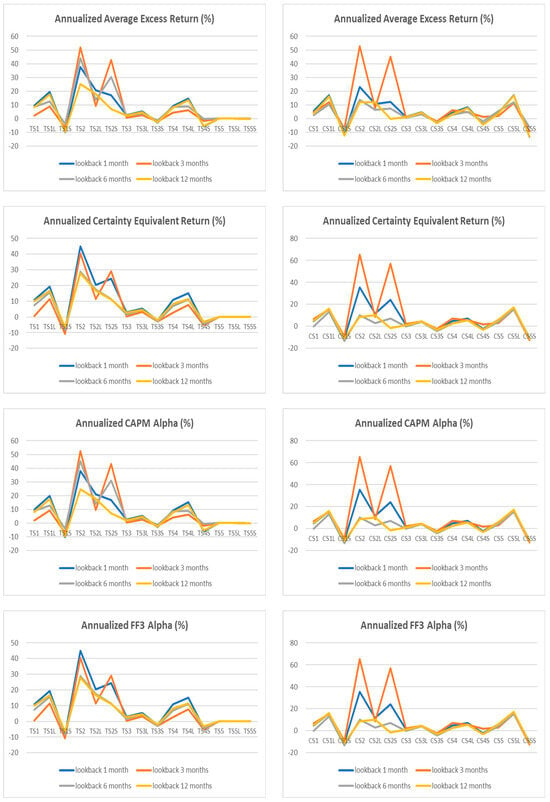
This study compares the performance of time-series (TS) and cross-sectional (CS) momentum strategies in the Taiwan stock market from January 1993 to December 2025. Using a sample of 1169 listed and delisted firms, we construct five TS and five CS momentum strategies across multiple lookback and holding periods, resulting in 80 TS and 80 CS strategy specifications. Strategy performance is evaluated using annualized average excess returns (AERs), certainty equivalent returns (CERs), CAPM alphas, and Fama–French three-factor (FF3) alphas. The results show that volatility-scaled strategies significantly outperform conventional momentum strategies. On average, TS strategies generate higher returns and superior risk-adjusted performance than CS strategies. Decomposition analysis indicates that momentum profits are primarily driven by long positions, while short positions become more important during market crash periods. Overall, the findings highlight the importance of volatility management in enhancing momentum profitability in the Taiwan stock market.
Full article
(This article belongs to the Special Issue Financial Funds, Risk and Investment Strategies)
►▼
Show Figures

Figure 1
Open AccessSystematic Review
Mapping the Knowledge Structure of Buy Now, Pay Later Research: A Bibliometric Science Mapping Review and Focused Behavioral Synthesis
by
Omar Munther Nusir, Che Aniza Che Wel and Siti Ngayesah Ab Hamid
J. Risk Financial Manag. 2026, 19(7), 461; https://doi.org/10.3390/jrfm19070461 (registering DOI) - 24 Jun 2026
Abstract
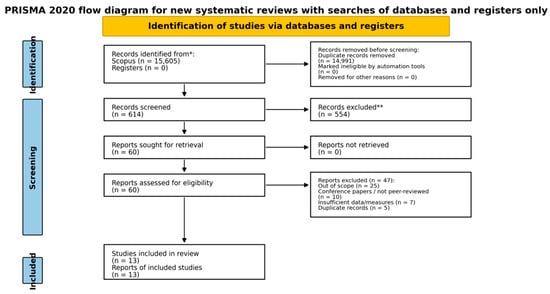
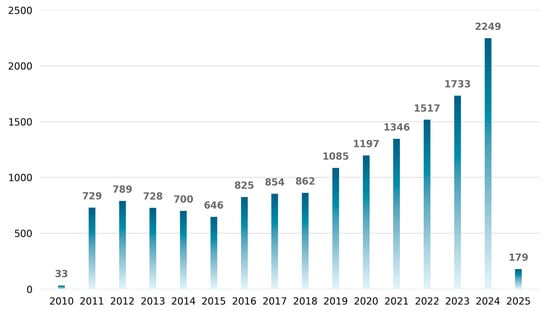
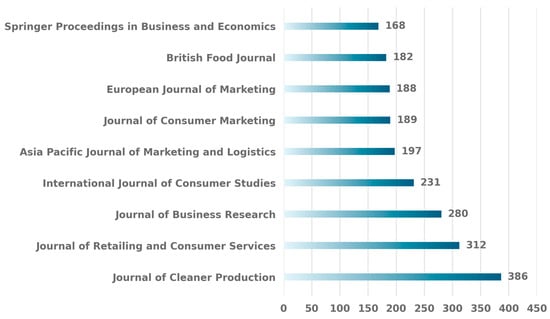
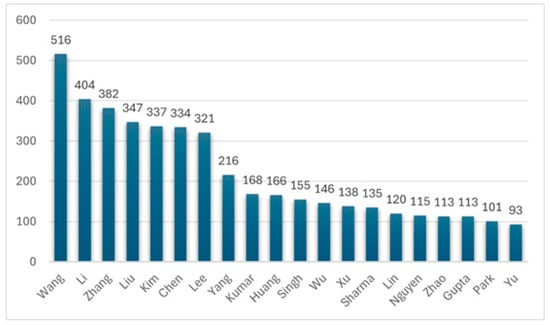
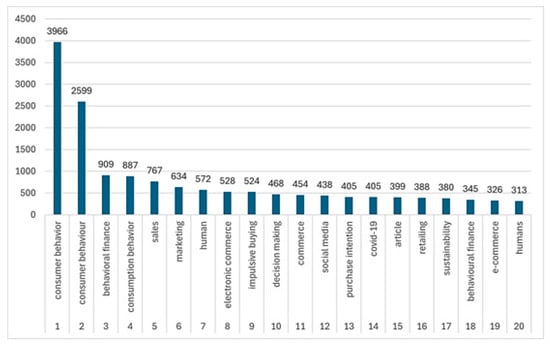
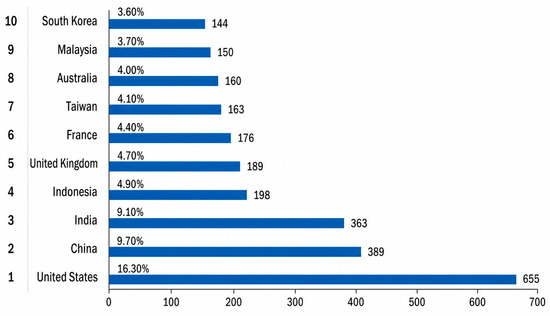
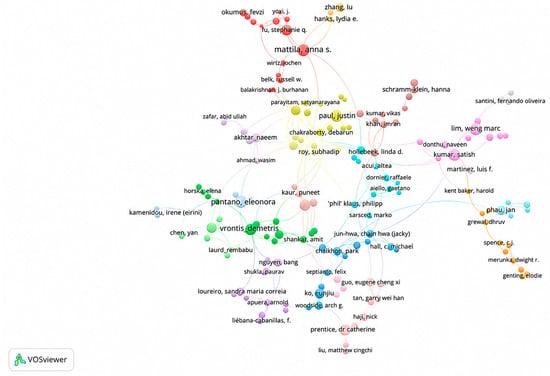
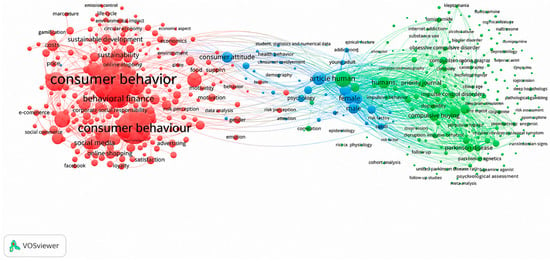
This study maps the intellectual structure and thematic evolution of buy now, pay later (BNPL) research published between 2010 and 2025, with particular attention to how impulsive buying and post-purchase regret are positioned within the broader BNPL knowledge domain. Drawing on an integrated
[...] Read more.
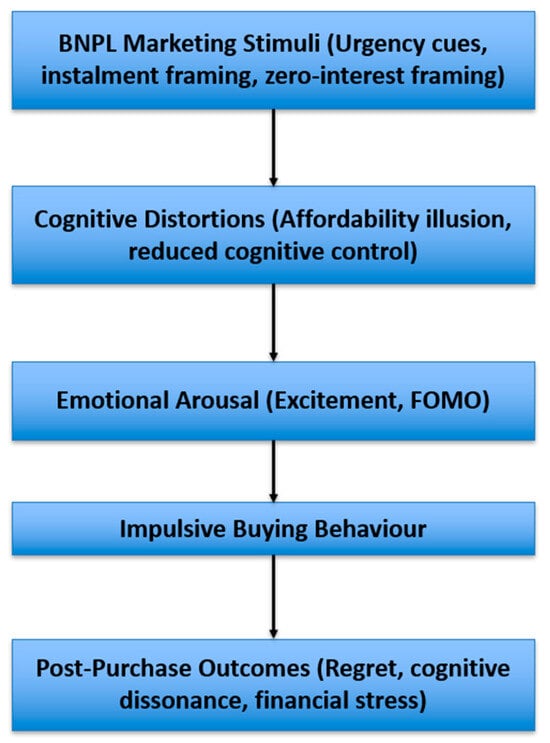
This study maps the intellectual structure and thematic evolution of buy now, pay later (BNPL) research published between 2010 and 2025, with particular attention to how impulsive buying and post-purchase regret are positioned within the broader BNPL knowledge domain. Drawing on an integrated bibliometric science mapping and focused behavioral synthesis approach, the study first mapped a broad Scopus dataset of BNPL-related digital consumer credit and deferred payment research published between 2010 and 2025. This dataset was used for performance analysis and VOSviewer-based science mapping. A second, narrower PRISMA-guided screening process was then applied to identify empirical studies that directly examined BNPL-related behavioral and psychological outcomes, resulting in 13 studies retained for focused qualitative synthesis. The bibliometric findings show that BNPL scholarship expanded sharply after 2020, with research concentrated in marketing, consumer behavior, fintech, and digital commerce outlets. The science mapping results reveal a fragmented field structured around digital finance adoption, impulsive consumption, consumer vulnerability, and emerging ethical and regulatory concerns. The systematic synthesis further indicates that BNPL-related mechanisms, including installment framing, urgency cues, perceived affordability, and reduced payment salience, are consistently associated with impulsive buying tendencies. However, post-purchase regret remains underexamined and is rarely modeled as a distinct emotional outcome. By integrating bibliometric evidence with behavioral synthesis, this study clarifies how BNPL research has developed, where conceptual fragmentation remains, and why future studies should connect digital payment design, cognitive distortions, impulsive purchasing, and post-purchase emotional consequences within more comprehensive theoretical models. The study contributes by offering a structured research agenda for advancing responsible BNPL scholarship, consumer protection, and future digital finance research.
Full article
(This article belongs to the Section Financial Technology and Innovation)
►▼
Show Figures

Figure 1
Open AccessArticle
Venture Capital, Private Equity and External Financing in European High-Tech Entrepreneurial Firms: The Moderating Role of Investor Protection
by
Antonio Prencipe
J. Risk Financial Manag. 2026, 19(7), 460; https://doi.org/10.3390/jrfm19070460 (registering DOI) - 24 Jun 2026
Abstract
Drawing on institutional theory and agency theory, this study examines whether venture capital (VC) and private equity (PE) ownership acts as a complement to, or substitute for, investor protection in shaping equity financing, debt financing, and leverage decisions in high-tech entrepreneurial firms. The
[...] Read more.
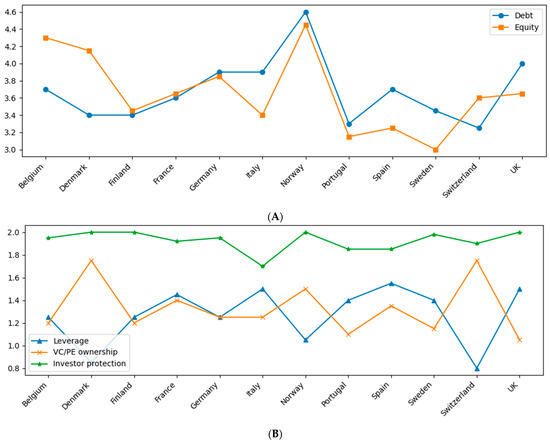
Drawing on institutional theory and agency theory, this study examines whether venture capital (VC) and private equity (PE) ownership acts as a complement to, or substitute for, investor protection in shaping equity financing, debt financing, and leverage decisions in high-tech entrepreneurial firms. The analysis is based on a panel dataset of 403 high-tech entrepreneurial firms from 11 European countries over the period 2009–2013. To address potential endogeneity and reverse causality between external finance and VC/PE investment, the study employs two-stage least squares (2SLS) regression models using an instrumental-variable approach. The results provide tentative evidence that VC/PE ownership is associated with stronger debt-related financing outcomes, particularly leverage, in countries characterised by weaker investor protection, suggesting a possible substitutive relationship in debt-related financing outcomes. However, these findings should be interpreted cautiously given the limitations associated with the instrumental-variable strategy. The study contributes to the literature on entrepreneurial finance, corporate governance and law and finance by showing how firm-level governance mechanisms interact with national institutional settings in shaping financing decisions.
Full article
(This article belongs to the Section Business and Entrepreneurship)
►▼
Show Figures

Figure 1
Open AccessArticle
Financial Literacy and Financial Wellbeing: Dual Capability Pathways and Contextual Moderation in Portugal
by
José Magano, Victor Mendes and Mário Coutinho dos Santos
J. Risk Financial Manag. 2026, 19(7), 459; https://doi.org/10.3390/jrfm19070459 (registering DOI) - 24 Jun 2026
Abstract
This study examines how two forms of financial literacy—objective financial literacy (OFL; demonstrated knowledge of interest rates, inflation, and diversification) and perceived financial literacy (PFL; self-assessed confidence in financial matters)—relate to financial wellbeing through distinct capability pathways, and whether self-regulation conditions these links.
[...] Read more.
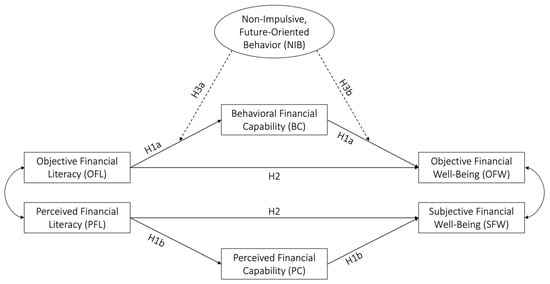
This study examines how two forms of financial literacy—objective financial literacy (OFL; demonstrated knowledge of interest rates, inflation, and diversification) and perceived financial literacy (PFL; self-assessed confidence in financial matters)—relate to financial wellbeing through distinct capability pathways, and whether self-regulation conditions these links. We use three nationally representative cross-sections from Portugal (2015, 2020, 2023; N = 3648), a European setting marked by declining objective literacy and constrained market participation. Guided by capability theory, we propose a dual-lane model in which OFL operates through behavioural capability (BC; enacted saving, investing, and planning behaviours) to shape objective financial wellbeing (OFW; resilience, assets, and saving), while PFL operates through perceived capability (PC; financial self-efficacy and perceived control) to shape subjective financial wellbeing (SFW; perceived security, satisfaction, and freedom from financial stress). We also test whether non-impulsive, future-oriented behaviour (NIB) strengthens the associations along the objective lane. Structural equation models provide partial support for the dual-lane model, revealing three asymmetries with implications for European policy: (1) the link between behavioural capability and objective financial wellbeing weakens in 2023, suggesting that macroeconomic conditions can undercut even prudent financial behaviour; (2) perceived financial literacy directly predicts subjective financial wellbeing, but perceived capability does not mediate this association, indicating that financial confidence shapes wellbeing independently of self-efficacy; and (3) non-impulsive, future-oriented behaviour amplifies the association between objective literacy and objective wellbeing in 2015 and 2023 but not in 2020, showing that the benefits of self-regulation are context-dependent. The findings inform financial education and policy across Europe by distinguishing intervention levers for objective versus subjective outcomes and identifying conditions under which behavioural interventions are most effective.
Full article
(This article belongs to the Section Economics and Finance)
►▼
Show Figures

Figure 1
Open AccessArticle
The Impact of Firms’ ESG Performance on the Holding Decisions of Institutional Investors: Evidence from Chinese Publicly Listed Companies
by
Jing Huang and Zhuoran Zhang
J. Risk Financial Manag. 2026, 19(7), 458; https://doi.org/10.3390/jrfm19070458 (registering DOI) - 23 Jun 2026
Abstract
With the global rise in sustainable investment concepts, environmental, social, and governance (ESG) factors have increasingly become important criteria influencing investment decisions. Although institutional investors are paying greater attention to corporate ESG performance, limited evidence exists regarding its impact within the Chinese A-share
[...] Read more.
With the global rise in sustainable investment concepts, environmental, social, and governance (ESG) factors have increasingly become important criteria influencing investment decisions. Although institutional investors are paying greater attention to corporate ESG performance, limited evidence exists regarding its impact within the Chinese A-share market. Using panel data from Chinese listed firms during the period 2010–2023, this study employs fixed-effects models with clustered standard errors as the baseline estimation method. To improve the robustness of the findings, Tobit regression, Logit regression, lagged-variable models, heterogeneity analysis, and Hausman tests are further conducted. The empirical findings indicate that the overall ESG score and the individual environmental (E), social (S), and governance (G) dimensions do not exhibit statistically significant effects on institutional ownership in the baseline fixed-effects regressions. The results suggest that ESG performance has not yet become a dominant determinant of institutional investment decisions in China’s capital market. However, the robustness tests based on Tobit and Logit models provide limited evidence that ESG performance may still influence institutional investor behavior under alternative empirical specifications. Furthermore, the heterogeneity analysis reveals that the relationship between ESG dimensions and institutional ownership differs across environmentally related and non-environmentally related firms, although the effects are generally weak and statistically limited. The study contributes to the ESG and institutional investment literature in three important ways. First, it provides updated evidence from the Chinese A-share market over the 2010–2023 period, reflecting the evolving stage of ESG development in emerging economies. Second, it comparatively examines the differentiated roles of environmental, social, and governance dimensions rather than relying solely on aggregated ESG indicators. Third, it highlights the limited and transitional nature of ESG integration among institutional investors in China, where traditional financial indicators continue to play a more important role in investment decisions. The findings provide important implications for policymakers, listed firms, and institutional investors seeking to promote sustainable finance development and improve the effectiveness of ESG disclosure practices in emerging markets.
Full article
(This article belongs to the Special Issue Corporate Finance and Governance in a Changing Global Environment)
Open AccessSystematic Review
FinTech Integration and Tax Compliance: A Systematic Literature Review of Risk, Criminal Justice Challenges, and Due Process Implications
by
Anas Azenzoul, Nacer Mahouat, Ouissale El Gharbaoui, Jihane Tayazime, Abdellatif Moussaid and Khalil Mokhlis
J. Risk Financial Manag. 2026, 19(7), 457; https://doi.org/10.3390/jrfm19070457 (registering DOI) - 23 Jun 2026
Abstract
Tax systems worldwide face a compliance gap that OECD data places at USD 100–240 billion annually in corporate avoidance alone, before accounting for the shadow economy and crypto-asset transactions. FinTech mandatory e-invoicing, real-time transaction matching, and machine-learning audit selection is narrowing the informational
[...] Read more.
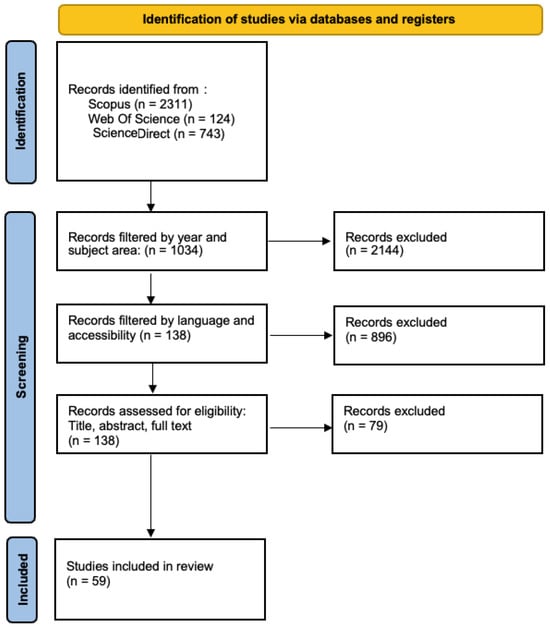
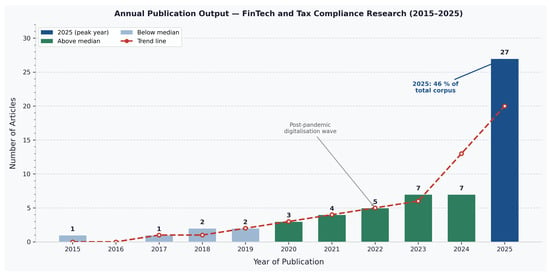
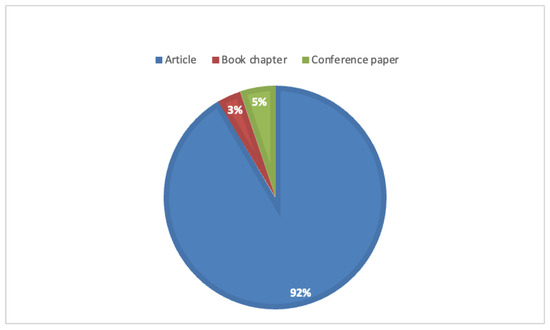
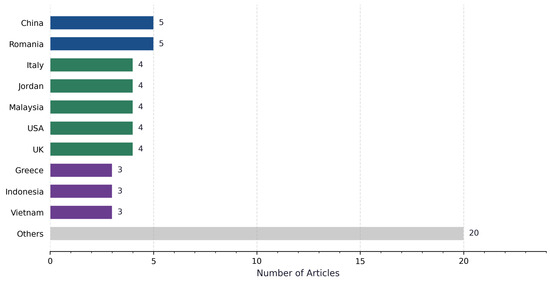
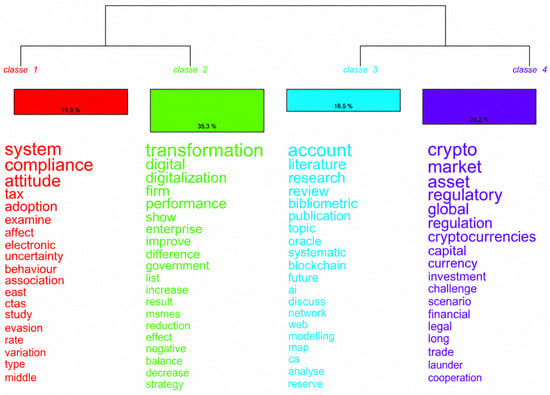
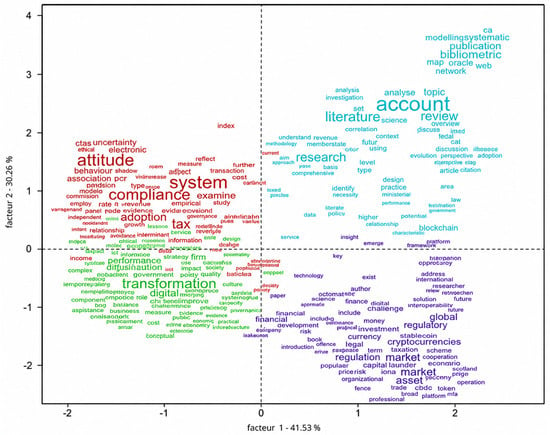
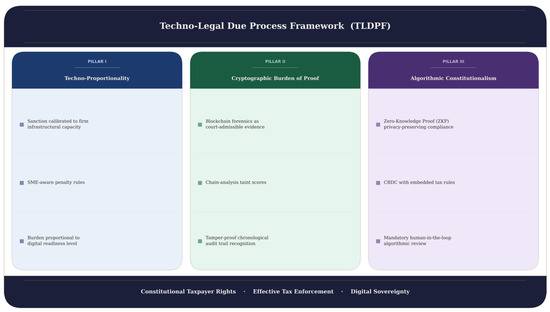
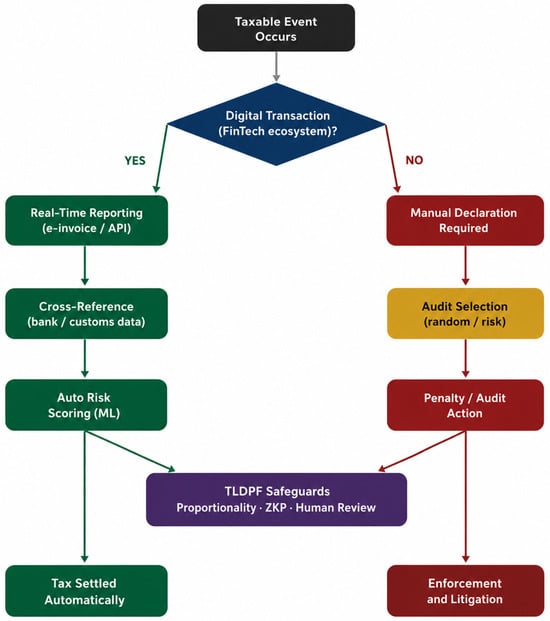
Tax systems worldwide face a compliance gap that OECD data places at USD 100–240 billion annually in corporate avoidance alone, before accounting for the shadow economy and crypto-asset transactions. FinTech mandatory e-invoicing, real-time transaction matching, and machine-learning audit selection is narrowing the informational conditions that enable evasion, while simultaneously introducing governance risks: opaque algorithmic audit targeting, contested blockchain forensic evidence, and the surveillance potential of programmable money. This article presents a PRISMA 2020 systematic literature review of 59 peer-reviewed articles (Scopus, Web of Science, and ScienceDirect), complemented by IRAMUTEQ lexicometric analysis and an extension of the Allingham Sandmo compliance model to incorporate algorithmic detection probabilities, bomb-crater belief dynamics, and Zero-Knowledge Proof verification. Four thematic clusters emerge: tax compliance behaviour and FinTech adoption (19.92%), digital transformation and corporate performance (35.34%), bibliometric and emerging-technology research (16.54%), and cryptocurrency markets and regulatory challenges (28.20%). Across them, FinTech reduces evasion where institutional and technical conditions allow but generates distributional, evidentiary, and constitutional risks that existing legal frameworks have yet to resolve. In response, we propose the Techno-Legal Due Process Framework (TLDPF) three pillars (Techno-Proportionality, Cryptographic Burden of Proof, and Algorithmic Constitutionalism) grounded in EU/OECD constitutional doctrine as a normative design proposal awaiting empirical validation.
Full article
(This article belongs to the Section Financial Technology and Innovation)
►▼
Show Figures

Figure 1
Open AccessArticle
Global Integration, Commodity-Price Exposure, and Volatility Spillovers in Ghanaian Equity Market
by
Dinesh Gajurel and Afua Asante
J. Risk Financial Manag. 2026, 19(7), 456; https://doi.org/10.3390/jrfm19070456 (registering DOI) - 23 Jun 2026
Abstract
This paper examines global equity market integration, commodity-price exposure, and volatility spillovers in Ghana’s frontier equity market. Using daily data from January 2011 to December 2025, we estimate a multi-factor asset pricing model nested within a GARCH framework for the Ghana Stock Exchange
[...] Read more.
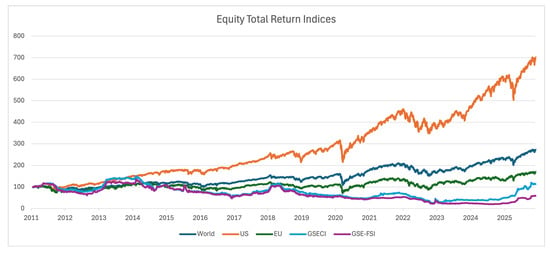
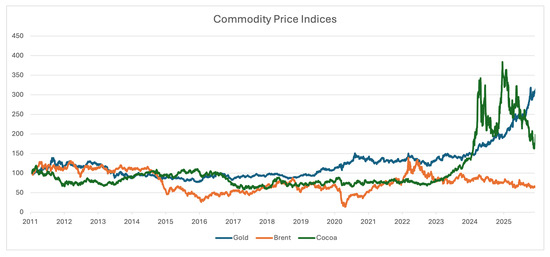
This paper examines global equity market integration, commodity-price exposure, and volatility spillovers in Ghana’s frontier equity market. Using daily data from January 2011 to December 2025, we estimate a multi-factor asset pricing model nested within a GARCH framework for the Ghana Stock Exchange Composite Index (GSECI) and the Financial Sector Index (GSEFSI). The model jointly estimates first-moment return exposures and second-moment volatility spillovers from a global equity market and three key global commodity markets: gold, crude oil, and cocoa, while controlling for asymmetric volatility, return serial dependence, and domestic macro-financial shifts associated with banking sector recapitalization and the Domestic Debt Exchange Programme (DDEP). The Ghanaian equity market is exposed to the global equity market, indicating measurable but economically modest global integration, with stronger exposure in the financial sector. Commodity-price exposures are selective, with gold and crude oil exposures concentrated in the financial sector, whereas the cocoa factor is negatively associated with returns on both indices. The variance results show persistent volatility, inverse asymmetric volatility responses, and differentiated volatility spillovers from global equity and commodity markets. The DDEP period is associated with significant equity market repricing, particularly in the financial sector. These findings indicate that Ghana’s equity market dynamics are shaped jointly by global equity and commodity market information, frontier market frictions, and sovereign–bank conditions.
Full article
(This article belongs to the Special Issue International Finance and Business: Risks, Economics, and Emerging Perspectives)
►▼
Show Figures

Figure 1
Open AccessArticle
Venue-Driven Informational Leadership in a Small Emerging Market: Spillover Networks and Regime-Dependent Information Transmission in the Colombian Stock Exchange (2015–2024)
by
Alejandro Pérez-y-Soto-Domínguez, Juan Manuel Candelo-Viáfara and María Del Pilar Rivera-Díaz
J. Risk Financial Manag. 2026, 19(7), 455; https://doi.org/10.3390/jrfm19070455 (registering DOI) - 23 Jun 2026
Abstract
This paper studies the informational hierarchy of individual stocks in the Colombian Stock Exchange (BVC), with particular attention to the role of cross-listed securities. The paper addresses a gap in the literature on small emerging markets, where evidence on intra-market information and return
[...] Read more.
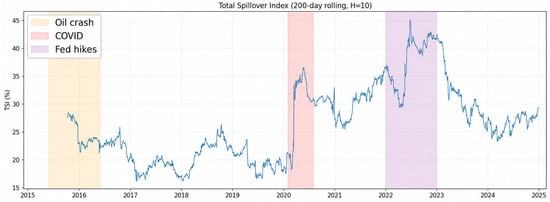
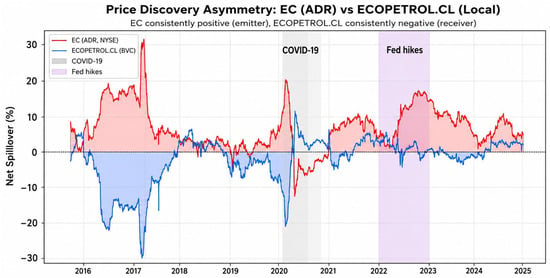
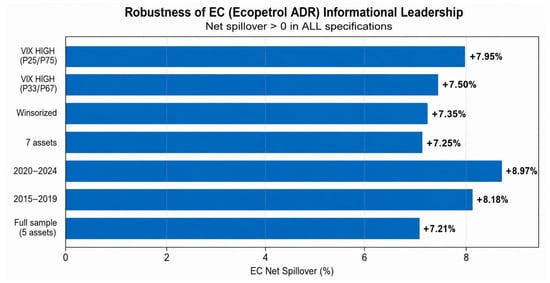
This paper studies the informational hierarchy of individual stocks in the Colombian Stock Exchange (BVC), with particular attention to the role of cross-listed securities. The paper addresses a gap in the literature on small emerging markets, where evidence on intra-market information and return transmission remains scarce, particularly in the presence of illiquidity, cross-listing, and external risk exposure. Using daily data for 2015–2024, we estimate a five-asset vector autoregression VAR (3) with exogenous global controls and compute generalized forecast error variance decompositions within the Diebold–Yilmaz connectedness framework, with residual-bootstrap inference and CBOE Volatility Index (VIX)-based regime analysis. The VIX regimes are used to distinguish low-, medium-, and high-global-risk environments because global risk appetite is a key channel through which external shocks affect emerging equity markets. Three results stand out. First, total connectedness is moderate in the full sample, at 25.2%, but rises sharply with global risk, from 17.5% in low-VIX periods to 28.4% in high-VIX periods. Second, Ecopetrol’s American Depositary Receipt listed on the New York Stock Exchange (EC, NYSE) emerges as the dominant net transmitter of return innovations, and its informational leadership becomes stronger as global uncertainty increases. Third, when the local Ecopetrol share is excluded, leadership shifts to Bancolombia’s ADR (CIB), suggesting that directional spillover leadership is associated not only with firm identity but also with the offshore trading venue. These findings document a regime-dependent and venue-driven informational hierarchy, consistent with ADR-listed securities acting as dominant transmitters of return innovations to the domestic Colombian equity system. For portfolio managers, the results imply that diversification across local Colombian equities may overstate the number of independent information sources, especially during high-risk periods, and that monitoring ADRs, global volatility, oil prices, and exchange-rate conditions may improve hedging and risk management.
Full article
(This article belongs to the Special Issue Evaluating Risk and Return in Modern Financial Markets)
►▼
Show Figures

Figure 1
Open AccessArticle
From Dual Pathways to Emerging Triadic Convergence: A Bibliometric Analysis of Sustainable Finance, Digital Transformation, and Circular Economy—2015–2025
by
Percy Antonio Vilchez Olivares and Brandelt Jesús Astorga De La Cruz
J. Risk Financial Manag. 2026, 19(6), 454; https://doi.org/10.3390/jrfm19060454 (registering DOI) - 22 Jun 2026
Abstract
Sustainable finance has evolved rapidly in tandem with digital transformation and the circular economy; however, the simultaneous integration of these three domains remains fragmented. This study analyzes the intellectual structure of the field through a bibliometric analysis of a curated corpus of 2537
[...] Read more.
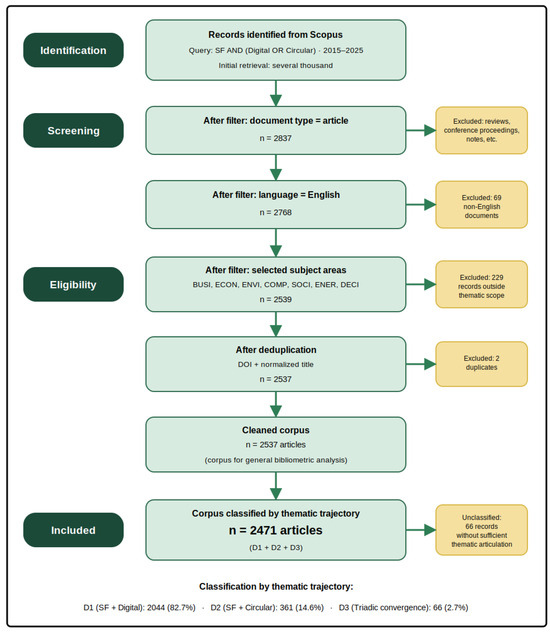
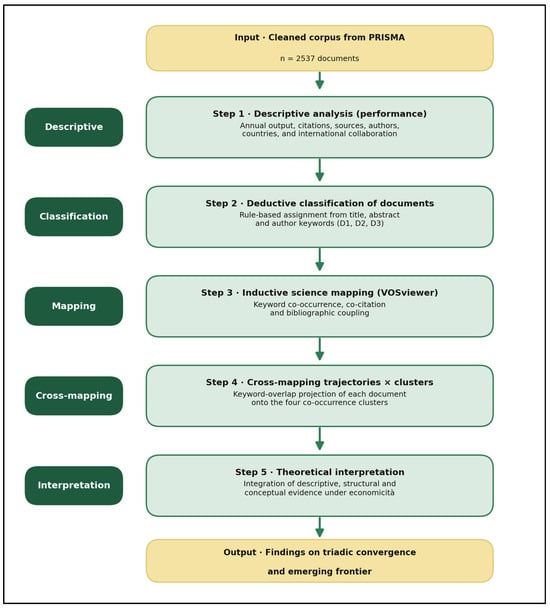
Sustainable finance has evolved rapidly in tandem with digital transformation and the circular economy; however, the simultaneous integration of these three domains remains fragmented. This study analyzes the intellectual structure of the field through a bibliometric analysis of a curated corpus of 2537 articles indexed in Scopus between 2015 and 2025, of which 2471 were classified into three thematic trajectories: sustainable finance combined with digital transformation (D1), sustainable finance combined with the circular economy (D2), and triadic convergence (D3). The classification followed a deductive, rule-based procedure, with documents independently coded by the two authors and discrepancies resolved by consensus. VOSviewer was used to construct networks of keyword co-occurrence, co-citation, and bibliographic coupling, identifying four thematic clusters. A complementary keyword-overlap projection was then used to articulate the deductive classification with the inductive clusters. The results reveal a rapidly expanding field, geographically concentrated in China, in which the dyadic trajectories anchor predominantly in a single conceptual cluster, while triadic convergence (D3), which appears only in 2021 and accounts for 2.7% of the classified corpus, is the only trajectory whose documents distribute across three clusters simultaneously. This pattern provides empirical support for interpreting triadic convergence as an emerging frontier rather than a consolidated stream. The findings are interpreted under the lens of economicità, an Italian accounting concept that frames sustainability as a condition for the firm’s long-term economic equilibrium.
Full article
(This article belongs to the Special Issue Emerging Trends in International Macroeconomics: Insights and Challenges)
►▼
Show Figures

Figure 1
Open AccessArticle
Depth, Not Size: Rethinking the Insurance–Income Nexus in Mature OECD Markets
by
Seyed Amirhossein Shojaei, Marjan Orouji, Alireza Pakgohar and Firas Armosh
J. Risk Financial Manag. 2026, 19(6), 453; https://doi.org/10.3390/jrfm19060453 (registering DOI) - 22 Jun 2026
Abstract
This study examines the relationship between insurance market development and economic performance measured by GDP per capita levels in mature OECD economies, focusing on whether insurance depth, market size, and life insurance structure have distinct long-run implications. Although the insurance–income nexus is documented
[...] Read more.
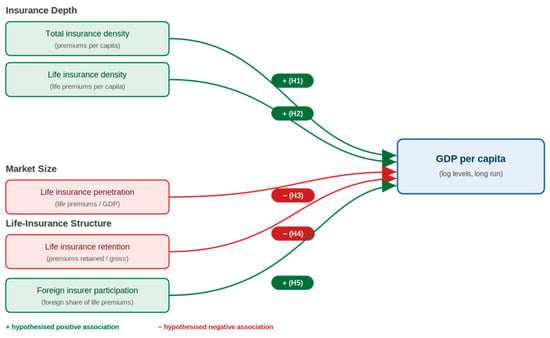
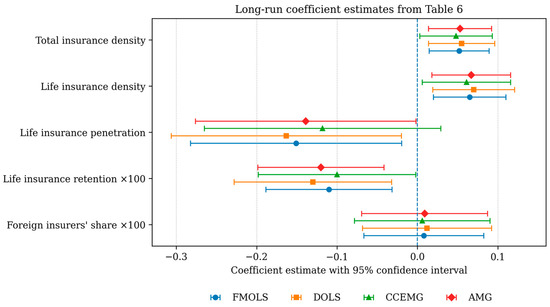
This study examines the relationship between insurance market development and economic performance measured by GDP per capita levels in mature OECD economies, focusing on whether insurance depth, market size, and life insurance structure have distinct long-run implications. Although the insurance–income nexus is documented in developed and emerging markets, the literature rarely separates the qualitative depth of insurance use from the mechanical size of the sector relative to GDP, and seldom examines life insurance structural features such as retention and foreign participation within a non-stationary panel framework; this study addresses that gap. Using a balanced panel of 33 OECD countries from 2011 to 2021, the analysis applies panel time-series methods that account for non-stationarity, cointegration, cross-sectional dependence, and heterogeneous country dynamics. The results show that total insurance density is positively associated with GDP per capita, and life insurance density remains positive and significant across the long-run estimators, suggesting that more intensive insurance use remains economically relevant even in advanced financial systems. By contrast, life insurance penetration is negatively associated with GDP per capita, even after accounting for its mechanical link to GDP. Life insurance retention also enters negatively, while foreign insurer participation shows no statistically significant association in the panel. The findings support a depth-not-size interpretation of the long-run association between insurance market structure and income levels in mature OECD markets, and suggest that policy attention should shift from expanding insurance-sector scale toward improving efficiency, risk allocation, and market sophistication. These results reflect long-run associations within the OECD panel and should not be interpreted as evidence of direct causal effects.
Full article
(This article belongs to the Section Financial Markets)
►▼
Show Figures

Figure 1
Open AccessArticle
Artificial Intelligence in Marine Insurance Risk Assessment: Evidence from the Moroccan Maritime Sector
by
Alaa Eddine El Moussaoui, Taoufiq El Moussaoui, Najat Toufah and Marc Ardizio
J. Risk Financial Manag. 2026, 19(6), 452; https://doi.org/10.3390/jrfm19060452 (registering DOI) - 22 Jun 2026
Abstract
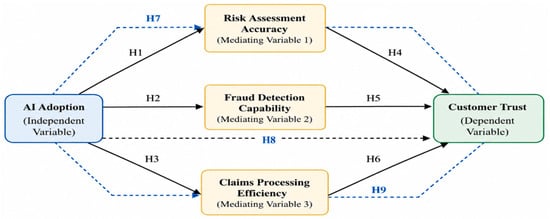
This study examines the role of artificial intelligence (AI) in marine insurance within the Moroccan maritime sector. Drawing on Dynamic Capabilities Theory, the study investigates the relationships among AI Adoption, Risk Assessment Accuracy, Fraud Detection Capability, Claim Processing Efficiency, and Customer Trust, while
[...] Read more.
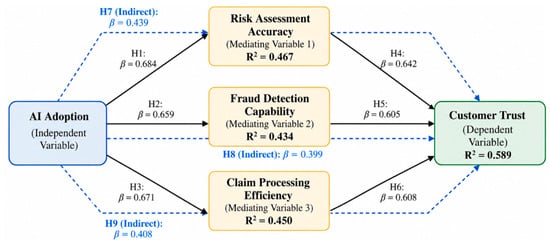
This study examines the role of artificial intelligence (AI) in marine insurance within the Moroccan maritime sector. Drawing on Dynamic Capabilities Theory, the study investigates the relationships among AI Adoption, Risk Assessment Accuracy, Fraud Detection Capability, Claim Processing Efficiency, and Customer Trust, while also examining the mediating role of these operational capabilities. A quantitative survey was conducted among maritime and insurance professionals operating within the Tangier Med and Casablanca port ecosystems, and the data were analyzed using Partial Least Squares Structural Equation Modeling (PLS-SEM). The findings indicate that AI Adoption is positively associated with Risk Assessment Accuracy, Fraud Detection Capability, and Claim Processing Efficiency. These operational capabilities are also positively associated with Customer Trust and function as significant mediating pathways between AI Adoption and stakeholder confidence. The study contributes to the emerging literature on AI applications in marine insurance by providing empirical evidence from an emerging maritime economy and offers theoretical and practical implications for insurers, maritime operators, and policymakers.
Full article
(This article belongs to the Section Financial Technology and Innovation)
►▼
Show Figures

Figure 1
Open AccessArticle
The Impact of Corporate Governance on Financial Performance: The Mediating Role of Real Earnings Management
by
Thuong Thai Thi Hoai, Hien Nguyen Thi Thu and Tuan Dang Anh
J. Risk Financial Manag. 2026, 19(6), 451; https://doi.org/10.3390/jrfm19060451 (registering DOI) - 22 Jun 2026
Abstract
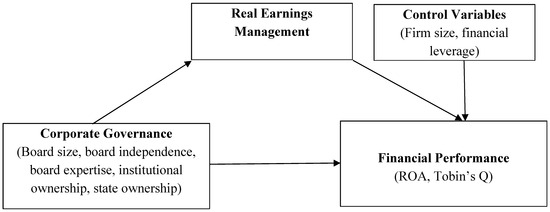
This study examines the association between corporate governance and financial performance and investigates whether real earnings management (REM) mediates this relationship in an emerging-market context. Using a balanced panel of 434 nonfinancial listed firms in Vietnam from 2020 to 2024, yielding 2170 firm-year
[...] Read more.
This study examines the association between corporate governance and financial performance and investigates whether real earnings management (REM) mediates this relationship in an emerging-market context. Using a balanced panel of 434 nonfinancial listed firms in Vietnam from 2020 to 2024, yielding 2170 firm-year observations, the study employs feasible generalized least squares (FGLS) after diagnostic tests indicate heteroskedasticity and autocorrelation. The Durbin–Wu–Hausman test does not indicate significant endogeneity in the current model specification. REM is measured using the Roychowdhury-based approach, and mediation effects are examined through sequential regressions. Tobin’s Q is used for robustness testing, and a two-step System GMM is used as an additional robustness test. The results show that board size, institutional ownership, and state ownership are positively associated with financial performance, while board independence is negatively associated with performance. Board financial expertise has no significant direct relationship with performance. REM is negatively associated with financial performance and serves as a mediating channel in the governance–performance relationship. The study contributes to the corporate governance literature by showing that REM can transmit governance effects to firm performance in an emerging market characterized by evolving enforcement, state ownership, and potential gaps between formal and substantive governance mechanisms.
Full article
(This article belongs to the Section Economics and Finance)
►▼
Show Figures

Figure 1
Open AccessArticle
Digital as a Rhetorical Resource Under Institutional Complexity: A Longitudinal Comparative Discourse Analysis of Carbon Reporting in Vietnamese Listed Firms
by
Luyen Hong Thi Nguyen and Duc Hong Thi Phan
J. Risk Financial Manag. 2026, 19(6), 450; https://doi.org/10.3390/jrfm19060450 (registering DOI) - 22 Jun 2026
Abstract
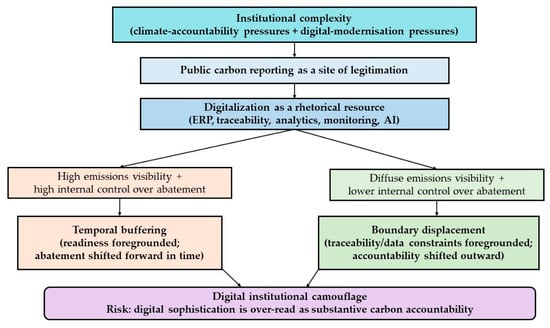
This study examines how digitalization discourse is mobilized in public carbon reporting under institutional complexity and how it varies across different carbon-accountability structures in an emerging-market context within the Global South. A longitudinal comparative discourse analysis was conducted on 70 annual and sustainability
[...] Read more.
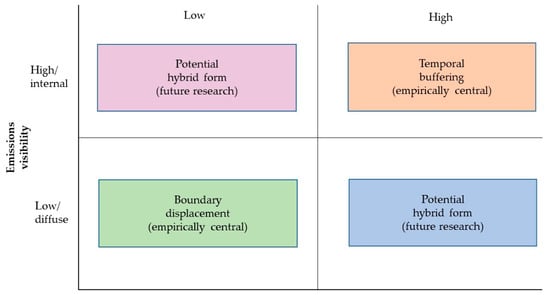
This study examines how digitalization discourse is mobilized in public carbon reporting under institutional complexity and how it varies across different carbon-accountability structures in an emerging-market context within the Global South. A longitudinal comparative discourse analysis was conducted on 70 annual and sustainability reports (2015–2024) from seven Vietnamese listed firms, contrasting firms with internal carbon accountability against those with supply-chain-mediated accountability. The 2015–2024 timeframe was deliberately selected to capture a critical decade of regulatory evolution, marked by the aftermath of the Paris Agreement and the escalating enforcement of net-zero and environmental, social, and governance (ESG) disclosure mandates. Findings reveal that digitalization functions as an ambivalent rhetorical resource rather than a uniformly substantive sustainability enabler. Firms with operationally visible emissions utilize digitalization for “temporal buffering,” deferring immediate physical abatement by framing technology as a future transition pathway. Conversely, firms with supply-chain-mediated emissions employ “boundary displacement,” framing accountability as contingent on fragmented supplier data. These patterned responses constitute “digital institutional camouflage”. We conclude that digital reporting sophistication should not be conflated with substantive decarbonization; effective oversight requires cross-validating digital infrastructures with concrete emission-reduction measures. Ultimately, this study empirically specifies institutional decoupling theory by demonstrating how emissions visibility and organizational control shape distinct pathways of discursive decoupling.
Full article
(This article belongs to the Special Issue Sustainable Finance and Corporate Responsibility)
►▼
Show Figures

Figure 1
Open AccessArticle
State-Dependent Dynamics of Overconfidence in Frontier Equity Markets: A Transfer Entropy Approach from Bangladesh
by
Muhammad Enamul Haque and Mahmood Osman Imam
J. Risk Financial Manag. 2026, 19(6), 449; https://doi.org/10.3390/jrfm19060449 (registering DOI) - 21 Jun 2026
Abstract
The study investigates the state-dependent dynamics of overconfidence in the Bangladesh equity market by exploring the relationship between market returns and trading volume within a nonlinear information-theoretic framework. Building up on the traditional return–volume literature, the study differentiates between total market returns and
[...] Read more.
The study investigates the state-dependent dynamics of overconfidence in the Bangladesh equity market by exploring the relationship between market returns and trading volume within a nonlinear information-theoretic framework. Building up on the traditional return–volume literature, the study differentiates between total market returns and unexpected returns, with the latter representing unexpected information shocks obtained using the Market Index Model. Transfer Entropy with bootstrap inference estimates the directional and asymmetric information flows across five different market states, namely: bullish, bearish, crisis, extended crisis, and COVID-19. The evidence suggests that the overconfidence biases in aggregate market returns are small and intermittent and are reflected in poor and unstable information flow between market returns and trading volume. In comparison, unexpected market returns have a directionally significant impact on trading behavior, which supports the behavior of state-dependent overconfidence. The findings also reveal that overconfidence is higher in normal and bullish market situations but drops significantly in crisis-based situations. The asymmetric analysis indicates increased trading responses to negative returns shocks, as it is more evident that investors are more sensitive to losses and recovery expectations. The research adds to behavioral finance literature on frontier markets through an unexpected return decomposition with nonlinear causality model. The results have serious implications on market surveillance, assessment of investor behavior and design of regulatory policies.
Full article
(This article belongs to the Section Financial Markets)
Open AccessArticle
The Impact of ESG Compliance and Greenwashing Risk on the Value of Companies Listed on the Bucharest Stock Exchange
by
Ioana Andrioaia, Veronica Grosu, Svetlana Mihaila and Alina Butnaru Ciobotar
J. Risk Financial Manag. 2026, 19(6), 448; https://doi.org/10.3390/jrfm19060448 (registering DOI) - 20 Jun 2026
Abstract
Corporate sustainability and the reliability of ESG reporting have gained relevance in the evaluation of listed companies, particularly in emerging capital markets, where reporting practices are still in their early stages of development. The purpose of this study is to analyze the relationship
[...] Read more.
Corporate sustainability and the reliability of ESG reporting have gained relevance in the evaluation of listed companies, particularly in emerging capital markets, where reporting practices are still in their early stages of development. The purpose of this study is to analyze the relationship between the quality of ESG reporting, the risk of greenwashing estimated using a proxy derived from reported information, and the market value of companies listed on the Bucharest Stock Exchange. The research employs a mixed-methods design, involving content analysis of annual reports, sustainability reports, and sustainability statements for 25 companies over the 2020–2024 period. The scores corresponding to the Environmental, Social, and Governance dimensions, as well as the proxy for greenwashing risk, were developed using an ordinal scoring grid, which was validated through inter-rater assessment. During the course of the study, the empirical relationships were tested using pooled OLS specifications on short panel data, incorporating the natural logarithm of market capitalization, financial controls, year effects, and sector dummy variables. The results highlight the presence of an association between the quality of ESG reporting and market value, particularly for environmental and social dimensions, while the greenwashing risk proxy exhibits a limited statistical influence. The study contributes to the literature on ESG reporting in emerging markets and highlights the need for a cautious interpretation of indicators constructed based on corporate disclosures.
Full article
(This article belongs to the Section Sustainability and Finance)
Open AccessArticle
Investors’ Reaction to Sustainability Disclosures Under Varying Assurance Levels and Assurer Types: An Experimental Approach
by
Rola Shawat, Abanoub Wassef, Yara Ibrahim, Ahmed Hassanein, Hosam Moubarak and Hebatallah Badawy
J. Risk Financial Manag. 2026, 19(6), 447; https://doi.org/10.3390/jrfm19060447 (registering DOI) - 19 Jun 2026
Abstract
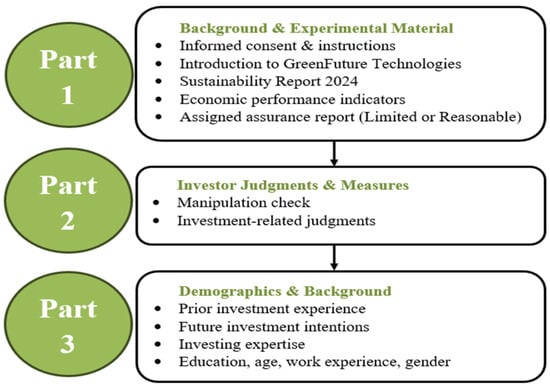
This study examines how assurance level and assurer type jointly influence non-professional investors’ reactions to sustainability disclosures in an emerging market context. It employs a controlled 2 × 2 mixed-design experiment that manipulates assurance level (limited vs. reasonable) and assurer type (audit firm
[...] Read more.
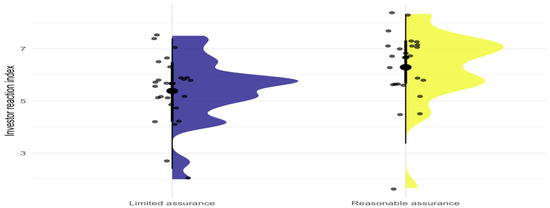
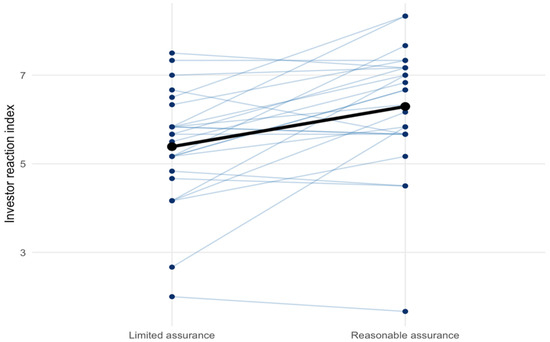
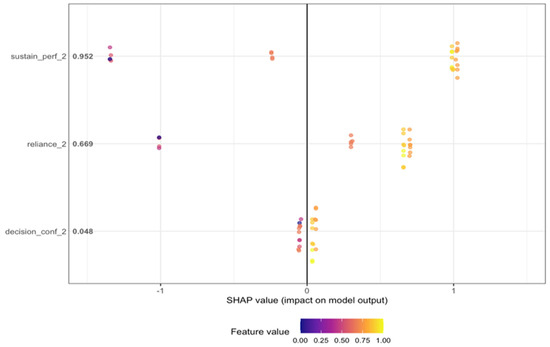
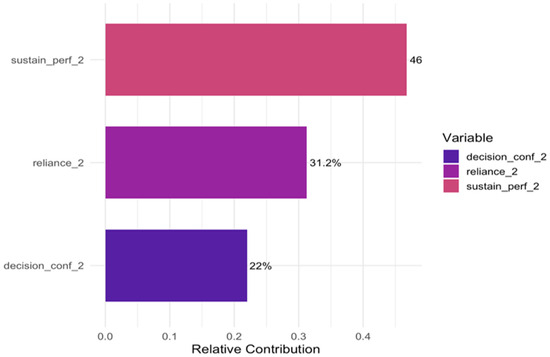
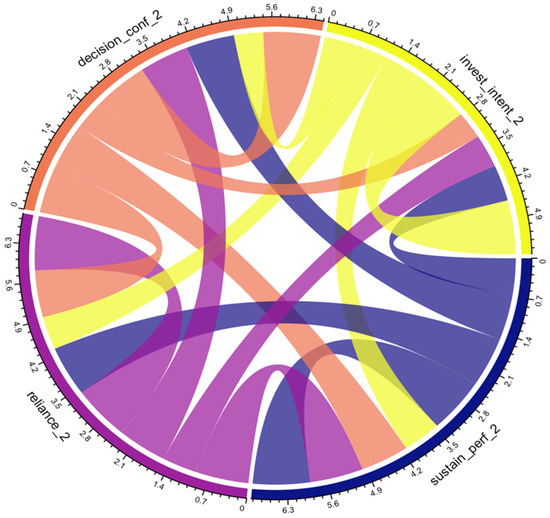
This study examines how assurance level and assurer type jointly influence non-professional investors’ reactions to sustainability disclosures in an emerging market context. It employs a controlled 2 × 2 mixed-design experiment that manipulates assurance level (limited vs. reasonable) and assurer type (audit firm vs. non-audit firm). Data were collected from MBA and DBA students in Egypt as proxies for non-professional investors. Investor reaction is captured through multiple measures, including perceived sustainability performance, reliance on sustainability information, investment intention, stock valuation, and decision confidence. Non-parametric statistical techniques are used to test hypotheses, complemented by exploratory machine learning using SHAP values. The results provide strong and consistent evidence that the assurance level is the dominant factor shaping investor reactions. Reasonable assurance significantly enhances investor judgments across all key measures, whereas the type of assurer does not have a statistically significant independent effect. Additional analyses reveal that reasonable assurance from a non-audit firm elicits more favorable reactions than limited assurance from an audit firm, underscoring the primacy of assurance strength over provider identity. Exploratory findings further indicate that assurance influences investment decisions primarily through perceived sustainability performance and reliance on information. This study contributes to the literature by clarifying the relative roles of assurance level and assurer type and providing novel evidence from an emerging market setting (i.e., Egypt). The findings offer important implications for firms, assurance providers, and regulators seeking to enhance the credibility and decision usefulness of sustainability reporting.
Full article
(This article belongs to the Special Issue Emerging Trends and Innovations in Corporate Finance and Governance)
►▼
Show Figures

Figure 1
Open AccessArticle
Enhancing Enterprise Risk Management Through Emotional Intelligence: A Study of Risk Leadership in Indonesia
by
Wa’el Al-Karaki, Aldi Ardilo, Ahmed Eltweri, Yuan Zhai and Gbemisola Ogbolu
J. Risk Financial Manag. 2026, 19(6), 446; https://doi.org/10.3390/jrfm19060446 - 19 Jun 2026
Abstract
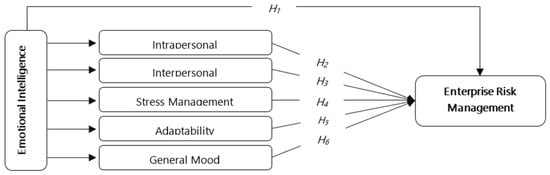
This study examines the relationship between emotional intelligence and enterprise risk management maturity among risk leaders in Indonesia’s financial services sector, adopting a workplace accountability perspective to explain how leadership behavioural competencies support effective risk ownership, risk communication, and accountable risk decision-making. Drawing
[...] Read more.
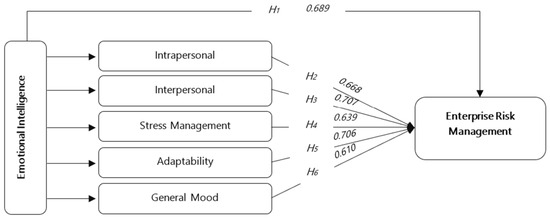
This study examines the relationship between emotional intelligence and enterprise risk management maturity among risk leaders in Indonesia’s financial services sector, adopting a workplace accountability perspective to explain how leadership behavioural competencies support effective risk ownership, risk communication, and accountable risk decision-making. Drawing on survey data from 280 board-level executives holding the Qualified Risk Governance Professional credential, the study measures emotional intelligence using the Bar-On EQ-i and enterprise risk management maturity using the RIMS Risk Maturity Model. The findings reveal a strong and positive association between emotional intelligence and enterprise risk management maturity, with interpersonal competence and adaptability exhibiting the strongest associations with ERM maturity, while no significant differences are observed across job roles or organisational size. By empirically examining the association between leadership emotional capabilities and the institutionalisation of risk governance, the study contributes to global management and the literature on risk by extending enterprise risk management research beyond technical frameworks and compliance models, particularly within emerging market contexts. The results suggest that emotional intelligence may represent a transferable governance capability that is relevant to organisations operating in complex, uncertain, and globally interconnected environments. Practically, the study suggests that emotional intelligence development may represent a useful complement to leadership and risk capability programmes aimed at supporting risk culture, cross-functional engagement, and accountability.
Full article
(This article belongs to the Section Business and Entrepreneurship)
►▼
Show Figures

Figure 1
Open AccessArticle
Eco- and Socio-Efficiency as Determinants of Default Risk: Evidence from European Firms
by
Bochra Issa, Sana Ben Abdallah and Foued Badr Gabsi
J. Risk Financial Manag. 2026, 19(6), 445; https://doi.org/10.3390/jrfm19060445 - 19 Jun 2026
Abstract
This study investigates how eco-efficiency and socio-efficiency influence firms’ default risk across the European financial, industrial, and consumer service sectors from 2010 to 2024. This study aims to determine whether integrating environmental and social performance into corporate strategies mitigates financial distress over time.
[...] Read more.
This study investigates how eco-efficiency and socio-efficiency influence firms’ default risk across the European financial, industrial, and consumer service sectors from 2010 to 2024. This study aims to determine whether integrating environmental and social performance into corporate strategies mitigates financial distress over time. The Pooled Mean Group ARDL estimator was employed to capture the short- and long-term dynamics. The results indicate that higher eco- and socio-efficiency significantly reduce long-term default risk, particularly in the financial and industrial sectors. Short-term effects were found to be insignificant, suggesting that sustainability benefits gradually emerged. This study offers novel sector-specific evidence linking sustainability efficiency to default risk in European firms and provides insights into how environmental and social efficiencies enhance corporate resilience and financial stability.
Full article
(This article belongs to the Section Sustainability and Finance)
Open AccessArticle
Predicting Stock Volatility Using Multidimensional Financial Risk: Evidence from Machine Learning and Hybrid GARCH–Deep Learning Models
by
Yara Ibrahim, Khaled Hussainey and Taghred Mokhtar Sayed Moawad
J. Risk Financial Manag. 2026, 19(6), 444; https://doi.org/10.3390/jrfm19060444 - 19 Jun 2026
Abstract
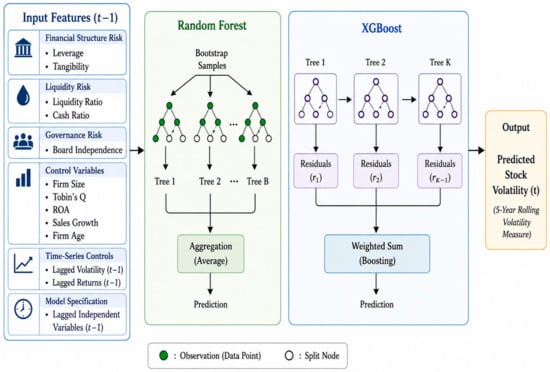
This study investigates the determinants and predictability of stock return volatility by integrating firm-specific financial characteristics with advanced econometric and volatility modeling techniques. Using an unbalanced panel dataset comprising 1596 firms and 19,752 firm-year observations from MENA stock markets over the period 2010–2024,
[...] Read more.
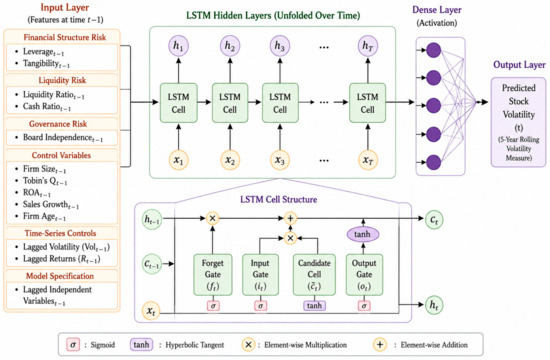
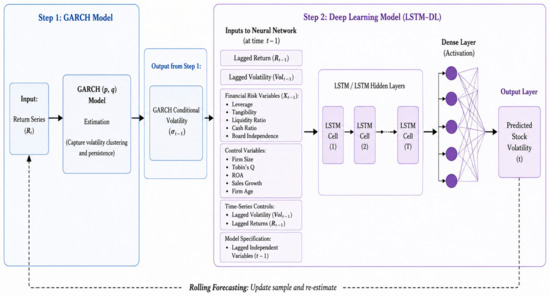
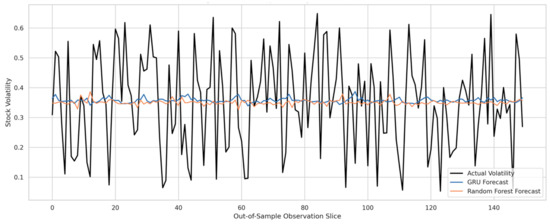
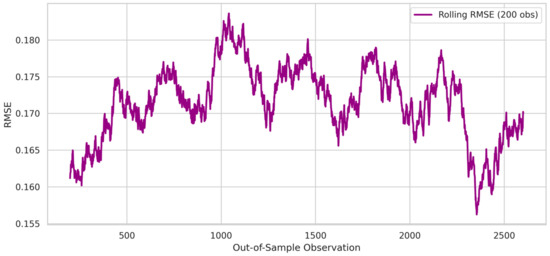
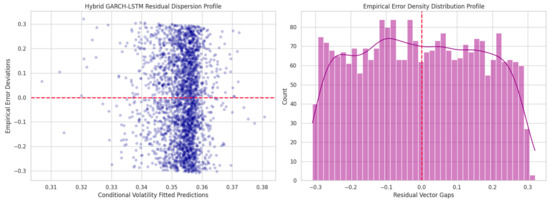
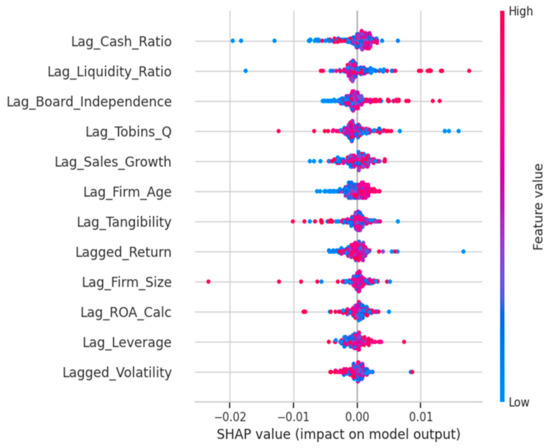
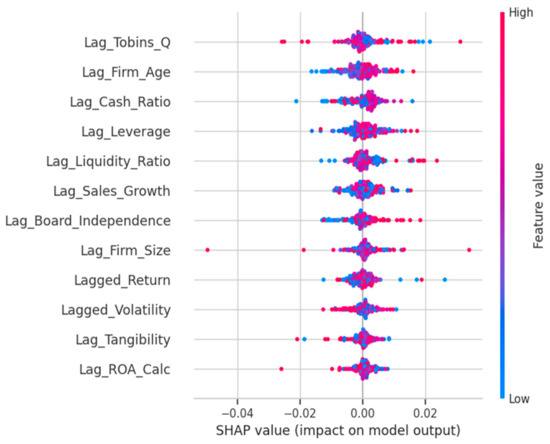
This study investigates the determinants and predictability of stock return volatility by integrating firm-specific financial characteristics with advanced econometric and volatility modeling techniques. Using an unbalanced panel dataset comprising 1596 firms and 19,752 firm-year observations from MENA stock markets over the period 2010–2024, the analysis employs fixed-effects panel regression models, conditional volatility models, and machine learning-based forecasting approaches. Following extensive diagnostic testing, including tests for heteroskedasticity, serial correlation, cross-sectional dependence, and model specification, a two-way fixed-effects model with Driscoll–Kraay standard errors is adopted as the preferred estimation framework. The results indicate that liquidity ratio, cash ratio, sales growth, firm age, lagged volatility, and lagged returns are significant determinants of stock return volatility, whereas leverage, tangibility, board independence, firm size, Tobin’s Q, and profitability do not exhibit statistically significant effects after controlling for firm-specific and time-specific heterogeneity. The volatility analysis reveals substantial persistence in stock return volatility, with the EGARCH-t specification providing the best fit among the competing GARCH-family models according to the Akaike Information Criterion. The estimated asymmetry parameters indicate that volatility responds differently to positive and negative shocks, supporting the presence of asymmetric volatility dynamics and the suitability of asymmetric volatility models. The forecasting analysis shows that advanced machine learning and deep learning models achieve competitive predictive performance; however, differences in predictive accuracy across models are generally modest.
Full article
(This article belongs to the Special Issue Editorial Board Members’ Collection Series: Journal of Risk and Financial Management, 2nd Edition)
►▼
Show Figures

Figure 1
Journal Menu
► ▼ Journal MenuJournal Browser
► ▼ Journal BrowserHighly Accessed Articles
Latest Books
E-Mail Alert
News
Topics
Topic in
Economies, JRFM, Risks, Sustainability
The Future of Global Finance and Business: Trends, Policies and Market Evolution
Topic Editors: John Malindretos, Giuliana Andreopoulos, Eleftherios Thalassinos, Ana Cristina SiqueiraDeadline: 31 July 2026
Topic in
Economies, IJFS, Sustainability, Businesses, JRFM
Sustainable and Green Finance
Topic Editors: Otilia Manta, Maria PalazzoDeadline: 31 October 2026
Topic in
Clean Technol., Economies, FinTech, JRFM, Sustainability
Green Technology Innovation and Economic Growth
Topic Editors: David (Xuefeng) Shao, Miaomiao Tao, Selena ShengDeadline: 31 December 2026
Topic in
IJFS, JRFM, Risks, Sustainability, FinTech, Platforms
Innovations of Digital Finance, Green Finance, Climate Finance and Financial Risk in the AI Era
Topic Editors: Qian Li, Canzhong YaoDeadline: 1 February 2027
Conferences
26 June 2026
Publishing in Modern Quantitative Finance: Rational Finance, AI, Data-Driven Methods, and the Path to JRFM

Special Issues
Special Issue in
JRFM
Exchange Rate Efficiency and Theories and AI Implications
Guest Editors: John Malindretos, Alexandros Panayides, Theodoros Stamatopoulos, Demetri Tsanacas, Augustine Chuck ArizeDeadline: 26 June 2026
Special Issue in
JRFM
Innovations and Challenges in Management Accounting
Guest Editors: Davood Askarany, Hassan Yazdifar, Youngsik KwakDeadline: 30 June 2026
Special Issue in
JRFM
The Accounting Revolution: Redefining Standards, Sustainability and Accountability
Guest Editors: Antonella Russo, Aleksandar Stojanovic, Lorenzo Neri, Teresa IzzoDeadline: 30 June 2026
Special Issue in
JRFM
Market Microstructure and Digital Disruption
Guest Editors: Priyantha Mudalige, Damien WallaceDeadline: 30 June 2026
Topical Collections
Topical Collection in
JRFM
Quantitative Advances and Risks in Asian Financial Markets
Collection Editors: Svetlozar (Zari) Rachev, Shigeyuki Hamori, Yasushi Hamao, Shuangzhe Liu, Ali Jaffri
Topical Collection in
JRFM
Transformative Corporate Finance and Governance
Collection Editor: Ştefan Cristian Gherghina