




-
Targeting Sleep to Improve Outcomes in Psychosis: Digital and Non-Pharmacological Interventions -
Unsupervised Clinical Phenotyping Identifies Distinct Risk Profiles in Incisional Hernia Repair -
Automated Analysis of Pelvic Radiographs for Hip Dysplasia Screening Using Artificial Intelligence in Children with Cerebral Palsy: A Systematic Review -
Hemispheric Asymmetries in Bipolar Disorder: A Systematic Review -
Clinical Practice and Diagnostic Trends in Hereditary Transthyretin Amyloidosis: A 25-Year Observational Study
Journal Description
Medicina
Medicina
is an international, peer-reviewed, open access journal covering all problems related to medicine, published monthly online. It is the official journal of the Lithuanian University of Health Sciences (LUHS). The Lithuanian Medical Association (LMA), Vilnius University, Rīga Stradiņš University, University of Latvia, and University of Tartu are affiliated with Medicina, serving as their official journal. Members of these organizations receive discounts on the article processing charges.
- Open Access— free for readers, with article processing charges (APC) paid by authors or their institutions.
- High Visibility: indexed within Scopus, SCIE (Web of Science), PubMed, MEDLINE, PMC, and other databases.
- Journal Rank: JCR - Q1 (Medicine, General and Internal) / CiteScore - Q1 (General Medicine)
- Rapid Publication: manuscripts are peer-reviewed and a first decision is provided to authors approximately 17.4 days after submission; acceptance to publication is undertaken in 2.8 days (median values for papers published in this journal in the first half of 2026).
- Recognition of Reviewers: reviewers who provide timely, thorough peer-review reports receive vouchers entitling them to a discount on the APC of their next publication in any MDPI journal, in appreciation of the work done.
Impact Factor:
2.9 (2025);
5-Year Impact Factor:
3.0 (2025)
Latest Articles
Associations Between Hygiene- and Nutrition-Related Practices and Pregnancy Outcomes: A Cross-Sectional Study
Medicina 2026, 62(9), 1676; https://doi.org/10.3390/medicina62091676 (registering DOI) - 31 Aug 2026
Abstract
Background and Objectives: Pregnancy is accompanied by physiological, hormonal, immunological, and metabolic changes that may increase susceptibility to infections and adverse maternal or fetal outcomes. This study aimed to evaluate hygiene- and nutrition-related behaviors among pregnant or previously pregnant women and to
[...] Read more.
Background and Objectives: Pregnancy is accompanied by physiological, hormonal, immunological, and metabolic changes that may increase susceptibility to infections and adverse maternal or fetal outcomes. This study aimed to evaluate hygiene- and nutrition-related behaviors among pregnant or previously pregnant women and to assess their associations with infections, pregnancy complications, and pregnancy outcomes. Materials and Methods: An observational, descriptive, and analytical cross-sectional study was conducted using an anonymous questionnaire administered to women aged 18–40 years from Timiș County, Romania, who were currently pregnant or had experienced at least one previous pregnancy. A total of 361 participants were included in the final analysis. Descriptive and bivariate analyses were performed, followed by multivariable binary logistic regression. Multicollinearity was assessed using variance inflation factors, and Firth’s penalized logistic regression was performed as a sensitivity analysis. Results: In multivariable analyses, occasional intimate hygiene, compared with twice-daily intimate hygiene, was associated with higher odds of vaginal candidiasis (aOR = 6.63; 95% CI: 2.29–19.17) and urinary tract infection (aOR = 4.36; 95% CI: 1.73–10.99). An unbalanced diet was associated with higher odds of pregnancy complications compared with a balanced diet (aOR = 2.33; 95% CI: 1.26–4.30). Compared with women reporting three or more supplements, women reporting no supplementation had markedly higher odds of an adverse pregnancy outcome (aOR = 46.15; 95% CI: 20.45–104.15), while each additional previous abortion was associated with higher odds of an adverse outcome (aOR = 2.25; 95% CI: 1.41–3.59). Firth sensitivity analysis attenuated the estimate for no supplementation (OR = 37.54; 95% CI: 17.89–85.32) but did not materially change the principal findings. Conclusions: Intimate hygiene frequency, nutritional supplementation, perceived diet quality, and reproductive history were associated with pregnancy-related outcomes in this study. These findings support structured prenatal assessment and counselling regarding nutrition, evidence-based supplementation, reproductive history, and appropriate hygiene practices. Because of the cross-sectional observational design and potential residual confounding, the findings should be interpreted as associations rather than causal effects.
Full article
(This article belongs to the Section Obstetrics and Gynecology)
Open AccessArticle
Prognostic Value of the Modified Glasgow Prognostic Score in Patients with Metastatic Renal Cell Carcinoma Receiving Nivolumab as Second-Line Therapy: A Multicentre Retrospective Cohort Study
by
Sedat Biter, Ertuğrul Bayram, Tolga Köşeci, Mehmet Cihan İçli, Ahmet Melih Arslan, Faruk Recep Özalp, Nadiye Sever, Ahmet Ünsal, Nargiz Majidova Altuntaş, Mustafa Seyyar, Gülhan Dinç, Mahmut Büyükşimşek, Mehmet Türker, Şendağ Yaslıkaya, Mehmet Mutlu Kıdı, Yasemin Aydınalp Camadan, Umut Kefeli, Mehmet Uzun, Hasan Çağrı Yıldırım, Hüseyin Salih Semiz, Mustafa Erman and İsmail Oğuz Karaadd
Show full author list
remove
Hide full author list
Medicina 2026, 62(9), 1675; https://doi.org/10.3390/medicina62091675 (registering DOI) - 31 Aug 2026
Abstract
Background and Objectives: The modified Glasgow Prognostic Score (mGPS)—a composite of serum C-reactive protein (CRP) and albumin—simultaneously reflects systemic inflammatory activity and nutritional reserve. Its specific prognostic role in patients with metastatic renal cell carcinoma (mRCC) treated with nivolumab in the second-line
[...] Read more.
Background and Objectives: The modified Glasgow Prognostic Score (mGPS)—a composite of serum C-reactive protein (CRP) and albumin—simultaneously reflects systemic inflammatory activity and nutritional reserve. Its specific prognostic role in patients with metastatic renal cell carcinoma (mRCC) treated with nivolumab in the second-line setting has not previously been examined in a large multicentre cohort. The aims of this study are to determine whether baseline mGPS independently predicts overall survival (OS) and progression-free survival (PFS) in this population and whether its discriminatory capacity compares favourably with the International Metastatic RCC Database Consortium (IMDC) risk score. Methods: This multicentre retrospective cohort study included 174 consecutive patients with histopathologically confirmed mRCC who progressed on first-line VEGF-targeted tyrosine kinase inhibitor (TKI) therapy and subsequently received nivolumab monotherapy at six oncology centres in Türkiye between January 2015 and December 2023. Baseline mGPS was calculated from serum albumin and CRP measured within four weeks before treatment initiation. Kaplan–Meier analysis with log-rank testing and Cox proportional-hazards regression were used for survival analyses; discriminatory capacity was quantified using Uno’s concordance (C) statistic. Results: The median follow-up was 24.2 months. The median OS was 44.5, 15.3, and 10.0 months for the mGPS 0, 1, and 2 groups, respectively (log-rank p < 0.0001); the median PFS was 6.7, 4.2, and 2.6 months (p = 0.022). On multivariable analysis, mGPS 2 independently predicted inferior OS (hazard ratio [HR] 3.61, 95% confidence interval [CI] 1.78–7.31; p < 0.001) and PFS (HR 1.87, 95% CI 1.17–2.97; p = 0.008). Uno’s C-statistic for OS was numerically higher for the combined mGPS + IMDC model (0.70) than for either the mGPS (0.66) or IMDC (0.63) alone; these differences were not formally tested and are presented descriptively. Conclusions: Baseline mGPS is a simple, inexpensive, and independent prognostic biomarker in mRCC patients treated with second-line nivolumab, providing discriminatory information that may be complementary alongside IMDC risk stratification. Prospective validation in randomised trials is warranted.
Full article
(This article belongs to the Section Oncology)
Open AccessArticle
Computational Repurposing of Janus Kinase Inhibitors as Potential Therapeutic Candidates for Alzheimer’s Disease
by
Ly Thi Huong Nguyen, Mai Thi Nguyen and Thai Uy Nguyen
Medicina 2026, 62(9), 1674; https://doi.org/10.3390/medicina62091674 (registering DOI) - 31 Aug 2026
Abstract
Background and Objectives: Alzheimer’s disease (AD) is the most common neurodegenerative disorder, and current therapies provide only limited symptomatic relief without effectively slowing its progression. Increasing evidence suggests that aberrant activation of the Janus kinase/signal transducer and activator of transcription (JAK/STAT) signaling
[...] Read more.
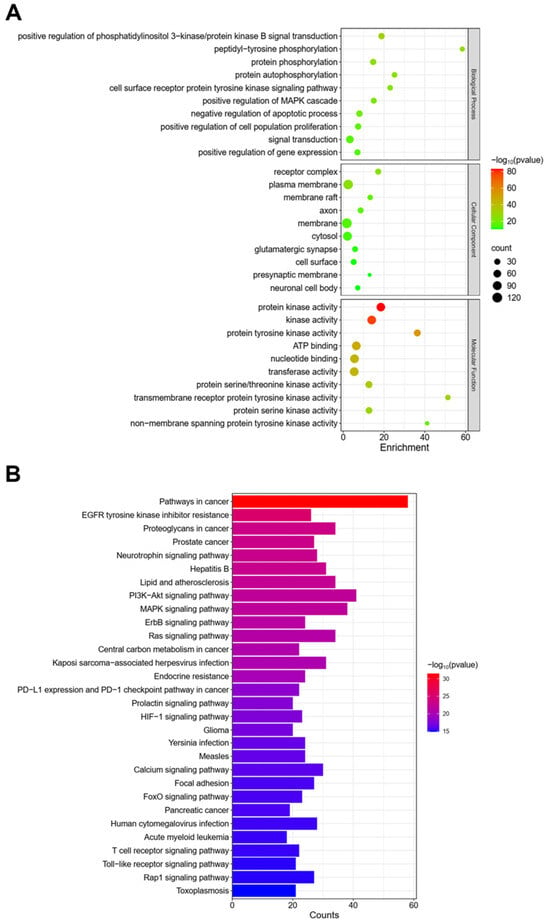
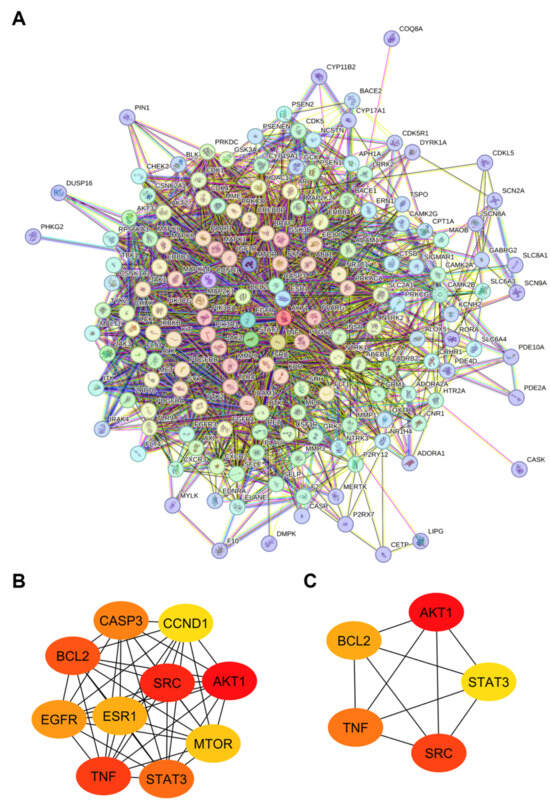
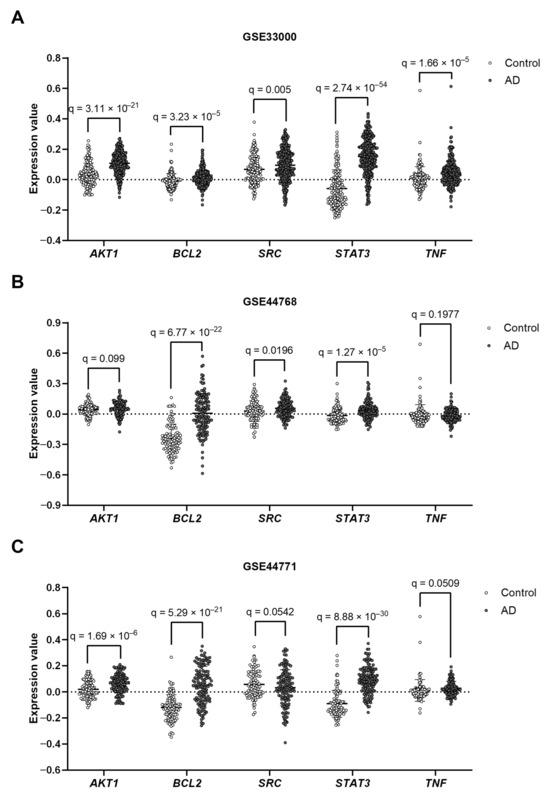
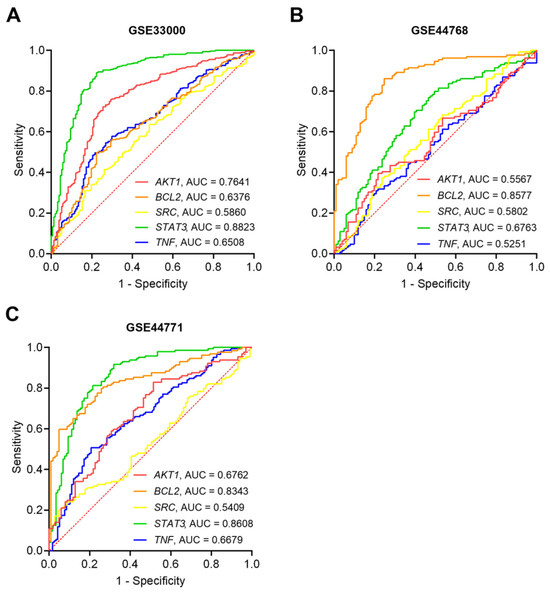
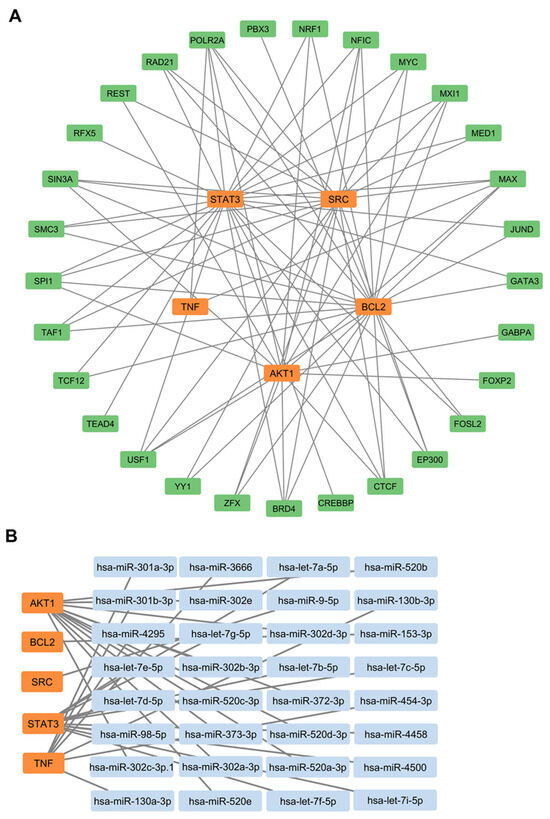
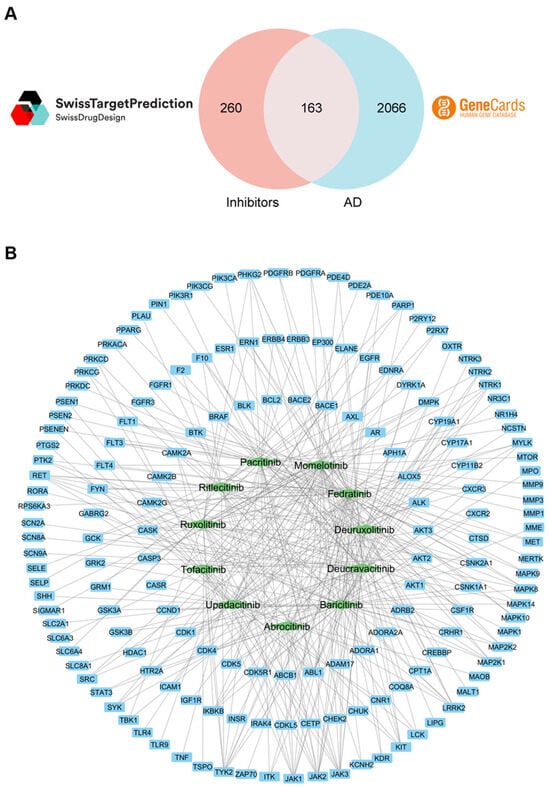
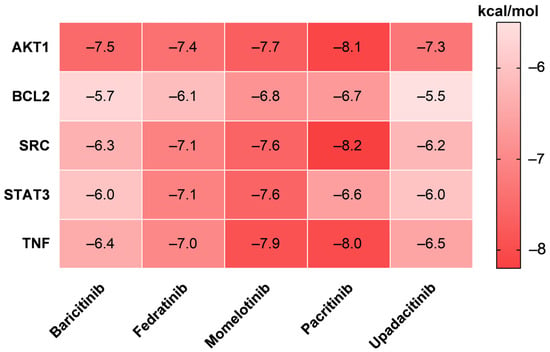
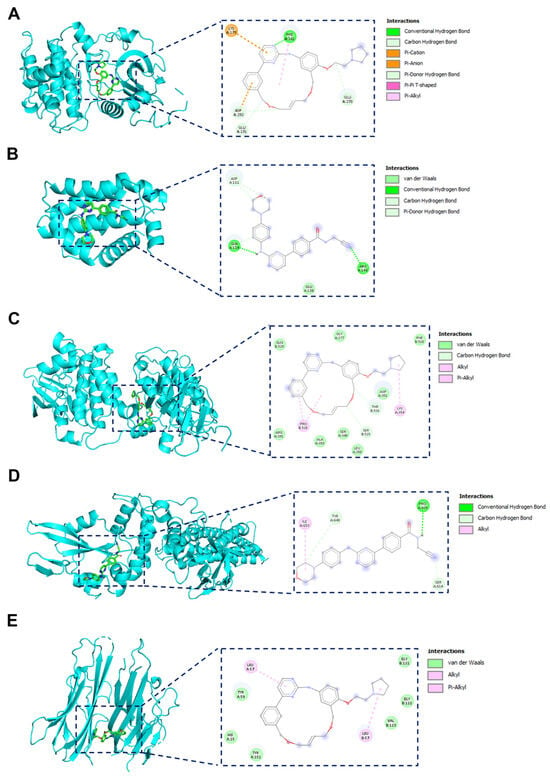
Background and Objectives: Alzheimer’s disease (AD) is the most common neurodegenerative disorder, and current therapies provide only limited symptomatic relief without effectively slowing its progression. Increasing evidence suggests that aberrant activation of the Janus kinase/signal transducer and activator of transcription (JAK/STAT) signaling cascade contributes to AD-associated neuroinflammation. This study investigated the therapeutic potential and molecular mechanisms of JAK inhibitors in AD using integrated bioinformatics and network pharmacology approaches. Materials and Methods: Potential anti-AD targets of JAK inhibitors were identified using the SwissTargetPrediction and GeneCards databases. Functional enrichment, protein–protein interaction (PPI) analysis, transcriptomic validation using public datasets, regulatory network construction, molecular docking, normal mode analysis (NMA), and absorption, distribution, metabolism, excretion, and toxicity (ADMET) prediction were performed to investigate the potential mechanisms of action of these drugs in AD. Results: Our analysis identified 163 shared targets between JAK inhibitors and AD. Enrichment analysis revealed that these genes were primarily involved in protein phosphorylation and were enriched in key signaling pathways, including the neurotrophin, phosphoinositide 3-kinase/protein kinase B (PI3K/Akt), and mitogen-activated protein kinase (MAPK) signaling pathways. PPI analysis identified AKT1, BCL2, SRC, STAT3, and TNF as five highly ranked hub targets across multiple topological algorithms. Transcriptomic validation confirmed significantly higher expression of these targets in the prefrontal cortex of individuals with AD compared with normal subjects. Molecular docking indicated that pacritinib and momelotinib showed relatively favorable predicted interactions with the hub proteins, while NMA revealed differences in the predicted flexibility of the docked complexes. Furthermore, ADMET prediction showed that pacritinib possesses favorable pharmacokinetic properties for the treatment of AD. Conclusions: Collectively, these findings provide mechanistic insights into the potential effects of JAK inhibitors in AD and identify pacritinib as a computationally prioritized candidate that warrants experimental validation in appropriate AD models. However, as this study is based solely on computational analyses without wet-lab validation, the findings should be considered hypothesis-generating in silico evidence, and the potential safety concerns of pacritinib require further investigation.
Full article
(This article belongs to the Topic Modern System-Based Approaches in Pharmaceutical and Biomedical Research)
►▼
Show Figures

Figure 1
Open AccessSystematic Review
Factors Associated with Systemic Lupus Erythematosus-Associated Interstitial Lung Disease and Clinical Outcomes: A Systematic Review and Meta-Analysis
by
Mislav Radić, Petra Šimac Prižmić, Tina Bečić, Hana Đogaš, Josipa Radić, Damir Fabijanić, Andrea Gelemanović and Dijana Perković
Medicina 2026, 62(9), 1673; https://doi.org/10.3390/medicina62091673 (registering DOI) - 31 Aug 2026
Abstract
Background and Objectives: Interstitial lung disease (ILD) is an uncommon but clinically important manifestation of systemic lupus erythematosus (SLE). We aimed to identify factors associated with SLE–ILD, evaluate factors associated with clinical outcomes in established disease, and quantitatively synthesize comparable data. Materials
[...] Read more.
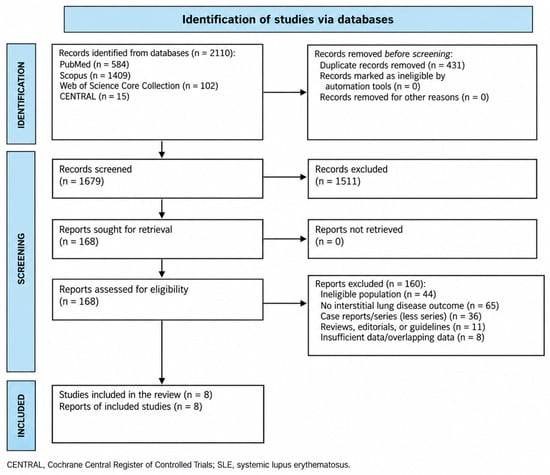
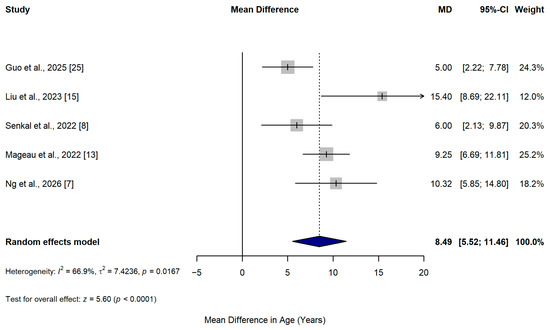
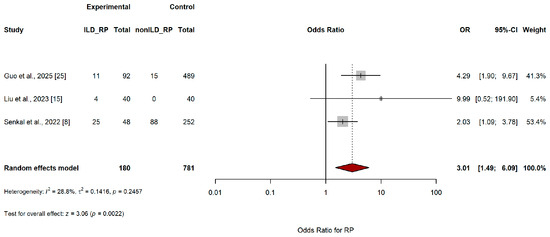
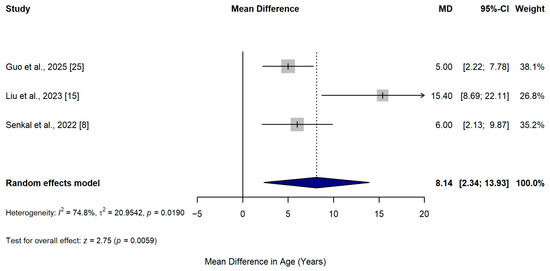
Background and Objectives: Interstitial lung disease (ILD) is an uncommon but clinically important manifestation of systemic lupus erythematosus (SLE). We aimed to identify factors associated with SLE–ILD, evaluate factors associated with clinical outcomes in established disease, and quantitatively synthesize comparable data. Materials and Methods: PubMed, Web of Science, Scopus, and the Cochrane Central Register of Controlled Trials were searched from inception through July 2026. English-language observational studies of adults with SLE reporting factors associated with ILD occurrence or outcomes in established SLE–ILD were eligible. Random-effects meta-analyses were conducted when at least three studies reported comparable data. Results: Eight observational studies were included. Across five studies, patients with SLE–ILD were older than those without ILD (mean difference 8.49 years, 95% confidence interval [CI] 5.52–11.46; p < 0.0001; I2 = 66.9%). Across three studies, SLE–ILD was associated with higher odds of Raynaud phenomenon (odds ratio, 3.01; 95% CI, 1.49–6.09; p = 0.0022; I2 = 28.8%). Other study-level associations included smoking, serositis, features of overlap connective tissue diseases, selected autoantibodies, and Krebs von den Lungen-6 (KL-6). In established SLE–ILD, baseline forced vital capacity and cohort-specific clinical and imaging features were associated with outcomes, while population-based cohorts linked ILD with increased mortality. Conclusions: Older age and Raynaud phenomenon were the factors most consistently associated with SLE–ILD across the available comparative studies. Because most included studies were observational, these findings should be interpreted as associations rather than evidence of causality. Prognostic evidence remains limited and heterogeneous.
Full article
(This article belongs to the Section Pulmonology)
►▼
Show Figures

Figure 1
Open AccessSystematic Review
The Clinical Effectiveness of Platelet-Rich Fibrin in Post-Extraction Healing: A Systematic Review of Randomized Controlled Trials
by
Liene Janaite, Irina Vasilcenko, Ingrida Cema and Ieva Bagante
Medicina 2026, 62(9), 1672; https://doi.org/10.3390/medicina62091672 (registering DOI) - 31 Aug 2026
Abstract
Background and Objectives: Platelet-rich fibrin (PRF) has been widely investigated as a biological material to enhance healing after tooth extraction; however, its clinical effectiveness remains uncertain. This systematic review evaluates the available evidence on its effectiveness in post-extraction socket management. Materials and
[...] Read more.
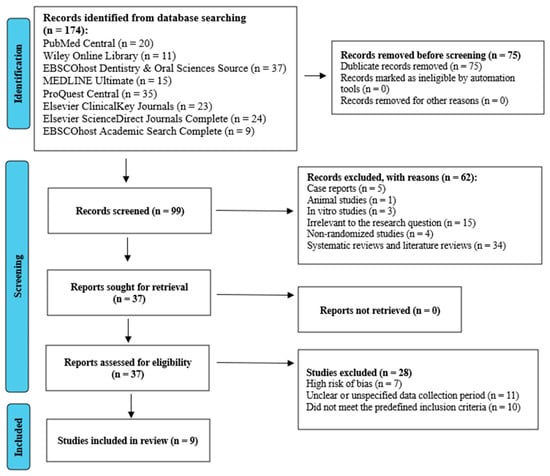
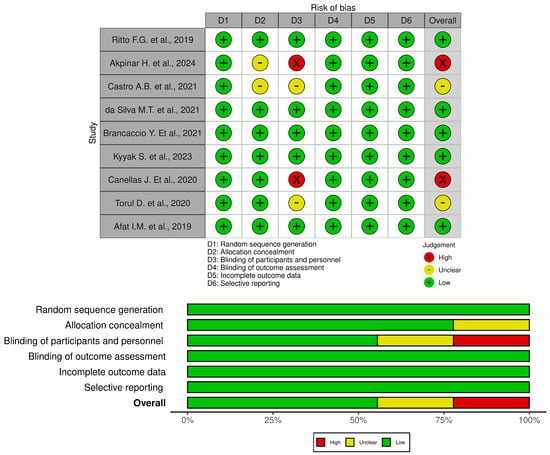
Background and Objectives: Platelet-rich fibrin (PRF) has been widely investigated as a biological material to enhance healing after tooth extraction; however, its clinical effectiveness remains uncertain. This systematic review evaluates the available evidence on its effectiveness in post-extraction socket management. Materials and Methods: A literature search was conducted across eight electronic databases for English-language studies published between 2015 and 2025. Only randomized controlled trials, including parallel-group randomized trials and randomized split-mouth trials, involving PRF with a control group were considered. The methodological quality of the included studies was assessed using the Cochrane Risk of Bias tool (RoB 1). Due to substantial clinical heterogeneity in PRF preparation protocols, outcome measures, and follow-up periods, a narrative synthesis was performed instead of a meta-analysis. Results: A total of 174 records were identified, of which 9 studies met the inclusion criteria. The methodological quality of the studies included was evaluated to assess the risk of bias, in accordance with the recommendations of the Cochrane Handbook for Systematic Reviews of Interventions. Overall, 394 patients underwent 817 tooth extractions: 414 sockets were treated with different types of PRF, 251 were left to heal after suturing, and 143 were filled with a hemostatic sponge prior to suturing. Conclusions: PRF demonstrated superior outcomes in soft tissue healing and radiographic new bone density, although no statistically significant differences were observed in other parameters. Therefore, the available evidence does not allow us to draw definitive conclusions regarding the clinical effectiveness of PRF for socket filling after tooth extraction. The literature indicates that it may promote soft and hard tissue healing and reduce pain, swelling, and the risk of alveolar osteitis; however, evidence regarding its therapeutic effect on alveolar socket healing remains contradictory.
Full article
(This article belongs to the Special Issue Oral and Maxillofacial Surgery: Clinical Advances and Future Directions)
►▼
Show Figures

Figure 1
Open AccessReview
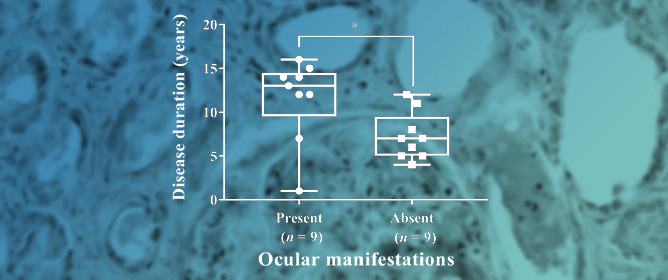
Orbital Radiotherapy for Thyroid-Associated Orbitopathy in the Era of Targeted Biologics: Reposition, Not Replace
by
Ji Hwan Jo and Ki Ho Seol
Medicina 2026, 62(9), 1671; https://doi.org/10.3390/medicina62091671 - 31 Aug 2026
Abstract
Background and Objectives: Orbital radiotherapy (OR) has been used for moderate-to-severe active thyroid-associated orbitopathy (TAO) for decades, yet its role is repeatedly questioned. Sham-controlled randomized trials have not demonstrated a benefit of OR on proptosis or soft-tissue change, whereas clinical practice guidelines
[...] Read more.
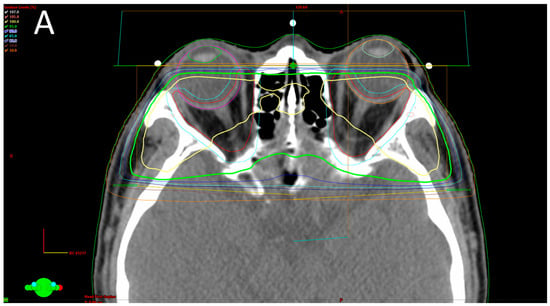
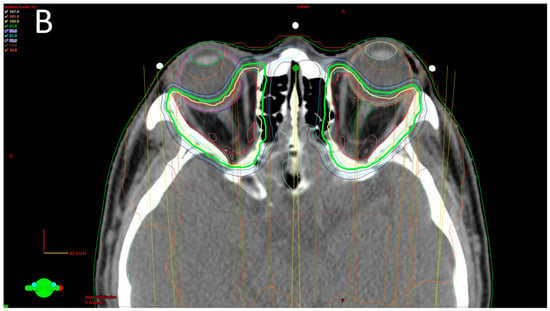
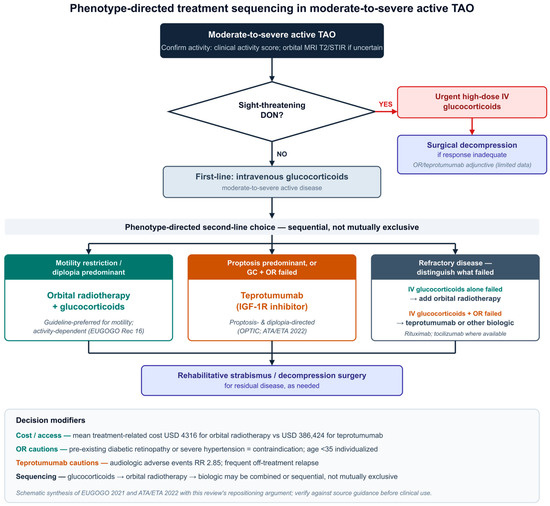
Background and Objectives: Orbital radiotherapy (OR) has been used for moderate-to-severe active thyroid-associated orbitopathy (TAO) for decades, yet its role is repeatedly questioned. Sham-controlled randomized trials have not demonstrated a benefit of OR on proptosis or soft-tissue change, whereas clinical practice guidelines continue to recommend OR, combined with glucocorticoids, as a second-line option, particularly for diplopia and restricted ocular motility. The insulin-like growth factor 1 receptor (IGF-1R) inhibitor teprotumumab, with marked effects on proptosis and diplopia, has prompted some to regard OR as obsolete. This review aims to reconcile the long-standing discordance between randomized-trial evidence and guideline recommendations and to reposition OR within the contemporary, biologics-inclusive treatment algorithm. Materials and Methods: We performed a semi-systematic narrative review of PubMed and Embase (inception to June 2026), prioritizing randomized controlled trials, comparative and large observational studies, current guideline and consensus documents, and recent systematic reviews and meta-analyses across radiobiology, dose and technique, efficacy, glucocorticoid combination, safety, health economics, and biologics. Results: The randomized endpoints that failed (proptosis and soft-tissue swelling) are not those that OR is mechanistically expected to improve, whereas its benefit for motility and diplopia aligns with the indication guidelines specified; meta-analyses support a motility and combination benefit. Against teprotumumab, OR shows a smaller proptosis effect but established long-term safety, wide accessibility, and far lower cost, while teprotumumab’s real-world durability is limited and its cost and adverse-event burden is substantial. Conclusions: OR is best understood not as a competitor to be replaced but as an accessible, low-cost, motility-directed modality with real limitations of its own (a modest effect on proptosis and a frequent residual need for surgery), whose optimal sequencing alongside glucocorticoids and biologics has yet to be defined by head-to-head and cost-effectiveness studies.
Full article
(This article belongs to the Special Issue Advances in Diagnosis and Therapies of Ocular Diseases)
►▼
Show Figures

Figure 1
Open AccessArticle
Prognostic Value of Inflammatory Indices and the Advanced Lung Cancer Inflammation Index (ALI) for Survival Outcomes in Hemodialysis Patients
by
Demet Yavuz, Mehmet Derya Demirag, Enis Akca, Muhammed Ali Atasever, Mehmet Omer Bostanci and Nihal Aydemir
Medicina 2026, 62(9), 1670; https://doi.org/10.3390/medicina62091670 - 31 Aug 2026
Abstract
Background and Objectives: Chronic systemic inflammation and malnutrition drive adverse outcomes in maintenance hemodialysis (HD) patients. This study investigated the prognostic utility of four accessible inflammatory indices—systemic immune-inflammation index (SII), neutrophil-to-lymphocyte ratio (NLR), atherogenic index of plasma (AIP), and advanced lung cancer
[...] Read more.
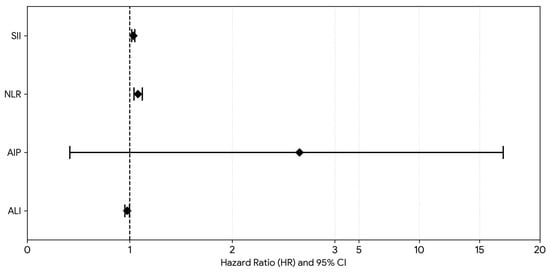
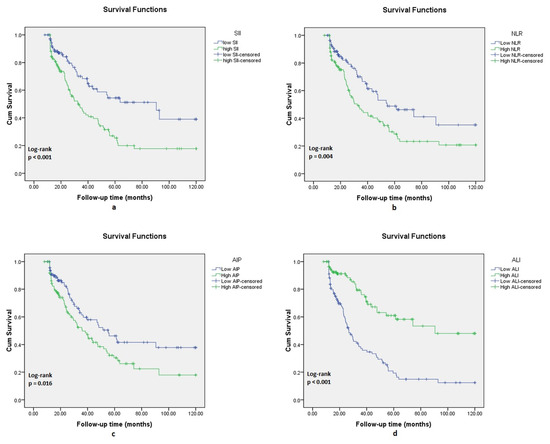
Background and Objectives: Chronic systemic inflammation and malnutrition drive adverse outcomes in maintenance hemodialysis (HD) patients. This study investigated the prognostic utility of four accessible inflammatory indices—systemic immune-inflammation index (SII), neutrophil-to-lymphocyte ratio (NLR), atherogenic index of plasma (AIP), and advanced lung cancer inflammation index (ALI)—in predicting survival. Materials and Methods: This retrospective cohort study evaluated electronic health records of 222 incident HD patients in Turkey (2014–2021), followed through December 2024. Baseline biomarkers were calculated prior to HD initiation. Survival outcomes were assessed using Kaplan–Meier curves, and independent predictors of all-cause mortality were determined via multivariable Cox proportional hazards regression models. Results: During a median follow-up of 24.9 months, 106 patients (47.7%) died. Non-survivors presented with significantly higher median SII, NLR, and AIP, and markedly lower ALI than survivors (all p < 0.001). Multivariable analysis revealed that elevated SII (HR: 1.035, 95% CI: 1.020–1.050; p < 0.001) and NLR (HR: 1.081, 95% CI: 1.042–1.122; p < 0.001) were risk factors for mortality. In contrast, higher ALI demonstrated a significant protective effect on survival (HR: 0.975, 95% CI: 0.953–0.998; p = 0.036). Kaplan–Meier analyses confirmed superior overall survival in patients with lower SII, NLR, AIP, and higher ALI. Conclusions: SII, NLR, AIP, and ALI are practical, cost-effective biomarkers for mortality risk stratification in HD patients. ALI, integrating both nutritional and inflammatory dimensions, demonstrates particularly robust prognostic value for predicting survival.
Full article
(This article belongs to the Special Issue End-Stage Kidney Disease (ESKD))
►▼
Show Figures

Figure 1
Open AccessArticle
Early Postpartum Sonographic Assessment of the Uterotomy After Successful Vaginal Birth After Caesarean Section: An Observational Cohort Study
by
Marie Christine Pohle-Rüffer, Tilman Born, Luisa Hirluksch, Maurice Kappelmeyer, Maximilian Rauh and Angela Köninger
Medicina 2026, 62(9), 1669; https://doi.org/10.3390/medicina62091669 - 31 Aug 2026
Abstract
Background and Objectives: The rising rate of caesarean sections worldwide has led to an increasing number of women facing the choice between a trial of labor after caesarean section and elective repeat caesarean delivery. A uterine rupture is the most serious complication
[...] Read more.
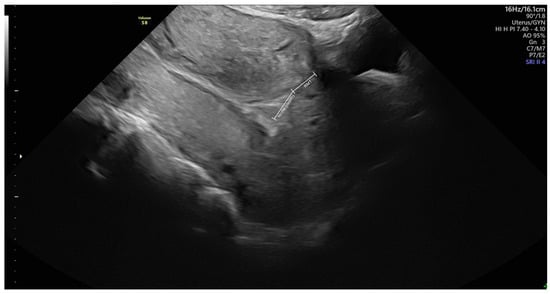
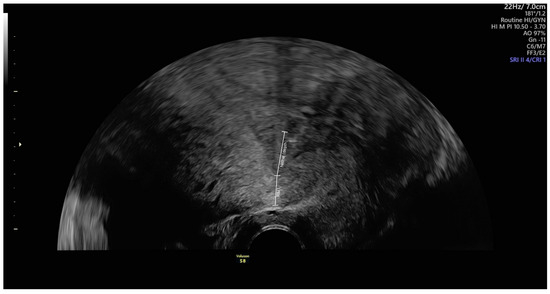
Background and Objectives: The rising rate of caesarean sections worldwide has led to an increasing number of women facing the choice between a trial of labor after caesarean section and elective repeat caesarean delivery. A uterine rupture is the most serious complication of trial of labor after caesarean section and, from a medical point of view, the main reason for an elective repeat caesarean section. Previous studies on the predictive value of lower uterine segment thickness have shown inconsistent results. Conversely, it is unclear what characteristics of the uterotomy site allow for an uncomplicated vaginal birth, even in the presence of defective healing. This study aimed to evaluate the sonographic features of the lower uterine segment in the early postpartum period after successful vaginal birth after caesarean section. Materials and Methods: We conducted a single-center observational cohort study including 30 women after vaginal birth after caesarean section. Transabdominal and transvaginal sonography were performed within the first days postpartum. Measurements included residual myometrial thickness, defect dimensions, and healing ratio after delivery to perform an ex-post analysis with regard to successful vaginal birth. Descriptive statistics were applied. Results: Transabdominal ultrasound (TAS) visualized the uterotomy in 90.0% of patients (27/30), with a median residual myometrial thickness of 12.0 mm (interquartile range 8.0–19.0). Among these, a uterine defect ≥ 2 mm was present in 63.0% (17/27 of visualized cases; 56.7% [17/30] of the entire cohort). Transvaginal ultrasound (TVS) visualized the uterotomy in all patients (29/29), with a median residual myometrial thickness of 9.9 mm (interquartile range 7.5–14.5); a defect was present in 82.8% (24/29 of visualized cases; 80.0% [24/30] of the entire cohort), with a median depth of 9.9 mm (interquartile range 6.5–15.6). Conclusions: Early postpartum sonographic evaluation of the uterotomy scar after vaginal birth after caesarean section frequently reveals even large sonographic uterine wall defects. This study design is not suitable for predicting uncomplicated vaginal delivery, but it demonstrates for the first time—on a retrospective basis—that even large defects in the anterior uterine wall are compatible with an uncomplicated vaginal birth after caesarean section.
Full article
(This article belongs to the Section Obstetrics and Gynecology)
►▼
Show Figures

Figure 1
Open AccessArticle
Prognostic Value of Tumor Regression Grade in Geriatric Patients with Locally Advanced Gastric Adenocarcinoma
by
Didar Senocak, Bunyamin Guney, Mina Karakullukcu, Oguz Bilgi and M. Alpaslan Ozgun
Medicina 2026, 62(9), 1668; https://doi.org/10.3390/medicina62091668 - 31 Aug 2026
Abstract
Background and Objectives: Tumor regression grade (TRG) in gastric cancer patients treated with neoadjuvant/perioperative chemotherapy is increasingly recognized as an important indicator of treatment efficacy and long-term prognosis. However, in geriatric patients, data on neoadjuvant therapy and on the relationship between pathological
[...] Read more.
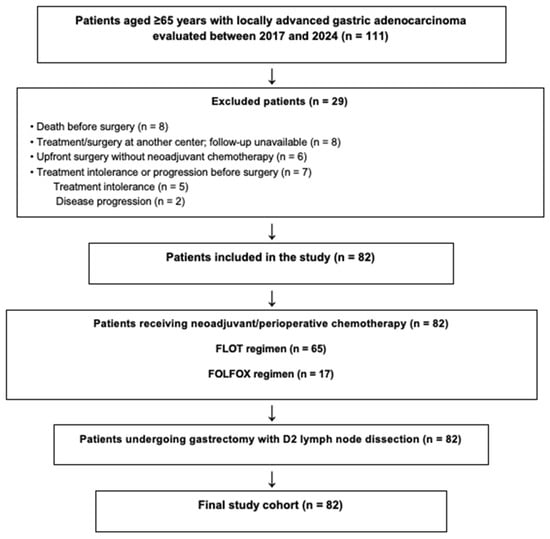
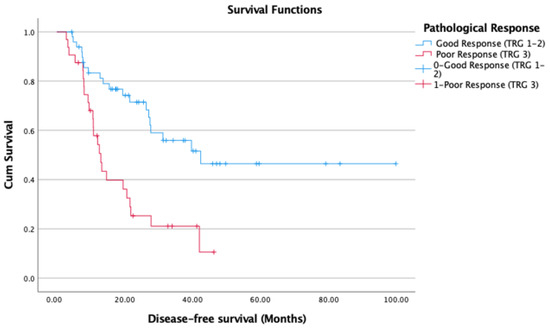
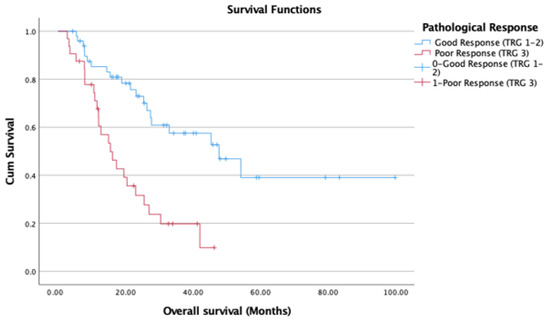
Background and Objectives: Tumor regression grade (TRG) in gastric cancer patients treated with neoadjuvant/perioperative chemotherapy is increasingly recognized as an important indicator of treatment efficacy and long-term prognosis. However, in geriatric patients, data on neoadjuvant therapy and on the relationship between pathological response and survival remain limited. In this study, we investigated the prognostic significance of pathological response, assessed according to Becker’s TRG in geriatric patients with locally advanced gastric adenocarcinoma who received neoadjuvant/perioperative chemotherapy and underwent gastrectomy. Materials and Methods: We retrospectively analyzed 82 patients aged ≥65 years with histologically confirmed gastric adenocarcinoma who received neoadjuvant/perioperative chemotherapy followed by curative gastrectomy at a single center between 2017 and 2024. Pathological response was evaluated using the Becker tumor regression grading (TRG) system and classified as good (TRG 1–2) or poor (TRG 3). Clinicopathological features, treatment characteristics, disease-free survival (DFS), and overall survival (OS) were compared between groups. Survival was estimated using the Kaplan–Meier method and compared with the log-rank test. Univariable and multivariable Cox proportional hazards models were used to assess the prognostic impact of TRG and other clinicopathological factors on DFS and OS. Results: The study included 82 geriatric patients, of whom 50 (61.0%) showed a good pathological response (TRG 1–2), while 32 (39.0%) showed a poor pathological response (TRG 3). Poor response was more frequently seen in clinical stage III disease and was accompanied by a higher rate of lymphovascular invasion. Median DFS was 42.4 months in the good response group versus 13.0 months in the poor response group (p < 0.001), and median OS was 47.7 and 15.5 months, respectively (p < 0.001). In multivariable analysis, ECOG performance status (HR 2.697; 95% CI 1.381–5.269; p = 0.004), lymphovascular invasion (HR 4.960; 95% CI 1.545–15.919; p = 0.007), and poor pathological response (HR 2.066; 95% CI 1.055–4.045; p = 0.034) remained independent predictors of DFS. For OS, ECOG performance status (HR 2.719; 95% CI 1.398–5.290; p = 0.003), lymphovascular invasion (HR 4.448; 95% CI 1.400–14.132; p = 0.011), and poor pathological response (HR 2.311; 95% CI 1.161–4.601; p = 0.017) remained independent predictors of OS. Conclusions: Our study suggests that pathological response assessed by the TRG system is a valuable prognostic marker in geriatric gastric adenocarcinoma. Good pathological response was associated with longer DFS and OS, while poor pathological response remained an independent predictor of both shorter DFS and OS.
Full article
(This article belongs to the Section Oncology)
►▼
Show Figures

Figure 1
Open AccessArticle
Fall-Related Physical Function, Executive Function, and Myokine Responses in Older Women with Obesity Participating in a 16-Week Combined Aquatic Exercise Program: A Prospective Observational Study
by
Young-Min Seo, Wi-Young So, Kyeong-Lae Kim and Youn-Hwa Lee
Medicina 2026, 62(9), 1667; https://doi.org/10.3390/medicina62091667 - 31 Aug 2026
Abstract
Backgrand and Objective: Aquatic exercise may be an effective strategy for promoting healthy aging among older women with obesity because it reduces joint loading while improving physical and functional capacity. In this prospective observational study, we examined longitudinal changes in fall-related physical
[...] Read more.
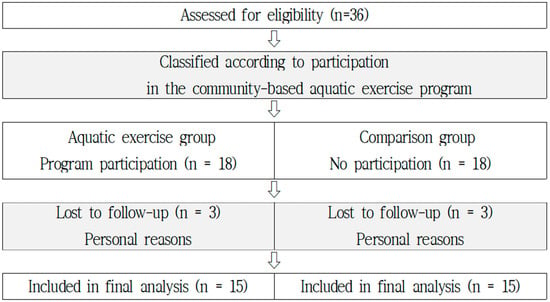
Backgrand and Objective: Aquatic exercise may be an effective strategy for promoting healthy aging among older women with obesity because it reduces joint loading while improving physical and functional capacity. In this prospective observational study, we examined longitudinal changes in fall-related physical function, executive function, and circulating myokine levels among older women with obesity according to their participation in a 16-week combined aquatic exercise program. Materials and Methods: Thirty older women with obesity were included in this prospective observational study and classified into an aquatic exercise group (n = 15) or a comparison group (n = 15) according to their participation in an existing community-based aquatic exercise program. Group membership was not assigned by the researchers. Participants in the aquatic exercise group attended the 16-week program, whereas those in the comparison group maintained their usual daily activities. Fall-related physical function, executive function, and circulating levels of the myokines irisin and interleukin-6 (IL-6) were assessed at baseline and at Weeks 8 and 16. Descriptive statistics were used to summarize participant characteristics, and two-way repeated-measures analyses of variance were performed to examine group differences, changes over time, and group × time interactions. When significant group × time interactions were observed, planned contrast analyses were conducted to examine changes across measurement time points. Statistical significance was set at p < 0.05. Results: Compared with the comparison group, the aquatic exercise group exhibited greater longitudinal improvements in several measures of fall-related physical function, including body composition, muscular function, and balance. However, no significant group × time interactions were observed for gait speed or endurance. Executive function demonstrated a significant group × time interaction (p < 0.001). Among the assessed myokines, irisin demonstrated a significant group × time interaction (p = 0.002), whereas IL-6 did not (p = 0.372), although IL-6 levels tended to decrease in the aquatic exercise group. Conclusions: Participation in the 16-week combined aquatic exercise program was associated with favorable longitudinal changes in several measures of fall-related physical function, executive function, and circulating irisin levels among older women with obesity. No significant group × time interactions were observed for gait performance or IL-6 levels. These findings suggest that participation in a community-based combined aquatic exercise program may be associated with favorable changes in selected indicators of healthy aging among older women with obesity.
Full article
(This article belongs to the Special Issue Physical Activity and Exercise for Chronic Disease: Evidence Syntheses in Sport Science and Public Health)
►▼
Show Figures

Figure 1
Open AccessArticle
The Effects of Thoracic Flexibility Exercise on Pain, Range of Motion, Spinal Alignment, Proprioception, and Neck Disability Index in Neck Pain Patients with Forward Head Posture: A Randomized Controlled Trial
by
Changhoon Kim and Donghwan Park
Medicina 2026, 62(9), 1666; https://doi.org/10.3390/medicina62091666 - 31 Aug 2026
Abstract
Background and Objectives: Thoracic dysfunction may contribute to neck pain, restricted mobility, and altered spinal alignment in individuals with forward head posture (FHP). This study compared thoracic flexibility exercise (TFE) with cervical stabilization exercise (CSE) in terms of their effects on pain, range
[...] Read more.
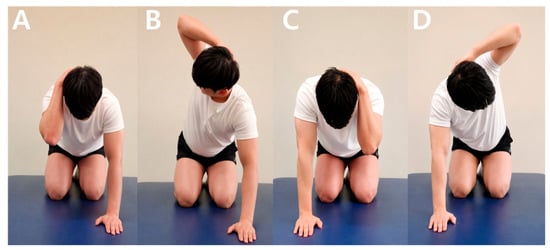
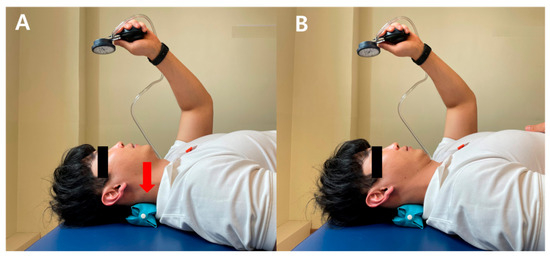
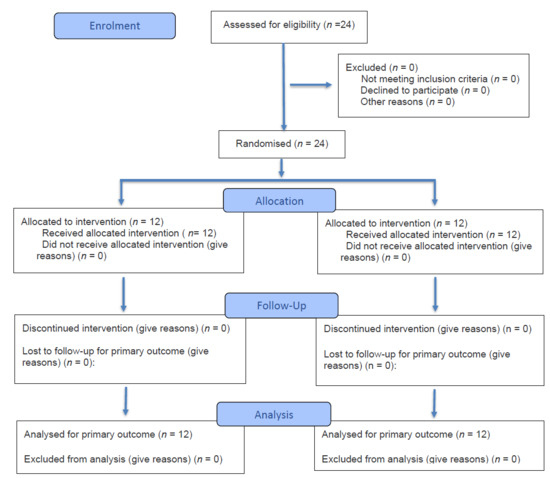
Background and Objectives: Thoracic dysfunction may contribute to neck pain, restricted mobility, and altered spinal alignment in individuals with forward head posture (FHP). This study compared thoracic flexibility exercise (TFE) with cervical stabilization exercise (CSE) in terms of their effects on pain, range of motion (ROM), spinal alignment, proprioception, and neck-related disability in patients with chronic neck pain and FHP. Materials and Methods: Twenty-four participants were randomly assigned to either the TFE group (n = 12) or the CSE group (n = 12). Both groups performed their assigned intervention once per day, three days per week, for four weeks. The outcome measures included pain intensity, cervical and thoracic ROM, craniovertebral angle (CVA), cranio-rotation angle (CRA), thoracic kyphosis angle (TKA), proprioception, and the Neck Disability Index (NDI). Paired t-tests were used for within-group comparisons, and independent t-tests were used to compare change scores between groups. The Benjamini–Hochberg false discovery rate (FDR) procedure was applied to the between-group comparisons to account for multiple testing. Results: The TFE group showed significant improvements in all outcome measures following the intervention (p < 0.001). The CSE group showed significant improvements in pain, cervical flexion, extension, and right and left rotation, CVA, CRA, proprioception during extension and right and left rotation, and NDI (p < 0.05); however, no significant improvements were observed in thoracic ROM, TKA, or proprioception during flexion (p > 0.05). After FDR correction, between-group comparisons demonstrated significantly greater improvements in the TFE group than in the CSE group across all outcome measures (q < 0.05). Conclusions: TFE may be more effective than CSE in improving pain, ROM, spinal alignment, proprioception, and neck-related disability in patients with neck pain and FHP.
Full article
(This article belongs to the Section Sports Medicine and Sports Traumatology)
►▼
Show Figures

Figure 1
Open AccessArticle
Radiotherapy Modality and Primary Tumor Type as Determinants of Outcomes in Brain Metastases: A Retrospective Study of 734 Patients
by
Lucie Hnidakova, Andrea Pagacova, Sarka Kristkova, Jan Svancara, Ludmila Hynkova, Petr Pospisil, Renata Belanova, Jana Maistryszinova, Radek Lakomy, Tomas Prochazka, Miroslav Vrzal, Jiri Sana, Radim Jancalek, Martin Smrcka, Ivana Kolouskova, Lukas Moran, Katerina Prochazkova, Vera Andraskova, Jan Garcic, Pavel Slampa, Pavel Fadrus and Tomas Kazdaadd
Show full author list
remove
Hide full author list
Medicina 2026, 62(9), 1665; https://doi.org/10.3390/medicina62091665 - 30 Aug 2026
Abstract
Background and Objectives: Radiotherapy (RT) is a standard component of palliative treatment for brain metastases. The aim of this retrospective analysis of consecutive patients treated between 2017 and 2023 is to analyze overall survival after brain radiotherapy depending on the type of
[...] Read more.
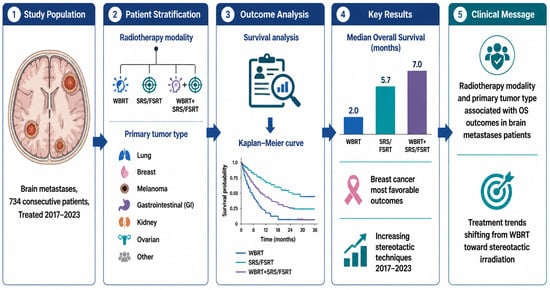
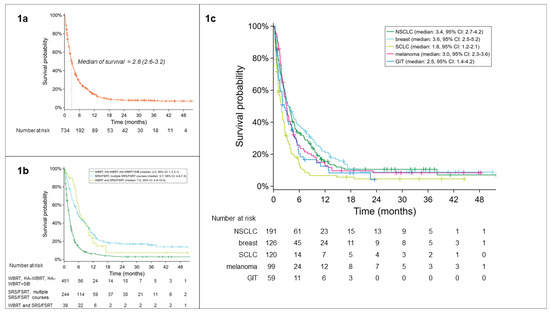
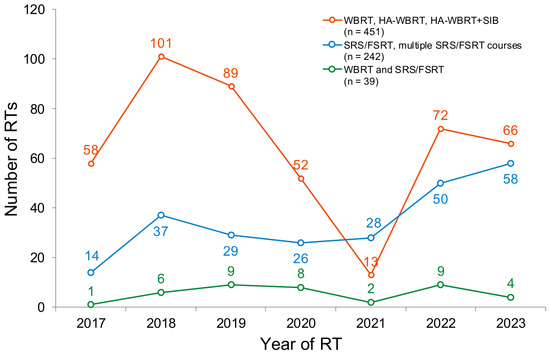
Background and Objectives: Radiotherapy (RT) is a standard component of palliative treatment for brain metastases. The aim of this retrospective analysis of consecutive patients treated between 2017 and 2023 is to analyze overall survival after brain radiotherapy depending on the type of radiotherapy delivered and to monitor the shift from whole-brain radiotherapy (WBRT) to stereotactic radiotherapy (SRS/FSRT) in real-world practice before the era of routinely used modern brain-penetrant targeted therapy. Materials and Methods: A total of 734 patients treated with radiotherapy for brain metastases were analyzed. Clinical data were collected via an electronic hospital information system and radiotherapy details were obtained using the Eclipse™ treatment planning system. The survival analysis divides patients according to cancer types and according to the RT technique used. Results: A total of 734 patients (median age 65.2 years; 50.5% women) were analyzed, with 104 undergoing more than one course of radiotherapy. Lung cancer (42.3%) and breast cancer (17.2%) were the most common primary diagnoses. Median overall survival (OS) after radiotherapy for the entire cohort was 2.8 months (2.6–3.2 months). Survival varied by radiotherapy technique: 2 months for WBRT-based approaches, 5.7 months for stereotactic radiotherapy (SRS/FSRT), and 7 months for combined WBRT and stereotactic treatment. Breast cancer patients had the longest median OS (3.6 months), with substantially improved outcomes in those treated with stereotactic or combined approaches (12.8 and 11.9 months, respectively). A decline in treated patients was observed during the COVID-19 pandemic (notably in 2021) and a consistent increase in the use of stereotactic techniques between 2017 and 2023 was noted. Conclusions: A wide range of radiotherapy techniques are used in the treatment of brain metastases with the primary concern being the prognosis and diagnosis of a patient. A clearly identifiable trend is a shift away from WBRT toward an increased use of targeted stereotactic irradiation techniques for brain lesions. Overall survival varies significantly across primary sites with most favorable outcomes in breast cancer patients irradiated with SRS/FSRT.
Full article
(This article belongs to the Special Issue Advances in Cancer Imaging, Radiomics, and Radiotherapy)
►▼
Show Figures

Graphical abstract
Open AccessReview
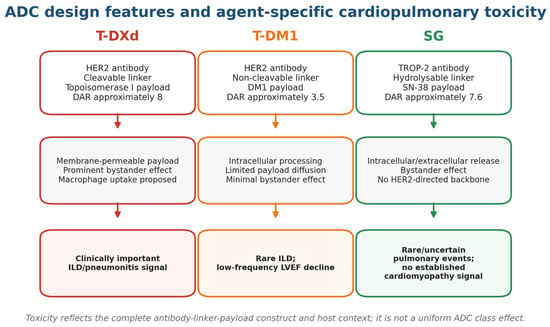
Interstitial Lung Disease and Cardiotoxicity Associated with Trastuzumab Deruxtecan, Sacituzumab Govitecan, and Trastuzumab Emtansine: A Narrative Review
by
Raul Tirinescu, Ana-Maria Pah, Adina Tirinescu, Diana-Maria Mateescu and Camelia-Oana Muresan
Medicina 2026, 62(9), 1664; https://doi.org/10.3390/medicina62091664 - 30 Aug 2026
Abstract
Background and Objectives: Antibody–drug conjugates (ADCs) have become a major therapeutic platform in breast cancer and other solid tumors. Trastuzumab deruxtecan (T-DXd), trastuzumab emtansine (T-DM1), and sacituzumab govitecan (SG) differ substantially in antibody target, linker, payload, drug-to-antibody ratio, and bystander effect, resulting
[...] Read more.
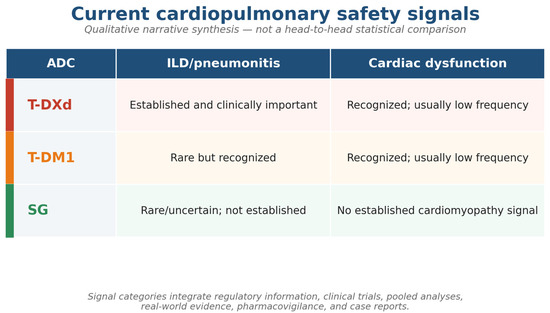
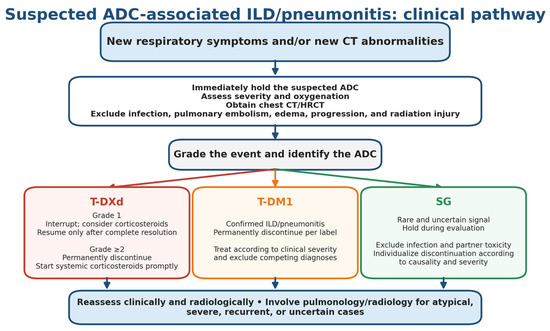
Background and Objectives: Antibody–drug conjugates (ADCs) have become a major therapeutic platform in breast cancer and other solid tumors. Trastuzumab deruxtecan (T-DXd), trastuzumab emtansine (T-DM1), and sacituzumab govitecan (SG) differ substantially in antibody target, linker, payload, drug-to-antibody ratio, and bystander effect, resulting in heterogeneous pulmonary and cardiac toxicity profiles. This narrative review critically compares interstitial lung disease (ILD)/pneumonitis and cardiotoxicity associated with these three agents, aiming to prevent inappropriate extrapolation of toxicity algorithms and to provide a practical, agent-specific framework for multidisciplinary care. Materials and Methods: A targeted narrative search of PubMed/MEDLINE, Google Scholar, ClinicalTrials.gov, regulatory product information, and oncology/cardio-oncology guidance was performed and updated on 24 August 2026. Priority was given to regulatory documents, pivotal trials, pooled safety analyses, real-world cohorts, systematic reviews, and multidisciplinary recommendations. Pharmacovigilance data and case reports were included only to characterize rare events. Results: T-DXd is associated with a clinically important ILD/pneumonitis risk (approximately 12–15% in pooled analyses), predominantly grade 1–2 but occasionally fatal, requiring proactive surveillance, immediate interruption for suspected disease, and grade-directed corticosteroid therapy. T-DM1 shows a low but established pneumonitis incidence of approximately 1%, with permanent discontinuation recommended upon diagnosis. SG-related pneumonitis is rare and incompletely defined, without a T-DXd-like surveillance mandate. Both T-DM1 and T-DXd retain trastuzumab-derived cardiac monitoring requirements; symptomatic heart failure remains uncommon, although protocol-defined LVEF declines appear more frequent with T-DXd. SG lacks an established cardiomyopathy signal. Conclusions: Cardiopulmonary toxicity of ADCs is agent-specific rather than a class effect. Monitoring intensity, diagnostic thresholds, and management pathways must be tailored to the individual drug, regimen, indication, dose, patient comorbidity, and prior therapy. Close collaboration among oncology, radiology, pulmonology, and cardio-oncology is essential to preserve both treatment efficacy and patient safety.
Full article
(This article belongs to the Section Pharmacology)
►▼
Show Figures

Figure 1
Open AccessArticle
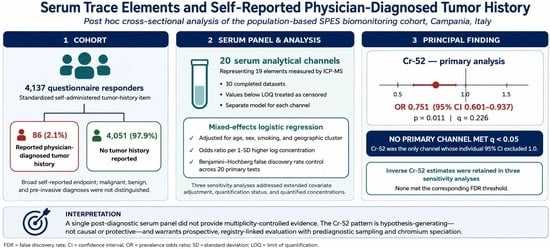
Serum Trace Elements and Self-Reported Physician-Diagnosed Tumor History: A Secondary Cross-Sectional Analysis of the Exposure Study on Susceptible People (SPES)
by
Carlo Buonerba, Paolo Montuori, Ernesto Esposito, Maria Triassi and Pellegrino Cerino
Medicina 2026, 62(9), 1663; https://doi.org/10.3390/medicina62091663 - 29 Aug 2026
Abstract
Background and Objectives: SPES was a 2016–2017 regional biomonitoring program. We conducted a secondary cross-sectional analysis of associations between current serum trace-element distributions and heterogeneous, self-reported physician-diagnosed tumor history, rather than registry-confirmed or incident cancer. Materials and Methods: Among 4137 questionnaire
[...] Read more.
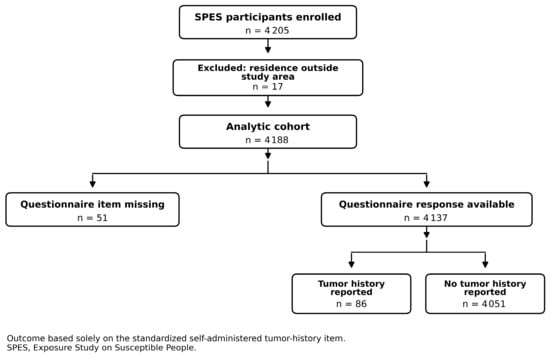
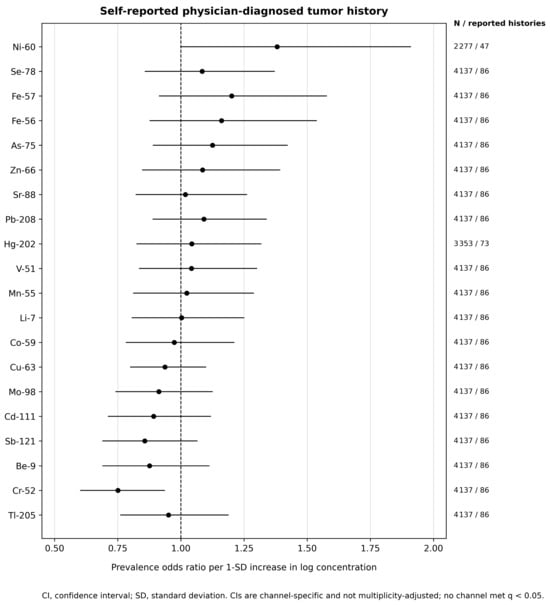
Background and Objectives: SPES was a 2016–2017 regional biomonitoring program. We conducted a secondary cross-sectional analysis of associations between current serum trace-element distributions and heterogeneous, self-reported physician-diagnosed tumor history, rather than registry-confirmed or incident cancer. Materials and Methods: Among 4137 questionnaire responders, 86 reported a tumor history. Mixed-effects logistic models for 20 channels were adjusted for age, sex, smoking, and geographic cluster and pooled across 30 completed datasets. Benjamini–Hochberg FDR control was applied across 20 primary comparisons. Results: Higher Cr-52 was associated with lower prevalence odds of reported history (odds ratio per one-standard-deviation increase in log concentration, 0.751; 95% confidence interval, 0.601–0.937; p = 0.011; q = 0.226), but no channel met q < 0.05. Cr-52 was below the limit of quantification in 45/86 (52.3%) participants with reported history and 1646/4048 (40.7%) without. The inverse direction persisted in non-independent complementary analyses; none met the applicable FDR threshold. Conclusions: No channel met the FDR criterion. The Cr-52 pattern was nominal and exploratory. These prevalence associations with a heterogeneous, unvalidated self-reported outcome do not establish temporality, causality, chromium speciation, or a protective effect.
Full article
(This article belongs to the Section Epidemiology & Public Health)
►▼
Show Figures

Graphical abstract
Open AccessArticle
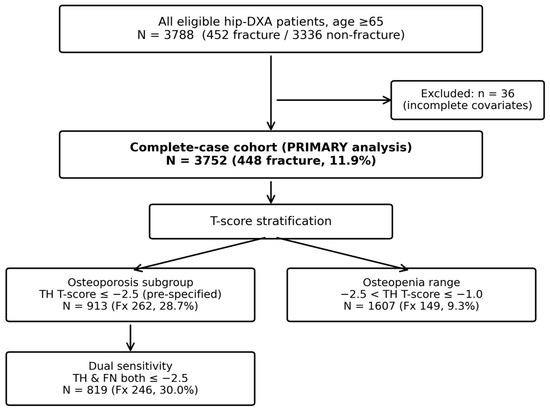
Signed Total Hip–Femoral Neck T-Score Discordance and Prevalent Proximal Femur Fracture in Elderly Hip-DXA Patients
by
Seung-Gil Jeong, Jaemin Cho and Ju-Yeong Kim
Medicina 2026, 62(9), 1662; https://doi.org/10.3390/medicina62091662 - 29 Aug 2026
Abstract
Background and Objectives: Total hip (TH) and femoral neck (FN) T-scores from the same dual-energy X-ray absorptiometry (DXA) examination often diverge. We evaluated whether the signed TH–FN difference is associated with prevalent proximal femur fracture and whether it has individual-level discriminative value,
[...] Read more.
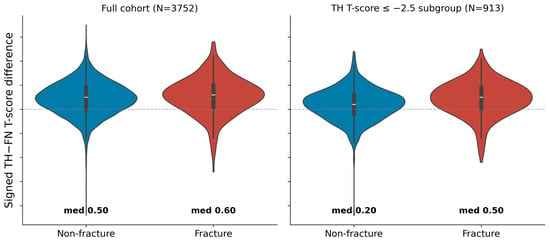
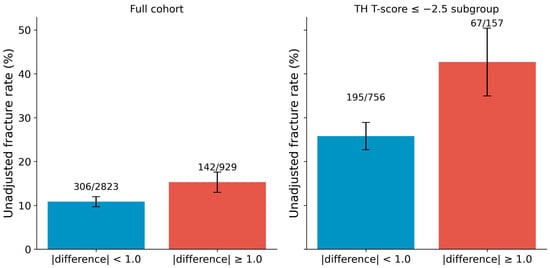
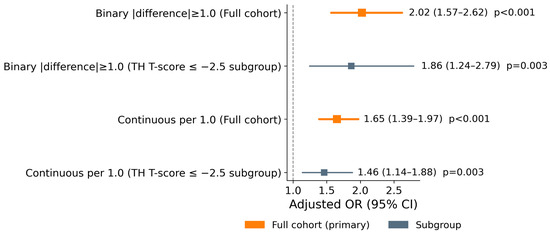
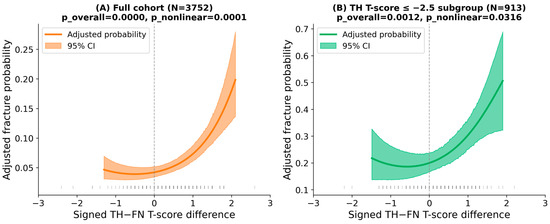
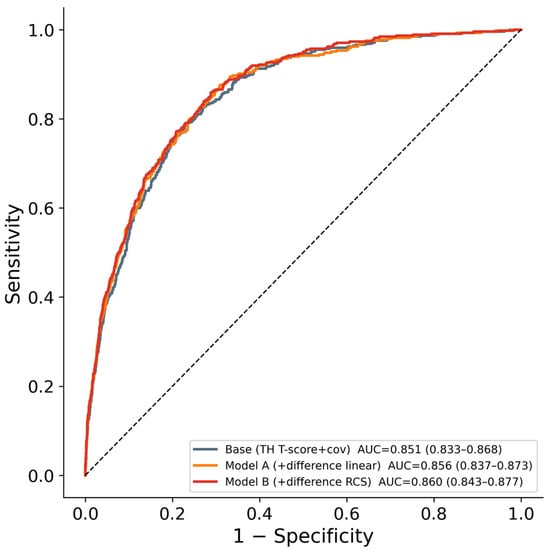
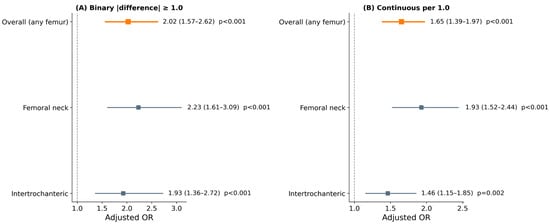
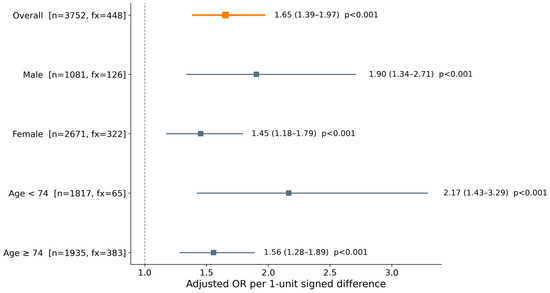
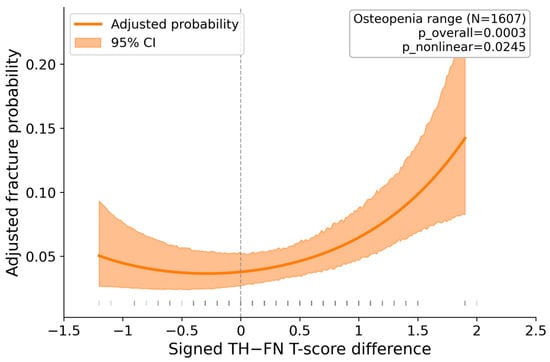
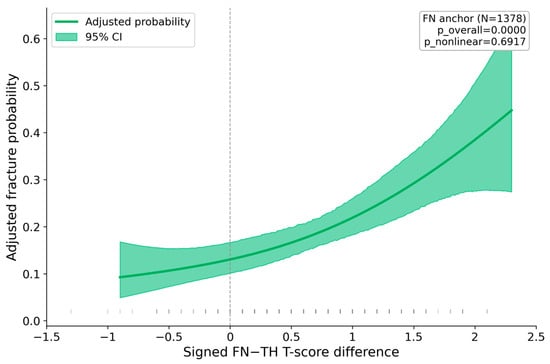
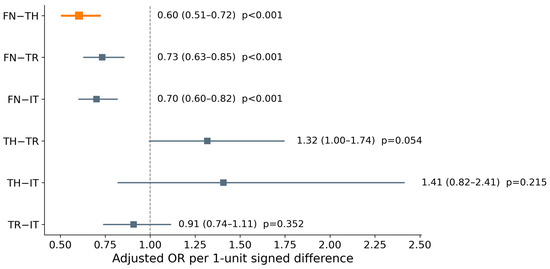
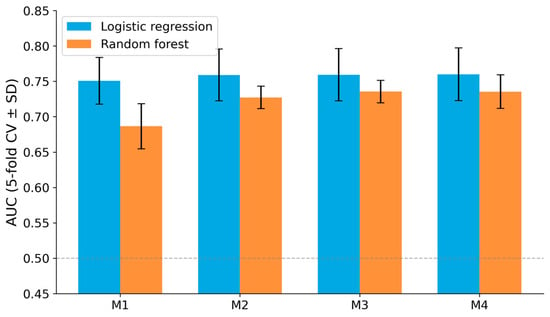
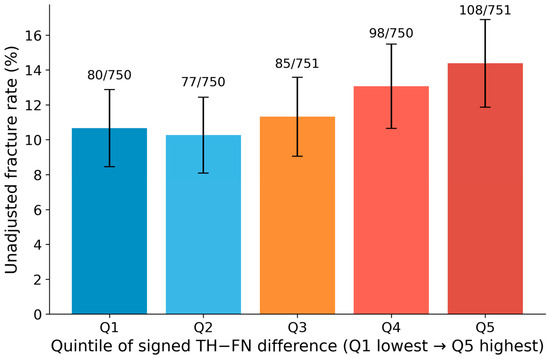
Background and Objectives: Total hip (TH) and femoral neck (FN) T-scores from the same dual-energy X-ray absorptiometry (DXA) examination often diverge. We evaluated whether the signed TH–FN difference is associated with prevalent proximal femur fracture and whether it has individual-level discriminative value, explicitly separating statistical association from discrimination. Materials and Methods: In a single-center retrospective case–control study (complete case N = 3752; 448 fractures), multivariable logistic regression adjusting for the TH T-score and 12 covariates estimated the association of the signed difference, interaction with severity, and standalone and incremental discrimination (AUC, cross-validated ΔAUC). Additional analyses examined standardized and BMD-scale exposures, a low-energy-restricted cohort, a subtype case–case comparison, and adjustment for the ISCD lowest-site T-score including the lumbar spine. Results: The signed difference was associated with fracture (adjusted OR 1.65, 95% CI 1.39–1.97; interaction OR 1.06, 0.75–1.50), persisting with inpatient-restricted controls (OR 1.74), standardized and BMD-scale exposures, and low-energy restriction (OR 1.68). Standalone discrimination was weak (AUC 0.547) and out-of-sample incremental value negligible (ΔAUC +0.005, 95% CI −0.009 to +0.014). Adjusting for the ISCD lowest-site T-score abolished the full-cohort association (OR 1.04, 0.88–1.23)—the adjusted signal is femoral neck information already captured by the lowest-site rule—while a residual association persisted within the TH ≤ −2.5 subgroup (OR 1.34, 1.02–1.76). Fracture proportions are within-sample case–control fractions, not population incidence. Conclusions: The signed TH–FN discordance is a robust, routinely derivable correlate of prevalent proximal femur fracture whose standalone discrimination is nonetheless limited—a concrete demonstration that statistical significance need not confer predictive utility. It is best positioned as a supplementary, hypothesis-generating marker; any clinical role requires prospective validation against FRAX and the ISCD lowest-site rule.
Full article
(This article belongs to the Special Issue Osteoporosis: Advances in Diagnosis, Risk Assessment, Surgical Treatment, and Regenerative Therapies)
►▼
Show Figures

Figure 1
Open AccessReview
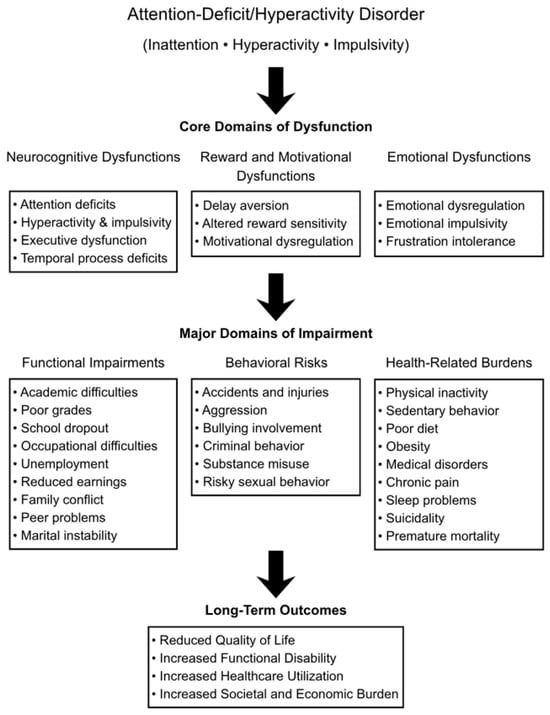
Functional Impairments and Adverse Outcomes Associated with ADHD: A Literature Review
by
Farzad Salehpour and Francisco Gonzalez-Lima
Medicina 2026, 62(9), 1661; https://doi.org/10.3390/medicina62091661 - 29 Aug 2026
Abstract
Background and Objectives: Attention-deficit/hyperactivity disorder (ADHD) is increasingly recognized as a lifespan neurodevelopmental condition with far-reaching consequences for functioning and health that extend well beyond its core signs and symptoms. This narrative review synthesizes evidence on the real-world impact of ADHD across the
[...] Read more.
Background and Objectives: Attention-deficit/hyperactivity disorder (ADHD) is increasingly recognized as a lifespan neurodevelopmental condition with far-reaching consequences for functioning and health that extend well beyond its core signs and symptoms. This narrative review synthesizes evidence on the real-world impact of ADHD across the lifespan, with a focus on academic and occupational outcomes, interpersonal and family functioning, risk-taking and behavioral outcomes, accidental and sport-related injuries, physical and medical health burdens, substance use disorders, sexual health risks, and mortality. Materials and Methods: A structured search of PubMed, Scopus, and Web of Science supplemented by reference-list screening was conducted to identify relevant clinical studies, epidemiological studies, longitudinal investigations, systematic reviews, and meta-analyses published between 2000 and 2025. Evidence was synthesized narratively, with greater interpretive weight given to systematic reviews and meta-analyses, large epidemiological datasets, longitudinal studies, and investigations accounting for important potential confounding factors. Results: Findings indicate that ADHD is associated with substantial impairments across functional, behavioral, and health domains. However, the strength and magnitude of these associations vary and may be influenced by symptom presentation, neurocognitive characteristics, psychiatric comorbidities, lifestyle behaviors, and broader clinical and contextual factors, with evidence of bidirectional relationships for some outcomes. These findings caution against uniformly interpreting adverse outcomes as direct causal consequences of ADHD and support interconnected neurocognitive, reward/motivational, emotional, and environmental pathways linking ADHD features with downstream impairment. Clinically, the evidence underscores the importance of assessing functional impairment alongside ADHD signs and symptoms. Conclusions: Overall, ADHD is associated with substantial and heterogeneous burdens across the lifespan, highlighting the need for multidimensional assessment, further longitudinal and mechanistic research, and timely access to evidence-based interventions.
Full article
(This article belongs to the Special Issue New Insights into Neurodevelopmental Biology and Disorders)
►▼
Show Figures

Figure 1
Open AccessReview
Potential Contribution of Age-Related Soft-Tissue Changes to Delayed Contour Visibility After Autologous Rhinoplasty: A Narrative Review
by
Eojina Lee, Soyoung Ko and Chul Chang
Medicina 2026, 62(9), 1660; https://doi.org/10.3390/medicina62091660 - 29 Aug 2026
Abstract
Background and Objectives: Delayed contour irregularities may become apparent years after otherwise successful autologous rhinoplasty, particularly in patients with thin nasal skin. Thin-skinned rhinoplasty, autologous graft behavior, and nasal aging have been studied individually, but their potential interaction remains unclear. This review
[...] Read more.
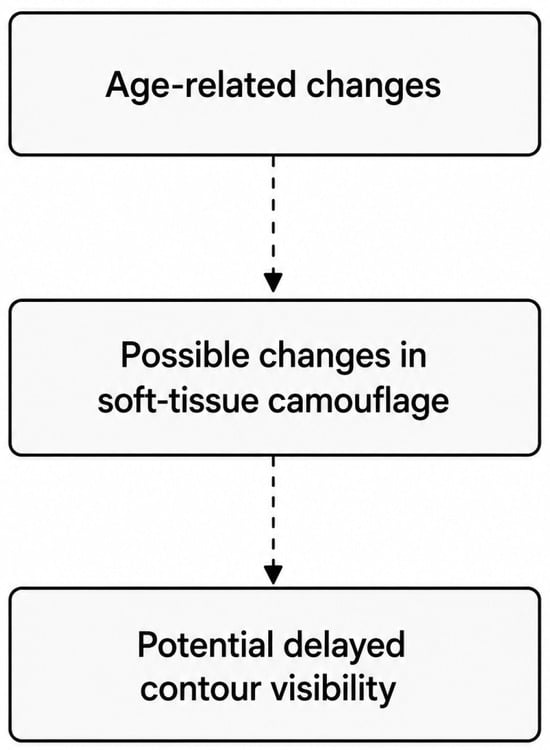
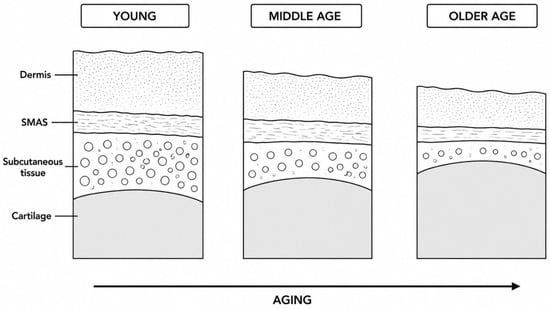
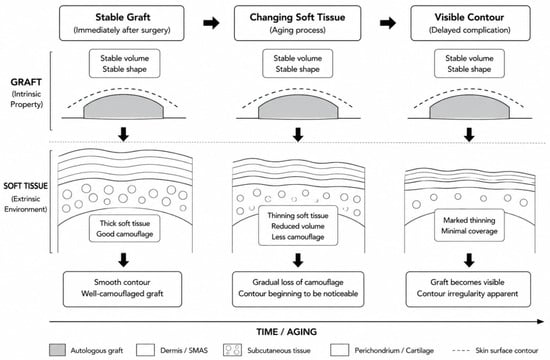
Background and Objectives: Delayed contour irregularities may become apparent years after otherwise successful autologous rhinoplasty, particularly in patients with thin nasal skin. Thin-skinned rhinoplasty, autologous graft behavior, and nasal aging have been studied individually, but their potential interaction remains unclear. This review examines current evidence on age-related changes in the nasal soft-tissue envelope, thin nasal skin, autologous graft behavior, and their potential effects on long-term rhinoplasty outcomes. Materials and Methods: A structured narrative review was conducted using PubMed as the primary database, with supplementary searches of Google Scholar and reference lists. Four predefined search domains addressed thin nasal skin, nasal aging, autologous graft behavior, and preservation and camouflage techniques. The PubMed searches identified 463 records. After duplicate removal and title and abstract screening, 205 publications were retained for further assessment. Additional relevant publications were identified through supplementary searches. Evidence was synthesized qualitatively because of differences in study design, surgical technique, follow-up duration, and outcome assessment. Results: Thin nasal skin is associated with increased visibility of underlying structural features after rhinoplasty. Aging is associated with changes in skin thickness and elasticity, soft-tissue volume, and the underlying nasal framework. These findings provide a possible basis for changes in soft-tissue camouflage over time, but direct longitudinal evidence linking aging to delayed graft visibility is lacking. Late contour changes may also result from graft warping or resorption, scar remodeling, or changes in the native nasal framework. The ability of preservation and camouflage techniques to prevent aging-related delayed contour visibility has not been established. Conclusions: Age-related changes in the nasal soft-tissue envelope may contribute to delayed contour visibility after rhinoplasty. However, direct longitudinal evidence showing that these changes increase the visibility of an otherwise stable autologous graft is lacking. This relationship should therefore be considered a hypothesis rather than an established causal mechanism. Prospective longitudinal studies using objective measurements of soft-tissue thickness, graft morphology, and external nasal contour are needed to test this hypothesis.
Full article
(This article belongs to the Section Surgery)
►▼
Show Figures

Figure 1
Open AccessArticle
Dynamics of Anti-HBc Serology During Anti-CD20 Therapy: Incidence, Timing, and Predictors of Anti-HBc Seroclearance in a Retrospective Cohort
by
Fatih Eren, Muhammed Abdurrahman Celik, Resul Akduman, Mete Yasar, Mehmet Refik Goktug, Gokhan Ocakoglu and Selim Gurel
Medicina 2026, 62(9), 1659; https://doi.org/10.3390/medicina62091659 - 29 Aug 2026
Abstract
Background and Objectives: Anti-hepatitis B core antibody (anti-HBc) is generally regarded as a lifelong serological marker of previous hepatitis B virus (HBV) infection. However, anti-HBc seroclearance has been increasingly reported in patients receiving anti-CD20 therapy, while its incidence, longitudinal serological dynamics, and clinical
[...] Read more.
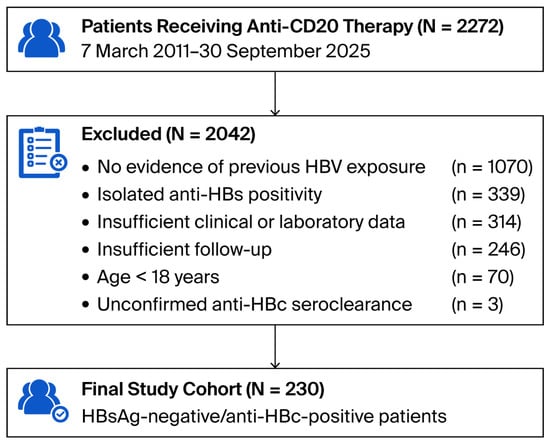
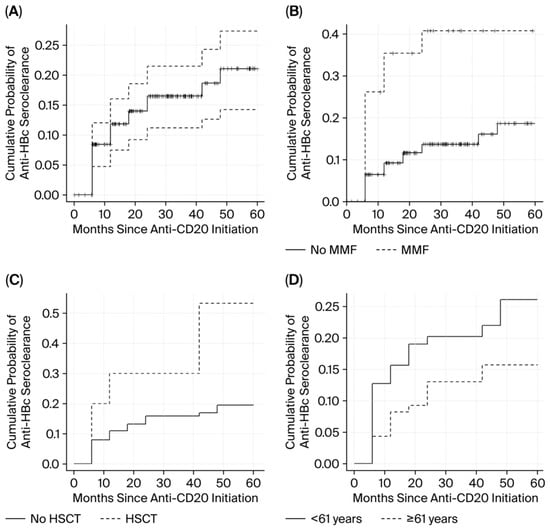
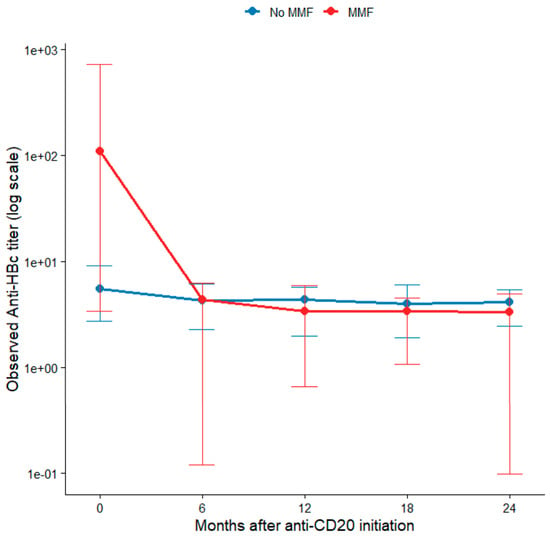
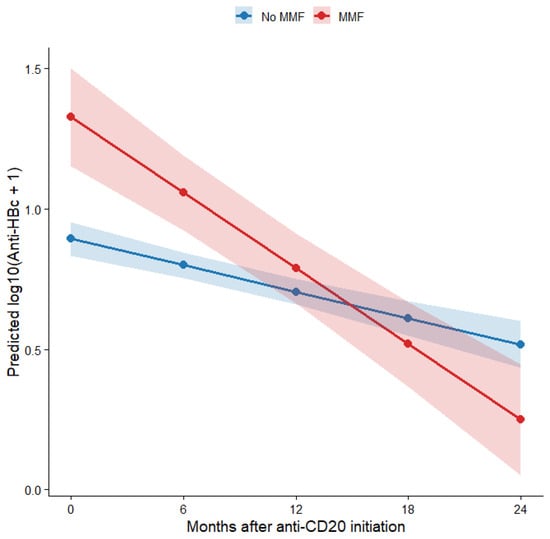
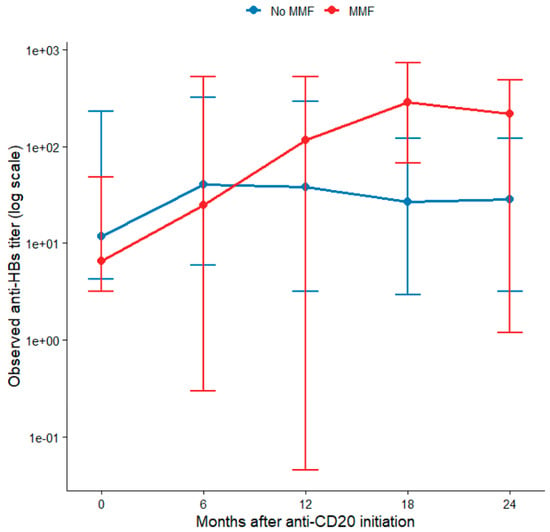
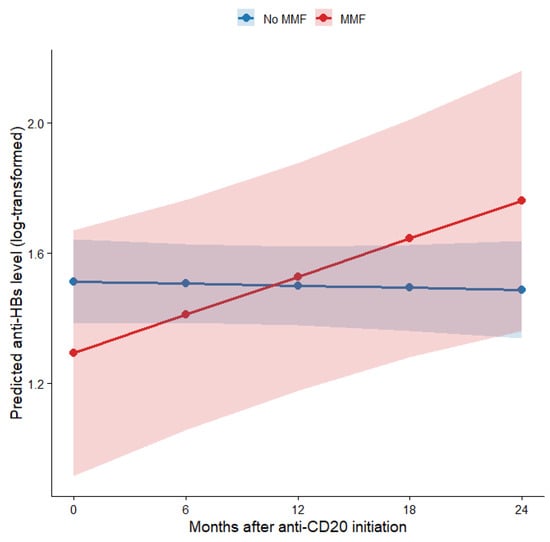
Background and Objectives: Anti-hepatitis B core antibody (anti-HBc) is generally regarded as a lifelong serological marker of previous hepatitis B virus (HBV) infection. However, anti-HBc seroclearance has been increasingly reported in patients receiving anti-CD20 therapy, while its incidence, longitudinal serological dynamics, and clinical significance remain insufficiently characterized. In this study, we aimed to evaluate the incidence, timing, and predictors of anti-HBc seroclearance and investigate longitudinal changes in HBV serology in HBsAg-negative/anti-HBc-positive patients undergoing anti-CD20 therapy. Materials and Methods: This retrospective single-center cohort study included 230 HBsAg-negative/anti-HBc-positive adults who received anti-CD20 therapy between 2011 and 2025. Anti-HBc seroclearance was evaluated using Kaplan–Meier analysis and Cox proportional hazards regression. Longitudinal changes in anti-HBc and anti-HBs titers were assessed using linear mixed-effects models. Results: Confirmed anti-HBc seroclearance occurred in 38 of 230 patients (16.5%). Younger age (adjusted hazard ratio (aHR) 0.96, 95% confidence interval (CI) 0.93–0.98; p = 0.001), fewer anti-CD20 treatment cycles (aHR 0.90, 95% CI 0.83–0.99; p = 0.025), and mycophenolate mofetil therapy (aHR 2.52, 95% CI 1.14–5.56; p = 0.022) were independently associated with anti-HBc seroclearance. Anti-HBc titers progressively declined during follow-up, with a significantly steeper decline among patients receiving mycophenolate mofetil. HBV reactivation occurred in five of 230 patients (2.2%), including two who had developed anti-HBc seroclearance. HBsAg seroreversion occurred in all five patients. Conclusions: Anti-HBc seroclearance is a relatively frequent serological finding in HBsAg-negative/anti-HBc-positive patients receiving anti-CD20 therapy and is accompanied by progressive declines in anti-HBc titers. Despite seroclearance, HBV reactivation may still occur, indicating that anti-HBc loss should not be considered evidence of elimination of HBV-related immunological risk. These findings improve our understanding of HBV serological dynamics during anti-CD20 therapy and support maintaining current antiviral prophylaxis and virological monitoring strategies regardless of anti-HBc seroclearance.
Full article
(This article belongs to the Section Gastroenterology & Hepatology)
►▼
Show Figures

Figure 1
Open AccessArticle
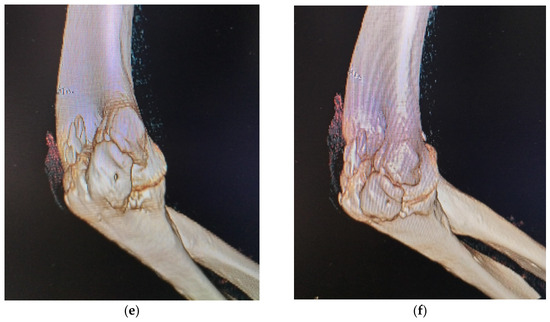
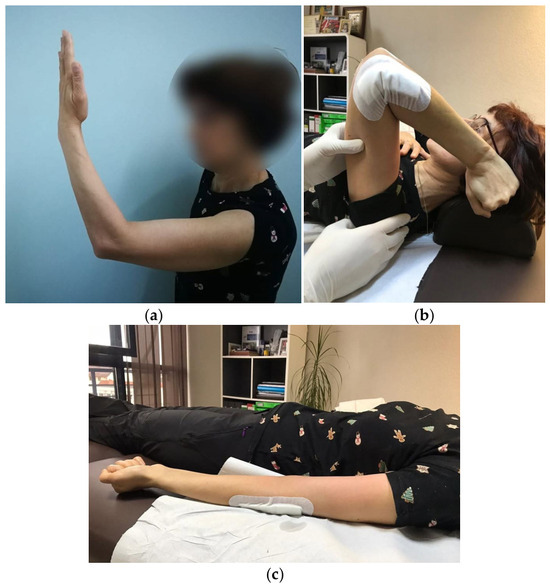
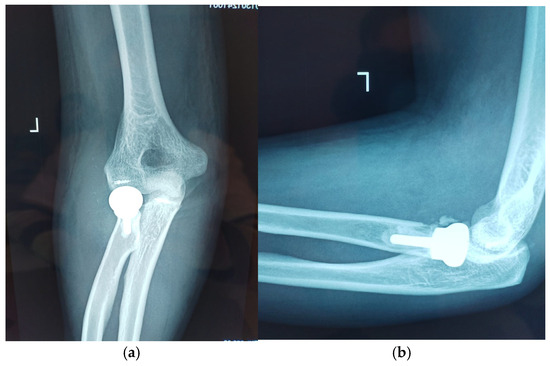
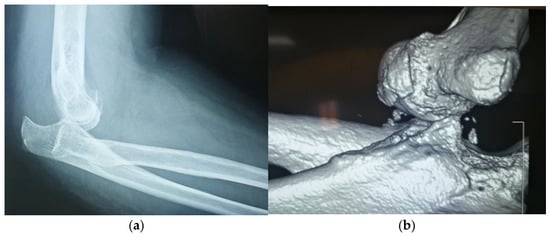
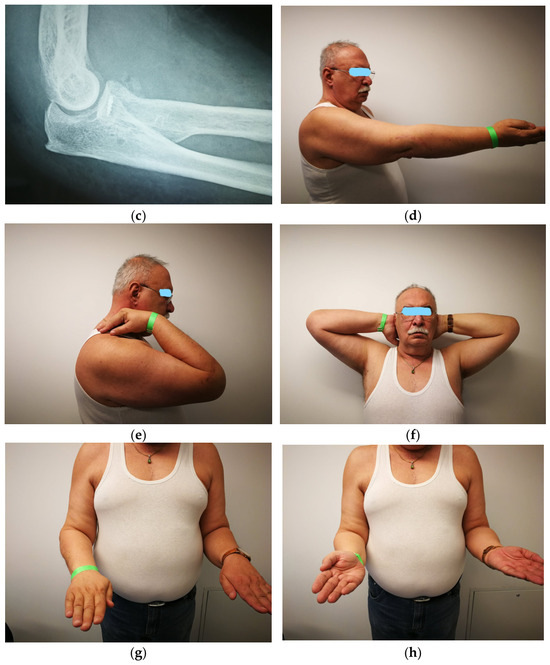
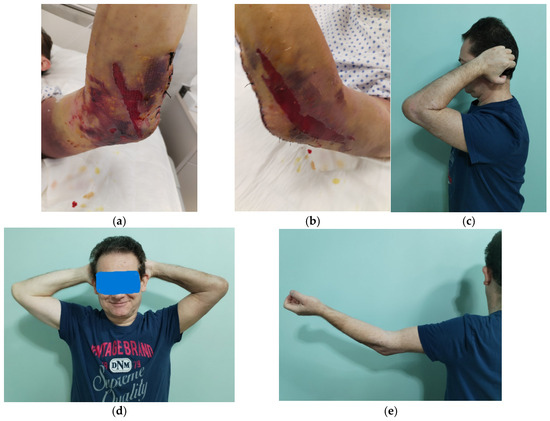
The Stiff Elbow Revisited: How Much Motion Can Surgery Really Restore?
by
Mihai Tudor Gavrila, Traian Eduard Stanescu and Dinu Gartonea
Medicina 2026, 62(9), 1658; https://doi.org/10.3390/medicina62091658 - 29 Aug 2026
Abstract
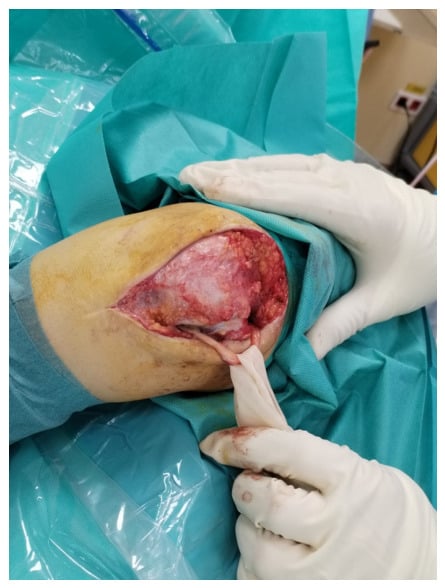
Background and Objectives: Post-traumatic elbow stiffness is a disabling condition often resulting from a combination of capsular contracture, osseous impingement, and residual instability, rendering it exceptionally challenging to treat. The aim of this study was to evaluate the outcomes of a comprehensive
[...] Read more.
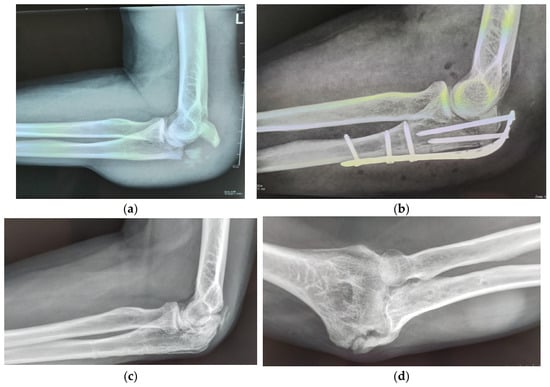
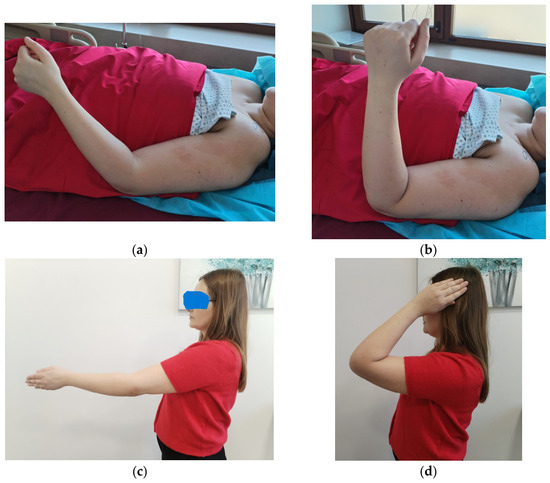
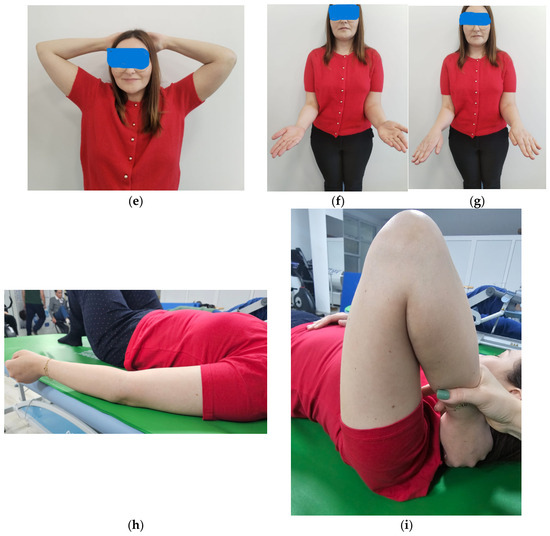
Background and Objectives: Post-traumatic elbow stiffness is a disabling condition often resulting from a combination of capsular contracture, osseous impingement, and residual instability, rendering it exceptionally challenging to treat. The aim of this study was to evaluate the outcomes of a comprehensive surgical approach for the treatment of post-traumatic elbow stiffness. Materials and Methods: A retrospective case series of 20 consecutive patients treated between 2018 and 2025 was conducted. Etiologies included distal humeral fractures (n = 9), terrible triad injuries (n = 4), elbow dislocations (n = 3), olecranon fractures (n = 2), and neglected radial head fractures (n = 2). All patients underwent anterior and posterior arthrolysis with triceps tenolysis. Additional procedures included ligament reconstruction, radial head arthroplasty, anterior capsule repair, tricepsplasty, and ulnar nerve transposition when indicated. Elbow range of motion was assessed preoperatively and during follow-up at 2 weeks, 6 weeks, 3 months, 6 months, and 1 year postoperatively. Results: Mean flexion improved from 81.0° to 125.3°, while the extension deficit improved from 66.5° to 16.5°. Mean supination increased from 54.8° to 82.8°, and mean pronation from 67.0° to 84.5°. The mean flexion–extension arc improved from 14.5° to 108.8°, representing a mean gain of 94.3°. One transient sensory ulnar neuropathy and one case of postoperative triceps insufficiency requiring revision surgery were observed; one patient developed postoperative skin blistering following a posterior approach. Conclusions: Comprehensive, pathology-oriented surgical treatment resulted in substantial improvement in elbow motion and restoration of a functional range of movement.
Full article
(This article belongs to the Special Issue Advances in Diagnosis and Treatment of Orthopedic Disorders)
►▼
Show Figures

Figure 1
Open AccessArticle
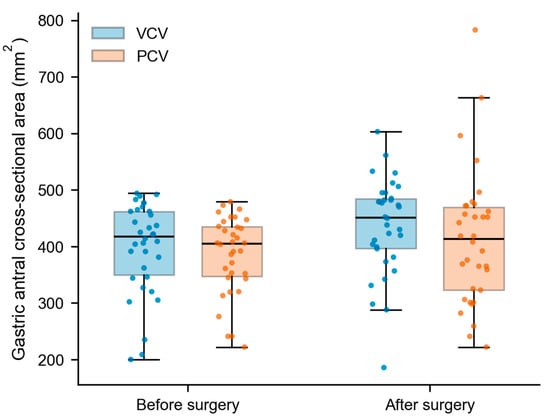
Effect of Pressure-Controlled Versus Volume-Controlled Ventilation on Gastric Insufflation During i-gel Use in Adults: A Randomised Controlled Trial
by
Jiwon Lee, Hyoung Woo Chang, Min-Soo Kim, Hae Dong Kim, Joung Goo Cho and Hyun Joo Kim
Medicina 2026, 62(9), 1657; https://doi.org/10.3390/medicina62091657 - 29 Aug 2026
Abstract
Background and Objectives: Gastric insufflation may occur during positive-pressure ventilation through a supraglottic airway when airway pressure exceeds the seal pressure. Because pressure-controlled ventilation (PCV) lowers peak inspiratory pressure compared with volume-controlled ventilation (VCV), it is widely assumed to reduce gastric insufflation—an assumption
[...] Read more.
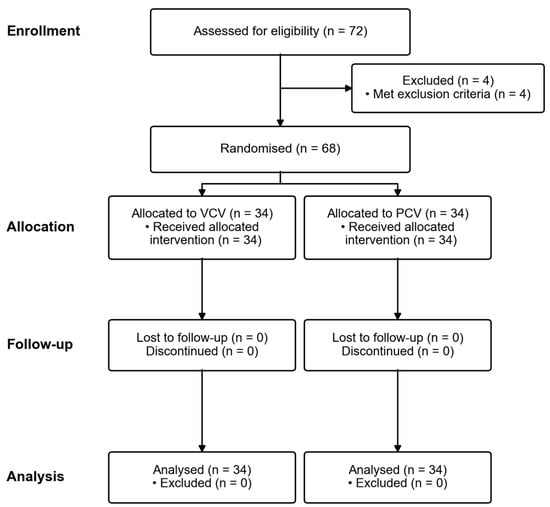
Background and Objectives: Gastric insufflation may occur during positive-pressure ventilation through a supraglottic airway when airway pressure exceeds the seal pressure. Because pressure-controlled ventilation (PCV) lowers peak inspiratory pressure compared with volume-controlled ventilation (VCV), it is widely assumed to reduce gastric insufflation—an assumption that remains untested in adults. We therefore compared these two ventilation modes during i-gel ventilation. Materials and Methods: In this single-centre, assessor-blinded randomised controlled trial, 68 adults undergoing elective breast surgery under general anaesthesia with an i-gel and neuromuscular blockade, without a gastric drain tube, were allocated 1:1 to PCV or VCV (tidal volume 8 mL/kg of actual body weight). The primary outcome was the postoperative gastric antral cross-sectional area measured by ultrasonography, an indirect measure of gastric gas. The pre-specified primary analysis was a Student’s t-test. Secondary outcomes included peak inspiratory pressure and oropharyngeal leak pressure; gastric insufflation, defined post hoc as a >30% increase in antral area, was assessed as an exploratory outcome. Results: All 68 participants (34 per group) were analysed. The postoperative antral cross-sectional area did not differ between groups (mean difference, PCV − VCV, −23.7 mm2; 95% CI −73.9 to 26.4; p = 0.347; p = 0.568 after adjustment for baseline); the confidence interval excluded the 100 mm2 difference the trial was powered to detect. Gastric insufflation occurred in 2/34 (VCV) versus 3/34 (PCV) (p = 1.000). Peak inspiratory pressure and expiratory tidal volume were lower with PCV (all p ≤ 0.002), whereas oropharyngeal leak pressure was similar; in every patient, peak pressure remained below the leak pressure. No adverse events occurred. Conclusions: In adults ventilated through an i-gel at the low airway pressures this device produces, PCV lowered peak inspiratory pressure but did not reduce the postoperative antral cross-sectional area or the incidence of gastric insufflation compared with VCV. Because delivered tidal volume was also lower with PCV, the peak pressure difference is reported descriptively. Within this low-pressure range, and in this selected population, the ventilation mode did not detectably affect gastric insufflation; the trial does not establish equivalence between the modes or extend to higher airway pressures or obesity.
Full article
(This article belongs to the Section Intensive Care/ Anesthesiology)
►▼
Show Figures

Figure 1
Journal Menu
► ▼ Journal Menu-
- Medicina Home
- Aims & Scope
- Editorial Board
- Reviewer Board
- Topical Advisory Panel
- Early Career Editorial Board
- Instructions for Authors
- Special Issues
- Topics
- Sections & Collections
- Article Processing Charge
- Indexing & Archiving
- Editor’s Choice Articles
- Most Cited & Viewed
- Journal Statistics
- Journal History
- Journal Awards
- Society Collaborations
- Conferences
- Editorial Office
Journal Browser
► ▼ Journal BrowserHighly Accessed Articles
Latest Books
E-Mail Alert
News
Topics
Topic in
Healthcare, Hospitals, JCM, Safety, Medicina, Medicines
Drug Use and Patient Safety in Primary and Secondary Care Settings
Topic Editors: Kingston Rajiah, Ashuin Kammar-GarcíaDeadline: 31 October 2026
Topic in
JCM, Medicina, Prosthesis, IJMS, Clinics and Practice
Innovations in Plastic Surgery and Regenerative Medicine—2nd Edition
Topic Editors: Francesco D’Andrea, Jean Paul Meningaud, Barbara Hersant, Simone La PadulaDeadline: 30 November 2026
Topic in
JCM, JPM, Medicina, Healthcare
New Advances in Physical Therapy and Occupational Therapy, 2nd Edition
Topic Editors: Hye-Rim Suh, Suk-Chan Hahm, Hwi-Young Cho, Ki-Hun ChoDeadline: 15 December 2026
Topic in
Diagnostics, Healthcare, JCM, Medicina, Dentistry Journal
Digital Patient Care: Bridging Technology and Clinical Practice
Topic Editors: Christos Rahiotis, Panagiotis NtovasDeadline: 31 December 2026
Conferences
Special Issues
Special Issue in
Medicina
Contemporary Management and Outcomes of Orthopedic Fractures
Guest Editors: Dariusz Grzelecki, Rafal KamińskiDeadline: 31 August 2026
Special Issue in
Medicina
Update on Cardiothoracic and Vascular Surgery
Guest Editors: Eliza Russu, Andreea Rata, Sorin BaracDeadline: 31 August 2026
Special Issue in
Medicina
Recent Advances in Orthodontics and Dental Medicine, 2nd Edition
Guest Editors: Dana Gabriela Festila, Mariana PacurarDeadline: 31 August 2026
Special Issue in
Medicina
New Trends and Advances in Head and Neck Oncology
Guest Editors: Federica Ruggiero, Giovanni BadialiDeadline: 31 August 2026
Topical Collections
Topical Collection in
Medicina
New Concepts for Dental Treatments and Evaluations
Collection Editors: Cosmin Sinescu, Virgil-Florin Duma
Topical Collection in
Medicina
Interventional Oncology
Collection Editors: François Cornelis, Matthias Barral, Adrian Kastler, Dimitrios Filippiadis
Topical Collection in
Medicina
Interdisciplinary Medicine – The Key For Personalized Medicine
Collection Editor: Camelia Diaconu
Topical Collection in
Medicina
Pain, Bleeding, Trauma and Infections: The 4 Horsemen of the Apocalypse for the Emergency Medicine
Collection Editor: Marcello Candelli