


-
Empowering Patients: A Multicomponent Workshop Improves Self-Management and Quality of Life in Chronic Pain -
Obesogenic Dysregulation of Human Periprostatic Adipose Tissue Promotes the Viability of Prostate Cells and Reduces Their Sensitivity to Docetaxel and Cabazitaxel -
Determinants of Diarrheagenic Bacteria in HIV-Positive and HIV-Negative Adults in Ghana -
Montreal Cognitive Assessment (MoCA) Norms for Older Patients with a Depressive Disorder
Journal Description
Medical Sciences
Medical Sciences
is an international, peer-reviewed, open access journal, providing a platform for advances in basic, translational and clinical research, published quarterly online by MDPI. The Korean Society of Physical Medicine (KSPM) is affiliated with Medical Sciences and its members receive discounts on the article processing charges.
- Open Access— free for readers, with article processing charges (APC) paid by authors or their institutions.
- High Visibility: indexed within Scopus, ESCI (Web of Science), PubMed, PMC, MEDLINE, CAPlus / SciFinder, and other databases.
- Journal Rank: JCR - Q1 (Medicine, General and Internal) / CiteScore - Q1 (General Medicine)
- Rapid Publication: manuscripts are peer-reviewed and a first decision is provided to authors approximately 18.7 days after submission; acceptance to publication is undertaken in 2.8 days (median values for papers published in this journal in the second half of 2025).
- Recognition of Reviewers: reviewers who provide timely, thorough peer-review reports receive vouchers entitling them to a discount on the APC of their next publication in any MDPI journal, in appreciation of the work done.
- Sections: published in 12 topical sections.
Impact Factor:
4.4 (2024)
Latest Articles
Breathing Under Pressure: Psychological Burden and Recovery Trajectories in Patients Receiving Non-Invasive Respiratory Support from Acute COVID-19 to Respiratory Rehabilitation
Med. Sci. 2026, 14(2), 270; https://doi.org/10.3390/medsci14020270 - 21 May 2026
Abstract
Background: Non-invasive respiratory supports (High-Flow Nasal Oxygen, HFNO; Continuous Positive Airway Pressure, CPAP; Non-Invasive Ventilation, NIV) are frequently used in Acute Hypoxemic Respiratory Failure (AHRF). However, the experience of assisted breathing may profoundly affect patients’ psychological balance, particularly during acute critical illness and
[...] Read more.
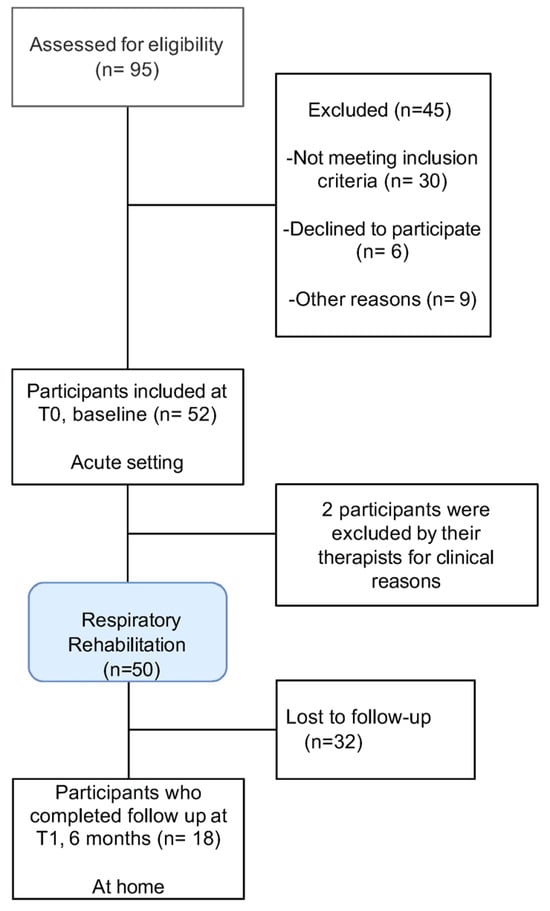
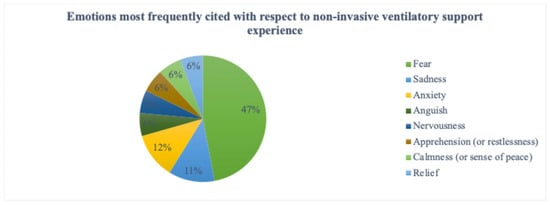
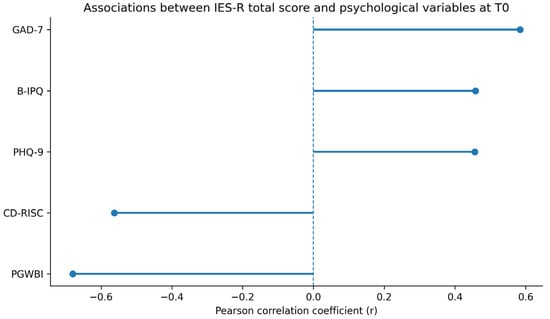
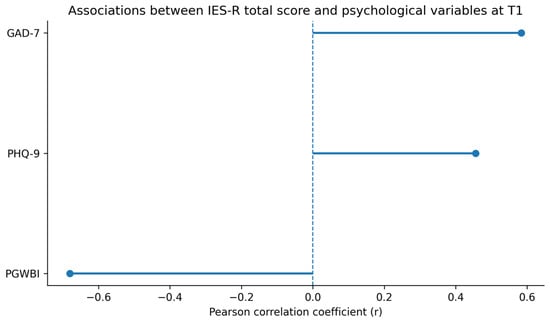
Background: Non-invasive respiratory supports (High-Flow Nasal Oxygen, HFNO; Continuous Positive Airway Pressure, CPAP; Non-Invasive Ventilation, NIV) are frequently used in Acute Hypoxemic Respiratory Failure (AHRF). However, the experience of assisted breathing may profoundly affect patients’ psychological balance, particularly during acute critical illness and subsequent rehabilitation. Aims and objectives: This longitudinal study investigated the psychological burden associated with non-invasive respiratory support use in patients with COVID-19-related AHRF, exploring changes in psychological functioning from acute hospitalization (RICU/ICU) (T0) to follow-up, conducted at a mean of 6.0 ± 3.1 months after respiratory rehabilitation (T1). Methods: Fifty-two patients (mean age = 66.9 ± 9.17 years) were assessed at T0 and T1. Standardized measures evaluated anxiety, psychological distress, post-traumatic stress symptoms, depression, and resilience, in relation to perceived illness severity and subjective experience of non-invasive respiratory support. Results: During acute care, patients reported high levels of fear and anxiety related to illness severity and uncertainty. The experience of non-invasive respiratory support, often perceived as a marker of critical condition, was associated with increased fear and anxiety (t(14) = 2.79, p = 0.014) compared to the recovery phase, leading to feelings of loss of control and diminished psychological well-being (t(17) = 2.35, p = 0.031). However, resilience significantly improved over time (t(16) = −4.78, p < 0.001). Conclusions: Non-invasive respiratory support may represent a psychologically demanding experience, often perceived as challenging to patients’ sense of safety and control. Encouragingly, psychological adaptation and resilience can improve during rehabilitation. Integrating structured psychological support within respiratory rehabilitation pathways may promote recovery and restore psychological balance in patients requiring assisted ventilation.
Full article
(This article belongs to the Special Issue Breath and Balance: Interdisciplinary Insights into Respiratory-Based Rehabilitation)
►
Show Figures
Open AccessArticle
Task-Evoked Pupillary Dynamics Are Altered in Post-COVID Syndrome
by
Alexander Smit, Philipp Fleischmann, Thomas S. Knauer, Christian Y. Mardin, Georg Michelson, Julia Zott, Moritz Güttes, Helena Sarmiento, Miriam Ilgner, Marie Jakobi, Jürgen Rech and Bettina Hohberger
Med. Sci. 2026, 14(2), 269; https://doi.org/10.3390/medsci14020269 - 21 May 2026
Abstract
►▼
Show Figures
Background/Objectives: Post-COVID syndrome (PCS) is frequently associated with persistent cognitive complaints such as fatigue and impaired concentration, yet objective markers related to cognitive dysfunction are lacking. Pupillary oscillation metrics have emerged as non-invasive indicators of task-related cognitive load and autonomic regulation. This study
[...] Read more.
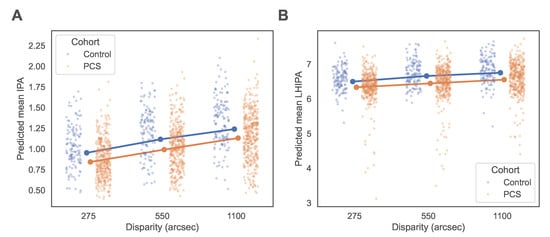
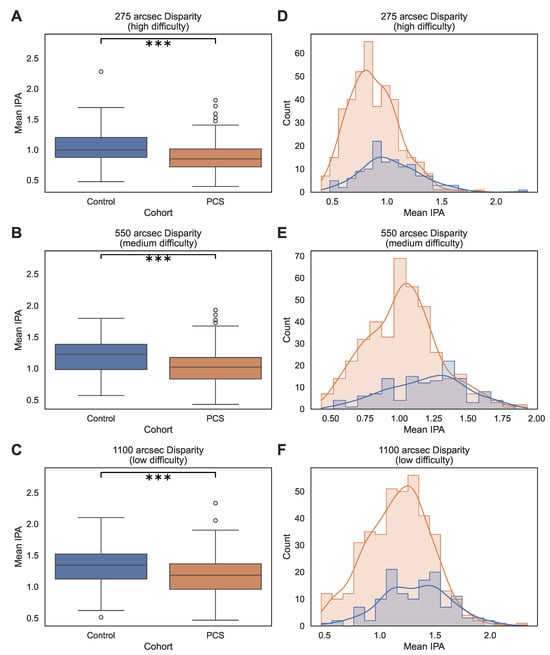
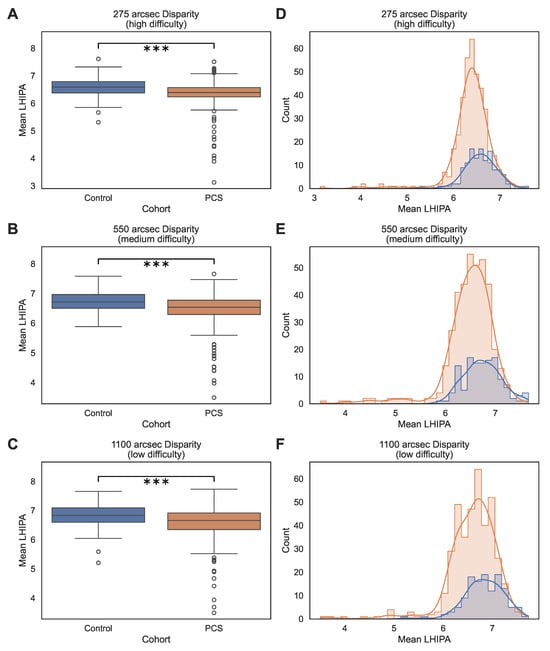
Background/Objectives: Post-COVID syndrome (PCS) is frequently associated with persistent cognitive complaints such as fatigue and impaired concentration, yet objective markers related to cognitive dysfunction are lacking. Pupillary oscillation metrics have emerged as non-invasive indicators of task-related cognitive load and autonomic regulation. This study investigated the Index of Pupillary Activity (IPA) and the Low/High Index of Pupillary Activity (LHIPA) in a large cohort of patients with PCS compared with healthy controls. Methods: In this cross-sectional study, 526 participants (397 PCS patients, 129 controls) performed a standardized virtual reality-based stereoscopic task at three disparity levels: 275 arcsec (high difficulty), 550 arcsec (medium difficulty), and 1100 arcsec (low difficulty), using a head-mounted display with integrated eye tracking. Continuous pupillometry data were recorded, and IPA and LHIPA were calculated. Linear mixed-effects models with random intercepts for participants were applied, adjusting for age, sex, and task difficulty. Results: Both IPA and LHIPA were significantly lower in PCS patients than in controls at all three task difficulty levels in post hoc model-based contrasts. In adjusted mixed-effects models, PCS was also associated with lower overall IPA ( , 95% CI to , ) and lower overall LHIPA ( , 95% CI to , ). Lower task difficulty was associated with higher values of both metrics: for IPA, at 550 arcsec and at 1100 arcsec (both ); for LHIPA, at 550 arcsec and at 1100 arcsec (both ), relative to 275 arcsec. Thus, both indices showed an inverse association with task difficulty. Age was negatively associated with both metrics, whereas male sex was positively associated with both. No significant interaction between cohort and task difficulty was observed. Conclusions: PCS was associated with reduced IPA and LHIPA during a standardized stereoscopic task. These findings indicate altered task-related pupillary dynamics in PCS and may reflect altered cognitive-load processing and autonomic regulation. LHIPA, and with caution also IPA, may contribute to the objective assessment of task-related pupillary alterations in PCS.
Full article

Figure 1
Open AccessArticle
Impact of MetS on Long-Term Prognosis Among STEMI Patients Treated with pPCI—Ten-Year Follow-Up Study
by
Milan B. Lović, Dragan B. Đorđević, Sandra B. Šarić, Ivan S. Tasić, Dejana D. Isaković and Jovana Lj. Kostić
Med. Sci. 2026, 14(2), 268; https://doi.org/10.3390/medsci14020268 - 21 May 2026
Abstract
Background/Objectives: Metabolic syndrome (MetS) affects more than 1.5 billion adults worldwide and is present in 37–70% of STEMI patients. Its ten-year prognostic value after primary PCI—particularly for heart failure, which is rarely examined as a primary endpoint—remains incompletely characterized. Methods: In total, 506
[...] Read more.
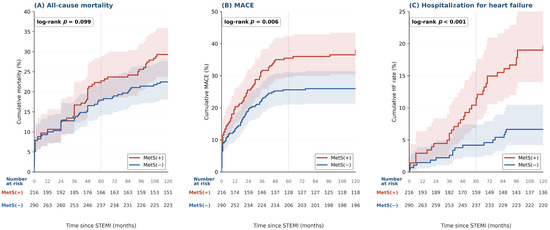
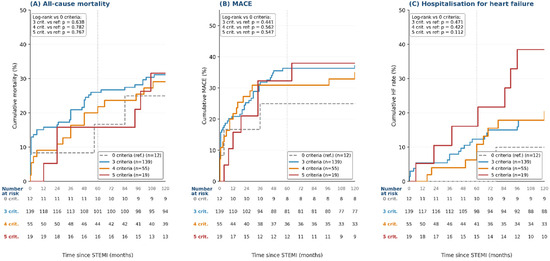
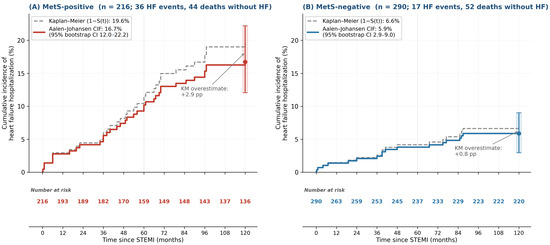
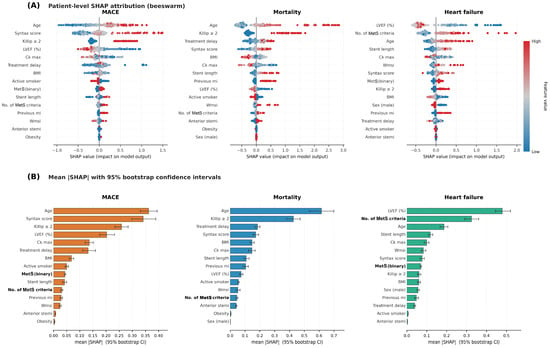
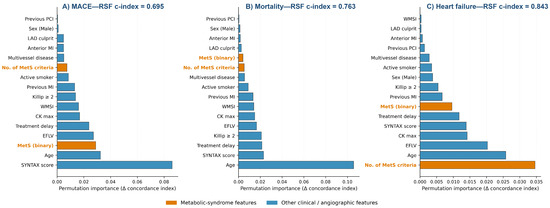
Background/Objectives: Metabolic syndrome (MetS) affects more than 1.5 billion adults worldwide and is present in 37–70% of STEMI patients. Its ten-year prognostic value after primary PCI—particularly for heart failure, which is rarely examined as a primary endpoint—remains incompletely characterized. Methods: In total, 506 STEMI patients treated with primary PCI (December 2009–June 2010) were followed for ten years. MetS was defined at admission using AHA/NHLBI criteria. Co-primary endpoints were all-cause mortality, MACE, and hospitalization for heart failure. Multivariable Cox regression was adjusted for sex, age, LVEF, previous MI, Killip class, and multivessel disease. Four ML models were evaluated by 10-fold stratified cross-validation with SHAP-based feature, with a Fine–Gray subdistribution-hazard sensitivity analysis for heart failure. Feature attribution used TreeSHAP on XGBoost and permutation importance on a Random Survival Forest. Results: MetS(+) patients were older, more frequently female, and had higher SYNTAX scores (all p < 0.05). MetS was present in 216 patients (42.7%). It did not independently predict mortality (HR 1.09, p = 0.66) but did predict MACE (HR 1.47, p = 0.028) and heart failure hospitalization (cause-specific HR 2.86, 95% CI 1.57–5.22; Fine–Gray HR 2.61, 95% CI 1.44–4.75; both p ≤ 0.002). The null mortality finding coincided with differential statin discontinuation and a selective obesity paradox: in non-obese patients, MetS doubled mortality (42.9% vs. 21.1%, p = 0.008), while in obese patients, the effect disappeared (26.5% vs. 23.2%, p = 0.529). Two independent ML frameworks ranked the cumulative number of MetS criteria—rather than the binary diagnosis—among the leading individual-level features for heart failure prediction (Random Survival Forest c-index 0.843). Conclusions: In primary PCI-treated STEMI survivors, MetS independently predicts ten-year MACE and heart failure but not mortality. The number of MetS criteria at baseline, rather than the binary classification, was more strongly associated with heart failure risk; whether prospective modification of individual components reduces this risk requires dedicated interventional studies. The lean MetS-positive phenotype may represent a candidate subgroup warranting further investigation.
Full article
(This article belongs to the Section Cardiovascular Disease)
►▼
Show Figures

Figure 1
Open AccessArticle
Treatment of Hypovitaminosis D Is Associated with Improvement in Anemia of Inflammation in Patients with Decompensated Cirrhosis
by
Raquel Diaz-Ruiz, Maria Poca, Eva Roman, Berta Cuyàs, Irene Breton, Rafael Bañares, German Soriano and Rita Garcia-Martinez
Med. Sci. 2026, 14(2), 267; https://doi.org/10.3390/medsci14020267 - 21 May 2026
Abstract
Background/Objectives: Anemia of inflammation (AI) is a prevalent condition linked to systemic inflammation in several chronic diseases, including chronic liver diseases. Hypovitaminosis D is frequently identified in patients with chronic diseases, and its pathogenic role in anemia is currently under investigation. The
[...] Read more.
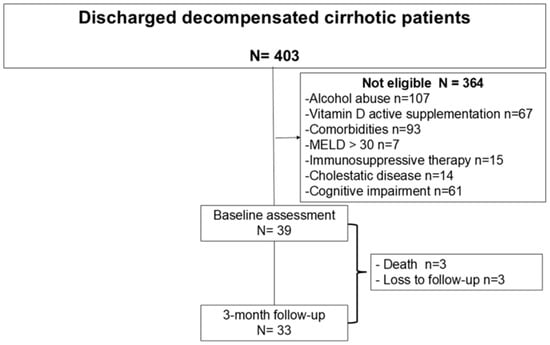
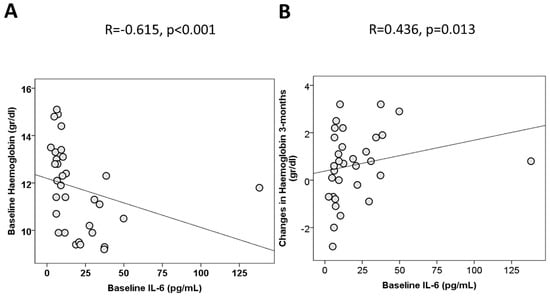
Background/Objectives: Anemia of inflammation (AI) is a prevalent condition linked to systemic inflammation in several chronic diseases, including chronic liver diseases. Hypovitaminosis D is frequently identified in patients with chronic diseases, and its pathogenic role in anemia is currently under investigation. The aim of this study was to prospectively investigate changes in hemoglobin concentration and inflammatory markers in vitamin D-deficient/-insufficient patients with decompensated cirrhosis after initiating vitamin D supplementation, in addition to the supplementation of other micronutrients if needed. Methods: Patients with cirrhosis discharged from decompensation were assessed at baseline and 3 months after vitamin D supplementation. Laboratory parameters of red cell series, nutrition, and micronutrients were assessed in both visits, together with markers of systemic inflammation. Results: Thirty-nine patients were included in the study, of whom 33 completed the 3-month evaluation and were analyzed [age: 62.7 ± 10.7 years; gender: n = 29 (87.9%) males; Charlson index: 5.9 ± 1.6; Model for End-Stage Liver Disease (MELD): 12.4 ± 4.5; baseline hemoglobin (Hb): 11.7 ± 1.8 g/dL (anemia n = 24 (72.7%)); mean 25-hydroxyvitamin D (25OHD) plasma level: 15.5 ± 8.6 µg/L]. A significant increase in plasma 25OHD (40.1 ± 17.8, p < 0.001) and in Hb (12.4 ± 2.0, p = 0.01) was observed at 3 months with a decrease in the prevalence of anemia (n = 17, p = 0.015) and of Interleukin 6 in plasma levels [IL-6, 10.7 (5.8–23.3) vs. 6.5 (4.1–11.8), p = 0.016]. A greater rise in hemoglobin was correlated with higher plasma IL-6 concentration at baseline. Milder anemia and indexes of hypoferremia at baseline, along with optimal renal function and plasma levels of 25OHD at 3 months, were linked to resolution of anemia. Conclusions: Treating vitamin D deficiency together with other micronutrient deficits is associated with inflammation amelioration and improvement in anemia in patients with cirrhosis following discharge from acute decompensation. This paper supports the potential role of vitamin D in the management of anemia in patients with decompensated cirrhosis by modulating systemic inflammation.
Full article
(This article belongs to the Section Hepatic and Gastroenterology Diseases)
►▼
Show Figures

Figure 1
Open AccessReview
Cardiac Lymphatic Dysfunction in Heart Failure: A New Paradigm for Congestion, Inflammation, and Therapy
by
Francisco Epelde
Med. Sci. 2026, 14(2), 266; https://doi.org/10.3390/medsci14020266 - 20 May 2026
Abstract
Background: Heart failure (HF) has traditionally been interpreted through hemodynamic, neurohormonal, and cardiorenal frameworks. Although these models explain many aspects of clinical decompensation, they do not fully account for persistent tissue congestion, unresolved myocardial edema, chronic sterile inflammation, and progressive fibrosis despite optimized
[...] Read more.
Background: Heart failure (HF) has traditionally been interpreted through hemodynamic, neurohormonal, and cardiorenal frameworks. Although these models explain many aspects of clinical decompensation, they do not fully account for persistent tissue congestion, unresolved myocardial edema, chronic sterile inflammation, and progressive fibrosis despite optimized therapy. Objectives: To review the anatomy, physiology, and pathobiological relevance of the cardiac lymphatic system in HF and to evaluate whether cardiac lymphatic dysfunction constitutes a mechanistic bridge linking congestion, inflammation, and adverse remodeling. Methods: This narrative review was based on a structured literature search of PubMed/MEDLINE, supplemented by manual backward reference screening and bibliographic verification through journal webpages. The search covered January 2000 to 15 April 2026, with emphasis on 2018 onward and on seminal mechanistic studies. Search domains included cardiac lymphatics, heart failure, lymphangiogenesis, myocardial edema, congestion, inflammation, myocardial infarction, pressure overload, and HFpEF. Results: Cardiac lymphatics regulate myocardial clearance of interstitial fluid, proteins, cytokines, lipids, and immune cells. Preclinical experimental evidence, mainly derived from myocardial infarction, pressure-overload, and lymphatic-insufficiency models, indicates that impaired lymphatic transport or insufficient lymphangiogenic adaptation promotes myocardial edema, inflammatory persistence, fibroblast activation, collagen deposition, and ventricular dysfunction. Human observational and early translational studies suggest that lymphatic dysregulation may also be relevant in selected HF phenotypes, although direct clinical evidence remains limited. Conversely, lymphangiogenic and lymphatic-restorative strategies, especially through the VEGF-C/VEGFR-3 axis, reduce edema, enhance inflammatory resolution, attenuate fibrosis, and improve ventricular performance in preclinical models. Conclusions: Cardiac lymphatic dysfunction provides a compelling conceptual framework that links congestion and inflammation in HF. Rather than acting as a passive bystander, the cardiac lymphatic circulation appears to be an active determinant of myocardial homeostasis and disease progression. Recognition of lymphatic insufficiency as a pathogenic component of HF may open new diagnostic and therapeutic avenues, including tissue-focused decongestion, lymphatic phenotyping, and targeted lymphatic repair.
Full article
(This article belongs to the Section Cardiovascular Disease)
Open AccessArticle
The First Year Matters: Lifestyle Behaviors and Five-Year Cardiometabolic Risk Factor Accumulation After Traumatic Brain Injury
by
Andrea Calderone, Lilla Bonanno, Fausto Famà, Irene Ciancarelli, Alessio Currò, Angelo Quartarone, Carmela Rifici and Rocco Salvatore Calabrò
Med. Sci. 2026, 14(2), 265; https://doi.org/10.3390/medsci14020265 - 20 May 2026
Abstract
Background/Objectives: Traumatic brain injury (TBI) is increasingly understood as a chronic condition, but the role of early post-injury lifestyle behaviors in later cardiometabolic risk remains unclear. We examined whether lifestyle behaviors reported 1 year after injury were associated with the accumulation of common
[...] Read more.
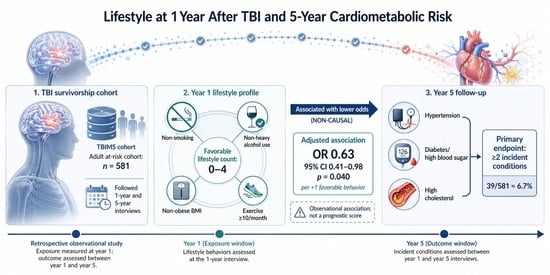
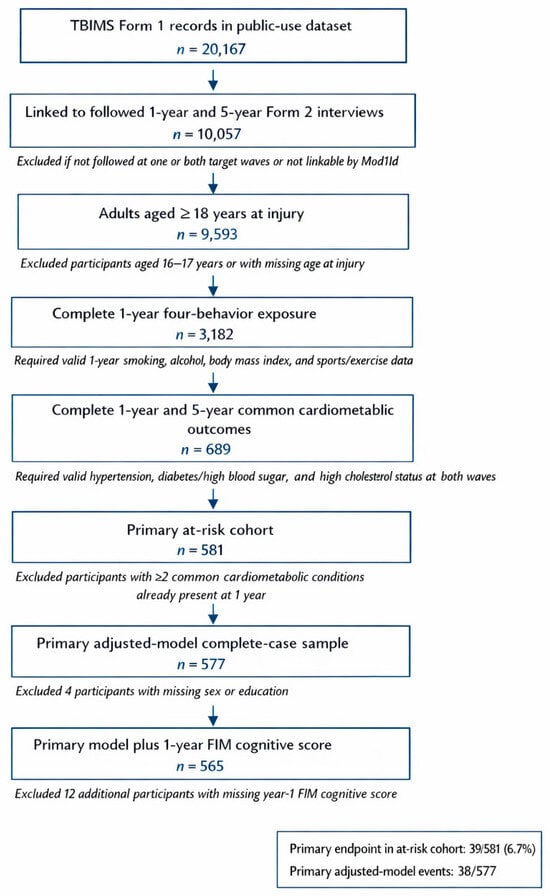
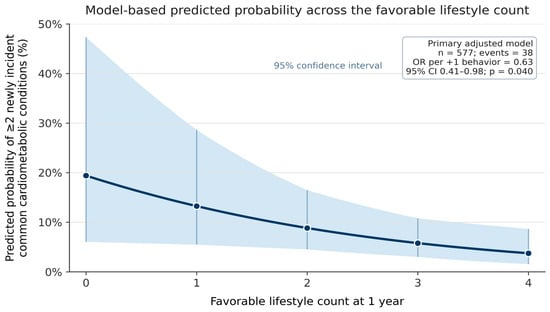
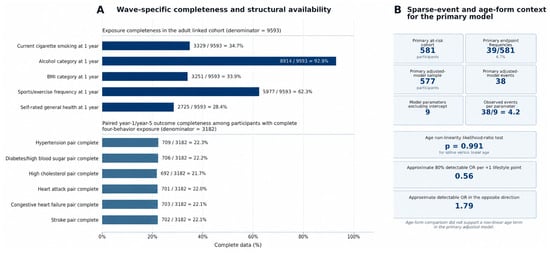
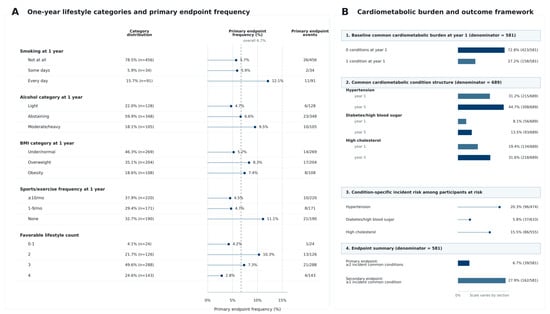
Background/Objectives: Traumatic brain injury (TBI) is increasingly understood as a chronic condition, but the role of early post-injury lifestyle behaviors in later cardiometabolic risk remains unclear. We examined whether lifestyle behaviors reported 1 year after injury were associated with the accumulation of common cardiometabolic risk factors by 5 years in the Traumatic Brain Injury Model Systems (TBIMS) National Database. Methods: This retrospective cohort secondary analysis included adults with followed 1-year and 5-year interviews, complete 1-year data on four behaviors, and the complete ascertainment of hypertension, diabetes or high blood sugar, and high cholesterol at both waves. The exposure was a favorable lifestyle count based on not smoking, non-heavy alcohol use, non-obese body mass index, and sports or exercise at least 10 times per month. The primary endpoint was the incident accumulation of at least two new common cardiometabolic conditions between years 1 and 5. The analytic cohort was an observed-data subset defined by follow-up retention, complete behavior data, paired outcome ascertainment, and baseline at-risk status rather than a random sample of all TBIMS participants. Results: Among 10,057 linked participants with followed interviews at both waves, 9593 were adults, 3182 had complete four-behavior exposure data, 689 had complete cardiometabolic ascertainment, and 581 formed the primary at-risk observed-data cohort. The primary endpoint occurred in 39 participants (6.7%). Each additional favorable behavior was associated with lower odds of the primary endpoint in the adjusted model (odds ratio [OR], 0.63; 95% confidence interval [CI], 0.41–0.98; p = 0.040). The results were similar after adjustment for the 1-year Functional Independence Measure cognitive score and in Firth logistic regression. Because the final cohort was selected and the number of primary events was small, the estimates should be interpreted as exploratory and may not generalize to the broader TBI population. Conclusions: More favorable 1-year lifestyle profiles were associated with lower 5-year cardiometabolic risk factor accumulation after TBI. These findings support prevention-oriented follow-up but do not establish causality or validate a prognostic score.
Full article
(This article belongs to the Section Cardiovascular Disease)
►▼
Show Figures

Graphical abstract
Open AccessSystematic Review
Efficacy and Safety of Carpal Tunnel Release in Patients Aged 70 Years and Older: A Systematic Review and Meta-Analysis
by
Elisa Di Dio, Giulia Maria Sassara, Adriano Cannella, Federico Ianniccari, Gabriele Delia, Vitale Cilli, Marco Valerio, Giulia Frittella, Lorenzo Rocchi and Rocco De Vitis
Med. Sci. 2026, 14(2), 264; https://doi.org/10.3390/medsci14020264 - 20 May 2026
Abstract
Background: Carpal tunnel syndrome (CTS) is the most prevalent peripheral nerve entrapment neuropathy, with rising incidence in aging populations. Uncertainty persists regarding the efficacy and safety of carpal tunnel release (CTR) in patients aged ≥ 70 years. Objectives: To systematically evaluate the indications,
[...] Read more.
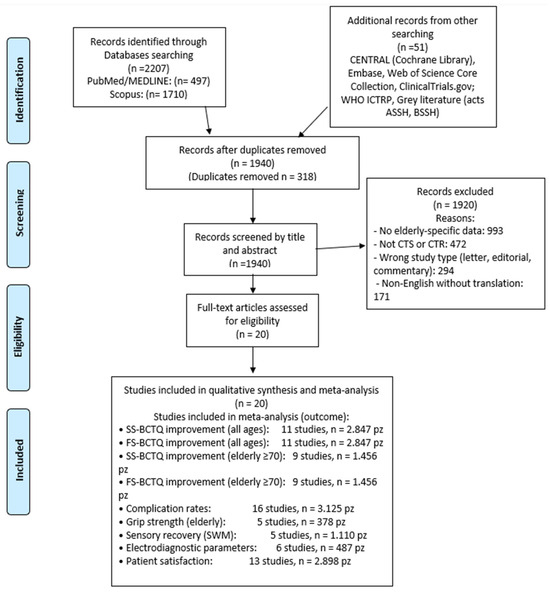
Background: Carpal tunnel syndrome (CTS) is the most prevalent peripheral nerve entrapment neuropathy, with rising incidence in aging populations. Uncertainty persists regarding the efficacy and safety of carpal tunnel release (CTR) in patients aged ≥ 70 years. Objectives: To systematically evaluate the indications, clinical outcomes, and utility of CTR in elderly patients (≥70 years), with comparison to younger cohorts. Methods: Following PRISMA 2020 guidelines, PubMed/MEDLINE, Scopus, CENTRAL, Embase, Web of Science, and grey literature sources were searched from inception through September 2025. Two independent reviewers extracted data; inter-rater agreement was strong (κ = 0.81–0.86). The primary outcome was the Boston Carpal Tunnel Questionnaire (BCTQ). Weighted mean differences (WMDs) with 95% confidence intervals (CIs) were calculated using DerSimonian–Laird random-effects models. Certainty of evidence was assessed using the GRADE framework. Results: A total of 20 studies encompassing 3841 operated hands, including 1139 hands in elderly patients and 2702 hands in younger comparators across comparative studies, were analyzed. Mean SS-BCTQ improvement was 1.8 points (95%CI: 1.6–2.0; exceeding the established MCID of 1.04–1.05 points). FS-BCTQ improvement was 1.1 points (95%CI: 0.9–1.3; marginally below the pooled MCID of 1.13 points). Elderly patients demonstrated SS-BCTQ improvement of 1.7 points and satisfaction rates of 72–94%, comparable to younger cohorts (75–95%; p = 0.38). Grip strength improved 15–25% in younger patients but remained unchanged in elderly patients (p < 0.001). Sensory recovery reached 42% in elderly versus 58% in younger patients (p < 0.01). Complication rates were low and age-independent (3.1%; RR 1.08; 95%CI: 0.86–1.35; p = 0.52). GRADE certainty was as follows: low for symptom and functional improvement; very low for surgery versus conservative management. Conclusions: CTR is associated with significant symptomatic benefit in elderly patients when conservative treatment fails, with complication rates comparable to younger populations. Age alone should not constitute a surgical contraindication. Preoperative counseling must establish realistic expectations regarding grip strength and functional recovery. High-quality randomized trials in elderly populations remain an urgent research priority.
Full article
(This article belongs to the Section Neurosciences)
►▼
Show Figures

Figure 1

Open AccessArticle
Human-in-the-Loop Enhances Machine Learning Inference in Intraoperative Optical Coherence Tomography Glioma Imaging
by
Radik Zinatullin, Alexander Sovetsky, Artem Grishin, Elena Kiseleva, Liudmila Kukhnina, Svetlana Korikova, Alexander Matveyev, Vladimir Zaitsev, Konstantin Yashin and Lev Matveev
Med. Sci. 2026, 14(2), 263; https://doi.org/10.3390/medsci14020263 - 20 May 2026
Abstract
Background/Objectives: The integration of Artificial Intelligence (AI) into clinical workflows raises critical questions regarding decision-making responsibility, as fully autonomous systems inevitably carry a margin of error that can be fatal in high-stakes fields like surgery. This study addresses this challenge by evaluating
[...] Read more.
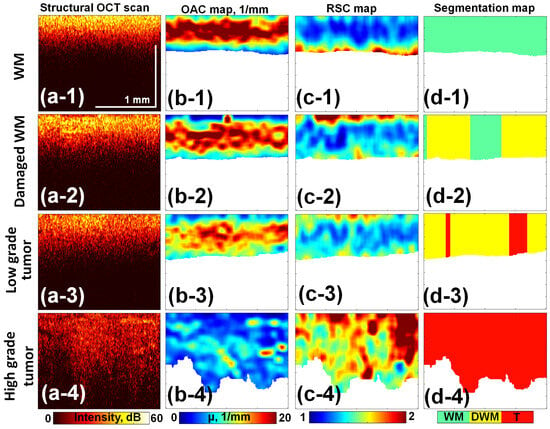
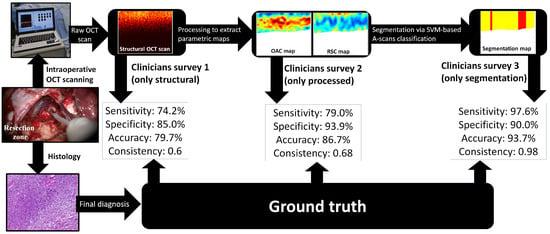
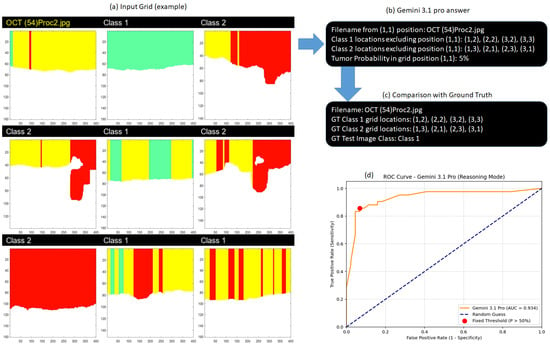
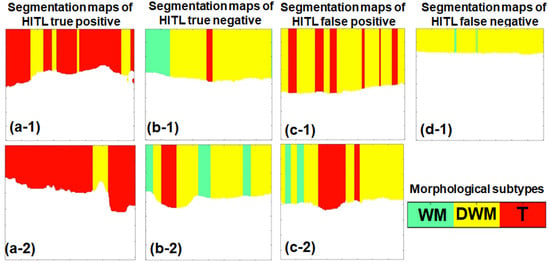
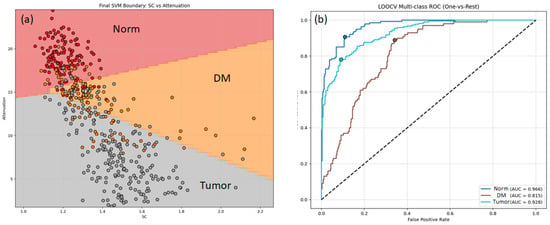
Background/Objectives: The integration of Artificial Intelligence (AI) into clinical workflows raises critical questions regarding decision-making responsibility, as fully autonomous systems inevitably carry a margin of error that can be fatal in high-stakes fields like surgery. This study addresses this challenge by evaluating a “Human-in-the-Loop” (HITL) workflow, using intraoperative Optical Coherence Tomography (OCT) for glioma detection. We aimed to determine if integrating Machine Learning (ML)-generated segmentation maps with human contextual analysis resolves the tension between automation and clinical responsibility, yielding superior diagnostic reliability compared to structural or quantitative imaging alone. Methods: We retrospectively analyzed 86 intraoperative OCT scans from 27 patients. Five neurosurgeons blindly assessed the data across three progressive levels of processing: (1) structural scans, (2) physics-based parametric maps, and (3) SVM-based generated segmentation maps. Crucially, the HITL inference performance on segmentation maps was benchmarked against “models-only” inference pipeline: a SVM and a state-of-the-art multimodal reasoning model, Gemini 3.1 Pro. To evaluate interpretability and the operator’s ability to confidently exercise their authority, we measured inter-rater consistency alongside diagnostic performance. Results: The results demonstrate that, while quantitative parametric maps improved Global Accuracy (87% [95% CI: 82–92%]) compared to structural scans (80% [95% CI: 73–86%]), they suffered from an “interpretability gap,” resulting in a moderate inter-rater consistency of 0.68 [95% CI: 0.59–0.78]. In contrast, the HITL approach using segmentation maps maximized consensus to 0.98 [95% CI: 0.95–1.00] and achieved the highest performance (Accuracy 94% [95% CI: 88–98%] and Sensitivity 98% [95% CI: 92–100%]). Compared to the standalone models, the HITL approach significantly outperformed the SVM baseline (Accuracy 84% [95% CI: 81–87%]; Sensitivity 83% [95% CI: 78–88%]). Furthermore, it surpassed the SOTA Gemini 3.1 Pro model (Accuracy 90% [95% CI: 83–95%]; Sensitivity 86% [95% CI: 74–95%]). While the HITL sensitivity demonstrated a definitive and statistically significant edge over the Gemini model, the accuracy improvement fell just slightly short of undisputed statistical significance due to overlapping confidence intervals. Conclusions: By utilizing their clinical domain knowledge of tumor invasion patterns and topological priors, surgeons effectively filtered algorithmic noise—overriding ML errors in 69% (9 out of 13) false positive cases that models alone could not resolve. This demonstrates exactly how and where HITL optimally utilizes human contextual intelligence to outperform autonomous “models-only” pipelines, confirming a human-ML synergy that augments the objectivity of machine learning with human domain knowledge. This paradigm ensures that the ultimate responsibility for diagnostic inference remains safely and practically in human hands. Open Data Initiative: To ensure essential reproducibility, enable independent multi-center validation and support open science, all examples of intraoperative in vivo OCT brain scans used in this study are made publicly available. To the best of our knowledge, this represents the first open-access data of its kind globally.
Full article
(This article belongs to the Special Issue Artificial Intelligence in Oncologic Imaging: Advances in Medical Image Segmentation and Predictive Modelling)
►▼
Show Figures

Figure 1
Open AccessArticle
L-Type Voltage-Gated Ca2+ Channels Are Targeted by Terpenes from Hyptis crenata Essential Oil in Vascular Electromechanical Coupling
by
André Nogueira Cardeal dos Santos, José Ednésio da Cruz Freire, Francisco Sydney Henrique Félix, Marília Cavalcante Araújo, Savyo Mikael Lacerda Gomes, Alexandre Lucas Lima França Cabral, Amanda Batista Nascimento, Cleisla Costa Barbosa, Marcus Vinícius Vieira Torquato, Lívia de Souza Oliveira, Luiz Henrique Batista Assunção, Sofia Moura de Sousa Brasil, Cecília Bessa Freitas, Julianne Ferreira da Silva, João Henrique Andrade de Menezes, Átila Pereira-Gonçalves, José Henrique Leal-Cardoso, Adélia Justina Aguiar Aquino and Andrelina Noronha Coelho de Sousa
Med. Sci. 2026, 14(2), 262; https://doi.org/10.3390/medsci14020262 - 20 May 2026
Abstract
Background: Electromechanical coupling is a fundamental process in the regulation of vascular smooth muscle contraction. It is characterized by changes in electrical potential membrane (depolarization). Voltage-gated calcium channels (VGCCs) play a central role in this process by mediating calcium influx necessary for vascular
[...] Read more.
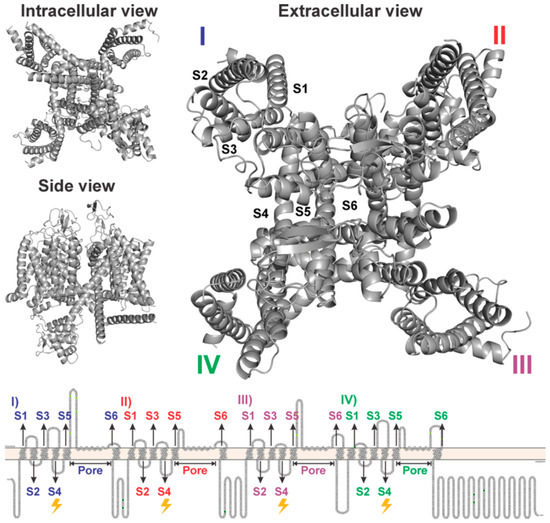
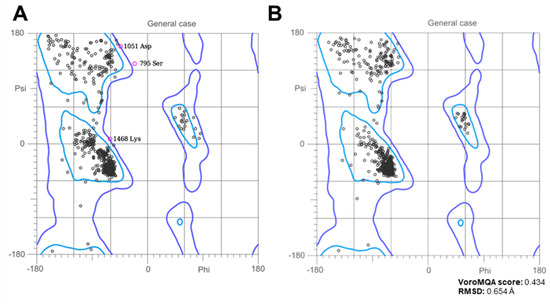
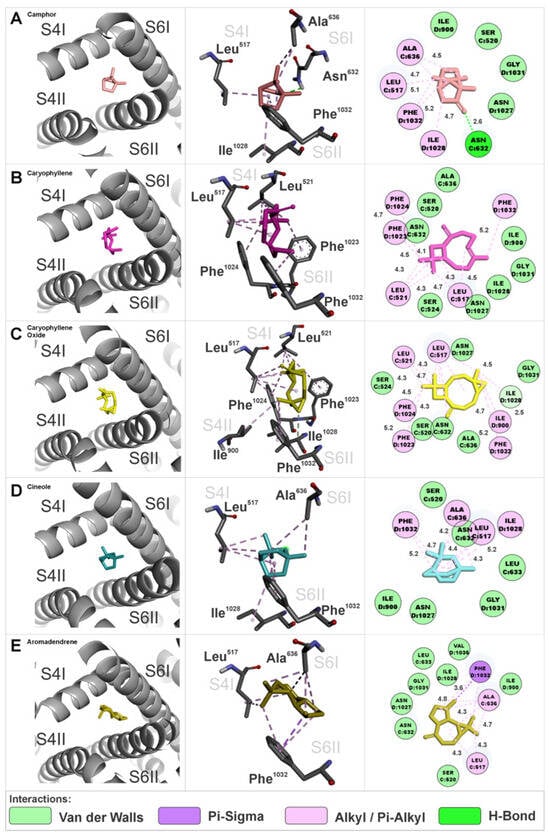
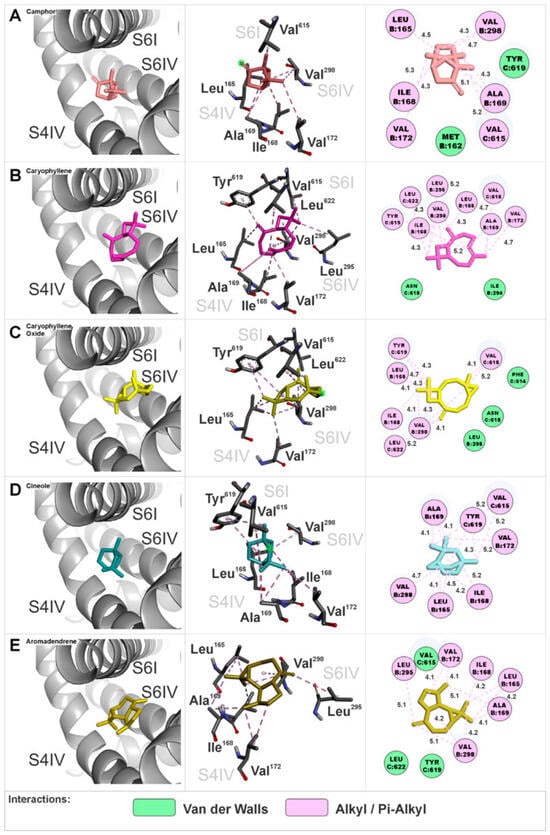
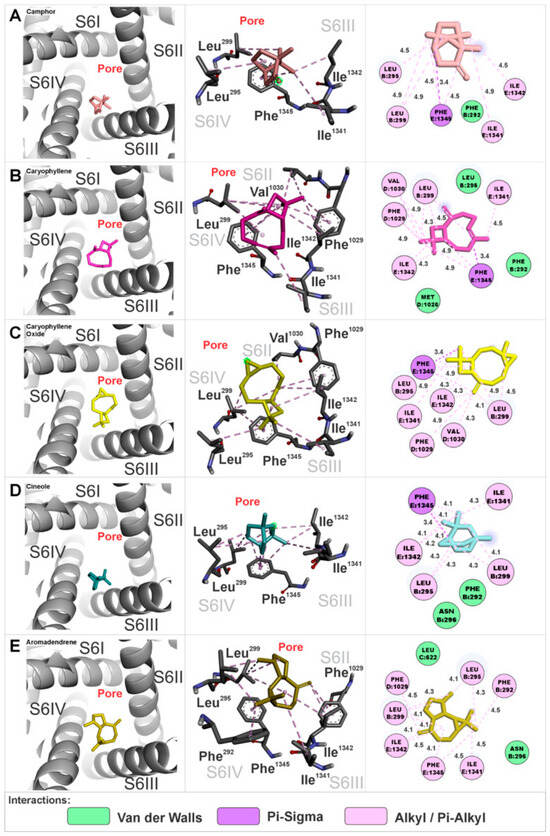
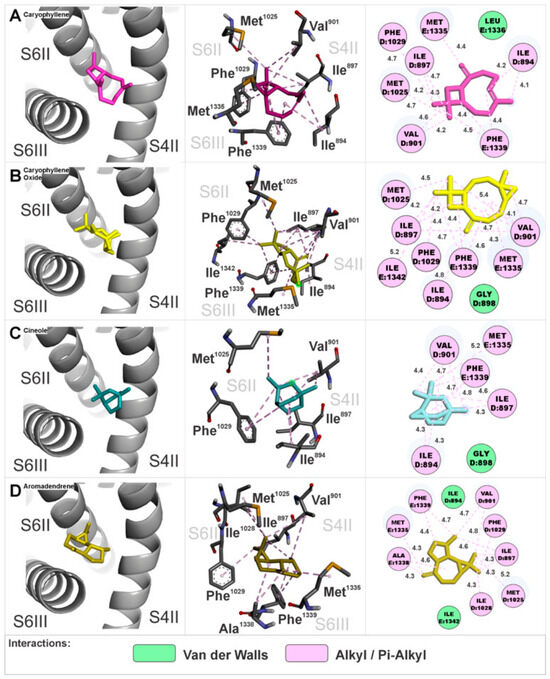
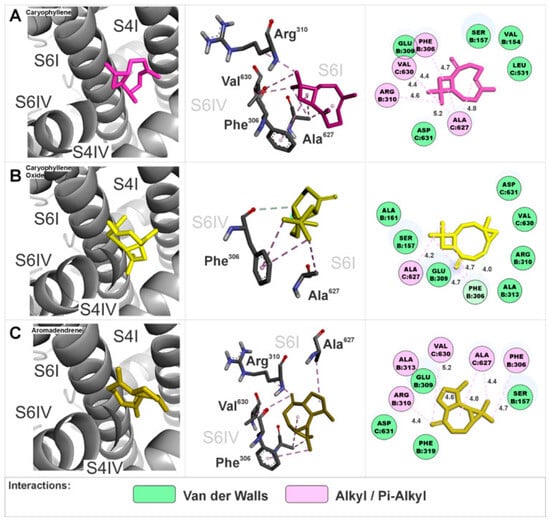
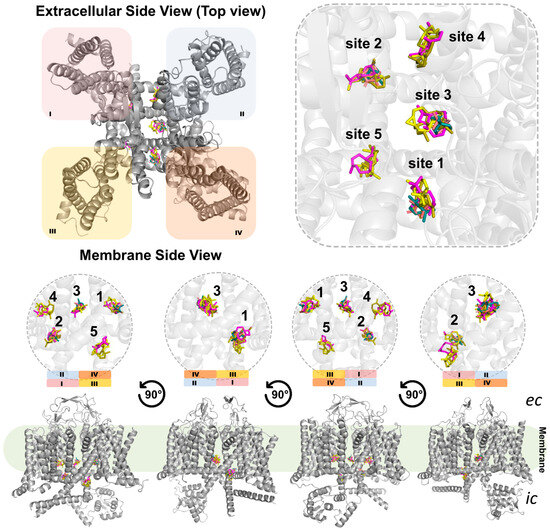
Background: Electromechanical coupling is a fundamental process in the regulation of vascular smooth muscle contraction. It is characterized by changes in electrical potential membrane (depolarization). Voltage-gated calcium channels (VGCCs) play a central role in this process by mediating calcium influx necessary for vascular contraction. As highly conserved macromolecules in mammals, VGCCs represent translationally relevant targets for the development of vasorelaxant agents. Inhibition of these channels reduces calcium influx and attenuates the tonic smooth muscle contraction, making them strategic targets for novel therapeutic approaches. This is particularly important given the high prevalence of cardiovascular diseases, which remain the leading cause of global mortality. Methods: The aim of this study is to investigate the mechanism of action of terpenes in VGCCs. Terpenes are phytochemicals that have been widely studied as drug candidates. To this end, the oil from Hyptis crenata was extracted and characterized, revealing monoterpenes and sesquiterpenes as its main constituents. Results: In vitro assays on isolated aortic rings, with and without endothelium, demonstrated that these compounds reverse and block KCl (80 mM)-induced contractions in an endothelium-independent manner. Conclusions: Analyses of the ionic influx of calcium and barium indicated a progressive blockade of contraction, reinforcing the hypothesis of a direct interaction with the macromolecules of the VGCCs. Computational analyses, for the first time, suggest a potential synergistic interaction among terpenes in their binding to these macromolecules.
Full article
(This article belongs to the Section Cardiovascular Disease)
►▼
Show Figures

Figure 1
Open AccessSystematic Review
Antimicrobial Efficacy of Endogenous Blue Light Photoinactivation (400–470 nm) Against Escherichia coli: A Systematic Review of In Vitro Evidence and Clinical Implications
by
Diego Antônio C. P. Gomes Mello, João Pedro R. Afonso, Everton Edgar Carvalho, Hustênio Abílio Appelt Filho, Jairo Belém Soares Ribeiro Júnior, Larissa Rodrigues Alves, Mickael Breno Godoi Sousa, Salomão Antonio Oliveira, Guilherme Quireza Silva, Rafael Souza Bueno, Tiago Vieira Fernandes, Daniel Grossi Marconi, Rodrigo Antônio C. Andraus, Carlos Hassel Mendes Silva, Deise A. A. Pires Oliveira, Iransé Oliveira-Silva, Rodrigo Franco Oliveira, Orlando Aguirre Guedes, Wilson Rodrigues Freitas Júnior, Juan Jose Uriarte, Luis V. F. Oliveira and Luis Gustavo Morato Toledoadd
Show full author list
remove
Hide full author list
Med. Sci. 2026, 14(2), 261; https://doi.org/10.3390/medsci14020261 - 20 May 2026
Abstract
Background/Objectives: The increased prevalence of multidrug-resistant Escherichia coli and carbapenemase-producing Enterobacteriaceae poses a critical threat to global health and food safety. Antimicrobial Blue Light (aBL) in the 400–470 nm spectrum has emerged as a promising, chemical-free disinfection strategy that targets intracellular porphyrins and
[...] Read more.
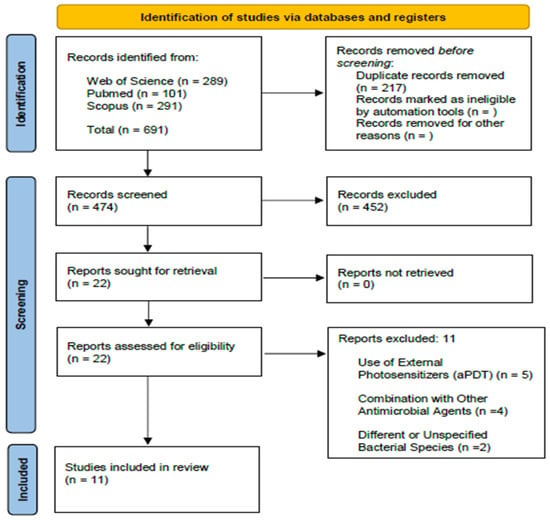
Background/Objectives: The increased prevalence of multidrug-resistant Escherichia coli and carbapenemase-producing Enterobacteriaceae poses a critical threat to global health and food safety. Antimicrobial Blue Light (aBL) in the 400–470 nm spectrum has emerged as a promising, chemical-free disinfection strategy that targets intracellular porphyrins and flavins to induce oxidative stress. However, the influence of wavelength, dosimetry, and environmental stressors on endogenous photoinactivation remains poorly standardized regarding optical parameters and biological exposure protocols. This systematic review aimed to evaluate the antimicrobial efficacy of pure blue light (400–470 nm) against E. coli across various phenotypes and environmental conditions, excluding the use of exogenous photosensitizers. Methods: PubMed, Scopus, and Web of Science were searched for studies that utilized 400–470 nm light as an antimicrobial agent against E. coli. Data extraction focused on spectral efficiency, total fluence (J/cm2), and log10 reduction. The Risk of Bias was assessed using an adapted Office of Health Assessment and Translation tool for in vitro studies. Results: Synthesis of 11 high-quality studies indicated that wavelengths near 405 nm have the highest germicidal efficiency due to the Soret band absorption of endogenous porphyrins. Efficacy is highly dose-dependent: significant log10 reductions were achieved in planktonic cells, although biofilms required substantially higher fluences. Sub-lethal environmental stressors such as acidic pH, high salinity, and thermal fluctuations demonstrated a synergistic effect, which significantly enhanced the rate of photoinactivation. Multidrug-resistant and carbapenemase-producing Enterobacteriaceae strains showed similar susceptibility to aBL relative to antibiotic-sensitive strains, suggesting no cross-resistance between light and traditional drugs. Conclusions: Endogenous blue light is a highly effective, non-thermal technology for E. coli decontamination. Its efficacy is modulated by the interplay between optical parameters and environmental conditions. These findings provide a framework for the development of standardized protocols for applying aBL to clinical wound care and food industry use cases. They also highlight the potential of aBL as a critical tool in the post-antibiotic era. This systematic review was registered in the International prospective register of systematic reviews (PROSPERO) under protocol CRD420261331871.
Full article
(This article belongs to the Section Immunology and Infectious Diseases)
►▼
Show Figures

Figure 1
Open AccessArticle
Thromboinflammatory and Pharmacological Effects of Low-Molecular-Weight Heparins in Acute Venous Thromboembolism: An Integrated Clinical and In Silico Analysis
by
Lutfi Cagatay Onar, Ersin Guner, Irem Ozten Dalkiran and Ibrahim Yilmaz
Med. Sci. 2026, 14(2), 260; https://doi.org/10.3390/medsci14020260 - 19 May 2026
Abstract
►▼
Show Figures
Background: Venous thromboembolism (VTE) is a thromboinflammatory disorder involving coordinated activation of coagulation, endothelial dysfunction, and inflammatory signaling. Low-molecular-weight heparins (LMWHs) may exert pharmacological effects beyond anticoagulation. This study compared enoxaparin, bemiparin, and tinzaparin and explored potential multi-target mechanisms using molecular docking, network
[...] Read more.
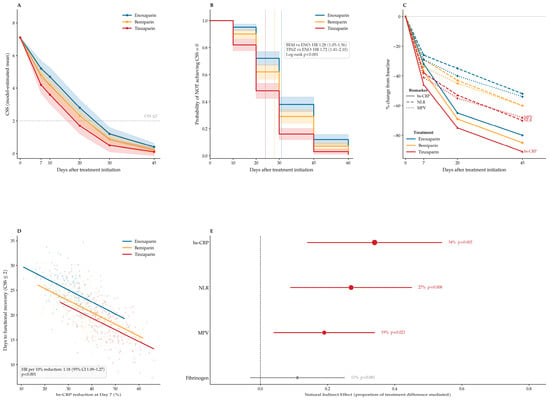
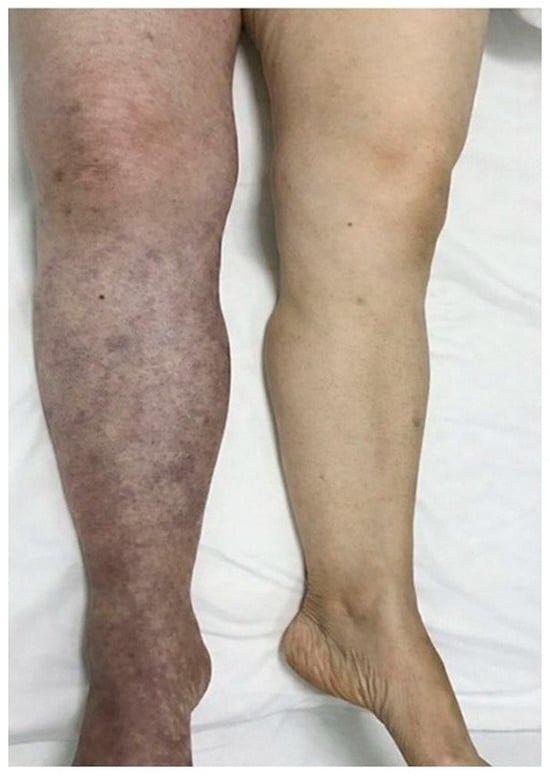
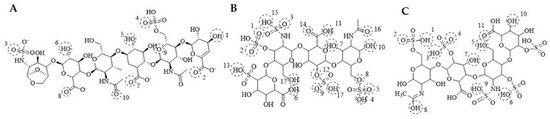
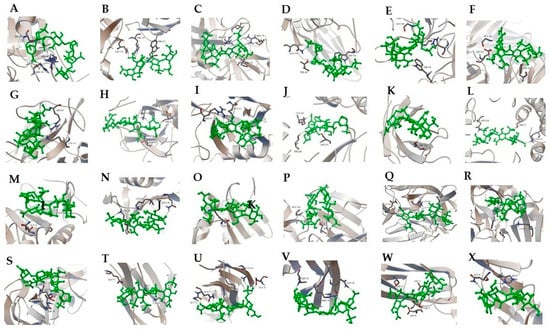
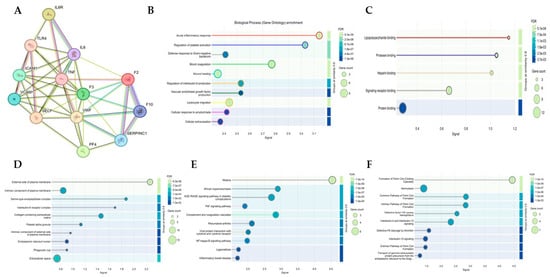
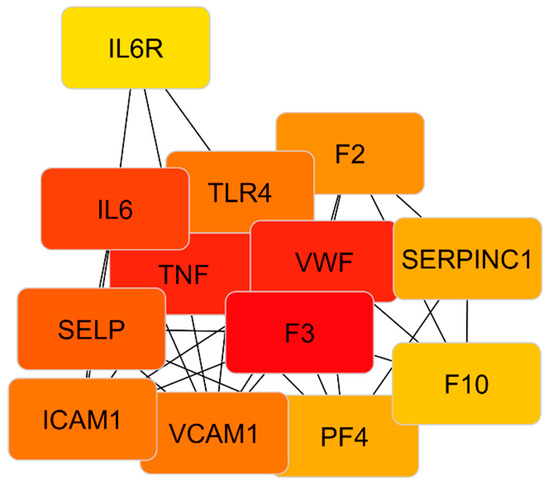
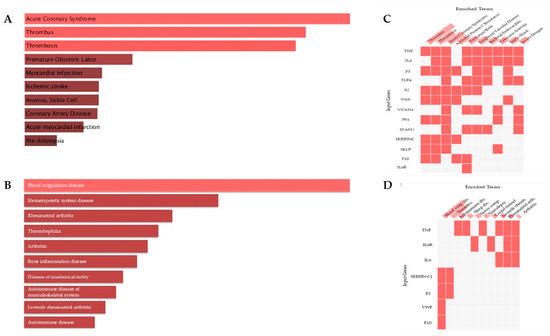
Background: Venous thromboembolism (VTE) is a thromboinflammatory disorder involving coordinated activation of coagulation, endothelial dysfunction, and inflammatory signaling. Low-molecular-weight heparins (LMWHs) may exert pharmacological effects beyond anticoagulation. This study compared enoxaparin, bemiparin, and tinzaparin and explored potential multi-target mechanisms using molecular docking, network pharmacology, and enrichment analyses. Methods: In this retrospective cohort study, patients with acute VTE treated with therapeutic-dose LMWHs were analyzed. Stabilized IPTW based on multinomial propensity scores was used to reduce baseline imbalance between treatment groups. Clinical recovery was assessed using the Clinical Severity Score (CSS). Thromboinflammatory biomarkers (MPV, hs-CRP, NLR, fibrinogen) were evaluated during follow-up. Molecular docking, STRING/Cytoscape-based protein–protein interaction, and enrichment analyses were performed. Results: Median time to symptom resolution was 31 days with enoxaparin, 28 days with bemiparin, and 24 days with tinzaparin (log-rank p < 0.001). Recovery was faster with bemiparin (HR 1.28, 95% CI 1.05–1.56) and tinzaparin (HR 1.72, 95% CI 1.41–2.10). Tinzaparin showed greater reductions in hs-CRP, MPV, NLR, and fibrinogen (all p < 0.05) and less analgesic use beyond 10 days (19.7% vs. 27.0% and 33.2%; p < 0.001). Docking analyses identified plausible conformations (root-mean-square deviation, RMSD ≤ 2 Å). Given the structural flexibility and heterogeneous chain length of LMWHs, rigid docking algorithms may not fully capture biologically relevant conformations. Therefore, docking results should be interpreted as qualitative interaction mapping rather than quantitative binding affinity estimation. Network analysis highlighted F3, TNF, IL6, and VWF, while enrichment analyses suggested involvement of cytokine signaling, leukocyte migration, and thromboinflammatory pathways. Conclusions: LMWH therapy was associated with improved thromboinflammatory markers and clinical recovery, with tinzaparin showing comparatively more favorable thromboinflammatory biomarker trajectories and recovery dynamics within the limitations of this observational analysis. Integrated clinical and in silico findings provide hypothesis-generating insights into potential multi-target pharmacological effects beyond anticoagulation; however, these observations should be interpreted cautiously and require experimental validation.
Full article

Figure 1
Open AccessReview
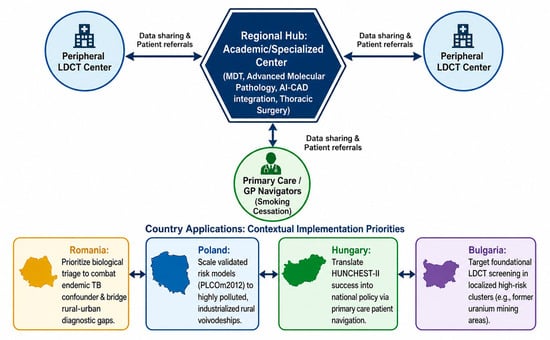
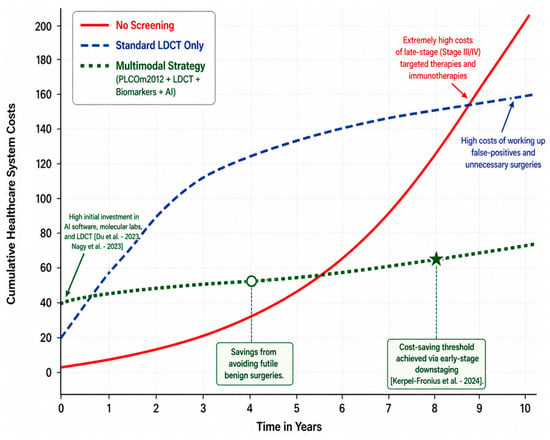
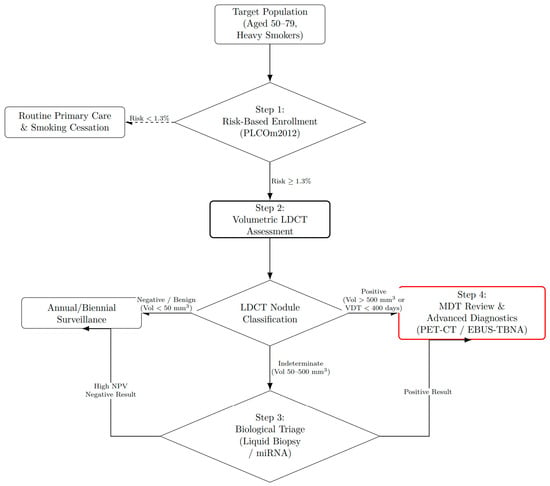
Beyond the Scan: Adapting Multimodal Lung Cancer Screening for Central and Eastern Europe—Overcoming Systemic Barriers and Epidemiological Confounders
by
Rodica Anghel, Antonia-Ruxandra Folea, Vlad-Luca Moga, Cristian Pavel, Diana Troncotă, Matei Celea, Corneliu-Octavian Dumitru, Andreea-Iren Șerban and Liviu Bîlteanu
Med. Sci. 2026, 14(2), 259; https://doi.org/10.3390/medsci14020259 - 18 May 2026
Abstract
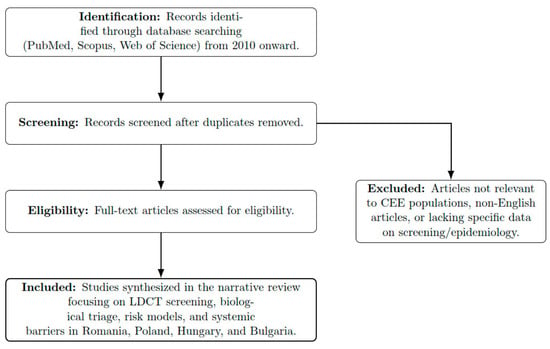
Background/Objectives: Lung cancer remains the leading cause of cancer-related mortality in Central and Eastern Europe (CEE), where late-stage diagnosis, structural healthcare limitations, and regional epidemiological confounders complicate early detection. This review aimed to synthesize the evidence from Romania, Poland, Hungary, and Bulgaria and
[...] Read more.
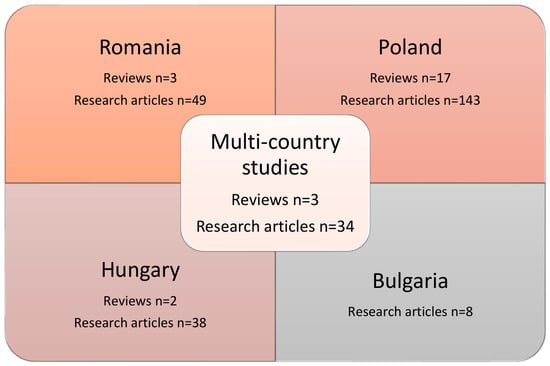
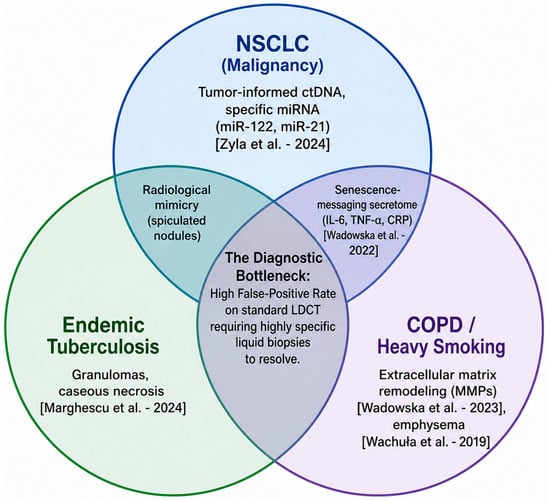
Background/Objectives: Lung cancer remains the leading cause of cancer-related mortality in Central and Eastern Europe (CEE), where late-stage diagnosis, structural healthcare limitations, and regional epidemiological confounders complicate early detection. This review aimed to synthesize the evidence from Romania, Poland, Hungary, and Bulgaria and to outline a context-adapted multimodal screening strategy for CEE settings. Methods: A structured review of PubMed-, Scopus-, and Web of Science-indexed literature published from 2010 through 27 December 2025 was performed, focusing on lung cancer epidemiology, screening, implementation barriers, risk stratification, and adjunctive diagnostic approaches in the four selected CEE countries. A total of 297 articles were included. Results: The evidence confirms a persistently high burden of late-stage lung cancer across CEE, driven by tobacco exposure, air pollution, radon, comorbidities, diagnostic delays, fragmented registries, workforce shortages, and marked socioeconomic and geographic inequalities. In addition, tuberculosis-related granulomatous lesions and chronic inflammatory lung disease complicate nodule interpretation and reduce screening specificity in parts of the region. Screening experience from Poland and Hungary supports the feasibility of low-dose computed tomography (LDCT) when paired with volumetric assessment and structured follow-up. Risk-prediction models may improve participant selection, while biological triage may help reduce unnecessary invasive procedures, although prospective validation remains limited. Conclusions: In CEE, lung cancer screening should be implemented as a multimodal, context-adapted program combining risk-based enrollment, volumetric LDCT, selective biological triage, smoking-cessation support, and centralized multidisciplinary delivery.
Full article
(This article belongs to the Special Issue Feature Papers in Section “Cancer and Cancer-Related Research”)
►▼
Show Figures

Figure 1

Open AccessReview
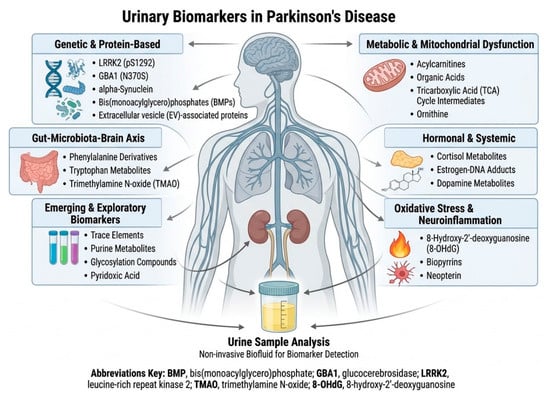
Urinary Biomarkers in Parkinson’s Disease: A Structured Integrative Review of Pathophysiological Pathways
by
Halyne Queiroz Pantaleão Santos, Nairo Massakazu Sumita, Carlos Alberto-Silva and Marcela Bermudez Echeverry
Med. Sci. 2026, 14(2), 258; https://doi.org/10.3390/medsci14020258 - 17 May 2026
Abstract
Background/Objectives: Parkinson’s disease (PD) is a progressive neurodegenerative disorder characterized by complex and interconnected pathophysiological mechanisms, including mitochondrial dysfunction, oxidative stress, neuroinflammation, lysosomal impairment, and altered neurotransmitter metabolism. Unlike cerebrospinal fluid or blood, urine offers a truly non-invasive source of biomarkers, reflecting systemic
[...] Read more.
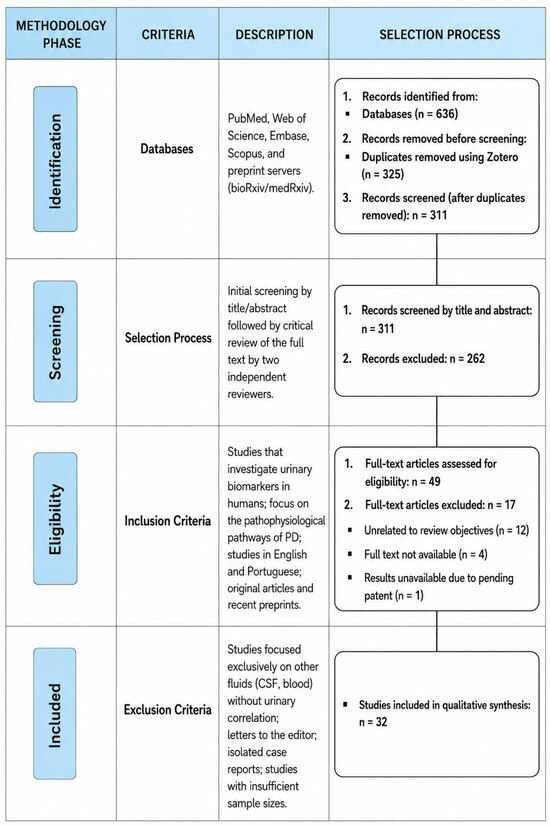
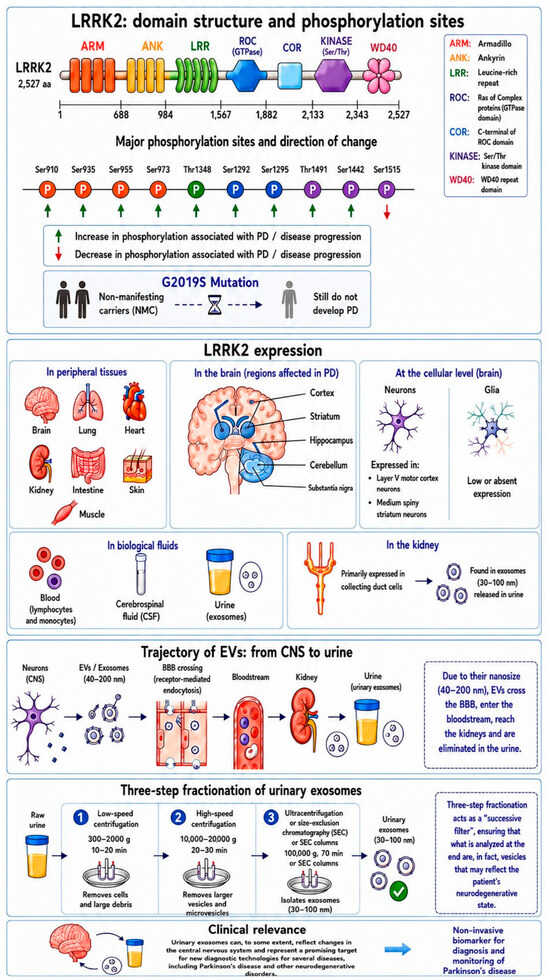
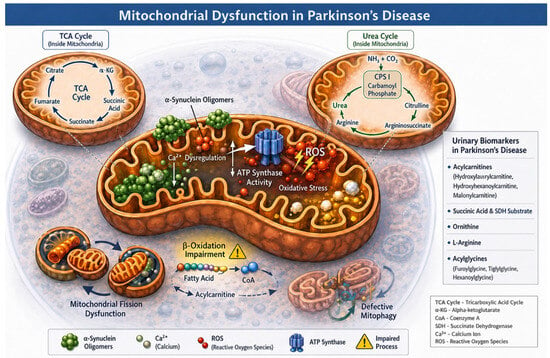
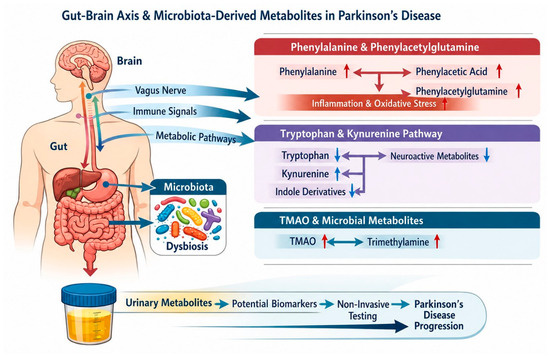
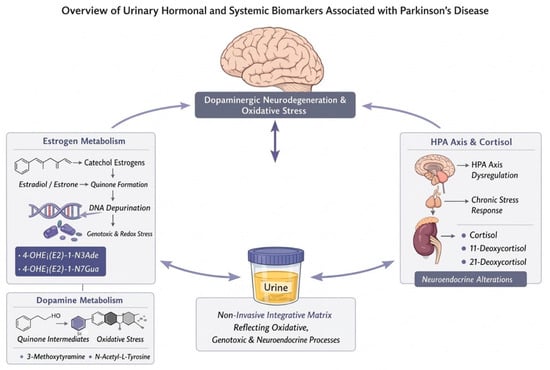
Background/Objectives: Parkinson’s disease (PD) is a progressive neurodegenerative disorder characterized by complex and interconnected pathophysiological mechanisms, including mitochondrial dysfunction, oxidative stress, neuroinflammation, lysosomal impairment, and altered neurotransmitter metabolism. Unlike cerebrospinal fluid or blood, urine offers a truly non-invasive source of biomarkers, reflecting systemic metabolic changes and renal protein excretion linked to neurodegeneration. This review aims to critically synthesize current evidence on urinary biomarkers in PD and to organize this heterogeneous literature into pathophysiologically meaningful domains. Methods: A comprehensive literature search of human studies investigating urinary biomarkers in PD was performed. Eligible studies were comprehensively analyzed and classified according to dominant biological pathways. To facilitate interpretation, findings were organized into six thematic domains: genetic and protein-based biomarkers; metabolic pathways and mitochondrial dysfunction; oxidative stress and neuroinflammation; gut–brain-axis-related metabolites; hormonal and systemic biomarkers; and emerging exploratory markers. Results were summarized in domain-specific tables and integrated using a conceptual framework. Results: A total of 32 human studies met the inclusion criteria, revealing diverse urinary molecular signatures associated with PD across multiple biological domains. Genetic and protein-based markers, including LRRK2-related proteins, α-synuclein species, and lysosomal lipids, showed potential for disease stratification. Metabolomic studies consistently identified alterations in acylcarnitines, organic acids, and amino acid metabolism, reflecting mitochondrial dysfunction. Biomarkers related to oxidative stress, immune activation, gut microbiota metabolism, and hormonal regulation further highlighted the systemic nature of PD. However, most individual biomarkers lacked disease specificity and exhibited methodological heterogeneity. Conclusions: Current evidence supports urine as a valuable source of systemic biomarkers reflecting multiple pathophysiological processes in PD. While single urinary markers remain insufficient for clinical application, integrated omics-based approaches—particularly metabolomics and peptidomics/proteomics—hold promise for identifying combinatorial biomarker signatures. Future longitudinal and standardized studies are required to enhance specificity and translational potential for non-invasive diagnosis and disease monitoring in PD.
Full article
(This article belongs to the Section Neurosciences)
►▼
Show Figures

Figure 1
Open AccessArticle
Evaluation of Sarcopenic Obesity in Patients with MASLD
by
Niki G. Mourelatou, Triada Bali, Magdalini Adamantou, Lampros Chrysavgis, Christos Chologkitas, Margarita Sarri, Dimitra Pavlopoulou, Georgios Schinas, Theodoros Androutsakos, Georgia Sypsa, Dimitrios S. Karagiannakis, George Papatheodoridis, Nikolaos Tentolouris, Anastasia N. Mavrogiannaki and Evangelos Cholongitas
Med. Sci. 2026, 14(2), 257; https://doi.org/10.3390/medsci14020257 - 15 May 2026
Abstract
Background/Obejctives: Sarcopenic obesity (SO) has gained growing attention in metabolic dysfunction-associated steatotic liver disease (MASLD), yet data in Caucasian populations remain limited. The aim of this study was to assess the prevalence of SO using different definitions and to explore its relationship with
[...] Read more.
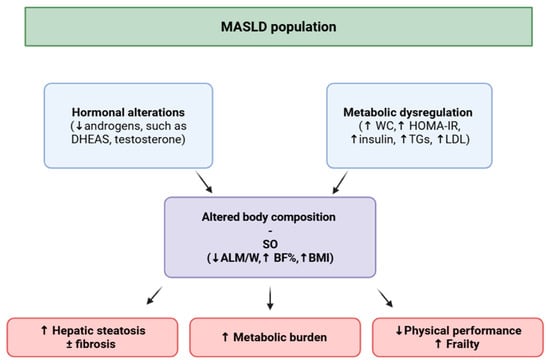
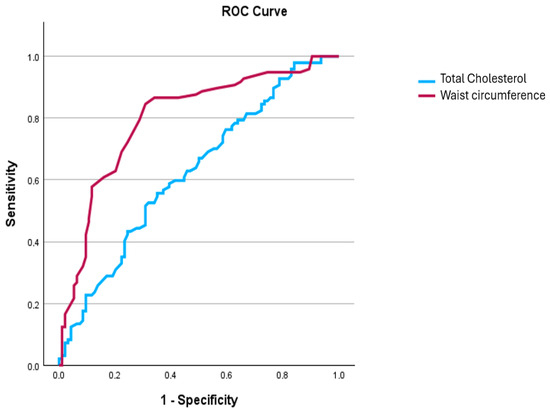
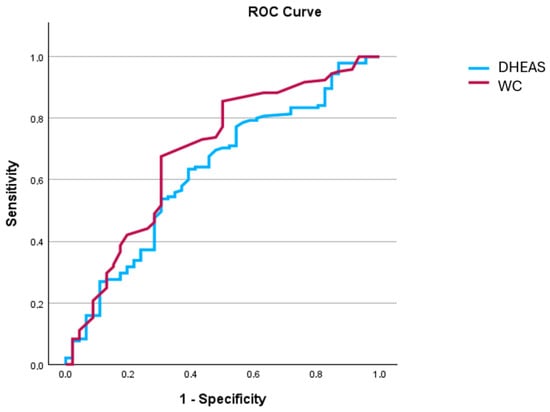
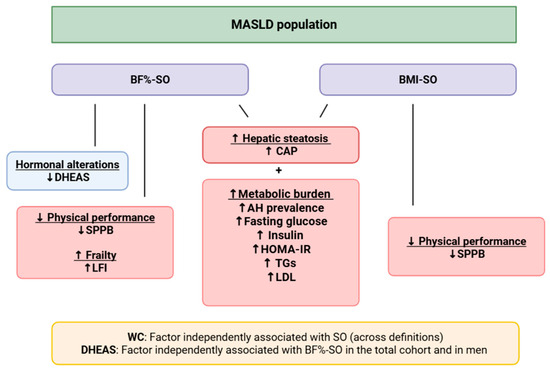
Background/Obejctives: Sarcopenic obesity (SO) has gained growing attention in metabolic dysfunction-associated steatotic liver disease (MASLD), yet data in Caucasian populations remain limited. The aim of this study was to assess the prevalence of SO using different definitions and to explore its relationship with steroid androgens, physical performance and frailty in MASLD individuals. Methods: Two hundred Caucasian patients with MASLD and available dual-energy X-ray absorptiometry (DEXA) data were evaluated. Clinical, biochemical, hormonal and elastography data were recorded, while physical performance was assessed using the Short Physical Performance Battery (SPPB) and Liver Frailty Index (LFI). Results: SO prevalence ranged from 34.5% to 76.5% depending on the definition applied (AIMSO score, body mass index, and body fat percentage-based criteria). Across definitions, SO individuals showed greater hepatic steatosis, more metabolic comorbidities and demonstrated poorer physical performance. Lower dehydroepiandrosterone sulfate (DHEAS) levels were independently associated with SO when the definition is based on total body fat percentage, and waist circumference (WC) was consistently linked to SO across all definitions. Separate analysis based on gender, confirmed that DHEAS was independently associated with SO in men, while WC represented an independent factor associated with SO in both genders. Conclusions: In conclusion, SO is common among Caucasian MASLD patients and is accompanied by metabolic, hepatic, hormonal, and functional alterations. These findings may help recognize patients at risk of SO and support more focused assessment and monitoring in clinical practice.
Full article
(This article belongs to the Section Hepatic and Gastroenterology Diseases)
►▼
Show Figures

Figure 1
Open AccessArticle
Serum Uric Acid Trajectories in Multiple Sclerosis: A 5-Year Longitudinal Comparison of High- and Moderate-Efficacy Therapies
by
Laura-Elena Cucu, Alina Săcărescu, Andra Oancea, Bogdan Emilian Ignat, Cristina Grosu, Laura-Cristina Baciu, Costin Chirica, Gabriela Popescu, Alexandra Maștaleru and Maria-Magdalena Leon
Med. Sci. 2026, 14(2), 256; https://doi.org/10.3390/medsci14020256 - 15 May 2026
Abstract
Background/Objectives: Uric acid (UA), a major circulating antioxidant, has been consistently reported at lower levels in multiple sclerosis (MS) patients, yet long-term UA trajectories stratified by disease-modifying therapy (DMT) efficacy remain unexplored. This study aimed to evaluate the 5-year longitudinal evolution of
[...] Read more.
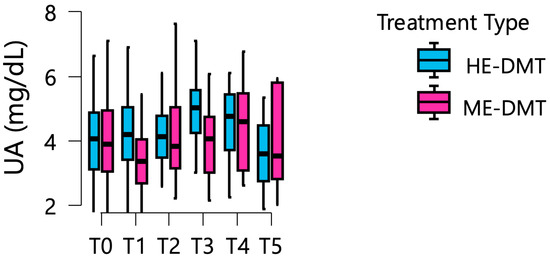
Background/Objectives: Uric acid (UA), a major circulating antioxidant, has been consistently reported at lower levels in multiple sclerosis (MS) patients, yet long-term UA trajectories stratified by disease-modifying therapy (DMT) efficacy remain unexplored. This study aimed to evaluate the 5-year longitudinal evolution of serum UA levels in relapsing-remitting MS (RRMS), comparing high-efficacy (HE-DMT) and moderate-efficacy (ME-DMT) treatment groups. Methods: This retrospective longitudinal cohort study included adult RRMS patients who initiated or switched DMTs between January 2020 and June 2025. Serum UA was measured at treatment initiation (T0) and annually for up to 5 years (T1–T5). Linear mixed-effects models adjusted for sex, age, and EDSS were used to examine longitudinal UA trajectories. Results: A total of 222 patients were included and followed for up to 5 years across HE-DMT and ME-DMT treatment groups. Groups were comparable at baseline regarding serum UA levels despite significant differences in age, EDSS, and therapy status. Linear mixed-effects modeling demonstrated that serum UA levels changed significantly over time (F(5, 307.04) = 11.03, p < 0.01), with a significant main effect of treatment type (F(1, 378.31) = 5.25, p = 0.02) and a significant time × treatment interaction (F(5, 307.05) = 2.42, p = 0.04), indicating that UA trajectories differed between groups across the follow-up period. In the HE-DMT group, UA levels increased progressively from 4.27 mg/dL at baseline to 5.58 mg/dL at year 4, whereas the ME-DMT group showed an initial decline at year 1 followed by a more gradual increase from 4.19 mg/dL to 5.04 mg/dL at year 4. Sex was a significant independent predictor of UA levels (p < 0.01), whereas age and EDSS were not. Conclusions: HE-DMTs were associated with an earlier and more pronounced increase in serum UA levels over 5 years compared with ME-DMTs, with distinct trajectories depending on treatment efficacy. These findings suggest that longitudinal UA assessment may serve as a complementary exploratory indicator of the metabolic context associated with DMT efficacy.
Full article
(This article belongs to the Section Neurosciences)
►▼
Show Figures

Figure 1
Open AccessArticle
ICU Admission and Post-Discharge Mortality in COVID-19: Different Risk Factors Across Clinical Phases
by
Fernanda Leite, André Santos Silva, Sara Ferreira, Carina Brito and Ângela Leite
Med. Sci. 2026, 14(2), 255; https://doi.org/10.3390/medsci14020255 - 14 May 2026
Abstract
►▼
Show Figures
Background: Risk factors for severe COVID-19 and in-hospital mortality are well described, but it remains unclear whether the same factors predict mortality after hospital discharge. Distinguishing risk profiles across clinical phases may improve patient management and follow-up strategies. Methods: We conducted a retrospective
[...] Read more.
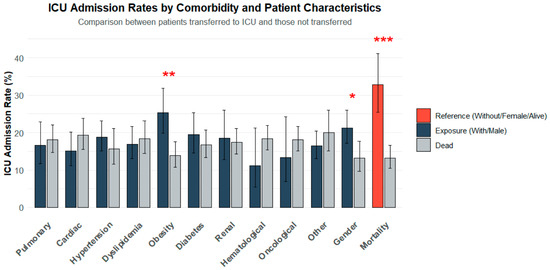
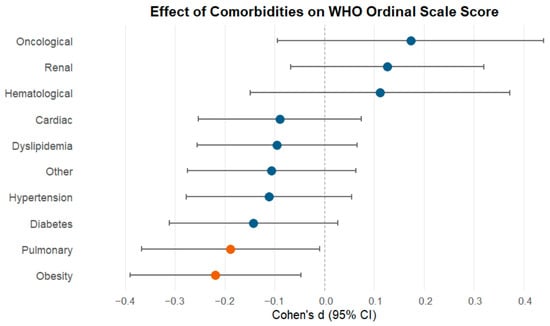
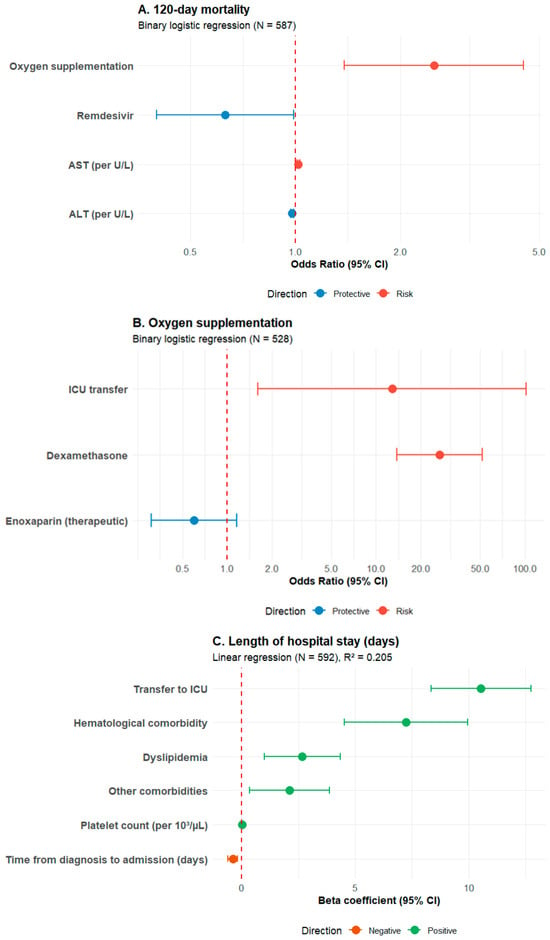
Background: Risk factors for severe COVID-19 and in-hospital mortality are well described, but it remains unclear whether the same factors predict mortality after hospital discharge. Distinguishing risk profiles across clinical phases may improve patient management and follow-up strategies. Methods: We conducted a retrospective observational cohort study of 595 adults hospitalized with PCR-confirmed SARS-CoV-2 infection in Portugal (September–November 2020). The primary outcome was all-cause mortality during hospitalization and up to 120 days post-discharge. Secondary outcomes included intensive care unit (ICU) admission, maximum disease severity (WHO Clinical Progression Scale), oxygen supplementation, and length of stay. Univariable and multivariable regression analyses were performed using logistic regression for binary outcomes and linear regression for continuous outcomes. Results: Overall mortality was 22.5%, rising from 14.1% in-hospital to 22.5% at 120-day follow-up (p < 0.001), with 37.3% of deaths occurring post-discharge. ICU admission was required in 17.6% of patients and was significantly associated with obesity (OR = 2.12, 95% CI: 1.39–3.23, p < 0.001) and male sex (OR = 1.78, 95% CI: 1.14–2.78, p = 0.010) in univariable analysis. In contrast, post-discharge mortality was associated with longer hospital stay (18.4 vs. 9.9 days, p < 0.001) and a higher prevalence of malignancy (28.0% vs. 13.1%, p = 0.032), but not with ICU admission. In multivariable logistic regression, oxygen supplementation was the strongest predictor of 120-day mortality (OR = 2.50, 95% CI: 1.38–4.51, p = 0.002). Only pulmonary diseases and obesity were independently associated with maximum disease severity. Conclusions: Risk factors for acute COVID-19 severity differ from those for post-discharge mortality. These findings support a phase-specific approach to risk stratification, suggesting that patients with obesity are at increased risk of early respiratory deterioration, while patients with malignancy may benefit from closer post-discharge follow-up regardless of ICU admission status.
Full article

Figure 1
Open AccessArticle
Loss of PTEN as an Independent Poor Prognosis Indicator in Lung Adenocarcinoma, but Not in Squamous Cell Carcinoma, Is Associated with an Immunosuppressive Tumor Microenvironment and Distinct Co-Mutational Profiles
by
Maeva Houry, Shannon J. Silva, Maider Artola, Carmen Behrens, Katerina Politi, Ignacio Wistuba, Luis Montuenga, Francisco Exposito and Alfonso Calvo
Med. Sci. 2026, 14(2), 254; https://doi.org/10.3390/medsci14020254 - 14 May 2026
Abstract
Background/Objectives: Non-small cell lung cancer (NSCLC) comprises biologically heterogeneous tumors, primarily lung adenocarcinoma (LUAD) and lung squamous cell carcinoma (LUSC), which differ in genomic landscape and clinical behavior. The tumor suppressor PTEN is a key negative regulator of the PI3K/AKT/mTOR pathway and is
[...] Read more.
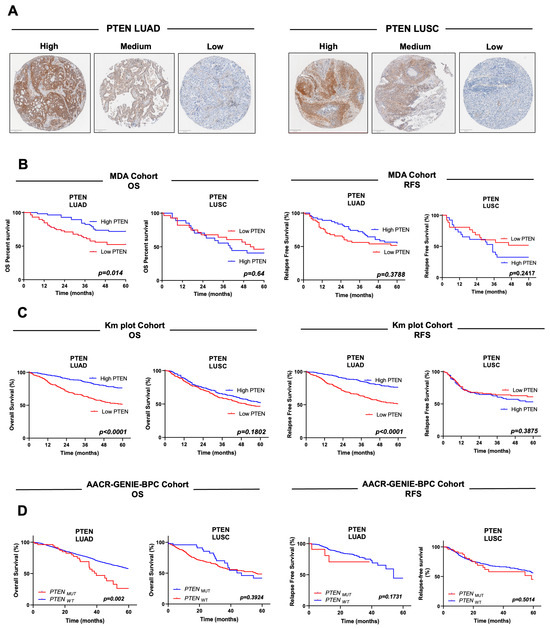
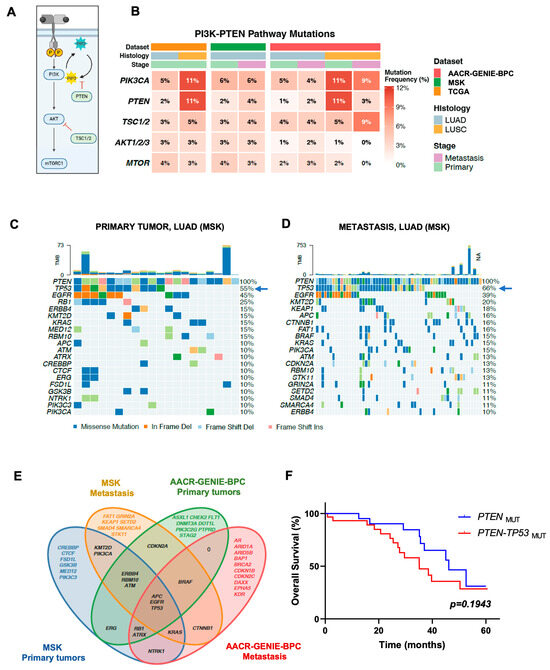
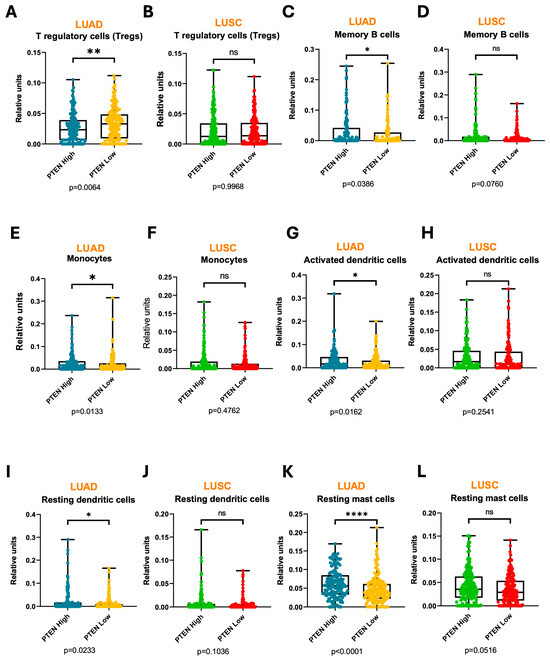
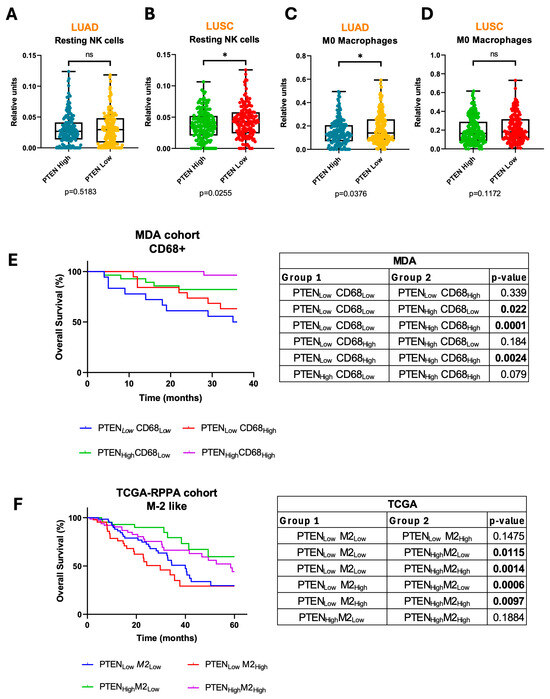
Background/Objectives: Non-small cell lung cancer (NSCLC) comprises biologically heterogeneous tumors, primarily lung adenocarcinoma (LUAD) and lung squamous cell carcinoma (LUSC), which differ in genomic landscape and clinical behavior. The tumor suppressor PTEN is a key negative regulator of the PI3K/AKT/mTOR pathway and is frequently inactivated in NSCLC through genetic and non-genetic mechanisms. Although reduced PTEN expression has been associated with poor outcomes in lung cancer, its prognostic relevance across these histological subtypes remains unclear. Methods: Here, we investigated the prognostic significance of PTEN in NSCLC subtypes using a multi-level approach combining protein, transcriptomic, and genomic analyses. PTEN protein expression was evaluated by immunohistochemistry in a tissue microarray from resected NSCLC patients, and findings were validated using publicly available datasets including TCGA-RPPA, GEO/EGA-based transcriptomic cohorts, and large genomic resources. In parallel, mutational landscapes and co-mutation patterns were analyzed in several independent datasets, and tumor immune microenvironment composition was inferred using CIBERSORT deconvolution analysis. Results: Low PTEN protein and mRNA levels, as well as PTEN mutations, were consistently associated with significantly worse overall survival (OS) in LUAD but not in LUSC. Multivariable Cox regression analysis confirmed PTEN as an independent prognostic factor in LUAD. Although PTEN mutations were more frequent in LUSC, they showed no prognostic value in this subtype. Co-mutation analyses revealed recurrent PTEN partnerships with TP53, EGFR, and APC in LUAD, with PTEN-TP53 co-alterations enriched in metastatic disease. Immune deconvolution demonstrated that PTEN-low LUAD tumors were characterized by an immunosuppressive microenvironment, including increased T regulatory cells and reduced inflammatory immune populations. Notably, increased M2-like macrophages were associated with shorter OS in PTEN-low LUADs, whereas a high number of total macrophages (CD68+ cells) emerged as an independent predictor of more favorable OS. Conclusions: Collectively, these results identify PTEN loss as a subtype-specific prognostic biomarker in LUAD and link its deficiency to immunosuppressive tumor microenvironment remodeling.
Full article
(This article belongs to the Special Issue Feature Papers in Section “Cancer and Cancer-Related Research”)
►▼
Show Figures

Figure 1
Open AccessArticle
Metabolic Syndrome Is Associated with Greater Symptom Burden and Comorbidity in Chronic Obstructive Pulmonary Disease: A Secondary Analysis of the Serbian COPD Registry
by
Marija Vukoja, Marko Bojović, Ivan Kopitovic, Sanja Dimic Janjic, Ljiljana Novkovic, Ivan Cekerevac, Ivana Stankovic, Borislav Bozanic, Sanja Hromis, Biljana Zvezdin, Zorica Lazic and Vojislav Cupurdija
Med. Sci. 2026, 14(2), 253; https://doi.org/10.3390/medsci14020253 - 14 May 2026
Abstract
Background: Chronic obstructive pulmonary disease (COPD) and cardiovascular diseases (CVDs) are closely linked through shared inflammatory and metabolic pathways. Metabolic syndrome (MetS), shared by both conditions, may represent a key mechanistic link between systemic inflammation, cardiovascular disease, and COPD outcomes. Objective: To assess
[...] Read more.
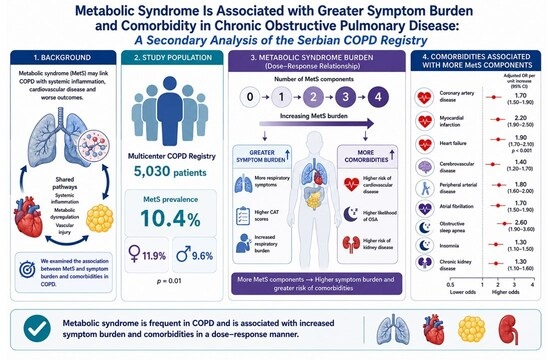
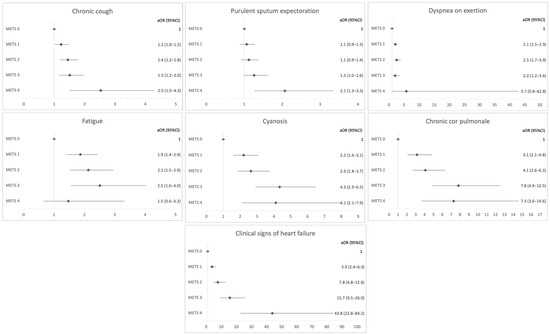
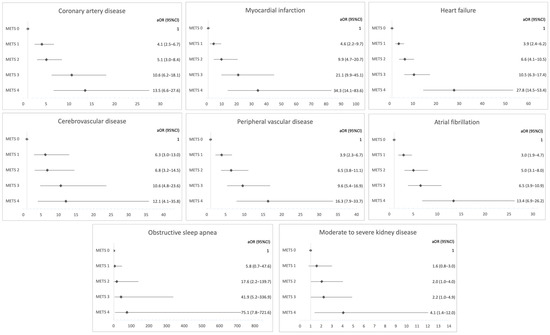
Background: Chronic obstructive pulmonary disease (COPD) and cardiovascular diseases (CVDs) are closely linked through shared inflammatory and metabolic pathways. Metabolic syndrome (MetS), shared by both conditions, may represent a key mechanistic link between systemic inflammation, cardiovascular disease, and COPD outcomes. Objective: To assess the prevalence and clinical correlates of MetS and examine whether increasing MetS burden is linked to more severe symptoms and a higher comorbidity load in patients with COPD. Methods: We analyzed cross-sectional data from a multicenter COPD registry. MetS was defined by the presence of at least three components: obesity, hypertension, hyperglycemia, or dyslipidemia based on clinical and medication data. Associations between MetS burden and COPD characteristics were evaluated using multivariable models adjusted for age, sex, smoking history, exacerbation status, lung function, inhaled therapy, and study center. Results: Among 5030 patients, MetS was present in 10.4% and was more frequent in women (11.9% vs. 9.6%, p = 0.01). Patients with MetS had greater symptom burden, and more frequent signs of cyanosis, cor pulmonale, and heart failure. MetS was most common in Global Initiative for Chronic Obstructive Lung Disease stage II–III and associated with higher forced expiratory volume in one second but lower forced vital capacity, with similar exacerbation rates between the groups. Cardiovascular, sleep, renal, and connective tissue comorbidities were more prevalent in patients with MetS. A dose–response relationship was observed, with each additional metabolic syndrome component independently associated with increased odds of respiratory symptoms and cardiometabolic comorbidities (all p < 0.01). Conclusions: Our findings suggest that metabolic syndrome is present in approximately 10% of patients with COPD and is associated with greater symptom burden and a higher prevalence of cardiovascular, renal, and sleep-related comorbidities. The observed stepwise relationship supports the presence of a clinically relevant cardiometabolic profile in COPD. However, given the cross-sectional registry-based design, causal inferences cannot be made, and prospective studies are needed to confirm these associations and evaluate targeted interventions.
Full article
(This article belongs to the Section Pneumology and Respiratory Diseases)
►▼
Show Figures

Graphical abstract
Open AccessReview
Beyond Clinicopathological Criteria: A Practical Management Framework for Oral Lichen Planus
by
Doina Iulia Rotaru, Ovidiu Păstrav, Sorana D. Bolboacă, Camelia Lazăr and Radu Marcel Chisnoiu
Med. Sci. 2026, 14(2), 252; https://doi.org/10.3390/medsci14020252 - 13 May 2026
Abstract
►▼
Show Figures
Background: Oral lichen planus (OLP) is a chronic T-cell-mediated inflammatory disorder classified by the World Health Organization as a potentially malignant disorder. Diagnosis remains challenging due to clinical and histopathological overlap with other oral white lesions, including lichenoid reactions, frictional keratosis, and
[...] Read more.
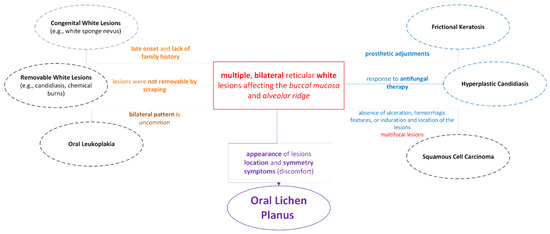
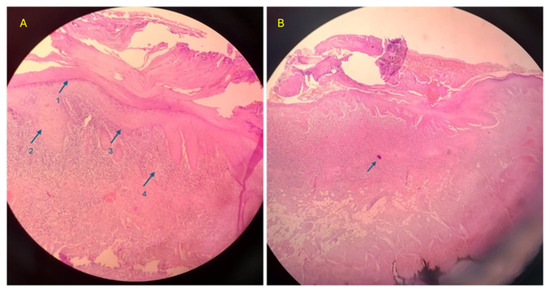
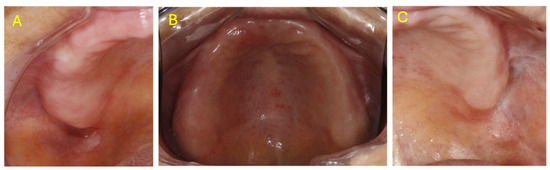
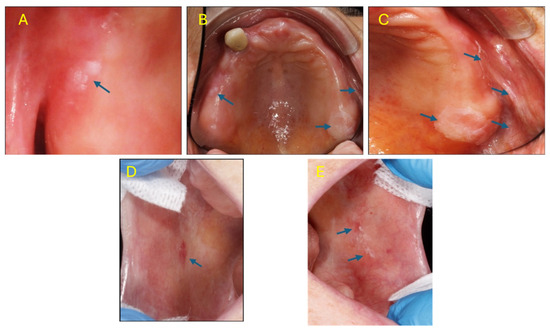
Background: Oral lichen planus (OLP) is a chronic T-cell-mediated inflammatory disorder classified by the World Health Organization as a potentially malignant disorder. Diagnosis remains challenging due to clinical and histopathological overlap with other oral white lesions, including lichenoid reactions, frictional keratosis, and malignancy. Objectives: This systematic search with narrative review aimed to synthesize current diagnostic criteria, characterize key differential diagnoses, and provide an evidence-based diagnostic framework for clinicians. Methods: A comprehensive literature search was conducted across PubMed/MEDLINE, Scopus, Web of Science, and Embase through December 2025. Following a systematic screening process, eligible manuscripts were narratively summarized and a clinical case illustration was demonstrated. Results: Twenty-nine of 214 peer-reviewed studies (including systematic reviews, guidelines, and cohort studies) were summarized. Diagnostic standards have evolved toward the American Academy of Oral & Maxillofacial Pathology (AAOMP) 2016 criteria, which emphasize mandatory clinicopathological associations. Key differential diagnoses include reactive lesions (frictional keratosis), infectious conditions (chronic hyperplastic candidiasis), and other lichenoid patterns. Malignant transformation rates are approximately 1.43%, increasing to 5.13% in the presence of dysplasia, necessitating long-term surveillance. An 81-year-old case exemplifies the value of a stepwise diagnostic approach, in which initial management focuses on the elimination of local irritants and a period of clinical observation, followed by histopathological confirmation of oral lichen planus through biopsy when necessary. Conclusions: Accurate OLP diagnosis requires integrating clinical presentation with histopathological findings. A systematic diagnostic algorithm—incorporating local factor elimination, selective biopsy, and long-term monitoring—is essential to distinguish OLP from its mimics and manage the risk of malignant transformation effectively.
Full article

Figure 1
Open AccessBrief Report
Higher Levels of BRCA1 Gene Methylation in Sporadic Breast Cancer Patients with a Lower Incidence of Recurrence
by
Grasiela Agnes, Andrea Pires Souto Damin, Guilherme Watte, Giuliano Rizzotto Guimarães, Adriana Vial Roehe and Jenifer Saffi
Med. Sci. 2026, 14(2), 251; https://doi.org/10.3390/medsci14020251 - 13 May 2026
Abstract
Background: Breast cancer is the most prevalent malignant disease among women. Here, we investigate whether there is an association between disease recurrence in breast cancer patients and the quantitative methylation pattern of seven genes of different DNA repair pathways. Methods: Clinical
[...] Read more.
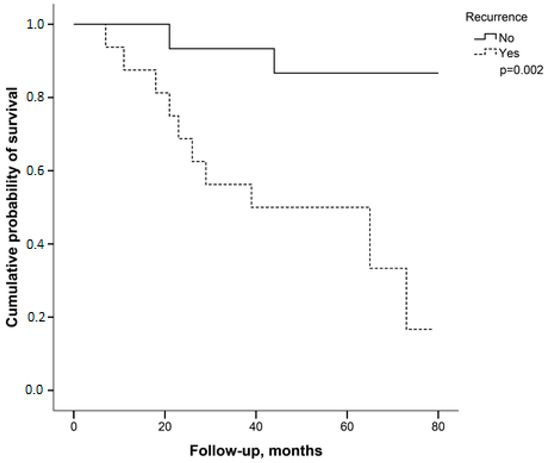
Background: Breast cancer is the most prevalent malignant disease among women. Here, we investigate whether there is an association between disease recurrence in breast cancer patients and the quantitative methylation pattern of seven genes of different DNA repair pathways. Methods: Clinical and pathological data from 30 patients treated for sporadic breast cancer were selected according to the following inclusion criteria: follow-up of 5 years, adjuvant chemotherapy and recurrence. Histopathology was verified, and genomic DNA was accessed by tumor cryosectioning. We also determined the methylation levels of seven DNA repair genes (BRCA1, BRCA2, XRCC1, PARP1, ERCC4, MGMT, and XPC). Results: Patients without recurrence demonstrated a higher index of positive progesterone receptor status compared to patients with recurrence (p = 0.025). All other clinical characteristics of the patients did not differ between the groups. BRCA1 and BRCA2 genes showed methylation, and there was a higher level of BRCA1 gene methylation in patients without recurrence. BRCA1 methylation was not associated with the clinical characteristics of patients. All other genes analyzed showed no difference in methylation between patients with and without recurrence. Conclusions: We showed that sporadic breast cancer patients with a lower incidence of recurrence demonstrate a higher level of BRCA1 gene methylation after 5 years of follow-up, suggesting its role as a predictive biomarker.
Full article
(This article belongs to the Special Issue Feature Papers in Section “Cancer and Cancer-Related Research”)
►▼
Show Figures

Figure 1
Journal Menu
► ▼ Journal Menu-
- Medical Sciences Home
- Aims & Scope
- Editorial Board
- Reviewer Board
- Instructions for Authors
- Special Issues
- Topics
- Sections & Collections
- Article Processing Charge
- Indexing & Archiving
- Editor’s Choice Articles
- Most Cited & Viewed
- Journal Statistics
- Journal History
- Journal Awards
- Society Collaborations
- Editorial Office
Journal Browser
► ▼ Journal BrowserHighly Accessed Articles
Latest Books
E-Mail Alert
News
Topics
Topic in
Pharmaceuticals, Medical Sciences, JCM, Vision, Reports, Cells, IJMS
New Developments in Glaucoma Diagnostics and Therapeutics
Topic Editors: Shan C. Lin, Sunee ChansangpetchDeadline: 30 September 2026
Topic in
Cancers, Diagnostics, JCM, Life, Medical Sciences, Current Oncology
Triple-Negative Breast Cancer: Genetic Vulnerabilities and Emerging Targets for Precision Oncology
Topic Editors: Tatiana de Almeida Simão, Sheila Coelho Soares-LimaDeadline: 30 November 2026
Topic in
Medical Sciences, JCM, Muscles
Integrative Clinical and Translational Advances in Rehabilitation Medicine: From Mechanisms to Population Health
Topic Editors: Myoung-Kwon Kim, Deok-Hoon JunDeadline: 30 December 2026
Topic in
Children, Dietetics, Epidemiologia, Healthcare, Obesities, Medical Sciences, Diseases, Trends in Public Health
Dietary and Lifestyle Determinants of Non‑Communicable Diseases: Salt, Sugar, Alcohol and Physical Activity
Topic Editors: Kotsedi Daniel Monyeki, Machoene Derrick SekgalaDeadline: 30 April 2027
Special Issues
Special Issue in
Medical Sciences
Traditional Surgery and Minimally Invasive Approaches to Valvular Heart Disease
Guest Editor: Paolo NardiDeadline: 28 June 2026
Special Issue in
Medical Sciences
Understanding Nasal Inflammation: The Interplay of Diagnosis, Endotypes, and Environmental Shifts
Guest Editors: Simonetta Masieri, Carlo CavaliereDeadline: 30 June 2026
Special Issue in
Medical Sciences
Endovascular Management of Complex Aortic Pathologies and Complications
Guest Editor: Mafalda MassaraDeadline: 31 July 2026
Special Issue in
Medical Sciences
Breath and Balance: Interdisciplinary Insights into Respiratory-Based Rehabilitation
Guest Editor: Alexandru Florian CrisanDeadline: 31 August 2026
Topical Collections
Topical Collection in
Medical Sciences
Advances in the Pathogenesis of Neurodegenerative Diseases
Collection Editor: Maria Liguori
Topical Collection in
Medical Sciences
Advances in Skin Wound Healing
Collection Editors: Heiko Sorg, Daniel J. Tilkorn