


-
Mangiferin as a Multilevel Modulator of Metabolic Syndrome: Current Evidence and Future Perspectives -
Lipid Metabolism, Body Composition, and Diet in Acne Vulgaris -
GABA Regulates Ca2+ Oscillations and Synchronization in Pancreatic Beta Cells -
Effects of Compound Probiotic Fermented Feed on In Vitro Rumen Fermentation, In Situ Degradation, Rumen Microbiota and Metabolome, and Growth Performance of Beef Cattle -
A Two-Layer Structural Key Framework for Linking Compound Identifiers and MS/MS Evidence in Spectral Database Curation
Journal Description
Metabolites
Metabolites
is an international, peer-reviewed, open access journal of metabolism and metabolomics, published monthly online by MDPI.
- Open Access— free for readers, with article processing charges (APC) paid by authors or their institutions.
- High Visibility: indexed within Scopus, SCIE (Web of Science), PubMed, PMC, Embase, CAPlus / SciFinder, and other databases.
- Journal Rank: JCR - Q2 (Biochemistry and Molecular Biology) / CiteScore - Q1 (Endocrinology, Diabetes and Metabolism)
- Rapid Publication: manuscripts are peer-reviewed and a first decision is provided to authors approximately 12.6 days after submission; acceptance to publication is undertaken in 3.7 days (median values for papers published in this journal in the first half of 2026).
- Recognition of Reviewers: reviewers who provide timely, thorough peer-review reports receive vouchers entitling them to a discount on the APC of their next publication in any MDPI journal, in appreciation of the work done.
Impact Factor:
4.5 (2025);
5-Year Impact Factor:
4.5 (2025)
Latest Articles
The Impact of Psychobiotic Therapy on Anxiety and Depressive Symptoms in Patients with Post-COVID Syndrome—A Randomized, Double-Blind, Placebo-Controlled Trial
Metabolites 2026, 16(8), 594; https://doi.org/10.3390/metabo16080594 - 19 Aug 2026
Abstract
Background: Recovering from COVID-19 does not always lead to complete recovery, and many patients report symptoms of anxiety and depression. One potential mechanism behind these disorders is dysbiosis. The aim of this study was to evaluate the impact of psychobiotic therapy on
[...] Read more.
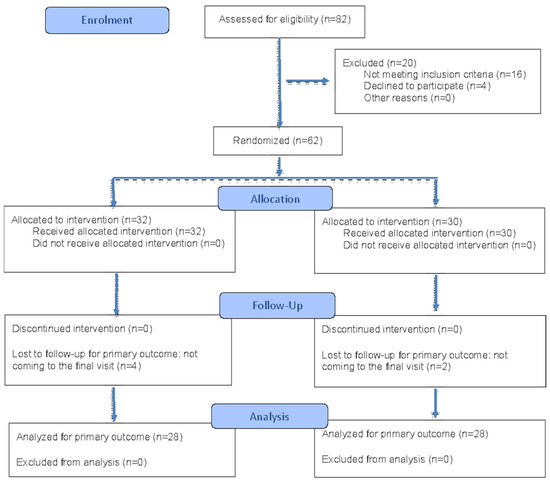
Background: Recovering from COVID-19 does not always lead to complete recovery, and many patients report symptoms of anxiety and depression. One potential mechanism behind these disorders is dysbiosis. The aim of this study was to evaluate the impact of psychobiotic therapy on the effectiveness of treating anxiety and depressive symptoms in individuals who had previously experienced COVID-19. Methods: This study was designed as a randomized, double-blind, placebo-controlled trial. A total of 62 participants were randomly allocated to one of two groups: a psychobiotic group (PG; 23 women, 9 men) receiving 3 × 10⁹ CFU Lactobacillus helveticus and Bifidobacterium longum, or a control group (CG; 21 women, 9 men) receiving a placebo, for 6 weeks. Fifty-six participants finalized the study and were included in the analysis (28 per group). The severity of depressive and anxiety symptoms at baseline and after the intervention was assessed using validated self-assessment tools: the Hospital Anxiety and Depression Scale (HADS), the Generalized Anxiety Disorder 7-item scale (GAD-7), the Beck Depression Inventory (BDI), and the Hopkins Symptom Checklist (SCL-90). Additionally, the profile of selected short-chain fatty acids (SCFAs) in the stool was assessed. Results: Following the supplementation period, the PG showed significantly lower median levels of depression and anxiety compared to the CG, corresponding to a 57.2% reduction in anxiety severity (GAD-7) and a 50.9% reduction in depressive symptoms (BDI) (HADS—Depression and Anxiety, and GAD-7: p = 0.0001; BDI: p = 0.0003). Additionally, the prevalence of anxiety and depressive symptoms significantly decreased in the PG compared to the CG based on the HADS-A (p = 0.0044), GAD-7 (p = 0.0219), and BDI (p = 0.0011) scores. Among the measured SCFAs, only the butyric acid concentration in PG increased significantly during supplementation (baseline vs. follow-up—p = 0.0338) and was higher in PG than in CG at the study’s end (p = 0.0248). However, in the PG, changes in the concentrations of all analyzed acids correlated with a reduction in the severity of anxiety symptoms measured using the HADS-A. Conclusions: Psychobiotic supplementation in individuals recovering from COVID-19 who exhibit anxiety and/or depressive symptoms led to mood improvement and a reduction in symptom severity, and it may serve as a supportive treatment.
Full article
(This article belongs to the Special Issue Nutrition and Dietary Supplementation in the Context of Health, Disease, and Physical Performance)
►
Show Figures
Open AccessArticle
Combined Effects of Combined Resistance Exercise and Vitamin D Supplementation on Cardiometabolic Profiles and Functional Capacities in Elderly Women with Type 2 Diabetes
by
Hyoung-Jun Kim, Deok-Su Yoo and Man-Gyoon Lee
Metabolites 2026, 16(8), 593; https://doi.org/10.3390/metabo16080593 - 19 Aug 2026
Abstract
Background/Objectives: This 12-week randomized controlled trial investigated whether progressive resistance training combined with vitamin D supplementation produces enhanced combined improvements in cardiometabolic profiles and functional capacities compared with monotherapies in elderly Korean women with type 2 diabetes mellitus (T2DM) and vitamin D
[...] Read more.
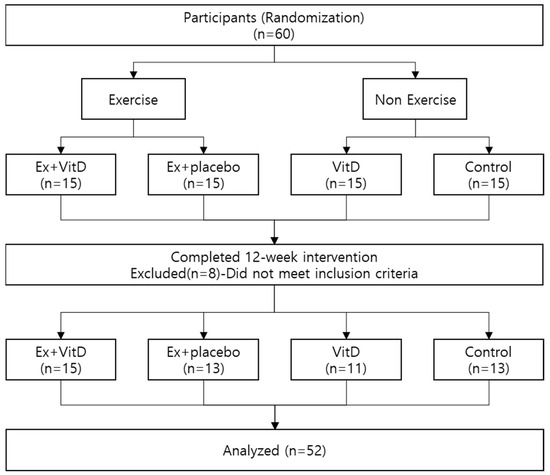
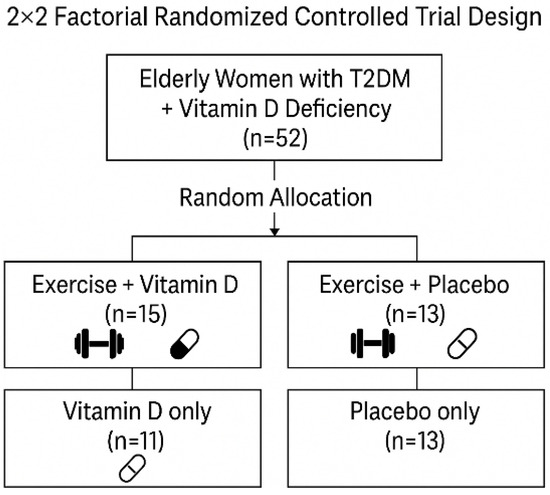
Background/Objectives: This 12-week randomized controlled trial investigated whether progressive resistance training combined with vitamin D supplementation produces enhanced combined improvements in cardiometabolic profiles and functional capacities compared with monotherapies in elderly Korean women with type 2 diabetes mellitus (T2DM) and vitamin D deficiency. Methods: In a 2 × 2 factorial design, 52 women (aged 65–80 years) with T2DM and serum 25(OH)D < 20 ng/mL were assigned to four groups: Exercise + Vitamin D (Ex + VitD, n = 15), Exercise + Placebo (Ex + Placebo, n = 13), Vitamin D only (VitD, n = 11), or Control (n = 13). Exercise groups completed supervised progressive resistance training three times weekly, and vitamin D groups received 2000 IU/day cholecalciferol. Results: The Ex + VitD group achieved significant improvements in HbA1c (−0.13%, p = 0.019), fasting glucose (−0.79 mmol/L, p < 0.001), insulin (−1.96 μU/mL, p = 0.050), and HOMA-IR (−0.77, p = 0.020). Serum 25(OH)D increased substantially (+15.57 ng/mL, p < 0.001). Calcitonin rose exclusively in the Ex + VitD group (+2.57 pg/mL, p < 0.001, d = 3.34), while monotherapies showed no change. Total cholesterol (−23.93 mg/dL), triglycerides (−25.07 mg/dL), and LDL-cholesterol (−10.20 mg/dL) decreased significantly. Both exercise groups showed marked strength gains (chair stand +8.33 to +10.00 repetitions, p < 0.001) and balance improvements (functional reach +2.47 to +4.46 cm, p ≤ 0.033). Conclusions: Twelve weeks of progressive resistance training combined with vitamin D supplementation produced enhanced combined improvements in glycemic control, insulin sensitivity, calcitonin secretion, muscular strength, and lipid metabolism in elderly women with T2DM and vitamin D deficiency, targeting complementary pathways that neither intervention engaged alone.
Full article
(This article belongs to the Special Issue The Role of Lifestyle, Physical Activity, and Exercise on Cardiometabolic Health and Diseases)
►▼
Show Figures

Figure 1
Open AccessArticle
Cold-Induced Elevation of 3-Hydroxypropionate Exacerbates Colitis by Remodeling Gut Microbiota and Impairing Mitochondrial Respiration in Intestinal Epithelial Cells
by
Yankun Jia, Baodong Gao, Kefei Wu, Mengjie Gao, Qi Lin, Tu Qian, Junjie Ma, Hongyu Zhang, Ping Zhu, Zhinan Chen and Yue Zhai
Metabolites 2026, 16(8), 592; https://doi.org/10.3390/metabo16080592 - 19 Aug 2026
Abstract
Background/Objectives: Inflammatory bowel disease (IBD) is a chronic gastrointestinal disorder influenced by environmental factors including cold stress. While cold exposure exacerbates intestinal inflammation, the specific microbial metabolites linking environmental stress to colitis remain unclear. 3-Hydroxypropionate (3-HPA) is a gut microbial metabolite elevated following
[...] Read more.
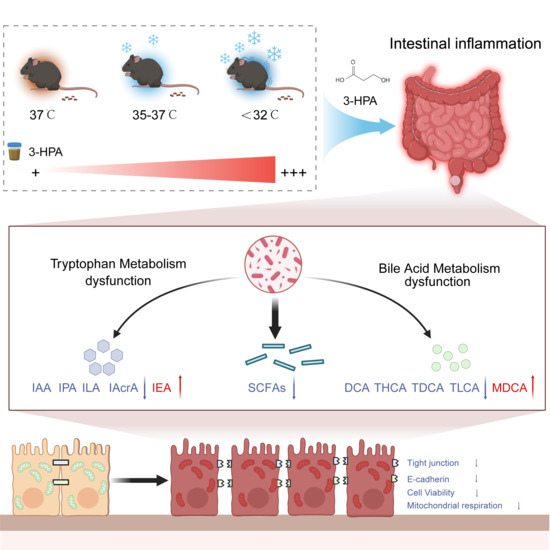
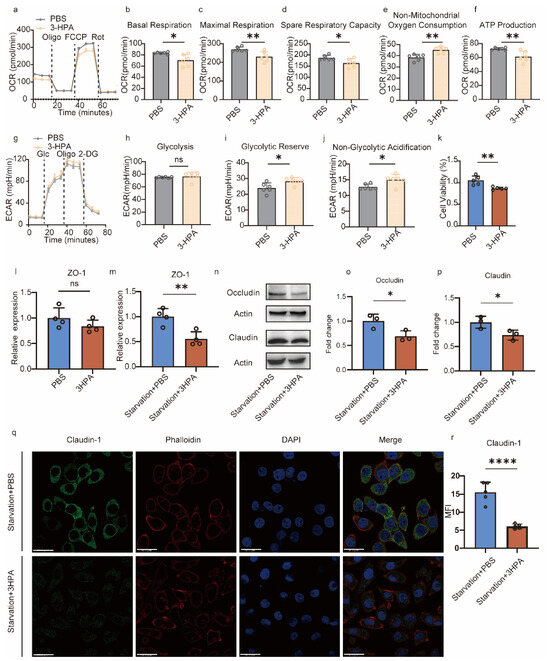
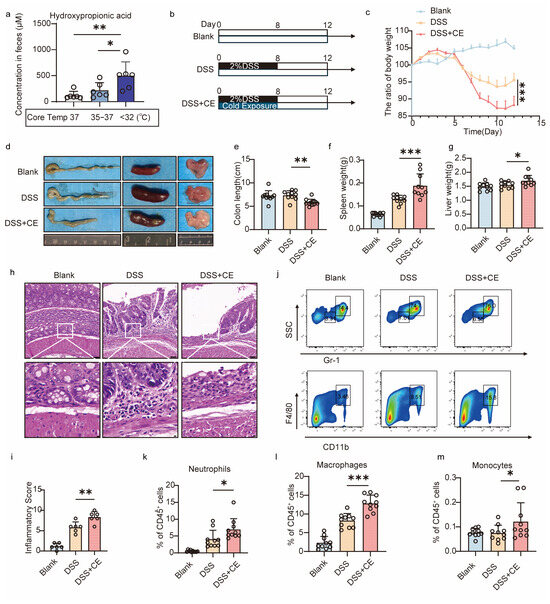
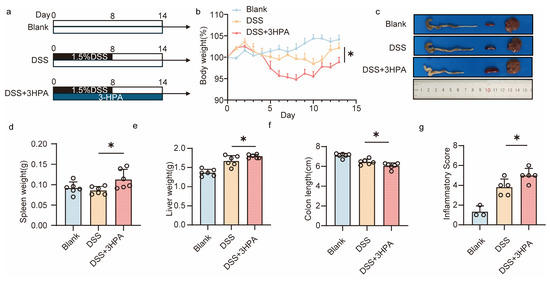
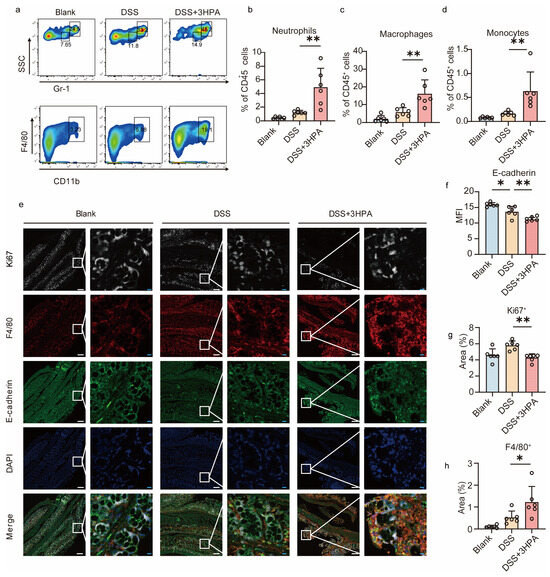
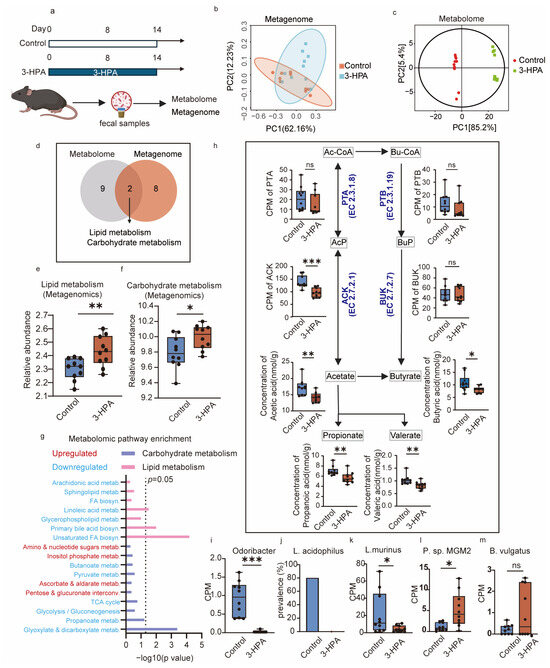
Background/Objectives: Inflammatory bowel disease (IBD) is a chronic gastrointestinal disorder influenced by environmental factors including cold stress. While cold exposure exacerbates intestinal inflammation, the specific microbial metabolites linking environmental stress to colitis remain unclear. 3-Hydroxypropionate (3-HPA) is a gut microbial metabolite elevated following cold exposure, but its pathogenic role in intestinal inflammation has not been investigated. This study aimed to determine whether 3-HPA contributes to colitis progression and to characterize its effects on gut microbiota and intestinal epithelial function. Methods: We employed a dextran sulfate sodium (DSS)-induced colitis mouse model to assess the impact of cold exposure and exogenous 3-HPA administration. Paired shotgun metagenomic and metabolomic analyses were performed to evaluate gut microbial composition and metabolic outputs. Mechanistic studies using NCM460 intestinal epithelial cells were conducted to examine mitochondrial respiration and tight junction integrity under nutrient-limited conditions. Results: Cold exposure increased fecal 3-HPA levels and aggravated DSS-induced colitis, characterized by enhanced weight loss, histological damage, and immune cell infiltration. Direct 3-HPA supplementation alone was sufficient to worsen colitis severity. Multi-omics profiling revealed that 3-HPA reshaped gut microbiota composition, depleted short-chain fatty acids (SCFAs), and disrupted microbial tryptophan and bile acid metabolism. In vitro, 3-HPA impaired mitochondrial oxidative phosphorylation, reduced ATP production, and compromised tight junction organization in intestinal epithelial cells. Conclusions: These findings identify 3-HPA as a gut microbial metabolite elevated by cold exposure that contributes to colitis progression by disrupting beneficial microbial metabolism while also impairing epithelial mitochondrial function and barrier integrity. Modulating 3-HPA production or its downstream epithelial effects may represent a potential therapeutic approach for IBD exacerbated by environmental stress.
Full article
(This article belongs to the Special Issue Microbial Metabolites and Host Health)
►▼
Show Figures

Graphical abstract
Open AccessArticle
Effects of Dietary Peganum harmala Stem Ethanolic Extract on Serum Inflammatory and Antioxidant Markers, Duodenal Metabolomic Features, and Hepatic Transcriptomic Profiles in Hu Sheep
by
Bo Wang, Cunxi Nie, Yanfeng Liu, Rongyan Qin, Wenqi Wang and Yanfen Cheng
Metabolites 2026, 16(8), 591; https://doi.org/10.3390/metabo16080591 - 19 Aug 2026
Abstract
Background: Peganum harmala L. stem ethanolic extract (PHL) has been scarcely evaluated as a ruminant feed component. We evaluated its effects on serum inflammatory and antioxidant biomarkers and duodenal and hepatic molecular responses in Hu sheep. Methods: Twelve male Hu sheep, approximately
[...] Read more.
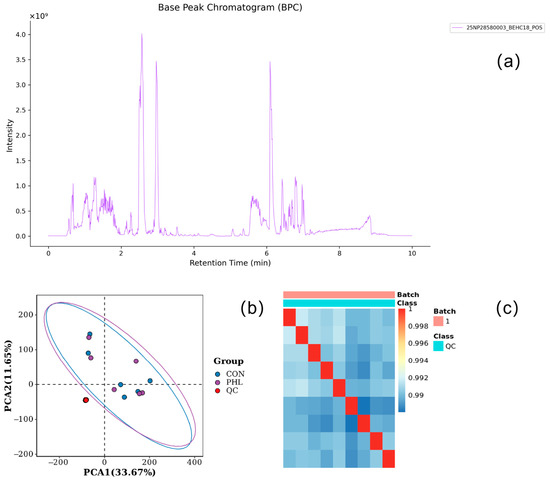
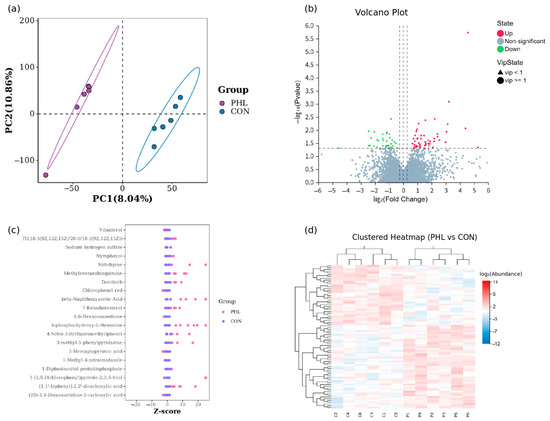
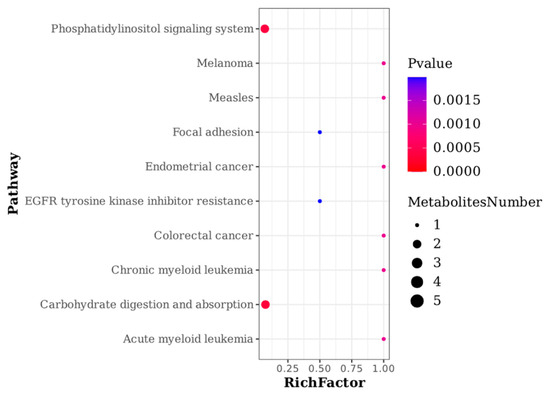
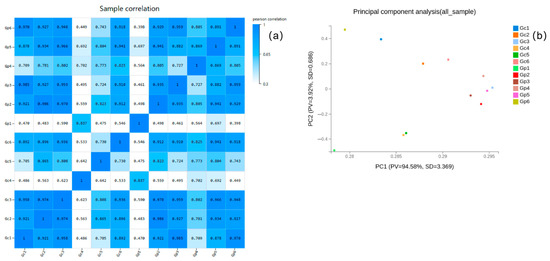
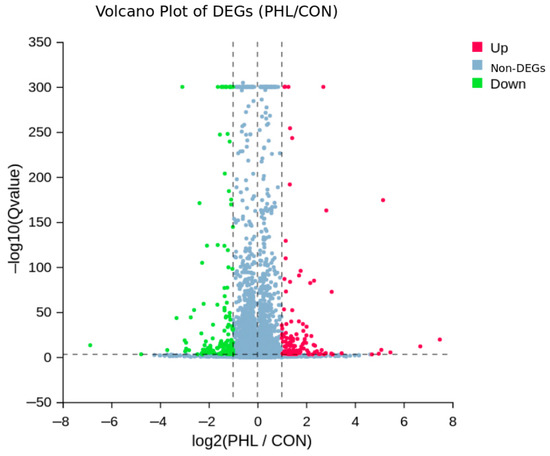
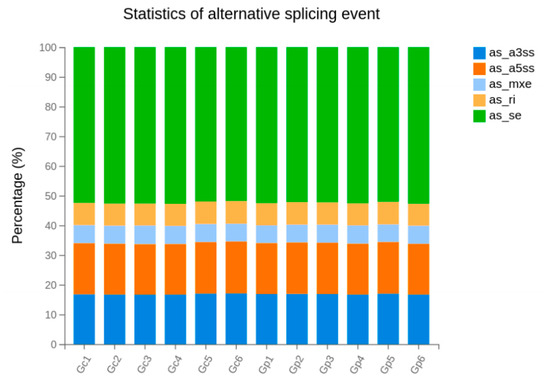
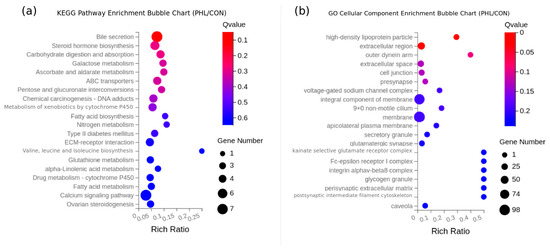
Background: Peganum harmala L. stem ethanolic extract (PHL) has been scarcely evaluated as a ruminant feed component. We evaluated its effects on serum inflammatory and antioxidant biomarkers and duodenal and hepatic molecular responses in Hu sheep. Methods: Twelve male Hu sheep, approximately 120 days old, were randomly assigned to a control group or a PHL treatment group (n = 6 per group). After a 7-day adaptation period, the PHL group received 3 g/head/day of PHL (total flavonoid content: 65.7 mg rutin equivalents (RE)/g; approximately 197.1 mg RE/head/day) for 50 days. Serum markers, duodenal untargeted liquid chromatography–mass spectrometry (LC–MS) metabolomics, liver RNA sequencing, and alternative splicing were analyzed. Results: Serum interleukin-6 and malondialdehyde were lower, whereas interleukin-4 and glutathione peroxidase were higher, in the PHL group than in the control group (p < 0.05). Using variable importance in projection ≥ 1, fold change ≥ 1.2 or ≤0.83, and unadjusted p < 0.05 as screening criteria, 479 LC–MS features met these nominal screening criteria, of which 81 had database annotations. Following Benjamini–Hochberg correction, only two features remained significant (q < 0.05); however, only one was successfully annotated, rendering the pathway analysis exploratory. Liver RNA sequencing identified 279 differentially expressed genes (absolute log2FC ≥ 1 and q ≤ 0.001) and 104 skipped-exon events (false discovery rate < 0.05). Functional enrichment analysis highlighted annotations related to bile secretion, ATP-binding cassette transport, nutrient metabolism, and glutathione metabolism. Conclusions: PHL supplementation was associated with selective changes in serum inflammatory and antioxidant biomarkers, accompanied by hepatic molecular responses. The duodenal metabolomic findings remain exploratory, and dose–response studies incorporating alkaloid quantification and targeted molecular validation are required before practical application can be considered.
Full article
(This article belongs to the Special Issue Microbial and Nutrition Metabolism in Animals)
►▼
Show Figures

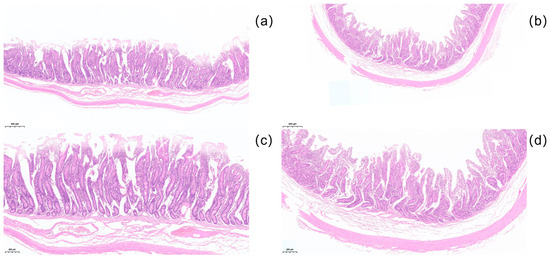
Figure 1
Open AccessArticle
HDCA Supplementation During Maternal High-Fat Diet Exposure Is Associated with Offspring Gut Microbiota at Weaning and Adult Metabolic Phenotypes in a Mouse Model
by
Halizere Simayi, Yating Yang, Li Gao, Bin Yu, Yuwen Shi, Ningxin Chen, Jialing He, Meng Duan, Wei He, Shankuan Zhu and Fei Yang
Metabolites 2026, 16(8), 590; https://doi.org/10.3390/metabo16080590 - 19 Aug 2026
Abstract
Background/Objective: Maternal diet is an important determinant of gut microbiota composition in dams and offspring. This study investigated whether HDCA supplementation during maternal high-fat diet (HFD) exposure was associated with gut microbiota composition in dams and offspring and with selected obesity-related phenotypes.
[...] Read more.
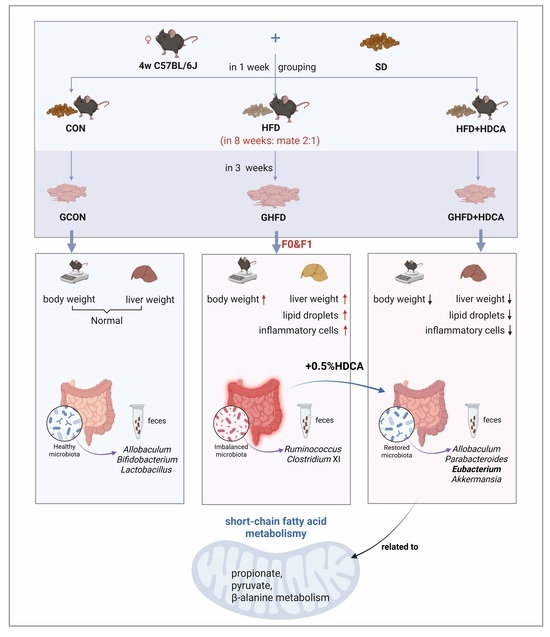
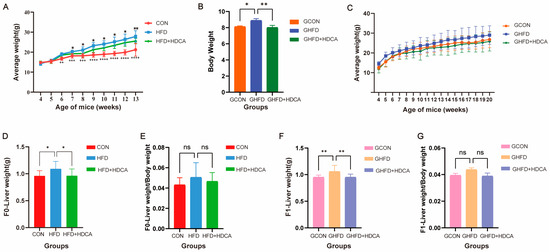
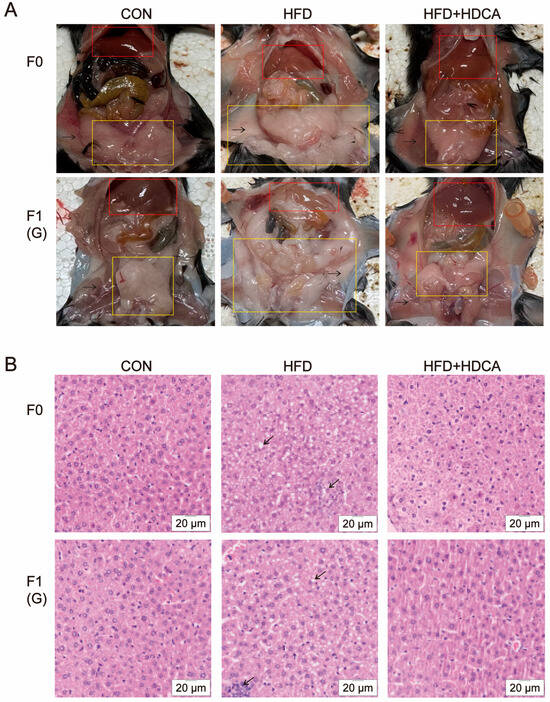
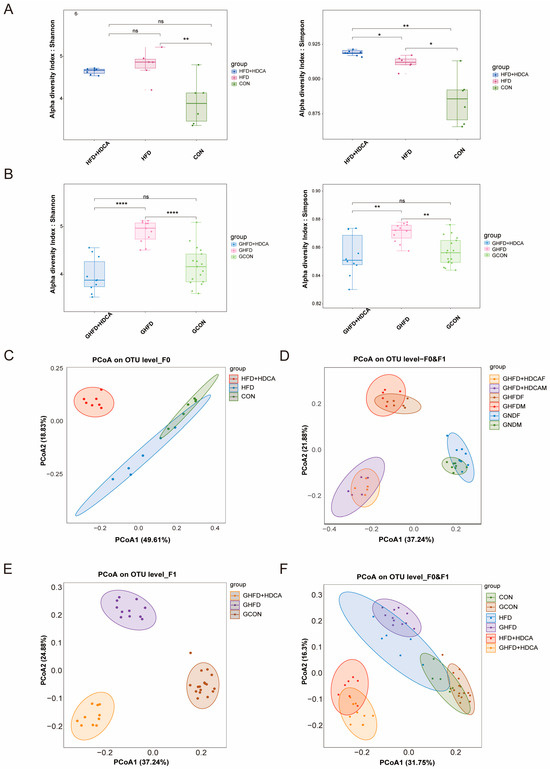
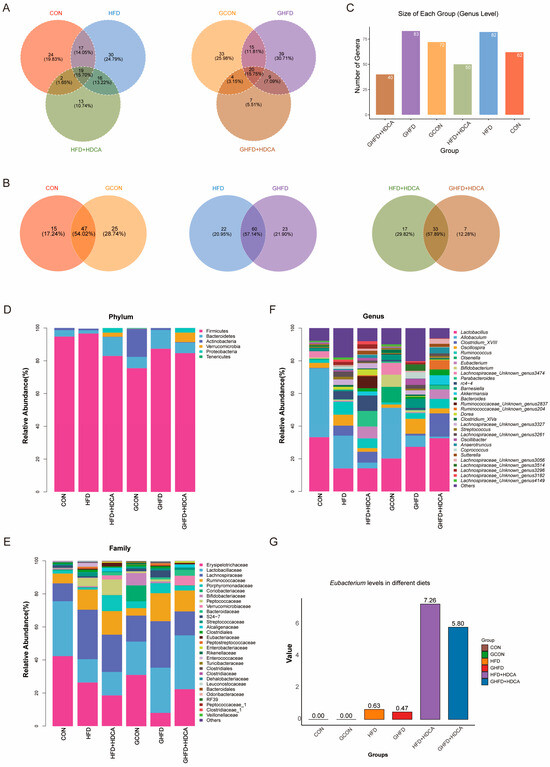
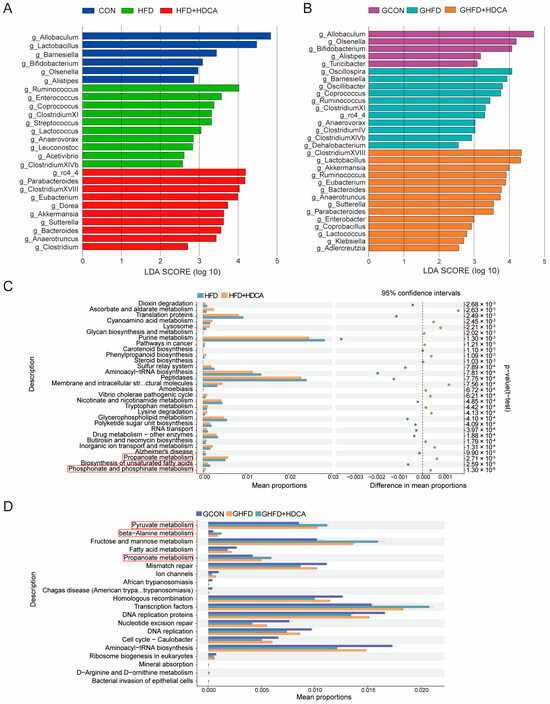
Background/Objective: Maternal diet is an important determinant of gut microbiota composition in dams and offspring. This study investigated whether HDCA supplementation during maternal high-fat diet (HFD) exposure was associated with gut microbiota composition in dams and offspring and with selected obesity-related phenotypes. Methods: Nineteen C57BL/6J female mice were assigned to a control diet group (CON), a high-fat diet group (HFD), and a high-fat diet supplemented with 0.5% hyodeoxycholic acid group (HFD+HDCA). Fecal samples were collected from the dams before mating, following 8 weeks of dietary intervention, and from the offspring at weaning. All samples were analyzed using 5R 16S rRNA gene sequencing. Body weight was monitored in both dams and offspring, and liver histology was assessed by hematoxylin and eosin staining. Results: HFD exposure was associated with obesity-related phenotypes in dams and offspring, including increased maternal body weight and greater hepatic lipid accumulation and visceral adiposity in offspring. LEfSe and ANCOM-BC2 analyses identified concordant microbial changes between dams and offspring under corresponding dietary conditions. Lachnospiraceae_Unknown_genus3261 and Coprococcus increased with HFD exposure in both dams and offspring, whereas Bifidobacterium, Coprococcus, and Allobaculum decreased following HDCA supplementation. These findings indicate maternal–offspring concordance in microbiota responses to HFD and HDCA, without establishing direct vertical transmission. PICRUSt2 analysis suggested group association differences in predicted functional potential for pathways annotated to propionate, pyruvate, and β-alanine metabolism. Conclusions: HDCA supplementation during maternal HFD exposure was associated with differences in offspring gut microbiota at weaning and with attenuation of selected obesity-related phenotypes. These findings suggest a potential role of the gut microbiota–bile acid axis in mediating intergenerational dietary effects. However, the study does not establish direct microbial transmission, altered metabolic activity, or causality; these findings require confirmation in litter-aware and mechanistic studies.
Full article
(This article belongs to the Topic Nutrition, Obesity and Metabolic Diseases)
►▼
Show Figures

Graphical abstract
Open AccessArticle
Lipidomic Profiling Reveals Distinct Molecular Signatures Across Clinical Subtypes of Myasthenia Gravis
by
Yufei Song, Die Dai, Min Cao, Rongrong Li, Jiaru Liu, Min Zhang, Yuqing Chen, Ruimin Tian, Peiyu Liu, Xiaoting Peng, Jiayi Huang, Qilin Fang, Beibei Dong, Biyi Pang and Liang Liu
Metabolites 2026, 16(8), 589; https://doi.org/10.3390/metabo16080589 - 19 Aug 2026
Abstract
Background/Objectives: Myasthenia gravis (MG) is an immune-mediated neuromuscular disorder for which antibody-based assays have limited sensitivity, particularly in double-seronegative MG (dsNMG), highlighting the need for complementary biomarkers. Given their roles in immune regulation, membrane integrity, and metabolic stress responses, lipids represent promising candidates
[...] Read more.
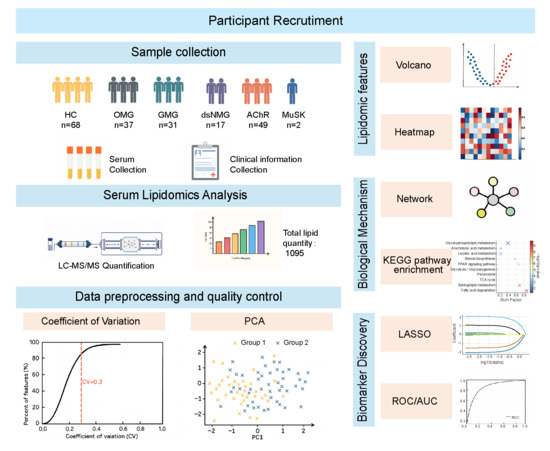
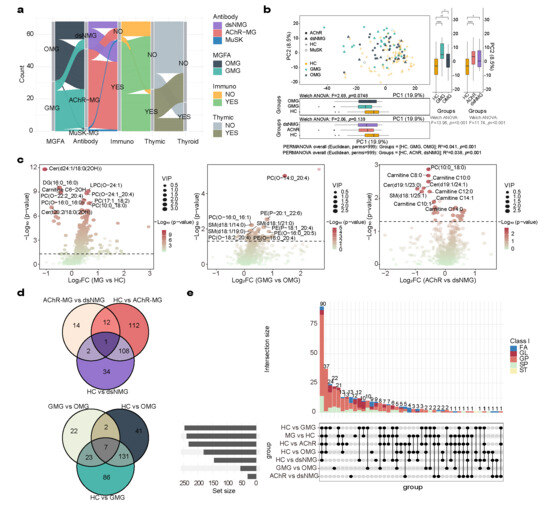
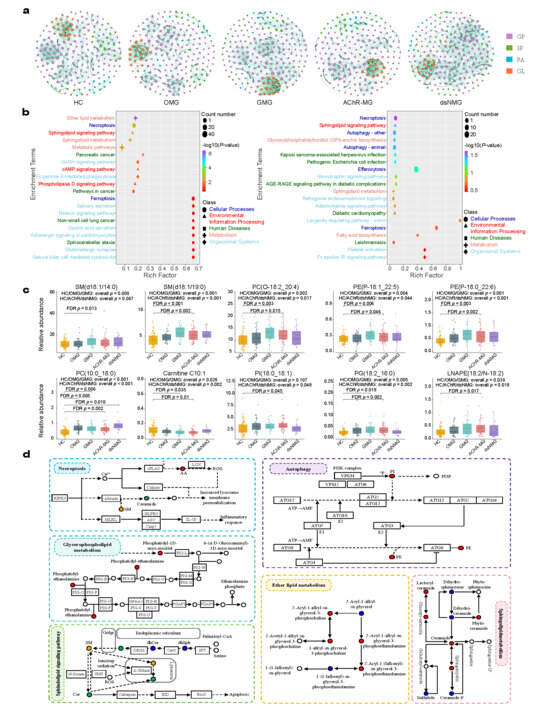
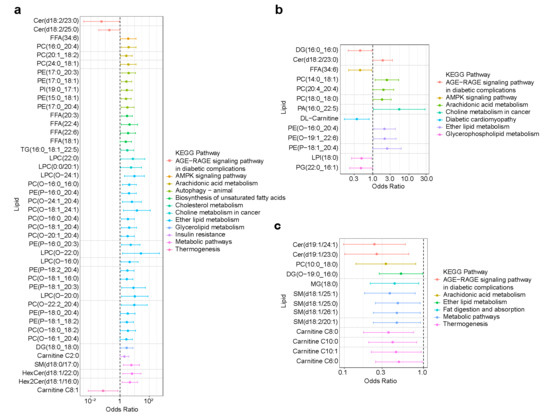
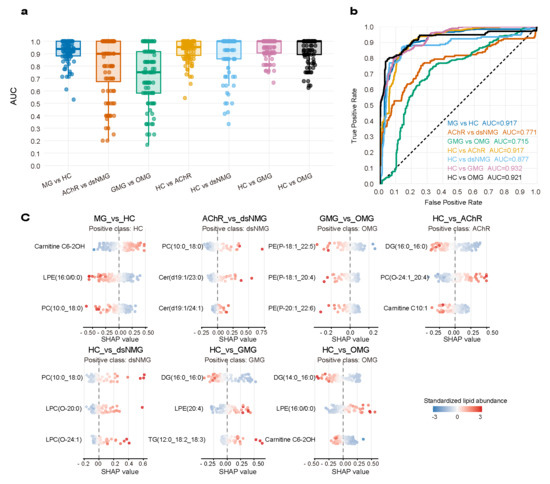
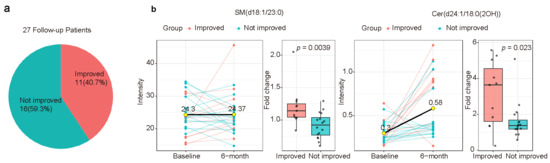
Background/Objectives: Myasthenia gravis (MG) is an immune-mediated neuromuscular disorder for which antibody-based assays have limited sensitivity, particularly in double-seronegative MG (dsNMG), highlighting the need for complementary biomarkers. Given their roles in immune regulation, membrane integrity, and metabolic stress responses, lipids represent promising candidates for biomarker discovery. Methods: We designed a prospective case–control study and systematically stratified 68 patients with myasthenia gravis (MG) according to clinical classification and autoantibody status. Using LC–MS/MS, we quantified 824 lipids in 136 serum samples collected from these patients and 68 healthy controls. The analyzed subtypes included ocular MG (OMG), generalized MG (GMG), acetylcholine receptor antibody-positive MG (AChR-MG), and dsNMG. Differential lipid analysis, correlation network construction, KEGG pathway enrichment, and multivariable logistic regression were performed. Diagnostic and subtype prediction models were developed using LASSO with 10 × 10 repeated cross-validation and interpreted using Shapley Additive exPlanations (SHAP) analysis. A longitudinal follow-up analysis was conducted to assess dynamic associations between lipid signatures and disease activity. Results: In total, 240 lipids were significantly altered in MG compared with controls. Lipids distinguishing GMG from OMG were enriched in ether lipid metabolism, necroptosis, and sphingolipid signaling pathways. AChR-MG and dsNMG shared lipid networks related to membrane remodeling and signaling regulation, whereas dsNMG exhibited marked elevations in acylcarnitines and bile acid-related metabolites, potentially reflecting a distinct phenotype characterized by altered energy metabolism. The lipid-based model achieved an AUC of 0.917 for distinguishing MG from controls, and AUCs of 0.77 and 0.71 for differentiating AChR-MG from dsNMG and GMG from OMG, respectively. Longitudinal analyses showed that SM(d18:1/23:0) and Cer(d24:1/18:0(2OH)) displayed dynamic changes consistent with disease activity. Conclusions: Serum lipidomics revealed subtype-specific metabolic features of MG, with stable disease-associated remodeling and dynamic sphingolipid changes potentially reflecting disease activity. By integrating systematic clinical and antibody-based subtype stratification with longitudinal follow-up, this study supports lipidomics as a complementary tool for precision diagnosis and disease stratification, particularly in antibody-negative dsNMG.
Full article
(This article belongs to the Special Issue The Role of Lipid Metabolism in Health and Disease)
►▼
Show Figures

Figure 1

Open AccessArticle
Maternal Large Yellow Tea Supplementation Confers Intergenerational Protection Against BPA-Induced Metabolic and Behavioral Disorders in Mice
by
Erkang Jiang, Hongyu Wang, Meiyun Li, Xi Wang, Guohuo Wu, Shoujun Huang, Huijun Cheng, Zhuang Li and Zhongwen Xie
Metabolites 2026, 16(8), 588; https://doi.org/10.3390/metabo16080588 - 18 Aug 2026
Abstract
Background: Large yellow tea (LYT), a distinctive variety made from mature leaves, has recently gained attention for its remarkable health benefits. However, whether these benefits can be transmitted from mother to offspring remains unexplored. Purpose: This study investigated whether maternal LYT consumption confers
[...] Read more.
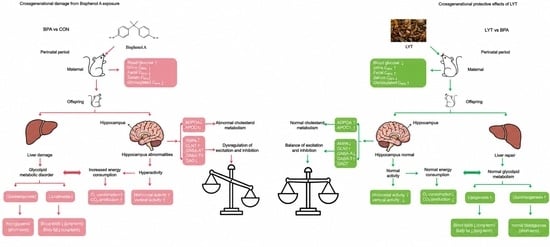
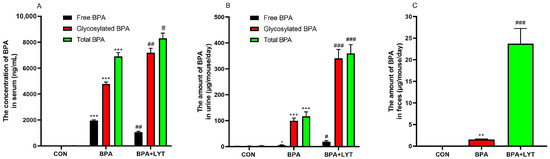
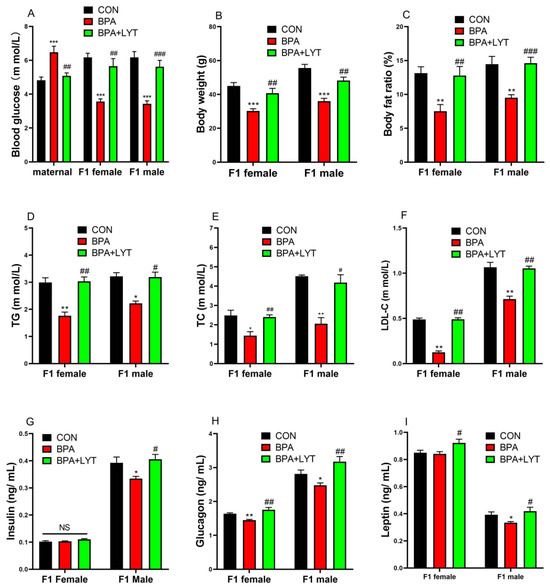
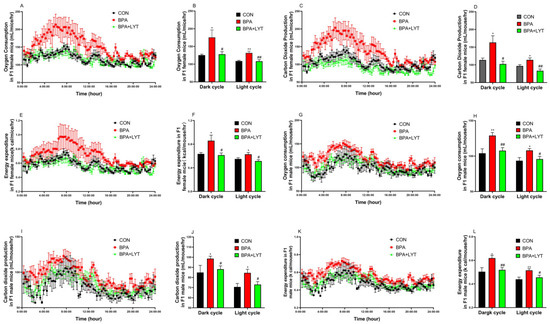
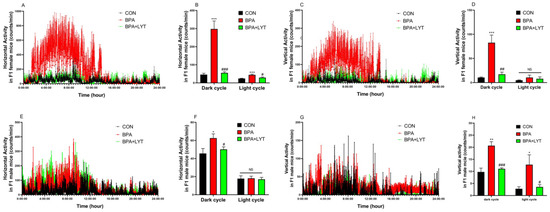
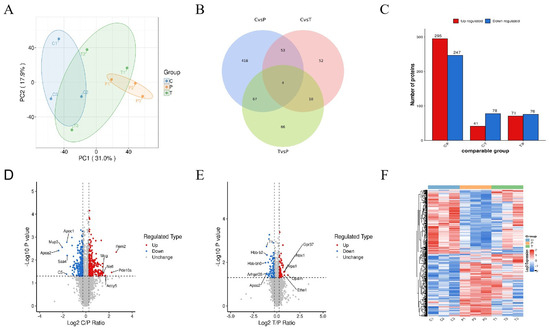
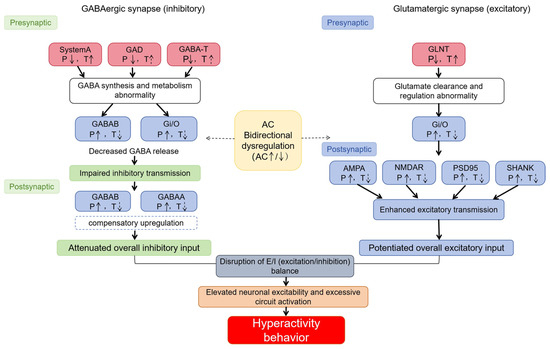
Background: Large yellow tea (LYT), a distinctive variety made from mature leaves, has recently gained attention for its remarkable health benefits. However, whether these benefits can be transmitted from mother to offspring remains unexplored. Purpose: This study investigated whether maternal LYT consumption confers intergenerational protection against metabolic and behavioral disorders induced by perinatal bisphenol A (BPA) exposure in F1 offspring. Methods: A mouse model of perinatal BPA exposure (0.03% in diet) was established with or without maternal LYT supplementation (2.5% in diet). Metabolic parameters were assessed through biochemical assays and gene expression analysis (RT-PCR). Energy expenditure and spontaneous activity were monitored using a Comprehensive Lab Animal Monitoring System (CLAMS). Hippocampal proteomic profiling was performed using label-free quantitative proteomics. Results: LYT significantly reduced maternal BPA body burden, potentially via limiting absorption, enhancing glucuronidation metabolism, and promoting excretion. Notably, LYT exhibited bidirectional metabolic regulation, alleviating gestational hyperglycemia in dams while restoring hypoglycemia in offspring, and normalizing underweight and hypolipidemia. Mechanistically, the SIRT6 (sirtuin 6)/FOXO1 and SIRT6/SREBP1 pathways may be involved in regulating gluconeogenesis and lipogenesis. Concurrently, LYT rectified BPA-induced hyperactivity and reduced excessive energy expenditure. Proteomic analysis revealed that LYT partially restores BPA-induced dysregulation of cholesterol metabolism and glutamatergic/GABAergic synaptic pathways, which may contribute to rebalancing synaptic homeostasis. Conclusions: These findings suggest that maternal LYT supplementation confers intergenerational protection against BPA-induced metabolic and behavioral disorders in mice, potentially acting through enhanced toxin clearance, bidirectional metabolic regulation, behavioral normalization, and partial restoration of hippocampal synaptic homeostasis. This study provides a theoretical basis for developing natural dietary interventions to mitigate developmental toxicant-induced health risks.
Full article
(This article belongs to the Section Food Metabolomics)
►▼
Show Figures

Graphical abstract
Open AccessArticle
Guanosine Attenuates Astrocyte-Associated Glutamatergic Dysregulation and Improves Survival in Acute Liver Failure-Induced Hepatic Encephalopathy
by
Pedro Arend Guazzelli, Felipe dos Santos Fachim, Anderson Santos Travassos, Yasmine Nonose, Andréia Silva da Rocha, Francieli Rohden, Fernanda Urruth Fontella, Adriano Martimbianco de Assis and Diogo Onofre Souza
Metabolites 2026, 16(8), 587; https://doi.org/10.3390/metabo16080587 - 18 Aug 2026
Abstract
Background/Objectives: Acute liver failure (ALF) rapidly induces hepatic encephalopathy (HE), a severe neurological syndrome associated with astrocytic dysfunction and glutamatergic dysregulation. Guanosine (GUO), an endogenous guanine-based nucleoside, has neuroprotective properties, but its effects on astrocyte-associated glutamate regulation in ALF-induced HE remain incompletely understood.
[...] Read more.
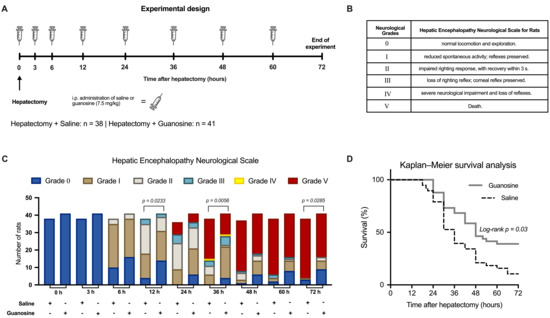
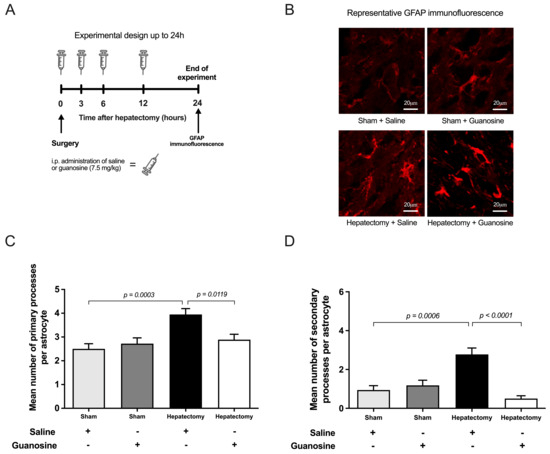
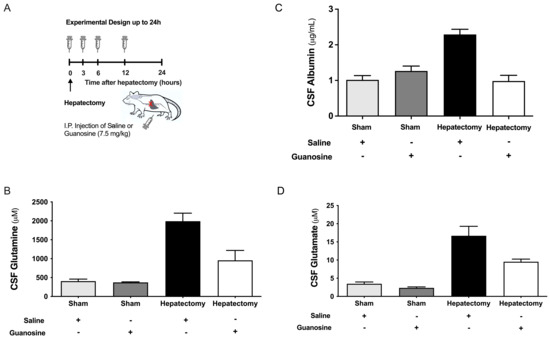
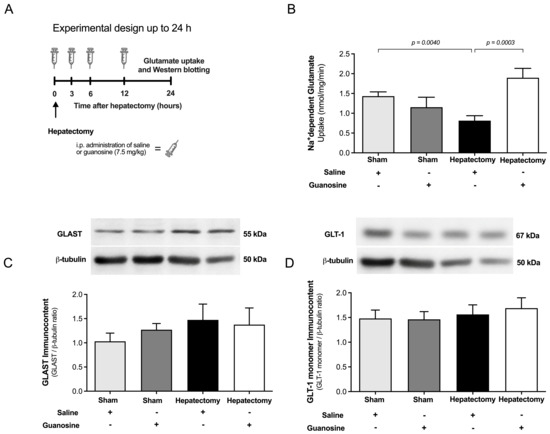
Background/Objectives: Acute liver failure (ALF) rapidly induces hepatic encephalopathy (HE), a severe neurological syndrome associated with astrocytic dysfunction and glutamatergic dysregulation. Guanosine (GUO), an endogenous guanine-based nucleoside, has neuroprotective properties, but its effects on astrocyte-associated glutamate regulation in ALF-induced HE remain incompletely understood. This study tested whether GUO attenuates neurological deterioration and glutamatergic dysfunction in an experimental model of ALF-induced HE. Methods: Male Wistar rats underwent 92% subtotal hepatectomy and received intraperitoneal GUO (7.5 mg/kg) or saline at prespecified time points after surgery. Neurological severity and survival were monitored for 72 h. Astrocytic morphology was assessed by GFAP immunofluorescence. Cerebrospinal fluid (CSF) albumin, glutamate, and glutamine levels, cortical Na+-dependent glutamate uptake, GLAST immunocontent, and the 67 kDa GLT-1 monomer immunocontent were evaluated. Results: Subtotal hepatectomy induced progressive neurological impairment, high mortality, GFAP-associated astrocytic remodeling, increased CSF albumin, glutamate, and glutamine levels, and reduced cortical glutamate uptake. GUO attenuated neurological deterioration and increased 72 h survival from 10.5% to 39.0% (log-rank p = 0.03). GUO also reduced CSF albumin, glutamate, and glutamine concentrations and improved cortical Na+-dependent glutamate uptake without altering GLAST or GLT-1 monomer immunocontent. Conclusions: GUO attenuated astrocyte-associated glutamatergic dysregulation and improved survival in ALF-induced HE. These findings support further mechanistic and translational investigation of GUO as an experimental modulator of astrocyte-associated glutamate handling in ALF-induced HE.
Full article
(This article belongs to the Section Endocrinology and Clinical Metabolic Research)
►▼
Show Figures

Figure 1

Open AccessReview
Therapeutic Mechanisms of Resmetirom and Semaglutide in MASLD/MASH: A Review of Inflammatory and Fibrotic Metabolites
by
Nobuyuki Toshikuni
Metabolites 2026, 16(8), 586; https://doi.org/10.3390/metabo16080586 - 18 Aug 2026
Abstract
Metabolic dysfunction-associated steatotic liver disease (MASLD) is a leading cause of chronic liver disease, and its progressive inflammatory phenotype, metabolic dysfunction-associated steatohepatitis (MASH), is characterized by hepatocellular injury, inflammation, and fibrosis. These processes are closely linked to altered metabolite networks, including lipotoxic lipids,
[...] Read more.
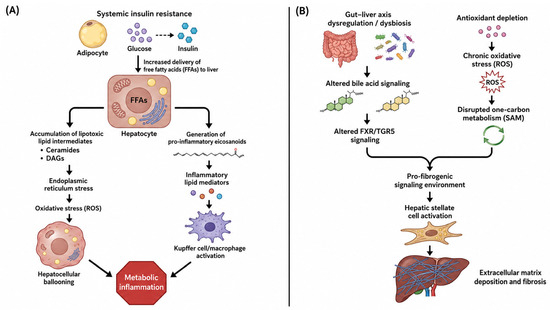
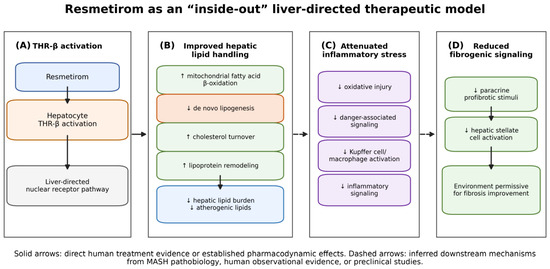
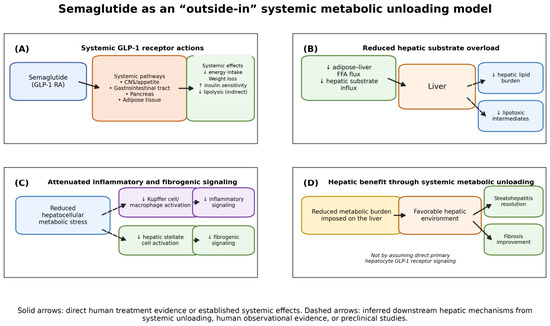
Metabolic dysfunction-associated steatotic liver disease (MASLD) is a leading cause of chronic liver disease, and its progressive inflammatory phenotype, metabolic dysfunction-associated steatohepatitis (MASH), is characterized by hepatocellular injury, inflammation, and fibrosis. These processes are closely linked to altered metabolite networks, including lipotoxic lipids, oxidized lipid mediators, bile acids, amino acids, acylcarnitines, redox-related metabolites, gut-derived metabolites, and extracellular matrix remodeling products. The recent introduction of resmetirom and semaglutide for MASH with moderate-to-advanced fibrosis provides two complementary models for interpreting these networks. Resmetirom, a liver-directed thyroid hormone receptor-β agonist, primarily enhances intrahepatic lipid handling, mitochondrial fatty acid metabolism, cholesterol turnover, and lipoprotein remodeling. Through this “inside-out” mechanism, resmetirom may reduce hepatocyte lipotoxic stress and secondarily attenuate inflammatory and fibrogenic signaling. Semaglutide, a glucagon-like peptide-1 receptor agonist, mainly acts through systemic metabolic unloading by reducing energy intake, body weight, insulin resistance, and adipose–liver substrate flux. Through this “outside-in” mechanism, semaglutide may improve the hepatic metabolite environment indirectly. However, histological improvement does not by itself establish causal metabolite mediators, and many specific metabolite-level mechanisms remain incompletely defined in human MASH. This review summarizes metabolite networks linked to inflammation and fibrosis in MASLD/MASH, compares the metabolic implications of resmetirom and semaglutide, and discusses how therapeutic metabolomics may support biomarker discovery, patient stratification, and precision pharmacotherapy.
Full article
(This article belongs to the Special Issue Mechanisms and Prevention in Steatotic Liver Disease)
►▼
Show Figures

Figure 1
Open AccessTechnical Note
PyCompound: An Open-Source Python Package for Spectral-Library Matching in Mass Spectrometry-Based Metabolomics
by
Hunter Dlugas, Xiang Zhang, Xun Bao, Jing Li, Ikuko Kato and Seongho Kim
Metabolites 2026, 16(8), 585; https://doi.org/10.3390/metabo16080585 - 18 Aug 2026
Abstract
Spectral-library matching is a widely used approach for compound annotation in mass spectrometry (MS)-based metabolomics, yet annotation performance is influenced by spectrum preprocessing, parameter selection, and similarity-measure choice. We present PyCompound, an open-source Python package for spectral-library matching with flexible preprocessing, parameter optimization,
[...] Read more.
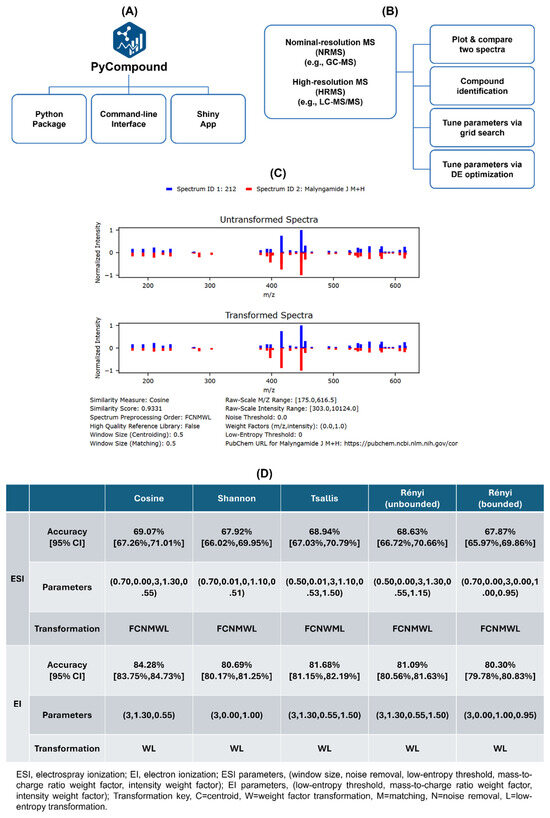
Spectral-library matching is a widely used approach for compound annotation in mass spectrometry (MS)-based metabolomics, yet annotation performance is influenced by spectrum preprocessing, parameter selection, and similarity-measure choice. We present PyCompound, an open-source Python package for spectral-library matching with flexible preprocessing, parameter optimization, and diverse similarity measures for both nominal-resolution and high-resolution mass spectrometry data. PyCompound implements six preprocessing procedures, nineteen similarity measures, including the newly developed Rényi entropy similarity in this work for spectral-library matching, user-defined composite similarity scores, and automated parameter optimization using grid search and differential evolution. The software supports common spectral formats and is accessible through a Python API, command-line interface, and interactive Shiny application. The software was validated using public GNPS LC-MS/MS and WebNIST GC-MS datasets, where the newly developed Rényi entropy similarity demonstrated annotation performance comparable to that of the established Shannon and Tsallis entropy similarity measures. PyCompound provides a flexible platform for practical compound annotation through configurable preprocessing workflows, diverse similarity measures, and automated parameter optimization.
Full article
(This article belongs to the Section Bioinformatics and Data Analysis)
►▼
Show Figures

Figure 1

Open AccessArticle
In Vivo Metabolite Formation and In Vitro Cytochrome P450-Mediated Metabolism of Vonoprazan in Horses
by
Camilo J. Morales, Daniel S. Mckemie, Jayanti Bhandari Neupane and Heather K. Knych
Metabolites 2026, 16(8), 584; https://doi.org/10.3390/metabo16080584 - 18 Aug 2026
Abstract
Background/Objectives: Vonoprazan is a potassium-competitive acid blocker with potential for the treatment of equine gastric ulcer syndrome. Vonoprazan metabolic pathways in horses have not been characterized. This study aimed to identify vonoprazan metabolites following oral administration and to determine the metabolic enzymes responsible
[...] Read more.
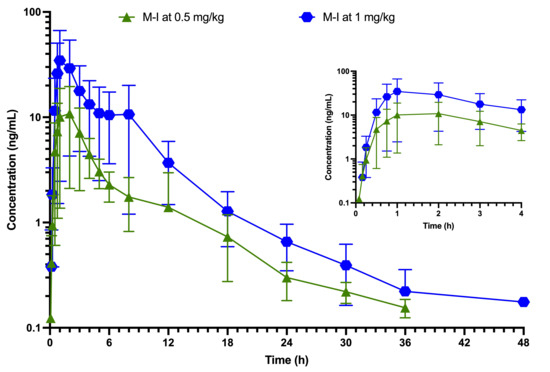
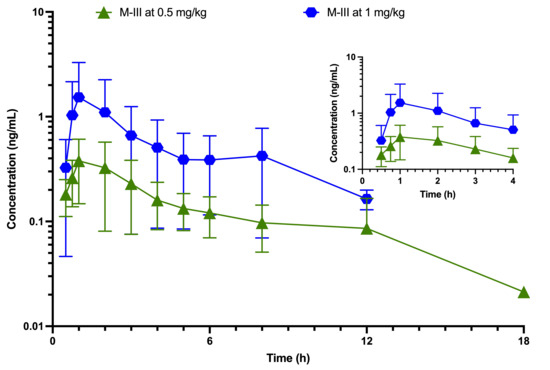
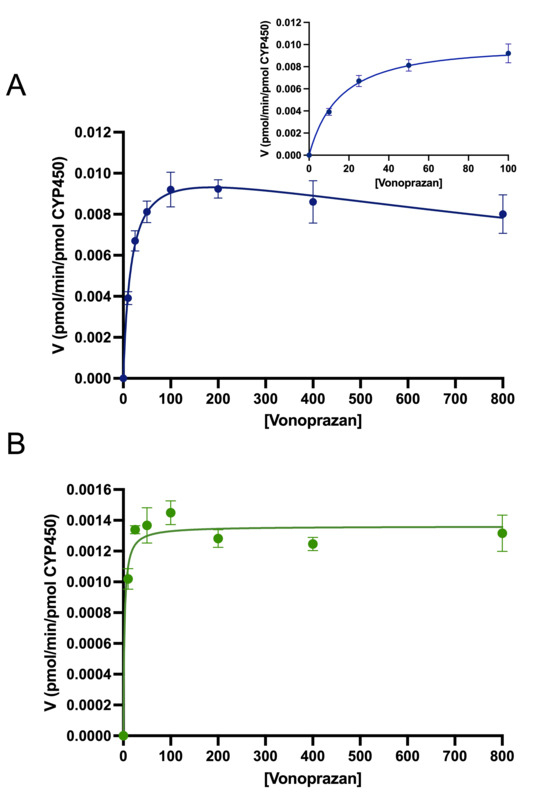
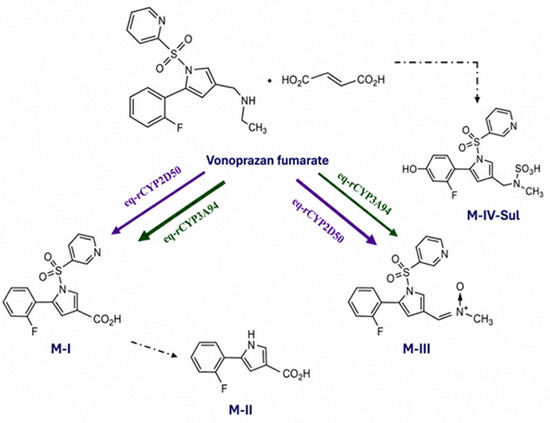
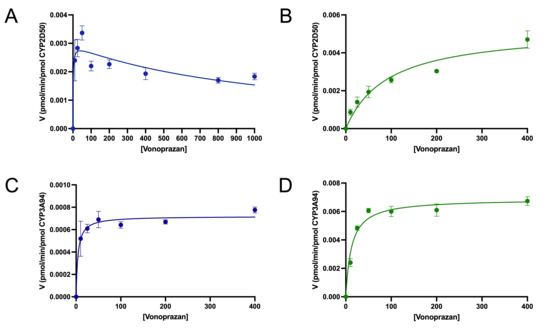
Background/Objectives: Vonoprazan is a potassium-competitive acid blocker with potential for the treatment of equine gastric ulcer syndrome. Vonoprazan metabolic pathways in horses have not been characterized. This study aimed to identify vonoprazan metabolites following oral administration and to determine the metabolic enzymes responsible for their metabolism using in vitro models. Methods: Six healthy adult Thoroughbred horses received vonoprazan (0.5 and 1 mg/kg PO) in a randomized crossover design. Plasma concentrations of vonoprazan-N-oxide (M-I) and vonoprazan-nitrone (M-III) were quantified using a validated liquid chromatography-tandem mass spectrometry method, and a non-compartmental pharmacokinetic analysis was performed. In vitro metabolism was evaluated using equine liver microsomes (ELMs) and equine recombinant CYP450 (eq-rCYP) enzymes. Enzyme kinetics were characterized using nonlinear regression modeling. Results: Both metabolites were detected in plasma after oral administration. Systemic exposure to M-I was markedly greater than M-III at both doses. At 1 mg/kg, mean ± SD Cmax values were 39.2 ± 28.3 ng/mL for M-I and 1.67 ± 1.66 ng/mL for M-III. AUC0–∞ increased dose-proportionally for both metabolites. In ELMs, M-I formation followed substrate inhibition kinetics, whereas M-III formation followed Michaelis–Menten kinetics. Among recombinant enzymes, CYP2D50 and CYP3A94 were the primary contributors to metabolite formation, exhibiting metabolite-specific kinetic profiles. Conclusions: These findings demonstrate that vonoprazan undergoes hepatic oxidative metabolism in horses, with M-I as the predominant circulating metabolite. Equine recombinants CYP2D50 and CYP3A94 appear to play central roles in equine vonoprazan metabolism, providing foundation for future evaluation of drug–drug interaction potential and clinical use in this species.
Full article
(This article belongs to the Section Pharmacology and Drug Metabolism)
►▼
Show Figures

Figure 1
Open AccessArticle
Association Between Serum Magnesium Levels and Metabolic Dysfunction-Associated Steatotic Liver Disease in a Nationally Representative Sample of Korean Adults, 2024
by
Seong-Uk Baek and Jin-Ha Yoon
Metabolites 2026, 16(8), 583; https://doi.org/10.3390/metabo16080583 - 18 Aug 2026
Abstract
Background/Objectives: Magnesium (Mg) deficiency has been linked to various adverse health outcomes; however, its association with metabolic dysfunction-associated steatotic liver disease (MASLD) has not been fully elucidated. This study examined the association of serum Mg levels with MASLD in Korean adults. Methods: We
[...] Read more.
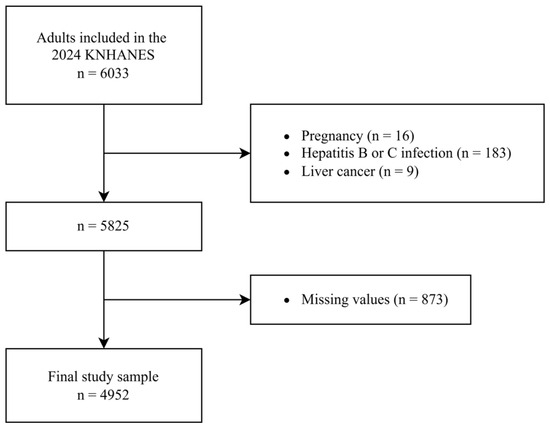
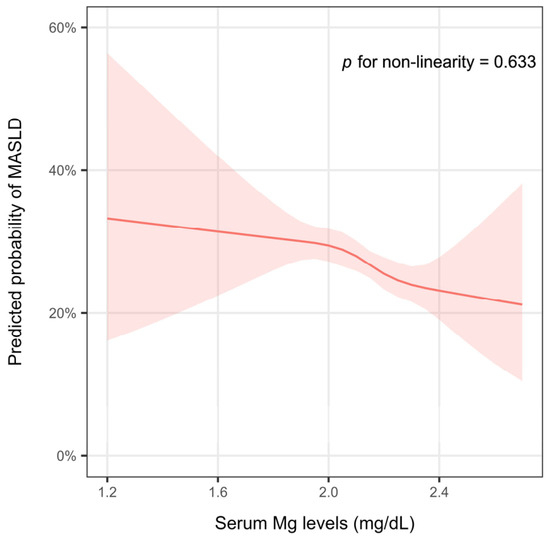
Background/Objectives: Magnesium (Mg) deficiency has been linked to various adverse health outcomes; however, its association with metabolic dysfunction-associated steatotic liver disease (MASLD) has not been fully elucidated. This study examined the association of serum Mg levels with MASLD in Korean adults. Methods: We analyzed a nationwide sample of 4952 adults in South Korea. Serum Mg levels (mg/dL) were measured. MASLD was defined as a hepatic steatosis index score of ≥36 together with the presence of cardiometabolic risk factor, including overweight/obesity, high fasting glucose, high blood pressure, high plasma triglycerides, or low plasma HDL cholesterol. The association between serum Mg levels and MASLD was examined using logistic regressions. Odds ratios (ORs) and 95% confidence intervals (CIs) were determined. Results: The mean (standard deviation [SD]) serum Mg level was 2.13 (0.15) mg/dL. The prevalence of MASLD was 25.7%. After adjusting for the sociodemographic variables, the OR (95% CI) for the association between a 1–SD increment in serum Mg levels and MASLD was 0.90 (0.84–0.96, p = 0.004). Conclusions: This nationally representative cross-sectional study found that serum Mg levels were inversely associated with the likelihood of MASLD among adults in South Korea.
Full article
(This article belongs to the Special Issue Advances in Metabolic Dysfunction-Associated Steatotic Liver Disease (MASLD))
►▼
Show Figures

Figure 1

Open AccessCommunication
Metabolomics-Based Selection of Biostimulant and Biocontrol Microbial Consortia
by
Polina Volkova, John M. Wong and Jacqueline Wong
Metabolites 2026, 16(8), 582; https://doi.org/10.3390/metabo16080582 - 17 Aug 2026
Abstract
Microbial biostimulants and microbial plant protection products overlap in biological function, creating both R&D opportunities and regulatory challenges. In particular, multi-strain bacterial consortia may simultaneously affect nutrient mobilisation and abiotic stress tolerance, induce resistance, and demonstrate direct antagonism against phytopathogens. This multifunctionality complicates
[...] Read more.
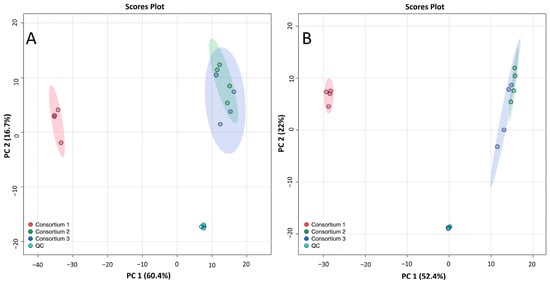
Microbial biostimulants and microbial plant protection products overlap in biological function, creating both R&D opportunities and regulatory challenges. In particular, multi-strain bacterial consortia may simultaneously affect nutrient mobilisation and abiotic stress tolerance, induce resistance, and demonstrate direct antagonism against phytopathogens. This multifunctionality complicates early product development because strain identity alone is sometimes insufficient in predicting product function, efficacy, or the most appropriate regulatory and claims strategy. Here, we used non-targeted LC-MS metabolomics as a hypothesis-generating tool to support formulation decisions for microbial consortia. Three bacterial consortia were compared: a full soil-oriented consortium C1 containing Bacillus spp., Rhodopseudomonas palustris, Nitrosomonas europaea, and Nitrobacter winogradskyi; a Bacillus-only consortium C2 intended for foliar stress-resilience applications; and a Bacillus-only consortium C3 grown with a chitin-related inducer to promote biocontrol-associated metabolism. Metabolomic profiling revealed clear differences between formulations. The full consortium C1 showed higher relative abundances of features putatively associated with biofertilising and growth support, whereas the Bacillus-only consortium C2 contained features putatively associated with biocontrol and induced resistance that were not detected in C1 under the applied criteria. The addition of the chitin-related inducer (C3) did not yield a completely distinct metabolite profile but increased the relative abundance of selected features putatively associated with biocontrol, while decreasing features putatively annotated as auxin-related or associated with abiotic stress responses. These results suggest that non-targeted metabolomics can help differentiate metabolic profiles putatively associated with biostimulant- and plant-protection-oriented formulations and thereby support prioritisation before extensive greenhouse or field testing. By linking formulation, medium composition, and microbial interactions to measurable metabolic signatures, metabolomics provides an evidence-based, hypothesis-generating framework for formulation development and the prioritisation of subsequent efficacy trials.
Full article
(This article belongs to the Special Issue Metabolomics in Plant–Microbe Interactions: Advances and Applications)
►▼
Show Figures

Figure 1
Open AccessArticle
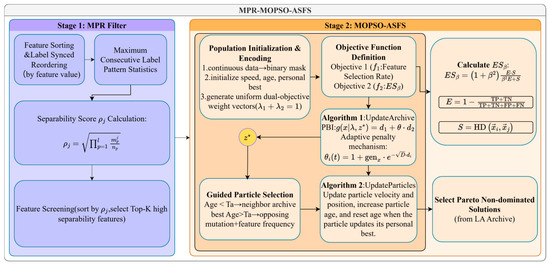
MPR-MOPSO-ASFS: A Stable Multi-Objective Feature Selection Algorithm for Metabolomics
by
Qing Ye, Zeng Deng, Xin Xie, Qiang Huang and Jigen Luo
Metabolites 2026, 16(8), 581; https://doi.org/10.3390/metabo16080581 - 17 Aug 2026
Abstract
Background: Metabolomics data is inherently characterized by high dimensionality and small sample size. Existing multi-objective particle swarm optimization (MOPSO)-based feature selection algorithms suffer from two critical limitations: they generally neglect the stability of selected feature subsets and exhibit poor adaptability when processing
[...] Read more.
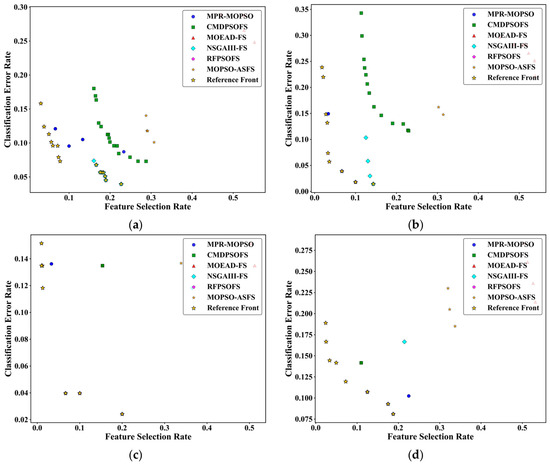
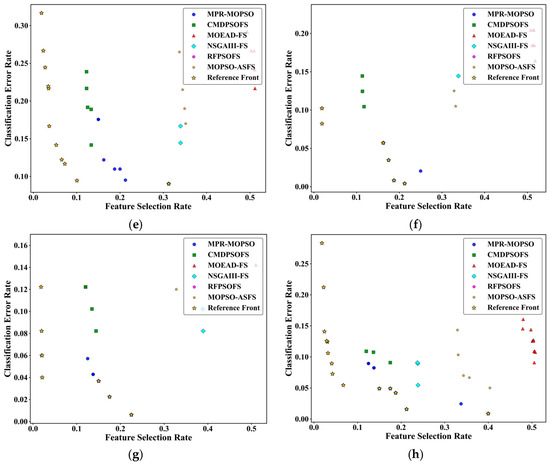
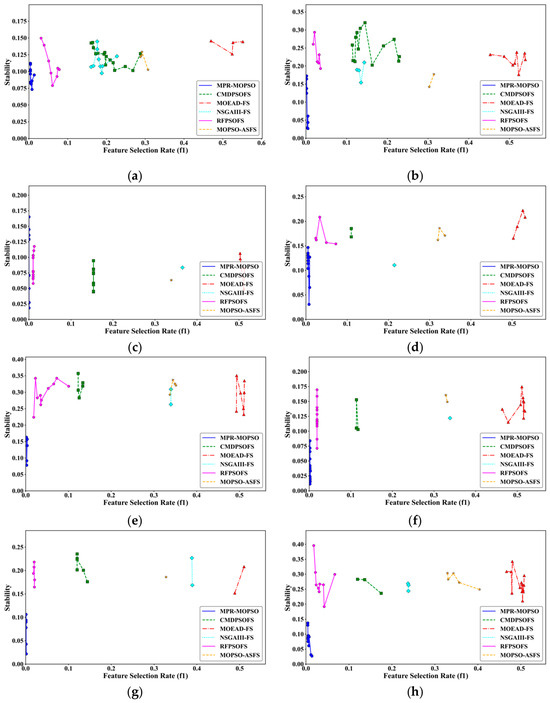
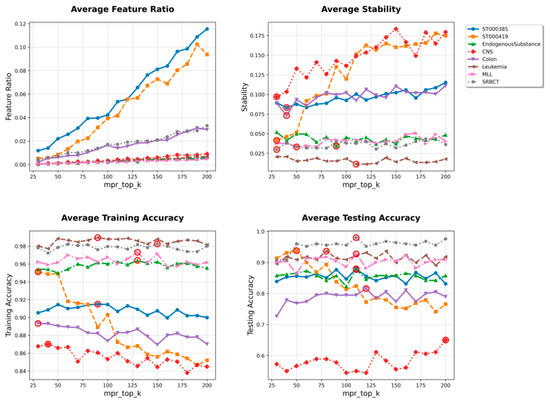
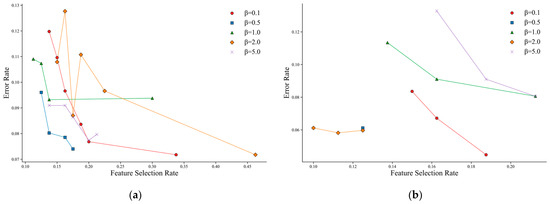
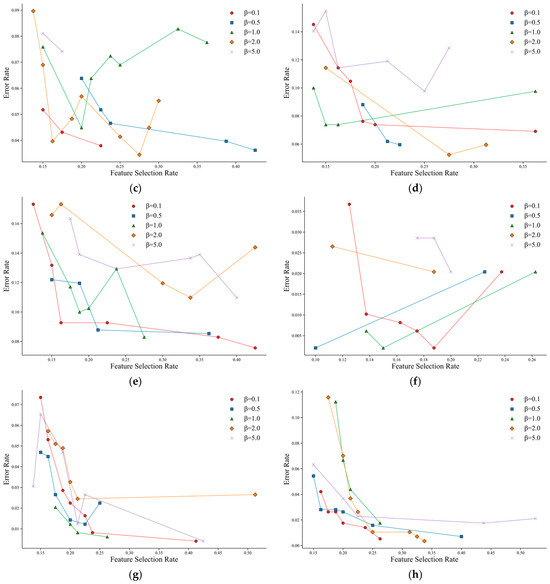
Background: Metabolomics data is inherently characterized by high dimensionality and small sample size. Existing multi-objective particle swarm optimization (MOPSO)-based feature selection algorithms suffer from two critical limitations: they generally neglect the stability of selected feature subsets and exhibit poor adaptability when processing high-dimensional data, which restricts their practical application in biomedical research. Methods: To address these challenges, this paper proposes a novel MPR-MOPSO-ASFS algorithm. Specifically, we first construct a stability-driven bi-objective optimization model. Then, we integrate a Maximum Pattern Recognition (MPR) filter to achieve rapid dimensionality reduction of high-dimensional features. Finally, an improved Adaptive Sparsity Feature Selection mechanism is designed to simultaneously optimize the compactness, classification accuracy, and stability of the selected feature subsets. Results: Extensive experiments were conducted on three metabolomics datasets and five public high-dimensional small-sample datasets. The results demonstrate that the proposed MPR-MOPSO-ASFS algorithm outperforms mainstream algorithms including CMDPSOFS and MOEAD-FS in core evaluation metrics such as Pareto front quality and classification accuracy. Additionally, we clarify the optimal configuration of the algorithm’s core parameters and verify the collaborative effectiveness of its key design components. Conclusions: This study makes the first attempt to incorporate the harmonic mean of accuracy and stability into the multi-objective optimization framework. The two-stage combination of the proposed MPR strategy and MOPSO breaks through the performance bottleneck of traditional algorithms and significantly enhances their adaptability and robustness to high-dimensional small-sample data. The proposed algorithm provides an efficient new solution for feature selection in high-dimensional biomedical data and offers a technical reference for the application of swarm intelligence optimization algorithms in the biomedical field.
Full article
(This article belongs to the Special Issue Machine Learning Applications in Metabolomics Analysis: 2nd Edition)
►▼
Show Figures

Figure 1

Open AccessSystematic Review
Association Between Graves’ Disease and the Risk of Thyroid Carcinoma: The Role of Clinical, Metabolic, Hormonal, Immunological, and Ultrasound Biomarkers
by
Mihaela Andreea Precup, Andrei Korodi, Flaviu Ionut Faur, Paul Pasca, Draga-Maria Mandi, Dan Brebu, Cosmin Burta, Amadeus Dobrescu and Ciprian Duta
Metabolites 2026, 16(8), 580; https://doi.org/10.3390/metabo16080580 - 17 Aug 2026
Abstract
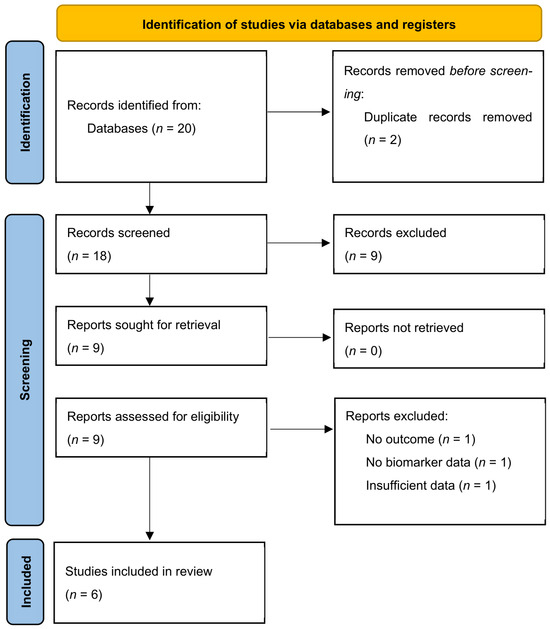
Background: The relationship between Graves’ disease (GD) and thyroid carcinoma (TC) remains controversial, particularly regarding the predictive value of metabolic, hormonal, immunological, and ultrasound biomarkers. We performed a systematic review and meta-analysis to evaluate the prevalence of TC in patients with GD and
[...] Read more.
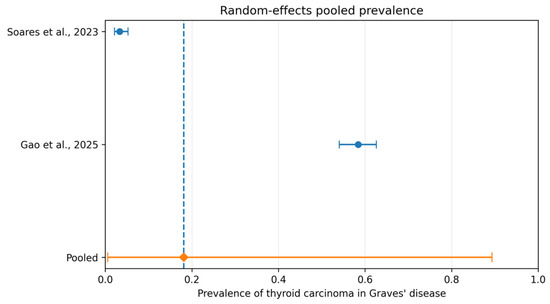
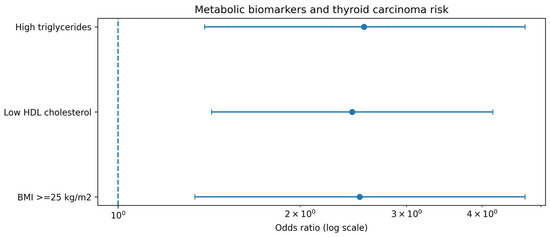
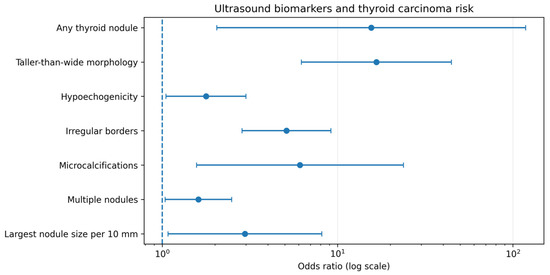
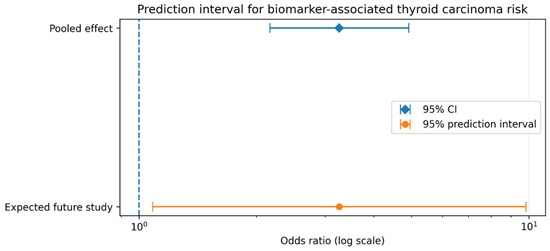
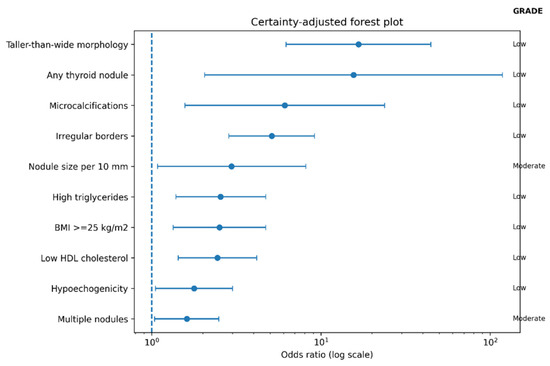
Background: The relationship between Graves’ disease (GD) and thyroid carcinoma (TC) remains controversial, particularly regarding the predictive value of metabolic, hormonal, immunological, and ultrasound biomarkers. We performed a systematic review and meta-analysis to evaluate the prevalence of TC in patients with GD and to identify biomarkers associated with an increased risk of malignancy. Methods: A systematic literature search of PubMed/MEDLINE, Scopus, Web of Science, Embase, and the Cochrane Library was conducted in accordance with PRISMA 2020. Primary studies providing direct evidence in patients with Graves’ disease or indirect evidence concerning thyroid carcinoma-associated biomarkers were considered. Owing to substantial differences in study populations, designs, exposures, and outcomes, quantitative pooling was restricted to sufficiently comparable estimates, while the remaining evidence was synthesized descriptively. Results: Six primary studies were included. Two retrospective cohorts directly evaluated thyroid carcinoma in patients with Graves’ disease and included 1051 patients, of whom 317 had thyroid carcinoma. The remaining studies provided indirect evidence from patients with hyperthyroidism, population-based thyroid cancer cohorts, or genetic datasets. Because of substantial clinical and methodological heterogeneity, a single pooled estimate was not considered appropriate. Thyroid nodules and larger nodule size were associated with malignancy in Graves’ disease, while elevated triglycerides, reduced HDL cholesterol, and higher body mass index were associated with thyroid carcinoma in a surgically selected Graves’ disease cohort. Evidence concerning hormonal, immunological, inflammatory, and genetically determined metabolic markers was heterogeneous and largely indirect. Conclusions: Thyroid carcinoma risk in Graves’ disease is heterogeneous and appears to be concentrated in patients presenting with suspicious ultrasound findings and adverse metabolic profiles. Ultrasound biomarkers remain the most robust predictors of malignancy, while metabolic biomarkers represent promising complementary tools for individualized risk stratification. Current evidence does not support the routine use of hormonal or immunological biomarkers as independent predictors of thyroid carcinoma. Large prospective multicenter studies using standardized biomarker assessment are required to validate these findings and optimize personalized surveillance strategies.
Full article
(This article belongs to the Special Issue Mechanistic Insights into Metabolic Interactions with the Tumor Microenvironment)
►▼
Show Figures

Figure 1

Open AccessArticle
Effects of Nitrate- and Betalain-Rich Beetroot Juice Ingestion on Vascular Function and Metabolic Syndrome Risk Factors in Healthy Adults: A Pilot Study
by
Cameron Haswell, Kay Rutherfurd-Markwick, Roger Hurst, Marie Wong, Hajar Mazahery, Ajmol Ali and Rachel Page
Metabolites 2026, 16(8), 579; https://doi.org/10.3390/metabo16080579 - 17 Aug 2026
Abstract
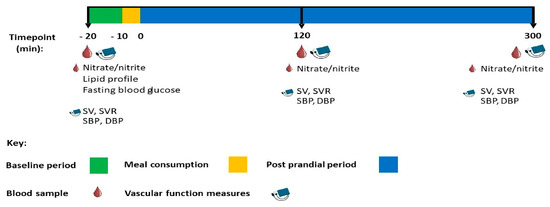
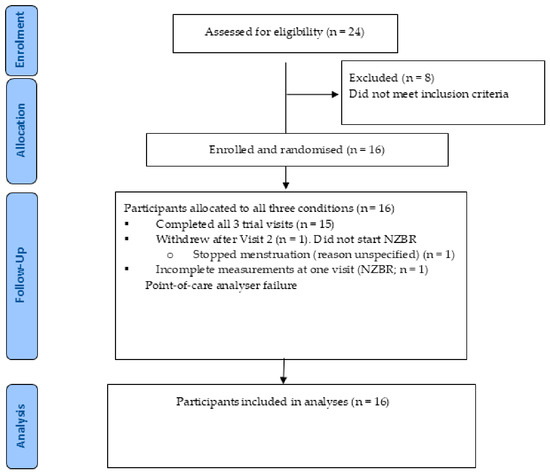
Background/Objectives: Health challenges associated with metabolic syndrome (MetS) have stimulated investigations into the effectiveness of nutraceutical interventions, including beetroot juice (BRJ), in mitigating MetS risk factors. Methods: This repeated-measures crossover trial (n = 16 healthy participants) investigates the effects of daily ingestion
[...] Read more.
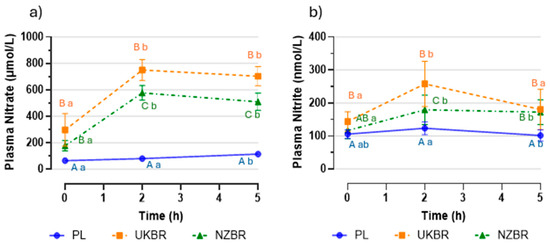
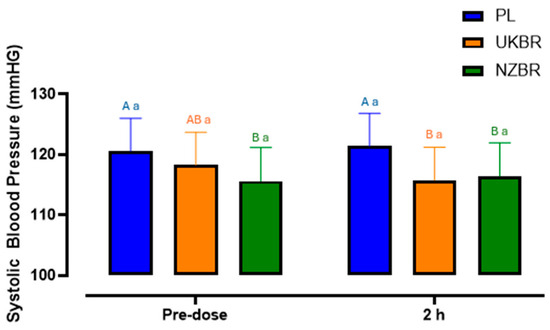
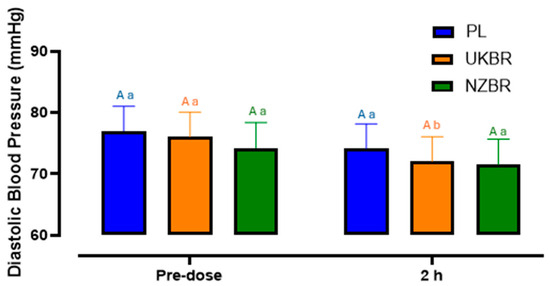
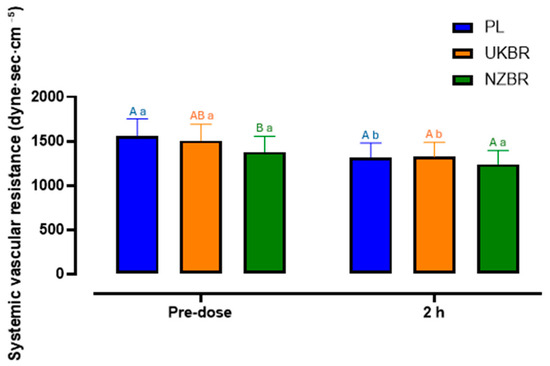
Background/Objectives: Health challenges associated with metabolic syndrome (MetS) have stimulated investigations into the effectiveness of nutraceutical interventions, including beetroot juice (BRJ), in mitigating MetS risk factors. Methods: This repeated-measures crossover trial (n = 16 healthy participants) investigates the effects of daily ingestion of two different BRJs [United Kingdom beetroot juice (UKBR), 1280 mg nitrate, 147 mg betalains; New Zealand beetroot juice (NZBR), 1120 mg nitrate, 506 mg betalains] and placebo (PL) on plasma nitrate and nitrite levels, MetS biomarkers and systemic vascular resistance (SVR). Participants consumed the juices for 6 days, with measures taken on day 7 fasted (pre-dose) and 2 h and 5 h post ingestion (acute). Results: On day 7, pre-dose plasma nitrate levels were significantly elevated for UKBR and NZBR compared to PL (297.2, 177.1 and 64.2 µmol/L, respectively). On day 7, UKBR achieved significantly higher plasma nitrate levels 2 h and 5 h post consumption than NZBR (2 h: 750.3 vs. 577.7 µmol/L; 5 h: 703.4 vs. 510.1 µmol/L) and PL at all timepoints. Plasma nitrite was elevated pre-dose for UKBR only and for both juices relative to PL at 2 h and 5 h. On day 7, pre-dose systolic blood pressure (SBP) was significantly lower for NZBR than PL (−4.96 mmHg) and 2 h post-ingestion for both UKBR (−5.63 mmHg) and NZBR (−4.98 mmHg) compared with PL. Systemic vascular resistance was 11.6% lower after 6 days of consumption of NZBR relative to PL (ratio 0.884, 95% CI 0.803 to 0.974). Conclusions: Supplementation with BRJ reduced SBP relative to placebo, and the betalain-rich NZBR also reduced SVR, whereas the higher-nitrate UKBR did not. This suggests that betalains and nitrates may play an important role in these improvements. The Australia New Zealand Clinical Trials Registry ID for this study is: ACTRN12622000714785.
Full article
(This article belongs to the Section Nutrition and Metabolism)
►▼
Show Figures

Figure 1
Open AccessArticle
Dietary Inflammation, Gut Mycobiota, and Microbial Cross-Kingdom Associations with Cardiovascular Health in Older Adults
by
Yuchen Fu, Yuxiao Wu, Shuyue Wang, Xiaoyang An, Yong Li and Meihong Xu
Metabolites 2026, 16(8), 578; https://doi.org/10.3390/metabo16080578 - 16 Aug 2026
Abstract
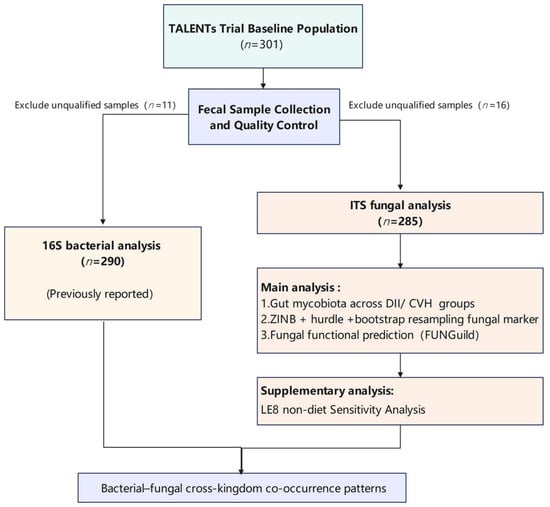
Background/Objectives: Dietary inflammation may influence cardiometabolic health, yet the gut mycobiome and bacterial–fungal interactions remain unclear. Building upon our earlier findings and data from the TALENTs trial (Targeting Aging and Longevity with Exogenous Nucleotides) baseline data, we explored gut fungal profiles and bacterial–fungal
[...] Read more.
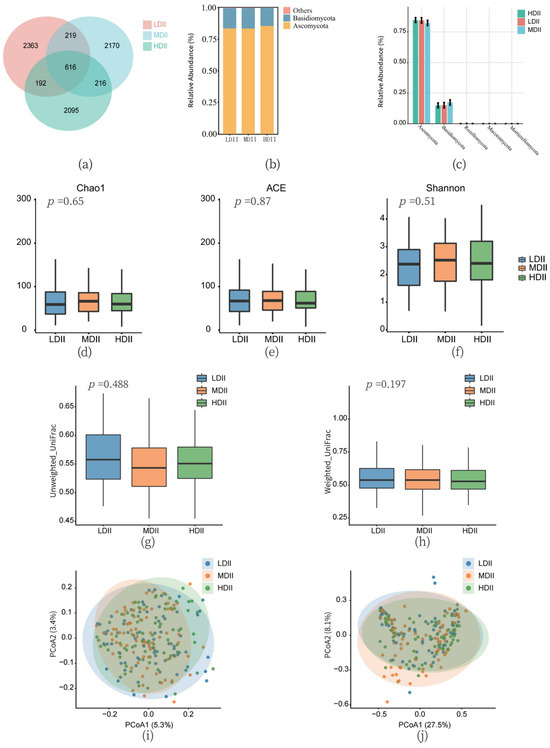
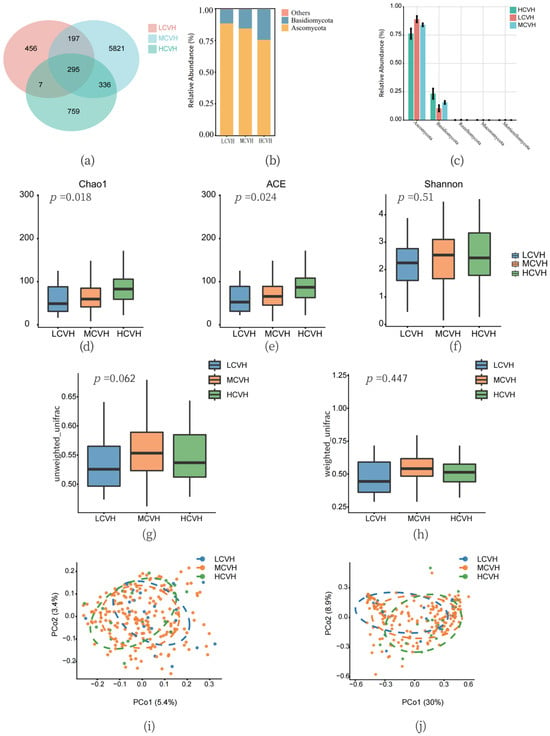
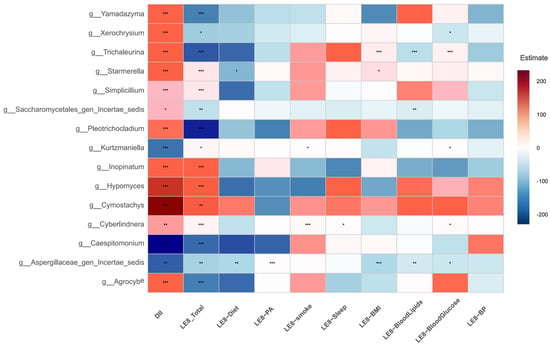
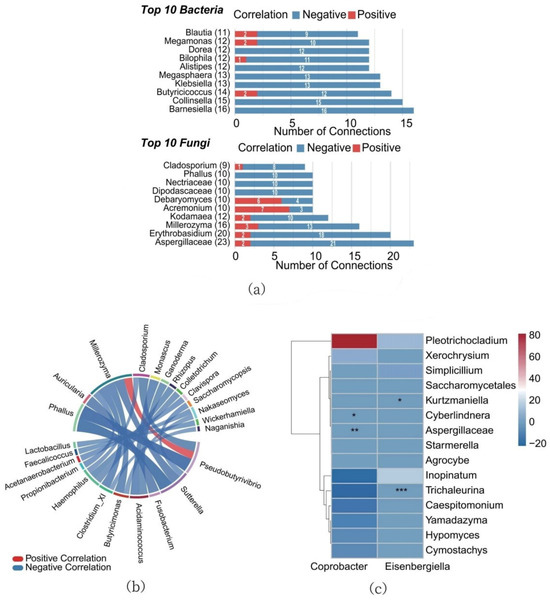
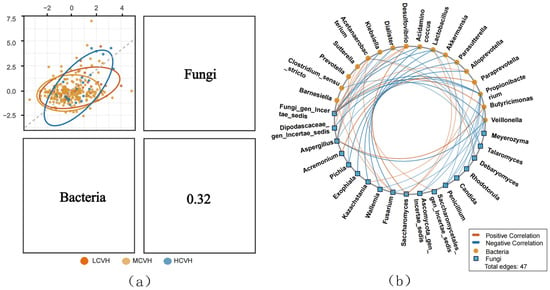
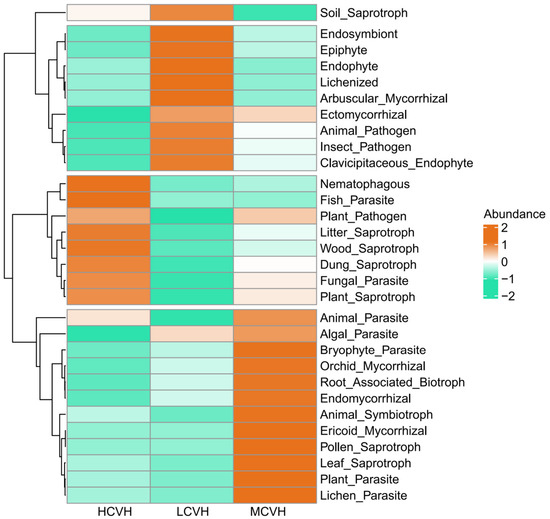
Background/Objectives: Dietary inflammation may influence cardiometabolic health, yet the gut mycobiome and bacterial–fungal interactions remain unclear. Building upon our earlier findings and data from the TALENTs trial (Targeting Aging and Longevity with Exogenous Nucleotides) baseline data, we explored gut fungal profiles and bacterial–fungal co-occurrence patterns in relation to the Dietary Inflammatory Index (DII) and Life’s Essential 8 (LE8) in older adults. Methods: We enrolled 301 community residents aged 60–70 years, with 285 providing qualified fungal internal transcribed spacer (ITS) sequencing data. DII scores were derived from 3-day dietary records to reflect dietary inflammatory risk, and LE8 (integrating health behaviors including physical activity and metabolic health factors including BMI, blood lipids, blood pressure, and blood glucose) was used to assess cardiovascular health; LE8_non-diet was applied as a sensitivity measure. Fungal diversity, genus-level taxa, ecological guilds, and bacterial–fungal associations were analyzed using diversity indices, ZINB/Hurdle models, bootstrap, E-values, DIABLO analysis, and network construction. Results: DII showed an inverse correlation with LE8_non-diet (r = −0.130, p = 0.024). Fungal alpha and beta diversity did not differ significantly across DII-defined groups. Conversely, better cardiovascular status was linked to higher fungal richness, with significantly elevated Chao1 and ACE indices in the high-CVH group (both p < 0.05). Additionally, integrated ZINB, Hurdle, and stability analyses jointly pinpointed four candidate fungal genera that correlated with both DII and LE8. Both ZINB and DIABLO analyses consistently indicated that antagonistic interactions dominated gut bacterial–fungal associations (89.9% vs. 63.8% of negative associations, respectively), with DIABLO further revealing synchronized community-level co-variation between the two kingdoms (r = 0.325, p < 0.01). FUNGuild prediction further revealed saprotrophic guilds enriched in the high-CVH group and host-associated guilds in the low-CVH group, with similar patterns across DII-defined groups. Conclusions: This cross-sectional study reveals gut mycobiome profiles and potential bacterial–fungal co-occurrence patterns among older adults stratified by dietary inflammatory potential and cardiovascular health status, generating testable hypotheses for subsequent nutritional and metabolic research integrating lifestyle behaviors and functional health outcomes.
Full article
(This article belongs to the Special Issue Nutrition and Dietary Supplementation in the Context of Health, Disease, and Physical Performance)
►▼
Show Figures

Figure 1
Open AccessArticle
Plumbagin Is a PKM2 Activator That Modulates Glutamine Metabolism and Dependency in Leukemia
by
Nikolina Vrdoljak, Mark D. Minden and Paul A. Spagnuolo
Metabolites 2026, 16(8), 577; https://doi.org/10.3390/metabo16080577 - 16 Aug 2026
Abstract
Background: AML cells can be defined by impairments in glycolytic metabolism, resulting in increased glucose uptake coupled with reduced glycolytic flux. Consequently, cells rely on alternative pathways such as glutamine metabolism to fuel mitochondrial respiration through anapleurosis. AML cells express upregulated levels of
[...] Read more.
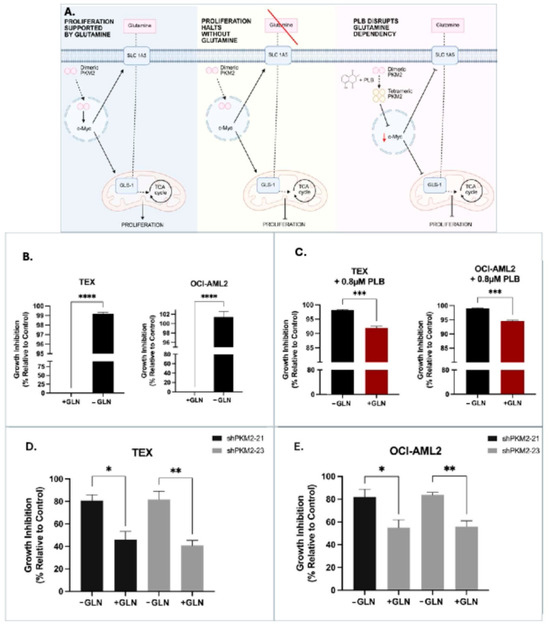
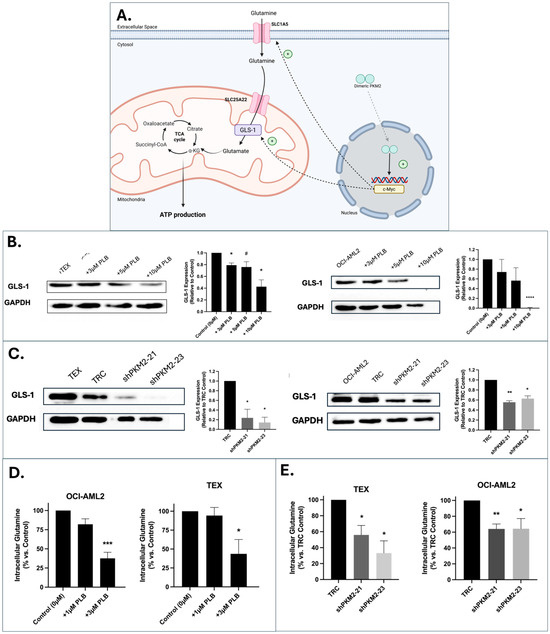
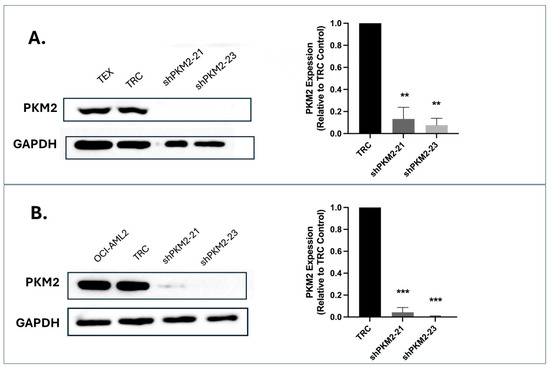
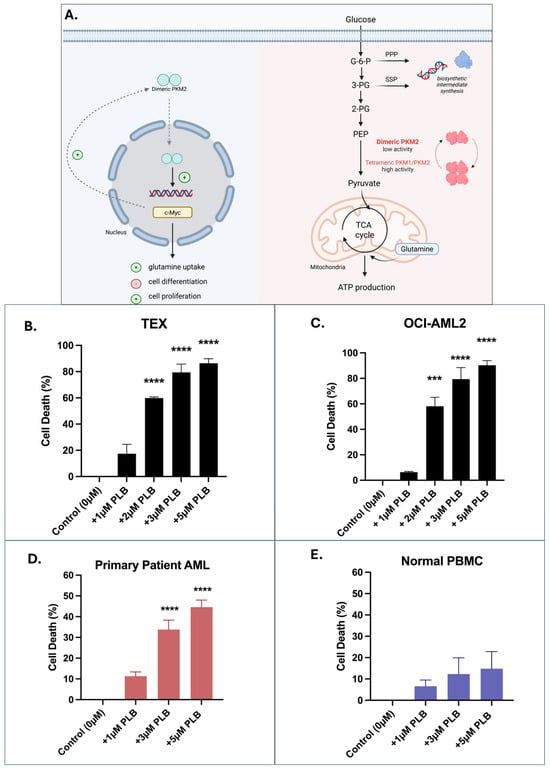
Background: AML cells can be defined by impairments in glycolytic metabolism, resulting in increased glucose uptake coupled with reduced glycolytic flux. Consequently, cells rely on alternative pathways such as glutamine metabolism to fuel mitochondrial respiration through anapleurosis. AML cells express upregulated levels of glutamine transporters and catabolic enzymes such as solute carrier family 1 member 5 (SLC1A5) and glutaminase 1 (GLS-1), respectively, to support metabolic needs; impairment of glutamine metabolism induces proliferative arrest. Our previous work identified plumbagin (PLB) as a selective activator of pyruvate kinase isoform M2 (PKM2), resulting in increased PKM2 tetrameric protein, impaired PKM2 nuclear translocation and suppressed c-Myc expression. Objective: Therefore, we aimed to investigate whether PLB-mediated PKM2 activation influences glutamine metabolism as a downstream effect of c-Myc suppression in AML. Methods/Results: AML cell lines treated with PLB were cultured in the presence or absence of glutamine and were compared to cell models with genetically suppressed PKM2 to assess for differences in growth. Spectrophotometric analysis revealed that PLB treatment reduces intracellular glutamine uptake, and immunoblotting indicated suppression of GLS-1 expression, ultimately leading to reduced AML cell proliferation and viability. Supplementation with glutamine partially restored cell growth, indicating that PKM2 modulation is associated with impaired glutamine uptake and utilization. Conclusion: Overall, this study explores the downstream implications of PLB-induced alterations in the c-Myc/PKM2 axis, expanding the understanding of PKM2’s function beyond glycolysis. The findings presented confirm that PKM2 activation leads to indirect consequences on glutamine metabolism in AML, providing further insight into the mechanisms of PLB-mediated AML cell death.
Full article
(This article belongs to the Special Issue Metabolic Insights into Natural Health Products and Dietary Supplements for Human Health)
►▼
Show Figures

Figure 1
Open AccessReview
Application of Metabolomics in the Exploration of Bioactive Compounds and Drug Development from Medicinal Fungi
by
Yan Tong, Chuyu Tang, Bing Jia, Haoxu Tang, Jinxuan Yan, Yuling Li and Xiuzhang Li
Metabolites 2026, 16(8), 576; https://doi.org/10.3390/metabo16080576 - 16 Aug 2026
Abstract
Medicinal fungi are important sources of natural medicines and are rich in a wide range of secondary metabolites with significant bioactivities, including terpenoids and alkaloids. As one of the core tools of systems biology, metabolomics has developed from simple metabolite detection into a
[...] Read more.
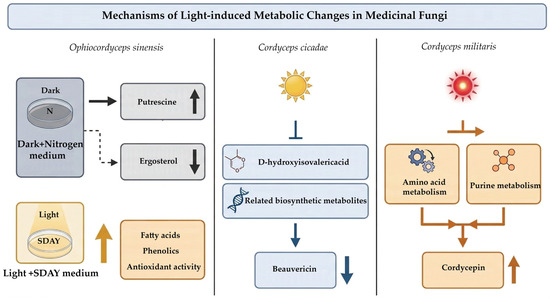
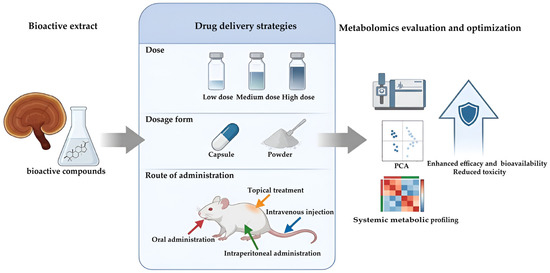
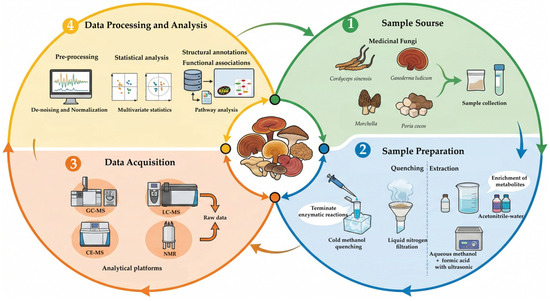
Medicinal fungi are important sources of natural medicines and are rich in a wide range of secondary metabolites with significant bioactivities, including terpenoids and alkaloids. As one of the core tools of systems biology, metabolomics has developed from simple metabolite detection into a key approach for understanding the complex life processes and medicinal value of medicinal fungi. This review summarizes recent advances in the application of metabolomics to the discovery of bioactive compounds from medicinal fungi, the optimization of cultivation and extraction processes, the analysis of pharmacological mechanisms, and the improvement of drug delivery strategies. The main methods used in metabolomics are outlined, with emphasis on the key steps of sample preparation, data acquisition, and data analysis. The review then describes how metabolomics can be used for the rapid discovery of bioactive compounds in medicinal fungi. It further explains how metabolomics can guide the precise optimization of fermentation parameters and the improvement of extraction processes by revealing the effects of environmental factors, such as light, temperature, pH, and inducers, as well as different extraction methods, on metabolic networks. In addition, this review summarizes the role of metabolomics in clarifying the molecular mechanisms by which bioactive compounds exert pharmacological effects through the modulation of specific metabolic pathways, as well as its application in optimizing dose, formulation, and route of administration. Representative studies have demonstrated that integrated metabolomic and proteomic analyses have revealed the preferential accumulation of triterpenoids, sterols, and polyphenolic compounds during the budding stage of Ganoderma lucidum. Finally, future studies should integrate metabolomics with genomics, transcriptomics, proteomics, and other omics approaches to link bioactive metabolites with their biosynthetic genes, regulatory networks, and molecular targets. In such an integrated framework, metabolomics can serve as a phenotype-oriented core for the discovery and functional characterization of therapeutic metabolites from medicinal fungi, although further experimental and clinical validation remains essential.
Full article
(This article belongs to the Special Issue Metabolic Characteristics of Microbial Cells and Enzymes)
►▼
Show Figures

Figure 1
Open AccessArticle
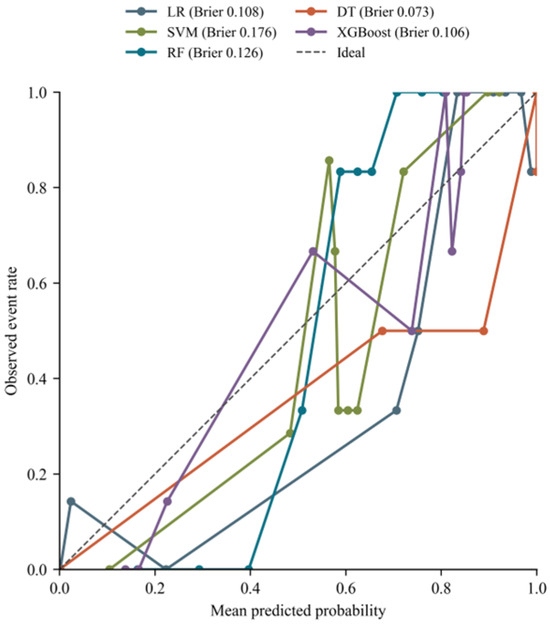
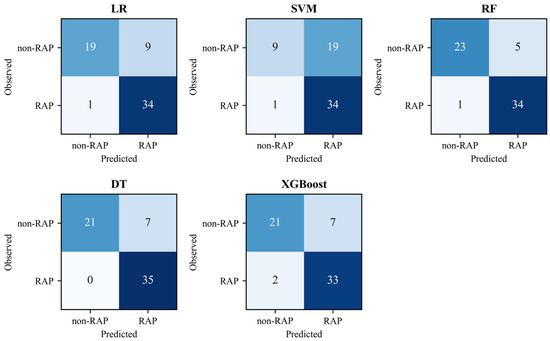
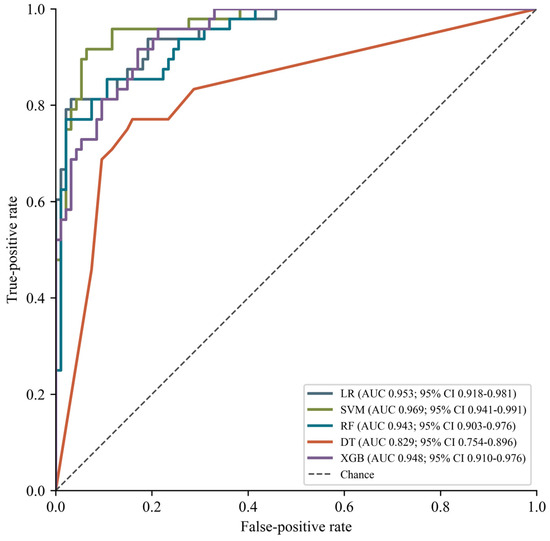
A Metabolomics-Driven Integrated Machine Learning Framework for Early Prediction of Recurrent Acute Pancreatitis
by
Qing Huang, Xiaoyan Shen, Ying Li, Haoxi Wu, Xiangxiang Huang, Guangming Li and Di Wang
Metabolites 2026, 16(8), 575; https://doi.org/10.3390/metabo16080575 - 15 Aug 2026
Abstract
Background/Objective: Recurrent acute pancreatitis (RAP) can progress to chronic pancreatitis and ultimately pancreatic ductal adenocarcinoma; therefore, early identification of patients at high recurrence risk is clinically important. However, the high dimensionality, inherent variability, and susceptibility to outliers of metabolomic data pose challenges
[...] Read more.
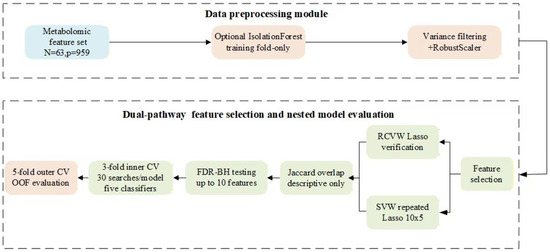
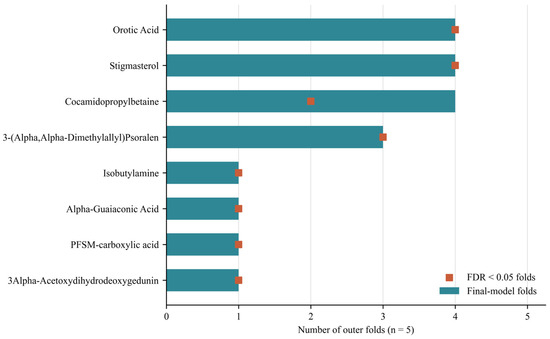
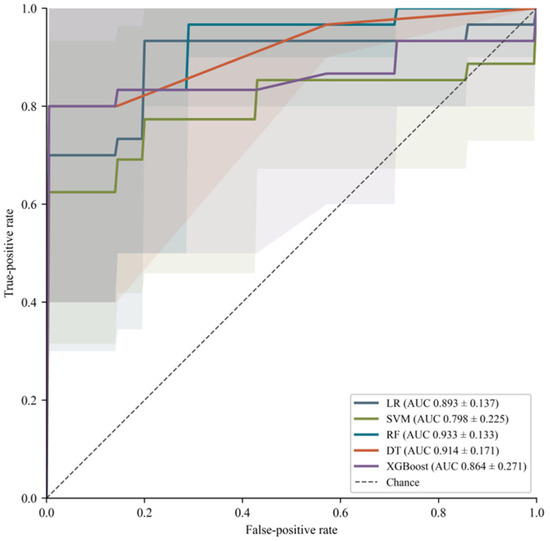
Background/Objective: Recurrent acute pancreatitis (RAP) can progress to chronic pancreatitis and ultimately pancreatic ductal adenocarcinoma; therefore, early identification of patients at high recurrence risk is clinically important. However, the high dimensionality, inherent variability, and susceptibility to outliers of metabolomic data pose challenges for reliable biomarker identification. Methods: Here, we propose an integrated framework that combines Isolation Forest-based outlier handling to systematically assess the influence of aberrant samples, a dual-pathway adaptive Lasso feature selection strategy incorporating stability-oriented and sparsity-oriented pathways, and statistical significance filtering to reduce false positives. Results: When applied to a cohort of 63 patients, Random Forest (RF) achieved the highest mean outer-fold area under the receiver operating characteristic curve (AUC) among the five classifiers evaluated (0.933 ± 0.133). In an exploratory modality analysis incorporating 11 prespecified baseline clinical covariates, the clinical-only, metabolomics-only, and combined clinical–metabolomic RF models achieved mean outer-fold AUCs of 0.712 ± 0.265, 0.933 ± 0.133, and 0.986 ± 0.029, respectively. Although the combined model showed the highest numerical AUC, it did not significantly outperform the metabolomics-only model based on pooled out-of-fold predictions. Notably, in this small-sample setting, the dual-pathway selection strategy recurrently identified orotic acid as a candidate metabolite with the most consistent fold-wise statistical support across outer training partitions. Re-execution of the workflow on a public gastric cancer metabolomics dataset demonstrated its technical portability to a distinct classification task. Conclusions: Together, these findings provide a framework that distinguishes internal predictive performance and feature stability from biochemical validation, offering a reproducible basis for prioritizing RAP-associated metabolic signals and guiding future multicenter targeted validation studies.
Full article
(This article belongs to the Topic Metabolomics: Evaluating the Metabolic Profile of Biological Samples)
►▼
Show Figures

Figure 1
Journal Menu
► ▼ Journal Menu-
- Metabolites Home
- Aims & Scope
- Editorial Board
- Reviewer Board
- Topical Advisory Panel
- Early Career Editorial Board
- Instructions for Authors
- Special Issues
- Topics
- Sections & Collections
- Article Processing Charge
- Indexing & Archiving
- Editor’s Choice Articles
- Most Cited & Viewed
- Journal Statistics
- Journal History
- Journal Awards
- Conferences
- Editorial Office
Journal Browser
► ▼ Journal BrowserHighly Accessed Articles
Latest Books
E-Mail Alert
News
Topics
Topic in
Nutrients, Metabolites, Healthcare, Children, Obesities, Life
Non-Communicable Diseases Silent Killer: Metabolic and Obesity Risks of Sedentary Behaviors
Topic Editors: Kotsedi Daniel Monyeki, Machoene Derrick SekgalaDeadline: 30 September 2026
Topic in
Animals, Antioxidants, Metabolites, Pets, Veterinary Sciences
Research on Companion Animal Nutrition
Topic Editors: Baichuan Deng, Lian Li, Yun JiDeadline: 26 October 2026
Topic in
Foods, Molecules, Nutrients, Metabolites
Omics Technologies and Other Quality and Safety Methodologies in Nutrition and Health
Topic Editors: Xianjiang Li, Wen MaDeadline: 15 November 2026
Topic in
Antioxidants, Biomedicines, Biomolecules, Cells, IJMS, Metabolites, Nutrients, Sci
Muscle Aging and Sarcopenia: Mechanisms, Metabolic Regulation, and Intervention Strategies
Topic Editors: Hélio José Coelho Júnior, Mariam El Assar, Javier AnguloDeadline: 15 December 2026
Conferences
Special Issues
Special Issue in
Metabolites
Metabolic Responses to Exercise and Nutrition: From Molecular Mechanisms to Functional Performance
Guest Editors: Do-Houn Kim, Chang LiuDeadline: 20 August 2026
Special Issue in
Metabolites
Metabolomic Signatures in Cancer
Guest Editors: Michael Daniel, Peter OefnerDeadline: 20 August 2026
Special Issue in
Metabolites
Advances in Metabolic Dysfunction-Associated Steatotic Liver Disease (MASLD)
Guest Editor: Mircea-Catalin FortofoiuDeadline: 21 August 2026
Special Issue in
Metabolites
Metabolic Disorders and Inflammatory Bowel Diseases
Guest Editor: Fotios S. FousekisDeadline: 25 August 2026
Topical Collections
Topical Collection in
Metabolites
Feature Papers Related to "Environmental Metabolomics" Section
Collection Editor: David J. Beale
Topical Collection in
Metabolites
Advances in Metabolomics
Collection Editors: Leonardo Tenori, Edoardo Saccenti