

Journal Description
Organics
Organics
is an international, peer-reviewed, open access journal on organic chemistry published quarterly online by MDPI.
- Open Access— free for readers, with article processing charges (APC) paid by authors or their institutions.
- High Visibility: indexed within Scopus, ESCI (Web of Science), CAPlus / SciFinder, and other databases.
- Journal Rank: JCR - Q2 (Chemistry, Organic)
- Rapid Publication: manuscripts are peer-reviewed and a first decision is provided to authors approximately 19 days after submission; acceptance to publication is undertaken in 6.2 days (median values for papers published in this journal in the first half of 2026).
- Recognition of Reviewers: APC discount vouchers, optional signed peer review, and reviewer names published annually in the journal.
- Journal Cluster of Chemical Reactions and Catalysis: Catalysts, Chemistry, Electrochem, Inorganics, Molecules, Organics, Oxygen, Photochem, Reactions, Sustainable Chemistry and Molbank.
Impact Factor:
3.2 (2025);
5-Year Impact Factor:
3.1 (2025)
Latest Articles
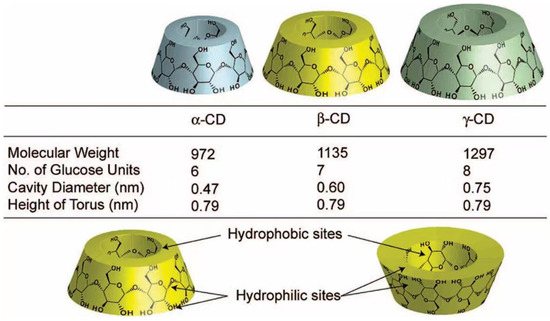
Cyclodextrin-Based Delivery of Traditional Chinese Medicine Active Molecules
Organics 2026, 7(3), 35; https://doi.org/10.3390/org7030035 - 7 Aug 2026
Abstract
Active molecules derived from traditional Chinese medicine (TCM) represent a valuable source of lead compounds for modern drug discovery, demonstrating considerable potential in the prevention and treatment of chronic diseases, cancer therapy, and immune modulation. Nevertheless, their clinical translation is often impeded by
[...] Read more.
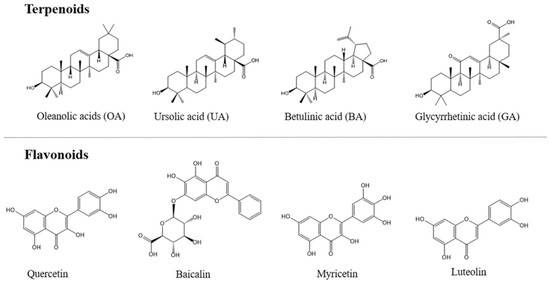
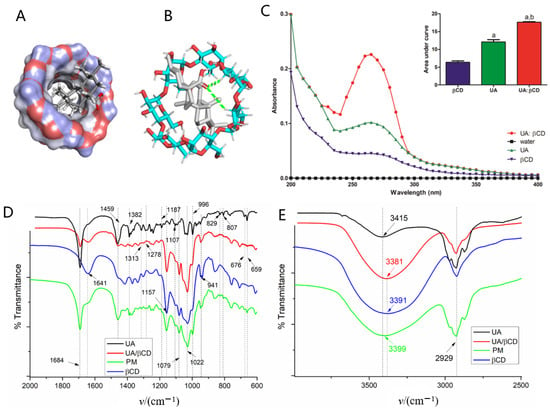
Active molecules derived from traditional Chinese medicine (TCM) represent a valuable source of lead compounds for modern drug discovery, demonstrating considerable potential in the prevention and treatment of chronic diseases, cancer therapy, and immune modulation. Nevertheless, their clinical translation is often impeded by intrinsic limitations such as poor aqueous solubility, low bioavailability, inadequate chemical stability, and significant gastrointestinal irritation. Cyclodextrins (CDs) and their derivatives, characterized by a hydrophobic internal cavity, are capable of forming inclusion complexes with TCM and their derived active constituents, thereby improving their physicochemical and pharmacokinetic profiles. Over the past five years, substantial progress has been made in this domain. CD-based inclusion strategies have been shown to markedly enhance the solubility and dissolution rate of poorly water-soluble TCM compounds, including flavonoids, alkaloids, and terpenoids. Moreover, this approach contributes to improved drug stability, effective taste masking, and the achievement of modified release profiles, such as sustained or targeted delivery, ultimately leading to enhanced therapeutic efficacy and reduced adverse effects. The development of novel CD derivatives and smart delivery systems has further broadened their application potential. This review summarizes recent advances in the CD-based encapsulation of TCM active molecules, highlighting key formulation strategies that address persistent challenges in the modernization of TCM. It also provides a foundation for future research and development in natural product-based therapeutics.
Full article
(This article belongs to the Special Issue Organic Supramolecular Chemistry of Natural Products)
►
Show Figures
Open AccessReview
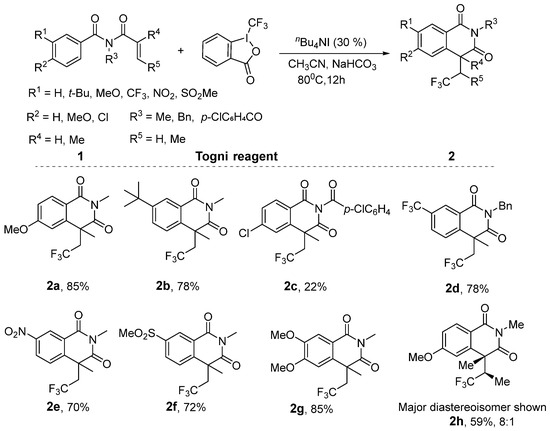
Research Progress in Fluorinated Isoquinoline-1,3-diones
by
Aiyun Liu, Youpeng Wang, Ruihan Wang, Redili Abulimiti, Xiangru Hao, Yunlei Wang, Xiaoran Tian, Huaiyuan Zhang, Tonglin Wang, Zhensheng Fu, Wenxiu Zheng and Junqiang Shi
Organics 2026, 7(3), 34; https://doi.org/10.3390/org7030034 - 7 Aug 2026
Abstract
►▼
Show Figures
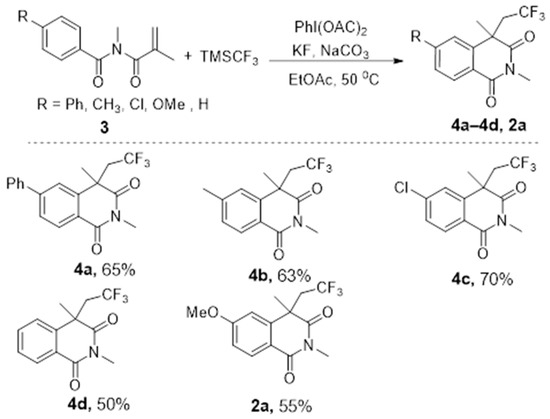
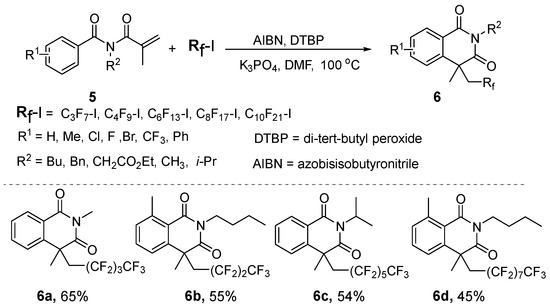
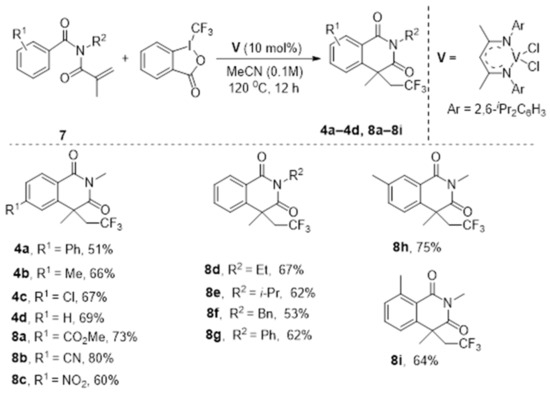
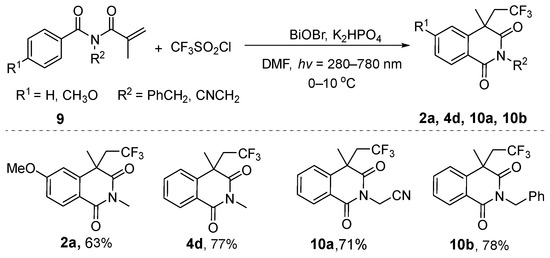
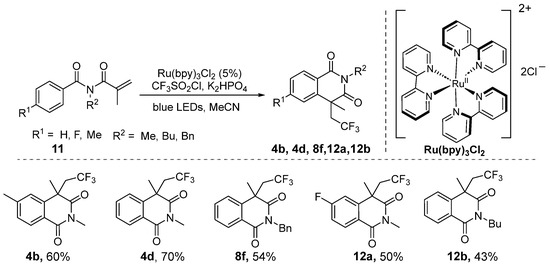
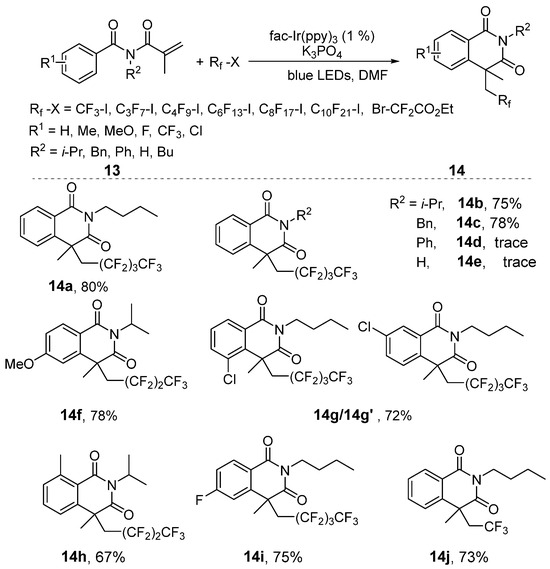
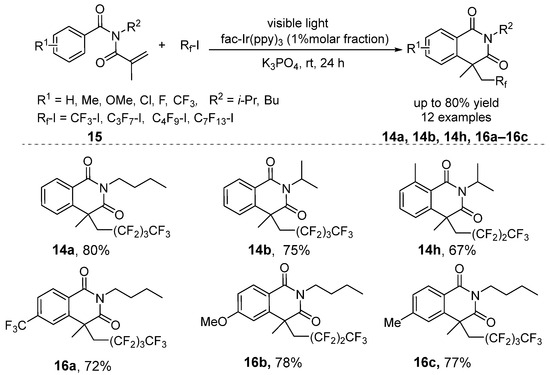
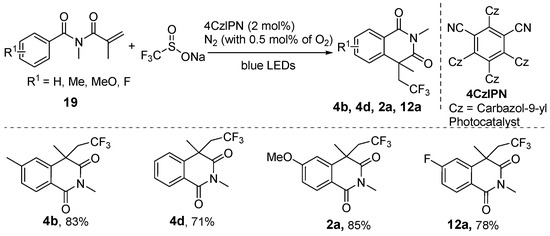
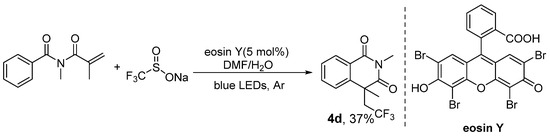
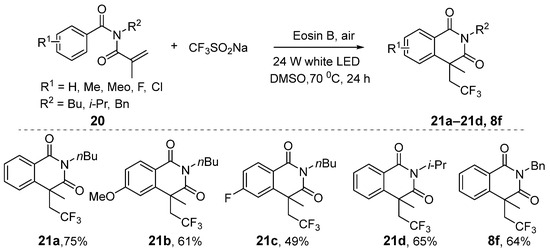
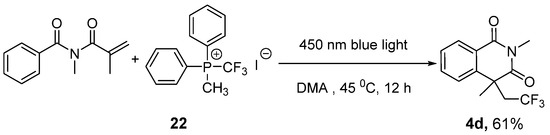
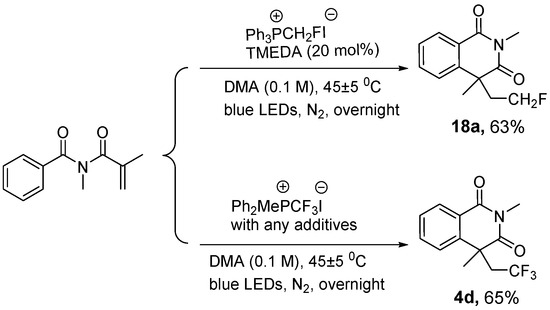
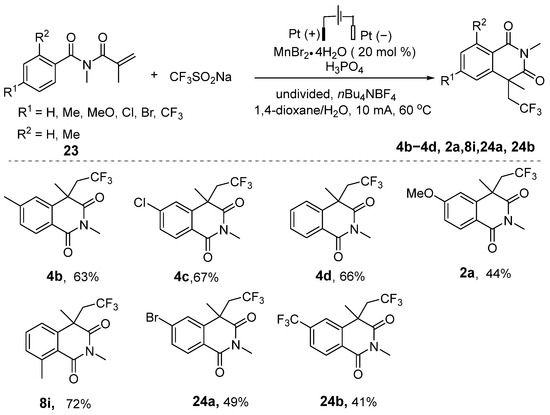
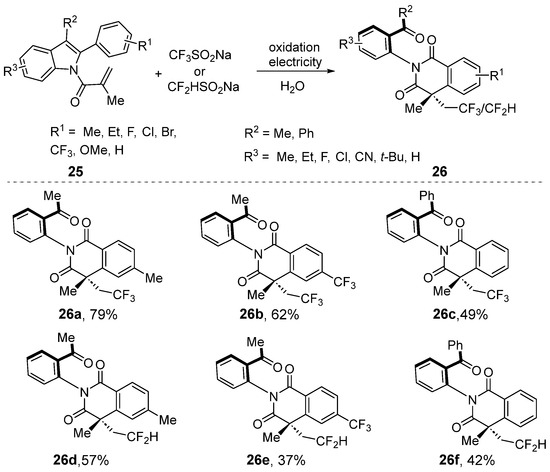
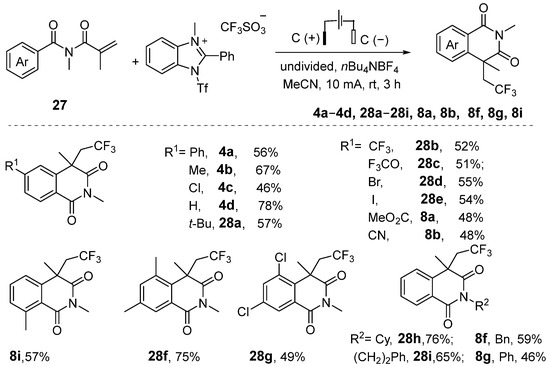
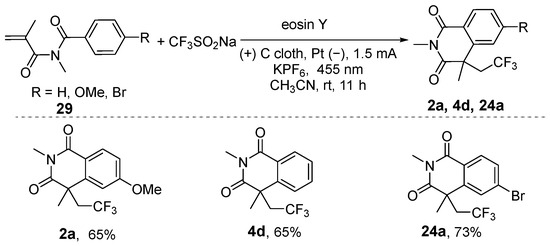
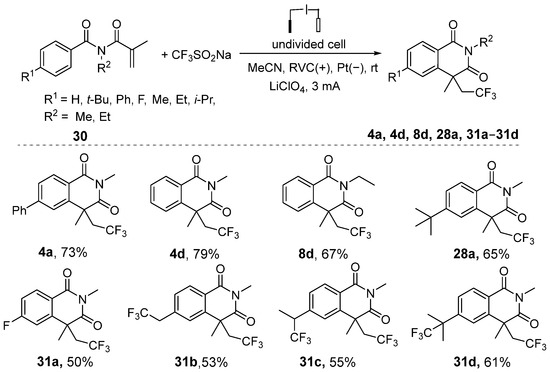
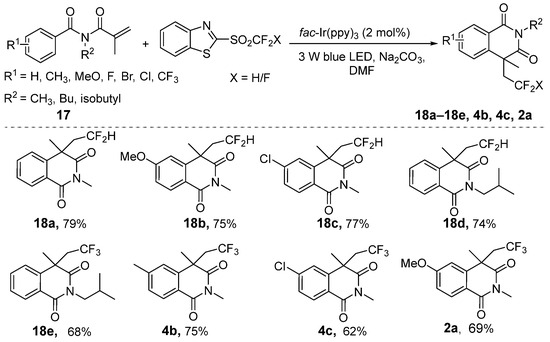
Fluorinated isoquinoline-1,3-diones possess important biological activities and application value in many fields such as medicine, pesticides, and organic synthesis. This review summarizes the synthetic methods of fluorinated isoquinoline-1,3-diones reported in recent years, mainly including classical synthetic methods, visible-light-induced catalytic methods, and electroorganic synthesis.
[...] Read more.
Fluorinated isoquinoline-1,3-diones possess important biological activities and application value in many fields such as medicine, pesticides, and organic synthesis. This review summarizes the synthetic methods of fluorinated isoquinoline-1,3-diones reported in recent years, mainly including classical synthetic methods, visible-light-induced catalytic methods, and electroorganic synthesis. The mechanisms of each reaction are described. Among them, visible-light-induced and electrochemical approaches show improved sustainability and mild reaction conditions. In this review, these synthetic methods are summarized to provide a reference for the design and research of these compounds. Future perspectives on method development are also briefly considered.
Full article

Scheme 1
Open AccessArticle
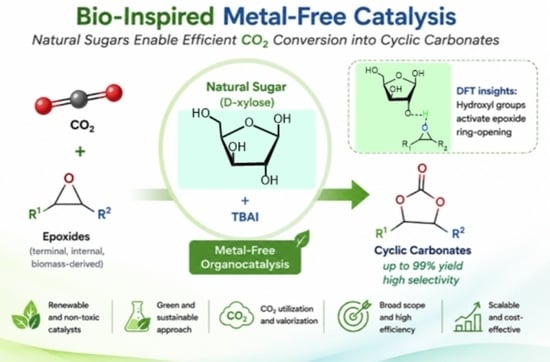
Bio-Inspired Metal-Free Catalysis: Natural Sugars Enable Efficient CO2 Conversion into Cyclic Carbonates
by
Oscar A. Douglas-Gallardo, Valentino Cárdenas-Toledo, Marta Navarro, Enrique Francés-Poveda, Jesús Naranjo, Genesys L. Mahecha, Felipe de la Cruz-Martínez, Francisca Werlinger, Agustín Lara-Sánchez and Javier Martínez
Organics 2026, 7(3), 33; https://doi.org/10.3390/org7030033 - 7 Aug 2026
Abstract
►▼
Show Figures
The consistent increase in atmospheric CO2 concentration, mostly driven by the global combustion of fossil fuels, is considered one of the primary contributors to the increasing severity of environmental problems, like climate change and global warming. Attending to this issue requires innovative
[...] Read more.
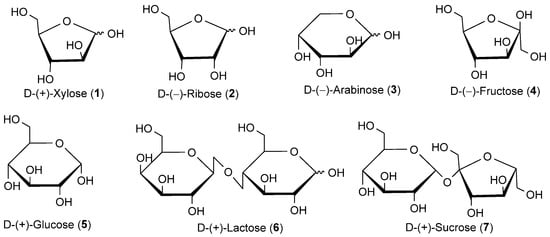
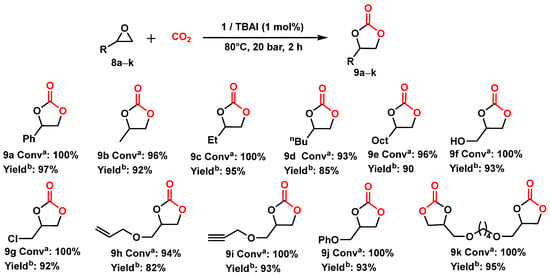
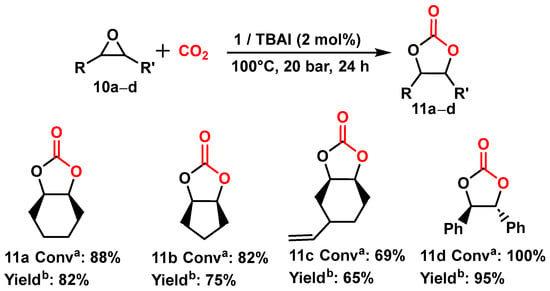
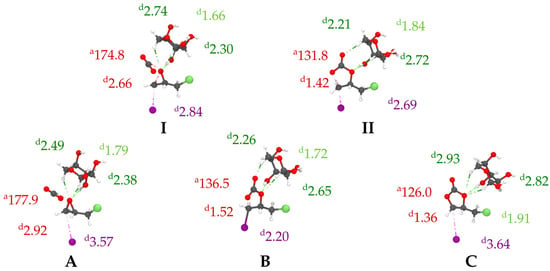
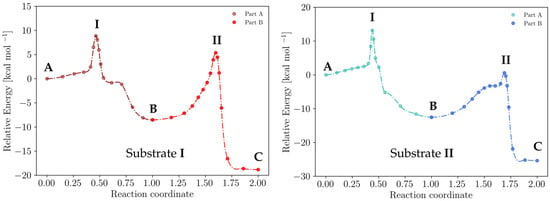
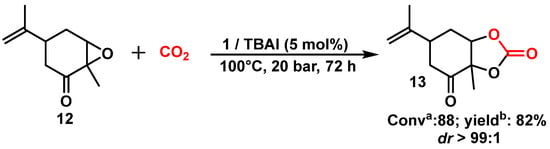
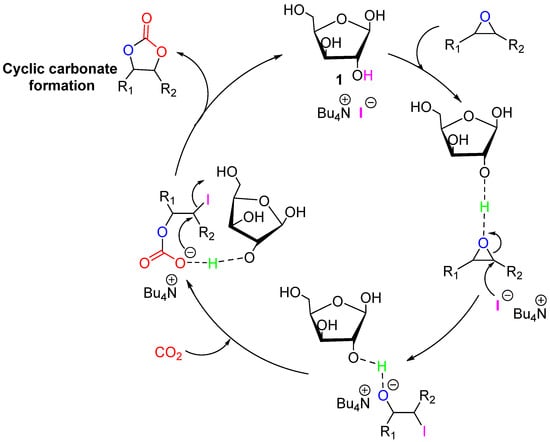
The consistent increase in atmospheric CO2 concentration, mostly driven by the global combustion of fossil fuels, is considered one of the primary contributors to the increasing severity of environmental problems, like climate change and global warming. Attending to this issue requires innovative strategies that transform CO2 into a valuable resource. In this work, we report a sustainable and fully metal-free approach for the synthesis of cyclic carbonates via the direct coupling of CO2 with epoxides, using natural sugars as readily available, non-toxic organocatalysts in combination with tetrabutylammonium iodide (TBAI) as a cocatalyst. Seven representative mono- and disaccharides were screened, employing styrene oxide as a model substrate under mild reaction conditions (80 °C, 20 bar CO2, 2 h). Among them, D-xylose exhibited the best catalytic performance. The robustness of this catalytic system was further demonstrated through the efficient transformation of a wide range of terminal, internal, and biomass-derived epoxides into their corresponding cyclic carbonates with high yields and selectivity (up to 99%). Additionally, a set of computational simulations based on density functional theory (DFT) calculations was carried out to gain insight into the atomistic mechanisms involved in this chemical transformation. We identified that the hydroxyl groups of the sugar catalyst play a pivotal role in activating the epoxy ring-opening process, leading to cyclic carbonate formation. This bio-inspired strategy provides a green, cost-effective, and scalable pathway to produce key precursors for organic chemistry, contributing to the development of a circular carbon economy and the advancement of sustainable chemistry.
Full article

Graphical abstract
Open AccessReview
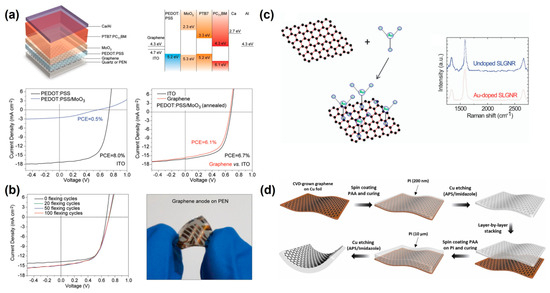
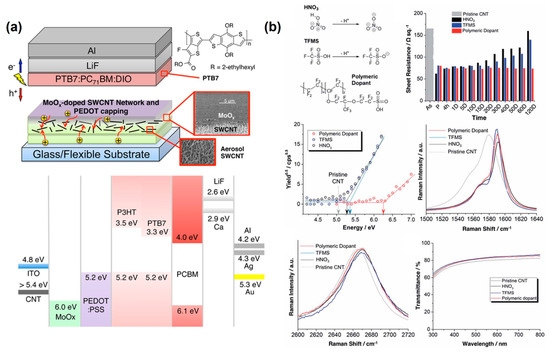
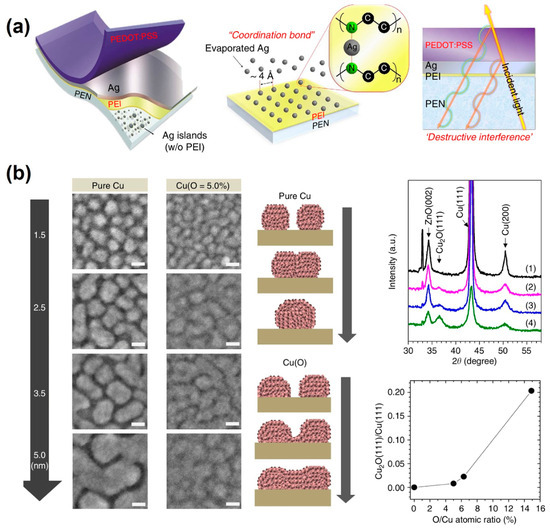
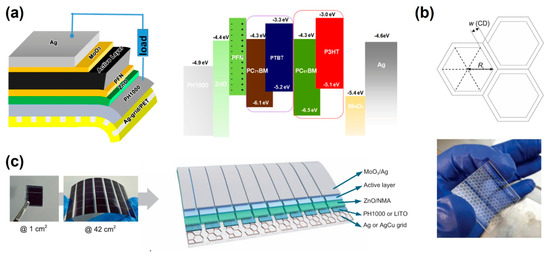
Synergistic Design of Flexible Substrates and Transparent Electrodes for Application in Organic Photovoltaics: A Review
by
Fengchun Liang, Fuchong Li, Penghua Yan, Yuting Li, Gaiguo Liu, Youjie Li, Baili Wang, Huaqiang Zhang and Yamin Zhang
Organics 2026, 7(3), 32; https://doi.org/10.3390/org7030032 - 3 Aug 2026
Abstract
►▼
Show Figures
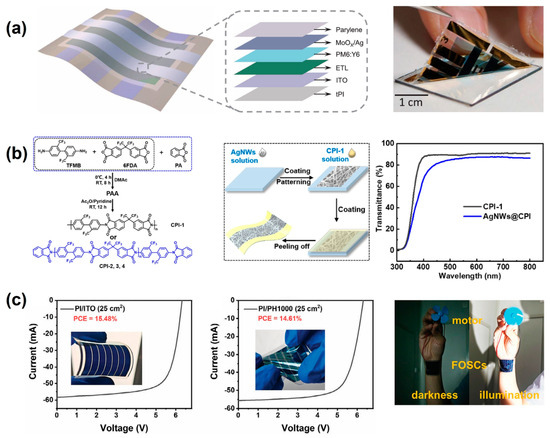
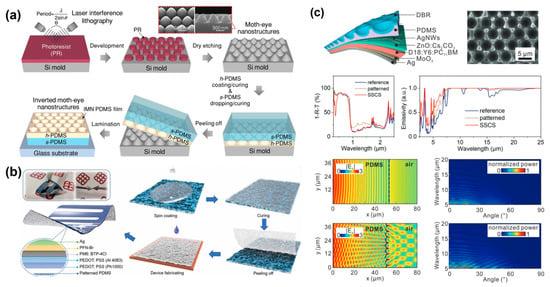
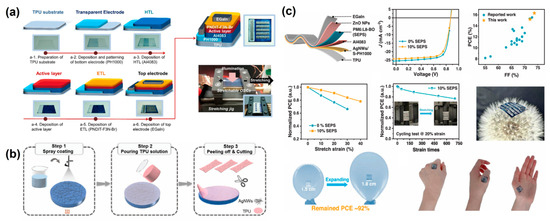
Flexible organic solar cells (FOSCs) are a promising green energy technology due to their mechanical flexibility, light weight, low cost, and compatibility with large-area solution processing. Although the power conversion efficiency (PCE) of rigid organic solar cells has exceeded 20%, a significant performance
[...] Read more.
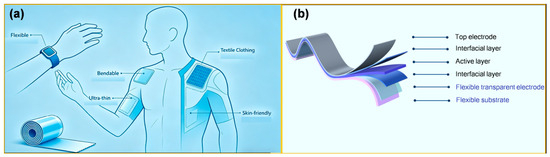
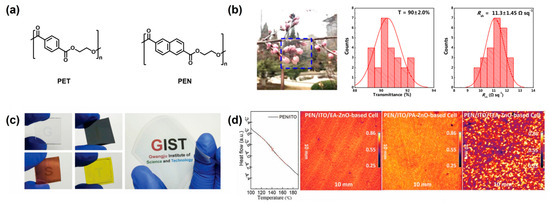
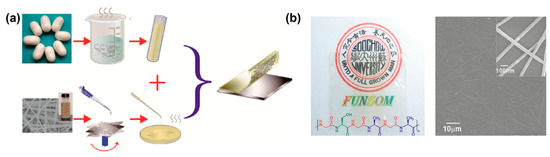
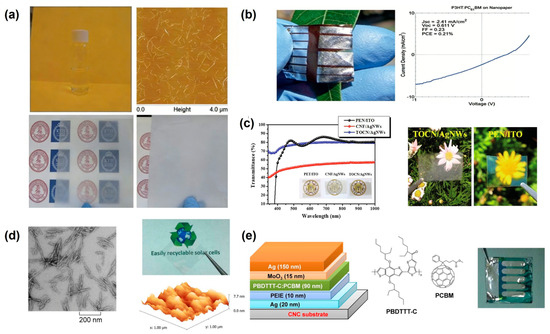
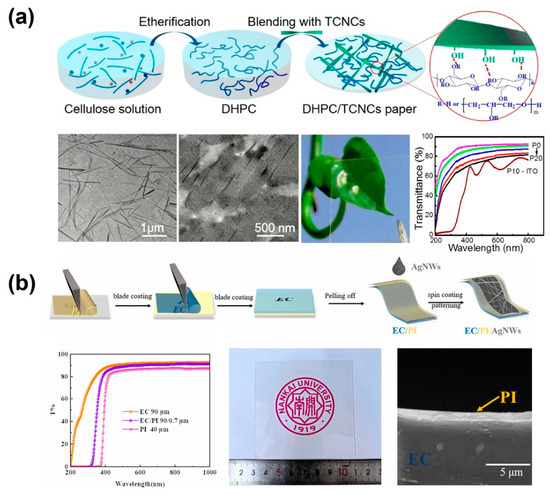
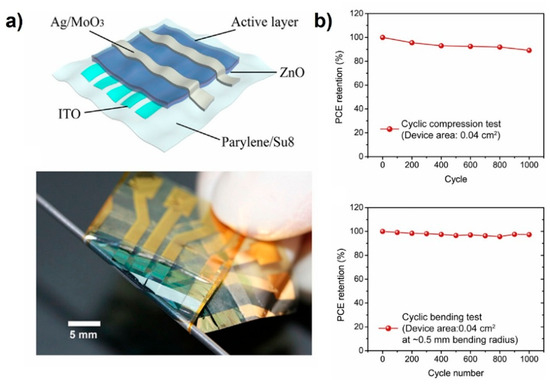
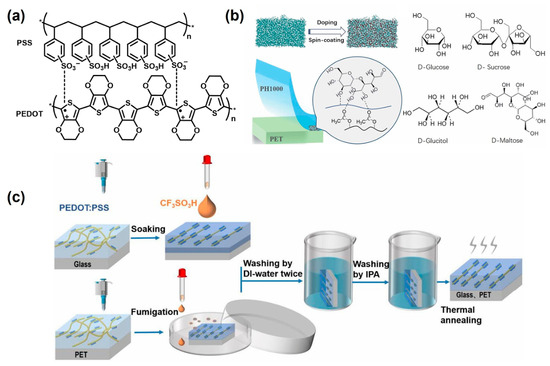
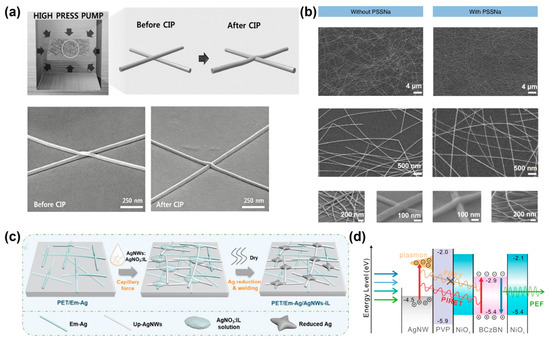
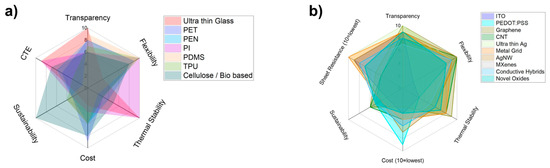
Flexible organic solar cells (FOSCs) are a promising green energy technology due to their mechanical flexibility, light weight, low cost, and compatibility with large-area solution processing. Although the power conversion efficiency (PCE) of rigid organic solar cells has exceeded 20%, a significant performance gap remains for flexible devices, primarily constrained by the limitations of two key components: the flexible substrate and the transparent electrode. This review systematically summarizes recent research progress on flexible substrates, including ultrathin glass, polymer substrates, stretchable substrates, and bio-based substrates, and flexible transparent electrodes, including ITO, conductive polymers, carbon-based nanomaterials, ultrathin metal films, metal grids, and metal nanowire networks. Building on this, the review explores strategies for the synergistic design of substrates and electrodes, analyzing critical pathways for their co-optimization across four dimensions: interface engineering, mechanical compatibility, optical coupling, and process integration. Examining representative case studies from the literature, optimal substrate–electrode pairings for different application scenarios are summarized. Finally, the review outlines a future perspective on the evolution from compatibility toward functional integration, offering a systematic framework for the development of next-generation flexible photovoltaic devices that are efficient, stable, and adaptable to diverse application requirements.
Full article

Graphical abstract
Open AccessReview
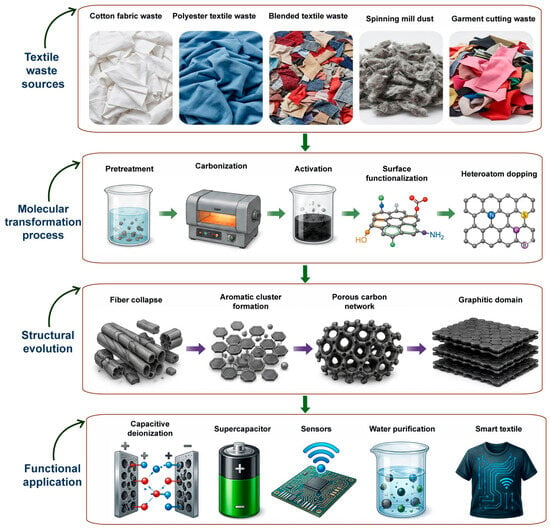
Molecular Transformation Pathways in Textile-Derived Carbon Materials: From Organic Fiber Chemistry to Functional Electrochemical Applications
by
Md. Shamim Alam, Mashud Ahmed, Abdul Barik, Samia Jahan Tofa, Md. Koushic Uddin, Antonio Greco, Mohammad Mahbubul Alam and Muksit Ahamed Chowdhury
Organics 2026, 7(3), 31; https://doi.org/10.3390/org7030031 - 27 Jul 2026
Abstract
►▼
Show Figures
Due to the rapid development of the textile industry and increased consumption of various textiles composed of both synthetic and natural fibers, large amounts of textile waste are produced, leading to environmental and economic problems on a global scale. Turning textile waste into
[...] Read more.
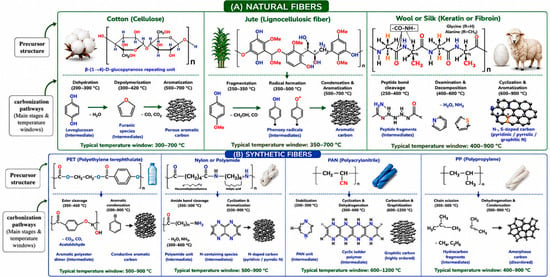
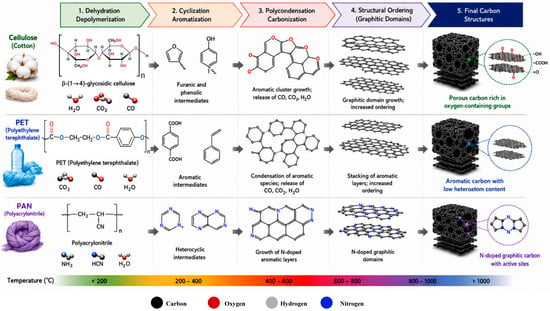
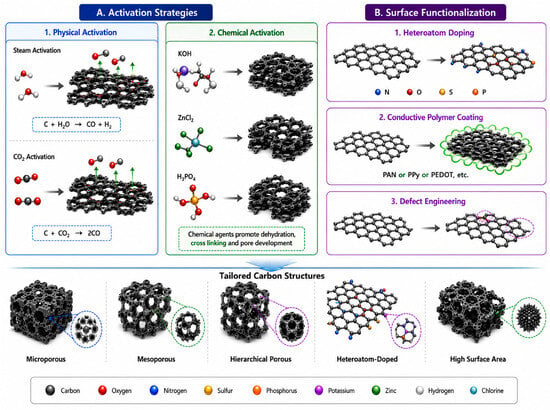
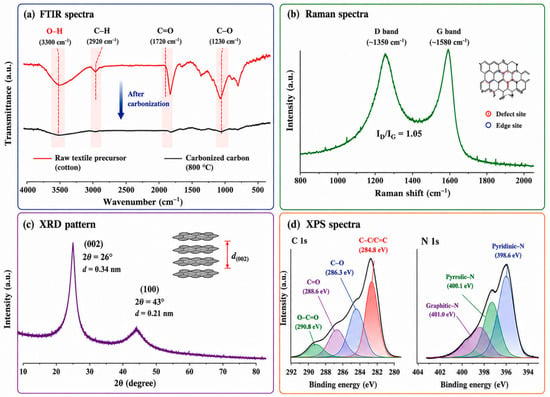
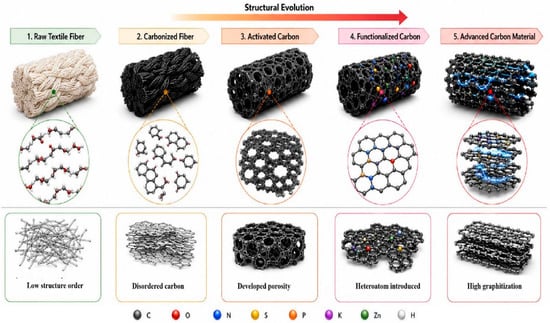
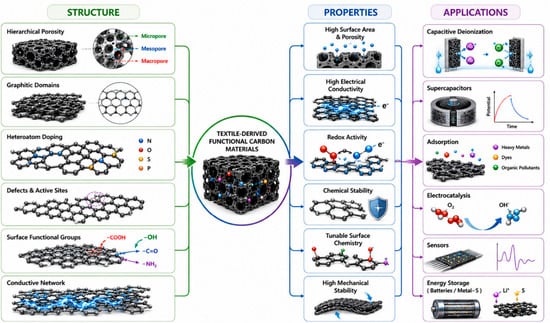
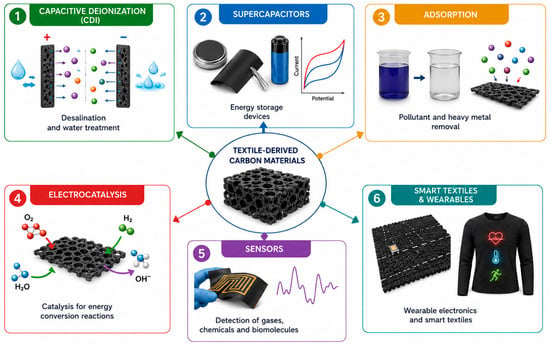
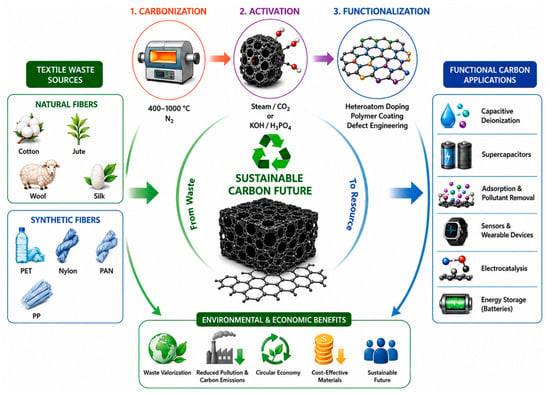
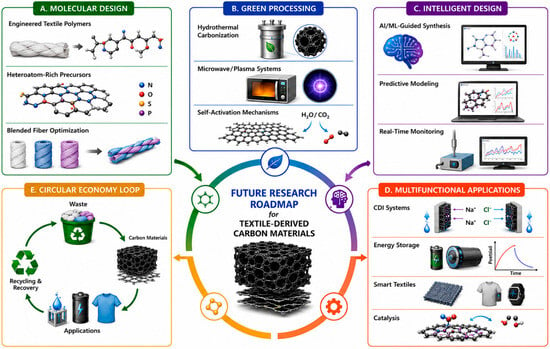
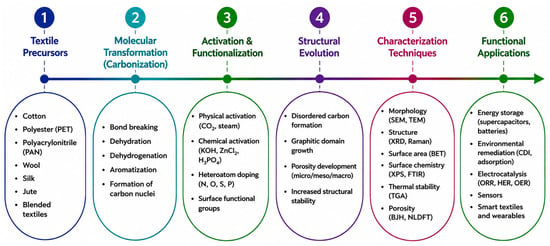
Due to the rapid development of the textile industry and increased consumption of various textiles composed of both synthetic and natural fibers, large amounts of textile waste are produced, leading to environmental and economic problems on a global scale. Turning textile waste into carbon materials that can be used in a broad range of applications has become a viable solution to address this challenge in terms of sustainability and value generation. Natural and synthetic textile fibers have distinctive molecular structures with relatively high carbon content and variable chemical functionality; therefore, they have been identified as highly promising precursors for fabricating carbon materials with various electrochemical and environmental applications. At the same time, the properties of carbonized and activated textile fibers are strongly dependent on the molecular transformations taking place during thermal treatment and functionalization of textile fibers. This review will provide a comprehensive overview of the molecular evolution of natural and synthetic textile fibers during carbonization and activation processes in terms of dehydration, depolymerization, aromatization, heteroatom preservation, and graphitization mechanisms. The effect of precursor chemical composition, pyrolysis conditions, activation process, and heteroatom incorporation on the structure of carbonized and activated textile fibers and their physical and electrochemical properties will be analyzed. Particular emphasis is placed on electrochemical applications, including capacitive deionization, supercapacitors, electrocatalysis, and emerging smart electrochemical textile systems, highlighting how molecular transformation, pore engineering, and surface chemistry govern charge storage, ion adsorption, and catalytic behavior. In addition, major characterization techniques such as Raman spectroscopy, X-ray diffraction, X-ray photoelectron spectroscopy, and Brunauer–Emmett–Teller surface area analysis will be reviewed and discussed in relation to understanding the interdependence between molecular structure and material properties. Finally, recent issues related to feedstock heterogeneity, scalability, energy efficiency, and sustainability of processing are highlighted, and future perspectives on multifunctional carbon structures and circular utilization of textile waste are discussed.
Full article

Figure 1
Open AccessReview
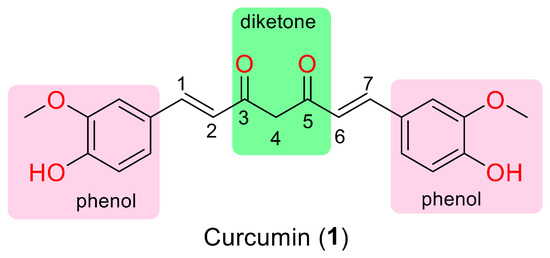
From Spice to Scaffold: Design and Development of Curcumin Analogs to Combat Pancreatic Cancer
by
Mukund Jha and Amitabh Jha
Organics 2026, 7(3), 30; https://doi.org/10.3390/org7030030 - 13 Jul 2026
Abstract
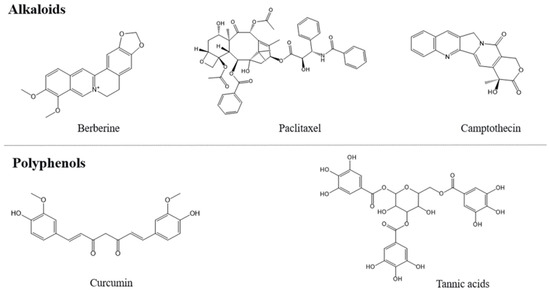
Pancreatic ductal adenocarcinoma (PDAC) is considered as one of the most lethal malignancies, characterized by late diagnosis, aggressive local invasion, profound therapy resistance, and a suppressive tumor microenvironment. Currently known chemotherapy regimens for the treatment of PDAC are limited and typically depend on
[...] Read more.
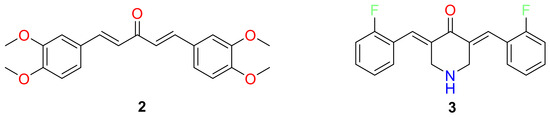
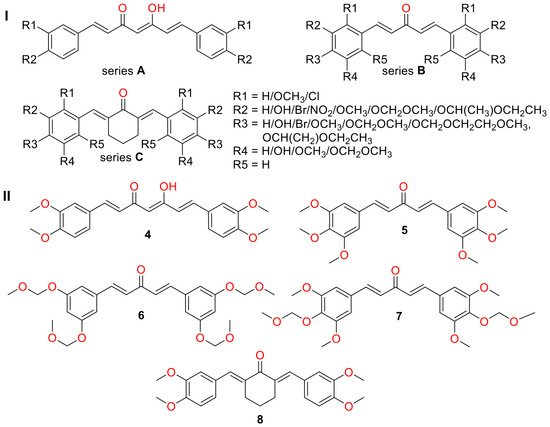
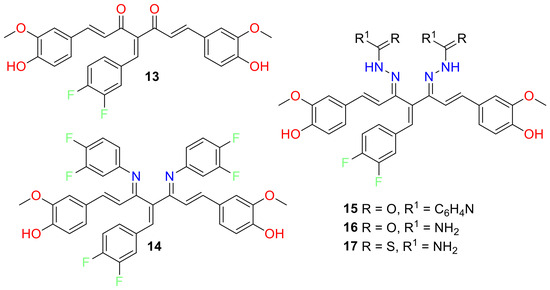
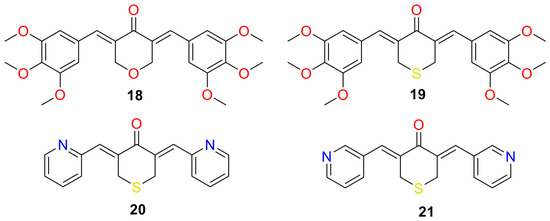
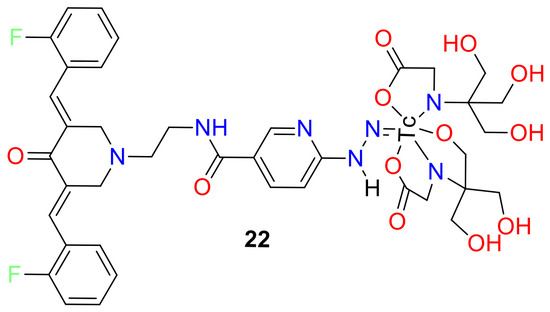
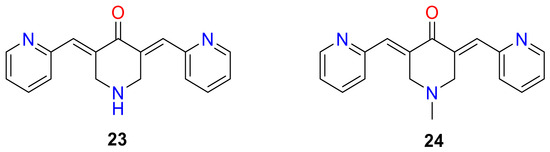
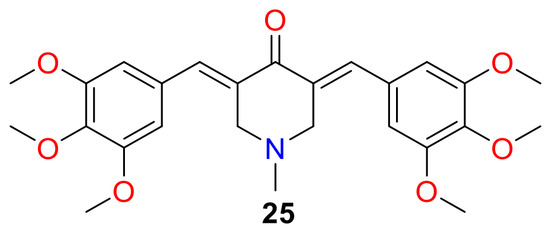
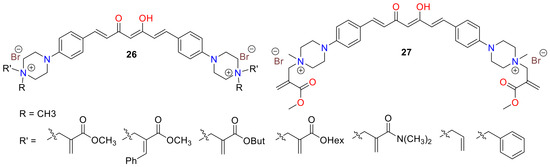
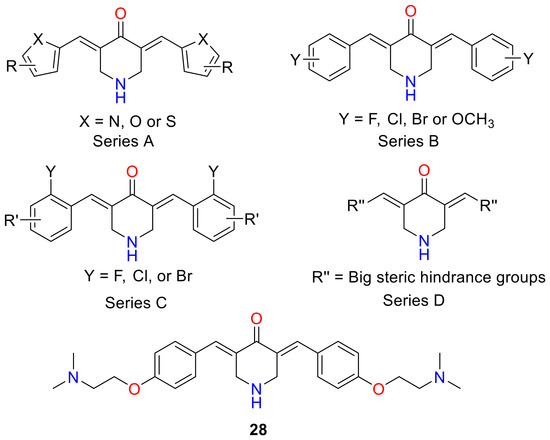
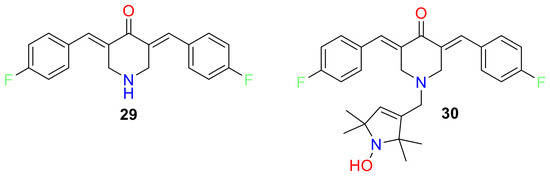
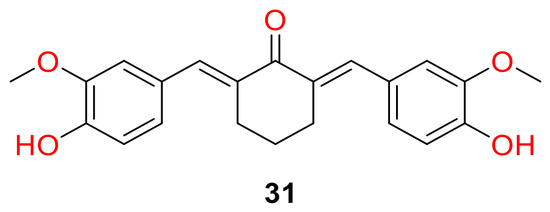
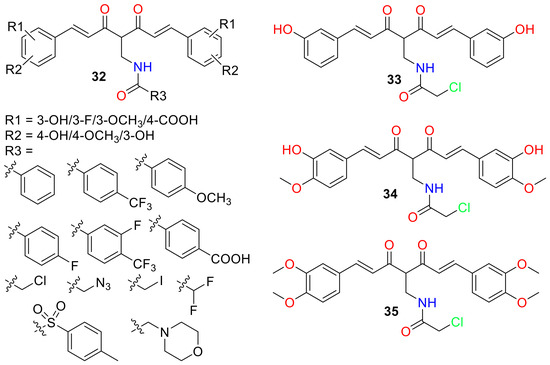
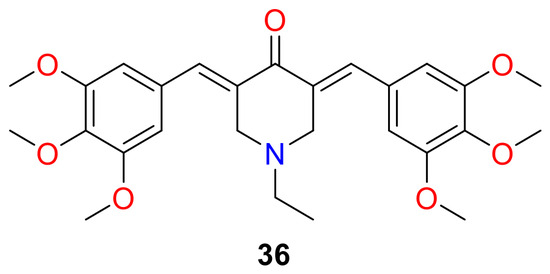
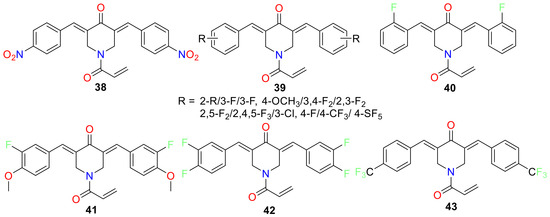
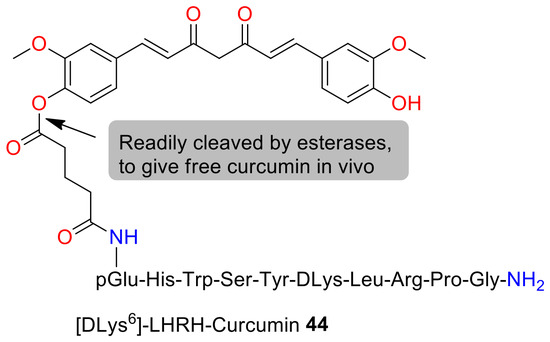
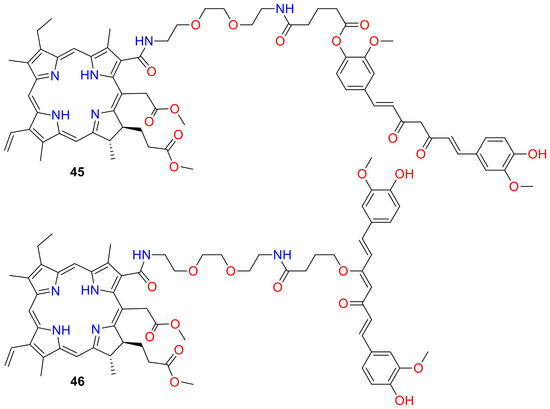
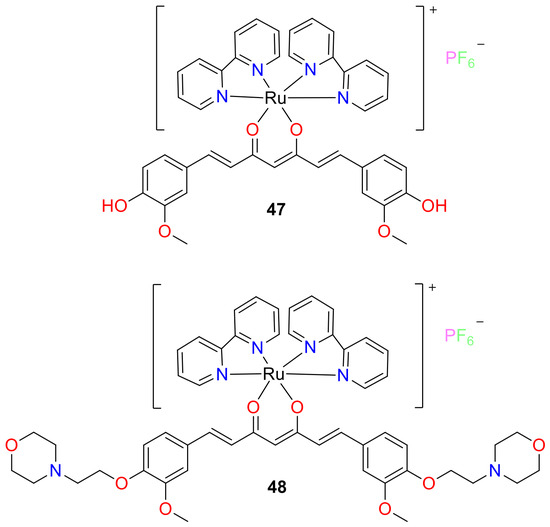
Pancreatic ductal adenocarcinoma (PDAC) is considered as one of the most lethal malignancies, characterized by late diagnosis, aggressive local invasion, profound therapy resistance, and a suppressive tumor microenvironment. Currently known chemotherapy regimens for the treatment of PDAC are limited and typically depend on the stage of disease. For pre-surgery and post-surgery settings, modified combination of fluorouracil, leucovorin, irinotecan, and oxaliplatin are used. Gemcitabine/nab-paclitaxel is an alternative regimen used for the disease at advanced stage. However, modest efficacy and high toxicity are often associated with these treatments. Therefore, more efficacious, safer, and novel therapeutic options are urgently required. The natural product curcumin has been shown to exert promising anti-inflammatory, pro-apoptotic, and antimetastatic activities in PDAC models. Inspired by these initial reports, there has been a sustained effort in the medicinal chemistry community to develop chemotherapeutic agents for the treatment of PDAC based on the chemical architecture of curcumin. This review highlights recent developments of multiple classes of curcumin analogs as a credible and versatile class of investigational agents for addressing the unmet therapeutic needs of pancreatic cancer.
Full article
(This article belongs to the Topic Biological and Pharmacological Activity of Natural Products)
►▼
Show Figures

Figure 1
Open AccessArticle
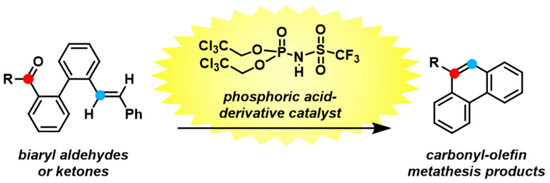
Phosphoric Acid Derivative-Catalyzed Carbonyl-Olefin Metathesis
by
Heidi A. Dahlmann, Finn Beruldsen, Hayden L. Criswell, Phillip F. Crook, Evan C. Glassford, Alyssa K. Jones, Reece B. Mitchell, Laura F. Mortan, Nicholas Ryan, Alexandria M. Smith and Evan M. Vazquez
Organics 2026, 7(3), 29; https://doi.org/10.3390/org7030029 - 8 Jul 2026
Abstract
►▼
Show Figures
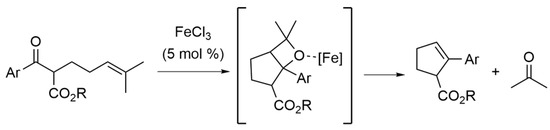
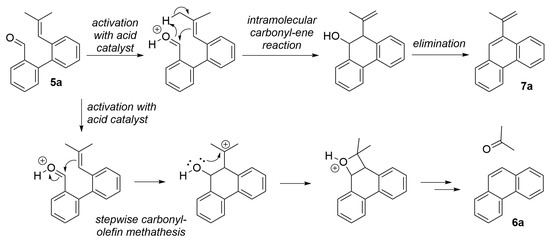
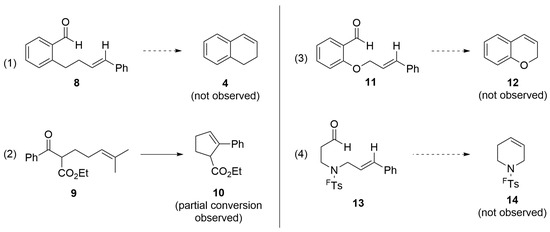
Ring-closing carbonyl-olefin metathesis (COM) reactions provide a straightforward method for producing cyclic alkenes from precursors containing carbonyl functional groups tethered to nucleophilic alkenes. Within the last decade, many methods for carrying out Lewis acid- or organocatalyzed COM reactions were reported; however, Brønsted–Lowry acid-catalyzed
[...] Read more.
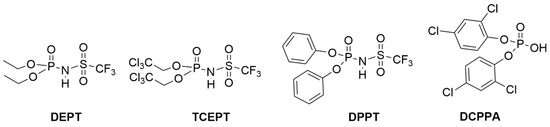
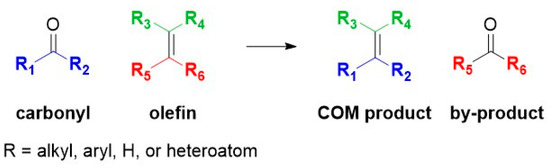
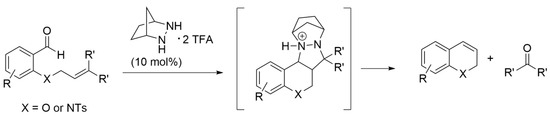
Ring-closing carbonyl-olefin metathesis (COM) reactions provide a straightforward method for producing cyclic alkenes from precursors containing carbonyl functional groups tethered to nucleophilic alkenes. Within the last decade, many methods for carrying out Lewis acid- or organocatalyzed COM reactions were reported; however, Brønsted–Lowry acid-catalyzed COM reactions are less developed. Herein, we report that phosphoric acid derivatives and N-triflylphosphoramides mediate COM reactions, although the substrate scope is limited to biaryl compounds that cyclize to produce phenanthrene products. We also disclose the synthesis and characterization of a previously non-fully characterized phosphoric acid derivative and a novel phosphoramide.
Full article

Graphical abstract
Open AccessArticle
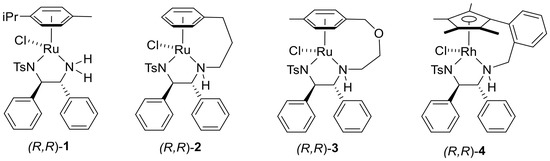
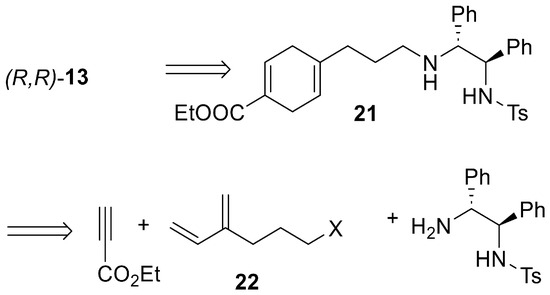
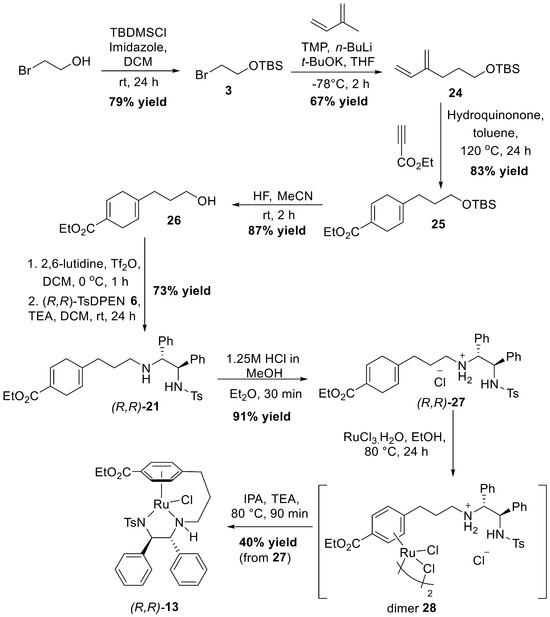
The Synthesis of Tethered (Arene)Ru(TsDPEN) Catalysts Containing Electron-Donating and -Withdrawing Groups on the η6-Arene Ring and Their Screening in the Asymmetric Transfer Hydrogenation (ATH) of Ketones
by
Shweta K. Gediya and Martin Wills
Organics 2026, 7(3), 28; https://doi.org/10.3390/org7030028 - 3 Jul 2026
Abstract
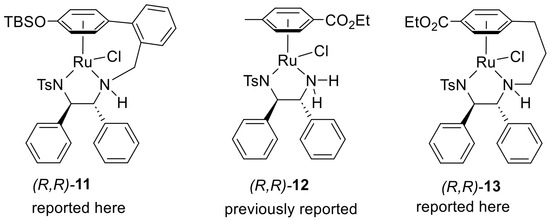
We have prepared two novel tethered (arene)Ru(II)/TsDPEN complexes, one containing a p-OTBS on the η6-arene ring, and the other with a p-CO2Et group at the same position, representing an electron-rich and electron-poor derivative. These have been evaluated in asymmetric
[...] Read more.
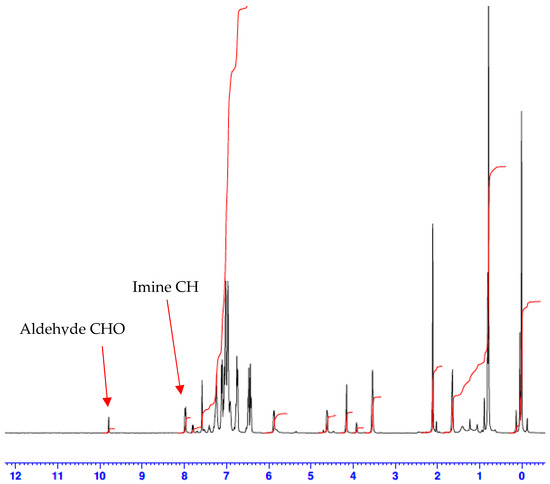
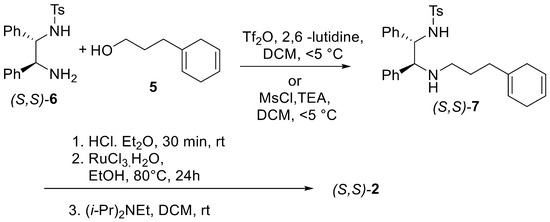
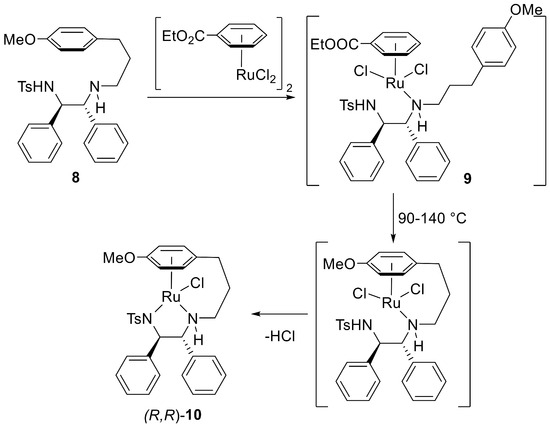
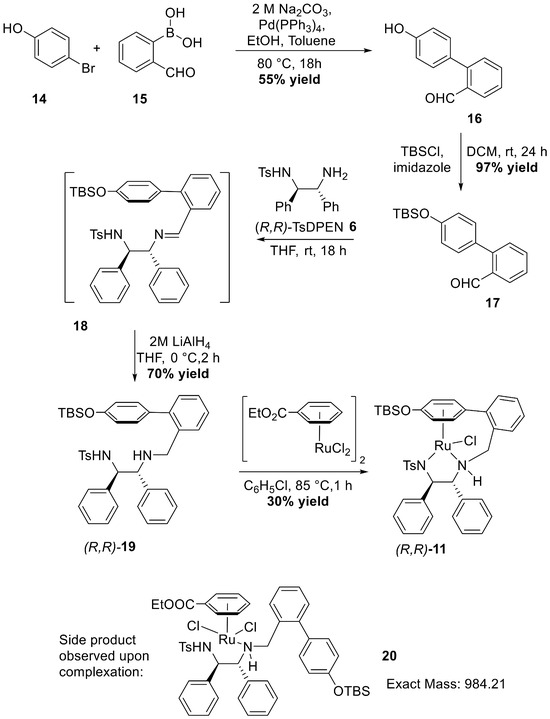
We have prepared two novel tethered (arene)Ru(II)/TsDPEN complexes, one containing a p-OTBS on the η6-arene ring, and the other with a p-CO2Et group at the same position, representing an electron-rich and electron-poor derivative. These have been evaluated in asymmetric transfer hydrogenation (ATH) of acetophenone derivatives and acetylcyclohexane. Both catalysts were effective in ATH and gave alcohols in high ees in most cases (with the exception of acetylcyclohexane reduction), mirroring results previously obtained using Ru(II) tethered catalysts. It was notable that the p-CO2Et-containing catalyst was more active than the untethered equivalent catalyst containing an ester on the η6-arene ring, although it still gave products of high ee. This indicates that N-η6-arene ring tethering can compensate for the lower activity of the electron-withdrawing ester group and may be a useful factor to consider for future catalyst design.
Full article
(This article belongs to the Special Issue Recent Advances in Asymmetric Transfer Hydrogenation)
►▼
Show Figures

Figure 1
Open AccessArticle
Stereochemical Stability of Phenylglycine in Peptide Synthesis: Stereoretentive Coupling and Deprotection Strategies
by
Zeping Wang, Shoko Ishikawa, Yuki Fukuda, Sayaka Yamada, Meika Inomoto, Desita Triana Aziz, Xueyu Yang, Zetry Puteri Tachrim, Takeyuki Suzuki, Yuta Murai and Makoto Hashimoto
Organics 2026, 7(3), 27; https://doi.org/10.3390/org7030027 - 3 Jul 2026
Abstract
►▼
Show Figures
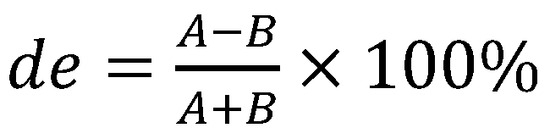
Phenylglycine (Phg) is a nonproteinogenic α-amino acid found in various bioactive molecules. The C-terminal activation of N-acyl Phg is often accompanied by oxazolone-mediated racemization, arising from the direct attachment of the phenyl ring to the α-carbon. After peptide bond formation with another
[...] Read more.
Phenylglycine (Phg) is a nonproteinogenic α-amino acid found in various bioactive molecules. The C-terminal activation of N-acyl Phg is often accompanied by oxazolone-mediated racemization, arising from the direct attachment of the phenyl ring to the α-carbon. After peptide bond formation with another chiral amino acid, this stereochemical erosion is observed as Phg-site epimerization and diastereomer formation. N-acyl activated esters, particularly N-hydroxysuccinimide (OSu) esters, are widely used for peptide bond formation with proteinogenic α-amino acids. Our previous study on N-trifluoroacetyl phenylglycine (TFA-Phg-OH) revealed that Phg-site epimer formation could still occur when TFA-Phg-OSu was employed as an acyl donor for coupling with amino acid ester hydrochlorides (AA–OMe·HCl) in the presence of a soluble organic base. To address these issues, in this study, we report a base-limited one-pot coupling of TFA-Phg-OH with α-amino acid ester hydrochlorides (AA–OR·HCl; R = Me or tert-Bu) using 1-ethyl-3-(3-dimethylaminopropyl)carbodiimide hydrochloride (WSCD·HCl), which effectively suppresses Phg epimerization. The resulting TFA-Phg–AA–OR dipeptides (AA = Ala, Val, Leu, Met, Phg) were all obtained at a >60% yield with a diastereomeric excess (de) ≥ 98.5%. Notably, reducing the amount of triethylamine further minimized epimer formation, while Ba(OH)2·8H2O and trifluoroacetic acid enabled stereoretentive deprotection of the N-TFA group and tert-butyl ester, respectively. This workflow provides practical access to both protected and deprotected Phg–AA motifs, thereby facilitating the preparation of unprotected Phg-containing peptide building blocks.
Full article

Figure 1
Open AccessArticle
Synthesis and In Silico Evaluation of the Ninhydrin Derivatives Interaction with Target Proteins Involved in Cancer Pathogenesis and Progression
by
Anastasia R. Kovrizhina and Andrei I. Khlebnikov
Organics 2026, 7(2), 26; https://doi.org/10.3390/org7020026 - 18 Jun 2026
Abstract
►▼
Show Figures
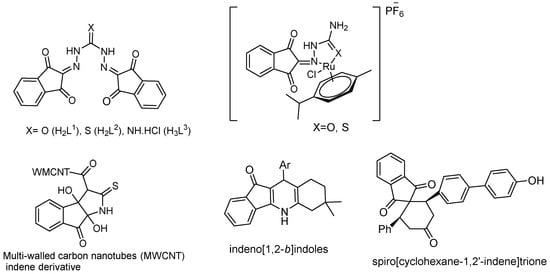
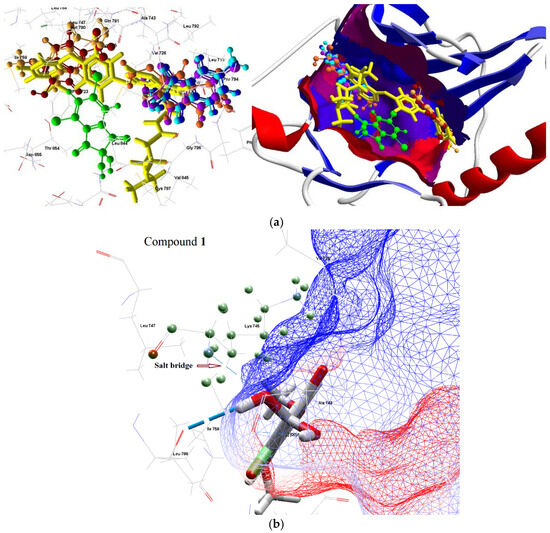
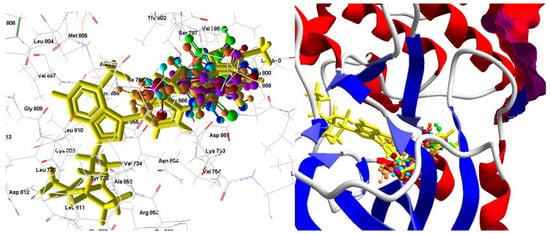
Ninhydrins represent a promising chemical space for the search for new biologically active molecules with antimicrobial, antiprotease, and antitumor properties. In the present work, new ninhydrin derivatives were synthesized, and for the first time, a systematic in silico study of ninhydrins as multitarget
[...] Read more.
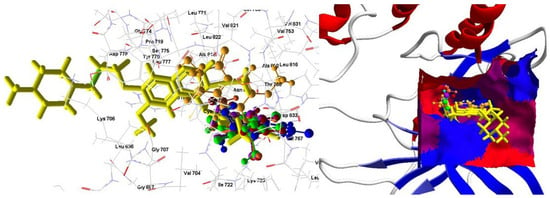
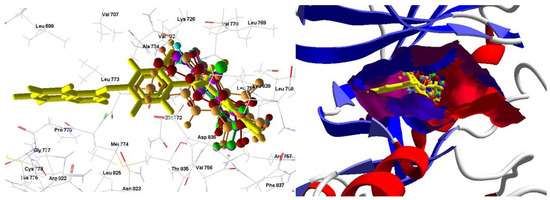
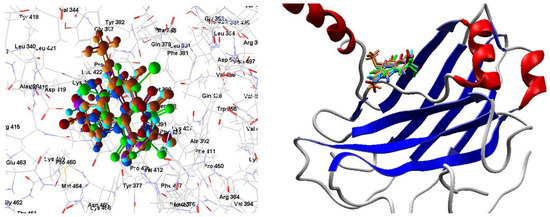
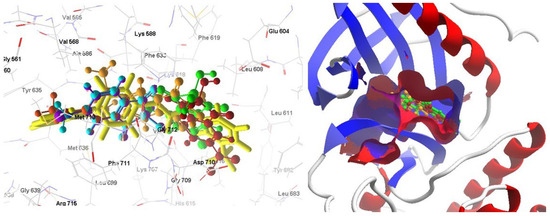
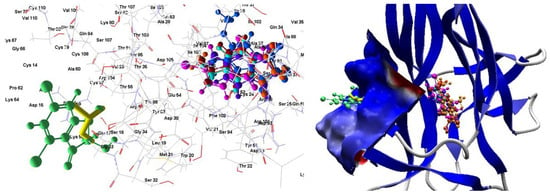
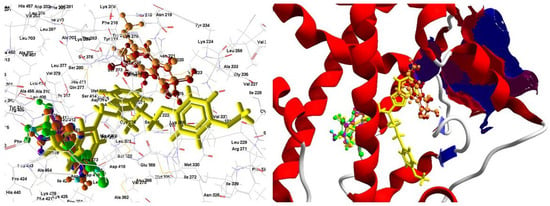
Ninhydrins represent a promising chemical space for the search for new biologically active molecules with antimicrobial, antiprotease, and antitumor properties. In the present work, new ninhydrin derivatives were synthesized, and for the first time, a systematic in silico study of ninhydrins as multitarget ligands for five pharmacologically significant targets (HER1/HER4, HER2/HER3, Trk-B, PPAR-α, and LTβR) was conducted, whose amplification or overexpression plays a key role in the pathogenesis and progression of certain aggressive cancer types. Among the studied ninhydrin derivatives, compound 1 (2,2-dihydroxy-5,6-dimethoxy-1H-indene-1,3(2H)-dione) stands out as the most potentially active molecule. It exhibits high affinity for HER1/HER4, Trk-B, and PPAR-α, opening up potential applications in oncology (HER family and Trk-B inhibition during BDNF overexpression), neurodegenerative diseases (Trk-B modulation), and metabolic disorders (PPAR-α activation). Compound 4 (2,2-Dihydroxy-5-trifluoromethylindane-1,3-dione) is a leader in LTβR binding and also holds promise for immuno-oncology and anti-inflammatory strategies.
Full article

Figure 1
Open AccessArticle
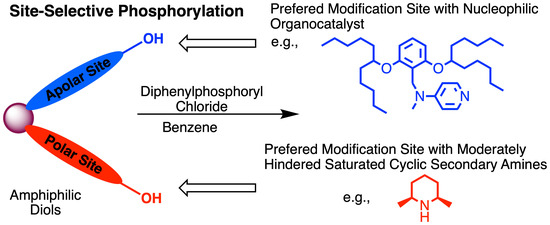
Controlling Site Selectivity in the Phosphorylation of Amphiphilic Diols: Aminopyridine Organocatalysts vs. Stoichiometric Amine Bases
by
Shai Ben Sasson, Noa Naama, Mikhail Kozlov, Ibrahim Amer and Moshe Portnoy
Organics 2026, 7(2), 25; https://doi.org/10.3390/org7020025 - 11 Jun 2026
Abstract
►▼
Show Figures
Our recent studies demonstrated that dialkylaminopyridine organocatalysts featuring an extensive secondary sphere preferentially phosphorylate the alcohol at the apolar domain of a model amphiphilic diol. In the present study, this site-selective behavior was corroborated across a broader range of amphiphilic diols. Furthermore, we
[...] Read more.
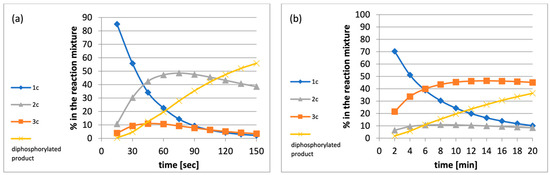
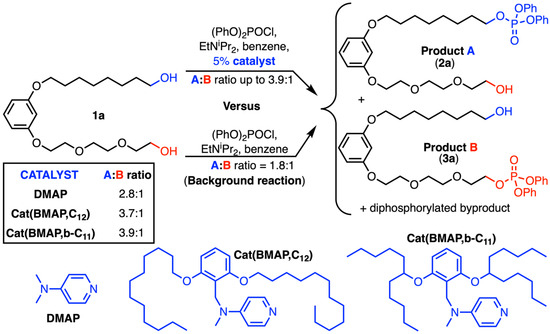
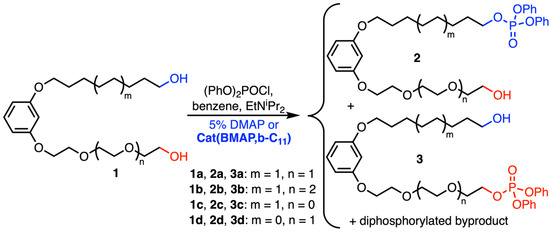
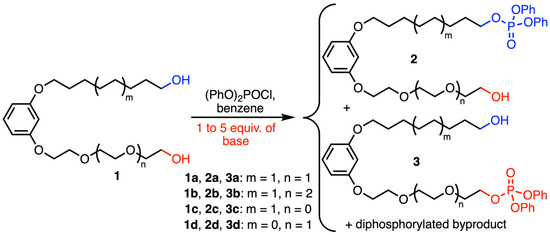
Our recent studies demonstrated that dialkylaminopyridine organocatalysts featuring an extensive secondary sphere preferentially phosphorylate the alcohol at the apolar domain of a model amphiphilic diol. In the present study, this site-selective behavior was corroborated across a broader range of amphiphilic diols. Furthermore, we found that the site selectivity can be inverted by applying certain saturated aliphatic amine bases in stoichiometric amounts. Screening identified cis-2,6-dimethylpiperidine as the most selective promoter, consistently inducing phosphorylation at the polar domain across all tested diols. Remarkably, despite being a secondary amine, this base did not produce any detectable phosphoramidate byproduct.
Full article

Graphical abstract
Open AccessArticle
Synthesis, Molecular Structure and Crystal Packing Peculiarities of Some 5-Arylidene-3-phenylrhodanine Derivatives
by
Xiumei Bai, Danila R. Chernyavskiy, Anna D. Maksimova, Ilya A. Yakushev, Viktor A. Tafeenko, Elena K. Beloglazkina and Alexander V. Finko
Organics 2026, 7(2), 24; https://doi.org/10.3390/org7020024 - 8 Jun 2026
Abstract
►▼
Show Figures
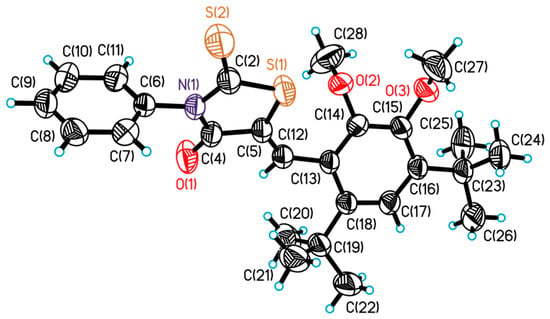
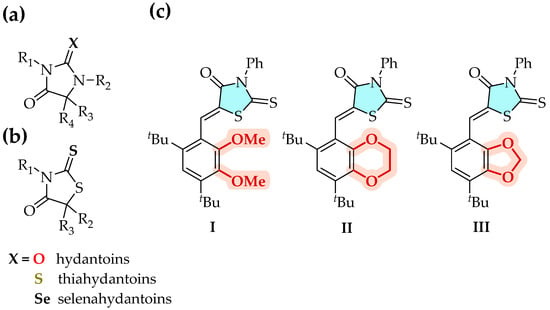
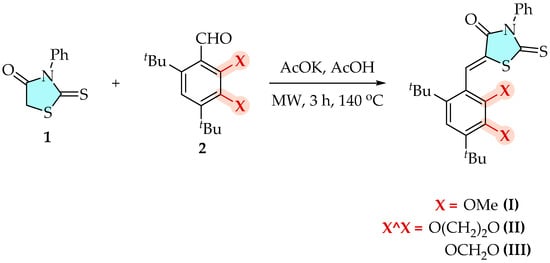
We report the synthesis and single-crystal X-ray structures of three novel (Z)-5-arylidene-3-phenylrhodanine derivatives, differing in the substituents on the benzylidene fragment (two methoxy groups (compound I), a dioxine ring (compound II), or a dioxole ring (compound III)). Despite
[...] Read more.
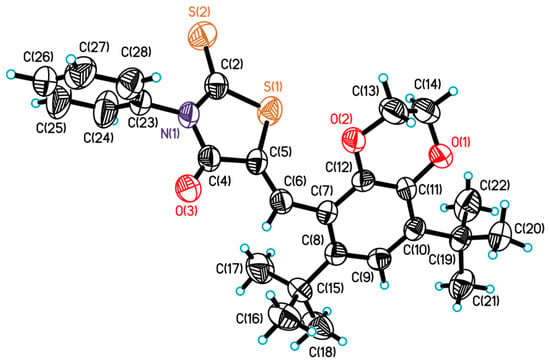
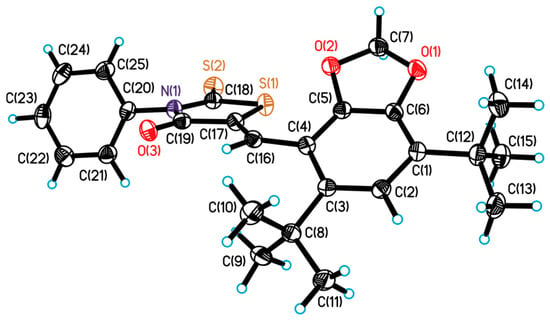
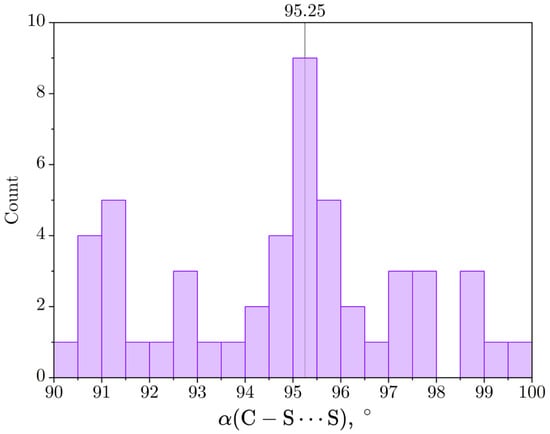
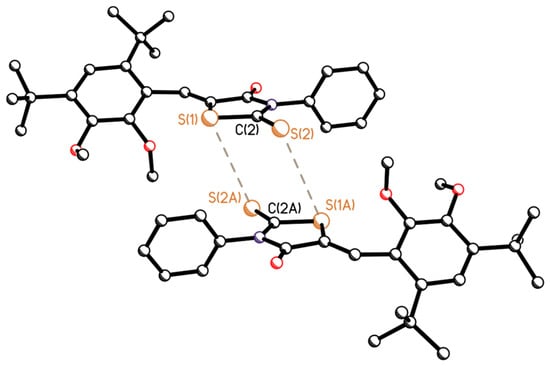
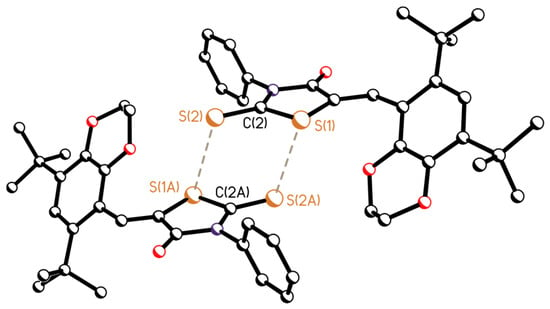
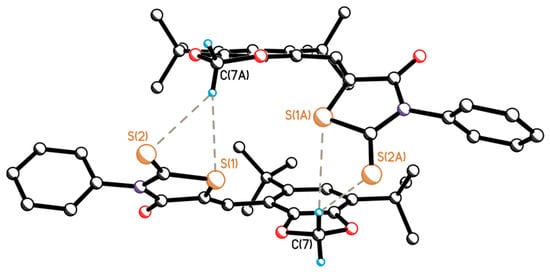
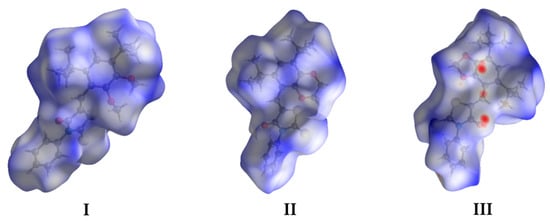
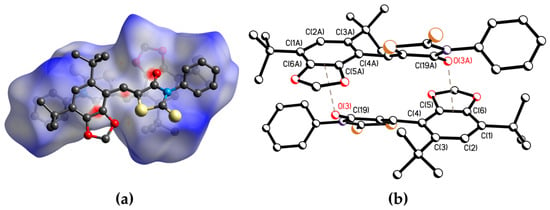
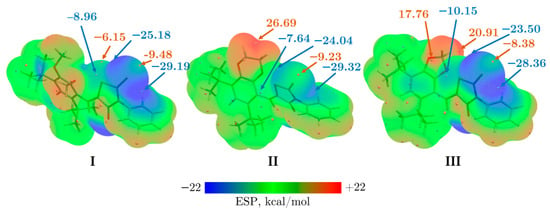
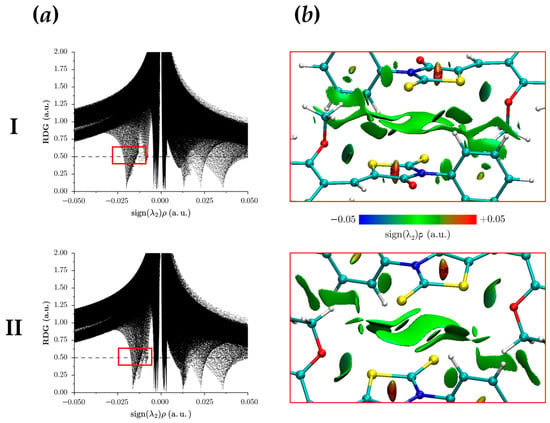
We report the synthesis and single-crystal X-ray structures of three novel (Z)-5-arylidene-3-phenylrhodanine derivatives, differing in the substituents on the benzylidene fragment (two methoxy groups (compound I), a dioxine ring (compound II), or a dioxole ring (compound III)). Despite the overall similarity of the molecules, their supramolecular architectures were found out to be strikingly different. The results of intermolecular interactions in those structures are investigated via Hirshfeld surface, molecular electrostatic potential surface and non-covalent interaction analyses. The fine modulation of the arylidene substituent can switch the primary intermolecular synthon from weak S···S bonding to n···π* interactions, offering new possibilities for crystal engineering of rhodanine-based materials.
Full article

Figure 1
Open AccessArticle
Marine-Biomass-Derived Melanin–Chitosan Composites as Natural Black Hair Colorants: Charge Reversal and Electrostatic Deposition Mechanism
by
Toshihiko Matsuura and Airi Nakajima
Organics 2026, 7(2), 23; https://doi.org/10.3390/org7020023 - 8 Jun 2026
Abstract
►▼
Show Figures
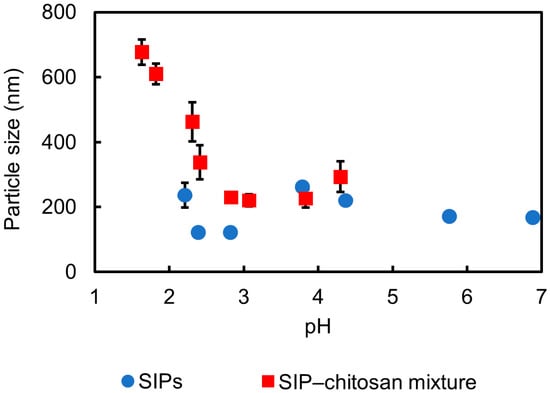
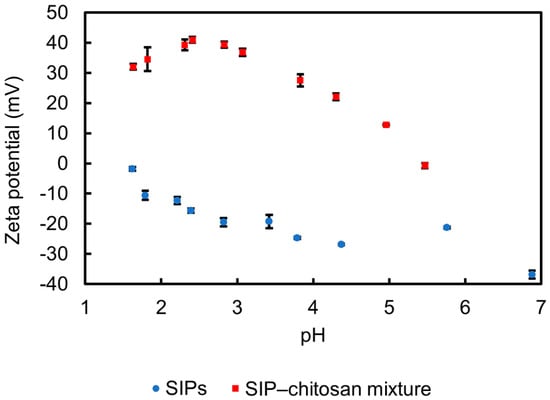
Conventional oxidative hair dyes rely on aromatic amines, raising concerns about human health and environmental safety. This study reports a natural hair-coloring system using size-controlled ink particles (SIPs, ~170 nm in diameter) from cuttlefish ink and chitosan. Because both SIPs and hair surfaces
[...] Read more.
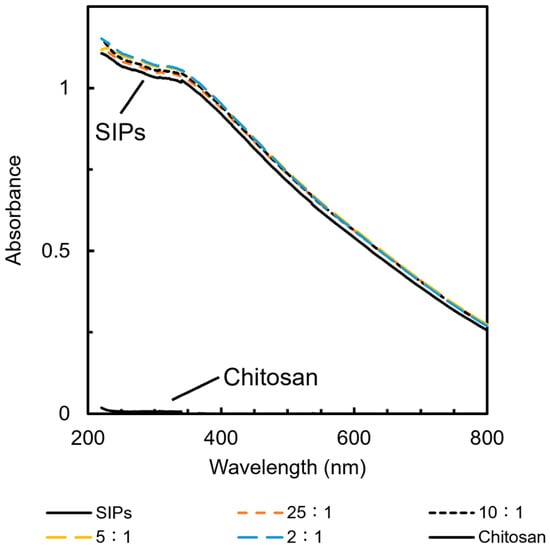
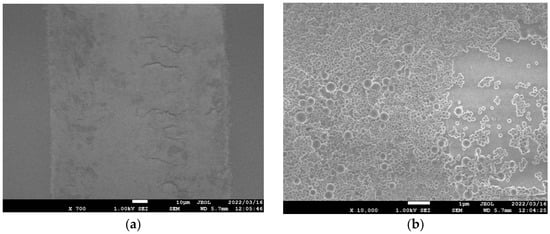
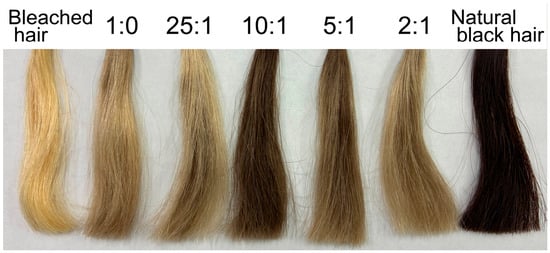
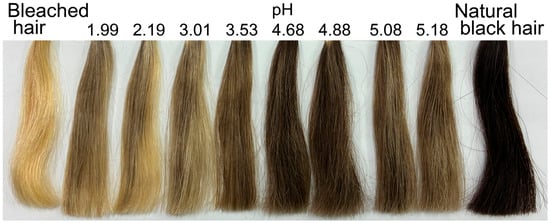
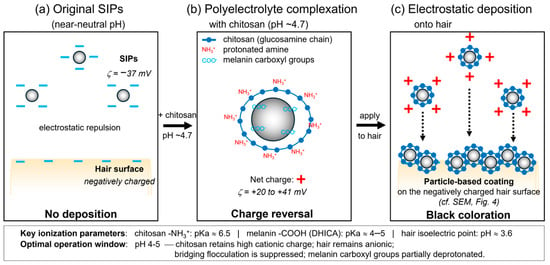
Conventional oxidative hair dyes rely on aromatic amines, raising concerns about human health and environmental safety. This study reports a natural hair-coloring system using size-controlled ink particles (SIPs, ~170 nm in diameter) from cuttlefish ink and chitosan. Because both SIPs and hair surfaces carry negative charges near neutral pH, original SIPs exhibited poor deposition onto hair. Polyelectrolyte complexation with chitosan reversed the SIP surface charge under acidic conditions (maximum ζ ≈ +41 mV at pH 2.4), enabling electrostatic deposition onto hair fibers. Dynamic light scattering (DLS) revealed pH-responsive aggregation at pH 1.6–1.8 and redispersion at pH 2.8–4.3, while ultraviolet–visible (UV–Vis) spectra confirmed that the broadband absorption of melanin was preserved, consistent with predominantly noncovalent interactions. Scanning electron microscopy (SEM) showed a particle-based composite coating on hair fibers. An optimal SIP:chitosan weight ratio of 10:1 at pH ~4.7 yielded the darkest and most uniform coloration (L* = 32.89, ΔE*ab = 55.89) without metallic mordants, achieving darker coloration than representative plant-based natural colorants reported in the literature. These results demonstrate a marine-biomass-derived approach to natural black hair coloration with strong darkening performance.
Full article

Figure 1
Open AccessCommunication
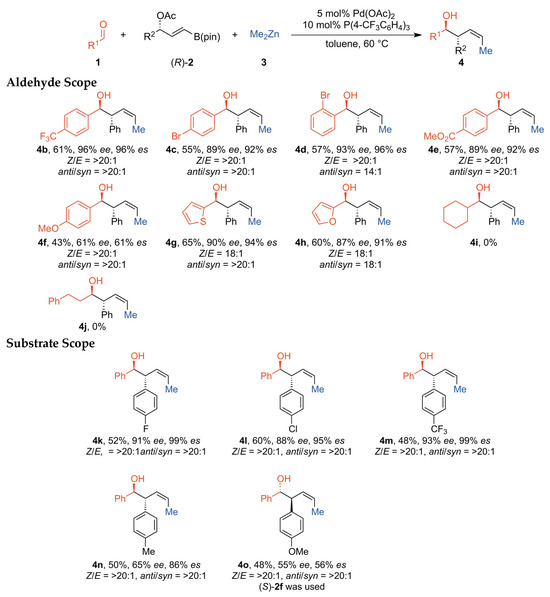
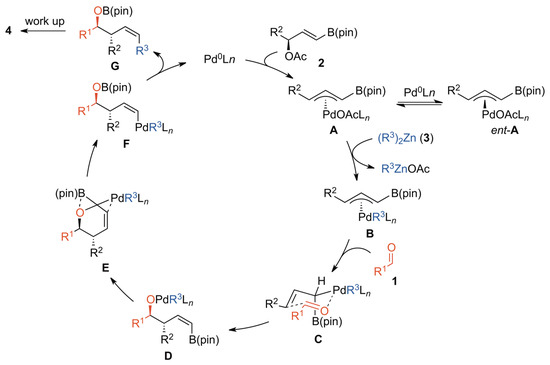
Palladium-Catalyzed Enantiospecific Three-Component Reaction for the Synthesis of 1,2,4-Trisubstituted Homoallylic Alcohols
by
Ayumu Natsubori, Momoka Ikeda, Yushin Hosokawa, Mizuki Akagawa and Yoshikazu Horino
Organics 2026, 7(2), 22; https://doi.org/10.3390/org7020022 - 27 May 2026
Abstract
►▼
Show Figures
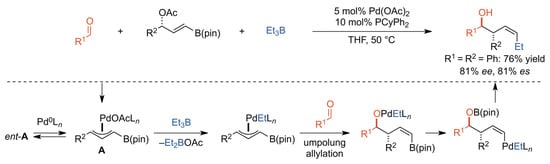
1,2,4-Trisubstituted chiral homoallylic alcohols are valuable intermediates in natural product synthesis and complex molecular architectures; however, their catalytic asymmetric synthesis remains challenging due to the need for precise control of regioselectivity, diastereoselectivity, E/Z geometry, and enantioselectivity. Herein, we report a palladium-catalyzed
[...] Read more.
1,2,4-Trisubstituted chiral homoallylic alcohols are valuable intermediates in natural product synthesis and complex molecular architectures; however, their catalytic asymmetric synthesis remains challenging due to the need for precise control of regioselectivity, diastereoselectivity, E/Z geometry, and enantioselectivity. Herein, we report a palladium-catalyzed enantiospecific three-component reaction of aldehydes, borylated allyl acetates, and dimethylzinc for the efficient synthesis of 1,2,4-trisubstituted anti-(Z)-homoallylic alcohols. The present method employs readily accessible chiral borylated allyl acetates and proceeds with high levels of stereochemical control, providing a practical approach to structurally complex homoallylic alcohols.
Full article

Scheme 1
Open AccessArticle
Adsorption and Electronic Structure of Imidazole-Based Inhibitors on Fe(100): A Combined DFT and DFTB Study
by
Andrea Navarrete-Mosquera, Juan Pedro Palomares-Báez, Rody Soto-Rojo, Tomás Delgado-Montiel, Samuel Soto-Acosta, Nora Aydee Sánchez-Bojorge, Daniel Glossman-Mitnik and Jesús Baldenebro-López
Organics 2026, 7(2), 21; https://doi.org/10.3390/org7020021 - 25 May 2026
Abstract
►▼
Show Figures
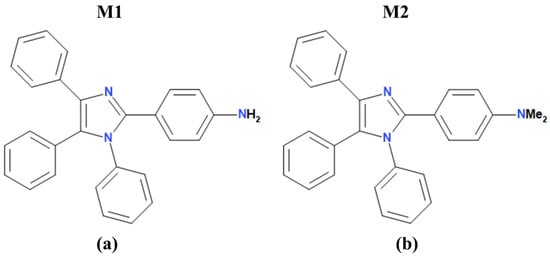
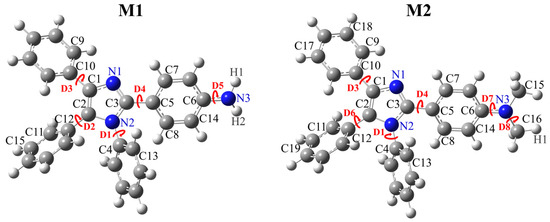
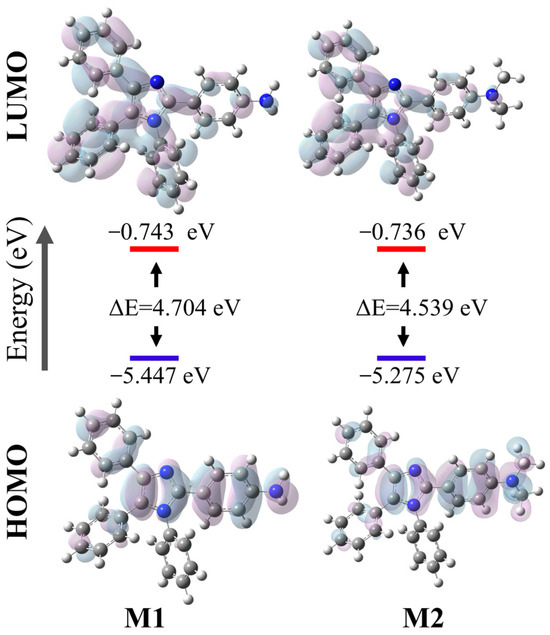
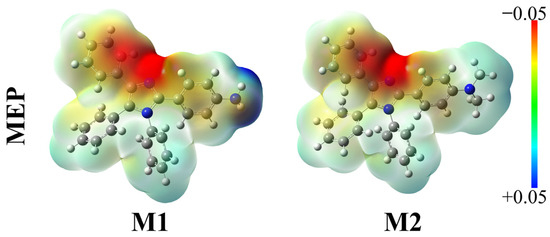
This study presents a theoretical investigation of the adsorption and electronic structure of two imidazole derivatives, 4-(1,4,5-triphenylimidazol-2-yl)-aniline (M1) and N,N-dimethyl-4-(1,4,5-triphenylimidazol-2-yl)-aniline (M2), on an Fe(100) surface. A combined computational approach, employing Density Functional Theory for molecular reactivity, Density-Functional Tight-Binding for surface
[...] Read more.
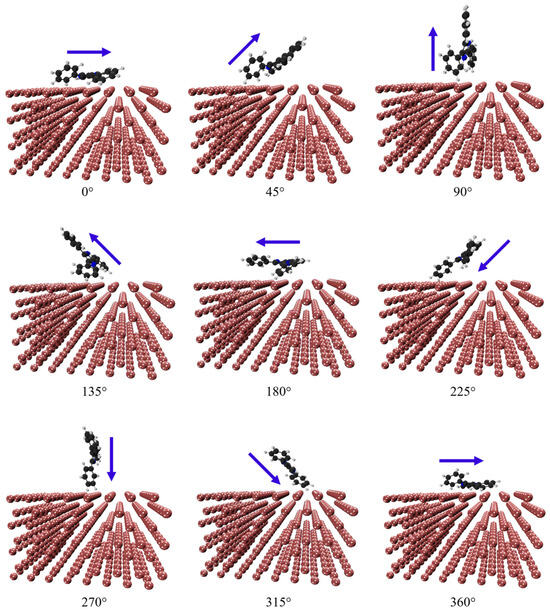
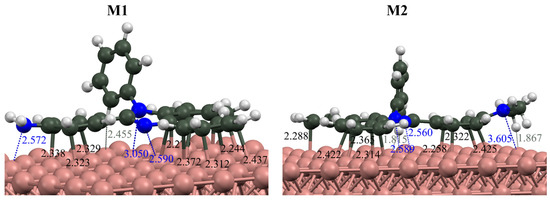
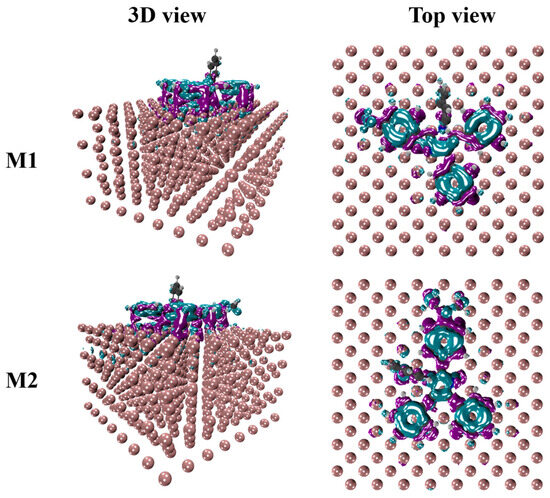
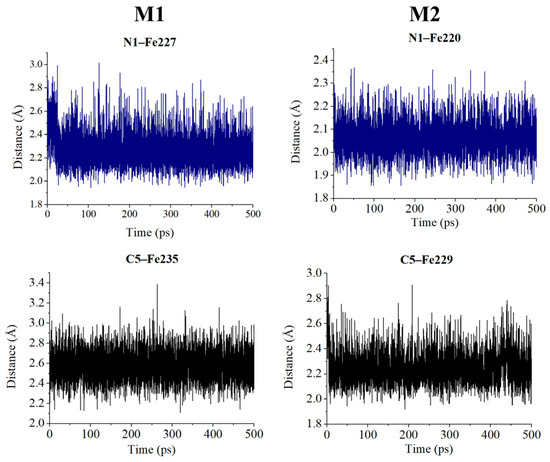
This study presents a theoretical investigation of the adsorption and electronic structure of two imidazole derivatives, 4-(1,4,5-triphenylimidazol-2-yl)-aniline (M1) and N,N-dimethyl-4-(1,4,5-triphenylimidazol-2-yl)-aniline (M2), on an Fe(100) surface. A combined computational approach, employing Density Functional Theory for molecular reactivity, Density-Functional Tight-Binding for surface interactions, and Molecular Dynamics (MD) simulations for binding stability, was utilized to provide a comprehensive analysis. Quantum–chemical calculations indicate that both inhibitors exhibit strong donor characteristics, with M2 consistently demonstrating greater potential. This enhanced performance is attributed to the strong electron-donating nature and increased structural planarity conferred by the dimethylamine group in M2, which results in a lower HOMO-LUMO energy gap and higher chemical reactivity. Analysis of the inhibitor-surface interaction confirmed a strong electron donor-acceptor mechanism, indicative of stable chemical bond formation and a predominant chemisorption process. MD simulations revealed that both molecules form stable adsorption layers on the iron surface, suggesting initial adsorption behavior.
Full article

Figure 1
Open AccessCommunication
Design, Synthesis, and Drug-Likeness Assessment of Azole-Functionalized Hydrazone Derivatives: Towards Antimicrobial Activity
by
Juozas Kiltinavičius, Kristina Kantminienė, Ilona Jonuškienė and Ingrida Tumosienė
Organics 2026, 7(2), 20; https://doi.org/10.3390/org7020020 - 18 May 2026
Abstract
►▼
Show Figures
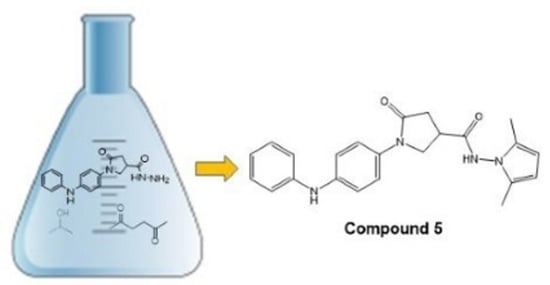
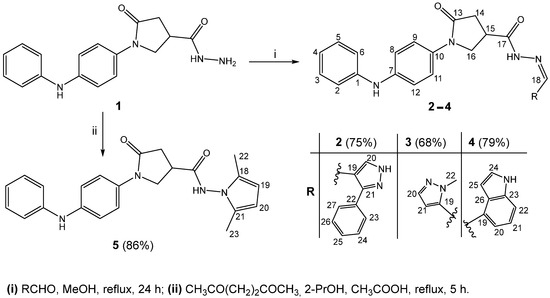
Reaction of 5-oxo-1-(4-(phenylamino)phenyl)pyrrolidine-3-carbohydrazide with selected aldehydes and ketone provided novel hydrazone derivatives bearing azole moieties: pyrazole, pyrrole, and indole. The drug likeness of the newly synthesized compounds and their physicochemical characteristics were examined to fit Lipinski’s Rule of Five. N-(2,5-dimethyl-1H-pyrrol-1-yl)-5-oxo-1-(4-(phenylamino)phenyl)pyrrolidine-3-carboxamide
[...] Read more.
Reaction of 5-oxo-1-(4-(phenylamino)phenyl)pyrrolidine-3-carbohydrazide with selected aldehydes and ketone provided novel hydrazone derivatives bearing azole moieties: pyrazole, pyrrole, and indole. The drug likeness of the newly synthesized compounds and their physicochemical characteristics were examined to fit Lipinski’s Rule of Five. N-(2,5-dimethyl-1H-pyrrol-1-yl)-5-oxo-1-(4-(phenylamino)phenyl)pyrrolidine-3-carboxamide (5) exhibited the most favorable overall ADMET profile, combining compliance with key physicochemical requirements for antimicrobial activity with superior solubility and reduced predicted hepatotoxicity and nephrotoxicity. Despite generally elevated plasma protein binding across the series, this compound provided the most advantageous balance between permeability, systemic exposure, and safety.
Full article

Graphical abstract
Open AccessArticle
Integrated In Silico and Chromatographic Evaluation of the Biological Properties of Novel Bis-Substituted Thiocarbohydrazone Derivatives
by
Suzana Apostolov, Dragana Mekić, Gorana Mrđan and Gyöngyi Vastag
Organics 2026, 7(2), 19; https://doi.org/10.3390/org7020019 - 12 May 2026
Abstract
►▼
Show Figures
Thiocarbohydrazone derivatives represent a highly significant class in medicinal chemistry, characterized by a versatile scaffold defined with a thiocarbonyl (C=S) core and one or two imine (–C=N–) functionalities, allowing for precise modulation of their physicochemical and biological properties. The biological potential of a
[...] Read more.
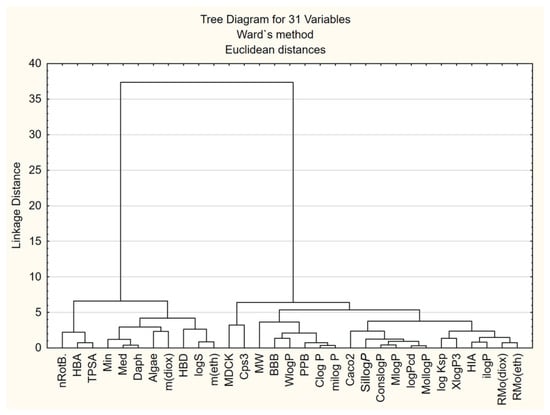
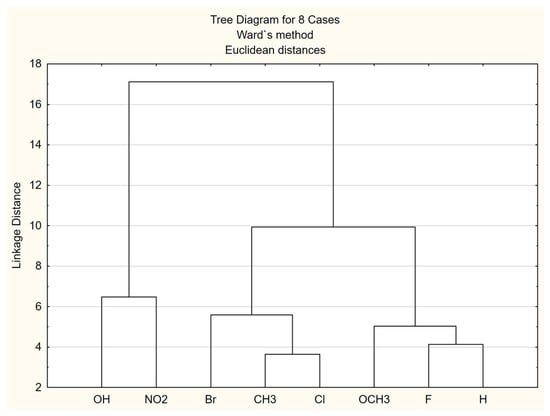
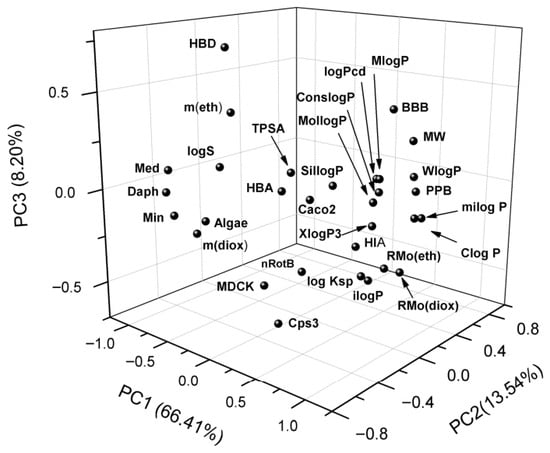
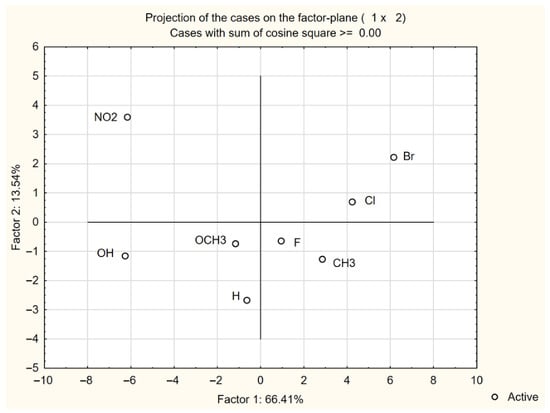
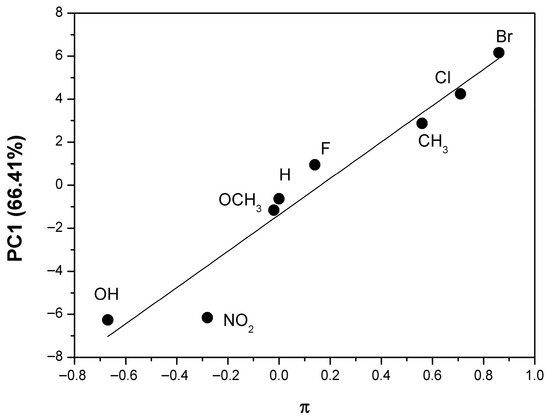
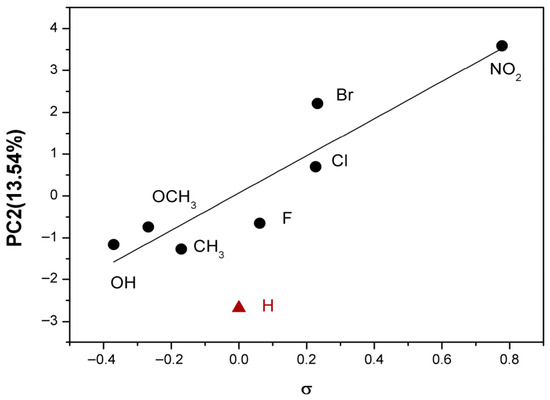
Thiocarbohydrazone derivatives represent a highly significant class in medicinal chemistry, characterized by a versatile scaffold defined with a thiocarbonyl (C=S) core and one or two imine (–C=N–) functionalities, allowing for precise modulation of their physicochemical and biological properties. The biological potential of a series of novel bis-substituted thiocarbohydrazone derivatives was predicted and evaluated through comprehensive in silico analysis. All investigated compounds complied with Lipinski’s Rule of 5, with most also satisfying the Rule of 3 while simultaneously exhibiting favorable pharmacokinetic properties and low predicted ecotoxicity. To substantiate these findings and elucidate the influence of para-substituents, chromatographic behavior of the studied derivatives was evaluated using reversed-phase thin-layer chromatography (RP-TLC). Initial linear regression analysis revealed statistically significant correlations between chromatographic parameters and in silico-derived descriptors of lipophilicity, pharmacokinetics, and ecotoxicity. Furthermore, cluster analysis and principal component analysis provided a robust and unambiguous interpretation of the structure–property relationships, highlighting substituent polarity as the leading factor controlling the bioactivity of bis-substituted thiocarbohydrazones, although the contribution of electronic effects cannot be neglected. Moreover, RM0 correlates with lipophilicity and pharmacokinetics, whereas m reflects ecotoxicity. Collectively, these findings emphasize the critical role of subtle structural variations in shaping the overall properties of these novel derivatives.
Full article

Figure 1
Open AccessArticle
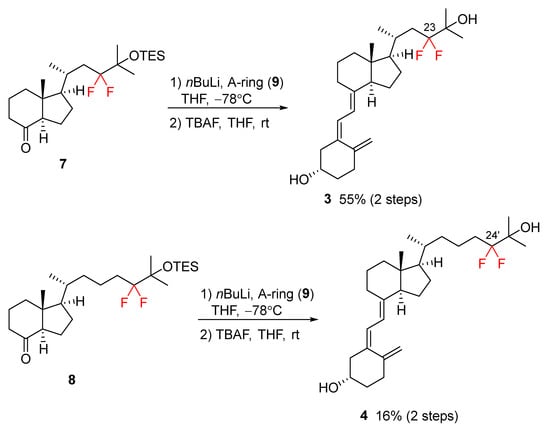
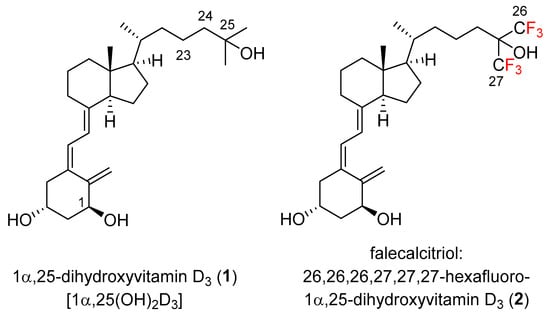
Synthesis of 23,23-Difluoro-24-nor- and 24′,24′-Difluoro-24-Homovitamin D3 Analogues and Unexpected Structure-Activity Relationships
by
Fumihiro Kawagoe, Hiroya Tabuchi, Taiyo Ideguchi, Yuki Okamoto, Souma Murata, Tomofumi Yatsu, Syota Yamada, Kaori Yasuda, Yusuke Akagi, Masashi Takano, Toshie Fujishima, Yoshiki Miyata, Ken’ichi Aoki, Toshiyuki Sakaki and Atsushi Kittaka
Organics 2026, 7(2), 18; https://doi.org/10.3390/org7020018 - 27 Apr 2026
Abstract
►▼
Show Figures
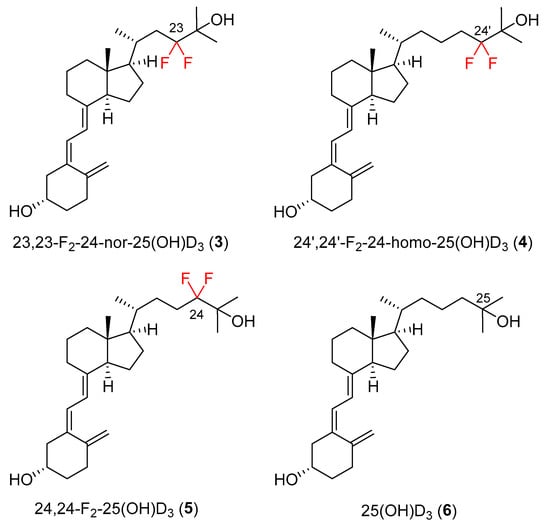
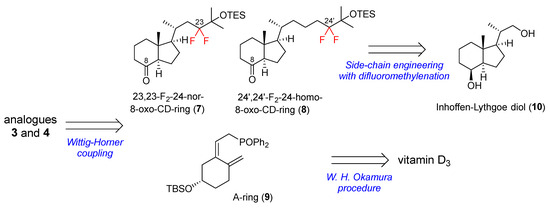
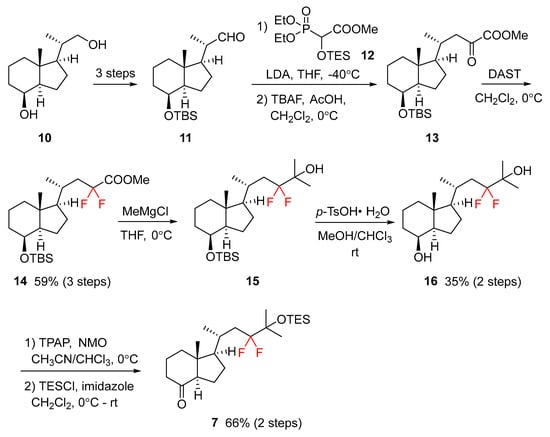
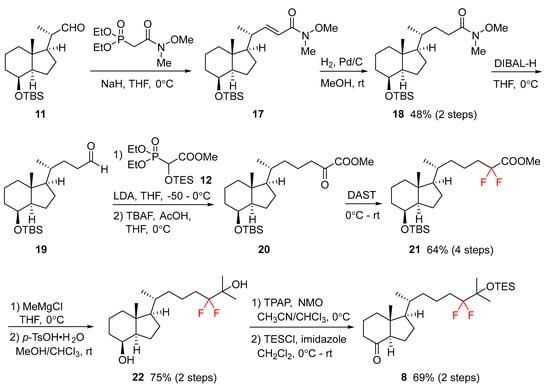
We synthesized two vitamin D3 analogues, 3 and 4, which have a shortened or elongated fluoro-side-chain based on 24,24-difluoro-25-hydroxyvitamin D3 (5) using an efficient convergent approach and studied their preliminary biological activity. Both analogues exhibited greater resistance to
[...] Read more.
We synthesized two vitamin D3 analogues, 3 and 4, which have a shortened or elongated fluoro-side-chain based on 24,24-difluoro-25-hydroxyvitamin D3 (5) using an efficient convergent approach and studied their preliminary biological activity. Both analogues exhibited greater resistance to CYP24A1-mediated metabolism than the natural 25-hydroxyvitamin D3 (6), although their stability was lower than that of 5. Analogue 3 showed an approximately 100-fold lower human vitamin D receptor (hVDR)-binding affinity compared with 5 and 6. Despite this marked reduction in VDR-binding affinity, it demonstrated an approximately 1.5-fold increase in VDR-ligand binding domain (LBD) transcriptional activation of the natural ligand 6. In contrast, analogue 4 displayed moderate VDR-binding affinity and VDR-LBD transactivation compared with 5 and 6. We found that compound 3 is a unique vitamin D analogue with a fluorinated and shortened side-chain, exhibiting low binding affinity for hVDR but potent transcriptional activity through VDR-LBD with its long half-life; thus, 3 may serve as a basic structural skeleton for advancing medicinal chemistry and drug discovery.
Full article

Figure 1
Open AccessArticle
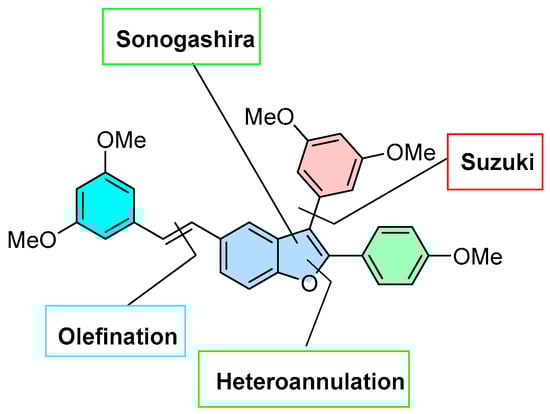
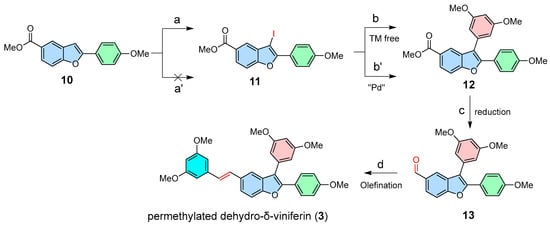
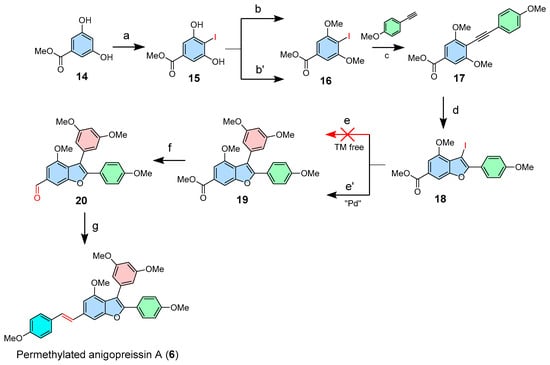
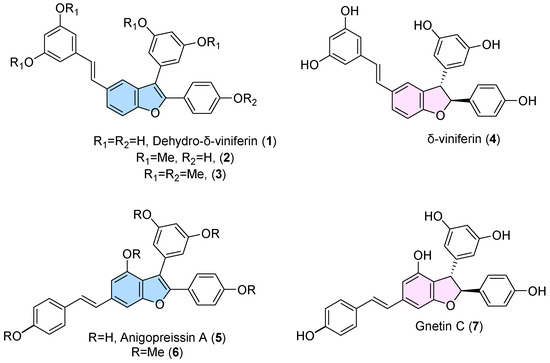
Revised Formal Total Synthesis of Dehydro-δ-Viniferin and Anigopreissin A
by
Alessandro Santarsiere, Marianna Volgare and Lucia Chiummiento
Organics 2026, 7(2), 17; https://doi.org/10.3390/org7020017 - 16 Apr 2026
Abstract
►▼
Show Figures
This work presents a revised total synthesis of two pharmacologically relevant benzofurans using newly developed environmentally friendly methodologies. In particular, we focused on establishing improved synthetic routes to stilbene dimers under milder and more sustainable reaction conditions. During our investigations, we optimized an
[...] Read more.
This work presents a revised total synthesis of two pharmacologically relevant benzofurans using newly developed environmentally friendly methodologies. In particular, we focused on establishing improved synthetic routes to stilbene dimers under milder and more sustainable reaction conditions. During our investigations, we optimized an efficient Sonogashira coupling carried out in water, which, followed by a Suzuki-like reaction conducted in dimethyl carbonate (DMC) in the absence of any transition metals, served as the key step for the synthesis of the benzofuran core.
Full article

Figure 1
Open AccessReview
Recent Developments in Chemical Synthesis and Biological Activities of Aloe-Emodin Derivatives
by
Jeltzlin Semerel, Nigel John, Pedro Fardim and Wim Dehaen
Organics 2026, 7(2), 16; https://doi.org/10.3390/org7020016 - 10 Apr 2026
Cited by 1
Abstract
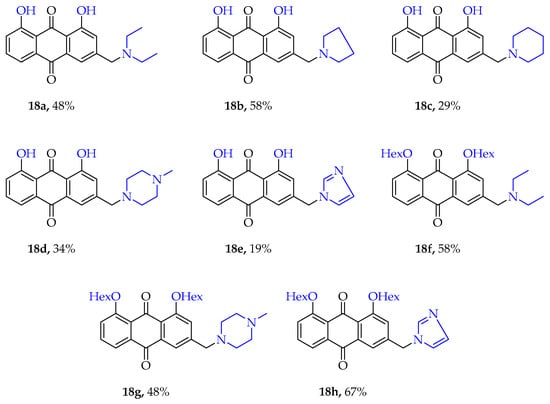
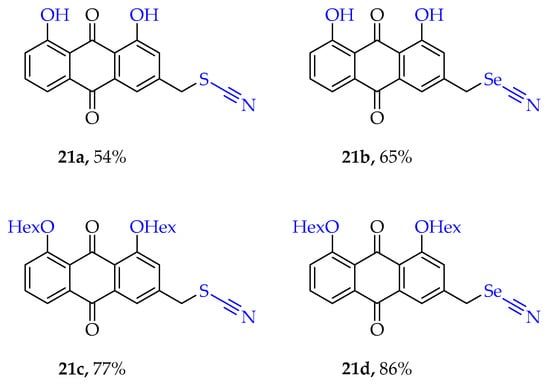
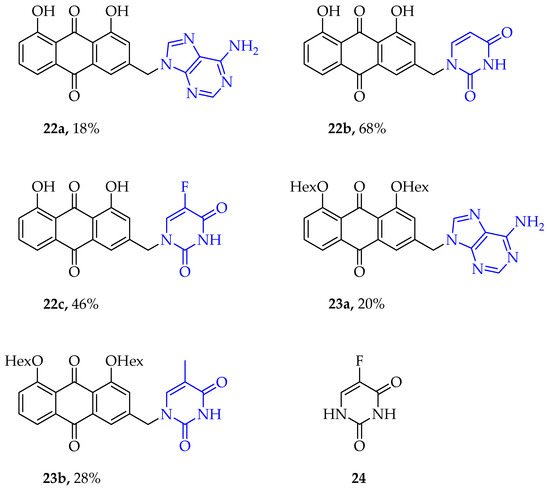
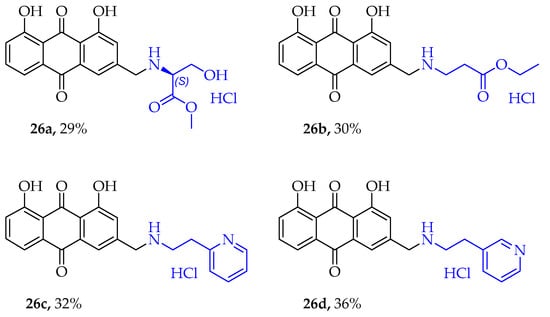
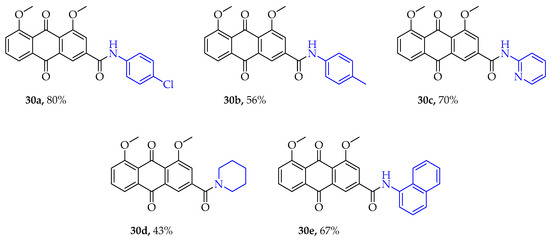
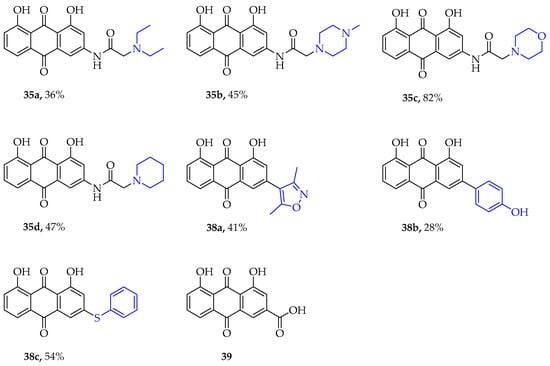
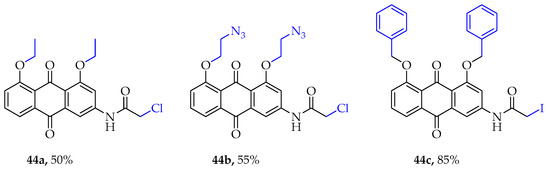
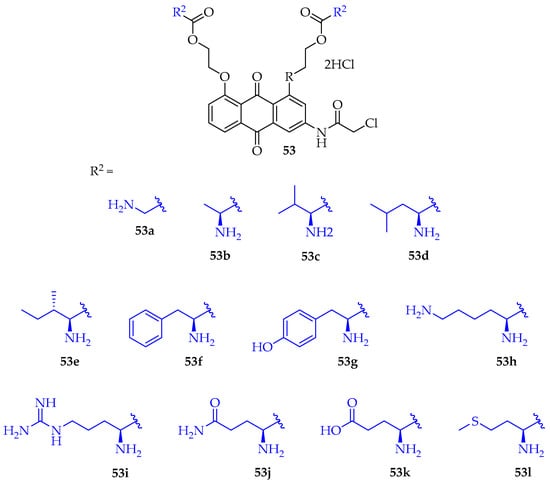
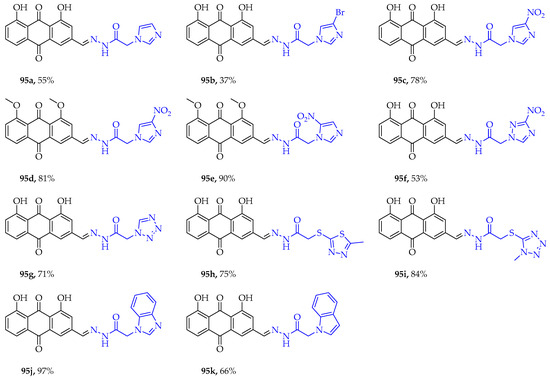
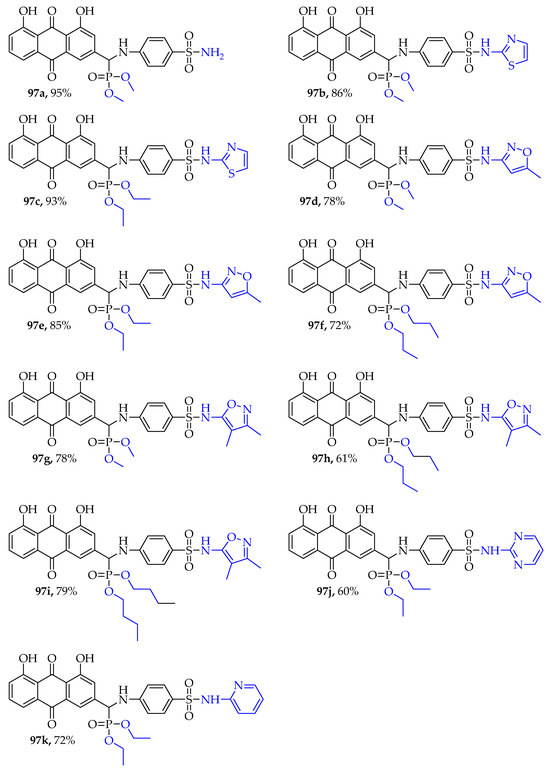
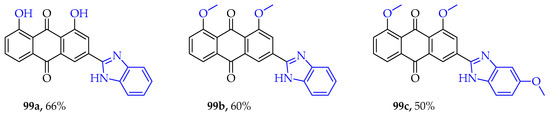
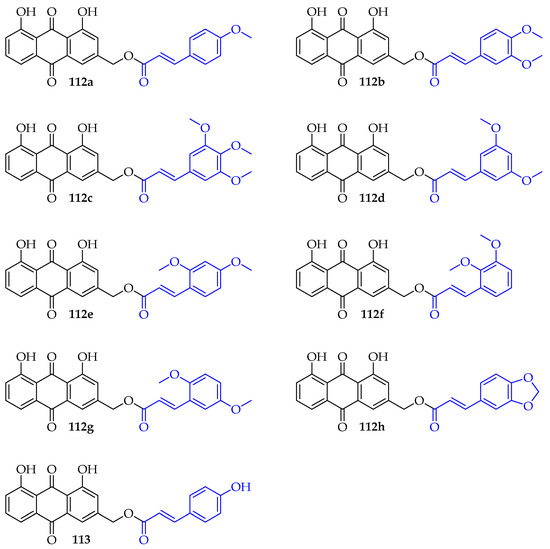
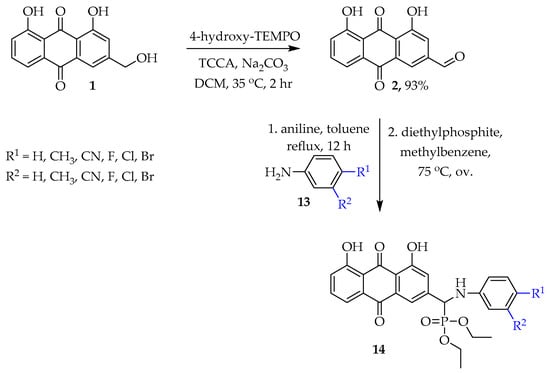
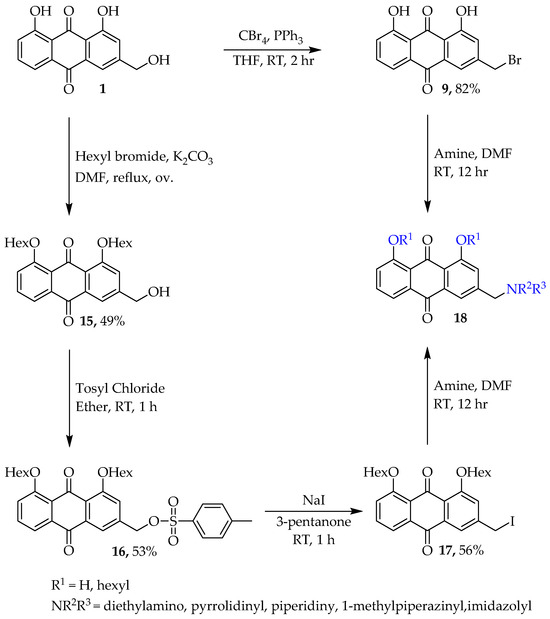
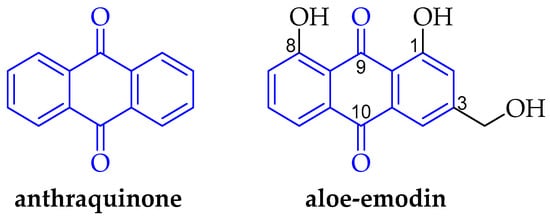
Aloe-emodin is an anthraquinone with a wide range of medicinal applications, including anti-angiogenic, anticancer, antimicrobial, antiviral, anti-inflammatory, and antioxidant activities. In this review, the functionalization of aloe-emodin using various synthetic methods, including alkylation, condensation, esterification, the Finkelstein reaction, and the Kabachnik–Fields reaction was
[...] Read more.
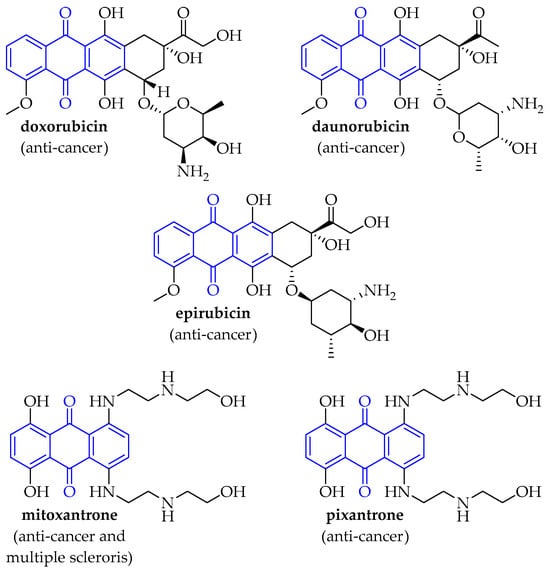
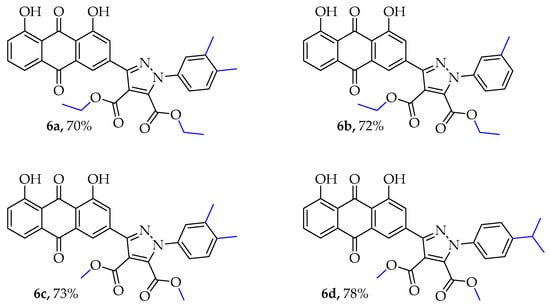
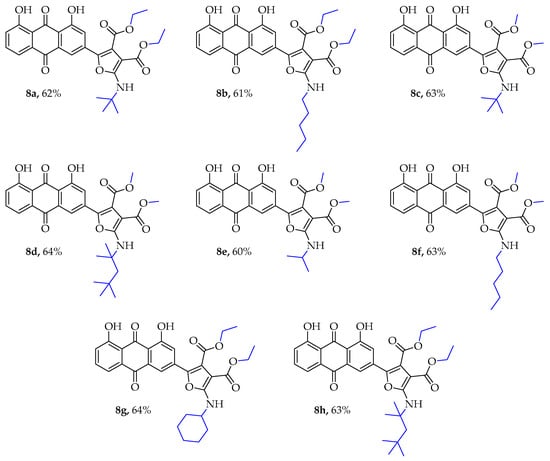
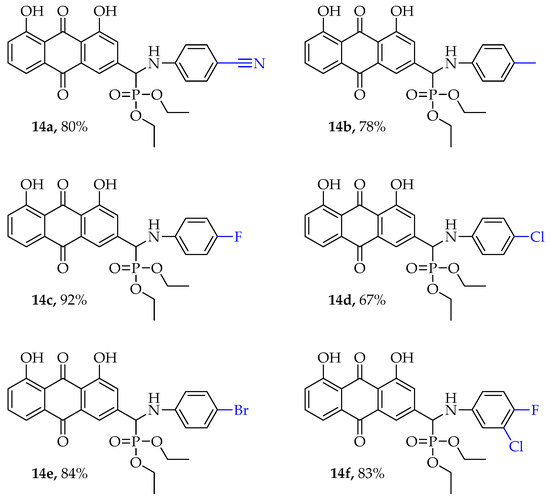
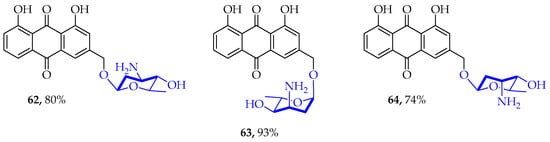
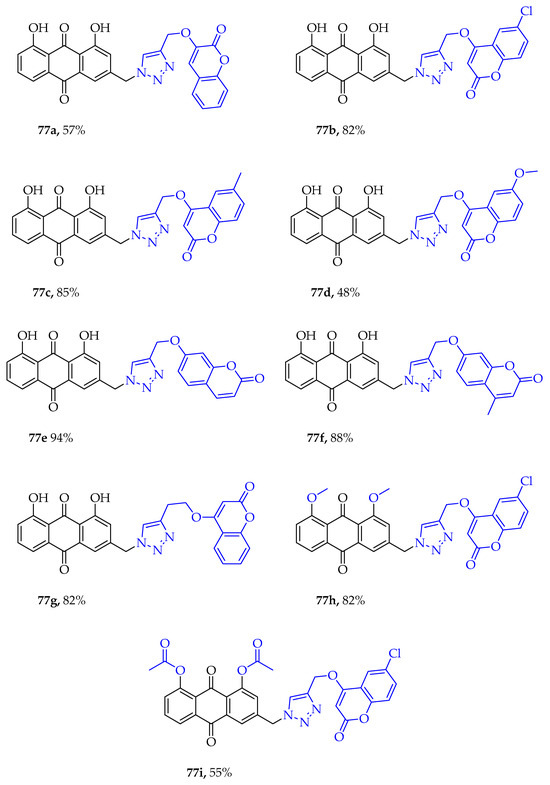
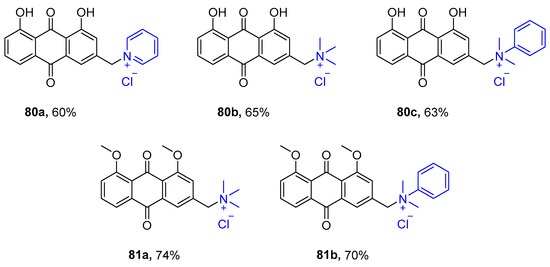
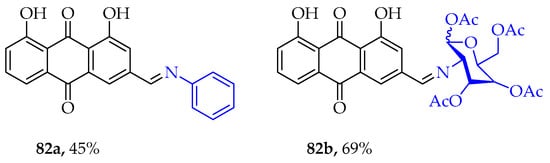
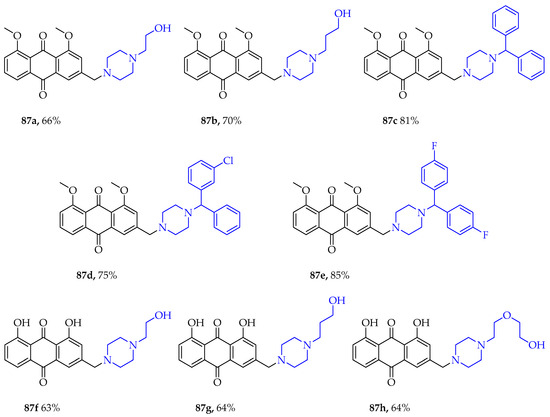
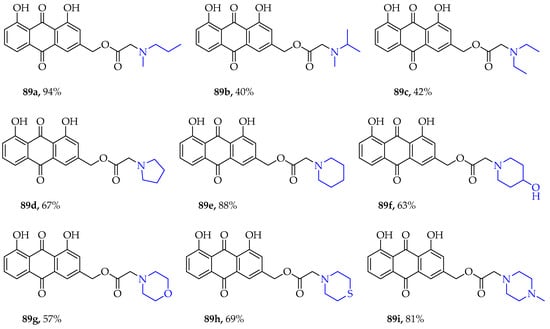
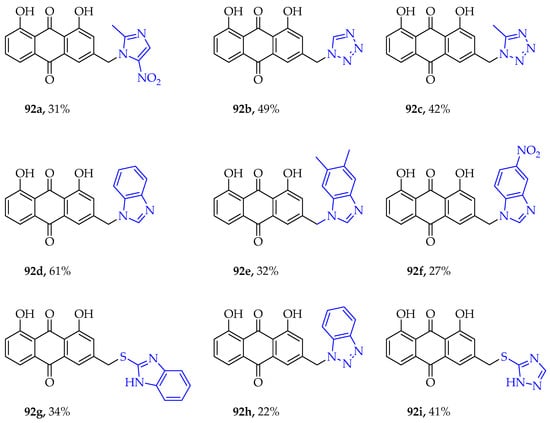
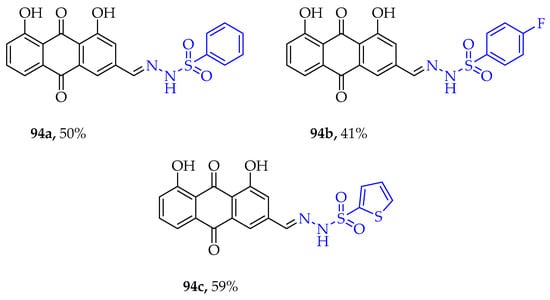
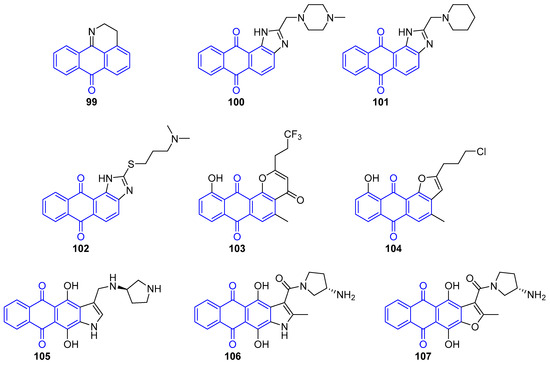
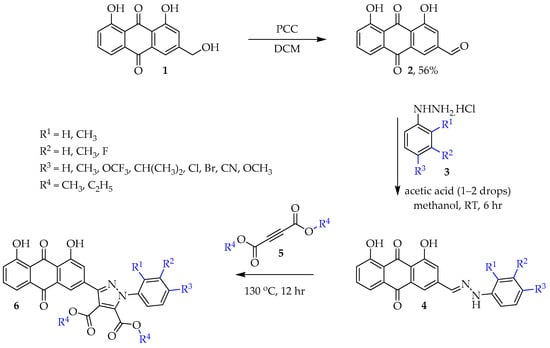
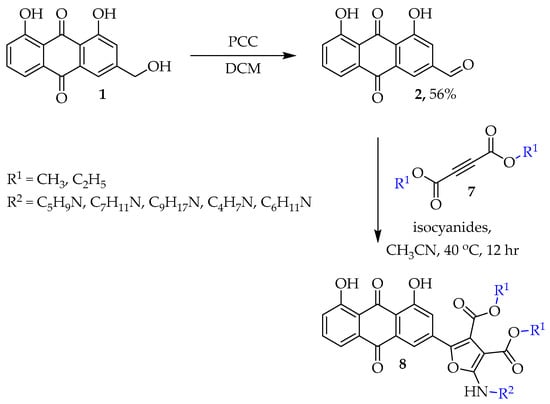
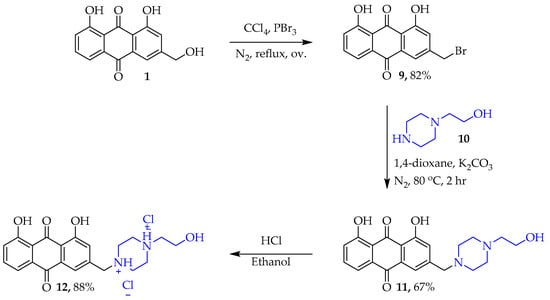
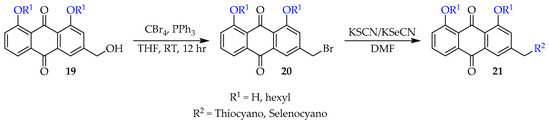
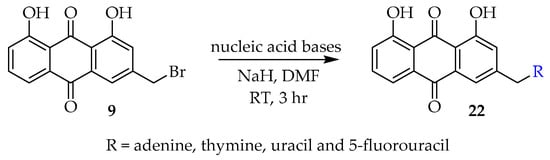
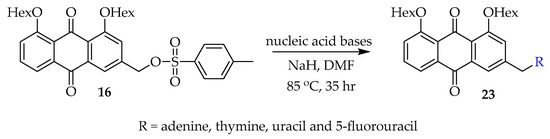
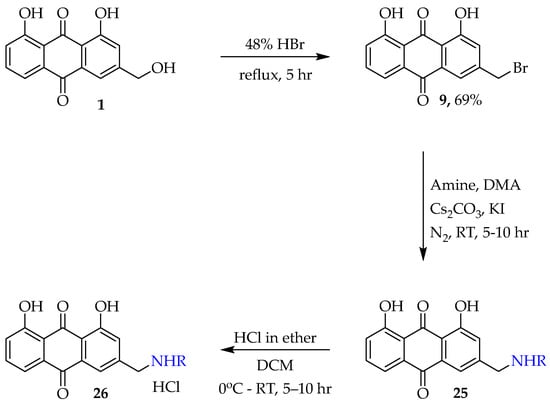
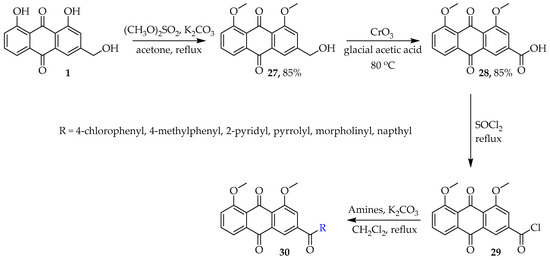
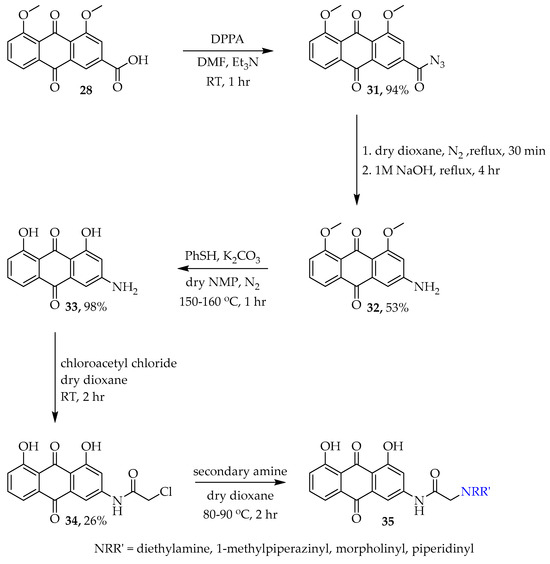
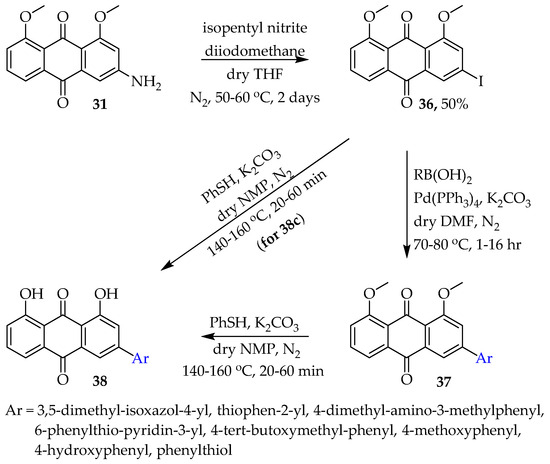
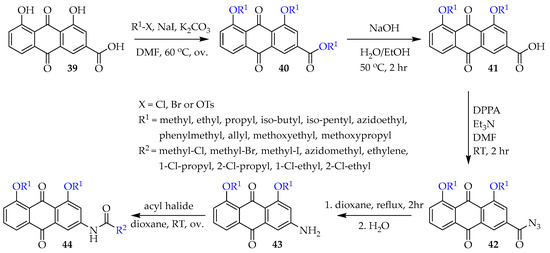
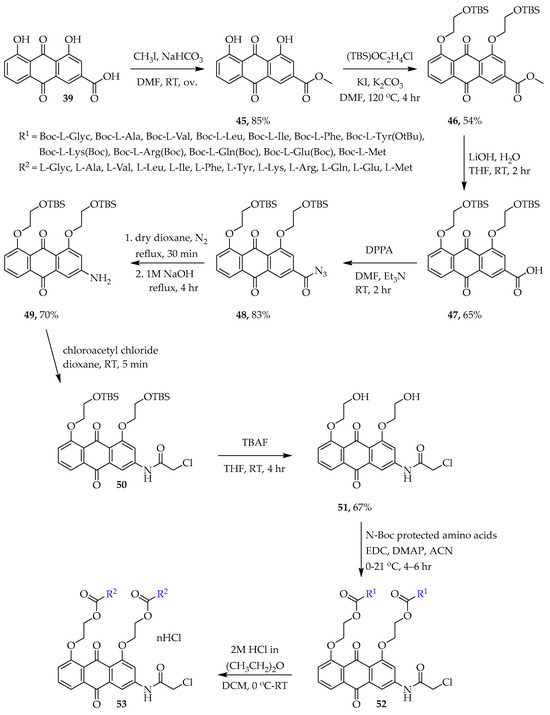
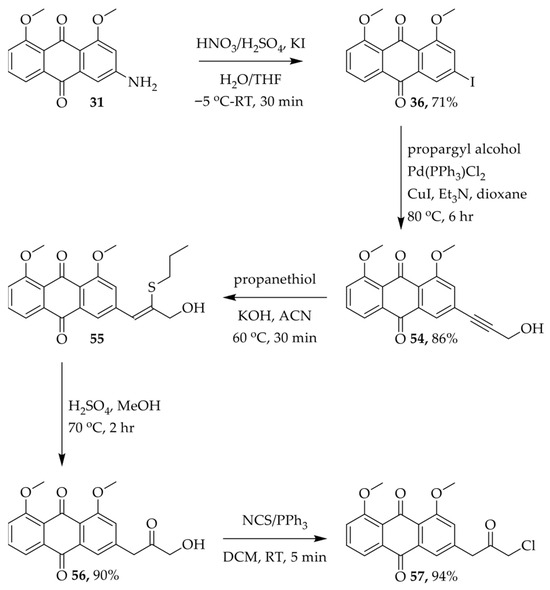
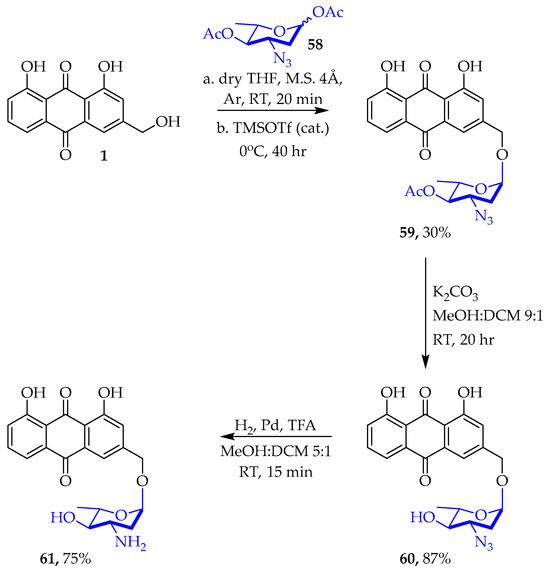
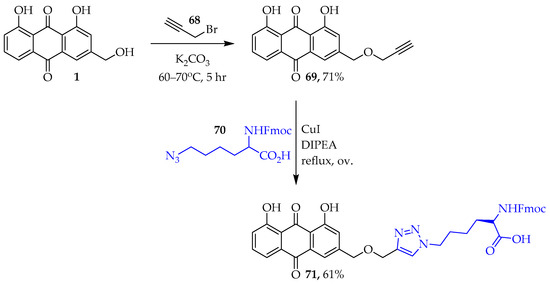
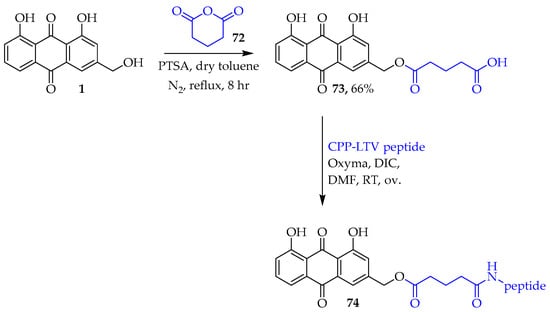
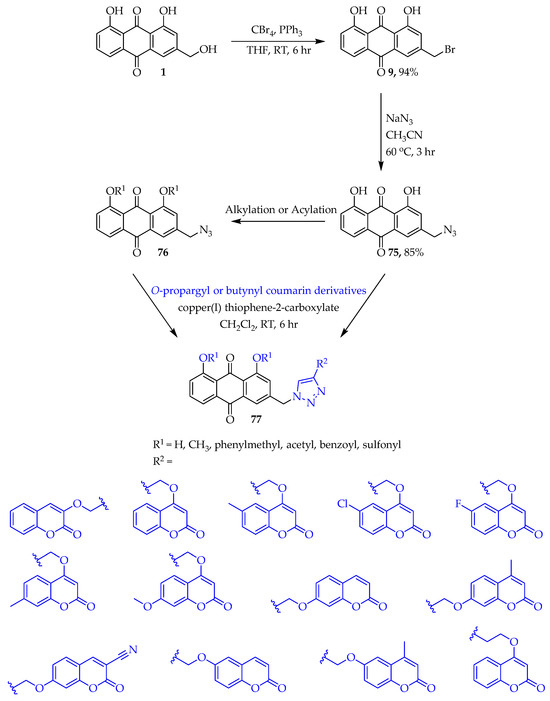
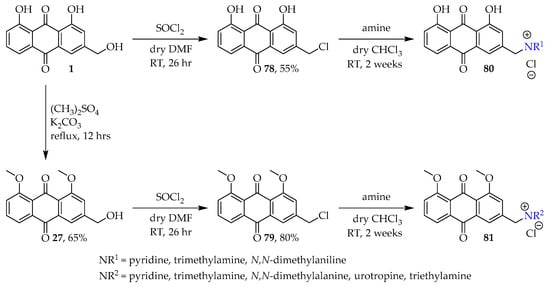
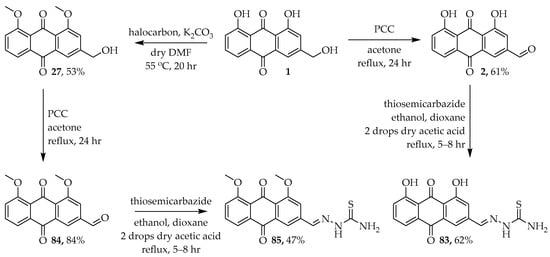
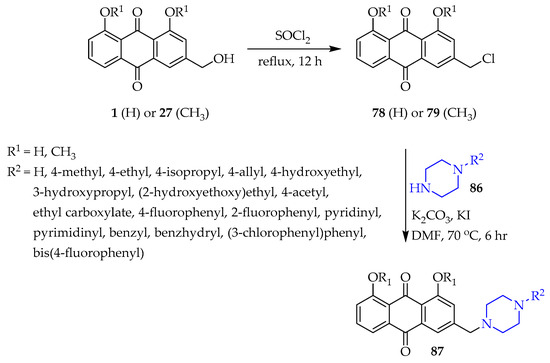
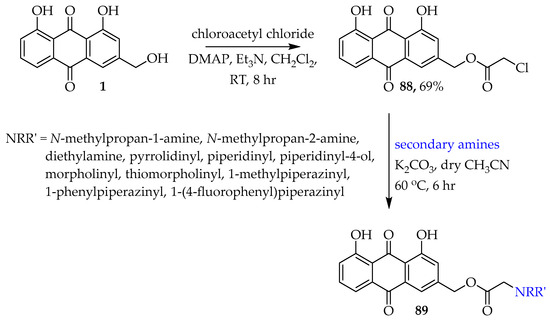
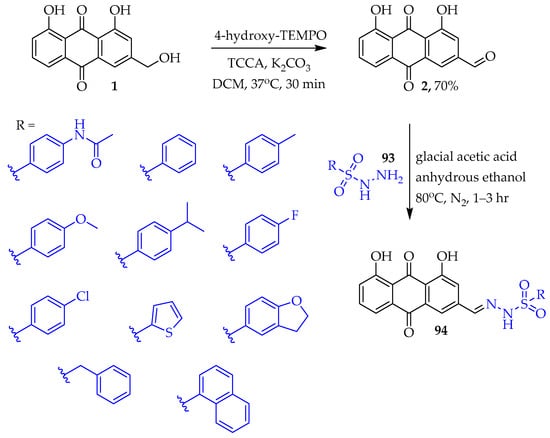
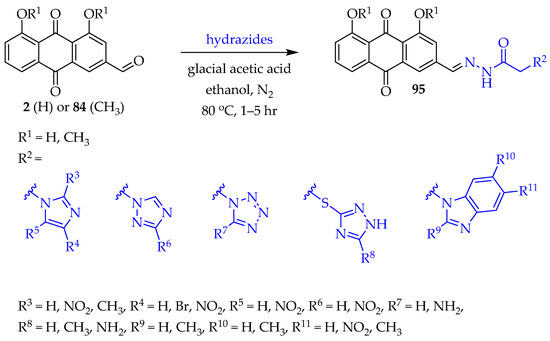
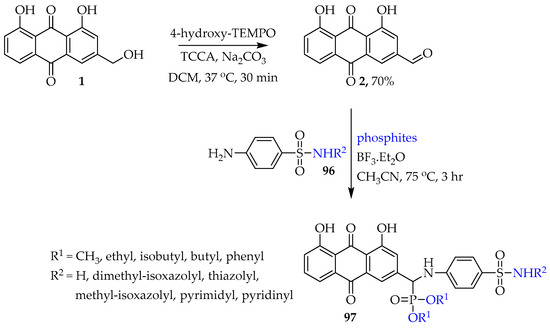
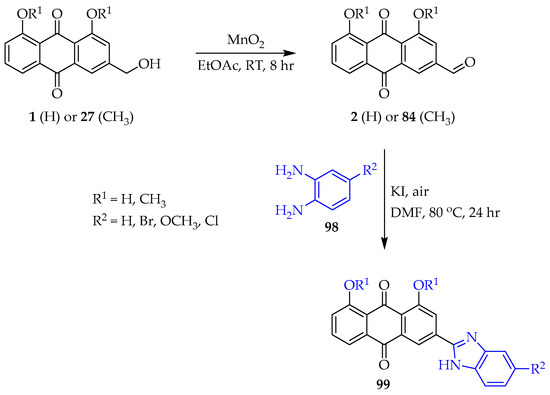
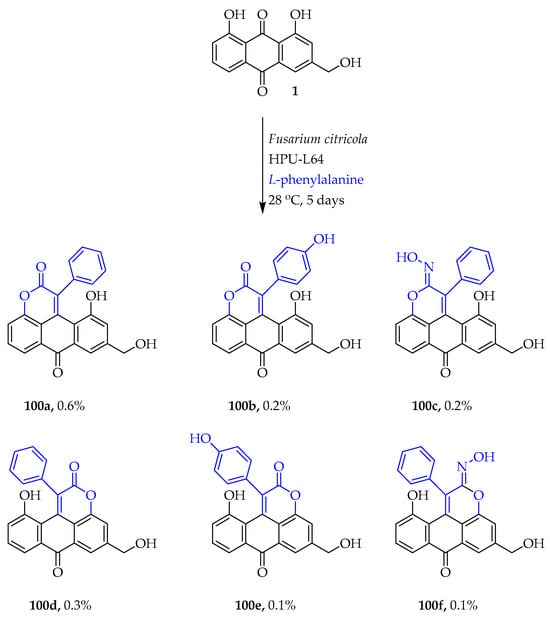
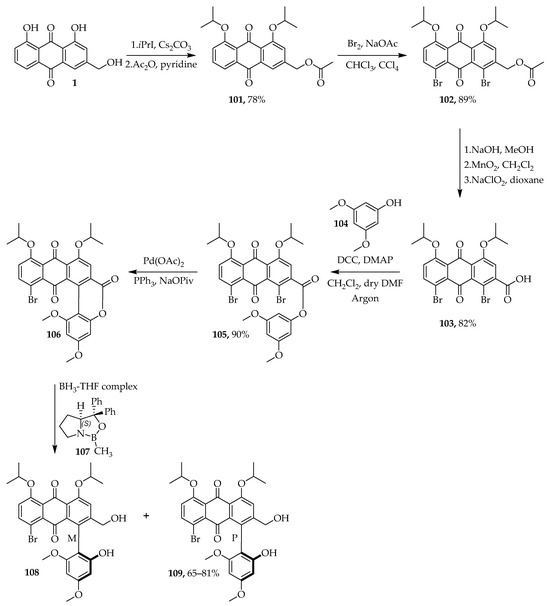
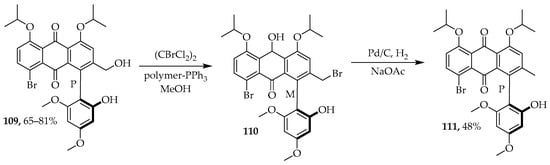
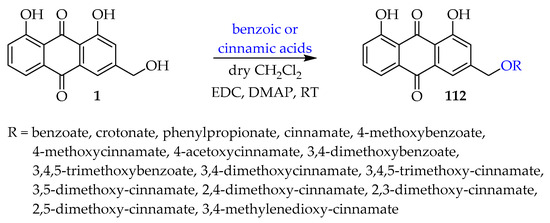
Aloe-emodin is an anthraquinone with a wide range of medicinal applications, including anti-angiogenic, anticancer, antimicrobial, antiviral, anti-inflammatory, and antioxidant activities. In this review, the functionalization of aloe-emodin using various synthetic methods, including alkylation, condensation, esterification, the Finkelstein reaction, and the Kabachnik–Fields reaction was reported. The biological activity of the synthesized aloe-emodin derivatives is discussed, with a focus on their potential future applications as anticancer agents, enzyme inhibitors, anti-inflammatory agents, and antimicrobial agents. This review also discusses the structure–activity relationship (SAR) and the mechanism of action (e.g., molecular docking studies, cell membrane-disrupting capacity, and apoptosis studies). This review highlights the many contributions made towards the design and development of novel, biologically active aloe-emodin derivatives.
Full article
(This article belongs to the Collection Advanced Research Papers in Organics)
►▼
Show Figures

Figure 1
Journal Menu
► ▼ Journal Menu-
- Organics Home
- Aims & Scope
- Editorial Board
- Reviewer Board
- Early Career Editorial Board
- Instructions for Authors
- Special Issues
- Topics
- Topical Collections
- Article Processing Charge
- Indexing & Archiving
- Editor’s Choice Articles
- Most Cited & Viewed
- Journal Statistics
- Journal History
- Conferences
- Editorial Office
Journal Browser
► ▼ Journal BrowserHighly Accessed Articles
Latest Books
E-Mail Alert
News
Topics
Topic in
Sci, Spectroscopy Journal, Chemistry, Organics, Catalysts, Molecules, Photochem
Photogenerated Intermediates: Spectral Capture, Theoretical Characterization and Chemical Reactivity
Topic Editors: Rui Fausto, Licinia L. G. JustinoDeadline: 31 December 2026
Topic in
Atoms, Crystals, Molecules, Organics, Symmetry, Inorganics
Advances in Molecular Symmetry and Chirality Research
Topic Editors: Ralph N. Salvatore, Guzman Gil-RamirezDeadline: 18 January 2027
Topic in
Molecules, Organics, Chemistry, Plants, Polysaccharides, Foods, Pharmaceuticals, Sci
Biological and Pharmacological Activity of Natural Products
Topic Editors: Laura De Martino, Yajun ZhengDeadline: 31 January 2027
Topic in
Agriculture, Chemistry, Foods, Molecules, Organics, Sustainability, Sustainable Chemistry, Sci
Valorization of Natural Products and Agro-Food Residues
Topic Editors: Isabel Maria Duque Martins, Madalena M. DiasDeadline: 31 July 2027
Conferences
Special Issues
Special Issue in
Organics
Organic Supramolecular Chemistry of Natural Products
Guest Editor: Ruilong ShengDeadline: 30 September 2026
Special Issue in
Organics
Recent Advances in Selective Oxidation
Guest Editors: Lei Liu, Xigong LiuDeadline: 30 September 2026
Special Issue in
Organics
Recent Advances in Asymmetric Transfer Hydrogenation
Guest Editors: Zbigniew Czarnocki, Zuzanna MolędaDeadline: 30 September 2026
Special Issue in
Organics
Green Catalysis and Sustainable Organic Synthesis
Guest Editors: Suchen Zou, Bingyu LiDeadline: 30 September 2026
Topical Collections
Topical Collection in
Organics
Advanced Research Papers in Organics
Collection Editors: Wim Dehaen, Michal Szostak, Huaping Xu