


-
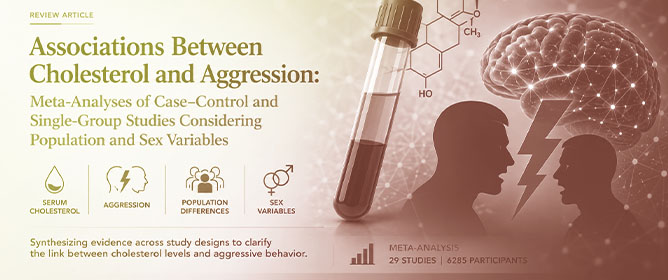
Associations Between Cholesterol and Aggression: Meta-Analyses of Case–Control and Single-Group Studies Considering Population and Sex Variables -
A Delphi Study to Identify Effective Self-Help and Kindness Strategies for Subthreshold Depression -
AI-Assisted Precision Psychotherapy: Toward a Process-Based Framework of Therapeutic Interaction -
Problematic Social Media Use in Psychiatric Adolescents: Clinical Vulnerability and Maladaptive Engagement Patterns
Journal Description
Psychiatry International
is an international, peer-reviewed, open access journal on psychiatric research and practice, published bimonthly online by MDPI.
- Open Access— free for readers, with article processing charges (APC) paid by authors or their institutions.
- High Visibility: indexed within ESCI (Web of Science), Scopus, EBSCO, and other databases.
- Rapid Publication: manuscripts are peer-reviewed and a first decision is provided to authors approximately 27.6 days after submission; acceptance to publication is undertaken in 7.5 days (median values for papers published in this journal in the first half of 2026).
- Recognition of Reviewers: APC discount vouchers, optional signed peer review, and reviewer names published annually in the journal.
- Journal Cluster of Neurosciences: Brain Sciences, Neurology International, NeuroSci, Clinical and Translational Neuroscience, Neuroimaging, Neuroglia, Psychiatry International, Clocks & Sleep, Swiss Archives of Neurology, Psychiatry and Psychotherapy and Journal of Dementia and Alzheimer's Disease.
Impact Factor:
1.8 (2025);
5-Year Impact Factor:
1.6 (2025)
Latest Articles
Mood Disorder Symptoms Among Medical Doctors in Romania: Prevalence and Associations with Suicide Risk and Quality of Life
Psychiatry Int. 2026, 7(5), 196; https://doi.org/10.3390/psychiatryint7050196 - 2 Sep 2026
Abstract
Mood disorder symptoms represent an important but understudied mental health concern among physicians in Romania, with potential implications for quality of life and suicide risk. This cross-sectional study included 104 medical doctors. Validated self-report instruments were used to assess depressive symptoms, manic and
[...] Read more.
Mood disorder symptoms represent an important but understudied mental health concern among physicians in Romania, with potential implications for quality of life and suicide risk. This cross-sectional study included 104 medical doctors. Validated self-report instruments were used to assess depressive symptoms, manic and cyclothymic symptoms, bipolar risk, suicidal behaviour, and quality of life. Pearson correlation analyses and multiple linear regression models were conducted to examine associations and identify predictors of quality of life and suicide risk. Overall, 33% of participants screened positive for depressive symptoms, 21% for manic symptoms, 71% for cyclothymic symptoms, 12% for suicide risk, and 2% for bipolar risk. Depression, cyclothymia, and suicide risk were negatively correlated with quality of life, whereas manic symptoms showed a positive association. In multivariate analyses, cyclothymia predicted poorer quality of life (β = −0.43, p < 0.001) and manic symptoms seemed to predict better quality of life (β = 0.26, p = 0.008), while depressive symptoms uniquely predicted greater suicide risk (β = 0.24, p = 0.048). These findings indicate a high prevalence of mood disorders among Romanian physicians and suggest distinct patterns linking mood symptoms to quality of life and suicide risk. The results highlight the importance of early identification, stigma reduction, and targeted mental health interventions to support physician well-being and healthcare system sustainability.
Full article
Open AccessArticle
Bridging the Gap: Examining Acculturative Family Distancing and Its Association with Mental Well-Being in South Asian American Women in College
by
Kanika Seth, Amita Vyas and Nitasha Nagaraj
Psychiatry Int. 2026, 7(5), 195; https://doi.org/10.3390/psychiatryint7050195 - 2 Sep 2026
Abstract
Acculturative family distancing (AFD), characterized by communication gaps and cultural value differences between immigrant parents and their children, has been identified as a potential contributor to mental health disparities among Asian American populations. However, limited research has examined its role among South Asian
[...] Read more.
Acculturative family distancing (AFD), characterized by communication gaps and cultural value differences between immigrant parents and their children, has been identified as a potential contributor to mental health disparities among Asian American populations. However, limited research has examined its role among South Asian Americans. This study aimed to assess the association between AFD and symptoms of depression, anxiety, and self-harm in this population. A cross-sectional, anonymous survey was administered to 673 South Asian female college students across the United States. Validated measures included the PHQ-9 for depression, GAD-7 for anxiety, and an adapted AFD scale focusing on communication. Multivariable regression models with a single outcome variable and logistic regression models were used to examine associations between AFD and mental health outcomes, adjusting for demographic factors. Higher AFD scores were significantly associated with increased depressive scores (β = 0.122, p < 0.001), anxiety symptoms (β = 0.102, p < 0.001), and greater odds of self-harm (OR = 1.064, p < 0.001). These findings suggest that AFD represents a meaningful form of psychological disconnection that is associated with increased vulnerability to mental health challenges. Interventions addressing emotional connection within families may be critical for improving mental health outcomes among South Asian American women.
Full article
Open AccessReview
Emotional Reliance on Artificial Intelligence: A Scoping Review of AI Companionship and Mental Health Implications
by
Mara Lastretti, Mirko Manchia, Matteo Fraschini, Andrea Faa, Ferdinando Coghe, Pasquale Paribello, Martina Pinna, Ekta Tiwari, Jasjit S. Suri, Luca Saba, Massimo Rugge, Ulker Isayeva, Andrea Cicoli, Lorenzo Campedelli, Ettore D’Aleo and Gavino Faa
Psychiatry Int. 2026, 7(5), 194; https://doi.org/10.3390/psychiatryint7050194 - 2 Sep 2026
Abstract
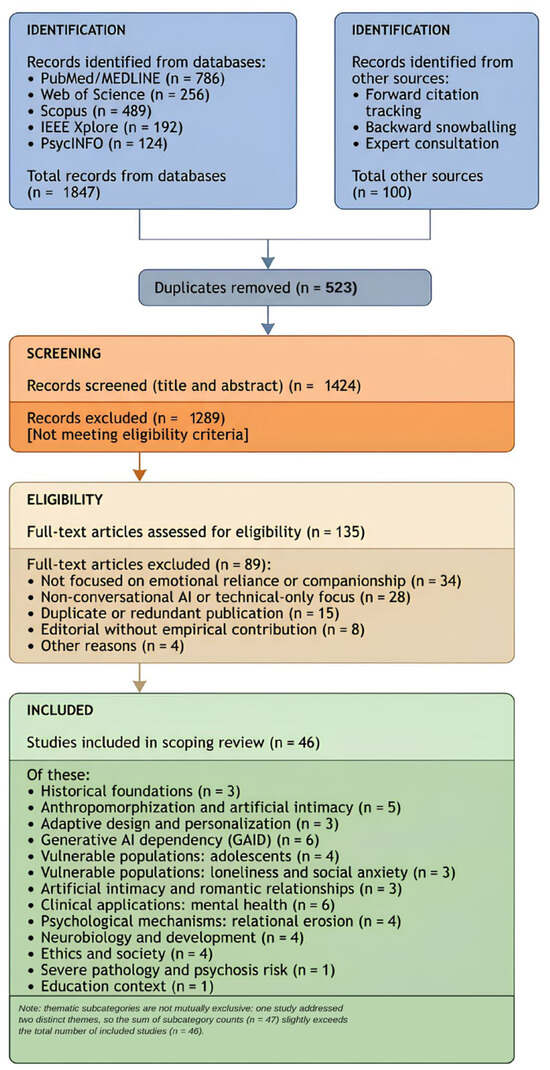
Background: Artificial intelligence (AI)-driven conversational systems are increasingly capable of simulating empathy, adapting to individual users, and fostering emotional bonds that blur the boundary between tool and companion. This scoping review maps the extent and nature of published evidence regarding psychological mechanisms underlying
[...] Read more.
Background: Artificial intelligence (AI)-driven conversational systems are increasingly capable of simulating empathy, adapting to individual users, and fostering emotional bonds that blur the boundary between tool and companion. This scoping review maps the extent and nature of published evidence regarding psychological mechanisms underlying emotional reliance on AI chatbots and associated mental health implications. Methods: Conducted in accordance with PRISMA-ScR guidelines, we systematically searched PubMed/MEDLINE, PsycINFO, Web of Science, Scopus, and IEEE Xplore from database inception to March 2026. Two independent reviewers screened records and extracted data using the PCC (Population, Concept, Context) framework. Thematic synthesis was performed to map evidence across psychological, clinical, and developmental domains. Results: Of 1847 records identified, 46 studies met inclusion criteria. Key themes included: (1) the ELIZA effect as a foundational mechanism of human–AI attachment, with documented cases of severe dependency including fatal outcomes; (2) anthropomorphization and artificial intimacy fostered by adaptive, personalized AI design; (3) proposal of Generative AI Dependency (GAID) as a conceptual framework mapping onto behavioral addiction components, pending empirical validation; (4) particular vulnerability of adolescents and lonely individuals to exclusive affective bonds with AI; and (5) potential erosion of human relational capacities, empathy development, and tolerance for interpersonal complexity. Significant gaps were identified in longitudinal research, validated screening tools, and intervention protocols. Conclusions: Emotional reliance on AI represents an emerging clinical phenomenon with addiction-like features requiring specific diagnostic frameworks, evidence-based interventions, and ethical design guidelines. Future research should prioritize longitudinal studies examining developmental impacts and neurobiological investigations of AI-mediated reinforcement mechanisms.
Full article
(This article belongs to the Section Clinical Neurobiology, Precision Psychiatry and Artificial Intelligence)
►▼
Show Figures

Figure 1
Open AccessArticle
Musculoskeletal Complaints and Psychological Symptoms Among Non-Teaching Staff with Sedentary Work in University North
by
Ivana Živoder, Mateja Znika, Anica Kuzmić, Marija Arapović, Nikolina Zaplatić Degač, Vesna Hodić and Goran Knežević
Psychiatry Int. 2026, 7(5), 193; https://doi.org/10.3390/psychiatryint7050193 - 1 Sep 2026
Abstract
Introduction: Prolonged sitting, computer work and digital workload are associated with frequent occurrence of pain in the spine and upper extremities, as well as increased stress and mental problems. Some difficulties often arise from static strain caused by long hours of computer work
[...] Read more.
Introduction: Prolonged sitting, computer work and digital workload are associated with frequent occurrence of pain in the spine and upper extremities, as well as increased stress and mental problems. Some difficulties often arise from static strain caused by long hours of computer work and inappropriate ergonomic working conditions. The aim of this study was to assess the occurrence of the difficulties described in non-teaching staff in an academic environment. Methods: The cross-sectional design of this study included 34 non-teaching employees of University North. Demographic data and the Nordic Musculoskeletal Questionnaire and Questionnaire on depression, anxiety and stress (The Depression, Anxiety and Stress Scale—DASS-21) were used. Results: The results presented a moderate level of stress in 32.4% of participants, while 29.4% had a normal level of stress. A normal level of anxiety was observed in 44.1% of participants, whereas 23.5% reported extremely severe anxiety. A statistically significant difference was found between troubles in the shoulders during the last 12 months and stress levels. Also, a statistically significant difference was found between troubles in the wrists/hands during the last 12 months and depression. Conclusions: Given the relatively small sample size and the large number of statistical comparisons performed, these findings may represent either true associations or chance findings and therefore require confirmation in larger longitudinal studies specifically designed to investigate the relationship between psychological factors and musculoskeletal complaints.
Full article
(This article belongs to the Section Mental Health)
Open AccessReview
Unspecified Sexual Dysfunction in the Diagnostic and Statistical Manual of Mental Disorders, Fifth Edition, Text Revision—Diagnostic Classification, Systemic Assessment, and Clinical Intervention
by
Jimmie Manning
Psychiatry Int. 2026, 7(5), 192; https://doi.org/10.3390/psychiatryint7050192 - 1 Sep 2026
Abstract
Unspecified Sexual Dysfunction is a residual diagnostic category within the Diagnostic and Statistical Manual of Mental Disorders, Fifth Edition, Text Revision (DSM-5-TR) used when symptoms characteristic of a sexual dysfunction cause clinically significant distress but do not meet criteria for a specific sexual
[...] Read more.
Unspecified Sexual Dysfunction is a residual diagnostic category within the Diagnostic and Statistical Manual of Mental Disorders, Fifth Edition, Text Revision (DSM-5-TR) used when symptoms characteristic of a sexual dysfunction cause clinically significant distress but do not meet criteria for a specific sexual dysfunction and the clinician does not specify the reason, including situations in which insufficient information is available for a more specific diagnosis. This narrative literature review examines diagnostic classification and clinical assessment in such presentations and considers how systemic perspectives can complement psychiatric assessment and intervention. A literature search using Google Scholar and citation-network mapping identified 34 peer-reviewed sources addressing sexual dysfunction classification, assessment, biopsychosocial and relational aspects of sexual distress, and treatment. The literature supports a distinction between diagnostic classification and comprehensive clinical formulation. Biological, psychological, relational, sociocultural, and developmental aspects do not constitute diagnostic criteria for Unspecified Sexual Dysfunction but may provide clinically relevant information for understanding sexual distress and selecting appropriate interventions. Systemic and relational assessment may therefore complement DSM-5-TR diagnosis by identifying interpersonal and contextual aspects relevant to treatment planning without redefining the diagnosis itself. Integrating diagnostic evaluation with broader clinical formulation may support individualized treatment and interdisciplinary collaboration across psychiatry, sexual medicine, psychosexual therapy, and relational or systemic care.
Full article
Open AccessArticle
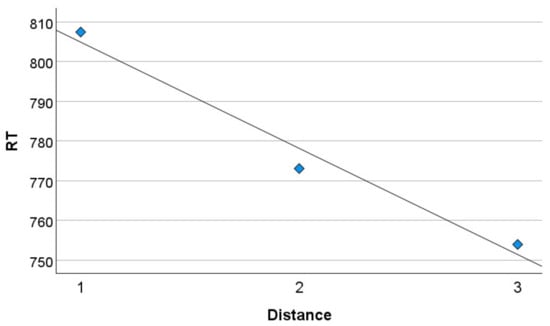
The Relation Between Autistic Traits and Symbolic Numerical Comparison Effects
by
Seyed Mohammad Mahdi Moshirian Farahi and Craig Leth-Steensen
Psychiatry Int. 2026, 7(5), 191; https://doi.org/10.3390/psychiatryint7050191 - 1 Sep 2026
Abstract
►▼
Show Figures
Autistic traits have been associated with enhanced perceptual processing, attention to detail, and systemizing, all of which may be linked to numerical cognition. However, little is known about whether these traits are related to symbolic numerical processing. This study examined the association between
[...] Read more.
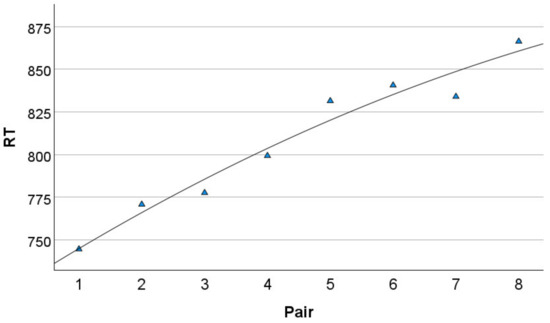
Autistic traits have been associated with enhanced perceptual processing, attention to detail, and systemizing, all of which may be linked to numerical cognition. However, little is known about whether these traits are related to symbolic numerical processing. This study examined the association between autistic traits and numerical comparison performance in adults. Data were collected online from N = 463 participants who performed some numerical tasks and then responded to a number of psychological questionnaires. Of major concern to the current study was whether two types of numerical processing effects (distance and size), as well as an overall processing efficiency measure derived from a single-digit numerical comparison task, were potentially related to self-reported measures of autistic traits and systemizing levels, as well as to performance on a double-digit arithmetic performance task. Although currently available numerical and autistic processing theories would suggest that such relations should indeed exist, none were evident in the results, even though both robust distance and size effects were obtained. However, robust sex and academic major differences were observed for both distance and size effects (smaller for both males and those majoring in STEM).
Full article

Figure 1
Open AccessReview
Beyond Efficacy Signals: Regulatory, Methodological, and Translational Challenges in Clinical Research on Ketamine and Psilocybin in Psychiatry
by
Damian Swieczkowski, Michal Pruc, Lukasz Szarpak, Aleksander Kwaśny and Wiesław Jerzy Cubała
Psychiatry Int. 2026, 7(5), 190; https://doi.org/10.3390/psychiatryint7050190 - 1 Sep 2026
Abstract
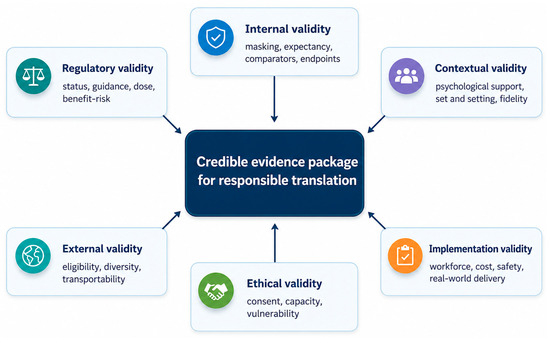
Major depressive disorder (MDD) and treatment-resistant depression (TRD) continue to drive interest in ketamine-family compounds and psilocybin, but antidepressant efficacy alone does not establish whether these interventions can be evaluated reliably or implemented responsibly. We conducted a structured narrative review using targeted PubMed/MEDLINE
[...] Read more.
Major depressive disorder (MDD) and treatment-resistant depression (TRD) continue to drive interest in ketamine-family compounds and psilocybin, but antidepressant efficacy alone does not establish whether these interventions can be evaluated reliably or implemented responsibly. We conducted a structured narrative review using targeted PubMed/MEDLINE searches through 21 July 2026, hand-searching of reference lists, and review of current regulatory documents. Six studies conducted by the authors formed the empirical foundation, covering trial protocols, dose–response relationships, treatment context reporting, regulatory alignment, participant diversity, and informed-consent readability. Findings were synthesized across regulatory, internal methodological, contextual, external, ethical, and implementation domains. The six studies identified recurring weaknesses in protocol design, dose and endpoint selection, masking and expectancy assessment, safety monitoring and long-term follow-up, reporting of psychological support and treatment setting, participant representativeness, and consent comprehensibility. The wider literature broadly supports these conclusions. Ketamine has a more mature evidence and implementation base, whereas psilocybin remains at an earlier stage of clinical development. Responsible translation into clinical practice therefore requires integrated evidence addressing efficacy, causal validity, safety, treatment context, diversity, informed consent, durability, and service delivery, while clearly distinguishing legal requirements, regulatory guidance, evidence-based methodological practices, and the authors’ recommendations.
Full article
(This article belongs to the Section Clinical Psychiatry and Psychotherapy)
►▼
Show Figures

Figure 1
Open AccessArticle
State Self-Compassion, Anxiety Severity, and Depressive Symptoms: A Moderation Analysis in a Community Adult Sample
by
Eirini Karakasidou, Georgia Raftopoulou, Anna Papadimitriou, Katerina Chotzoglou and Christiana Koundourou
Psychiatry Int. 2026, 7(5), 189; https://doi.org/10.3390/psychiatryint7050189 - 28 Aug 2026
Abstract
►▼
Show Figures
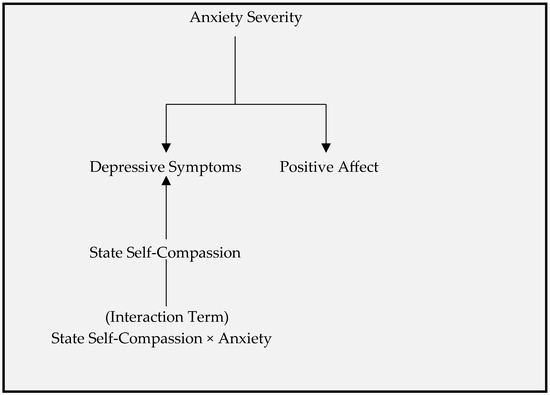
Background/Objectives: State self-compassion, a temporary and situationally specific form of responding to oneself with compassion, has been increasingly examined in relation to emotional distress, yet most studies have examined anxiety and depression as parallel outcomes rather than exploring how self-compassion relates to depressive
[...] Read more.
Background/Objectives: State self-compassion, a temporary and situationally specific form of responding to oneself with compassion, has been increasingly examined in relation to emotional distress, yet most studies have examined anxiety and depression as parallel outcomes rather than exploring how self-compassion relates to depressive symptoms while accounting for anxiety severity. The present study examined whether state self-compassion is independently associated with depressive symptoms after controlling for anxiety severity and demographic variables, and whether anxiety moderates the associations between state self-compassion and depressive symptoms as well as positive affect. Methods: A community sample of 581 Greek adults aged 18–65 years completed the State Self-Compassion Scale–Long Form (SSCS-L), the Depression Anxiety Stress Scales–21 (DASS-21), and the Positive and Negative Affect Schedule (PANAS). Hierarchical multiple regression analyses were conducted controlling for age, gender, and education, and interaction terms between centered state self-compassion and anxiety severity were entered to test moderation. Separate models were estimated for depressive symptoms and positive affect. Results: State self-compassion was significantly associated with lower depressive symptoms and higher positive affect after controlling for anxiety severity and demographic variables. Anxiety severity was positively associated with depressive symptoms. A small but statistically significant interaction indicated that the negative association between state self-compassion and depressive symptoms was slightly stronger at higher levels of anxiety. No moderation effect was observed for positive affect. Conclusions: Findings indicate that state self-compassion was independently associated with lower depressive symptoms and higher positive affect. Self-compassion with psychological functioning is largely consistent across anxiety levels. The results do not support a strong protective role for self-compassion; the association with lower depressive symptoms held broadly across anxiety levels. Future research should include longitudinal or intervention-based studies to enhance the role of self-compassion in helping people manage the difficult emotions.
Full article

Figure 1
Open AccessArticle
Selected Formal Thought Disorder Phenomena in Acute Inpatients with Primary and Secondary Psychotic Disorders: A Cross-Sectional Study
by
Sergey A. Yuchshuk, Aleksei B. Ilichev, Olga A. Ponamareva, Marina Yu. Lyubchenko, Vladimir Yu. Ivantsov, Dana S. Shaymerdenova, Sayn T. Zhanbyrbaeva, Laura Y. Alipbaeva, Tatiana A. Stupina and Lyubov V. Kopylova
Psychiatry Int. 2026, 7(5), 188; https://doi.org/10.3390/psychiatryint7050188 - 22 Aug 2026
Abstract
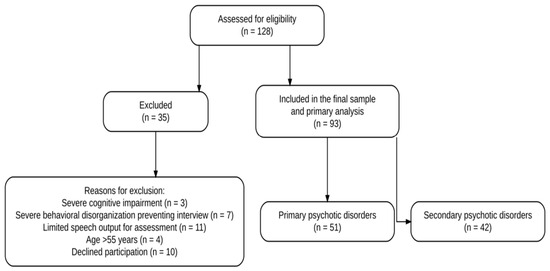
Formal thought disorder (FTD) is classically associated with schizophrenia-spectrum disorders, but speech disorganization may also occur in other acute psychotic conditions. This study compared eight prespecified FTD phenomena between operationally defined primary and secondary psychotic disorders. In this single-center cross-sectional study, 93 adults
[...] Read more.
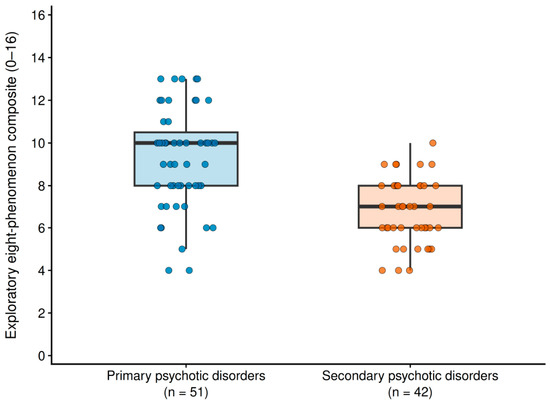
Formal thought disorder (FTD) is classically associated with schizophrenia-spectrum disorders, but speech disorganization may also occur in other acute psychotic conditions. This study compared eight prespecified FTD phenomena between operationally defined primary and secondary psychotic disorders. In this single-center cross-sectional study, 93 adults admitted with an acute psychotic state to three psychiatric inpatient departments were classified as having primary psychotic disorders (F20/F23.2; n = 51) or secondary psychotic disorders (F06.2/F10.5/F15.5; n = 42). Eight phenomena derived from Andreasen’s descriptions were rated using study-specific 0–2 ordinal anchors. Item-level distributions were analyzed using exact tests with Benjamini–Hochberg correction and covariate-adjusted ordinal regression; composite and diagnostic-subgroup analyses were exploratory. Higher ratings in the primary group were observed for derailment, tangentiality, incoherence, neologisms, and clanging, whereas loss of goal, circumstantiality, and perseveration did not differ statistically. Adjusted models supported the same item-level pattern, and sensitivity analyses supported several principal findings. The exploratory composite was also higher in the primary group (median 10 [8–10.5] vs. 7 [6–8]; p < 0.001). These findings support cautious, descriptive phenomenon-level assessment across acute psychotic disorders but do not validate the framework as a diagnostic instrument or establish disorder-specific FTD profiles.
Full article
(This article belongs to the Section Clinical Psychiatry and Psychotherapy)
►▼
Show Figures

Figure 1
Open AccessEssay
School-Based Mental Health Nursing in the Early AI Economy: Implications for Youth Mental Health and Substance Use
by
Ehsan Jozaghi
Psychiatry Int. 2026, 7(4), 187; https://doi.org/10.3390/psychiatryint7040187 - 21 Aug 2026
Abstract
Rapid innovation-driven transitions have, across successive eras, been associated with increased psychological distress, substance use, and suicide when social and economic change outpaces the adaptive capacity of individuals, communities, institutions, and governments. The early artificial intelligence (AI) economy is emerging at an unprecedented
[...] Read more.
Rapid innovation-driven transitions have, across successive eras, been associated with increased psychological distress, substance use, and suicide when social and economic change outpaces the adaptive capacity of individuals, communities, institutions, and governments. The early artificial intelligence (AI) economy is emerging at an unprecedented pace, reshaping education, employment, and social organization in ways that may intensify these risks, particularly among young people. This perspective argues that school-based mental health nursing, working collaboratively with school psychologists, counsellors, physicians, and other interdisciplinary professionals, represents a practical upstream response to AI-era disruption. Drawing on historical evidence from the Industrial Revolution, population mental health research, and the contemporary mental health nursing literature, the paper examines the mechanisms through which rapid socio-economic change may contribute to psychological distress and substance-use problems. It further distinguishes AI as both a source of socio-economic disruption and a clinical tool that can support—but not replace—relationship-based nursing practice. Strengthening school-based mental health nursing within interdisciplinary systems offers a practical, prevention-oriented strategy to promote resilience, facilitate early intervention, and mitigate downstream mental health and substance-use harms during the AI transition.
Full article
(This article belongs to the Special Issue Artificial Intelligence in Mental Health and Psychiatry: Methods, Applications and Implications)
Open AccessReview
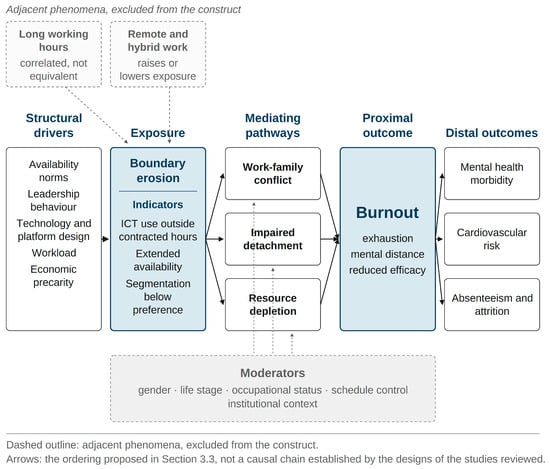
The Erosion of Work–Life Boundaries and Burnout: A Narrative Review of Mechanisms, Vulnerable Populations and Public Health Implications
by
Julien Lochmann, Klaus Patzke, Stefan Wahl, Fabian Renger and Attila Czirfusz
Psychiatry Int. 2026, 7(4), 186; https://doi.org/10.3390/psychiatryint7040186 - 21 Aug 2026
Abstract
The digital transformation of work has increasingly blurred the temporal, spatial, and psychological boundaries between professional and personal life. As a result, structural conditions have emerged that are associated with an elevated risk of burnout. This narrative review draws on literature identified through
[...] Read more.
The digital transformation of work has increasingly blurred the temporal, spatial, and psychological boundaries between professional and personal life. As a result, structural conditions have emerged that are associated with an elevated risk of burnout. This narrative review draws on literature identified through searches of Web of Science, Scopus and PubMed covering publications from 2004 to early 2026, which yielded 36 included studies, supplemented by further sources identified outside that search. It integrates key theoretical perspectives, including boundary theory, the Areas of Worklife model, the Job Demands-Resources framework and Conservation of Resources theory. Across diverse occupational contexts, three pathways recur: rising work-family conflict, reduced ability to psychologically detach from work during non-work time and the gradual depletion of personal resources. Structural drivers, comprising organisational availability norms, leadership behaviour, technology and platform design, workload, and economic precarity, are treated as the conditions under which exposure arises, and the review argues that responses pitched at individual coping are correspondingly limited. The public health implications extend beyond mental health, encompassing cardiovascular risk associated with long working hours, strain on healthcare systems, productivity losses and widening health inequities along gendered and socioeconomic lines. Addressing these challenges requires multilevel interventions, including organisational job redesign, leadership development, enforceable right-to-disconnect policies and greater recognition of recovery as a public health priority. At the same time, there remains a need for more longitudinal and intervention-based research, particularly in non-Western contexts.
Full article
(This article belongs to the Section Mental Health)
►▼
Show Figures

Figure 1
Open AccessArticle
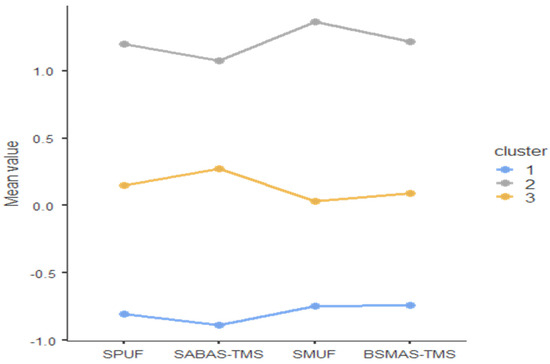
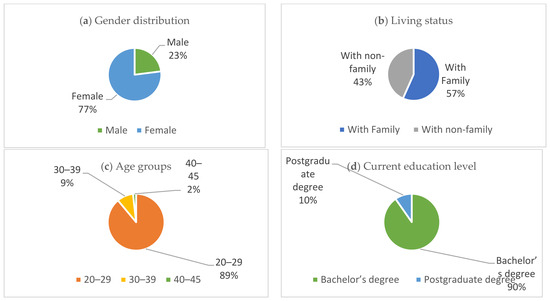
Distinct Profiles of Problematic Smartphone and Social Media Use Among French University Students: A Person-Centered Analysis of Sociodemographic, Psychological, Social, and Academic Correlates
by
Germano Vera Cruz and Clarice Da Rosa
Psychiatry Int. 2026, 7(4), 185; https://doi.org/10.3390/psychiatryint7040185 - 20 Aug 2026
Abstract
Background: Problematic smartphone use (PSU) and problematic social media use (PSMU) are common among university students, but little is known about whether distinct patterns of use exist. This study identified profiles of smartphone and social media use among French university students and examined
[...] Read more.
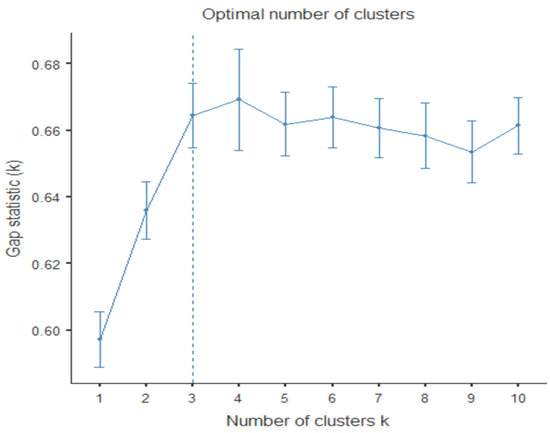
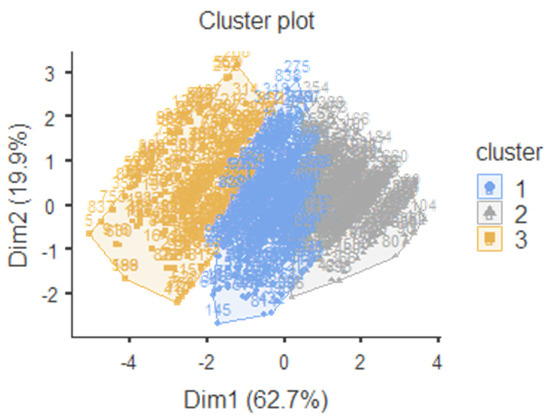
Background: Problematic smartphone use (PSU) and problematic social media use (PSMU) are common among university students, but little is known about whether distinct patterns of use exist. This study identified profiles of smartphone and social media use among French university students and examined factors associated with profile membership. Methods: An online survey was completed by 973 students from two French universities. K-means cluster analysis was conducted using smartphone use frequency, problematic smartphone use, social media use frequency, and problematic social media use. Multinomial logistic regression identified sociodemographic, social, psychological, mental well-being, and academic predictors of profile membership. Results: Three profiles emerged: low-risk (36.6%), moderate-risk (44.5%), and high-risk (18.9%). Compared with the low-risk profile, the moderate- and high-risk profiles were associated with younger age, higher neuroticism, greater positive urgency impulsivity, more attentional difficulties, and greater smartphone-related academic interference. Higher conscientiousness is consistently associated with likelihood of belonging to higher-risk profiles. Greater commitment in intimate relationships and stronger future-self continuity significantly predicted membership in the low-risk profile. Conclusions: PSU and PSMU comprise distinct behavioral profiles. Modifiable factors, including impulsivity, conscientiousness, future-self continuity, and academic digital habits, may help identify and support students at greater risk.
Full article
(This article belongs to the Special Issue The Impact of Social Media on Mental Health)
►▼
Show Figures

Figure 1
Open AccessArticle
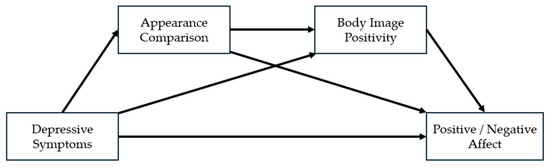
Individual Differences in Susceptibility to Appearance-Based Social Comparison on Social Media: The Roles of Depressive Symptoms and Mindfulness
by
Malinda Desjarlais, Kayla Le and Téa Schlegel
Psychiatry Int. 2026, 7(4), 184; https://doi.org/10.3390/psychiatryint7040184 - 20 Aug 2026
Abstract
Social media increases opportunities for appearance-based social comparison, which may negatively impact body image and affective well-being. However, limited research has addressed how individual characteristics, such as depressive symptoms and dispositional mindfulness, influence susceptibility to these effects. Guided by the Differential Susceptibility to
[...] Read more.
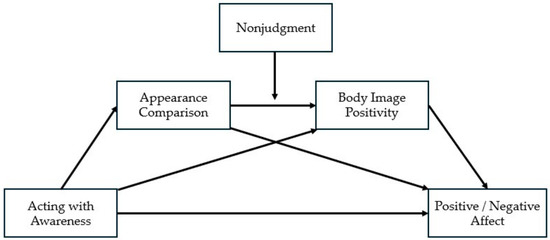
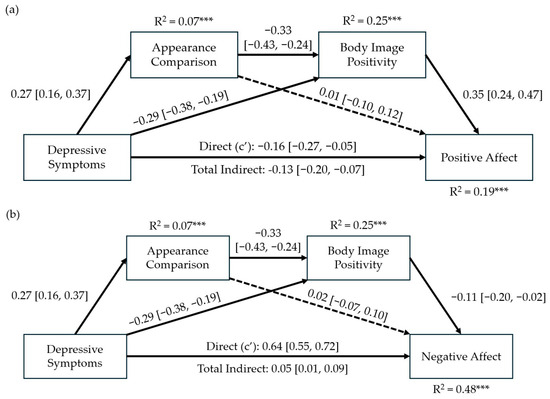
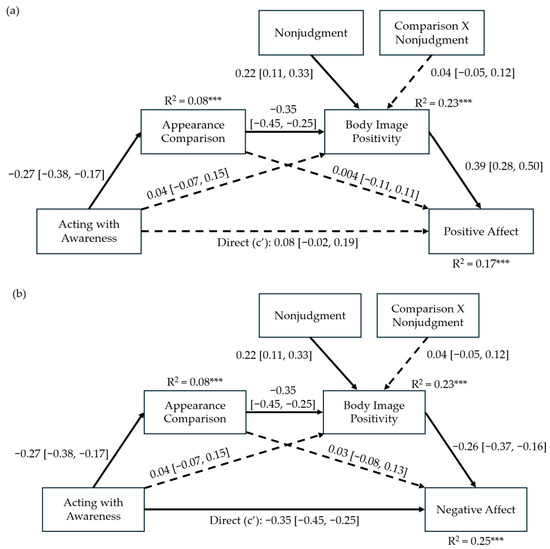
Social media increases opportunities for appearance-based social comparison, which may negatively impact body image and affective well-being. However, limited research has addressed how individual characteristics, such as depressive symptoms and dispositional mindfulness, influence susceptibility to these effects. Guided by the Differential Susceptibility to Media Effects Model (DSMM), the present study examined a framework connecting depressive symptoms, facets of mindfulness, appearance-based social comparison, body image positivity, and affective well-being. This study explored depressive symptoms and acting with awareness in relation to appearance-based social comparison. Additionally, it evaluated whether nonjudgment moderates the association between appearance-based social comparison and body image positivity. A total of 341 undergraduate students at a Canadian university participated in a cross-sectional online survey. In line with the DSMM, depressive symptoms and acting with awareness were indirectly associated with affective well-being. Higher depressive symptoms were associated with increased appearance-based social comparison, which was associated with lower body image positivity and, in turn, poorer affective well-being. Greater acting with awareness was related to reduced appearance-based social comparison. Nonjudgment did not moderate the relationship between appearance-based social comparison and body image positivity. These findings enhance understanding of individual differences in appearance-based social comparison on social media and suggest directions for future research on interventions that promote healthier social media experiences.
Full article
(This article belongs to the Special Issue The Impact of Social Media on Mental Health)
►▼
Show Figures

Figure 1
Open AccessReview
The Impact of Digital Addiction on Employees’ Work Productivity: A Narrative Review
by
Mehmet Ali Tekiner, İlker Karakoyunlu and Aybüke A. İsbir Turan
Psychiatry Int. 2026, 7(4), 183; https://doi.org/10.3390/psychiatryint7040183 - 20 Aug 2026
Abstract
Digital technologies have become an essential part of modern workplaces, improving communication, efficiency, and organisational processes. However, excessive and uncontrolled use of digital technologies may negatively affect employees’ well-being and workplace productivity. This narrative literature review examines the relationship between digital addiction and
[...] Read more.
Digital technologies have become an essential part of modern workplaces, improving communication, efficiency, and organisational processes. However, excessive and uncontrolled use of digital technologies may negatively affect employees’ well-being and workplace productivity. This narrative literature review examines the relationship between digital addiction and workplace productivity by focusing on the individual, social, and organisational consequences of problematic digital technology use. The study first defines the concepts of digital addiction and workplace productivity to establish a conceptual framework. It then discusses how problematic digital technology use, including excessive internet use, social media use, smartphone use, screen use, gaming disorder, and online gambling, may influence productivity through distraction, reduced concentration, poor time management, stress, health problems, and impaired work–life balance. The review highlights that digital technologies are not inherently harmful; rather, productivity problems arise from uncontrolled and problematic patterns of use. The study concludes by suggesting organisational and individual-level interventions, including digital awareness training, responsible technology use policies, improved time management practices, and supportive workplace environments to reduce the negative effects of digital addiction.
Full article
(This article belongs to the Section Addiction Psychiatry)
Open AccessArticle
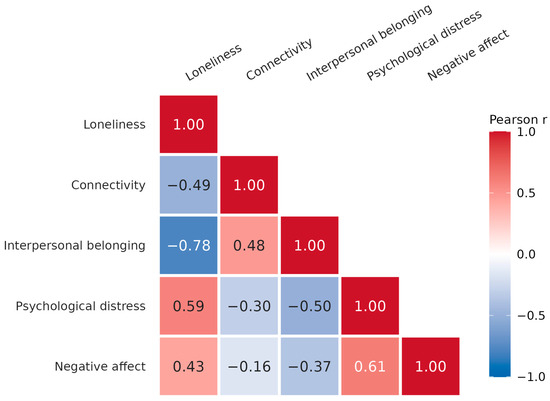
Loneliness, Social Isolation, and Community Belonging as Correlates of Psychological Distress Among Men Who Have Sex with Men in Portugal
by
Tiago Zamora Machado, Iara Teixeira, Guilherme Welter Wendt, Henrique Pereira and Felipe Alckmin-Carvalho
Psychiatry Int. 2026, 7(4), 182; https://doi.org/10.3390/psychiatryint7040182 - 20 Aug 2026
Abstract
Loneliness and social isolation are related but distinct experiences, and their relative contributions to mental health among men who have sex with men (MSM) remain insufficiently studied in Portugal. This cross-sectional online survey of 641 cisgender MSM (age 18–74 years; M = 38.51,
[...] Read more.
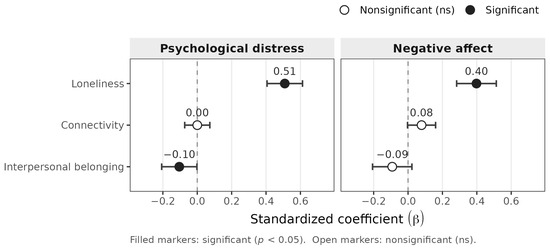
Loneliness and social isolation are related but distinct experiences, and their relative contributions to mental health among men who have sex with men (MSM) remain insufficiently studied in Portugal. This cross-sectional online survey of 641 cisgender MSM (age 18–74 years; M = 38.51, SD = 12.83) examined associations among loneliness, objective connectivity, interpersonal belonging, LGBTQIA+ community belonging, social-network composition, negative affect, and psychological distress, using the UCLA Loneliness Scale, the Social Isolation Scale, the Depression Anxiety Stress Scales-21, and a short Portuguese Positive and Negative Affect Schedule. LGBTQIA+ community belonging and LGBTQIA+ network representation were assessed with single items. Correlations, multiple regressions, and two moderation models were estimated with heteroscedasticity-consistent standard errors and sensitivity analyses. Loneliness was the strongest independent correlate of psychological distress (β = 0.509, p < 0.001, R2 = 0.353) and negative affect (β = 0.398, p < 0.001, R2 = 0.193). Interpersonal belonging showed a small, borderline inverse association with distress (β = −0.10, p = 0.050) that did not survive covariate adjustment. Neither LGBTQIA+ community belonging nor LGBTQIA+ network representation moderated the loneliness–distress association. Subjective loneliness was more closely tied to distress than objective connectivity or broad community integration. These cross-sectional findings are consistent with the value of examining interventions that address the quality and reciprocity of close relationships alongside affirming community resources.
Full article
(This article belongs to the Section Mental Health)
►▼
Show Figures

Figure 1
Open AccessArticle
Depressive Symptoms Among Orphaned University Students in Thailand: The Role of Attachment Insecurity, Resilience, Inner Strength, and Perceived Social Support
by
Fanglin Meng, Decha Tamdee, Zsuzsanna Kövi, Nahathai Wongpakaran, Justin Ross DeMaranville and Tinakon Wongpakaran
Psychiatry Int. 2026, 7(4), 181; https://doi.org/10.3390/psychiatryint7040181 - 19 Aug 2026
Abstract
Early parental loss may increase depression risk among orphaned university students, yet evidence from low- and middle-income countries such as Thailand remains limited. This cross-sectional study examined depressive symptoms and their associations with attachment insecurity, resilience, inner strength, and perceived social support among
[...] Read more.
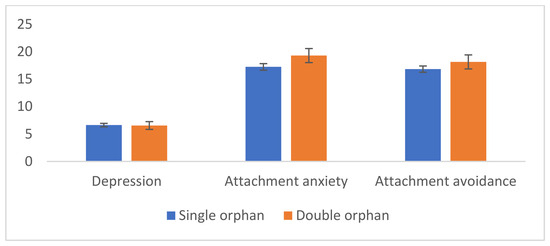
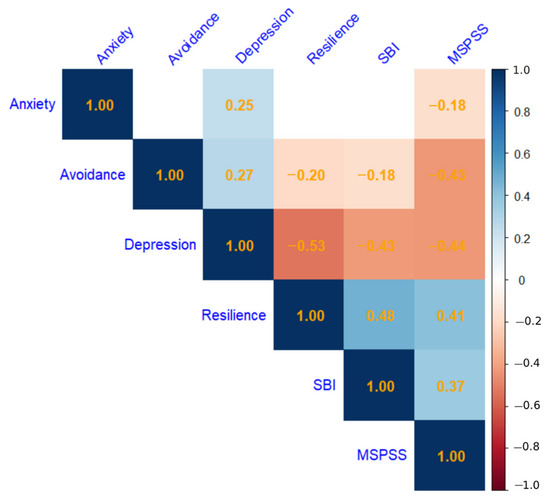
Early parental loss may increase depression risk among orphaned university students, yet evidence from low- and middle-income countries such as Thailand remains limited. This cross-sectional study examined depressive symptoms and their associations with attachment insecurity, resilience, inner strength, and perceived social support among 226 Thai university students aged ≥20 years who had lost one or both biological parents before age 18. Participants completed validated Thai versions of the Outcome Inventory–Depression subscale, the Experiences of Close Relationships–Revised 10-item version, the 9-item Resilience Inventory, the Inner Strength-Based Inventory, and the revised Thai Multidimensional Scale of Perceived Social Support. Multiple linear regression identified factors associated with depressive symptoms. The mean depression score was 6.62, with no significant difference between single and double orphans. Attachment anxiety (β = 0.176, p = 0.002) was significantly and positively associated with depressive symptoms, whereas resilience (β = −0.322, p < 0.001), inner strength (β = −0.192, p < 0.003), and perceived social support (β = −0.156, p = 0.022) were significantly and negatively associated with depression. In contrast, attachment avoidance (β = 0.110, p = 0.068) did not reach statistical significance. Among orphaned students, depressive symptoms were more closely linked to psychosocial factors than to the specific type of parental loss (single vs. double orphanhood).
Full article
(This article belongs to the Section Mental Health)
►▼
Show Figures

Figure 1
Open AccessArticle
Anxiety and Its Relationship with Professional Quality of Life and Meaning in Life Among Hospital Nursing Personnel: A Cross-Sectional Study
by
Vasiliki Tsoulou, Areti Stavropoulou, Angeliki Stamou and Maria Polikandrioti
Psychiatry Int. 2026, 7(4), 180; https://doi.org/10.3390/psychiatryint7040180 - 19 Aug 2026
Abstract
Introduction: Nurses in hospital settings frequently experience anxiety, which may adversely affect both their psychological well-being and professional functioning. In this context, Professional Quality of Life (ProQoL) and Meaning in Life are recognized as key factors influencing nurses’ mental health outcomes. Aim: The
[...] Read more.
Introduction: Nurses in hospital settings frequently experience anxiety, which may adversely affect both their psychological well-being and professional functioning. In this context, Professional Quality of Life (ProQoL) and Meaning in Life are recognized as key factors influencing nurses’ mental health outcomes. Aim: The aim of the present study was to explore the level of anxiety among nursing personnel in hospital settings and to assess its association with ProQoL and Meaning in Life. Materials and Methods: A cross-sectional study was conducted in a convenience sample of 200 nursing personnel in a public hospital. Data were collected using the Zung Self-Rating Anxiety Scale (SAS), the Professional Quality of Life Scale-5 (ProQoL-5), and the Meaning in Life Questionnaire (MLQ) which also included characteristics of nursing personnel. Results: Anxiety levels were low to mild (39.8 ± 8.7). ProQoL dimensions indicated moderate to high Compassion Satisfaction (35.5 ± 7.3) and moderate levels of Burnout (27.6 ± 5.7) and Secondary Traumatic Stress (26.5 ± 6.1). Regarding Meaning in Life, participants reported high levels of Presence of Meaning (27.1 ± 4.8) and moderate levels of Search for Meaning (21.7 ± 6.7). A statistically significant negative correlation was observed between anxiety and Compassion Satisfaction (r = −0.532, p < 0.001), as well as between anxiety and Presence of Meaning (r = −0.387, p < 0.001). In contrast, anxiety was positively correlated with Burnout (r = 0.652, p < 0.001) and Secondary Traumatic Stress (r = 0.534, p < 0.001). In the multivariable analysis, the self-rating of daily work experience score was associated with increased anxiety levels by 0.9 units for each unit increase (95% CI: 0.2 to 1.7, p < 0.011). Compassion Satisfaction was associated with a decrease in anxiety by 0.4 units (95% CI: −0.6 to −0.2, p < 0.001), while Burnout and Secondary Traumatic Stress were associated with an increase in anxiety by 0.5 (95% CI: 0.2 to 0.8, p < 0.001) and 0.4 units (95% CI: 0.2 to 0.6, p < 0.001), respectively. Conclusions: Self-rated daily work experience, Burnout, and Secondary Traumatic Stress were positively associated with anxiety, whereas Compassion Satisfaction was negatively associated with anxiety. These results illustrate the importance of targeted interventions aimed at reducing anxiety, strengthening ProQoL, and promoting Meaning in Life to support nursing personnel’s well-being.
Full article
(This article belongs to the Special Issue Mental Health, Well-Being and Decision-Making in First Responders and Frontline Workers)
Open AccessArticle
The Impact of the Social Situation in Serbia on Population Mental Health
by
Vanja Bosic Mesi, Mina Cvjetkovic Bosnjak, Iva Bosic Miljevic, Dusan Kuljancic, Aleksandra Dickov, Teodora Inic, Igor Kelecevic and Jovan Milatovic
Psychiatry Int. 2026, 7(4), 179; https://doi.org/10.3390/psychiatryint7040179 - 11 Aug 2026
Abstract
Background: Mental health is the main factor of the overall quality of life of both individuals and the community. In contemporary society, mental health is gaining more and more significance, although there is still an insufficient level of awareness among people about
[...] Read more.
Background: Mental health is the main factor of the overall quality of life of both individuals and the community. In contemporary society, mental health is gaining more and more significance, although there is still an insufficient level of awareness among people about what factors can affect our mental health and why it is of such importance for daily functioning. Material: The research used an anonymous questionnaire created by a team of doctors from the Clinic for Psychiatry in Novi Sad with the aim of assessing how the ongoing social situation in Serbia affects the mental health of the population. Results: It was shown that there is a statistically significant link between levels of feeling tense and following the news about the ongoing protests. The research has shown that there are statistically significant differences in emotional response in relation to gender and age resulting from the current situation. A statistically significant association between sleep problems and the use of anxiolytic therapy has been proven. Most of the respondents declared that the current situation in which we live has a negative impact on mental health. Conclusions: The results of the research indicate that social circumstances in Serbia significantly affect the psychological functioning of the population.
Full article
(This article belongs to the Section Mental Health)
Open AccessSystematic Review
Psychological Outcomes Associated with Hospitalization and Incarceration: A Systematic Review of Shared and Setting-Specific Factors
by
Anna Anselmo, Francesco Corallo, Maria Pagano, Davide Cardile, Rocco Salvatore Calabrò and Irene Cappadona
Psychiatry Int. 2026, 7(4), 178; https://doi.org/10.3390/psychiatryint7040178 - 7 Aug 2026
Abstract
►▼
Show Figures
Background: Hospitalization and incarceration are distinct institutional experiences, but both may involve reduced autonomy, externally regulated routines, uncertainty, restricted privacy, and disruption of meaningful social relationships. This systematic review examined shared and setting-specific psychological outcomes and associated factors across the two environments. Methods:
[...] Read more.
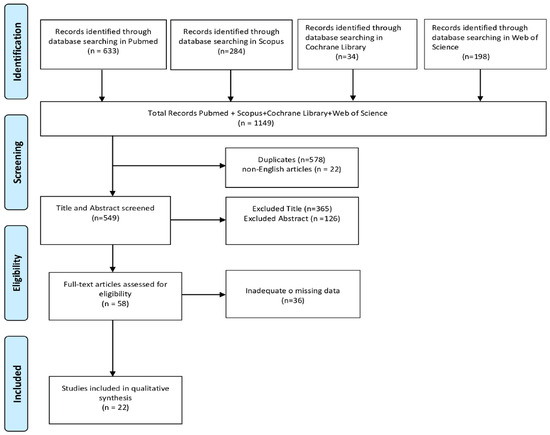
Background: Hospitalization and incarceration are distinct institutional experiences, but both may involve reduced autonomy, externally regulated routines, uncertainty, restricted privacy, and disruption of meaningful social relationships. This systematic review examined shared and setting-specific psychological outcomes and associated factors across the two environments. Methods: PubMed, Scopus, Web of Science and the Cochrane Library were searched from database inception to 30 January 2026. Of 1149 identified records, 22 studies met the eligibility criteria. Methodological quality was assessed using the Mixed Methods Appraisal Tool 2018, and findings were synthesized narratively because substantial clinical and methodological heterogeneity precluded meta-analysis. Results: Ten studies examined incarcerated populations and twelve examined hospitalized populations. Across incarceration studies, reported estimates ranged from 14.9% to 72.6% for depressive symptoms or mood disorders and from 23.3% to 77.8% for anxiety symptoms or disorders. Across hospitalization studies, corresponding estimates ranged from 5.1% to 41.0% and from 5.8% to 60.0%, respectively. These ranges reflect heterogeneous screening instruments, diagnostic procedures, populations, and outcome definitions and were not statistically pooled. In both settings, poorer psychological outcomes were associated with reduced perceived control, disrupted routines, uncertainty, limited social support, and individual vulnerability. Setting-specific factors included prison climate, coping style, shame, and sentence-related circumstances in incarceration, and illness severity, functional impairment, prognostic uncertainty, isolation precautions, and prolonged or repeated admission in hospitalization. Findings concerning exposure duration were inconsistent in both settings. Conclusions: Hospitalization and incarceration should not be regarded as psychologically equivalent. Nevertheless, they may share experiential conditions associated with distress, particularly when autonomy, privacy, predictability, and social connectedness are reduced. Because the evidence was heterogeneous and predominantly observational, causal conclusions and direct quantitative comparisons cannot be made.
Full article

Figure 1
Open AccessReview
Regulating Trauma Through the Body: A Narrative Review of Somatic-Based Interventions
by
Federica Visco-Comandini, Giulia Marselli, Andrea Gobbo, Sabina Arcieri, Simona Abagnale, Maria Autuori, Rosalia De Biase, Riccardo De Pastina, Benedetta Del Forno, Rachele Grimaldi, Mariapina Manzi, Hamida Sadikhova, Benedetta Senzasono, Anais Tropeano, Stefania Fadda, Francesco Mancini and Alessandra Ciolfi
Psychiatry Int. 2026, 7(4), 177; https://doi.org/10.3390/psychiatryint7040177 - 7 Aug 2026
Abstract
Trauma is a condition that overwhelms an individual’s capacity to cope, disrupting emotional regulation, cognitive functioning, and the sense of safety. Complex trauma, characterized by prolonged and interpersonal adverse experiences, is associated with significant psychological distress, including anxiety, dissociation, and difficulties in self-regulation.
[...] Read more.
Trauma is a condition that overwhelms an individual’s capacity to cope, disrupting emotional regulation, cognitive functioning, and the sense of safety. Complex trauma, characterized by prolonged and interpersonal adverse experiences, is associated with significant psychological distress, including anxiety, dissociation, and difficulties in self-regulation. Neurobiological research highlights how trauma is encoded not only cognitively but also within the body, through autonomic nervous system dysregulation and procedural memory processes, often resulting in states of hyperarousal or hypoarousal and a narrowed window of tolerance. The aim of this narrative review is to synthesize and critically examine the current literature on somatic-based interventions for the treatment of trauma, with a particular focus on Sensorimotor Psychotherapy, Somatic Experiencing, and related body-oriented approaches. In this context, somatic-based interventions offer a bottom–up approach that directly targets physiological and sensorimotor processes. Modalities such as Sensorimotor Psychotherapy and Somatic Experiencing aim to restore autonomic balance, enhance body awareness, and support the integration of traumatic experiences. This narrative review synthesizes current evidence, suggesting that these approaches can improve emotional regulation, dissociation, and overall trauma-related symptoms, particularly in individuals with complex trauma. Despite promising findings, the literature is limited by methodological variability and a lack of rigorous trials. Further research is needed to strengthen the evidence base and clarify mechanisms of change. Overall, somatic interventions represent a valuable complement to traditional trauma therapies, supporting a more integrated and embodied approach to treatment.
Full article
(This article belongs to the Section Addiction Psychiatry)
Highly Accessed Articles
Latest Books
E-Mail Alert
News
1 September 2026
MDPI INSIGHTS: The CEO’s Letter #38 – 2 Million Published Articles, Outstanding Reviewers, Michele Parrinello Award, AIS 2026 & WSF-12
5 August 2026
MDPI INSIGHTS: The CEO’s Letter #37 – Canada Summit, Sciforum Relaunch, 30 Years of Impactful Research & ISPRS 2026
Topics
Topic in
Brain Sciences, Clocks & Sleep, JDAD, Neuroglia, Psychiatry International, NeuroSci, Neurology International, CTN
Advancing Neuroscience and Brain Sciences: Insights from the 5th International Electronic Conference on Brain Sciences & 1st International Electronic Conference on Neurosciences (IECBS-IECNS 2026)
Topic Editors: Stephen D. Meriney, Magda TsolakiDeadline: 11 November 2026
Topic in
Education Sciences, Youth, Behavioral Sciences, Psychiatry International, EJIHPE
Addictive Behaviors and Mental Disorders Among Youth and Adolescents
Topic Editors: Wenchao Wang, Chao SongDeadline: 30 November 2026
Topic in
Psychiatry International, Behavioral Sciences, Social Sciences, Brain Sciences
The Behavioral Intervention and Assessment of Suicide Risks
Topic Editors: Elvira Ventura Spagnolo, Xenia HadjicharalambousDeadline: 31 December 2026
Topic in
Behavioral Sciences, Brain Sciences, EJIHPE, Healthcare, Psychiatry International
Digital Behaviors, Addictions, and Psychosocial Harms: Problematic Internet and Smartphone Use, Cyberbullying, Sports Betting, Substance Use, and Impulse-Control Disorders
Topic Editors: Denise De Micheli, André Luiz Monezi AndradeDeadline: 1 September 2027
Special Issues
Special Issue in
Psychiatry International
Precision Approaches to Anxiety and Depression: Integrating Digital Technologies in Mental Health Research
Guest Editors: Rossella Suriano, Giorgio Mario GrassoDeadline: 30 November 2026
Special Issue in
Psychiatry International
Role of Neuroinflammation in Neurological Disorders
Guest Editor: Rekha JagadapillaiDeadline: 31 December 2026
Special Issue in
Psychiatry International
Cognitive Functioning Across Severe Psychiatric Disorders: From Research to Clinical Practice
Guest Editors: Thiago P. Fernandes, Natanael Antonio dos Santos, Irina Ivanovna Shoshina, Milena OliveiraDeadline: 31 December 2026
Special Issue in
Psychiatry International
The Impact of Social Media on Mental Health
Guest Editor: Malinda DesjarlaisDeadline: 31 December 2026