

-
The Amplifying Effect of Psychological Capital on Emotional Management for Reducing Teachers’ Work Stress During COVID-19 -
Handwritten Versus Digitally Supported Computer-Based Writing in Students with Specific Learning Difficulties: Writing Anxiety, Confidence, Frustration, and Perceived Ease -
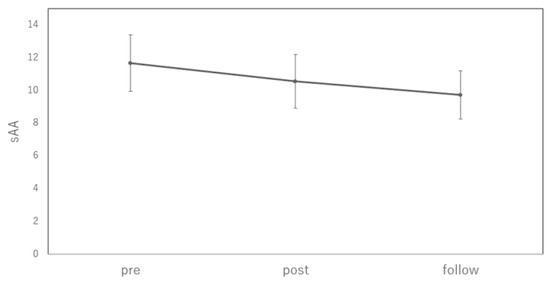
Cognitive Stress Responses During an N-Back Task: Pupillary Dynamics and Salivary Alpha-Amylase Activity
Journal Description
Psychology International
- formerly Psych - is an international, peer-reviewed, open access journal on psychology, published quarterly online by MDPI.
- Open Access— free for readers, with article processing charges (APC) paid by authors or their institutions.
- Rapid Publication: manuscripts are peer-reviewed and a first decision is provided to authors approximately 22.1 days after submission; acceptance to publication is undertaken in 3.9 days (median values for papers published in this journal in the first half of 2026).
- Recognition of Reviewers: APC discount vouchers, optional signed peer review, and reviewer names published annually in the journal.
- Journal Cluster of Education and Psychology: Adolescents, AI in Education, Behavioral Sciences, Education Sciences, International Journal of Cognitive Sciences, Journal of Intelligence, Psychology International and Youth.
Latest Articles
Metacognition in Schizotypal and Related Personality Disorders: A Conceptual Review Informed by the Alternative Model of Personality Disorders
Psychol. Int. 2026, 8(3), 45; https://doi.org/10.3390/psycholint8030045 (registering DOI) - 8 Jul 2026
Abstract
Cluster A personality disorders, including schizotypal, schizoid, and paranoid personality disorders, remain among the least studied forms of personality pathology. Partly due to this lack of research, empirically supported interventions remain limited. Recently, the Alternative Model of Personality Disorders (AMPD) has emerged as
[...] Read more.
Cluster A personality disorders, including schizotypal, schizoid, and paranoid personality disorders, remain among the least studied forms of personality pathology. Partly due to this lack of research, empirically supported interventions remain limited. Recently, the Alternative Model of Personality Disorders (AMPD) has emerged as a dimensional approach to understanding personality disorders; however, treatment implications remain underdeveloped. We propose that the integrated model of metacognition may offer a clinically actionable framework for conceptualizing and measuring core self- and interpersonal disturbances that are central to the AMPD. In this conceptual review, we consider the following: (1) how the integrated model of metacognition aligns with dimensional models of personality pathology, (2) metacognitive functioning in Cluster A personality disorders with emphasis on schizotypal personality disorder, and (3) metacognitive treatments that could potentially have relevance for these presentations.
Full article
Open AccessArticle
Dealing with Stress Through Social Resources: A Complex Approach to the Investigation of Social Antecedents and Distress Tolerance
by
Simone Basili, Marina Baroni, Giulia Colombini, Andrea Guazzini and Mirko Duradoni
Psychol. Int. 2026, 8(3), 44; https://doi.org/10.3390/psycholint8030044 - 7 Jul 2026
Abstract
►▼
Show Figures
Every day, people are exposed to social stressors and environmental stimuli, both online and offline, that may contribute to psychological distress (PD), a phenomenon that may be further affected by the pervasive diffusion of the Internet and Information and Communication Technologies (ICTs). In
[...] Read more.
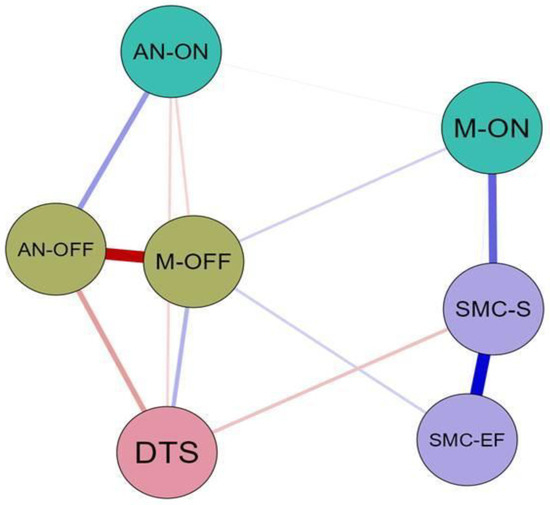
Every day, people are exposed to social stressors and environmental stimuli, both online and offline, that may contribute to psychological distress (PD), a phenomenon that may be further affected by the pervasive diffusion of the Internet and Information and Communication Technologies (ICTs). In keeping with this, the aim of the present study was to investigate the role of mattering and anti-mattering in both offline and online environments, as well as Social Media Capital on Distress Tolerance (DT). Data were collected through the administration of an online and anonymous survey among 252 participants (32.1% cisgender males; 63.1% cisgender females; 4.8% people belonging to the LGBTQIA+ community) aged 18 to 85 years (mean age: 40.5, SD = 17.0253). In line with the objective of the present study, correlation, multiple linear regression, and network analyses (NA) were performed. Overall, the results pointed out that offline mattering and anti-mattering and social media capital were associated with DT. Moreover, the NA suggested that offline relational experiences, particularly offline mattering and anti-mattering, were more consistently connected with DT within the overall network structure than online relational indicators. In conclusion, the study deepened the investigation of DT in relation to potential social antecedents (both offline and online), laying the groundwork for the development of further studies in this area.
Full article

Figure 1
Open AccessEssay
Desire, Jouissance, and Parenting: A Lacanian Critique of Intensive Parenting Under Capitalism
by
Vered Ben David
Psychol. Int. 2026, 8(3), 43; https://doi.org/10.3390/psycholint8030043 - 6 Jul 2026
Abstract
►▼
Show Figures
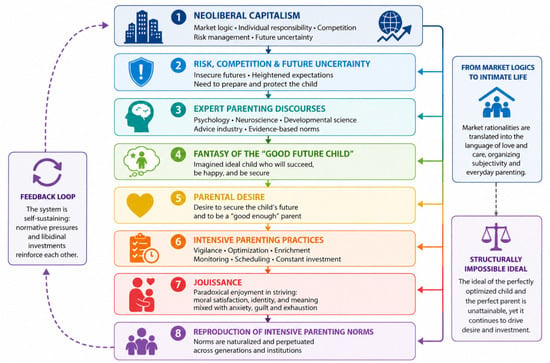
This paper examines intensive parenting as a dominant cultural model within contemporary Anglo-American and Western European parenting cultures, situating it within late-capitalist demands for individual responsibility, optimisation, and future-oriented risk management. This theoretical and discourse-analytic paper advances a Lacanian account of intensive parenting
[...] Read more.
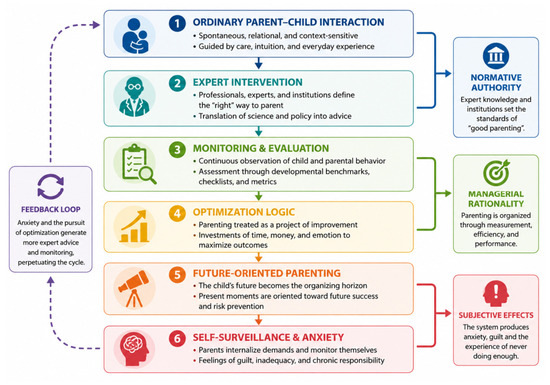
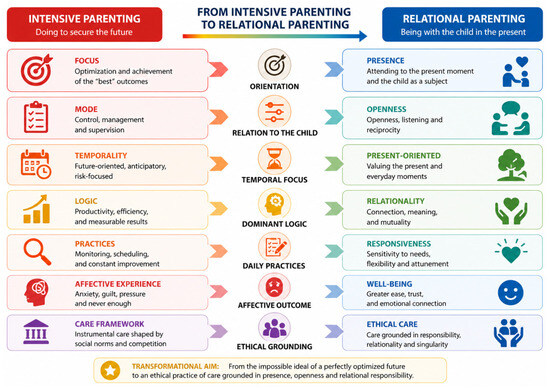
This paper examines intensive parenting as a dominant cultural model within contemporary Anglo-American and Western European parenting cultures, situating it within late-capitalist demands for individual responsibility, optimisation, and future-oriented risk management. This theoretical and discourse-analytic paper advances a Lacanian account of intensive parenting as a libidinal formation structured through fantasy, desire, and jouissance. Drawing on Lacanian psychoanalysis, the analysis explores how parental investment in intensive parenting is sustained not only through social norms and institutional pressures but through affective and unconscious attachments that render these demands compelling even when they are experienced as exhausting and exclusionary. While existing feminist and sociological scholarship has documented the classed, gendered, and racialized dimensions of intensive parenting, less attention has been paid to the psychic mechanisms through which parents become attached to these norms. This paper addresses this gap by examining how fantasies surrounding the child’s future organise parental desire and enjoyment. Focusing on fantasy, the object-cause of desire, and jouissance, the paper shows how intensive parenting offers moral coherence and reassurance under conditions of uncertainty while remaining structurally impossible to fulfill. These libidinal investments translate market rationalities into intimate life, shaping parental subjectivity and sustaining intensive parenting as a dominant norm. The analysis suggests that this persistence is tied not only to social regulation but to the way desire is organised around an unattainable future object. The paper concludes by reflecting on how this analysis reframes relational modes of being in parenting, suggesting that attending to lack, contingency, and relational openness may support forms of care that move beyond imperatives of control, productivity, and future optimisation.
Full article

Figure 1
Open AccessReview
Narrative Psychotherapy for People with Psychosis: A Narrative Review of Current Research and Psychotherapeutic Approaches
by
Laura A. Faith, Courtney N. Wiesepape and Jeremy M. Ridenour
Psychol. Int. 2026, 8(3), 42; https://doi.org/10.3390/psycholint8030042 (registering DOI) - 4 Jul 2026
Abstract
Narrative psychotherapy focuses on jointly discussing life stories with patients to promote shifts in sense of self and narrative identity. Narrative approaches have roots in constructivism which requires various elements or cognitive processes necessary for meaning making, such as the discussion of thoughts
[...] Read more.
Narrative psychotherapy focuses on jointly discussing life stories with patients to promote shifts in sense of self and narrative identity. Narrative approaches have roots in constructivism which requires various elements or cognitive processes necessary for meaning making, such as the discussion of thoughts and feelings, how thoughts and feeling change over time, and how the patient’s construction of meaning contributes to their sense of self and place in the world. Narrative psychotherapy may have unique elements that promote recovery for people with psychosis. For instance, narrative approaches may help to integrate narratives that are fragmented or focused on illness identity, though the research is limited. The current study is a narrative review that aims to (1) discuss current theoretical and research findings related to narratives and narrative identity in people with psychosis; (2) identify and describe psychotherapy approaches that focus on narratives. We summarize recent findings that highlight positive outcomes for people experiencing psychosis, and how people move towards more integrated and complex narratives. We found a range of therapeutic approaches that focus on narratives including metacognitive therapy (i.e., metacognitive reflection and insight therapy), trauma-based psychotherapy (i.e., trauma-focused cognitive-behavioral therapy for psychosis and narrative enhancement therapy), treatment focused on self-stigma or illness identity (i.e., narrative enhancement and cognitive therapy and self-concept and engagement and life), and art and creative therapies. We discuss interpretation of findings and their implication for mechanisms of change.
Full article
Open AccessArticle
Investigating the Contributions of Stress Appraisals and Self-Regulated Learning Practices on Student Success
by
Meg Kapil, Allyson Hadwin and Ramin Rostampour
Psychol. Int. 2026, 8(3), 41; https://doi.org/10.3390/psycholint8030041 - 1 Jul 2026
Abstract
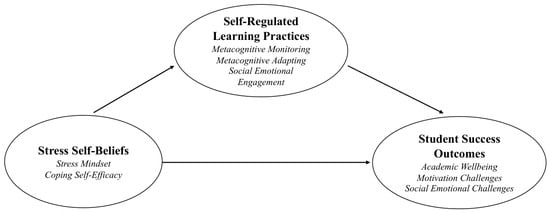
Student mental health, stress, and success are interconnected, yet the mechanisms linking them remain insufficiently understood. Drawing on Stress Optimization and Self-Regulated Learning (SRL) theories, this study examined how stress appraisals and learning practices jointly contribute to student mental health and academic functioning
[...] Read more.
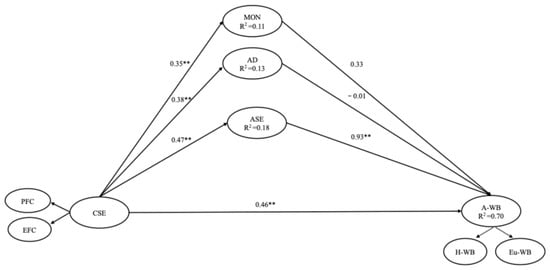
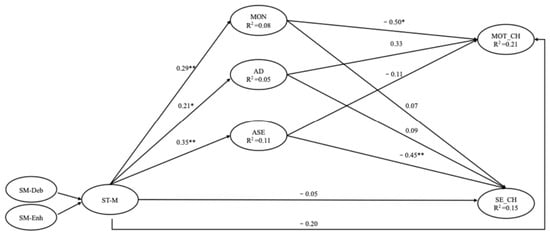
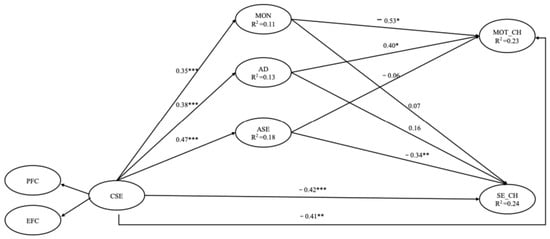
Student mental health, stress, and success are interconnected, yet the mechanisms linking them remain insufficiently understood. Drawing on Stress Optimization and Self-Regulated Learning (SRL) theories, this study examined how stress appraisals and learning practices jointly contribute to student mental health and academic functioning in post-secondary students, supporting a view of student success that comprises both feeling well psychosocially and functioning well academically. Using a sample of 226 university students, the study replicated prior work on the predictive roles of coping self-efficacy (CSE) and stress mindset (SM) across indicators of student success, including flourishing mental health, motivation-related challenges, social-emotional challenges, and GPA. It extended this work by testing whether metacognitive monitoring and adaptation, and academic social engagement, mediated these relationships. Results showed that neither CSE nor SM significantly predicted GPA, suggesting that stress appraisals alone may be insufficient to explain academic achievement. However, both CSE and SM significantly predicted flourishing mental health, and CSE was additionally associated with fewer motivation-related and social-emotional challenges. Mediation analyses indicated that metacognitive monitoring partially explained the relationship between CSE and reduced motivation challenges, while academic social engagement mediated relationships between stress appraisals and social-emotional challenges and mental health. Findings underscore the value of integrating psychosocial and educational perspectives in promoting student success.
Full article
(This article belongs to the Section Neuropsychology, Clinical Psychology, and Mental Health)
►▼
Show Figures

Figure 1
Open AccessArticle
Understanding and Addressing Parental Concerns in a Professional Football Academy: A Pragmatic Case Study
by
Dave Collins and Robin Taylor
Psychol. Int. 2026, 8(3), 40; https://doi.org/10.3390/psycholint8030040 - 29 Jun 2026
Abstract
This study explored parental concerns regarding their sons’ experiences in a professional football academy, using a case study methodology over a twelve-year period. Drawing on over 60 interviews with parenting pairs, the research identified that concerns were shaped by internal (e.g., personal beliefs),
[...] Read more.
This study explored parental concerns regarding their sons’ experiences in a professional football academy, using a case study methodology over a twelve-year period. Drawing on over 60 interviews with parenting pairs, the research identified that concerns were shaped by internal (e.g., personal beliefs), semi-internal (e.g., peer influence, agent input), and external (e.g., social media, educational trends) information sources. These sources often led to misaligned expectations between parents and the academy. The findings highlighted the prevalence of misinformation. In response, a series of targeted interventions were implemented, including structured communication strategies, shared mental models (SMMs), and a refined parent–academy code of conduct. These changes facilitated more integrated parent–athlete–coach relationships and improved clarity around developmental processes. Although causality cannot be established, the frequency of parental complaints decreased over time. This study emphasizes the need for academies to proactively engage parents as key stakeholders through clear, consistent, and evidence-informed communication, ultimately supporting a more coherent developmental experience for athletes. These findings have broad implications for talent development environments aiming to balance athlete and parent welfare with high-performance goals.
Full article
(This article belongs to the Special Issue The Psychology of Peak Performance in Sport)
Open AccessArticle
Aerobic Exercise, Depression, Purpose in Life, and Quality of Life in Older Adults: Implications for Healthy Aging
by
Georgia Konstantopoulou, Danai Grigoriou, Efterpi Elpida Kyriazi, Filio Zoupi and Eleni-Zacharoula Georgiou
Psychol. Int. 2026, 8(3), 39; https://doi.org/10.3390/psycholint8030039 - 26 Jun 2026
Abstract
Population aging has increased the importance of identifying modifiable lifestyle factors that promote psychological well-being and support brain health in later life. Aerobic exercise has consistently been associated with positive mental health outcomes; however, further evidence is needed regarding its relationship with depressive
[...] Read more.
Population aging has increased the importance of identifying modifiable lifestyle factors that promote psychological well-being and support brain health in later life. Aerobic exercise has consistently been associated with positive mental health outcomes; however, further evidence is needed regarding its relationship with depressive symptoms, purpose in life, and quality of life among community-dwelling older adults. The present study aimed to investigate the associations between aerobic exercise, depression, purpose in life, and quality of life in older adulthood, as well as their implications for healthy aging and brain health. A cross-sectional quantitative design was employed involving 151 older adults aged 65 years and older. Participants were recruited from Open Care Centers for the Elderly (KAPI) in the Municipality of Corinth, Greece, and through home visits in nearby communities. Data collection was conducted using the Purpose in Life Questionnaire–Short Form (PIL-SF), the Geriatric Depression Scale–Short Form (GDS-SF), and the WHOQOL-OLD Brief Form. Statistical analyses were performed using IBM SPSS Statistics, while non-parametric analyses were applied due to deviations from normality. The findings demonstrated that a higher frequency of aerobic exercise was significantly associated with lower depressive symptomatology, higher levels of purpose in life, and better quality of life. Participants who exercised almost daily reported significantly fewer depressive symptoms compared with those who exercised rarely or not at all. Furthermore, depressive symptoms were negatively correlated with both purpose in life and quality of life, whereas purpose in life was positively associated with quality of life. Gender differences were also observed, suggesting that the relationship between exercise and depressive symptoms may vary between men and women. Overall, the findings suggest that regular aerobic exercise may represent an important protective lifestyle factor associated with emotional well-being, psychological resilience, quality of life, and healthy aging among older adults. The study further supports the role of physical activity as a potentially beneficial non-pharmacological strategy for promoting mental health and supporting brain health in later life.
Full article
(This article belongs to the Section Neuropsychology, Clinical Psychology, and Mental Health)
Open AccessArticle
Psychometric Concerns with the Ego-Resilience Scales in South Africa: Evidence from Classical Test Theory and Item Response Theory
by
Tyrone B. Pretorius and Anita Padmanabhanunni
Psychol. Int. 2026, 8(2), 38; https://doi.org/10.3390/psycholint8020038 - 22 Jun 2026
Abstract
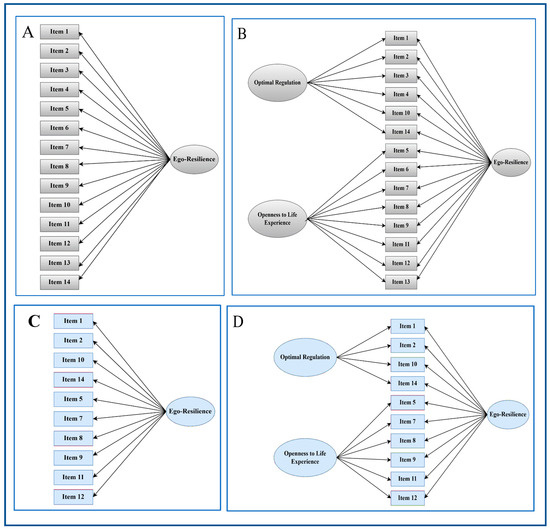
The dimensionality of the Ego-Resilience Scale (ER89) remains contested, and little is known about the performance of the original and revised versions of the scale in South Africa. This study examined the psychometric properties of the 14-item ER89 and the 10-item ER89-R in
[...] Read more.
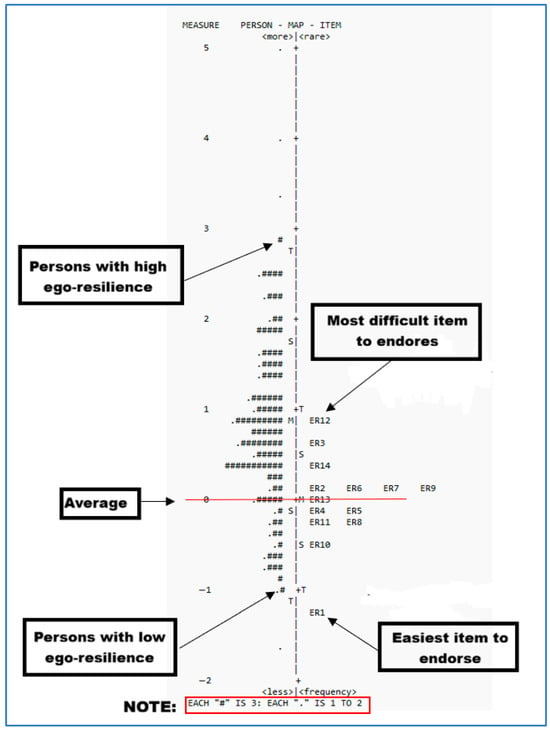
The dimensionality of the Ego-Resilience Scale (ER89) remains contested, and little is known about the performance of the original and revised versions of the scale in South Africa. This study examined the psychometric properties of the 14-item ER89 and the 10-item ER89-R in 337 undergraduate students from a university in the Western Cape province of South Africa. Participants completed the ER89, the Sense of Coherence Scale, the Center for Epidemiological Studies Depression Scale, and the trait scale of the State-Trait Anxiety Inventory. The scales were evaluated using classical test theory, confirmatory factor analysis, bifactor modeling, parallel analysis, Mokken scale analysis, and Rasch analysis. For both versions, bifactor models fit better than one-factor models, but the specific factors showed anomalous loadings and accounted for little reliable variance. Parallel analysis and Rasch analysis supported an essentially unidimensional interpretation of both instruments. Although both versions showed acceptable internal consistency and expected associations with sense of coherence, depression, and anxiety, several findings raised concerns about their broader psychometric adequacy. Overall, both scales appeared to reflect a broad general factor of ego-resilience, but their performance in this context was mixed and, in important respects, problematic. Further refinement and validation are needed before either instrument can be recommended for confident use in South African research and practice.
Full article
(This article belongs to the Section Psychometrics and Educational Measurement)
►▼
Show Figures

Figure 1
Open AccessArticle
The Amplifying Effect of Psychological Capital on Emotional Management for Reducing Teachers’ Work Stress During COVID-19
by
Shu-Fang Kao, Mei-Chen Tsou and Luo Lu
Psychol. Int. 2026, 8(2), 37; https://doi.org/10.3390/psycholint8020037 - 16 Jun 2026
Abstract
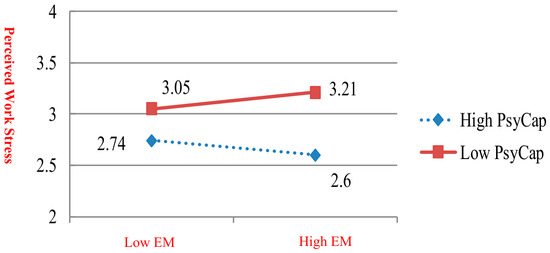
The present study investigated the stress-reducing effect of emotional management (EM) for teachers during the COVID-19 pandemic. Adopting the conservation of resources (COR) theory perspective, we employed a stratified random sampling design to conduct a survey of elementary school teachers in Taiwan with
[...] Read more.
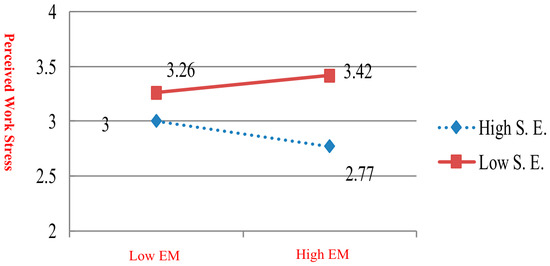
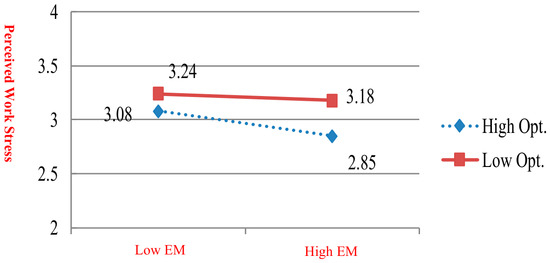
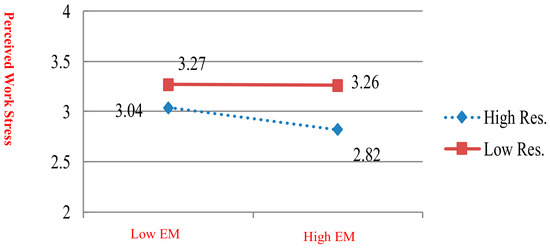
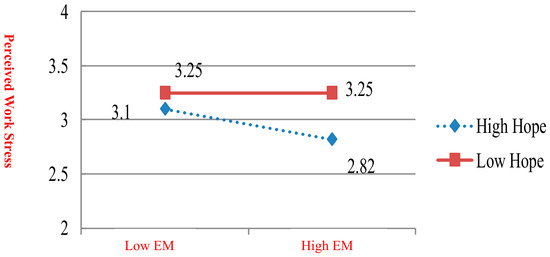
The present study investigated the stress-reducing effect of emotional management (EM) for teachers during the COVID-19 pandemic. Adopting the conservation of resources (COR) theory perspective, we employed a stratified random sampling design to conduct a survey of elementary school teachers in Taiwan with 211 valid responses. Questionnaires were used to assess EM, psychological capital (PsyCap), and perceived work stress. The moderated regression analysis indicated that EM was negatively related to perceived work stress, suggesting that teachers with better emotional management competencies experienced lower levels of work stress during COVID-19. Furthermore, we found a significant interaction between EM and PsyCap on perceived work stress. The interaction was significant for the overall PsyCap and all four components, namely, self-efficacy, hope, optimism, and resilience. Although the simple slope test was not significant for hope, the pattern of interaction was consistent. Specifically, teachers with higher EM perceived lower work stress when they had higher overall PsyCap, self-efficacy, optimism, and resilience. These findings offer evidence to support the COR proposition, showing that PsyCap amplifies the benefit of EM and works together in alleviating teaching stress during the height of the pandemic. The present study contributes to theoretical development by integrating the EM and PsyCap research under a unified theoretical framework of COR. Our finding that teachers with an abundance of resources fared the best under stress also informs the practical training programs to foster teachers’ EM and PsyCap as personal resources for adaptive coping and thriving.
Full article
(This article belongs to the Topic Careers in the 21st Century: Addressing Vulnerability, Promoting Inclusion, and Advancing Sustainability and Well-Being)
►▼
Show Figures

Figure 1
Open AccessArticle
Pornography, Subjectivity, and Rural Masculinities in Brazil
by
Mychaell França, Samuel Santos, Washington Allysson Dantas Silva and Camilla Silva
Psychol. Int. 2026, 8(2), 36; https://doi.org/10.3390/psycholint8020036 - 15 Jun 2026
Abstract
►▼
Show Figures
Given the moral barriers that hinder critical analysis of pornography, this study aims, through a qualitative approach with 15 participants, to examine its impacts on the construction of masculinity and the social relationships of men from the semi-arid region of Paraíba, Brazil. Data
[...] Read more.
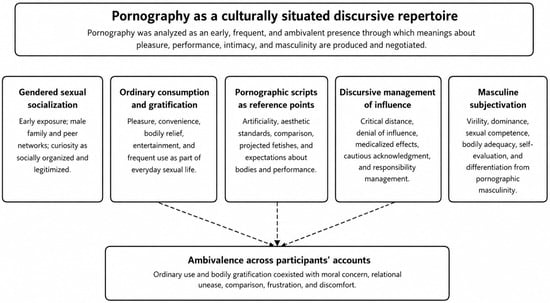
Given the moral barriers that hinder critical analysis of pornography, this study aims, through a qualitative approach with 15 participants, to examine its impacts on the construction of masculinity and the social relationships of men from the semi-arid region of Paraíba, Brazil. Data were collected via an online form, which included a sociodemographic questionnaire and open-ended questions on the topic. The data were analyzed using dialogical maps within the framework of discourse analysis. Results show that pornography is a constant and influential presence in the participants’ lives, often beginning at an early age and reinforced by social interaction. Its consumption goes beyond personal satisfaction, also serving as a tool for social comparison, shaping male subjectivity and relational dynamics. In sum, the study highlights the cultural impact of pornography in a context where critical discussions about sexuality remain limited due to the prevalence of traditional gender norms and male chauvinism.
Full article

Figure 1
Open AccessSystematic Review
Assessing Childhood Development: Systematic Review and Meta-Analysis on the Validation of Local Assessment Tools in the Context of Developing Countries
by
Seep Lassi, Maira Niaz, Zoya Navid Ansari, Hamza Iftikar, Shanzay Rizvi, Hamna Amir, Zain Hasnain, Sidra Kaleem Jafri and Jai K. Das
Psychol. Int. 2026, 8(2), 35; https://doi.org/10.3390/psycholint8020035 - 5 Jun 2026
Abstract
►▼
Show Figures
Background: Accurate child development assessment is crucial, particularly in developing countries where access to validated tools remains limited. Many assessment tools are adapted for local contexts, but their psychometric properties require evaluation. Objective: This systematic review examines the reliability, validity, and overall psychometric
[...] Read more.
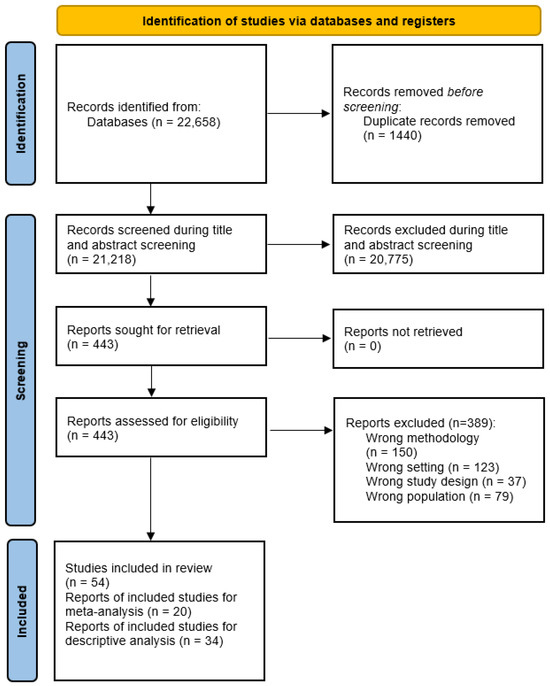
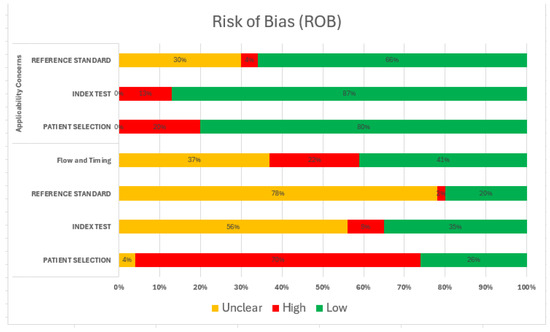
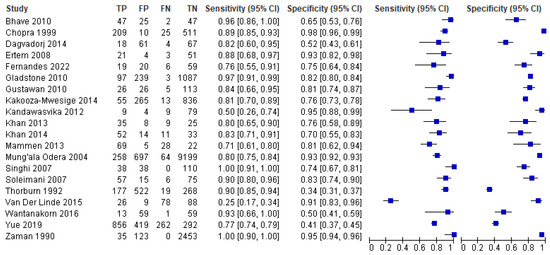
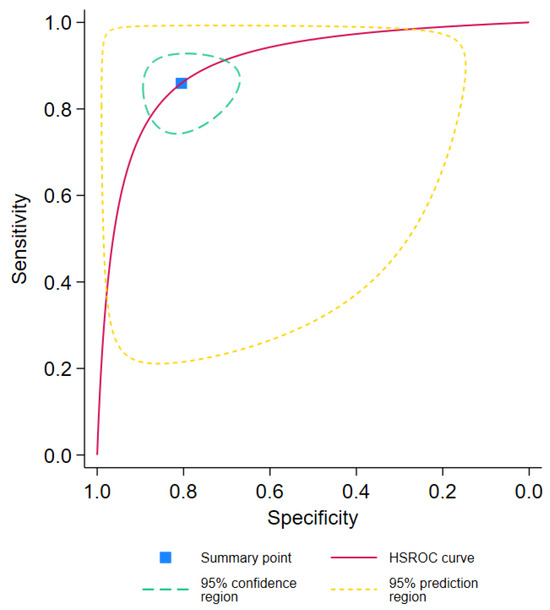
Background: Accurate child development assessment is crucial, particularly in developing countries where access to validated tools remains limited. Many assessment tools are adapted for local contexts, but their psychometric properties require evaluation. Objective: This systematic review examines the reliability, validity, and overall psychometric properties of new and adapted child development assessment tools used in developing countries. The focus on these settings stems from the need to assess tools that are culturally appropriate, feasible, and accurate in resource-constrained environments, where early identification of developmental delays can significantly impact long-term child outcomes. Methods: Descriptive and meta-analyses were conducted to synthesize findings from eligible studies. Psychometric properties such as internal consistency, inter-rater reliability, construct validity, sensitivity and specificity were assessed. This review is registered on Open Science Framework (OSF) doi:10.17605/OSF.IO/GU28K. Results: The findings indicate that although some adapted tools demonstrate strong reliability and validity, others exhibit inconsistencies, highlighting challenges in adaptation. The meta-analysis provided pooled estimates of key psychometric properties with a net sensitivity and specificity of 0.859 and 0.805, respectively, illustrating the validity of these local tools but also variability in performance across different tools. Conclusion: The results emphasize the need for rigorous validation processes to ensure that adapted tools maintain their psychometric integrity. Future research should focus on refining these measures to improve their applicability in diverse cultural and socioeconomic settings.
Full article

Figure 1
Open AccessArticle
Handwritten Versus Digitally Supported Computer-Based Writing in Students with Specific Learning Difficulties: Writing Anxiety, Confidence, Frustration, and Perceived Ease
by
Ilias Vasileiou, Georgios Polydoros, Alexandros-Stamatios Antoniou, Dimitra V. Katsarou, Evangelos Mantsos, Charis Polydoros and Zoe Krokou
Psychol. Int. 2026, 8(2), 34; https://doi.org/10.3390/psycholint8020034 - 4 Jun 2026
Abstract
►▼
Show Figures
Writing is both a cognitive–linguistic activity and an emotional academic experience. For students with Specific Learning Difficulties (SLDs), written production may involve tension, anticipated failure, reduced confidence, and frustration, especially when handwriting demands compete with idea generation, spelling control, and text organization. These
[...] Read more.
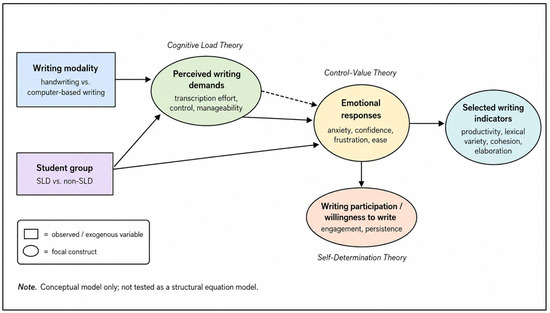
Writing is both a cognitive–linguistic activity and an emotional academic experience. For students with Specific Learning Difficulties (SLDs), written production may involve tension, anticipated failure, reduced confidence, and frustration, especially when handwriting demands compete with idea generation, spelling control, and text organization. These emotional responses are educationally important because they may influence persistence, written productivity, revision behavior, and academic participation. This study examined emotional responses to handwritten and digitally supported computer-based writing among 60 secondary education students, including 40 students with formally diagnosed SLD and 20 students without learning difficulties. Each participant completed two writing tasks, one handwritten and one digitally supported computer-based, in a counterbalanced order. The computer-based condition functioned as a digitally supported writing environment, with spell-checking and grammar-checking enabled. After each condition, students completed the Writing Emotional Response Scale (WERS), a 12-item study-specific instrument assessing writing anxiety, writing confidence, writing frustration, and perceived ease. The WERS was developed as a preliminary measure of immediate, task-specific emotional responses. Students with SLD reported lower anxiety, lower frustration, higher confidence, and higher perceived ease during digitally supported writing. The study contributes to educational psychology by linking writing modality, SLD, and emotional accessibility.
Full article

Figure 1
Open AccessReview
Cognitive–Affective Correlates of Adolescent Non-Suicidal Self-Injury: Executive Functioning, Social–Emotional and Interpersonal Cognition, and Emotional Processing
by
Georgios Giannakopoulos
Psychol. Int. 2026, 8(2), 33; https://doi.org/10.3390/psycholint8020033 - 28 May 2026
Abstract
►▼
Show Figures
Adolescent self-harm, particularly non-suicidal self-injury (NSSI), is increasingly understood as a multidetermined behavior shaped by emotional, cognitive, and interpersonal processes. This focused, non-systematic narrative review examines cognitive–affective correlates of adolescent non-suicidal self-injury, while drawing on broader self-harm and suicidality-related evidence only where relevant
[...] Read more.
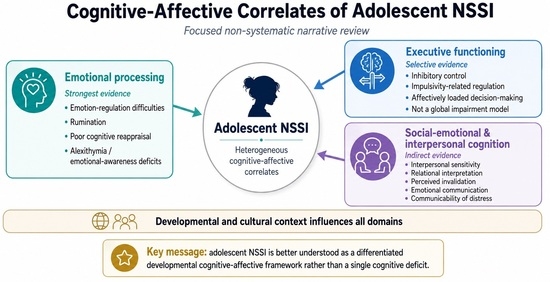
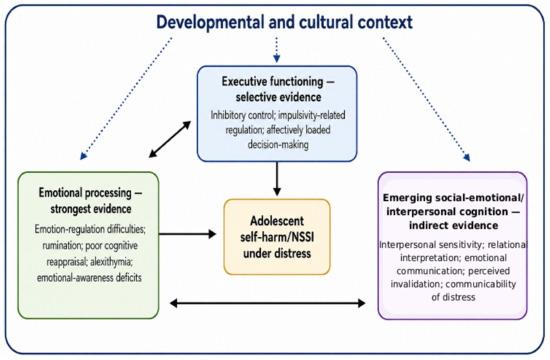
Adolescent self-harm, particularly non-suicidal self-injury (NSSI), is increasingly understood as a multidetermined behavior shaped by emotional, cognitive, and interpersonal processes. This focused, non-systematic narrative review examines cognitive–affective correlates of adolescent non-suicidal self-injury, while drawing on broader self-harm and suicidality-related evidence only where relevant to the cognitive–affective formulation. Particular attention is given to executive functioning, emotional processing, and social–emotional and interpersonal cognition. The evidence is strongest for emotional processing, especially difficulties in emotion regulation, rumination, cognitive reappraisal, alexithymia, and the identification and modulation of internal states. Executive functioning also appears clinically relevant, but the current findings support a selective rather than global impairment account, with the clearest evidence involving inhibitory control, impulsivity-related regulation, and decision-making under affective pressure. Social–emotional and interpersonal cognition is treated as an emerging and indirectly supported domain; much of the available evidence concerns interpersonal and relational constructs, such as interpersonal sensitivity, relational interpretation, emotional communication, and family–emotional context, rather than direct measures of theory of mind, social inference, or emotion recognition accuracy. Overall, adolescent self-harm is best understood as emerging from the interaction of emotional dysregulation, weakened behavioral control under distress, and difficulties in social–emotional meaning-making during a developmentally sensitive period. A cognitively informed developmental framework may help refine theory, improve clinical formulation, and guide future mechanism-oriented research.
Full article

Graphical abstract
Open AccessArticle
Cognitive Stress Responses During an N-Back Task: Pupillary Dynamics and Salivary Alpha-Amylase Activity
by
Toshihiko Kuroiwa and Akira Yasumura
Psychol. Int. 2026, 8(2), 32; https://doi.org/10.3390/psycholint8020032 - 14 May 2026
Abstract
►▼
Show Figures
Pupil area reflects not only the light reflex but also cognitive activity and arousal, and has been proposed as a non-invasive indicator of stress. However, the temporal characteristics of pupillary responses during cognitive stress tasks and their associations with other physiological and psychological
[...] Read more.
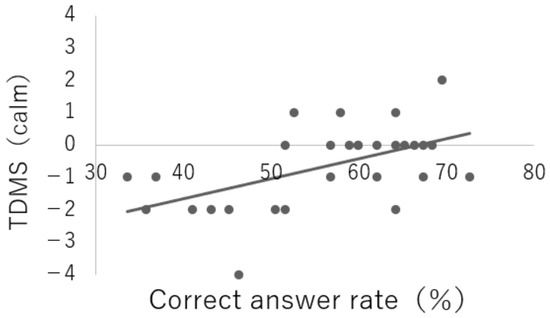
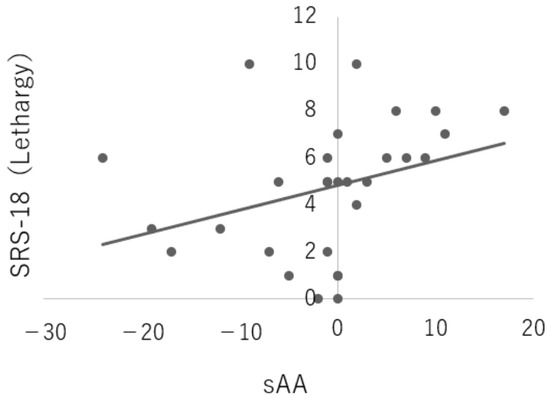
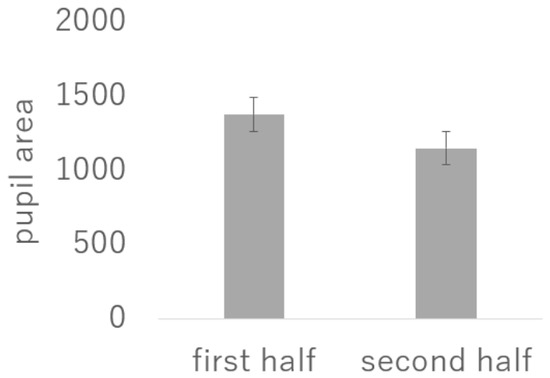
Pupil area reflects not only the light reflex but also cognitive activity and arousal, and has been proposed as a non-invasive indicator of stress. However, the temporal characteristics of pupillary responses during cognitive stress tasks and their associations with other physiological and psychological measures remain unclear. This study examined cognitive stress responses during an N-back task using pupil area and changes in salivary alpha-amylase (sAA). Twenty-nine university and graduate students (mean age = 21.07 ± 0.91 years; 4 males, 25 females) participated. Pupil area was continuously recorded during a 2-back task. Salivary alpha-amylase was measured before (pre) and immediately after the task (post), and the change in sAA (post–pre) was calculated. Subjective stress responses and mood states were assessed using the SRS-18 and TDMS. A notable gender imbalance (predominantly female) limits the generalizability of findings, and future studies should aim for more balanced samples. Pupil area significantly decreased in the latter half of the task, consistent with a time-on-task effect. Although sAA showed no significant group-level change (BF10 = 0.25, indicating evidence for the null hypothesis), individual differences in the change in sAA (post–pre) were evident. Task accuracy and the change in sAA were associated with subjective measures of mood and stress. These findings suggest that cognitive stress is reflected differently across pupil area, changes in sAA, and subjective measures, highlighting the value of integrating multiple physiological and psychological indicators.
Full article

Figure 1
Open AccessReview
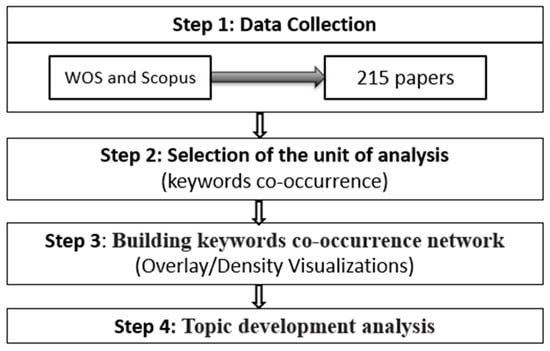
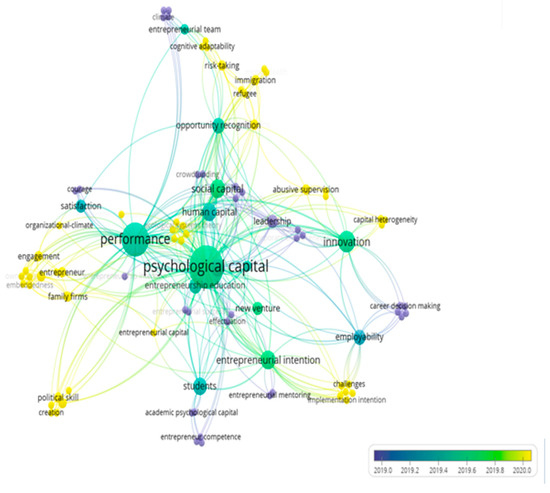
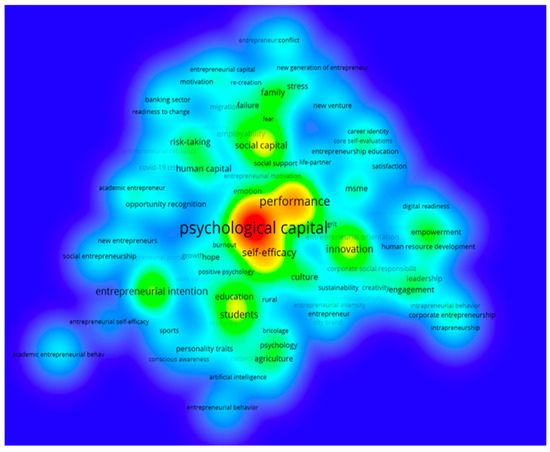
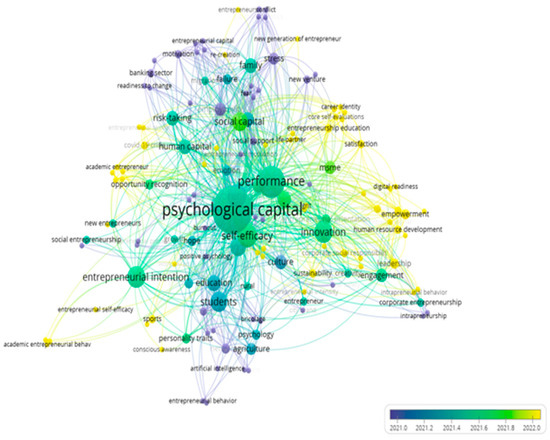
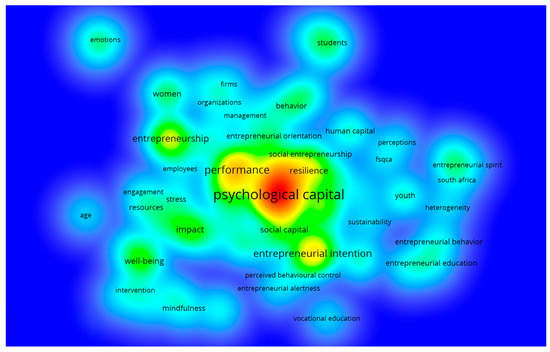
Psychological Capital and Entrepreneurial Behavior: A Scoping Review and Co-Word Analysis from a Positive Psychology Perspective
by
Yassine Chaibi, Fatima Ezzahra Siragi and Bouchra El Abbadi
Psychol. Int. 2026, 8(2), 31; https://doi.org/10.3390/psycholint8020031 - 11 May 2026
Abstract
►▼
Show Figures
Psychological capital (PsyCap), encompassing hope, self-efficacy, resilience, and optimism, has established itself as a key psychological resource for individuals. However, research in this field remains fragmented, which limits a comprehensive understanding of its role in the psychological mechanisms underlying entrepreneurial behavior, particularly in
[...] Read more.
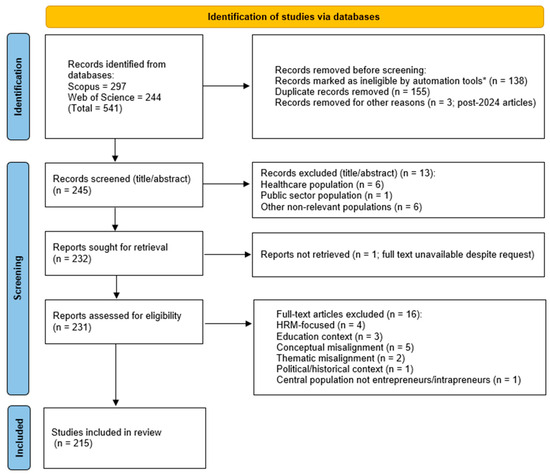
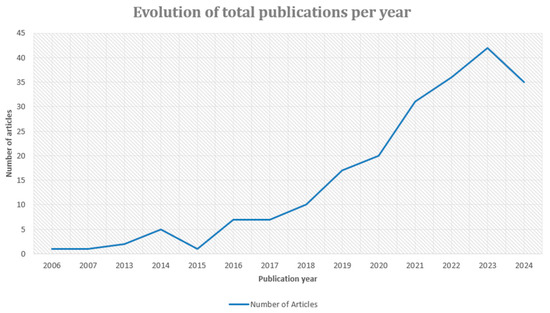
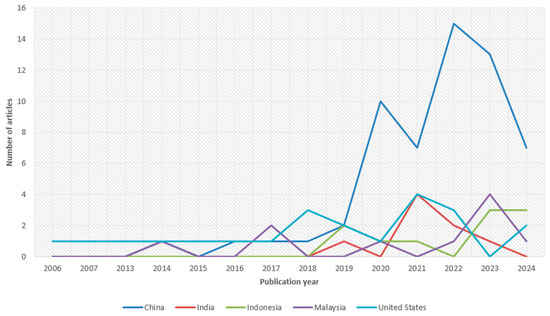
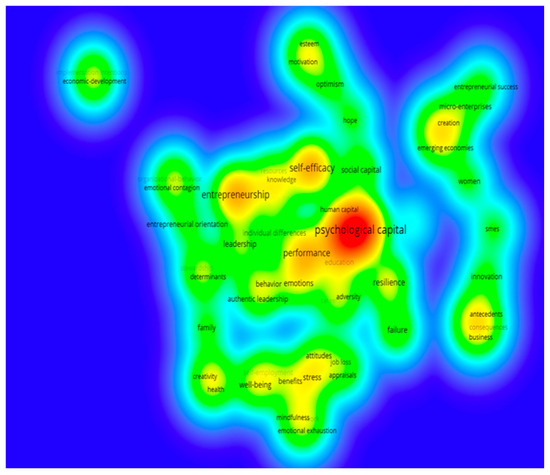
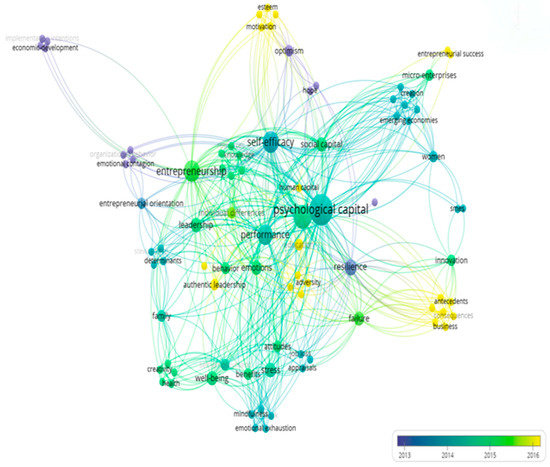
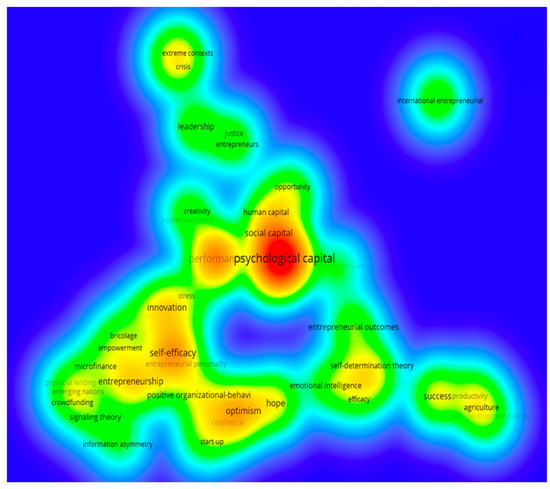
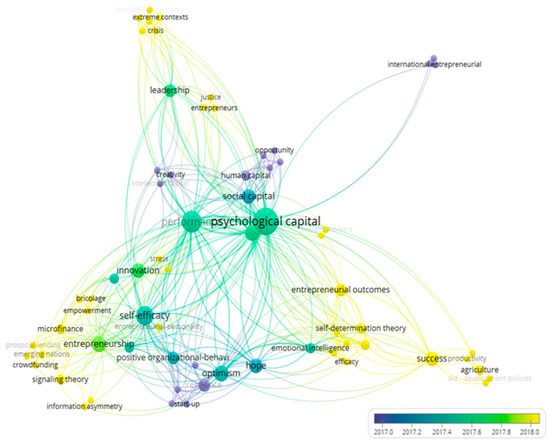
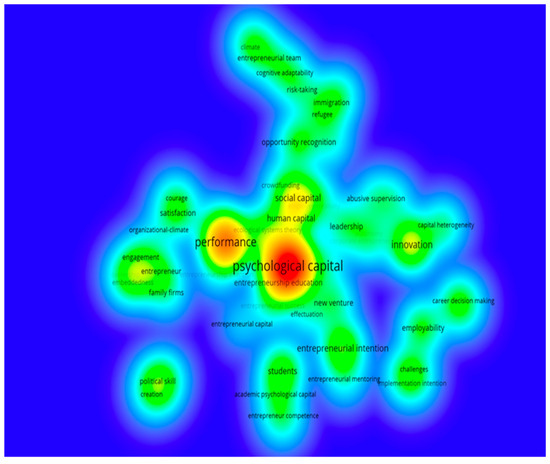
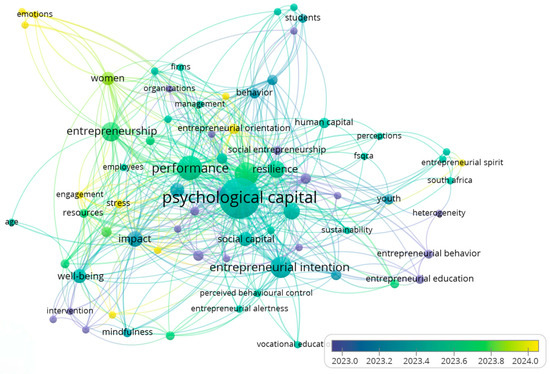
Psychological capital (PsyCap), encompassing hope, self-efficacy, resilience, and optimism, has established itself as a key psychological resource for individuals. However, research in this field remains fragmented, which limits a comprehensive understanding of its role in the psychological mechanisms underlying entrepreneurial behavior, particularly in terms of motivation, coping with stress, and resilience in the face of uncertainty. This study aims to examine and organize the intellectual landscape of PsyCap. A scoping review of 215 articles indexed in Scopus and Web of Science over nearly two decades was conducted in accordance with PRISMA-ScR, using a co-thematic analysis based on text mining techniques. The results reveal a three-phase evolution of the field (emergence, growth, and maturity), built around individual functioning, entrepreneurial cognitions and attitudes, and psychosocial resources. The analysis also highlights unequal access to and use of PsyCap across contexts, as well as differences related to the specific characteristics of the populations studied, shedding light on underexplored groups such as women, refugees, rural and social entrepreneurs, migrants, and entrepreneurs with disabilities. These findings contribute to advancing knowledge in entrepreneurial psychology and offer a detailed analysis of future research avenues, including emerging research questions, methodological approaches, and theoretical interdisciplinary perspectives.
Full article

Figure 1
Open AccessReview
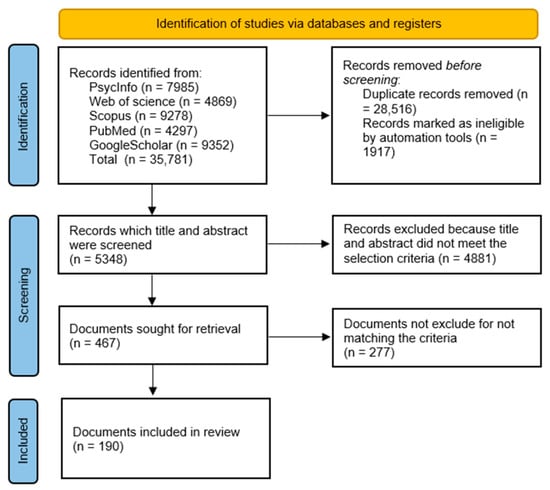
Forgiveness as Socio-Psychological Repair and Mutual Recognition, Its Positive and Negative Effects in Intergroup, Interpersonal and Intra-Personal Relationships: Narrative Review of 26 Years of Research
by
Germano Vera Cruz, Clarice Da Rosa, Eléonor Gilles-Noguès, Yasser Khazaal and Jean-Philippe Lanoix
Psychol. Int. 2026, 8(2), 30; https://doi.org/10.3390/psycholint8020030 - 10 May 2026
Abstract
►▼
Show Figures
Background: Forgiveness has traditionally been studied across psychological, relational, and sociopolitical domains, often emphasizing either its therapeutic benefits or moral complexities. However, this fragmented literature has limited the development of a unified understanding of forgiveness as a broader psychosocial phenomenon. Objective: This narrative
[...] Read more.
Background: Forgiveness has traditionally been studied across psychological, relational, and sociopolitical domains, often emphasizing either its therapeutic benefits or moral complexities. However, this fragmented literature has limited the development of a unified understanding of forgiveness as a broader psychosocial phenomenon. Objective: This narrative review critically synthesizes 26 years of theoretical, empirical, and applied research to conceptualize forgiveness as a multidimensional framework of socio-psychological repair and mutual recognition across intrapersonal, interpersonal, developmental, organizational, and intergroup contexts. Methods: A systematic review approach was employed to integrate findings from experimental, longitudinal, clinical, and organizational studies selected for their theoretical and empirical relevance. Results: Findings indicate that forgiveness facilitates emotional regulation, cognitive restructuring, identity restoration, relational resilience, organizational functioning, and political reconciliation by transforming moral injury and social disruption into opportunities for healing and restored legitimacy. Across domains, forgiveness promotes emotional recovery, self-respect, social learning, institutional trust, and reconciliation when embedded in justice, accountability, and recognition processes. However, forgiveness is ethically and functionally conditional. In contexts of chronic abuse, coercion, structural inequality, or absent accountability, it may reinforce maladaptive dynamics or perpetuate injustice. Conclusions: Forgiveness is best understood not as an unconditional virtue, but as a context-sensitive, multilevel mechanism of socio-psychological restoration whose benefits depend on voluntariness, justice, accountability, and reciprocal recognition. This framework advances forgiveness scholarship by integrating moral repair with justice-sensitive reconciliation.
Full article

Figure 1
Open AccessArticle
I Disclose, Therefore I Exist: Time, Control, and True Self Expression in Social Networking Sites
by
Olga Gavriilidou and Stefanos Gritzalis
Psychol. Int. 2026, 8(2), 29; https://doi.org/10.3390/psycholint8020029 - 6 May 2026
Abstract
►▼
Show Figures
This study examines the psychological and contextual factors associated with True Self disclosure on Social Networking Sites (SNSs), with particular emphasis on the role of temporal immersion. Drawing on structured interviews with 121 participants, the findings suggest that SNSs may provide users with
[...] Read more.
This study examines the psychological and contextual factors associated with True Self disclosure on Social Networking Sites (SNSs), with particular emphasis on the role of temporal immersion. Drawing on structured interviews with 121 participants, the findings suggest that SNSs may provide users with opportunities to articulate aspects of their True Self that are often difficult to express in face-to-face interactions. Time spent on SNSs emerges as a key contextual factor: prolonged engagement appears to enhance users’ familiarity with the platform environment, reinforce the internalization of platform-specific norms, and gradually normalize disclosure as an expected and socially reinforced behavior. Within this temporally shaped environment, peer dynamics also emerge, reflected in reciprocal disclosure tendencies that further consolidate these evolving norms. Overall, the results suggest that temporal engagement, rather than abstract notions of control, functions as a key contextual condition in the shift from general, everyday identity-sharing to more selective expressions of the True Self within digital environments.
Full article

Figure 1
Open AccessArticle
The Dialectics of Body, Self, and Environment in the Psychic Life of Individuals with Disabilities: Compensation, Meaning, and Social Contexts
by
Dimitrios S. Petrilis
Psychol. Int. 2026, 8(2), 28; https://doi.org/10.3390/psycholint8020028 - 27 Apr 2026
Abstract
Disability is frequently theorized through a polarized medical-versus-social binary that can obscure the developmental, relational, and sociocultural processes through which bodily difference becomes psychologically meaningful. This study examines how adults with congenital or early-onset physical disabilities narrate and negotiate disability in everyday life,
[...] Read more.
Disability is frequently theorized through a polarized medical-versus-social binary that can obscure the developmental, relational, and sociocultural processes through which bodily difference becomes psychologically meaningful. This study examines how adults with congenital or early-onset physical disabilities narrate and negotiate disability in everyday life, using psychoanalytic concepts as a complementary heuristic lens within an explicitly interdisciplinary framework that integrates developmental resilience and disability theory. Thirty-five in-depth life-story interviews were conducted with seven adults (25–40 years) across approximately five sessions per participant over two months. Data was analyzed using thematic qualitative content analysis, combining systematic coding of manifest content with interpretive attention to symbolic and relational meanings, while cross-checking psychoanalytic interpretations against developmental and social-disability perspectives. Four recurring compensatory patterns were identified: (1) symbolic resignification and verbal normalization (discursive reframing and minimizing disability); (2) achievement-oriented self-positioning (performance and perfectionistic striving); (3) compensatory role assumption (caregiving/protector roles and mastery enactments); and (4) silent family dynamics (familial denial and narrative). Within the specific context of this study, these patterns appeared to function as regulatory efforts to sustain self-cohesion, agency, and belonging. However, the narratives suggest that when these strategies manifest as rigid ideals of ‘overcoming’ and hyper-competence, they may carry a significant subjective cost for participants. Compensatory behaviors are best understood as ecologically embedded regulatory processes shaped by relational resources (experienced as containing/“holding”) and by sociocultural devaluation linked to ableist norms. An integrated model is proposed in which body, self, and environment co-constitute disability across development, clarifying when compensatory strategies support creative adaptation versus defensive rigidity.
Full article
(This article belongs to the Topic Parent–Child Bonds and the Psychology of Development)
Open AccessArticle
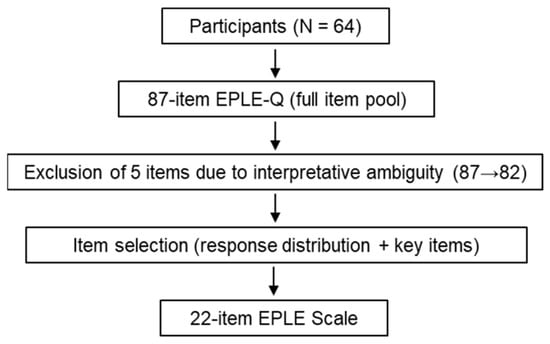
The Emergent Post-Loss Experience (EPLE) in Grief Therapy: A Mixed-Method Study
by
Claudio Lalla and Fabio D’Antoni
Psychol. Int. 2026, 8(2), 27; https://doi.org/10.3390/psycholint8020027 - 27 Apr 2026
Abstract
Emergent Post-Loss Experiences (EPLEs) are reported in experiential grief therapies such as Reparative Experience-Based Grief Therapy (REGT) and Induced After-Death Communication Therapy (IADC). Through these experiences, such approaches have demonstrated notable effectiveness and efficiency in the treatment of complicated grief. Yet their phenomenology
[...] Read more.
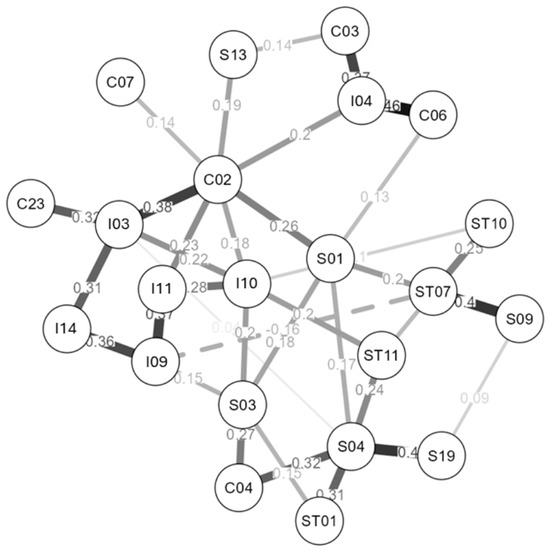
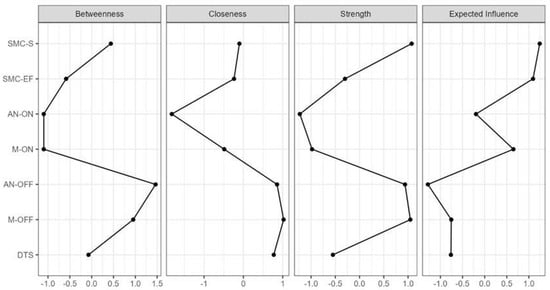
Emergent Post-Loss Experiences (EPLEs) are reported in experiential grief therapies such as Reparative Experience-Based Grief Therapy (REGT) and Induced After-Death Communication Therapy (IADC). Through these experiences, such approaches have demonstrated notable effectiveness and efficiency in the treatment of complicated grief. Yet their phenomenology and structure remain poorly defined, and no validated instruments are available for their assessment. The present study aims to address this gap by examining the phenomenological characteristics of EPLEs and developing a brief instrument for their assessment. Using a cross-sectional mixed-method design, an 87-item EPLE questionnaire was administered retrospectively to 64 former REGT patients alongside the Near-Death Experience (NDE) Scale. A qualitative phase was subsequently conducted to identify phenomenological domains of EPLEs, which informed the derivation of a 22-item EPLE Scale. The scale was examined using exploratory factor analysis, internal consistency, convergent validity, and network analysis. High inter-rater agreement supported the organization of EPLEs into four phenomenological domains: Contact, Sensoriality, Space/Time, and Impact. EPLEs were characterized by relational presence, multisensory perceptual features, altered spatial–temporal experience, and predominantly comforting and meaning-related effects. The EPLE Scale showed satisfactory internal consistency (ω = 0.79). Exploratory factor analysis did not support a stable multidimensional structure, suggesting that the scale is more appropriately interpreted using a global score. Network analysis revealed a highly sparse configuration with selective conditional associations and two organizing nodes, indicating a policentric organization of the experience. Convergent validity was supported by a moderate-to-strong correlation with the NDE Scale (ρ = 0.62, p < 0.001). EPLEs appear to constitute complex and structured experiential configurations that may play a reparative role in relation to the loss and promote adaptive reorganization of the grieving process. The EPLE Scale provides a concise global measure for future research and clinical applications.
Full article

(This article belongs to the Section Neuropsychology, Clinical Psychology, and Mental Health)
►▼
Show Figures

Figure 1
Open AccessArticle
Emotional Recognition Under Multimodal Conflict: A Gaze-Based Response Task
by
Alessandro De Santis, Giusi Antonia Toto, Martina Rossi, Laura D’Amico and Pierpaolo Limone
Psychol. Int. 2026, 8(2), 26; https://doi.org/10.3390/psycholint8020026 - 20 Apr 2026
Abstract
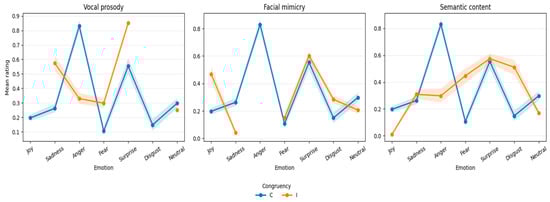
Emotional recognition relies on the integration of multiple affective cues. In everyday contexts, however, facial expressions, vocal prosody, and semantic content may convey incongruent emotional information, generating emotional conflict and increasing cognitive demands. The present study examined how multimodal emotional conflict affects emotion
[...] Read more.
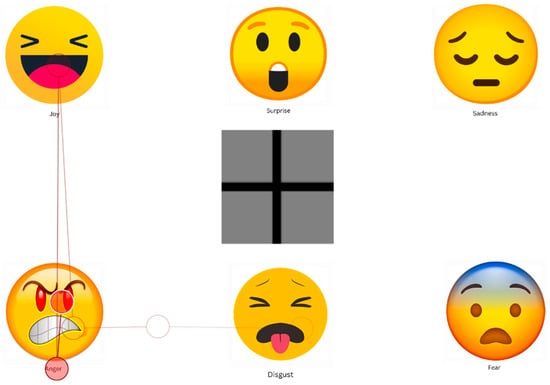
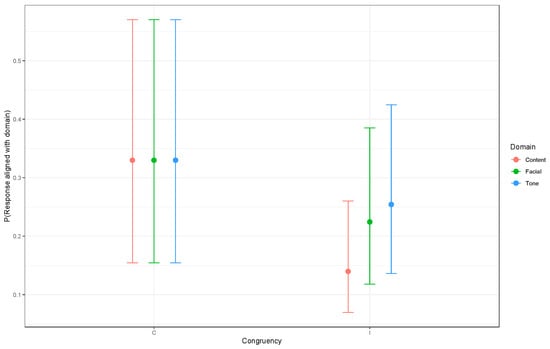
Emotional recognition relies on the integration of multiple affective cues. In everyday contexts, however, facial expressions, vocal prosody, and semantic content may convey incongruent emotional information, generating emotional conflict and increasing cognitive demands. The present study examined how multimodal emotional conflict affects emotion recognition during video viewing, focusing on short videos in which a single actor simultaneously conveyed incongruent emotional cues across facial, vocal, and semantic channels. Forty-seven undergraduate students completed a gaze-based response task in which, after each short video, they provided a single judgment of the overall emotion conveyed by the stimulus. The videos depicted either congruent or incongruent combinations of semantic content, facial expressions, and vocal prosody across six basic emotions and a neutral condition. Data were analyzed using repeated-measures ANOVAs and generalized linear mixed-effects models. Accuracy was consistently higher for congruent than incongruent stimuli across all domains, indicating a robust emotional interference effect. Critically, the magnitude of this effect differed by domain. Semantic content showed the largest performance reduction under incongruence, followed by facial expression and vocal prosody. Mixed-effects models confirmed these effects while accounting for participant- and item-level variability and revealed a significant Congruency × Domain interaction. In a gaze-based response task requiring a single overall emotion judgment, emotional conflict disrupted recognition in a domain-specific manner, with semantic information being particularly vulnerable to multimodal interference.
Full article
(This article belongs to the Section Cognitive Psychology)
►▼
Show Figures

Figure 1
Highly Accessed Articles
Latest Books
E-Mail Alert
News
Topics
Topic in
Psychology International, Social Sciences, Societies
Careers in the 21st Century: Addressing Vulnerability, Promoting Inclusion, and Advancing Sustainability and Well-Being
Topic Editors: Andrea Zammitti, Angela Russo, Gerardo Petruzziello, Jarosław GrobelnyDeadline: 28 February 2027
Topic in
Behavioral Sciences, EJIHPE, Healthcare, IJERPH, Psychology International, Adolescents, Brain Sciences, Children
Substance Use Disorder and Mental Health
Topic Editors: Alina Cernasev, Karen J. DerefinkoDeadline: 31 March 2027
Topic in
Behavioral Sciences, EJIHPE, Healthcare, Nursing Reports, Psychology International
Health Psychology, One Health and Integrative Medicine and Cares: Theories, Methods and Applications
Topic Editors: Julio C. de la Torre-Montero, Amelia RizzoDeadline: 31 May 2027
Topic in
Social Sciences, Societies, Laws, World, Psychology International, IJCS
Motivated Social Cognition in Individuals, Organizations, and Societies
Topic Editors: Andrew S. Franks, Hajime OtaniDeadline: 31 October 2027
Special Issues
Special Issue in
Psychology International
The Psychology of Peak Performance in Sport
Guest Editors: Yair Galily, Gershon TenenbaumDeadline: 31 December 2026
Special Issue in
Psychology International
Psychology and the Olympic Games
Guest Editors: Antonio Hernández-Mendo, Verónica Morales-Sánchez, Rafael Enrique Reigal Garrido, Regina Brandao, Sidonio SerpaDeadline: 30 June 2027