


-
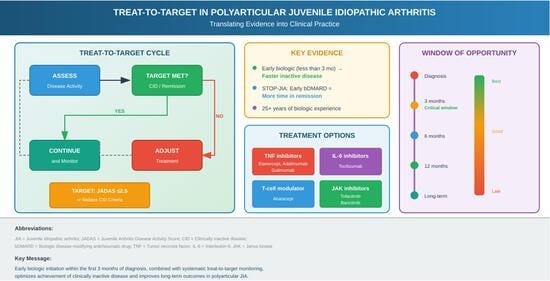
Treat-to-Target Strategies and Early Biologic Initiation in Polyarticular Juvenile Idiopathic Arthritis: Translating Evidence into Clinical Practice -
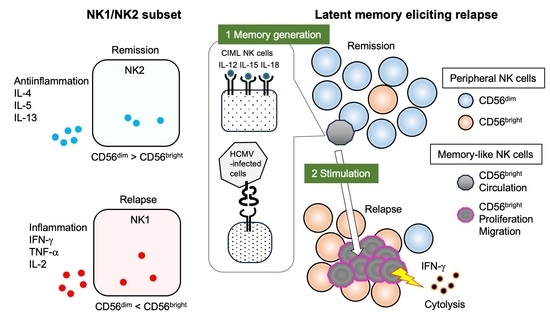
Intrinsic and Extrinsic Factors for Natural Killer Cells and Their Involvement in Behcet Disease -
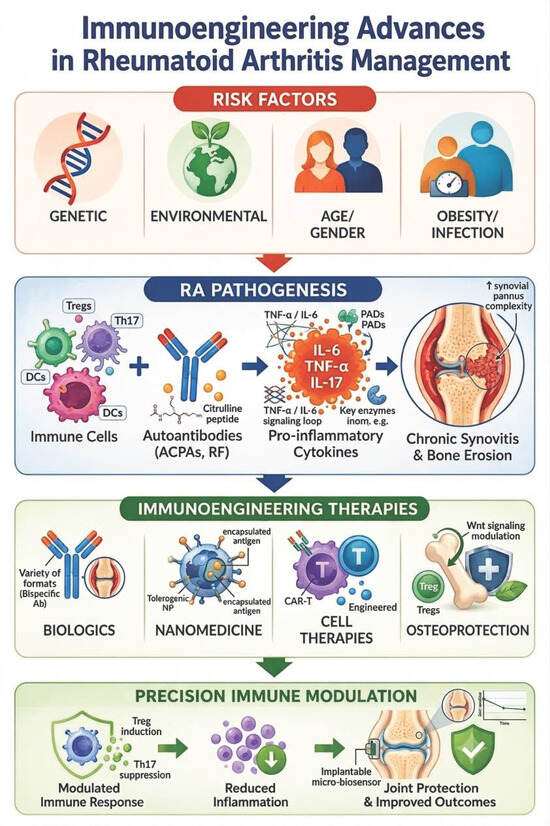
Bridging Pathogenesis and Precision Therapy: Immunoengineering Advancements in Rheumatoid Arthritis Management -
Fracture Risk Assessment in People with Osteoporosis/Osteopenia with Urine NTx (Urinary N-Terminal Telopeptides): An Exploratory Retrospective Study
Journal Description
Rheumato
Rheumato
is an international, peer-reviewed, open access journal on rheumatology research published quarterly online by MDPI.
- Open Access— free for readers, with article processing charges (APC) paid by authors or their institutions.
- Rapid Publication: manuscripts are peer-reviewed and a first decision is provided to authors approximately 30 days after submission; acceptance to publication is undertaken in 7.8 days (median values for papers published in this journal in the first half of 2026).
- Recognition of Reviewers: APC discount vouchers, optional signed peer review, and reviewer names published annually in the journal.
- Rheumato is a companion journal of JCM.
- Journal Cluster of Immunology: Vaccines, Antibodies, Immuno, Rheumato, Lymphatics and
Inflammation Journal.
Latest Articles
Restoring Immune Tolerance in Rheumatic Disease
Rheumato 2026, 6(3), 19; https://doi.org/10.3390/rheumato6030019 - 21 Aug 2026
Abstract
►
Show Figures
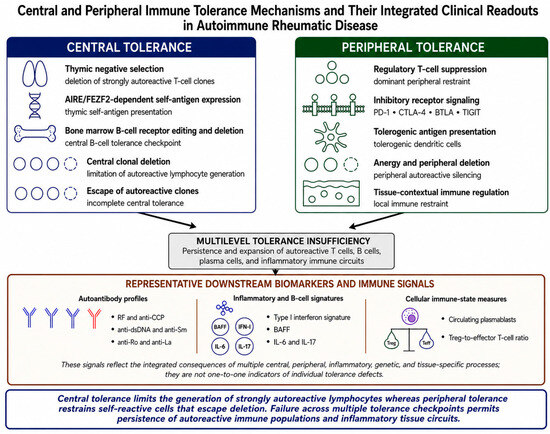
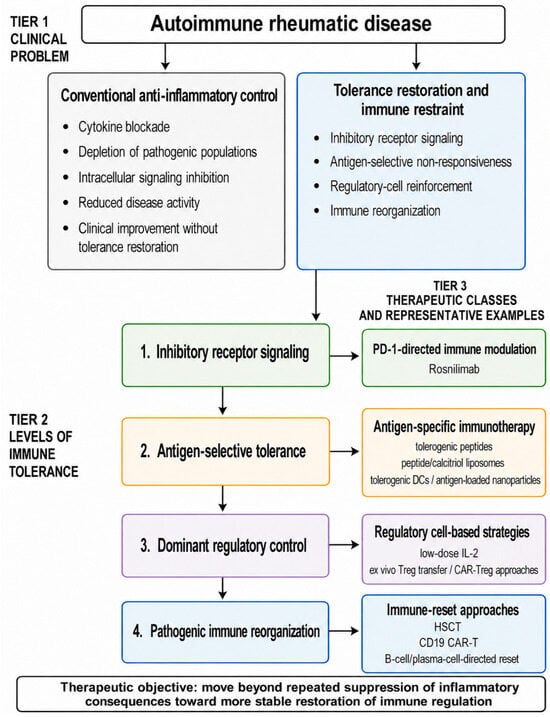
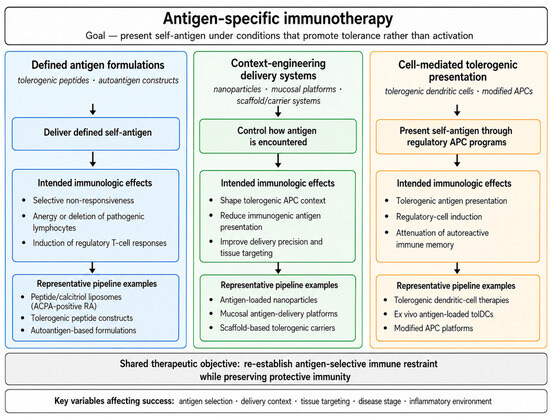
Autoimmune rheumatic diseases are still treated predominantly through broad or targeted suppression of inflammatory pathways, yet durable restoration of self-tolerance remains a central unmet therapeutic goal. This narrative review examines restoration of immune tolerance as an emerging translational framework in rheumatology, integrating checkpoint
[...] Read more.
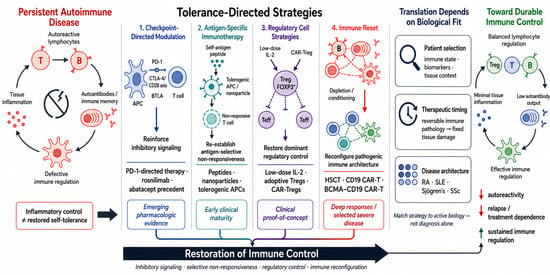
Autoimmune rheumatic diseases are still treated predominantly through broad or targeted suppression of inflammatory pathways, yet durable restoration of self-tolerance remains a central unmet therapeutic goal. This narrative review examines restoration of immune tolerance as an emerging translational framework in rheumatology, integrating checkpoint agonism, antigen-specific immunotherapy, regulatory cell-based strategies, and immune-reset approaches within a unified therapeutic perspective. Rather than treating these strategies as isolated innovations, the review evaluates how each attempts to restore, reinforce, or reconfigure immune restraint at distinct biological levels, spanning inhibitory receptor signaling, antigen-selective non-responsiveness, dominant regulatory control, and deeper reconfiguration of pathogenic immune architecture. Their relevance is considered across rheumatoid arthritis, systemic lupus erythematosus, Sjögren’s disease, and systemic sclerosis, with emphasis on mechanistic rationale, translational maturity, disease-specific therapeutic fit, biomarkers, therapeutic timing, and major barriers to clinical implementation. Collectively, these approaches suggest a shift in rheumatology from repeated control of inflammatory consequences toward more selective and potentially durable recalibration of autoreactive immunity. Although the field remains biologically and clinically immature, restoration of immune tolerance is emerging as an important organizing principle for the development of more precise and potentially disease-modifying therapies in autoimmune rheumatic disease.
Full article
Open AccessReview
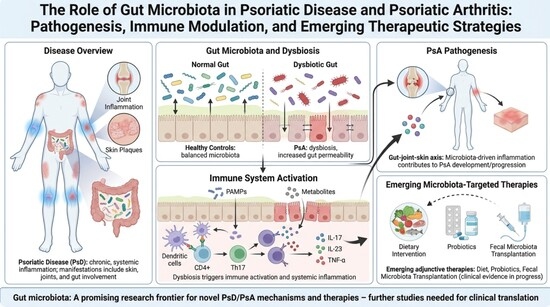
Gut Microbiota and Psoriatic Arthritis: From Pathogenesis to Microbiota-Targeted Therapies
by
Silvia Valentini, Sauro Lorenzini, Stefano Gentileschi, Luca Cantarini, Bruno Frediani and Caterina Baldi
Rheumato 2026, 6(3), 18; https://doi.org/10.3390/rheumato6030018 - 4 Aug 2026
Abstract
Background/Objectives: Psoriatic disease (PsD) is a chronic, systemic inflammatory disorder characterized by a wide spectrum of clinical manifestations extending beyond skin and joint involvement. Increasing evidence suggests a relevant role of the gut microbiota in the pathogenesis of psoriatic arthritis (PsA), although a
[...] Read more.
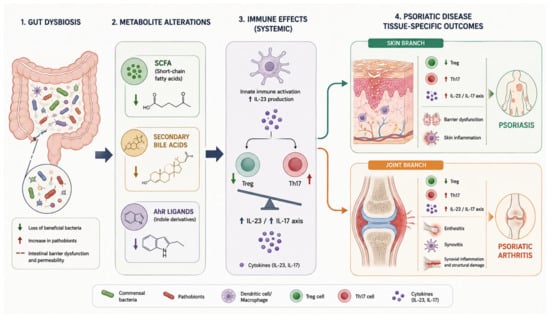
Background/Objectives: Psoriatic disease (PsD) is a chronic, systemic inflammatory disorder characterized by a wide spectrum of clinical manifestations extending beyond skin and joint involvement. Increasing evidence suggests a relevant role of the gut microbiota in the pathogenesis of psoriatic arthritis (PsA), although a clear causal relationship remains to be fully established. The aim of this review is to summarize current evidence on the role of the gut microbiome in PsD, with a focus on immune modulation, disease pathogenesis and potential therapeutic implications. Methods: A narrative review of the literature was conducted, focusing on studies investigating gut microbiota composition, dysbiosis patterns, and microbiome-related mechanisms in PsD and PsA, as well as emerging microbiota-targeted interventions. Results: Recent advances in high-throughput sequencing technologies have identified distinct microbial signatures associated with PsA onset and progression. Dysbiosis appears to influence immune system regulation, contributing to systemic inflammation through mechanisms involving intestinal barrier dysfunction and immune activation. Patients with PsA exhibit specific alterations in gut microbial composition compared to healthy controls. Emerging therapeutic strategies targeting the microbiota—including dietary interventions, probiotics, and fecal microbiota transplantation—show potential as adjunctive approaches in disease management, although clinical evidence remains limited. Conclusions: The gut microbiome represents a promising area of research in PsD, offering novel insights into disease mechanisms and potential therapeutic targets. Further studies are needed to clarify causal relationships and to define the clinical applicability of microbiota-based interventions.
Full article
(This article belongs to the Topic Rheumatic Disorder: From Basic Science to Clinical Practice—2nd Edition)
►▼
Show Figures

Graphical abstract
Open AccessReview
Axial Spondyloarthritis in Familial Mediterranean Fever: Bridging the Gap Between Autoinflammation and Autoimmunity
by
Stoimen Dimitrov, Yoana Stoycheva and Zlatimir Kolarov
Rheumato 2026, 6(3), 17; https://doi.org/10.3390/rheumato6030017 - 20 Jul 2026
Abstract
►▼
Show Figures
The clinical and pathogenetic intersection of Familial Mediterranean Fever (FMF) and axial spondyloarthritis (axSpA) represents a compelling frontier in modern rheumatology, challenging the traditional binary classification of inflammatory diseases. FMF is a monogenic autoinflammatory disorder caused by mutations in the MEFV gene, characterized
[...] Read more.
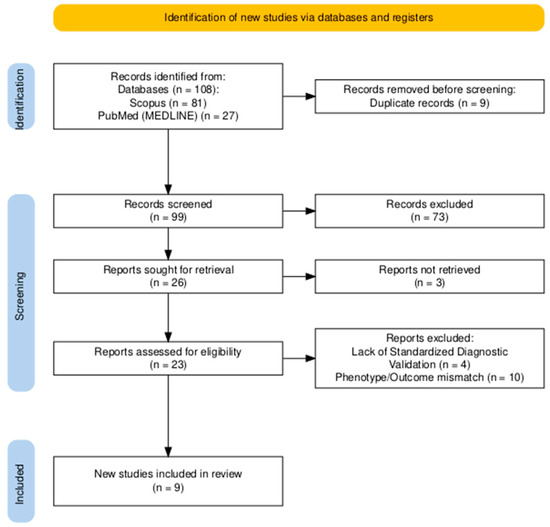
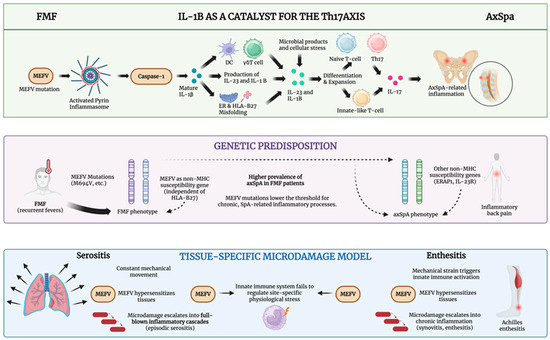
The clinical and pathogenetic intersection of Familial Mediterranean Fever (FMF) and axial spondyloarthritis (axSpA) represents a compelling frontier in modern rheumatology, challenging the traditional binary classification of inflammatory diseases. FMF is a monogenic autoinflammatory disorder caused by mutations in the MEFV gene, characterized by dysregulation of the pyrin inflammasome and surges in interleukin-1β (IL-1β), while axSpA is an immune-mediated condition linked to the HLA-B27 antigen and the IL-23/IL-17 axis. Following a structured search of PubMed/MEDLINE and Scopus, this review integrates PRISMA-informed screening of epidemiological data with a comprehensive narrative synthesis of the molecular pathogenesis and clinical management of this association. The analysis demonstrates a substantially elevated prevalence of spondyloarthritis among FMF patients compared to the general population. It explores the molecular “bridge” where innate immune activation provides the requisite cytokine milieu for the expansion of Th17 cells that drive spinal inflammation. Clinical evidence defines a distinct FMF-associated spondyloarthritis phenotype, characterized by a balanced sex distribution, early onset, and high risk of destructive hip involvement and AA amyloidosis, particularly in M694V carriers. Management strategies focus on dual biologic blockade in refractory cases, targeting both the upstream IL-1 pathway and downstream TNF or IL-17 effectors. This report identifies critical knowledge gaps, emphasizing the need for large-scale clinical trials to optimize outcomes for this complex patient population.
Full article

Figure 1
Open AccessSystematic Review
Glucagon-like Peptide-1 Receptor Agonists as Modulators of Pain-Related Mechanisms: A Systematic Review of Experimental and Translational Evidence
by
Sebastián Eustaquio Martín Pérez and Isidro Miguel Martín Pérez
Rheumato 2026, 6(3), 16; https://doi.org/10.3390/rheumato6030016 - 9 Jul 2026
Abstract
►▼
Show Figures
Background/Objectives: Glucagon-like peptide-1 receptor agonists, widely used for diabetes and obesity, have recently attracted interest because of their potential effects on biological pathways involved in nociception and neuroinflammation. This systematic review synthesized experimental and translational evidence regarding the influence of GLP-1RAs on pain-related
[...] Read more.
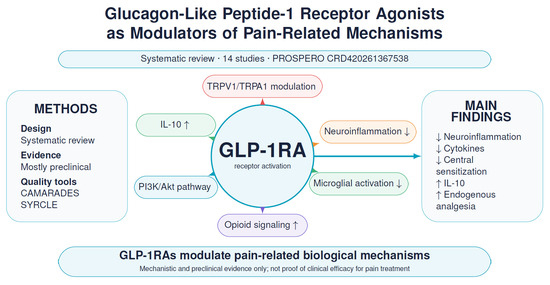
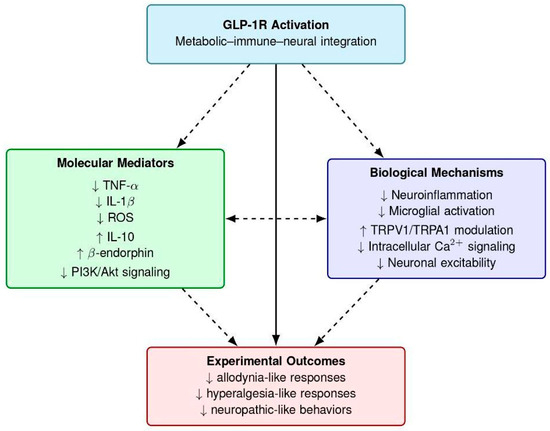
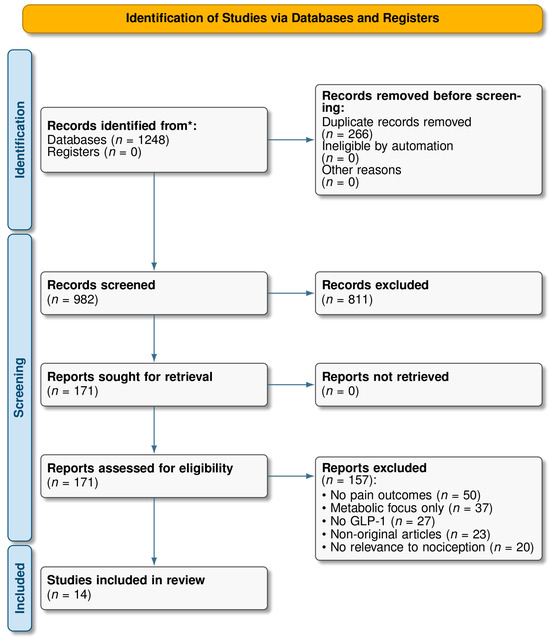
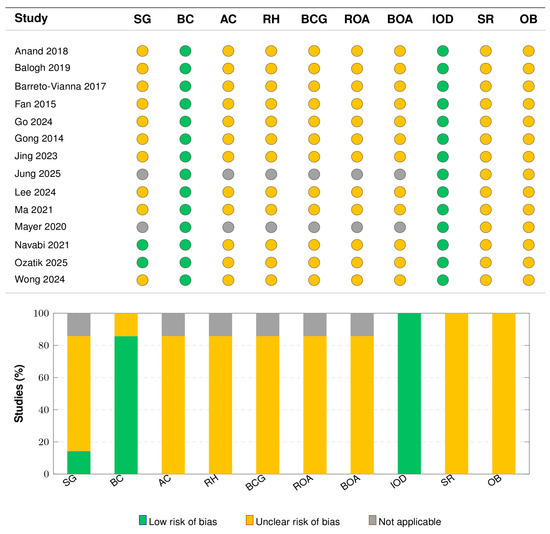
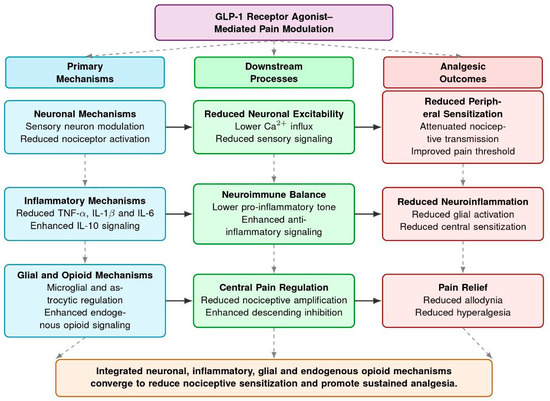
Background/Objectives: Glucagon-like peptide-1 receptor agonists, widely used for diabetes and obesity, have recently attracted interest because of their potential effects on biological pathways involved in nociception and neuroinflammation. This systematic review synthesized experimental and translational evidence regarding the influence of GLP-1RAs on pain-related mechanisms, rather than on clinical pain outcomes. Methods: A systematic review was conducted according to PRISMA guidelines and registered in PROSPERO (CRD420261367538). Fourteen experimental studies were included, the majority of which were preclinical. Methodological quality was assessed using the CAMARADES checklist, and risk of bias was evaluated using the SYRCLE tool. Results: Most included studies were conducted in animal models or experimental systems. Across these studies, GLP-1 receptor activation was associated with reduced neuroinflammation, inhibition of microglial activation, decreased pro-inflammatory cytokine production, increased IL-10 levels, and modulation of TRPV1/TRPA1 channels. Additional effects included enhancement of endogenous opioid signaling, activation of PI3K/Akt pathways, and attenuation of central sensitization. Overall study quality was moderate, with an unclear-to-moderate risk of bias. Conclusions: Current experimental evidence suggests that GLP-1RAs modulate multiple biological pathways involved in nociception, neuroinflammation, and pain-related signaling. However, these findings primarily derive from mechanistic and preclinical studies and should not be interpreted as evidence of clinical efficacy for pain treatment.
Full article

Graphical abstract
Open AccessSystematic Review
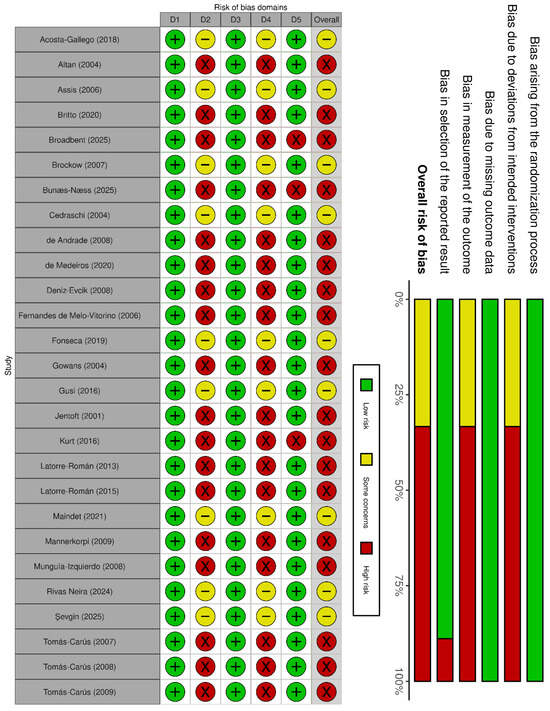
Mepolizumab Versus Benralizumab for the Treatment of Eosinophilic Granulomatosis with Polyangiitis: A Systematic Review and Meta-Analysis
by
Andrew Lurie, Danielle Madison, Jason Baluja, Sandra Madathilethu and Anas Bizanti
Rheumato 2026, 6(3), 15; https://doi.org/10.3390/rheumato6030015 - 2 Jul 2026
Abstract
Background: IL-5 inhibitors are effective at inducing remission in EGPA but the comparative benefit of specific drugs has been poorly studied. Methods: A comprehensive search of PubMed and EMBASE was conducted on 10 October 2025 to identify all studies that directly compare mepolizumab
[...] Read more.
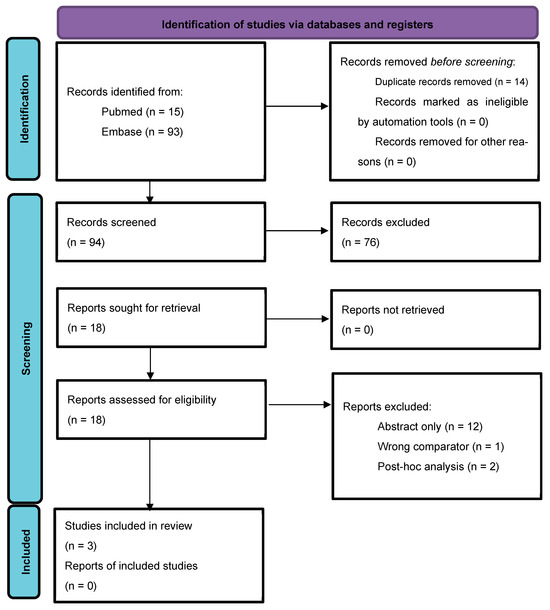
Background: IL-5 inhibitors are effective at inducing remission in EGPA but the comparative benefit of specific drugs has been poorly studied. Methods: A comprehensive search of PubMed and EMBASE was conducted on 10 October 2025 to identify all studies that directly compare mepolizumab with benralizumab in the treatment of EGPA. Risk of bias was assessed using the Cochrane Risk of Bias 2.0 and ROBINS-I V2 tools. Data extraction and statistical analysis were performed using RevMan software to calculate Odds’ Ratios and assess heterogeneity with the I2 statistic. Results: Three studies including a total of 365 participants were analyzed. All patients failed prior treatment, and most patients had a BVAS > 2 and glucocorticoid doses of 10 mg or higher. There was no difference in induction of clinical remission with mepolizumab as compared to benralizumab (OR 0.66 [95% CI 0.43–1.01], I2 = 0%). There was decreased odds of glucocorticoid discontinuation with mepolizumab (OR 0.61 [95% CI: 0.38–0.99], I2 = 0%). There was no difference in achieving glucocorticoid dose less than 5 mg (OR 0.73 [95% CI: 0.18–2.91], I2 = 26%), adverse events (OR 1.26 [95% CI: 0.51–3.12], I2 = 8%), or adverse events requiring discontinuation of therapy (OR 0.62 [95% CI: 0.21–1.85], I2 = 62%). Conclusions: Both benralizumab and mepolizumab effectively induced remission in EGPA. There was a reduced odds of glucocorticoid discontinuation with mepolizumab thus there is a need for prospective head-to-head trials powered to detect a relative glucocorticoid-sparing effect to further assess this finding.
Full article
(This article belongs to the Topic Rheumatic Disorder: From Basic Science to Clinical Practice—2nd Edition)
►▼
Show Figures

Figure 1
Open AccessArticle
Fracture Risk Assessment in People with Osteoporosis/Osteopenia with Urine NTx (Urinary N-Terminal Telopeptides): An Exploratory Retrospective Study
by
Yasser Emad, Tamer A. Gheita, Yasser Ragab, Nermeen A. Khairy, Iman A. Kassem, Khalid Alhusseiny, Ahmed Elnaggar, Sirin Omar, Eman M. Harraz, Nevin Hammam and Johannes J. Rasker
Rheumato 2026, 6(3), 14; https://doi.org/10.3390/rheumato6030014 - 23 Jun 2026
Abstract
►▼
Show Figures
Background and Aims: The “quantity” of bone can be evaluated by dual-energy X-ray absorptiometry (DXA) scans, but not its “quality. We aim to study the clinical relevance of urinary-N-terminal telopeptide (NTx) in a retrospective exploratory study. Patients and Methods: The medical records of
[...] Read more.
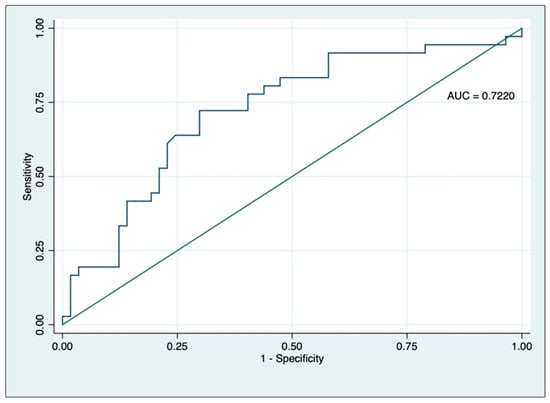
Background and Aims: The “quantity” of bone can be evaluated by dual-energy X-ray absorptiometry (DXA) scans, but not its “quality. We aim to study the clinical relevance of urinary-N-terminal telopeptide (NTx) in a retrospective exploratory study. Patients and Methods: The medical records of patients with osteoporosis, osteopenia with or without fractures, and with available urinary NTx were retrospectively reviewed; those on anti-osteoporotic medication before the start of the study were excluded. In all NTx levels, bone-specific alkaline phosphatase (BSAP), parathormone, serum calcium, and vitamin D were measured. In all cases, a recent DXA scan and fracture risk assessment (FRAX) had been performed. Appropriate statistics were applied using SPSS. 15. Results: Included were 93 patients (17.2% males); thirty-one (33.33%) had osteoporosis, 56 (60.21%) osteopenia, whereas 36 (38.7%) had prior or existing fractures. Older participants had lower NTx levels, and females had higher NTx levels, albeit NS. A negative correlation was found between the T-score of the left hip and NTx levels (p = 0.015) but not of the right hip or lumbar spine. In multivariate analysis, NTx levels (p = 0.013) and FRAX (p = 0.001) were significantly associated with fractures. Patients with osteoporosis had higher NTx levels when compared to patients with osteopenia (p = 0.015). NTx at a cut-off value of 207.4 showed a sensitivity of 80.6% and a specificity of 56.1% for the diagnosis of previous fracture with an area under the curve (AUC) of 0.72 (95% CI: 0.61, 0.83). Conclusions: Elevated NTx levels were significantly associated with existing or prior fractures. Combining DXA scan and FRAX, with NTx testing, may provide a comprehensive approach to osteoporosis assessment and treatment. Further prospective studies are warranted to validate its clinical utility.
Full article

Figure 1
Open AccessArticle
Tsk2/+ Mice Demonstrate Increased TWEAK/FN14 and TGF-β Pathways During Early Dermal Fibrosis
by
Chelsea M. Burgwin, Laura Cort, Kristen B. Long, Elizabeth P. Blankenhorn and Carol M. Artlett
Rheumato 2026, 6(2), 13; https://doi.org/10.3390/rheumato6020013 - 22 Jun 2026
Abstract
►▼
Show Figures
Background/Objectives: Our prior work demonstrated that a non-synonymous mutation in procollagen type III (Col3a1) at residue 33 (C33S) was responsible for the skin fibrosis seen in the Tsk2/+ mouse. We previously showed increased expression of the TWEAK receptor/fibroblast growth factor–inducible 14
[...] Read more.
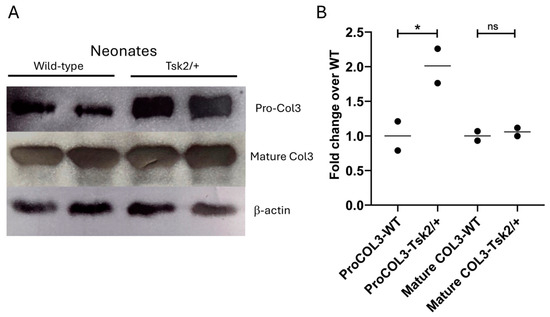
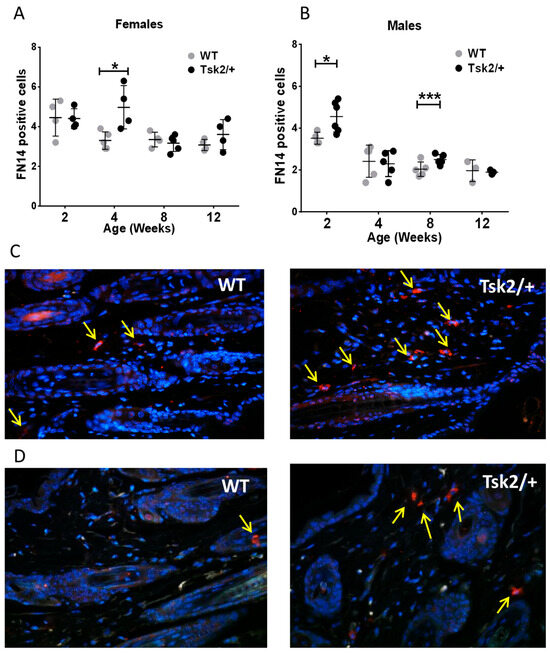
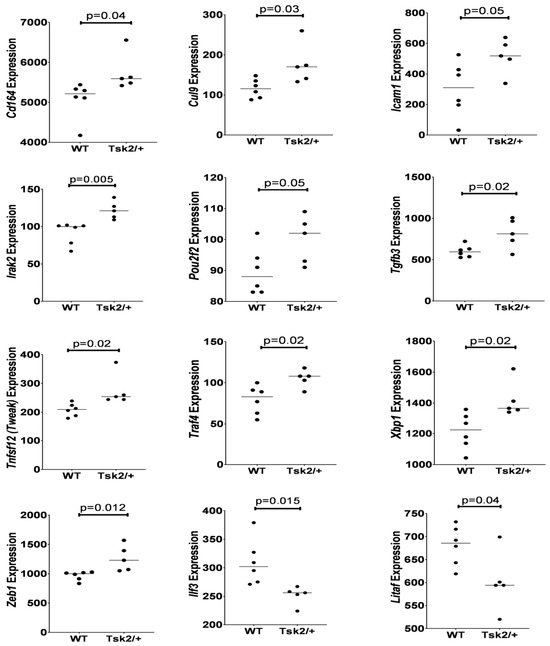
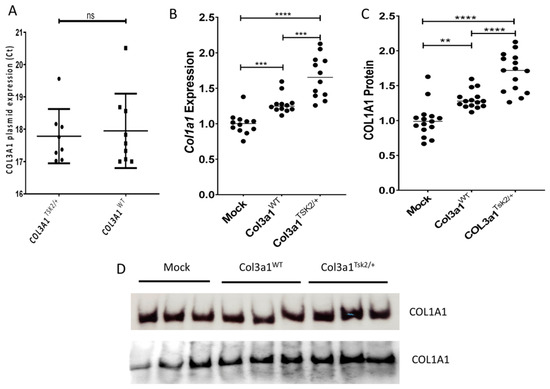
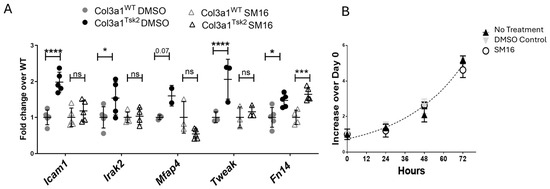
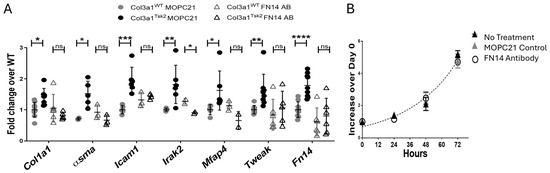
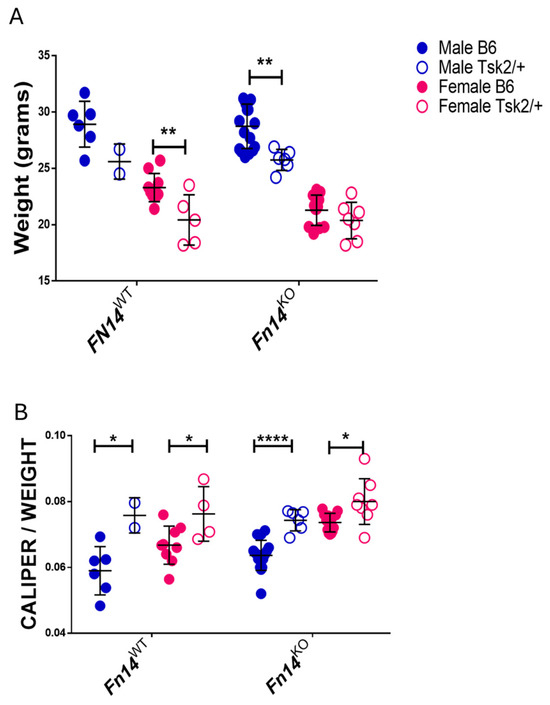
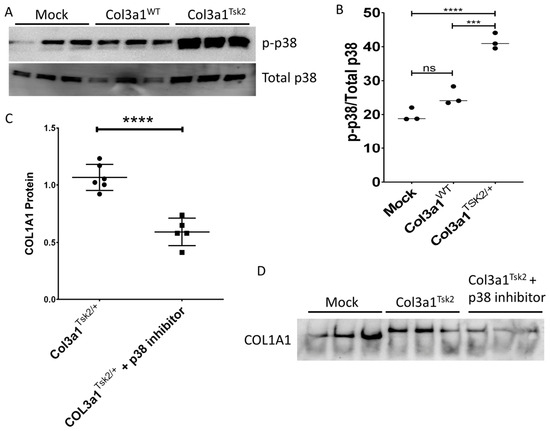
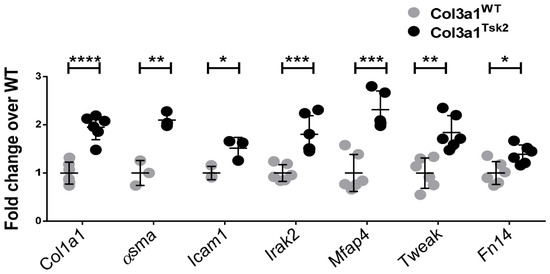
Background/Objectives: Our prior work demonstrated that a non-synonymous mutation in procollagen type III (Col3a1) at residue 33 (C33S) was responsible for the skin fibrosis seen in the Tsk2/+ mouse. We previously showed increased expression of the TWEAK receptor/fibroblast growth factor–inducible 14 (FN14) in Tsk2/+ skin and systemic sclerosis (SSc) skin; however, the role of TWEAK in Tsk2/+ had not been assessed. Methods: Primary dermal fibroblasts from Tsk2/+ and WT mice were examined for differential gene expression at different ages. Wild-type and C33S-mutated COL3A1-expressing plasmids were transfected into Col3a1KO fibroblasts and treated with FN14 or TGF-β inhibitors. Results: Tsk2/+ mice had increased FN14 protein compared to their respective non-diseased counterparts and had increased mRNA expression of a panel of transcripts associated with a fibrotic signature (Icam1, Irak2, and Tweak). COL3A1-KO cells transfected with a COL3A1Tsk2-expressing plasmid displayed significantly higher levels of this fibrotic signature compared to COL3A1WT-expressing plasmid. FN14 and TGFBR1 inhibitors significantly reduced the fibrotic signature compared to untreated Tsk2/+ cells. Conclusions: The upregulation of FN14 in Tsk2/+ mouse skin and primary dermal fibroblasts suggests that this pathway may be crucial to fibrosis development. Inhibition of both FN14 and TGFBRI reduces the fibrotic signature in both Col3a1Tsk2 transfections, suggesting a similarity between the Tsk2/+ model and SSc and confirming that the Tsk2/+ mouse model is suitable for studying the initiating events of SSc fibrosis.
Full article

Figure 1
Open AccessReview
Bridging Pathogenesis and Precision Therapy: Immunoengineering Advancements in Rheumatoid Arthritis Management
by
Dheeraj Makkar and Jonathan Morris
Rheumato 2026, 6(2), 12; https://doi.org/10.3390/rheumato6020012 - 15 Jun 2026
Abstract
►▼
Show Figures
Background: Rheumatoid arthritis (RA) is a persistent autoimmune condition defined by widespread synovial tissue inflammation and structural joint deterioration, with an estimated global prevalence between 0.5% and 3%. The disease predominantly targets synovial joints, resulting in progressive functional impairment when therapeutic intervention is
[...] Read more.
Background: Rheumatoid arthritis (RA) is a persistent autoimmune condition defined by widespread synovial tissue inflammation and structural joint deterioration, with an estimated global prevalence between 0.5% and 3%. The disease predominantly targets synovial joints, resulting in progressive functional impairment when therapeutic intervention is delayed or inadequate. Objective: This review aims to comprehensively examine the contributing risk factors, underlying pathophysiological processes, and recently developed immunoengineering-based therapeutic strategies applicable to the clinical management of rheumatoid arthritis. Methods: A structured review of peer-reviewed literature was undertaken through PubMed, utilizing a targeted search strategy incorporating the terms ‘rheumatoid arthritis’ and ‘immunoengineering.’ Filters were applied to restrict results to English-language publications from peer-reviewed sources. The review emphasized studies investigating genetic susceptibility, environmental determinants, immune cell behaviour, and novel therapeutic advances in RA management. Results: Multiple interdependent risk factors underpin RA development, most notably genetic variants including HLA-DRb1 alleles, alongside demographic influences such as biological sex and advancing age, as well as obesity and pathogenic microbial exposure. These factors collectively initiate a self-amplifying inflammatory process characterized by protein citrullination and the subsequent generation of anti-citrullinated protein antibodies (ACPAs) and rheumatoid factor (RF). The ensuing immune dysregulation—driven principally by monocyte and T-lymphocyte infiltration—propagates synovial inflammation and progressively destroys cartilaginous and bony structures. Conclusions: While considerable progress has been achieved in RA pharmacotherapy, existing treatments remain constrained by systemic side effects and incomplete therapeutic responses. Emerging immunoengineering strategies offer a targeted approach to modulating the molecular and immunological milieu of affected joints, providing improved therapeutic precision. Continued investigation in this area is anticipated to yield novel clinical pathways capable of substantially enhancing patient outcomes in rheumatoid arthritis care.
Full article

Graphical abstract
Open AccessReview
Intrinsic and Extrinsic Factors for Natural Killer Cells and Their Involvement in Behcet Disease
by
Yasuhiro Omata
Rheumato 2026, 6(2), 11; https://doi.org/10.3390/rheumato6020011 - 18 May 2026
Abstract
►▼
Show Figures
This study is a narrative review of natural killer (NK) cells in Behcet disease (BD). BD is an inflammatory disorder with manifestations in mucosal tissues. Unlike autoimmune diseases that generate autoantibodies, BD is believed to be an autoinflammatory disease triggered by innate immune
[...] Read more.
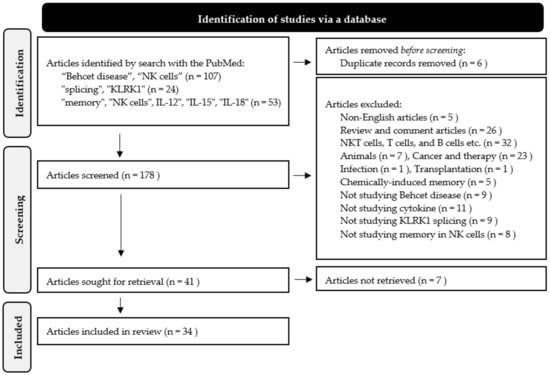
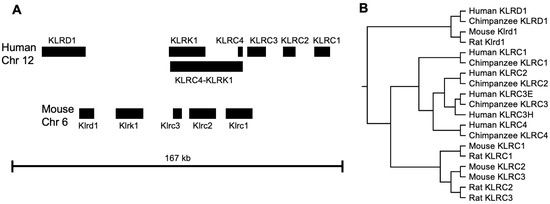
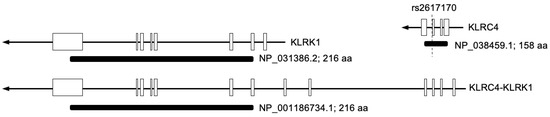
This study is a narrative review of natural killer (NK) cells in Behcet disease (BD). BD is an inflammatory disorder with manifestations in mucosal tissues. Unlike autoimmune diseases that generate autoantibodies, BD is believed to be an autoinflammatory disease triggered by innate immune cells rather than adaptive cells. Hyperactivation of neutrophils causes vasculitis and thrombosis, and they migrate into cutaneous and ocular lesions. Dominance of M1 macrophages promotes the differentiation of Th1 cells. Moreover, the cross-reaction of bacterial heat shock proteins induces production of cytokines such as IL-4 and IFN-γ in γδT cells, which alters the balance between Th1 and Th2 phenotypes. Nevertheless, NK cells play more critical roles in BD pathogenesis than other innate immune cells because not only is their activity precisely controlled by the interaction between ligands and receptors, but NK1 shift also elicits Th1 dominance. The genetic factors associated with BD are HLA-B51 and major histocompatibility complex class I-related chain A (MICA), which stimulate NK receptors as ligands. Improperly processed peptides dysregulate their interaction with NK receptors, triggering the inflammatory response. NK1 and NK2 subsets represent cytokine production in relapse and remission periods; however, the cytotoxicity of NK cells in relapse is lower than that in remission periods. It still remains unclear how NK cells are activated recurrently and expand cytokine production. This review highlights the regulation of gene expression encoding NK receptors, tissue-resident NK cells, and adaptive NK cells to discuss their potential for relapse. Splicing variants and readthrough genes encoding NK receptors easily alter cytokine production. Moreover, tissue-resident NK cells in mucosal tissues and adaptive NK cells that memorize the virus infection have the potential to trigger hyperactivation in relapse.
Full article

Graphical abstract
Open AccessReview
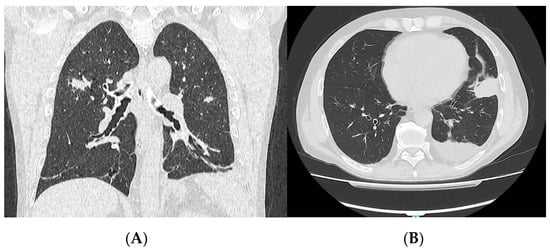
Friend or Foe? Eosinophilic Granulomatosis with Polyangiitis (EGPA) Onset After Dupilumab: Report of Two Cases and a Narrative Review of the Literature
by
Alessia Gatti, Giulia Fontana, Jacopo Mora, Franco Franceschini, Ilaria Cavazzana, Paola Toniati and Francesca Regola
Rheumato 2026, 6(2), 10; https://doi.org/10.3390/rheumato6020010 - 7 Apr 2026
Abstract
►▼
Show Figures
Background/Objectives: Dupilumab is a fully human IgG4 monoclonal antibody targeting the interleukin-4 receptor α subunit, inhibiting interleukin-4 and interleukin-13 signalling, and suppressing type 2 inflammation. It is approved for several eosinophilic and type 2 inflammatory diseases, including chronic rhinosinusitis with nasal polyps,
[...] Read more.
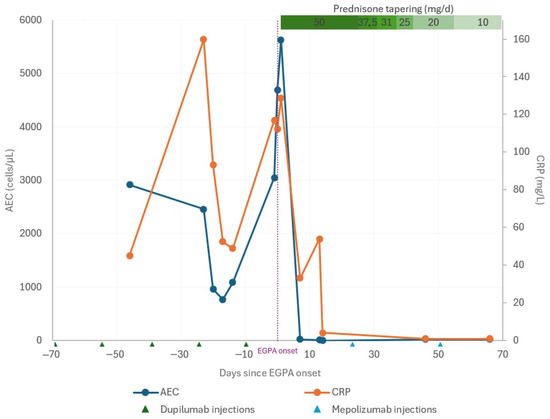
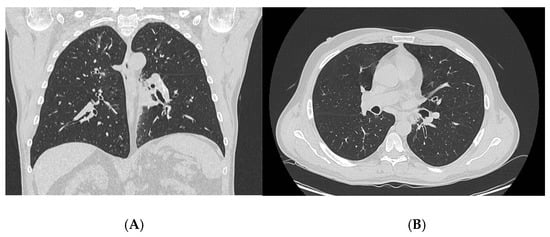
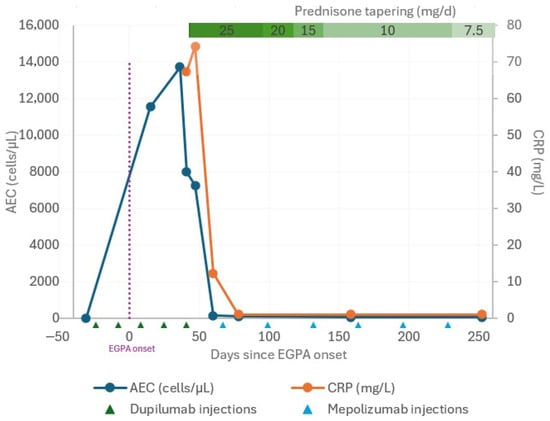
Background/Objectives: Dupilumab is a fully human IgG4 monoclonal antibody targeting the interleukin-4 receptor α subunit, inhibiting interleukin-4 and interleukin-13 signalling, and suppressing type 2 inflammation. It is approved for several eosinophilic and type 2 inflammatory diseases, including chronic rhinosinusitis with nasal polyps, asthma, atopic dermatitis, eosinophilic oesophagitis, and, more recently, eosinophilic chronic obstructive pulmonary disease. Although generally well tolerated, dupilumab has been associated with peripheral eosinophilia and, rarely, eosinophil-mediated complications. This study aims to describe cases of eosinophilic granulomatosis with polyangiitis (EGPA) occurring after dupilumab initiation and to review available evidence on this association. Methods: We describe two cases of new-onset EGPA developing after the introduction of dupilumab therapy, analysing clinical features, laboratory findings, management, and outcomes. A narrative review of published case reports and literature addressing dupilumab-associated eosinophilia and EGPA was also performed. Results: Both patients developed EGPA after starting dupilumab, presenting with marked peripheral eosinophilia and systemic manifestations consistent with the disease. Clinical improvement was observed following dupilumab discontinuation and initiation of appropriate immunosuppressive treatment. The literature review identified a small number of similar reports describing EGPA onset or unmasking in temporal association with dupilumab, mainly in patients with underlying type 2 inflammatory disorders. Conclusions: While a causal relationship between dupilumab and EGPA remains unproven, these findings highlight the importance of clinical awareness. Dupilumab remains an effective therapy for severe type 2 inflammatory diseases; careful monitoring may allow early recognition and management of rare eosinophilic complications.
Full article

Figure 1
Open AccessReview
Treat-to-Target Strategies and Early Biologic Initiation in Polyarticular Juvenile Idiopathic Arthritis: Translating Evidence into Clinical Practice
by
Jyothi Ranga Patri, Sastry Chamarthi and Venkata Sushma Chamarthi
Rheumato 2026, 6(2), 9; https://doi.org/10.3390/rheumato6020009 - 25 Mar 2026
Abstract
►▼
Show Figures
Juvenile idiopathic arthritis (JIA) is among the most prevalent chronic inflammatory rheumatic diseases in children. Over the past two decades, the treatment landscape has evolved significantly with the introduction of biologic disease-modifying antirheumatic drugs and the adoption of treat-to-target strategies aimed at achieving
[...] Read more.
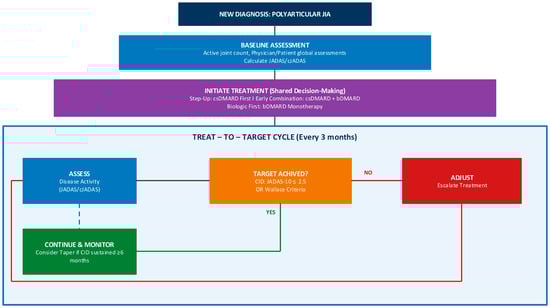
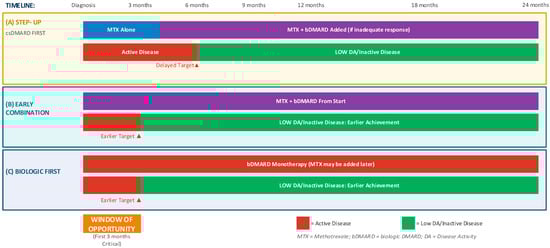
Juvenile idiopathic arthritis (JIA) is among the most prevalent chronic inflammatory rheumatic diseases in children. Over the past two decades, the treatment landscape has evolved significantly with the introduction of biologic disease-modifying antirheumatic drugs and the adoption of treat-to-target strategies aimed at achieving clinically inactive disease. Early initiation of biologic therapies can facilitate rapid disease control and improve long-term outcomes. However, the implementation and integration of newer treatments within the current healthcare system are often hindered by insurance authorization requirements, high costs, and variability in clinical practice. This review evaluates current evidence-based approaches supporting the treat-to-target strategy and early biologic intervention in polyarticular JIA. Additionally, it discusses the practical challenges of translating evidence into routine clinical care and proposes sustainable strategies to optimize treatment outcomes while addressing existing knowledge and practice gaps.
Full article

Graphical abstract
Open AccessArticle
Reviewing Treatment Trends and Effectiveness of Medication for Patients with Rheumatoid Arthritis Throughout 15 Years Under the Treat-to-Target Strategy in Real-World Practice in Japan
by
Ichiro Yoshii, Naoya Sawada and Tatsumi Chijiwa
Rheumato 2026, 6(1), 8; https://doi.org/10.3390/rheumato6010008 - 2 Mar 2026
Abstract
►▼
Show Figures
Objectives: The evidence for treating rheumatoid arthritis (RA) with a treat-to-target (T2T) approach was examined for clinical outcomes. Methods: Since August 2010, RA treatment has implemented the T2T strategy, aiming to achieve a simplified disease activity index (SDAI). The SDAI, Health Assessment Questionnaire
[...] Read more.
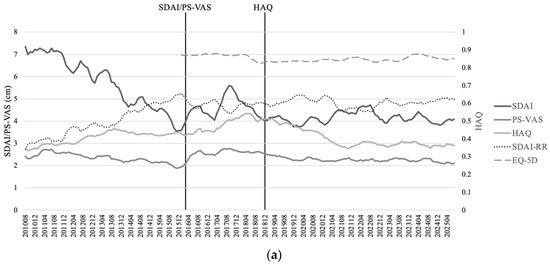
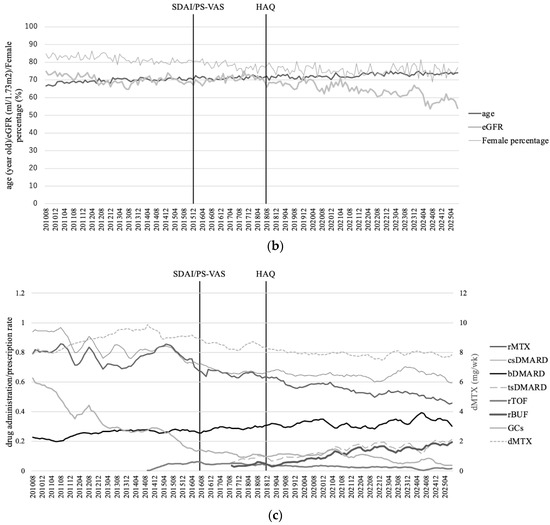
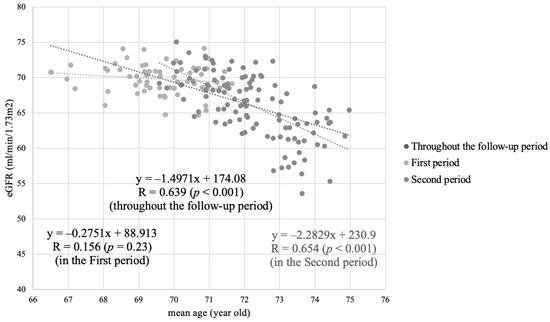
Objectives: The evidence for treating rheumatoid arthritis (RA) with a treat-to-target (T2T) approach was examined for clinical outcomes. Methods: Since August 2010, RA treatment has implemented the T2T strategy, aiming to achieve a simplified disease activity index (SDAI). The SDAI, Health Assessment Questionnaire Disability Index (HAQ), and pain score (PS-VAS) were monitored. The relationships between these clinical outcomes and variables, including changes in medication, were investigated. Results: Over a 15-year follow-up of 764 RA patients, the total duration was divided into two periods for each outcome. In the First period, the average dose of methotrexate (MTX) increased (p < 0.001). At the same time, glucocorticoids use (GCs) decreased (p < 0.001), and biologic and targeted synthetic disease-modifying anti-rheumatic drugs (bDMARDs and tsDMARDs) use increased (p < 0.01). Consequently, the mean SDAI score declined (p < 0.001), which was attributed to an increase in MTX dose and a decrease in GCs use, However, HAQ scores increased (p < 0.01), and PS-VAS remain stable. In the Second period, the average MTX dose decreased despite stable SDAI and decreasing HAQ scores and PS-VAS (p < 0.01), which was attributed to an increase in the use of tsDMARDs, particularly baricitinib, upadacitinib, and filgotinib (p < 0.01). Overall, the average age increased (p < 0.001), while SDAI scores dropped (p < 0.001), and HAQ scores and PS-VAS decreased (p < 0.01). Conclusions: Clinical outcomes stayed stable with changes in medication use under the T2T approach.
Full article

Figure 1
Open AccessCommunication
Short-Term Influence of Administering Janus Kinase Inhibitor on Renal Function in Patients with Rheumatoid Arthritis
by
Ichiro Yoshii, Tatsumi Chijiwa and Naoya Sawada
Rheumato 2026, 6(1), 7; https://doi.org/10.3390/rheumato6010007 - 13 Feb 2026
Abstract
►▼
Show Figures
Background/Objectives: The short-term effect of Janus kinase inhibitors (JAKis) on renal function in patients with rheumatoid arthritis (RA) was examined in a hypothesis-generating, exploratory study. Methods: RA patients treated with JAK inhibitors and, as a control group, those receiving golimumab and continuing treatment
[...] Read more.
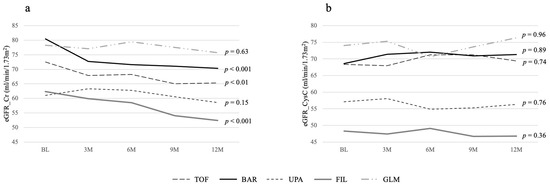
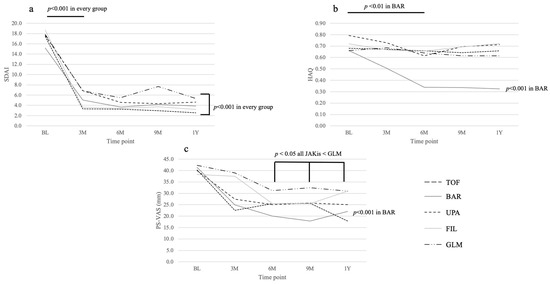
Background/Objectives: The short-term effect of Janus kinase inhibitors (JAKis) on renal function in patients with rheumatoid arthritis (RA) was examined in a hypothesis-generating, exploratory study. Methods: RA patients treated with JAK inhibitors and, as a control group, those receiving golimumab and continuing treatment for one or more years were enrolled. They were monitored every 3 months for disease activity using the Simplified Disease Activity Index (SDAI), functional capacity using the Health Assessment Questionnaire Disability Index (HAQ), and renal function using the estimated glomerular filtration rate (eGFR) calculated from creatinine (Cr) and cystatin C (CysC). Patients were categorized by medication, and average values were computed. Two groups for each drug were then compared statistically. Results: A total of 144 patients were analyzed: 24 on tofacitinib, 43 on baricitinib, 21 on upadacitinib, 21 on filgotinib, and 35 on golimumab. Background factors did not differ significantly among groups. Improvements in CDAI and HAQ at any time point also showed no significant differences. eGFR based on Cr showed a significant decline in the baricitinib and filgotinib groups at one year after starting JAKi treatment compared with the other JAKi groups; however, there was no significant difference when using CysC. Conclusions: These results indicate that there is no significant difference in renal function decline among the JAKi drugs over a short period, despite differences in their metabolic pathways and renal excretion patterns.
Full article

Figure 1
Open AccessSystematic Review
Exploring the Role of Canakinumab in the Treatment of Autoinflammatory Bone Disorders: A Systematic Review
by
Lisa Gamalero and Teresa Giani
Rheumato 2026, 6(1), 6; https://doi.org/10.3390/rheumato6010006 - 4 Feb 2026
Abstract
►▼
Show Figures
Background: Autoinflammatory bone disorders are rare, non-infectious inflammatory conditions that primarily involve the skeleton, most commonly presenting as chronic nonbacterial osteomyelitis (CNO) or chronic recurrent multifocal osteomyelitis (CRMO). Less frequently, they occur in the context of Mendelian syndromes such as Majeed syndrome, deficiency
[...] Read more.
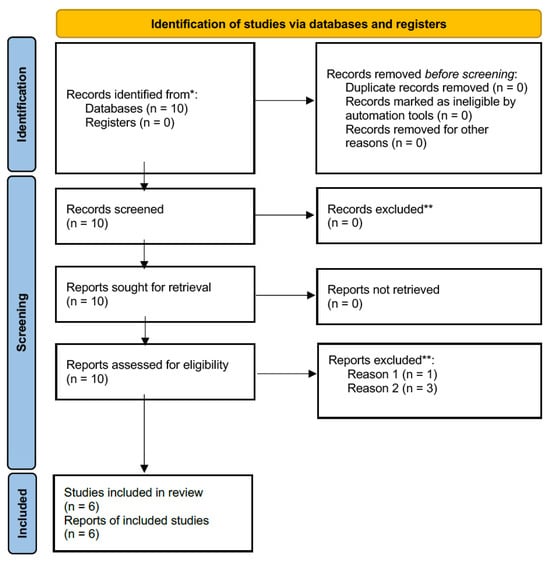
Background: Autoinflammatory bone disorders are rare, non-infectious inflammatory conditions that primarily involve the skeleton, most commonly presenting as chronic nonbacterial osteomyelitis (CNO) or chronic recurrent multifocal osteomyelitis (CRMO). Less frequently, they occur in the context of Mendelian syndromes such as Majeed syndrome, deficiency of the interleukin-1 receptor antagonist (DIRA), and pyogenic arthritis; pyoderma gangrenosum; and acne (PAPA) syndrome. Given the role of IL-1-driven innate immune dysregulation across these bone disorders, and the growing, though heterogeneous, clinical experience with IL-1 blockade, this review maps and critically appraises the available evidence on canakinumab in autoinflammatory bone disorders. Methods: We systematically searched PubMed and the Cochrane Library (English, inception–July 2025) and screened ClinicalTrials.gov. Eligible reports included any case reports/series describing canakinumab use in autoinflammatory bone disorders (CNO/CRMO, Majeed, DIRA, PAPA). Results: Six publications met the inclusion criteria (one case series, five case reports; 10 patients). Complete responses were reported in all three patients with Majeed syndrome and in two patients with sporadic CRMO associated with systemic features. Partial responses occurred in two additional sporadic CRMO cases, while no meaningful response was documented in DIRA. No interventional trials of canakinumab were identified on ClinicalTrials.gov for CNO/CRMO, Majeed, DIRA, or PAPA. Conclusions: Although the role of IL-1 in the pathogenesis of autoinflammatory bone disease provides a rationale for IL-1 blockade, evidence for canakinumab remains limited and heterogeneous, precluding definitive conclusions. Indicators of benefits appear most consistently in Majeed syndrome and in selected CRMO phenotypes.
Full article

Figure 1
Open AccessSystematic Review
Effectiveness of Aquatic Exercise in the Management of Fibromyalgia Syndrome: A Systematic Review and Meta-Analysis
by
Sebastián Eustaquio Martín Pérez, Jennifer Díaz García, David García Linares, Luis Gabriel Barboza Baldó and Isidro Miguel Martín Pérez
Rheumato 2026, 6(1), 5; https://doi.org/10.3390/rheumato6010005 - 2 Feb 2026
Cited by 1
Abstract
►▼
Show Figures
Background/Objectives: Fibromyalgia syndrome (FMS) is a chronic condition characterized by widespread pain, fatigue, sleep disturbances, and psychological symptoms. Aquatic exercise offers the benefits of physical activity with reduced mechanical stress. This meta-analysis evaluated the effectiveness of AE on pain, functional physical status, and
[...] Read more.
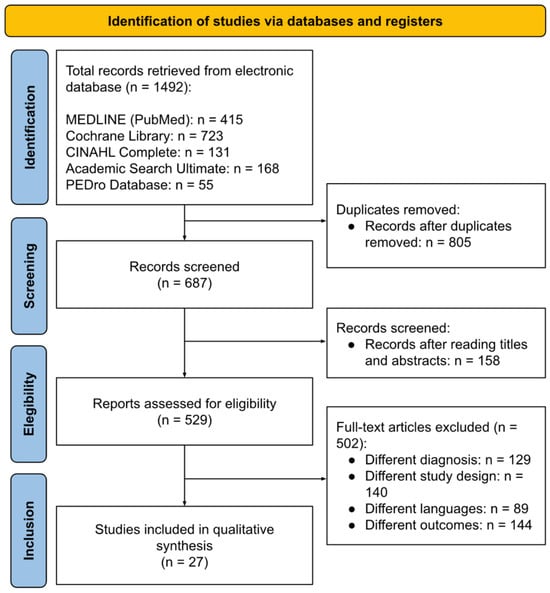
Background/Objectives: Fibromyalgia syndrome (FMS) is a chronic condition characterized by widespread pain, fatigue, sleep disturbances, and psychological symptoms. Aquatic exercise offers the benefits of physical activity with reduced mechanical stress. This meta-analysis evaluated the effectiveness of AE on pain, functional physical status, and health-related quality of life. Methods: A PRISMA-guided systematic review and meta-analysis (PROSPERO CRD42025115158) included randomized and non-randomized trials up to October 2025 from MEDLINE (PubMed), Cochrane Library, PEDro, CINAHL Complete, SPORTDiscus, and Academic Search Ultimate. Eligible participants were adults diagnosed with FMS undergoing AE programs, alone or combined with other modalities. Standardized mean differences (SMD) with 95% confidence intervals were pooled using random- or fixed-effects models. Methodological quality, risk of bias, and certainty of evidence were evaluated using the PEDro scale, the RoB 2.0 tool, and the GRADE approach. Results: 27 trials (n = 1785; >95% women; mean age 44–62 years) were included. AE significantly improved pain (SMD = −0.92; 95% CI: −1.03 to −0.80; p < 0.00001), physical function (SMD = −0.74; 95% CI: −0.84 to −0.63; p < 0.00001), and HRQoL (SMD = 0.57; 95% CI: 0.42 to 0.72; p < 0.00001). Effects were consistent across time frames, though overall heterogeneity was considerable (Tau2 = 4.93; I2 = 97%). The mean PEDro score was 5.2/10, and RoB 2.0 indicated moderate methodological limitations mainly due to a lack of blinding. Evidence certainty was low for the main outcomes and moderate for adverse events. Conclusions: Aquatic exercise is an effective and safe complementary therapy for patients with FMS, alleviating pain while enhancing function and quality of life. However, methodological variability and small sample sizes warrant further high-quality trials to confirm these findings and explore underlying mechanisms.
Full article

Figure 1
Open AccessReview
A Clinician’s Update on Infection Risk in Patients Receiving Biologic and Targeted Synthetic DMARDs for Autoimmune Disease
by
Hilal Abdessamad
Rheumato 2026, 6(1), 4; https://doi.org/10.3390/rheumato6010004 - 22 Jan 2026
Cited by 2
Abstract
►▼
Show Figures
Background: Immunomodulatory therapies, including biologic and targeted synthetic disease-modifying antirheumatic drugs (DMARDs) have reshaped the treatment of autoimmune diseases. They alter host defenses, but the current landscape of associated infectious risk is not fully defined. Objective: A scoping review of recent
[...] Read more.
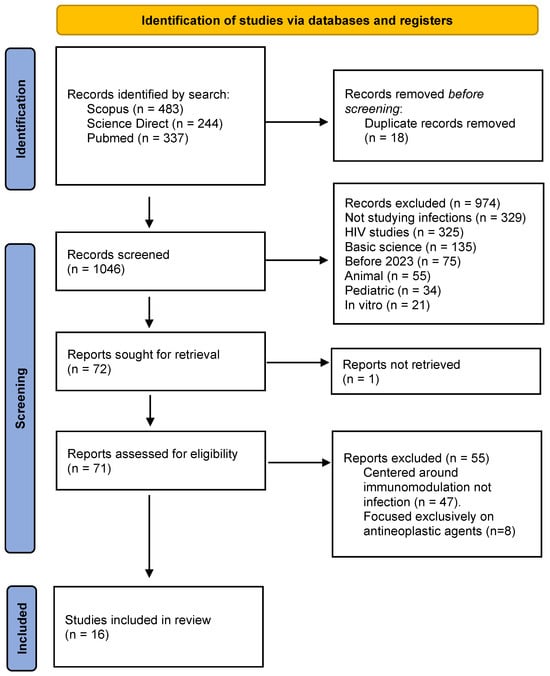
Background: Immunomodulatory therapies, including biologic and targeted synthetic disease-modifying antirheumatic drugs (DMARDs) have reshaped the treatment of autoimmune diseases. They alter host defenses, but the current landscape of associated infectious risk is not fully defined. Objective: A scoping review of recent literature was conducted to characterize infectious complications associated with modern immunomodulatory biologic agents, summarize current pathogen patterns, and highlight recommendations for prevention and early recognition in clinical practice. Methods: Following PRISMA-ScR guidelines, a systematic search was performed on Scopus, Science Direct, and PubMed for studies published since 2023. Inclusion criteria focused on adult human subjects, exposure to immunomodulatory therapy, and reported infectious outcomes. Studies focusing exclusively on antineoplastic agents without established use in autoimmune diseases were excluded. After screening 1046 unique records, 16 studies were included in the final review. Findings: High-dose glucocorticoids remain a primary driver of serious infections across autoimmune diseases. Newer agents present mechanism-specific risk profiles. JAK inhibitors are associated with herpes zoster, while TNF-α inhibitors are linked to opportunistic bacterial infections and reactivation of granulomatous infections. B-cell depletion with rituximab correlates with hypogammaglobulinemia and its associated infections, whereas belimumab may offer a lower infection risk in non-renal SLE. Recent post hoc analyses (2023–2025) quantify the elevated risk of herpes zoster with JAK inhibitors compared to TNF inhibitors, particularly in older populations. Conclusions: The infectious risk associated with biologic and targeted DMARDs varies by mechanism. While glucocorticoids remain a primary driver of serious infections, newer data highlights specific vulnerabilities with JAK inhibitors (herpes zoster) and B-cell depletion (hypogammaglobulinemia) that require targeted risk stratification. This review shows the urgent need for individualized risk stratification, targeted prophylaxis (e.g., for Pneumocystis or zoster), and pre-therapy screening to balance therapeutic efficacy with patient safety.
Full article

Figure 1
Open AccessReview
From Pain Catastrophizing to Hopelessness: Neurobiological Mechanisms, Causes, and Evidence-Based Implications for Pain and Outcomes in Rheumatic Diseases
by
Ellen Frances O’Carroll, Annalisa Marino and Stefano Di Donato
Rheumato 2026, 6(1), 3; https://doi.org/10.3390/rheumato6010003 - 7 Jan 2026
Cited by 1
Abstract
Pain catastrophizing (PC) and hopelessness are increasingly recognized as central determinants of pain severity, disability, and treatment response in individuals with rheumatic and immune-mediated diseases. Traditionally conceptualized as secondary emotional reactions to pain, these cognitive-affective constructs instead represent active mechanisms that shape symptom
[...] Read more.
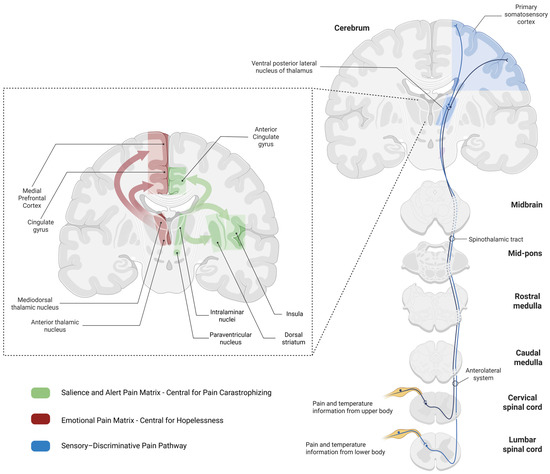
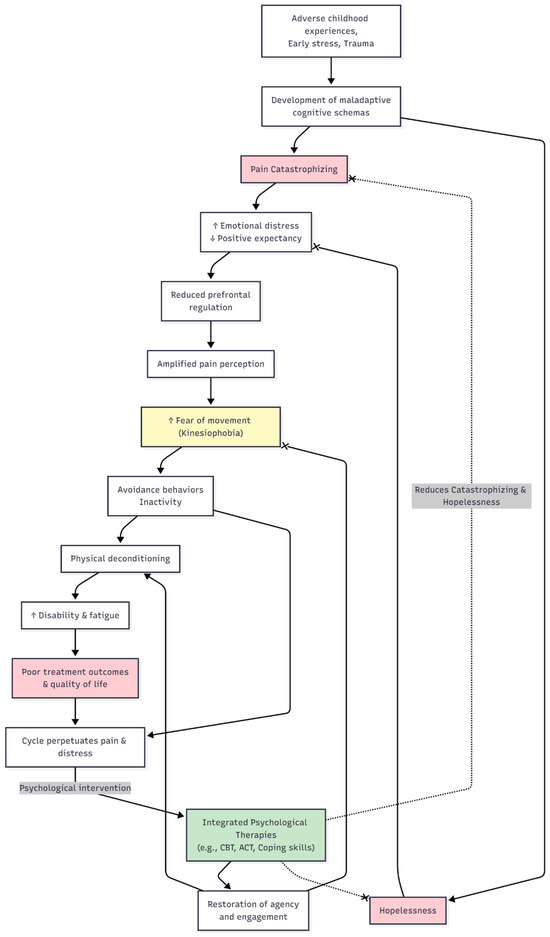
Pain catastrophizing (PC) and hopelessness are increasingly recognized as central determinants of pain severity, disability, and treatment response in individuals with rheumatic and immune-mediated diseases. Traditionally conceptualized as secondary emotional reactions to pain, these cognitive-affective constructs instead represent active mechanisms that shape symptom perception, behavioral responses, and long-term outcomes. In this review, we synthesize evidence across neurobiological, psychological, and clinical domains to elucidate the pathways linking PC and hopelessness to maladaptive coping, kinesiophobia, and functional decline. Early life stress, trauma, and maladaptive cognitive schemas emerge as upstream vulnerability factors that prime heightened emotional reactivity and reduced prefrontal regulatory control, facilitating amplified pain signaling and fear-based avoidance behaviors. Avoidance and inactivity foster physical deconditioning, fatigue, and higher perceived disability, creating a vicious circle that sustains distress and poor quality of life. Moreover, inactivity-related metabolic dysfunction and weight gain may contribute to low-grade inflammation, particularly in conditions such as psoriatic arthritis, thereby intersecting with biological disease pathways. Importantly, these psychological processes identify a distinct patient subgroup for whom further escalation of immunosuppressive therapy provides limited benefit. Instead, integrated psychological approaches—including cognitive behavioral therapy, acceptance and commitment therapy, and coping-skills training—demonstrate meaningful effects on catastrophizing, agency, and functional recovery. We emphasize the need for routine screening to detect patients with maladaptive cognitive–emotional profiles and propose a stratified care model prioritizing targeted psychological interventions alongside standard rheumatologic therapy. Future research should refine phenotyping strategies, clarify neuroimmune links, and develop scalable intervention models to break the avoidance cycle and improve patient-centered outcomes.
Full article
(This article belongs to the Topic New Trends in Physiotherapy Care: Improvements in Functionality, Pain Management, and Quality of Life)
►▼
Show Figures

Figure 1
Open AccessBrief Report
The Impact of Periodontal Treatment on Rheumatoid Arthritis Outcomes: The Microbial Link
by
Daniela Santos Silva, Charlotte de Vries, Karin Lundberg, Isabel Poiares Baptista, José António Pereira da Silva, Marta Kaminska and Piotr Mydel
Rheumato 2026, 6(1), 2; https://doi.org/10.3390/rheumato6010002 - 5 Jan 2026
Cited by 2
Abstract
►▼
Show Figures
Background/Objectives: The aim of this study was to assess the relationship between the decline in rheumatoid arthritis (RA) disease activity—induced by periodontal treatment—and changes in the microbiology of subgingival plaque and serum antibody levels against the periodontal bacterium Porphyromonas gingivalis. Methods: Twenty-two
[...] Read more.
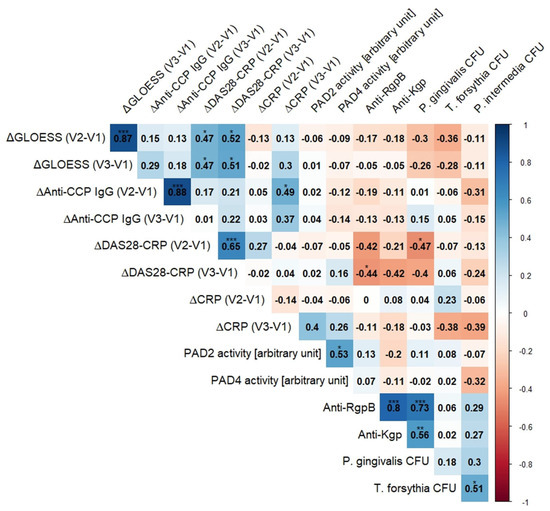
Background/Objectives: The aim of this study was to assess the relationship between the decline in rheumatoid arthritis (RA) disease activity—induced by periodontal treatment—and changes in the microbiology of subgingival plaque and serum antibody levels against the periodontal bacterium Porphyromonas gingivalis. Methods: Twenty-two RA patients with periodontitis underwent non-surgical periodontal treatment and assessment for the disease activity score of 28 joints (DAS28); antibody response to P. gingivalis virulence factors arginine (Rgp) and lysin (Kgp) gingipain; peptidyl arginine deiminase (PAD)2/4-activity; and the presence of P. gingivalis, Tannerella forsythia, and Prevotella intermedia in subgingival plaque through the evaluation of colony-forming units (CFUs) at baseline, two months, and six months post-treatment. Results: Periodontal treatment significantly reduced P. gingivalis CFUs at two and six months, and T. forsythia and P. intermedia CFUs at two months. Anti-RgpB IgG levels decreased at two months (p = 0.020). Higher baseline anti-RgpB IgG levels (r = −0.44, p = 0.039) and P. gingivalis CFU (r = −0.47, p = 0.028) correlated with greater reductions in DAS28. Greater reductions in P. gingivalis CFU were also associated with greater declines in DAS28 (r = 0.426, p = 0.048 and r = 0.467, p = 0.028, at two and six months, respectively). Anti-Kgp IgG and PAD2/PAD4 activity were not significantly affected by periodontal treatment. Conclusions: The impact of periodontal treatment on RA disease activity is more pronounced in patients with higher baseline P. gingivalis load and antibody response to RgpB. Better microbiological responses to periodontal treatment are associated with greater improvements in rheumatological symptoms. Further research is needed to confirm these findings and fully elucidate the underlying mechanisms.
Full article

Figure 1
Open AccessArticle
Decline in Renal Function, Measured by Annual Estimated Glomerular Filtration Rate Based on Cystatin C in Patients with Rheumatoid Arthritis, Is Linked to Disease Activity Level and Duration: Small Retrospective Cohort Study
by
Ichiro Yoshii, Naoya Sawada and Tatsumi Chijiwa
Rheumato 2026, 6(1), 1; https://doi.org/10.3390/rheumato6010001 - 19 Dec 2025
Abstract
►▼
Show Figures
Background/Objectives: Associations between renal function, as measured by the estimated glomerular filtration rate (eGFR) or its decline (dGFR), and clinical parameters in patients with rheumatoid arthritis (RA) were evaluated using a retrospective case–control series dataset. Methods: Patients with RA who followed up for
[...] Read more.
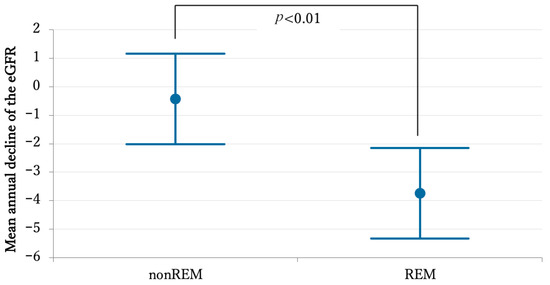
Background/Objectives: Associations between renal function, as measured by the estimated glomerular filtration rate (eGFR) or its decline (dGFR), and clinical parameters in patients with rheumatoid arthritis (RA) were evaluated using a retrospective case–control series dataset. Methods: Patients with RA who followed up for one or more consecutive years were recruited for the study. For calculating the eGFR, cystatin C (CysC) was adopted. The moment when CysC was measured was set as the baseline. The association between the eGFR and baseline clinical parameters, including disease activity in RA as measured by the simplified disease activity index (SDAI), was statistically evaluated. The association between the mean annual decline in the eGFR from the baseline and clinical parameters was also statistically assessed. Results: A total of 513 patients were enrolled; with a mean age of 70.9; a mean follow-up length of 52.5 months; a mean BMI of 22.9; a 68.7 eGFR; and a mean annual dGFR of 2.74. Significant parameters that correlated with the eGFR were age; rheumatoid factor titer; C-reactive protein; the presence of hypertension; chronic heart failure; chronic obstructive pulmonary disease; type 2 diabetes mellitus; methotrexate administration; and polypharmacy at baseline. An annual dGFR was correlated with the follow-up length, and the mean SDAI score multiplied by the yearly length of the follow-up was significantly correlated. Conclusions: Many factors confound the determination of the eGFR in RA patients. The disease activity score and length of time are the key factors for declining eGFRs.
Full article

Graphical abstract
Open AccessFeature PaperReview
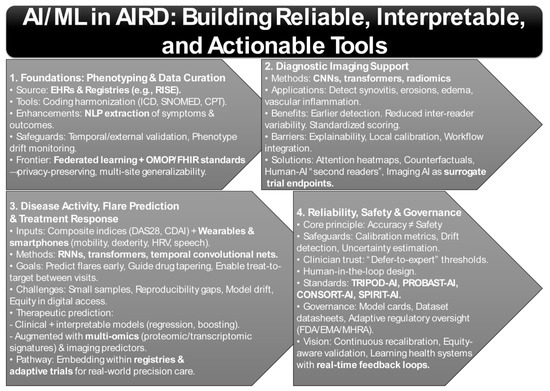
Emerging AI- and Biomarker-Driven Precision Medicine in Autoimmune Rheumatic Diseases: From Diagnostics to Therapeutic Decision-Making
by
Ola A. Al-Ewaidat and Moawiah M. Naffaa
Rheumato 2025, 5(4), 17; https://doi.org/10.3390/rheumato5040017 - 17 Nov 2025
Cited by 17
Abstract
►▼
Show Figures
Background/Objectives: Autoimmune rheumatic diseases (AIRDs) are complex, heterogeneous, and relapsing–remitting conditions in which early diagnosis, flare prediction, and individualized therapy remain major unmet needs. This review aims to synthesize recent progress in AI-driven, biomarker-based precision medicine, integrating advances in imaging, multi-omics, and digital
[...] Read more.
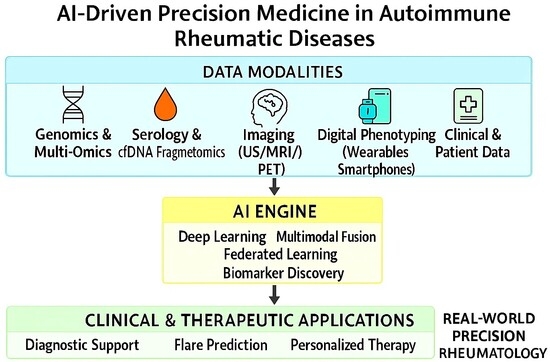
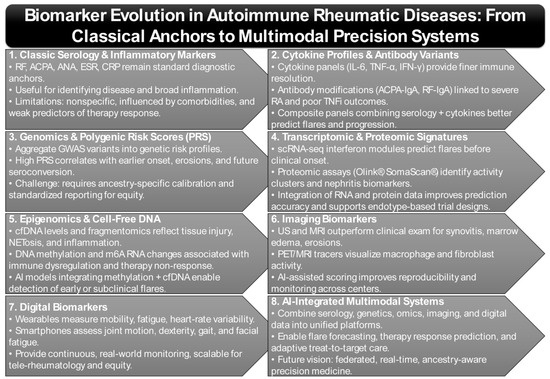
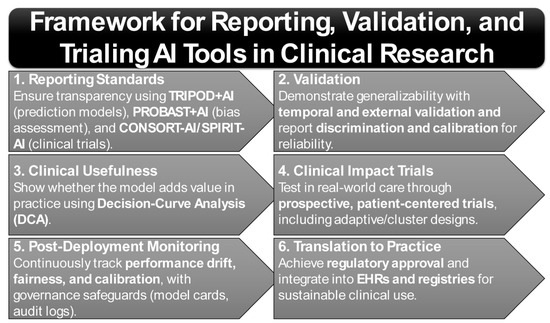
Background/Objectives: Autoimmune rheumatic diseases (AIRDs) are complex, heterogeneous, and relapsing–remitting conditions in which early diagnosis, flare prediction, and individualized therapy remain major unmet needs. This review aims to synthesize recent progress in AI-driven, biomarker-based precision medicine, integrating advances in imaging, multi-omics, and digital health to enhance diagnosis, risk stratification, and therapeutic decision-making in AIRD. Methods: A comprehensive synthesis of 2020–2025 literature was conducted across PubMed, Scopus, and preprint databases, focusing on studies applying artificial intelligence, machine learning, and multimodal biomarkers in rheumatoid arthritis, systemic lupus erythematosus, systemic sclerosis, spondyloarthritis, and related autoimmune diseases. The review emphasizes methodological rigor (TRIPOD+AI, PROBAST+AI, CONSORT-AI/SPIRIT-AI), implementation infrastructures (ACR RISE registry, federated learning), and equity frameworks to ensure generalizable, safe, and ethically governed translation into clinical practice. Results: Emerging evidence demonstrates that AI-integrated imaging enables automated quantification of synovitis, erosions, and vascular inflammation; multi-omics stratification reveals interferon- and B-cell-related molecular programs predictive of therapeutic response; and digital biomarkers from wearables and smartphones extend monitoring beyond the clinic, capturing early flare signatures. Registry-based AI pipelines and federated collaboration now allow multicenter model training without compromising patient privacy. Across diseases, predictive frameworks for biologic and Janus kinase (JAK) inhibitor response show growing discriminatory performance, though prospective and equity-aware validation remain limited. Conclusions: AI-enabled fusion of imaging, molecular, and digital biomarkers is reshaping the diagnostic and therapeutic landscape of AIRD. Standardized validation, interoperability, and governance frameworks are essential to transition these tools from research to real-world precision rheumatology. The convergence of registries, federated learning, and transparent reporting standards marks a pivotal step toward pragmatic, equitable, and continuously learning systems of care.
Full article

Graphical abstract
Highly Accessed Articles
Latest Books
E-Mail Alert
News
Topics
Topic in
Biomedicines, Clinics and Practice, Diagnostics, JCM, Rheumato
Rheumatic Disorder: From Basic Science to Clinical Practice—2nd Edition
Topic Editors: Andreina Manfredi, Caterina Vacchi, Giulia CassoneDeadline: 20 September 2026
Topic in
Healthcare, JCM, JFMK, Medicina, Muscles, Therapeutics, Rheumato
New Trends in Physiotherapy Care: Improvements in Functionality, Pain Management, and Quality of Life, 2nd Edition
Topic Editors: Carlos Bernal-Utrera, Ernesto Anarte-Lazo, Juan José González GerezDeadline: 31 October 2027
Special Issues
Special Issue in
Rheumato
The Future of Precision Rheumatology: Artificial Intelligence, Biomarkers, and Clinical Decision-Making
Guest Editors: Edda Russo, Maurizio BenucciDeadline: 25 May 2027