




Journal Description
Vaccines
Vaccines
is an international, peer-reviewed, open access journal on laboratory and clinical vaccine research, utilization and immunization, published monthly online by MDPI.
- Open Access— free for readers, with article processing charges (APC) paid by authors or their institutions.
- High Visibility: indexed within Scopus, SCIE (Web of Science), PubMed, PMC, Embase, CAPlus / SciFinder, and other databases.
- Journal Rank: JCR - Q2 (Medicine, Research and Experimental) / CiteScore - Q1 (Infectious Diseases)
- Rapid Publication: manuscripts are peer-reviewed and a first decision is provided to authors approximately 17.5 days after submission; acceptance to publication is undertaken in 2.8 days (median values for papers published in this journal in the first half of 2026).
- Recognition of Reviewers: reviewers who provide timely, thorough peer-review reports receive vouchers entitling them to a discount on the APC of their next publication in any MDPI journal, in appreciation of the work done.
- Journal Cluster of Immunology: Vaccines, Antibodies, Immuno, Rheumato, Lymphatics and
Inflammation Journal.
Impact Factor:
3.5 (2025);
5-Year Impact Factor:
3.5 (2025)
Latest Articles
Circulating SARS-CoV-2 Spike IgG Antibody Levels and Avidity in Autoimmune, IBD and Transplant Cohorts: An Observational Study Following Multiple COVID-19 Vaccine Boosters
Vaccines 2026, 14(8), 688; https://doi.org/10.3390/vaccines14080688 (registering DOI) - 11 Aug 2026
Abstract
Background: Individuals with autoimmune disease, inflammatory bowel disease (IBD), and transplants face a higher risk of severe COVID-19 and breakthrough hospitalizations. It is essential to understand the magnitude and durability of vaccine-induced humoral immune response in these populations. Methods: We evaluated
[...] Read more.
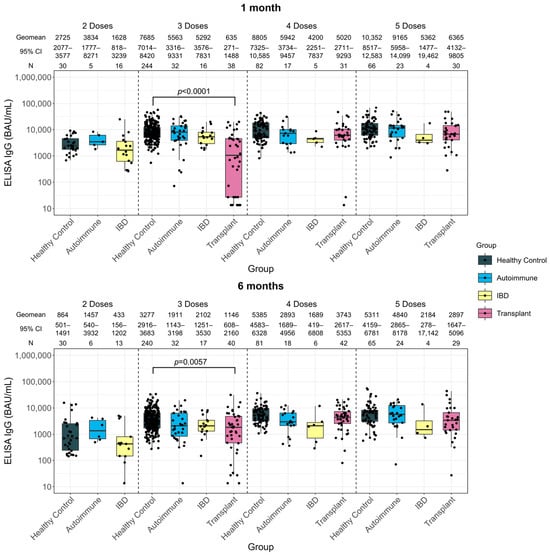
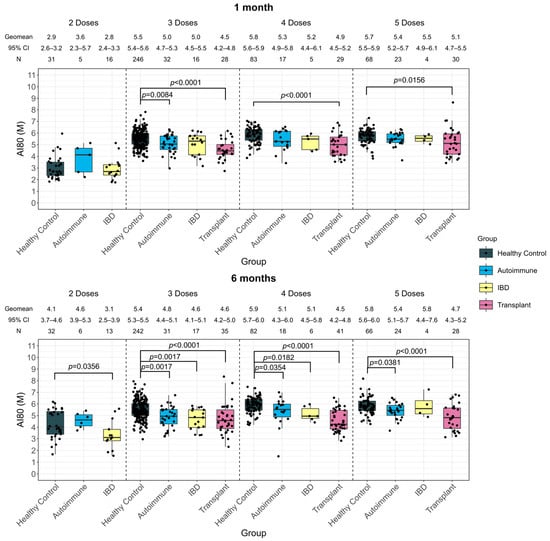
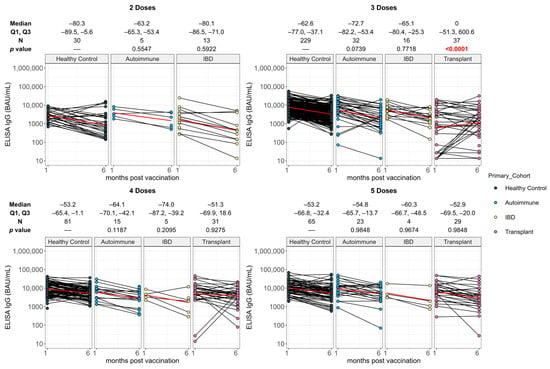
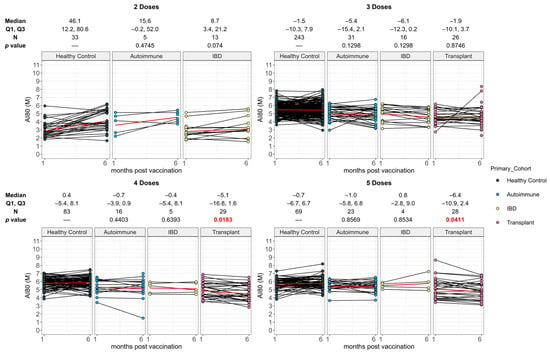
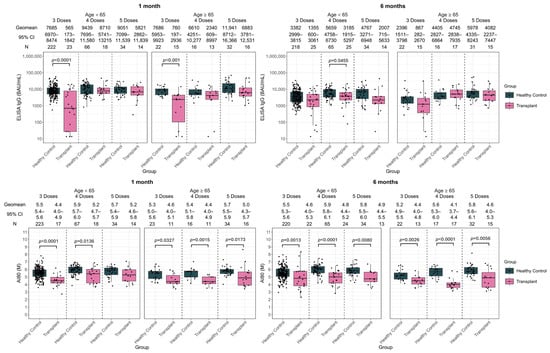
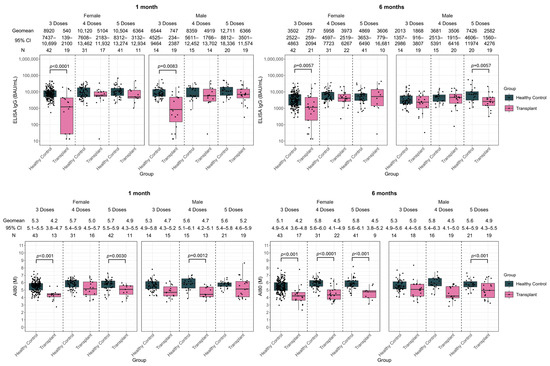
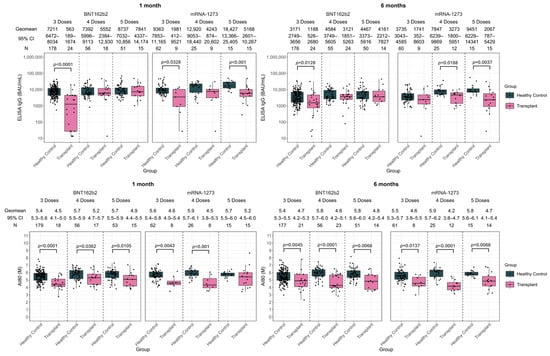
Background: Individuals with autoimmune disease, inflammatory bowel disease (IBD), and transplants face a higher risk of severe COVID-19 and breakthrough hospitalizations. It is essential to understand the magnitude and durability of vaccine-induced humoral immune response in these populations. Methods: We evaluated SARS-CoV-2 spike IgG antibody levels and avidity in autoimmune, IBD, transplant, and healthy cohorts following multiple COVID-19 mRNA vaccine doses. Serum samples were collected approximately 1 month (8–52 days) and 6 months (158–202 days) post-vaccination. Antibody levels and avidity were measured using validated ELISA and chaotropic-based avidity assays. Results: Individuals with IBD and individuals with autoimmune disease, especially systemic autoimmune disease, exhibited lower antibody levels and avidity compared with healthy individuals at certain doses and time points. Transplant recipients demonstrated substantial impairments in both antibody levels and avidity, with avidity reduced across all doses and time points. Significantly lower avidity levels were observed in transplant recipients, suggesting challenges in developing or maintaining antibody quality. For example, geometric mean anti-spike IgG levels were substantially lower in transplant recipients than in healthy individuals at both 1 month (635 vs. 7685 BAU/mL; p < 0.0001) and 6 months (1146 vs. 3277 BAU/mL; p = 0.0057) post third dose. Similarly, transplant recipients had lower antibody avidity than healthy individuals after the third dose, with geometric mean AI80 values of 4.5 M vs. 5.5 M at 1 month (p < 0.0001) and 4.6 M vs. 5.4 M at 6 months (p < 0.0001). Age, sex, and vaccine manufacturer may further influence humoral immune responses in the transplant cohort. Conclusions: Vaccine-induced humoral immunity varies across autoimmune, IBD, and transplant cohorts, with the most persistent impairment observed in transplant recipients across vaccine dose groups and at both post-vaccination time points. These findings reveal immune response patterns that may guide future studies evaluating vaccination schedules, immune monitoring, and clinical outcomes in these populations.
Full article
(This article belongs to the Special Issue Vaccines and Antibody-Based Therapeutics Against Infectious Disease)
►
Show Figures
Open AccessArticle
Post-Marketing Safety Surveillance of Autoimmune Diseases Following Bivalent Human Papillomavirus Vaccination in China
by
Xueyang Zeng, Xiaoshan Yu, Qiufen Zhang, Biao Rong, Moliang Chen, Huanyang Qi, Xulian Cai, Tingting Qiu, Yang Feng, Shoujie Huang, Huirong Pan and Lishan Ye
Vaccines 2026, 14(8), 687; https://doi.org/10.3390/vaccines14080687 - 10 Aug 2026
Abstract
Background/Objectives: The potential of vaccines to trigger autoimmune diseases (ADs) has been extensively investigated and remains a routine focus of vaccine-safety research. This post-marketing, real-world study compared the risk of ADs between females who received bivalent human papillomavirus (HPV) vaccine (Cecolin) and unvaccinated
[...] Read more.
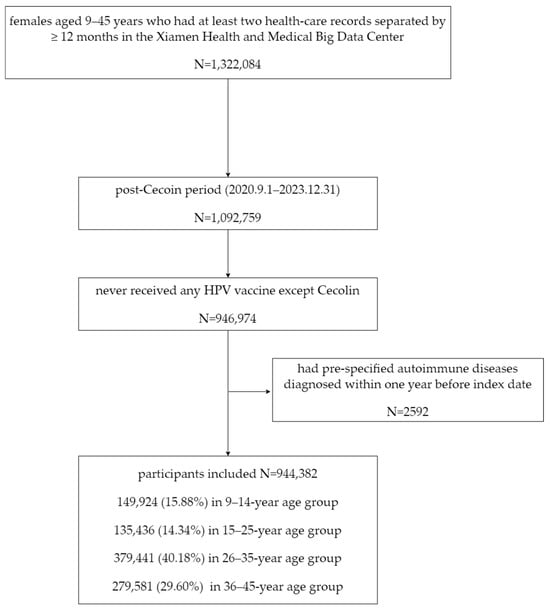
Background/Objectives: The potential of vaccines to trigger autoimmune diseases (ADs) has been extensively investigated and remains a routine focus of vaccine-safety research. This post-marketing, real-world study compared the risk of ADs between females who received bivalent human papillomavirus (HPV) vaccine (Cecolin) and unvaccinated females. Methods: Eligible females aged 9–45 years registered in the Xiamen Health and Medical Big Data Center from September 2020 to December 2023 (post-Cecolin period) were enrolled. Cecolin recipients constituted the exposed cohort, and a matched unexposed cohort was generated in a 1:4 ratio based on age and calendar year. Case validation was conducted to determine optimal identification algorithms. Incidence rates (IRs) were calculated and incidence rate ratios (IRRs) with 95% confidence intervals (CIs) were derived from zero-inflated Poisson regression. Results: Overall incidence of ADs was 70.63 per 100,000 person-years (95% CI: 67.59–73.77) in the post-Cecolin period. Compared with matched unexposed cohorts, vaccinated females showed a significantly lower AD risk in both contemporaneously matched (IRR = 0.23, 95% CI: 0.08–0.65; p = 0.006) and historically matched (IRR = 0.21, 95% CI: 0.07–0.66; p = 0.008) analyses. Conclusions: Consistent with prior evidence, this study provides real-world evidence further confirming that Cecolin vaccination does not increase the risk of ADs. It adds the first large-scale post-marketing safety evidence for this Chinese domestic bivalent HPV vaccine, filling a critical evidence gap. These results may inform vaccination policy and guide post-licensure safety monitoring in China and other countries that have introduced this vaccine.
Full article
(This article belongs to the Section Human Papillomavirus Vaccines)
►▼
Show Figures

Figure 1
Open AccessReview
Contributing Factors to Infectious Disease Risk and Vaccine Strategy Optimization in Cardiac Surgery Patients
by
Monika Tokarczyk-Kloc, Julia Ciecierska, Robert Marguła, Katarzyna Herbetko, Bohdan Shmorhun, Leszek Szenborn, Mateusz Sokolski and Kamila Maria Ludwikowska
Vaccines 2026, 14(8), 686; https://doi.org/10.3390/vaccines14080686 - 10 Aug 2026
Abstract
Patients undergoing cardiac surgery are particularly vulnerable to infectious diseases, which may adversely affect perioperative outcomes and long-term prognosis both before and after the procedure. Moreover, those requiring heart transplantation must take immunosuppressive medications, further compromising their immunity. This narrative review aims to
[...] Read more.
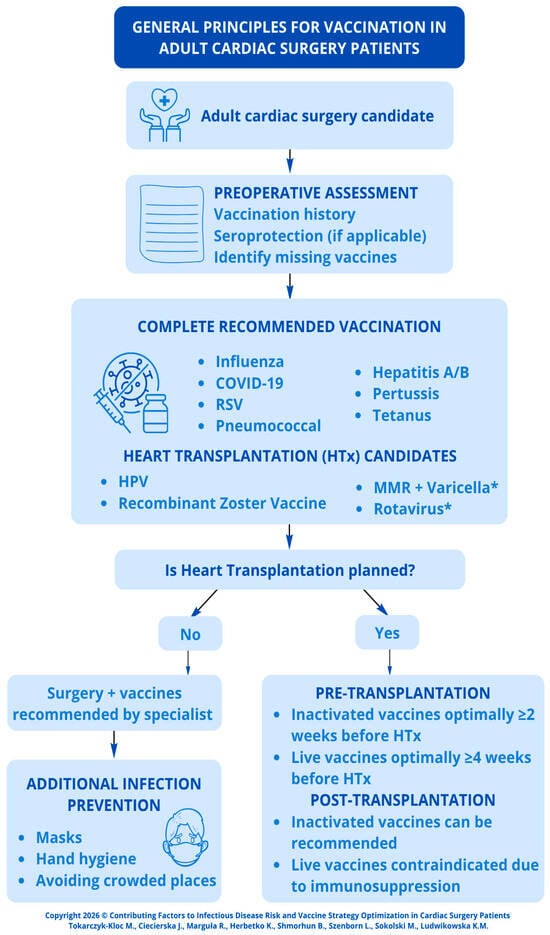
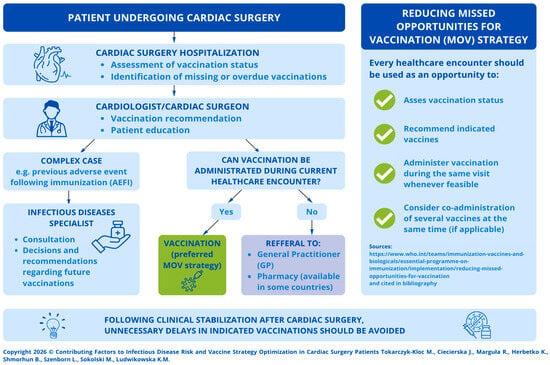
Patients undergoing cardiac surgery are particularly vulnerable to infectious diseases, which may adversely affect perioperative outcomes and long-term prognosis both before and after the procedure. Moreover, those requiring heart transplantation must take immunosuppressive medications, further compromising their immunity. This narrative review aims to look for the sources of increased risk for infections as well as synthesize vaccination recommendations for these patient groups based on the available literature and guidelines. We considered the influence of age, comorbidities, length of hospitalization, procedure-related risks, and blood product transfusions on the increased risk of vaccine-preventable diseases. By comprehensively addressing these factors, healthcare providers can develop tailored vaccination strategies that maximize protection for cardiac surgical patients while minimizing potential complications and optimizing overall health outcomes.
Full article
(This article belongs to the Special Issue Immune Responses in Patients with Chronic Disease After Vaccination)
►▼
Show Figures

Figure 1

Open AccessSystematic Review
Association Between Herpes Zoster Vaccination and Dementia Risk: A Systematic Review and Meta-Analysis
by
Qing Zhang, Quanman Hu, Yaming Wei, Jun Li and Shuaiyin Chen
Vaccines 2026, 14(8), 685; https://doi.org/10.3390/vaccines14080685 - 10 Aug 2026
Abstract
Background/Objectives: Dementia represents a major global health challenge, and preventive strategies remain limited. Observational studies have suggested a possible association between herpes zoster vaccination (HZV) and dementia risk, although the influence of vaccine type and dose regimen remains unclear. Methods: PubMed, Embase, and
[...] Read more.
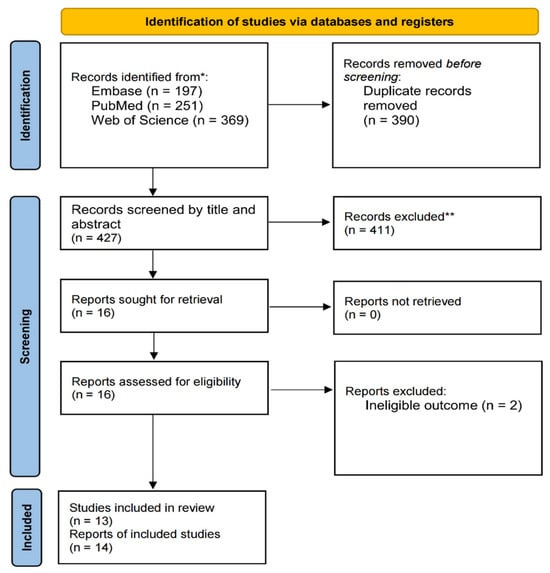
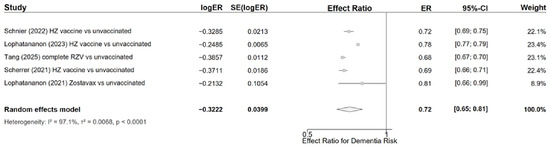
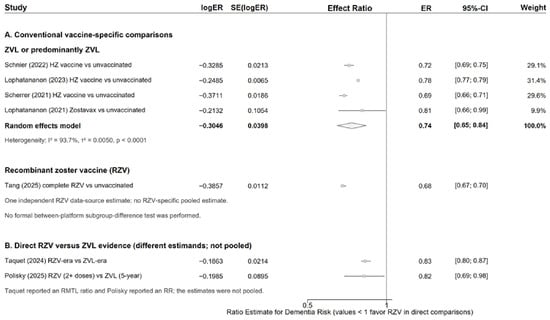
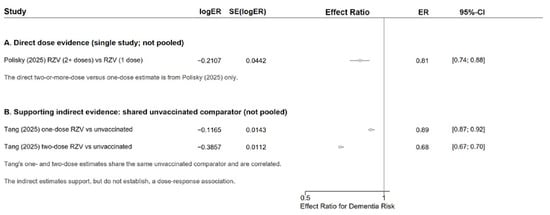
Background/Objectives: Dementia represents a major global health challenge, and preventive strategies remain limited. Observational studies have suggested a possible association between herpes zoster vaccination (HZV) and dementia risk, although the influence of vaccine type and dose regimen remains unclear. Methods: PubMed, Embase, and Web of Science were searched through January 2026. The primary random-effects meta-analysis included one adjusted estimate per independent study or data-source cluster. Quasi-experimental and correlated secondary estimates were reported separately, and alternative-estimate and leave-one-out analyses retained independent statistical units. The protocol was registered in PROSPERO (CRD420261326042). Results: Fourteen reports representing 13 studies were included. HZV was associated with a lower dementia risk in the primary analysis of five independent data sources (ratio estimate = 0.72; 95% CI: 0.65–0.81; I2 = 97.1%), with similar sensitivity results (0.70–0.76). Two regression-discontinuity studies reported eligibility-associated absolute reductions in dementia diagnosis of 1.3 and 1.8 percentage points. Two direct vaccine comparisons favored the recombinant zoster vaccine (RZV; Shingrix) over the live attenuated vaccine (ZVL; Zostavax) (RMTL ratio = 0.83; 95% CI: 0.80–0.87; RR = 0.82; 95% CI: 0.69–0.98). The only direct dose comparison favored two or more RZV doses over one dose (RR = 0.81; 95% CI: 0.74–0.88). Active-comparator associations were generally attenuated, whereas age- and subtype-specific findings varied. These secondary findings were exploratory. Conclusions: HZV was associated with lower dementia risk in observational studies, with directionally consistent quasi-experimental findings. Direct evidence suggested potentially stronger inverse associations for RZV and complete vaccination, but was based on few independent data sources. Substantial heterogeneity and residual confounding preclude causal interpretation, and further prospective or randomized evidence is needed.
Full article
(This article belongs to the Section Epidemiology and Vaccination)
►▼
Show Figures

Figure 1
Open AccessArticle
Novel Intranasal Influenza-Vectored Vaccine Corfluvec Provides Protection Against Influenza and COVID-19, Mitigating SARS-CoV-2-Induced Lung Vascular Damage
by
Marina Stukova, Anna-Polina Shurygina, Arman Muzhikyan, Ekaterina Romanovskaya-Romanko, Zhanna Buzitskaya, Marina Shuklina, Anastasia Pulkina, Daria Shamakova, Kirill Kryshen, Mariia Sergeeva and Dmitriy Lioznov
Vaccines 2026, 14(8), 684; https://doi.org/10.3390/vaccines14080684 - 8 Aug 2026
Abstract
Introduction: The development of bivalent mucosal vaccines capable of providing protection against both influenza and SARS-CoV-2 is a major public health focus. While most COVID-19 vaccines target the spike (S) protein, the highly conserved nucleocapsid (N) protein represents a strategic target for
[...] Read more.
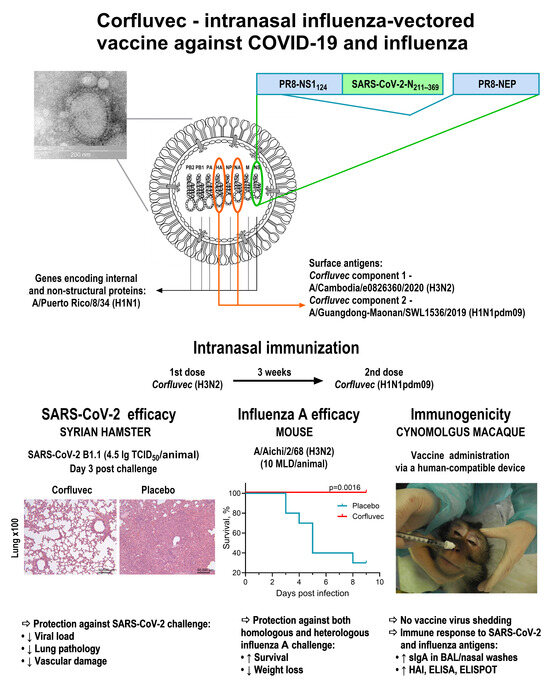
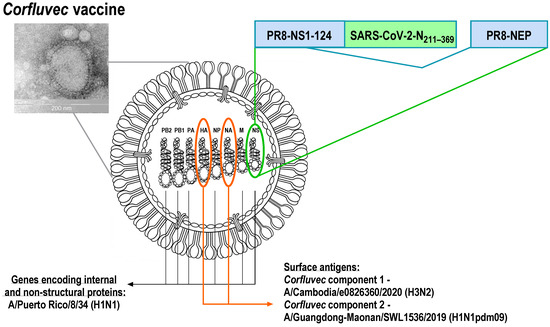
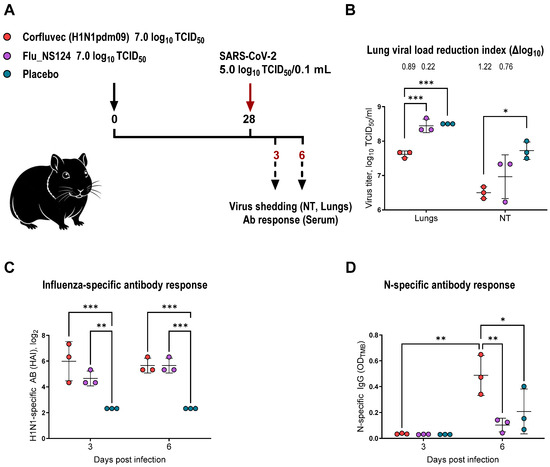
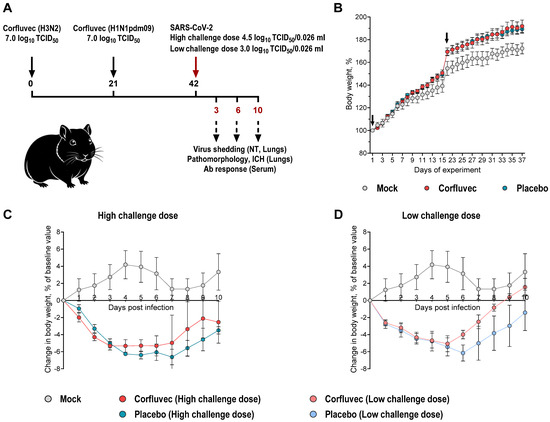
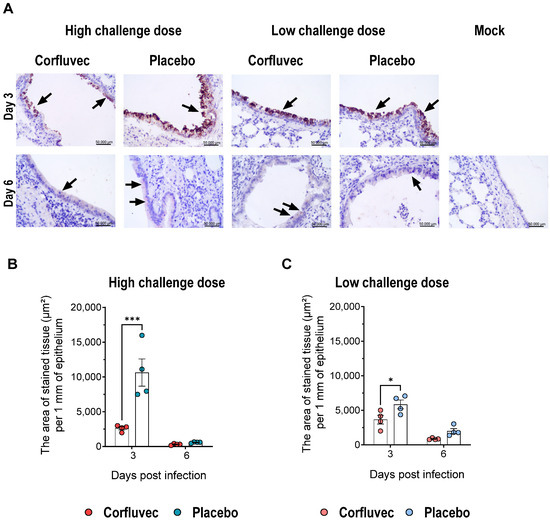
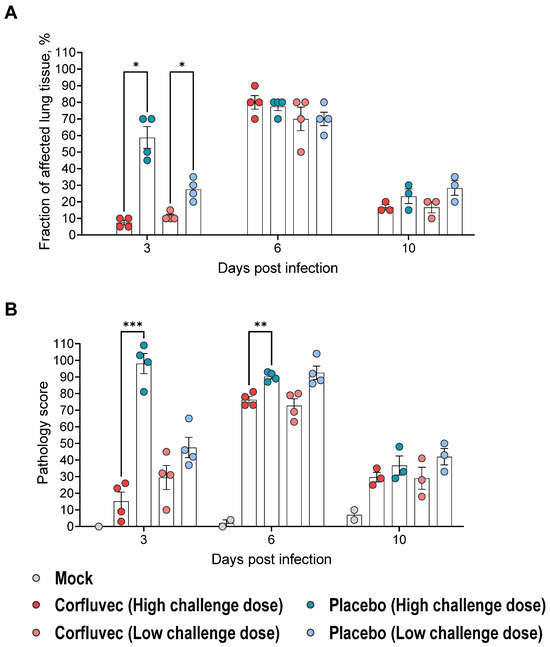
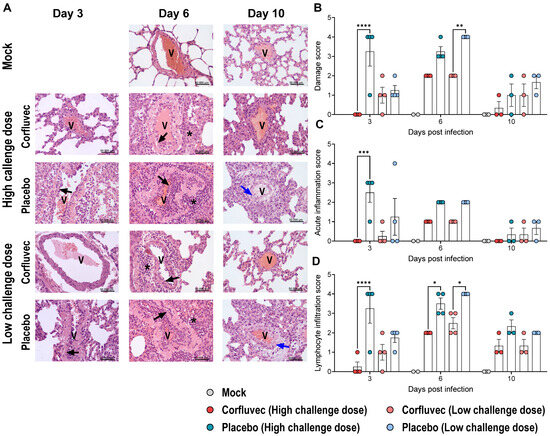
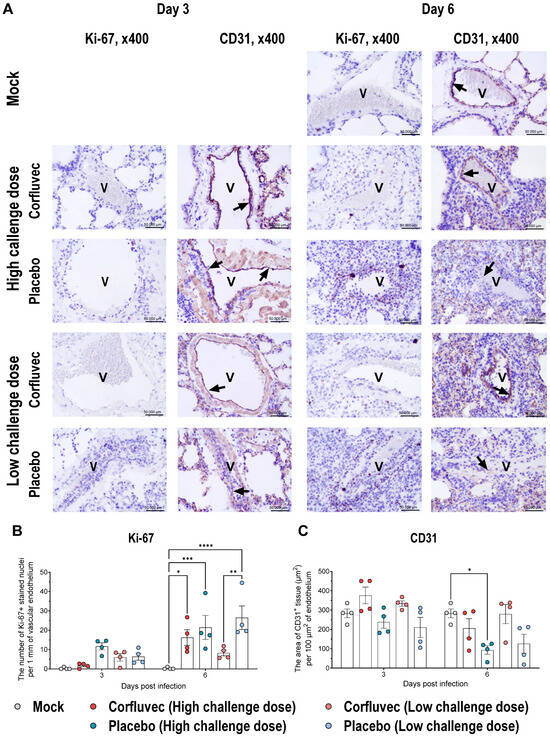
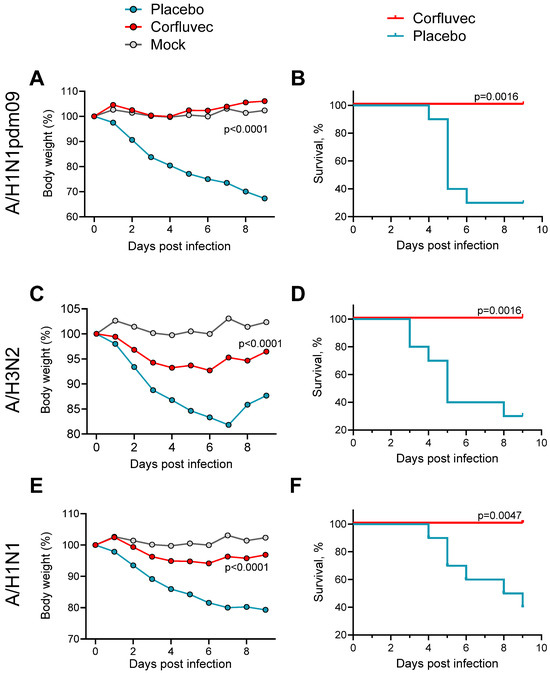
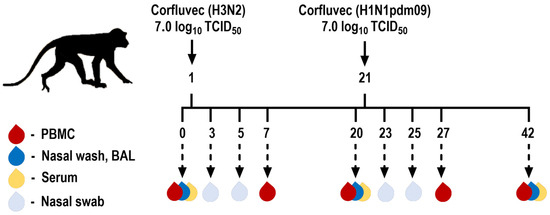
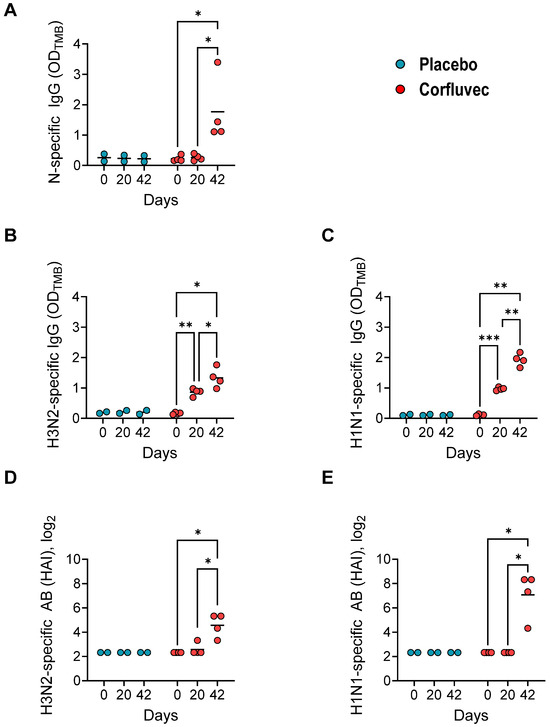
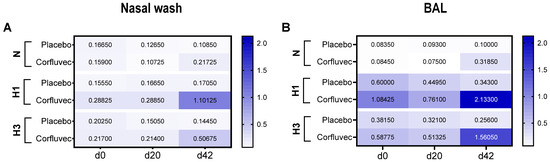
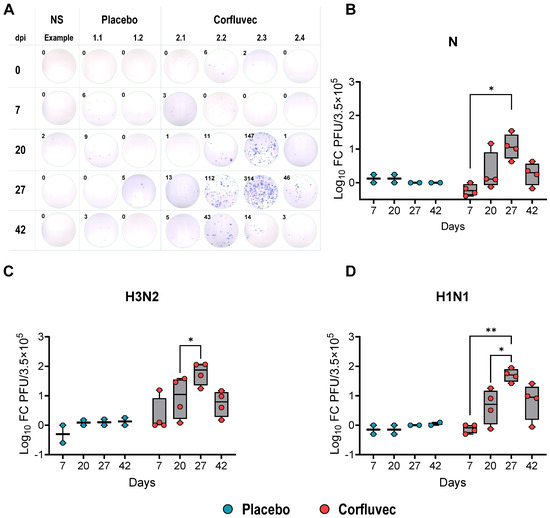
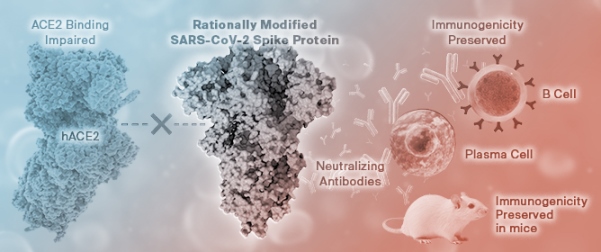
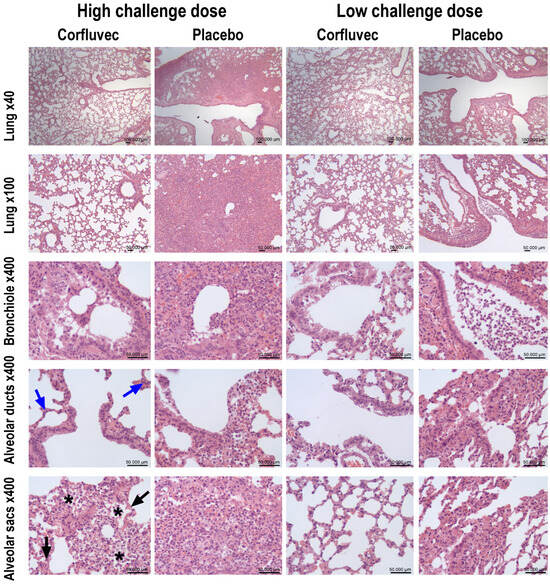
Introduction: The development of bivalent mucosal vaccines capable of providing protection against both influenza and SARS-CoV-2 is a major public health focus. While most COVID-19 vaccines target the spike (S) protein, the highly conserved nucleocapsid (N) protein represents a strategic target for cross-reactive, cell-mediated immunity. This study evaluates Corfluvec, an intranasal vaccine candidate based on an attenuated NS1-truncated influenza vector expressing a fragment of the SARS-CoV-2 N protein. Methods: Protective efficacy, including viral load and pathomorphological changes in the lungs and vessels, was evaluated in Syrian hamsters challenged with high and low doses of SARS-CoV-2 (lineage B.1.1). Cross-protective efficacy against homologous and heterologous influenza A strains (H1N1pdm09, H3N2, and A/PR/8/1934) was tested in a lethal murine model. Additionally, immunogenicity of Corfluvec applied via human-compatible delivery device was tested in cynomolgus macaques (Macaca fascicularis). Results: In Syrian hamsters, vaccination significantly reduced viral loads in the lungs and nasal turbinates. Histopathological analysis revealed a preservation of lung vascular integrity: vaccinated animals showed stable CD31 expression and controlled Ki-67 proliferative activity, accompanied by a marked reduction in vasculitis and perivascular edema compared to placebo controls. In mice, the vaccine provided 100% protection against homologous and heterologous influenza virus challenges. In macaques, the two-dose intranasal immunization was well-tolerated and induced significant systemic IgG and mucosal sIgA responses, alongside robust N-specific IFNγ+ T-cell activation. Conclusions: Corfluvec is a promising bivalent vaccine candidate that provides dual protection against influenza and COVID-19. Its ability to limit viral shedding from the upper respiratory tract and to mitigate SARS-CoV-2-induced pulmonary pathology, contributing to the preservation of lung vascular integrity, underscores the utility of mucosal immunization with Corfluvec as a valuable intranasal complement to current systemic vaccination strategies.
Full article
(This article belongs to the Special Issue Evaluation of Vaccine Efficacy, Safety and Immunogenicity Against Influenza, RSV and COVID-19)
►▼
Show Figures

Graphical abstract
Open AccessArticle
Spatial and Temporal Disparities in Timely Hepatitis B Birth-Dose Vaccination in Chongqing, China, 2016–2025
by
Binyue Xu, Ningyu Wan, Qing Wang, Ningpei Bai and Chunbei Zhou
Vaccines 2026, 14(8), 683; https://doi.org/10.3390/vaccines14080683 - 8 Aug 2026
Abstract
Background: Timely hepatitis B vaccine birth-dose (HepBV-BD) vaccination is a cornerstone strategy for preventing mother-to-child transmission of hepatitis B virus (HBV). Although hepatitis B vaccination coverage in China has improved substantially, evidence regarding long-term district-level spatiotemporal inequalities in timely birth-dose vaccination remains limited,
[...] Read more.
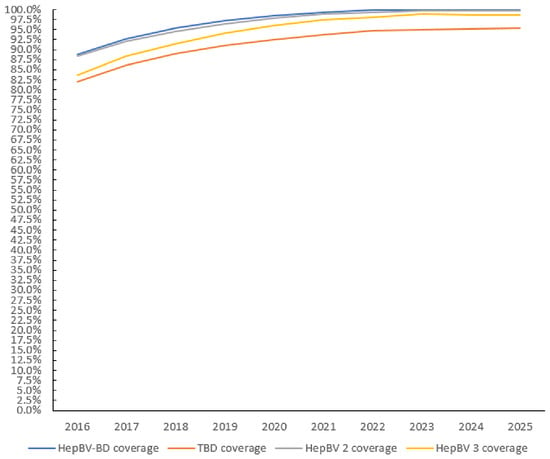
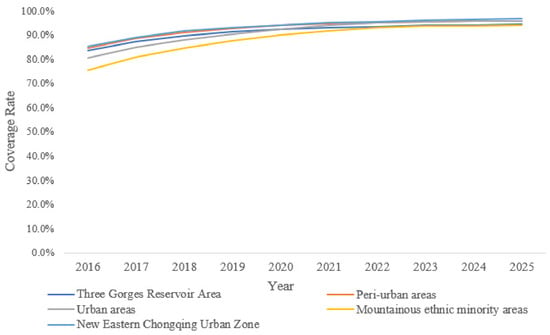
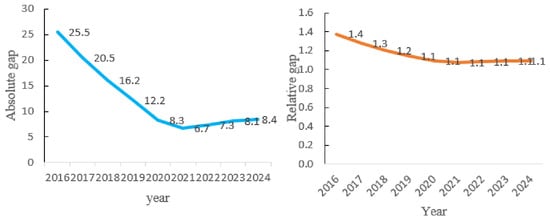
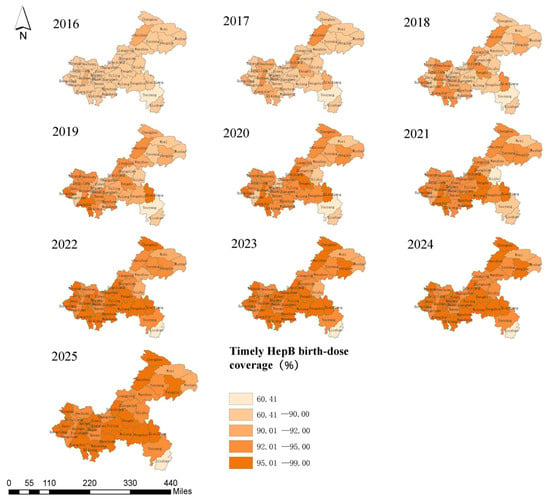
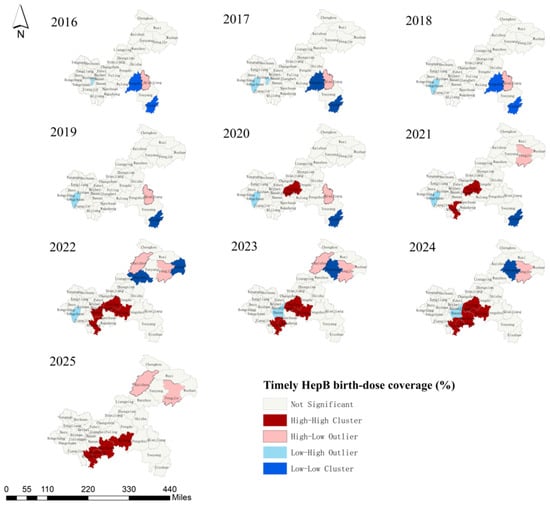
Background: Timely hepatitis B vaccine birth-dose (HepBV-BD) vaccination is a cornerstone strategy for preventing mother-to-child transmission of hepatitis B virus (HBV). Although hepatitis B vaccination coverage in China has improved substantially, evidence regarding long-term district-level spatiotemporal inequalities in timely birth-dose vaccination remains limited, particularly in western China. This study assessed spatiotemporal disparities in hepatitis B vaccination coverage across Chongqing, China, from 2016 to 2025. Methods: This ecological descriptive study used district- and county-level vaccination surveillance data from the Chongqing Immunization Information Management System. Temporal trends in HepBV-BD, timely birth-dose (TBD), HepBV2, and HepBV3 coverage were analyzed. Regional disparities, interregional inequalities, and spatial clustering were assessed using Global Moran’s I and Local Indicators of Spatial Association (LISA). Results: All vaccination indicators improved substantially during the study period. TBD coverage increased from 81.9% to 95.4%, whereas HepBV3 coverage increased from 83.7% to 98.7%. TBD coverage was strongly positively associated with HepBV3 coverage(r = 0.95, p < 0.001). Mountainous ethnic minority regions consistently exhibited the lowest TBD coverage despite marked improvement over time. Absolute interregional inequality decreased from 30.8 to 8.4 percentage points. Although Global Moran’s I was not statistically significant, LISA analysis identified persistent localized low-coverage clusters in southeastern mountainous regions and emerging high–high clusters in northern Chongqing. Conclusions: Hepatitis B vaccination coverage in Chongqing improved markedly between 2016 and 2025, accompanied by declining geographic inequality. Nevertheless, persistent spatial inequities in timely birth-dose vaccination remained in mountainous ethnic minority areas. Continued monitoring of spatial inequalities, together with strengthened primary healthcare capacity, culturally tailored health education, and equitable resource allocation, may help support geographically targeted immunization strategies and accelerate progress toward the WHO goal of eliminating viral hepatitis as a public health threat by 2030.
Full article
(This article belongs to the Special Issue Vaccine Preventable Diseases: Surveillance, Coverage, and Immunization Strategy)
►▼
Show Figures

Figure 1
Open AccessReview
Advances in Therapeutic Melanoma Vaccines (2010–2025)
by
Michael Y. Bian, Reagan Stevens, Ankit Mangla, Devarati Mitra, Nicholas G. Zaorsky, Jeremy S. Bordeaux and Luke D. Rothermel
Vaccines 2026, 14(8), 682; https://doi.org/10.3390/vaccines14080682 - 7 Aug 2026
Abstract
►▼
Show Figures
Background/Objectives: Immune checkpoint inhibitors (ICIs) and other systemic therapies can extend the survival of many patients with advanced melanoma, renewing interest in complementary strategies for unresectable or metastatic disease. Therapeutic cancer vaccines represent a possible approach. Recent evidence suggests commercially available mRNA
[...] Read more.
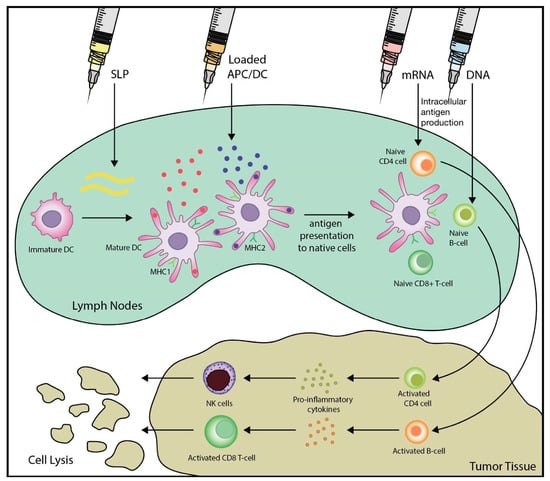
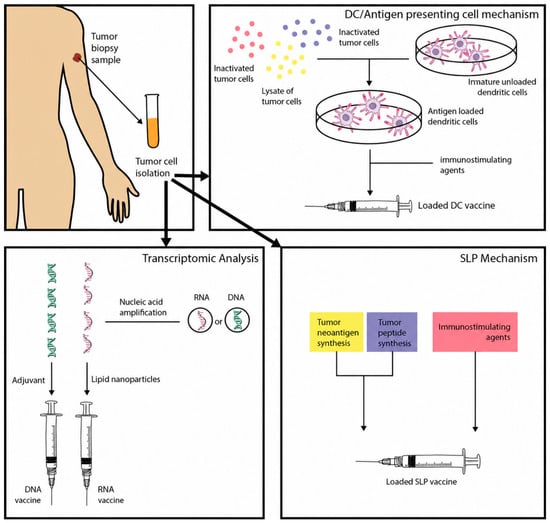
Background/Objectives: Immune checkpoint inhibitors (ICIs) and other systemic therapies can extend the survival of many patients with advanced melanoma, renewing interest in complementary strategies for unresectable or metastatic disease. Therapeutic cancer vaccines represent a possible approach. Recent evidence suggests commercially available mRNA vaccines can sensitize tumors to ICIs, challenging prior assumptions about neoantigen presentation. Despite renewed public interest in personalized cancer vaccine development, the proliferation of narrative and scoping reviews has not been matched by systematic mechanistic synthesis—platforms investigated across the 2010s and 2020s have not been rigorously compared within a single article. Accordingly, this review focuses on major vaccine platforms and proposes a comparative framework for understanding therapeutic melanoma vaccine development and immunologic rationale. Methods: Melanoma vaccine clinical trials listed on ClinicalTrials.gov were identified from 2010 to 2025. Eligible studies were screened and included in a qualitative review evaluating trial characteristics, vaccine platforms, study design, and reported outcomes. Results: There is one active Phase III clinical trial for melanoma vaccines in the US. Key principles of melanoma vaccinology include adjuvant, antigen, and delivery platform selection. From 2010 to 2025, four vaccine candidates advanced to Phase III trials, two provided Phase III results for peer review, one trial is ongoing, and no vaccines have been FDA-approved. Inconsistent reporting of outcomes and a lack of published results limited comparability across studies, precluding formal meta-analysis. Conclusions: Therapeutic melanoma vaccine options remain limited by translational challenges in study design and reporting gaps. This review synthesizes contemporary clinical trial activity and immunologic principles to inform future research.
Full article

Figure 1
Open AccessArticle
Dynamics of Orthopoxvirus Stability Under Simulated Luminal Conditions of the Gastrointestinal Tract for Assessing the Feasibility of Oral Immunization
by
Lespek Kutumbetov, Moldir Azanbekova, Balzhan Myrzakhmetova, Moldir Tuyskanova, Aisulu Valieva, Nuraiym Sarsenkulova, Gulzhan Zhapparova, Dias Muzarap, Muratbay Mambetaliyev, Sanat Kilibayev and Kuandyk Zhugunissov
Vaccines 2026, 14(8), 681; https://doi.org/10.3390/vaccines14080681 - 7 Aug 2026
Abstract
Background/Objectives: Mpox (formerly monkeypox) is a re-emerging global health threat. While current vaccines are injectable, oral vaccination offers a painless alternative, though the harsh gastrointestinal (GI) environment challenges live viral vaccines. This study evaluated the stability of orthopoxviruses under simulated GI conditions to
[...] Read more.
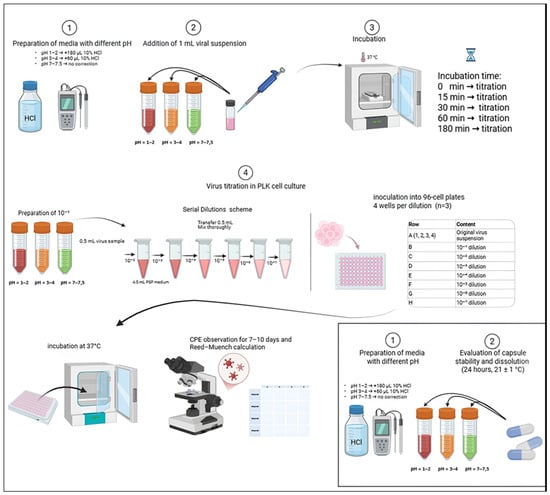
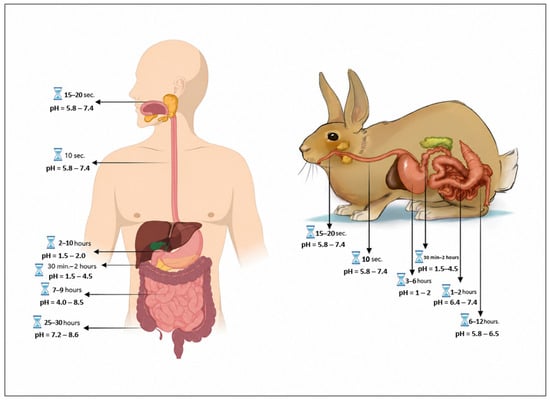
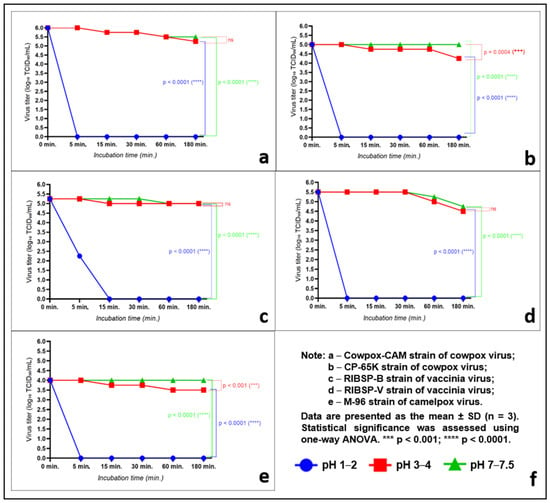
Background/Objectives: Mpox (formerly monkeypox) is a re-emerging global health threat. While current vaccines are injectable, oral vaccination offers a painless alternative, though the harsh gastrointestinal (GI) environment challenges live viral vaccines. This study evaluated the stability of orthopoxviruses under simulated GI conditions to assess the physicochemical feasibility of oral mpox immunization. Methods: Attenuated and virulent strains of vaccinia, cowpox, and camelpox viruses were exposed to simulated gastric (pH 1.0–2.0 and 3.0–4.0 with pepsin) and intestinal (pH 7.0–7.5) conditions at 37 °C for 180 min. Viral titers were determined via cell culture assays. The physicochemical protective efficacy of enteric-coated capsules was evaluated using standard dissolution testing parameters. Results: All orthopoxviruses were rapidly inactivated under highly acidic fasting conditions (pH 1.0–2.0). However, they exhibited high stability at pH 3.0–4.0 and 7.0–7.5, retaining approximately 20–30% of their initial infectivity after 180 min. Enteric-coated capsules successfully maintained shell integrity in simulated gastric fluids for over 3 h and dissolved completely under intestinal conditions within ~130 min, aligning with small intestine transit times. Conclusions: Orthopoxviruses possess sufficient intestinal stability to support the physicochemical feasibility of oral immunization, provided they are protected from gastric acidity. Enteric-coated capsules represent a highly suitable delivery system for the intestinal release of live orthopoxvirus-based candidates, warranting further in vivo preclinical evaluation.
Full article
(This article belongs to the Section Vaccines Against Tropical and Other Infectious Diseases)
►▼
Show Figures

Figure 1
Open AccessArticle
Association Between Immunosuppressive Cell Populations and Immune Response to Influenza Vaccination in Younger and Older Adults
by
Daniela Di Placido, Antonio Ciaramella, Antonella Riccomi, Claudia Maria Trombetta, Maria Dorrucci, Francesca Farchi, Roberto Giuseppetti, Serena Marchi, Nunzia Sanarico, Patrizio Pezzotti, Anna Rita Ciccaglione, Emanuele Montomoli, Catia Valdarchi and Silvia Vendetti
Vaccines 2026, 14(8), 680; https://doi.org/10.3390/vaccines14080680 - 7 Aug 2026
Abstract
Background: Seasonal influenza vaccination shows highly variable effectiveness across individuals, particularly in older adults, in whom age-related immune decline compromises protective responses. Methods: This study evaluated immune responses to the 2019/2020 quadrivalent influenza vaccine in 75 individuals aged 25–89 years. Influenza-specific antibody titers
[...] Read more.
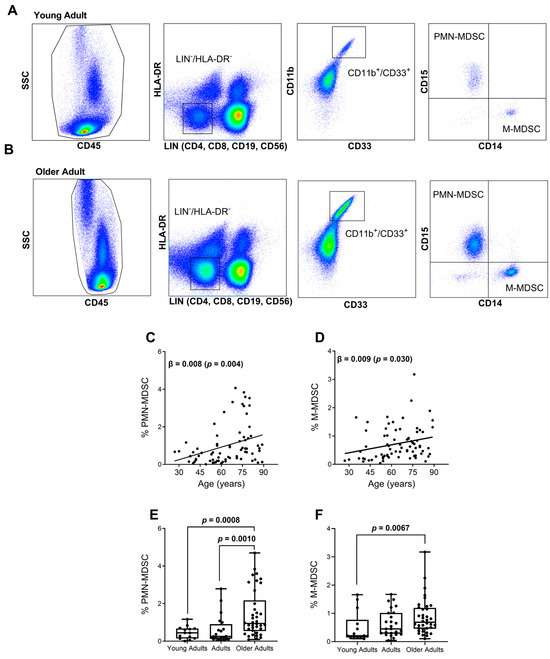
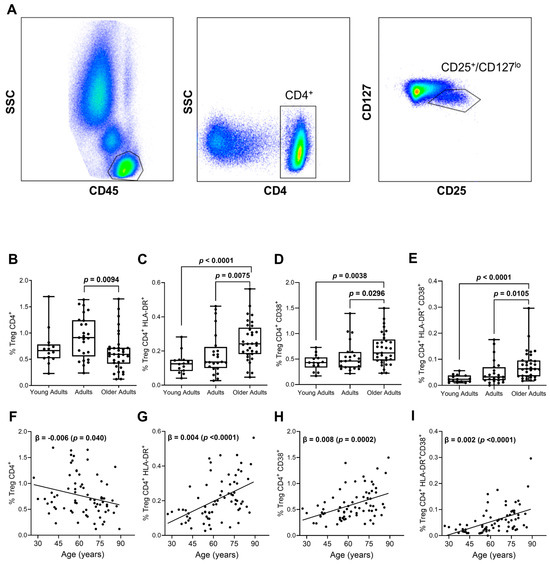
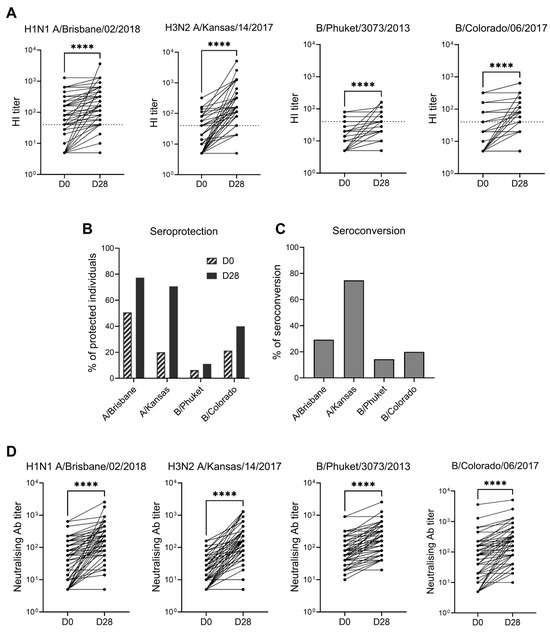
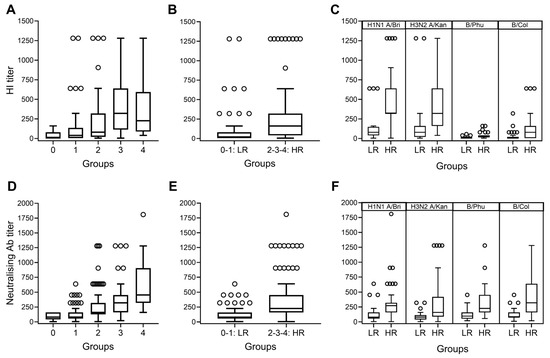
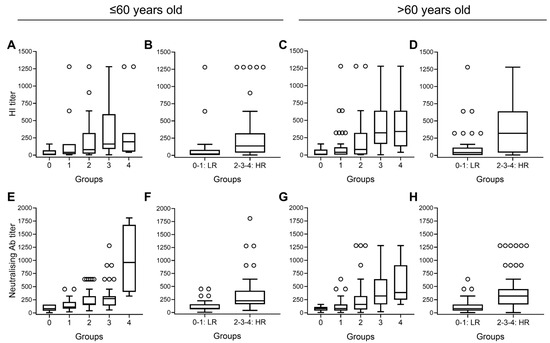
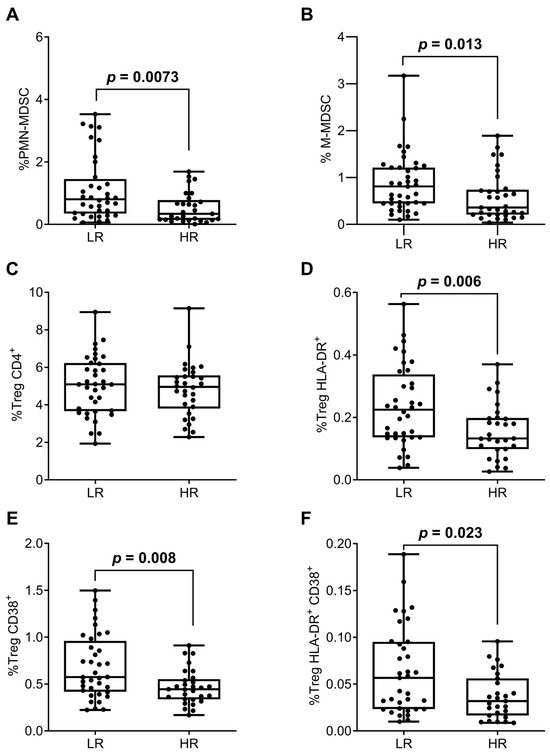
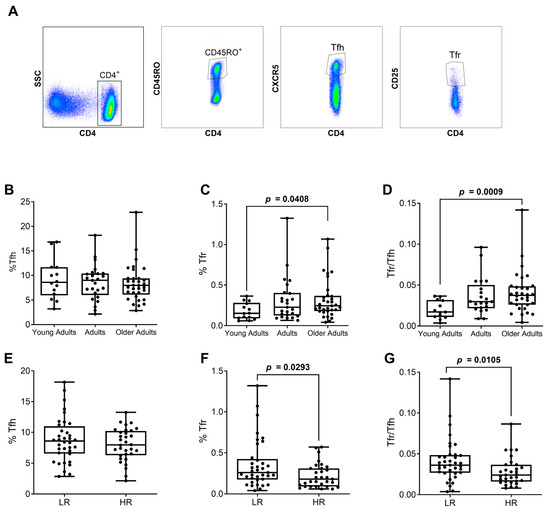
Background: Seasonal influenza vaccination shows highly variable effectiveness across individuals, particularly in older adults, in whom age-related immune decline compromises protective responses. Methods: This study evaluated immune responses to the 2019/2020 quadrivalent influenza vaccine in 75 individuals aged 25–89 years. Influenza-specific antibody titers and virus-neutralizing activity were measured before and four weeks after vaccination, and participants were stratified as high or low responders. Results: We observed that older individuals exhibited increased frequencies of myeloid-derived suppressor cells (MDSCs) and activated regulatory T cells (Treg) expressing HLA-DR and CD38, consistent with enhanced immunosuppressive activity. Importantly, higher levels of these immunoregulatory populations correlated with poor vaccine responsiveness in both adult and older participants. Additionally, circulating T follicular regulatory (Tfr) cells were elevated in older participants and in low responders, whereas T follicular helper (Tfh) cells remained unchanged, resulting in an increased Tfr/Tfh ratio associated with impaired antibody production. However, when adjusting for possible confounders, most immunoregulatory subsets did not remain independently associated with responder status, except CD38+ Treg cells. Conclusions: These findings suggest that immunoregulatory networks, while essential for controlling chronic inflammation during aging, may limit vaccine-induced immunity. Identifying biomarkers such as MDSC frequency, activated Treg phenotype, and Tfr/Tfh balance may contribute to the identification of individuals with different levels of vaccine responsiveness and could help inform future personalized vaccination strategies.
Full article
(This article belongs to the Special Issue Research on Immune Response and Vaccines: 2nd Edition)
►▼
Show Figures

Figure 1

Open AccessArticle
Residual Disparities in US Children Hospitalized Due to All-Cause Pneumonia Following Implementation of Childhood PCV13 in National Immunization Program
by
Mark H. Rozenbaum, Ahuva Averin, Derek Weycker, Rotem Lapidot, Amanda Miles, Maria J. Tort, Jeffrey Vietri, Alexander Lonshteyn and Stephen I. Pelton
Vaccines 2026, 14(8), 679; https://doi.org/10.3390/vaccines14080679 - 6 Aug 2026
Abstract
Background/Objectives: Pneumonia is a leading cause of hospitalization among children in the United States, with a disproportionate burden in certain racial, socioeconomic, and clinical subgroups. The 13-valent pneumococcal conjugate vaccine (PCV13), introduced in 2010, significantly reduced pneumococcal disease overall, but its effect
[...] Read more.
Background/Objectives: Pneumonia is a leading cause of hospitalization among children in the United States, with a disproportionate burden in certain racial, socioeconomic, and clinical subgroups. The 13-valent pneumococcal conjugate vaccine (PCV13), introduced in 2010, significantly reduced pneumococcal disease overall, but its effect on disparities in all-cause hospitalized pneumonia (AC-hPNA) remains unclear. This study evaluated changes in AC-hPNA rates by age, race, comorbidity profile, and household income (HHI) before and after PCV13 implementation. Methods: A retrospective cohort study using Optum’s de-identified Clinformatics® DataMart (2007–2019) included children < 18 years. Rates (per 100,000 person-years) and incidence rate ratios were calculated for four periods: pre-PCV13 (2008–2009), peri-PCV13 (2010–2012), post-PCV13#1 (2013–2016), and post-PCV13#2 (2017–2019). Analyses were stratified by age group and, within each, by race, comorbidity profile (low, at-risk), and HHI. Results: Among 10.1 million children, AC-hPNA rates declined by 51–57% from pre-PCV13 to post-PCV13#2 across all age groups, with the largest reductions in children aged <2 years. Declines occurred across all race, comorbidity, and HHI subgroups; however, rates remained several-fold higher among at-risk children. Persistent disparities were observed among Black children < 2 years, children aged 2–5 years with HHI < $50,000, and children aged 6–17 years with HHI of $50,000–$99,999. Conclusions: Substantial reductions in rates of pediatric AC-hPNA were observed in the period subsequent to the introduction of routine PCV13, yet residual disparities persist among children with comorbidities and select racial and income groups. Targeted strategies are needed to address these gaps.
Full article
(This article belongs to the Special Issue Pneumococcal Vaccine and Vaccination)
Open AccessPerspective
From Confidence to Coverage: A Multi-Stakeholder Perspective on Vaccination in Central and Eastern Europe
by
Teodor Cristian Blidaru, David Sinclair, Petr Smejkal, Yasmin Maor, Ernest Kuchar, Catherine Weil-Olivier, Mariano Votta, Luminița Vâlcea and Valeriu Gheorghiță
Vaccines 2026, 14(8), 678; https://doi.org/10.3390/vaccines14080678 - 6 Aug 2026
Abstract
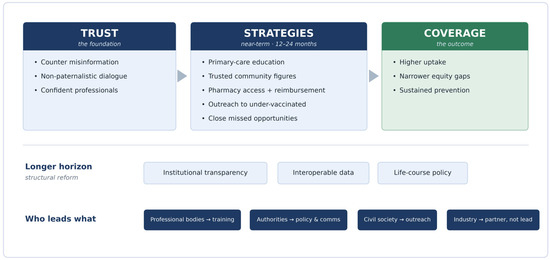
Central and Eastern Europe (CEE) carries some of the widest immunisation gaps in Europe, and improving coverage there is often treated as a problem of access infrastructure. On 14 May 2026, a multi-stakeholder meeting hosted at the Romanian Parliament brought together around twenty-five
[...] Read more.
Central and Eastern Europe (CEE) carries some of the widest immunisation gaps in Europe, and improving coverage there is often treated as a problem of access infrastructure. On 14 May 2026, a multi-stakeholder meeting hosted at the Romanian Parliament brought together around twenty-five speakers, among some fifty participants in all, from Romania, Poland, the Czech Republic, and Bulgaria, together with international contributors, to agree which barriers to vaccine confidence matter most in the region, which interventions are deliverable within 12 to 24 months, and how responsibility for them should be divided among stakeholders. This Perspective synthesises that discussion as a set of strategies for coverage. Meeting-derived priorities are set against published coverage and confidence data for the region and against the published intervention literature. We argue that the central problem across the region is eroded trust rather than missing information, because misinformation succeeds mainly where trust has already broken down, a process deepened by a historically conditioned, post-communist distrust of public institutions. The two recommendations carried most strongly, as both high in expected impact and achievable within 12 to 24 months, were continuing professional education for primary care on vaccine communication and the resourcing of locally trusted community figures, including health mediators working with marginalised populations. We then show how system-design reforms already demonstrated in the region, in particular pharmacy-based vaccination, direct reimbursement, and targeted outreach to under-vaccinated and marginalised groups, turn restored confidence into measurable coverage while narrowing inequities. We close with a 12-to-24-month agenda for CEE, organised around a clear multi-stakeholder division of labour. These are stakeholder-derived priorities that now require implementation and evaluation.
Full article
(This article belongs to the Special Issue Effective Strategies for Boosting Vaccine Coverage)
►▼
Show Figures

Figure 1

Open AccessArticle
Phase 3 Randomized Study Investigating the Safety, Tolerability, and Immunogenicity of a Combination Modified Messenger RNA Vaccine Against Influenza and COVID-19 in Healthy Adults
by
Yanely Pineiro Puebla, Helen Nicholls, David Fitz-Patrick, Lucy E. Horton, Matthew W. Gawel, Reynold Duarte Martinez, Xingbin Wang, Georgina Keep, Xia Xu, Emily Gomme, Ingrid Scully, Pirada Suphaphiphat Allen, Kena A. Swanson, Nadine Salisch, Federico J. Mensa, Ruben Rizzi, Özlem Türeci, Uğur Şahin, Annaliesa S. Anderson, Alejandra Gurtman and Kelly A. Lindertadd
Show full author list
remove
Hide full author list
Vaccines 2026, 14(8), 677; https://doi.org/10.3390/vaccines14080677 - 5 Aug 2026
Abstract
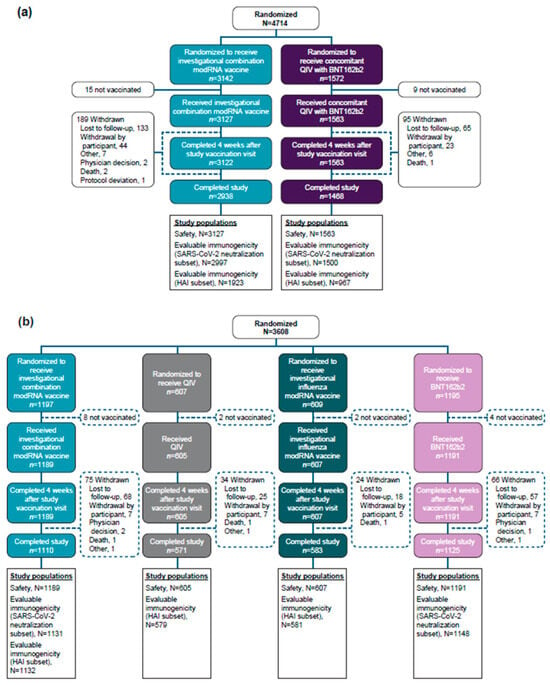
Background/Objectives: Vaccination remains an important means of protection against influenza and COVID-19. Administering influenza and COVID-19 vaccines as a combined formulation may be advantageous. Methods: This phase 3, randomized study evaluated an investigational combination nucleoside-modified messenger RNA (modRNA) vaccine formulated with
[...] Read more.
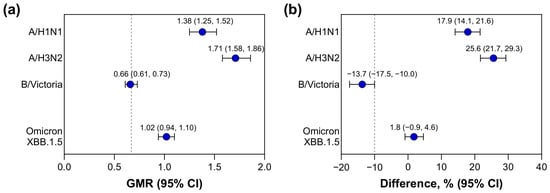
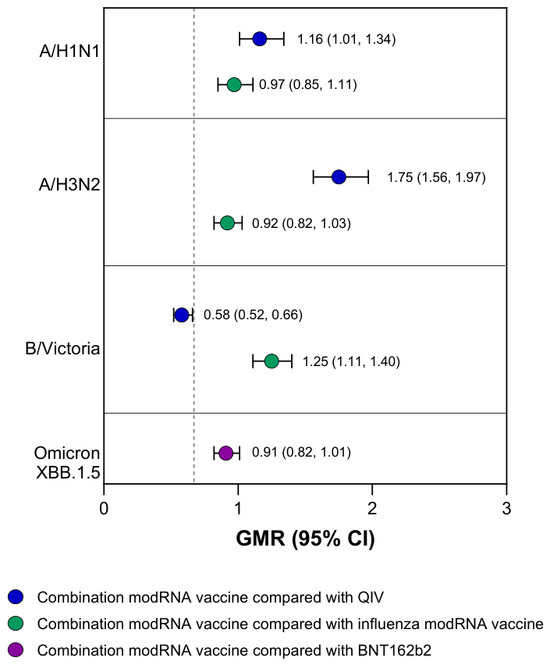
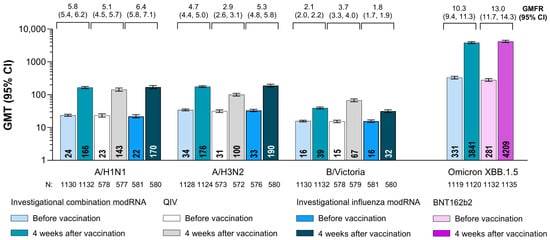
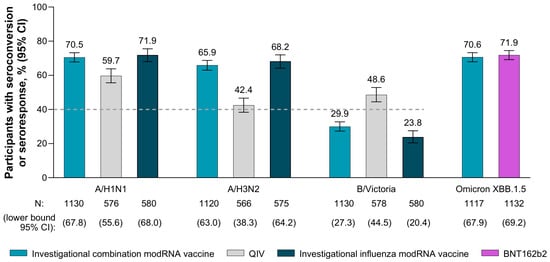
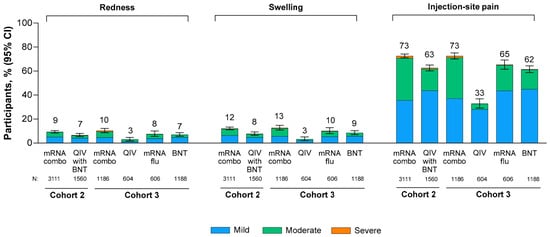
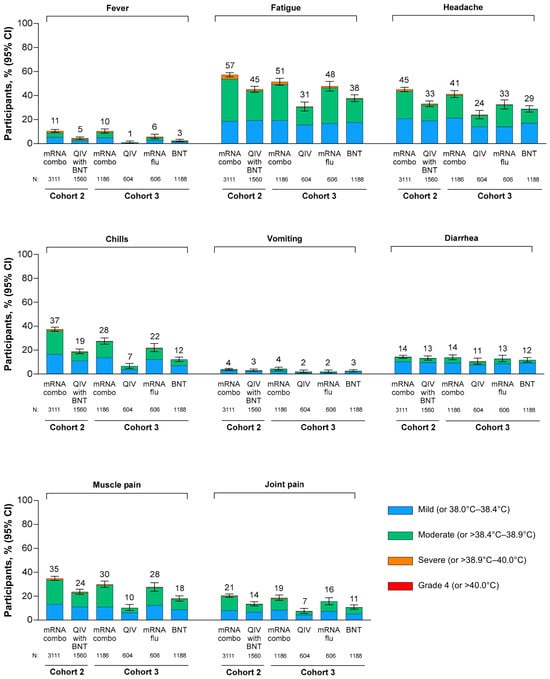
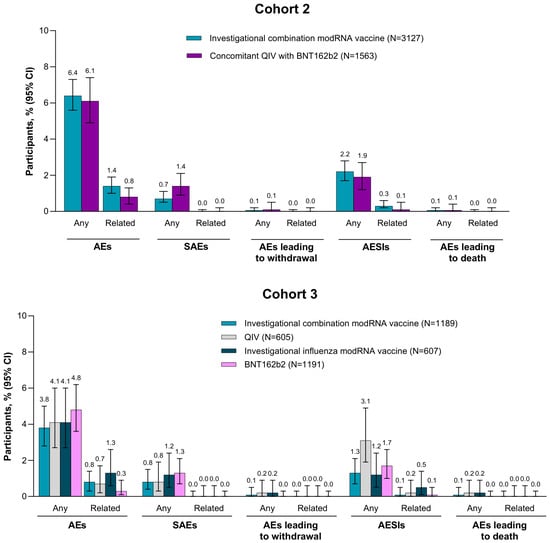
Background/Objectives: Vaccination remains an important means of protection against influenza and COVID-19. Administering influenza and COVID-19 vaccines as a combined formulation may be advantageous. Methods: This phase 3, randomized study evaluated an investigational combination nucleoside-modified messenger RNA (modRNA) vaccine formulated with monovalent XBB.1.5-adapted BNT162b2 vaccine (BNT162b2) and an investigational influenza modRNA vaccine (hereafter investigational combination modRNA vaccine); we report safety, tolerability, and immunogenicity of the investigational combination modRNA vaccine in healthy 18- to 64-year-olds in two cohorts (2 and 3). Results: In Cohort 2, 3127 participants received the investigational combination modRNA vaccine and 1563 received the concomitant licensed quadrivalent influenza vaccine (QIV) with BNT162b2. In Cohort 3, 1189 participants received the investigational combination modRNA vaccine, 605 received QIV, 607 received the investigational influenza modRNA vaccine, and 1191 received BNT162b2. Prespecified noninferiority criteria of the geometric mean ratio of strain-specific hemagglutination inhibition (HAI) or SARS-CoV-2 Omicron XBB.1.5 neutralizing titers or differences in percentages of participants achieving HAI sero-conversion or Omicron XBB.1.5 seroresponse for investigational combination modRNA vaccine to concomitant QIV and BNT162b2 (or to QIV and BNT162b2 each administered alone in Cohort 3) were met for influenza A and SARS-CoV-2 Omicron XBB.1.5 strains but not for the influenza B strain. The investigational combination modRNA vaccine was well tolerated with an acceptable safety profile. Conclusions: The single-dose investigational combination influenza plus COVID-19 modRNA vaccine elicited robust immune responses against influenza A and SARS-CoV-2 with acceptable safety. Further work is required to optimize influenza B responses. The modRNA platform offers promise and potential advantages for vaccine development. ClinicalTrials.gov Identifier: NCT06178991 (approval date: 20 December 2023).
Full article
(This article belongs to the Section COVID-19 Vaccines and Vaccination)
►▼
Show Figures

Figure 1
Open AccessArticle
Awareness and Knowledge Levels of Cervical Cancer and HPV and Attitudes Toward HPV Vaccination in Algeria
by
Mohamed Lounis, Djihad Bencherit, Mohamed Abed, Zahia Ben Aissa and Zahia Gaafazi
Vaccines 2026, 14(8), 676; https://doi.org/10.3390/vaccines14080676 - 5 Aug 2026
Abstract
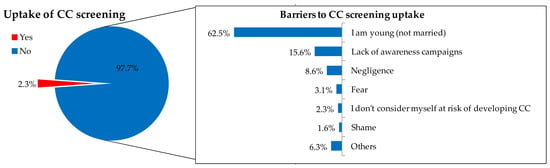
Background/Objectives: Cervical cancer (CC), mainly caused by human papillomavirus (HPV), is one of the major cancers threatening women’s health in Algeria. However, despite the existence of a cost-effective vaccine, it has not yet been introduced into the national vaccination program. Recent information indicated
[...] Read more.
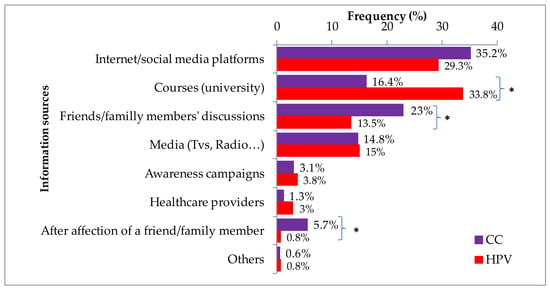
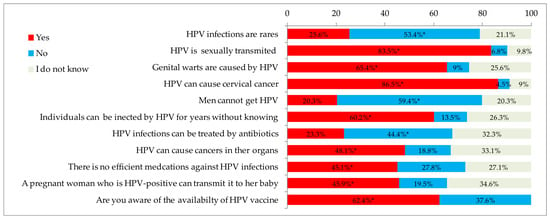
Background/Objectives: Cervical cancer (CC), mainly caused by human papillomavirus (HPV), is one of the major cancers threatening women’s health in Algeria. However, despite the existence of a cost-effective vaccine, it has not yet been introduced into the national vaccination program. Recent information indicated that its introduction will be imminent. Thus, the current study was conducted to evaluate the level of awareness and knowledge about CC and HPV among the Algerian population as well as its attitudes toward HPV vaccination. Methods: A cross-sectional survey was carried out between 4 November 2022 and 8 May 2023 using a self-administered questionnaire that was diffused through social media platforms. Results: A total of 414 participants were included in our sample, with the dominance of those aged 18 to 30 years old (74.6%), those with university education (75.8%), and those with a medium financial level (77.5%). A high level of awareness was reported (76.3%), especially among healthcare workers (98.4%, OR: 17.099, 95% CI: 2.294–127.476, sig. = 0.06), participants aged more than 30 years (87.6%, OR: 2.78, 95% CI: 1.313–5.883, sig. = 0.008), and females (85.1%, OR: 2.02, 95% CI: 1.15–3.548, sig. = 0.014). However, the level of knowledge did not follow, since less than a third (32.1%) of the participants only were aware of HPV, and multiple gaps were reported regarding its epidemiology and its prevention. Moreover, while 30.8% of the participants were willing to get the HPV vaccine, 40.5% were hesitant, and 27.7% were resistant. The causes of rejection/hesitancy included mainly complacency, vaccine refusal, and the lack of confidence in the vaccine. In addition, hesitant and reluctant participants have shown a low level of knowledge and a high score of conspiracy beliefs. Conclusions: These results provide new insights into knowledge and attitudes towards CC and HPV vaccination. It reported that despite the high level of awareness about CC, gaps of knowledge remain and vaccination hesitancy/reluctance is persistent. These results suggest the need for raising awareness particularly about HPV which will consequently help to increase HPV vaccine acceptance.
Full article
(This article belongs to the Special Issue Prevention of Human Papillomavirus (HPV) and Vaccination)
►▼
Show Figures

Figure 1
Open AccessCorrection
Correction: Lin et al. Prospects and Challenges of Lung Cancer Vaccines. Vaccines 2025, 13, 836
by
Zhen Lin, Zegang Chen, Lijiao Pei, Yueyun Chen and Zhenyu Ding
Vaccines 2026, 14(8), 675; https://doi.org/10.3390/vaccines14080675 - 4 Aug 2026
Abstract
The authors would like to make the following corrections to this published paper [...]
Full article
Open AccessCorrection
Correction: Leroux-Roels et al. Immunogenicity and Safety of the ExPEC9V Escherichia coli Vaccine Co-Administered with a High-Dose Influenza Vaccine in Older Adults: A Placebo-Controlled, Randomized, Phase 3 Study. Vaccines 2026, 14, 146
by
Isabel Leroux-Roels, Tracey A. Day, Sofie Deleu, Chelsea McLean, Oscar Go, Todd A. Davies, Jeroen N. Stoop, Monika Peeters, Maria G. Pau, Bart Spiessens, Michal Sarnecki and Keira A. Cohen
Vaccines 2026, 14(8), 674; https://doi.org/10.3390/vaccines14080674 - 4 Aug 2026
Abstract
Acknowledgements [...]
Full article
Open AccessReview
Respiratory Syncytial Virus Prophylaxis: Maternal Vaccination or Long-Acting Monoclonal Antibodies? A Brief Narrative Review of Current Status
by
Fani Ladomenou, Ioanna-Andriana Psarra and Despoina Gkentzi
Vaccines 2026, 14(8), 673; https://doi.org/10.3390/vaccines14080673 - 3 Aug 2026
Abstract
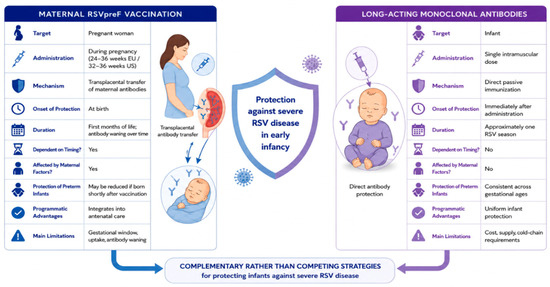
Respiratory syncytial virus (RSV) remains a leading cause of severe lower respiratory tract infection in early infancy, with the highest burden concentrated in the first months of life. Two immunoprophylactic strategies—maternal RSVpreF vaccination and long-acting monoclonal antibodies—now offer effective early life protection, yet
[...] Read more.
Respiratory syncytial virus (RSV) remains a leading cause of severe lower respiratory tract infection in early infancy, with the highest burden concentrated in the first months of life. Two immunoprophylactic strategies—maternal RSVpreF vaccination and long-acting monoclonal antibodies—now offer effective early life protection, yet differ in biological mechanisms, operational requirements, and programmatic implications. Maternal vaccination induces high-quality neutralizing antibodies that are transferred transplacentally, providing immediate protection from birth and integrating efficiently into antenatal care platforms. However, its effectiveness is constrained by gestational timing, physiological antibody waning, and reduced protection when vaccination occurs shortly before delivery. Long-acting monoclonal antibodies, including nirsevimab and clesrovimab, bypass maternal immune variability and provide standardized, season-long protection across gestational ages, including preterm infants. Economic evaluations demonstrate that both strategies can be cost-effective, though their relative value depends on local epidemiology, pricing, and coverage patterns. Economic outcomes for monoclonal antibodies and maternal vaccination are highly context-dependent and influenced by regional RSV epidemiology, healthcare utilization, product pricing, and implementation capacity, rather than universally favoring one strategy over the other. Global equity considerations remain critical: disparities in antenatal care access, supply chain fragility, and pricing differentials may widen gaps between high- and low-income countries. Remaining evidence gaps—including long-term safety monitoring, durability of protection, viral evolution, and implementation challenges—underscore the need for continued research and careful integration of these tools into national immunization programs.
Full article
(This article belongs to the Special Issue Recent Progress of Vaccines for Respiratory Syncytial Virus (RSV))
►▼
Show Figures

Figure 1
Open AccessReview
Vaccine-Associated Anterior Uveitis
by
Seyyedehfatemeh Ghalibafan, Mona Oraei, Mohammadali Ashraf, Ali R. Djalilian, Pooja Bhat and Hajirah N. Saeed
Vaccines 2026, 14(8), 672; https://doi.org/10.3390/vaccines14080672 - 2 Aug 2026
Abstract
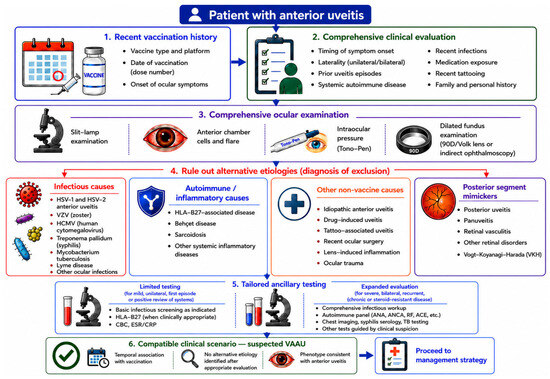
Vaccine-associated anterior uveitis (VAAU) is an uncommon ocular inflammatory phenotype reported after several vaccine platforms. It describes anterior segment inflammation occurring after vaccination when infectious, autoimmune, idiopathic, medication-related, and other possible causes have been reasonably excluded. The current literature indicates that post-vaccination uveitis
[...] Read more.
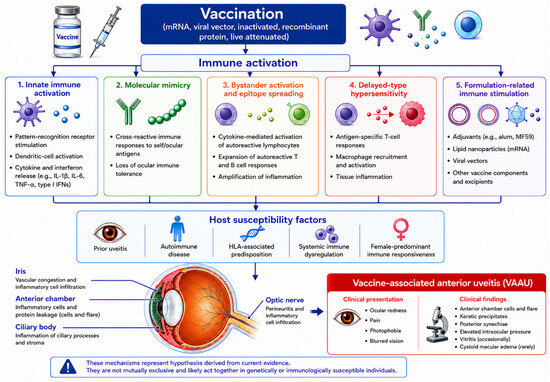
Vaccine-associated anterior uveitis (VAAU) is an uncommon ocular inflammatory phenotype reported after several vaccine platforms. It describes anterior segment inflammation occurring after vaccination when infectious, autoimmune, idiopathic, medication-related, and other possible causes have been reasonably excluded. The current literature indicates that post-vaccination uveitis is rare relative to the scale of immunization, although anterior uveitis is frequently reported among post-vaccination ocular inflammatory events. Evidence remains limited by reliance on case reports, case series, retrospective cohorts, and passive surveillance data, which restricts precise incidence estimation and causal interpretation. Accordingly, the available evidence primarily supports a temporal association rather than a confirmed causal relationship. Proposed mechanisms include innate immune activation, molecular mimicry, adjuvant- or formulation-related immune stimulation, bystander activation, delayed-type hypersensitivity, and host susceptibility related to prior uveitis, autoimmune disease, immune dysregulation, or genetic predisposition. Clinically, VAAU may present with redness, pain, photophobia, blurred vision, anterior chamber cells and flare, keratic precipitates, posterior synechiae, elevated intraocular pressure, vitritis, or cystoid macular edema. Most cases described in the literature are mild to moderate and improve with topical corticosteroids and cycloplegic therapy, whereas recurrent, severe, or treatment-intensive courses have been reported mainly in predisposed individuals. Future work should emphasize active surveillance, standardized phenotype-specific reporting, harmonized case definitions, and mechanistic studies to better define risk, recurrence patterns, and causality. Careful interpretation of suspected cases can support accurate diagnosis, patient counseling, and vaccine-safety monitoring without undermining clinically indicated immunization.
Full article
(This article belongs to the Special Issue Safety and Immunogenicity of Vaccination)
►▼
Show Figures

Figure 1
Open AccessArticle
A GM-CSF-Flt3L Fused Adjuvant Enhances Immune Responses and Protective Efficacy of Influenza DNA Vaccine in Mice
by
Hongzhe Lin, Mingyue Chen, Rong Xiang, Yating Kang, Yiwei Zhong, Duan Ma and Bin Wang
Vaccines 2026, 14(8), 671; https://doi.org/10.3390/vaccines14080671 - 2 Aug 2026
Abstract
Background: DNA vaccines are widely used due to their low production cost, ease of large-scale manufacturing, and rapid responsiveness to emerging epidemics. However, their relatively modest immunogenicity in larger species often requires potent adjuvants to elicit robust protective responses. GM-CSF and Flt3L are
[...] Read more.
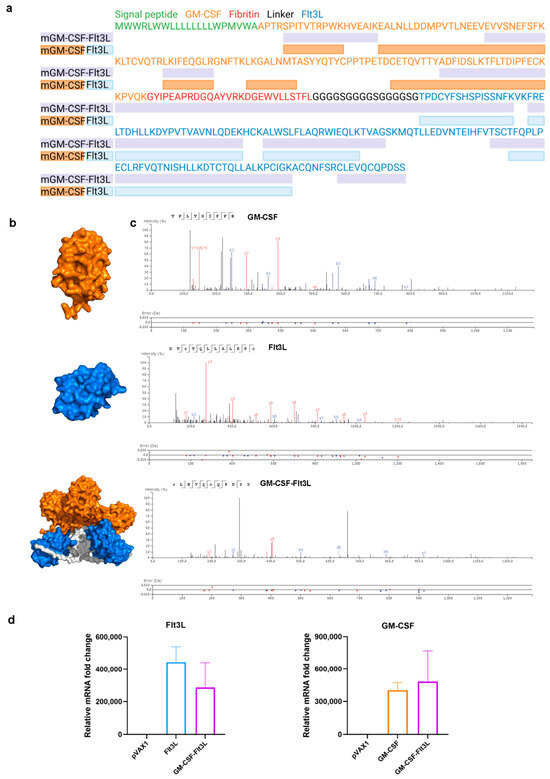
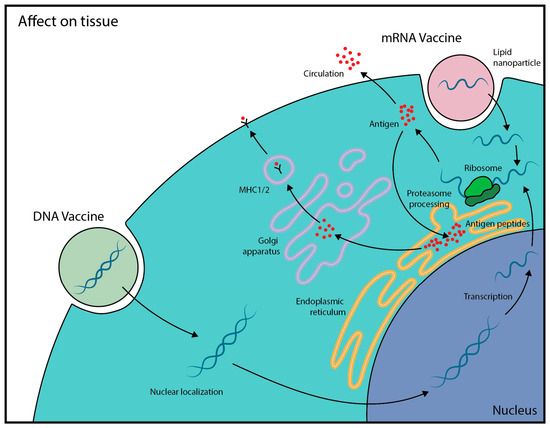
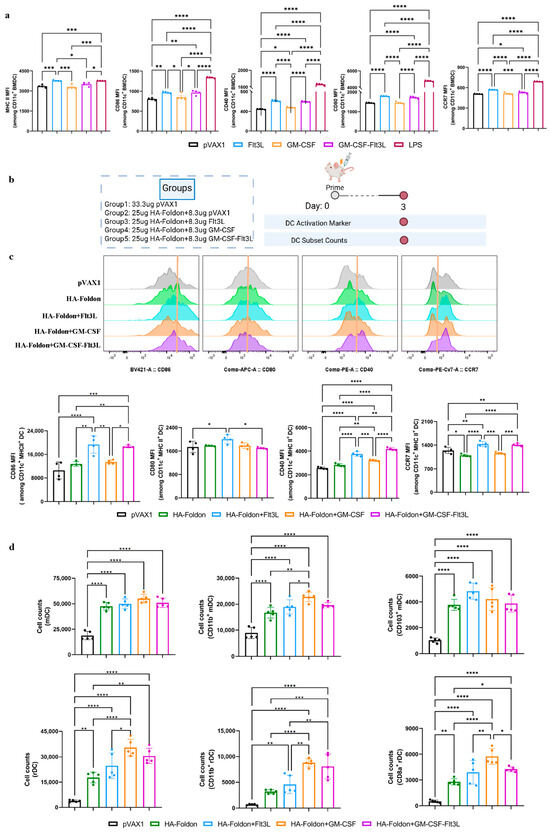
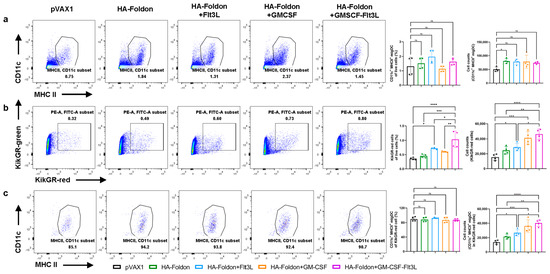
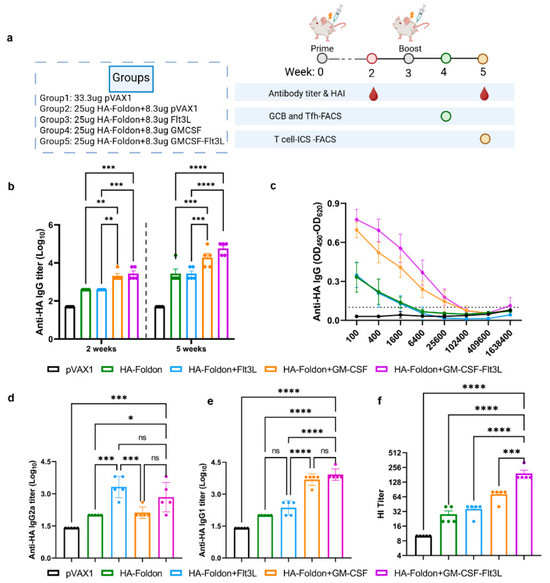
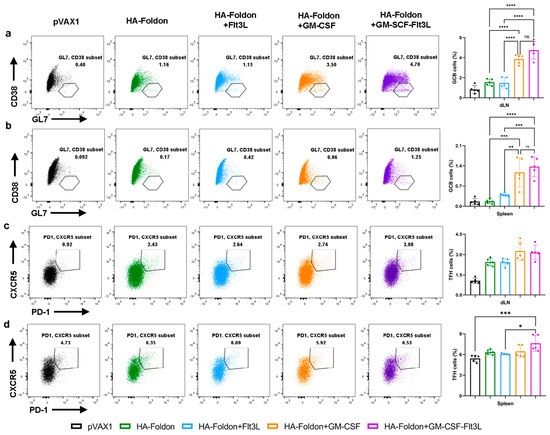
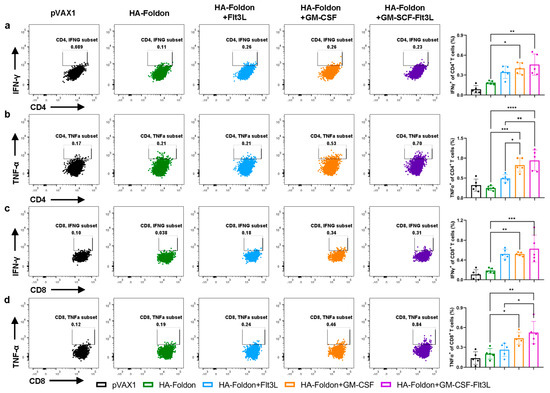
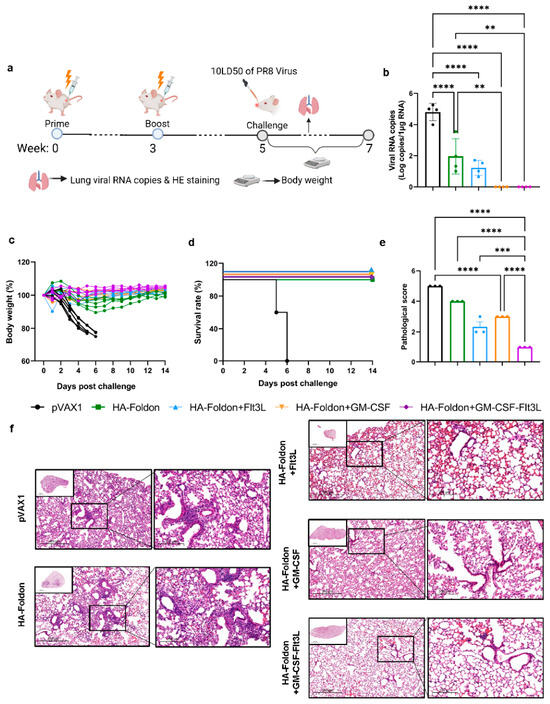
Background: DNA vaccines are widely used due to their low production cost, ease of large-scale manufacturing, and rapid responsiveness to emerging epidemics. However, their relatively modest immunogenicity in larger species often requires potent adjuvants to elicit robust protective responses. GM-CSF and Flt3L are two cytokine adjuvants targeting dendritic cells (DCs). Although their combination has been reported to augment immune responses, the mechanism underlying the complementary effects of a genetically fused GM-CSF-Flt3L adjuvant plasmid remains incompletely understood. Methods: We constructed a GM-CSF-Flt3L fusion adjuvant plasmid and compared it with single-adjuvant plasmids for their effects on innate, humoral, and cellular immunity, as well as protective efficacy against lethal homologous virus challenge. Results: Compared with single-adjuvant plasmids, GM-CSF-Flt3L synergistically promoted the maturation of bone marrow-derived dendritic cells (BMDCs) and activated draining lymph node DCs, differentially expanded DC subsets, and enhanced the recruitment of migratory DCs. This adjuvant significantly elevated hemagglutinin (HA)-specific serum IgG titers, hemagglutination inhibition (HI) titers, and the responses of T follicular helper (TFH) cells and germinal center B (GCB) cells, while also enhancing the capacity of HA-specific CD4+ and CD8+ T cells to secrete IFN-γ and TNF-α. Following lethal homologous virus challenge, the GM-CSF-Flt3L group exhibited markedly reduced lung viral loads and no significant pathological damage in lung tissues. Conclusions: These findings demonstrate that the GM-CSF-Flt3L fusion adjuvant complementarily enhances humoral and cellular immune responses induced by the influenza DNA vaccine and improves protective efficacy, highlighting its potential as an effective DNA vaccine adjuvant.
Full article
(This article belongs to the Section Vaccine Design, Development, and Delivery)
►▼
Show Figures

Figure 1
Open AccessArticle
Factors Associated with Recommendation of Non-Routine Childhood Vaccines Among Healthcare Workers in Türkiye
by
Asiye Burcu Kuş, Adnan Barutçu and Sena Kara Öncü
Vaccines 2026, 14(8), 670; https://doi.org/10.3390/vaccines14080670 - 2 Aug 2026
Abstract
Background: Healthcare workers play a critical role in parental vaccine decision-making and the uptake of non-routine childhood vaccines. This study aimed to evaluate healthcare workers’ knowledge, attitudes and behaviors regarding non-routine childhood vaccines, including rotavirus, meningococcal, human papillomavirus (HPV) and influenza vaccines. Methods:
[...] Read more.
Background: Healthcare workers play a critical role in parental vaccine decision-making and the uptake of non-routine childhood vaccines. This study aimed to evaluate healthcare workers’ knowledge, attitudes and behaviors regarding non-routine childhood vaccines, including rotavirus, meningococcal, human papillomavirus (HPV) and influenza vaccines. Methods: This cross-sectional study was conducted between October 2025 and March 2026 among healthcare workers in Türkiye. Data were collected using a structured questionnaire and the Attitudes Towards Vaccine Scale (ATVS), distributed through convenience and snowball sampling methods. Results: A total of 345 healthcare workers participated in the study. Recommendation behaviors differed significantly according to vaccine type (p < 0.001). Rotavirus and meningococcal vaccines were more frequently recommended than HPV and influenza vaccines. Although influenza vaccine had the highest awareness rate, it demonstrated the lowest recommendation rate and the lowest support for inclusion in the national immunization schedule. Physicians had significantly higher knowledge levels and vaccination attitude scores than non-physician healthcare workers (p < 0.001). ATVS scores were positively correlated with recommendation behaviors (ρ = 0.35, p < 0.001) and self-vaccination tendency (ρ = 0.34, p < 0.001). In multivariable analyses, higher vaccination attitude scores independently predicted greater self-vaccination tendency (OR = 1.07, 95% CI: 1.04–1.11, p < 0.001). Cost was the most commonly reported barrier to vaccine implementation. Conclusions: Positive attitudes toward non-routine childhood vaccines among healthcare workers do not necessarily translate into consistent recommendation behaviors across all vaccine types. Strategies targeting healthcare worker education, equitable vaccine access and standardized vaccine counseling practices may improve uptake and recommendation of optional childhood vaccines in Türkiye.
Full article
(This article belongs to the Section Vaccines and Public Health)
Open AccessArticle
Development, Immunogenicity and Protective Efficacy of an Associated Inactivated Vaccine Against Highly Pathogenic Avian Influenza and Newcastle Disease in Chickens
by
Yeldos Myrzakhmetov, Nurika Assanzhanova, Sholpan Ryskeldinova, Aigerim Mailybayeva, Aigerim Sagymbayeva, Yerken Kozhamkulov, Ekaterina Yamanova, Rassul Sidikhov, Nurlan S. Kozhabergenov, Bekbolat Usserbayev, Kuanysh Zhekebekov, Sergazy Nurabayev, Kuandyk Zhugunissov and Nurlan Akmyrzayev
Vaccines 2026, 14(8), 669; https://doi.org/10.3390/vaccines14080669 - 1 Aug 2026
Abstract
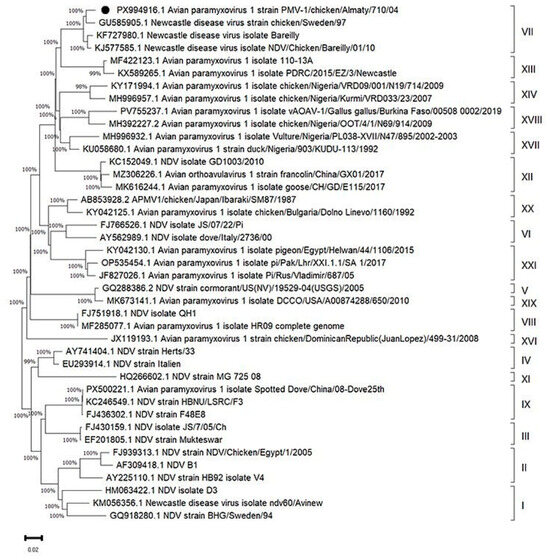
Background: The simultaneous circulation of highly pathogenic avian influenza (HPAI) H5N8 (clade 2.3.4.4b) and virulent Newcastle disease virus (NDV) genotype VII creates a cumulative risk for the poultry industry, rendering monovalent vaccination insufficient. This study aimed to develop and evaluate a combined
[...] Read more.
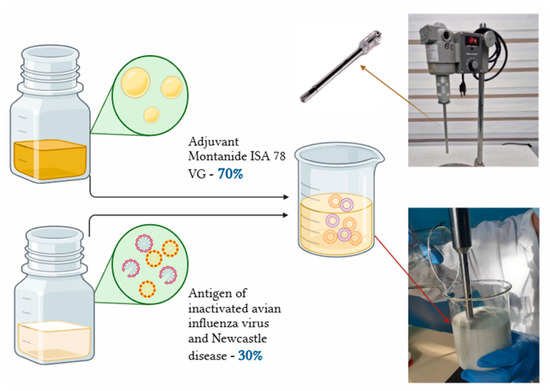
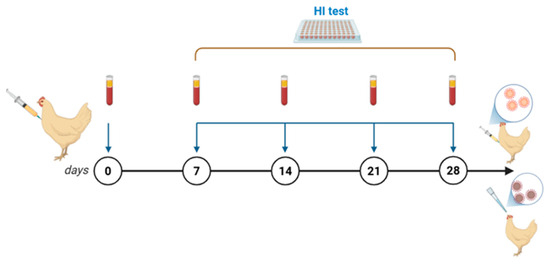
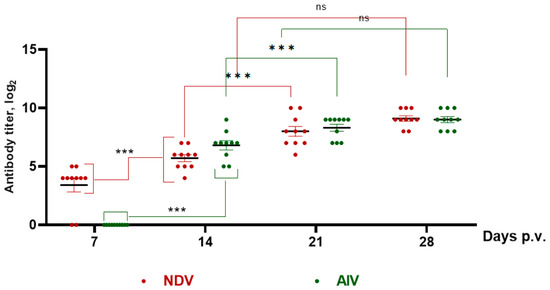
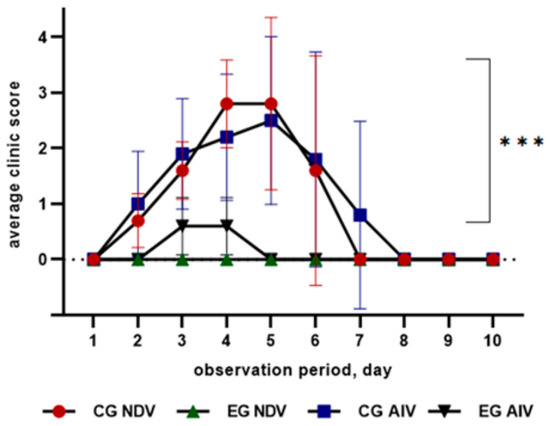
Background: The simultaneous circulation of highly pathogenic avian influenza (HPAI) H5N8 (clade 2.3.4.4b) and virulent Newcastle disease virus (NDV) genotype VII creates a cumulative risk for the poultry industry, rendering monovalent vaccination insufficient. This study aimed to develop and evaluate a combined inactivated vaccine against AIV H5N8 and NDV genotype VII based on local endemic strains. Methods: The vaccine was formulated as a water-in-oil emulsion (30:70) using Montanide™ ISA 78 VG. Evaluation included physicochemical characterization, safety assessment in chickens, immunogenicity evaluation via the hemagglutination inhibition (HI) test, and protective efficacy following challenge with virulent isolates. Results: The formulation demonstrated high stability and complete safety without adverse reactions. By 28 days post-immunization, the vaccine induced a robust, balanced humoral response with antibody titers reaching 9.10 ± 0.23 log2 against NDV and 9.00 ± 0.26 log2 against AIV, indicating no antigenic interference. Upon challenge, the vaccinated group exhibited 100% clinical protection and survival, compared to 100% mortality in controls. Furthermore, vaccination significantly reduced viral shedding, limiting horizontal spread. Conclusions: The developed combined inactivated vaccine demonstrates high safety, stability, and protective efficacy. It represents a promising candidate for comprehensive specific prophylaxis in endemic regions, effectively limiting horizontal pathogen transmission and mitigating economic losses in poultry production.
Full article
(This article belongs to the Special Issue Animal Vaccines: 2nd Edition)
►▼
Show Figures

Figure 1
Journal Menu
► ▼ Journal Menu-
- Vaccines Home
- Aims & Scope
- Editorial Board
- Reviewer Board
- Topical Advisory Panel
- Instructions for Authors
- Special Issues
- Topics
- Sections & Collections
- Article Processing Charge
- Indexing & Archiving
- Editor’s Choice Articles
- Most Cited & Viewed
- Journal Statistics
- Journal History
- Journal Awards
- Conferences
- Editorial Office
Journal Browser
► ▼ Journal BrowserHighly Accessed Articles
Latest Books
E-Mail Alert
News
Topics
Topic in
Biomolecules, Cells, IJMS, Pathogens, Vaccines, Biologics, Microorganisms, Biomedicines
Advances in Vaccines and Antimicrobial Therapy—2nd Edition
Topic Editors: Raffaele D’Amelio, Roberto PaganelliDeadline: 30 September 2026
Topic in
Animals, Arthropoda, Insects, Vaccines, Veterinary Sciences, Pathogens
Ticks and Tick-Borne Pathogens: 2nd Edition
Topic Editors: Alina Rodriguez-Mallon, Alejandro Cabezas-CruzDeadline: 31 March 2027
Topic in
Biomedicines, Cancers, IJMS, Vaccines, Viruses, JMP
Advances in HPV-Driven Head and Neck Cancer: Pathogenesis, Treatment, and Prevention
Topic Editors: Shilpi Gupta, Bhudev Chandra Das, Prabhat KumarDeadline: 20 April 2027
Topic in
Animals, Aquaculture Journal, Biology, Fishes, Pathogens, Vaccines, IJMS
Novel Insights and Advanced Research in Aquatic Animal Diseases and Immunology
Topic Editors: Erlong Wang, Zihao YuanDeadline: 30 July 2027
Conferences
Special Issues
Special Issue in
Vaccines
Immune Correlates of Protection in Vaccines, 2nd Edition
Guest Editor: Jingyou YuDeadline: 15 August 2026
Special Issue in
Vaccines
Allocation of Vaccine Resources in Africa: Challenges, Strategies and Opportunities for Equitable Distribution
Guest Editors: Godfrey Musuka, Tafadzwa DzinamariraDeadline: 30 August 2026
Special Issue in
Vaccines
Advances in HIV Vaccine Development, 2nd Edition
Guest Editor: Xueling WuDeadline: 31 August 2026
Special Issue in
Vaccines
Immunobiology of Mycobacterium tuberculosis and Its Implication in Vaccine Design
Guest Editors: Tony Ng, Steven A. PorcelliDeadline: 31 August 2026
Topical Collections
Topical Collection in
Vaccines
Research on Monoclonal Antibodies and Antibody Engineering
Collection Editor: Tatsuya Yamazaki
Topical Collection in
Vaccines
Factors Associated with Vaccine Hesitancy
Collection Editor: Brian D. Poole
Topical Collection in
Vaccines
COVID-19 Vaccine Hesitancy: Correlates and Interventions
Collection Editors: Manoj Sharma, Kavita Batra