

Topical Advisory Panel applications are now closed. Please contact the Editorial Office with any queries.
Journal Description
Veterinary Sciences
Veterinary Sciences
is an international, peer-reviewed, open access journal on veterinary sciences, published monthly online by MDPI. The College of Veterinary Medicine, Yangzhou University is affiliated with Veterinary Sciences and its members receive a discount on the article processing charges.
- Open Access— free for readers, with article processing charges (APC) paid by authors or their institutions.
- High visibility: indexed within Scopus, SCIE (Web of Science), PubMed, PMC, Embase, PubAg, AGRIS, and other databases.
- Journal Rank: JCR - Q1 (Veterinary Sciences) / CiteScore - Q1 (General Veterinary)
- Rapid Publication: manuscripts are peer-reviewed and a first decision is provided to authors approximately 16.3 days after submission; acceptance to publication is undertaken in 2.6 days (median values for papers published in this journal in the first half of 2026).
- Recognition of Reviewers: reviewers who provide timely, thorough peer-review reports receive vouchers entitling them to a discount on the APC of their next publication in any MDPI journal, in appreciation of the work done.
- Journal Cluster of Animal Science: Animals, Arthropoda, Birds, Dairy, Insects, Journal of Zoological and Botanical Gardens, Pets, Poultry, Ruminants and Veterinary Sciences.
Impact Factor:
2.7 (2025);
5-Year Impact Factor:
2.8 (2025)
Latest Articles
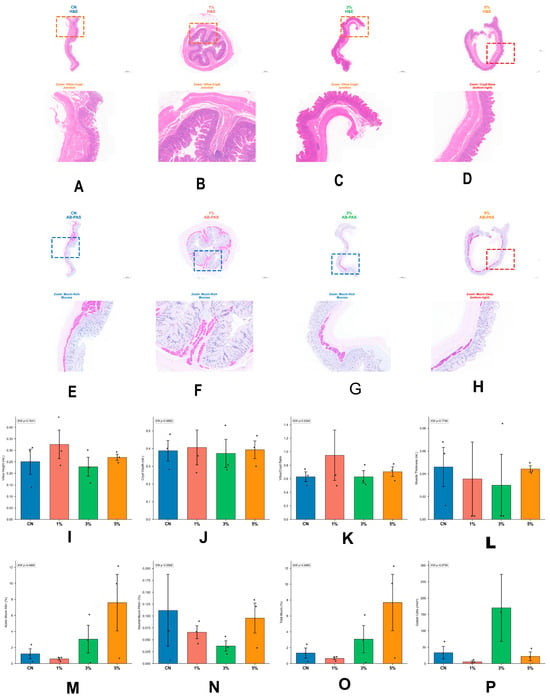
Effects of an Antibiotic Alternative Additive on Growth Performance, Intestinal Histomorphology, Multi-Omics Profiles, and Microbiome–Host Interactions in Tibetan Pigs
Vet. Sci. 2026, 13(8), 826; https://doi.org/10.3390/vetsci13080826 - 18 Aug 2026
Abstract
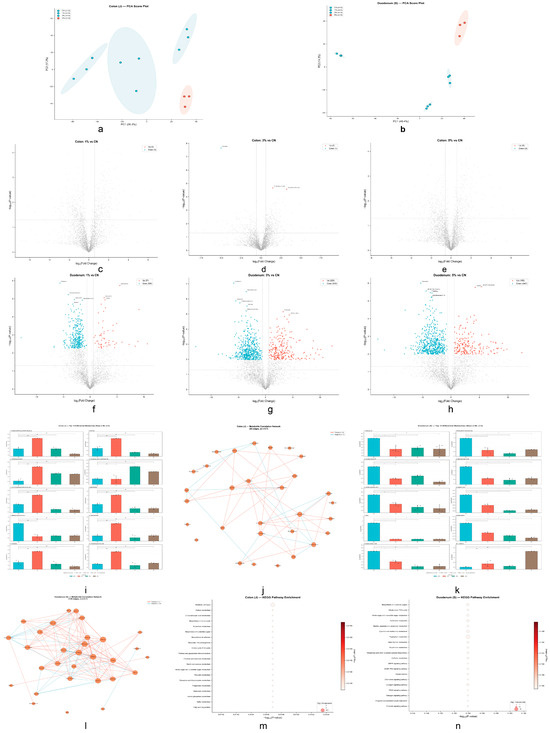
The ban on antibiotic growth promoters has created an urgent need for effective alternatives to maintain intestinal health and production performance. This exploratory study evaluated the effects of a novel antibiotic alternative additive at graded inclusion levels (control, 1%, 3%, 5%) on growth
[...] Read more.
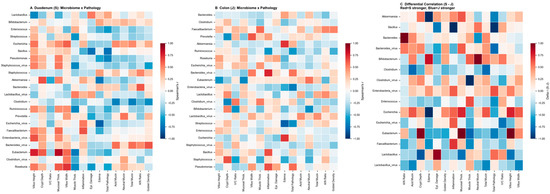
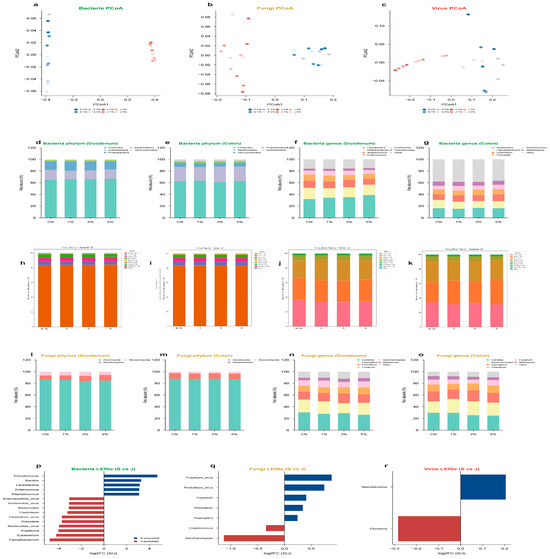
The ban on antibiotic growth promoters has created an urgent need for effective alternatives to maintain intestinal health and production performance. This exploratory study evaluated the effects of a novel antibiotic alternative additive at graded inclusion levels (control, 1%, 3%, 5%) on growth performance, intestinal histomorphology, gut microbiome ecology, and host metabolome in Tibetan pigs (n = 40). Forty Tibetan pigs were randomly assigned to four dietary treatment groups for a 21-day feeding trial. Growth performance, intestinal histopathology, metatranscriptomic sequencing (bacteria, viruses, fungi), and untargeted metabolomics were analyzed. Tibetan pigs fed the 3% additive diet exhibited the highest numerical average daily gain (0.197 vs. 0.148 kg/d, +33.1%) and lowest feed conversion ratio (2.61 vs. 3.59, −27.3%), with overall treatment effects reaching statistical significance (ADG: p = 0.027; FCR: p = 0.023). Metatranscriptomic profiling revealed fundamentally distinct microbial communities between the duodenum and colon. Multi-omics integration identified 79 significant microbiome-pathology associations in the duodenum and 38 in the colon, with SCFA-producing bacteria positively correlated with mucosal architectural parameters. The multi-omics network revealed a core-periphery architecture with Eubacterium, Lactobacillus, and Escherichia as keystone hubs. Dietary supplementation at 3% showed the most favorable effects on growth performance and metabolic modulation without compromising intestinal structural integrity, supporting its potential as a viable antibiotic alternative.
Full article
(This article belongs to the Section Veterinary Microbiology, Parasitology and Immunology)
►
Show Figures
Open AccessArticle
Establishment of RPA-CRISPR/Cas12a Detection Methods for Rapid Largemouth Bass Ranavirus Surveillance
by
Haoyu Wang, Yong Zhou, Peng Chen, Liping Zhang, Wen Zhu, Mingyang Xue, Yan Meng, Zhenyu Huang, Chen Xu, Yuding Fan, Chao Pei and Nan Jiang
Vet. Sci. 2026, 13(8), 825; https://doi.org/10.3390/vetsci13080825 - 18 Aug 2026
Abstract
►▼
Show Figures
The high mortality associated with largemouth bass ranavirus (LMBRaV) disease requires rapid and sensitive diagnosis methods to prevent virus spread and subsequent outbreak. The recombinase polymerase amplification combined with the CRISPR/Cas12a system (RPA-CRISPR/Cas12a) assay and RPA-CRISPR/Cas12a, coupled with lateral flow dipstick (RPA-CRISPR/Cas12a-LFD) assay
[...] Read more.
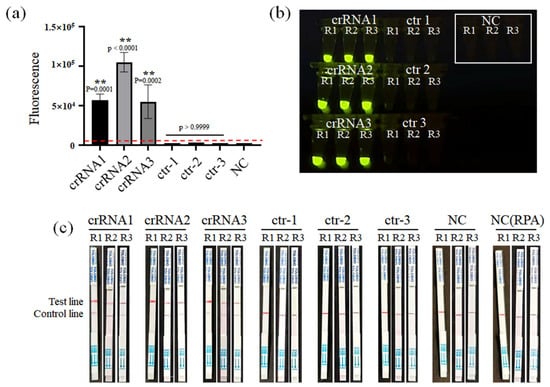
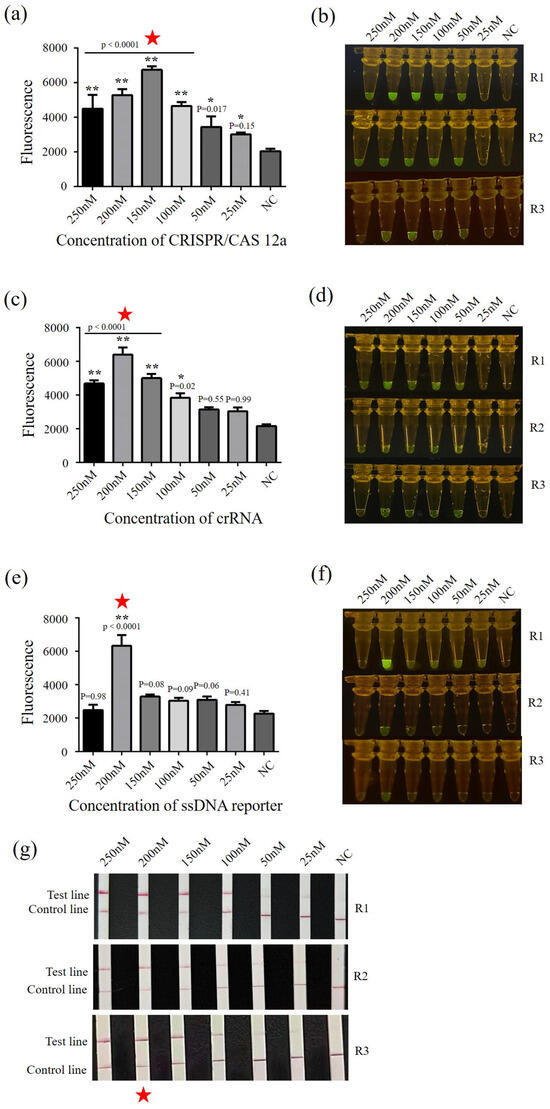
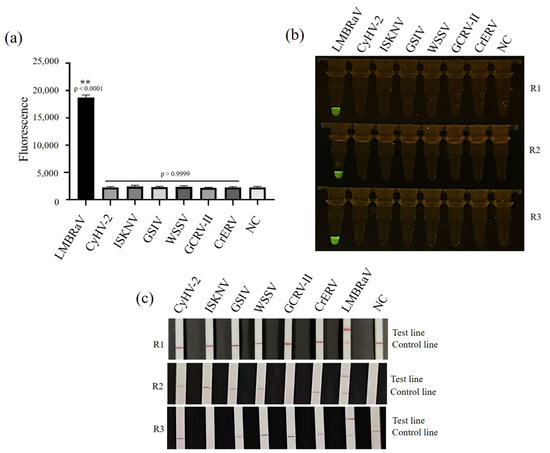
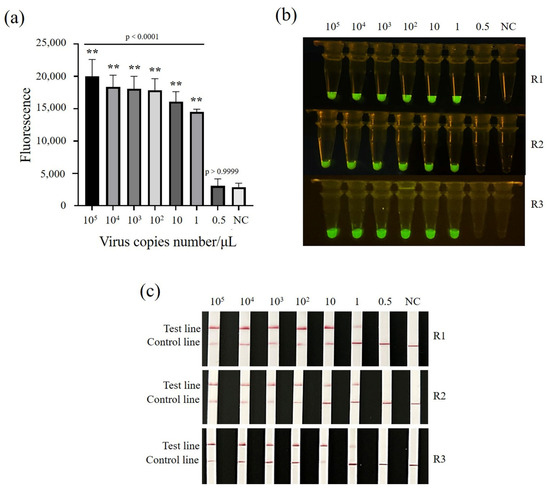
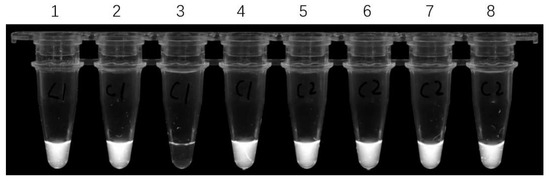
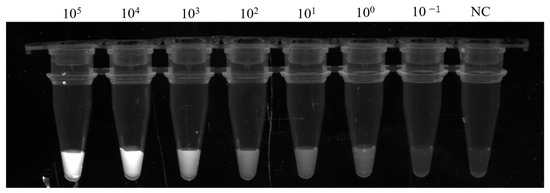
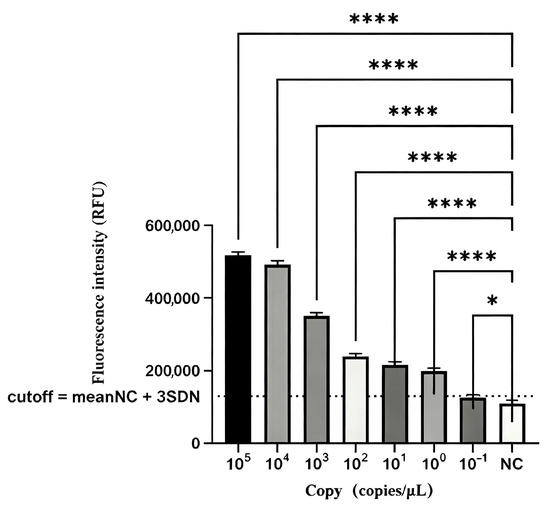
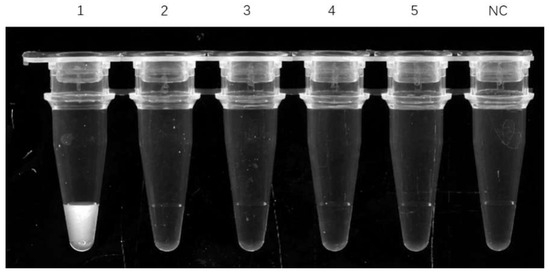
The high mortality associated with largemouth bass ranavirus (LMBRaV) disease requires rapid and sensitive diagnosis methods to prevent virus spread and subsequent outbreak. The recombinase polymerase amplification combined with the CRISPR/Cas12a system (RPA-CRISPR/Cas12a) assay and RPA-CRISPR/Cas12a, coupled with lateral flow dipstick (RPA-CRISPR/Cas12a-LFD) assay for LMBRaV, were established in this study for low viral load surveillance. The major capsid protein (mcp) gene is highly conserved and is widely used as the target sequence in LMBRaV detection. First, based on the mcp gene sequence of LMBRaV, three candidate crRNAs were designed. Among them, the crRNA-2, which exhibited the highest cleavage activity, was selected through dual evaluation of fluorescence signal intensity and LFD color development. Then, the key reaction conditions for both assays were optimized as follows: LbCas12a protein concentration of 150 nM, crRNA-2 concentration of 200 nM, and ssDNA reporters’ concentration of 200 nM. Moreover, specificity evaluation showed that both combined assays specifically recognized LMBRaV, with no cross-reactivity detected against other aquatic pathogens, such as CyHV-2, GSIV, ISKNV, WSSV, GCRV II or CrERV. The detection limit was 1 copy/μL of DNA sample for both RPA-CRISPR/Cas12a and RPA-CRISPR/Cas12a-LFD assays. Finally, validation using 24 clinical samples (16 positive, eight negative) showed that both LMBRaV RPA-CRISPR/Cas12a assays achieved 100% detection rate, whereas conventional PCR detected 13 positive samples (detection rate 81.26%). ddPCR served as the reference method for clinical validation. Therefore, the LMBRaV RPA-CRISPR/Cas12a assay and the RPA-CRISPR/Cas12a-LFD assay provide sensitive, specific, and easy-to-operate methods for the rapid detection of LMBRaV.
Full article

Figure 1
Open AccessCase Report
Suspected Type III Hypersensitivity Post-Inactivated Vaccination Leukocytoclastic Vasculitis in Two Sows
by
Jean-François Da-Costa, Arnaud Lebret, Gwenaël Boulbria, Valérie Normand, Justine Favrel, Mathieu Brissonnier, Nadia Amenna-Bernard, Sophie Labrut, Marion Mosca and Didier Pin
Vet. Sci. 2026, 13(8), 824; https://doi.org/10.3390/vetsci13080824 - 18 Aug 2026
Abstract
This case report describes the investigation of two cases of cutaneous vasculitis in sows following vaccination. The herd was porcine reproductive and respiratory syndrome virus (PRRSV)-stable, with routine PRRSV-1 and porcine circovirus type 2 (PCV2) sows’ vaccination. Two sows developed red-to-purple macules on
[...] Read more.
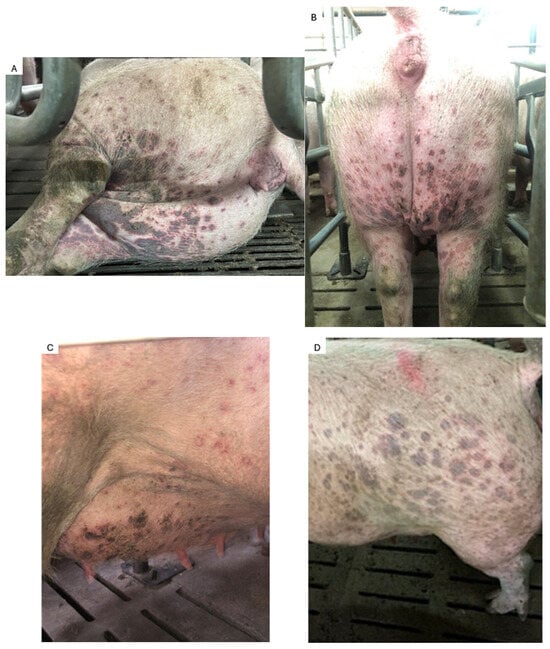
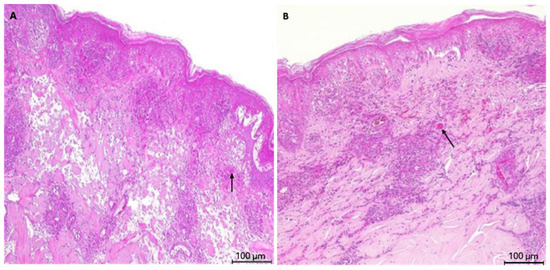
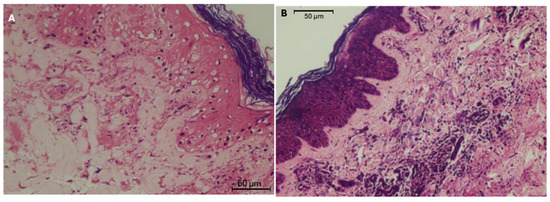
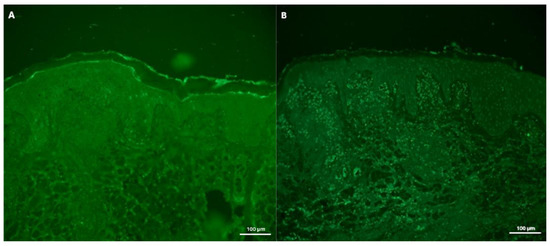
This case report describes the investigation of two cases of cutaneous vasculitis in sows following vaccination. The herd was porcine reproductive and respiratory syndrome virus (PRRSV)-stable, with routine PRRSV-1 and porcine circovirus type 2 (PCV2) sows’ vaccination. Two sows developed red-to-purple macules on the udder, flanks, and hind limbs, occurring two and three days after vaccination, respectively. Diagnostic investigations included biochemistry, complete blood count, PCR, immunohistochemistry (IHC), serology, histopathology, Gram staining, and immunofluorescence (IF) to assess the involvement of type III hypersensitivity. Clinical examination and herd evaluation revealed no significant abnormalities. Both sows showed biochemistry results within the reference intervals. One sow had lymphocytosis. All PCR PCV2, PCV3 and PRRSV-1/2 on serum and IHC PCV2 conducted on skin biopsies were negative, although both animals were seropositive for PCV2. Histopathology revealed necrotizing leukocytoclastic vasculitis, and Gram staining detected no bacteria. IF failed to identify immune complex or complement deposition. However, type III hypersensitivity could not be excluded, as immune complexes are transient and biopsies were collected about 48 h after lesion onset. Overall, the findings support a vaccine-related adverse reaction. Vaccine adverse effects should therefore be considered in the differential diagnosis of cutaneous vasculitis in swine.
Full article
(This article belongs to the Section Veterinary Physiology, Pharmacology, and Toxicology)
►▼
Show Figures

Figure 1

Open AccessReview
From Diet to Disease: The Role of the Gut Microbiome and Microbial Metabolites in Horses
by
Yuhong Wu, Yuhui Ma, Yiyi Zan, Xu Bai, Jing Li and Hai Li
Vet. Sci. 2026, 13(8), 823; https://doi.org/10.3390/vetsci13080823 - 18 Aug 2026
Abstract
►▼
Show Figures
The equine gastrointestinal microbiome plays an essential role in digestion, energy metabolism, immune regulation, and maintenance of intestinal homeostasis. Increasing evidence suggests that microbial-derived metabolites provide a functional link between diet, the microbiome, and host physiology. This narrative review summarizes current knowledge on
[...] Read more.
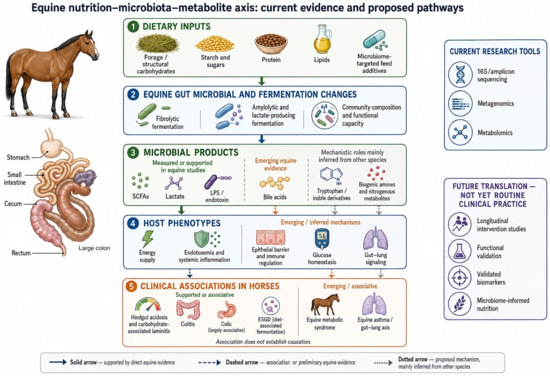
The equine gastrointestinal microbiome plays an essential role in digestion, energy metabolism, immune regulation, and maintenance of intestinal homeostasis. Increasing evidence suggests that microbial-derived metabolites provide a functional link between diet, the microbiome, and host physiology. This narrative review summarizes current knowledge on how dietary factors, including structural carbohydrates, non-structural carbohydrates, protein, and lipids, influence microbial function and metabolite production in horses. Relevant publications available up to June 2026 were identified through searches of PubMed, Web of Science, Scopus, and Google Scholar and were narratively synthesized according to dietary factors, microbial metabolites, associated diseases, and nutritional interventions. Emphasis is placed on major microbial metabolites, including short-chain fatty acids, endotoxins, bile acid derivatives, tryptophan metabolites, and nitrogenous fermentation products, and their potential roles in health and disease. Current evidence supports a central role for the nutrition–microbiota–metabolite axis in gastrointestinal disorders such as colic, colitis, equine gastric ulcer syndrome, and carbohydrate-associated laminitis, whereas its involvement in equine metabolic syndrome and the gut–lung axis remains less well defined. The review also discusses microbiome-targeted nutritional interventions and emerging multi-omics approaches that are improving our understanding of microbial function. Collectively, these findings highlight the potential of microbiome-informed nutritional strategies to support equine health, welfare, disease prevention, and athletic performance.
Full article

Figure 1
Open AccessCase Report
Resolution of Recurrent Severe Hypoglycemia After Surgical Excision of a Primary Hepatic Neoplasm of Uncertain Histogenesis in a Dog: A Case Report
by
Hyeong-Wook Moon, Chi-Youn Song, Jong-Myung Lee, Kwang-Rae Jo, Geun-Bo Park, Hye-Soo Shim, Hwi-Yool Kim and Jung-Moon Kim
Vet. Sci. 2026, 13(8), 822; https://doi.org/10.3390/vetsci13080822 - 18 Aug 2026
Abstract
►▼
Show Figures
Primary hepatic neoplasms in dogs, while uncommon, are occasionally associated with severe hypoglycemia, although the underlying mechanism may be difficult to establish. A 7-year-old castrated male Maltese dog weighing 3.6 kg was referred for recurrent bilateral pelvic limb weakness, episodic collapse, and abdominal
[...] Read more.
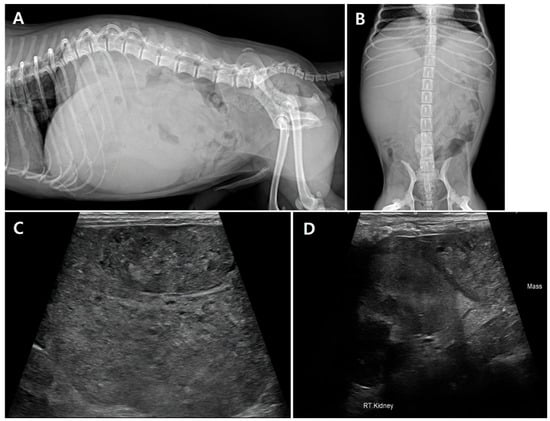
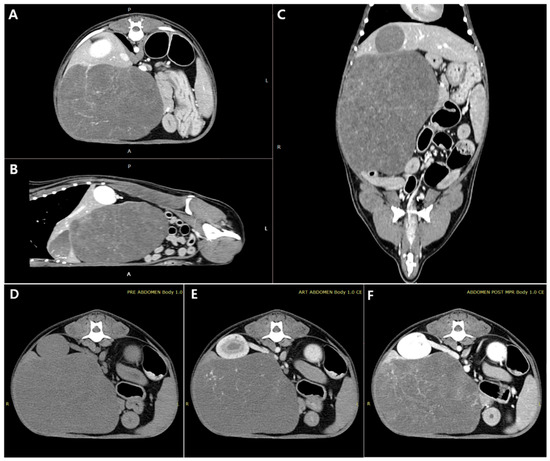
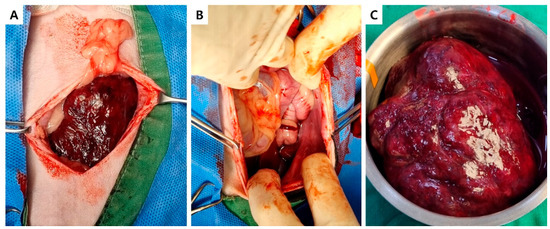
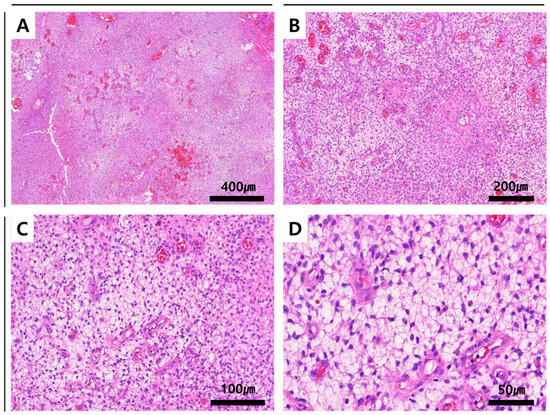
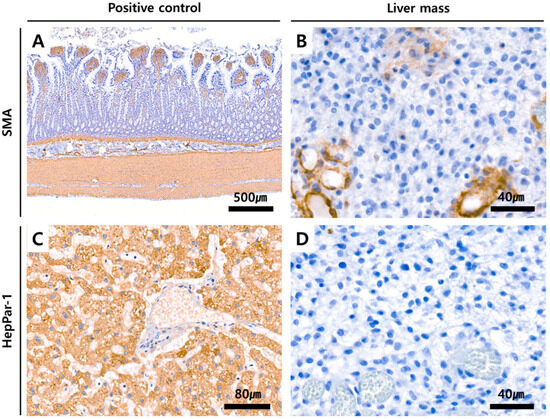
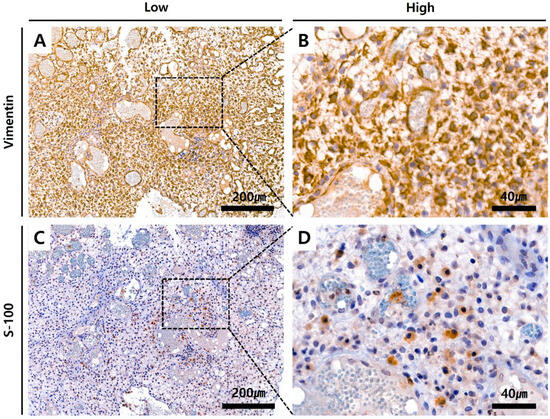
Primary hepatic neoplasms in dogs, while uncommon, are occasionally associated with severe hypoglycemia, although the underlying mechanism may be difficult to establish. A 7-year-old castrated male Maltese dog weighing 3.6 kg was referred for recurrent bilateral pelvic limb weakness, episodic collapse, and abdominal distension. Severe hypoglycemia was documented, with a blood glucose concentration of 26 mg/dL. Computed tomography revealed a large mass arising from the right lateral liver lobe, with no identifiable pancreatic mass or distant metastasis. The serum insulin concentration measured during hypoglycemia was low at 1.0 μU/mL, making insulinoma less likely. Glycemic control temporarily or partially improved during prednisolone treatment; however, severe hypoglycemia recurred after prednisolone discontinuation before surgery. The hepatic mass was surgically excised. Dextrose-containing intravenous fluids were maintained for 6 h postoperatively, and no recurrent clinically significant hypoglycemia was documented after their discontinuation. Histopathologic examination revealed a poorly differentiated neoplasm with mesenchymal morphology, occasional cytoplasmic vacuolation, and no unequivocal lipoblasts. The neoplastic cells showed diffuse vimentin immunoreactivity, weak cytoplasmic S-100 immunoreactivity in a subset of cells, and no immunoreactivity for smooth-muscle actin or hepatocyte paraffin 1. These findings raised the possibility of adipocytic differentiation but were insufficient to establish a specific tumor lineage; therefore, the lesion was classified as a primary hepatic neoplasm of uncertain histogenesis. At 247 days after surgery, the dog remained normoglycemic without supplemental glucose or glucocorticoid treatment, and no imaging evidence of local recurrence or distant metastasis was identified. The postoperative course supported an association between the hepatic neoplasm and hypoinsulinemic hypoglycemia. Non-islet-cell tumor hypoglycemia was suspected but remained unconfirmed because an insulin-like growth factor-mediated mechanism was not demonstrated.
Full article

Figure 1
Open AccessReview
Mechanisms of Moringa oleifera Leaf Extract Influences Productive Performance, Immunity, Milk Composition, and Rumen Microbiota in Ruminants: A Review
by
Mudathir Y. Abdulrahman, Nasir A. Ibrahim, Mohamed Osman Abdalrahem Essa, Saber Y. Adam, Raza Mohai Ud Din, Abdelkareem A. Ahmed, Rifat Ullah Jan, Hamdi Bendif, Nosiba S. Basher, Ahmed A. Saleh, Hosameldeen Mohamed Husien and Mengzhi Wang
Vet. Sci. 2026, 13(8), 821; https://doi.org/10.3390/vetsci13080821 - 18 Aug 2026
Abstract
Moringa oleifera leaf extract (MOLE), including polysaccharides, polyphenols, amino acids and other extracts, are increasingly being used as feed additives in ruminant nutrition due to their high profiles of bioactive compounds. This comprehensive narrative review aims to review current research on their use
[...] Read more.
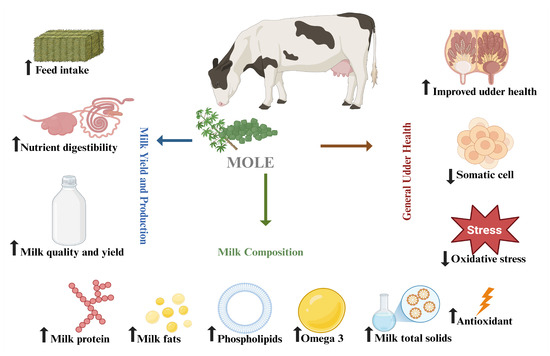
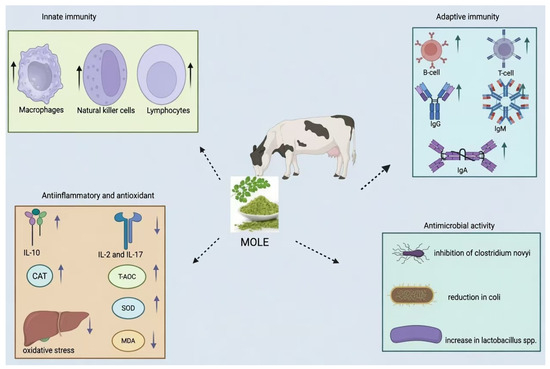
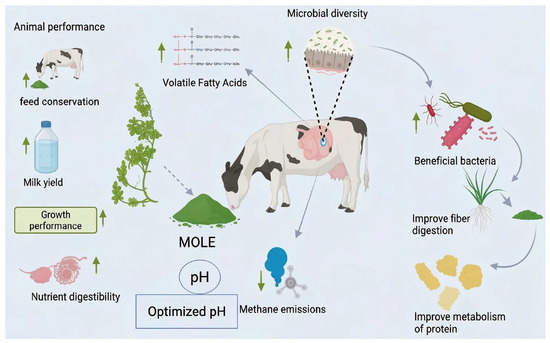
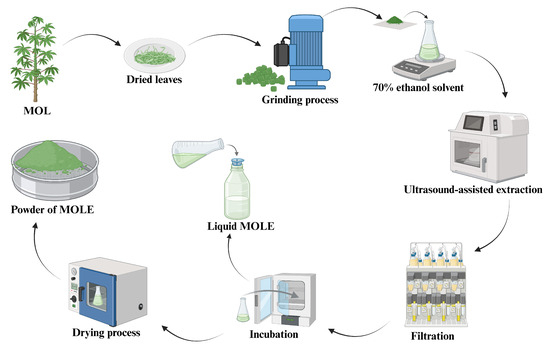
Moringa oleifera leaf extract (MOLE), including polysaccharides, polyphenols, amino acids and other extracts, are increasingly being used as feed additives in ruminant nutrition due to their high profiles of bioactive compounds. This comprehensive narrative review aims to review current research on their use in ruminant production regarding their productive performance, immune status, rumen microbiota and fermentation. Dietary supplementation with MOLE enhances growth rates and feed conversion efficiency, as well as immune status, milk yield and rumen microbiology, in ruminants by improving nutrient digestibility and metabolic efficiency. Additionally, MOLE exerts significant immunomodulatory effects, and studies indicate that immunoglobulins, antioxidants, cytokines, and enzymes reduce oxidative stress markers and incidence of subclinical diseases in dairy animals. Furthermore, supplementation with MOLE often increases milk fat and protein content while reducing somatic cell counts (SCCs) in milk. MOLE enhance the function of the rumen fermentation profile by increasing volatile fatty acid (VFA) production, especially propionate, and also regulating the stability of rumen pH. Additionally, it also selectively promotes microbial community diversity, enhances the population of cellulolytic bacteria and has a suppression function in protozoa and methanogens. Moreover, MOLE also contributes to improving fiber degradation and reducing the emissions of methane. In conclusion, MOLE is considered as a viable natural strategy to promote productivity, immune function, health, and environmental sustainability while decreasing methane production in ruminant production.
Full article
(This article belongs to the Special Issue Integrating Precision Nutrition into Sustainable Ruminant Production Systems: From Monitoring to Management)
►▼
Show Figures

Figure 1
Open AccessArticle
Development of a Visual RPA-CRISPR/Cas12a Assay Targeting Bcsp31 for Rapid Detection of Brucella spp.
by
Shuairan Zhang, Yu Zhang, Cai Yin, Xiaona Zang, Minjing Jin, Yawen Wu, Taotao Bai, Long Ma, Yong Shi, Zhixin Li and Xiaoliang Wang
Vet. Sci. 2026, 13(8), 820; https://doi.org/10.3390/vetsci13080820 - 17 Aug 2026
Abstract
To establish a rapid nucleic acid detection method for field screening of Brucella spp., a visual assay based on recombinase polymerase amplification (RPA) combined with CRISPR/Cas12a was developed. Four pairs of RPA primers and two crRNAs were designed according to the conserved Brucella
[...] Read more.
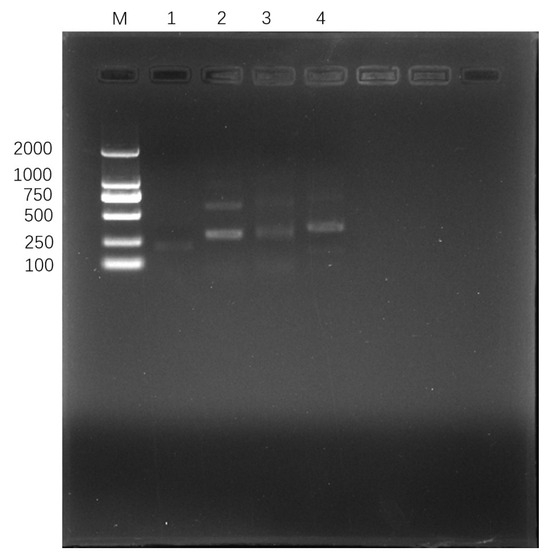
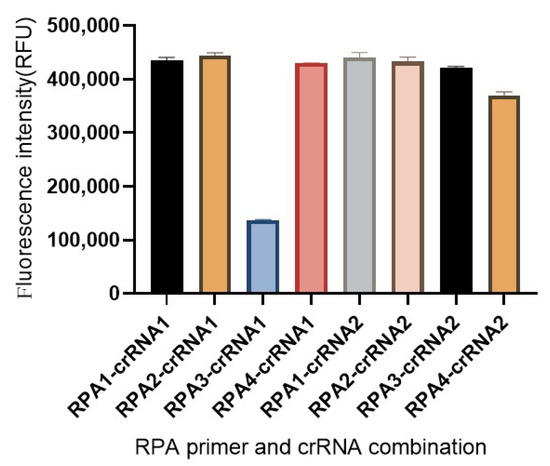
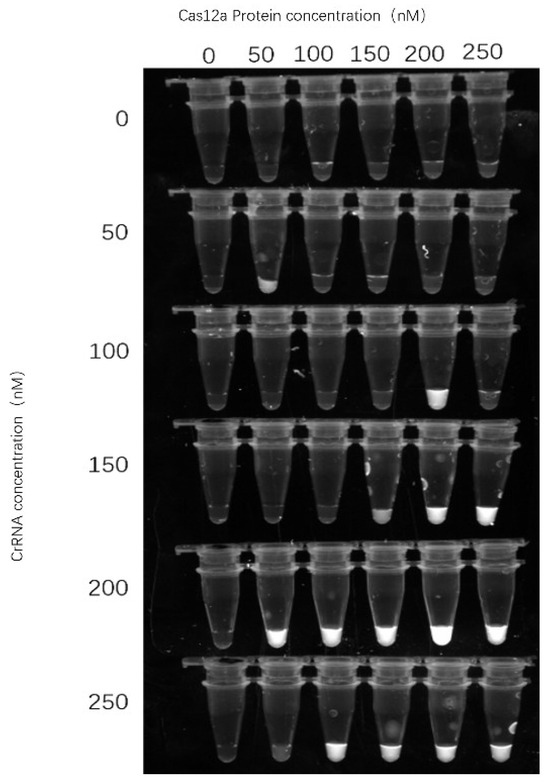
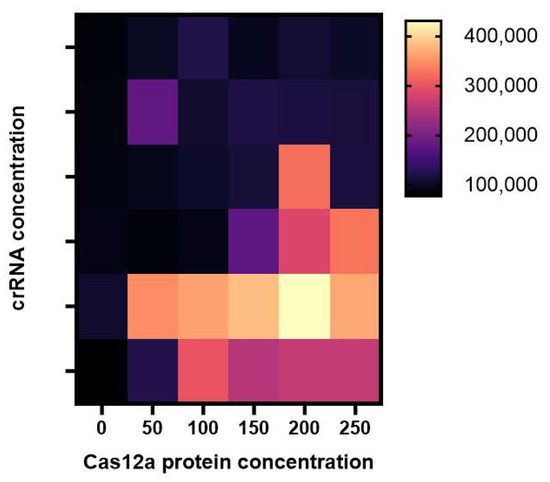
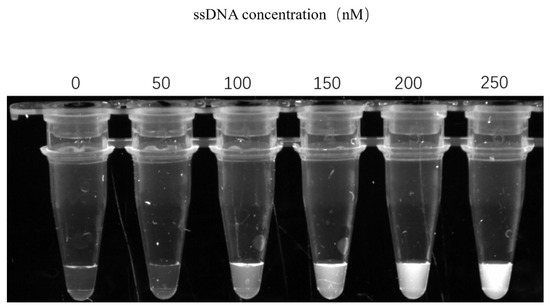
To establish a rapid nucleic acid detection method for field screening of Brucella spp., a visual assay based on recombinase polymerase amplification (RPA) combined with CRISPR/Cas12a was developed. Four pairs of RPA primers and two crRNAs were designed according to the conserved Brucella bcsp31 sequence. The optimal RPA primer–crRNA combination was screened using agarose gel electrophoresis and fluorescence readout, and the concentrations of Cas12a protein, crRNA, and ssDNA fluorescent reporter were optimized. RPA primer pair 2 showed the best amplification performance, and RPA2-crRNA1 was selected as the optimal combination for the assay. The final reaction conditions were 200 nM Cas12a protein, 200 nM crRNA, and 250 nM ssDNA fluorescent reporter. The limit of detection of the established method was 2.47 × 100 copies/μL. No cross-reactivity was observed with Mycoplasma capricolum subsp. capripneumoniae, Chlamydia abortus, Chlamydia psittaci, or Salmonella enterica serovar Typhimurium. Among 56 clinical sheep nasal swab samples collected during routine surveillance, qPCR identified 22 positive and 34 negative samples, while the RPA-CRISPR/Cas12a assay identified 20 positive and 36 negative samples. The positive agreement, negative agreement, overall agreement, positive predictive value, negative predictive value, and Cohen’s kappa value were 90.91%, 100.00%, 96.43%, 100.00%, 94.44%, and 0.924, respectively. These findings provide preliminary evidence that the developed bcsp31-targeted RPA-CRISPR/Cas12a assay is rapid and visually interpretable and may be useful for preliminary Brucella spp. screening in routine veterinary surveillance settings. Larger-scale validation using different sample types and samples from different regions is still required.
Full article
(This article belongs to the Section Veterinary Microbiology, Parasitology and Immunology)
►▼
Show Figures

Figure 1

Open AccessArticle
Territorial and Farm-Level Inequalities in Cattle Vaccination and Disease-Control Practices in Ecuador: Evidence from the 2025 National Agricultural Survey
by
Nestor Acosta and Teresa Guarda
Vet. Sci. 2026, 13(8), 819; https://doi.org/10.3390/vetsci13080819 - 17 Aug 2026
Abstract
National evidence on cattle vaccination, disease-control practices, and producer-reported disease remains limited in Ecuador. This study assessed holding-level participation in preventive cattle-health activities and factors associated with self-reported disease, focusing on Manabí. We analysed anonymised public-use microdata from the 2025 Continuous Agricultural Production
[...] Read more.
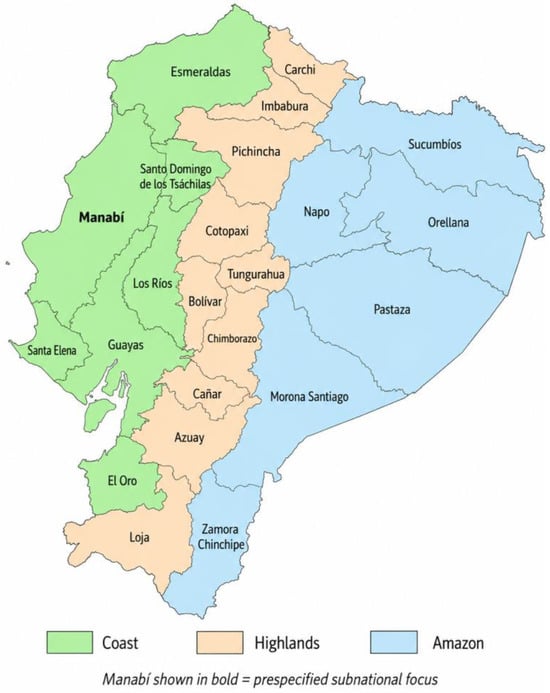
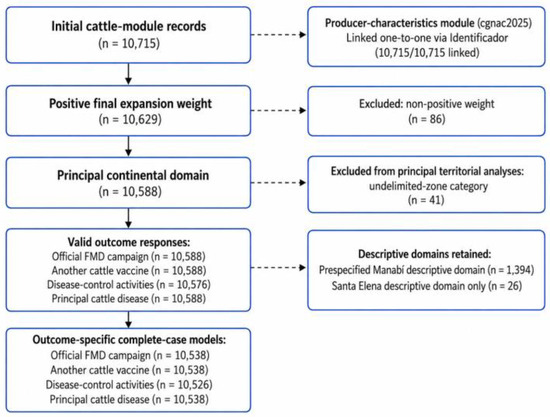
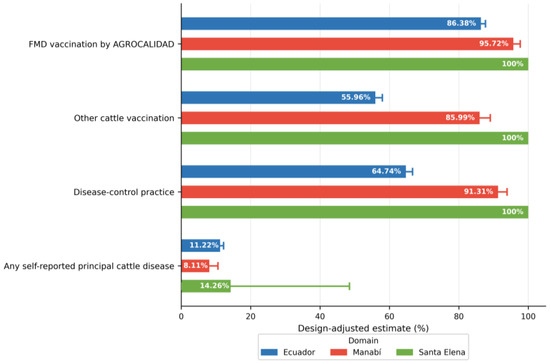
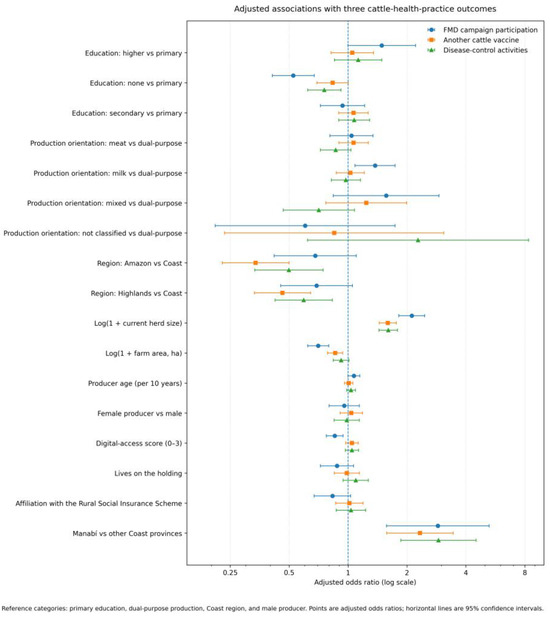
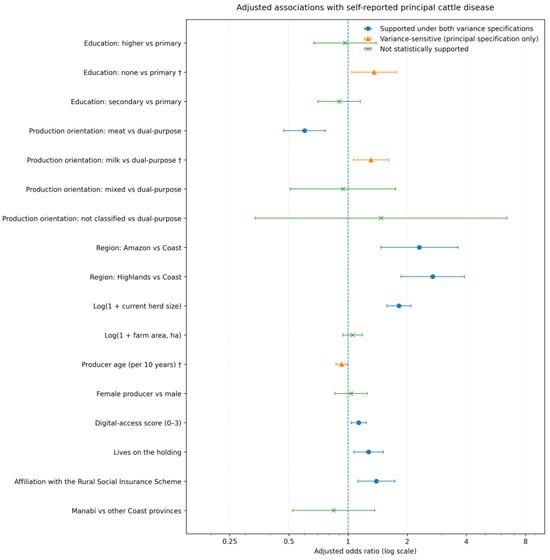
National evidence on cattle vaccination, disease-control practices, and producer-reported disease remains limited in Ecuador. This study assessed holding-level participation in preventive cattle-health activities and factors associated with self-reported disease, focusing on Manabí. We analysed anonymised public-use microdata from the 2025 Continuous Agricultural Production and Area Survey (ESPAC); all four outcomes were based on producer reports and were not independently verified against veterinary or administrative records. The principal design-adjusted analysis included 10,588 positive-weight holdings across continental Ecuador. Survey-weighted proportions and multivariable logistic regression models incorporated expansion weights, strata, and primary sampling units. Estimated participation in the official foot-and-mouth disease vaccination campaign, other cattle vaccination, and disease-control activities was 86.38%, 55.96%, and 64.74%, respectively; 11.22% of holdings reported a principal cattle disease. Larger herd size was positively associated with all four outcomes (all p < 0.001). Compared with the Coast, holdings in the Amazon and Highlands had lower adjusted odds of other vaccination and disease-control activities and higher odds of self-reported disease (all p ≤ 0.002). Manabí holdings had higher adjusted odds of all three preventive outcomes than holdings in the other Coast provinces (all p < 0.001), but not of self-reported disease (p = 0.493). Preventive engagement was strongest for the centrally organised foot-and-mouth disease campaign. These findings identify territorial and farm-level inequalities relevant to veterinary-service delivery and surveillance, without establishing animal-level coverage, confirmed prevalence, or causal effects.
Full article
(This article belongs to the Section Veterinary Biomedical Sciences)
►▼
Show Figures

Figure 1
Open AccessReview
Liquid Storage and Cryopreservation of Ram Semen: Storage-Associated Damage and the Role of Non-Enzymatic Antioxidants
by
Tariq Sohail, Mohamed Tharwat, Aftab Shaukat, Nourhan Nassar, Fuhao Chen, Xiaomei Sun, Fahad A. Alshanbari and Yongjun Li
Vet. Sci. 2026, 13(8), 818; https://doi.org/10.3390/vetsci13080818 - 17 Aug 2026
Abstract
The successful use of Assisted Reproductive Technologies (ARTs) such as artificial insemination (AI) in small ruminants and other mammals depends on many factors, the most important of which is the quality of the semen used. The liquid storage and cryopreservation of spermatozoa at
[...] Read more.
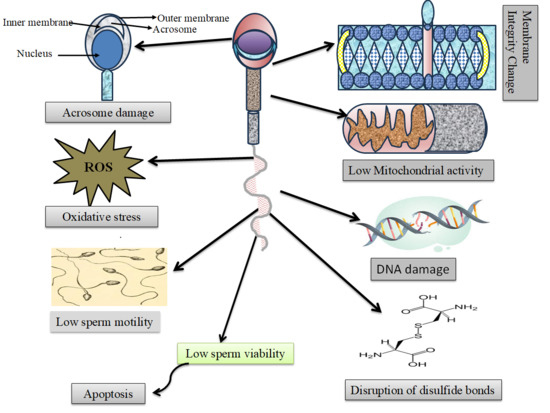
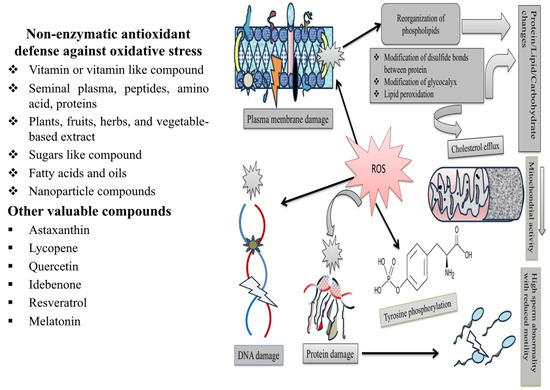
The successful use of Assisted Reproductive Technologies (ARTs) such as artificial insemination (AI) in small ruminants and other mammals depends on many factors, the most important of which is the quality of the semen used. The liquid storage and cryopreservation of spermatozoa at lower temperatures are associated with artificial insemination and rapid genetic improvement programs in the sheep production industry. Several studies have reported increased lipid peroxidation (LPO) and highly reactive oxygen species (ROS) production during liquid storage or cryopreservation of ram semen, leading to oxidative stress (OS), decreased antioxidant defense, and changes in sperm quality parameters like biokinetic and biochemical characteristics, viability, functional membrane and DNA integrity, along with mitochondrial activity. Therefore, supplementing ram semen extenders with exogenous antioxidants before preservation could mitigate this harmful effect. Various in vitro studies have reported improvements in ram sperm quality parameters like motility indexes, vitality, functional membrane/DNA integrity, antioxidant enzyme activity, total antioxidant content, mitochondrial activity, in vivo/in vitro fertility with significant decline in sperm abnormality, free radical production, LPO, ROS, apoptosis rate, and cytochrome C release from the mitochondrial matrix after the addition of various natural and synthetic antioxidant (vitamins, glutathione, taurine, pyruvate, melatonin, cysteine, selenium, zinc, plant extracts, sugars, amino acids, polyphenols) substances during preservation. Therefore, this review summarizes recent findings on oxidative stress-induced damage to sperm quality parameters in various ram breeds during chilling storage and cryopreservation. Moreover, supplementing basic semen extenders with different non-enzymatic antioxidant substances as a method to maintain sperm quality—along with their efficacy in reducing or preventing sperm damage during preservation—was discussed in detail.
Full article
(This article belongs to the Special Issue Sperm Biotechnology in Animals Reproduction—2nd Edition)
►▼
Show Figures

Figure 1
Open AccessArticle
A Descriptive Analysis of Morbidity Patterns Among Insured Pet Cats in China Based on Insurance Claims
by
Kaixin Zhang, Chang Wang, Richard Laven, Baiyu Li, Meng Li and D. Aaron Yang
Vet. Sci. 2026, 13(8), 817; https://doi.org/10.3390/vetsci13080817 - 17 Aug 2026
Abstract
►▼
Show Figures
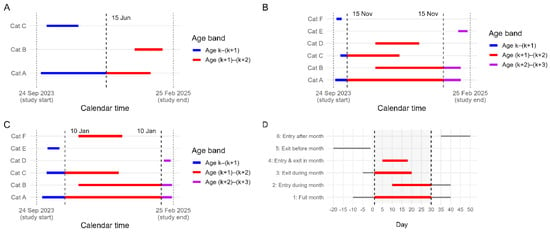
Population-level information on feline morbidity in China remains limited despite the rapid growth of the pet cat population. This study described morbidity patterns among insured cats in China using insurance claims from a major pet insurance provider, with diagnoses derived from veterinary records.
[...] Read more.
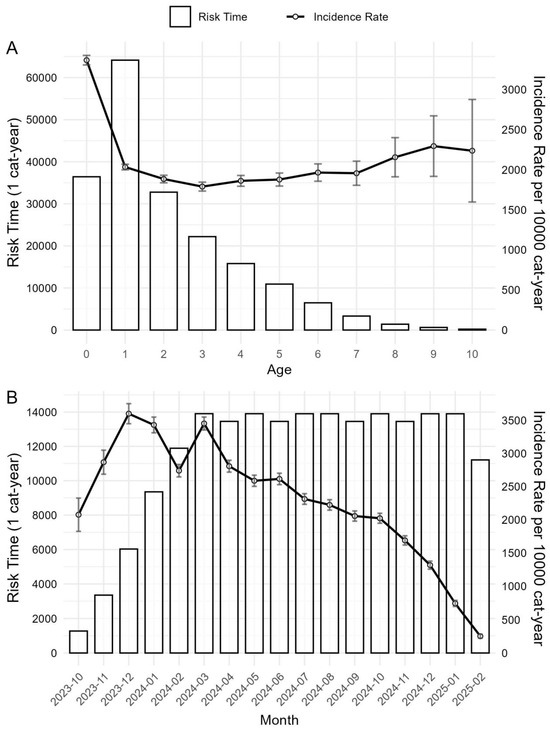
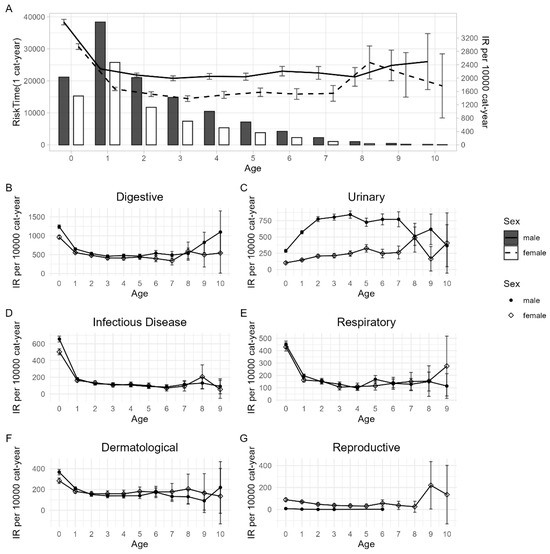
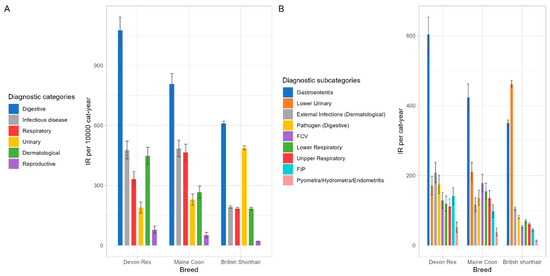
Population-level information on feline morbidity in China remains limited despite the rapid growth of the pet cat population. This study described morbidity patterns among insured cats in China using insurance claims from a major pet insurance provider, with diagnoses derived from veterinary records. Disease events were classified into hierarchical diagnostic categories and subcategories using disease names and clinical descriptions. The study population included 163,890 insured cats contributing 194,284 cat-years at risk. A total of 42,867 disease events were identified in 31,870 cats, and ~ 19.5% of insured cats had at least one disease event during follow-up. The overall incidence rate was ~22 events per 100 cat-years. Digestive disorders were the most commonly claimed disorders, followed by urinary disorders, infectious diseases, respiratory disorders, and dermatological disorders. Gastroenteritis and lower urinary tract disease were the most frequent diagnostic subcategories. Cats aged less than one year had the highest overall incidence rate. Male cats had a higher incidence rate than female cats, mainly reflecting the higher burden of lower urinary tract disorders. Descriptive differences were also observed among British Shorthair, Maine Coon, and Devon Rex cats. This study provides the first broad insurance-based description of feline morbidity across multiple diagnostic categories in China. The findings offer baseline evidence for future disease-specific epidemiological studies.
Full article

Figure 1
Open AccessArticle
Integrated Multi-Omics Reveals Gut Microbiota-Ovarian Crosstalk of Laying Performance Between High- and Low-Laying Muscovy Ducks
by
Xiujun Duan, Rui Zhu, Youqing Bian, Xiaoming Li, Guobo Sun, Yue Wang, Qingyi Zhou and Lei Zhang
Vet. Sci. 2026, 13(8), 816; https://doi.org/10.3390/vetsci13080816 - 17 Aug 2026
Abstract
As a high-value meat duck breed, Muscovy ducks exhibit marked individual differences in egg production that limit the economic efficiency of commercial farming. To elucidate the underlying mechanisms, we integrated phenotypic observation, ovarian transcriptome sequencing, and cecal 16S rRNA gene amplicon sequencing to
[...] Read more.
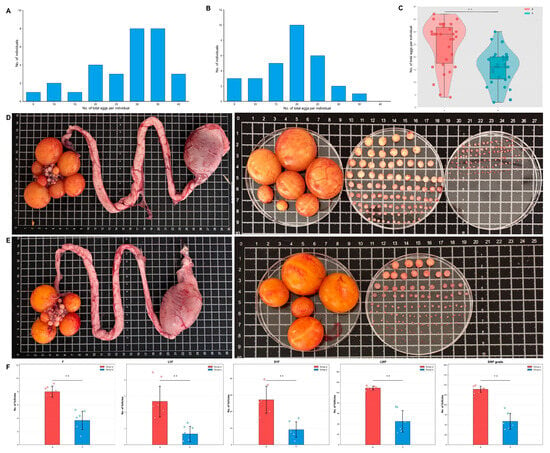
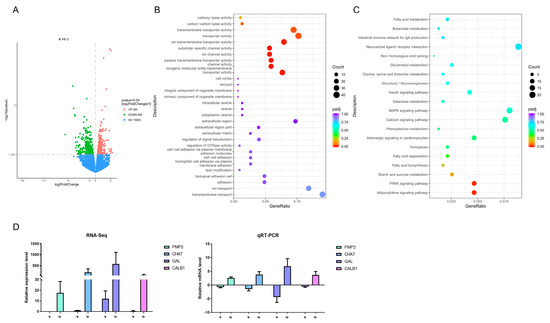
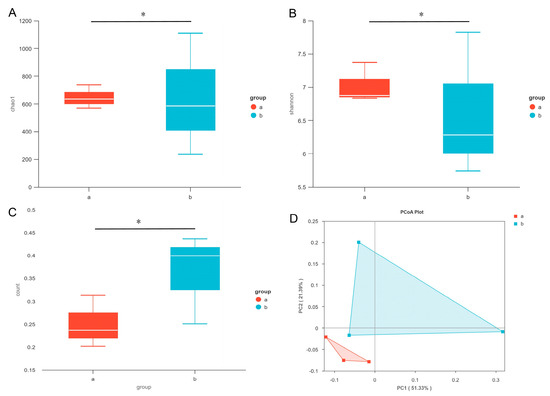
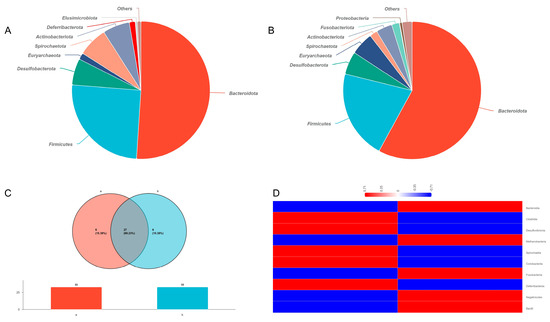
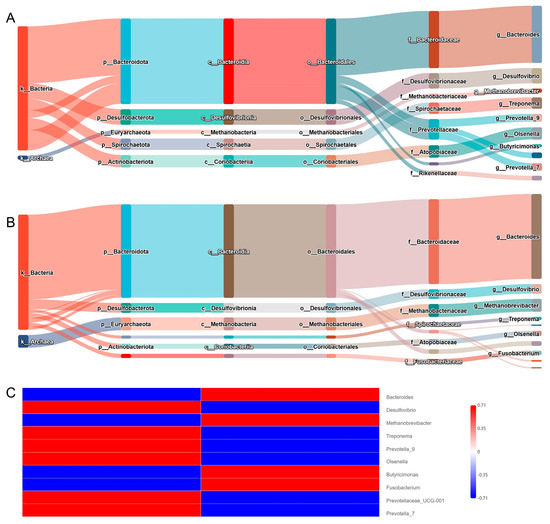
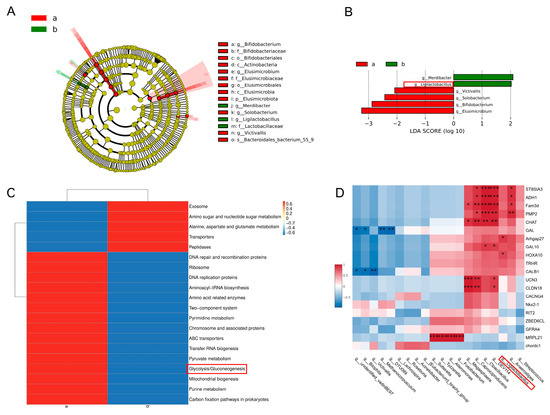
As a high-value meat duck breed, Muscovy ducks exhibit marked individual differences in egg production that limit the economic efficiency of commercial farming. To elucidate the underlying mechanisms, we integrated phenotypic observation, ovarian transcriptome sequencing, and cecal 16S rRNA gene amplicon sequencing to compare high- and low-laying black-feathered Muscovy duck populations. We recorded 40-day egg production, assessed ovarian morphology, quantified gene expression profiles, and characterized microbial community structure. High-laying ducks produced significantly more eggs (24.60 ± 9.22) than low-laying ducks (15.80 ± 6.64, p < 0.01), with larger ovaries and a greater number of follicles at all developmental stages. Transcriptomic analysis revealed 823 DEGs, with KEGG enrichment implicating pathways governing ovarian physiology, including MAPK, Calcium, Notch, and Wnt signaling. Microbial profiling demonstrated significant differences in α/β diversity between groups, with high-laying ducks exhibiting an elevated Firmicutes/Bacteroidota ratio and decreased abundance of Ligilactobacillus. Integrative correlation analysis identified significant associations between Ligilactobacillus abundance and the expression of Arhgap27 and HOXA10, two genes linked to reproductive function, and highlighted the glycolysis/gluconeogenesis pathway as a convergently enriched signaling cascade shared between gut microbiome and ovarian transcriptome. This multi-omics study uncovers the molecular and microbial basis of egg production variation in Muscovy ducks, offering potential targets for improving breeding efficiency through microbiota-directed or gene-based interventions. These findings deepen our understanding of host–microbe interactions in poultry reproduction and identify candidate genes and microbial taxa that may serve as potential targets for future nutritional or genetic interventions to enhance laying performance in commercial duck production.
Full article
(This article belongs to the Special Issue Intestinal Homeostasis and Its Regulatory Role in Animal Growth and Development)
►▼
Show Figures

Figure 1
Open AccessReview
Mechanistic Insights into Wildlife Cancer and Conservation Strategies Under the One Health Framework
by
Qiangqiang Wang, Xiaoxuan Feng, Yurun Su, Naiwen Zhang, Yevheniia Dudnyk and Hongxuan He
Vet. Sci. 2026, 13(8), 815; https://doi.org/10.3390/vetsci13080815 - 17 Aug 2026
Abstract
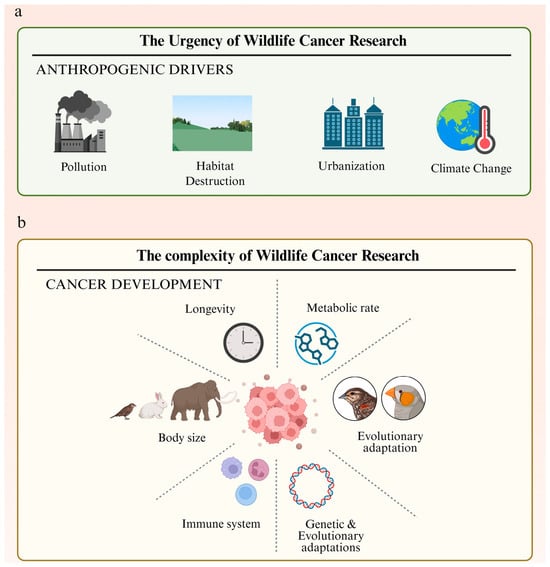
Cancer is increasingly recognized as an emerging concern in wildlife health and biodiversity conservation in the Anthropocene. Although traditionally viewed as an individual disease associated primarily with aging, wildlife cancer is shaped by complex interactions among environmental changes, species-specific evolutionary adaptations, and ecological
[...] Read more.
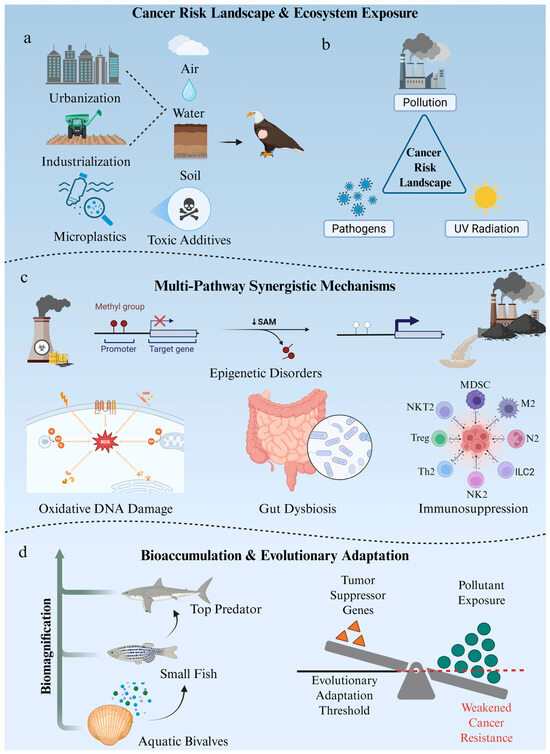
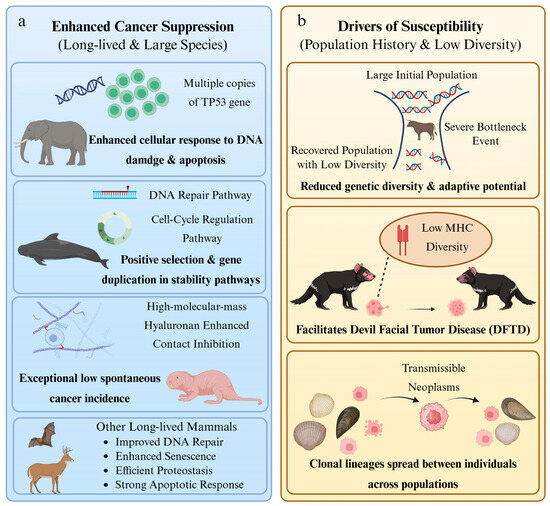
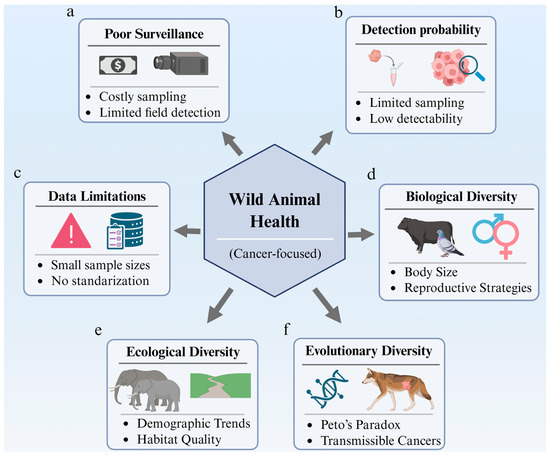
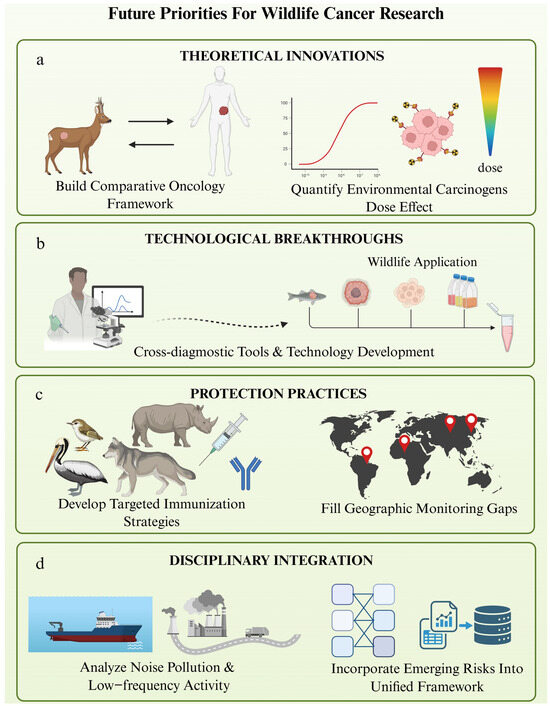
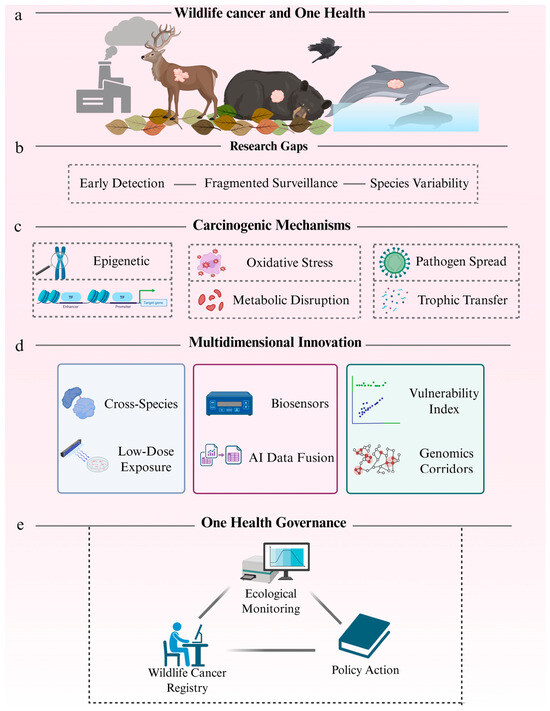
Cancer is increasingly recognized as an emerging concern in wildlife health and biodiversity conservation in the Anthropocene. Although traditionally viewed as an individual disease associated primarily with aging, wildlife cancer is shaped by complex interactions among environmental changes, species-specific evolutionary adaptations, and ecological processes. This review synthesizes current knowledge on the ecological and evolutionary drivers of wildlife cancer by integrating evidence from comparative oncology, environmental toxicology, wildlife pathology, and conservation biology. We examine how anthropogenic stressors, including pollution, habitat degradation, climate change, and infectious agents, influence cancer susceptibility in wild populations, and summarize intrinsic mechanisms underlying interspecific variation in cancer vulnerability, including Peto’s paradox, enhanced tumor suppression, and adaptive immune surveillance. We further highlight major methodological challenges, including limited surveillance capacity, fragmented datasets, taxonomic biases, and insufficient integration between cancer biology and conservation science. Finally, we discuss emerging interdisciplinary approaches, such as standardized monitoring frameworks, multi-omics technologies, artificial intelligence-assisted diagnosis, and One Health-based strategies, to advance wildlife cancer research and management. Collectively, this review positions wildlife cancer as an important ecological and evolutionary phenomenon and provides perspectives for incorporating cancer surveillance into biodiversity conservation and ecosystem health assessment.
Full article
(This article belongs to the Section Veterinary Biomedical Sciences)
►▼
Show Figures

Figure 1

Open AccessCommunication
Comparing Hair Cortisol, DHEA, and Cortisol-to-DHEA Ratios from Various Body Sites in Anatolian Shelter Dogs
by
Jalil Ghassemi Nejad, Farzad Ghanbari and Si-Hyeong Sun
Vet. Sci. 2026, 13(8), 814; https://doi.org/10.3390/vetsci13080814 - 17 Aug 2026
Abstract
Hair-based biomarkers offer a non-invasive window into chronic stress physiology, yet the influence of sampling body site on hair cortisol, dehydroepiandrosterone (DHEA), and their molar ratio has not been systematically characterized in domestic dogs. This study compared these three biomarkers across three anatomical
[...] Read more.
Hair-based biomarkers offer a non-invasive window into chronic stress physiology, yet the influence of sampling body site on hair cortisol, dehydroepiandrosterone (DHEA), and their molar ratio has not been systematically characterized in domestic dogs. This study compared these three biomarkers across three anatomical sites—shoulder (mid-scapula), neck (dorsal midline), and rump (sacroiliac region)—in 30 neutered Anatolian shelter dogs (2–3 years; 15 males, 15 females; 30 dogs total, with each dog sampled at all three body sites) housed in individual kennels over eight weeks. Hair samples were collected at week 0 and week 8, extracted by methanol pulverization, and quantified by validated ELISA protocols. Hair cortisol differed significantly by site (p < 0.001), as did DHEA (p < 0.01) and cortisol-to-DHEA ratios (p < 0.001). Cortisol decreased modestly over eight weeks (p < 0.05). DHEA was inversely correlated with cortisol (r = −0.62, p < 0.01). The shoulder site yielded the highest absolute concentrations and the greatest cortisol-to-DHEA ratio, combined with the lowest within-site coefficient of variation (CV = 11.2% vs. 13.8% at neck and 15.6% at rump), jointly supporting its designation as the preferred anatomical sampling location. The cortisol-to-DHEA ratio is identified as a nuanced welfare indicator that integrates both allostatic load and adaptive resilience capacity, with implications for standardized non-invasive stress assessment protocols in shelter medicine.
Full article
Open AccessArticle
Sexual Dimorphism and Aging Effects on Pituitary Gonadotroph Structure and Secretion in Dromedary Camels: Immunohistochemical and Ultrastructural Insights
by
Shaukat Ali Shaukat Jaspal, Hanan Al-Khalaifah, Muhammad Mubashar Shaukat, Robina Shaukat, Tahmina Shaukat, Shabana Naz, Rifat Ullah Khan, Vincenzo Tufarelli, Caterina Losacco, Luciana Rossi and Mutassim M. Abdelrahman
Vet. Sci. 2026, 13(8), 813; https://doi.org/10.3390/vetsci13080813 - 17 Aug 2026
Abstract
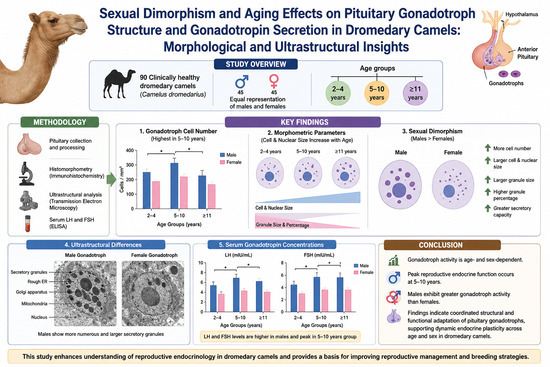
This study investigated age- and sex-related variations in pituitary gonadotroph morphometry and serum luteinizing hormone (LH) and follicle-stimulating hormone (FSH) concentrations in 90 clinically healthy dromedary camels (Camelus dromedarius). Animals were grouped into three age categories (2–4, 5–10, and ≥11 years),
[...] Read more.
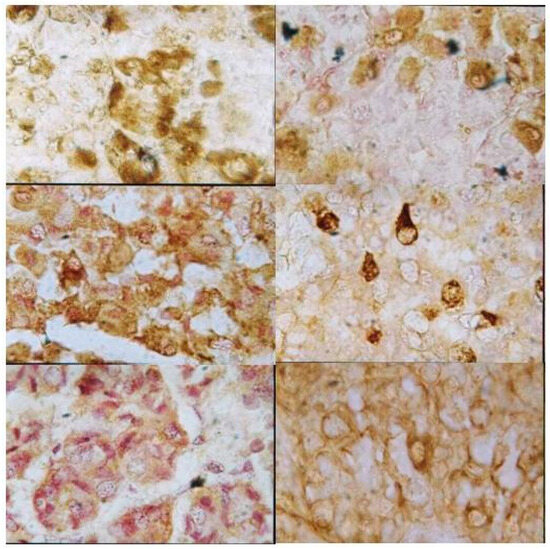
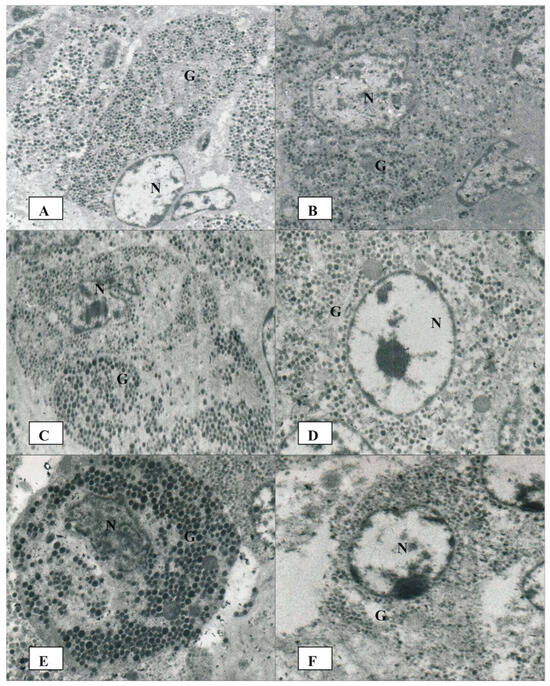
This study investigated age- and sex-related variations in pituitary gonadotroph morphometry and serum luteinizing hormone (LH) and follicle-stimulating hormone (FSH) concentrations in 90 clinically healthy dromedary camels (Camelus dromedarius). Animals were grouped into three age categories (2–4, 5–10, and ≥11 years), with equal representation of males and females. The precise reproductive status of the female camels (e.g., estrous stage or pregnancy status) was not determined and should be considered when interpreting the endocrine findings. Immunocytochemical analysis revealed significant age- and sex-related differences in gonadotroph number and morphometric characteristics (p < 0.05). Gonadotroph counts were 8.3 ± 0.4, 9.4 ± 0.5, and 8.1 ± 0.4 cells in the 2–4, 5–10, and ≥11-year age groups, respectively, with males showing a higher overall count than females (9.1 ± 0.4 vs. 8.2 ± 0.3; p < 0.05). Overall cell size, cell area, cell volume, nucleus area, and nucleus volume were also greater in males than females (p < 0.05). The largest nucleus size, nucleus area, and nucleus volume were observed in camels ≥11 years of age, with values of 4.7 ± 0.1 µm, 18.5 ± 0.8 µm2, and 60.3 ± 4.1 µm3, respectively. Ultrastructural analysis further showed a significant sex difference in granule size (58.0 ± 0.7 vs. 52.2 ± 0.8 nm) and granule percentage (56.2 ± 3.6 vs. 43.5 ± 3.3% in males and females, respectively; p < 0.05). Serum FSH concentrations were higher in males than females (4.8 ± 0.1 vs. 4.2 ± 0.1 µIU/mL; p < 0.05), whereas LH concentrations were 1.2 ± 0.1 and 1.2 ± 0.1 µIU/mL in males and females, respectively. LH concentration was highest in 5–10-year-old males (1.3 ± 0.2 µIU/mL), while FSH concentration was highest in ≥11-year-old males (4.8 ± 0.2 µIU/mL). Pearson correlation analysis demonstrated significant positive associations between gonadotroph morphometric parameters and circulating gonadotropins, with correlations ranging from 0.52 to 0.74 for cell/nuclear measurements with LH and FSH. Overall, the findings demonstrate marked age- and sex-associated differences in gonadotroph morphology, ultrastructure, and circulating gonadotropin concentrations in dromedary camels, with males generally exhibiting greater gonadotroph dimensions and secretory granule characteristics. These structural and endocrine differences provide evidence of age- and sex-related variation in pituitary gonadotrophic activity, although the findings should be interpreted in light of the cross-sectional design and the undetermined reproductive status of female camels. Overall, these findings demonstrate pronounced age- and sex-associated differences in pituitary gonadotroph morphology, ultrastructure, and endocrine activity, with males generally exhibiting greater cellular and secretory characteristics. The findings provide novel morphological and endocrine evidence of reproductive aging and sexual dimorphism in the dromedary camel pituitary and may contribute to improved understanding of reproductive function across different life stages. However, interpretation should consider the cross-sectional design and the inability to determine the precise reproductive stage of female camels before slaughter.
Full article
(This article belongs to the Special Issue Comparative and Functional Anatomy in Veterinary and Animal Sciences—2nd Edition)
►▼
Show Figures

Graphical abstract
Open AccessArticle
Seroprevalence of Pestivirus Infection and Associated Risk Factors in Sheep in Konya Province, Türkiye
by
Ömer Barış İnce, Ahmet Sait and Alparslan Ayaz
Vet. Sci. 2026, 13(8), 812; https://doi.org/10.3390/vetsci13080812 - 16 Aug 2026
Abstract
Pestivirus infections, including those caused by Border disease virus (BDV), are associated with reproductive disorders, neonatal losses, and persistent infections in sheep, potentially resulting in substantial economic losses. This study aimed to determine the animal- and herd-level pestivirus seroprevalence among sheep in Konya
[...] Read more.
Pestivirus infections, including those caused by Border disease virus (BDV), are associated with reproductive disorders, neonatal losses, and persistent infections in sheep, potentially resulting in substantial economic losses. This study aimed to determine the animal- and herd-level pestivirus seroprevalence among sheep in Konya Province, Türkiye, to investigate evidence of current infection, and to identify factors associated with seropositivity. Serum and whole-blood samples were collected from 280 sheep in 16 herds. Serum samples were tested for pestivirus antibodies by competitive ELISA, while whole-blood samples were examined for pestiviral antigen and RNA by antigen ELISA and real-time RT-PCR, respectively. Epidemiological associations were evaluated using generalized estimating equations (GEE), with herd included as the clustering variable. Pestivirus antibodies were detected in 168 of 280 sheep, corresponding to an animal-level pestivirus seroprevalence of 60.00% (95% confidence interval (CI): 54.16–65.57). At the herd level, 14 of 16 herds (87.5%) had at least one seropositive animal, while herd-specific antibody seropositivity ranged from 0% to 82.76%. Four animals were antigen-reactive at the initial sampling, and one remained so at the 15-day retest; however, all samples were negative by real-time RT-PCR. Therefore, persistent infection could not be confirmed. In the multivariable GEE model, animal age, herd disease history, and the introduction of new animals into the herd were significantly associated with pestivirus seropositivity. Together with previous studies from Türkiye, our findings indicate that pestivirus exposure remains common in sheep populations and warrants continued regional surveillance. Serological screening should therefore be complemented by direct detection methods, including antigen ELISA and real-time RT-PCR, when investigating current or persistent pestivirus infection. Informing herd owners about pestivirus infections and appropriate biosecurity measures may also contribute to reducing their potential impact on animal health and production.
Full article
(This article belongs to the Section Veterinary Microbiology, Parasitology and Immunology)
Open AccessArticle
Effects of Dietary Recombinant Irisin on Growth Performance, Serum Antioxidant and Immune Indices, and Cecal Microbiota of Broilers
by
Pei Wen, Haiyang Wu, Feitao Dang, Jinbo Sun, Hongwei Shi, Yi Yan, Jiayin Lu, Xiaomao Luo, Yanjun Dong and Haidong Wang
Vet. Sci. 2026, 13(8), 811; https://doi.org/10.3390/vetsci13080811 - 15 Aug 2026
Abstract
Irisin is a myokine derived from fibronectin type III domain-containing protein 5 (FNDC5) and is involved in energy metabolism, muscle development, and oxidative regulation. Although irisin has been extensively studied in mammals, its potential application in poultry production remains unclear. Enhancing growth performance
[...] Read more.
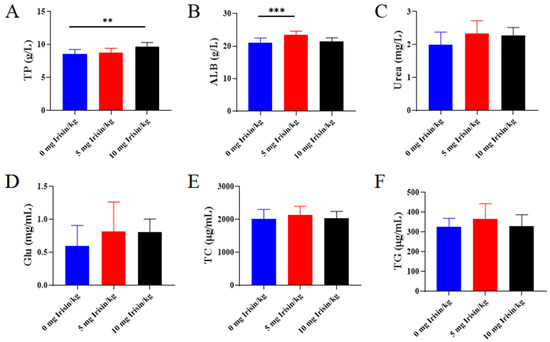
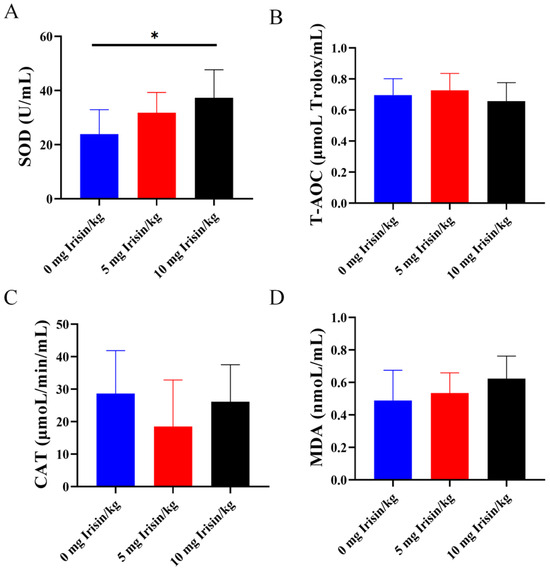
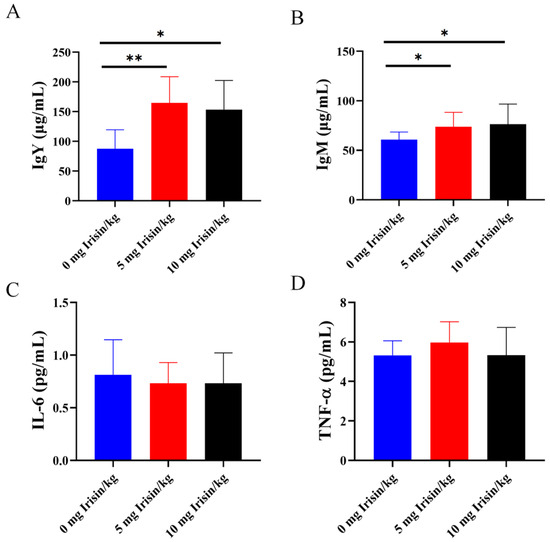
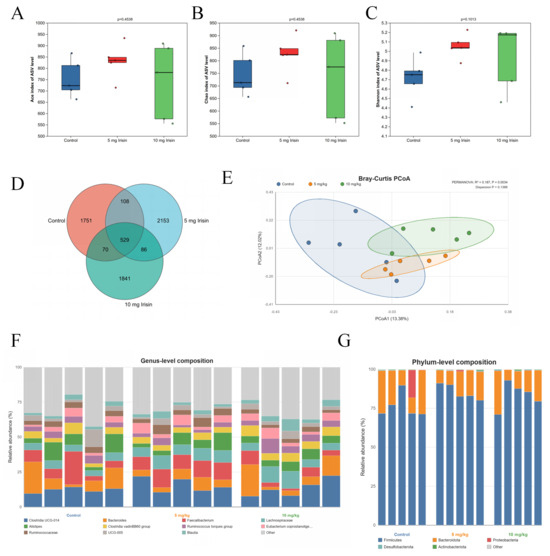
Irisin is a myokine derived from fibronectin type III domain-containing protein 5 (FNDC5) and is involved in energy metabolism, muscle development, and oxidative regulation. Although irisin has been extensively studied in mammals, its potential application in poultry production remains unclear. Enhancing growth performance and physiological resilience is critical for male white-feathered broiler chickens under intensive production systems. This study investigated the effects of dietary irisin supplementation on growth performance and physiological responses in male white-feathered broiler chickens. A total of 180 broilers were randomly allocated to three treatments, with six replicate pens of ten birds per treatment: basal diet and basal diet supplemented with 5 and 10 mg/kg irisin for 42 days. At 42 days, one bird from each replicate pen was sampled for carcass, meat-quality, serum, immune, and microbiota analyses. Dietary irisin supplementation significantly increased final body weight and average daily gain compared with the control group. Feed conversion ratio decreased from 1.51 in the control group to 1.46 in the 5 and 10 mg/kg groups. Carcass evaluation showed higher slaughter yield and breast muscle yield in irisin-supplemented birds, and cooking loss was significantly reduced in both breast and thigh muscles. Serum superoxide dismutase (SOD) activity was elevated in irisin-treated groups. In addition, immunoglobulin Y (IgY) and immunoglobulin M (IgM) concentrations were significantly increased. No significant treatment effects were observed for total antioxidant capacity (T-AOC), catalase (CAT), malondialdehyde (MDA), inflammatory cytokines (IL-6, TNF-α), or immune organ indices (thymus, spleen and bursa of Fabricius). Gut microbiota analysis showed numerical differences in the relative abundance of several major bacterial taxa among treatments. In conclusion, dietary irisin supplementation was associated with improved growth performance and selected carcass, meat-quality, antioxidant, immunoglobulin, and cecal microbiota outcomes in male white-feathered broiler chickens, supporting further investigation of its potential as a functional feed additive in poultry nutrition.
Full article
(This article belongs to the Section Nutritional and Metabolic Diseases in Veterinary Medicine)
►▼
Show Figures

Figure 1
Open AccessArticle
Exploring the Immunohistochemical Expression of Iron-Related Proteins in Non-Metastatic and Metastatic Feline Mammary Carcinomas
by
Rebecca Leandri, Giorgia Rosato, Teresa Chianese, Evaristo Di Napoli, Manuela Martano and Karen Power
Vet. Sci. 2026, 13(8), 810; https://doi.org/10.3390/vetsci13080810 - 15 Aug 2026
Abstract
Feline mammary tumors are the third most common neoplasms in female cats and they are characterized by high aggressiveness and high metastatic rates. Given the pivotal role of iron in human breast cancer development, in this study, we preliminarily explore the immunohistochemical expression
[...] Read more.
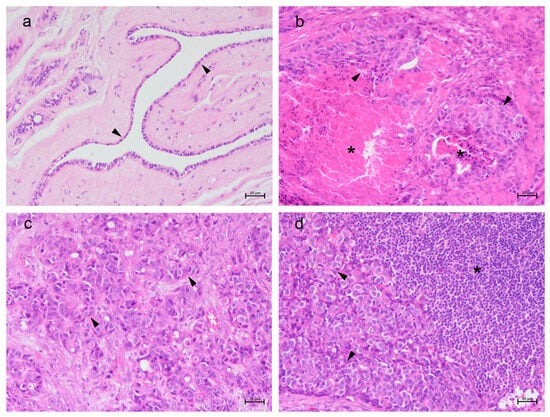
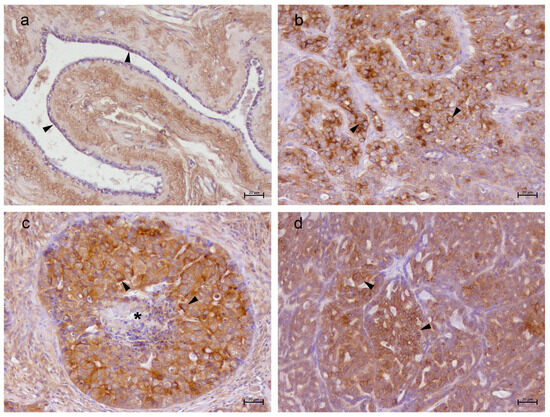
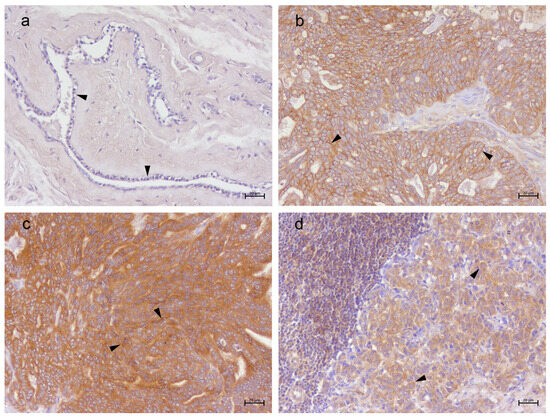
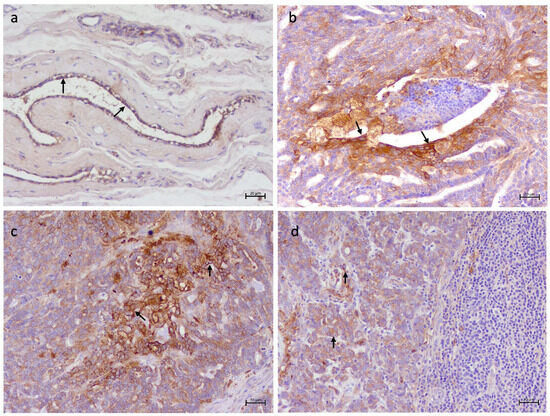
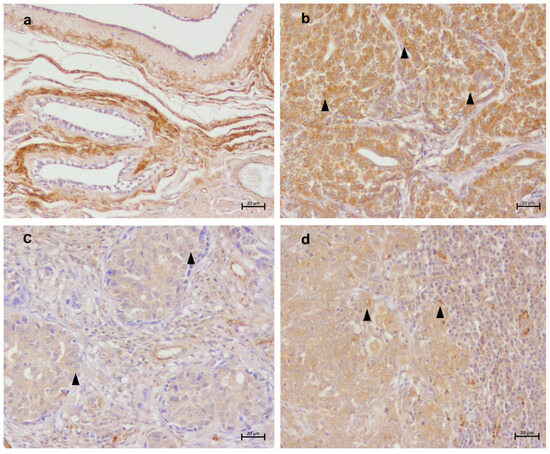
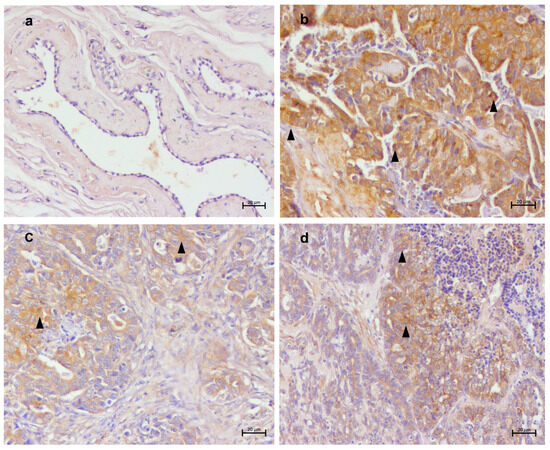
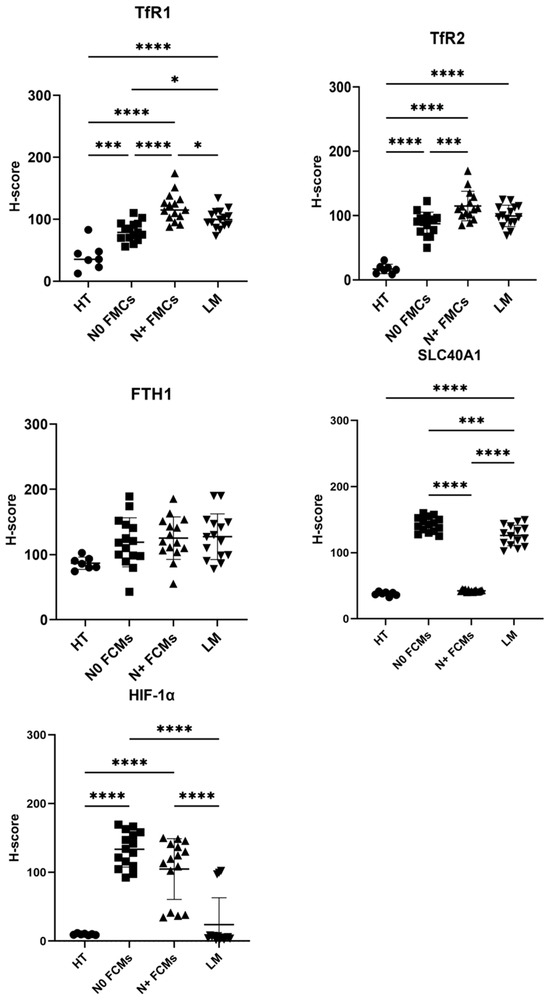
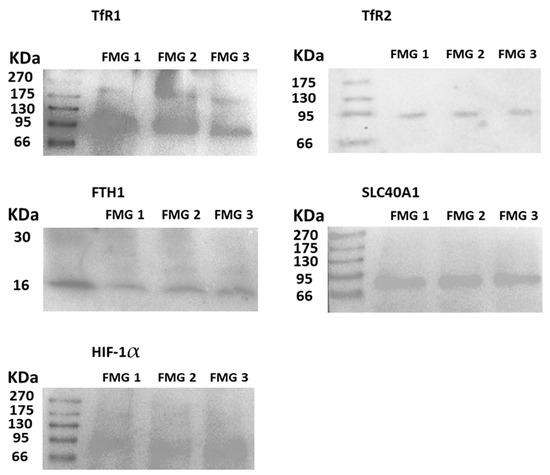
Feline mammary tumors are the third most common neoplasms in female cats and they are characterized by high aggressiveness and high metastatic rates. Given the pivotal role of iron in human breast cancer development, in this study, we preliminarily explore the immunohistochemical expression of proteins involved in iron uptake, storage and efflux [Transferrin Receptor 1 (TfR1), Transferrin Receptor 2 (TfR2), ferritin (FTH1), and ferroportin (SLC40A1)] in non-metastatic and metastatic feline mammary carcinomas and their tributary lymph node and the possible correlation with hypoxia-inducible factor-1 (HIF-1). Our results showed an increased expression of TfR1 and TfR2 in relation to tumor progression. FTH1 immunolabeling was mainly observed in cancer cells delimiting necrotic areas and in lymph node metastasis, indicating greater iron storage possibly associated with hypoxic environments, as suggested by increased expression of HIF-1α. Also, an increase in SLC40A1 labeling in tumoral cells suggested greater iron efflux. Although preliminary, our results underline interesting differences between feline normal and tumoral mammary tissues, which could pave the way to further in vitro studies to better understand the role of iron in the progression of feline mammary tumors.
Full article
(This article belongs to the Special Issue Advanced Therapy in Companion Animals—3rd Edition)
►▼
Show Figures

Figure 1

Open AccessArticle
Dietary Ellagic Acid Protects and Ameliorates Copper Sulfate-Induced Toxicity in Common Carp (Cyprinus carpio)
by
Serpil Mişe Yonar, Mehmet Nuri Çakmak, Duygu Tanrıkulu, Mücahit Eroğlu and Muhammet Enis Yonar
Vet. Sci. 2026, 13(8), 809; https://doi.org/10.3390/vetsci13080809 - 15 Aug 2026
Abstract
Copper sulfate (CuSO4) is one of the most widely used chemotherapeutic agents in aquaculture and aquatic veterinary medicine because of its broad-spectrum antiparasitic, antifungal, and antimicrobial activities. However, repeated exposure may induce oxidative stress and impair hematological and immune functions, thereby
[...] Read more.
Copper sulfate (CuSO4) is one of the most widely used chemotherapeutic agents in aquaculture and aquatic veterinary medicine because of its broad-spectrum antiparasitic, antifungal, and antimicrobial activities. However, repeated exposure may induce oxidative stress and impair hematological and immune functions, thereby compromising fish health. This study evaluated the effects of pre-exposure and post-exposure dietary ellagic acid (EA) supplementation on CuSO4-induced hematological, immunological, and oxidative stress alterations in common carp (Cyprinus carpio). A total of 150 fish were randomly allocated to five experimental groups: Control, EA, CuSO4, pre-exposure EA + CuSO4, and post-exposure CuSO4 + EA. Fish were fed a diet supplemented with 100 mg EA kg−1 feed for 14 days either before or after repeated CuSO4 exposure (1 mg L−1, 30 min day−1 for seven consecutive days). Hematological variables, innate immune responses, and oxidative stress biomarkers were subsequently evaluated. CuSO4 exposure significantly decreased red blood cell (RBC) count, hemoglobin (Hb), hematocrit (Ht), phagocytic activity (PA), phagocytic index (PI), total plasma protein (TP), immunoglobulin M (IgM), bactericidal activity (BA), lysozyme (LYZ), superoxide dismutase (SOD), catalase (CAT), glutathione peroxidase (GPx), glutathione S-transferase (GST), and reduced glutathione (GSH), while significantly increasing mean corpuscular hemoglobin concentration (MCHC), white blood cell (WBC) count, respiratory burst activity (NBT), myeloperoxidase (MPO), and malondialdehyde (MDA) (p < 0.05). Dietary EA supplementation markedly alleviated these alterations by restoring hematological homeostasis, improving innate immune responses, reducing lipid peroxidation, and reinforcing antioxidant defense systems in the liver, kidney, spleen, and gill. Both pre-exposure and post-exposure EA supplementation were associated with improvements in the evaluated biomarkers under the experimental conditions of the present study. However, because the two supplementation strategies were not evaluated against a time-matched CuSO4 recovery control group, the present study does not permit a direct comparison of their relative efficacy. These findings demonstrate that dietary EA was associated with improvements in hematological, immunological, and oxidative stress biomarkers following experimental CuSO4 exposure, potentially through antioxidant and immunomodulatory mechanisms. Therefore, dietary EA may serve as a promising functional feed additive to support antioxidant and immune status during experimental CuSO4 exposure in common carp. Further studies including pathogen challenge models are required before its use as an adjunct to CuSO4 treatments can be recommended.
Full article
Open AccessArticle
Comparative Genomic Analysis of Coding Sequence-Derived Microsatellites Reveals Evolutionary Conservation and Genetic Diversity in Forest Musk Deer (Moschus berezovskii) and Related Ruminants
by
Zhi-Jiang Dong, Ying-Ying Ren and Wen-Hua Qi
Vet. Sci. 2026, 13(8), 808; https://doi.org/10.3390/vetsci13080808 - 15 Aug 2026
Abstract
The FMD is an endangered species under first-class national protection in China. Comparative genomic investigation of microsatellite (SSR) in CDS may provide insights into adaptive evolutionary mechanisms and may inform conservation management strategies for captive populations. Here, we analyzed the FMD genome alongside
[...] Read more.
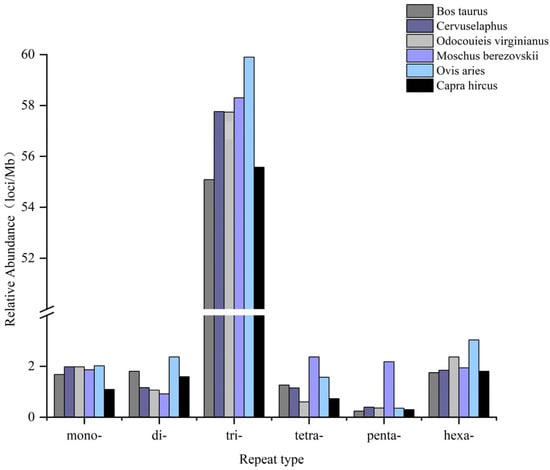
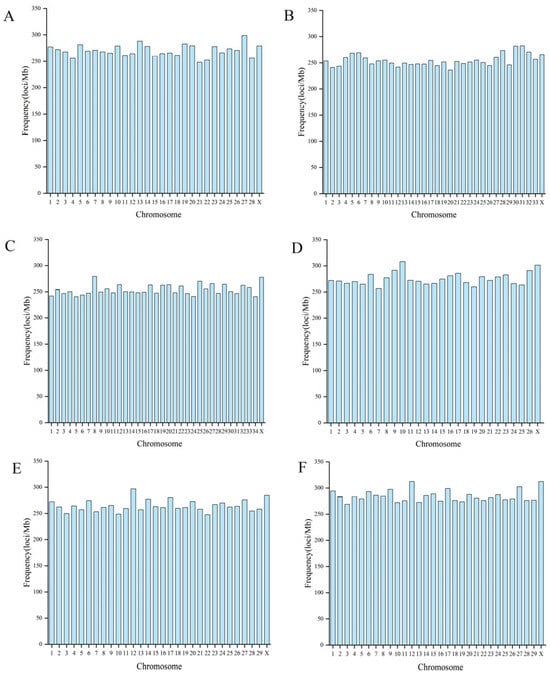
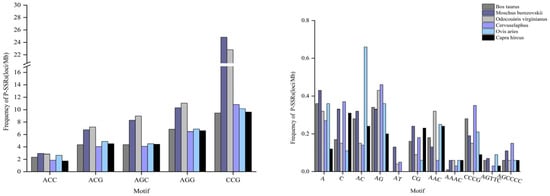
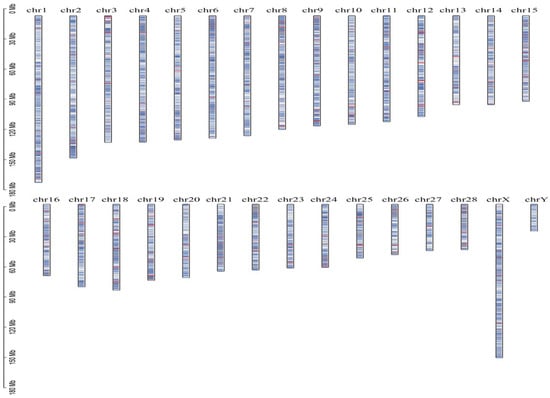
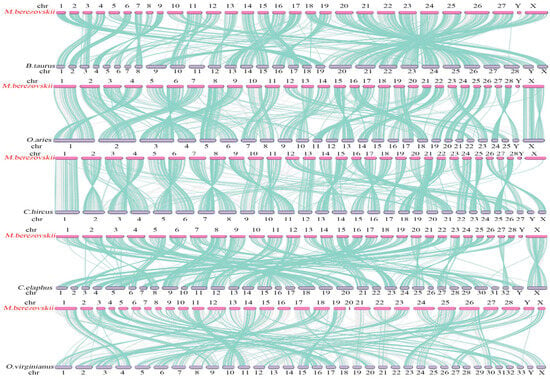
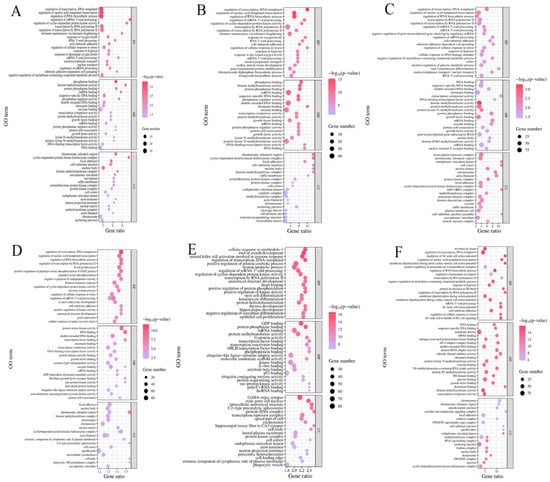
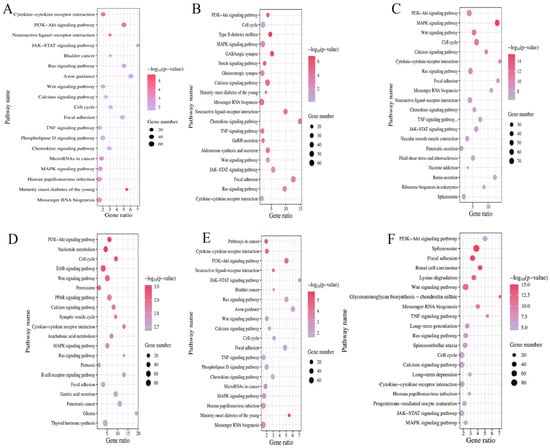
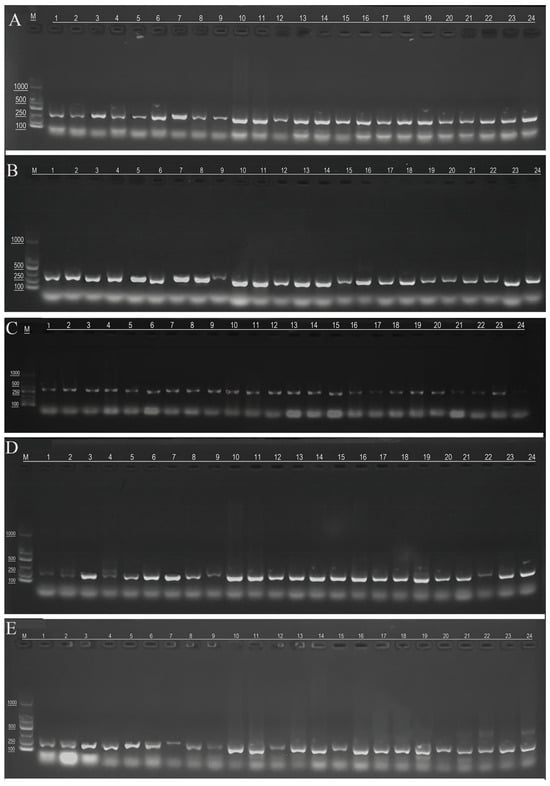
The FMD is an endangered species under first-class national protection in China. Comparative genomic investigation of microsatellite (SSR) in CDS may provide insights into adaptive evolutionary mechanisms and may inform conservation management strategies for captive populations. Here, we analyzed the FMD genome alongside five closely related ruminants: cattle (Bos taurus), red deer (Cervus elaphus), white-tailed deer (Odocoileus virginianus), sheep (Ovis aries), and goat (Capra hircus). Through genome-wide bioinformatic identification, we systematically compared the abundance, density, structural categories, repeat motifs, chromosomal distribution, and pathway enrichment analysis of SSR-containing genes in CDS. Furthermore, we performed synteny analysis and evaluated population genetic diversity. A total of 2509 SSRs in CDS were identified in the FMD, with a relative density of 62.61 loci/Mb. Trinucleotide SSRs were overwhelmingly dominant (88.46%) in the FMD. Notably, the FMD exhibited the highest relative abundances of both tetranucleotide and pentanucleotide repeats among the six species (2.37 and 2.18 loci/Mb, respectively), with pentanucleotide abundance approximately 5.6- to 9.1-fold higher than that of the other species. Chromosomal mapping revealed the highest SSR density in CDS regions on chromosome 27, while SSR-containing genes exhibited a heterogeneous pattern characterized by localized clustering. Synteny analysis demonstrated relatively conserved syntenic relationships between the FMD and goat, sheep, and cattle, with moderate conservation also observed with red deer and white-tailed deer, suggesting that SSR-containing genes in ruminants may remain highly conserved during chromosomal rearrangements. GO and KEGG analyses indicated that SSR-containing genes across all species were predominantly enriched in transcriptional regulation, RNA processing, and signal transduction pathways. Specifically, the FMD showed enrichment patterns associated with hypoxia response, mRNA processing, and epigenetic regulation, which may reflect lineage-specific transcriptional patterns, though the functional involvement of these SSRs remains to be experimentally validated. In addition, the five primer pairs screened in this study exhibited high polymorphism, with a mean polymorphism information content (PIC) of 0.93. The observed heterozygosity (Ho) was significantly lower than the expected heterozygosity (He), and the mean inbreeding coefficient (FIS) was 0.57, indicating heterozygote deficiency and an elevated risk of inbreeding in this captive FMD population. Collectively, our findings provide preliminary insights into the conserved patterns of microsatellite evolution and lineage-specific divergence in ruminants, offering a reference framework for comparative genomics and adaptive evolution research, as well as practical molecular markers for genetic management of captive populations.
Full article
(This article belongs to the Special Issue Veterinary Management in Wildlife Farming: Behavior, Welfare, Stress Physiology, and Artificial Rearing)
►▼
Show Figures

Figure 1
Open AccessArticle
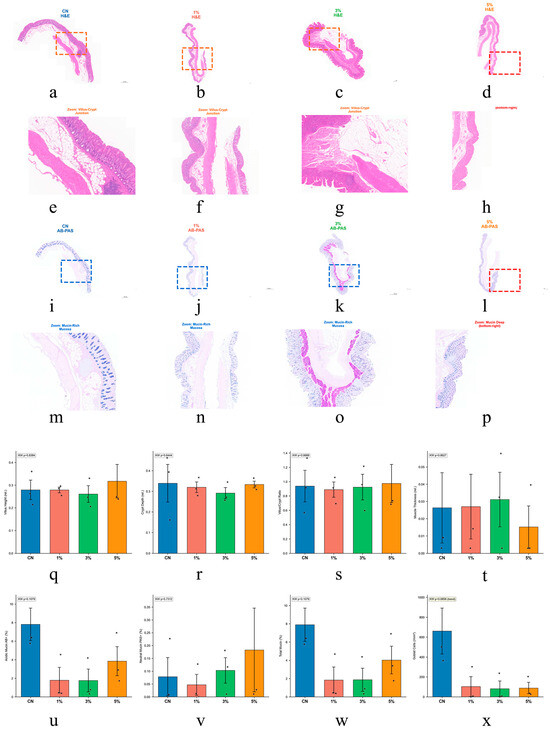
A Streptococcus suis Harmonized IdeSsuis Mac-1 Domain Genotype-Based Classification Proposal and Prevalence in European Isolates
by
Vicky Fachinger, Isabel Steiner, Scott A. Callison, Hubert Gantelet, Kathrin Lillie-Jaschniski, Thomas Lewiner and Giovani Trevisan
Vet. Sci. 2026, 13(8), 807; https://doi.org/10.3390/vetsci13080807 - 15 Aug 2026
Abstract
The classification systems currently in use for Streptococcus suis are primarily based on capsular polysaccharide (CPS) serotyping or multi-locus sequence typing (MLST). A genetic typing system based on the conserved Mac-1 domain of the IdeSsuis gene, which encodes an IgM-cleaving protease, could
[...] Read more.
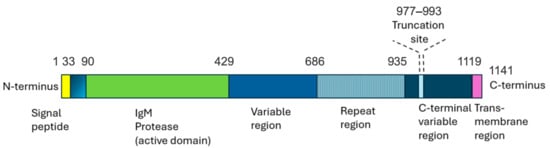
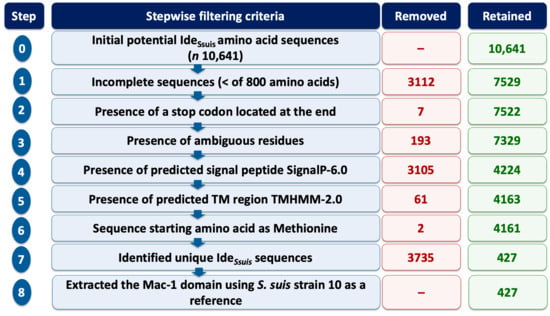
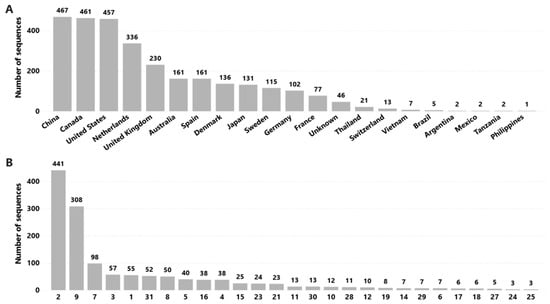
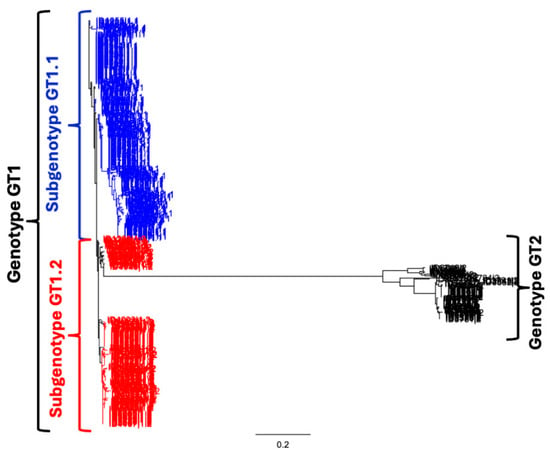
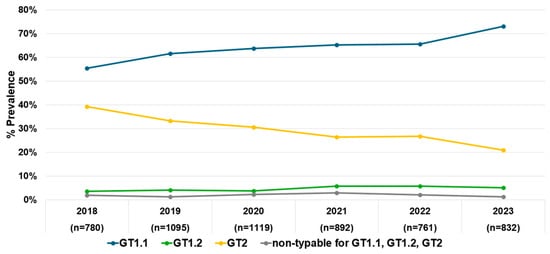
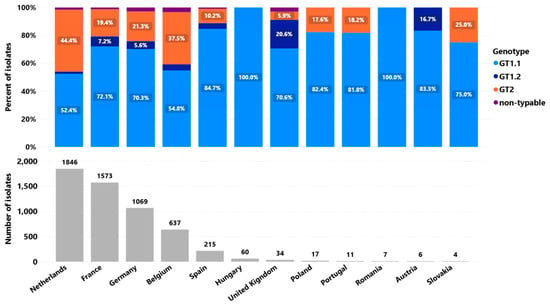
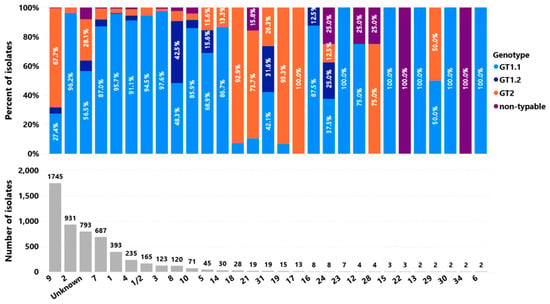
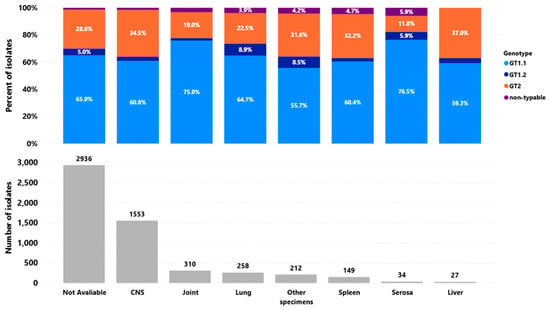
The classification systems currently in use for Streptococcus suis are primarily based on capsular polysaccharide (CPS) serotyping or multi-locus sequence typing (MLST). A genetic typing system based on the conserved Mac-1 domain of the IdeSsuis gene, which encodes an IgM-cleaving protease, could complement these approaches. Specifically, in this study, a genotyping system based on Mac-1 sequence homology was established, qualitative SYBR Green real-time PCR (qPCR) assays for standardized genotype classification were developed, and the global and European distribution of genotypes were analyzed. The Mac-1 classification system identified “two genotypes”, one of which has “two subgenotypes”, based on 427 unique sequences obtained from 4161 global sequences. GT1.1 was the most prevalent, having an amino acid similarity of 97.1%, followed by GT1.2 98.1%, and GT2 91.4%. The qPCR approach enabled reproducible, cross-laboratory-accessible typing. Among 5479 Streptococcus suis European isolates, 64% were GT1.1, 4.5% were GT1.2, and 29.6% were GT2, with a trend toward increasing GT1.1 detection rates between 2018 and 2023. Genotyping classification could complement current Streptococcus suis classification approaches to better support vaccine design and disease control strategies.
Full article
(This article belongs to the Special Issue Zoonotic Diseases: Early Detection, Surveillance, and Control in Veterinary Practice)
►▼
Show Figures

Figure 1
Journal Menu
► ▼ Journal Menu-
- Veterinary Sciences Home
- Aims & Scope
- Editorial Board
- Reviewer Board
- Topical Advisory Panel
- Early Career Editorial Board
- Instructions for Authors
- Special Issues
- Topics
- Sections & Collections
- Article Processing Charge
- Indexing & Archiving
- Editor’s Choice Articles
- Most Cited & Viewed
- Journal Statistics
- Journal History
- Journal Awards
- Society Collaborations
- Conferences
- Editorial Office
Journal Browser
► ▼ Journal BrowserHighly Accessed Articles
Latest Books
E-Mail Alert
News
5 August 2026
Summary of the MDPI Academic Publishing Workshop at Naresuan University Held on 20 July 2026
5 August 2026
MDPI INSIGHTS: The CEO’s Letter #37 – Canada Summit, Sciforum Relaunch, 30 Years of Impactful Research & ISPRS 2026
Topics
Topic in
Animals, Antioxidants, Metabolites, Pets, Veterinary Sciences
Research on Companion Animal Nutrition
Topic Editors: Baichuan Deng, Lian Li, Yun JiDeadline: 26 October 2026
Topic in
Animals, Dairy, Microorganisms, Veterinary Sciences, Metabolites, Life, Parasitologia
The Complexity of Parasites in Animals: Impacts, Innovation, and Interventions
Topic Editors: Kun Li, Rongjun Wang, Ningbo Xia, Md. F. KulyarDeadline: 31 December 2026
Topic in
Animals, Arthropoda, Insects, Vaccines, Veterinary Sciences, Pathogens
Ticks and Tick-Borne Pathogens: 2nd Edition
Topic Editors: Alina Rodriguez-Mallon, Alejandro Cabezas-CruzDeadline: 31 March 2027
Topic in
Animals, Cells, Life, Veterinary Sciences, Zoonotic Diseases, Sci
Application of Animal Models: From Physiology to Pathology, 2nd Edition
Topic Editors: Juan Carlos Illera, Sara Cristina Caceres Ramos, Felisbina Luisa QueirogaDeadline: 15 April 2027
Conferences
Special Issues
Special Issue in
Veterinary Sciences
Nutritional Health of Monogastric Animals—2nd Edition
Guest Editors: Ines Andretta, Alícia Zem Fraga, Gabriela Miotto Galli, Marcos KipperDeadline: 20 August 2026
Special Issue in
Veterinary Sciences
Comparative Anatomy and Histology in Animals
Guest Editor: Ioannis GrivasDeadline: 25 August 2026
Special Issue in
Veterinary Sciences
A One Health Perspective: Nutritional Deficiencies and Toxic Diseases in Animals
Guest Editor: Hongrui GuoDeadline: 25 August 2026
Special Issue in
Veterinary Sciences
Advances in Poultry Cellular Immunity and Viral Disease Control
Guest Editor: Xiaoli HaoDeadline: 26 August 2026
Topical Collections
Topical Collection in
Veterinary Sciences
One-Health Approach to Bee Health
Collection Editors: Giovanni Cilia, Antonio Nanetti