


Journal Description
Veterinary Sciences
Veterinary Sciences
is an international, peer-reviewed, open access journal on veterinary sciences, published monthly online by MDPI. The College of Veterinary Medicine, Yangzhou University is affiliated with Veterinary Sciences and its members receive a discount on the article processing charges.
- Open Access— free for readers, with article processing charges (APC) paid by authors or their institutions.
- High visibility: indexed within Scopus, SCIE (Web of Science), PubMed, PMC, Embase, PubAg, AGRIS, and other databases.
- Journal Rank: JCR - Q1 (Veterinary Sciences) / CiteScore - Q1 (General Veterinary)
- Rapid Publication: manuscripts are peer-reviewed and a first decision is provided to authors approximately 17.8 days after submission; acceptance to publication is undertaken in 2.6 days (median values for papers published in this journal in the second half of 2025).
- Recognition of Reviewers: reviewers who provide timely, thorough peer-review reports receive vouchers entitling them to a discount on the APC of their next publication in any MDPI journal, in appreciation of the work done.
- Journal Cluster of Animal Science: Animals, Arthropoda, Birds, Dairy, Insects, Journal of Zoological and Botanical Gardens, Pets, Poultry, Ruminants and Veterinary Sciences.
Impact Factor:
2.7 (2025);
5-Year Impact Factor:
2.8 (2025)
Latest Articles
Epidemiology of Eustrongylides sp. Infection in Triplophysa strauchii: Temporal Dynamics and Risk Factors
Vet. Sci. 2026, 13(7), 625; https://doi.org/10.3390/vetsci13070625 (registering DOI) - 26 Jun 2026
Abstract
The epidemiology of the nematode Eustrongylides sp. remains poorly understood in natural fish populations, especially under alpine conditions. This study investigated its infection dynamics in Triplophysa strauchii, an endemic fish in an alpine wetland in northwestern China. A total of 720 fish
[...] Read more.
The epidemiology of the nematode Eustrongylides sp. remains poorly understood in natural fish populations, especially under alpine conditions. This study investigated its infection dynamics in Triplophysa strauchii, an endemic fish in an alpine wetland in northwestern China. A total of 720 fish were sampled monthly from April to November 2025. Parasitic larvae were identified using ribosomal ITS sequences. Hurdle models were employed to assess infection risk and intensity, incorporating host length, sex, and month as predictors. The overall prevalence was 21.8%, with a mean intensity of 4.36 ± 6.83 worms per infected fish. Infection dynamics showed two seasonal peaks: a spring peak with high intensity and a late-summer peak with moderate prevalence but low intensity. Host length was the most stable predictor for both infection risk (OR = 1.916 per cm, 95% CI: 1.232–2.977) and intensity, with significant length × month interactions (length × May: IRR = 4.847, p = 0.005; length × November: OR = 0.418, p = 0.005), indicating seasonal modulation of the length effect. These findings provide foundational insights into parasite transmission in alpine wetlands and highlight public health concerns regarding fish consumption.
Full article
Open AccessReview
The Impact of Climate-Driven Heat Stress on Bovine Mastitis: A Review of the Po Valley Dairy System
by
Mario Baratta, Paolo Accornero, Silvia Miretti and Eugenio Martignani
Vet. Sci. 2026, 13(7), 623; https://doi.org/10.3390/vetsci13070623 (registering DOI) - 26 Jun 2026
Abstract
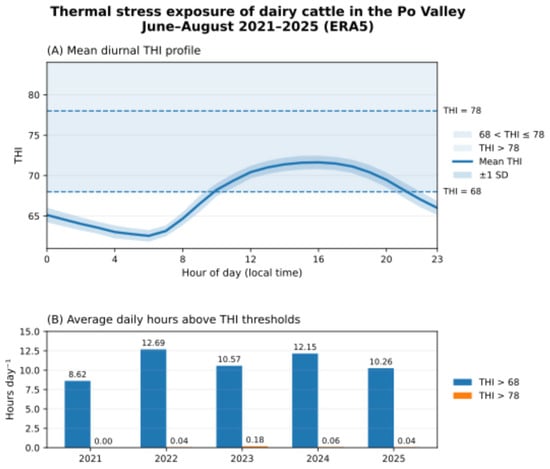
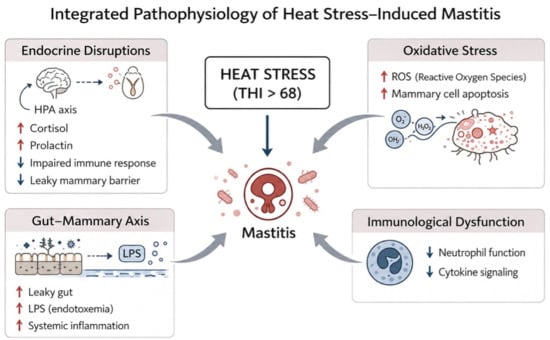
This review examines the relationship between climate-driven heat stress (HS) and bovine mastitis in the Po Valley, a key European dairy region characterized by intensive production systems and increasing climatic vulnerability. It aims to contextualize how rising temperature–humidity index (THI) levels influence animal
[...] Read more.
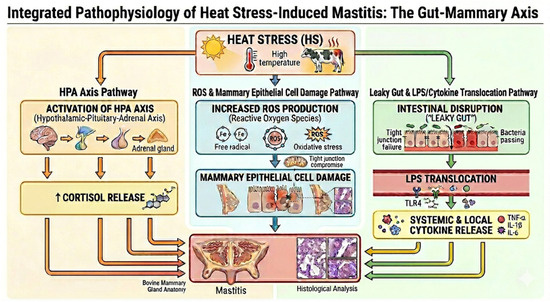
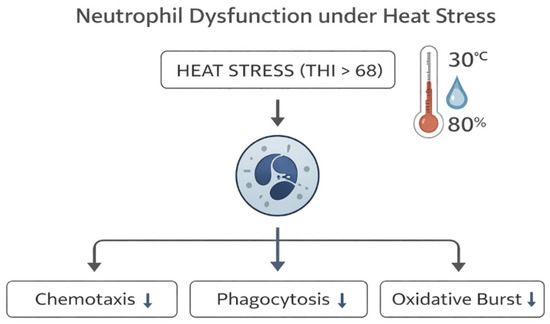
This review examines the relationship between climate-driven heat stress (HS) and bovine mastitis in the Po Valley, a key European dairy region characterized by intensive production systems and increasing climatic vulnerability. It aims to contextualize how rising temperature–humidity index (THI) levels influence animal health and productivity. This study synthesizes the current literature on biometeorological conditions, epidemiological trends, and physiological mechanisms linking HS to mastitis. Evidence indicates that prolonged exposure to elevated THI impairs thermoregulation, disrupts endocrine and metabolic balance, and weakens immune function, thereby increasing susceptibility to intramammary infections. Epidemiological data reveal a clear seasonal pattern, with mastitis incidence peaking during summer months and a growing predominance of environmental pathogens. Additionally, HS negatively affects milk yield and quality, amplifying economic losses in dairy systems. The findings highlight that mastitis in this context is not merely an infectious disease but a multifactorial condition shaped by environmental, physiological, and management factors. Overall, this review underscores the need for integrated mitigation strategies, including improved housing, nutrition, genetic selection, and precision monitoring, to enhance resilience. In the face of ongoing climate change, adapting dairy production systems will be essential to safeguard animal welfare, maintain productivity, and ensure the long-term sustainability of the Po Valley dairy sector.
Full article
(This article belongs to the Special Issue Mastitis in Dairy Animals)
►▼
Show Figures

Figure 1
Open AccessArticle
Physiological Variables, Milk Conductivity and Production in Dairy Cows to Ketosis During the Transition Period in Northern Mexico
by
Pedro Antonio Robles-Trillo, Christopher D. Lu, Luis Jesús Barrera-Flores, Rafael Rodríguez-Venegas, Martín Alfredo Legarreta-González and Rafael Rodríguez-Martínez
Vet. Sci. 2026, 13(7), 622; https://doi.org/10.3390/vetsci13070622 (registering DOI) - 26 Jun 2026
Abstract
Attempting to detect and improve the management of Ketosis, the objective of this study was to determine and confirm the relationship between hours of activity, rumination time, conductivity, and milk production with the presence of ketosis in cows during the transition period in
[...] Read more.
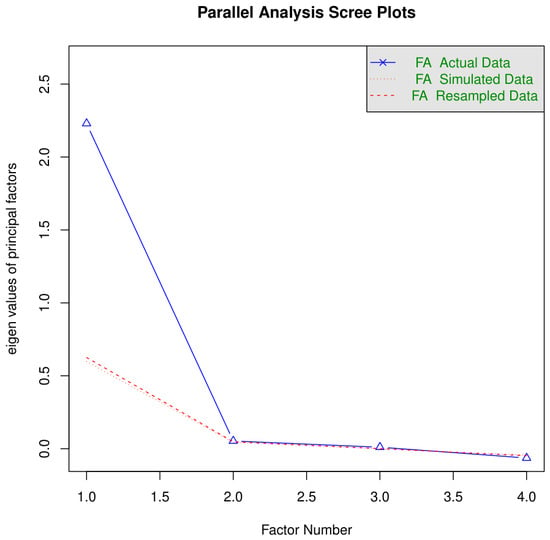
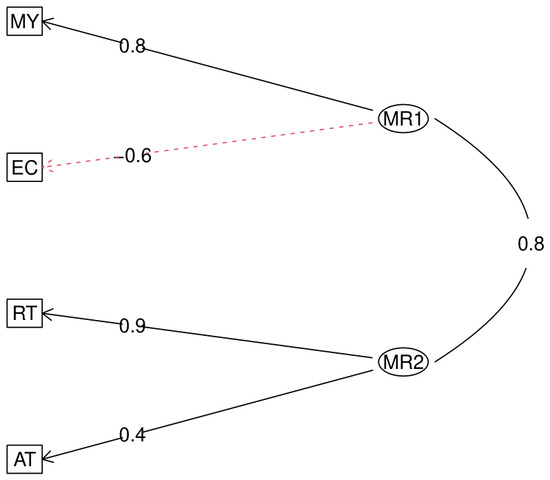
Attempting to detect and improve the management of Ketosis, the objective of this study was to determine and confirm the relationship between hours of activity, rumination time, conductivity, and milk production with the presence of ketosis in cows during the transition period in dairy cows in the Comarca Lagunera region, the heart of the dairy cattle production in Mexico. Data were collected in a large scale dairy cattle study. High-precision electronic collar sensors, high-precision electronic scales, and online electronic weighing sensors were employed to determine activity and ruminating time, milk electrical conductivity, and milk yield, respectively. All data were collected and integrated using an electronic peripheral management and control software. Using urinary ketone bodies measured by qualitative strips as the biomarker for ketosis, 10.50% of the cows were found to be positive for ketosis, while the remaining 89.50% were negative. The mean and standard error for activity time (AT), ruminating time (RT), milk electrical conductivity (CE) and milk yield (MY) in normal (N) vs ketotic (P) cows were: AT N 61.38, ± 0.39, AT P 39.08 ± 0.49; RT N 530.85 ± 2.94, RT P 295.24 ± 10.69; CE N 5.68 ± 0.03, CE P 9.13 ± 0.11; and MY N 38.87 ± 0.29, MY P 20.34 ± 0.54. Exploratory Factor Analysis (EFA) was conducted for the purpose of uncovering the underlying structure of the data by identifying latent constructs that influence the observed variables. The EFA estimated two factors which explained 62% of the variation observed. The Factor 1 (MR1) comprising the variables MY and EC, and Factor 2 (MR2), which consists the variables AT and RT. High-precision measurement sensors along multivariable analyses could facilitate the establishment of a correlation between ketosis and variables associated with the physiology, well-being, and productivity of bovines in the transition period. It further open the possibility of early detection of metabolic diseases such as ketosis.
Full article
(This article belongs to the Special Issue Recent Advances in the Diagnosis, Pathogenesis, and Control of Metabolic and Immunological Diseases in Cattle)
►▼
Show Figures

Figure 1
Open AccessArticle
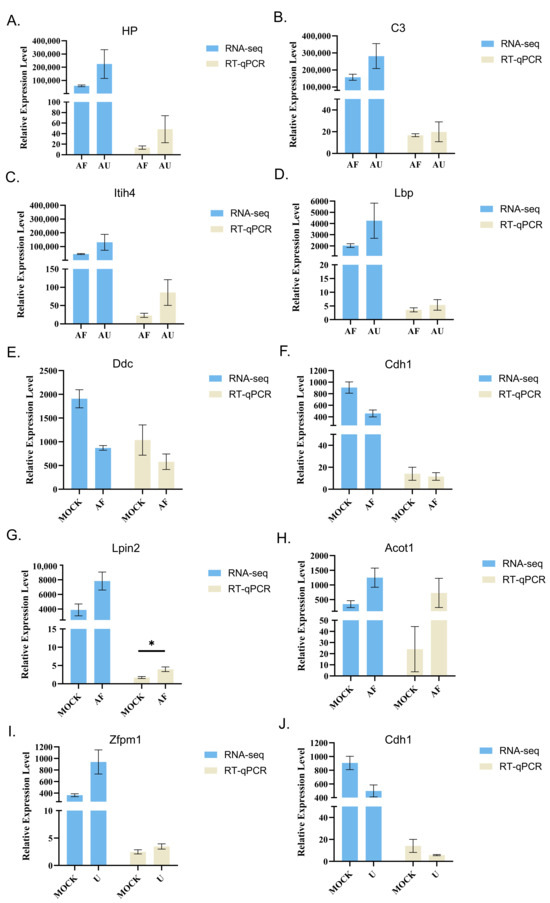
Vitamin U Attenuates Acute Aflatoxin B1-Induced Liver Injury in Mice: Biochemical, Histological and Transcriptomic Evidence
by
Liyu Yang, Jiaxin Liu, Xuanxuan Zhang, Yake Wang, Shufan Liu, Chenxi Ling, Xinfeng Li, Kun Liu, Yong Huo, Guangwei Zhao, Qiuliang Xu, Hongyu Deng and Congcong Li
Vet. Sci. 2026, 13(7), 621; https://doi.org/10.3390/vetsci13070621 (registering DOI) - 26 Jun 2026
Abstract
Aflatoxin B1 (AFB1) causes acute liver injury in livestock. This study evaluated whether Vitamin U could alleviate AFB1-induced hepatotoxicity in mice. AFB1 (3 mg/kg) reduced PLT, PCT, and EOS counts, caused hepatic vascular congestion, and decreased GSH-Px
[...] Read more.
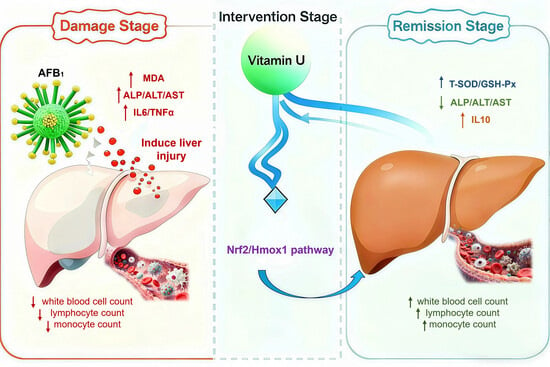
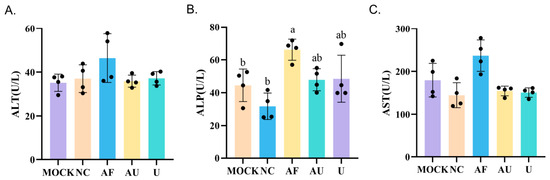
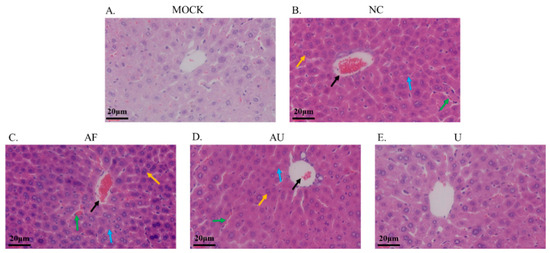
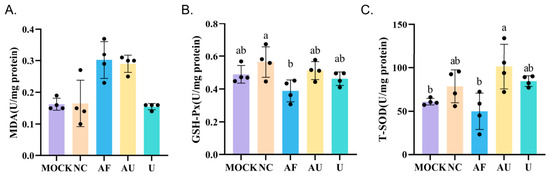
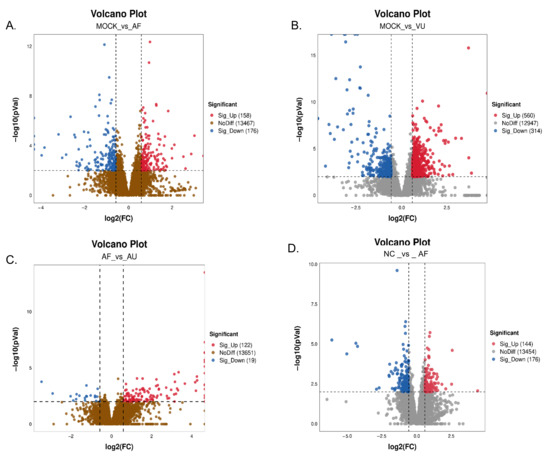
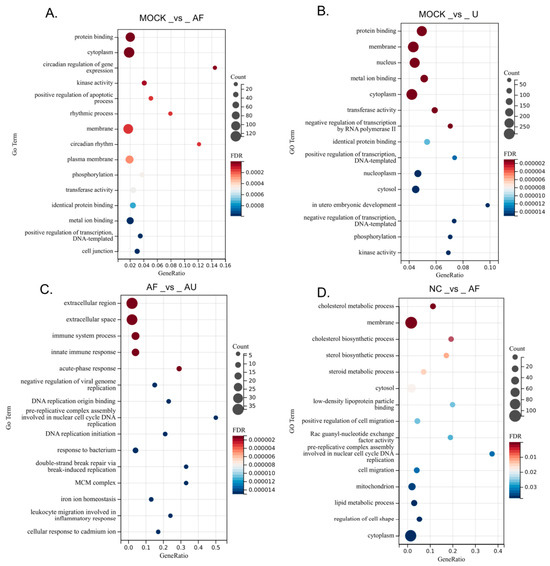
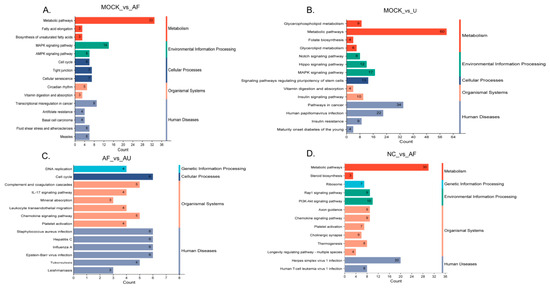
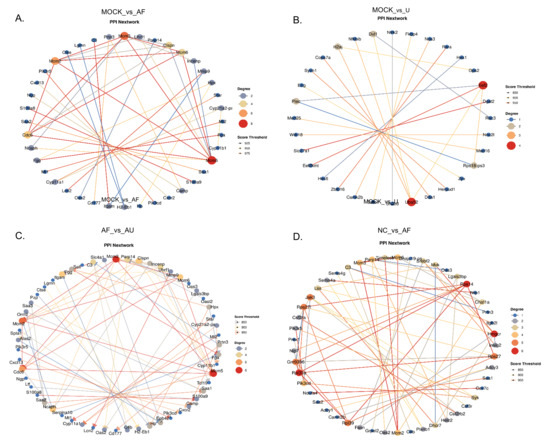
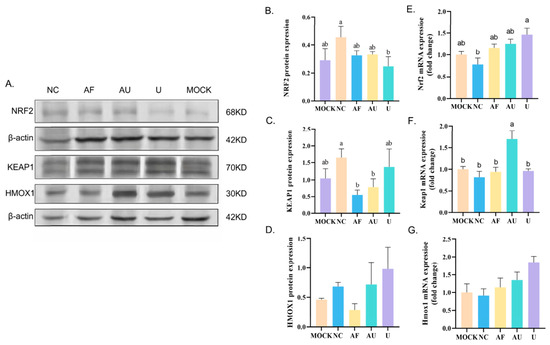
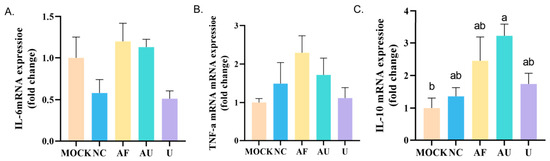
Aflatoxin B1 (AFB1) causes acute liver injury in livestock. This study evaluated whether Vitamin U could alleviate AFB1-induced hepatotoxicity in mice. AFB1 (3 mg/kg) reduced PLT, PCT, and EOS counts, caused hepatic vascular congestion, and decreased GSH-Px activity. Vitamin U (50 mg/kg) significantly improved these hematological parameters, alleviated central venous and sinusoidal congestion, increased T-SOD activity and upregulated IL-10 mRNA expression. However, Vitamin U did not significantly reverse AFB1-induced elevation of ALP or reduction in GSH-Px, nor did it affect ALT, AST, or protein levels of the Nrf2/Keap1 pathway. Transcriptomic analysis revealed enrichment of DEGs in immune- and cell cycle-related pathways, with no direct enrichment observed in the Nrf2/Keap1 pathway. Vitamin U upregulated Keap1 mRNA expression but did not alter KEAP1 protein levels. In conclusion, Vitamin U partially protects against AFB1-induced acute liver injury by ameliorating thrombocytopenia, vascular congestion, enhancing T-SOD activity, and upregulating IL-10 expression, providing preliminary experimental evidence for further investigation.
Full article

(This article belongs to the Special Issue Animal Poisoning and Nutritional Metabolic Diseases)
►▼
Show Figures

Graphical abstract
Open AccessReview
Organic Acids in Rabbit Nutrition: Mechanisms, Advancements, and Potentials for Sustainable Production
by
Tarek A. Ebeid, Mohamed Tharwat, Sohail Ahmad, Ahmed O. Abbas, Abdullah N. Alkhalaf and Fahad A. Alshanbari
Vet. Sci. 2026, 13(7), 620; https://doi.org/10.3390/vetsci13070620 (registering DOI) - 26 Jun 2026
Abstract
Sustainable rabbit production requires effective nutritional strategies to enhance productivity, health status, and immune competence. Following the restriction of antibiotic growth promoters, organic acids (OAs) have gotten increasing attention as promising functional feed additives due to their multiple biological roles. This review aims
[...] Read more.
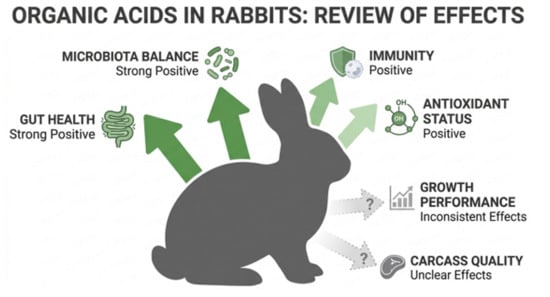
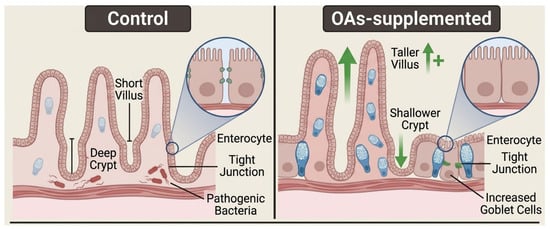
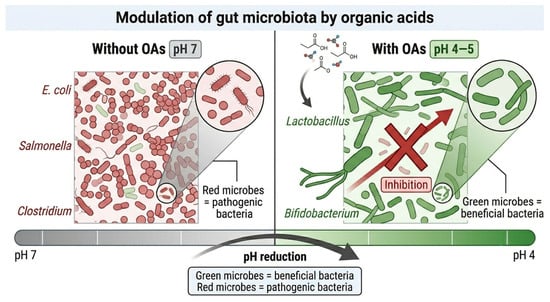
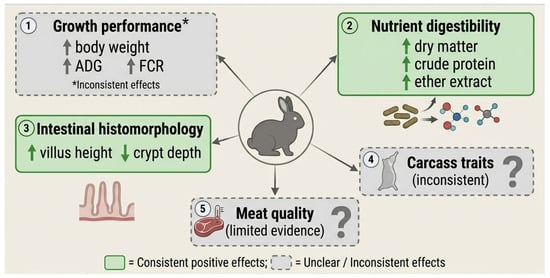
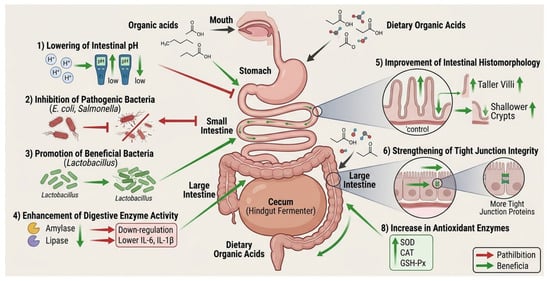
Sustainable rabbit production requires effective nutritional strategies to enhance productivity, health status, and immune competence. Following the restriction of antibiotic growth promoters, organic acids (OAs) have gotten increasing attention as promising functional feed additives due to their multiple biological roles. This review aims to offer a comprehensive overview of the functional roles of OAs in rabbit nutrition, with a focus on their effects on gut morphology, nutrient digestibility, intestinal microbiota, antioxidative status, immunity, and growth performance in growing rabbits. The OAs may modulate gut microbiota balance through inhibition of pathogenic bacteria and promotion of beneficial microbial populations, thereby contributing to the establishment of a balanced intestinal ecosystem. This effect is particularly important during the post-weaning period, a critical stage characterized by increased susceptibility to enteric disorders and associated economic losses. The OAs may also enhance digestive enzyme activities, leading to improving nutrient digestibility, feed efficiency, and reducing feed wastage. In addition, OAs have been shown to improve intestinal histomorphology through coordinated effects on epithelial proliferation, mucosal renewal, and tight junction integrity. Furthermore, OAs have been shown to modulate antioxidative status and immune responses, which are essential for maintaining intestinal health and overall production sustainability. Collectively, OAs represent a promising and viable nutritional strategy to enhance the sustainability and efficiency of rabbit production systems through their beneficial effects on gut health, nutrient utilization, immune competence, and antioxidative status.
Full article
(This article belongs to the Special Issue Nutritional Strategies to Improve Animal Health and Immunity)
►▼
Show Figures

Graphical abstract
Open AccessArticle
Clinical Chemistry and Hematology Values in Captive European Mink (Mustela lutreola): Reference Intervals and Evaluation of the Effects of Sex, Age, and Body Condition
by
Mª Carmen Aranda, Paloma Jimena de Andrés, Sergio Villanueva-Saz and Mª de los Ángeles Jiménez
Vet. Sci. 2026, 13(7), 619; https://doi.org/10.3390/vetsci13070619 (registering DOI) - 26 Jun 2026
Abstract
The European mink is a critically endangered mustelid. Species-specific hematological and biochemical reference intervals are lacking, complicating accurate health assessments in conservation programs. This study aimed to determine these reference intervals for European mink, following international guidelines, with 110 blood samples collected under
[...] Read more.
The European mink is a critically endangered mustelid. Species-specific hematological and biochemical reference intervals are lacking, complicating accurate health assessments in conservation programs. This study aimed to determine these reference intervals for European mink, following international guidelines, with 110 blood samples collected under isoflurane anesthesia, outside the breeding season, from 75 captive individuals (37 females, 38 males). Results were broadly comparable to the American mink and domestic ferret. Several parameters varied significantly according to sex, age, and body condition. Males showed higher hemoglobin (p = 0.031), whereas females, higher platelet (p = 0.014) and leukocyte counts, cholesterol, urea, alkaline phosphatase (ALP) (p ≤ 0.002), and globulin concentrations (p = 0.005). Males also had higher creatinine and alanine aminotransferase (ALT) (p < 0.001). Juveniles had higher leukocyte counts (p = 0.047) and ALP and calcium concentrations (p ≤ 0.016), while adults showed higher globulin and creatinine values (p ≤ 0.014). Overweight individuals exhibited increased hemoglobin and hematocrit (p ≤ 0.018) and mild electrolyte differences (p ≤ 0.045). Separate intervals for sex and age were not warranted for most analytes. These results provided specific reference intervals useful for essential health monitoring and clinical decision-making in conservation breeding, translocation, and reintroduction programs of European mink.
Full article
(This article belongs to the Special Issue Advances in Zoo, Aquatic, and Wild Animal Medicine)
Open AccessArticle
Preoperative Oral Tasipimidine in Dogs Undergoing Elective Ovariectomy: Anxiolysis, Handling Quality and Cardiovascular Effects
by
Nerea Cambeiro-Camarero, Silvia Fernández-Martín and Antonio González-Cantalapiedra
Vet. Sci. 2026, 13(7), 618; https://doi.org/10.3390/vetsci13070618 (registering DOI) - 26 Jun 2026
Abstract
Preoperative anxiety may compromise perioperative welfare and anesthetic management in dogs. This randomized, blind clinical study evaluated the effects of oral tasipimidine on anxiety-related behaviors, handling quality, cardiovascular variables, anesthetic requirements and recovery in dogs undergoing elective ovariectomy. Thirty ASA I dogs were
[...] Read more.
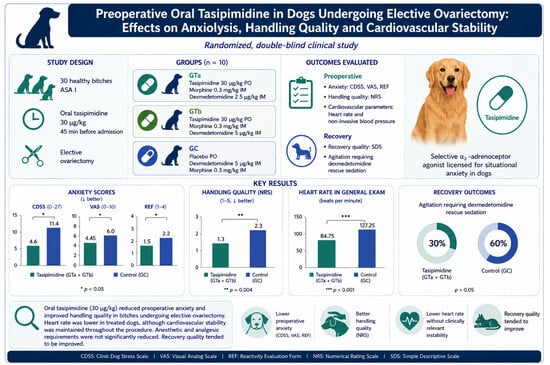
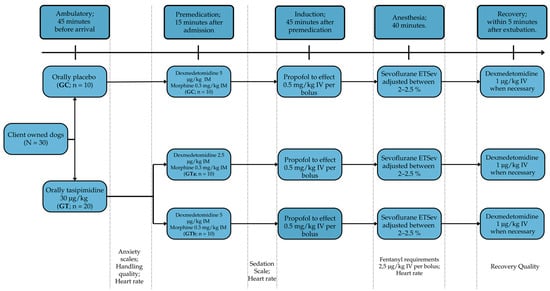
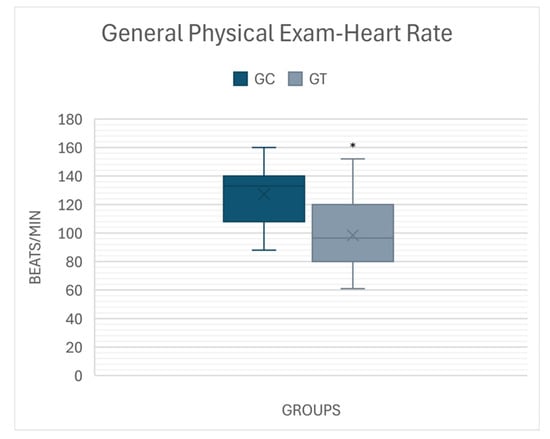
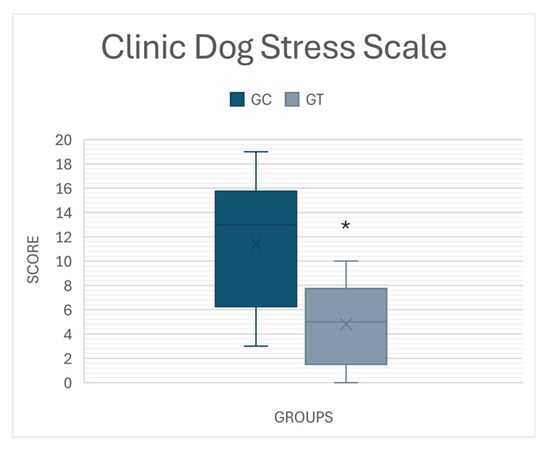
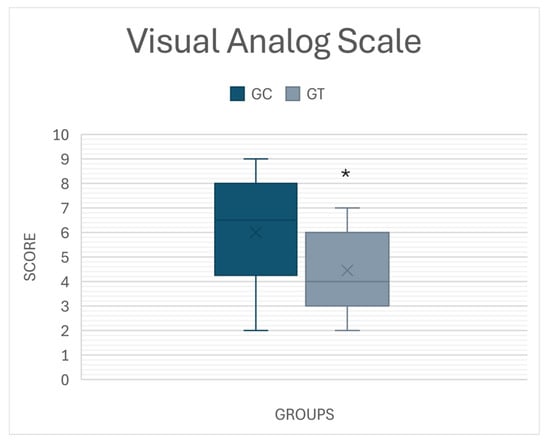
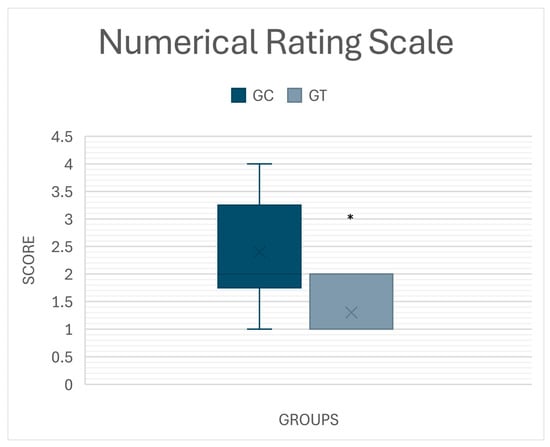
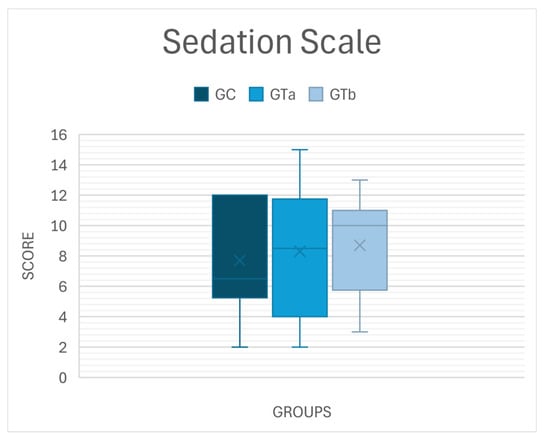
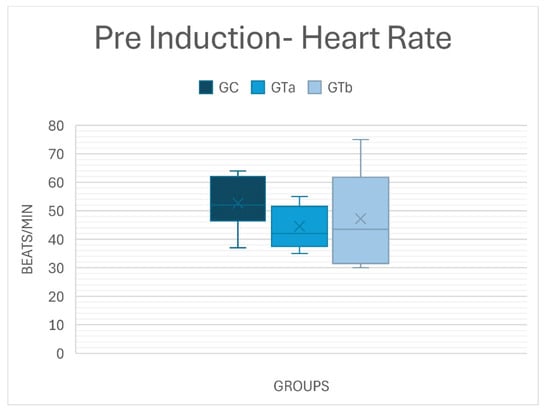
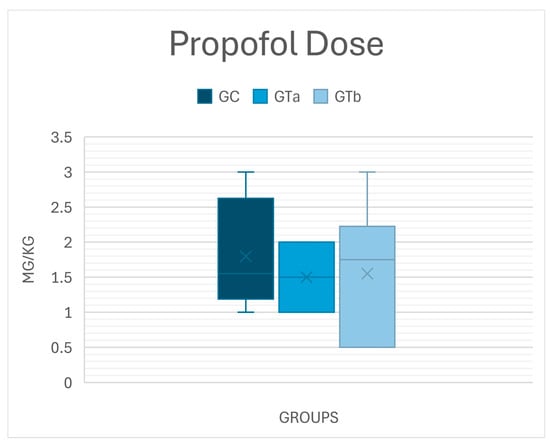
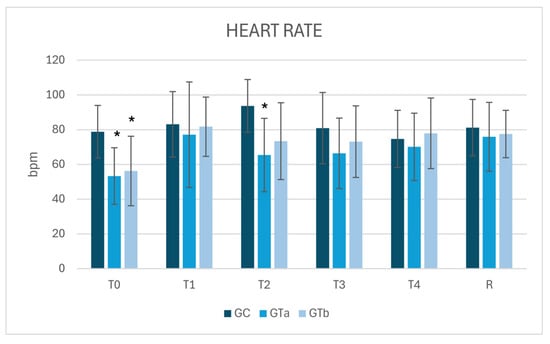
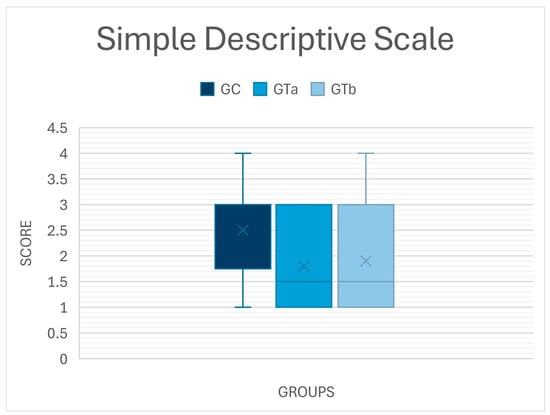
Preoperative anxiety may compromise perioperative welfare and anesthetic management in dogs. This randomized, blind clinical study evaluated the effects of oral tasipimidine on anxiety-related behaviors, handling quality, cardiovascular variables, anesthetic requirements and recovery in dogs undergoing elective ovariectomy. Thirty ASA I dogs were randomly allocated into three groups (n = 10). Treatment groups received tasipimidine (30 µg/kg PO) 45 min before admission, followed by morphine (0.3 mg/kg IM) combined with dexmedetomidine at either 2.5 µg/kg (GTa) or 5 µg/kg IM (GTb). Control dogs (GC) received an oral placebo followed by dexmedetomidine (5 µg/kg IM) and morphine (0.3 mg/kg IM). Anxiety was assessed using the Clinic Dog Stress Scale (CDSS), Visual Analog Scale (VAS), and Reactivity Evaluation Form (REF). Handling quality was assessed using a Numerical Rating Scale (NRS), and recovery quality using the Simple Descriptive Scale (SDS). Tasipimidine significantly reduced anxiety-related behaviors compared with controls, with lower CDSS (5 [0–10] vs. 13 [3–19]), VAS (4 [2–7] vs. 6.5 [2–9]), and REF scores (1 [1–3] vs. 2 [1–4]) (p < 0.05). Handling quality improved significantly in treated dogs with lower NRS (1 [1–2] vs. 2 [1–4]; p = 0.003). Preoperative heart rate was lower in tasipimidine-treated dogs (85 ± 19 bpm) than in controls (127 ± 23 bpm; p < 0.001). Recovery agitation requiring dexmedetomidine rescue sedation occurred in 30% of treated dogs versus 60% of controls. Propofol and fentanyl requirements did not differ significantly among groups (p > 0.05). Tasipimidine improved anxiety-related behavioral scores and handling quality in dogs; however, its cardiovascular effects and perioperative role warrant further investigation.
Full article
(This article belongs to the Special Issue Innovative Approaches in the Perioperative Management of Companion Animals and Livestock)
►▼
Show Figures

Graphical abstract
Open AccessArticle
Preparation of Monoclonal Antibodies Against Porcine Circovirus Type 2 Capsid Protein and Development of a Blocking ELISA for Detection of the Antibody Against the Virus
by
Haifeng Sun, Qingqing Liu, Shuyan Zhai, Biyue Wu, Zicheng Ma, Yangyang Sun, Kaiyuan Ye, Haoyuan Wang, Yanni Gao, Xianwei Wang, Juan Bai and Ping Jiang
Vet. Sci. 2026, 13(7), 617; https://doi.org/10.3390/vetsci13070617 (registering DOI) - 25 Jun 2026
Abstract
Porcine circovirus type 2 (PCV2) is the primary causative agent of a spectrum of porcine circovirus-associated diseases (PCVDs) and remains a major threat to the global swine industry. In this study, ten monoclonal antibodies (mAbs) targeting the Cap protein of PCV2 were generated
[...] Read more.
Porcine circovirus type 2 (PCV2) is the primary causative agent of a spectrum of porcine circovirus-associated diseases (PCVDs) and remains a major threat to the global swine industry. In this study, ten monoclonal antibodies (mAbs) targeting the Cap protein of PCV2 were generated and characterized. One mAb, designated 4C4, which exhibited high reactivity, strong neutralizing activity, and superior blocking efficacy, was selected for horseradish peroxidase (HRP) labeling. After optimizing the reaction parameters, a blocking ELISA was developed for the detection of the anti-PCV2 antibody. Using receiver operating characteristic (ROC) curve analysis, a cutoff value of 40% was established to distinguish positive from negative serum samples. The sensitivity and specificity of this blocking ELISA method were 98.66% and 100%, respectively. No cross-reactivity was observed with serum antibodies against classical swine fever virus (CSFV), porcine epidemic diarrhea virus (PEDV), porcine deltacoronavirus (PDCoV), porcine reproductive and respiratory syndrome virus (PRRSV), or pseudorabies virus (PRV). Intra-assay and inter-assay repeatability tests yielded coefficients of variation (CVs) all below 10%, confirming the assay's excellent reproducibility. Simultaneous testing of 312 clinical porcine serum samples using the developed bELISA and a commercial indirect ELISA kit revealed an overall coincidence rate of 99.04%. In addition, the percentage inhibition (PI) in the bELISA was strongly correlated with serum anti-PCV2 neutralizing antibody titers. In conclusion, the blocking ELISA developed herein demonstrates high sensitivity, strong specificity, and good reproducibility, serving as a potentially effective tool for the detection of the anti-PCV2 antibody and epidemiological investigation.
Full article

Open AccessArticle
Protease Supplementation Partially Alleviates the Negative Effects of Low-Protein Diets on Growth Performance in Weaned Piglets
by
Wei Han Zhao, Si Yeong Choi and In Ho Kim
Vet. Sci. 2026, 13(7), 616; https://doi.org/10.3390/vetsci13070616 (registering DOI) - 25 Jun 2026
Abstract
This study evaluated the effects of reducing dietary crude protein (CP) levels and protease supplementation on growth performance, nutrient digestibility, and fecal score in weaned piglets. A total of 200 crossbred weaned piglets (Duroc × [Landrace × Yorkshire]), with an initial body weight
[...] Read more.
This study evaluated the effects of reducing dietary crude protein (CP) levels and protease supplementation on growth performance, nutrient digestibility, and fecal score in weaned piglets. A total of 200 crossbred weaned piglets (Duroc × [Landrace × Yorkshire]), with an initial body weight (BW) of 6.01 ± 1.14 kg, were used in a 31-day feeding trial. Piglets were assigned to four dietary treatments in a randomized complete block design with 10 replicates per treatment and five piglets per pen. The treatments were as follows: CON, basal diet; TRT1, low-protein diet with CP reduced by 1%; TRT2, low-protein diet with CP reduced by 2%; and TRT3, TRT2 supplemented with 0.1 g/kg protease. Piglets fed TRT2 had lower BW on days 7, 19, and 31 (p < 0.05) and lower average daily gain (ADG) during each growth phase and the overall period compared with CON (p < 0.05). Protease supplementation partially restored BW and ADG. However, average daily feed intake (ADFI), feed conversion ratio (FCR), apparent digestibility of dry matter (DM), nitrogen (N), and energy (E), and fecal score were not affected by dietary treatments (p > 0.05). In conclusion, reducing dietary CP by 2% impaired growth performance in weaned piglets, whereas protease supplementation partially alleviated this negative effect without significantly altering nutrient digestibility or fecal score.
Full article
(This article belongs to the Special Issue Swine Production: Diet, Feed and Growth Performance)
Open AccessArticle
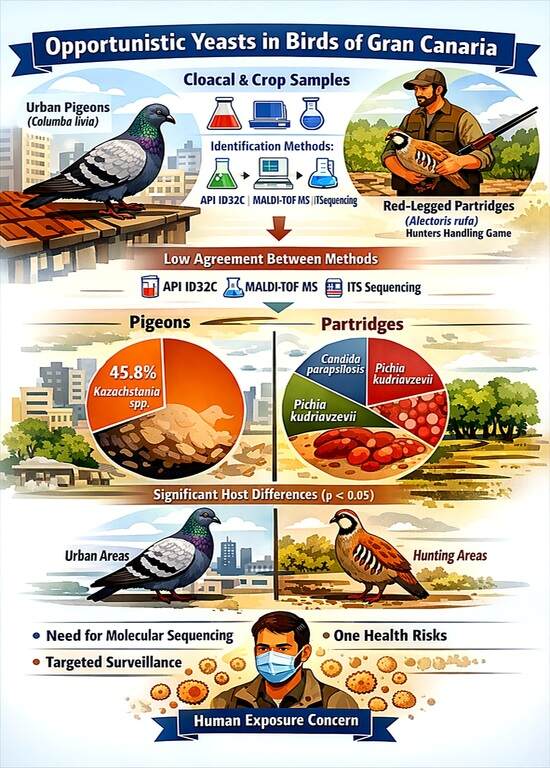
Identification of Clinically Relevant Yeasts from Avian Isolates Using API ID32C, MALDI-TOF MS, and ITS Sequencing: Potential Relevance from a One Health Perspective
by
Begoña Acosta-Hernández, Nicolás Cabrera Guerle, Pablo Lorenzo García, Olga Armas Carballo, María del Mar Ojeda-Vargas, Victor Garcia-Bustos, Fernando Real Valcárcel, Soraya Déniz Suárez, Esther Licia Díaz Rodríguez and Inmaculada Rosario Medina
Vet. Sci. 2026, 13(7), 615; https://doi.org/10.3390/vetsci13070615 (registering DOI) - 25 Jun 2026
Abstract
Wild and synanthropic birds harbour a diverse range of yeasts, including species of recognised clinical relevance. Given their close interaction with human activities, these birds represent a valuable source for investigating environmental yeasts and assessing the performance of identification methods. We investigated yeasts
[...] Read more.
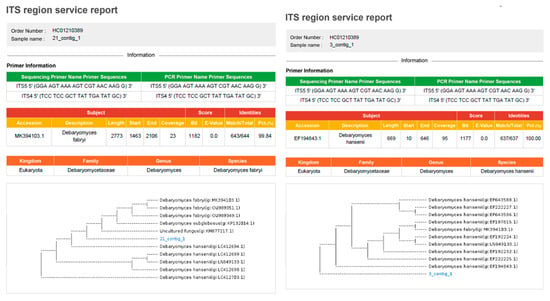
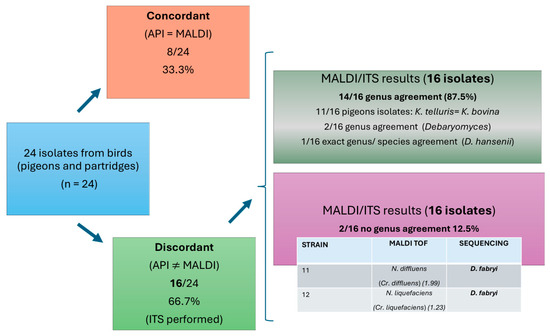
Wild and synanthropic birds harbour a diverse range of yeasts, including species of recognised clinical relevance. Given their close interaction with human activities, these birds represent a valuable source for investigating environmental yeasts and assessing the performance of identification methods. We investigated yeasts recovered from cloacal and crop samples of birds from Gran Canaria and compared routine identification methods with molecular sequencing. Twenty-four isolates were examined by biochemical profiling (API ID32C) and MALDI-TOF MS. Molecular identification based on ITS sequencing was carried out only for the sixteen isolates for which the two routine methods yielded discordant results, allowing resolution of their taxonomic identification. Phenotypic and proteomic methods showed limited agreement at the species level (8/24; 33.3%), with 16 discordant identifications resolved by sequencing. Pigeon isolates were dominated by members of the Kazachstania telluris complex, chiefly K. bovina (11/24; 45.8%), while partridges yielded taxa of clinical importance, including Candida parapsilosis and Pichia kudriavzevii (formerly Candida krusei). Rhodotorula mucilaginosa, Debaryomyces spp., and Saccharomyces cerevisiae were also detected. Comparative tests confirmed significant host-associated differences in species distribution (p < 0.05), and Cohen’s kappa indicated substantial agreement between API and MALDI-TOF at the genus level when benchmarked against ITS (κ = 0.71), although concordance was lower at the species level. In conclusion, these findings strengthen the case for integrating sequencing into diagnostic workflows, highlight the potential One Health relevance of yeast carriage by wild birds, and underscore the need for targeted surveillance at urban and game-handling interfaces where human exposure is likely.
Full article
(This article belongs to the Special Issue Pathogens in Wildlife and Companion Animal: From Discovery to One Health Implications)
►▼
Show Figures

Graphical abstract
Open AccessArticle
First Molecular Detection and Genetic Characterization of Porcine Circovirus 5 in Diagnostic Swine Samples from China
by
Jia-Qi Zhang, Jia-Xin Li, Hui-Lin Qu, Yu-Jie Miao, Xi-Meng Chen, Lan-Lan Zheng, Yi-Lei Li, Hong-Ying Chen and Shi-Jie Ma
Vet. Sci. 2026, 13(7), 614; https://doi.org/10.3390/vetsci13070614 (registering DOI) - 25 Jun 2026
Abstract
Porcine circovirus type 5 (PCV5) is a recently reported porcine-associated CRESS DNA virus, but information regarding its occurrence, genomic characteristics, and evolutionary relationship remains limited. In this study, a total of 100 diagnostic samples collected from clinically diseased pigs from 27 commercial swine
[...] Read more.
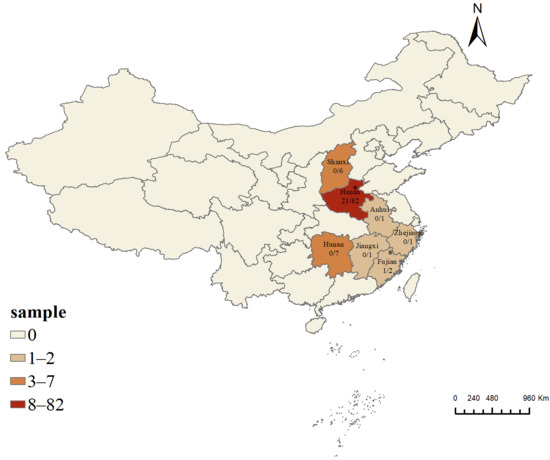
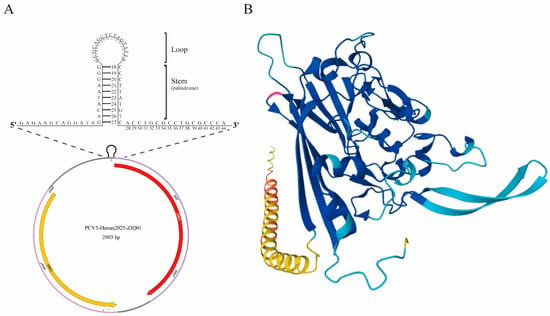
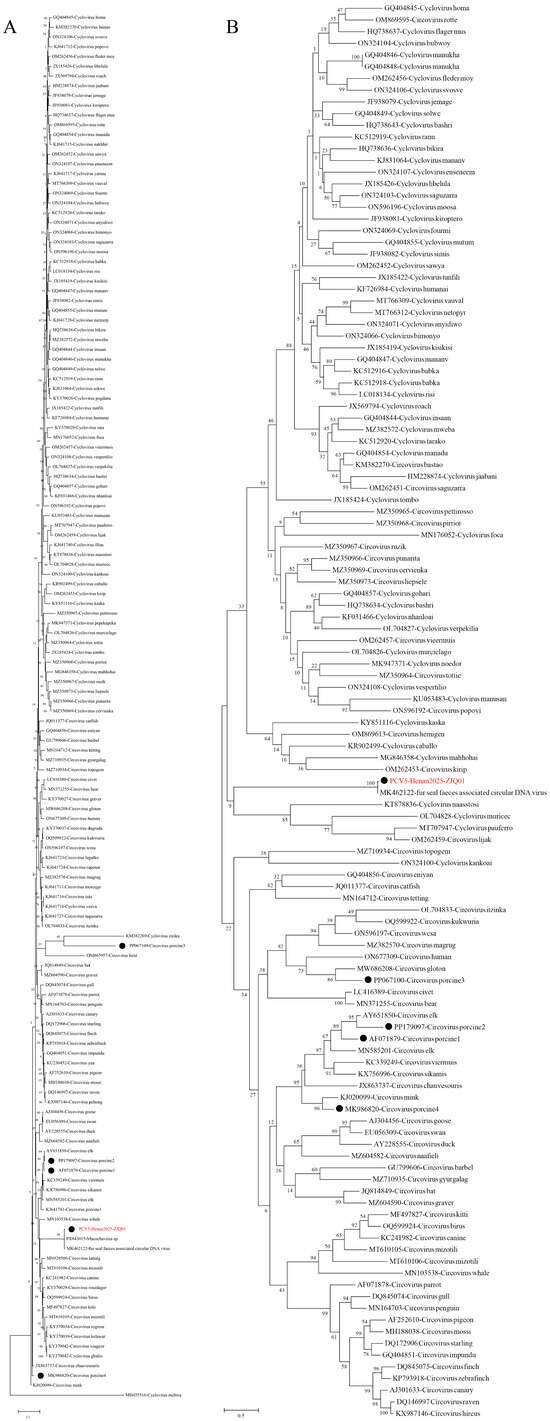
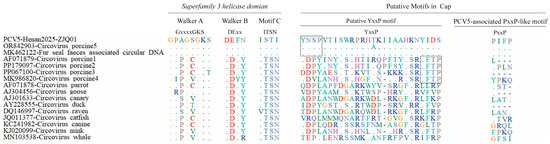
Porcine circovirus type 5 (PCV5) is a recently reported porcine-associated CRESS DNA virus, but information regarding its occurrence, genomic characteristics, and evolutionary relationship remains limited. In this study, a total of 100 diagnostic samples collected from clinically diseased pigs from 27 commercial swine farms in 16 cities across seven provinces of China during 2025 were screened for PCV5 using quantitative PCR. PCV5 was detected in 22% (22/100) of the tested samples, with positive samples identified in Henan and Fujian provinces among the sampled regions. PCV5-positive samples were mainly fecal samples and were obtained from pigs showing diarrhea, respiratory signs, wasting, or systemic disease. Co-detection analysis showed that most PCV5-positive samples were also positive for other swine viral pathogens, particularly PCV3, PCV2, and PEDV, indicating that the clinical significance of PCV5 should be interpreted cautiously. Complete genome amplification and sequencing yielded two identical PCV5 genomes from Henan and Fujian provinces. A representative strain, designated PCV5-Henan2025-ZJQ01, was further characterized and deposited in GenBank under accession number PZ496079. The complete genome was 2903 nt in length and contained a positive-sense ORF encoding Cap and a negative-sense ORF encoding Rep, showing a distinct genomic organization compared with classical porcine circoviruses. Phylogenetic analysis based on Rep and Cap amino acid sequences showed that PCV5-Henan2025-ZJQ01 was closely related to previously reported PCV5-related sequences but distinct from classical PCV1–PCV4. These findings provide additional molecular and genomic evidence for PCV5 in Chinese swine diagnostic samples and support the need for continued surveillance and further studies on its epidemiological and pathogenic significance.
Full article
(This article belongs to the Special Issue Progress in Broad-Spectrum Antiviral Strategies for Livestock)
►▼
Show Figures

Figure 1
Open AccessArticle
Danggui Buxue Decoction Attenuates Staphylococcus aureus-Induced Mastitis in Mice Associated with Gut Microbiota Remodeling, Blood–Milk Barrier Protection, and Inflammatory Suppression
by
Qian Ma, Jiaqi Dong, Rong Yang, Yongli Hua, Fanlin Wu, Yanming Wei and Peng Ji
Vet. Sci. 2026, 13(7), 613; https://doi.org/10.3390/vetsci13070613 (registering DOI) - 25 Jun 2026
Abstract
This study investigated the protective effects of DBD against Staphylococcus aureus (S. aureus)-induced mastitis in mice and explored whether these effects were associated with gut microbiota alterations, blood–milk barrier integrity, and inflammatory signaling. A lactating mouse model of mastitis was established,
[...] Read more.
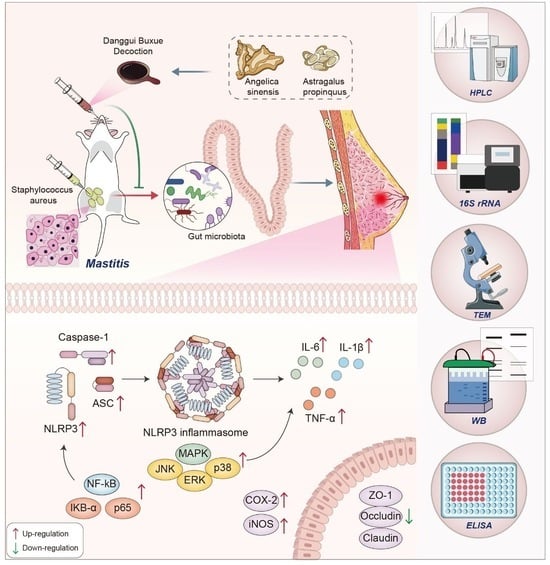
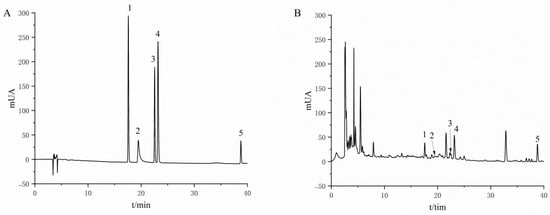
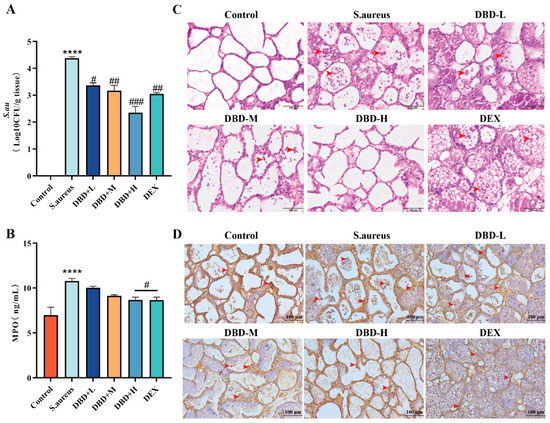
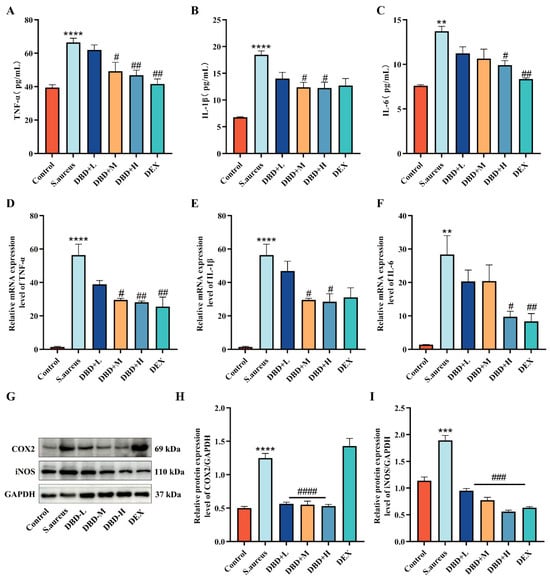
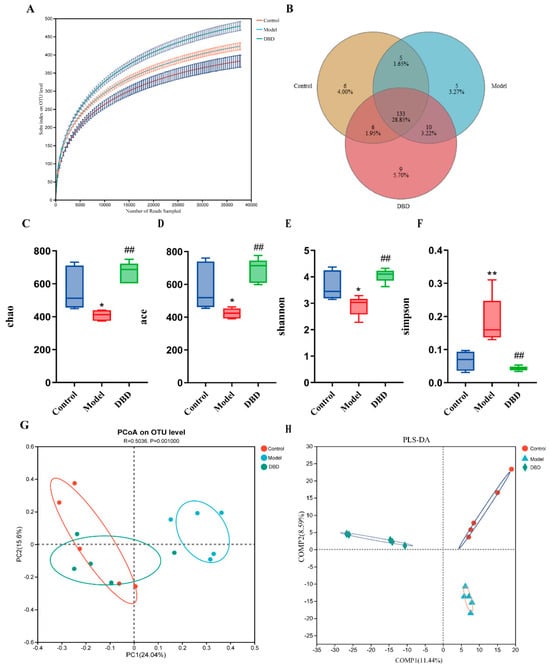
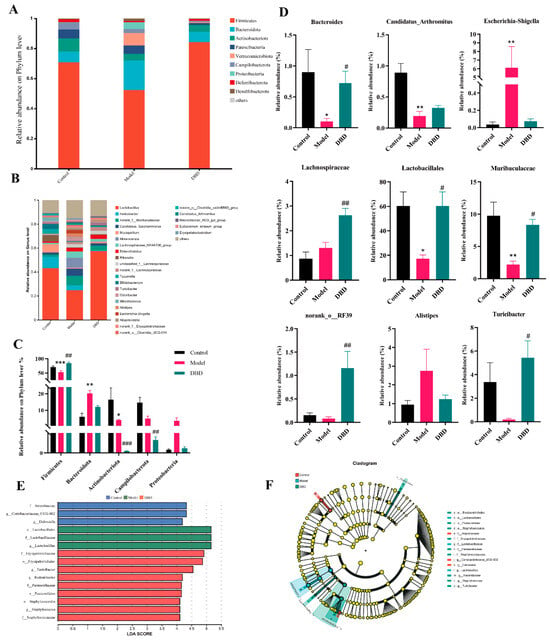
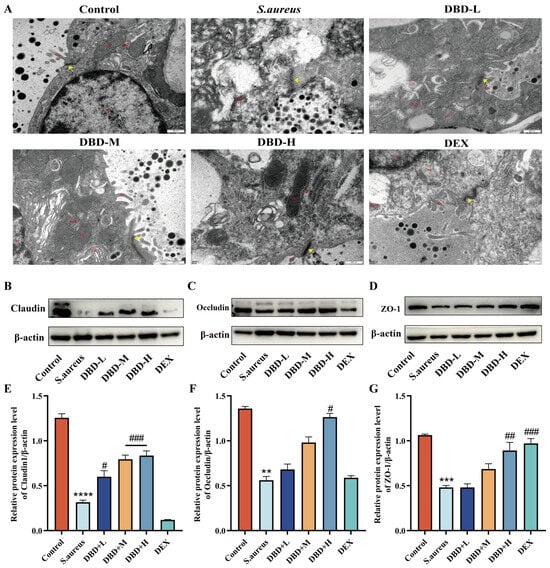
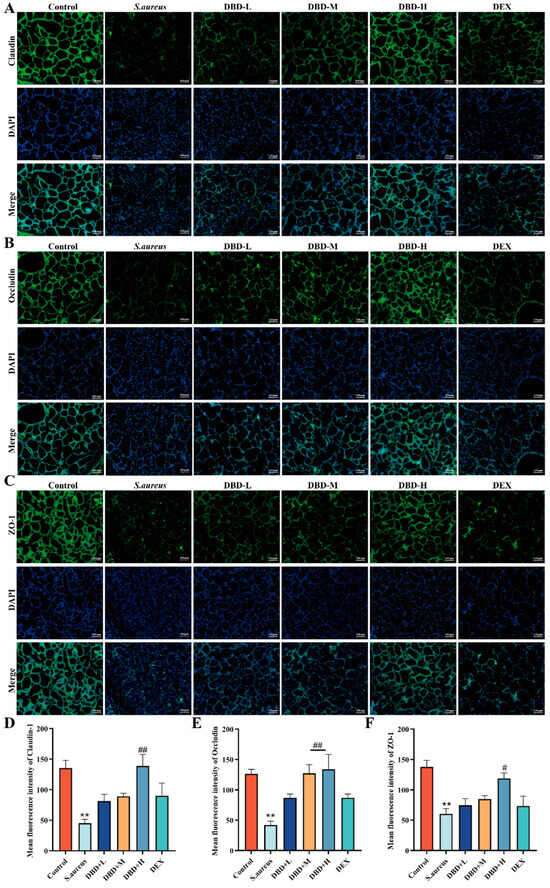
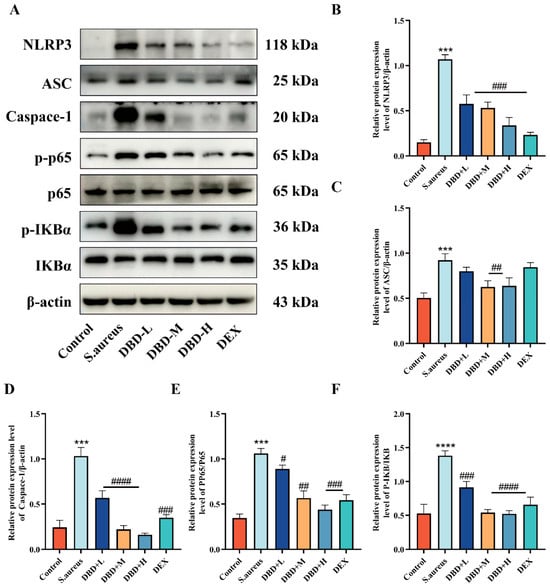
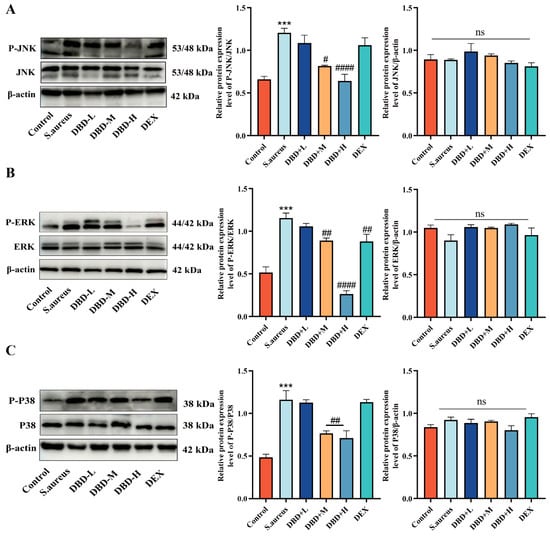
This study investigated the protective effects of DBD against Staphylococcus aureus (S. aureus)-induced mastitis in mice and explored whether these effects were associated with gut microbiota alterations, blood–milk barrier integrity, and inflammatory signaling. A lactating mouse model of mastitis was established, and the effects of DBD were evaluated using HPLC, histopathological analysis, ELISA, qRT-PCR, Western blotting, immunofluorescence, and 16S rRNA sequencing. The results showed that DBD significantly reduced bacterial loads in mammary tissues, decreased the expression of pro-inflammatory cytokines, including TNF-α, IL-1β, and IL-6, and alleviated inflammatory cell infiltration and tissue damage. Moreover, DBD upregulated the expression of tight junction proteins and improved the integrity of the blood–milk barrier. DBD treatment was also associated with alterations in gut microbiota composition, as reflected by changes in the relative abundance of several bacterial taxa. In addition, DBD inhibited the activation of the NF-κB/NLRP3 and MAPK inflammatory signaling pathways. Collectively, these findings indicate that DBD alleviates S. aureus-induced mastitis accompanied by alterations in gut microbiota composition, suppressing inflammatory responses, and repairing the blood–milk barrier, suggesting its potential as a therapeutic agent for mastitis.
Full article
(This article belongs to the Special Issue The Role of Gut Microbiome in Regulating Animal Health)
►▼
Show Figures

Graphical abstract
Open AccessArticle
The Effect of the Husbandry System and Cortisol Status on the Response of Water Buffalo Calves to Vaccination with the Brucella abortus Vaccine RB51
by
Nadia Piscopo, Esterina De Carlo, Anna Cerrone, Domenico Vecchio, Michele Napoletano, Agata Campione, Chiara Denise Ambra, Michael J. D’Occhio, Marco Esposito, Alessio Cotticelli, Tanja Peric and Giuseppe Campanile
Vet. Sci. 2026, 13(7), 612; https://doi.org/10.3390/vetsci13070612 (registering DOI) - 25 Jun 2026
Abstract
Brucellosis negatively impacts animal and human health and causes major economic losses. The present study examined the relationship of husbandry system (insufficient, acceptable, optimal) and cortisol status on the response of buffalo calves to vaccination with the brucellosis vaccine RB51. Primary vaccination (1st)
[...] Read more.
Brucellosis negatively impacts animal and human health and causes major economic losses. The present study examined the relationship of husbandry system (insufficient, acceptable, optimal) and cortisol status on the response of buffalo calves to vaccination with the brucellosis vaccine RB51. Primary vaccination (1st) was at 6 months and secondary vaccination (2nd) at 12 months. Cortisol was ascertained in samples of hair and the antibody response to vaccination was measured in blood. Excretion of the bacterium Brucella abortus was determined in urine and feces. Buffalo calves in the insufficient system had greater (p < 0.05) cortisol (4.7 ± 0.5 pg/mg) at 1st vaccination than calves in the optimal system (2.8 ± 0.3 pg/mg). Cortisol was lower at the 2nd vaccination for all three systems which did not differ. Anti-RB51 antibodies were present in 28/30 buffalo after 2nd vaccination. The conditional R2 of 0.689 indicated that both husbandry system and cortisol status strongly influenced the response to vaccination with RB51. No shedding of Brucella spp. was observed. The study has shown that husbandry system and cortisol status influence the response of buffalo calves to vaccination with RB51.
Full article
(This article belongs to the Section Veterinary Physiology, Pharmacology, and Toxicology)
Open AccessArticle
Comparative Evaluation of Sexual Behavior, Semen Characteristics and Environmental Modulation in Local Algerian and New Zealand White Rabbit Bucks
by
Ibtissem Boulbina, Mohammed El-Amine Bekara, Hacina AinBaziz, Asma Kassoul and Cesare Castellini
Vet. Sci. 2026, 13(7), 611; https://doi.org/10.3390/vetsci13070611 (registering DOI) - 25 Jun 2026
Abstract
This study aimed to characterize the reproductive performance of the local Algerian population (LAP) compared with the New Zealand White (NZW) rabbits, by evaluating sexual behavior, semen characteristics, and their modulation by environmental factors, namely photoperiod and temperature-humidity index (THI). Mature bucks (
[...] Read more.
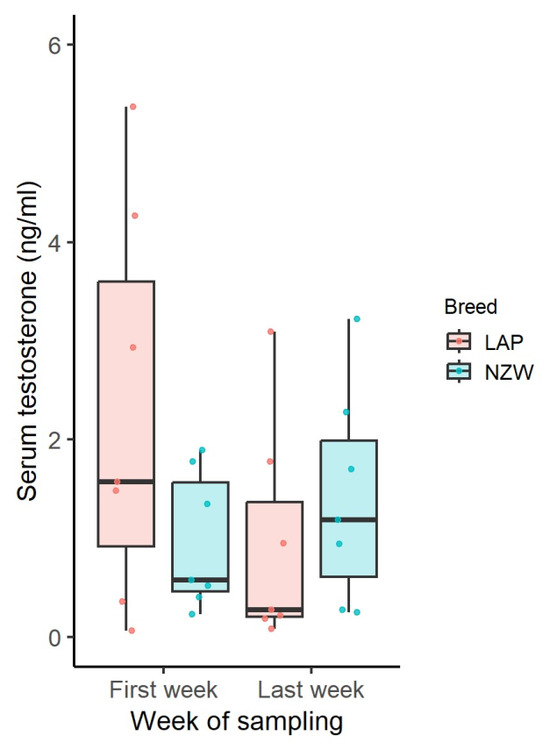
This study aimed to characterize the reproductive performance of the local Algerian population (LAP) compared with the New Zealand White (NZW) rabbits, by evaluating sexual behavior, semen characteristics, and their modulation by environmental factors, namely photoperiod and temperature-humidity index (THI). Mature bucks (n = 14/breed) were monitored from January to April, with two successive ejaculates collected weekly. Sexual behavior, macroscopic and microscopic semen parameters, and testosterone concentrations were assessed. The effects of breed, ejaculate order, environmental factors, and their interactions were analyzed using Generalized Linear Mixed models. LAP and NZW bucks exhibited similar sexual behavior and blood testosterone levels (p > 0.05). Collection failures and ejaculate rejection causes were mainly clustered within specific individuals rather than being breed-dependent. However, LAP bucks showed higher sperm concentration (p = 0.01), viability (p = 0.02), and membrane integrity (p = 0.04) than NZW bucks, whereas most motility and quantitative semen traits remained comparable between breeds. Increasing photoperiod significantly improved reproductive performance (p < 0.05). Conversely, within the investigated range, THI mainly affected semen collection efficiency through increased urine contamination (p < 0.001), with limited effects on intrinsic sperm quality. Significant breed × environment interactions for sperm concentration (p = 0.03) suggested differential responsiveness between breeds, with LAP bucks showing a stronger positive response to increasing photoperiod and less pronounced variation under THI fluctuations. Overall, LAP bucks exhibited a more favorable seminal profile under the conditions of the present study, supporting the valorization of this local genetic resource for artificial insemination programs under Algerian conditions. Further studies are required to confirm these patterns under summer heat-stress conditions and evaluate their impact on fertility outcomes.
Full article
(This article belongs to the Special Issue Genetic Diversity and Sustainable Breeding of Livestock and Companion Animals)
►▼
Show Figures

Figure 1
Open AccessArticle
Practical 3D Reconstruction and 3D Printing of Veterinary CT Scans in Small Animals: A Technical Demonstration with Reader-Based Validation in Canine Cranial Trauma
by
Yuan Chai and Luxin Lou
Vet. Sci. 2026, 13(7), 610; https://doi.org/10.3390/vetsci13070610 (registering DOI) - 24 Jun 2026
Abstract
Traumatic fractures are common in small animal emergency care, yet subtle fracture lines may be difficult to identify accurately using routine three-dimensional reconstruction workflows, particularly when access to specialized software is limited. This study describes the use of the open-source platform Three-Dimensional Slicer
[...] Read more.
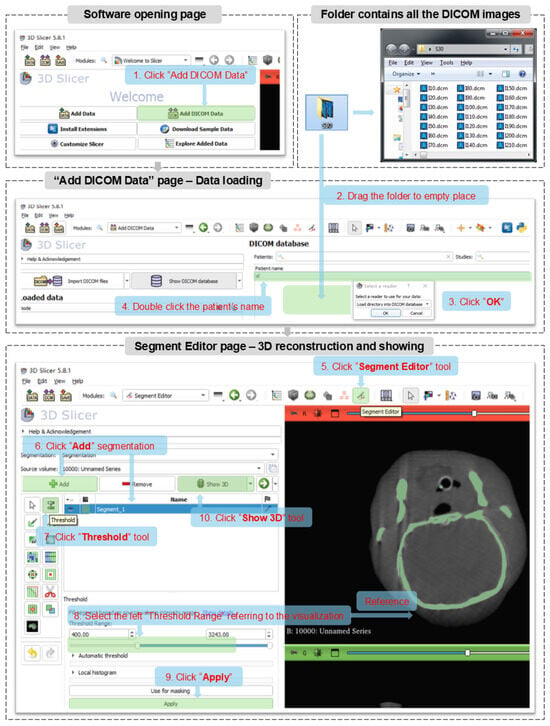
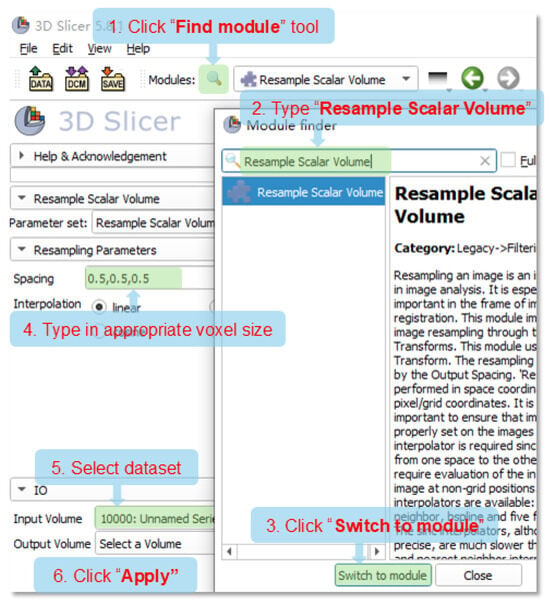
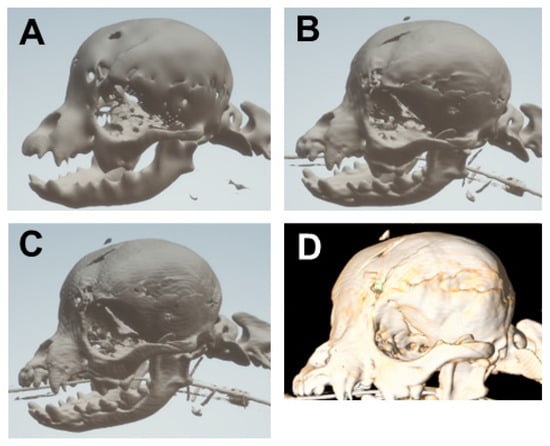
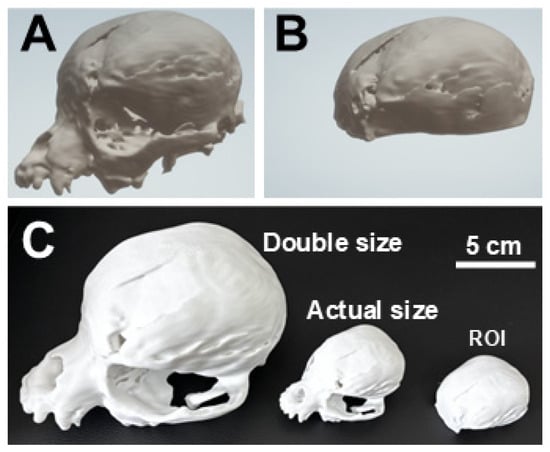
Traumatic fractures are common in small animal emergency care, yet subtle fracture lines may be difficult to identify accurately using routine three-dimensional reconstruction workflows, particularly when access to specialized software is limited. This study describes the use of the open-source platform Three-Dimensional Slicer for computed tomography-based reconstruction and three-dimensional printing in a small dog with cranial trauma, with emphasis on documenting a practical and reproducible workflow through voxel resampling. Imaging data were imported into the software, bone structures were segmented using a rapid workflow, voxel spacing was resampled for smoother surface visualization by volume resampling, and the reconstructed model was processed for physical printing. Digital models of different resolutions were generated within minutes, and a life-size skull model was successfully fabricated using fused deposition modeling in less than three hours at a material cost of under one United States dollar. The enhanced model provided an intuitive representation of fracture morphology and spatial relationships compared with routine reconstruction alone. These findings demonstrate that open-source software combined with low-cost printing can provide a rapid, affordable, and user-friendly approach for practical skeletal reconstruction in small animals, with practical value for fracture assessment, preoperative planning, and broader use in resource-limited veterinary settings.
Full article
(This article belongs to the Special Issue Medical Imaging in Veterinary Musculoskeletal Diagnosis)
►▼
Show Figures

Figure 1
Open AccessReview
The NLRP3 Inflammasome as a Central Driver of Mastitis Pathogenesis: A Review
by
Shuaishuai Wu, Mohamed Tharwat, Ibrahim F. Halawani, Fuad M. Alzahrani, Khalid J. Alzahrani and Muhammad Zahoor Khan
Vet. Sci. 2026, 13(7), 609; https://doi.org/10.3390/vetsci13070609 (registering DOI) - 24 Jun 2026
Abstract
Mastitis remains the most economically damaging disease of dairy production, and recent molecular work has converged on the NLRP3 inflammasome as a key integrative node of its pathogenesis. This narrative review integrates evidence published largely between 2015 and 2026 to show how diverse
[...] Read more.
Mastitis remains the most economically damaging disease of dairy production, and recent molecular work has converged on the NLRP3 inflammasome as a key integrative node of its pathogenesis. This narrative review integrates evidence published largely between 2015 and 2026 to show how diverse triggers—Staphylococcus aureus and Escherichia coli, lipopolysaccharide (LPS) and lipoteichoic acid (LTA), non-esterified fatty acids (NEFA), heat stress, environmental xenobiotics including nanoplastics, and microbiota-derived signals—may funnel into a common NLRP3–ASC–caspase-1–GSDMD axis that drives pyroptosis, blood–milk barrier disruption, and clinical disease. The review examines the potential obligatory role of reactive oxygen species (ROS), mitochondrial dysfunction, and selenoprotein-mediated redox control in licensing inflammasome assembly. It further evaluates the emerging gut–mammary and rumen–mammary axes that operate upstream of local epithelial activation. We survey a structurally diverse therapeutic landscape encompassing dietary selenium, probiotics, microbial metabolites, plant-derived nanovesicles, polyphenols, ginsenosides, and small-molecule NLRP3 antagonists, identifying recurring mechanistic motifs that suggest combinatorial regimens may yield additive benefit. Importantly, much of the evidence derives from in vitro and murine models, and we highlight the translational gaps that must be bridged before clinical application in dairy cattle. Finally, we map outstanding research gaps and propose priorities for translational work aimed at sustainable, antibiotic-sparing management of bovine mastitis.
Full article
(This article belongs to the Special Issue Mastitis in Dairy Animals)
Open AccessArticle
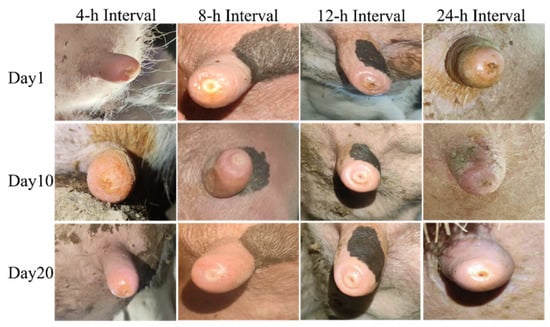
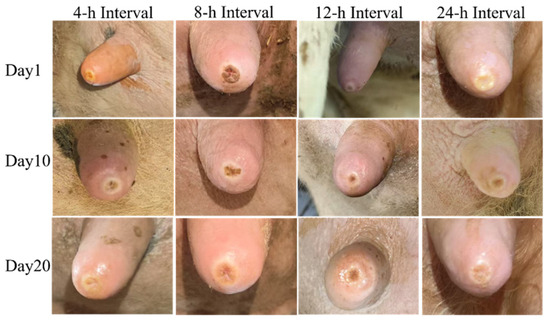
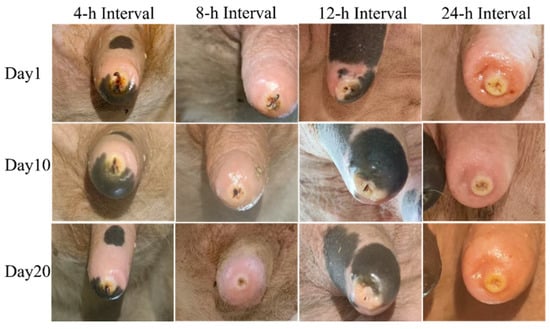
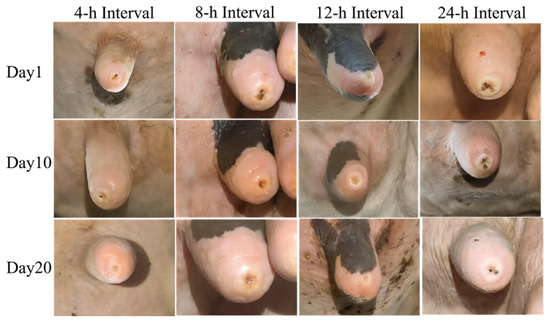
Screening and Therapeutic Efficacy of Topical Agents for Teat Hyperkeratosis in Dairy Cows
by
Leyao Xu, Jianfa Wang and Rui Wu
Vet. Sci. 2026, 13(7), 608; https://doi.org/10.3390/vetsci13070608 (registering DOI) - 24 Jun 2026
Abstract
In dairy cows, teat keratinization occurs where keratinized tissue rings form around teat tips (opening). Manifesting as skin damage in mechanically milked dairy cows, keratinization presents as dry, rough, pale, or milky-white keratinous protrusions around teat orifices and progresses via the combined effects
[...] Read more.
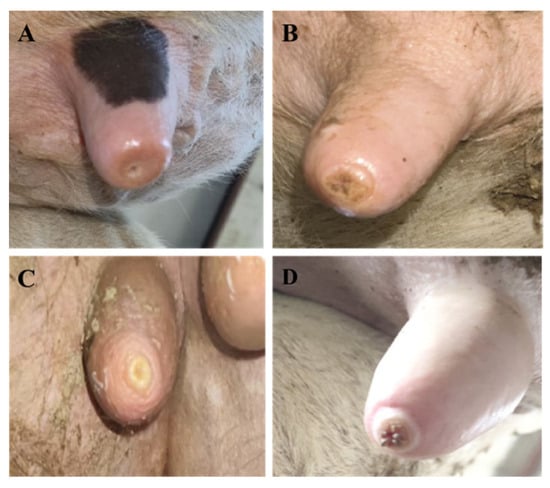
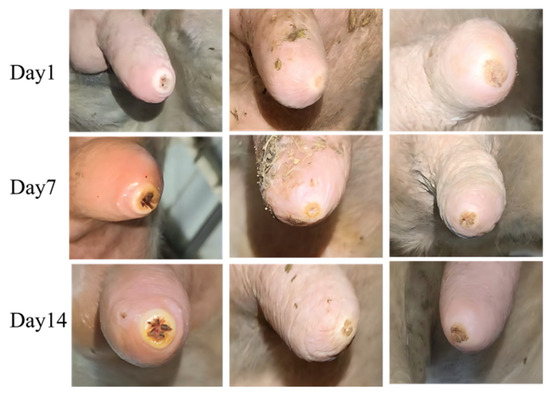
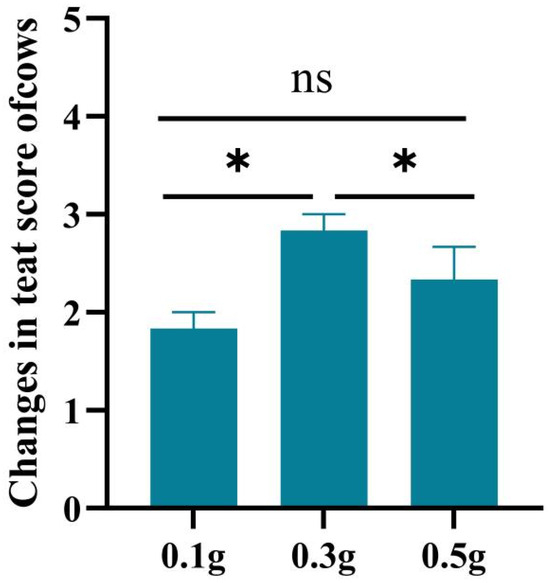
In dairy cows, teat keratinization occurs where keratinized tissue rings form around teat tips (opening). Manifesting as skin damage in mechanically milked dairy cows, keratinization presents as dry, rough, pale, or milky-white keratinous protrusions around teat orifices and progresses via the combined effects of mechanical stress, management practices, host genetics, environmental influences, and nutritional metabolism. The teat hole is the first physiological barrier protecting the mammary glands from external pathogen invasion. Most mastitis cases are caused by pathogens invading the mammary tissues from the teat end, thereby significantly impacting mammary gland health. Thus, there are no safe, effective, economical, and standardized treatment protocols for terminal teat hyperkeratosis in dairy cows. To address this, we treated keratinization lesions using pharmacological interventions and evaluated their efficacy in 91 cows at a large commercial dairy farm in Heilongjiang Province. Urea ointment, salicylic acid ointment, and 5% azelaic acid acne cream exerted therapeutic or alleviating effects toward teat keratosis, whereas retinoic acid ointment demonstrated poor therapeutic efficacy. In a three-daily application regimen, the optimal treating dose was 0.3 g. These findings provide a scientific basis for the clinical management of hyperkeratosis in large-scale dairy farms and the development of related veterinary therapeutics.
Full article
(This article belongs to the Special Issue Mastitis in Dairy Animals)
►▼
Show Figures

Figure 1
Open AccessArticle
Managing Seasonal Infertility in Sows: Parity and Farm-Specific In-Barn Environmental Predictors of Reproductive Performance
by
Isabela Cristina Colaço Bez, Ana Julia Carrasco Buzatto, Claudia Sevillano, Marcos Lopes, Saulo Henrique Weber and Leandro Batista Costa
Vet. Sci. 2026, 13(7), 607; https://doi.org/10.3390/vetsci13070607 (registering DOI) - 24 Jun 2026
Abstract
Seasonal infertility remains a major challenge in pig production and is influenced by environmental conditions and sow parity. This study aimed to identify in-barn heat load (HL), light variability (LV), and parity as farm-specific predictors of farrowing success (FS) and litter size (LS)
[...] Read more.
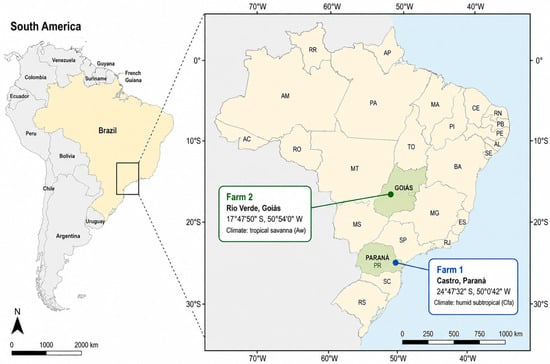
Seasonal infertility remains a major challenge in pig production and is influenced by environmental conditions and sow parity. This study aimed to identify in-barn heat load (HL), light variability (LV), and parity as farm-specific predictors of farrowing success (FS) and litter size (LS) in purebred Large White sows raised under subtropical and tropical conditions in Brazil. Reproductive records from 2021 were obtained from two commercial farms, and in-barn temperature and illuminance were recorded using data loggers installed in gestation units. Services between March and August 2021 were analyzed using logistic regression for FS and linear regression for LS, resulting in 732 service records from Farm 1 and 233 from Farm 2. In the combined analysis, parity was associated with higher odds of FS (OR = 1.20; p = 0.003) and greater LS (β = 0.47; p < 0.001). HL was not associated with FS but showed a small positive association with LS (β = 0.28; p = 0.031). In Farm 2, LV was negatively associated with FS (OR = 0.72; p = 0.028) and LS (β = −0.59; p = 0.020). Overall, parity structure strongly shaped reproductive performance, and in-barn environmental effects were context-dependent.
Full article
(This article belongs to the Special Issue Swine Management: Reproduction and Breeding)
►▼
Show Figures

Figure 1
Open AccessCase Report
Feline Lower-Lip Apocrine Sweat Gland Adenocarcinoma with Mandibular Nodal Metastasis: A Case Report
by
Yongwon Park, Ajin Lee, Jeonghoon Jang and Hwi-Yool Kim
Vet. Sci. 2026, 13(7), 606; https://doi.org/10.3390/vetsci13070606 (registering DOI) - 23 Jun 2026
Abstract
Apocrine sweat gland adenocarcinoma is an uncommon feline adnexal neoplasm, and lower-lip involvement is rarely documented. A 14-year-old spayed female Siamese cat was evaluated for a firm 1.3 cm right lower-lip mass at a documented hemorrhagic lesion site. Approximately 1 year earlier, the
[...] Read more.
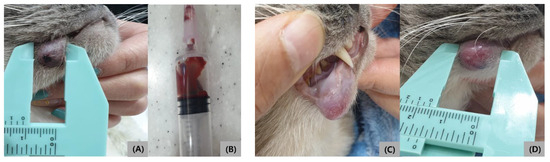
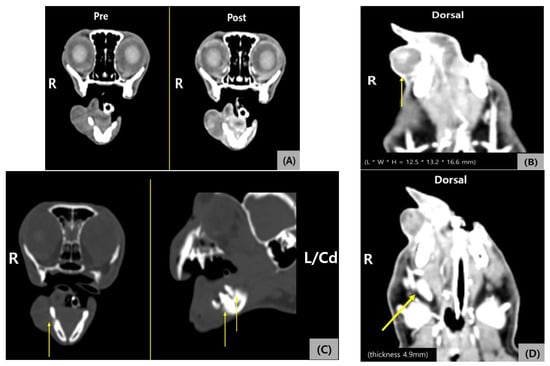
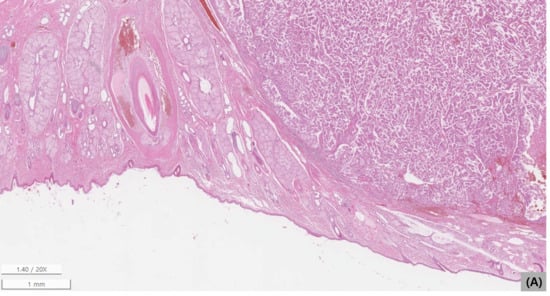
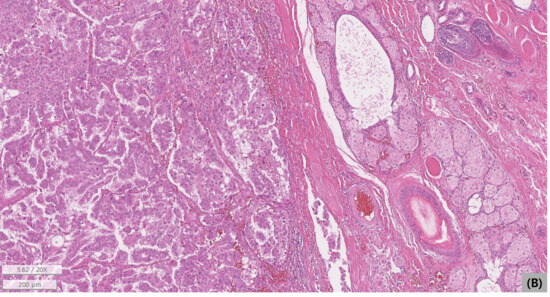
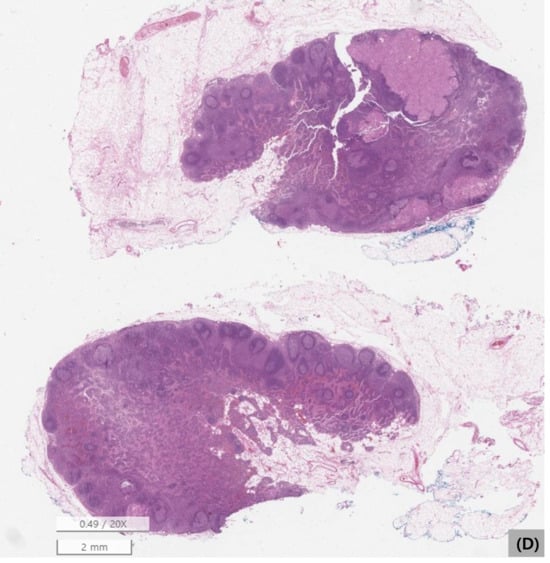
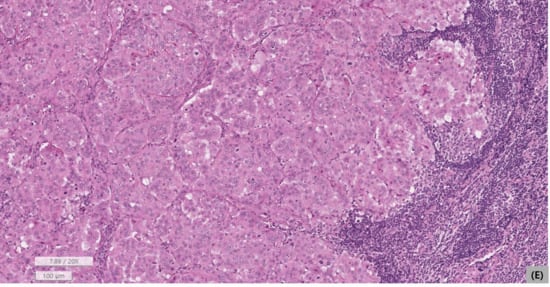
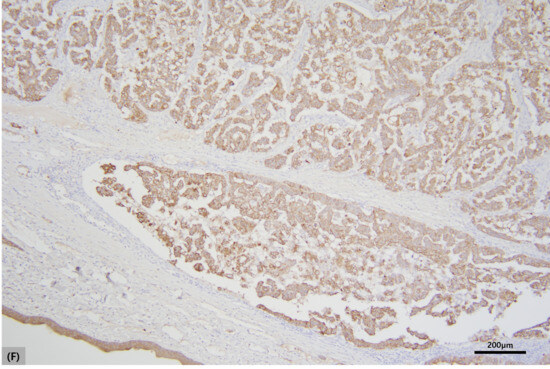
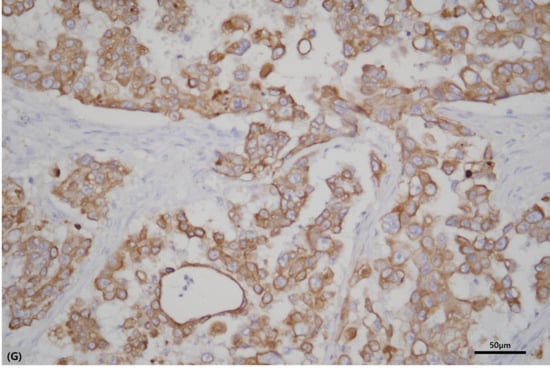
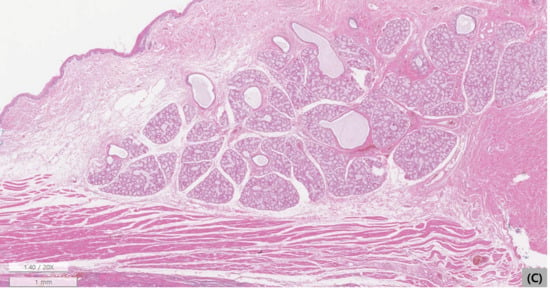
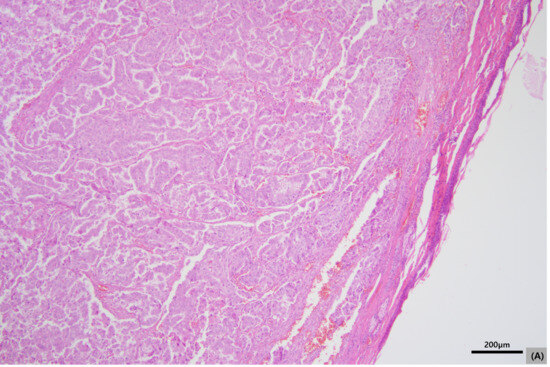
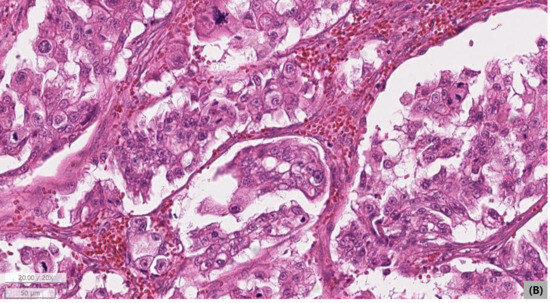
Apocrine sweat gland adenocarcinoma is an uncommon feline adnexal neoplasm, and lower-lip involvement is rarely documented. A 14-year-old spayed female Siamese cat was evaluated for a firm 1.3 cm right lower-lip mass at a documented hemorrhagic lesion site. Approximately 1 year earlier, the lesion was fluctuant and superficially erosive to ulcerative; fine-needle aspiration yielded bloody fluid with cytologically nondiagnostic material. The lesion reportedly subsided after empirical treatment, but reassessment, tissue diagnosis, and objective confirmation of resolution were not performed. Cytology of the later same-site mass supported malignant epithelial neoplasia. Contrast-enhanced computed tomography (CT) identified a 12.5 × 13.2 × 16.6 mm rim-enhancing mass without mandibular invasion or distant metastasis; the ipsilateral mandibular lymph node was mildly thickened. Histopathology supported a diagnosis of lower-lip apocrine sweat gland adenocarcinoma with lymphovascular tumor emboli, lymphatic invasion, and nodal metastasis. The diagnosis was supported by superficial dermal/subcutaneous location, adjacent adnexal structures, skeletal-muscle separation from nearby minor salivary glands, epithelial immunoreactivity, periodic acid-chiff (PAS) and Alcian blue findings without distinct intratumoral mucin/mucopolysaccharide-rich material. The cat died without necropsy on postoperative day 87. This case supports tissue-based diagnosis and regional lymph node assessment for suspicious feline lower-lip glandular epithelial lesions.
Full article
(This article belongs to the Special Issue Focus on Tumours in Pet Animals: 3rd Edition)
►▼
Show Figures

Figure 1
Open AccessReview
Ultraviolet Light-Induced Skin Cancer and the Safety of Sunscreen Use in Pets—An Important but Under Researched Aspect of Companion Animal Health
by
José Luis Granados-Soler, Michelle Majella Story and Rachel Allavena
Vet. Sci. 2026, 13(7), 605; https://doi.org/10.3390/vetsci13070605 (registering DOI) - 23 Jun 2026
Abstract
►▼
Show Figures
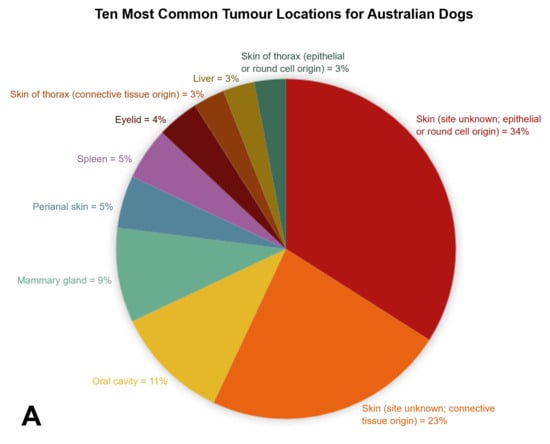
Ultraviolet (UV) light exposure is a recognised risk factor for dermal haemangiosarcoma (HSA) in dogs and dermal squamous cell carcinoma (SCC) in dogs and cats. These tumours cause substantial local disease and often require repeated surgery due to recurrence or de novo lesions,
[...] Read more.
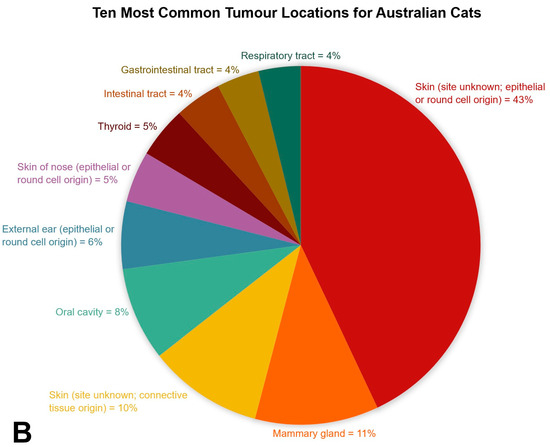
Ultraviolet (UV) light exposure is a recognised risk factor for dermal haemangiosarcoma (HSA) in dogs and dermal squamous cell carcinoma (SCC) in dogs and cats. These tumours cause substantial local disease and often require repeated surgery due to recurrence or de novo lesions, creating a notable welfare and financial burden. Research on preventing harmful UV exposure in pets is still in its infancy, particularly in relation to the safety of UV filters used in sunscreens. This review summarises the current evidence on UV-induced carcinogenesis, strategies to reduce UV exposure, and the safety of sunscreen ingredients in dogs and cats. UV light is strongly implicated in a range of dermatoses, from actinic keratosis to dermal HSA and SCC in dogs and cats, and the risk is likely higher in Australian pets. Indoor confinement during peak UV periods, shade, and sun-protective clothing can reduce exposure, with sunscreen an additional strategy. Sunscreen is relevant because UV-associated cancers typically develop in sparsely haired or hairless regions such as the nose and ventrum, making these areas suitable for targeted sunscreen application. Sunscreens containing non-nanoparticle zinc oxide appear safe for dogs and cats when ingestion is prevented or minimised, whereas the safety of organic UV filters remains unclear due to limited safety data in both humans and animals. Non-nanoparticle titanium dioxide is a possible alternative to zinc oxide and organic filters, but there is currently little information on its safety when ingested by dogs and cats. Overall, the available evidence supports sunscreen as a necessary component of UV-reduction strategies in pets, but substantial research is needed to determine the safety profiles of different UV filters and to establish evidence-based guidelines for their safe use.
Full article
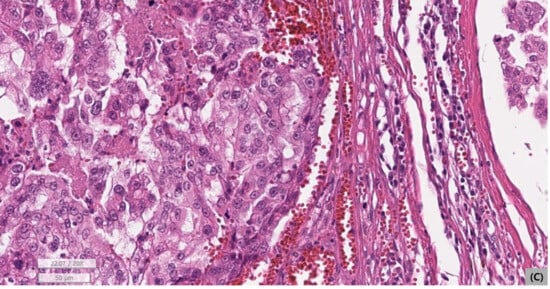
Figure 1
Journal Menu
► ▼ Journal Menu-
- Veterinary Sciences Home
- Aims & Scope
- Editorial Board
- Reviewer Board
- Topical Advisory Panel
- Early Career Editorial Board
- Instructions for Authors
- Special Issues
- Topics
- Sections & Collections
- Article Processing Charge
- Indexing & Archiving
- Editor’s Choice Articles
- Most Cited & Viewed
- Journal Statistics
- Journal History
- Journal Awards
- Society Collaborations
- Conferences
- Editorial Office
Journal Browser
► ▼ Journal BrowserHighly Accessed Articles
Latest Books
E-Mail Alert
News
Topics
Topic in
Animals, Biology, Birds, Veterinary Sciences, Wild
Wildlife Intelligent Monitoring: Advancing Conservation Through Visual and Acoustic Monitoring Technologies
Topic Editors: Jiangjian Xie, Junguo ZhangDeadline: 31 July 2026
Topic in
Animals, Antioxidants, Metabolites, Pets, Veterinary Sciences
Research on Companion Animal Nutrition
Topic Editors: Baichuan Deng, Lian Li, Yun JiDeadline: 26 October 2026
Topic in
Animals, Dairy, Microorganisms, Veterinary Sciences, Metabolites, Life, Parasitologia
The Complexity of Parasites in Animals: Impacts, Innovation, and Interventions
Topic Editors: Kun Li, Rongjun Wang, Ningbo Xia, Md. F. KulyarDeadline: 31 December 2026
Topic in
Animals, Arthropoda, Insects, Vaccines, Veterinary Sciences, Pathogens
Ticks and Tick-Borne Pathogens: 2nd Edition
Topic Editors: Alina Rodriguez-Mallon, Alejandro Cabezas-CruzDeadline: 31 March 2027
Conferences
Special Issues
Special Issue in
Veterinary Sciences
Exploring Antimicrobial Strategies in Veterinary Medicine: From In Vitro Research to In Vivo Applications
Guest Editors: Manuela Oliveira, Eva CunhaDeadline: 30 June 2026
Special Issue in
Veterinary Sciences
Mastitis in Dairy Animals
Guest Editors: Hongyu Dai, Tianle XuDeadline: 30 June 2026
Special Issue in
Veterinary Sciences
Recent Advances in the Diagnosis, Pathogenesis, and Control of Metabolic and Immunological Diseases in Cattle
Guest Editors: Lin Lei, Yuxiang Song, Zipei FanDeadline: 30 June 2026
Special Issue in
Veterinary Sciences
Innovations in Poultry Reproductive Biology: Germ Cells, Developmental Mechanisms, and Translational Applications
Guest Editors: Kai Jin, Xian ZouDeadline: 30 June 2026
Topical Collections
Topical Collection in
Veterinary Sciences
One-Health Approach to Bee Health
Collection Editors: Giovanni Cilia, Antonio Nanetti