


-
The Youth Sport Compass: A Framework for Creating Developmental and Safe Environments in Organized Youth Sport -
Mental Health Ambassadors: A Model for Supporting Youth Mental Health Within Mentoring Programs -
Firearm Ownership and Acquisition Among Adults and Youth: A Mixed Methods Study -
Counter-Mapping School Wellbeing with Youth in Alternative Education
Journal Description
Youth
Youth
is an international, peer-reviewed, open access journal covering psychological, educational, sociological, economic, cultural, and other social science perspectives on youth and young adulthood, and is published quarterly online by MDPI.
- Open Access— free for readers, with article processing charges (APC) paid by authors or their institutions.
- High Visibility: indexed within ESCI (Web of Science), EBSCO, and other databases.
- Journal Rank: JCR - Q2 (Social Sciences, Interdisciplinary)
- Rapid Publication: manuscripts are peer-reviewed and a first decision is provided to authors approximately 38.3 days after submission; acceptance to publication is undertaken in 5.5 days (median values for papers published in this journal in the first half of 2026).
- Recognition of Reviewers: APC discount vouchers, optional signed peer review, and reviewer names published annually in the journal.
- Journal Cluster of Education and Psychology: Adolescents, AI in Education, Behavioral Sciences, Education Sciences, International Journal of Cognitive Sciences, Journal of Intelligence, Psychology International and Youth.
Impact Factor:
1.6 (2025);
5-Year Impact Factor:
1.7 (2025)
Latest Articles
Should We Meet with Our Grandparents? Intergenerational Social Leisure in Preadolescent Youth
Youth 2026, 6(3), 118; https://doi.org/10.3390/youth6030118 - 21 Aug 2026
Abstract
Social leisure in preadolescence is a key space for socialization, identity, and wellbeing. In this context, intergenerational leisure stands out for its contribution to socio-emotional development and social cohesion. However, gaps persist in the analysis of its modalities, conditioning factors, and effects. The
[...] Read more.
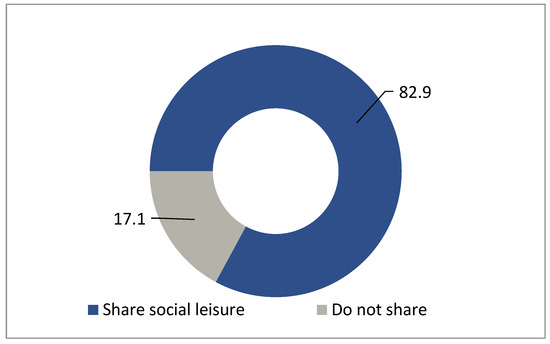
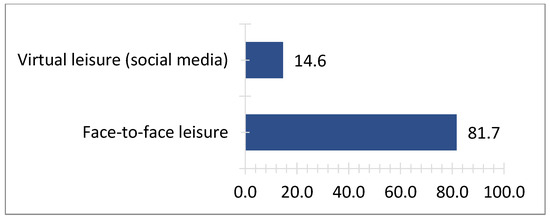
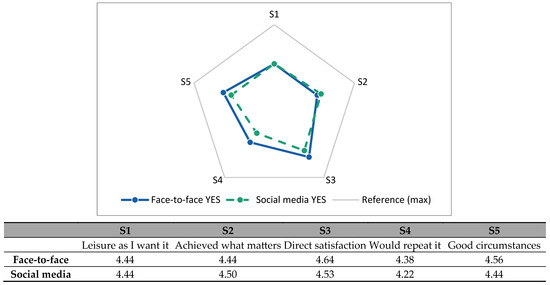
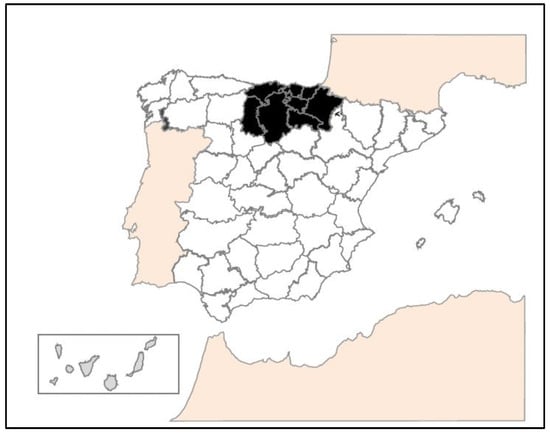
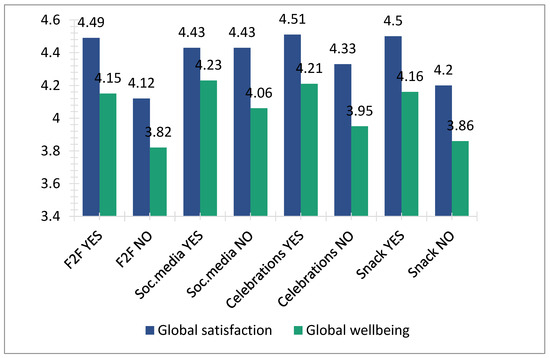
Social leisure in preadolescence is a key space for socialization, identity, and wellbeing. In this context, intergenerational leisure stands out for its contribution to socio-emotional development and social cohesion. However, gaps persist in the analysis of its modalities, conditioning factors, and effects. The aim of this study was to analyze the kind of social leisure that young preadolescents share with their grandparents, as well as the satisfaction it generates. An ad hoc questionnaire was administered to 246 students aged 11 and 12 years from northern Spain, and subsequently, a descriptive study and an inferential analysis were conducted. Most grandchildren share leisure time with their grandparents, with face-to-face rather than virtual leisure predominating. The mother’s work situation emerges as the most influential factor, with higher rates of shared leisure observed when she is employed; the father’s work situation is also strongly associated. Face-to-face leisure is linked to greater overall satisfaction. The results underscore the importance of preserving these intergenerational spaces amid current societal changes.
Full article
(This article belongs to the Special Issue Leisure and Youth Development: Self-Management, Contexts, Perception of Guaranteed Rights and Wellbeing)
►
Show Figures
Open AccessArticle
Sexuality Education, Problematic Pornography Use, and Body Self-Esteem Among Catalan Adolescents in Spain: Sex Differences and Digital Contexts
by
Sandra Sedano Colom, Lluís Ballester Brage, Maria Francesca Criach Singla, Paula Benedico-Peydró and Berta Aznar-Martínez
Youth 2026, 6(3), 117; https://doi.org/10.3390/youth6030117 - 12 Aug 2026
Abstract
Problematic pornography consumption (PPC) during adolescence has been associated with negative perceptions of one’s own body image, pressure to conform to beauty standards, self-objectification, and dissatisfaction with one’s own image, whereas sexuality education may promote critical thinking, self-knowledge, and healthy relationships. This cross-sectional
[...] Read more.
Problematic pornography consumption (PPC) during adolescence has been associated with negative perceptions of one’s own body image, pressure to conform to beauty standards, self-objectification, and dissatisfaction with one’s own image, whereas sexuality education may promote critical thinking, self-knowledge, and healthy relationships. This cross-sectional study analyzed the relationship between received sexuality education, body self-esteem, and problematic pornography use among 1177 adolescents and young people aged 12 to 21 years, including 541 women and 636 men. The Body Self-Esteem Scale, the short version of the Problematic Pornography Consumption Scale, and an ad hoc questionnaire on received sexuality education were administered. Overall, 50.30% of adolescents reported having received sexuality education training, although it was mostly brief and had limited capacity to address their questions. In total, 19.63% of adolescents were at risk of negative body-image evaluation, and 10.62% were at high risk of body self-esteem problems. Moreover, 31.08% showed indicators of problematic pornography use, with higher levels among male adolescents and an increase associated with age. No significant associations were observed between the perceived quality of sexuality education and body self-esteem or PPC. However, PPC was negatively associated with body self-esteem among women. The results suggest the need to strengthen systematic, early, and comprehensive sexuality education programs.
Full article
(This article belongs to the Special Issue Sexuality, Body Image, and Gender-Based Violence Among Youth: Digital Practices, Education, and Protective Factors)
Open AccessArticle
Self-Managed Leisure and Volitional Development in Young People: A Study of Motivational Profiles and Relational Supports Among Spanish Youth
by
Idurre Lazcano and Joseba Doistua
Youth 2026, 6(3), 116; https://doi.org/10.3390/youth6030116 - 11 Aug 2026
Abstract
Self-managed leisure is a key determinant of volitional development and the transition to adulthood in young people. This article examines the relationship between perceived family and social support environments and levels of self-management and motivation among young people aged 18 to 29. A
[...] Read more.
Self-managed leisure is a key determinant of volitional development and the transition to adulthood in young people. This article examines the relationship between perceived family and social support environments and levels of self-management and motivation among young people aged 18 to 29. A quantitative descriptive-correlational design was used to administer the Self-managed Leisure Scale (SLS) [Escala de Autogestión del Ocio (SLS)] and the Environment Scale (ES) [Escala de Entornos (EE)] to a sample of 468 young people living in Spain. The results reveal medium-to-high levels of self-management, highlighting that women have greater perceived competencies and relational connections than men, although they also perceive greater social barriers. It was confirmed that greater family and social support correlates significantly with higher levels of autonomy, competence and social relationships in leisure time. In the area of motivation, multiple orientations are observed to coexist, with slightly higher average scores for the identified regulation. It was concluded that self-management is an essential psychosocial mechanism for integral human development, which enables young people to be the authors of their own experience. Fostering environments that nurture basic psychosocial needs is critical for promoting active, healthy and engaged citizens and transforming leisure into a space of participation and well-being.
Full article
(This article belongs to the Special Issue Leisure and Youth Development: Self-Management, Contexts, Perception of Guaranteed Rights and Wellbeing)
Open AccessArticle
Beyond Legality: Reimagining College Access and Equity for Undocumented and International Students in an Anti-DEI/Anti-Immigrant Era
by
Louise Michelle Vital
Youth 2026, 6(3), 115; https://doi.org/10.3390/youth6030115 - 11 Aug 2026
Abstract
This conceptual paper examines how dominant frameworks of college access and equity in U.S. higher education marginalize undocumented and international students by anchoring inclusion to citizenship, legal eligibility, and institutional risk management. In the context of intensified anti-DEI and anti-immigrant politics, legally precarious
[...] Read more.
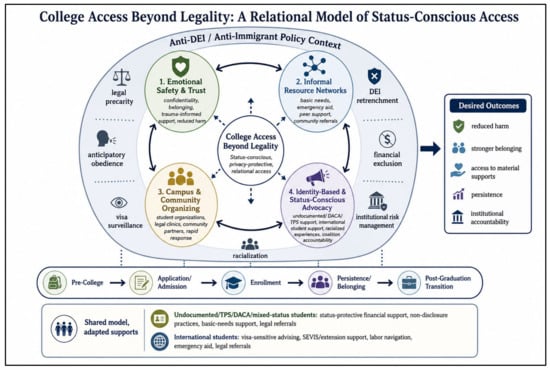
This conceptual paper examines how dominant frameworks of college access and equity in U.S. higher education marginalize undocumented and international students by anchoring inclusion to citizenship, legal eligibility, and institutional risk management. In the context of intensified anti-DEI and anti-immigrant politics, legally precarious students face overlapping yet distinct legal, financial, emotional, and symbolic forms of exclusion that conventional access and equity models do not fully capture. Institutional retreat, anticipatory obedience, and the re-coding of equity work can further make supports for these students harder to locate, defend, and sustain. Synthesizing scholarship on college access, undocumented and international student experiences, critical citizenship studies, legal status stratification, border theory, anticipatory obedience, and coalitional politics, the paper argues for moving “beyond legality” as the organizing framework of access. It advances a conceptual model of College Access Beyond Legality centered on four interlocking structures: emotional safety and trust, informal resource networks, campus and community organizing, and identity-based and status-conscious advocacy. The model conceptualizes cross-status coalition-building among students, institutional stakeholders, faculty, and community partners as both a survival strategy and a practice of institutional accountability. It also emphasizes that access beyond legality must begin before matriculation and extend through persistence, belonging, and post-graduation transitions. The model aims to reduce harm, strengthen belonging, expand access to material supports, support persistence, and deepen institutional accountability. The paper concludes with implications for institutional policy, equity practice, basic-needs and community-connection infrastructures, and future research aimed at expanding access for marginalized students in legally and politically hostile contexts.
Full article
(This article belongs to the Special Issue Reimagining College Access and Equity for Marginalized Youth: Coalition-Building and Strategizing in an Anti-DEIA Era)
►▼
Show Figures

Figure 1
Open AccessArticle
Architects of Belonging: Black Doctoral Students in a Shifting Political Era
by
Jesse R. Ford, Tyler J. Bacote, Imani N. Callan, Lauren M. White, Gabrielle A. Haggins, Tristan T. Reid and Trevis T. Belle
Youth 2026, 6(3), 114; https://doi.org/10.3390/youth6030114 - 11 Aug 2026
Abstract
As anti-DEI legislation reshapes belonging in American higher education, today’s Black doctoral students may one day become the educators and administrators who shape the experiences of young adults, which creates an indirect but significant connection between doctoral education and young adults. However, research
[...] Read more.
As anti-DEI legislation reshapes belonging in American higher education, today’s Black doctoral students may one day become the educators and administrators who shape the experiences of young adults, which creates an indirect but significant connection between doctoral education and young adults. However, research on belonging in graduate education rarely connects doctoral student experiences to other sectors of education, including K-12 and undergraduate student relationships. Through a single focus group, this qualitative study explores the experiences of five Black higher education doctoral students cultivating and sustaining belonging in the current anti-DEI climate. Grounded in Hurtado and Carter’s framework, findings from the study reveal that Black doctoral students are architects of their own belonging by forming spaces to facilitate belonging through unacknowledged labor in the absence of formal institutional supports.
Full article
(This article belongs to the Special Issue Reimagining College Access and Equity for Marginalized Youth: Coalition-Building and Strategizing in an Anti-DEIA Era)
Open AccessArticle
Basic Psychological Needs, Motivation, and Physical Self-Concept Among Preadolescents in Extracurricular Sports
by
Marta Prado-Botana, Miriam Carretero-García, Lara Varela-Garrote and Raúl Fraguela-Vale
Youth 2026, 6(3), 113; https://doi.org/10.3390/youth6030113 - 11 Aug 2026
Abstract
This study examines the extent to which participation in extracurricular sport activities (ESA) satisfies basic psychological needs (BPN) and the type of motivation generated in pre-adolescents (aged 9–12). A quantitative, cross-sectional and correlational study was conducted with 158 participants in sport activities (62
[...] Read more.
This study examines the extent to which participation in extracurricular sport activities (ESA) satisfies basic psychological needs (BPN) and the type of motivation generated in pre-adolescents (aged 9–12). A quantitative, cross-sectional and correlational study was conducted with 158 participants in sport activities (62 girls [39.2%] and 96 boys [60.8%]) from A Coruña, Spain, using three validated scales (Basic Psychological Needs in Exercise Scale, Perceived Locus Of Causality and Self-concept Form 5). The results indicated high scores for physical self-concept (PSC), as well as in the needs for competence and relatedness, while the need for autonomy was moderate. Autonomous motivations (intrinsic and identified) predominated over controlled ones and amotivation. Positive correlations were found between BPN satisfaction, PSC, and autonomous motivation, while the need for autonomy correlated negatively with amotivation. No gender differences were found in BPN or PSC; however, boys exhibited significantly higher levels of identified, introjected, and external regulations. Multiple regression analyses confirmed that these motivational differences were due to gender and not the type of sport practised. In conclusion, although ESA foster high PSC and autonomous motivation, there is a need to improve methodology and design programs that satisfy the need for autonomy to curb female dropout rates.
Full article
(This article belongs to the Special Issue Leisure and Youth Development: Self-Management, Contexts, Perception of Guaranteed Rights and Wellbeing)
Open AccessArticle
Youth Deliberation and Health Literacy in Portugal: Evidence from the Mini-Assemblies of Health and the Youth Health Choices Forum
by
Cristina Vaz de Almeida, Ana Veiga and Célia Belim
Youth 2026, 6(3), 112; https://doi.org/10.3390/youth6030112 - 10 Aug 2026
Abstract
Digital ecosystems, misinformation exposure, mental-health vulnerability and unequal access to care create distinctive challenges for young people. Although youth participation in health governance is increasingly advocated internationally, structured evidence from youth deliberative processes remains limited in Portugal. This study synthesises priorities expressed in
[...] Read more.
Digital ecosystems, misinformation exposure, mental-health vulnerability and unequal access to care create distinctive challenges for young people. Although youth participation in health governance is increasingly advocated internationally, structured evidence from youth deliberative processes remains limited in Portugal. This study synthesises priorities expressed in two Portuguese deliberative initiatives coordinated by the Sociedade Portuguesa de Literacia em Saúde: the Mini-Assemblies of Health 2022–2023, with particular attention to the 3rd Mini-Assembly on Fighting Health Misinformation, and the Youth Health Choices Forum 2024. Both processes used a structured nominal-group logic to support idea generation, clarification, recording and prioritisation. The analysis used low-inference cross-session thematic aggregation to preserve propositional integrity and remain close to participants’ formulations. Five priority domains were identified: digital health communication and information credibility; curriculum-integrated and peer-mediated health literacy; low-friction mental-health access and stigma reduction; equity and functional service accessibility and governance, accountability and youth participation. Participant quotations are retained, in translated form, to preserve youth voice and to show how recommendations emerged from concrete deliberative formulations. The findings suggest that nominal group technique (NGT)-based youth deliberation can generate operational recommendations for policy and practice, including credibility mechanisms for digital health information, school-based health-literacy integration, autonomy-preserving access routes for mental-health support, and permanent youth participation structures. The findings support recognising young people not only as vulnerable recipients of health information but also as interpreters of digital health ecosystems and contributors to the design of more responsive health governance.
Full article
Open AccessArticle
Youth Ministry in the Digital Era: Challenges and Opportunities for the Church
by
Rabson Hove
Youth 2026, 6(3), 111; https://doi.org/10.3390/youth6030111 - 10 Aug 2026
Abstract
The digital age marks the 4th Industrial Revolution (4IR), which has changed every aspect of our lives, including youth ministry globally and Southern Africa in particular. However, it is worth noting that the digital revolution has significantly transformed the lives of young people,
[...] Read more.
The digital age marks the 4th Industrial Revolution (4IR), which has changed every aspect of our lives, including youth ministry globally and Southern Africa in particular. However, it is worth noting that the digital revolution has significantly transformed the lives of young people, bringing opportunities and challenges for youth ministry. This shift raises important questions about the nature of youth ministry as the church seeks to embrace digitalization and social media in conjunction with face-to-face pastoral care ministry among the youth. This article explores the challenges and opportunities presented by the digital era for youth ministry in Southern Africa. It argues that the digital era poses significant challenges that cause the risk of losing contact and the erosion of meaningful relationships in pastoral ministry, but at the same time provides opportunities for digital convenience in communication and collaboration to advance learning, sharing, and the participation of young people in the church. This article employs textual analysis for data collection and qualitative inductive critical data and content analysis. The church’s understanding of the challenges and opportunities of the digital era helps in designing and adapting new methods and strategies for nurturing young people for ministry in the church and society. The article contributes to the discourse on the integration of social media in youth pastoral ministry.
Full article
Open AccessArticle
When Institutions Become a Burden: Embedded Institutional Process Mapping as a Framework for Understanding Student Success
by
Jerry Quinton Staples
Youth 2026, 6(3), 110; https://doi.org/10.3390/youth6030110 - 10 Aug 2026
Abstract
The transition into higher education is one of the most consequential junctures in a young person’s trajectory. Institutional retention is an institutional responsibility. When students leave before completing their degree, the default response has been to look at the student, their preparation, their
[...] Read more.
The transition into higher education is one of the most consequential junctures in a young person’s trajectory. Institutional retention is an institutional responsibility. When students leave before completing their degree, the default response has been to look at the student, their preparation, their motivation, their fit. This paper starts from a different premise: the cracks students fall through are structural. They form where offices operate in isolation, where handoffs go unowned, and where no unit is responsible for the space between them. Those cracks are most costly for students who were never given the social or political capital to navigate institutional complexity on their own: first-generation, Pell-eligible, and racially minoritized students, students with disabilities, LGBTQI-identified students, and others for whom the institution was not designed. This article introduces Embedded Institutional Process Mapping (EIPM), a framework adapted from business process mapping traditions and applied to higher education to help institutions map what their offices do and synchronize those efforts toward a shared institutional purpose. Drawing on loose coupling theory, administrative burden scholarship, and QuantCrit, EIPM surfaces where coordination fails and identifies which students bear the cost of that failure. A proof-of-concept application at a regional open-access institution, where 67% of students are first-generation, 58% are Pell-eligible, and 83% work while enrolled, demonstrates how EIPM makes structural misalignments visible that conventional program assessment routinely overlooks. In its widest application, EIPM operationalizes what equity work requires: disaggregated institutional data examined through a critical lens, to name who is being underserved and trace that outcome back to the institutional processes that produced it.
Full article
(This article belongs to the Special Issue Reimagining College Access and Equity for Marginalized Youth: Coalition-Building and Strategizing in an Anti-DEIA Era)
Open AccessSystematic Review
Active Tourism for Reducing Sedentary Behavior in Youth: A Systematic Review and Implications for Health Promotion and Economic Development (2015–2025)
by
Emilio Martínez-Redecillas, Alba Rusillo-Magdaleno, Jairo Casado-Montilla and José Enrique Moral-García
Youth 2026, 6(3), 109; https://doi.org/10.3390/youth6030109 - 4 Aug 2026
Abstract
The objective of this systematic review was to analyze the scientific evidence published between 2015 and 2025 on the impact of active tourism in reducing sedentary behavior among children and adolescents, and its implications for health promotion and the economic development of the
[...] Read more.
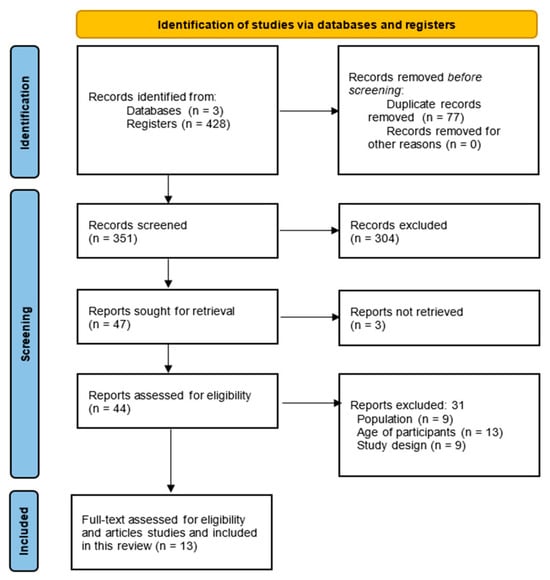
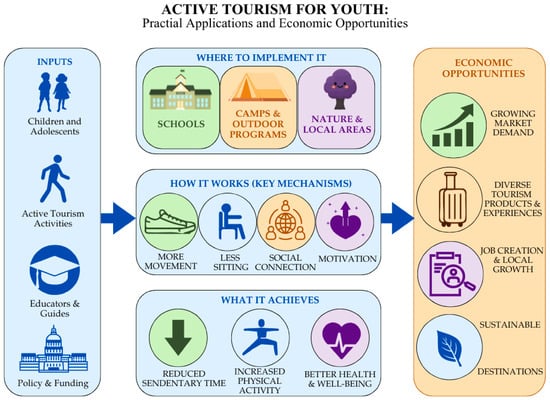
The objective of this systematic review was to analyze the scientific evidence published between 2015 and 2025 on the impact of active tourism in reducing sedentary behavior among children and adolescents, and its implications for health promotion and the economic development of the sector. The PRISMA 2020 guidelines were followed, with searches conducted in PubMed, Scopus, and Web of Science, including 13 studies with approximately 3100 participants across school, extracurricular, and residential camp contexts. The results show a consistent decrease in sedentary time during participation in active tourism programs, with moderate reductions in short-term interventions (≈5–15% or 20–30 min/day) and substantial decreases of up to 1.5–2 h per day in immersive programs. This displacement is mainly accompanied by increases in light physical activity, more limited improvements in moderate-to-vigorous physical activity, and reductions in screen time when the use of electronic devices is restricted. Overall, active tourism emerges as an effective and safe intervention with biopsychosocial benefits to counteract sedentary lifestyles in the young population. Furthermore, it demonstrates considerable applied potential as a driver of economic development by generating demand for educational, recreational, and tourism services, fostering destination diversification, and promoting sustainable territorial growth models.
Full article
(This article belongs to the Section Youth Health and Wellbeing)
►▼
Show Figures

Figure 1
Open AccessArticle
‘Uncertain Futures’: A Capabilities Approach to Structured Inequalities in the Transitions of Students with Special Educational Needs in Türkiye
by
Esra Akın and Canan Özkaya
Youth 2026, 6(3), 108; https://doi.org/10.3390/youth6030108 - 4 Aug 2026
Abstract
This study explores the educational transitions of university students with special educational needs in Türkiye, focusing on their experiences of moving from secondary to higher education and their expectations for the transition from university to employment. The study draws on semi-structured interviews with
[...] Read more.
This study explores the educational transitions of university students with special educational needs in Türkiye, focusing on their experiences of moving from secondary to higher education and their expectations for the transition from university to employment. The study draws on semi-structured interviews with 15 university students with special educational needs, including two participants with immigrant backgrounds. Findings primarily reflect the experiences of the overall sample, while the accounts of the two participants with immigrant backgrounds are interpreted as exploratory observations. The interview questions focused on resources, transition-related experiences, and expectations. Guided by the Capabilities Approach, the analysis explores the barriers to a smooth transition process and their implications for career choices through the lens of central capabilities. The findings reveal that participants face a range of challenges during transition processes, including limited and inconsistent institutional support, barriers in accessing educational and vocational opportunities, and difficulties in navigating key transition stages. The two students with immigrant backgrounds additionally described challenges related to language barriers, unfamiliarity with the education system, and limited access to support networks, which appeared to further complicate their individual transition experiences.
Full article
(This article belongs to the Special Issue Contexts of International Migration and Multilingualism for Students with Disabilities in Transition to Postsecondary College and Career)
Open AccessArticle
Navigating Success and Adversity: Youth Work Practice in Formal Education in South Africa
by
Thulani Andrew Chauke and Tomi Kiilakoski
Youth 2026, 6(3), 107; https://doi.org/10.3390/youth6030107 - 3 Aug 2026
Abstract
This study explored the lived experiences of youth workers within formal education settings in South Africa. Utilising a qualitative approach, the study sampled 22 youth workers participating in presidential youth employment initiatives in partnership with the Department of Basic Education. The findings indicate
[...] Read more.
This study explored the lived experiences of youth workers within formal education settings in South Africa. Utilising a qualitative approach, the study sampled 22 youth workers participating in presidential youth employment initiatives in partnership with the Department of Basic Education. The findings indicate that youth workers play a vital role in promoting social development among young people within formal education settings, a result that aligns with the empowerment theory guiding this research. Specifically, youth workers provide essential psychosocial and mental health support, contributing to holistic youth development. However, their effectiveness is frequently constrained by operational issues, including limited institutional recognition and ambiguous role definitions. Furthermore, a lack of sustainable funding and restricted time allocations for youth work activities remain significant challenges. The study recommends the formal institutionalisation of professional youth work within South African education policy, supported by clear operational frameworks, structured collaboration, and enhanced training to ensure sustainable learner support.
Full article
Open AccessArticle
Economic Empowerment of Girls and Young Women and Its Implications for Reducing Child Marriage: Evidence from the Girls Get Equal Project in Tanzania
by
Anthony Gikuri Nchagwa, Marco B. Sanka, Aneth Michael, Verah Urassa Mdai, Julie Volders, Paulin Paul, Adolf Kaindoa and George Justine Banyenza
Youth 2026, 6(3), 106; https://doi.org/10.3390/youth6030106 - 3 Aug 2026
Abstract
Child marriage remains a persistent barrier to girls and young women’s education, health, and socioeconomic advancement in many parts of Sub-Saharan Africa. This paper examines the perceived economic empowerment initiatives contributed to expanding life choices, including the prevention of child marriage and the
[...] Read more.
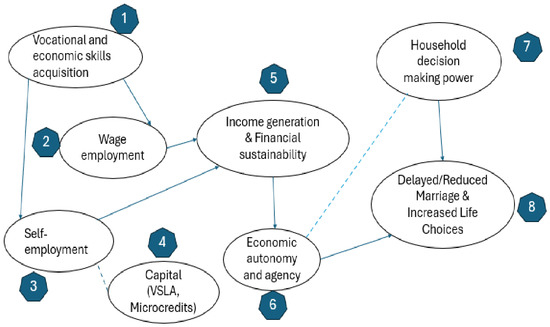
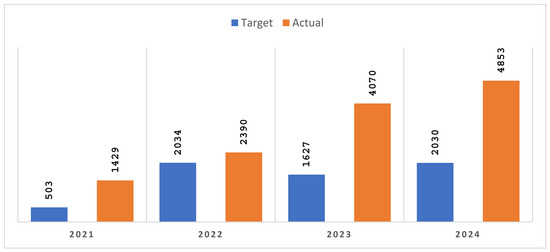
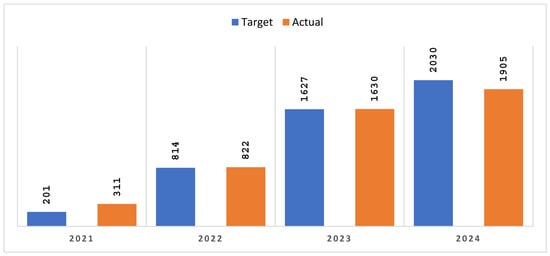
Child marriage remains a persistent barrier to girls and young women’s education, health, and socioeconomic advancement in many parts of Sub-Saharan Africa. This paper examines the perceived economic empowerment initiatives contributed to expanding life choices, including the prevention of child marriage and the delay of early marriage, within the Girls Get Equal (GGE) project implemented between 2020 and 2024 across three districts (Nkasi, Kalambo and Sumbawanga DC) in the Rukwa Region of Tanzania between 2020 and 2024. The paper adopted an explanatory mixed-methods case study design to explain aggregated project outcome indicators with participants’ lived experiences captured through focus group discussions and key informant interviews. Endline evaluation interviews and focus group discussions were re-analyzed using a six-stage thematic analysis approach. The paper demonstrates that imparting skills in technical and business fields leads to robust job creation outcomes. A large majority of trained youth transitioned into employment or self-employment and a substantial proportion maintained stable income-generating activities. On top of that, community-based infrastructures, particularly savings and loan groups, emerged as important financial mechanisms as they enabled structures supporting enterprise development and household resilience. The integration of quantitative trends and qualitative narratives suggests that economic empowerment interventions can expand girls’ economic agency and influence their informed decision-making processes related to marriage. Finally, the findings suggest that combining vocational skills development with access to financial capital represents a promising pathway for addressing structural drivers of early and child marriage in economically vulnerable contexts.
Full article
(This article belongs to the Special Issue Gender-Based Violence in Education, from Victims to Survivors: Youth Experiences in Schools and Universities)
►▼
Show Figures

Figure 1
Open AccessArticle
The Paradox of Political Consumerism: Neoliberal Natives and the Crisis of Political Imagination
by
Georgios Kyroglou
Youth 2026, 6(3), 105; https://doi.org/10.3390/youth6030105 - 3 Aug 2026
Abstract
Political consumerism is frequently celebrated as an expansion of youth political participation or critiqued for its structural ineffectiveness to advance young people’s political contestations. Moving beyond this evaluative binary, this article investigates its underexplored cultural and affective implications. It defines the paradox of
[...] Read more.
Political consumerism is frequently celebrated as an expansion of youth political participation or critiqued for its structural ineffectiveness to advance young people’s political contestations. Moving beyond this evaluative binary, this article investigates its underexplored cultural and affective implications. It defines the paradox of political consumerism as a condition in which young people’s political intent is channelled through consumer choice, only to be pre-emptively neutralised by the very neoliberal ‘business ontology’ it seeks to resist. This article interrogates this paradox through a series of focus groups in the United Kingdom and Greece among ‘neoliberal natives’; a unique generational unit whose entire civic socialisation has occurred within a totalised market logic, anchored by the historic, unfulfilled promises of the Brexit and Grexit moments. Informed by Critical and Cultural theory, the analysis explores how political consumption functions simultaneously as a meaningful political gesture and an ideological constraint. Rather than dismissing youth commitments as superficial, the article situates them within a broader political economy that individualises responsibility, commodifies dissent, and constrains their political imagination. What emerges is an ambivalent subjectivity: a generation that knows very well the limits of their market-based engagement—yet continues to participate in it.
Full article
Open AccessArticle
Measuring Adverse Childhood Experiences in Young Children: A Portuguese Caregiver-Report Study Comparing Conventional, Expanded, and Reduced ACE Scores
by
Laura Silva, Ângela Maia and Ricardo J. Pinto
Youth 2026, 6(3), 104; https://doi.org/10.3390/youth6030104 - 1 Aug 2026
Abstract
►▼
Show Figures
Background/Objectives: Adverse childhood experiences (ACEs) are associated with child socio-emotional difficulties, but when using parents’ reports, it remains unclear which scoring approaches are most informative about younger children. This study evaluated a Portuguese caregiver-report ACE assessment derived from the Finkelhor/Turner framework in a
[...] Read more.
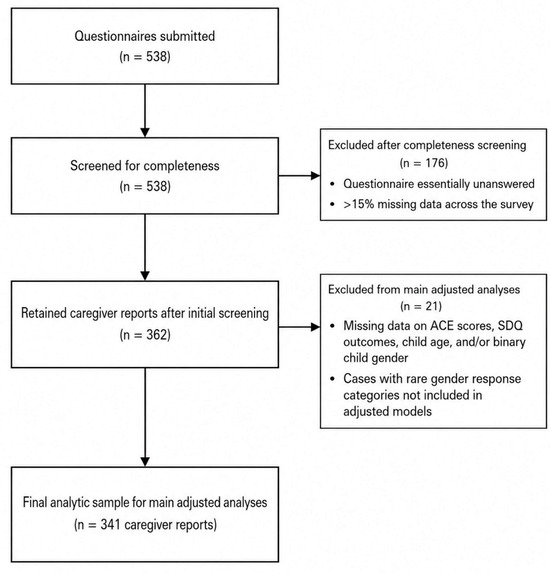
Background/Objectives: Adverse childhood experiences (ACEs) are associated with child socio-emotional difficulties, but when using parents’ reports, it remains unclear which scoring approaches are most informative about younger children. This study evaluated a Portuguese caregiver-report ACE assessment derived from the Finkelhor/Turner framework in a community sample of children aged 2–10 years. Methods: Caregivers provided reports on ACE exposure and socio-emotional adjustment for 341 children. Three ACE scores were compared: an approximate original ACE score, a full ACE pool score, and an adapted reduced caregiver-report score. Associations with socio-emotional adjustment were examined using correlations, adjusted regressions, ROC analyses, domain models, and latent class analysis. Results: Higher ACE exposure was associated with greater difficulties and lower prosocial behavior. The nine-item approximate original ACE score, which did not include emotional neglect, showed the strongest overall predictive and discriminative performance for caregiver-reported SDQ outcomes in this Portuguese sample. This finding should therefore be interpreted as evidence regarding the available approximation of conventional ACE indicators rather than the complete original ACE inventory. Among the two expanded ACE scoring approaches, however, the adapted reduced score consistently outperformed the full ACE pool, supporting a more parsimonious approach. ROC analyses indicated acceptable discrimination for elevated total difficulties, with the approximate original score showing the highest area under the curve (AUC); however, positive predictive values were low across all three scores, indicating limited stand-alone screening utility at the individual level. Domain analyses highlighted economic stressors, maltreatment, and family disorder as salient predictors. Latent class analysis identified low adversity, moderate family/economic adversity, and high polyadversity profiles. Both adversity-exposed classes showed poorer socio-emotional adjustment than the low-adversity class. Conclusions: Findings support the relevance of caregiver-report ACE assessment for understanding socio-emotional adjustment in young children, while also highlighting the need for developmentally sensitive, culturally adapted, and outcome-validated scoring approaches. More extensive ACE pools were not necessarily more informative than shorter empirically or theoretically grounded scores.
Full article

Figure 1
Open AccessArticle
Enhancing Youth Employability Through Technical and Vocational Education and Training (TVET): A Narrative Inquiry into Skill Development and Entrepreneurship in South Africa
by
Gibson Makamure
Youth 2026, 6(3), 103; https://doi.org/10.3390/youth6030103 - 24 Jul 2026
Abstract
►▼
Show Figures
This study employs a qualitative narrative inquiry to explore how support systems and industry engagement influence youth employability and entrepreneurial aspirations within South Africa’s TVET sector. The central research question examines how young people’s personal stories reveal the impact of systemic barriers and
[...] Read more.
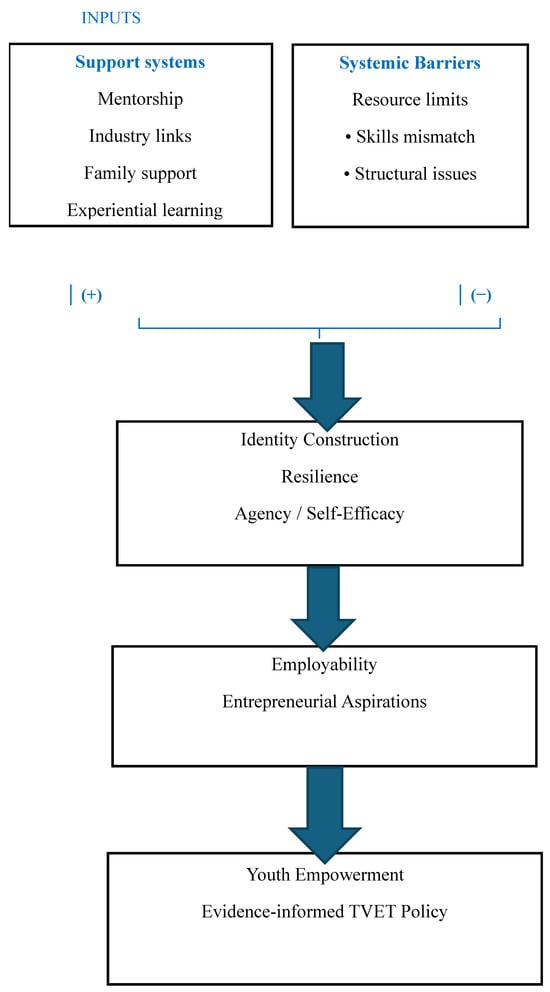
This study employs a qualitative narrative inquiry to explore how support systems and industry engagement influence youth employability and entrepreneurial aspirations within South Africa’s TVET sector. The central research question examines how young people’s personal stories reveal the impact of systemic barriers and support mechanisms on their identity construction, resilience, and agency. Using in-depth interviews and focus groups with 24 purposively sampled youth across Gauteng’s TVET colleges, the analysis combines thematic and narrative approaches to uncover recurring patterns and narrative structures. Participants ranged in age from 18 to 30, with a balanced gender distribution, representing various socio-economic backgrounds and career interests, selected through purposive sampling to ensure data richness and saturation. The analysis integrated thematic and narrative approaches, with a detailed coding process, theme development, and measures to mitigate bias through member checking and peer debriefing. Findings indicate that experiential learning, mentorship, family encouragement, and industry connections serve as critical support mechanisms that shape youth perceptions of opportunity and self-efficacy. Conversely, systemic barriers such as resource limitations and skills mismatches are frequently narrated as obstacles constraining pathways to employment and entrepreneurship. The study concludes that integrating youth narratives into policy development can foster more inclusive and effective strategies for youth empowerment. These insights contribute to the literature on youth employment by highlighting the active role of storytelling in identity negotiation and social critique within socio-economic contexts.
Full article

Figure 1
Open AccessArticle
Building the Next Generation of Youth Researchers Through a Participatory Internship Program
by
Chuka N. Emezue, Armaan Grewal, Alina Zhao, Kaavya Sumit, Rehan Mathew Koshy, Reyna Rufino, Tvisha Heda, Robert Ephraim, Jr., Aaron Dunlap, Kendra C. Julion and Tara Wilkes
Youth 2026, 6(3), 102; https://doi.org/10.3390/youth6030102 - 24 Jul 2026
Abstract
Background/Objectives: Youth are increasingly engaged in mental health research, but many models remain consultative rather than participatory. We examined the Technology and Adolescent Mental Health Internship (TAMI) as an implementation-focused instrumental case study of a structured youth participatory action research internship for high
[...] Read more.
Background/Objectives: Youth are increasingly engaged in mental health research, but many models remain consultative rather than participatory. We examined the Technology and Adolescent Mental Health Internship (TAMI) as an implementation-focused instrumental case study of a structured youth participatory action research internship for high school students recruited through schools serving Chicago’s West and South Sides. Methods: The case study included an embedded multimethod formative evaluation with participatory interpretation by a post-program youth advisory board (n = 8). In Year 3, 18 participants completed baseline surveys, and 16 provided matched pre–post surveys (matched survey completion = 89%). Measures included a study-developed five-item research-task self-efficacy indicator, post-program attitudes and intentions, and four open-ended items. We conducted one exploratory paired-samples t-test and an inductive descriptive content analysis. Results: In exploratory analyses, mean research-task self-efficacy scores increased from 21.8 (SD = 2.1) at baseline to 23.8 (SD = 1.4) post-program, t(15) = 4.09, p = 0.001, dz = 1.02. Among the 15 respondents who responded to each of these post-program items, all reported being confident or very confident explaining youth mental health research, and all reported being at least somewhat likely to participate in future research, advocacy, or mental health activities. Participants described learning related to literature review, research design, ethics, data interpretation, and science communication. They recommended a longer program, additional applied practice, and more guest speakers. Conclusions: The TAMI was delivered within one program cycle and was viewed favorably by respondents. This case illustrates how youth-generated questions, adult scaffolding, collaborative interpretation, and youth co-authorship can be incorporated into a structured research internship. Larger, independent evaluations are needed to assess outcomes, sustainability, and transferability.
Full article
(This article belongs to the Special Issue Co-Designing for Youth Mental Health: Participatory, Community-Based, and Digital Approaches to Resilience and Well-Being in the Context of Adversity)
Open AccessArticle
Motivations for Cannabis Use Among LGBTQ+ Youth: A Participatory Photovoice Study
by
Olivier Ferlatte, Tara Chanady, David Ortiz-Paredes, Kinda Wassef, Hannah Kia, Rebecca Haines-Saah, Adam Bourne and Rod Knight
Youth 2026, 6(3), 101; https://doi.org/10.3390/youth6030101 - 24 Jul 2026
Abstract
Cannabis use is prevalent among LGBTQ+ youth and is often framed within deficit-oriented models emphasizing risk and mental health vulnerability. This study moves beyond these perspectives by examining how LGBTQ+ youth understand and mobilize cannabis use in relation to mental health, gender, and
[...] Read more.
Cannabis use is prevalent among LGBTQ+ youth and is often framed within deficit-oriented models emphasizing risk and mental health vulnerability. This study moves beyond these perspectives by examining how LGBTQ+ youth understand and mobilize cannabis use in relation to mental health, gender, and sexuality. Guided by queer theory and an ethics of care, and grounded in a community-based participatory approach, this photovoice study was conducted in collaboration with three LGBTQ+ youth peer researchers who contributed to data collection, analysis, and interpretation. A total of 46 LGBTQ+ youth (aged 15–24) in Quebec, Canada, generated photographs and narratives exploring their motivations and experiences of cannabis use, which were analyzed using reflexive thematic analysis. Findings highlight cannabis use as a situated and relational practice embedded in three intersecting processes: reconfiguring thought, enacting identity, and practicing care. Cannabis was mobilized to facilitate introspection, support identity exploration, and affirmation, and foster relational and collective forms of healing, while also producing ambivalent effects, including disorientation and emotional numbing. By centering youth perspectives, these findings challenge harm-focused framings and underscore the need for more nuanced, youth-informed and strengths-based approaches to LGBTQ+ youth well-being.
Full article
(This article belongs to the Special Issue Youth Participation, Leadership and Agency for Decolonial Health Equity)
►▼
Show Figures

Figure 1
Open AccessArticle
Food Insecurity and Associated Factors Among University Students in Northwest Mexico: Cross-Sectional Surveys Conducted During and After the COVID-19 Pandemic
by
Jorge Luis García-Sarmiento, Verónica López-Teros, Rolando Giovanni Diaz-Zavala, Karla Denisse Murillo-Castillo, Dena María Jesús Camarena-Gómez, Alejandro Monserrat García-Alegría and Trinidad Quizán-Plata
Youth 2026, 6(3), 100; https://doi.org/10.3390/youth6030100 - 24 Jul 2026
Abstract
►▼
Show Figures
Food insecurity is a major public health concern among university students. This cross-sectional study examined factors associated with food insecurity during and after the COVID-19 pandemic among 1864 students (mean age: 20.6 ± 2.9 years) from selected public universities in Northwest Mexico. Data
[...] Read more.
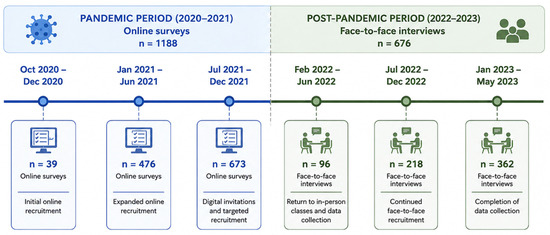
Food insecurity is a major public health concern among university students. This cross-sectional study examined factors associated with food insecurity during and after the COVID-19 pandemic among 1864 students (mean age: 20.6 ± 2.9 years) from selected public universities in Northwest Mexico. Data were collected in two cross-sectional survey waves: during the COVID-19 pandemic (n = 1188) and after the pandemic (n = 676). Data were collected through online surveys during the pandemic and face-to-face interviews in the post-pandemic period. Food insecurity was assessed using the Food Insecurity Experience Scale (FIES). Multiple linear regression models were used to identify factors associated with food insecurity and to examine its association with body mass index, perceived stress, sleep quality, and academic performance. Overall, 62.2% of students experienced food insecurity. Food insecurity was higher among students surveyed after the COVID-19 pandemic than among those surveyed during the pandemic (73.7% vs. 55.7%, p < 0.001). During the pandemic, higher food insecurity scores were associated with older age, female sex, indigenous self-identification, living alone, academic discipline, study hours, educational financing, and poorer nutritional behaviors. In the post-pandemic period, indigenous self-identification, living arrangements, academic discipline, and poor nutritional behaviors remained associated with food insecurity. In both periods, food insecurity was associated with higher perceived stress, poorer sleep quality, and lower academic performance (p < 0.05). These findings suggest that food insecurity remains a major concern among university students and indicate the importance of developing culturally appropriate strategies to support vulnerable student populations.
Full article

Figure 1
Open AccessArticle
Social Justice Education at a Latiné High School: Community Coalition and Expectations of College Worthiness
by
Daniel D. Liou and Leticia Rojas
Youth 2026, 6(3), 99; https://doi.org/10.3390/youth6030099 - 23 Jul 2026
Abstract
Contemporary education policy requires state and local schools to align their curricula and establish school expectations based on college-readiness standards. However, these practices have generated more concerns than solutions. Test scores and grade point averages, which individually measure students’ college readiness, are often
[...] Read more.
Contemporary education policy requires state and local schools to align their curricula and establish school expectations based on college-readiness standards. However, these practices have generated more concerns than solutions. Test scores and grade point averages, which individually measure students’ college readiness, are often conflated with educators’ stereotypical beliefs about students’ prospects for postsecondary success. These stratifying dynamics of college readiness are particularly affecting communities that are historically excluded from higher education. To respond to these systems of exclusion, this qualitative study explores a community-based, collaborative model of college worthiness through coalition building in a predominantly working-class Latiné high school. Through a comprehensive analysis of interviews, observations, and artifacts, the study describes school leaders’ strategic utilization of multi-organizational coalitions to prepare students for college. The findings extend the literature by illuminating anti-deficit, communal approaches to advancing the Latiné educational pipeline. These coalitional practices include a focus on students’ wellness, developing trust and caring interpersonal relationships, and enacting positive expectations to foster college-going agency and self-determination. The implications of these findings are significant for school leaders who work to establish college access points as an integral component of social justice education.
Full article
(This article belongs to the Special Issue Reimagining College Access and Equity for Marginalized Youth: Coalition-Building and Strategizing in an Anti-DEIA Era)
Journal Menu
► ▼ Journal Menu-
- Youth Home
- Aims & Scope
- Editorial Board
- Topical Advisory Panel
- Early Career Editorial Board
- Instructions for Authors
- Special Issues
- Topics
- Sections
- Article Processing Charge
- Indexing & Archiving
- Editor’s Choice Articles
- Most Cited & Viewed
- Journal Statistics
- Journal History
- Journal Awards
- Editorial Office
Journal Browser
► ▼ Journal BrowserHighly Accessed Articles
Latest Books
E-Mail Alert
News
Topics
Topic in
Education Sciences, Youth, Behavioral Sciences, Psychiatry International, EJIHPE
Addictive Behaviors and Mental Disorders Among Youth and Adolescents
Topic Editors: Wenchao Wang, Chao SongDeadline: 30 November 2026
Topic in
Behavioral Sciences, Education Sciences, Societies, Youth, Adolescents, Social Sciences
Emotional Well-Being and Assessment in Multicultural Educational Contexts: Interdisciplinary Research and Perspectives
Topic Editors: Enrique Riquelme, Daniel Quilaqueo, Héctor Torres, Ignacio MonteroDeadline: 28 February 2027
Topic in
Societies, Social Sciences, Youth
Youth Justice and Social Policy: Challenges in Creating Equitable Systems
Topic Editors: Stephen Case, Kathy Hampson, Neal HazelDeadline: 30 September 2027
Special Issues
Special Issue in
Youth
Promoting Youth Engagement in Climate Actions Through Environmental Education
Guest Editor: Christine Jie LiDeadline: 30 August 2026
Special Issue in
Youth
Youth Perceptions and Experiences of Sex Education
Guest Editors: Claire Meehan, Emily SettyDeadline: 31 August 2026
Special Issue in
Youth
Mentoring for Positive Youth Development
Guest Editor: Grace GowdyDeadline: 15 September 2026
Special Issue in
Youth
Discrimination and Inclusion in Youth Leisure
Guest Editors: Louis Moustakas, Agnes BidmonDeadline: 30 September 2026