15 pages, 1510 KB  
Review
Advances in Injectable In Situ-Forming Hydrogels for Intratumoral Treatment
by Gi Ru Shin, Hee Eun Kim, Jae Ho Kim, Sangdun Choi and Moon Suk Kim
Pharmaceutics 2021, 13(11), 1953; https://doi.org/10.3390/pharmaceutics13111953 - 18 Nov 2021
Cited by 47 | Viewed by 6122
Abstract
Chemotherapy has been linked to a variety of severe side effects, and the bioavailability of current chemotherapeutic agents is generally low, which decreases their effectiveness. Therefore, there is an ongoing effort to develop drug delivery systems to increase the bioavailability of these agents [...] Read more.
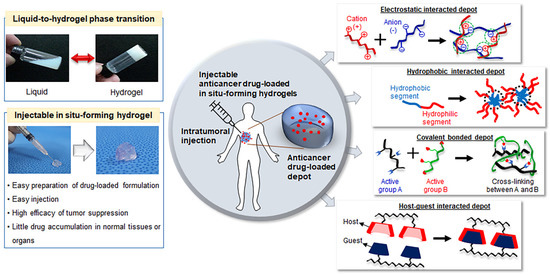
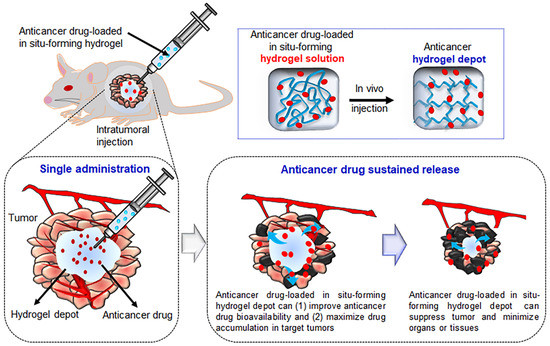
Chemotherapy has been linked to a variety of severe side effects, and the bioavailability of current chemotherapeutic agents is generally low, which decreases their effectiveness. Therefore, there is an ongoing effort to develop drug delivery systems to increase the bioavailability of these agents and minimize their side effects. Among these, intratumoral injections using in situ-forming hydrogels can improve drugs’ bioavailability and minimize drugs’ accumulation in non-target organs or tissues. This review describes different types of injectable in situ-forming hydrogels and their intratumoral injection for cancer treatment, after which we discuss the antitumor effects of intratumoral injection of drug-loaded hydrogels. This review concludes with perspectives on the future applicability of, and challenges for, the adoption of this drug delivery technology. Full article
Show Figures

Figure 1
41 pages, 3002 KB  
Review
Progress in Nanocarriers Codelivery System to Enhance the Anticancer Effect of Photodynamic Therapy
by Yu-Ling Yang, Ke Lin and Li Yang
Pharmaceutics 2021, 13(11), 1951; https://doi.org/10.3390/pharmaceutics13111951 - 18 Nov 2021
Cited by 27 | Viewed by 4363
Abstract
Photodynamic therapy (PDT) is a promising anticancer noninvasive method and has great potential for clinical applications. Unfortunately, PDT still has many limitations, such as metastatic tumor at unknown sites, inadequate light delivery and a lack of sufficient oxygen. Recent studies have demonstrated that [...] Read more.
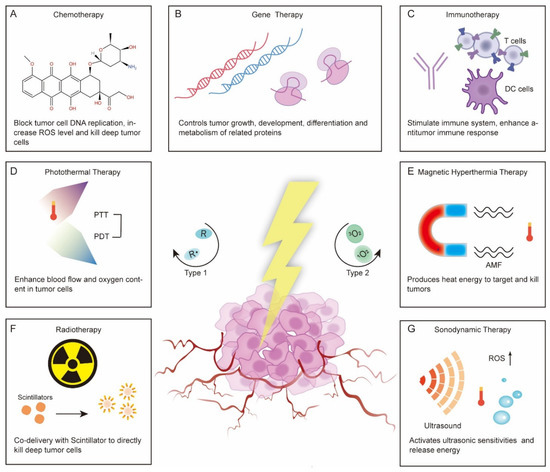
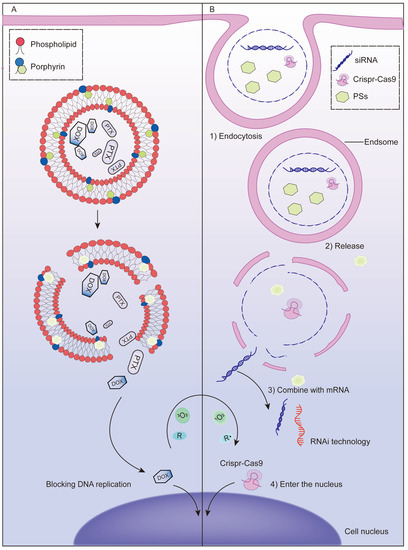
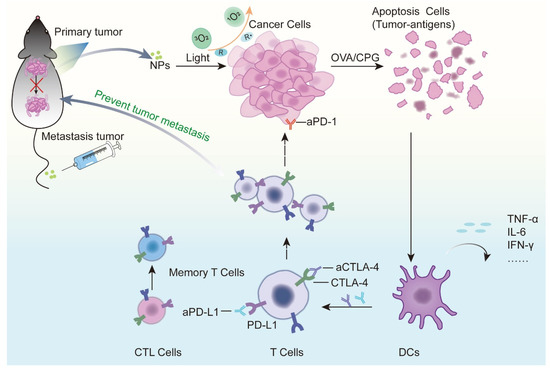
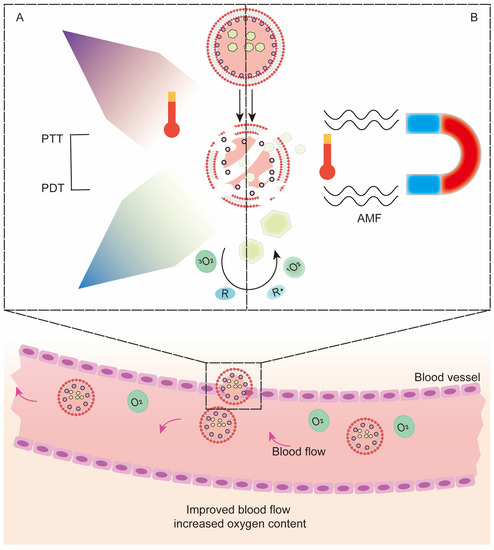
Photodynamic therapy (PDT) is a promising anticancer noninvasive method and has great potential for clinical applications. Unfortunately, PDT still has many limitations, such as metastatic tumor at unknown sites, inadequate light delivery and a lack of sufficient oxygen. Recent studies have demonstrated that photodynamic therapy in combination with other therapies can enhance anticancer effects. The development of new nanomaterials provides a platform for the codelivery of two or more therapeutic drugs, which is a promising cancer treatment method. The use of multifunctional nanocarriers for the codelivery of two or more drugs can improve physical and chemical properties, increase tumor site aggregation, and enhance the antitumor effect through synergistic actions, which is worthy of further study. This review focuses on the latest research progress on the synergistic enhancement of PDT by simultaneous multidrug administration using codelivery nanocarriers. We introduce the design of codelivery nanocarriers and discuss the mechanism of PDT combined with other antitumor methods. The combination of PDT and chemotherapy, gene therapy, immunotherapy, photothermal therapy, hyperthermia, radiotherapy, sonodynamic therapy and even multidrug therapy are discussed to provide a comprehensive understanding. Full article
Show Figures

Figure 1
18 pages, 18247 KB  
Article
Polyelectrolyte-Coated Mesoporous Bioactive Glasses via Layer-by-Layer Deposition for Sustained Co-Delivery of Therapeutic Ions and Drugs
by Carlotta Pontremoli, Mattia Pagani, Lorenza Maddalena, Federico Carosio, Chiara Vitale-Brovarone and Sonia Fiorilli
Pharmaceutics 2021, 13(11), 1952; https://doi.org/10.3390/pharmaceutics13111952 - 17 Nov 2021
Cited by 19 | Viewed by 2864
Abstract
In the field of bone regeneration, considerable attention has been addressed towards the use of mesoporous bioactive glasses (MBGs), as multifunctional therapeutic platforms for advanced medical devices. In fact, their extremely high exposed surface area and pore volume allow to load and the [...] Read more.
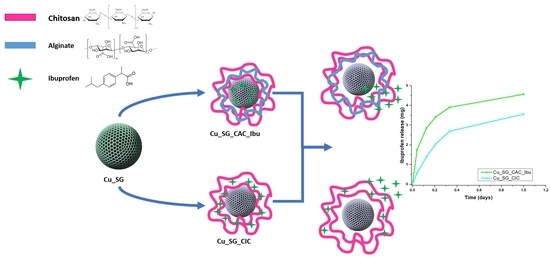
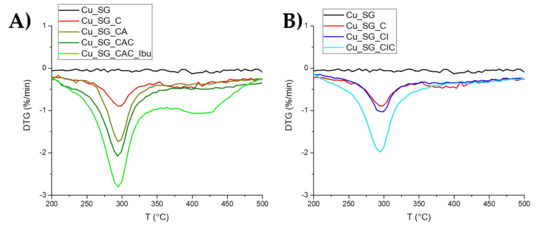
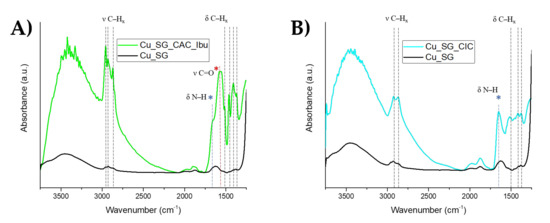
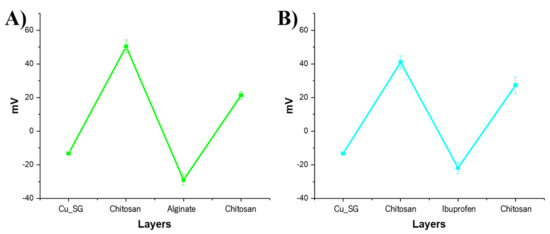
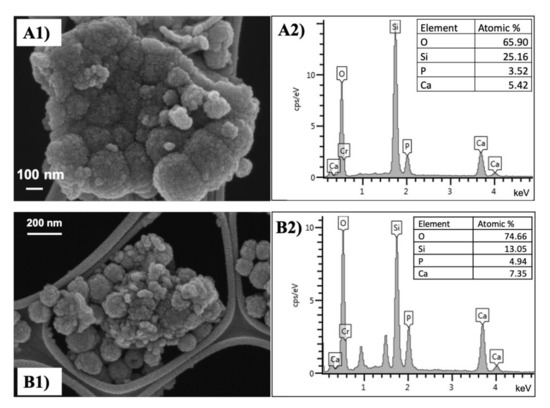
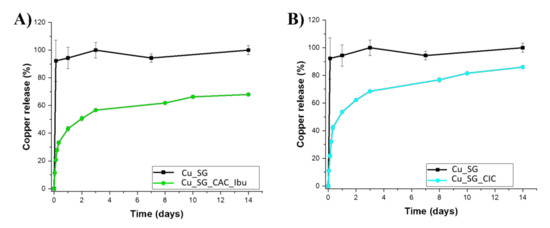
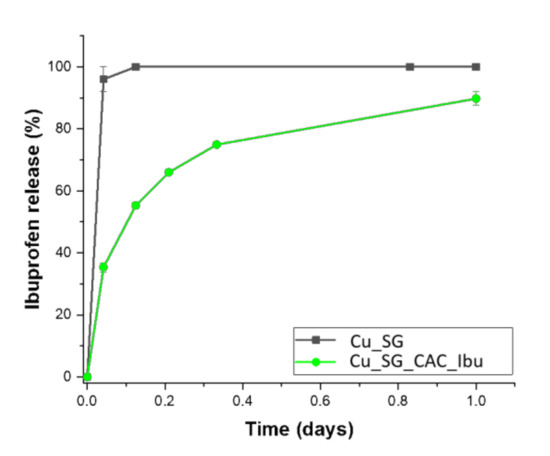
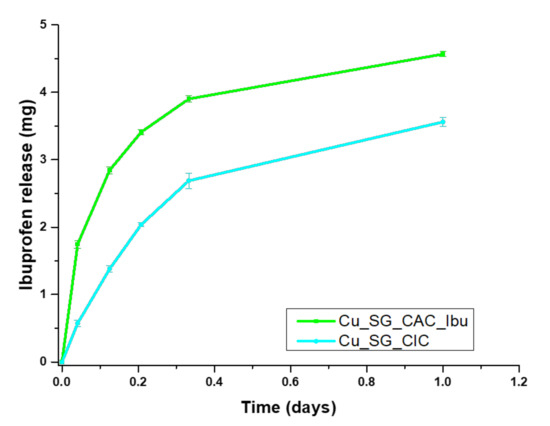
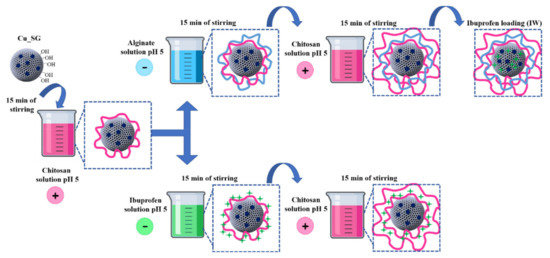
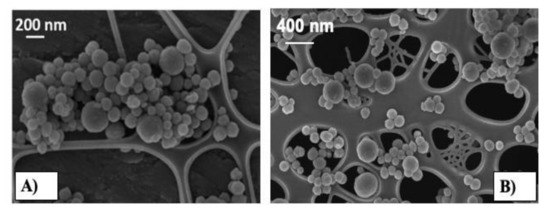
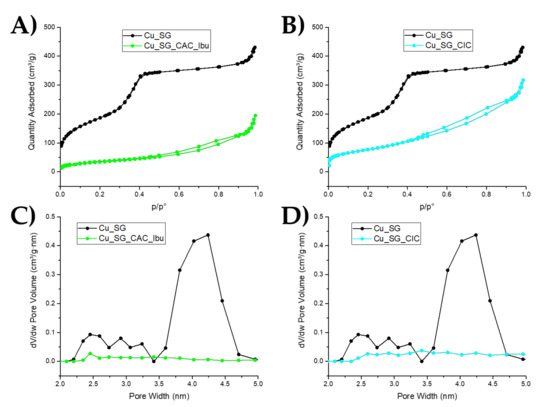
In the field of bone regeneration, considerable attention has been addressed towards the use of mesoporous bioactive glasses (MBGs), as multifunctional therapeutic platforms for advanced medical devices. In fact, their extremely high exposed surface area and pore volume allow to load and the release of several drugs, while their framework can be enriched with specific therapeutic ions allowing to boost the tissue regeneration. However, due to the open and easily accessible mesopore structure of MBG, the release of the incorporated therapeutic molecules shows an initial burst effect leading to unsuitable release kinetics. Hence, a still open challenge in the design of drug delivery systems based on MBGs is the control of their release behavior. In this work, Layer-by-layer (LbL) deposition of polyelectrolyte multi-layers was exploited as a powerful and versatile technique for coating the surface of Cu-substituted MBG nanoparticles with innovative multifunctional drug delivery systems for co-releasing of therapeutic copper ions (exerting pro-angiogenic and anti-bacterial effects) and an anti-inflammatory drug (ibuprofen). Two different routes were investigated: in the first strategy, chitosan and alginate were assembled by forming the multi-layered surface, and, successively, ibuprofen was loaded by incipient wetness impregnation, while in the second approach, alginate was replaced by ibuprofen, introduced as polyelectrolyte layer. Zeta-potential, TGA and FT-IR spectroscopy were measured after the addition of each polyelectrolyte layer, confirming the occurrence of the stepwise deposition. In addition, the in vitro bioactivity and the ability to modulate the release of the cargo were evaluated. The polyelectrolyte coated-MBGs were proved to retain the peculiar ability to induce hydroxyapatite formation after 7 days of soaking in Simulated Body Fluid. Both copper ions and ibuprofen were co-released over time, showing a sustained release profile up to 14 days and 24 h, respectively, with a significantly lower burst release compared to the bare MBG particles. Full article
Show Figures

Graphical abstract

23 pages, 5710 KB  
Article
Biocompatibility and Antimicrobial Activity of Nanostructured Lipid Carriers for Topical Applications Are Affected by Type of Oils Used in Their Composition
by Dragana P. C. de Barros, Patricia Reed, Marta Alves, Rafaela Santos and Abel Oliva
Pharmaceutics 2021, 13(11), 1950; https://doi.org/10.3390/pharmaceutics13111950 - 17 Nov 2021
Cited by 33 | Viewed by 4860
Abstract
Nanostructured lipid carriers (NLCs) have gained significant attention as tools for the dermal delivery of therapeutics due to their stability, biocompatibility, and ability to improve drug bioavailability. The use of natural plant oils (NPO) in NLC formulations has numerous benefits for the skin [...] Read more.
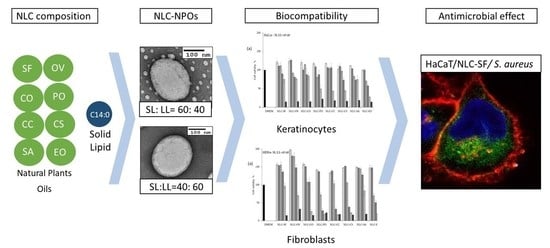
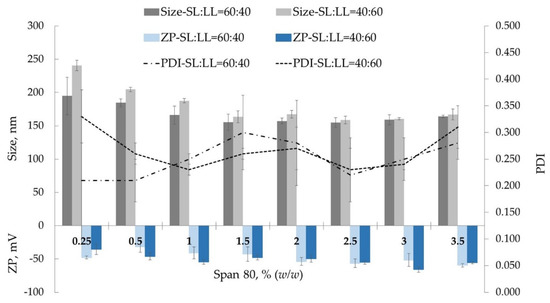
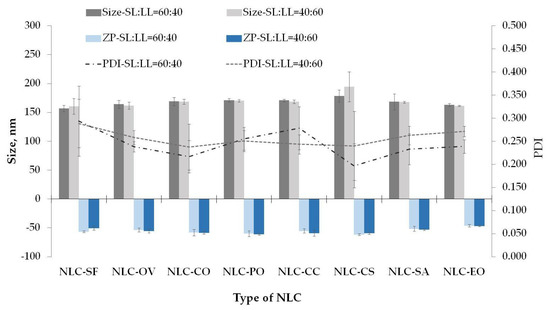
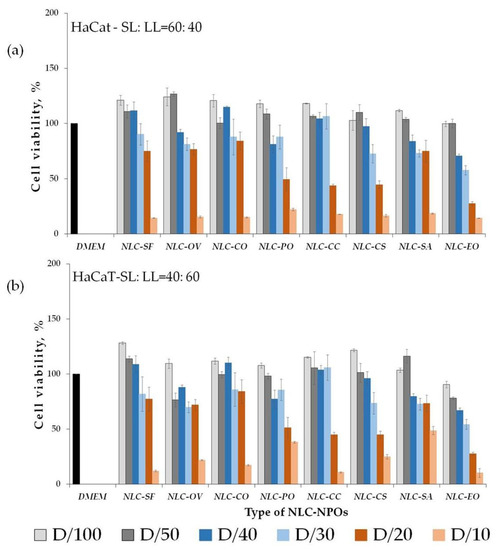
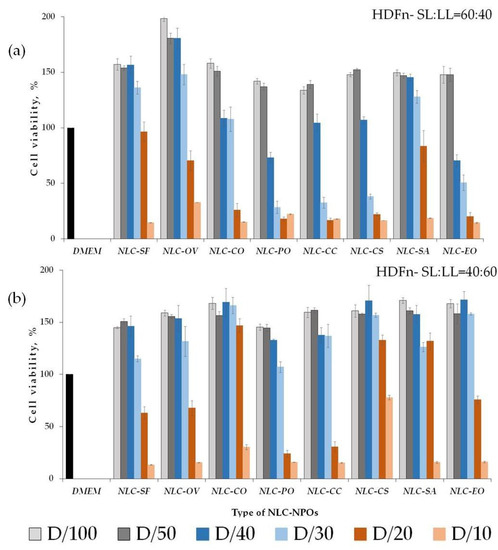
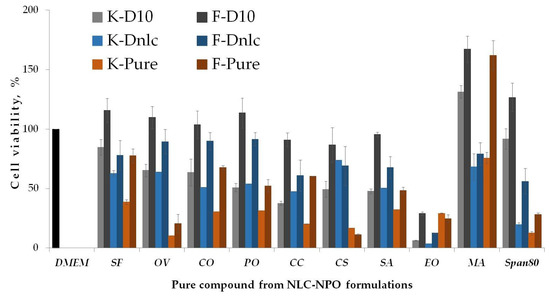
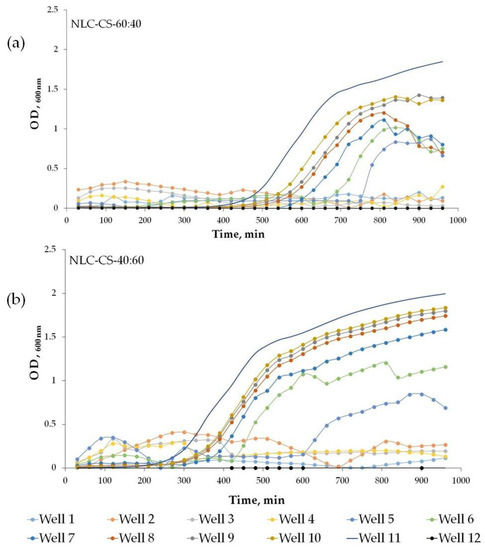
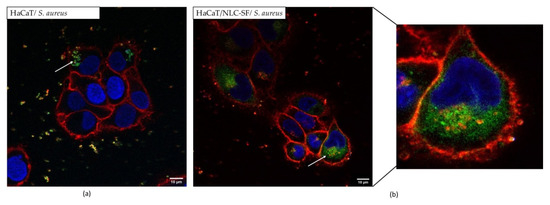
Nanostructured lipid carriers (NLCs) have gained significant attention as tools for the dermal delivery of therapeutics due to their stability, biocompatibility, and ability to improve drug bioavailability. The use of natural plant oils (NPO) in NLC formulations has numerous benefits for the skin due to their therapeutic potential. This work shows the effect of NLC composition on bioavailability in epidermal cells and antimicrobial activity against Staphylococcus aureus. Sixteen systems containing fixed (sunflower, olive, corn, peanut, coconut, castor, and sweet almond) and essential (eucalyptus) oils, with different solid lipid (SL): liquid lipid (LL) ratios, were engineered. The structural properties, bioavailability, and antimicrobial action of the particles was studied. The choice of NPO influenced the physicochemical stability by changing the diameter of NLC formulations (between 160 nm and 185 nm) and Z-potential (between −46 mV and −61 mV). All of the systems were characterized by concentration-dependent cytocompatibility with human epidermal keratinocytes (HaCaT) and human dermal fibroblasts (HDFn). The SL:LL ratio in some NLC systems impacted cell cytotoxicity differently. Antimicrobial properties were observed in all 16 systems; however, the type of oil and SL:LL ratio affected the activity of the formulations. Two NLC-NPO systems were found to be non-cytotoxic to human cells lines at concentrations that completely inhibited bacterial growth. These results present a strong argument that the use of natural oils in NLC formulations presents a promising tool for the treatment of skin infections. Full article
Show Figures

Graphical abstract

17 pages, 3267 KB  
Article
Retinoic Acid-Containing Liposomes for the Induction of Antigen-Specific Regulatory T Cells as a Treatment for Autoimmune Diseases
by Daniëlle ter Braake, Naomi Benne, Chun Yin Jerry Lau, Enrico Mastrobattista and Femke Broere
Pharmaceutics 2021, 13(11), 1949; https://doi.org/10.3390/pharmaceutics13111949 - 17 Nov 2021
Cited by 15 | Viewed by 4615
Abstract
The current treatment of autoimmune and chronic inflammatory diseases entails systemic immune suppression, which is associated with increased susceptibility to infections. To restore immune tolerance and reduce systemic side effects, a targeted approach using tolerogenic dendritic cells (tolDCs) is being explored. tolDCs are [...] Read more.
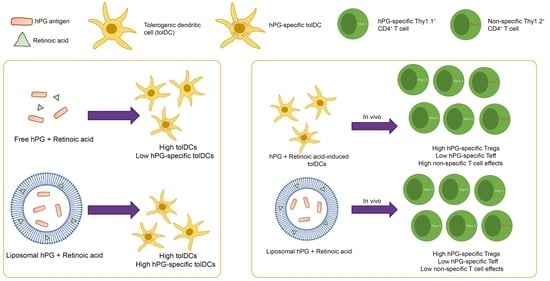
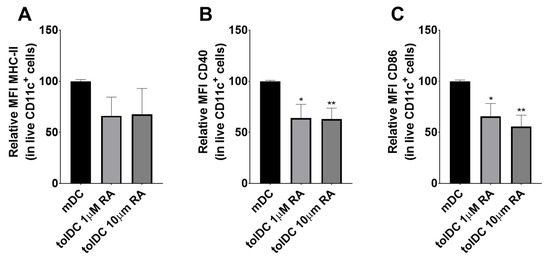
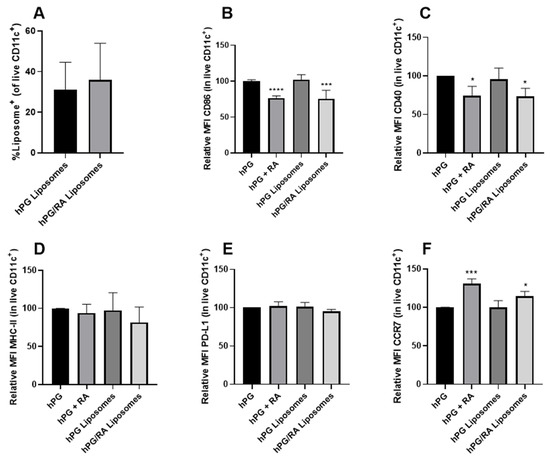
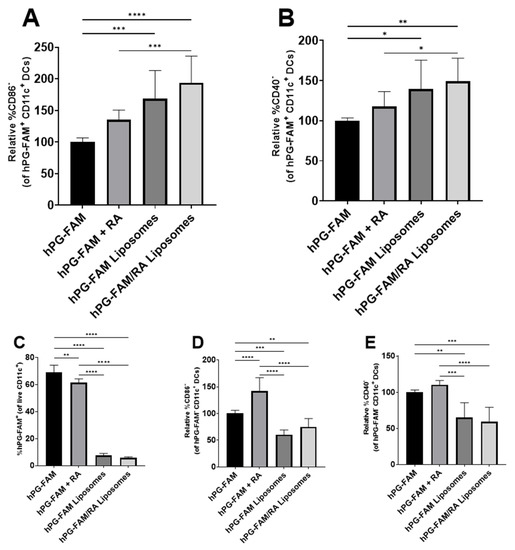
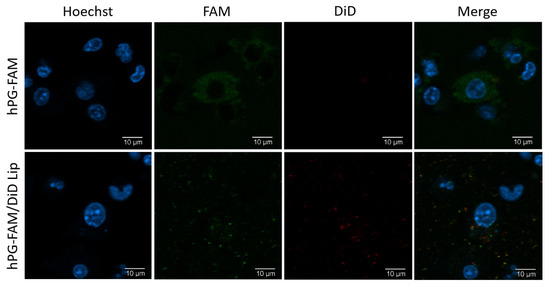
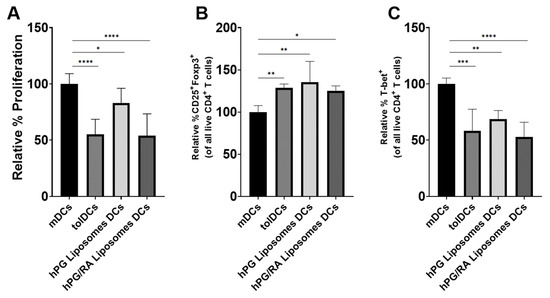
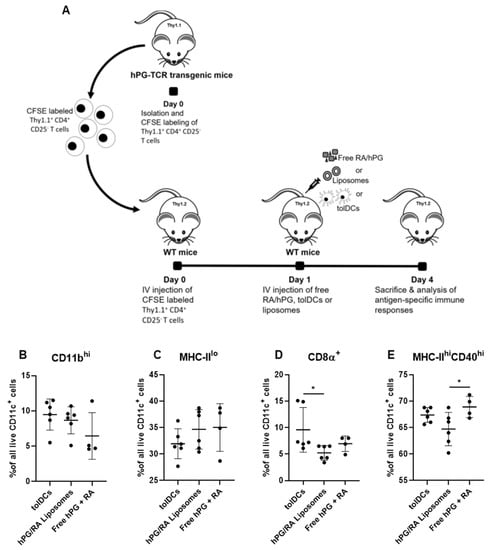
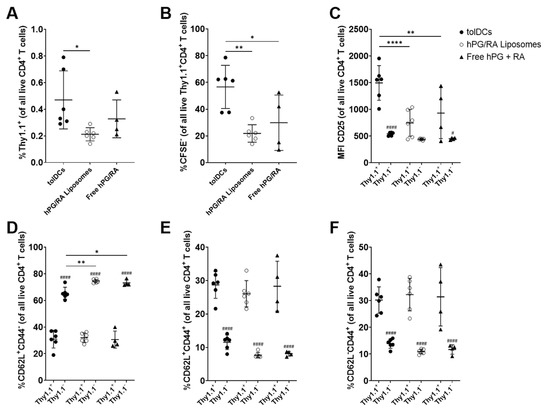
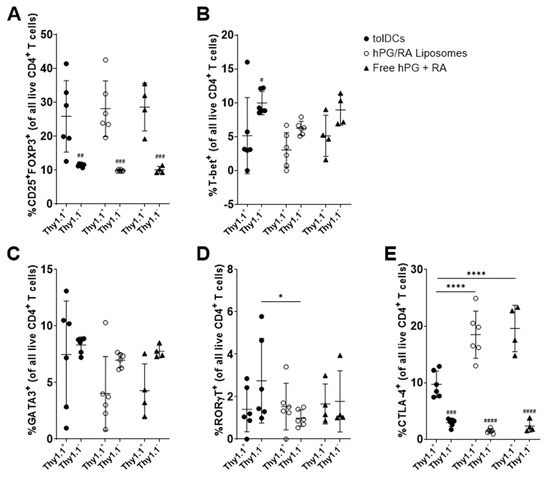
The current treatment of autoimmune and chronic inflammatory diseases entails systemic immune suppression, which is associated with increased susceptibility to infections. To restore immune tolerance and reduce systemic side effects, a targeted approach using tolerogenic dendritic cells (tolDCs) is being explored. tolDCs are characterized by the expression of CD11c, the major histocompatibility complex (MHC)II and low levels of co-stimulatory molecules CD40 and CD86. In this study, tolDCs were generated using a human-proteoglycan-derived peptide (hPG) and all-trans retinoic acid (RA). RA-tolDCs not only display a tolerogenic phenotype but also can induce an antigen-specific regulatory T cell (Treg) response in vitro. However, further analysis showed that RA-tolDCs make up a heterogeneous population of DCs, with only a small proportion being antigen-associated tolDCs. To increase the homogeneity of this population, 1,2-distearoyl-sn-glycero-3-phosphoglycerol (DSPG)-containing liposomes were used to encapsulate the relevant antigen together with RA. These liposomes greatly enhanced the proportion of antigen-associated tolDCs in culture. In addition, in mice, we showed that the liposomal co-delivery of antigen and RA can be a more targeted approach to induce antigen-specific tolerance compared to the injection of RA-tolDCs, and that these liposomes can stimulate the generation of antigen-specific Tregs. This work highlights the importance of the co-delivery of an antigen and immunomodulator to minimize off-target effects and systemic side effects and provides new insights in the use of RA for antigen-specific immunotherapy for autoimmune and chronic inflammatory diseases. Full article
(This article belongs to the Collection Drug Delivery in The Netherlands)
Show Figures

Graphical abstract

9 pages, 2406 KB  
Communication
Investigating Alternative Container Formats for Lyophilization of Biological Materials Using Diphtheria Antitoxin Monoclonal Antibody as a Model Molecule
by Kiran P. Malik, Chinwe Duru, Paul Stickings, Esther Veronika Wenzel, Michael Hust and Paul Matejtschuk
Pharmaceutics 2021, 13(11), 1948; https://doi.org/10.3390/pharmaceutics13111948 - 17 Nov 2021
Cited by 1 | Viewed by 2266
Abstract
When preparing biological reference materials, the stability of the lyophilized product is critical for long-term storage, particularly in order to meet WHO International Standards, which are not assigned expiry dates but are expected to be in use for several decades. Glass ampoules are [...] Read more.
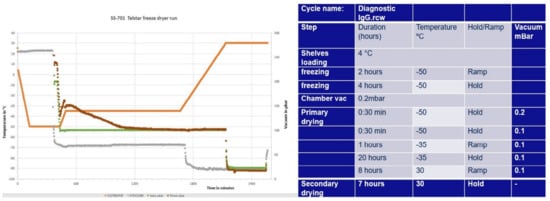
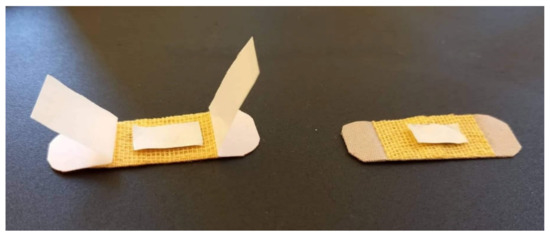
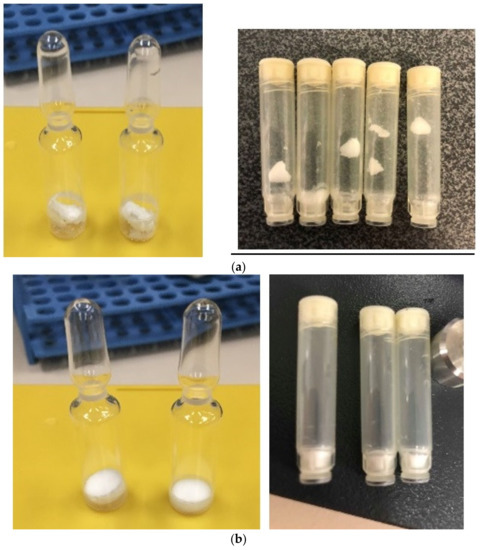
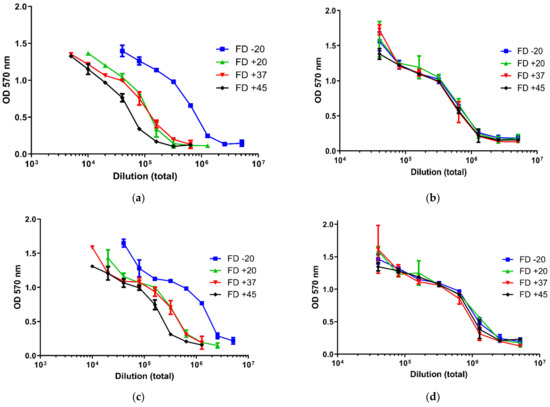
When preparing biological reference materials, the stability of the lyophilized product is critical for long-term storage, particularly in order to meet WHO International Standards, which are not assigned expiry dates but are expected to be in use for several decades. Glass ampoules are typically used by the National Institute for Biological Standards and Control (NIBSC) for the lyophilization of biological materials. More recently, a clear need has arisen for the filling of smaller volumes, for which ampoules may not be optimal. We investigated the use of plastic microtubes as an alternative container for small volume fills. In this study, a recombinant diphtheria antitoxin monoclonal antibody (DATMAB) was used as a model molecule to investigate the suitability of plastic microtubes for filling small volumes. The stability and quality of the dried material was assessed after an accelerated degradation study using a toxin neutralization test and size exclusion HPLC. While microtubes have shown some promise in the past for use in the lyophilization of some biological materials, issues with stability may arise when more labile materials are freeze-dried. We demonstrate here that the microtube format is unsuitable for ensuring the stability of this monoclonal antibody. Full article
(This article belongs to the Special Issue New Trends in Freeze-Drying of Pharmaceutical Products)
Show Figures

Figure 1
18 pages, 3779 KB  
Article
Mechanistic Studies of Antibiotic Adjuvants Reducing Kidney’s Bacterial Loads upon Systemic Monotherapy
by Fadia Zaknoon, Ohad Meir and Amram Mor
Pharmaceutics 2021, 13(11), 1947; https://doi.org/10.3390/pharmaceutics13111947 - 17 Nov 2021
Cited by 6 | Viewed by 3155
Abstract
We describe the design and attributes of a linear pentapeptide-like derivative (C14(ω5)OOc10O) screened for its ability to elicit bactericidal competences of plasma constituents against Gram-negative bacteria (GNB). In simpler culture media, the lipopeptide revealed high aptitudes to [...] Read more.
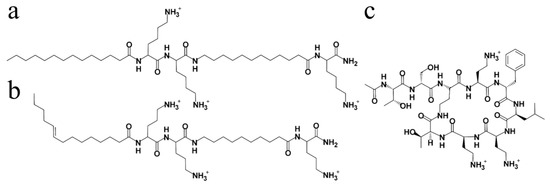
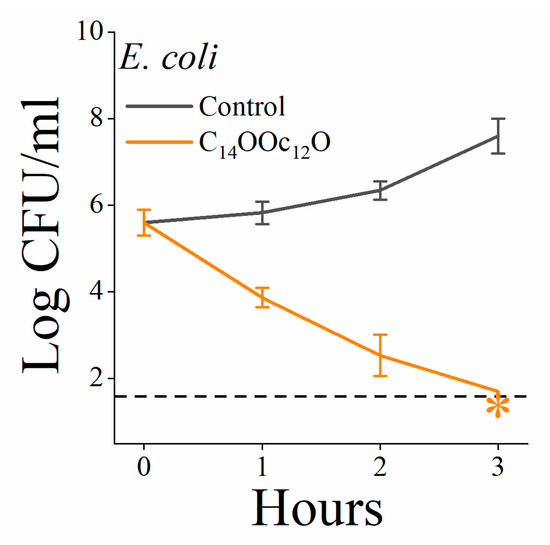
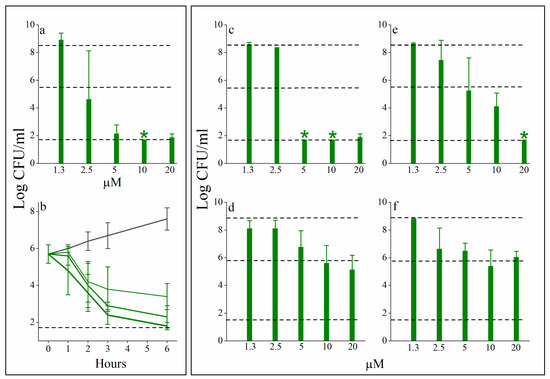
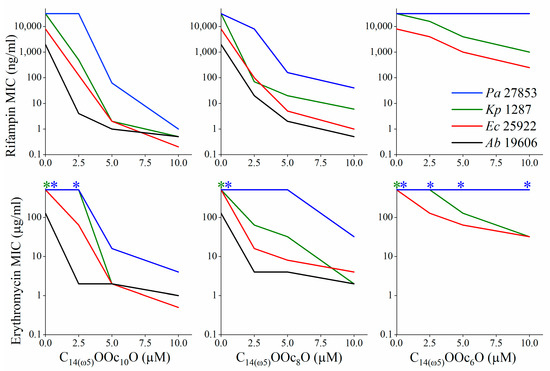
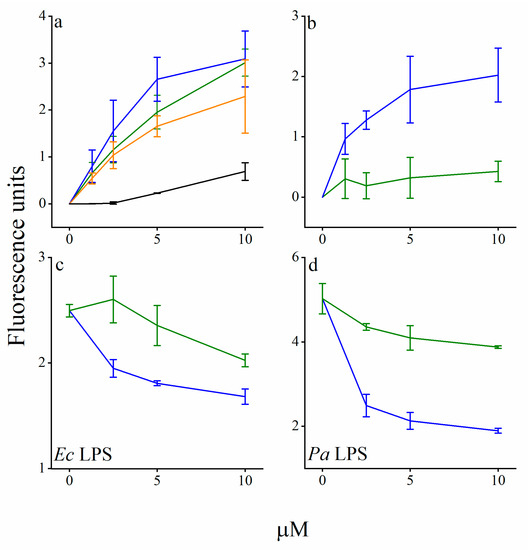
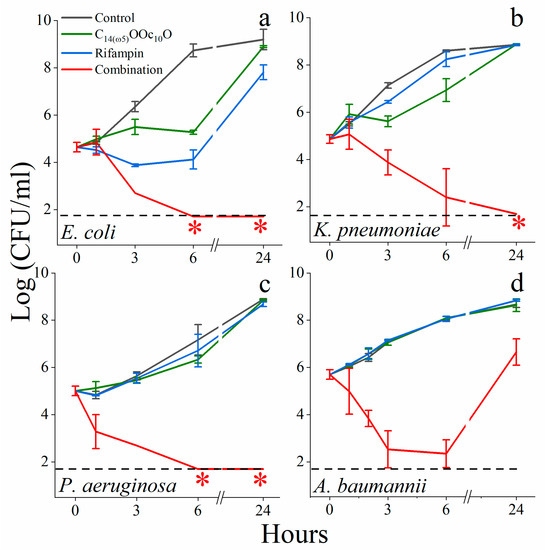
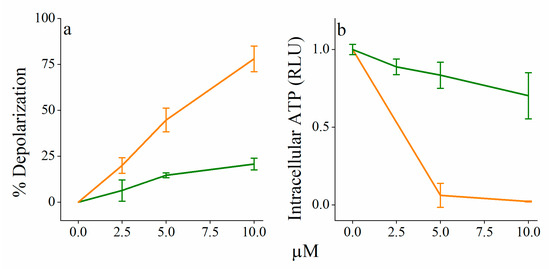
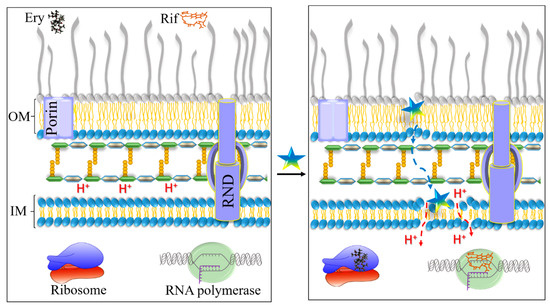
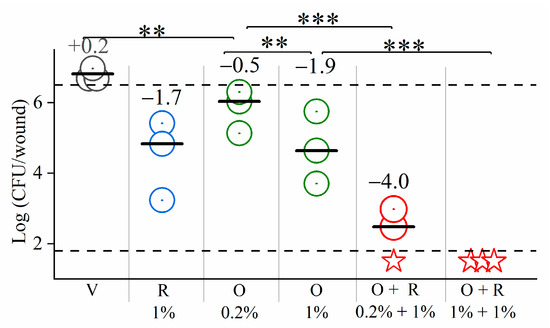
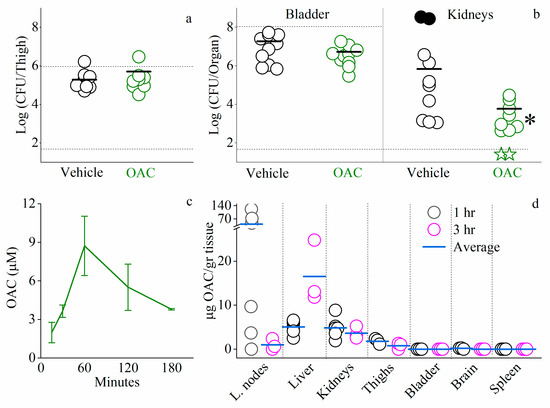
We describe the design and attributes of a linear pentapeptide-like derivative (C14(ω5)OOc10O) screened for its ability to elicit bactericidal competences of plasma constituents against Gram-negative bacteria (GNB). In simpler culture media, the lipopeptide revealed high aptitudes to sensitize resilient GNB to hydrophobic and/or efflux-substrate antibiotics, whereas in their absence, C14(ω5)OOc10O only briefly delayed bacterial proliferation. Instead, at low micromolar concentrations, the lipopeptide has rapidly lowered bacterial proton and ATP levels, although significantly less than upon treatment with its bactericidal analog. Mechanistic studies support a two-step scenario providing a plausible explanation for the lipopeptide’s biological outcomes against GNB: initially, C14(ω5)OOc10O permeabilizes the outer membrane similarly to polymyxin B, albeit in a manner not necessitating as much LPS-binding affinity. Subsequently, C14(ω5)OOc10O would interact with the inner membrane gently yet intensively enough to restrain membrane-protein functions such as drug efflux and/or ATP generation, while averting the harsher inner membrane perturbations that mediate the fatal outcome associated with bactericidal peers. Preliminary in vivo studies where skin wound infections were introduced in mice, revealed a significant efficacy in affecting bacterial viability upon topical treatment with creams containing C14(ω5)OOc10O, whereas synergistic combination therapies were able to secure the pathogen’s eradication. Further, capitalizing on the finding that C14(ω5)OOc10O plasma-potentiating concentrations were attainable in mice blood at sub-maximal tolerated doses, we used a urinary tract infection model to acquire evidence for the lipopeptide’s systemic capacity to reduce the kidney’s bacterial loads. Collectively, the data establish the role of C14(ω5)OOc10O as a compelling antibacterial potentiator and suggest its drug-like potential. Full article
(This article belongs to the Special Issue Chemically Enhanced Peptide and Protein Therapeutics)
Show Figures

Figure 1
39 pages, 2539 KB  
Review
3D-Printed Products for Topical Skin Applications: From Personalized Dressings to Drug Delivery
by Rafaela Santos de Oliveira, Stephani Silva Fantaus, Antonio José Guillot, Ana Melero and Ruy Carlos Ruver Beck
Pharmaceutics 2021, 13(11), 1946; https://doi.org/10.3390/pharmaceutics13111946 - 17 Nov 2021
Cited by 67 | Viewed by 10533
Abstract
3D printing has been widely used for the personalization of therapies and on-demand production of complex pharmaceutical forms. Recently, 3D printing has been explored as a tool for the development of topical dosage forms and wound dressings. Thus, this review aims to present [...] Read more.
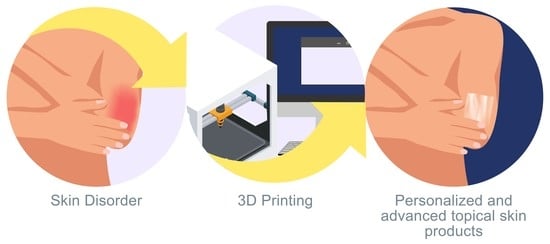
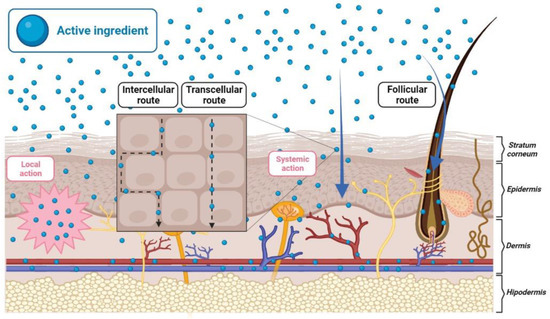
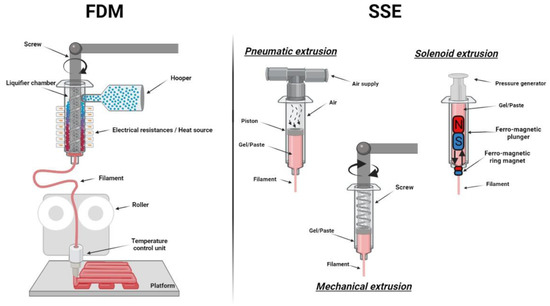
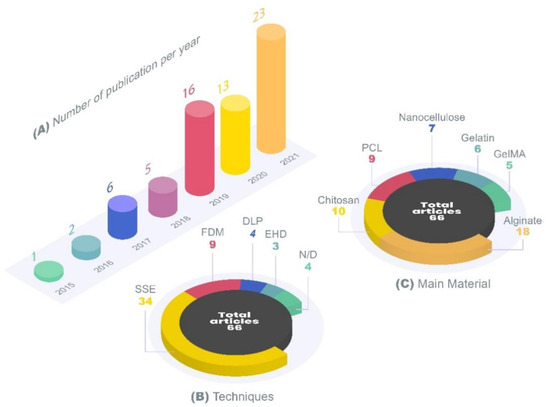
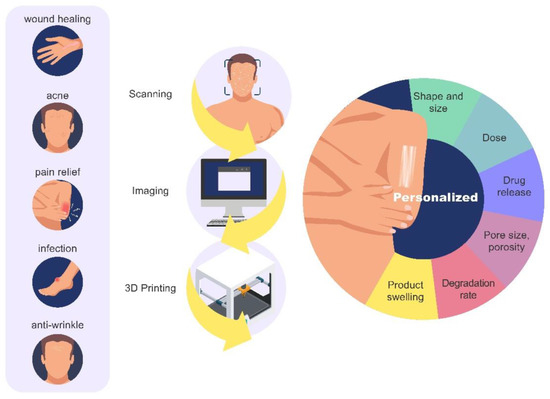
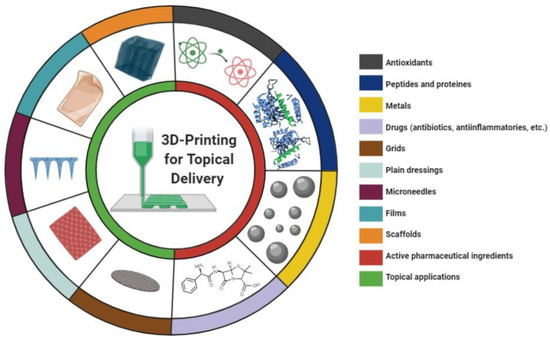
3D printing has been widely used for the personalization of therapies and on-demand production of complex pharmaceutical forms. Recently, 3D printing has been explored as a tool for the development of topical dosage forms and wound dressings. Thus, this review aims to present advances related to the use of 3D printing for the development of pharmaceutical and biomedical products for topical skin applications, covering plain dressing and products for the delivery of active ingredients to the skin. Based on the data acquired, the important growth in the number of publications over the last years confirms its interest. The semisolid extrusion technique has been the most reported one, probably because it allows the use of a broad range of polymers, creating the most diverse therapeutic approaches. 3D printing has been an excellent field for customizing dressings, according to individual needs. Studies discussed here imply the use of metals, nanoparticles, drugs, natural compounds and proteins and peptides for the treatment of wound healing, acne, pain relief, and anti-wrinkle, among others. The confluence of 3D printing and topical applications has undeniable advantages, and we would like to encourage the research groups to explore this field to improve the patient’s life quality, adherence and treatment efficacy. Full article
(This article belongs to the Special Issue Skin Drug Delivery: Local and Systemic Applications)
Show Figures

Graphical abstract

14 pages, 2939 KB  
Article
Construction of a Multifunctional Nano-Scale Metal-Organic Framework-Based Drug Delivery System for Targeted Cancer Therapy
by Mengru Cai, Yawen Zeng, Manting Liu, Longtai You, Huating Huang, Yang Hao, Xingbin Yin, Changhai Qu, Jian Ni and Xiaoxv Dong
Pharmaceutics 2021, 13(11), 1945; https://doi.org/10.3390/pharmaceutics13111945 - 17 Nov 2021
Cited by 18 | Viewed by 3794
Abstract
The antitumor activity of triptolide (TP) has received widespread attention, although its toxicity severely limits its clinical application. Therefore, the design of a targeted drug delivery system (TDDS) has important application prospects in tumor treatment. Metal–organic frameworks (MOFs), with high drug-carrying capacity and [...] Read more.
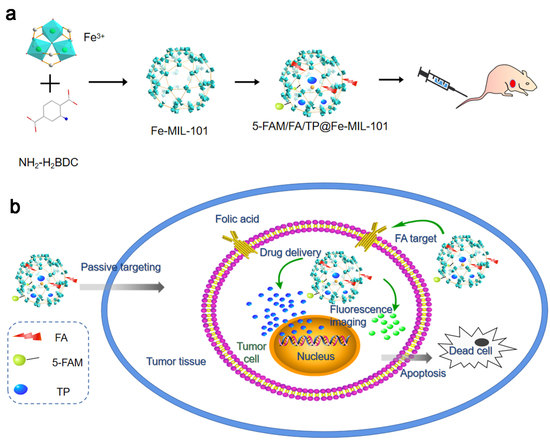
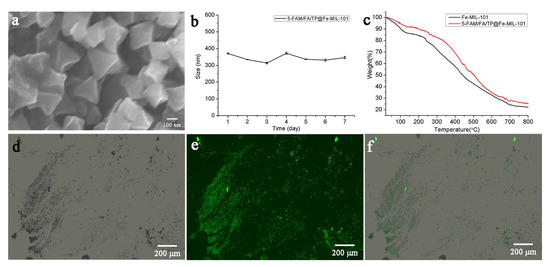
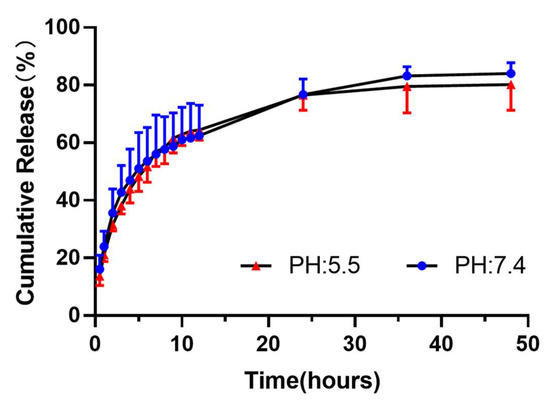
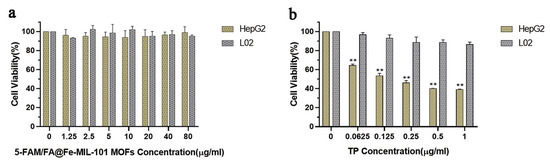
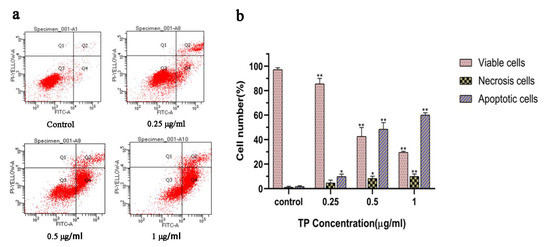
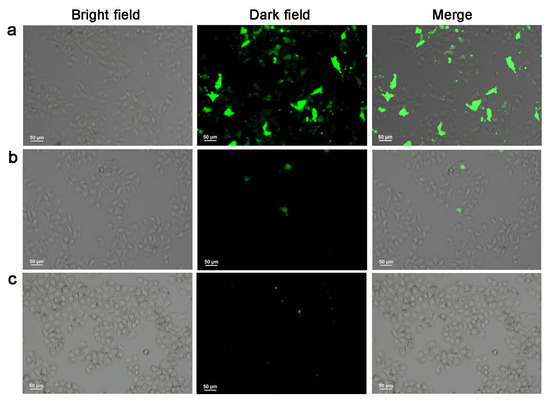
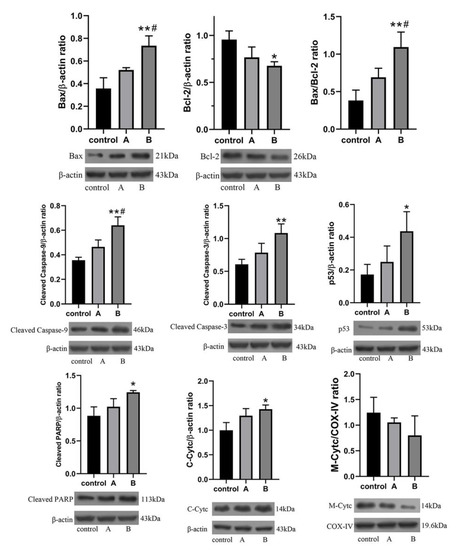
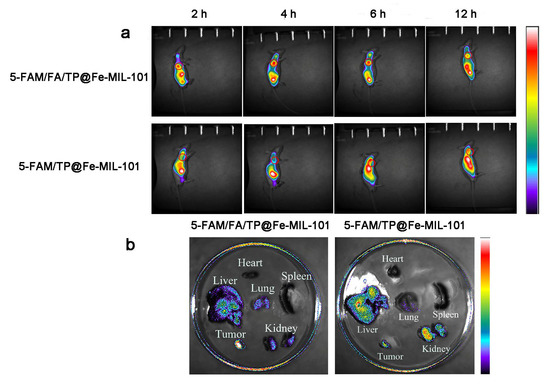
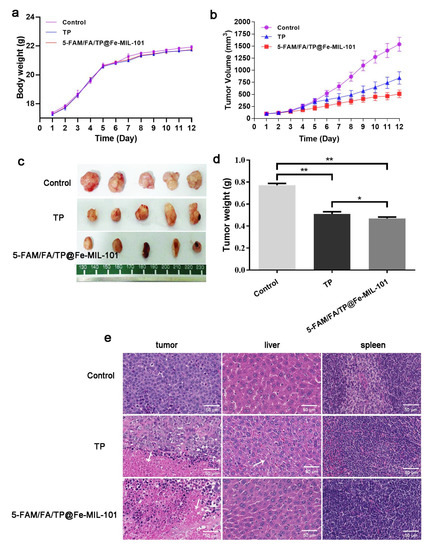
The antitumor activity of triptolide (TP) has received widespread attention, although its toxicity severely limits its clinical application. Therefore, the design of a targeted drug delivery system (TDDS) has important application prospects in tumor treatment. Metal–organic frameworks (MOFs), with high drug-carrying capacity and good biocompatibility, have aroused widespread interest for drug delivery systems. Herein, folic acid (FA) and 5-carboxylic acid fluorescein (5-FAM) were used to modify Fe-MIL-101 to construct a functionalized nano-platform (5-FAM/FA/TP@Fe-MIL-101) for the targeted delivery of the anti-tumor drug triptolide and realize in vivo fluorescence imaging. Compared with Fe-MIL-101, functionalized nanoparticles not only showed better targeted therapy efficiency, but also reduced the systemic toxicity of triptolide. In addition, the modification of 5-FAM facilitated fluorescence imaging of the tumor site and realized the construction of an integrated nano-platform for fluorescence imaging and treatment. Both in vitro and in vivo studies of functionalized nanoparticles have demonstrated excellent fluorescence imaging and synergistic targeting anticancer activity with negligible systemic toxicity. The development of functional nano-platform provides new ideas for the design of MOF-based multifunctional nano-drug delivery system, which can be used for precise treatment of tumor. Full article
Show Figures

Graphical abstract

13 pages, 12566 KB  
Article
Mimicking the Biology of Engineered Protein and mRNA Nanoparticle Delivery Using a Versatile Microfluidic Platform
by Valentina Palacio-Castañeda, Rik Oude Egberink, Arbaaz Sait, Lea Andrée, Benedetta Maria Sala, Negar Hassani Besheli, Egbert Oosterwijk, Johan Nilvebrant, Sander C. G. Leeuwenburgh, Roland Brock and Wouter P. R. Verdurmen
Pharmaceutics 2021, 13(11), 1944; https://doi.org/10.3390/pharmaceutics13111944 - 17 Nov 2021
Cited by 7 | Viewed by 4391
Abstract
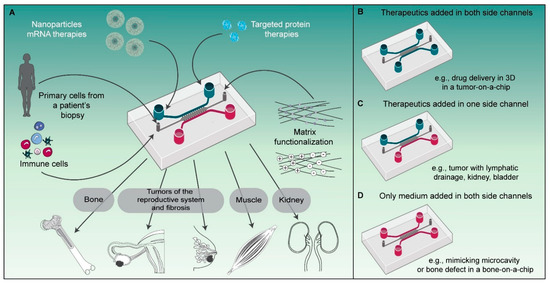
To investigate the delivery of next-generation macromolecular drugs, such as engineered proteins and mRNA-containing nanoparticles, there is an increasing push towards the use of physiologically relevant disease models that incorporate human cells and do not face ethical dilemmas associated with animal use. Here, [...] Read more.
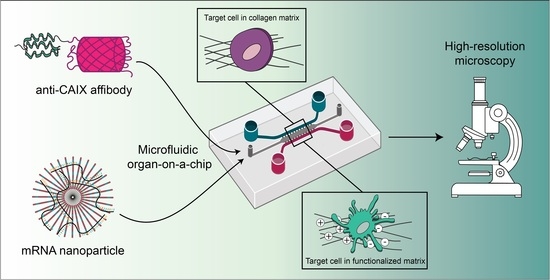
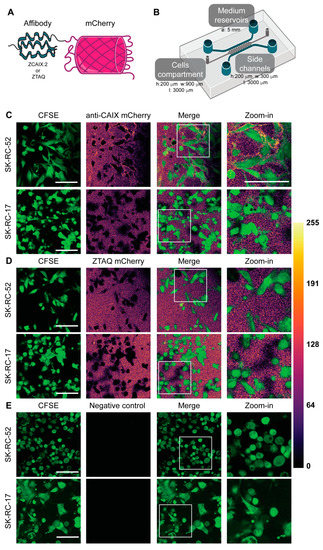
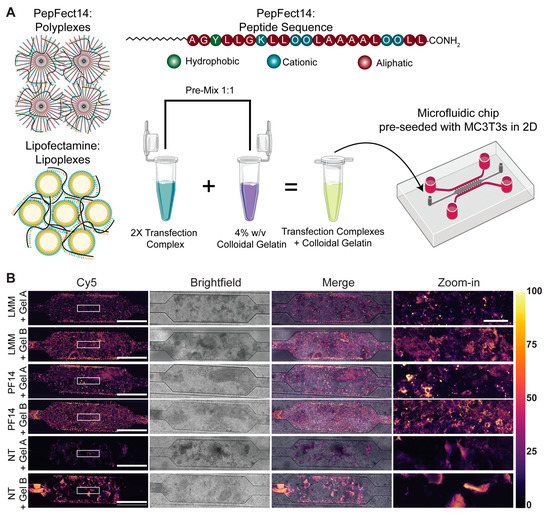
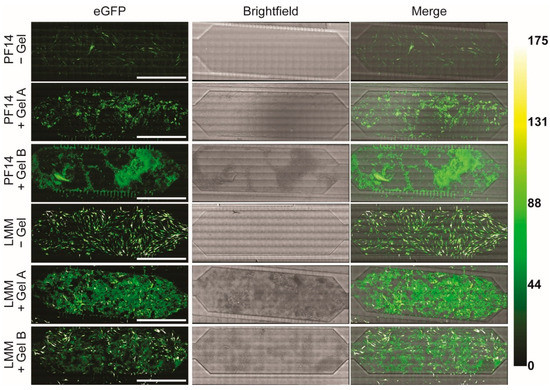
To investigate the delivery of next-generation macromolecular drugs, such as engineered proteins and mRNA-containing nanoparticles, there is an increasing push towards the use of physiologically relevant disease models that incorporate human cells and do not face ethical dilemmas associated with animal use. Here, we illustrate the versatility and ease of use of a microfluidic platform for studying drug delivery using high-resolution microscopy in 3D. Using this microfluidic platform, we successfully demonstrate the specific targeting of carbonic anhydrase IX (CAIX) on cells overexpressing the protein in a tumor-mimicking chip system using affibodies, with CAIX-negative cells and non-binding affibodies as controls. Furthermore, we demonstrate this system’s feasibility for testing mRNA-containing biomaterials designed to regenerate bone defects. To this end, peptide- and lipid-based mRNA formulations were successfully mixed with colloidal gelatin in microfluidic devices, while translational activity was studied by the expression of a green fluorescent protein. This microfluidic platform enables the testing of mRNA delivery from colloidal biomaterials of relatively high densities, which represents a first important step towards a bone-on-a-chip platform. Collectively, by illustrating the ease of adaptation of our microfluidic platform towards use in distinct applications, we show that our microfluidic chip represents a powerful and flexible way to investigate drug delivery in 3D disease-mimicking culture systems that recapitulate key parameters associated with in vivo drug application. Full article
(This article belongs to the Collection Drug Delivery in The Netherlands)
Show Figures

Graphical abstract

18 pages, 2178 KB  
Review
Targeted Photodynamic Diagnosis and Therapy for Esophageal Cancer: Potential Role of Functionalized Nanomedicine
by Onyisi Christiana Didamson and Heidi Abrahamse
Pharmaceutics 2021, 13(11), 1943; https://doi.org/10.3390/pharmaceutics13111943 - 16 Nov 2021
Cited by 25 | Viewed by 4778
Abstract
Esophageal cancer is often diagnosed at the late stage when cancer has already spread and is characterized by a poor prognosis. Therefore, early diagnosis is vital for a better and efficient treatment outcome. Upper endoscopy with biopsy is the standard diagnostic tool for [...] Read more.
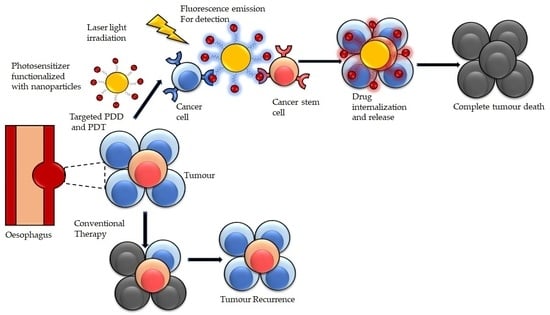
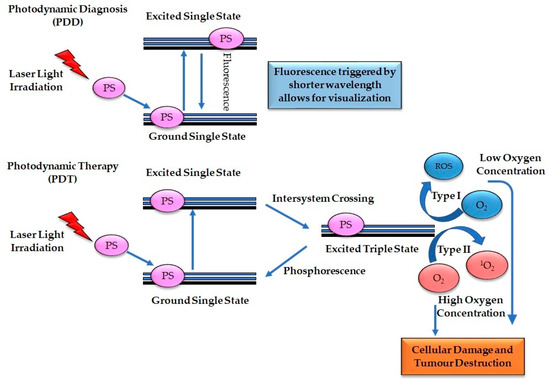
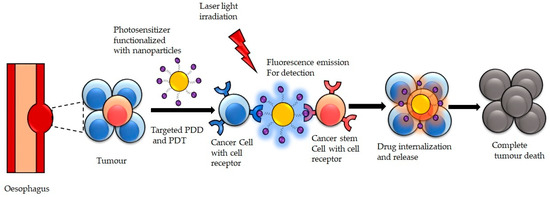
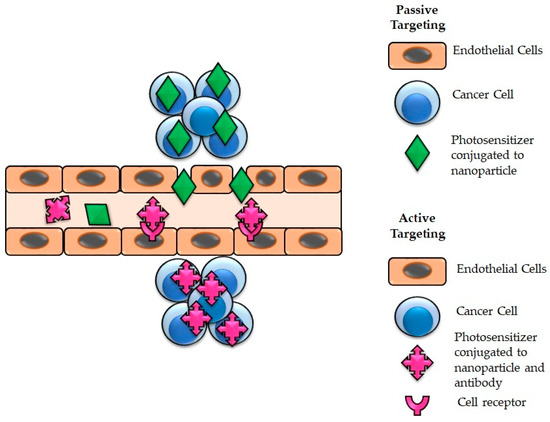
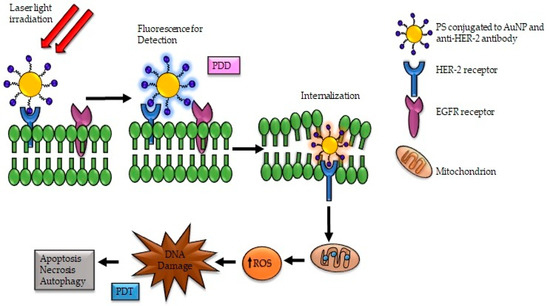
Esophageal cancer is often diagnosed at the late stage when cancer has already spread and is characterized by a poor prognosis. Therefore, early diagnosis is vital for a better and efficient treatment outcome. Upper endoscopy with biopsy is the standard diagnostic tool for esophageal cancer but is challenging to diagnose at its premalignant stage, while conventional treatments such as surgery, chemotherapy, and irradiation therapy, are challenging to eliminate the tumor. Photodynamic diagnosis (PDD) and therapy (PDT) modalities that employ photosensitizers (PSs) are emerging diagnostic and therapeutic strategies for esophageal cancer. However, some flaws associated with the classic PSs have limited their clinical applications. Functionalized nanomedicine has emerged as a potential drug delivery system to enhance PS drug biodistribution and cellular internalization. The conjugation of PSs with functionalized nanomedicine enables increased localization within esophageal cancer cells due to improved solubility and stability in blood circulation. This review highlights PS drugs used for PDD and PDT for esophageal cancer. In addition, it focuses on the various functionalized nanomedicine explored for esophageal cancer and their role in targeted PDD and PDT for diagnosis and treatment. Full article
(This article belongs to the Special Issue Drug Delivery in Photodynamic Therapy (PDT))
Show Figures

Graphical abstract

15 pages, 3241 KB  
Article
POLRMT as a Novel Susceptibility Gene for Cardiotoxicity in Epirubicin Treatment of Breast Cancer Patients
by Alejandro Velasco-Ruiz, Rocio Nuñez-Torres, Guillermo Pita, Hans Wildiers, Diether Lambrechts, Sigrid Hatse, Danielle Delombaerde, Thomas Van Brussel, M. Rosario Alonso, Nuria Alvarez, Belen Herraez, Christof Vulsteke, Pilar Zamora, Teresa Lopez-Fernandez and Anna Gonzalez-Neira
Pharmaceutics 2021, 13(11), 1942; https://doi.org/10.3390/pharmaceutics13111942 - 16 Nov 2021
Cited by 13 | Viewed by 3492
Abstract
Anthracyclines are among the most used chemotherapeutic agents in breast cancer (BC). However their use is hampered by anthracycline-induced cardiotoxicity (AIC). The currently known clinical and genetic risk factors do not fully explain the observed inter-individual variability and only have a limited ability [...] Read more.
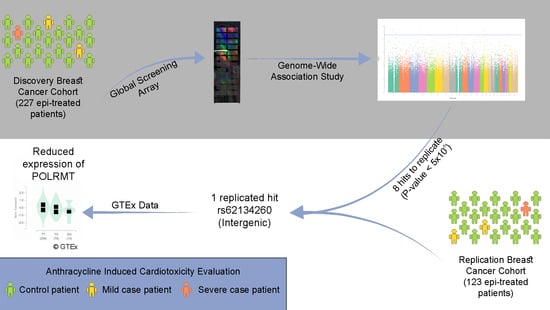
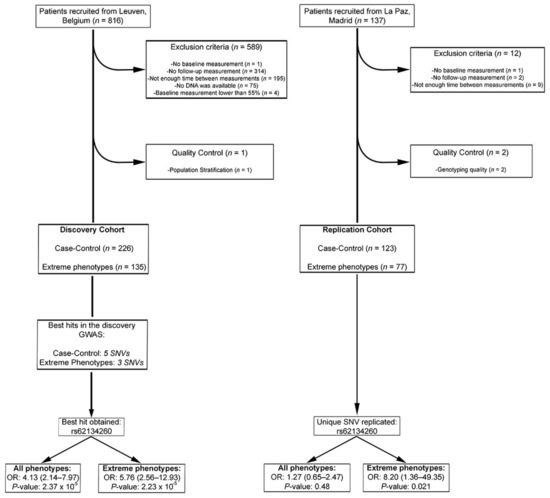
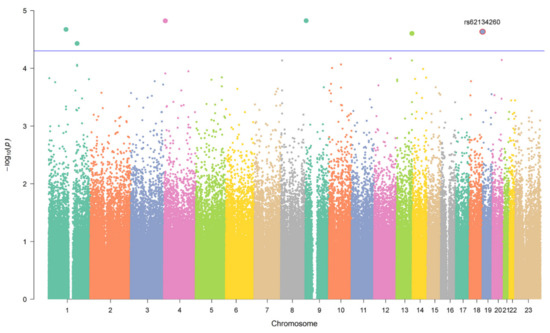
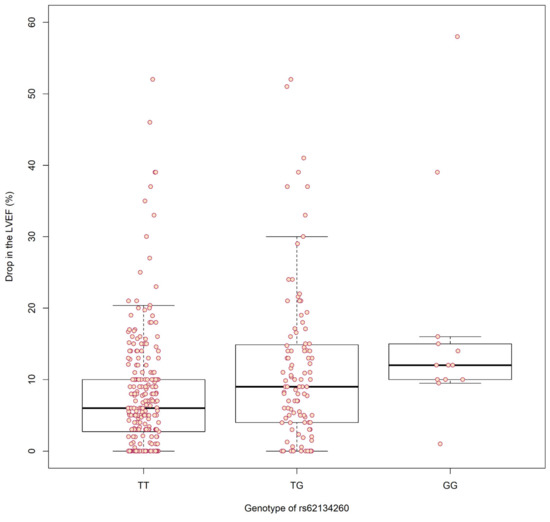
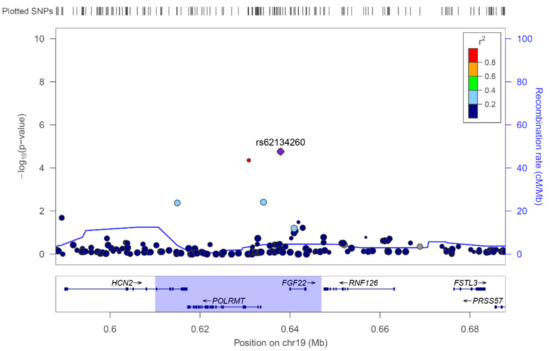
Anthracyclines are among the most used chemotherapeutic agents in breast cancer (BC). However their use is hampered by anthracycline-induced cardiotoxicity (AIC). The currently known clinical and genetic risk factors do not fully explain the observed inter-individual variability and only have a limited ability to predict which patients are more likely to develop this severe toxicity. To identify novel predictive genes, we conducted a two-stage genome-wide association study in epirubicin-treated BC patients. In the discovery phase, we genotyped over 700,000 single nucleotide variants in a cohort of 227 patients. The most interesting finding was rs62134260, located 4kb upstream of POLRMT (OR = 5.76, P = 2.23 × 10⁻⁵). We replicated this association in a validation cohort of 123 patients (P = 0.021). This variant regulates the expression of POLRMT, a gene that encodes a mitochondrial DNA-directed RNA polymerase, responsible for mitochondrial gene expression. Individuals harbouring the risk allele had a decreased expression of POLRMT in heart tissue that may cause an impaired capacity to maintain a healthy mitochondrial population in cardiomyocytes under stressful conditions, as is treatment with epirubicin. This finding suggests a novel molecular mechanism involved in the development of AIC and may improve our ability to predict patients who are at risk. Full article
(This article belongs to the Special Issue Association Studies in Clinical Pharmacogenetics)
Show Figures

Graphical abstract

19 pages, 3206 KB  
Article
Novel N7-Arylmethyl Substituted Dinucleotide mRNA 5′ cap Analogs: Synthesis and Evaluation as Modulators of Translation
by Radoslaw Wojcik, Marek R. Baranowski, Lukasz Markiewicz, Dorota Kubacka, Marcelina Bednarczyk, Natalia Baran, Anna Wojtczak, Pawel J. Sikorski, Joanna Zuberek, Joanna Kowalska and Jacek Jemielity
Pharmaceutics 2021, 13(11), 1941; https://doi.org/10.3390/pharmaceutics13111941 - 16 Nov 2021
Cited by 22 | Viewed by 5994
Abstract
Dinucleotide analogs of the messenger RNA cap (m7GpppN) are useful research tools and have potential applications as translational inhibitors or reagents for modification of in vitro transcribed mRNAs. It has been previously reported that replacing the methyl group at the N7-position [...] Read more.
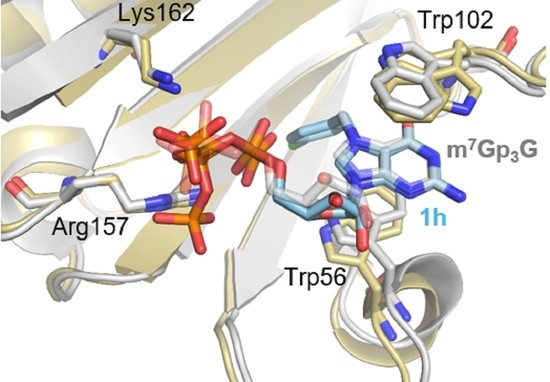
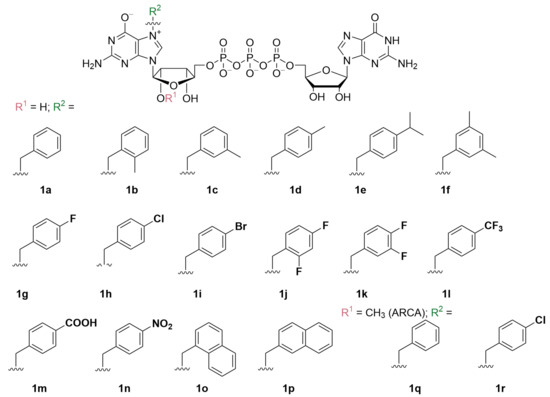
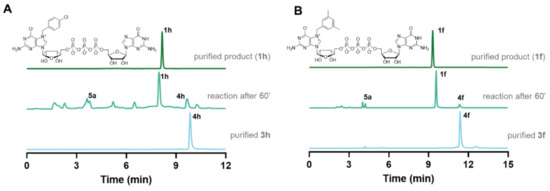
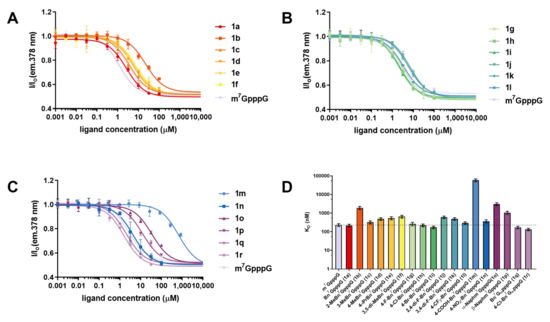
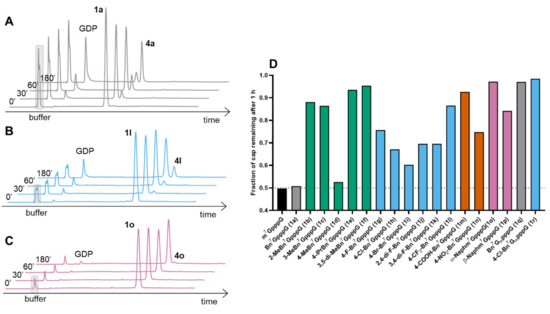
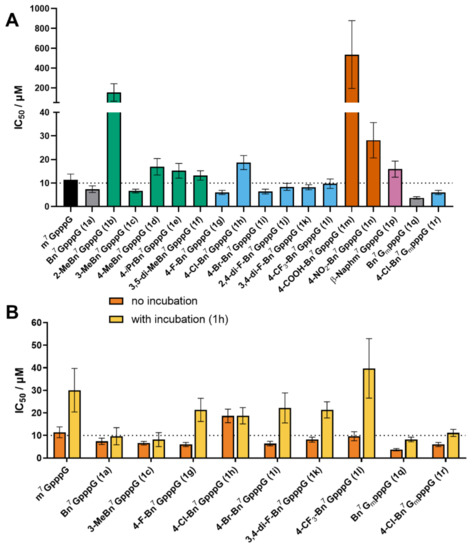
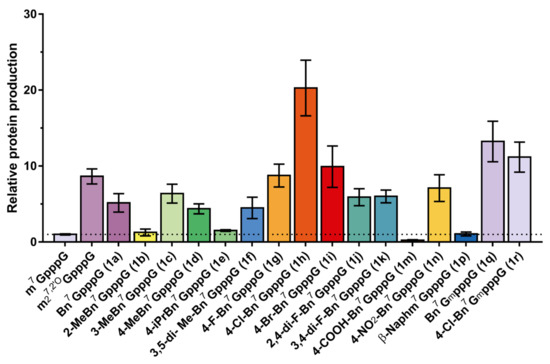
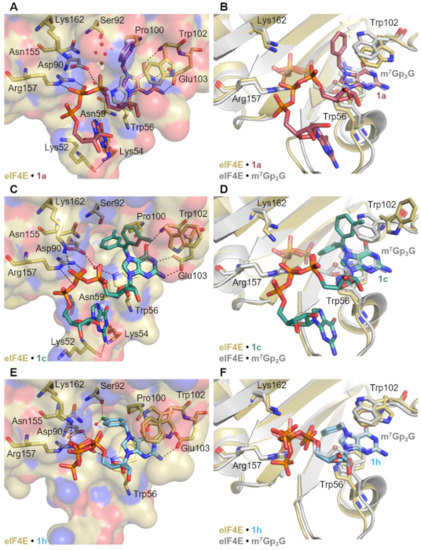
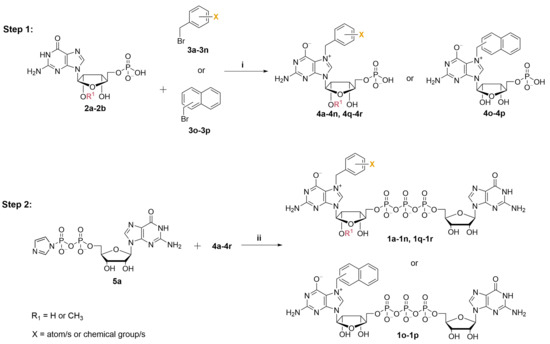
Dinucleotide analogs of the messenger RNA cap (m7GpppN) are useful research tools and have potential applications as translational inhibitors or reagents for modification of in vitro transcribed mRNAs. It has been previously reported that replacing the methyl group at the N7-position with benzyl (Bn) produces a dinucleotide cap with superior properties. Here, we followed up on this finding by synthesizing 17 novel Bn7GpppG analogs and determining their structure–activity relationship regarding translation and translational inhibition. The compounds were prepared in two steps, including selective N7-alkylation of guanosine 5′-monophosphate by arylmethyl bromide followed by coupling with imidazole-activated GDP, with total yields varying from 22% to 62%. The compounds were then evaluated by determining their affinity for eukaryotic translation initiation factor 4E (eIF4E), testing their susceptibility to decapping pyrophosphatase, DcpS—which is most likely the major cellular enzyme targeting this type of compound—and determining their translation inhibitory properties in vitro. We also synthesized mRNAs capped with the evaluated compounds and tested their translational properties in A549 cells. Our studies identified N7-(4-halogenbenzyl) substituents as promising modifications in the contexts of either mRNA translation or translational inhibition. Finally, to gain more insight into the consequences at the molecular level of N7-benzylation of the mRNA cap, we determined the crystal structures of three compounds with eIF4E. Full article
Show Figures

Graphical abstract

21 pages, 39562 KB  
Article
Ceragenin-Coated Non-Spherical Gold Nanoparticles as Novel Candidacidal Agents
by Karol Skłodowski, Sylwia Joanna Chmielewska, Joanna Depciuch, Piotr Deptuła, Ewelina Piktel, Tamara Daniluk, Magdalena Zakrzewska, Michał Czarnowski, Mateusz Cieśluk, Bonita Durnaś, Magdalena Parlińska-Wojtan, Paul B. Savage and Robert Bucki
Pharmaceutics 2021, 13(11), 1940; https://doi.org/10.3390/pharmaceutics13111940 - 16 Nov 2021
Cited by 13 | Viewed by 3252
Abstract
Background: Infections caused by Candida spp. have become one of the major causes of morbidity and mortality in immunocompromised patients. Therefore, new effective fungicides are urgently needed, especially due to an escalating resistance crisis. Methods: A set of nanosystems with rod- (AuR), peanut- [...] Read more.
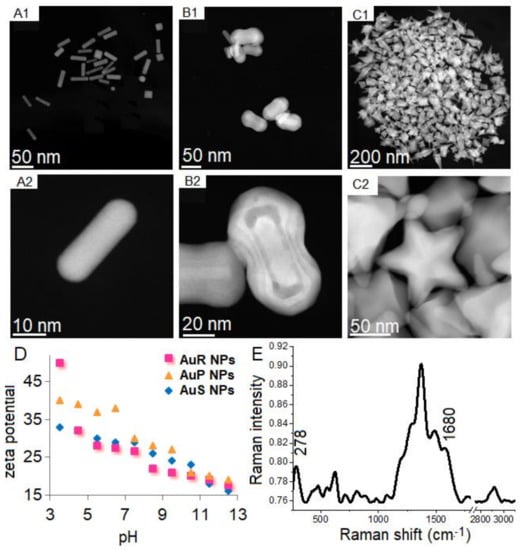
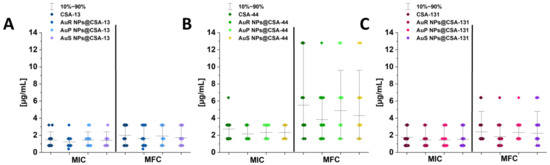
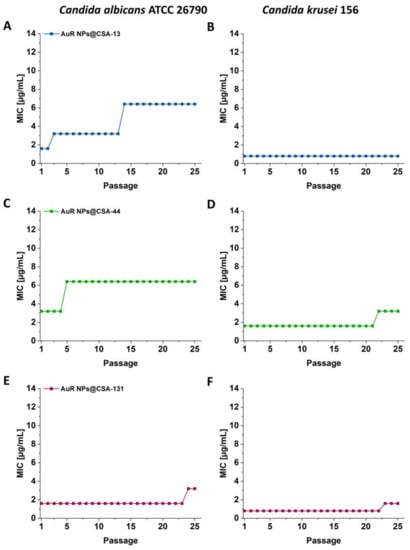
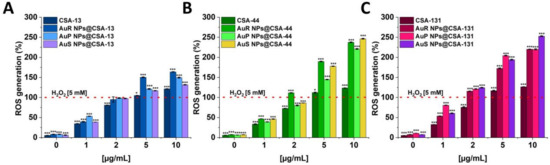
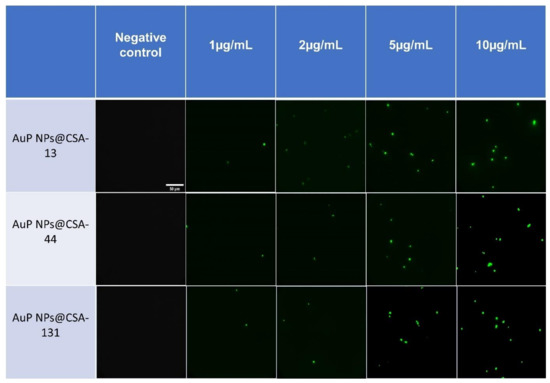
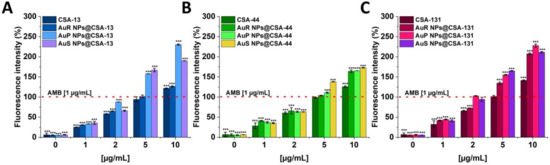
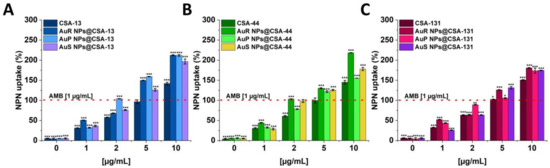
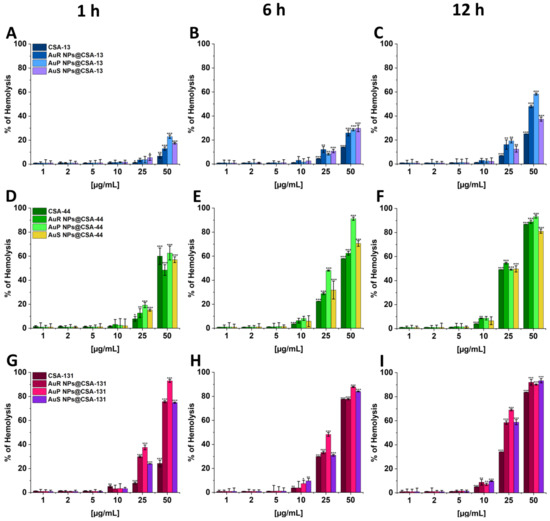
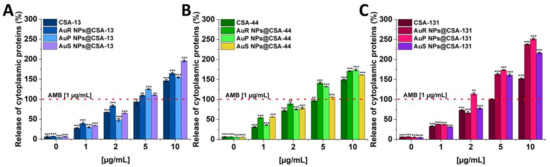
Background: Infections caused by Candida spp. have become one of the major causes of morbidity and mortality in immunocompromised patients. Therefore, new effective fungicides are urgently needed, especially due to an escalating resistance crisis. Methods: A set of nanosystems with rod- (AuR), peanut- (AuP), and star-shaped (AuS) metal cores were synthesized. These gold nanoparticles were conjugated with ceragenins CSA-13, CSA-44, and CSA-131, and their activity was evaluated against Candida strains (n = 21) through the assessment of MICs (minimum inhibitory concentrations)/MFCs (minimum fungicidal concentrations). Moreover, in order to determine the potential for resistance development, serial passages of Candida cells with tested nanosystems were performed. The principal mechanism of action of Au NPs was evaluated via ROS (reactive oxygen species) generation assessment, plasma membrane permeabilization, and release of the protein content. Finally, to evaluate the potential toxicity of Au NPs, the measurement of hemoglobin release from red blood cells (RBCs) was carried out. Results: All of the tested nanosystems exerted a potent candidacidal activity, regardless of the species or susceptibility to other antifungal agents. Significantly, no resistance development after 25 passages of Candida cells with AuR@CSA-13, AuR@CSA-44, and AuR@CSA-131 nanosystems was observed. Moreover, the fungicidal mechanism of action of the investigated nanosystems involved the generation of ROS, damage of the fungal cell membrane, and leakage of intracellular contents. Notably, no significant RBCs hemolysis at candidacidal doses of tested nanosystems was detected. Conclusions: The results provide rationale for the development of gold nanoparticles of rod-, peanut-, and star-shaped conjugated with CSA-13, CSA-44, and CSA-131 as effective candidacidal agents. Full article
Show Figures

Figure 1
18 pages, 2458 KB  
Article
Bioactive Collagen Hydrolysate-Chitosan/Essential Oil Electrospun Nanofibers Designed for Medical Wound Dressings
by Maria Râpă, Carmen Gaidau, Liliana Mititelu-Tartau, Mariana-Daniela Berechet, Andrei Constantin Berbecaru, Irina Rosca, Aurica P. Chiriac, Ecaterina Matei, Andra-Mihaela Predescu and Cristian Predescu
Pharmaceutics 2021, 13(11), 1939; https://doi.org/10.3390/pharmaceutics13111939 - 16 Nov 2021
Cited by 50 | Viewed by 5243
Abstract
In this study, lemon balm (Melissa officinalis L.) and dill (Anethum graveolens L.) essential oils (EOs) were encapsulated into collagen hydrolysates extracted from bovine tendons and rabbit skins, both mixed with chitosan (CS) by using the coaxial electrospinning technique for potential [...] Read more.
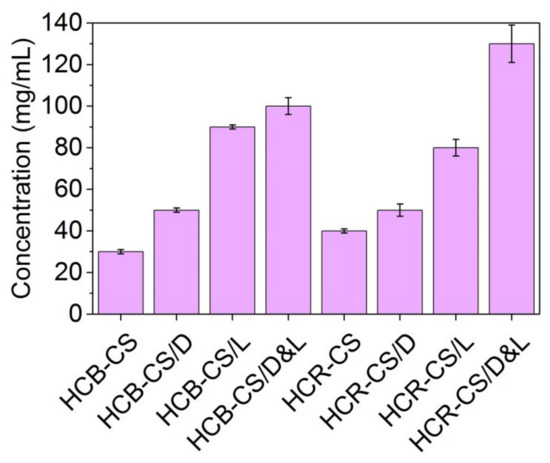
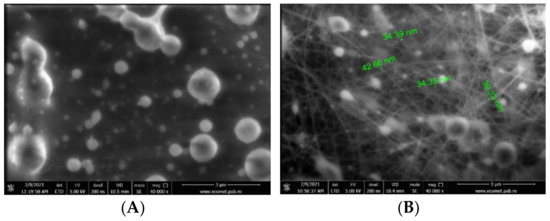
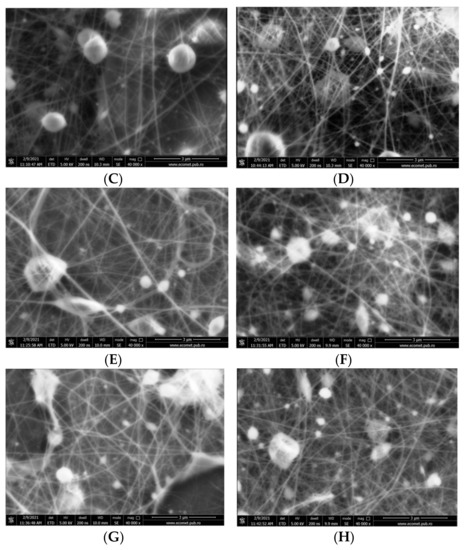
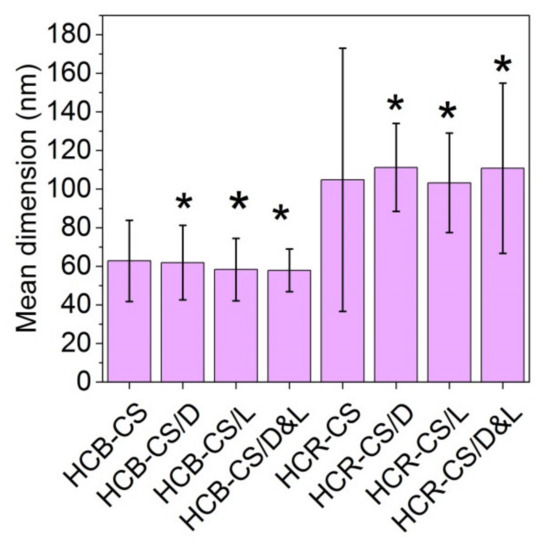
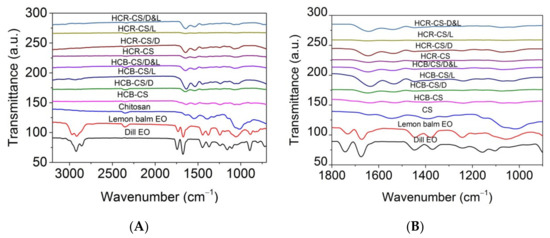
In this study, lemon balm (Melissa officinalis L.) and dill (Anethum graveolens L.) essential oils (EOs) were encapsulated into collagen hydrolysates extracted from bovine tendons and rabbit skins, both mixed with chitosan (CS) by using the coaxial electrospinning technique for potential wound dressing applications. The morphology and chemical composition of the electrospun nanofibers were investigated using scanning electron microscopy (SEM) and attenuated total reflectance Fourier transform infrared spectroscopy (ATR-FTIR). The antimicrobial activity of the dill EO and lemon EO, as well as the electrospun samples loaded with essential oils was determined by disk diffusion assay against Staphylococcus aureus ATCC 25923, Escherichia coli ATCC 25922, Enterococcus faecalis ATCC 29212, and Salmonella typhimurium ATCC 14028 bacterial strains; Candida albicans ATCC 10231 and Candida glabrata ATCC 90028 yeast strains; and Aspergillus brasiliensis ATCC 9642 fungal strain. In vivo biocompatibility testing of the collagen hydrolysate-chitosan/essential oil electrospun nanofibers was based on the determination of the hematological, biochemical, and immunological profile and the evaluation of the influence produced on the oxidative stress in white Swiss mice. The synergetic effect of dill and lemon balm EOs can improve the antimicrobial activity of collagen hydrolysate-chitosan nanofibers against the most important bacterial strains. The in vivo test results suggested a good biocompatibility of electrospun samples based on collagen hydrolysate extracted from bovine tendons or rabbit skin mixed with chitosan and containing dill and/or lemon balm essential oils as encapsulated bioactive compounds. Full article
(This article belongs to the Special Issue Essential Oils in Pharmaceutical Products)
Show Figures

Figure 1