
Skip to Content
SustainabilitySustainability
  • Article
  • Open Access

18 October 2017

Optimizing Green Computing Awareness for Environmental Sustainability and Economic Security as a Stochastic Optimization Problem


,
,
,
and
1
Centre for Information and Technology, University of Lagos, Lagos 100001, Nigeria
2
Department of Computer Engineering, Atilim University, Incek 06836, Ankara, Turkey
3
Department of Electrical and Information Engineering, Covenant University, Ota 0123, Nigeria
4
Department of Multimedia Engineering, Kaunas University of Technology, Kaunas LT-44249, Lithuania

Abstract

The role of automation in sustainable development is not in doubt. Computerization in particular has permeated every facet of human endeavour, enhancing the provision of information for decision-making that reduces cost of operation, promotes productivity and socioeconomic prosperity and cohesion. Hence, a new field called information and communication technology for development (ICT4D) has emerged. Nonetheless, the need to ensure environmentally friendly computing has led to this research study with particular focus on green computing in Africa. This is against the backdrop that the continent is feared to suffer most from the vulnerability of climate change and the impact of environmental risk. Using Nigeria as a test case, this paper gauges the green computing awareness level of Africans via sample survey. It also attempts to institutionalize green computing maturity model with a view to optimizing the level of citizens awareness amid inherent uncertainties like low bandwidth, poor network and erratic power in an emerging African market. Consequently, we classified the problem as a stochastic optimization problem and applied metaheuristic search algorithm to determine the best sensitization strategy. Although there are alternative ways of promoting green computing education, the metaheuristic search we conducted indicated that an online real-time solution that not only drives but preserves timely conversations on electronic waste (e-waste) management and energy saving techniques among the citizenry is cutting edge. The authors therefore reviewed literature, gathered requirements, modelled the proposed solution using Universal Modelling Language (UML) and developed a prototype. The proposed solution is a web-based multi-tier e-Green computing system that educates computer users on innovative techniques of managing computers and accessories in an environmentally friendly way. We found out that such a real-time web-based interactive forum does not only stimulate the interest of the common man in environment-related issues, but also raises awareness about the impact his computer-related activities have on mother earth. This way, he willingly becomes part of the solution to environment degradation in his circle of influence.

1. Introduction

In recent times, there has been unprecedented growth in Africa’s cyberspace leading to socioeconomic growth and sustainable development. This is particularly so as more original equipment manufacturing (OEM) companies are imbibing the philosophy of inclusive innovation, propelling them to develop relatively cheap technologies that fit the purchasing power of users in developing economies [1,2]. Hence, cheaper phones, computers, telecommunication equipment and other accessories purposely built for emerging markets are strengthening the vision of digital inclusion. However, associated with this development is the need to promote environmentally sustainable computing that limits the impact of global warming and environmental degradation [3]. This is particularly concerning in that projected figures of Africa’s vulnerability to climate change and environment risk by global environmental assessing bodies like IPDA, the UN, and so forth, are quite alarming. Already, flash floods [4], gully erosion, coastal erosion, and desert encroachment are threatening livelihood, posing economic insecurity challenges, and in extreme cases, culminating in humanitarian crisis.
Green computing embraces green infrastructure [5] and refers to the efficient and effective handling of computers, servers and accessories such as printers, monitors, networking/communication gadgets, and storage devices with minimal or zero environmental impact by studying and adopting global best practice in their design, manufacture, usage, and disposal [6]. Preliminary investigation revealed that despite the expansion of the African computing community, there is low level of green computing awareness. The implication is that Africans continue to use information and communication technology (ICT) to support their livelihoods with little concern for the adverse impact of computing on the environment. Meanwhile, computing by both corporate and individual users have been known to scale up global warming through carbon emission, degrade the environment through release of hazardous chemicals, and deplete energy availability. Many computing businesses depends on fuel generators for power supply in the absence of regular electricity from national grids. The presence of carbon in each hydrocarbon fuel (petroleum, natural gas, and coal) entails that it is released as carbon dioxide (CO2) during combustion [7]. Conversely, non-combustible sources such as sunlight, wind, nuclear, and hydropower [8] do not have the capacity to transform hydrocarbons to CO2, which is widely acknowledged as a heat-trapping greenhouse gas [9,10]. As acknowledged by scientists, the release into the atmosphere of greenhouse gases (GHGs) adversely impacts on the climate system. Nonetheless, since cost-benefit analysis indicates that the benefits of ICT way outweighs its costs, measures have to be put in place for environmentally sustainable usage of ICT in Sub-Saharan Africa.
In this work, we proposed that one of such measures is stepping up green computing [5] awareness in Africa’s cyberspace. Educating computer users will empower them with the right information to be innovative and creative about the use of ICT facilities vis-a-vis the environment [11]. An adequate green computing campaign can be launched in each African country in the fight against the adverse effect on climate change. Although a number of campaign initiatives are available, we concern ourselves basically with the solution option with maximum impact. Hence, we investigated an optimization problem. For the success of any green computing campaign nationally, support from government in terms of resources and enforcement systems are needed. It is therefore a source of concern that Africa’s socioeconomic landscape is characterised by deficient legal system, poor regulatory framework, weak institutions, infrastructure deficit, and near non-existent standards [12], among others. The combined effect is a precarious climate that breeds corruption, mutual distrust and low productivity across all sectors, including the computing sector. This underscores the fact that the decision to optimize green computing awareness in a social-economic system with stochastic behaviour is a stochastic optimization problem [13].
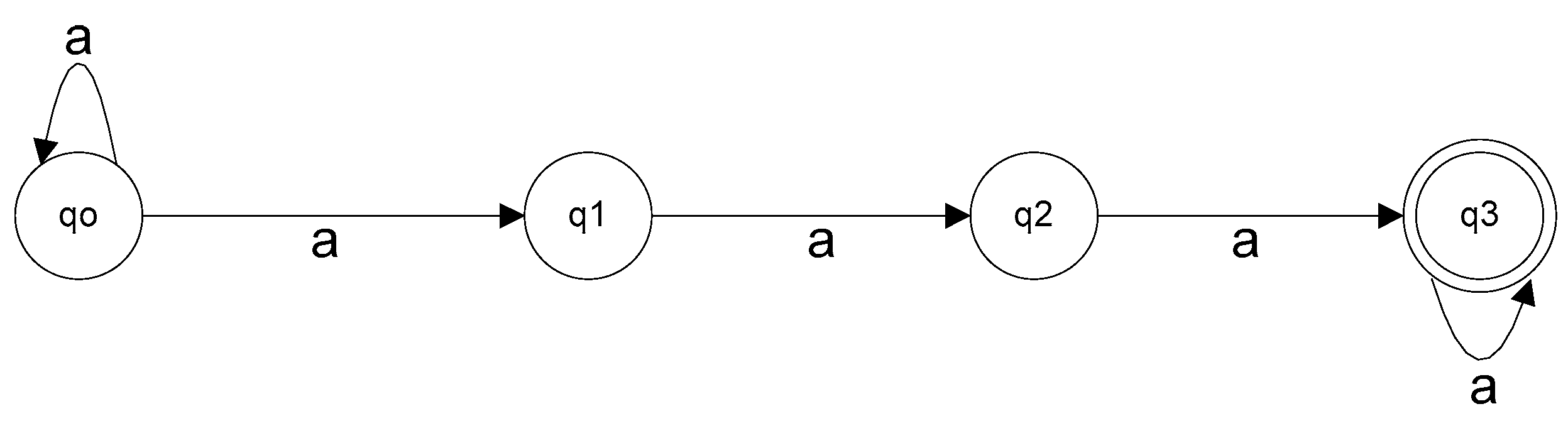
Having classified the problem, we identified effective actions that could move the process from one state to another along the green computing awareness creation value chain as a knowledge gap analysis, the identification of suitable campaign initiative in socio-cultural context, the application of preferred initiative and, finally, an impact assessment of the initiative on computer users’ behaviour. We then mathematically modelled the African green computing awareness decision environment as sequential decision-making under uncertainty using stochastic finite automaton [14]. Subsequently, the authors applied metaheuristic algorithm [15,16] to the sequencing and selection process to ascertain the best-known awareness campaign initiative to be used. The outcome led to the use of a software engineering approach (component-based software engineering or CBSE) for the design and development of a web-based e-Green Computing system. The proposed n-tier solution is aimed at promoting environmentally sustainable computing education for positive behavioural change towards the environment [17].
The rest of the article is partitioned as follows: in Section 2, we provide the background of the study and related work; methodology and a selected case study are presented in Section 3; in Section 4, the results are discussed; and we conclude the paper in Section 5.

3. Methodology—The e-Green Computing System

In identifying requirements for the e-Green Computing system and to get an insight into current trend in cyberspace, relevant literature was consulted, interviews held, questionnaire administered and the Nigerian cyberspace observed as a reasonable representation of Sub-Saharan Africa.
Green computing process and procedures were modelled using the Universal Modeling Language; specifically, we used use cases, collaboration diagrams, sequence diagrams, class diagram and deployment diagram.
The Microsoft SharePoint was then used as implementation platform for a prototype after designing and developing the proposed solution leveraging CBSE approach. The proof-of-technology was set up at the Centre for Information Technology and Systems (CITS), University of Lagos, Lagos, Nigeria, and tested from Abuja and Lagos, respectively. Microsoft SharePoint supports four major components namely: Document Library; Custom List, Task, and; Site. The tool was used because it supports the doctrine of component reusability with COM+ as its component model. It is also a web-based platform that supports distributed computing.
The researchers performed a number of controlled experiments using real-life and simulated data. The participants in the experiments had ample opportunity to interact with the system. Thereafter, they shared their insights on the potency of the proposed social media application to drive online real-time conversations between green computing stakeholders, achieve the goal of promoting environmental friendly computing education and ultimately stimulate appropriate end-user behaviour. The authors then evaluated possible threats to research outcome.
We used Nigeria as a case study amid established concerns that it has one of the largest ICT users’ population on the African continent. Besides representing in microcosm the African continent in terms of demography, Nigeria accounts for 29% of internet usage on the continent, making it Africa’s largest ICT market [30]. To actualize the proposed e-Green Computing system as a measure for promoting environment-friendly computing behaviours in the African cyberspace and computing community in general, CBSE lifecycle activities were used guided by the objective-methodology mapping shown in Table 1.
Table 1. Objective-Methodology Mapping.

3.1. Requirements Analysis and Specification

In this section, we give a breakdown of the requirements for the e-Green Computing system. The requirements were gathered by interview, questionnaire and observation of the Nigerian cyberspace and computing community. The social functions required are access information, add information, delete information, and edit information (Table 2). The quality (non-functional) requirements are security, performance, aesthetics, usability, availability, scalability, reliability, modifiability, fault tolerance, interoperability and portability. The web-based n-tier e-Green Computing system has inbuilt mechanisms that meet these requirements.
Table 2. Functional Requirements.
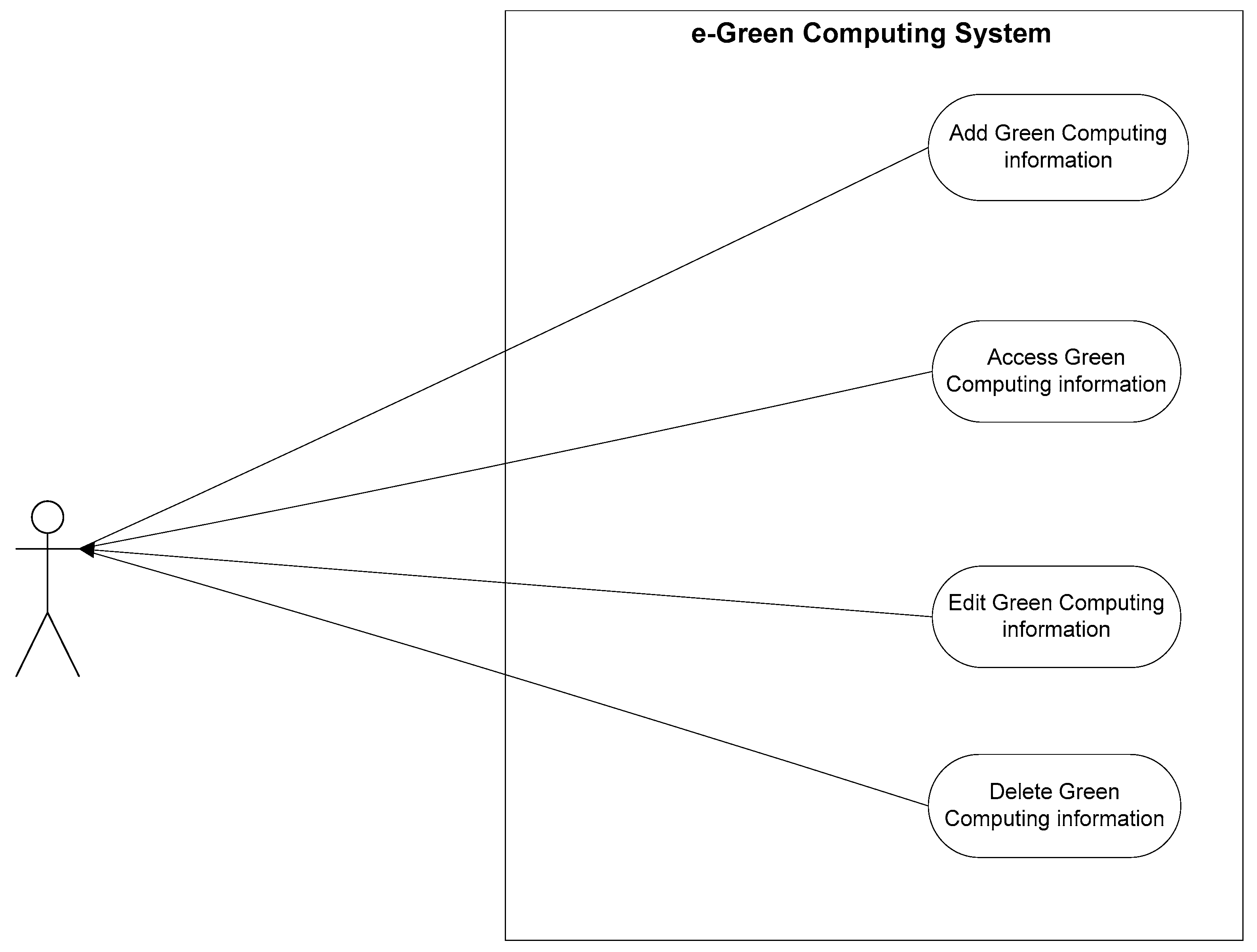
Use case modelling was used (Figure 2) to consolidate requirements analysis in a bid to comprehend the core functionalities and usage scenarios associated with the proposed system’s requirements. The researchers, in attempt to capture the functional aspects of the e-Green Computing system, used the use case diagram to graphically depict actors’ interactions with the system [31].
Figure 2. Use Cases for e-Green Computing System.
The use cases empower the computing community to articulate and share information on global best practices on e-waste management, carbon emission and computer-related energy efficiency schemes. The end goal is to promote environmentally acceptable computing habits and behaviours.

3.2. System and Software Design

Distributed computing and component reusability are closely linked in an enterprise application such as the e-Green Computing system. To leverage this relationship, a multi-tier enterprise architecture was designed for the proposed solution. It has inbuilt mechanisms that meet user requirements.
The n-tier architecture is made up of presentation layer, logic layer and database layer. While corporate and individual ICT users operate at the presentation layer as end-users using devices like personal computers and phones to contribute or access information on environmentally tolerable practices, the logic layer made of clustered application servers process the information which is stored in the database layer. The essence of networking these layers is to make dialogue online real-time.
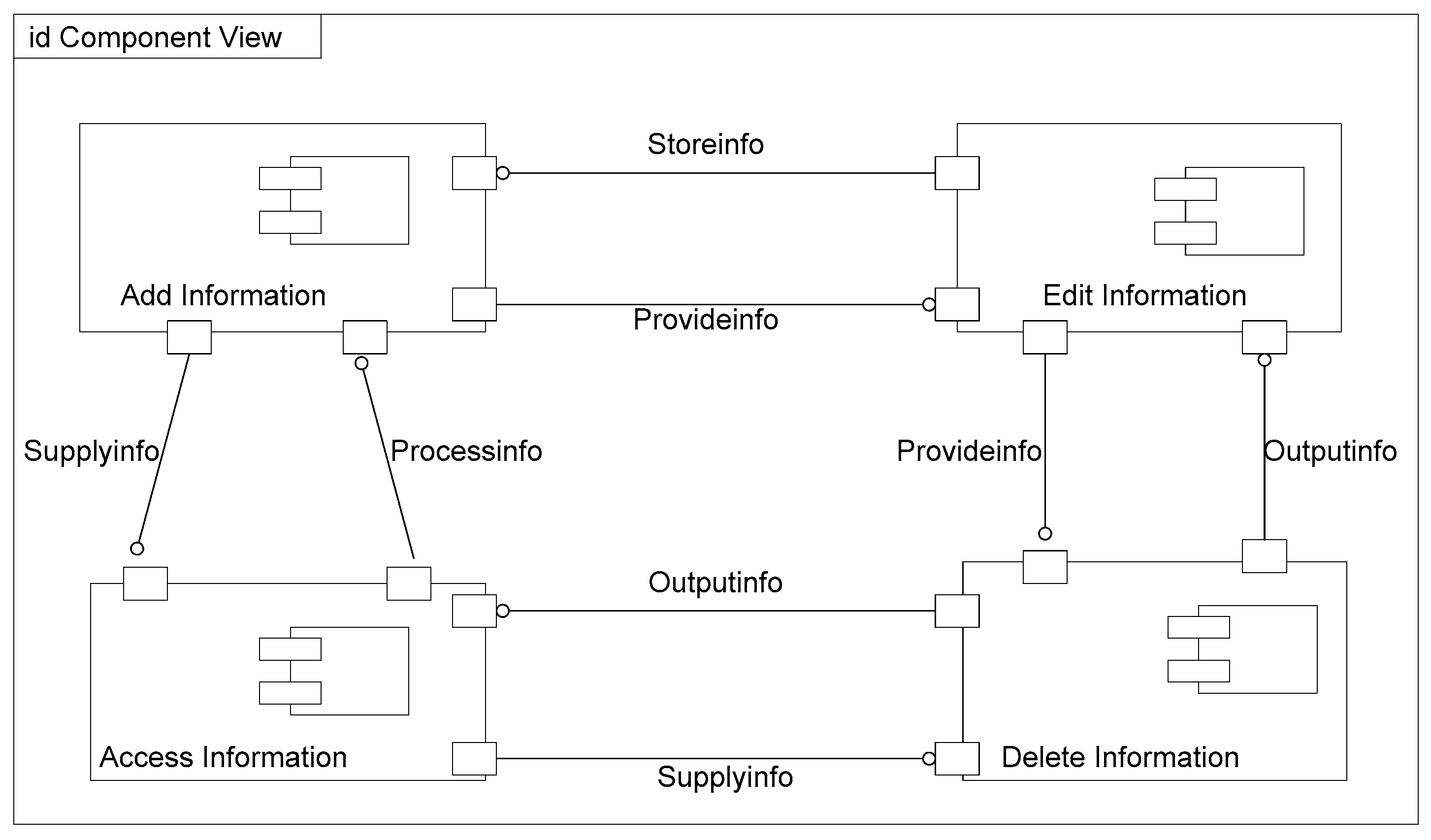
The links between respective e-Green Computing components are shown in Figure 3. Though the COM+ component model is not visibly represented in the software architecture in line with best practices [32], its role in the architecture is critical as it offers support services to, and provides standards for the system components. The interdependence between Access Information, Add Information, Delete Information, and Edit Information as graphically shown underpins the reality that conversations on green computing initiated by one party can be supported or debunked by another, and it is expected that such healthy online social media debate will translate into enlightened computers users with responsibility for the environment. Hence, appropriate habits and behaviours towards the environment are cultivated. This way, the green computing awareness campaign would have made significant impact on the environment.
Figure 3. e-Green Computing component diagram.
The e-Green Computing reusable components (Access Information, Add Information, Delete Information and Edit Information) were subsequently built using Microsoft SharePoint standard components.
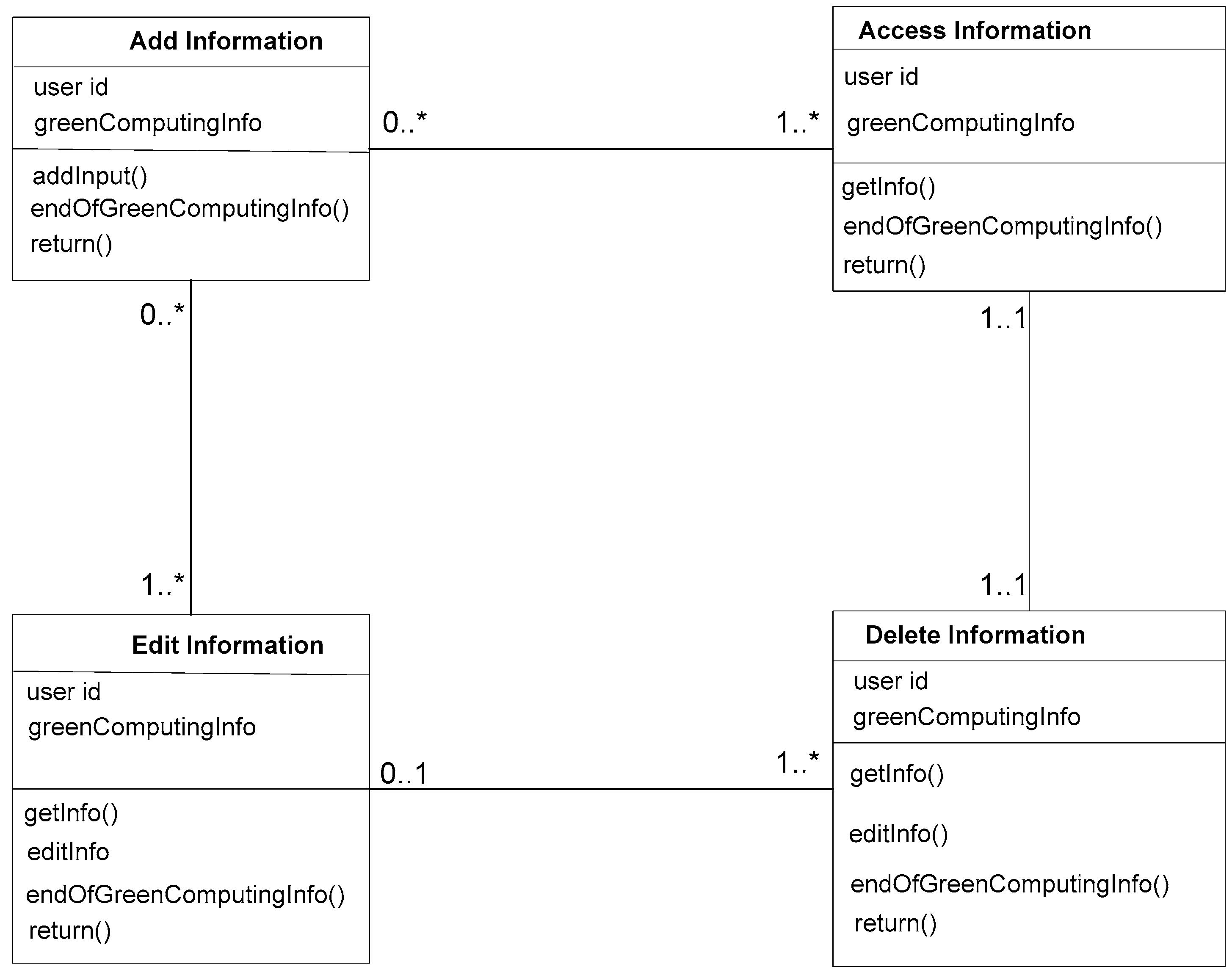
The class diagram for the e-Green Computing system is given in Figure 4 below.
Figure 4. e-Green Computing class diagram.
Other design tools we used include a collaboration diagram, sequence diagrams, a class diagram, an analysis class, a design component and an elaborated design class, class elaboration, an algorithm, composite (appropriate) interfaces, and an elaborated deployment diagram [33,34].
The researchers used a deployment diagram to represent the location of key packages or components of the e-Green system [33]. The study equally used class elaboration and an algorithm to present abstraction details of the components and social functions of the proposed e-Green Computing system.

3.3. Implementation and Unit Testing

The study used as development tool Microsoft SharePoint for the tailor-made e-Green Computing system. The testbed was set up at the University of Lagos Centre for Information Technology and Systems (CITS), Lagos, Nigeria. As a web-based enterprise development tool, SharePoint makes components (also referred to as services) available for reuse. Besides providing an integrated development environment (IDE), it uses Microsoft COM+ as component model for enhancing interoperability among system components. Its traditional components are distributed as well as independent [32] and include Custom List, Document Library, and Tasks. We developed the e-Green Computing system on an incremental basis. The addInformation module was the minimal e-Green Computing system to commence with followed by the addition of other modules. Since black box testing is more suitable for component-based systems, the authors used it [35].

3.4. System Integration

With addInformation as minimal e-Green Computing system, we carried out regression test with the addition of subsequent modules with a view to ascertaining the presence of any interface errors. If in the event of adding a module an error emerged, debugging was done prior to adding another module. Ultimately, the addInformation function was the most tested component in the e-Green Computing system. It is the most referenced component in the proposed system. Prior to integrating the various components, each was tested using test cases. At the integration point, we used system test cases for regression tests. As expected of component-based systems, black box testing was performed for all components [36]. Table 3 shows the function points.
Table 3. Component Testing—Function Points.
Hence, besides developing and implementing test case for each of the e-Green Computing reusable components (Access Information, Add Information, Delete Information and Edit Information), the system test case was administered at the point of integrating each to ensure the robust regression test revealed any existing error.

3.5. System Verification and Validation

The requirements-compliance and process-correctness of the proposed systems were verified and validated by an assessment of the respective software representations that include design documents, requirements documents, and program code. We focused on ensuring that in the build-up process, each software representation was well catered for. We likewise ensured that both emergent properties and user operational needs were met by the software product.

3.6. Operation Support and Maintenance

Role-based training was conducted for select technical personnel and end-users for the purpose of test-running the application. The technical staff were saddled with the responsibility of providing system support, whereas end-users operated the software.

4. Results and Discussion

The study extracted information and measured outcomes in two ways—software experiment and sample survey of computer users. We also evaluated possible threats to the research outcomes. Our evaluation mechanics are presented as follows:

4.1. Results of Software Experiment

The e-Green Computing site was created as a community site using Microsoft SharePoint enterprise development platform. As the name goes, it is a site where cyberspace members discuss topics that bother on environmentally friendly utilization of computers and accessories. The underlying message of this software engineering is that conscious and concerted efforts towards preventing computer-related environmental degradation can add mileage to ongoing global efforts to mitigate the adverse effect of climate change. This is to be achieved by leveraging online real-time discussion between cyberspace participants on new techniques of green computing. We set up an experimental design in University of Lagos, Nigeria, precisely at the Centre for Information Technology and Systems (CITS) and test-run the system from nearby (Lagos environs) and remote locations like Abuja, both in Nigeria. By this act, the researchers used a multi-tier web-based e-Green Computing system to mimic the sensation of sustained dialogue between African computing community members.
The simulation experiment affirmed that ICT could be instrumental to solving the problem e-waste and energy conservation management through sustained online real-time green computing conversations and education. The subjects who participated in the experiment concurred that the output of the experimental survey was a seamless and robust online real-time communication among cyberspace stakeholders on topical green computing services that geared toward the protection and management of the environment. The endgame is that the e-Green Computing dialogue framework engendered a sense of users’ awareness on the role green computing plays in environmental sustainability and economic security. Though we experienced platform- and hardware-dependent challenges particularly testing from remote location like and Abuja, this buttressed the fact that the problem is a stochastic optimization problem in which we attempted to maximize the gains of creating green computing awareness under uncertainty.
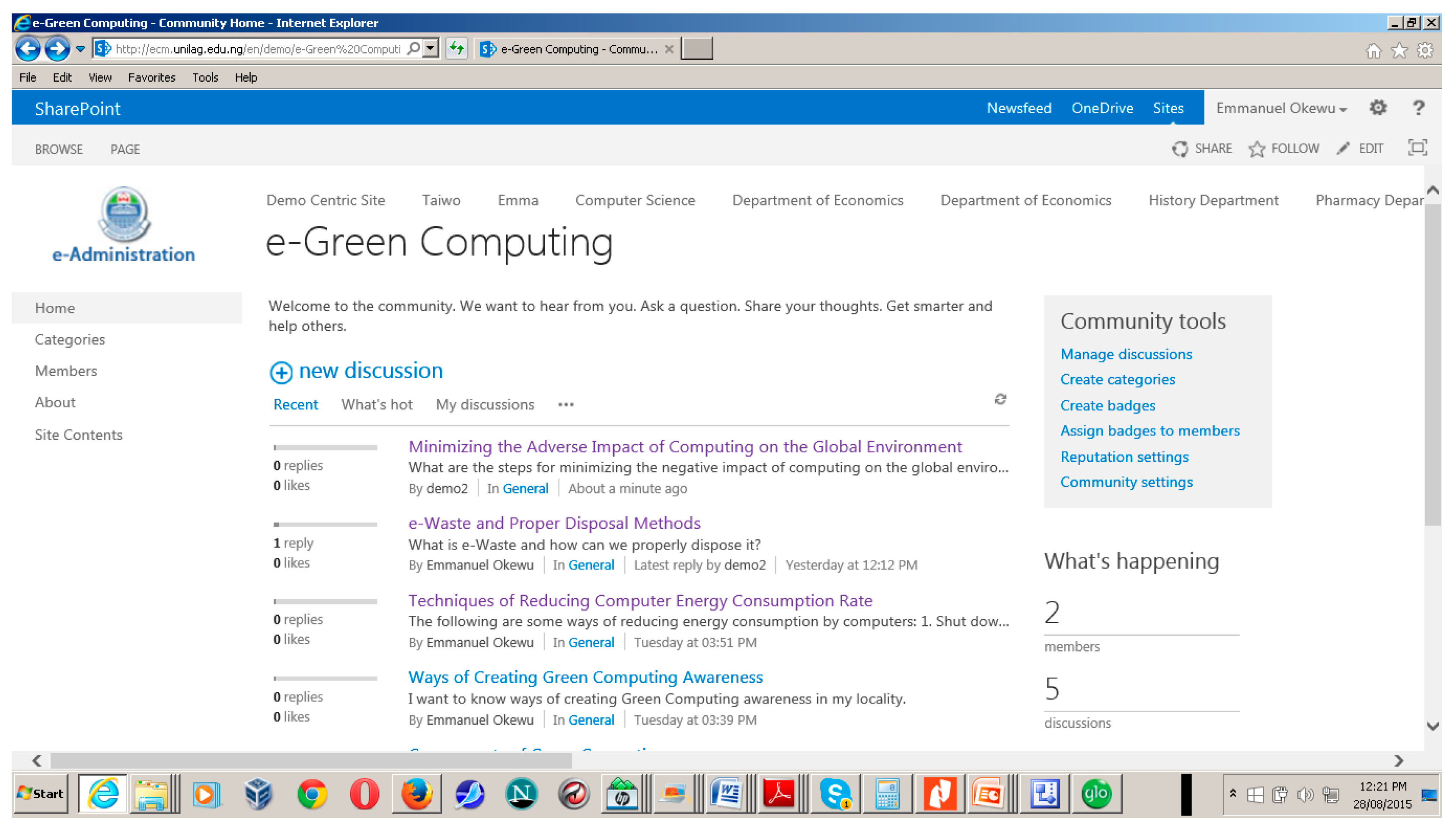
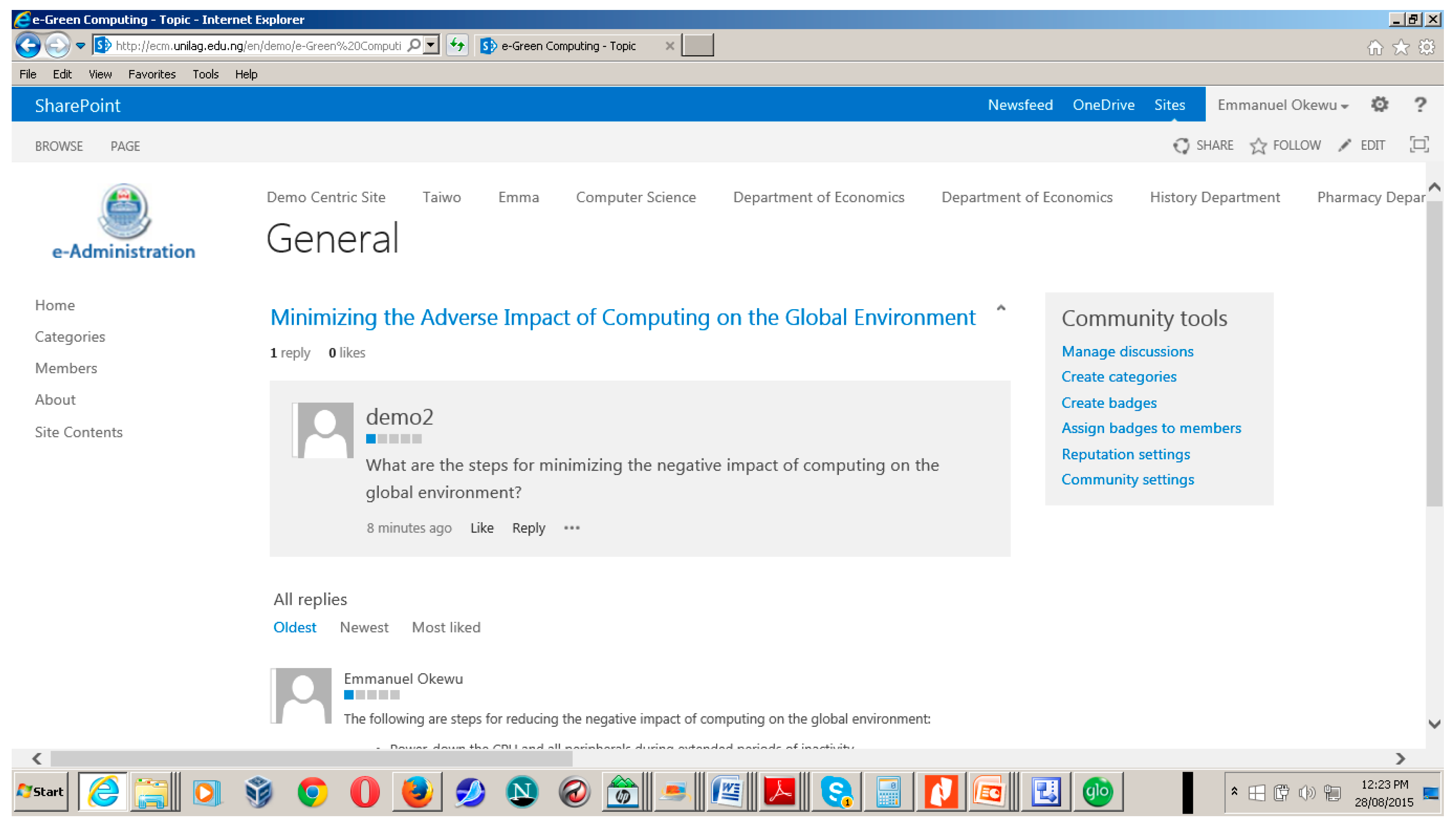
Figure 5 and Figure 6 are snapshots from the experiment.
Figure 5. The e-Green Computing site showing community discussion forum for computer users on environmentally friendly computing techniques.
Figure 6. Sample posting by a user seeking to know ways of minimizing the negative impact of computer usage on the environment.

4.2. Results of End-Users Survey

We substantiated our assertion that there is a low level of green computing awareness in Africa by providing empirical data from survey conducted in University of Lagos. For the sample survey, we targeted ICT professionals (network administrators, database administrators, programmers, and students of Information Technology) to gauge their level of green computing awareness. Of the total questionnaires administered, we retrieved 20. A sample size of 50 was used though only 20 responses were received and subsequently used for analysis. Their responses are tabulated in Table 4.
Table 4. Sample Survey Responses.
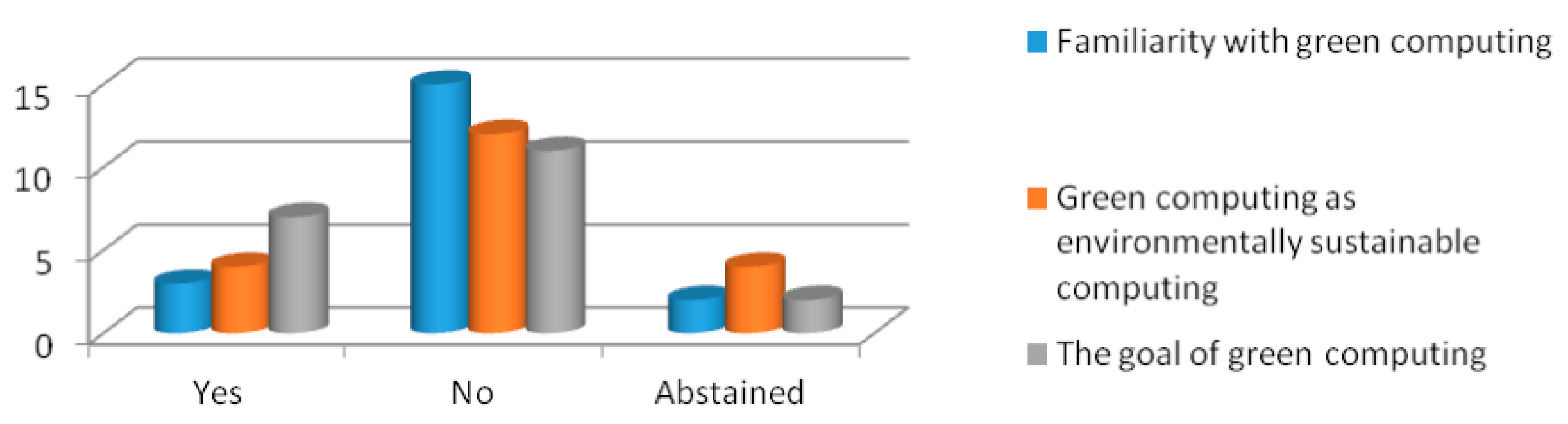
Figure 7 presents graphical view of respondents; responses.
Figure 7. Graphical view of respondents’ responses.
From the above respondents’ responses, a whopping 75% of the ICT professionals surveyed indicated they had no knowledge of green computing, while a paltry 15% are in the affirmative and 10% refrained from answering. Using this as benchmark to measure the level of green computing awareness among the computer users in the African cyberspace, it is apparent that the continent is lagging behind in environmentally acceptable computing behaviours. Juxtaposing this with the continent’s predicted disturbing figures for climate change vulnerability and environmental risk, there is clearly a problem to address as environmental destruction now results in the decimation of livelihoods, economic insecurity and humanitarian crisis. Hence, this attempt to optimize green computing awareness even under uncertainties that are typical of an emerging socioeconomic system like Africa’s.

4.3. Evaluation Threats

There is the possibility that an expanded evaluation of the respective components of the e-Green system could unearth fresh perspectives. In any case, the people (Nigerians) that took part in the application test run and sample survey have the required experiential knowledge of the Nigerian cyberspace. They also practiced sufficiently with the e-Green system. Hence, they were in good stead to make objective assessment of the impact of the proposed solution on the green computing awareness campaign. As a result, we took their views seriously [37,38,39,40].
Also worthy of mention is the fact that only a select number of computer users where involved in the test run and sample survey, which in some sense has the potential to make the outcome less statistically significant [41,42]. Nonetheless, the sample survey outcome confirmed low-level green computing awareness in the Nigeria computing environment and underscored the need to upgrade efforts in this regard. Likewise, result of the prototype experiment clearly indicates that online real-time sharing of information on moderns steps to green computing could go a long way in achieving environmentally acceptable behaviours. At this juncture in the research project, this is a good result since the main objective is to have an impression of the degree of green computing awareness that can be created by the e-Green Computing system amid uncertainty characterizing the Nigerian socioeconomic terrain. So, in spite the constraint of using few evaluators, it is adequate to conclude that people are favourably disposed to the e-Green Computing system as a tool for promoting environmentally sustainable computing. It means that even in the face of socioeconomic uncertainties, optimizing green computing awareness via online real-time interactions is a reality. We can thus generalize that applying metaheuristic algorithm to the quest for optimal green computing education can enhance environmental sustainability and economic security in Sub-Saharan Africa.

5. Conclusions

The rapid growth of Africa’s computing community means a cohesive programme of managing solid e-waste, carbon emission, and conserving energy for other developmental purposes is required. This will ensure that Africa’s contribution to global warming and environmental degradation [3] is mitigated. It will also put the continent on the path of sustainable development [7]. Governmental regulation apart, there is need for self-discipline and ecologically friendly disposition to the environment [17] by computer users, and this can be achieved via proper green computing education and awareness campaigns. This study identified various ways national green computing campaigns can be carried out in Africa’s socio-cultural context. The researchers considered that despite the emerging nature of African economies and associated stochastic behaviours, optimizing green computing awareness is a possibility though with probable outcomes. We applied metaheuristic algorithm to the stochastic optimization problem to search for the best-known green computing awareness creation solution. Our experiment with Tabu Search indicated that an online real-time dialogue platform will serve the purpose best. Hence, we designed, developed and implemented an e-Green Computing system that proved effective. Component-based software engineering approach was used for reusability of modules across African countries adapting the solution [43].

Acknowledgments

Thanks to the authorities of the University of Lagos, Nigeria for availing the platform for doing this research study. Support also came from Covenant University Centre for Research and Innovation Development, Ota, Nigeria; Kaunas University of Technology, Kaunas, Lithuania; and University of Alcala, Spain.

Author Contributions

Emmanuel Okewu, Sanjay Misra and Luis Fernandez-Sanz conceived and designed the experiments; Emmanuel Okewu performed the experiments; Emmanuel Okewu, Sanjay Misra, Robertas Damaševičius, Rytis Maskeliūnas and Luis Fernandez-Sanz analyzed the data; Emmanuel Okewu and Sanjay Misra wrote the paper.

Conflicts of Interest

The authors declare no conflicts of interest.

References

  1. Michałowski, A. System aspects research of ecosystem services in the economy for sustainable development. Probl. Sustain. Dev. 2014, 9, 71–80. [Google Scholar]
  2. Ravikumar, V.; Chandrakumarmangalam, S. Impoverishment—The Threat for Sustainable Developments in Developing Countries. Probl. Sustain. Dev. 2016, 11, 105–112. [Google Scholar]
  3. Sztumski, W. Sustainable development—Unbalanced devastation of the environment and its consequences. Probl. Sustain. Dev. 2014, 9, 89–96. [Google Scholar]
  4. Kundzewicz, Z.W.; Kowalczak, P. Urban Flooding and Sustainable Land Management—Polish Perspective. Probl. Sustain. Dev. 2014, 9, 131–138. [Google Scholar]
  5. Zareba, A. Multifunctional and Multiscale Aspects of Green Infrastructure in Contemporary Research. Probl. Sustain. Dev. 2014, 9, 149–156. [Google Scholar]
  6. Murugesan, S. Harnessing Green IT: Principles and Practices. IEEE IT Prof. 2008, 10, 24–33. [Google Scholar] [CrossRef]
  7. Liu, H. Biofuel’s Sustainable Development under the Trilemma of Energy, Environment and Economy. Probl. Sustain. Dev. 2015, 10, 55–59. [Google Scholar]
  8. Kośmicki, E.; Pieńkowski, D. Renewable Energy and Socio-Economic Development in the European Union. Probl. Sustain. Dev. 2013, 8, 105–114. [Google Scholar]
  9. Hoeller, P.; Wallin, M. Energy Prices, Taxes and Carbon Dioxide Emissions; OECD Economic Studies No. 17, Autumn 1991; OECD: Paris, France, 2010; p. 92. [Google Scholar]
  10. The National Academies. Understanding and Responding to Climate Change; U.S. National Academy of Sciences: Washington, DC, USA, 2008. [Google Scholar]
  11. Venckauskas, A.; Stuikys, V.; Damasevicius, R.; Jusas, N. Modelling of Internet of Things units for estimating security-energy-performance relationships for quality of service and environment awareness. Secur. Commun. Netw. 2016, 9, 3324–3339. [Google Scholar] [CrossRef]
  12. Okewu, E.; Misra, S.; Okewu, J. Model-Driven Engineering and Creative Arts Approach to Designing Climate Change Response System for Rural Africa: A Case Study of Adum-Aiona Community in Nigeria. Probl. Sustain. Dev. 2017, 12, 101–116. [Google Scholar]
  13. Therese, K.; Albert, J. Stochastic Finite Automata: A Mathematical Model for Sequential Decision Making under Uncertainty. Int. J. Appl. Math. Model. 2014, 2, 1–14. [Google Scholar]
  14. Therese, K.; Albert, J. Stochastic Regular Language: A Mathematical Model for the Language of Sequential Actions for Decision Making under Uncertainty. Int. J. Math. Comput. Appl. Res. 2013, 3, 1–8. [Google Scholar]
  15. Silberholz, J.; Golden, B. Comparison of Metaheuristics; Springer Int’l Publishing: Cham, Switzerland, 2010. [Google Scholar]
  16. Glover, F. Tabu Search—Part 2. ORSA J. Comput. 1990, 2, 4–32. [Google Scholar] [CrossRef]
  17. Ciszek, M. Environmental ethics from a Thomistic-personalistic perspective (implications for the sustainable development concept). Probl. Sustain. Dev. 2014, 9, 97–106. [Google Scholar]
  18. Skowron, S.; Szymoniuk, B. Marketing and Sustainable Development. Probl. Sustain. Dev. 2014, 9, 39–46. [Google Scholar]
  19. Crespo, B.; Míguez-Álvarez, C.; Arce, M.E.; Cuevas, M.; Míguez, J.L. The Sustainable Development Goals: An Experience on Higher Education. Sustainability 2017, 9, 1353. [Google Scholar] [CrossRef]
  20. Gawor, L. Walery Goetel and the Idea of Sozology. Probl. Sustain. Dev. 2013, 8, 83–89. [Google Scholar]
  21. Kośmicki, E.; Pieńkowski, D. In Search of the Present Economy and Society Modernisation Concept (An Attempt to Explain the Main Problems). Probl. Sustain. Dev. 2013, 8, 115–123. [Google Scholar]
  22. Hack, S.; Berg, C. The Potential of IT for Corporate Sustainability. Sustainability 2014, 6, 4163–4180. [Google Scholar] [CrossRef]
  23. Moelders, T.; Szumelda, A.; Winterfeld, U.V. Sufficiency and subsistence—On two important concepts for sustainable development. Probl. Sustain. Dev. 2014, 9, 21–27. [Google Scholar]
  24. Wolczek, P. The concept of corporate social responsibility and sustainable development. Probl. Sustain. Dev. 2014, 9, 157–166. [Google Scholar]
  25. Radu, L.-D. Determinants of Green ICT Adoption in Organizations: A Theoretical Perspective. Sustainability 2016, 8, 731. [Google Scholar] [CrossRef]
  26. Okewu, E. Requirements Engineering in an Emerging Market. In Proceedings of the 2015 International Conference on Computational Science and Its Applications (ICCSA 2015), Banff, AB, Canada, 22–25 June 2015; Springer Publishers: Cham, Switzerland, 2015. [Google Scholar]
  27. Saha, B. Green Computing. Int. J. Comput. Trends Technol. 2014, 14, 46–50. [Google Scholar] [CrossRef]
  28. Mittal, P.; Kaur, N. Green Computing—A Survey. Int. J. Comput. Trends Technol. 2013, 4, 839–845. [Google Scholar]
  29. Shinde, S.; Nalawade, S.; Nalawade, A. Green Computing: Go Green and Save Energy. Int. J. Adv. Res. Comput. Sci. Softw. Eng. 2013, 3, 1033–1037. [Google Scholar]
  30. Investment Development Authority of Lebanon (IDAL). The ICT Market in Nigeria, 2015; IDAL: Beirut, Lebanon, 2015. [Google Scholar]
  31. Aggarwal, K.K.; Singh, Y. Software Engineering; New Age International Publishers: Delhi, India, 2008. [Google Scholar]
  32. Gorton, I. Essential Software Architecture, 2nd ed.; Springer: Berlin/Heidelberg, Germany, 2011. [Google Scholar]
  33. Pressman, R.S. Software Engineering: A Practitioner’s Approach, 7th ed.; McGraw-Hill: New York, NY, USA, 2009. [Google Scholar]
  34. Martin, R.C. UML Tutorial: Sequence Diagrams; Engineering Notebook Column; Springer Int’l Publishing: Cham, Switzerland, 1998. [Google Scholar]
  35. Sirohi, N.; Parashar, A. Component Based System and Testing Techniques. Int. J. Adv. Res. Comput. Sci. Softw. Eng. 2013, 2, 33–42. [Google Scholar]
  36. Beydeda, S.; Gruhn, V. An Integrated Testing Technique for Component-Based Software. In Proceedings of the ACS/IEEE International Conference on Computer Systems and Applications, Beirut, Lebanon, 25–29 June 2001; pp. 328–334. [Google Scholar]
  37. Host, M.; Regnell, B.; Wohlin, C. Using students as subjects—A comparative study of students and professionals in lead-time impact assessment. Empir. Softw. Eng. Int. J. 2000, 5, 201–214. [Google Scholar] [CrossRef]
  38. Runeson, P. Using students as Experiment Subjects—An Analysis on Graduate and Freshmen Student Data. In Proceedings of the 7th International Conference on Empirical Assessment & Evaluation in Software Engineering (EASE’03), Keele University, Staffordshire, UK, 8–10 April 2013; Linkman, S., Ed.; pp. 95–102. [Google Scholar]
  39. Sauro, J.; Kindlund, E. A Method to Standardize Usability Metrics into a Single Score; ACM, CHI: New York, NY, USA, 2005. [Google Scholar]
  40. Svahnberg, M.; Aurum, A.; Wohlin, C. Using students as Subjects—An Empirical Evaluation. In Proceedings of the 2nd International Symposium on Empirical Software Engineering and Management ACM, Kaiserslautern, Germany, 9–10 October 2008; pp. 288–290. [Google Scholar]
  41. Nielsen, J.; Landauer, T. A mathematical model of the finding of usability problems. In Proceedings of the ACM INTERCHI’93 Conference, Amsterdam, The Netherlands, 24–29 April 1993; pp. 206–213. [Google Scholar]
  42. Turner, C.W.; Lewis, J.R.; Nielsen, J. Determining usability test sample size. In International Encyclopedia of Ergonomics and Human Factors; Karwowski, W., Ed.; CRC Press: Boca Raton, FL, USA, 2006; pp. 3084–3088. [Google Scholar]
  43. Okewu, E.; Daramola, O. Component-based Software Engineering Approach to Development of a University e-Administration System. In Proceedings of the IEEE 6th International Conference on Adaptive Science and Technology (ICAST), Ota, Nigeria, 29–31 October 2014. [Google Scholar]

Article Metrics

Citations

Article Access Statistics

Multiple requests from the same IP address are counted as one view.