Article

Efficient Detection of Forest Fire Smoke in UAV Aerial Imagery Based on an Improved Yolov5 Model and Transfer Learning


1
School of Automation, Nanjing University of Science and Technology, Nanjing 210094, China
2
Department of Computer Science and Software Engineering, Monmouth University, West Long Branch, NJ 07728, USA
*
Author to whom correspondence should be addressed.
Remote Sens. 2023, 15(23), 5527; https://doi.org/10.3390/rs15235527
Submission received: 3 September 2023 / Revised: 9 November 2023 / Accepted: 24 November 2023 / Published: 27 November 2023
(This article belongs to the Special Issue Novel Applications of UAV Imagery for Forest Science)

Abstract

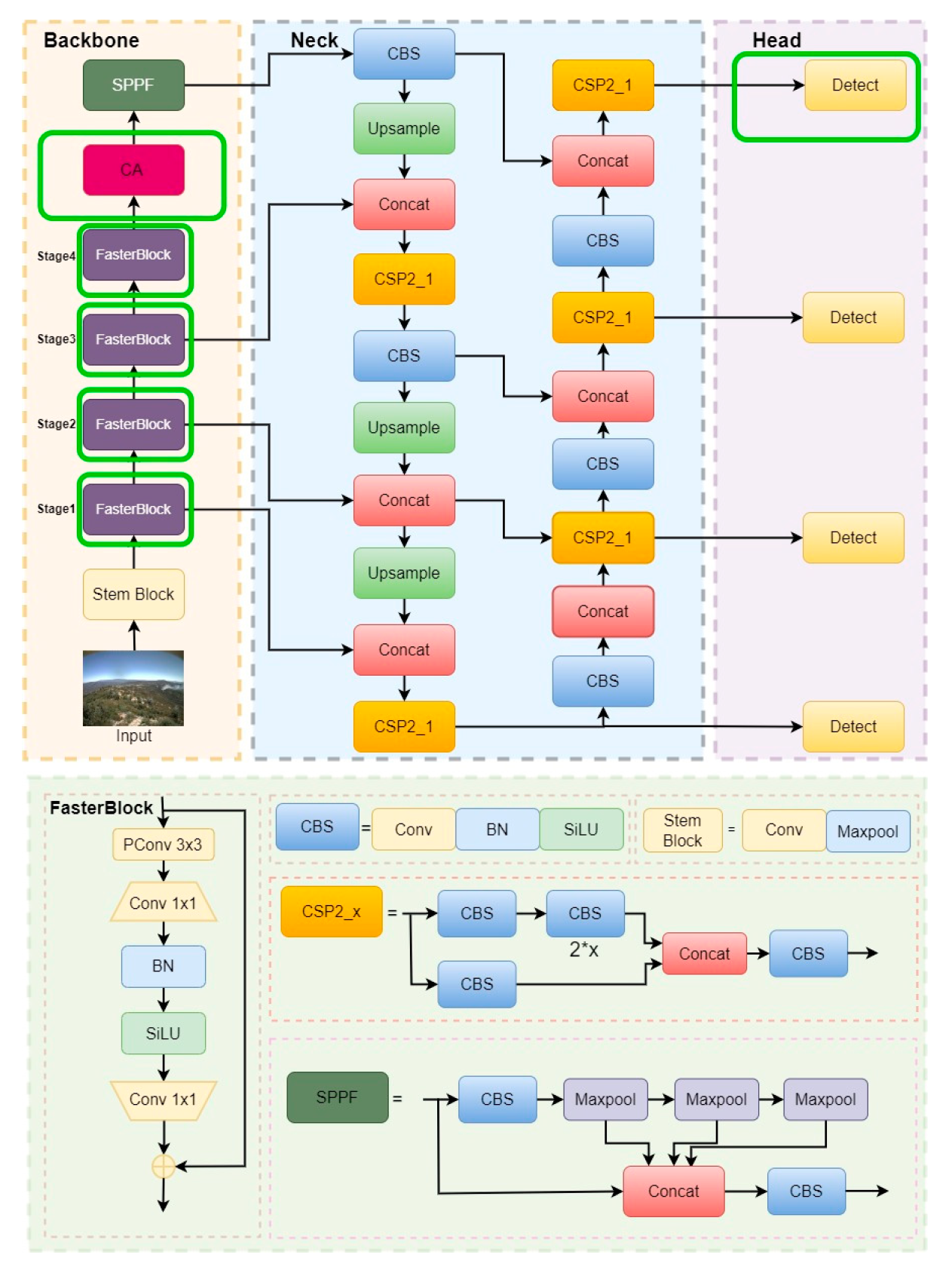
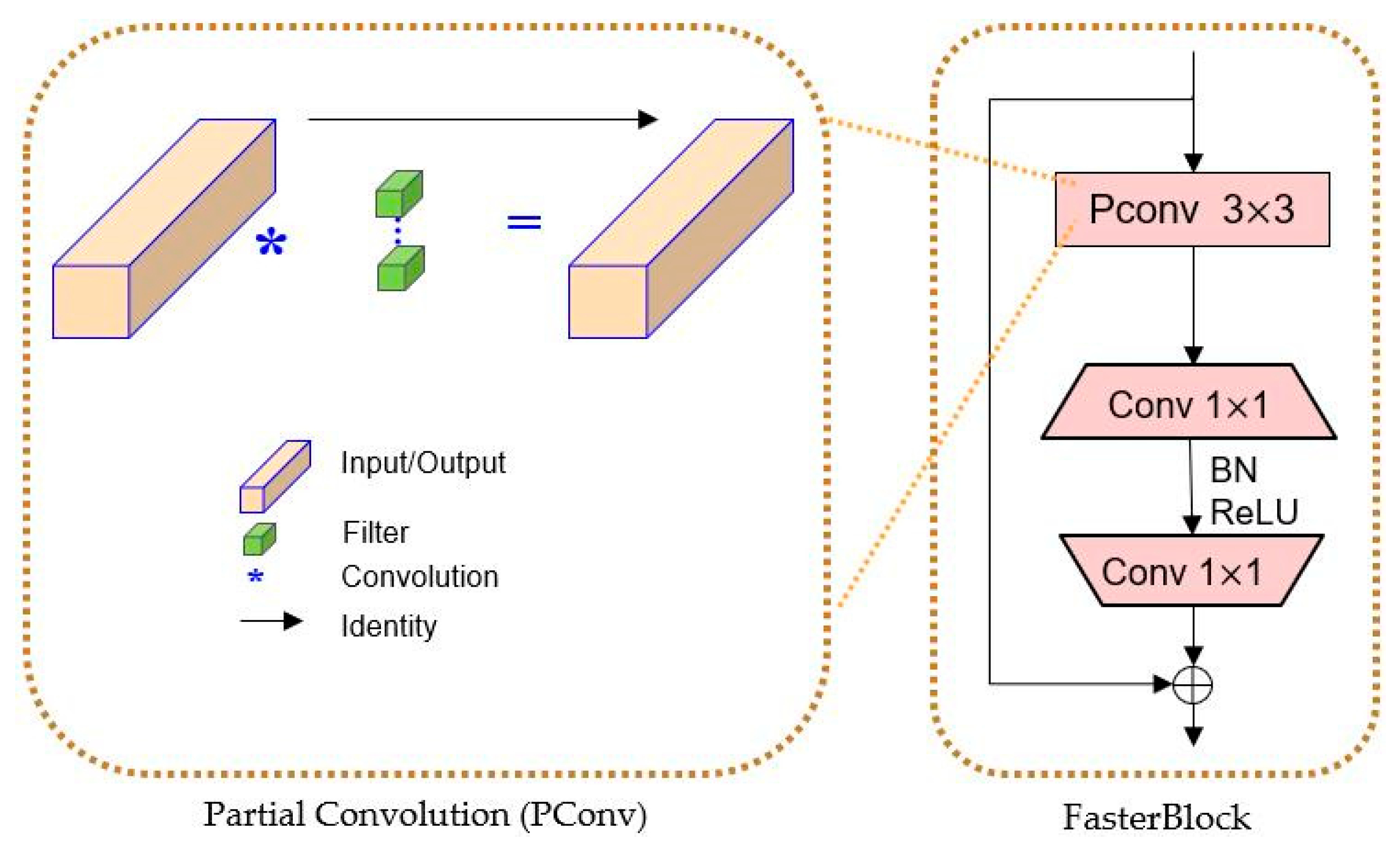
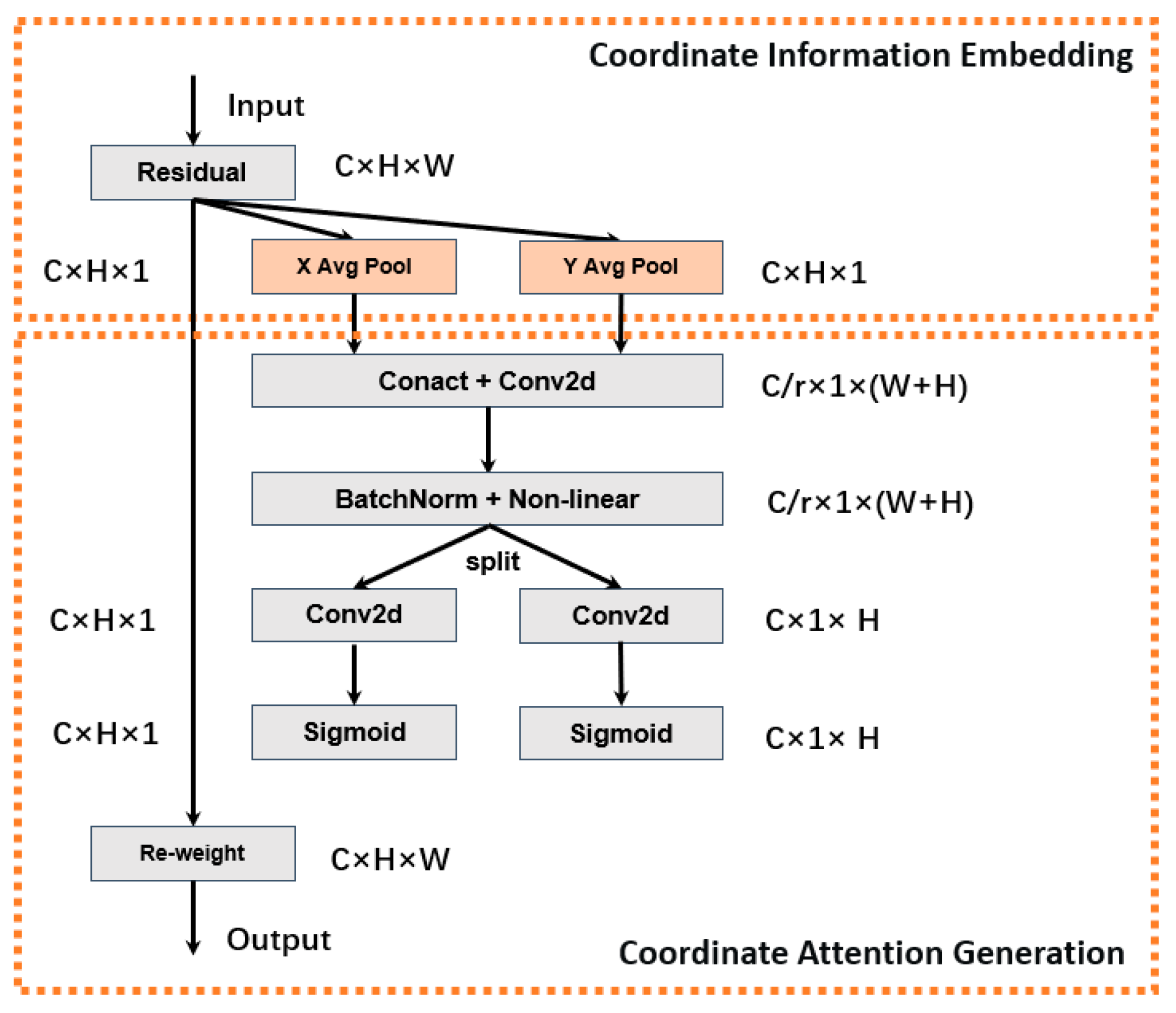
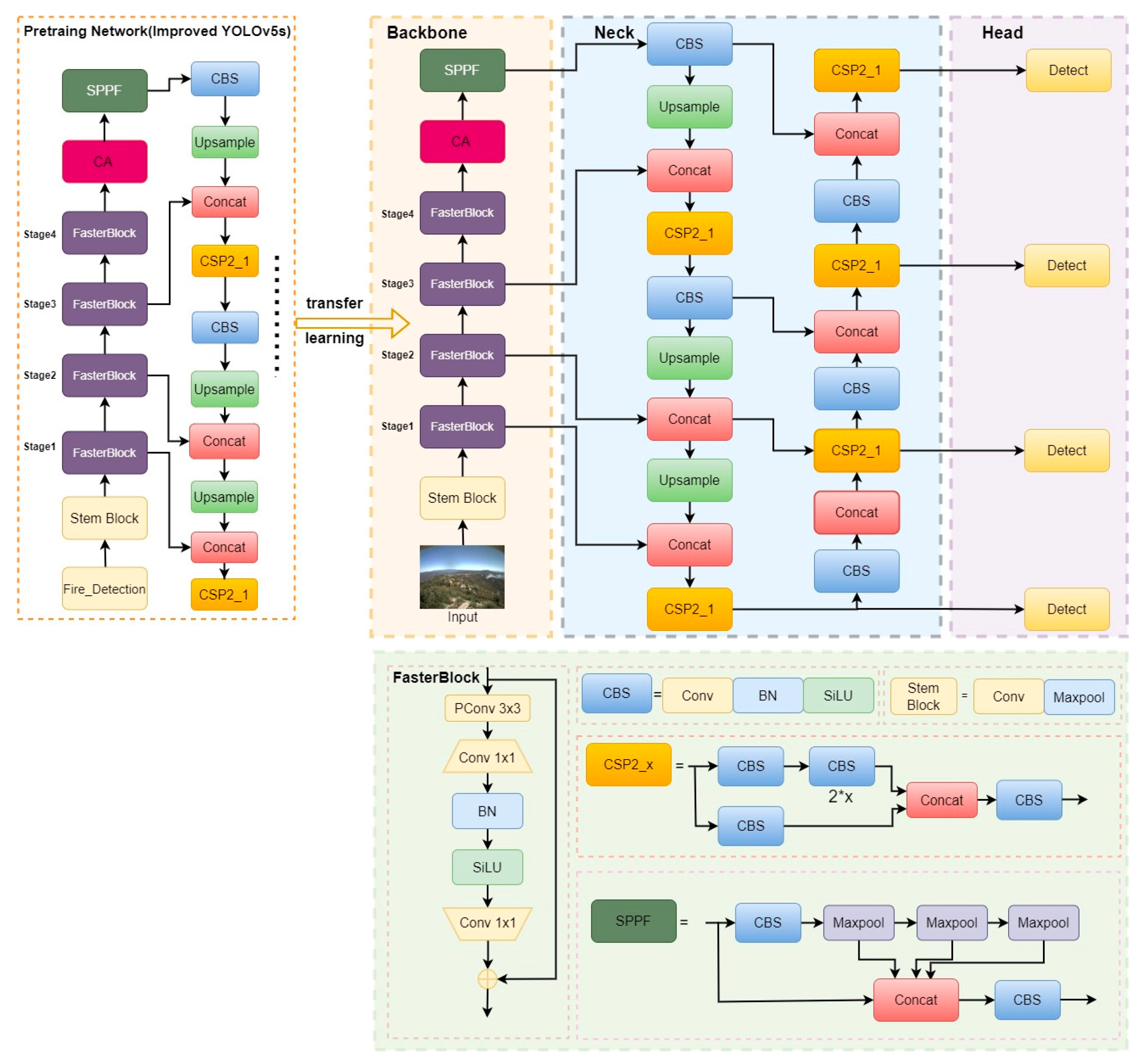
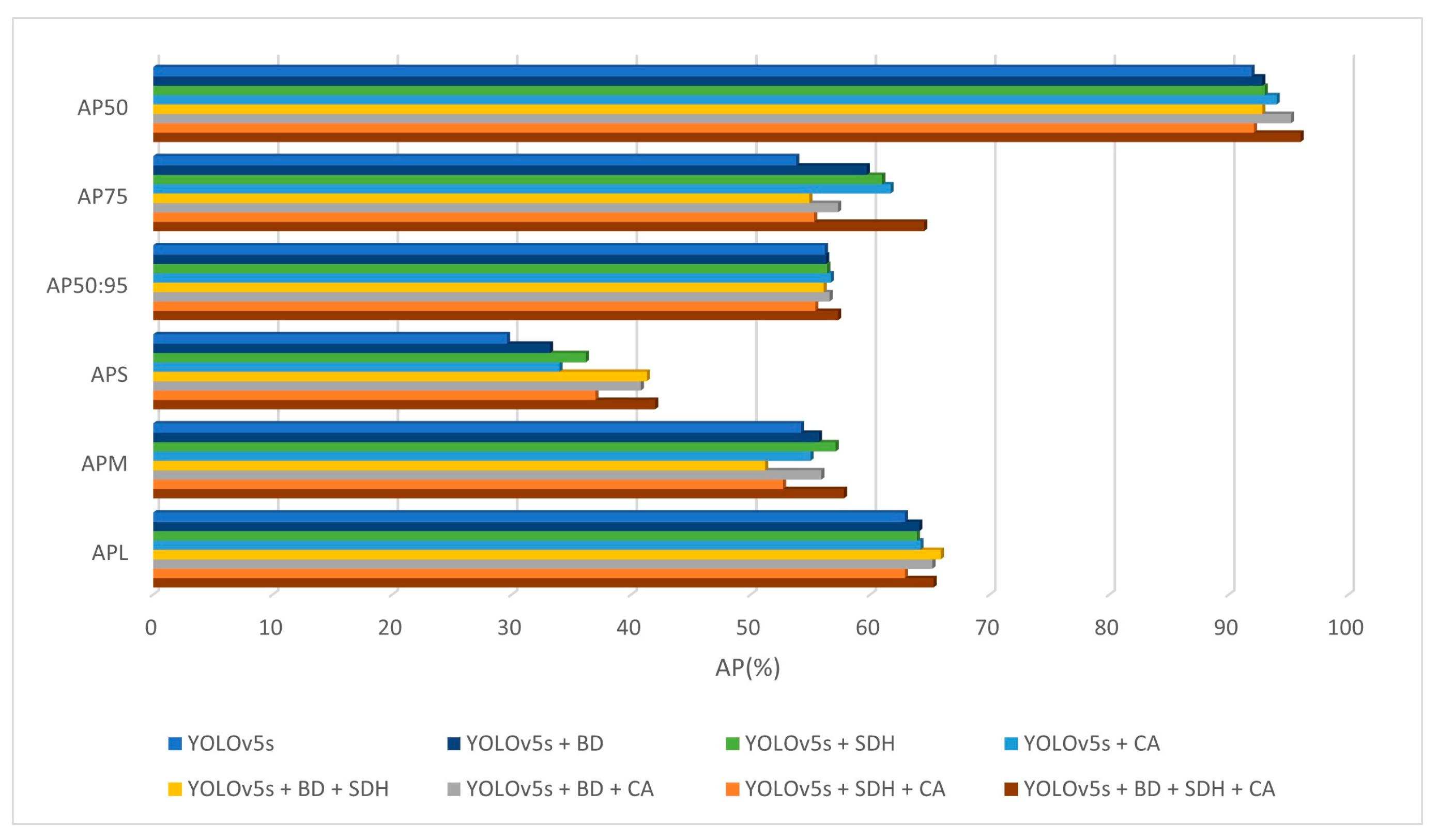
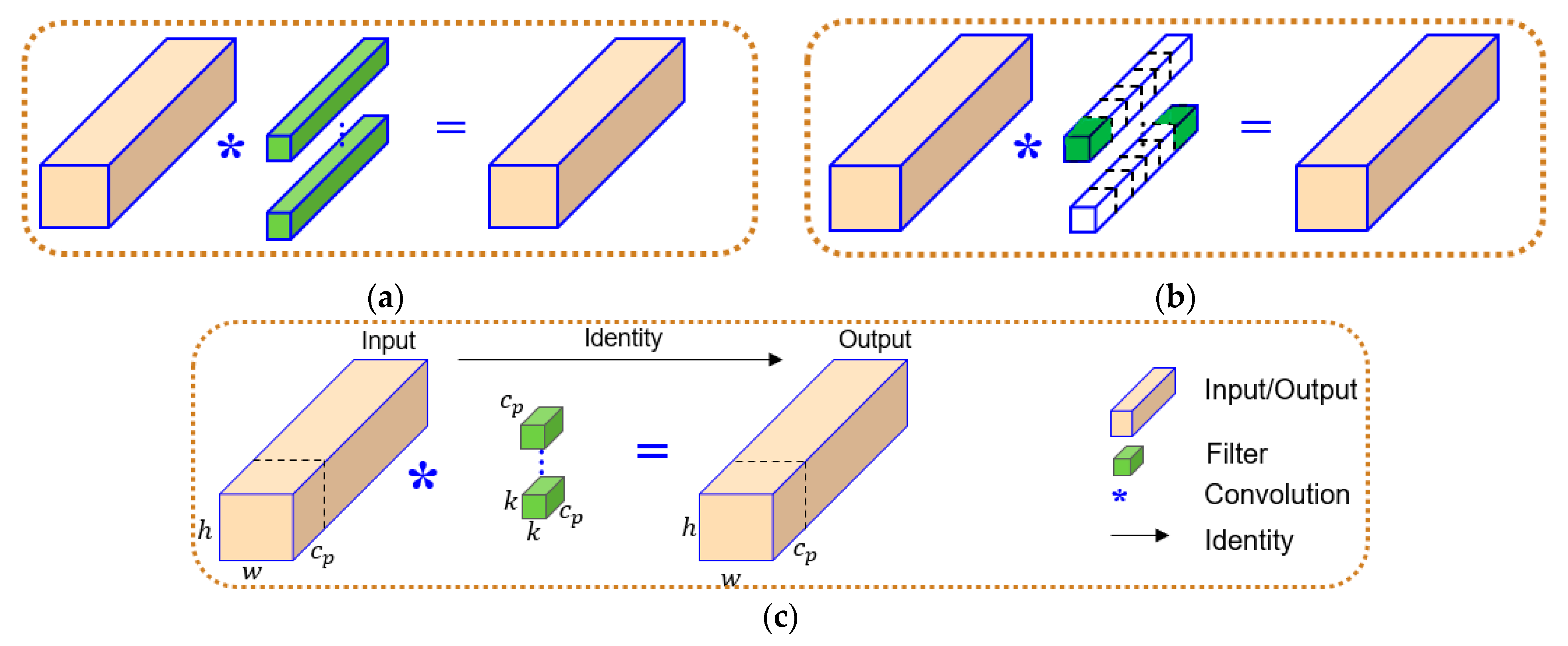
Forest fires pose severe challenges to forest management because of their unpredictability, extensive harm, broad impact, and rescue complexities. Early smoke detection is pivotal for prompt intervention and damage mitigation. Combining deep learning techniques with UAV imagery holds potential in advancing forest fire smoke recognition. However, issues arise when using UAV-derived images, especially in detecting miniature smoke patches, complicating effective feature discernment. Common deep learning approaches for forest fire detection also grapple with limitations due to sparse datasets. To counter these challenges, we introduce a refined UAV-centric forest fire smoke detection approach utilizing YOLOv5. We first enhance anchor box clustering through K-means++ to boost the classification precision and then augment the YOLOv5 architecture by integrating a novel partial convolution (PConv) to trim down model parameters and elevate processing speed. A unique detection head is also incorporated to the model to better detect diminutive smoke traces. A coordinate attention module is embedded within YOLOv5, enabling precise smoke target location and fine-grained feature extraction amidst complex settings. Given the scarcity of forest fire smoke datasets, we employ transfer learning for model training. The experimental results demonstrate that our proposed method achieves 96% AP50 and 57.3% AP50:95 on a customized dataset, outperforming other state-of-the-art one-stage object detectors while maintaining real-time performance.
Keywords: forest fire detection; smoke detection; UAV aerial imagery; YOLOv5; transfer learning; deep learning forest fire detection; smoke detection; UAV aerial imagery; YOLOv5; transfer learning; deep learning